Dead Actors Whose Career Choices Changed Hollywood

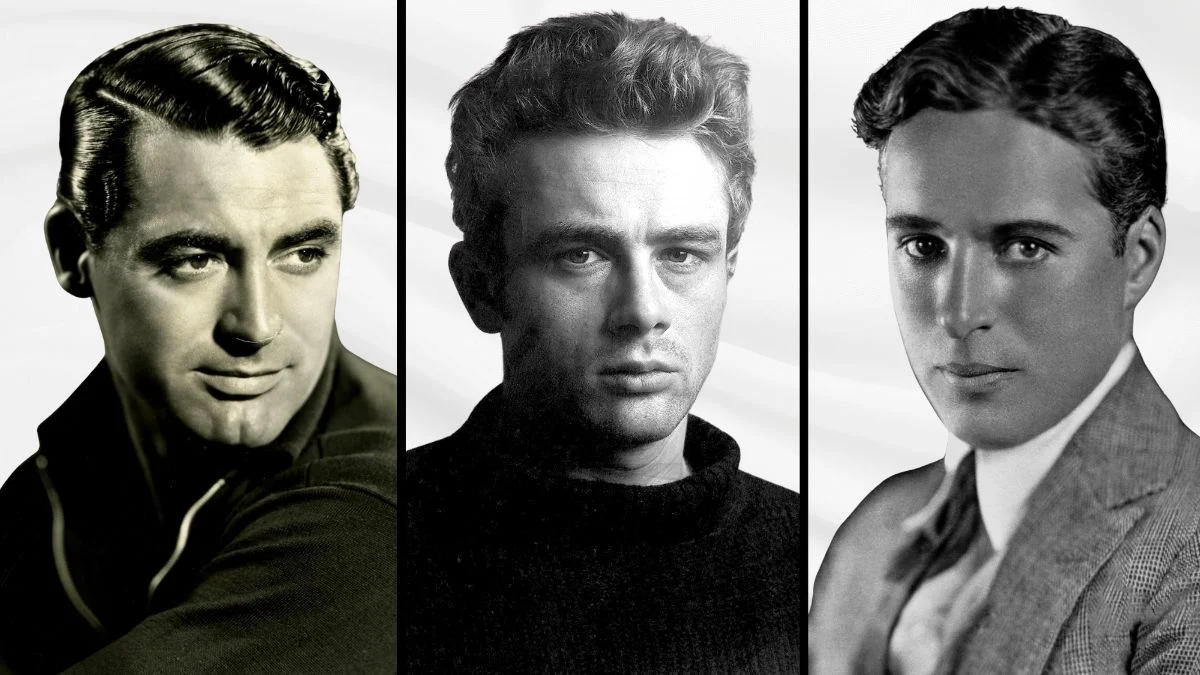

Hollywood history is paved by actors who took risks and defied conventions to reshape the entertainment landscape. These men made career decisions that altered the business of filmmaking or the art of acting itself. Their influence extends far beyond their filmographies and continues to shape the industry today. From revolutionary contract negotiations to groundbreaking acting techniques, their choices permanently transformed the movie world.
Charlie Chaplin
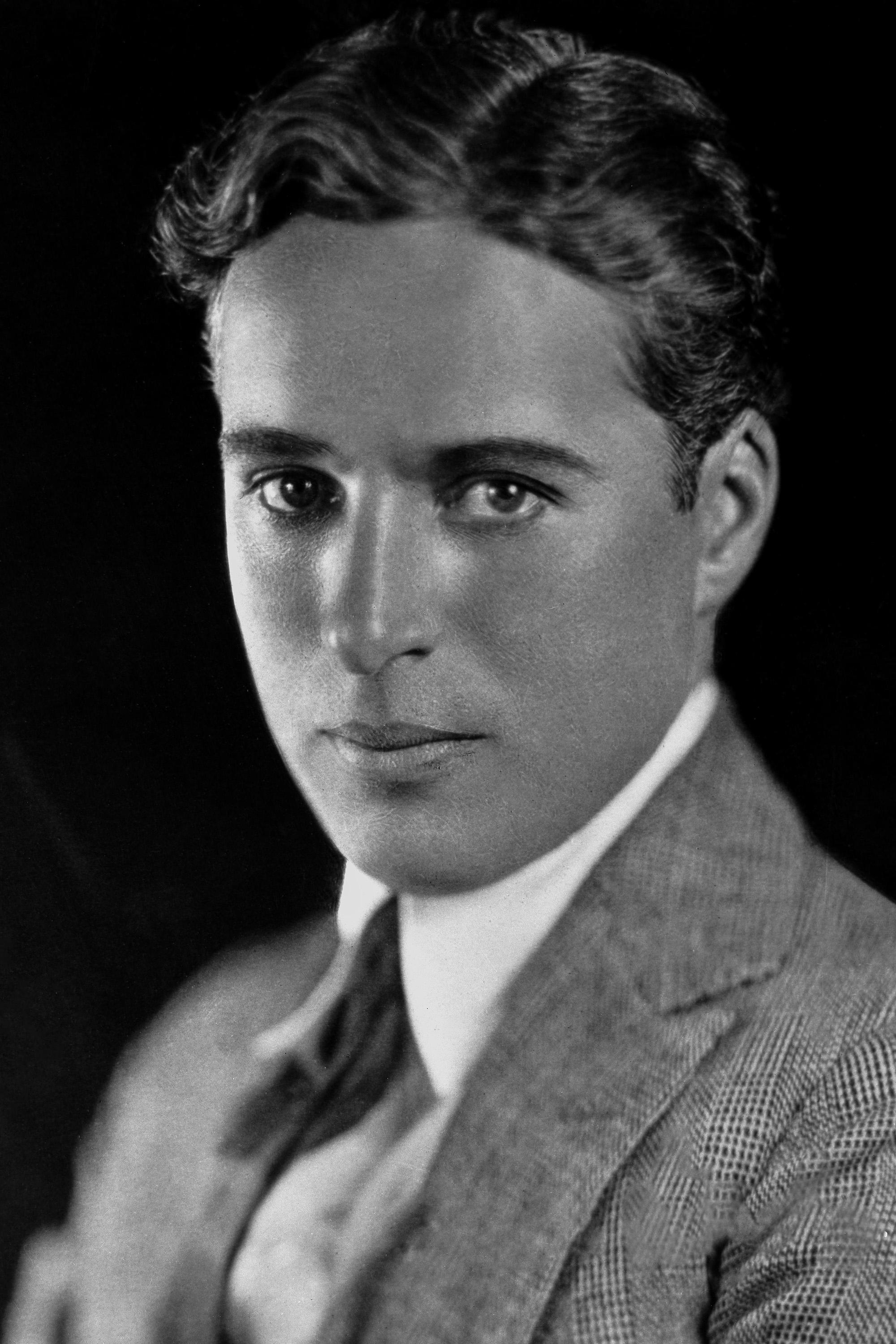
Chaplin co-founded United Artists to allow actors control over their own interests and distribution. This bold move shifted power away from the major studios and gave artists unprecedented creative freedom. He utilized this independence to produce masterpieces like ‘City Lights’ without studio interference. His decision laid the groundwork for future actor-producers to take ownership of their work. The studio remains a significant entity in Hollywood history because of his vision.
Marlon Brando
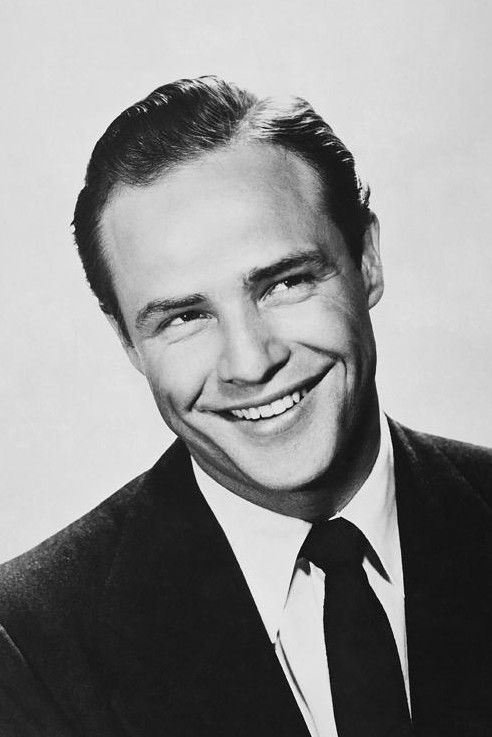
Brando popularized the Method acting technique with his raw performances in the 1950s. He rejected the polished and theatrical style that dominated Hollywood for decades prior. His work in ‘A Streetcar Named Desire’ introduced a new level of emotional realism and vulnerability to screen acting. Actors immediately began emulating his mumbling delivery and psychological intensity. This shift fundamentally changed how acting is taught and performed in American cinema.
James Stewart
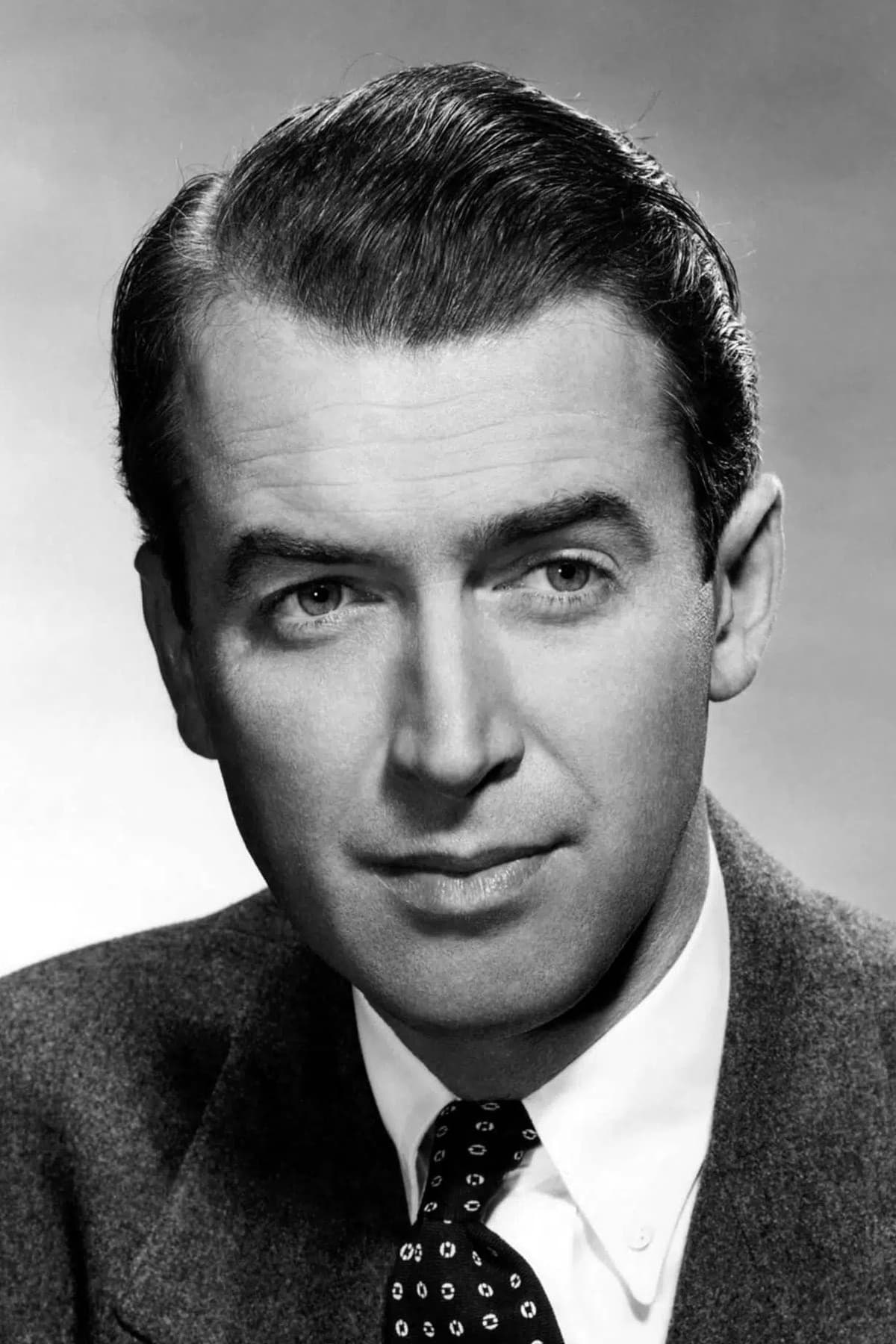
Stewart revolutionized actor compensation with his contract for the film ‘Winchester ’73’. He agreed to a lower upfront salary in exchange for a significant percentage of the film’s profits. This backend deal proved incredibly lucrative and changed how top stars negotiated their pay forever. It shifted the financial dynamic between talent and studios by making actors partners in production. Agents immediately began seeking similar participation points for their elite clients.
Sidney Poitier
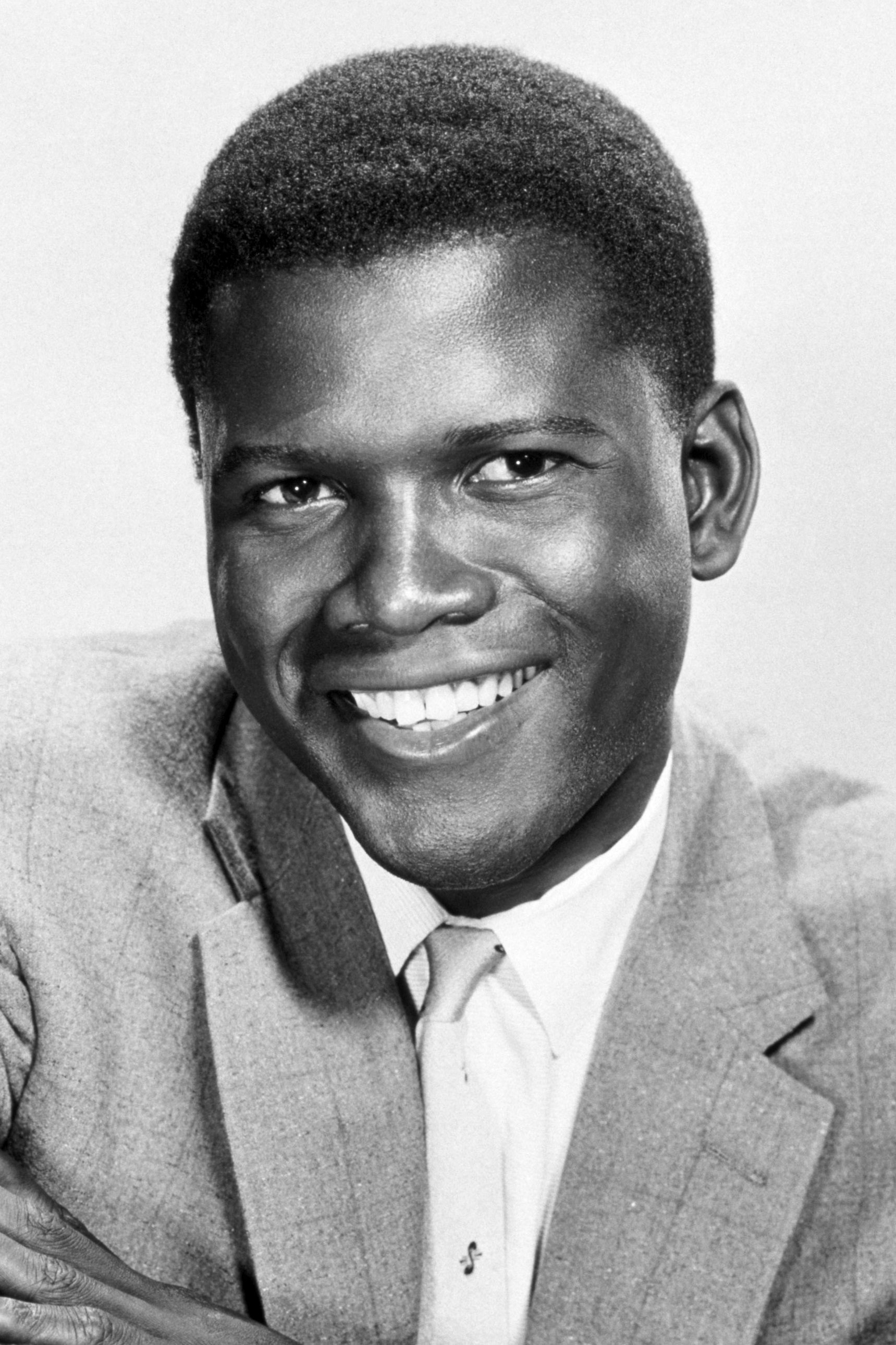
Poitier insisted on playing dignified characters who were integral to the plot and not subservient stereotypes. His career choices in films like ‘In the Heat of the Night’ broke racial barriers in commercial cinema. He became the first Black actor to win the Academy Award for Best Actor for ‘Lilies of the Field’. His refusal to compromise on his image forced Hollywood to reevaluate how it cast minority actors. He opened doors for generations of actors of color to claim leading roles.
Kirk Douglas
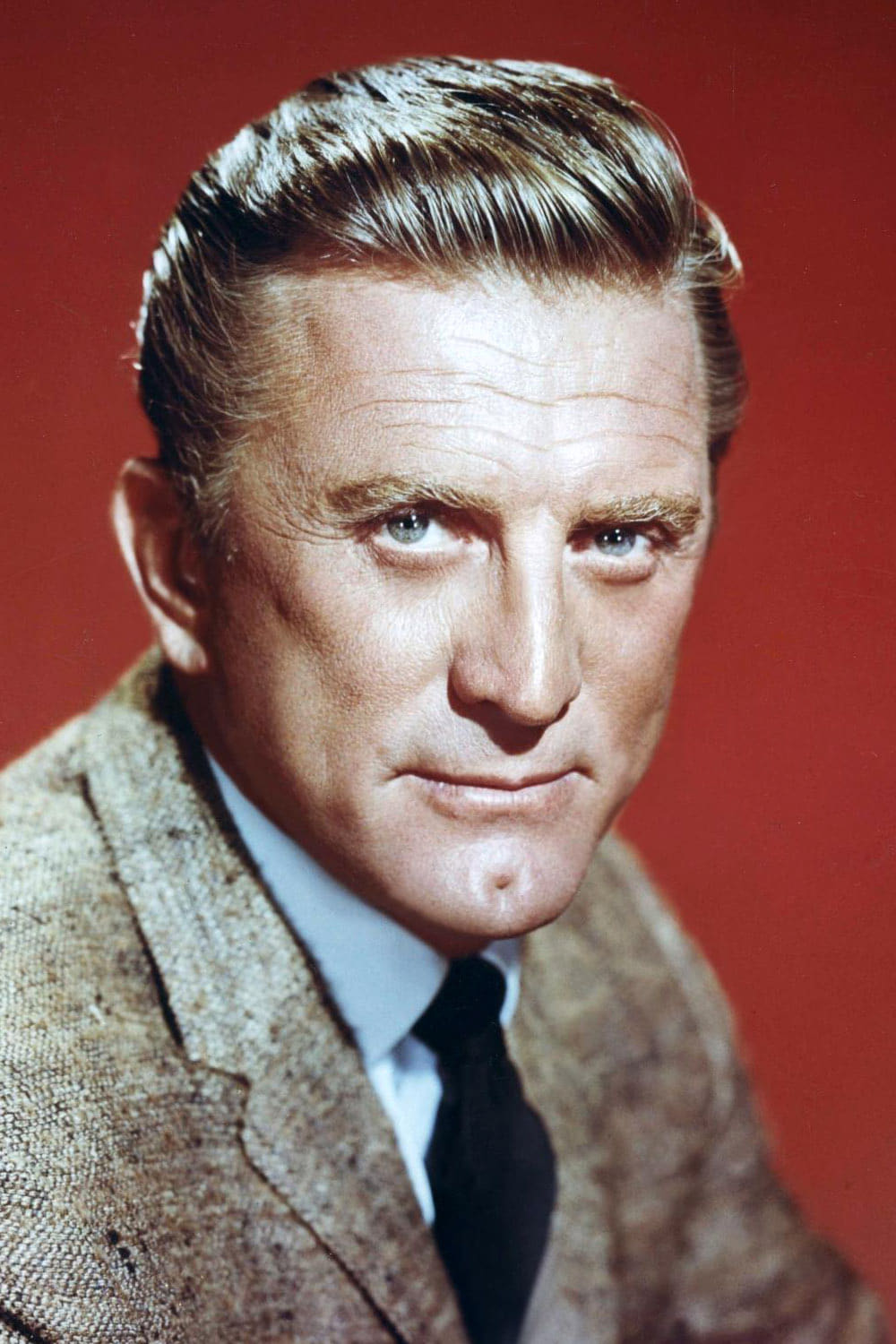
Douglas used his star power to effectively end the Hollywood Blacklist during the McCarthy era. He publicly credited blacklisted writer Dalton Trumbo for the screenplay of ‘Spartacus’ despite immense political pressure. This courageous act dismantled the system that had banned perceived communists from working in the industry. It restored careers to many writers and reinforced the power of talent over political fear. His defiance remains a high watermark for integrity in the entertainment business.
Desi Arnaz
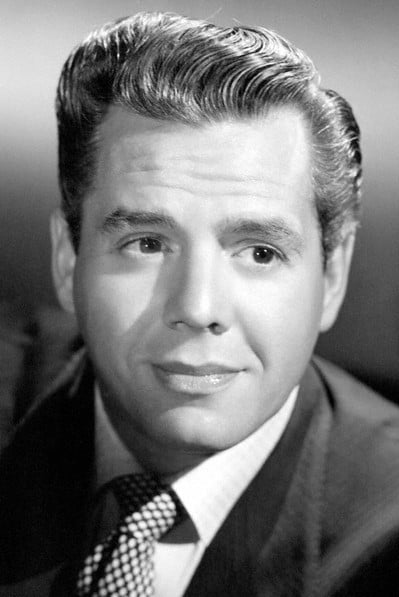
Arnaz fundamentally changed television production by pioneering the multi-camera setup for ‘I Love Lucy’. He insisted on filming the show on high-quality 35mm film rather than broadcasting it live. This decision allowed for the creation of high-quality reruns and the concept of syndication. His business acumen turned television production into a massive financial engine for Hollywood studios. The industry still uses the production methods he established decades ago.
Cary Grant
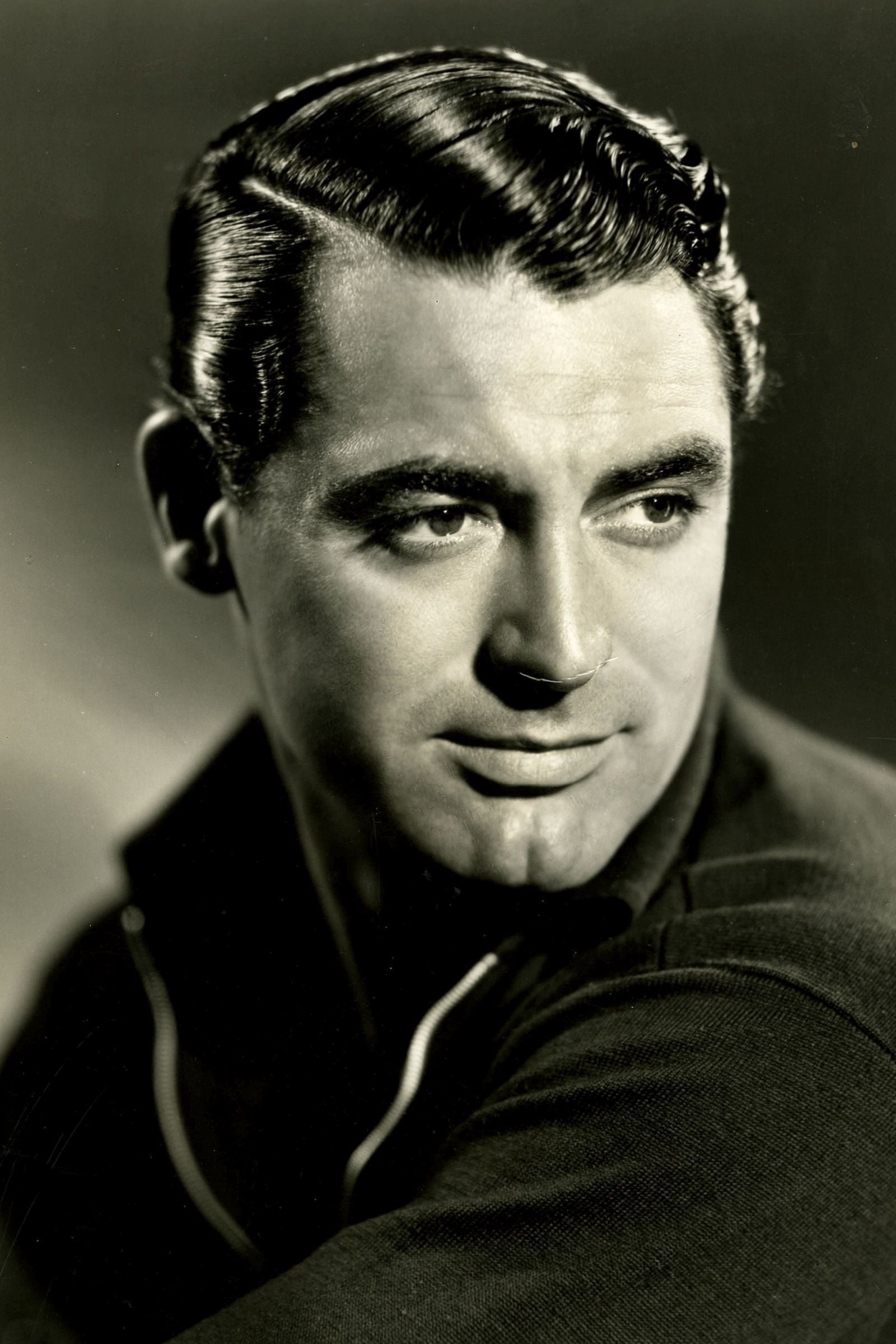
Grant was one of the first major stars to operate as a freelance agent without a long-term studio contract. He managed his own career and selected his own scripts at a time when studios owned actors. This independence allowed him to control his public image and financial destiny with unmatched precision. His success proved that a star could survive and thrive outside the rigid studio system. He set the precedent for the modern free-agent actor.
Humphrey Bogart
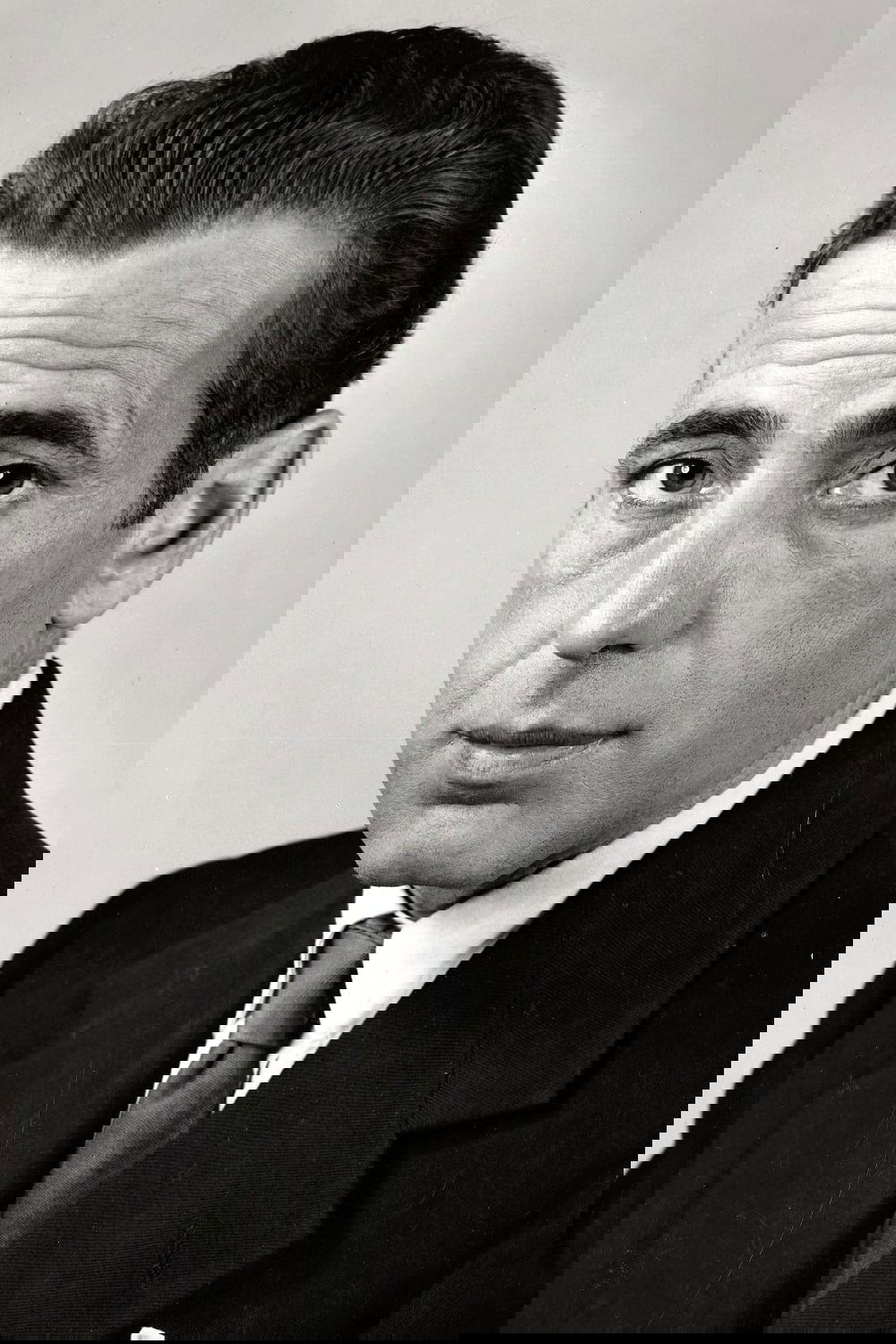
Bogart transitioned from supporting gangster roles to a romantic lead who defined the anti-hero archetype. His cynical yet moral characters in ‘Casablanca’ and ‘The Maltese Falcon’ introduced a grittier type of protagonist. This shift moved Hollywood away from the polished idealism of earlier leading men. He proved that an unconventional look and a weary demeanor could command box office success. His persona remains the template for the brooding tough guy.
Robin Williams
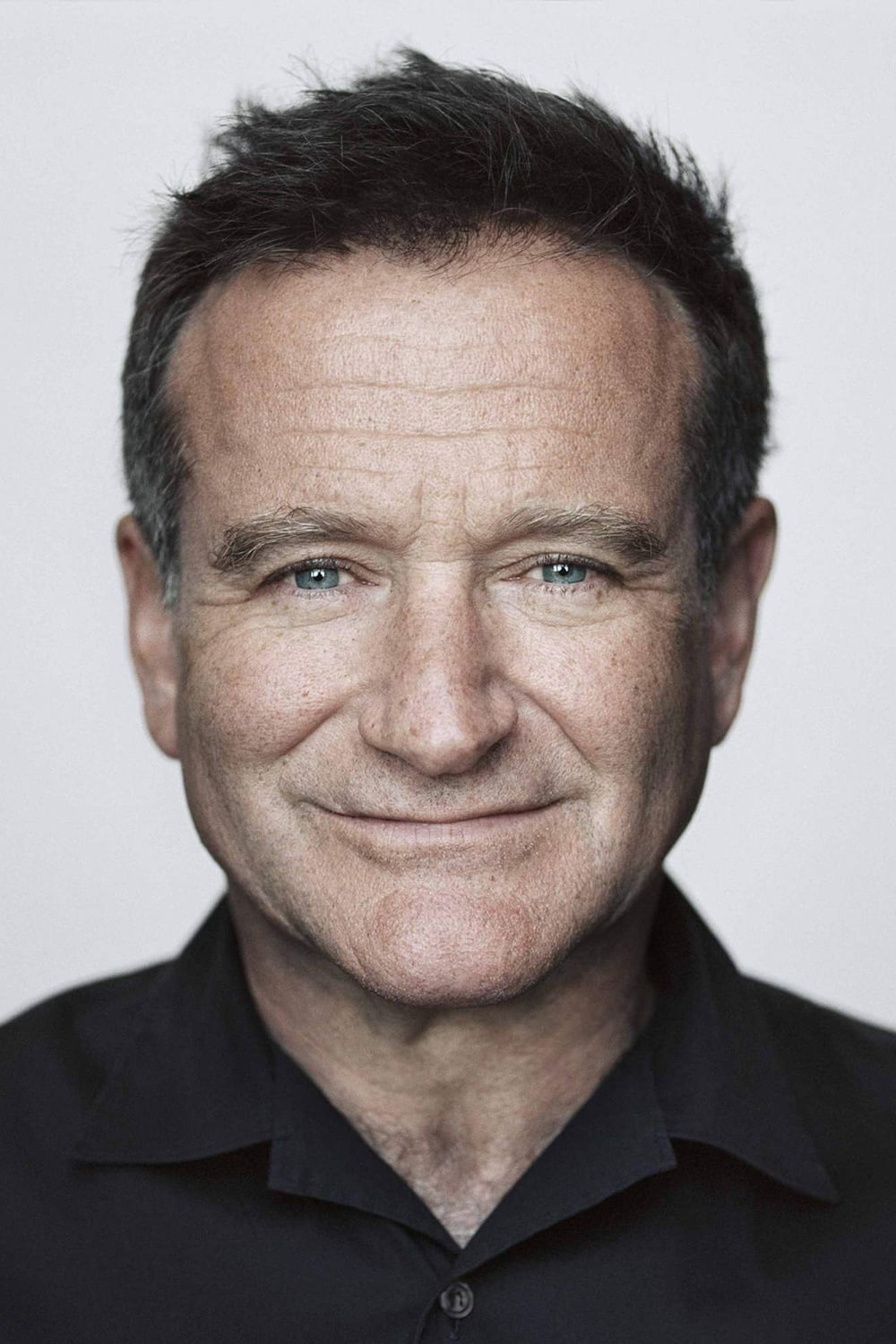
Williams changed the perception of voice acting with his explosive performance in ‘Aladdin’. His star power and improvisational skill proved that A-list actors could drive animated features. Studios realized that celebrity voice casts could be major marketing selling points for cartoons. This led to the current industry trend of casting famous screen actors over traditional voice artists. His work as the Genie is considered a pivotal moment in animation history.
James Dean
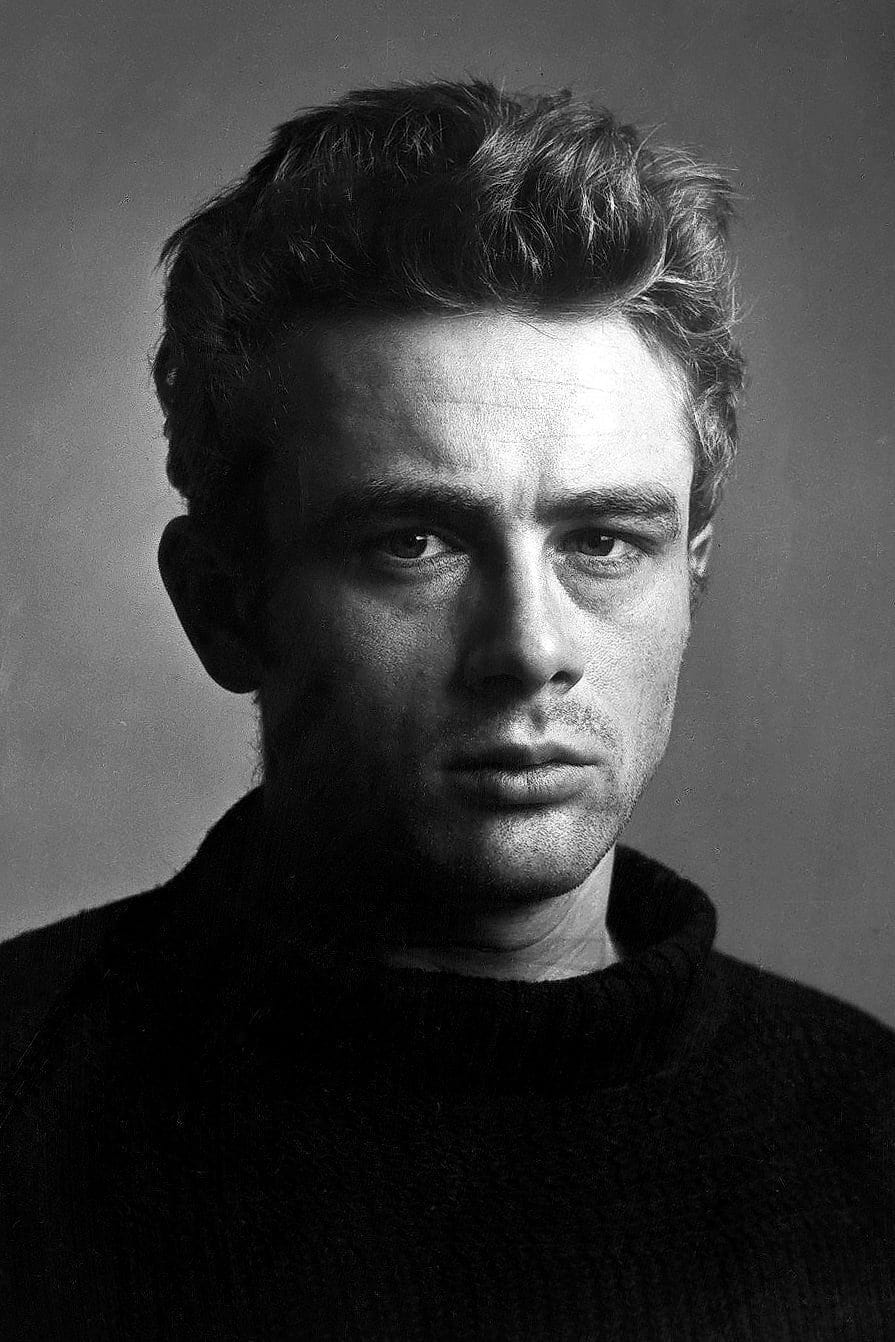
Dean captured the angst of post-war youth culture in a way no actor had done before. His performance in ‘Rebel Without a Cause’ gave a voice to a generation feeling alienated from their parents. He created the archetype of the misunderstood teenager that became a staple of American cinema. Although his career was tragically short, his style influenced every young actor who followed. He proved that vulnerability could be as powerful as traditional strength.
Jerry Lewis
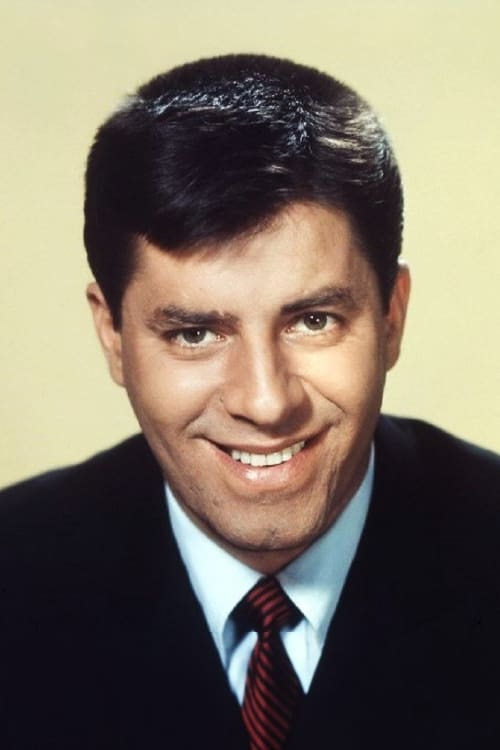
Lewis invented the video assist system while directing and acting in his own films. This technology allowed him to view a take immediately after filming it without waiting for film dailies. It drastically improved efficiency on set and eventually became a universal industry standard. Every modern film set now utilizes video monitors because of his technical innovation. His contribution to the mechanics of filmmaking is often overshadowed by his comedy.
Paul Newman
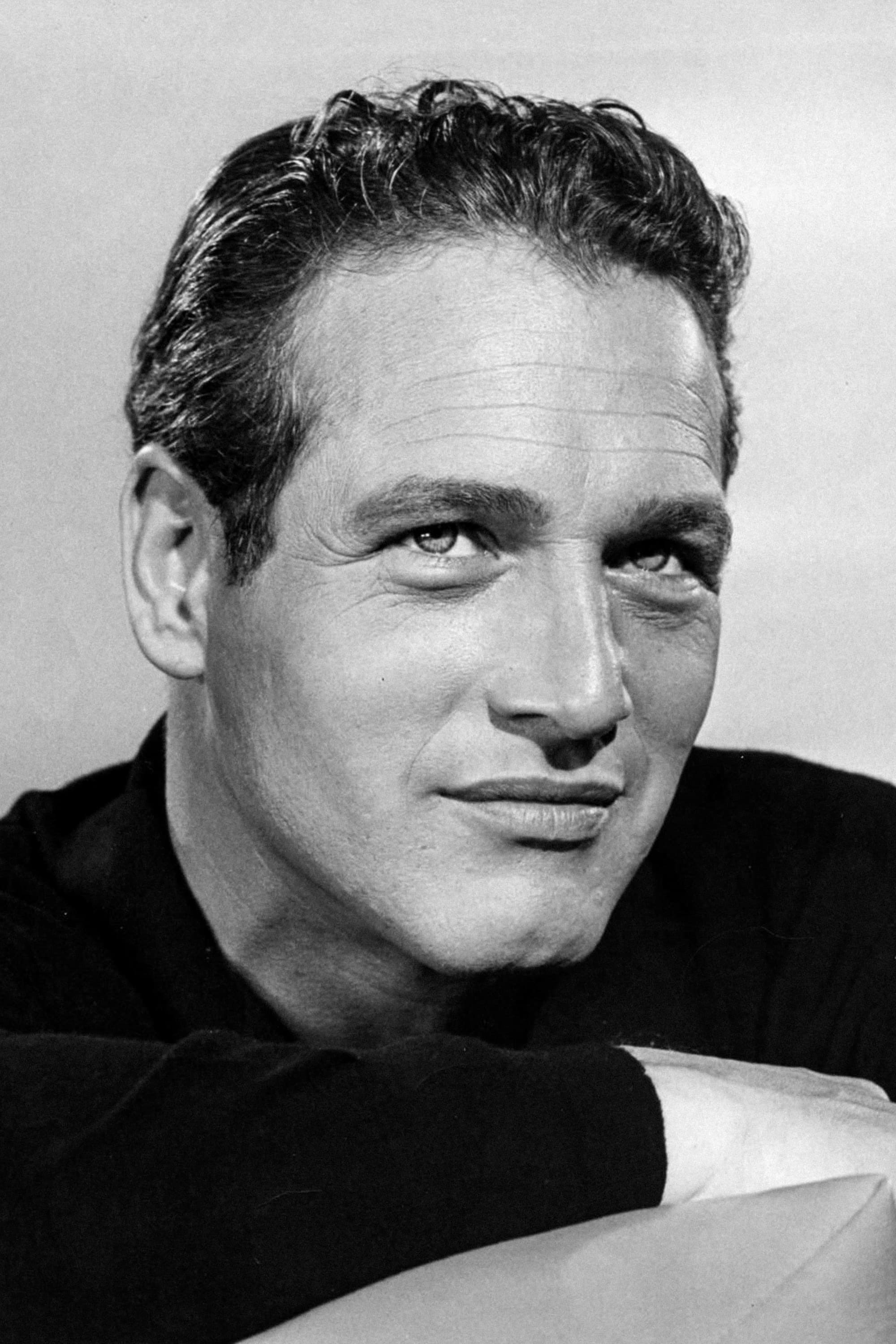
Newman successfully transitioned from a Method actor to a race car driver and philanthropist. He launched the “Newman’s Own” food line to donate all profits to charity. This business model created a new blueprint for celebrity activism and entrepreneurship. He proved that an actor could leverage their fame to create self-sustaining philanthropic enterprises. His legacy in charity rivals his incredible contributions to film.
John Cassavetes
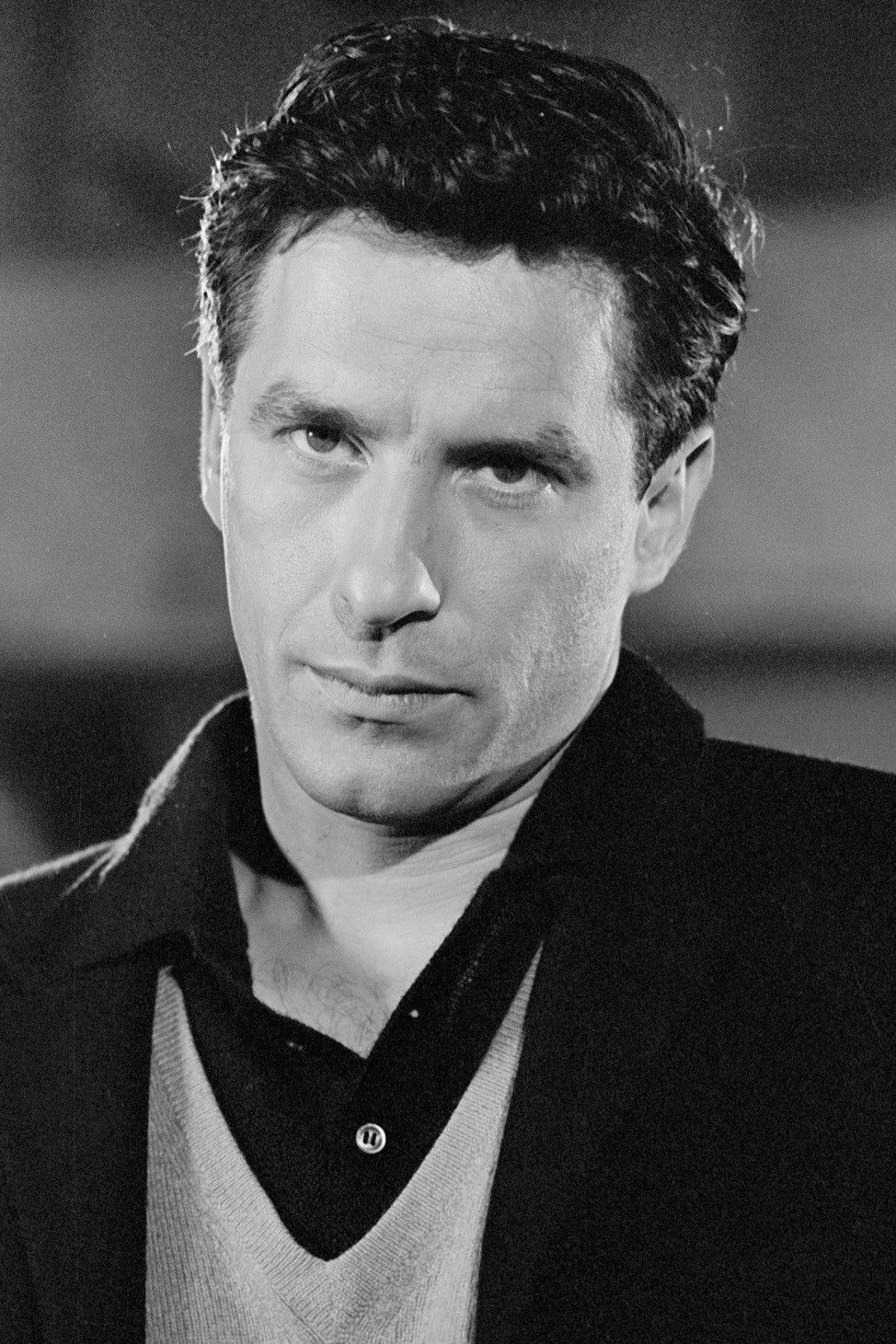
Cassavetes used his earnings from acting in mainstream films to finance his own independent projects. He wrote and directed movies like ‘Shadows’ that bypassed the studio system entirely. His approach is widely considered the birth of the American independent film movement. He showed that filmmakers could create personal art without studio permission or distribution guarantees. His career path inspired thousands of indie filmmakers to self-finance their work.
Bruce Lee
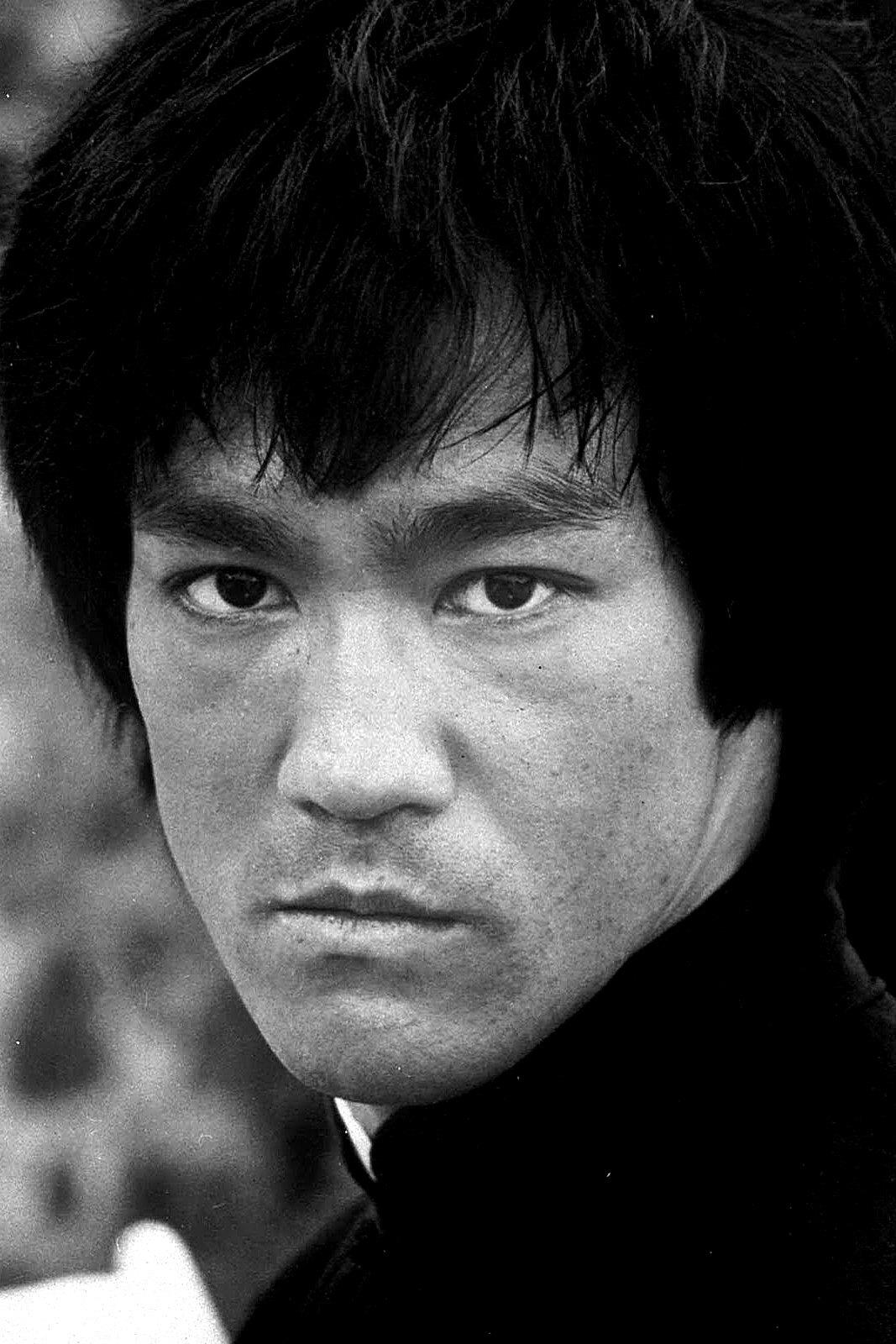
Lee shattered Asian stereotypes in Hollywood by presenting himself as a powerful and charismatic lead. He introduced legitimate martial arts to Western cinema and sparked a global obsession with the genre. His choreography and philosophy changed how action scenes were filmed and edited. He paved the way for martial artists to become genuine movie stars in America. His impact on action cinema remains unmatched decades after his death.
Heath Ledger
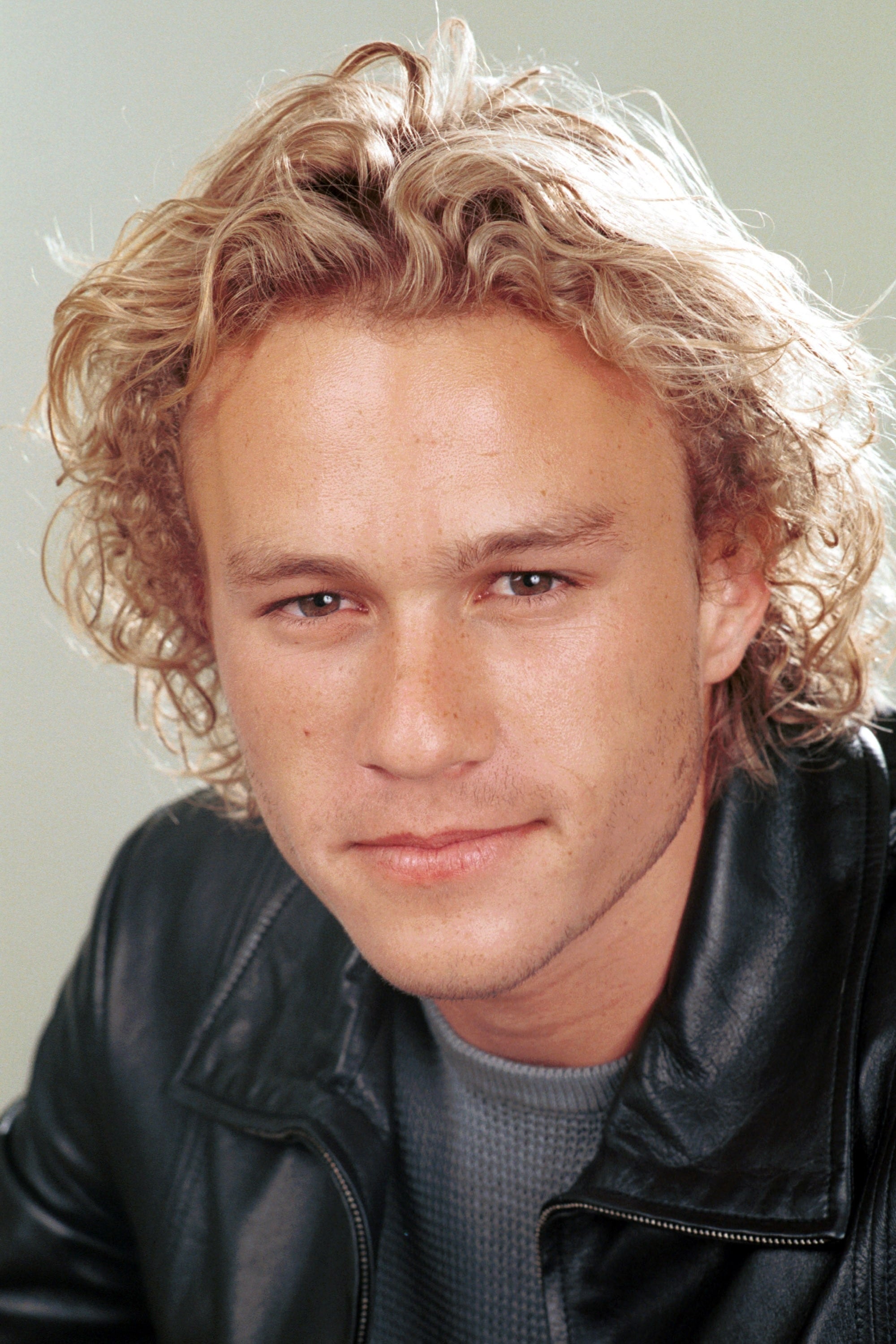
Ledger redefined the potential of comic book movie performances with his role in ‘The Dark Knight’. He approached the character of the Joker with the same seriousness as a prestige drama role. His posthumous Oscar win legitimized superhero films in the eyes of the Academy and critics. Studios began demanding higher caliber acting in blockbuster franchises following his success. He proved that genre films could host award-worthy acting.
Douglas Fairbanks
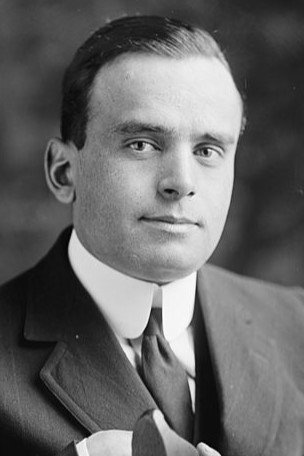
Fairbanks was a founding member of United Artists alongside Chaplin and others. He defined the swashbuckling action star archetype that dominated the silent era. His physical approach to acting established the importance of stunt work and set pieces in blockbusters. He was also instrumental in establishing the Motion Picture Academy. His influence is built into the very infrastructure of Hollywood.
Alec Guinness
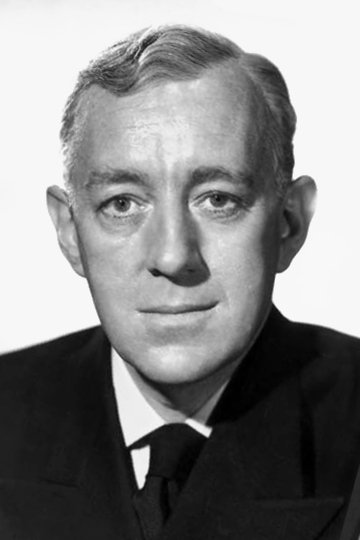
Guinness negotiated a deal for ‘Star Wars’ that gave him a percentage of the gross royalties. This decision made him incredibly wealthy and highlighted the value of backend points on franchises. It served as a lesson to veteran actors about the potential of merchandising and licensing. His contract became legendary in the industry for its foresight regarding blockbusters. He proved that even skepticism about a project could yield massive financial rewards.
Bing Crosby
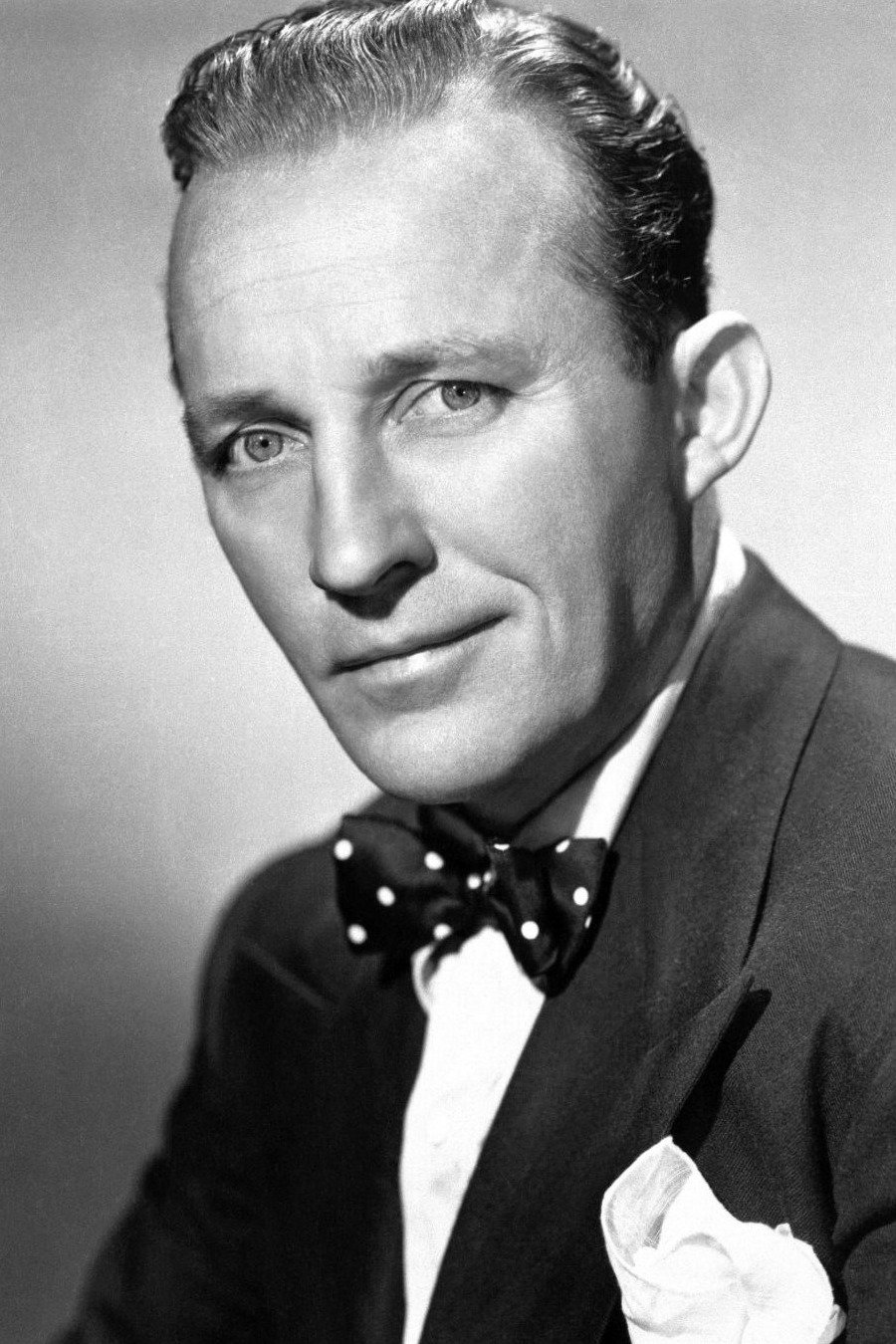
Crosby used his influence to invest in the development of magnetic tape recording technology. He wanted to pre-record his radio shows rather than perform them live across different time zones. This investment revolutionized audio recording for radio, music, and eventually television. His push for better technology changed the entire broadcast industry infrastructure. He was a multimedia pioneer whose technical contributions were monumental.
Burt Lancaster
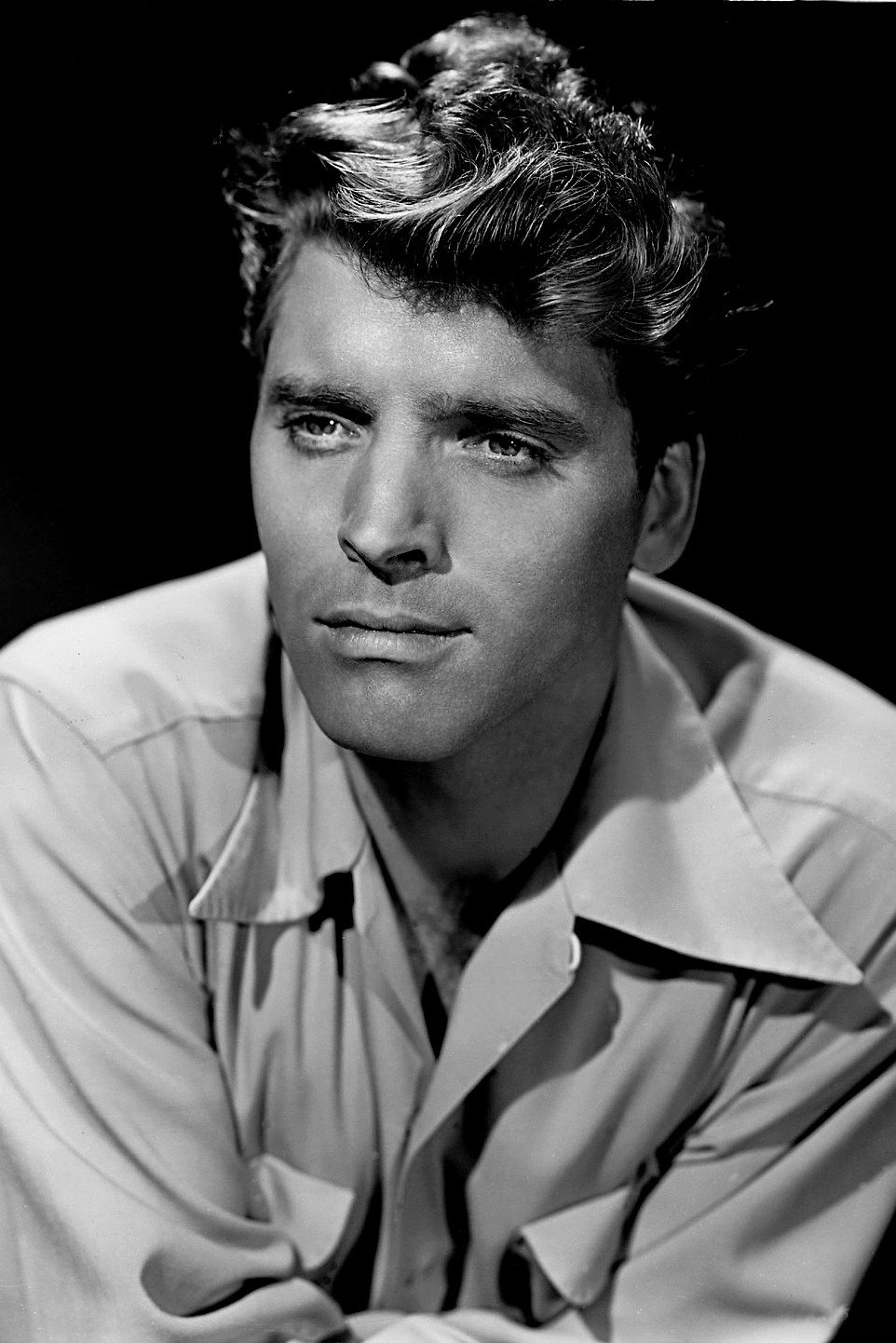
Lancaster was one of the first actors to launch his own successful production company. He leveraged his physical strength from his circus background to perform his own stunts. This combination of business control and physical capability gave him a unique career longevity. He alternated between commercial hits and risky art-house projects throughout his life. He demonstrated how an actor could maintain artistic integrity while running a business.
Gregory Peck

Peck used his position as Academy President to modernize the institution and its voting body. He actively fought for liberal causes and took roles that reflected his moral convictions. His performance in ‘To Kill a Mockingbird’ became a symbol of integrity in cinema. He championed the National Endowment for the Arts and protected film preservation. He viewed his celebrity as a tool for civic responsibility.
Steve McQueen
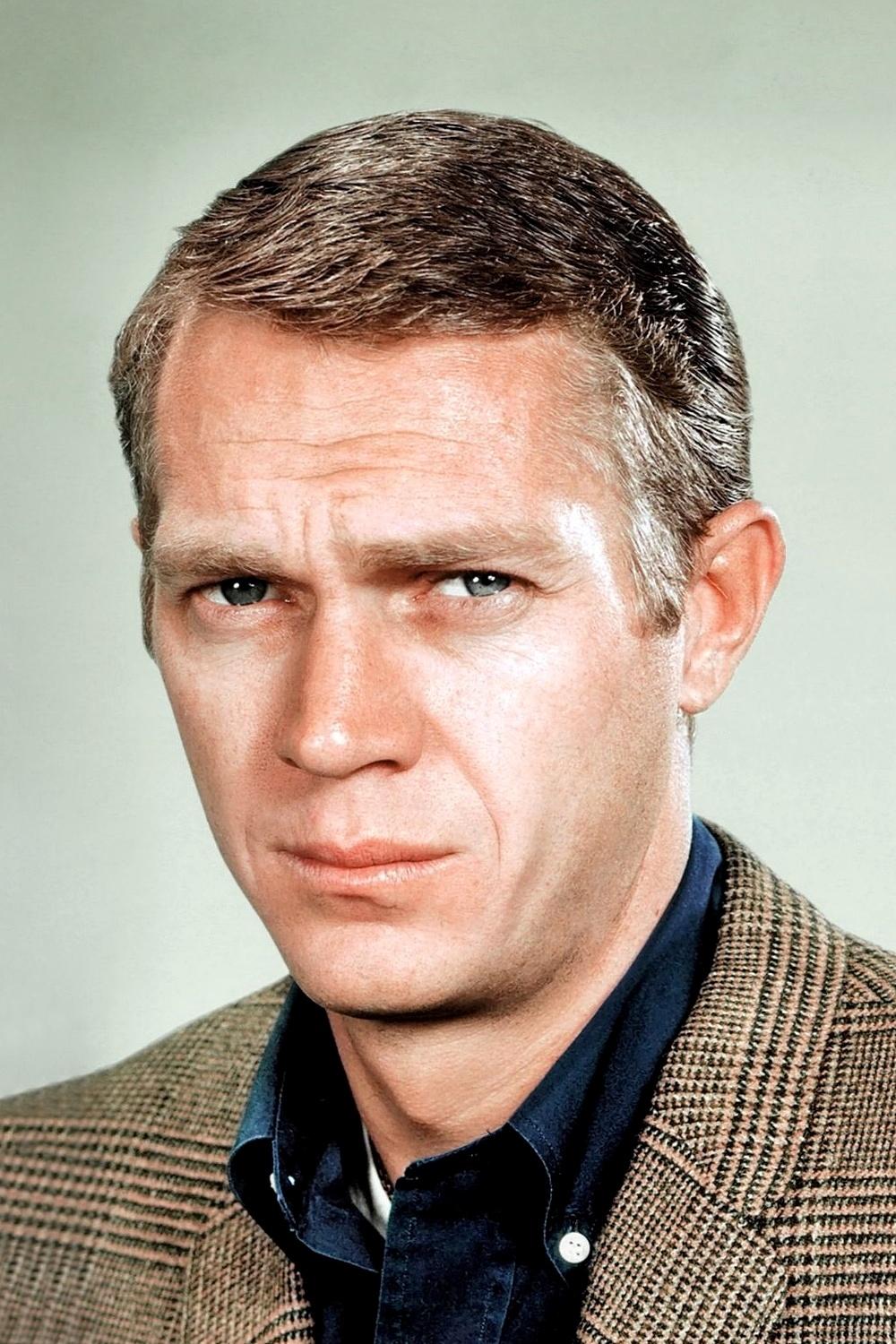
McQueen minimized dialogue in favor of physical action and stoic expressions. He demanded to do his own driving and stunts whenever the insurance companies allowed it. This approach cemented the image of the cool and silent action hero. His style influenced the direction of action cinema toward realism and away from melodrama. He understood that motion was often more cinematic than speech.
Montgomery Clift

Clift introduced a raw and neurotic vulnerability to the leading man role before Brando or Dean. His refusal to sign long-term studio contracts kept him out of the traditional Hollywood machine. He chose roles that were complex and often dark rather than purely heroic. His acting style bridged the gap between the Golden Age and the Method era. He showed that male weakness could be compelling on screen.
John Wayne
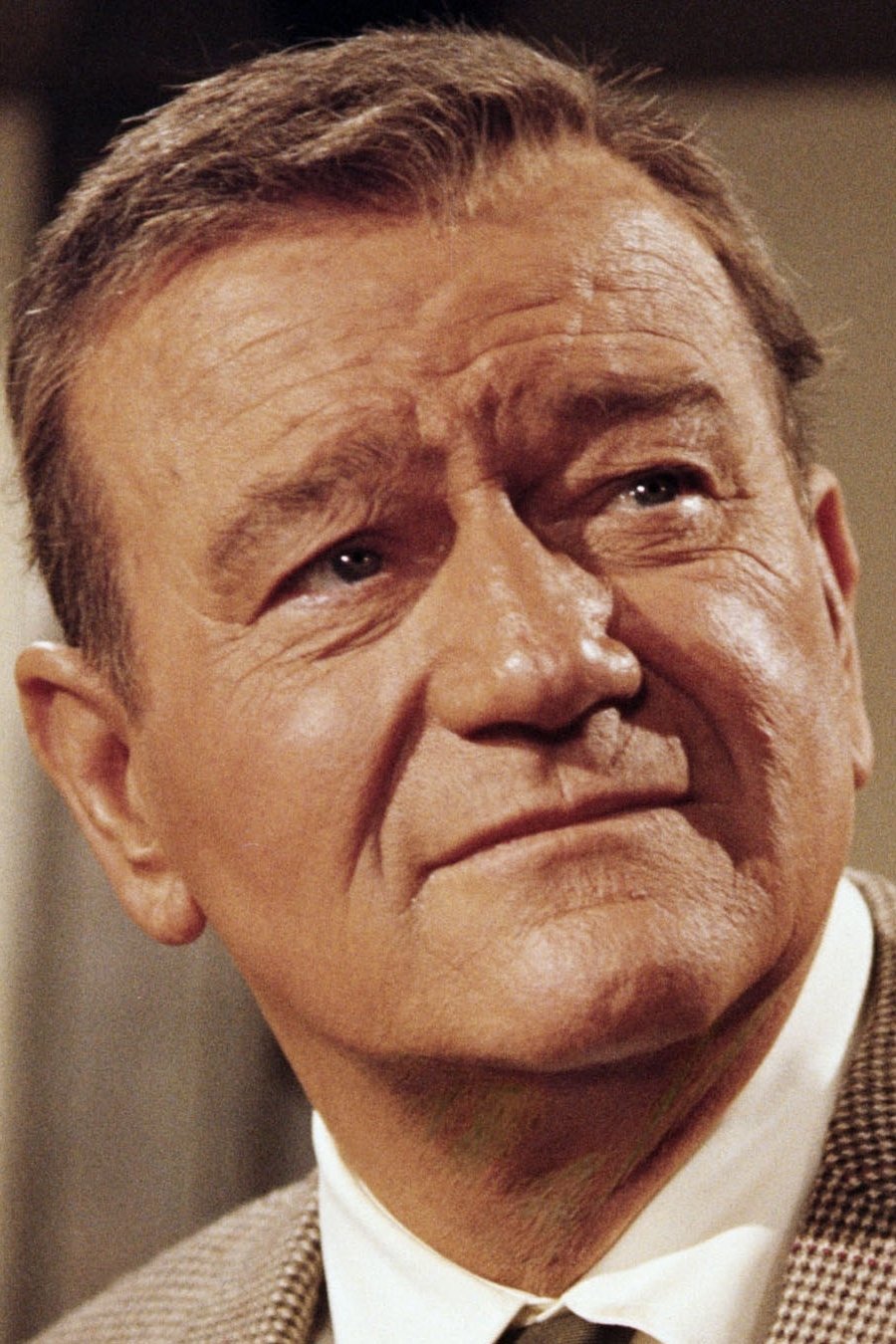
Wayne curated his image so carefully that he became synonymous with the Western genre itself. He understood the power of branding and rarely deviated from the persona his audience expected. This consistency allowed him to remain a top box office draw for decades. He defined American masculinity for a generation through his specific career choices. His legacy is the ultimate example of star power sustaining a career.
Lon Chaney
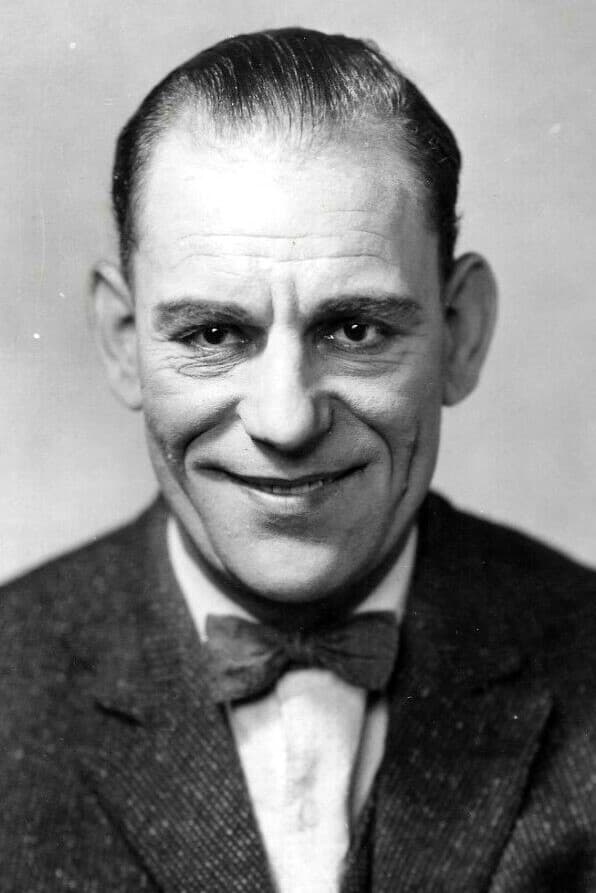
Chaney pioneered the art of special effects makeup by creating his own transformative looks. He became known as the “Man of a Thousand Faces” for his ability to disappear into grotesque characters. His dedication to physical transformation proved that audiences would embrace horror and tragedy. He set the standard for makeup artists and character actors in the genre. His work in silent horror remains the benchmark for physical transformation.
Orson Welles
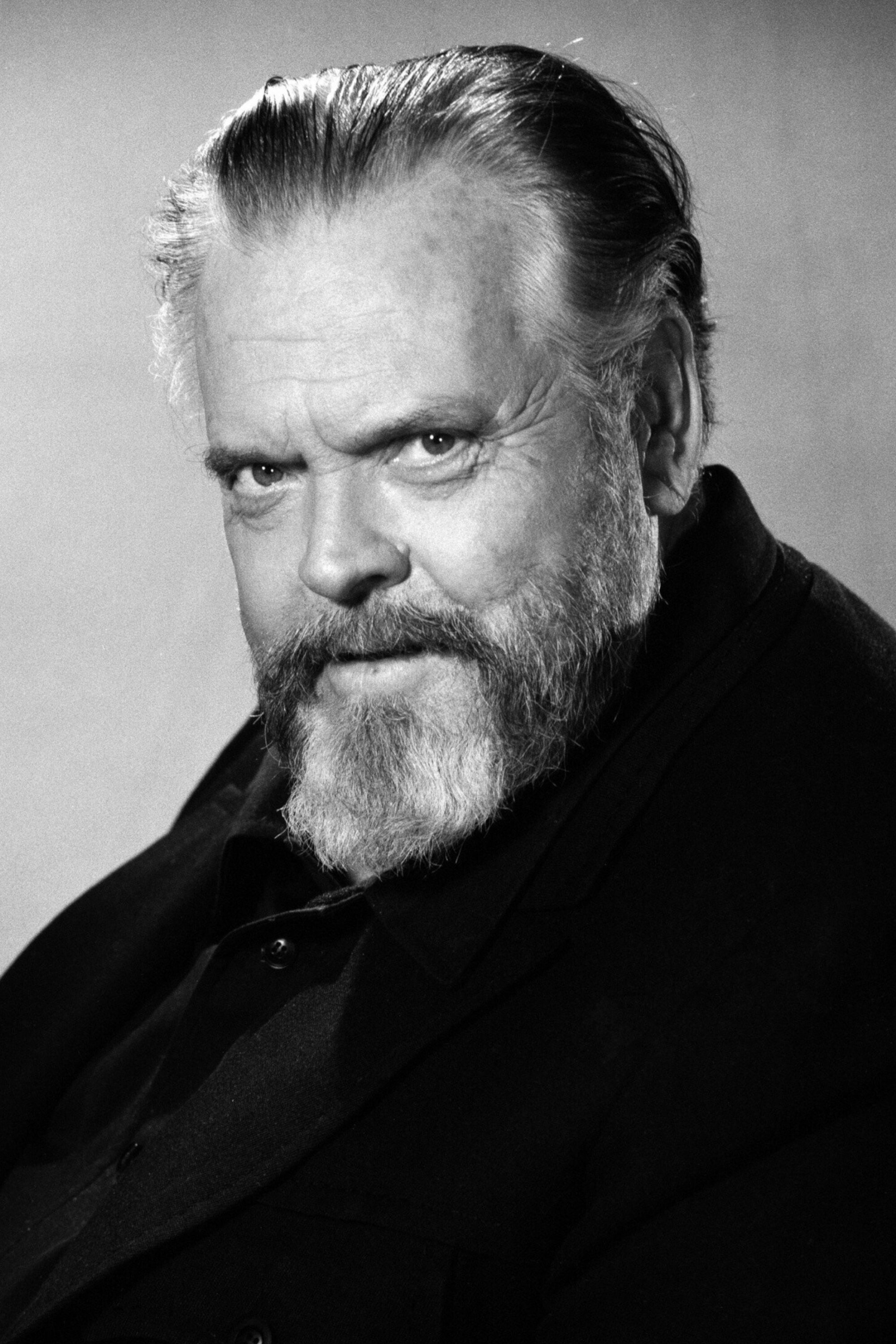
Welles negotiated a contract with RKO that gave him complete artistic control over ‘Citizen Kane’. This level of autonomy for a debut filmmaker was unheard of in the studio system. He wrote, directed, produced, and starred in the film to ensure his vision remained intact. Although the studio system eventually pushed back, his initial deal remains legendary. He established the concept of the auteur in American cinema.
Rock Hudson
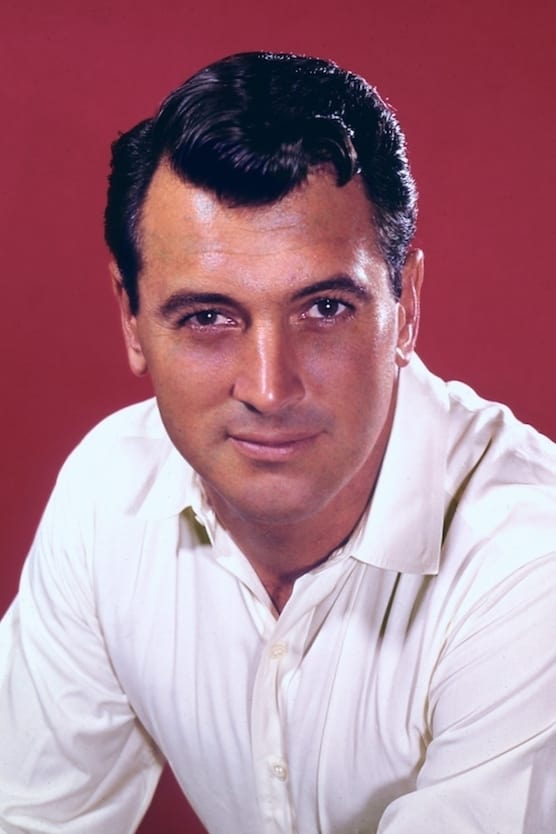
Hudson maintained a quintessential leading man image while living as a closeted gay man. His eventual diagnosis and death from AIDS fundamentally changed the public conversation about the disease. It forced Hollywood and the world to confront the reality of the epidemic. His tragedy humanized the crisis for Middle America and spurred increased funding for research. His death was a pivotal moment in celebrity culture and public health.
Chadwick Boseman
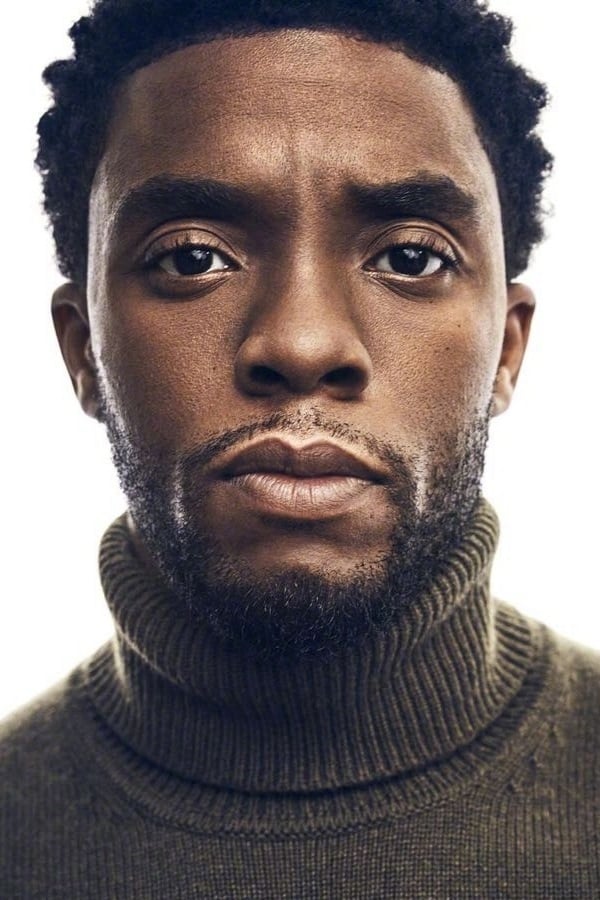
Boseman carefully selected roles that highlighted Black excellence and historical significance. He played icons like Jackie Robinson and James Brown before starring in ‘Black Panther’. His decision to film blockbuster movies while secretly battling cancer showed immense dedication. He proved that films with predominantly Black casts could generate billions at the global box office. His legacy is one of purposeful representation and artistic dignity.
Sean Connery
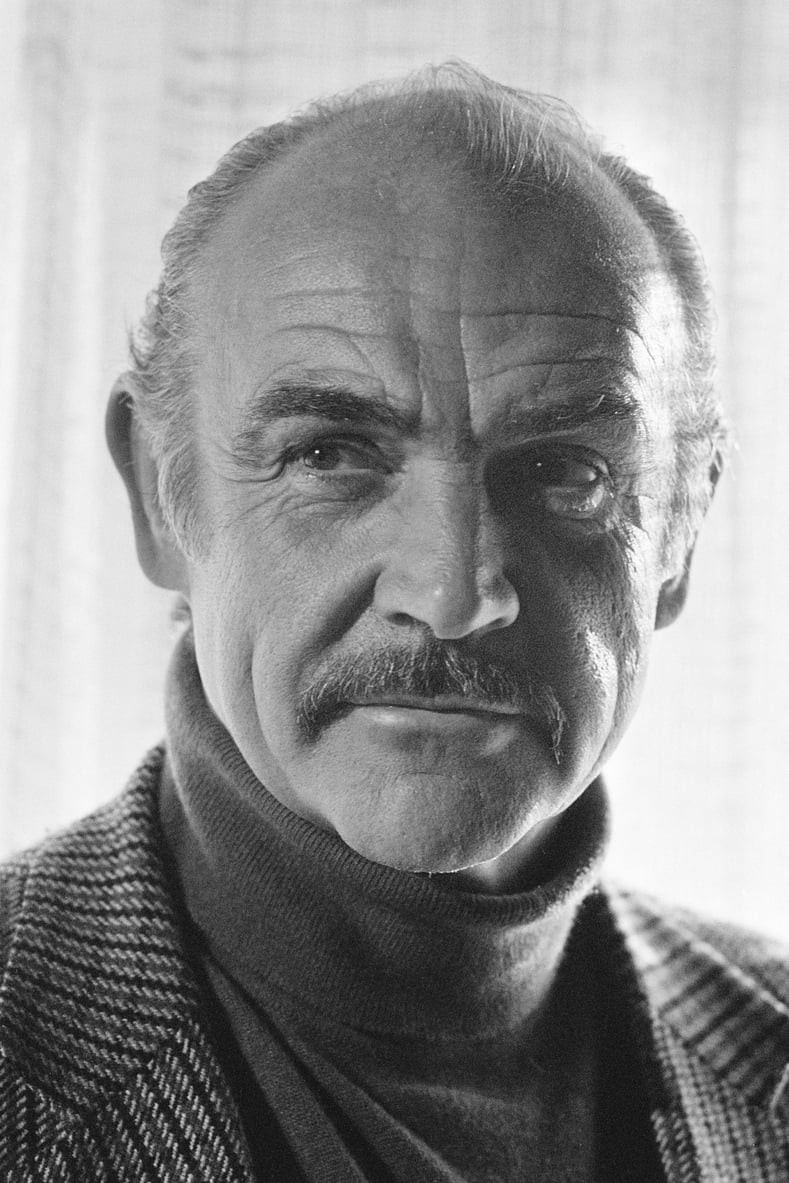
Connery walked away from the role of James Bond at the height of his popularity to avoid typecasting. This risky move allowed him to win an Oscar and have a diverse career later in life. He proved that an actor could leave a massive franchise and survive professionally. His choice paved the way for other actors to view franchise roles as stepping stones rather than life sentences. He successfully redefined himself beyond his most famous character.
Christopher Reeve
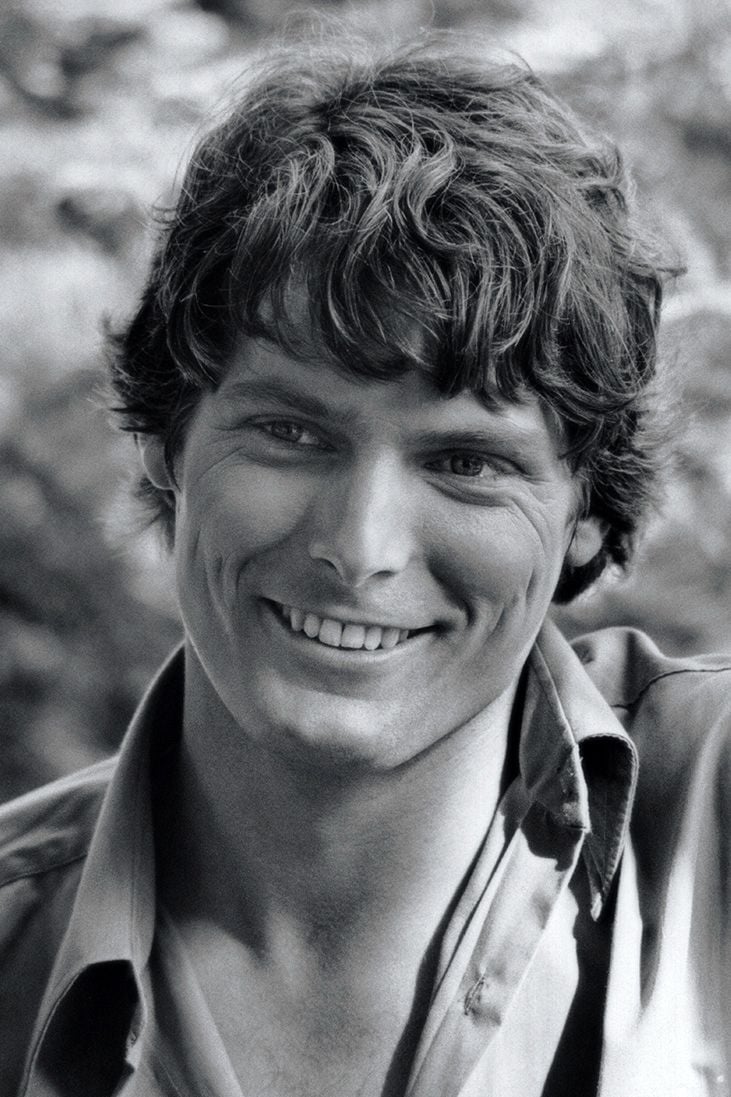
Reeve took the role of Superman when comic book movies were considered children’s fodder. He treated the material with earnestness and classical acting training rather than camp. His performance convinced audiences that a man could fly and grounded the genre in emotion. This approach set the template for the modern superhero performance. He later used his fame to become a tireless advocate for spinal cord research.
Richard Pryor

Pryor revolutionized the stand-up comedy film by releasing his concerts as theatrical movies. He brought a raw and uncensored style of comedy to mainstream movie audiences. His success proved that a comedian could carry a film with just a microphone and their life story. He broke down barriers for black comedians in Hollywood with his fearless truth-telling. His concert films remain the gold standard for the genre.
Gene Kelly
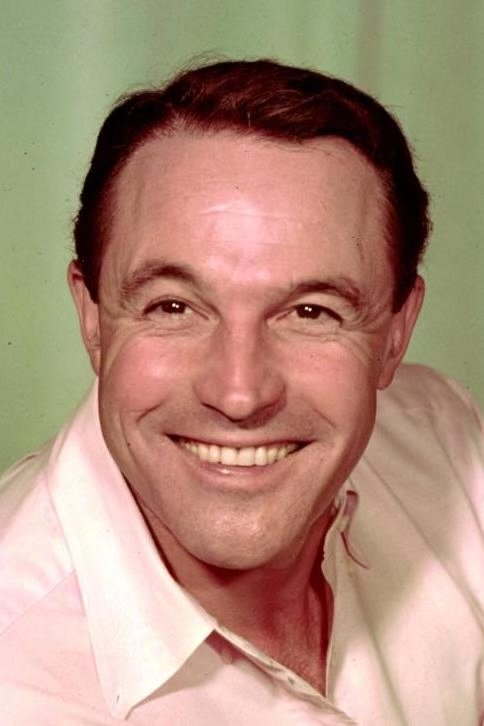
Kelly fought to change how dance was filmed by insisting on wide shots that showed the full figure. He brought dance out of the ballroom and into the streets with location shooting. His athletic style made dancing acceptable and masculine for American male audiences. He often directed or co-directed his films to ensure the choreography was captured correctly. He transformed the movie musical into a dynamic cinematic art form.
Buster Keaton
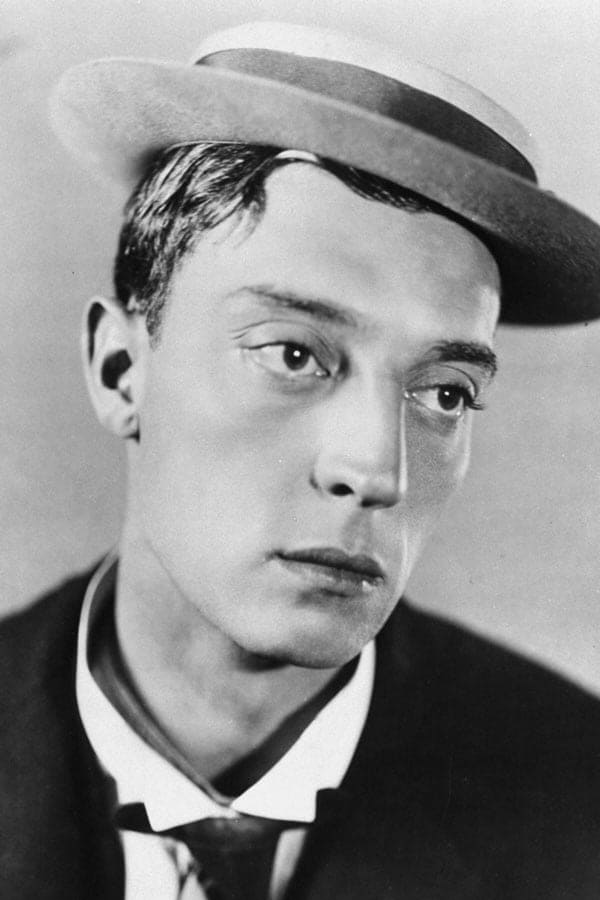
Keaton performed stunts that were so dangerous they are still studied by professionals today. He understood the geometry of the camera and used it to create visual gags that defied physics. His insistence on performing his own physical comedy set a high bar for authenticity. He proved that comedy could be derived from stoicism and physical peril. His work influenced everyone from Jackie Chan to Tom Cruise.
Elvis Presley
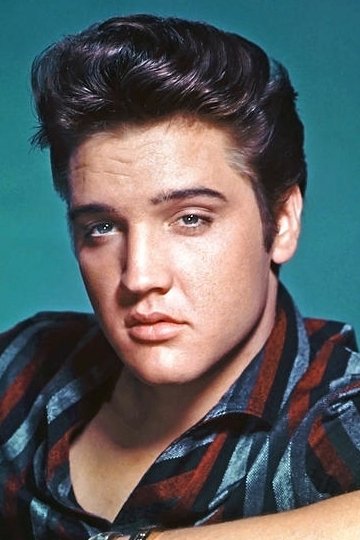
Presley transitioned from music to movies and created a specific sub-genre of musical comedy. His films were often formulaic but they created a synergy between soundtrack sales and box office receipts. This cross-promotion model became a blueprint for multimedia stars. He showed that a musician could maintain a massive film career based on charisma and music. His filmography defined the concept of the star vehicle.
Ronald Reagan
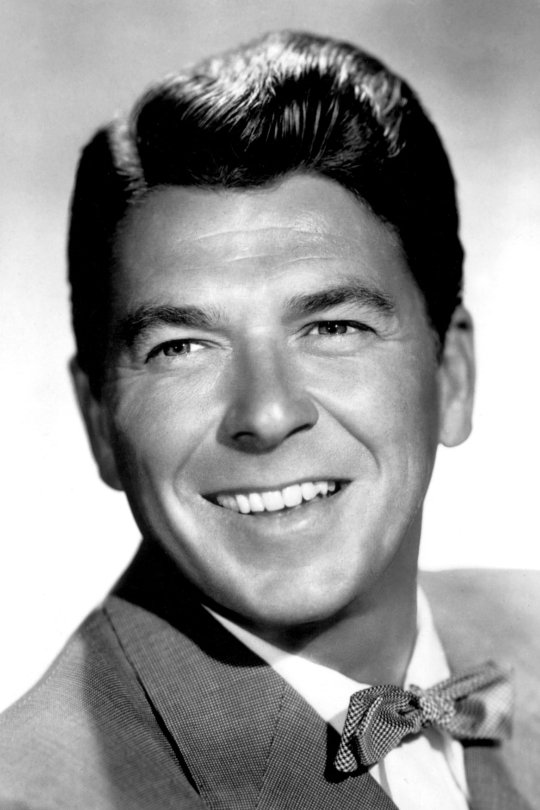
Reagan leveraged his position as President of the Screen Actors Guild to influence Hollywood politics. He navigated the industry through the turbulent times of the Red Scare and labor disputes. His transition from actor to Governor and then President changed the perception of celebrities in politics. He proved that the communication skills learned in acting were transferable to high office. His career path blurred the lines between entertainment and governance.
Dennis Hopper

Hopper directed and starred in ‘Easy Rider’, which opened the floodgates for the New Hollywood era. The film’s massive success on a low budget proved that counterculture movies could make money. It signaled the end of the old studio system’s dominance and the rise of the “movie brat” directors. His career choice to embrace the avant-garde changed what studios were willing to finance. He helped bridge the gap between art and commerce in the late 60s.
Philip Seymour Hoffman
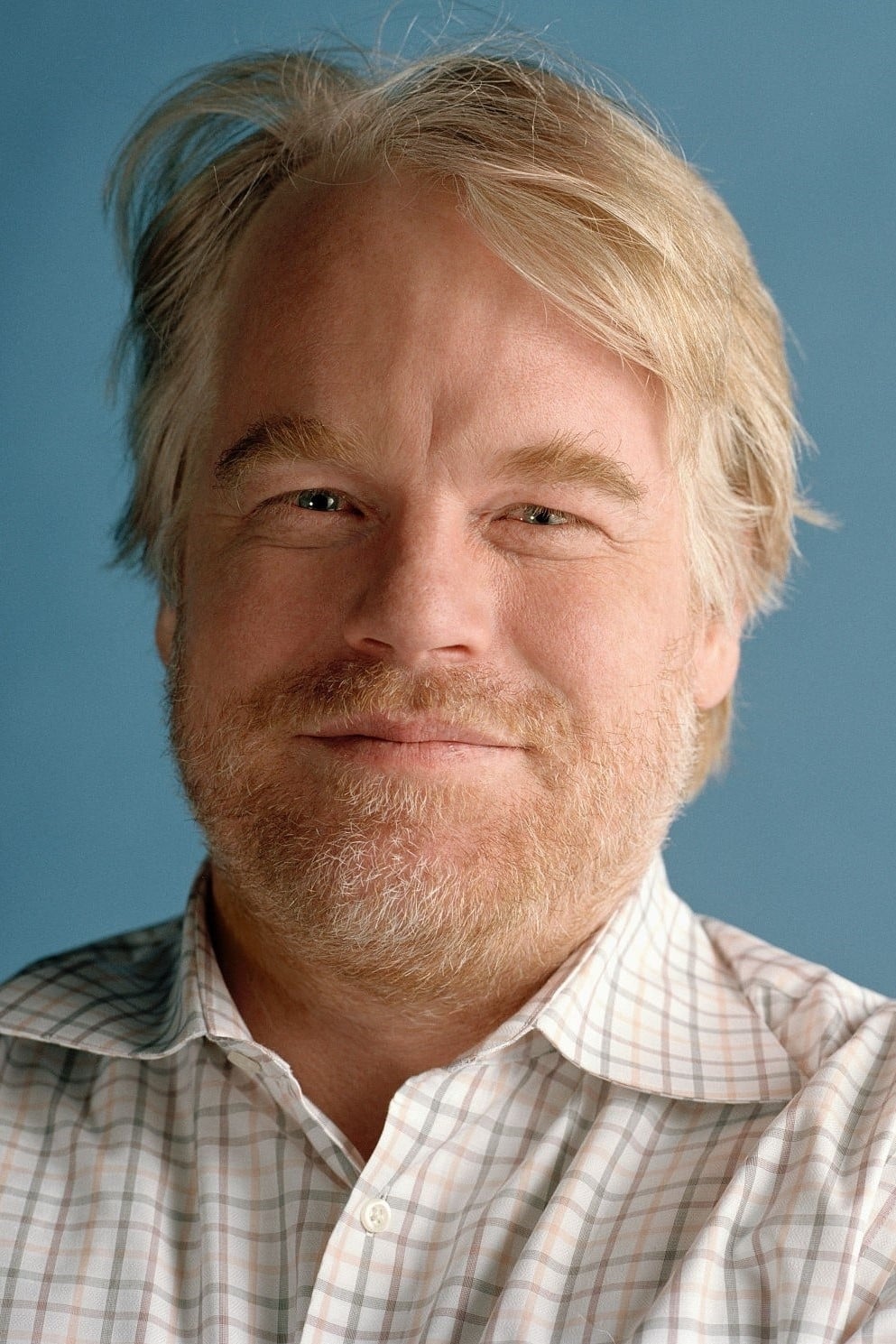
Hoffman built a career on playing unglamorous and deeply flawed characters in independent films. He proved that a character actor could command the same respect and accolades as a traditional leading man. His oscillation between indie darlings and blockbusters showed a versatile path for modern actors. He elevated every scene he was in, regardless of the screen time. He redefined what a leading man could look and act like.
River Phoenix

Phoenix chose difficult and emotional roles in films like ‘My Own Private Idaho’ instead of commercial fluff. He brought an intense vulnerability to young adult roles that was rare for the time. His career choices signaled a desire for artistic credibility over teen idol stardom. He influenced a generation of young actors to seek out substance over style. His legacy is
Harry Belafonte

Belafonte refused to accept roles that were demeaning or racially stereotypical. He used his film stardom to fund and amplify the Civil Rights Movement. He was one of the first Black producers in television and film to seek real control. His career demonstrated that entertainment and activism could be seamlessly integrated. He sacrificed commercial opportunities to maintain his principles.
Fred Astaire
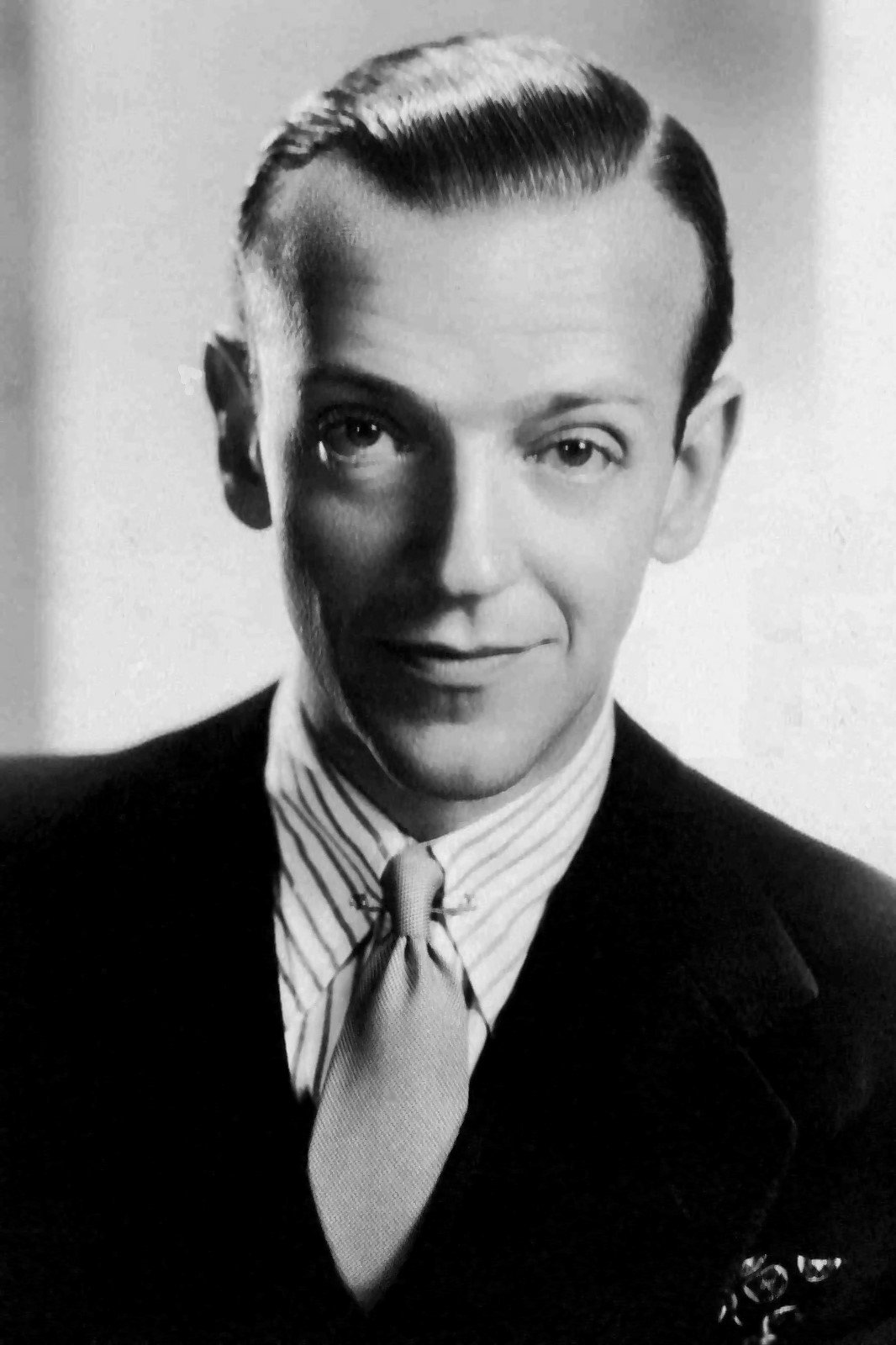
Astaire insisted that the camera film his dance routines in long, unbroken takes. He rejected the editing techniques that chopped up movement and hid mistakes. This demand for perfection raised the standard for dance in cinema. He forced audiences to appreciate the full skill of the performer. His elegance and discipline defined the Golden Age musical.
Which of these legendary actors do you think had the biggest impact on the film industry? Share your thoughts in the comments.