Anime Whose Production Stories Are Crazier Than the Plot


The world of Japanese animation is often romanticized as a realm of limitless creativity and pure artistic expression. However, the reality behind the scenes is frequently a nightmare of missed deadlines and catastrophic budgetary collapses. Many of the most beloved series in history were forged in fires of management incompetence or sheer bad luck that nearly destroyed the studios involved. These production disasters sometimes result in unintended masterpieces or legendary failures that continue to fascinate fans for decades. The stories of how these shows were made reveal the incredibly fragile nature of the animation industry.
‘Redline’ (2009)
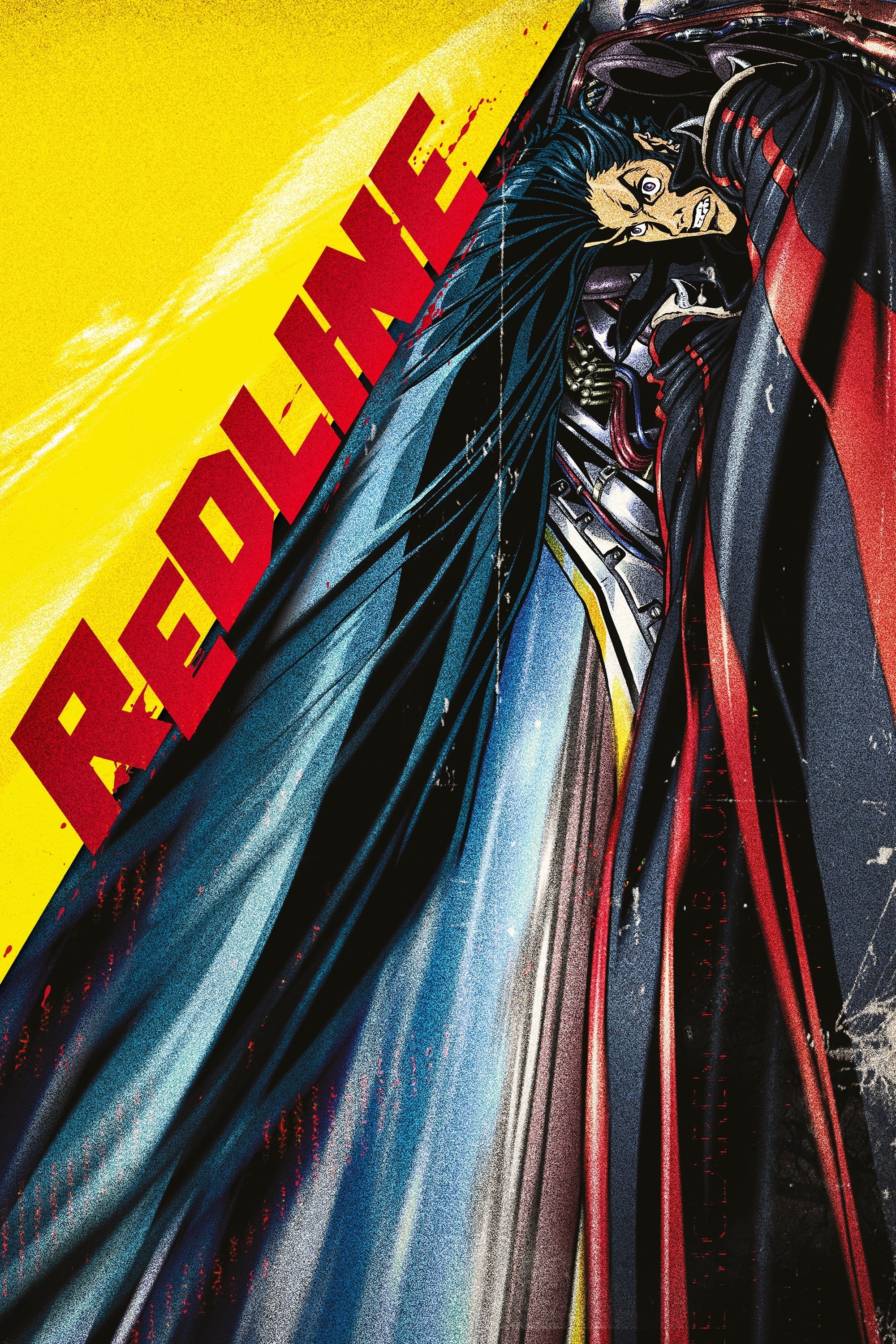
Takeshi Koike spent seven years hand-drawing over one hundred thousand frames for this racing spectacle. The intense labor and dedication required to create such fluid animation famously pushed the studio Madhouse to the brink of bankruptcy. Every frame conveys a sense of speed that computer generation simply cannot mimic. The resulting film remains a visual masterpiece that likely will never be replicated due to the sheer cost and human effort involved.
‘Ghost Stories’ (2000)
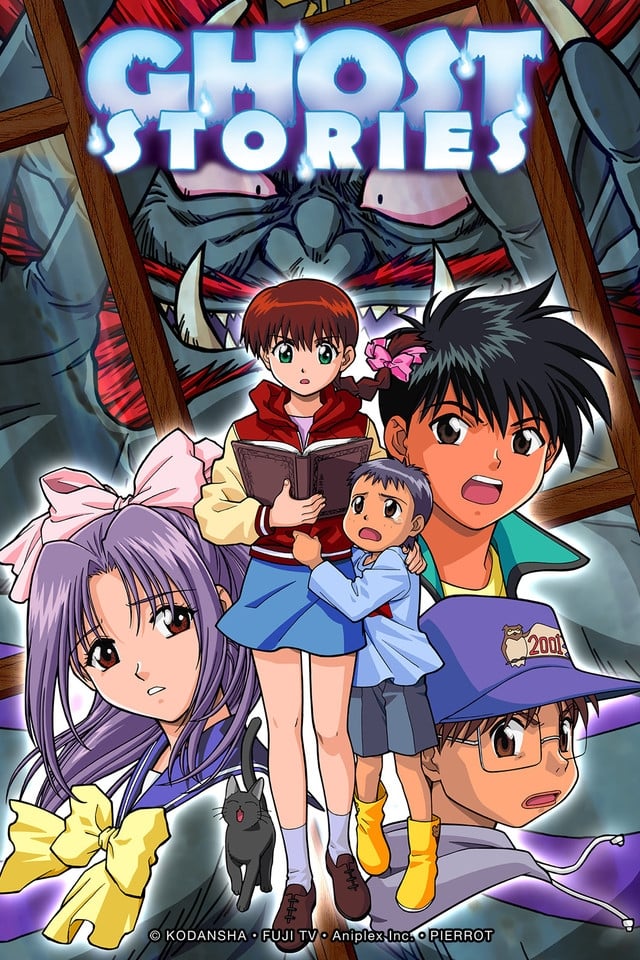
The original Japanese release of this horror series was a commercial failure that left the licensors desperate to recoup losses. ADV Films was given free rein to rewrite the English dub script as long as the core character names remained unchanged. The voice actors improvised offensive jokes and pop culture references that turned the show into a surreal comedy. This unexpected pivot saved the anime from obscurity and created a cult following for the English version.
‘Neon Genesis Evangelion’ (1995–1996)
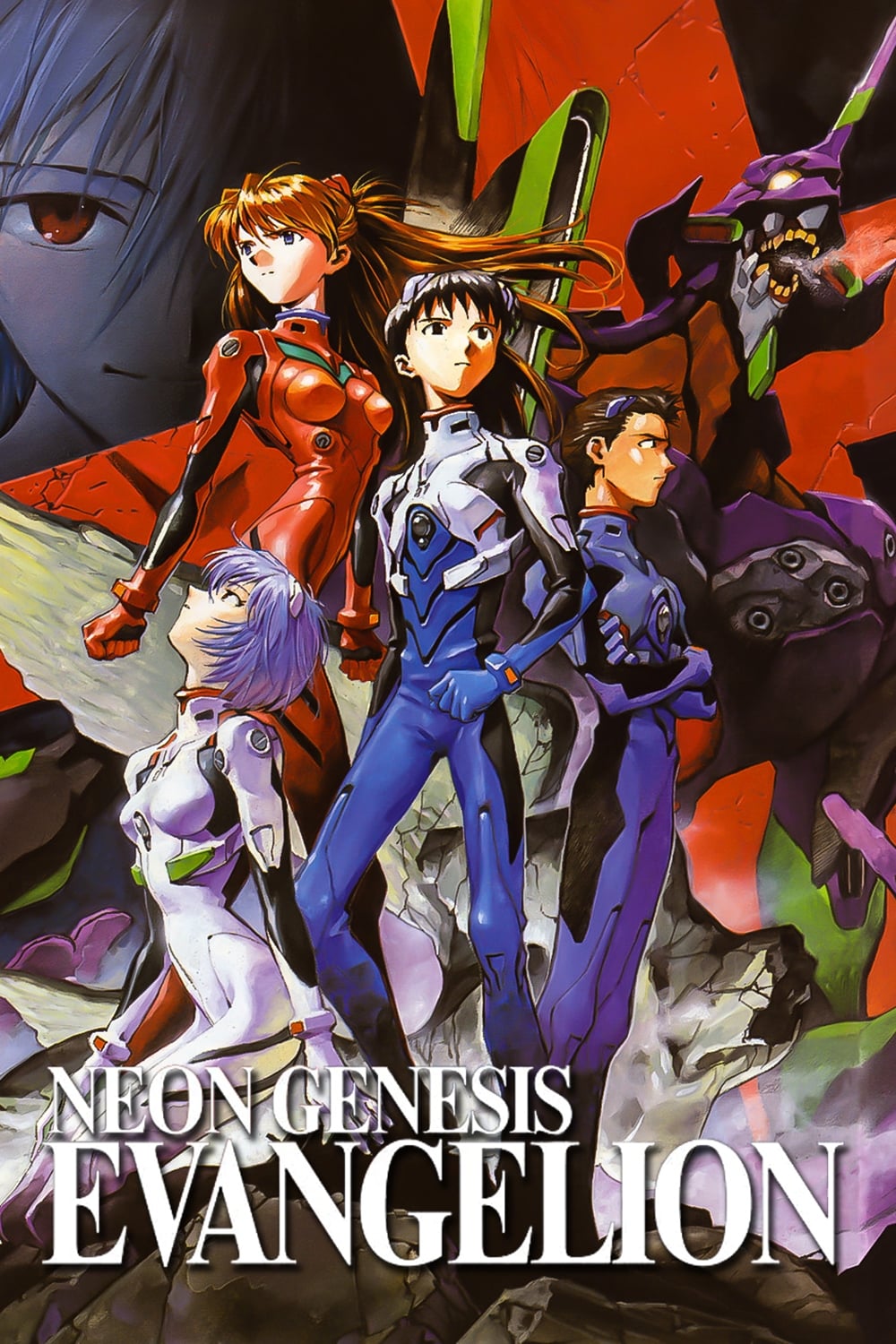
Director Hideaki Anno suffered from severe depression during the production which deeply influenced the psychological deconstruction of the characters. As the series progressed the budget dwindled significantly leading to the use of static images and abstract visual sequences. The original television ending became a point of massive controversy because it abandoned the main plot for an introspective character study. These production struggles necessitated the creation of a theatrical conclusion years later to provide closure.
‘Akira’ (1988)
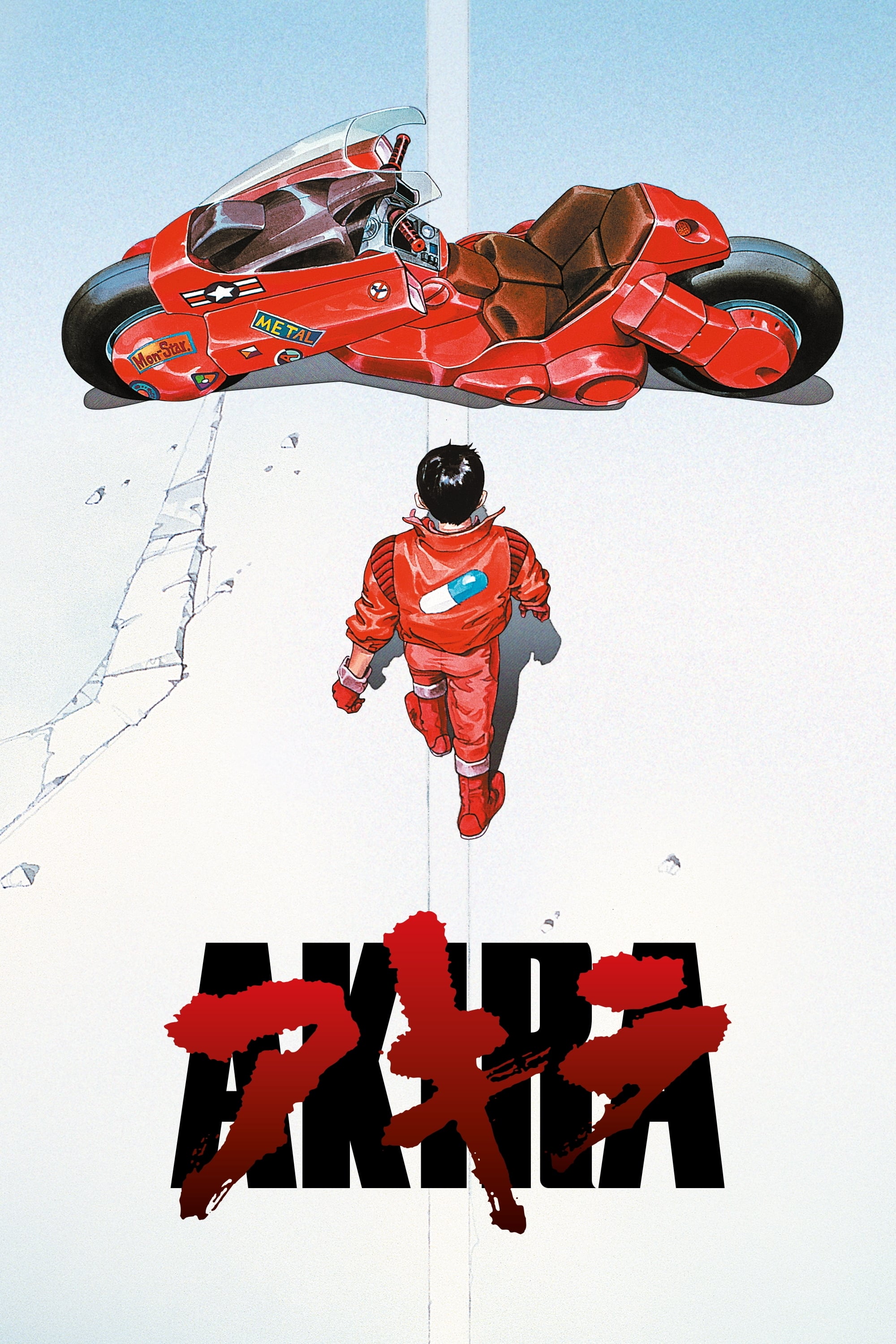
The production budget for this cyberpunk landmark was astronomically higher than any previous anime film. It utilized pre-scored dialogue which meant animators had to match lip movements to the recorded voices for the first time in anime history. The creators developed over fifty new colors to capture the neon aesthetic of Neo-Tokyo properly. This meticulous attention to detail set a new standard for Japanese animation on a global scale.
‘The Melancholy of Haruhi Suzumiya’ (2006/2009)
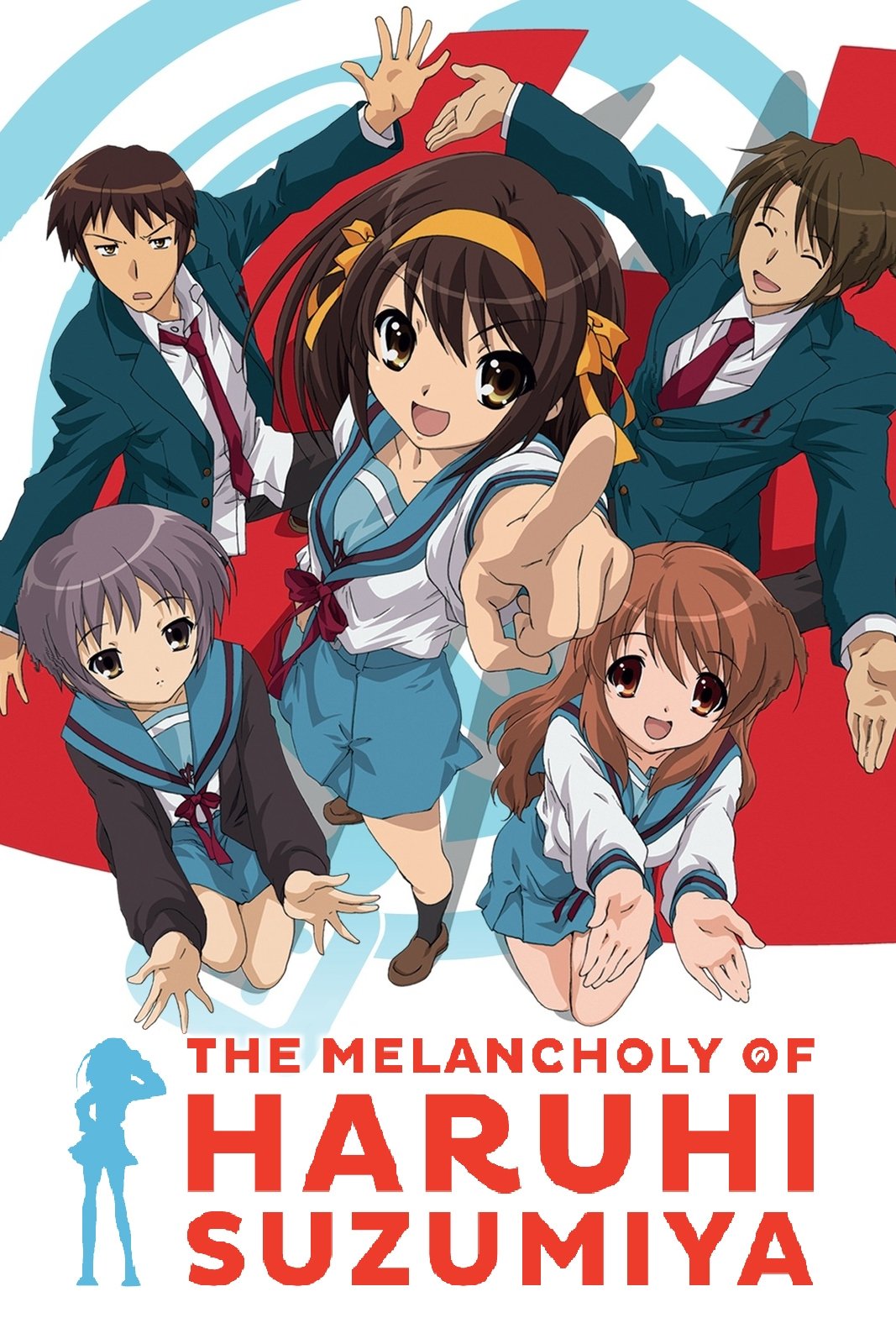
Kyoto Animation decided to animate the same loop of summer vacation events for eight consecutive episodes. Each episode featured different animation and voice recording despite the script being virtually identical. This experimental artistic choice enraged fans who felt they were watching a never-ending rerun for two months. The decision remains one of the most daring and polarizing moves in the history of television anime.
‘Golden Boy’ (1995–1996)

The voice actor for the protagonist Kintaro Oe engaged in extreme method acting to achieve the necessary vocal performance. He famously ran laps around the studio before recording to sound genuinely exhausted during breathless scenes. This dedication resulted in a distinctively frantic and raw performance that defines the character. The production relied heavily on this energy to sell the over-the-top comedic tone of the series.
‘Kemono Friends’ (2017)

A small team created this show using low-budget CGI that initially looked unappealing to general audiences. The director Tatsuki managed to infuse the series with a surprising amount of heart and lore that generated a massive viral following. Despite the unexpected success the production committee unceremoniously fired the director shortly after the first season ended. This corporate decision led to significant public backlash and a disastrous performance for the subsequent sequel.
‘Wonder Egg Priority’ (2021)
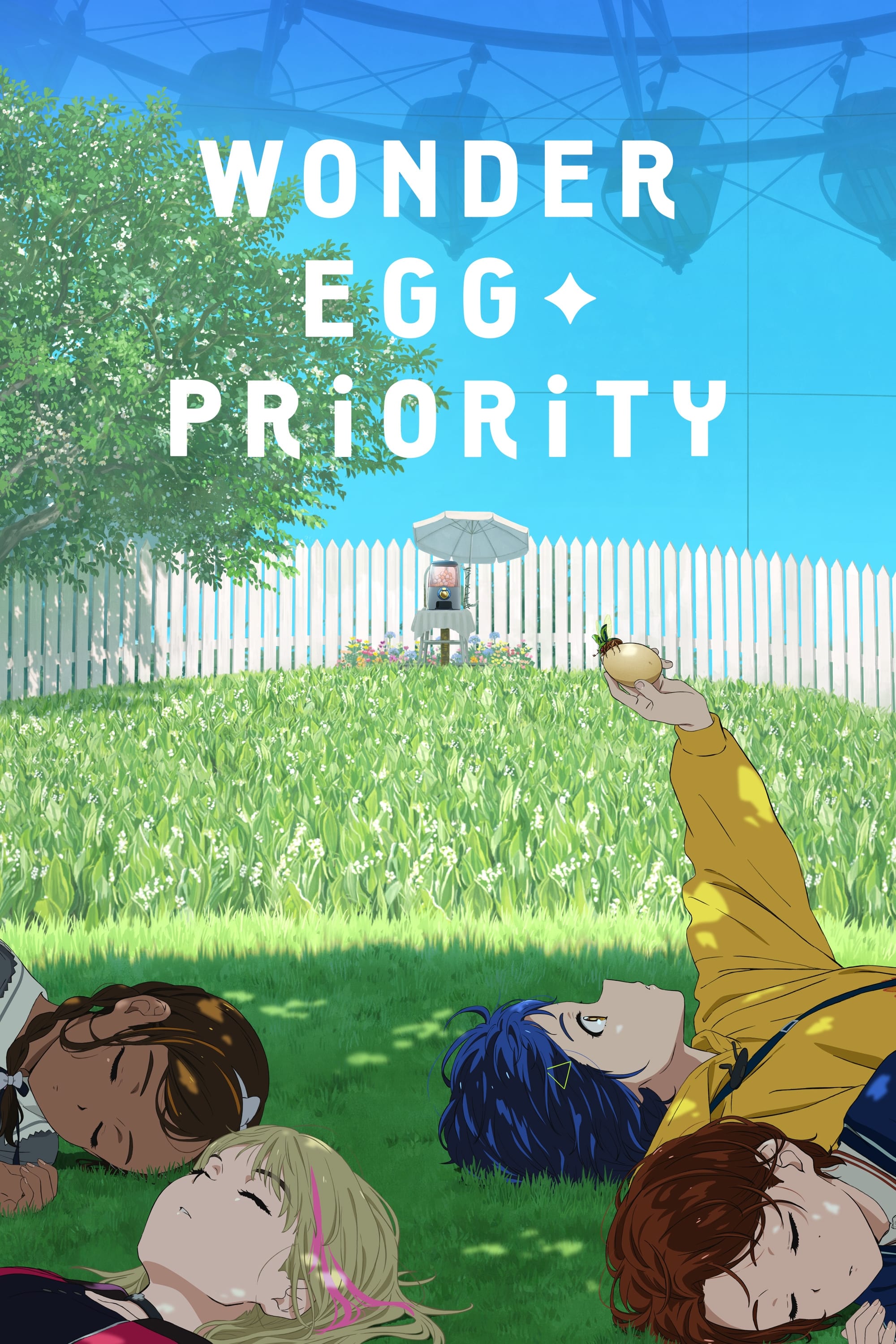
The series began with high production values but suffered from a catastrophic schedule collapse halfway through airing. Staff members were reportedly overworked to the point of exhaustion as they struggled to finish episodes hours before broadcast. The storyline became disjointed and necessitated a delayed special episode to conclude the plot. The final product reflects a brilliant creative vision that was ultimately crushed by poor project management.
‘ChargeMan Ken!’ (1974)
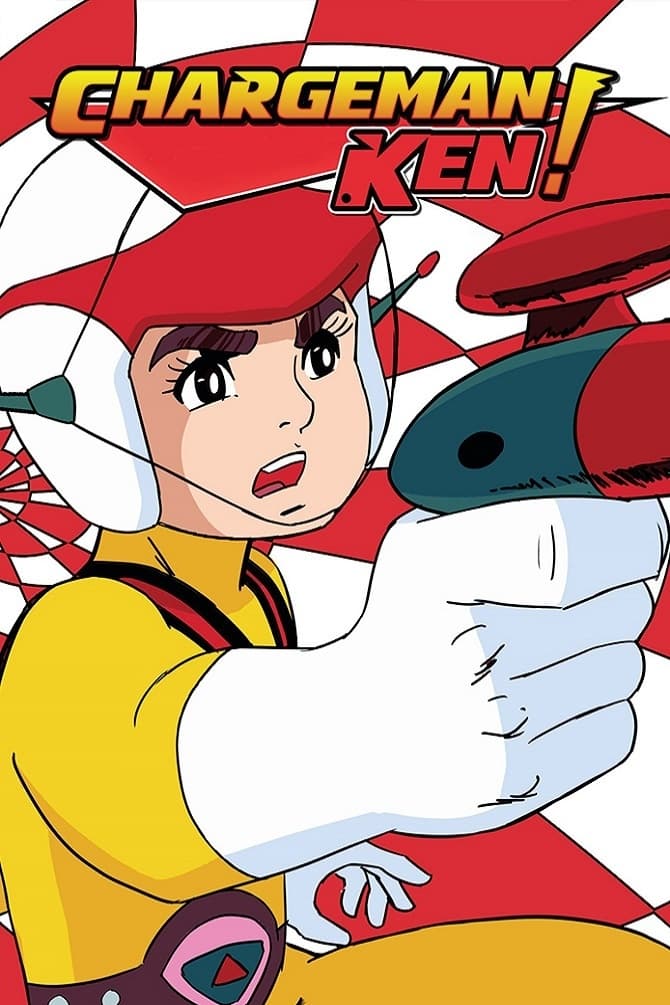
Knack Productions produced this series with virtually no budget and an uncaring attitude toward quality control. Episodes were often completed in rushing sessions where staff ignored plot holes and animation errors. Backgrounds would randomly disappear and sound effects were often missing or misplaced during key moments. The sheer incompetence of the production turned the show into an internet meme decades later.
‘Pui Pui Molcar’ (2021)
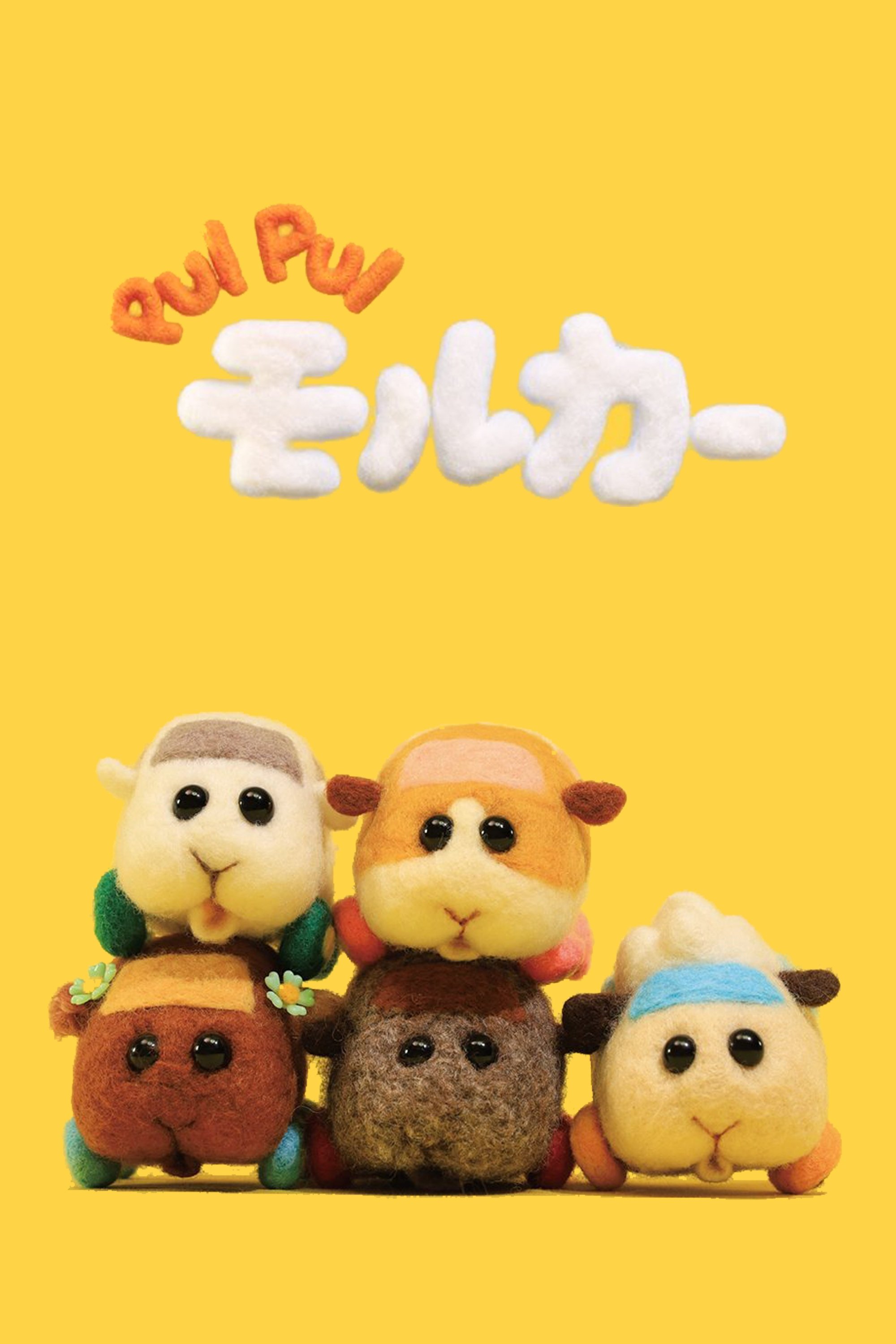
Director Tomoki Misato animated this stop-motion series using wool felt cars primarily within his own home. He recruited his family members to provide the human voices and used his own guinea pig for the sound effects. The labor-intensive process required immense patience to manipulate the felt puppets frame by frame. This humble family project unexpectedly became a global sensation for its charm and creativity.
‘His and Her Circumstances’ (1998–1999)
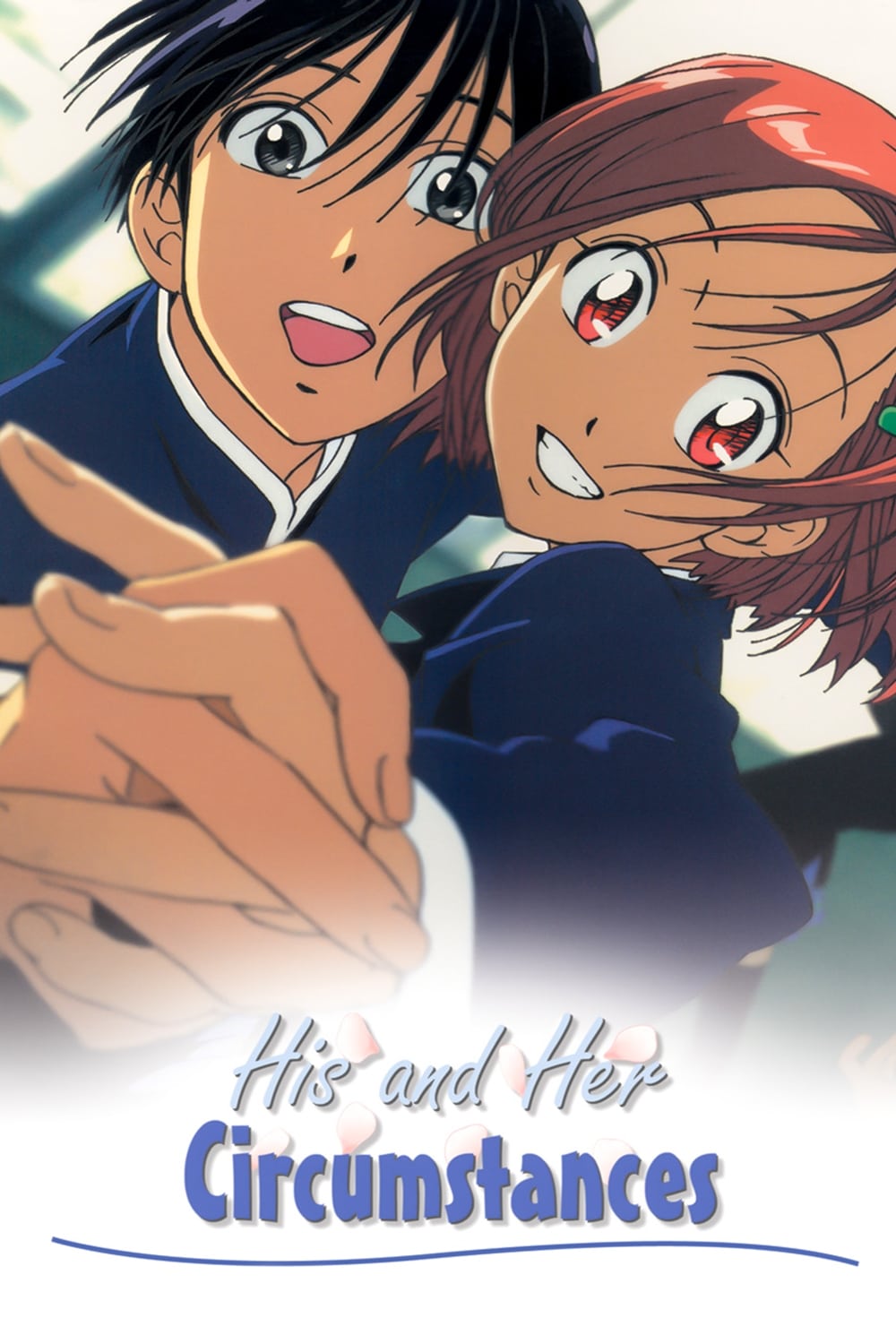
Director Hideaki Anno clashed with the original manga author regarding the tone and direction of the adaptation. As the production continued the budget evaporated leading to the use of stick puppets and paper cutouts. The director eventually quit the project before it was completed leaving the final episodes in a strange experimental limbo. The resulting visual style is iconic despite being born from financial and creative conflict.
‘Princess Mononoke’ (1997)
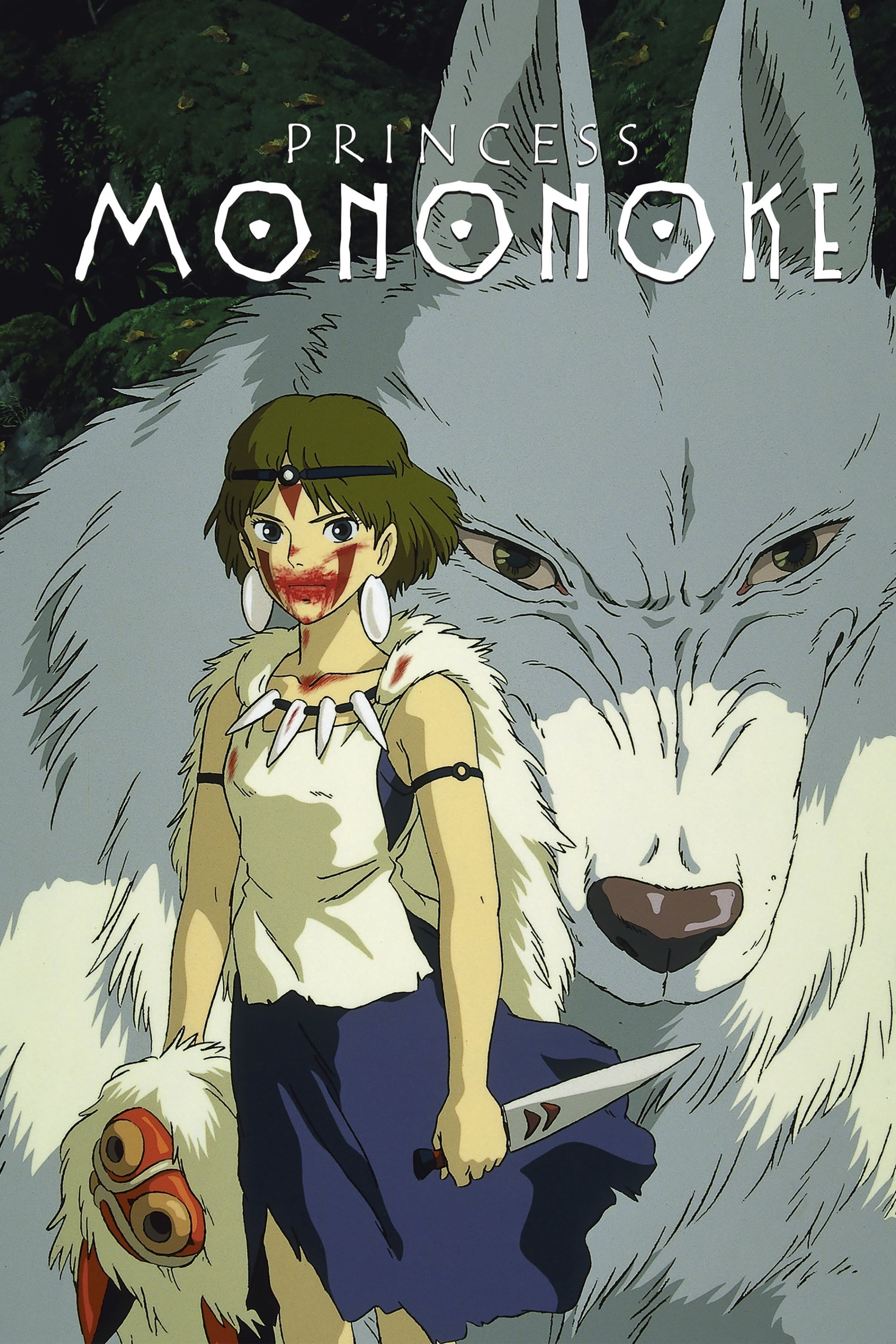
Harvey Weinstein attempted to cut significant portions of the film for its American release. Studio Ghibli producer Toshio Suzuki responded by sending Weinstein a katana with a message stating no cuts. The production was also so stressful that Hayao Miyazaki claimed it would be his final film before later returning. This bold stance protected the artistic integrity of the movie for international audiences.
‘Steamboy’ (2004)
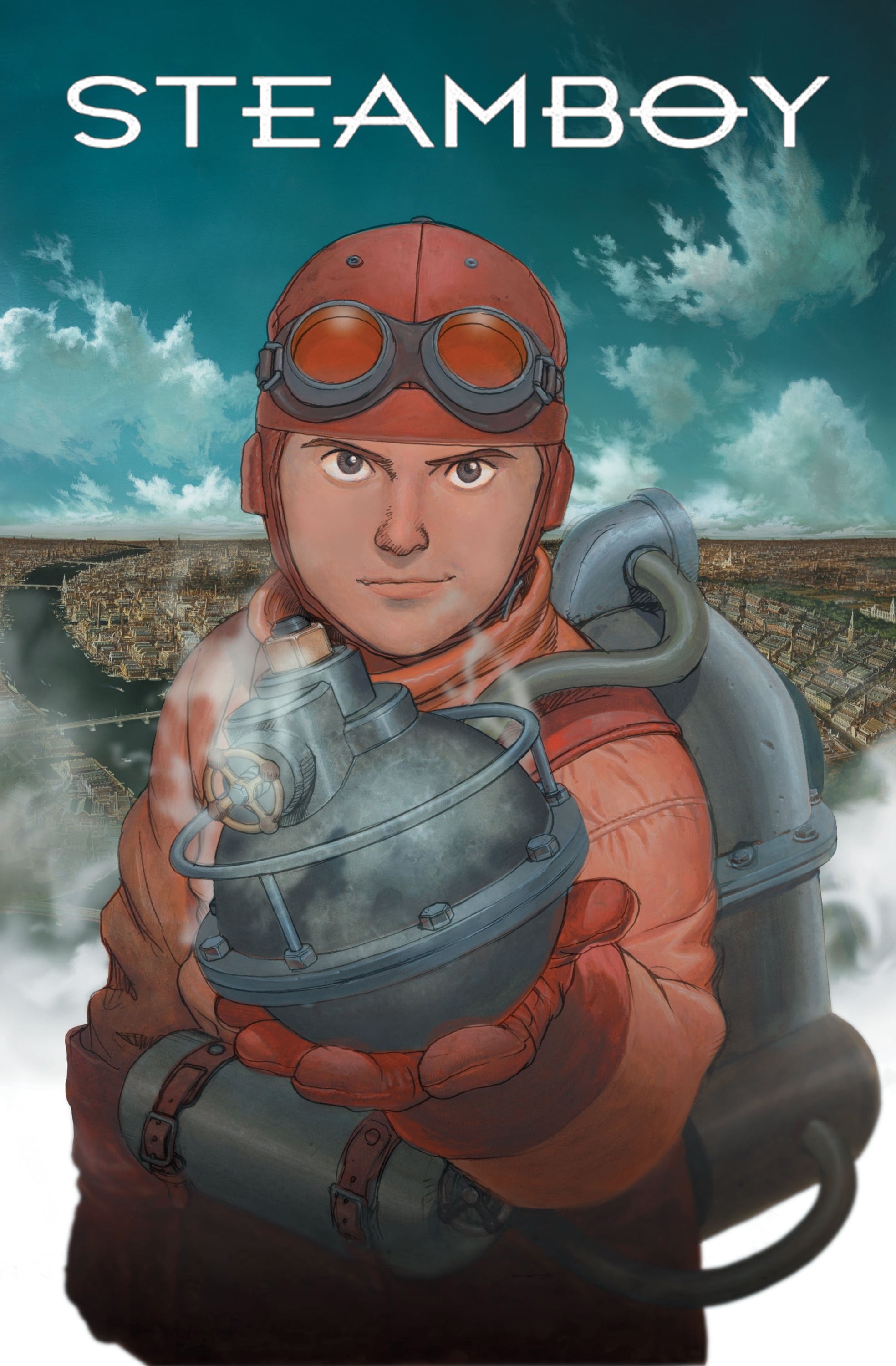
Katsuhiro Otomo spent ten years developing this steampunk epic after the massive success of his previous work. The film required over one hundred eighty thousand drawings and utilized digital compositing techniques that were cutting edge at the time. The lengthy production period meant that technology kept evolving during the making of the movie. It stands as one of the most expensive and time-consuming Japanese animated films ever made.
‘The Castle of Cagliostro’ (1979)
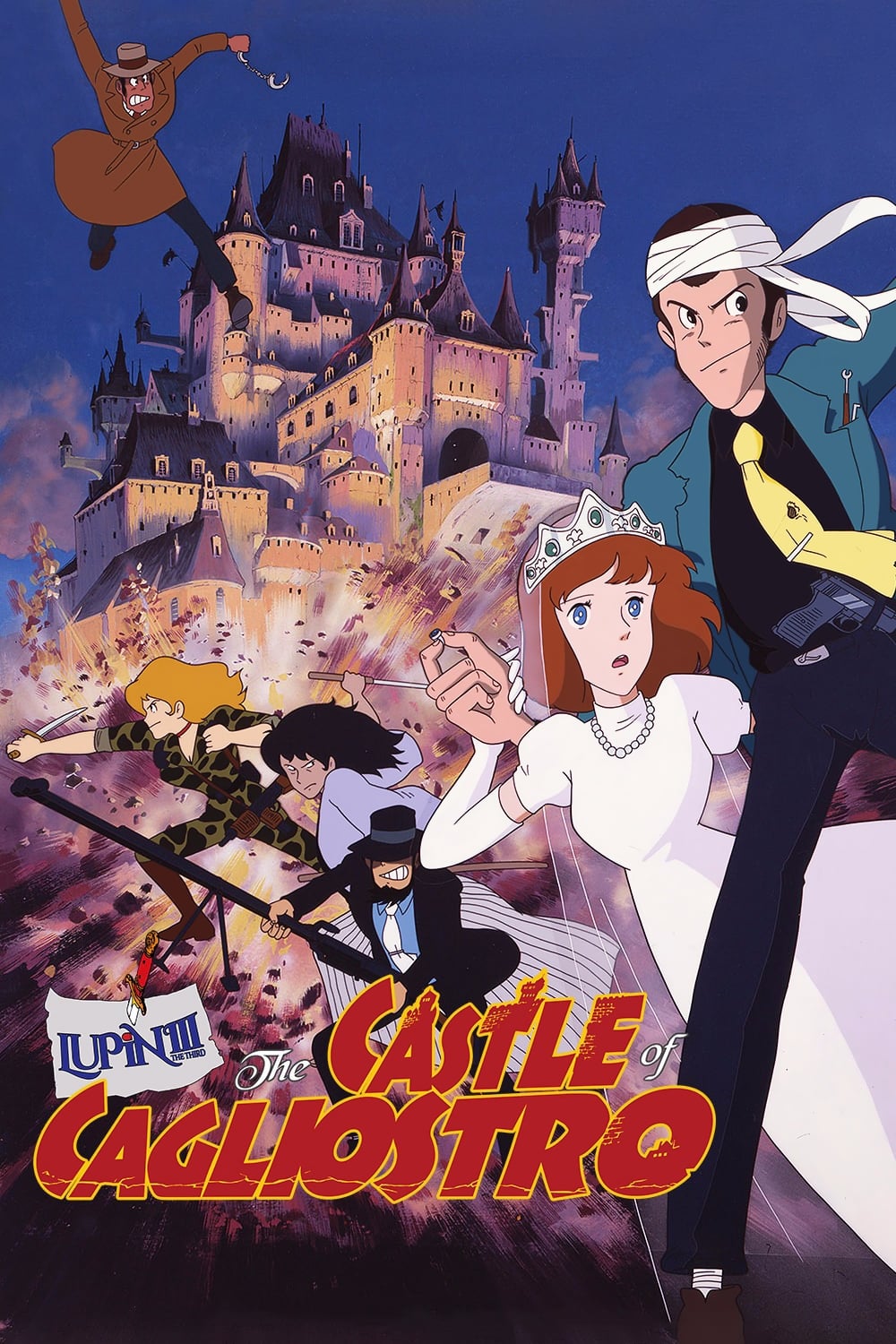
Hayao Miyazaki wrote the script and directed this feature film in an incredibly short span of roughly four months. The rushed schedule forced the team to work around the clock to meet the premiere deadline. Despite the frantic pace the movie is celebrated as one of the greatest adventure films of all time. The production proves that masterful direction can sometimes overcome impossible time constraints.
‘Ex-Arm’ (2021)
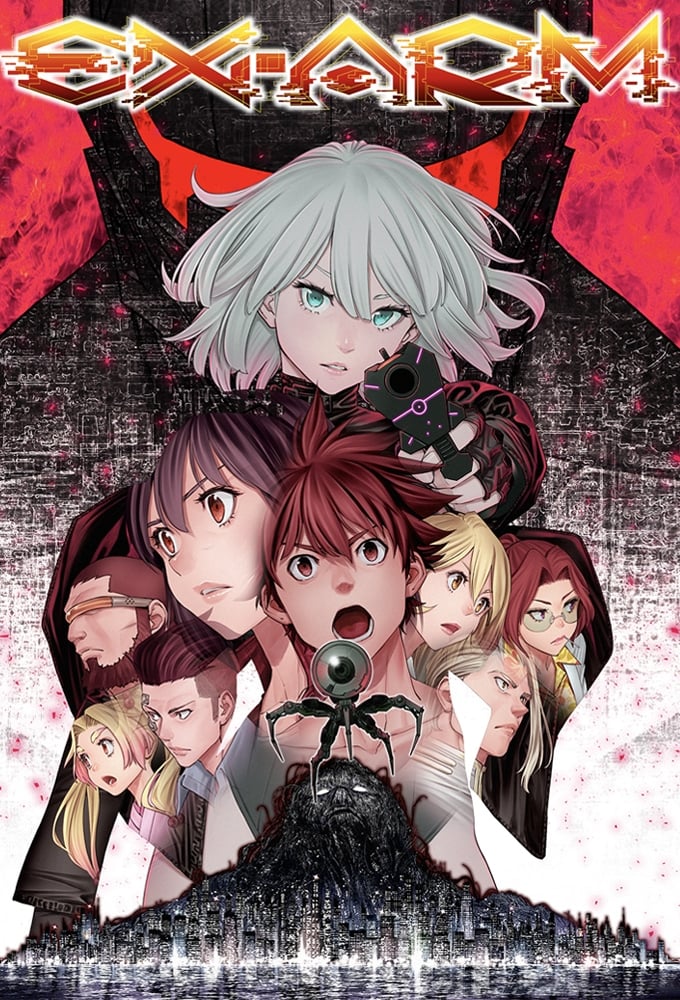
The production committee hired a live-action director who had no experience with animation to helm the project. The team eschewed traditional animation techniques in favor of motion capture that resulted in stiff and unnatural movement. Professional animators were largely excluded from the core creative process which led to a visual disaster. The show is frequently cited as a cautionary tale against ignoring the expertise of industry veterans.
‘Berserk’ (2016)
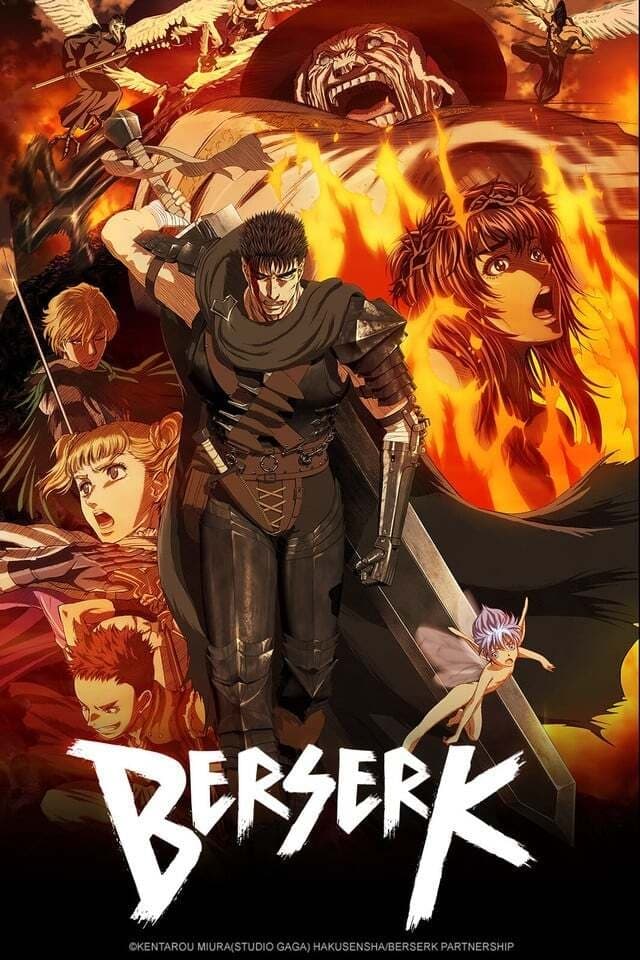
The studio attempted to blend traditional two-dimensional art with three-dimensional computer models using a new pipeline. This experimental approach resulted in awkward character movements and flat shading that fans universally criticized. The director reportedly struggled with the lighting engine which made scenes look muddy and indistinct. The technical struggles overshadowed the narrative and disappointed fans of the source material.
‘FLCL’ (2000–2001)
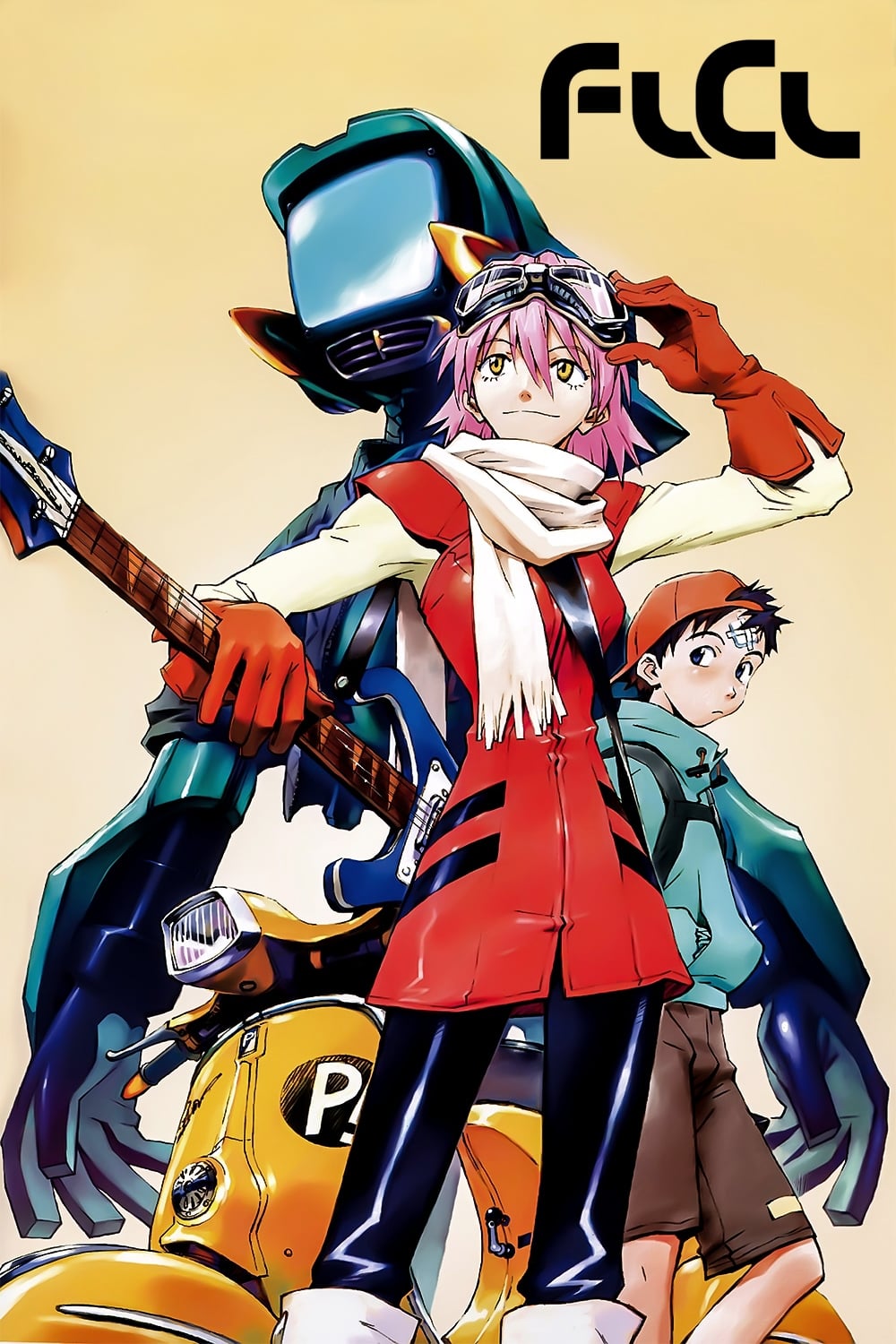
Gainax produced this original video animation specifically to experiment with new styles and blow off steam after previous heavy projects. The episodes change art styles frequently and incorporate manga panels and South Park parodies without warning. The plot is intentionally nonsensical because the focus was entirely on visual freedom and music synchronization. It remains a prime example of what happens when animators are given total creative liberty.
‘Pop Team Epic’ (2018)

The producers assigned different animation studios to handle various sketches within the same episode. They also recorded every episode twice with different pairs of voice actors for the main characters. One segment was created by a duo known as AC-bu using paper flip-books and live-action elements. The chaotic production methodology perfectly mirrored the absurdist humor of the original manga.
‘Mobile Suit Gundam’ (1979–1980)
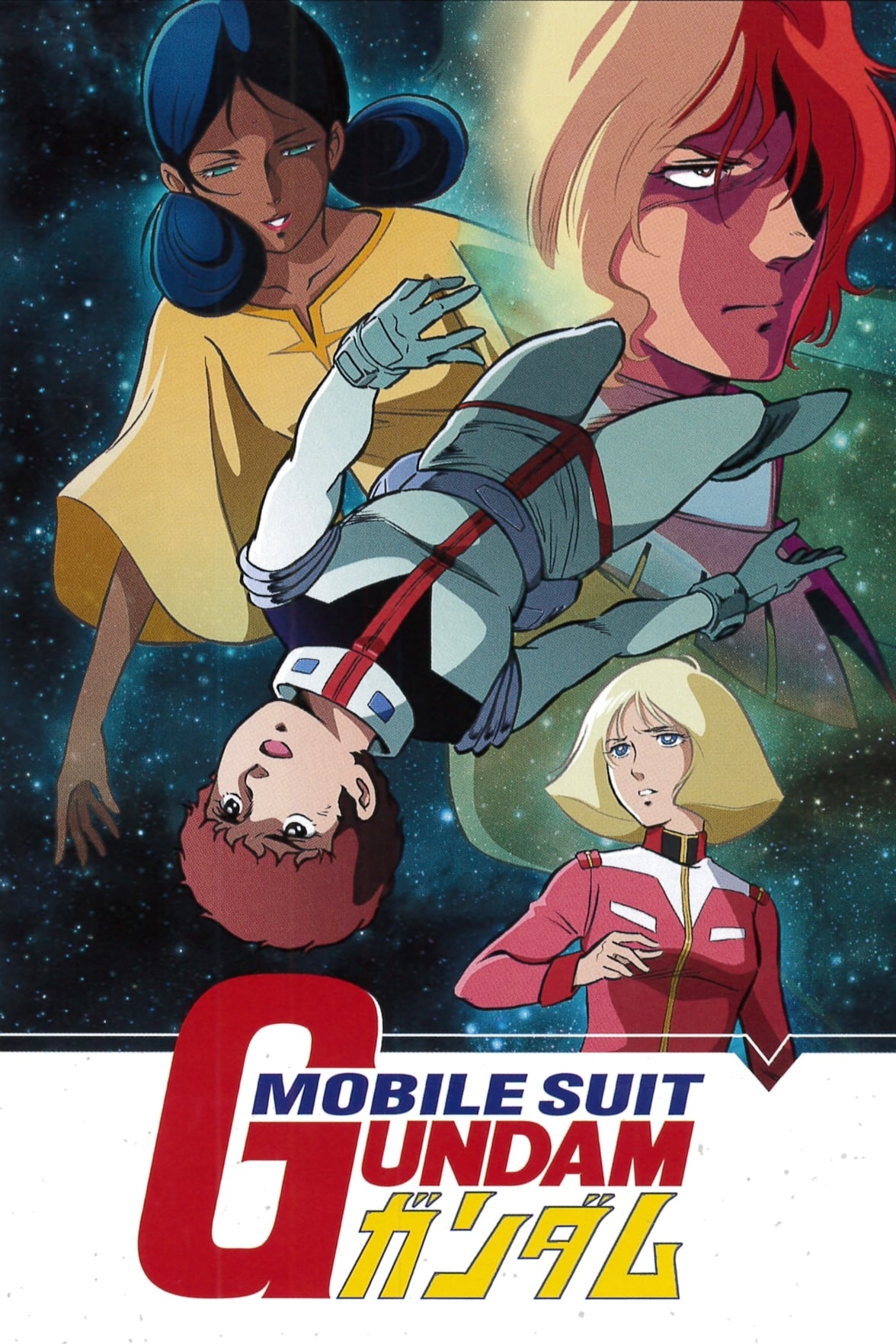
The series faced low ratings during its initial broadcast which led the network to cut the episode count short. Director Yoshiyuki Tomino had to rewrite the final arc drastically to conclude the war narrative earlier than planned. This cancellation inadvertently tightened the pacing and made the finale more intense. The subsequent sales of plastic model kits revived the franchise and turned it into a cultural juggernaut.
‘Space Runaway Ideon’ (1980–1981)
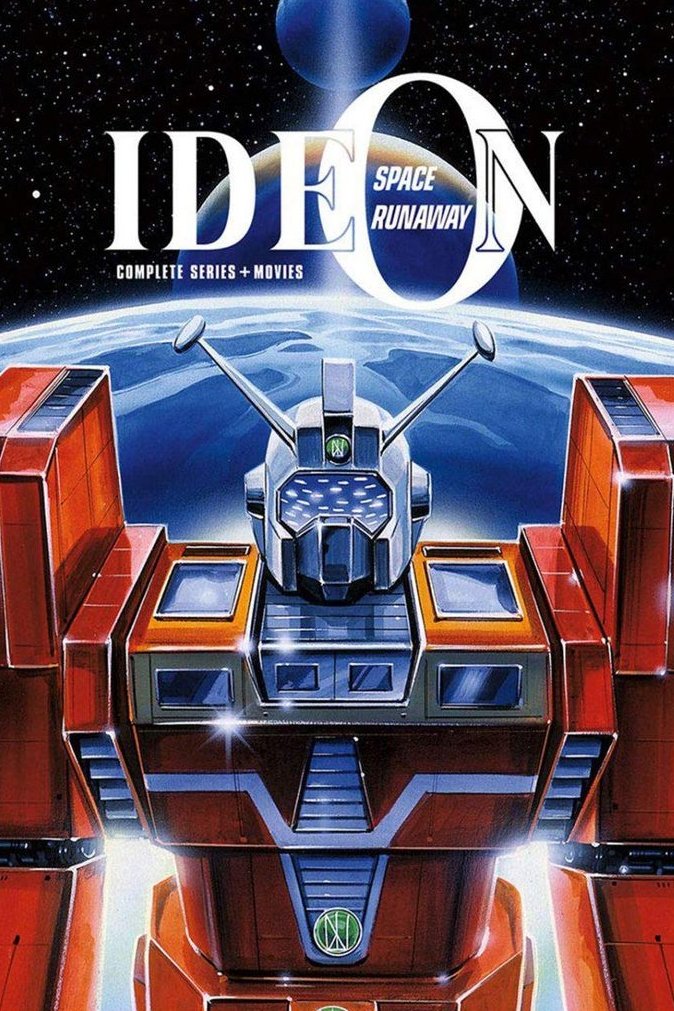
Low ratings forced the cancellation of this series before the story could reach its intended conclusion. The staff ended the television run with the universe being destroyed because they ran out of time to resolve the conflict. They were later granted a theatrical release to properly animate the final episodes they had planned. The production difficulties directly contributed to its reputation for having one of the most depressing endings in anime.
‘Fullmetal Alchemist’ (2003–2004)
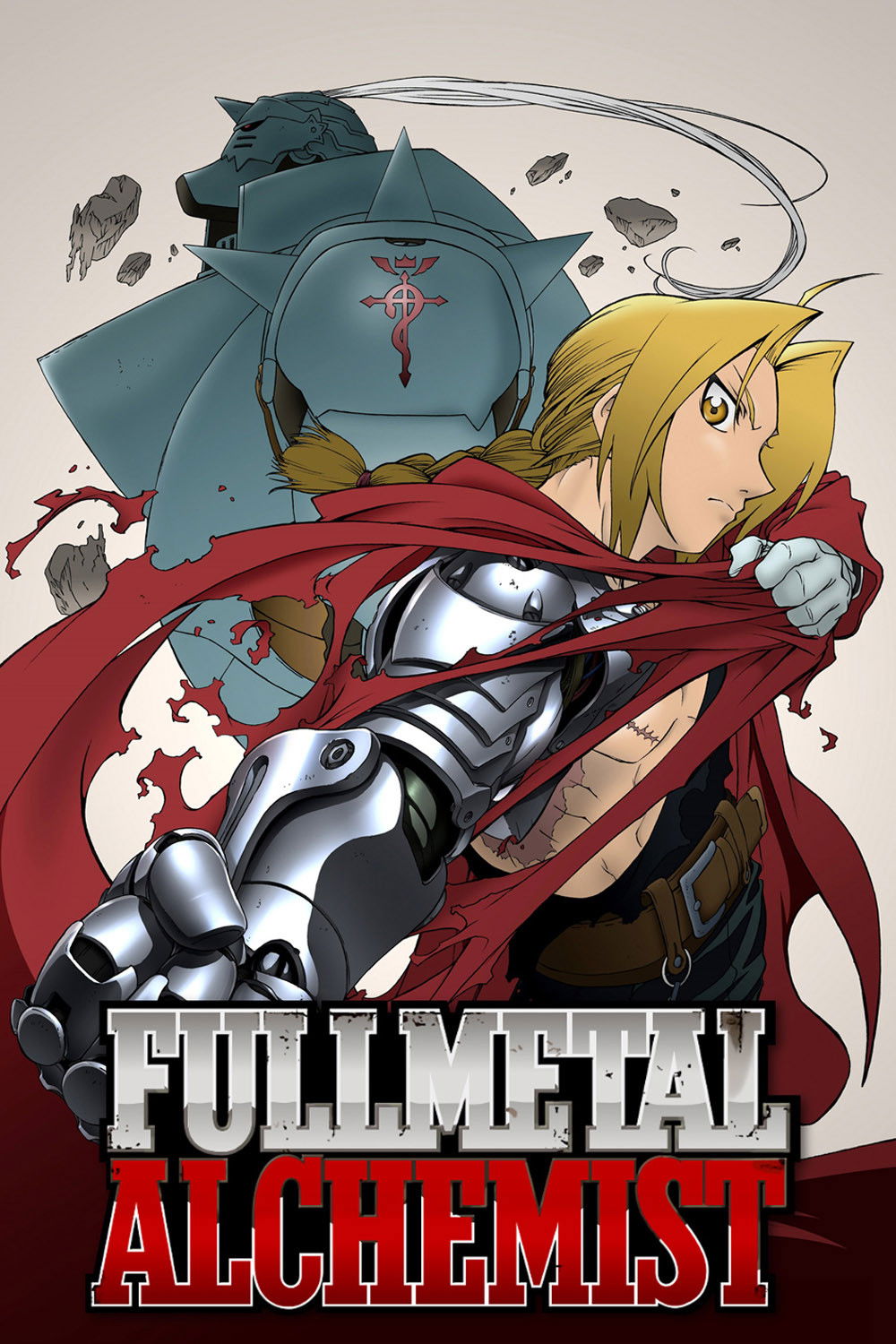
The anime production caught up to the ongoing manga serialization very quickly. The studio asked the original author for permission to diverge and create a completely original conclusion. This resulted in a storyline that is thematically darker and distinct from the source material. The existence of two separate faithful and original adaptations of the same franchise is a rarity in the industry.
‘Pokémon’ (1997)
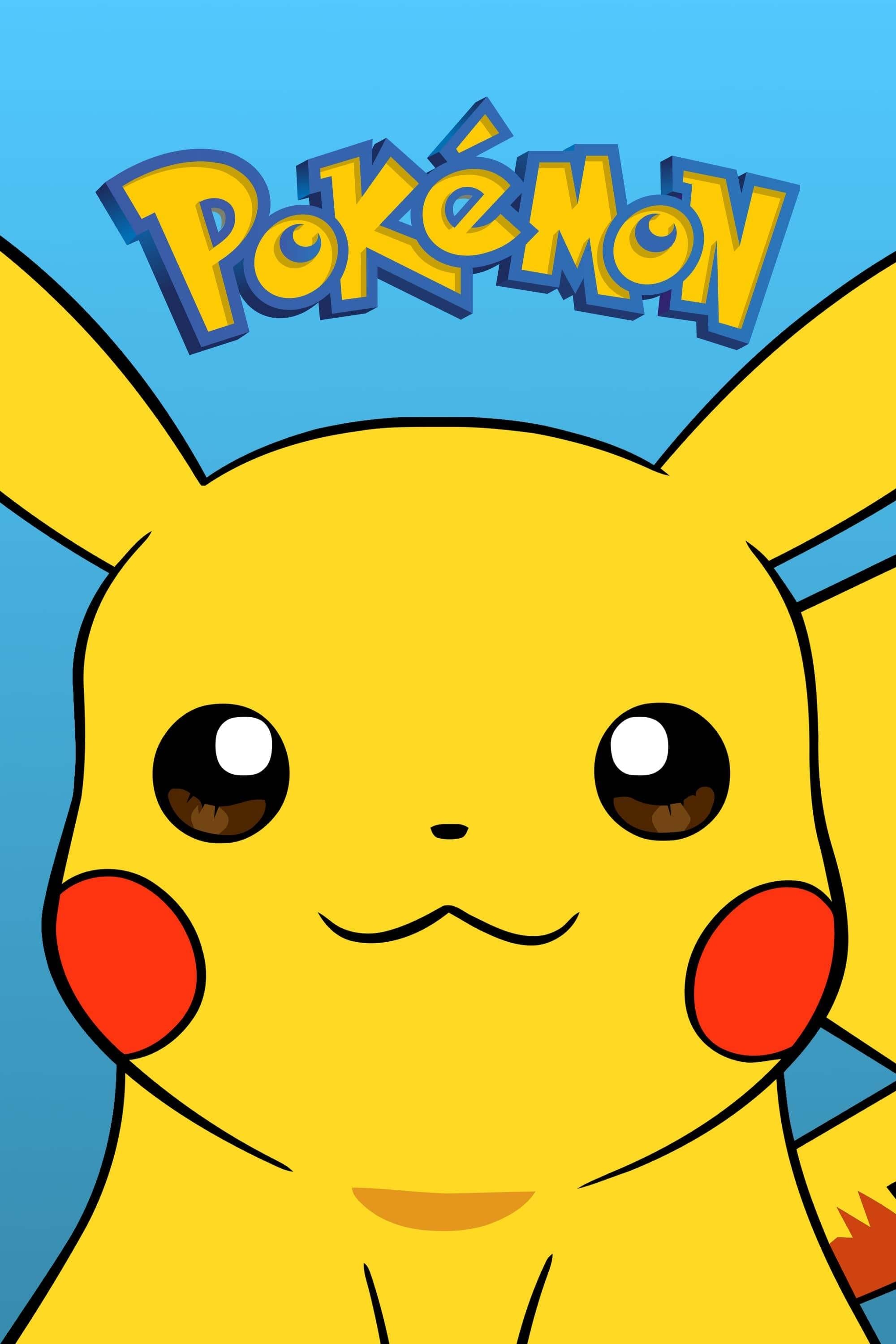
The thirty-eighth episode utilized a flashing strobe effect that caused seizures in hundreds of children across Japan. The show went on hiatus for months while health officials and broadcasters established new guidelines for animation lighting. The specific Pokemon featured in the episode was effectively banned from the anime permanently. This incident changed how lighting effects are handled in television animation globally.
‘Samurai Flamenco’ (2013–2014)
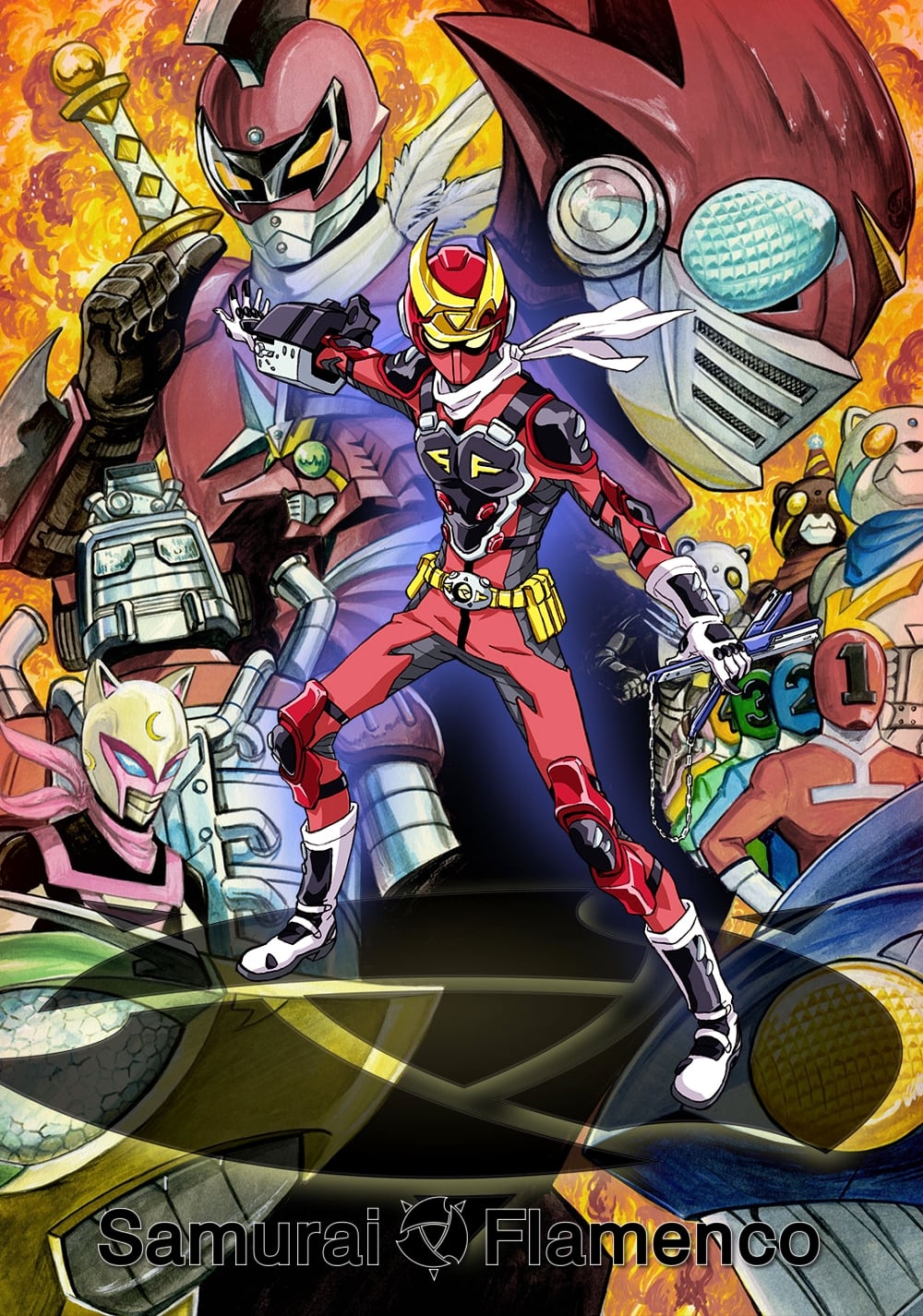
The writer and director intentionally hid the true genre of the show from the audience during the marketing campaign. The series starts as a grounded vigilant story before abruptly shifting into sentai monsters and aliens. The scripts were often written delicately to maintain this deception until the twist occurred. This narrative bait-and-switch was a calculated production risk that baffled and fascinated viewers.
‘Spirited Away’ (2001)
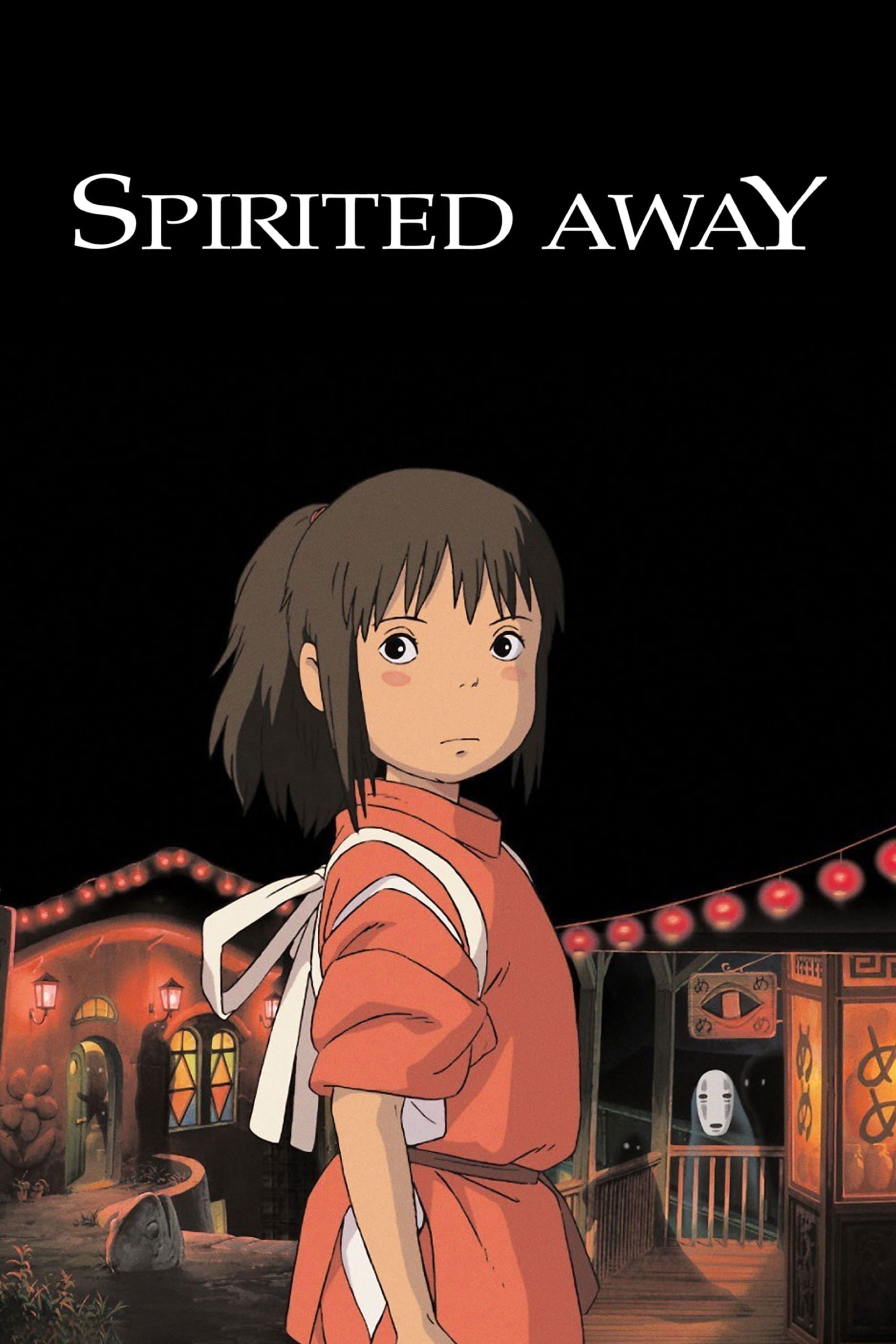
Hayao Miyazaki began storyboarding and animating the film without a completed script or a known ending. He developed the narrative flow organically as the production progressed which caused significant stress for the staff. The story evolved based on the drawings rather than the drawings following a set story. This intuitive method resulted in a dreamlike narrative structure that feels unique to Miyazaki.
‘Howl’s Moving Castle’ (2004)

Mamoru Hosoda was originally tapped to direct the film but left the project due to creative differences with Studio Ghibli. Hayao Miyazaki came out of semi-retirement to salvage the production and restart the film from scratch. The rush to complete the movie after the director swap put immense pressure on the animation team. The final film bears the distinct stamp of Miyazaki despite its turbulent beginnings.
‘Bubblegum Crisis’ (1987–1991)
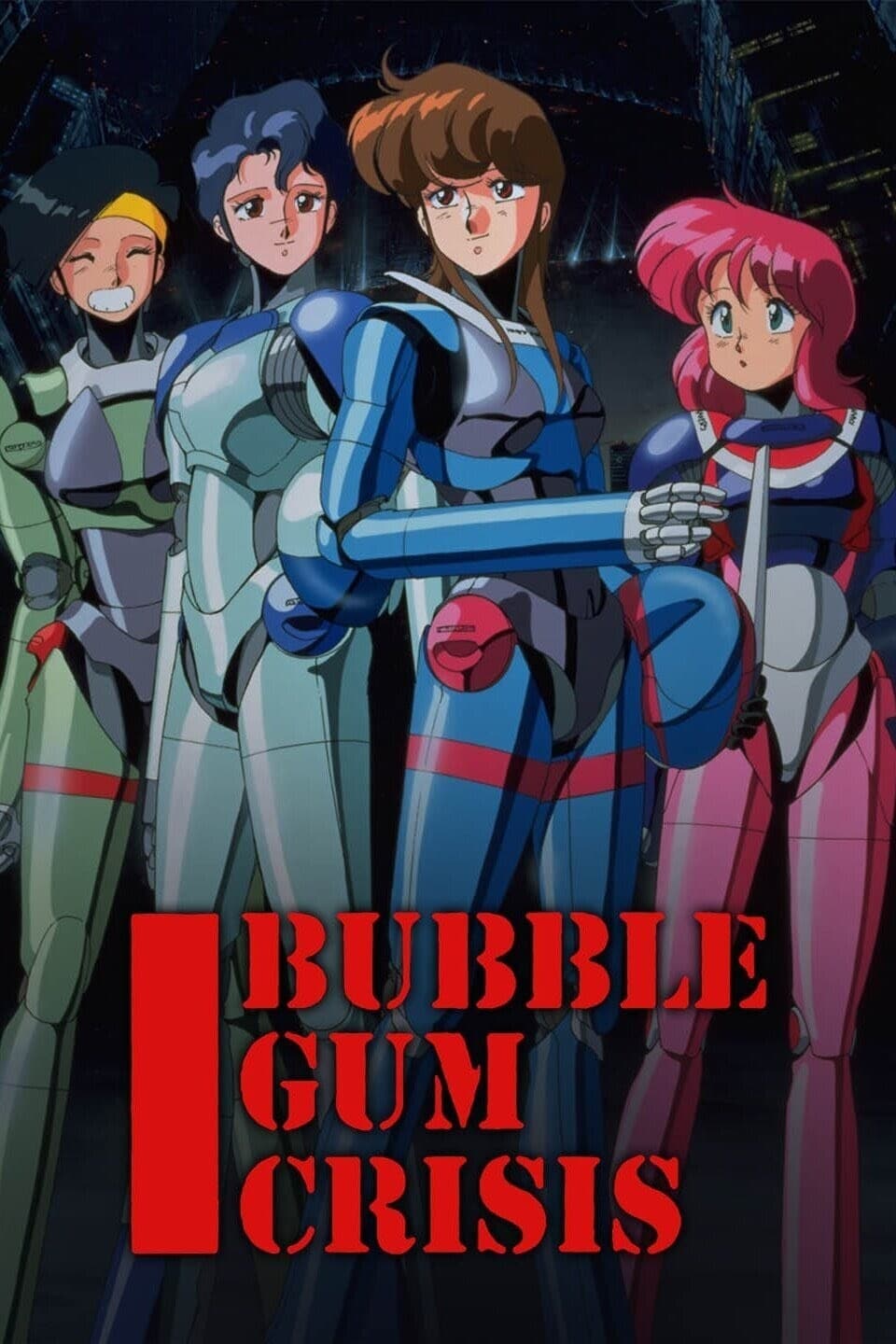
This cyberpunk series was intended to run for thirteen episodes but ended abruptly at eight. Internal disputes between the production companies and legal issues led to the project collapsing mid-story. The creative team later made a spin-off series to spiritually finish the ideas they had for the original. The sudden ending remains a sore point for fans of the vintage series.
‘Excel Saga’ (1999–2000)
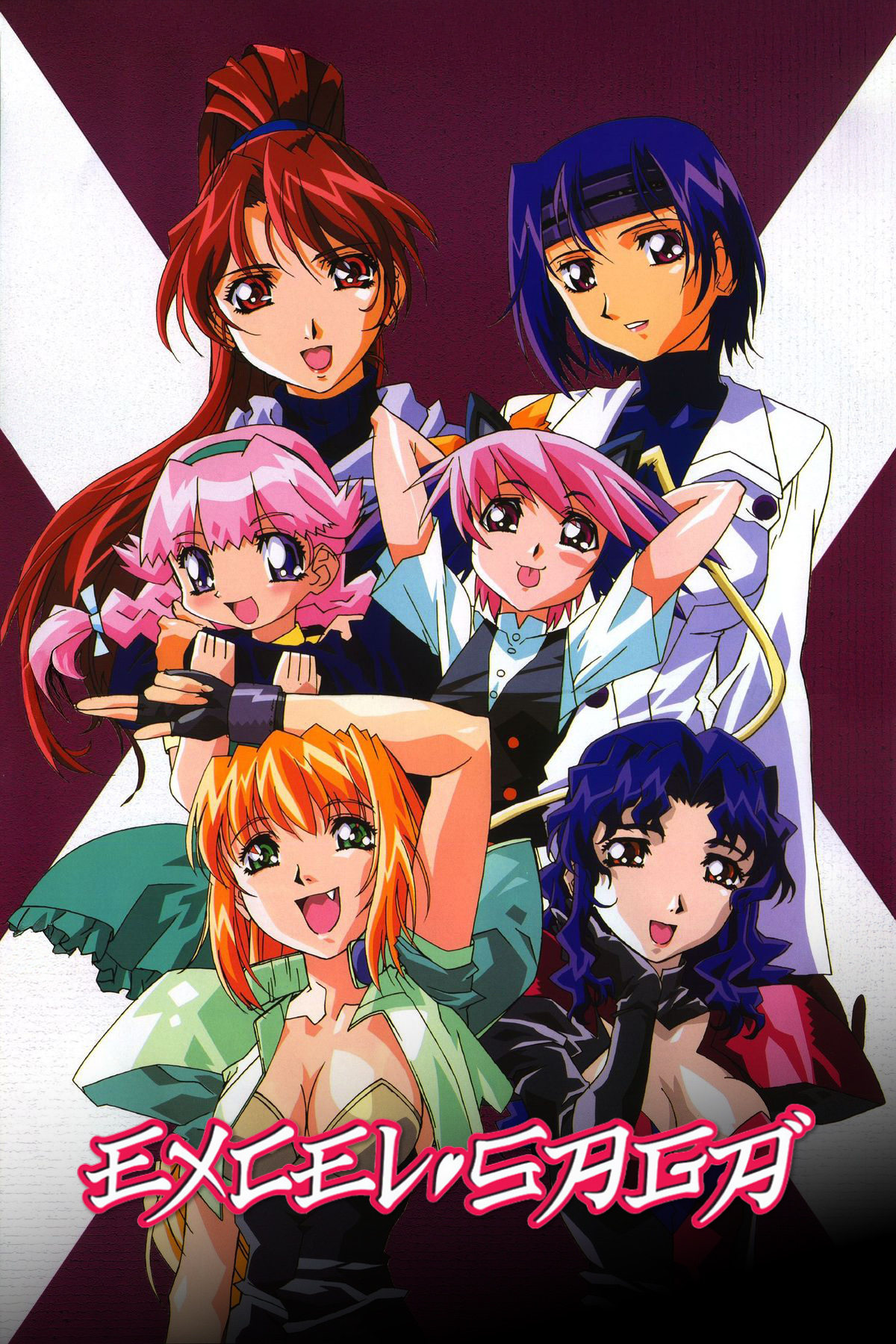
Director Shinichi Watanabe attempted to make the final episode so offensive that it would be impossible to broadcast on television. The episode included excessive violence and nudity and ran three minutes too long for a standard slot. The network refused to air it and it was only included as a bonus on the home video release. The production team accomplished their goal of creating a banned episode.
‘Megazone 23’ (1985)
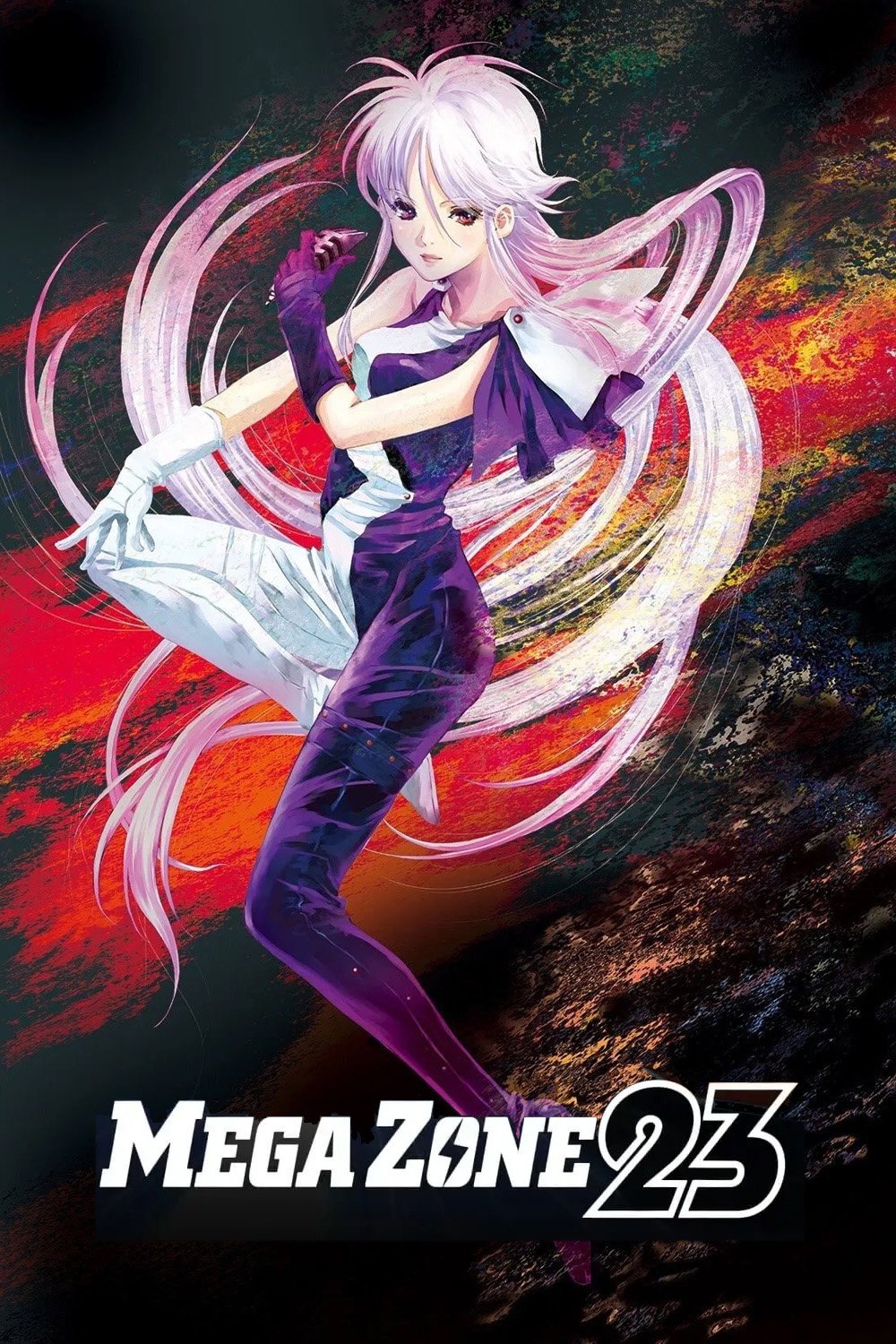
The footage was originally created for a television series that was cancelled before it could air. The producers salvaged the existing animation and edited it into a standalone original video animation. This decision inadvertently helped launch the OVA market in Japan. The disjointed nature of the backstory is a result of condensing a TV arc into a single movie.
‘Robotech’ (1985)
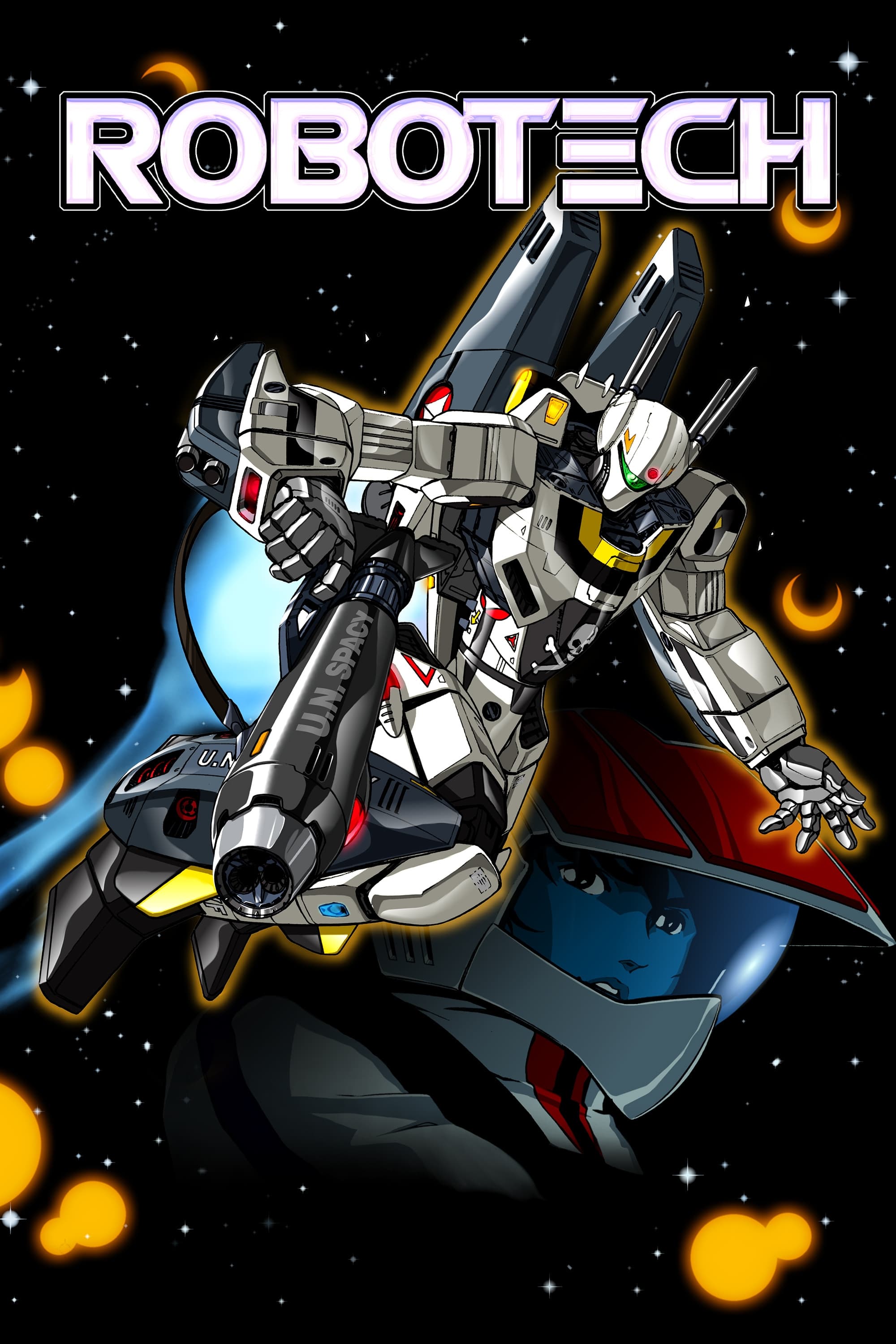
Harmony Gold purchased the rights to three completely unrelated anime series from Japan. They rewrote the scripts and edited the footage to make them appear as a single multi-generational saga. The production team had to invent complex lore to explain the inconsistencies in mechanical designs and character appearances. This creative localization effort introduced anime to a generation of Western viewers.
‘Astro Boy’ (1963–1966)
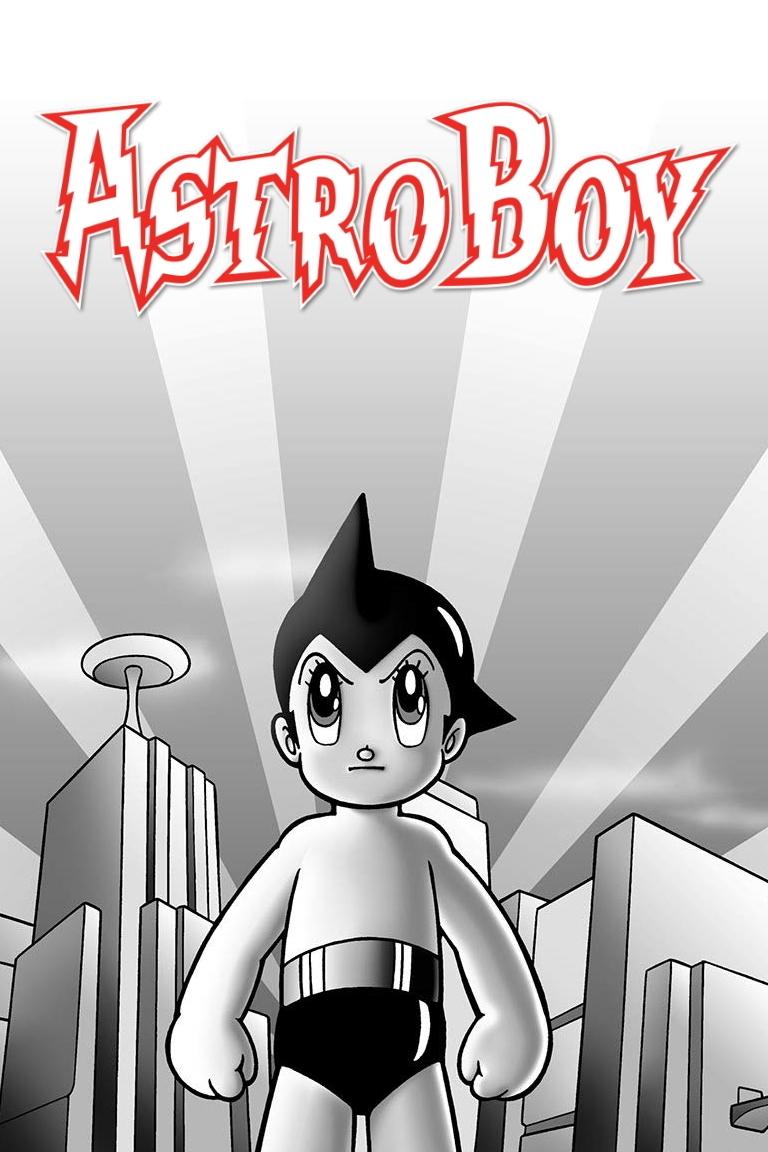
Osamu Tezuka famously undersold the production costs of this series to television networks to secure a broadcast slot. To stay within this impossible budget the team invented limited animation techniques like reusing cel banks and mouth movements. This business decision set a low standard for animator wages that plagues the industry to this day. The production model relied on passion over profit from the very beginning.
‘Shirobako’ (2014–2015)
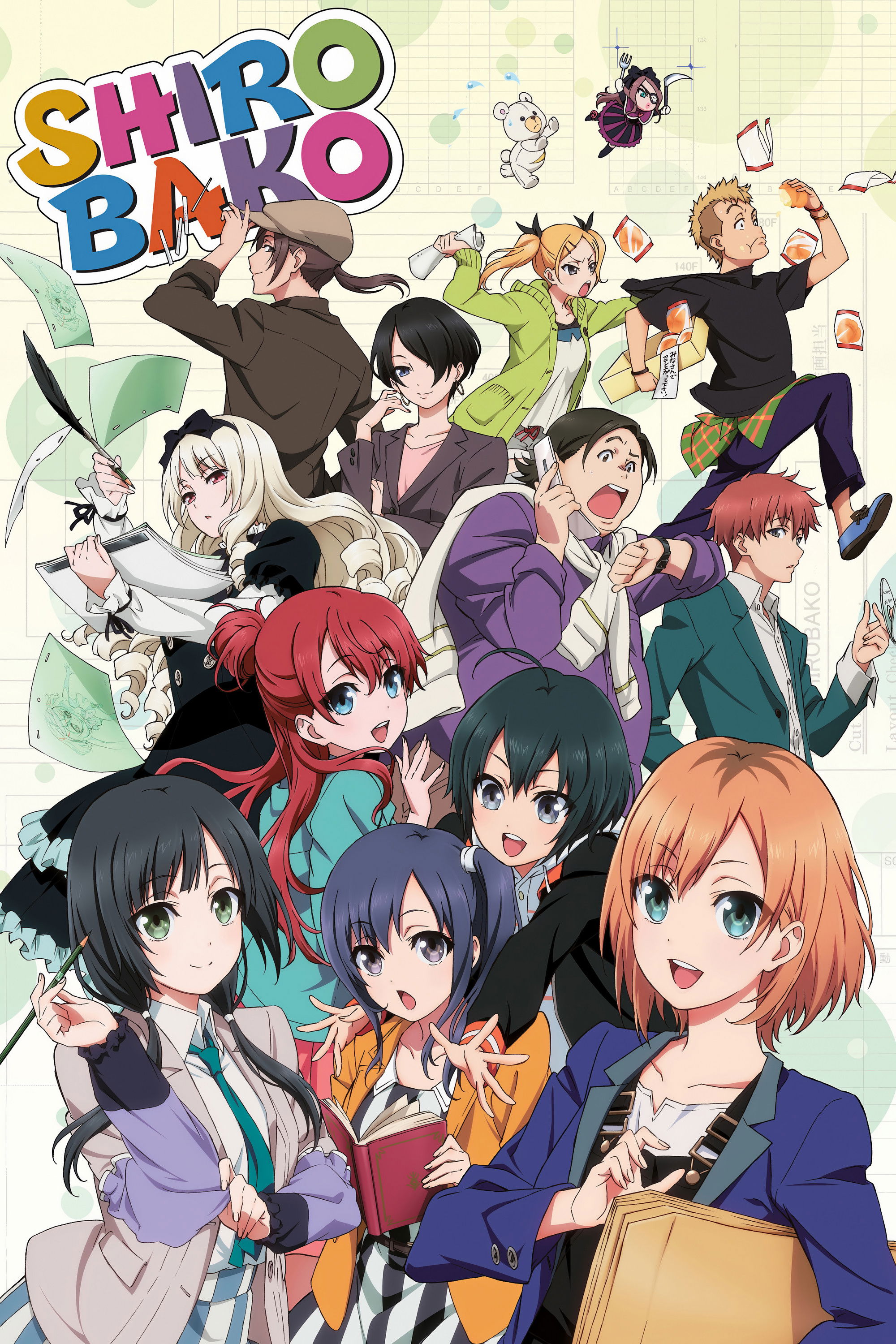
The show is a meta-commentary about the difficulties of anime production that ironically faced its own production issues. The team struggled to finish the final episodes on time which mirrored the plot of the anime itself. The director confirmed that the staff was barely meeting deadlines during the broadcast run. It served as a real-time documentary of the stress involved in the industry.
‘God Eater’ (2015–2016)
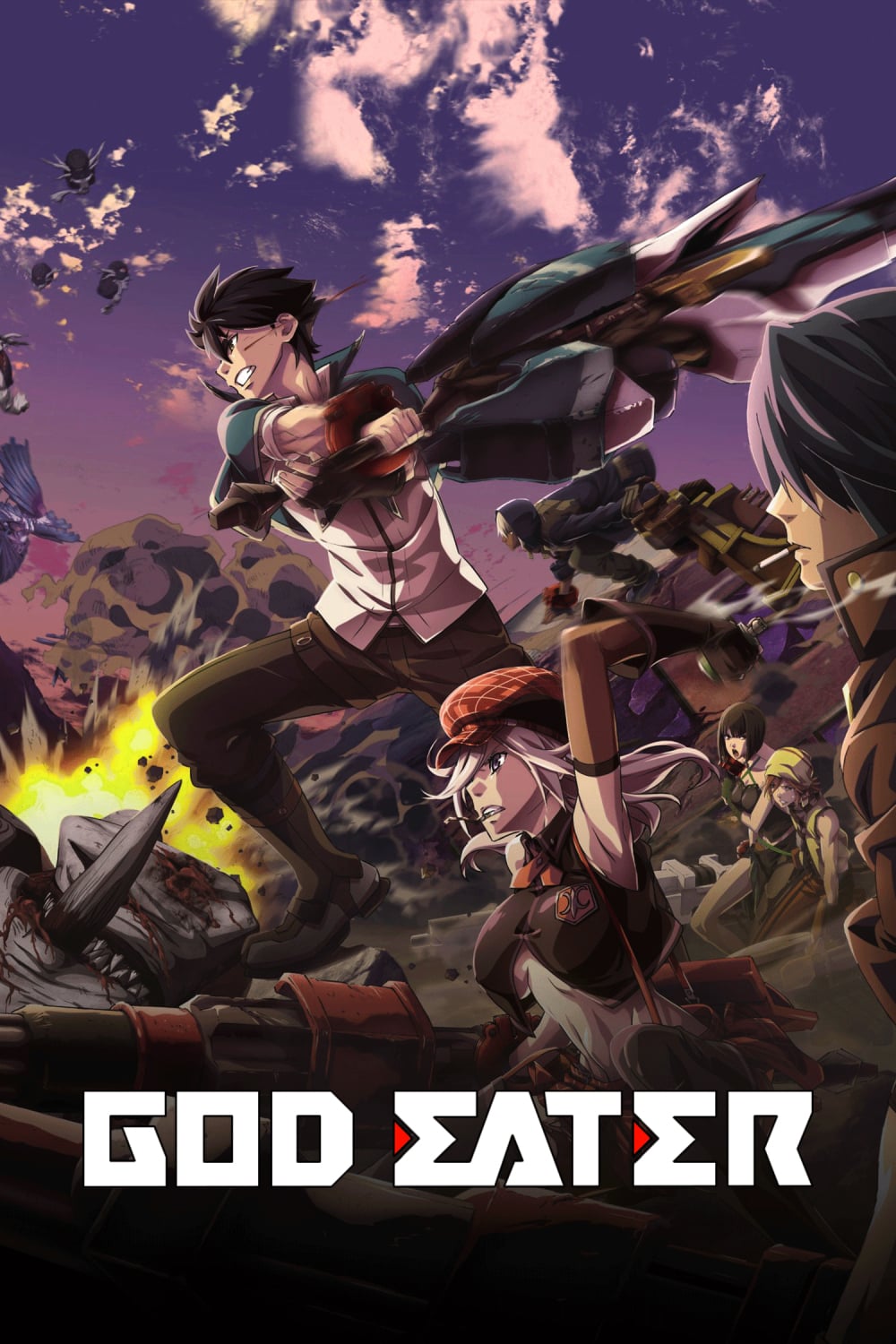
Studio Ufotable attempted to use a high-quality post-processing style that required immense rendering time. The production fell behind schedule almost immediately causing the broadcast to be delayed multiple times. The show eventually had to go on hiatus and air the final episodes months later. The ambition to create a movie-quality series for television caused the schedule to implode.
‘Girls und Panzer’ (2012–2013)
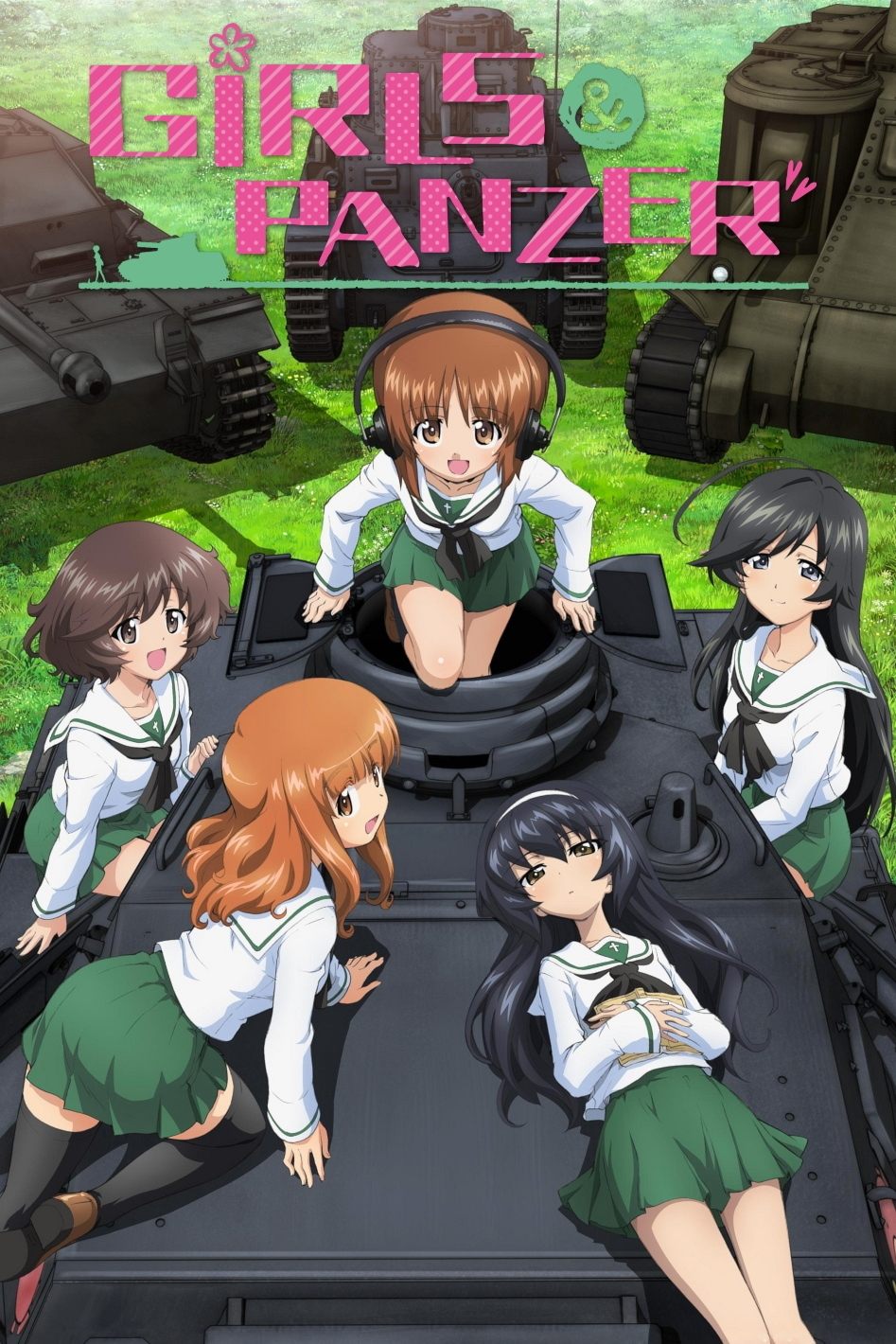
The production faced numerous delays that forced the studio to air multiple recap episodes during the season. The final two episodes had to be postponed for three months because they could not be finished in time. The director apologized for the delays which were attributed to the detailed tank animation. The staff used the extra time to ensure the finale was of the highest possible quality.
‘Zom 100: Bucket List of the Dead’ (2023)

The production schedule completely disintegrated mid-season despite a strong premiere. Episodes were delayed by days or weeks and the broadcast slot was eventually lost entirely. The final episodes were dumped onto streaming services months later on Christmas day. The collapse was attributed to poor planning and overworking the staff at a relatively new studio.
‘Uncle from Another World’ (2022–2023)
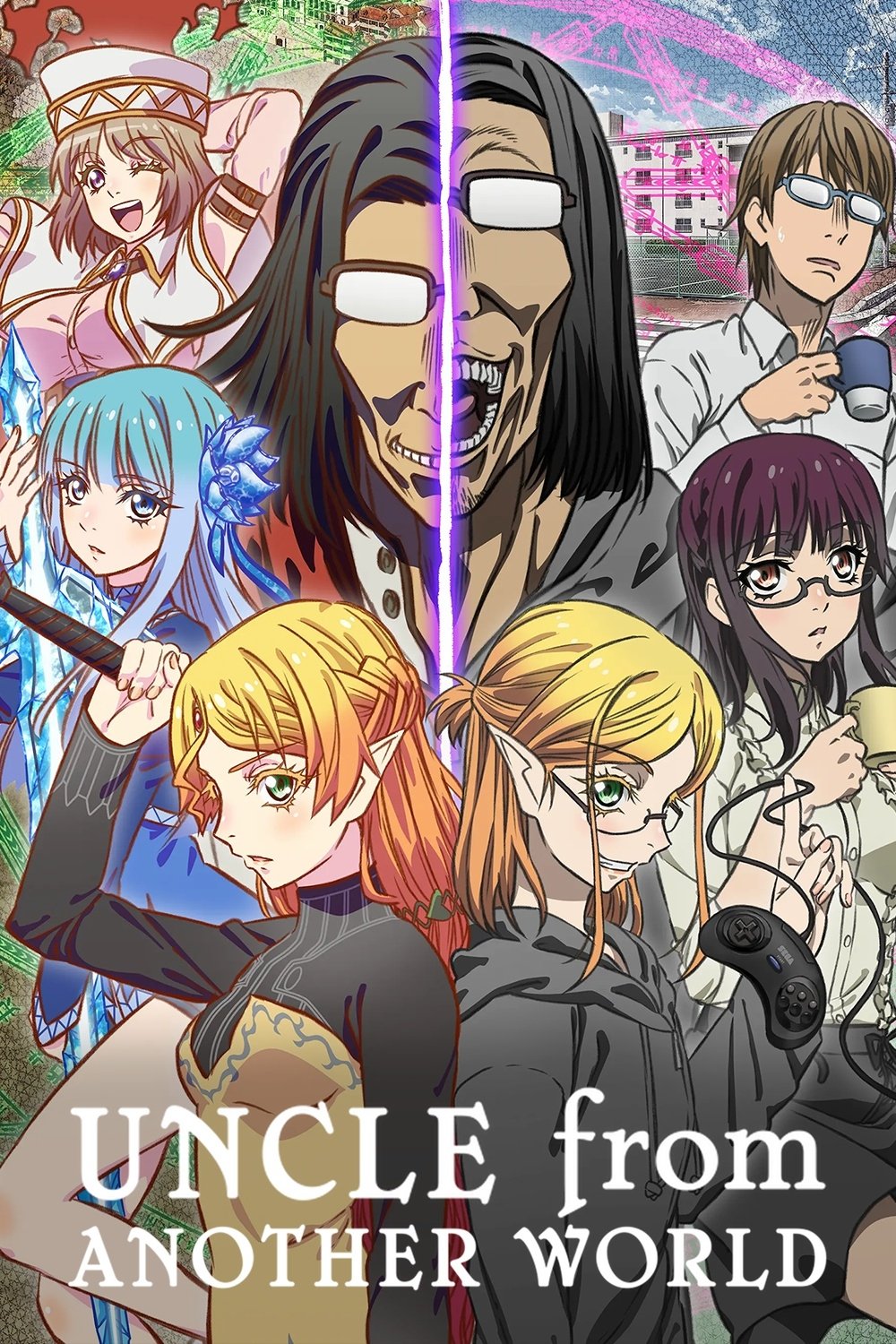
A Covid-19 outbreak at the studio caused the show to stop airing after episode seven. The production went on an indefinite hiatus before restarting the broadcast from the beginning months later. The delays continued even after the restart leading to a fragmented viewing experience. The show became a prominent example of how fragile modern animation pipelines are.
‘NieR:Automata Ver1.1a’ (2023)
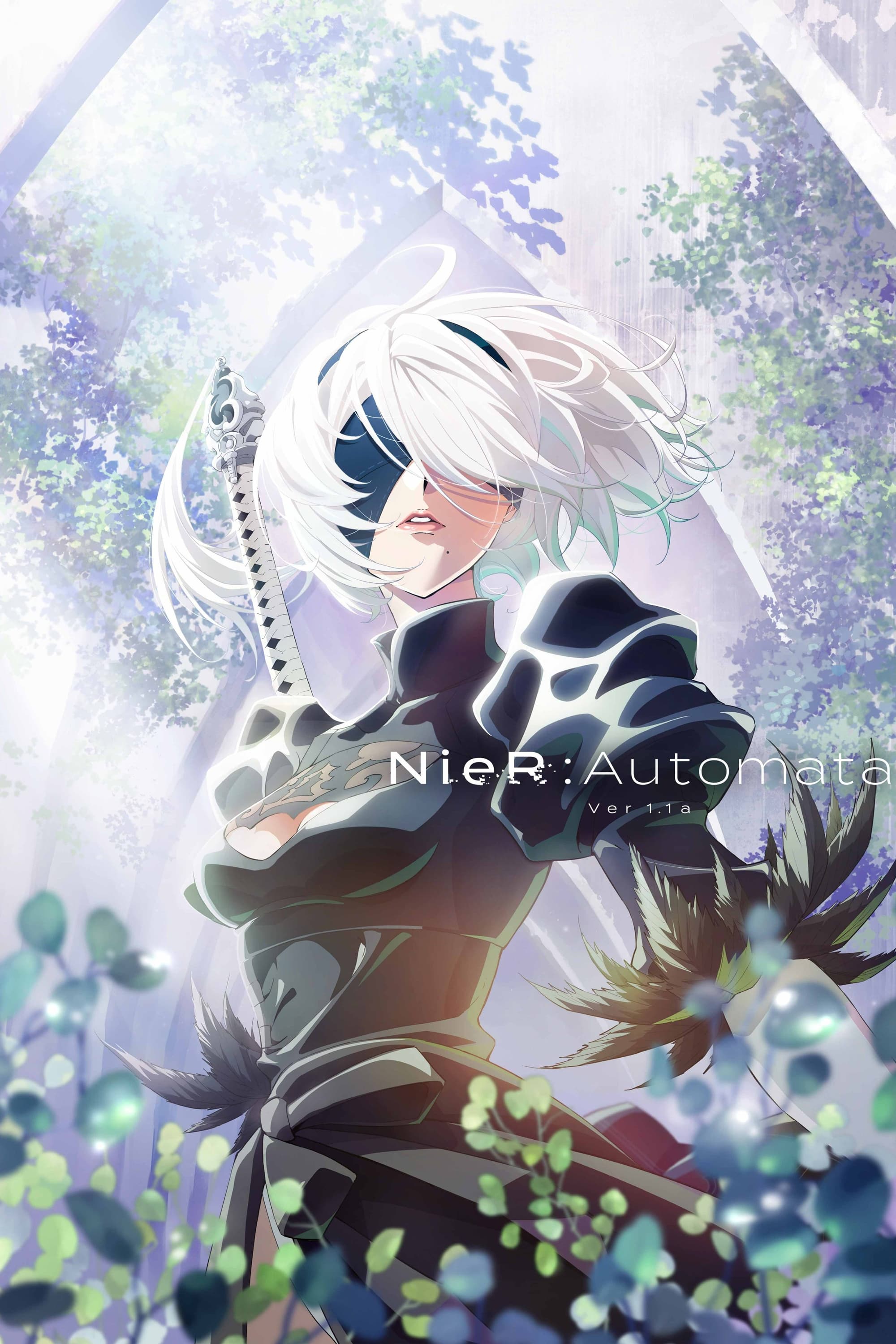
Similar to other shows airing at the time the production was halted for months due to pandemic-related complications. The broadcast was suspended for a long period before finally resuming to finish the season. The staff had to publicly apologize for the interruption which killed the momentum of the series. The delays highlighted the industry’s reliance on outsourcing that was disrupted by global events.
‘Ninja Slayer From Animation’ (2015)
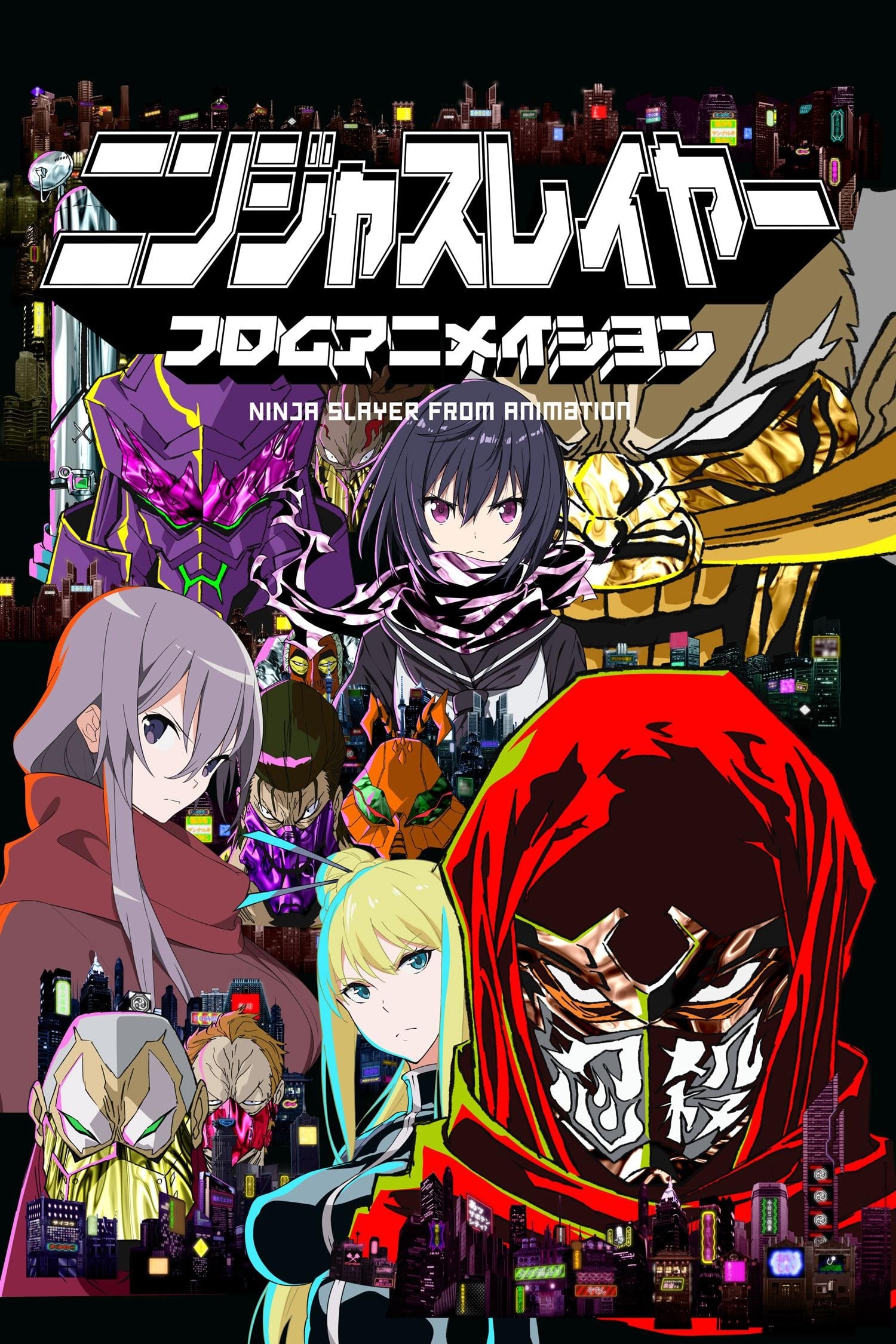
Studio Trigger deliberately animated the series in a jagged flash-style format that mimicked low-budget internet videos. They used a 4:3 aspect ratio and static cutouts despite having the resources to make a standard anime. This stylistic choice was a practical joke played on the audience who expected high-octane action. The production was an exercise in trolling the viewer while saving money.
‘Inferno Cop’ (2012–2013)
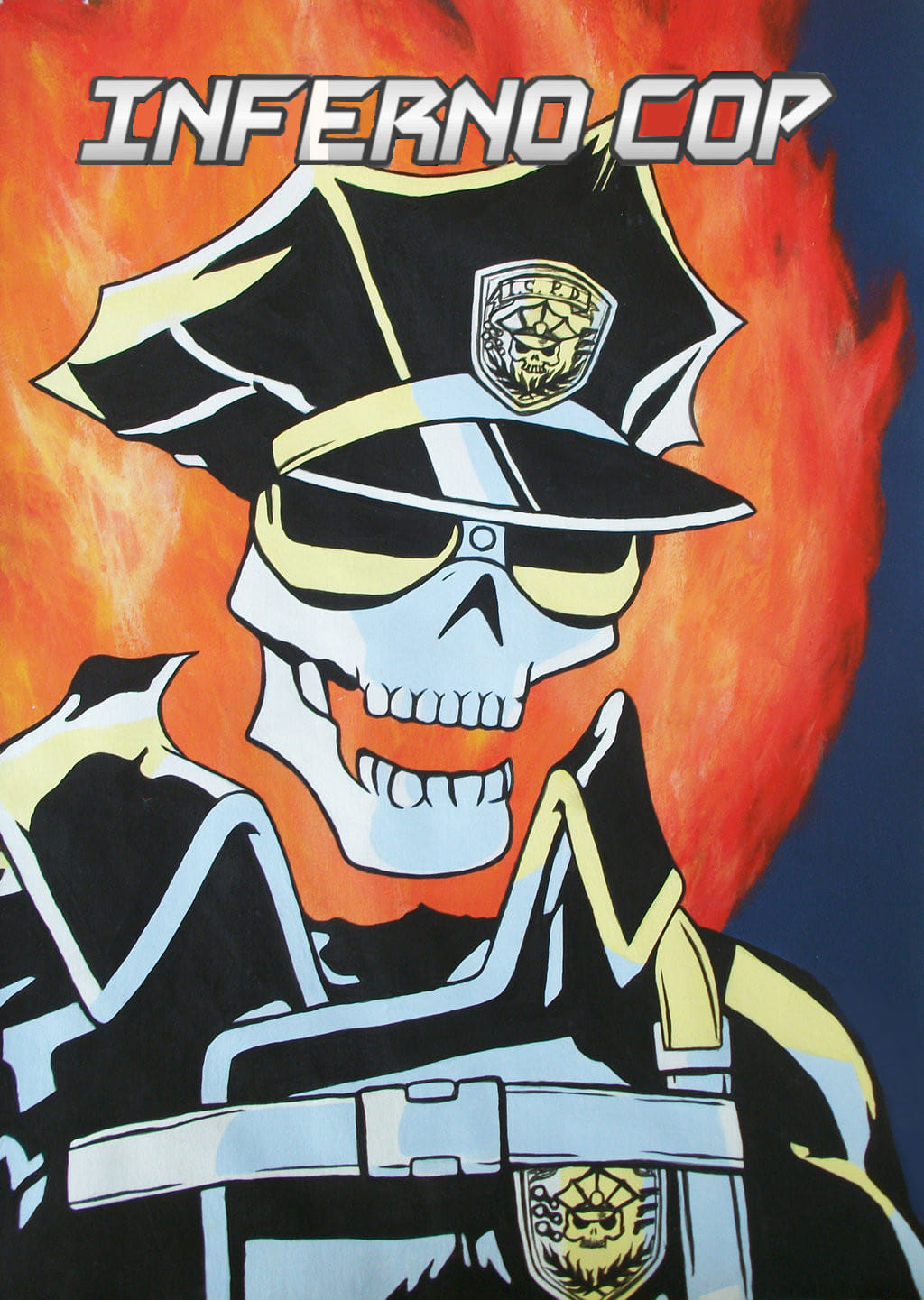
The entire series was reportedly created by a tiny team in a very short amount of time with almost zero budget. The animation consists entirely of static drawings moving across the screen with no articulation. The voice actors recorded their lines in ad-libbed sessions that were barely edited. The project was a successful experiment in creating content with the absolute minimum resources.
‘Cowboy Bebop’ (1998–1999)
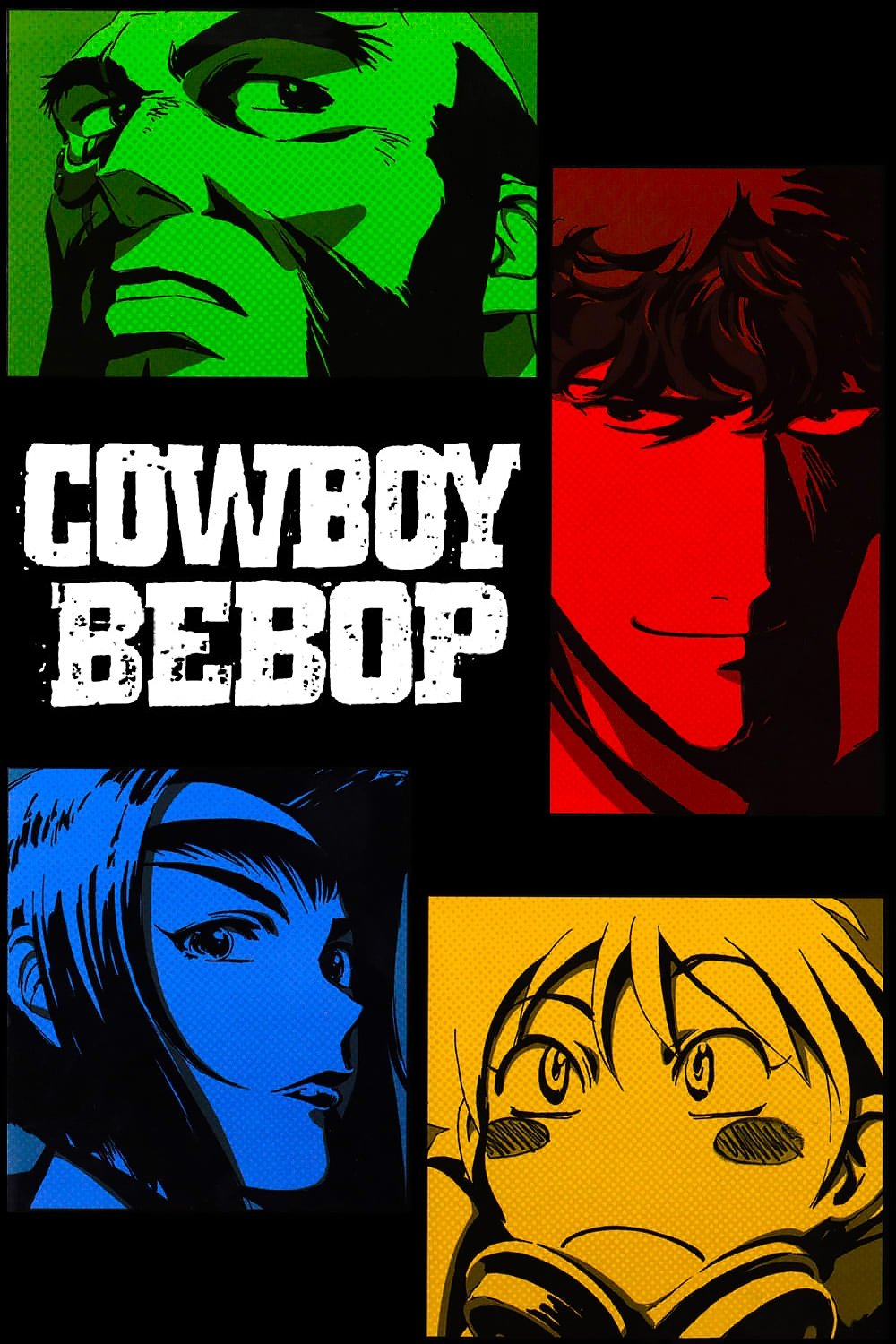
The show was originally sponsored by a toy company that wanted a series to sell spacecraft merchandise. Director Shinichiro Watanabe created a sophisticated show that was completely unsuitable for selling toys to children. The sponsor pulled their funding which left the show in limbo until another company picked it up. This creative rebellion allowed the series to become the noir masterpiece it is today.
‘Macross: Do You Remember Love?’ (1984)
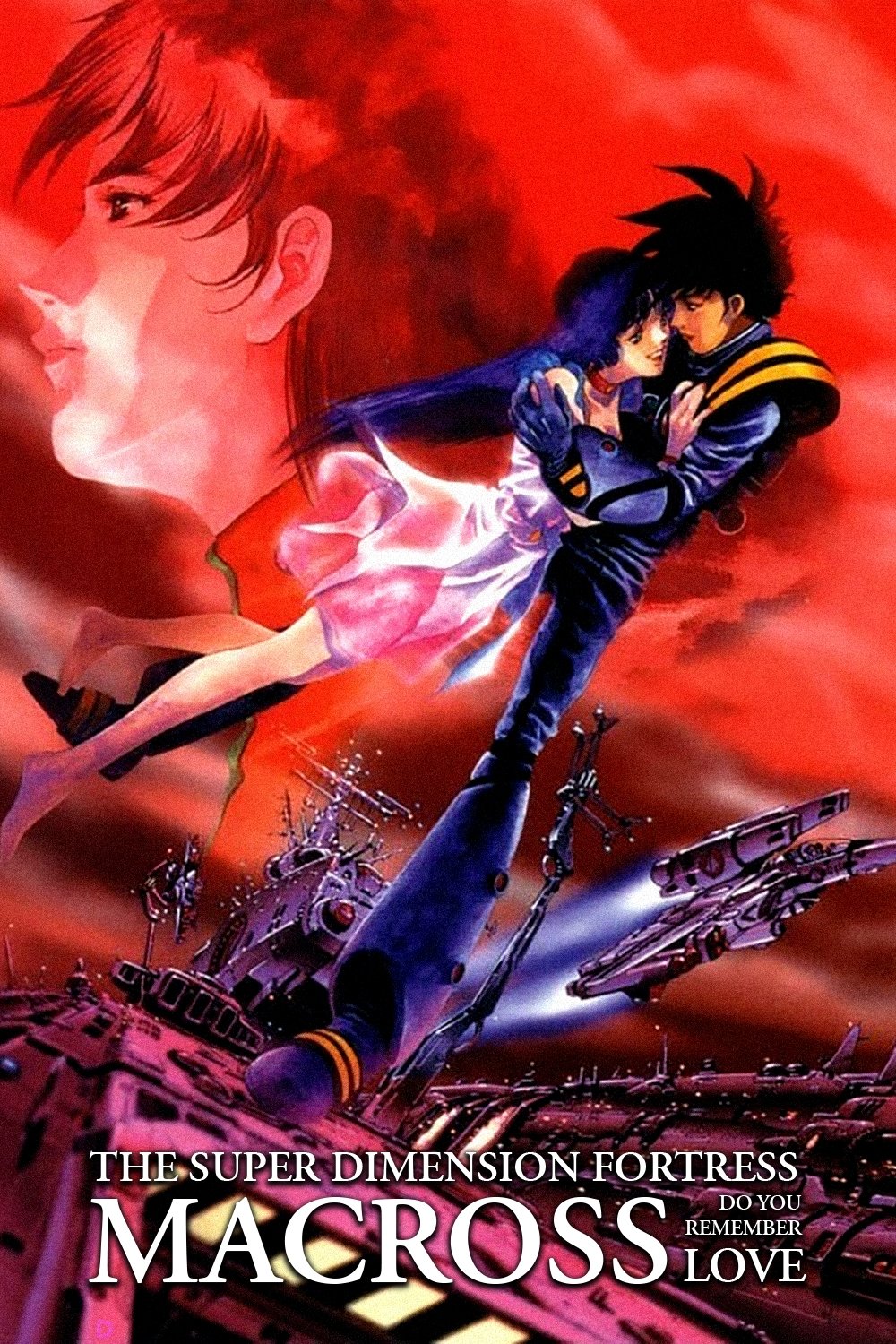
The production environment was so intense that staff members lived in the studio for months. There were reports of animators sleeping under desks and neglecting basic hygiene to meet the deadline. The detail in the mechanical animation required an exhausting amount of focus that drained the team. The film is a visual marvel built on the extreme sacrifice of its creators.
‘Attack on Titan’ (2013–2023)
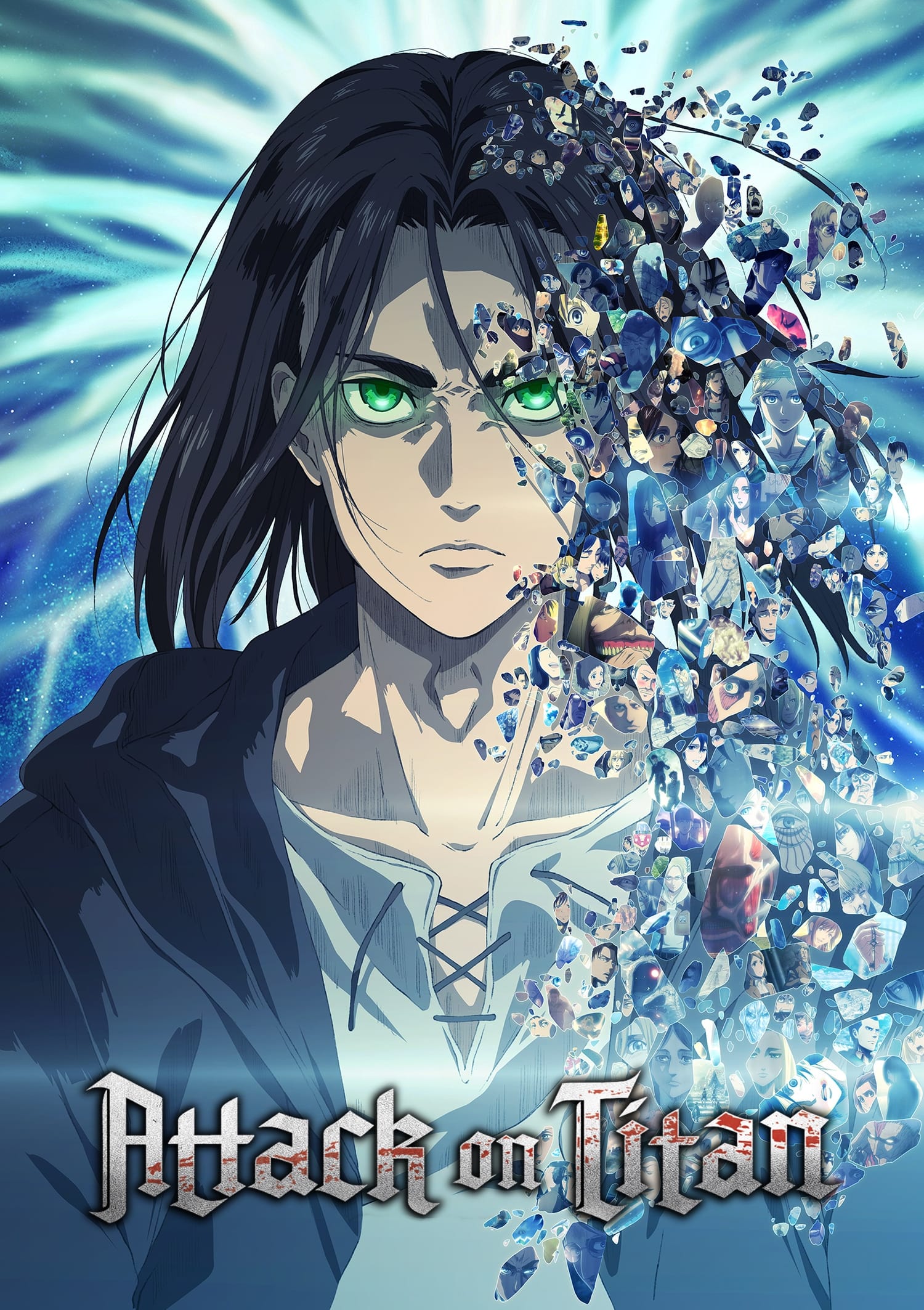
The first three seasons were produced by WIT Studio until the schedule became too demanding for their resources. The production was transferred to MAPPA which had to animate the final season in a punishingly short timeframe. The staff shift resulted in a change in art style and the use of CGI titans. The production committee’s refusal to delay the release put immense strain on the new studio.
‘Mars of Destruction’ (2005)
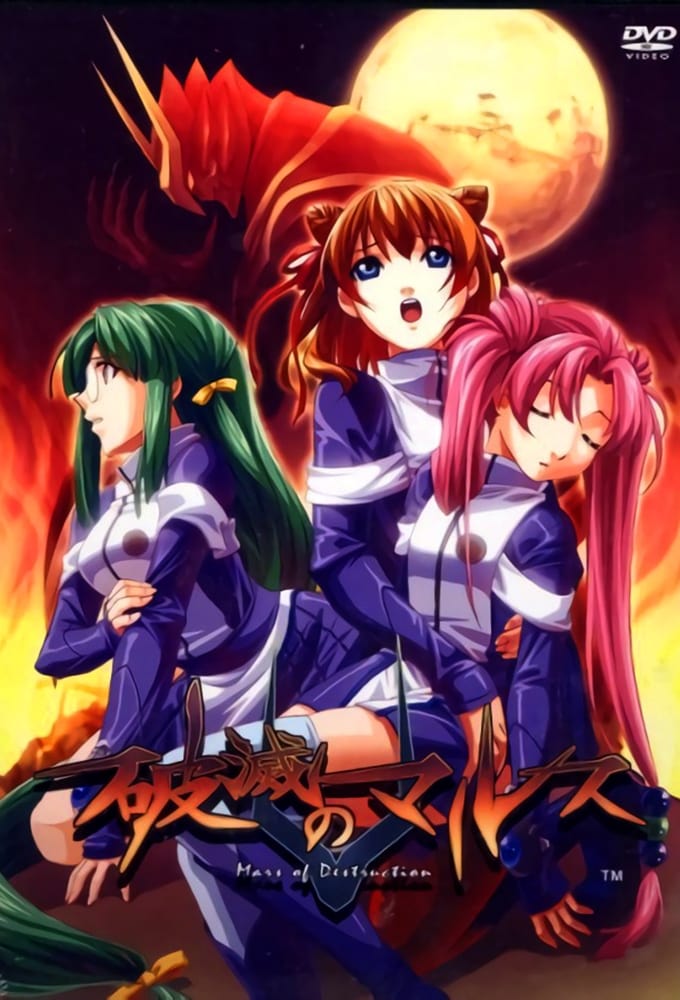
This OVA is frequently cited as one of the worst anime ever made due to its incompetent production values. The sound mixing often drowns out the dialogue and the animation is stiff and amateurish. It was produced by a game company attempting to promote their visual novel with evidently insufficient expertise. The result is a production that fails on every technical level.
‘Code Geass: Lelouch of the Rebellion’ (2006–2008)
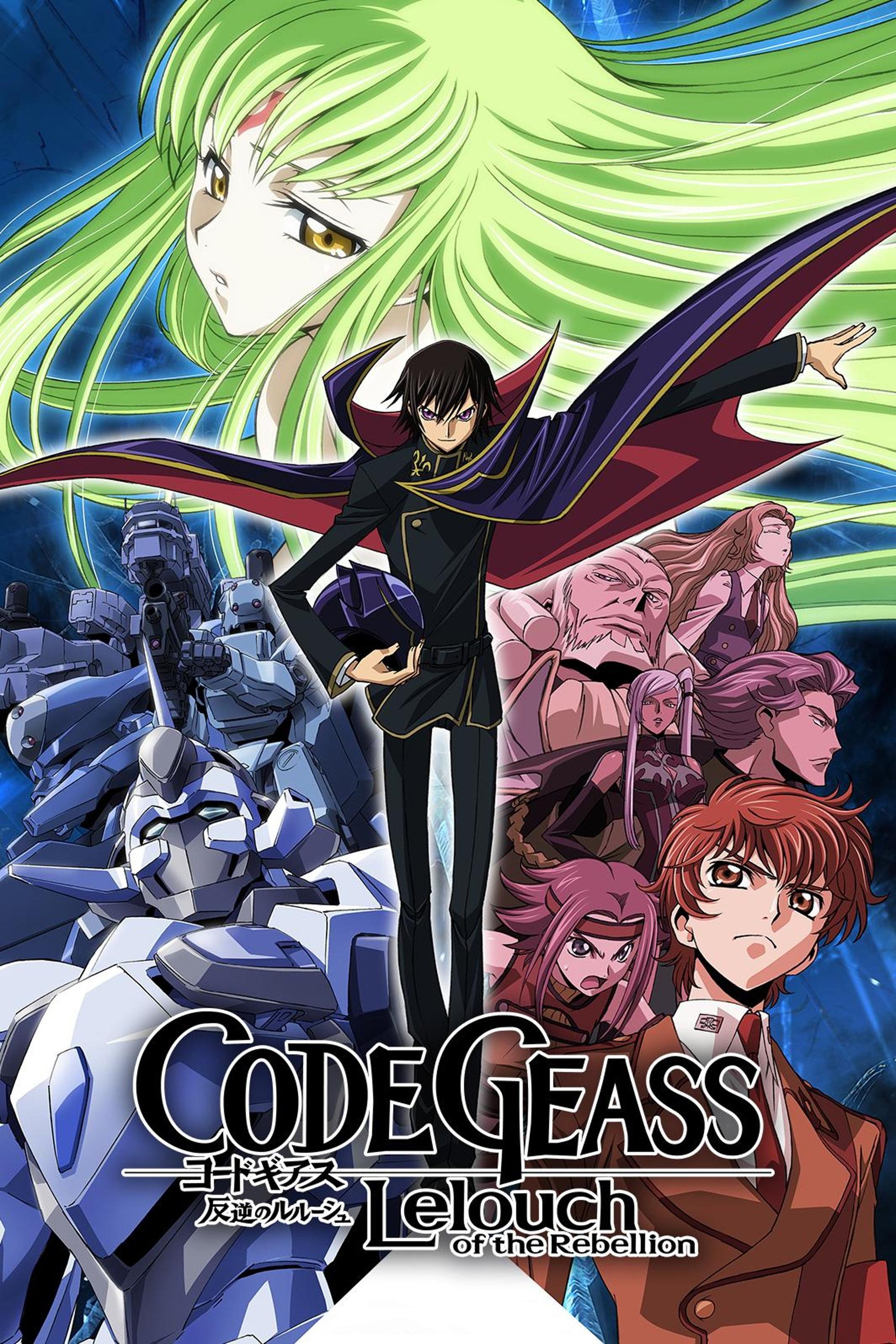
The series was heavily sponsored by Pizza Hut which led to the constant presence of the brand in a fantasy setting. The production team had to insert the logo and cheese-kun mascot into serious dramatic scenes. This corporate mandate created a jarring visual dissonance that amused viewers. The funding arrangement directly influenced the visual landscape of the show.
‘Panty & Stocking with Garterbelt’ (2010)
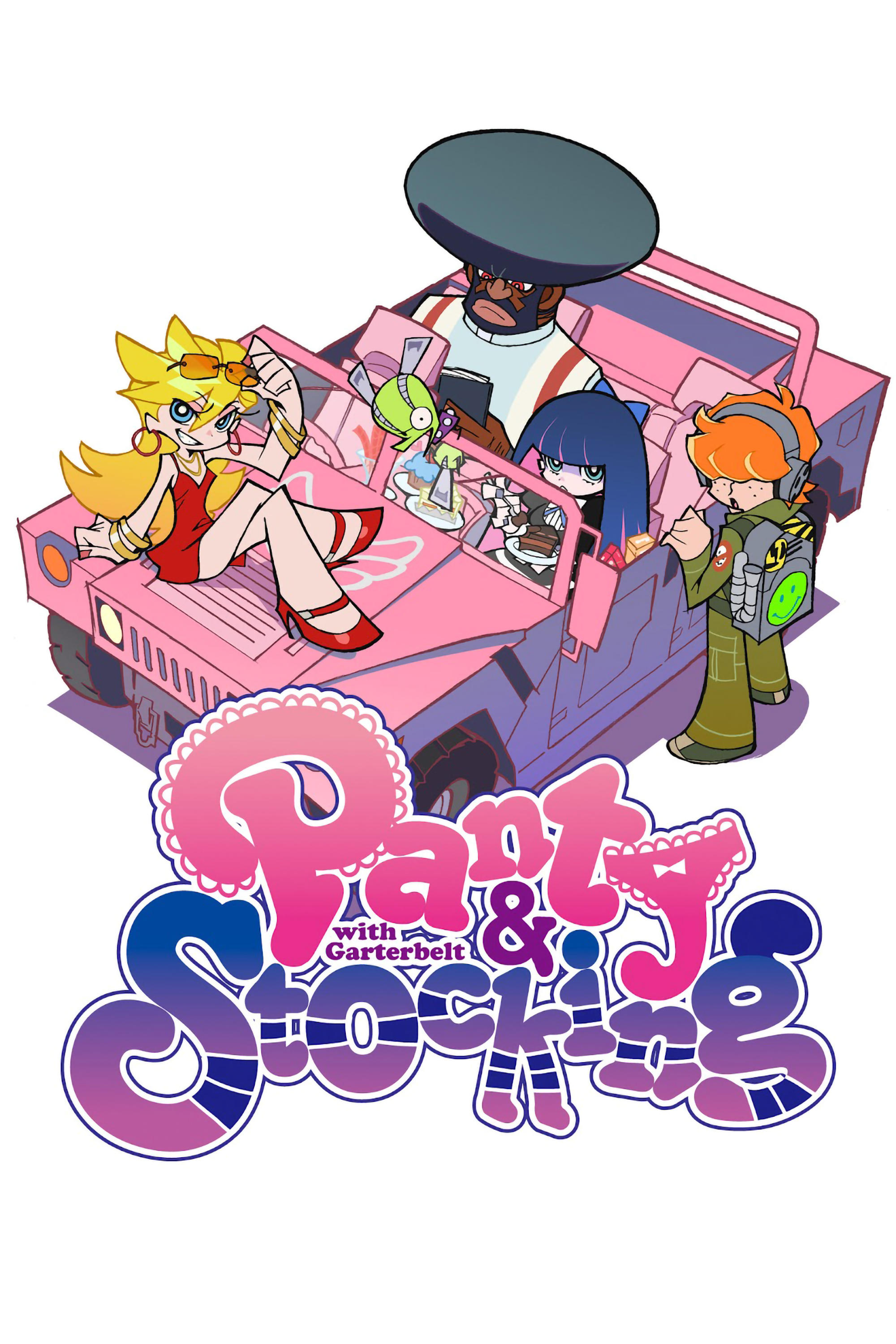
Gainax animators created this show to emulate American cartoons like The Powerpuff Girls. The rights to the series became stuck in legal limbo when the core staff left to form Studio Trigger. Fans waited over a decade for a second season while the creators fought to buy back the rights. The production story is a long legal battle to reclaim a creative property.
‘Paranoia Agent’ (2004)
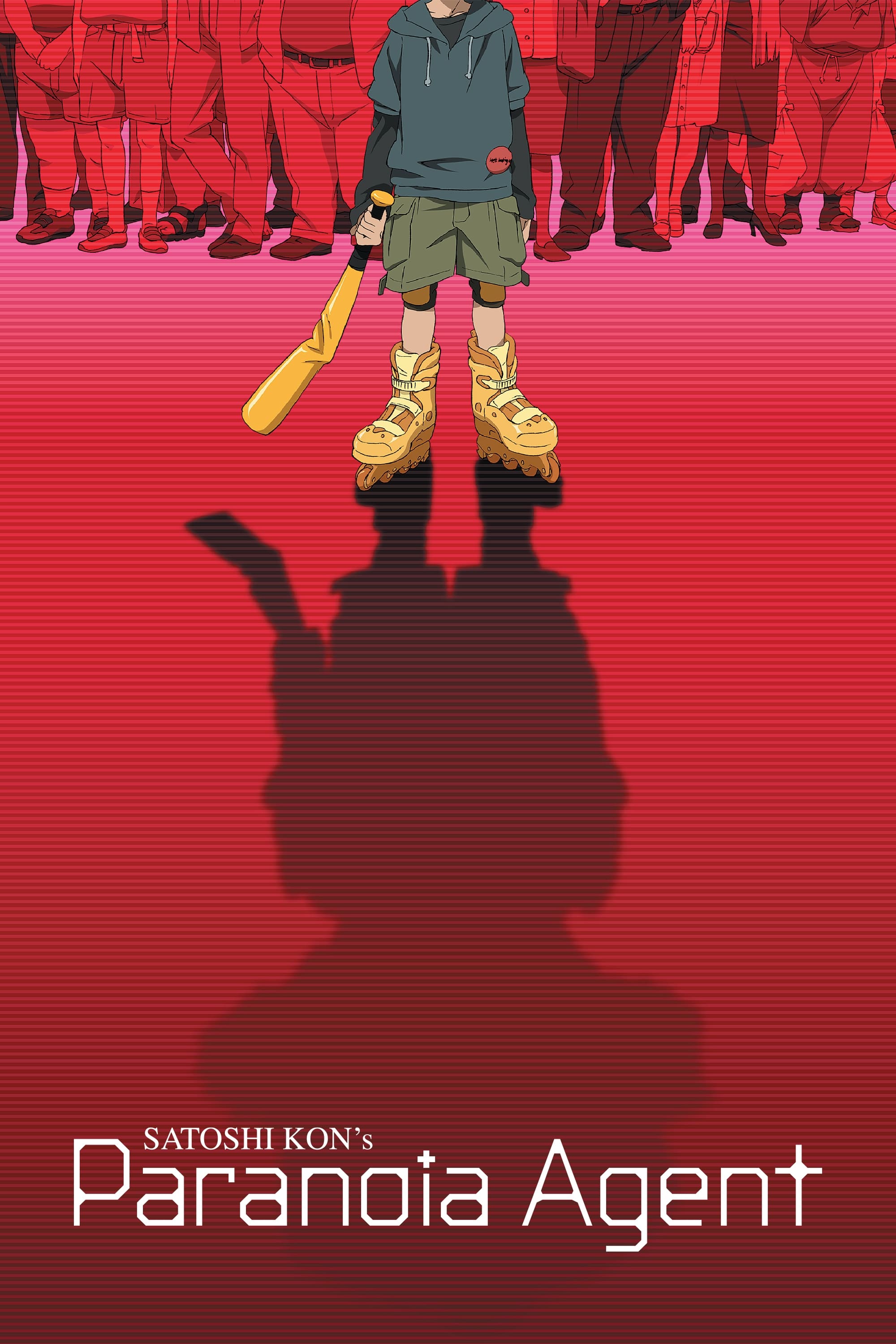
Satoshi Kon created this series to use up leftover ideas that did not fit into his feature films. The production was a way to recycle unused concepts into a coherent psychological thriller. It was the only television series directed by the legendary filmmaker before his death. The show exists primarily because the director hated wasting good ideas.
‘Golden Kamuy’ (2018)

The first season featured a CGI bear that was so poorly rendered it clashed violently with the 2D animation. The production team lacked the resources to animate the animal traditionally or blend the model effectively. The bear became a viral laughingstock that undermined the serious tone of the survival story. Later seasons improved the production values significantly after the initial backlash.
Which of these chaotic production stories surprised you the most; let us know your thoughts in the comments.