The Rise of Narrative-Based Gambling Experiences

In the modern gambling world, entertainment isn’t just about the cards being shuffled or the wheel spinning. Today’s gamers want more than just wins and losses; they want experiences that take them to new worlds. Because players now expect more from their games, narrative-based gambling experiences have come about. These games mix storytelling with gaming mechanics to make the experience more interesting and immersive.
These experiences mix the adrenaline rush of gambling with things from the entertainment industry, like movies, books, and video games. These new casino games are becoming more popular because they have great stories, interesting characters, and a plot that moves forward. For players seeking simplicity, some platforms, like no account casinos, allow easy access to these games without the hassle of account creation, enabling a quick dive into immersive experiences.
Why Storytelling Changes How We Gamble
Storytelling is as old as human culture, yet it’s now playing a bigger role in gambling than ever before. Traditional casino games historically focused exclusively on randomness and probability, but narrative elements offer emotional hooks that pure mathematics simply can’t provide.
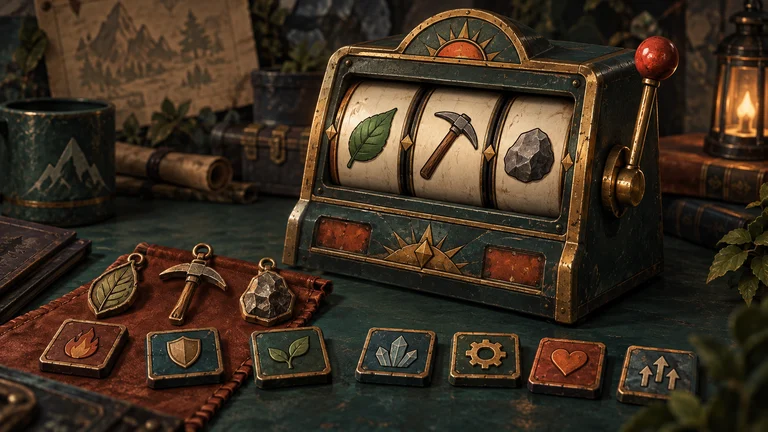
In narrative‑driven games, players aren’t just matching symbols or betting on outcomes; they’re following arcs, uncovering themes, and making decisions that feel consequential. Whether it’s a fantasy‑themed slot where each spin unlocks the next chapter or a cinematic blackjack table with characters and consequences, storytelling creates deeper engagement.
Interactive Gameplay Blends Worlds
Narrative and game mechanics often merge seamlessly in modern gambling titles. For example, some slots and video poker games include quest‑style progressions or evolving landscapes that react to player actions, adding a sense of agency beyond mere luck. Others incorporate characters with lore, voice acting, or episodic plot moments reminiscent of RPGs and adventure games.
This type of hybrid design attracts players who appreciate gaming and storytelling, expanding the traditional casino audience. It borrows techniques from video games, such as levelling systems, unlockables, and branching paths, which keep players invested beyond single sessions.
Player Behaviour and Narrative Engagement
Industry research highlights how game structure and incentives influence player choices. Narrative features can increase session length and player retention because players want to see what happens next, not just win. In fact, studies show that humans are wired to respond emotionally to stories, a concept marketers use widely because it increases engagement and loyalty.
Moreover, the way players perceive rewards has shifted. Components like bonus rounds, storyline progress, and character milestones feel more meaningful than basic payouts. These aspects help players feel connected to the experience, even if luck still governs outcomes behind the scenes.
The Role of Storytelling in Enhancing Casino Gaming Experiences
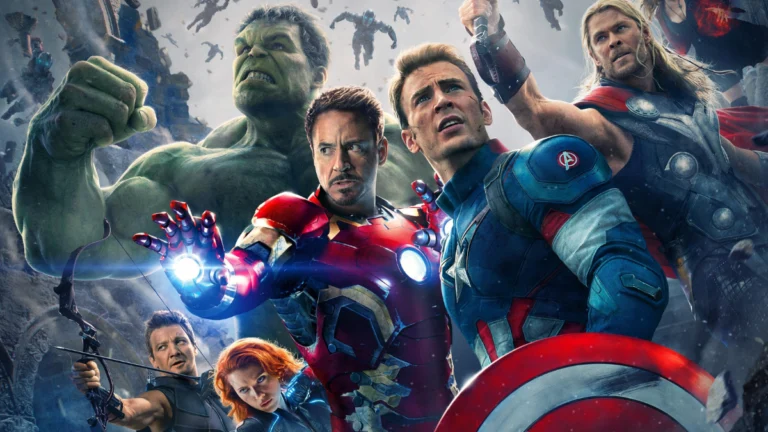
Another critical factor is storytelling. Unlike traditional slots, superhero-themed games often include a narrative element, where each bonus round or feature represents a mini-story that adds depth and excitement. This narrative-driven approach enhances the gameplay experience and provides players with a sense of progression and purpose, making the game feel more like an ongoing adventure rather than just a sequence of spins.
This trend has been embraced across many platforms, offering a wide range of themed slots where players don’t just spin reels — they immerse themselves in captivating narratives filled with epic battles, daring heists, and heroic quests. This approach boosts playtime and strengthens player loyalty, as players are more likely to return to games that make them feel part of something bigger than just a game.
The Appeal of Narrative in Casino Games
Modern players have grown up with rich storytelling in video games, movies, and TV shows. They expect depth, character, and context. Narrative‑based gambling acknowledges this shift and meets players where they are ,blending entertainment, competition, and emotion.
For example, slot games with themed storylines often feel more engaging because they echo familiar entertainment structures. Gamification can increase motivation by giving players short‑term objectives and longer‑term progression, much like a storyteller gives rising action before a climax.
The Role of Technology
Technology plays a huge part in enabling this narrative evolution. Platforms are using advanced graphics, audio, and even AI‑driven dynamic content to create worlds that feel alive. Augmented reality (AR) and virtual reality (VR) are also beginning to surface in casino contexts, offering players a chance to step inside immersive casino universes that go beyond flat screens.
These tools help narrative content feel interactive and personal. Instead of watching outcomes, players feel like participants in the story. The illusion of choice, even in games of chance, makes sessions feel more engaging.
Why This Matters for the Industry
For operators, narrative games aren’t just “flashy add‑ons”. They’re strategic tools that increase retention, session time, and brand loyalty. Players who feel connected to characters and plots are more likely to return, explore new features, and recommend experiences to others.
Narrative integration also opens the door for collaborations with media franchises, films, comic universes, and literary IPs. By leveraging familiar worlds and stories, casino platforms can attract audiences that traditional gambling might otherwise miss.
Future Directions
Looking ahead, narrative‑based gambling is poised to grow further. Expect to see:
- Greater use of adaptive storytelling, where narratives evolve based on player behaviour.
- Cross‑platform storytelling, linking mobile slots with web experiences and even social games.
- Partnerships with entertainment brands to bring cinematic experiences into gambling formats.
As audiences continue to seek experiences rather than transactions, narrative design will be a core differentiator for platforms that want to stay relevant.
Conclusion
The rise of narrative‑based gambling experiences reflects a larger shift in player expectations. No longer satisfied with simple randomness, modern players want emotional depth, context, and progression. They seek experiences that not only entertain but also engage their imagination and sense of adventure. By blending the timeless power of storytelling with the interactive excitement of gaming, narrative‑based designs offer a richer, more immersive way to experience casino entertainment.
This trend elevates gambling from a series of isolated plays to an unfolding journey — one that players can return to, explore, and remember. It gives each spin or hand more meaning, turning every decision into part of an evolving narrative. As technology and creativity progress, narrative experiences will continue to shape the future of online gambling, leading to even more innovative ways for players to connect with games and characters.