Deceased Actresses Who Influenced Generations

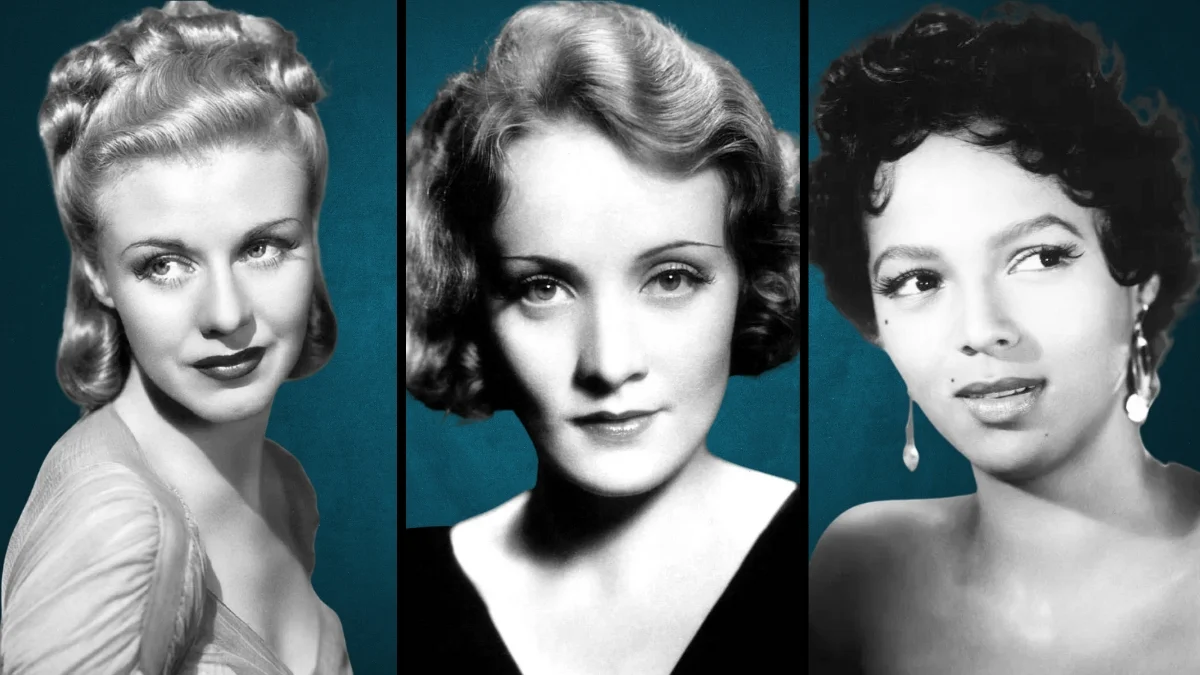

The history of cinema is built upon the foundational performances of women who defied societal norms and redefined the craft of acting. These trail-blazing figures not only dominated the box office during their respective eras but also established the techniques and archetypes used by modern performers today. From the Golden Age of Hollywood to the rise of television, their contributions shaped the industry’s artistic standards and business models. By examining their diverse careers, it becomes clear how their legacy continues to impact storytelling across the globe.
Marilyn Monroe
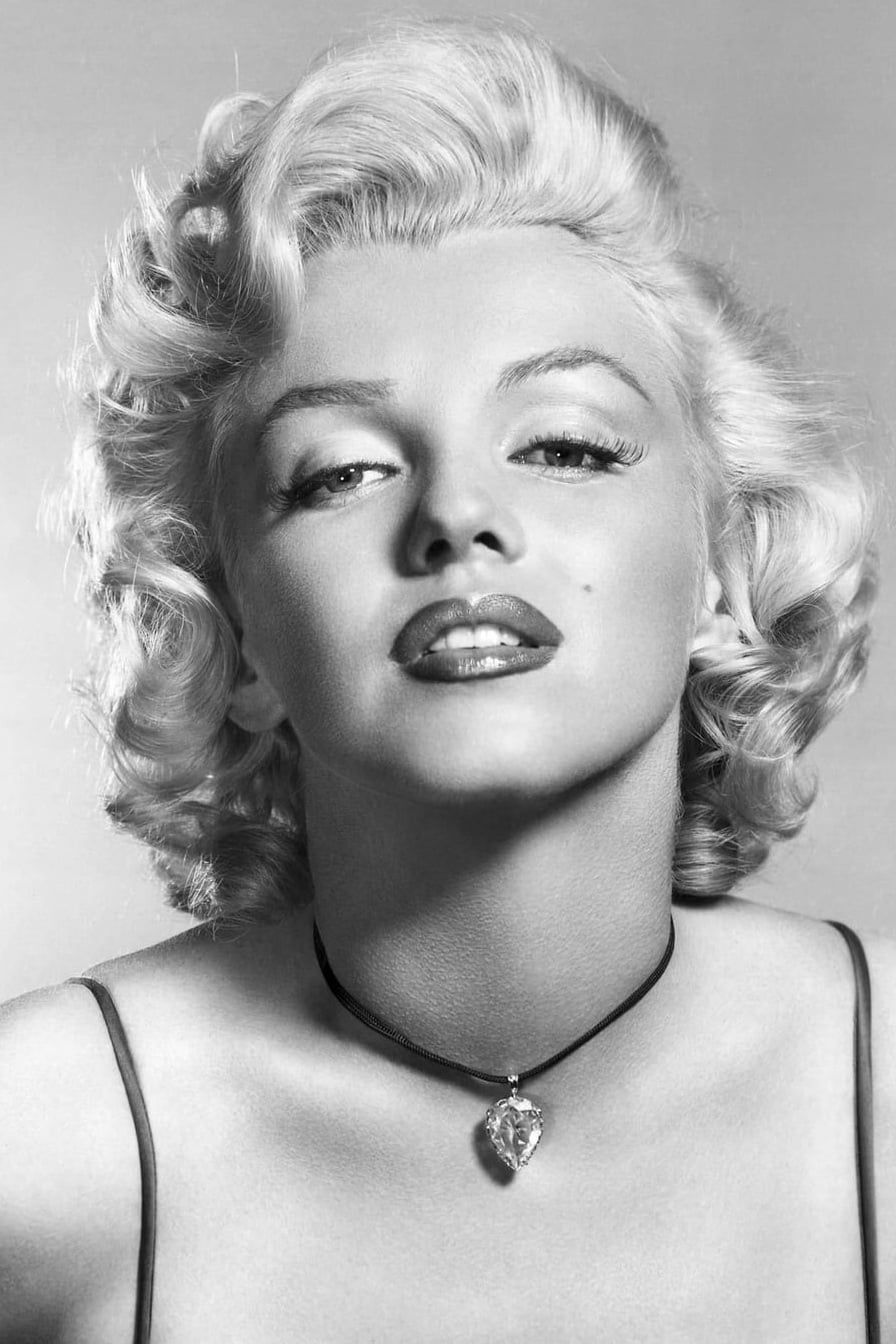
Marilyn Monroe became a global cultural icon through her performances in films like ‘Gentlemen Prefer Blondes’ (1953) and ‘Some Like It Hot’ (1959). Her ability to blend comedic timing with profound vulnerability created a screen persona that challenged the restrictive gender roles of the 1950s. Monroe’s mastery of her public image and her study at the Actors Studio influenced how future generations of stars managed their fame and craft. Her legacy remains a focal point in discussions about the intersection of celebrity culture and artistic talent.
Audrey Hepburn
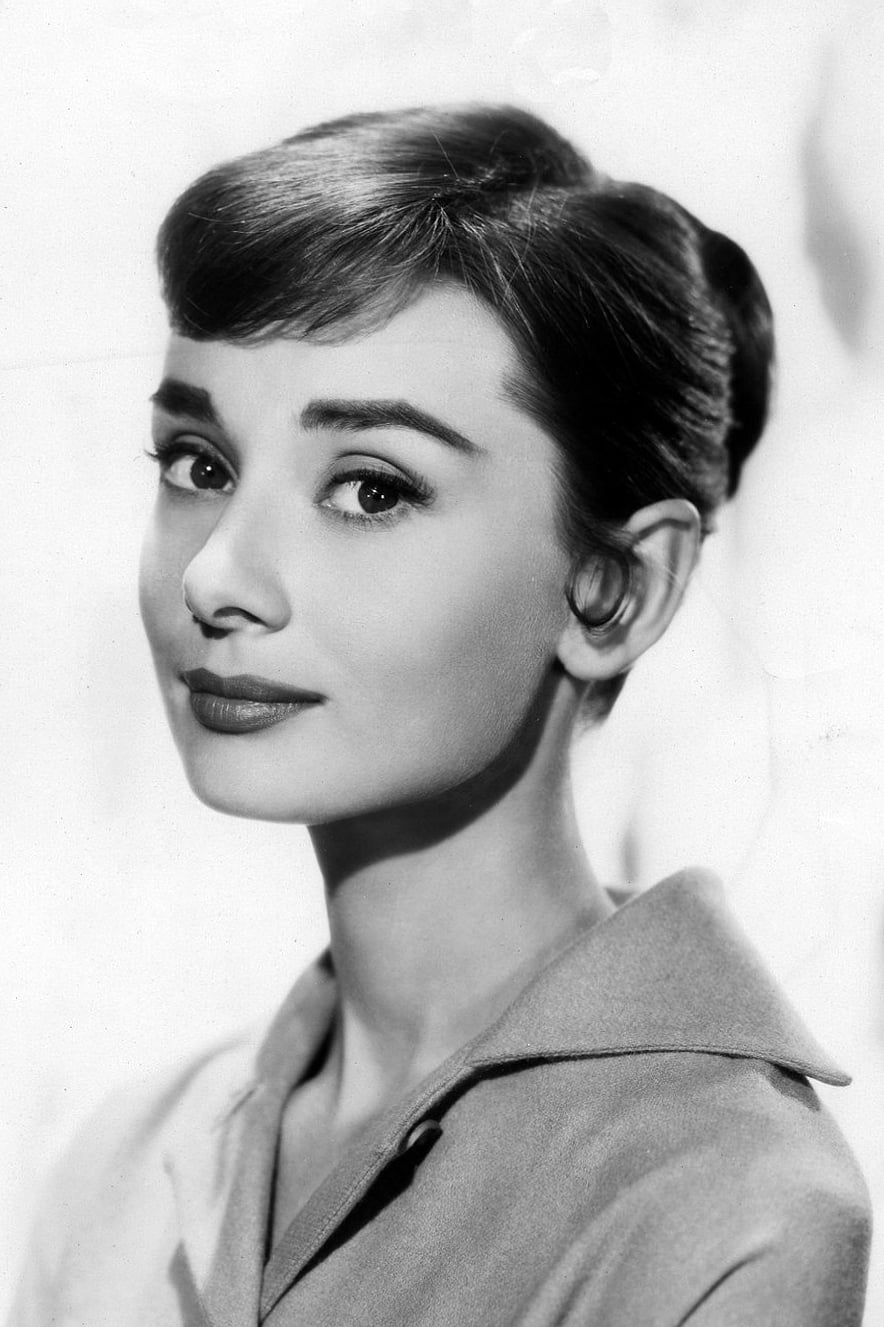
Audrey Hepburn redefined the standards of Hollywood beauty and grace during the mid-20th century. Her breakout role in ‘Roman Holiday’ (1953) earned her an Academy Award and established her as a leading dramatic and comedic talent. Beyond her work in ‘Breakfast at Tiffany’s’ (1961), Hepburn became a pioneer in using her platform for international humanitarian efforts. Performers today often cite her understated acting style and commitment to social causes as a blueprint for a meaningful career.
Katharine Hepburn
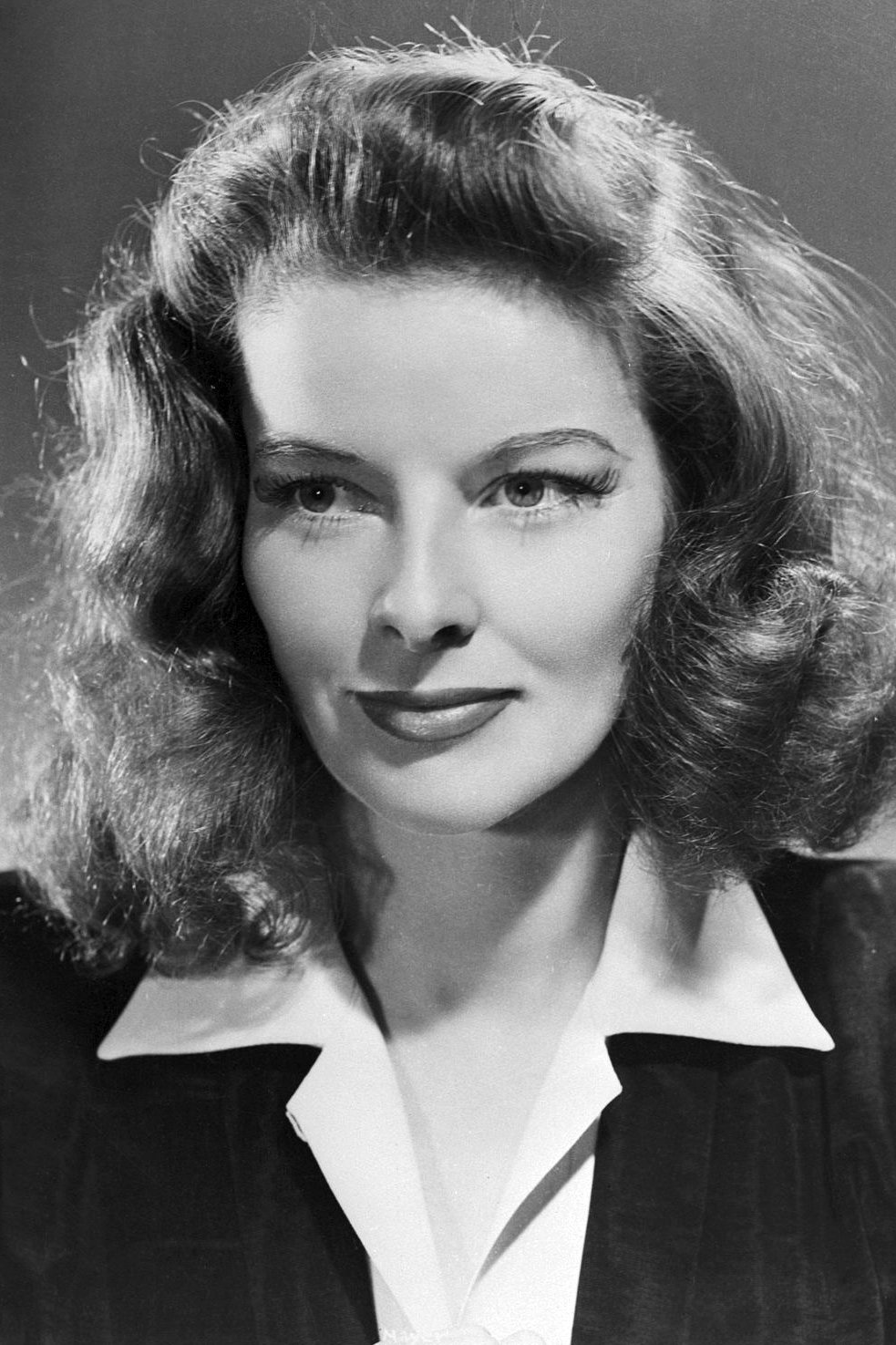
Katharine Hepburn held the record for the most Academy Awards for Best Actress, winning four over the course of her storied career. She was known for her fierce independence and choice of strong-willed characters in films like ‘The Philadelphia Story’ (1940) and ‘The African Queen’ (1951). Hepburn’s refusal to conform to the traditional starlet expectations of the studio system paved the way for future actresses to assert creative control. Her longevity in the industry demonstrated the viability of a career spanning six decades and multiple genres.
Bette Davis

Bette Davis was widely regarded as one of the greatest actors in film history, known for her intense and often unsympathetic roles. Her performances in ‘Jezebel’ (1938) and ‘All About Eve’ (1950) showcased her willingness to prioritize the psychological depth of a character over likability. Davis fought significant legal battles against the studio system to gain more autonomy over her creative choices and contract terms. Her legacy persists in the work of actors who gravitate toward complex and morally ambiguous female protagonists.
Elizabeth Taylor
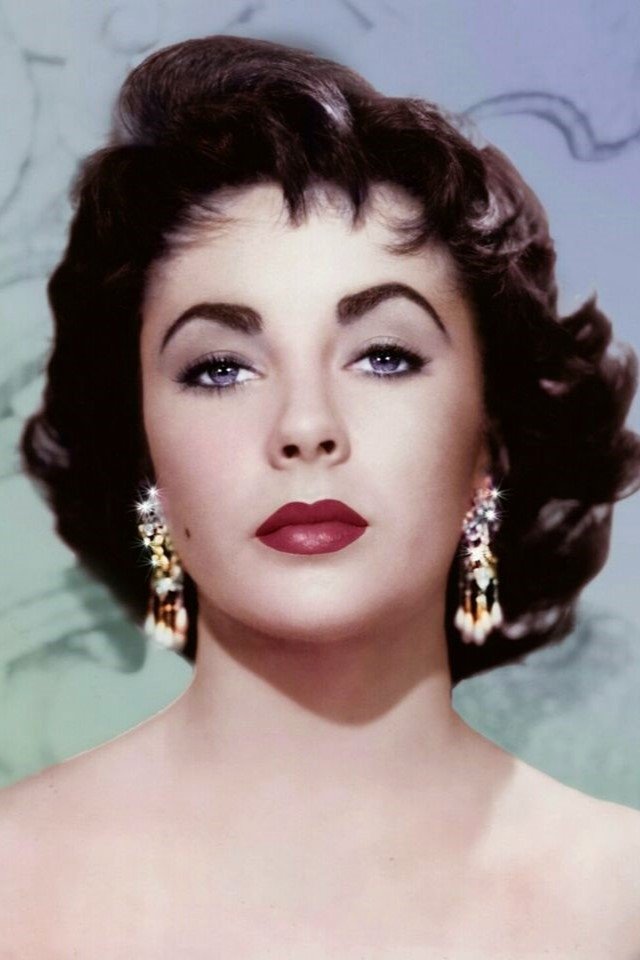
Elizabeth Taylor transitioned from a child star to a powerhouse of the Golden Age of Hollywood. Her work in ‘Cat on a Hot Tin Roof’ (1958) and ‘Who’s Afraid of Virginia Woolf?’ (1966) highlighted her immense range and emotional depth. Taylor was also one of the first actors to command a million-dollar salary for a single film, specifically ‘Cleopatra’ (1963). Her philanthropic work, particularly in HIV/AIDS activism, set a standard for celebrity involvement in global health crises that continues today.
Ingrid Bergman
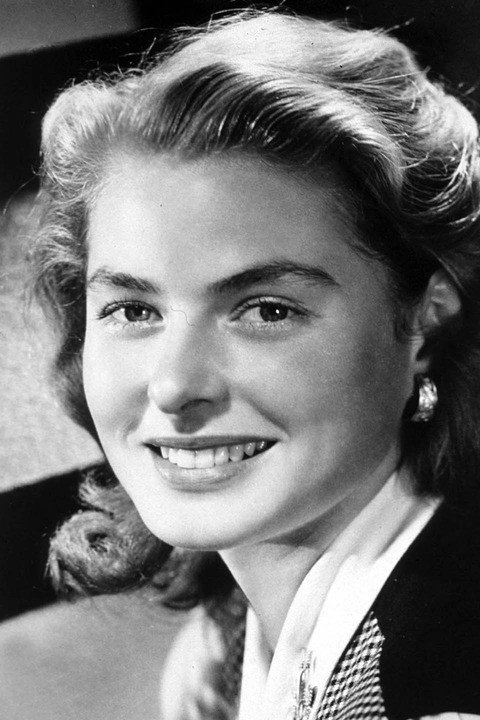
Ingrid Bergman brought a sense of naturalism and European sensibility to American cinema during the 1940s. She is best remembered for her iconic role in ‘Casablanca’ (1942) and her collaborations with Alfred Hitchcock in ‘Notorious’ (1946). Bergman’s ability to perform in multiple languages and her success in both Hollywood and international productions influenced the globalization of the film industry. Her career survived significant public controversy, proving the resilience of talent and the importance of artistic integrity.
Vivien Leigh
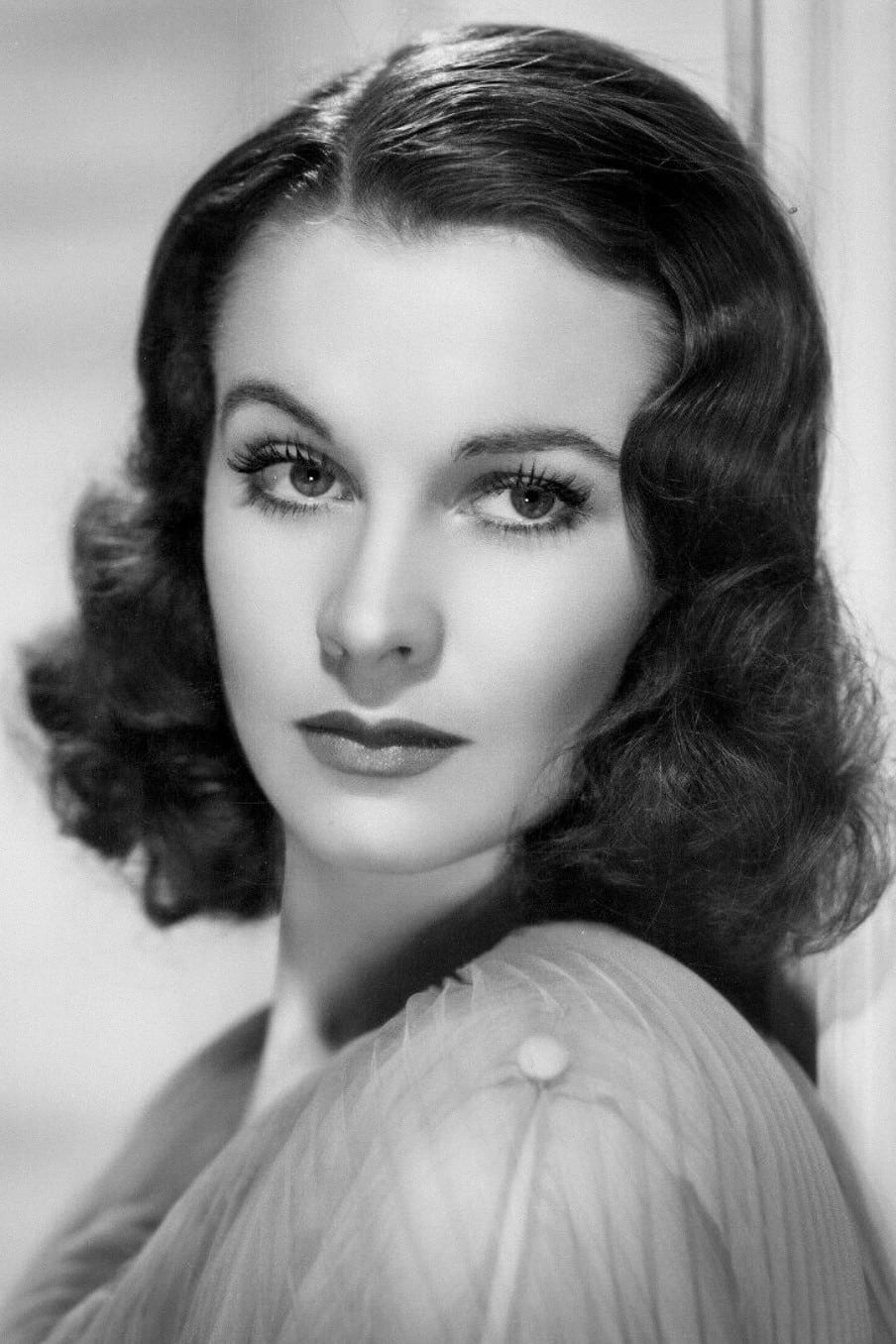
Vivien Leigh achieved immortal status through her portrayals of two of the most famous female characters in literature and film. Her performance in ‘Gone with the Wind’ (1939) remains a benchmark for epic-scale dramatic acting and character transformation. Leigh later won another Academy Award for ‘A Streetcar Named Desire’ (1951), demonstrating her capacity for portraying deep psychological distress. She is often cited by stage and screen actors as an inspiration for her dedication to the nuances of complex character development.
Grace Kelly
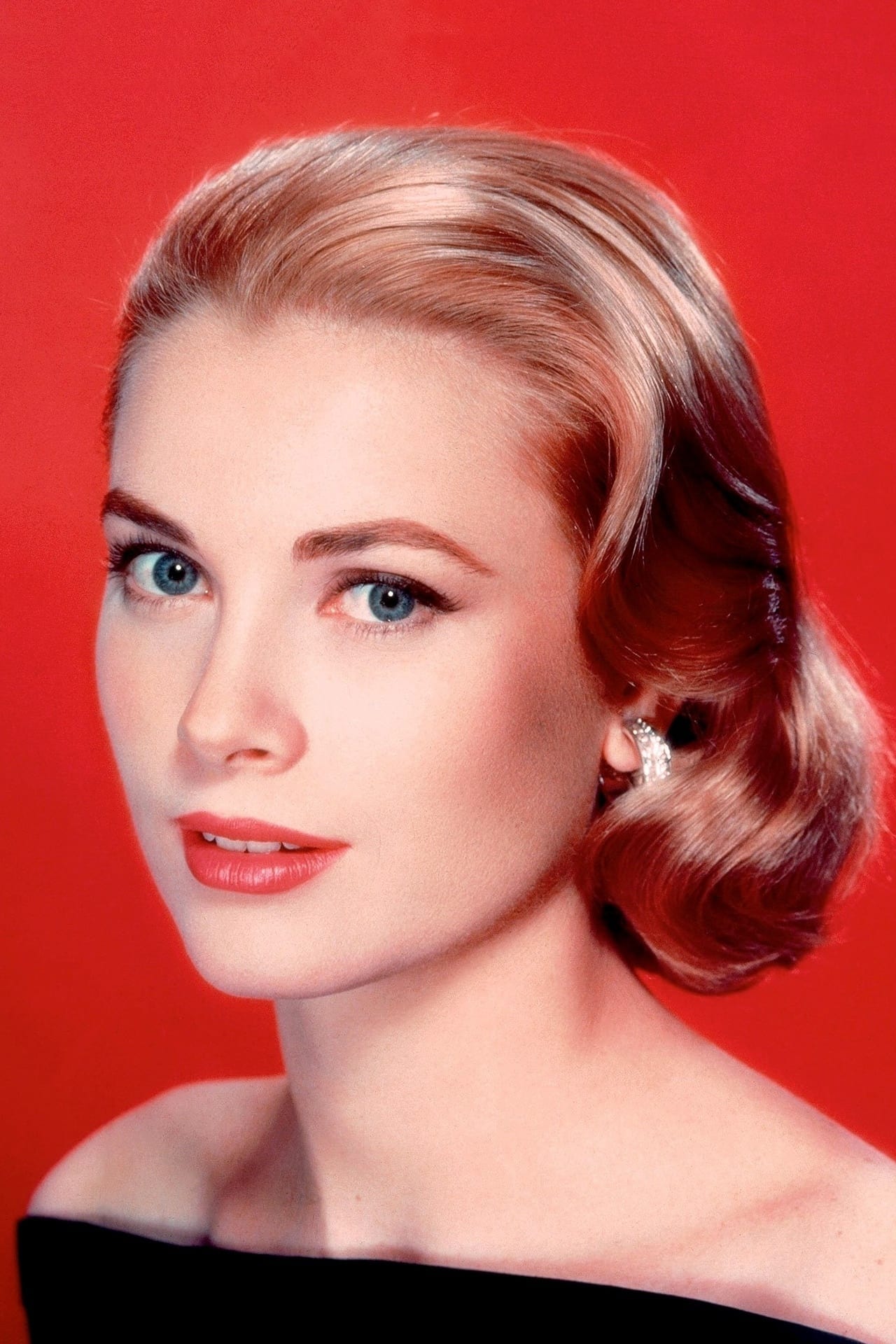
Grace Kelly represented a specific era of sophisticated glamour before leaving Hollywood to become the Princess of Monaco. Her collaborations with Alfred Hitchcock, including ‘Rear Window’ (1954) and ‘To Catch a Thief’ (1955), showcased her cool, intelligent screen presence. She won an Academy Award for her transformative dramatic turn in ‘The Country Girl’ (1954), proving she was a versatile dramatic talent. Kelly’s brief but impactful filmography continues to influence the aesthetic and tone of modern thrillers and high-fashion cinema.
Judy Garland
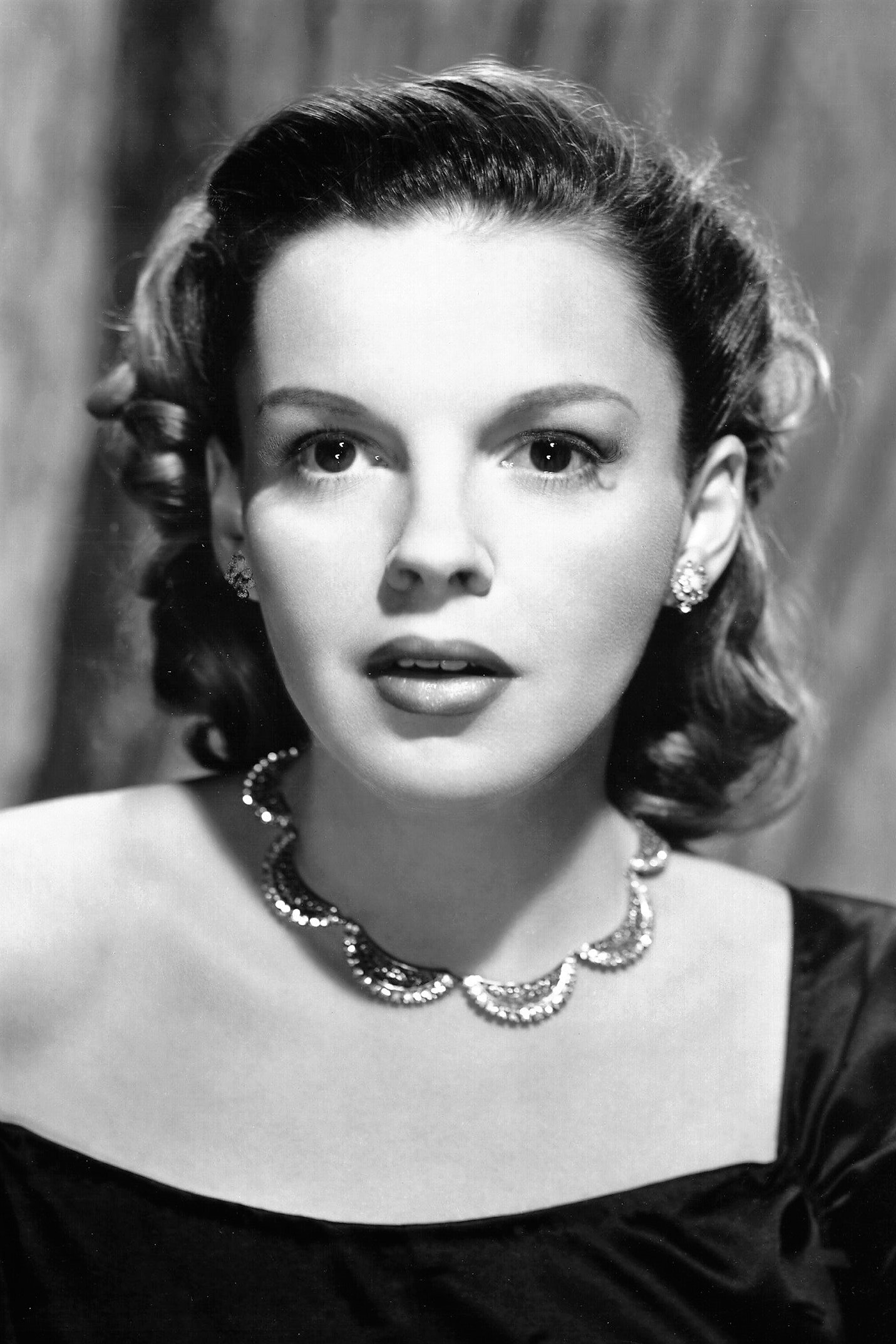
Judy Garland remains one of the most versatile performers in history, excelling as an actress, singer, and dancer. Her legendary role as Dorothy in ‘The Wizard of Oz’ (1939) established her as a permanent fixture in global popular culture. Garland’s later performance in ‘A Star Is Born’ (1954) is frequently used as a masterclass in portraying the intersection of professional success and personal tragedy. Her influence is felt among musical theater performers and dramatic actors who seek to convey raw, unshielded emotion.
Lucille Ball
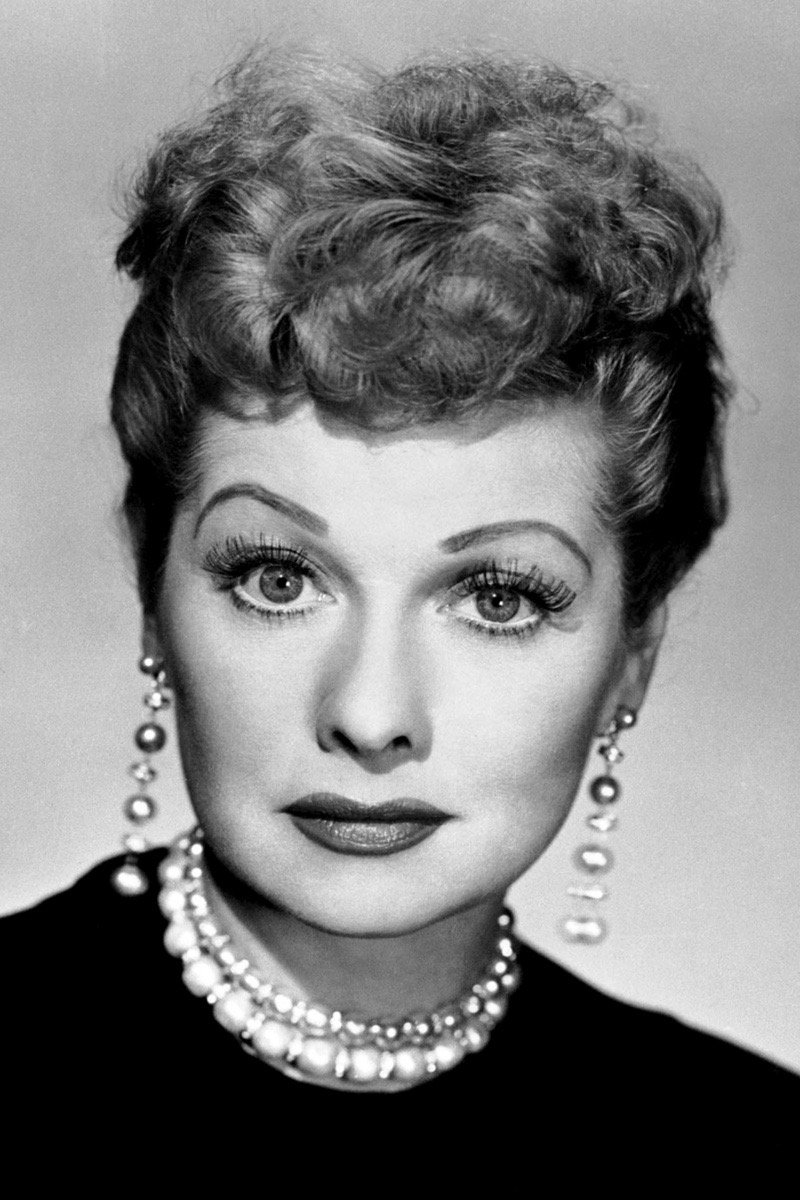
Lucille Ball revolutionized the television industry through her work on the sitcom ‘I Love Lucy’ (1951–1957). As the first woman to head a major television studio, Desilu Productions, she broke significant barriers for women in production and business. Her comedic genius relied on precise physical comedy and a willingness to be the center of chaotic humor, which influenced generations of performers. Ball’s innovative filming techniques, such as the use of three cameras, became the industry standard for television production.
Marlene Dietrich
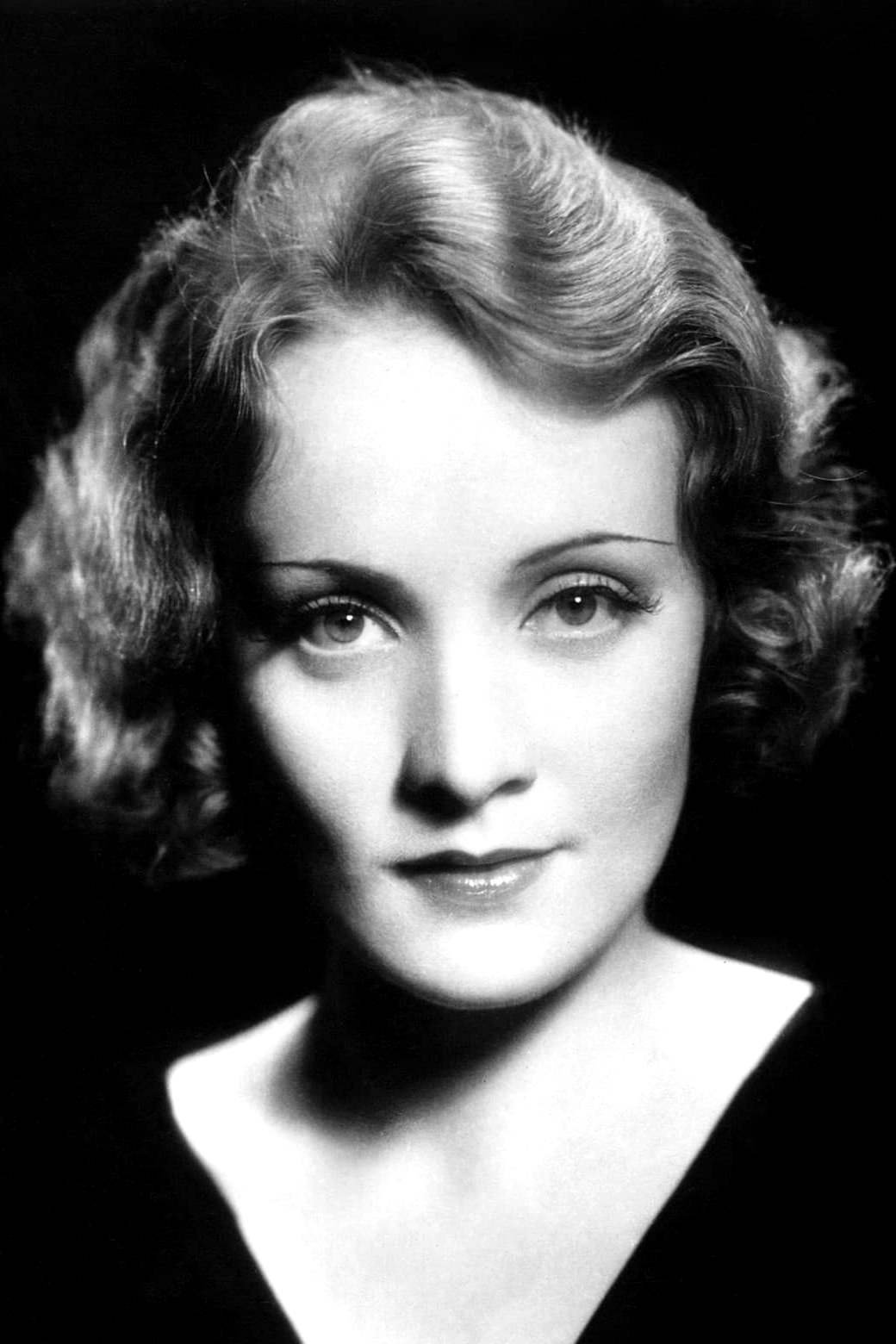
Marlene Dietrich was a pioneer of gender-bending style and mysterious screen presence during the early sound era. Her roles in ‘The Blue Angel’ (1930) and ‘Morocco’ (1930) challenged traditional notions of femininity through her use of masculine attire. Dietrich’s collaboration with director Josef von Sternberg helped define the femme fatale archetype in early film noir. She remains a significant figure in the history of fashion and a symbol of defiant individuality in the performing arts.
Greta Garbo
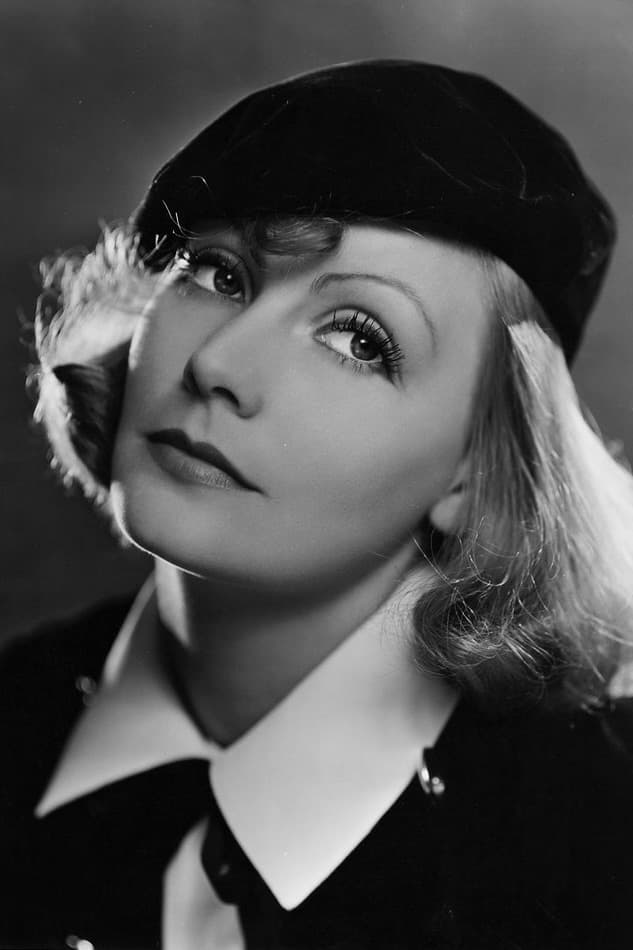
Greta Garbo was known for her somber, enigmatic performances and her successful transition from silent film to talkies in ‘Anna Christie’ (1930). Her work in ‘Camille’ (1936) and ‘Ninotchka’ (1939) showcased her ability to move between tragic drama and sophisticated comedy. Garbo’s decision to retire early from the screen only added to her legendary status and the mystique surrounding her persona. Modern actors often study her minimalist approach to facial expressions and emotional projection on camera.
Joan Crawford
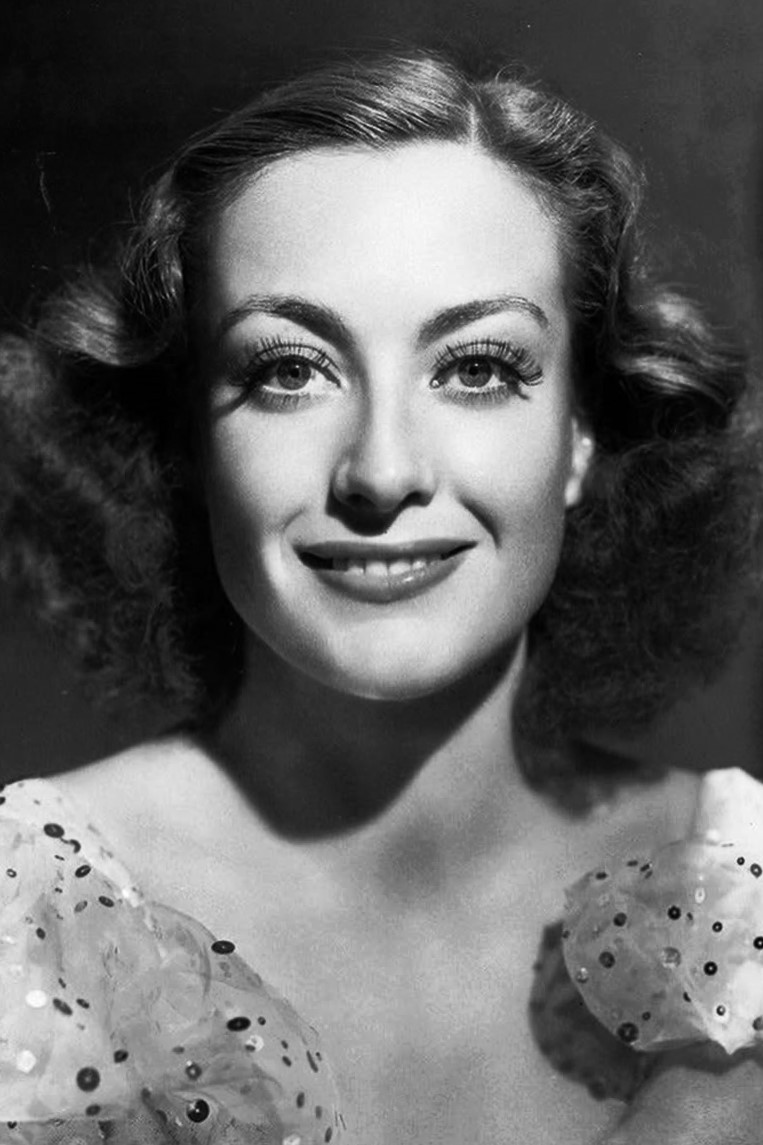
Joan Crawford’s career spanned the silent era to the 1970s, characterized by her extreme adaptability and professional drive. She earned an Academy Award for ‘Mildred Pierce’ (1945), a film that redefined the women’s picture by adding elements of film noir. Crawford was famous for her meticulously crafted image and her ability to portray the struggles of the working-class woman rising to power. Her career trajectory is often studied as a lesson in longevity and the strategic management of a public brand.
Lauren Bacall
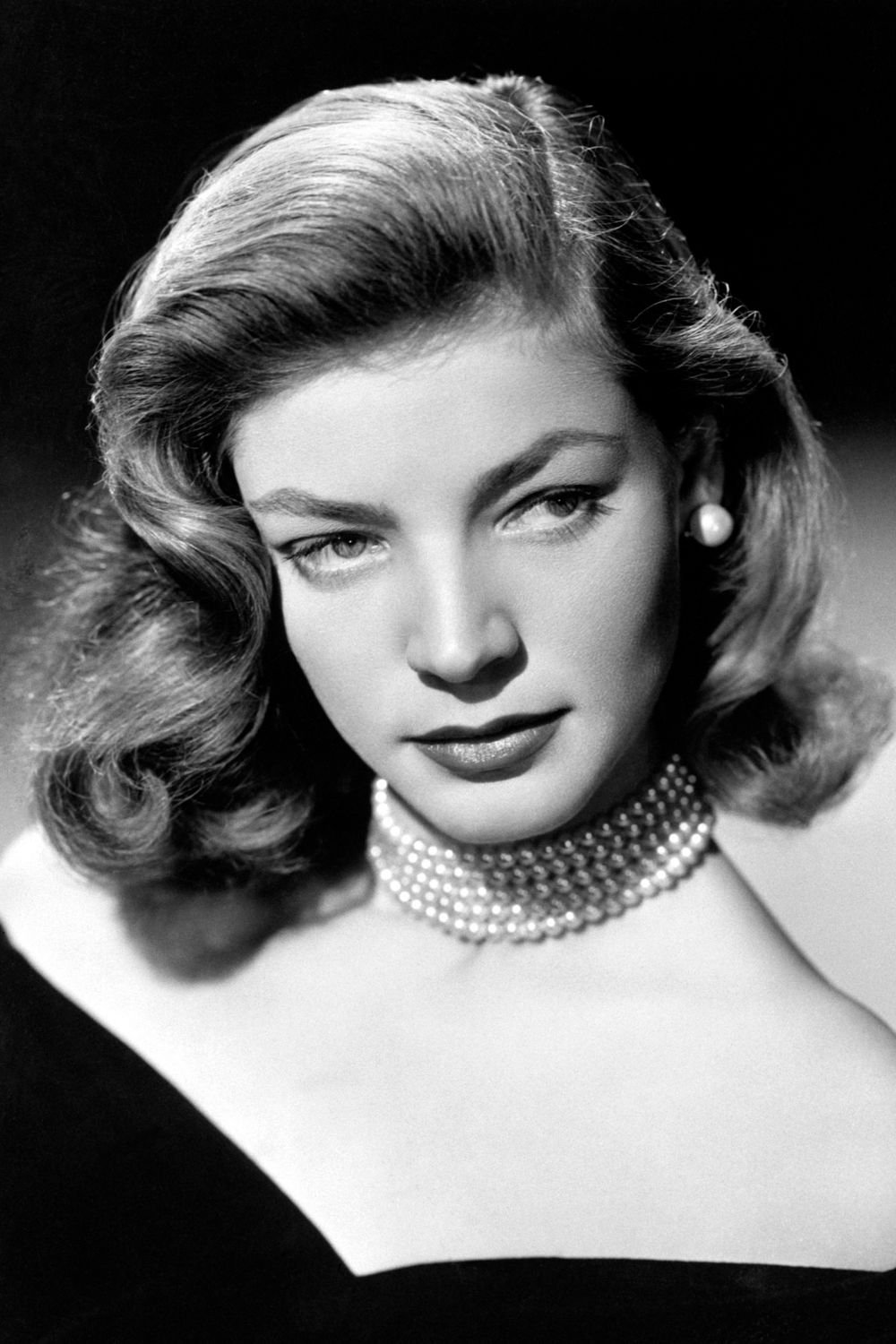
Lauren Bacall introduced a distinctive sultry archetype to Hollywood with her debut in ‘To Have and Have Not’ (1944). Known for her deep voice and the famous look, she became a staple of film noir alongside Humphrey Bogart in ‘The Big Sleep’ (1946). Bacall successfully transitioned into stage acting later in her career, winning multiple Tony Awards and proving her versatility. Her influence is evident in the tough-talking female leads found in modern crime dramas and noir-inspired films.
Natalie Wood
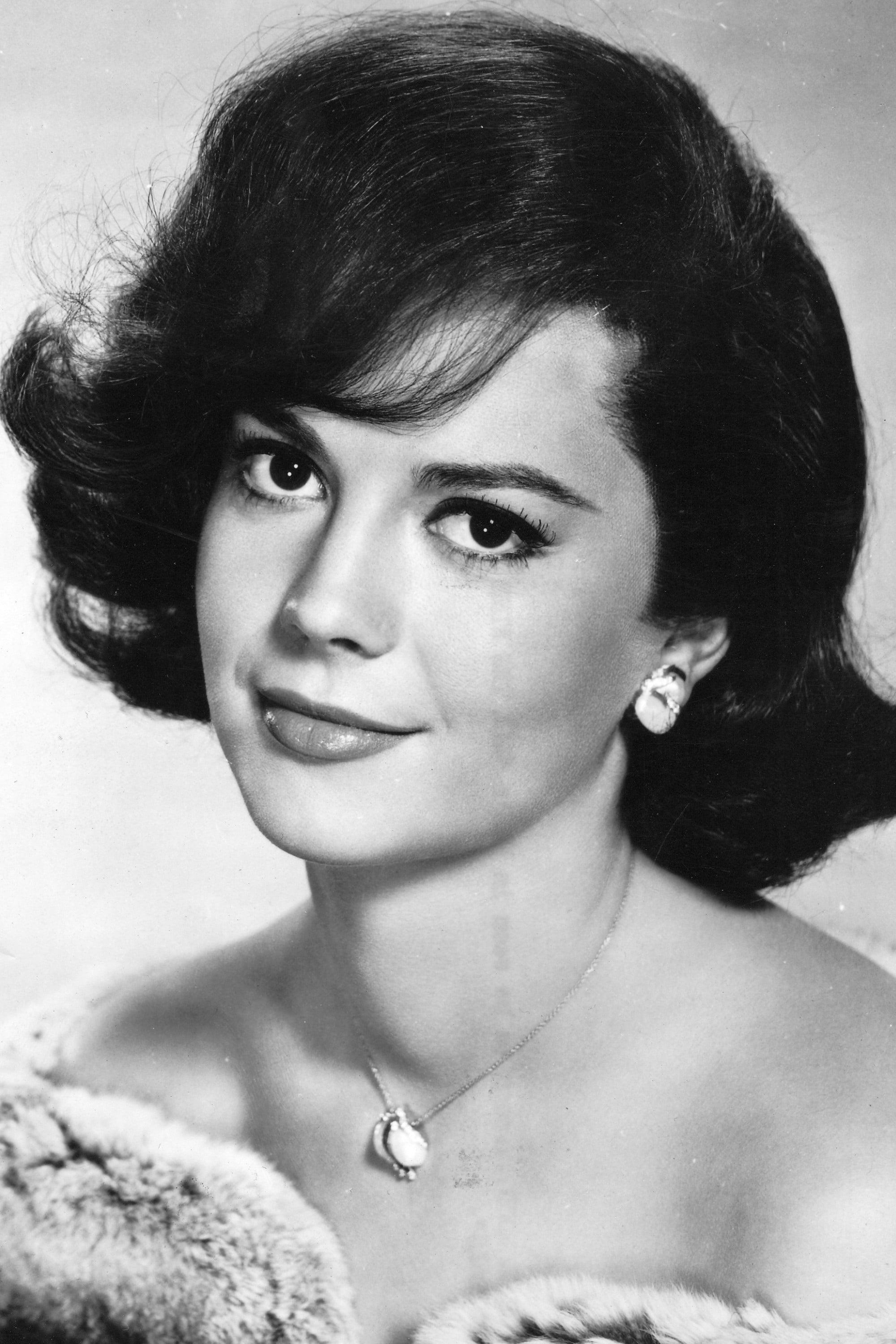
Natalie Wood was a rare example of a child star who successfully transitioned into a mature, critically acclaimed actress. Her roles in ‘Rebel Without a Cause’ (1955), ‘West Side Story’ (1961), and ‘Splendor in the Grass’ (1961) captured the anxieties of youth in post-war America. Wood’s ability to portray sensitive, emotionally complex young women made her a relatable figure for the Baby Boomer generation. She remains a symbol of the transition between the classic studio era and the New Hollywood movement.
Carrie Fisher
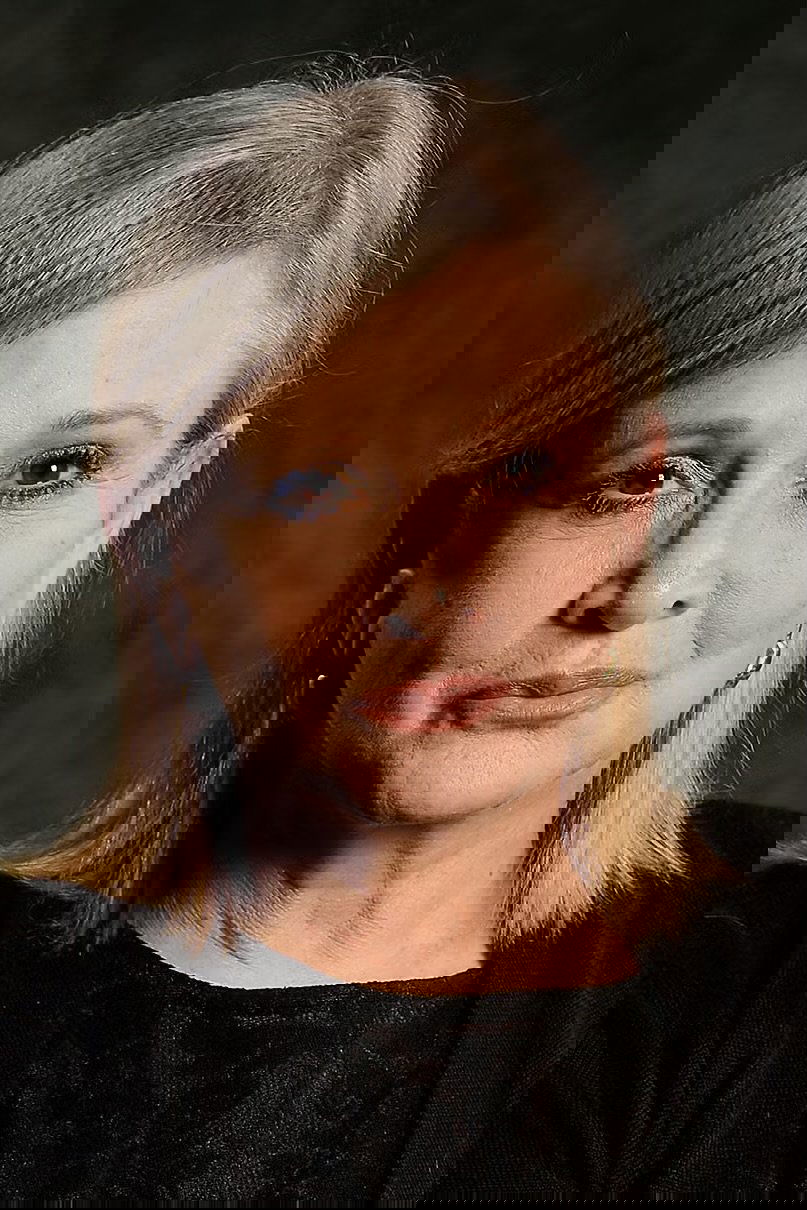
Carrie Fisher became a cinematic legend through her portrayal of Princess Leia in the ‘Star Wars’ (1977–2019) franchise. Beyond her iconic role, she was a highly respected script doctor and author known for her sharp wit and honesty. Fisher’s ability to imbue a genre character with strength and agency influenced the evolution of female protagonists in science fiction. Her writing, including the semi-autobiographical ‘Postcards from the Edge’ (1987), provided a candid look at the pressures of the entertainment industry.
Shirley Temple
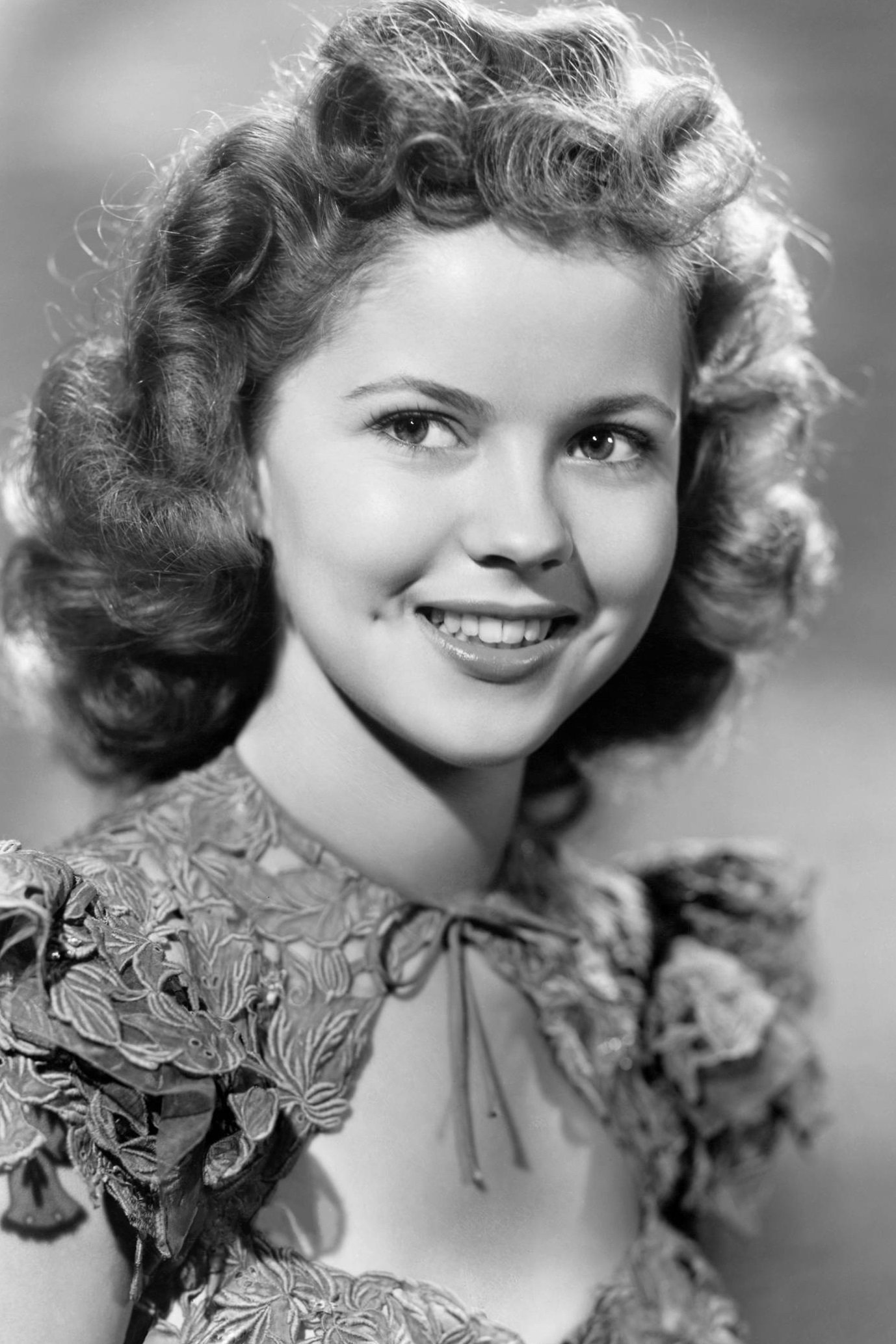
Shirley Temple was the most significant child star in film history, credited with boosting American morale during the Great Depression. In films like ‘Bright Eyes’ (1934) and ‘Heidi’ (1937), her singing and dancing talents made her a global phenomenon. Temple later successfully transitioned into a career in international diplomacy, serving as a United States Ambassador. Her early success created the blueprint for the modern child star, though few have ever matched her level of cultural impact.
Hedy Lamarr
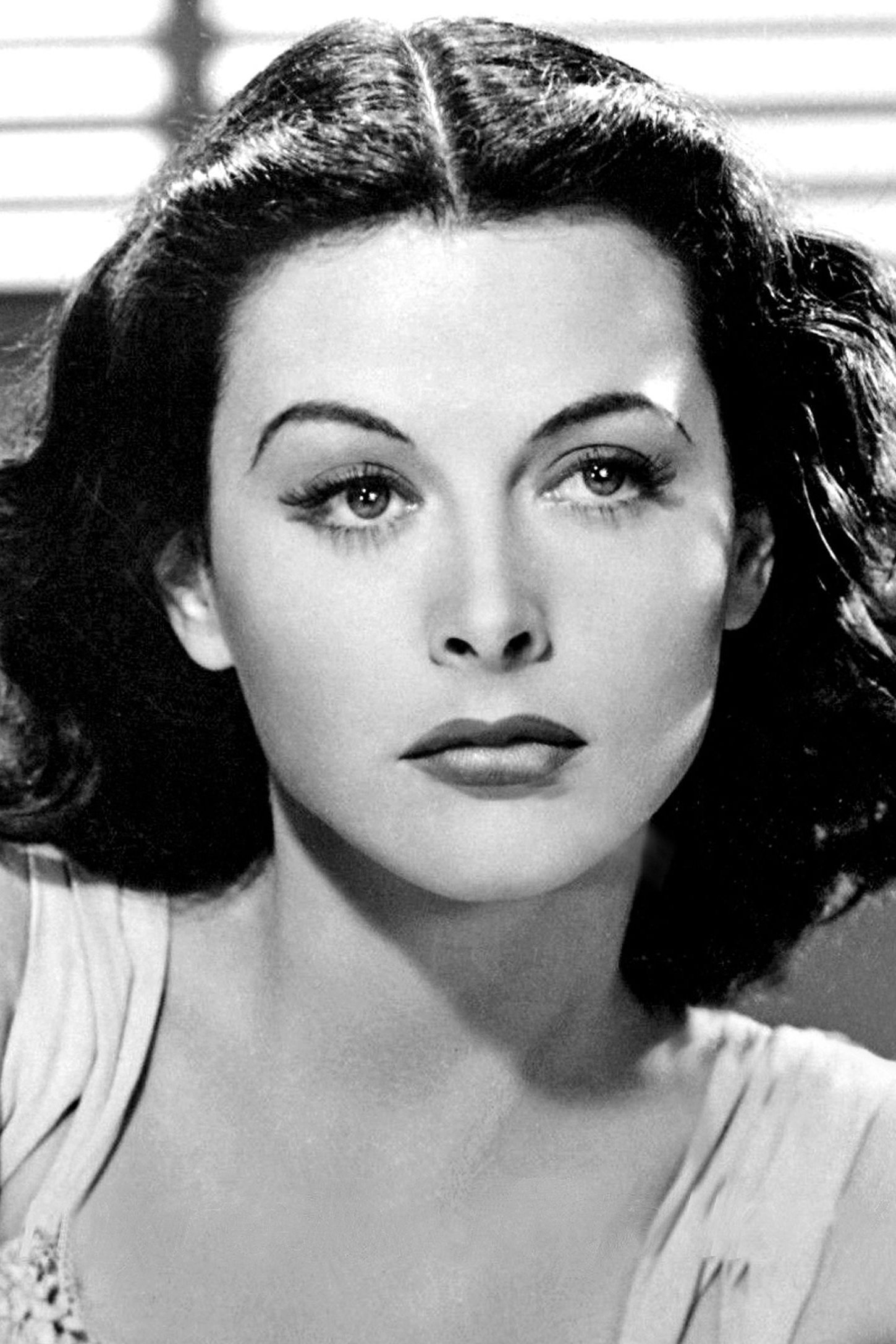
Hedy Lamarr was often marketed as a beauty icon during her time at MGM in the late 1930s and 1940s. While she starred in hits like ‘Samson and Delilah’ (1949), she was also a prolific inventor who co-developed frequency-hopping spread spectrum technology. This invention eventually became the basis for modern wireless communication systems used in daily life. Lamarr’s dual legacy as a screen star and a scientific pioneer continues to inspire performers interested in the intersection of arts and technology.
Eartha Kitt
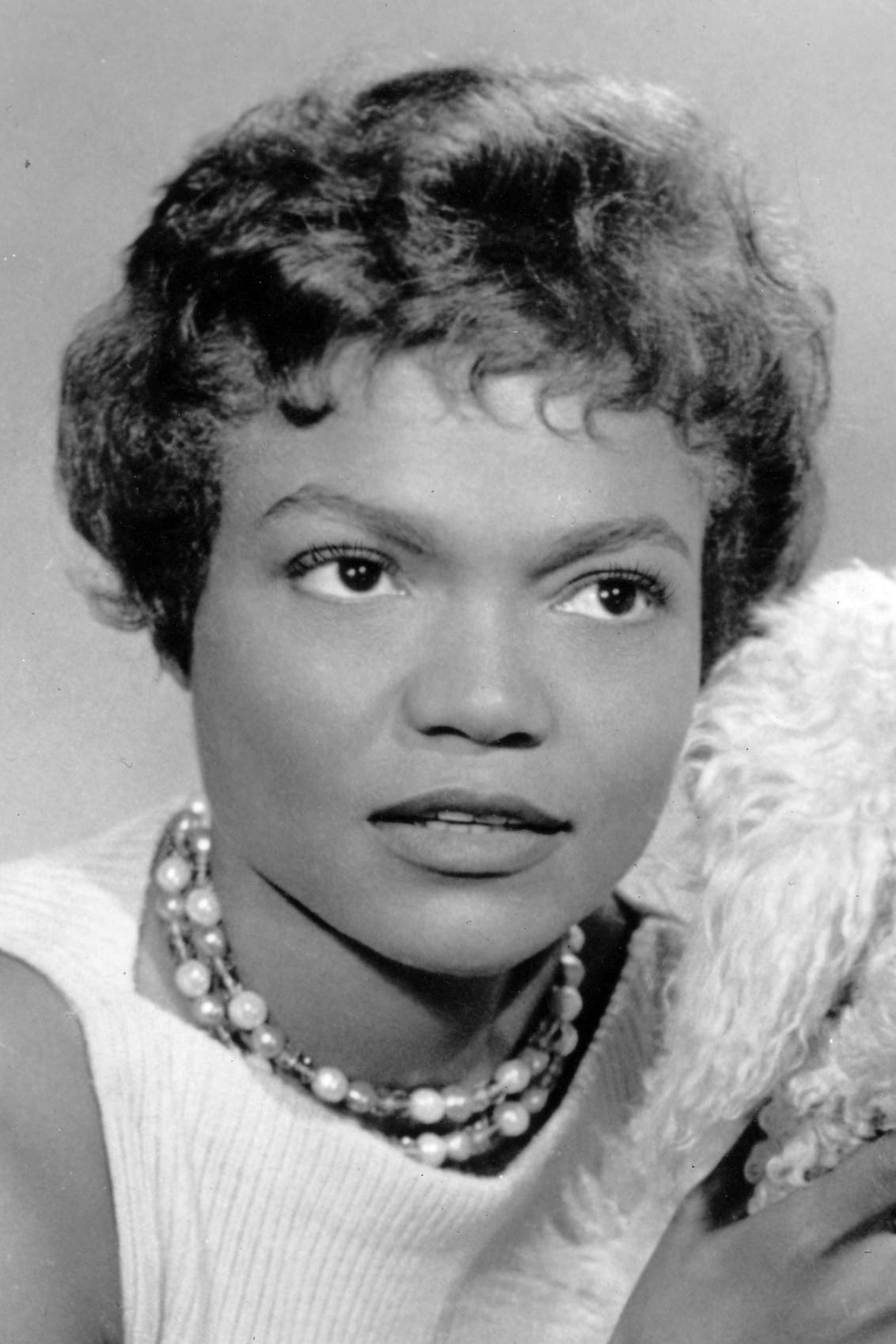
Eartha Kitt was a multi-talented performer who broke racial barriers in film, television, and on the Broadway stage. Known for her distinctive voice and her role as Catwoman in the ‘Batman’ (1966–1968) television series, she was a symbol of elegance and power. Kitt’s career faced a significant setback in the United States after she spoke out against the Vietnam War, leading her to work primarily in Europe. Her eventual return to American acclaim solidified her status as a resilient and uncompromising artist.
Dorothy Dandridge
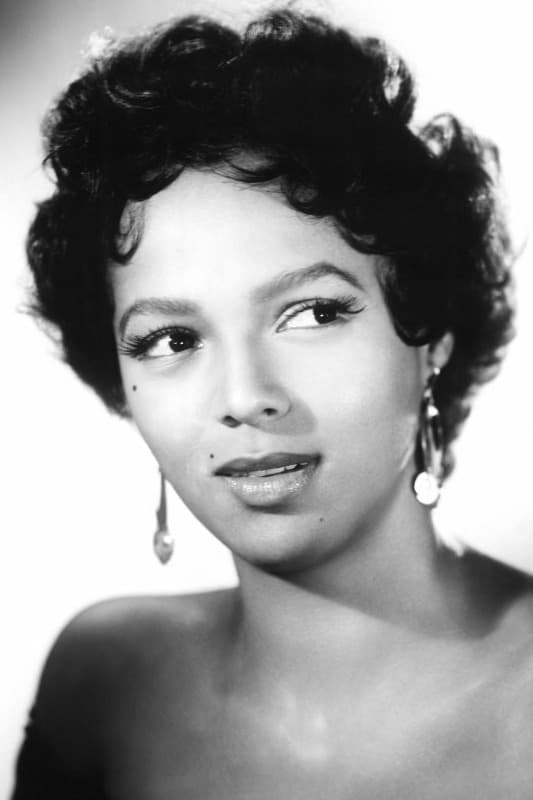
Dorothy Dandridge was a trailblazer who became the first African American woman to be nominated for the Academy Award for Best Actress for ‘Carmen Jones’ (1954). Her performance showcased a level of leading-lady charisma that was rarely afforded to Black actresses in the mid-20th century. Despite the systemic racism of the industry, Dandridge’s talent in films like ‘Porgy and Bess’ (1959) left an indelible mark on cinema. She remains a foundational figure for Black actresses who followed, including Halle Berry and Viola Davis.
Mary Tyler Moore
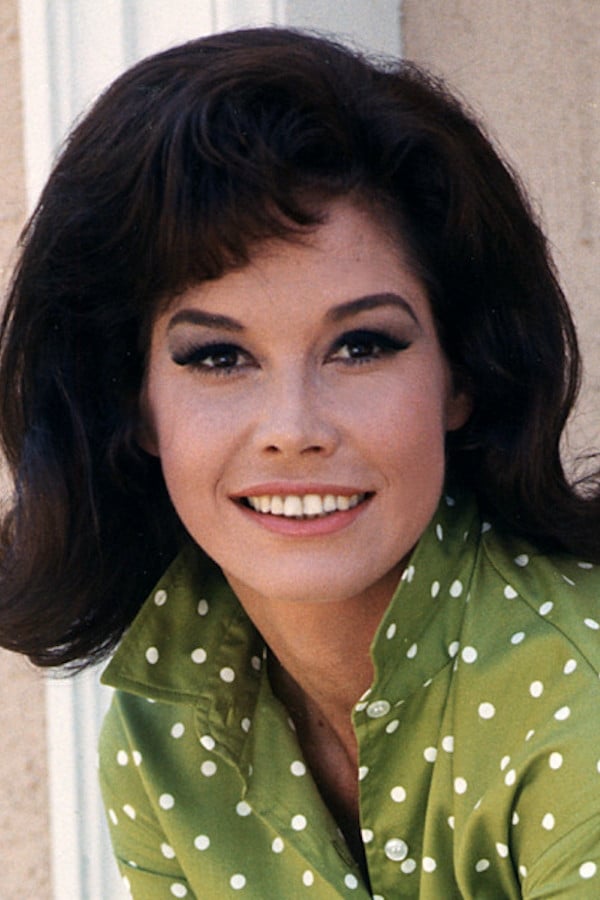
Mary Tyler Moore was a central figure in the evolution of the independent woman on American television. Through ‘The Dick Van Dyke Show’ (1961–1966) and ‘The Mary Tyler Moore Show’ (1970–1977), she challenged domestic stereotypes by portraying a professional, single woman. Her production company produced some of the most critically acclaimed television of the 1970s and 1980s. Moore’s comedic timing and everywoman appeal made her a relatable and influential figure in modern media history.
Gene Tierney

Gene Tierney was a leading lady of the 1940s best known for her role in the quintessential film noir ‘Laura’ (1944). Her performance in ‘Leave Her to Heaven’ (1945) earned her an Academy Award nomination and showcased her ability to play chillingly manipulative characters. Tierney’s career was often defined by her ethereal beauty, yet her filmography remains a testament to her dramatic range. She is frequently cited as an influence on the visual style and acting choices in modern neo-noir productions.
Carole Lombard
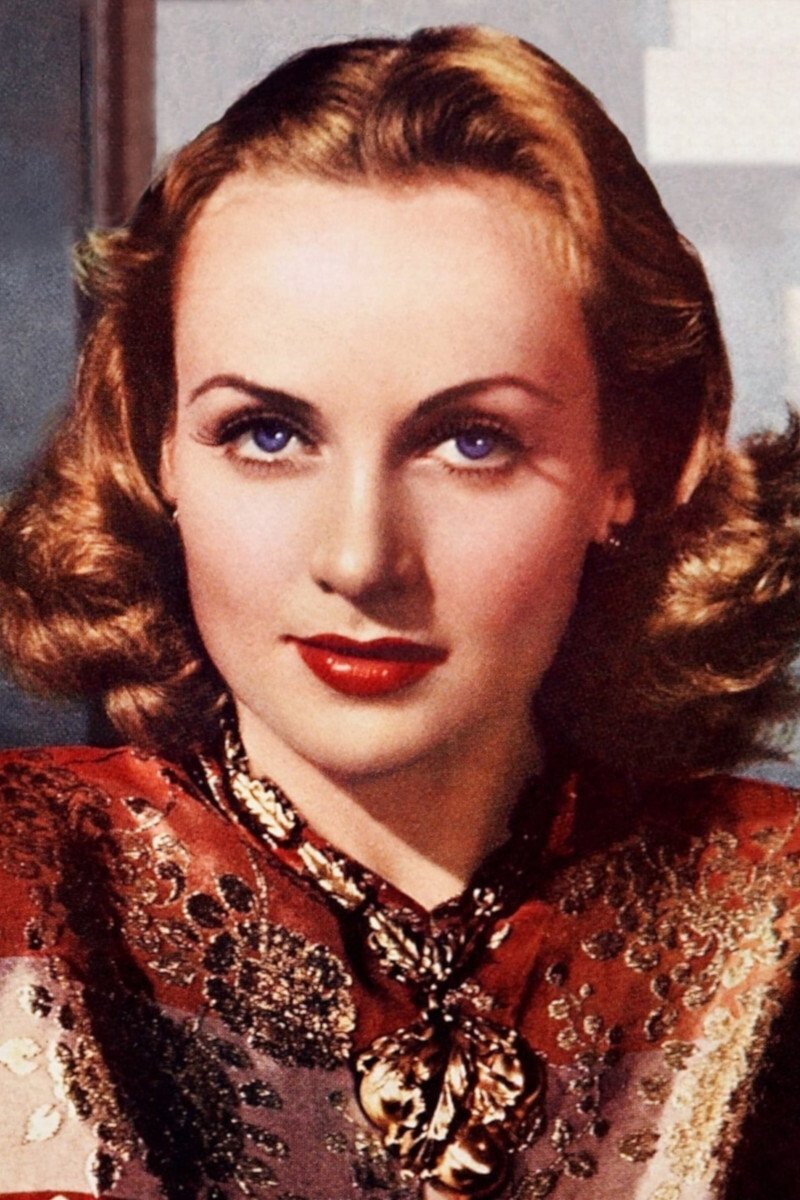
Carole Lombard was the definitive screwball comedy queen of the 1930s, known for her energetic and uninhibited performances. In films like ‘My Man Godfrey’ (1936) and ‘To Be or Not to Be’ (1942), she displayed a unique blend of elegance and slapstick humor. Lombard was also one of the highest-paid stars of her time and was known for her savvy business sense. Her untimely death at age 33 cut short a career that had already fundamentally changed the landscape of film comedy.
Debbie Reynolds
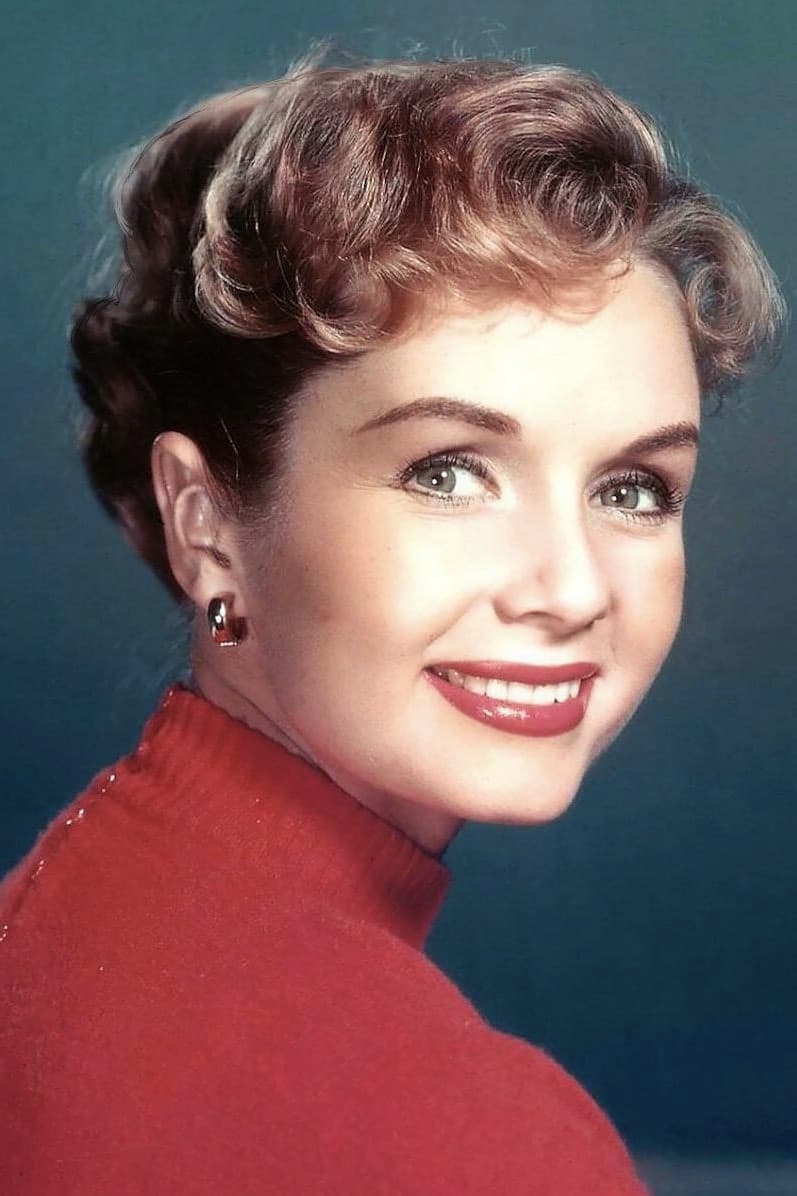
Debbie Reynolds became an overnight sensation with her role in ‘Singin’ in the Rain’ (1952), despite having no formal dance training. She went on to have a diverse career in film, television, and on the Broadway stage, earning an Oscar nomination for ‘The Unsinkable Molly Brown’ (1964). Reynolds was also a dedicated film historian and collector, working to preserve Hollywood’s physical heritage for future generations. Her energetic performing style and professional versatility influenced decades of musical theater and film actors.
Cicely Tyson

Cicely Tyson was a monumental figure in film and television, known for her refusal to accept roles that she felt were demeaning. Her performances in ‘Sounder’ (1972) and ‘The Autobiography of Miss Jane Pittman’ (1974) brought a new level of dignity to African American narratives. Tyson’s career spanned over seven decades, during which she earned an honorary Academy Award, a Tony, and multiple Emmys. Her commitment to artistic integrity and social justice serves as a primary inspiration for contemporary performers.
Olivia de Havilland
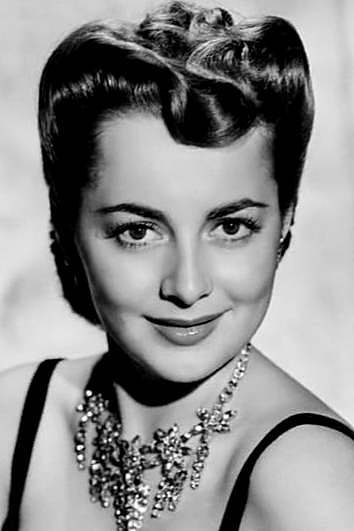
Olivia de Havilland was a cornerstone of the Golden Age, famous for her role as Melanie Hamilton in ‘Gone with the Wind’ (1939). She won two Academy Awards for Best Actress for ‘To Each His Own’ (1946) and ‘The Heiress’ (1949), showcasing her ability to play characters of great emotional fortitude. De Havilland is also remembered for her landmark legal victory against the studio system, which gave actors more professional freedom. Her legacy is one of both artistic excellence and professional bravery within the industry.
Rita Hayworth
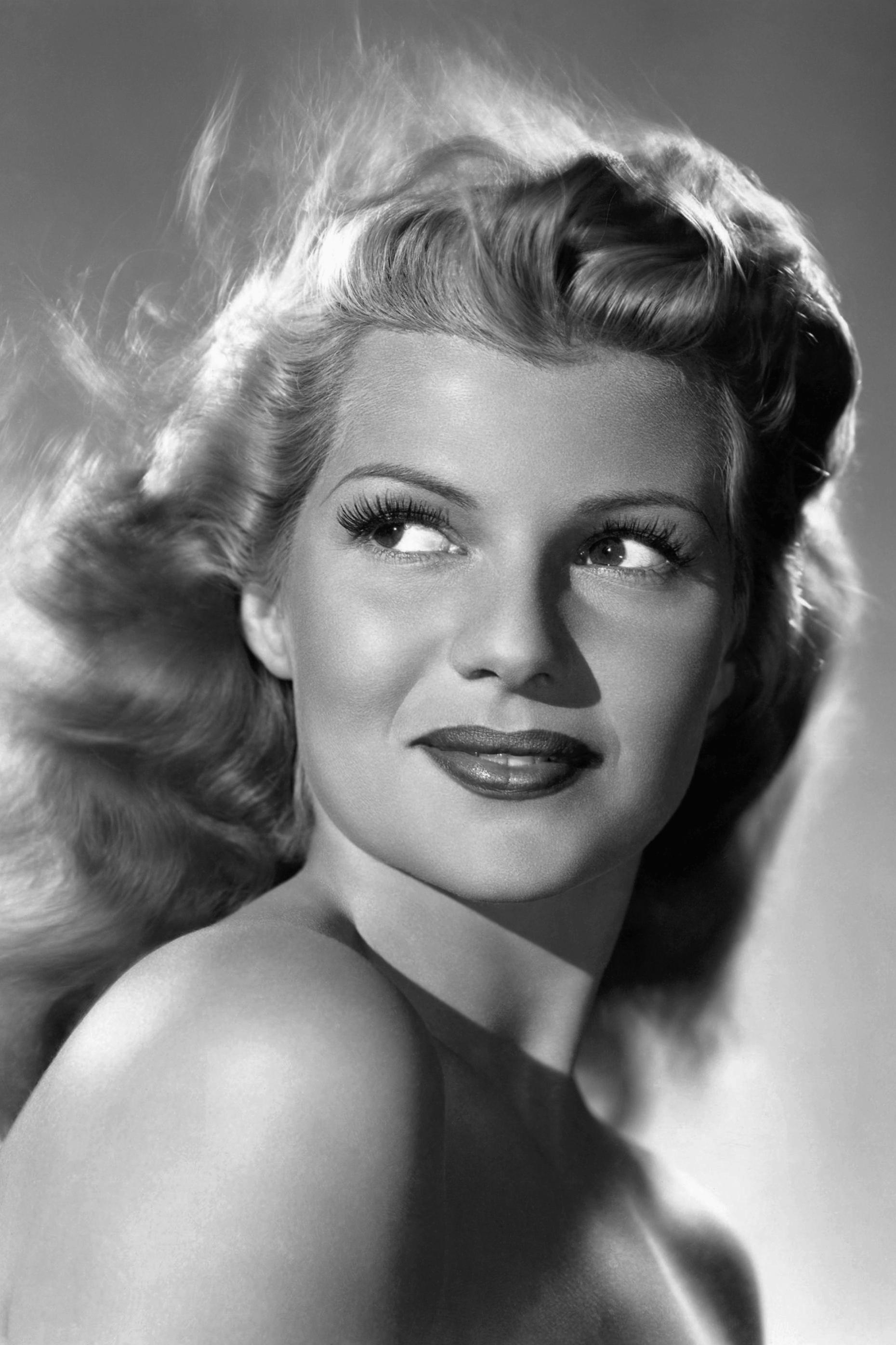
Rita Hayworth was the ultimate glamour icon of the 1940s, earning international acclaim for her screen presence. Her performance in ‘Gilda’ (1946) remains one of the most famous examples of the femme fatale in cinema history. Hayworth was an exceptionally talented dancer, famously appearing alongside Fred Astaire and Gene Kelly in several hit musicals. Her screen persona and fashion influence were so pervasive that her image was used extensively in various forms of media across the globe.
Mae West
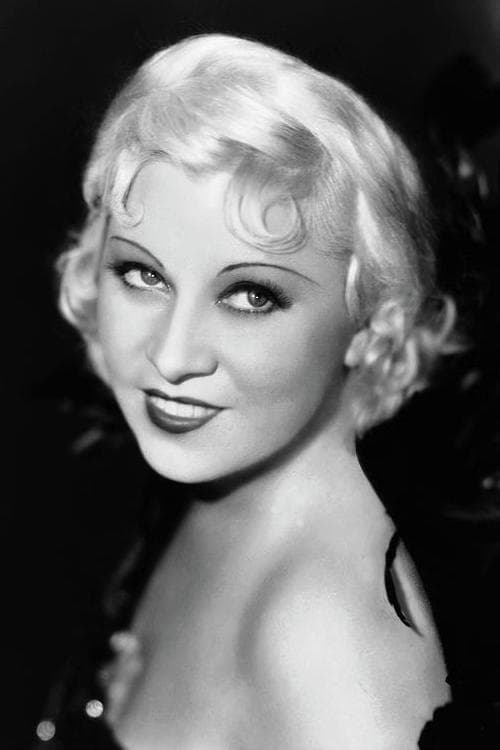
Mae West was a singer, actress, and playwright who pushed the boundaries of sexual censorship in the 1930s. Known for her double entendres and assertive persona in films like ‘She Done Him Wrong’ (1933), she helped save her studio from bankruptcy. West wrote many of her own plays and screenplays, maintaining a level of creative control that was unheard of for women at the time. Her bold approach to performance and humor influenced the development of modern comedy and character tropes.
Ginger Rogers
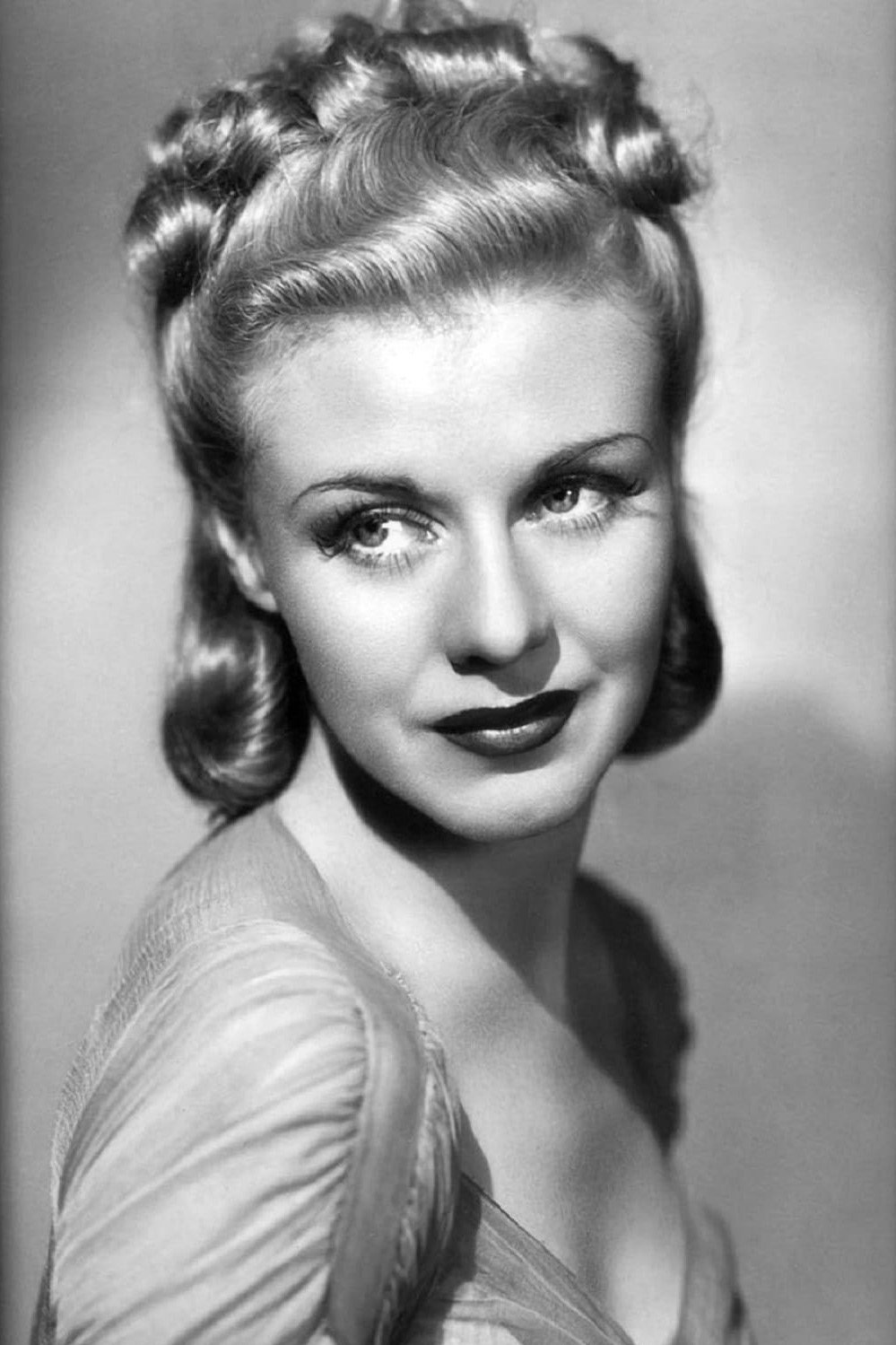
Ginger Rogers is most famous for her legendary dance partnership with Fred Astaire in films like ‘Top Hat’ (1935). However, she was also a formidable dramatic actress, winning an Academy Award for her leading role in ‘Kitty Foyle’ (1940). Rogers’ ability to excel in both lighthearted musicals and serious social dramas demonstrated a rare level of professional range. She remains a symbol of the hard work and technical skill required to succeed in the demanding Hollywood system.
Barbara Stanwyck
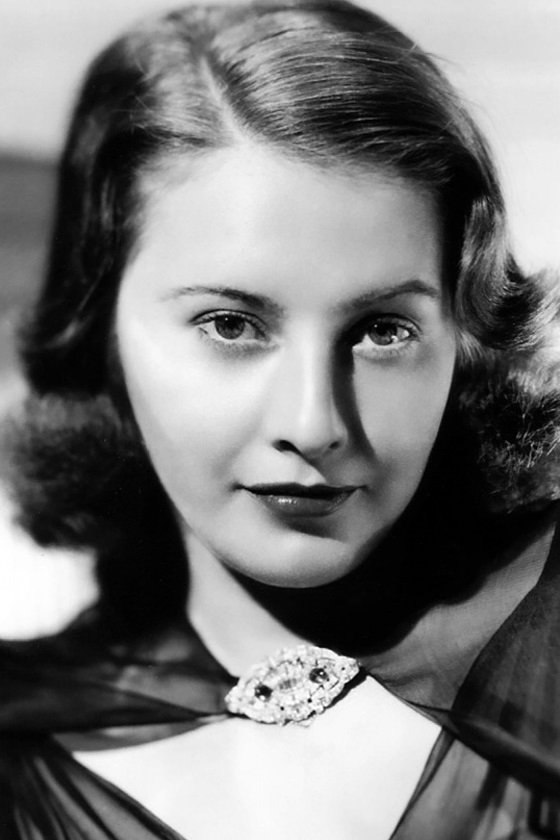
Barbara Stanwyck was a prolific actress known for her versatility and her tough-girl persona in films like ‘Double Indemnity’ (1944). Her career moved seamlessly between film noir, Westerns, and melodramas, earning her four Academy Award nominations and an honorary Oscar. Directors often praised Stanwyck for her professionalism and her ability to deliver complex emotional performances with great efficiency. Her work in ‘The Lady Eve’ (1941) is still considered a pinnacle of comedic and romantic screen acting.
Please share which of these iconic actresses has had the greatest impact on your love of cinema in the comments.