TV Shows Whose Spin-Offs Never Lived Up to the Hype


Television history is filled with iconic series that attempted to expand their universes through spin-offs. While some transitions resulted in long-running successes, many failed to capture the audience interest or critical acclaim of their predecessors. These projects often faced challenges ranging from tonal shifts to the absence of the original ensemble casts. Despite high expectations and established fanbases, several spin-offs struggled to maintain momentum and were ultimately canceled after short runs.
‘Scooby-Doo, Where Are You!’ (1969–1970)
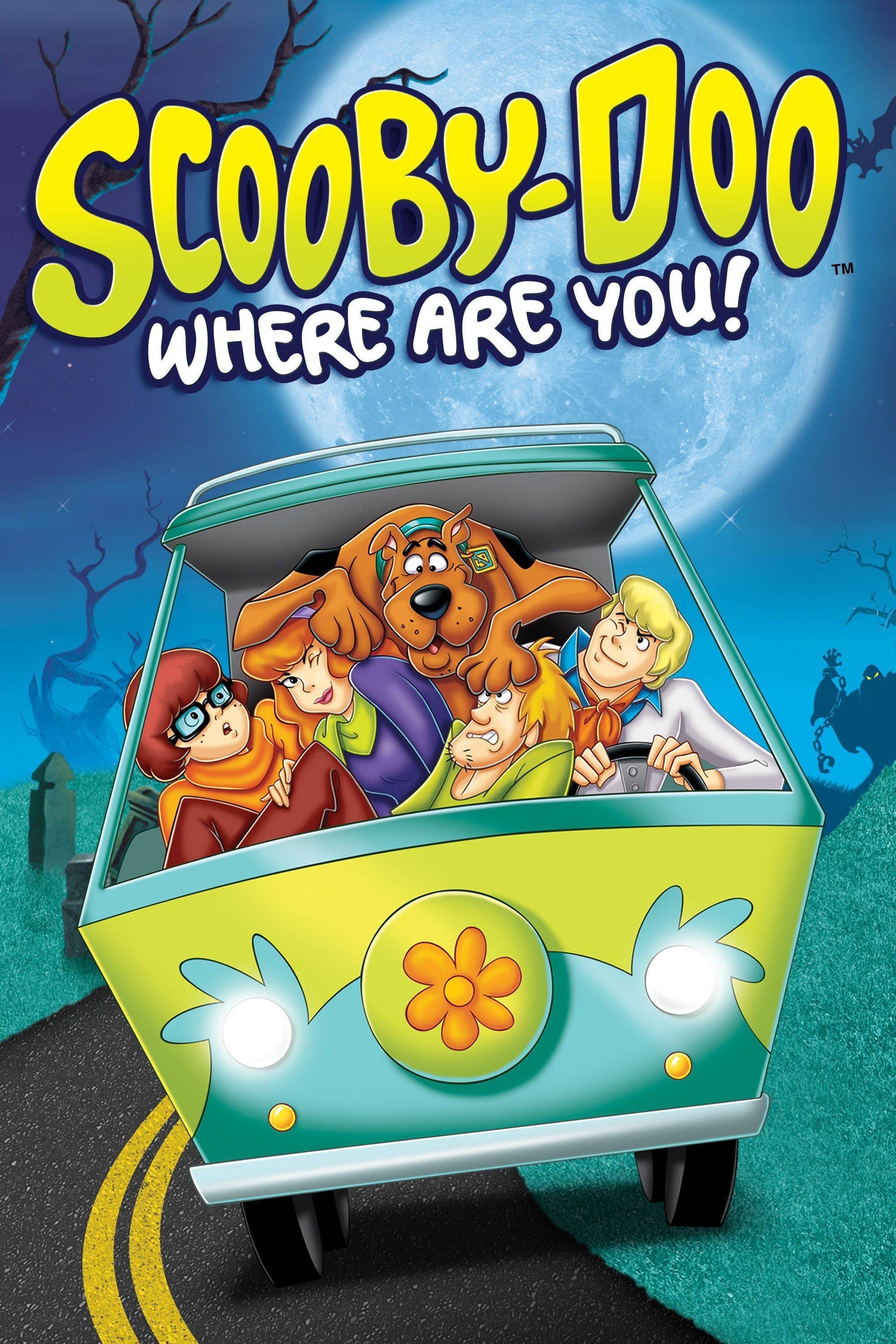
The franchise introduced ‘Velma’ in 2023 as an adult animated spin-off focusing on the origin story of the titled character. Starring Mindy Kaling, the series reimagined the classic Mystery Inc. gang in a contemporary setting with mature themes. Upon its release on Max, the show received significantly negative reviews from both critics and long-time fans of the original series. While it was renewed for a second season, it faced substantial backlash regarding its tone and character interpretations. It remains one of the most polarizing entries in the long-running history of the brand.
‘The Brady Bunch’ (1969–1974)
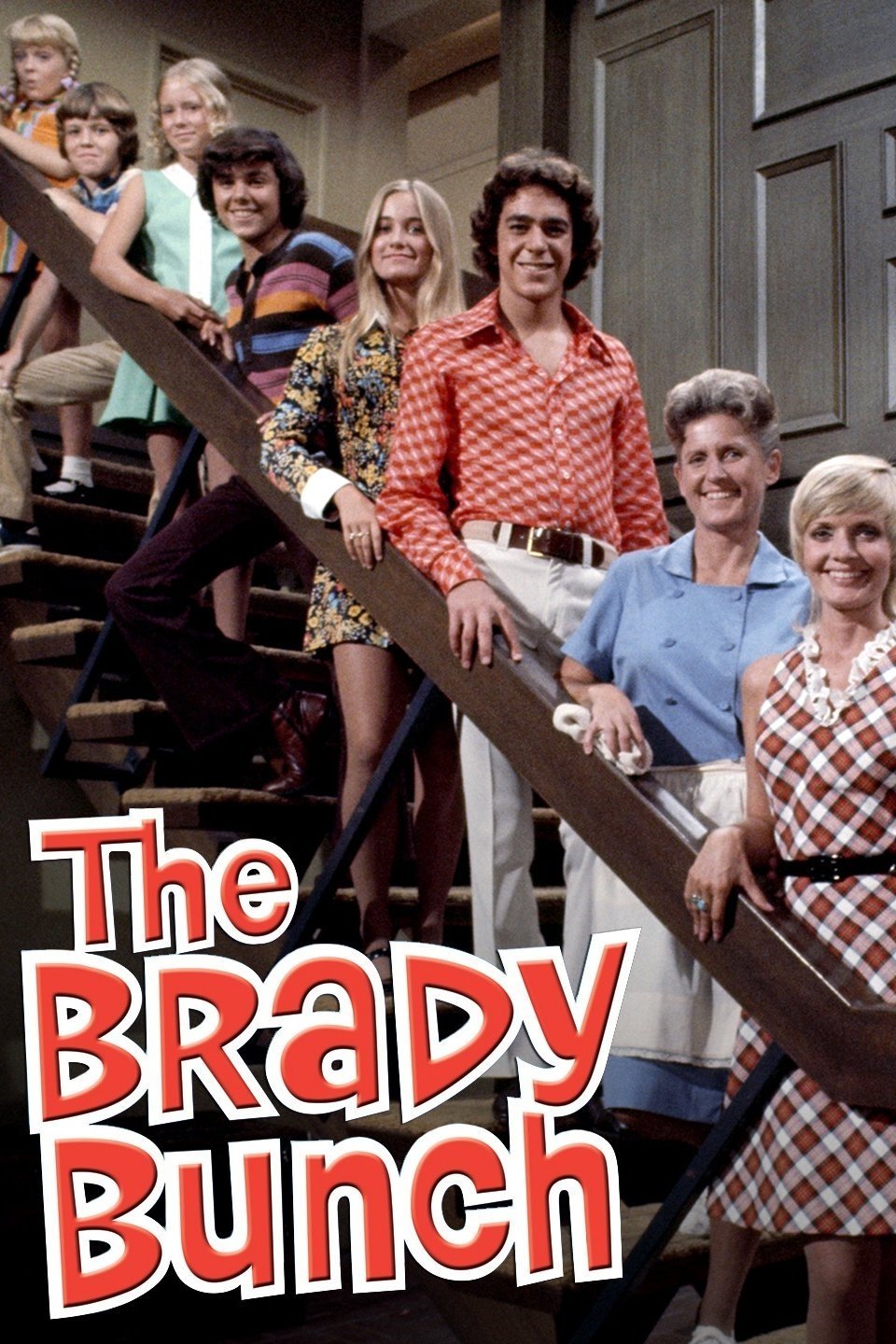
‘The Brady Brides’ aired in 1981, following Marcia and Jan Brady as they participated in a double wedding and moved into a house together. The sitcom attempted to update the wholesome family dynamic for a 1980s audience by focusing on the sisters’ contrasting personalities and lifestyles. However, the premise was viewed as thin, and the humor failed to resonate with fans of the original show. NBC canceled the series after only ten episodes were produced and aired. It was one of several unsuccessful attempts to revive the franchise in a scripted format during that decade.
‘The Partridge Family’ (1970–1974)
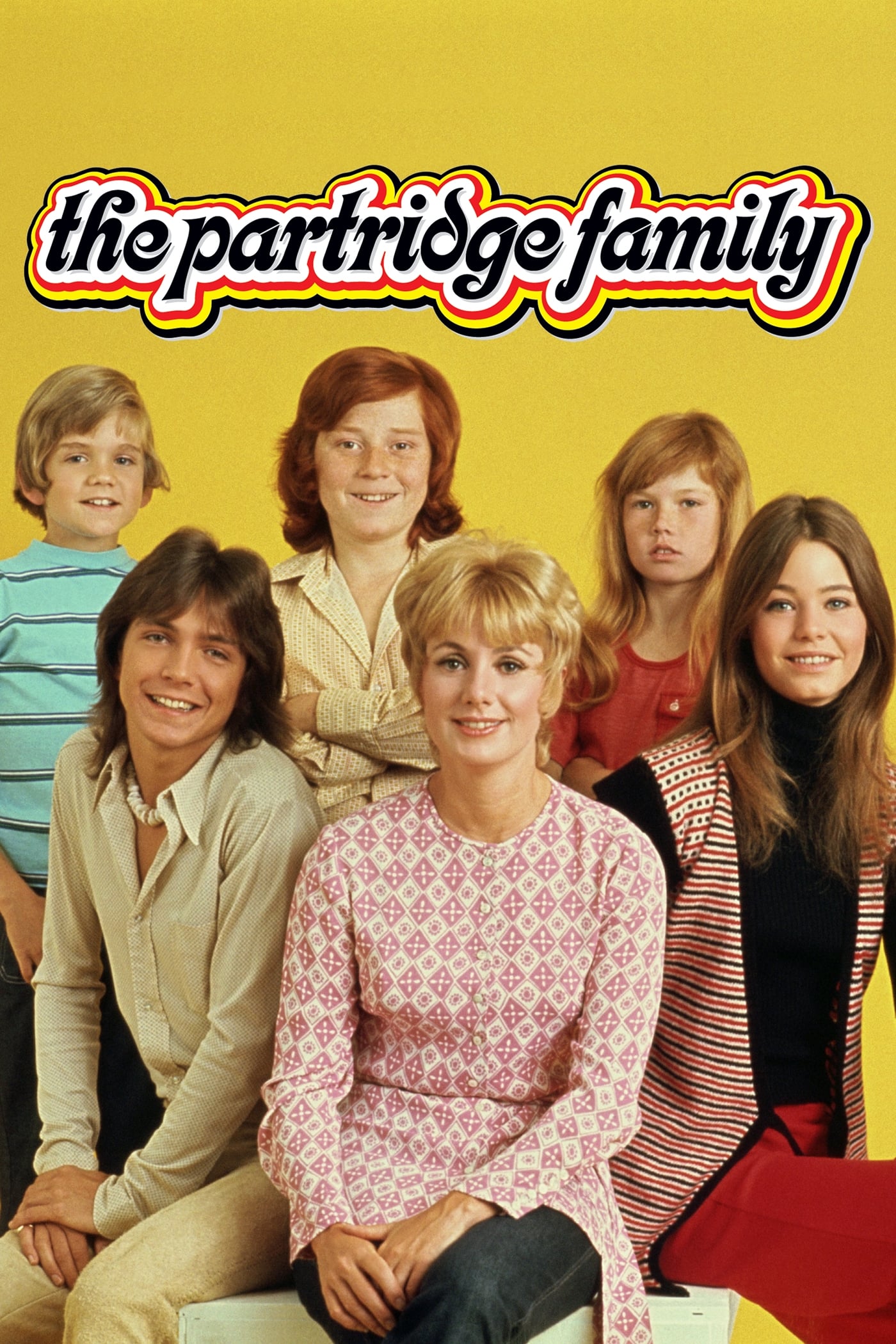
In 1971, ABC introduced ‘Getting Together’ as a spin-off following a back-door pilot featuring guest star Bobby Sherman. The show focused on two aspiring songwriters as they navigated the music industry, aiming to capture the teen idol craze of the era. Despite the significant popularity of the lead actors at the time, the series was unable to sustain its initial audience against stiff competition. It was canceled after 14 episodes because it could not match the ratings of the parent series. This was the first major attempt to expand the musical universe beyond the main family unit.
‘M*A*S*H’ (1972–1983)
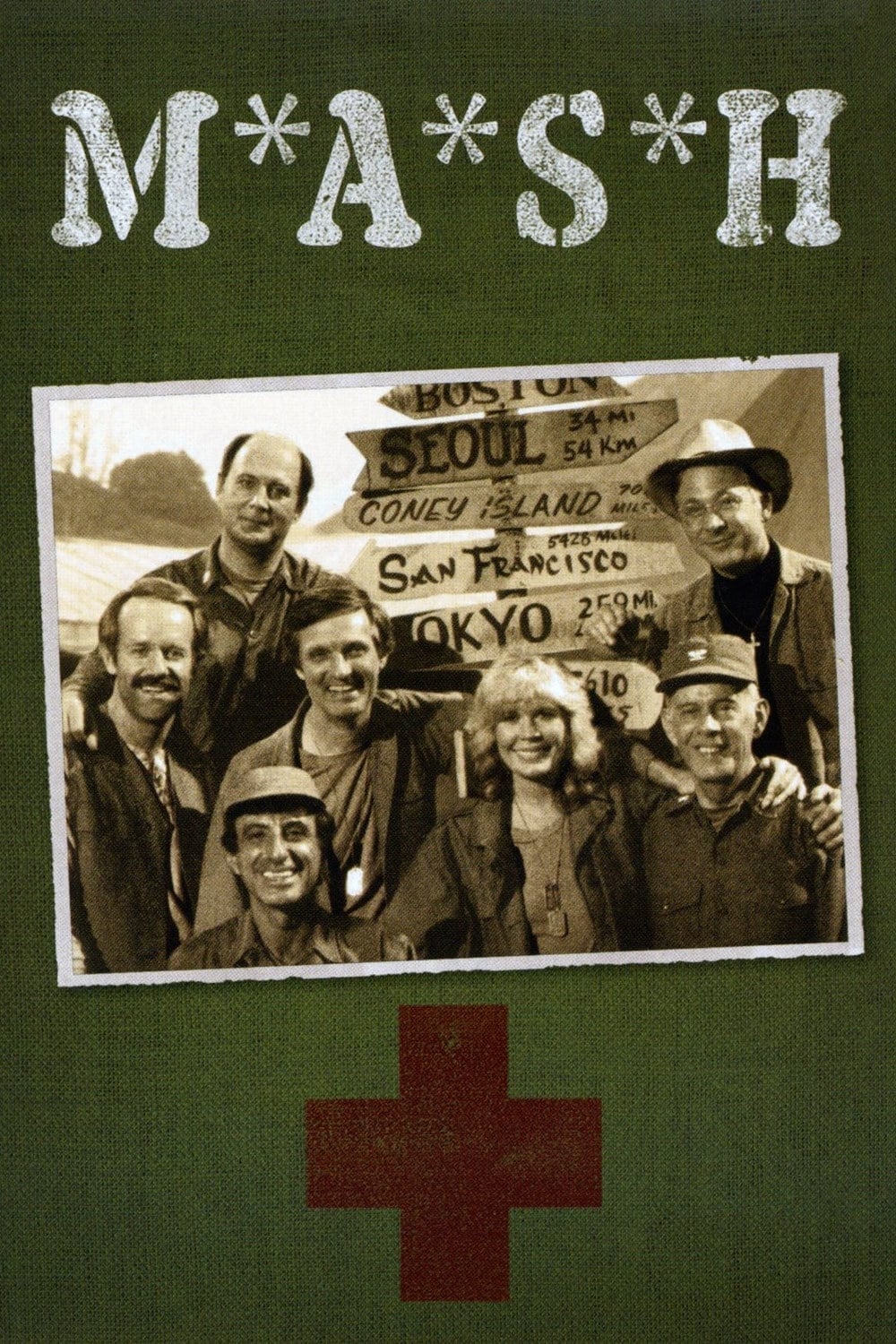
Immediately after the record-breaking series finale of the original show, CBS premiered ‘AfterMASH’ in 1983. The series followed Colonel Potter, Klinger, and Father Mulcahy as they worked in a veterans’ hospital in Missouri following the war. Although the first season performed well in the ratings, the show suffered from a significant creative decline in its second year. It was eventually canceled after its second season was scheduled against the rising hit ‘The A-Team’. The show is frequently cited in television history as a cautionary tale for franchise expansions.
‘Sanford and Son’ (1972–1977)
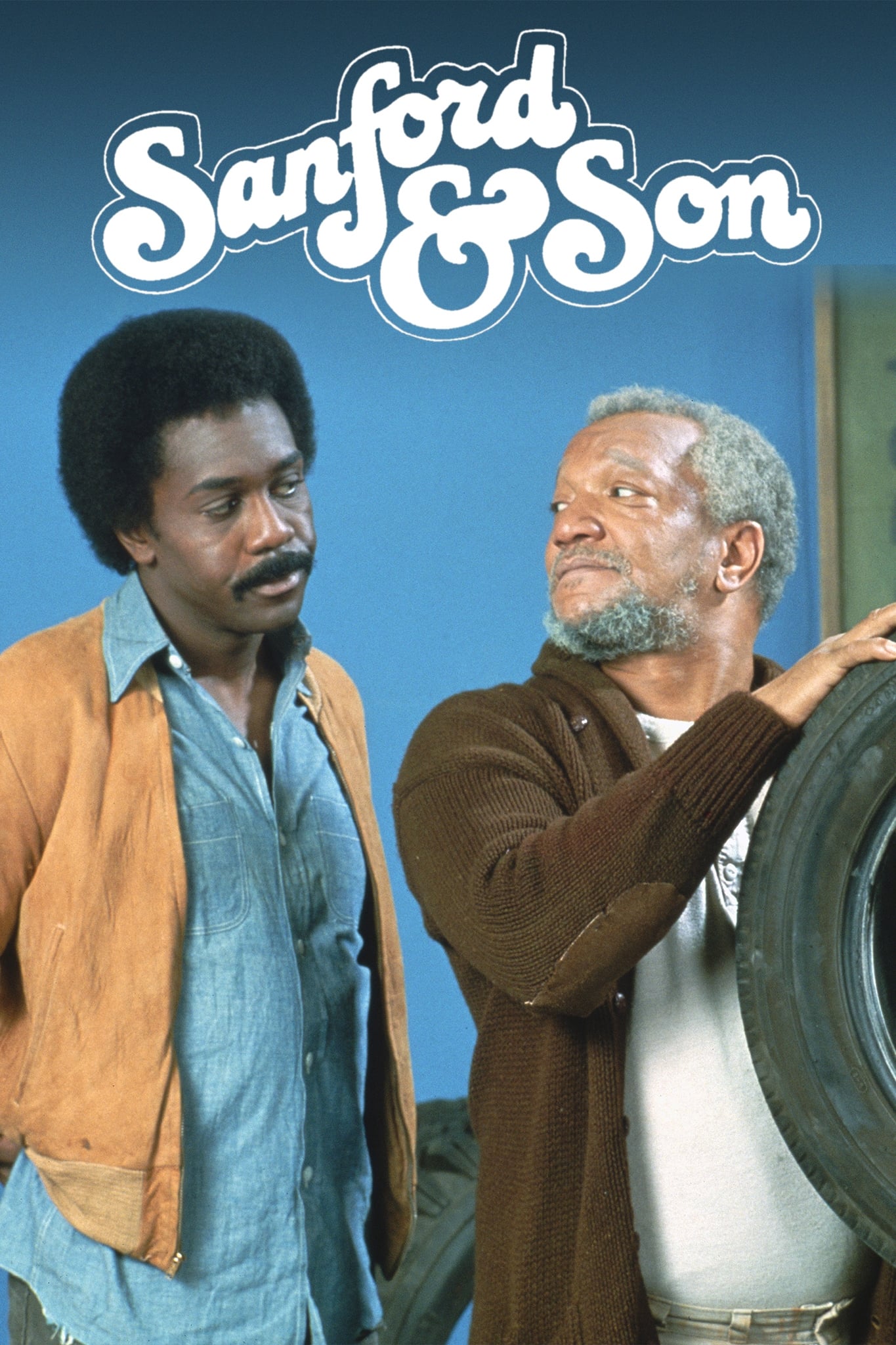
Following the departure of Redd Foxx, the network attempted to continue the brand with ‘Sanford Arms’ in 1977. The spin-off featured secondary characters Phil Wheeler and Aunt Esther but lacked the central dynamic of the original lead characters. Ratings plummeted immediately as audiences failed to connect with the new protagonists in the established setting. NBC canceled the show after airing only four episodes of its initial eight-episode order. It remains one of the shortest-lived spin-offs in the history of American network television.
‘Happy Days’ (1974–1984)

‘Joanie Loves Chachi’ premiered in 1982, following characters played by Erin Moran and Scott Baio as they moved to Chicago to start a band. The show shifted focus to their aspirations in the music industry, often featuring musical performances in every episode. While it started with high ratings due to the popularity of the leads, the novelty quickly wore off for viewers. ABC canceled the spin-off after 17 episodes across two short seasons. Both actors subsequently returned to the parent series for its final season.
‘Three’s Company’ (1977–1984)

Immediately following the series finale of the original show, Jack Tripper moved into ‘Three’s a Crowd’ in 1984. The spin-off followed Jack and his new girlfriend as they lived together above a bistro he managed in a new city. The show struggled with the transition from an ensemble dynamic to a focus on Jack’s domestic life and his girlfriend’s meddling father. While the show initially ranked in the top 30, it could not maintain its ratings through the full season. ABC canceled the series after 22 episodes, marking the end of the character’s narrative journey.
‘Dynasty’ (1981–1989)
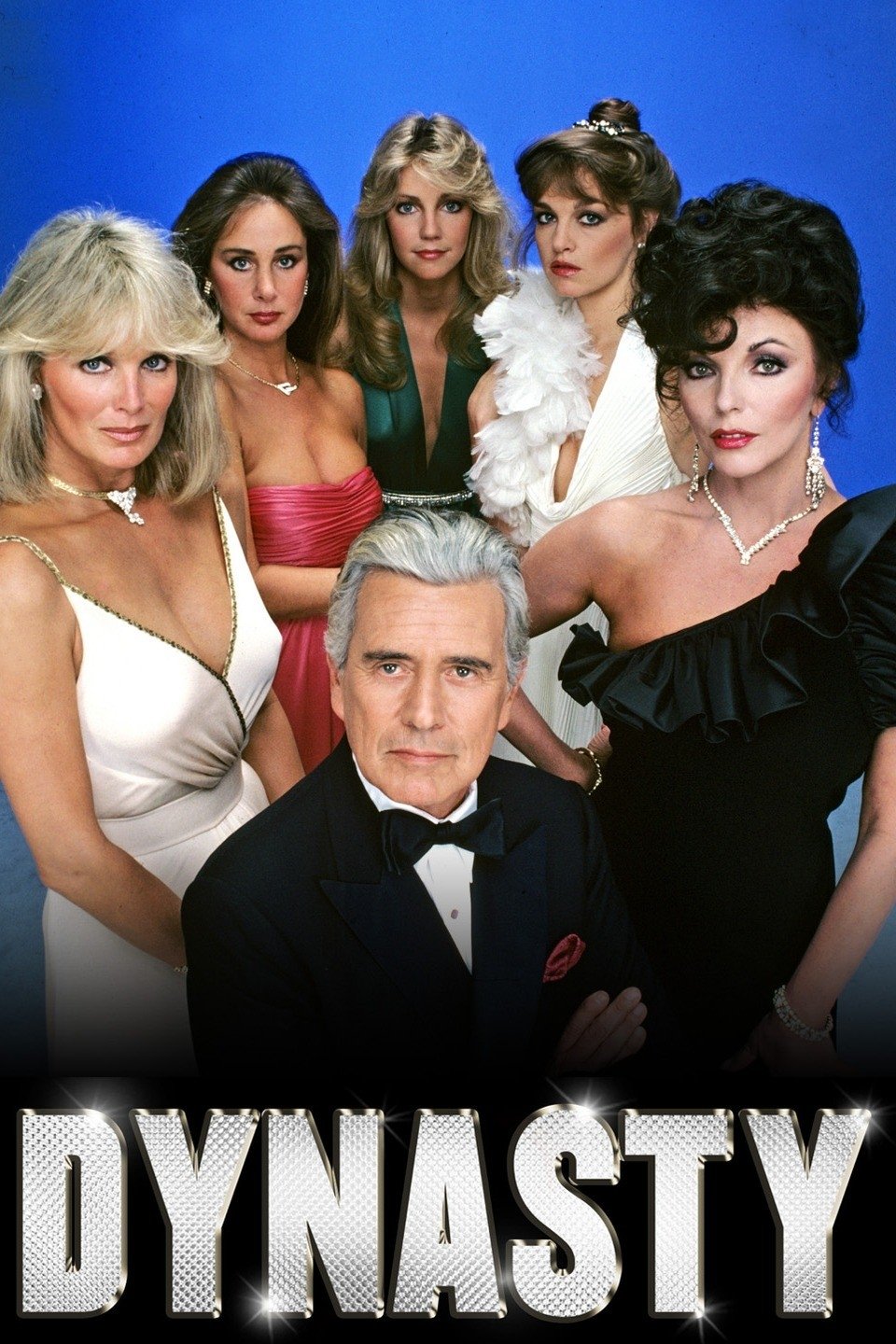
‘The Colbys’ premiered in 1985 as a high-budget spin-off designed to replicate the glamorous success of its parent show. The series followed the Colby family in Los Angeles and featured major stars such as Charlton Heston and Barbara Stanwyck. Despite the expensive production and crossover plotlines, the show never achieved the top-tier ratings of the original production. It ran for two seasons before being canceled by ABC in 1987. The characters were eventually folded back into the main narrative to resolve lingering cliffhangers.
‘Cheers’ (1982–1993)
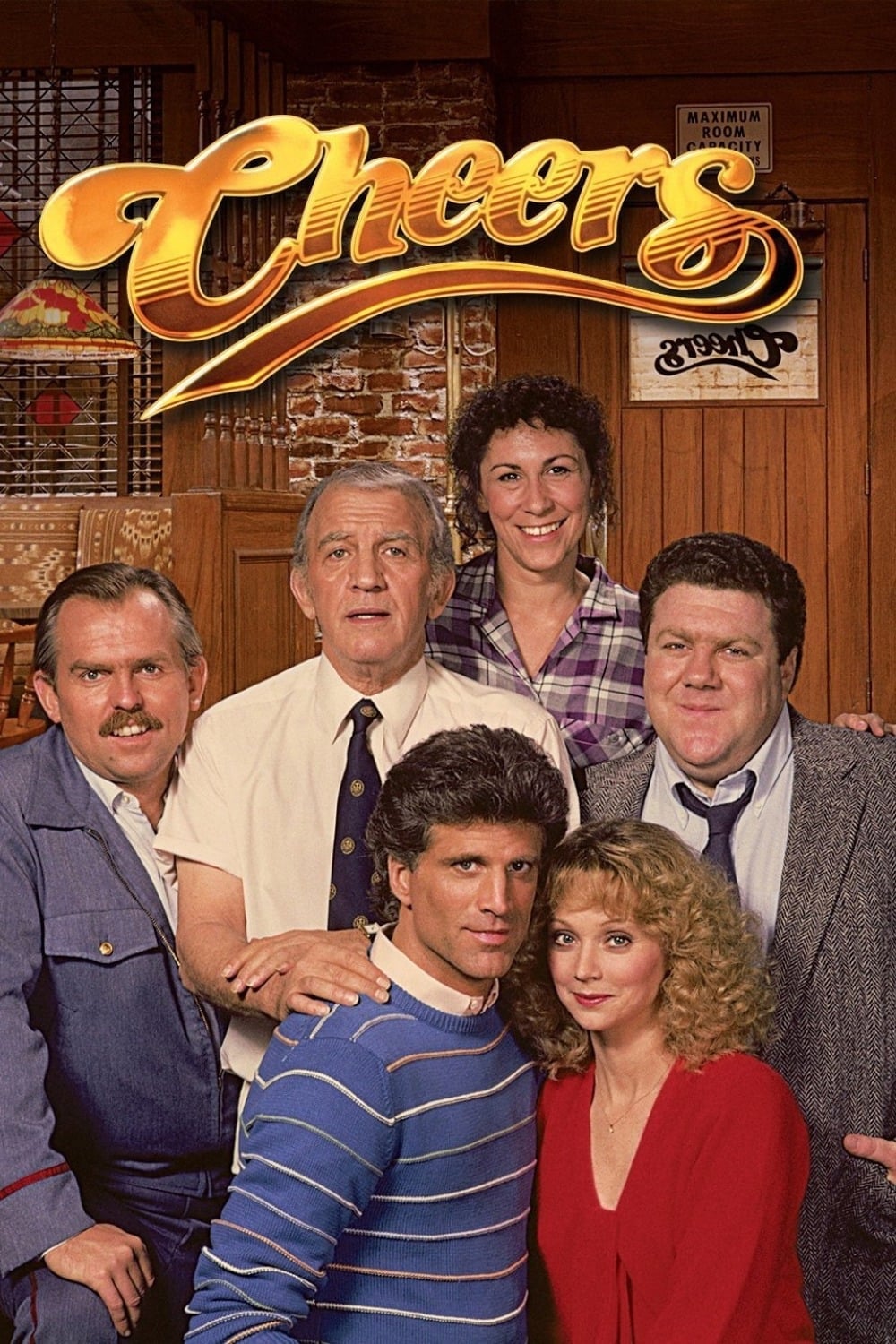
‘The Tortellis’ was the first spin-off of the hit sitcom, premiering in 1987 and focusing on the character Nick Tortelli. The show moved the action to Las Vegas as Nick attempted to start a new life with his second wife. Critics heavily panned the series for its reliance on broad stereotypes and a lack of the parent show’s sophisticated humor. Viewership dropped significantly after the pilot episode, leading to its cancellation after 13 episodes. It stands in stark contrast to the massive success of the later spin-off, ‘Frasier’.
‘The Golden Girls’ (1985–1992)
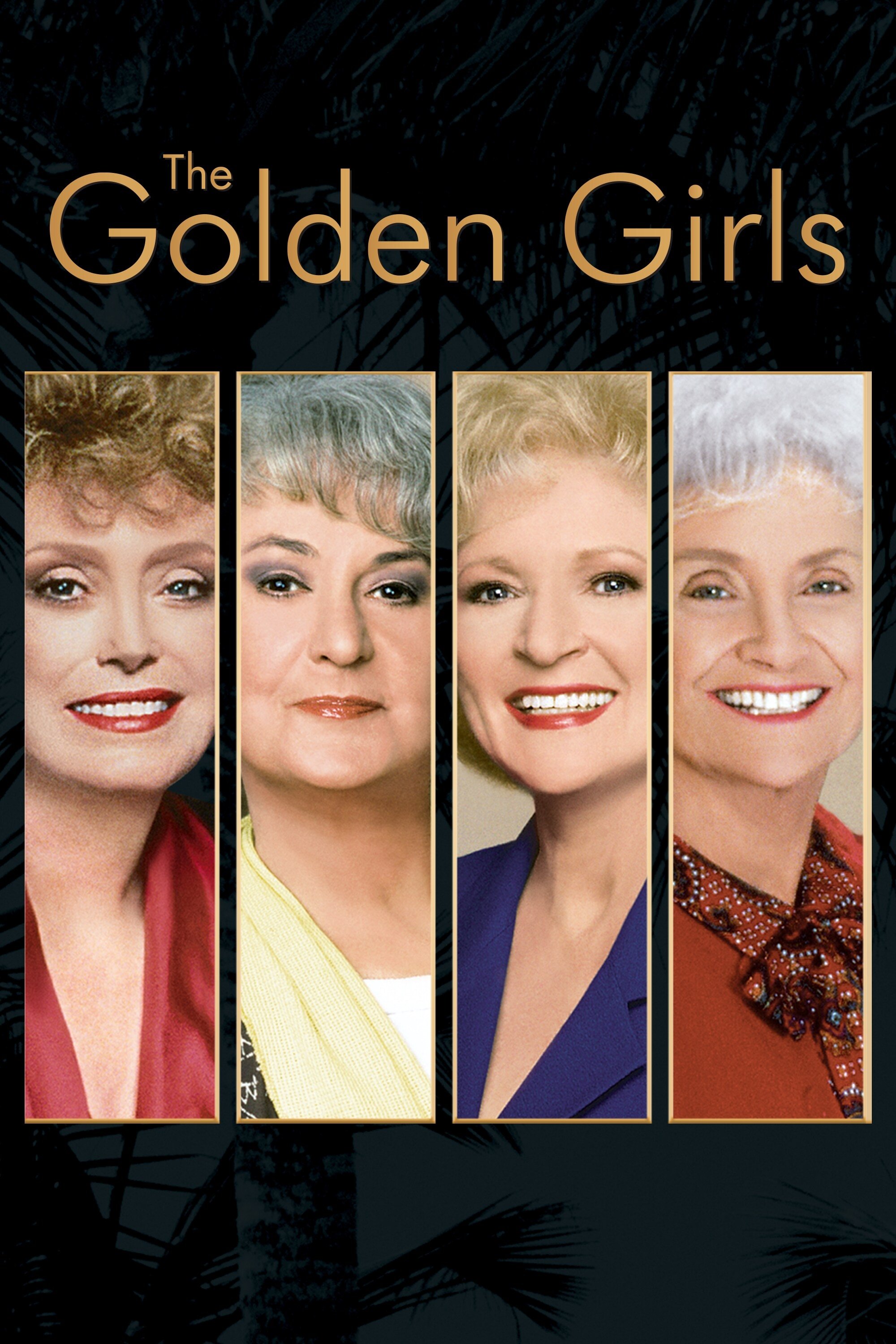
After the original series ended, ‘The Golden Palace’ premiered in 1992 featuring three of the four original cast members. The plot followed Rose, Blanche, and Sophia as they purchased and managed a luxury hotel in Miami. While new actors joined the cast to provide fresh dynamics, the absence of Bea Arthur’s character was frequently noted by critics. CBS canceled the series after a single season of 24 episodes. It is often cited as a project that failed to sustain the specific chemistry of the original quartet.
‘Designing Women’ (1986–1993)
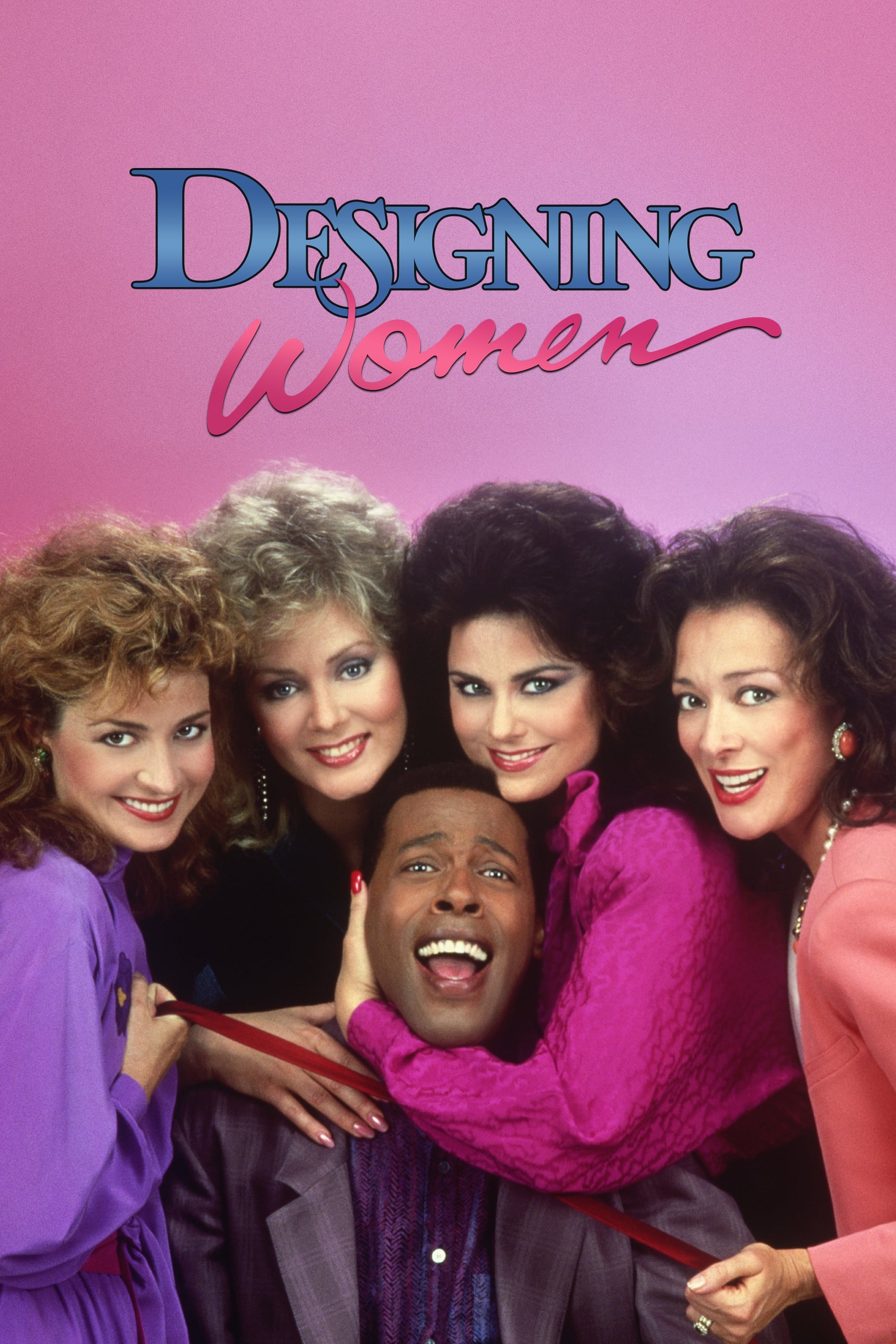
In 1995, ‘Women of the House’ debuted as a spin-off featuring Delta Burke reprising her role as Suzanne Sugarbaker. The premise saw Suzanne moving to Washington, D.C., to take over her late husband’s seat in Congress. Despite the return of a fan-favorite character, the show struggled to match the wit and chemistry of the original ensemble. CBS canceled the series after 12 episodes due to poor viewership and negative critical reception. It failed to capture the satirical edge that made the parent series a critical hit.
‘Married… with Children’ (1987–1997)

‘Top of the Heap’ debuted in 1991, starring Joseph Bologna and Matt LeBlanc as a father-son duo trying to get rich quick. The characters were introduced in a back-door pilot during the fifth season of the parent series. The show attempted to replicate the cynical and crude humor that made the Bundy family famous. However, it failed to capture a dedicated audience and was canceled after only seven episodes. A short-lived second spin-off attempt also failed to find success a year later.
‘Baywatch’ (1989–2001)
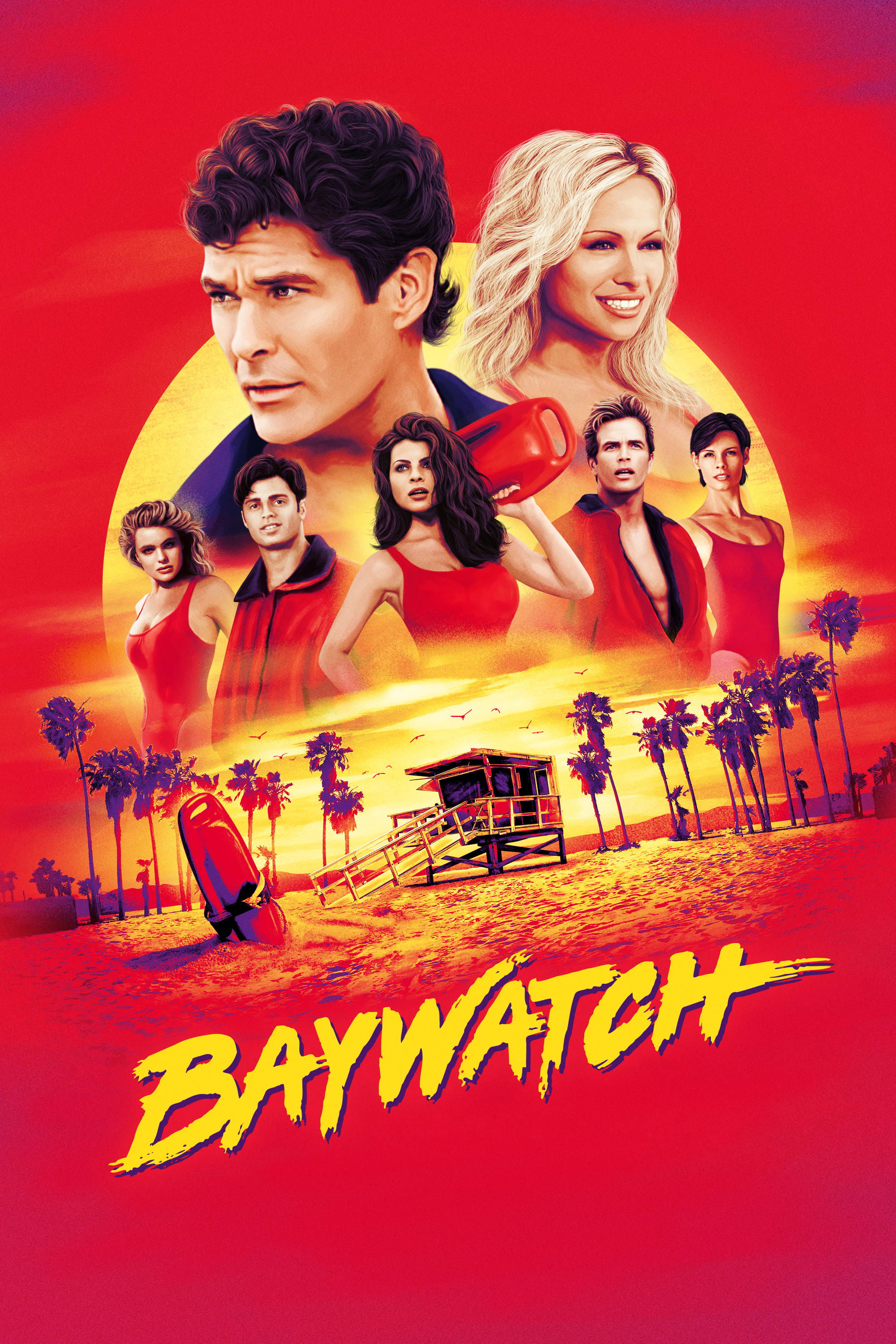
David Hasselhoff starred in ‘Baywatch Nights’, which launched in 1995 as a private investigator spin-off. The first season focused on standard detective tropes but failed to capture the massive global audience of the original lifeguard series. In an attempt to boost ratings, the second season shifted its premise to investigate paranormal and science-fiction cases. This radical change in tone alienated existing fans and was widely criticized by television reviewers. The show was canceled in 1997 after two seasons of declining viewership and poor syndication numbers.
‘Saved by the Bell’ (1989–1992)
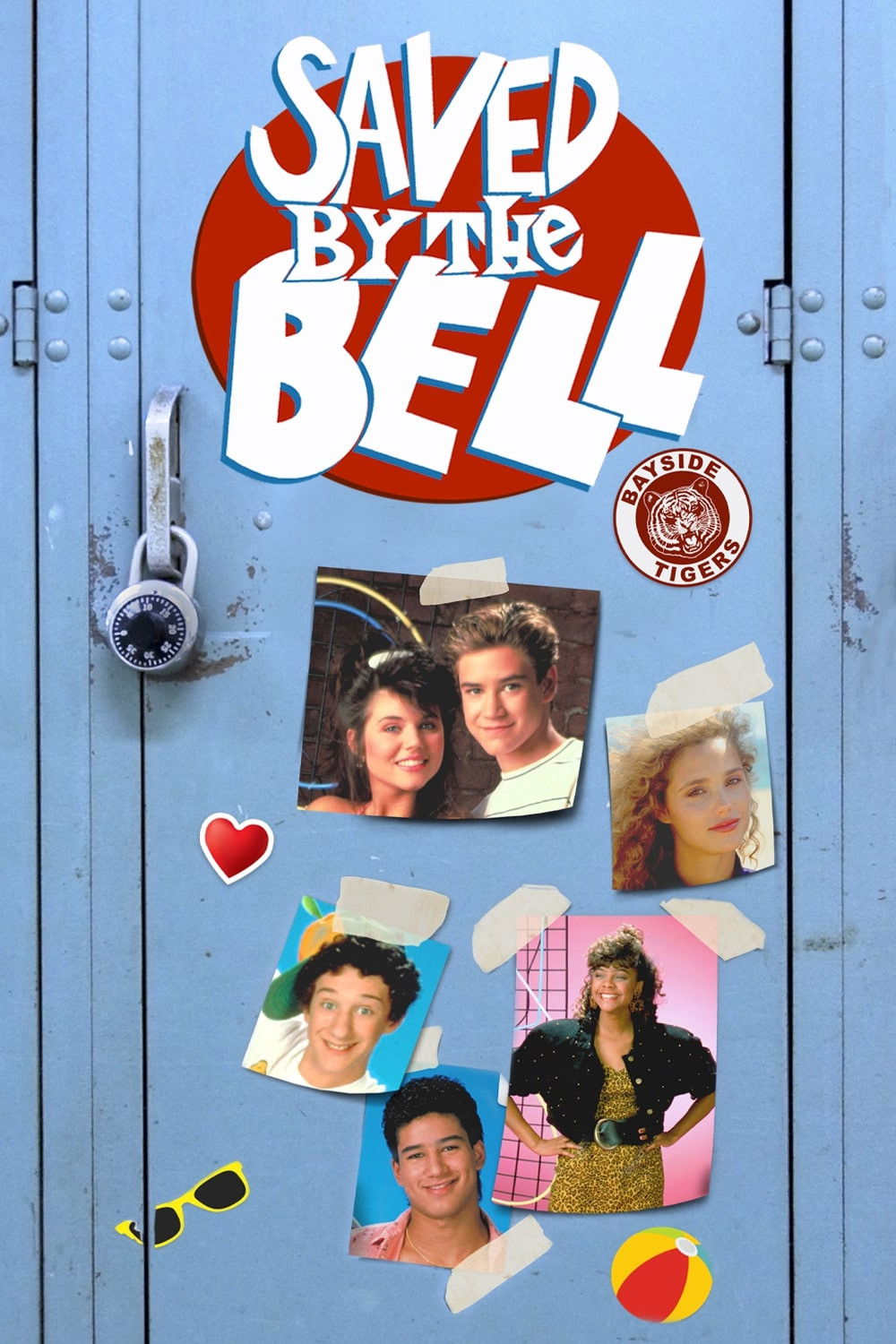
‘Saved by the Bell: The College Years’ premiered in 1993, following the main characters as they transitioned to life at California University. The show aired in a primetime slot rather than the original Saturday morning block, aiming for an older demographic. Despite the return of several fan-favorite characters, the series struggled to compete with established primetime sitcoms. It was canceled after 19 episodes due to unsatisfactory ratings compared to the original series. The franchise eventually returned to its roots with a more successful Saturday morning sequel.
‘Beverly Hills, 90210’ (1990–2000)
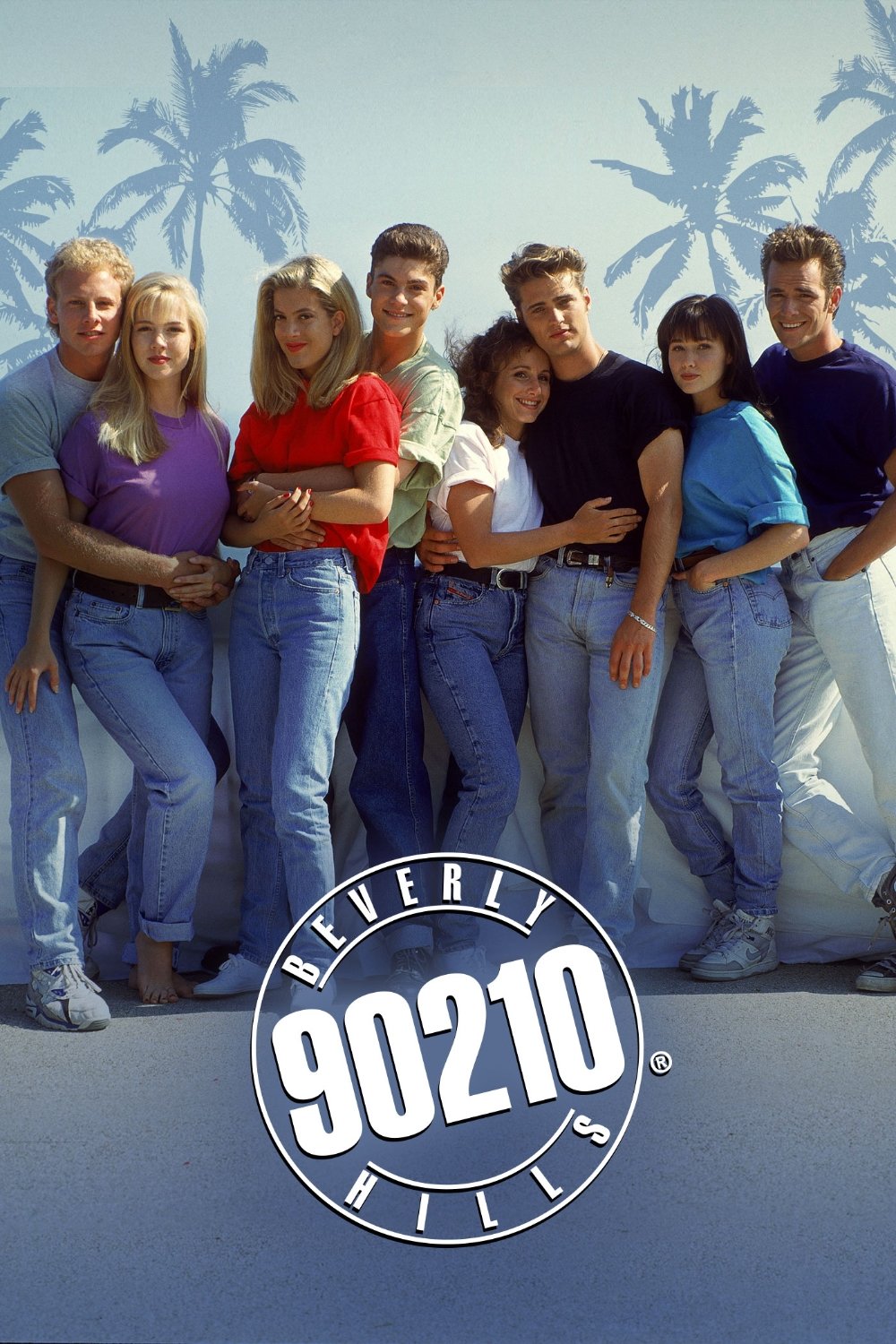
‘Models Inc.’ premiered in 1994 as a spin-off centering on a Los Angeles modeling agency run by Hillary Michaels. Hillary was the mother of a character from ‘Melrose Place’, further connecting the shared television universe created by Aaron Spelling. The series attempted to lean into the high-stakes soap opera drama popular in the 1990s but was met with lackluster reviews. It suffered from low ratings and was canceled after its first season of 29 episodes. It remains one of the least successful entries in the expansive franchise.
‘The X-Files’ (1993–2018)
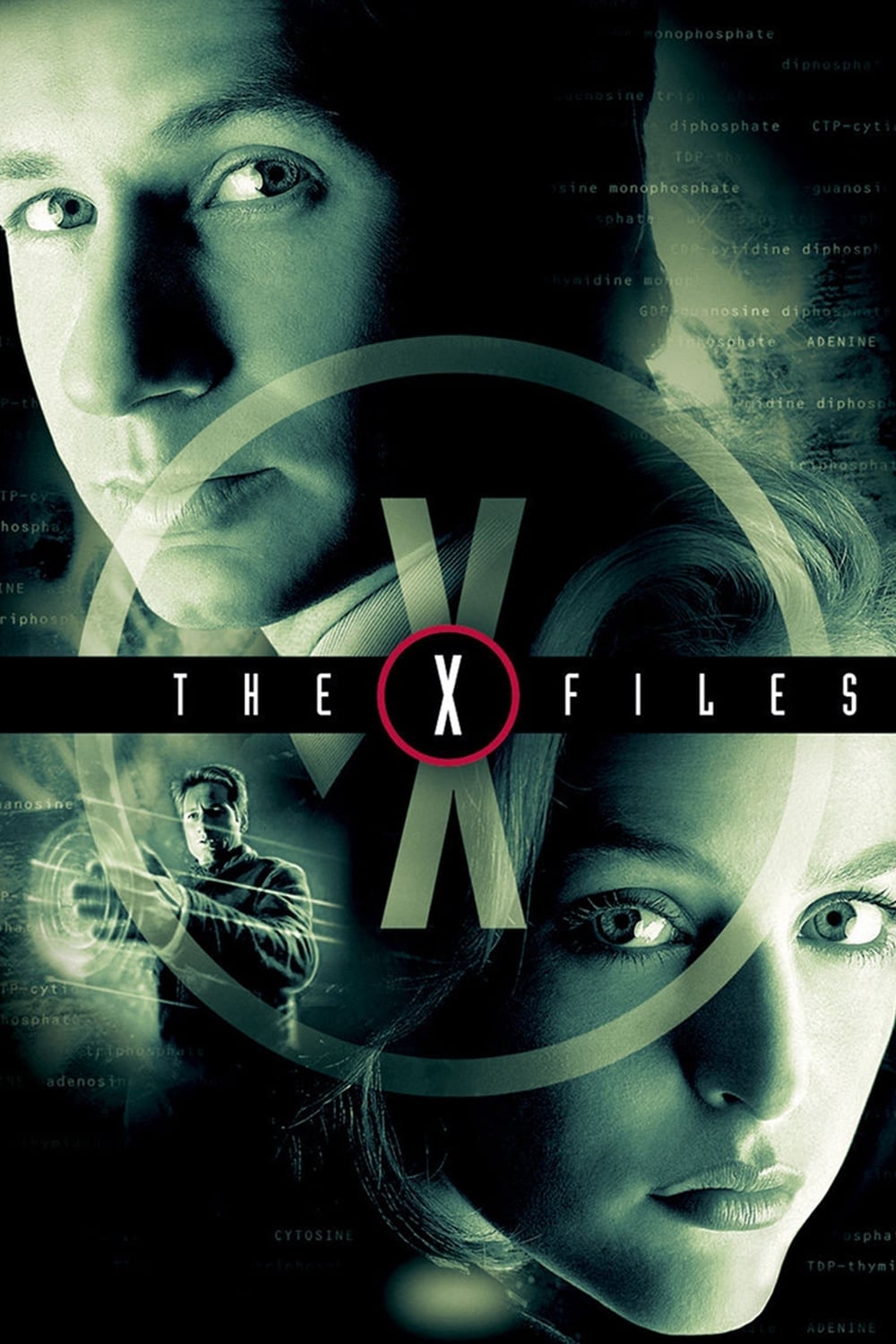
‘The Lone Gunmen’ launched in 2001 as a spin-off centering on the trio of conspiracy theorists who assisted Fox Mulder. The show adopted a more lighthearted and comedic tone compared to the darker atmosphere of the parent series. Despite positive reviews from core fans, it failed to attract a broad enough audience to sustain its high production costs. Fox canceled the series after 13 episodes, leaving the characters to return to the original show for a final appearance. The pilot episode gained retrospective notoriety for its plot involving a hijacked commercial airliner.
‘Friends’ (1994–2004)
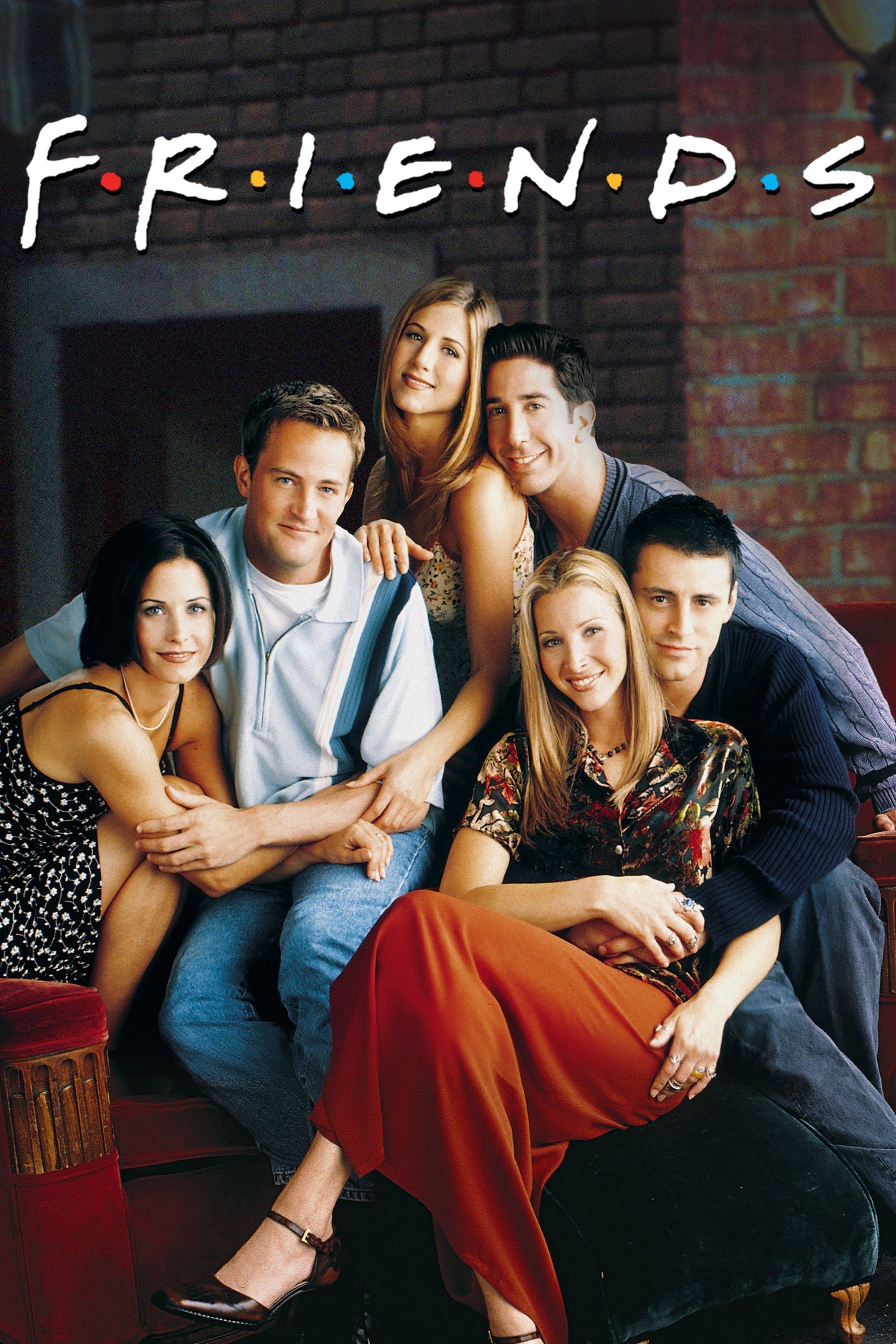
Following the conclusion of the long-running sitcom, NBC launched a spin-off titled ‘Joey’ in 2004. Matt LeBlanc reprised his role as Joey Tribbiani, moving to Los Angeles to pursue his professional acting career. Despite a strong initial viewership for the premiere, the series experienced a significant decline in ratings throughout its run. The show was eventually canceled in 2006, leaving several episodes unaired in the United States. It failed to replicate the cultural impact and critical acclaim of the original ensemble series.
‘That ’70s Show’ (1998–2006)

In 2002, Fox attempted to replicate the success of its period sitcom with ‘That ’80s Show’. While not a direct narrative spin-off, it utilized the same creators and thematic structure to explore a different decade. The series focused on a group of young adults living in San Diego during the 1980s but lacked the chemistry of the original cast. Critics found the humor reliant on superficial cultural references rather than strong character development. Fox canceled the series after 13 episodes aired due to low audience interest.
‘Family Guy’ (1999–PRESENT)
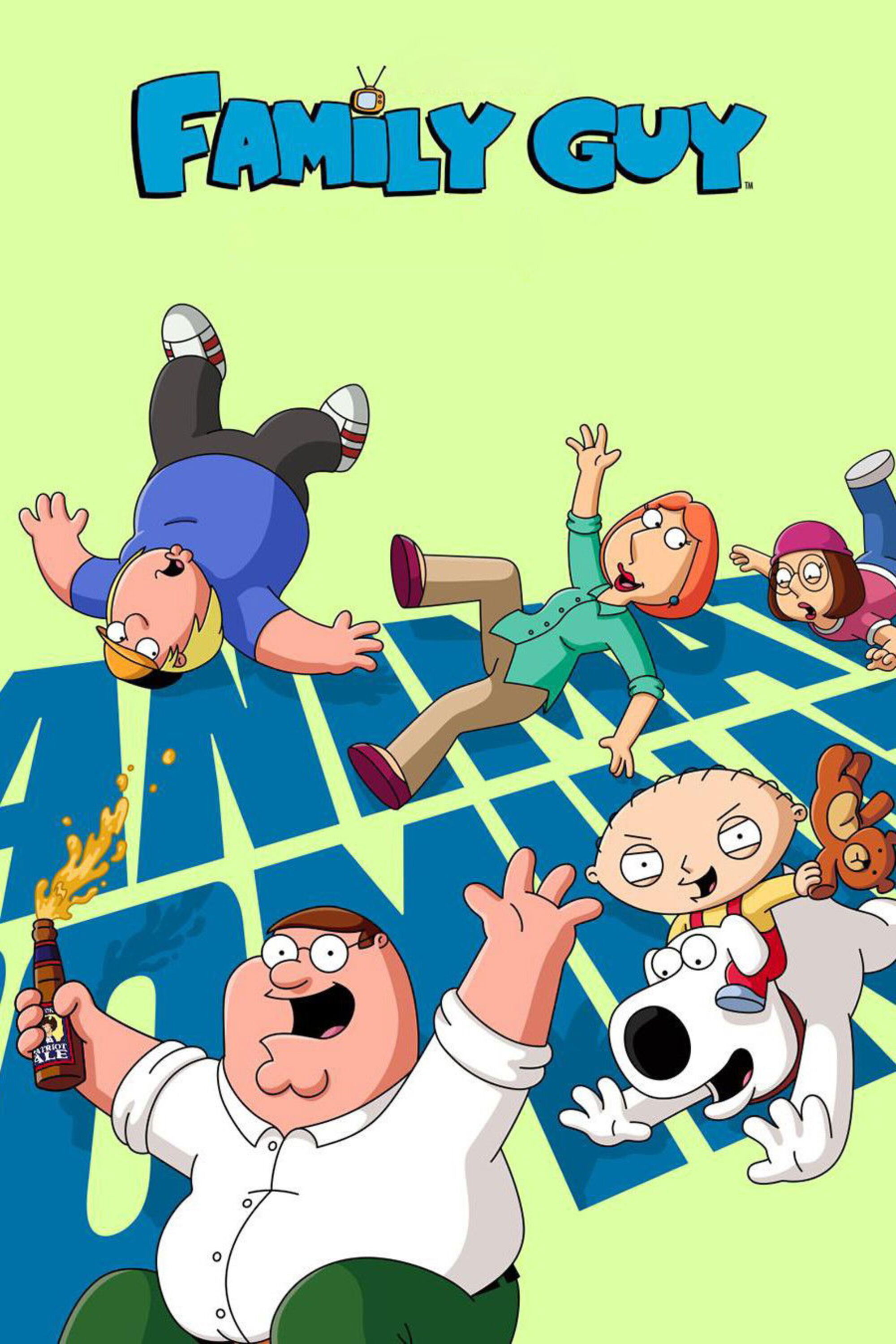
In 2009, ‘The Cleveland Show’ premiered as a spin-off centering on the character Cleveland Brown. The narrative moved the protagonist from Quahog to his fictional hometown of Stoolbend, Virginia, with a new family. While the show initially received a warm reception and ran for four seasons, it never achieved the ratings dominance of the parent series. Fox canceled the spin-off in 2013, after which the character was reintegrated back into the main cast. The series remains a notable example of an animated expansion that struggled to establish a distinct identity.
‘CSI: Crime Scene Investigation’ (2000–2015)
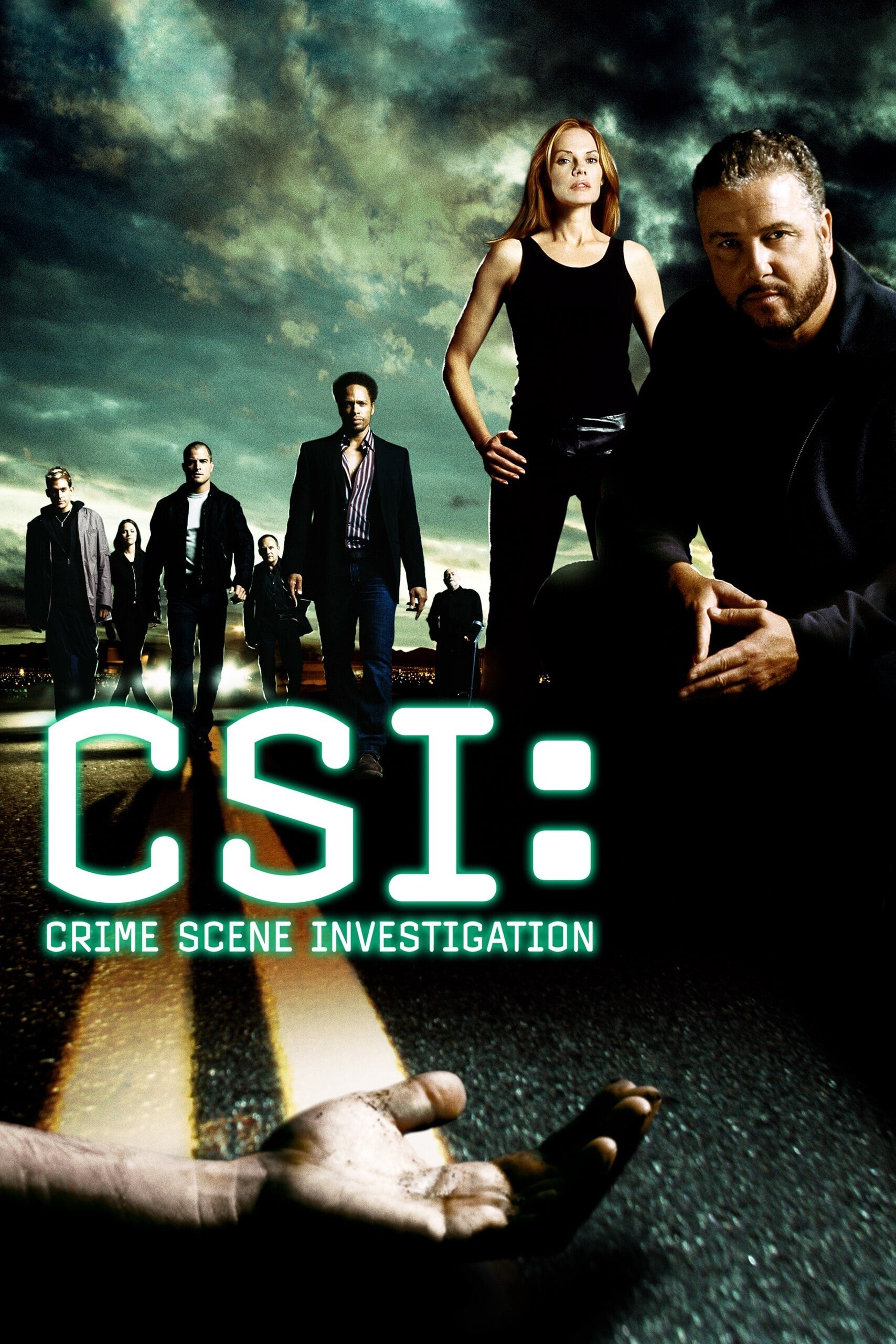
Following several successful expansions, the franchise launched ‘CSI: Cyber’ in 2015 starring Patricia Arquette. The series focused on the Cyber Crime Division of the FBI and explored the world of digital forensics and online threats. Unlike its predecessors set in major cities, this iteration struggled to find a consistent audience among procedural fans. It was canceled by CBS after two seasons due to low ratings and a lack of creative momentum. This marked a rare commercial failure for the otherwise dominant media brand.
’24’ (2001–2010)
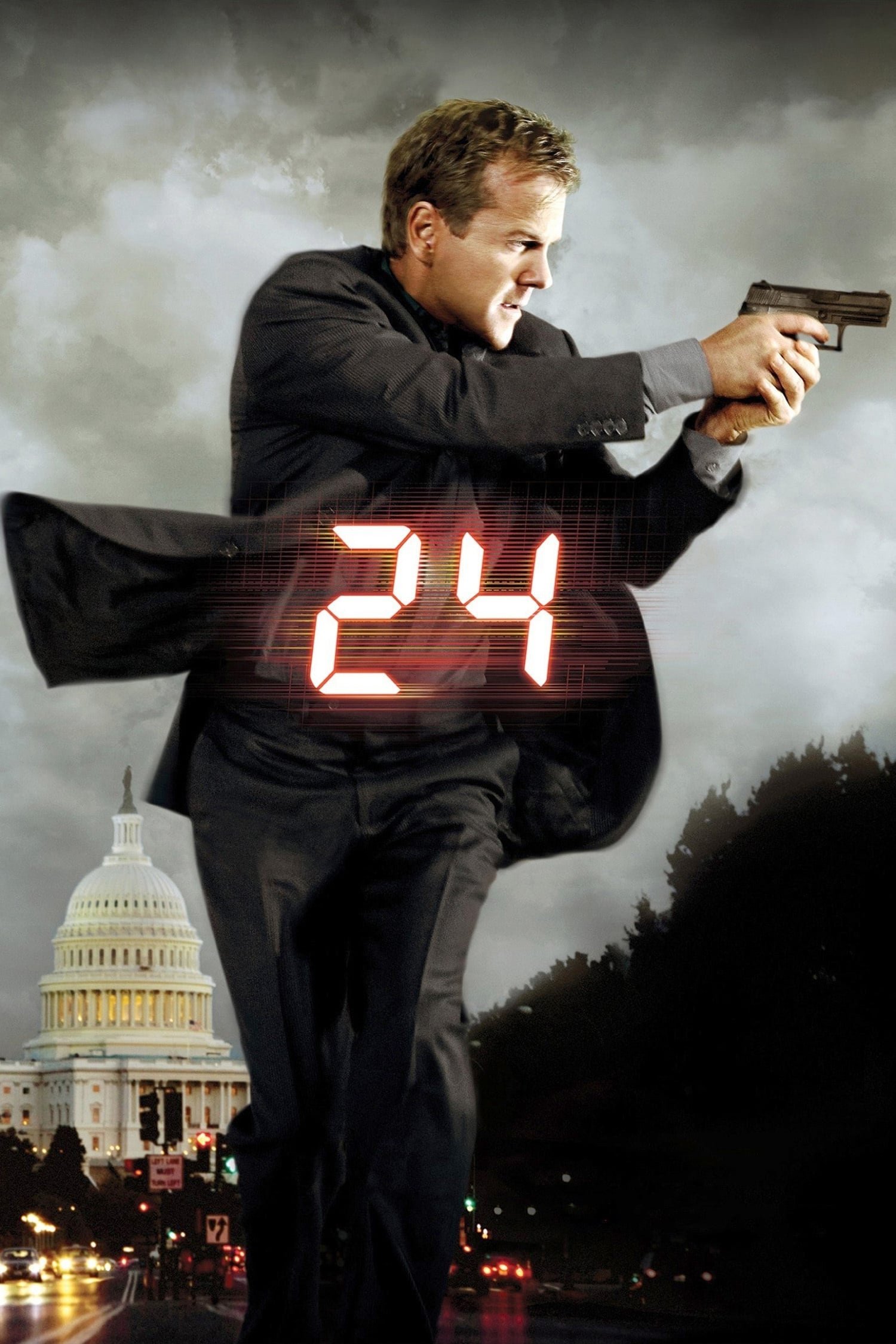
’24: Legacy’ premiered in 2017 as a spin-off attempting to revitalize the real-time thriller format without original lead Kiefer Sutherland. The series starred Corey Hawkins as a former Army Ranger who becomes targeted by a terrorist cell. While it maintained the signature split-screen visual style and fast-paced narrative, it failed to capture the same level of critical or commercial buzz. Fox chose not to renew the series for a second season after the initial 12-episode run. It was the last live-action attempt to continue the franchise’s real-time gimmick.
‘Battlestar Galactica’ (2004–2009)
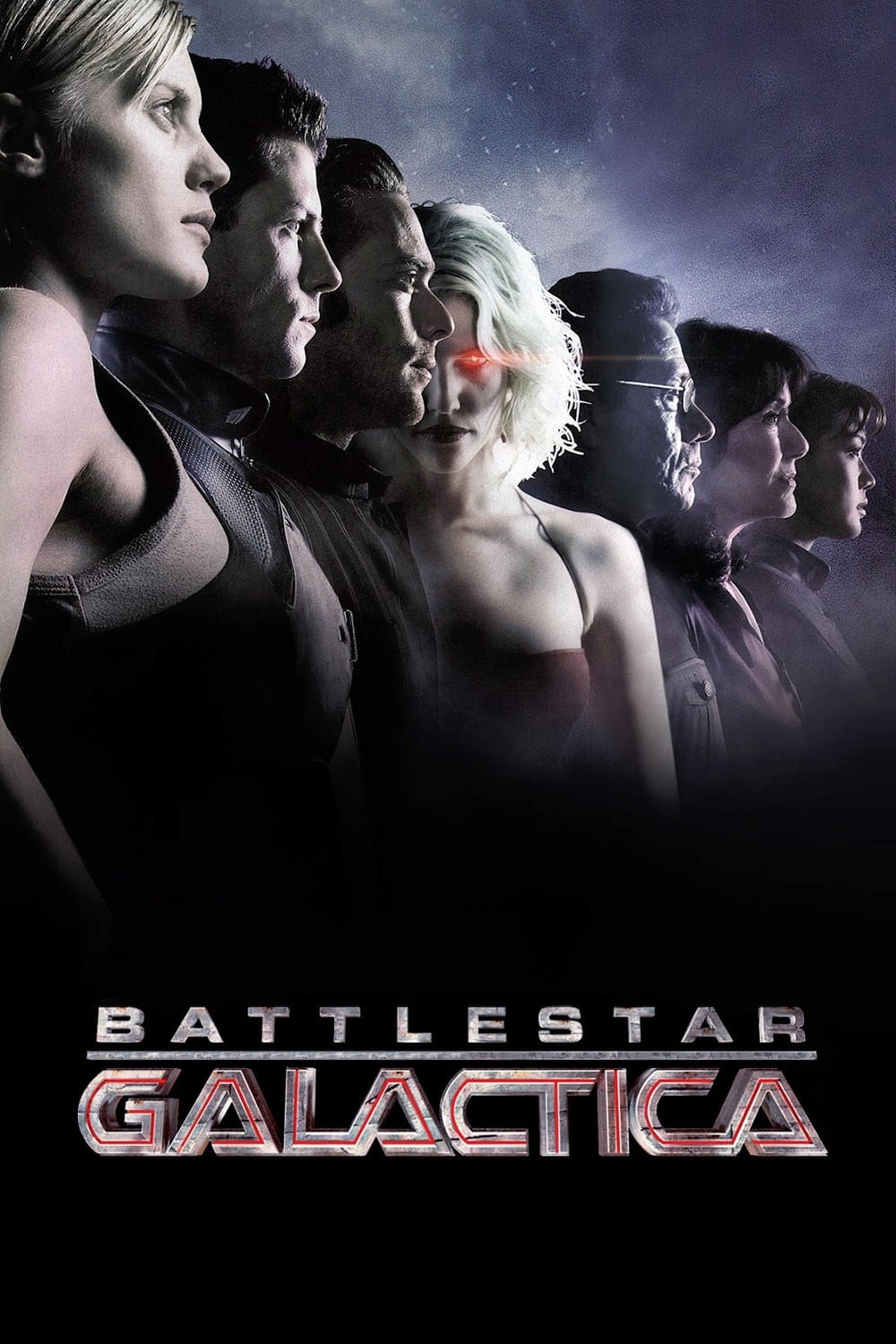
The prequel series ‘Caprica’ premiered in 2010, focusing on the creation of the Cylons and the rivalry between two prominent families. It took a significant tonal departure from the original, shifting from space opera to a slow-burn corporate and family drama. Viewership declined steadily throughout the first season as many fans of the previous series struggled with the change in pace. Syfy canceled the show before the first season had finished airing all its filmed episodes. It was the first of several failed attempts to further expand the television universe.
‘Criminal Minds’ (2005–PRESENT)
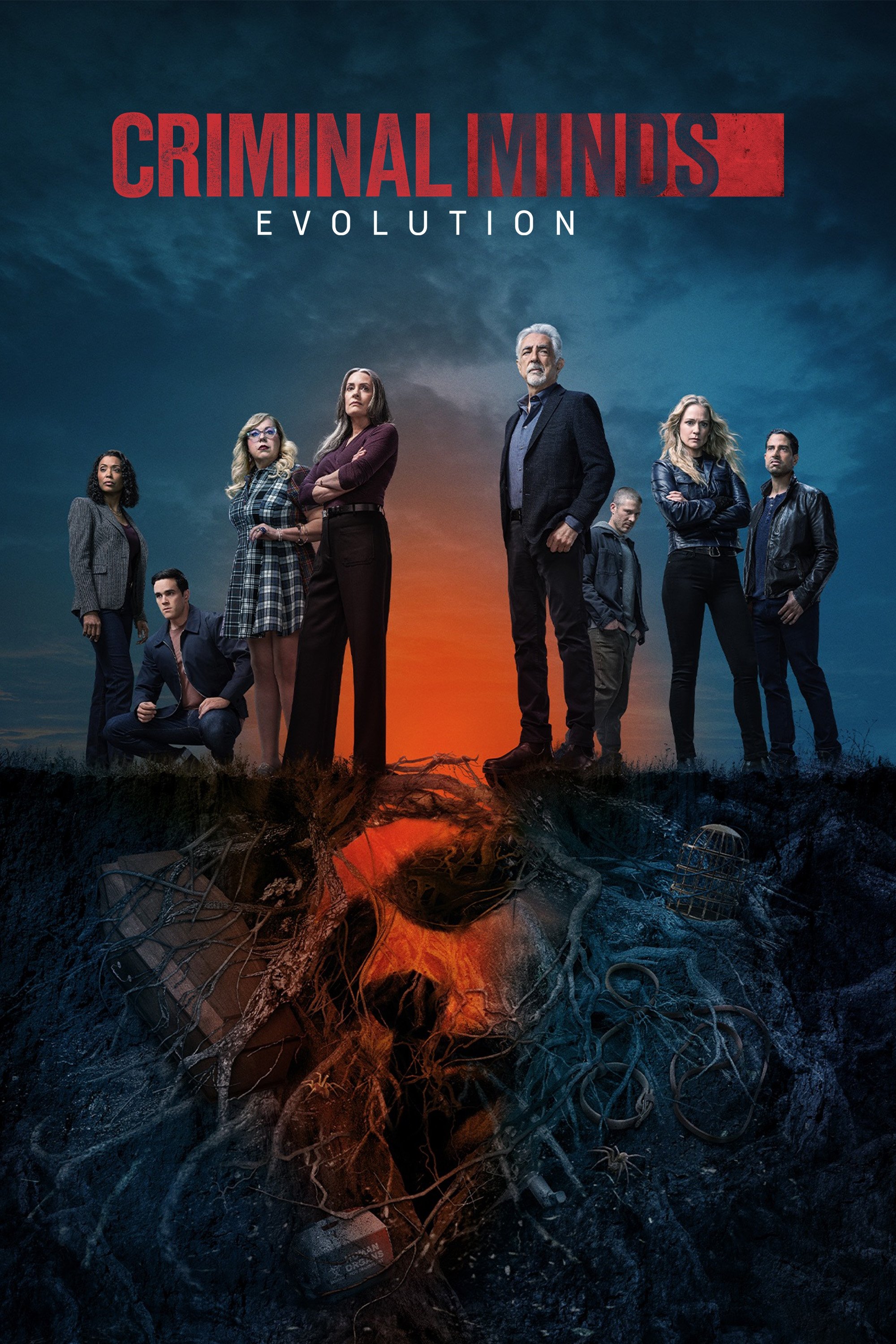
The first spin-off, ‘Criminal Minds: Suspect Behavior’, launched in 2011 starring Academy Award winner Forest Whitaker. It featured a new team of profilers working within the FBI’s Behavioral Analysis Unit but using unconventional methods. Despite the strong lead actor and a successful back-door pilot, the show received poor critical reviews and failed to retain the parent show’s audience. CBS canceled the series after only 13 episodes were produced and aired. The franchise eventually attempted another spin-off years later with similar difficulties.
‘How I Met Your Mother’ (2005–2014)
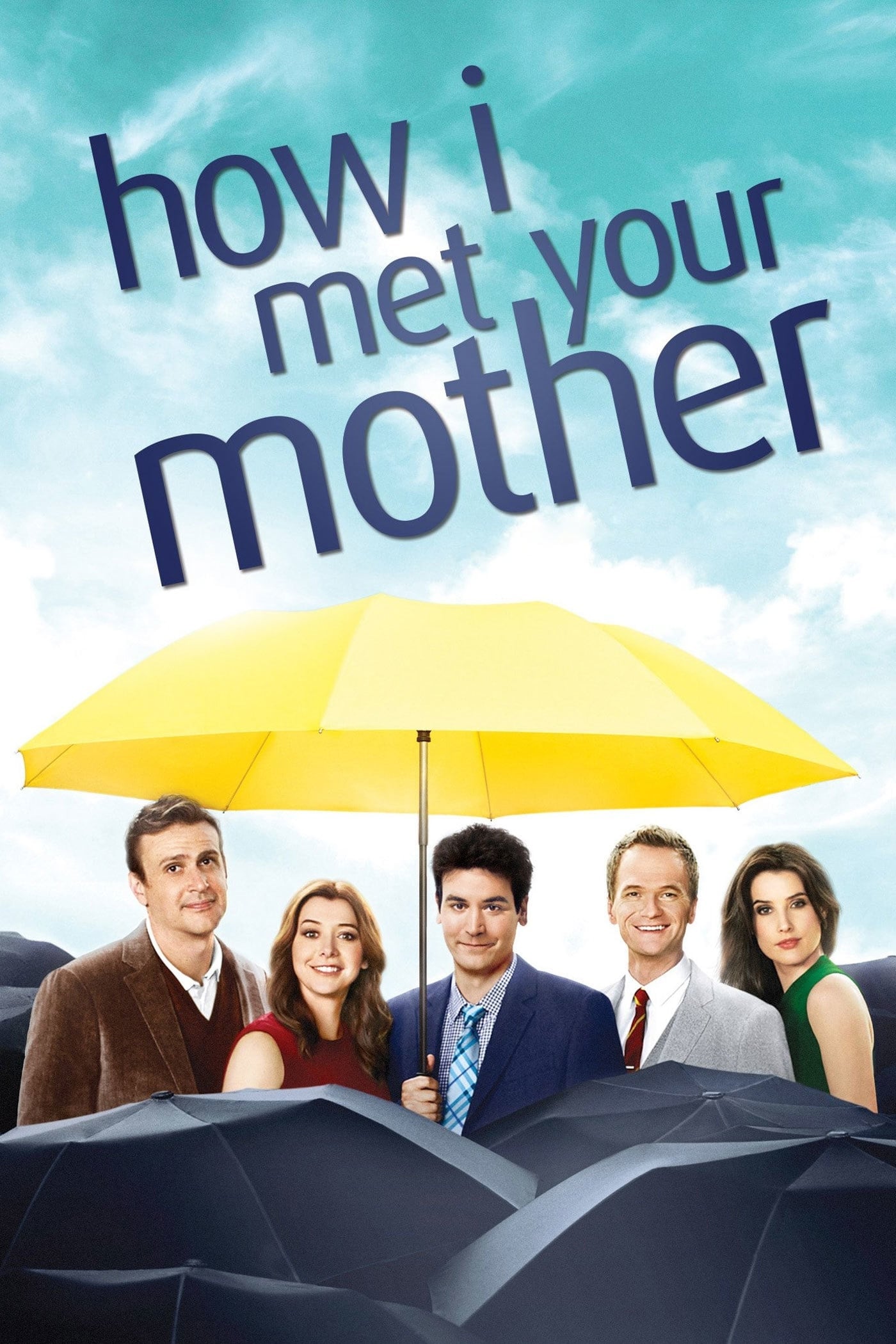
Hulu premiered ‘How I Met Your Father’ in 2022 as a spiritual successor and spin-off of the original CBS hit. The show followed a new group of friends in New York City, with Hilary Duff taking on the lead role. Despite featuring cameos from original cast members to draw in legacy fans, the series struggled to build a massive following. Hulu officially canceled the show in 2023 after only two seasons had been produced. It concluded without revealing the identity of the titular father to the audience.
‘Doctor Who’ (2005–PRESENT)
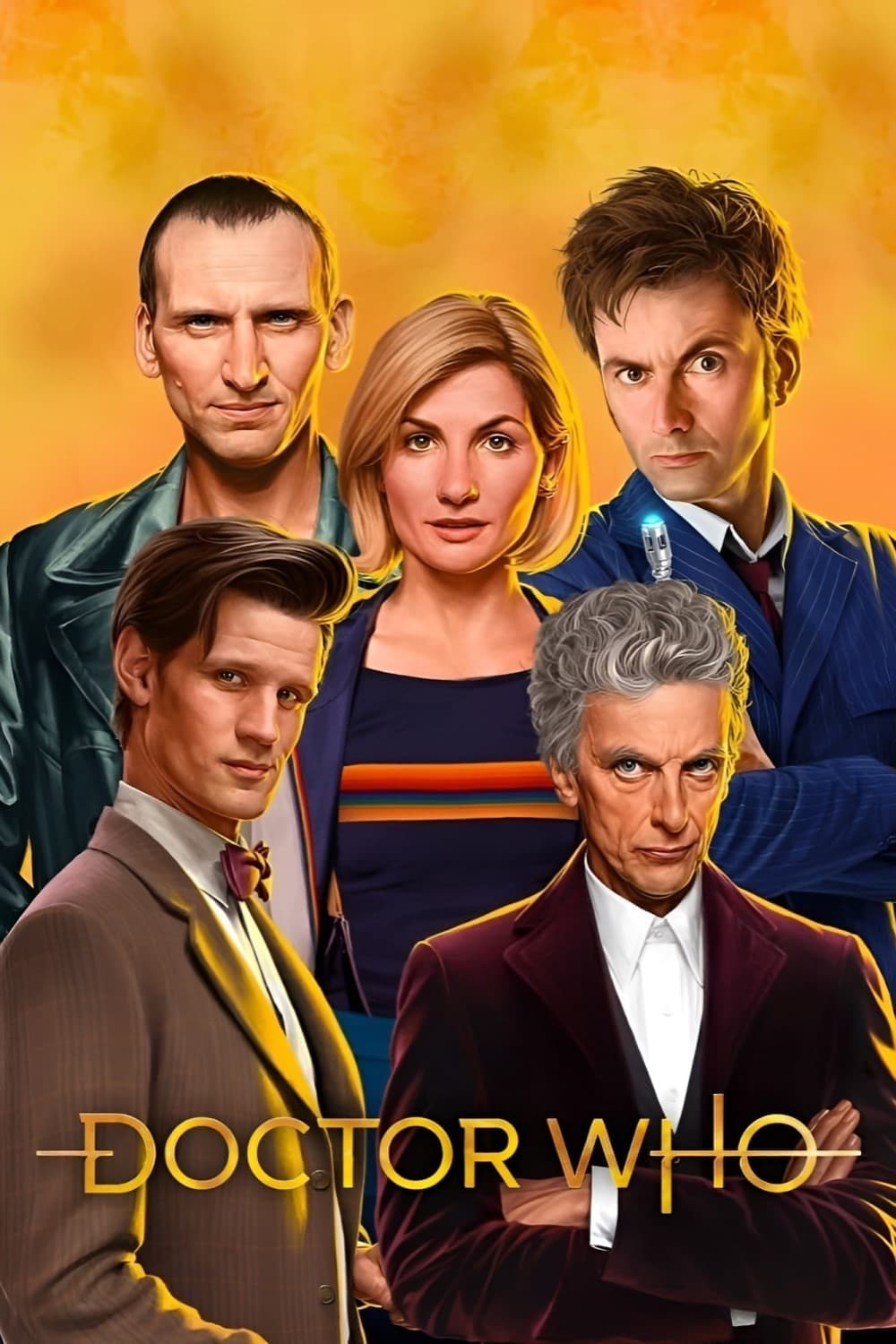
‘Class’ premiered in 2016 as a young adult spin-off set at Coal Hill Academy, a recurring location in the modern era of the show. The series followed a group of students and staff dealing with alien threats while navigating interpersonal high school drama. Despite being written by acclaimed author Patrick Ness, the show struggled to find an audience on the digital-only platform. Critics offered mixed reviews, praising the mature themes but noting an inconsistent tone for the brand. The BBC canceled the series after a single season of eight episodes.
‘Bones’ (2005–2017)
In 2012, Fox introduced ‘The Finder’ through a back-door pilot during the sixth season of the parent show. The spin-off starred Geoff Stults as an Iraq War veteran with a unique ability to locate anything or anyone. Michael Clarke Duncan joined the cast to provide a strong supporting dynamic, but the show struggled to differentiate itself from other procedurals. Ratings remained consistently low throughout its 13-episode run on the network. Fox ultimately canceled the series after its first season, citing a lack of audience growth.
‘Gossip Girl’ (2007–2012)
In 2021, Max launched a revival and spin-off also titled ‘Gossip Girl’ with a new cast of Manhattan private school students. The series aimed to update the premise for the social media age, focusing on a diverse group of influencers and teachers. However, the show faced harsh critical reception for its lack of the original’s escapist charm and soapy energy. Max canceled the series after two seasons in early 2023 due to declining interest. It struggled to retain the legacy of the original 2007 production.
‘Pretty Little Liars’ (2010–2017)
In 2013, the spin-off ‘Ravenswood’ was launched to capitalize on the success of the supernatural elements in the parent series. The show followed a character who moved to a town plagued by a centuries-old curse and mysterious deaths. Despite a massive marketing campaign and crossover episodes, viewership declined rapidly after the premiere. ABC Family canceled the series after just ten episodes, forcing the lead character to return to the original show. The attempt to blend teen drama with gothic horror failed to resonate with the core demographic.
‘The Walking Dead’ (2010–2022)
AMC launched ‘The Walking Dead: World Beyond’ in 2020 as a two-season limited series exploring the first generation of children raised in the apocalypse. It focused on a group of teenagers leaving the safety of their community to embark on a dangerous cross-country mission. While intended to expand the lore regarding the mysterious Civic Republic Military, the show received lukewarm reviews for its writing. Viewership numbers were significantly lower than the main series and its first spin-off. The series concluded in 2021 without reaching the massive cultural footprint of its predecessor.
‘Once Upon a Time’ (2011–2018)
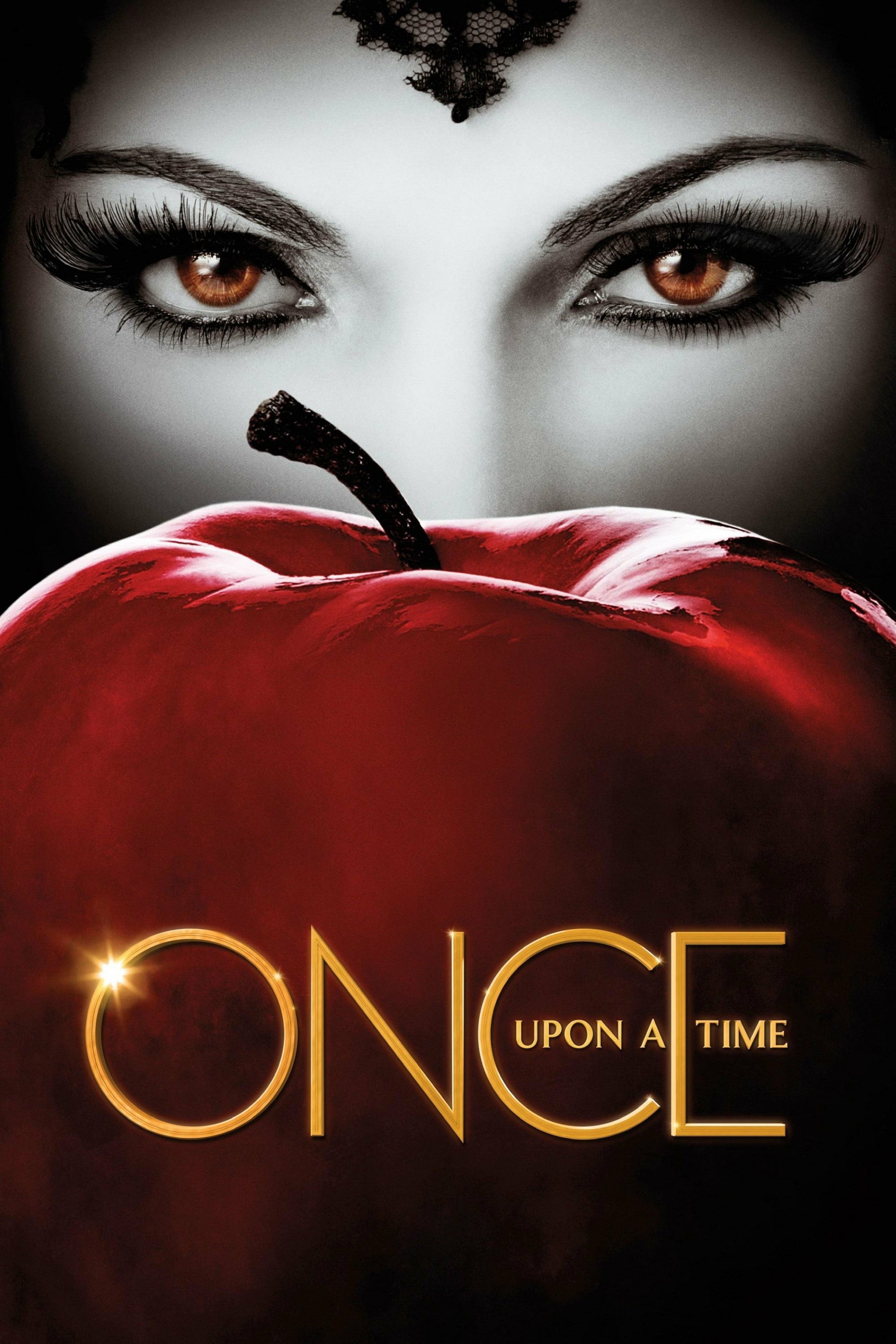
‘Once Upon a Time in Wonderland’ was launched in 2013 as a limited spin-off set in the same magical universe as the parent show. It followed Alice as she searched for her lost love while navigating a reimagined version of Wonderland. The series was aired on a night where it faced heavy competition from other high-rated network dramas. Due to stagnant ratings and mixed critical reviews, ABC decided not to extend the series beyond its initial 13-episode order. It remains the only live-action spin-off produced during the original show’s run.
Please share which of these television spin-offs you were most disappointed by in the comments.