Movies With Performances That Overshadow The Story


Cinema is often defined by its narrative structure, yet some films are remembered primarily for a singular, transformative performance that defines the entire experience. In these cases, the actor’s craft becomes so compelling that the audience finds themselves less interested in the plot and more focused on the character’s nuances. Whether it is a dedicated character study or a large-scale blockbuster, these performances elevate their respective films beyond the limitations of their scripts. This phenomenon occurs when a performer brings a level of intensity or authenticity that creates an enduring cultural legacy independent of the film’s overall story.
‘The Dark Knight’ (2008)
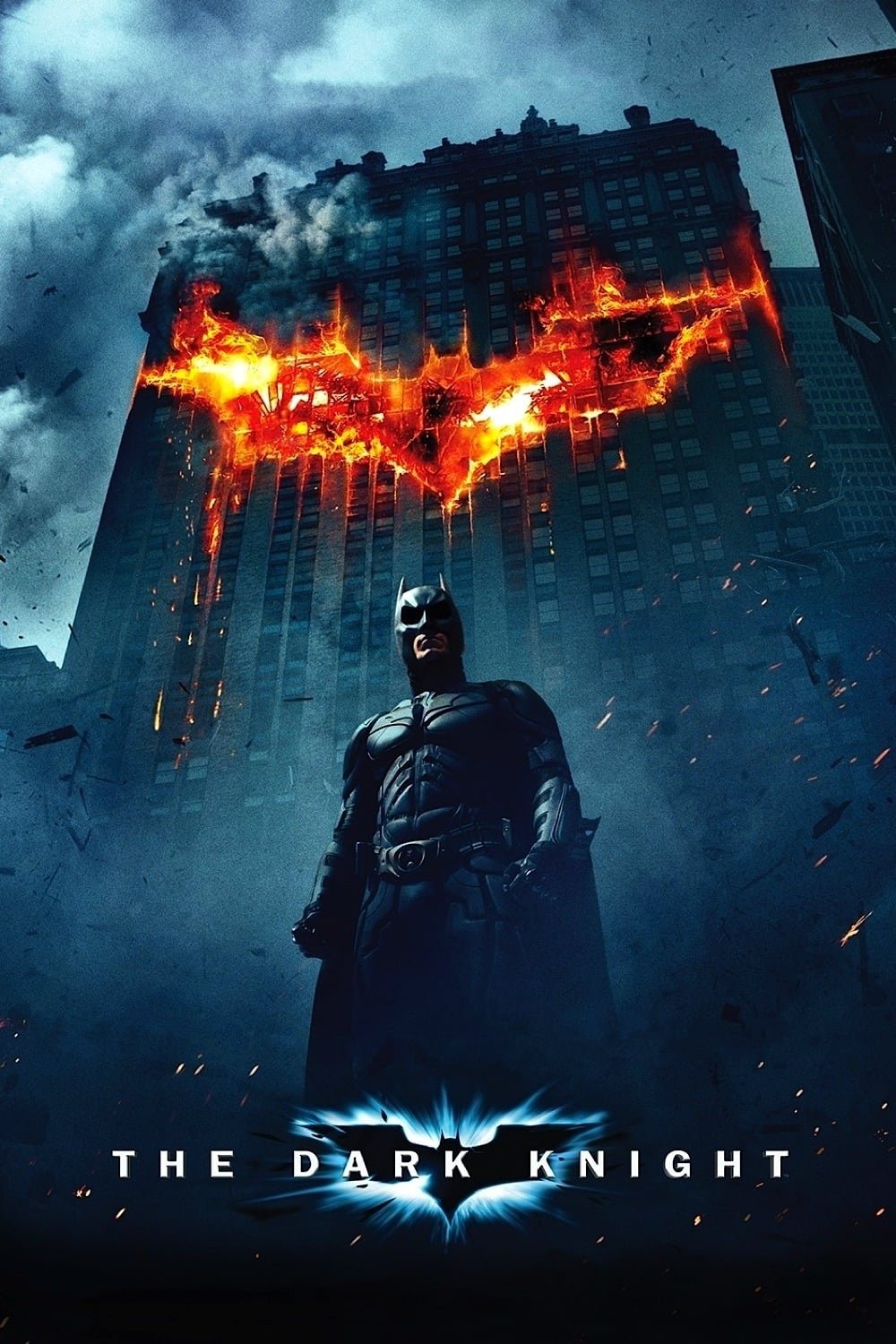
While the film remains a landmark in the superhero genre, the presence of the Joker often dominates the viewer’s memory of the plot. Heath Ledger’s portrayal of the chaotic antagonist is widely cited as the definitive version of the character, earning him a posthumous Academy Award. The performance brought a level of psychological depth and unpredictability that made the intricate crime story feel secondary to the villain’s presence. Every scene without the Joker serves as a bridge leading back to his next appearance. This role shifted the focus of the film from a standard action narrative to a high-stakes psychological thriller.
‘The Silence of the Lambs’ (1991)
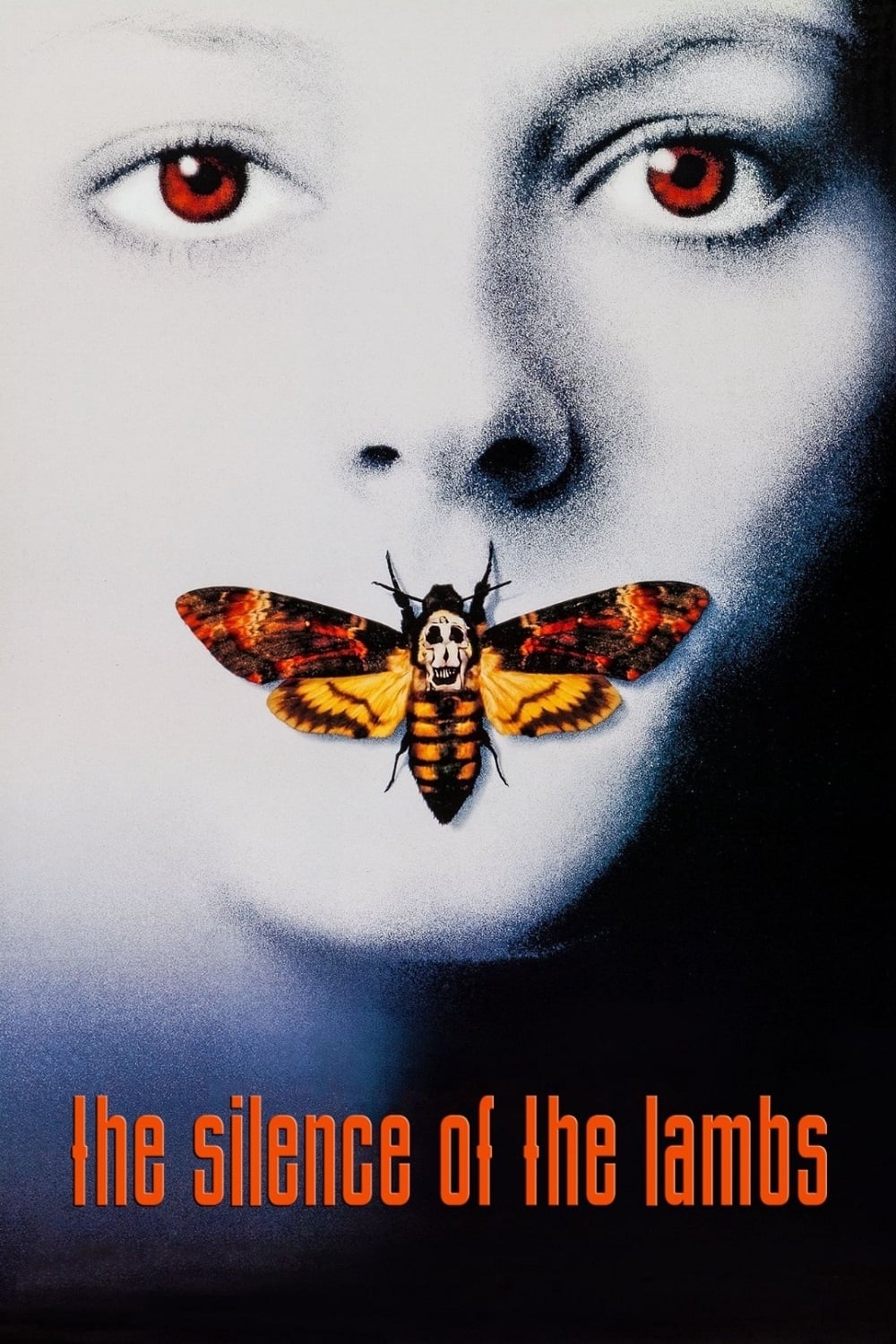
Despite having less than twenty minutes of total screen time, Hannibal Lecter remains the most enduring element of this psychological horror film. Anthony Hopkins delivered a chilling and sophisticated performance that redefined the concept of a cinematic villain. While the primary plot follows Clarice Starling’s hunt for Buffalo Bill, the interactions between Starling and Lecter provide the film’s true emotional core. The intensity of Hopkins’ gaze and his precise delivery created a presence that loomed over the entire narrative. His performance is so powerful that it often overshadows the intricate procedural elements of the FBI investigation.
‘Joker’ (2019)
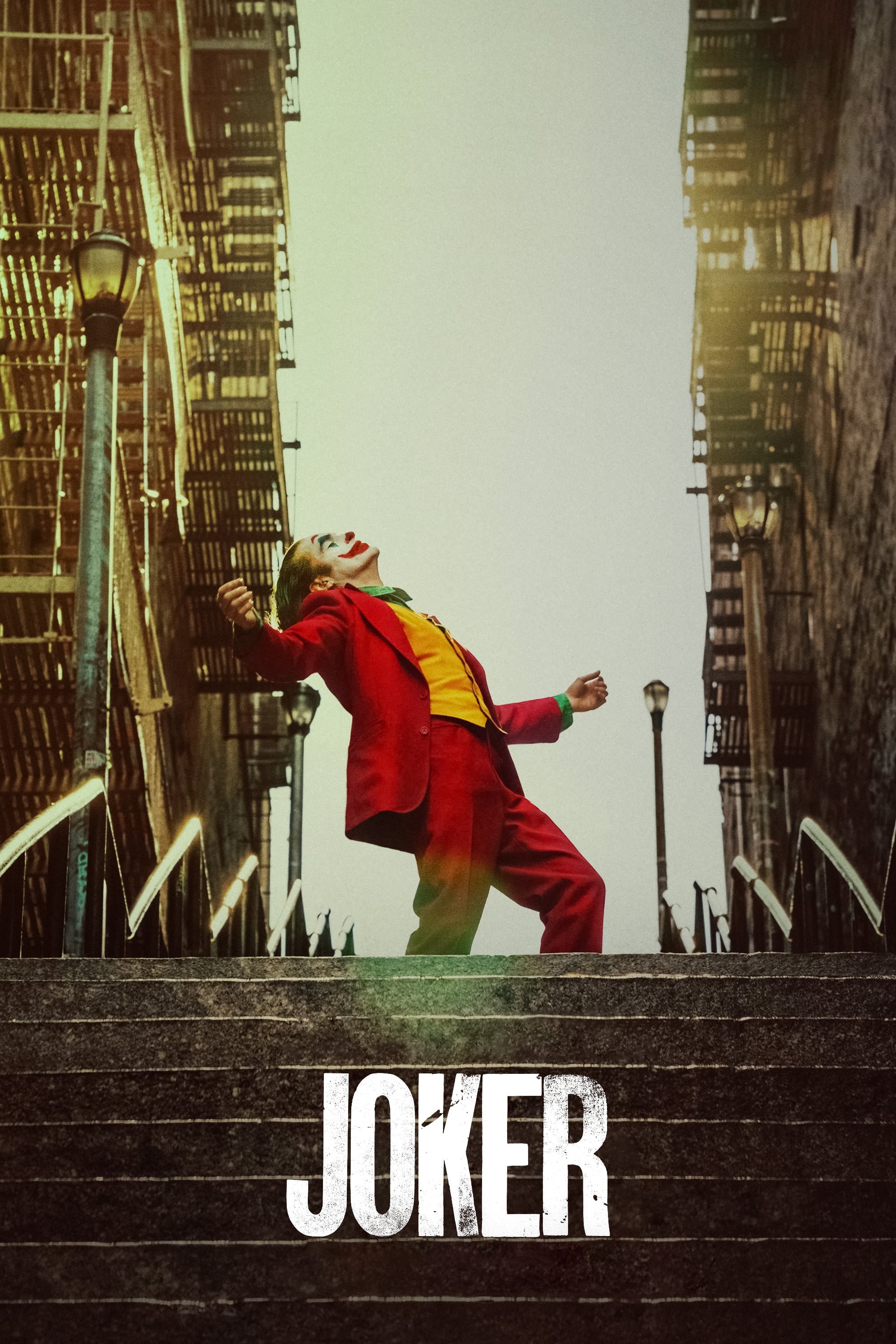
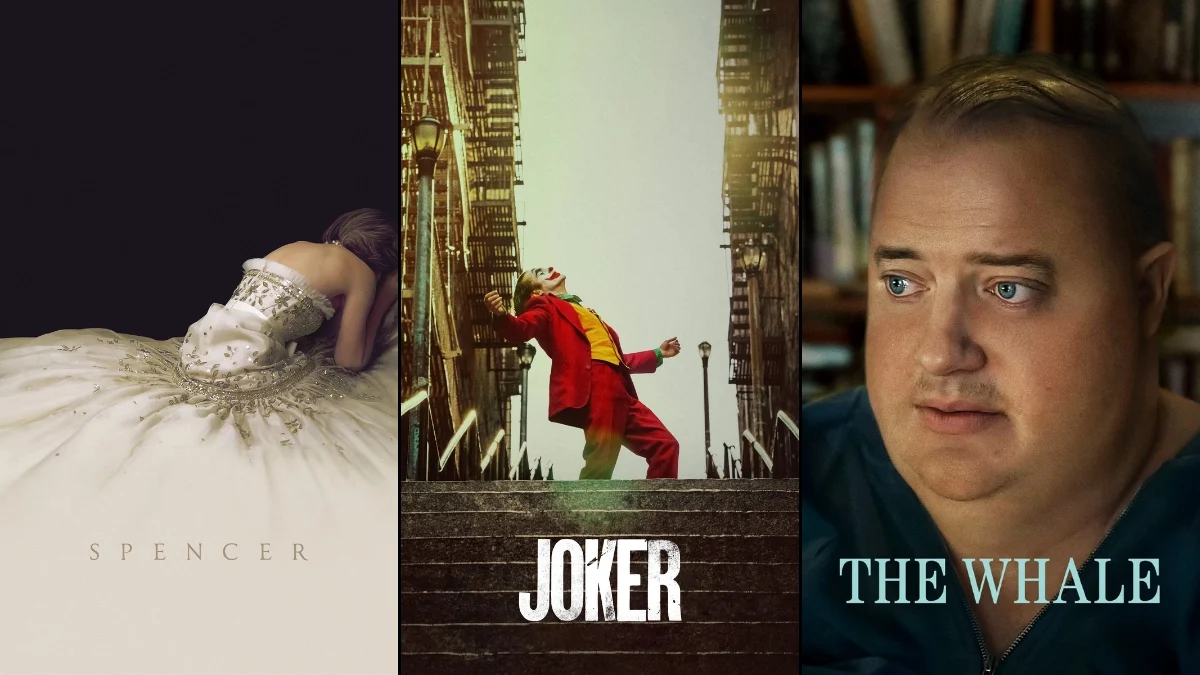
This character study focuses entirely on the mental decline of Arthur Fleck, a man struggling with societal rejection and mental illness. Joaquin Phoenix’s physical transformation and haunting performance are the primary drivers of the film, often making the social commentary of the plot feel like a backdrop. The narrative follows a relatively simple trajectory of tragedy leading to violence, but Phoenix fills every moment with unsettling detail. His portrayal turned a comic book origin story into a visceral experience that relies almost entirely on his presence. As a result, the film is remembered more as a singular acting showcase than for its specific plot developments.
‘There Will Be Blood’ (2007)
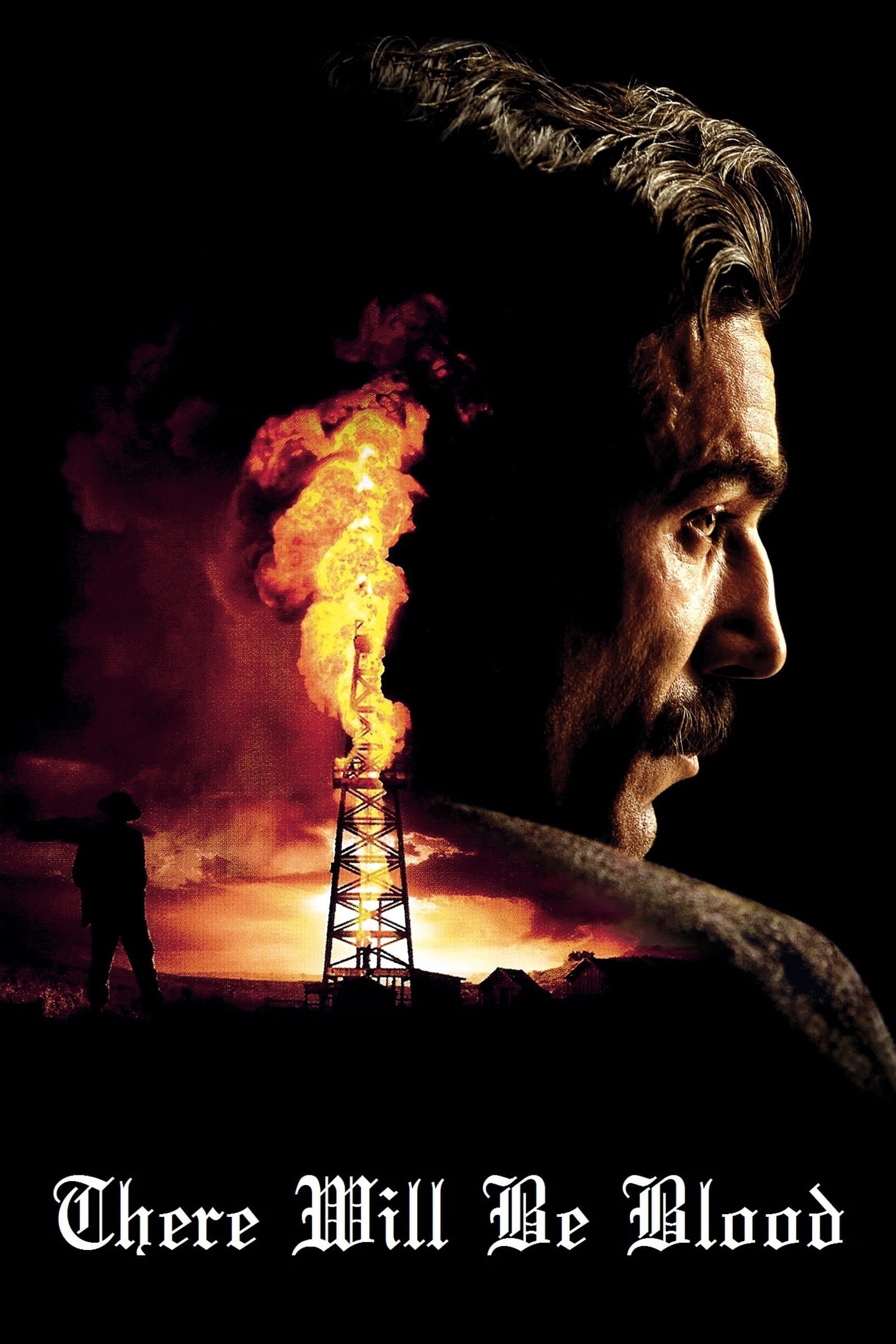
The film depicts the rise of an ambitious oil man whose pursuit of wealth destroys his humanity. Daniel Day-Lewis provides a performance of such colossal intensity that it often dwarfs the historical drama surrounding him. His portrayal of Daniel Plainview is filled with specific mannerisms and a voice that has become iconic in popular culture. While the story covers decades of American industrial history, the focus rarely shifts from Plainview’s internal deterioration. The sheer force of his acting ensures that the film is viewed primarily as a monument to his craft.
‘The Revenant’ (2015)
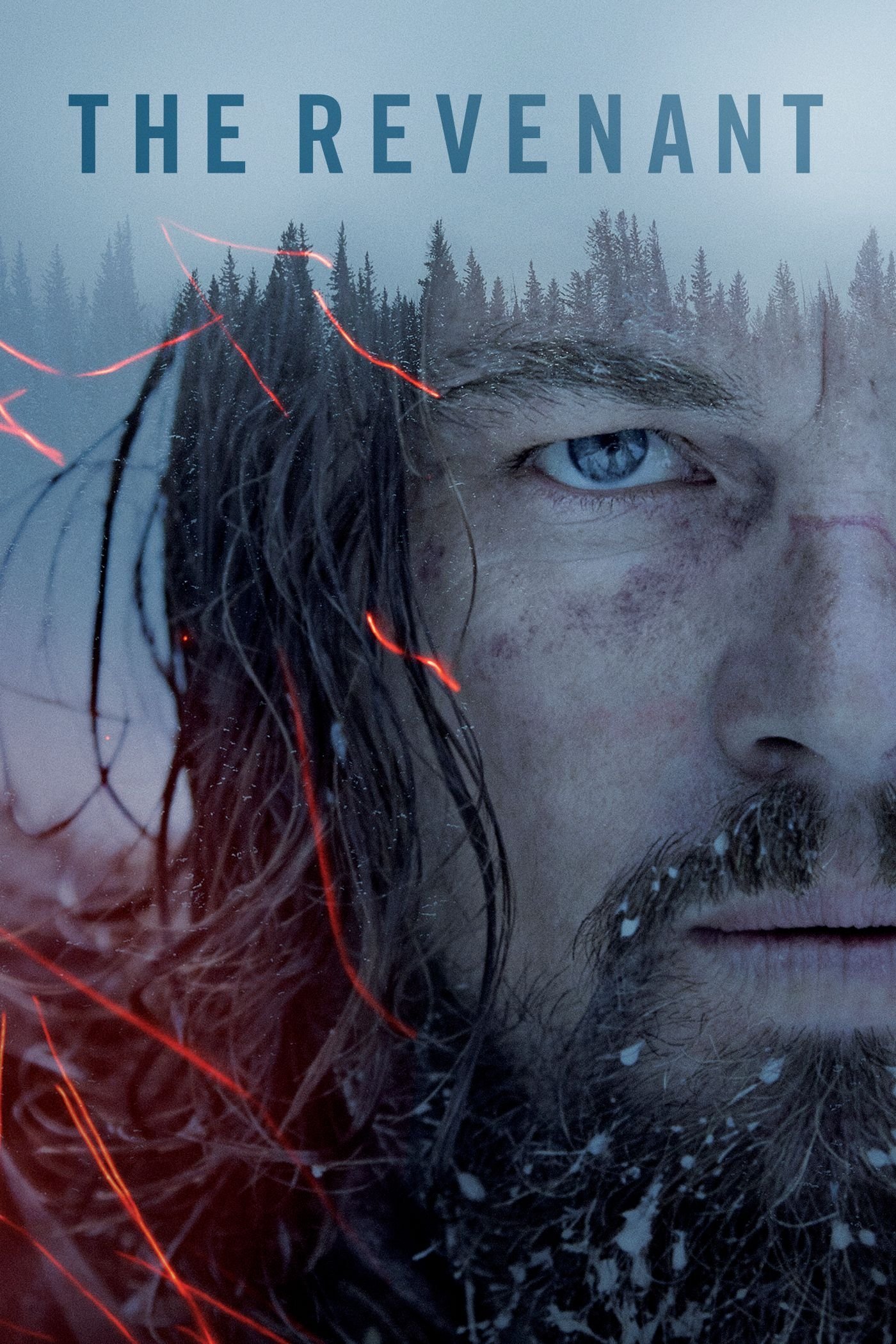
The survival narrative of a frontiersman left for dead is brought to life through a grueling, largely non-verbal performance. Leonardo DiCaprio committed to a physically demanding role that required him to endure extreme conditions and communicate through raw emotion. The story itself follows a straightforward path of revenge, but the actor’s commitment to the struggle provides the film’s essential impact. Audiences were captivated by the visceral nature of his transformation, which often eclipsed the beauty of the cinematography. The film serves as a testament to the power of a performer to carry a simple story through physical grit.
‘Scent of a Woman’ (1992)
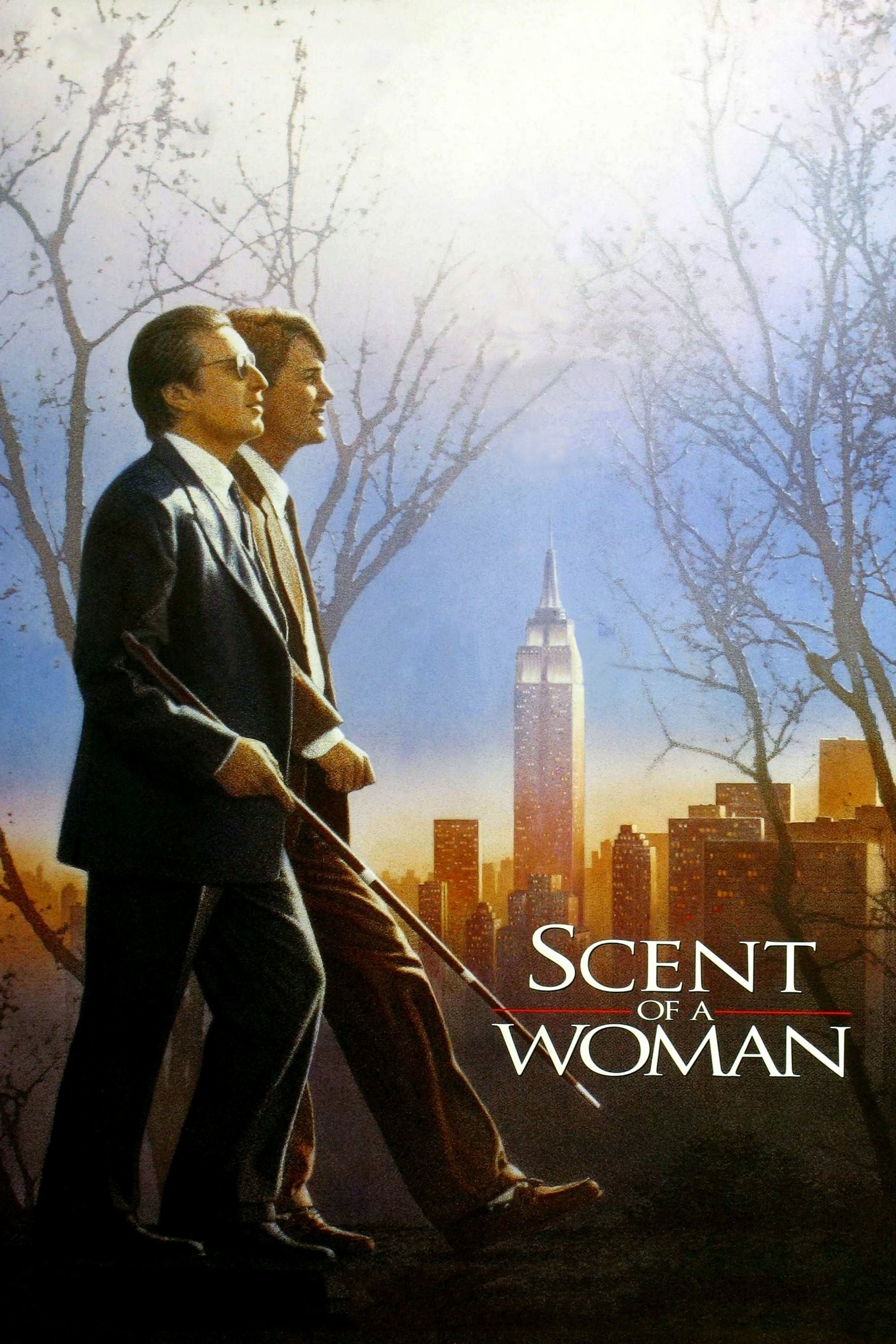
A prep school student takes a job as a companion to a blind, retired Lieutenant Colonel who is planning a final weekend of luxury. Al Pacino’s energetic and vocal performance as Frank Slade is the undeniable centerpiece of the movie. His charismatic delivery of famous lines and the tango sequence are far more memorable than the coming-of-age subplot involving the school’s disciplinary committee. The script provides a conventional emotional arc, but Pacino’s larger-than-life presence pushes the film into legendary territory. He ultimately won his first Academy Award for this career-defining role.
‘A Streetcar Named Desire’ (1951)
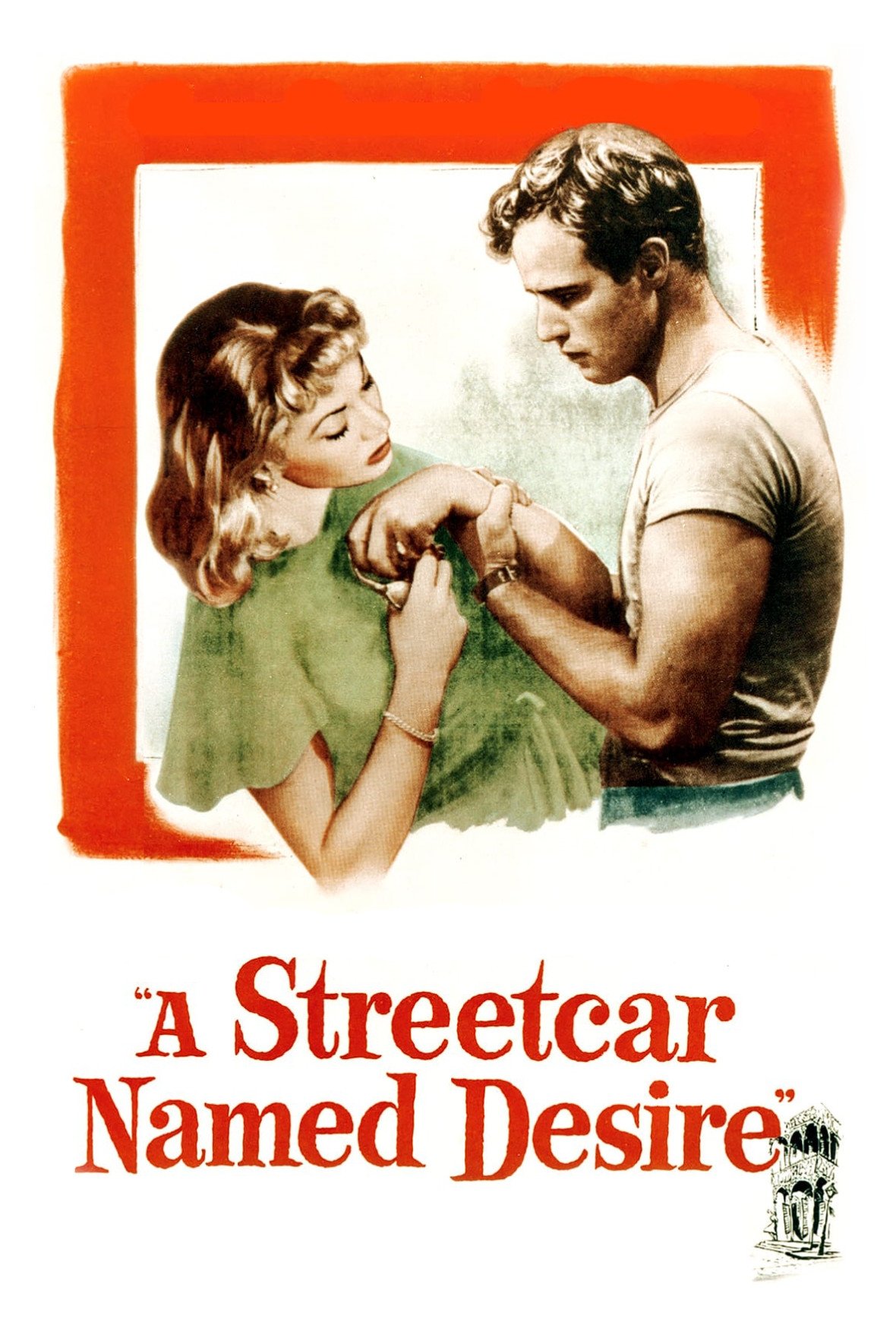
This adaptation of the Tennessee Williams play is famous for introducing a new style of naturalistic acting to the silver screen. Marlon Brando’s performance as Stanley Kowalski was revolutionary, bringing a raw, animalistic energy that contrasted sharply with the more theatrical styles of the era. While the story deals with themes of fading Southern gentility and mental fragility, Brando’s presence is the most discussed element. His portrayal changed the trajectory of American acting and became more famous than the tragic plot of the play itself. The film remains a primary example of how a singular performance can redefine an entire medium.
‘The Wrestler’ (2008)

Mickey Rourke plays an aging professional wrestler who struggles to maintain his health and personal relationships while clinging to his past glory. The film’s narrative is a poignant but familiar tale of redemption and the toll of professional sports. Rourke’s vulnerability and physical dedication to the role make the character feel deeply lived-in and authentic. His performance is so raw that it breathes new life into the traditional sports drama tropes. The actor’s personal comeback story at the time further merged the performer with the role in the eyes of the public.
‘Bohemian Rhapsody’ (2018)
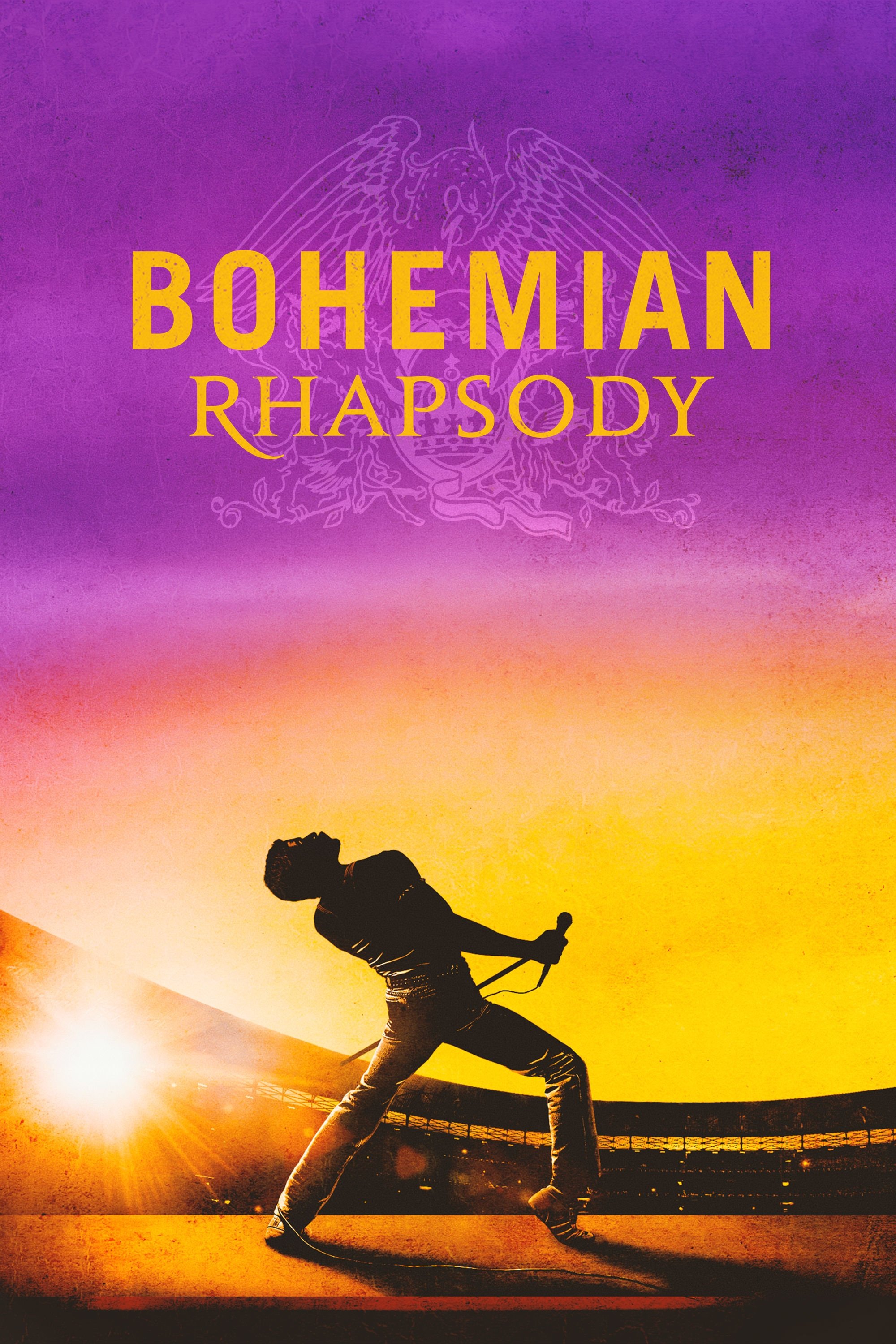
The biographical film chronicles the rise of the band Queen and the personal life of their lead singer, Freddie Mercury. Rami Malek’s portrayal of Mercury earned widespread acclaim for capturing the singer’s stage presence and private struggles with uncanny precision. While some critics noted that the film’s script took liberties with historical facts and followed a standard biopic formula, Malek’s performance remained above reproach. His recreation of the Live Aid performance is frequently cited as the film’s peak moment. The actor’s work provided the necessary soul to a story that otherwise stuck to a predictable path.
‘The Hobbit: An Unexpected Journey’ (2012)
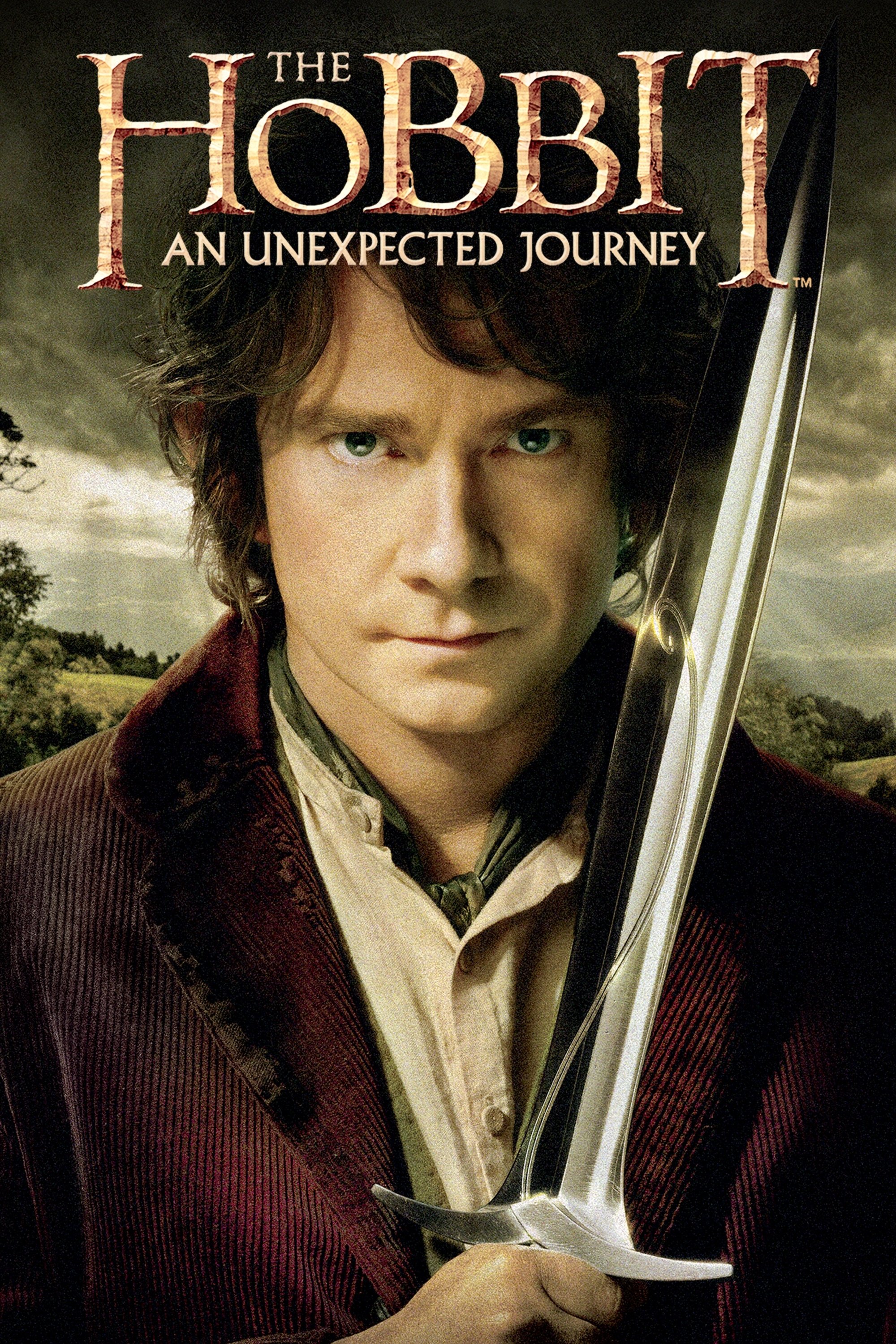
While the first installment of this trilogy faced criticism for its pacing and extended narrative, Martin Freeman’s performance as Bilbo Baggins was universally praised. He brought a relatable, understated charm to the character that anchored the fantastical elements of Middle-earth. Despite the film’s reliance on heavy CGI and numerous action sequences, Freeman’s comedic timing and expressive face provided a human center. His ability to stand out among a large ensemble cast of dwarves and wizards proved essential to the film’s identity. His Bilbo remains a highlight in a production often seen as overly padded.
‘Training Day’ (2001)
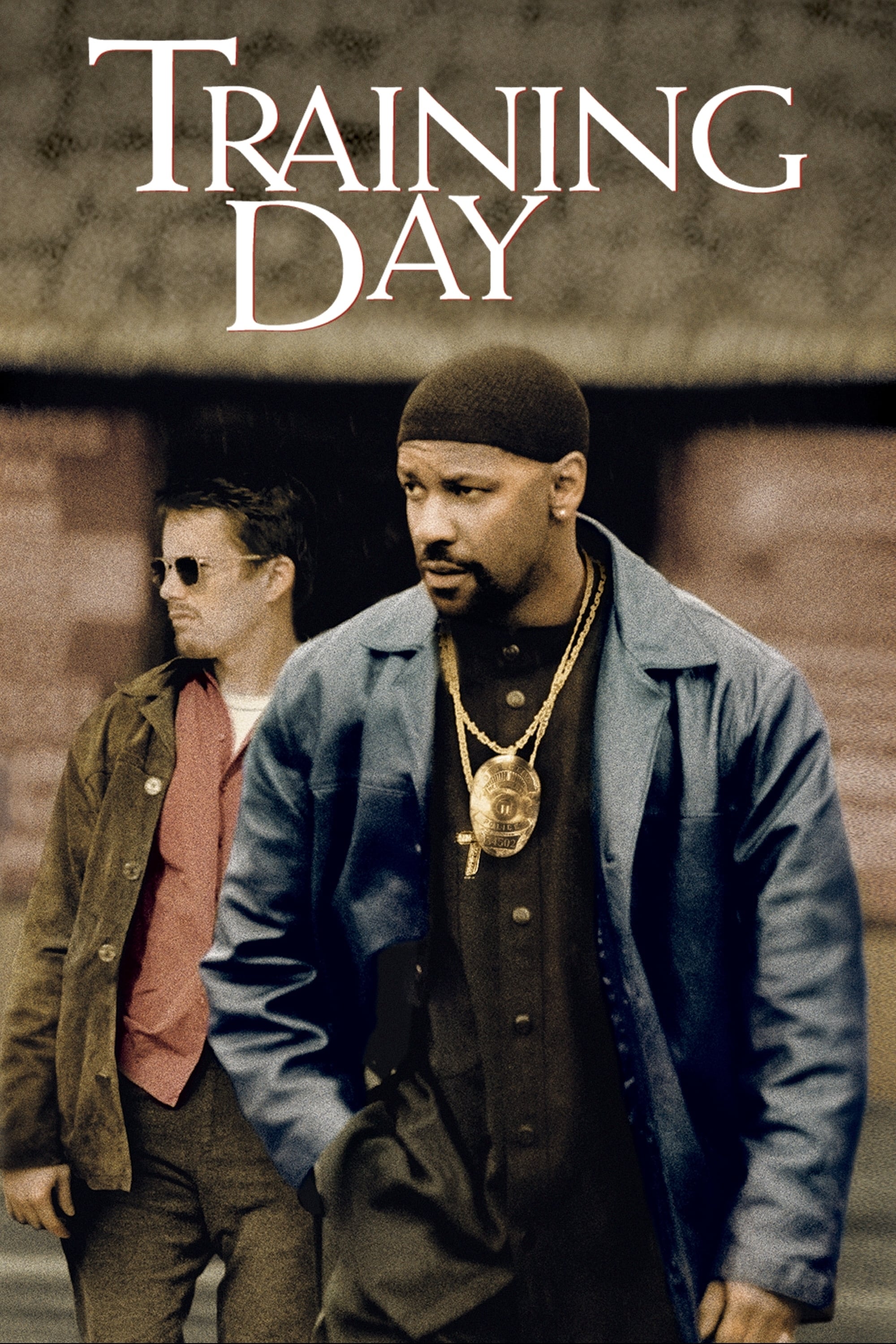
Denzel Washington portrays a corrupt narcotics officer who takes a rookie partner on a dangerous 24-hour evaluation in Los Angeles. The plot is a high-octane police thriller, but it is Washington’s electric, terrifying performance that defines the movie. He commands every scene with a volatile charisma that makes it impossible to look away. While the story explores themes of ethics and authority, it is the spectacle of Alonzo Harris’s descent into madness that viewers remember. Washington’s work in the film secured him an Academy Award for Best Actor.
‘Ray’ (2004)
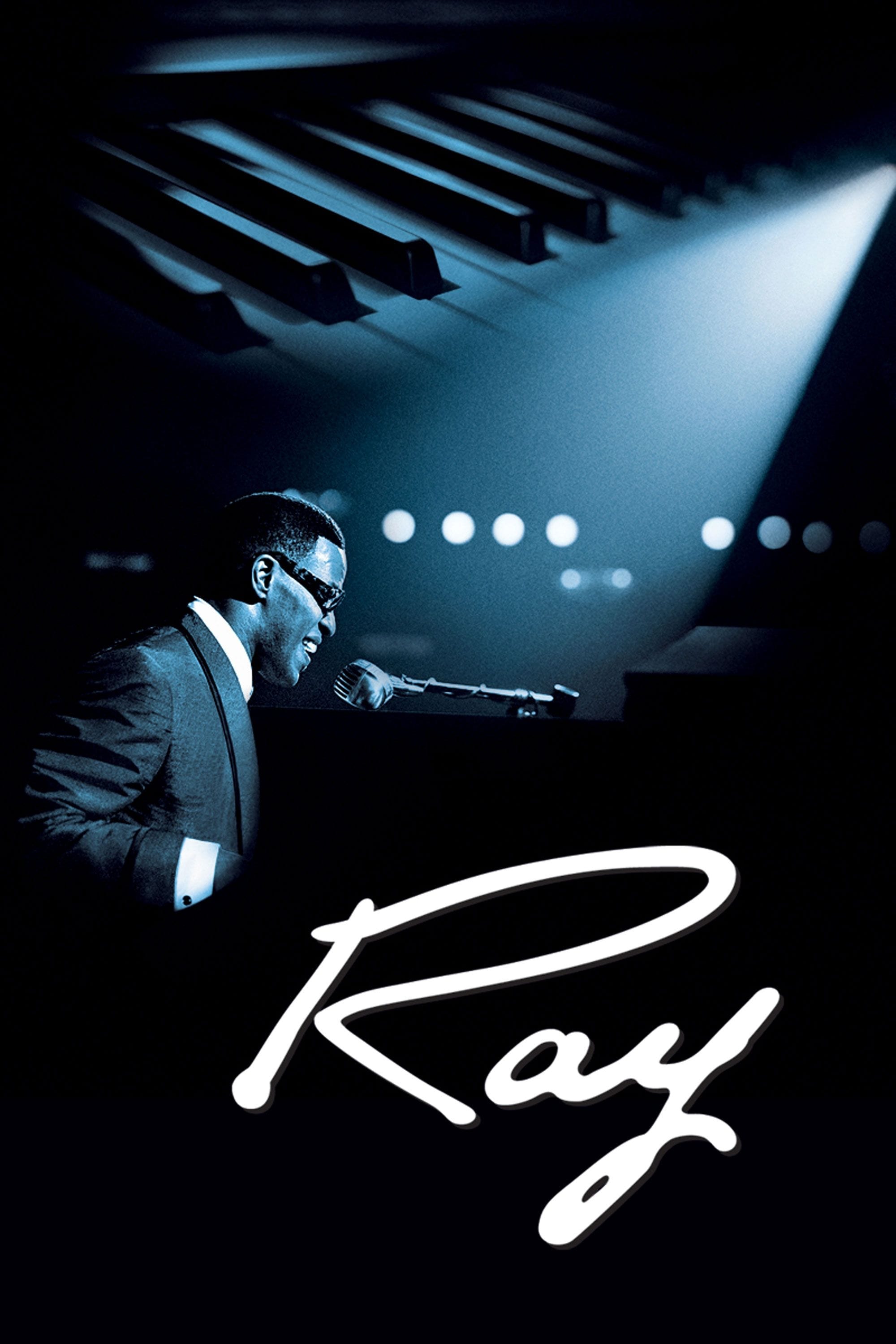
This musical biopic tells the life story of the legendary Ray Charles, covering his rise to fame and his struggles with addiction. Jamie Foxx delivered a performance that was less an imitation and more a total immersion into the character. He captured Charles’ unique physical movements and vocal patterns so effectively that audiences often forgot they were watching a fictional portrayal. The story follows a standard rise-and-fall structure, but Foxx’s energy keeps the material engaging throughout. His commitment to the role made the film a massive critical and commercial success.
‘The Whale’ (2022)
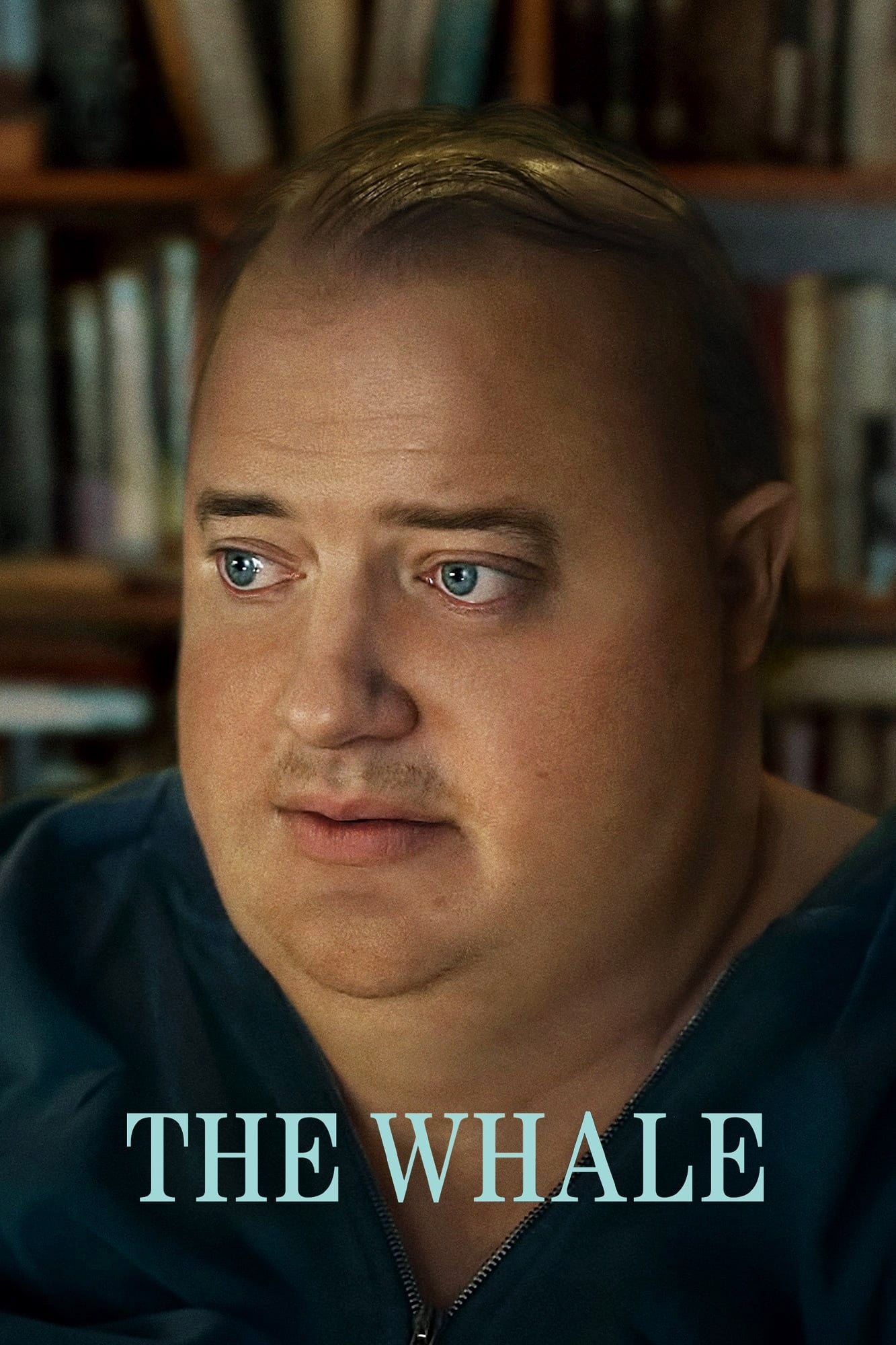
The story focuses on a reclusive, morbidly obese English teacher attempting to reconnect with his estranged daughter. Brendan Fraser’s performance is a masterclass in empathy and emotional depth, conveyed through extensive prosthetic makeup. The narrative takes place entirely in one apartment, relying heavily on the dialogue and the lead actor’s expressions. While the script was polarizing for its intense themes, Fraser’s comeback performance was met with a standing ovation from audiences worldwide. He succeeded in making the character’s internal struggle more significant than the film’s controversial pacing.
‘Star Wars: Episode III – Revenge of the Sith’ (2005)
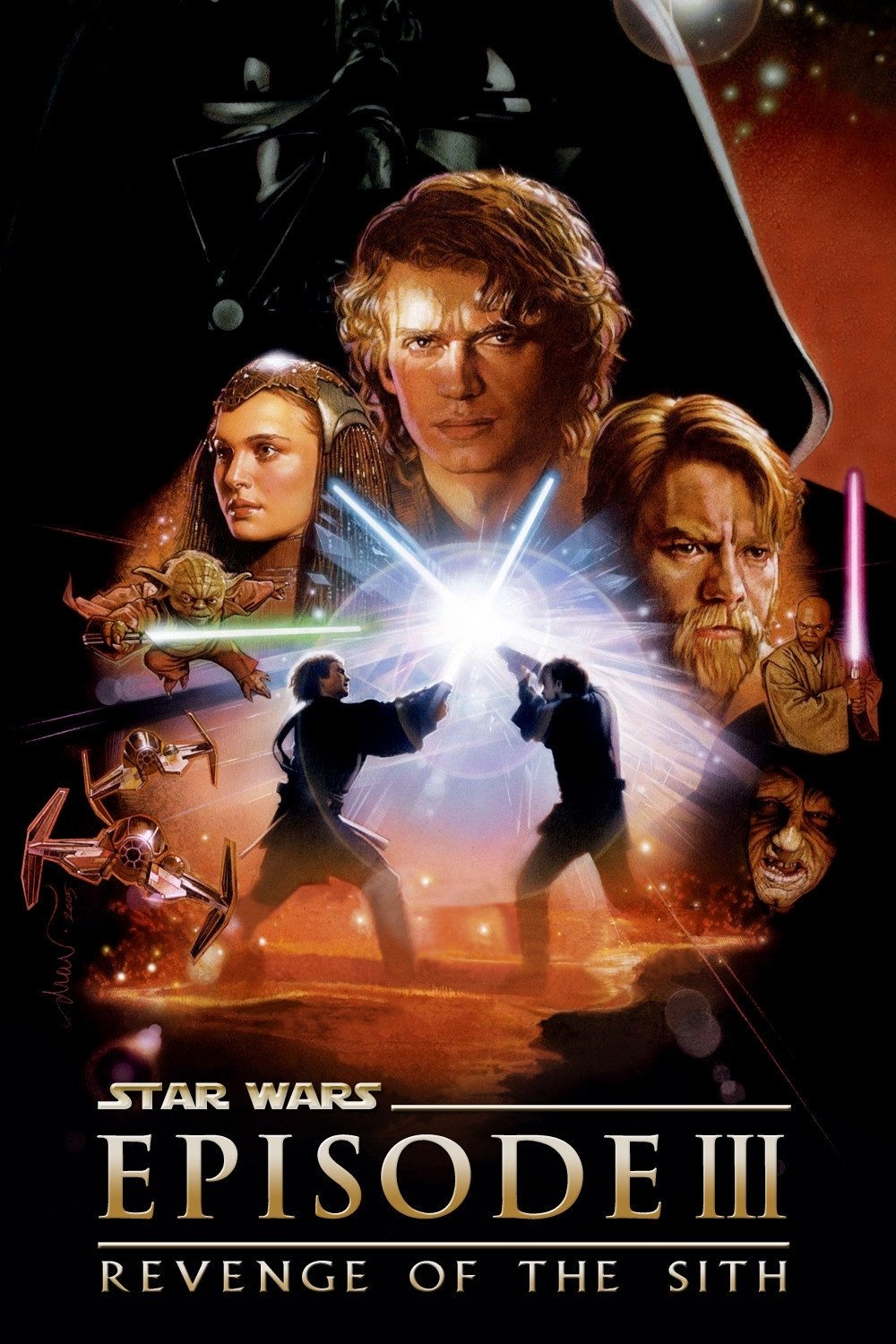
The final prequel film details the fall of the Republic and the transformation of Anakin Skywalker into Darth Vader. Ewan McGregor’s portrayal of Obi-Wan Kenobi is often cited as the most consistent and compelling element of the trilogy. He brought a sense of gravitas and emotional weight to the character that bridged the gap between the prequels and the original films. Even amidst heavy visual effects and complex political subplots, McGregor’s performance in the final duel remains the emotional peak. His work is widely regarded as the highlight of George Lucas’s prequel era.
‘Gangs of New York’ (2002)
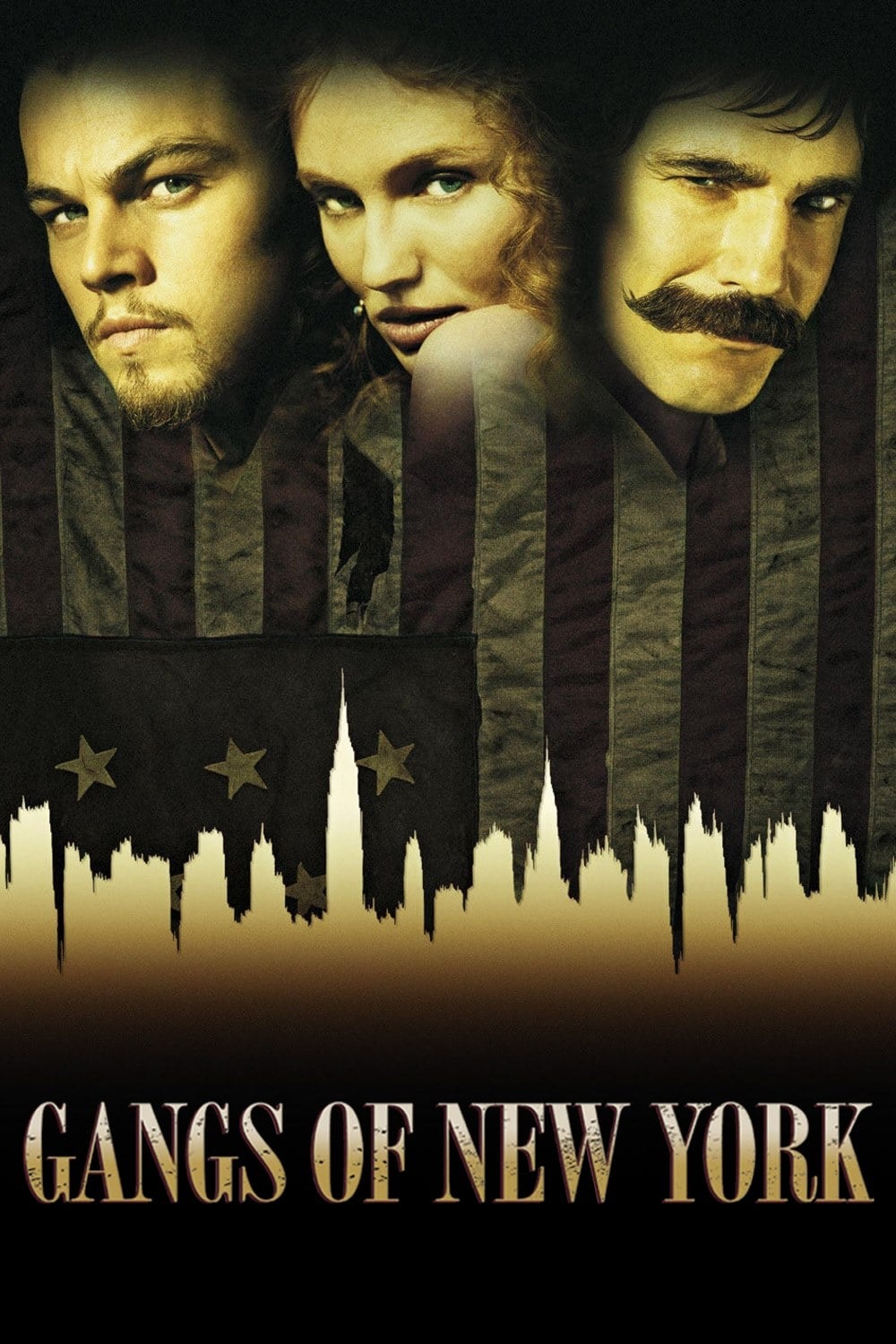
Set in mid-19th century Manhattan, the story follows a young man seeking revenge against his father’s killer. Daniel Day-Lewis portrays Bill the Butcher with a menacing, larger-than-life intensity that completely dominates the screen. His performance is so magnetic that the protagonist’s revenge arc often feels less interesting by comparison. Every scene featuring Bill is filled with a sense of danger and historical authenticity that anchors the film’s grand scale. Even with a cast that includes Leonardo DiCaprio and Cameron Diaz, Day-Lewis remains the focal point of the legacy.
‘The Last Temptation of Christ’ (1988)

Willem Dafoe portrays Jesus in a controversial exploration of the spiritual and human duality of the religious figure. The film moves away from traditional biblical epics to focus on the internal psychological struggles and temptations faced by the lead. Dafoe’s performance is deeply human and vulnerable, grounding a story that could have felt overly abstract. His portrayal provides the necessary emotional weight to sustain the lengthy and philosophically dense narrative. While the film sparked significant debate, Dafoe’s work was recognized for its sincerity and depth.
‘Wall Street’ (1987)
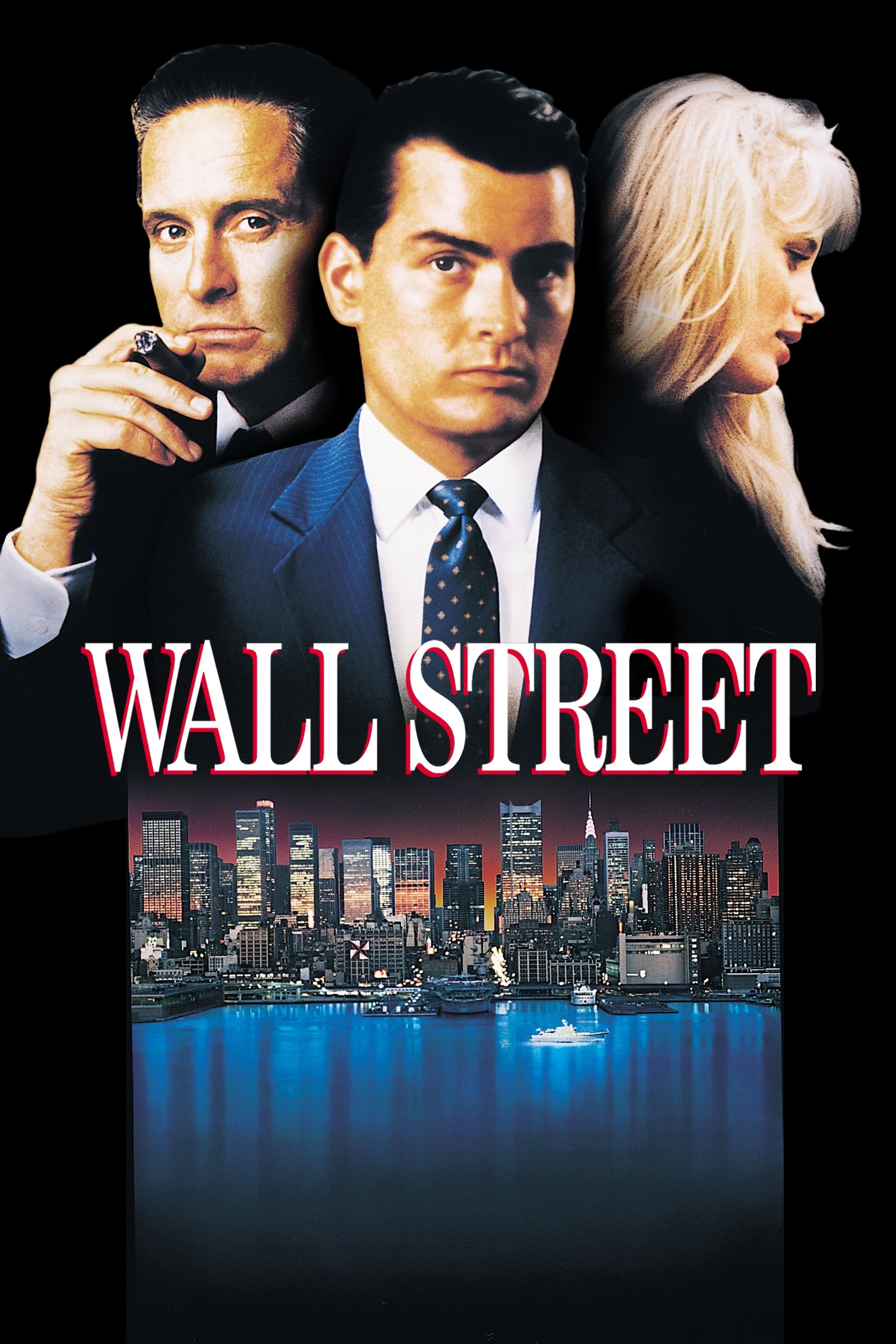
The film explores the greed and excess of 1980s corporate culture through the eyes of a young stockbroker. Michael Douglas created a cultural icon in Gordon Gekko, a ruthless corporate raider who values profit above all else. His “Greed is good” speech became the defining sentiment of an era, overshadowing the moral lessons the story intended to convey. While the protagonist’s journey toward redemption is the central plot, Gekko’s magnetic villainy is what remains in the public consciousness. Douglas won an Academy Award for a role that came to represent the very thing the movie criticized.
‘Elvis’ (2022)
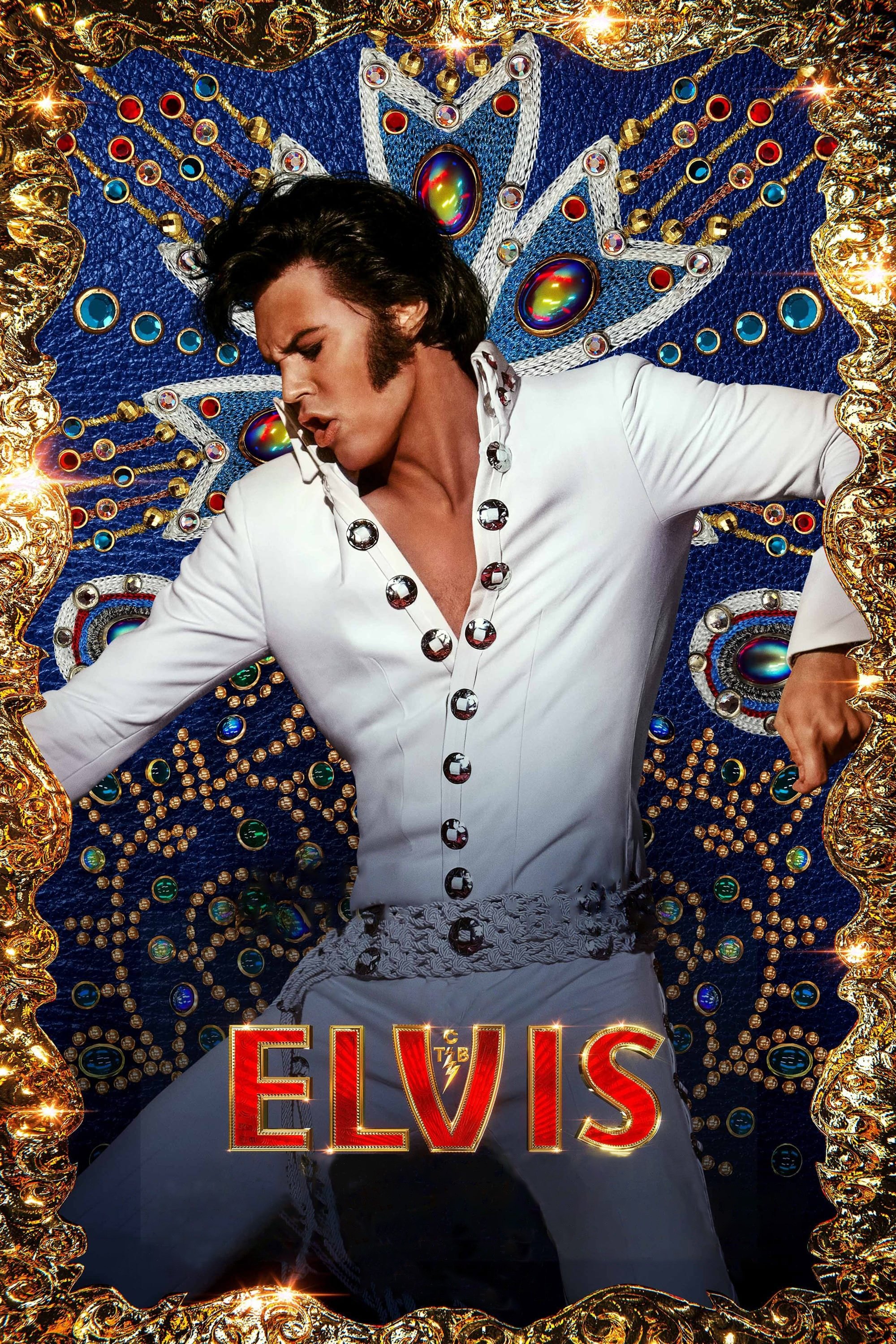
Baz Luhrmann’s flashy biopic explores the life of Elvis Presley through the perspective of his enigmatic manager, Colonel Tom Parker. Austin Butler’s performance as Elvis is a transformative feat that captures the singer’s evolution from a young rebel to a Las Vegas star. Butler mastered the physicality and vocal nuances of the King of Rock and Roll, making the performance feel like more than just a tribute. While the film’s frenetic editing and narrative choices were debated, Butler’s dedication was praised as the movie’s soul. He successfully carried the weight of a legendary figure’s history on his shoulders.
‘Capote’ (2005)
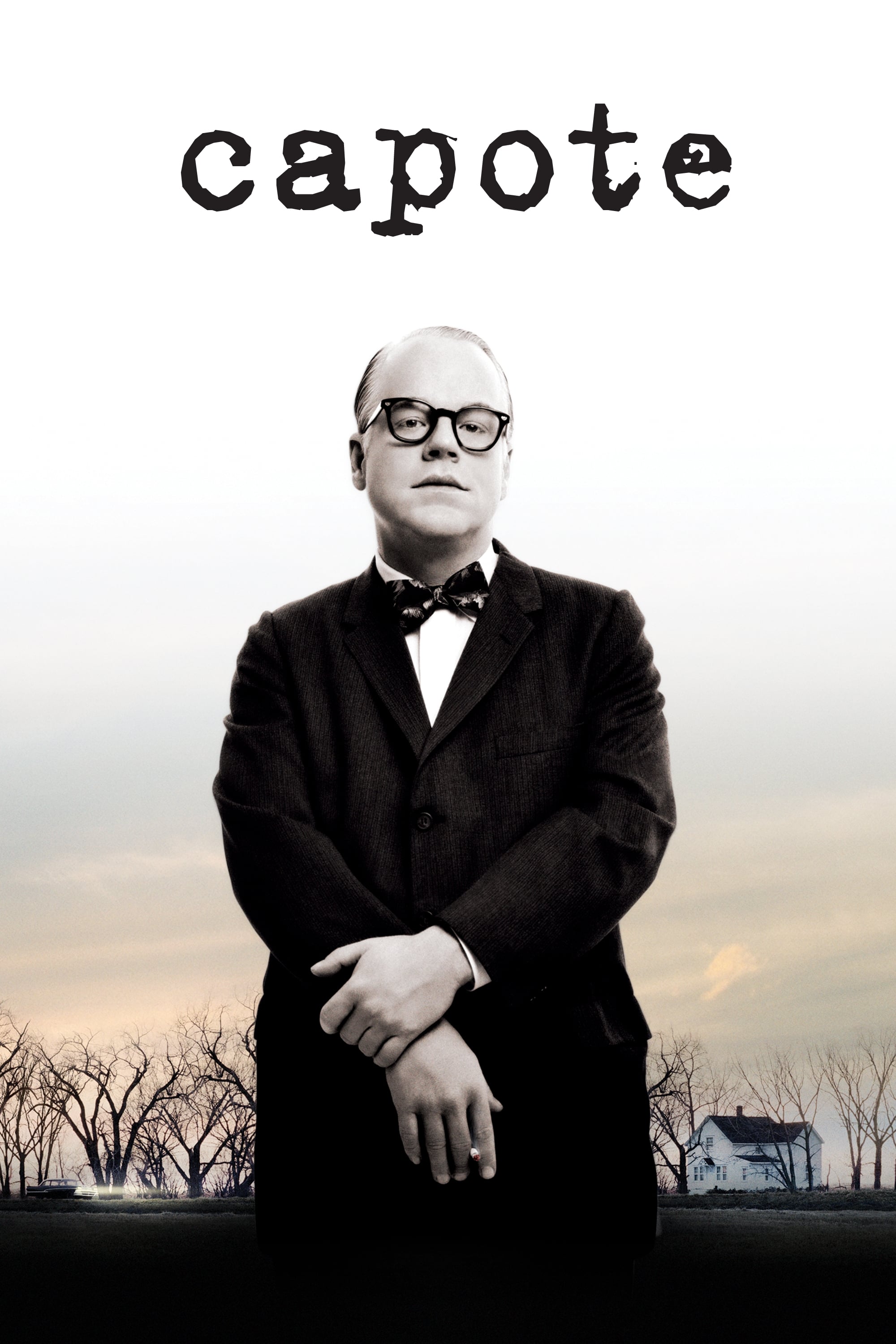
The film follows author Truman Capote as he researches and writes his true-crime masterpiece, ‘In Cold Blood’. Philip Seymour Hoffman delivered a meticulous performance, perfectly capturing Capote’s distinct voice and mannerisms. The plot focuses on the moral complexities of the relationship between the writer and the convicts he interviewed. Hoffman’s nuanced portrayal allows the audience to see both the brilliance and the manipulation inherent in Capote’s character. His work turned a focused historical moment into a compelling character study that won him an Academy Award.
‘Crazy Heart’ (2009)
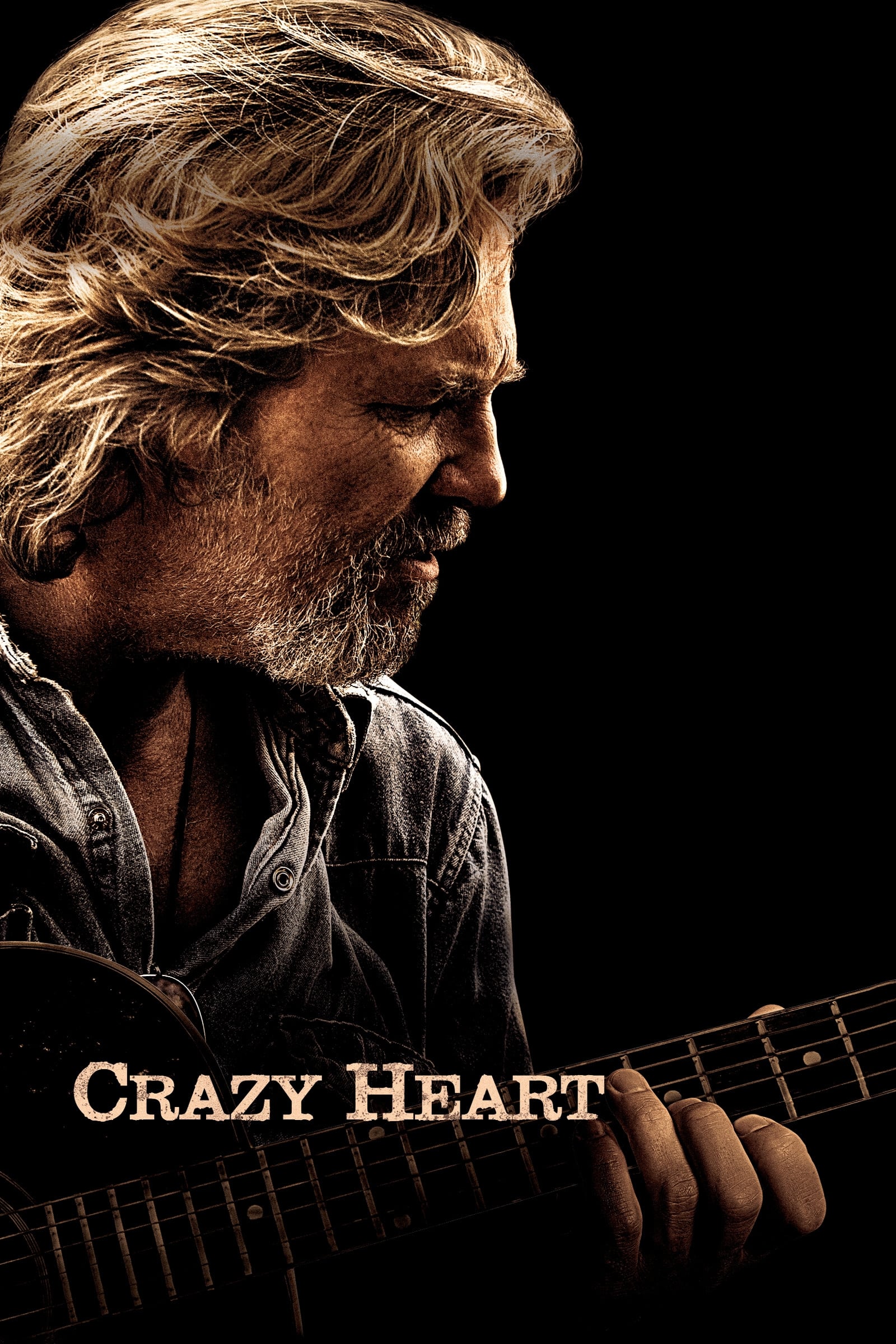
Jeff Bridges stars as Bad Blake, a washed-up country music singer who finds a chance at redemption through a new relationship. The story follows a familiar path of an artist struggling with alcoholism and faded fame. Bridges brings a weathered authenticity to the role, performing his own songs and imbuing the character with a quiet dignity. His performance makes the small-scale drama feel incredibly significant and moving. The film is largely seen as a vehicle for Bridges to finally secure the Oscar that had eluded him for decades.
‘Pirates of the Caribbean: At World’s End’ (2007)

As the third installment in the franchise, the plot became increasingly convoluted with multiple betrayals and supernatural subplots. Geoffrey Rush returned as Captain Barbossa, providing a grounded and hammy performance that consistently stole the show. While the main characters were caught in complex romantic and political arcs, Rush’s energy kept the pirate adventure spirit alive. His booming laugh and command of the screen provided a necessary sense of fun to a movie that was criticized for its length. He remains a fan favorite for his ability to outshine even the most expensive CGI spectacles.
‘Cool Runnings’ (1993)
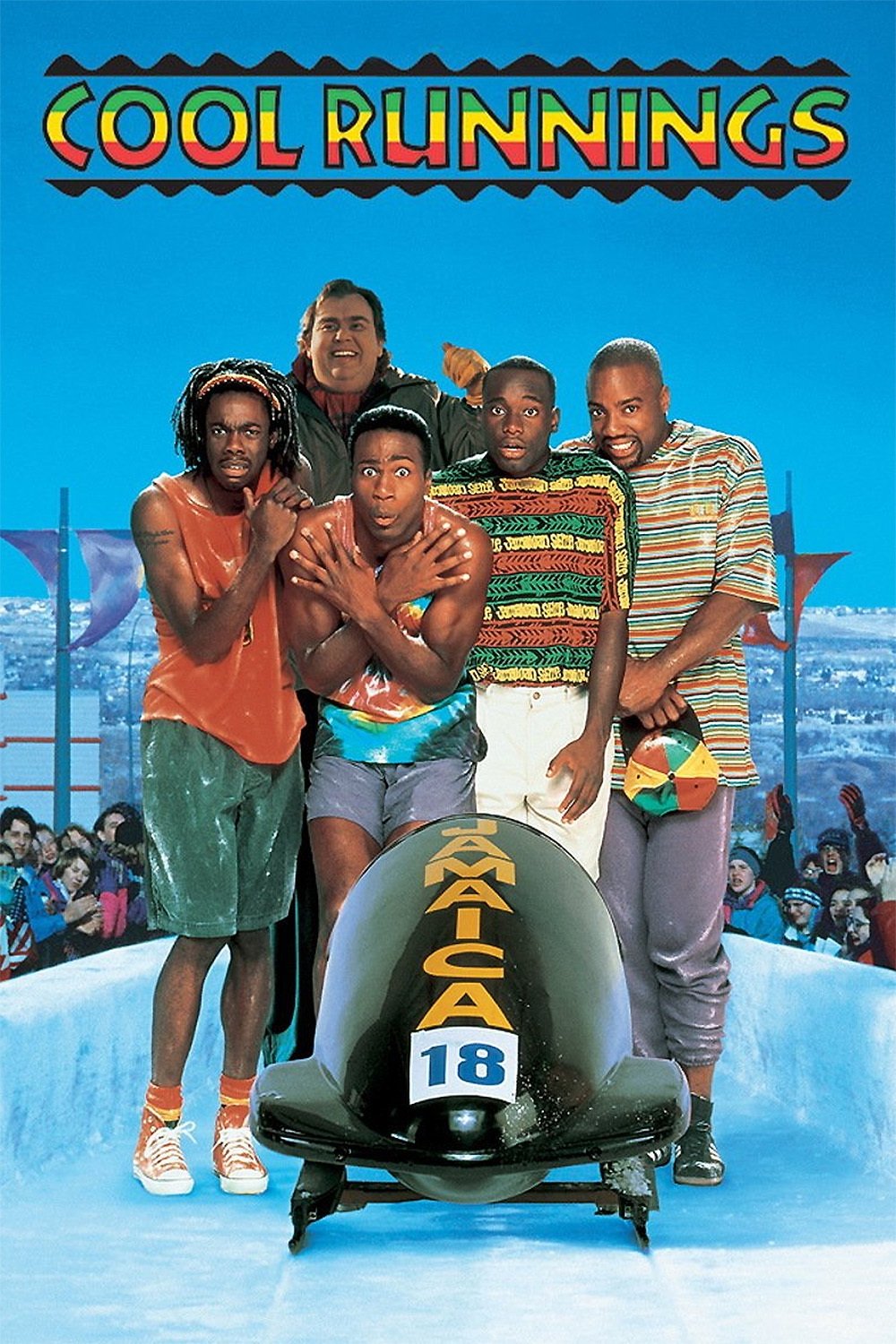
Loosely based on the true story of the first Jamaican bobsled team, this sports comedy relies heavily on its cast’s chemistry. John Candy plays Irv Blitzer, a disgraced former Olympian who coaches the unlikely team to the Winter Games. Candy’s performance provides the film with its heart and dramatic weight, balancing the slapstick comedy with genuine pathos. While the story is a standard underdog tale, Candy’s presence elevates it into a beloved classic. It served as one of the final performances of his career, showcasing his range as both a comedian and a dramatic actor.
‘Monster’s Ball’ (2001)
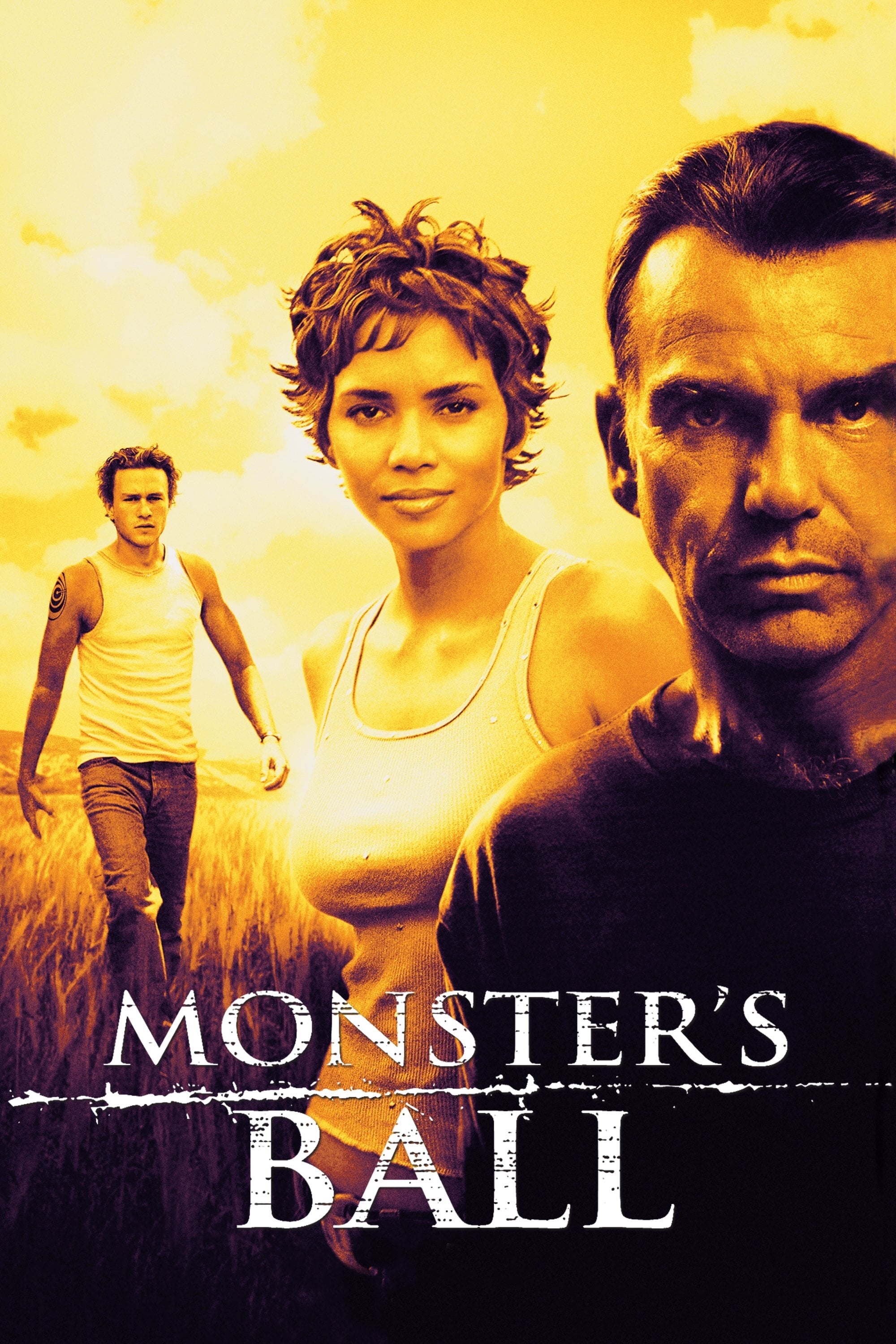
The film is a stark drama about a racist corrections officer who falls in love with the widow of an inmate he helped execute. Halle Berry delivered a raw and emotionally shattering performance that made the difficult subject matter accessible. Her portrayal of a woman drowning in grief and desperation became the defining element of the film. While the plot deals with heavy themes of systemic racism and tragedy, Berry’s vulnerability is what resonated most with critics. She became the first African American woman to win the Academy Award for Best Actress for this role.
‘Cop Land’ (1997)
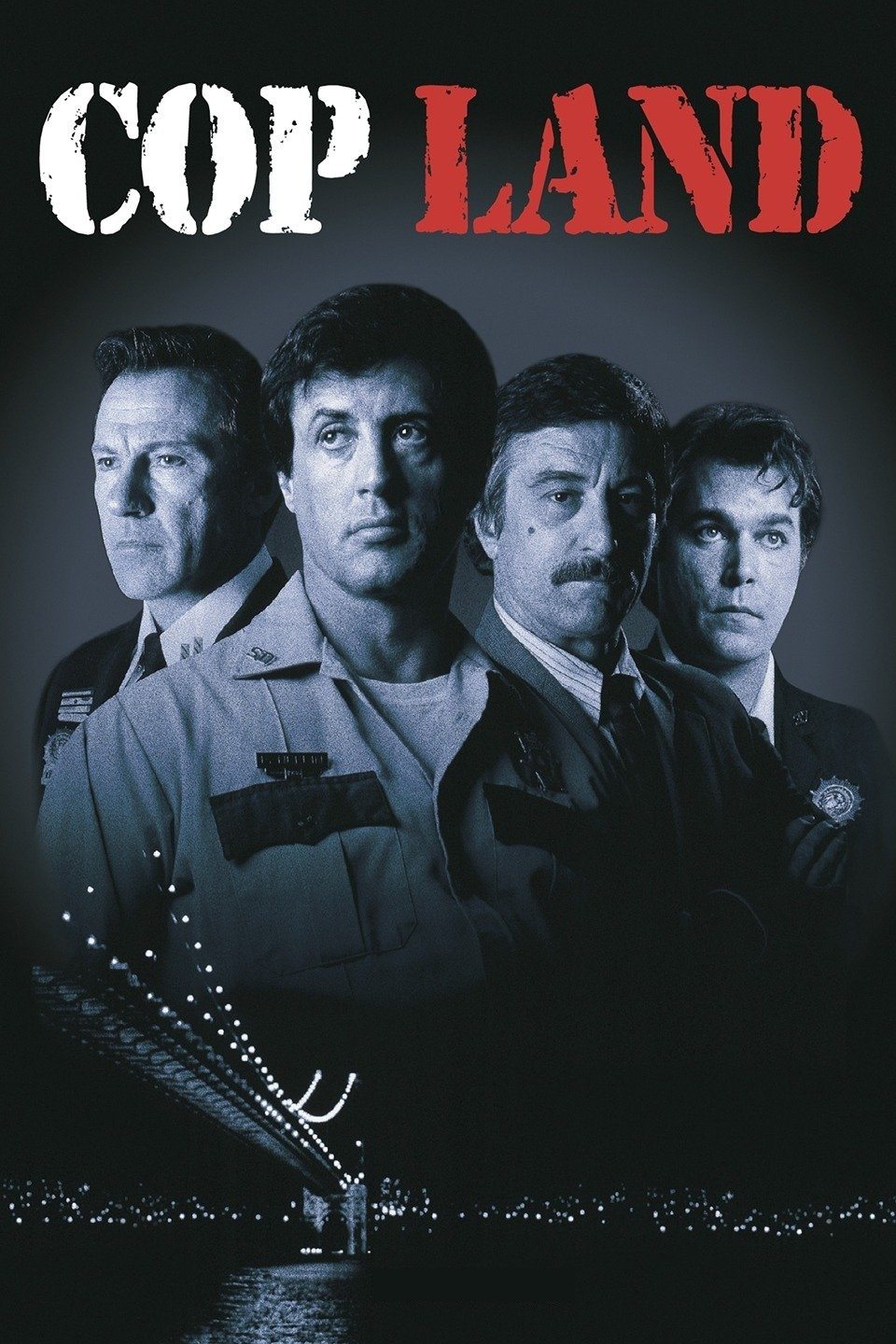
Sylvester Stallone took a significant career risk by playing a partially deaf, out-of-shape sheriff in a town populated by corrupt New York City police officers. Abandoning his typical action-hero persona, he delivered a quiet and internal performance that surprised many critics. The film features a massive ensemble cast of heavy hitters, including Robert De Niro and Harvey Keitel, but Stallone’s subtle work remains the standout. While the plot is a solid crime drama, it is remembered primarily for proving Stallone’s dramatic capabilities. He gained weight and played against type to bring a unique vulnerability to the screen.
‘Solo: A Star Wars Story’ (2018)
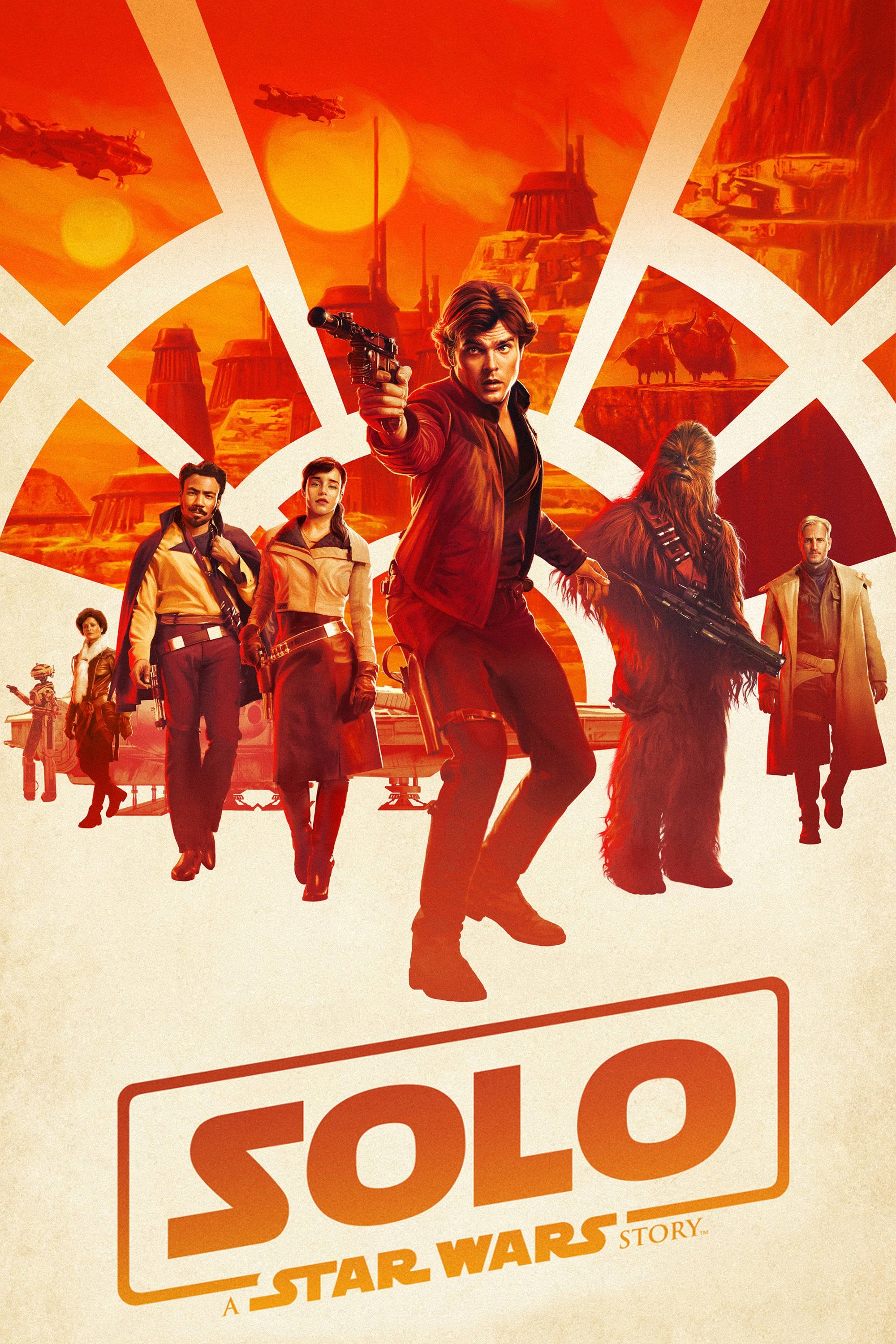
This prequel explores the early adventures of Han Solo, detailing how he met Chewbacca and acquired the Millennium Falcon. Donald Glover’s portrayal of a young Lando Calrissian was widely considered the most charismatic and accurate element of the film. He captured the suave demeanor and specific speech patterns established by Billy Dee Williams in the original trilogy. While the film struggled at the box office and the main plot was seen as unnecessary by some, Glover’s performance was hailed as a perfect casting choice. His portrayal of Lando overshadowed the titular character for many viewers.
‘Black Mass’ (2015)
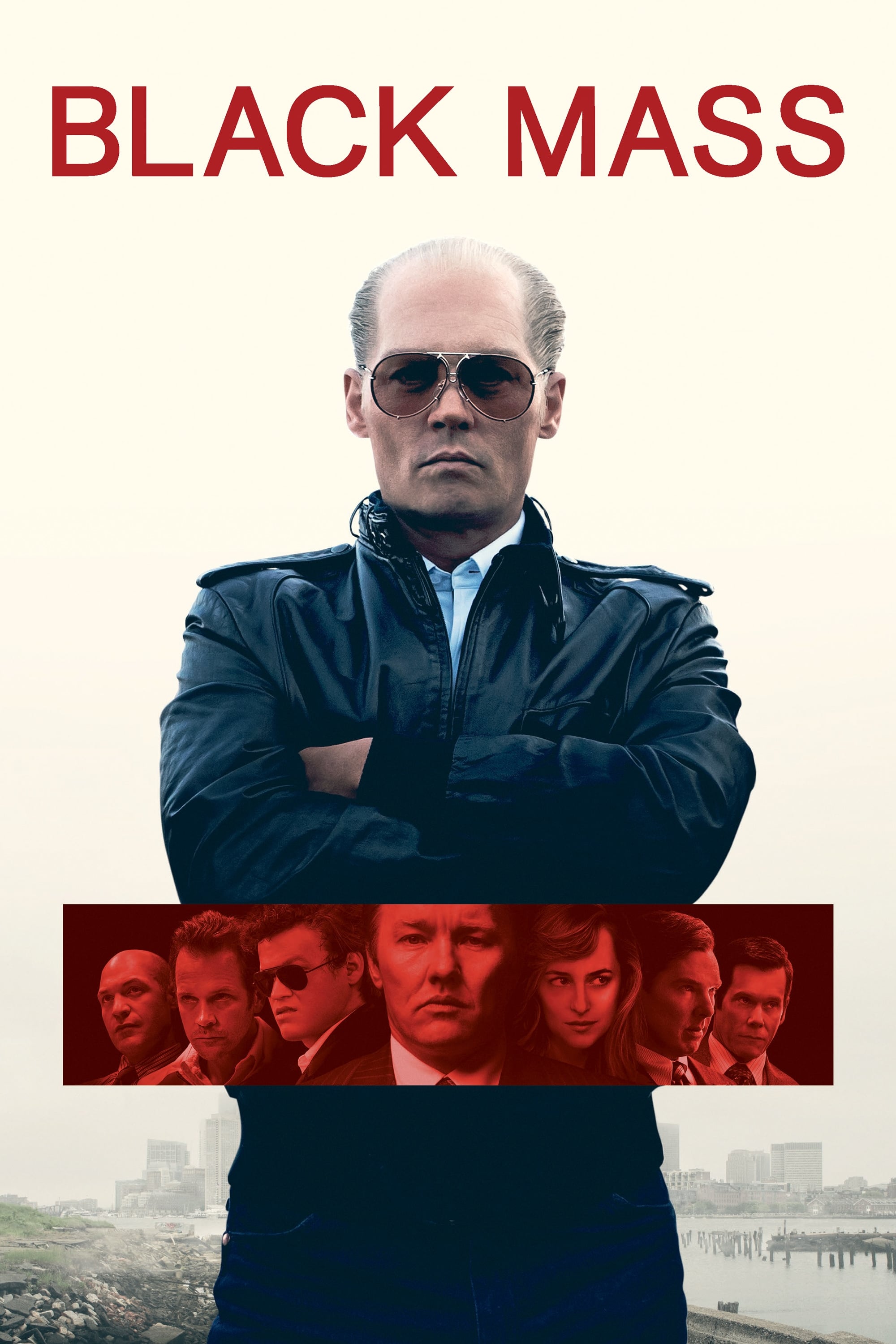
The film chronicles the real-life criminal career of Whitey Bulger as he becomes an informant for the FBI while expanding his criminal empire in Boston. Johnny Depp underwent a total physical transformation to play the cold and calculating mobster. His menacing, subdued performance was a sharp departure from his more eccentric roles in previous years. While the film was criticized for its somewhat procedural plot and lack of narrative focus, Depp’s presence provided a constant sense of dread. He succeeded in creating a truly terrifying cinematic villain out of a real-life figure.
‘Ma Rainey’s Black Bottom’ (2020)
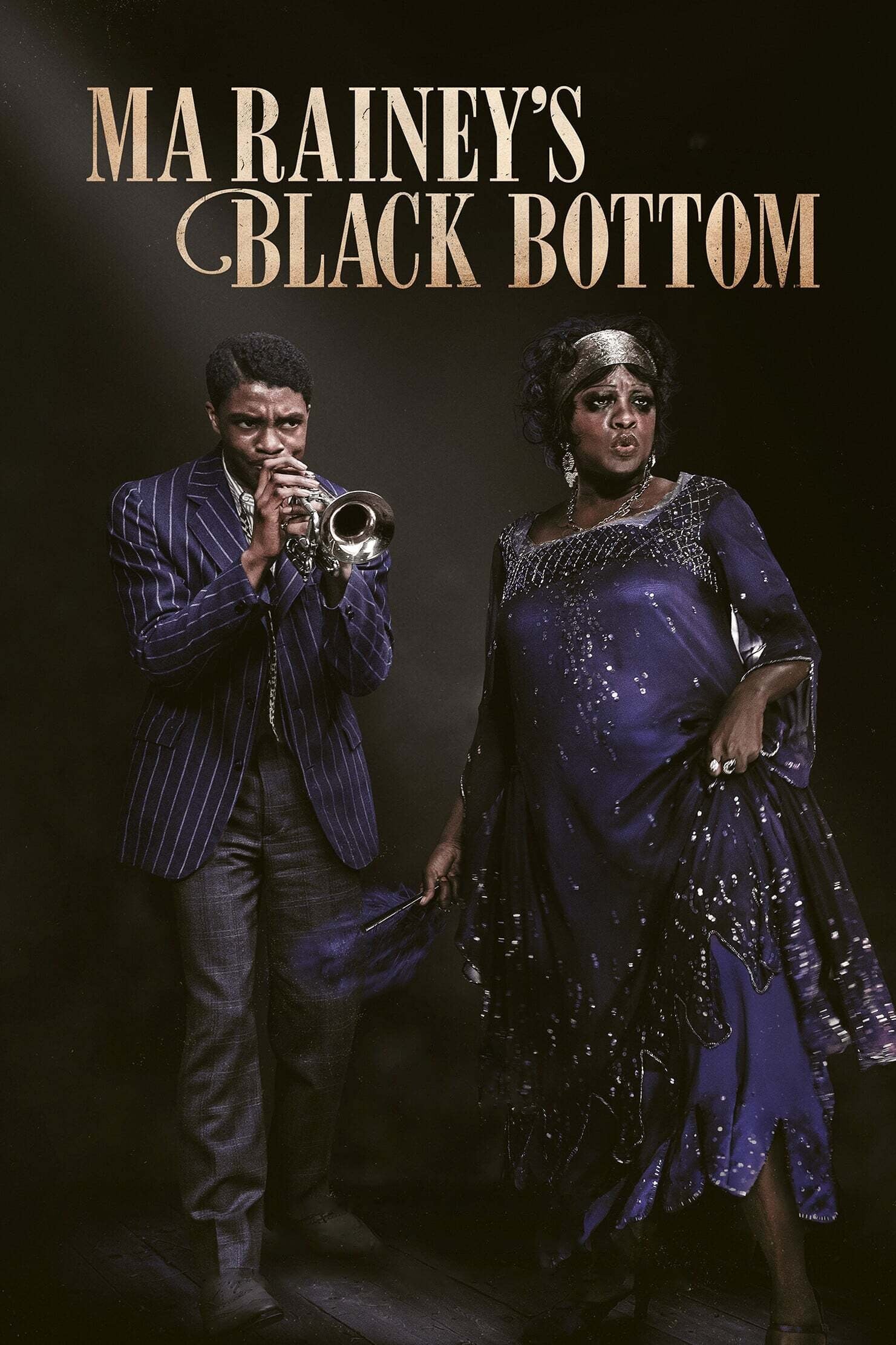
Based on the August Wilson play, the story takes place during a tense recording session in 1920s Chicago. Chadwick Boseman, in his final film role, delivered a high-energy and deeply emotional performance as the ambitious trumpet player Levee. His monologues about trauma and ambition are the undeniable highlights of the film, providing a searing look at the Black experience in America. Viola Davis also excels as Ma Rainey, but Boseman’s electric presence dominates the narrative. The film serves as a powerful final testament to his incredible talent and range as an actor.
‘Hook’ (1991)
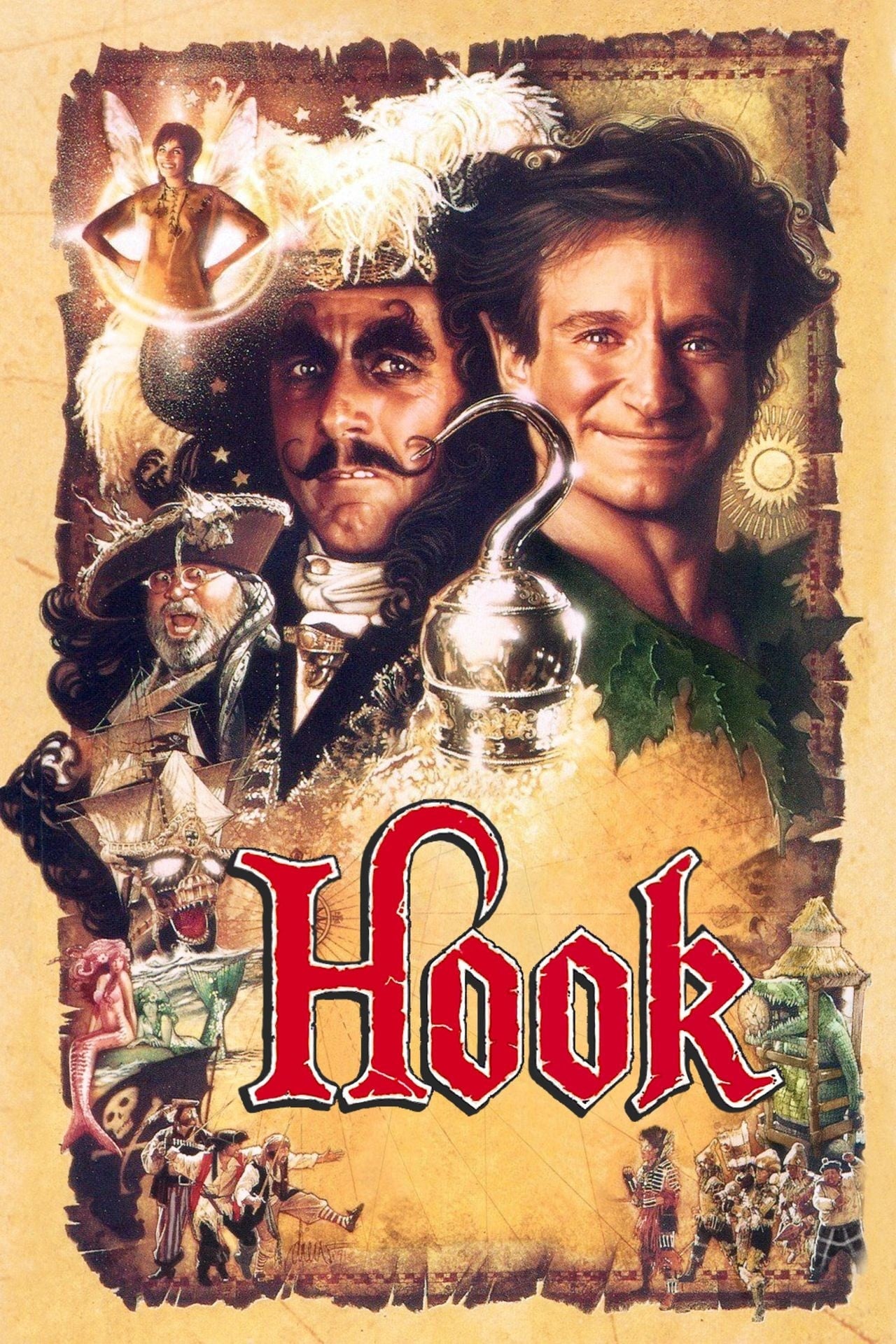
Steven Spielberg’s reimagining of Peter Pan features a grown-up Peter returning to Neverland to rescue his children from his old nemesis. Dustin Hoffman portrays Captain Hook with a delightful, scenery-chewing villainy that balances comedy with genuine threat. His unrecognizable appearance and eccentric mannerisms make him the most entertaining part of the film. While the story was criticized for its sentimental tone and pacing, Hoffman’s performance remains a fan favorite. He brought a theatrical flair to the role that made the classic villain feel fresh and uniquely pathetic.
‘Judy’ (2019)
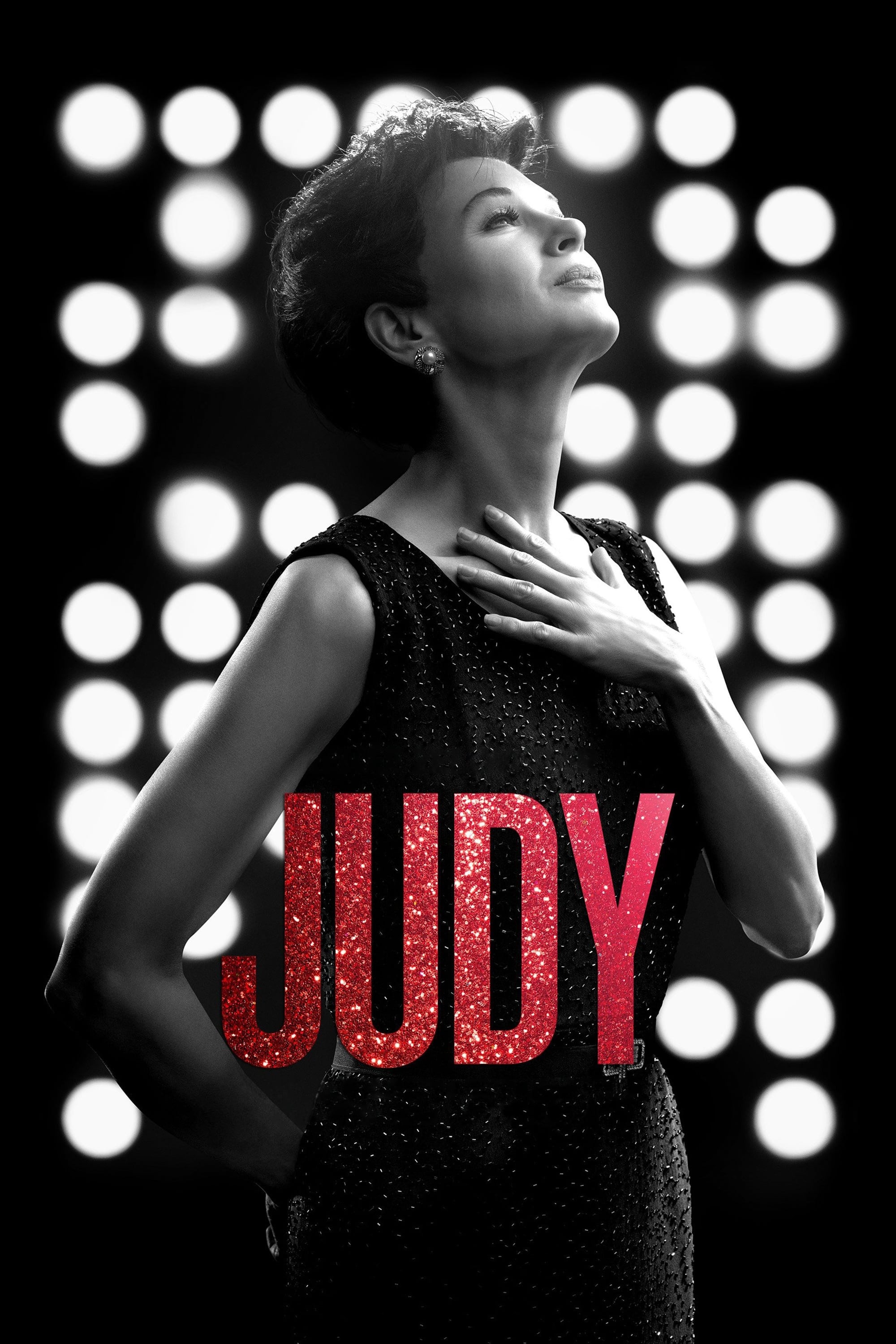
The film follows legendary performer Judy Garland during the final months of her life as she arrives in London for a series of sold-out concerts. Renée Zellweger underwent a remarkable transformation, capturing Garland’s fragile mental state and powerful stage presence. The narrative is a tragic look at the toll of stardom, but it is Zellweger’s vocal performance and physical dedication that carry the movie. Her portrayal of Garland’s vulnerability and resilience earned her an Academy Award for Best Actress. The film’s simple biographical structure is elevated entirely by her central tour-de-force performance.
‘Mommie Dearest’ (1981)
This biographical drama tells the story of the abusive relationship between movie star Joan Crawford and her adopted daughter. Faye Dunaway’s performance is legendary for its extreme intensity and theatricality, which many critics found to be over-the-top. However, her portrayal has since become a cult classic and the primary reason the film is remembered today. The movie’s attempt at a serious psychological drama was overshadowed by Dunaway’s aggressive and stylized acting. Scenes like the “wire hangers” outburst have become part of cinematic folklore, defining the film’s lasting reputation.
‘Indiana Jones and the Dial of Destiny’ (2023)
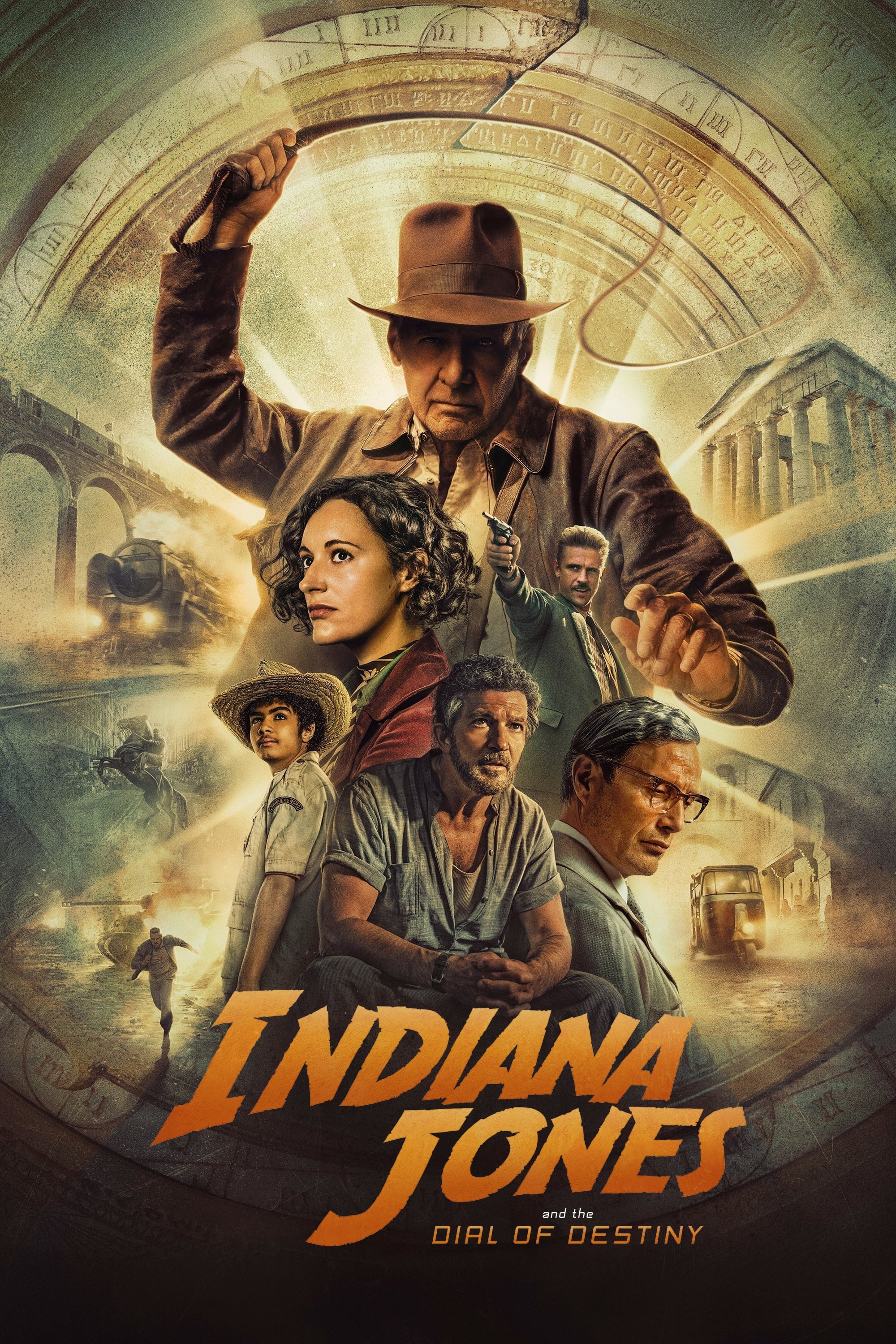
In the final outing for the iconic archeologist, Indiana Jones races against time to retrieve a legendary dial that can change the course of history. Harrison Ford returns to the role with a weary, emotional depth that acknowledges the character’s age and legacy. While the plot follows the standard adventure tropes and features extensive action sequences, Ford’s performance provides the film’s necessary emotional weight. His ability to convey nostalgia and regret adds a layer of maturity that the earlier films lacked. For many, his portrayal of the aging hero was the most compelling reason to return to the franchise.
‘Glass’ (2019)
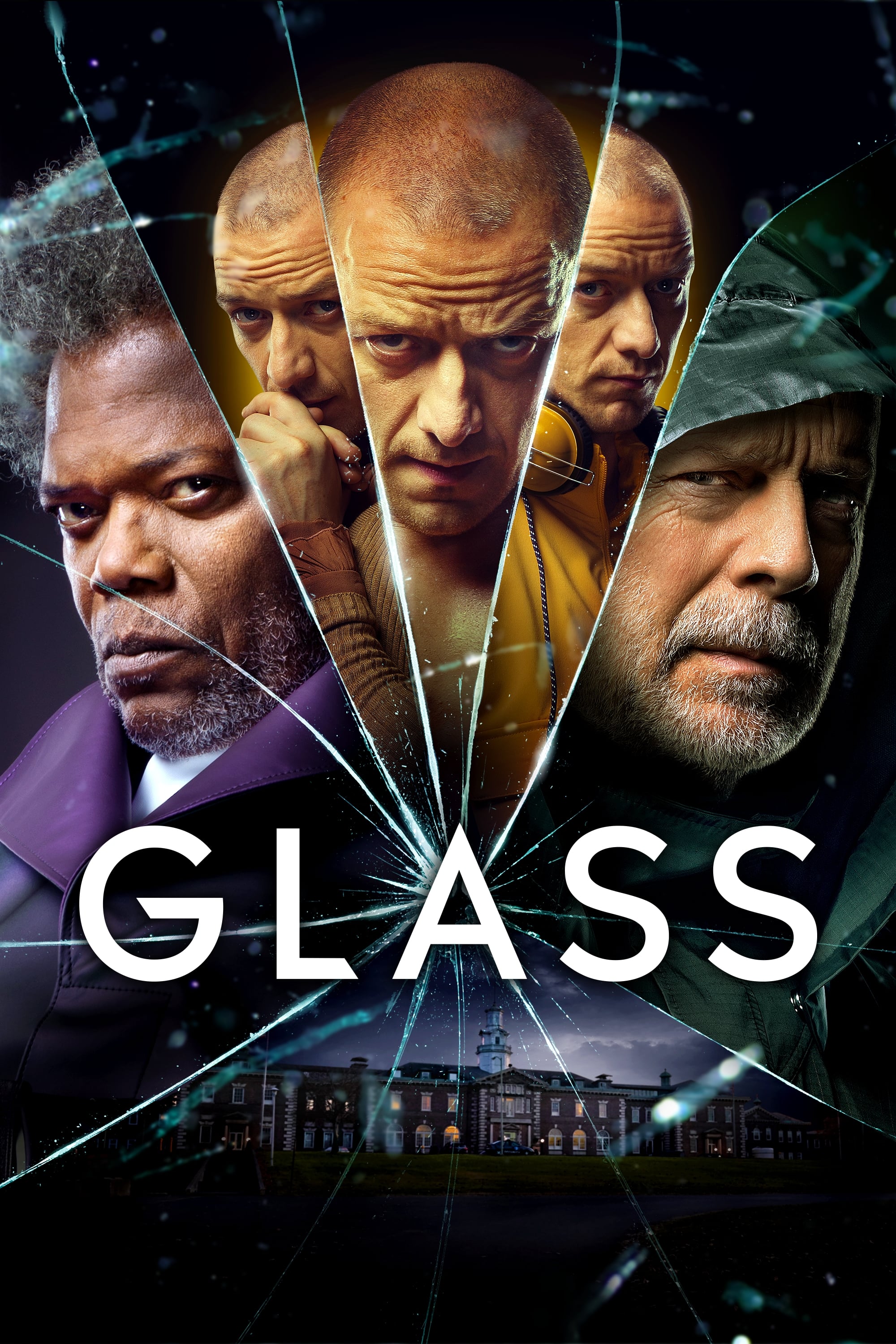
As the conclusion to the trilogy that began with ‘Unbreakable’, the film brings together three individuals with superhuman abilities in a psychiatric research facility. James McAvoy reprises his role from ‘Split’, seamlessly switching between dozens of distinct personalities within a single scene. His physical and vocal range is extraordinary, often making the surrounding plot feel slow by comparison. While the film’s narrative choices were divisive among fans and critics, McAvoy’s performance was universally praised. He managed to make each personality feel like a fully realized character, dominating every scene he appeared in.
‘Spencer’ (2021)

This historical drama is a fictionalized account of Princess Diana’s decision to end her marriage to Prince Charles during a Christmas holiday. Kristen Stewart delivers a highly stylized and internal performance that captures Diana’s isolation and psychological distress. The film focuses more on mood and sensory experience than a traditional plot, relying heavily on Stewart’s presence. Her portrayal was a major departure from previous depictions of the Princess, leaning into a more avant-garde approach. The performance earned her significant awards buzz and redefined her career as a dramatic actress.
‘The Eyes of Tammy Faye’ (2021)
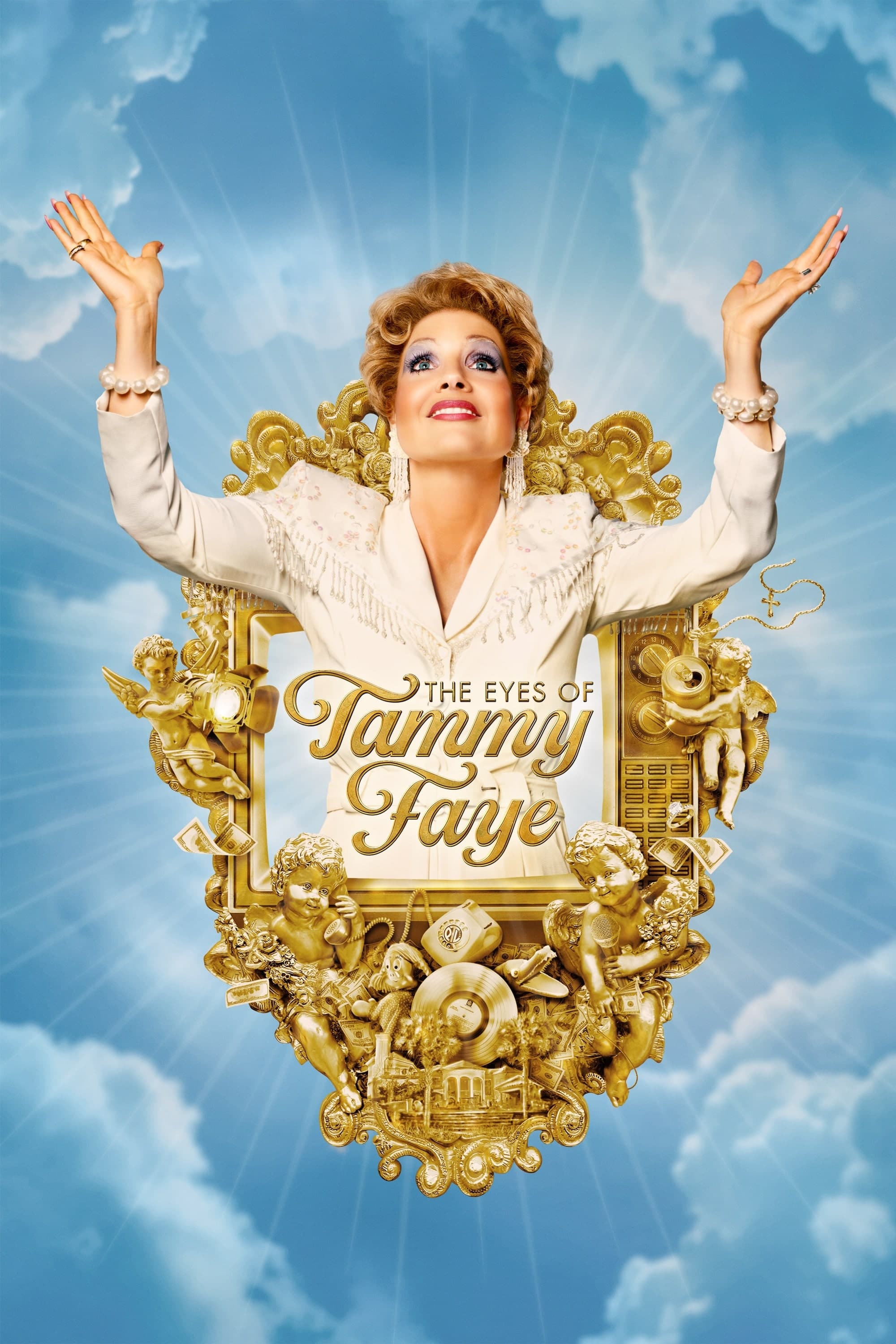
The film follows the rise and fall of televangelists Tammy Faye Bakker and Jim Bakker during the 1970s and 80s. Jessica Chastain underwent a total physical transformation with makeup and prosthetics to play the colorful and empathetic Tammy Faye. She brought a sense of humanity and sincerity to a character that was often ridiculed in the media. While the biopic covers a broad historical period, Chastain’s high-energy performance is the constant that holds the narrative together. Her work was rewarded with an Academy Award for Best Actress, cementing the film as an acting showcase.
‘The Iron Lady’ (2011)
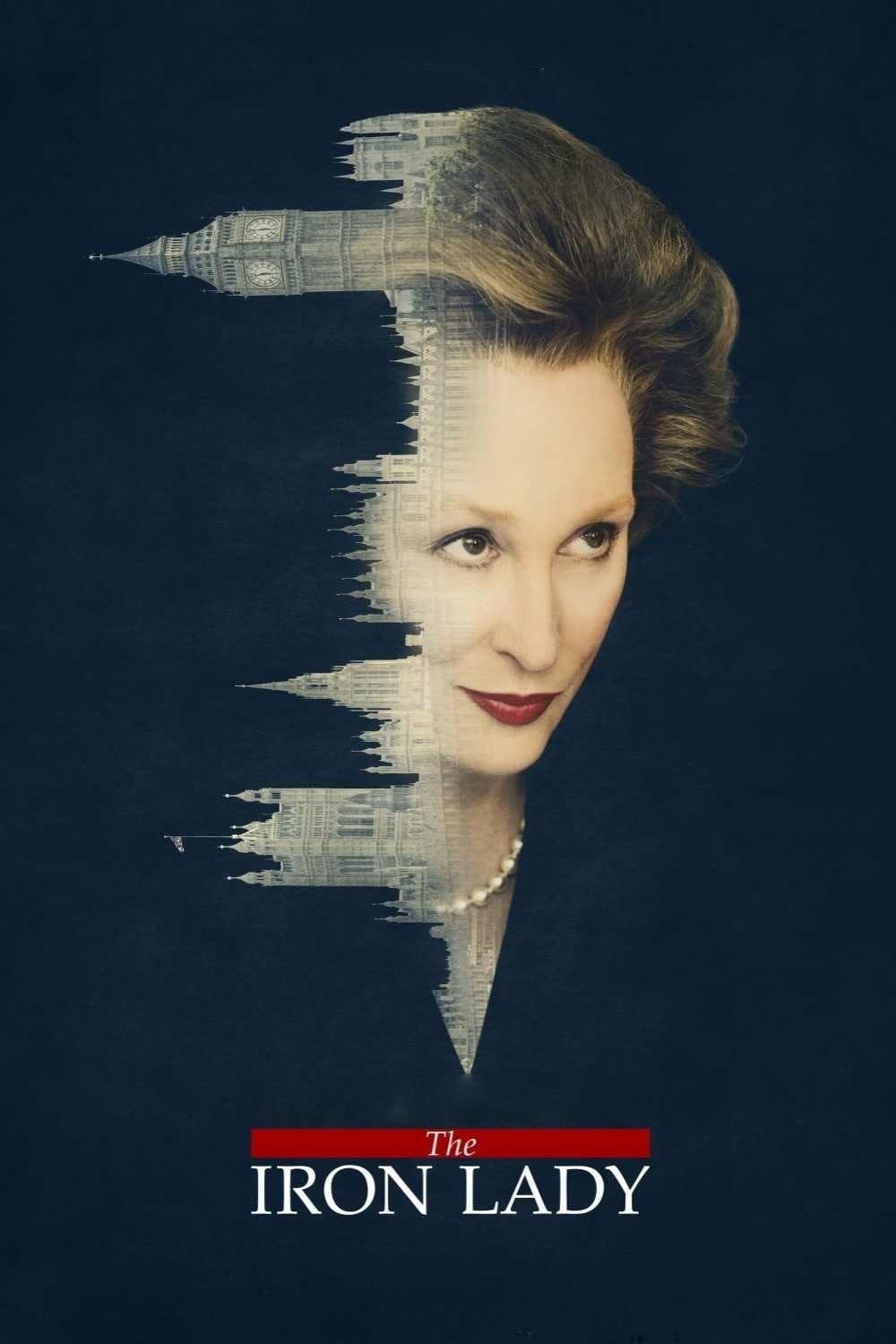
Meryl Streep portrays Margaret Thatcher, the first female Prime Minister of the United Kingdom, focusing on her later years as she struggles with dementia. Streep’s vocal and physical mimicry of Thatcher is uncanny, capturing both her political dominance and her personal decline. The film’s structure, which jumps through various points in Thatcher’s life through fragmented memories, was criticized for lacking focus. However, Streep’s performance was hailed as a masterpiece of technical acting, earning her a third Academy Award. The movie is widely viewed as a vehicle for her exceptional craft rather than a comprehensive historical record.
‘Along Came Polly’ (2004)

In this romantic comedy about a risk-averse man who falls for a free-spirited woman, the supporting cast often steals the limelight. Philip Seymour Hoffman plays Sandy Lyle, an eccentric former child star who is a close friend of the protagonist. Hoffman’s comedic timing and physical humor are the highlights of the film, particularly during the basketball and theater scenes. While the main romance follows a predictable path, Hoffman’s character provides the most memorable and hilarious moments. His ability to turn a minor supporting role into the film’s standout element demonstrated his incredible versatility as an actor.
‘Suicide Squad’ (2016)
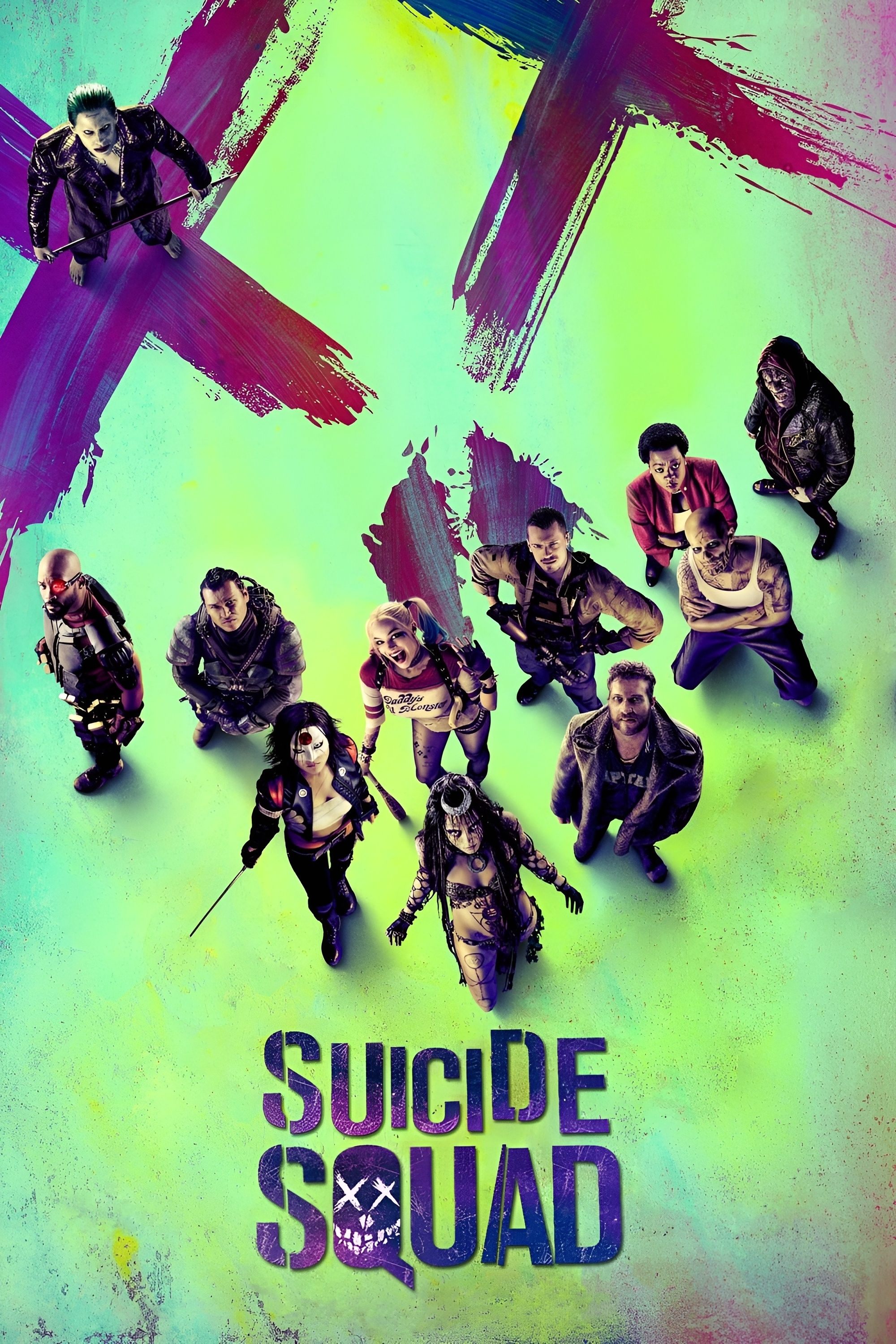
The first live-action appearance of several DC villains teaming up for a secret mission was met with mixed reviews for its editing and plot. However, Margot Robbie’s portrayal of Harley Quinn was an instant breakout success that defined the character for a new generation. She captured Harley’s chaotic energy, humor, and underlying tragedy with perfect precision. Despite the film’s narrative flaws, Robbie’s performance was so popular that it led to several spin-off projects and solo films. Her presence became the most marketable and beloved aspect of the entire production.
‘Blade: Trinity’ (2004)
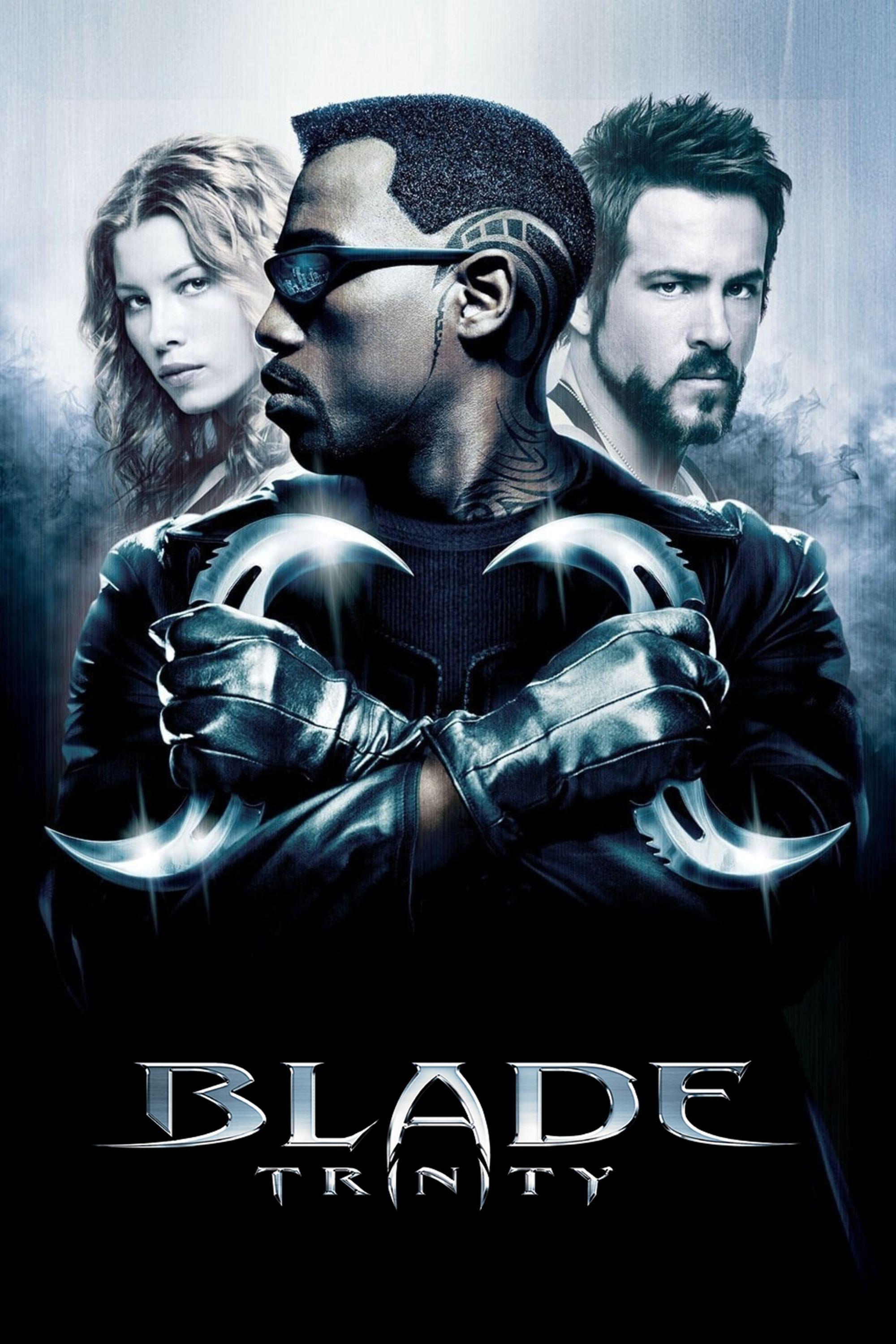
The third film in the vampire hunting franchise was plagued by production issues and a script that felt disconnected from the previous installments. Ryan Reynolds provided a much-needed spark of energy as Hannibal King, delivering constant quips and high-intensity action. His comedic chemistry with the rest of the cast and his physical training for the role made him the most engaging part of the movie. While the story was criticized for its weak villain and repetitive tropes, Reynolds’ performance hinted at the charismatic star power he would later bring to other franchises. He effectively carried the film’s lighter moments during a troubled production.
‘Planet of the Apes’ (2001)
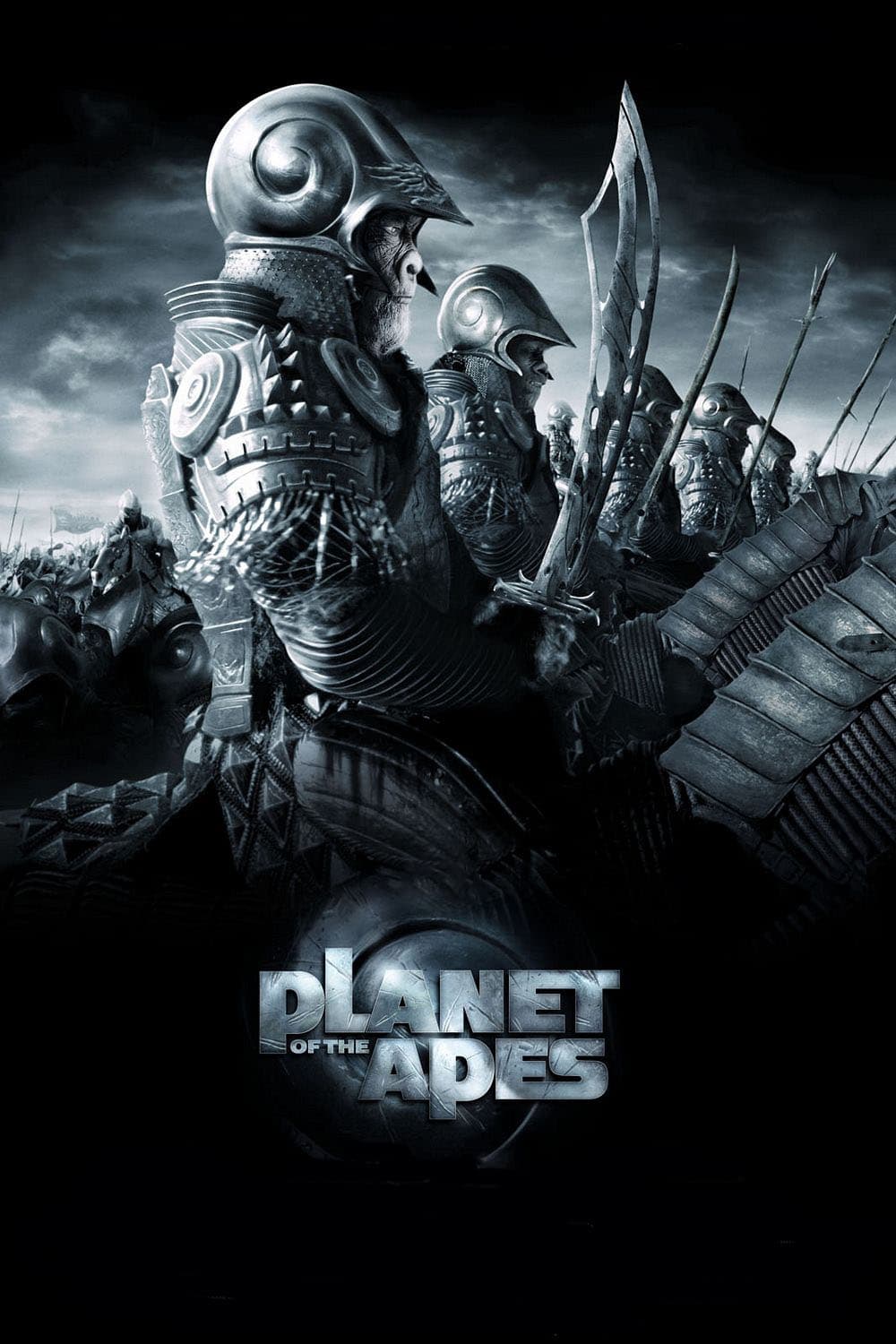
Tim Burton’s remake of the science fiction classic was criticized for its confusing ending and uneven script. However, Tim Roth’s performance as the villainous General Thade was praised for being truly menacing and animalistic. Hidden under layers of exceptional prosthetic makeup, Roth used his entire body to convey the aggressive nature of a chimpanzee. His performance was much more intense and focused than the human lead, making him the most memorable character in the film. Despite the movie’s mixed legacy, Roth’s dedication to the physical demands of the role remains impressive.
‘Assassin’s Creed’ (2016)
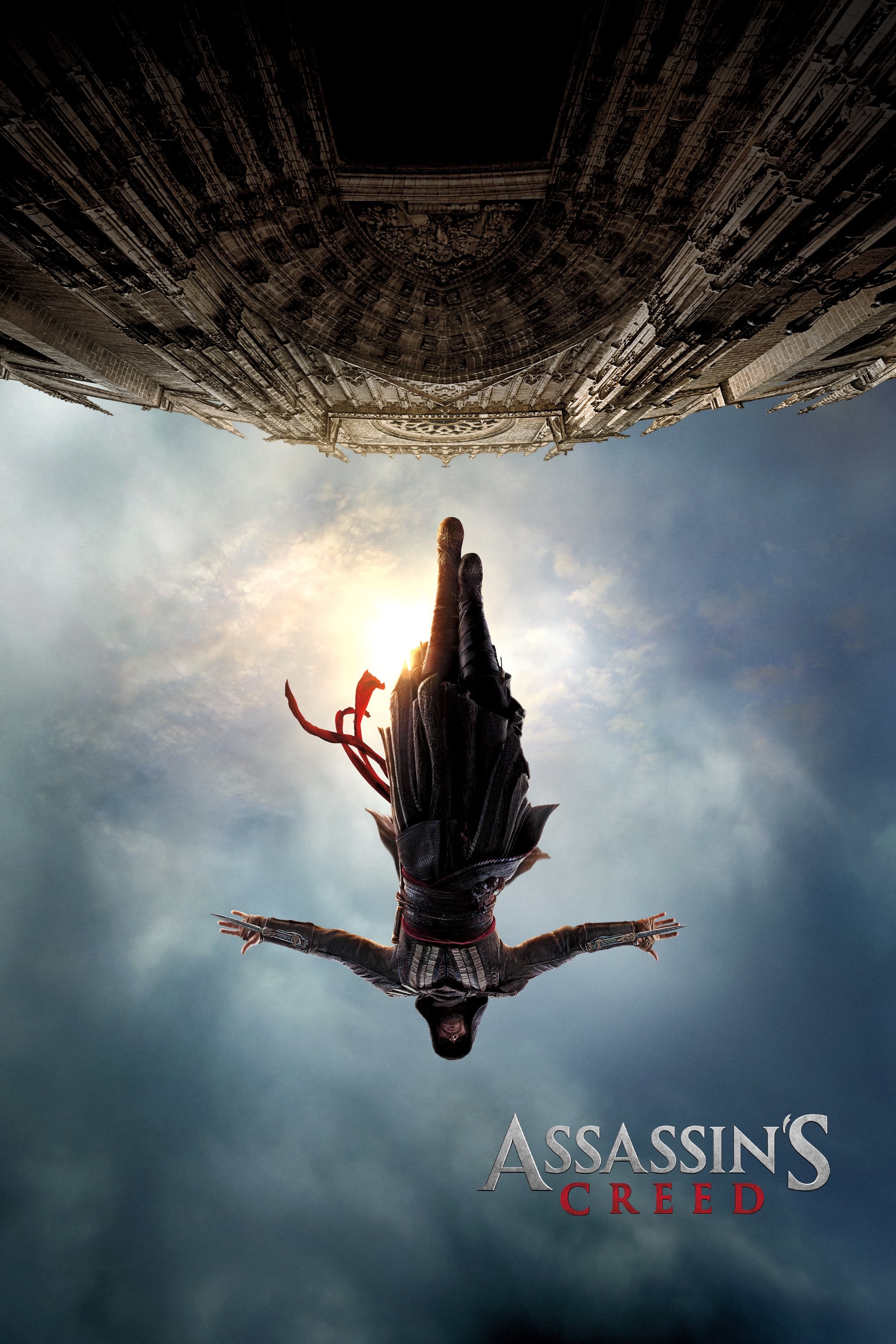
This video game adaptation features a complex plot involving genetic memories and an ancient war between secret societies. Michael K. Williams plays Moussa, a descendant of a voodoo assassin, and brings a sense of mystery and gravitas to his limited screen time. While the film was criticized for its heavy exposition and confusing narrative, Williams’ performance added a necessary layer of grit and intrigue. He managed to make his character feel important and lived-in within a very crowded and fast-paced story. His work stood out as a highlight in a film that struggled to find its footing with audiences.
‘Blonde’ (2022)

This controversial fictionalized biopic of Marilyn Monroe focuses on the trauma and exploitation she faced throughout her life. Ana de Armas delivered a vulnerable and physically accurate performance that captured both the public persona and private pain of the icon. While the film was polarizing for its graphic content and narrative choices, de Armas’ commitment was universally recognized. She carried the nearly three-hour film through its most difficult sequences with a heartbreaking sincerity. The performance served as a definitive proof of her talent as a dramatic lead, overshadowing the film’s bleak tone.
‘Scooby-Doo’ (2002)
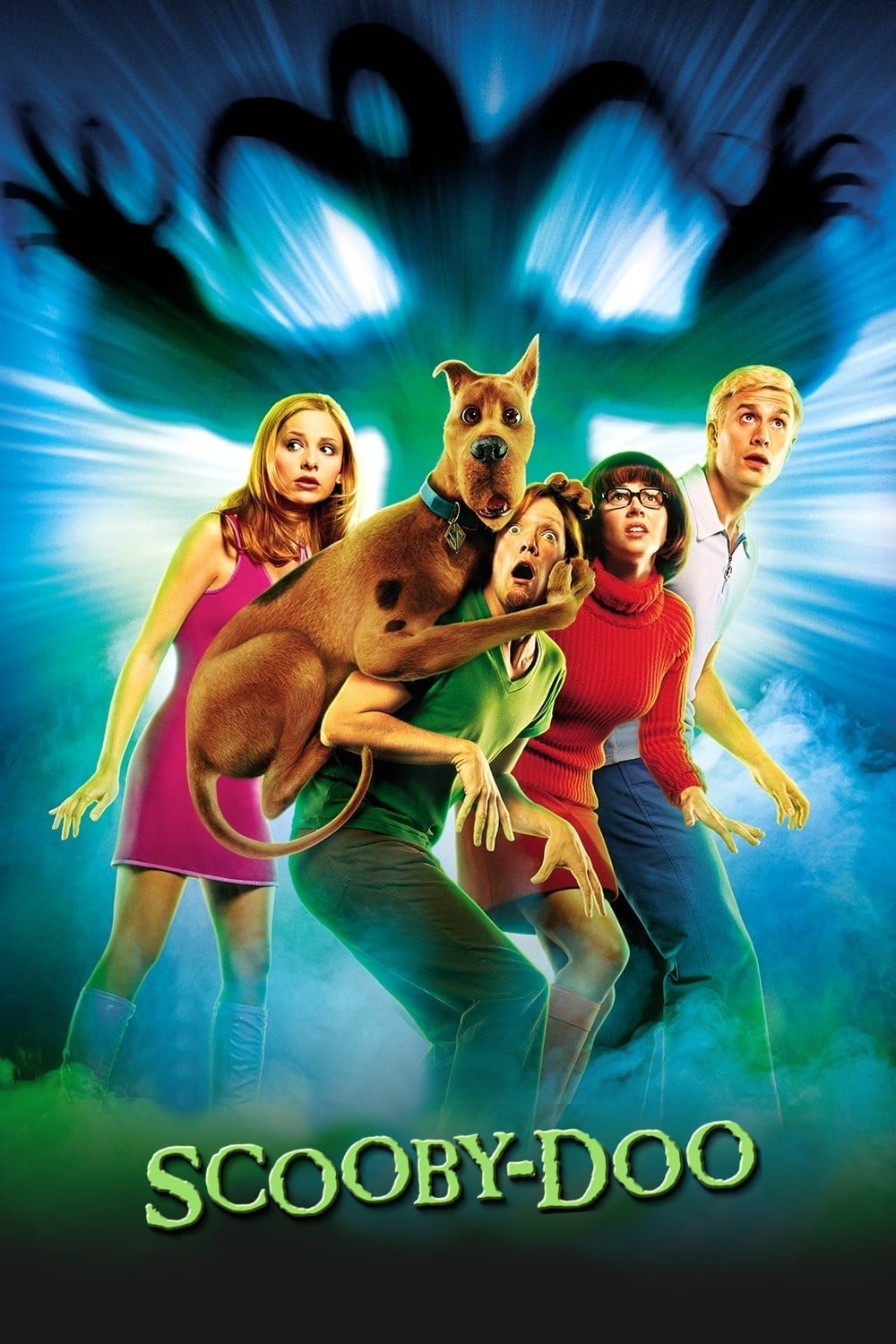
The live-action adaptation of the classic cartoon series brought the Mystery Inc. gang to a haunted island resort. Matthew Lillard’s portrayal of Shaggy Rogers was an uncanny recreation of the character’s voice and mannerisms from the original animation. He fully embraced the cartoonish nature of the role, making the character feel real without losing his goofy charm. While the movie was a commercial success, it was Lillard’s performance that fans consistently cited as the most faithful element. He eventually became the official voice of Shaggy in subsequent animated projects due to the strength of this portrayal.
‘Tusk’ (2014)
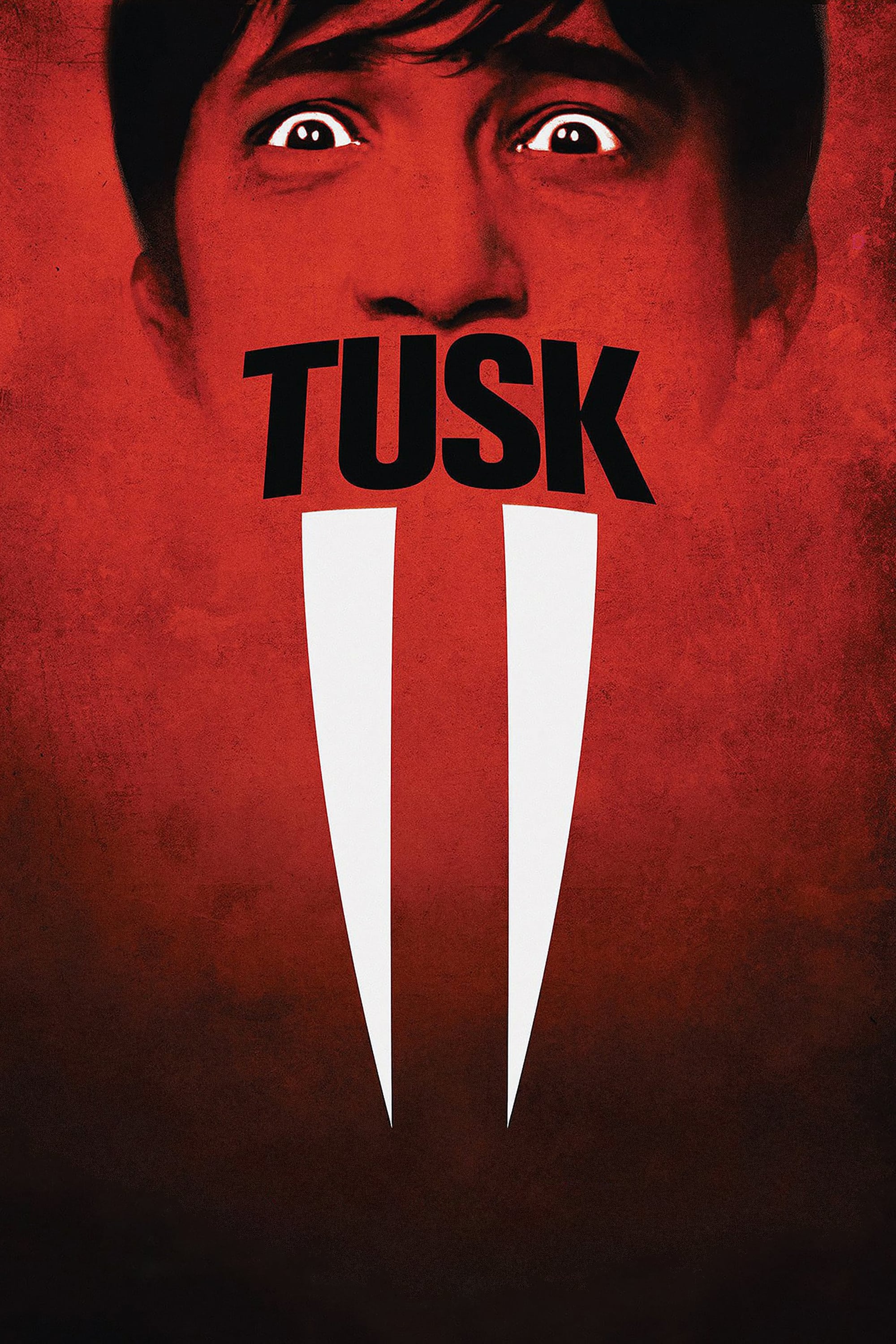
Kevin Smith’s bizarre horror-comedy tells the story of a podcaster who is kidnapped and surgically turned into a walrus. Michael Parks plays Howard Howe, the sophisticated and terrifying captor with a penchant for telling long, unsettling stories. Parks delivers his dialogue with a chilling elegance that makes the absurd premise feel genuinely frightening. His performance is so grounded and intense that it briefly elevates the film from a gross-out comedy to a psychological thriller. While the movie is known for its strange concept, Parks’ acting provides it with a legitimate sense of dread.
‘The Flintstones’ (1994)
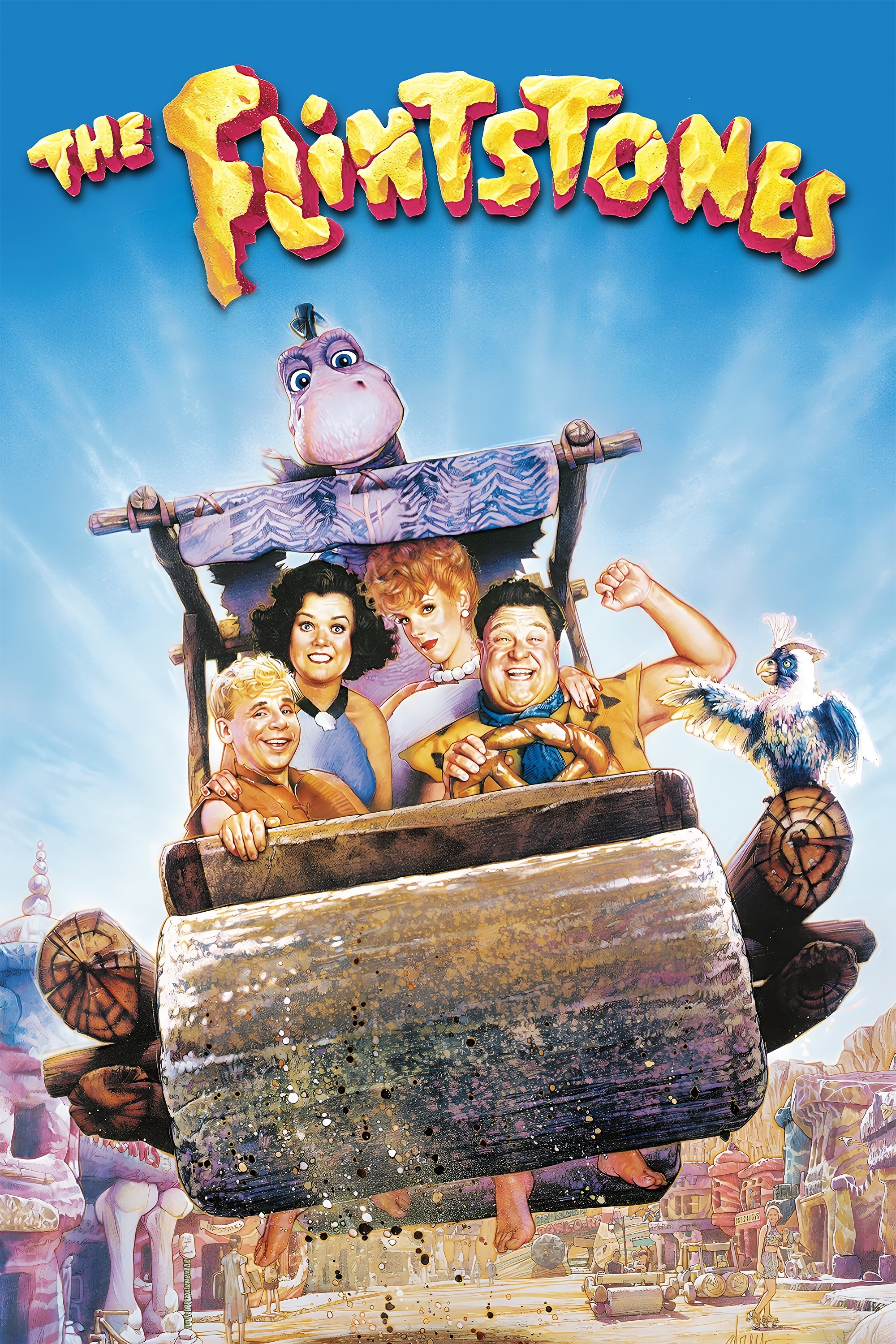
The live-action adaptation of the beloved animated family features John Goodman as Fred Flintstone. Goodman was widely considered to be perfectly cast, capturing the physical look and the boisterous personality of the character with ease. His performance brought a sense of warmth and familiarity that allowed the film to overcome its relatively thin corporate-espionage plot. While the movie relied heavily on Stone Age puns and visual effects, Goodman’s Fred felt like a real person. He anchored the film and ensured it remained a nostalgic favorite for fans of the original show.
‘Street Fighter’ (1994)
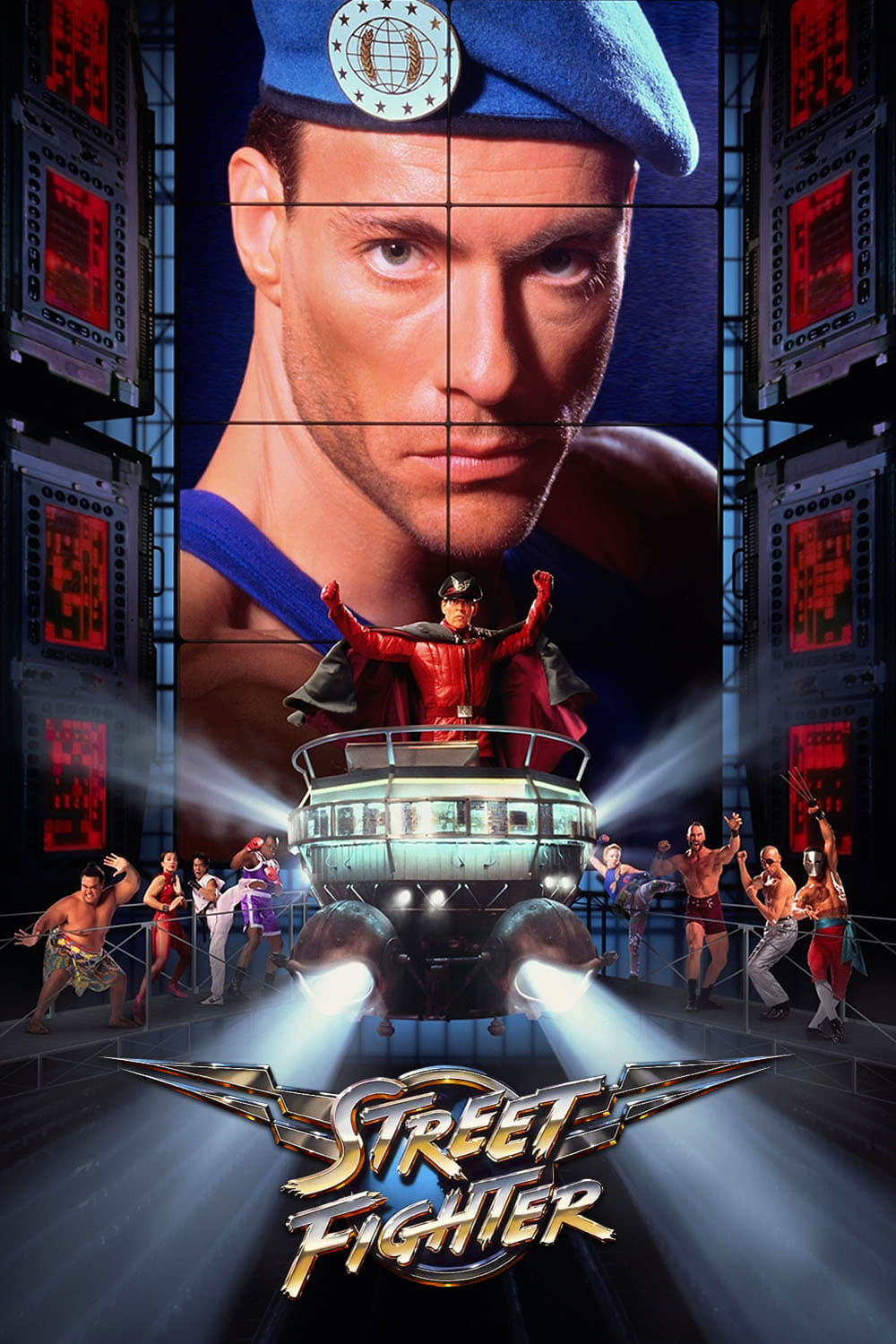
Based on the popular video game franchise, the film is a high-camp action adventure that was largely panned by critics. However, Raúl Julia’s performance as the villainous General M. Bison is legendary for its theatricality and charisma. Despite being terminally ill during filming, Julia delivered every line with incredible gusto and professional dedication. His performance turned the villain into a hammy, larger-than-life figure that far outshines the rest of the cast. The movie is remembered today primarily for Julia’s final performance, which he reportedly took because his children loved the game.
Tell us in the comments which movie performance you believe deserved a much better script.