Anime That Defined Eras of Global Animation


The landscape of animation has been transformed by several landmark anime titles that pushed the boundaries of storytelling, technology, and cultural impact. From the early black-and-white broadcasts of the 1960s to the high-definition digital spectacles of the modern era, these series and films have defined their respective decades. They introduced revolutionary tropes, refined animation techniques, and expanded the medium’s global reach through various distribution channels. This list examines 20 anime that served as turning points for the industry and cemented their legacy in the history of animation.
‘Astro Boy’ (1963–1966)
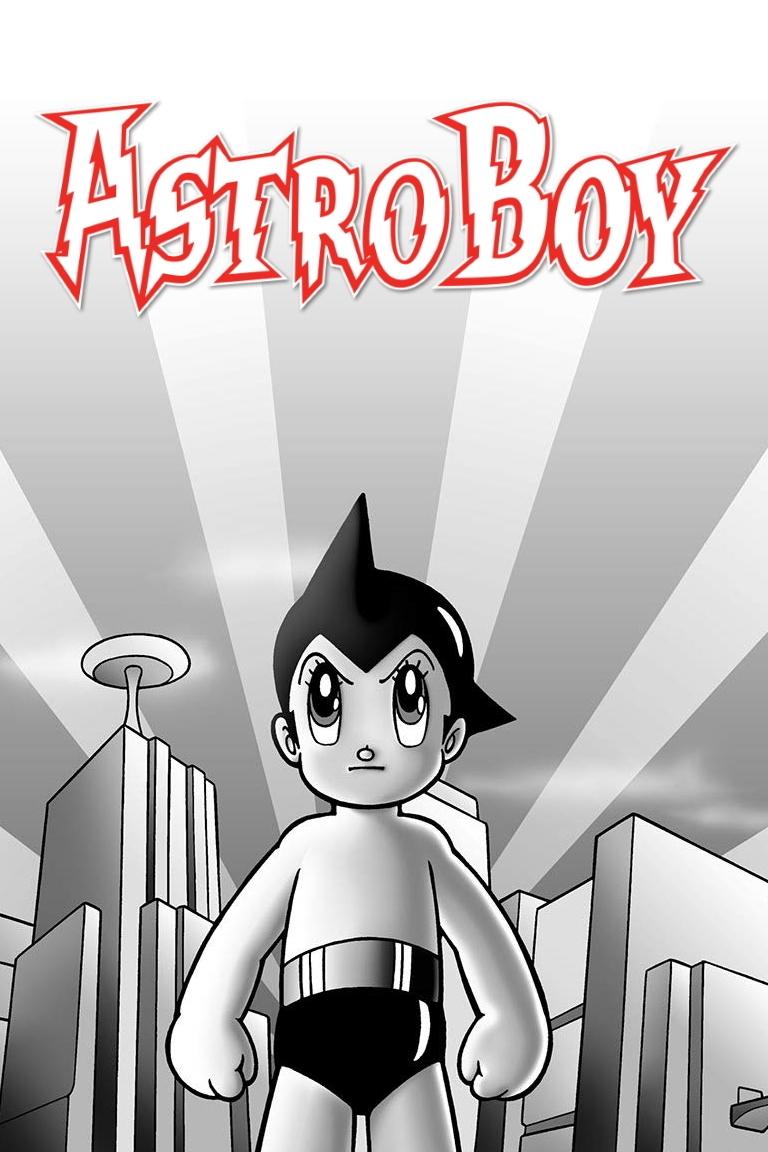
This series was the first 30-minute animated program to air on Japanese television and set the structural standard for the entire industry. Created by Osamu Tezuka, it utilized “limited animation” techniques to produce weekly episodes on a restricted television budget. The story follows a powerful robot boy with human emotions fighting for peace between humans and machines in a futuristic society. Its success paved the way for the global expansion of Japanese animation and established the iconic “big eyes” aesthetic.
‘Space Battleship Yamato’ (1974–1975)
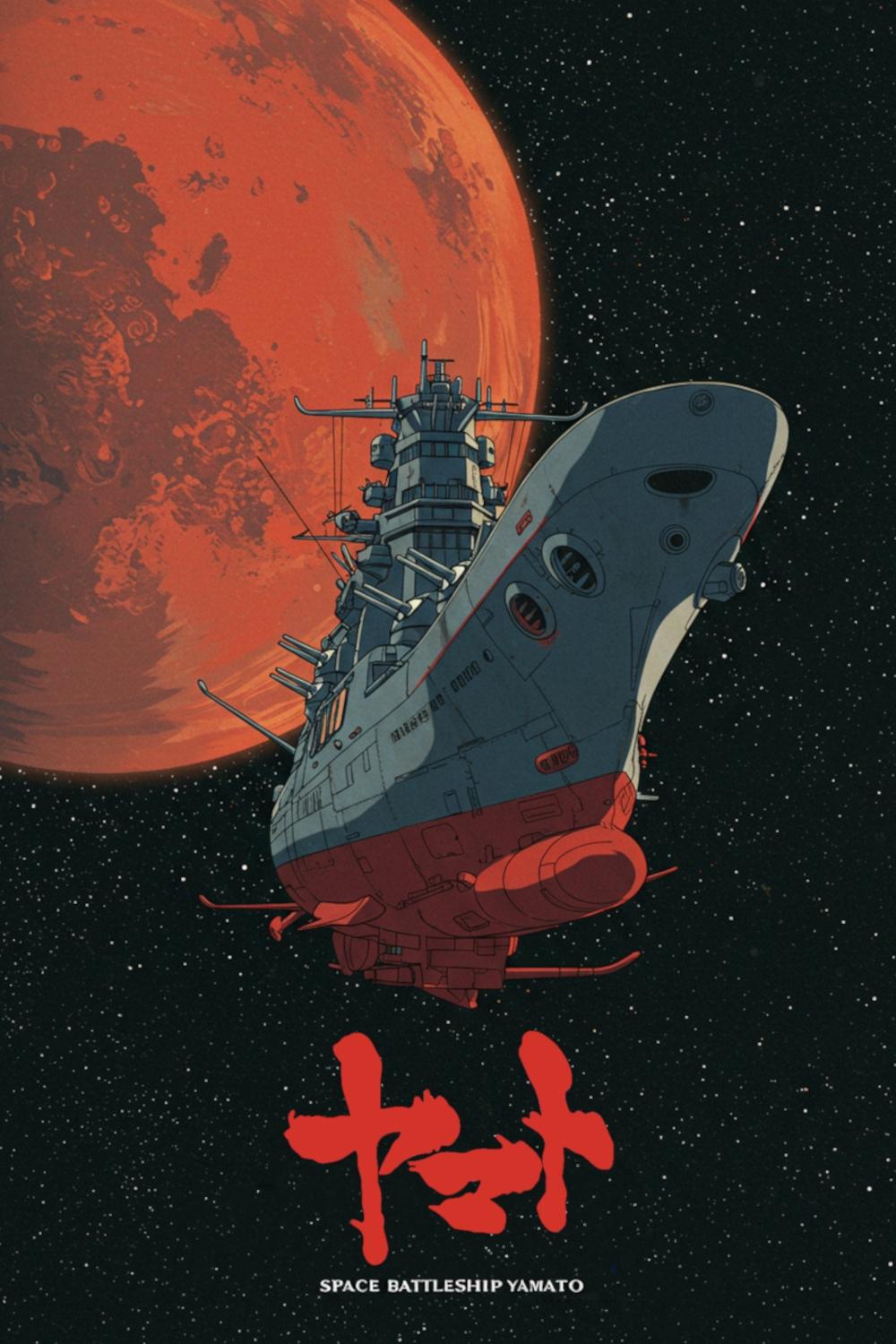
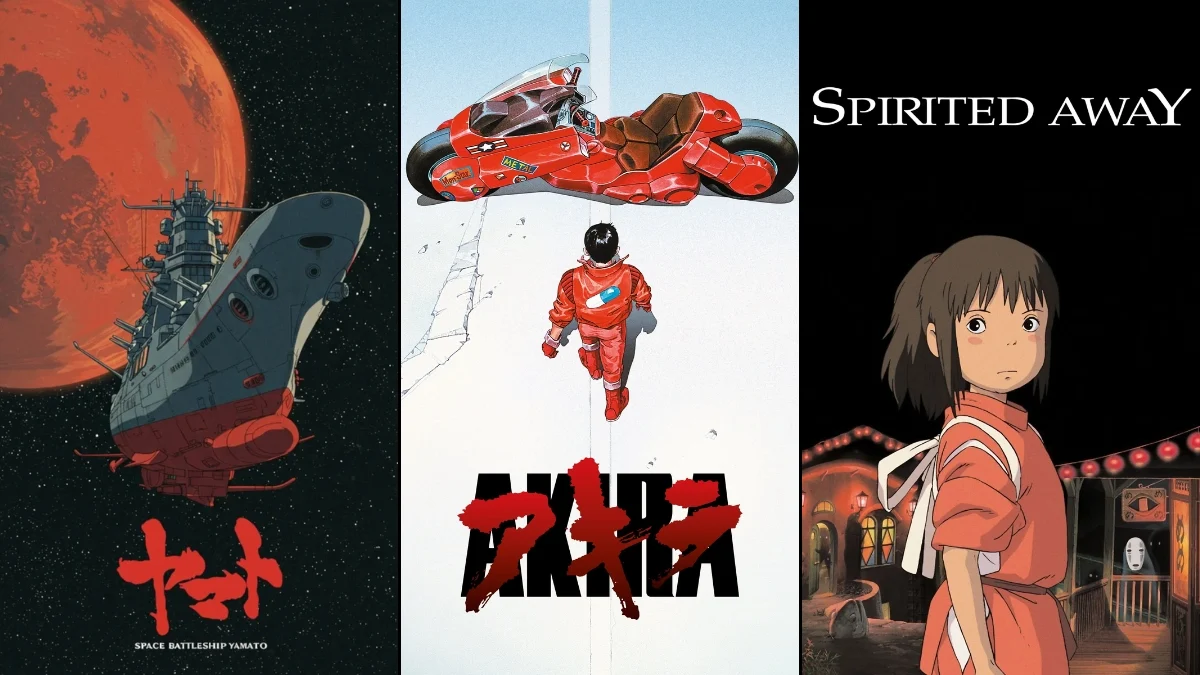
This series is credited with shifting anime toward more complex, serialized space operas aimed at mature audiences. It follows the crew of the battleship Yamato as they travel across the galaxy to retrieve technology that can save Earth from radioactive extinction. The show introduced high-stakes drama and technological realism that paved the way for future science fiction hits in the medium. Its popularity led to the first major anime fan movements and significant merchandise booms in the Japanese market.
‘Mobile Suit Gundam’ (1979–1980)
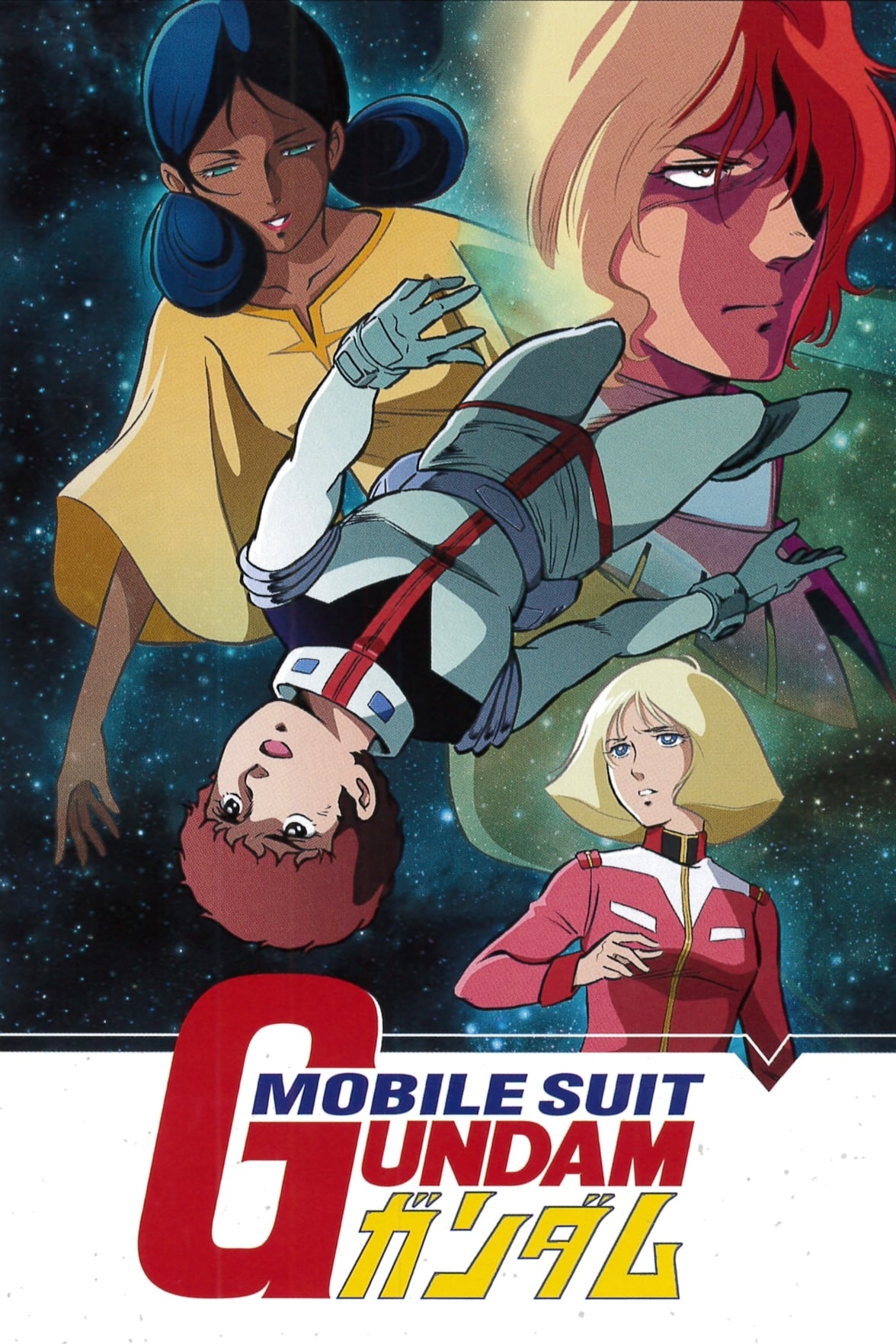
Created by Yoshiyuki Tomino, this series pioneered the “real robot” subgenre by treating mecha as military tools rather than supernatural superheroes. It depicts a brutal civil war between the Earth Federation and the Principality of Zeon, focusing heavily on the psychological toll of combat. The series emphasized character development and political complexity over simple monster-of-the-week battle structures. It spawned a massive franchise that remains a primary cornerstone of the global animation and plastic model industry.
‘Dragon Ball’ (1986–1989)
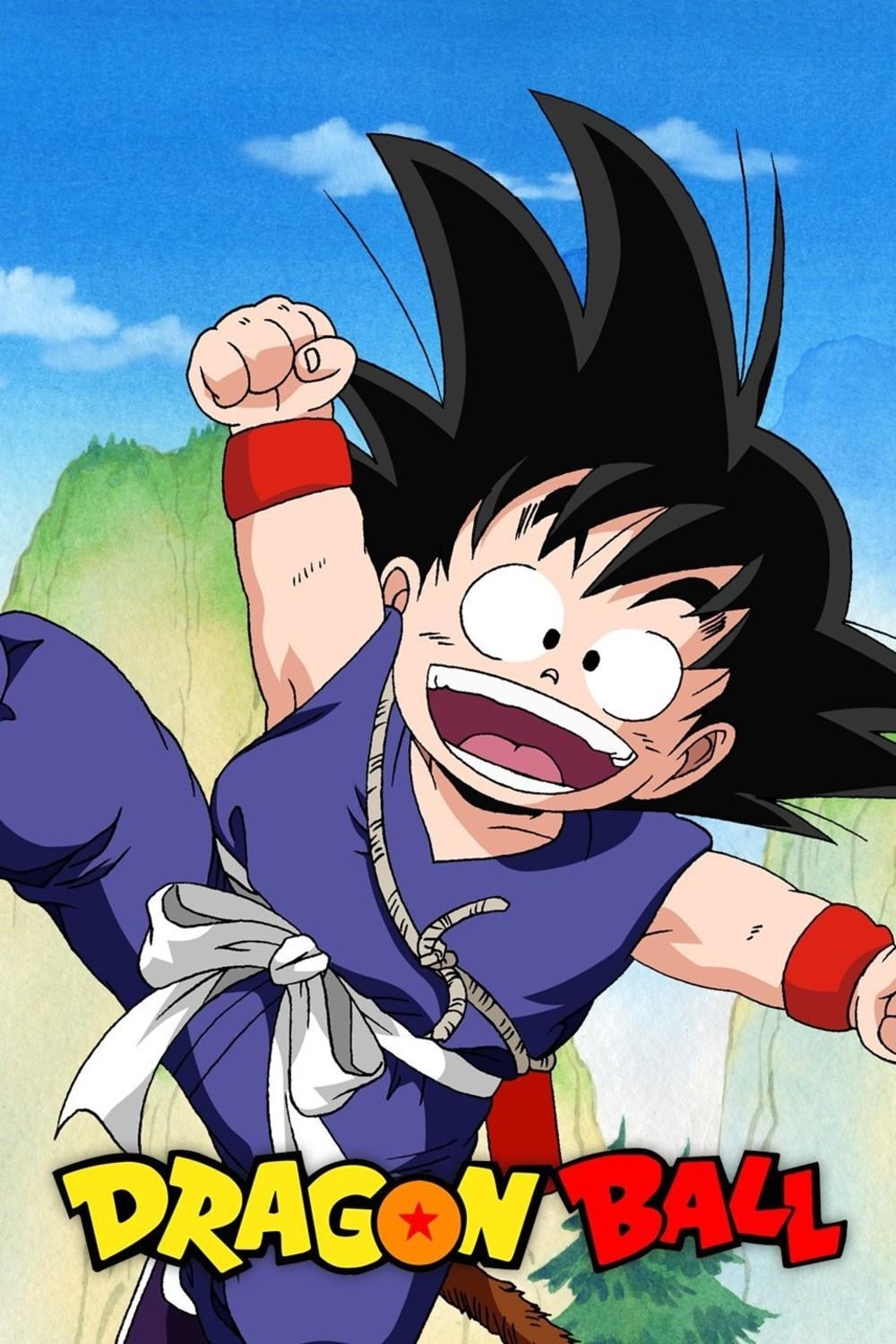
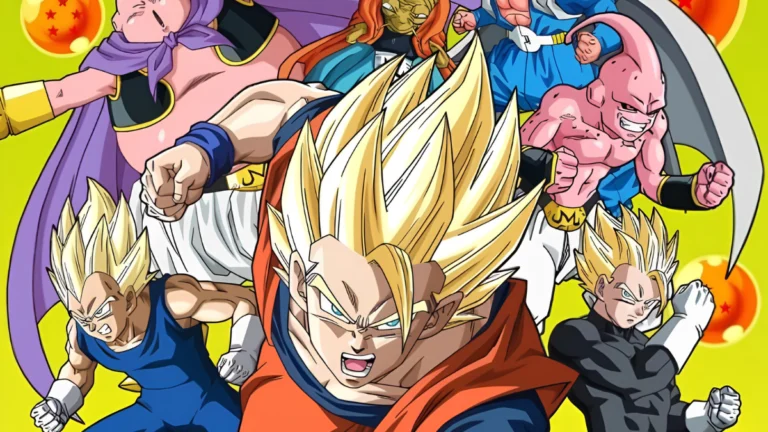
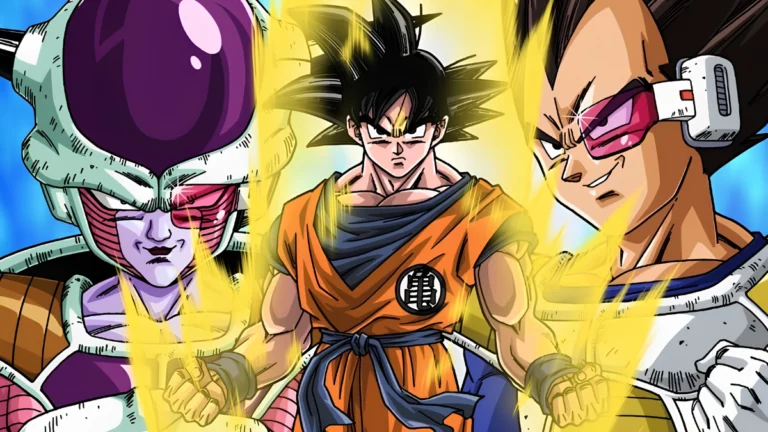
This series defined the foundational standards for the modern “battle shonen” genre with its focus on martial arts and power escalation. It follows Son Goku on his quest to collect the mystical Dragon Balls while growing into one of the world’s most powerful warriors. The show’s blend of comedy, adventure, and intense combat set a template that influenced dozens of later series. Its legacy continued through multiple sequels that became some of the most recognizable media properties across the globe.
‘Akira’ (1988)
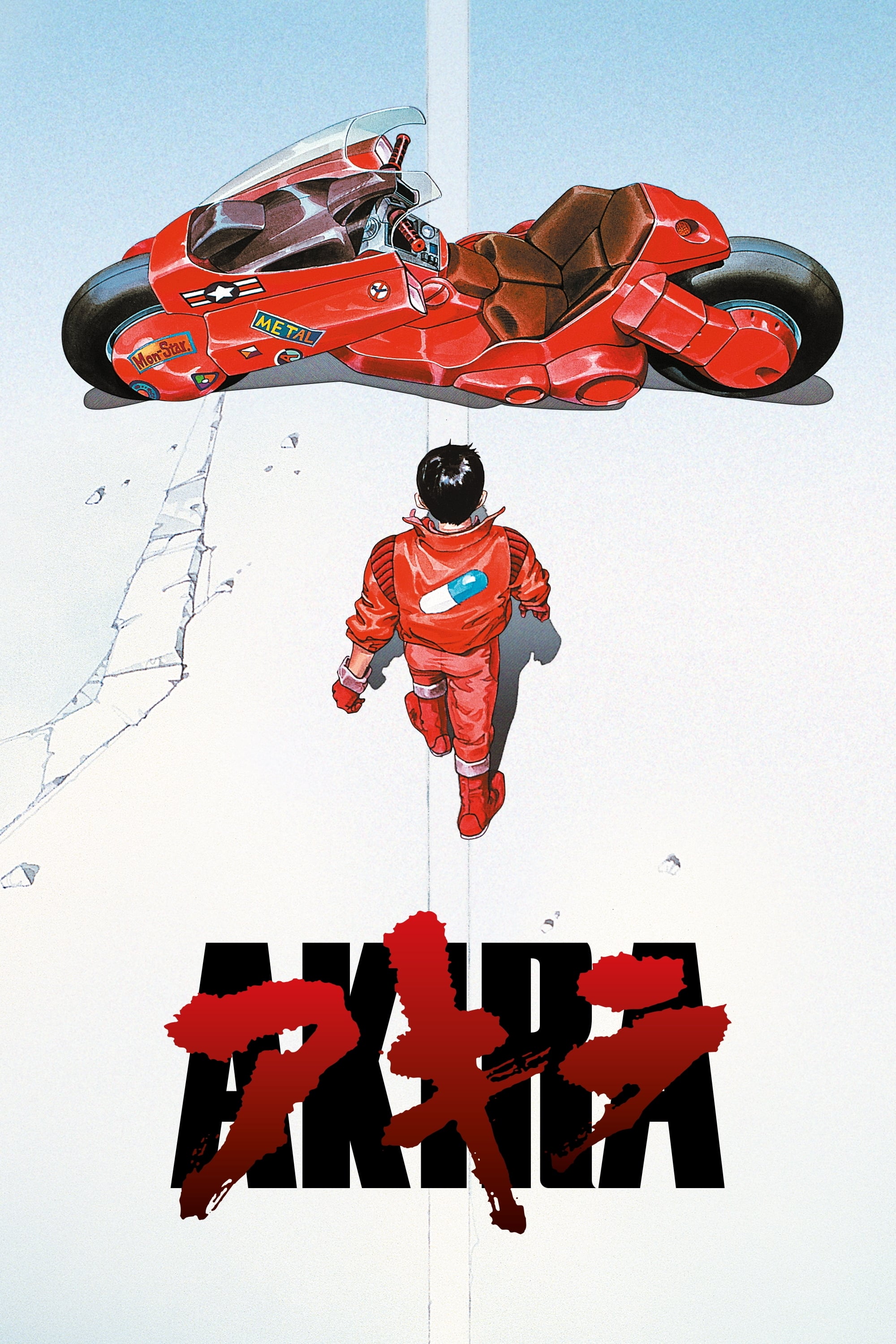
This film is widely credited with introducing adult-oriented anime to Western audiences on a massive and impactful scale. Set in a dystopian Neo-Tokyo, the narrative explores government conspiracies and uncontrollable psychic powers through high-budget, fluid animation. The production utilized a high frame rate and pre-recorded dialogue, which was highly uncommon for the industry at the time. Its gritty visual style and philosophical themes influenced a generation of international filmmakers and science fiction creators.
‘Sailor Moon’ (1992–1997)
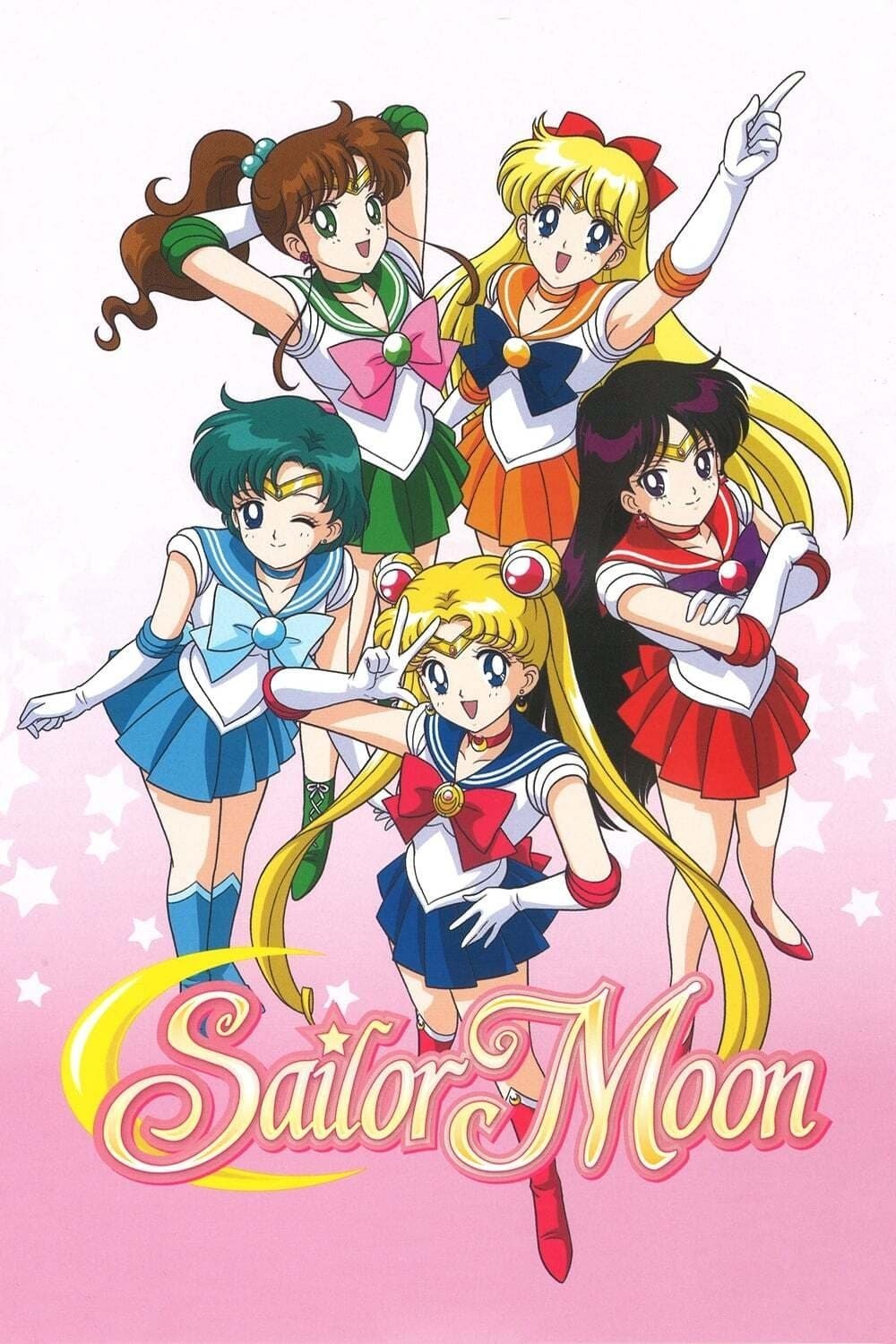
This series revitalized the “magical girl” genre by incorporating sentai-style team elements and epic, universe-spanning stakes. It followed Usagi Tsukino and her fellow guardians as they protected the Earth from various supernatural threats using celestial powers. The show became a global cultural phenomenon, particularly for its themes of female empowerment and the importance of platonic friendship. It paved the way for many contemporary shoujo and action-oriented female-led series in the following decades.
‘Ghost in the Shell’ (1995)
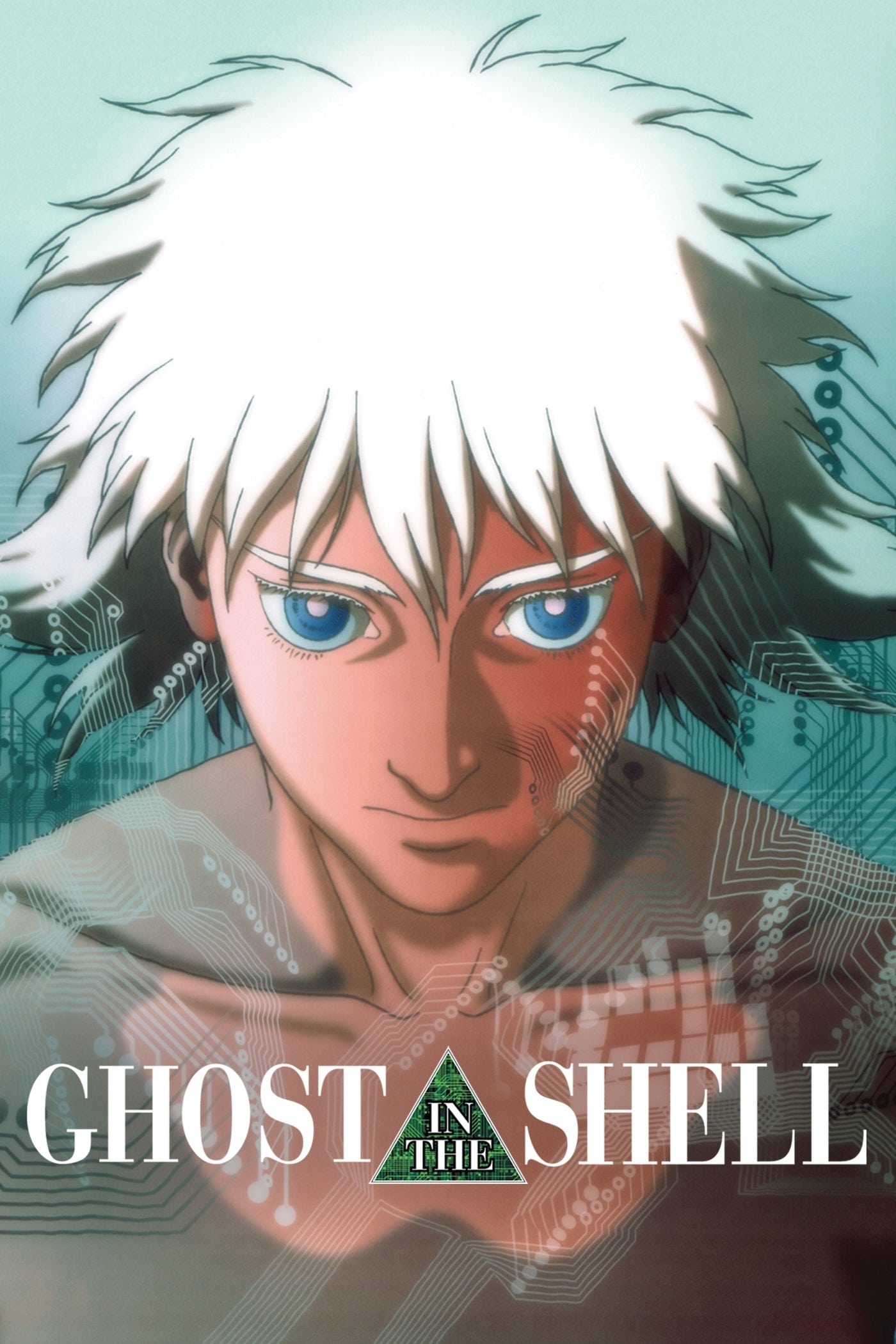
Directed by Mamoru Oshii, this film is a landmark of the cyberpunk genre and a pioneer in blending traditional cel animation with digital effects. It explores deep philosophical questions about individual identity and human consciousness in a highly digitized future. The story follows Major Motoko Kusanagi as she hunts a mysterious hacker known as the Puppet Master through a sprawling urban landscape. Its complex visual language and existential themes heavily influenced Western cinema, including the creators of ‘The Matrix’ trilogy.
‘Neon Genesis Evangelion’ (1995–1996)
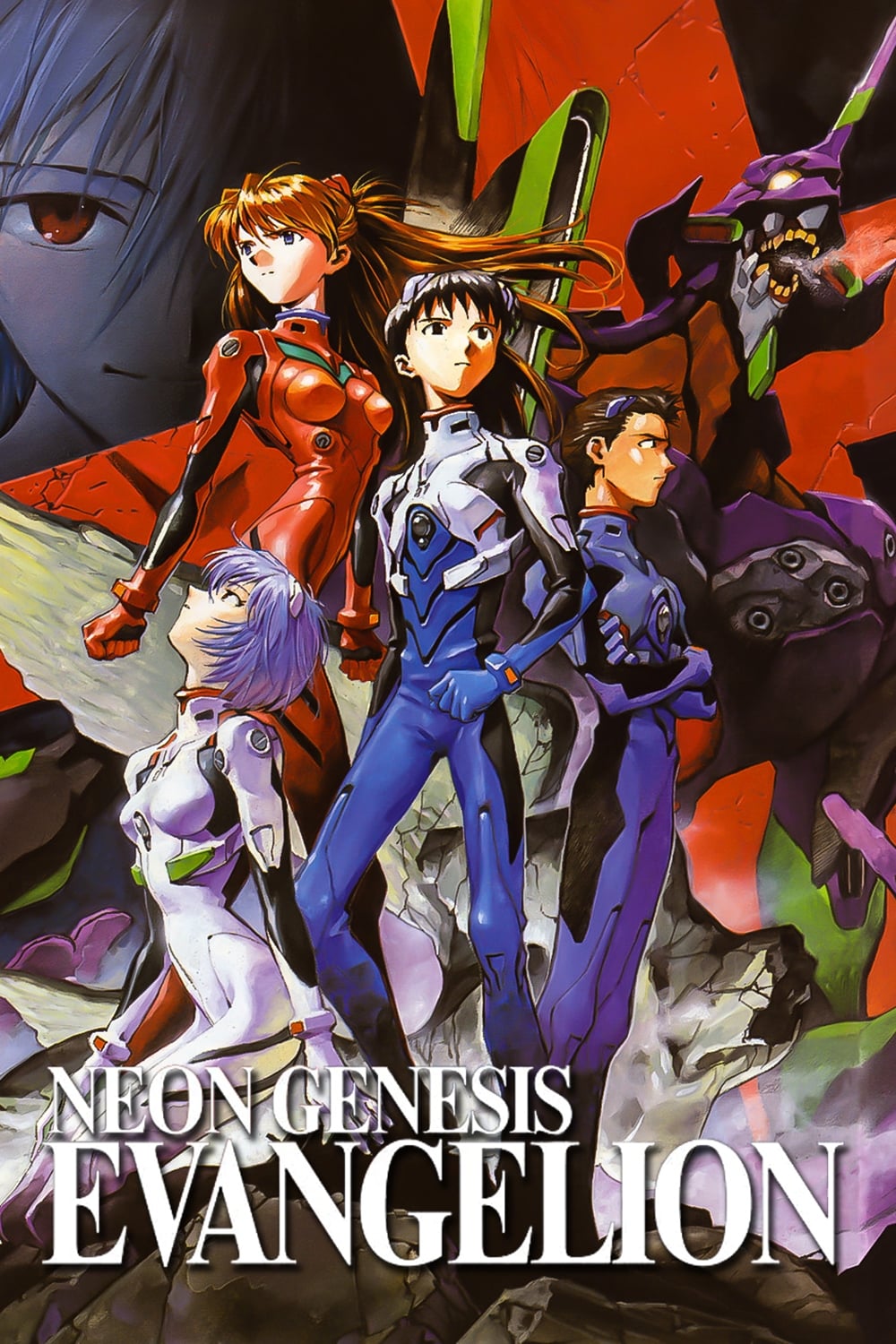
Director Hideaki Anno subverted the mecha genre by focusing heavily on psychological trauma, deconstruction, and religious symbolism. The series follows teenagers piloting giant robots to fight mysterious beings called Angels while dealing with their own internal mental crises. It is often cited as the catalyst for the late 1990s anime boom and the rise of “late-night” adult-oriented anime programming. Its philosophical depth and complex characterizations redefined what television animation could achieve for a mature audience.
‘Pokémon’ (1997–2023)

Based on the popular video game franchise, this long-running series became a global phenomenon that introduced millions of children to Japanese animation. The journey of Ash Ketchum and his partner Pikachu established a global blueprint for monster-collecting adventures and marketing. It maintained continuous broadcast for over two decades, becoming one of the most recognizable and profitable media brands in history. The series’ international success solidified anime as a mainstream force in Western television and consumer culture.
‘Cowboy Bebop’ (1998–1999)
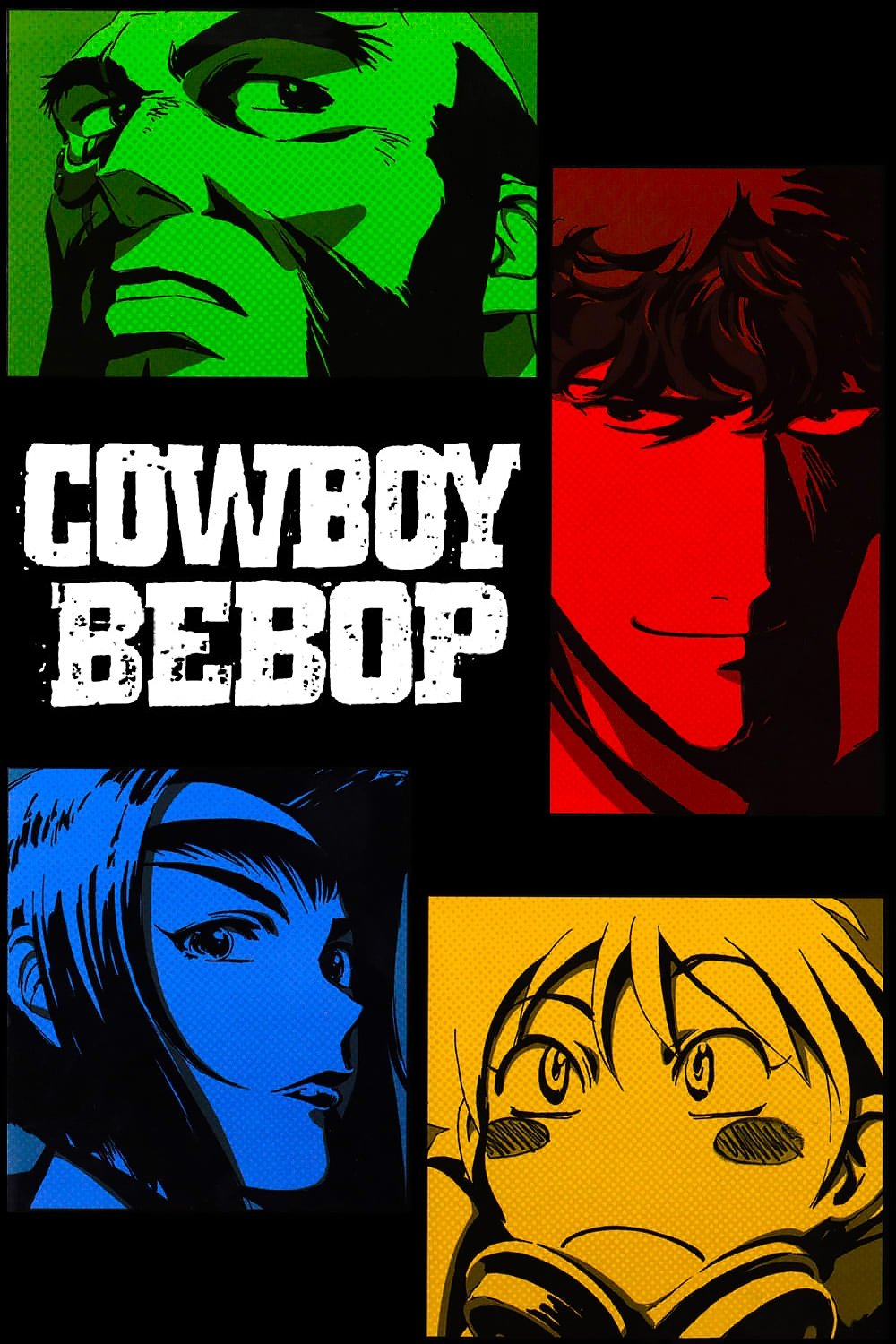
Directed by Shinichiro Watanabe, this series is famous for its genre-blending mix of science fiction, western, and film noir aesthetics. It follows a group of bounty hunters traveling through space on the ship Bebop, accompanied by an iconic and influential jazz soundtrack. The show is often cited as a primary “gateway” anime for Western viewers due to its mature themes and cinematic style. Its focus on episodic storytelling and tragic character backstories created a uniquely cool and melancholic atmosphere.
‘Spirited Away’ (2001)
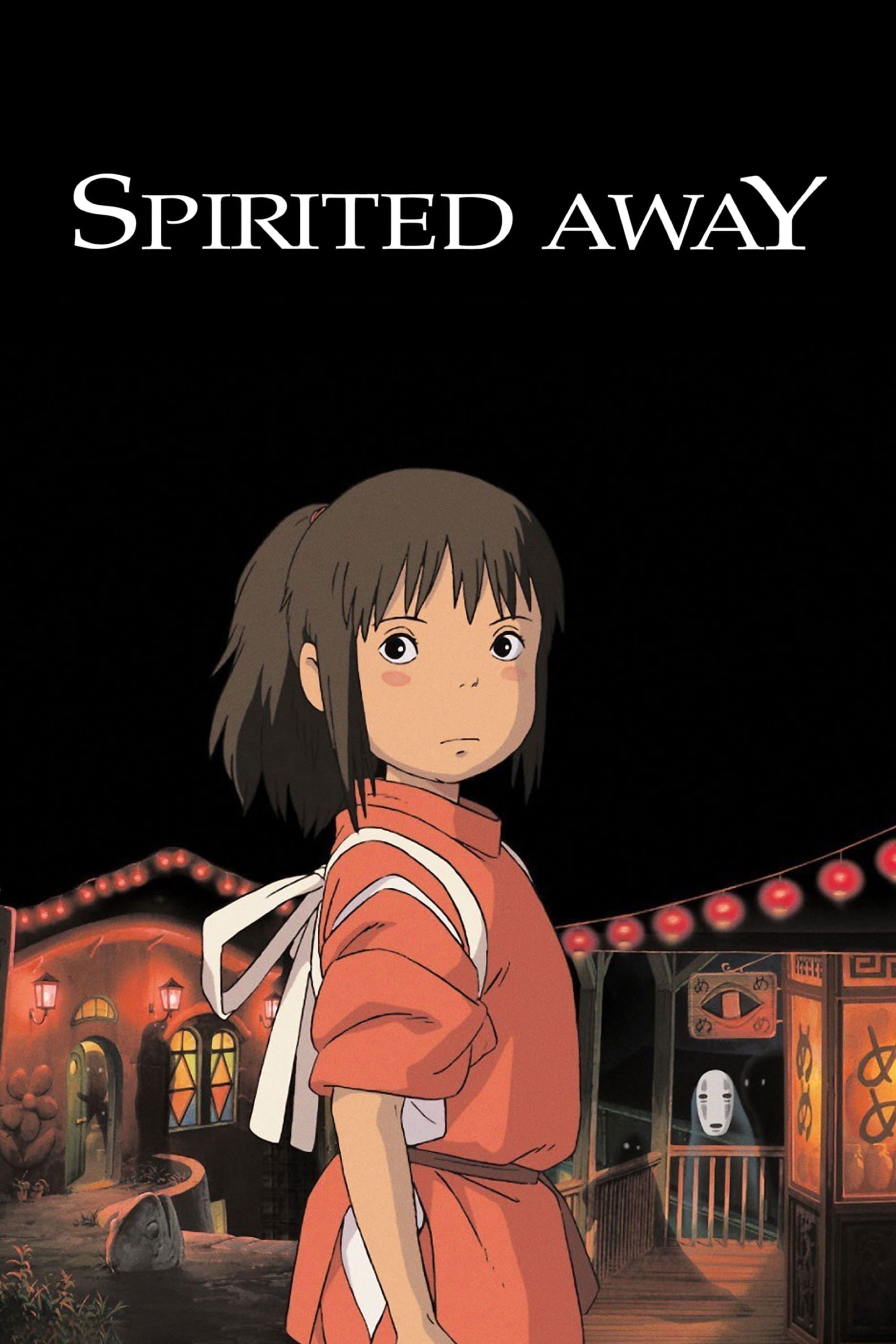
Directed by Hayao Miyazaki, this Studio Ghibli film became the highest-grossing film in Japanese history at the time of its release. It won the Academy Award for Best Animated Feature, significantly raising the international profile and prestige of Japanese animation. The story centers on a young girl named Chihiro who enters a world of spirits and must save her parents from a curse. It is celebrated for its intricate hand-drawn artistry and its highly imaginative and culturally rich world-building.
‘Naruto’ (2002–2007)

This series became one of the “Big Three” shonen titles that dominated the international anime market throughout the early 2000s. It chronicles the journey of Naruto Uzumaki, a young ninja who seeks recognition and dreams of becoming the leader of his hidden village. The show is recognized for its deep emotional character arcs and the introduction of complex tactical battle systems. It played a significant role in expanding the global anime community through the rise of internet forums and fan culture.
‘Fullmetal Alchemist’ (2003–2004)
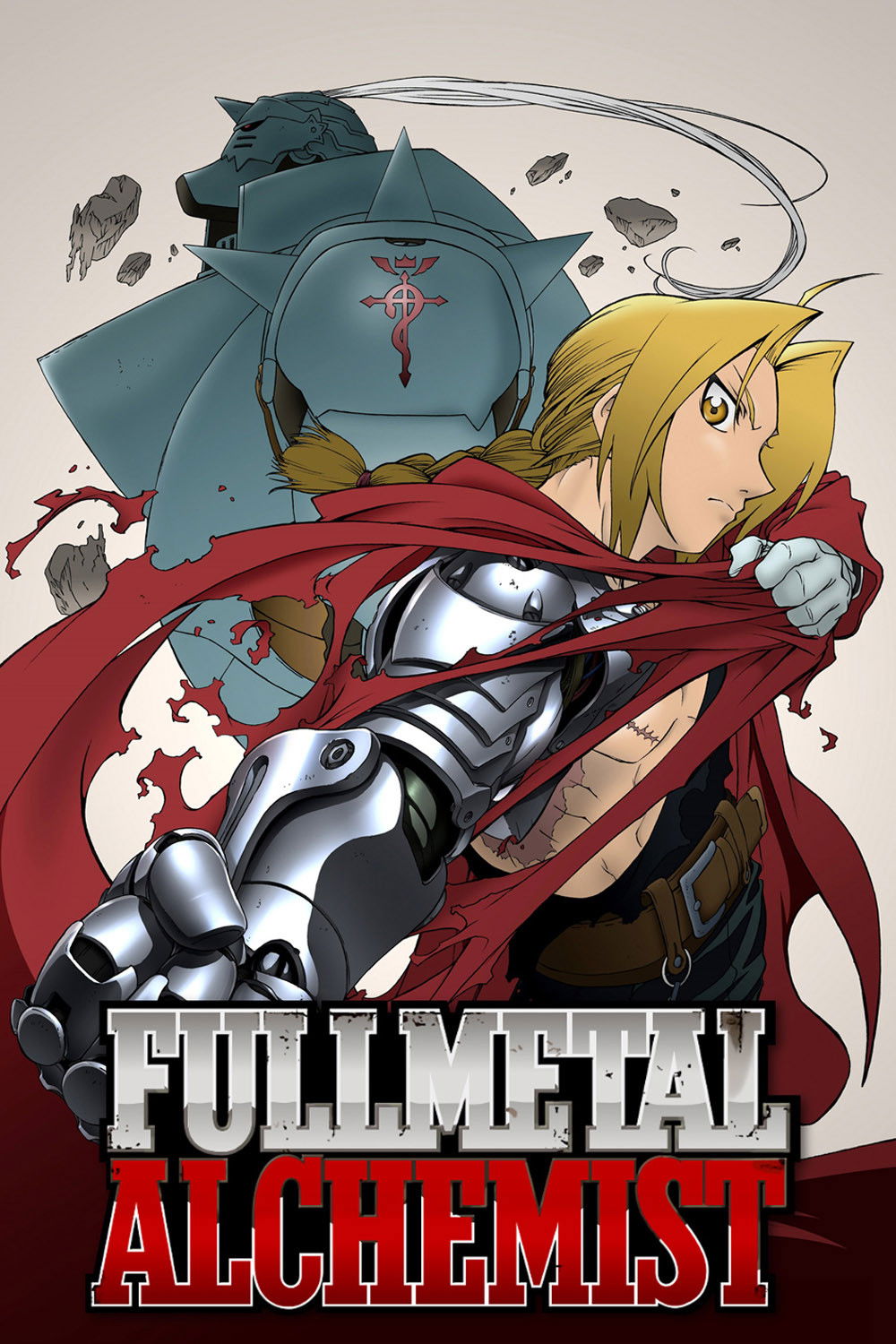
This adaptation of Hiromu Arakawa’s manga is lauded for its tight narrative structure and exploration of themes like sacrifice and industrial war. Two brothers, Edward and Alphonse Elric, use alchemy in a desperate search for the Philosopher’s Stone to restore their damaged bodies. The series successfully balanced lighthearted humor with profound tragedy and complex political intrigue. It remains a critically recognized title that appeals to a broad demographic of animation fans for its universal emotional themes.
‘Death Note’ (2006–2007)

This psychological thriller departed from action-heavy tropes to focus on a high-stakes game of cat and mouse between two intellectual geniuses. Light Yagami uses a supernatural notebook to kill criminals, while the enigmatic detective L attempts to track him down using deduction. The series is famous for its suspenseful atmosphere and moral ambiguity regarding the nature of justice and power. Its massive popularity helped popularize darker, plot-driven anime among a general global audience during the mid-2000s.
‘The Melancholy of Haruhi Suzumiya’ (2006)
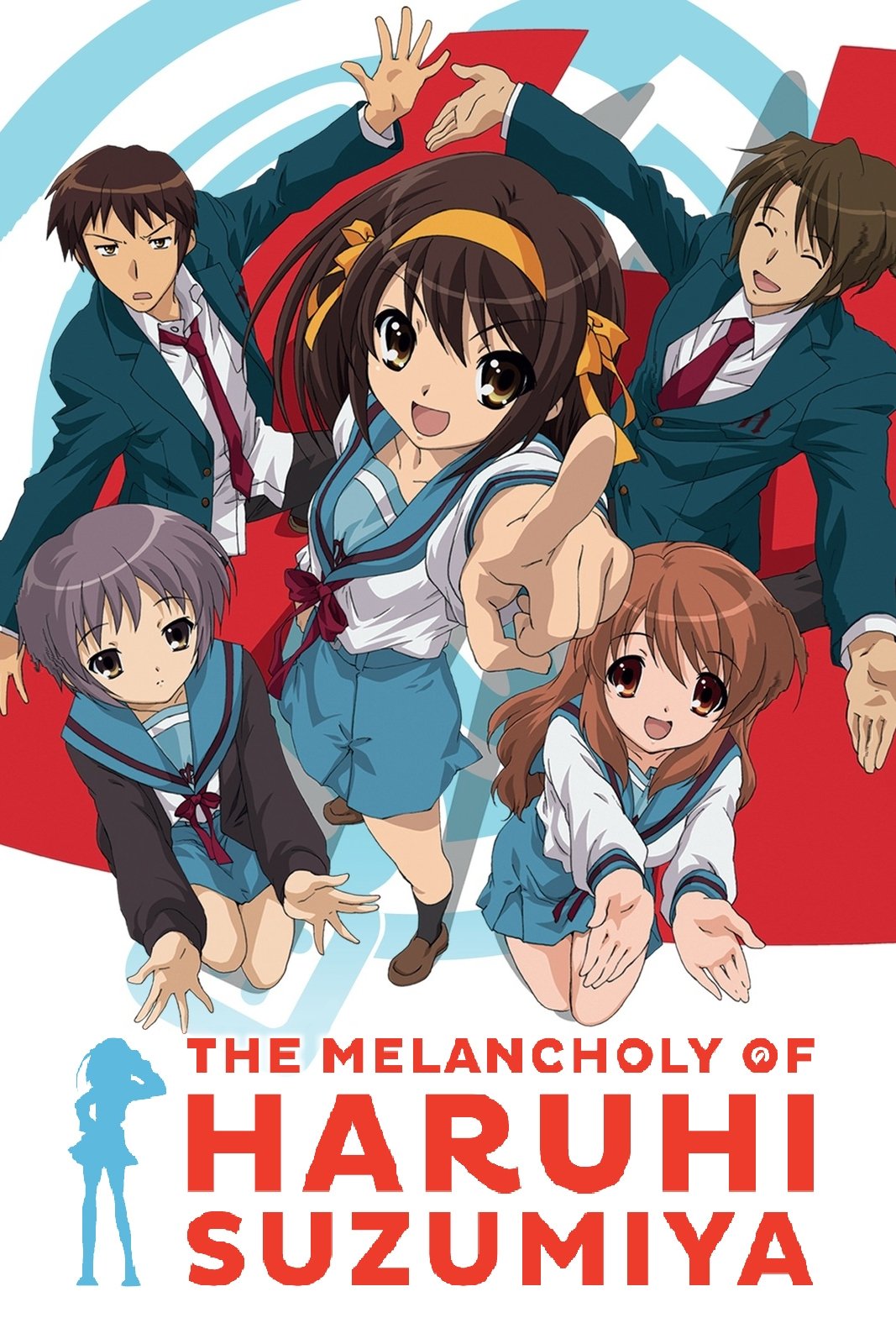
This series played a pivotal role in the explosion of the “moé” subculture and the modern trend of light novel adaptations. It follows a high school student named Kyon who is dragged into the antics of Haruhi, a girl who can unconsciously alter reality. The show’s experimental non-linear broadcast order and the viral dance sequence in the closing credits set it apart from its contemporaries. It established Kyoto Animation as a powerhouse studio known for high-quality character acting and expressive animation.
‘Puella Magi Madoka Magica’ (2011)

This series is widely recognized for its dark deconstruction of the traditional magical girl genre that had existed for decades. Writer Gen Urobuchi introduced psychological horror and existential dread into a format usually associated with optimism and bright colors. The story follows Madoka Kaname as she discovers the grim reality behind making a contract to become a magical girl. Its unique visual style, featuring avant-garde “witch barriers,” influenced many subsequent dark fantasy titles in the industry.
‘Attack on Titan’ (2013–2023)
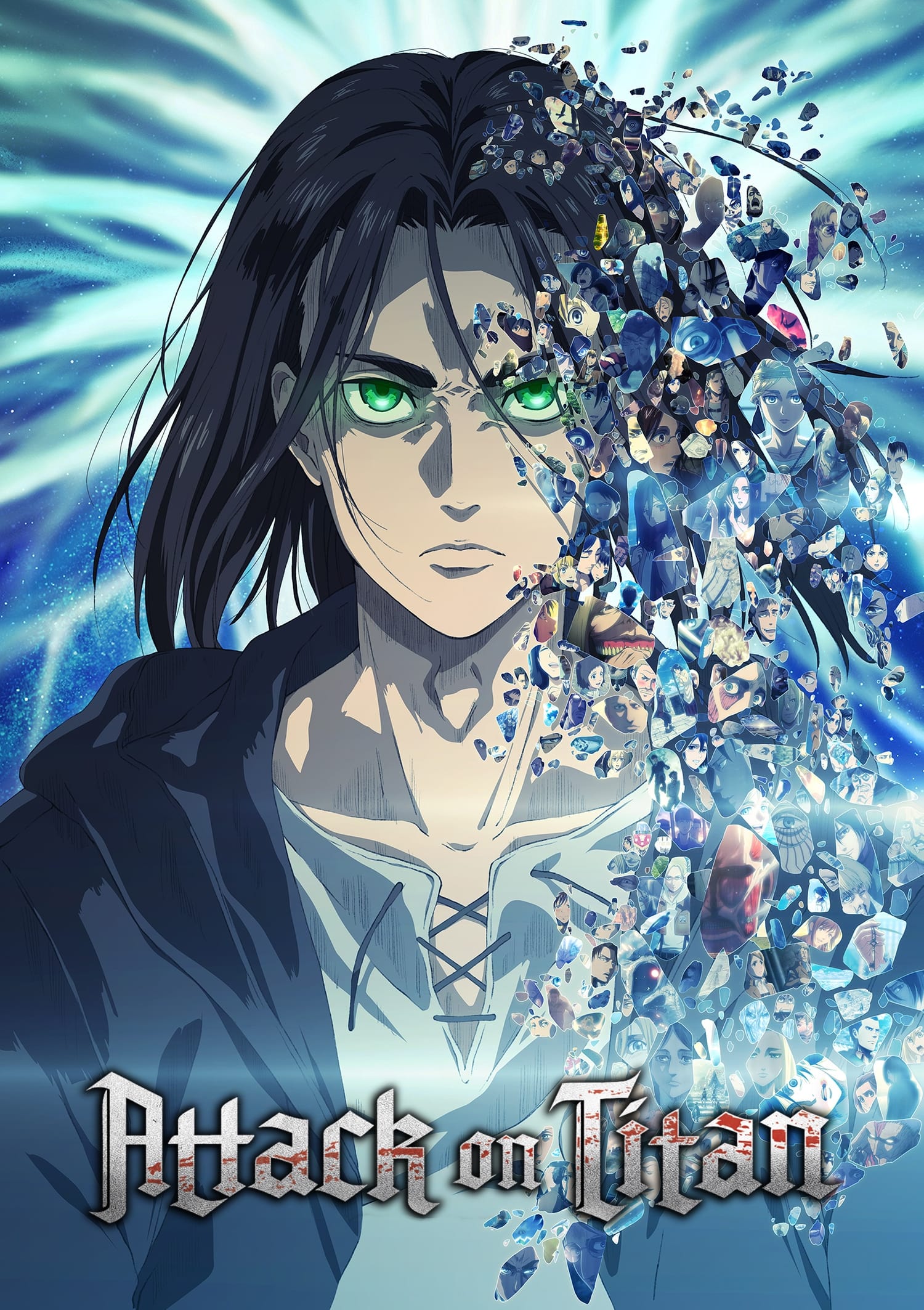
This series brought a new level of global popularity to anime through its dark, high-stakes narrative and intense action sequences. It portrays humanity’s struggle for survival against giant man-eating creatures known as Titans within a series of walled cities. The story eventually evolved from a survival horror into a complex political drama with intricate and far-reaching world-building. Its massive international success on streaming platforms marked a significant shift in how anime is consumed worldwide.
‘Your Name.’ (2016)
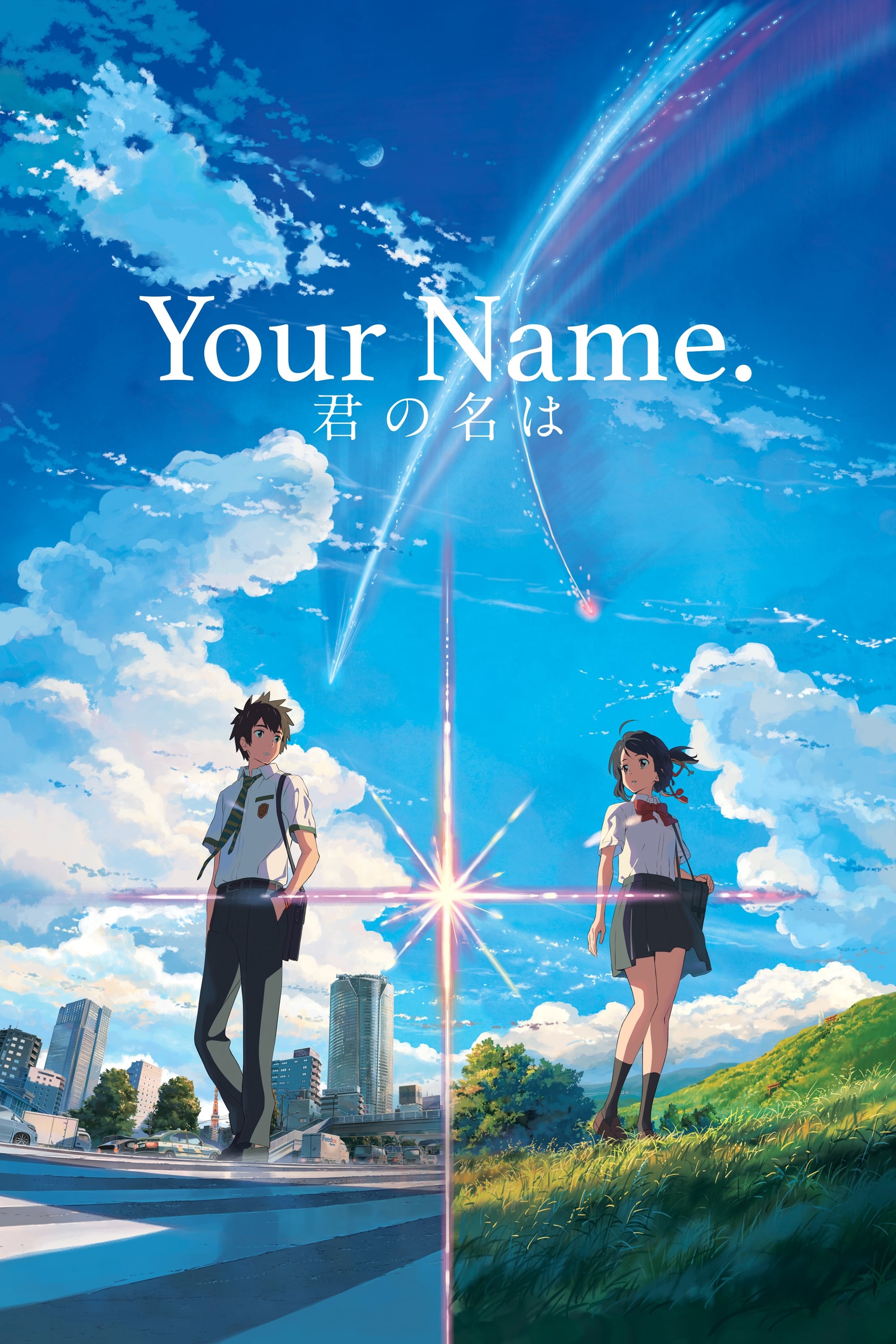
Directed by Makoto Shinkai, this film became a global box office sensation and is praised for its highly detailed background art and lighting. The story revolves around two teenagers who mysteriously begin swapping bodies and attempt to meet across time and space. It blended traditional Japanese themes with modern life, resonating with a wide demographic of international viewers. The film’s success established Shinkai as a leading figure in contemporary feature-length animation following the retirement of other industry titans.
‘Demon Slayer: Kimetsu no Yaiba’ (2019–Present)
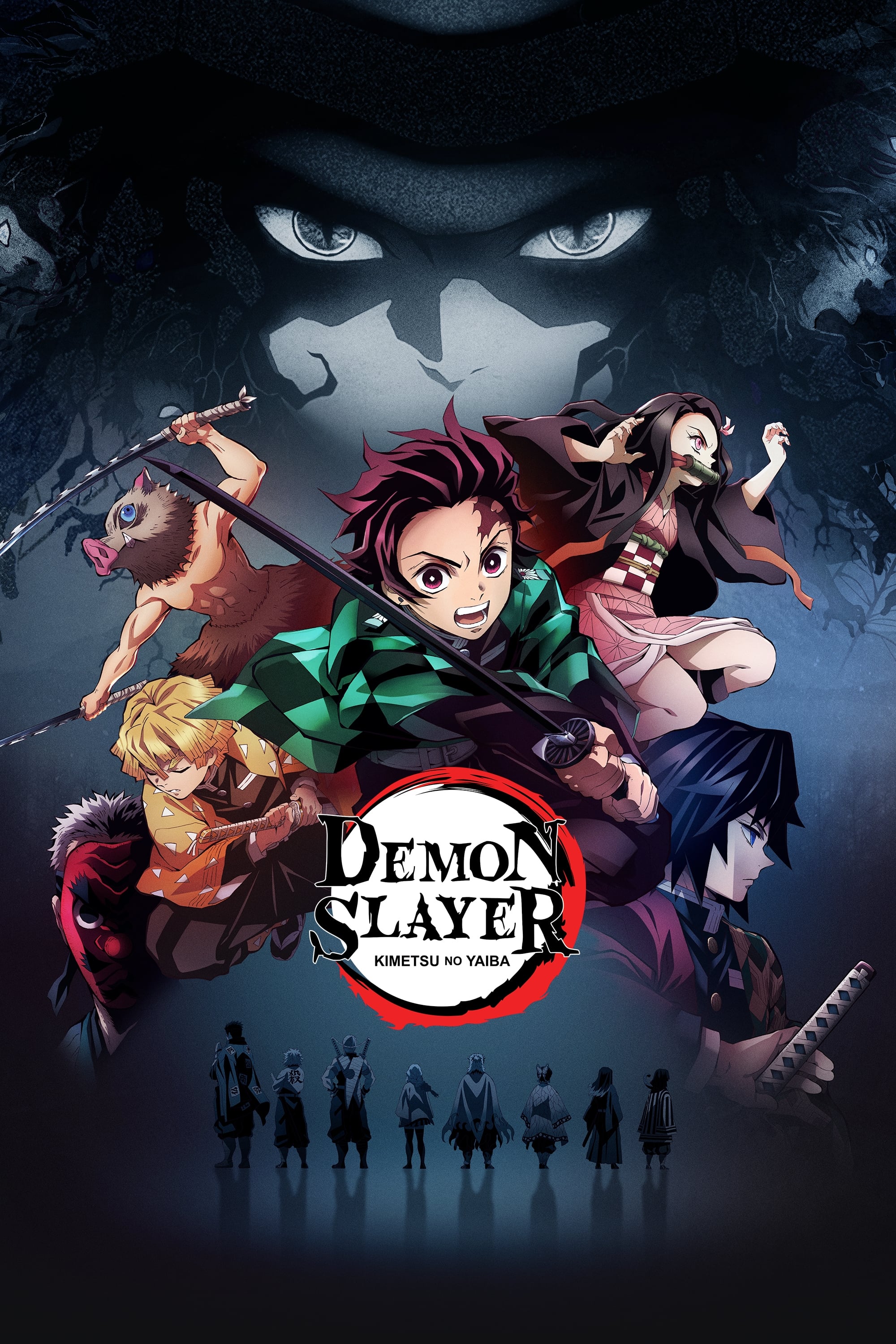
This series set new records for commercial success, with its sequel film becoming the highest-grossing anime film of all time. Produced by Ufotable, it is noted for its high-quality digital compositing and dynamic fight choreography that blends 2D and 3D elements. The plot follows Tanjiro Kamado as he trains to become a demon slayer to restore his sister’s humanity after a tragedy. Its success demonstrated the power of high-budget production values in the modern streaming-era of global animation.
‘Jujutsu Kaisen’ (2020–Present)
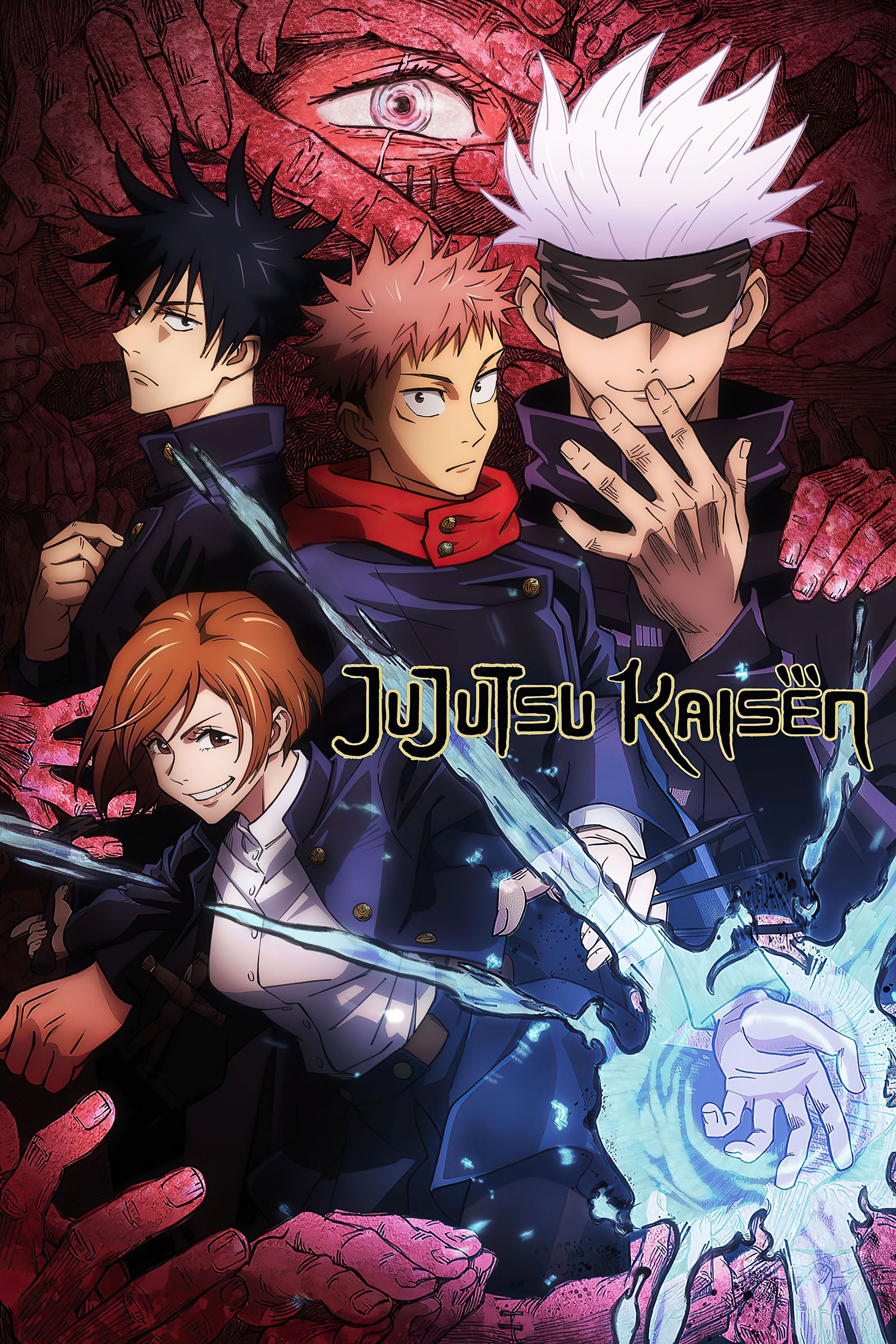
Produced by MAPPA, this series has become a standout title of the modern era due to its fluid animation and supernatural combat. It follows Yuji Itadori, a student who joins a secret organization of sorcerers to fight against malevolent curses born from human emotions. The series is noted for its high-energy pacing and its balance of dark horror elements with classic shonen action tropes. Its commercial dominance and critical acclaim reflect the current high standards for television production in the contemporary industry.
Which of these era-defining anime series had the biggest impact on your journey as a fan?