Games That Audiences Hated At First But Are Now Celebrated


The video game industry is notorious for high expectations and even higher stakes during launch windows. Some titles release in broken states or miss the mark on promised features which leads to immediate backlash from fans and critics alike. Developers sometimes manage to turn these disasters around through years of updates and content expansions that fundamentally change the experience. This persistence often transforms a despised product into a beloved classic that stands the test of time.
‘No Man’s Sky’ (2016)
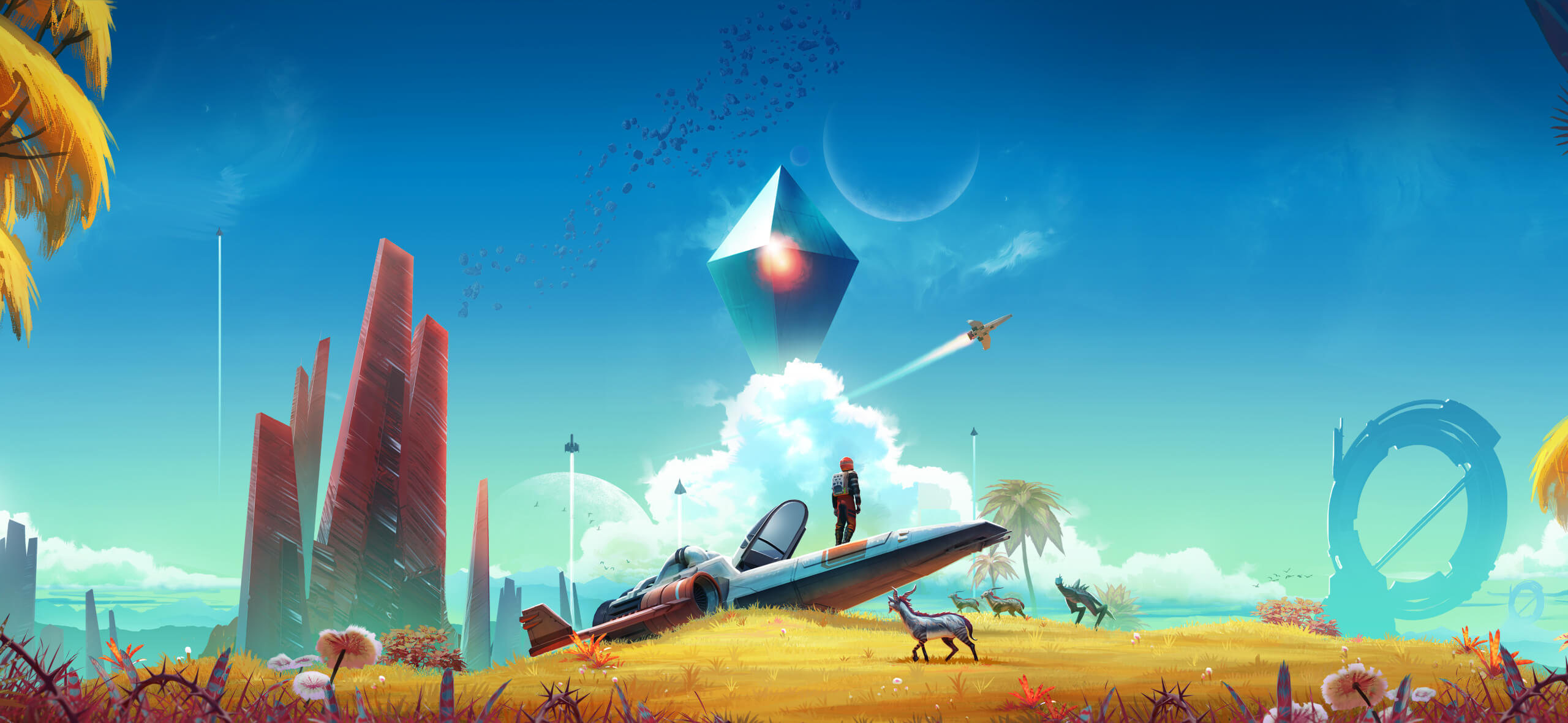
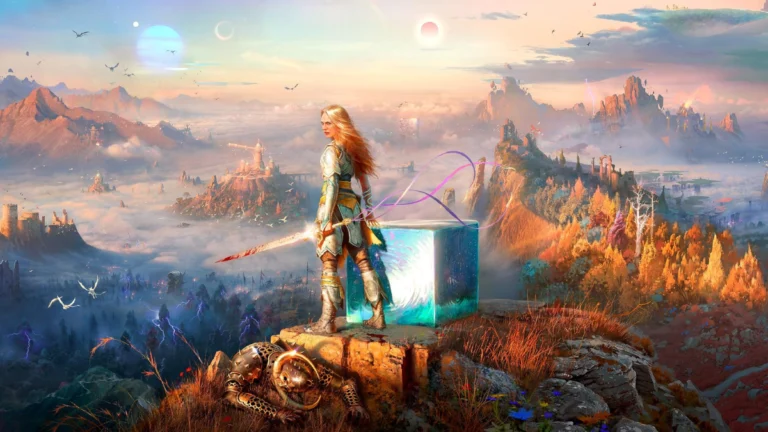
Hello Games launched this space exploration title with promises that far exceeded the initial product. Players found the universe empty and lacking the multiplayer features that were heavily implied during marketing campaigns. The developers chose to remain silent and worked tirelessly to release massive updates that added base building and true multiplayer. Public opinion shifted completely as the game eventually surpassed every original promise to become a genre masterpiece.
‘Cyberpunk 2077’ (2020)
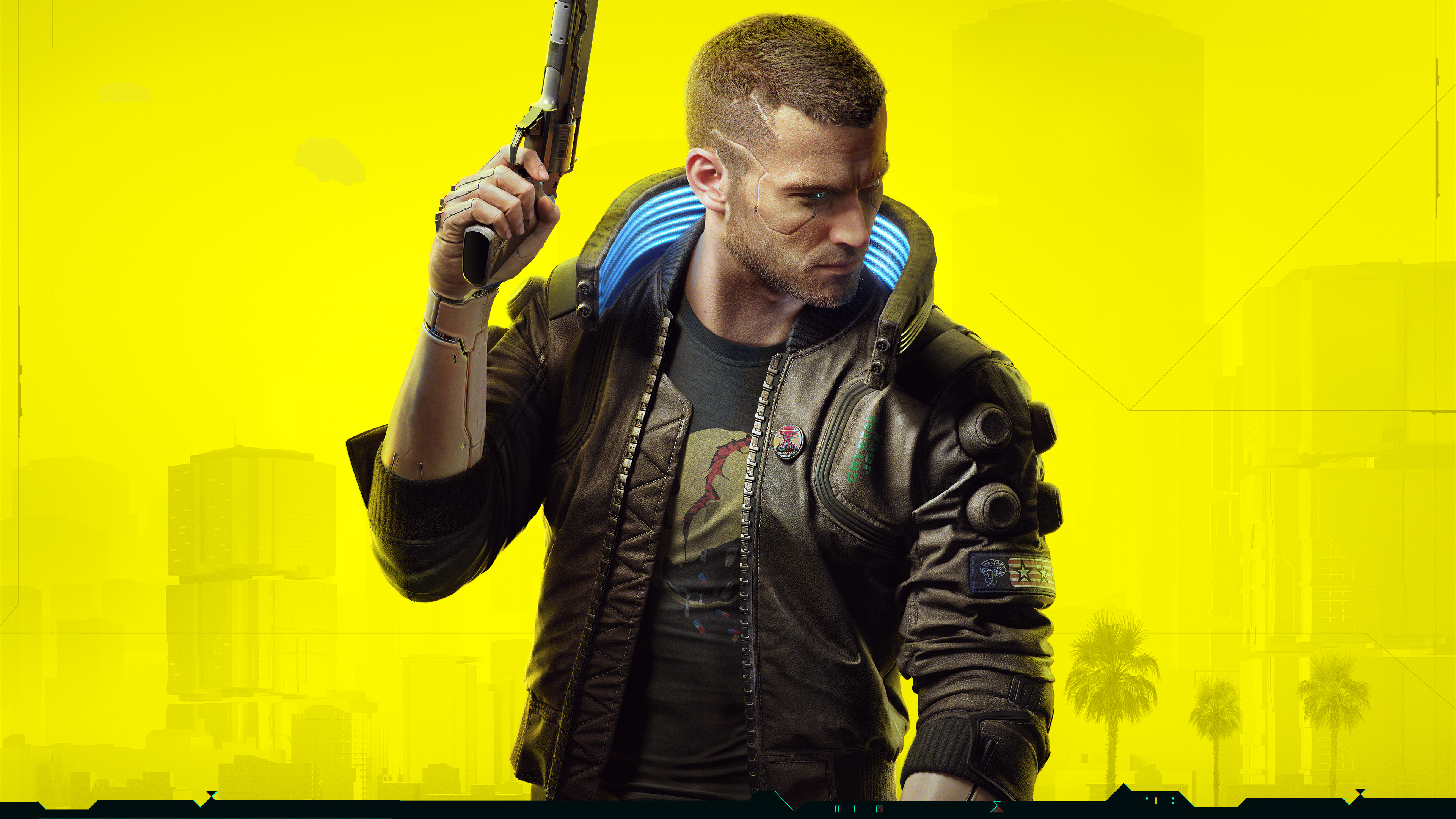
CD Projekt Red faced unprecedented backlash when this highly anticipated RPG arrived with game-breaking bugs on consoles. Sony famously removed the title from the PlayStation Store due to its poor performance and technical state. The studio spent years patching the game and reworking entire systems like the police AI and skill trees. The release of the Phantom Liberty expansion cemented its redemption arc and returned the game to critical acclaim.
‘Final Fantasy XIV’ (2010)
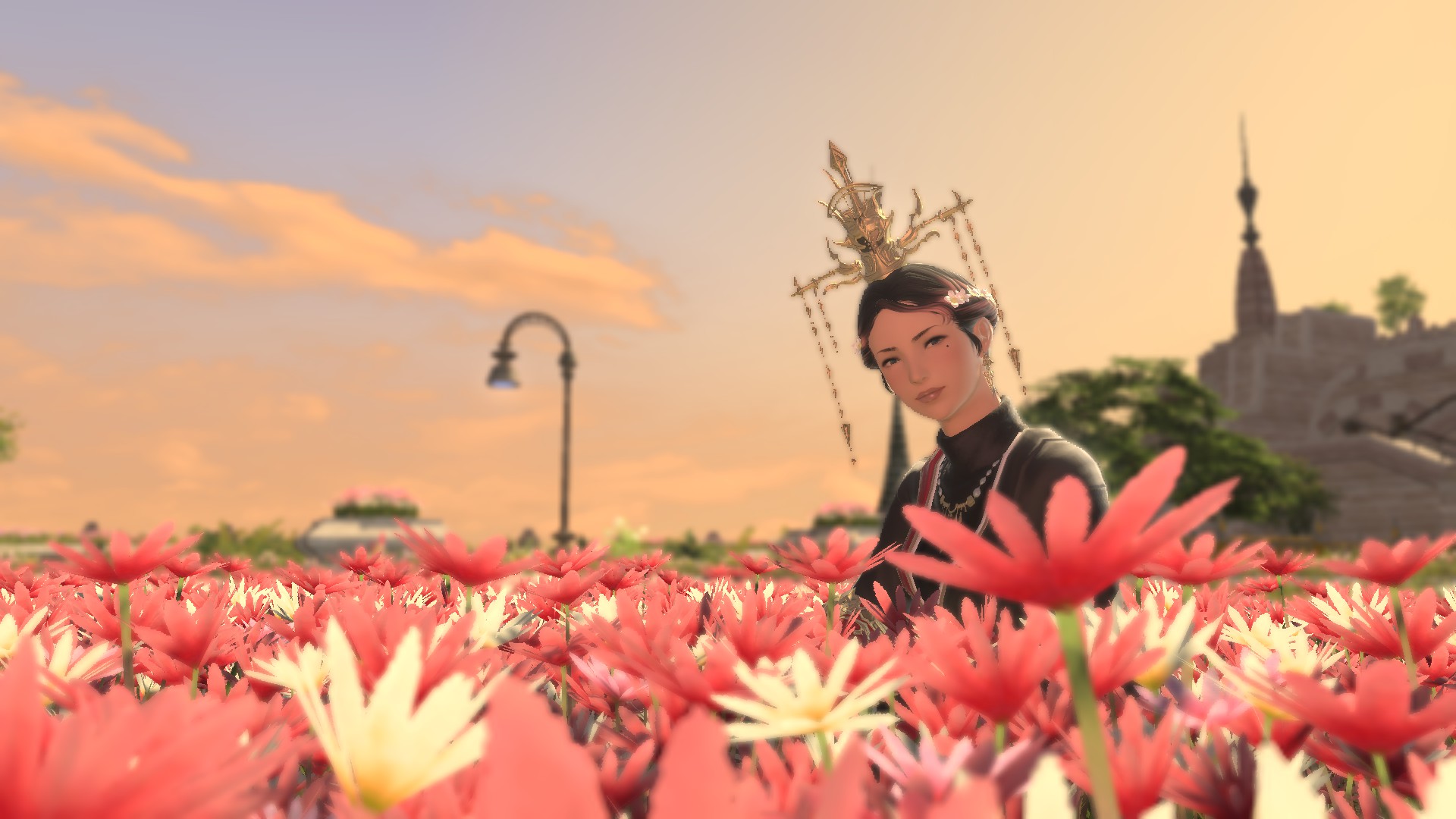
The original launch of this MMORPG was so disastrous that Square Enix issued a formal apology to fans. The gameplay was clunky and the world design was copy-pasted to the point of player confusion. The company took the drastic step of shutting down the servers completely to rebuild the game from the ground up. It returned as A Realm Reborn and is now widely considered one of the best massive multiplayer games ever made.
‘Star Wars Battlefront II’ (2017)
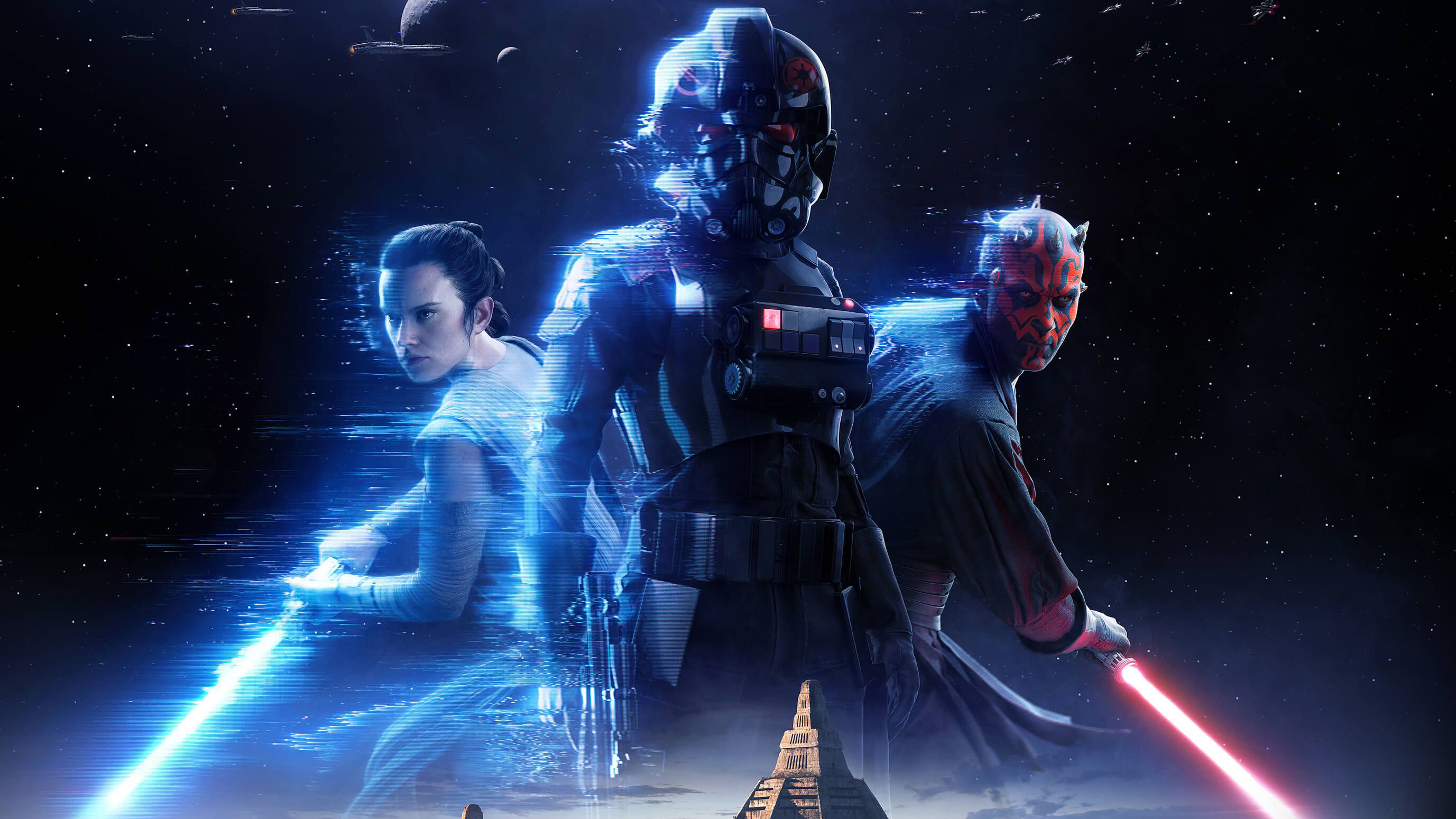
This shooter became the center of a global controversy regarding loot boxes and predatory monetization mechanics. Players were outraged that iconic characters like Darth Vader were locked behind hundreds of hours of grinding or real-money purchases. DICE responded by completely removing the pay-to-win elements and revamping the progression system. Years of free content updates eventually turned it into the definitive Star Wars multiplayer experience.
‘Fallout 76’ (2018)
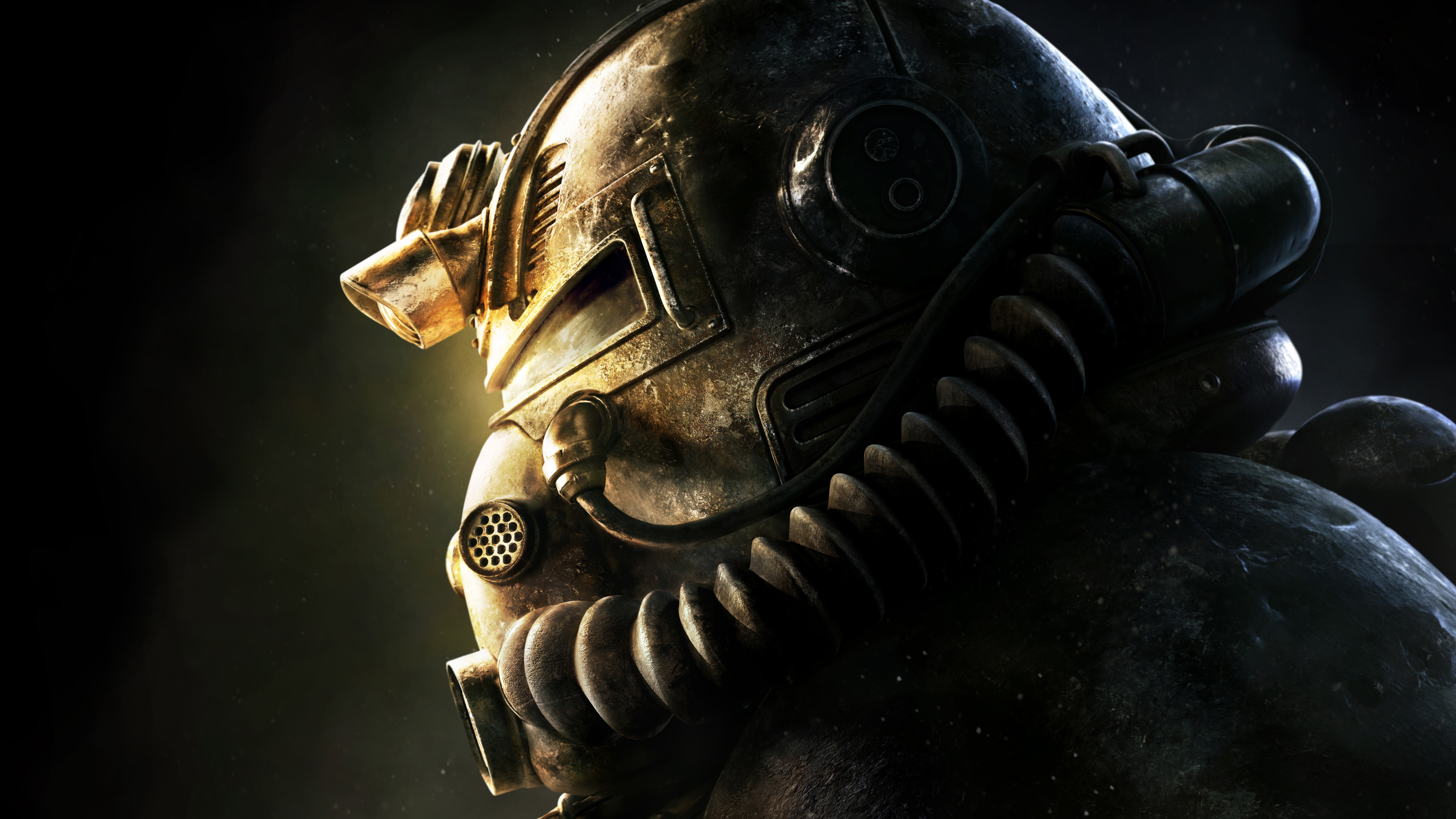
Bethesda took their single-player RPG formula online but launched without human NPCs which made the world feel lifeless. Technical issues and server instability plagued the early experience and caused the fanbase to revolt. The Wastelanders update later introduced human characters and dialogue choices that restored the role-playing soul of the series. The community has since grown into one of the most welcoming groups in gaming.
‘Sea of Thieves’ (2018)
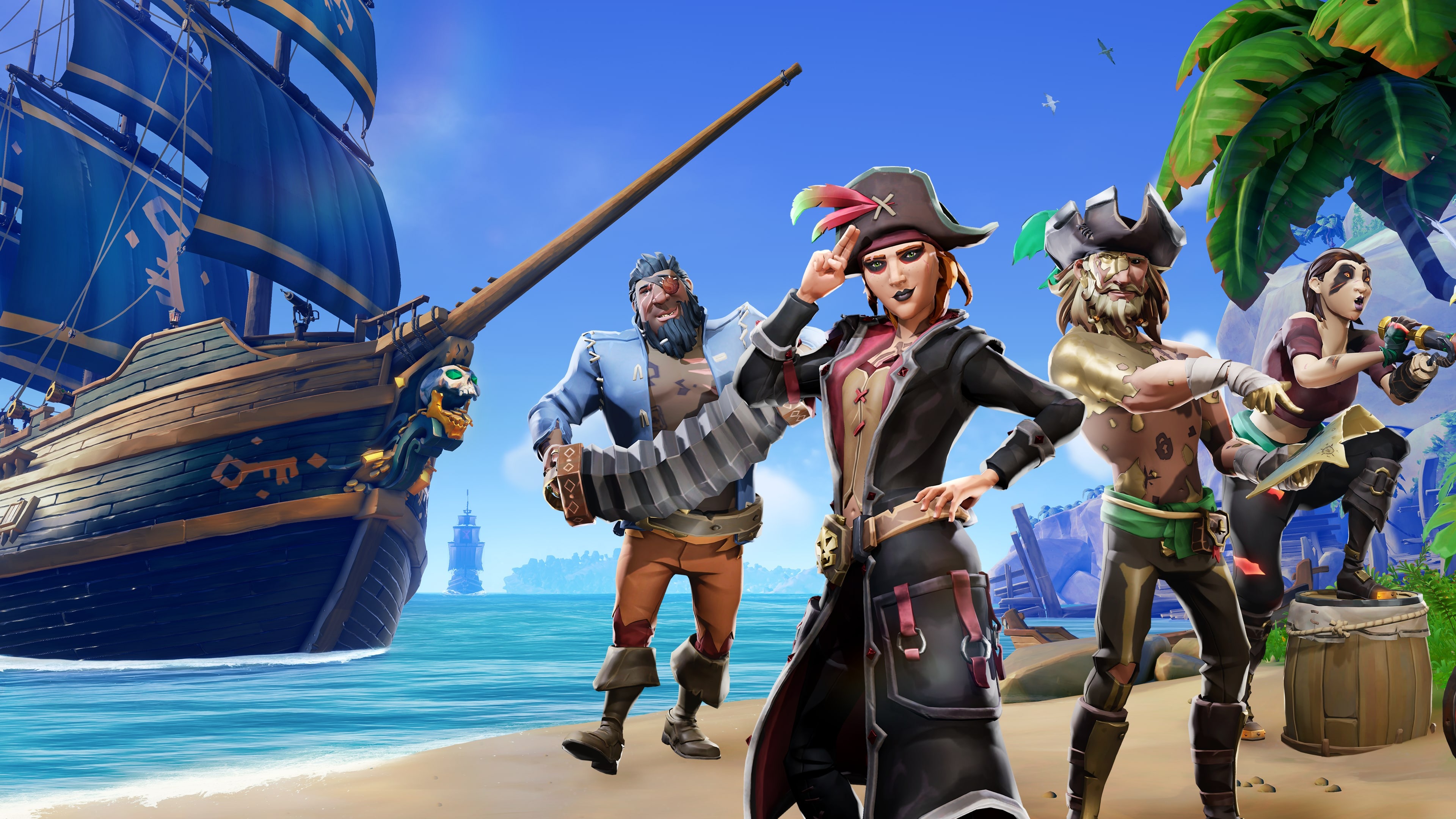
Rare released this pirate adventure with a beautiful ocean simulation but very little distinct content to complete. Players complained that the gameplay loop was repetitive and lacked meaningful progression rewards. The developers maintained a steady stream of updates that added story campaigns and new enemy types. It is now a content-rich sandbox that consistently attracts millions of players.
‘Rainbow Six Siege’ (2015)
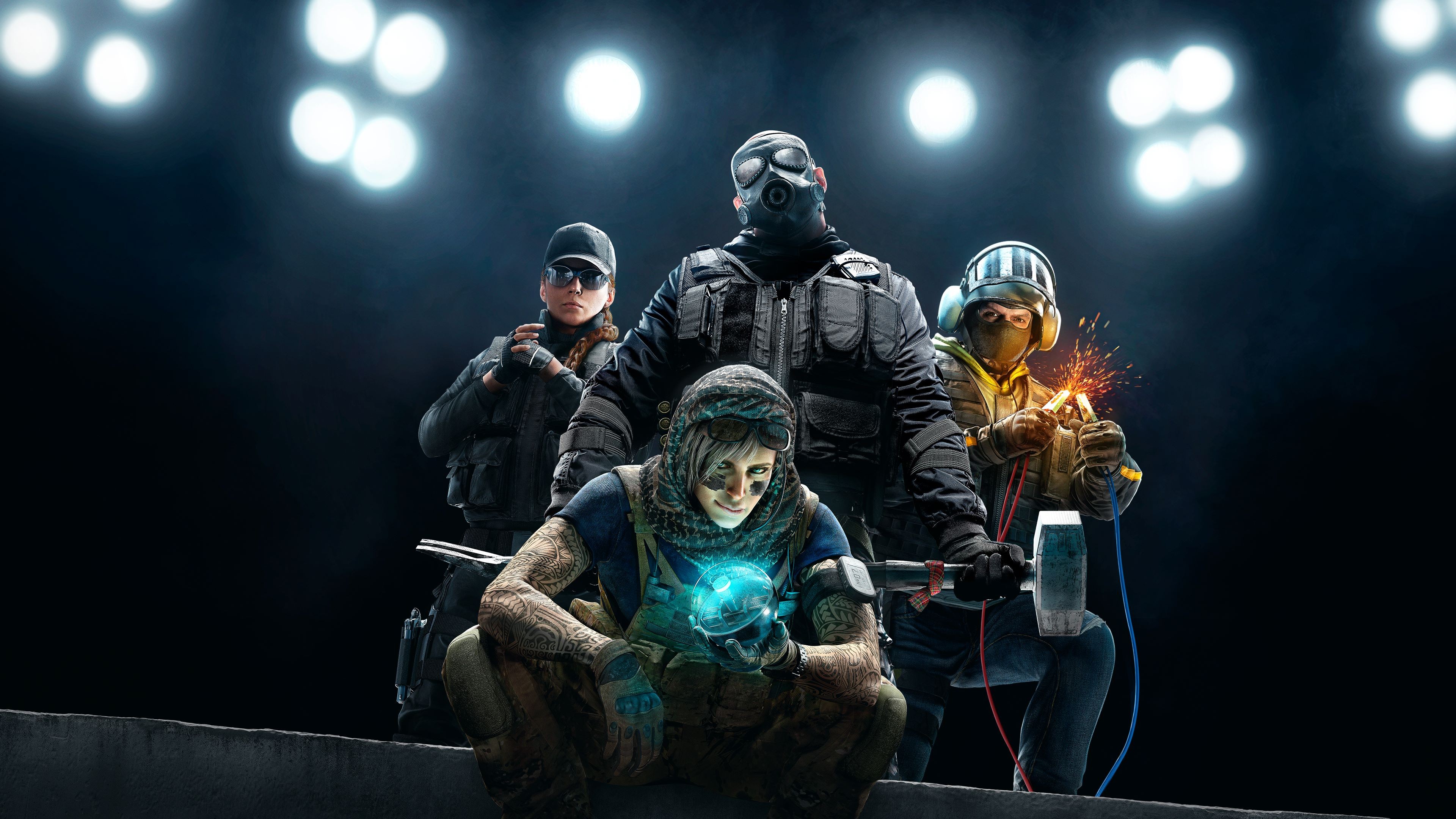
Ubisoft launched this tactical shooter with a meager amount of content and significant technical connectivity issues. The player base was initially small and critics felt the game lacked long-term depth. Continuous support through new operators and map reworks slowly built a massive competitive scene. It stands today as one of the most successful esports titles in the world.
‘Diablo III’ (2012)
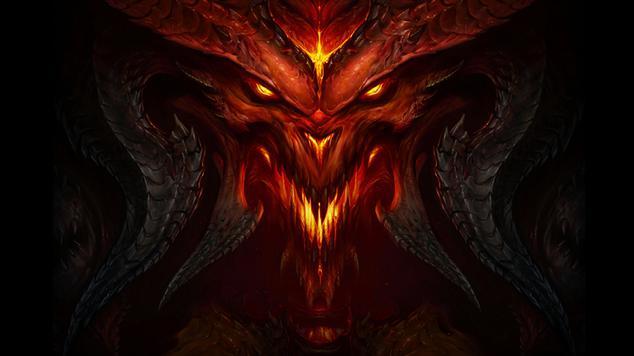
The launch was marred by the infamous Error 37 that prevented anyone from logging into the servers for days. Fans also hated the Real Money Auction House which trivialized the core loop of hunting for loot. Blizzard eventually removed the auction house and overhauled the loot system with the Reaper of Souls expansion. These changes saved the game and secured its legacy as a premier dungeon crawler.
‘Street Fighter V’ (2016)
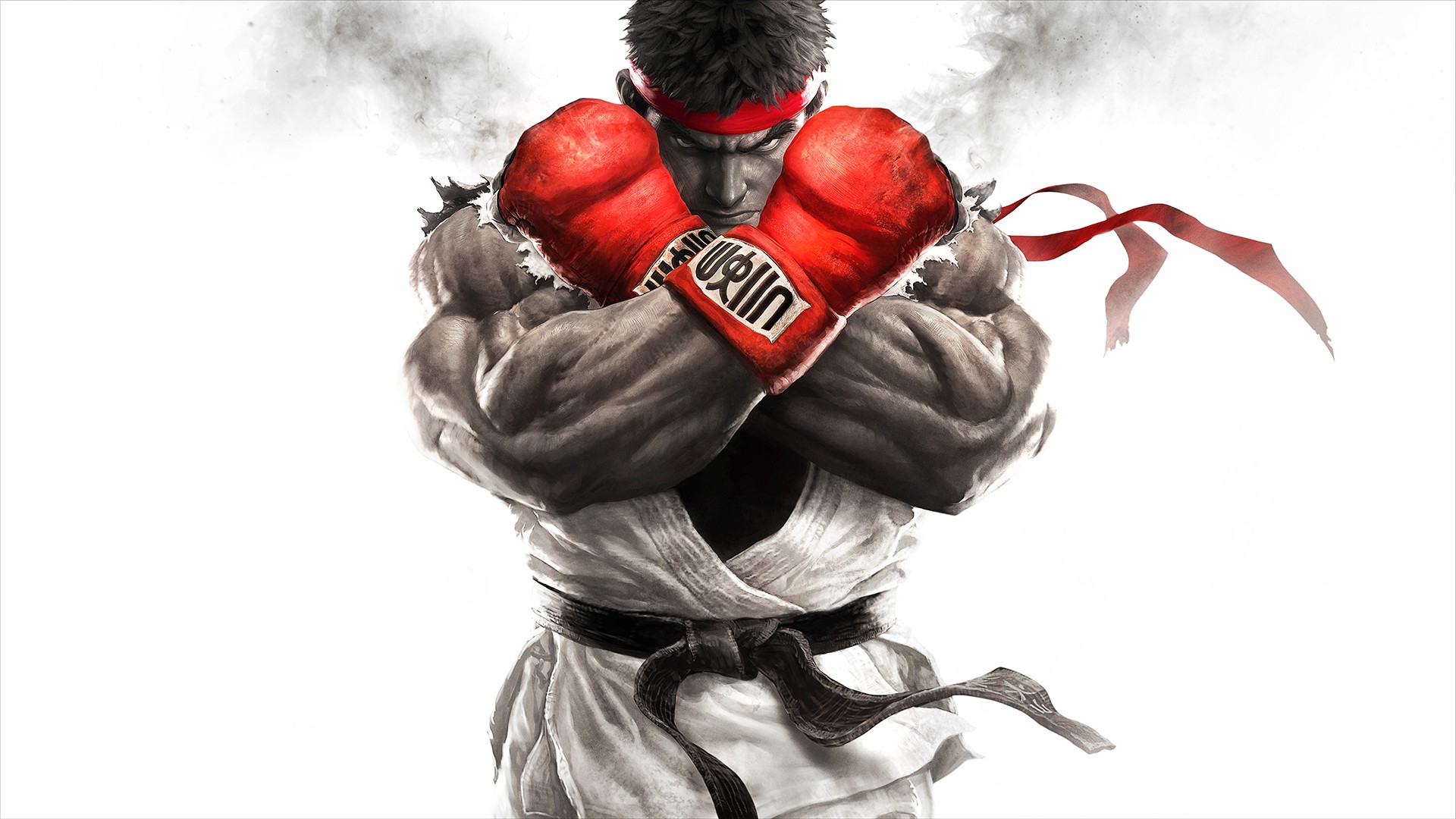
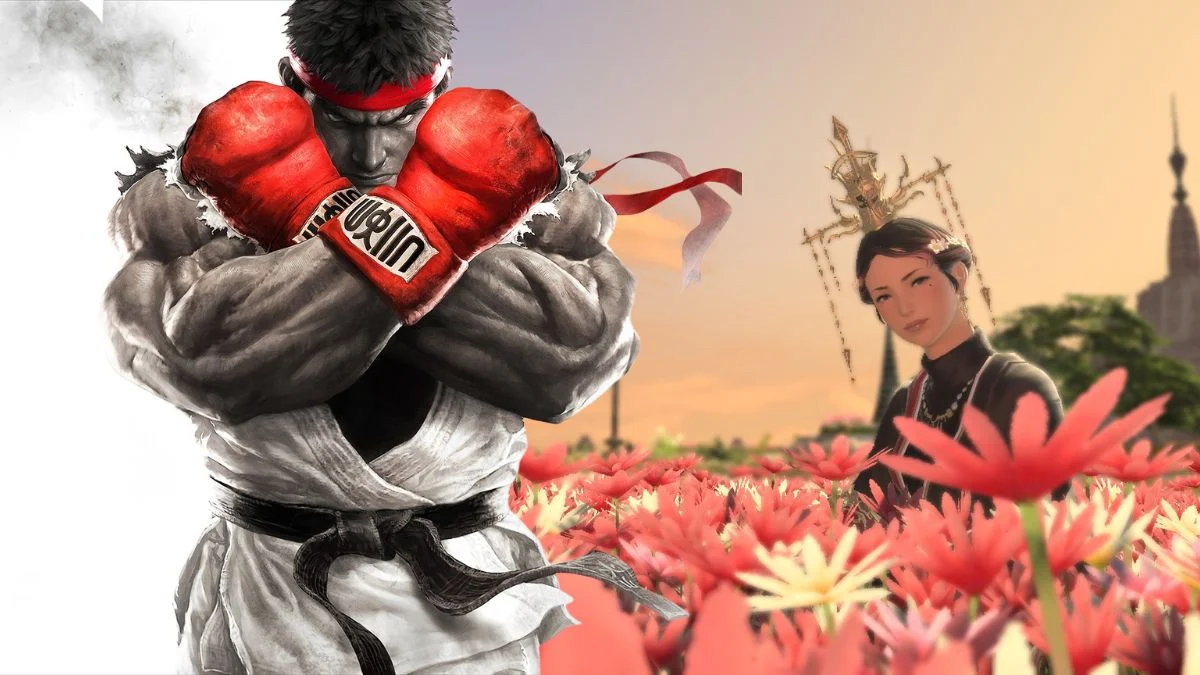
Capcom released this fighting game without a single-player arcade mode or a proper story campaign. Casual fans felt alienated by the lack of content while competitive players dealt with significant input lag. The release of the Arcade Edition and Champion Edition addressed every major complaint with a massive roster injection. It ended its lifecycle as a highly respected entry in the legendary franchise.
‘Destiny’ (2014)
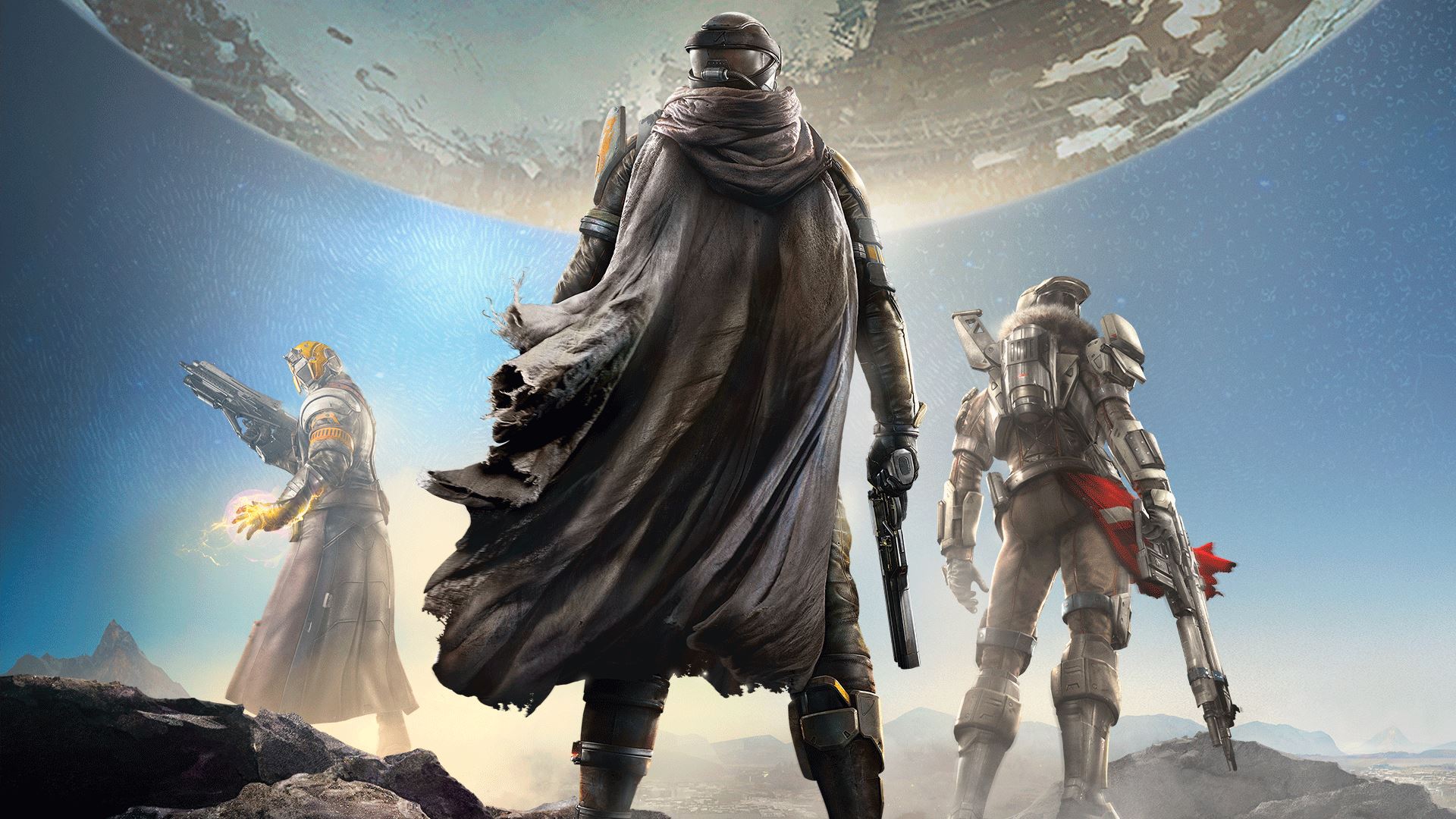
Bungie released their new shooter with a disjointed story that required players to read lore cards on a website. The endgame content was sparse and the loot system relied too heavily on random luck. The Taken King expansion overhauled the narrative delivery and fixed the progression mechanics. This turning point established the franchise as a dominant force in the looter-shooter genre.
‘The Elder Scrolls Online’ (2014)
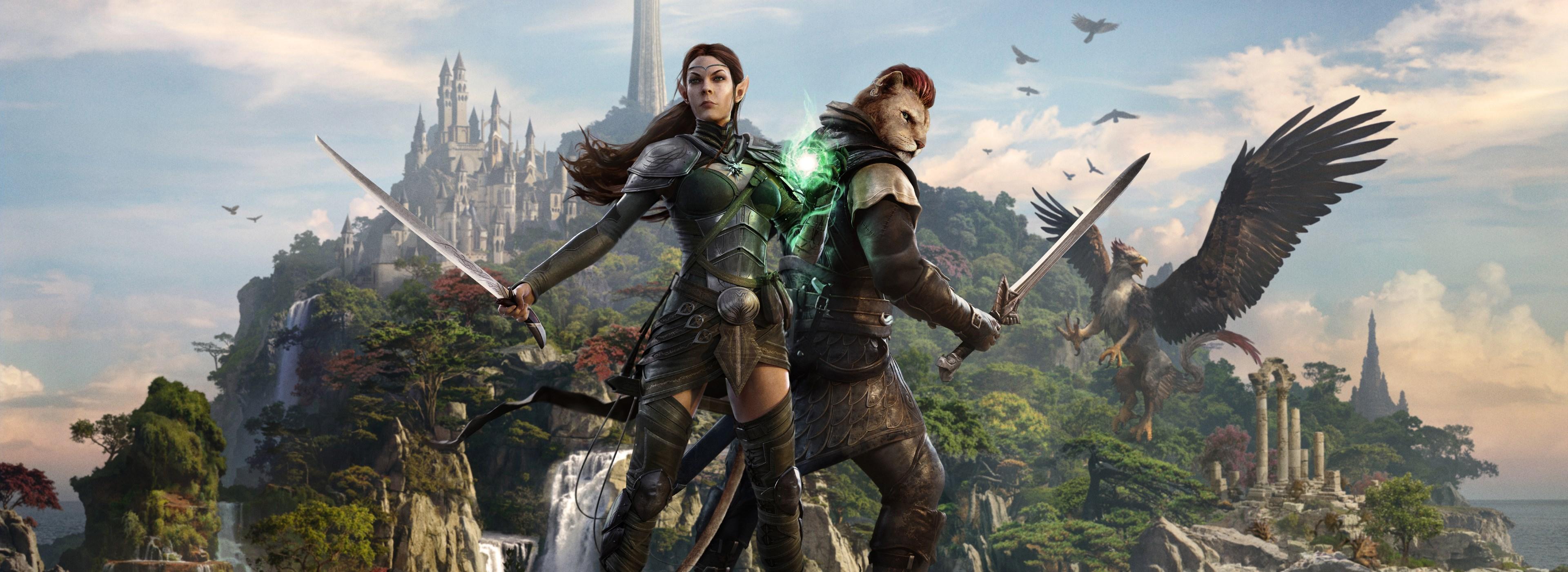
The initial subscription model and gated zones prevented players from exploring the world with friends of different levels. The combat felt floaty compared to the single-player entries and bugs were rampant. The Tamriel Unlimited update removed the subscription requirement and introduced level scaling for total freedom. It is now celebrated for having some of the best quest writing in the MMO genre.
‘Warframe’ (2013)
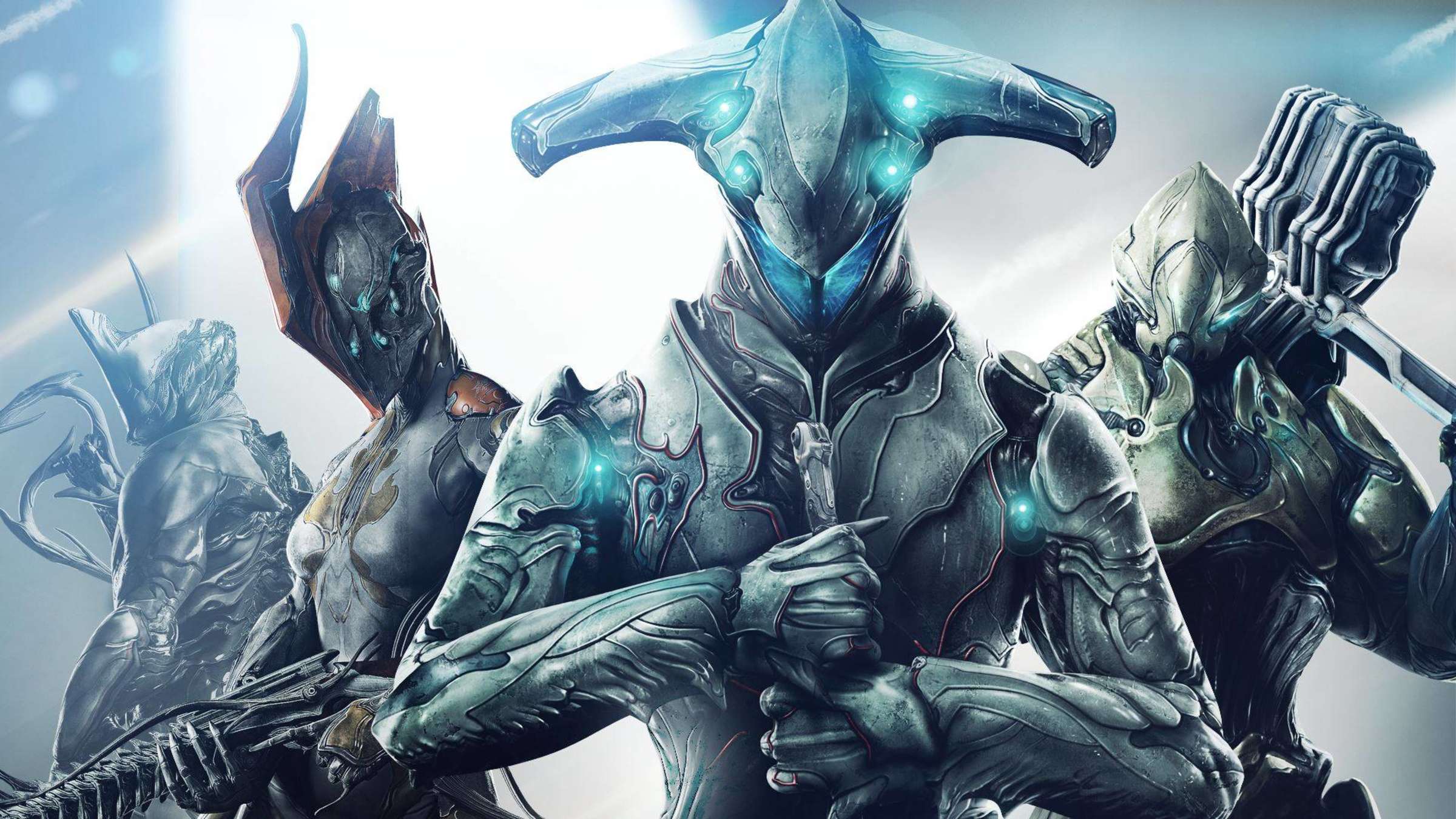
Digital Extremes launched this free-to-play shooter with dark environments and repetitive corridors. Critics initially dismissed it as a generic sci-fi game with little reason to stick around. The developers engaged directly with their community to expand the universe with open worlds and cinematic story quests. It is now recognized as one of the most generous and content-heavy free games available.
‘Halo: The Master Chief Collection’ (2014)
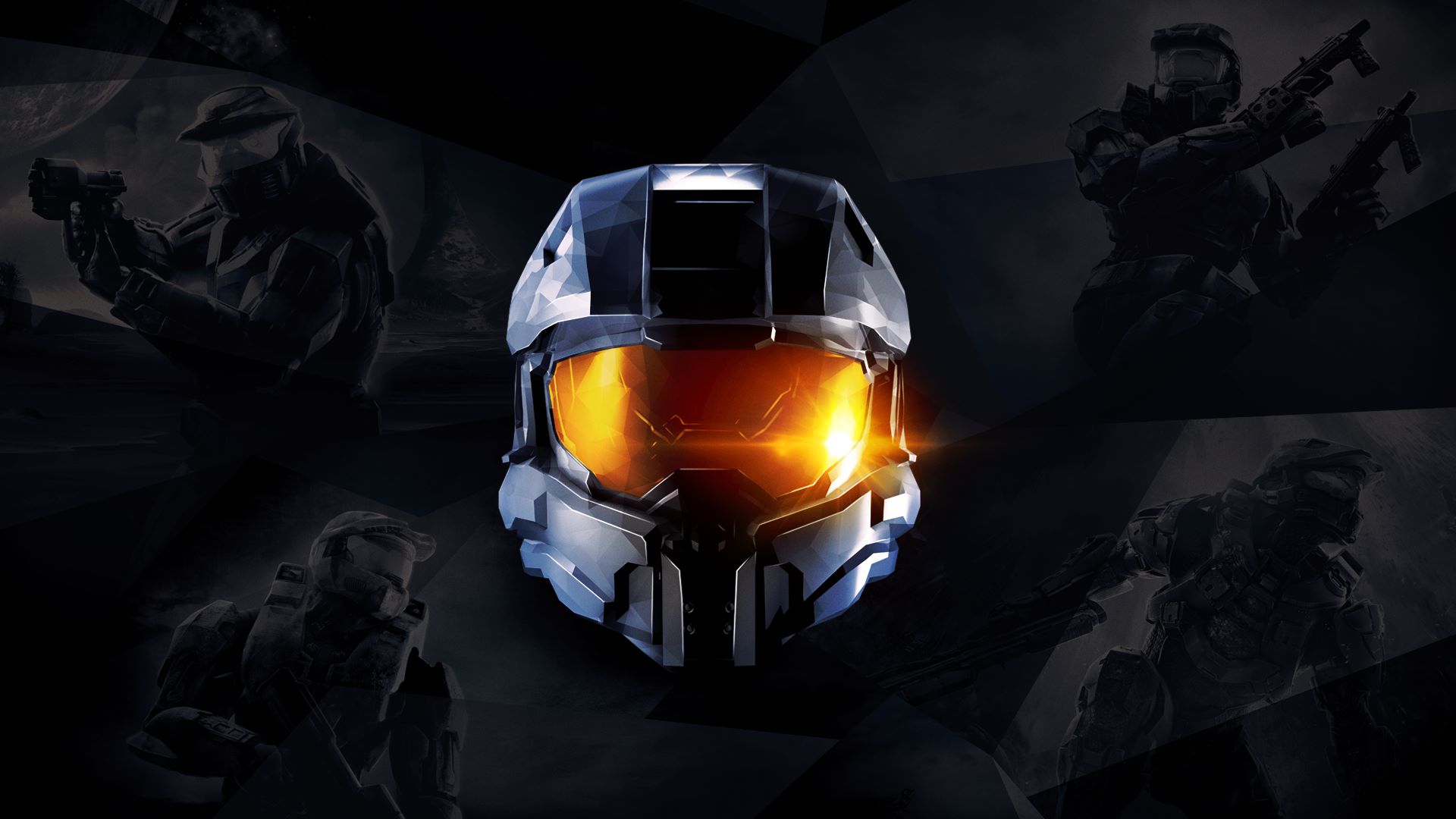
This compilation was meant to be the ultimate tribute to the series but launched with broken matchmaking that made online play impossible. It took 343 Industries years to fully resolve the networking code and technical glitches. The collection eventually migrated to PC and added Halo Reach to complete the package. It is now the gold standard for how to preserve and update classic games.
‘Assassin’s Creed Unity’ (2014)
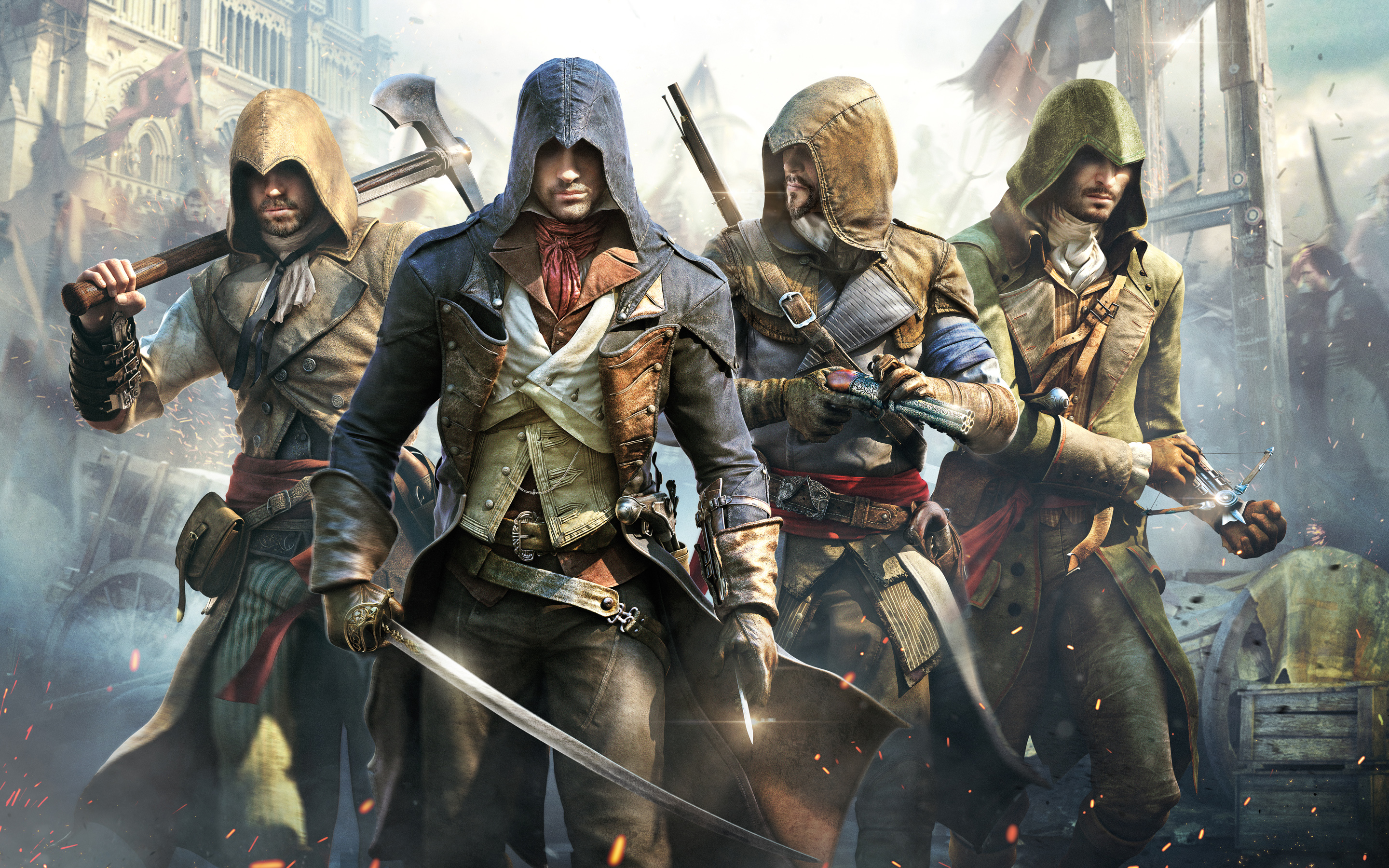
The launch became a meme due to horrifying graphical glitches where character faces would disappear. Performance on consoles was abysmal with frame rates often dipping into single digits during crowd scenes. Ubisoft patched the technical flaws and players eventually appreciated the incredible parkour system and dense city design. Many fans now regard it as the last true Assassin’s Creed game before the series shifted to RPG mechanics.
‘For Honor’ (2017)
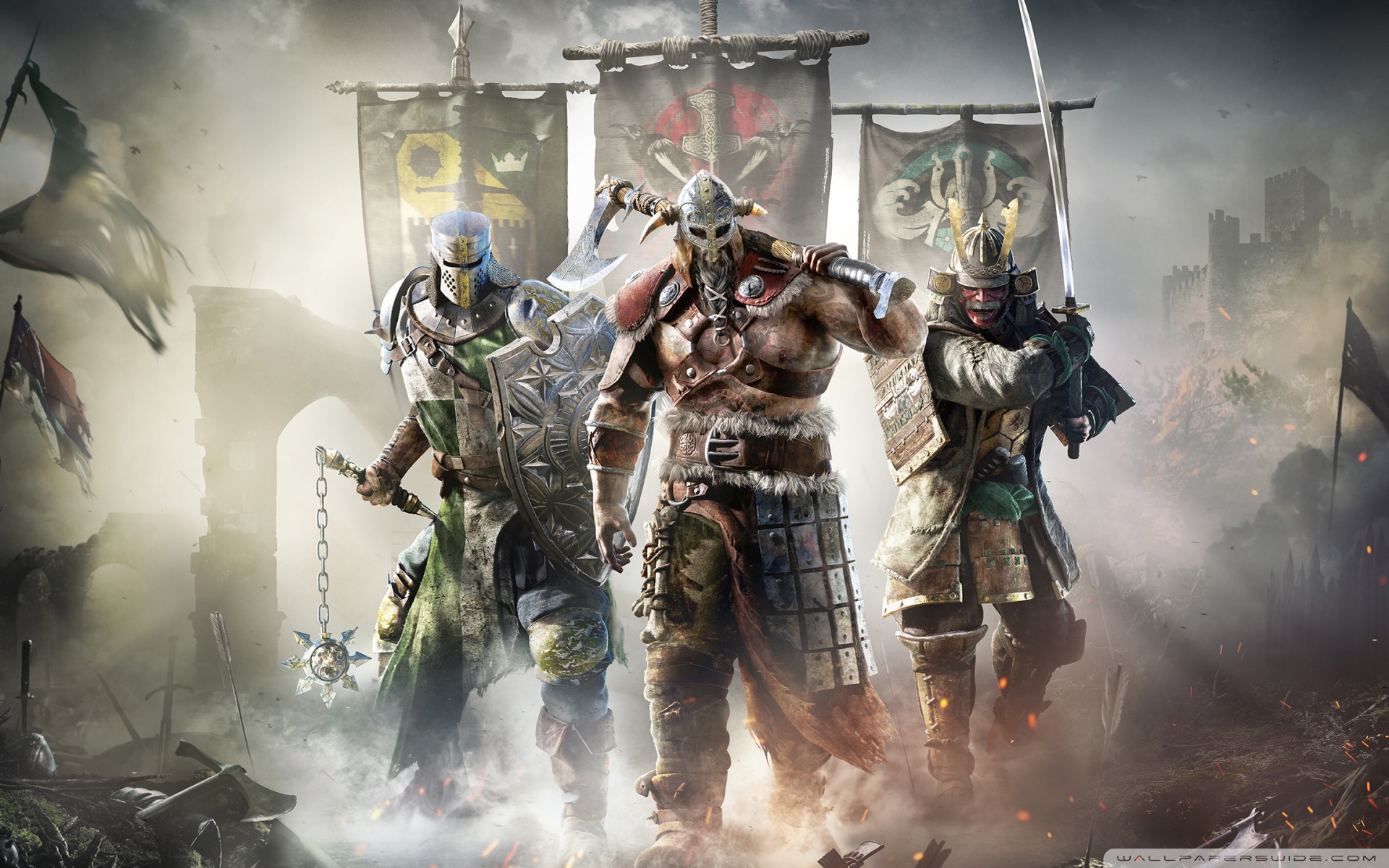
This unique fighting game struggled initially with peer-to-peer networking that caused constant disconnections. The complex combat system had balance issues that players exploited to ruin matches. Dedicated servers were eventually implemented alongside major hero reworks. The game developed a loyal cult following that appreciates its distinct blend of strategy and action.
‘Driveclub’ (2014)

Evolution Studios delivered a visually stunning racer that was completely unplayable online at launch. The server issues persisted for weeks and the free version promised to PlayStation Plus subscribers was delayed indefinitely. Once the connectivity problems were solved the game revealed itself to be an exceptional arcade racer. Fans still mourn the studio closure despite the game finding late appreciation.
‘Days Gone’ (2019)
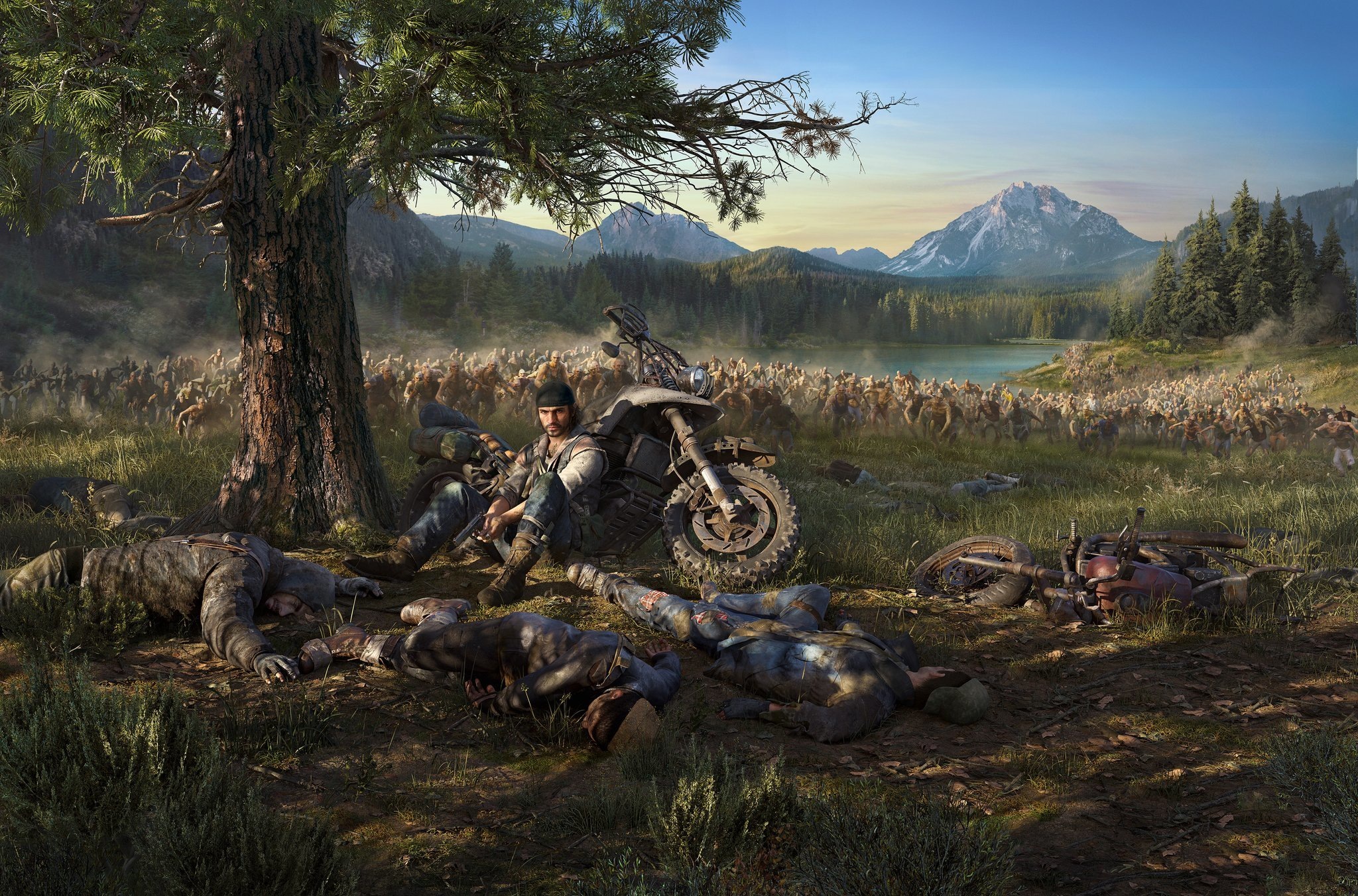
Critics gave this zombie survival game lukewarm reviews due to pacing issues and technical bugs on the PlayStation 4. The story was criticized for being slow to start and the protagonist was seen as unlikable. Patches fixed the performance and a PC release introduced the game to a new audience. Players discovered a surprisingly deep narrative and satisfying horde mechanics that garnered a strong fan base.
‘Battlefield 4’ (2013)
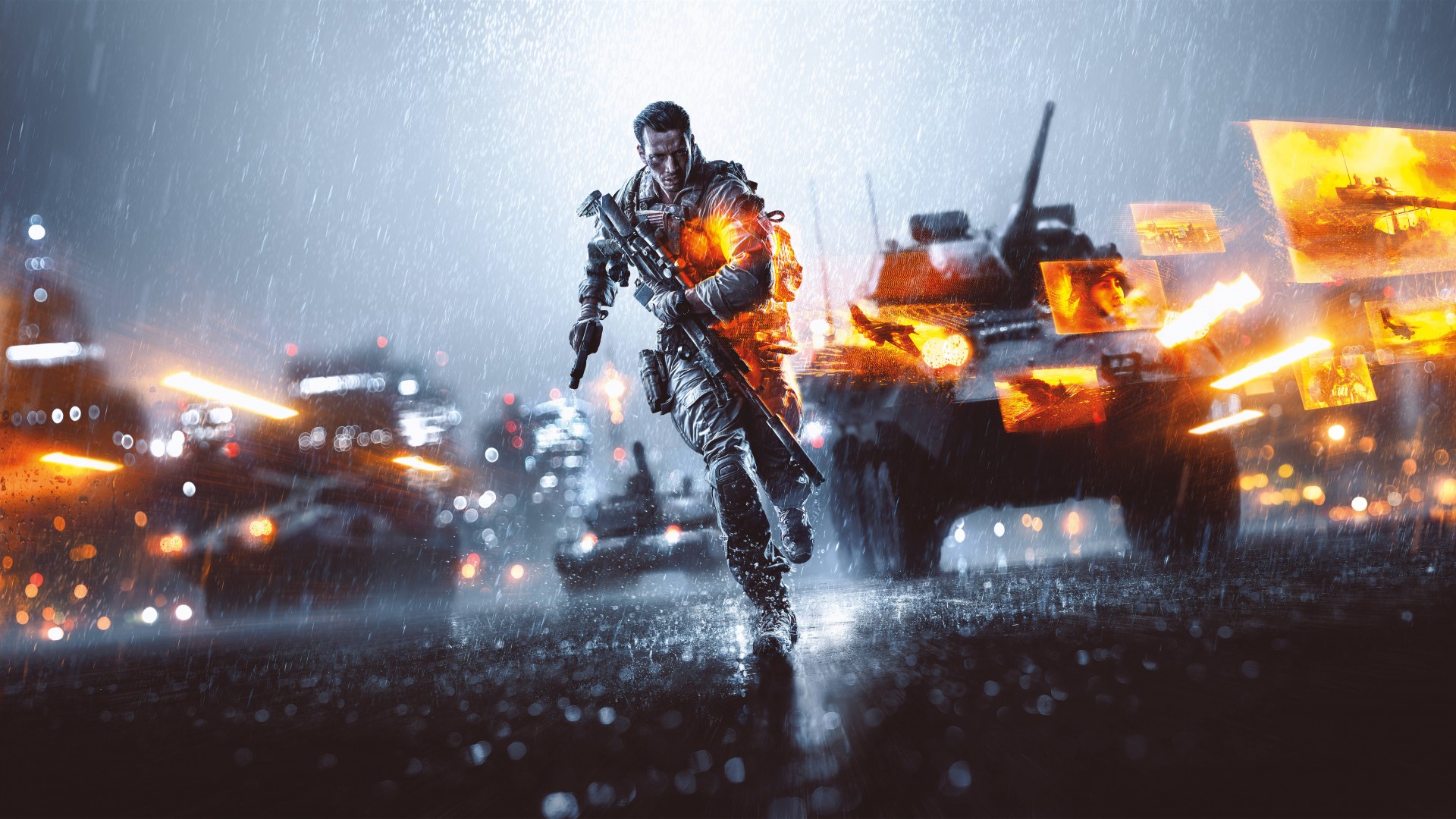
The launch state of this military shooter was so poor that EA faced lawsuits from investors. Servers crashed constantly and a notorious “netcode” issue meant bullets often failed to register on enemies. DICE LA took over development and created the Community Test Environment to fix the game alongside players. It is now often cited by fans as the peak of the modern Battlefield experience.
‘Civilization V’ (2010)
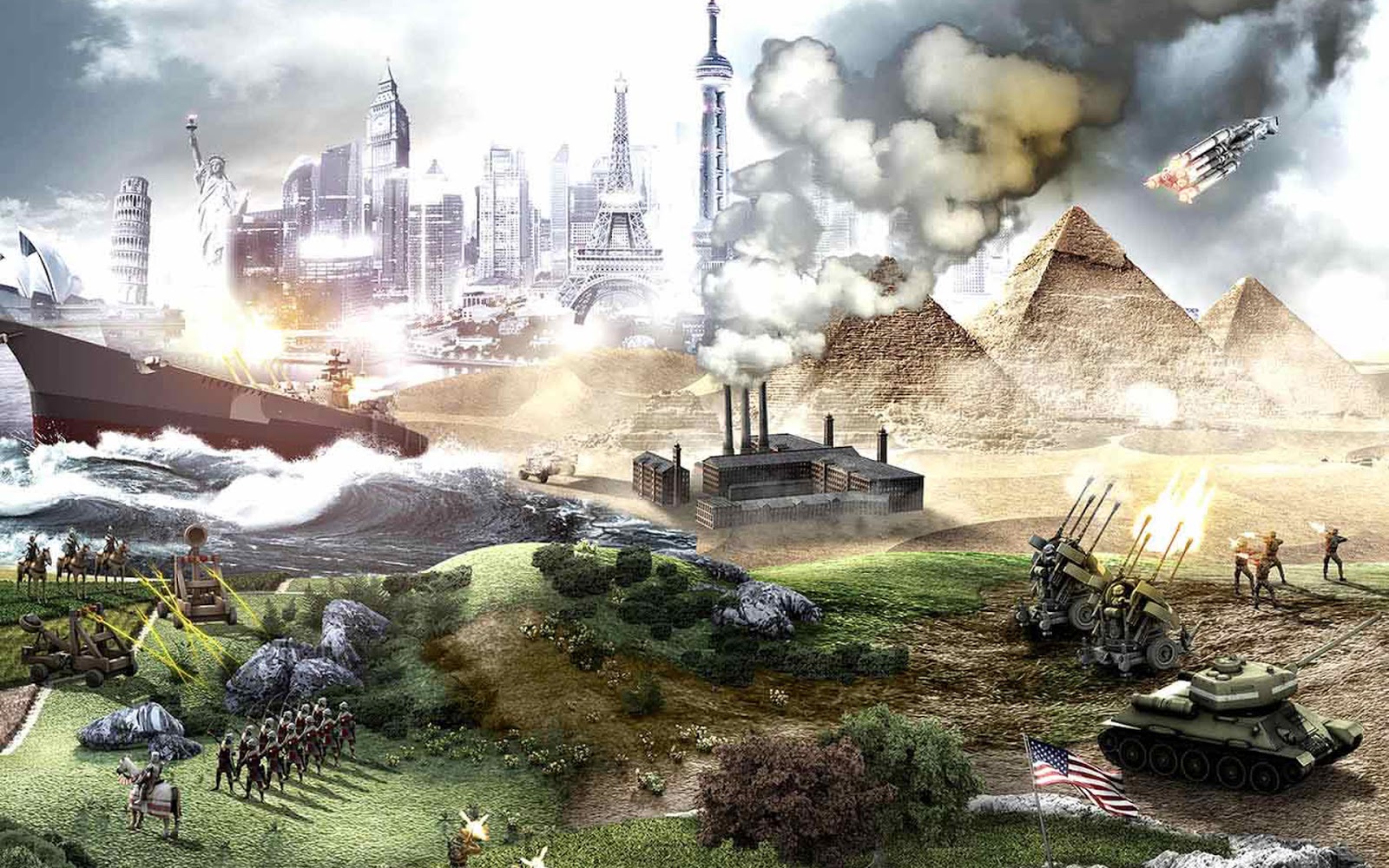
Strategy veterans hated the initial release for removing features like religion and espionage that were present in the previous game. The AI was erratic and the endgame felt hollow compared to its predecessor. Two major expansions reintroduced the missing mechanics and added depth to the diplomacy system. The complete edition is now frequently ranked as one of the best strategy games of all time.
‘The Sims 4’ (2014)
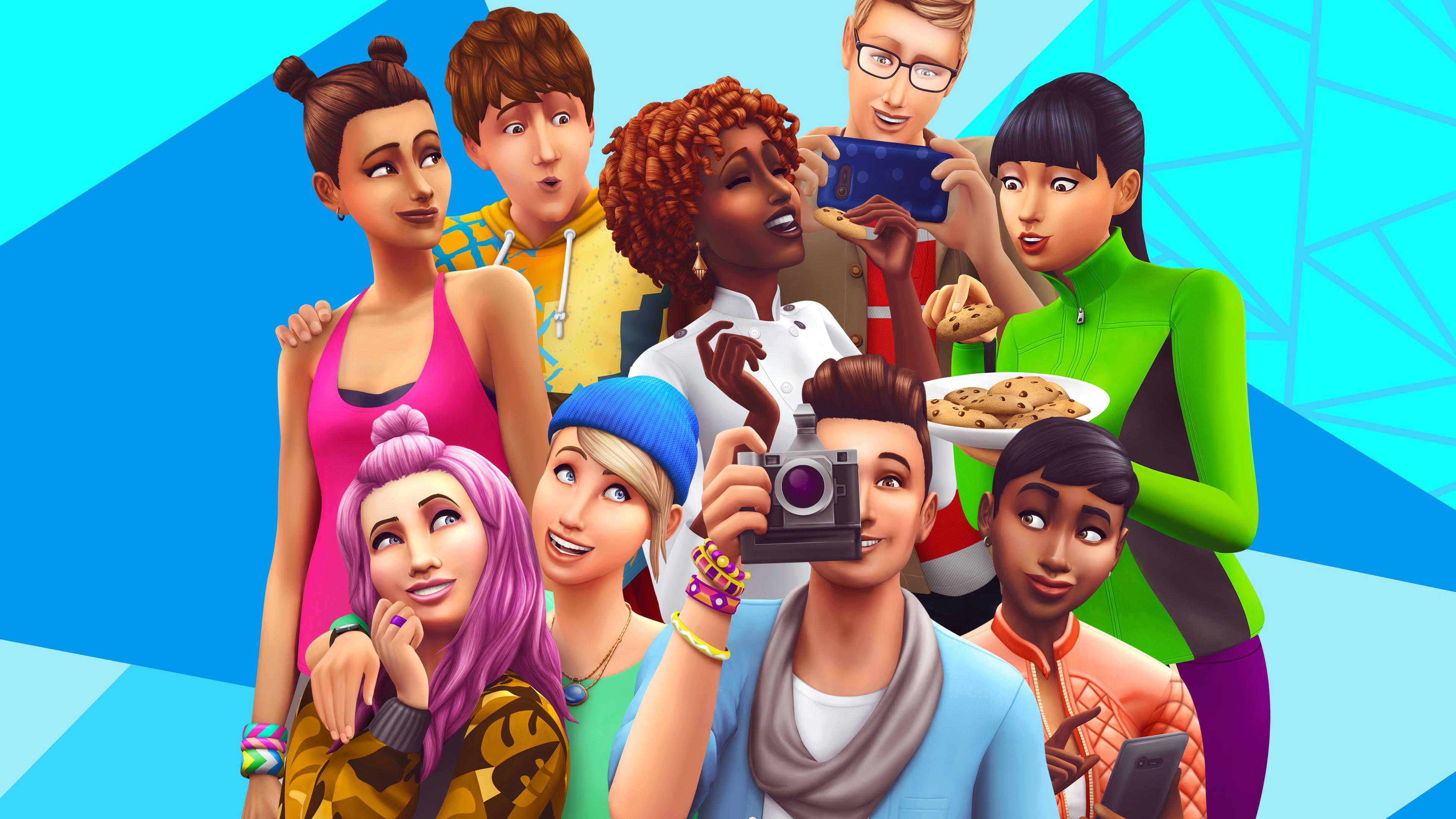
Longtime fans were furious that the base game launched without toddlers or swimming pools. The open world of the third game was replaced by small instanced neighborhoods which felt like a downgrade. Maxis spent years adding missing life stages and features back into the game through free updates. Despite a rocky start it became the most widely played entry in the franchise history.
‘Fallout: New Vegas’ (2010)
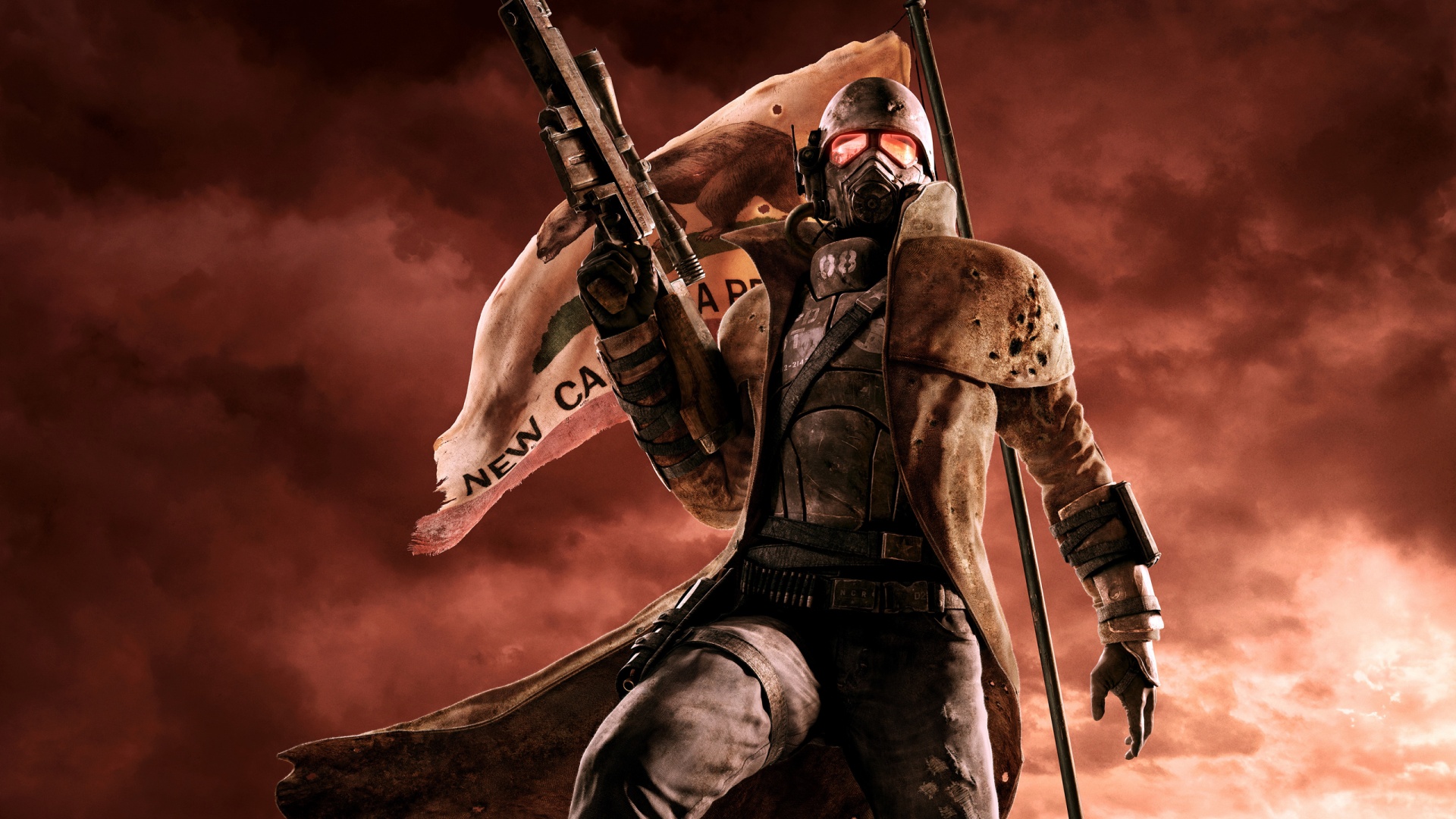
Obsidian Entertainment released this RPG in a barely functional state with crashes occurring regularly. The game was riddled with bugs that broke quests and corrupted save files. Community mods and official patches eventually stabilized the experience enough for the writing to shine. It is now widely regarded as the best modern Fallout game due to its complex branching narrative.
‘Vampire: The Masquerade – Bloodlines’ (2004)
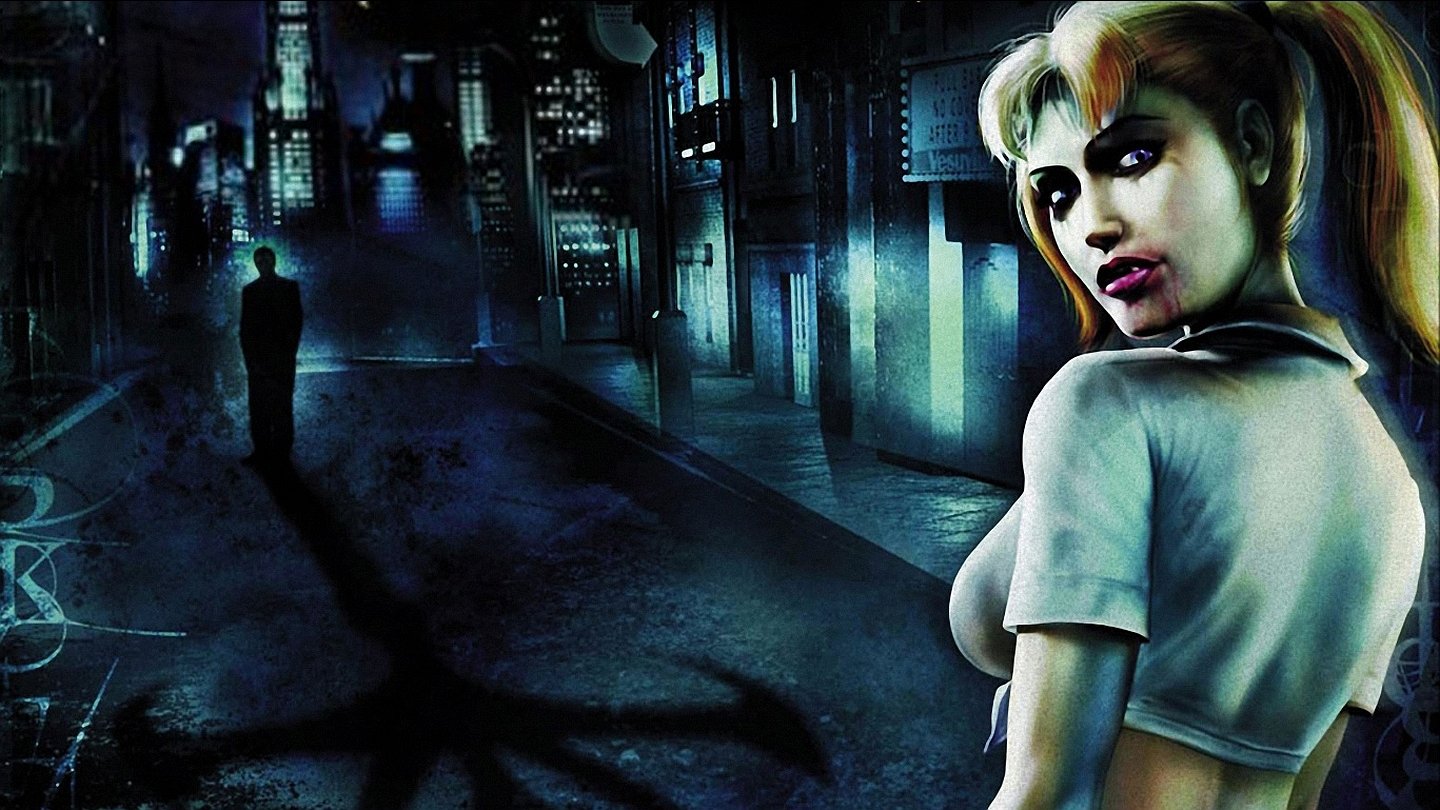
Troika Games released this title on the same day as Half-Life 2 and it was a technical disaster. The game was unfinished with game-breaking bugs that made completion impossible for many users. Fans took over support with unofficial patches that restored cut content and fixed the code. It is now revered as a cult classic with some of the best writing in gaming history.
‘EarthBound’ (1994)
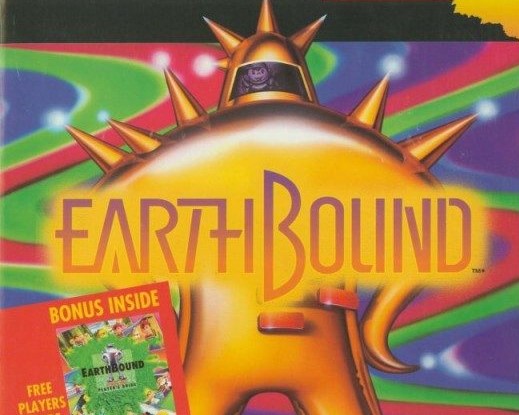
The marketing campaign for this RPG in the West was bizarre and focused on gross-out humor which alienated potential buyers. Critics at the time did not understand the satire and dismissed the simple graphics. It sold poorly but slowly gained a massive cult following through emulation and word of mouth. It is now considered a masterpiece that inspired modern hits like Undertale.
‘The Legend of Zelda: The Wind Waker’ (2002)
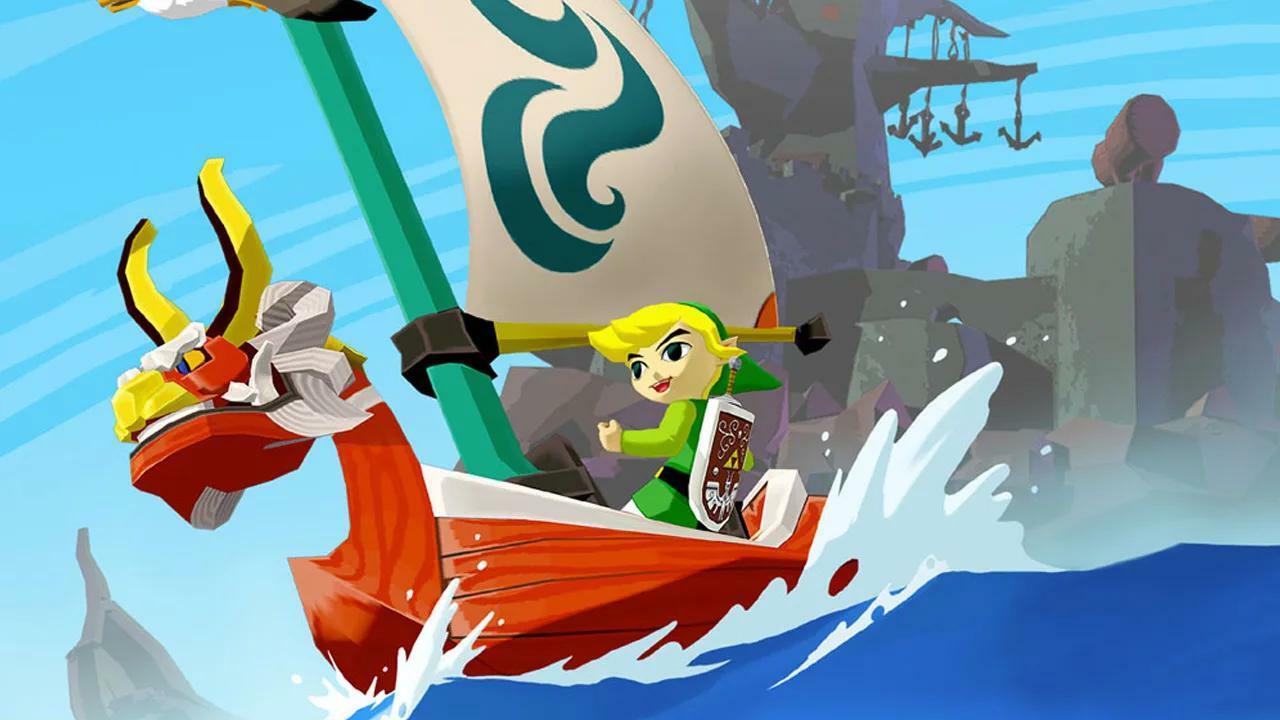
Fans were initially horrified by the “Celda” art style which looked childish compared to the realistic tech demos shown previously. The sailing mechanic was also criticized for being tedious and the Triforce hunt was seen as padding. Time has been kind to the visuals which have aged far better than realistic games of that era. The HD remaster fixed the pacing issues and solidified its status as a beloved classic.
‘Metal Gear Solid 2: Sons of Liberty’ (2001)
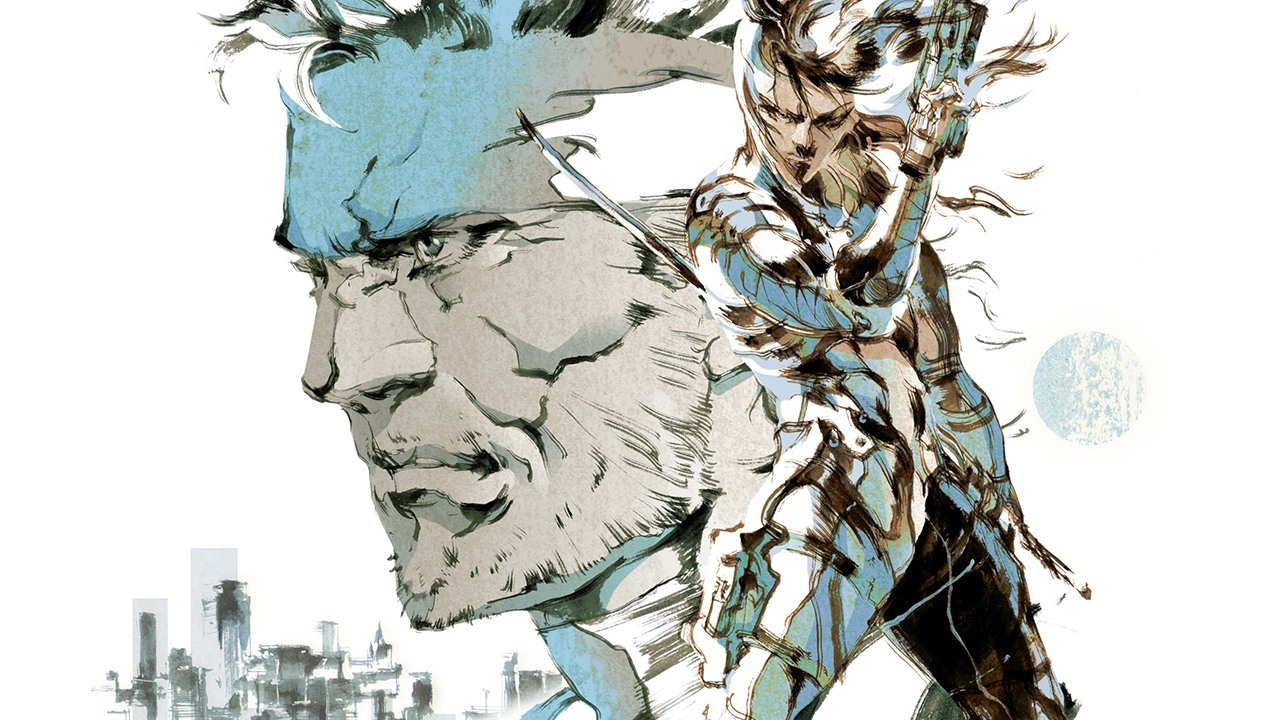
Players felt betrayed when they discovered that Solid Snake was playable for only the opening chapter. The switch to the inexperienced character Raiden was a controversial narrative bait-and-switch. The complex postmodern story about information control was confusing to many at the time. Modern analysis has praised the game for predicting the era of fake news and digital censorship.
‘God Hand’ (2006)
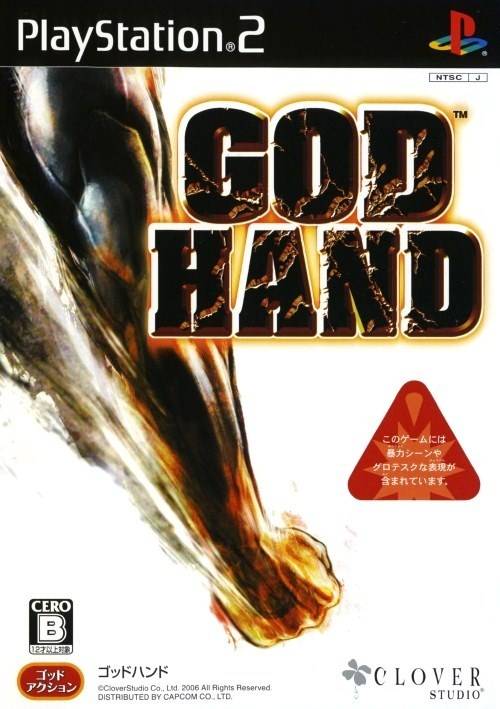
This brawler received a famously low score from a major gaming publication which criticized its difficulty and controls. The tank controls and camera system were seen as archaic by mainstream reviewers. Action game enthusiasts later discovered the depth of its customizable combo system. It is now celebrated as one of the most technically demanding and rewarding beat-em-ups ever made.
‘Spec Ops: The Line’ (2012)
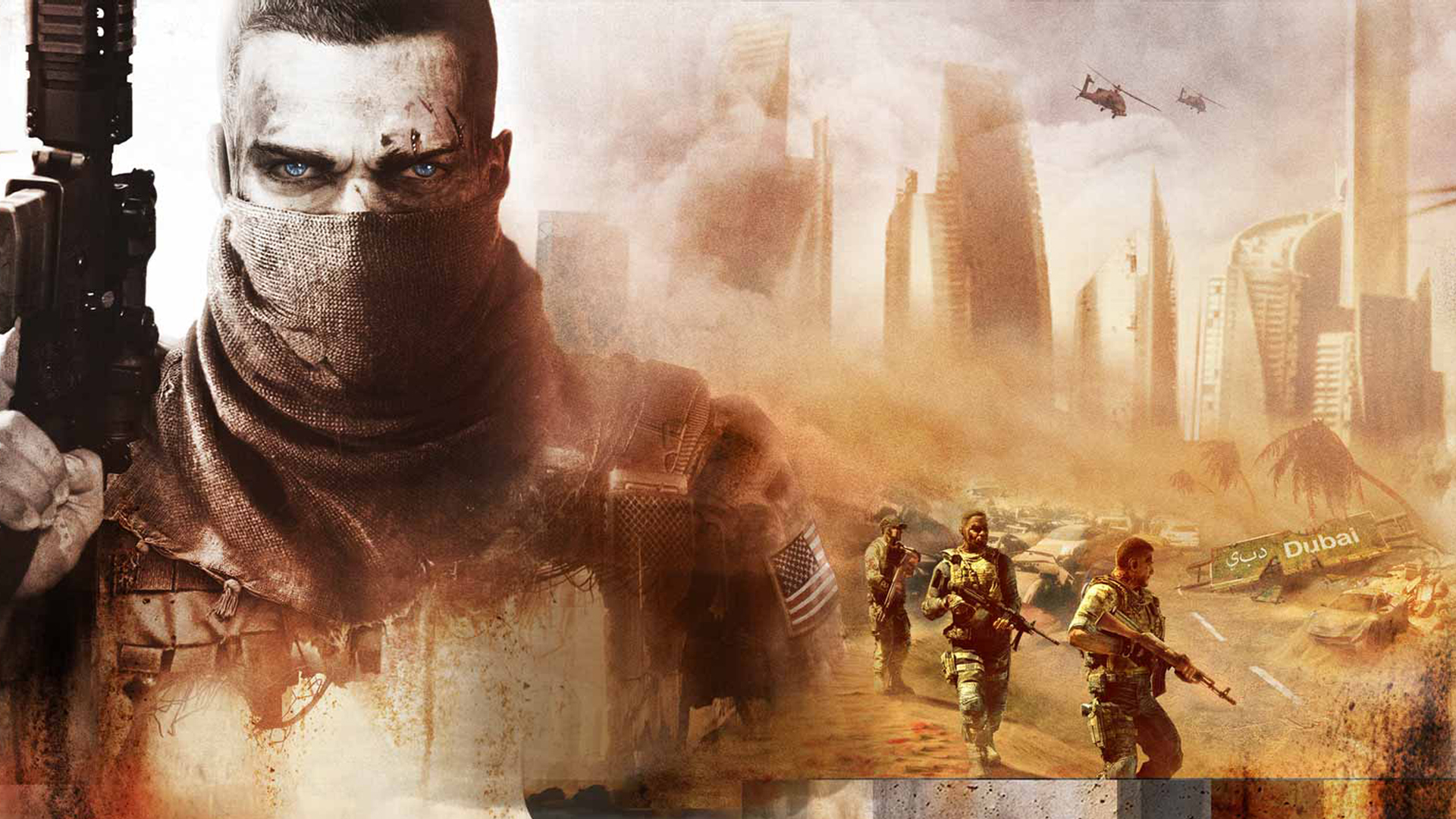
Most gamers ignored this title at launch because it looked like a generic military shooter. The marketing made it seem like just another Call of Duty clone set in Dubai. Those who played it discovered a harrowing deconstruction of war video games and player morality. It is now critically acclaimed for its narrative bravery and psychological depth.
‘NieR’ (2010)
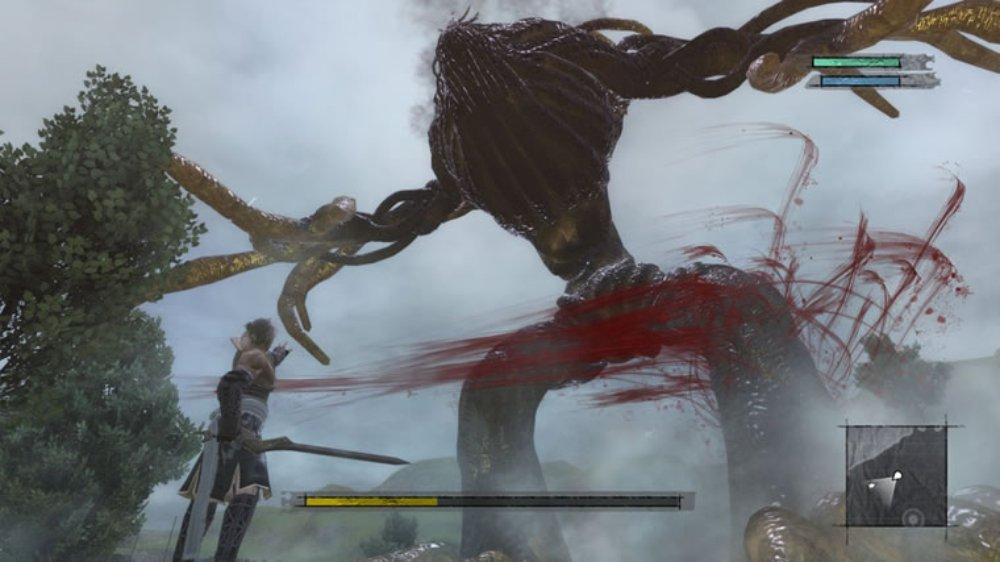
Critics panned the original release for its outdated graphics and clunky combat mechanics. The side quests were tedious and the gameplay shifted genres in a way that felt disjointed. A dedicated fanbase fell in love with the melancholic story and incredible soundtrack. The release of the Replicant remaster proved that the core game was a masterpiece held back by budget constraints.
‘Counter-Strike: Global Offensive’ (2012)
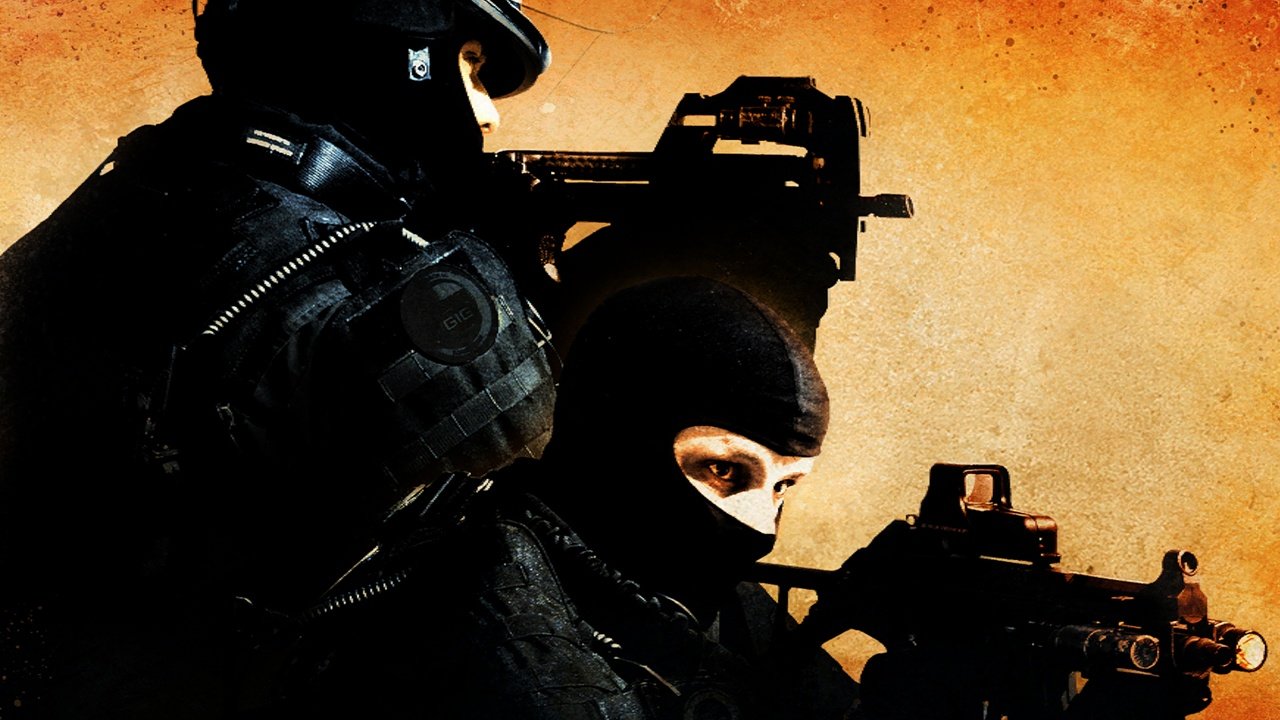
Professional players from previous versions hated the game during its beta and initial launch. The molotovs were seen as game-breaking and the console-focused development annoyed PC purists. Valve worked closely with the community to refine the weapon recoil and map balance over several years. It grew to become the definitive tactical shooter and the foundation of the Steam economy.
‘Grand Theft Auto Online’ (2013)
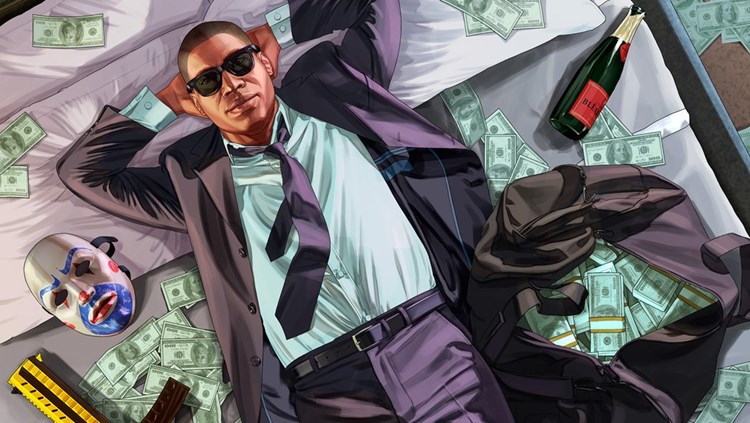
The online component of GTA V was unplayable for weeks due to server overloads. Players lost their characters and progress repeatedly during the chaotic opening month. Rockstar stabilized the service and introduced Heists which revolutionized the cooperative experience. It became an unprecedented entertainment product that has sustained the studio for over a decade.
‘Payday 2’ (2013)
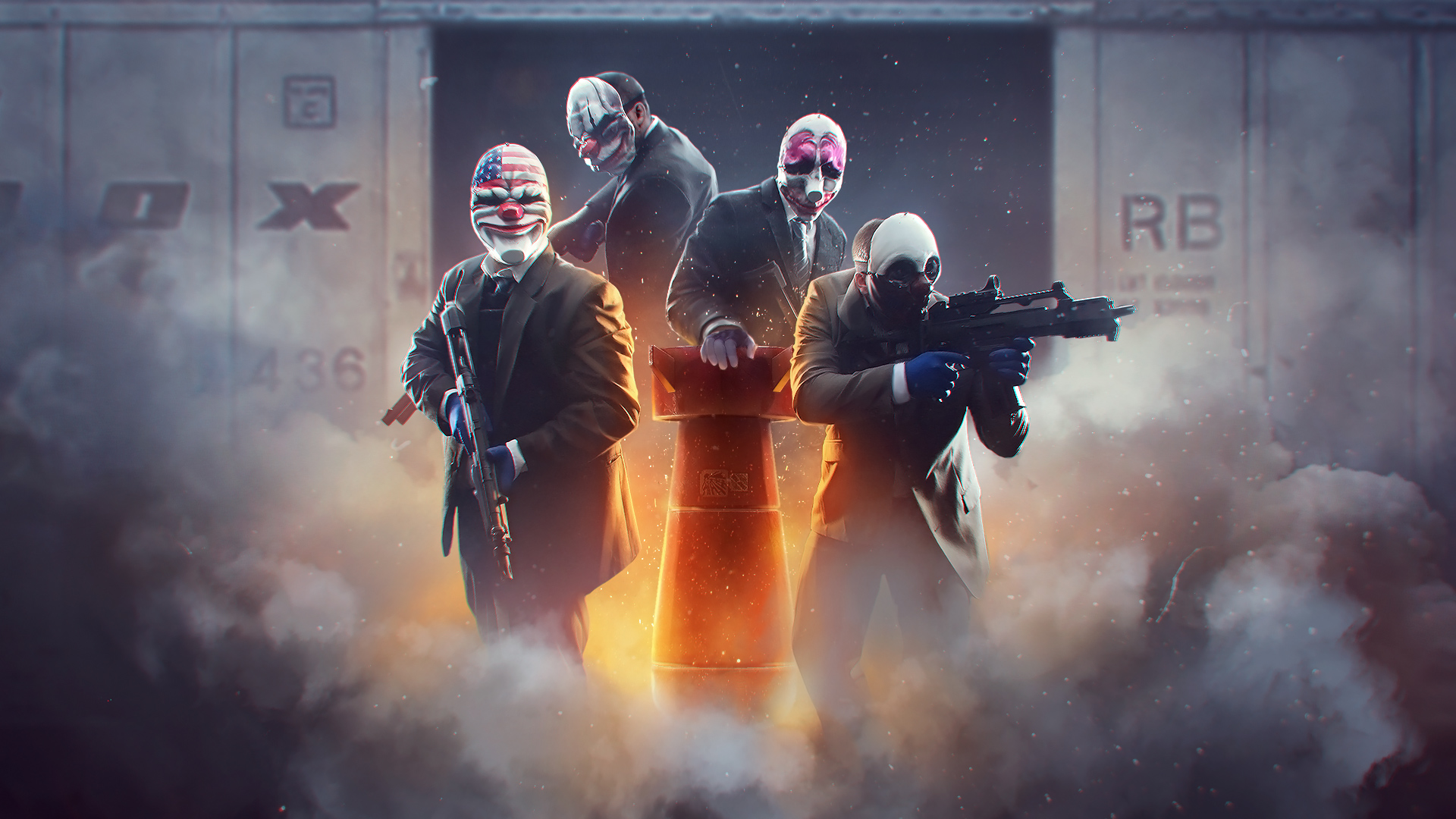
The game launched with a limited amount of content and a progression system that felt like a grind. Developers angered the community later by adding microtransactions with stat-boosting weapon skins. The studio eventually apologized and removed the paid safes while adding massive amounts of free content. The game survived its controversies to become a staple of cooperative shooters.
‘The Division’ (2016)
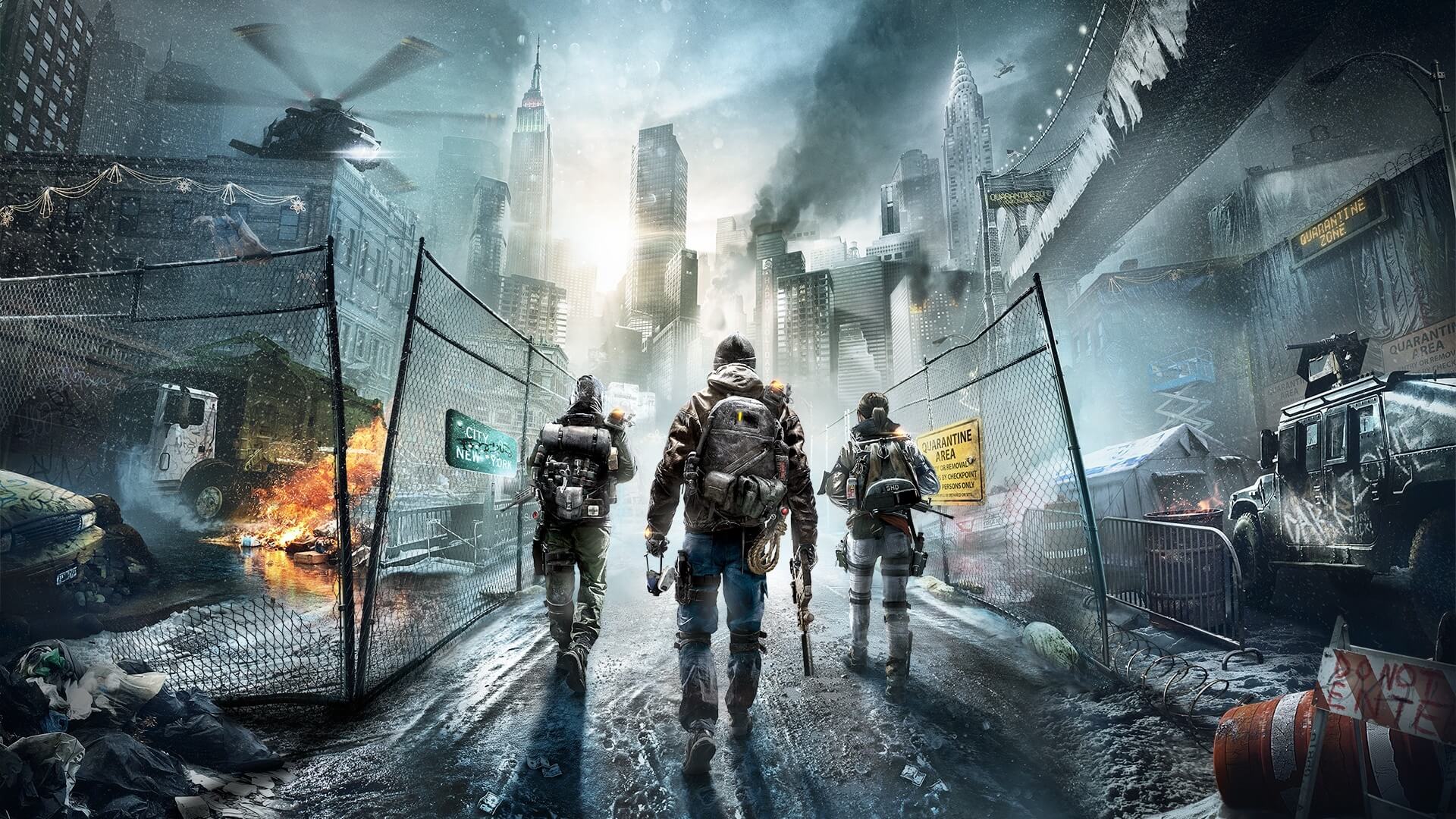
Ubisoft released this shooter with a beautiful recreation of New York but a severe lack of endgame activities. The Dark Zone was plagued by cheaters and exploits that ruined the player-versus-player balance. Massive updates like version 1.8 completely revitalized the game with new modes and fairer loot drops. The player base returned in droves to experience the polished final version.
‘Rust’ (2013)

The early access version was a crude survival game that was infested with hackers and bugs. The developers made the controversial decision to reboot development completely and scrapped the original code. Years of steady updates added vehicles and electrical systems that deepened the gameplay. It is now one of the most popular survival games on streaming platforms.
‘Hitman’ (2016)
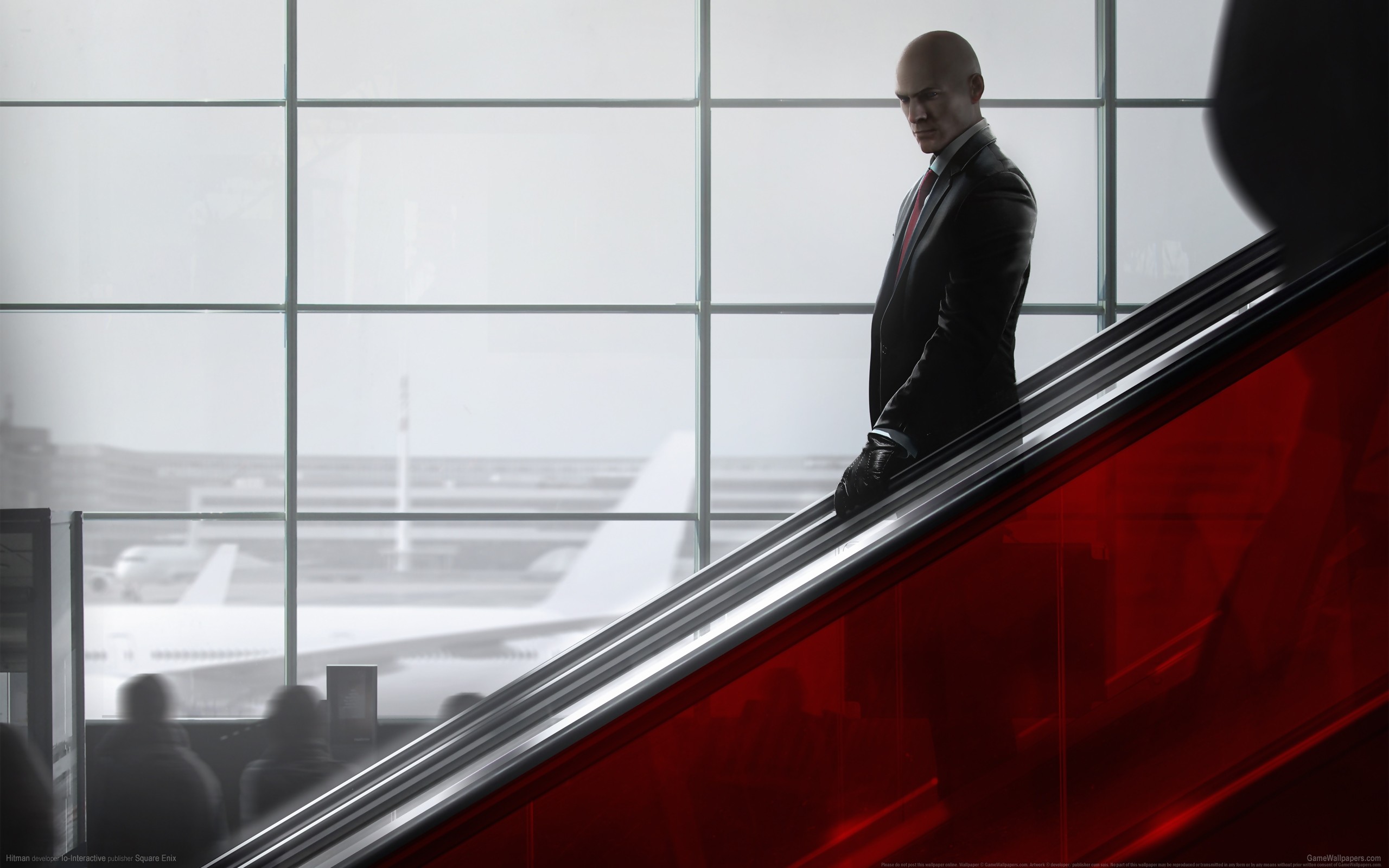
Fans were skeptical of the episodic release model that split the game into separate map releases over a year. Many felt this structure would ruin the pacing and flow of the traditional Hitman experience. The format actually encouraged players to master each level fully before the next one arrived. This entry successfully rebooted the franchise and led to the celebrated World of Assassination trilogy.
‘Kingdom Come: Deliverance’ (2018)
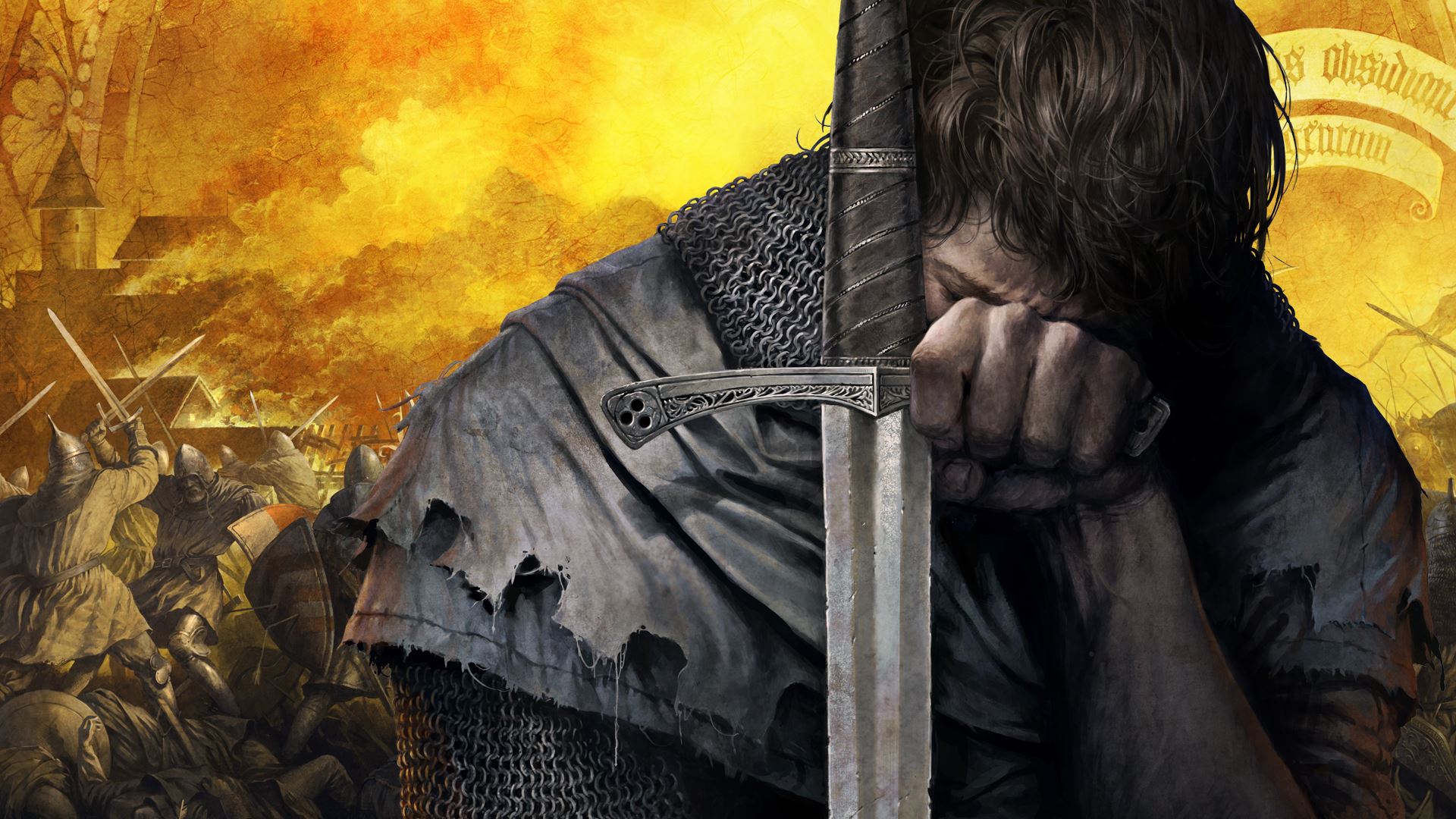
This ambitious medieval simulator launched with a plethora of bugs that made quests impossible to complete. The save system was punishing and the combat felt incredibly difficult for the average player. Patches smoothed out the technical issues while maintaining the hardcore nature of the gameplay. It found a large audience of players who craved a historical RPG without fantasy elements.
‘Prey’ (2017)
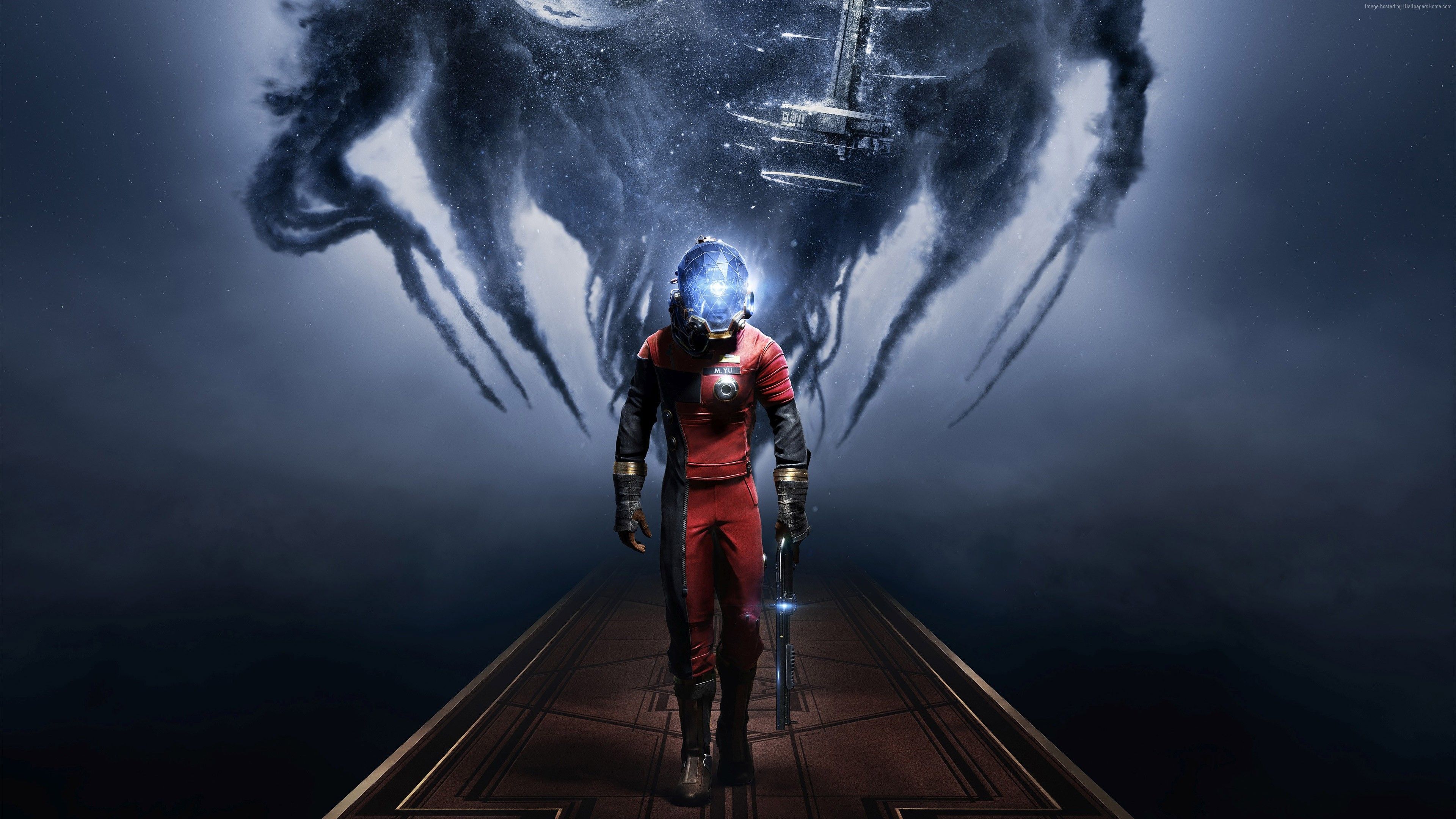
A game breaking bug at launch corrupted save files on PC which led to poor initial word of mouth. The use of the “Prey” name also confused fans of the original 2006 shooter who expected a sequel. Immersive sim fans eventually rallied around the game for its incredible level design and player freedom. It is now considered a spiritual successor to System Shock and a classic of the genre.
‘Alien: Isolation’ (2014)
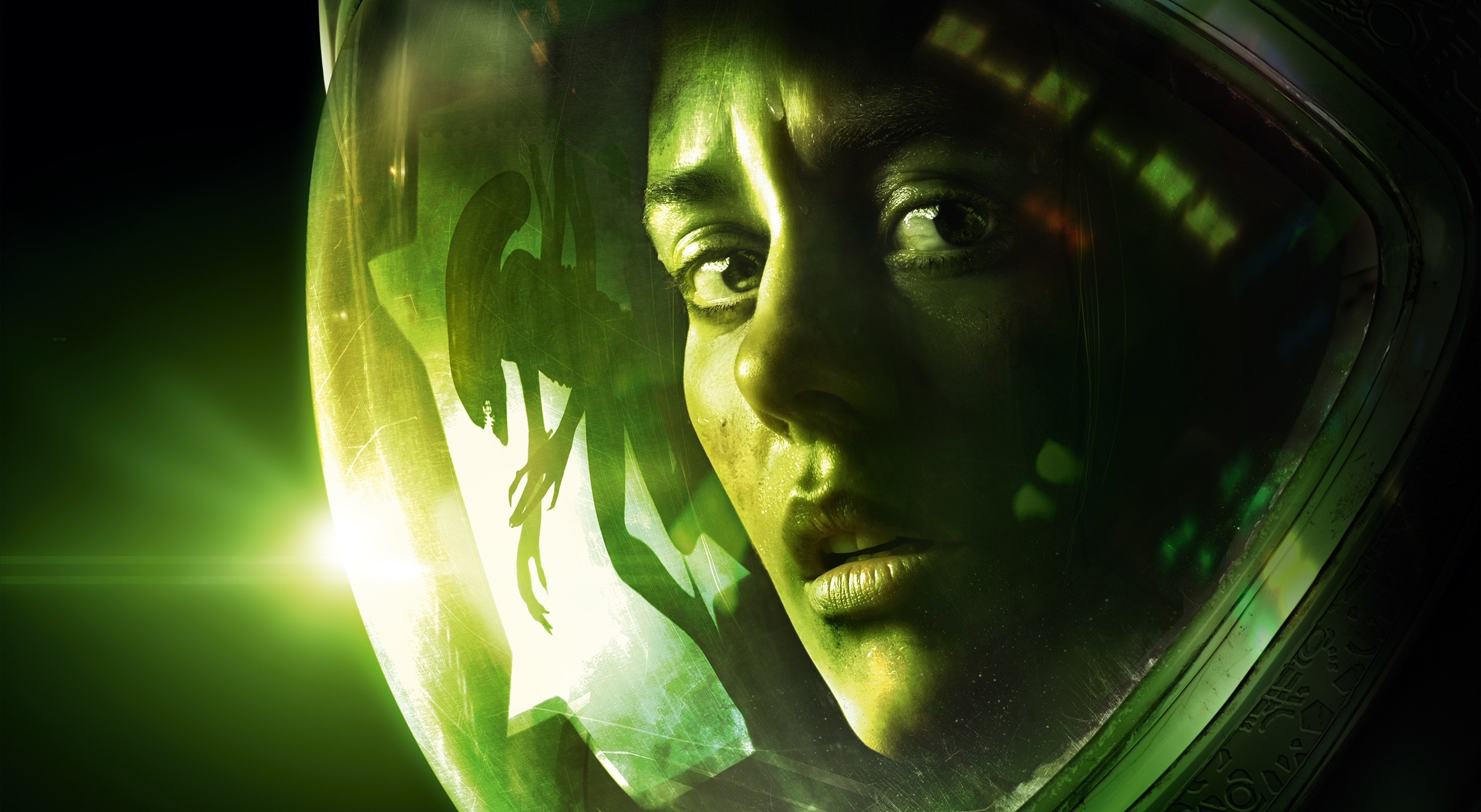
Reviews were divisive at launch with some critics complaining about the length and difficulty of the AI. The relentless nature of the Alien stalker was seen as frustrating rather than scary by some reviewers. Horror fans embraced the game for its perfect atmosphere and faithfulness to the original film. It is broadly considered the best Alien game ever made and a pinnacle of survival horror.
‘Mad Max’ (2015)
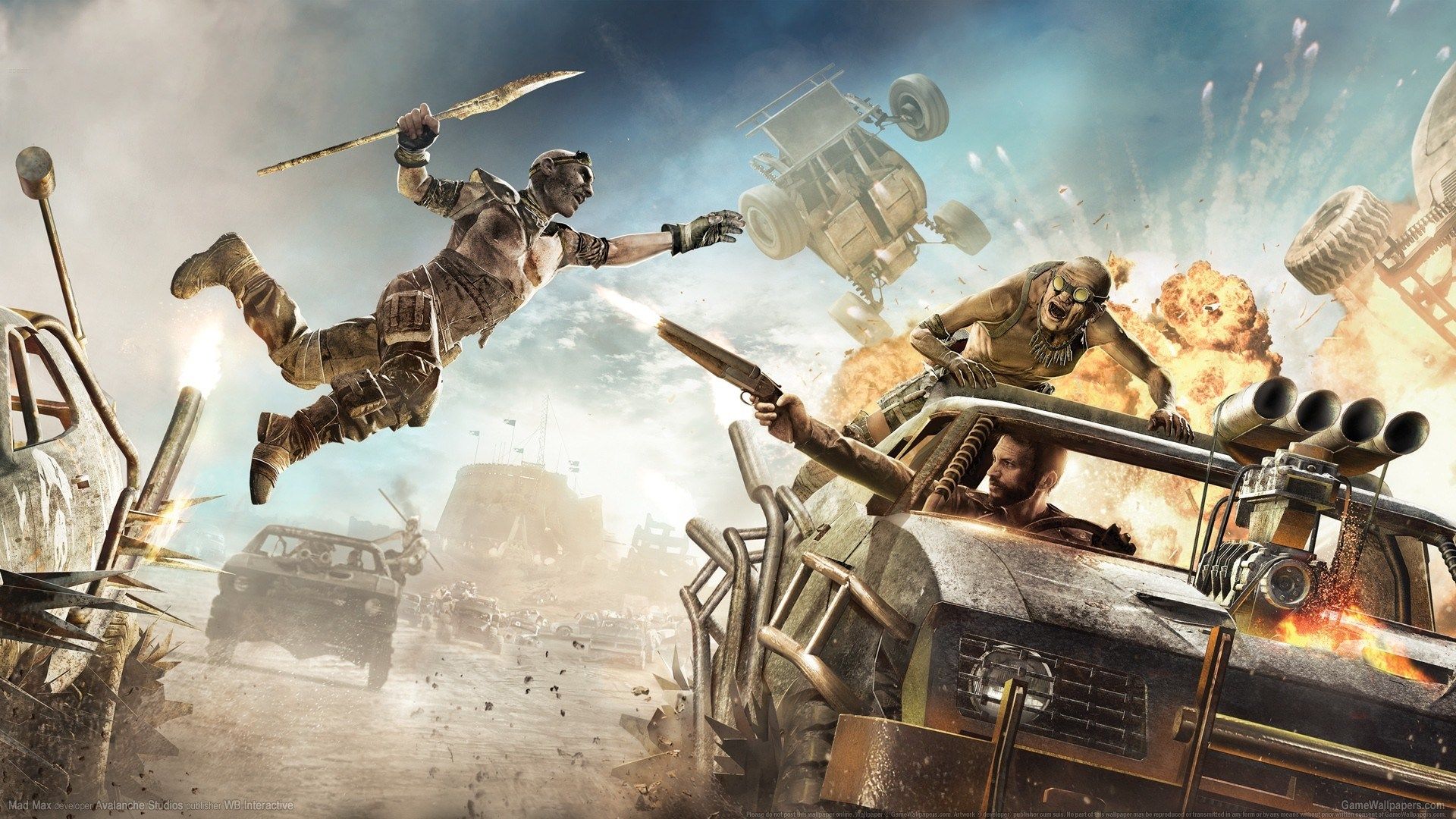
This open-world game released on the same day as Metal Gear Solid V and was largely overshadowed. Critics found the hand-to-hand combat derivative of the Batman Arkham series. Gamers later discovered the satisfying vehicular combat and beautiful wasteland visuals. It has since gained a reputation as an underrated gem that captures the spirit of the movies perfectly.
‘Titanfall 2’ (2016)
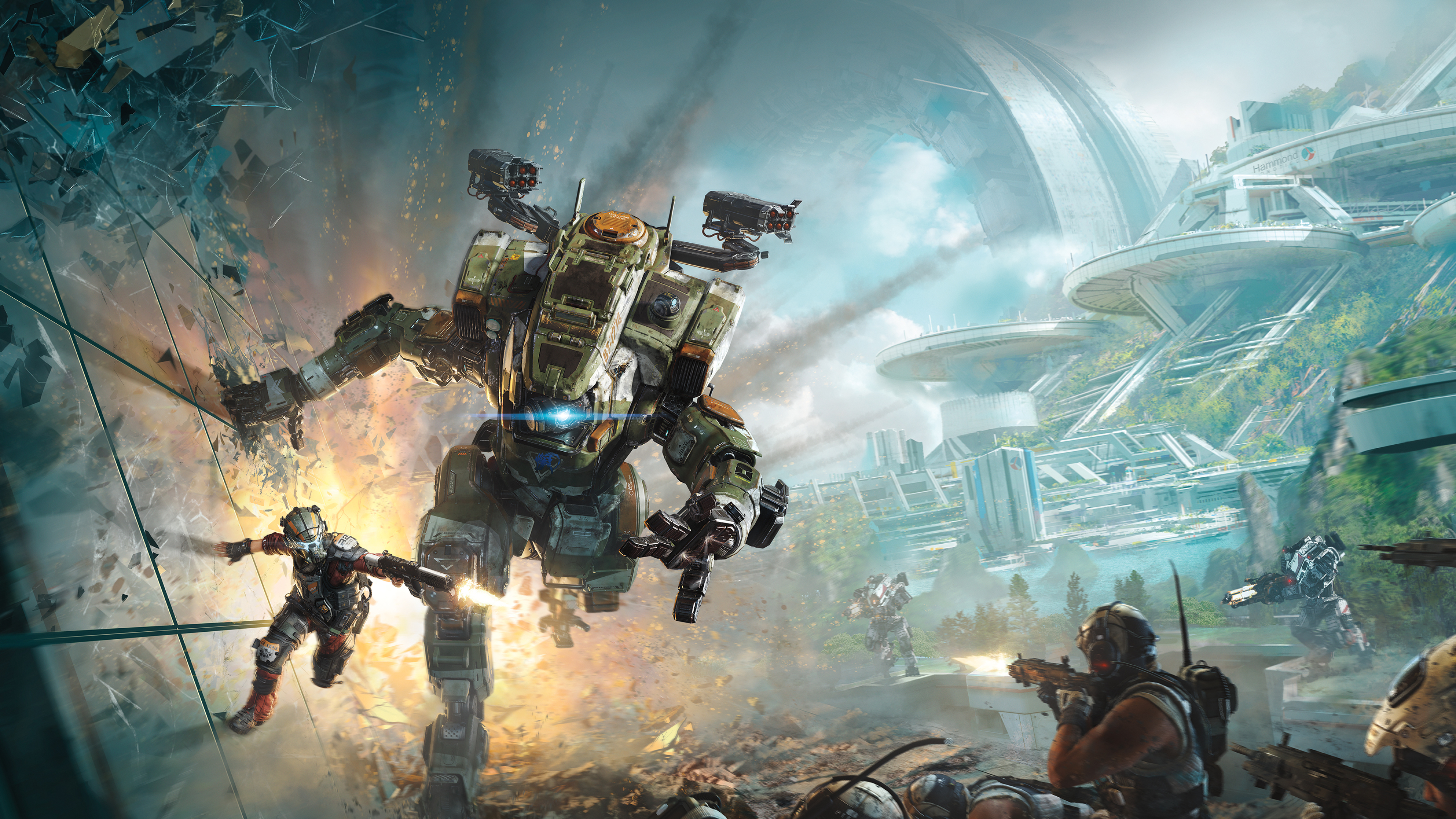
EA released this shooter between a new Battlefield and a new Call of Duty which strangled its commercial chances. The player base dwindled quickly despite stellar reviews for its gameplay. Word of mouth over the years has elevated its single-player campaign to legendary status. It frequently sees player resurgences on Steam as people discover its fluid movement mechanics.
‘Batman: Arkham Knight’ (2015)
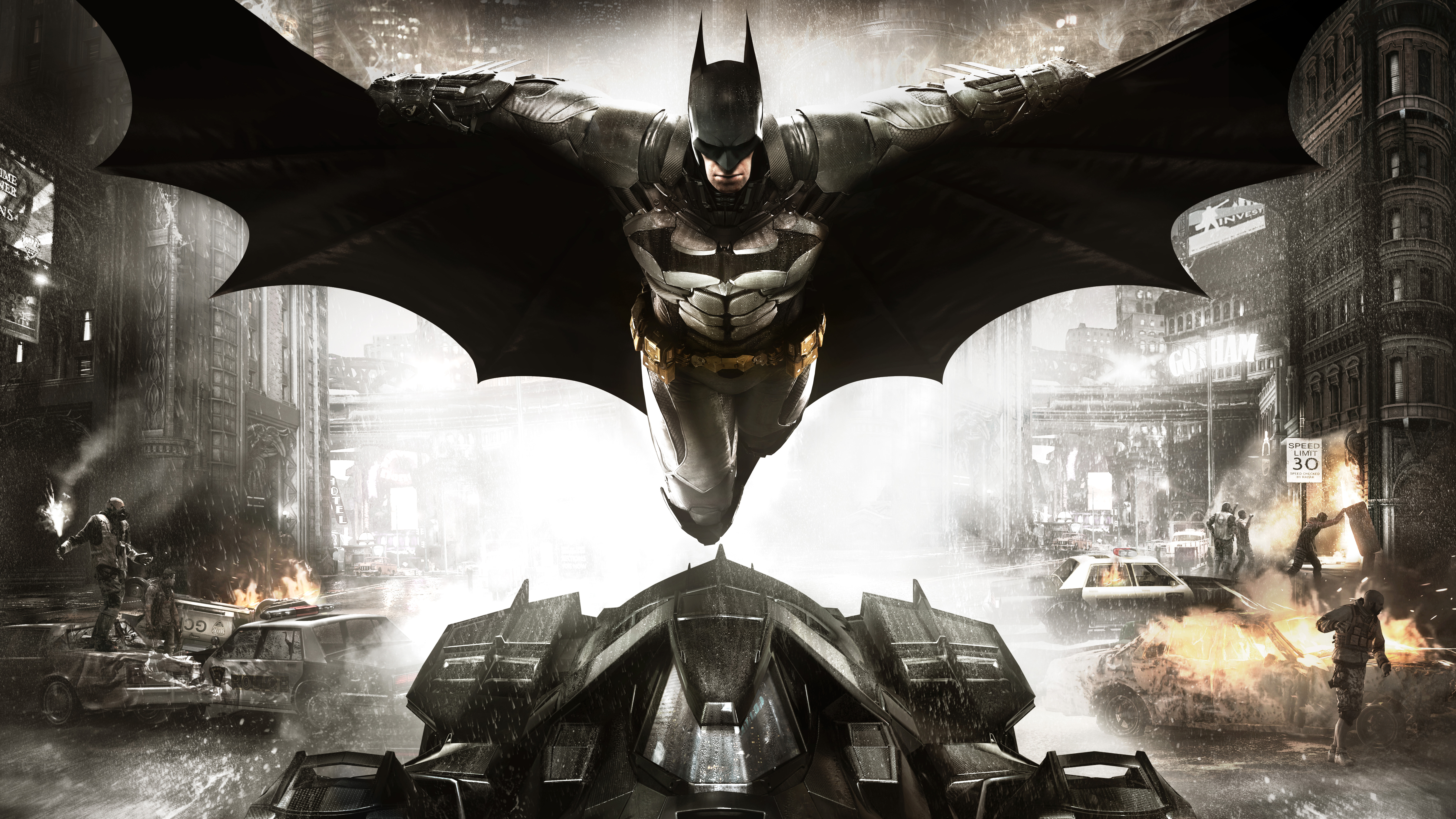
The PC port was so broken that Warner Bros suspended sales of the game for months. Frame rates were unplayable even on high-end hardware and graphical features were missing. The console versions were acclaimed but the PC version required extensive external work to fix. It eventually reached a playable state and is now appreciated as the spectacular conclusion to the trilogy.
‘Homefront: The Revolution’ (2016)
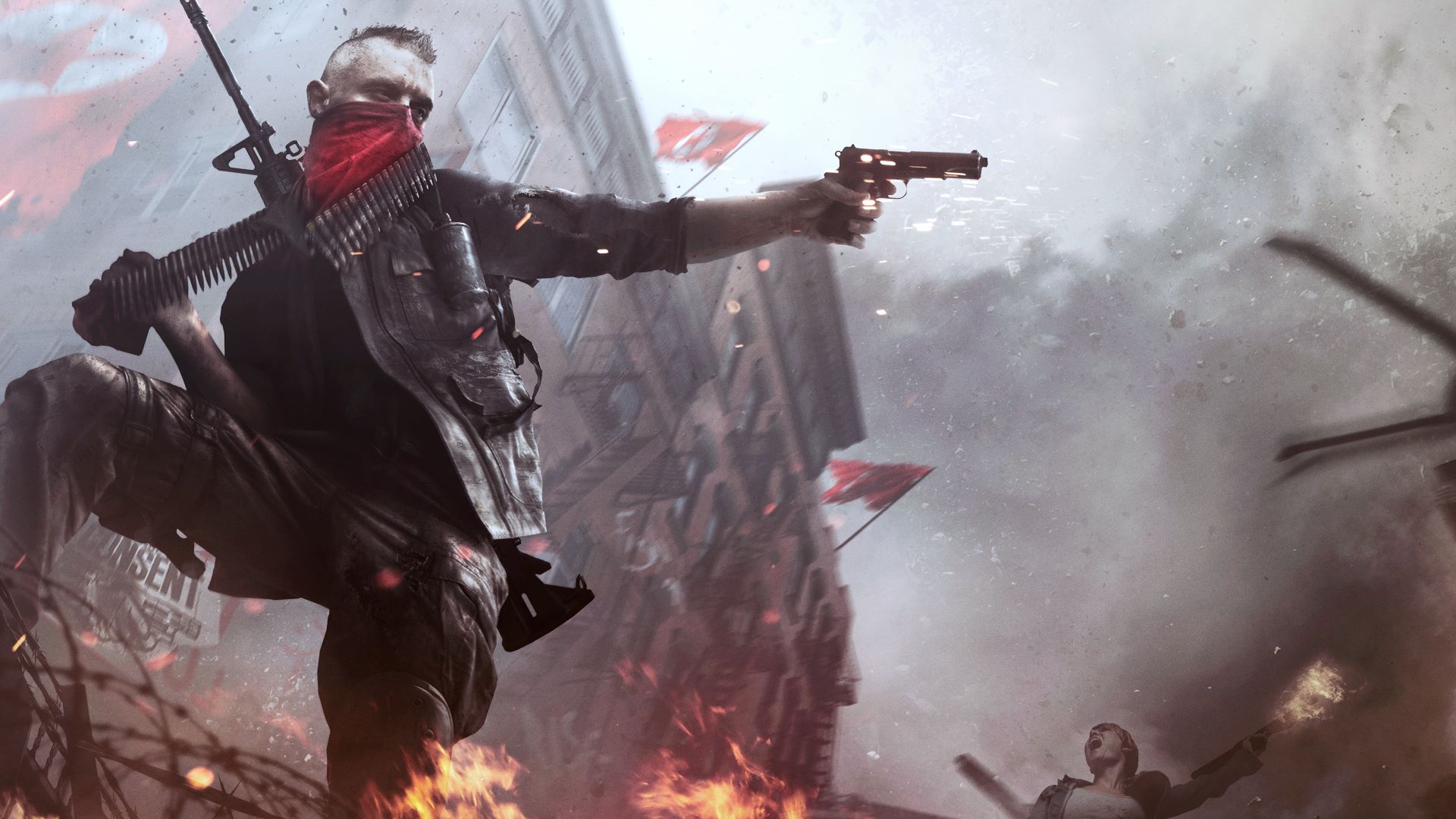
The development was troubled by studio closures and the game launched with severe performance problems. The frame rate was terrible and the AI was often unresponsive or glitchy. Patches significantly improved the technical performance and smoothed out the gunplay. Players eventually found a decent guerrilla warfare simulator hidden beneath the rough launch.
‘Middle-earth: Shadow of War’ (2017)
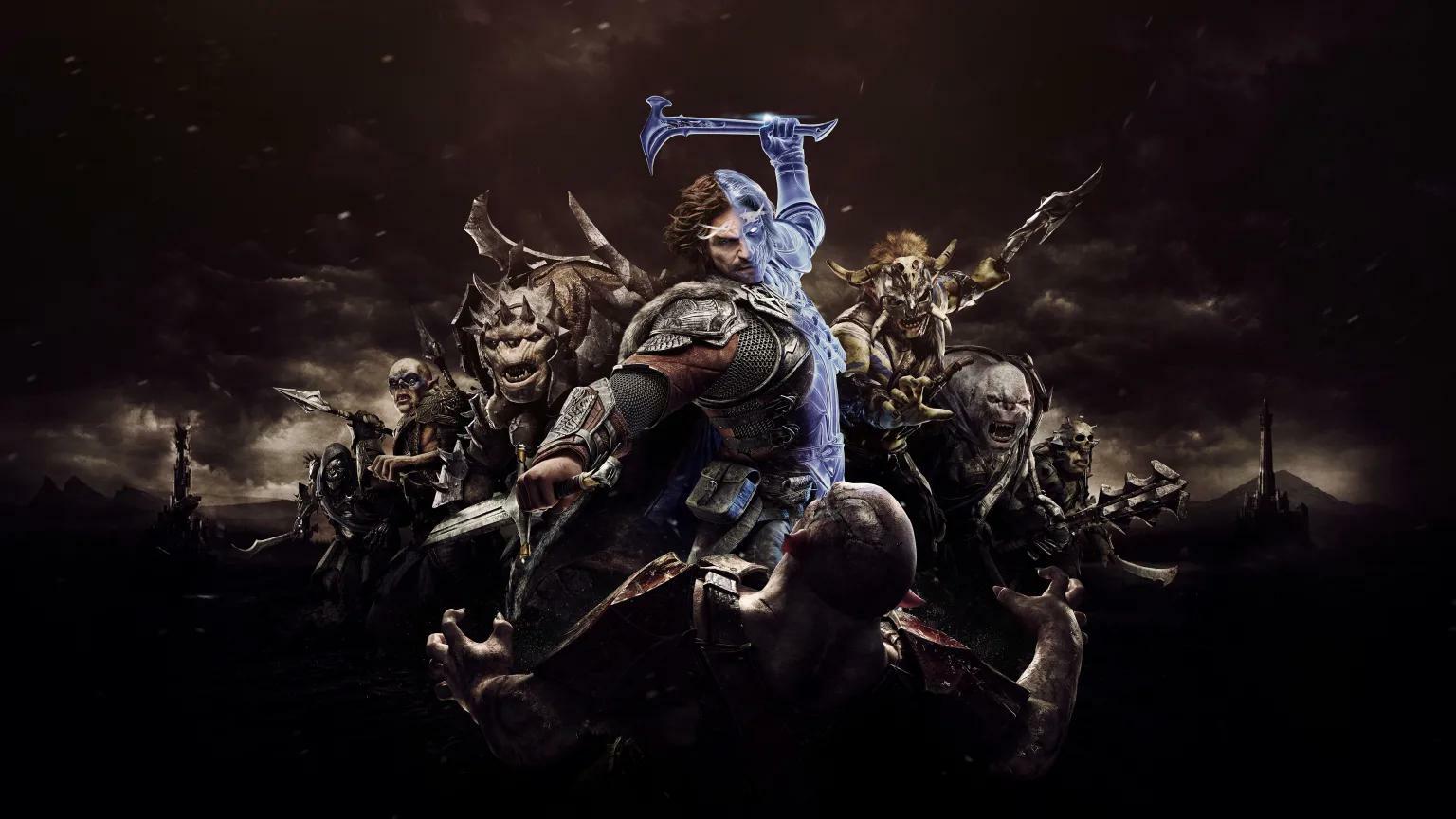
The nemesis system was praised but the game was heavily criticized for including loot boxes in a single-player title. The true ending was locked behind a grind that encouraged spending real money on orcs. The developers eventually removed the market completely and rebalanced the endgame progression. This change allowed the excellent combat and rival systems to stand on their own merits.
‘Ghost Recon Breakpoint’ (2019)
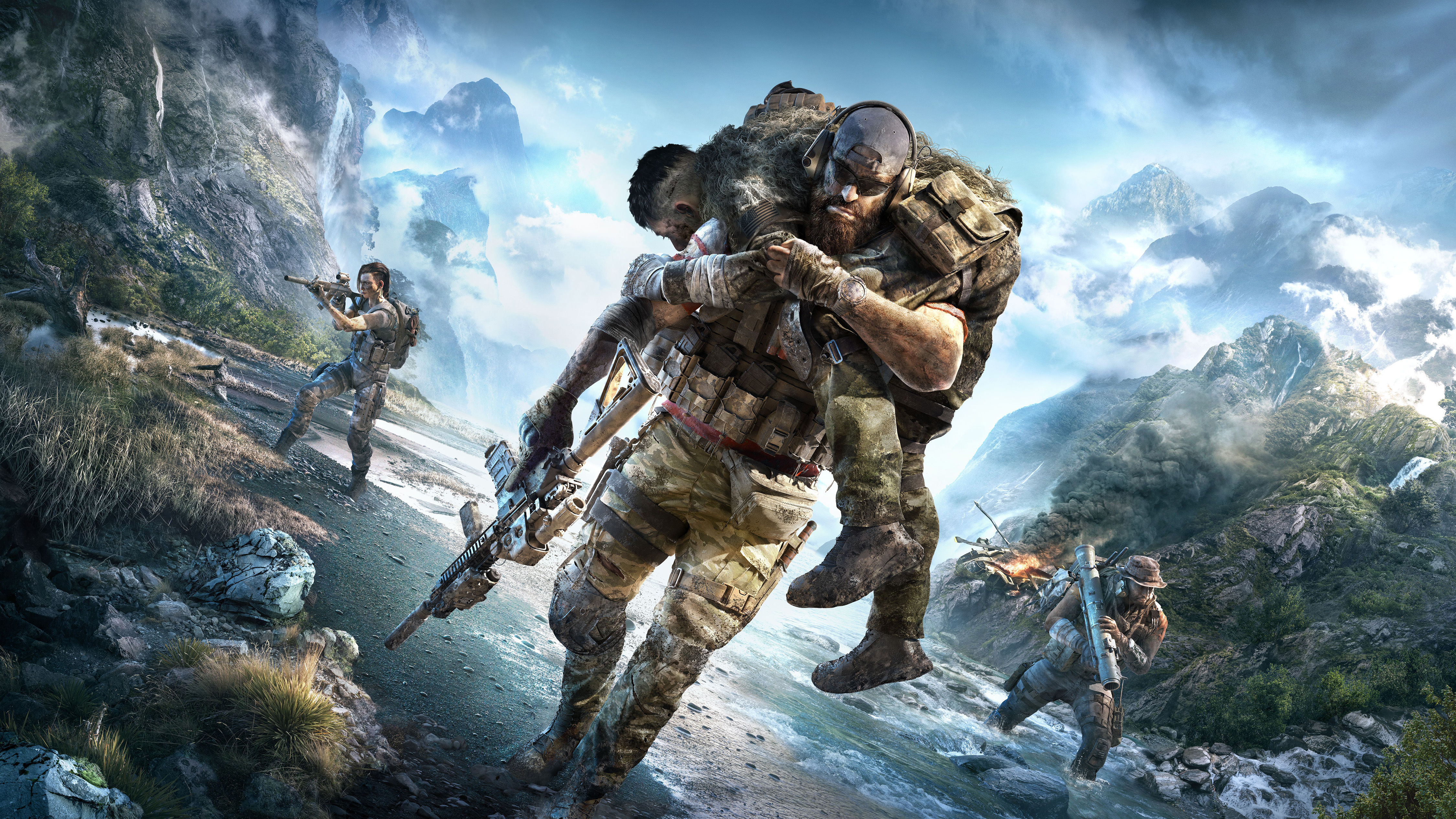
Ubisoft chased trends by adding loot levels and survival mechanics that clashed with the tactical identity of the series. Fans hated the drones and the removal of AI teammates which broke the squad-based immersion. The Ghost Experience update allowed players to turn off the RPG mechanics completely. This overhaul saved the game for purists who wanted a realistic military shooter.
‘Gran Turismo Sport’ (2017)
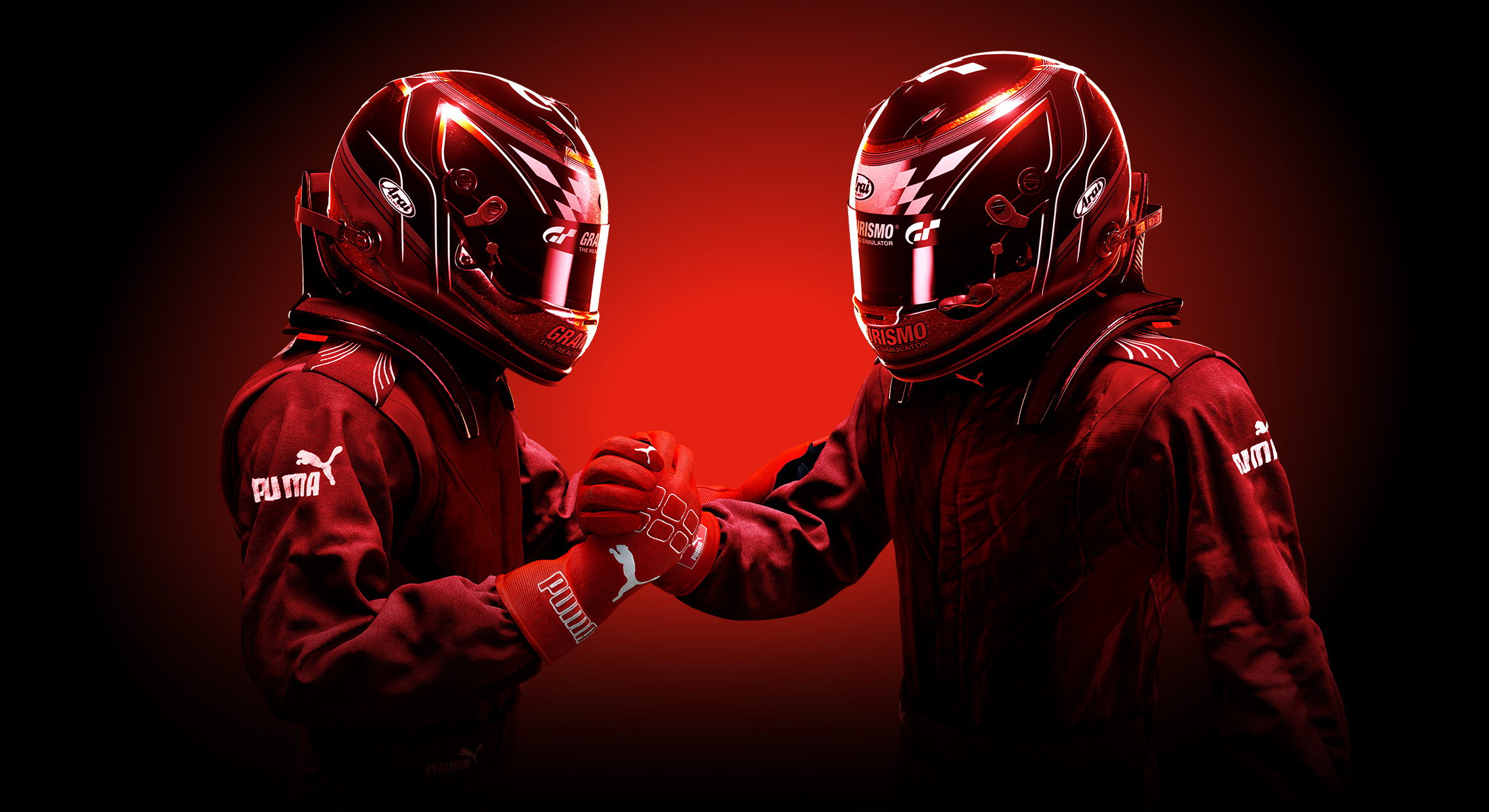
Racing fans were disappointed that the game launched with a very small number of cars and tracks. The focus on online esports competition alienated those who wanted a traditional single-player campaign. Polyphony Digital added hundreds of cars and a proper GT League mode through free updates. It evolved into a comprehensive racing package that bridged the gap to the next main entry.
‘Dead by Daylight’ (2016)
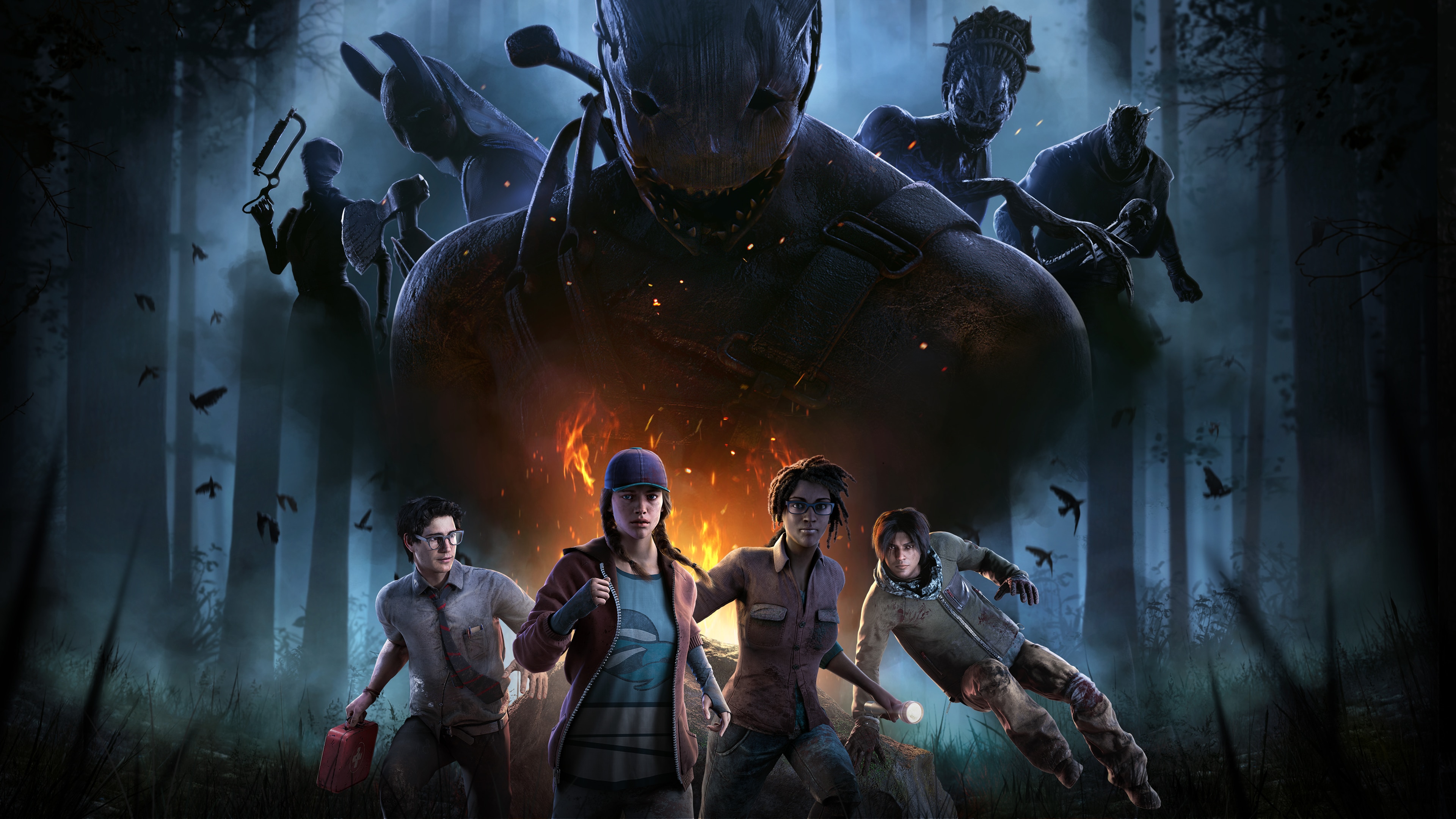
The initial release was barebones with few maps and a lot of game-breaking bugs. Matchmaking was slow and the balance between survivors and killers was often broken. Behaviour Interactive secured massive horror licenses and constantly refined the gameplay loop. It is now the undisputed king of the asymmetrical horror genre.
‘Hunt: Showdown’ (2018)
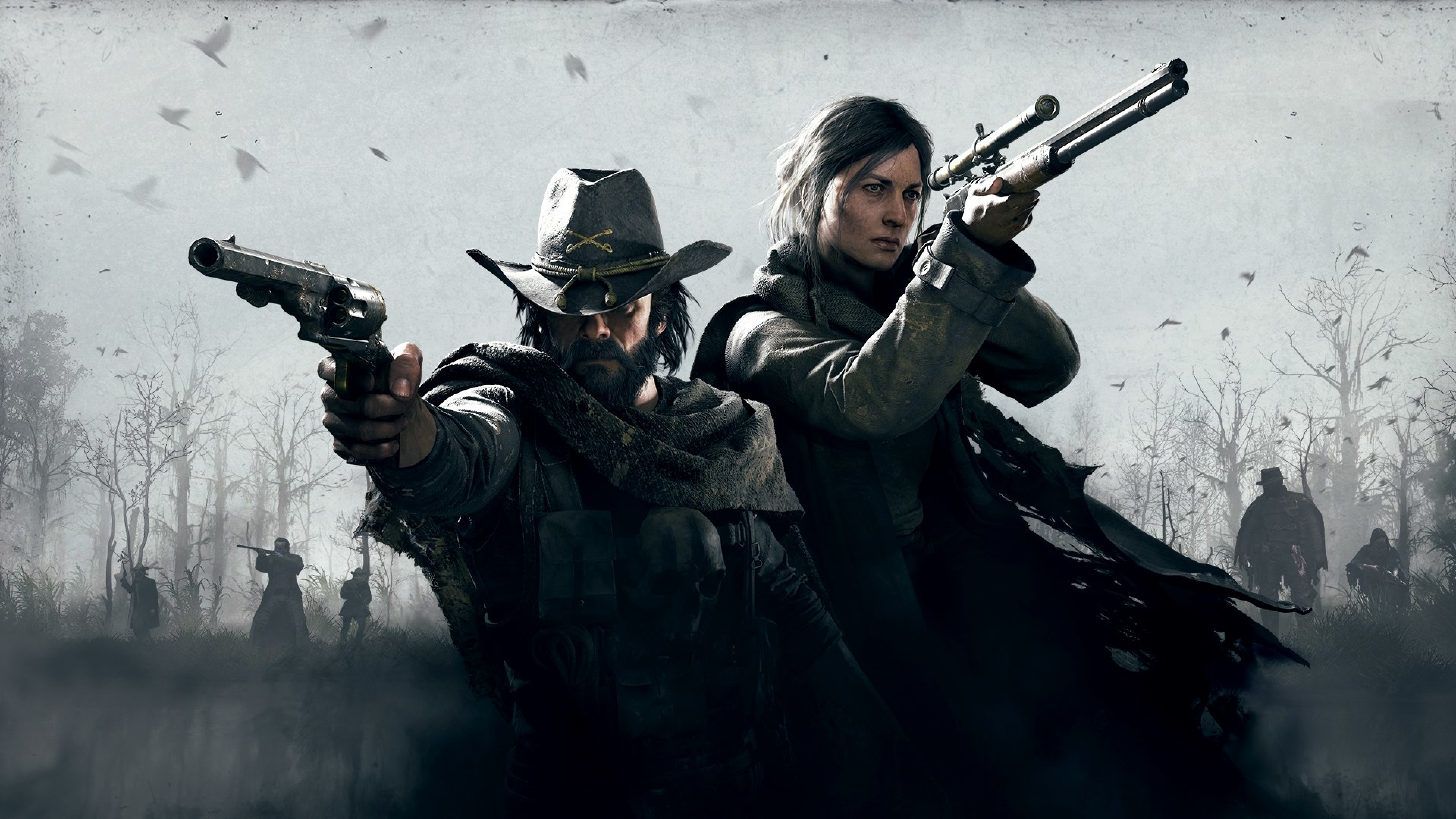
Early access versions were poorly optimized and ran terribly on most computers. The high learning curve and permadeath mechanics intimidated many new players. Crytek stuck with the game and improved the performance while adding new bosses and maps. It carved out a unique niche in the extraction shooter market with its distinct atmosphere.
‘The Evil Within’ (2014)
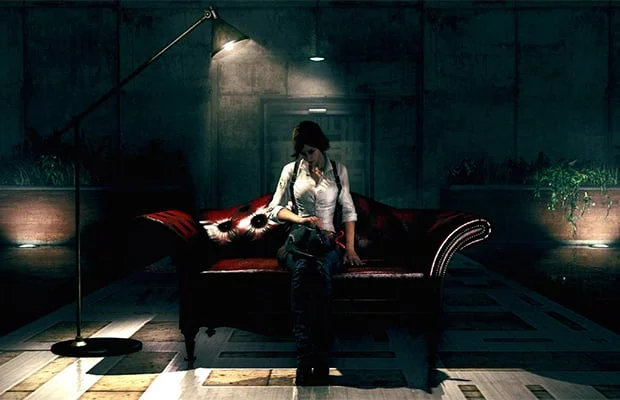
Shinji Mikami’s return to horror was marred by a forced letterbox aspect ratio and a locked 30fps cap on PC. These technical decisions frustrated players who wanted a smooth action experience. Patches later allowed players to remove the black bars and unlock the frame rate. The game is now appreciated for its twisted creature design and intense survival gameplay.
‘Alpha Protocol’ (2010)
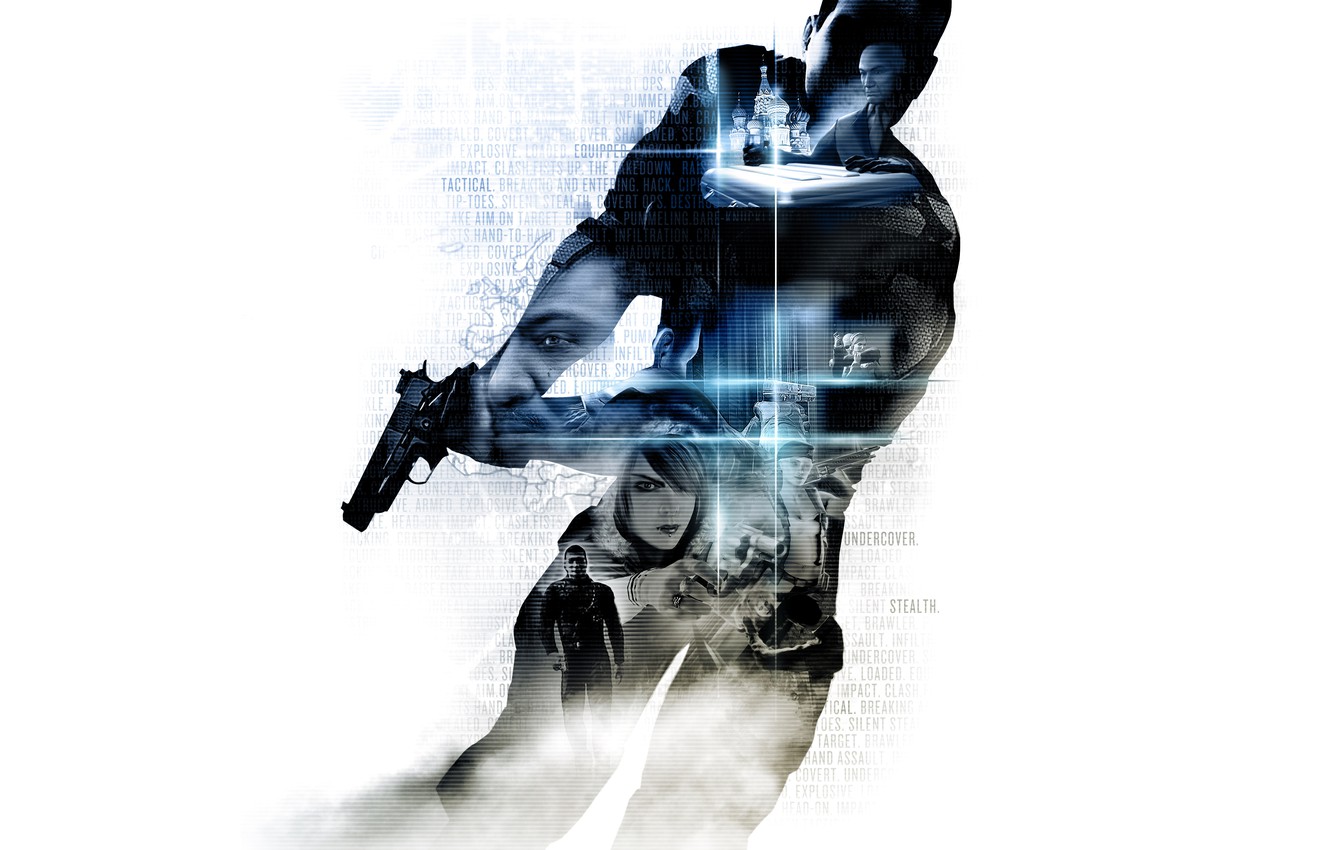
This spy RPG was released with clunky shooting mechanics and numerous glitches that led to average review scores. The combat felt outdated and the AI was often laughable. However, the branching narrative and reactivity to player choice were far ahead of their time. It has achieved cult status among RPG enthusiasts who value story consequences over polished action.
‘Lost Odyssey’ (2007)
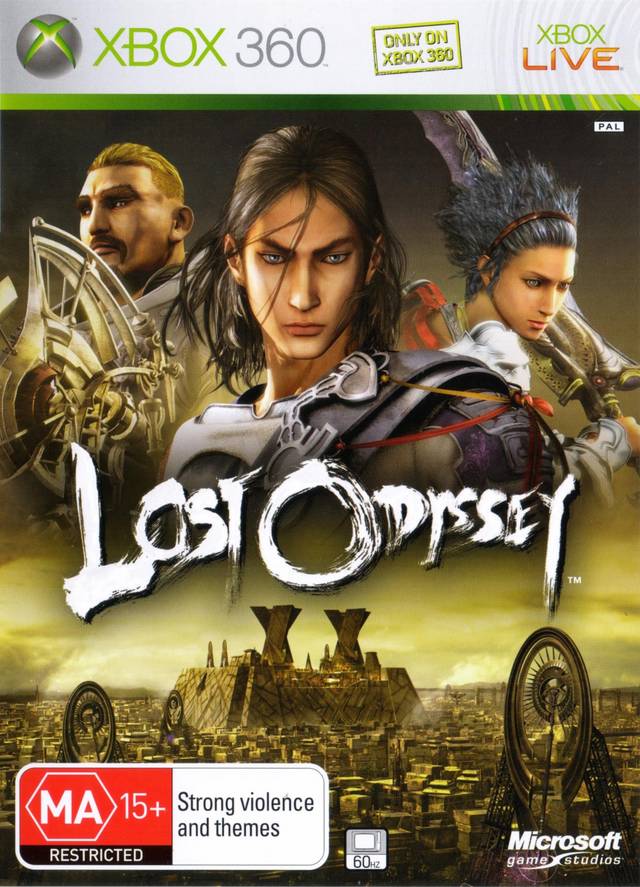
Critics criticized the old-school turn-based combat as being too archaic for the Xbox 360 era. The loading times were long and the game spanned four physical discs. Players who stuck with it found a touching story with some of the best written dreams and memories in gaming. It is now celebrated as one of the last great traditional JRPGs of its generation.
‘Deadly Premonition’ (2010)
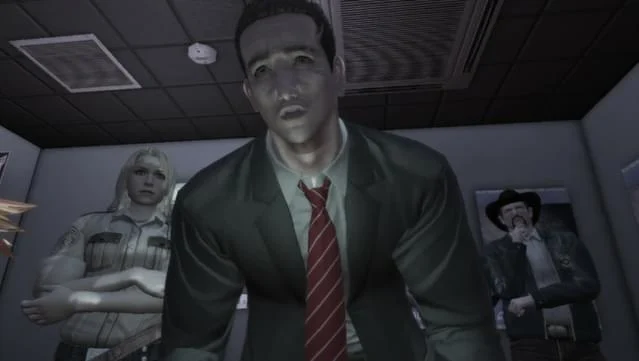
The graphics looked like a PlayStation 2 game and the controls were famously terrible. Review scores were polarized with some giving it perfect scores and others giving it zeros. The bizarre story and Twin Peaks-inspired atmosphere won over a dedicated legion of fans. It is the definition of a cult classic that is loved specifically for its eccentricities and flaws.
Share your favorite gaming redemption story in the comments.