Anime With Hidden Details Only Die-Hard Fans Notice


Anime production studios often embed secret messages or foreshadowing elements that enrich the viewing experience for dedicated audiences. These details range from blink-and-you-miss-it cameos to subtle visual cues that reveal major plot twists long before they happen. Finding these Easter eggs often requires multiple rewatches or a keen knowledge of the source material. The following series reward observant viewers with layers of depth hidden in the background art and character designs.
‘Attack on Titan’ (2013–2023)
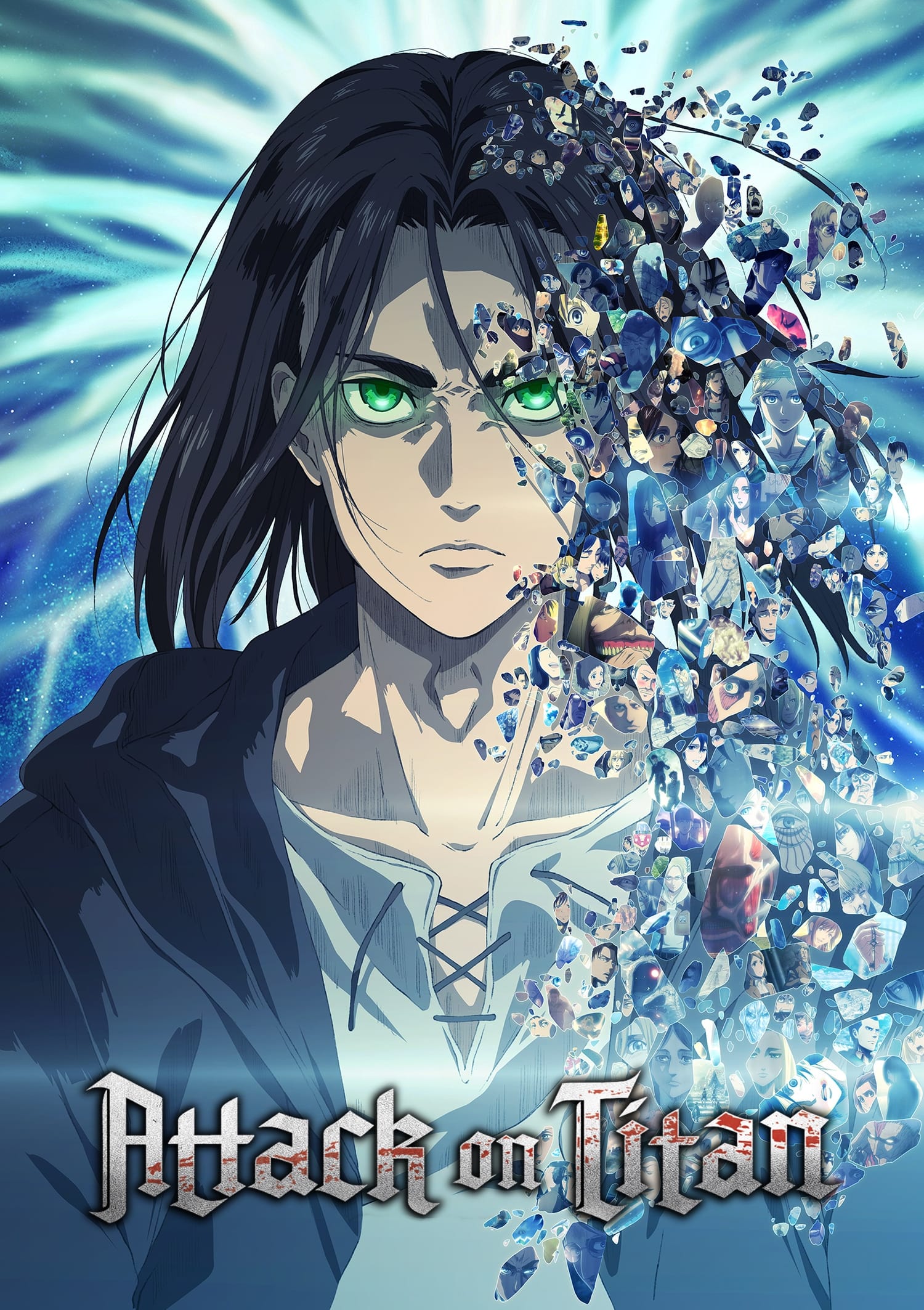
This series is infamous for revealing its biggest secrets in plain sight years before the plot formally addresses them. The ending credits of the second season depict a historical tapestry that outlines the true origin of the Titans and the history of Ymir. Viewers who looked closely at the steam emitting from certain characters early in the show could deduce the identity of the Armored and Colossal Titans. Hajime Isayama carefully placed visual cues in the background art that foreshadowed the basement reveal from the very first episode.
‘One Piece’ (1999–Present)
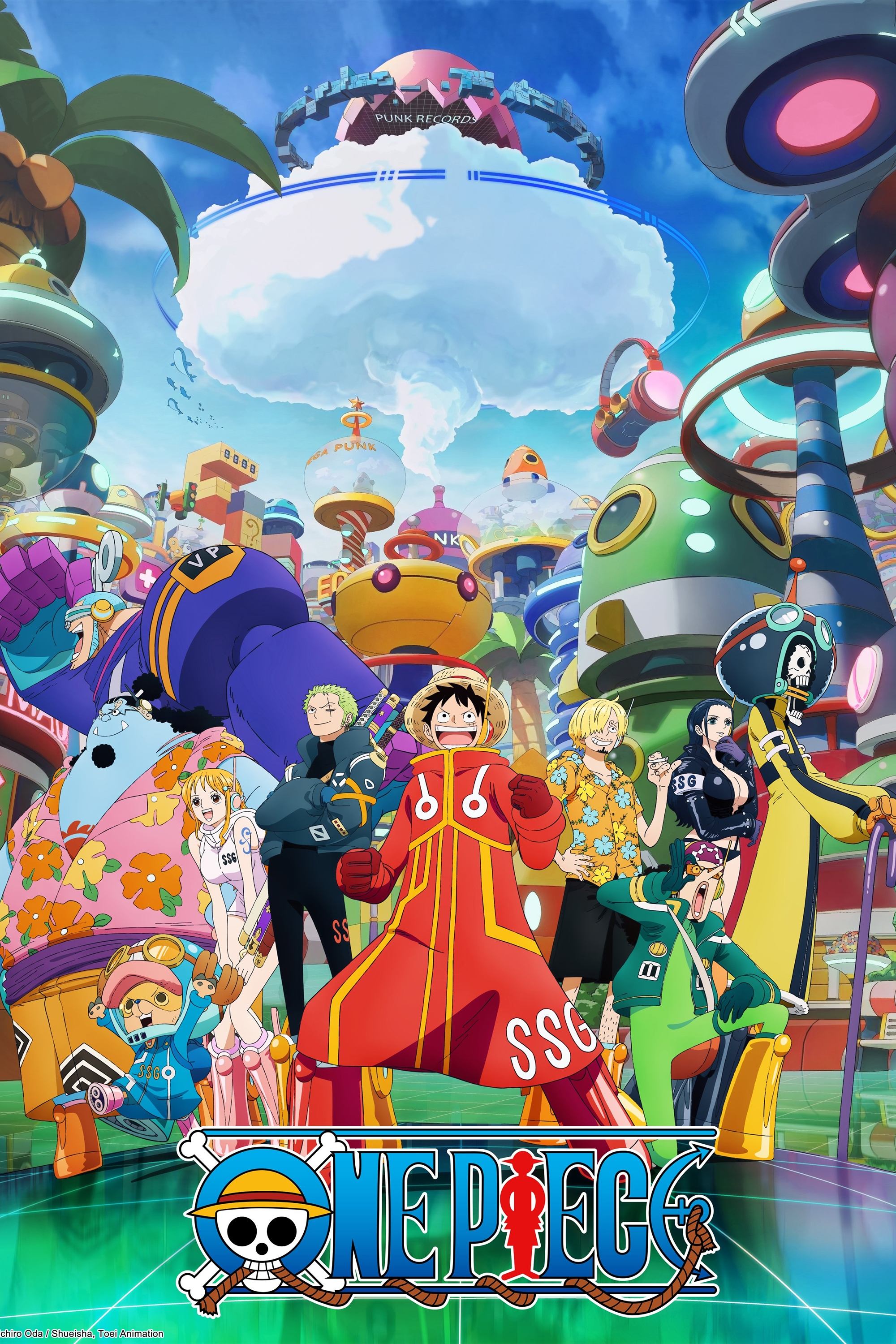
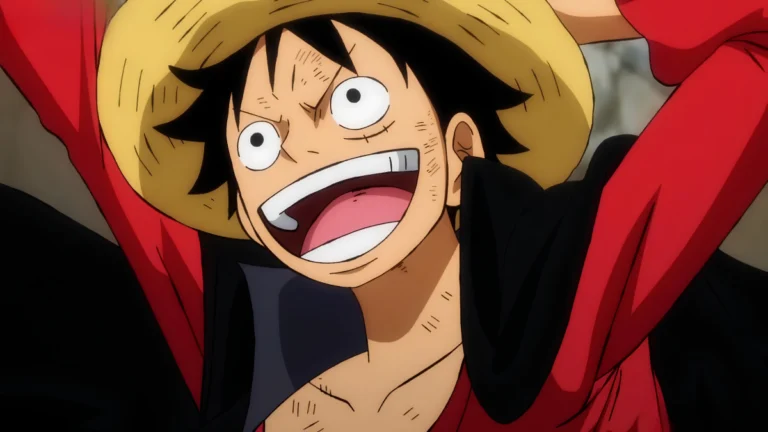
Eiichiro Oda is known for hiding a character named Pandaman in the background of crowd scenes throughout the anime and manga. This wrestling-mask-wearing character appears in the most unexpected places during chaotic battles or large gatherings. The anime also foreshadows major events like the death of Ace through card games played by crew members in earlier arcs. Die-hard fans scrutinize every frame of the background to find these gag characters and subtle lore hints.
‘Neon Genesis Evangelion’ (1995–1996)
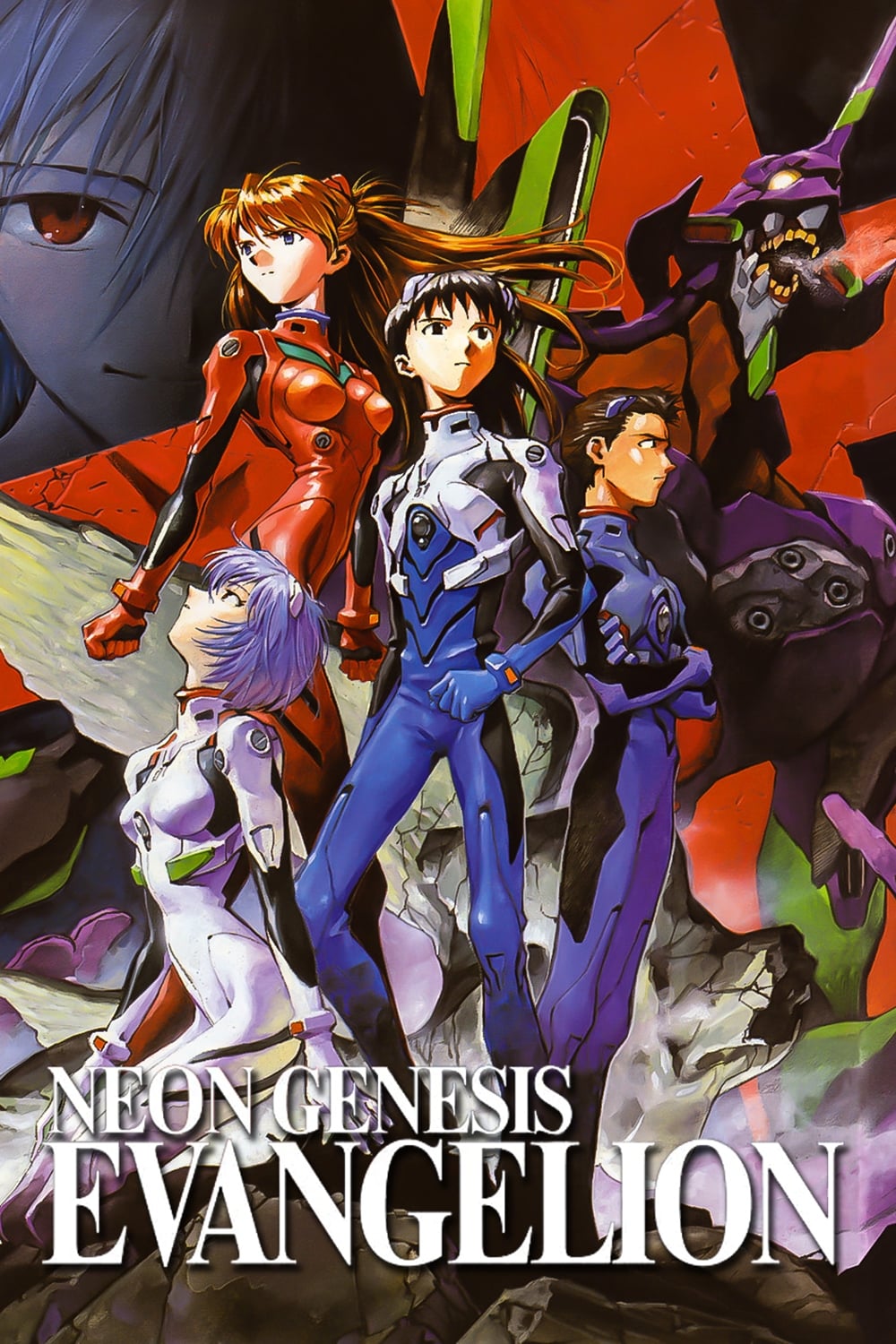
Hideaki Anno filled this mecha classic with religious symbolism and psychological references that require frame-by-frame analysis. Brief flashes of text on computer screens often display technical data or biblical passages that elaborate on the lore of the Angels. The layout of the NERV headquarters mimics the structure of the Kabbalistic Tree of Life. Background monitors frequently show the mental state of pilots through distorted imagery that aligns with their psychological breakdowns.
‘Cowboy Bebop’ (1998–1999)
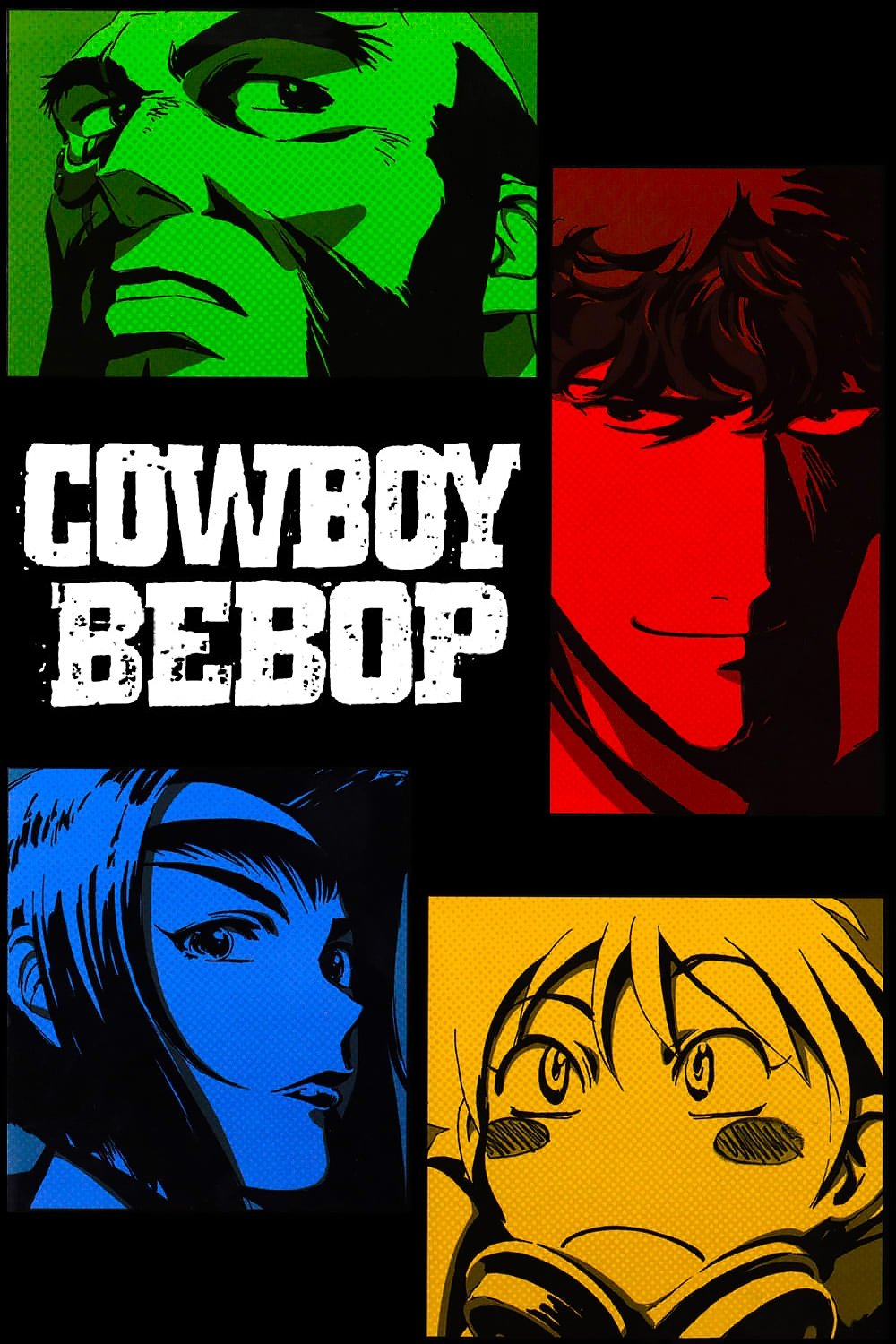
Shinichirō Watanabe included numerous references to Western pop culture and music history within the futuristic setting. The names of the three old men who frequently appear are Antonio, Carlos, and Jobim, which is a nod to the bossa nova legend Antonio Carlos Jobim. Background signage often features broken English phrases that reference famous rock songs or classic cinema. Even the fighting moves used by Spike Spiegel are direct animated recreations of Bruce Lee’s Jeet Kune Do techniques.
‘Fullmetal Alchemist: Brotherhood’ (2009–2010)
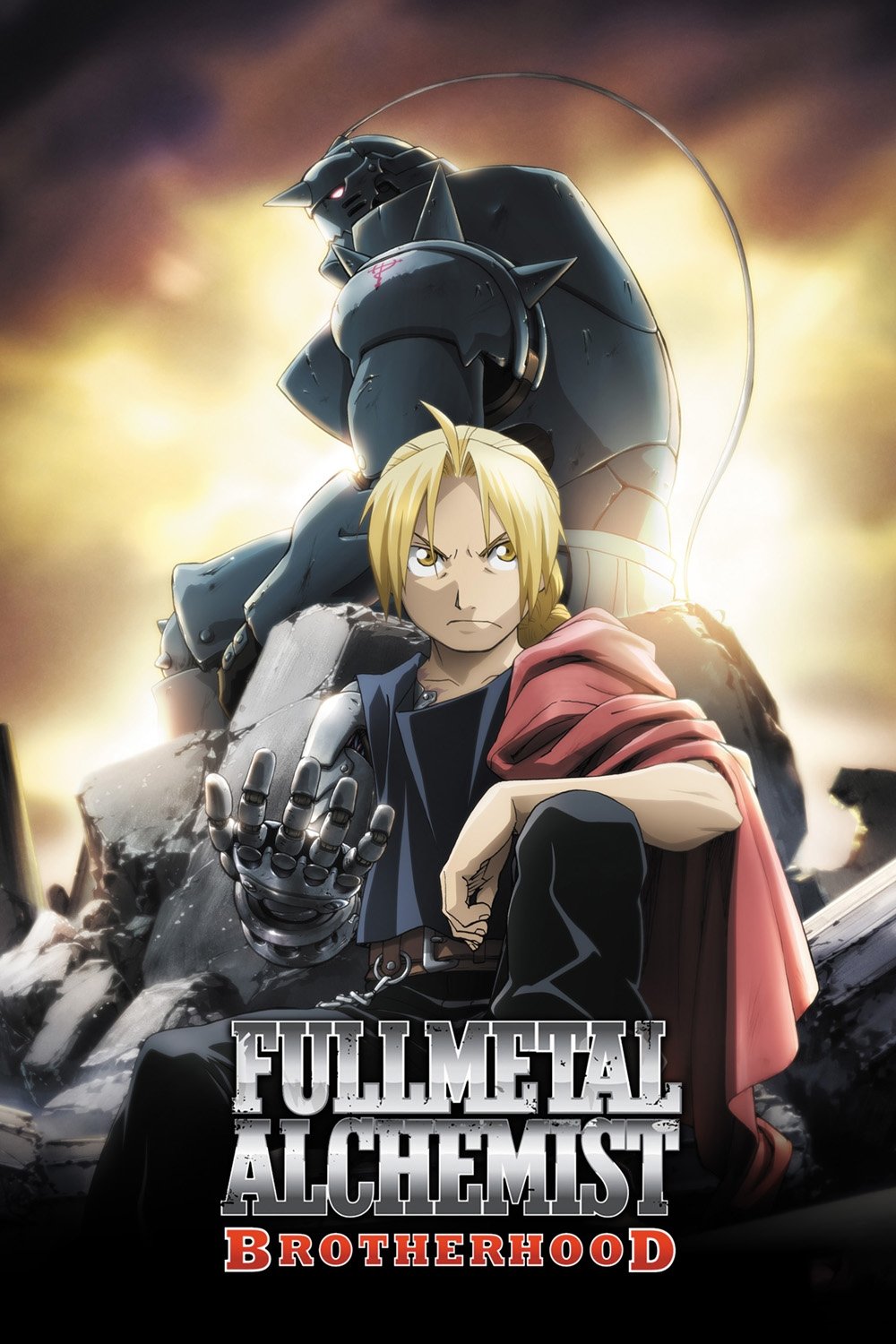
The opening and ending sequences change subtly as the series progresses to reflect the evolving state of the characters’ bodies and relationships. Background details in the ruins of Xerxes perfectly match the transmutation circles seen later in the series finale. The show frequently hides the specific date “3. Oct” in pocket watches and documents to remind viewers of the brothers’ promise. Careful observation of the background characters often reveals the homunculi watching the protagonists long before they officially interact.
‘My Hero Academia’ (2016–Present)
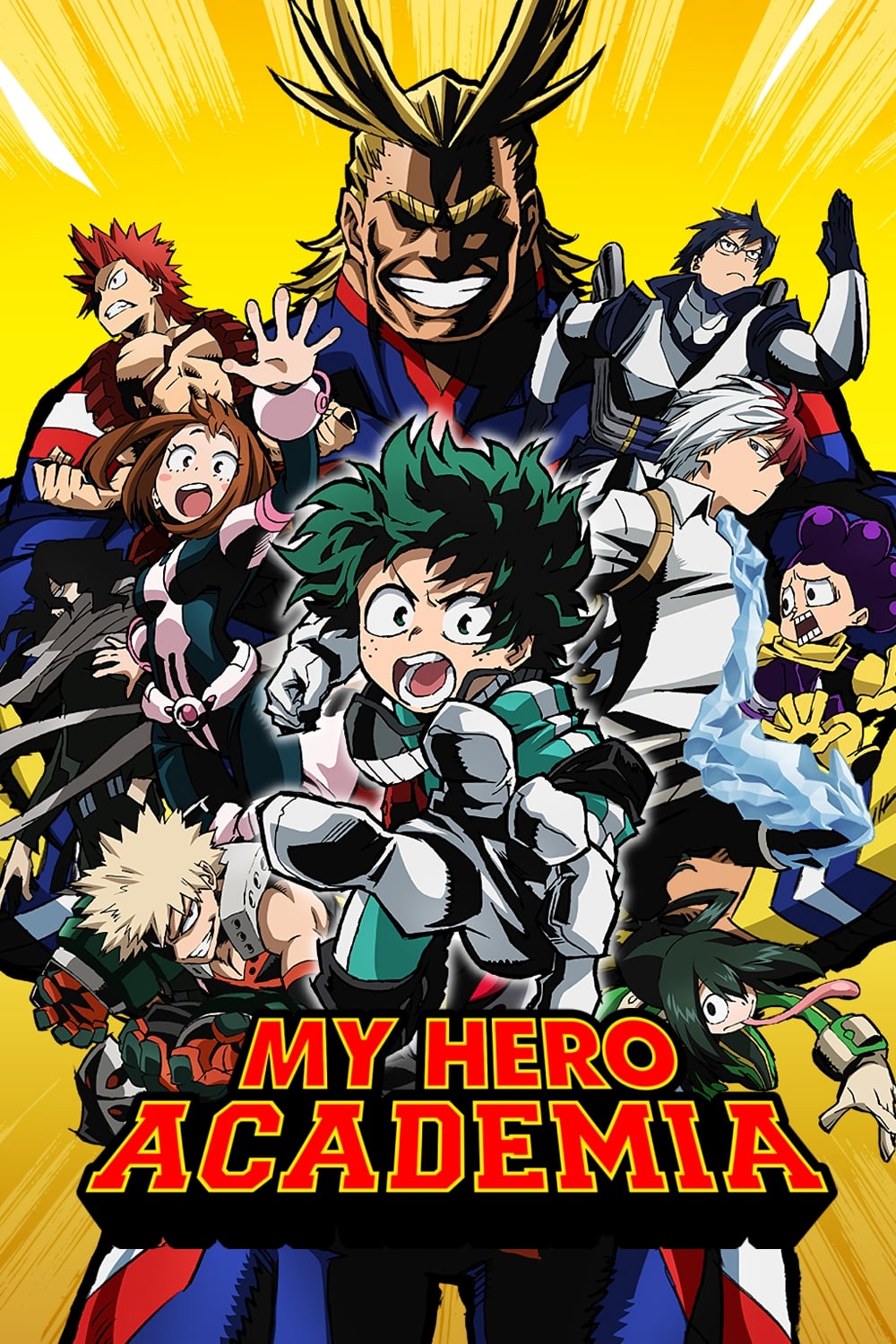
Horikoshi places silhouette cameos of characters from his previous works and other famous comic books in the background of crowded hero scenes. The designs of casual clothes worn by the students often feature text or graphics that hint at their hero names or quirk abilities. In the League of Villains’ hideout, the hands attached to Shigaraki were carefully drawn to correspond to specific deceased family members. Background screens in public spaces often display news tickers that foreshadow upcoming villain arcs.
‘JoJo’s Bizarre Adventure’ (2012–Present)
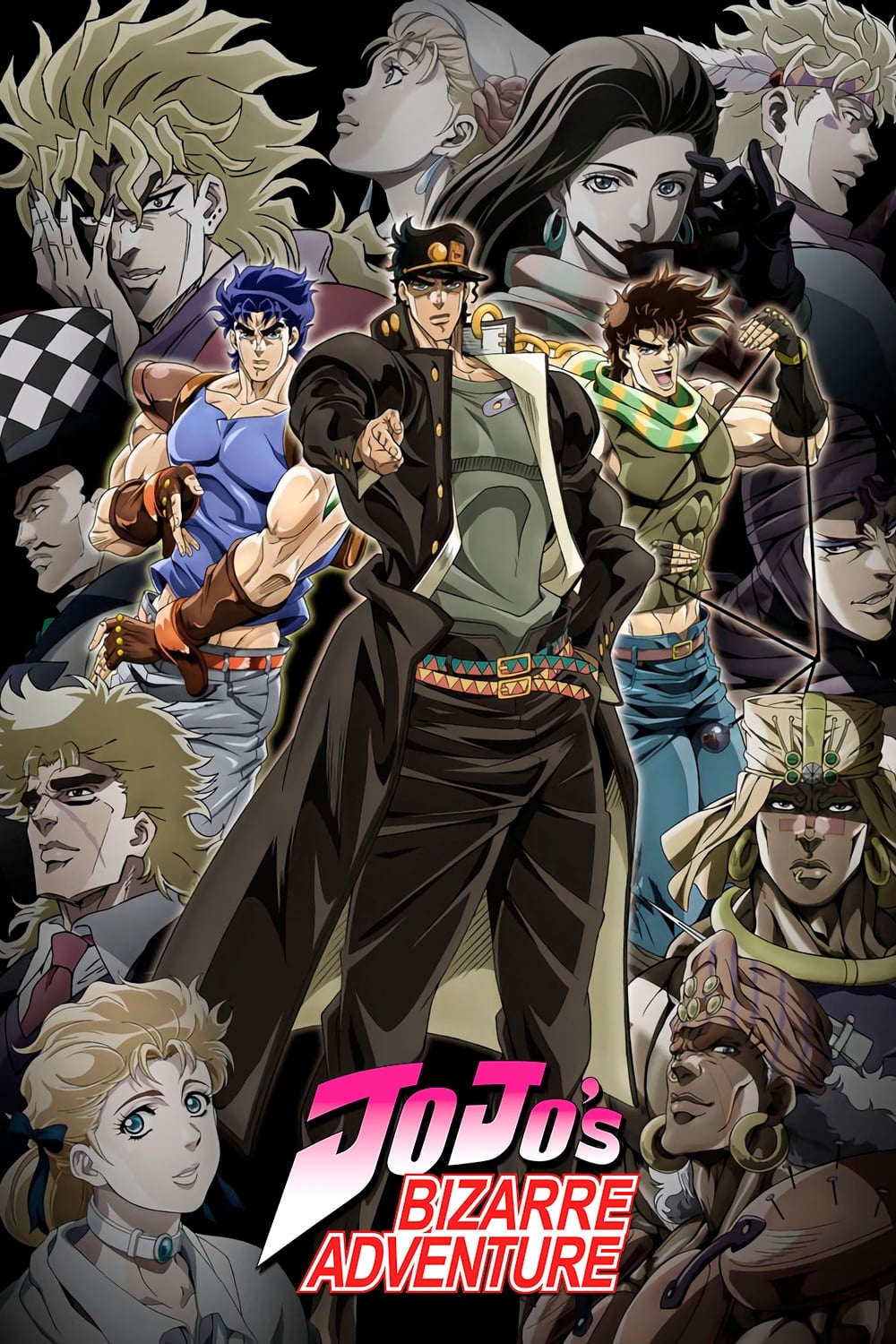
David Production painstakingly recreates the dramatic sound effects from the manga as visible katakana characters floating in the air. The color palette frequently shifts during intense battles to match the specific color spreads used by Hirohiko Araki in the source material. Musical references are hidden everywhere from character names to the poses they strike during conversation. The studio even animates the openings to include subtle changes that reflect the villain’s ability to manipulate time.
‘Puella Magi Madoka Magica’ (2011)
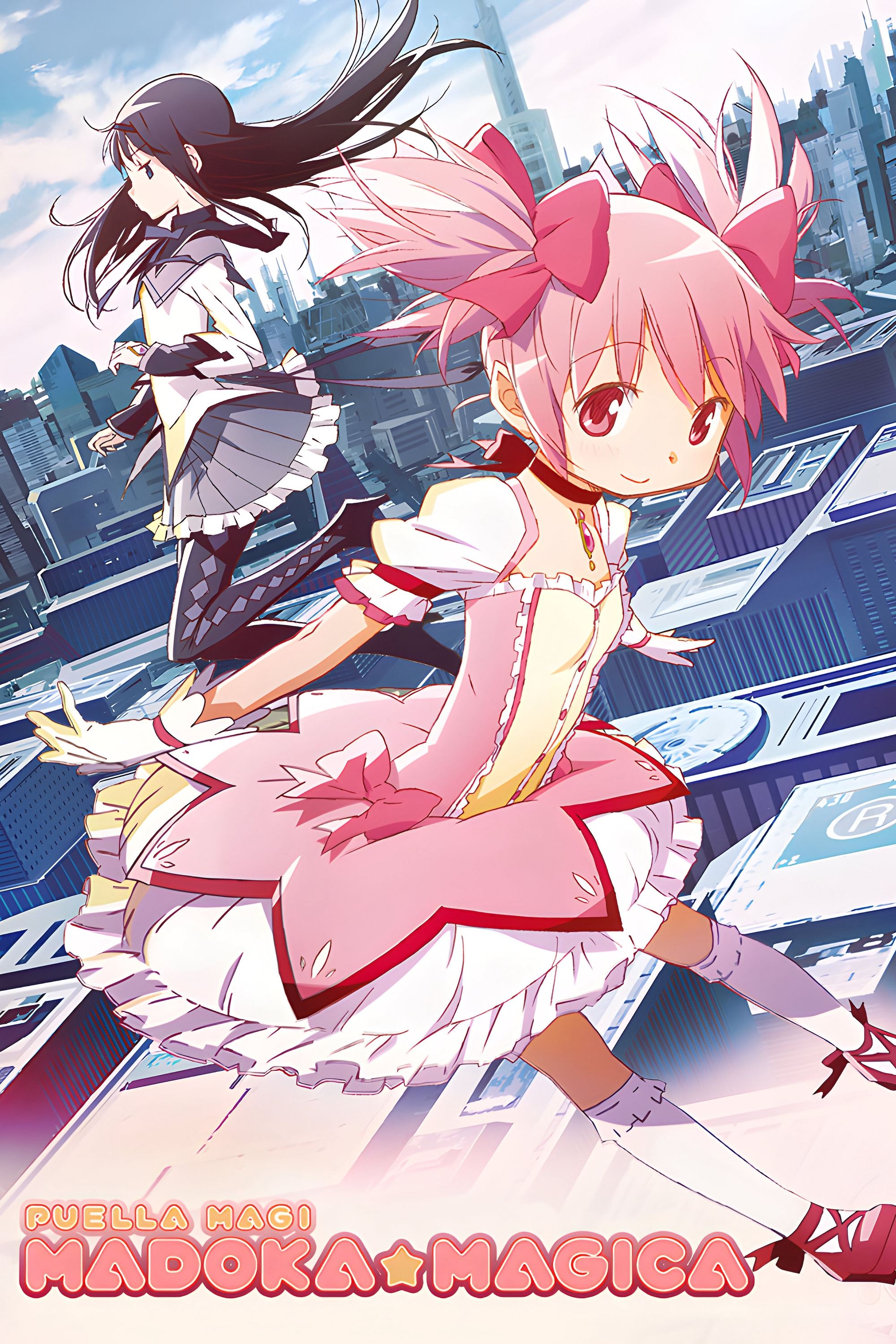
The witches’ labyrinths are filled with runes that can be deciphered to read German poetry and foreshadow the magical girls’ fates. Background architecture often features chairs and seemingly random objects that symbolize the characters’ deteriorating mental states. The show utilizes distinct artistic styles for the witches that clash with the standard character designs to represent their otherworldly nature. Every piece of text displayed in the witch barriers provides a direct clue about the witch’s former human life.
‘Steins;Gate’ (2011)
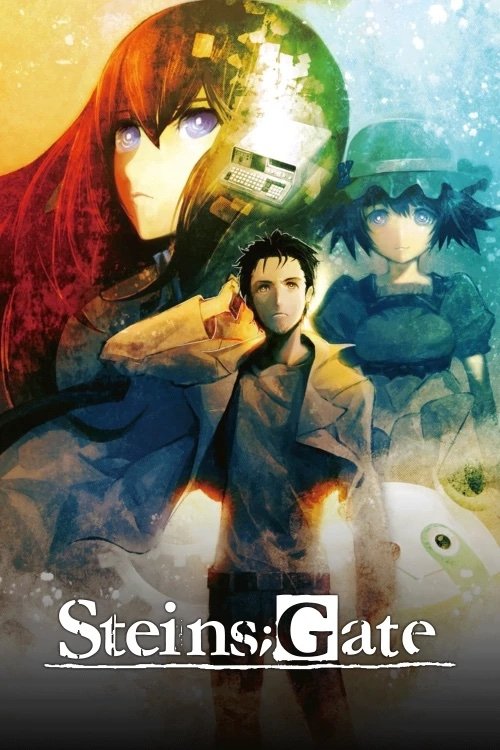
The anime visually represents the divergence numbers of the world lines on nixie tubes that appear in the opening and ending credits. Background calendars and clocks are meticulously accurate to the timeline of the events being portrayed. The show hides references to real-world internet culture and conspiracy theories like John Titor on the computer forums Okabe visits. Detailed observers can notice subtle shifts in the color grading of the animation depending on which timeline the characters are currently inhabiting.
‘Hunter x Hunter’ (2011–2014)
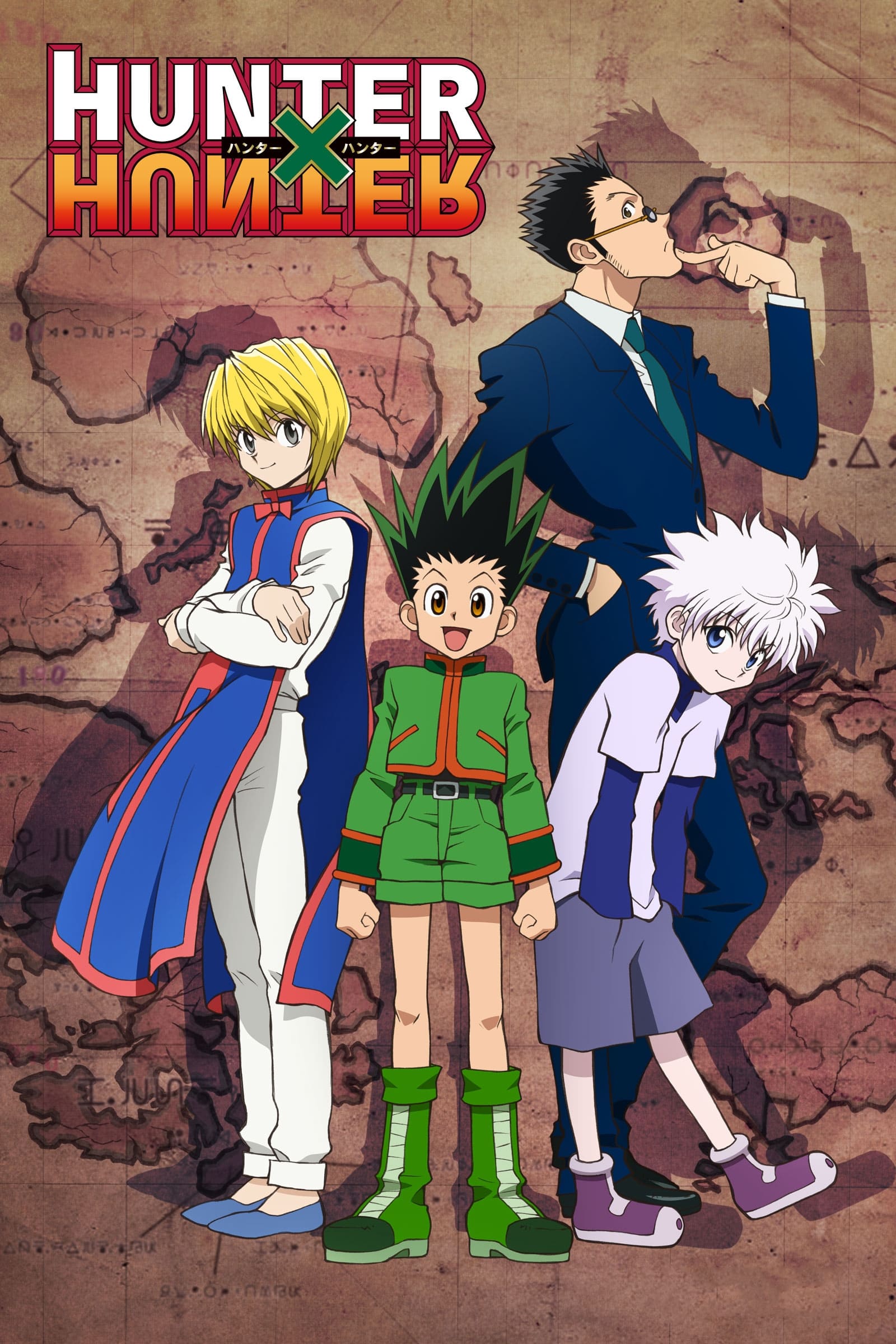
The series features a fully functional fictional language that can be translated by dedicated fans to read signs and documents. The Hunter Exam arc contains foreshadowing for the Chimera Ant arc through subtle dialogue about dangerous species from the Dark Continent. Killua’s clothing changes frequently and the designs often reference obscure fashion brands or pop culture icons. The opening sequence evolves by adding characters and changing visuals as the narrative arcs progress.
‘FLCL’ (2000–2001)
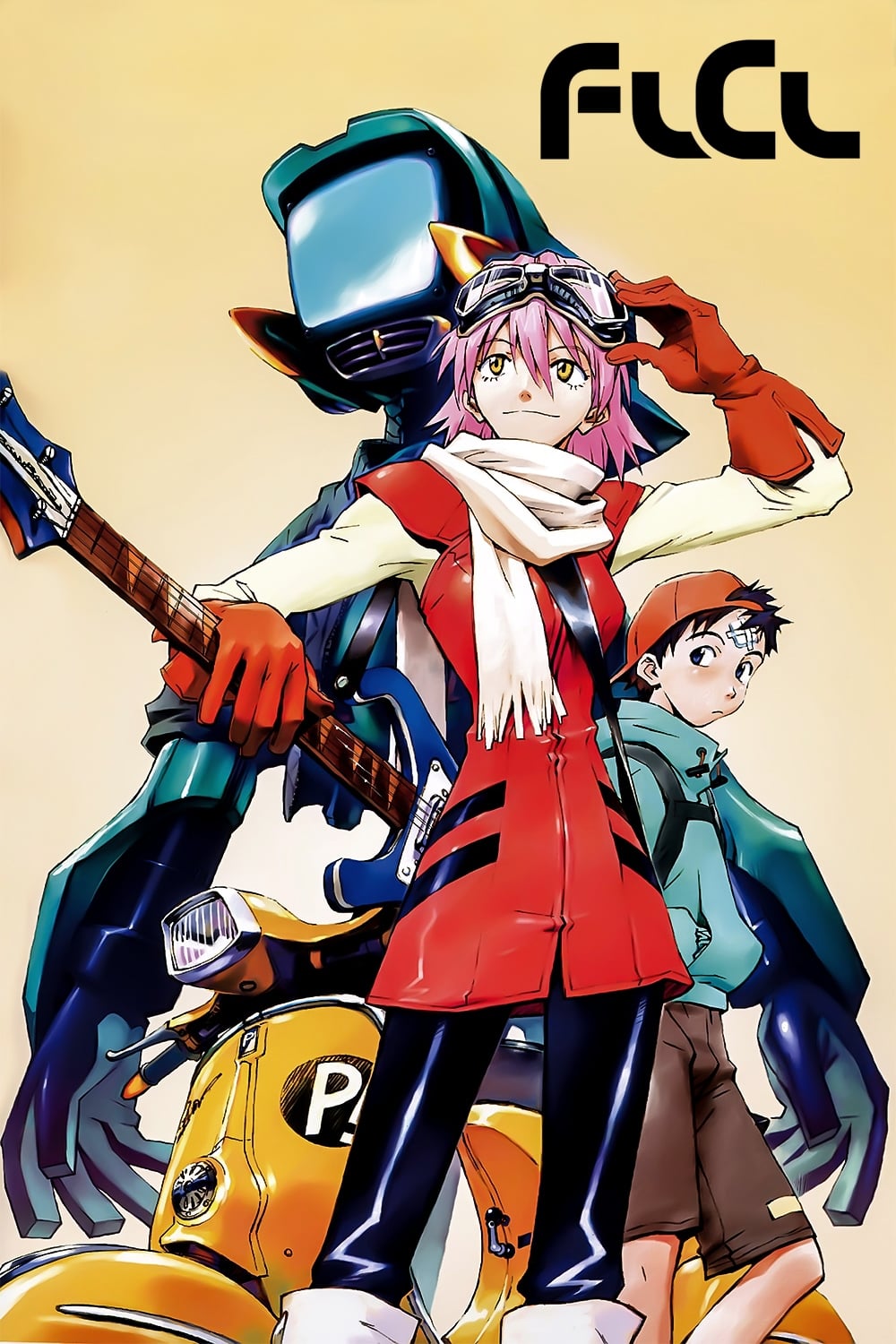
This frenetic OVA is packed with cameos from other Gainax anime and references to American pop culture like ‘South Park’. The animators hid single frames of text or bizarre images that are only visible when pausing the video. Background characters often perform entirely separate skits that have nothing to do with the main plot. The guitars wielded by Haruko are drawn with obsessive accuracy to match real-world vintage Rickenbacker and Gibson models.
‘Kill la Kill’ (2013–2014)
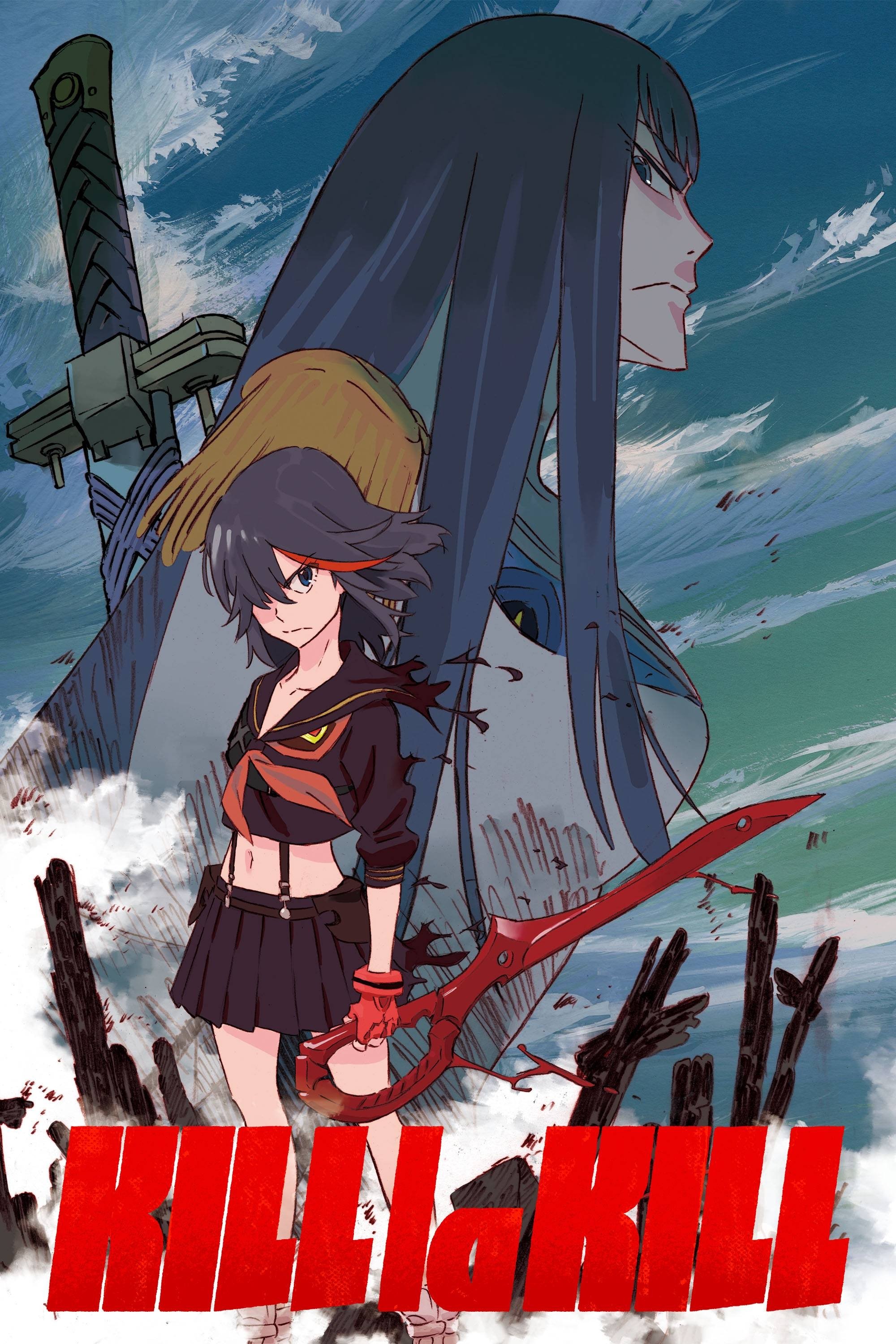
Studio Trigger hid the plot twist regarding the Life Fibers in the very first opening sequence through rapid cuts of visual data. The background often features typography that physically interacts with the characters during shouting matches. Mako’s bizarre monologue sequences are filled with historical art references and visual puns that fly by in seconds. The red and blue color motifs are consistently used to represent the conflict between the two main opposing forces.
‘Spirited Away’ (2001)
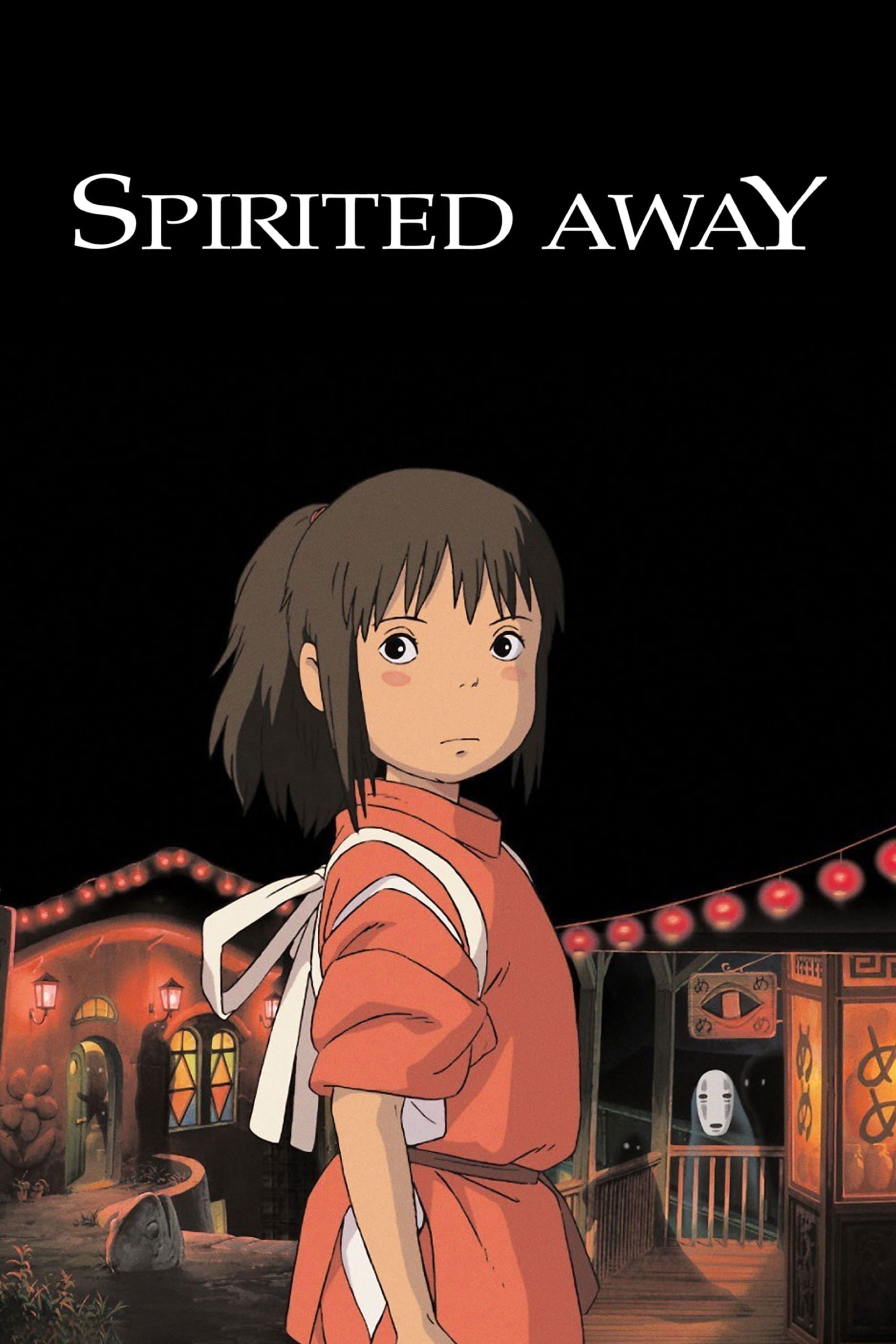
Hayao Miyazaki included subtle movements in the background characters to make the spirit world feel alive and lived-in. The patterns on the vases and sliding doors in Yubaba’s bathhouse depict the lore of the spirits who visit. Careful viewers can spot the exact moment Chihiro’s name is stolen from her contract as the kanji characters physically disappear. The train scene features shadowy passengers that represent the lost souls who have become trapped in the spirit realm.
‘Akira’ (1988)
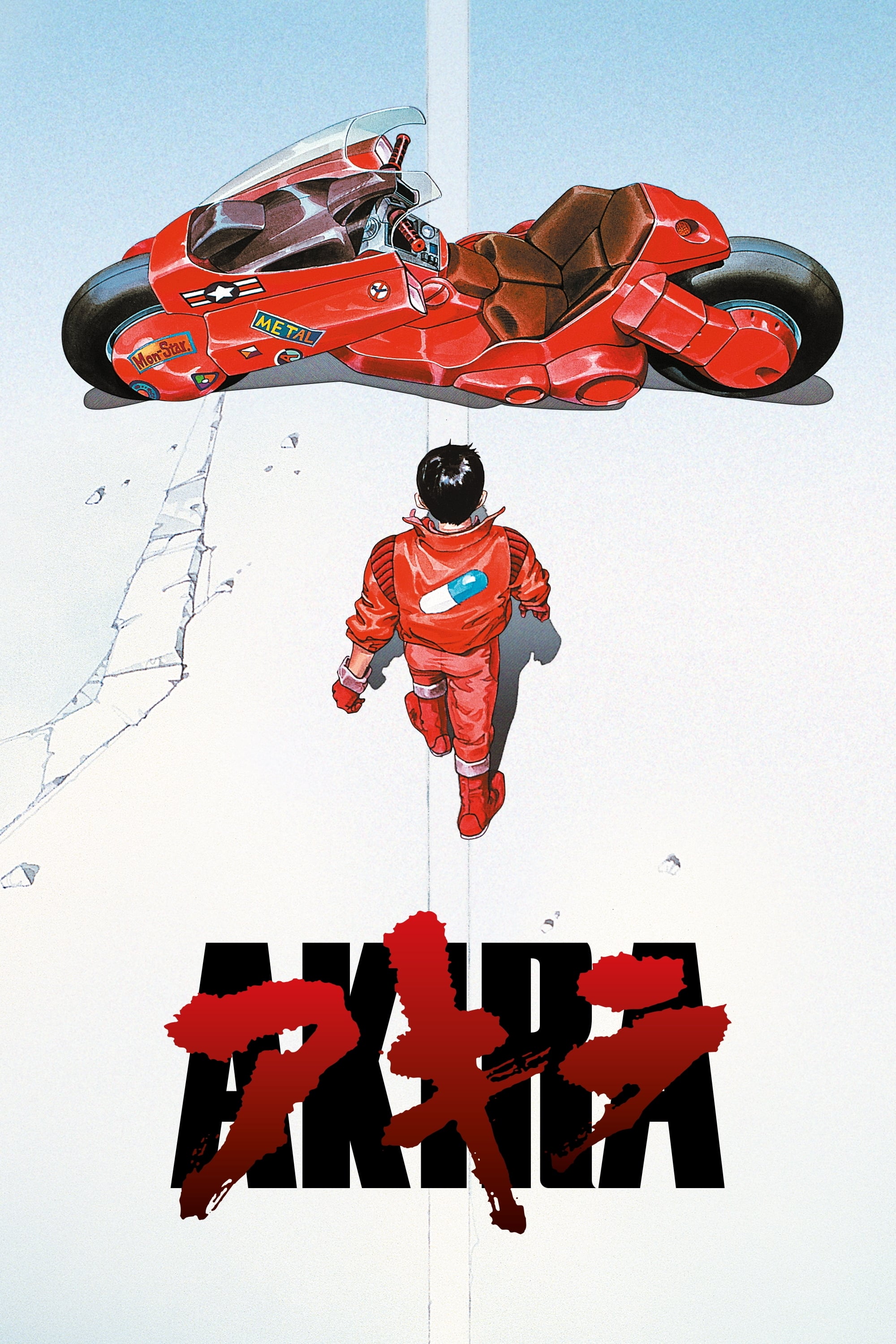
The film famously predicted the selection of Tokyo for the 2020 Olympics with a signboard visible in the background of the stadium construction site. Graffiti on the walls of Neo-Tokyo contains messages protesting the government and referencing the manga’s deeper political themes. The intricate destruction animation of the city was hand-drawn with such detail that windows on distant buildings shatter individually. Monitors in the laboratory scenes display accurate medical data regarding the psychic children’s vitals.
‘Monster’ (2004–2005)

This psychological thriller uses lighting and shadows to hint at the dual nature of Johan Liebert. Background newspapers and television broadcasts often report on events that Johan has secretly orchestrated. The children’s picture book that plays a central role in the plot is visible in library scenes long before the characters discover it. The layout of the locations is based on real German and Czech towns with high geographical accuracy.
‘Code Geass: Lelouch of the Rebellion’ (2006–2008)
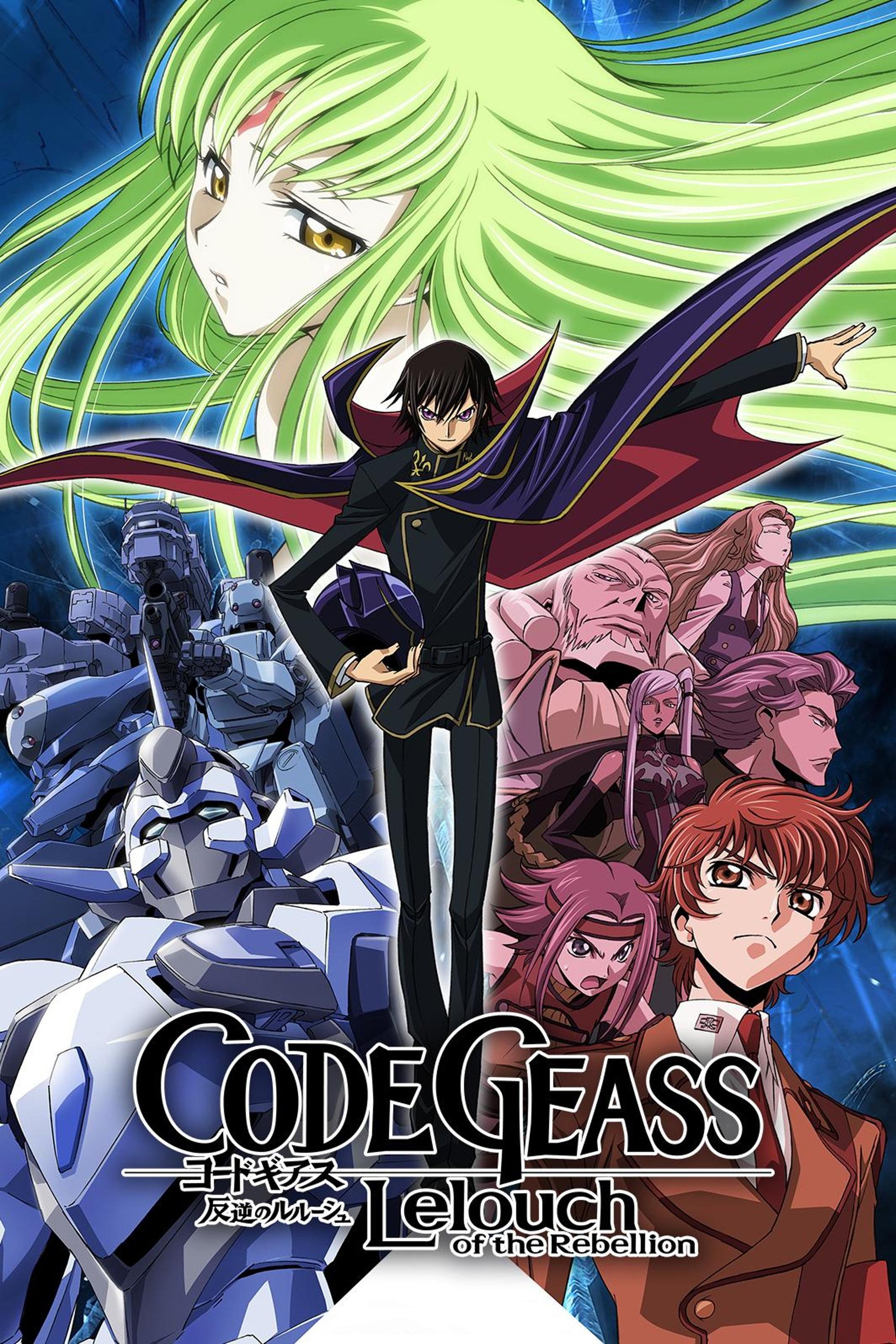
The show features blatant product placement for Pizza Hut that changes based on the timeline and location of the events. Chess matches played between characters reflect their strategic standing in the current political war. The opening sequences often contain flashes of geass symbols in the eyes of characters who have not yet obtained the power. Background maps in the briefing rooms accurately display the shifting territories of the Holy Britannian Empire.
‘Death Note’ (2006–2007)
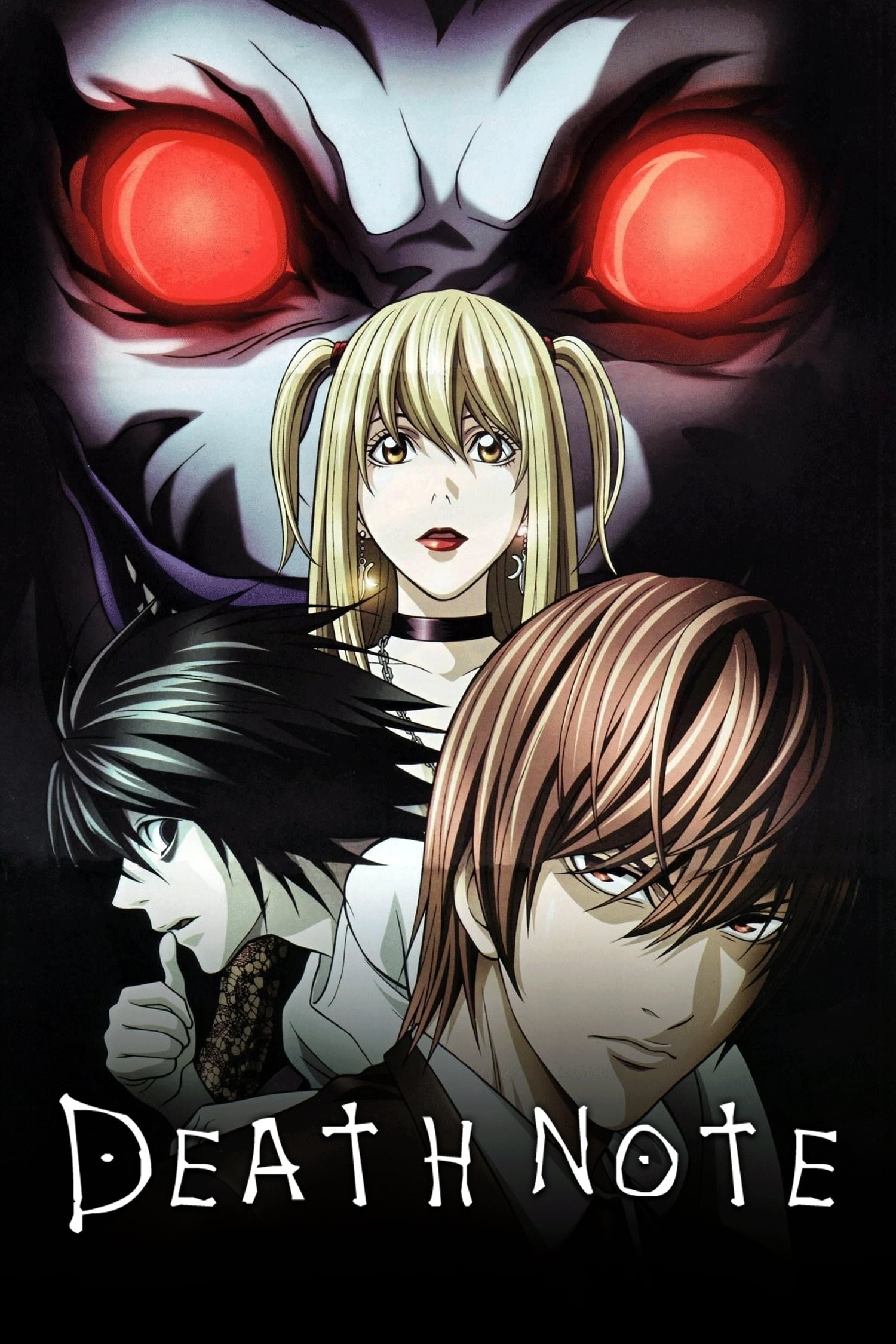
The lighting constantly shifts to color-code the ideological battle between Light Yagami and L. Red and blue filters wash over the characters during their internal monologues to represent their opposing views on justice. Apples are placed in scenes to symbolize the temptation of the Shinigami realm entering the human world. The rules of the Death Note are displayed in the eyecatches and contain specific clauses that become relevant in future episodes.
‘Yuri!!! on Ice’ (2016)
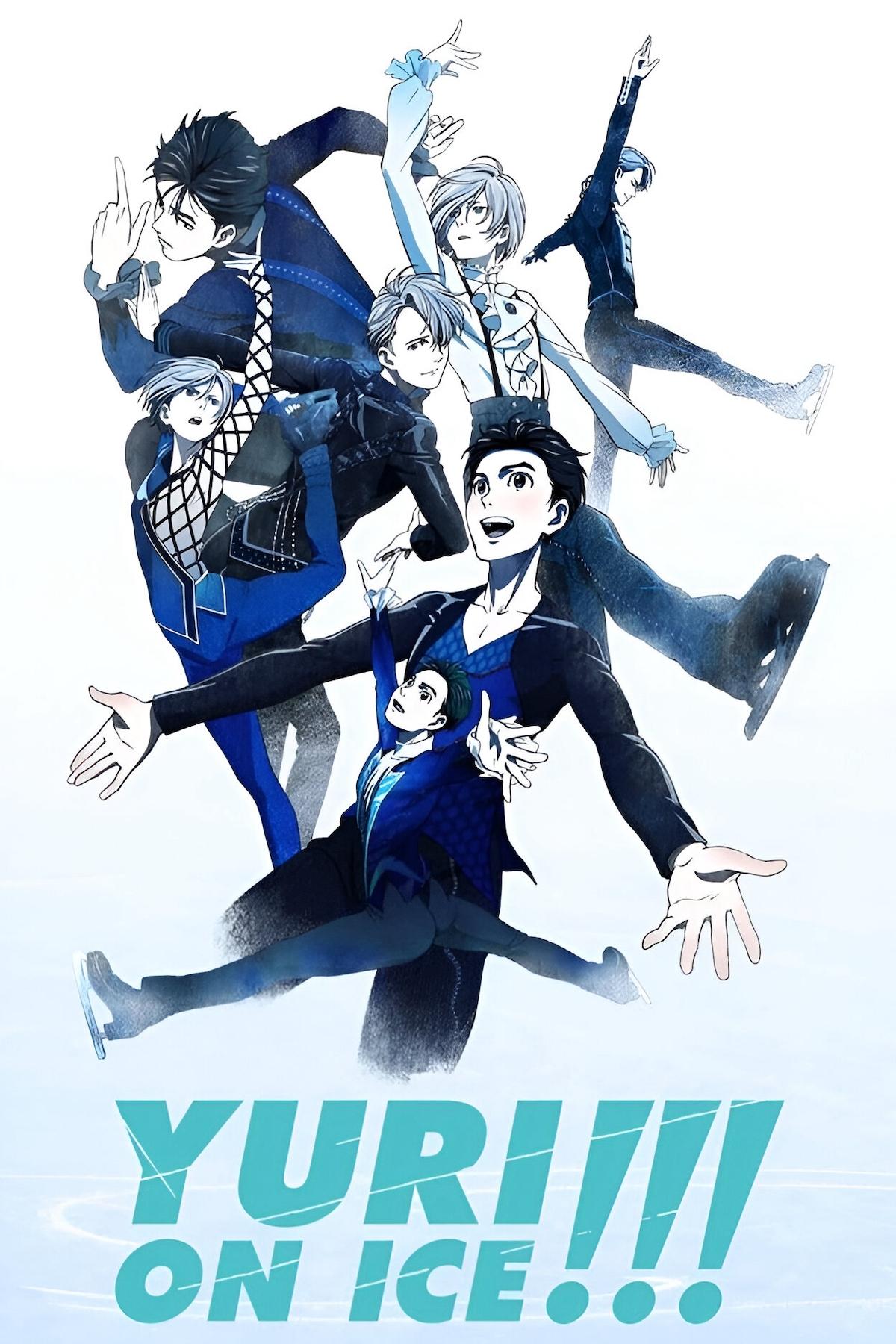
The skating routines are choreographed by professional figure skaters and the animation accurately reflects real-world scoring physics. Background banners in the skating rinks feature the names of real fans who supported the show’s production. The rings worn by Victor and Yuri change hands and positions in subtle ways that track the progression of their relationship. Social media posts shown on phone screens contain time-accurate comments and hashtags from other characters.
‘Violet Evergarden’ (2018)
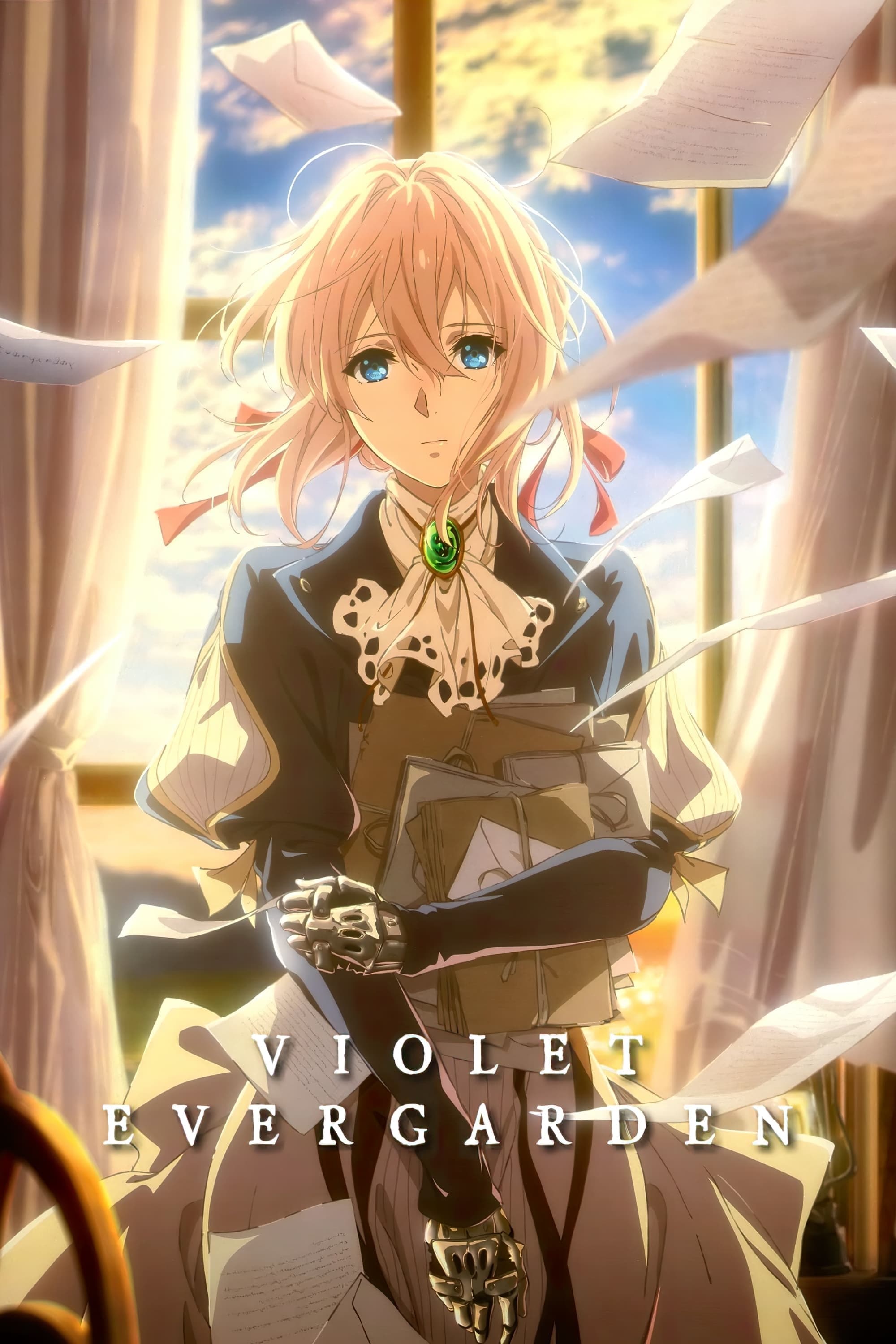
The flowers shown in each episode are carefully chosen to represent the Victorian language of flowers relevant to the emotional theme. The typewriter Violet uses is animated with mechanical precision that matches the sound of the keystrokes. Background letters and documents are written in a fictional alphabet that remains consistent and translatable throughout the series. The changing seasons in the background art perfectly track the passage of time across the episodic narrative.
‘Chainsaw Man’ (2022)

The opening sequence is a montage of direct visual references to classic films like ‘Pulp Fiction’ and ‘The Big Lebowski’. Background posters in the characters’ apartments feature movies that exist in the real world and reflect the director’s taste. The eye designs of the devils often feature concentric circles that mimic the control devil’s hypnotic power. Subtle movements in the characters’ acting reveal their anxiety or confidence levels without a single line of dialogue.
‘Jujutsu Kaisen’ (2020–Present)
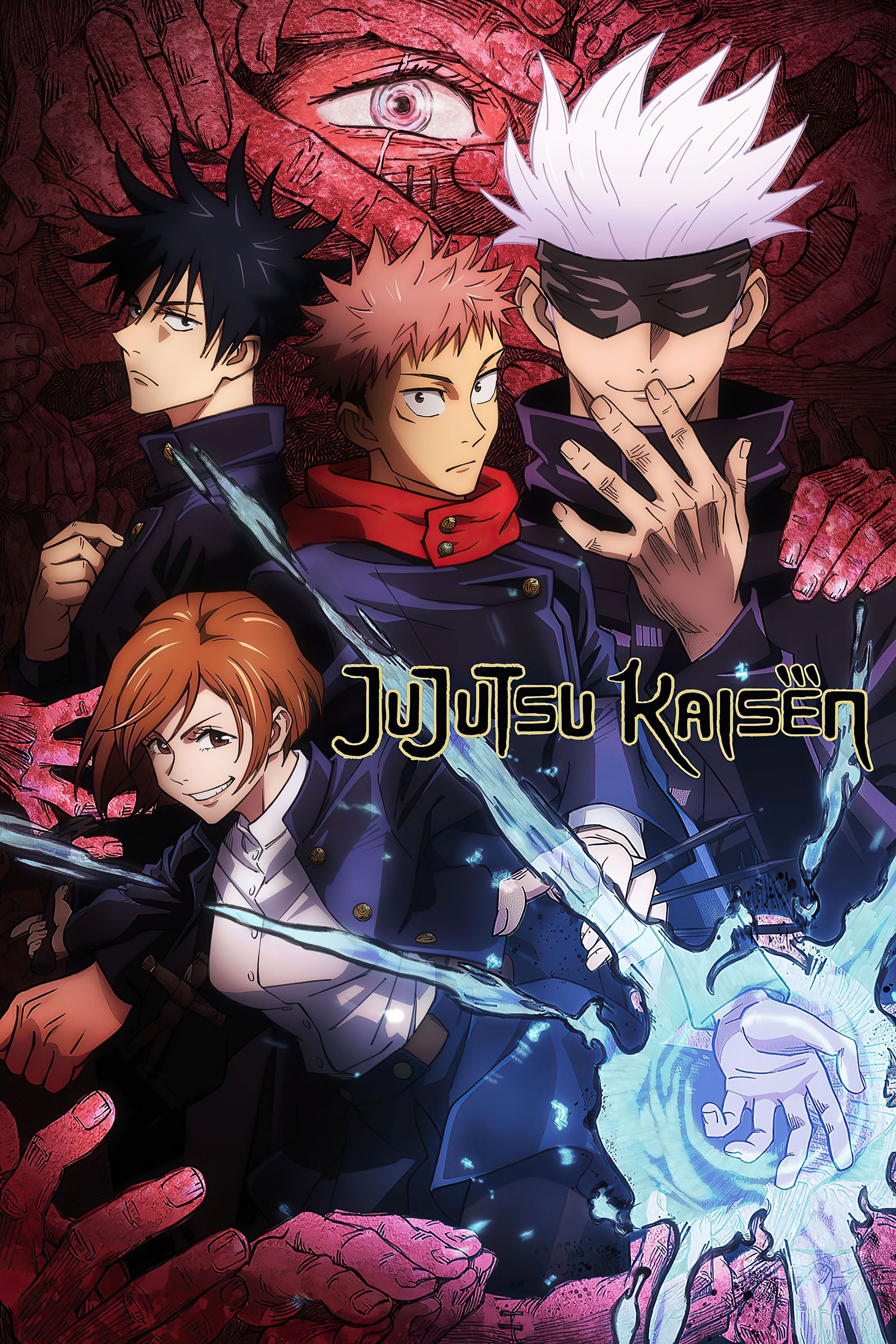
The opening credits frequently change to reflect the status of the characters and foreshadow upcoming deaths or injuries. The cursed energy radiating from different sorcerers has distinct textures and colors that hint at the nature of their techniques. Background scenery in the domain expansions contains symbolism related to the Buddhist deities the characters are associated with. The fish shikigami summoned by Megumi are drawn with anatomical accuracy based on real species.
‘Demon Slayer: Kimetsu no Yaiba’ (2019–Present)
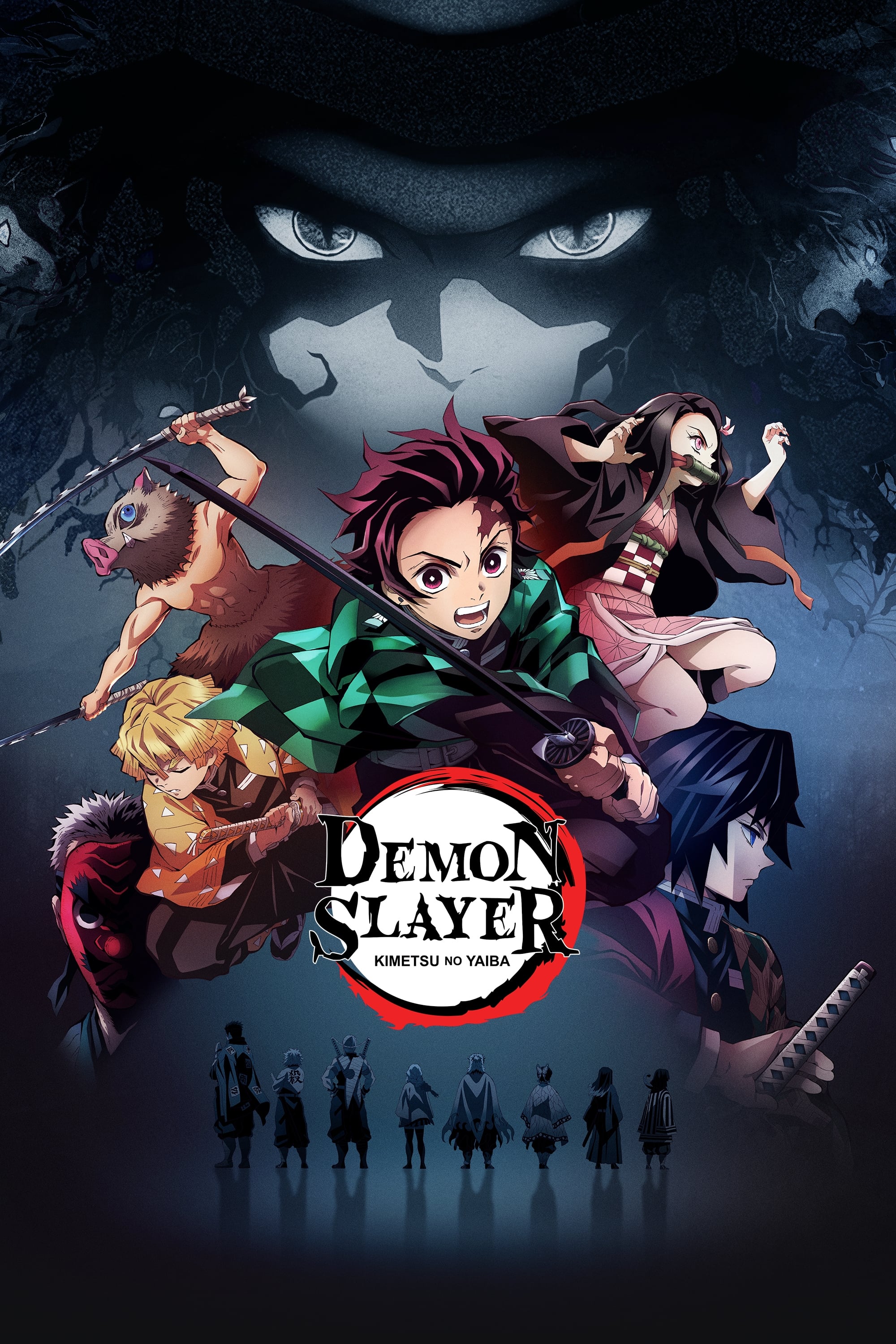
The hanafuda earrings worn by Tanjiro feature a rising sun design that foreshadows his connection to the first breath user. The eyes of the demons often contain the kanji for their rank which changes or disappears as they are defeated. Water breathing techniques are animated in the style of traditional ukiyo-e woodblock prints to emphasize their historical origin. The wisteria flowers used to ward off demons are always depicted in full bloom to symbolize protection and purity.
‘Mob Psycho 100’ (2016–2022)
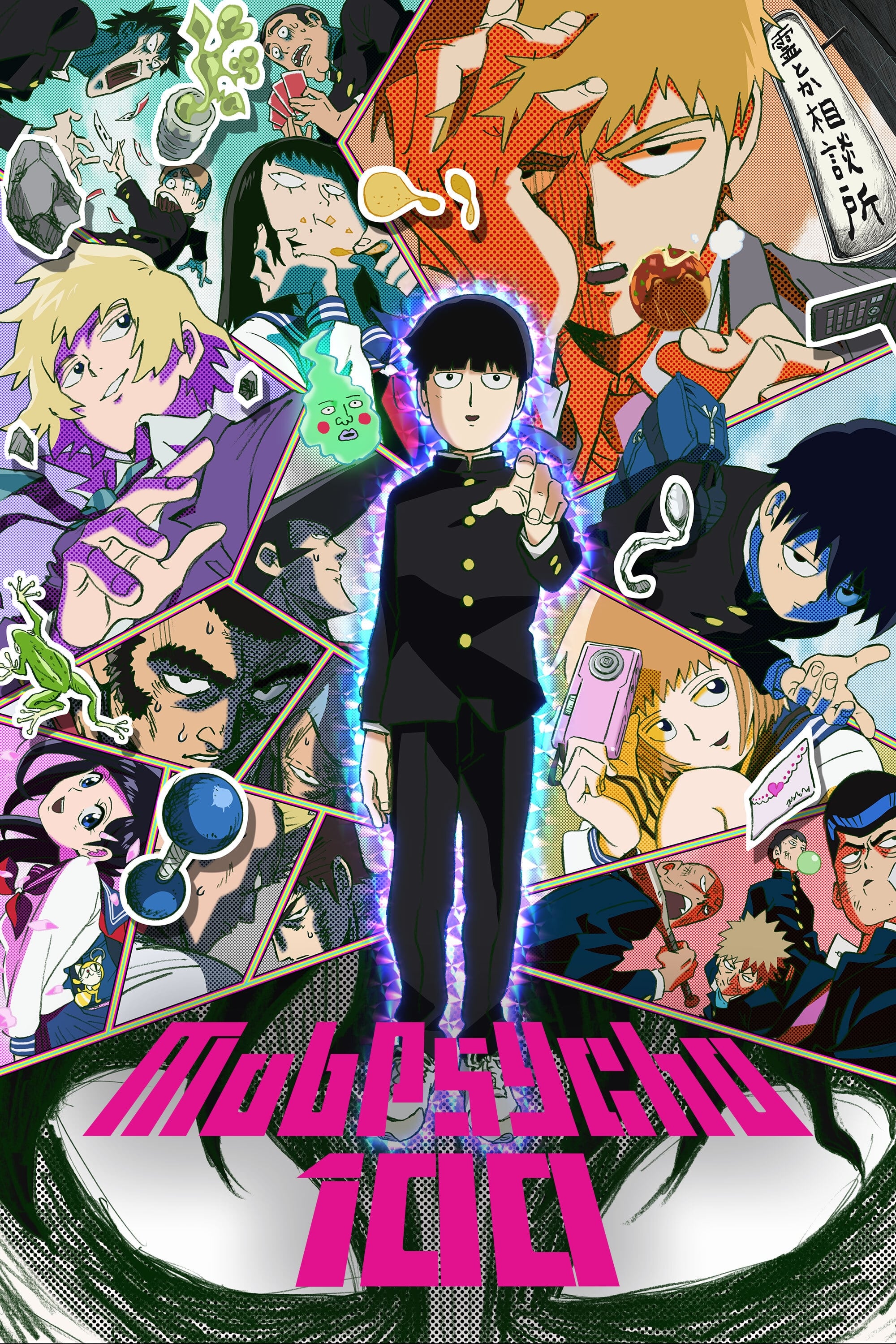
The show often hides crude drawings of Saitama from ‘One Punch Man’ on magazine covers and phone screens. The background art frequently shifts into different mediums like oil painting or glass-on-glass animation to represent psychic distress. Text messages on Mob’s phone reveal the mundane concerns of middle school life amidst the supernatural chaos. The opening sequences are dense with psychedelic imagery that contains spoilers for the entire season’s arc.
‘Bungo Stray Dogs’ (2016–Present)
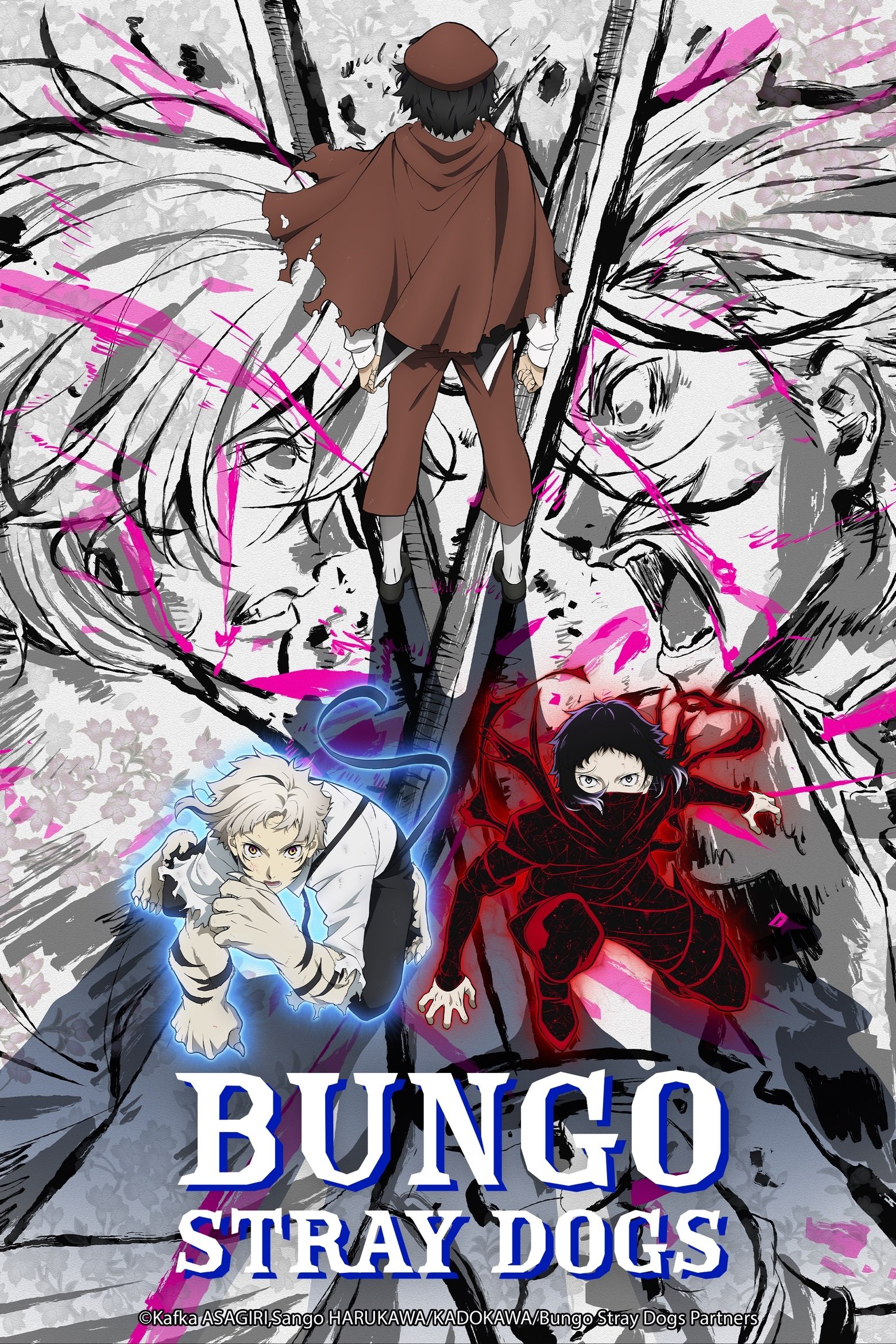
The characters possess abilities named after famous literary works that function as metaphors for the authors’ writing styles. Background text often quotes lines from the real-world books written by the authors the characters are based on. The relationships between characters mirror the real-life friendships and rivalries of the historical authors. Visual motifs associated with the authors, such as tigers or black coats, are integrated into their character designs.
‘Serial Experiments Lain’ (1998)
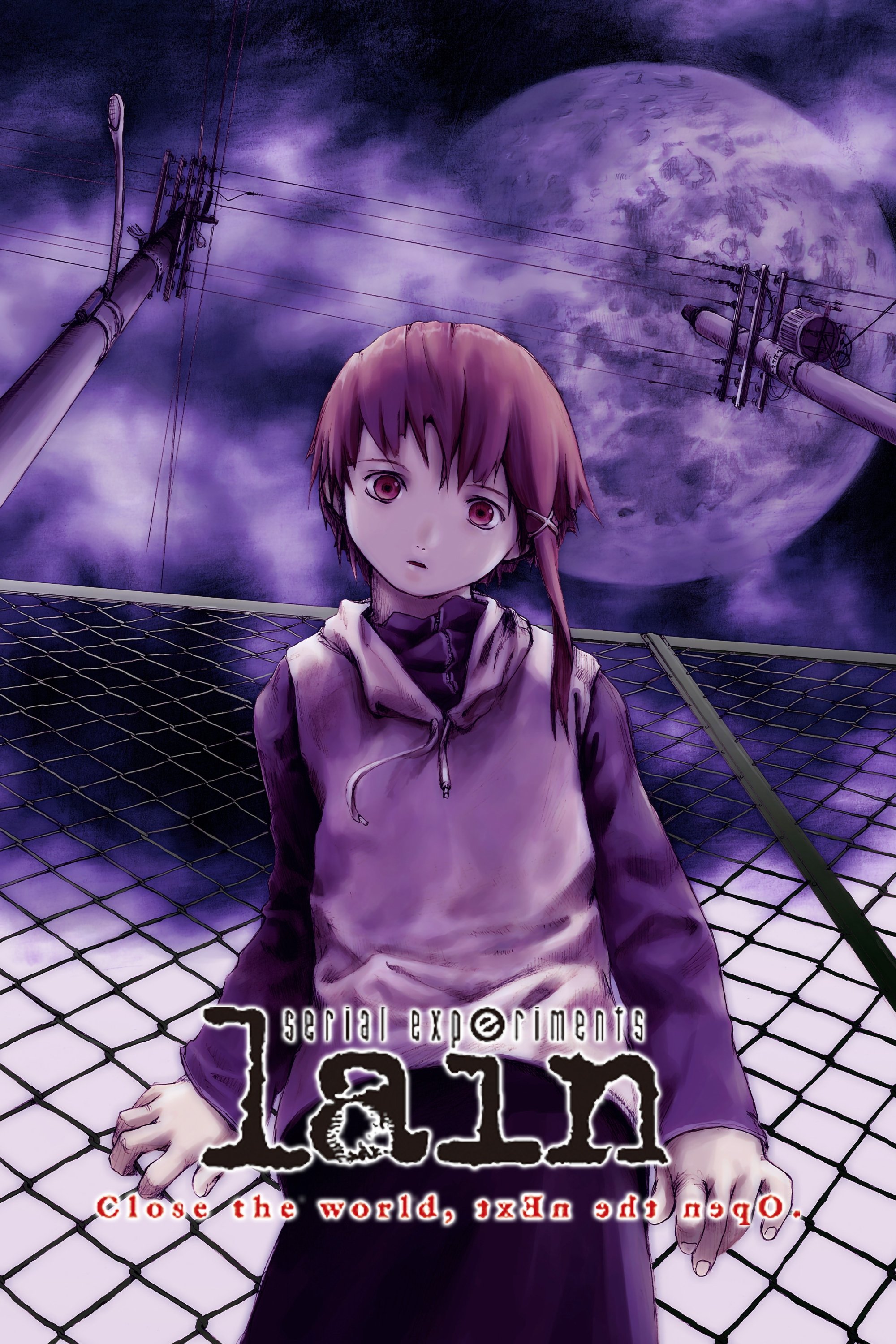
This cyberpunk classic is filled with references to Apple computers and the programming language Lisp. The “Copland OS” mentioned in the show is a reference to a failed operating system project by Apple. Shadows often contain binary code that can be translated into cryptic messages about the nature of the Wired. The hum of power lines is a constant background audio cue that symbolizes the omnipresence of the network.
‘Pop Team Epic’ (2018–Present)

This series is built entirely on obscure references to video games, other anime, and internet memes. The animation style changes rapidly between segments to mimic different genres and artistic movements. Background characters are often drawn in the style of famous manga artists as a visual tribute. The show frequently breaks the fourth wall to show the creators themselves in live-action segments that comment on the production.
‘Gintama’ (2006–2018)
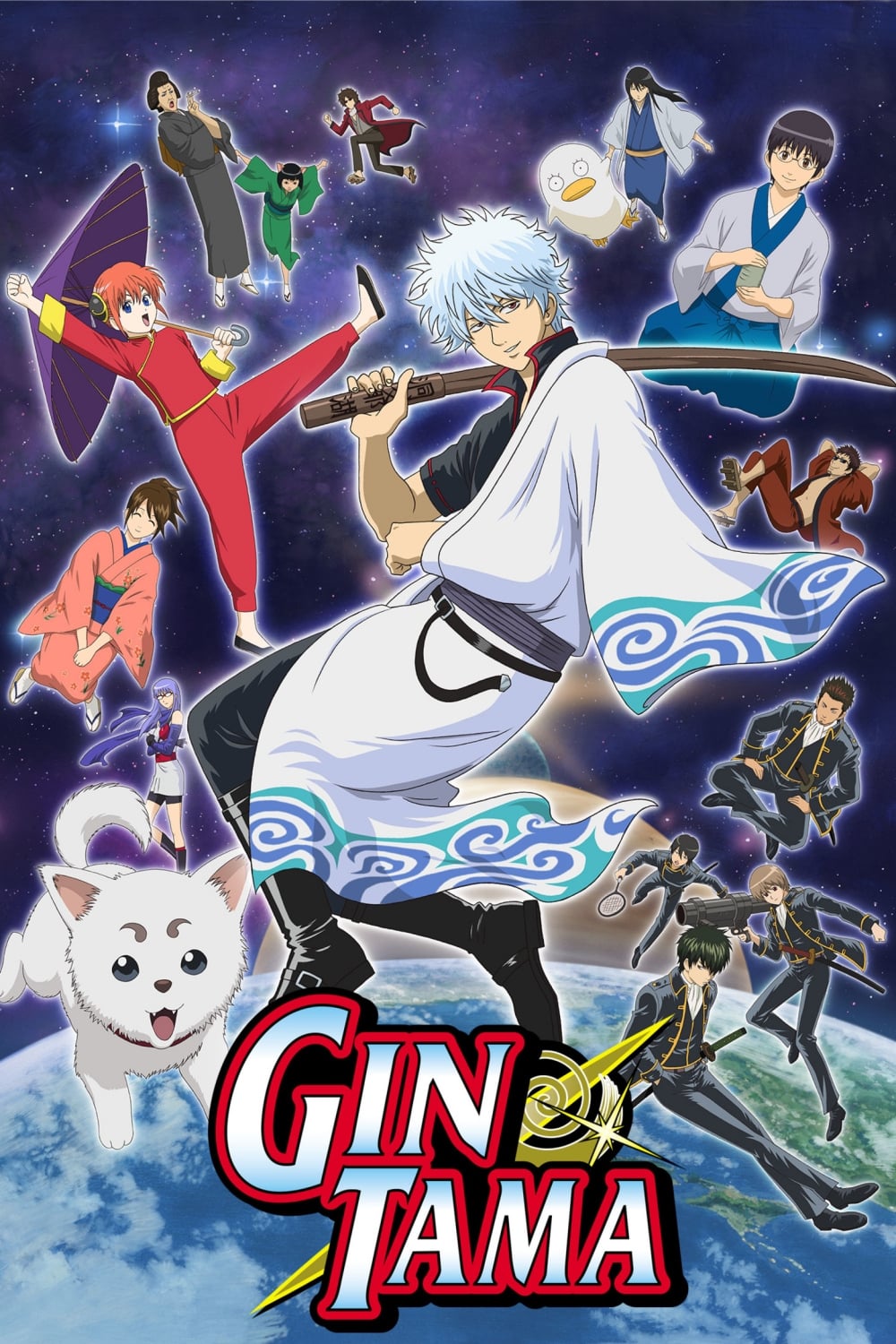
The background art is often recycled intentionally as a meta-joke about the studio’s limited budget. Characters frequently hold Shonen Jump magazines that feature the actual covers released during the week the episode aired. The show hides copyright-infringing parodies of other anime characters in the background of crowd scenes. Subtle visual gags often reference the voice actors’ other famous roles in different series.
‘The Melancholy of Haruhi Suzumiya’ (2006–2009)
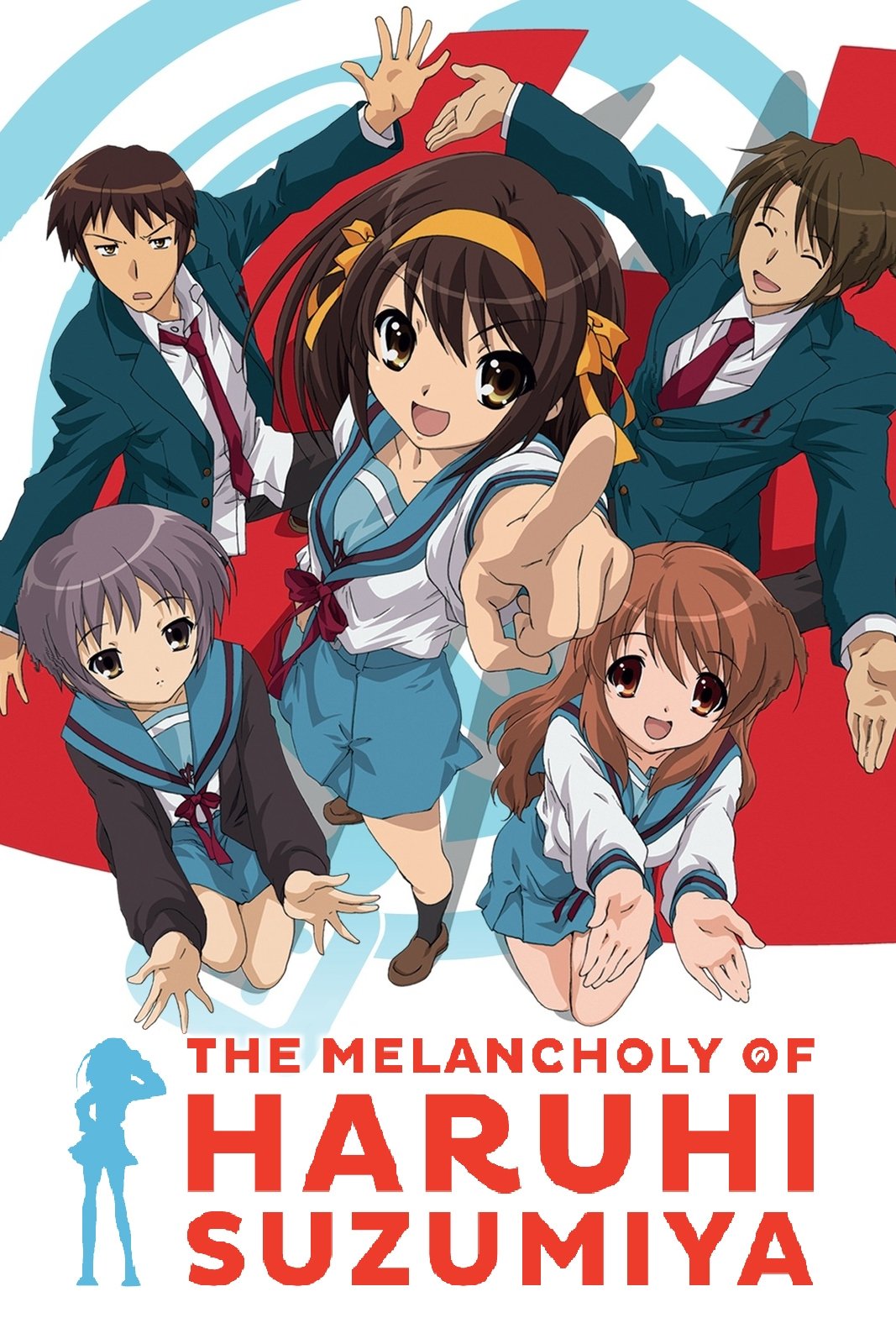
The episodes were originally broadcast in non-chronological order which created a puzzle for viewers to solve. Background details in the club room change slightly to reflect the time loops and alternate realities. The “Endless Eight” arc features eight almost identical episodes where the clothing and camera angles change subtly each time. References to hardcore sci-fi novels are hidden in the books Yuki Nagato is always reading.
‘Re:Zero – Starting Life in Another World’ (2016–Present)

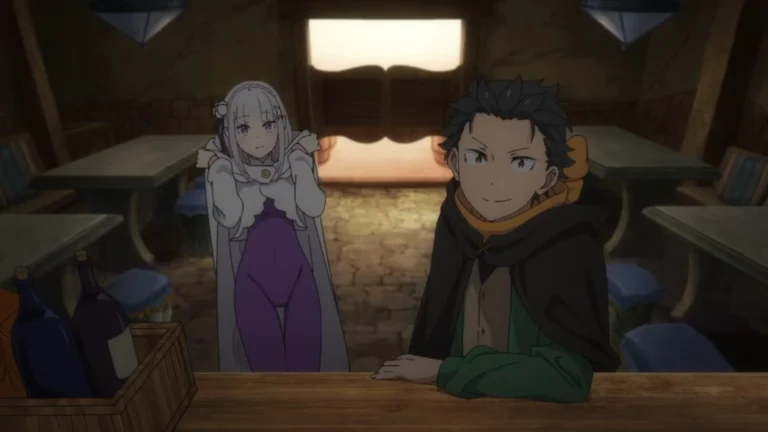
The “save points” where Subaru returns after death are marked by subtle environmental cues like a specific apple vendor. Changes in the background characters’ behavior indicate which timeline or loop Subaru is currently experiencing. The Witch’s scent is visually represented by a purple miasma that is only visible to the audience and certain sensitive characters. The opening credits often skip or change to maximize the runtime for story content.
‘Erased’ (2016)
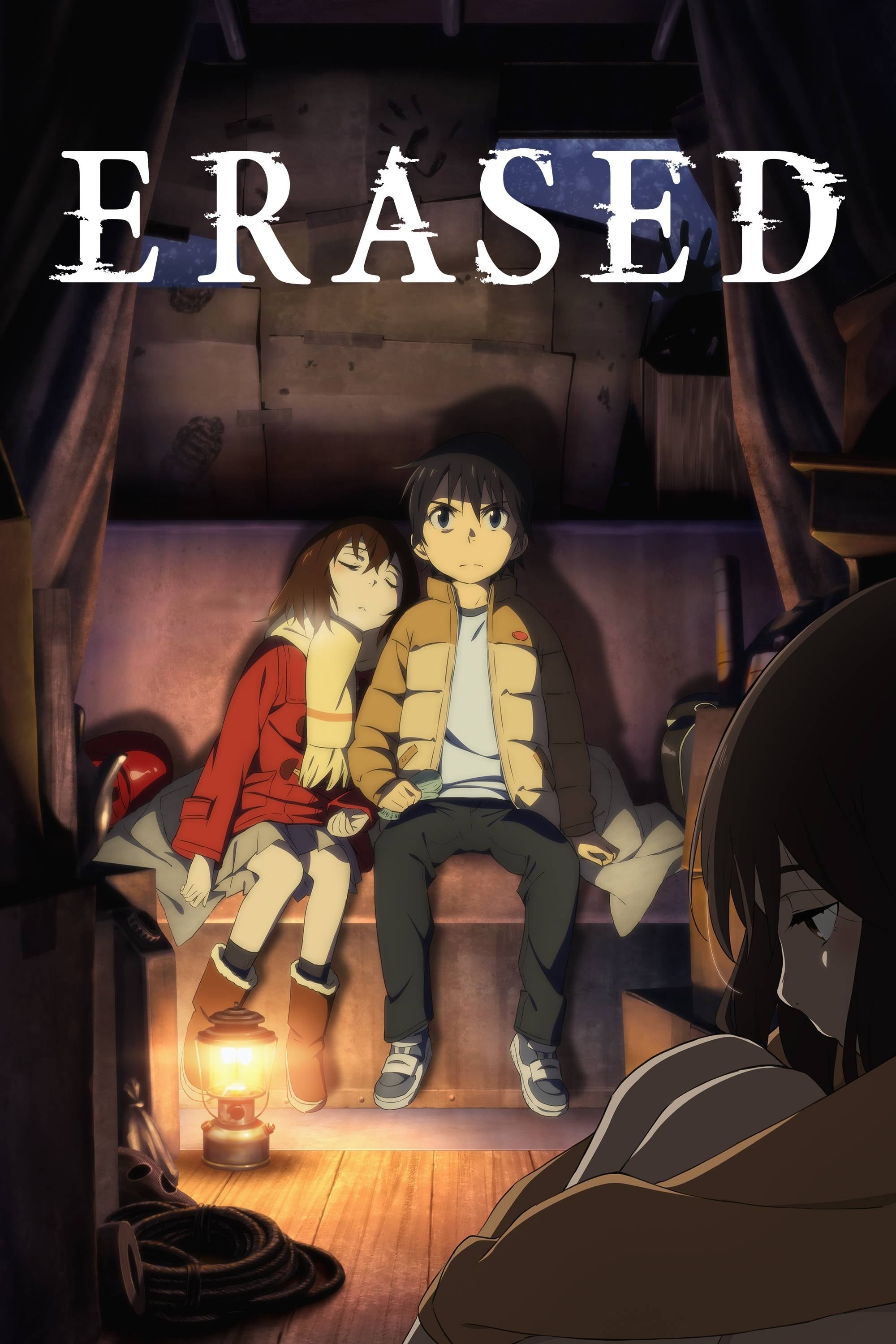
The identity of the killer is foreshadowed through subtle framing choices that hide his face or emphasize his fingers. The spider’s thread imagery appears in the background to symbolize the killer’s manipulation of the victims. Changes in the timeline are marked by the presence or absence of specific objects in the classroom. The film rolls shown in the opening sequence contain single frames from the future events of the series.
‘Psycho-Pass’ (2012–2013)
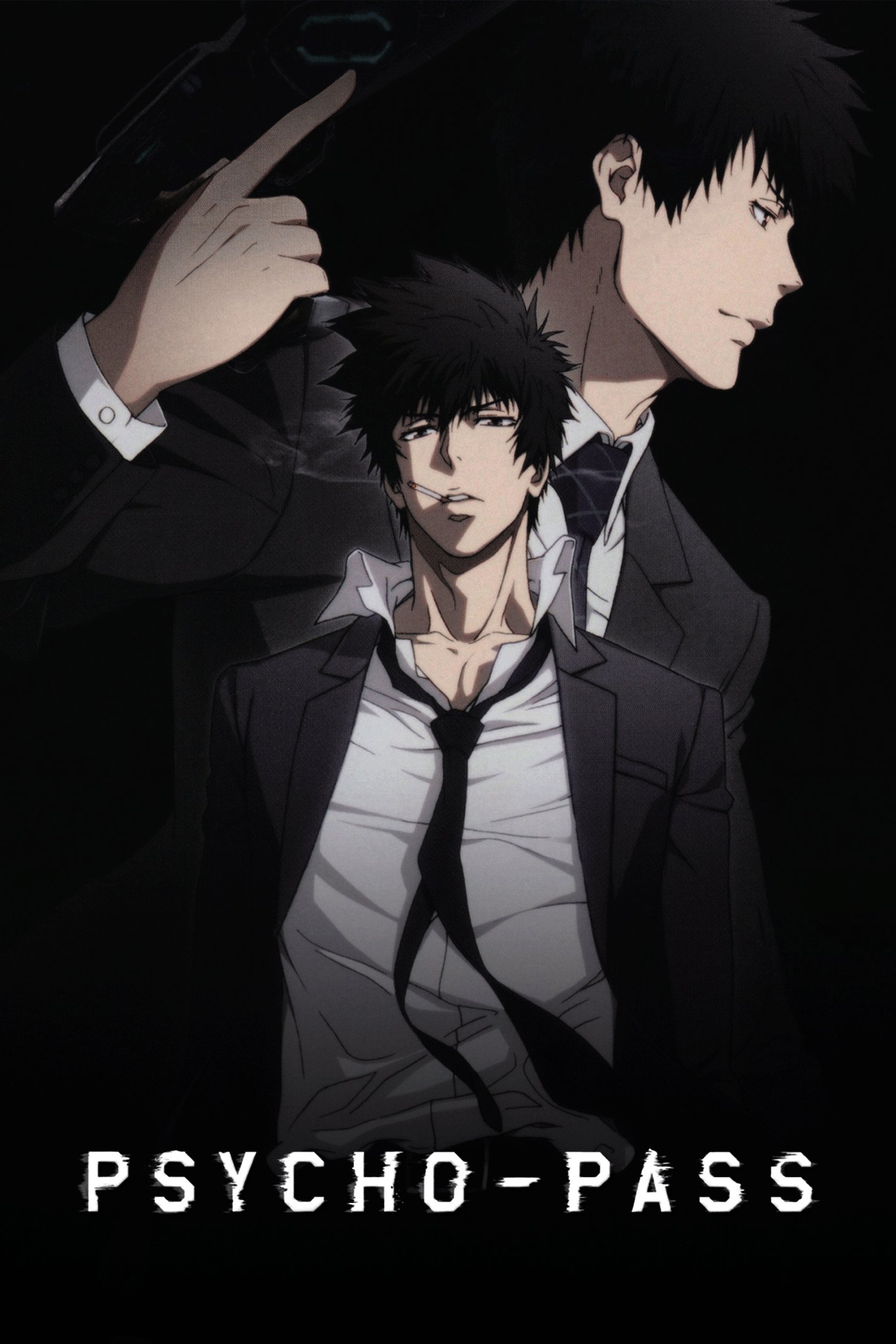
The books read by the villain Makishima are real philosophical texts that directly correlate to his motivations. Holographic disguises used by citizens glitch briefly to reveal their true appearances during moments of stress. The hue of the Dominator weapon changes color to reflect the crime coefficient of the target. Background monitors in the Public Safety Bureau display real-time data about the city’s mental health levels.
‘Ghost in the Shell: Stand Alone Complex’ (2002–2003)
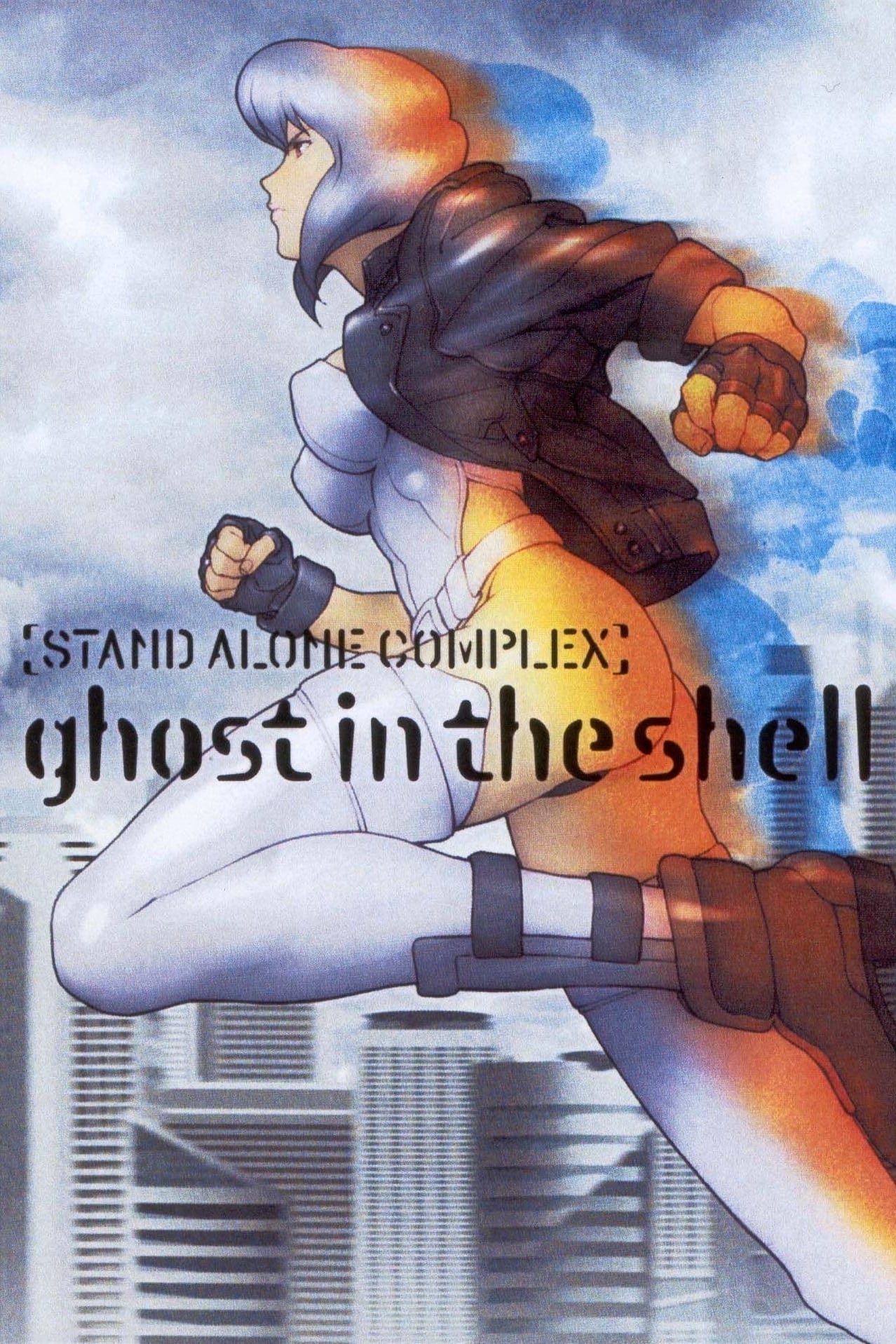
The show is dense with references to ‘The Catcher in the Rye’ and other classic literature. The laughing man logo contains text that is a direct quote from J.D. Salinger. Background discussions by Tachikomas often involve complex philosophical debates about artificial intelligence. The virtual chat rooms use visual interfaces that predicted modern social media interactions.
‘Gurren Lagann’ (2007)
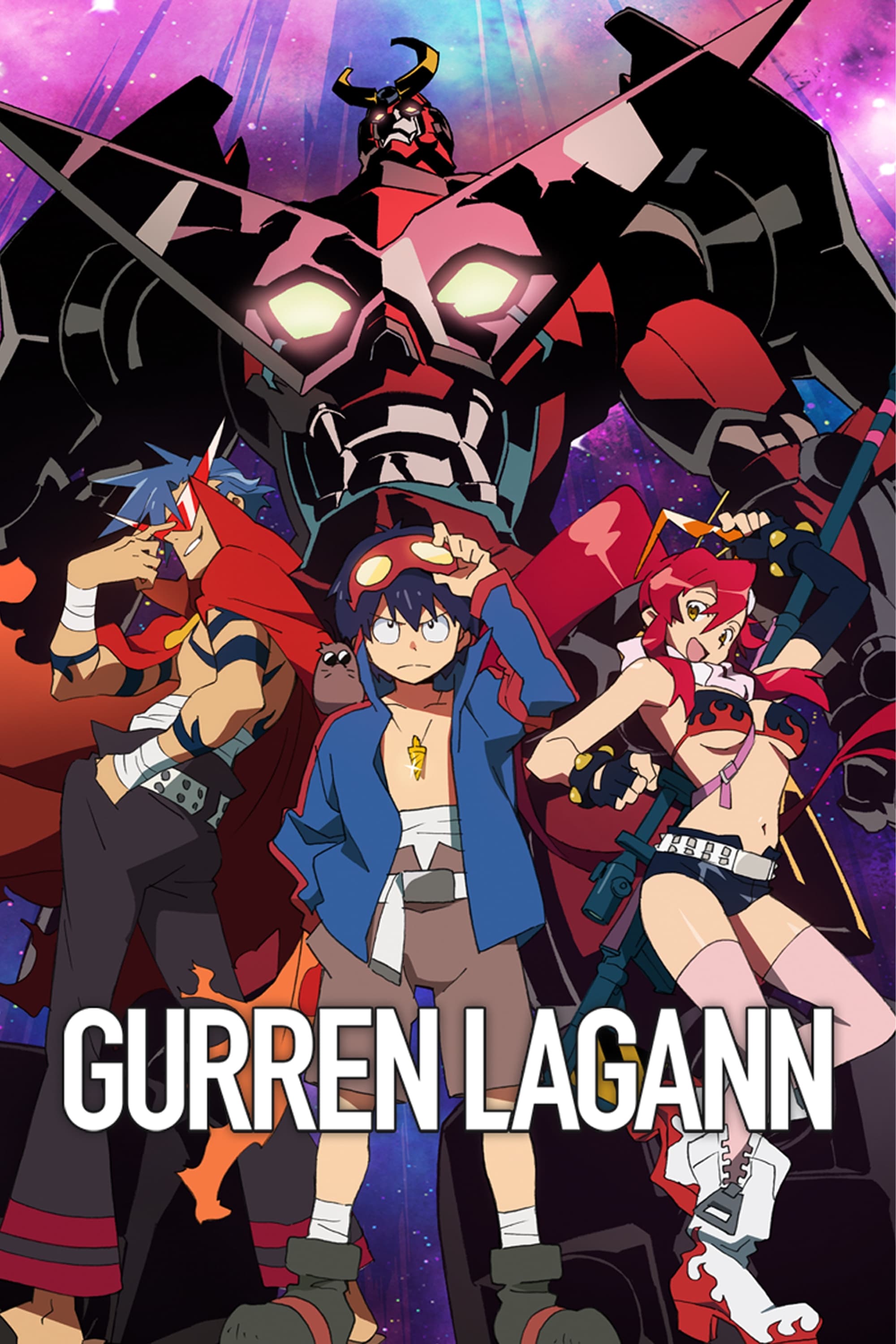
The spiral motif is embedded in everything from the character designs to the clouds in the sky. As the characters grow in power, the drills they manifest become exponentially larger and more complex. The sunglasses worn by Kamina and Simon evolve in shape to reflect their maturity and leadership status. Brief flashes of the anti-spiral universe appear in the background of the final battles.
‘Trigun’ (1998)
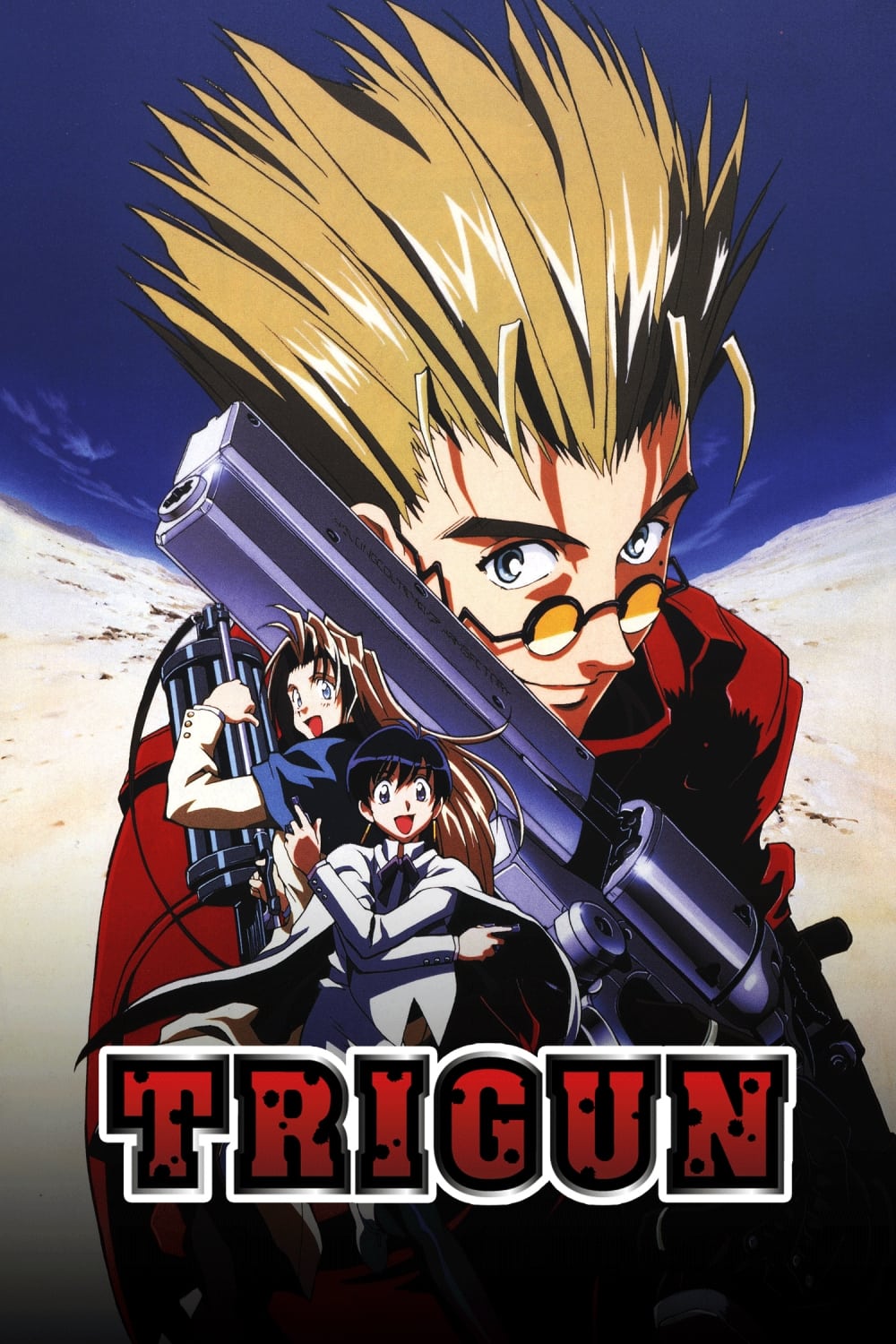
A black cat named Kuroneko-sama appears in every single episode of the series, usually in the background of a chaotic scene. The damage to Vash’s prosthetic arm accumulates realistically throughout the series. Background wanted posters feature the increasing bounty on Vash’s head as the destruction follows him. The gun handling animation is mechanically accurate to the specific fictional revolvers used in the show.
‘Fire Force’ (2019–Present)
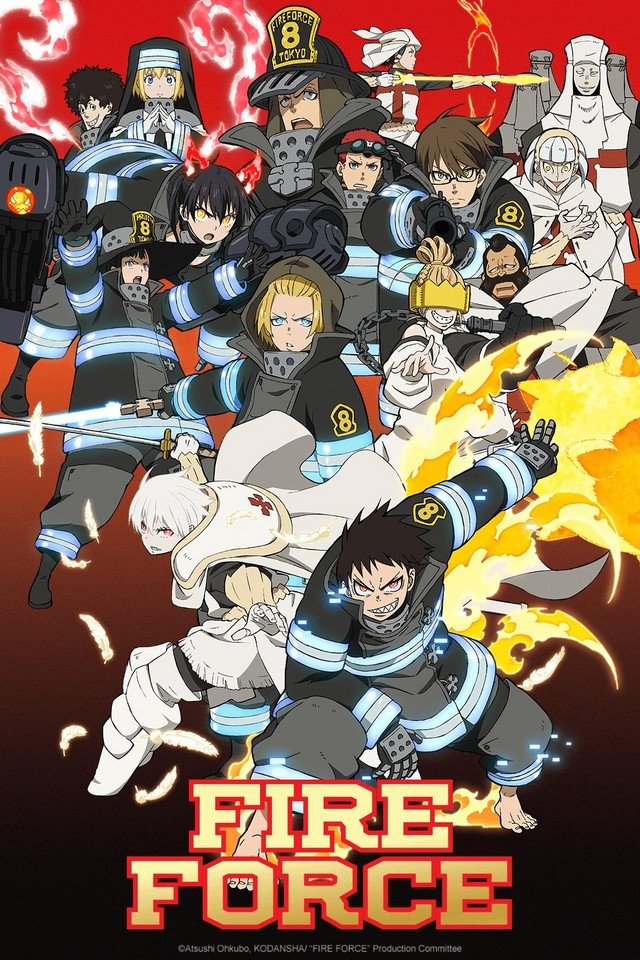
The moon in the sky often grins with a jagged smile that is a direct reference to the moon from ‘Soul Eater’, reflecting the shared creator. Smoke patterns formed during battles often take the shape of skulls or demons. The “Látom” prayer gesture is used consistently by characters from the Holy Sol Temple. Background graffiti often contains stylized text referencing the production staff.
‘Soul Eater’ (2008–2009)
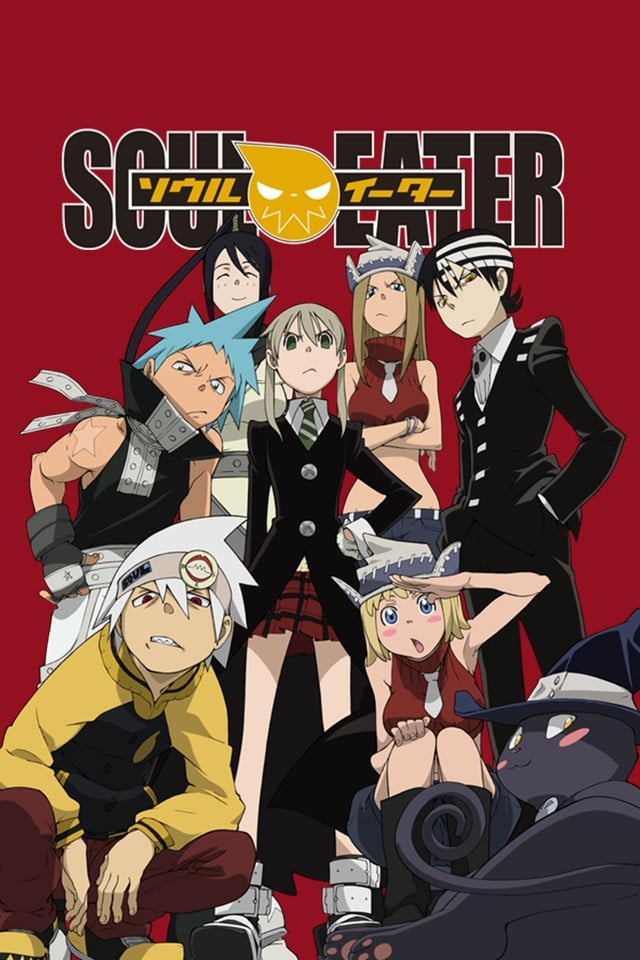
The sun and moon are characters themselves that react to the mood of the scene with distinct facial expressions. Background characters from the main cast often appear in disguises during scenes they are not involved in. The witches’ masks are designed to reflect the specific animal theme of their magic. The architecture of Death City is surreal and twisted to match the Halloween-inspired aesthetic.
‘Durarara!!’ (2010)
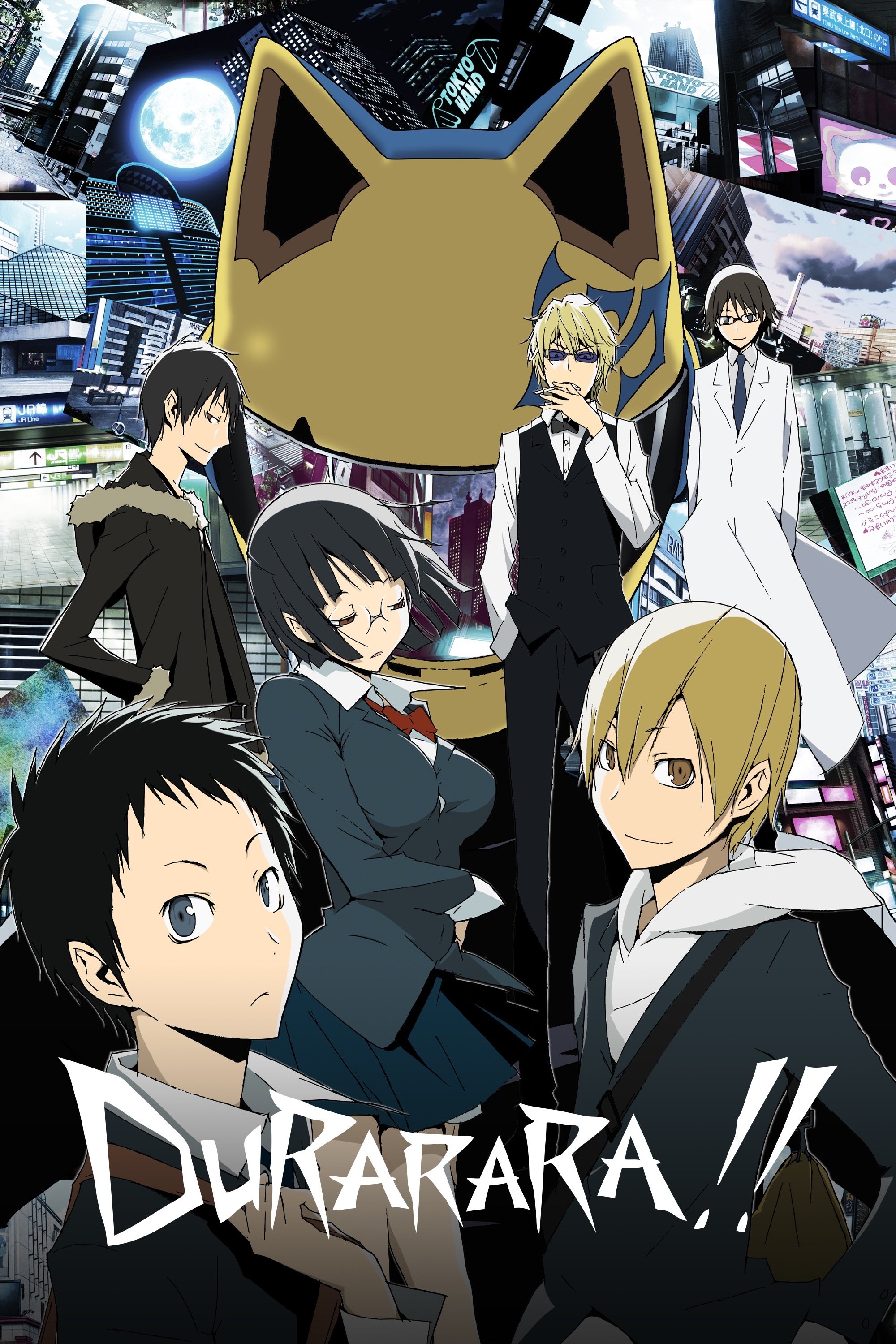
Characters from the series ‘Baccano!’ make cameo appearances in crowd scenes and on television screens. The chat room usernames used by the characters are pseudonyms that hint at their real identities. The background crowds are often colored gray until a character becomes relevant to the plot. Narrative threads from different episodes overlap in the background of the current scene being shown.
‘Baccano!’ (2007)
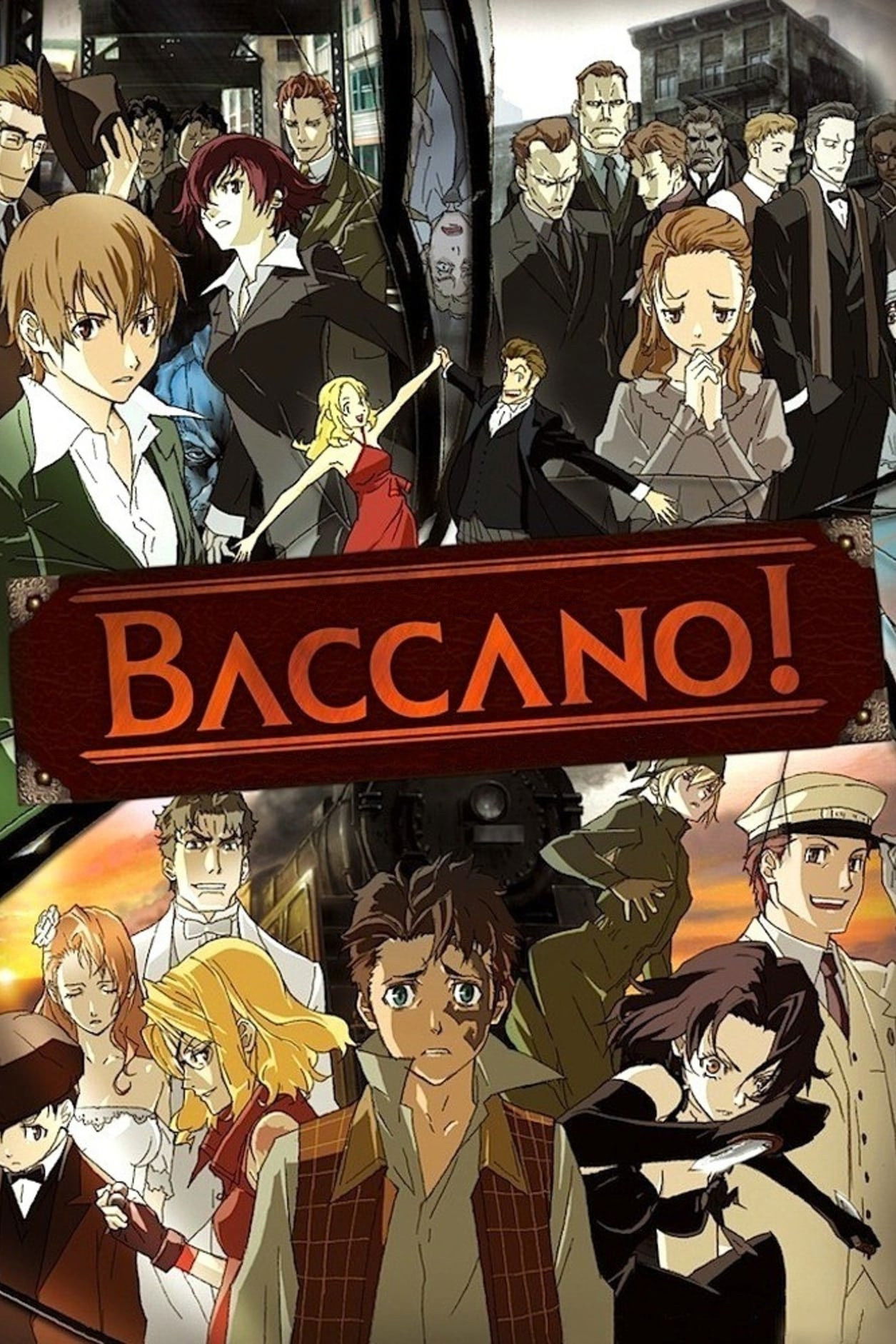
The non-linear storytelling means that background events in early episodes explain the mysteries of later episodes. Isaac and Miria can be seen in the background of scenes engaging in antics that are never explained. The “Rail Tracer” story is foreshadowed through newspaper clippings and rumors heard in the background. The opening sequence introduces every major character in a style that mimics a Guy Ritchie film intro.
‘Assassination Classroom’ (2015–2016)
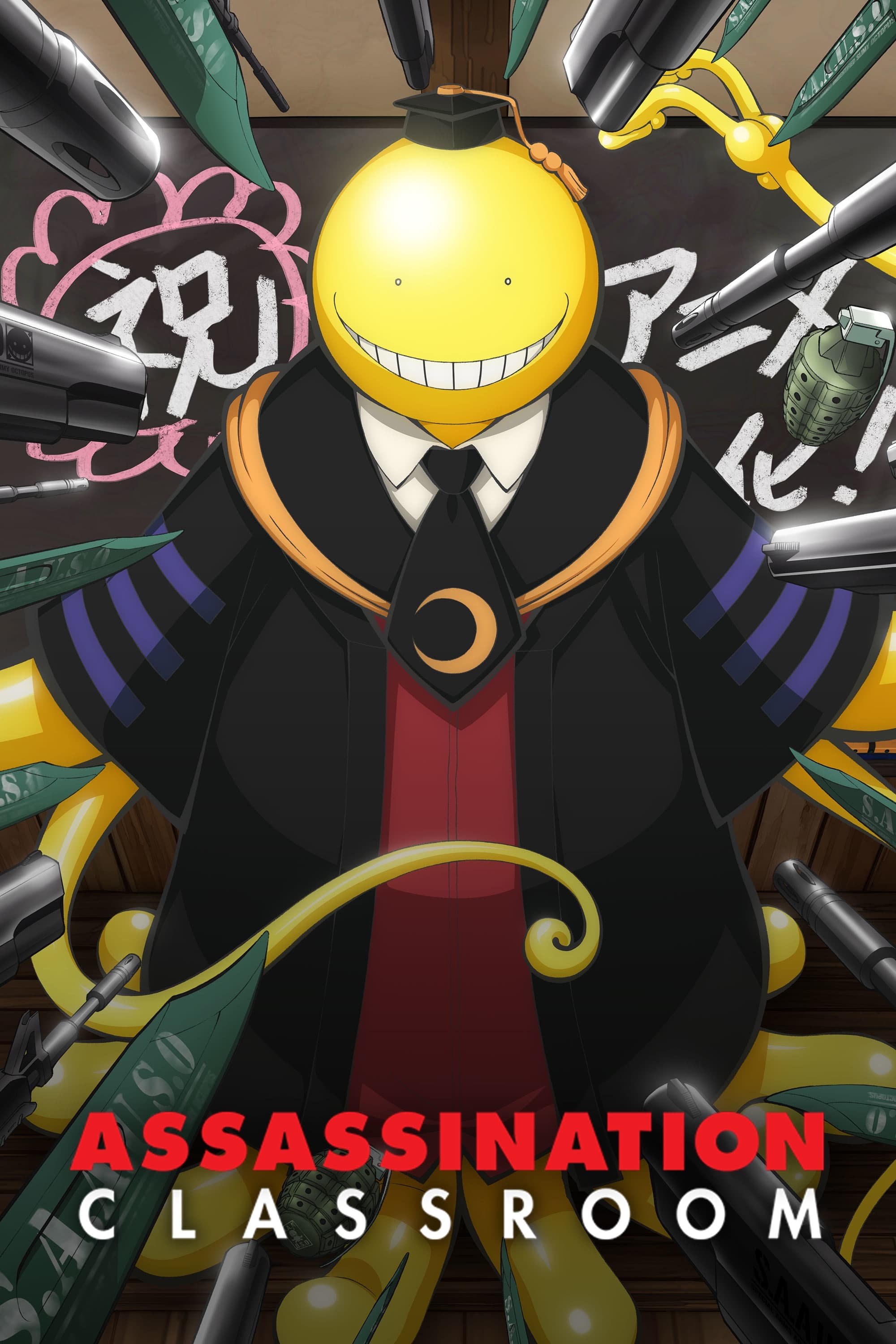
The phase of the moon in the night sky changes consistently to track the countdown to the earth’s destruction. Koro-sensei’s face color changes are consistent with the emotions established in the first episode. Background chalkboard text often contains lesson plans that relate to the themes of the episode. The students’ assassination skills improve visibly in the background of training montages.
‘Made in Abyss’ (2017–Present)
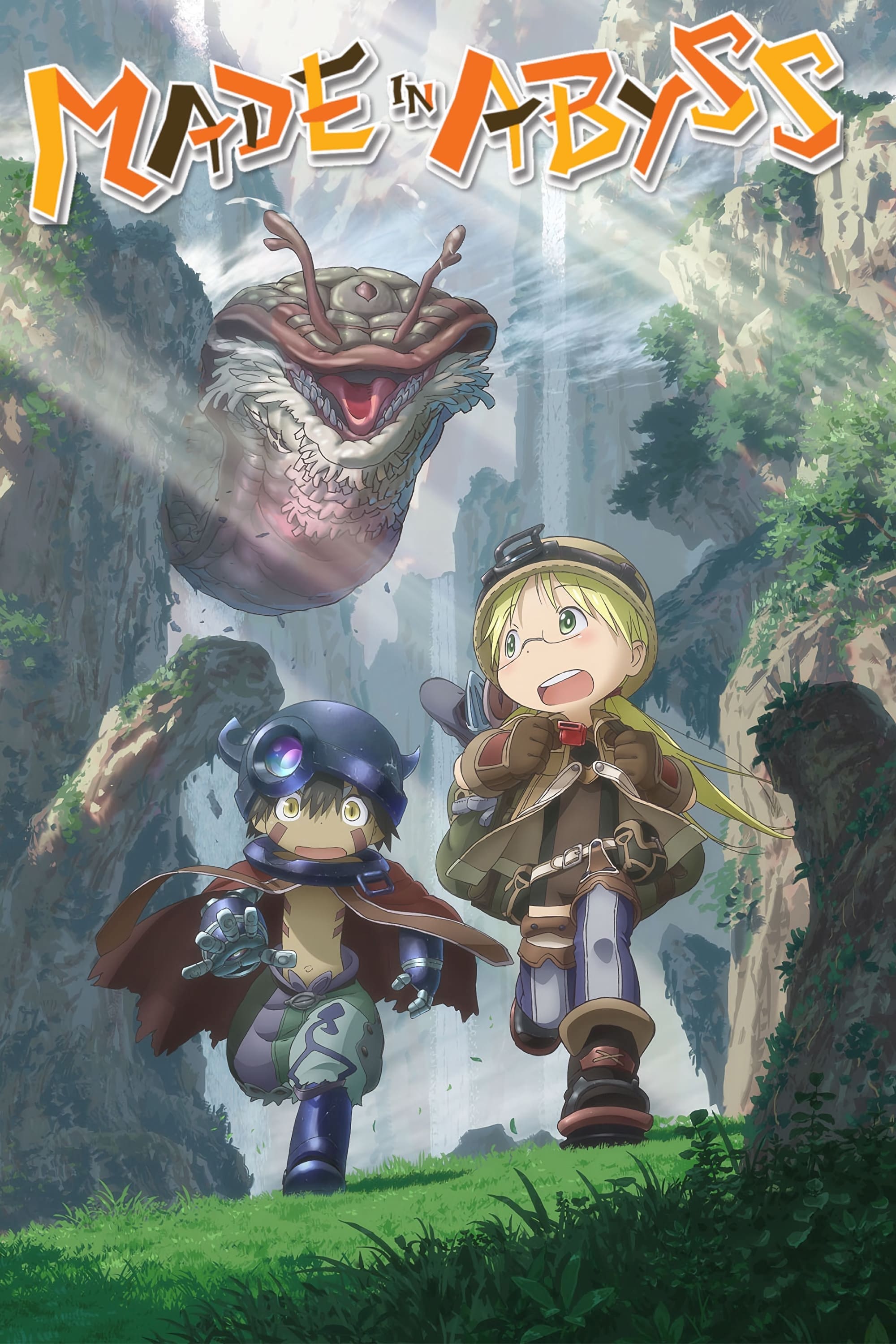
The maps of the Abyss shown in the series contain details of layers that the characters have not yet visited. The relic designs are based on biological forms that suggest they were once living creatures. Background creatures function as a complete ecosystem with predator-prey relationships visible to the observer. The curse of the Abyss is visually represented by a subtle distortion at the edges of the screen.
‘Cyberpunk: Edgerunners’ (2022)
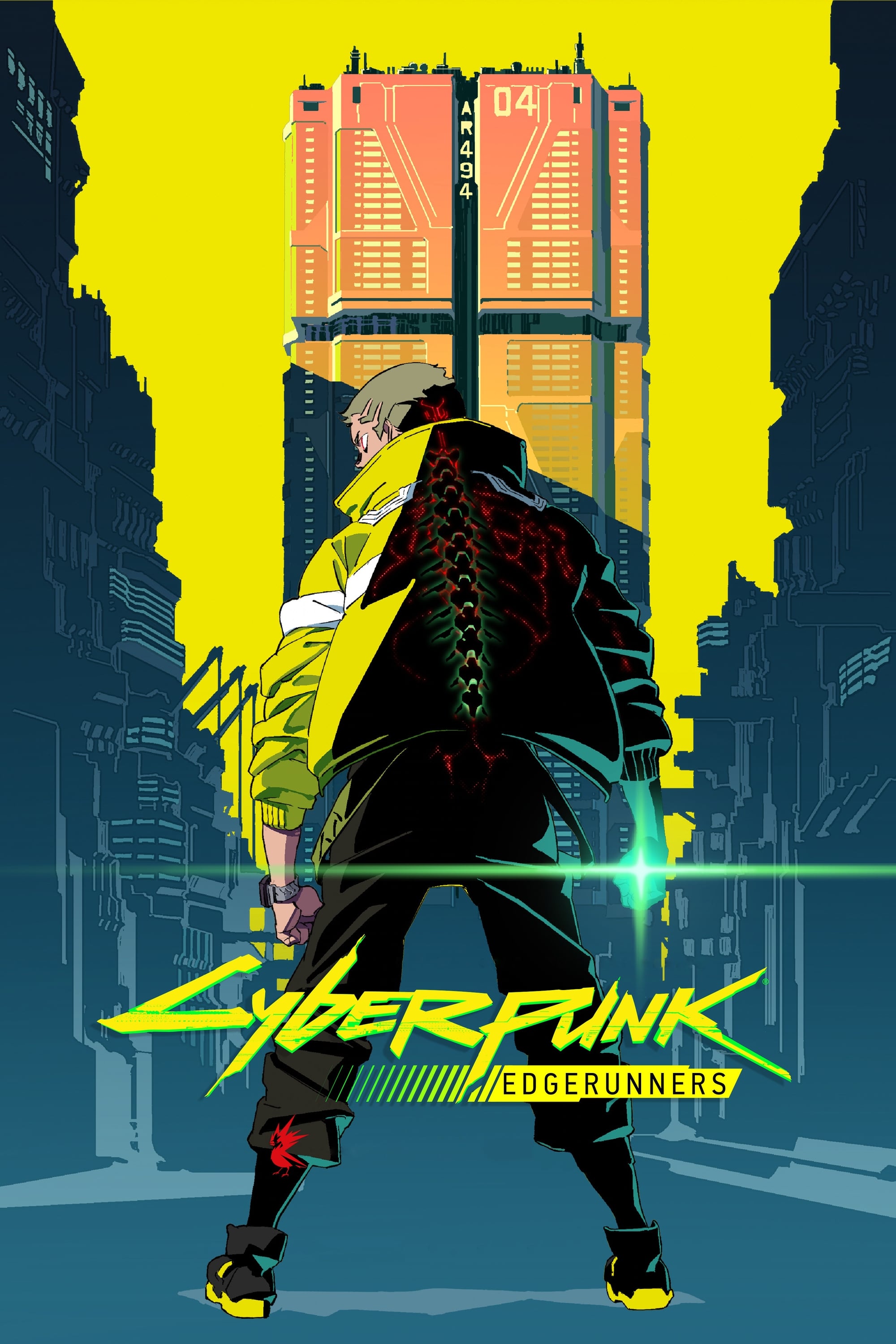
The show utilizes the actual in-game HUD and sound effects from ‘Cyberpunk 2077′ for the phone calls and combat. Locations in the anime map perfectly to the geography of Night City in the video game. Tarot card imagery is subtly integrated into the composition of key scenes to symbolize the characters’ fates. The color palette mirrors the game’s day-night cycle and neon aesthetic perfectly.
‘Bocchi the Rock!’ (2022)
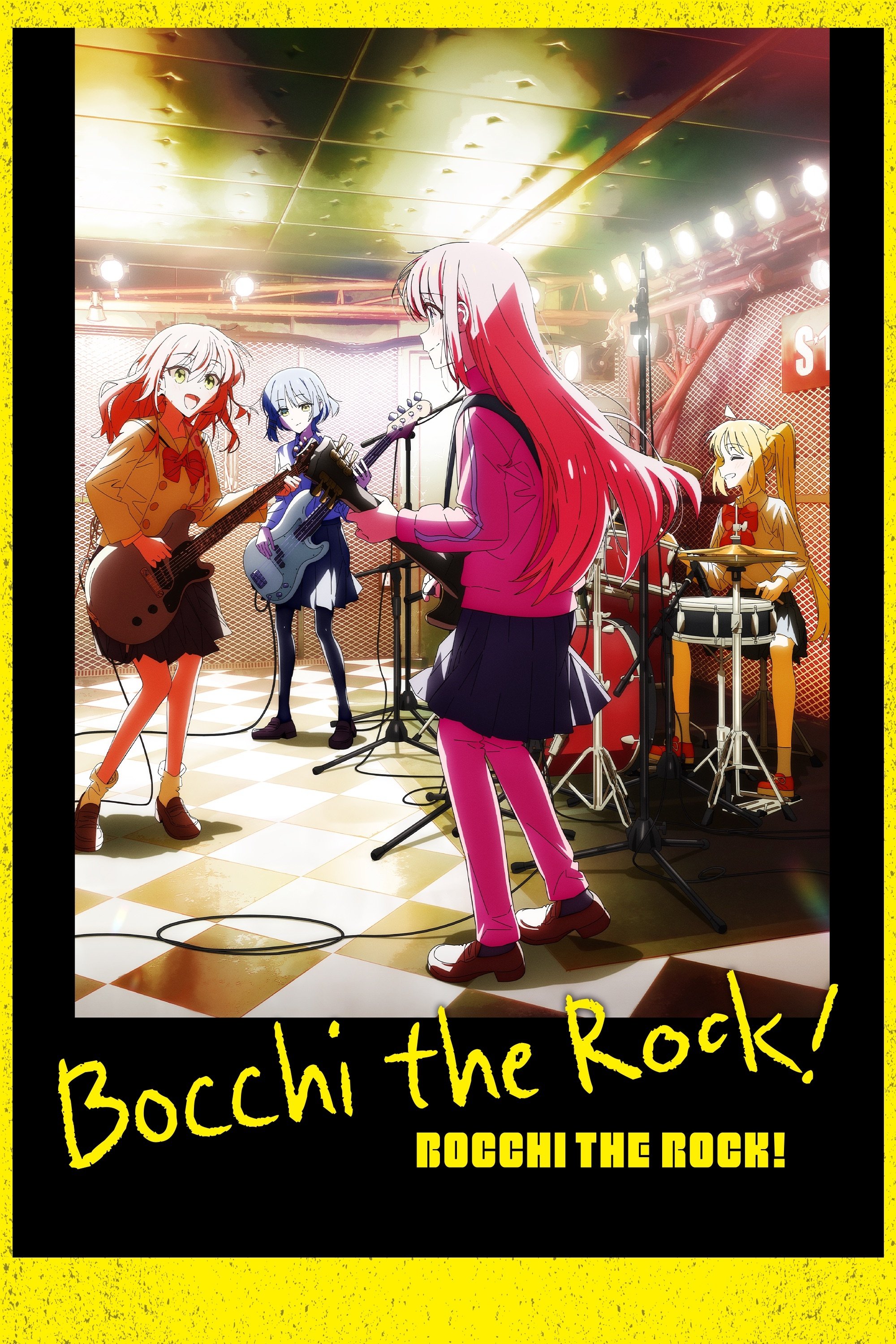
The animators used mixed media including claymation and live-action footage to represent Bocchi’s anxiety attacks. Background characters in the live house scenes are often modeled after real-world indie band fans. The lyrics of the songs performed by Kessoku Band directly reference the events of the episode. Visual gags in the background often reference obscure Japanese internet culture and memes.
‘Spy x Family’ (2022–Present)
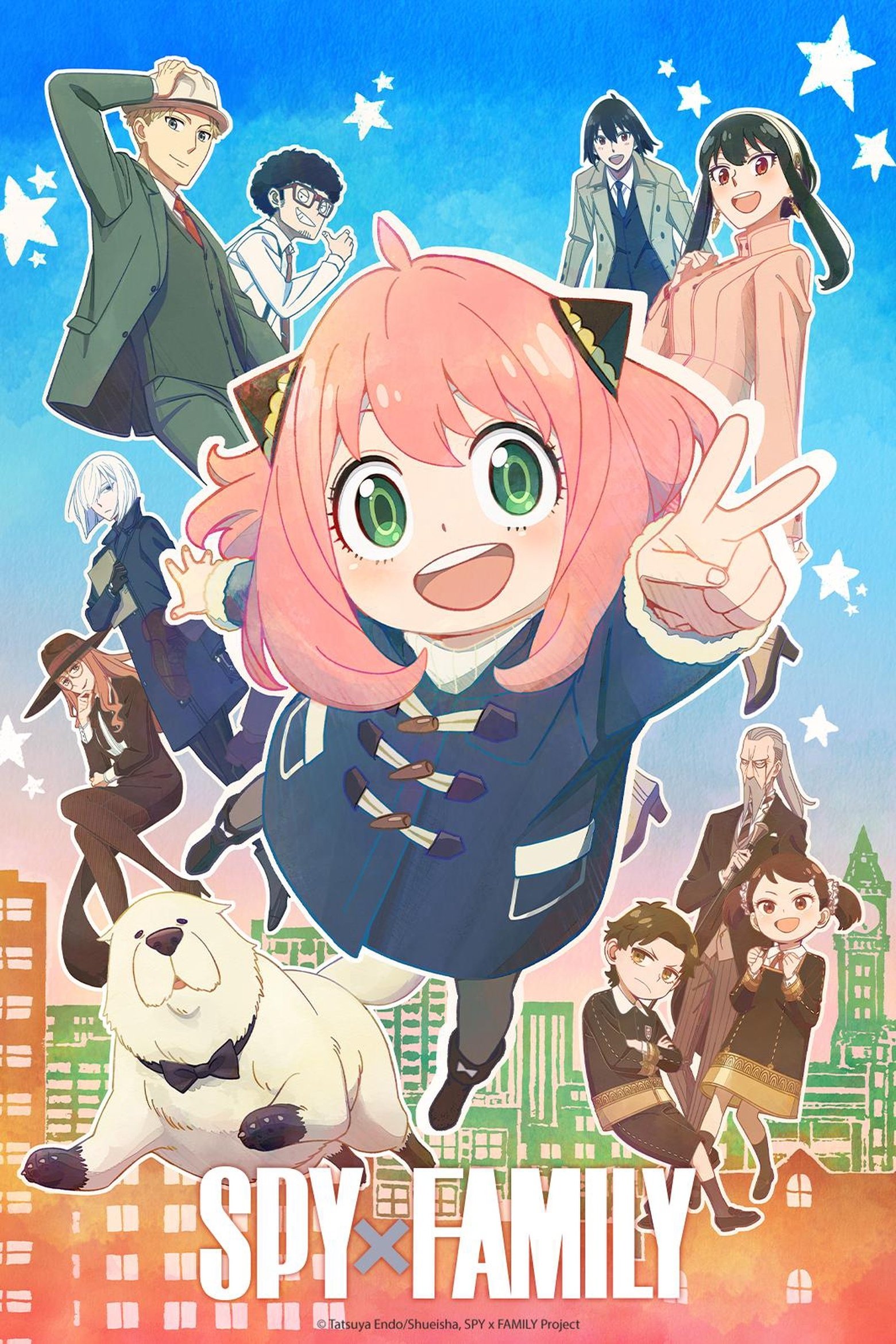
The chairs featured on the volume covers and in the anime opening are famous mid-century modern designs that match the characters’ personalities. Anya’s horn accessories are implied to be remnants of the experiments performed on her. Background newspapers contain headlines that give context to the Cold War-inspired political tension. The sheer variety of Anya’s facial expressions is used to signal her telepathic reactions to hidden thoughts.
Give your favorite example of a hidden anime detail in the comments.