TV Shows That Defined an Era of Television


Television has evolved from a simple household novelty into the most dominant form of entertainment in the world. Certain series have done more than just entertain audiences as they have shaped culture and influenced the way stories are told on the small screen. These programs broke boundaries through innovative formats or by tackling social issues that were previously considered taboo. The following list highlights the most impactful series that left an indelible mark on television history.
‘I Love Lucy’ (1951–1957)
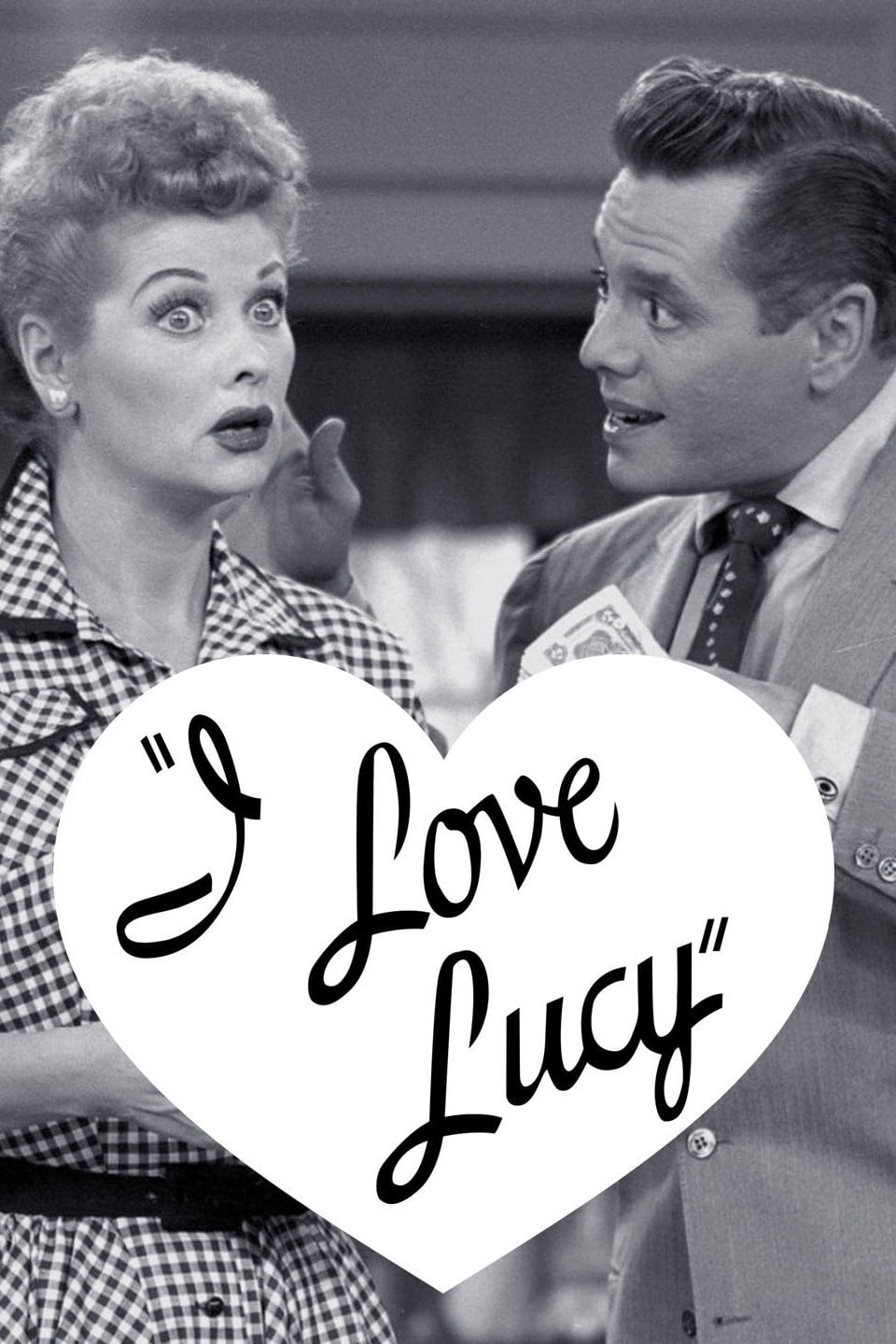
Lucille Ball and Desi Arnaz revolutionized the sitcom format with this groundbreaking series. They introduced the multi-camera setup and filmed before a live studio audience to preserve high-quality footage. The show set the standard for syndication which allowed future generations to enjoy the episodes for decades. ‘I Love Lucy’ proved that a female lead could dominate the ratings and effectively run a production studio.
‘Gunsmoke’ (1955–1975)
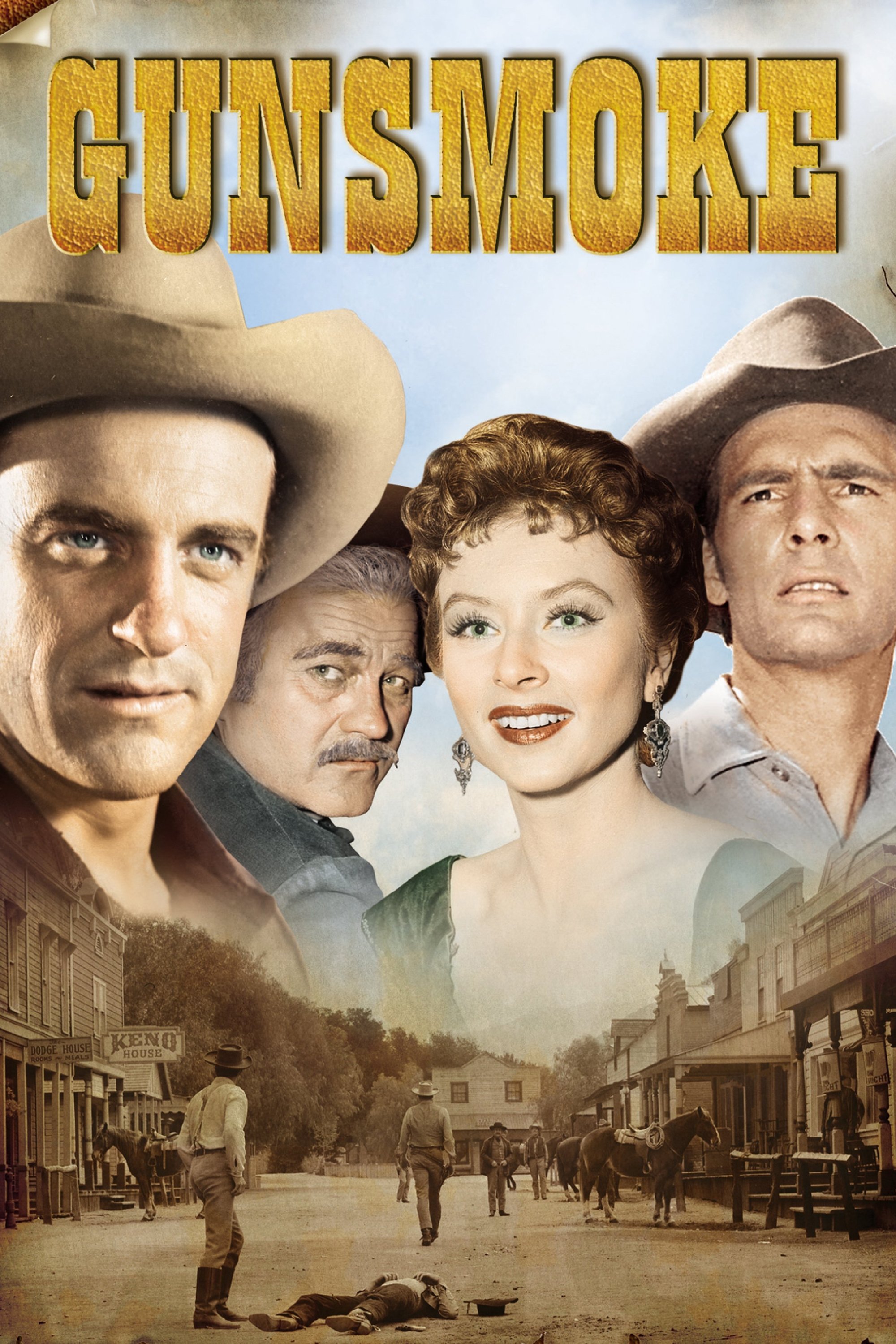
This western drama defined the television landscape for two decades and became a symbol of the genre’s popularity in America. The story focused on Marshal Matt Dillon as he maintained law and order in Dodge City while facing various moral dilemmas. It held the record for the longest-running live-action primetime drama for many years until it was eventually surpassed. ‘Gunsmoke’ demonstrated the enduring appeal of serialized character growth within an episodic procedural format.
‘The Twilight Zone’ (1959–1964)
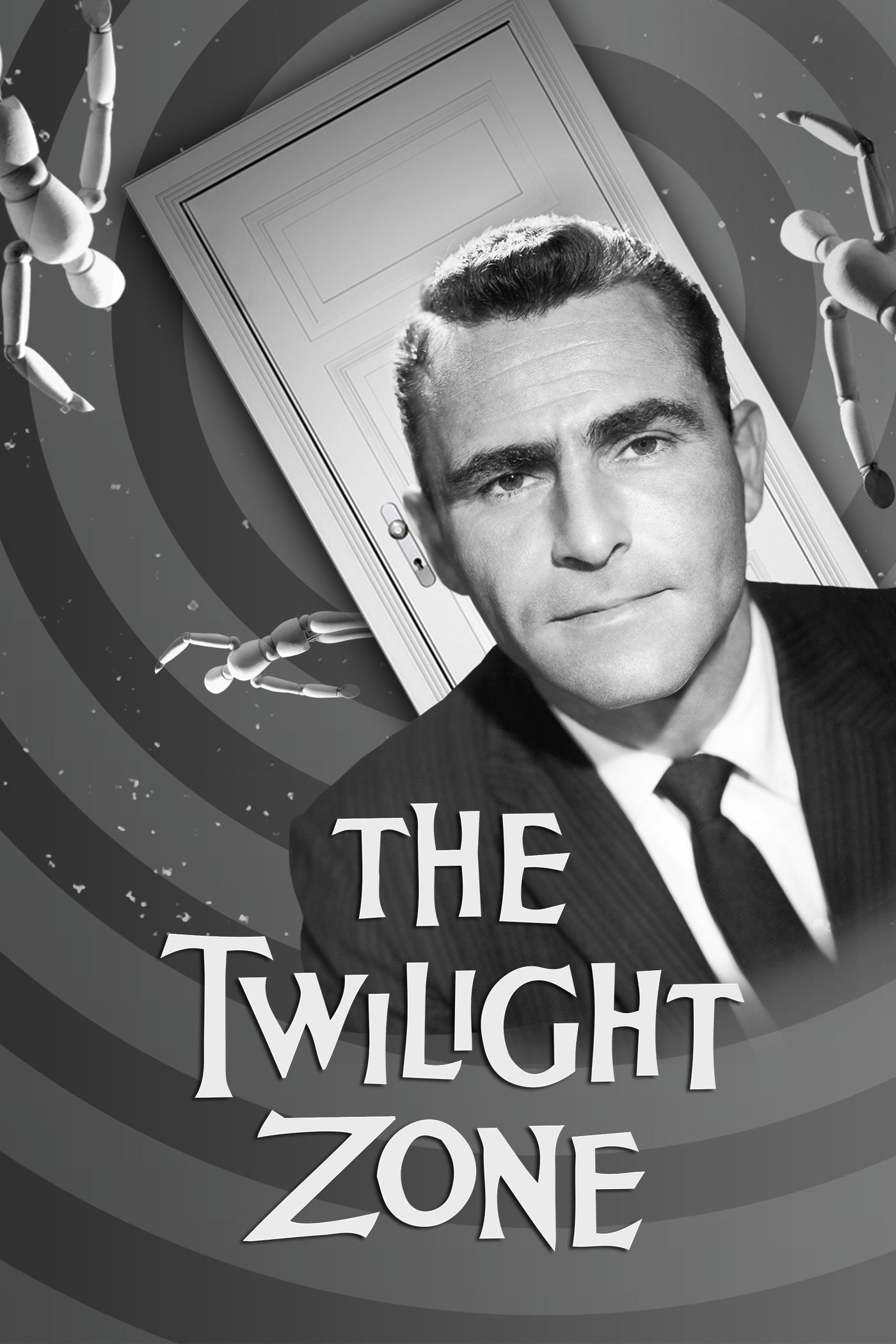
Rod Serling created an anthology series that used science fiction and horror to explore complex human conditions. Each episode functioned as a standalone story that often ended with a shocking twist or a moral lesson. The writers used the genre to bypass censorship and comment on controversial social issues like racism and war. ‘The Twilight Zone’ remains a masterclass in storytelling that continues to influence modern filmmakers and showrunners.
‘Batman’ (1966–1968)
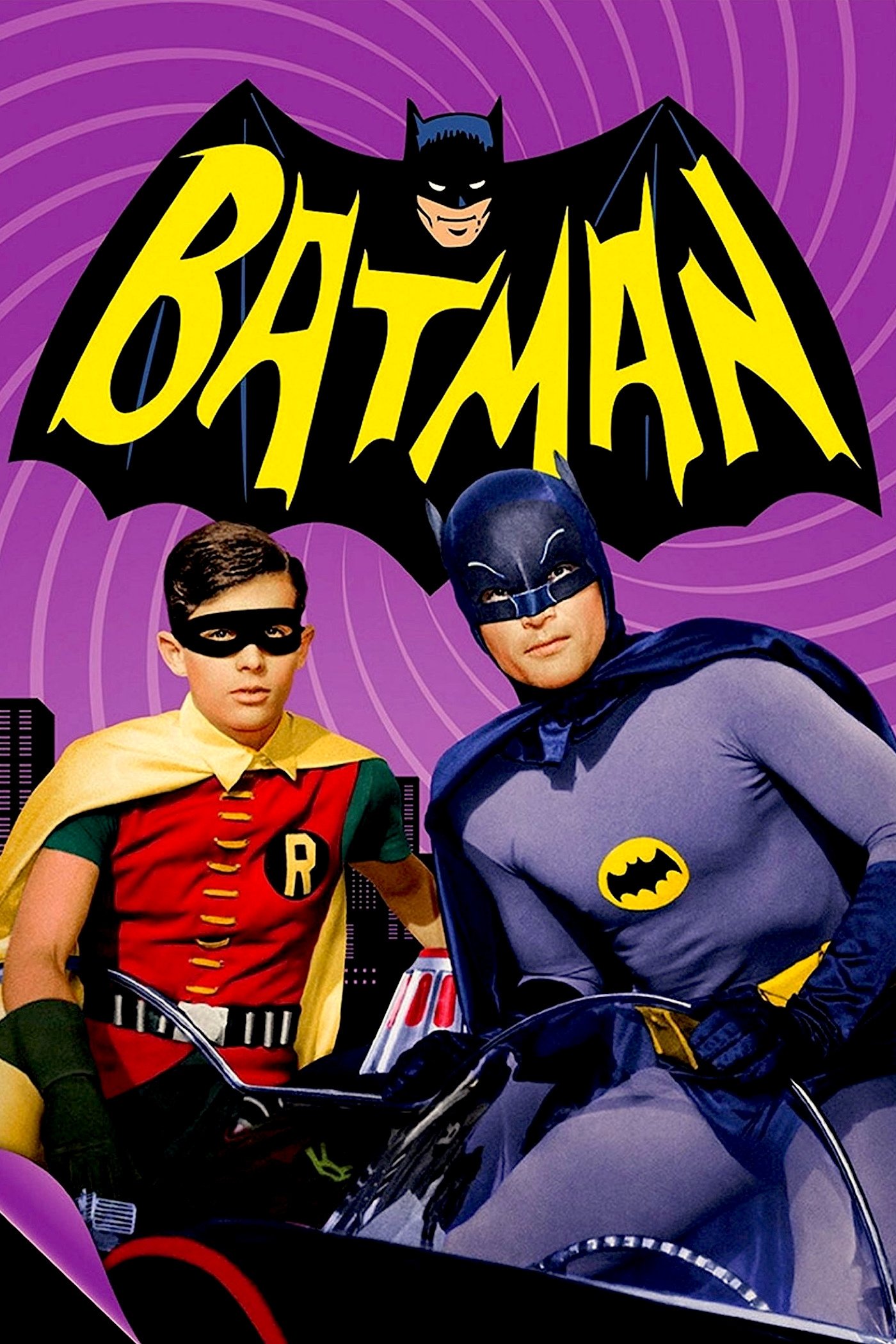
This superhero series brought comic books to life with a vibrant camp aesthetic that capitalized on the rise of color television. Adam West and Burt Ward played the dynamic duo with a tongue-in-cheek seriousness that appealed to both children and adults. The show became a massive merchandising phenomenon and embedded the character into pop culture consciousness. ‘Batman’ proved that superheroes could be successful mainstream entertainment long before the modern cinematic universe era.
‘Star Trek’ (1966–1969)
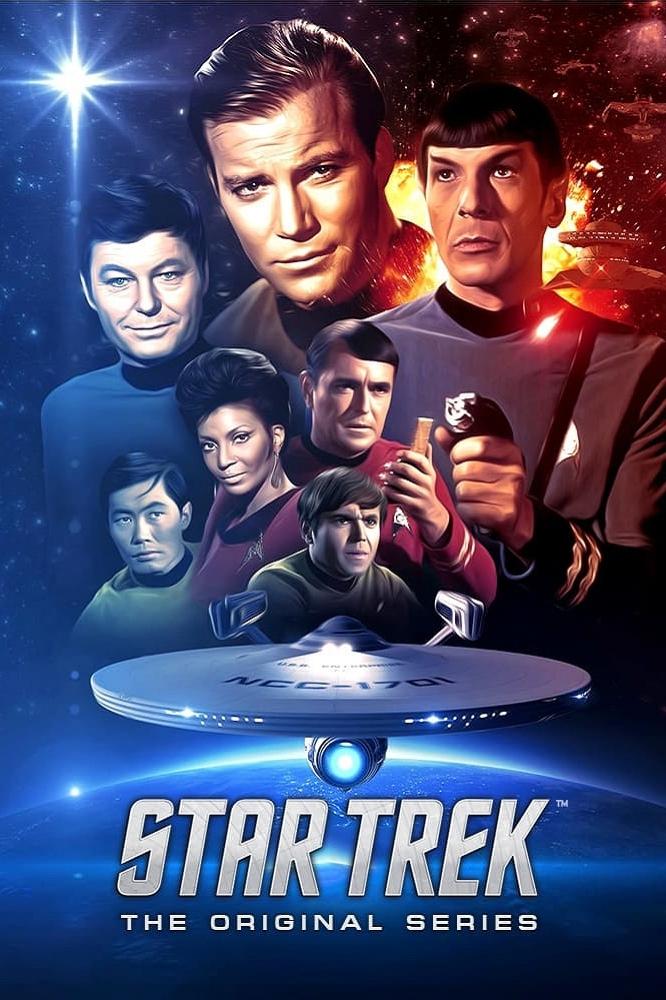
Gene Roddenberry envisioned a future where humanity had overcome its divisions to explore the stars in peace. The crew of the USS Enterprise featured a diverse cast that included an African American woman and a Russian officer during the height of the Cold War. Although it struggled in the ratings during its initial run, the series found massive success in syndication. ‘Star Trek’ birthed a dedicated fandom and established the viability of intellectual sci-fi on television.
‘Sesame Street’ (1969–Present)
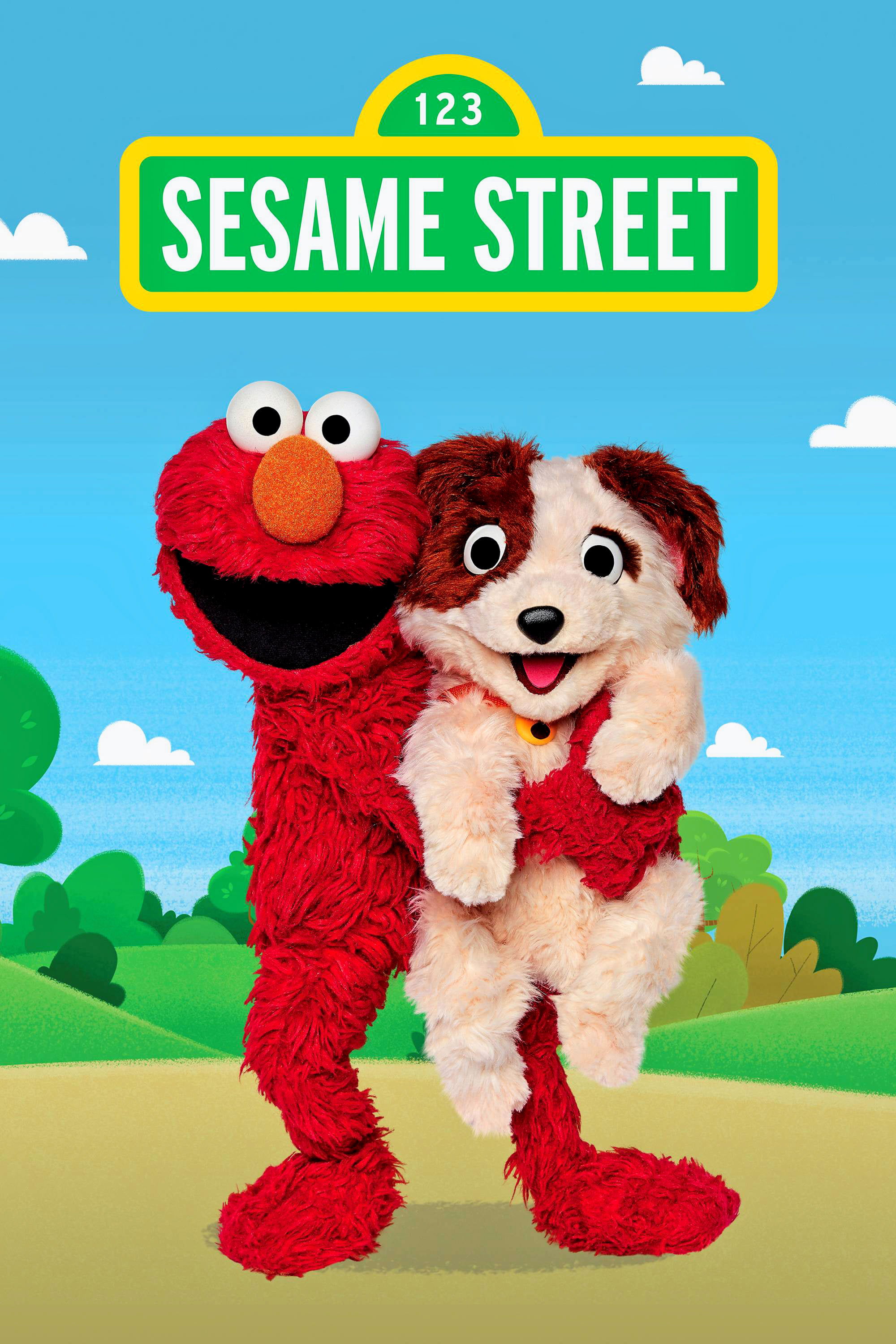
This children’s program combined education with entertainment in a way that had never been done before. The creators used fast-paced editing and Jim Henson’s Muppets to keep young viewers engaged while teaching them reading and arithmetic. It was also notable for its urban setting and diverse human cast that reflected the reality of city life. ‘Sesame Street’ became a global institution that proved television could be a powerful tool for early childhood development.
‘The Mary Tyler Moore Show’ (1970–1977)
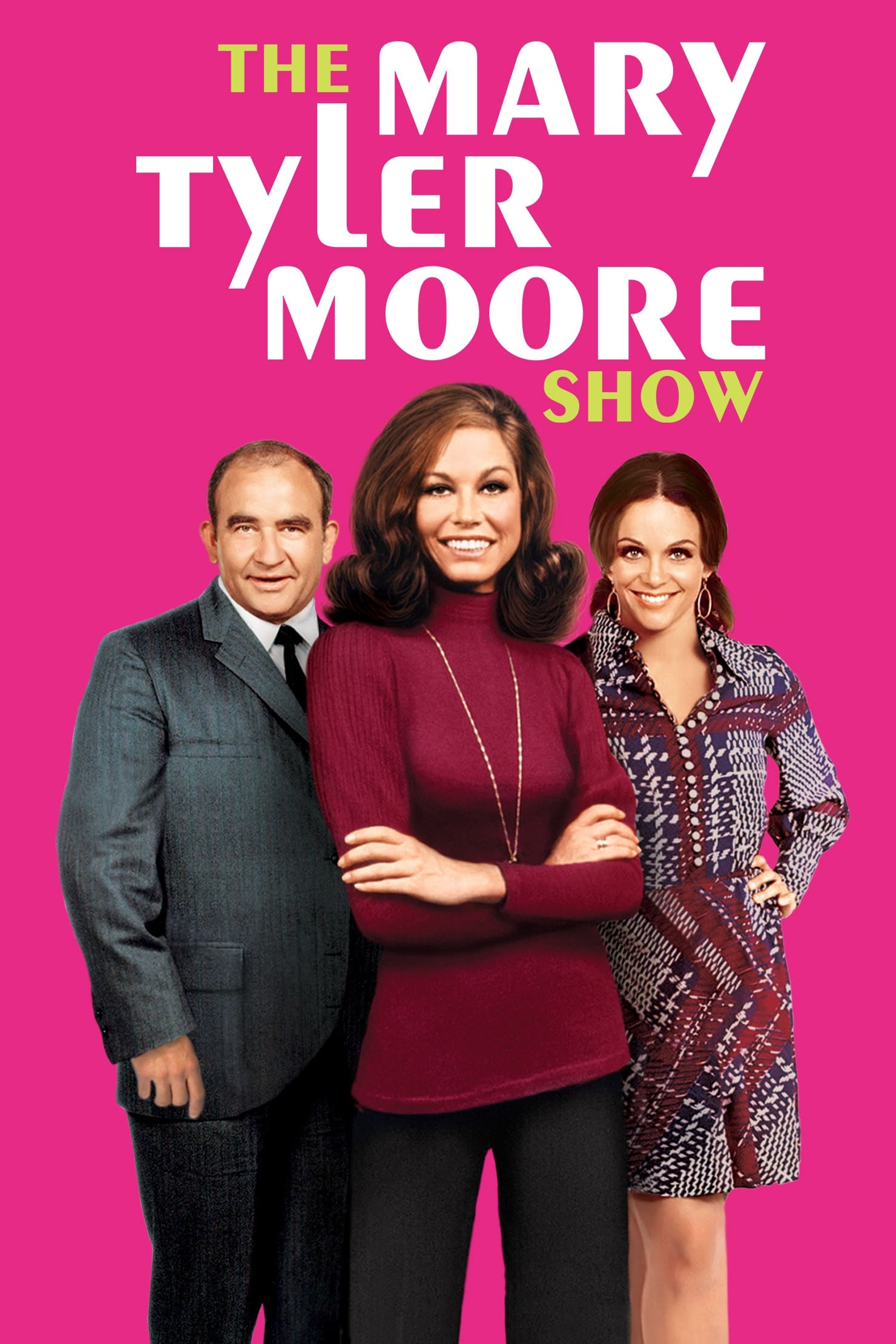
Mary Richards became an icon for the modern independent woman by prioritizing her career over marriage. The show moved away from the traditional family sitcom structure to focus on workplace dynamics and friendship. It garnered critical acclaim for its sophisticated writing and complex character development. ‘The Mary Tyler Moore Show’ paved the way for future series that centered on professional women navigating life on their own terms.
‘All in the Family’ (1971–1979)
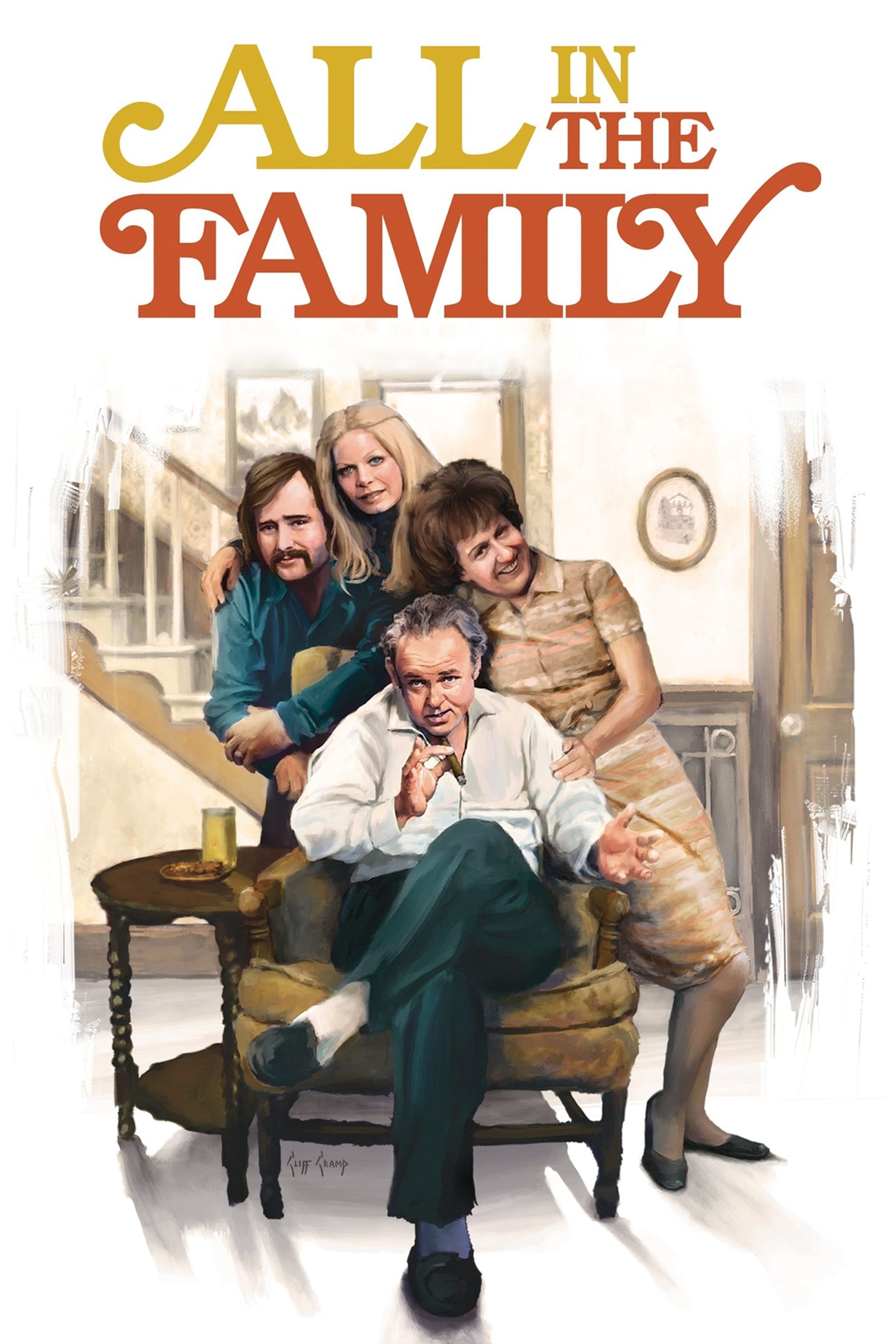
Norman Lear brought reality to the sitcom world by centering the show on a working-class family dealing with genuine social conflict. The protagonist Archie Bunker was a bigot whose views were constantly challenged by his liberal son-in-law and the changing world around him. The series tackled taboo subjects such as racism, sexism, and homosexuality with both humor and poignancy. ‘All in the Family’ changed the tone of American comedy and proved that sitcoms could be meaningful.
‘Saturday Night Live’ (1975–Present)
Lorne Michaels created a late-night sketch comedy institution that has served as a launchpad for generations of comedic talent. The show became famous for its political satire and its ability to react to current events in real time. It pushed the boundaries of what was acceptable on network television and became a weekly ritual for millions of viewers. ‘Saturday Night Live’ defined the voice of American comedy and remains a relevant cultural touchstone.
‘Roots’ (1977)
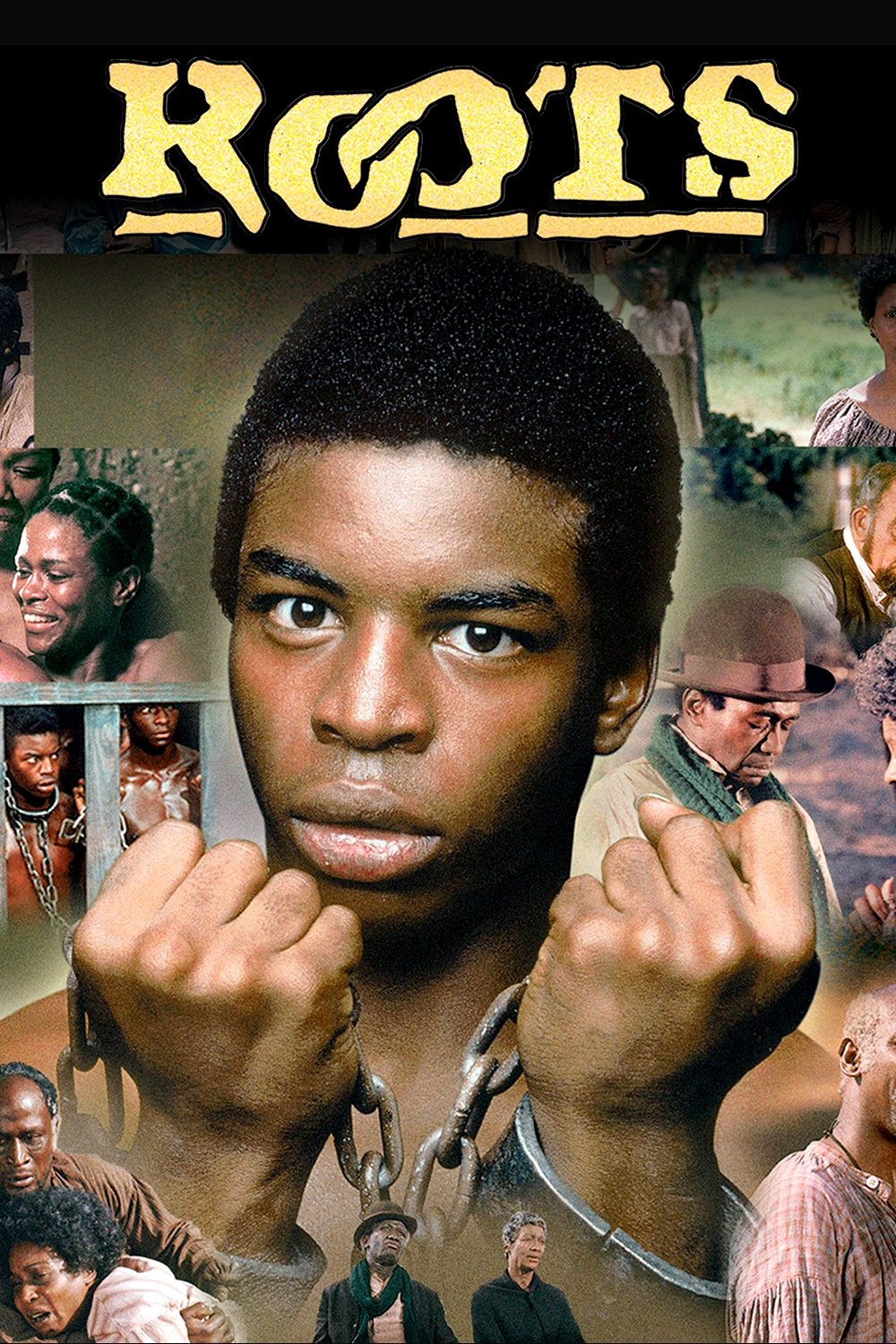
This miniseries event captivated the nation by telling the multi-generational saga of an African family forced into slavery. It drew record-breaking audiences and sparked a national conversation about race and American history. The format of airing episodes over consecutive nights created a shared cultural experience that few programs have matched since. ‘Roots’ proved the commercial viability of long-form storytelling and serious historical drama on broadcast television.
‘Dallas’ (1978–1991)
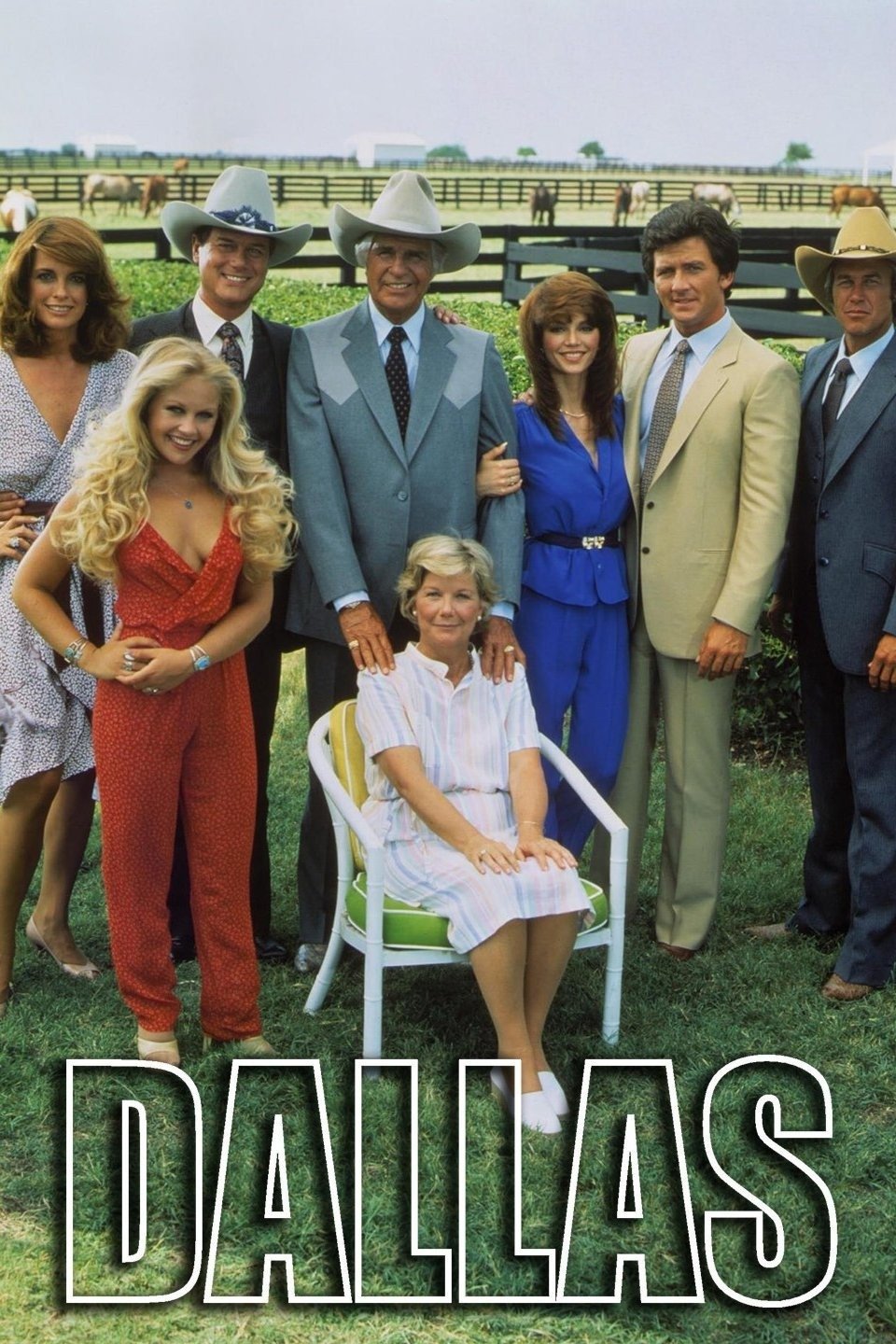
The Ewing family brought the prime-time soap opera to the forefront of popular culture with tales of wealth and betrayal. The “Who Shot J.R.?” cliffhanger became a global phenomenon that changed how television networks marketed season finales. It popularized the use of serialized storylines that required viewers to tune in every week to keep up. ‘Dallas’ cemented the addictive nature of high-stakes family drama and influenced decades of future soaps.
‘Hill Street Blues’ (1981–1987)
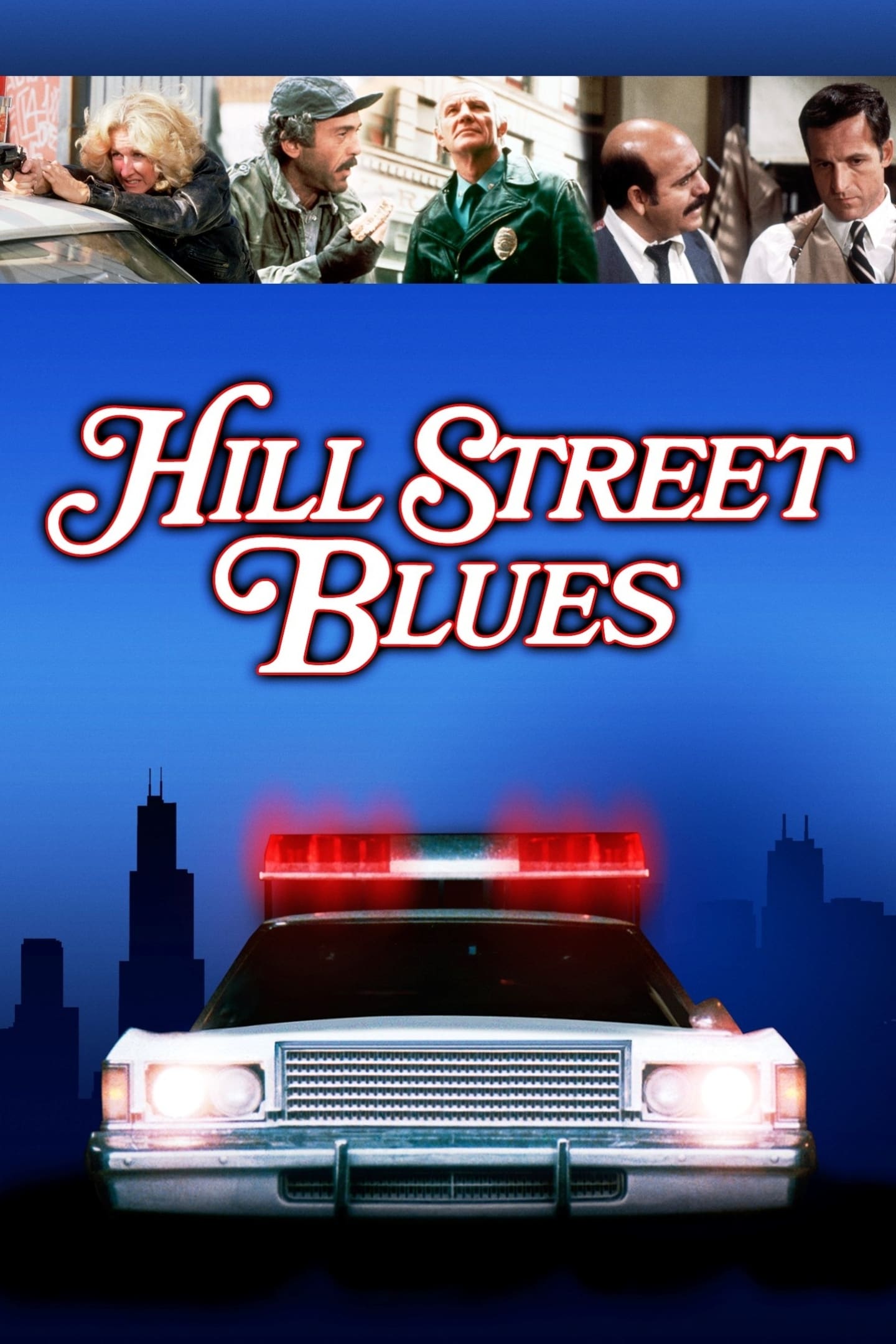
Steven Bochco reinvented the police procedural by introducing serialized story arcs and a large ensemble cast. The show featured a gritty documentary style with handheld cameras and overlapping dialogue that felt more realistic than its predecessors. It explored the personal lives of the officers as much as the crimes they investigated. ‘Hill Street Blues’ set the template for modern prestige dramas by prioritizing character depth over simple case resolutions.
‘Cheers’ (1982–1993)
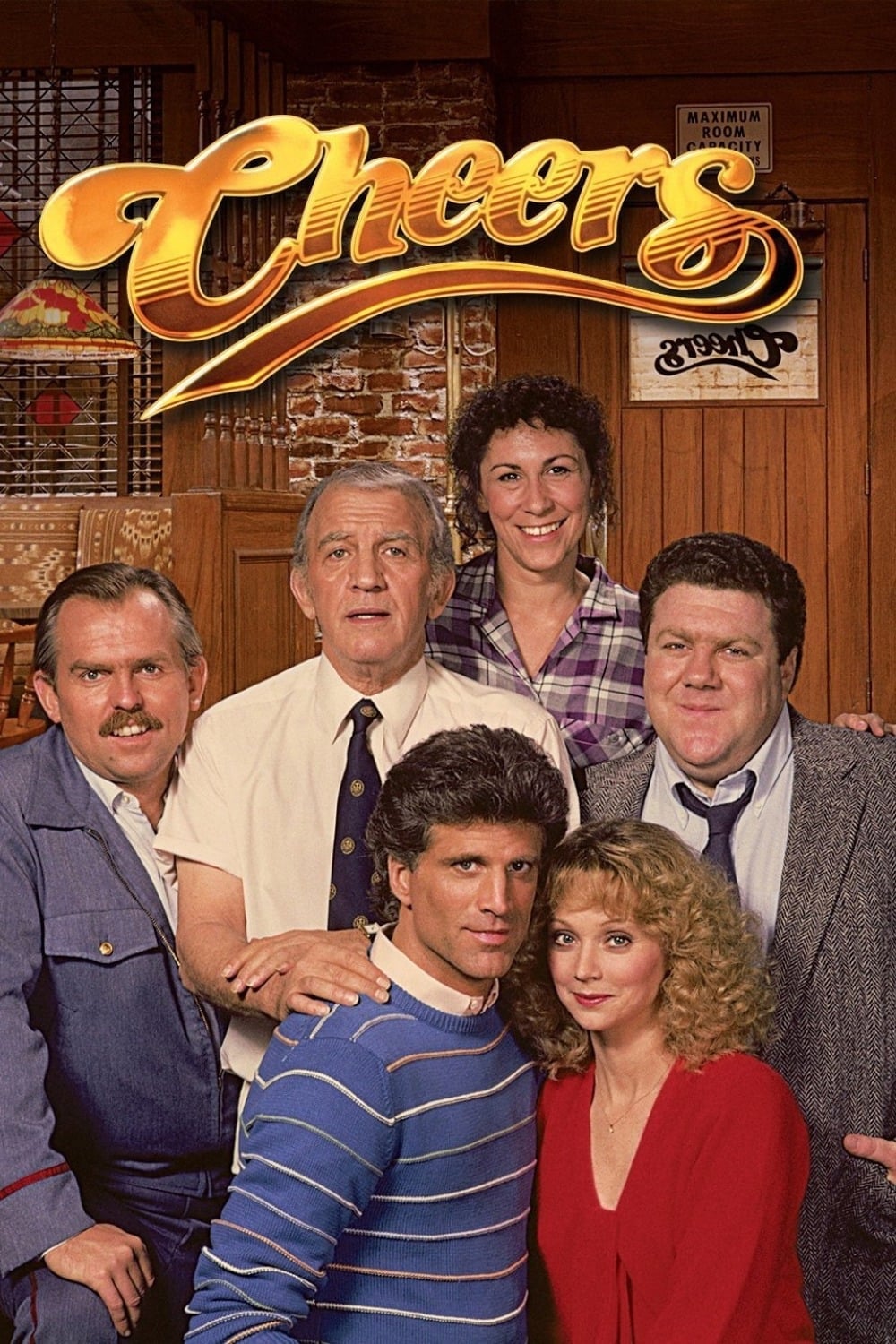
Set in a Boston bar where everybody knows your name, this sitcom perfected the ensemble workplace comedy. The central romance between Sam and Diane established the “will-they-won’t-they” dynamic that countless shows would later copy. It survived low ratings in its first season to become one of the most popular shows of the decade. ‘Cheers’ demonstrated the power of comforting familiarity and strong character chemistry in a sitcom setting.
‘Miami Vice’ (1984–1989)
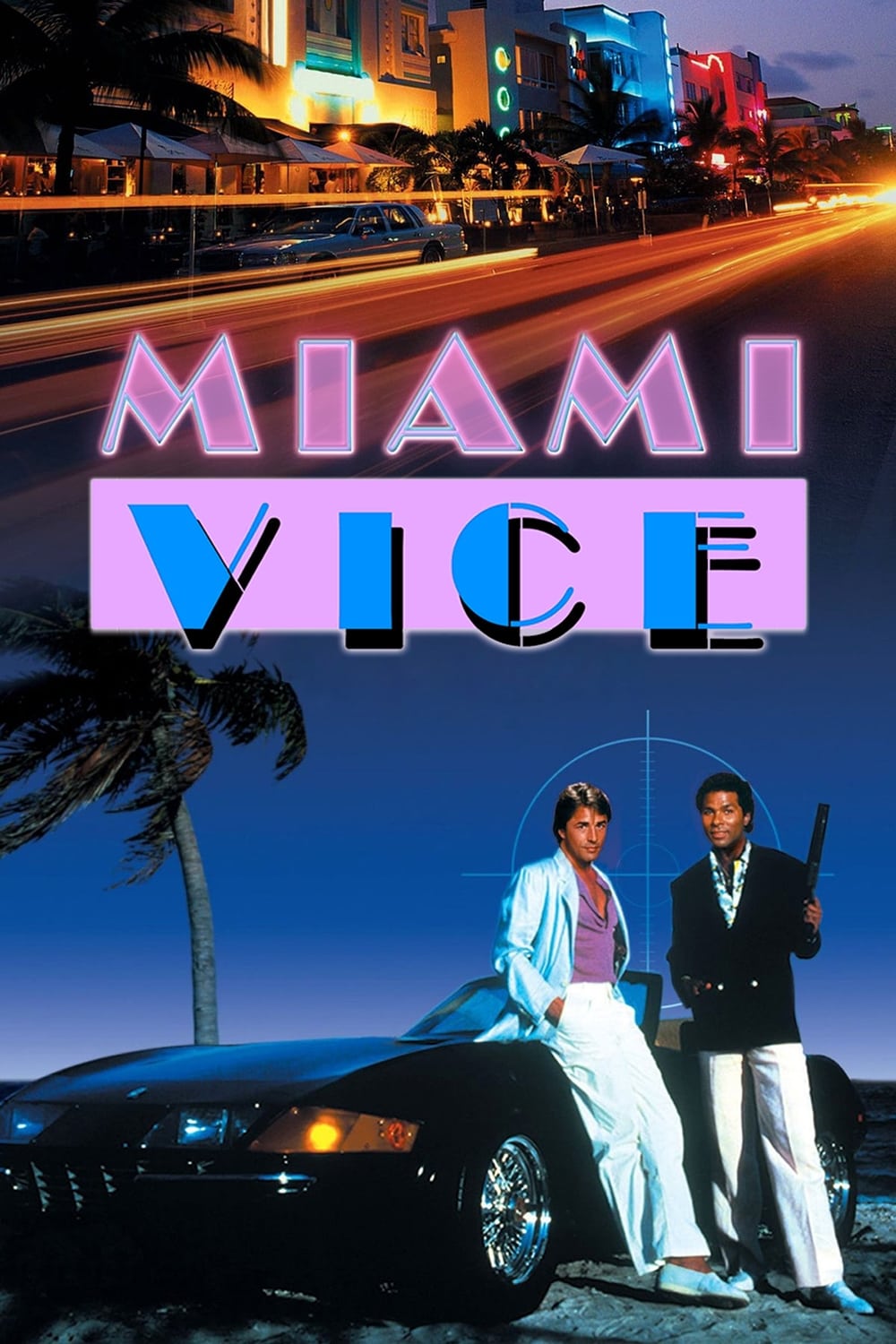
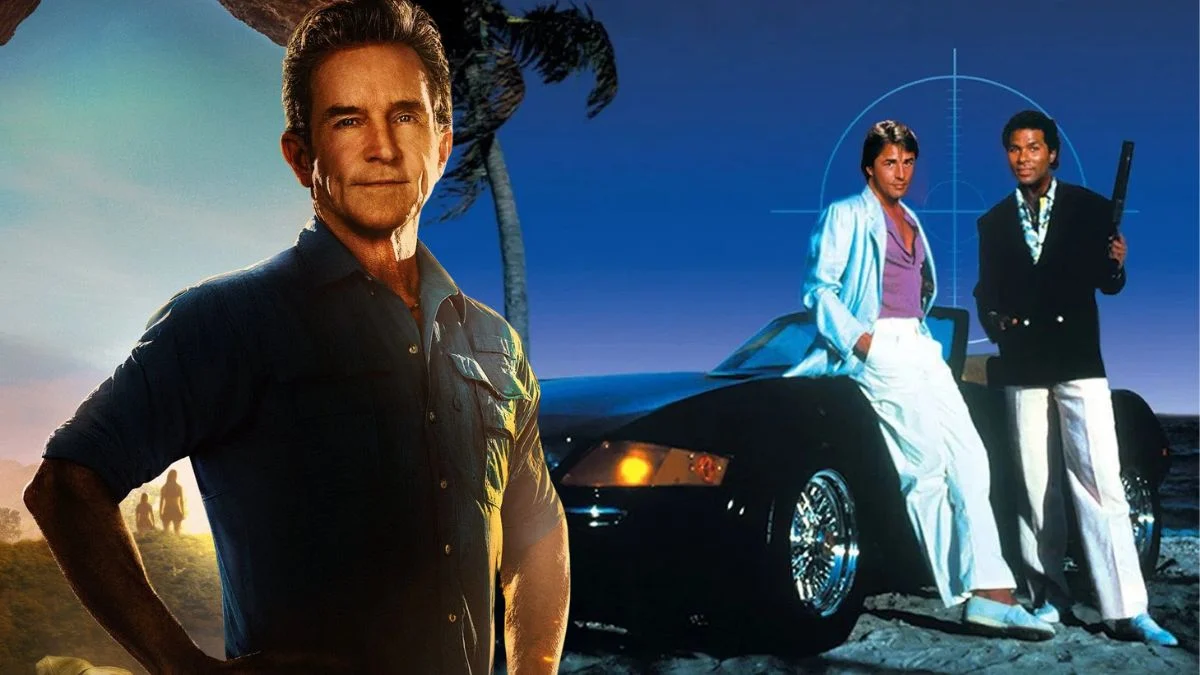
This cop drama defined the visual style of the 1980s with its pastel suits, fast cars, and synthesizer soundtrack. It was one of the first shows to integrate popular music and cinematic editing techniques inspired by music videos. The series focused heavily on atmosphere and mood rather than just dialogue-driven plots. ‘Miami Vice’ changed the look of television production and proved that style could be just as important as substance.
‘The Cosby Show’ (1984–1992)
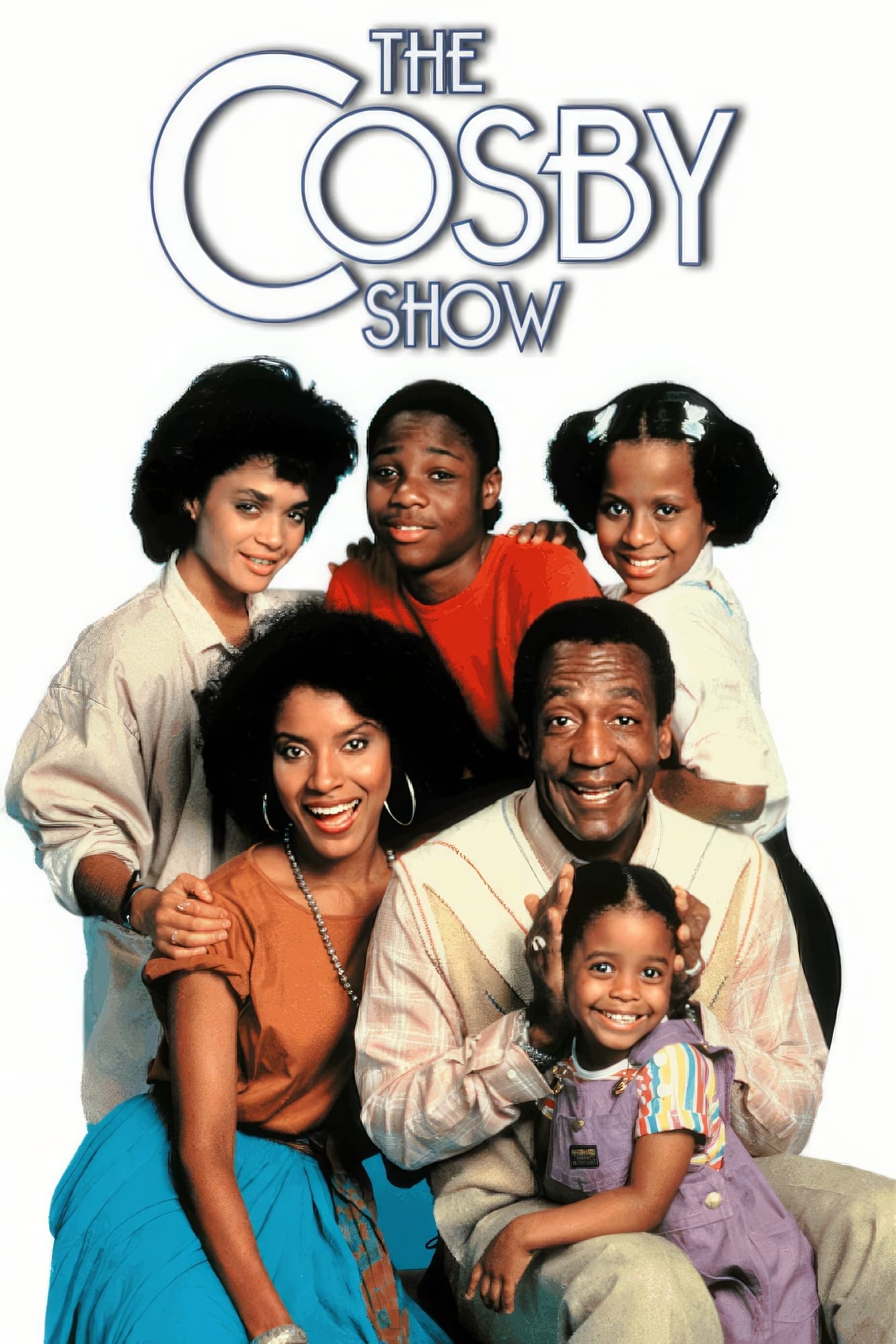
At a time when sitcoms were declared dead, this series about an affluent African American family revived the genre. It focused on universal family themes and educational values rather than racial stereotypes or slapstick humor. The immense popularity of the Huxtable family helped anchor the NBC Thursday night lineup for years. ‘The Cosby Show’ reshaped the public perception of the American family and opened doors for more diverse representation.
‘The Oprah Winfrey Show’ (1986–2011)

Oprah Winfrey transformed the daytime talk show landscape by shifting the focus toward self-improvement and emotional connection. Her ability to empathize with guests and discuss sensitive topics created a loyal and massive viewership. The show influenced the publishing industry through its book club and popularized the confession-style interview. ‘The Oprah Winfrey Show’ proved that a talk show host could become a powerful cultural arbiter and billionaire media mogul.
‘The Simpsons’ (1989–Present)
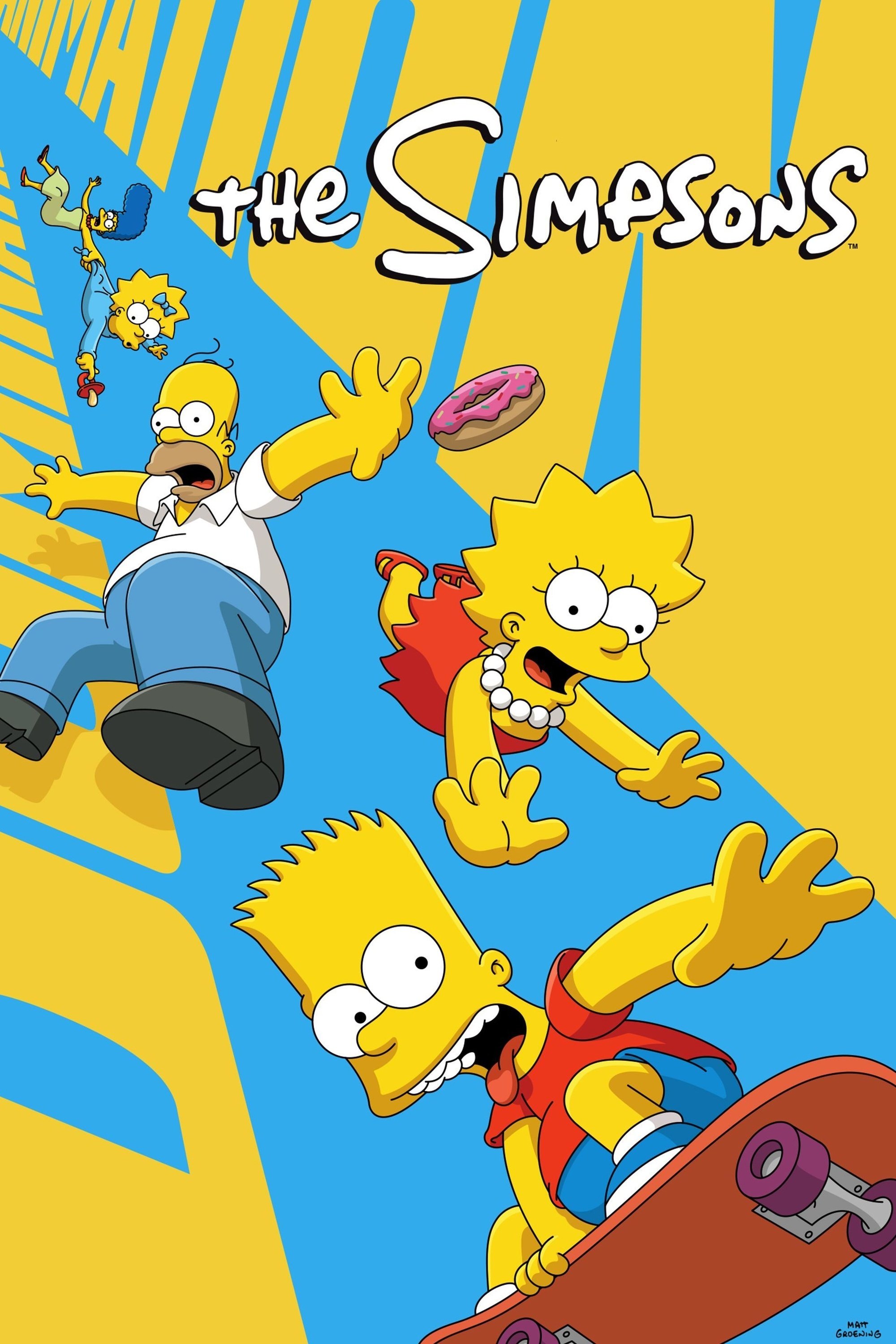
Matt Groening brought animation back to prime time with a subversive family that deconstructed the American dream. The show combined slapstick humor for children with sharp social satire that appealed to adults. Its vast universe of supporting characters created a rich world that satirized every aspect of modern life. ‘The Simpsons’ is the longest-running American scripted primetime television series and established adult animation as a profitable genre.
‘Seinfeld’ (1989–1998)
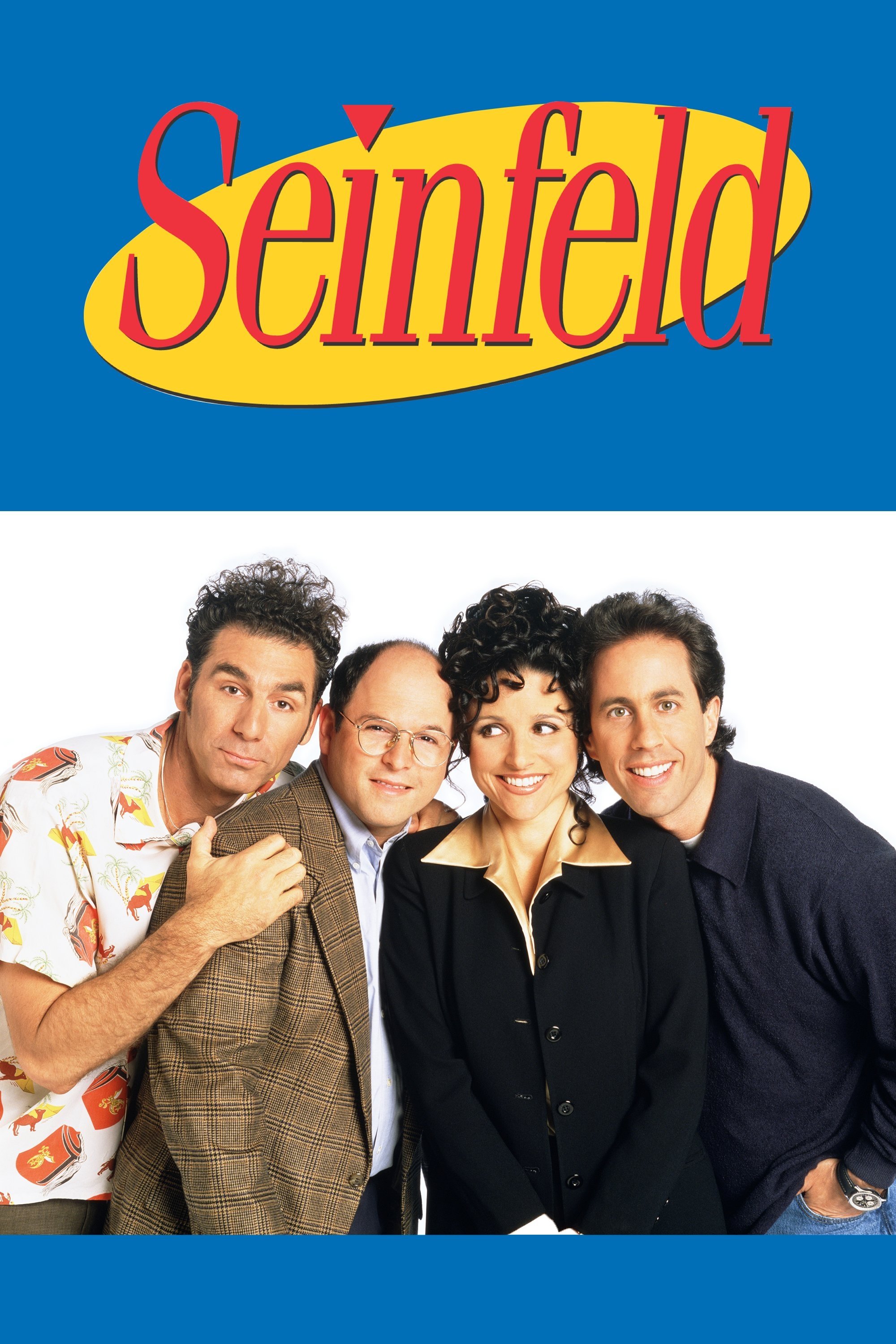
Jerry Seinfeld and Larry David created a show about nothing that obsessed over the minutiae of daily social protocols. The characters were notably selfish and refused to learn moral lessons or hug at the end of episodes. It introduced a new language of catchphrases and observational humor that permeated everyday conversation. ‘Seinfeld’ broke all the rules of traditional sitcoms and became the most profitable comedy in television history.
‘Twin Peaks’ (1990–1991)
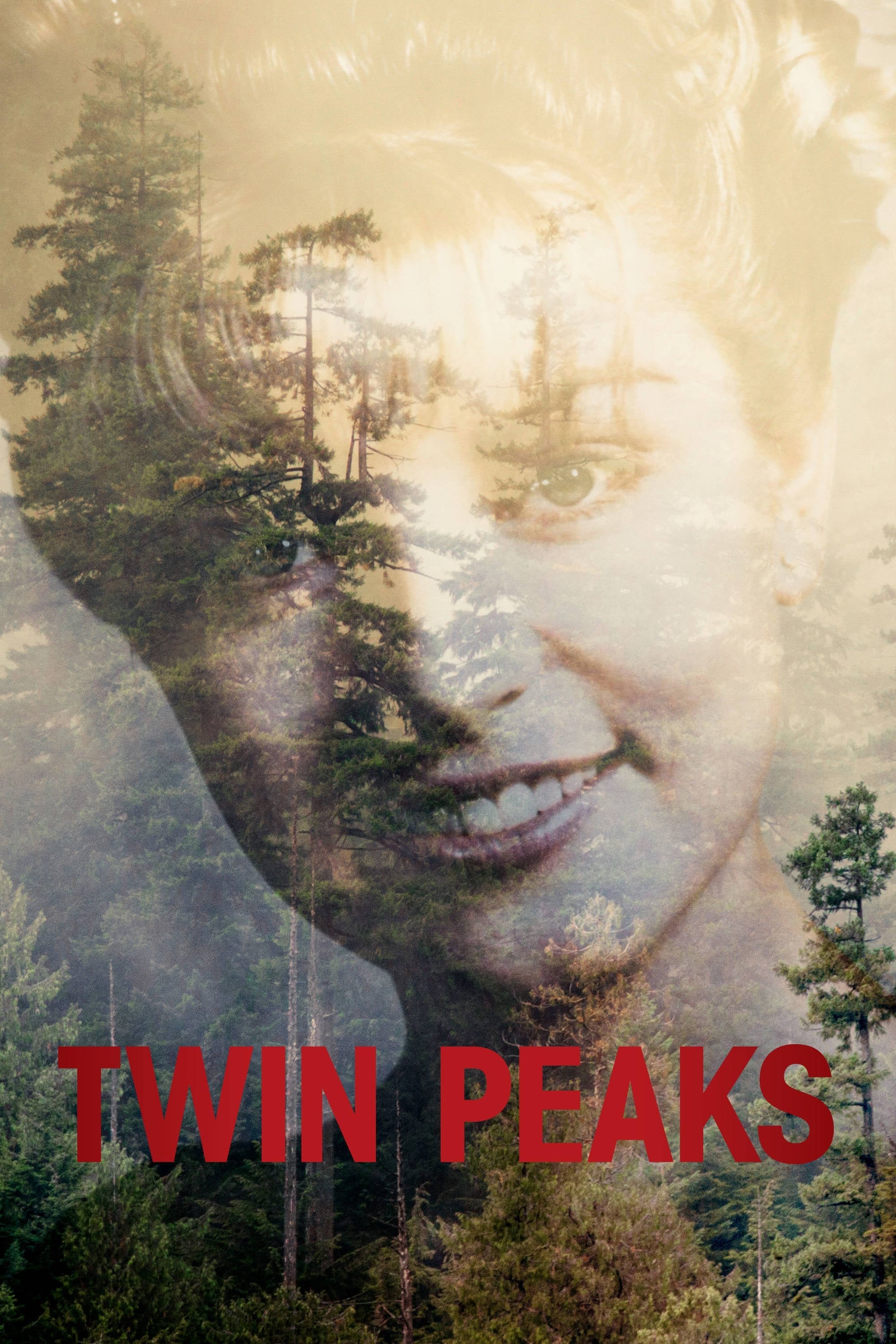
David Lynch and Mark Frost brought cinematic surrealism to network television with this mystery series. The question of who killed Laura Palmer gripped audiences while the dream sequences confused and fascinated them. It showed that television could be an art form capable of handling avant-garde visuals and complex narratives. ‘Twin Peaks’ is widely cited as the precursor to the modern age of prestige television drama.
‘Law & Order’ (1990–Present)
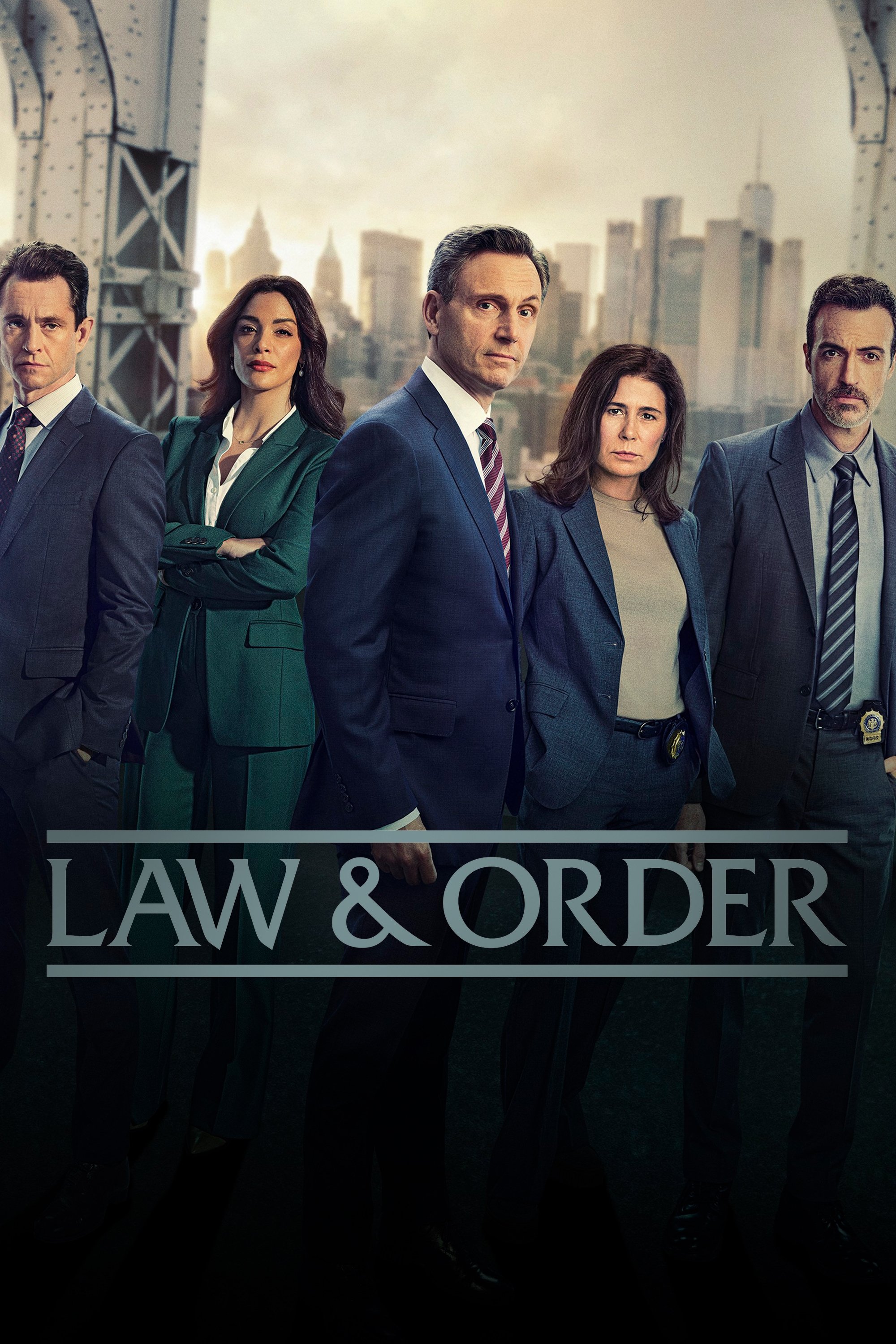
Dick Wolf created the ultimate procedural format by splitting episodes into two distinct halves focusing on the police and the district attorneys. The show frequently ripped stories from the headlines which kept the content feeling fresh and relevant. Its episodic nature made it perfect for syndication and allowed viewers to watch in any order. ‘Law & Order’ spawned a massive franchise that has dominated cable television reruns for decades.
‘The Real World’ (1992–Present)
MTV invented the modern reality television genre by putting seven strangers in a house to see what happens when people stop being polite. It moved away from polished scripts to focus on unscripted interpersonal drama and conflict. The show captured the zeitgeist of youth culture and tackled issues like AIDS and prejudice head-on. ‘The Real World’ created the template for the reality boom that would eventually take over the airwaves.
‘The X-Files’ (1993–2002)
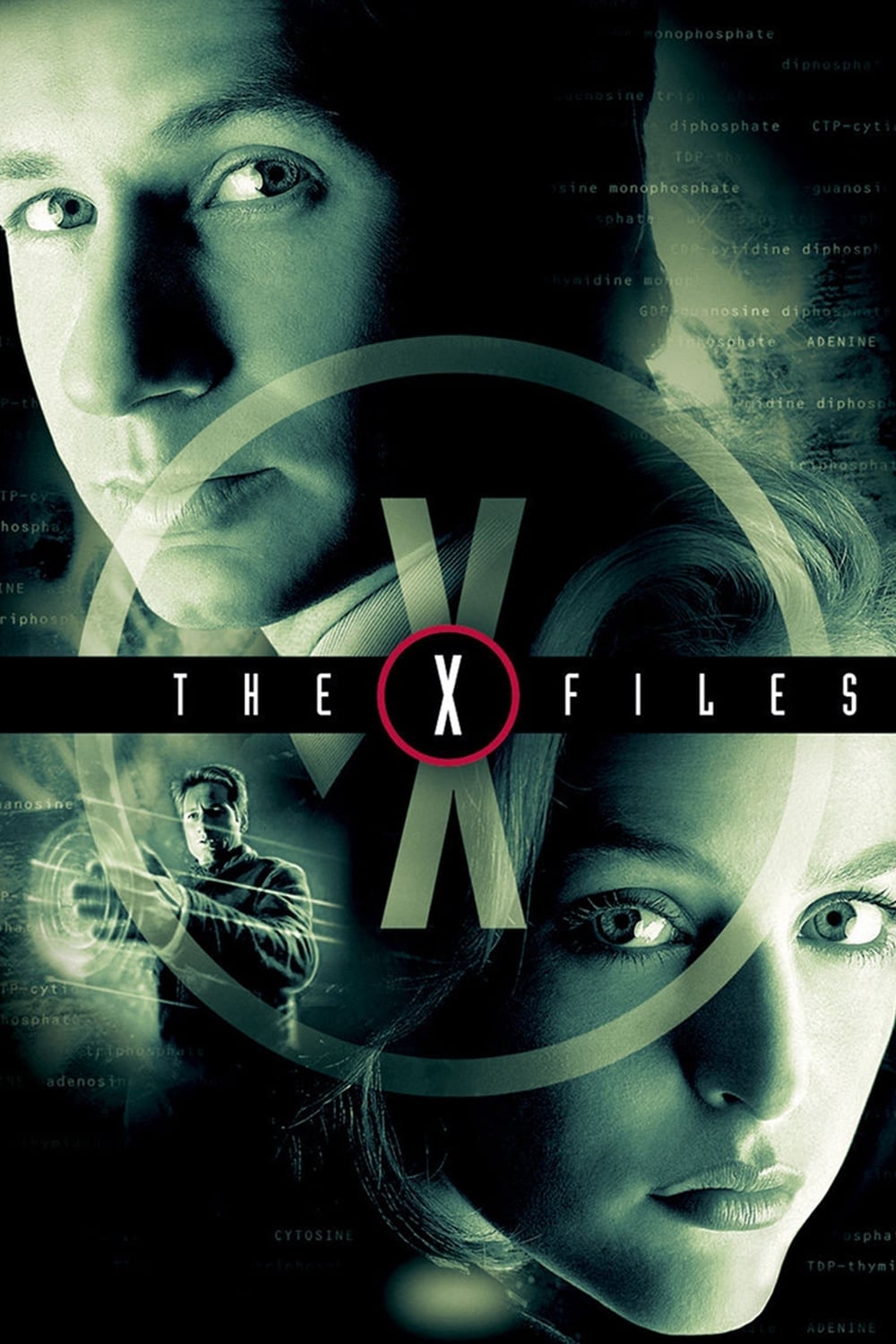
Mulder and Scully brought science fiction into the mainstream with a mix of monster-of-the-week episodes and a deep mythology arc. The series tapped into pre-millennial paranoia about government conspiracies and the supernatural. It was one of the first shows to have a massive online fanbase that dissected every detail on message boards. ‘The X-Files’ proved that a cult genre show could become a massive global hit.
‘Friends’ (1994–2004)
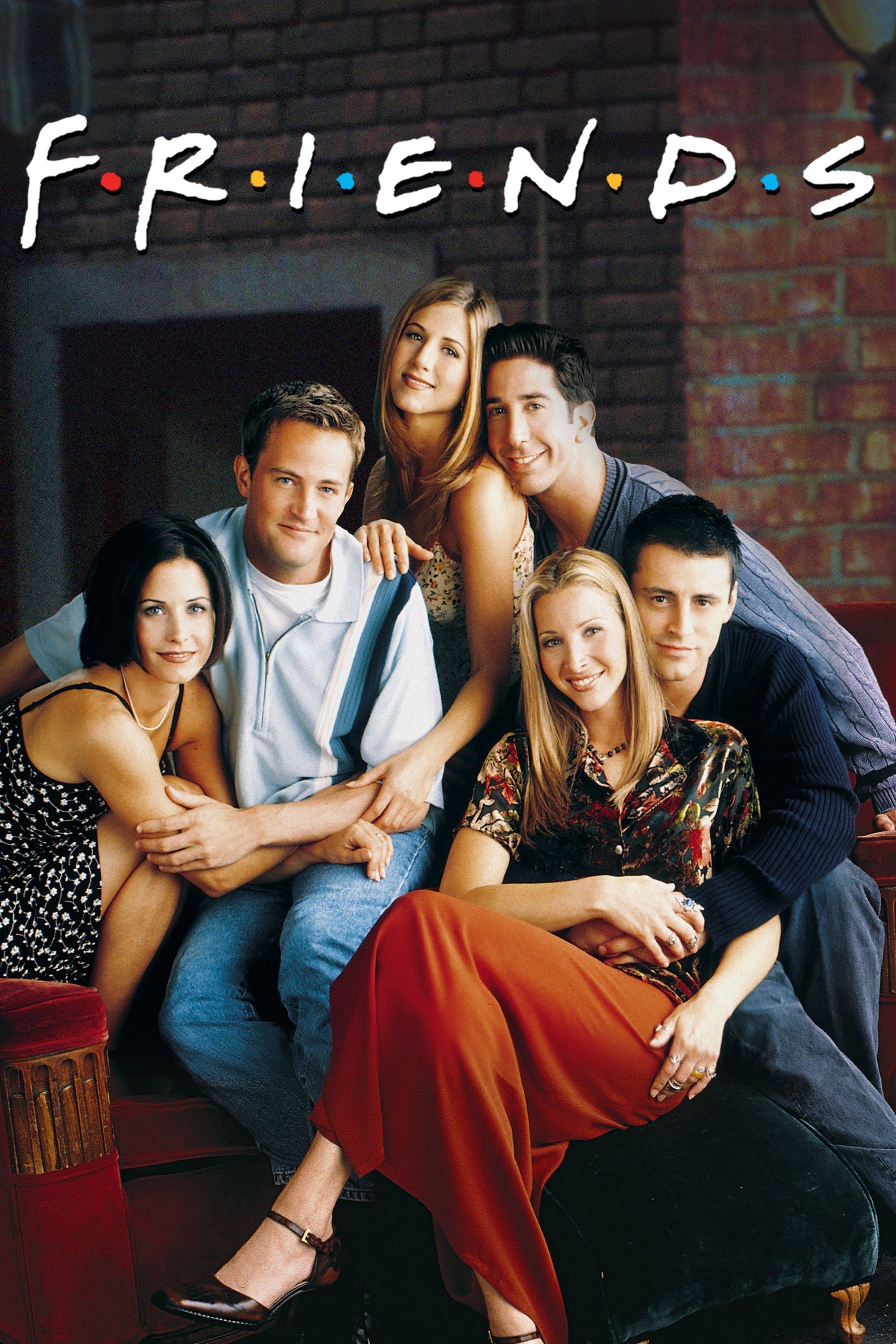
This sitcom about six young adults living in New York City defined the cultural aesthetic of the 1990s. The chemistry between the cast members elevated simple plots about dating and careers into must-see television. It influenced fashion, language, and the very concept of the “hangout sitcom.” ‘Friends’ remains one of the most streamed shows in the world and continues to find new audiences among younger generations.
‘ER’ (1994–2009)

Michael Crichton created a medical drama that moved at a breakneck pace and utilized steady-cam shots to immerse viewers in the action. The show was known for its technical jargon and refusal to simplify medical procedures for the audience. It launched the career of George Clooney and set a new standard for production values on network television. ‘ER’ dominated the ratings for years and influenced every medical show that followed.
‘Buffy the Vampire Slayer’ (1997–2003)
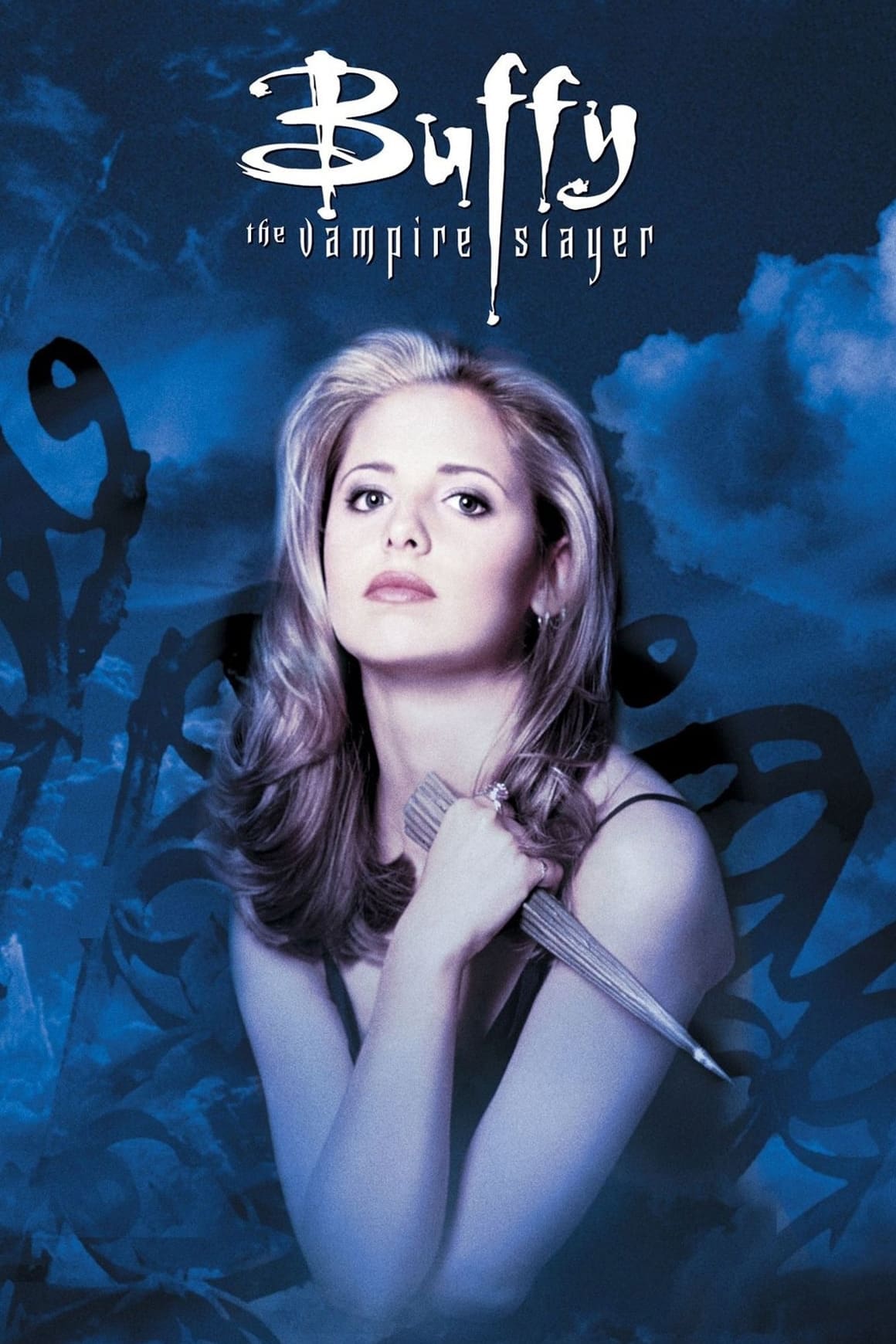
Joss Whedon used supernatural monsters as metaphors for the very real struggles of adolescence and growing up. The show featured a strong female protagonist who subverted the horror trope of the helpless blonde victim. It was praised for its clever dialogue and willingness to experiment with musical and silent episodes. ‘Buffy the Vampire Slayer’ garnered a devoted academic following and pioneered the concept of the chosen family.
‘South Park’ (1997–Present)

Trey Parker and Matt Stone used crude animation to deliver some of the sharpest social and political satire on television. The quick production schedule allowed them to comment on current events mere days after they happened. The show consistently courted controversy and pushed the boundaries of free speech. ‘South Park’ proved that adult cartoons could be intelligent, provocative, and incredibly profitable.
‘Sex and the City’ (1998–2004)
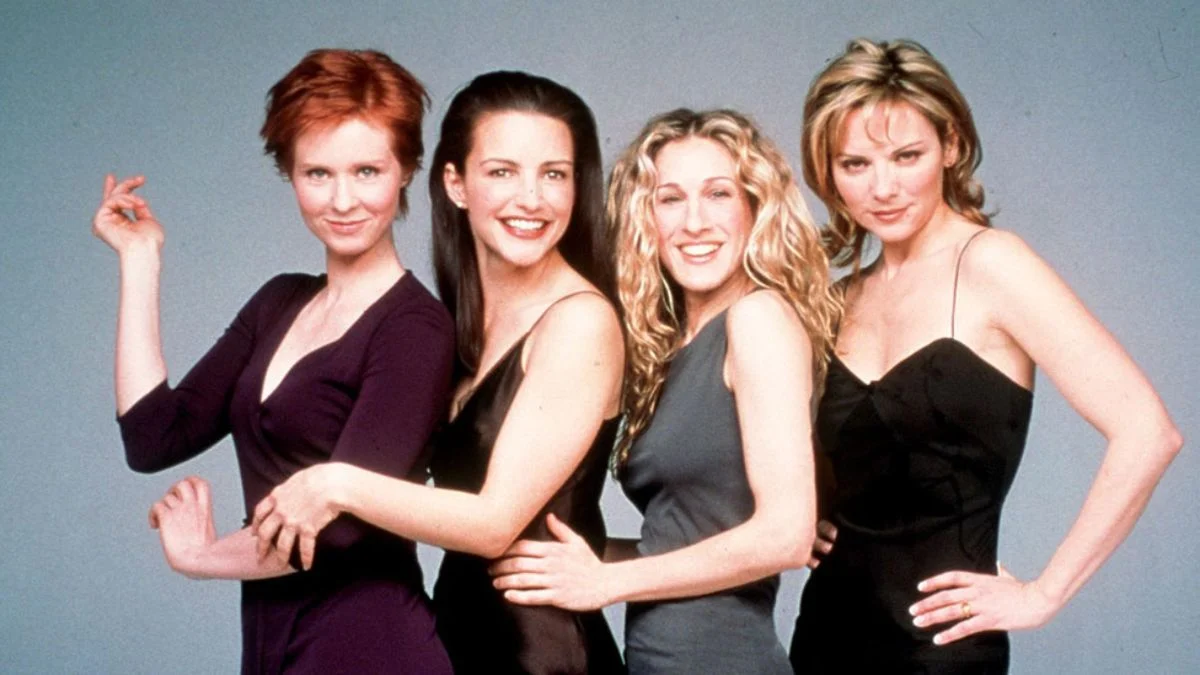
This premium cable series offered a frank and often explicit look at the dating lives of four women in New York. It treated female friendship as the primary soulmate relationship rather than marriage. The show became a fashion authority and sparked endless conversations about modern relationships and sexuality. ‘Sex and the City’ helped brand HBO as a destination for sophisticated adult programming.
‘The Sopranos’ (1999–2007)
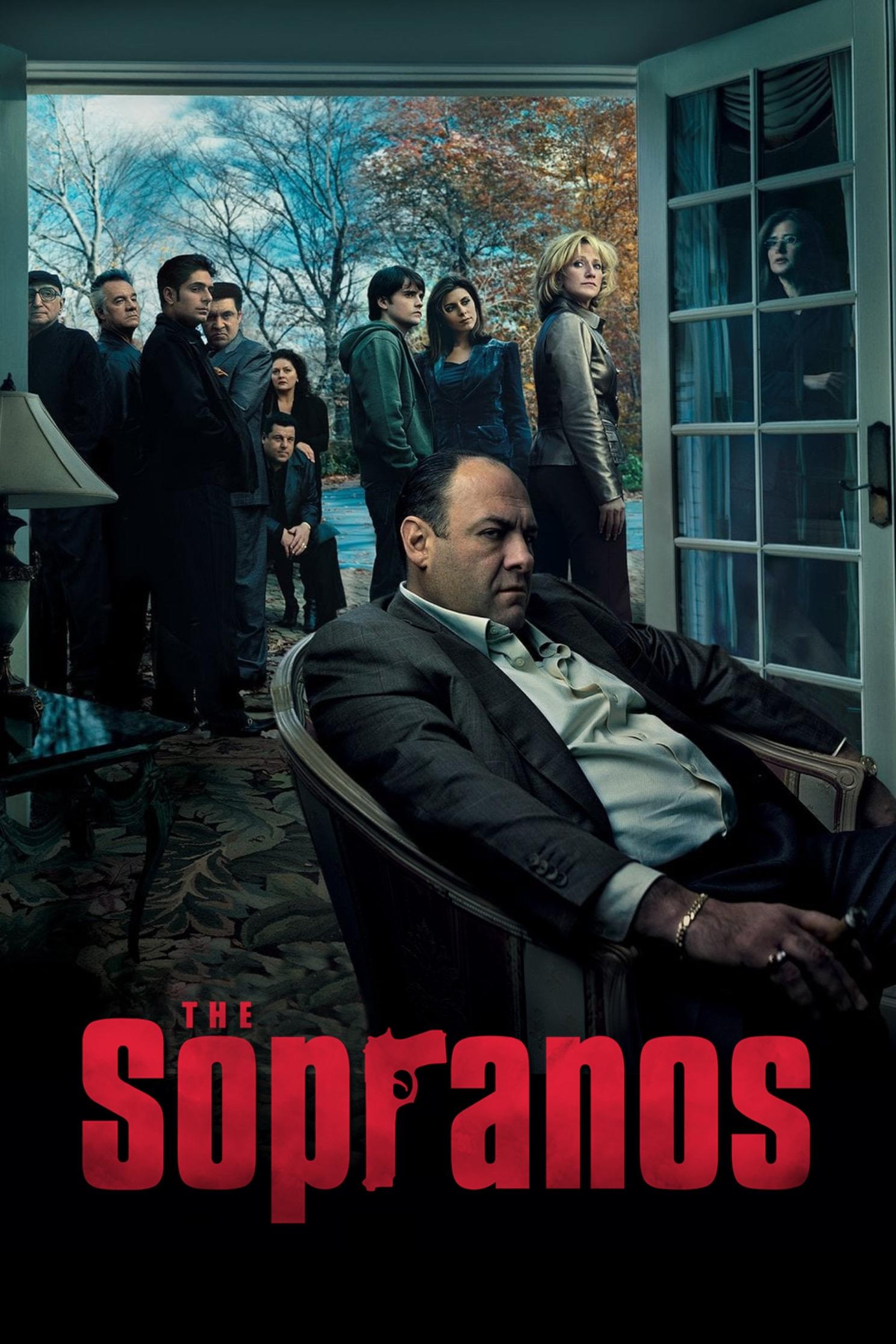
Tony Soprano became the archetype for the difficult man antihero that would dominate television for the next decade. The series blended mob violence with domestic drama and psychiatry sessions to create a complex psychological portrait. It elevated television to the status of a novel and demanded the audience’s full attention. ‘The Sopranos’ is frequently cited by critics as the greatest television series of all time.
‘The West Wing’ (1999–2006)
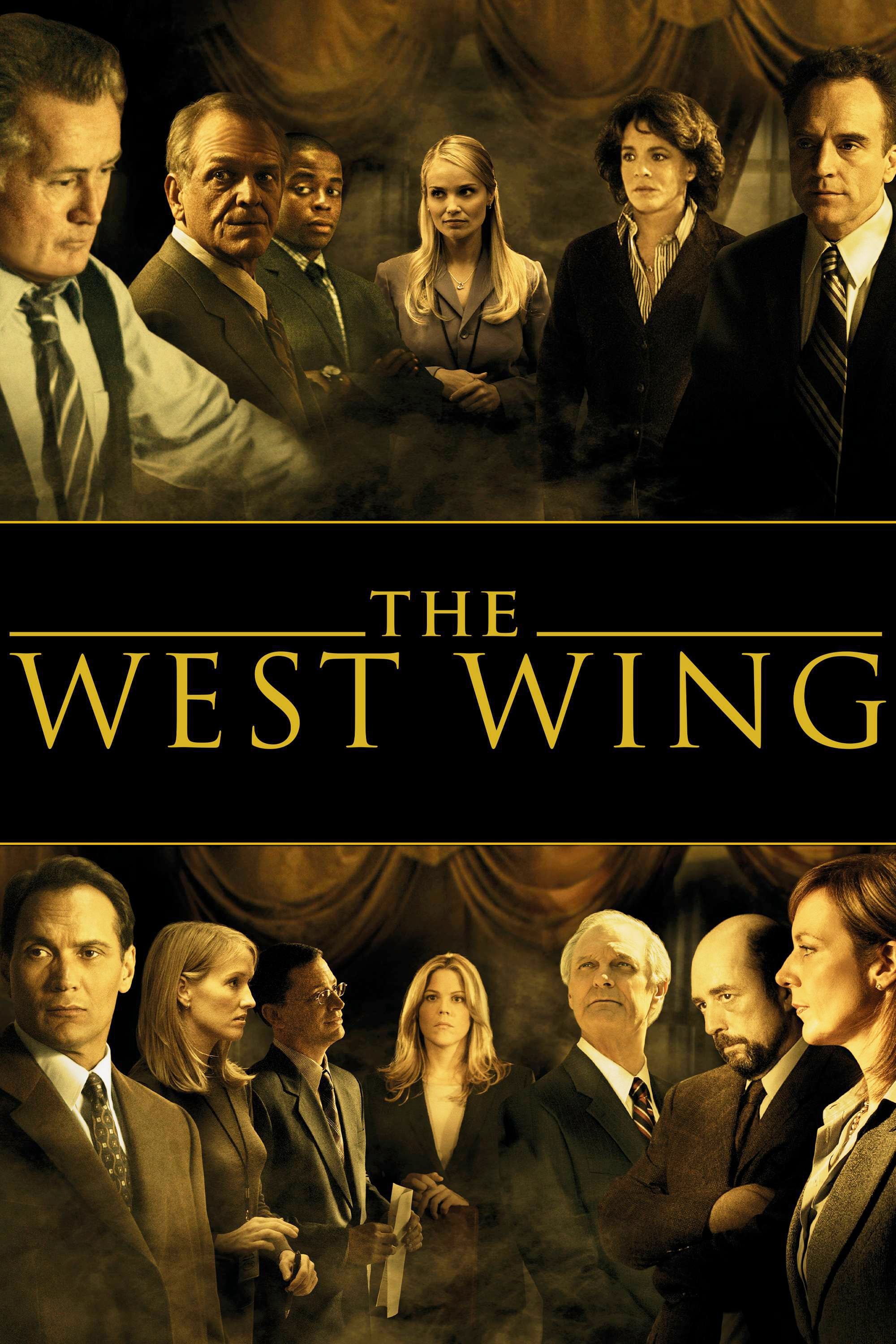
Aaron Sorkin brought his signature walk-and-talk dialogue to the White House in a drama that romanticized public service. The show focused on a hyper-competent staff working for an intellectual president during a time of political polarization. It offered an idealistic vision of American politics that resonated deeply with viewers. ‘The West Wing’ set a high bar for dialogue and influenced the public perception of the political process.
‘Survivor’ (2000–Present)
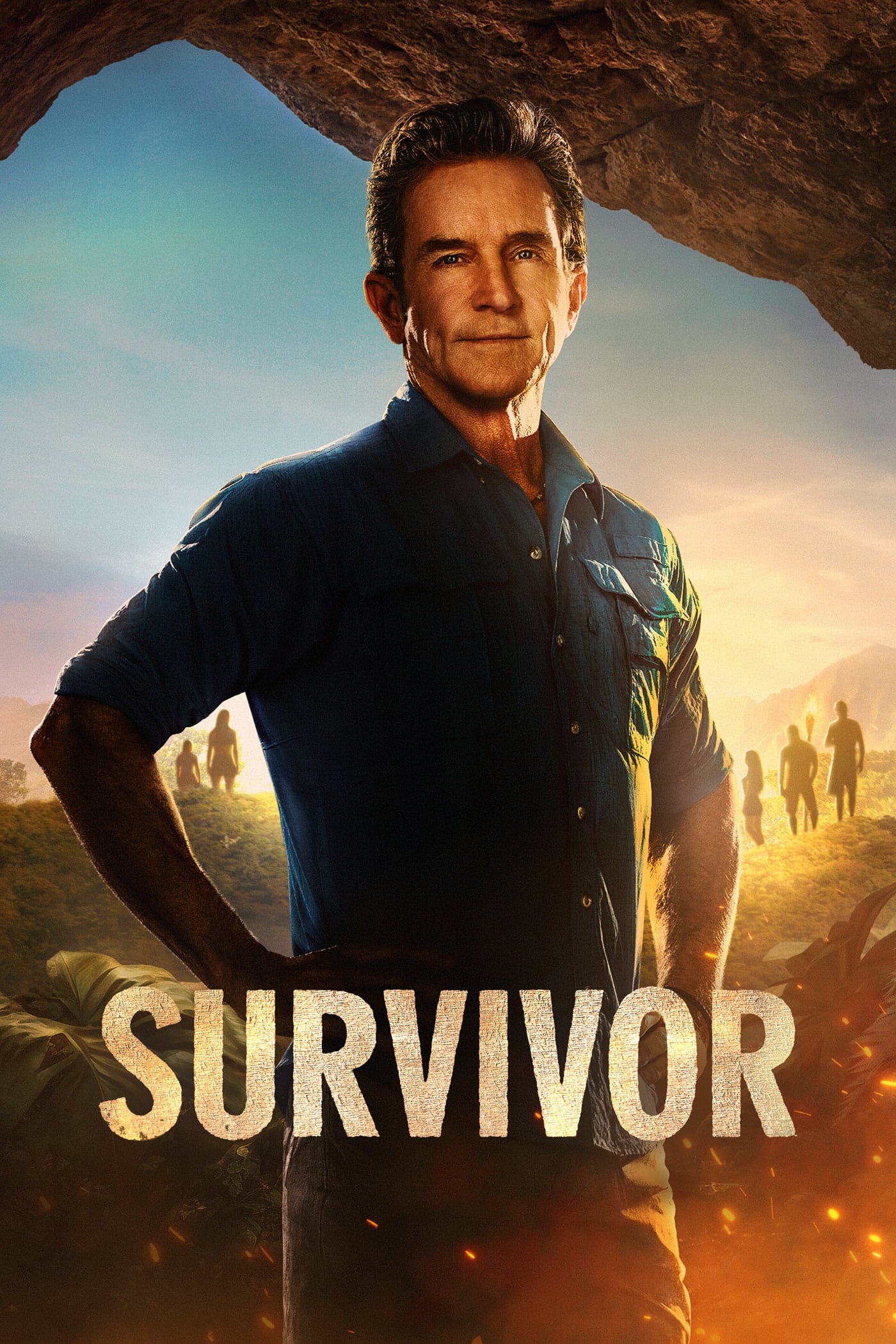
Mark Burnett brought the competition reality format to the United States and turned it into a massive television event. The mixture of physical challenges and social strategy created a compelling game that evolved with every season. It proved that unscripted drama could draw Super Bowl-level ratings and sustain a franchise for decades. ‘Survivor’ established the rules of reality competition shows that are still followed today.
‘The Wire’ (2002–2008)
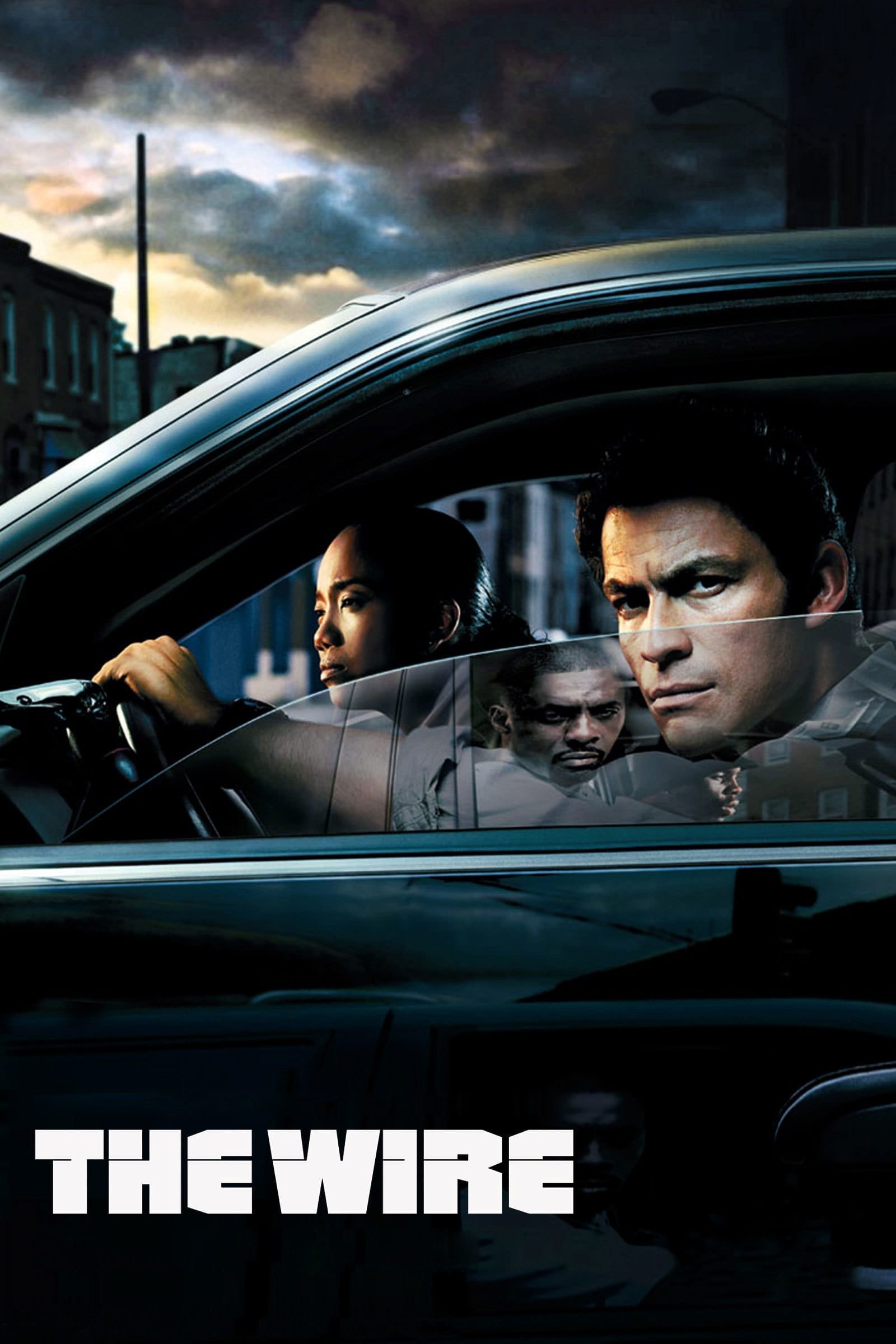
David Simon created a sprawling narrative that examined the drug trade in Baltimore through the eyes of law enforcement and dealers alike. Each season expanded the scope to include the docks, city hall, the school system, and the media. The show was praised for its realism, literary structure, and refusal to offer easy solutions to systemic problems. ‘The Wire’ is regarded as a sociological masterpiece that transcended the cop show genre.
‘American Idol’ (2002–Present)
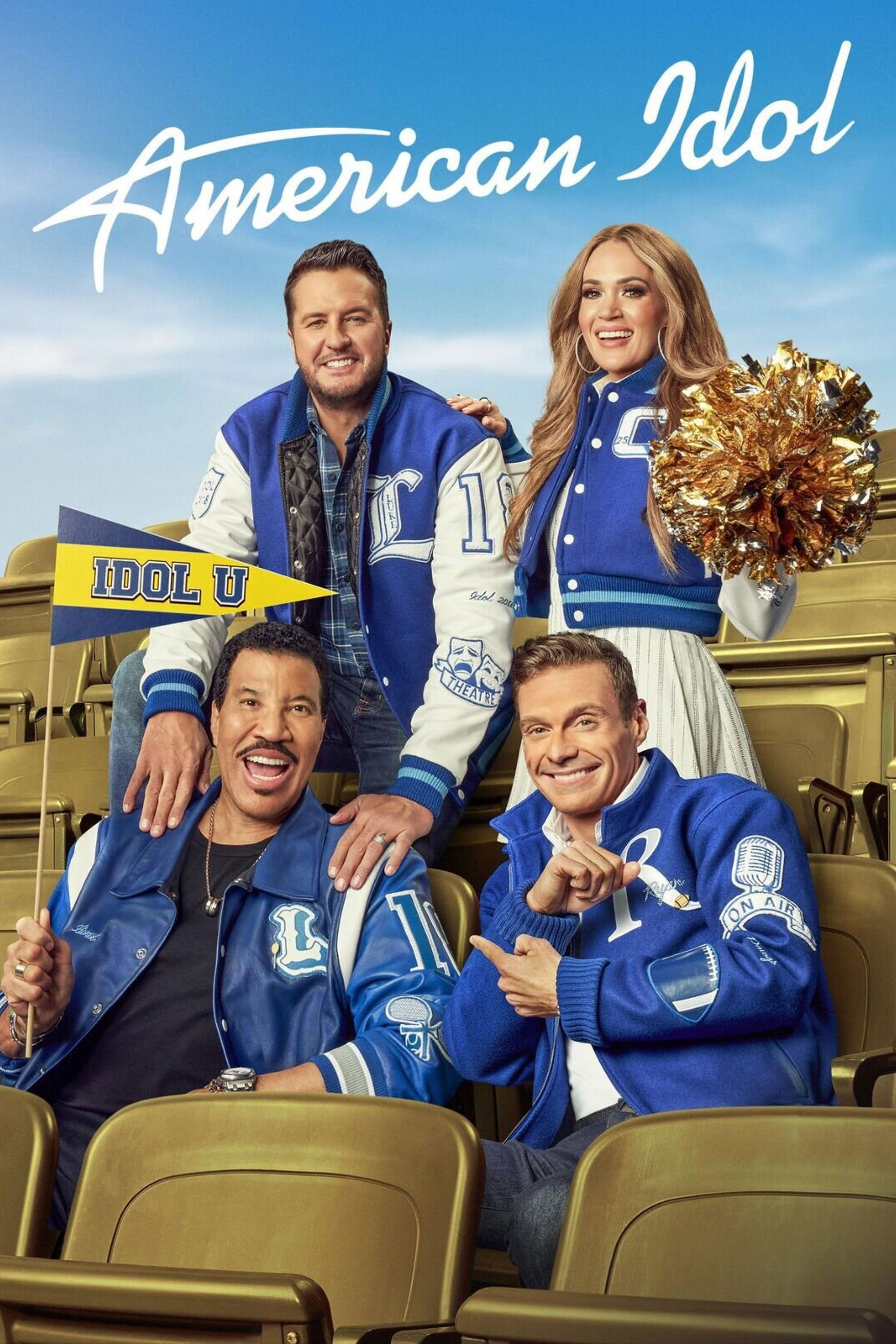
This singing competition became a juggernaut that dominated the ratings for over a decade. It empowered the audience by allowing them to vote for the winner via telephone and text. The chemistry between the judges, particularly Simon Cowell’s harsh critiques, became as important as the contestants. ‘American Idol’ changed the music industry and proved the power of interactive television.
‘Lost’ (2004–2010)
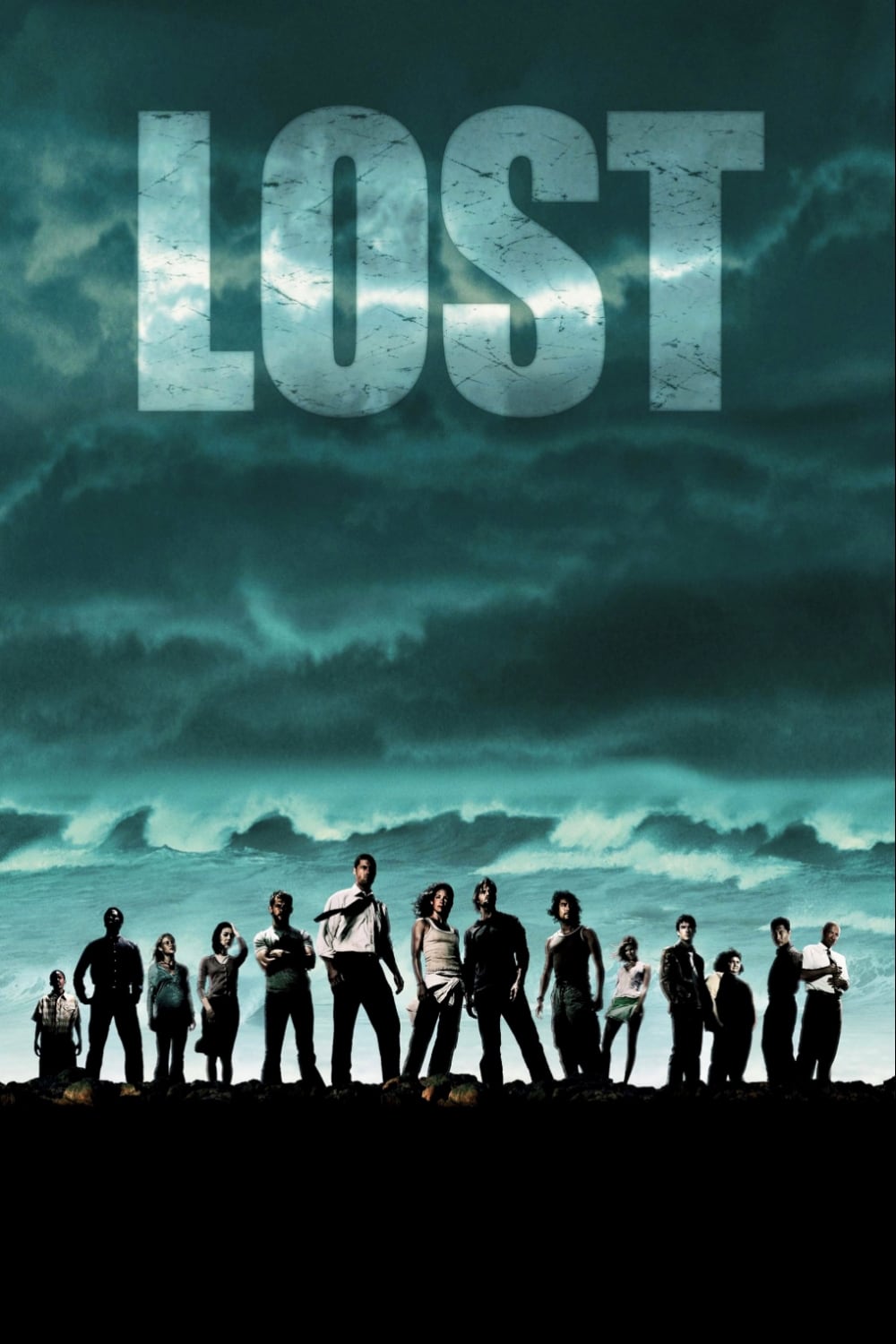
J.J. Abrams and Damon Lindelof created a mystery box show that encouraged obsessive audience analysis and theorizing. The non-linear storytelling utilized flashbacks and flash-forwards to deepen the character development. It capitalized on the rise of the internet to create a global community of fans trying to solve the island’s secrets. ‘Lost’ changed the way networks viewed high-concept serialized science fiction.
‘The Office’ (US) (2005–2013)
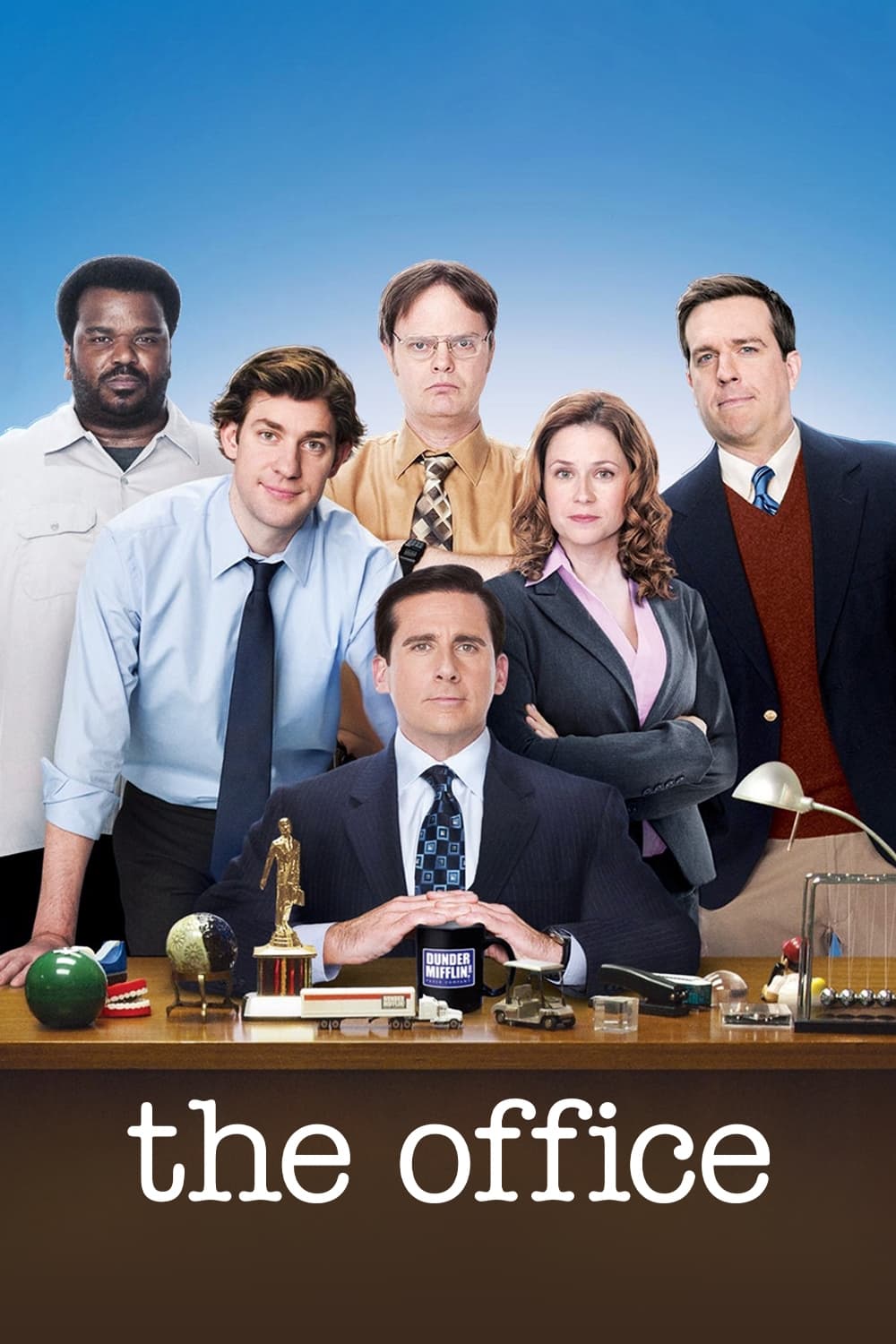
Adapted from the British original, this mockumentary captured the mundane absurdity of corporate life in America. The cringe comedy style and lack of a laugh track influenced a wave of single-camera sitcoms. It found a second life on streaming platforms where it became the most-watched show for a new generation. ‘The Office’ demonstrated that a workplace comedy could be both cynical and deeply heartwarming.
‘Mad Men’ (2007–2015)
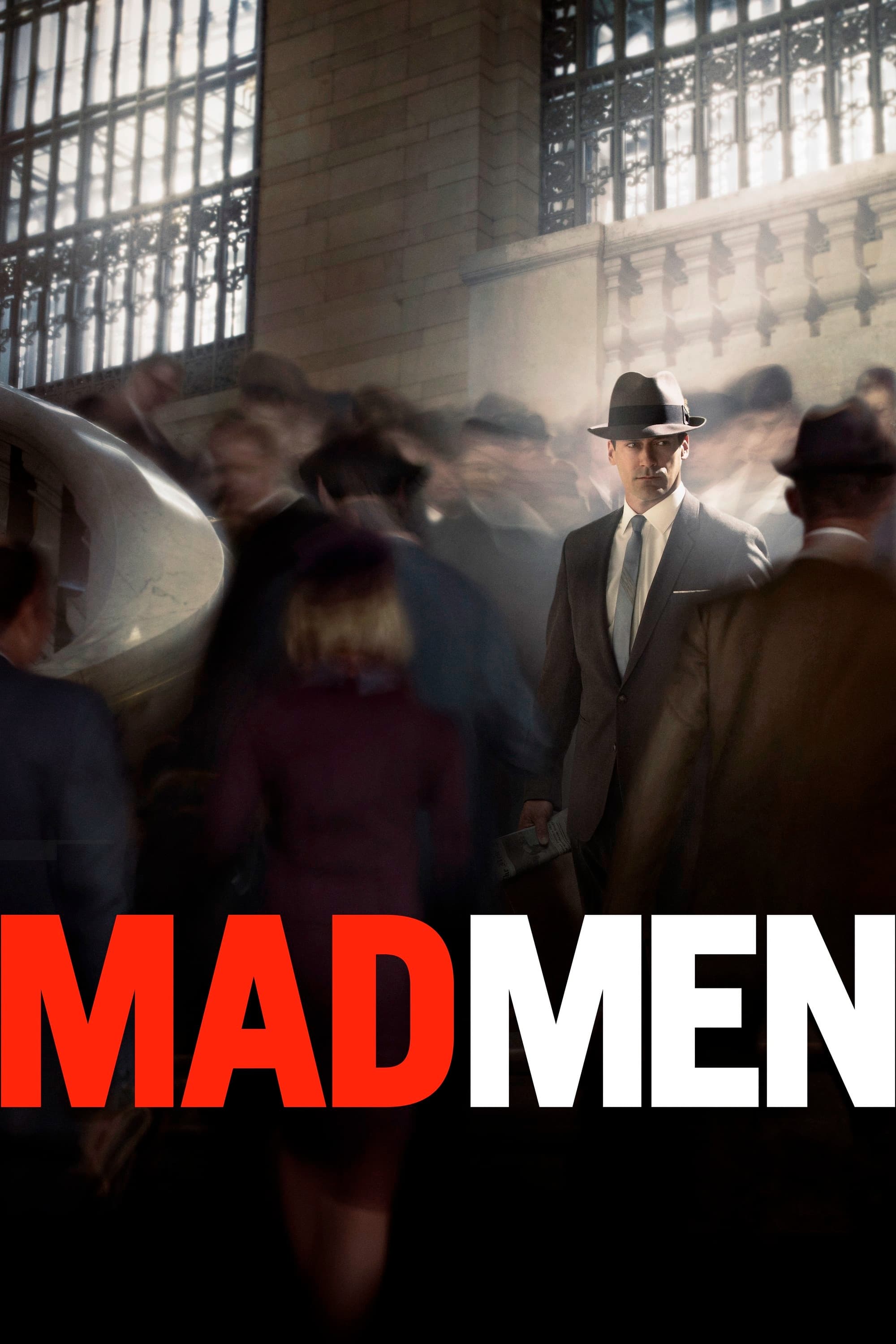
Matthew Weiner created a stylish period drama that explored the changing social mores of the 1960s through the lens of an advertising agency. The show was celebrated for its meticulous historical detail and the enigmatic character of Don Draper. It helped put the AMC network on the map as a home for prestige content. ‘Mad Men’ proved that a slow-burning character study could captivate audiences and win major awards.
‘Breaking Bad’ (2008–2013)
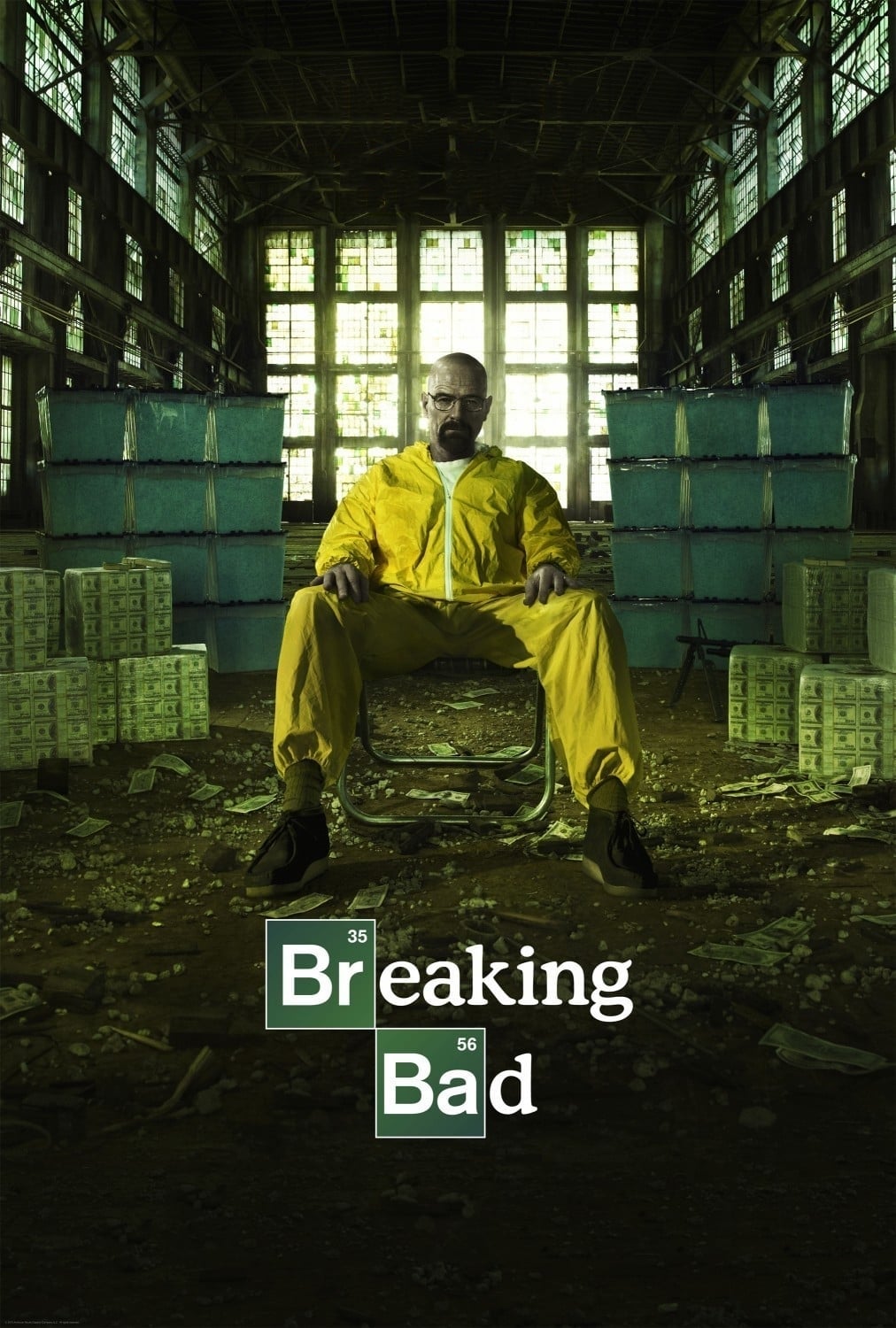
Vince Gilligan told the tragic story of Walter White’s transformation from a mild-mannered teacher into a ruthless drug lord. The show was praised for its visual storytelling, tight plotting, and the intense performance of Bryan Cranston. It benefited greatly from the “Netflix effect” where viewers binged early seasons before tuning in for the live finale. ‘Breaking Bad’ is often considered the gold standard for how to execute a serialized television tragedy.
‘RuPaul’s Drag Race’ (2009–Present)
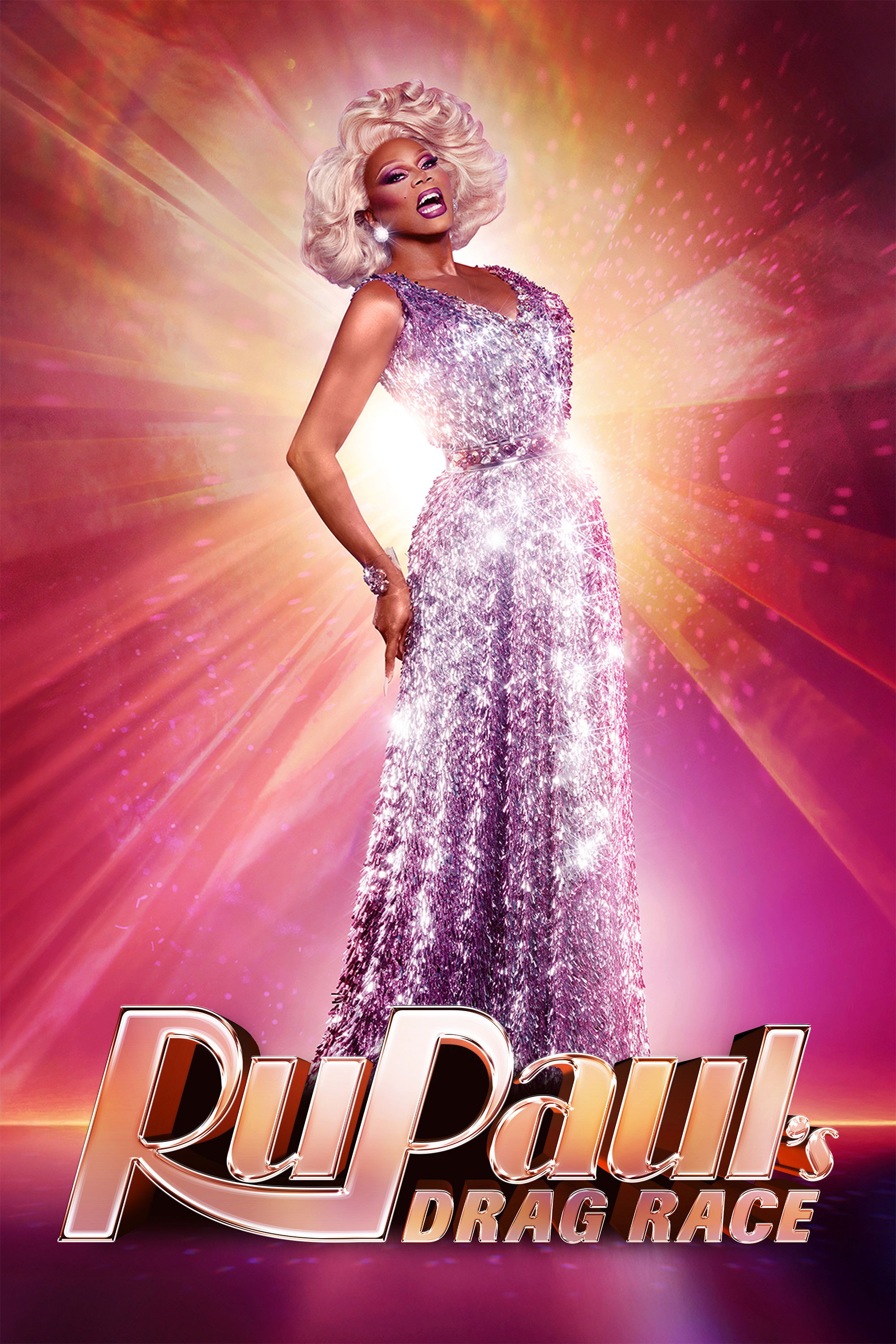
RuPaul brought drag culture from the underground to the mainstream with this colorful competition series. The show combines fashion, comedy, and lip-syncing while highlighting the personal struggles and triumphs of the LGBTQ+ community. It has launched the careers of hundreds of drag queens and created a global brand. ‘RuPaul’s Drag Race’ has been crucial in shifting cultural conversations about gender and identity.
‘Modern Family’ (2009–2020)

This sitcom used a mockumentary format to depict three different branches of the same family. It was notable for featuring a gay couple and an age-gap relationship as central, normalized parts of the family unit. The show dominated the Emmy Awards for years and reflected the changing demographics of American households. ‘Modern Family’ proved that the traditional family sitcom could evolve while retaining mass appeal.
‘The Walking Dead’ (2010–2022)

This horror drama about survivors in a zombie apocalypse shattered basic cable ratings records. It was known for its shocking deaths and the grueling moral choices forced upon its characters. The show spawned a massive franchise including spinoffs and video games. ‘The Walking Dead’ proved that genre television with high levels of gore could achieve blockbuster success.
‘Game of Thrones’ (2011–2019)

HBO adapted George R.R. Martin’s fantasy novels into a global cultural event with movie-quality production values. The show was famous for its political intrigue, dragons, and willingness to kill off main characters. It became the most discussed show in the world and a shared watercooler moment for millions. ‘Game of Thrones’ redefined the scale of what was possible on television.
‘House of Cards’ (2013–2018)
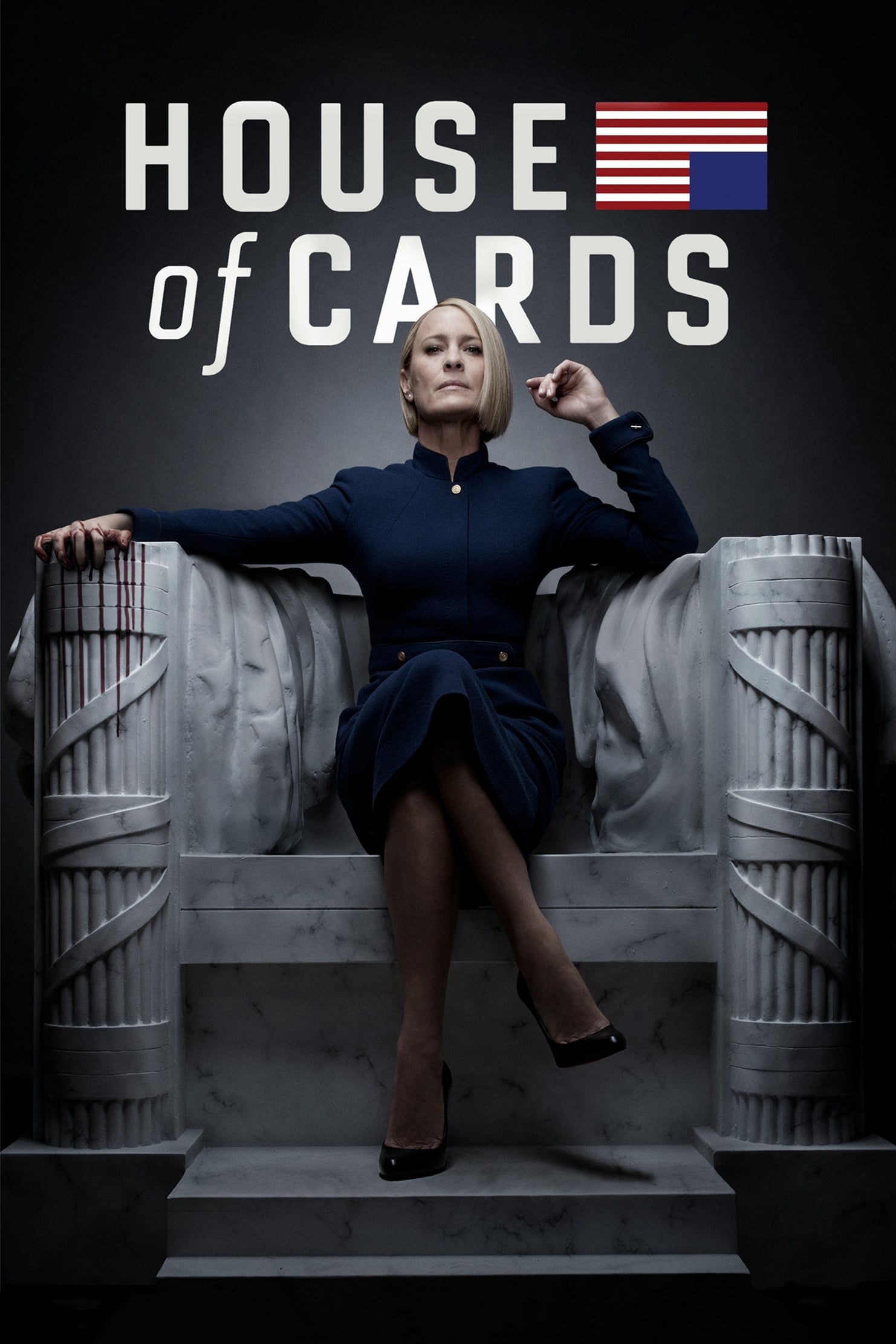
This political thriller was the first major original series commissioned by Netflix. It was released with all episodes available at once, which popularized the binge-watching model that defines the streaming era. The show signaled that streaming services were serious competitors to traditional cable networks. ‘House of Cards’ changed the distribution model of television forever.
‘Stranger Things’ (2016–Present)
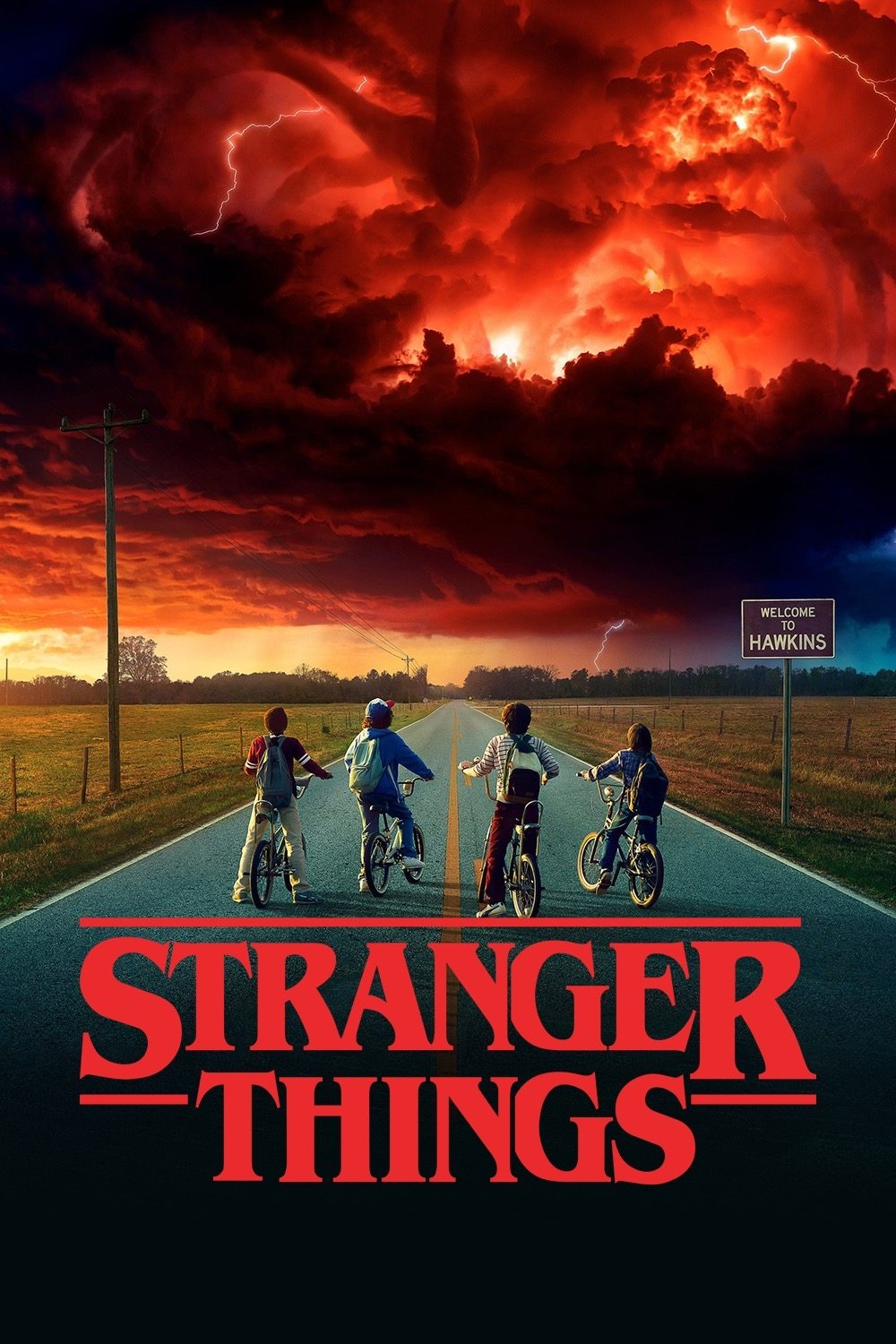
The Duffer Brothers created a sci-fi horror series that heavily relied on 1980s nostalgia and pop culture references. It became a viral sensation for Netflix and launched its young cast into stardom. The show successfully blended Spielbergian wonder with Stephen King-style horror. ‘Stranger Things’ demonstrated the power of nostalgia and the global reach of streaming blockbusters.
‘Succession’ (2018–2023)
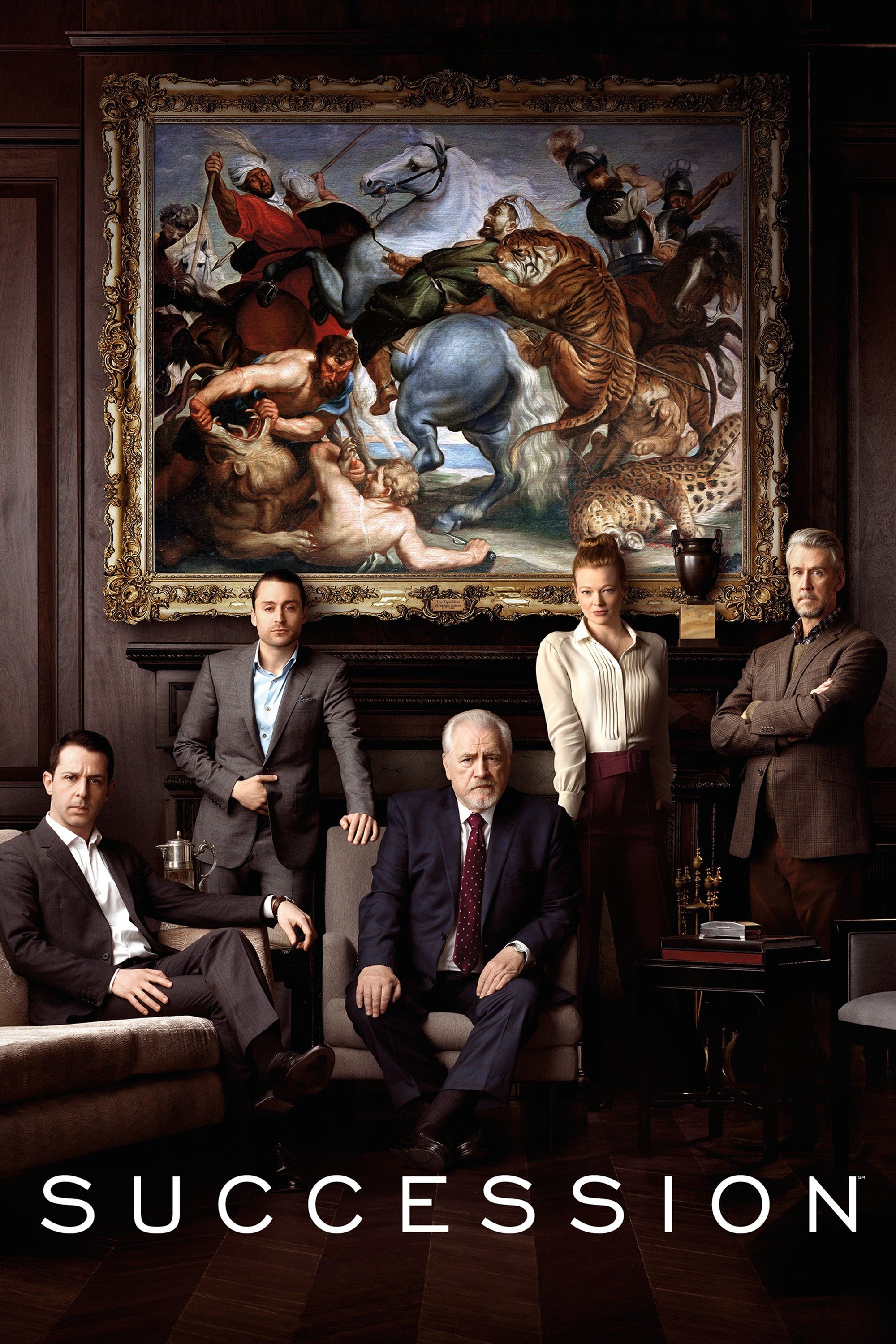
This satirical black comedy-drama focused on the power struggles within a dysfuntional media dynasty. It was acclaimed for its Shakespearean themes, sharp dialogue, and critique of extreme wealth. The show utilized a unique camera style that captured the nervous energy of its characters. ‘Succession’ captured the zeitgeist of the late 2010s and became a critical darling.
‘Yellowstone’ (2018–Present)
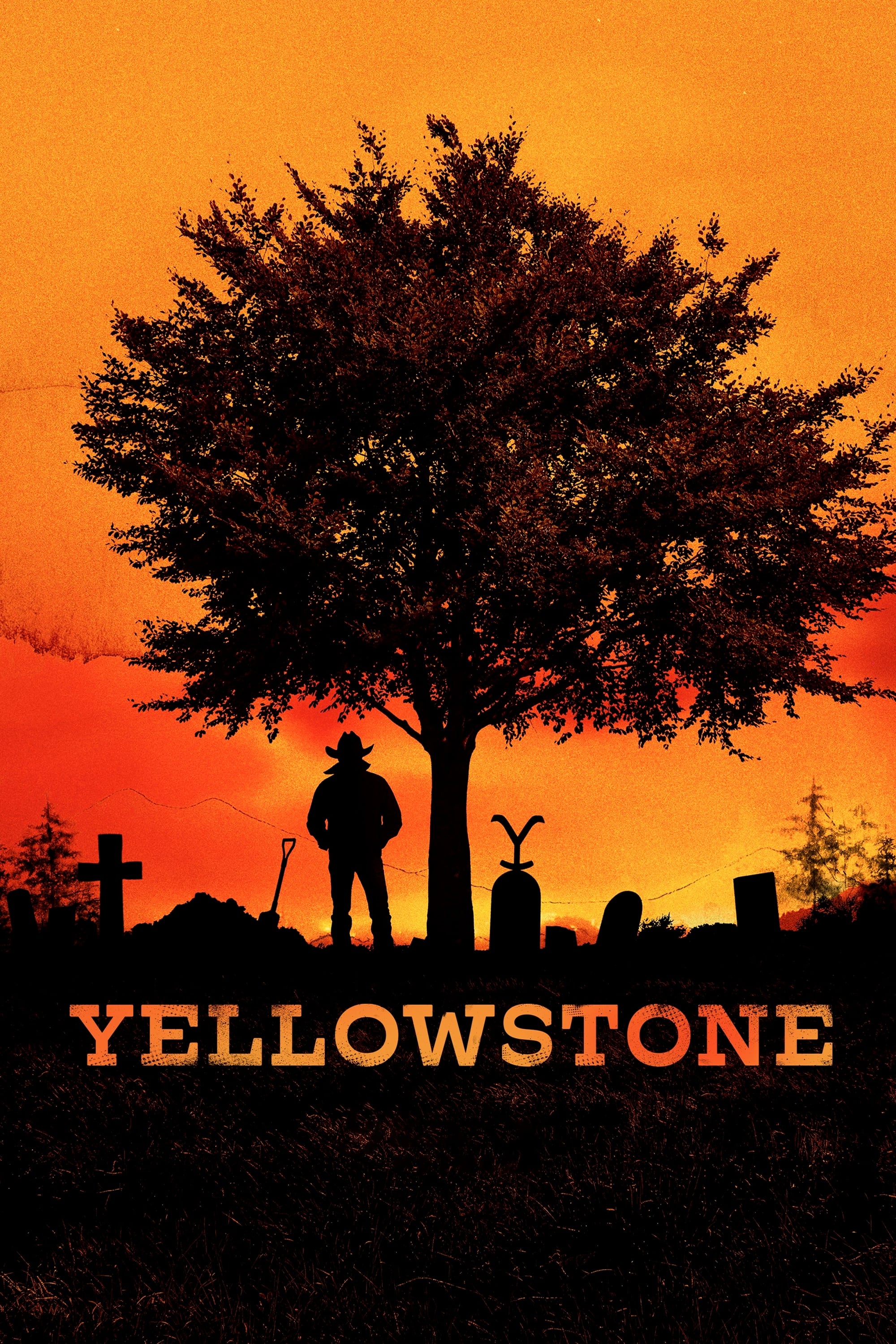
Taylor Sheridan revived the western genre with this drama about a powerful ranching family in Montana. It became a massive ratings hit on linear television despite the industry shift toward streaming. The show appeals to a broad heartland audience that is often ignored by coastal media critics. ‘Yellowstone’ proved that traditional appointment television is still a powerful force in the fragmented media landscape.
Share your favorite era-defining TV show in the comments.