Daniel Craig Reveals Which James Bond Movie He Loves Most


James Bond has undergone countless transformations over the decades, with each actor offering a unique spin on the sophisticated secret agent. Sean Connery was the first to establish the official cinematic legacy, providing a blueprint of effortless charm and a capacity for intense grit in foundational films like Dr. No and Goldfinger. His portrayal remains the definitive standard for many fans of the franchise’s early golden era.
Following Connery, the role saw a brief stint by George Lazenby before shifting to Roger Moore, who leaned into a more campy and lighthearted style. Moore’s adventures, such as the 1979 space epic Moonraker, eventually gave way to the more serious interpretations of Timothy Dalton and Pierce Brosnan. Each era attempted to redefine the character, but the most radical departure occurred in 2006 with the arrival of Daniel Craig.
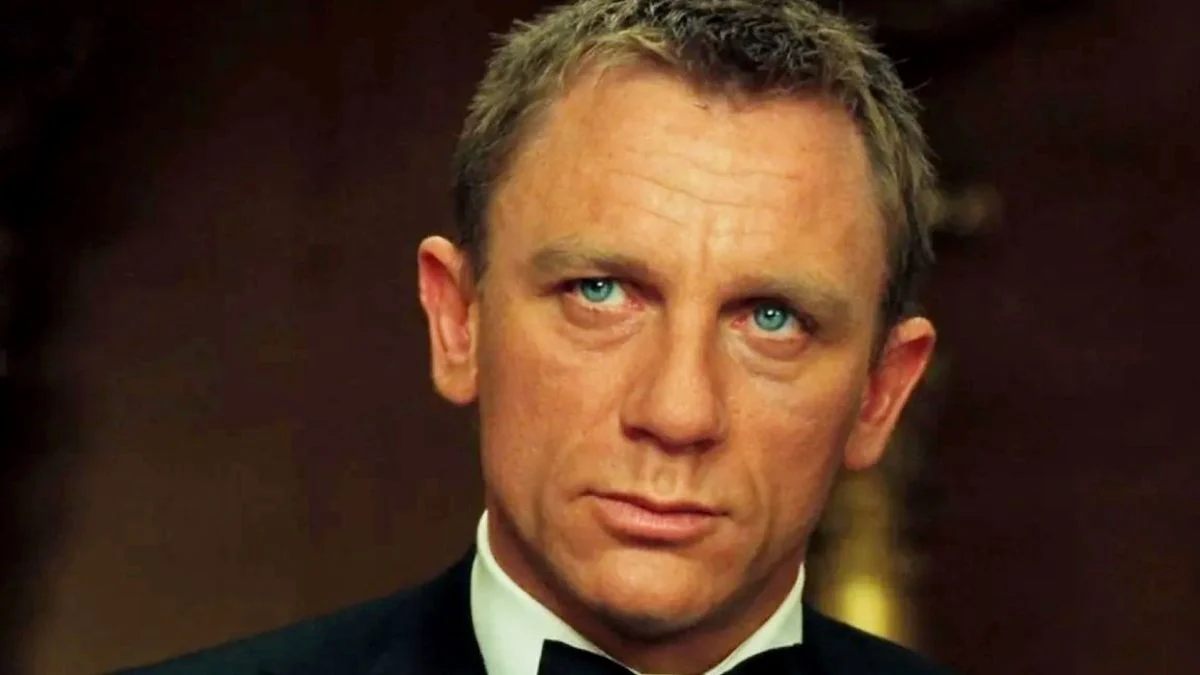
Craig’s version of 007 stripped away the cartoonish gadgets and larger-than-life villains in favor of a grounded, hard-faced realism. For the first time, Bond was depicted as a fallible human being, susceptible to emotional pain and psychological scars that complicated his dangerous missions. While this darker tone was a massive hit with modern audiences, it also sparked debate among those who missed the playful escapism of previous entries.
Despite his role in modernizing the series, Craig remains deeply respectful of the franchise’s roots. In a conversation with GQ, he revealed that his personal favorite entry is actually the 1964 classic Goldfinger. He noted that while he has a great deal of affection for Dr. No, it was the second sequel that truly saw Sean Connery become the James Bond that we know and love.
Goldfinger is frequently cited by fans and critics alike as the quintessential Bond experience, featuring some of the most enduring imagery in cinema history. From the tragic fate of Jill Masterson to the high-stakes interrogation by the villainous Auric Goldfinger, the film set the bar for the entire genre. It famously featured the line I expect you to die, a moment that perfectly encapsulated the sophisticated danger that defines the series.
Many critics rank Guy Hamilton’s masterpiece near the very top of the series, describing it as a smart and sophisticated action drama that defines everything essential about the character. While Craig’s own debut in Casino Royale often claims the top spot for its emotional depth, Goldfinger remains the most iconic James Bond movie of all time. The enduring popularity of Connery’s films shows that even as Bond evolves, the classic foundation continues to resonate with every generation.
Daniel Craig has firmly moved into a new chapter of his career following his final bow as 007 in No Time to Die. He recently celebrated the massive success of Wake Up Dead Man: A Knives Out Mystery, which premiered on Netflix in late 2025. In the third installment of the whodunit franchise, Craig returned as the eccentric detective Benoit Blanc to solve a brutal murder in a small-town church, starring alongside Glenn Close and Josh O’Connor.
Looking toward the rest of this year, the actor is expected to take on a significant role in the upcoming fantasy adaptation Narnia: The Magician’s Nephew. This high-budget production is part of a new effort to bring C.S. Lewis’s beloved world to a modern audience and will feature a stellar cast including Carey Mulligan and Emma Mackey.
Meanwhile, the hunt for the next James Bond continues to dominate Hollywood headlines as the franchise prepares for a total reboot under Amazon MGM. While fans wait for the official casting of the new Bond, Craig’s legacy as the most realistic 007 in history remains unchallenged. His transition from the world of international espionage to the intricate puzzles of the Knives Out series has proven his remarkable range as a performer.
Do you agree with Daniel Craig that Goldfinger is the absolute peak of the franchise, or do the more modern, grounded films better represent the character? Share your thoughts in the comments.