Anime Endings That Still Confuse And Fascinate Audiences

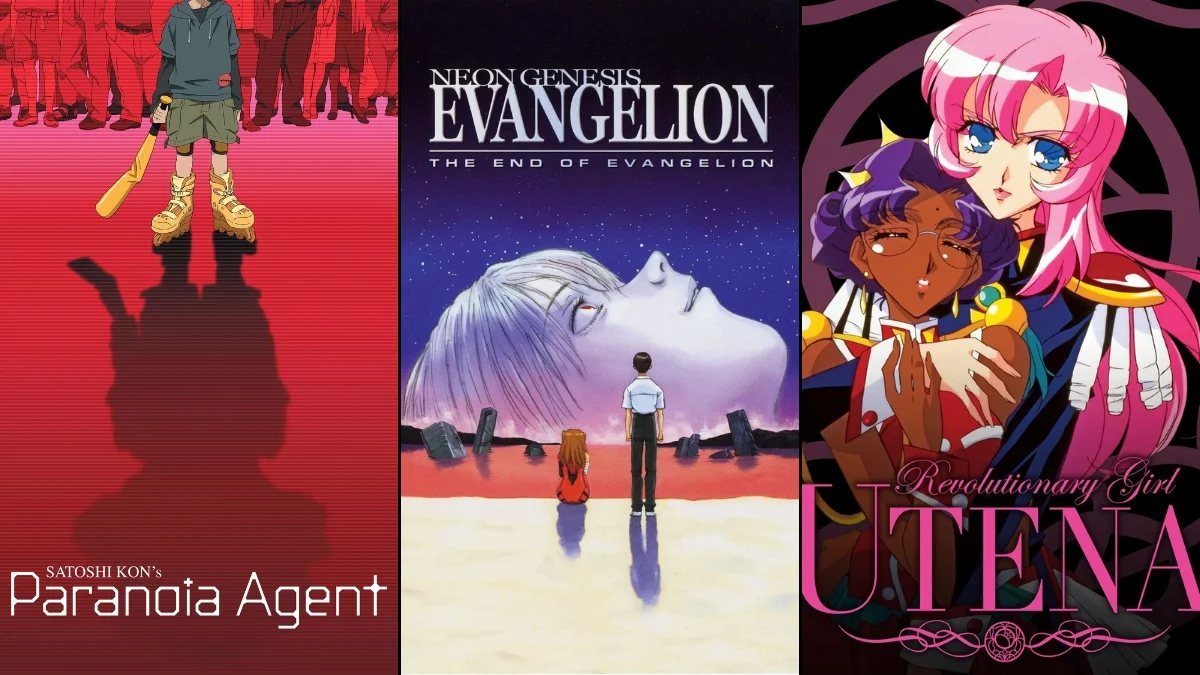

Anime is a medium known for its ability to push boundaries and explore philosophical themes that often leave viewers questioning reality long after the credits roll. While many series provide clear resolutions, others opt for abstract imagery, meta-narratives, or open-ended conclusions that invite decades of debate. These narrative choices often stem from production challenges, creative subversions, or the desire to reflect the complexities of the human psyche. From cosmic transformations to psychological breakdowns, the following series represent some of the most discussed and analyzed finales in the history of the medium.
‘Neon Genesis Evangelion’ (1995–1996)
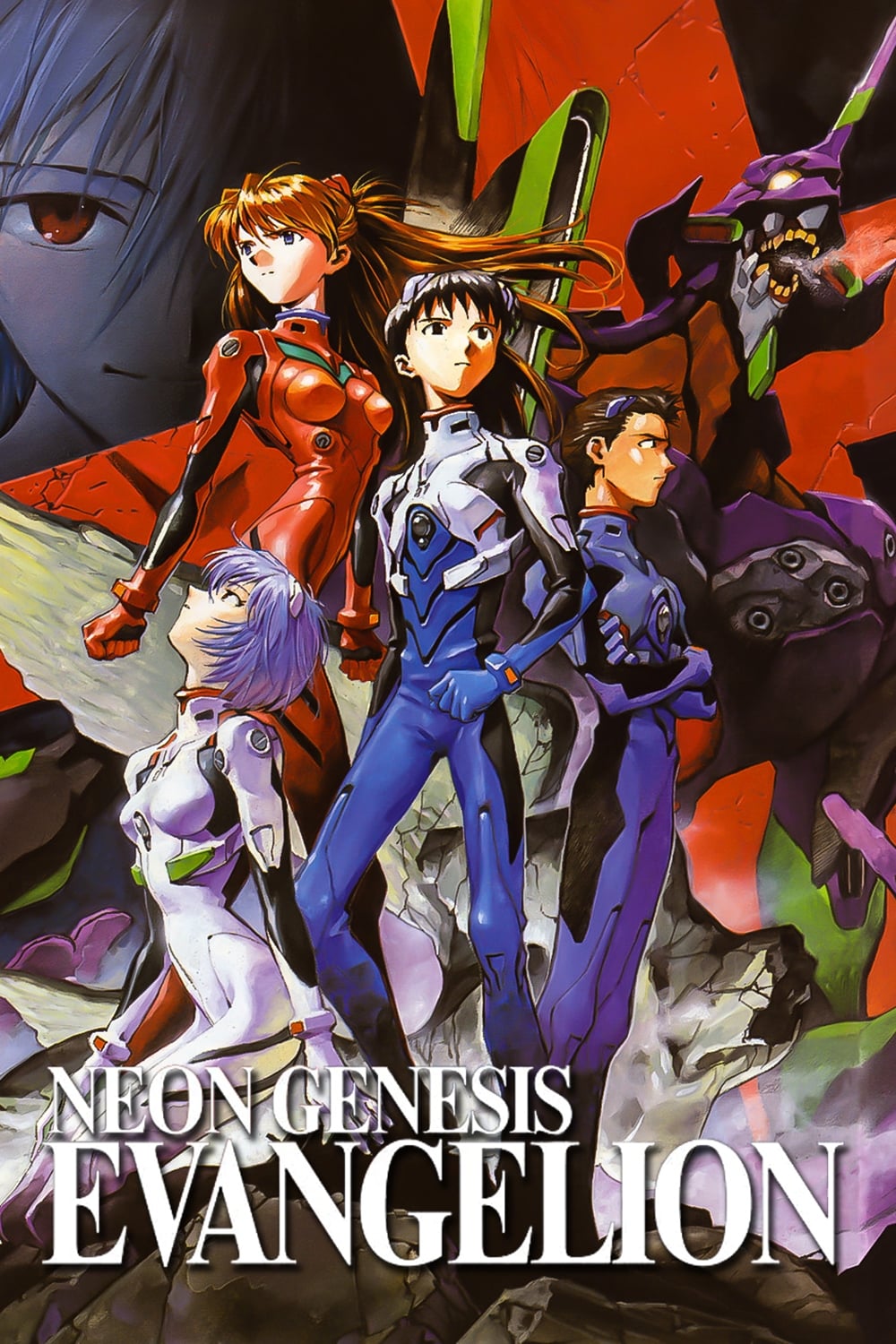
The final two episodes of ‘Neon Genesis Evangelion’ abandon the mecha combat for an abstract psychological journey inside the protagonist’s mind. Shinji Ikari undergoes a process called Human Instrumentality, where the boundaries between individuals are dissolved to create a singular consciousness. The animation shifts to minimalist sketches, still frames, and photographs as characters debate the meaning of existence and self-worth. Viewers are left to interpret the final scene as either a breakthrough in mental health or a total rejection of physical reality. This unconventional conclusion remains a landmark moment in television history for its focus on internal conflict over external resolution.
‘Neon Genesis Evangelion: The End of Evangelion’ (1997)

Created as an alternative ending to the television series, ‘The End of Evangelion’ provides a visceral and apocalyptic depiction of the Third Impact. The film blends traditional animation with live-action sequences to portray the merging of all human souls into a single entity. Shinji Ikari is given the power to decide the fate of humanity, ultimately choosing individual existence despite the pain it brings. The final image of Shinji and Asuka on a desolate beach has sparked decades of scholarly and fan analysis regarding its message of hope and despair. This ending is frequently cited as one of the most visually and emotionally demanding finales in cinema.
‘Serial Experiments Lain’ (1998)
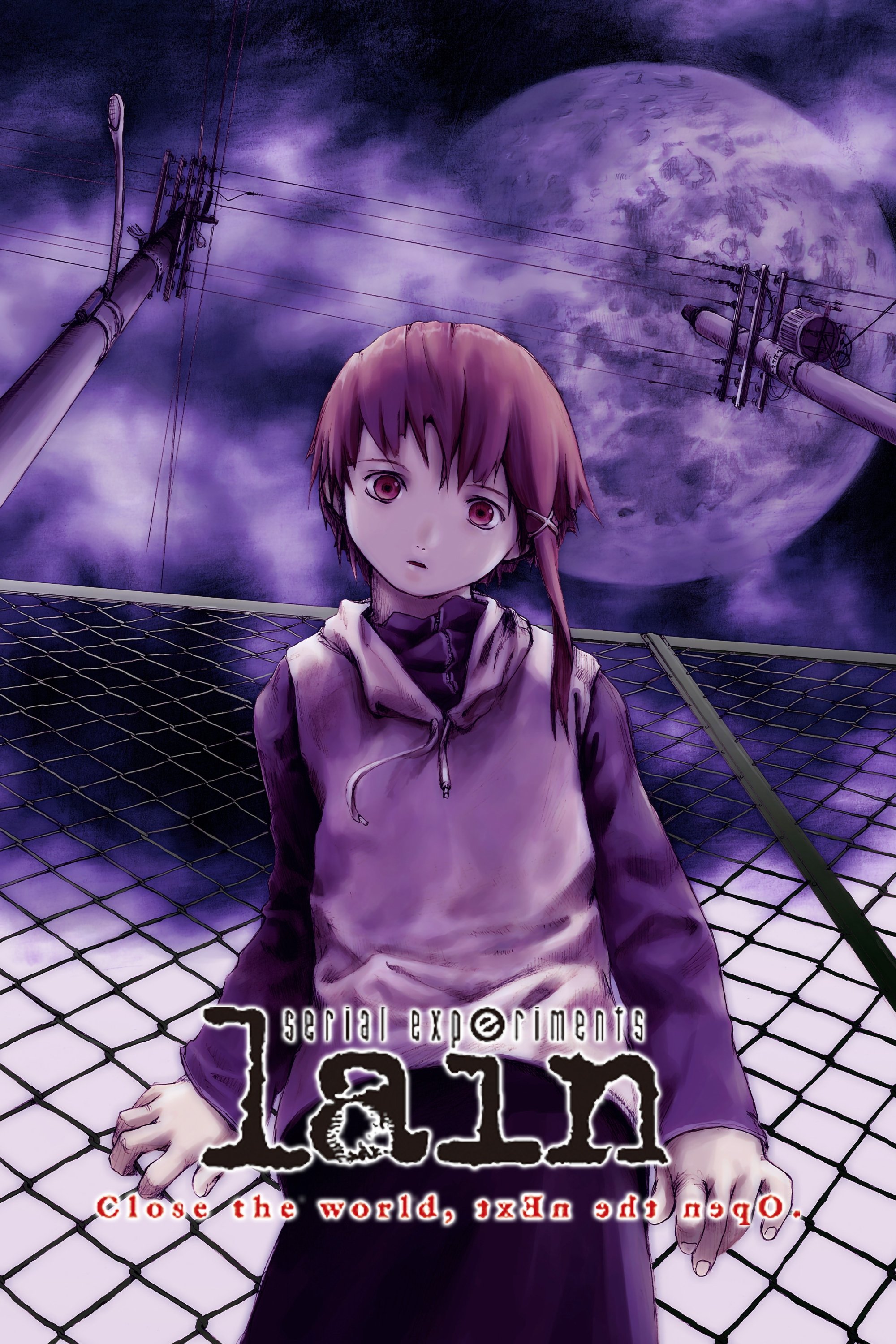
‘Serial Experiments Lain’ concludes with the protagonist, Lain Iwakura, choosing to erase her physical presence from the memories of everyone she knows. After realizing she is a sentient computer program designed to bridge the gap between the real world and the Wired, she resets the global consciousness. This act restores the world to a state of normalcy but leaves Lain as an omnipresent, invisible observer of humanity. The final sequence explores the blurring lines between digital identity and physical reality. The show’s prophetic themes regarding the internet make its ambiguous ending continue to resonate with modern audiences.
‘Revolutionary Girl Utena’ (1997)
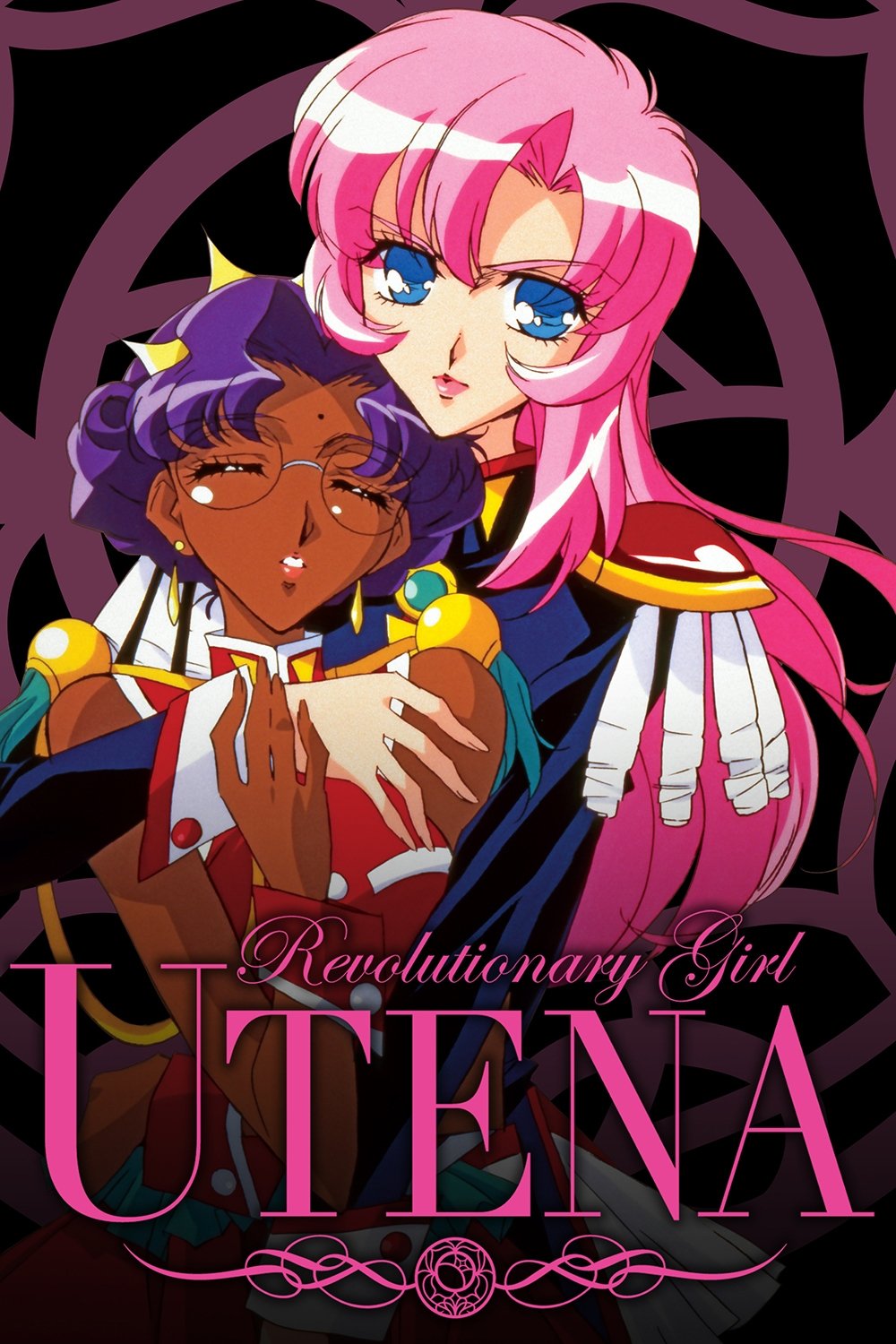
In the final episodes of ‘Revolutionary Girl Utena’, the titular character fails to win the traditional duel but succeeds in shattering the “world’s shell.” The finale subverts the classic fairy tale ending by having Utena disappear from the academy entirely while Anthy Himemiya finally walks away from her role as the Rose Bride. This conclusion represents a break from patriarchal cycles and the pursuit of individual agency outside of societal expectations. The surreal imagery, including Utena transforming into a car, serves as a metaphor for transition and revolution. It remains a foundational text in the magical girl genre for its complex symbolic resolution.
‘Puella Magi Madoka Magica’ (2011)
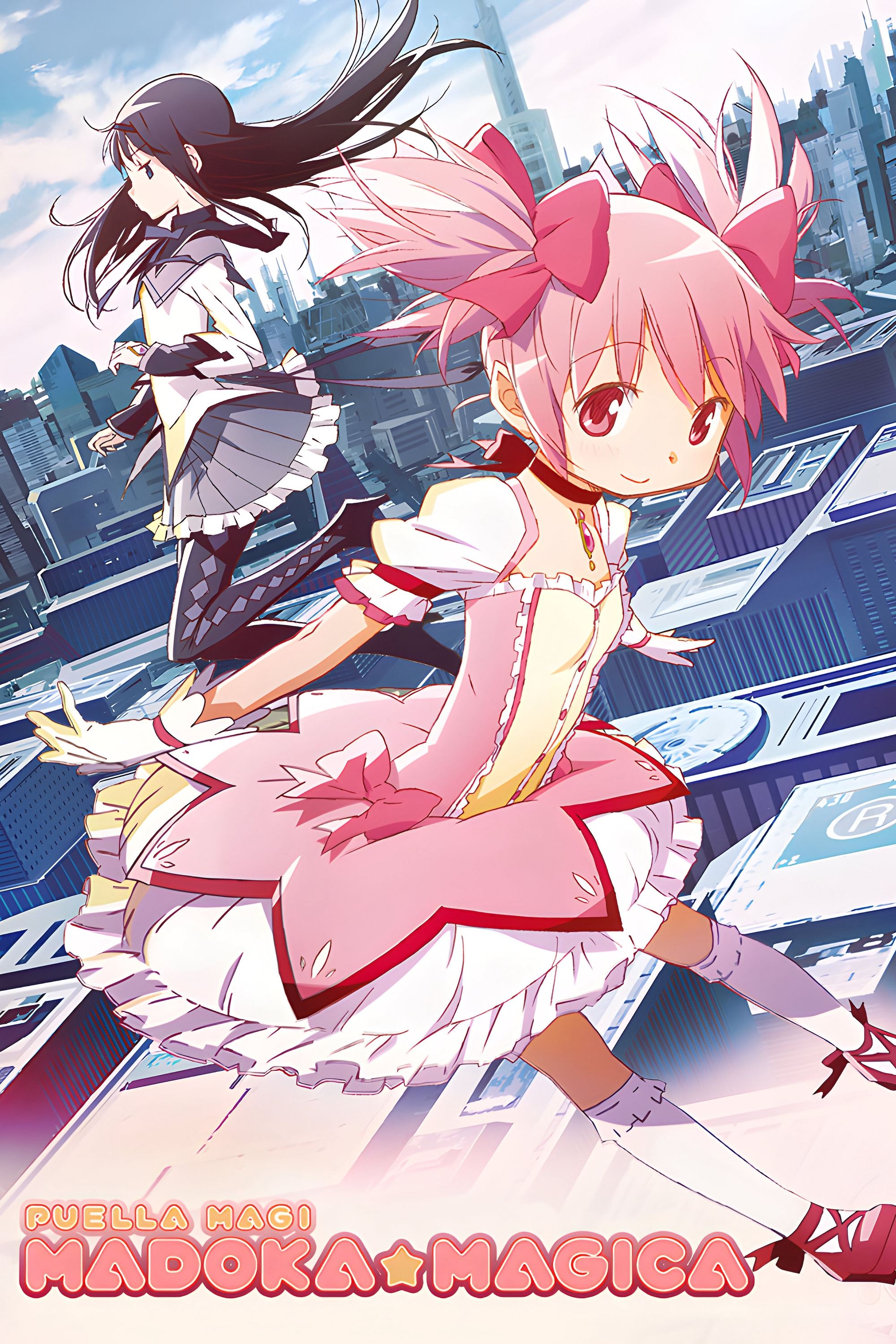
‘Puella Magi Madoka Magica’ concludes with Madoka Kaname making a wish that fundamentally rewrites the laws of the universe. By wishing to erase all witches before they are born, she ascends to a god-like status and loses her physical existence in time and space. The world is saved from the cycle of despair, but only Homura Akemi retains the memory of Madoka’s former life. The final scenes depict a new reality governed by different rules, yet one that still contains conflict and sorrow. This ending effectively deconstructed the “magical girl” archetype by turning a heroic sacrifice into a cosmic restructuring.
‘FLCL’ (2000–2001)
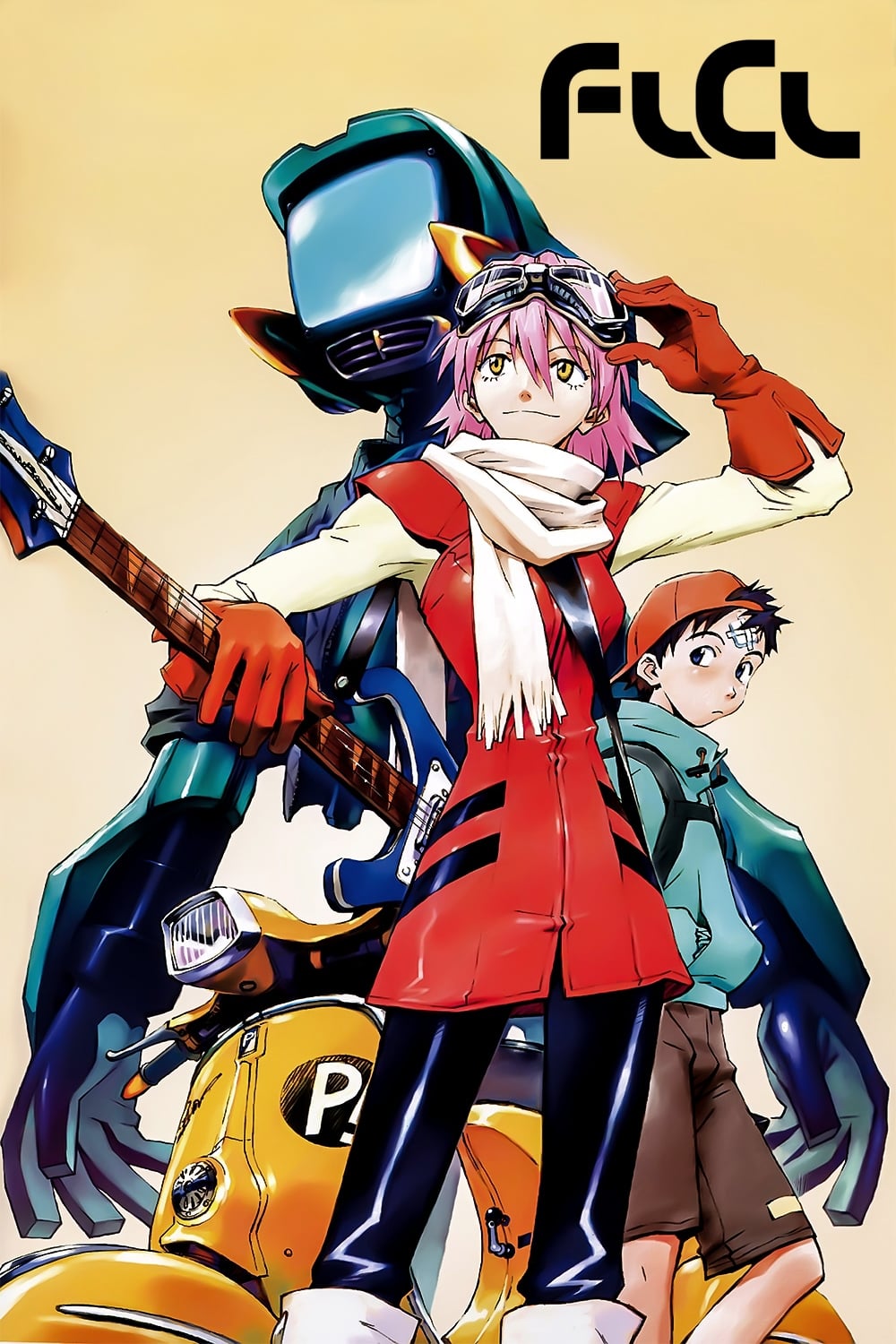
The high-octane finale of ‘FLCL’ features the protagonist, Naota, finally manifesting the power hidden within his head to stop a galactic entity. After a chaotic battle that serves as a metaphor for the turbulence of puberty, Haruko Haruhara departs for space once again. Naota is left back in his mundane hometown, but he is fundamentally changed by his experiences. The series ends without a traditional explanation for its bizarre events, emphasizing the emotional journey over plot mechanics. This lack of literal clarity reinforces the show’s focus on the confusing transition from childhood to adolescence.
‘Paranoia Agent’ (2004)
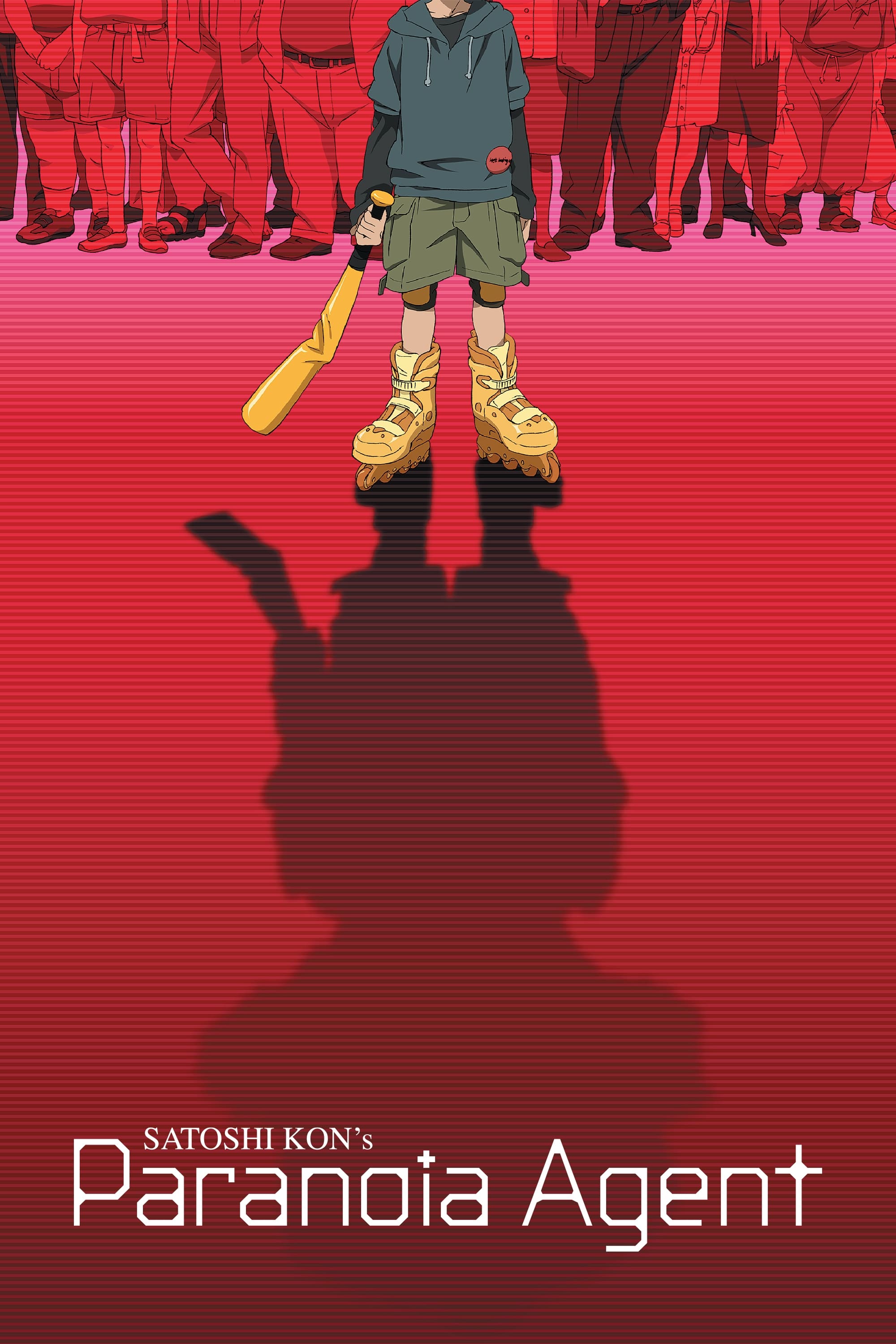
‘Paranoia Agent’ concludes by revealing that the mysterious assailant, Lil’ Slugger, is a manifestation of collective social escapism and repressed guilt. As the city is consumed by a black sludge representing this psychological weight, the characters must confront their personal traumas to stop the destruction. The final scenes show the city being rebuilt, only for the cycle of delusion to seemingly begin again with a new urban legend. Director Satoshi Kon used this ending to critique how society uses fantasies to avoid dealing with harsh realities. The circular nature of the story leaves the viewer questioning if progress is ever truly made.
‘Akira’ (1988)
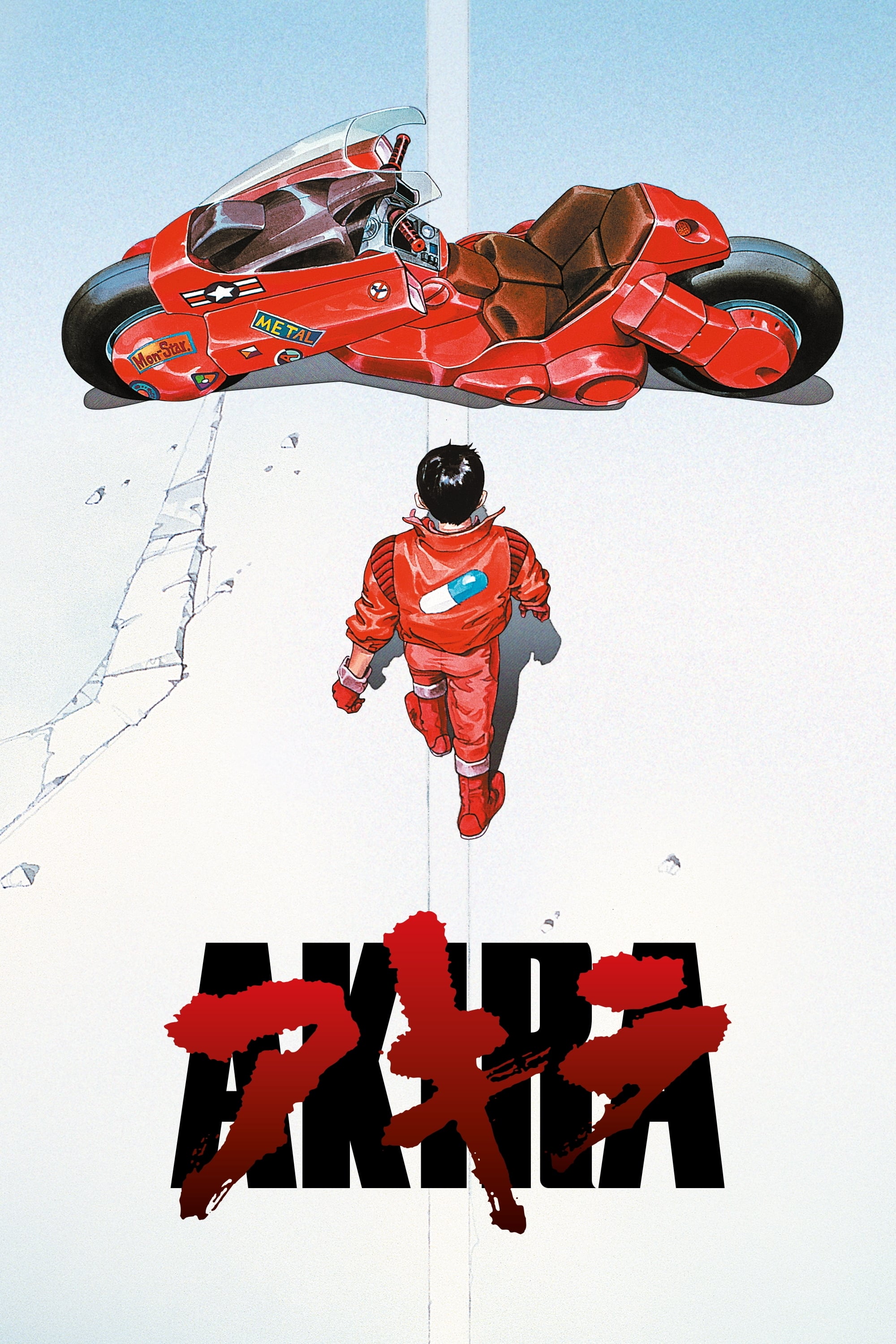
The climax of ‘Akira’ involves the protagonist, Tetsuo, losing control of his psychic powers and mutating into a massive, uncontrollable mass of flesh. This leads to a cosmic event where Akira and the other psychics intervene, triggering a massive explosion that mimics the birth of a new universe. Kaneda witnesses the history of evolution and the potential of human power before being returned to the ruins of Neo-Tokyo. The final line, “I am Tetsuo,” suggests that the character has transcended physical form to become a god-like entity. This ending is noted for its groundbreaking animation and its philosophical exploration of evolution and destruction.
‘Texhnolyze’ (2003)
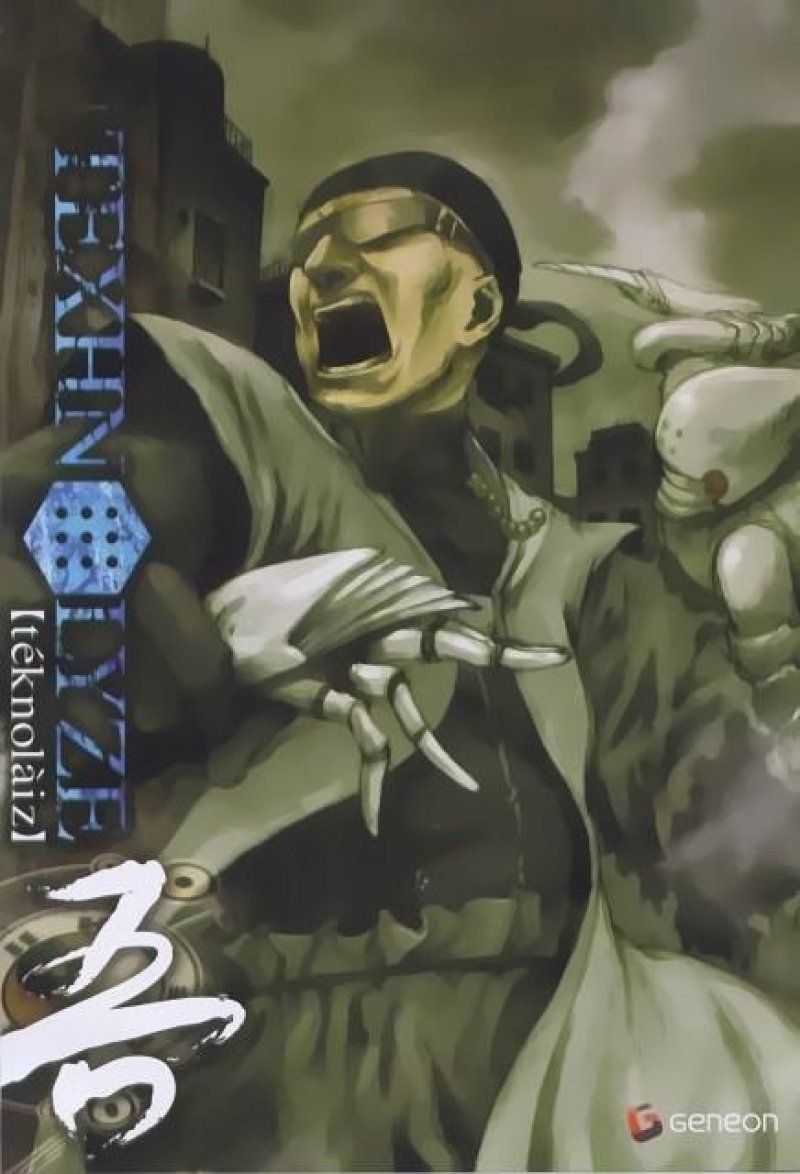
‘Texhnolyze’ is widely considered one of the bleakest anime ever made, ending with the total extinction of the human race. The protagonist, Ichise, finds himself the last living being in the subterranean city of Lukuss after a series of nihilistic betrayals and technological failures. The final shots depict Ichise dying alone in the dark, looking at a small, artificial flower. There is no hope, no rebirth, and no grand meaning provided for the suffering of the characters. This radical commitment to a hopeless conclusion remains a point of fascination for fans of avant-garde storytelling.
‘Penguindrum’ (2011)
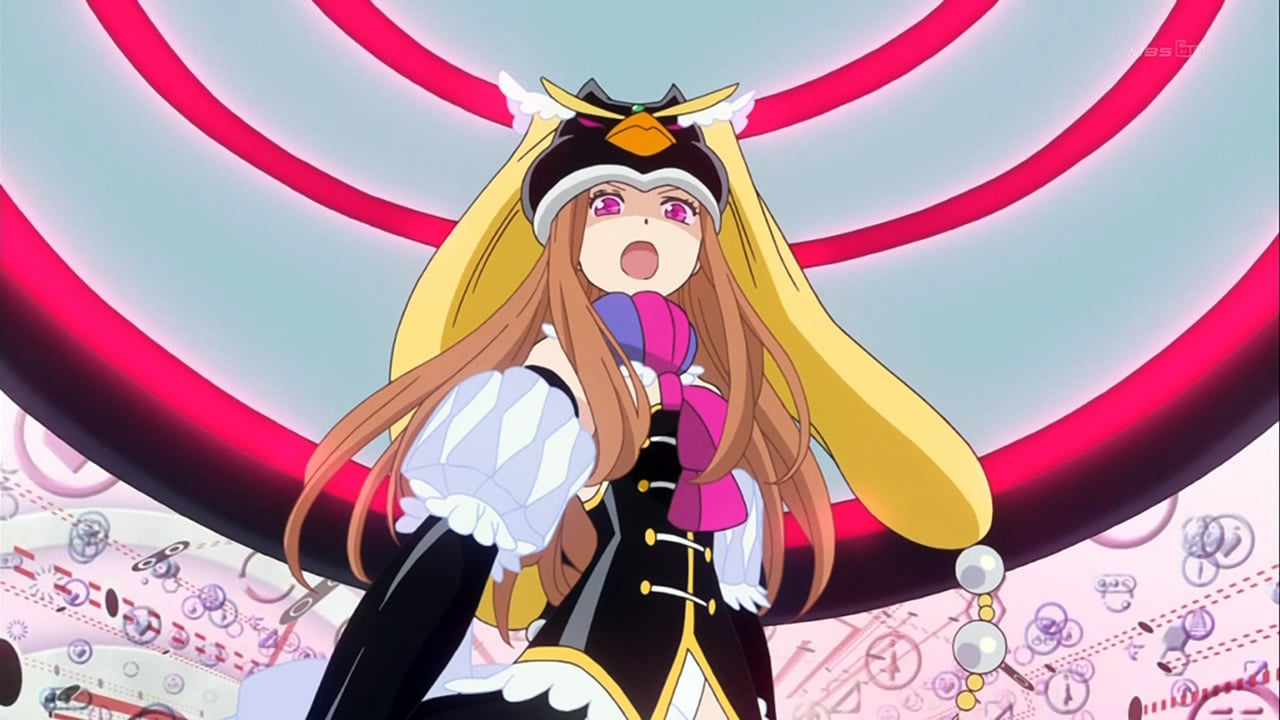
The finale of ‘Mawaru Penguindrum’ involves a complex “transfer of destiny” that saves the life of Himari Takakura at a great cost. Her brothers, Kanba and Shoma, sacrifice their existence and the memory of their lives to rewrite the timeline and protect their sister. They are forgotten by the world they saved, existing only as young children in a separate plane of reality. The show uses dense metaphors involving trains, apples, and penguins to explore themes of fate and familial love. Its layered symbolism requires multiple viewings to fully grasp the mechanics of the characters’ sacrifices.
‘Ergo Proxy’ (2006)
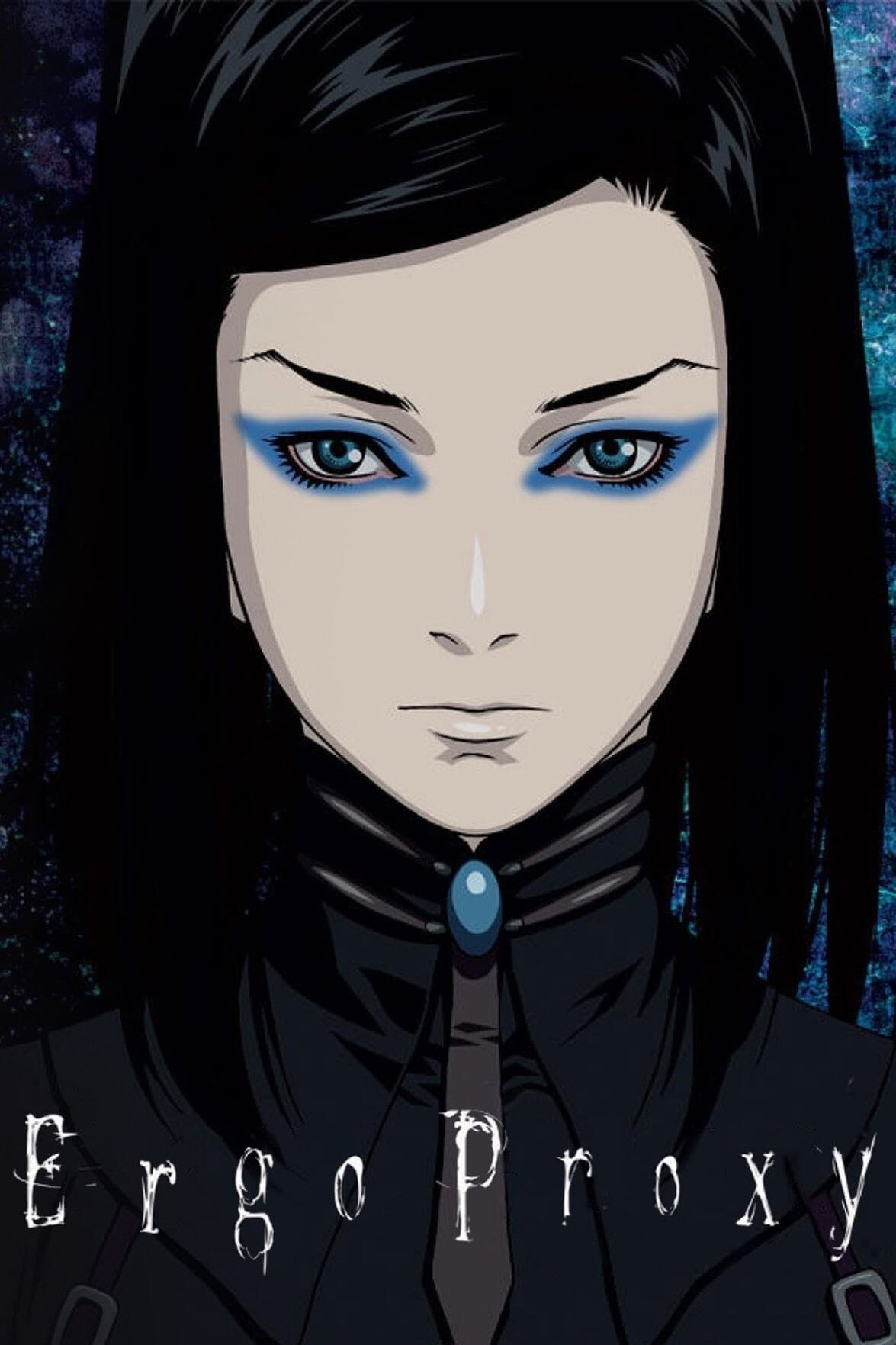
‘Ergo Proxy’ ends with the protagonist, Vincent Law, embracing his identity as Ergo Proxy, the “Proxy of Death.” He realizes that the creators of the domed cities, the original humans, are returning from space to reclaim Earth. Vincent chooses to stand against these creators, essentially declaring war on the gods who fashioned his world. The ending shifts the narrative from a mystery about identity to a grander conflict over the right to exist. This conclusion leaves the fate of the planet and its remaining inhabitants uncertain and open to interpretation.
‘Wolf’s Rain’ (2003–2004)
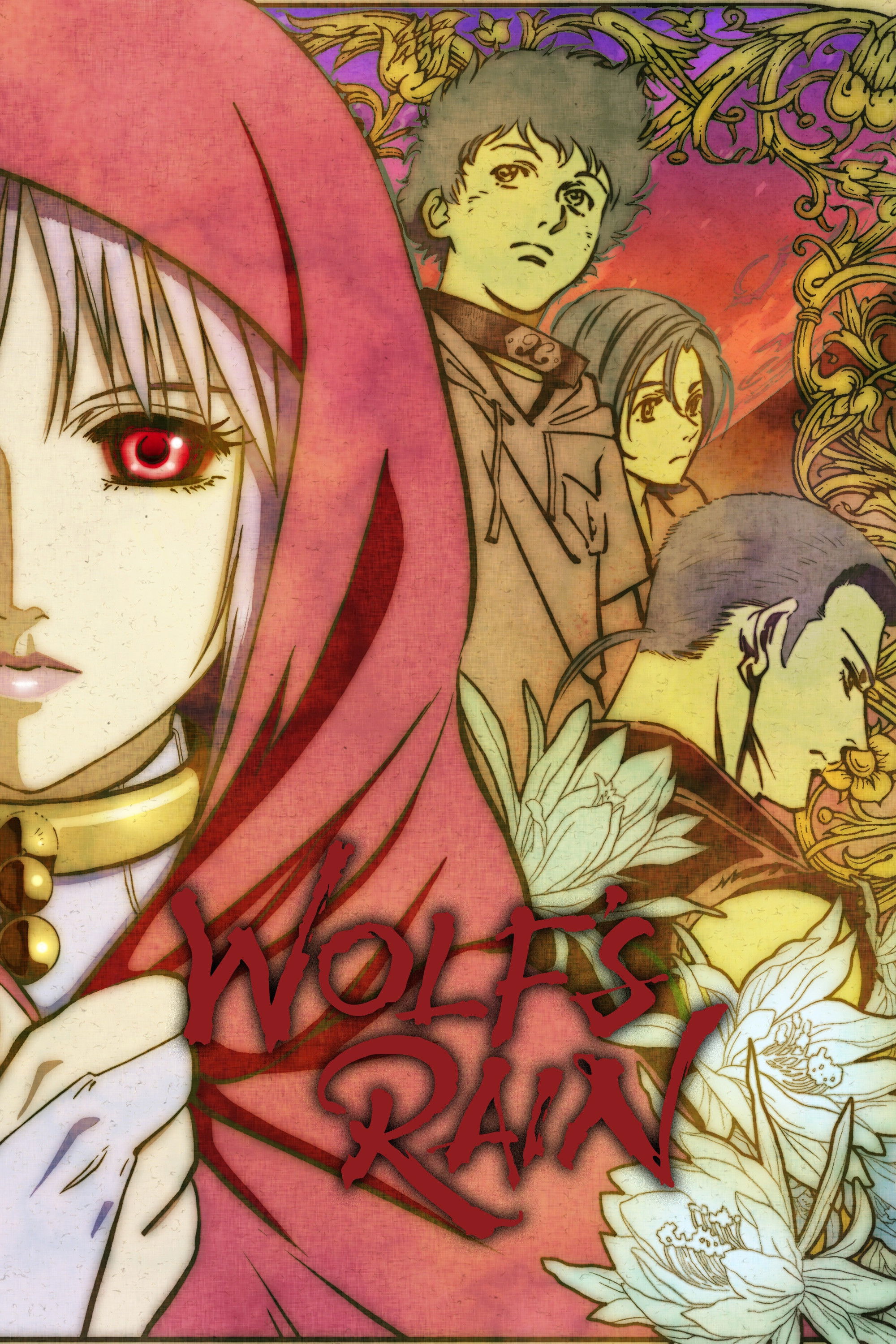
The conclusion of ‘Wolf’s Rain’ takes place in a series of OVA episodes that depict the death of nearly every main character as they seek “Paradise.” In the final moments, the world is frozen and destroyed, only to be reborn in a cycle that mirrors the show’s beginning. The final scene shows the wolves in a modern city setting, suggesting that the search for a better world is an eternal and recurring journey. This cyclical ending emphasizes the Buddhist themes of rebirth and the idea that the journey is more important than the destination. It remains a bittersweet and highly debated finale within the fandom.
‘Devilman Crybaby’ (2018)

‘Devilman Crybaby’ ends with the complete annihilation of life on Earth following a global war between humans and demons. After killing his best friend Akira, Ryo (Satan) realizes his love for him too late as the planet is bombarded by divine light from the heavens. The cycle of the world then resets, implying that Ryo is doomed to repeat this tragedy for eternity as punishment. This bleak conclusion highlights the destructive nature of hate and the tragedy of missed emotional connections. The scale of the destruction and the finality of the loss make it a particularly haunting ending.
‘Ghost in the Shell’ (1995)
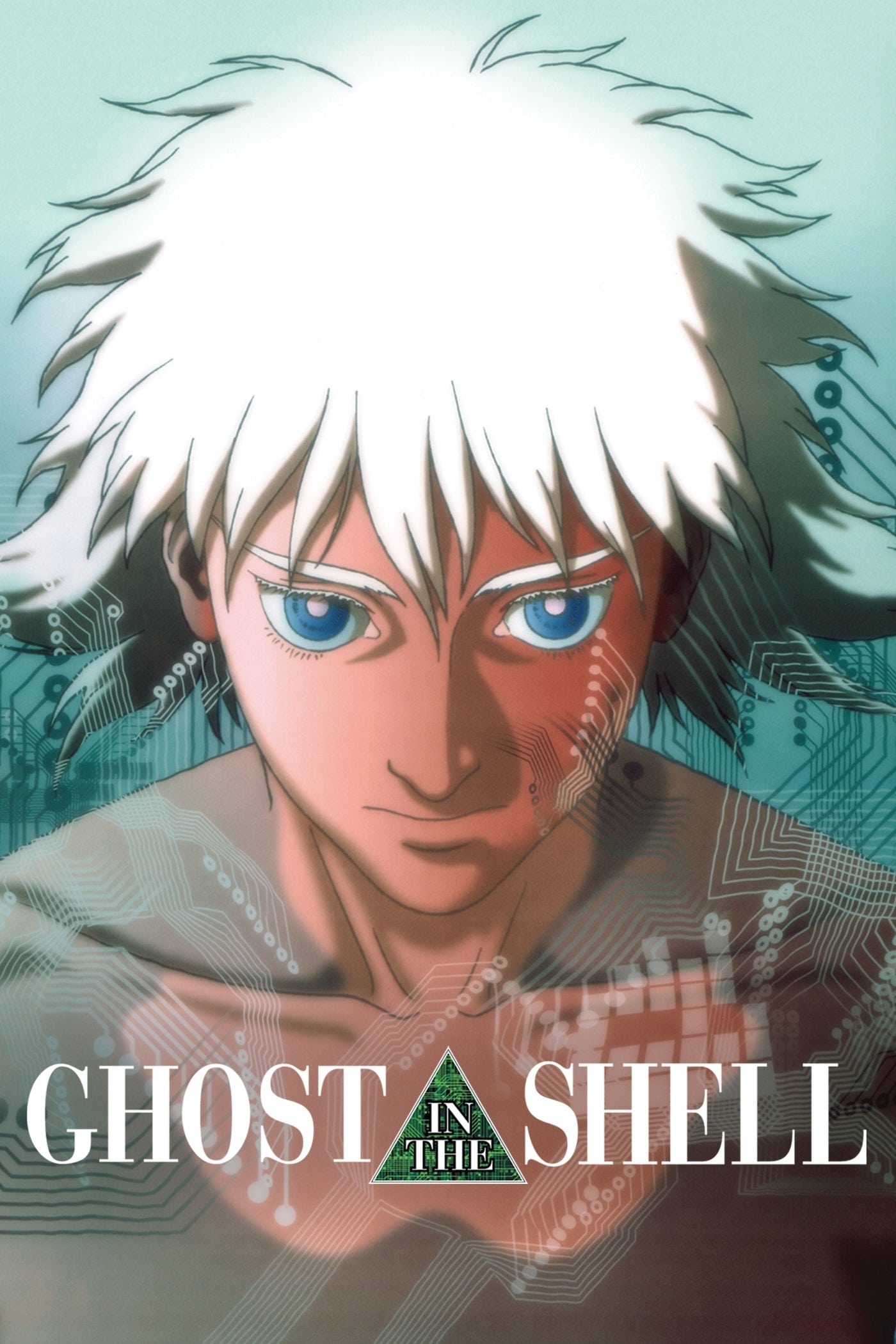
At the end of ‘Ghost in the Shell’, Major Motoko Kusanagi chooses to merge her consciousness with the Puppet Master, a sentient AI. This union creates a new entity that is neither human nor program, transcending the boundaries of her physical body and the net. The film concludes with her looking out over a vast city, stating that “the net is vast and infinite.” This ending explores the evolution of human consciousness in a digital age and the potential for life beyond biology. It serves as a philosophical benchmark for the cyberpunk genre and questions the definition of the soul.
‘Angel’s Egg’ (1985)
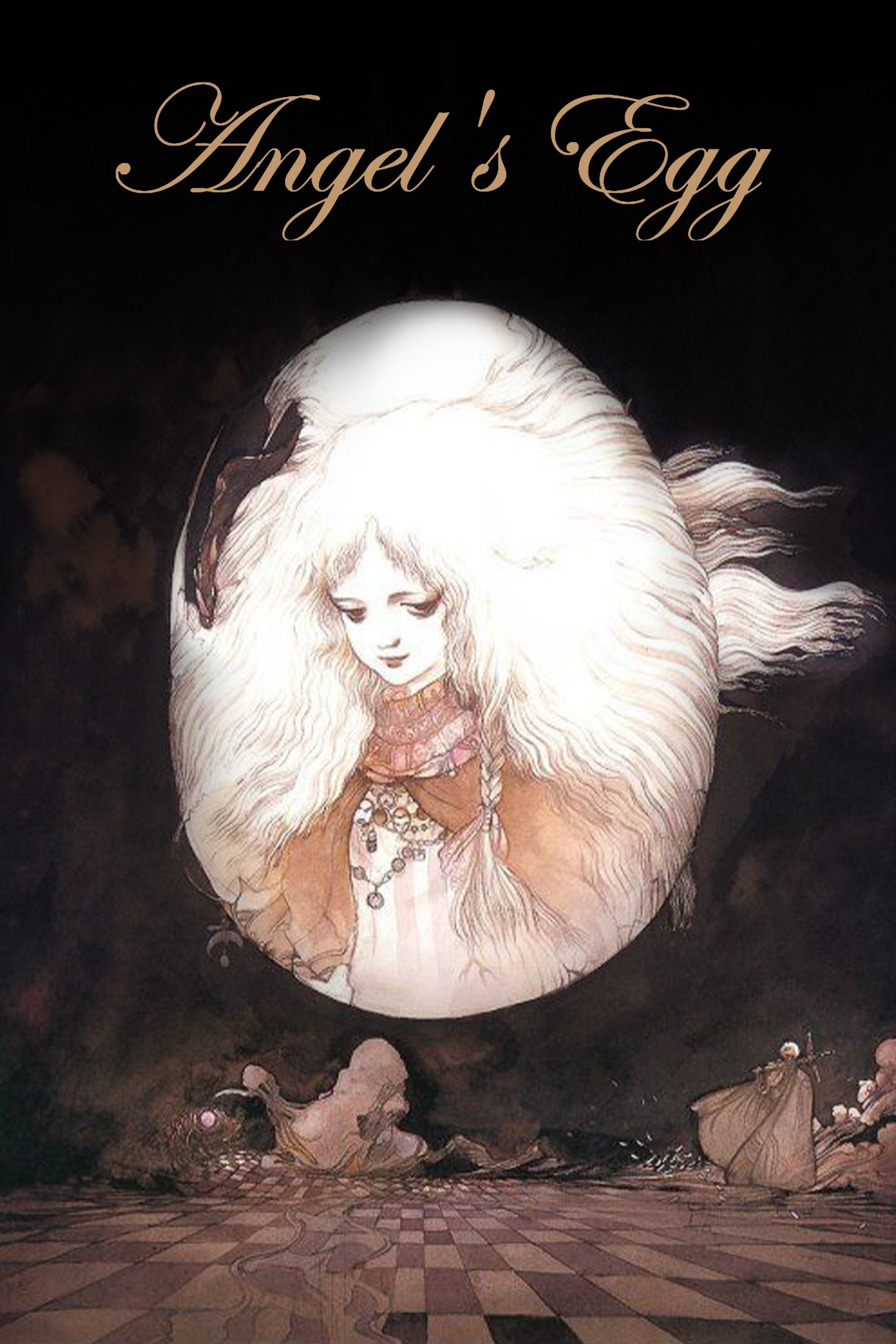
‘Angel’s Egg’ is an experimental film that ends with the breaking of the egg the young girl has been protecting throughout the story. After the boy breaks the egg to show her it was empty, the girl falls into a chasm and transforms into a multitude of statues. The final wide shot reveals that the world they inhabited is actually a giant hull of a ship floating in a dark void. The film contains almost no dialogue and relies entirely on visual metaphors related to faith and disappointment. Its meaning remains one of the most debated topics among fans of director Mamoru Oshii.
‘Haibane Renmei’ (2002)
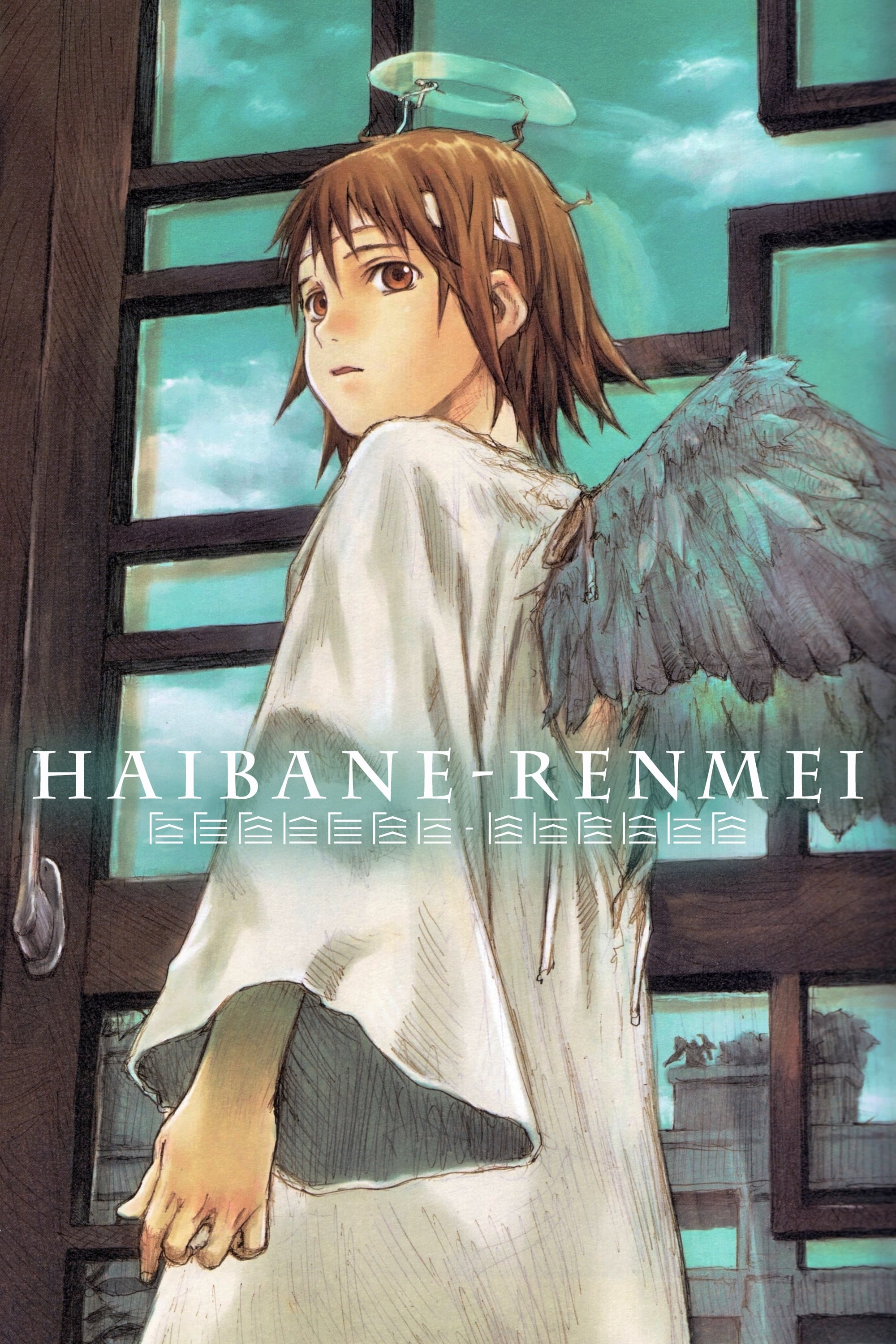
‘Haibane Renmei’ concludes with Rakka helping Reki overcome her internal darkness and guilt during her “Day of Flight.” Reki is able to leave the walled city of Glie, disappearing into the light, while Rakka remains behind to continue her life there. The true nature of the world and what lies beyond the walls are never explicitly explained. This ambiguity focuses the narrative on the themes of forgiveness and the process of overcoming depression. The quiet, emotional resolution leaves the mechanics of the setting as a backdrop to the characters’ personal growth.
‘RahXephon’ (2002)
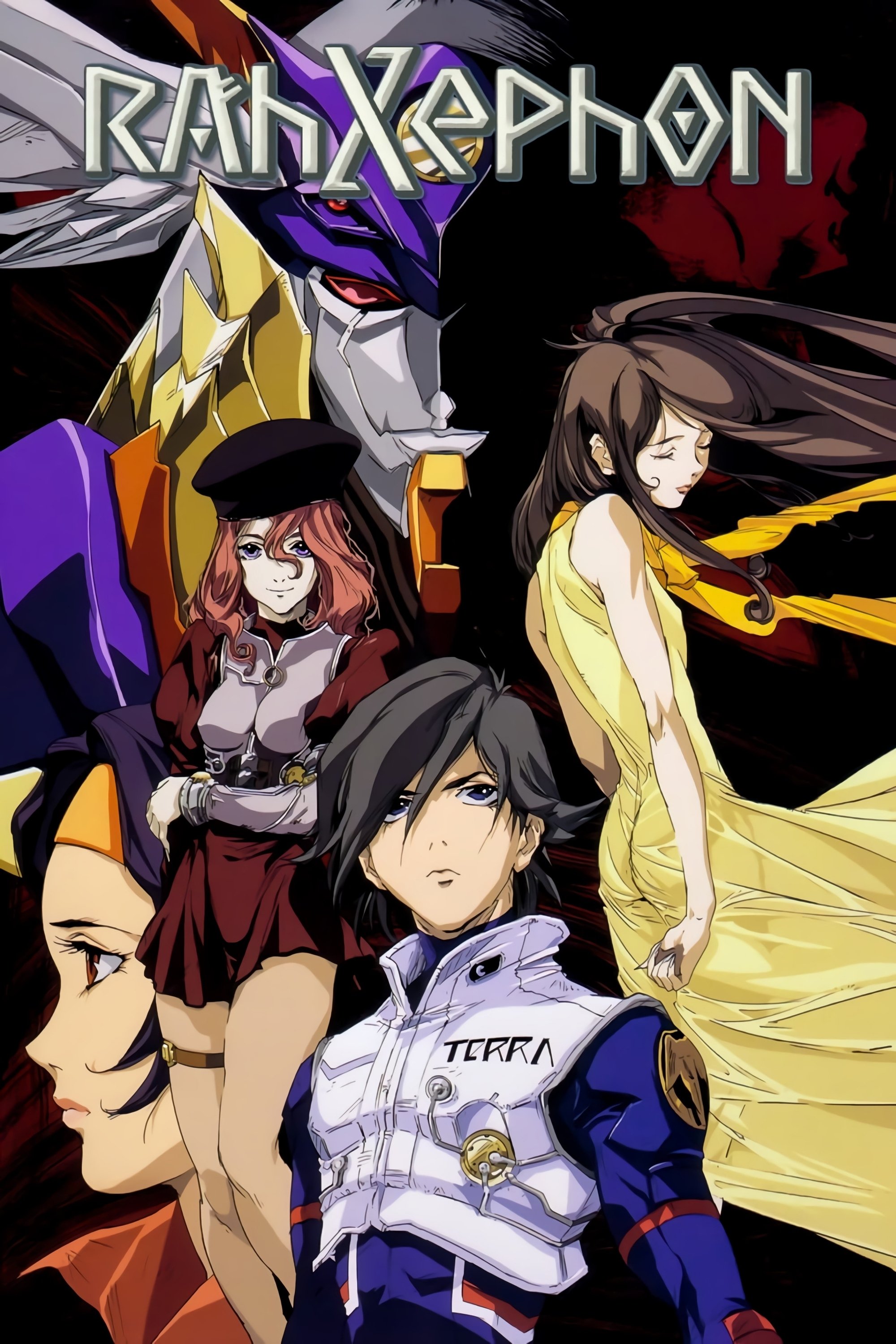
The finale of ‘RahXephon’ features the protagonist, Ayato, using the giant mecha to “tune” the world, effectively rewriting history to save his loved ones. He merges with the Xephon and his soulmate, Haruka, to create a new reality where the devastating war never happened. The series ends with a glimpse of a peaceful life in this new timeline, though the original world and its people are gone. This focus on quantum mechanics and the power of individual will to reshape the universe is central to its complex ending. It is often compared to ‘Neon Genesis Evangelion’ for its metaphysical scale and psychological focus.
‘Wonder Egg Priority’ (2021)
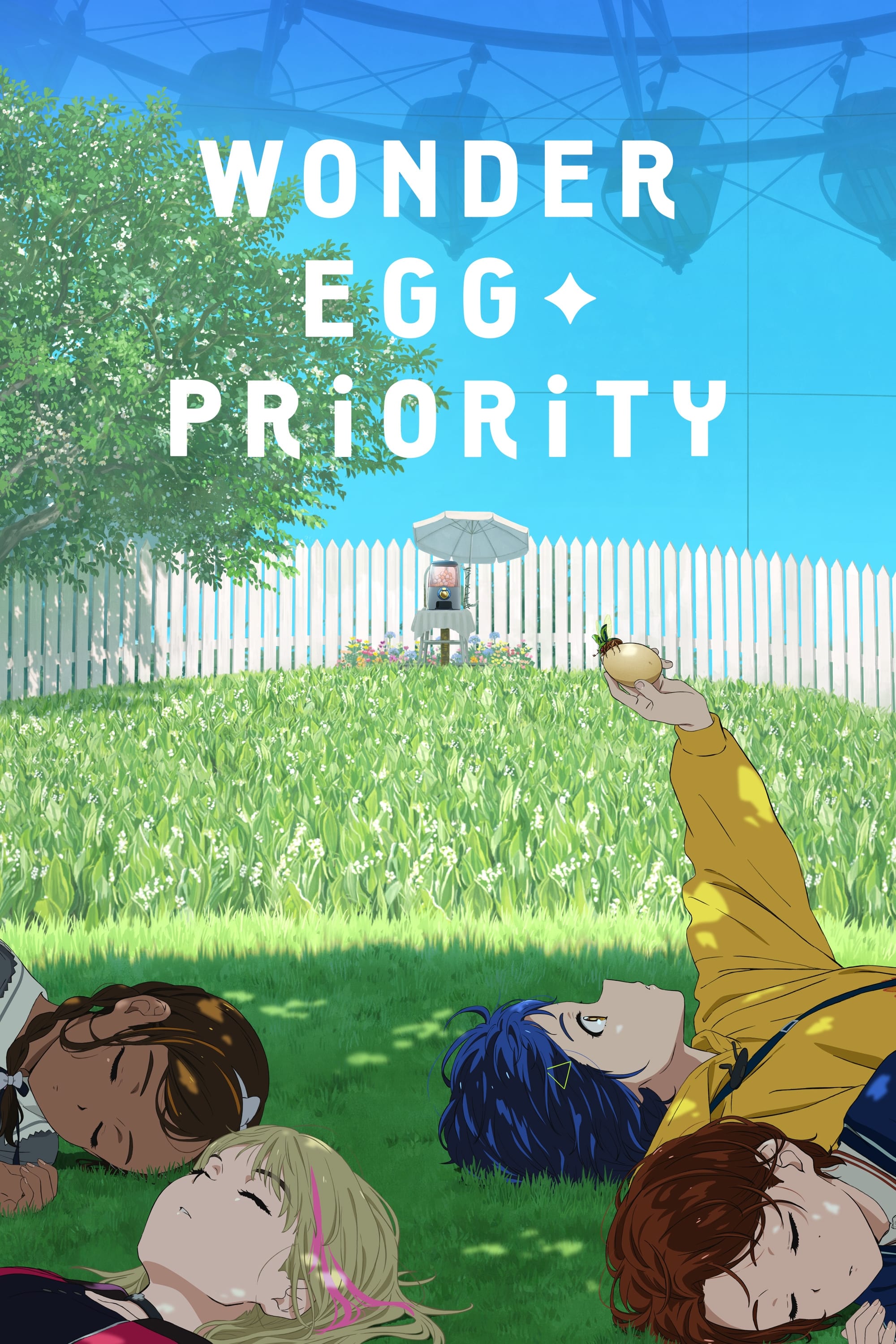
‘Wonder Egg Priority’ ends on a controversial and confusing note as it shifts its focus from psychological trauma to science fiction and AI. The final special episode introduces the concept of parallel universes and a mastermind entity behind the “Wonder Eggs.” Many plot threads regarding the main characters’ personal struggles are left unresolved or complicated by these new revelations. The protagonist, Ai, chooses to return to the dream world to save a different version of her friend, leaving her future in the real world unclear. This ending remains polarizing due to its sudden shift in tone and lack of traditional closure.
‘Sonny Boy’ (2021)
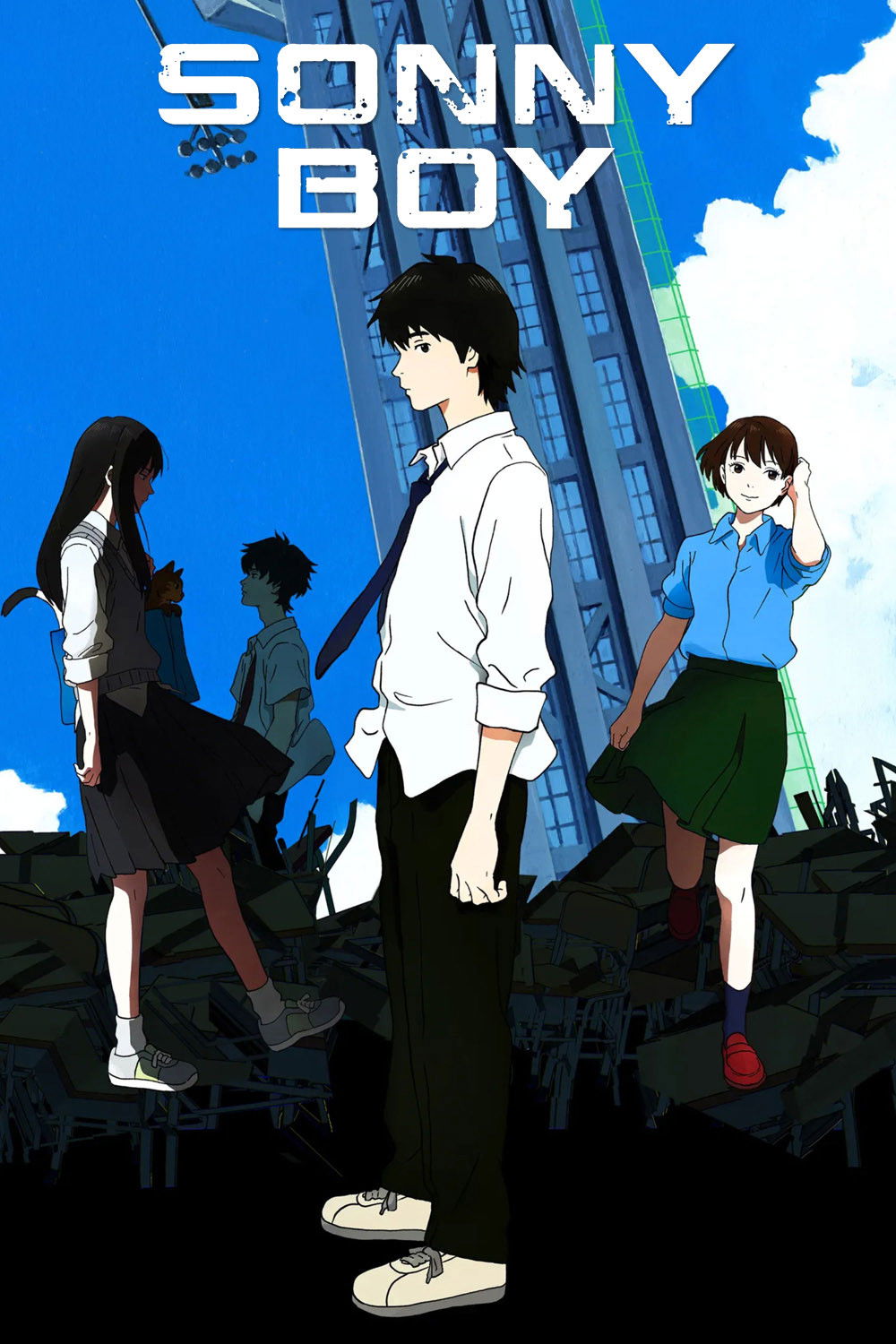
The finale of ‘Sonny Boy’ sees the protagonists, Nagara and Mizuho, successfully escaping the surreal alternate dimensions to return to their original world. However, they return to a reality where they are no longer friends and their shared experiences are unknown to everyone else. They choose to live in this mundane, often disappointing world rather than stay in a place where they could have god-like powers. This ending serves as a metaphor for growing up and accepting the lack of specialness in adult life. The abstract journey concludes with a grounded, bittersweet acceptance of reality.
‘Darling in the Franxx’ (2018)
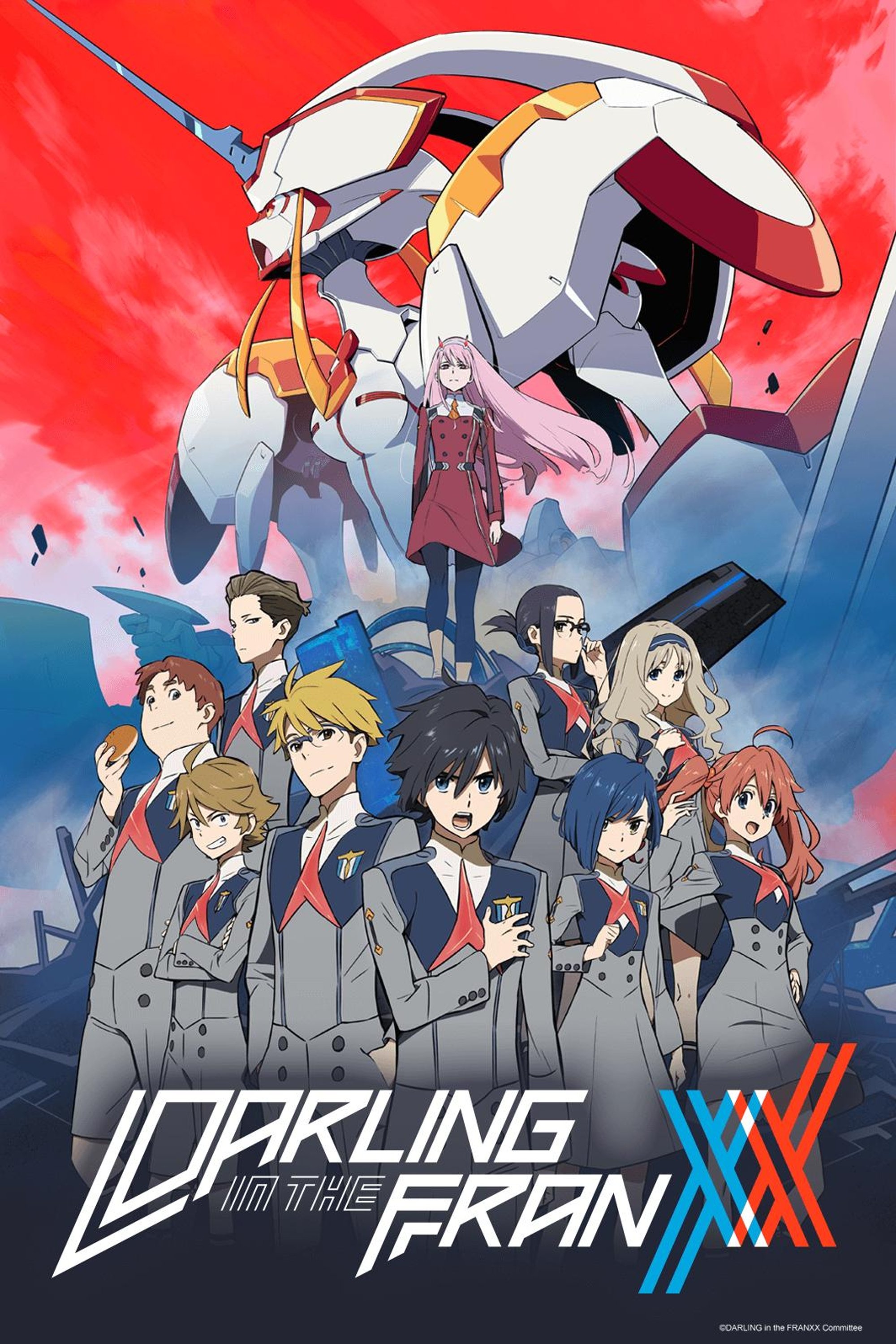
‘Darling in the Franxx’ ends with a massive shift in scale, moving from a terrestrial rebellion to an interstellar war against an alien hive mind. The protagonists, Hiro and Zero Two, sacrifice their physical forms to destroy the alien homeworld in deep space. Their souls eventually return to Earth centuries later, where they are reincarnated as children who meet under a cherry blossom tree. The sudden introduction of space travel and the cosmic scale of the ending was unexpected for many viewers. It remains a point of fascination for its attempt to combine mecha action with themes of eternal love.
‘Attack on Titan’ (2013–2023)
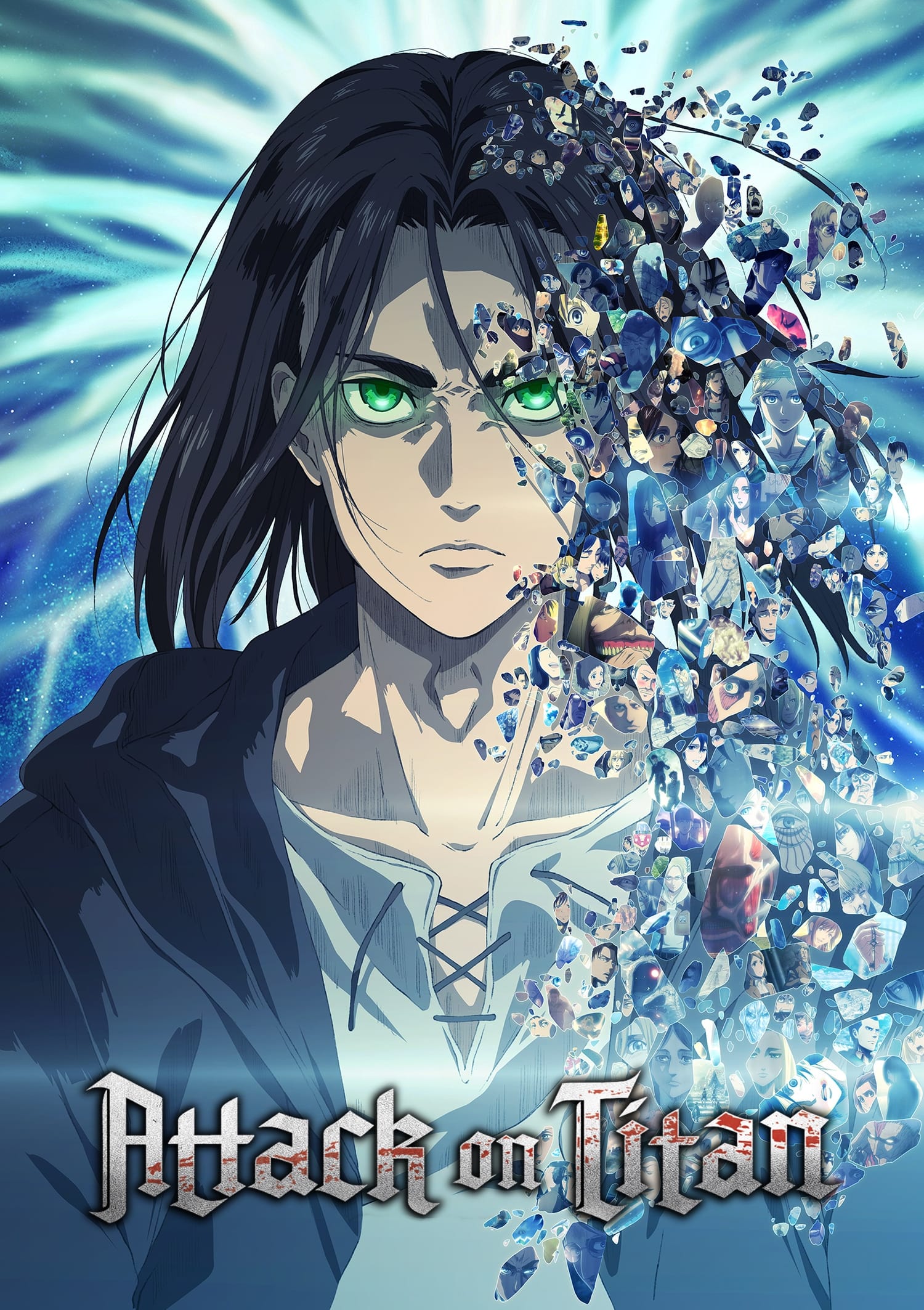
The conclusion of ‘Attack on Titan’ reveals the full extent of Eren Yeager’s plan to eradicate most of humanity to ensure his friends’ survival. The final battle involves a complex dialogue between Eren and Armin in a metaphysical space called the Paths, where Eren admits his own confusion and failures. The Titan power is eventually removed from the world, but the ending implies that human conflict is an unbreakable cycle. A post-credits sequence shows a distant future where the cycle of war and the potential return of Titan powers begin again. This fatalistic view of history has sparked intense discussion regarding the series’ ultimate message.
‘Fullmetal Alchemist’ (2003–2004)
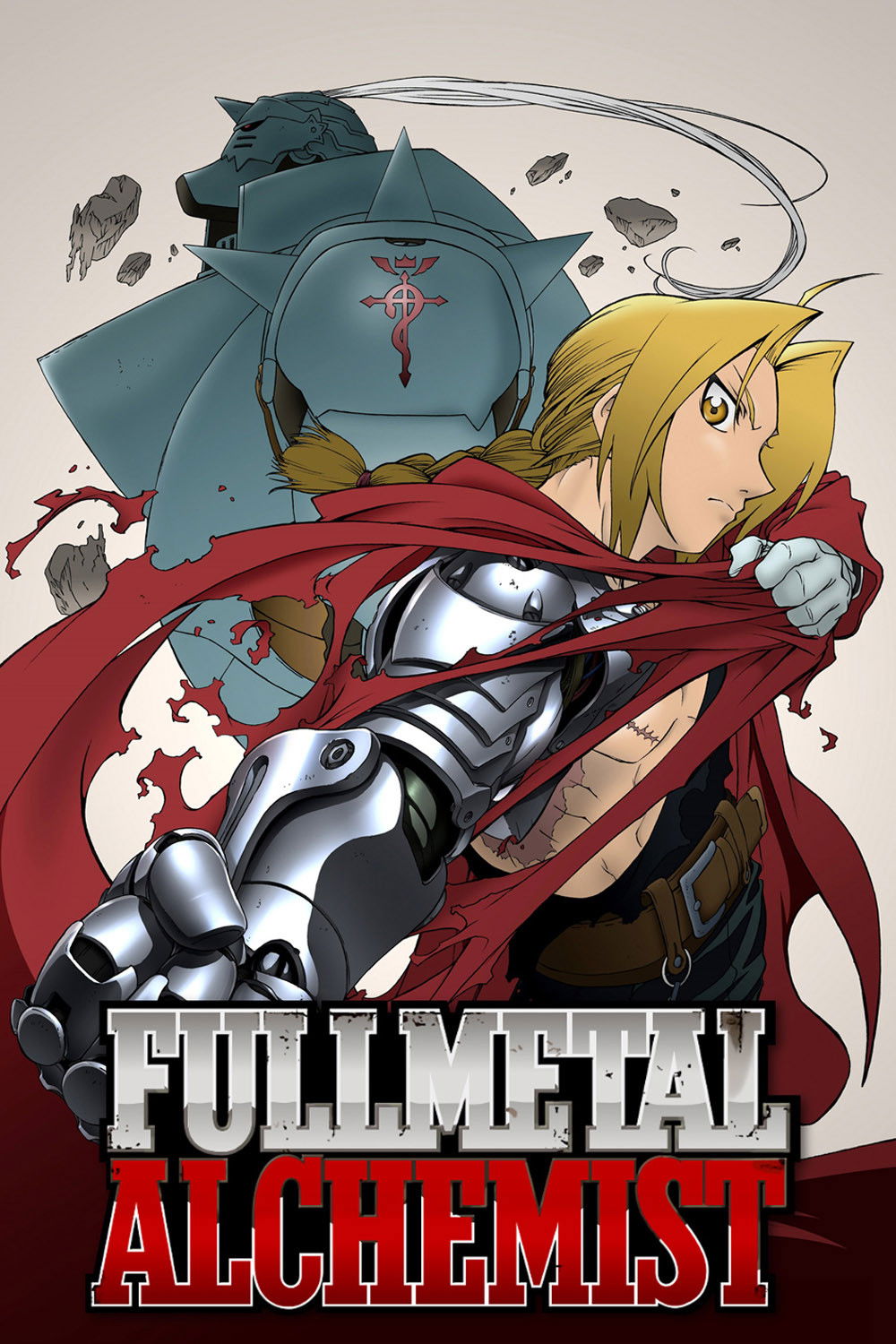
The 2003 version of ‘Fullmetal Alchemist’ concludes with Edward Elric being transported through “The Gate” to our real world during World War II. He sacrifices his ability to use alchemy and his physical body in his own world to save his brother Alphonse, who is restored to his original form but loses his memories. The two brothers end up separated by dimensions, both living in worlds where they are outsiders. This ending was entirely original to the anime and diverged significantly from the manga’s later conclusion. It is remembered for its daring choice to bridge the gap between fantasy and historical reality.
‘Higurashi: When They Cry’ (2006)
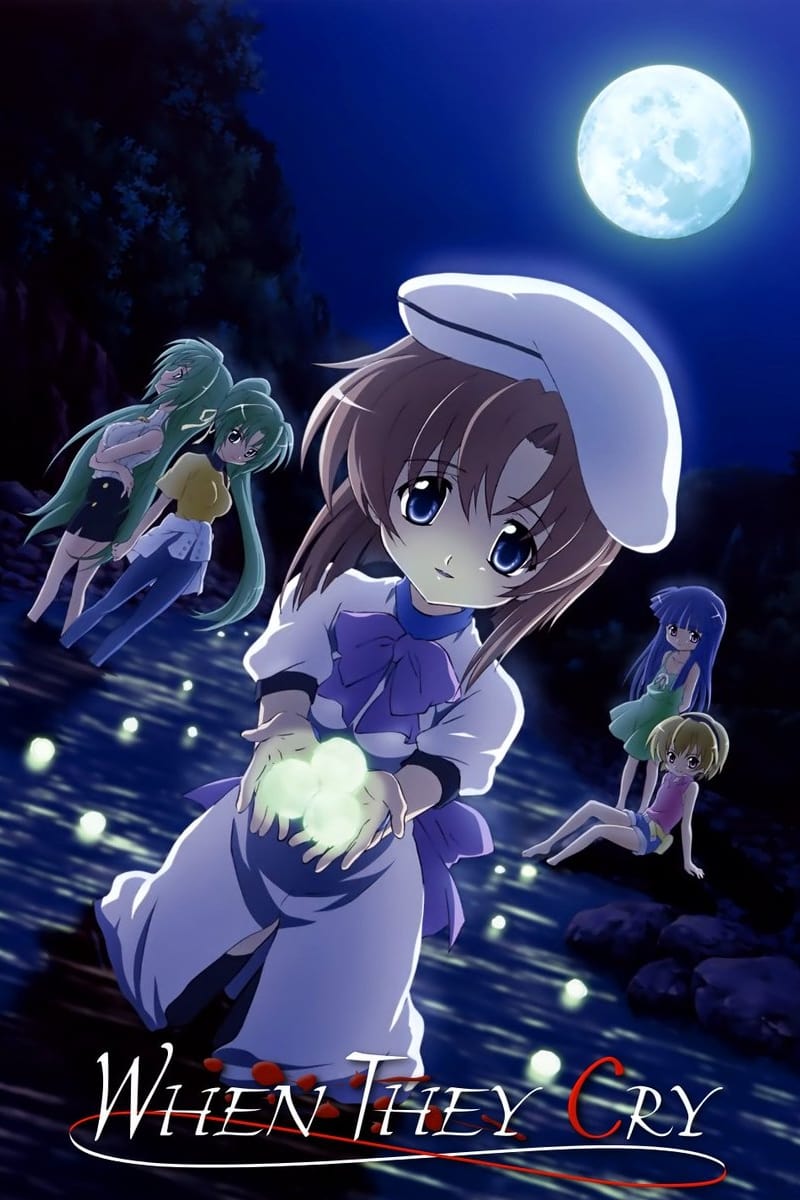
‘Higurashi: When They Cry’ concludes its first major arc by revealing that the horrifying events of Hinamizawa are part of a repeating time loop. The protagonist, Rika Furude, has been living through the same June 1983 for a hundred years, trying to find a way to prevent her own murder. The “ending” of the initial season leaves the mystery of the “curse” unsolved, forcing viewers to piece together clues from multiple failed timelines. This structure forces the audience to engage in a meta-game of detective work alongside the characters. The complexity of its non-linear narrative remains a hallmark of the psychological horror genre.
‘Noein: To Your Other Self’ (2005–2006)

‘Noein: To Your Other Self’ concludes with a battle across multiple quantum dimensions to prevent the collapse of all existence into a single “nothingness.” The protagonist, Haruka, uses her power as the “Dragon Torque” to choose a future that allows for all possibilities to exist simultaneously. This resolution relies heavily on quantum physics theories, specifically the Many-Worlds Interpretation. The animation shifts styles frequently during the climax to represent the instability of the different realities. Its ending is a rare example of a hard sci-fi concept being resolved through an emotional, character-driven choice.
‘Boogiepop Phantom’ (2000)
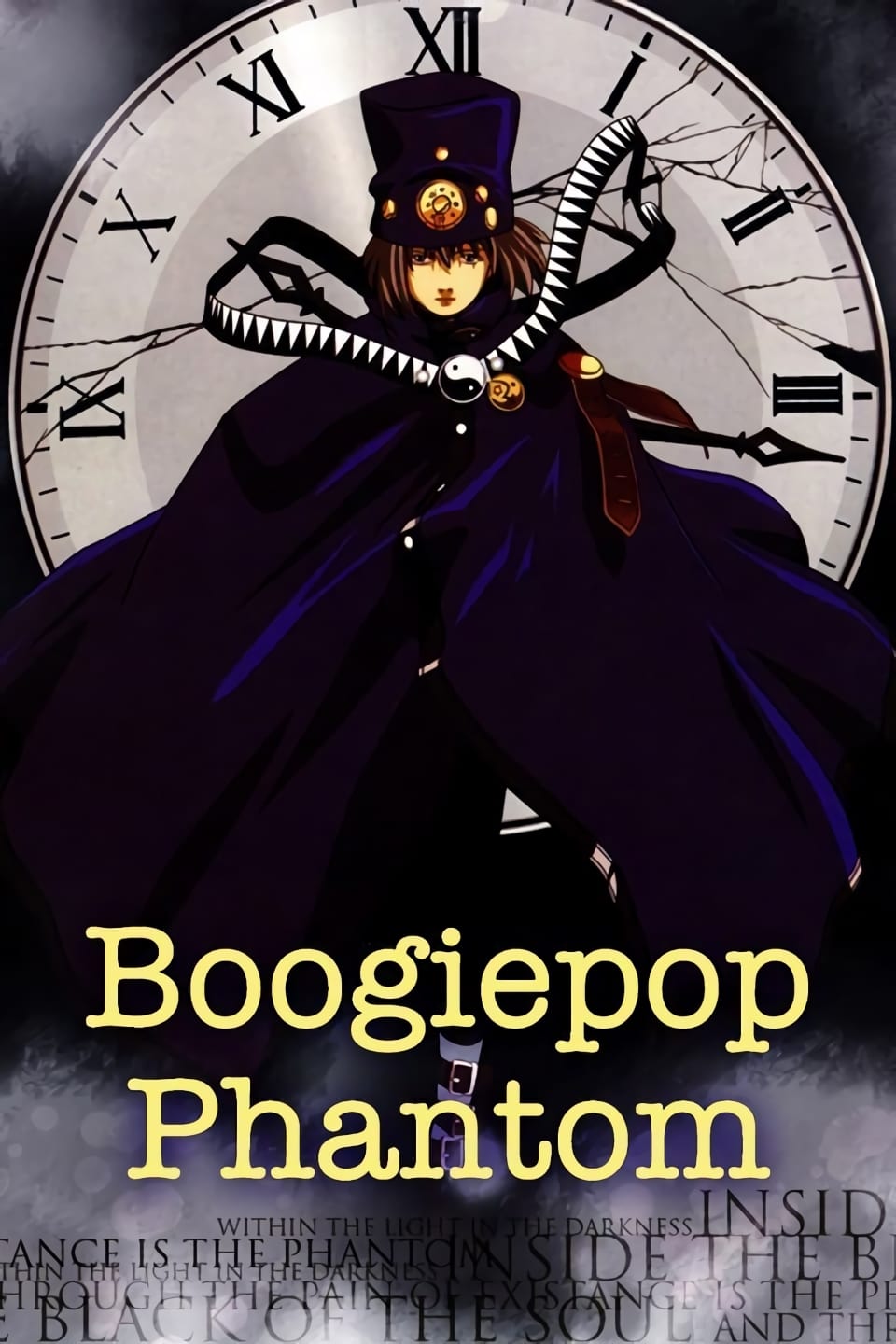
The non-linear narrative of ‘Boogiepop Phantom’ culminates in a series of abstract events involving the “King of Distortion” and the release of repressed memories. The ending suggests that the supernatural occurrences in the city were a byproduct of electromagnetic interference and human evolution. However, the exact fate of many characters remains obscured by the show’s dark, hazy visual style and disjointed timeline. The finale emphasizes that the “Boogiepop” entity is a necessary shadow that appears when humanity’s evolution goes awry. It is a dense, atmospheric conclusion that avoids easy explanations.
‘Princess Tutu’ (2002–2003)
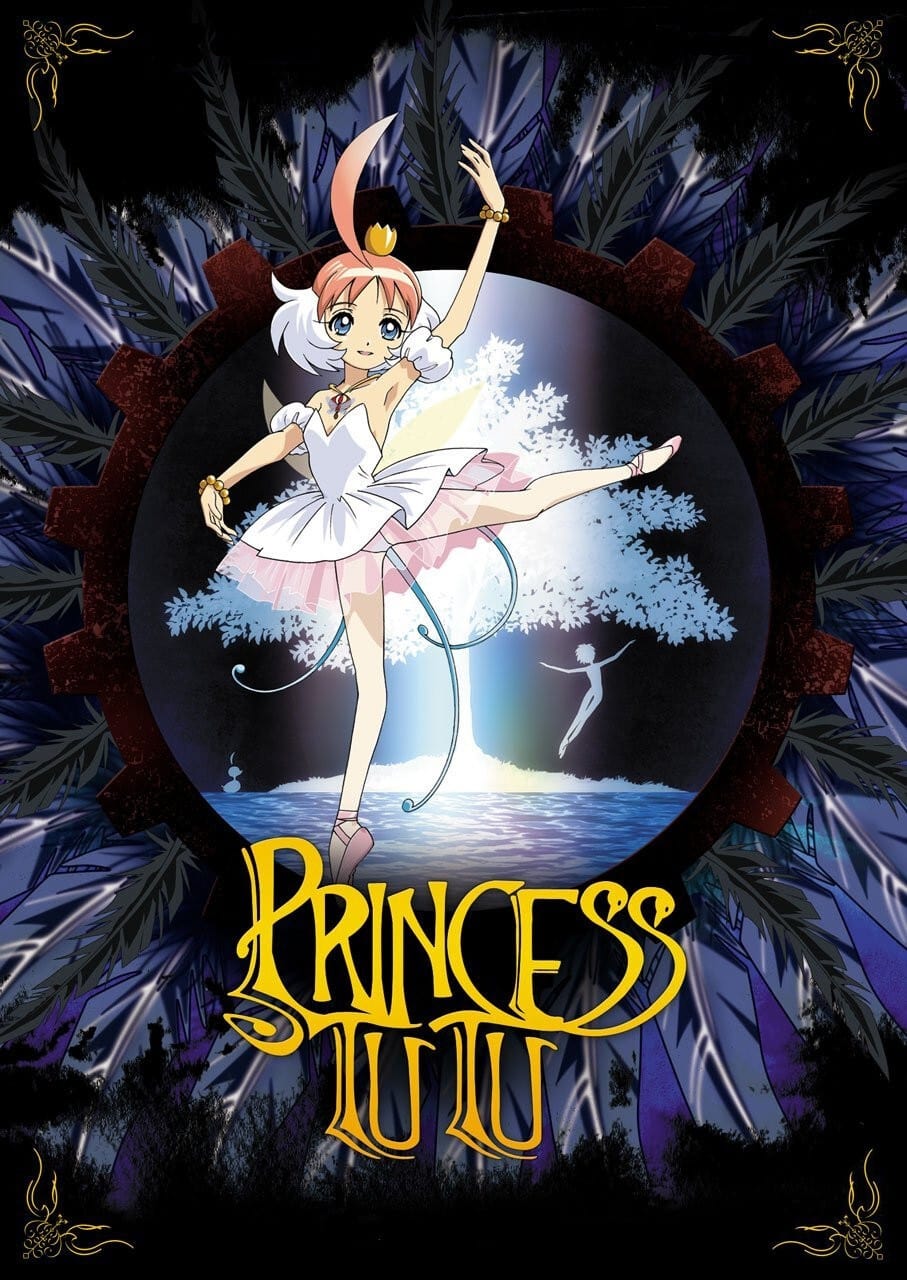
‘Princess Tutu’ ends by having the characters literally fight against the “Author” of their story to reclaim their own agency. Ahiru, the protagonist, chooses to return to her original form as a duck to save the prince, subverting the expectation of a “happily ever after” marriage. The story acknowledges that while the characters cannot change their past, they can choose how their story ends. This meta-narrative approach explores the relationship between creator and creation and the power of storytelling. Its ending is celebrated for its emotional depth and structural ingenuity.
‘Kaiba’ (2008)
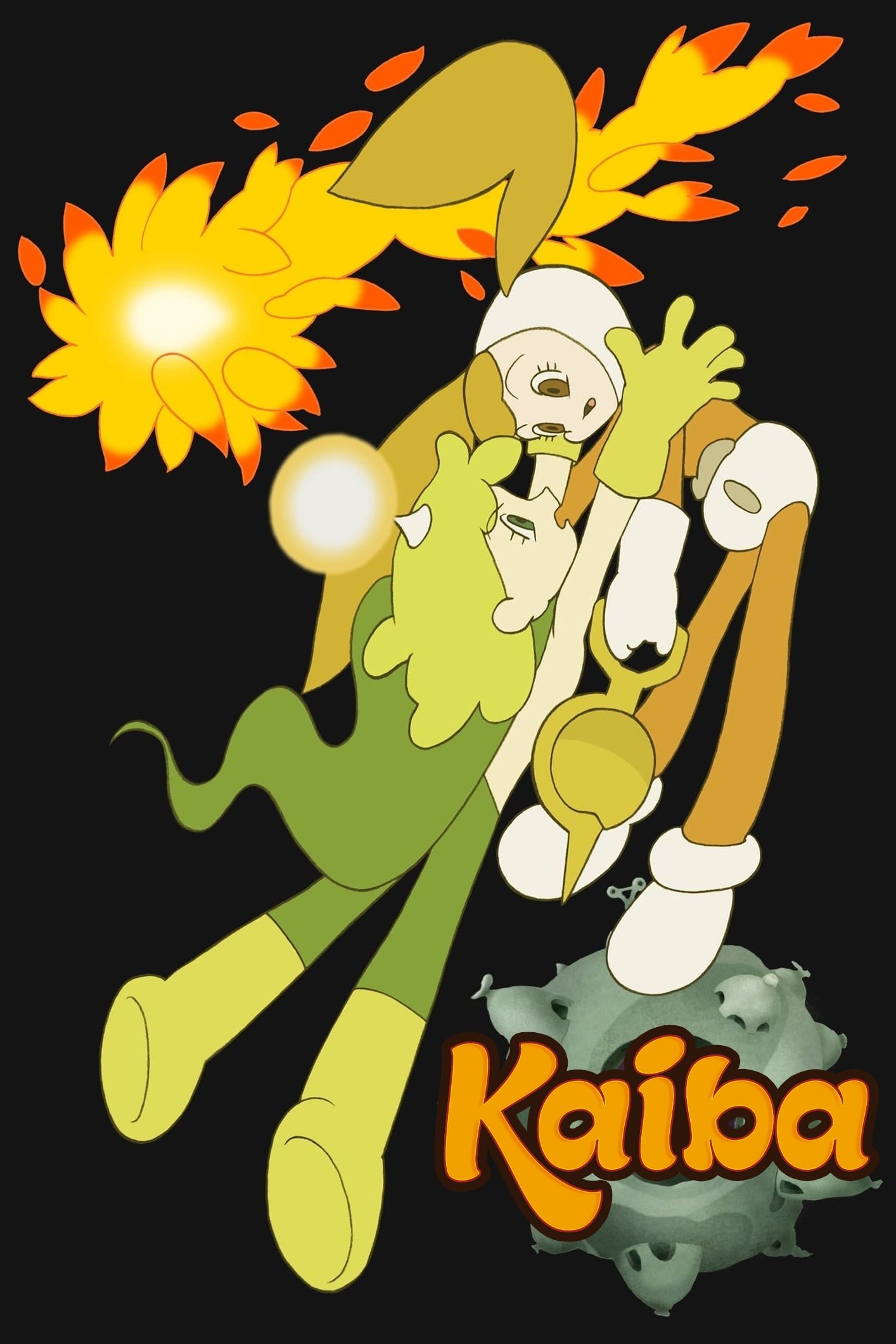
The finale of ‘Kaiba’ involves a chaotic reorganization of the universe’s memories as the protagonist confronts the corrupt system that treats souls as data. Characters swap bodies and memories in a dizzying sequence that highlights the fluidity of identity in this world. In the end, the cycle of memory consumption is broken, but at the cost of many lives and the stability of the social order. The protagonists find a brief moment of peace, but the world remains a strange and dangerous place. The unique, loose art style contributes to the surreal and confusing nature of the final resolution.
‘Gantz’ (2004)
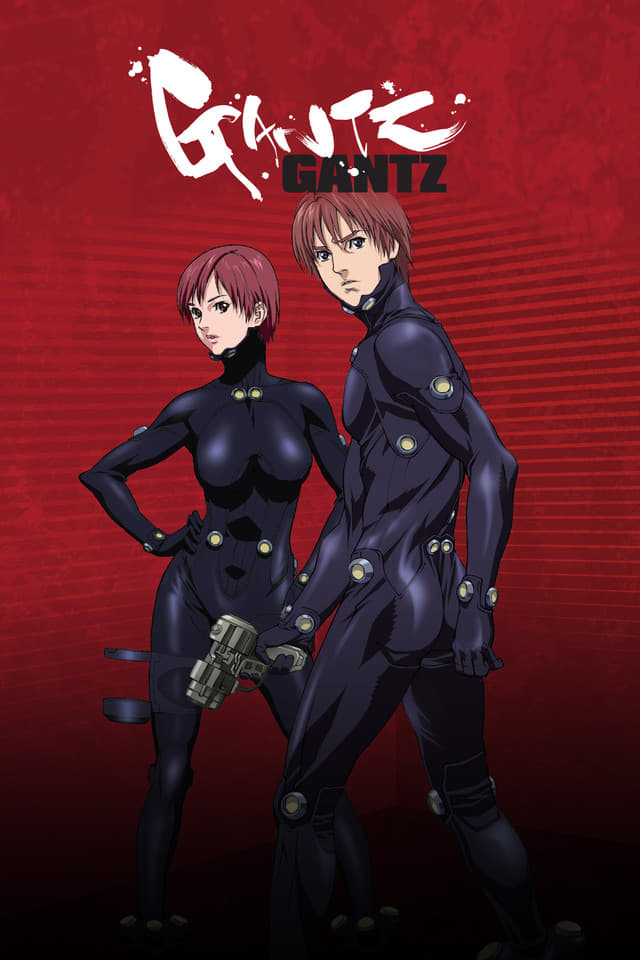
The ‘Gantz’ anime ends with an original conclusion that sees the protagonist, Kei Kurono, facing a metaphysical trial inside a subway tunnel. He is forced to confront the ghosts of his past and the nature of his own selfishness in a sequence that departs from the manga’s plot. The final scene depicts him standing on the tracks as a train approaches, leaving his survival or death entirely up to the viewer’s interpretation. This abrupt and symbolic ending was caused by the anime catching up to the source material. It remains one of the most cited examples of a “read the manga” cliffhanger that still holds aesthetic value.
‘Code Geass: Lelouch of the Rebellion’ (2006–2008)
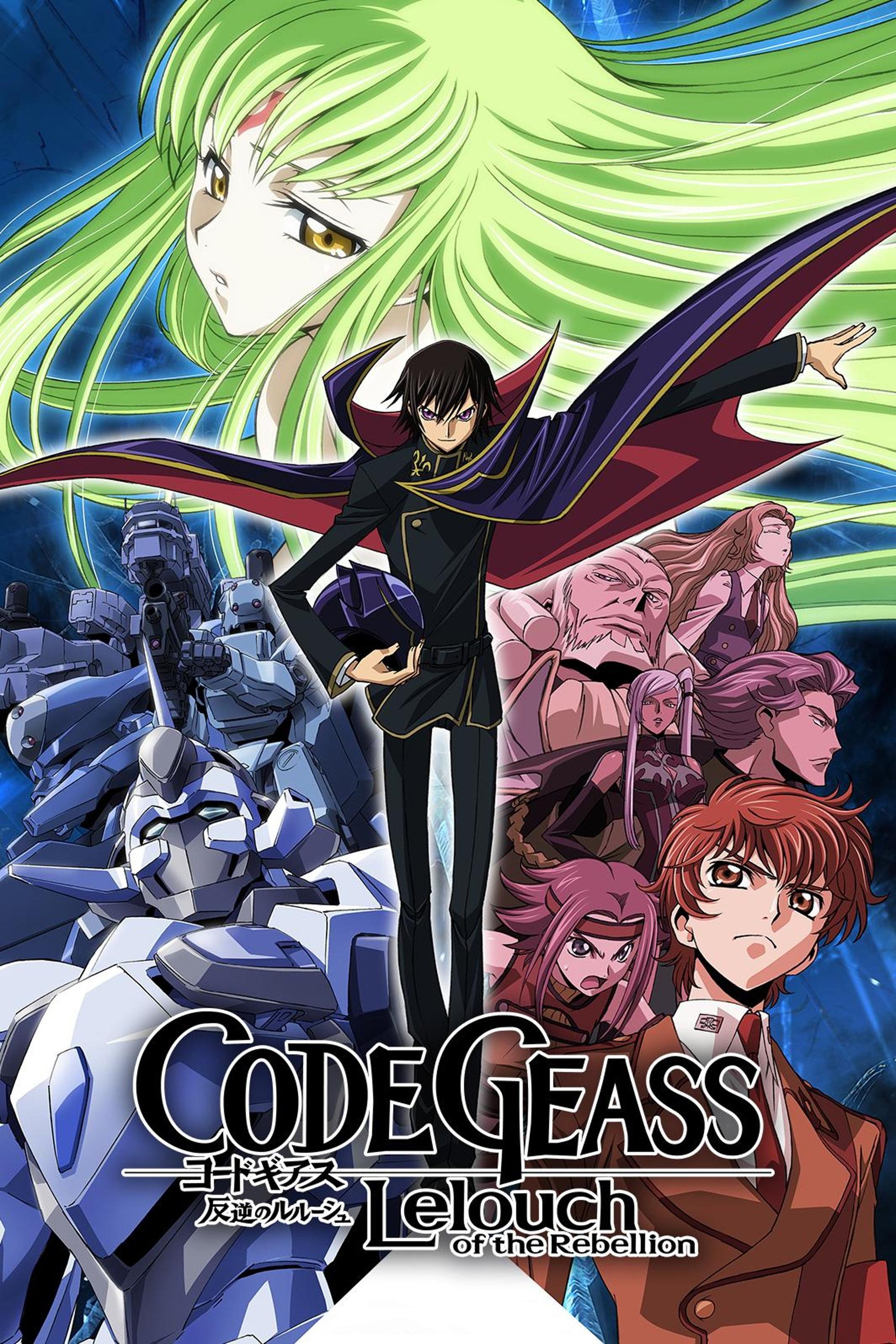
The “Zero Requiem” ending of ‘Code Geass’ involves Lelouch vi Britannia becoming the world’s greatest tyrant only to arrange his own assassination. By focusing the world’s hatred on himself and then dying, he intends to break the cycle of war and usher in an era of peace. The confusion for fans stemmed from whether Lelouch actually died or if he attained immortality like his father. This ambiguity was debated for over a decade until follow-up projects provided more context, though the original TV ending’s impact remains rooted in its moral complexity. It is considered one of the most effective “heroic sacrifice” endings in anime.
‘Monster’ (2004–2005)

‘Monster’ concludes not with a grand battle, but with a quiet conversation in a hospital room between Dr. Tenma and the antagonist, Johan Liebert. After Johan is shot and saved once again by Tenma, he recounts a story that challenges the doctor’s morality and the nature of the “monster” within everyone. The final shot of an empty, ruffled hospital bed leaves the audience wondering if Johan escaped or if he was ever truly there in the first place. This ending refuses to provide a simple catharsis, instead forcing the viewer to reflect on the cyclical nature of evil and the value of life. It is a masterclass in psychological tension and thematic consistency.
Share your interpretations of these complex finales and which ones left you the most stunned in the comments.