Games That Are Way Better Than Their Sales Numbers Suggest



The video game industry often measures success through commercial performance and unit sales across various platforms. Many high quality titles fail to find a massive audience due to poor timing or niche appeal or marketing struggles. These games frequently earn critical acclaim and develop dedicated fan bases long after their initial release periods. This list highlights critically acclaimed titles that provided innovative experiences despite falling short of major financial expectations.
‘Okami’ (2006)
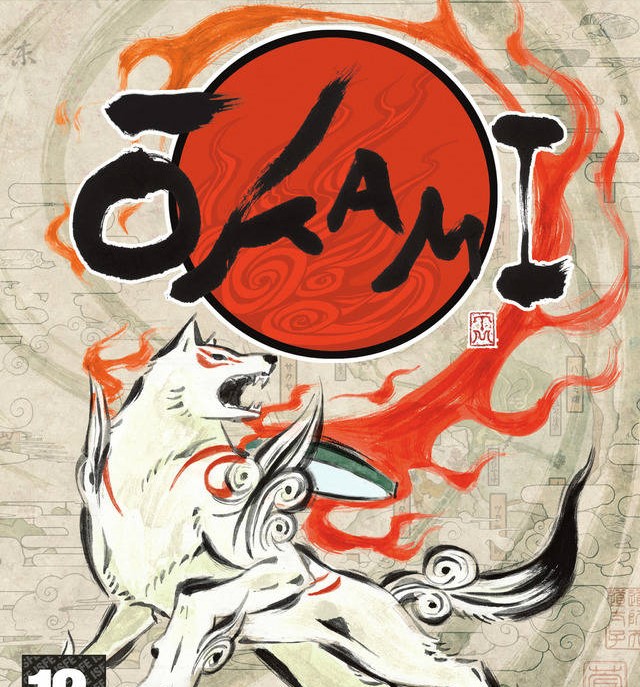
Clover Studio developed this action adventure title while Capcom handled the publishing duties. Players control Amaterasu in the form of a white wolf to restore color and life to a cursed world. The game utilizes a unique sumi e ink art style that earned significant critical acclaim upon its initial release. Despite winning several Game of the Year awards it struggled to find a large commercial audience on the PlayStation 2.
‘Psychonauts’ (2005)
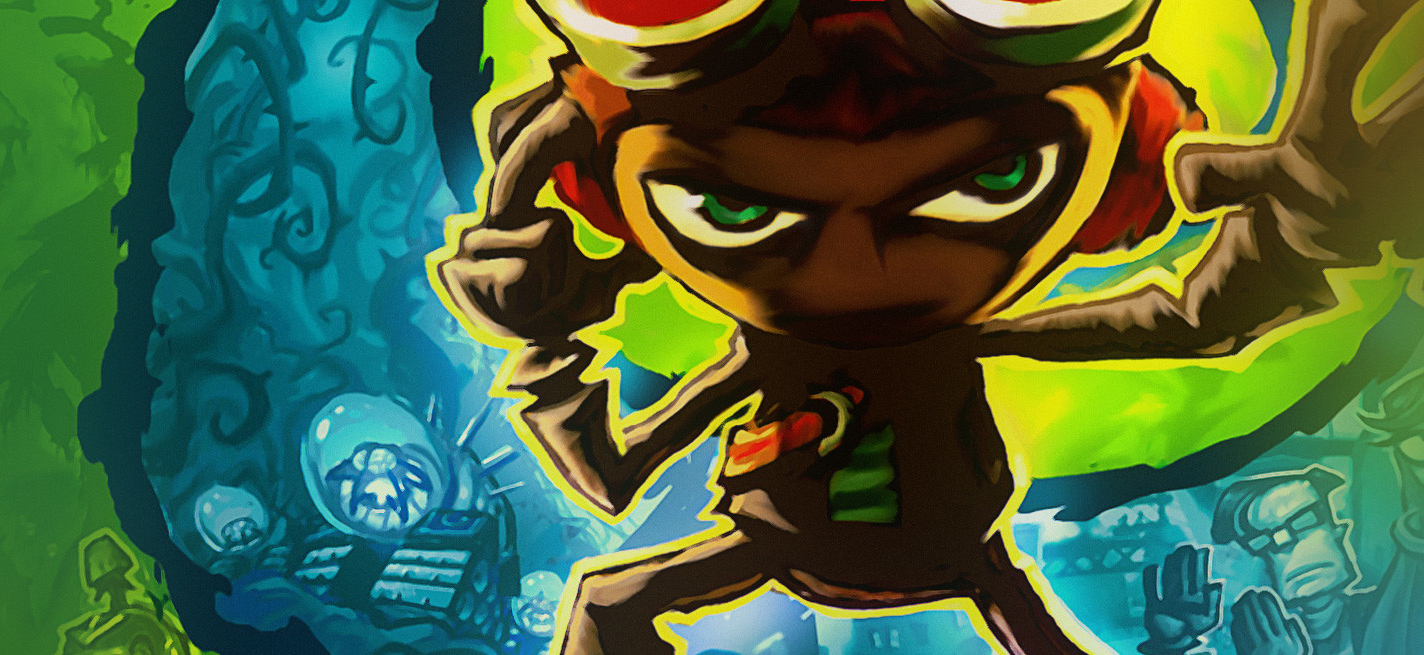
Double Fine Productions created this imaginative platformer which was published by Majesco Entertainment. The story follows a young boy named Raz who infiltrates a summer camp for psychic spies to sharpen his supernatural abilities. Each level takes place inside the mind of a different character and features distinct themes and challenges. Low sales figures at launch led to the game becoming a cult classic before eventually finding success on digital platforms.
‘Beyond Good & Evil’ (2003)
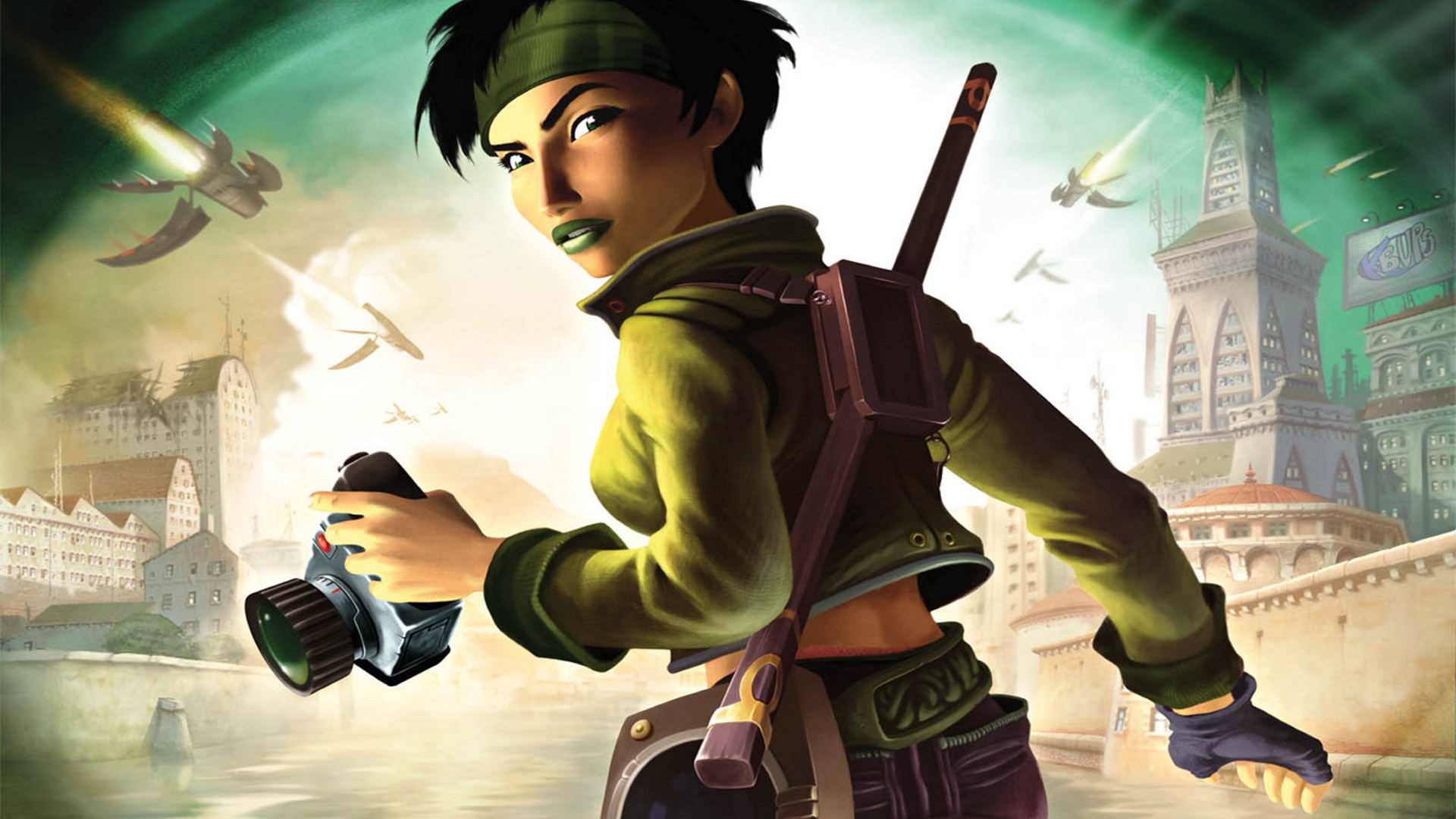
Ubisoft developed and published this cinematic adventure featuring a photojournalist named Jade who investigates a planetary conspiracy. The gameplay blends stealth and combat with photography and vehicle racing across a diverse alien world. While critics praised the character development and world building the title faced stiff competition and poor commercial performance during its holiday launch. It remains a notable example of a game that influenced future open world titles despite its initial financial struggles.
‘Spec Ops: The Line’ (2012)
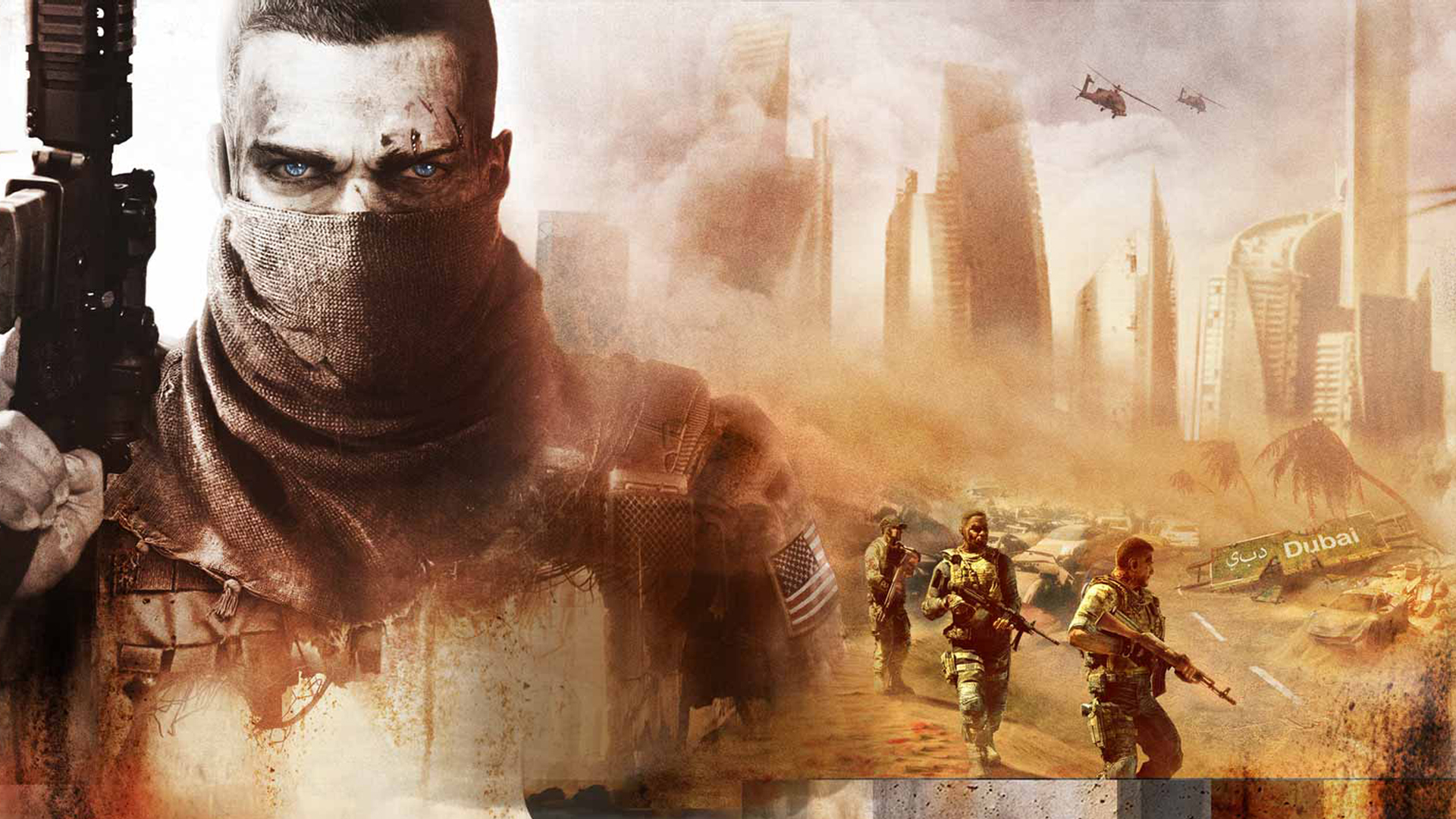
Yager Development produced this third person shooter and 2K Games served as the publisher. The narrative serves as a subversion of military shooter tropes and explores the psychological toll of war on soldiers. Players navigate a sandstorm ravaged Dubai while making difficult moral choices that impact the progression of the story. Commercial sales fell short of expectations even though the writing and mature themes received high marks from critics.
‘Grim Fandango’ (1998)
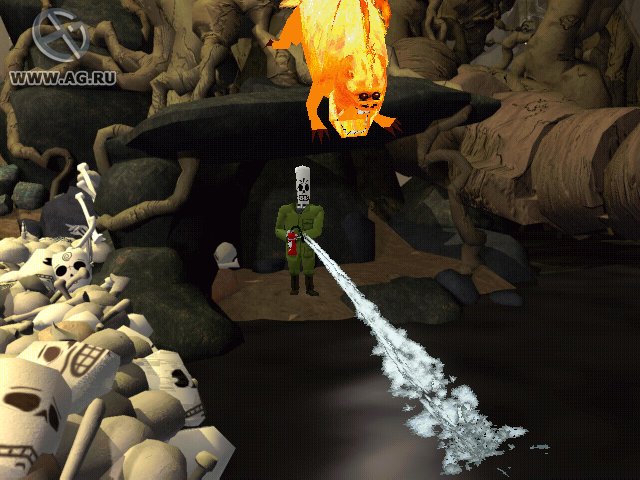
LucasArts developed and published this noir inspired adventure game set in the Land of the Dead. Players guide travel agent Manny Calavera as he uncovers a web of corruption involving the journey of souls. The game features a unique aesthetic inspired by Aztec mythology and classic film noir cinema. Although it is often cited as one of the best adventure games ever made the title did not achieve the sales required to sustain the genre at the time.
‘EarthBound’ (1994)
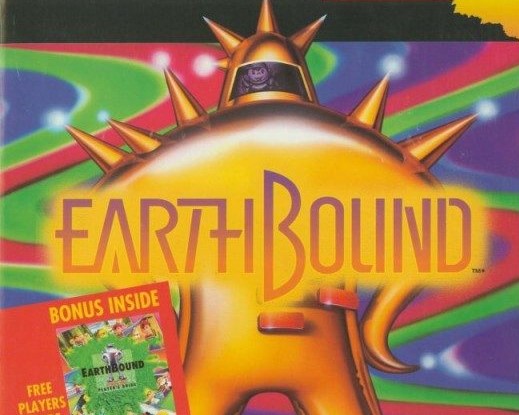
Ape and HAL Laboratory developed this quirky role playing game while Nintendo handled the publishing for the Super Nintendo Entertainment System. The story follows Ness and his friends as they travel across a modern setting to stop an alien entity named Giygas. It subverts many traditional fantasy tropes of the era by using baseball bats and psychic powers instead of swords and magic. Poor marketing and high cartridge prices contributed to low sales in North America before the game gained a massive cult following.
‘Eternal Darkness: Sanity’s Requiem’ (2002)
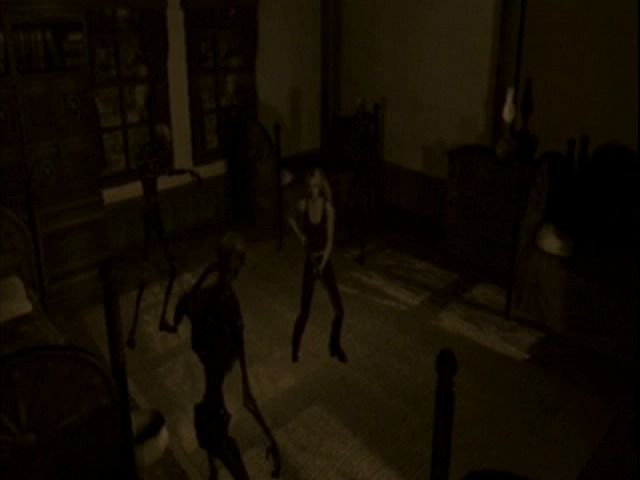
Silicon Knights developed this psychological horror title which was published by Nintendo for the GameCube. The narrative spans multiple historical periods and follows various characters who encounter an ancient cosmic evil. A unique sanity meter mechanic causes the game to play tricks on the player when their character becomes frightened. Despite innovative features and positive reviews the game failed to reach a wide audience on its platform.
‘System Shock 2’ (1999)
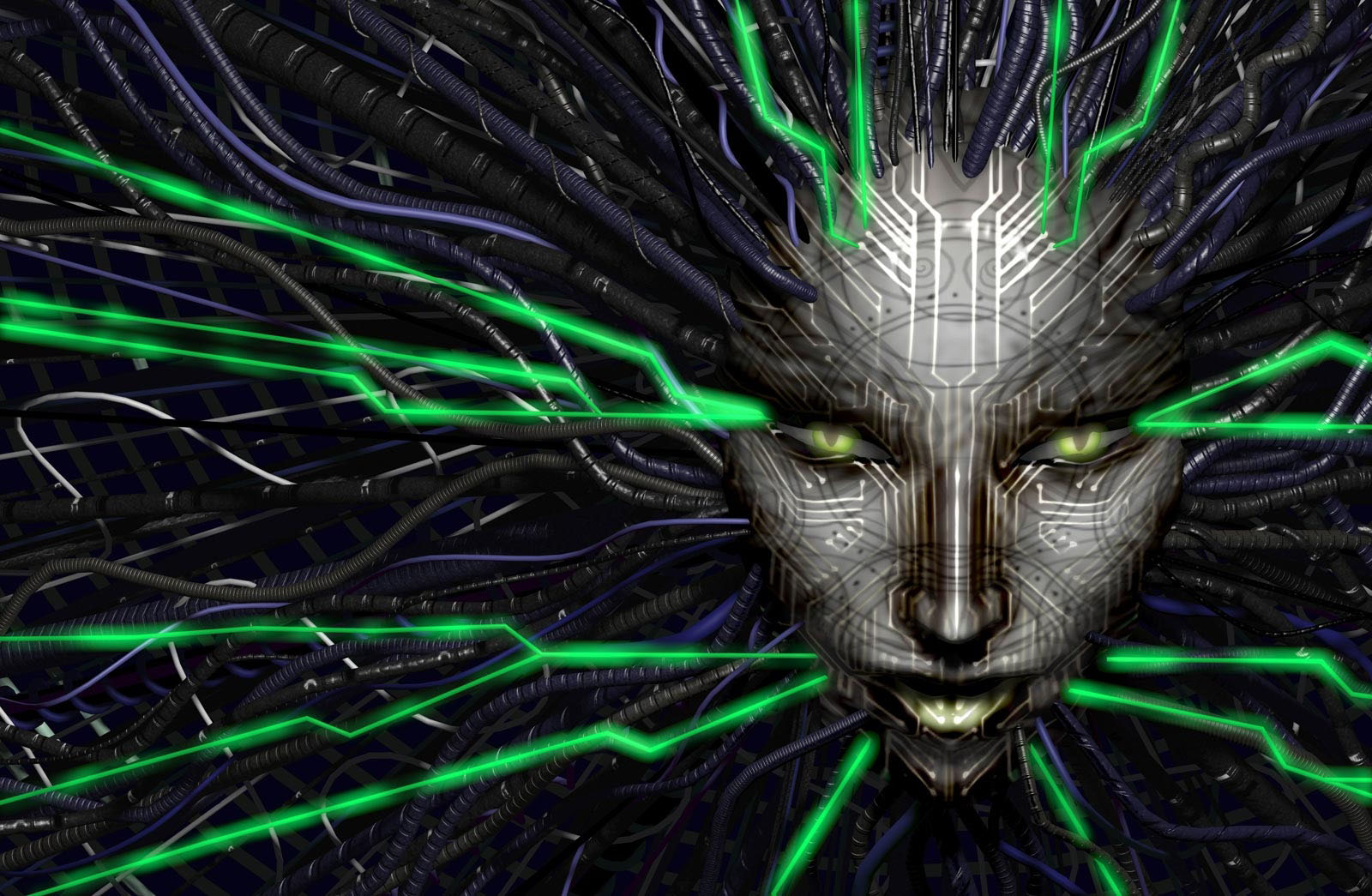
Irrational Games and Looking Glass Studios collaborated on this influential first person survival horror game with Electronic Arts acting as the publisher. Players must survive aboard a derelict starship while facing an artificial intelligence known as SHODAN. The game combined deep role playing mechanics with an intense atmosphere that paved the way for the ‘BioShock’ series. Its complex systems and steep learning curve limited its commercial appeal during the late nineteen nineties.
‘Vampire: The Masquerade – Bloodlines’ (2004)
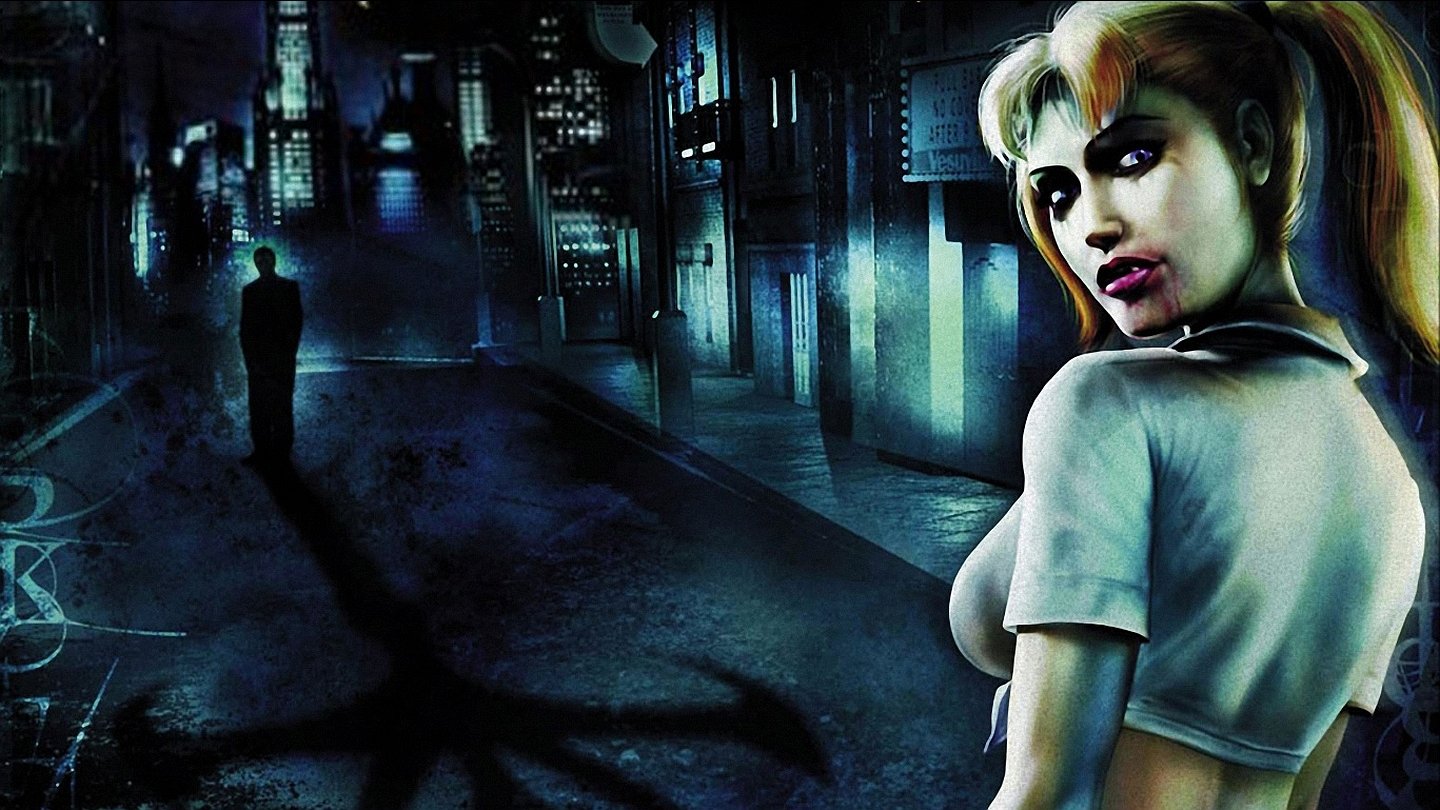
Troika Games developed this role playing title based on the tabletop series and Activision managed the publishing. The game allows players to choose a vampire clan and navigate the dark underworld of modern Los Angeles. It suffered from a troubled development cycle and launched on the same day as other major blockbuster titles. While bugs plagued the initial release a dedicated fan base has continued to support the game through unofficial patches for decades.
‘Ico’ (2001)
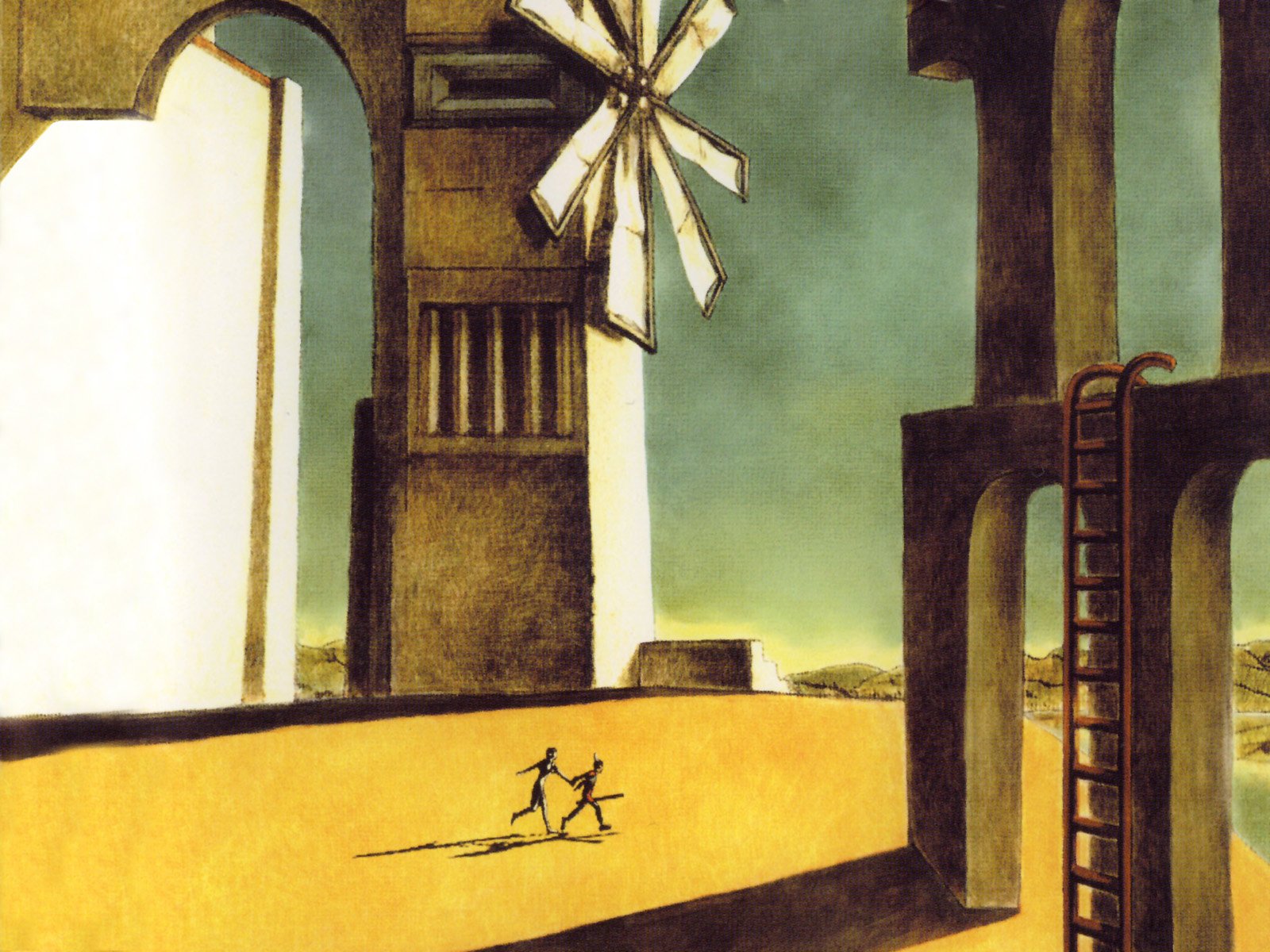
Team Ico developed this minimalist puzzle platformer and Sony Computer Entertainment published it for the PlayStation 2. The story focuses on a young boy with horns who tries to escape a massive castle while protecting a mysterious girl named Yorda. Its design focuses on environmental storytelling and emotional connection through simple gameplay mechanics. The game sold poorly in North America but went on to influence numerous developers including the creators of ‘Dark Souls’.
‘Shenmue’ (1999)
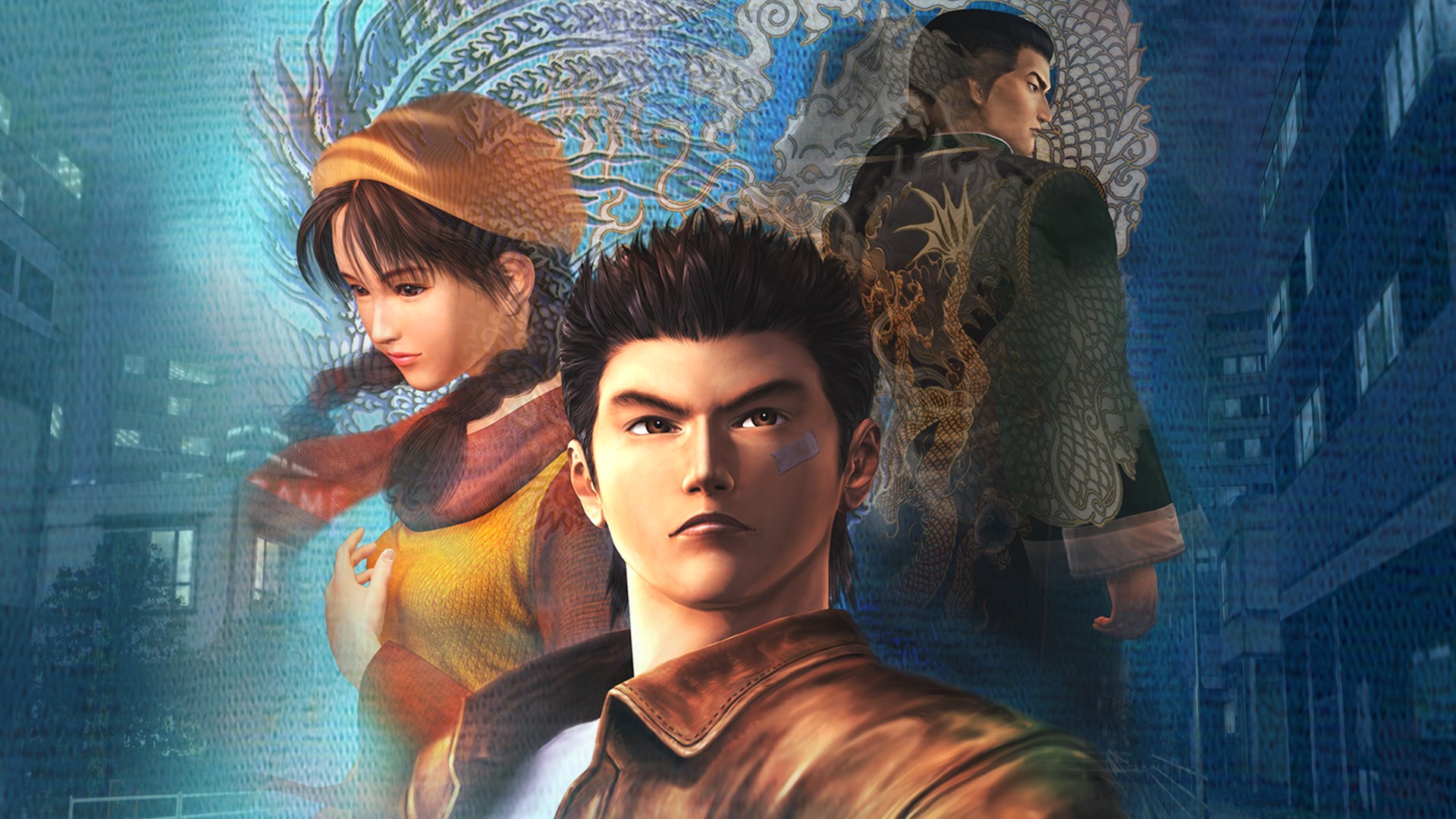
SEGA AM2 developed this ambitious open world title and SEGA published it as a flagship game for the Dreamcast. The story follows Ryo Hazuki as he seeks revenge for his father in a detailed recreation of nineteen eighties Japan. It introduced many modern gaming staples such as day and night cycles and quick time events within a living world. High development costs and the limited install base of the console prevented the game from becoming a financial success.
‘Mirror’s Edge’ (2008)

DICE developed this first person parkour game and Electronic Arts published it across multiple platforms. Players take on the role of Faith who is a runner delivering messages in a sterile and totalitarian city. The game emphasizes fluid movement and momentum over traditional combat mechanics to create a unique sense of speed. While the visual style and gameplay were praised the sales did not meet the high expectations of the publisher.
‘Binary Domain’ (2012)
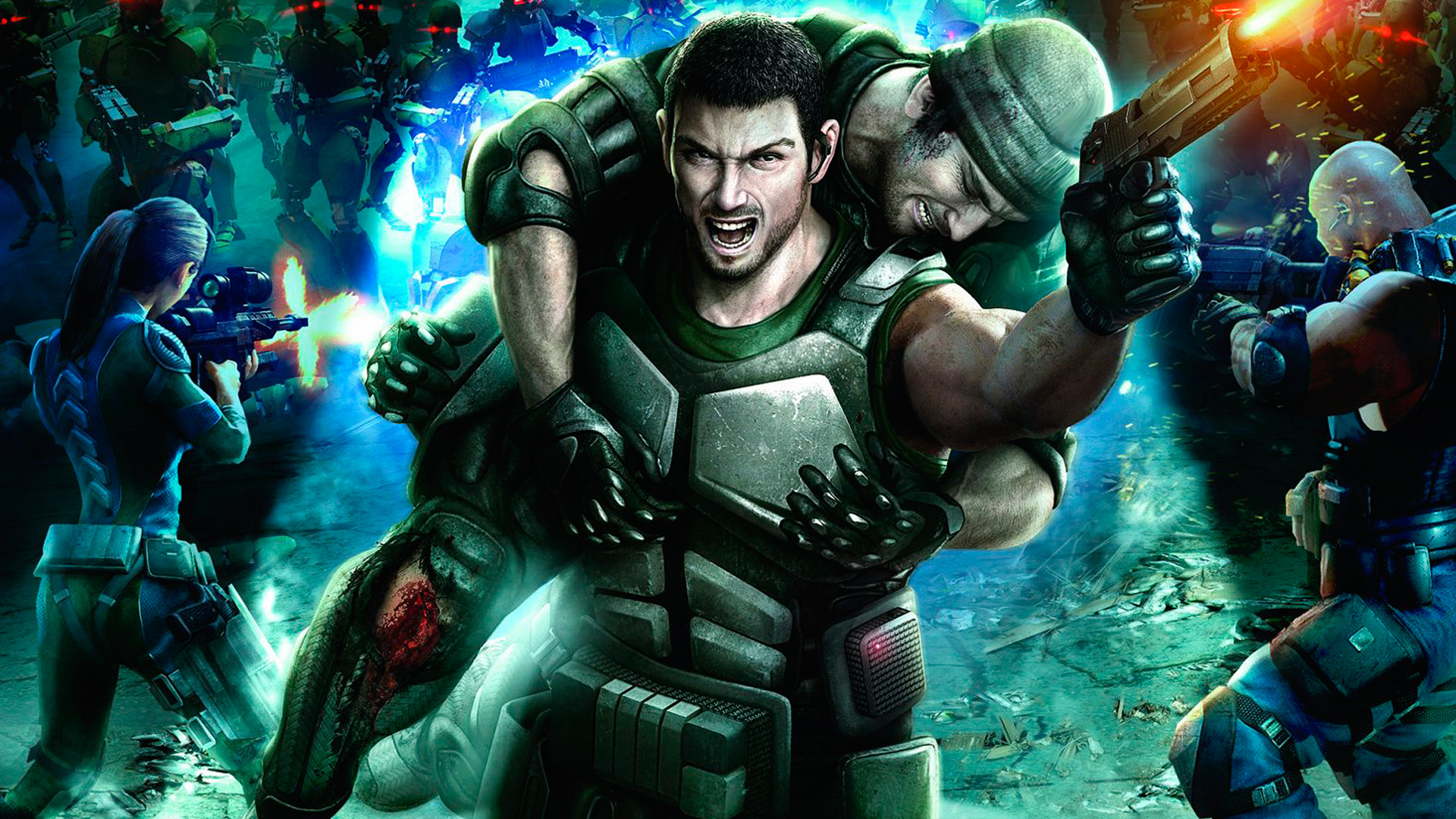
Ryu Ga Gotoku Studio developed this squad based shooter and SEGA handled the publishing. The plot involves a special task force investigating illegal robotic developments in a futuristic version of Tokyo. It features a consequence system where the trust of squad members affects their performance and the narrative. Despite solid mechanics and an engaging story the game struggled to stand out in a crowded market of shooters.
‘Sleeping Dogs’ (2012)
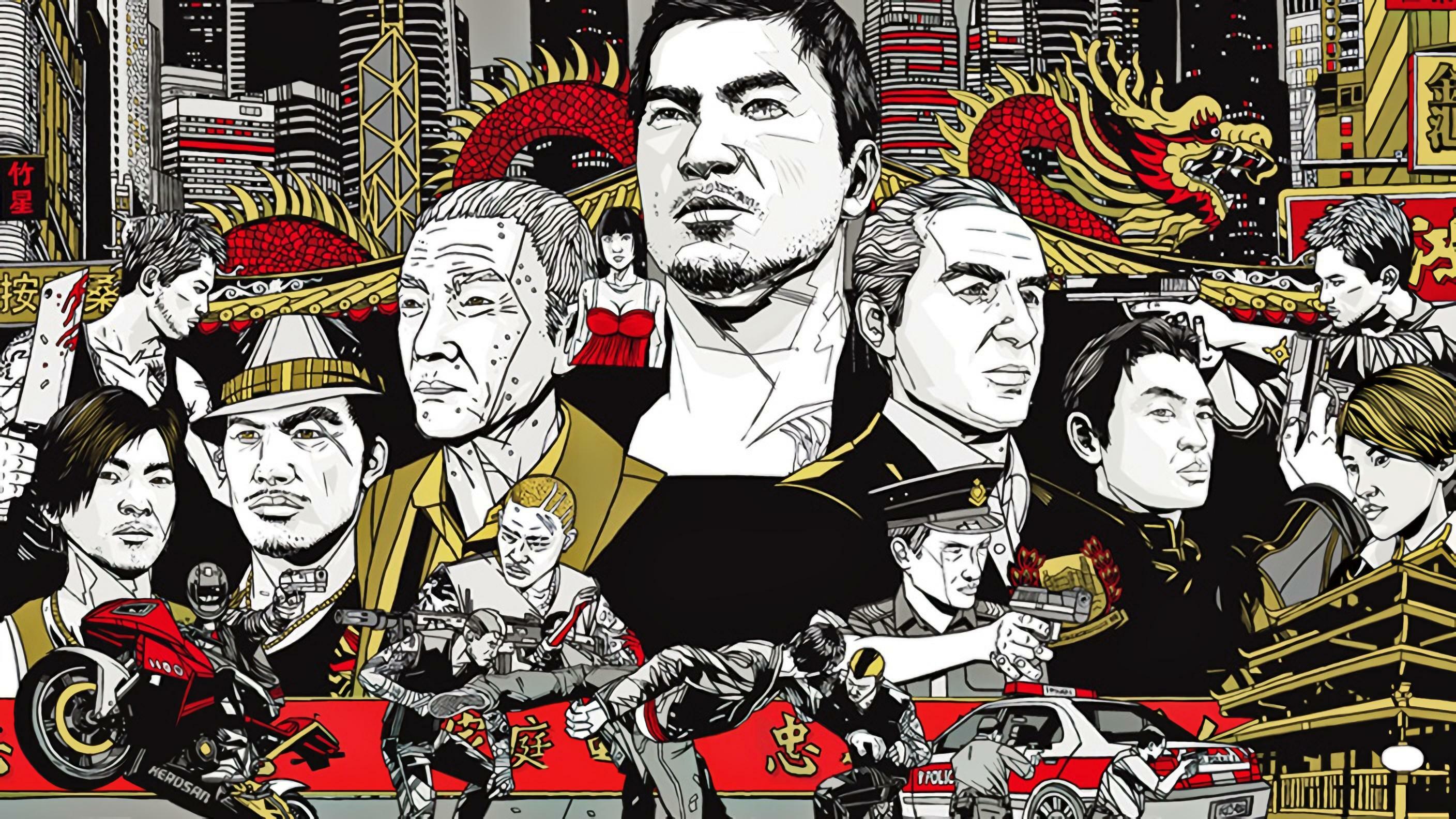
United Front Games developed this open world action title and Square Enix published it after the project was cancelled by another company. Players control an undercover cop named Wei Shen as he infiltrates the Triads in Hong Kong. The game emphasizes martial arts combat and environmental interactions alongside traditional driving and shooting. It received strong reviews for its atmosphere and story but failed to meet the aggressive sales targets set by the publisher.
‘The World Ends with You’ (2007)
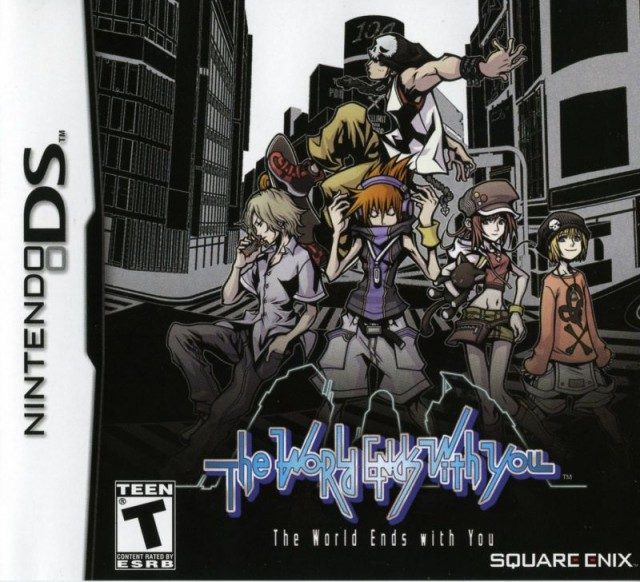
Jupiter and Square Enix collaborated on this stylized role playing game for the Nintendo DS. The narrative is set in the Shibuya shopping district and follows teenagers forced to participate in a deadly game. It utilized the dual screen setup of the console for a unique combat system that required managing two battles at once. While it earned a loyal following the game remained a niche title with modest sales compared to other Square Enix franchises.
‘The Wolf Among Us’ (2013)
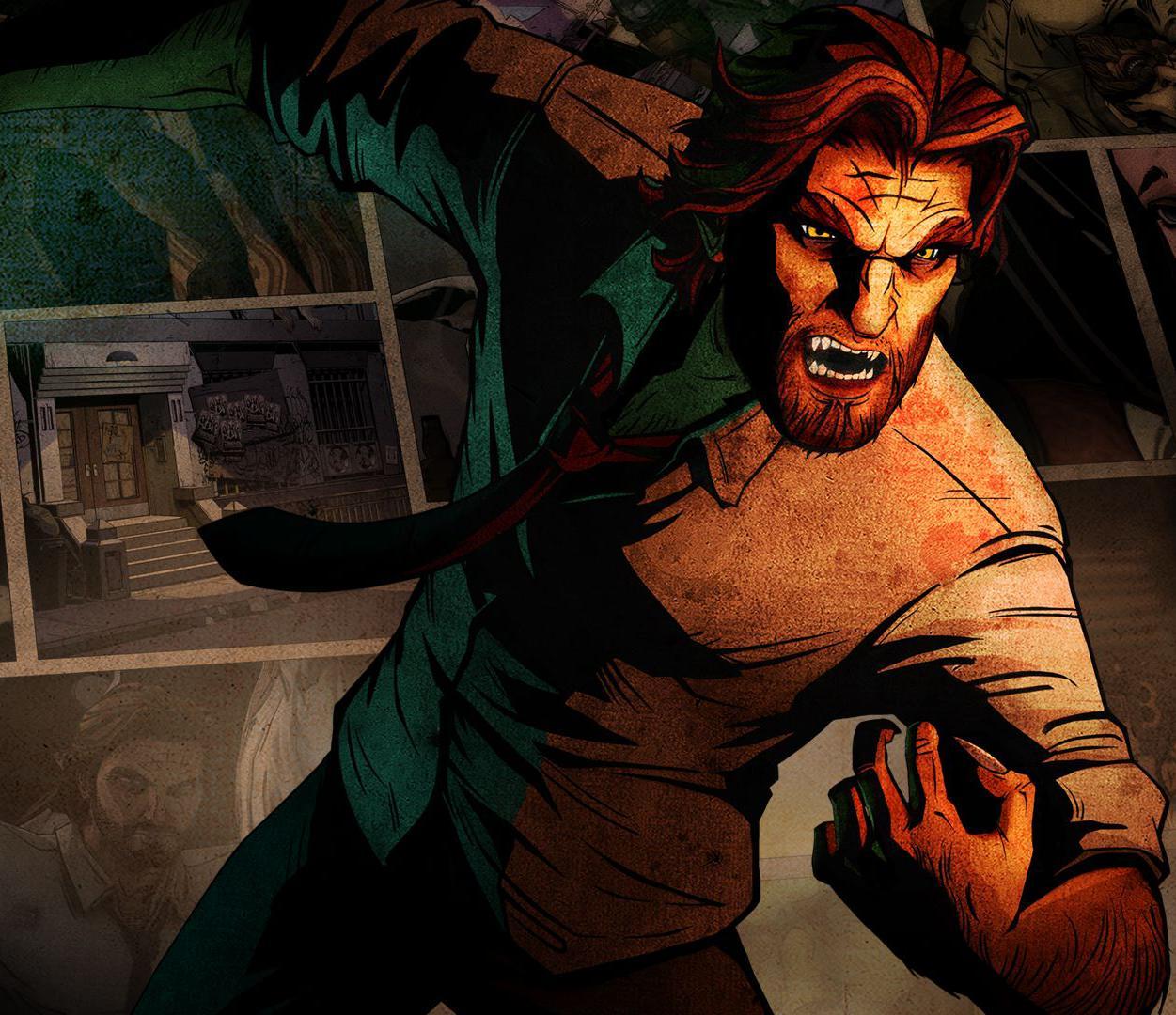
Telltale Games developed and published this episodic adventure based on the ‘Fables’ comic book series. Players take on the role of Bigby Wolf who serves as the sheriff for a hidden community of fairy tale characters in New York City. The game features a gritty neo noir atmosphere and choices that impact how characters perceive the protagonist. Although it is critically acclaimed the financial difficulties of the studio eventually impacted the future of the series.
‘Katana ZERO’ (2019)
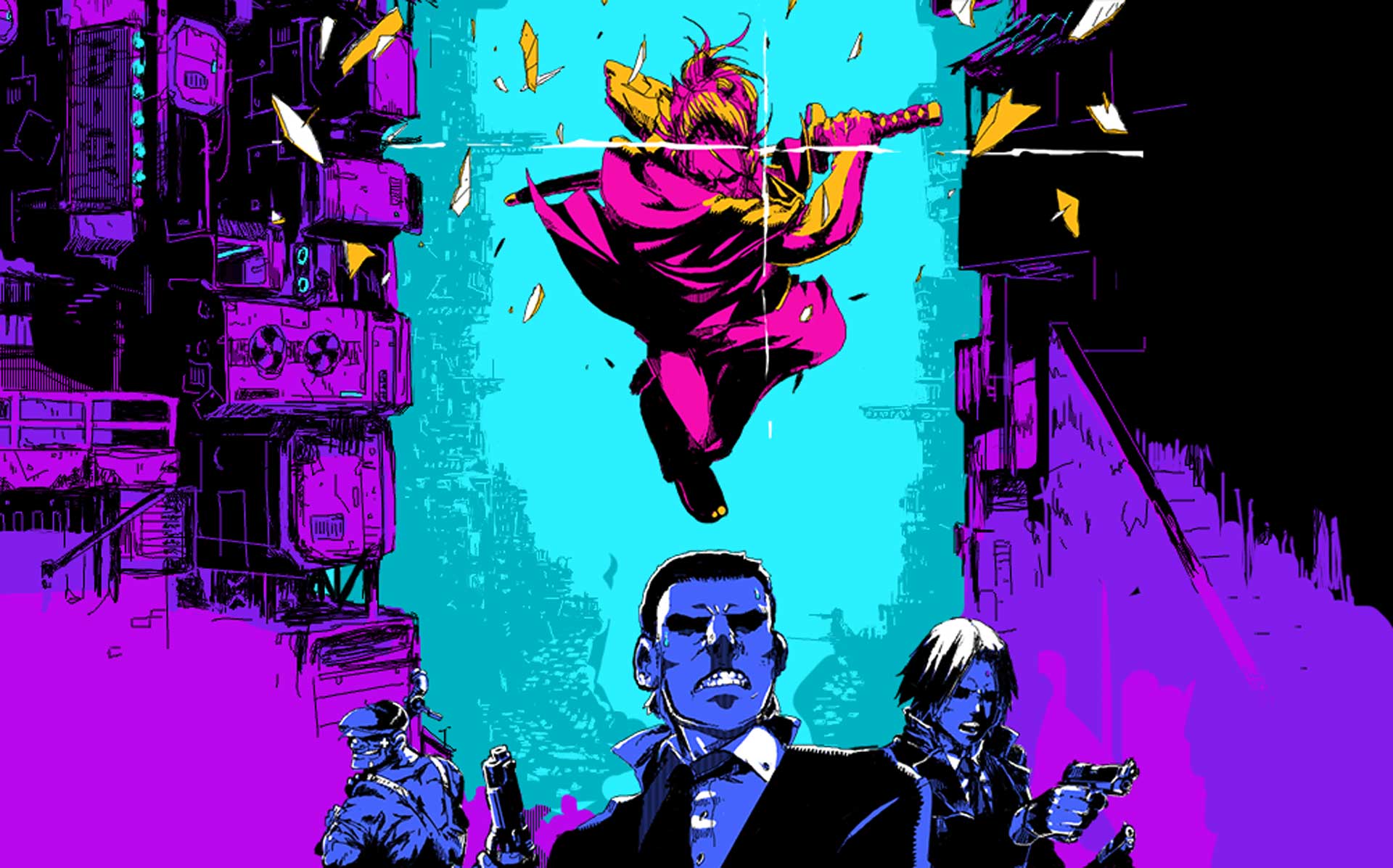
Askiisoft developed this neo noir action platformer and Devolver Digital published it on various platforms. The game features fast paced combat where players can manipulate time to defeat enemies in one hit encounters. It tells a dark story about a memory wiped assassin through interactive dialogue and surreal sequences. While it performed well for an indie title its quality is often considered superior to many larger commercial releases.
‘Alan Wake’ (2010)
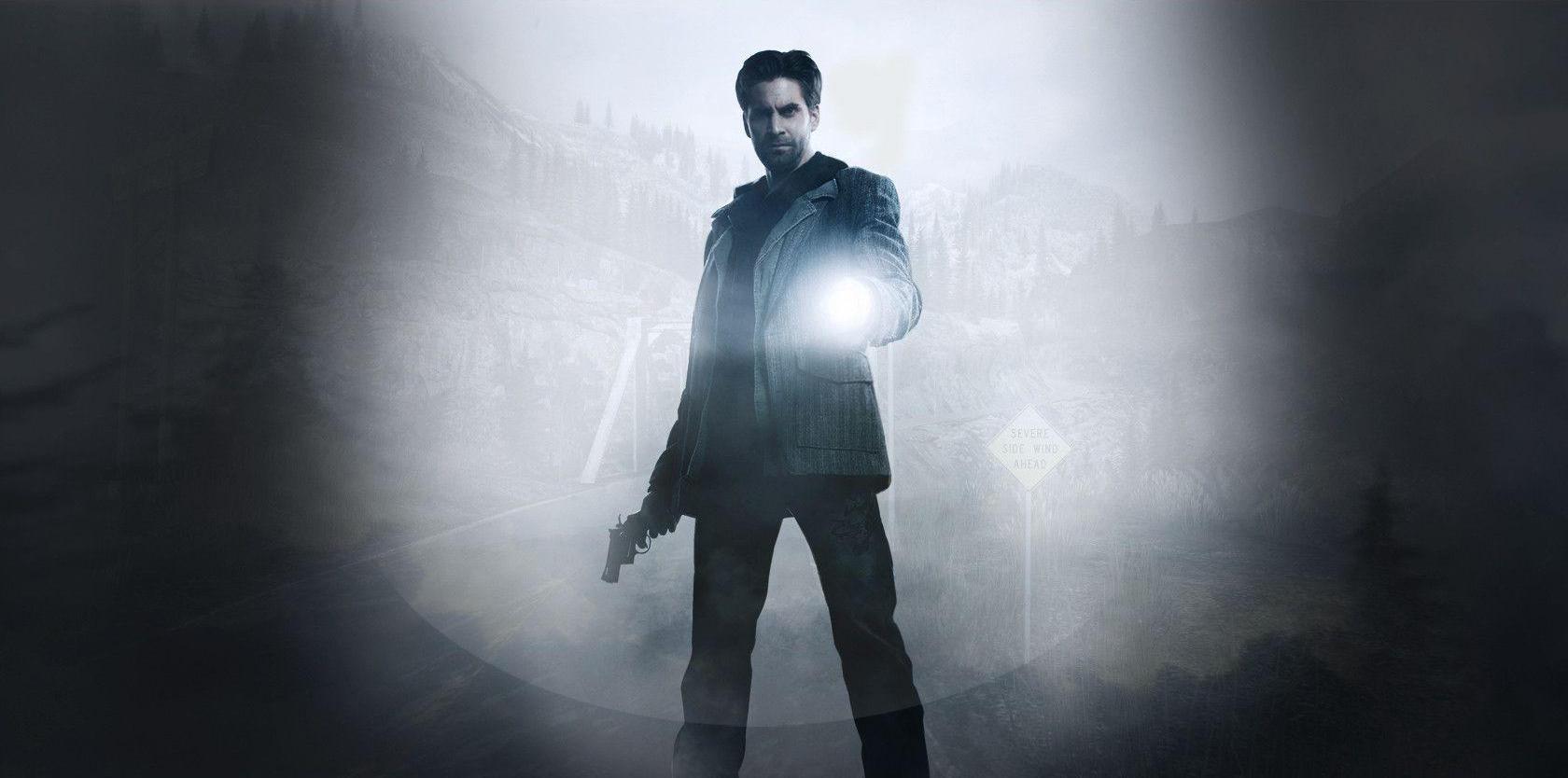
Remedy Entertainment developed this psychological thriller and Microsoft Game Studios published it for the Xbox 360. The story follows a best selling novelist who must find his missing wife while being haunted by shadows in a small town. The gameplay uses light as a primary weapon against supernatural enemies known as the Taken. It faced heavy competition from other major releases at launch which hindered its initial commercial performance.
‘Prey’ (2017)
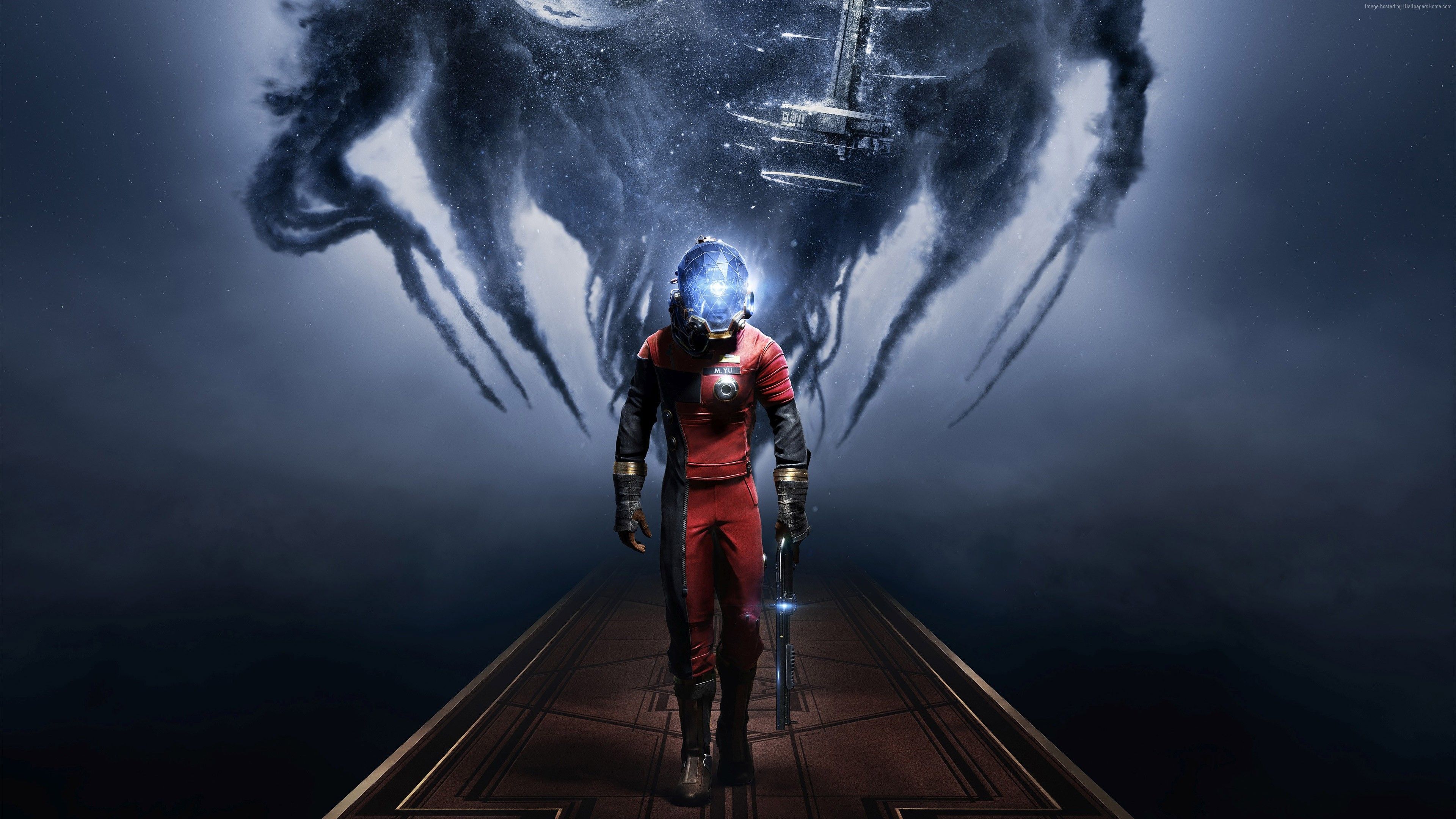
Arkane Studios developed this immersive sim and Bethesda Softworks published it for modern consoles and PC. Players explore the Talos I space station while fighting shape shifting aliens and gaining supernatural abilities. The game offers high levels of player freedom and environmental storytelling through its intricate level design. Despite being a critical success it did not achieve the mainstream sales figures typical for high budget first person titles.
‘Titanfall 2’ (2016)
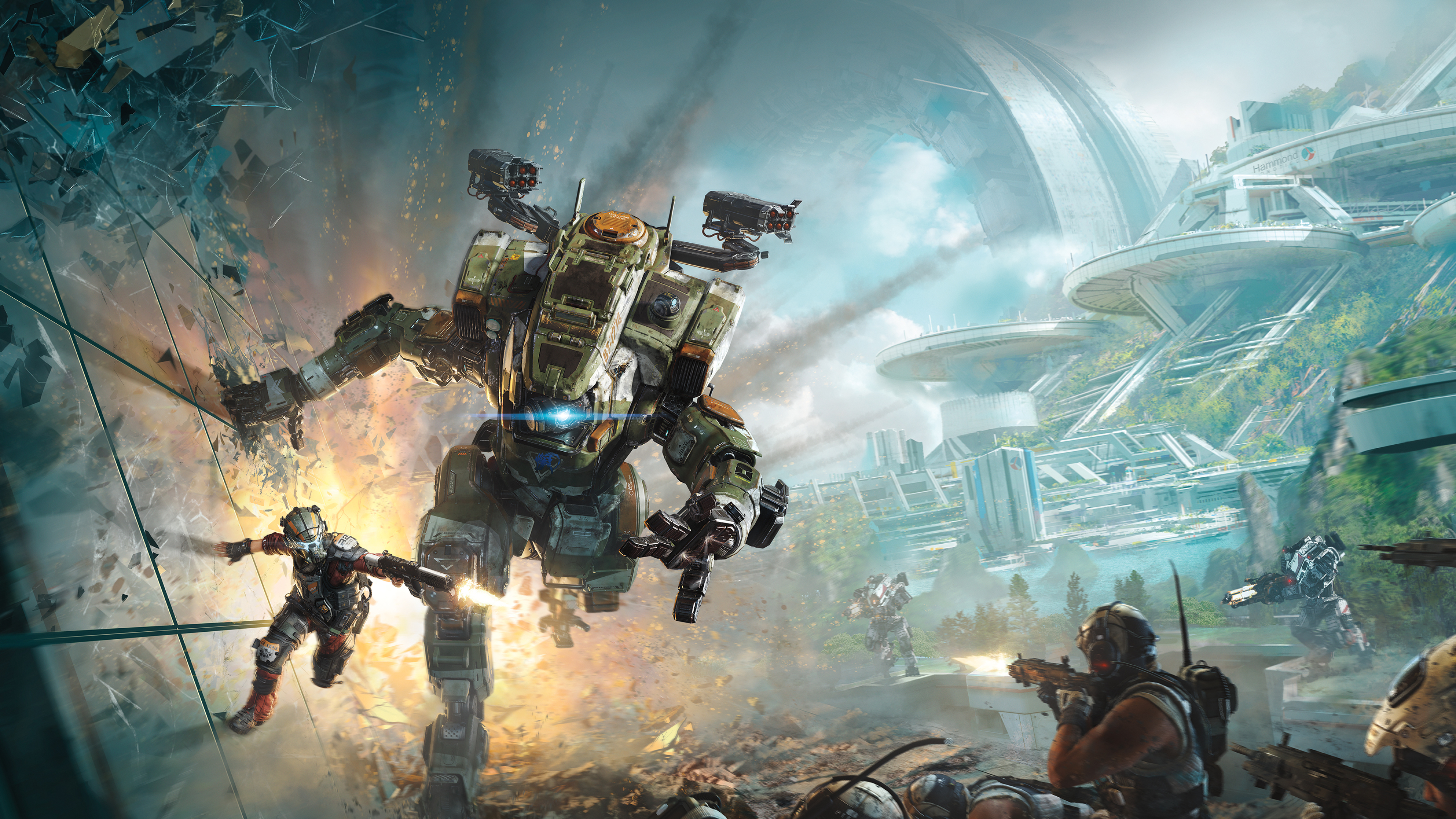
Respawn Entertainment developed this first person shooter and Electronic Arts published it during a crowded holiday season. The game features a highly praised single player campaign that explores the bond between a pilot and his titan. It also includes fluid movement mechanics and diverse multiplayer modes that build upon the foundation of the original game. Launching between two of the biggest shooter franchises in the industry led to lower sales than the game deserved.
Tell us which of these underrated gems you think deserves more recognition in the comments.