Movies With Characters That Everyone Talks About But Barely The Plot


Many films achieve legendary status because of a single memorable performance or a striking visual identity of a main character. While the screenplay and plot points are essential for a movie to function audiences often prioritize the individual personalities they see on screen. This phenomenon occurs when a character becomes so iconic that their image and famous lines exist independently of the story they inhabit. In these instances people may remember every detail of a costume or a specific catchphrase while the actual sequence of events becomes a secondary thought. This list explores the movies where the characters have completely eclipsed the narratives they were designed to serve.
‘The Dark Knight’ (2008)
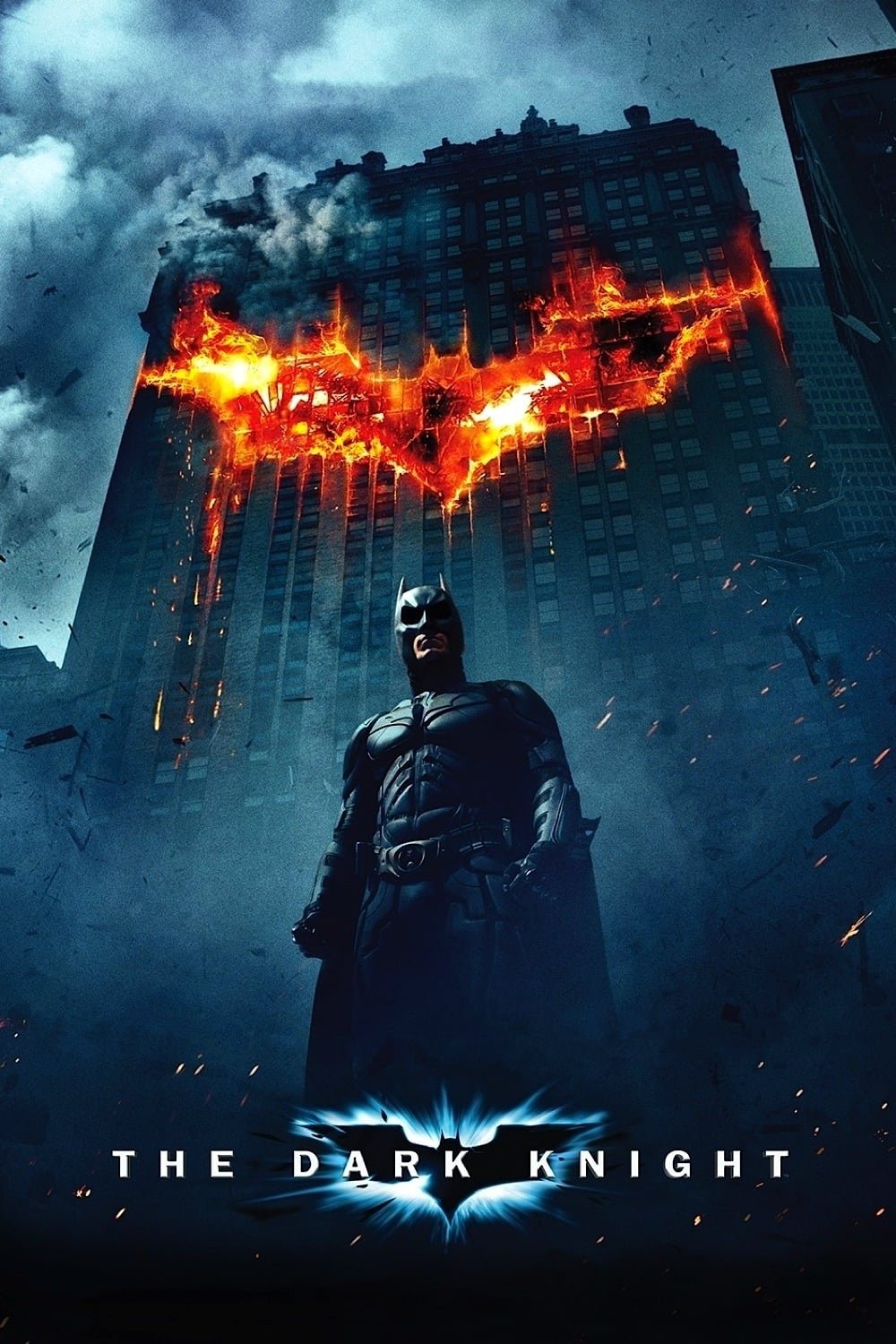
Heath Ledger gave a performance as the Joker that fundamentally changed how audiences perceive comic book villains. Most people recall his chaotic philosophy and the distinct makeup design rather than the specific heist or kidnapping plots. The character represents a pure force of nature that many viewers discuss in philosophical terms. Even years later his portrayal is the primary focus of reviews and retrospectives. This creates a legacy where the villain exists as a cultural symbol apart from the film itself.
‘The Silence of the Lambs’ (1991)
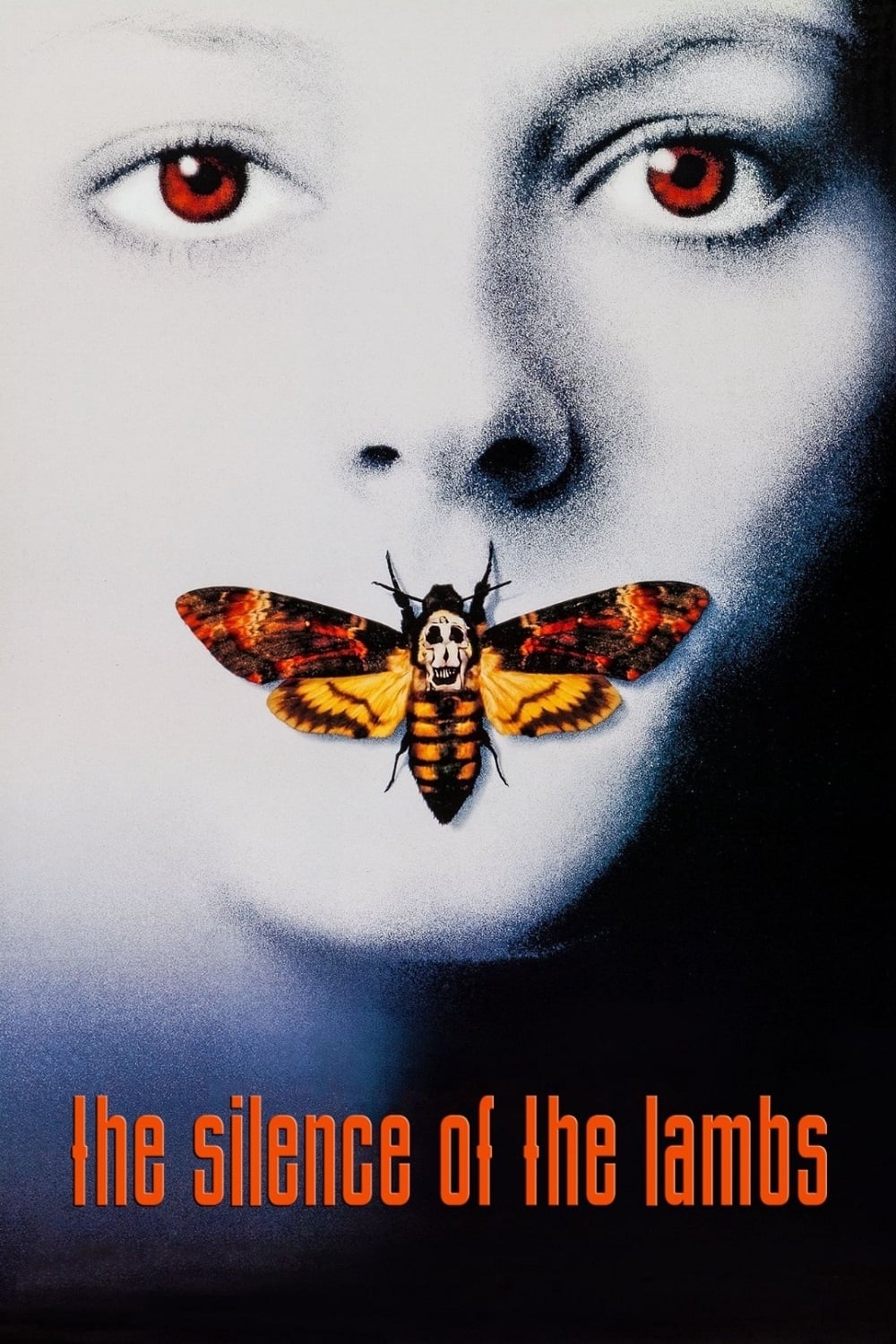
Hannibal Lecter appears on screen for less than twenty minutes of the total runtime. Anthony Hopkins earned an Oscar for a performance that defined the sophisticated cannibal for generations. Most people remember his chilling voice and the specific mentions of fava beans and wine. The actual procedural investigation involving Buffalo Bill is frequently secondary in retrospective reviews. The character has become a cultural icon that transcends the specific details of the FBI manhunt.
‘Fight Club’ (1999)
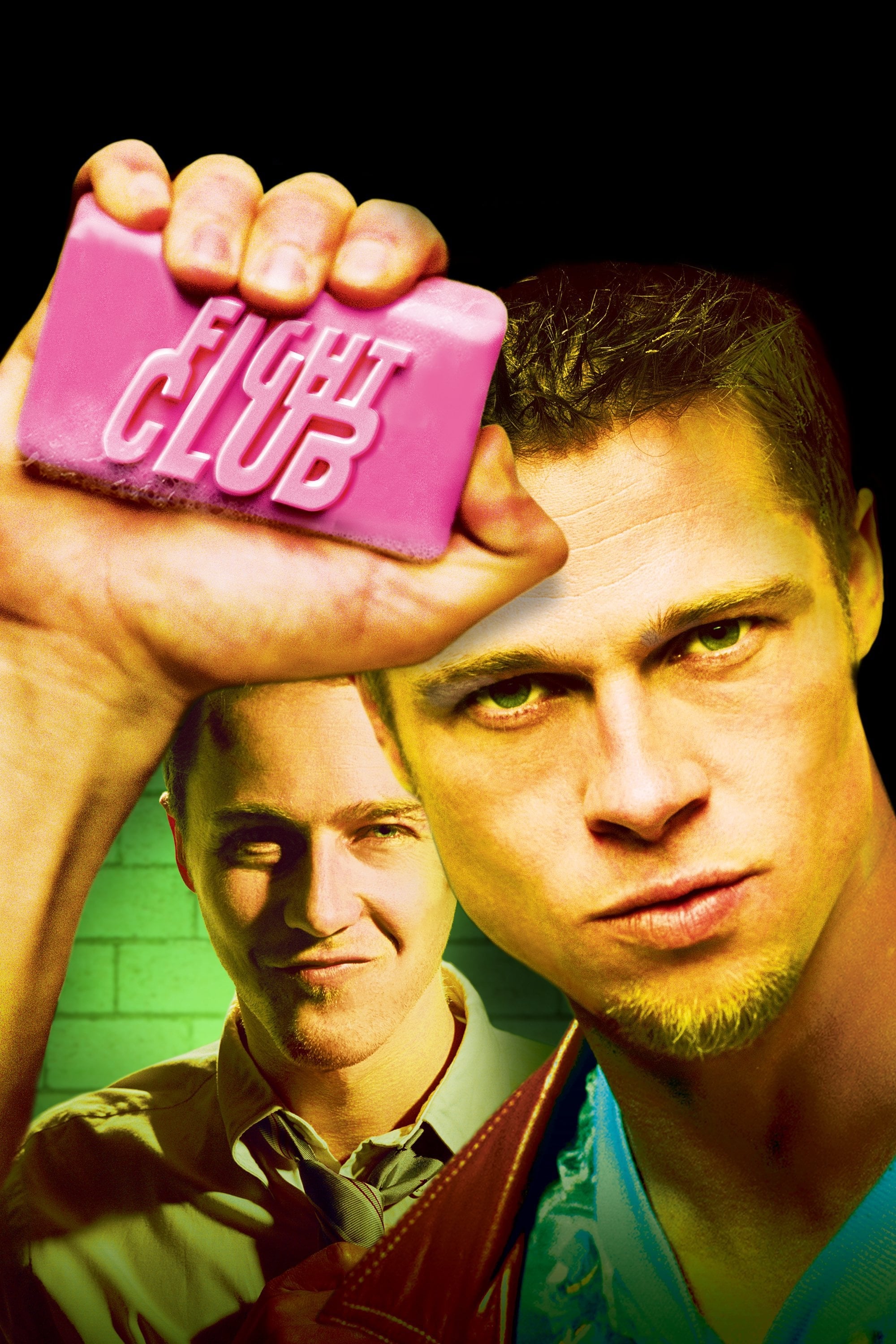
The character Tyler Durden became a cultural phenomenon following the release of the film ‘Fight Club’ in 1999. Brad Pitt played the charismatic figure who represents a rebellion against consumerist society. While the movie features a significant plot twist the focus of public discussion usually remains on Tyler’s philosophy and style. His rules and speeches are widely quoted by fans who may not fully recall the details of the Project Mayhem operations. The character has grown to be more recognizable than the narrative structure of the film itself.
‘American Psycho’ (2000)

Patrick Bateman is a wealthy investment banker who obsesses over his appearance and social standing. Christian Bale delivered a performance that made the character a symbol of shallow consumer culture and narcissism. While the plot follows a series of possible murders and a descent into madness most discussions center on Bateman’s morning routine. His monologues about pop music and business cards have become more famous than the ambiguity of the ending. The character remains a primary subject of internet memes and social commentary today.
‘Taxi Driver’ (1976)
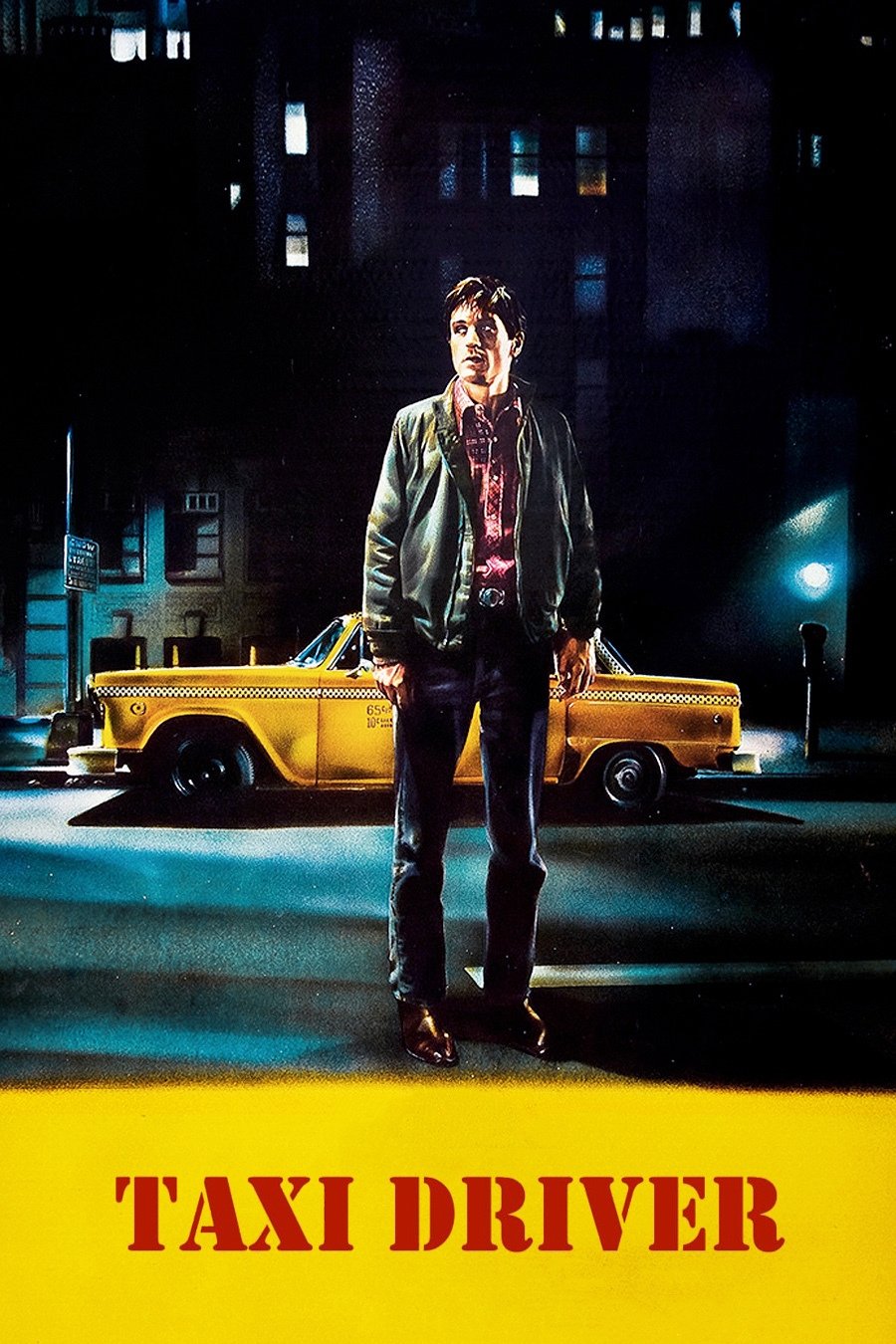
Travis Bickle is a lonely veteran who works as a night shift driver in a decaying New York City. Robert De Niro delivered a performance that is best known for the improvised mirror scene and the famous line about talking to oneself. The character represents a descent into isolation and radicalization that sparked intense public debate. While the film has a clear plot involving a political campaign and a rescue mission the focus remains on Travis’s mental state. This individual has become the primary lens through which the entire movie is viewed and discussed.
‘A Clockwork Orange’ (1971)
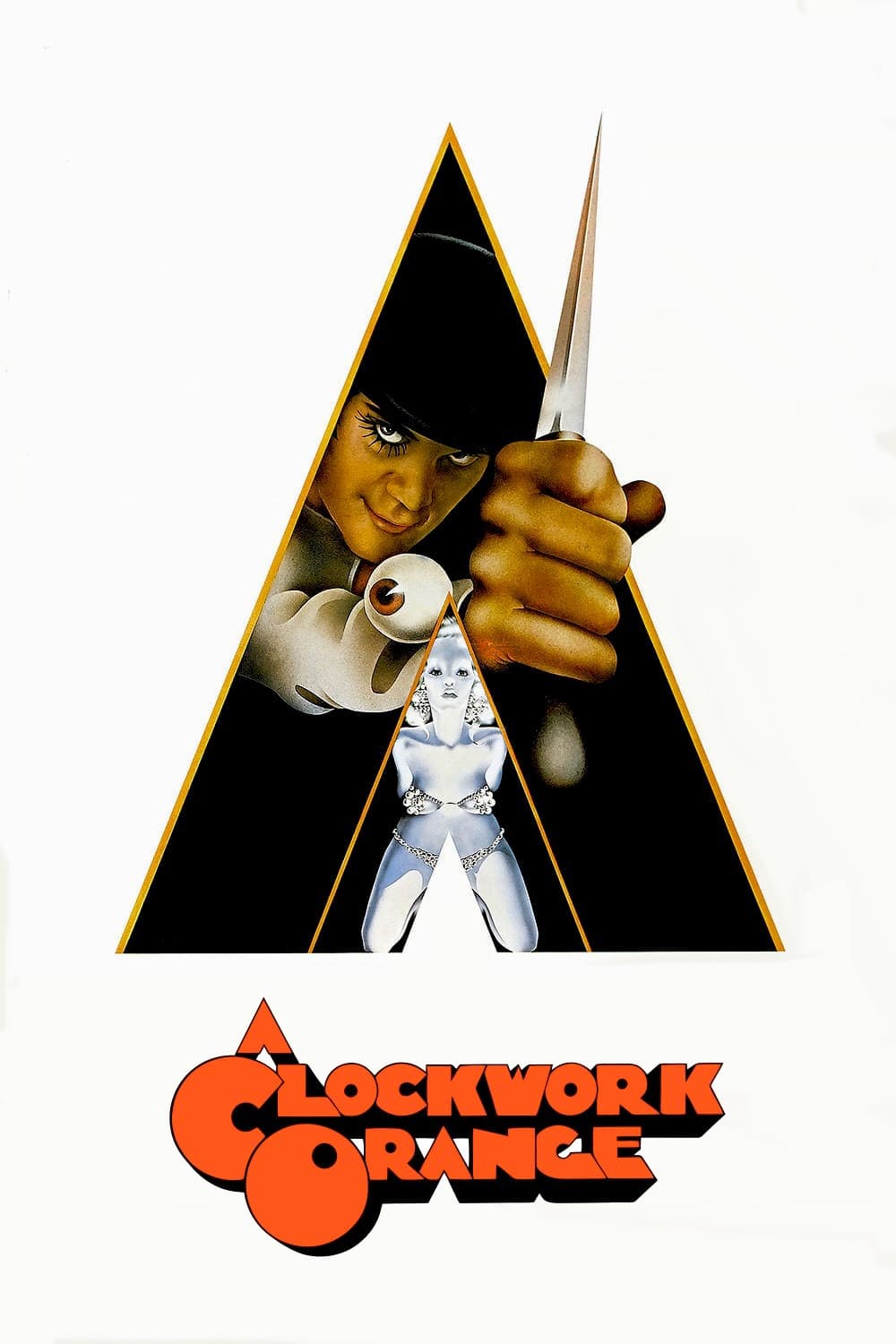
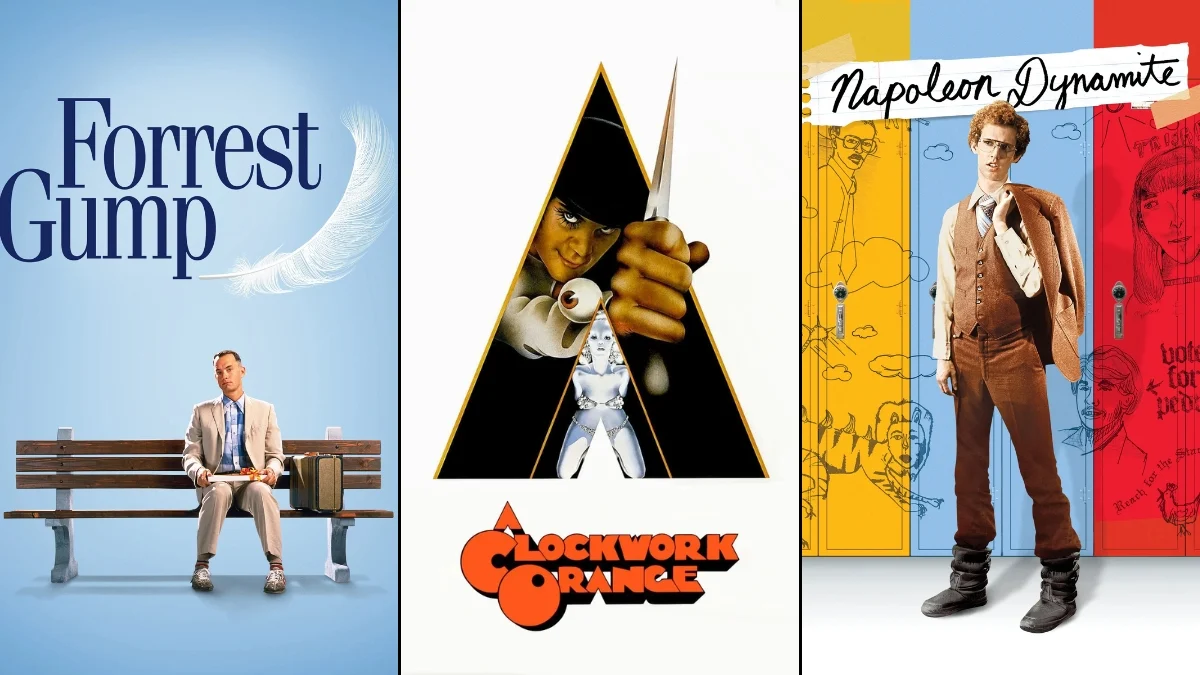
Alex DeLarge is the violent protagonist who leads a gang of criminals in a dystopian future. The visual of his single fake eyelash and bowler hat has become a common reference in art and fashion. ‘A Clockwork Orange’ explores themes of free will and state control through the lens of his rehabilitation. Many people can identify the character immediately even if they are unfamiliar with the experimental narrative style. The character’s distinctive look and behavior have ensured his place in pop culture history.
‘No Country for Old Men’ (2007)
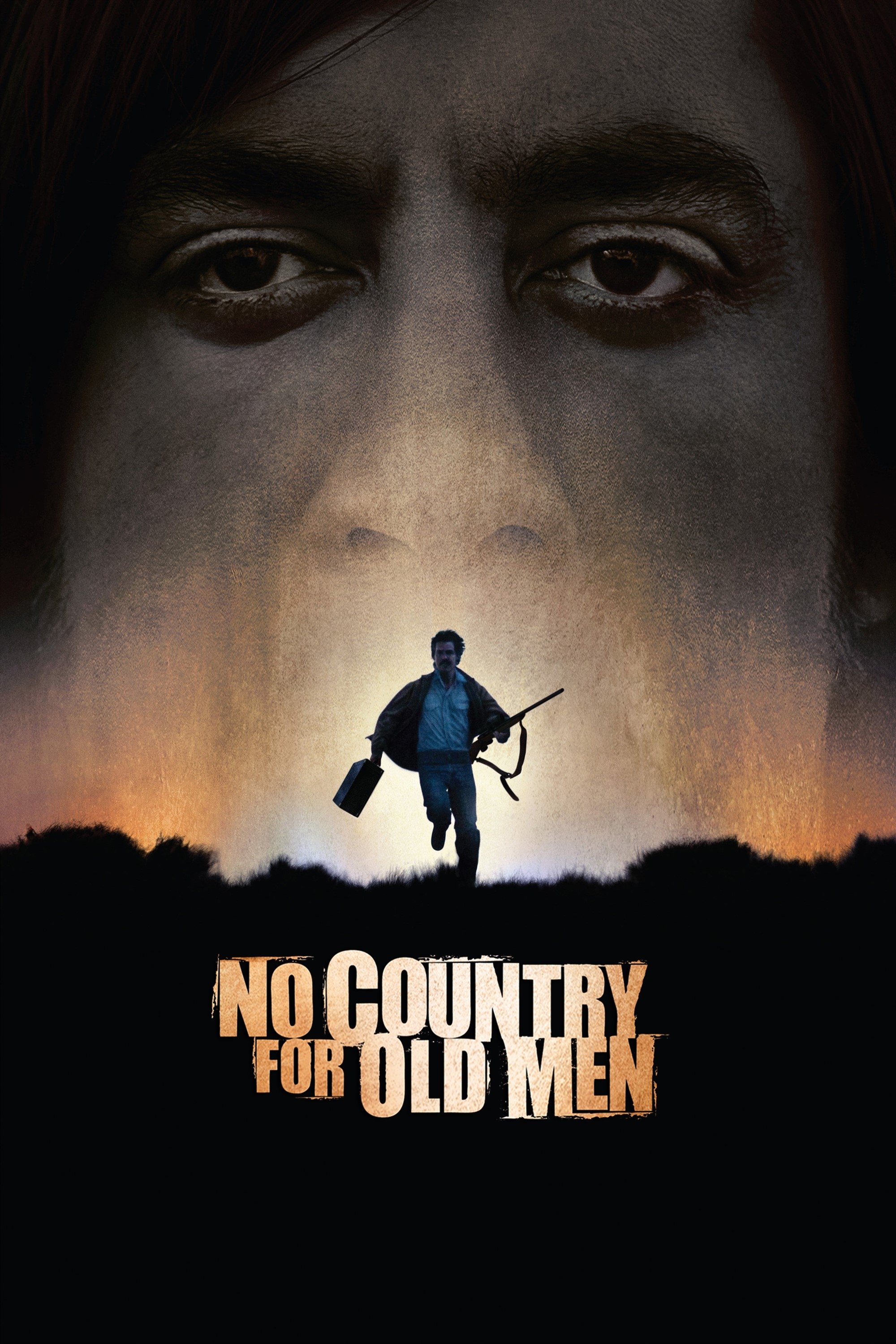
Anton Chigurh is frequently cited as one of the most terrifying villains in cinematic history. Javier Bardem won an Oscar for his portrayal of the hitman who uses a coin toss to decide the fate of his victims. While the movie is a tense chase across Texas the character of Chigurh is the element that most viewers remember. His unusual hairstyle and his unique weapon of choice are common topics in movie trivia. The philosophical nature of the character often takes precedence over the specific details of the missing money.
‘Breakfast at Tiffany’s’ (1961)

Audrey Hepburn as Holly Golightly created one of the most enduring images in Hollywood history. The sight of her in a black dress with pearls is recognizable to millions of people who have never watched the film. The story involves a young woman navigating life in New York City while being supported by wealthy men. Most discussions focus on the fashion and the elegant lifestyle depicted rather than the emotional core of the narrative. This character has become a symbol of chic sophistication that exists independently of the original plot.
‘Scarface’ (1983)

The character of Tony Montana is a staple of pop culture often appearing on posters and in music lyrics. Al Pacino delivered a high energy performance that defined the rise and fall of a fictional drug lord. People frequently reference his famous catchphrases and his violent final stand in the mansion. The intricate details of his business dealings are usually less discussed than his aggressive personality. This has led to the character becoming a symbol of ambition and excess regardless of the movie narrative.
‘The Shining’ (1980)
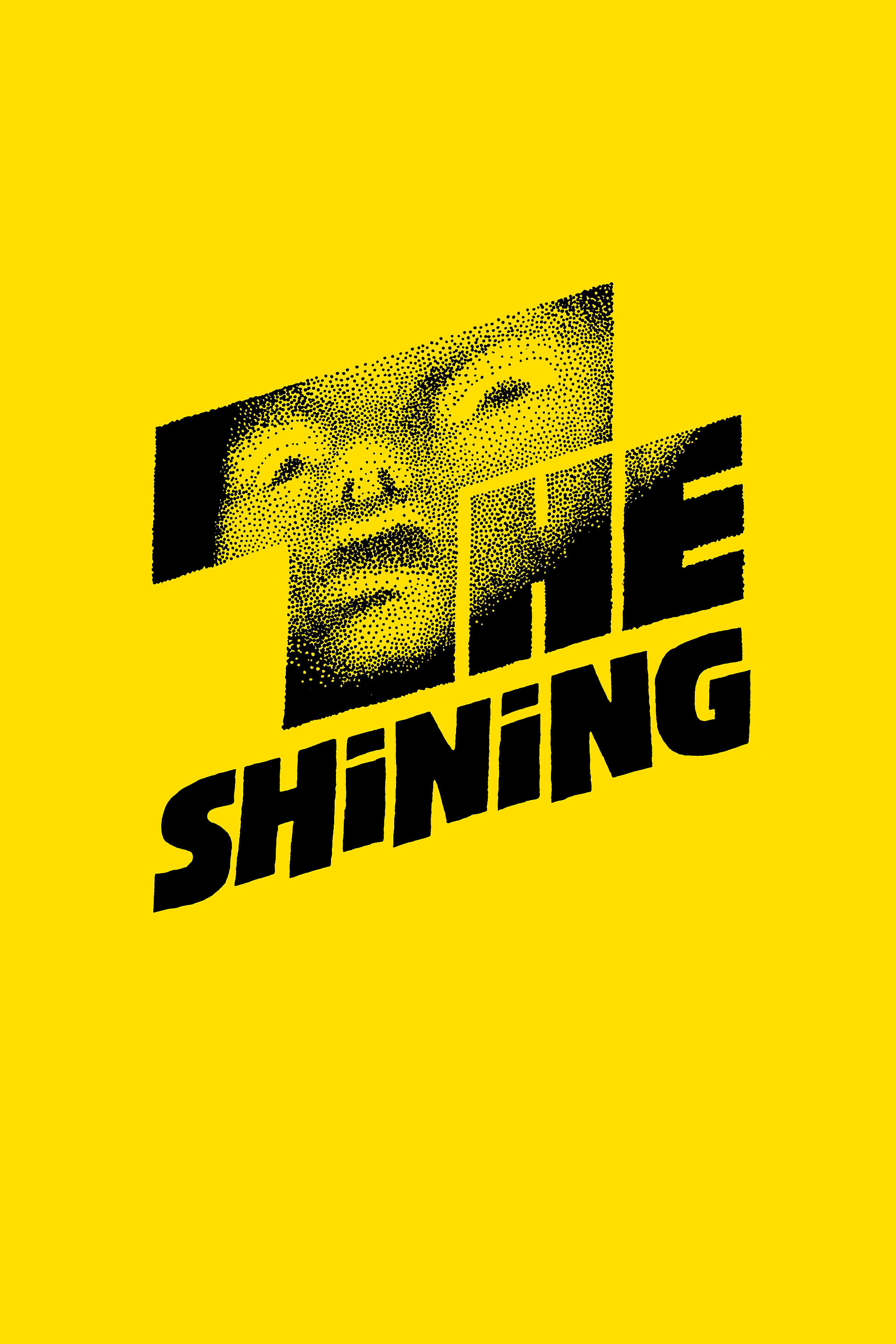
Jack Torrance is the frustrated writer who slowly loses his mind while staying at a remote hotel. Jack Nicholson gave a performance that is defined by intense facial expressions and the famous line delivered through a broken door. While the plot involves supernatural elements and the history of the Overlook Hotel the focus is often on Jack’s personal breakdown. Many viewers can visualize the character’s madness without being able to explain the complex ending of the film. His image has become synonymous with the horror genre as a whole.
‘Mean Girls’ (2004)
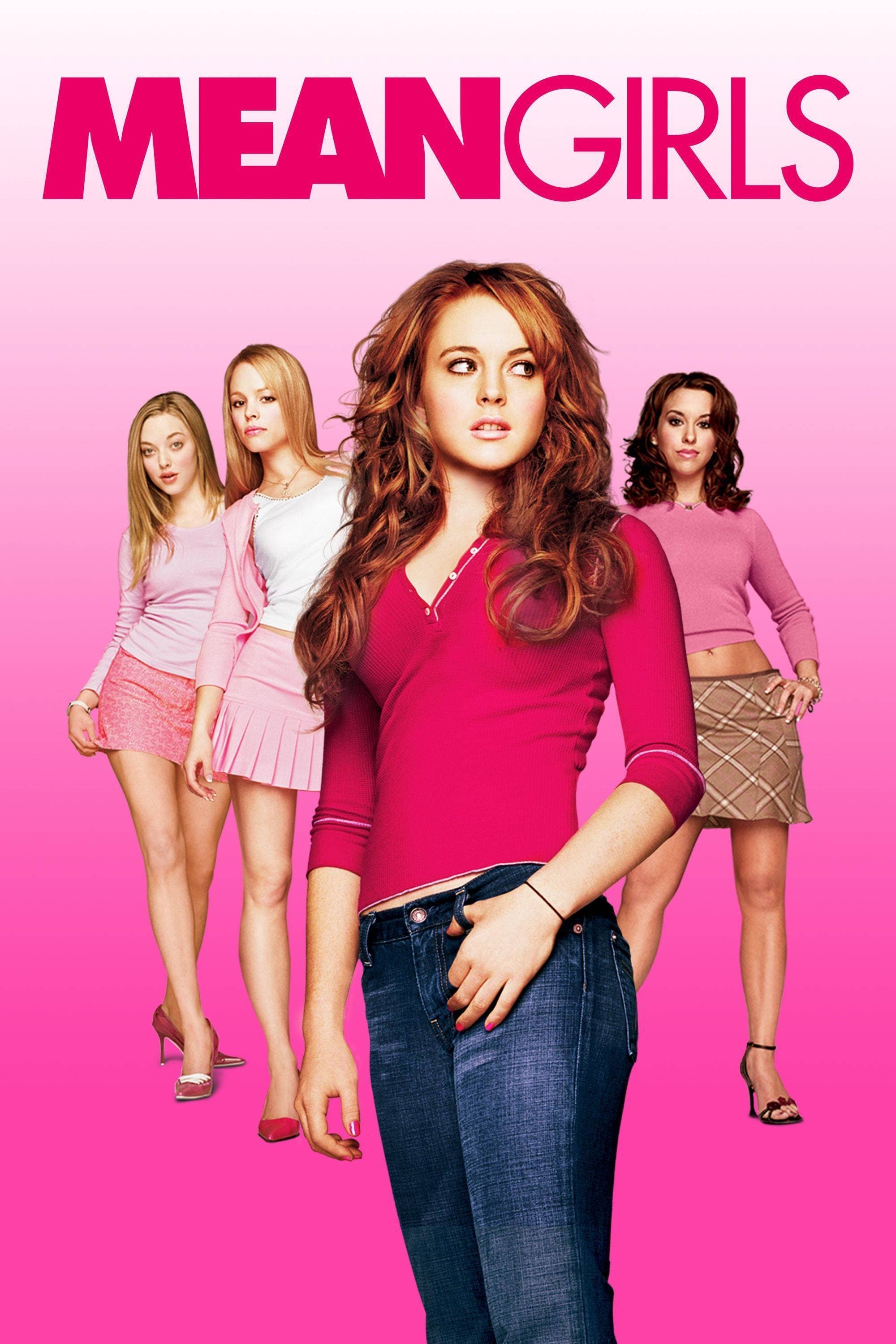
Regina George is widely considered one of the most influential high school antagonists in teen movie history. The character is known for her specific rules and her sharp dialogue that remains popular on social media. While the story focuses on Cady Heron the cultural impact of the plastics and their leader is the primary legacy. Many fans can recite every line Regina says without remembering the specific plot points of the mathlete competition. Her influence on fashion and modern slang continues to be a major topic of discussion among audiences.
‘The Devil Wears Prada’ (2006)
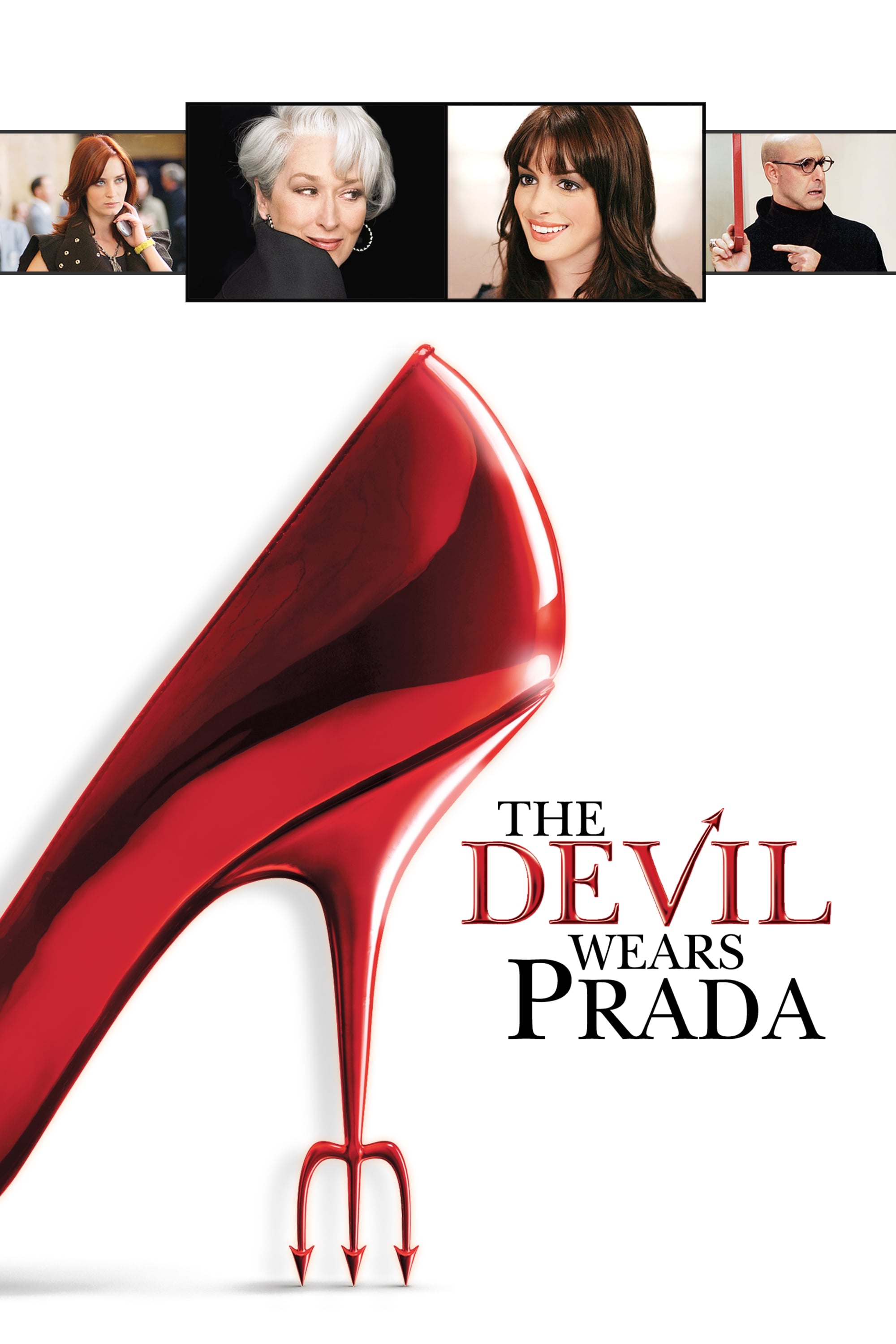
Meryl Streep received an Academy Award nomination for her role as the powerful fashion editor Miranda Priestly. The character is famous for her cold demeanor and her specific monologue about the color cerulean. While the movie follows the career path of Andy Sachs the presence of Miranda Priestly dominates every retrospective analysis. Many people reference the character as the definitive portrayal of a demanding boss in the workplace. The actual plot involving the professional growth of the protagonist often feels like a backdrop to Miranda’s scenes.
‘The Big Lebowski’ (1998)
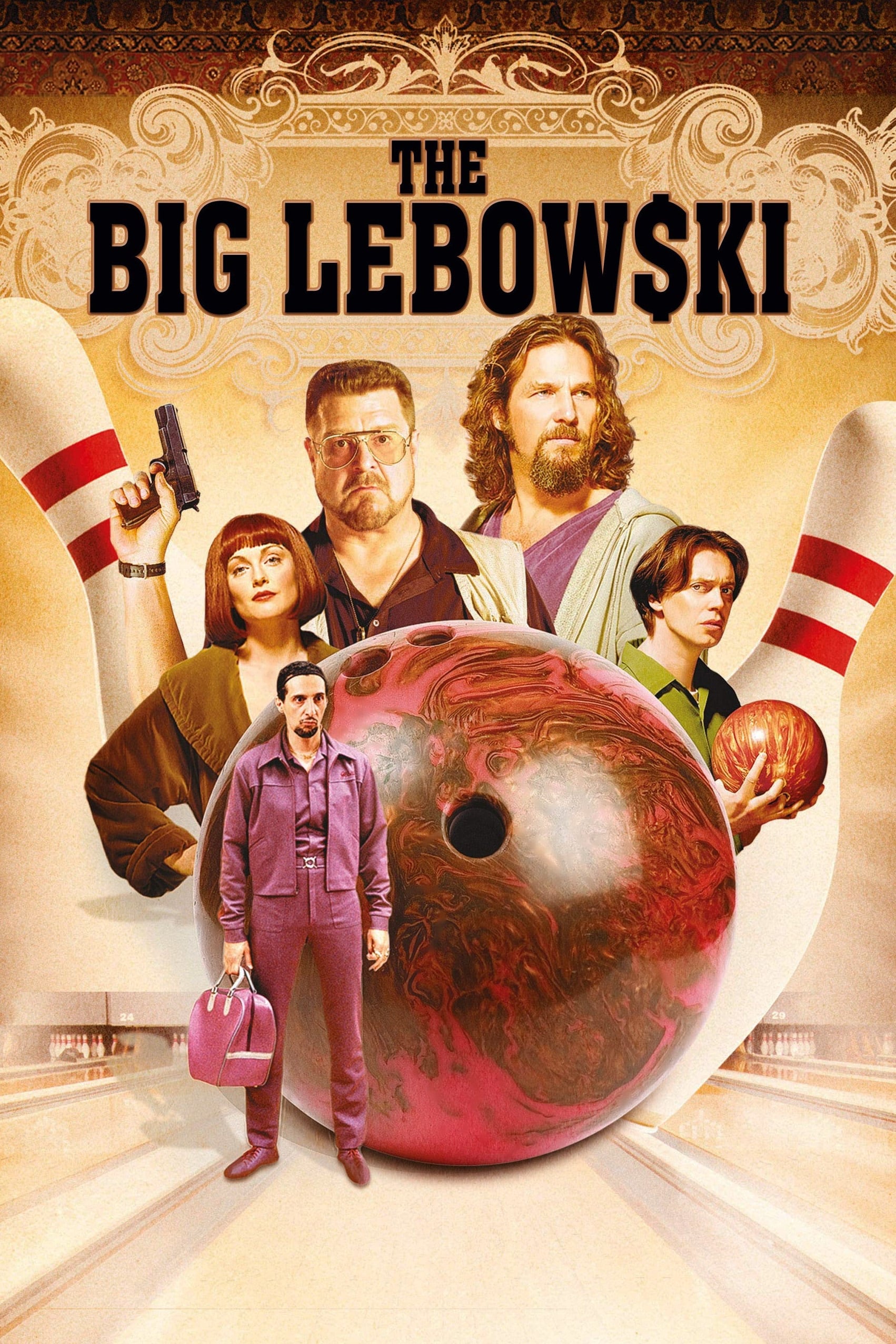
The character known as The Dude is a laid back bowler who becomes embroiled in a complex kidnapping case. Jeff Bridges played the role with a relaxed attitude that inspired a real world philosophy and lifestyle. While the plot is a parody of noir mysteries the actual mystery is rarely the focus of fan discussions. Most people talk about the character’s love for White Russians and his specific fashion choices. The Dude has become a cult icon whose personality is the entire draw of the film.
‘Psycho’ (1960)
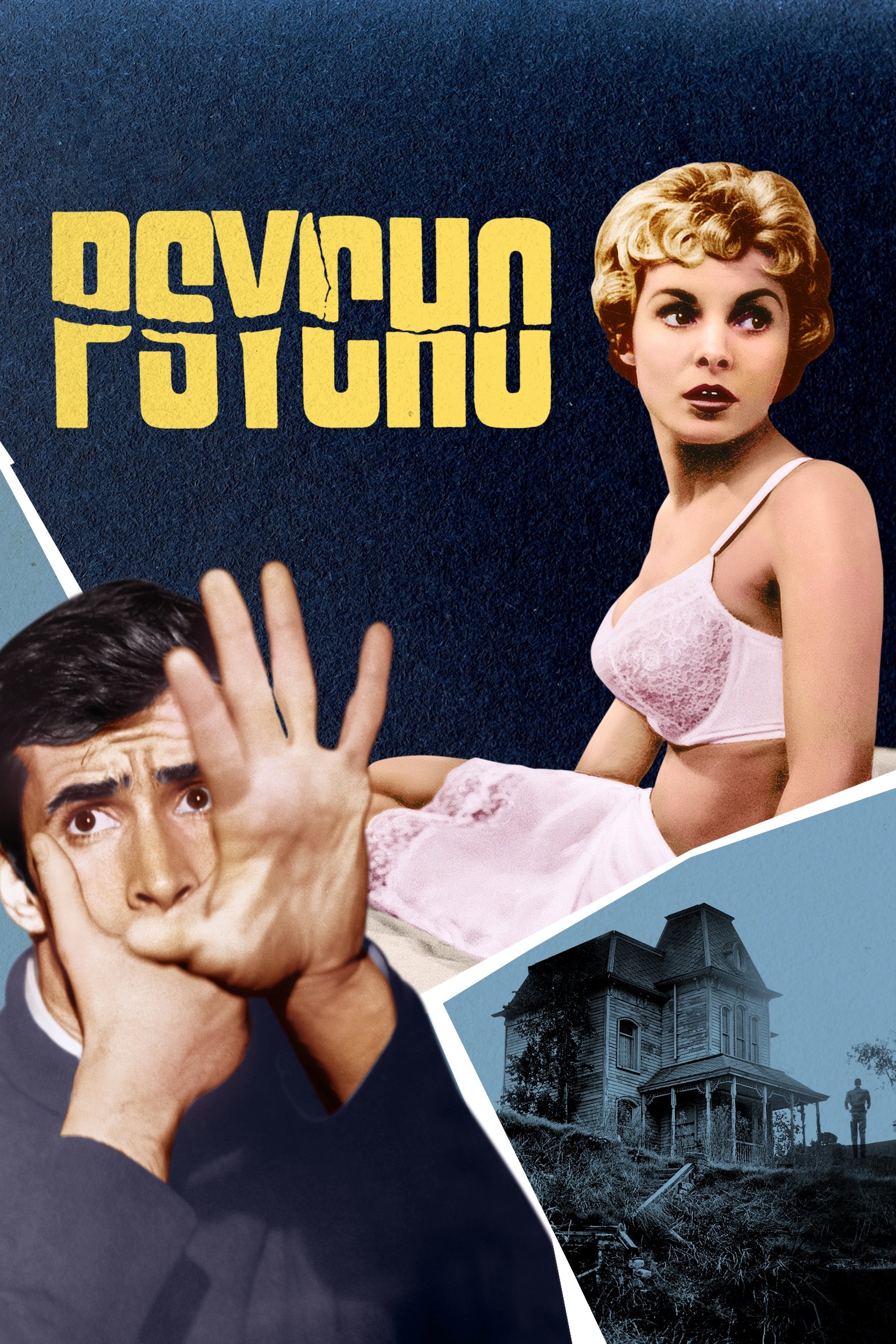
Norman Bates is the soft spoken hotel manager who hides a dark and murderous secret. Anthony Perkins created a performance that remains the standard for psychological horror characters. The shower scene is one of the most famous sequences in film history and is often discussed as a standalone piece of art. Most viewers remember the character and the final twist without focusing on the earlier embezzling plot. Norman Bates has become a permanent fixture in the horror genre regardless of the specific details of the story.
‘Forrest Gump’ (1994)
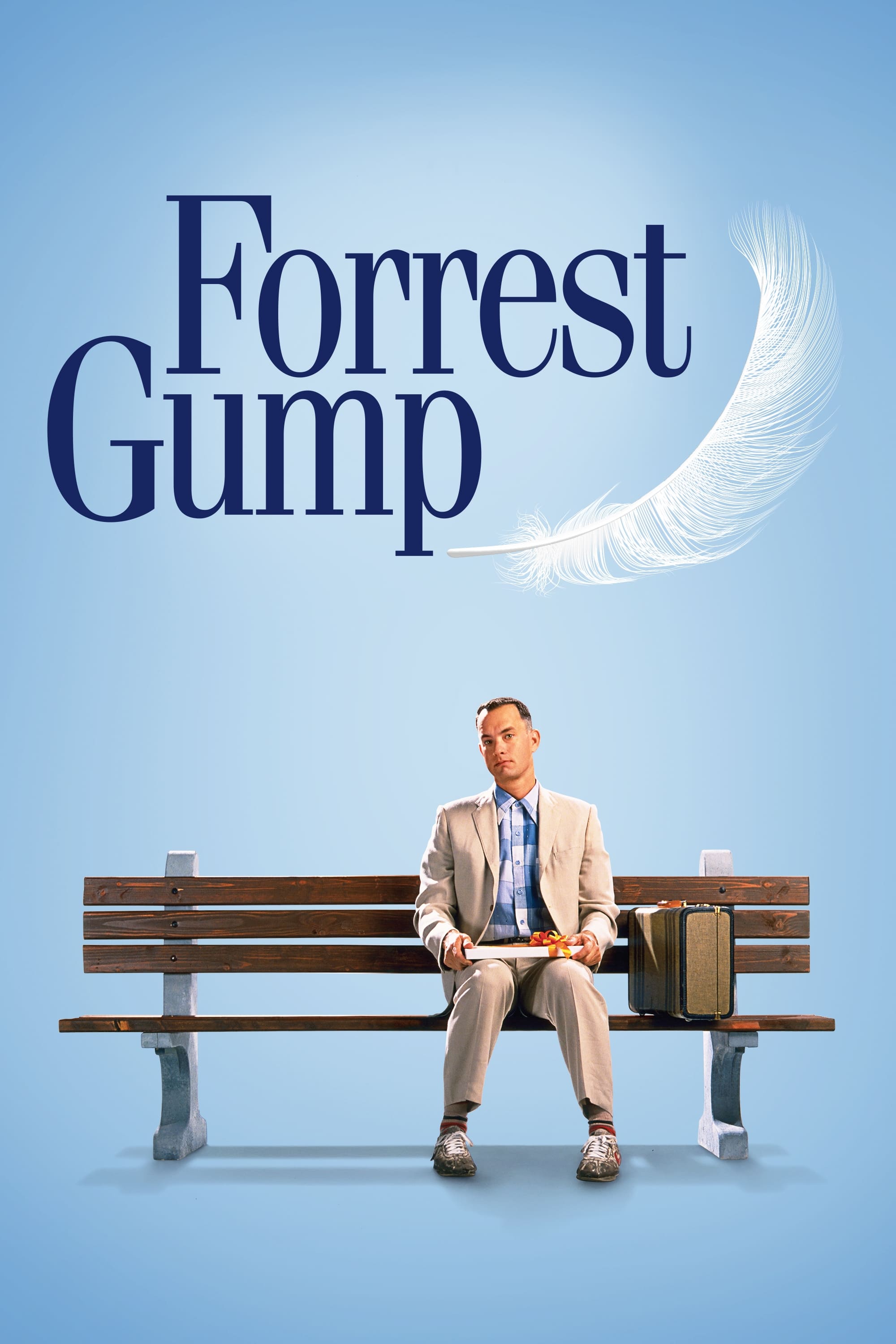
Forrest Gump is a simple man who unintentionally finds himself at the center of major historical events. Tom Hanks won an Academy Award for a performance that made the character a beloved figure around the world. People frequently quote his sayings about life and chocolate while the specific political history in the background is less analyzed. The character’s innocent perspective and his extraordinary journey are the primary focus of the movie’s legacy. He has become a symbol of perseverance and goodness that exists apart from the narrative timeline.
‘Willy Wonka & the Chocolate Factory’ (1971)
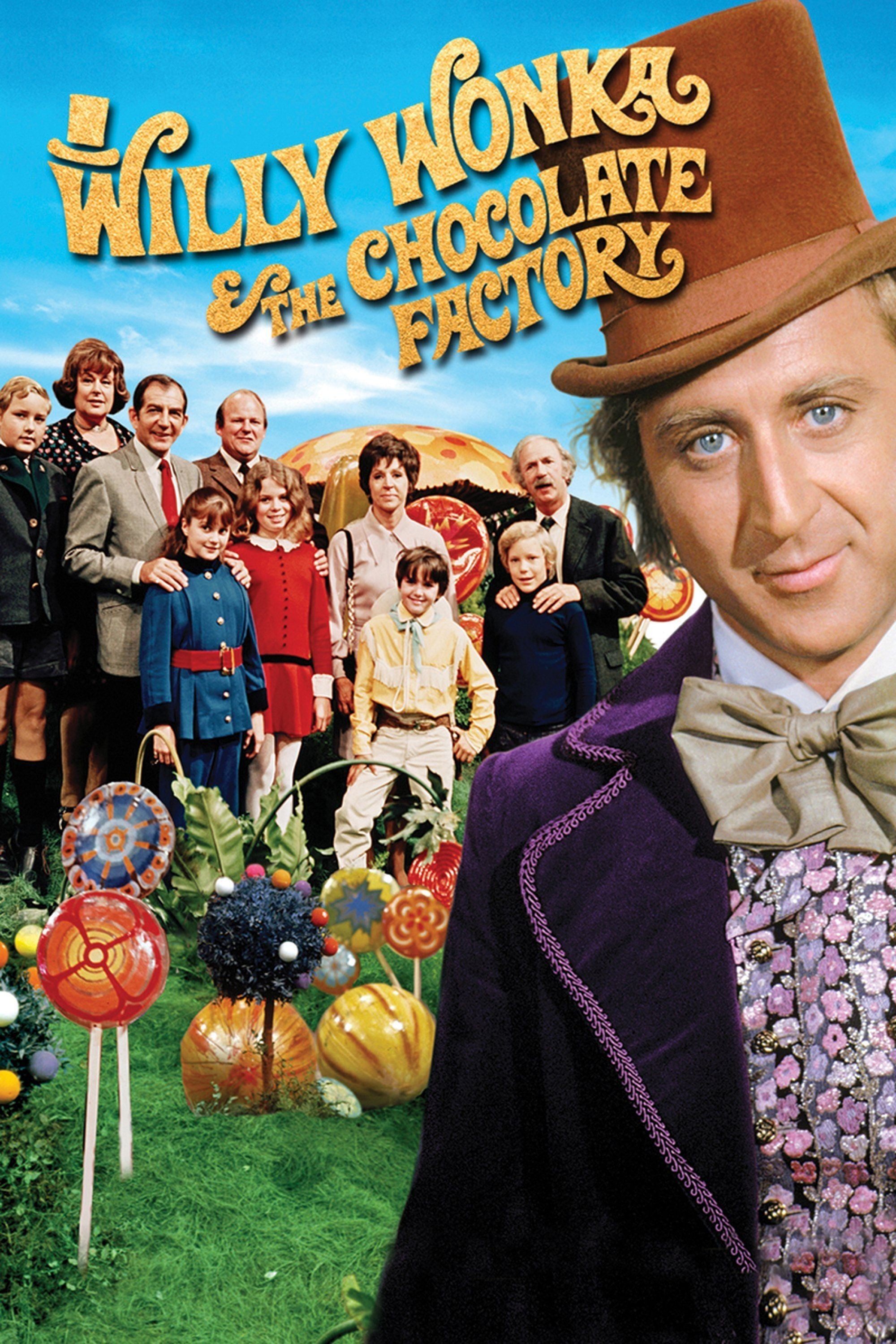
Gene Wilder became synonymous with the character of Willy Wonka through his eccentric and unpredictable performance. Fans often quote his songs and whimsical remarks while the actual factory tour details fade into the background. The character has inspired multiple iterations and memes that focus on his personality rather than the moral lessons of the story. His colorful outfit and mysterious demeanor remain more famous than the specific fates of the other children. This portrayal highlights how a strong central figure can become the entire identity of a production.
‘A Nightmare on Elm Street’ (1984)
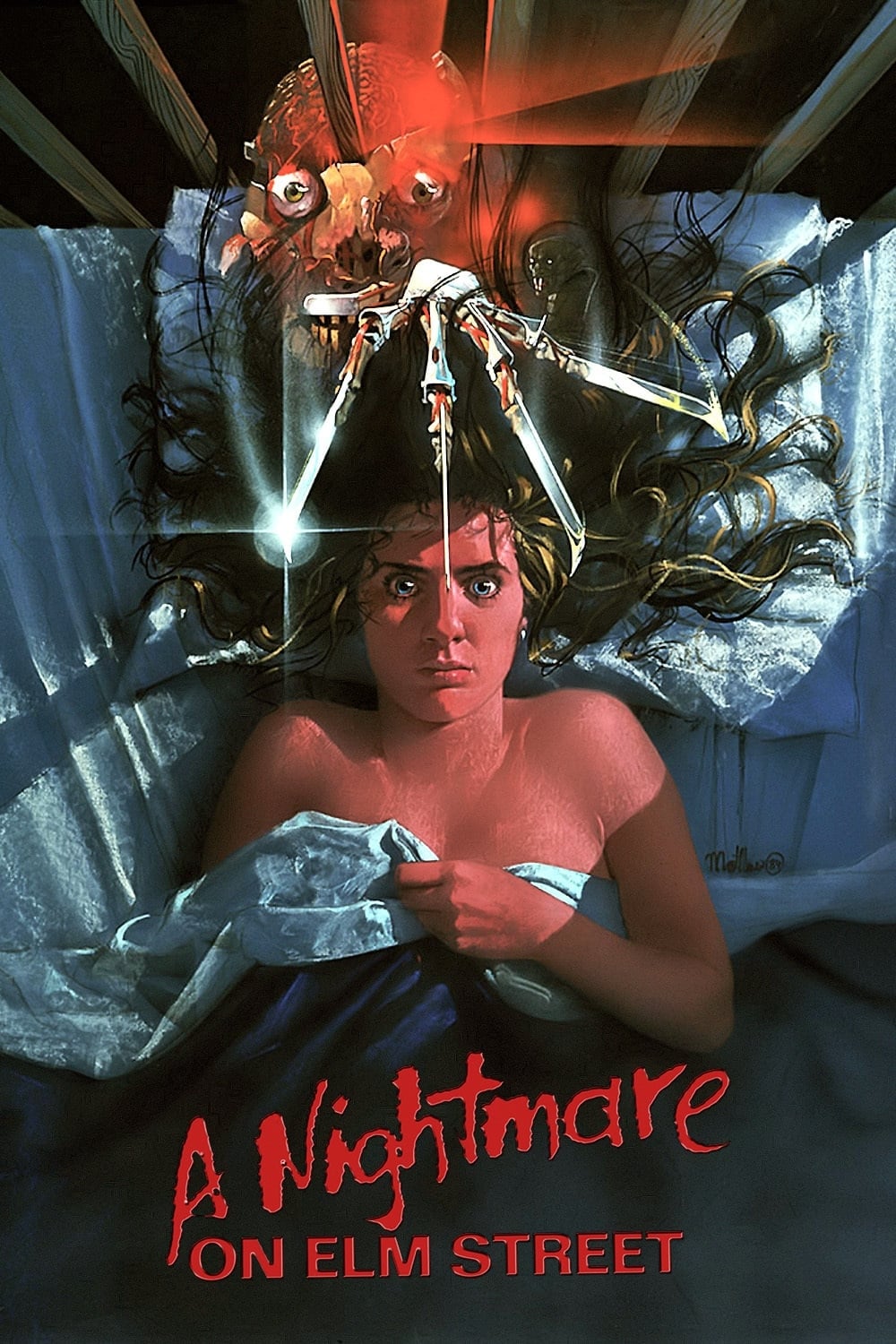
Freddy Krueger is the dream haunting killer with a burnt face and a glove of razor sharp blades. Robert Englund created a horror icon that became famous for his dark sense of humor and creative kills. While the original film is a serious slasher movie the character eventually became a pop culture figure who appeared on consumer products. Most discussions focus on his appearance and his ability to manipulate dreams rather than the plot of the teenagers trying to stay awake. He remains one of the most recognizable faces in the history of the horror genre.
‘Beetlejuice’ (1988)
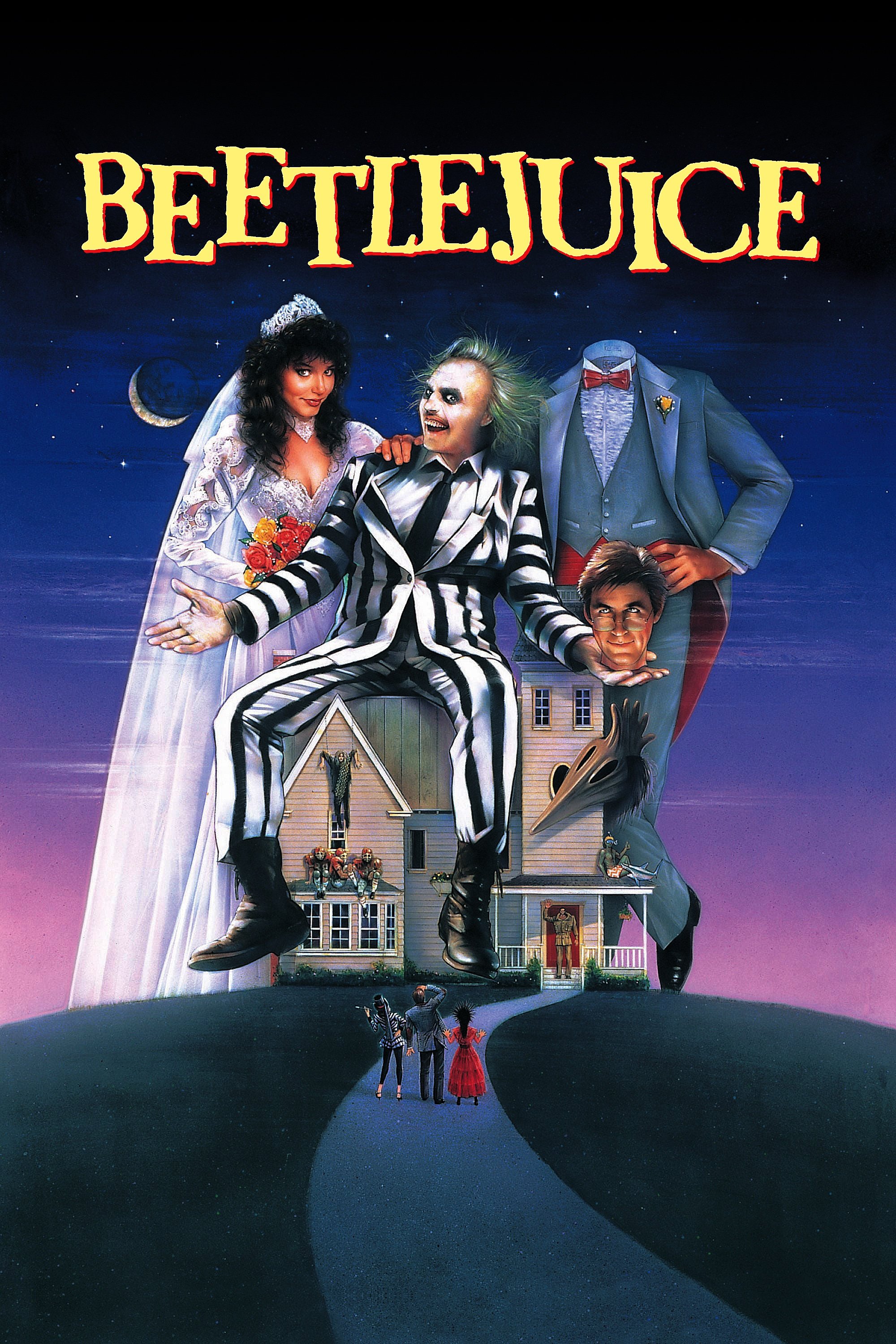
The character of Beetlejuice only appears on screen for about seventeen minutes of the total runtime. Michael Keaton gave a manic performance as the bio exorcist that defined the visual style of the film. Most fans recall his wild hair and striped suit rather than the specific plight of the deceased Maitlands. The character is so charismatic that he became the face of a cartoon series and a stage musical. His name and personality have completely overtaken the narrative focus of the original 1988 movie.
‘V for Vendetta’ (2005)

The character V wears a Guy Fawkes mask that has become a global symbol for protest and resistance. Throughout the movie the protagonist remains hidden behind the mask while fighting against a totalitarian government. While the plot is a complex political thriller the visual of the mask is what people talk about most. The character’s dialogue and his adherence to his ideals are the main points of discussion in modern culture. This has allowed the image of V to persist long after the specific events of the film are forgotten by casual viewers.
‘The Addams Family’ (1991)
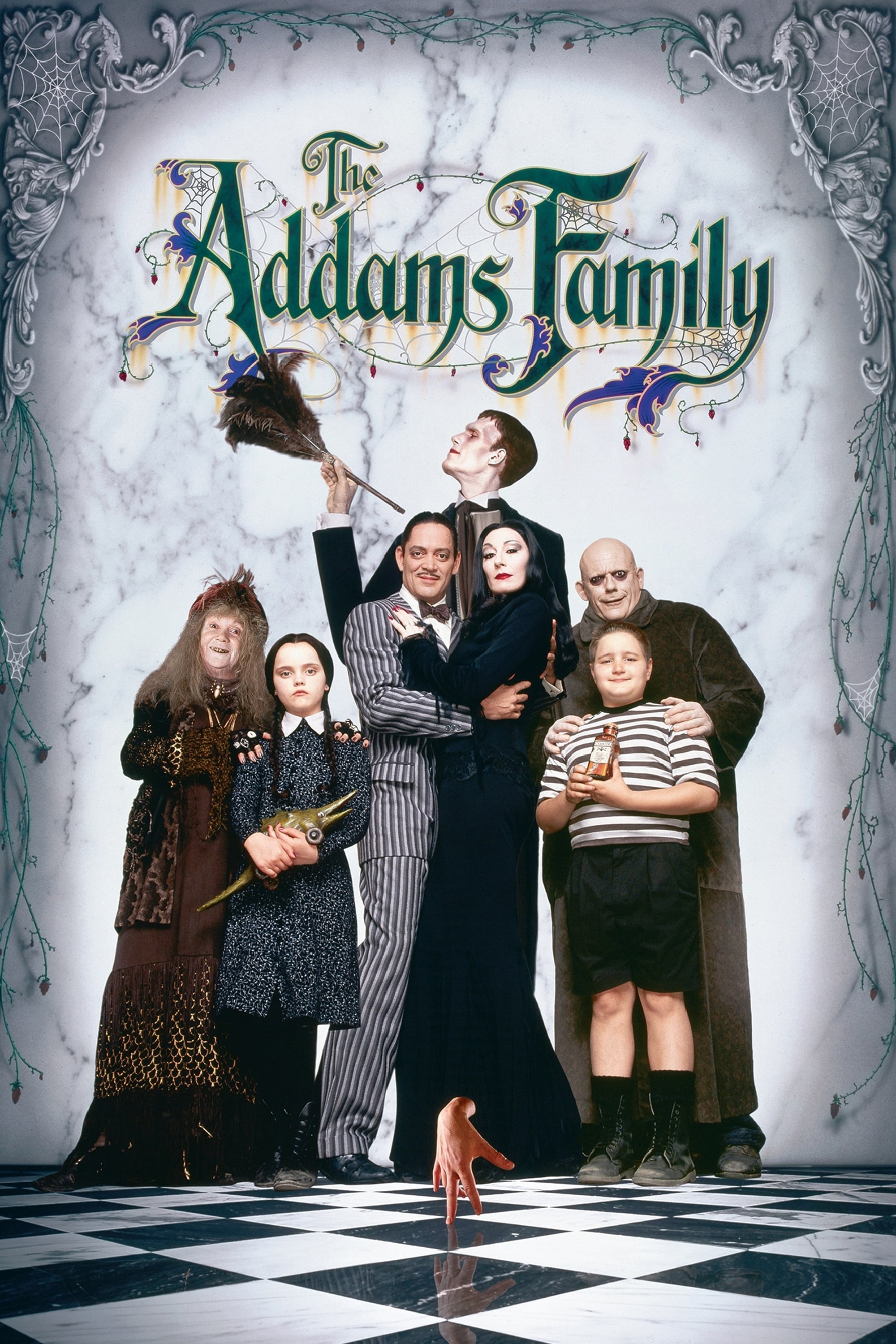
Wednesday Addams is the daughter of the macabre family whose deadpan delivery made her a breakout star. Christina Ricci portrayed the character in the 1991 film with a sense of dark humor that resonated with audiences. People often talk about her morbid interests and her iconic braids instead of the plot involving a long lost uncle. The character has since inspired her own television series and countless internet memes. Her personality has become the defining characteristic of the entire Addams family brand for many fans.
‘Donnie Darko’ (2001)
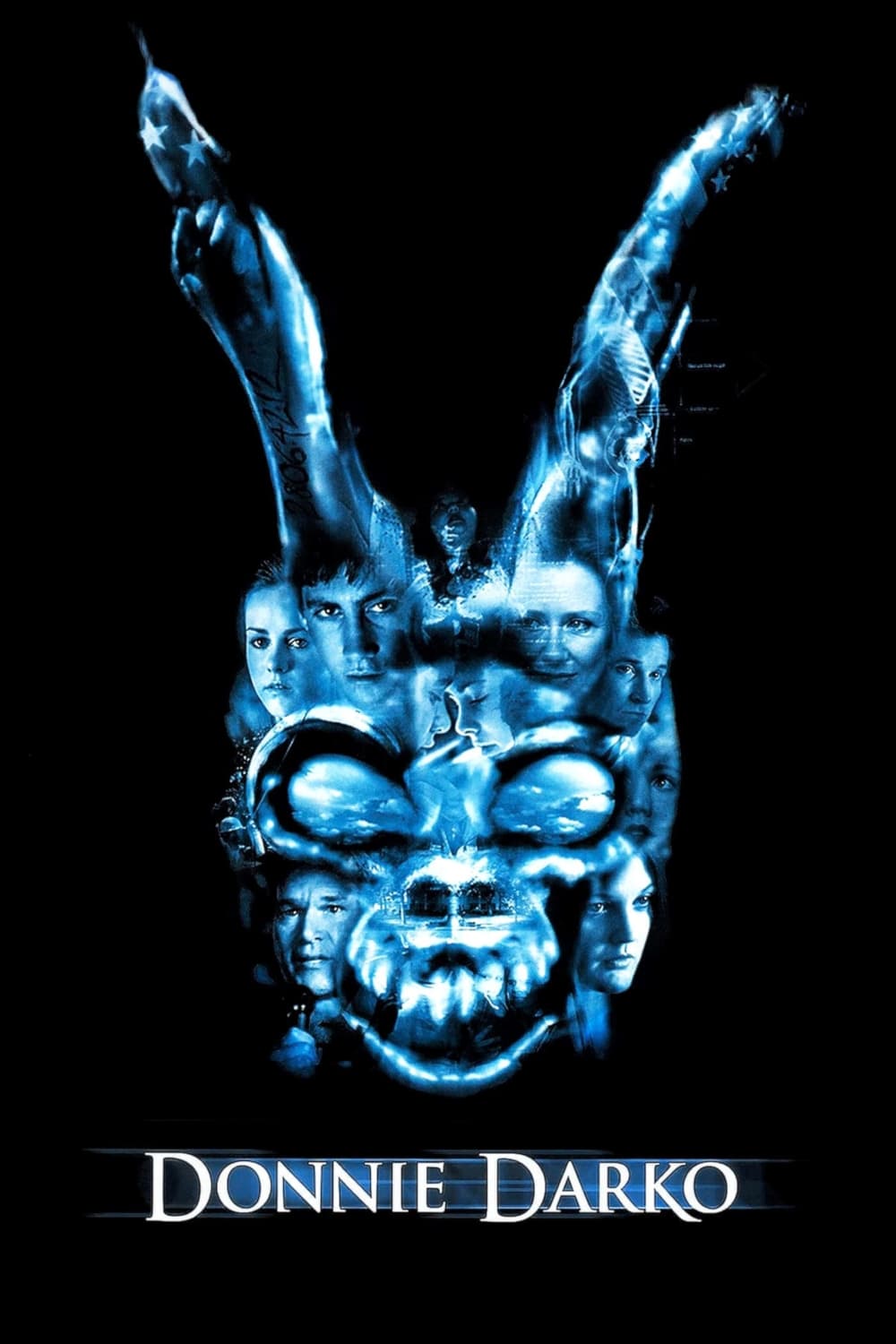
The character of Donnie Darko is a troubled teenager who experiences visions of a giant rabbit named Frank. This surreal figure has become a major topic of discussion for fans of cult cinema. While the plot involves time travel and complex scientific theories the focus is usually on the mysterious nature of Donnie himself. The film is often categorized by its atmosphere and the unsettling appearance of the rabbit mascot. Many viewers find the character more memorable than the dense and confusing narrative structure.
‘Se7en’ (1995)
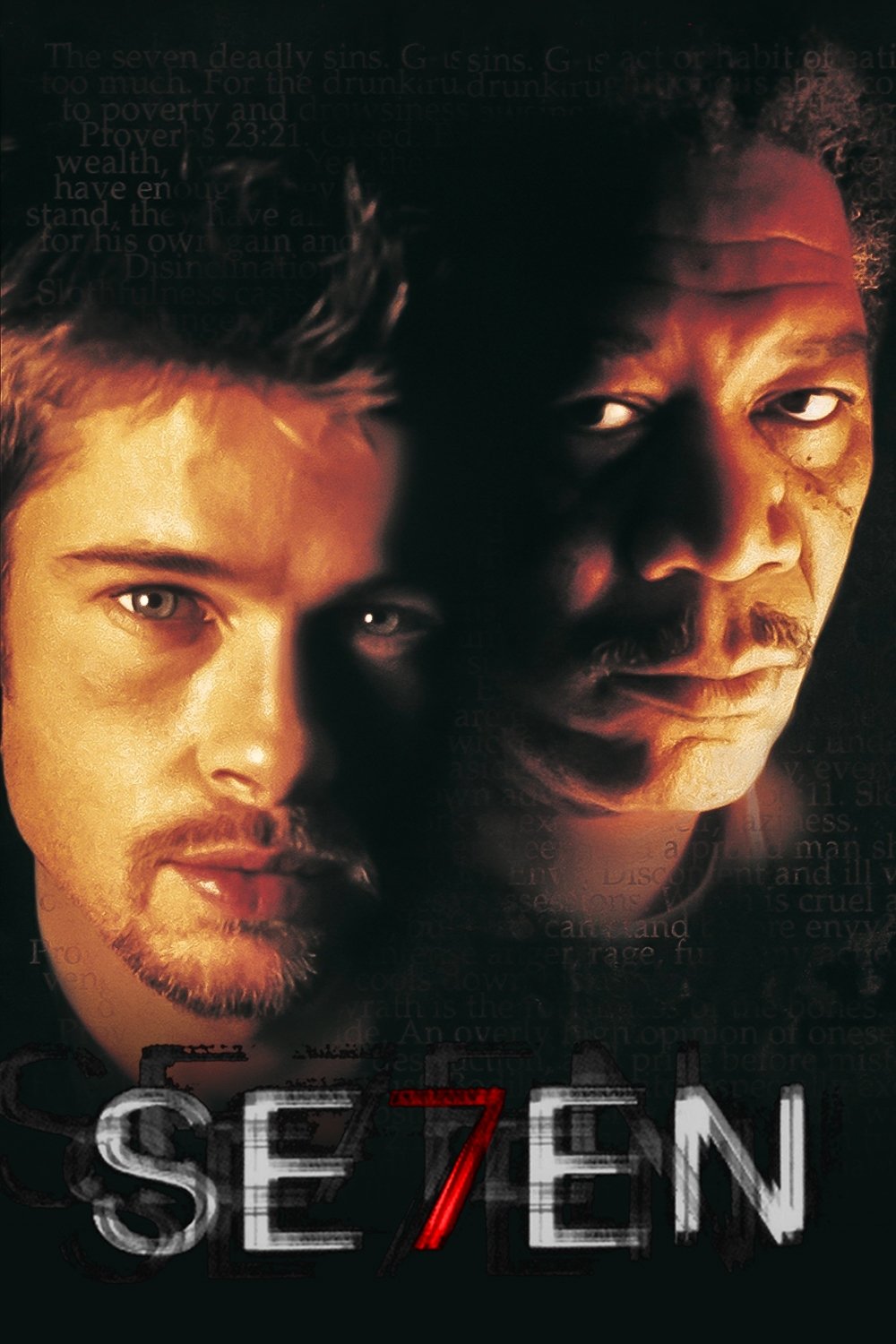
The film ‘Seven’ is famous for its shocking ending involving a delivery box. Most discussions revolve around the mystery of what is inside that box and the killer known as John Doe. While the plot follows a detailed investigation of the seven deadly sins the final confrontation is what persists in popular culture. Brad Pitt and Morgan Freeman give strong performances as detectives but the shadow of the unseen antagonist looms largest. Many viewers remember the emotional climax without recalling the specific details of the earlier murders.
‘Basic Instinct’ (1992)
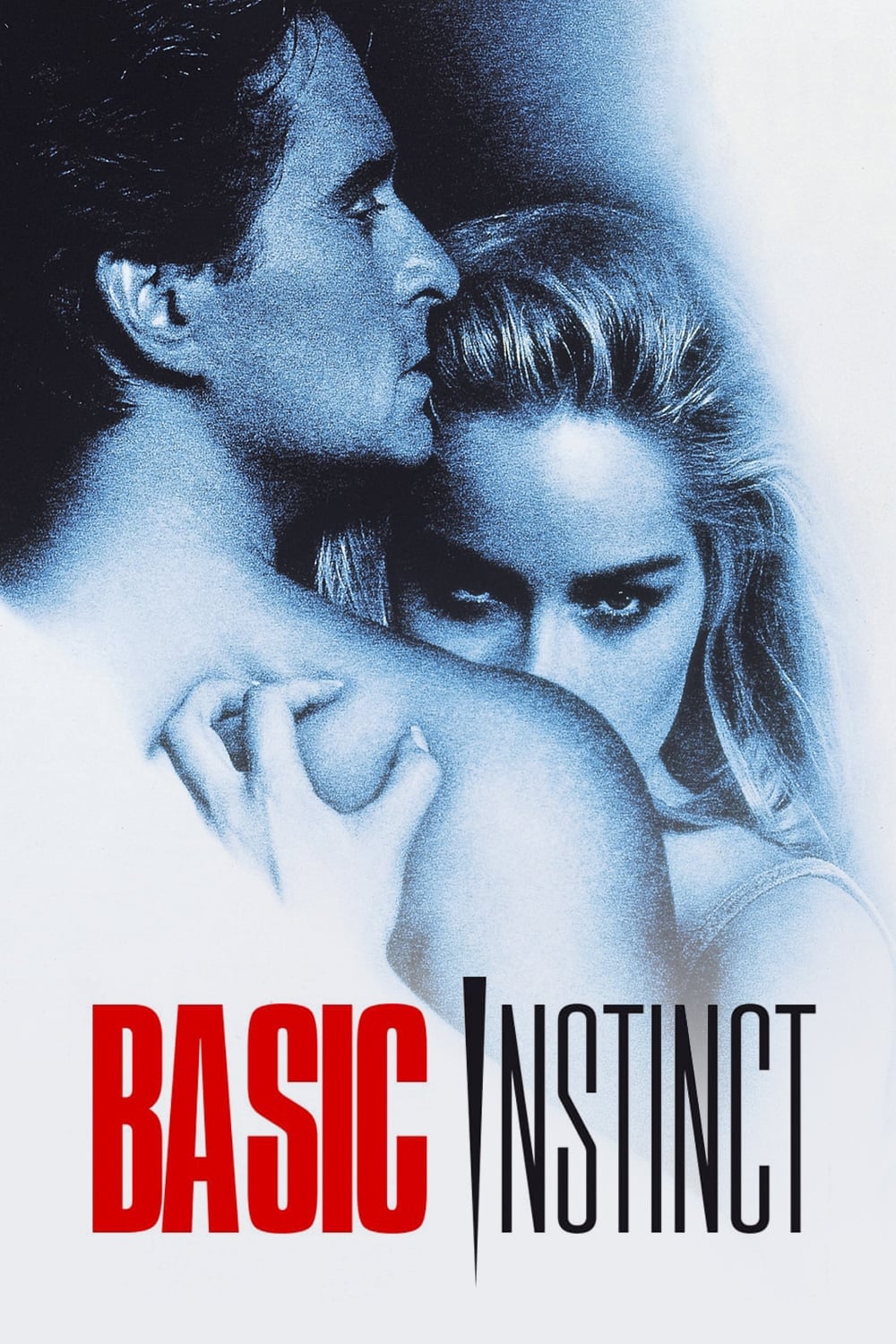
Catherine Tramell is the manipulative author who becomes the primary suspect in a high profile murder case. Sharon Stone became a major star following her performance which included one of the most paused scenes in movie history. The character is known for her intelligence and her ability to outsmart the detectives who are pursuing her. While the film is a neo noir thriller the cultural conversation usually centers on the interrogation scene. Catherine Tramell has remained a symbol of the femme fatale archetype in modern cinema.
‘Pulp Fiction’ (1994)
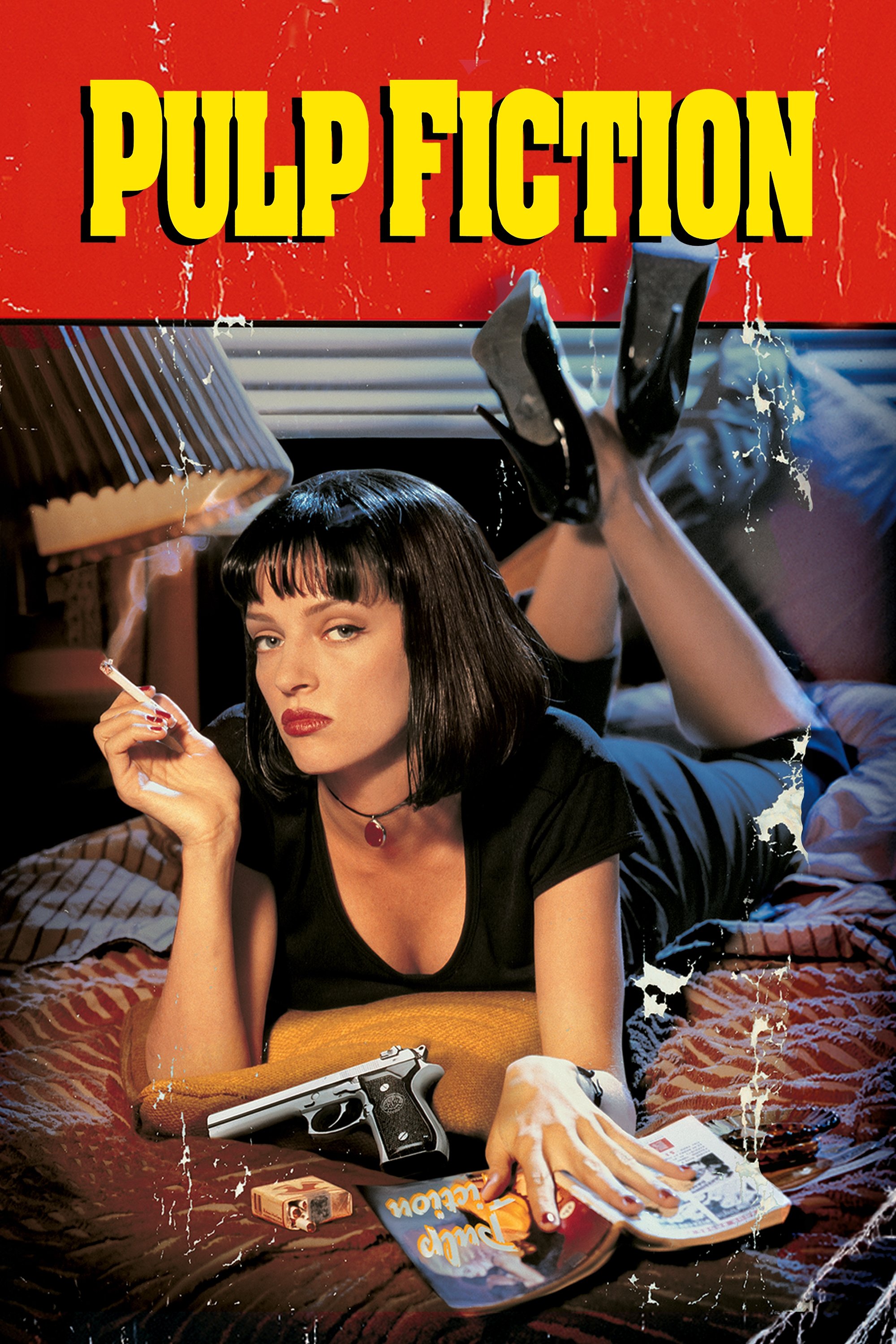
The characters Vincent Vega and Jules Winnfield are two hitmen whose casual conversations about food and culture are legendary. John Travolta and Samuel L. Jackson delivered performances that redefined how dialogue is used in crime movies. While the film features an intricate and non linear plot the specific interactions between these two men are the most discussed elements. Fans often quote their speeches and analyze their chemistry rather than the timeline of the story. These characters have become the face of independent cinema in the 1990s.
‘Napoleon Dynamite’ (2004)
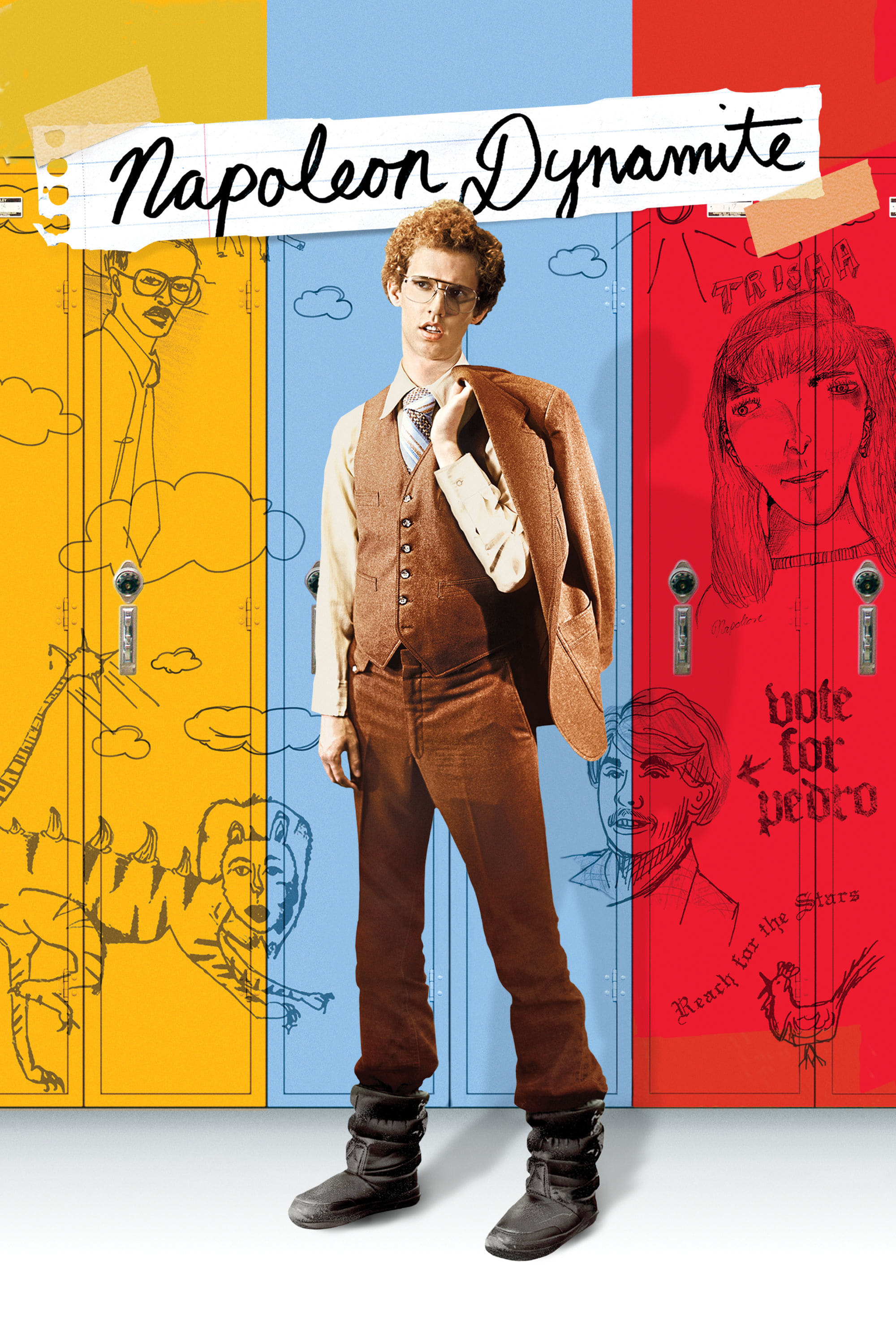
Napoleon Dynamite is an awkward teenager from Idaho whose unique style and dance moves became a cultural sensation. Jon Heder played the character with a specific voice and personality that fans loved to imitate. The movie is a low budget comedy that follows the daily lives of socially isolated students. Most people remember the dance sequence and the specific catchphrases rather than the actual storyline. The character’s cult status has far outlasted the simple plot of the 2004 film.
‘Ferris Bueller’s Day Off’ (1986)
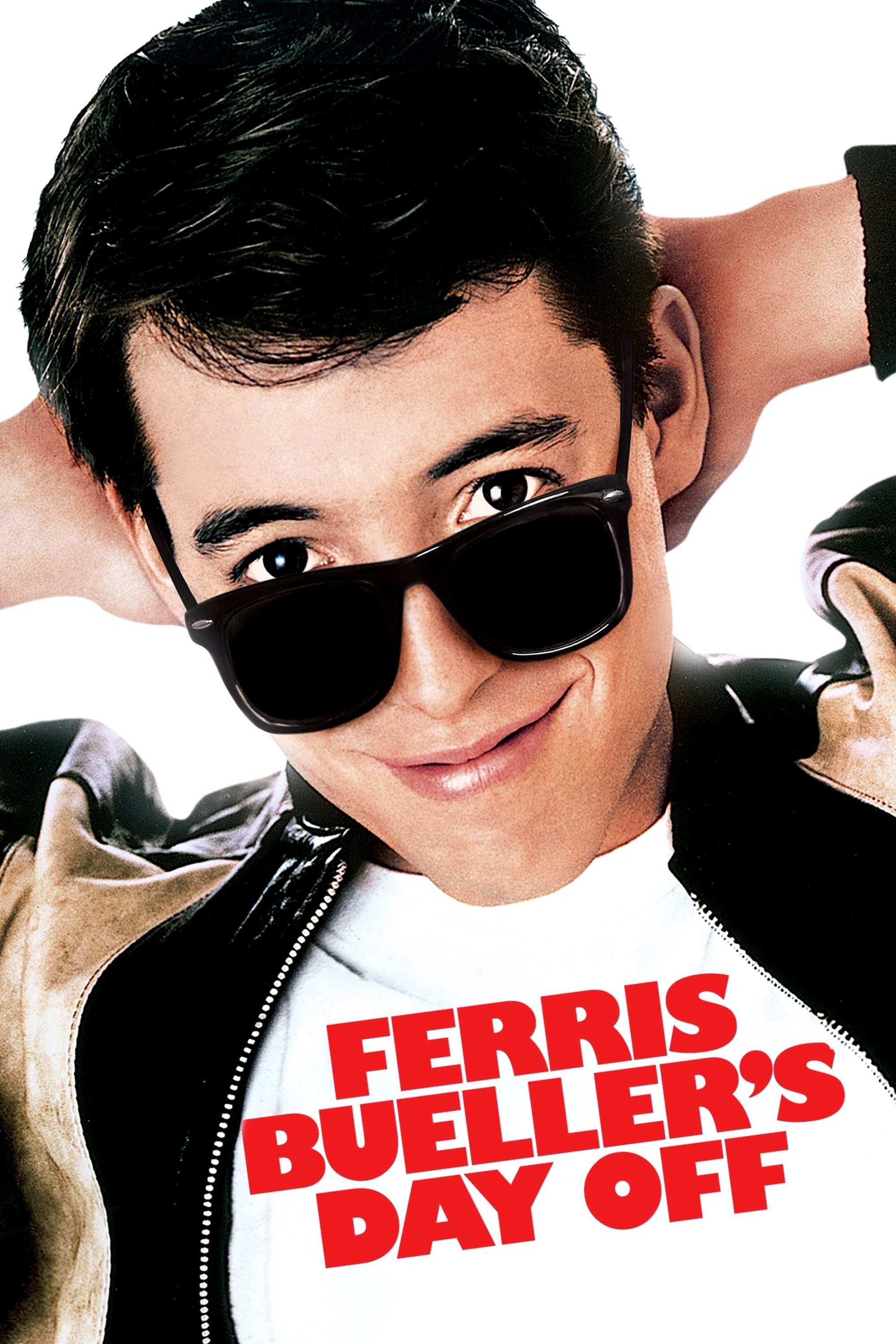
Ferris Bueller is a high school student who becomes a legend for his ability to skip school and avoid getting caught. Matthew Broderick portrayed the character with a charm that made him a hero to young audiences. While the movie follows his adventures in Chicago the focus is always on Ferris and his invincible personality. People remember his parade performance and his fourth wall breaking advice more than the details of his sister’s frustration. He remains the ultimate symbol of teenage rebellion and fun.
‘Edward Scissorhands’ (1990)
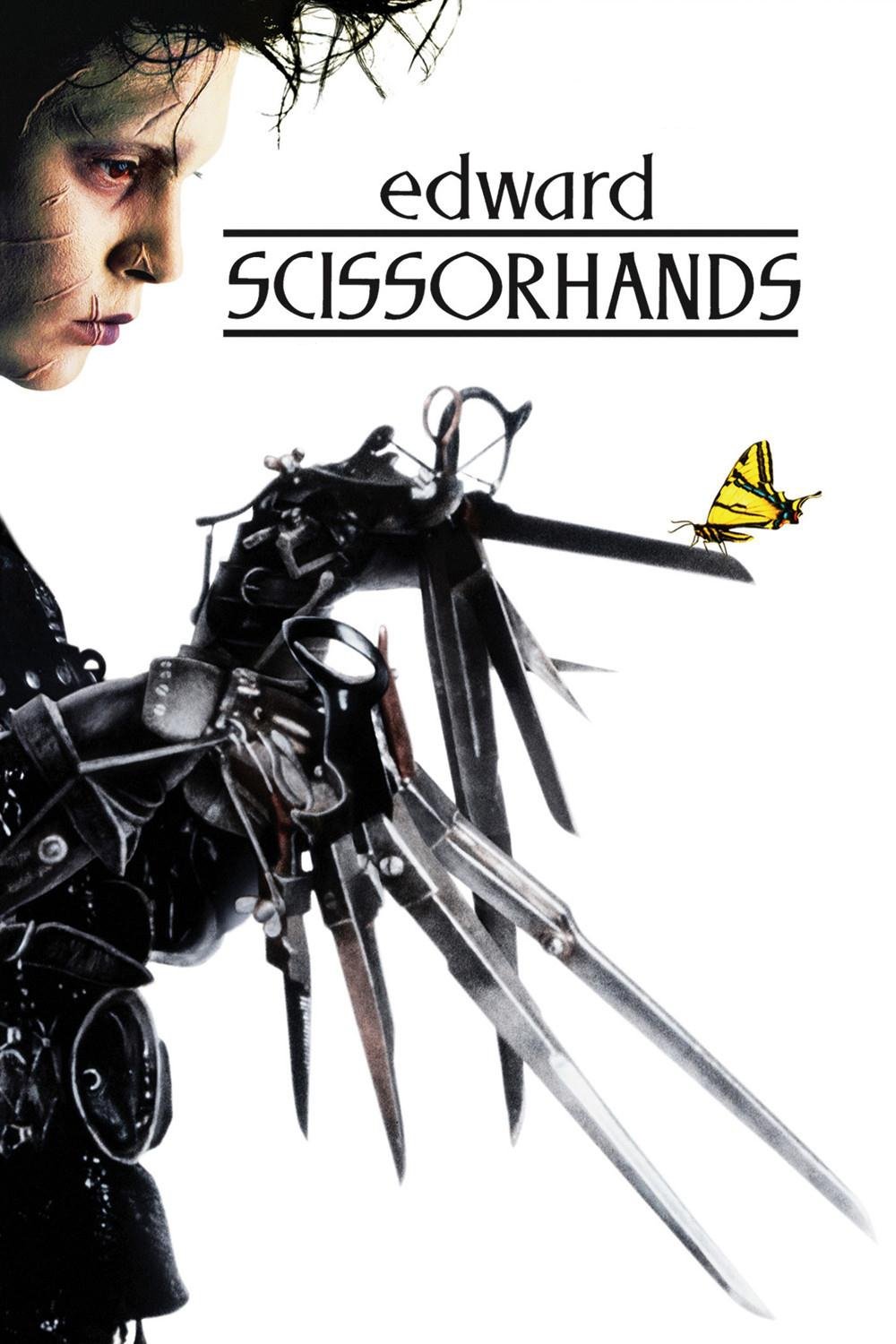
Johnny Depp portrayed the gentle man with blades for fingers in a performance that emphasized visual storytelling. The character’s appearance and his inability to touch the world around him are the main focus of public interest. While the story is a modern fairy tale about acceptance the image of Edward is the primary legacy of the film. People often talk about his gothic aesthetic and the tragic nature of his existence. This iconic look has defined the collaboration between the lead actor and director Tim Burton.
‘Amélie’ (2001)
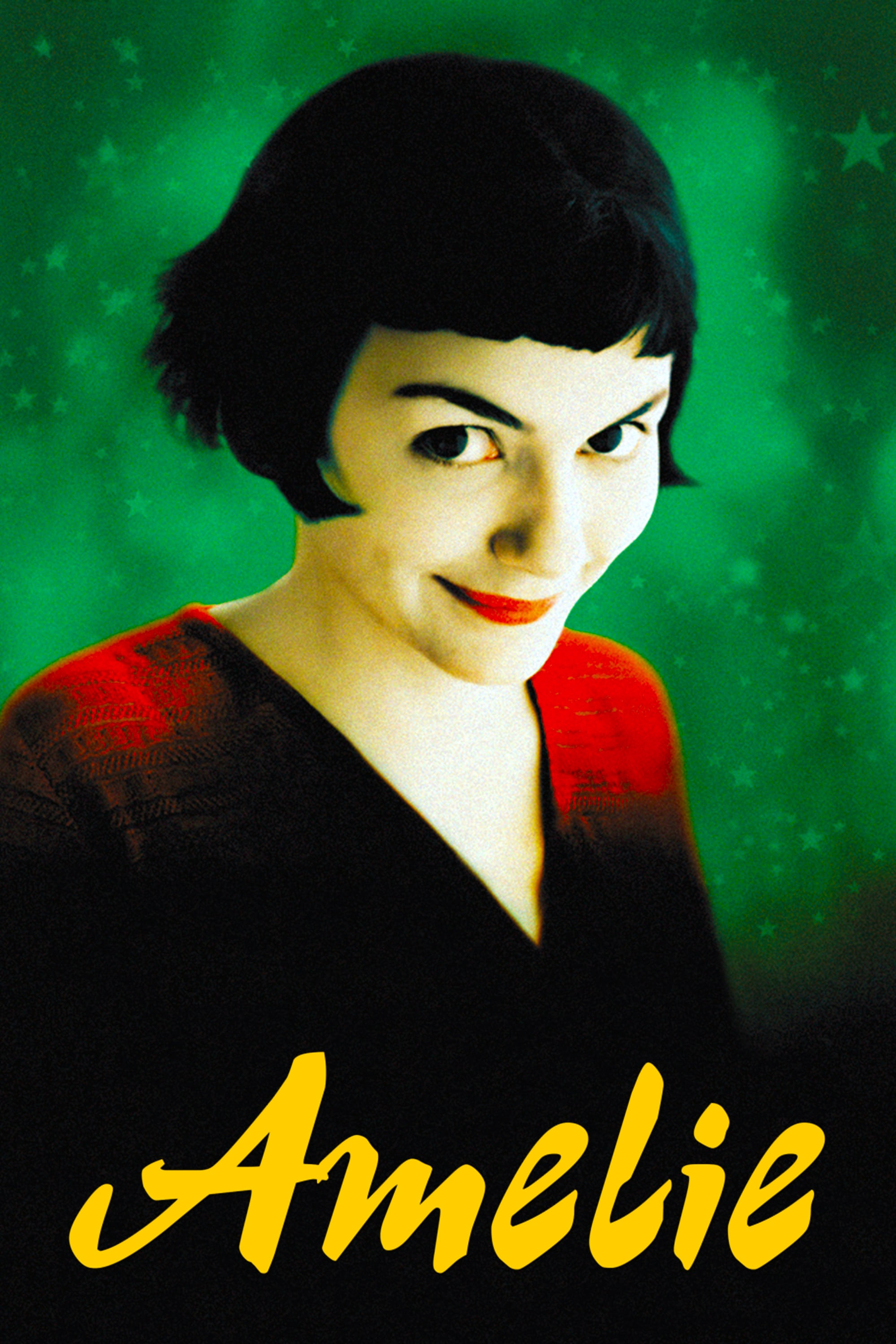
Amélie Poulain is a shy waitress who decides to change the lives of those around her in whimsical ways. Audrey Tautou portrayed the character with a distinctive bob haircut and a mischievous smile that charmed global audiences. The film is known for its bright colors and the unique personality of its protagonist. Most people remember the visual style and the character’s quirky habits rather than the specific subplots involving her neighbors. Amélie has become a symbol of French cinema and a specific type of optimistic storytelling.
‘Raiders of the Lost Ark’ (1981)
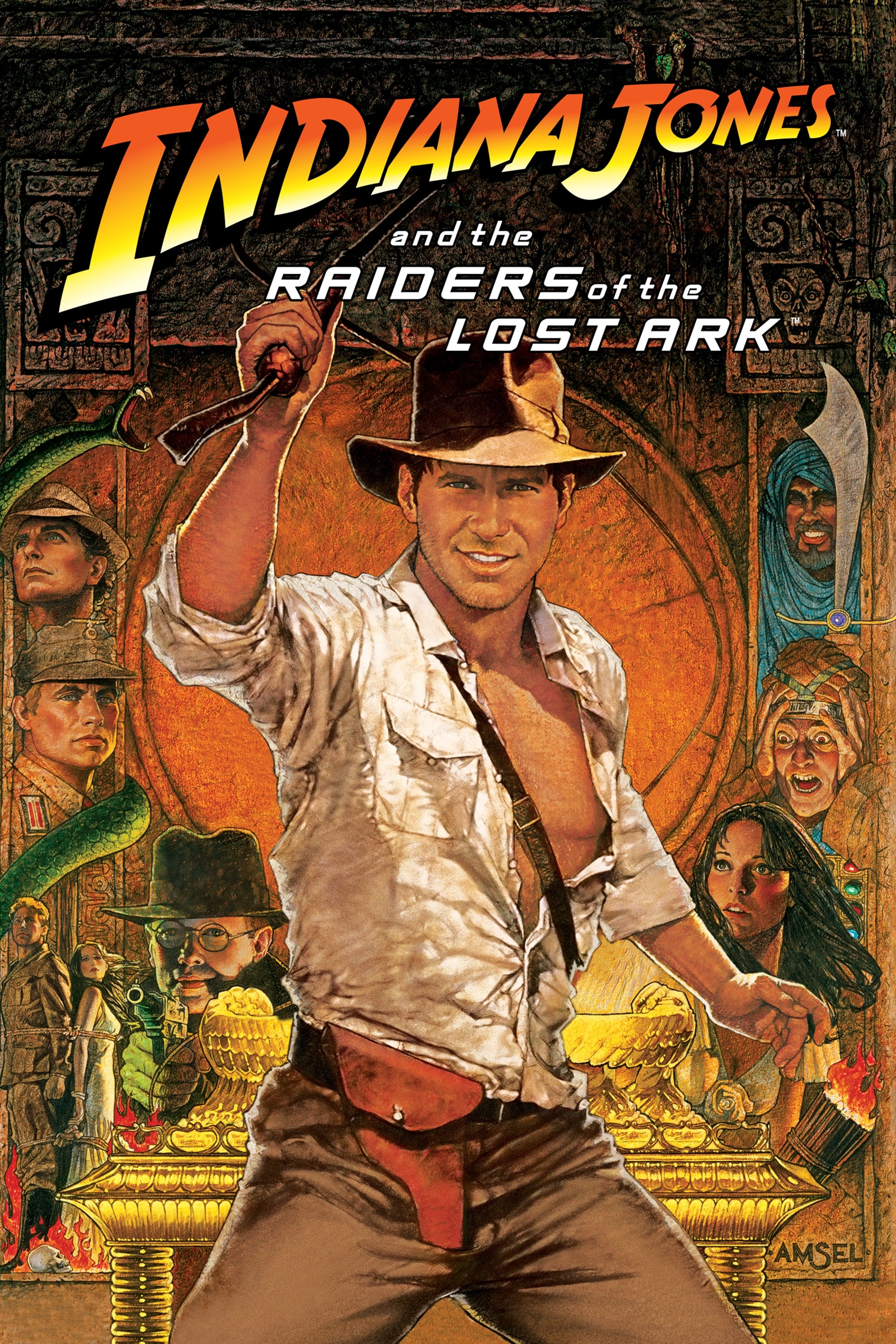
Indiana Jones is the quintessential adventurer whose personality and gear have defined an entire genre. Harrison Ford portrayed the archaeology professor with a whip and a fedora that became instantly iconic. While the film follows a search for the Ark of the Covenant the character himself is the main draw for audiences. People remember his fear of snakes and his heroic feats more than the specific historical context of the mission. The success of the franchise is built on the enduring popularity of this single legendary figure.
‘The Seven Year Itch’ (1955)
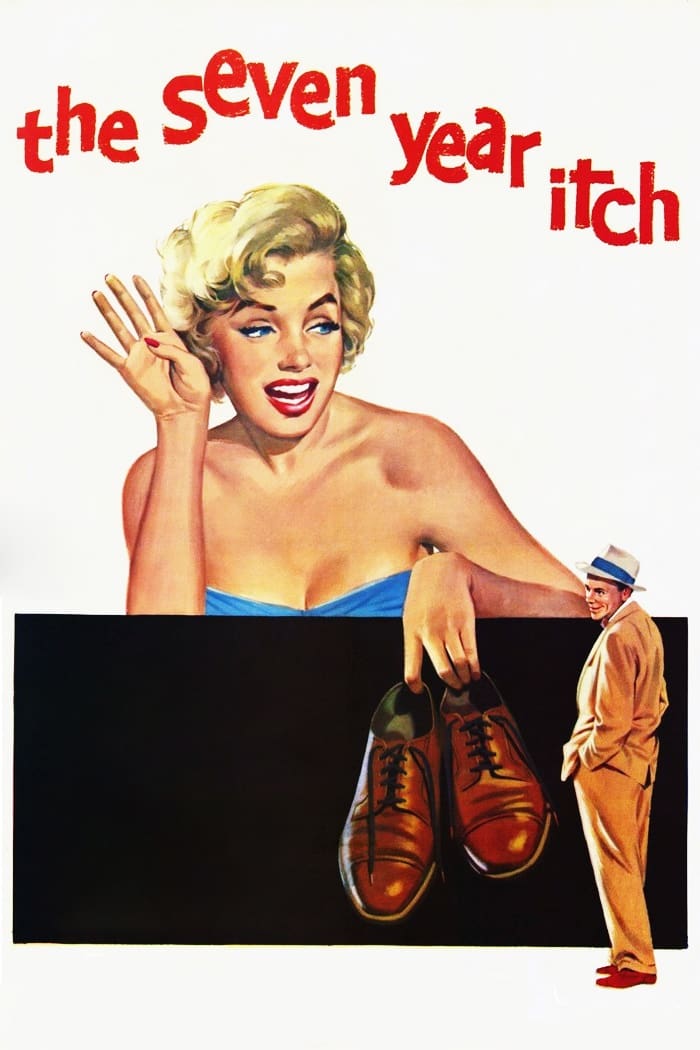
The image of Marilyn Monroe standing over a subway grate is one of the most famous photographs in the history of cinema. While many people recognize the white dress and the specific pose they are often unable to describe the events of the movie. The film follows a man whose wife is away for the summer while he becomes infatuated with his neighbor. This single visual moment has completely overshadowed the romantic comedy narrative in the public consciousness. It serves as a prime example of how a star and a single scene can define a legacy.
Please share your thoughts on which movie characters you think have most overshadowed their own plots in the comments.