Dead Actresses Who Took Risks No One Else Dared to Take

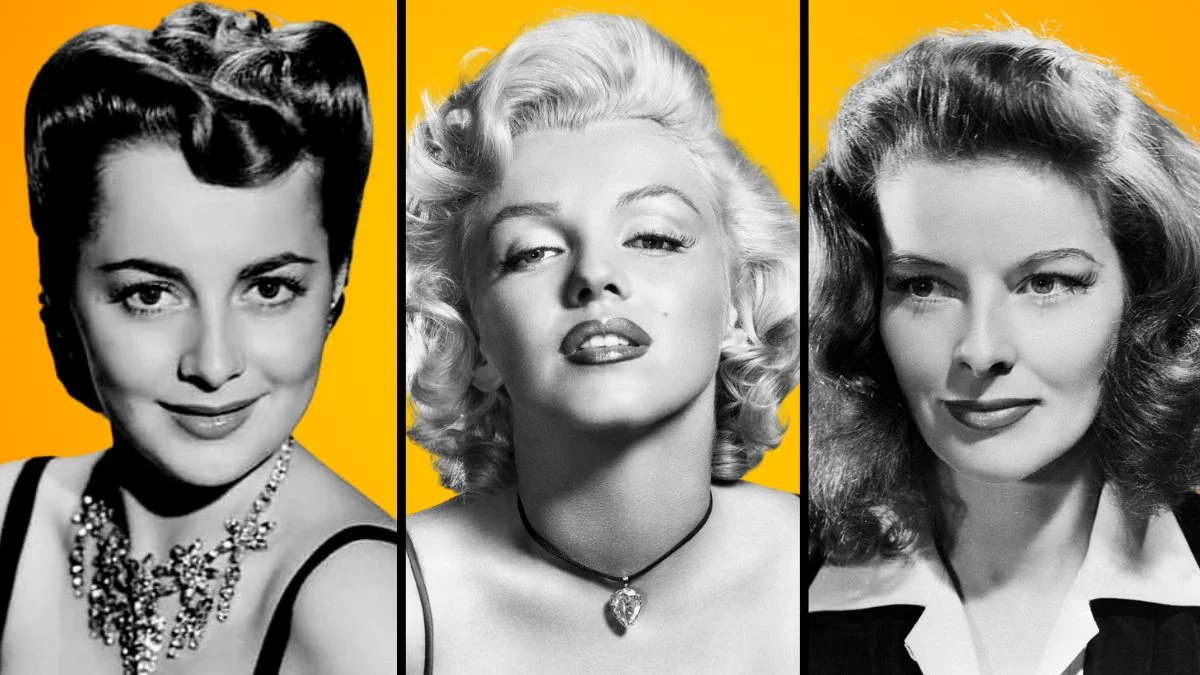

Hollywood history is paved with the stories of women who refused to play by the rules established by powerful studio heads and societal expectations. These actresses did not merely memorize lines but challenged the very infrastructure of the entertainment industry through legal battles and daring role choices. They risked their reputations and livelihoods to break barriers regarding race, gender, and political expression. Their courage paved the way for modern cinema to embrace more complex and authentic storytelling.
Marilyn Monroe
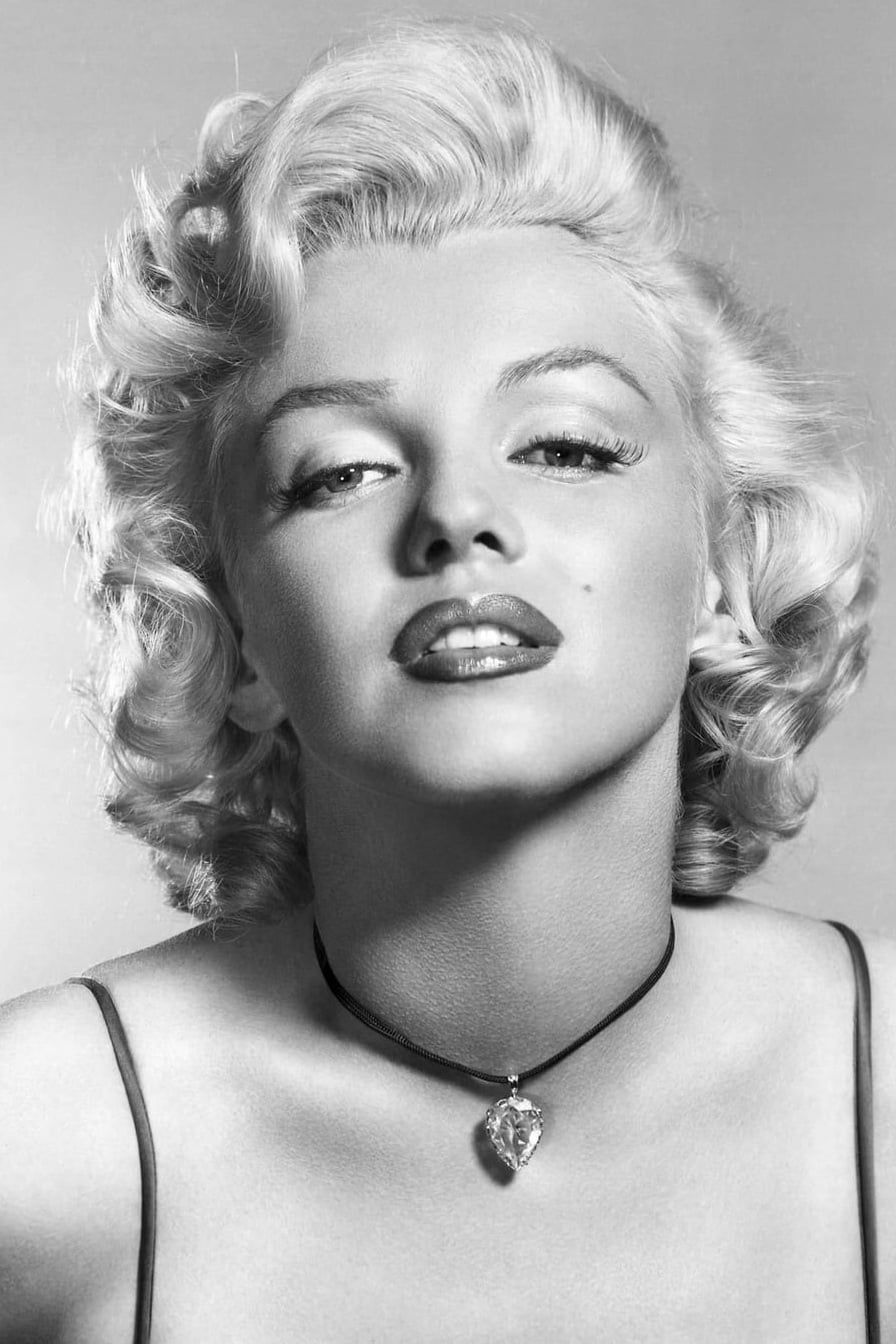
Monroe famously walked away from Twentieth Century Fox to form her own production company when the studio refused to give her serious roles. She risked her career to study at the Actors Studio in New York because she wanted to be respected as a dramatic artist rather than a sex symbol. Her battle with the studio system eventually led to a new contract that granted her director approval. This move shifted the power dynamic in Hollywood and allowed actors more control over their own careers.
Bette Davis

Davis risked everything by suing Warner Bros to escape a restrictive contract that forced her into mediocre films. Although she lost the legal battle in court the move garnered immense public respect and eventually forced studios to treat talent with greater regard. She frequently took on unsympathetic roles that other actresses feared would tarnish their image. Her performance in ‘Of Human Bondage’ required a raw and vicious intensity that shattered the mold of the ingénue.
Olivia de Havilland
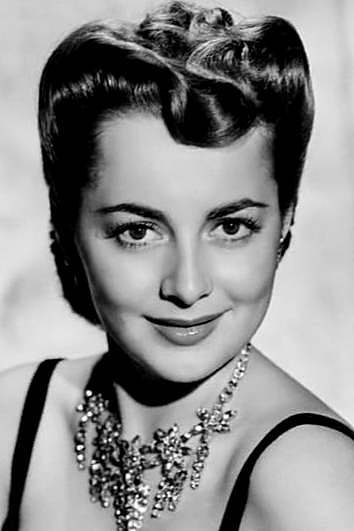
De Havilland successfully sued Warner Bros in a landmark case that forever changed the legal landscape for actors in California. She challenged the practice of studios adding suspension time to the end of contracts which effectively bound actors to studios indefinitely. The resulting De Havilland Law liberated performers from what was essentially a system of indentured servitude. Her willingness to fight a massive corporation in court secured freedom for generations of future artists.
Hedy Lamarr
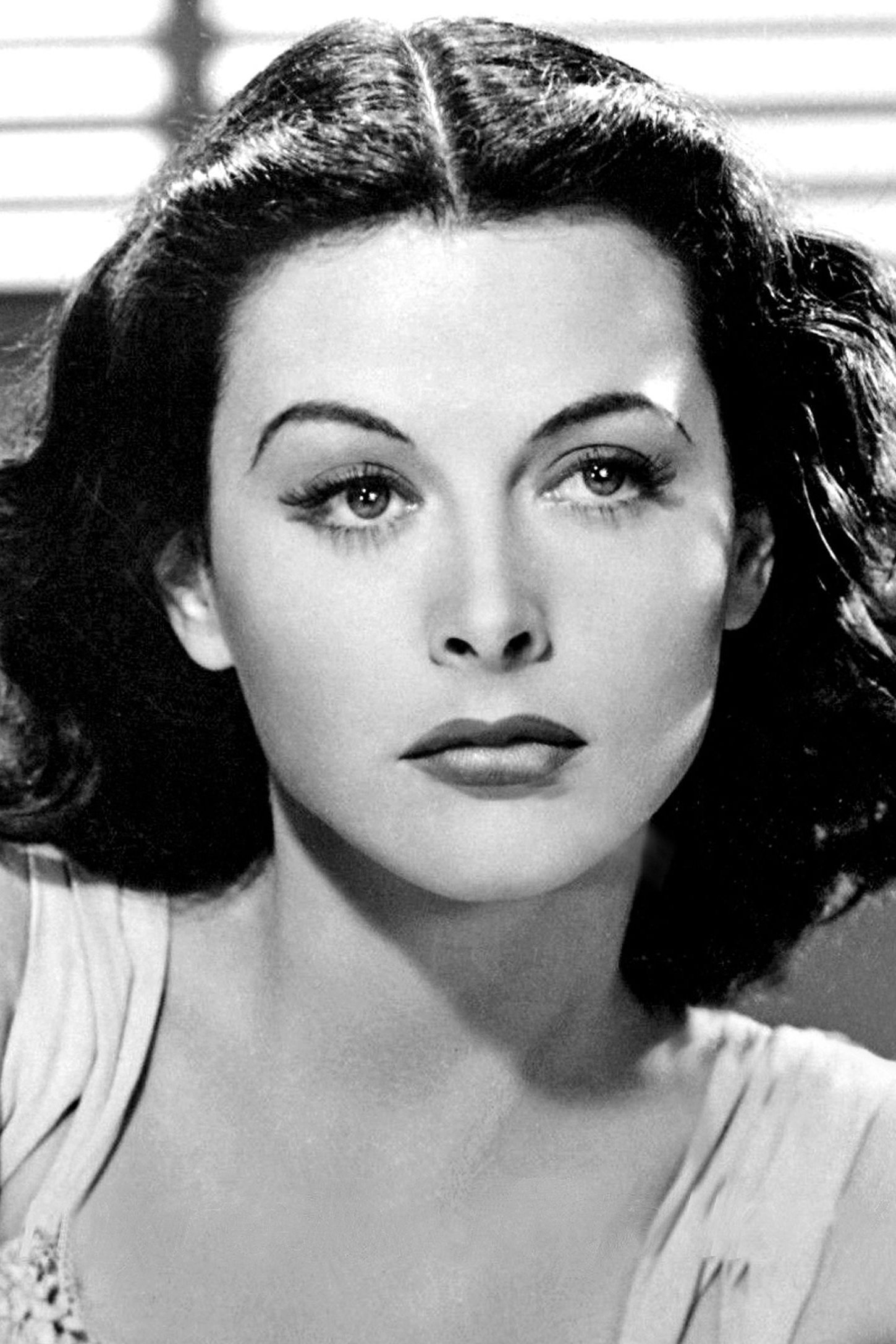
Lamarr defied the expectations of her glamour girl persona to co-invent a frequency-hopping spread spectrum technology during World War II. She risked being dismissed by the scientific community to develop a guidance system for Allied torpedoes. Her early film work in ‘Ecstasy’ involved controversial scenes that were banned in multiple countries but established her as a performer unafraid of taboo subjects. She proved that an actress could be both a cinematic icon and a brilliant inventor.
Ida Lupino
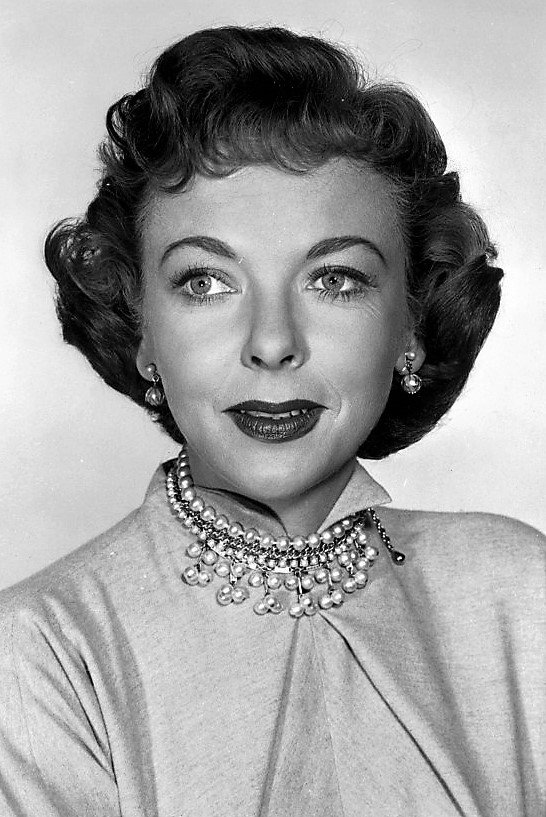
Lupino stepped behind the camera at a time when directing was an exclusively male profession. She founded her own production company to make films about social issues like rape and bigamy that major studios refused to touch. Her work in ‘The Hitch-Hiker’ made her the first woman to direct a film noir. She risked her financial stability to tell gritty stories that shed light on the darker aspects of American society.
Katharine Hepburn
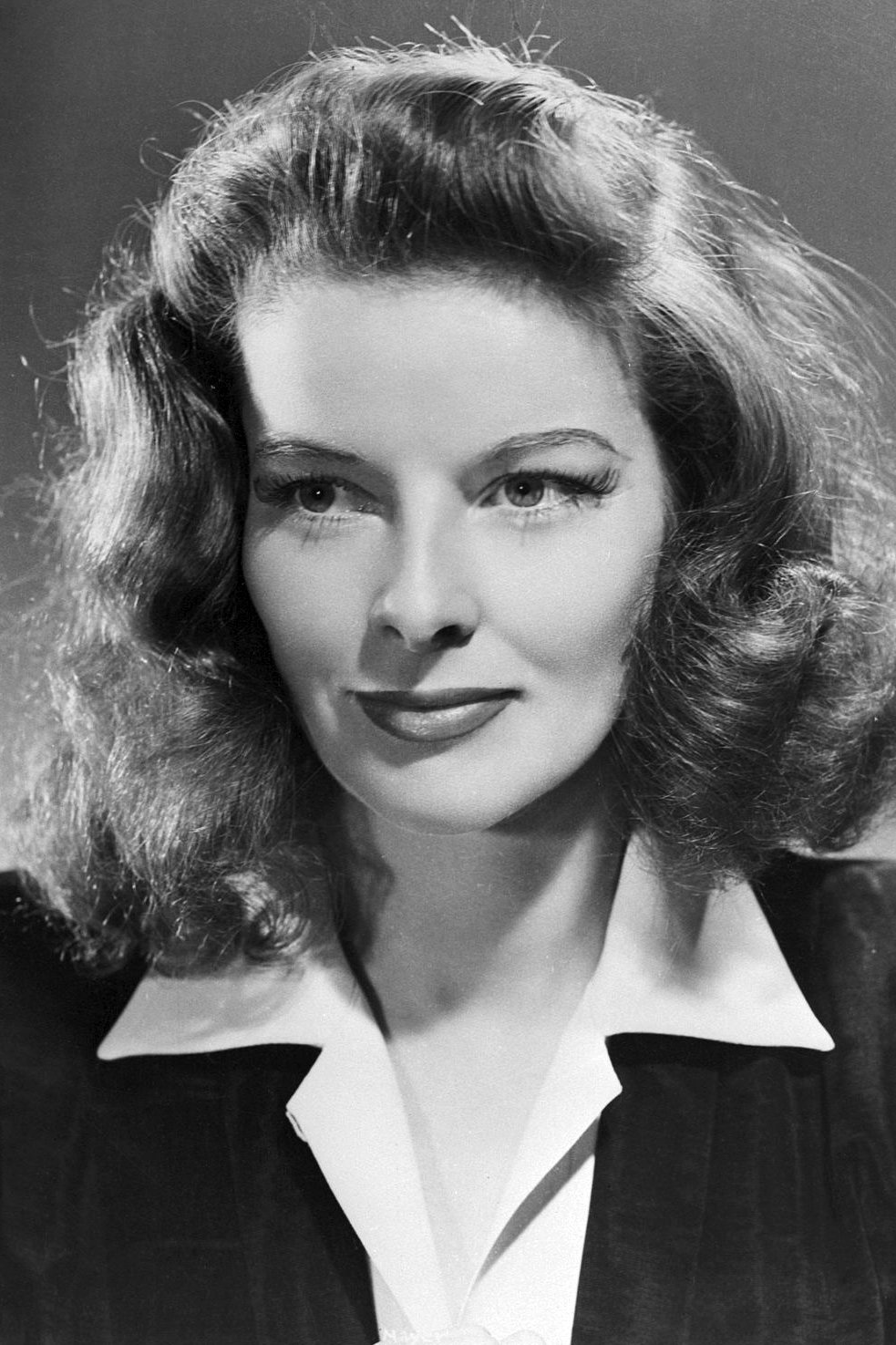
Hepburn bought out her own contract from RKO Radio Pictures after being labeled box office poison. She took a massive financial risk to acquire the rights to ‘The Philadelphia Story’ so she could control her comeback vehicle. She consistently wore trousers and refused to wear makeup offscreen which defied the strict fashion codes for women of her era. Her insistence on maintaining her independence and privacy set a new standard for celebrity autonomy.
Lucille Ball
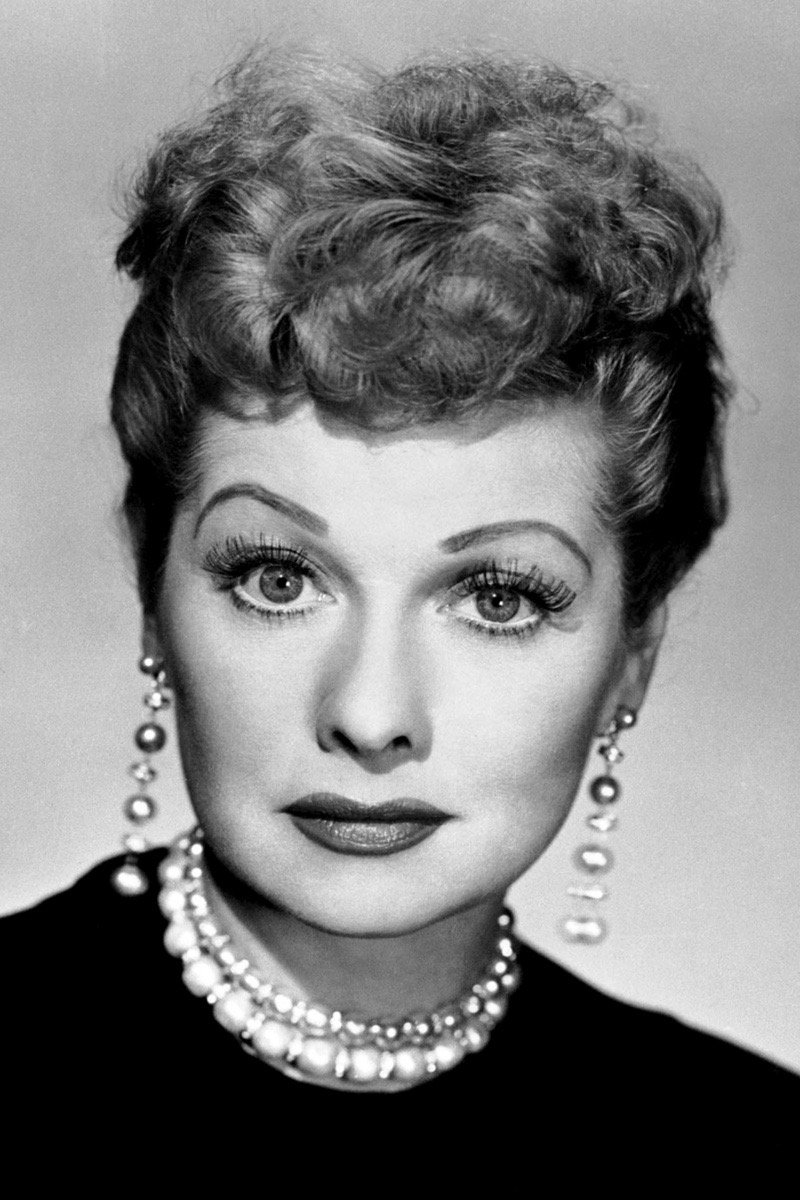
Ball became the first woman to run a major television studio when she took control of Desilu Productions. She insisted on casting her real-life Cuban husband Desi Arnaz in ‘I Love Lucy’ despite network executives claiming audiences would not accept an interracial couple. She also dared to incorporate her real pregnancy into the show storyline which was considered scandalous at the time. Her business acumen and creative risks built an empire that produced franchises like ‘Star Trek’.
Mae West
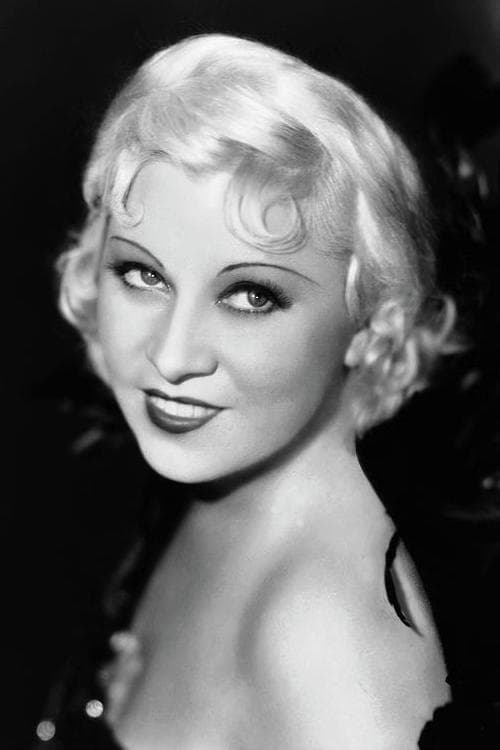
West wrote her own plays and films filled with double entendres that openly challenged censorship laws. She was sentenced to ten days in jail on obscenity charges for her play ‘Sex’ but used the publicity to bolster her fame. She saved Paramount Pictures from bankruptcy with her box office draw while constantly battling the Hays Code censors. Her refusal to apologize for her sexuality made her a revolutionary figure in the fight for free expression.
Josephine Baker
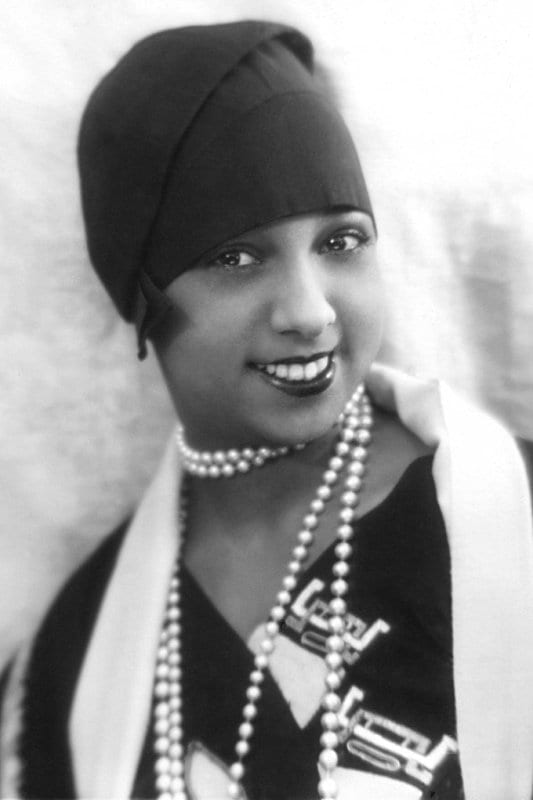
Baker left the segregation of the United States to build a career in France where she became a global superstar. She risked her life during World War II by working as a spy for the French Resistance and smuggling intelligence written in invisible ink on her sheet music. She later returned to the US to champion the Civil Rights Movement and refused to perform for segregated audiences. Her bravery extended far beyond the stage as she used her fame to fight fascism and racism.
Elizabeth Taylor
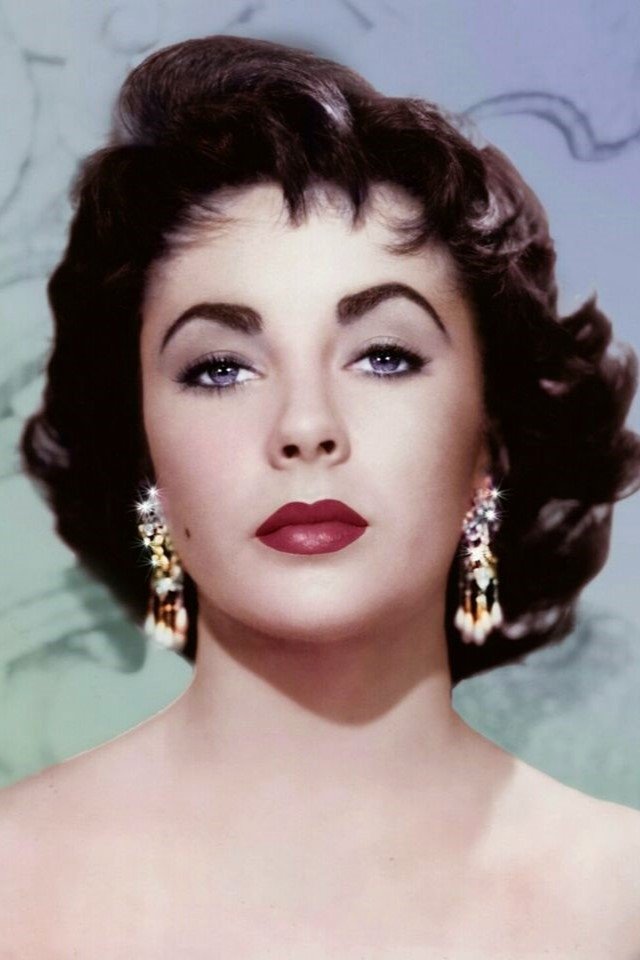
Taylor became the first actress to negotiate a one million dollar salary for her role in ‘Cleopatra’. She risked her public image by engaging in high-profile activism for HIV/AIDS research at a time when the government ignored the crisis. She leveraged her immense fame and tabloid notoriety to raise millions of dollars for a cause that many in Hollywood shunned. Her willingness to use her platform for unpopular causes saved countless lives.
Marlene Dietrich
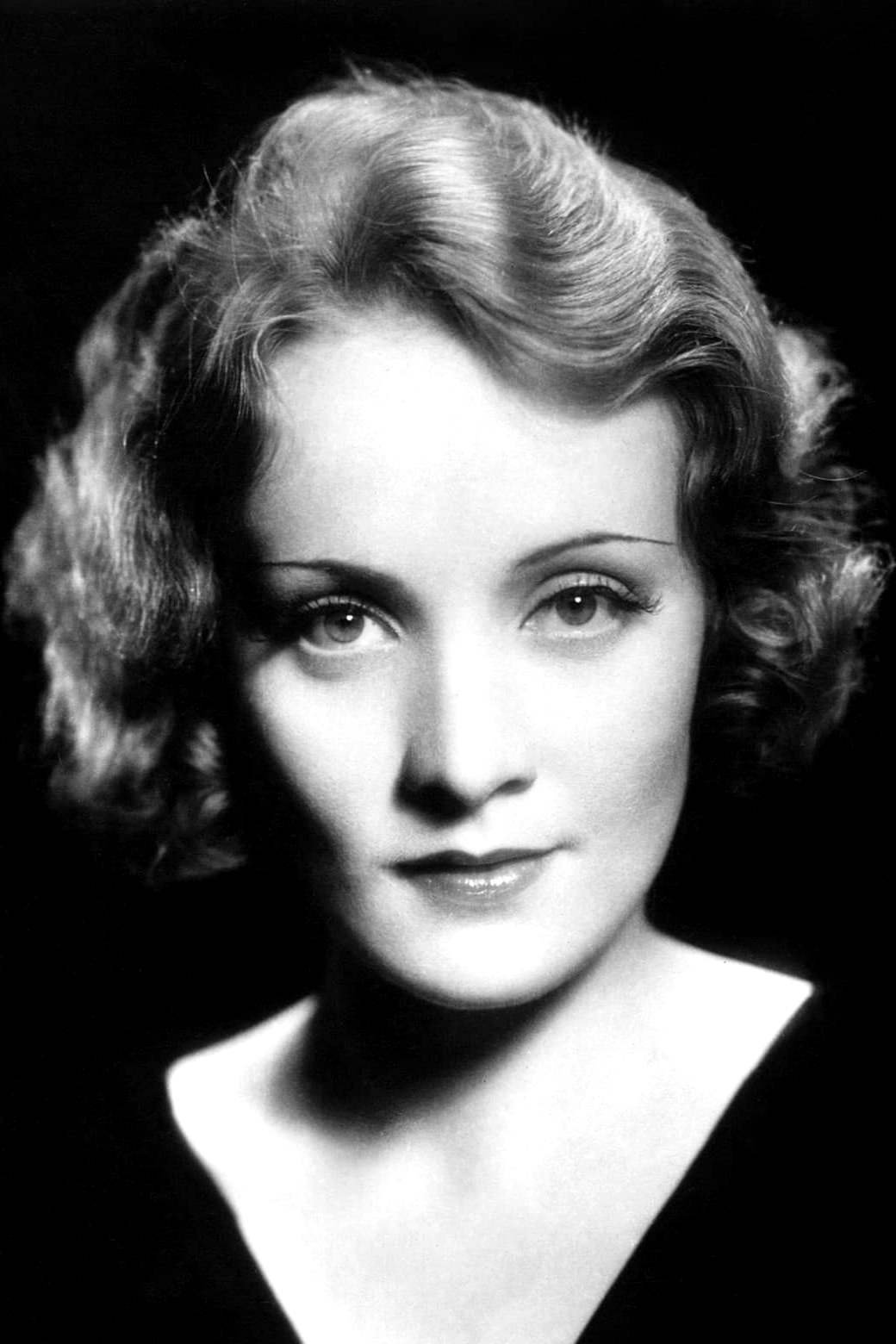
Dietrich defied gender norms by wearing tuxedos and top hats both on and off the screen. She rejected significant offers from the Nazi regime to return to Germany and instead became a US citizen who performed for Allied troops near the front lines. Her distinct androgynous style challenged the binary concepts of masculinity and femininity in the 1930s. She risked her safety and her connection to her homeland to stand against fascism.
Lena Horne
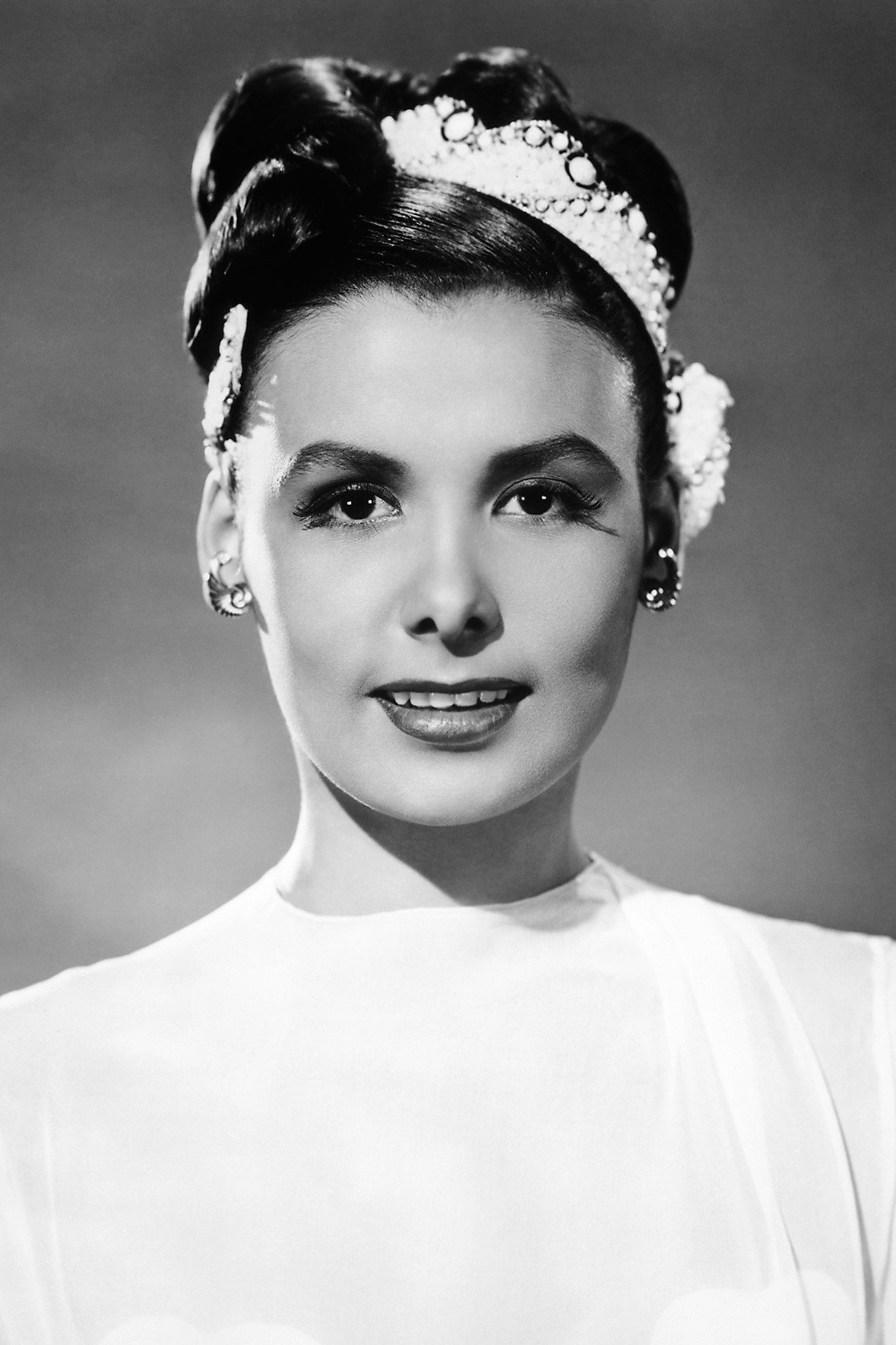
Horne refused to take on roles that depicted Black women as maids or servants which severely limited her employment opportunities in Hollywood. She famously paid her own way to entertain troops during World War II after refusing to perform for segregated audiences where German POWs were seated in front of Black soldiers. She filed complaints against the USO and faced backlash for her outspoken stance on civil rights. Her dignity and refusal to compromise paved the way for better representation.
Eartha Kitt
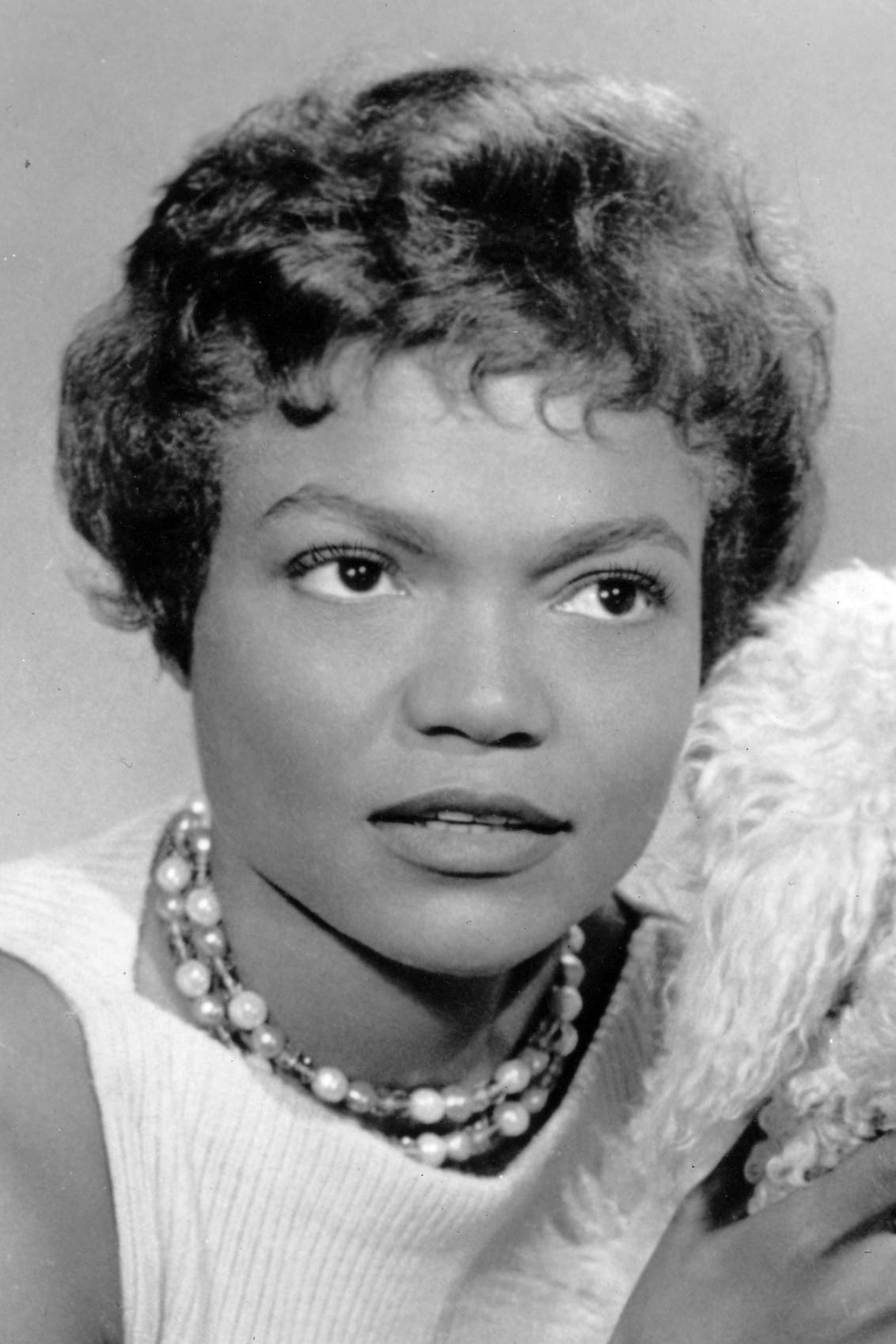
Kitt derailed her career in the United States by speaking out against the Vietnam War during a luncheon at the White House. She directly confronted Lady Bird Johnson about the impact of the war on minority communities which led to her being blacklisted by the CIA. She was forced to work primarily in Europe for years before she could return to American stages. Her refusal to stay silent in the presence of power demonstrated immense personal courage.
Jean Seberg
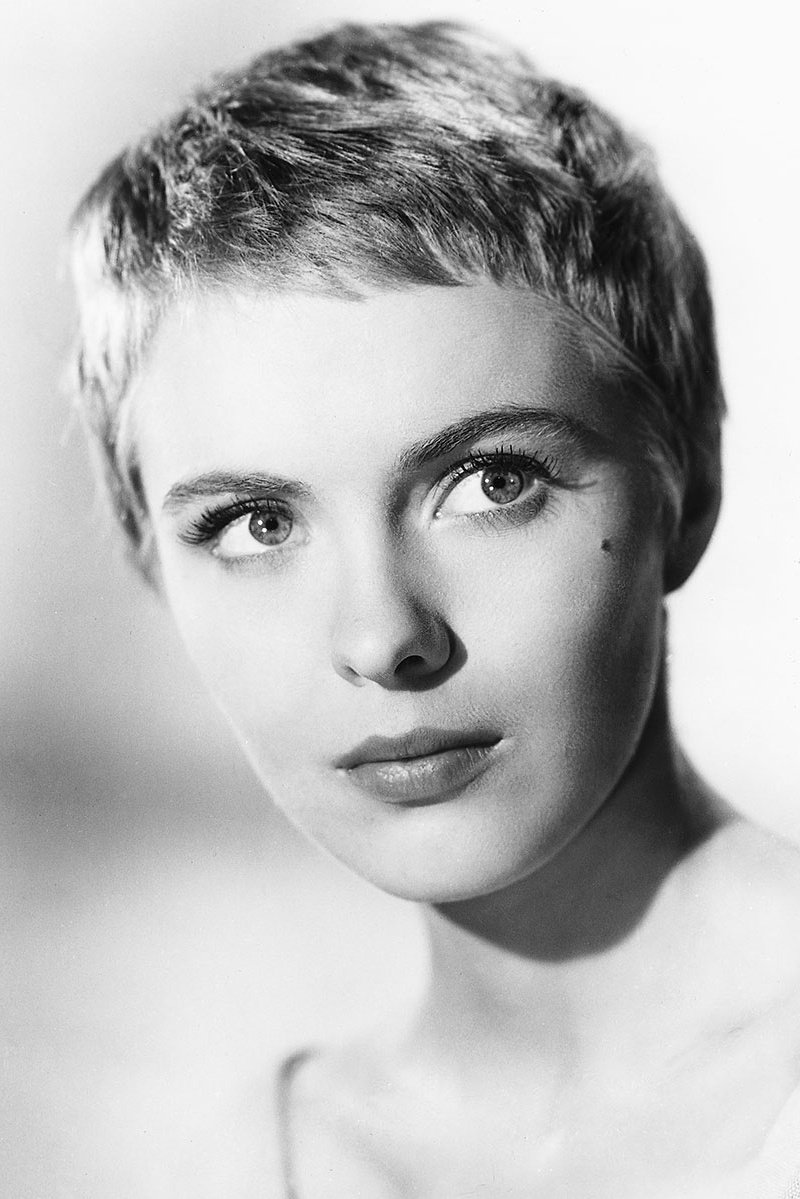
Seberg became a target of an aggressive FBI counterintelligence program due to her financial support of the Black Panther Party. She faced a smear campaign that spread false rumors about her pregnancy to discredit her activism. Her choice to star in ‘Breathless’ helped launch the French New Wave and redefined modern acting with its jump cuts and naturalism. She sacrificed her mental health and reputation to stand in solidarity with the Civil Rights Movement.
Ingrid Bergman
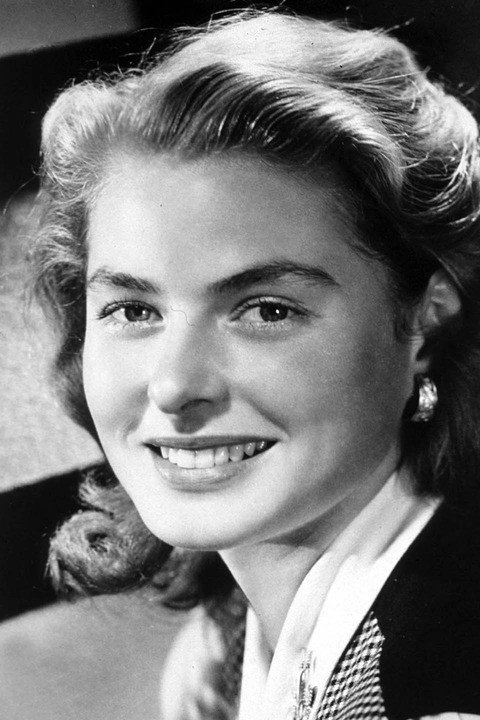
Bergman was effectively exiled from Hollywood and denounced on the floor of the US Senate for her affair with director Roberto Rossellini. She risked her status as America’s sweetheart to pursue artistic freedom in Italian neorealist cinema. She refused to apologize for her personal life despite the immense moral outrage directed at her by religious and political groups. Her eventual return and Academy Award win proved that talent could triumph over scandal.
Cicely Tyson

Tyson committed herself to only playing roles that portrayed Black women with strength and dignity. She famously wore her hair in cornrows on television which sparked a national conversation about Black beauty standards. She turned down lucrative offers for blaxploitation films because she felt they demeaned her community. Her artistic integrity ensured that her body of work remained a testament to resilience and history.
Anna May Wong
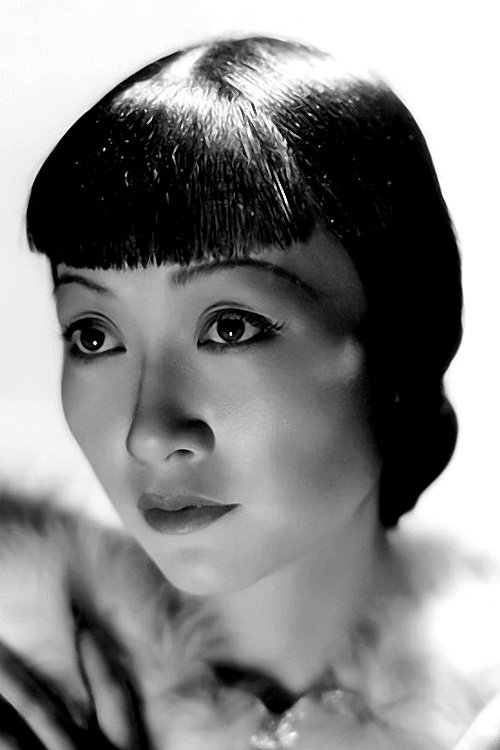
Wong left Hollywood for Europe after being repeatedly passed over for lead roles in favor of white actresses in yellowface. She fought against the stereotypical dragon lady and butterfly roles that were the only options available to Asian American actresses. She utilized her fashion and public persona to assert a modern and sophisticated identity that contradicted cinematic tropes. Her departure was a direct protest against the systemic racism of the studio era.
Barbara Stanwyck
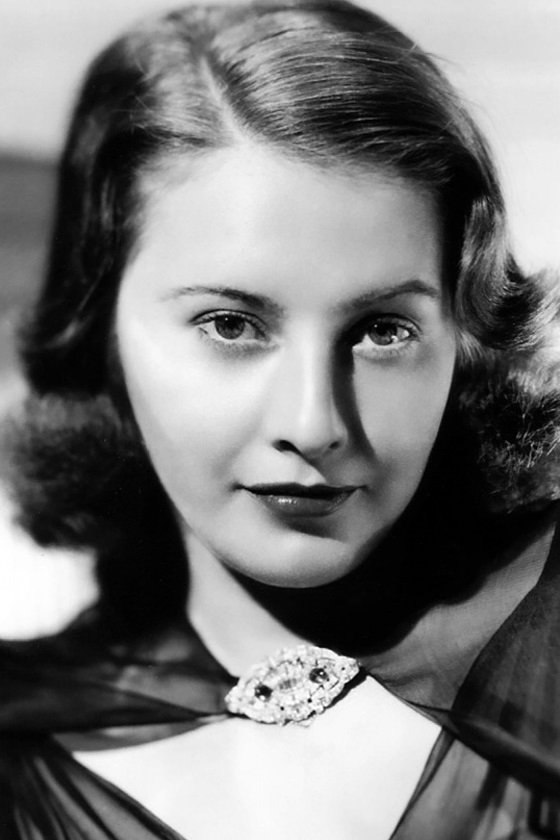
Stanwyck performed her own dangerous stunts well into her forties including being dragged by a horse in ‘Forty Guns’. She accepted unglamorous roles that required her to age or appear disheveled which was rare for leading ladies. She worked without a long-term studio contract for much of her career which allowed her to choose diverse and challenging parts. Her versatility allowed her to dominate in screwball comedies and dark noir films alike.
Grace Kelly
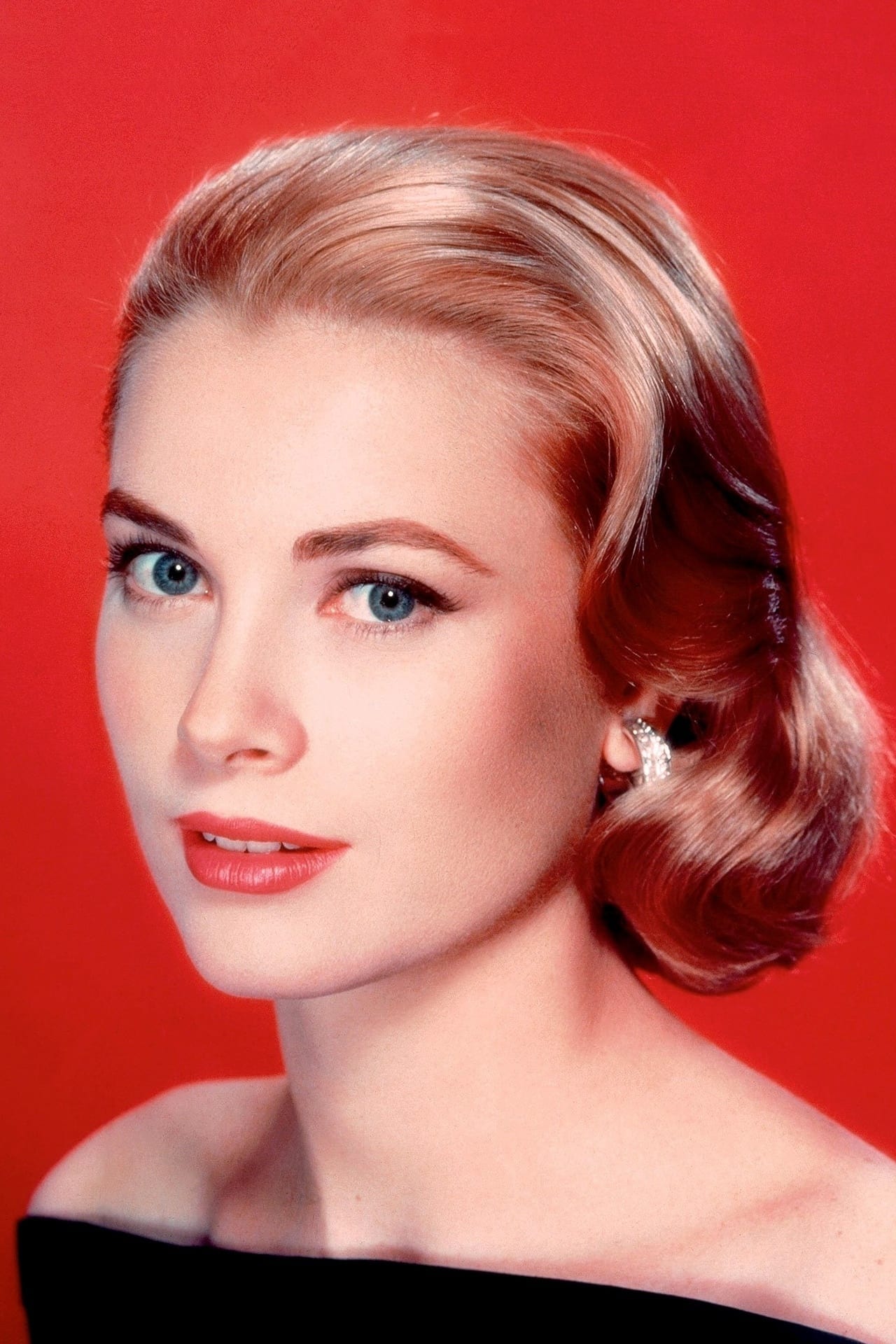
Kelly walked away from Hollywood at the absolute peak of her career to marry Prince Rainier III of Monaco. She risked leaving behind her creative outlet and independence to enter a rigid royal protocol that ended her acting career. She attempted to return for Hitchcock’s ‘Marnie’ but ultimately declined due to political pressure from her principality. Her choice demonstrated a willingness to prioritize her personal life over global stardom.
Greta Garbo
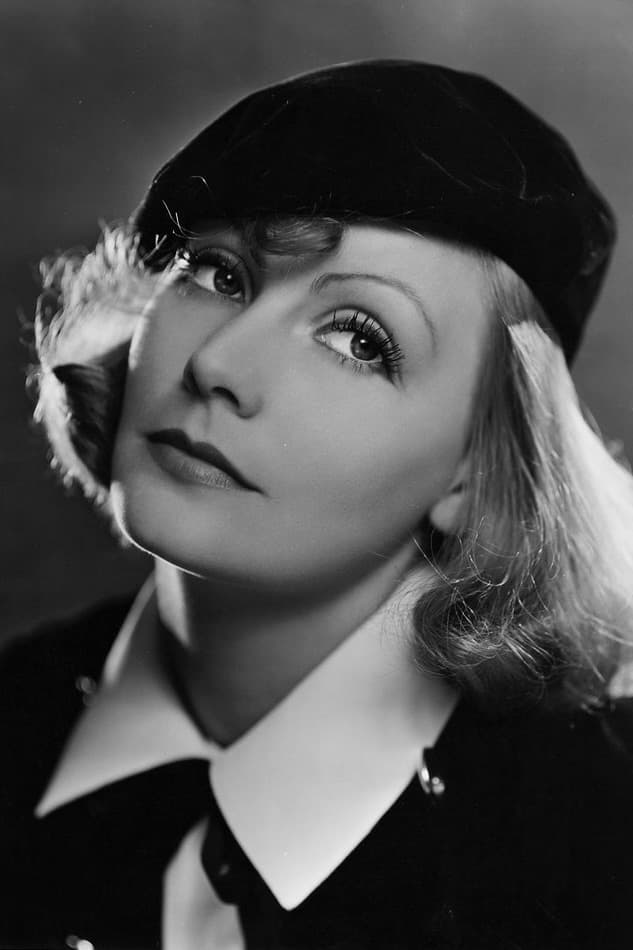
Garbo retired from acting at the age of thirty-five and refused to engage in the publicity machine that fueled Hollywood. She risked being forgotten by the public to maintain her privacy and live on her own terms. She negotiated deals that were unheard of for women at the time and demanded high salaries for her appearances. Her mysterious exit preserved her legacy as an untouchable screen icon.
Judy Garland
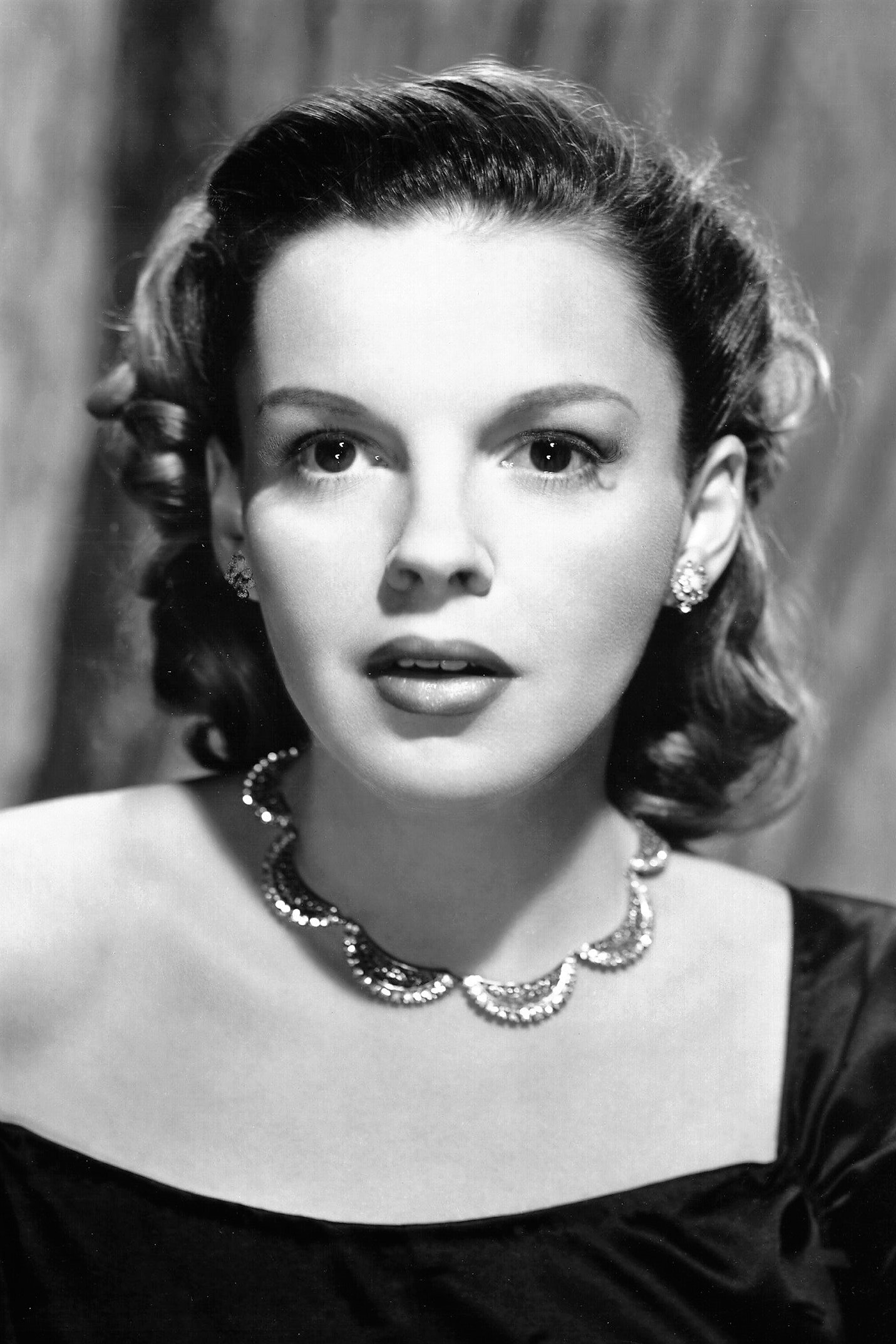
Garland risked her reputation by speaking about the mistreatment she endured as a child star at MGM. She continued to perform live despite debilitating struggles with addiction that were exacerbated by the studio system. Her vulnerability in films like ‘A Star Is Born’ blurred the lines between her tragic reality and her art. She persevered through public humiliations to remain one of the most beloved entertainers in history.
Dorothy Dandridge
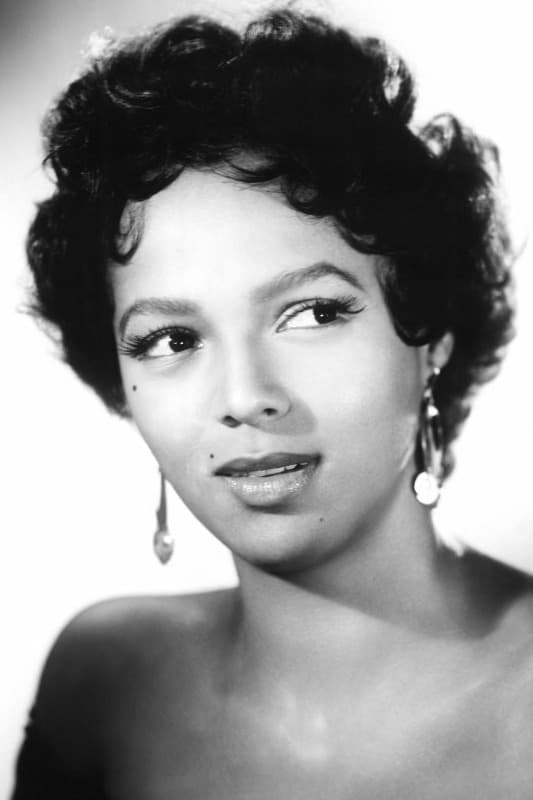
Dandridge fought to be taken seriously as a dramatic actress in an industry that wanted to cast her only in musical reviews. She became the first Black woman nominated for the Best Actress Oscar for her role in ‘Carmen Jones’. She refused to play roles that she felt were demeaning to her people even when she was in dire financial straits. Her constant battle for dignity in a segregated industry took a heavy toll on her personal life.
Carrie Fisher
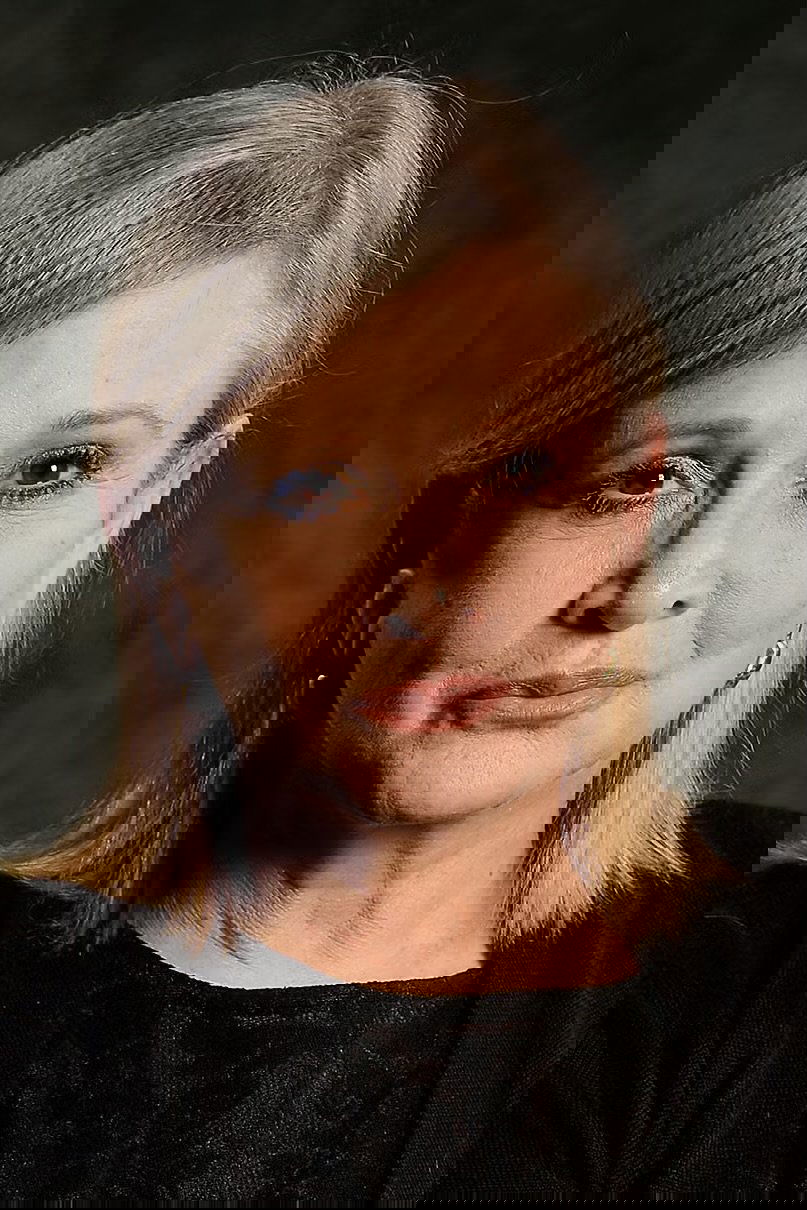
Fisher was unapologetically open about her struggles with bipolar disorder and drug addiction long before it was acceptable to discuss mental health. She used her writing to dissect the absurdity of Hollywood and her own experiences with brutal honesty. She reprised her role as Princess Leia in her later years and refused to hide her aging process from critical fans. Her transparency helped destigmatize mental illness for millions of fans.
Nichelle Nichols
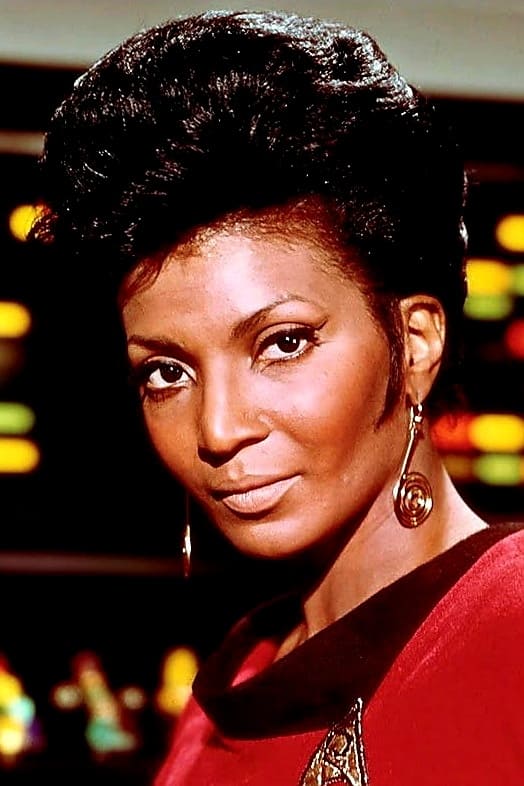
Nichols planned to leave ‘Star Trek’ but stayed after Martin Luther King Jr urged her to remain as a symbol of Black progress. She participated in the first interracial kiss on scripted US television which caused significant controversy in the South. She later worked directly with NASA to recruit women and minorities into the space program. Her risk to stay in a role she initially wanted to leave changed the face of real-world space exploration.
Shelley Duvall
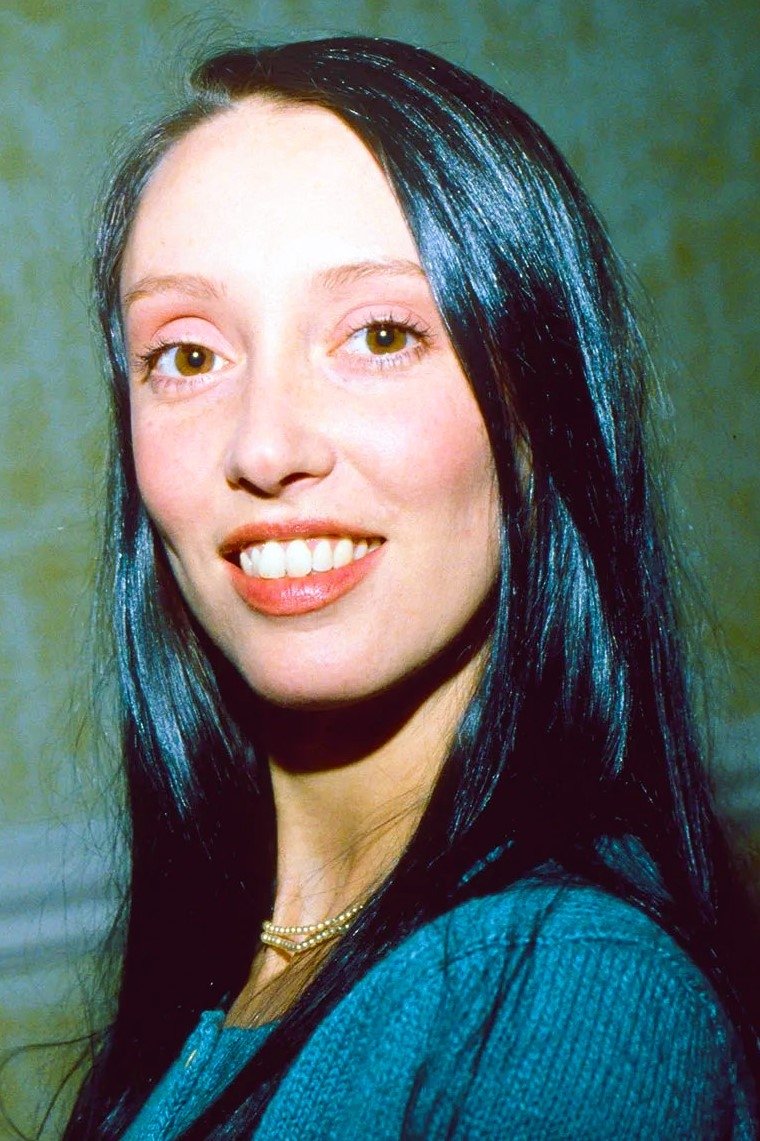
Duvall endured a grueling year-long shoot for ‘The Shining’ where she was isolated and pushed to the brink of exhaustion by director Stanley Kubrick. She performed the famous baseball bat scene over one hundred times until her distress was genuine and palpable. She risked her mental and physical health to deliver a performance of terrifying vulnerability. She later pivoted to producing children’s television and creating innovative entertainment platforms.
Gena Rowlands
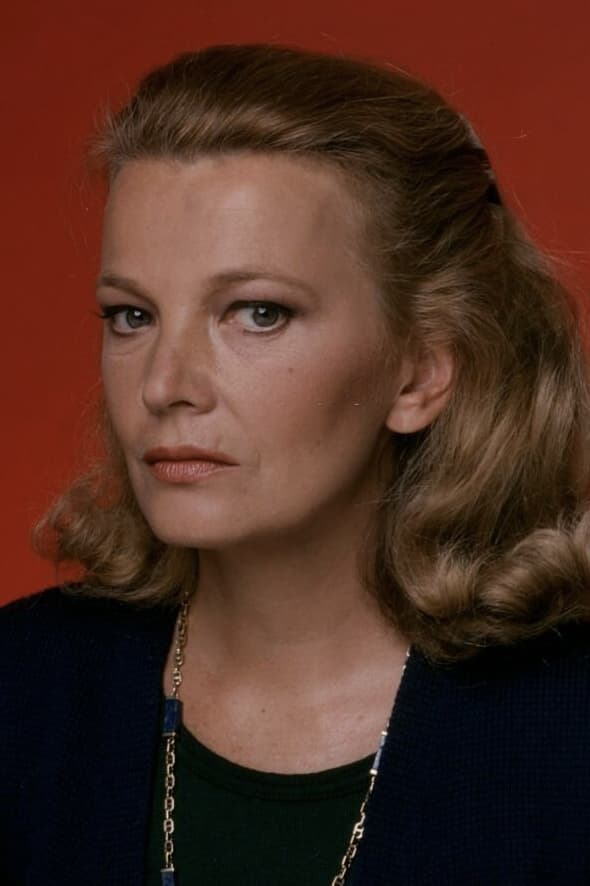
Rowlands collaborated with her husband John Cassavetes to finance and create independent films that bypassed the studio system entirely. She delivered raw and improvised performances in films like ‘A Woman Under the Influence’ that depicted mental illness with uncomfortable realism. She risked her financial security to make art that was commercially risky but critically essential. Her work established the foundation for the American independent film movement.
Glenda Jackson

Jackson left a prestigious acting career after winning two Academy Awards to become a Member of Parliament in the UK. She risked ridicule to enter the political arena and fight for social causes she believed in. She served as a dedicated public servant for over two decades before returning to acting in her eighties. Her transition demonstrated that an actress could be a formidable intellectual and political force.
Diana Rigg
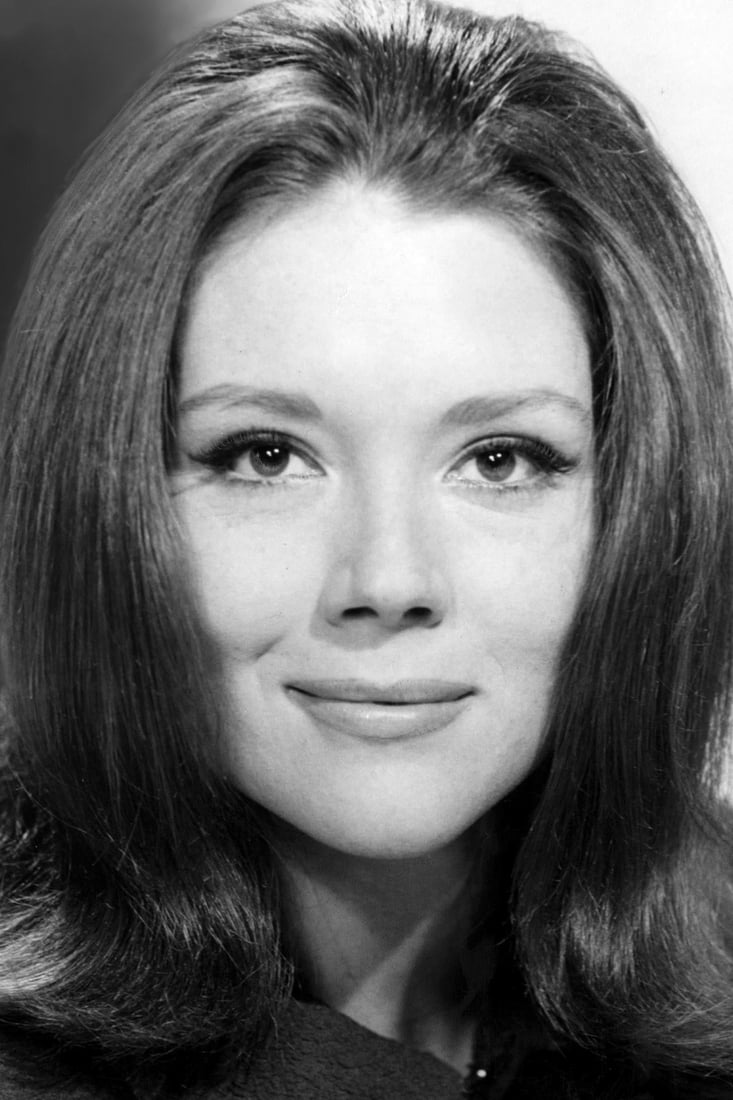
Rigg walked off the set of ‘The Avengers’ when she discovered she was being paid less than the cameraman. She risked being labeled difficult to demand pay parity and better treatment for female leads. She redefined the role of the Bond girl in ‘On Her Majesty’s Secret Service’ by playing a character who was an equal to the spy. Her career remained defined by powerful and authoritative characters until her final roles.
Margaret Hamilton
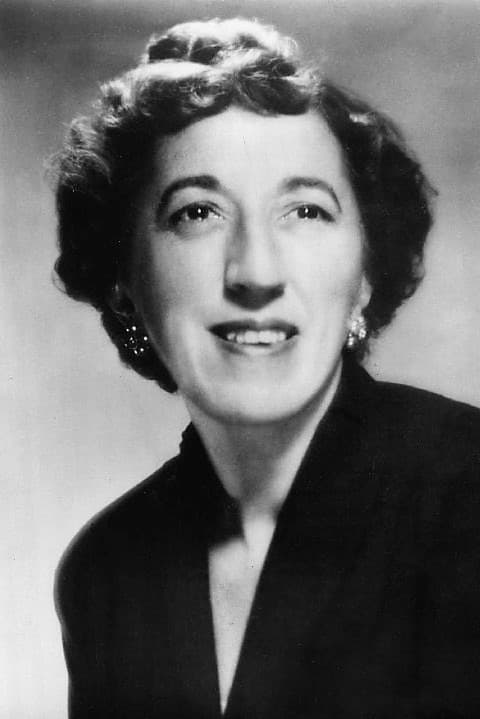
Hamilton insisted on doing many of her own stunts as the Wicked Witch of the West including a fiery exit that left her with severe burns. She risked permanent injury to create one of the most iconic villains in cinematic history. She continued to work in the industry despite the physical trauma and the typecasting that followed the role. Her dedication turned a supporting character into a legend.
Louise Brooks
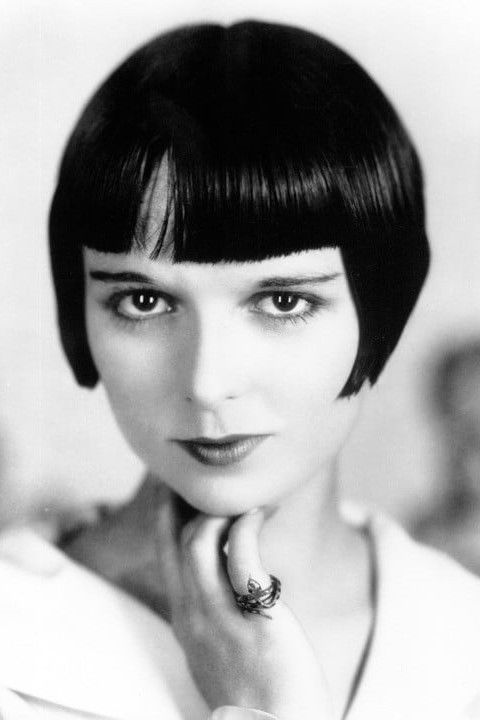
Brooks refused to return to Hollywood to dub her lines for the sound conversion of ‘The Canary Murder Case’. She turned her back on the studio system to work in Germany where she made ‘Pandora’s Box’. Her refusal to conform to Hollywood demands effectively blacklisted her but resulted in cinematic masterpieces. She later became a respected writer who critiqued the very industry that rejected her.
Jane Russell
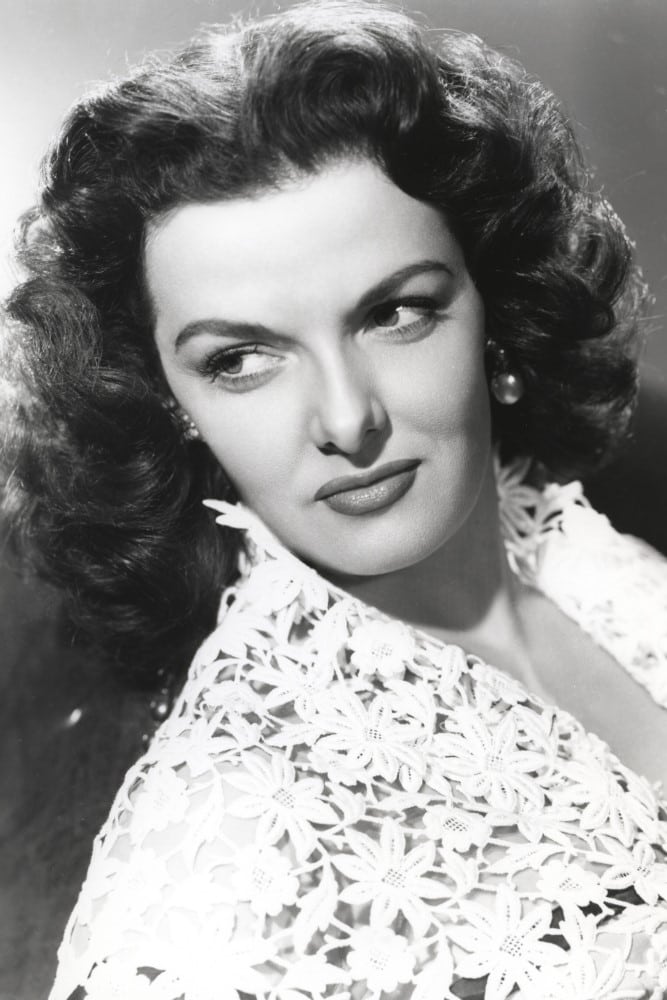
Russell starred in ‘The Outlaw’ which became the subject of a massive censorship battle due to her costuming and the advertising campaign. She navigated the controversy with humor and refused to be shamed for her physical appearance. She later founded the World Adoption International Fund to help facilitate adoptions for children overseas. Her career was marked by a refusal to let censors dictate her worth.
Vivien Leigh
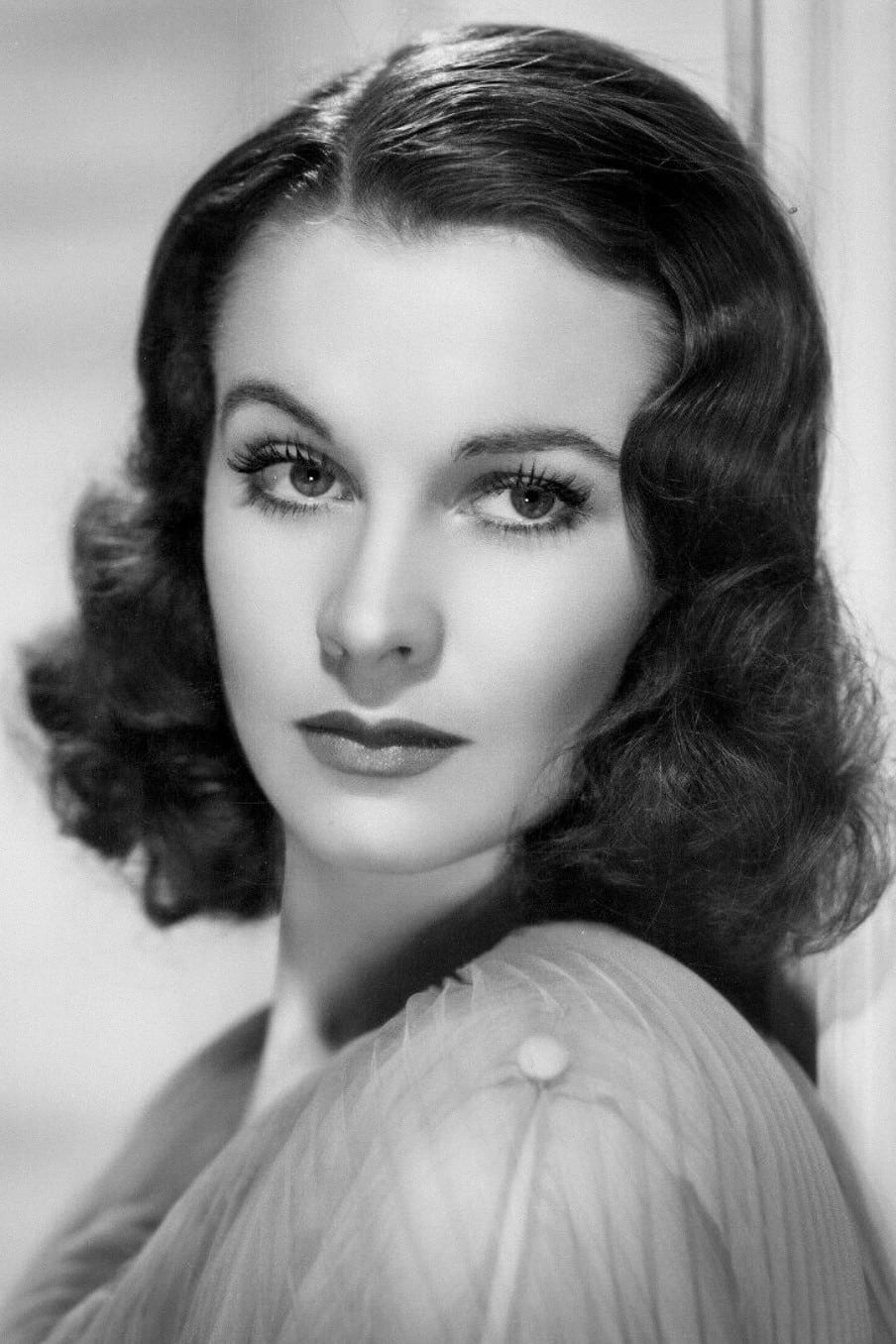
Leigh battled undiagnosed bipolar disorder while taking on emotionally draining roles like Blanche DuBois in ‘A Streetcar Named Desire’. She risked her stability to deliver performances that required her to access deep psychological pain. She continued to work on stage and screen despite struggling with tuberculosis and mental health crises. Her dedication to her craft often came at the expense of her own well-being.
Tallulah Bankhead

Bankhead lived an openly hedonistic lifestyle that flagrantly violated the moral clauses of typical Hollywood contracts. She spoke openly about her vices and refused to cultivate a wholesome image for the press. She took risks on stage by performing in plays that pushed boundaries regarding class and sexuality. Her unapologetic authenticity made her a queer icon and a legend of the theater.
Theda Bara
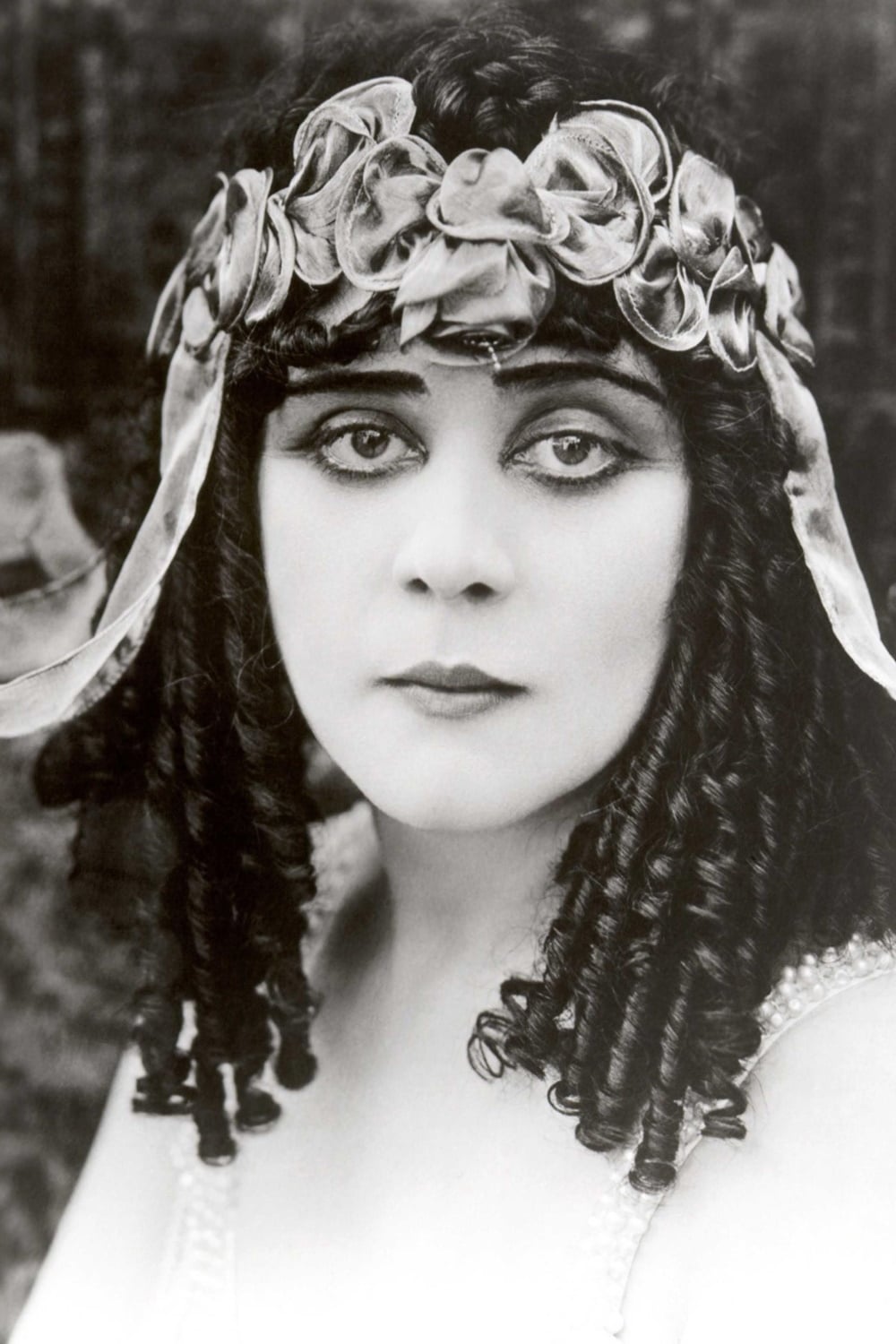
Bara embraced the manufactured persona of the “Vamp” to such an extreme that she became the first sex symbol of the silent era. She risked being completely typecast to pioneer the role of the femme fatale in cinema. She played characters that destroyed men and exerted power which was a radical shift for female representation. Her willingness to embody a darker sexuality paved the way for future cinematic villains.
Lauren Bacall
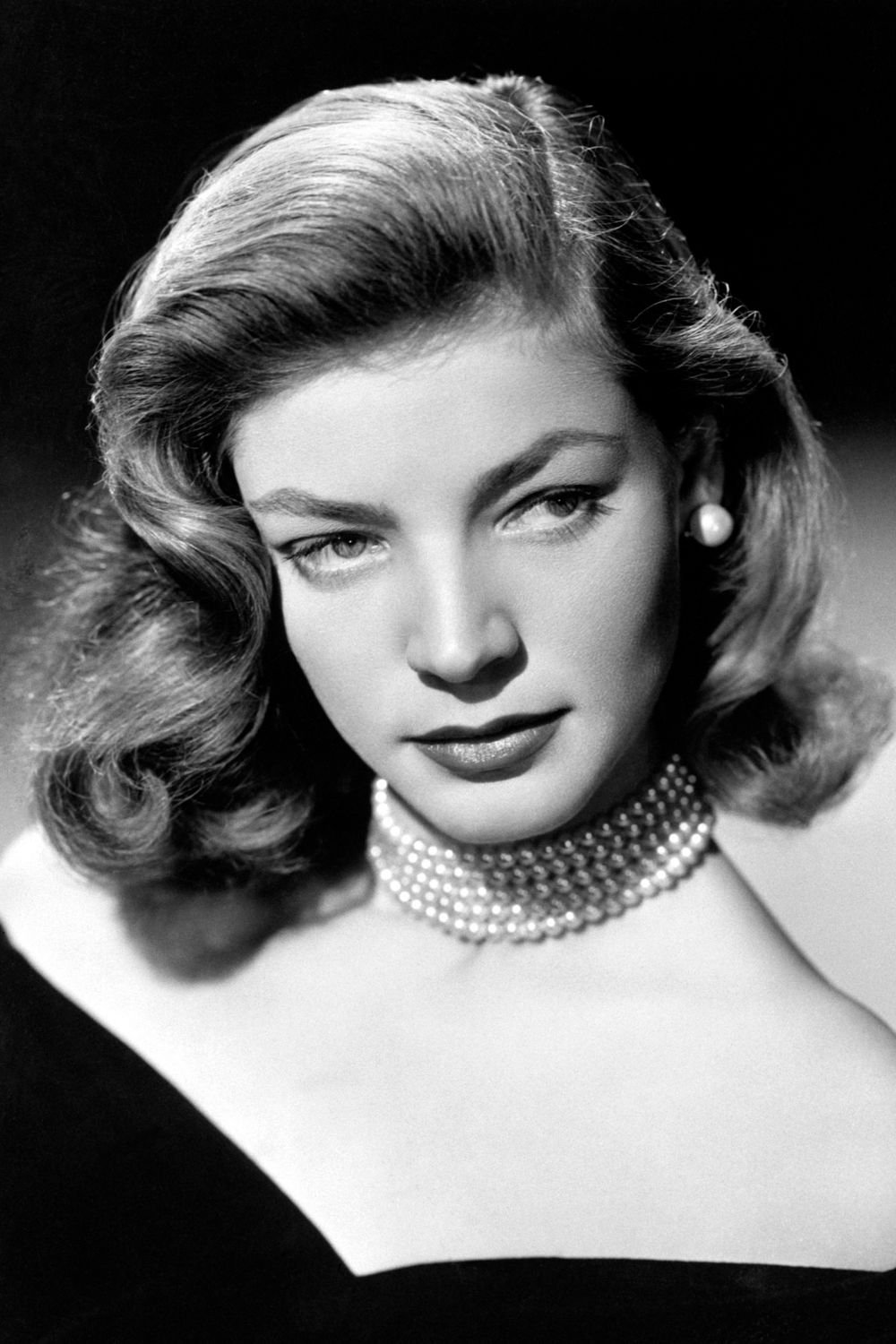
Bacall risked her career by flying to Washington DC to protest the House Un-American Activities Committee alongside Humphrey Bogart. She stood against the Hollywood blacklist at a time when doing so could end a career instantly. She maintained a cool and intimidating screen presence that refused to cater to the submissive female tropes of the 1940s. Her deep voice and defiant gaze became symbols of strength.
Joan Crawford
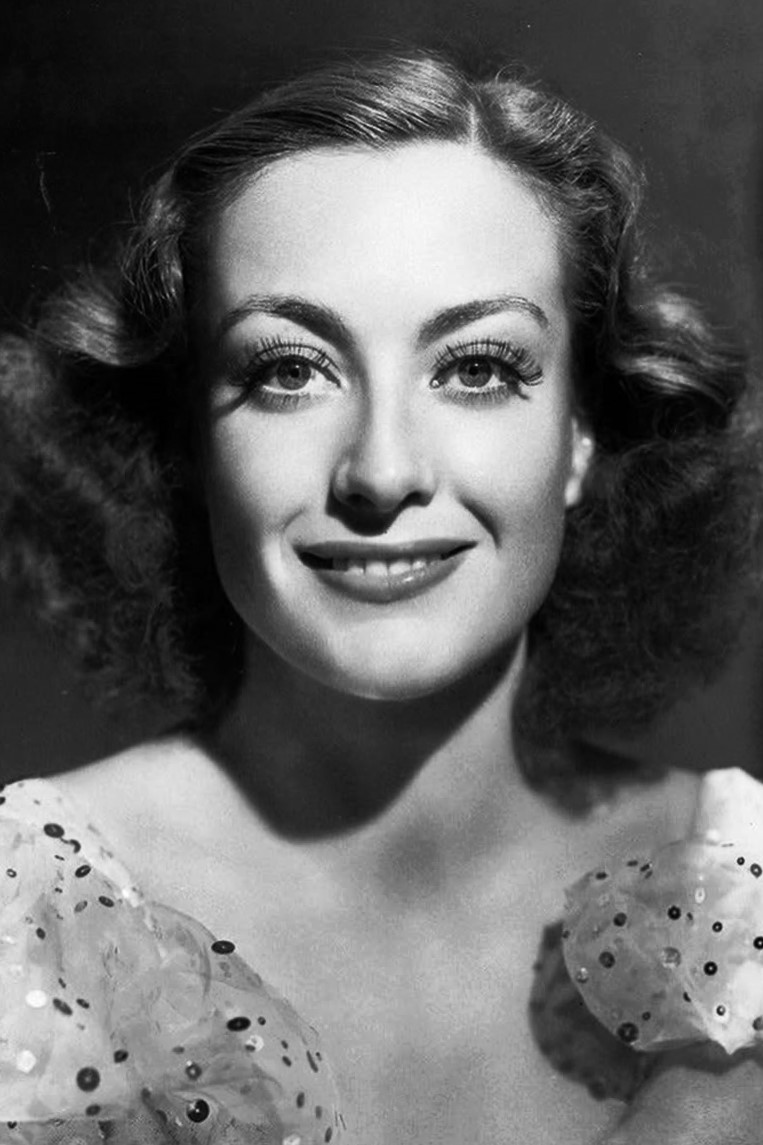
Crawford risked humiliation by leaving MGM to audition for a role in ‘Mildred Pierce’ at Warner Bros. She reinvented herself from a flapper to a dramatic actress and eventually to a horror icon in ‘What Ever Happened to Baby Jane?’. She was one of the first actresses to understand the value of publicity and managed her own image with business-like precision. Her ability to pivot and take lower-budget roles kept her relevant for decades.
Debbie Reynolds
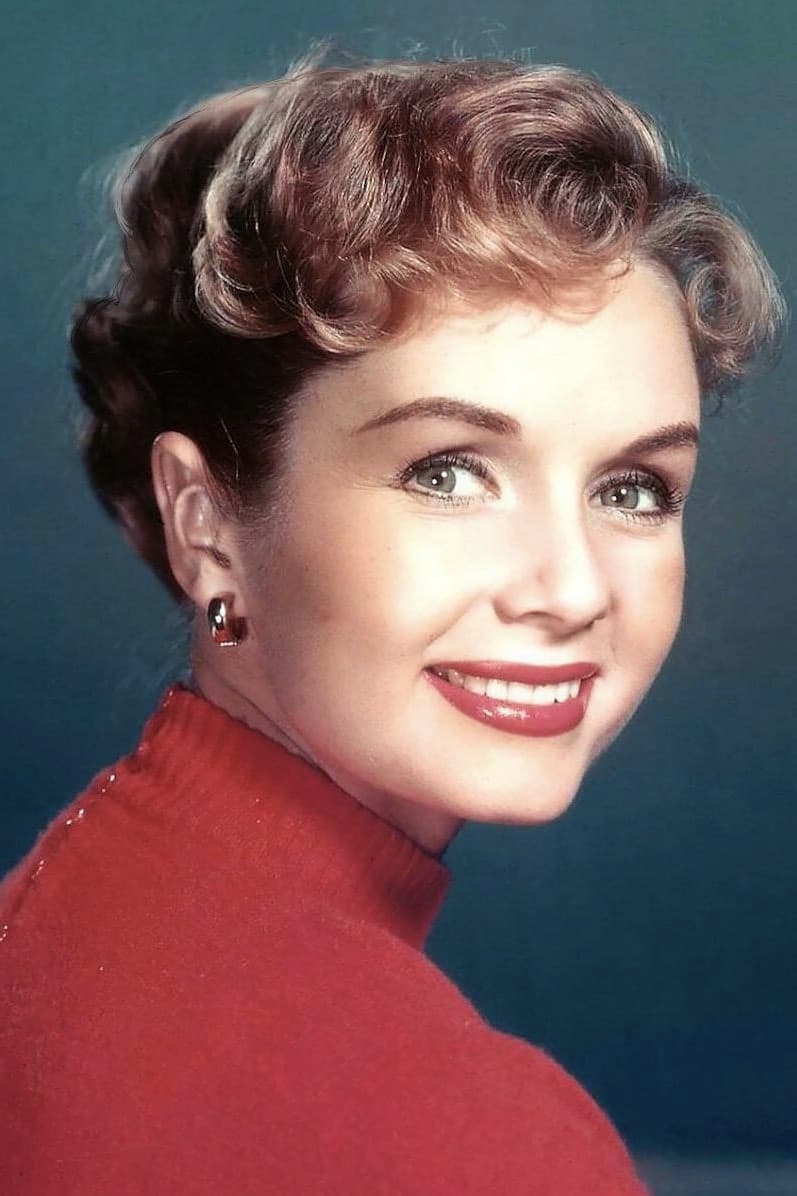
Reynolds risked her personal fortune to purchase and preserve thousands of items of Hollywood memorabilia when studios were liquidating their history. She fought for decades to establish a museum for these artifacts despite multiple financial setbacks. She worked tirelessly to ensure that the legacy of the film industry was not lost to the dumpster. Her preservation efforts saved iconic costumes that would have otherwise been destroyed.
Naya Rivera

Rivera championed LGBTQ representation on network television by pushing for her character Santana Lopez on ‘Glee’ to come out as a lesbian. She understood the importance of her role to young queer women and advocated for a storyline that treated her relationships with seriousness. She navigated the pressure of being a role model while delivering a complex performance. Her legacy includes opening doors for more diverse stories in teen dramas.
Anne Heche

Heche risked her rising movie star status by taking her relationship with Ellen DeGeneres public in the late 1990s. She faced immediate backlash from studios and claimed she was fired from a multi-picture deal due to the relationship. She refused to hide her sexuality despite the intense homophobia of the industry at the time. Her bravery came at a significant cost to her career momentum but broke ground for future actors.
Share your thoughts on which of these actresses inspired you the most in the comments.