TV Shows With Endings That Still Confuse And Fascinate Audiences

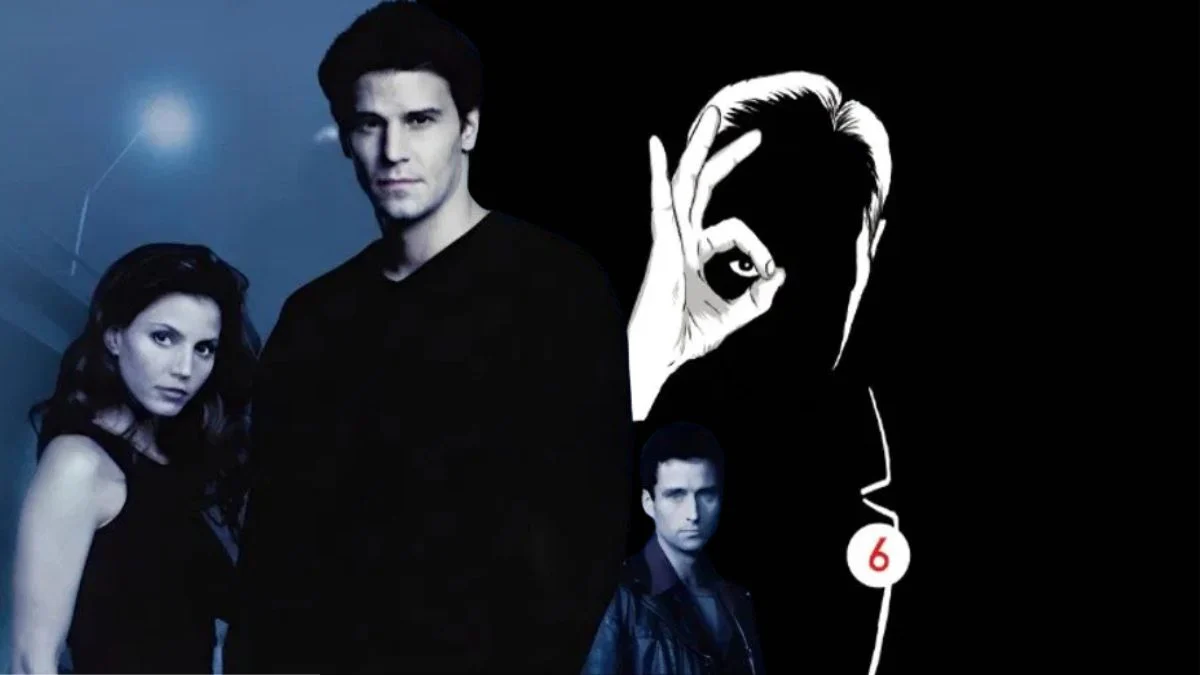

television history is filled with finales that wrap up every plotline with a neat bow, but some creators choose a different path. These controversial endings leave viewers scratching their heads, debating theories, and searching for answers long after the screen goes black. Whether through abstract surrealism, abrupt cuts, or metaphysical twists, these shows dared to defy expectations. The following series delivered conclusions that continue to spark intense analysis and confusion.
‘The Sopranos’ (1999–2007)
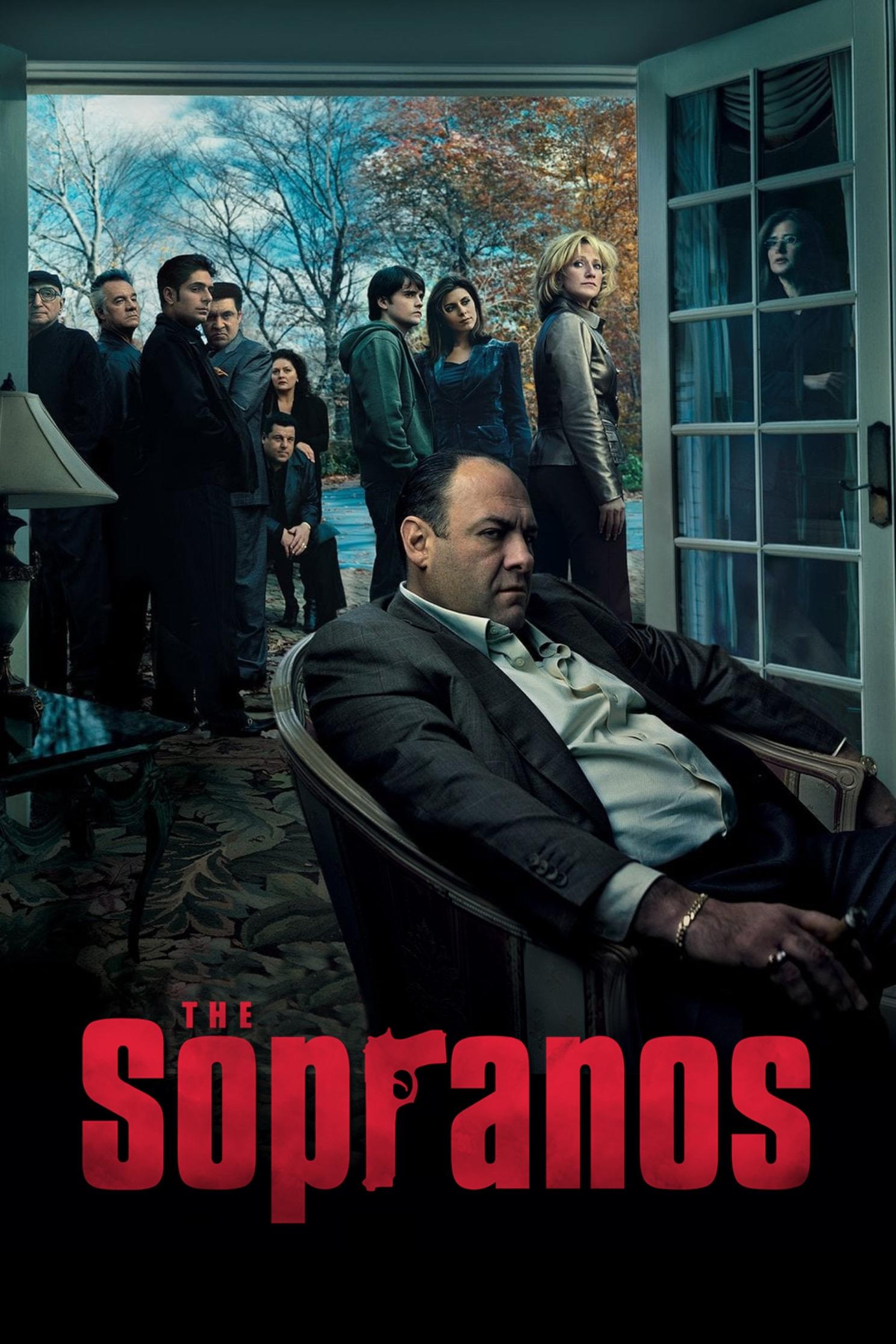
Tony Soprano sits in a mundane diner booth waiting for his daughter Meadow to arrive. The tension builds with every ring of the doorbell until the screen abruptly cuts to black mid-scene. This editing choice caused millions of viewers to think their cable had gone out during the live broadcast. Audiences still debate whether the sudden darkness represented Tony’s death or simply the paranoia he must live with forever. It remains the most famous and debated ambiguous ending in television history.
‘Lost’ (2004–2010)
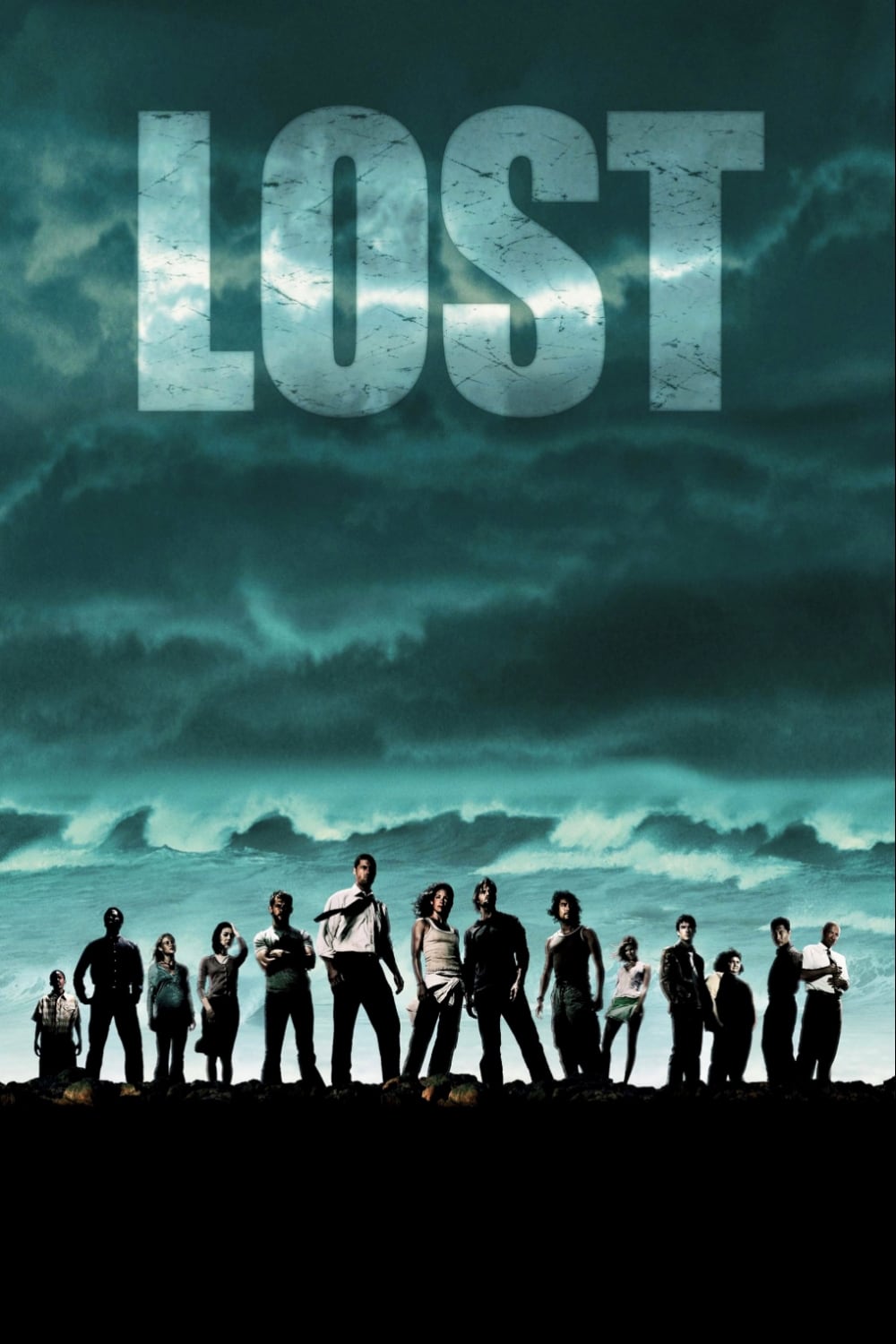
The survivors of Oceanic Flight 815 reunite in a church to move on to the afterlife together. This spiritual resolution revealed that the timeline shown throughout the final season was a form of purgatory they created for themselves. Many viewers were confused by the theological nature of the ending and mistakenly believed the characters had been dead the entire time. The finale focused heavily on emotional closure rather than resolving every scientific mystery the show introduced. It stands as a polarizing conclusion that prioritized character connections over plot mechanics.
‘The Prisoner’ (1967–1968)
Number Six finally confronts the mysterious Number One only to discover a figure wearing a monkey mask. When he unmasks the leader, he finds a laughing version of himself before escaping the village in a surreal chaotic sequence. The finale abandoned the spy thriller format entirely in favor of allegorical mayhem and abstract imagery. Viewers jammed the switchboards of the British broadcaster to complain about the lack of a concrete explanation. It serves as a commentary on the individual’s struggle against society rather than a literal narrative conclusion.
‘St. Elsewhere’ (1982–1988)
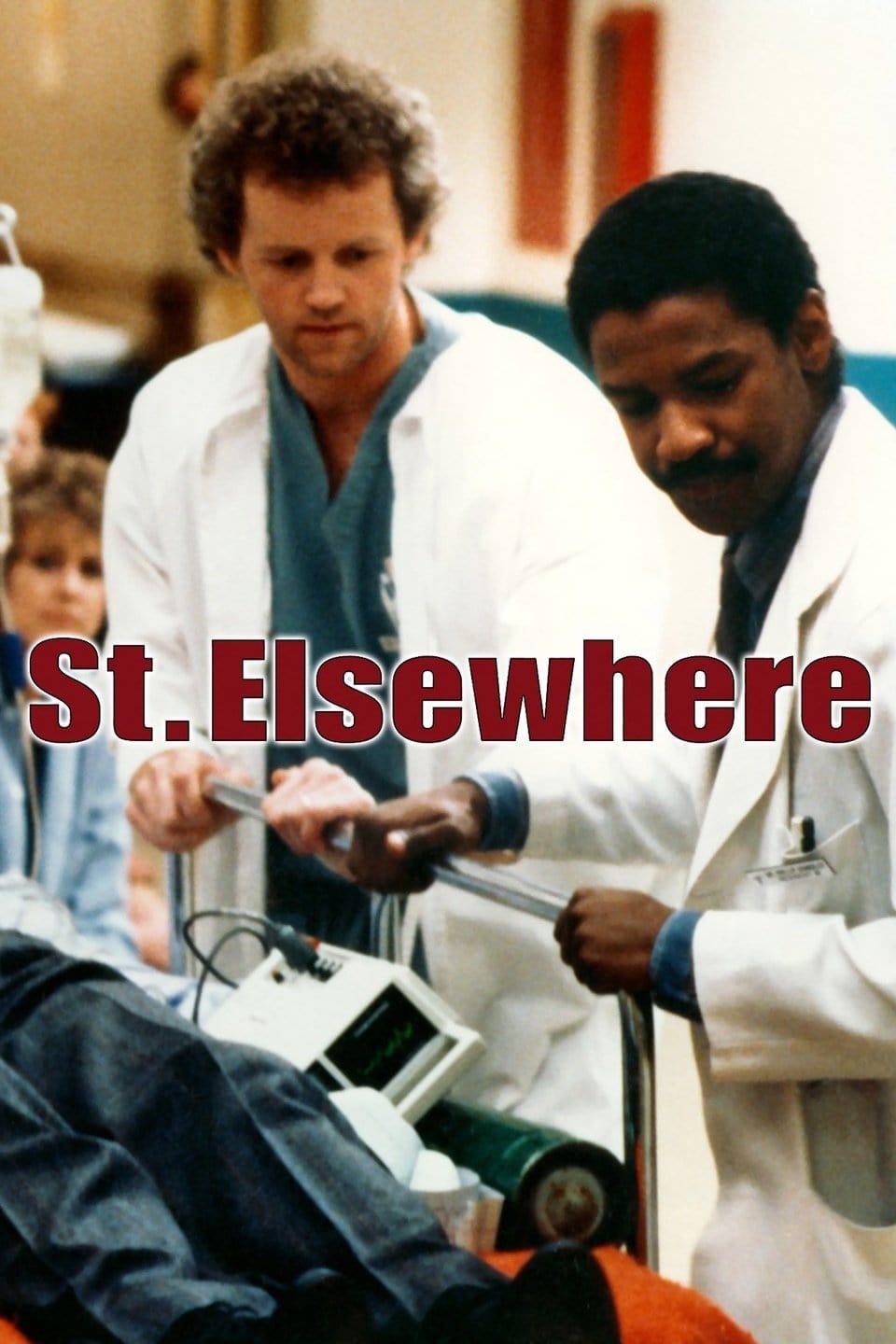
This medical drama concluded by pulling the camera back to reveal the entire series took place inside a snow globe. The autistic son of a main character is shown playing with the toy while his father enters wearing a construction worker’s uniform. This twist implied that the hospital and all its doctors were merely figments of a child’s imagination. The ending inadvertently connected hundreds of other TV shows into a shared dream universe through crossover events. It is frequently cited as the ultimate example of the “it was all a dream” trope.
‘The Leftovers’ (2014–2017)
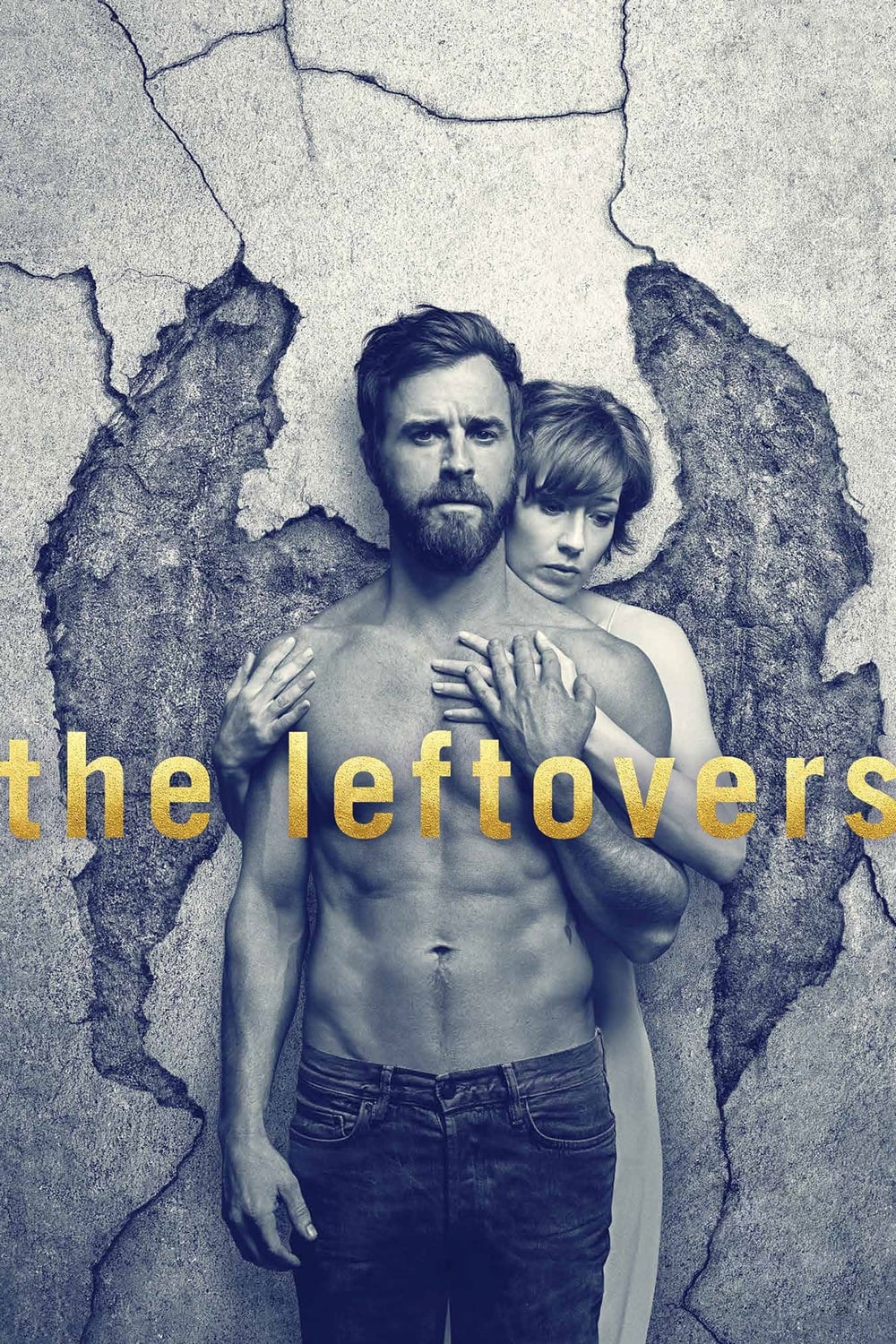
Nora Durst finally tracks down the device that supposedly transported the missing population to another dimension. In the final scene, she tells Kevin a detailed story about going to that other world and choosing to return. The show never shows the audience her journey visually, leaving it entirely ambiguous whether she is telling the truth or lying to find closure. The writers designed the ending to force the viewer to choose what they believe based on faith. It perfectly encapsulates the show’s themes of grief and belief systems.
‘Mr. Robot’ (2015–2019)
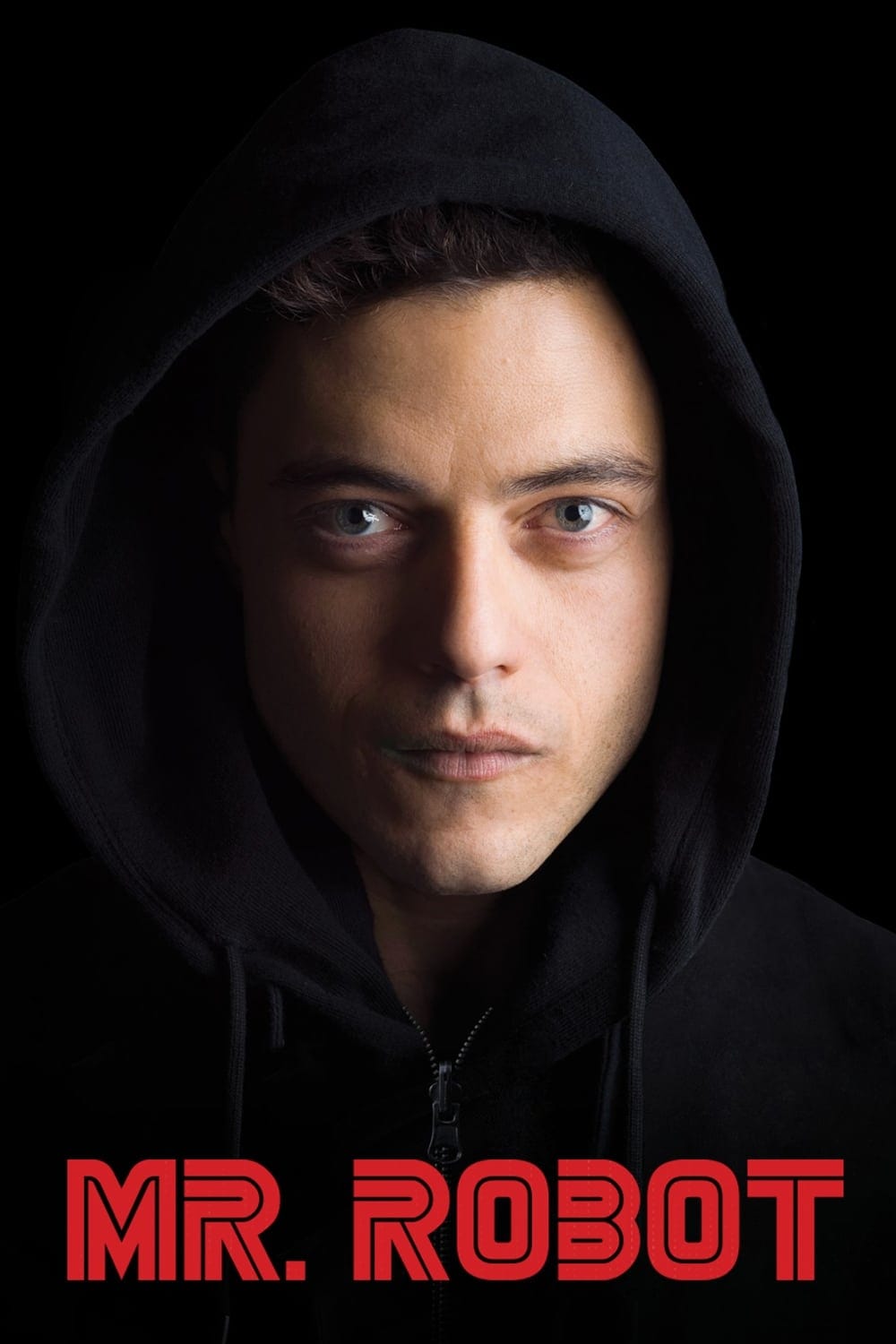
Elliot Alderson discovers that the version of himself viewers have followed for the entire series is actually just another personality. The “Mastermind” personality created a loop to protect the real Elliot while he healed in a mental prison. This revelation recontextualizes the entire show as an internal struggle for control rather than just a hacker thriller. The series ends with the Mastermind relinquishing control so the real Elliot can finally wake up. It is a complex exploration of identity that rewards repeat viewings.
‘Dark’ (2017–2020)
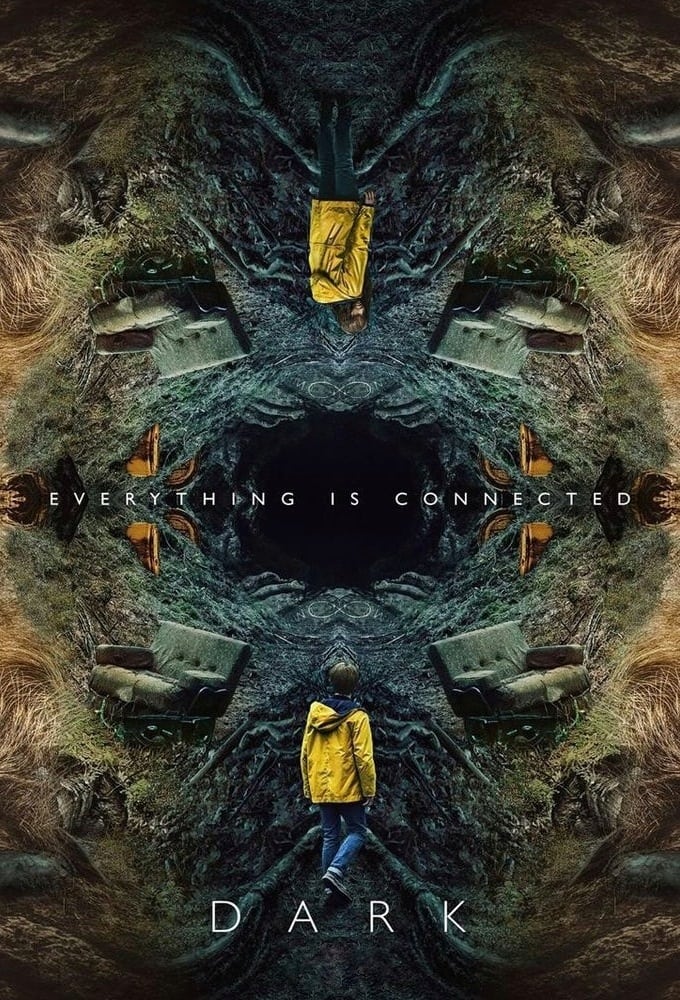
Jonas and Martha realize that their two intertwined worlds are actually errors created by a scientist in a third original world. They travel to the origin world to prevent the car crash that started the time travel cycle. By saving the scientist’s family, they cause their own worlds and their own existences to dissolve into golden dust. The dinner party scene at the end suggests a lingering sense of deja vu among the surviving characters. The finale resolves the knot by erasing the show’s entire timeline.
‘Neon Genesis Evangelion’ (1995–1996)
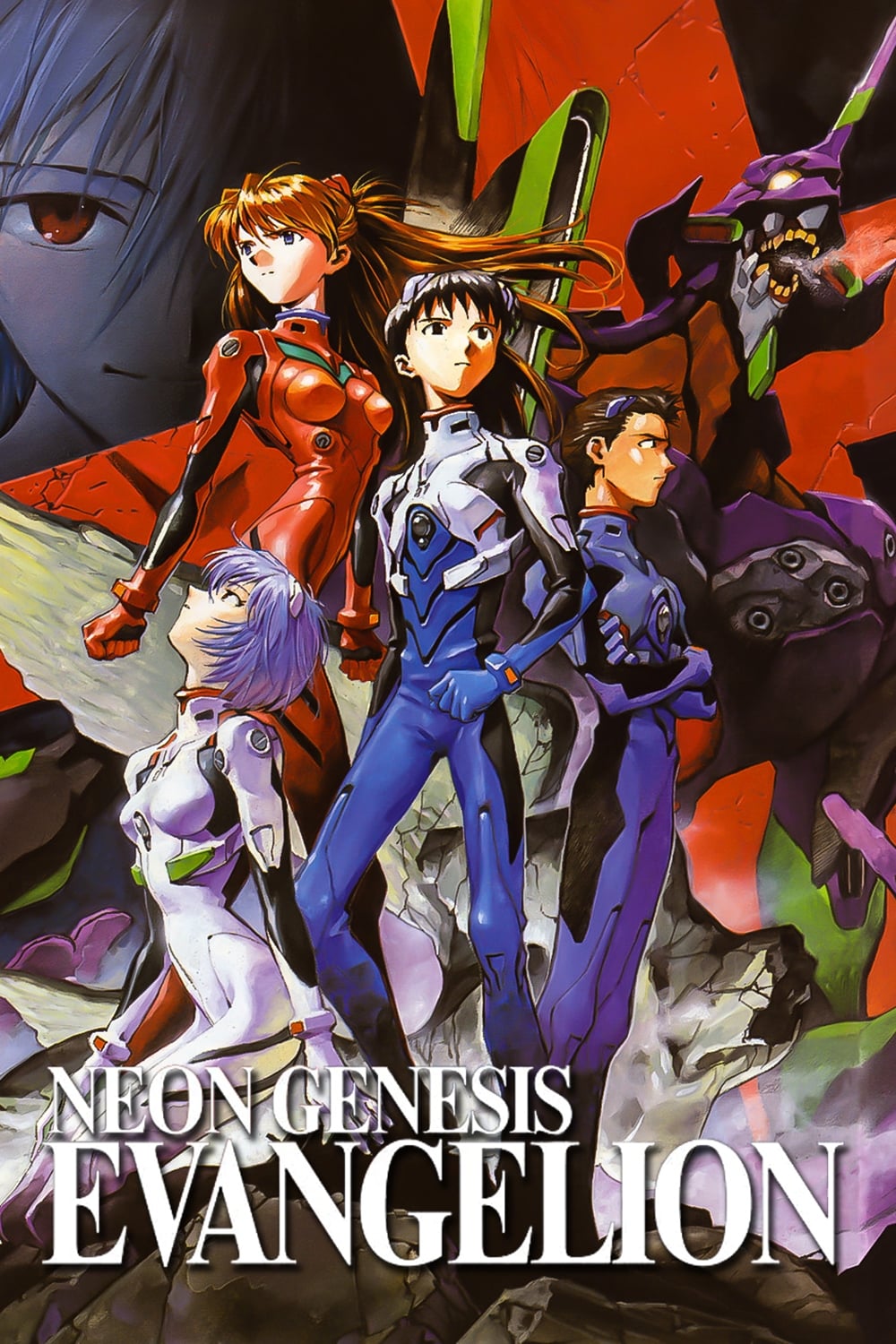
The original anime series ran out of budget and abandoned its apocalyptic robot battles for an abstract psychological introspection. Shinji Ikari floats in a void while confronting his own insecurities and fear of human connection. The series ends with the cast standing on a floating blue sphere clapping and congratulating Shinji for accepting himself. This avant-garde conclusion confused fans so much that a movie was released later to provide a physical ending. It remains a fascinating pivot from mecha action to therapy session.
‘Mad Men’ (2007–2015)
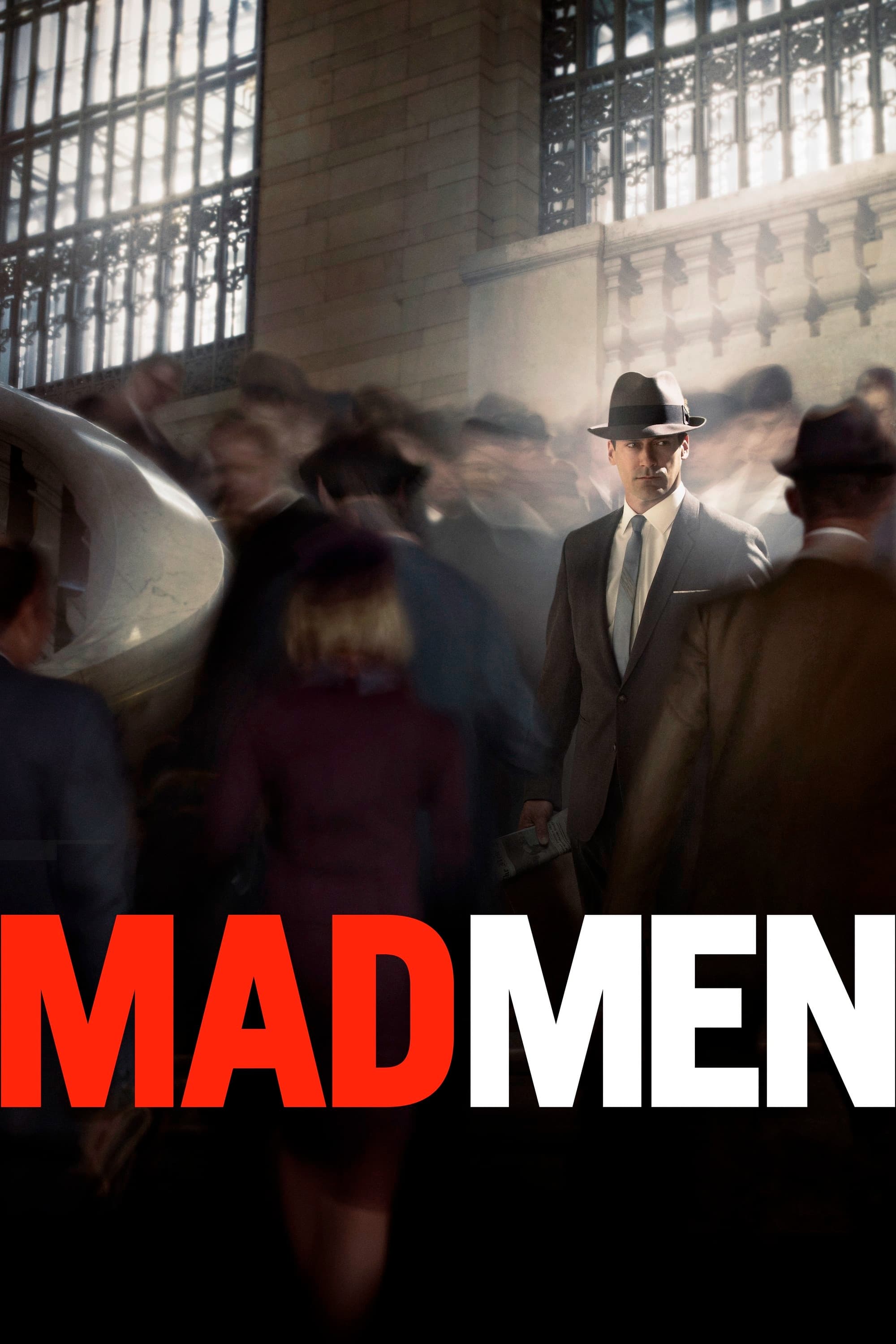
Don Draper finds himself at a spiritual retreat in California after abandoning his life in New York. While meditating on a cliffside, a bell chimes and a smile spreads across his face before the screen cuts to the famous “I’d Like to Buy the World a Coke” commercial. The ending suggests Don used his moment of enlightenment to create one of the most successful ads in history. Viewers debate whether this represents Don’s cynical exploitation of peace or his ultimate creative triumph. It is a fittingly ambiguous end for a character defined by reinvention.
‘Battlestar Galactica’ (2004–2009)
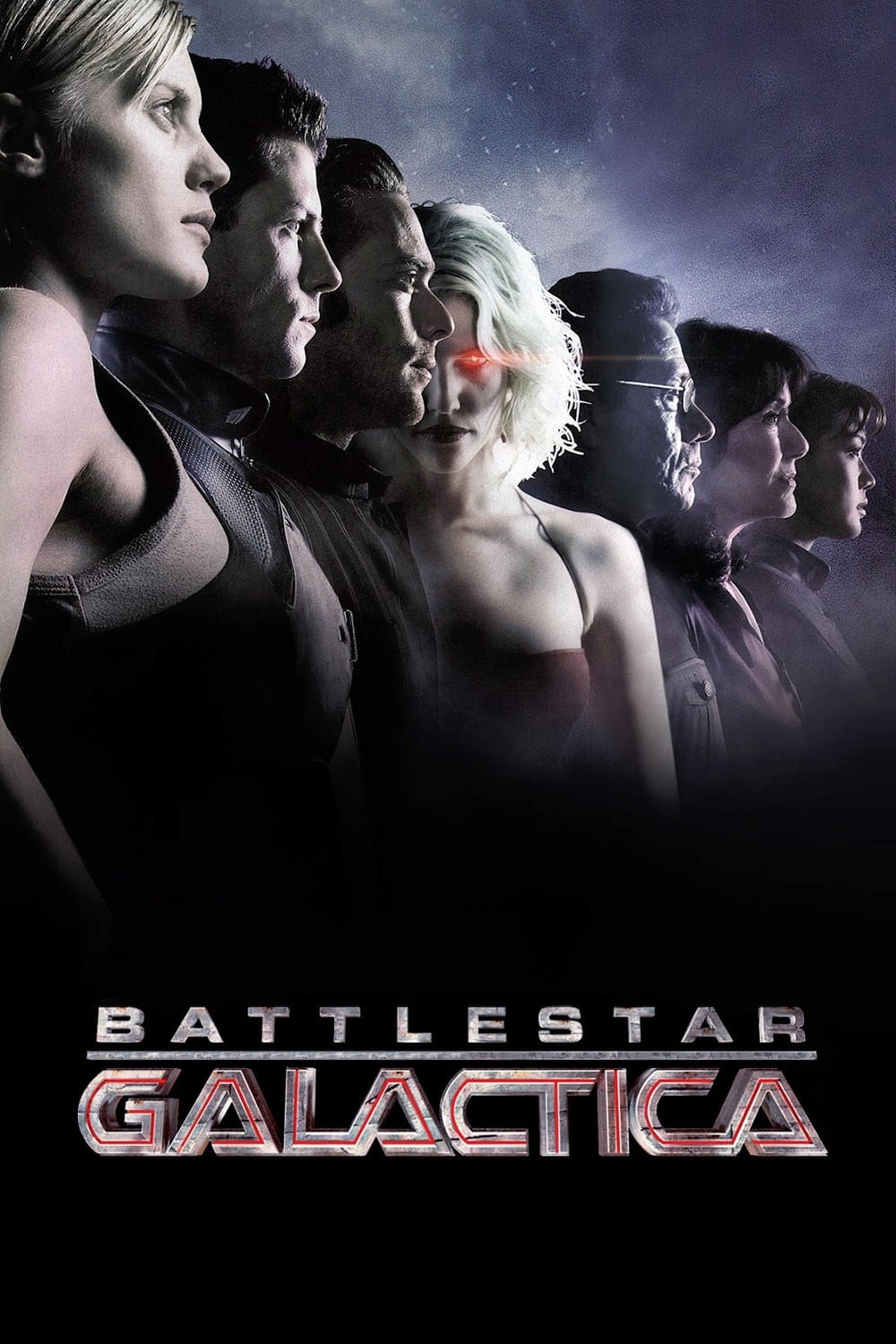
The fleet finally locates Earth only to discover it is our planet in the distant past. They decide to abandon their technology and live among early humans to break the cycle of violence between man and machine. The twist that the characters are actually the ancestors of modern humanity was met with mixed reactions. A final flash-forward to modern-day New York suggests the cycle of AI rebellion is beginning again. The heavy religious overtones involving Starbuck’s nature left many questions unanswered.
‘Life on Mars’ (2006–2007)

Sam Tyler wakes up from his coma in the present day but feels completely empty and detached from his life. He chooses to jump off the roof of the police station to return to the world of 1973. The final shot shows the team driving off as the radio declares there is no life on Mars. The ending implies Sam chose a vibrant fantasy or afterlife over a grey reality. It challenges the viewer to decide which world was actually the dream.
‘Ashes to Ashes’ (2008–2010)
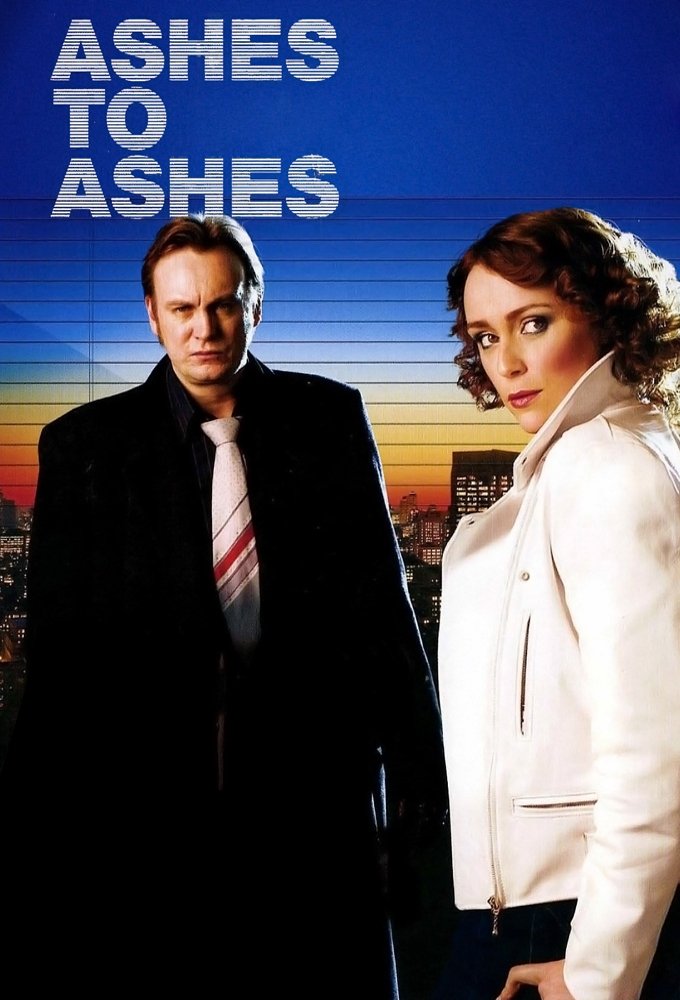
This sequel series revealed that the world the characters inhabited was a form of purgatory for police officers who died violently. The station commander Gene Hunt is unveiled as a guardian angel figure who helps souls move on. The finale sees the main characters entering a pub representing heaven while Gene remains behind to help others. This explanation recontextualized the events of the previous show as well. It provided a supernatural answer to a mystery that felt grounded in sci-fi.
‘Angel’ (1999–2004)
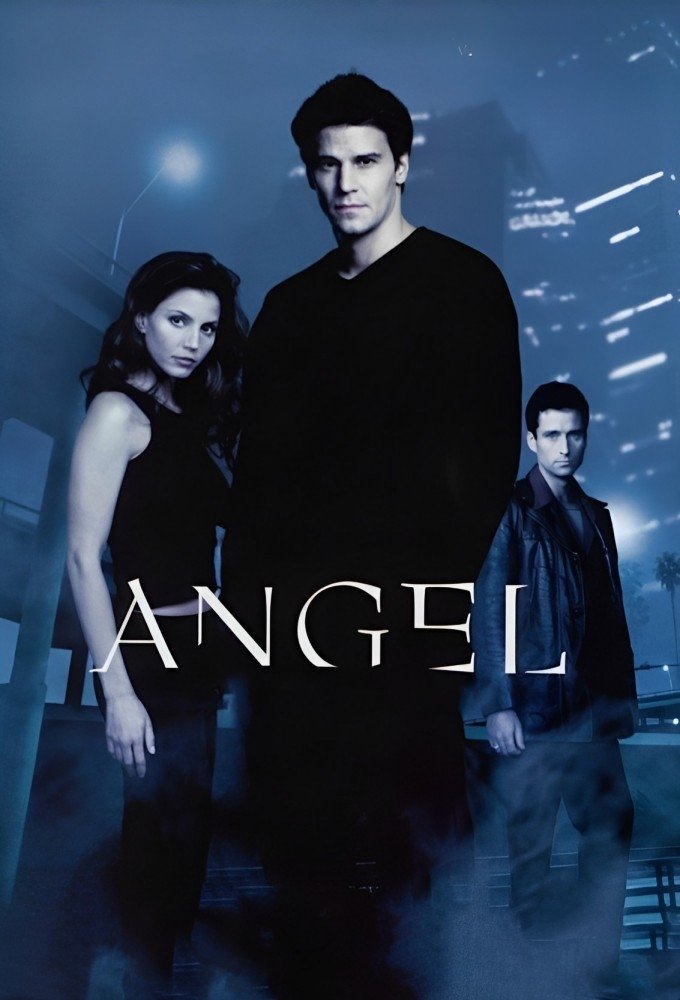
The vampire detective and his surviving team stand in an alleyway facing down an army of demons and a dragon. Angel swings his sword as the screen cuts to black before the battle even begins. The creators intended the non-ending to symbolize that the fight against evil is a constant struggle that never truly ends. Fans were initially frustrated by the lack of resolution regarding who lived or died. It emphasizes the theme that redemption is a journey without a final destination.
‘The OA’ (2016–2019)
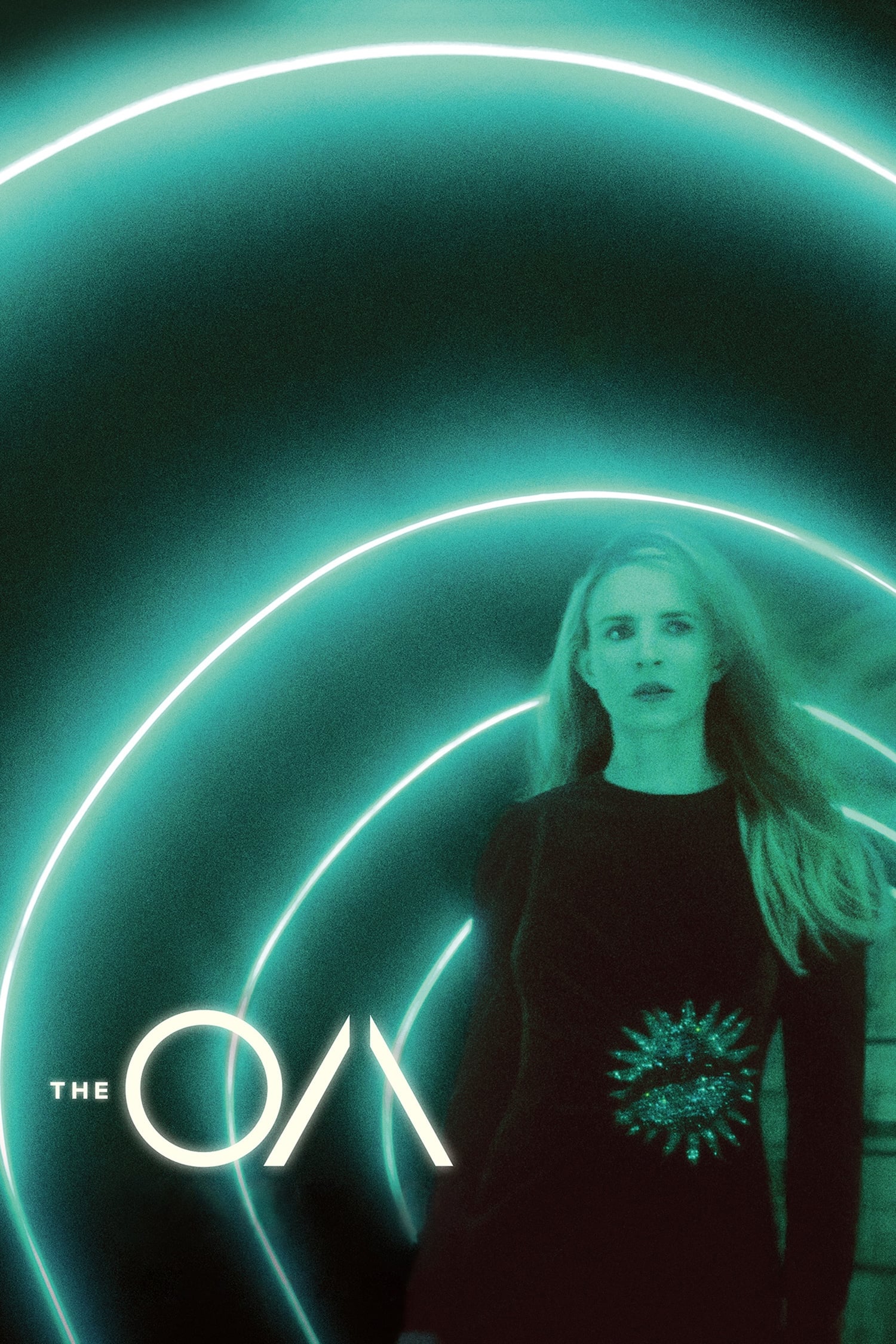
The second season ends with the protagonist shifting dimensions and landing on a TV set where she is an actress named Brit Marling. The show breaks the fourth wall by having the characters enter our “real” world where the show is being filmed. The subsequent cancellation of the series adds another layer of meta-confusion to the narrative. Fans argue whether the cancellation is part of the story or just an unfortunate business decision. It is one of the most daring metaphysical twists in recent memory.
‘Hannibal’ (2013–2015)
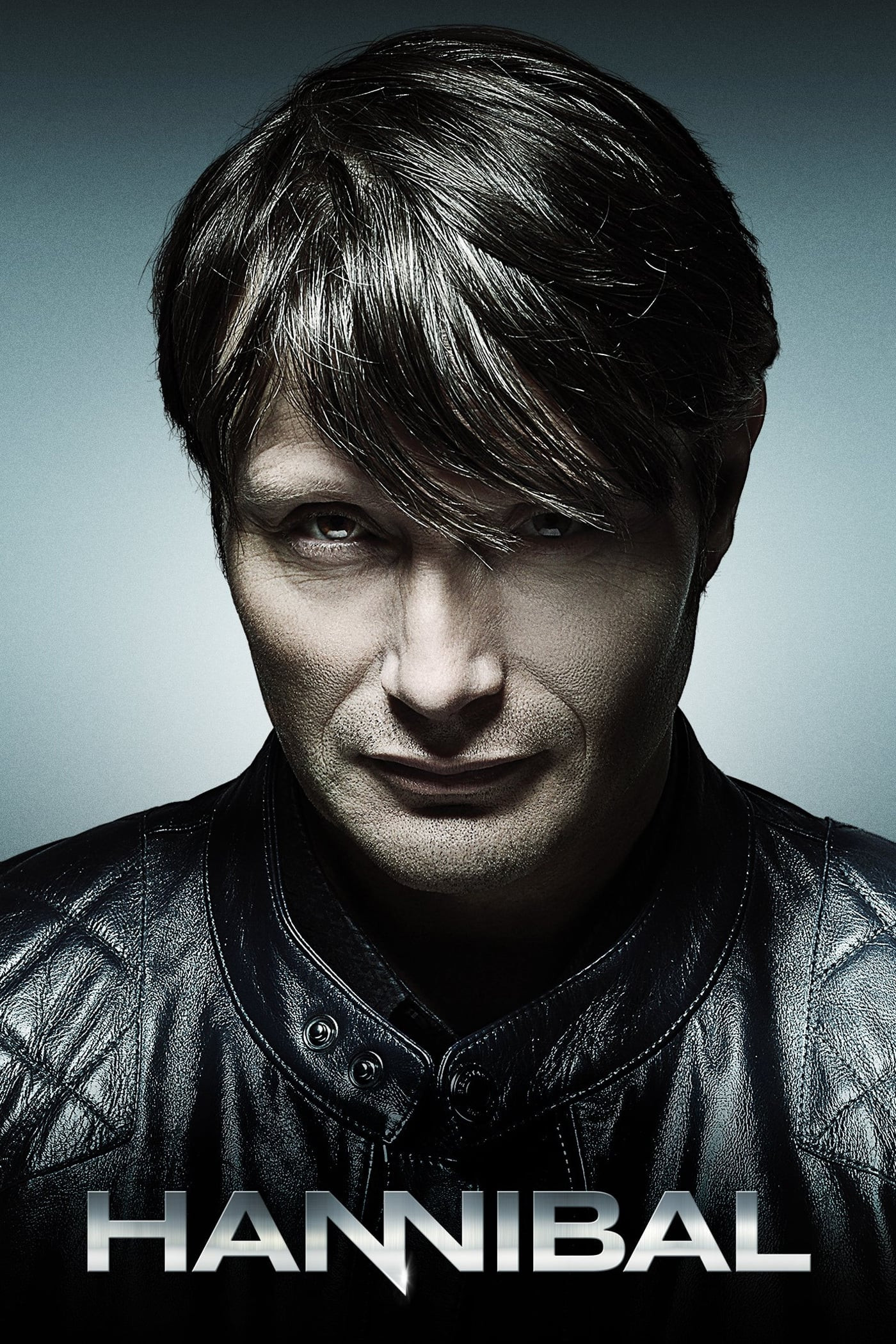
Will Graham and Hannibal Lecter embrace after killing the Red Dragon together on a cliff edge. They fall off the cliff into the ocean below as the song “Love Crime” plays. A post-credits scene shows Bedelia Du Maurier sitting at a table set for three with her own leg cooked and served. The ambiguity of whether the men survived and who is feeding Bedelia drives fan theories. It is a grotesque and romantic conclusion to their toxic relationship.
‘Legion’ (2017–2019)
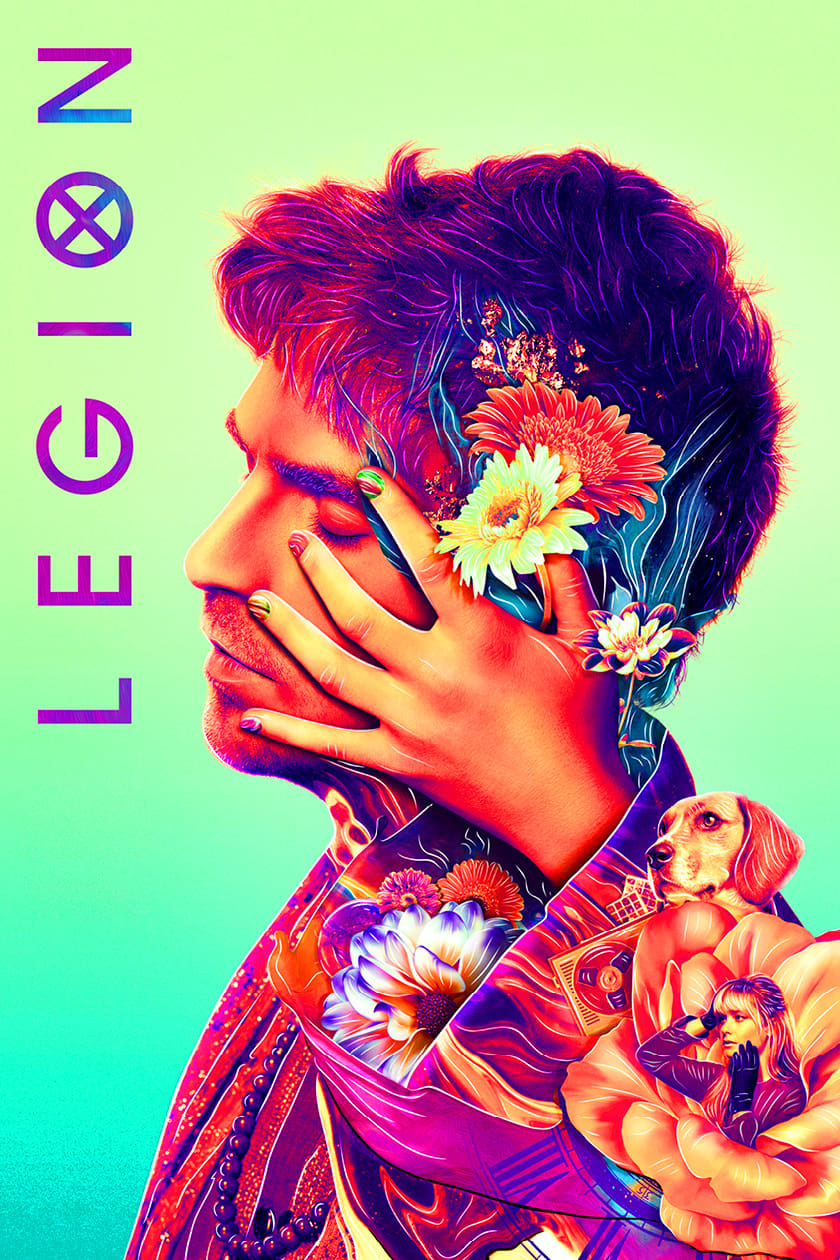
David Haller uses his immense psychic powers to restart his own timeline and give himself a better childhood. The series ends with the current version of David fading away as the timeline resets. This erases the events of the entire show from existence in favor of a new beginning. Viewers are left with the melancholy realization that the characters they watched no longer exist. It is a visually stunning way to handle a time travel reboot.
‘Watchmen’ (2019)
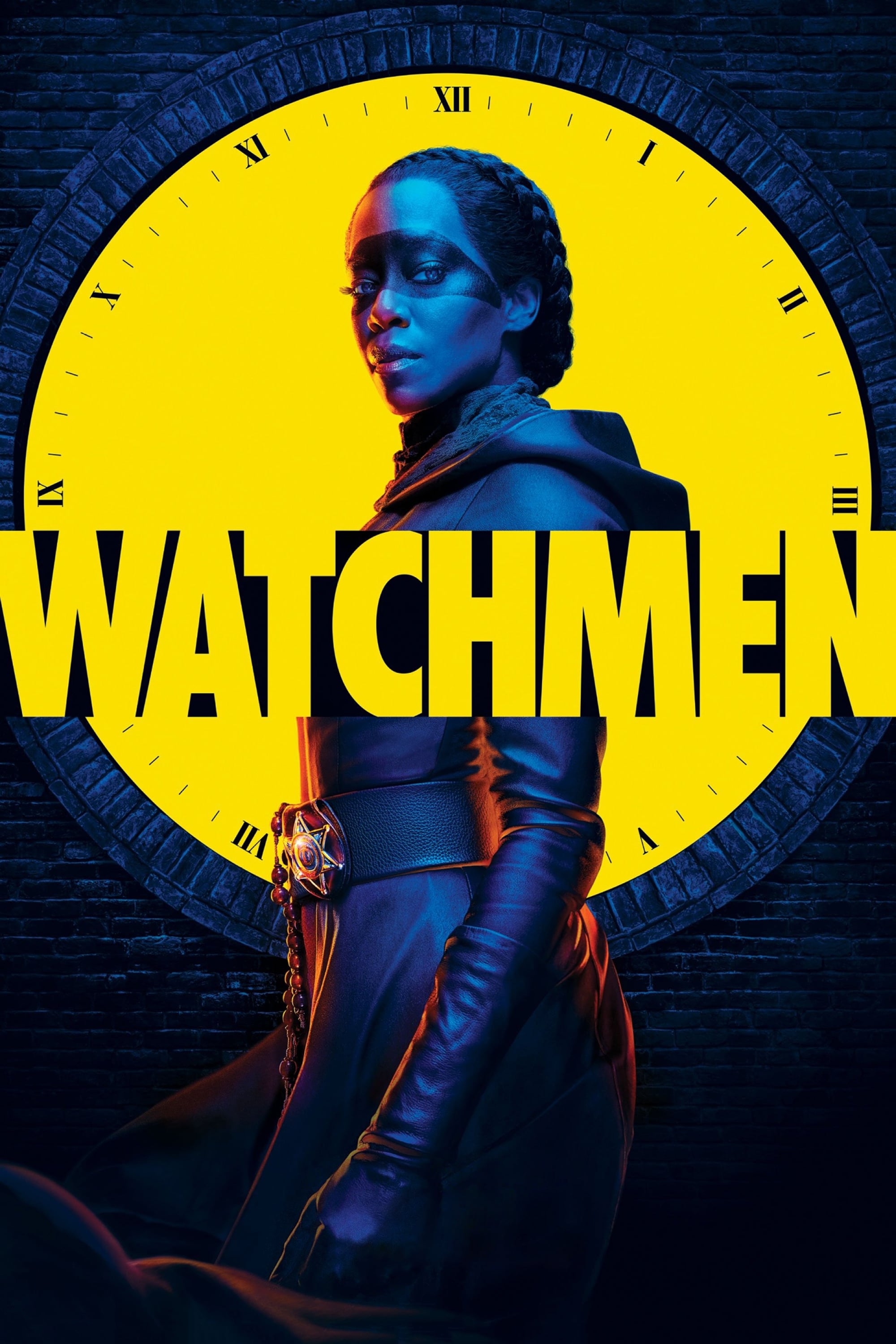
Angela Abar consumes a raw egg that supposedly contains the god-like powers of Doctor Manhattan. The final shot shows her foot hovering over her swimming pool as she attempts to walk on water. The screen cuts to black the moment her skin touches the surface. Viewers never see if she sinks or stands, leaving her divinity in question. It serves as a perfect cliffhanger that questions the transfer of power.
‘Atlanta’ (2016–2022)
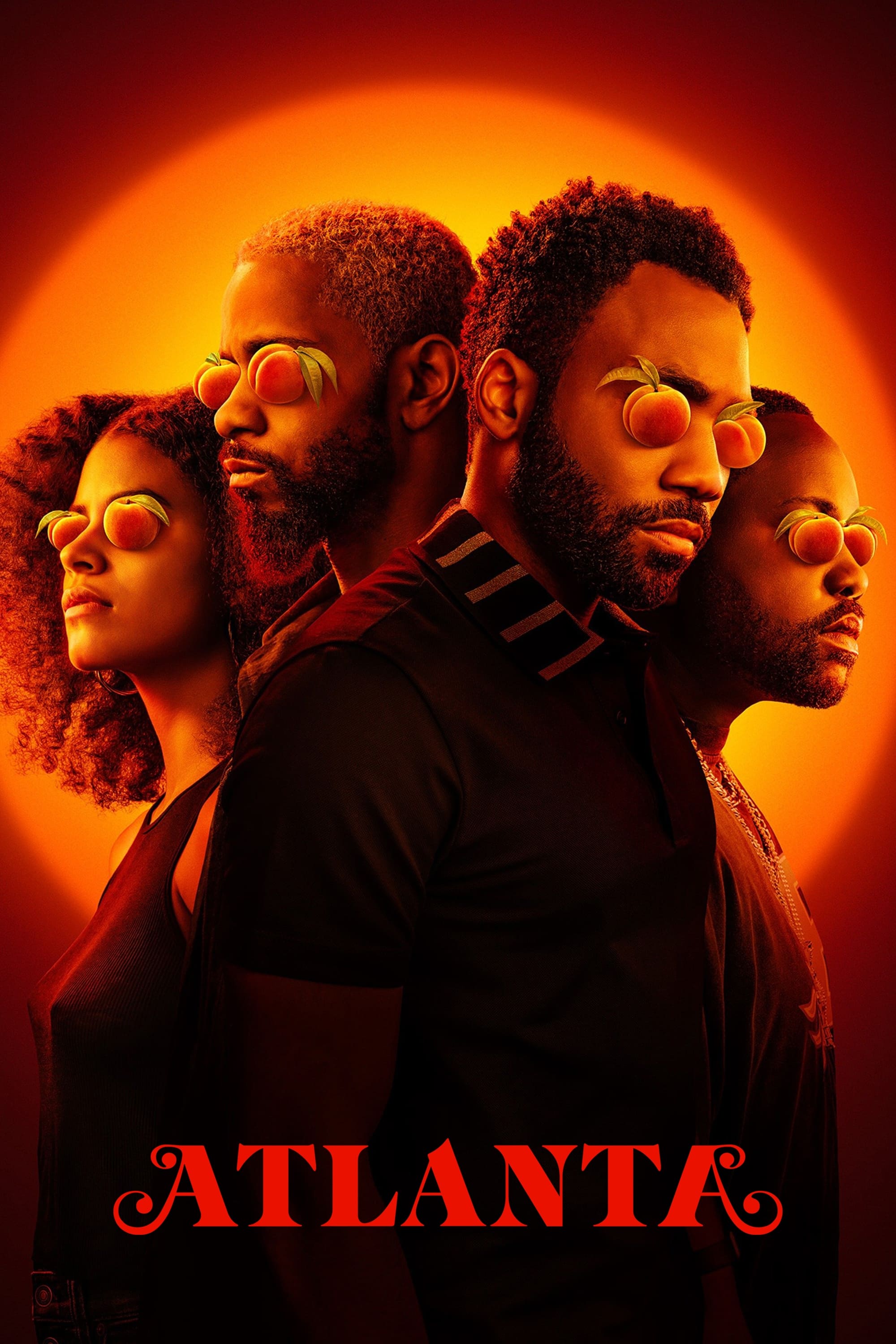
The surreal series concludes with Darius watching Judge Judy in a sensory deprivation tank. He looks for a specific visual cue to determine if he is dreaming or awake, but the camera cuts away before the audience sees the result. This implies the entire finale or even the whole show might be a hallucination in the tank. The ambiguity fits the show’s dreamlike logic and Afro-surrealist tone. It refuses to provide a grounding reality for its bizarre events.
‘The Curse’ (2023–2024)
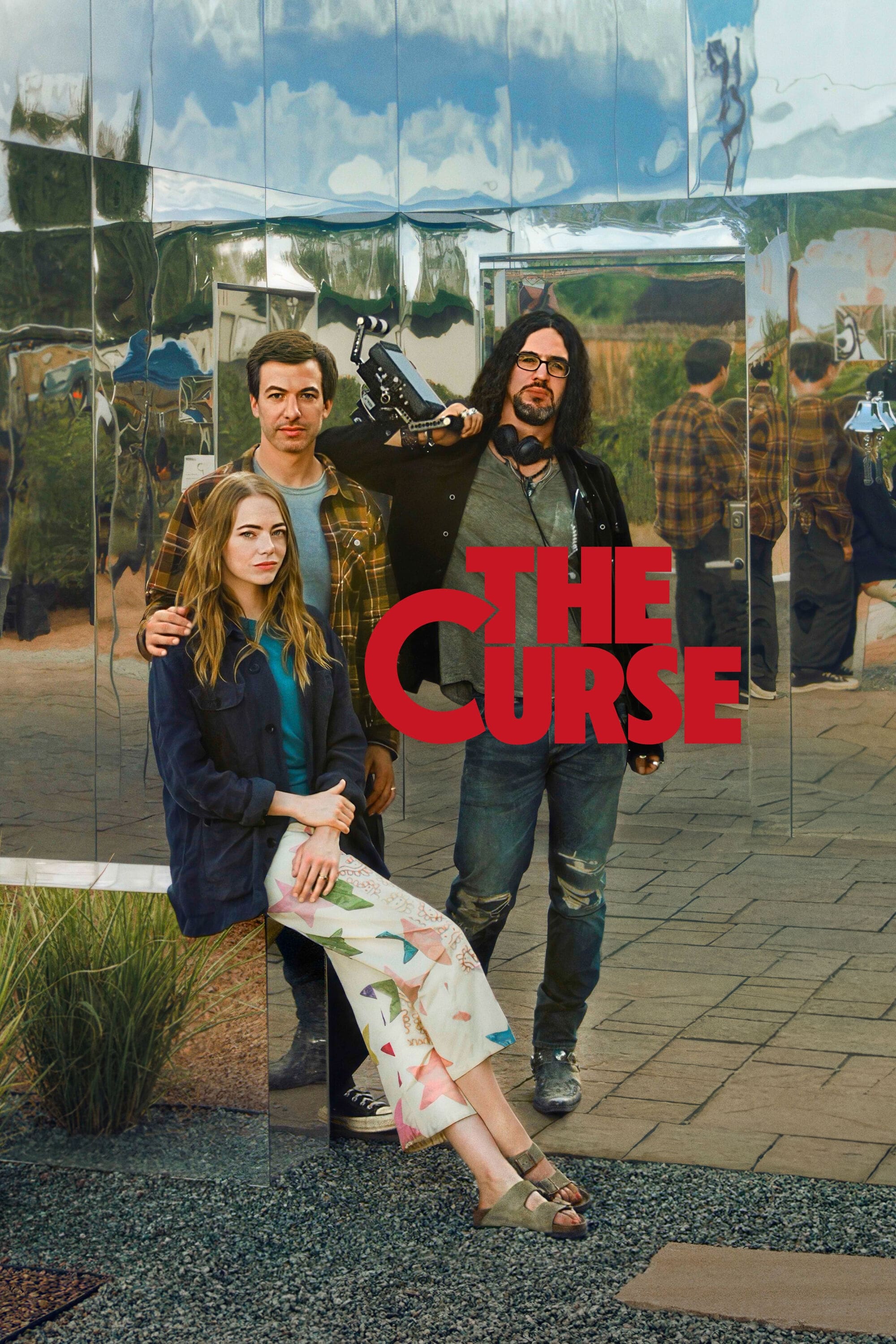
Asher Siegel suddenly loses his connection to gravity and begins floating uncontrollably into the sky. He is eventually flung into outer space where he dies curled in a fetal position while his wife gives birth on the ground below. The literal interpretation of the curse defied all expectations for a cringe-comedy series. It shifts genres into cosmic horror in its final moments without explanation. Audiences were left baffled by the sudden departure from realism.
‘Cowboy Bebop’ (1998–1999)

Spike Spiegel storms the syndicate headquarters for a final duel with his rival Vicious. After sustaining heavy injuries, Spike descends a staircase, points a finger gun at the witnesses, and collapses. The camera pans up to the sky as a star fades out, symbolizing a warrior’s death. Fans still debate whether Spike actually died or just fell unconscious. The ambiguity allows viewers to hold onto hope despite the tragic tone.
‘Code Geass: Lelouch of the Rebellion’ (2006–2008)
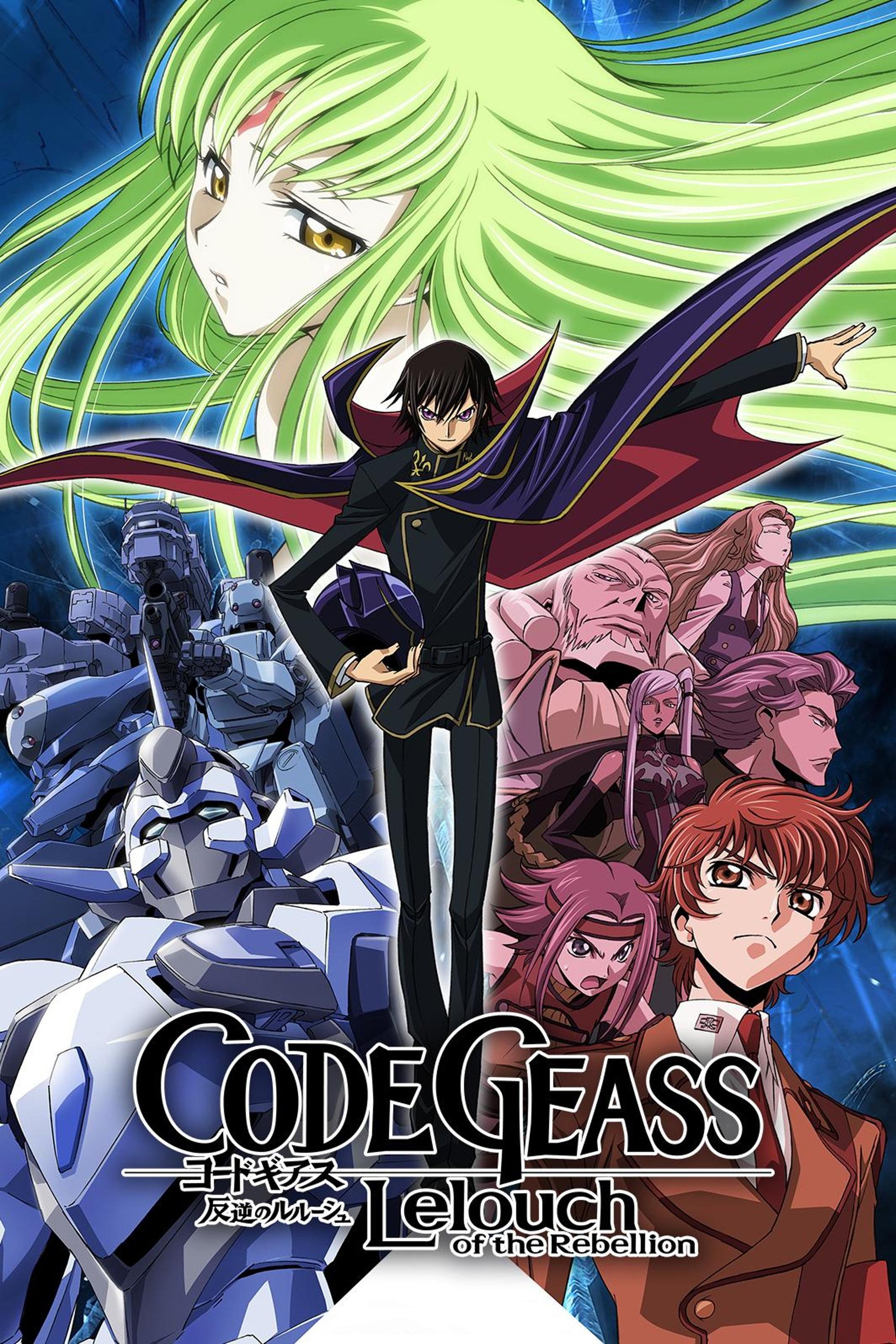
Lelouch vi Britannia orchestrates his own public assassination to unite the world against him and bring peace. A masked figure stabs him on a parade float, and he dies in his sister’s arms. However, the final scene features a cart driver who some fans believe is Lelouch in disguise. This theory suggests he gained immortality and faked his death to escape his burden. The creators have given conflicting statements, keeping the “alive” theory thriving.
‘Monster’ (2004–2005)

Dr. Tenma saves the life of the serial killer Johan Liebert for a second time and visits him in a coma. In the final shot, the hospital bed is shown to be empty with the window open. It is unclear if Johan escaped to kill again, committed suicide, or if he was never there at all. The ending reinforces the idea that the “monster” cannot be easily contained or understood. It leaves the moral dilemma of the protagonist unresolved.
‘Roseanne’ (1988–1997)
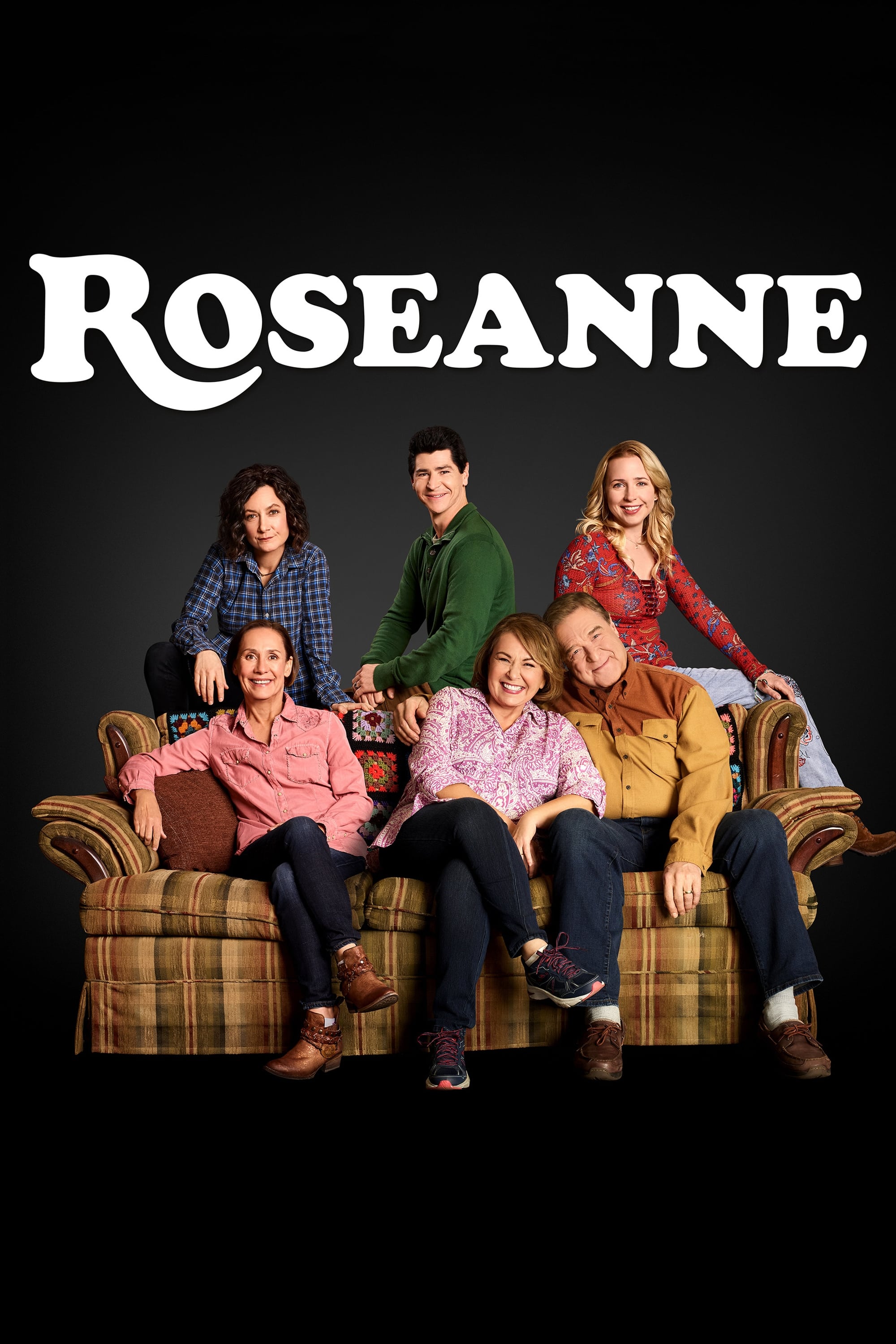
The final season of this sitcom featured bizarre plotlines about the family winning the lottery. In the finale, Roseanne reveals that the entire series was actually a book she was writing based on her life. She discloses that her husband Dan actually died of a heart attack the previous season and the lottery win was a fantasy to cope with grief. This depressing twist retroactively tainted the comedy for many loyal viewers. It stands as one of the most jarring tonal shifts in sitcom history.
‘Newhart’ (1982–1990)

Bob Newhart wakes up in bed next to his wife from his previous sitcom The Bob Newhart Show. He tells her he had a crazy dream that he ran an inn in Vermont. This revealed that the entire eight-season run of Newhart was just a dream of his character from an entirely different series. It is widely considered one of the most brilliant and unexpected jokes in television history. The meta-ending celebrated the actor’s legacy rather than the show’s plot.
‘Dinosaurs’ (1991–1994)
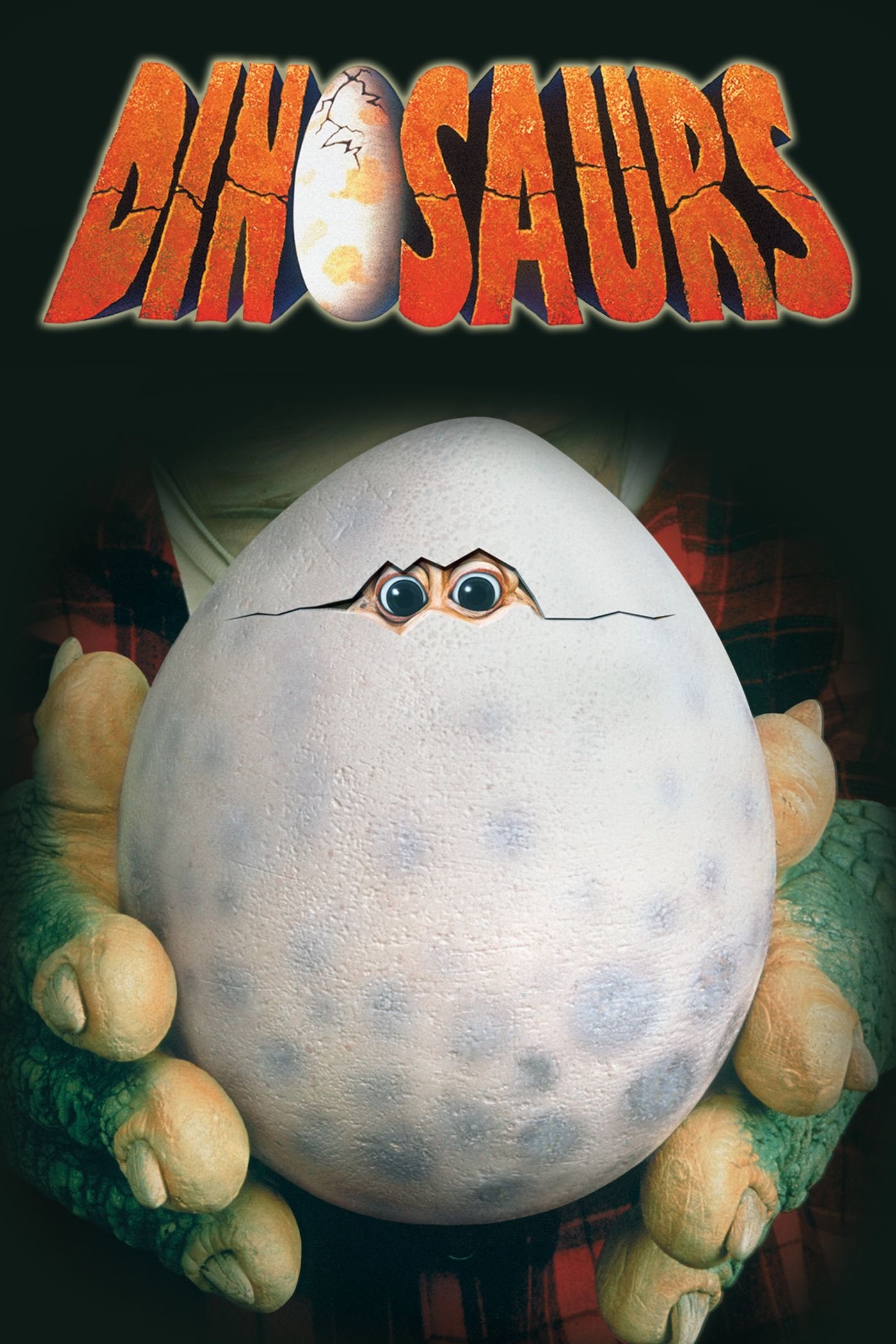
This family puppet sitcom ended with the father inadvertently causing an Ice Age that dooms all life on Earth. The final scene shows the family huddling together for warmth as snow buries their home. The newscaster signs off by saying goodbye to the viewers before the screen fades. It is a shockingly bleak environmental message for a show aimed at children. The sudden shift to extinction left a lasting traumatic impression on young audiences.
‘Quantum Leap’ (1989–1993)
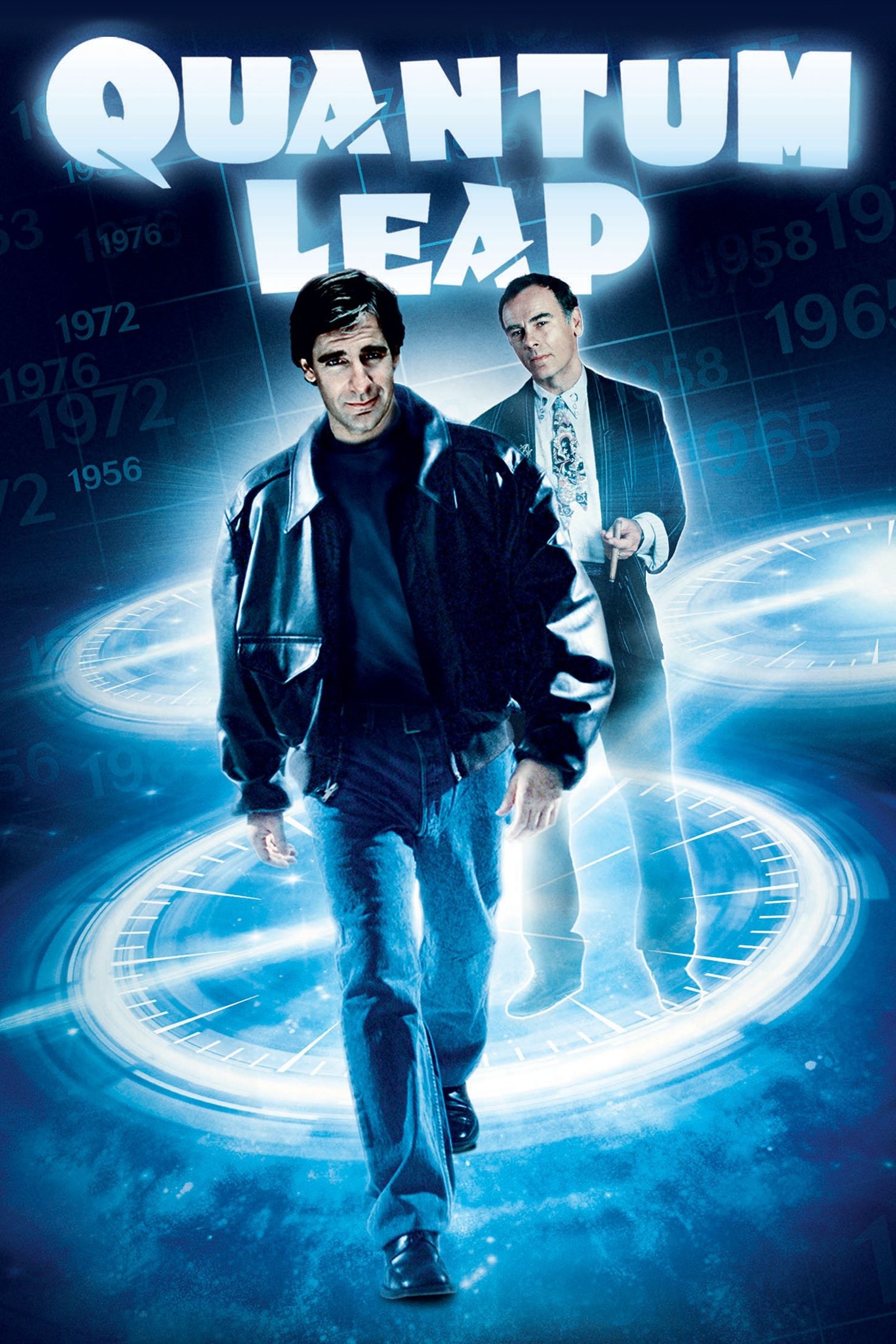
Sam Beckett finally meets God or a bartender representing fate in the series finale. He is told he can choose to go home, but he decides to keep leaping to help people. A title card simply states that Dr. Sam Beckett never returned home. Fans were heartbroken that the hero never got his happy ending after years of sacrifice. It remains a controversial text-based conclusion to a beloved sci-fi series.
‘ALF’ (1986–1990)
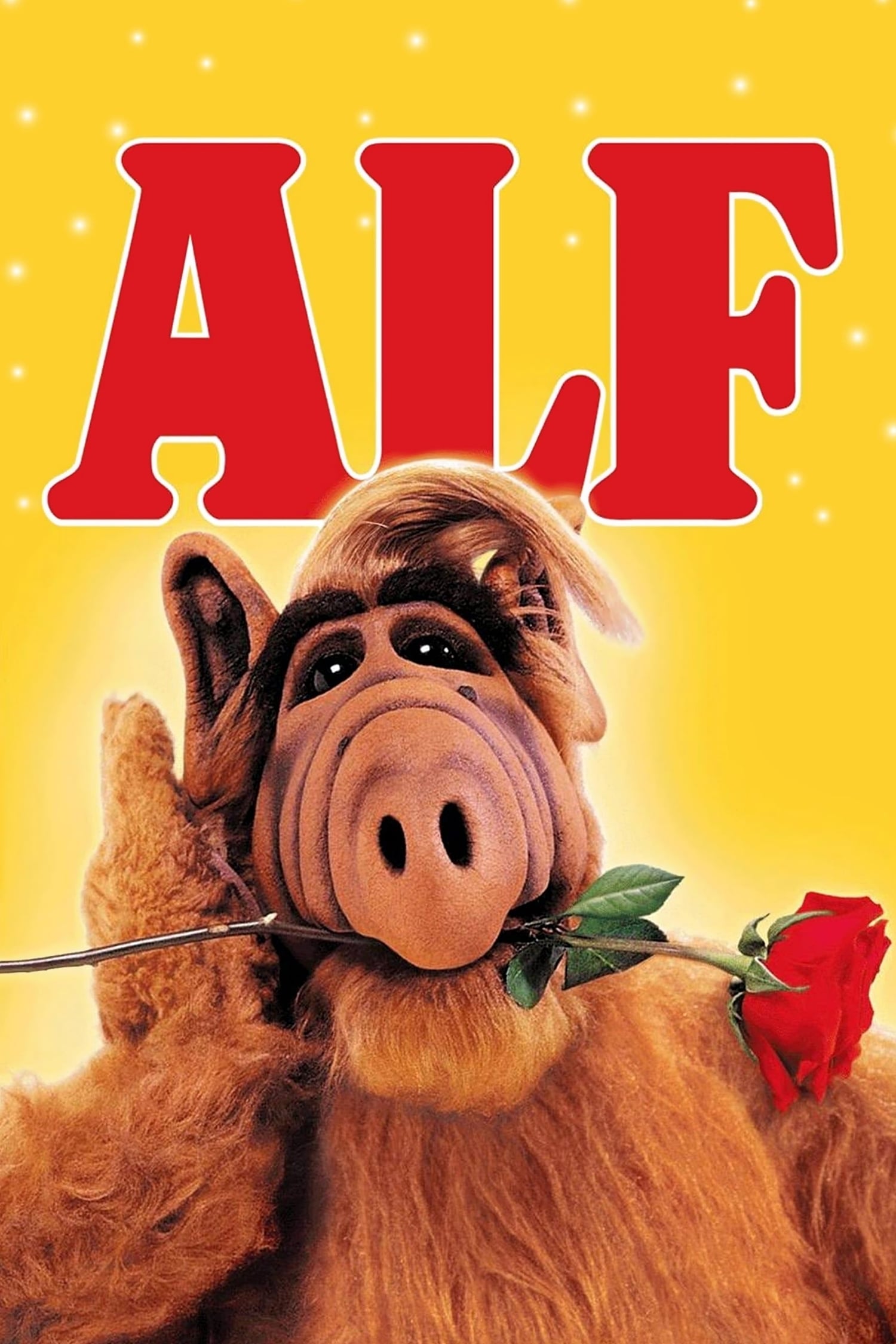
The friendly alien is about to be rescued by his spaceship when the Alien Task Force surrounds him. The series ends on a cliffhanger with ALF being captured by the government agents he spent years hiding from. A planned TV movie was supposed to resolve the plot, but the show was cancelled before it could happen. This left the sitcom with a surprisingly dark ending where the protagonist likely faces dissection. It is often cited as a traumatic non-ending for a comedy.
‘Blake’s 7’ (1978–1981)
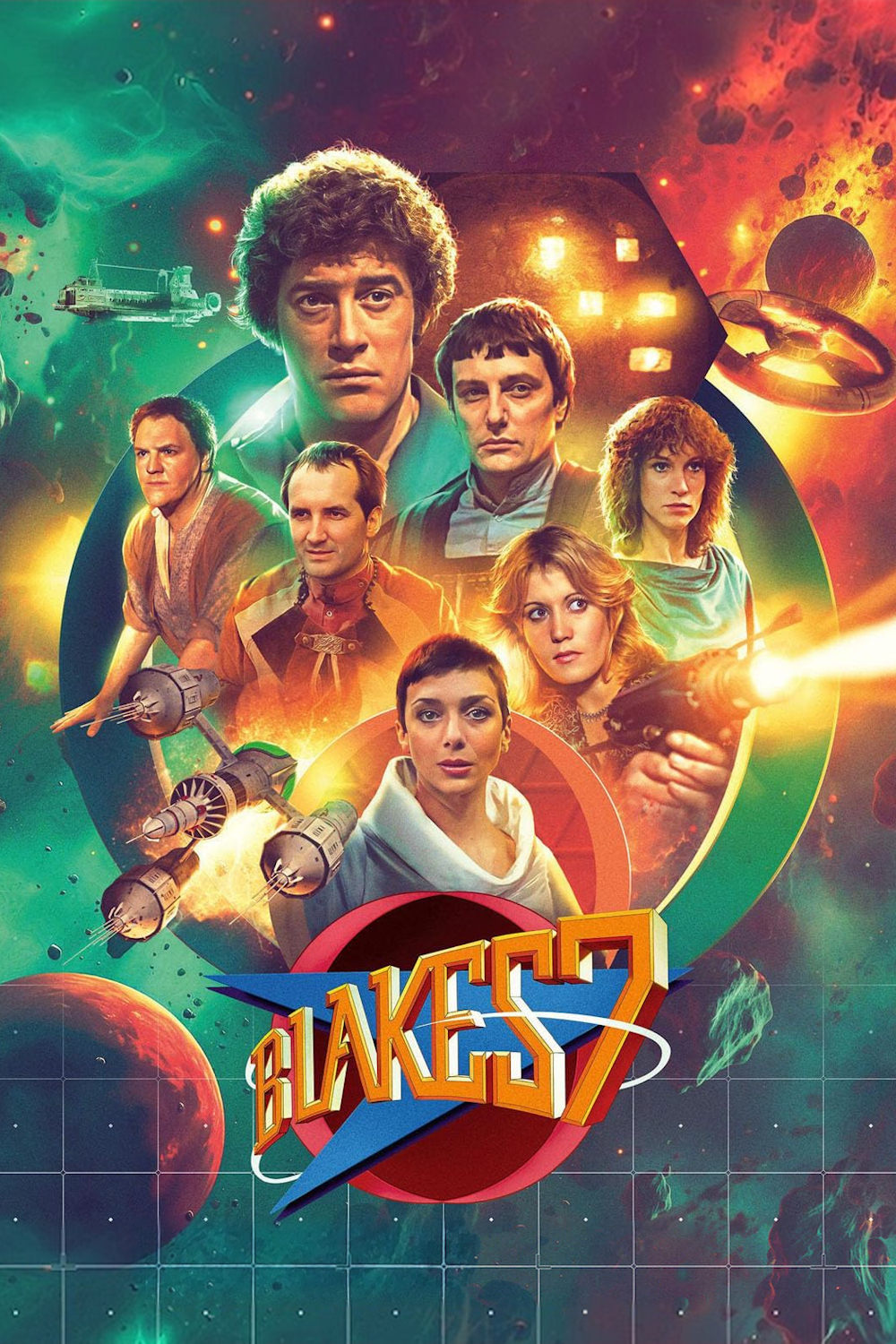
The rebel crew is cornered by Federation troops on the planet Gauda Prime. One by one, the main characters are gunned down in slow motion. The final shot sees the leader Avon smiling strangely before raising his gun at the camera as the screen goes black and gunshots ring out. It is an incredibly bleak ending where the bad guys unequivocally win. The finality of the massacre shocked viewers accustomed to heroes escaping at the last second.
‘Sapphire & Steel’ (1979–1982)

The two interdimensional operatives investigate a service station where time has stopped. They are eventually tricked and trapped floating in space inside the roadside cafe forever. The camera peers in through the window at the heroes gazing blankly into nothingness. The show was not renewed, making this eternal imprisonment their final fate. It is a claustrophobic and haunting end to a mysterious series.
‘1899’ (2022)
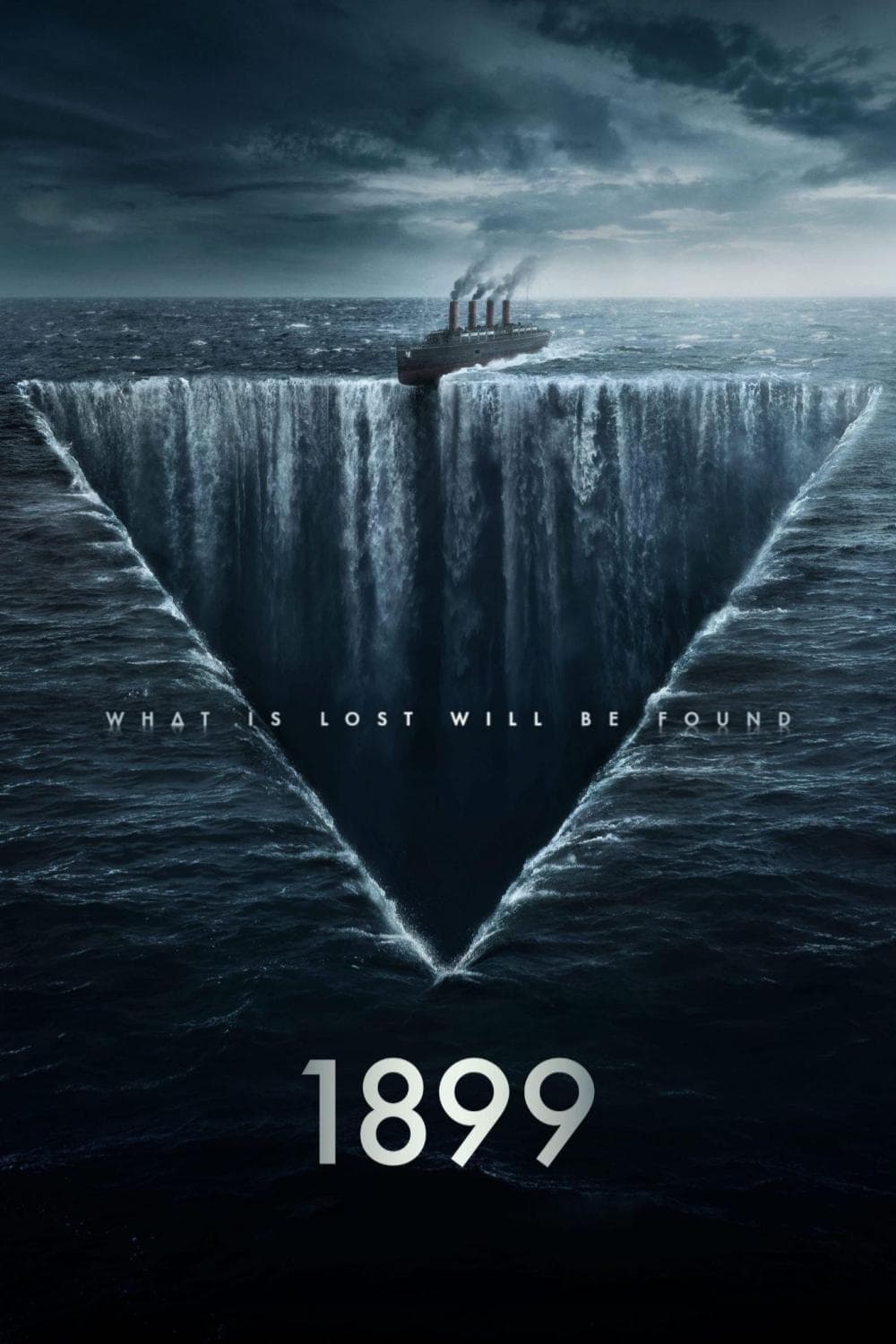
The passengers on the steamship discover their journey is actually a computer simulation. The protagonist wakes up on a spaceship in the year 2099, revealing the Victorian setting was a mental construct. The show was cancelled immediately after this revelation, leaving the reality of the spaceship unexplored. Viewers were left with a massive cliffhanger that completely upended the premise. The lack of a second season makes the twist a permanent mystery.
‘Devs’ (2020)
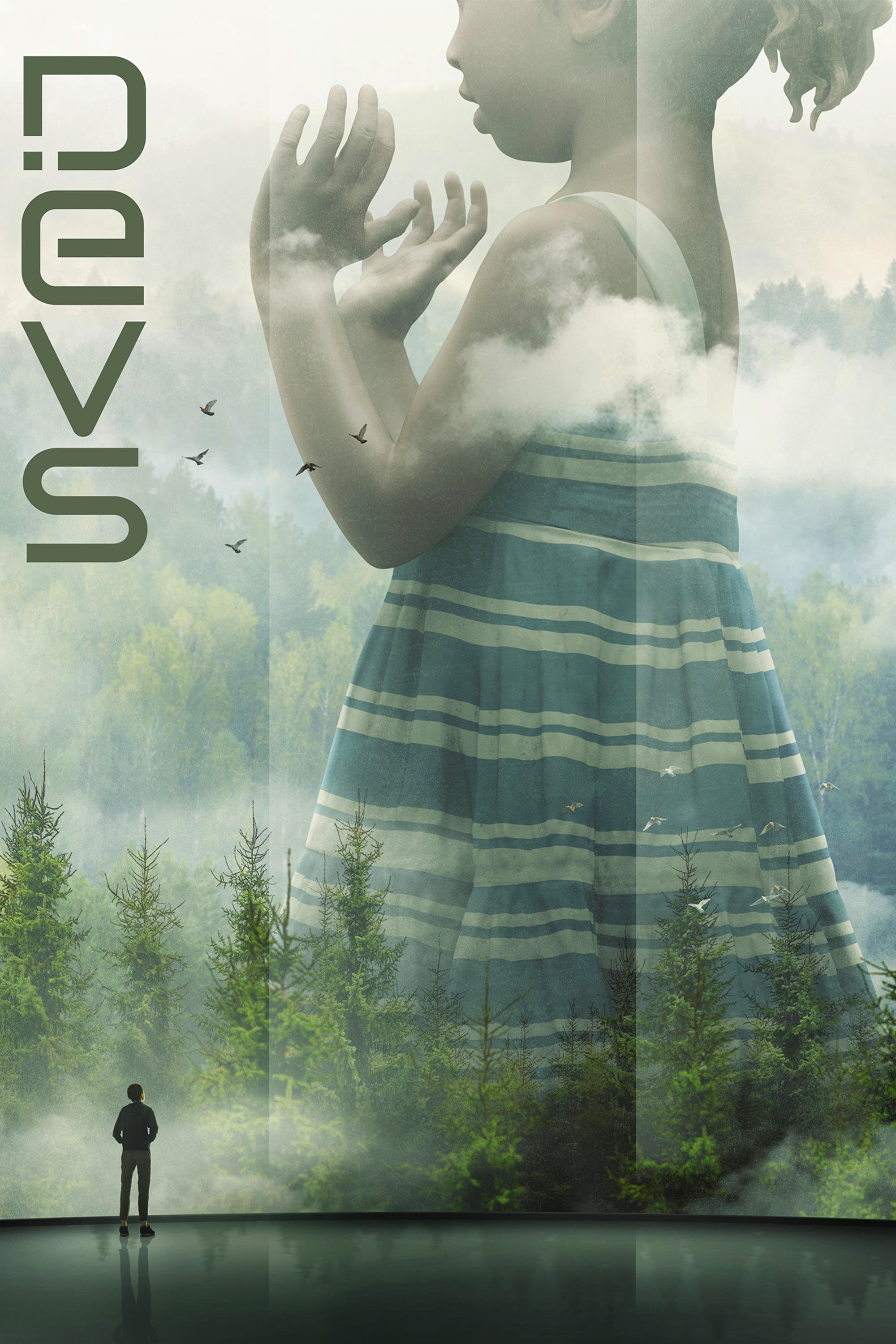
Lily and Forest die but are resurrected inside the Deactivate simulation system. They live out parallel lives in a digital paradise while their physical bodies remain dead in the real world. The ending questions the nature of reality and whether a simulated life has value. It suggests that existence is deterministic and free will is an illusion. The visual of the golden box containing their consciousness is both beautiful and terrifying.
‘Maniac’ (2018)
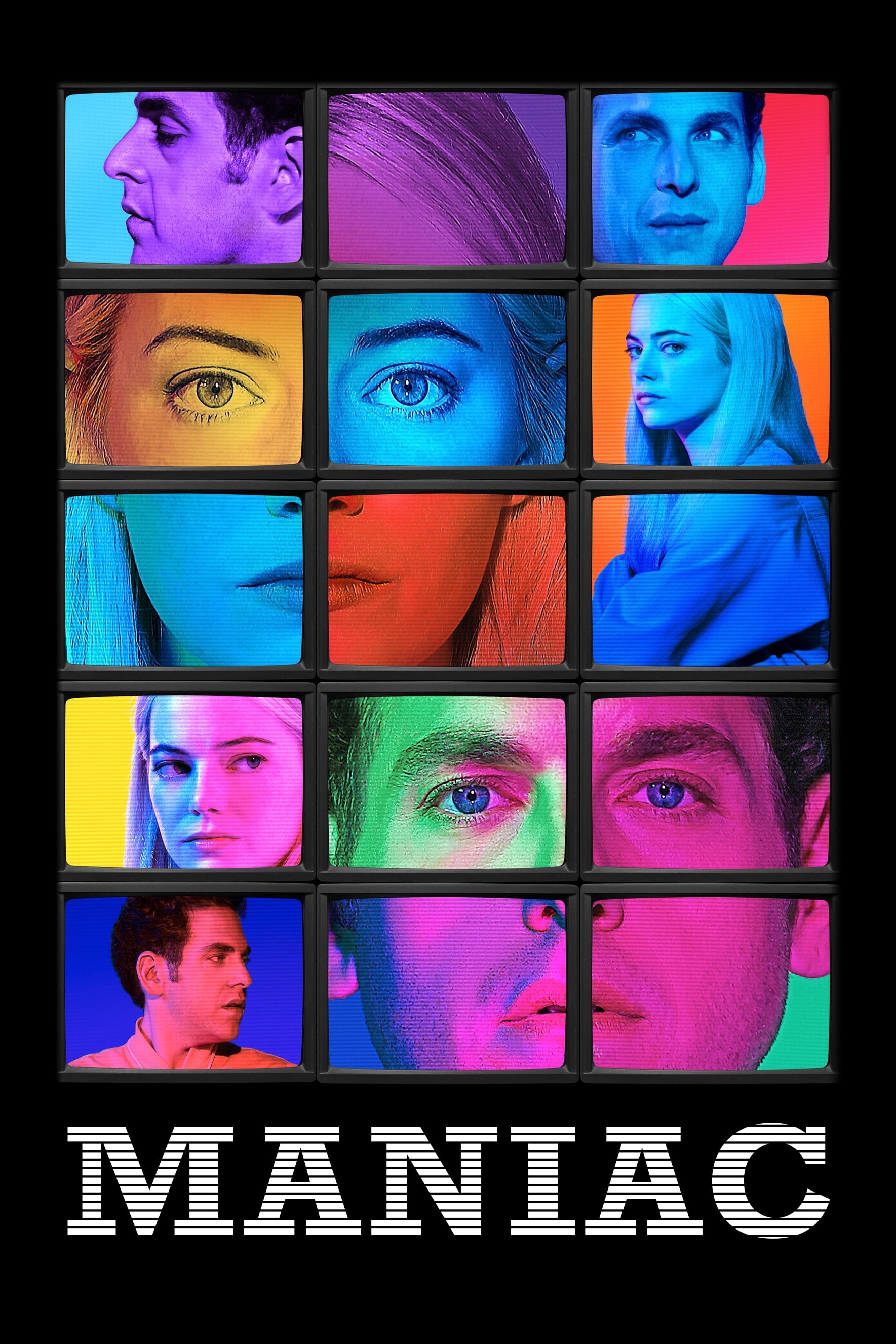
Owen and Annie escape the pharmaceutical trial and drive off together in a truck. However, a final ambiguity suggests that their escape might just be another delusion or simulation layer. The hawk that follows them hints that they may not be as free as they think. The show blurs the line between mental illness and reality until the very last frame. It leaves the audience wondering if connection is possible within a shared delusion.
‘Fargo’ (2014–2024)
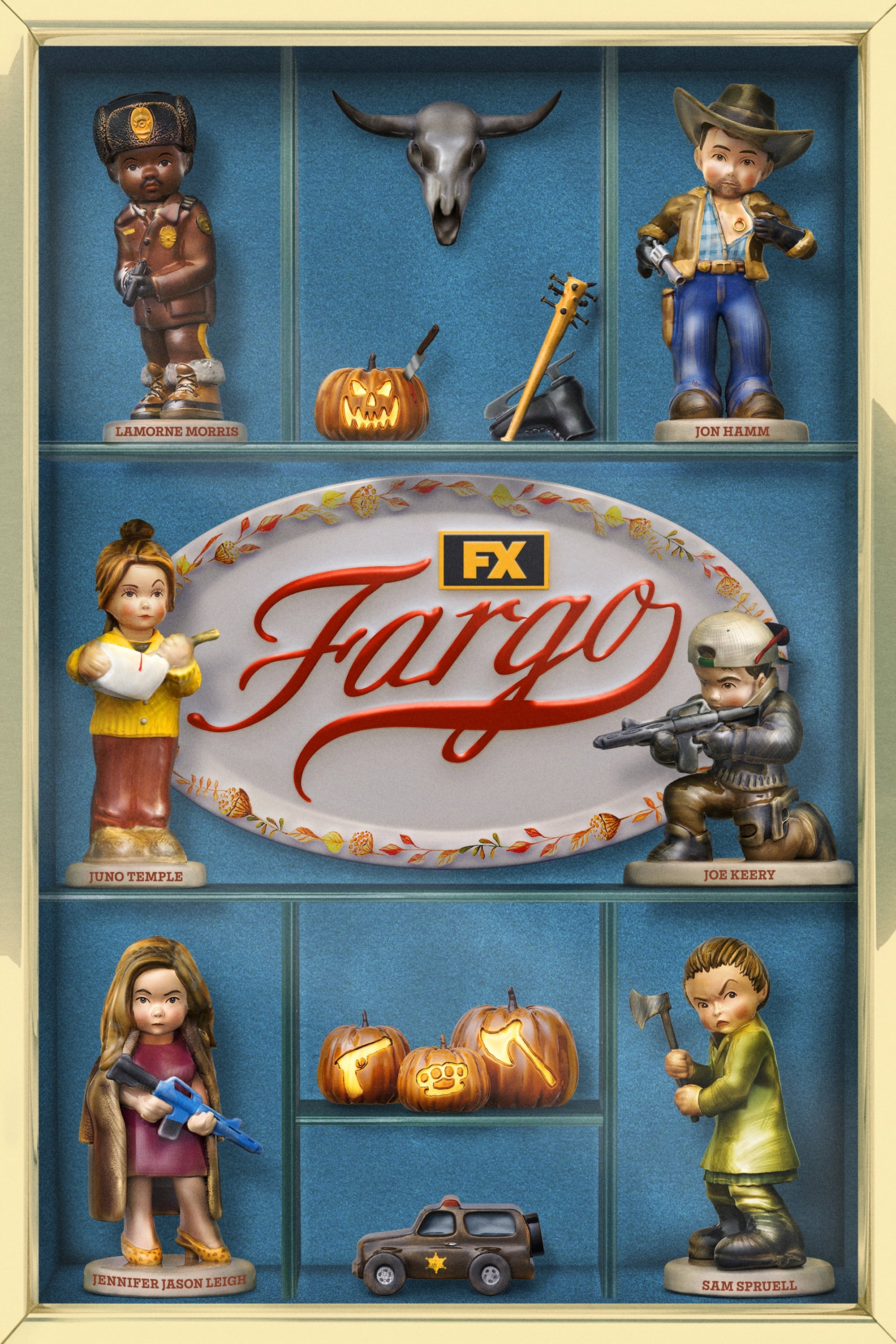
Season 3 concludes with Gloria Burgle sitting across from the villain V.M. Varga in an interrogation room. Varga claims a lawyer will arrive to free him, while Gloria insists he is going to jail. The camera slowly zooms in on the clock as the scene fades before anyone opens the door. The viewer is forced to decide whether justice prevails or if money and power win again. It is a Schrödinger’s cat scenario applied to the justice system.
‘Samurai Jack’ (2001–2017)
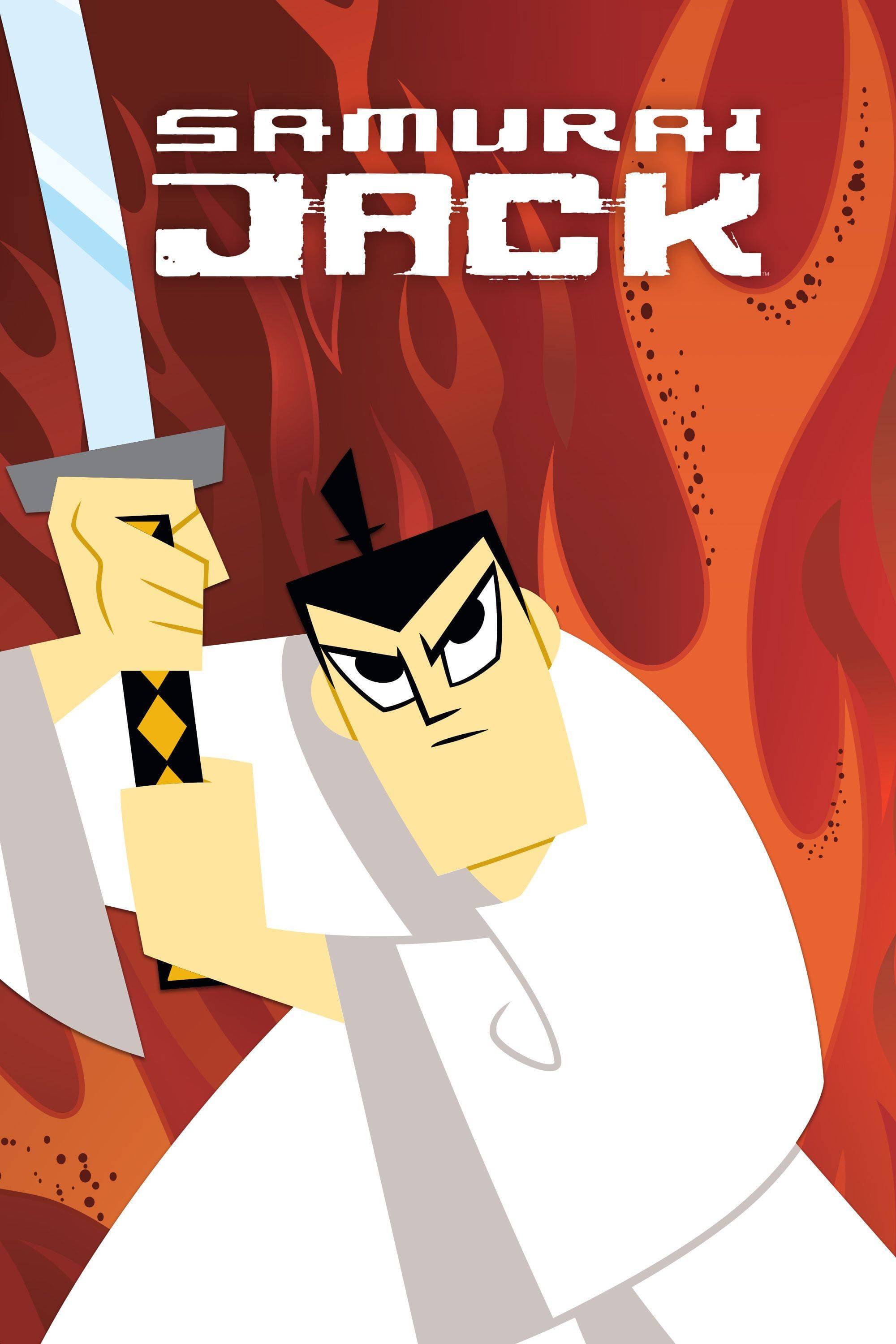
After years of waiting, Jack finally travels back in time and defeats Aku. However, on his wedding day, his fiancé Ashi fades from existence because she cannot exist without Aku’s influence in the future. Jack is left alone to mourn the woman who made his victory possible. The bittersweet ending emphasizes the heavy cost of correcting the past. It subverted the expectation of a purely happy triumph for the hero.
‘Serial Experiments Lain’ (1998)
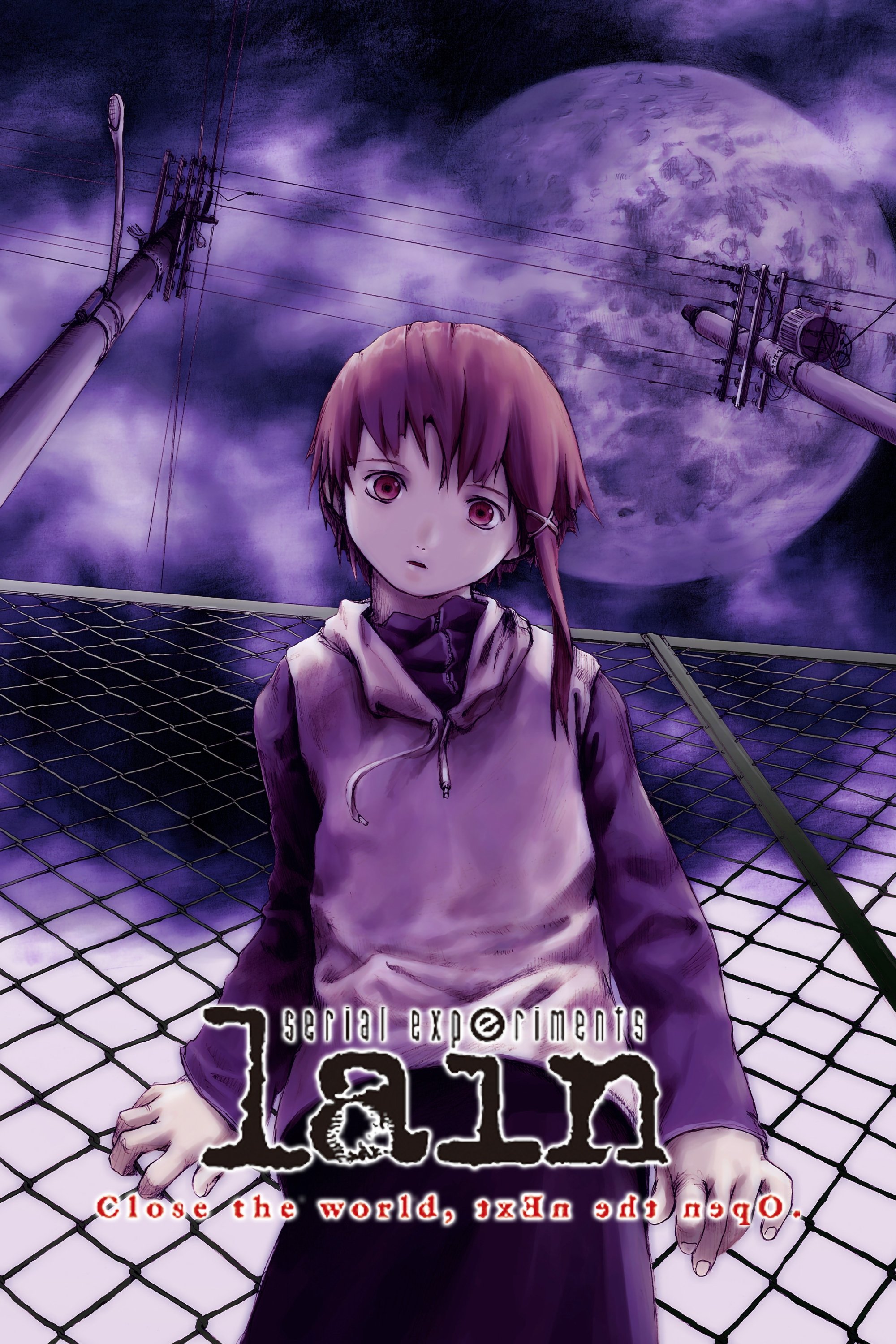
Lain resets the world to undo the damage she caused, erasing herself from everyone’s memory. She exists only as an omnipresent entity watching her friends live normal lives without her. She meets an older version of herself for tea, accepting her lonely existence. The abstract ending comments on the relationship between the internet, memory, and identity. It is a melancholic conclusion that suggests true connection requires physical presence.
‘Behind Her Eyes’ (2021)
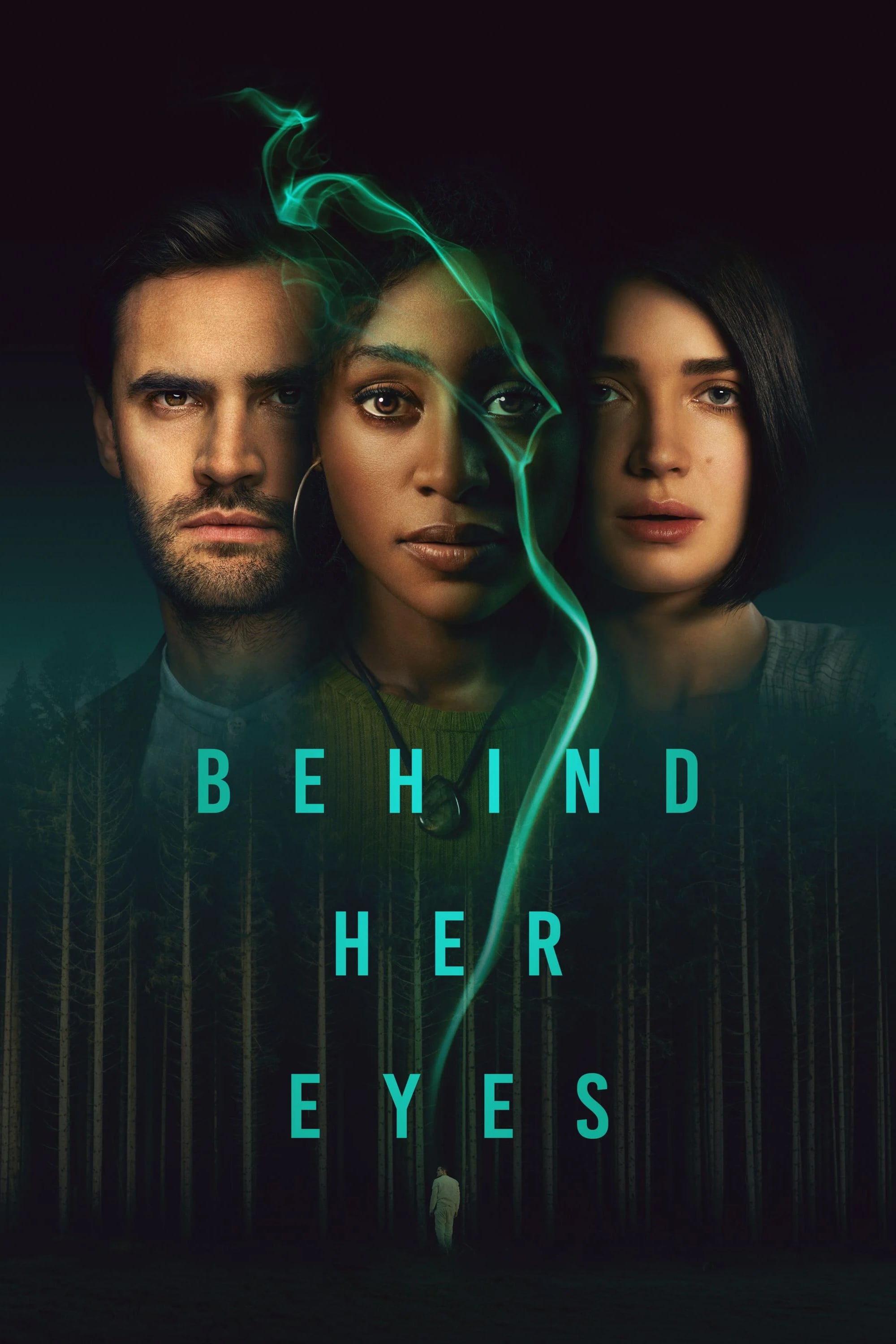
The protagonist Louise seemingly defeats the villain Rob, but a twist reveals Rob had already astral projected into her body. Rob kills Louise’s soul and takes over her life, marrying her husband. The final scene shows “Louise” looking at her son with a sinister glare, implying the child knows she is an imposter. The supernatural body-swap twist came out of nowhere for many viewers expecting a domestic thriller. It fundamentally changes the genre of the story in the final episode.
‘Wilfred’ (2011–2014)
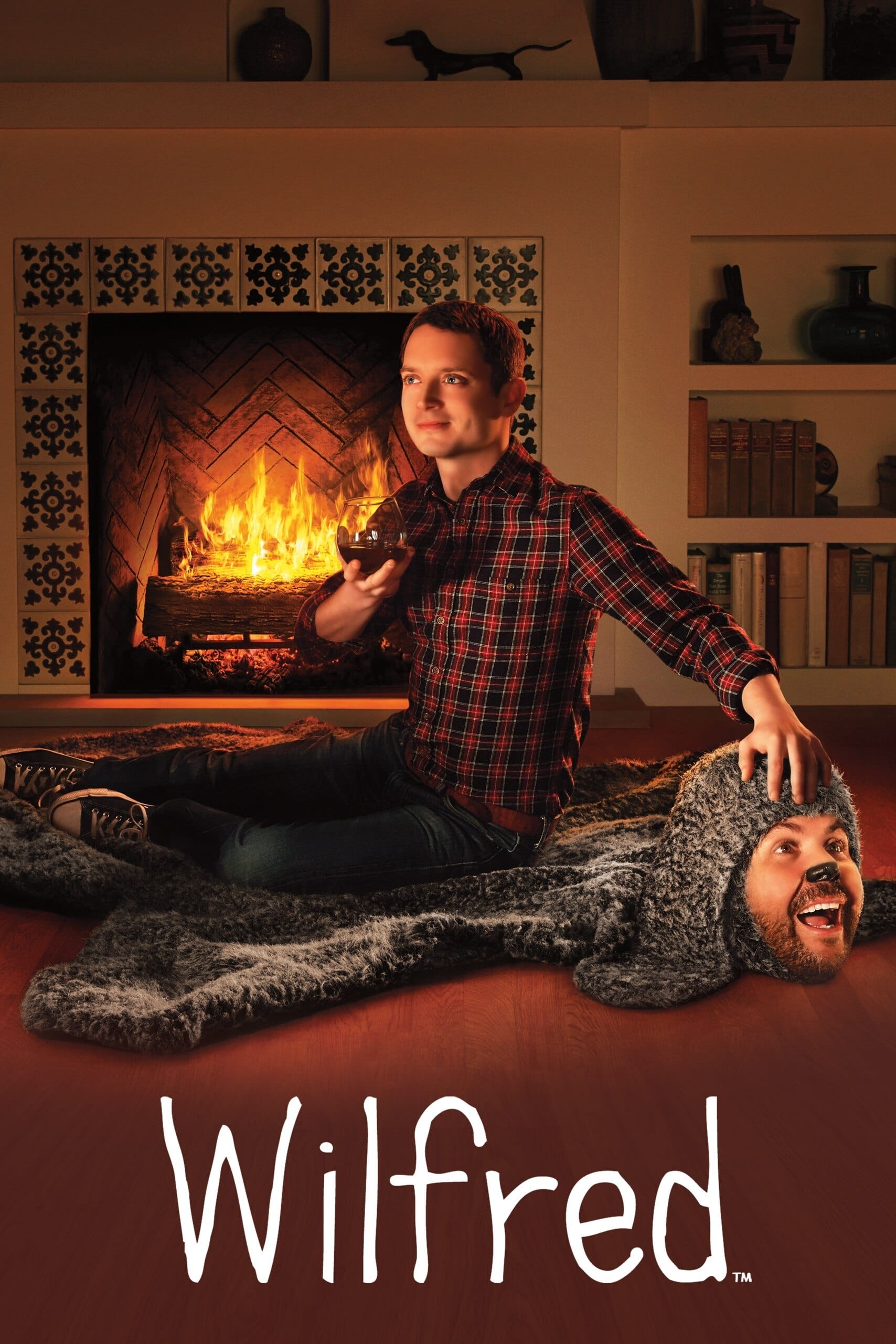
Ryan discovers that the talking dog Wilfred was a manifestation of his own mental illness the entire time. However, he also finds evidence that Wilfred might have been a magical deity worshipped by a cult. Ryan chooses to accept his insanity and continues to see the dog, finding happiness in his delusion. The ending validates mental illness as a coping mechanism rather than curing it. It creates a confusing mix of psychological realism and supernatural possibility.
‘Search Party’ (2016–2022)

The show evolves from a hipster mystery to a zombie apocalypse in its final season. Dory becomes a cult leader whose enlightenment jelly beans turn people into the undead. The series ends with the survivors watching New York burn from a safe zone. The drastic genre shift left many fans baffled by the absurdity of the conclusion. It serves as a satire of narcissism taken to its absolute destructive limit.
‘Merlin’ (2008–2012)
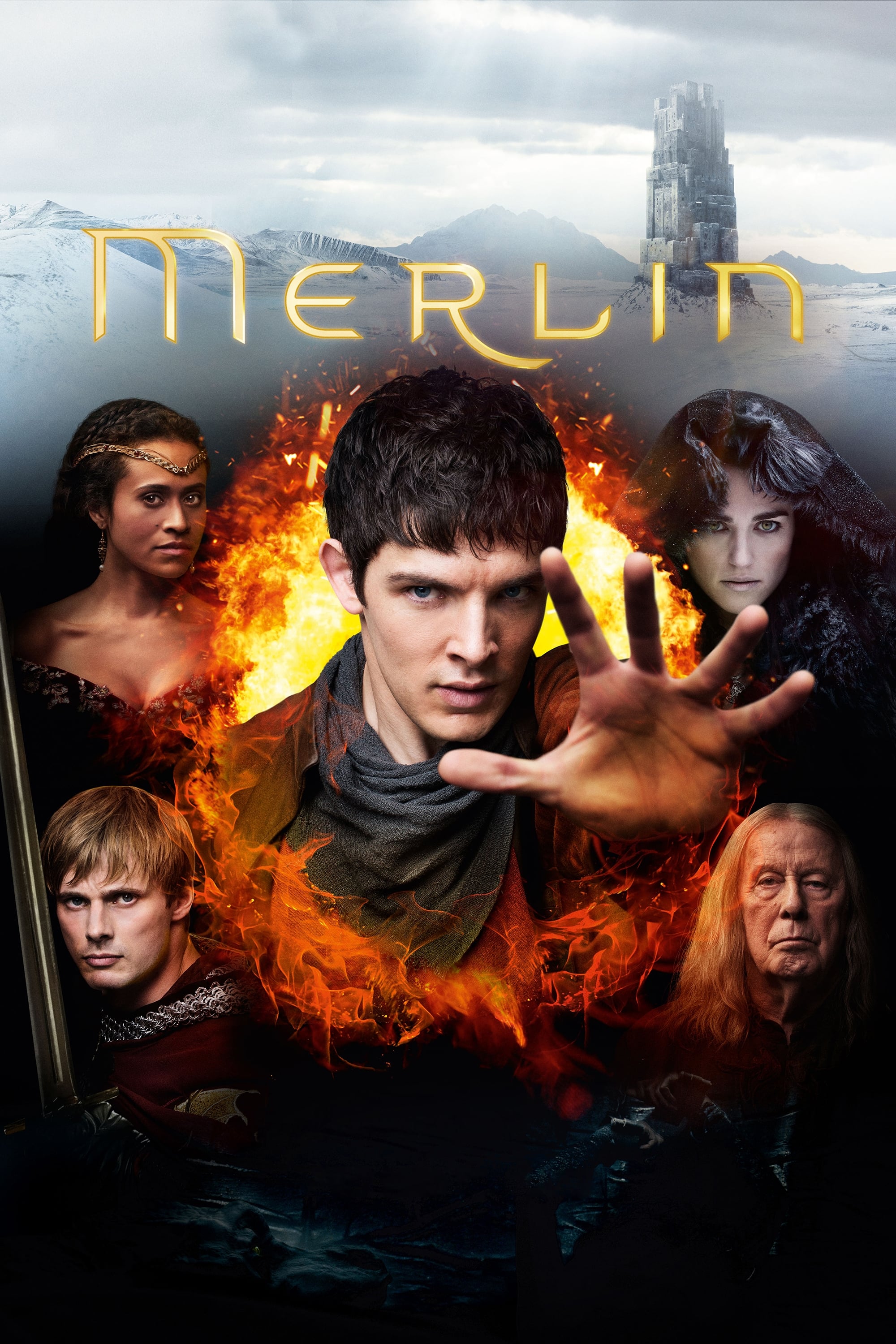
Arthur dies in Merlin’s arms despite the wizard’s years of effort to save him. Merlin sends Arthur’s body to Avalon and waits for his prophesied return. The final shot jumps to the present day, showing an immortal, elderly Merlin walking past the site in modern clothes. The truck driving by confirms that Merlin has been waiting for centuries for a king who hasn’t returned. It frames the entire fantasy adventure as a tragedy of endurance.
‘Castle Rock’ (2018–2019)
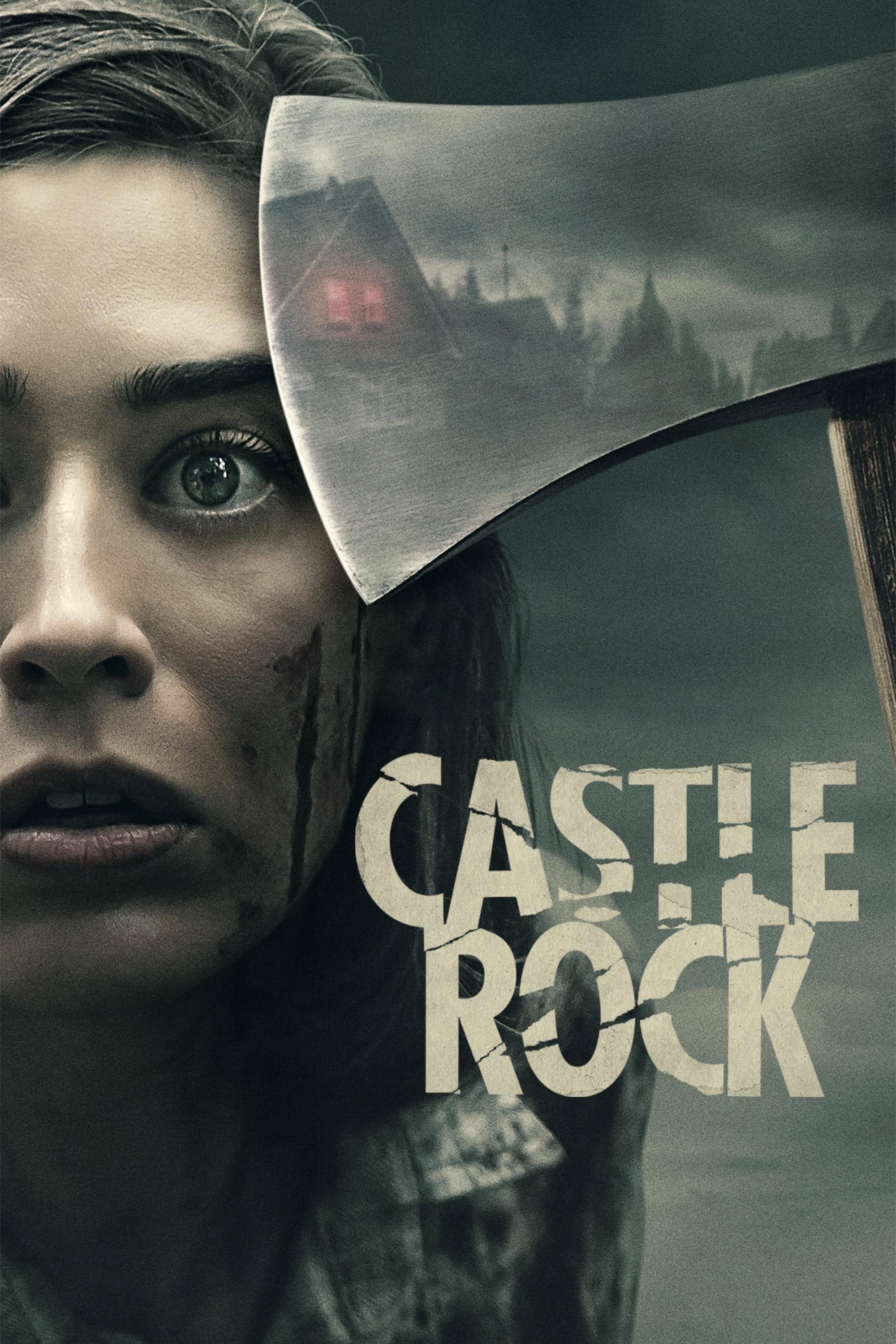
In the first season, Henry Deaver decides to lock the mysterious “Kid” back in his cage beneath the prison. A smile flickers across the Kid’s face, suggesting this was his plan all along or that he is indeed the devil. The audience never learns if the Kid was an innocent victim from another timeline or a malevolent entity. The moral ambiguity of the protagonist’s choice leaves the viewer unsettled. It questions whether maintaining order is worth committing an atrocity.
‘Sharp Objects’ (2018)
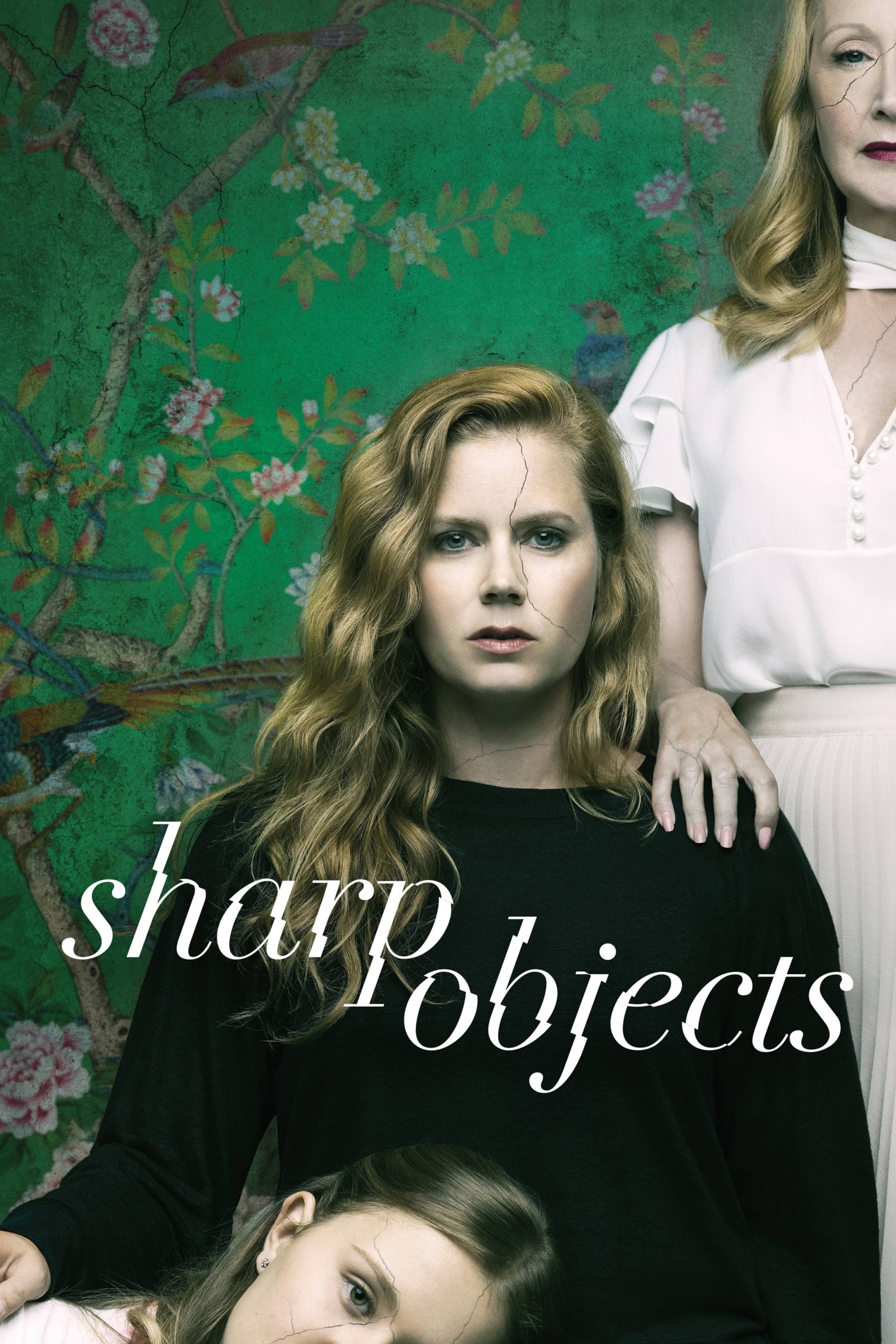
Camille Preaker believes she has caught the killer and returns home to find peace. In the final seconds, she finds a tooth floor made by her little sister Amma. Amma whispers “Don’t tell mama” before the screen abruptly cuts to black. The reveal that the teenage sister was the killer all along recontextualizes every interaction in the show. It offers no fallout or explanation, just the sudden horror of realization.
‘FLCL’ (2000–2001)

Haruko leaves Earth to continue her hunt for the space pirate Atomsk, leaving Naota behind. Naota returns to his mundane life, but the final shot shows Haruko’s guitar left in his room. It implies that while she is gone, she left a permanent mark on his adolescence. The frenetic, nonsensical energy of the show ends on a surprisingly quiet note. It captures the confusion of puberty without offering clear life lessons.
‘Revolutionary Girl Utena’ (1997)
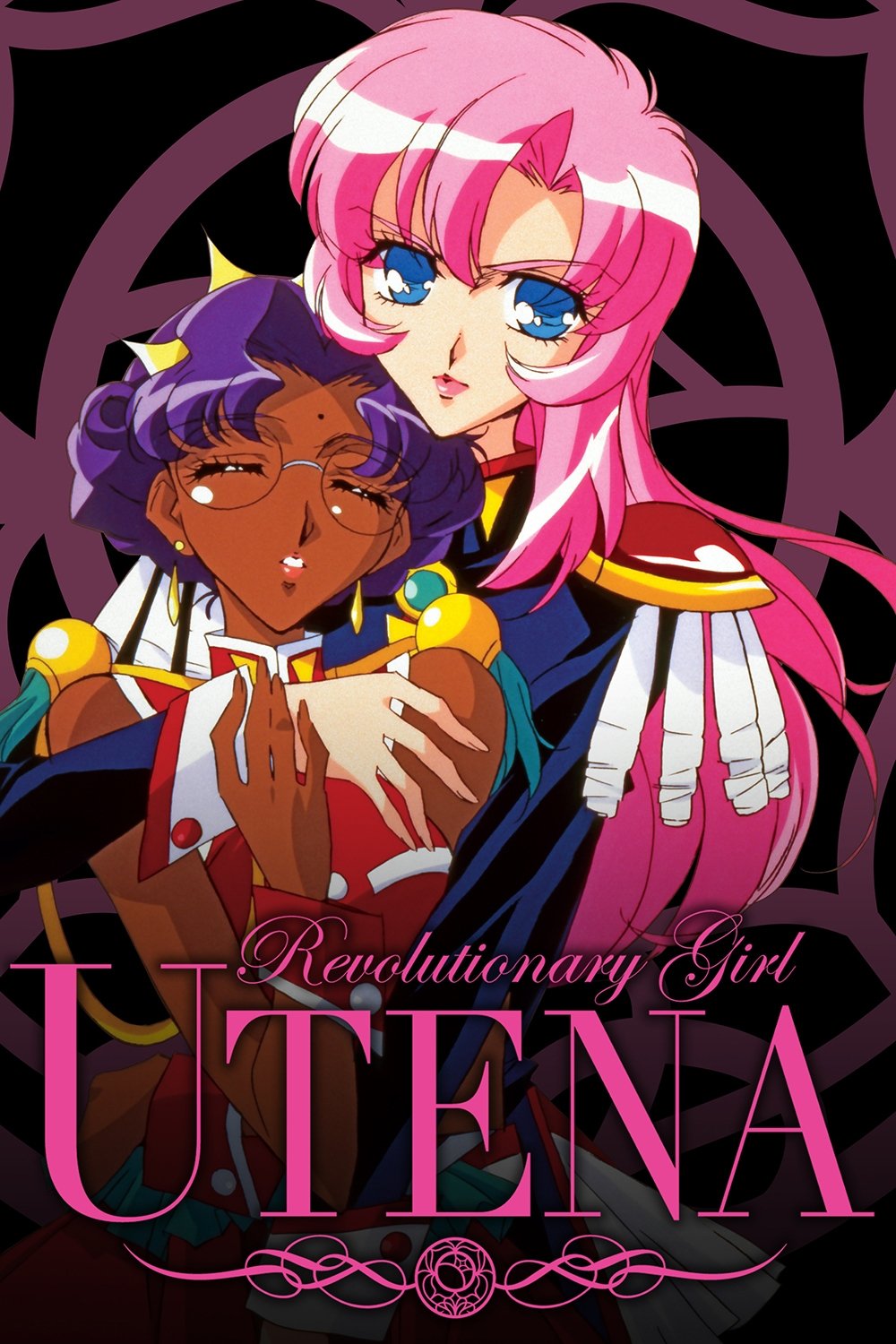
Utena sacrifices herself to open the Rose Gate and save Anthy from her abusive cycle. Anthy leaves the school to search for Utena, who has vanished from the world. The show suggests Utena may have ceased to exist or become a concept of revolution itself. It is a metaphorical ending about breaking free from patriarchal systems. The lack of a reunion frustrates those looking for a traditional romance.
‘Paranoia Agent’ (2004)
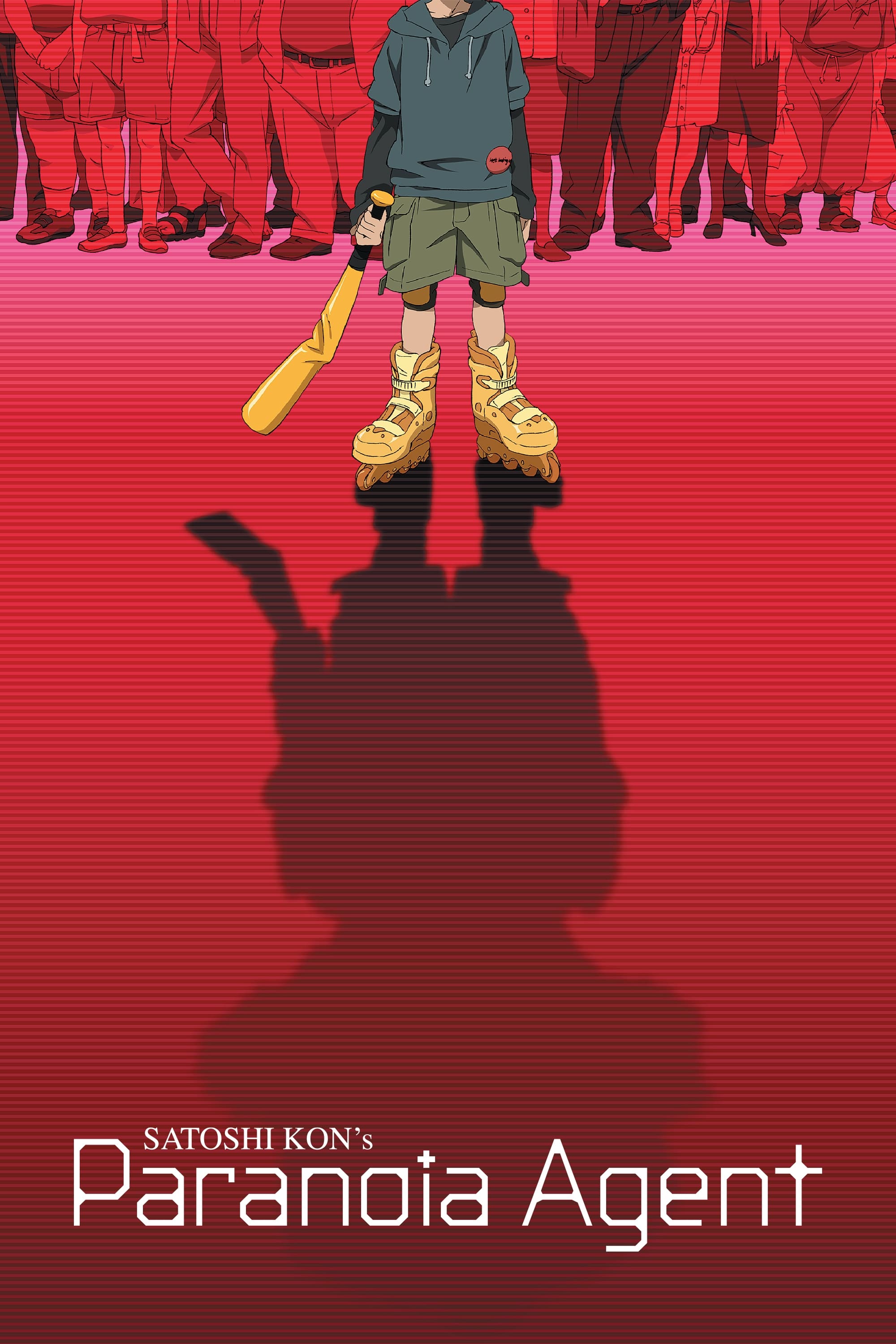
The detectives realize that the assailant Lil’ Slugger is a supernatural force created by mass hysteria. The city is destroyed by a black sludge of anxiety, but then life seemingly returns to normal. The final scene mirrors the opening, suggesting the cycle of collective delusion will begin again. It posits that society needs a scapegoat to function. The ending is a cynical loop that offers no escape from escapism.
What other TV endings left you staring at a blank screen in confusion? Share your theories in the comments.