Dead Actresses Who Defined The Archetypes We Still See Today

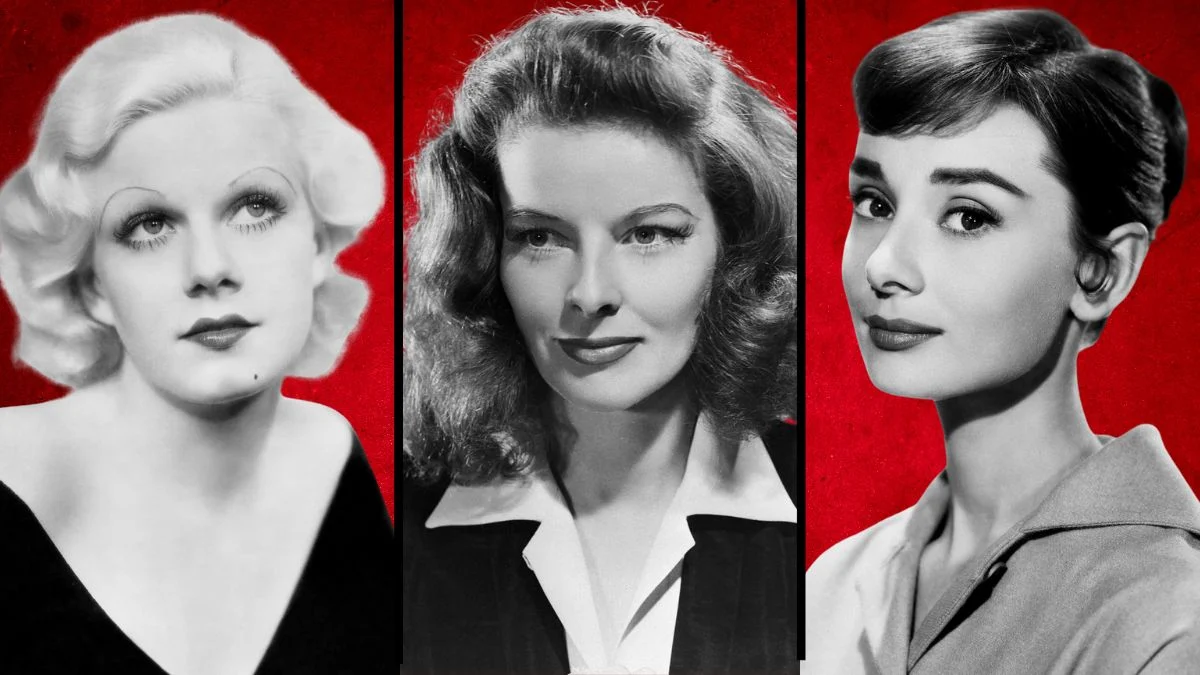

Cinema history is built upon the foundation of women who brought complex, recurring character types to life on the silver screen. These actresses did more than just memorize lines; they crafted personas that influenced fashion, social norms, and the very nature of storytelling for generations. From the dangerous allure of the femme fatale to the spirited independence of the screwball heroine, their legacies continue to shape how modern roles are written and performed. The following women left an indelible mark on Hollywood and remain the standard by which archetypes are measured.
Marilyn Monroe
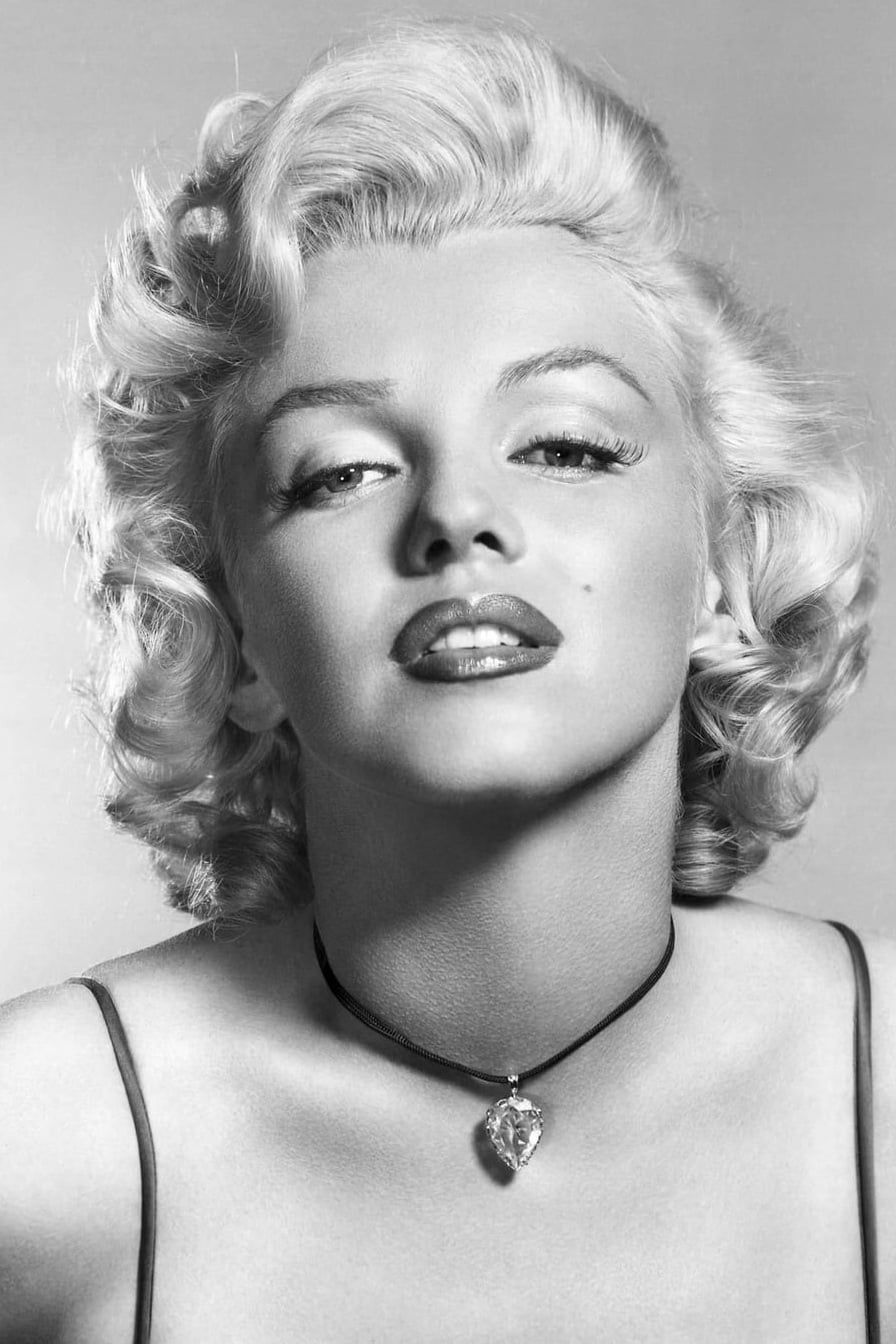
Marilyn Monroe remains the ultimate symbol of the “Blonde Bombshell” archetype, blending undeniable sex appeal with a tragic vulnerability. Her performances in films like ‘Gentlemen Prefer Blondes’ and ‘Some Like It Hot’ showcased her deft comedic timing and ability to command the screen. Monroe often played characters who were underestimated by men, using her charm to navigate a patriarchal world. Her legacy defines the concept of the celebrity icon, influencing every starlet who has navigated the balance between public glamour and private pain.
Audrey Hepburn
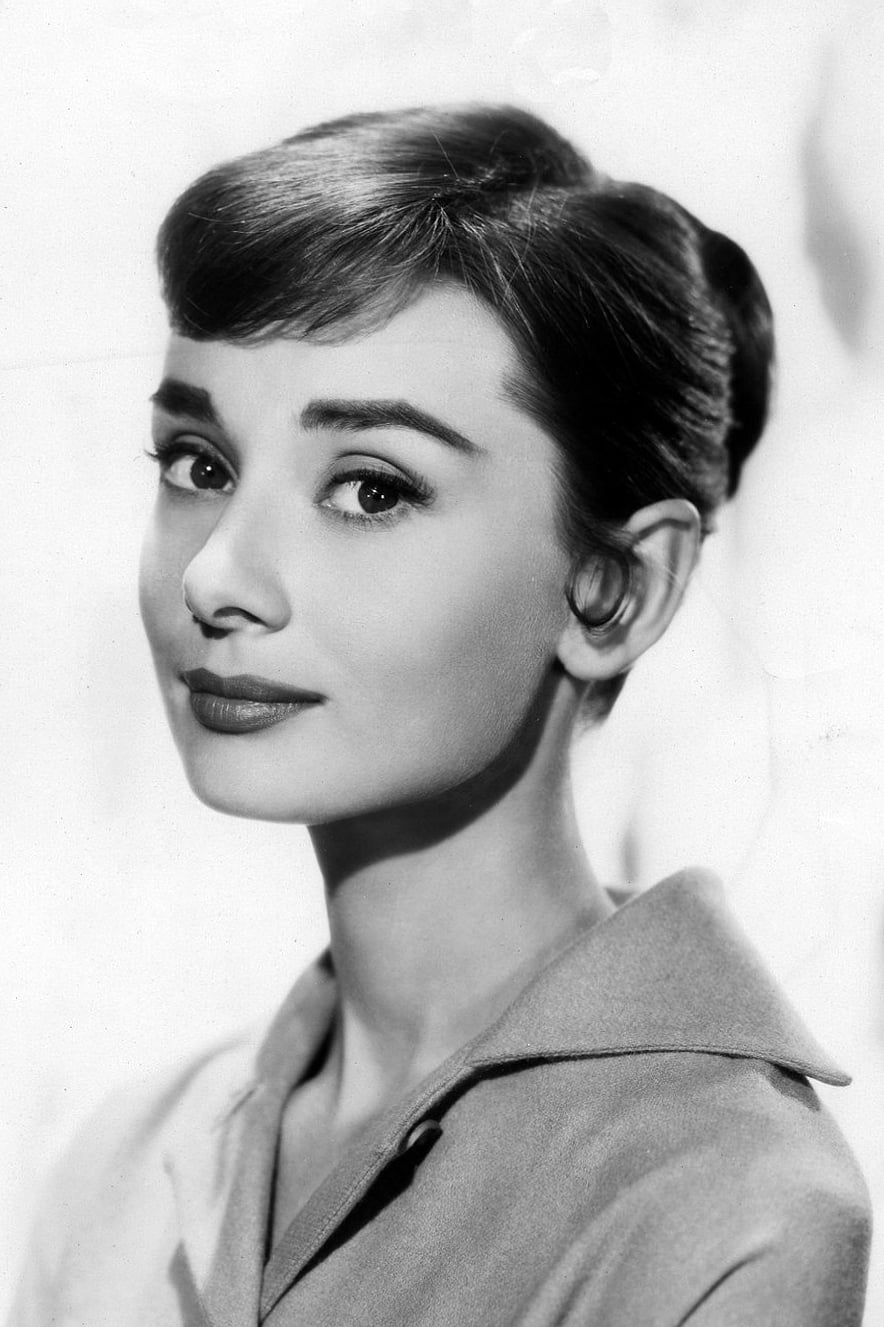
Audrey Hepburn solidified the “Gamine” archetype, characterized by a slender physique, impish charm, and effortless elegance. Her role in ‘Roman Holiday’ introduced audiences to a new kind of star who relied on wit and grace rather than overt sexuality. In ‘Breakfast at Tiffany’s’, she added layers of melancholy to the stylish socialite character, creating a blueprint for the modern romantic comedy lead. Hepburn proved that sophistication and kindness could be just as captivating as raw power.
Katharine Hepburn
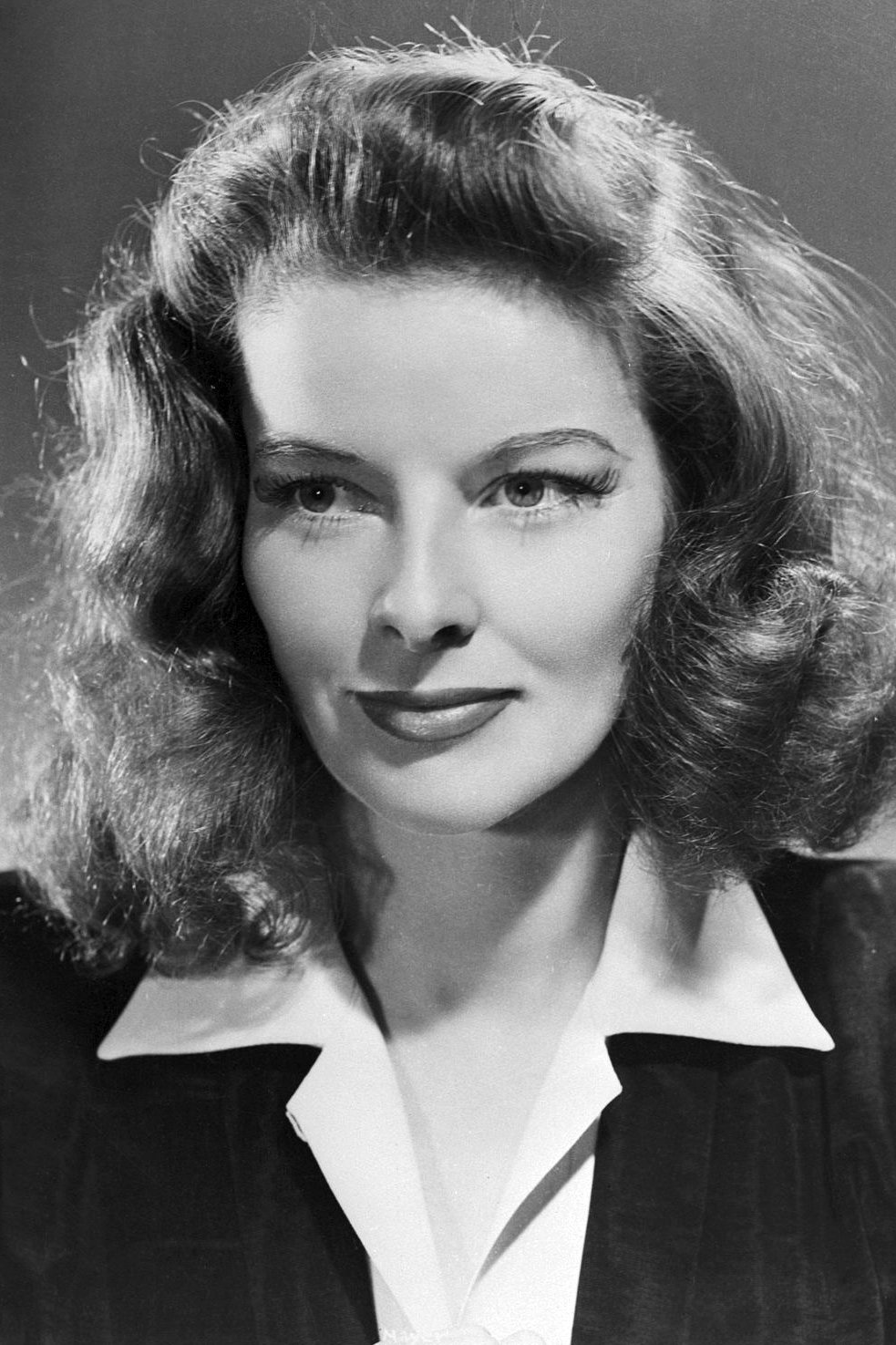
Katharine Hepburn defined the “Independent Woman” long before it was a common trope in Hollywood cinema. She wore trousers both on and off screen, challenging the gender norms of her time with her sharp intellect and athletic physique. In movies such as ‘The Philadelphia Story’, she played characters who refused to compromise their identity for romance. Her career spanned decades, consistently portraying women of substance who demanded respect from their male counterparts.
Bette Davis

Bette Davis was the master of the “Difficult Woman” archetype, refusing to soften her edges for the sake of likability. She embraced unglamorous and villainous roles in films like ‘Of Human Bondage’ and ‘What Ever Happened to Baby Jane?’. Davis brought an intensity to the screen that forced audiences to pay attention to complex female psychology. Her willingness to play unsympathetic characters paved the way for the anti-heroines seen in modern television and film.
Jean Harlow
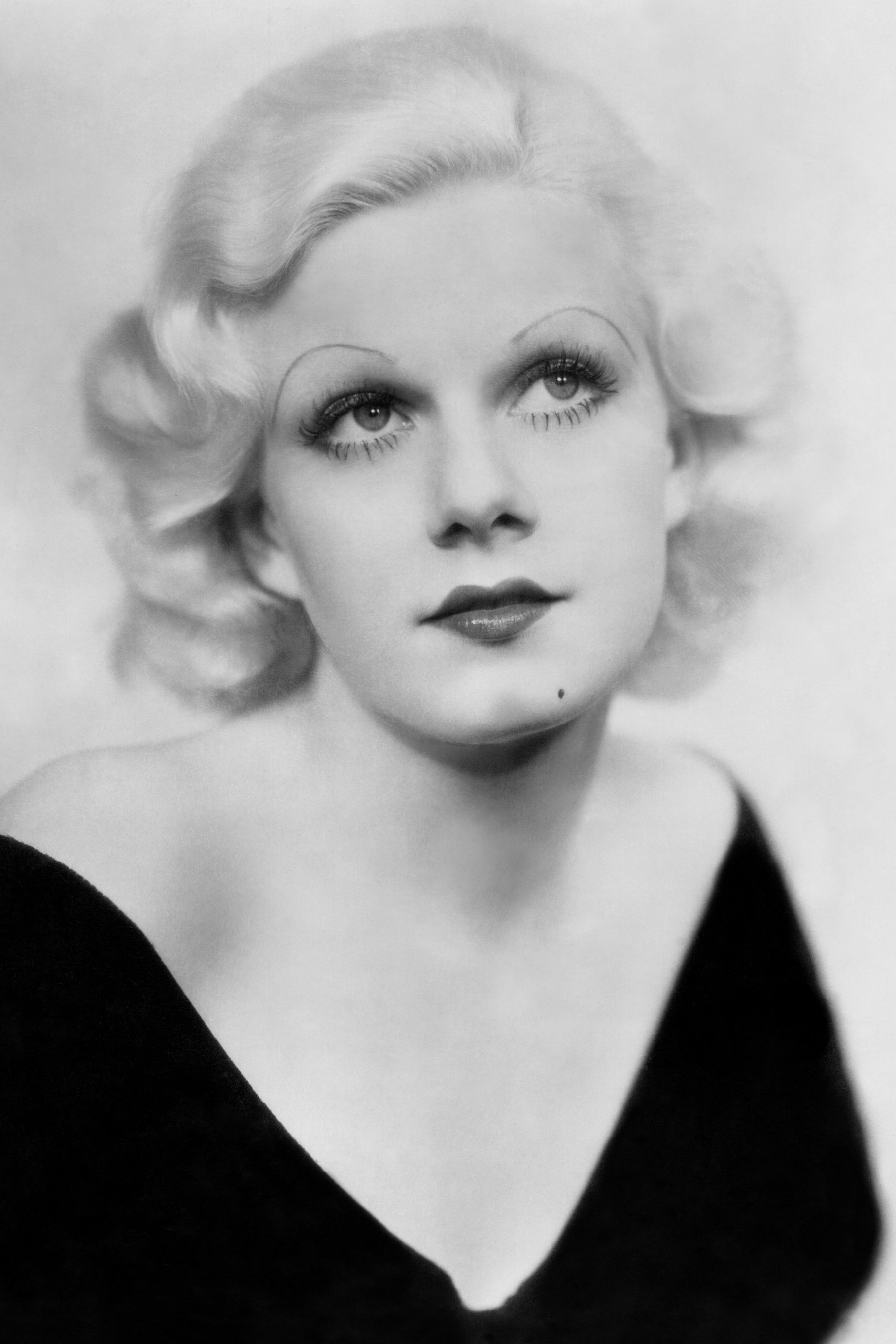
Jean Harlow was the original “Platinum Blonde”, setting the precedent for the screen siren archetype in the 1930s. She possessed a unique mixture of street-smart toughness and high-glamour sexuality that resonated with Depression-era audiences. Films like ‘Red Dust’ highlighted her ability to hold her own against formidable male leads. Harlow’s tragic early death cemented her status as a legendary figure who burned bright and fast.
Elizabeth Taylor
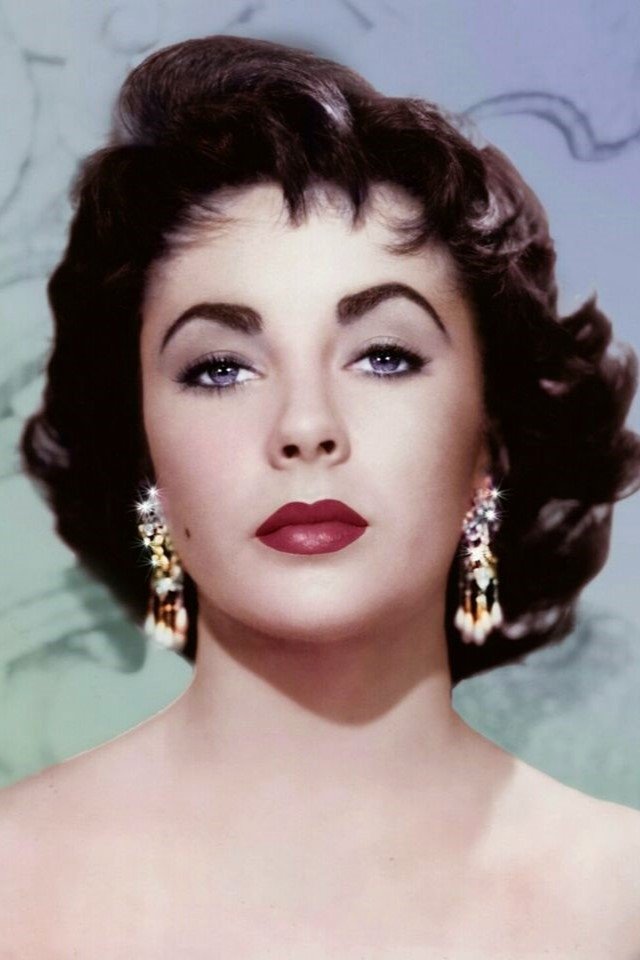
Elizabeth Taylor embodied the “Glamour Icon” and the “Femme Fatale” with her violet eyes and tumultuous personal life. Her performances in ‘Cat on a Hot Tin Roof’ and ‘Who’s Afraid of Virginia Woolf?’ displayed a raw, emotional power that transcended her celebrity status. Taylor lived her life in the public eye, blending her screen roles with her off-screen persona in a way that defined modern stardom. She remains the standard for the Hollywood diva who commands attention simply by entering a room.
Grace Kelly
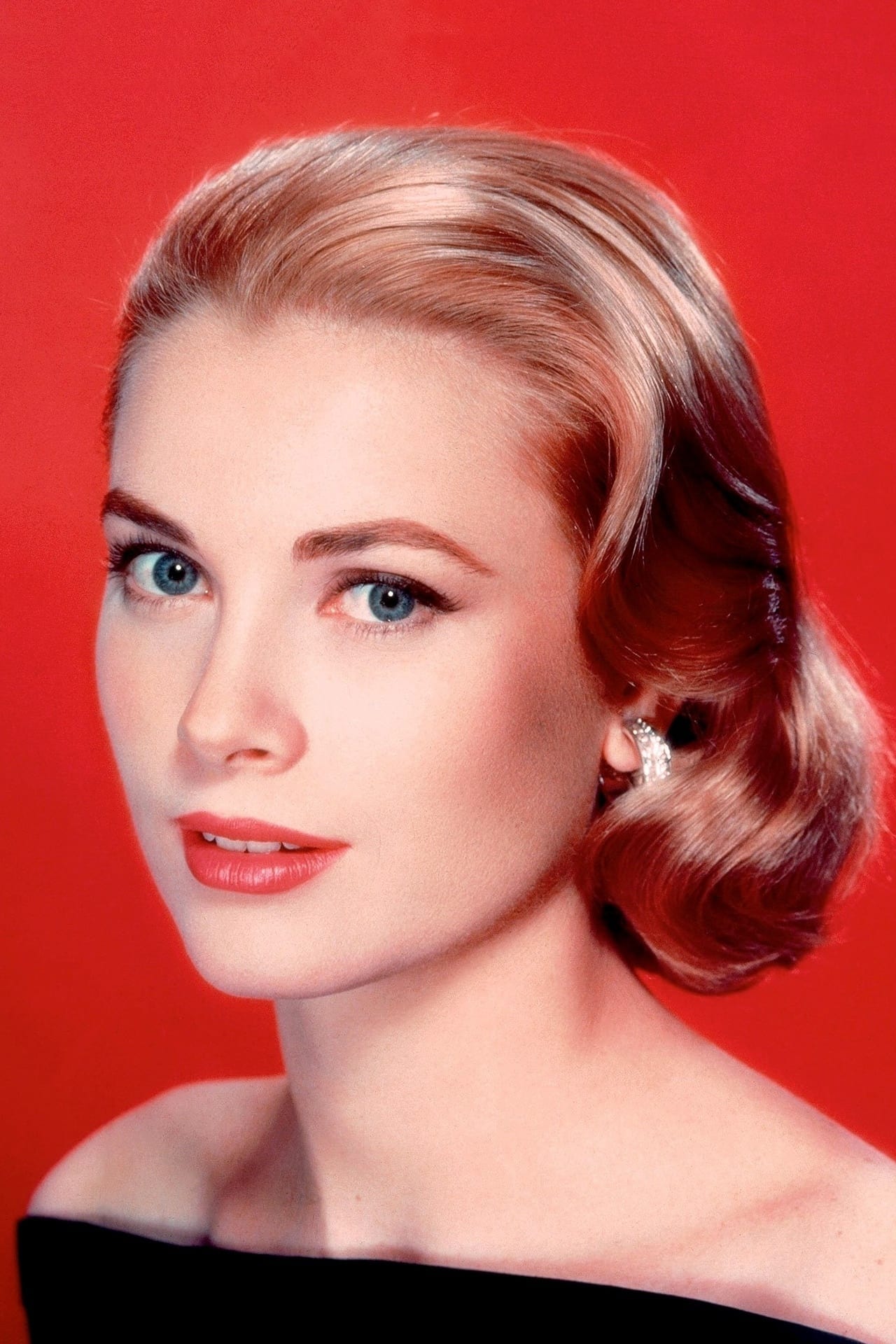
Grace Kelly perfected the “Ice Queen” archetype, projecting a cool, detached elegance that hinted at hidden fires beneath the surface. As Alfred Hitchcock’s muse in ‘Rear Window’ and ‘To Catch a Thief’, she represented unattainable perfection and aristocratic poise. Her transition from Hollywood royalty to actual royalty in Monaco only solidified her mythic status. Kelly remains the touchstone for characters requiring refined beauty and untouchable class.
Judy Garland
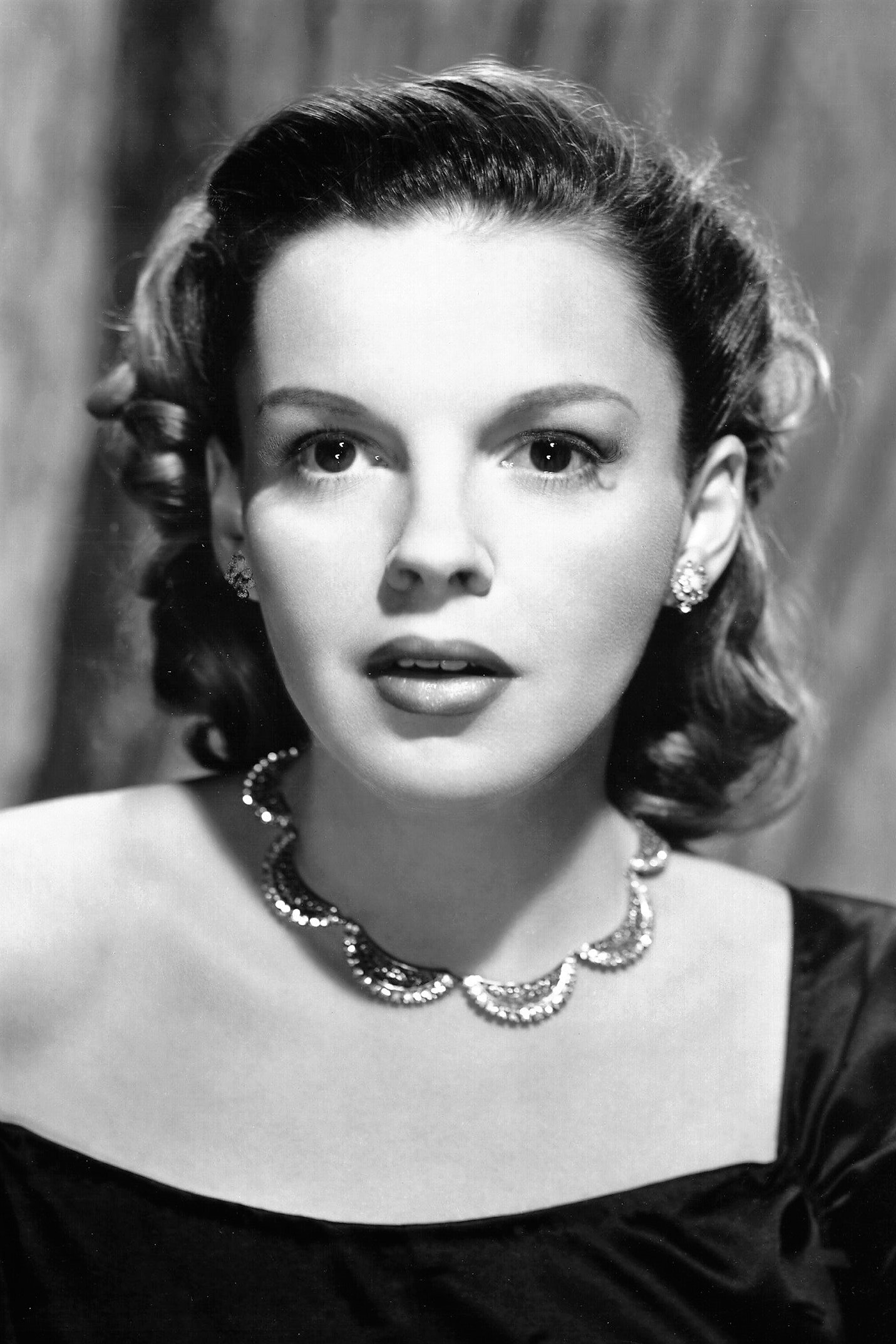
Judy Garland represents the “Tragic Girl Next Door”, a performer of immense talent whose vulnerability was palpable in every frame. From her immortal role in ‘The Wizard of Oz’ to her mature work in ‘A Star Is Born’, she possessed a voice that could convey deep sorrow and boundless hope simultaneously. Her archetype is one of immense gift coupled with personal struggle, resonating with anyone who has faced adversity. Garland remains the emotional emotional center of the golden age musical.
Lauren Bacall
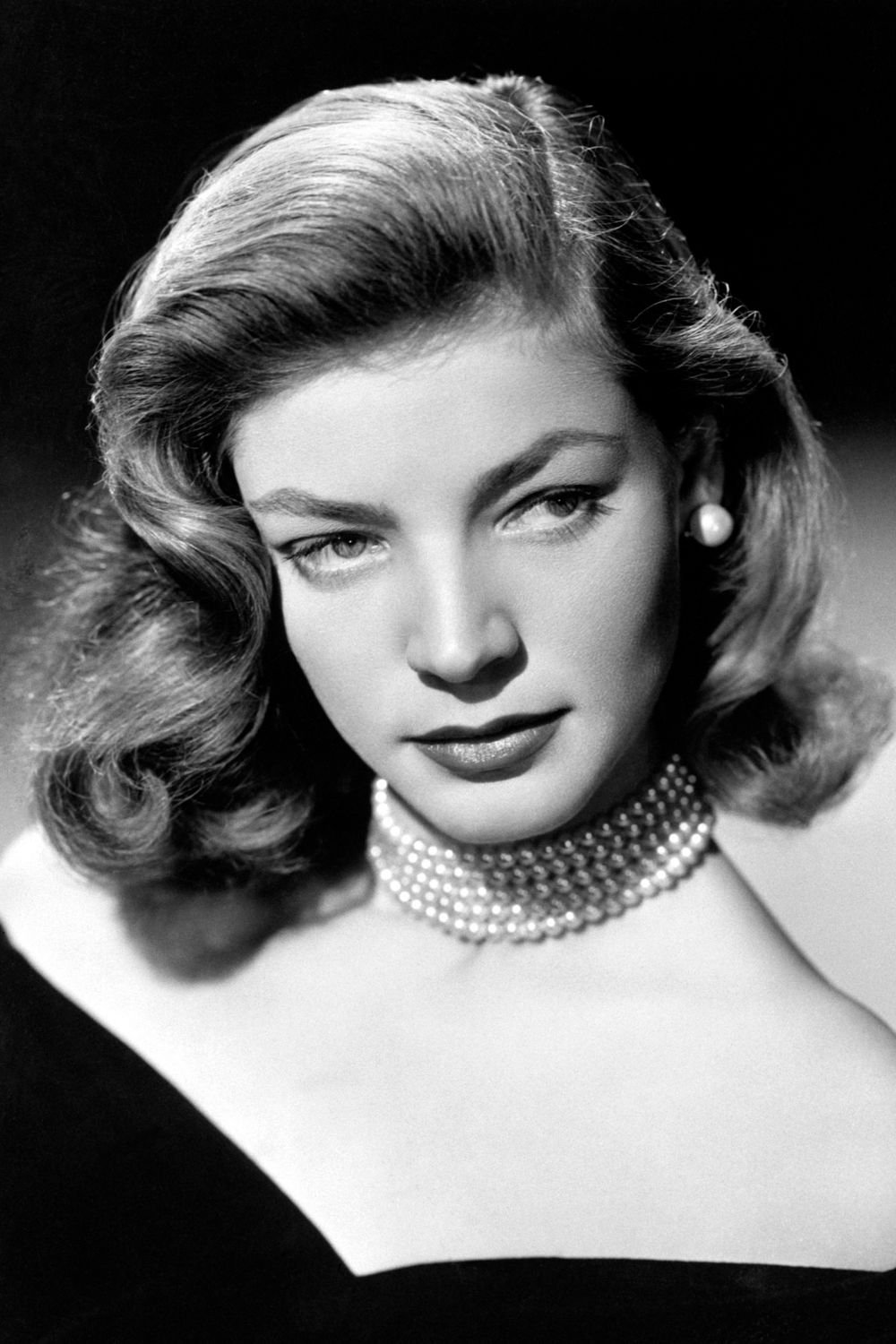
Lauren Bacall defined “The Look”, a specific brand of smoldering, cynical sexuality that could disarm any man. Making her debut in ‘To Have and Have Not’, she established the “Hawksian Woman” archetype—tough, verbal, and the equal of her male co-star. Her low voice and confident demeanor made her seem wise beyond her years. Bacall proved that a woman could be seductive without being submissive.
Marlene Dietrich
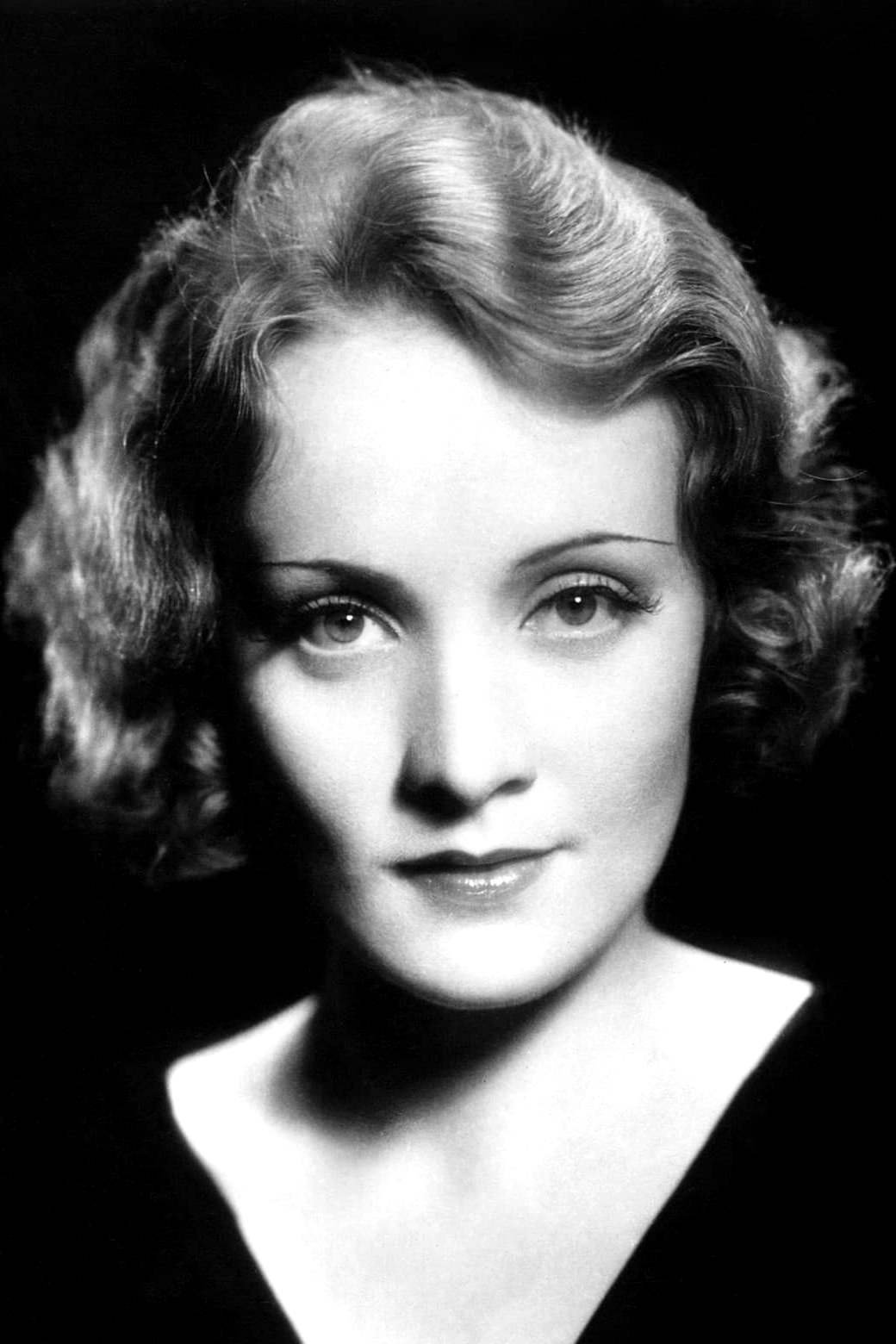
Marlene Dietrich was the pioneer of the “Androgynous Seductress”, challenging sexual binaries with her tuxedos and top hats. In films like ‘Morocco’, she cultivated a mysterious, exotic aura that fascinated audiences and subverted traditional gender roles. Her cabaret style and detached coolness created a unique archetype of the world-weary performer. Dietrich’s influence is still seen today in fashion and avant-garde performance art.
Greta Garbo
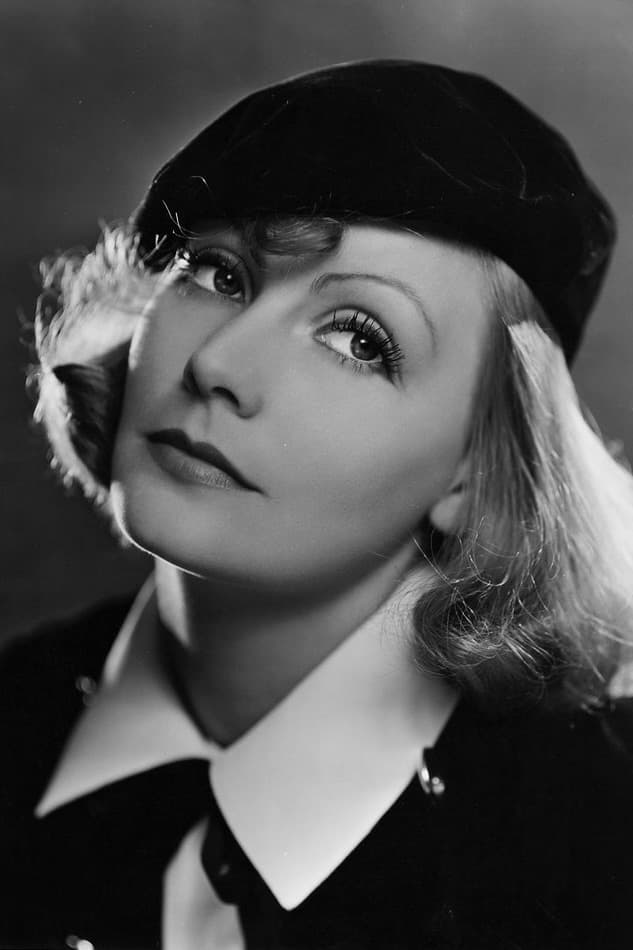
Greta Garbo embodied the “Enigmatic Recluse”, a star who famously wanted to be left alone despite her immense fame. Her silent and early sound films, such as ‘Grand Hotel’ and ‘Camille’, relied on her expressive face to convey tragic romance. Garbo retired early, preserving her mystique and refusing to let the public see her age. She set the standard for the elusive star who maintains power through silence and distance.
Joan Crawford
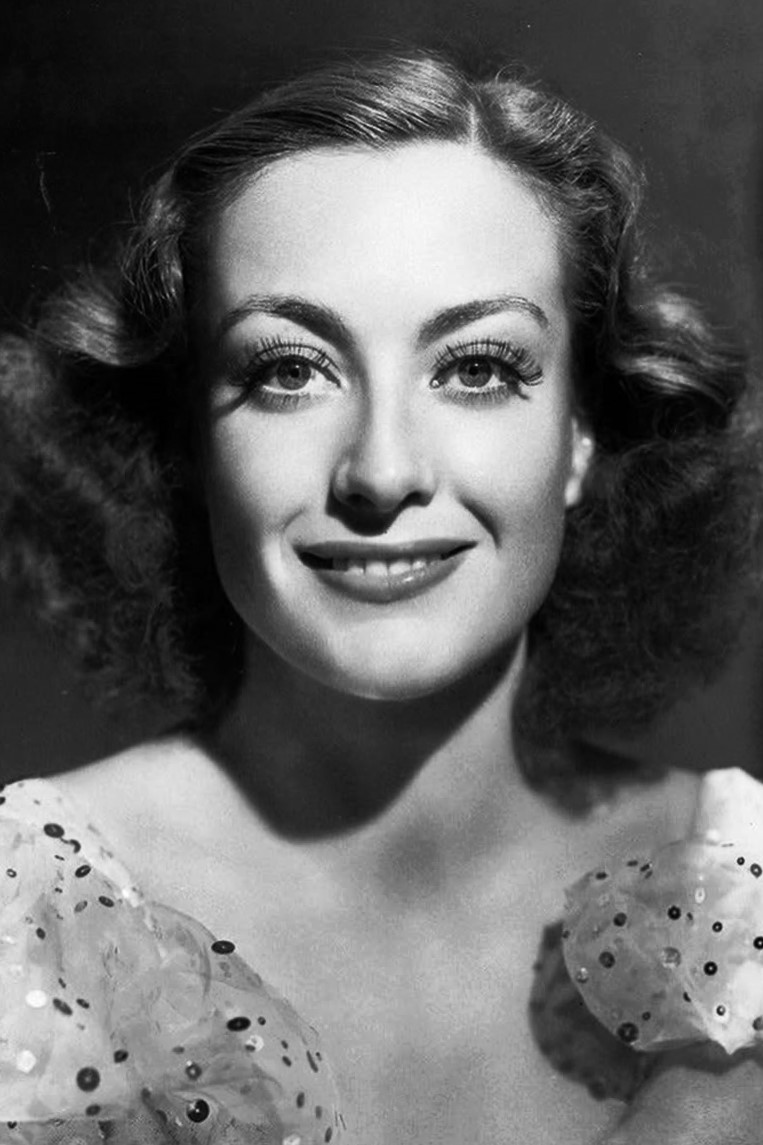
Joan Crawford exemplified the “Ambitions Career Woman” and the self-made star who clawed her way to the top. Her Oscar-winning role in ‘Mildred Pierce’ showcased a woman willing to sacrifice everything for her daughter and her status. Crawford’s intensity and wide-eyed stare became her trademarks, often playing characters who suffered nobly or plotted vaguely. She represents the sheer will required to survive the Hollywood machine.
Ingrid Bergman
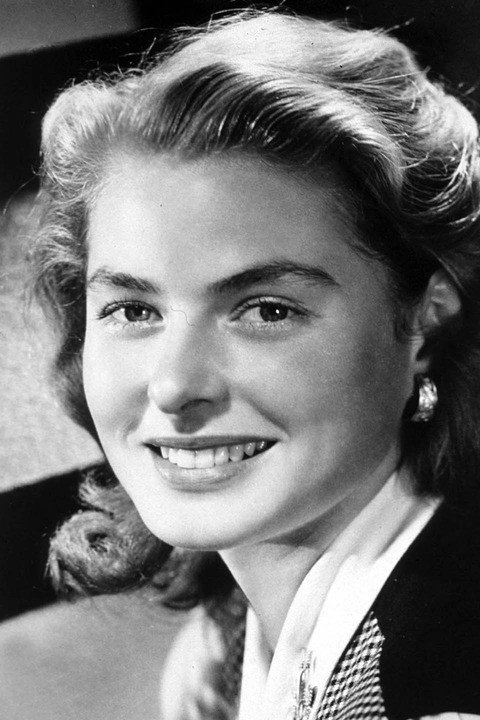
Ingrid Bergman defined the “Natural Beauty” archetype, often appearing on screen with minimal makeup to highlight her fresh-faced authenticity. In ‘Casablanca’, she played the romantic ideal caught between passion and duty. Her later career took bold risks with Italian neorealism, showing a desire to prioritize art over commercial safety. Bergman remains a symbol of talent that shines without the need for artifice.
Vivien Leigh
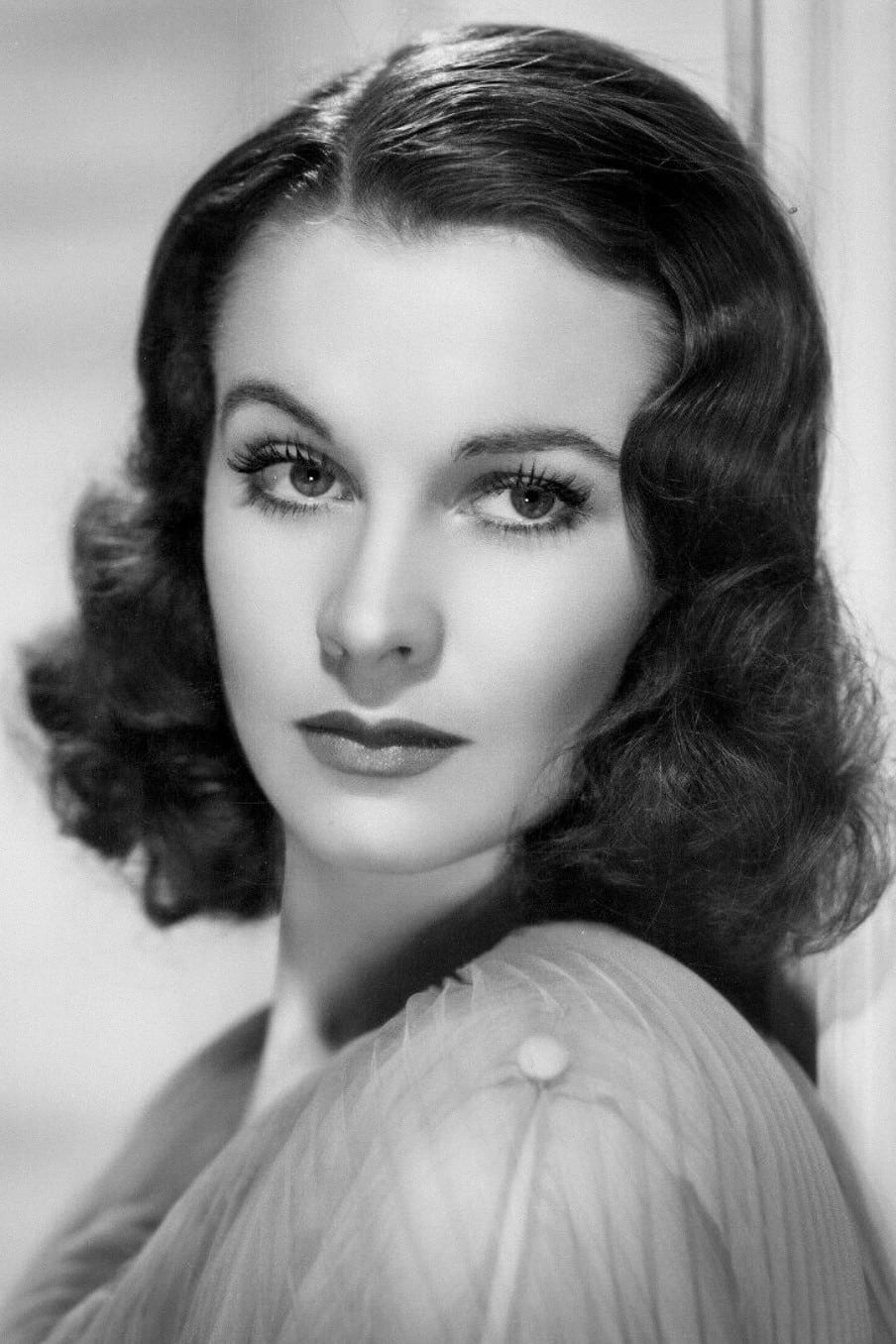
Vivien Leigh will forever be the definitive “Southern Belle”, capturing the manipulative charm and desperate survival instinct of the archetype. Her portrayals of Scarlett O’Hara in ‘Gone with the Wind’ and Blanche DuBois in ‘A Streetcar Named Desire’ are masterclasses in portraying complex, flawed women. Leigh brought a manic energy to her roles that hinted at the fragility of the human mind. She embodied the fading aristocracy struggling to adapt to a harsh new world.
Barbara Stanwyck
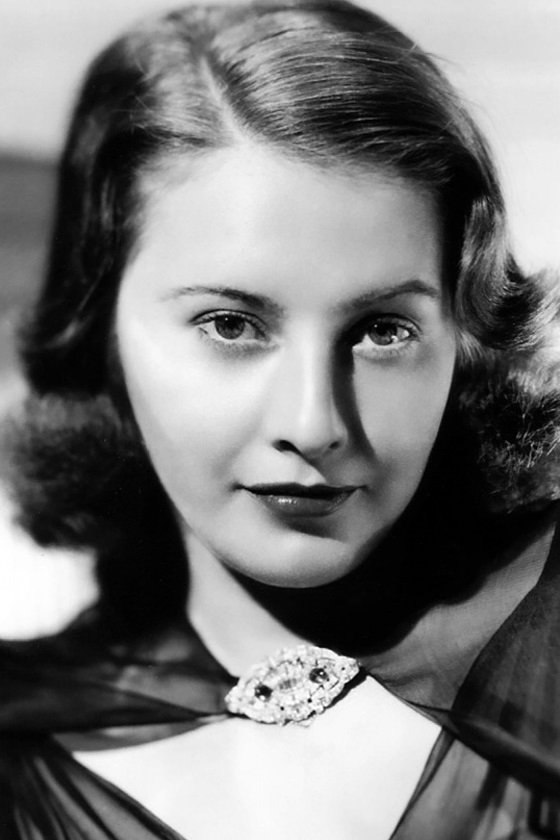
Barbara Stanwyck was the ultimate distinct “Tough Cookie”, capable of playing everything from a screwball comedienne to a ruthless killer. Her role in ‘Double Indemnity’ set the gold standard for the noir femme fatale who uses men as pawns. Stanwyck lacked the traditional soft glamour of her peers, replacing it with a gritty realism and undeniable charisma. She represents the working woman who is smarter than every man in the room.
Mae West
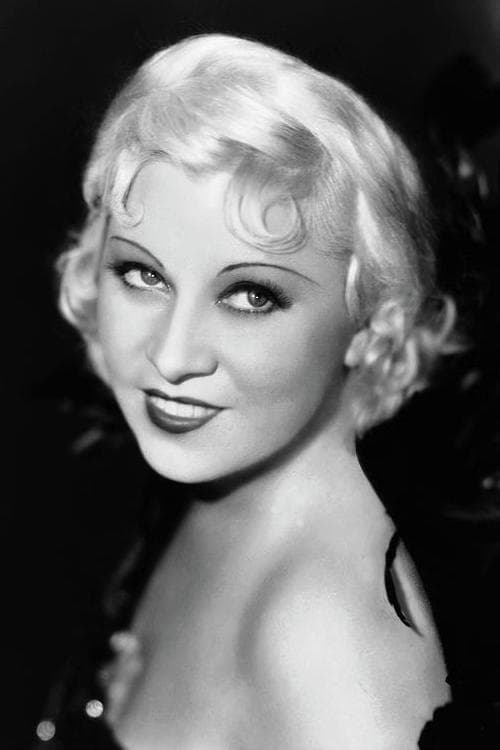
Mae West created the “Bawdy Sex Symbol”, writing her own lines and controlling her own image in a way few women dared. She used double entendres and a exaggerated swagger to mock Victorian morality and censorship. West was not a victim of her sexuality but the master of it, turning men into punchlines rather than saviors. Her archetype is the confident provocateur who is always in on the joke.
Hedy Lamarr
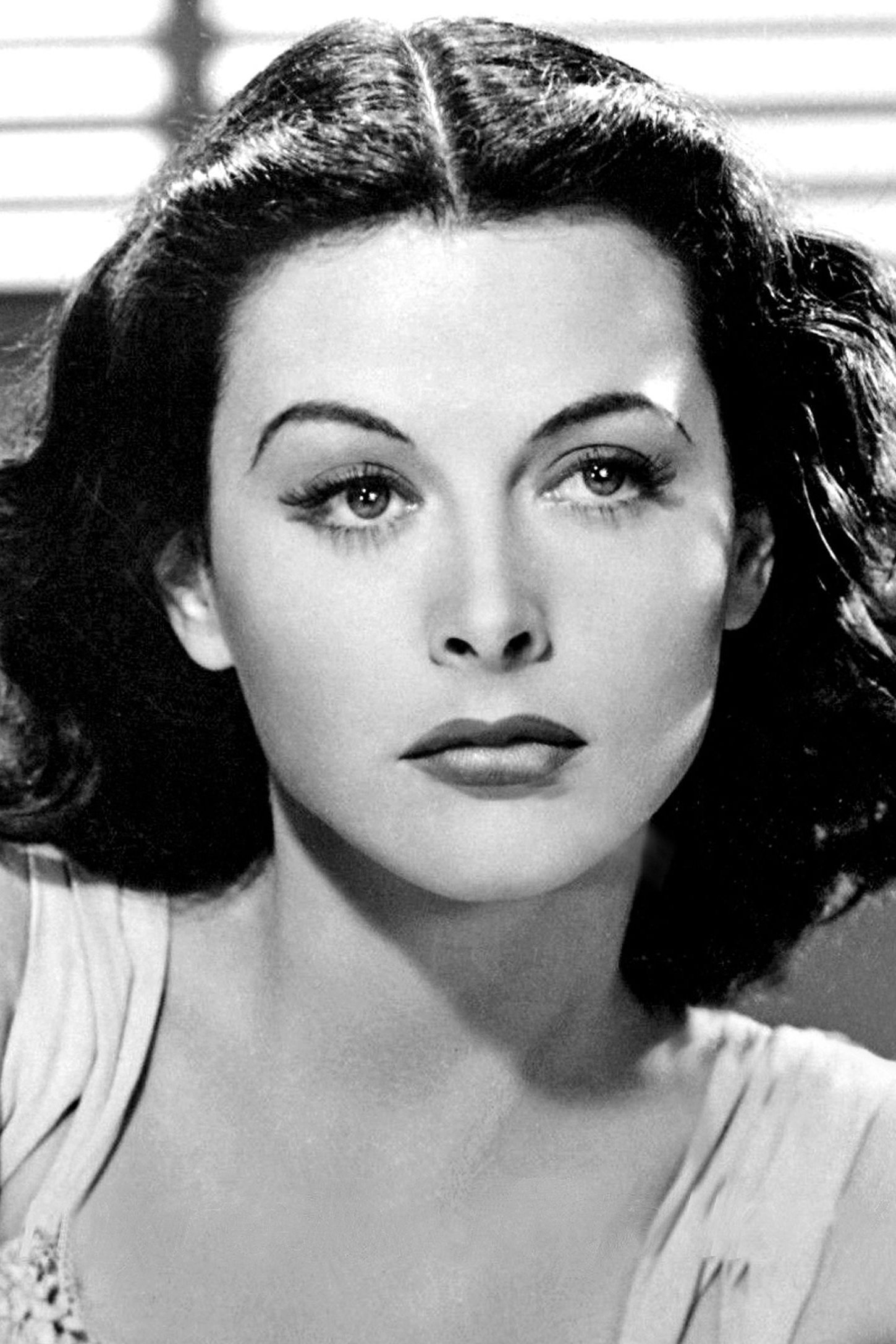
Hedy Lamarr embodied the “Exotic Temptress”, often cast for her stunning, dark-haired beauty in roles like ‘Algiers’. However, she defied the “dumb pretty girl” stereotype in real life by inventing frequency-hopping technology that predated Wi-Fi. Her screen presence was often one of silent, breathtaking allure that captivated the male gaze. Lamarr represents the tragic disconnect between a woman’s intellectual capacity and Hollywood’s superficial demands.
Rita Hayworth
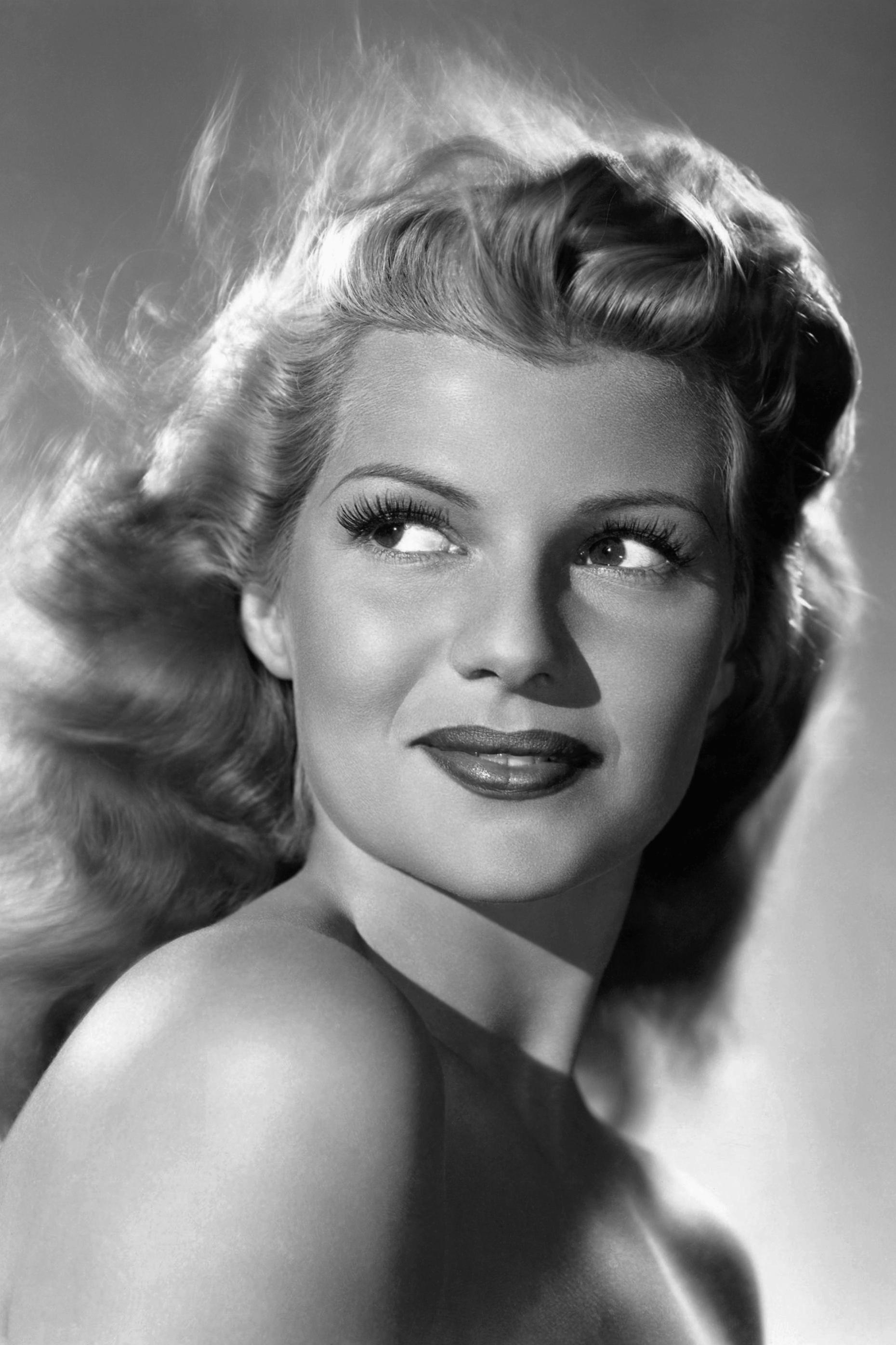
Rita Hayworth was the “Love Goddess”, a dancer of incredible grace who became the ultimate pin-up for GIs during World War II. Her performance in ‘Gilda’, particularly the glove striptease, remains one of the most iconic moments of cinema sexuality. Hayworth struggled with the fact that men fell in love with her character, not her true self. She defines the archetype of the fantasy woman who is trapped by her own image.
Ginger Rogers
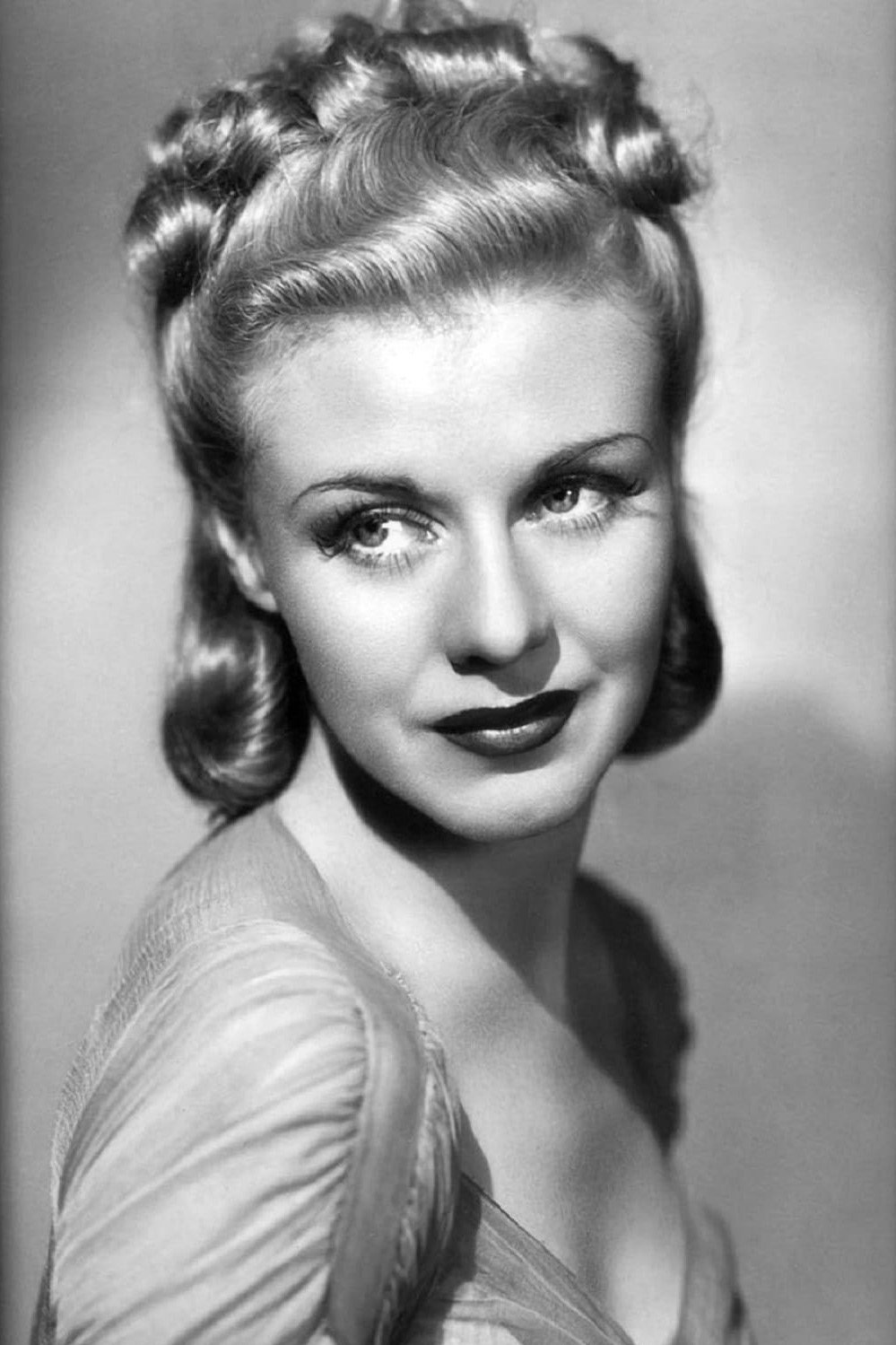
Ginger Rogers defined the “Perfect Partner”, famously doing everything Fred Astaire did but backwards and in high heels. She was a versatile actress who excelled in both musical comedies and dramatic roles like ‘Kitty Foyle’. Rogers represented the capable, hardworking American woman who could dance through life’s difficulties. Her legacy is one of discipline, skill, and being an equal half of a legendary duo.
Carole Lombard
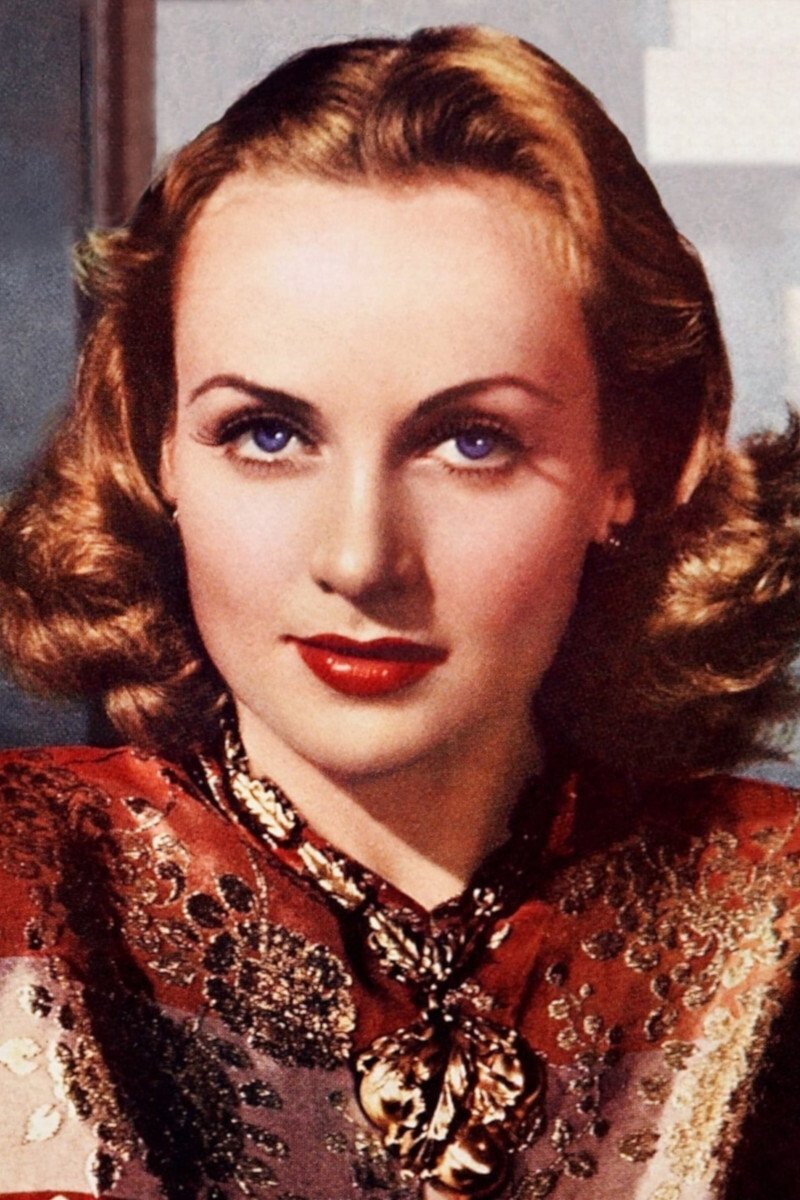
Carole Lombard was the “Screwball Comedienne”, known for her zany energy and willingness to look foolish for a laugh. In films like ‘My Man Godfrey’, she played the eccentric heiress with a chaotic charm that endeared her to audiences. Lombard brought a physical comedy usually reserved for men to the female lead role. She remains the prototype for the beautiful woman who is also the funniest person in the room.
Lucille Ball
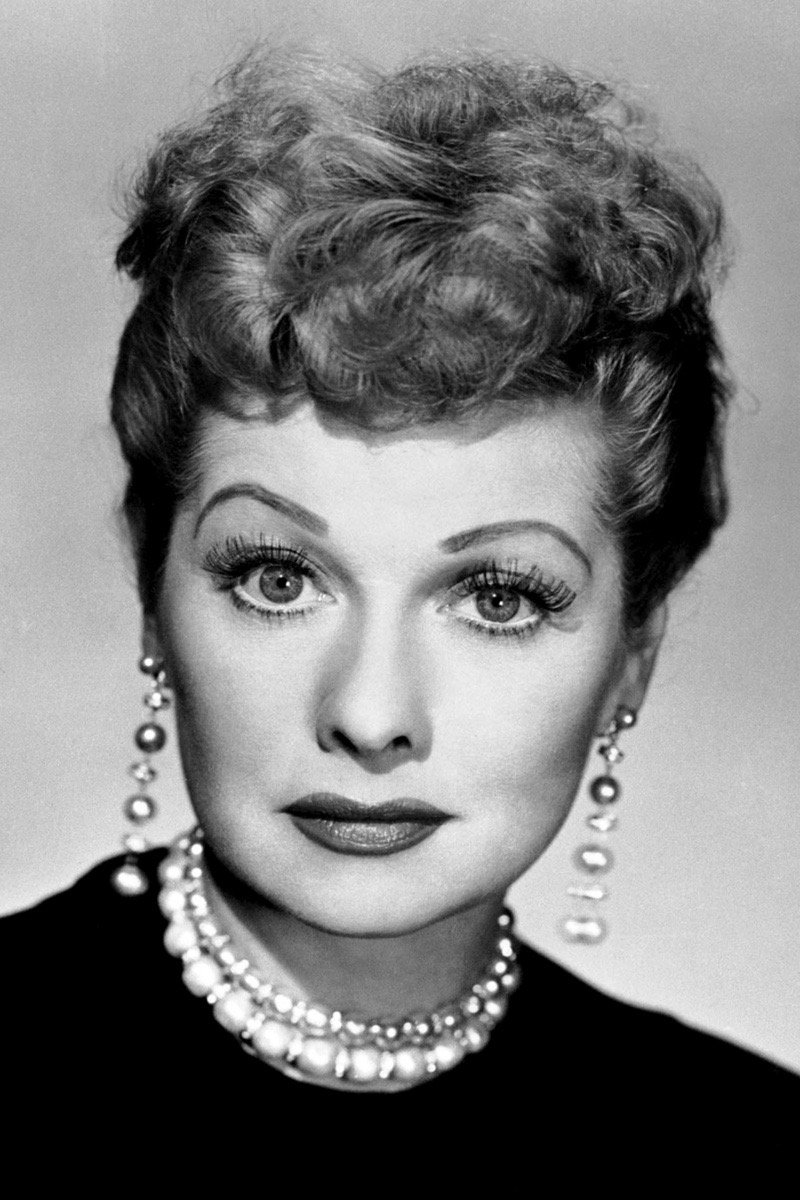
Lucille Ball created the “Sitcom Housewife” archetype, though she subverted it with brilliant physical clowning and ambitious schemes. Through ‘I Love Lucy’, she proved that a woman could lead a television show and run a production studio. Her character was always striving for more than domesticity, often with hilarious, disastrous results. Ball set the template for every television comedy actress who followed.
Mary Pickford
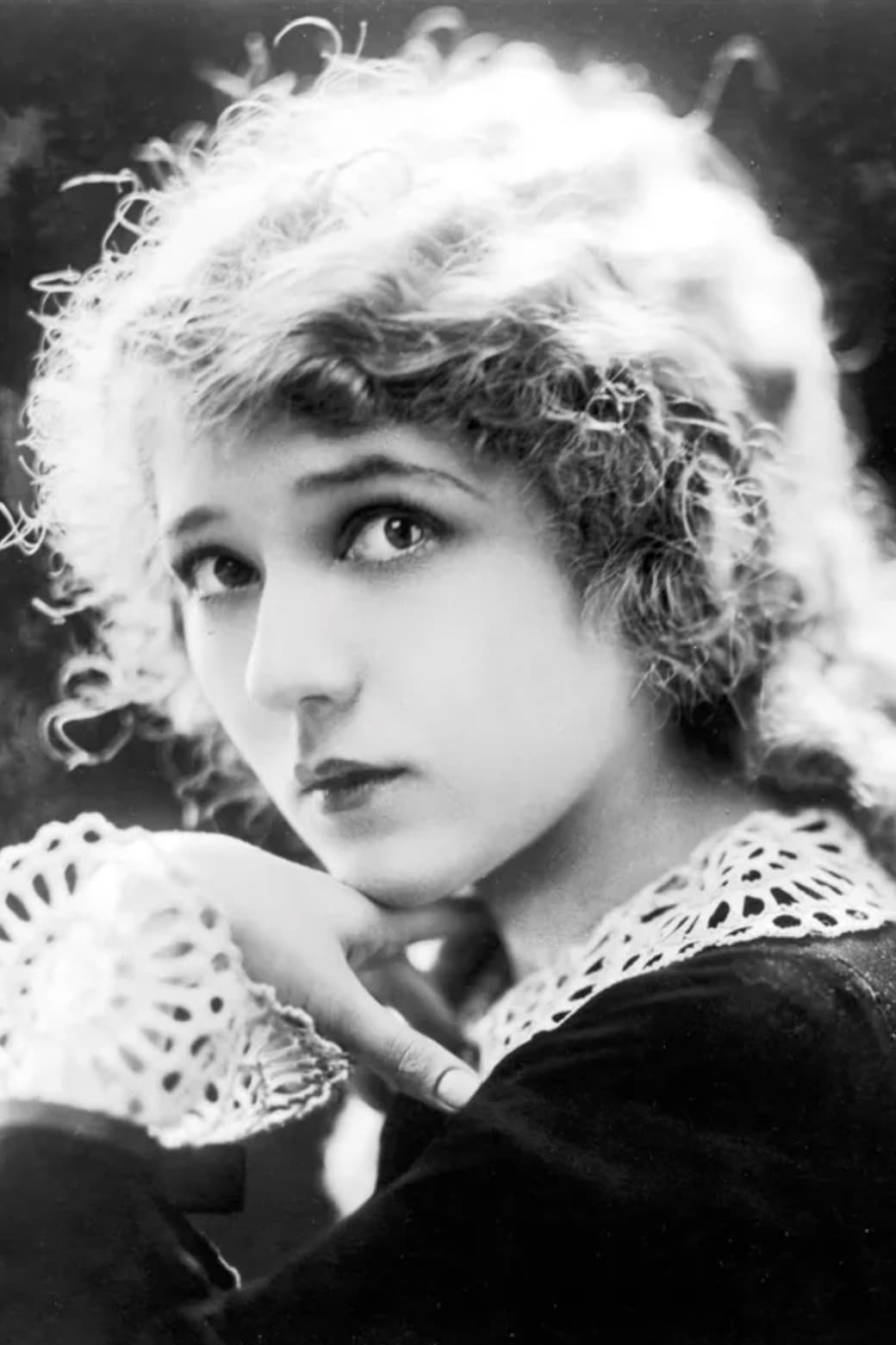
Mary Pickford was “America’s Sweetheart”, the first global movie star who defined the “Girl with the Curls” archetype. She often played children or young women well into her adulthood, mastering the art of innocent charm. Behind the scenes, she was a ruthless businesswoman who co-founded United Artists to control her own career. Pickford established the blueprint for the celebrity who is also a mogul.
Theda Bara
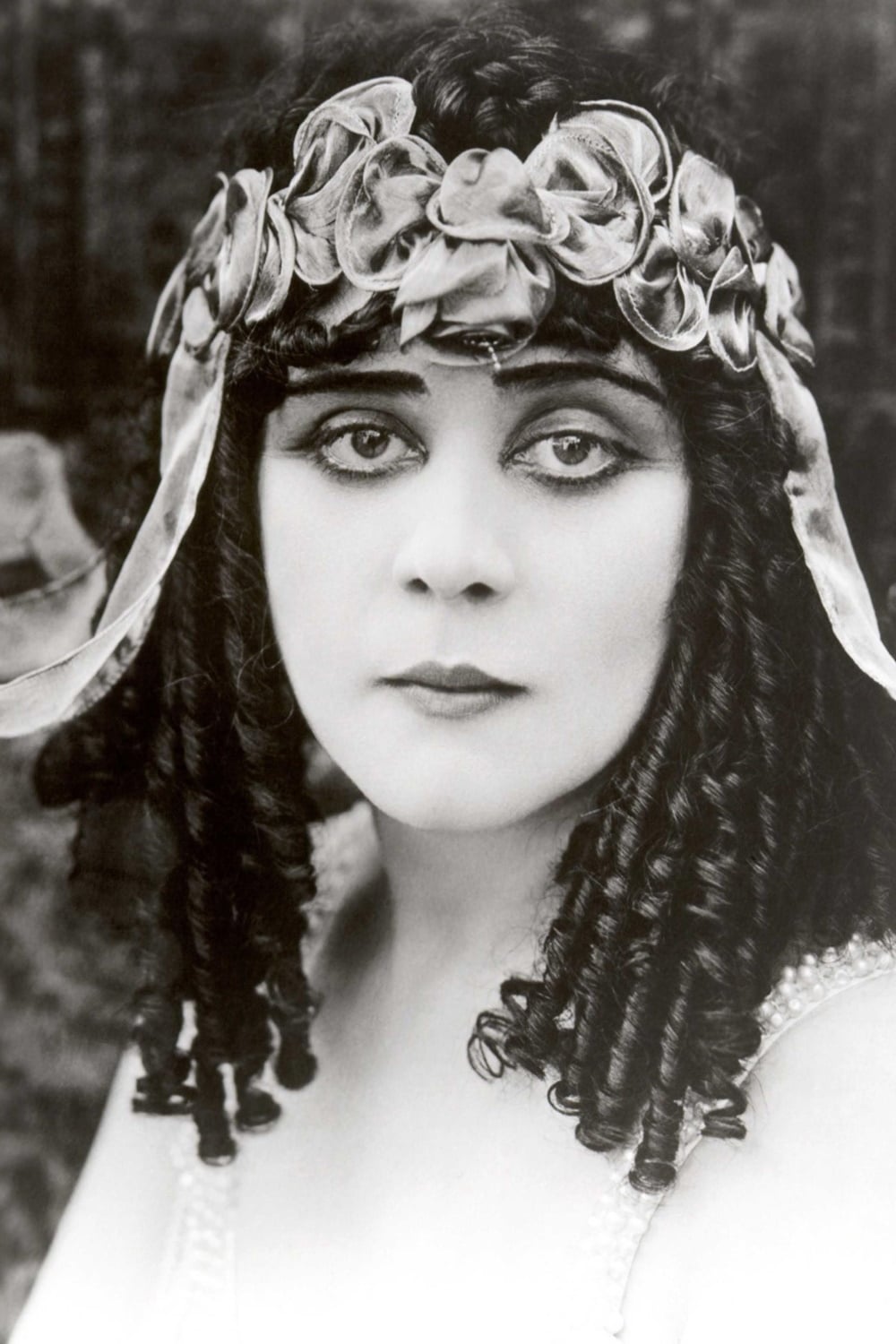
Theda Bara was the original “Vamp”, a silent film star marketed as a supernatural temptress who destroyed men. The studio created a completely fictional, exotic backstory for her to sell movies like ‘A Fool There Was’. Her heavy makeup and dark, brooding stare defined the early cinematic concept of the dangerous woman. Bara represents the power of studio marketing in creating a larger-than-life persona.
Veronica Lake
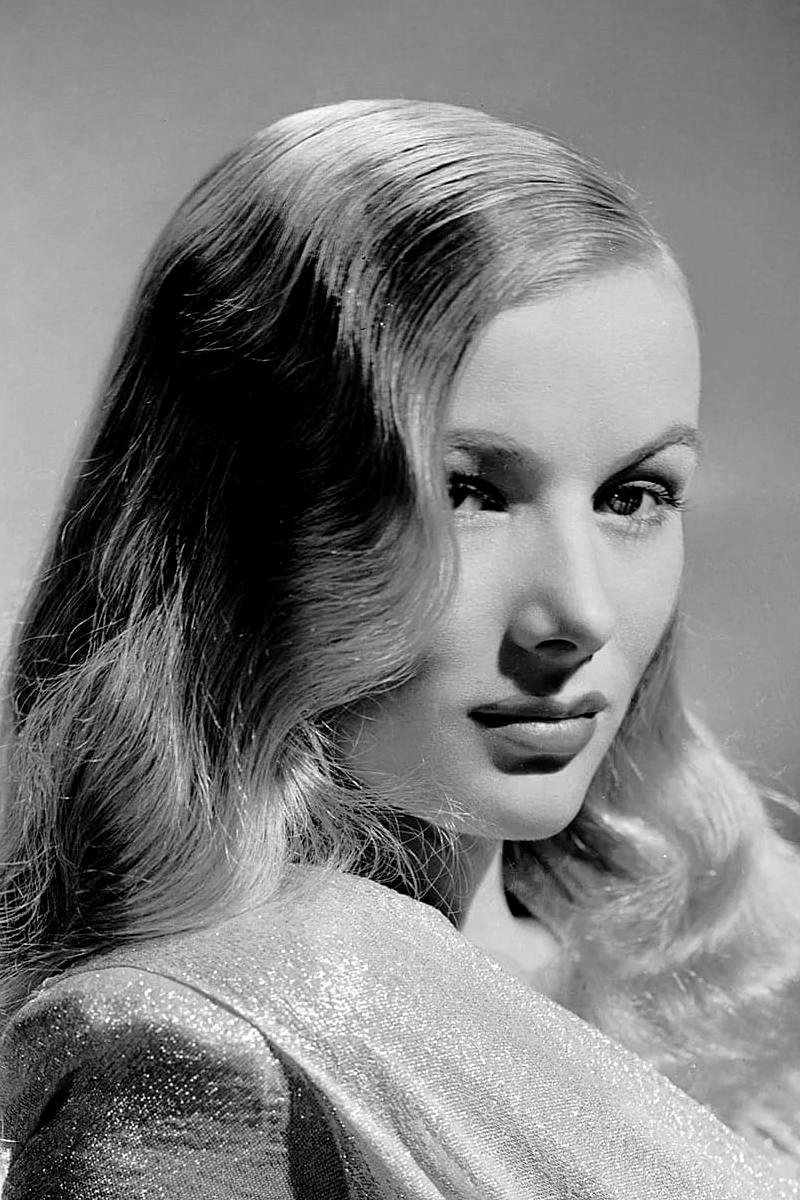
Veronica Lake defined the “Peek-a-Boo” style with her signature hairstyle that obscured one eye, adding an air of mystery to her noir roles. She excelled at playing the cool, detached femme fatale in films like ‘Sullivan’s Travels’ and ‘This Gun for Hire’. Her stature was small, but her screen presence was formidable and often cynical. Lake is the icon of 1940s noir style.
Myrna Loy

Myrna Loy perfected the “Perfect Wife” archetype, bringing wit, sophistication, and patience to the role of Nora Charles in ‘The Thin Man’ series. unlike the melodramatic wives of other films, Loy played a partner who was her husband’s equal in intelligence and banter. She represented a modern marriage based on friendship and mutual respect. Her performance showed that domestic stability didn’t have to be boring.
Louise Brooks
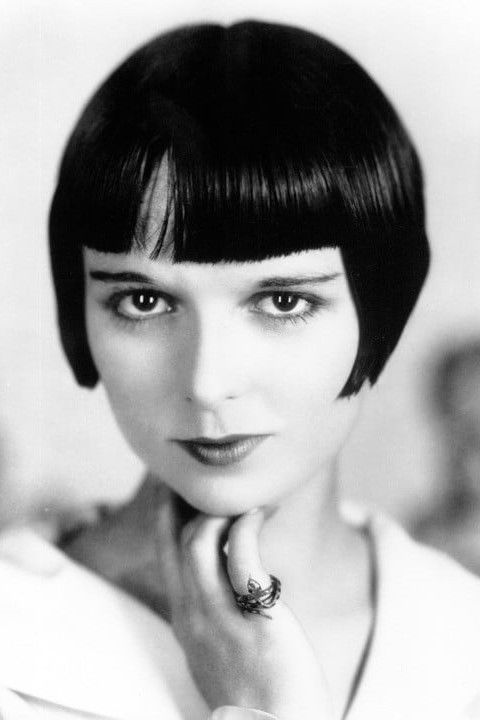
Louise Brooks is the eternal “Flapper”, with her sharp bob haircut and rebellious attitude in films like ‘Pandora’s Box’. She rejected the artificial acting styles of her time in favor of a naturalistic, subtle approach. Brooks represented the liberated woman of the Jazz Age who refused to be constrained by social mores. Her visual style remains a constant reference point for fashion and cinema.
Lillian Gish
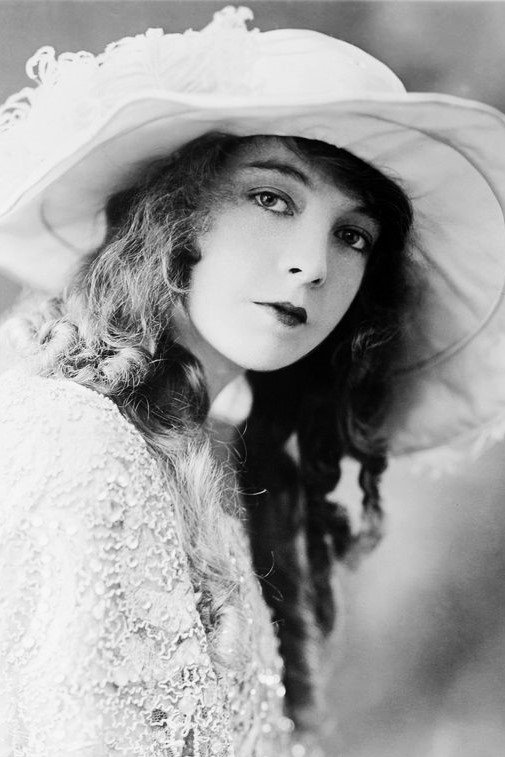
Lillian Gish was the “Suffering Heroine” of the silent era, able to convey immense emotion with small gestures and expressions. In films like ‘Broken Blossoms’, she endured horrific tragedies with a waif-like resilience. Gish pioneered the art of screen acting, understanding that the camera captured thought as well as action. She set the standard for the dramatic actress who anchors a film’s emotional arc.
Rosalind Russell
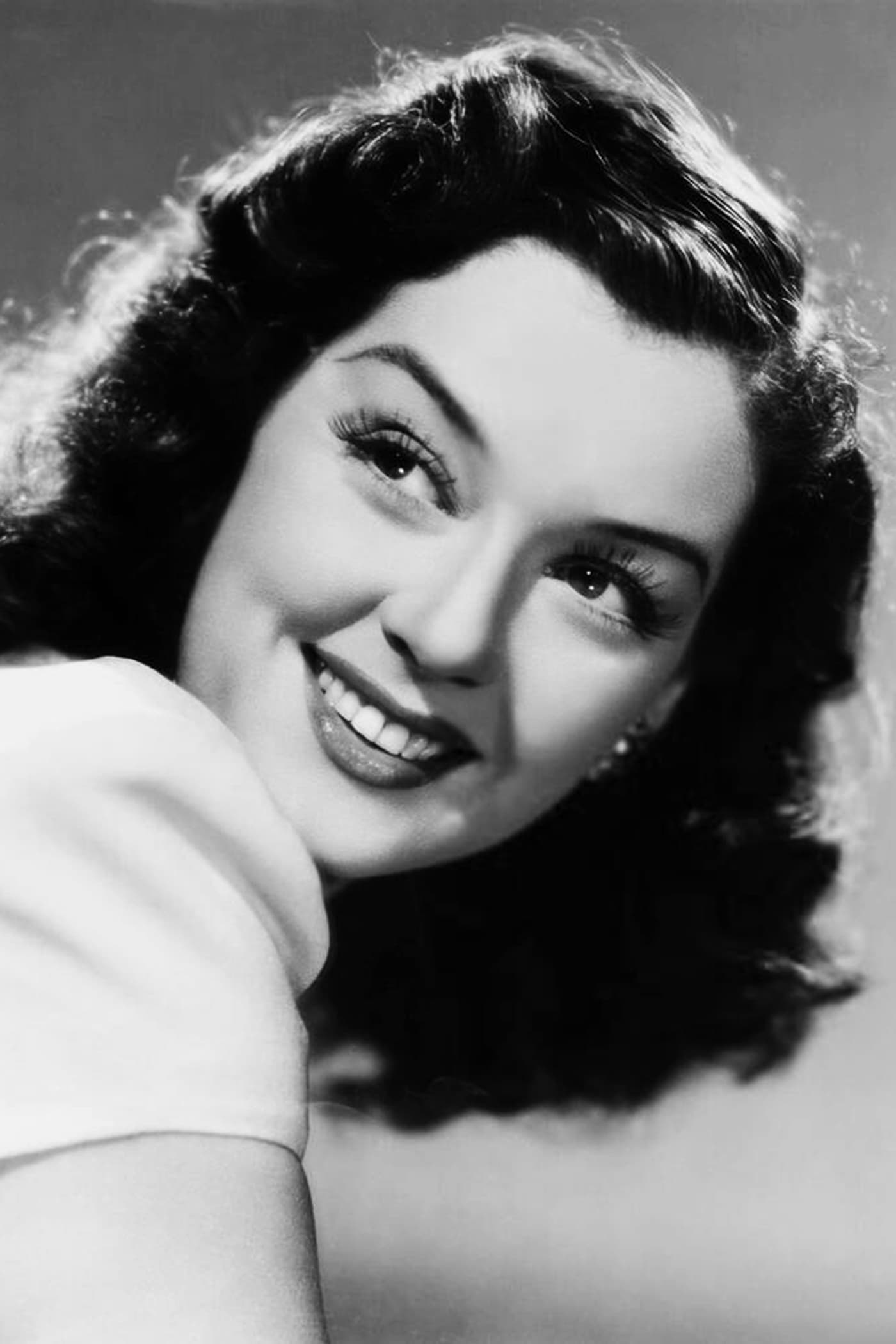
Rosalind Russell defined the “Fast-Talking Reporter” and the professional woman who prioritized her career over romance. Her role as Hildy Johnson in ‘His Girl Friday’ is the benchmark for rapid-fire dialogue and comedic timing. Russell often played characters who were intelligent, articulate, and refused to be sidelined. She represents the woman who wins arguments through sheer verbal velocity.
Dorothy Dandridge
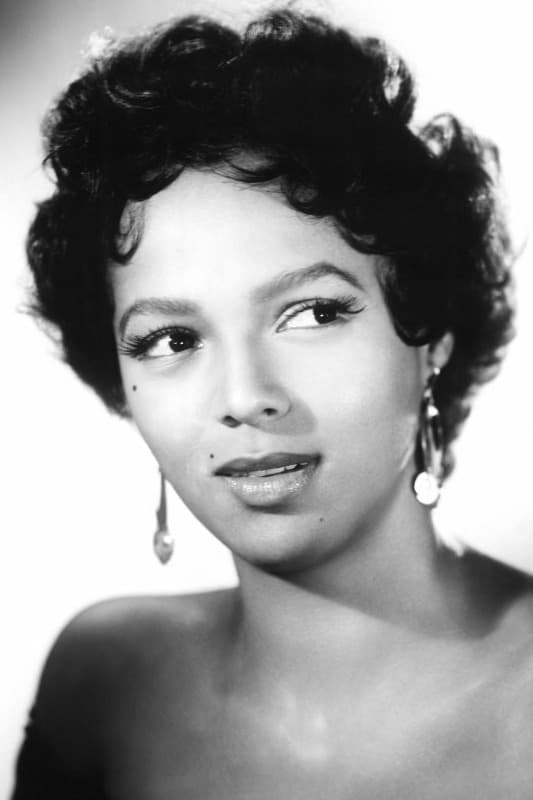
Dorothy Dandridge broke barriers as the “Tragic Beauty”, becoming the first Black woman nominated for a Best Actress Oscar for ‘Carmen Jones’. She possessed a magnetic star power that was often limited by the segregated casting practices of her time. Dandridge played roles that were sensual and complex, challenging the stereotypes usually assigned to women of color. Her legacy is one of immense talent struggling against systemic constraints.
Natalie Wood
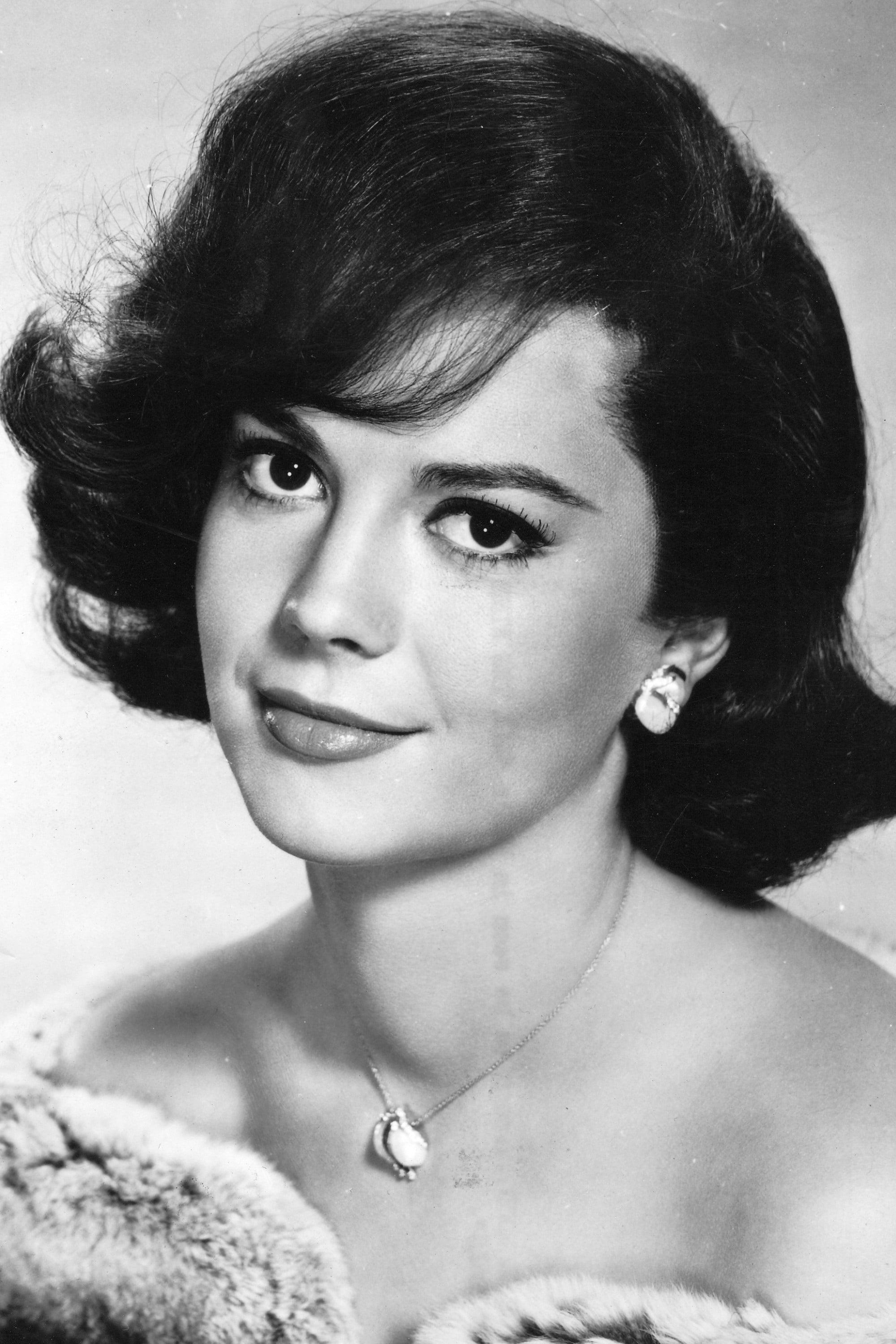
Natalie Wood embodied the “Coming-of-Age” archetype, successfully transitioning from a child star in ‘Miracle on 34th Street’ to a serious adult actress in ‘Rebel Without a Cause’. She often played characters grappling with sexual awakening and societal expectations. Wood captured the angst and confusion of American youth in the mid-20th century. Her career traces the evolution of the teenager as a distinct cultural identity.
Sharon Tate
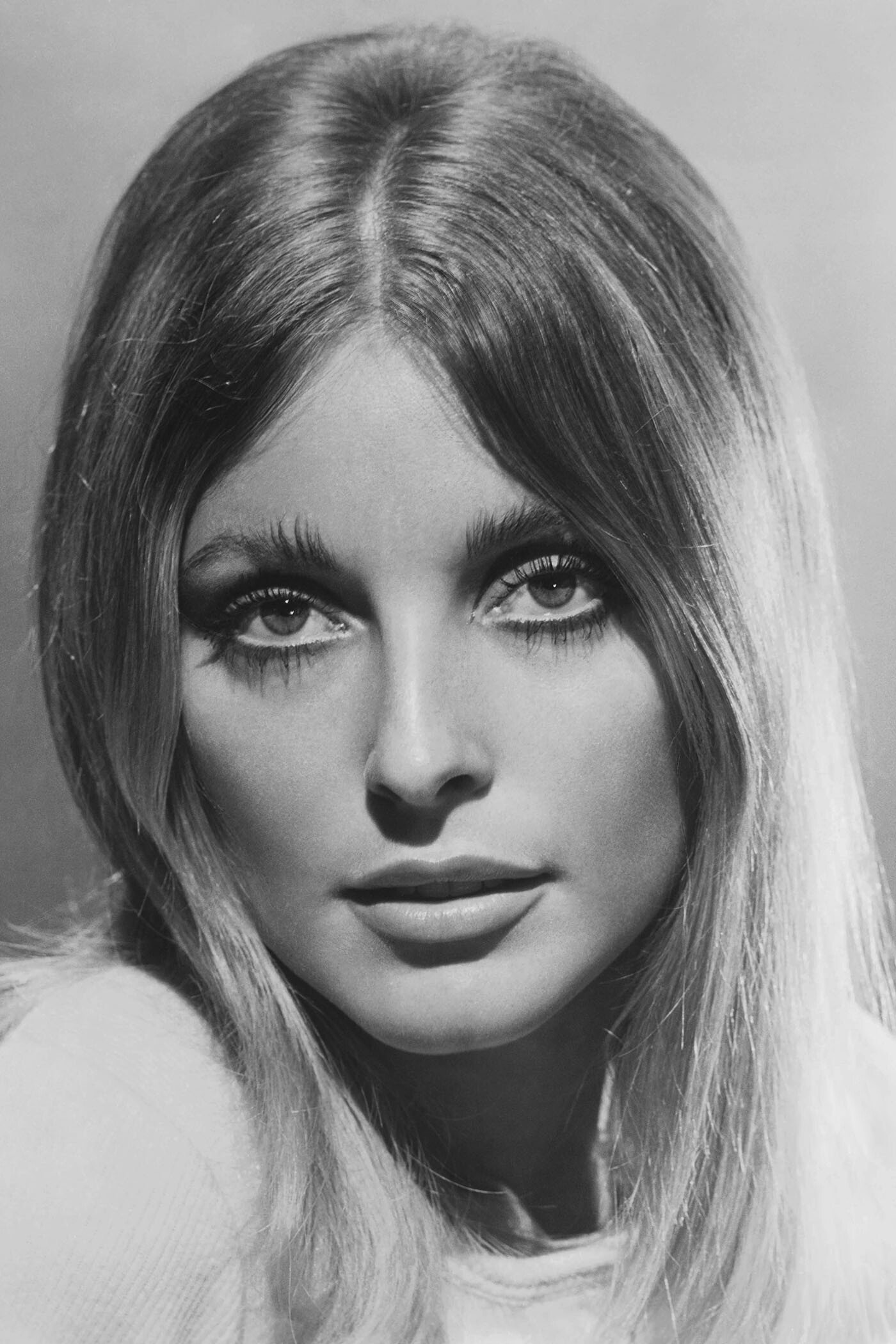
Sharon Tate remains the symbol of the “Flower Child”, representing the beauty and potential of the 1960s counterculture. Her role in ‘Valley of the Dolls’ showcased a gentle, ethereal quality that captivated audiences. Tragically, her image is forever linked to the end of the 1960s innocence. She stands as the eternal icon of a decade defined by beauty and sudden violence.
Carrie Fisher
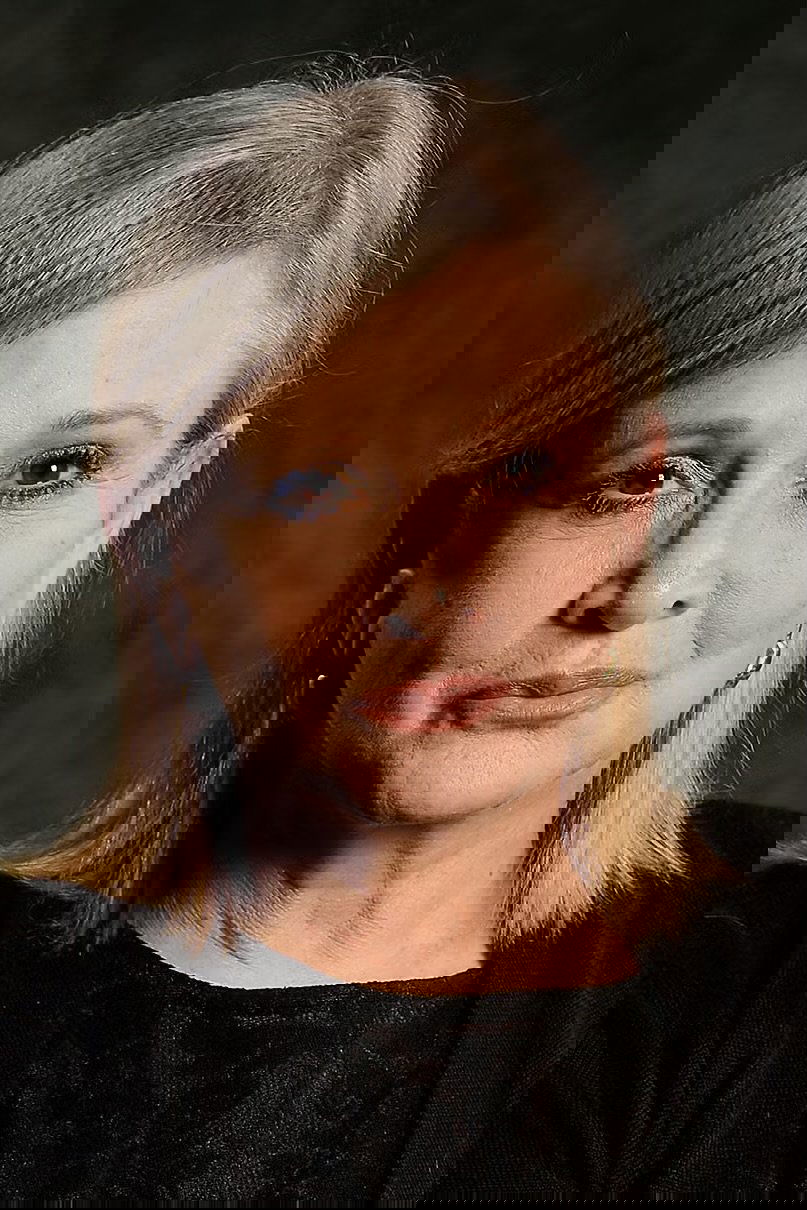
Carrie Fisher revolutionized the “Princess” archetype by making it rebellious, witty, and handy with a blaster in ‘Star Wars’. She refused to be a damsel in distress, taking charge of her own rescue and leading rebellions. Later in life, she became an archetype of the “Truth Teller”, using humor to discuss mental health and addiction. Fisher taught us that royalty could be tough, funny, and deeply human.
Debbie Reynolds
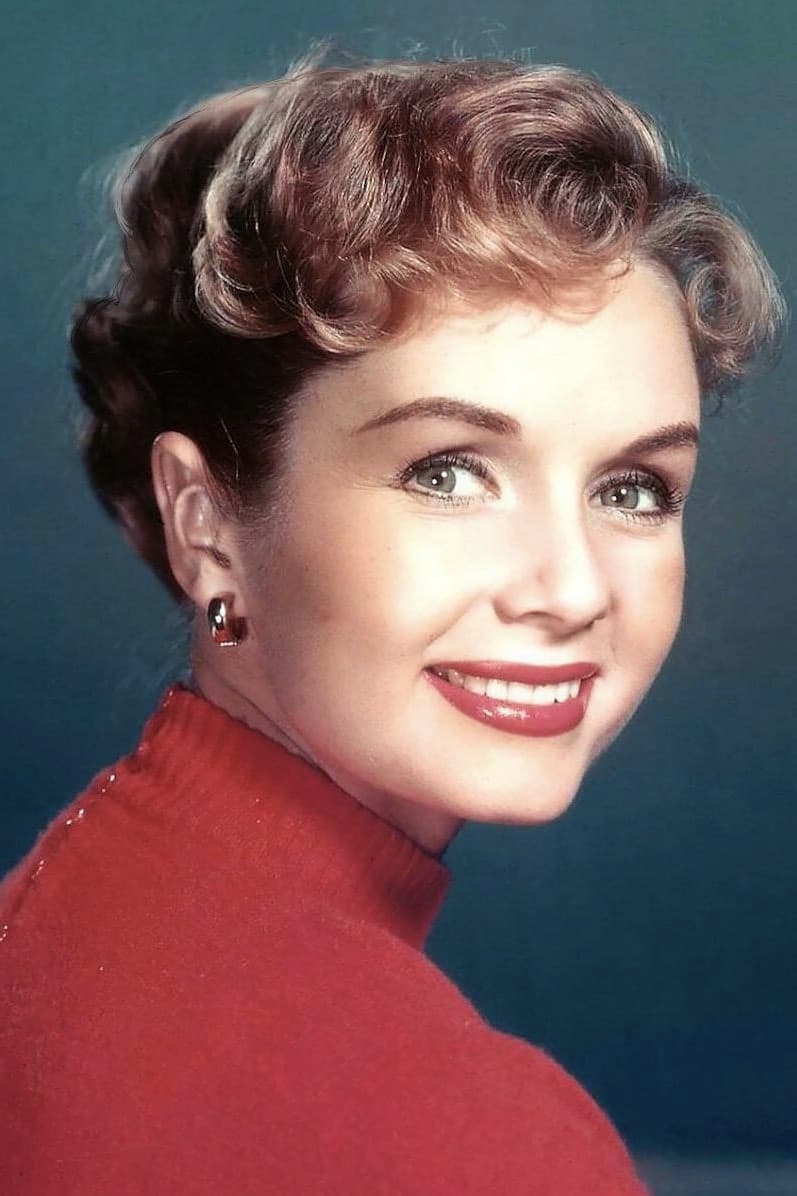
Debbie Reynolds was the “All-American Girl”, a triple-threat talent who could sing, dance, and act with boundless energy. Her role in ‘Singin’ in the Rain’ showcased her wholesome charm and incredible work ethic. Reynolds maintained a career that spanned decades, evolving from the ingenue to the matriarch. She represents the resilience and versatility of the studio system-trained entertainer.
Betty White
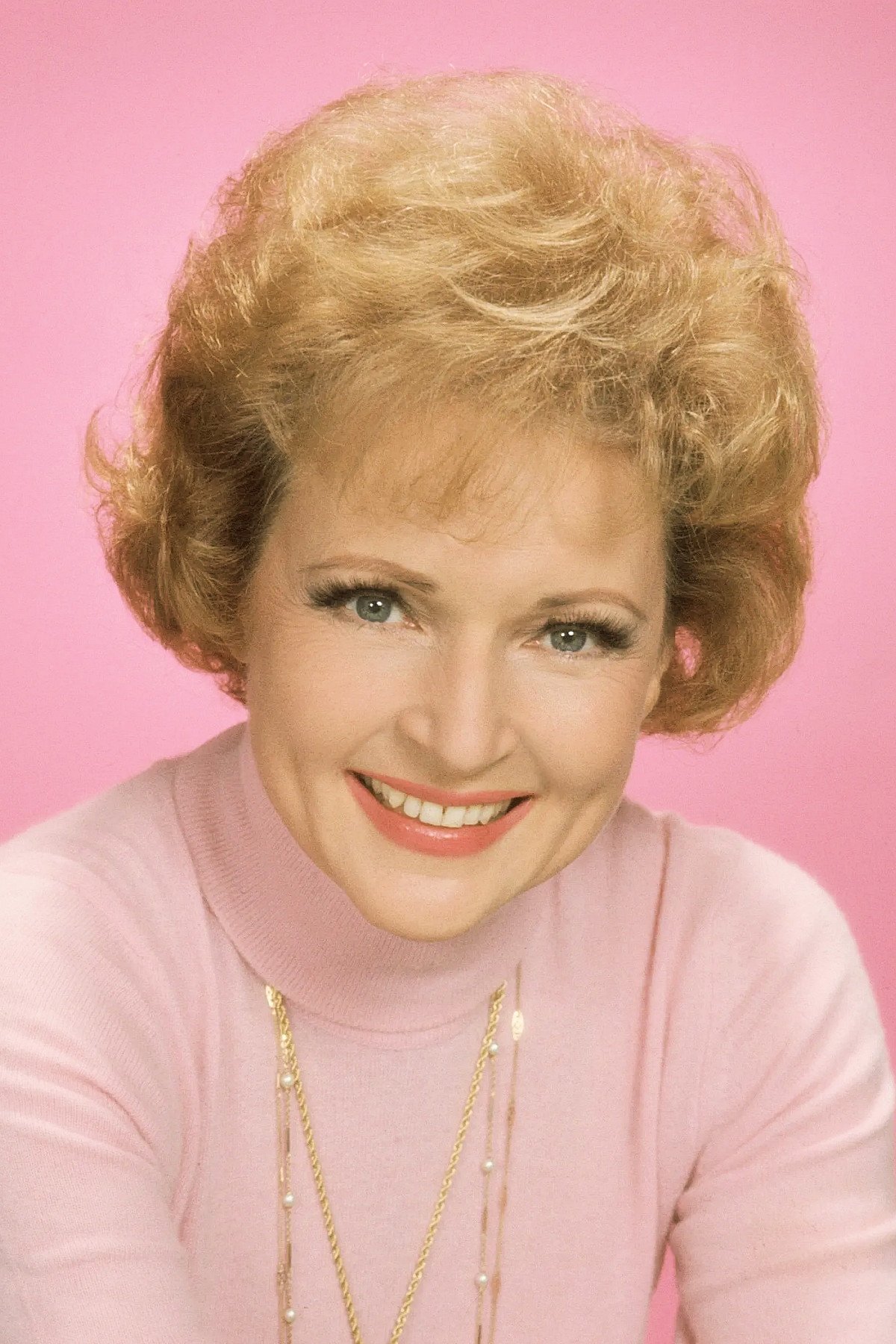
Betty White became the definitive “Sweet Old Lady with a Bite”, mastering the art of playing innocent-looking characters who said shocking things. From ‘The Mary Tyler Moore Show’ to ‘The Golden Girls’, she redefined what it meant to be an older woman on television. White proved that comedy has no expiration date and that kindness and snark can coexist. She remains the beloved grandmother figure of American entertainment.
Angela Lansbury
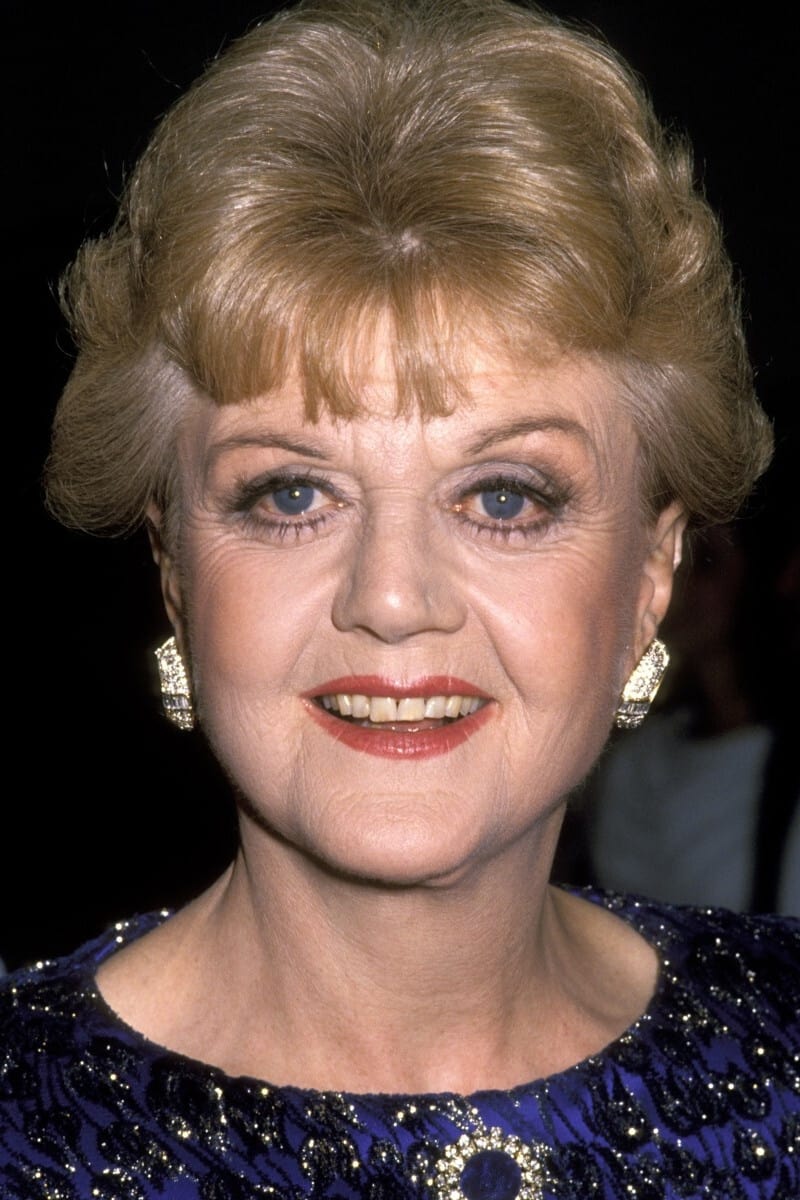
Angela Lansbury embodied the “Intelligent Sleuth”, proving that an older woman could anchor a hit drama without a male protector. As Jessica Fletcher in ‘Murder, She Wrote’, she used her brain to solve crimes, never relying on violence. Lansbury also had a rich history in musical theater and character roles, often playing the manipulator or the voice of reason. She represents the triumph of intellect and persistence.
Maggie Smith
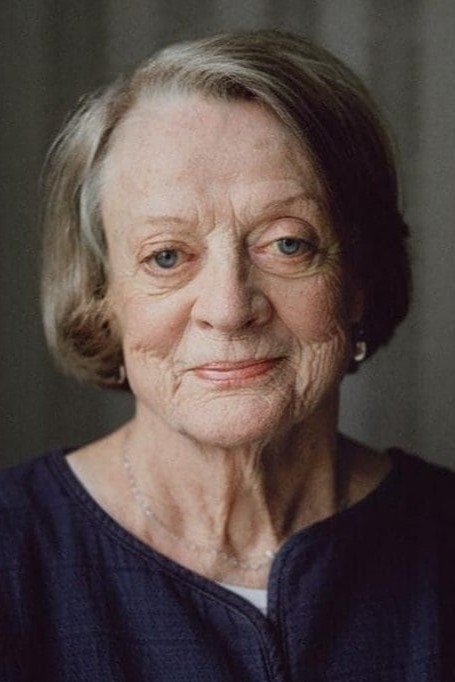
Maggie Smith perfected the “Sharp-Tongued Dowager”, using withering glares and perfect diction to steal every scene she was in. Whether in ‘Downton Abbey’ or the ‘Harry Potter’ series, she played women of authority who suffered no fools. Her characters were often traditionalists who nonetheless possessed a deep well of loyalty and hidden warmth. Smith showed that power can be wielded with nothing more than a raised eyebrow.
Diana Rigg
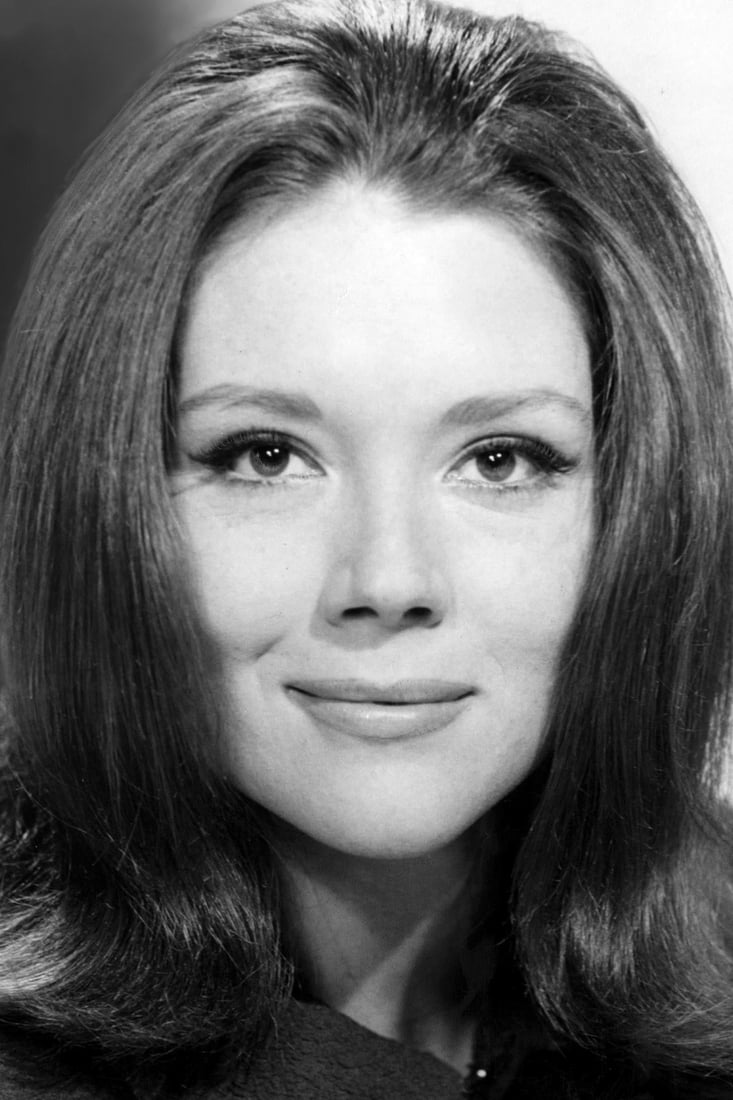
Diana Rigg defined the “Action Heroine” of the 1960s as Emma Peel in ‘The Avengers’, combining martial arts skills with mod fashion. She was intelligent, independent, and never played second fiddle to her male partner. Later, she brought gravitas to the “Matriarch” role in ‘Game of Thrones’. Rigg paved the way for every female action star who followed, proving women could fight in leather catsuits and still command respect.
Nichelle Nichols
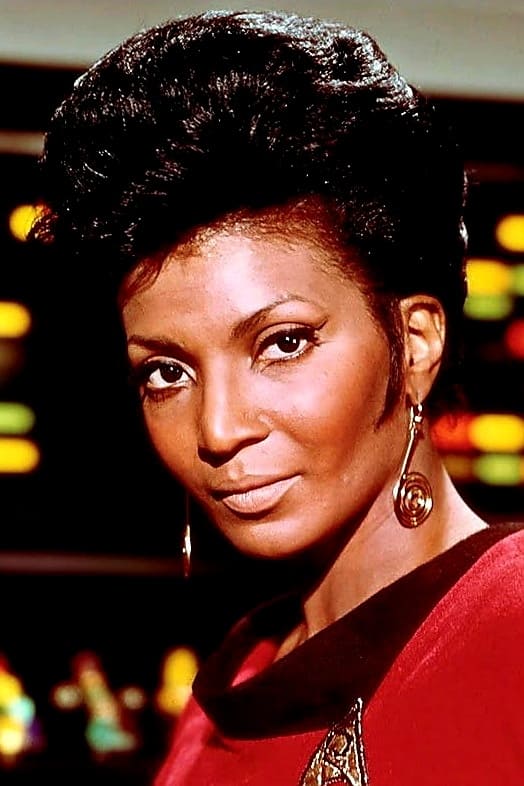
Nichelle Nichols established the “Space Age Professional”, portraying Lt. Uhura in ‘Star Trek’ as a capable officer on the bridge of a starship. Her presence showed a future where Black women were integral to exploration and command, not relegated to servitude. She famously used her platform to recruit diverse astronauts for NASA. Nichols is the archetype of the pioneer who changes the real world through fiction.
Raquel Welch

Raquel Welch was the “Prehistoric Icon”, whose fur bikini in ‘One Million Years B.C.’ became one of the most famous images in film history. She struggled against being typecast solely as a sex symbol, often taking roles in westerns and comedies to prove her range. Welch represented a shift toward a more athletic, powerful female body image. She remains a symbol of the raw, primal power of cinema beauty.
Gena Rowlands
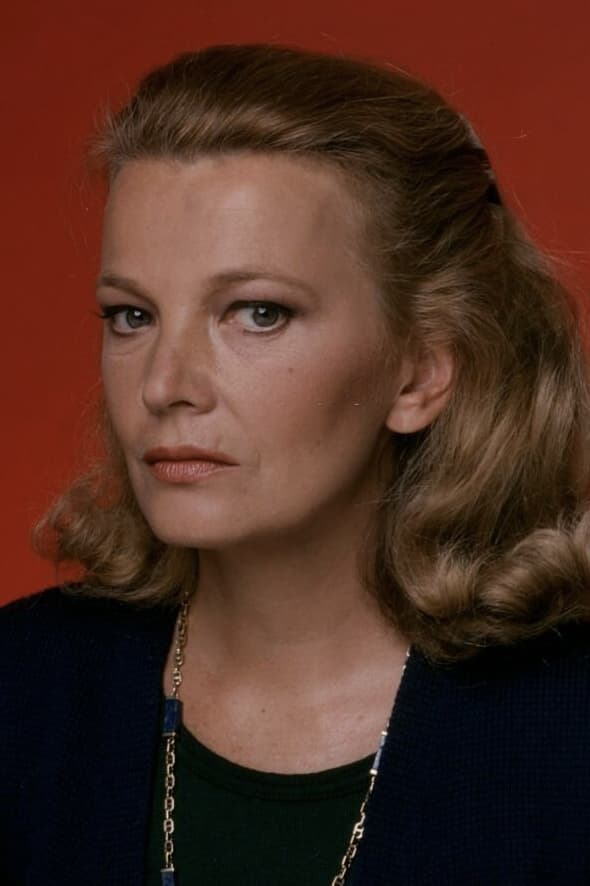
Gena Rowlands defined the “Unstable Muse”, delivering raw, improvisational performances in films like ‘A Woman Under the Influence’. She fearlessly explored mental illness and emotional breakdown without vanity or melodrama. Her collaboration with husband John Cassavetes created a new style of indie filmmaking centered on female psychology. Rowlands represents the actress as an exposed nerve, channeling deep human suffering.
Shelley Duvall
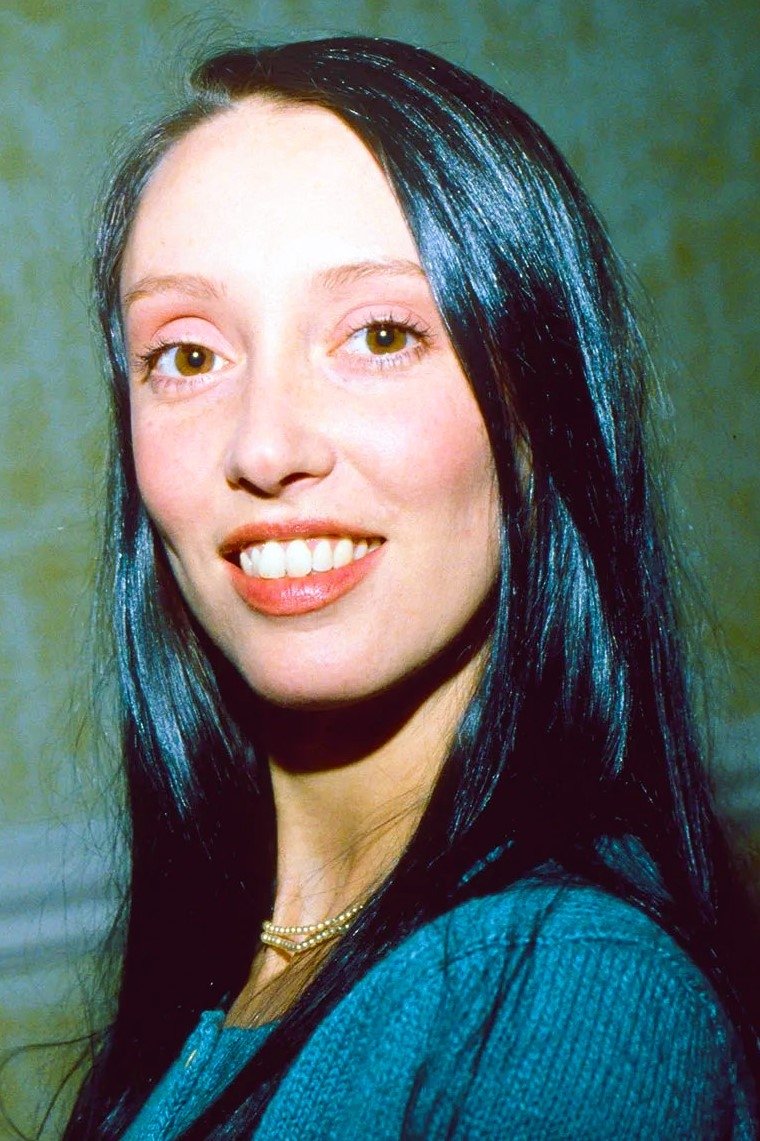
Shelley Duvall was the “Eccentric Waif”, known for her unique look and her ability to portray terrifying vulnerability in ‘The Shining’. She was a favorite of director Robert Altman, often playing dreamers or oddballs who didn’t fit into standard boxes. Her wide eyes and fragile frame belied a resilience necessary to endure grueling productions. Duvall is the patron saint of the unconventional character actress.
Shannen Doherty
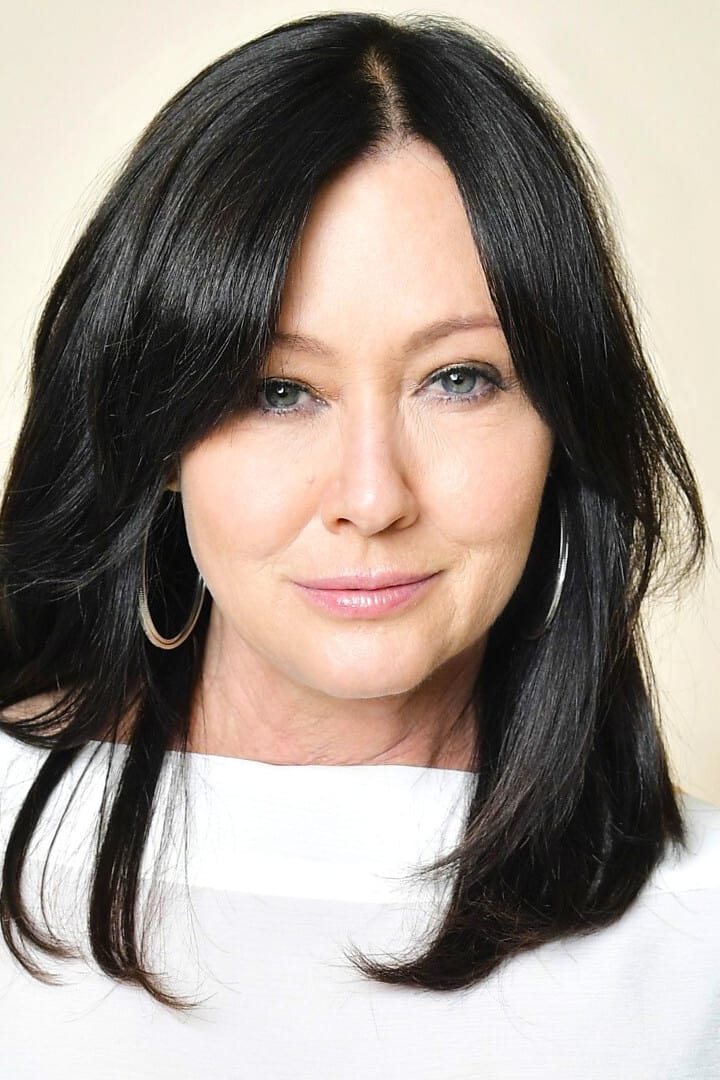
Shannen Doherty defined the “Bad Girl” of 90s teen drama, bringing a volatile edge to Brenda Walsh in ‘Beverly Hills, 90210’. She represented the darker side of adolescence, dealing with issues that polished sitcoms often avoided. Her career was marked by a refusal to play the game by Hollywood’s polite rules. Doherty remains the icon for the misunderstood, rebellious teen who refuses to fake a smile.
Cicely Tyson

Cicely Tyson embodied the “Dignified Matriarch”, deliberately choosing roles that portrayed Black women with strength and humanity. In ‘Sounder’ and ‘The Autobiography of Miss Jane Pittman’, she aged decades on screen, delivering performances of immense gravity. Tyson refused to take demeaning roles, using her career as a form of activism. She represents the artist as a conscience, demanding respect through excellence.
Olivia de Havilland
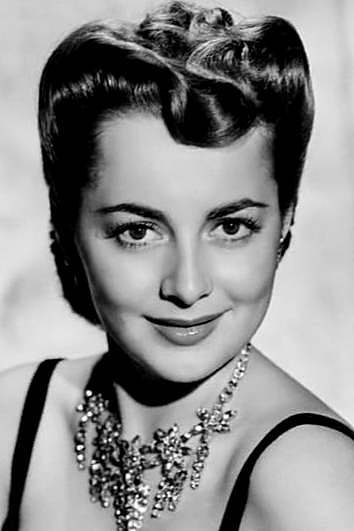
Olivia de Havilland was the “Noble Lady”, often playing the kind-hearted foil to more volatile characters, most notably in ‘Gone with the Wind’. However, her real-life archetype was the “Legal Crusader”, as she successfully sued a studio to break the unfair contract system. This legal victory liberated actors from perpetual servitude to movie moguls. She defines the woman whose gentle demeanor hides a spine of steel.
Honor Blackman
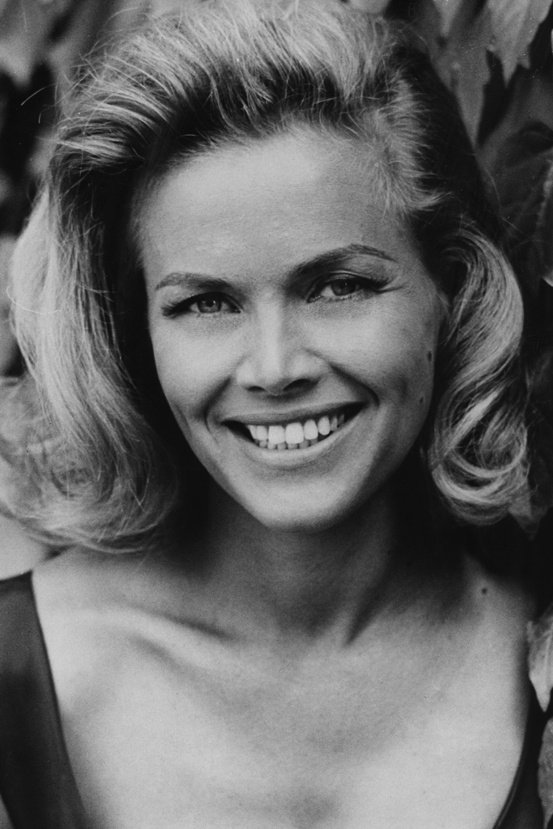
Honor Blackman set the template for the “Bond Girl” who is actually a threat, playing Pussy Galore in ‘Goldfinger’. She was older than the typical love interest and possessed judo skills that allowed her to toss James Bond around. Blackman brought a cool confidence to the role that elevated it beyond mere eye candy. She represents the spy who is just as dangerous as the hero.
Anna Karina
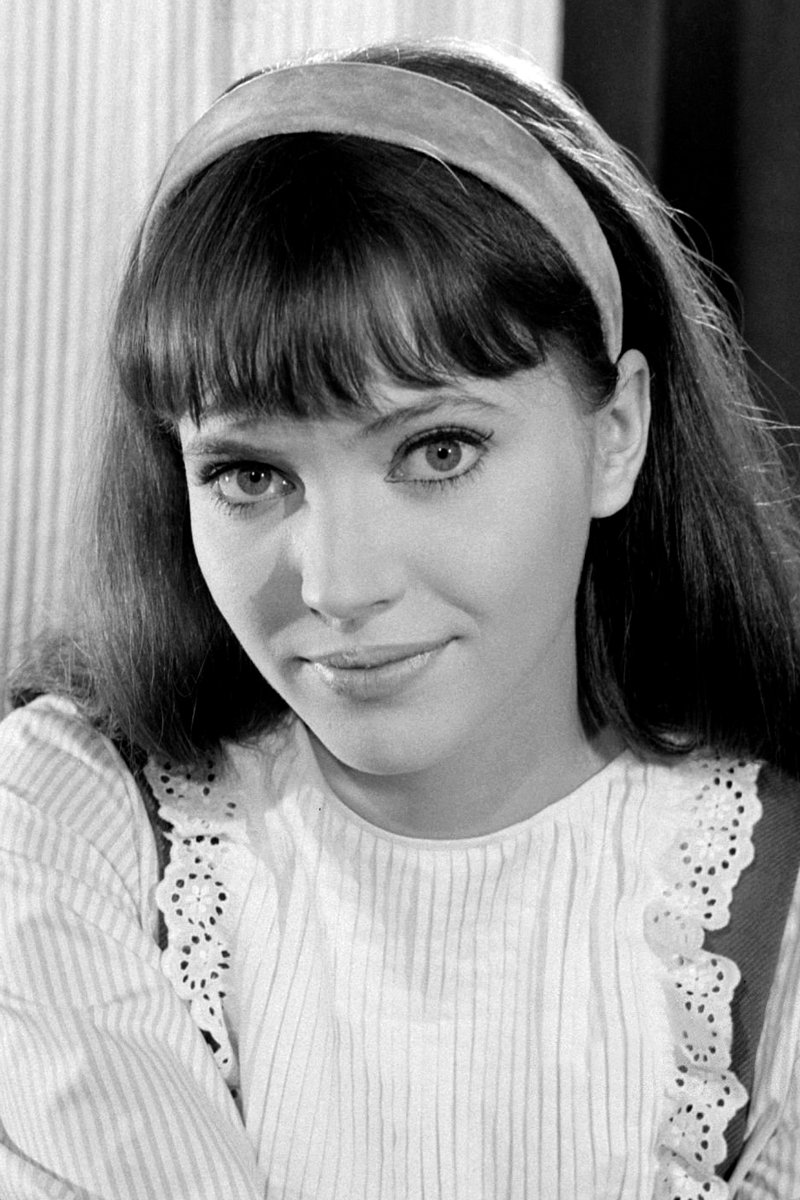
Anna Karina was the “New Wave Muse”, the face of the French New Wave cinema in the 1960s. Her collaborations with Jean-Luc Godard produced characters who were spontaneous, philosophical, and effortlessly cool. She often broke the fourth wall, looking directly at the audience with a mix of sadness and whimsy. Karina is the archetype of the art-house icon who embodies the spirit of a movement.
Gloria Grahame
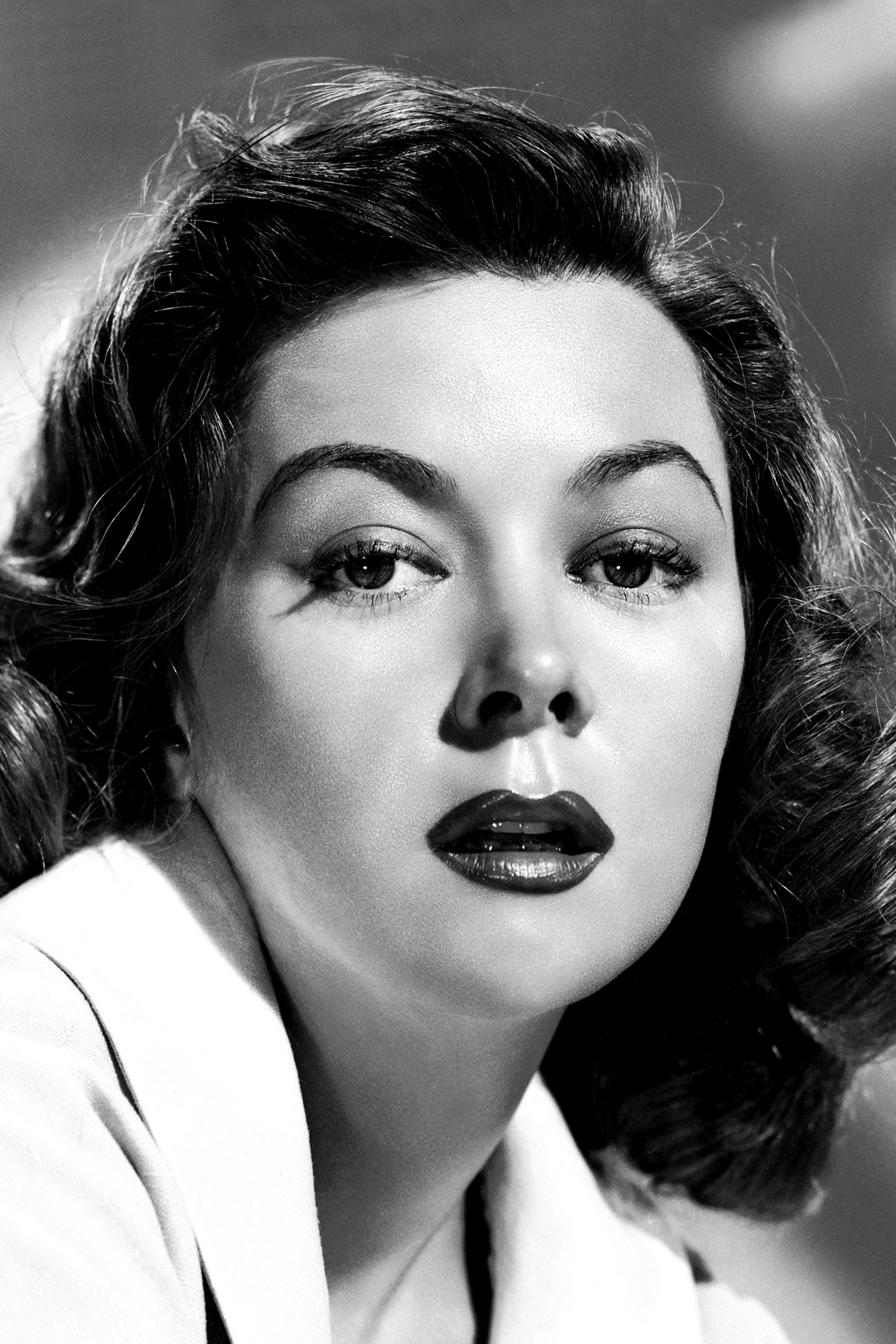
Gloria Grahame was the “Bad Girl with a Heart of Gold”, a staple of film noir who often played the gangster’s moll or the weary neighbor. In films like ‘The Big Heat’ and ‘In a Lonely Place’, she brought a tragic humanity to sultry roles. She famously won an Oscar for a performance that lasted less than ten minutes, proving her impact. Grahame represents the cynical survivor who knows the score.
Gene Tierney

Gene Tierney defined the “Mysterious Beauty”, possessing an ethereal quality that made her perfect for roles like the ghost in ‘The Ghost and Mrs. Muir’. In ‘Laura’, she played a woman so captivating that a detective falls in love with her painting. Tierney’s personal life was marred by tragedy, which often added a layer of sadness to her screen persona. She is the haunting memory that drives the plot, even when she isn’t on screen.
Kirstie Alley
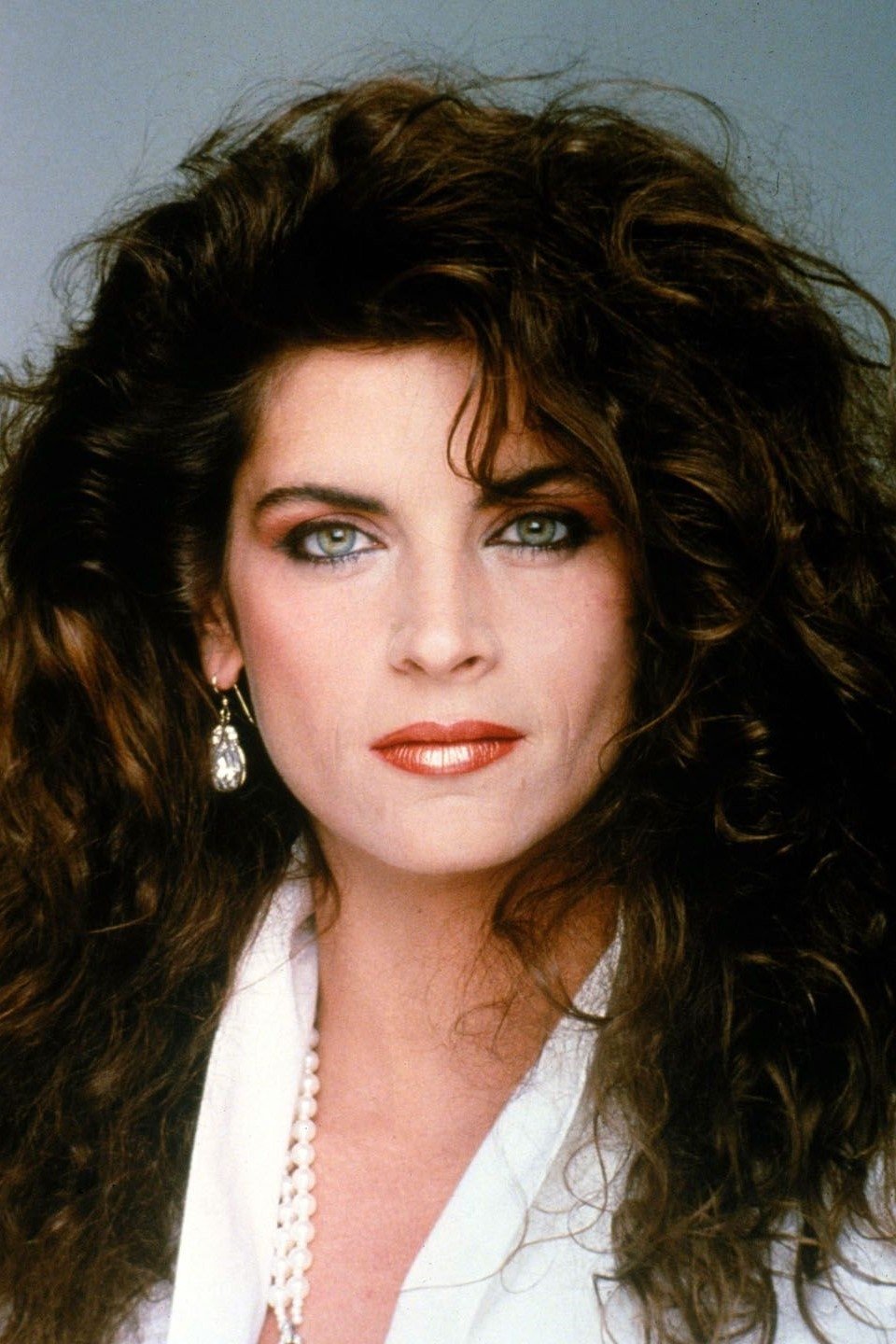
Kirstie Alley was the “Neurotic Lead”, replacing the traditional sitcom housewife with a career-driven, emotionally chaotic character in ‘Cheers’. She brought a relatable messiness to the screen, struggling with romance and career in a way that felt authentic. Her comedic delivery was sharp, often using self-deprecation to win the audience. Alley represents the modern woman who is still figuring it all out.
Tell us which legendary actress you believe had the biggest impact on modern cinema in the comments.