Dead Actresses Whose Career Choices Changed Hollywood

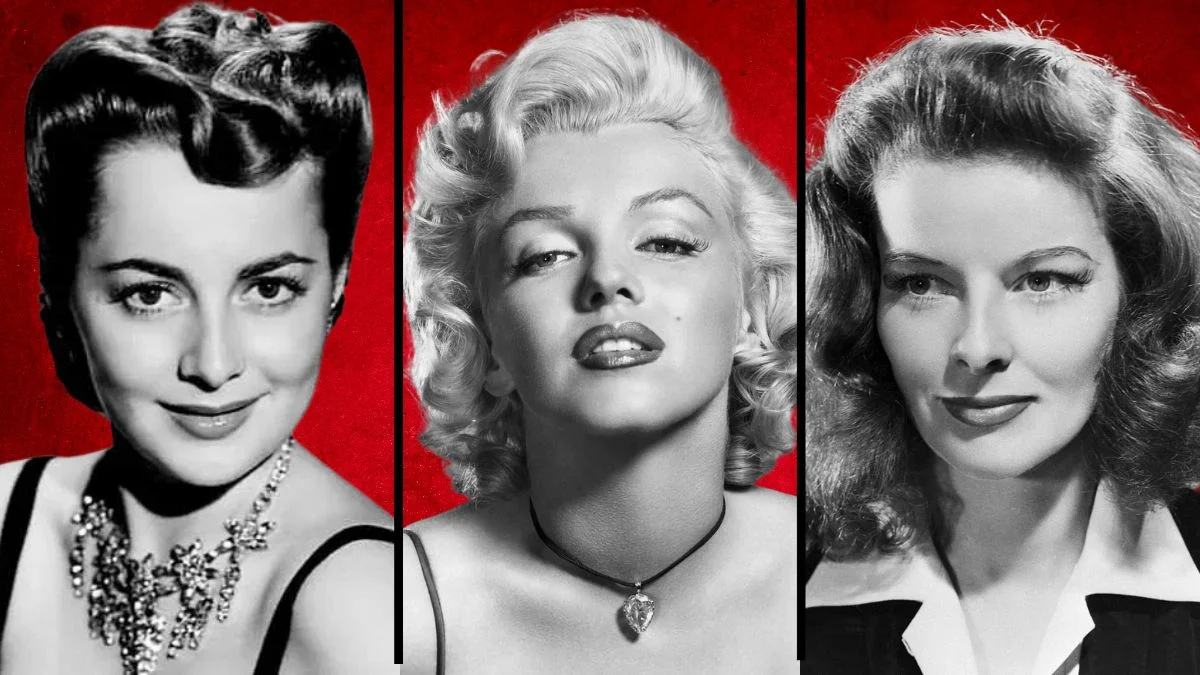

Hollywood history is defined by the trailblazing women who refused to accept the status quo and forged new paths for future generations. These actresses did more than just memorize lines or wear glamorous costumes on the silver screen. They fought legal battles against powerful studios to secure their independence and founded their own production companies to tell stories that mattered. Their decisions shattered glass ceilings and redefined what it meant to be a female superstar in the entertainment industry.
Mary Pickford
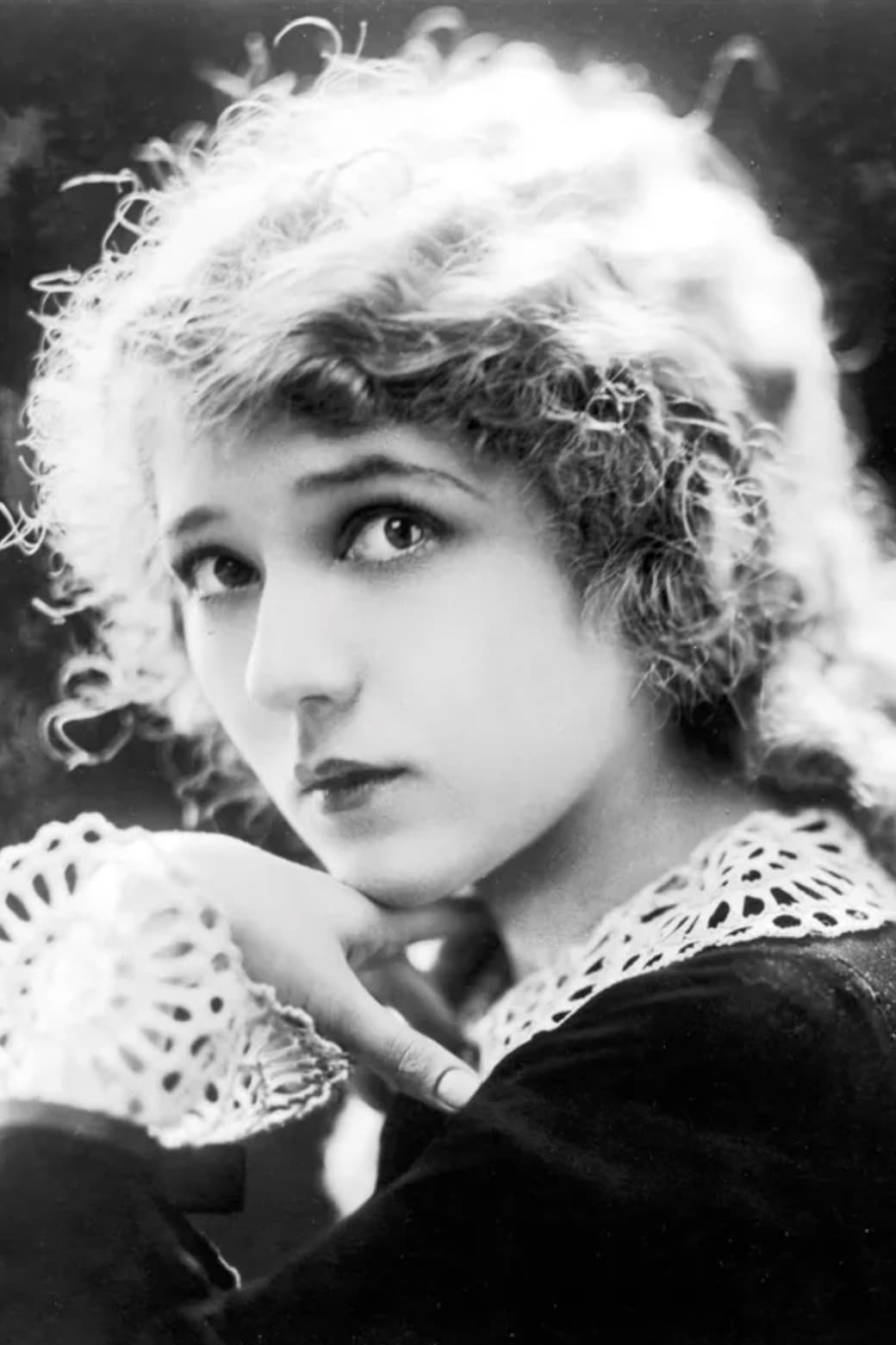
Mary Pickford was known as America’s Sweetheart but she was also a shrewd businesswoman who reshaped the film industry. She co-founded United Artists in 1919 alongside Charlie Chaplin and others to give actors control over their own interests. This move effectively broke the stranglehold of the commercial studio system and allowed artists to distribute their own work. Her influence extended beyond acting as she became one of the first women to become a powerful producer in Hollywood.
Katharine Hepburn
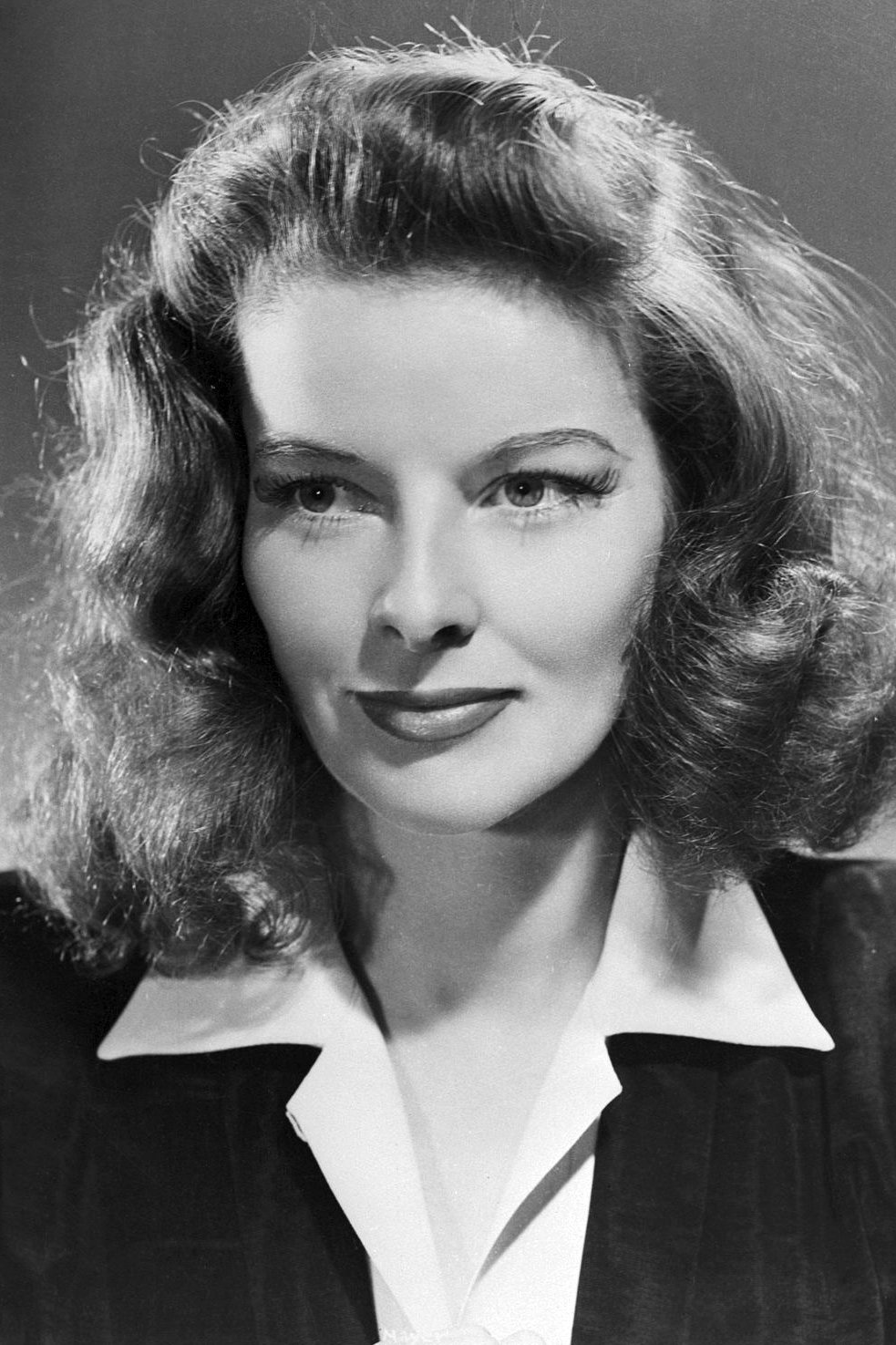
Katharine Hepburn famously took control of her own destiny after being labeled box office poison by theater owners. She purchased the rights to ‘The Philadelphia Story’ and sold them to MGM on the condition that she star in the film. This savvy business move revitalized her career and proved that actresses could leverage intellectual property to secure their positions. Her distinct fashion sense and refusal to wear skirts also challenged gender norms of the era.
Olivia de Havilland
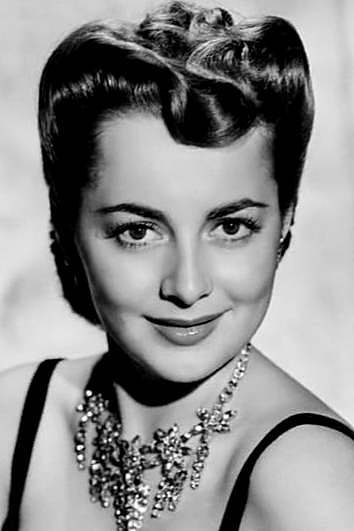
Olivia de Havilland changed the legal landscape of Hollywood forever by suing Warner Bros over their unfair contract practices. The studio attempted to extend her seven-year contract by adding the time she had been suspended for refusing roles. Her victory in court resulted in the De Havilland Law which prevents studios from enforcing personal service contracts beyond seven calendar years. This landmark decision gave power back to the talent and ended the restrictive studio system.
Lucille Ball
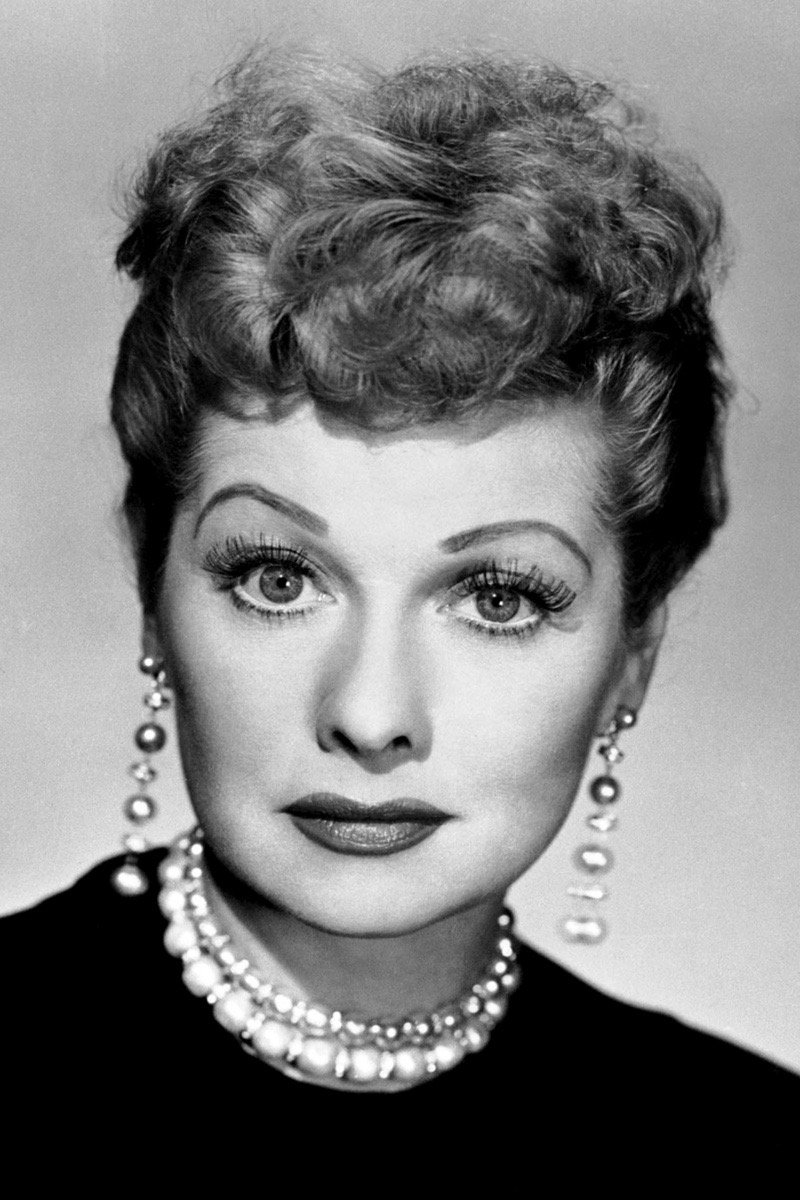
Lucille Ball revolutionized the television industry by becoming the first woman to run a major production studio. She co-founded Desilu Productions and insisted on filming ‘I Love Lucy’ on 35mm film in front of a live studio audience. This decision preserved the high quality of the episodes and effectively invented the concept of the rerun which generated massive syndication profits. Her business acumen paved the way for future women to take on executive roles in entertainment.
Bette Davis

Bette Davis was unafraid to play unsympathetic characters and fought tirelessly for better material. She famously sued Warner Bros in England to break her contract because she refused to appear in mediocre films. Although she lost the legal battle the move garnered significant public support and forced the studio to offer her higher quality roles. Her career proved that female leads could drive box office success without relying on traditional glamour or likability.
Marilyn Monroe
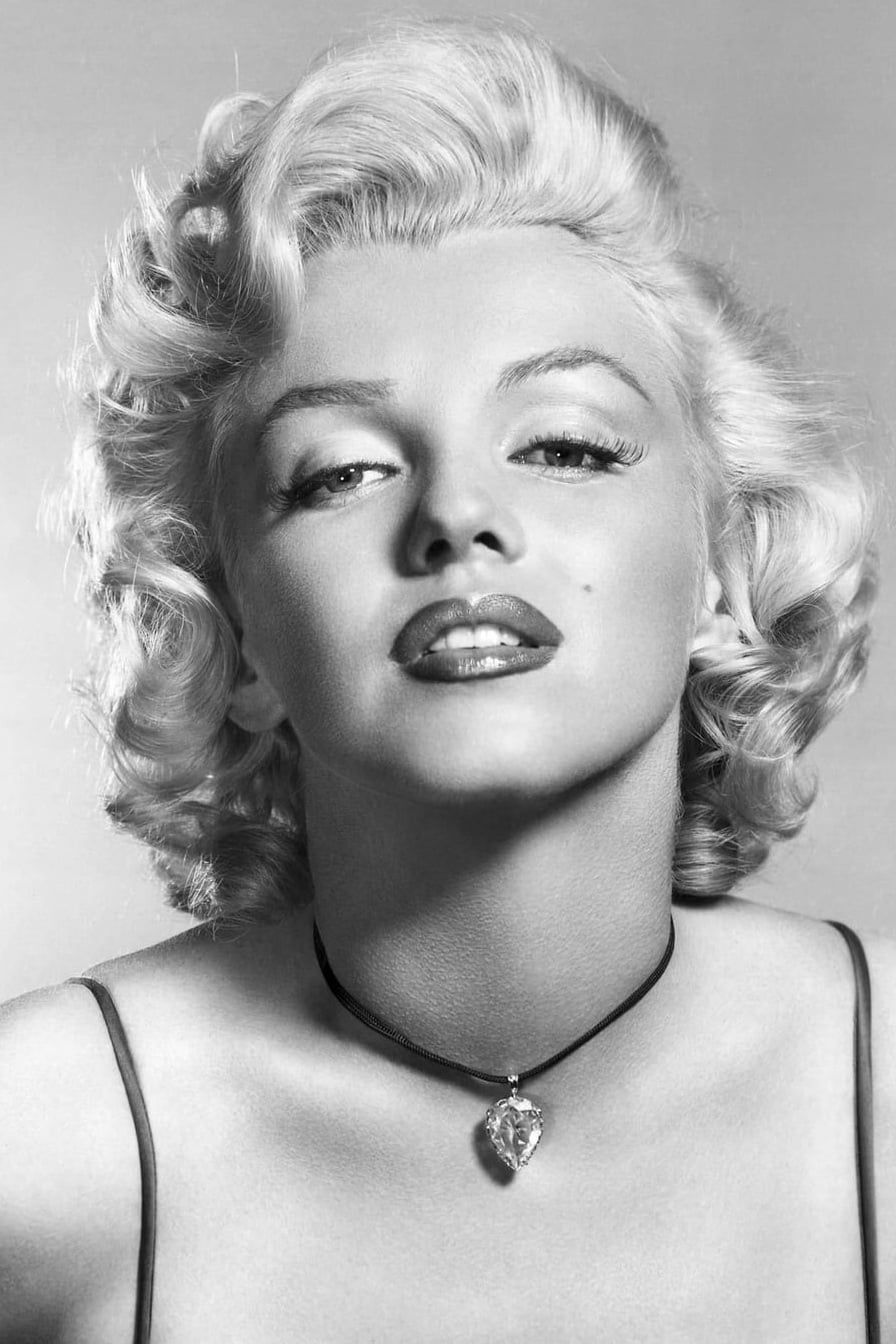
Marilyn Monroe battled against being typecast as a dumb blonde and demanded more creative control over her career. She famously walked out on her contract with 20th Century Fox to study method acting in New York and founded her own production company. Her negotiations resulted in a new contract that gave her director approval and a higher salary. Her efforts highlighted the exploitation of actresses and the need for fair compensation.
Elizabeth Taylor
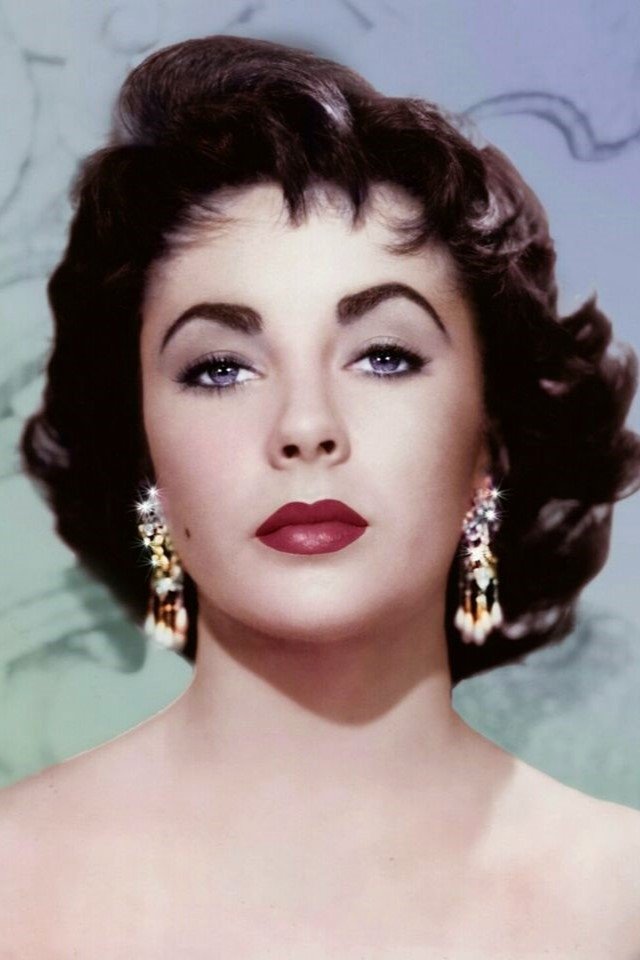
Elizabeth Taylor shattered salary records when she became the first actress to negotiate a one million dollar fee for a single film. Her contract for ‘Cleopatra’ set a new benchmark for star power and compensation in the industry. She later leveraged her immense fame to co-found the American Foundation for AIDS Research when the disease was largely ignored by the government. Her career trajectory demonstrated how celebrity influence could be monetized and used for global advocacy.
Hedy Lamarr
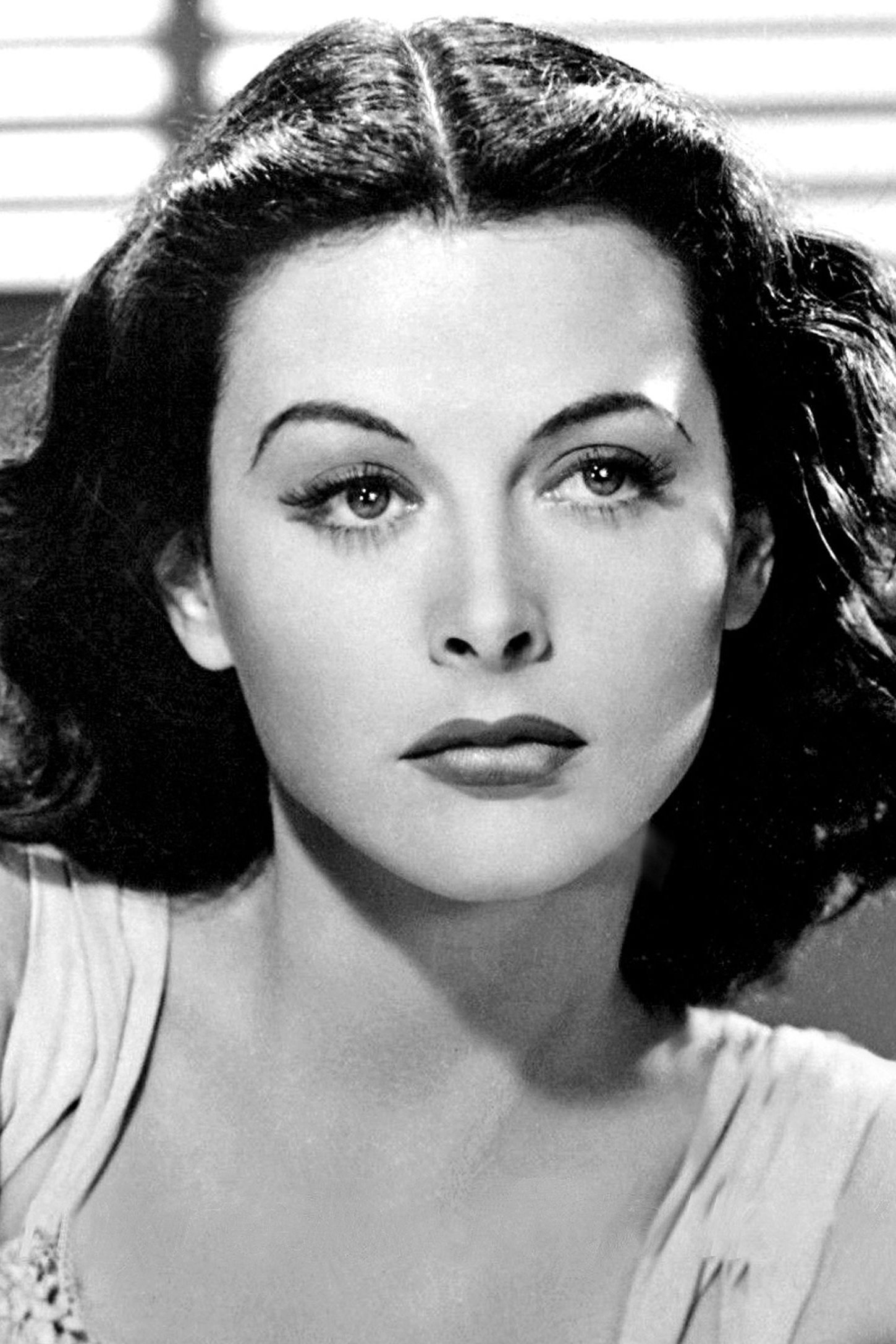
Hedy Lamarr was a glamorous screen siren who defied the expectation that actresses were only meant to be seen. She spent her off-hours inventing technology and co-developed a frequency-hopping spread spectrum system to help the Allied forces during World War II. This technology laid the groundwork for modern Wi-Fi and Bluetooth communications used globally today. Her dual legacy proved that women in Hollywood could possess brilliance that extended far beyond the realm of performance.
Mae West
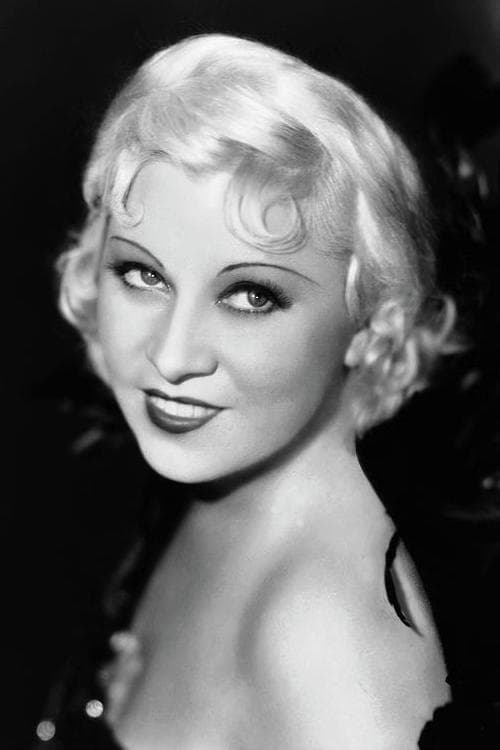
Mae West wrote her own material and used her sharp wit to challenge censorship and societal taboos regarding sex. Her plays and films were frequently targeted by censors but she refused to dilute her persona or her ribald humor. Her massive box office success single-handedly saved Paramount Pictures from bankruptcy during the Great Depression. She demonstrated that a woman could own her sexuality and dictate her own comedic voice.
Audrey Hepburn

Audrey Hepburn rejected the curvy pin-up standard of the 1950s and popularized a gamine and sophisticated look. Her role in ‘Roman Holiday’ introduced a new archetype of the European-influenced independent woman to American audiences. Later in life she stepped away from Hollywood to serve as a Goodwill Ambassador for UNICEF. Her dedication to humanitarian work redefined the responsibilities of a celebrity post-retirement.
Judy Garland
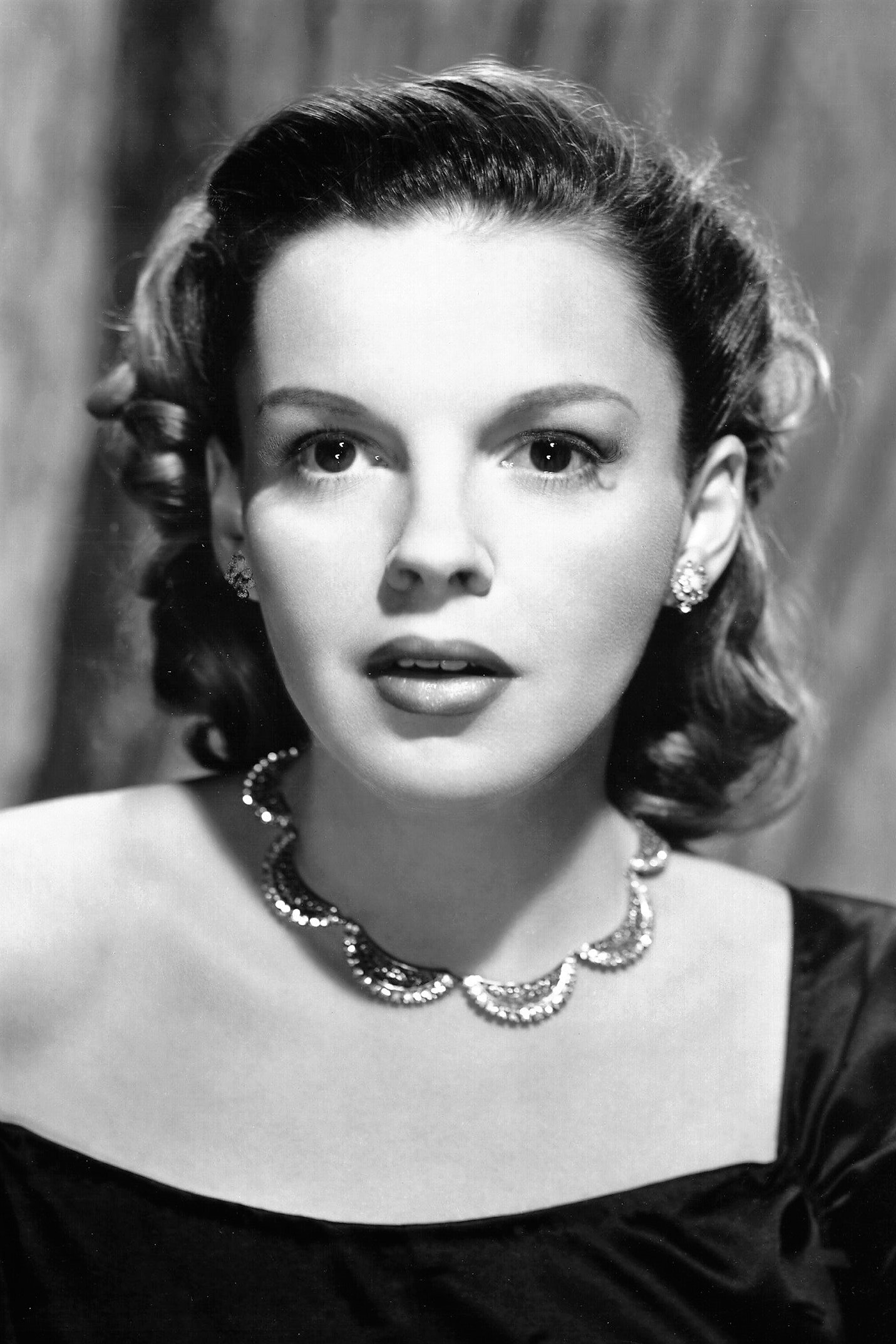
Judy Garland endured the brutal regimen of the studio system which included forced medication and grueling work hours. Her struggles and eventual openness about her personal battles shed light on the abuse child stars suffered in the Golden Age. Her legendary concerts at Carnegie Hall proved that a performer could endure professional failure and return as a massive live attraction. Her legacy forced a reevaluation of how the industry treats its young talent.
Grace Kelly
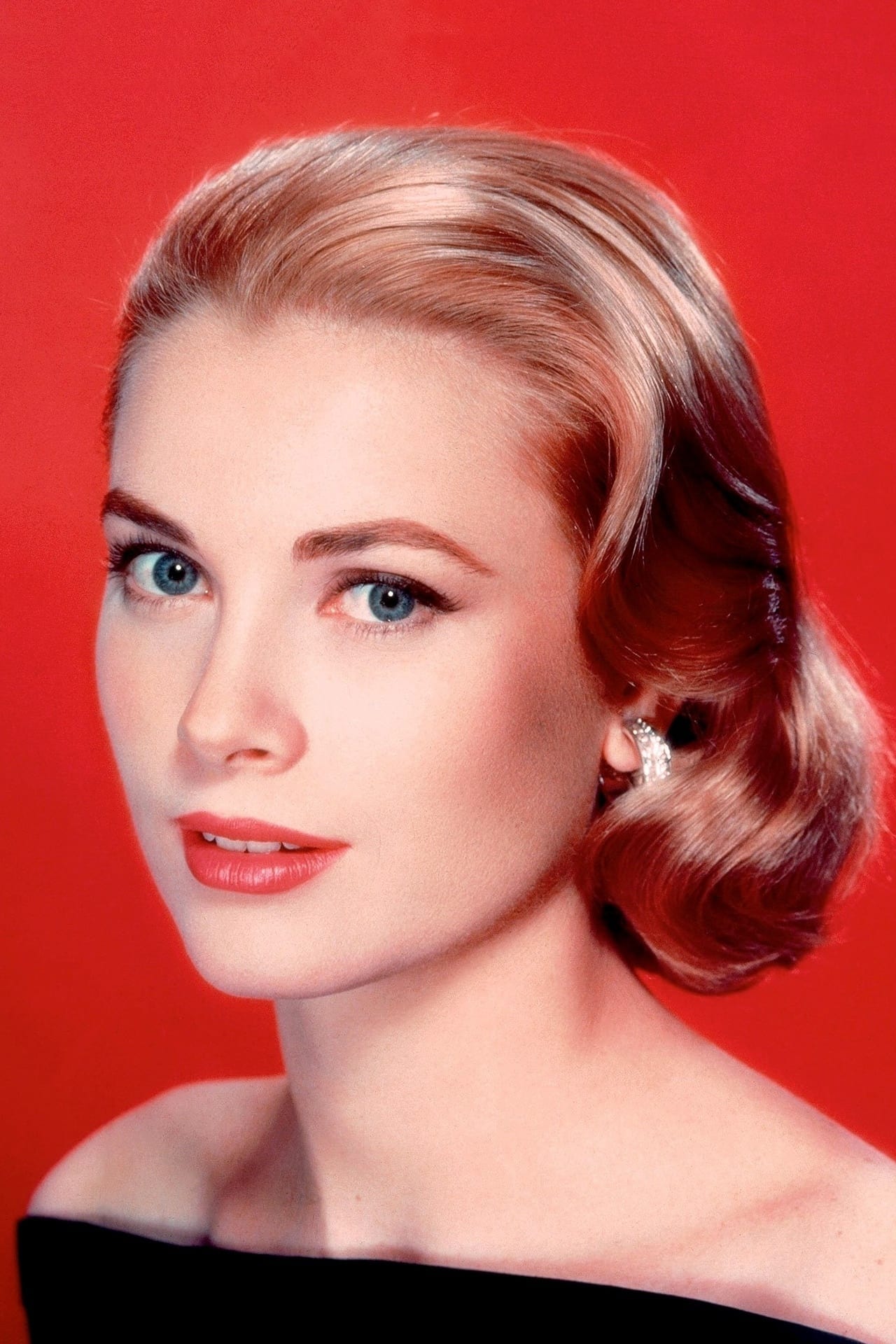
Grace Kelly proved the ultimate transferability of star power when she retired from acting at age 26 to become the Princess of Monaco. Her short but impactful career included an Academy Award win and iconic collaborations with Alfred Hitchcock. Her transition from Hollywood royalty to actual royalty captivated the world and elevated the status of American actresses. She maintained her cultural influence through philanthropy and arts patronage until her untimely death.
Hattie McDaniel
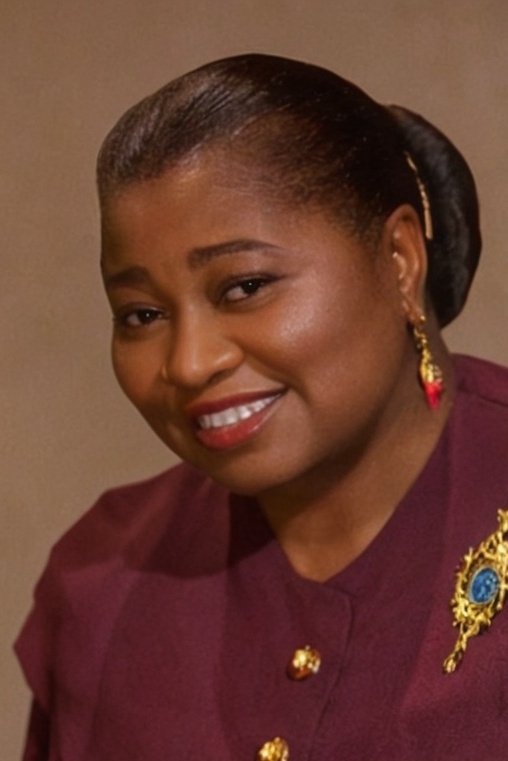
Hattie McDaniel made history as the first African American to win an Academy Award for her role in ‘Gone with the Wind’. She faced immense criticism for playing maid roles but argued that she would rather play a maid than be one. Her victory was a significant crack in the color barrier of the Academy even though she was forced to sit at a segregated table. Her career highlighted the severe racial limitations of the era while simultaneously achieving a monumental first.
Nichelle Nichols
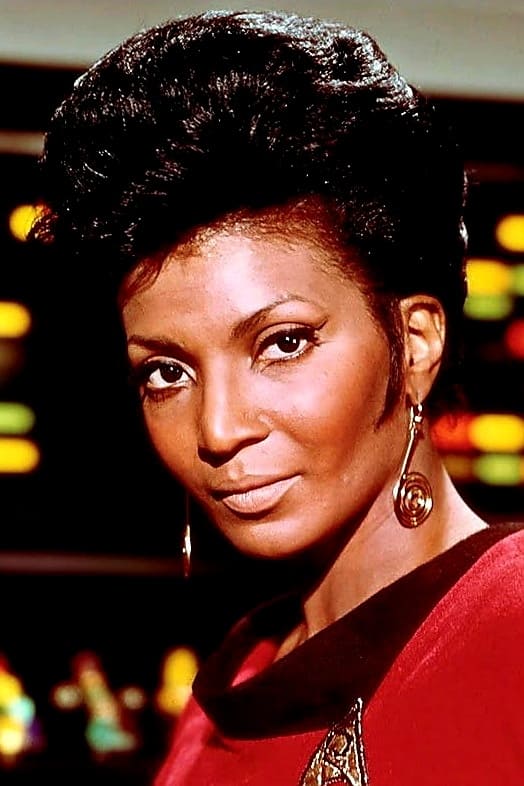
Nichelle Nichols considered leaving ‘Star Trek’ until Dr. Martin Luther King Jr. convinced her to stay. Her portrayal of Lieutenant Uhura provided one of the first examples of a Black woman in a command role on American television. She later leveraged this visibility to work with NASA to recruit women and minorities for the space shuttle program. Her career choice directly impacted real-world scientific diversity and representation.
Cicely Tyson

Cicely Tyson made a conscious decision early in her career to refuse roles that she felt were demeaning to Black women. She sought out characters that displayed dignity and strength such as her leading role in ‘Sounder’. Her commitment to positive representation influenced a generation of filmmakers and actors to demand better storytelling. She proved that artistic integrity could sustain a long and revered career.
Lena Horne
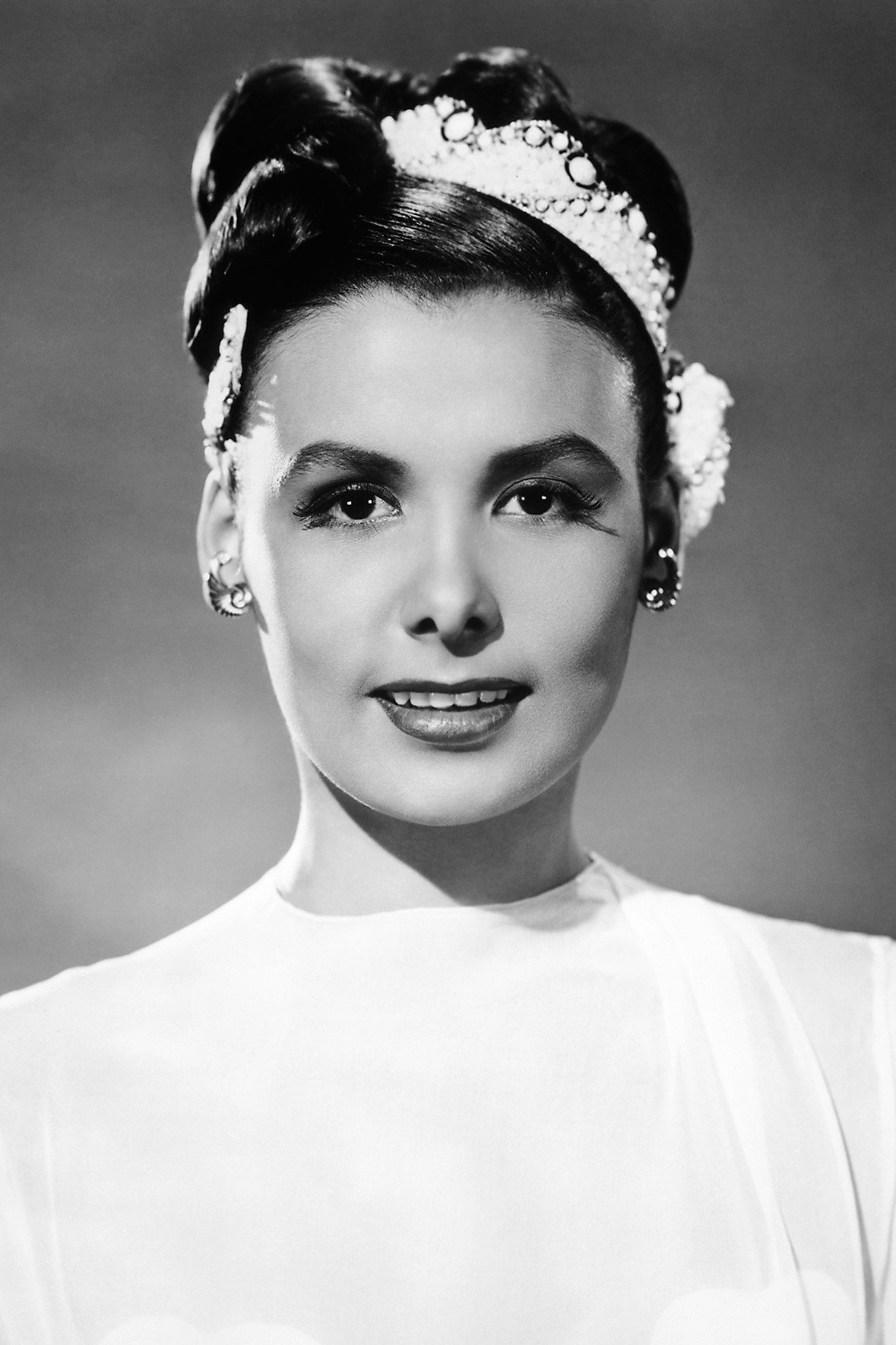
Lena Horne fought against the studio system that often cut her musical numbers out of films distributed in the South. She refused to play roles that perpetuated negative stereotypes and eventually focused on her nightclub and recording career. Her activism within the civil rights movement was intertwined with her identity as an entertainer. She paved the way for Black actresses to demand substantial integration into plotlines rather than serving as removable window dressing.
Ida Lupino
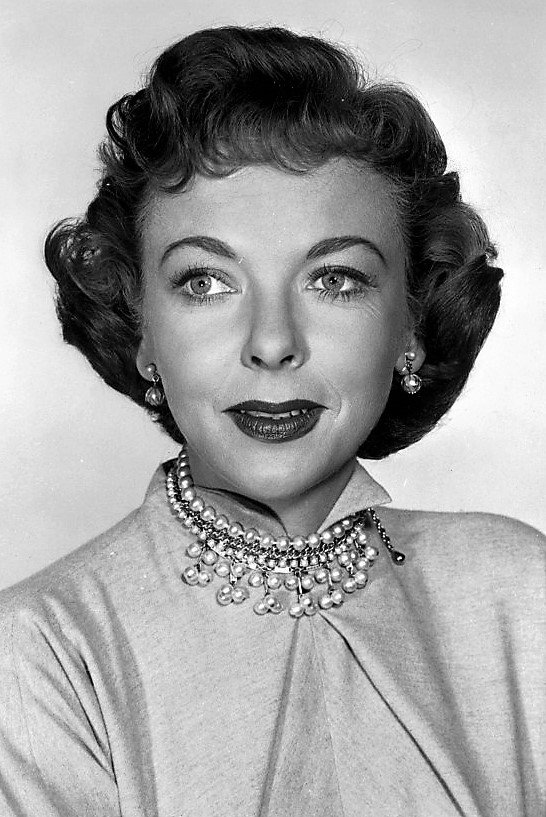
Ida Lupino was a versatile actress who became one of the only female directors working in the male-dominated Hollywood of the 1950s. She founded her own production company to make films that tackled taboo social issues like rape and bigamy. Her work behind the camera provided a female perspective that was entirely absent from the studio system. She demonstrated that actresses could transition to creative leadership roles to tell socially relevant stories.
Penny Marshall
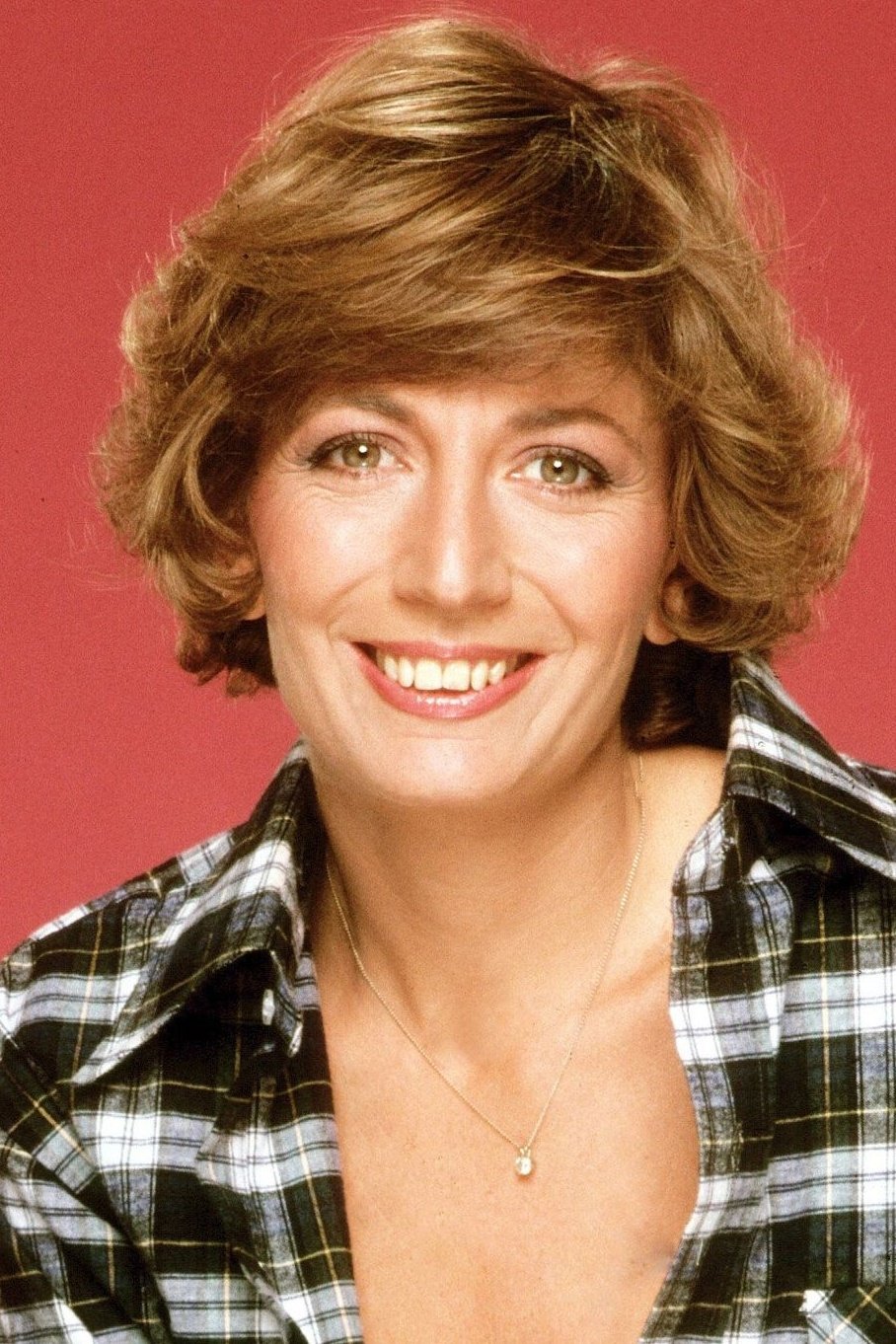
Penny Marshall successfully transitioned from being a sitcom star on ‘Laverne & Shirley’ to becoming a blockbuster film director. She became the first woman to direct a movie that grossed over one hundred million dollars with ‘Big’. Her success opened doors for other female directors to be entrusted with major studio budgets and mainstream comedies. Her career path broadened the scope of what was possible for television actresses looking to move behind the camera.
Carrie Fisher
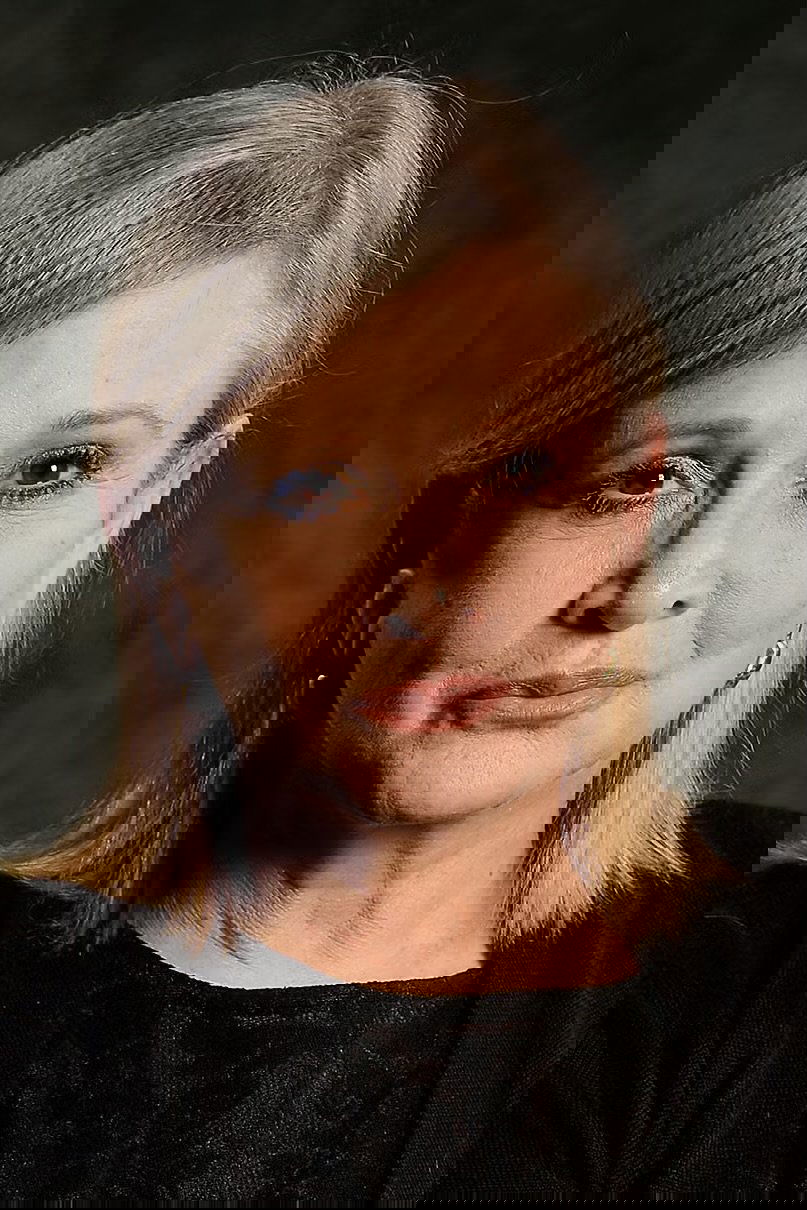
Carrie Fisher became an icon as Princess Leia but she also became one of Hollywood’s most sought-after script doctors. She used her sharp writing skills to uncreditedly polish screenplays for major films like ‘Hook’ and ‘Sister Act’. Her brutal honesty about her mental health and addiction in her books and one-woman shows destigmatized these issues. She turned her personal struggles into a platform for advocacy and humor.
Betty White
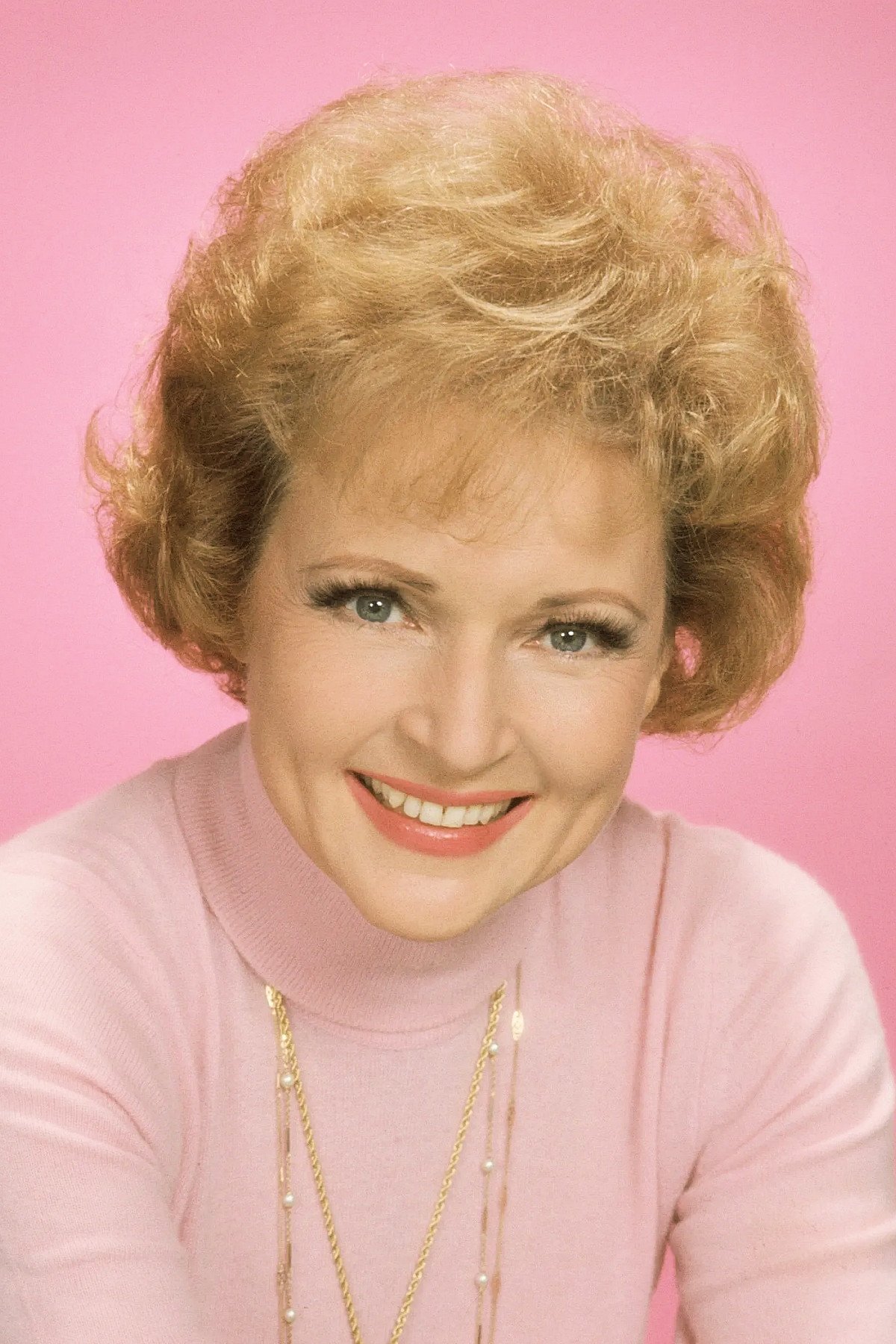
Betty White enjoyed a career that spanned eight decades and she was a pioneer of early television. She was one of the first women to produce a sitcom and exercised creative control over her work in the 1950s. Her ability to reinvent herself from a sweet homemaker to the sexually aggressive Sue Ann Nivens on ‘The Mary Tyler Moore Show’ displayed remarkable range. She remained a relevant cultural force well into her nineties and proved that ageism could be defied.
Bea Arthur
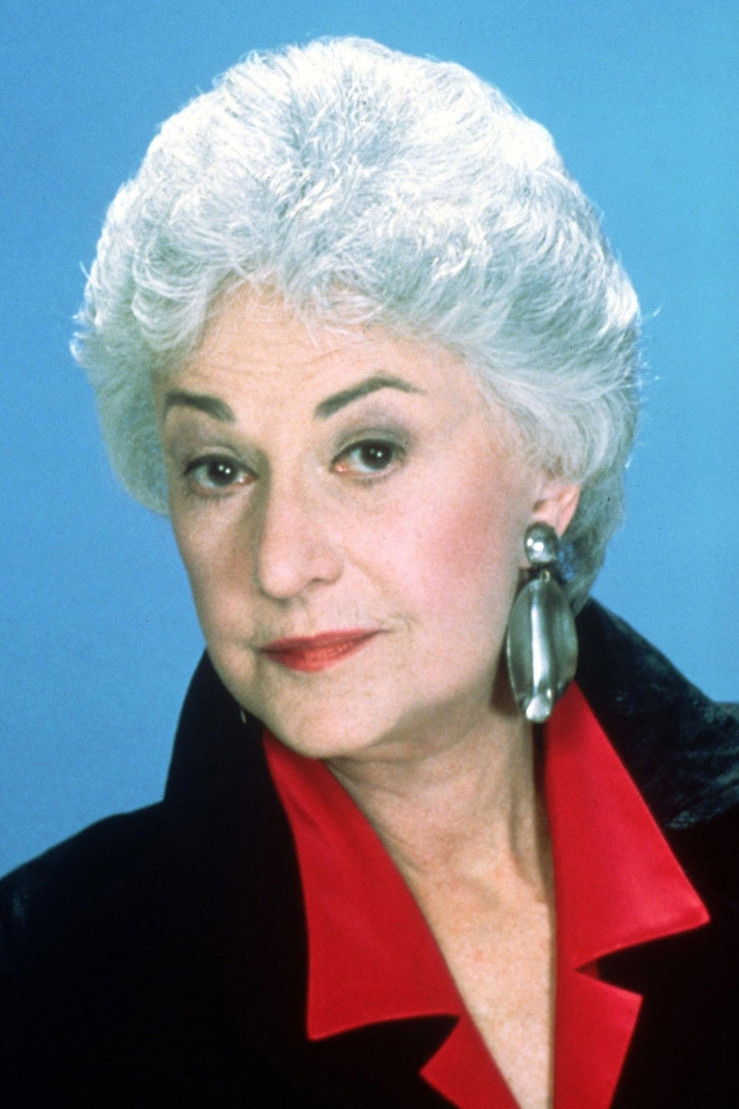
Bea Arthur used her imposing stature and deep voice to play characters that challenged traditional femininity. Her roles in ‘Maude’ and ‘The Golden Girls’ tackled controversial topics like abortion and menopause with wit and intelligence. She proved that older women could lead successful sitcoms and attract broad audiences. Her career choices consistently pushed the boundaries of what was considered acceptable subject matter for television comedy.
Lucille Ball
Lucille Ball revolutionized the television industry by becoming the first woman to run a major production studio. She co-founded Desilu Productions and insisted on filming ‘I Love Lucy’ on 35mm film in front of a live studio audience. This decision preserved the high quality of the episodes and effectively invented the concept of the rerun which generated massive syndication profits. Her business acumen paved the way for future women to take on executive roles in entertainment.
Marlene Dietrich
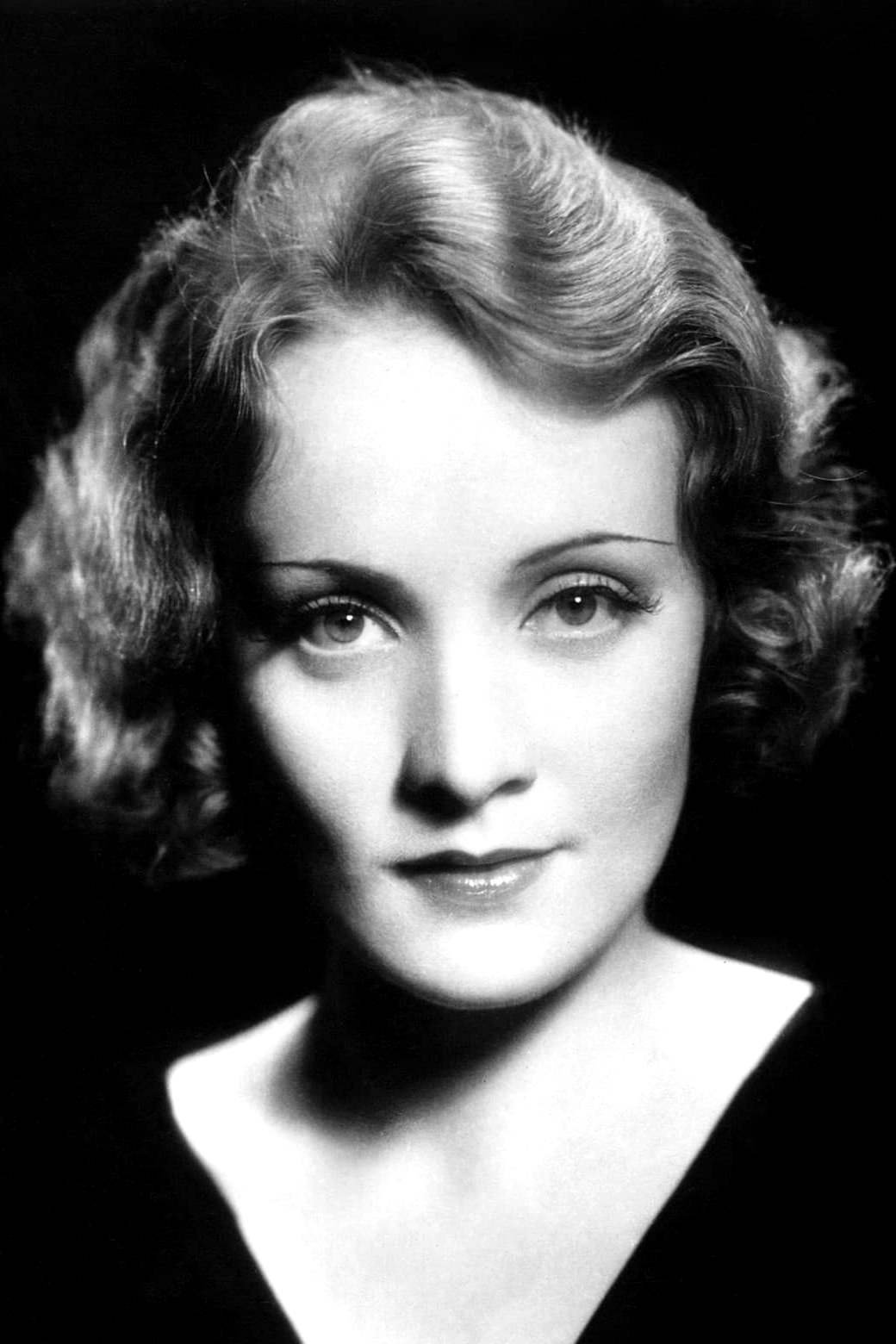
Marlene Dietrich challenged gender norms by wearing tuxedos and embracing an androgynous public persona. She refused to work in Nazi Germany and instead became a passionate American citizen who entertained troops on the front lines. Her glamorous yet hard-edged style influenced fashion and sexual politics in Hollywood. She maintained a mysterious allure that allowed her to dictate her own image for decades.
Greta Garbo
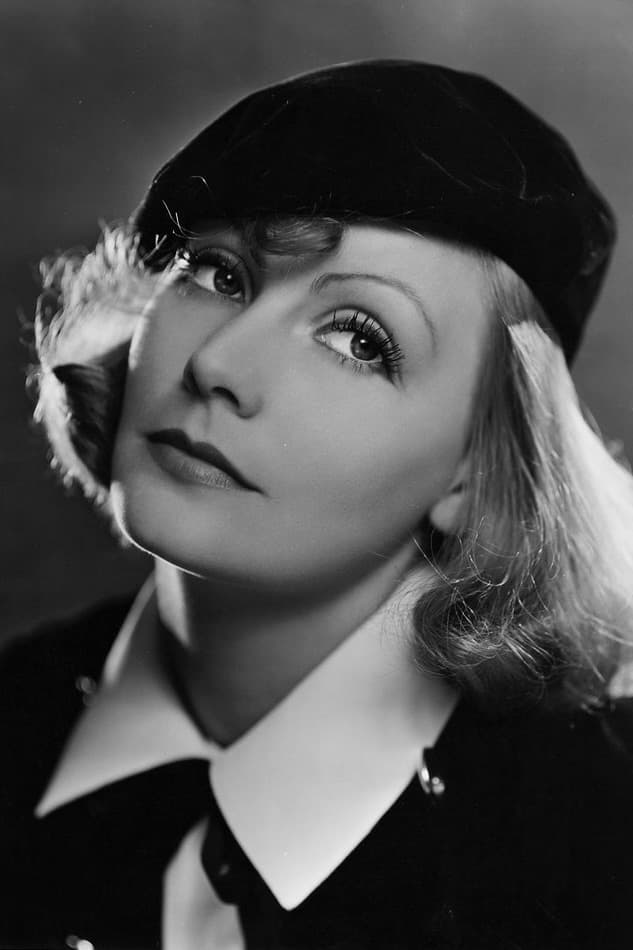
Greta Garbo was the ultimate example of the power of mystique and the ability to walk away on one’s own terms. She negotiated unprecedented control over her films and salary during the studio era. At the height of her fame she retired from acting and refused to engage in the publicity machine. Her withdrawal from the limelight solidified her legend and showed that privacy could be the ultimate luxury.
Jean Harlow
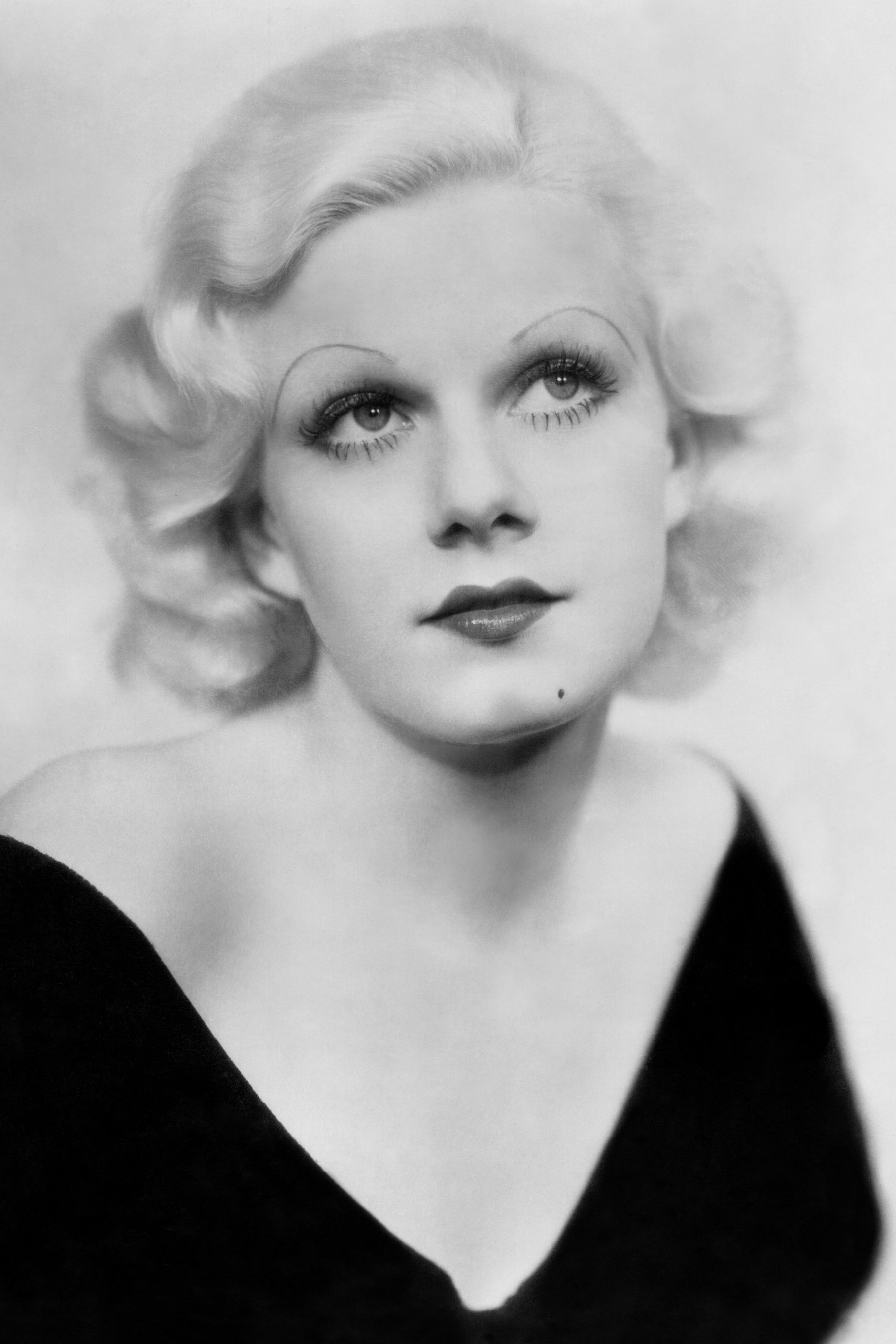
Jean Harlow became the original “Platinum Blonde” and defined the role of the sex symbol in the 1930s. Her comedic timing in films like ‘Dinner at Eight’ proved that a glamour girl could also be funny and self-deprecating. Tragically dying at a young age she left an indelible mark on beauty standards and screen presence. Her career established the template for the blonde bombshell that would influence Marilyn Monroe and others.
Carole Lombard
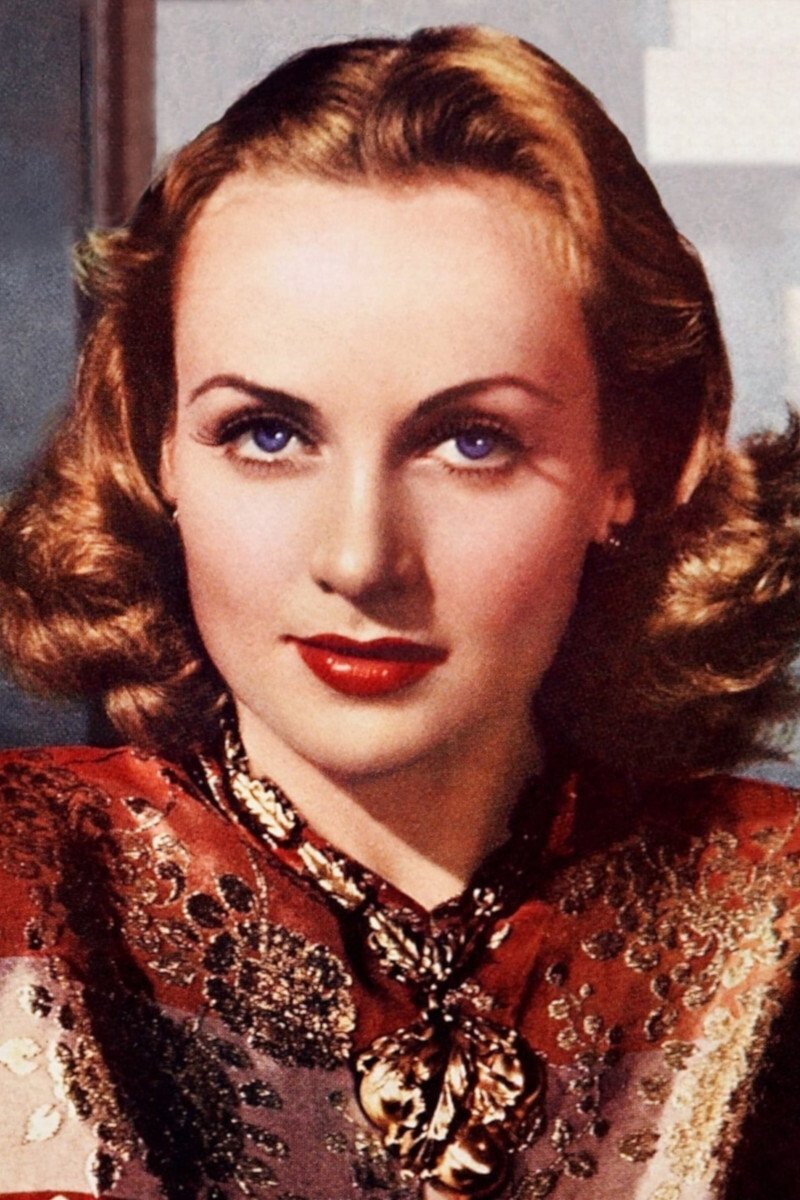
Carole Lombard was the queen of screwball comedy and was the highest-paid female star in Hollywood at her peak. She insisted on a business arrangement where she paid a percentage of her earnings to the studio rather than being on a salary. Her tragic death in a plane crash while selling war bonds rallied the nation and the industry. Her naturalistic acting style remains a benchmark for comedic performances.
Barbara Stanwyck
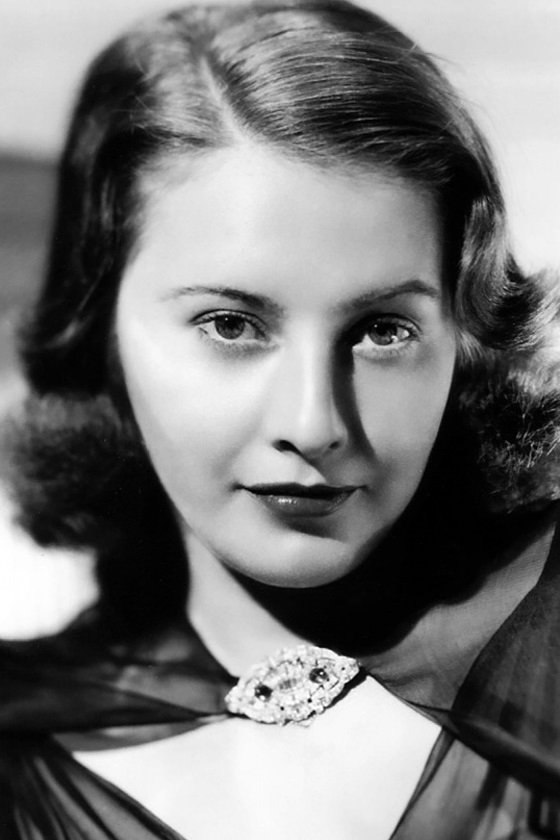
Barbara Stanwyck was a freelancer who refused to sign a long-term contract with a single studio after her initial agreements ended. This freedom allowed her to work across all genres from film noir to westerns and screwball comedies. She built a career on versatility and professionalism that earned her the respect of every director she worked with. Her independence served as a model for actors seeking variety in their roles.
Lauren Bacall
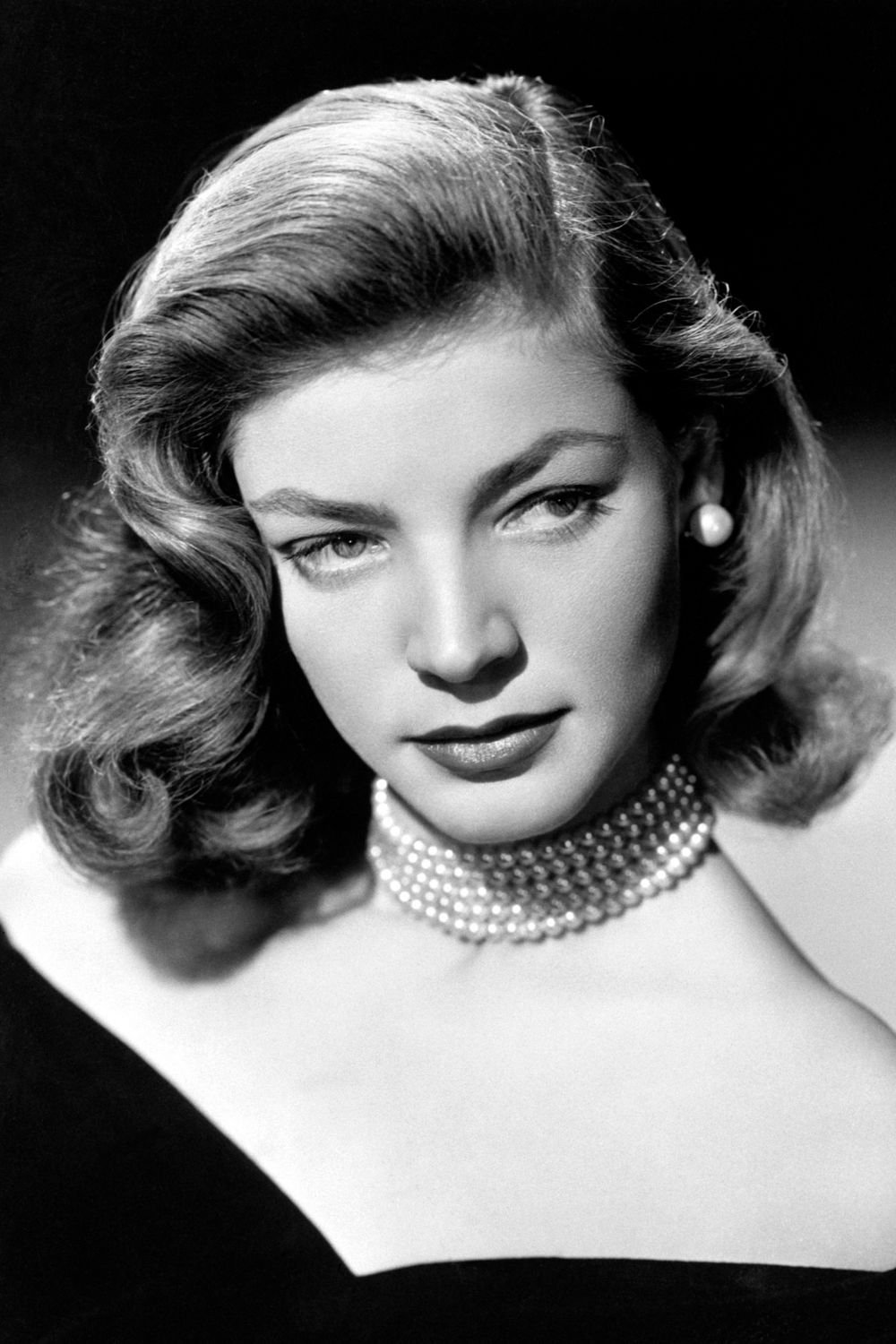
Lauren Bacall debuted with a distinctive low voice and a sultry stare known as “The Look” which she developed to hide her nerves. She refused to be just a sidekick to her husband Humphrey Bogart and carved out her own identity on stage and screen. Her later career included a triumphant return to Broadway where she won two Tony Awards. She embodied resilience and the ability to evolve from a noir siren to a revered elder stateswoman of acting.
Natalie Wood
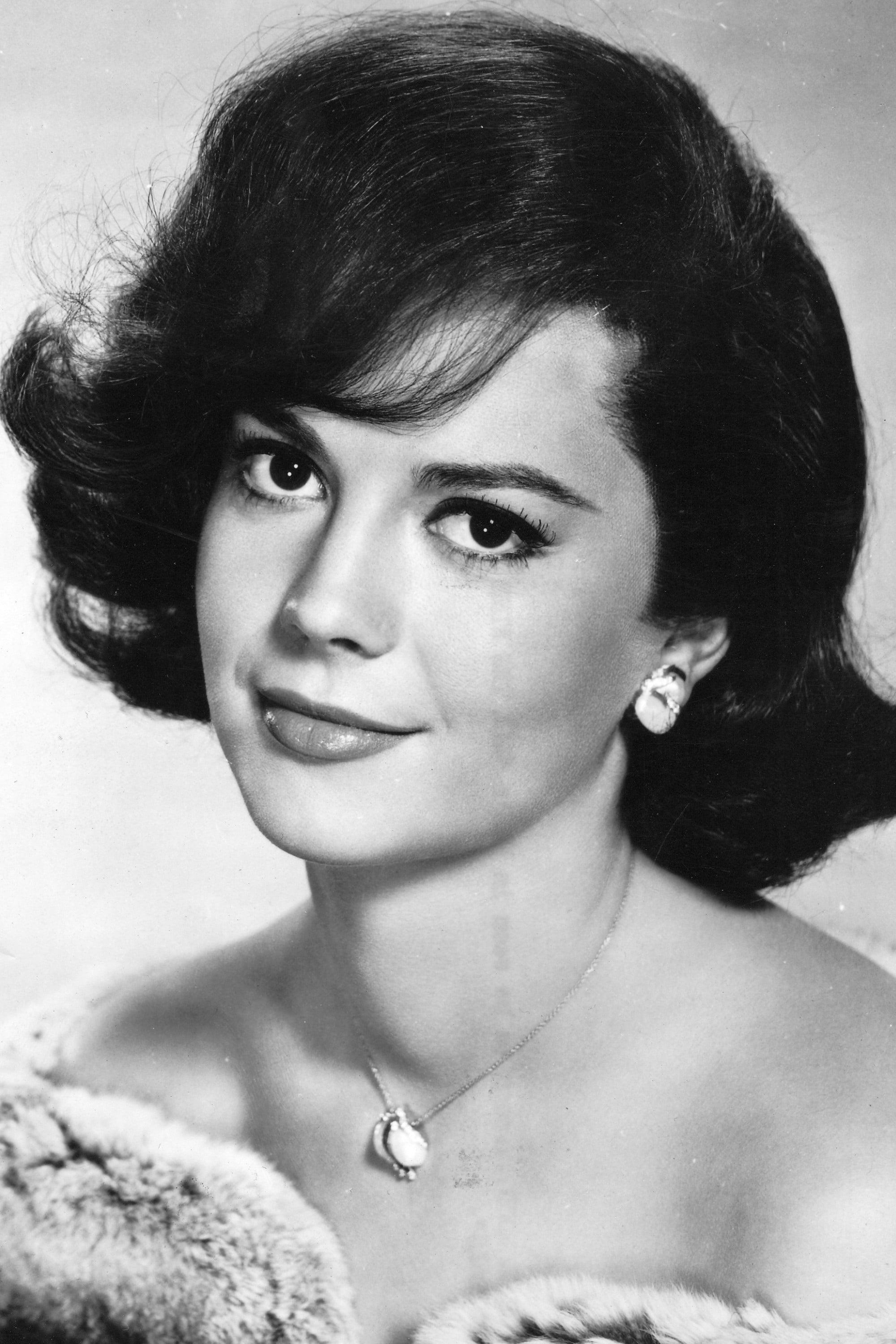
Natalie Wood successfully navigated the perilous transition from child star to serious adult actress with roles in ‘Rebel Without a Cause’ and ‘Splendor in the Grass’. She fought for the right to choose her own projects and famously went on suspension to avoid typecasting. Her vulnerability on screen brought a new depth to teen angst and young adult drama. Her career highlighted the difficulties and rewards of growing up in the public eye.
Shirley Temple
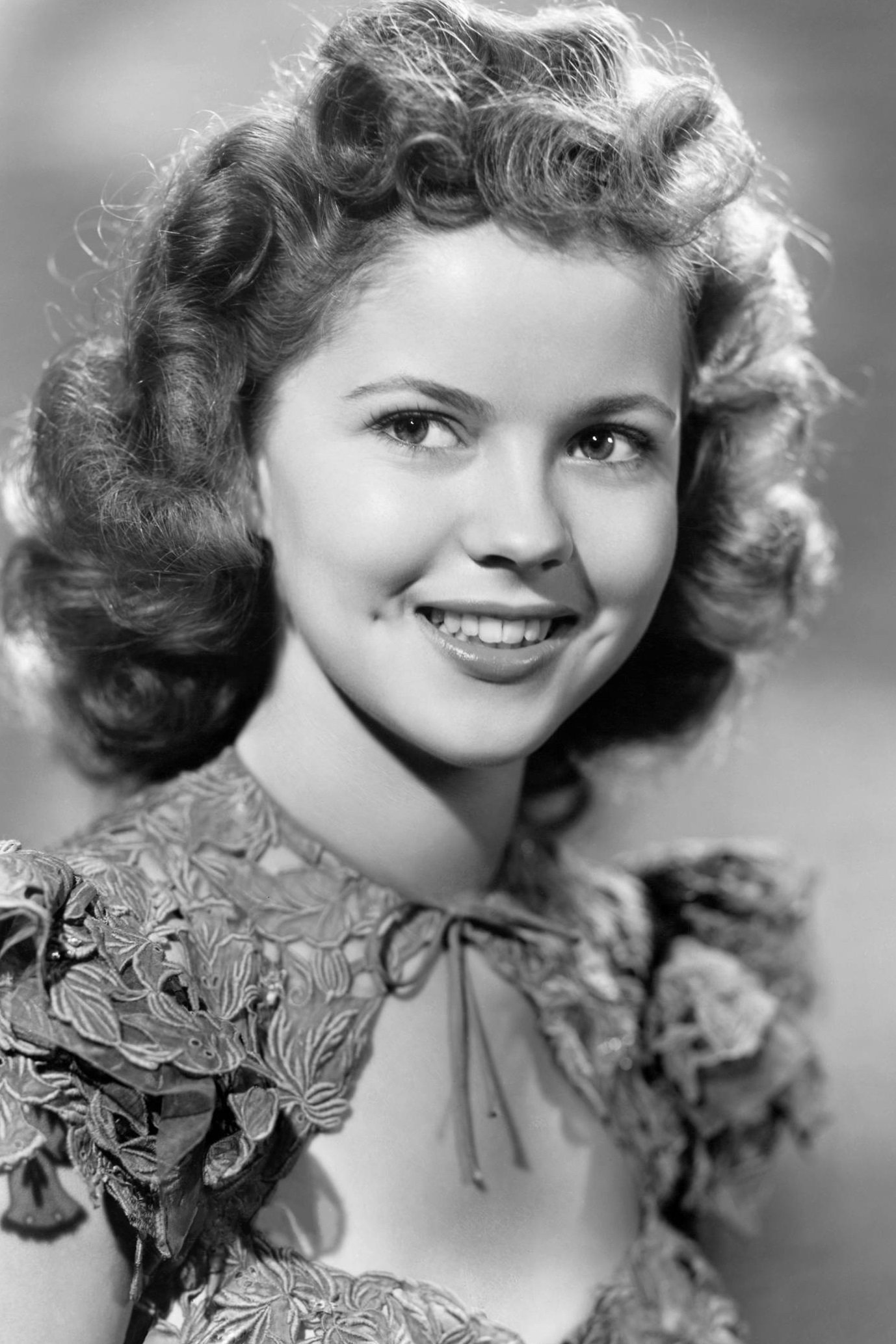
Shirley Temple was the biggest box office draw in the world during the Great Depression and the first child star to have a massive merchandising empire. Her immense popularity single-handedly saved Fox Film Corporation from bankruptcy. As an adult she successfully pivoted to a career in public service and became a diplomat. Her life demonstrated that a child prodigy could find purpose and success far beyond the soundstage.
Mary Tyler Moore
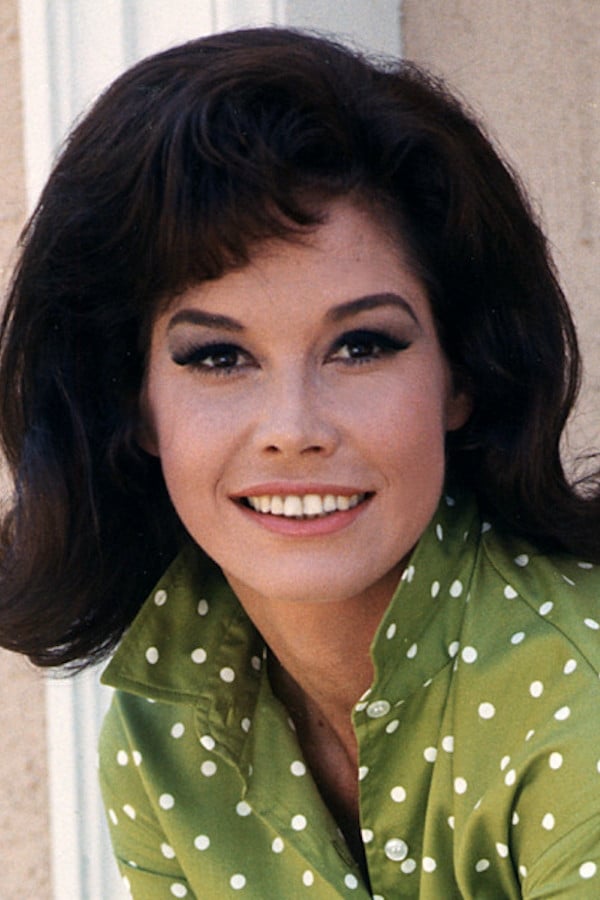
Mary Tyler Moore redefined the image of the single working woman on American television. Her production company MTM Enterprises produced some of the most acclaimed television series of the 1970s and 80s. She pushed for her character to be independent and not focused solely on finding a husband. Her influence shifted the cultural conversation regarding women in the workplace and television comedy.
Florence Henderson
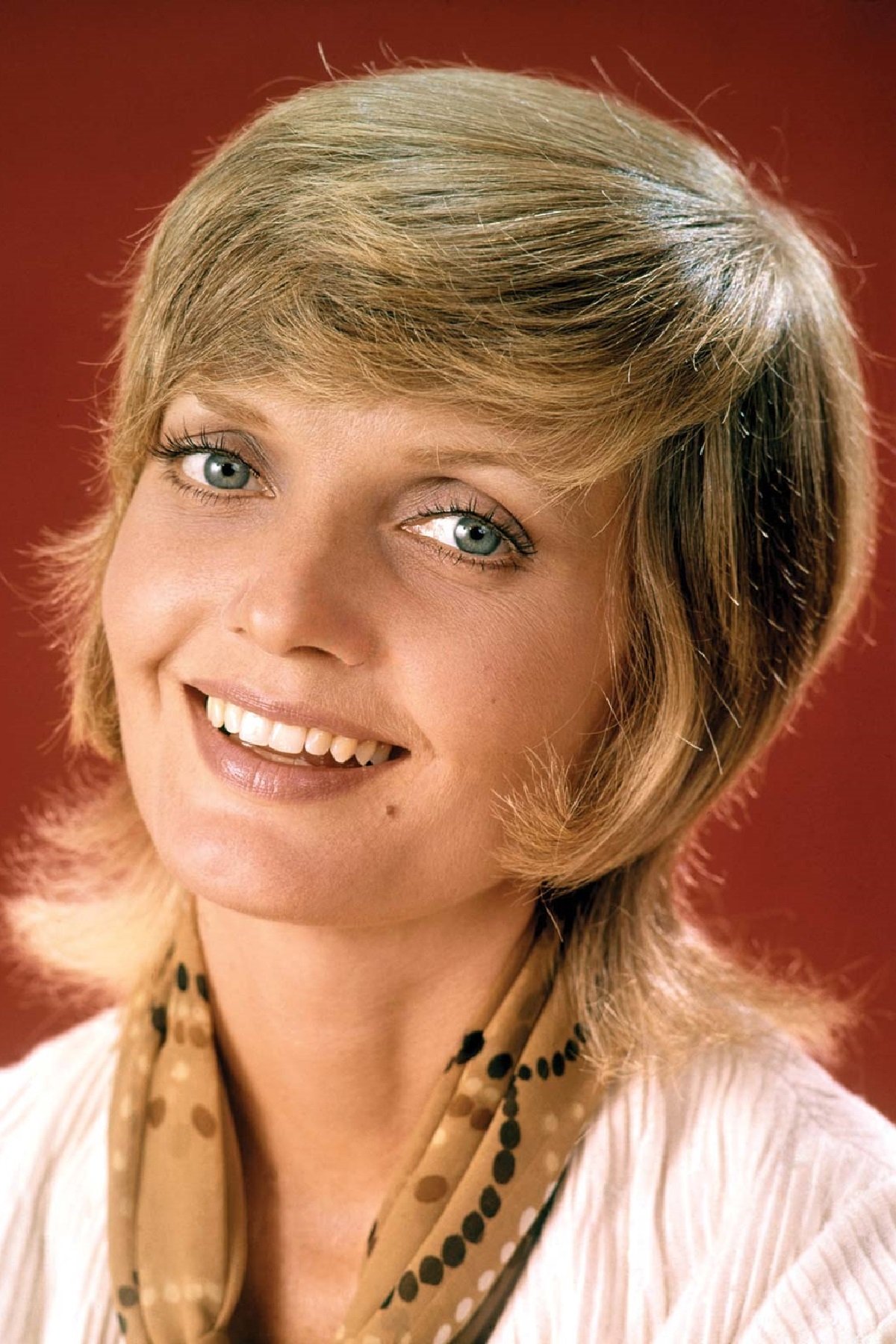
Florence Henderson became the archetypal American mother through her role as Carol Brady on ‘The Brady Bunch’. She maintained a presence in the industry for decades by embracing the nostalgia associated with the character. Her career showcased the enduring power of television syndication and the specific type of fame it generates. She remained a beloved figure by adapting to reality TV and hosting duties in her later years.
Gilda Radner
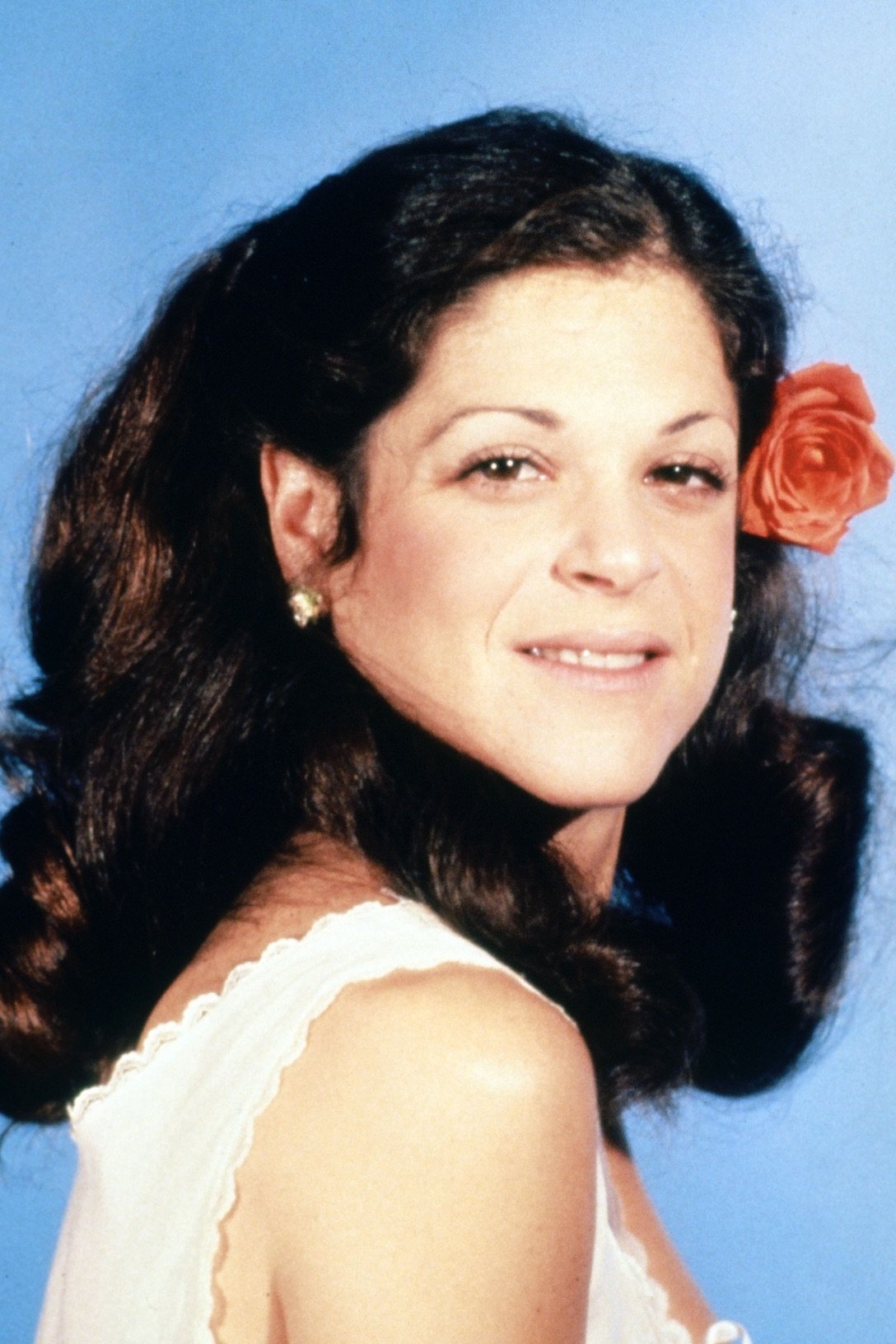
Gilda Radner was the first performer cast for ‘Saturday Night Live’ and helped establish the show as a cultural institution. Her fearless physical comedy and memorable characters paved the way for future generations of women in sketch comedy. She brought a chaotic and lovable energy that broke the boys’ club atmosphere of late-night TV. Her openness about her battle with ovarian cancer raised significant awareness for the disease.
Sharon Tate
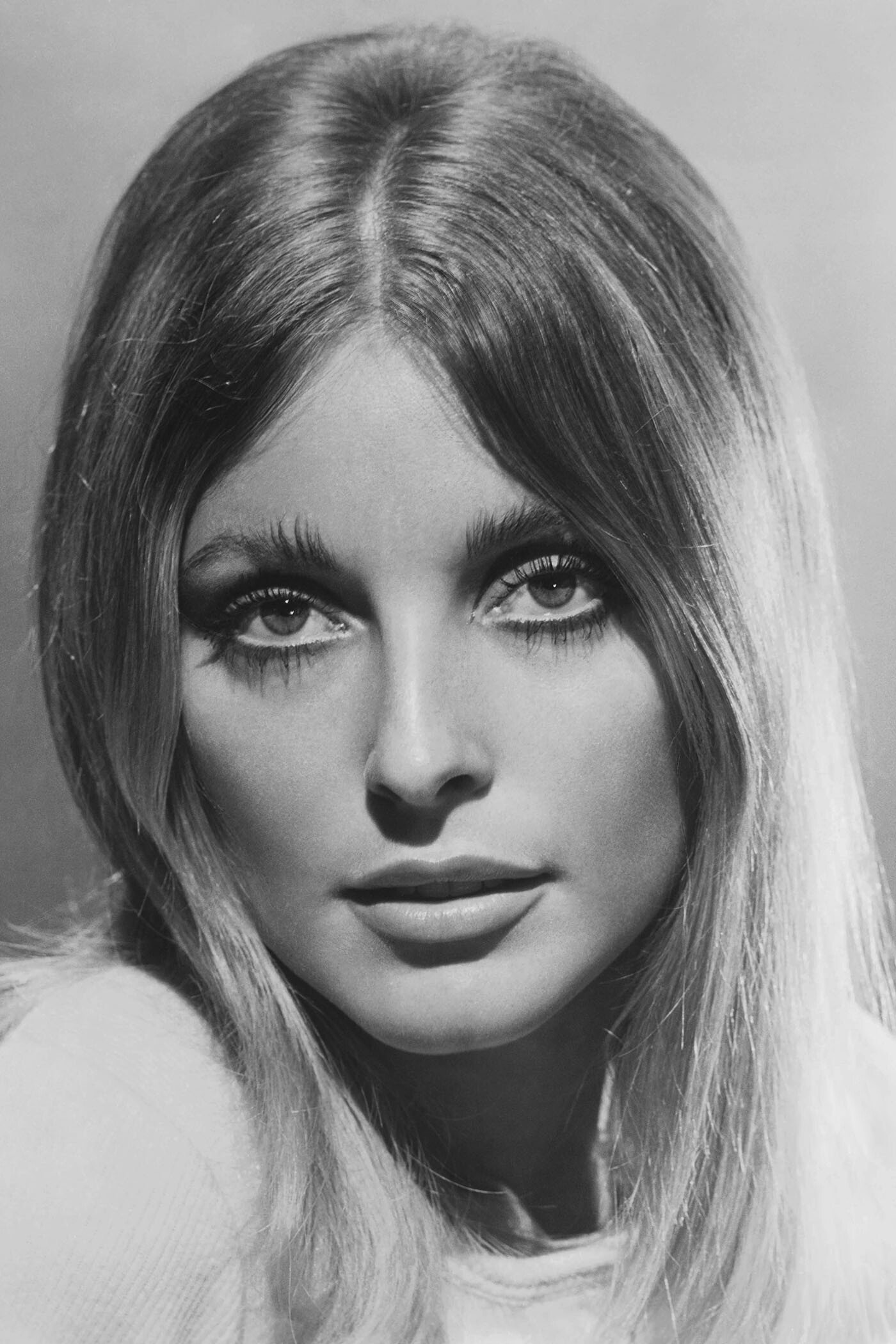
Sharon Tate was a rising star whose career was tragically cut short by the Manson Family murders. Her death signaled a brutal end to the peace and love era of the 1960s and changed how celebrities approached personal security. Her style and beauty remain influential in fashion and pop culture decades later. Her legacy is often defined by her loss but her work in ‘Valley of the Dolls’ showed her potential as a comedic and dramatic actress.
Brittany Murphy

Brittany Murphy brought a unique energy to the screen with her ability to switch between ditzy comedy and gritty drama. Her voice work on ‘King of the Hill’ demonstrated her versatility beyond live-action roles. She was a fixture of early 2000s cinema who connected with audiences through her raw emotional availability. Her sudden death sparked conversations about the pressures placed on young women in Hollywood regarding image and weight.
Jessica Walter
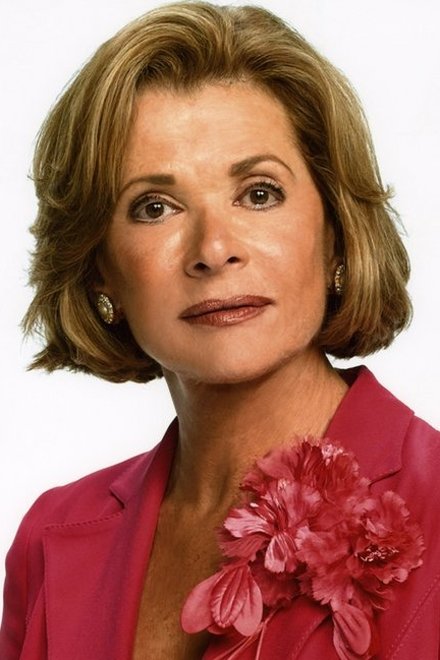
Jessica Walter enjoyed a career resurgence by playing the matriarch Lucille Bluth on ‘Arrested Development’. Her sharp comedic timing and ability to play unlikable characters with charm made her a cult icon. She also found massive success in voice acting as Malory Archer in the animated series ‘Archer’. Her late-career success proved that nuanced comedic roles for older women could drive major fan engagement.
Cloris Leachman
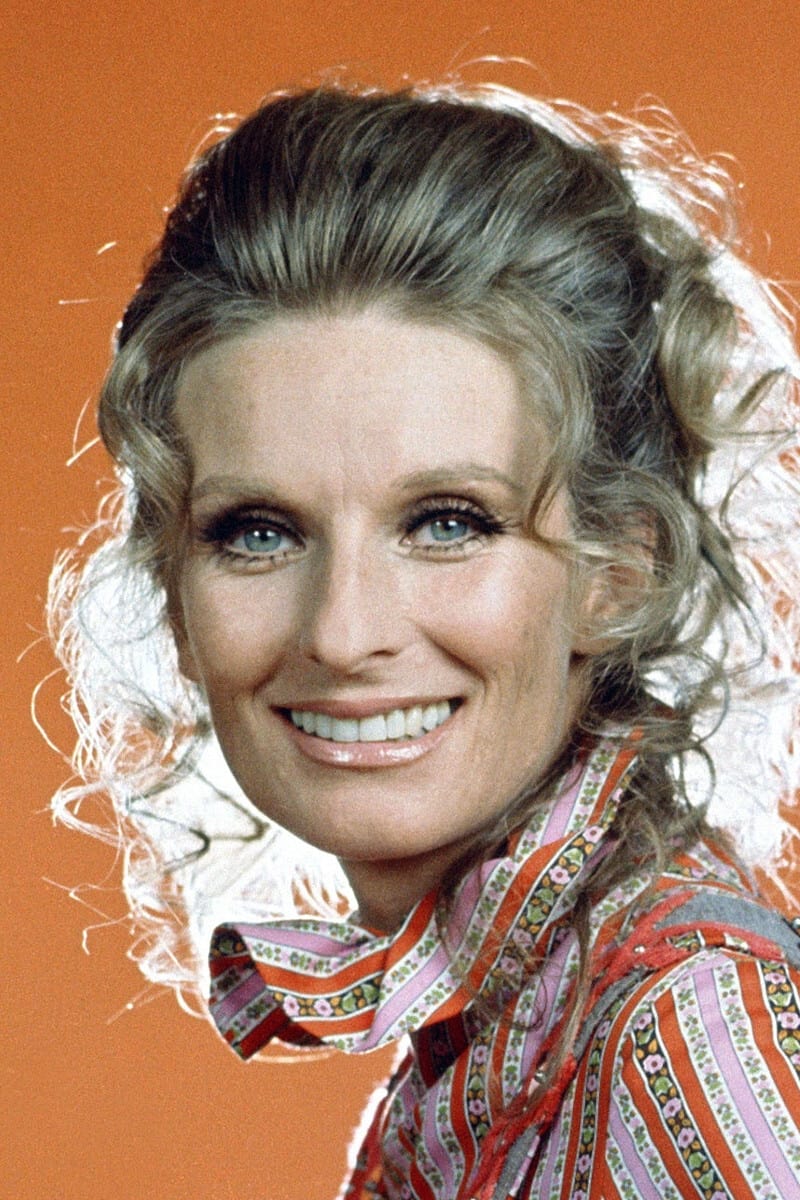
Cloris Leachman held the record for the most Primetime Emmy nominations for an actress and showcased incredible range. She moved effortlessly between the drama of ‘The Last Picture Show’ and the absurdity of Mel Brooks’ comedies. Her willingness to do anything for a laugh made her a favorite of directors and audiences alike. She worked consistently until her death and proved that character actors are the backbone of the industry.
Angela Lansbury
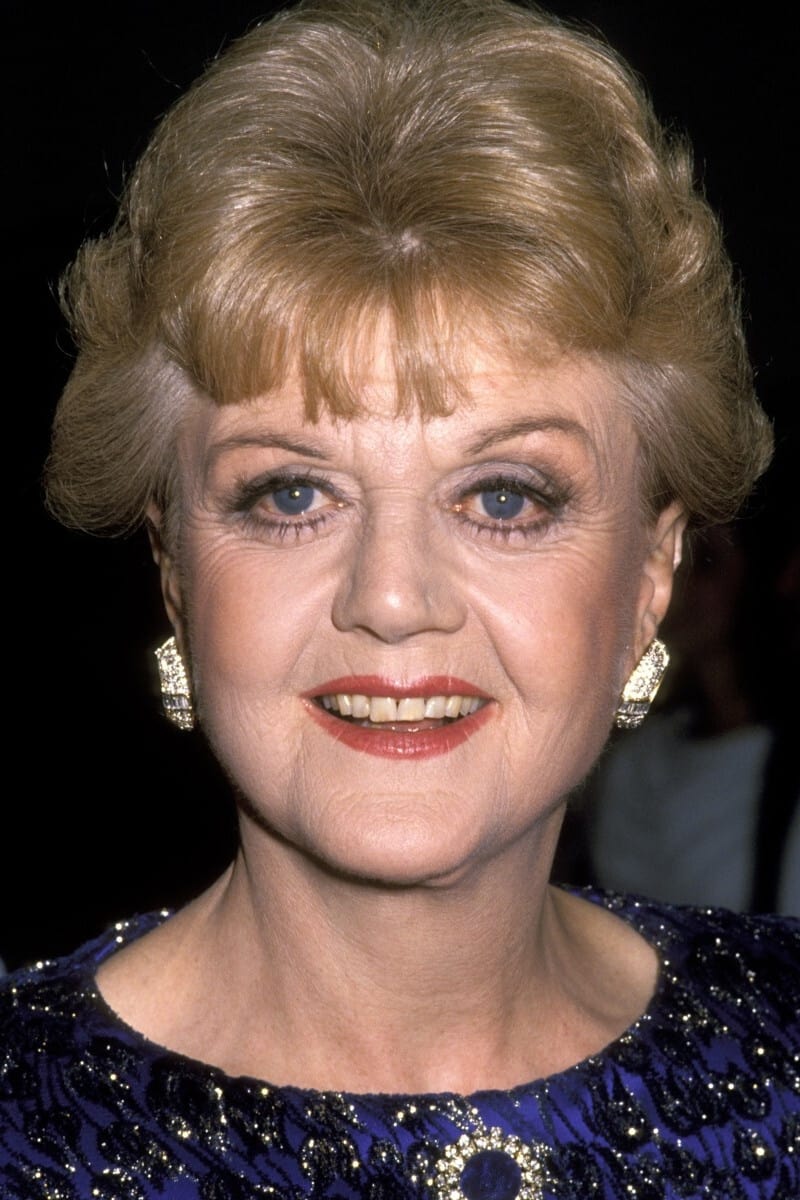
Angela Lansbury transitioned from a respected character actress in films to a Broadway legend and finally a television superstar. Her role as Jessica Fletcher in ‘Murder, She Wrote’ created a template for successful mysteries led by older women. She avoided the trap of fading away by constantly conquering new mediums. Her longevity and diverse body of work made her one of the most respected figures in entertainment history.
Eartha Kitt
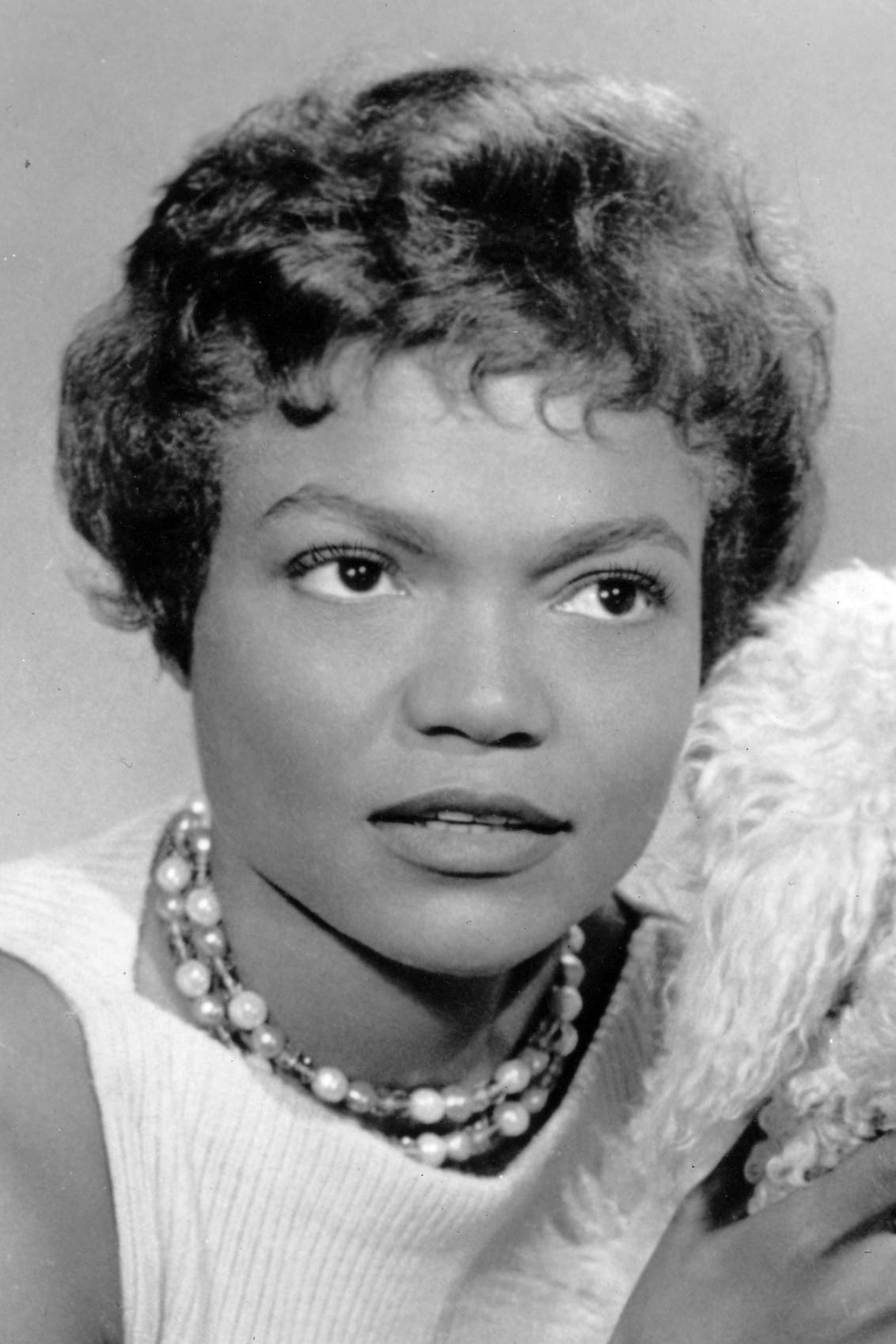
Eartha Kitt overcame a difficult childhood to become an international cabaret star and the first Black Catwoman. She was famously blacklisted in the United States after speaking out against the Vietnam War at a White House luncheon. She rebuilt her career in Europe and eventually returned to triumph on Broadway and in animation. Her resilience in the face of political persecution highlighted the risks artists took when speaking truth to power.
Raquel Welch

Raquel Welch became an international sex symbol after her role in ‘One Million Years B.C.’ but spent her career fighting to be taken seriously as a comedienne. She famously sued MGM for breach of contract and wrongful termination, winning a substantial settlement that protected actresses from being fired on a whim. Her victory was a warning to studios that they could not treat aging sex symbols as disposable commodities. She later found success on Broadway and in business with a popular wig line.
Please tell us which of these actresses inspired you the most in the comments.