Black Celebs Who Deserve More Serious Conversations About Their Impact

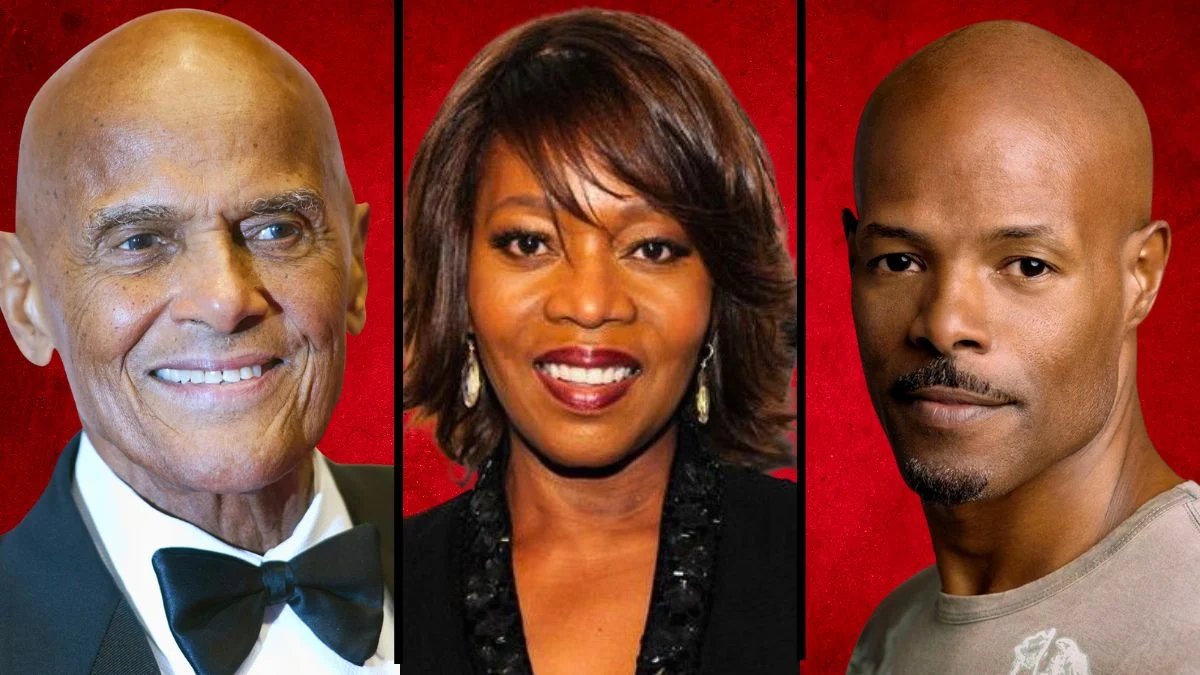

The entertainment industry is built upon the contributions of individuals who did far more than memorize lines or hit marks on a stage. Many Black celebrities navigated an era of intense segregation and systemic prejudice to carve out spaces for themselves and those who would follow. Their legacies often involve breaking barriers in business, altering the political landscape through activism, or fundamentally changing the way stories are told on screen. Understanding the full scope of their work requires looking beyond their most famous roles to see the structural changes they implemented in Hollywood and beyond.
Harry Belafonte

Harry Belafonte utilized the immense wealth and fame he garnered as the King of Calypso to bankroll significant portions of the Civil Rights Movement. He served as a bridge between the entertainment world and political activists by maintaining a close confidant relationship with Dr. Martin Luther King Jr. throughout the 1960s. His impact extended into film production where he sought to present complex portrayals of Black life that defied the stereotypes of the era. Belafonte demonstrated how celebrity capital could be effectively weaponized to dismantle social injustice.
Cicely Tyson

Cicely Tyson made a conscious decision early in her career to reject roles that she felt were demeaning to Black women. She cemented her legacy by portraying strong and multidimensional characters in projects like ‘Sounder’ and ‘The Autobiography of Miss Jane Pittman’. Her insistence on dignity paved the way for future generations of actresses to demand substance in their roles. Tyson remained a vital force in the industry for decades and proved that artistic integrity could coexist with mainstream success.
Sidney Poitier
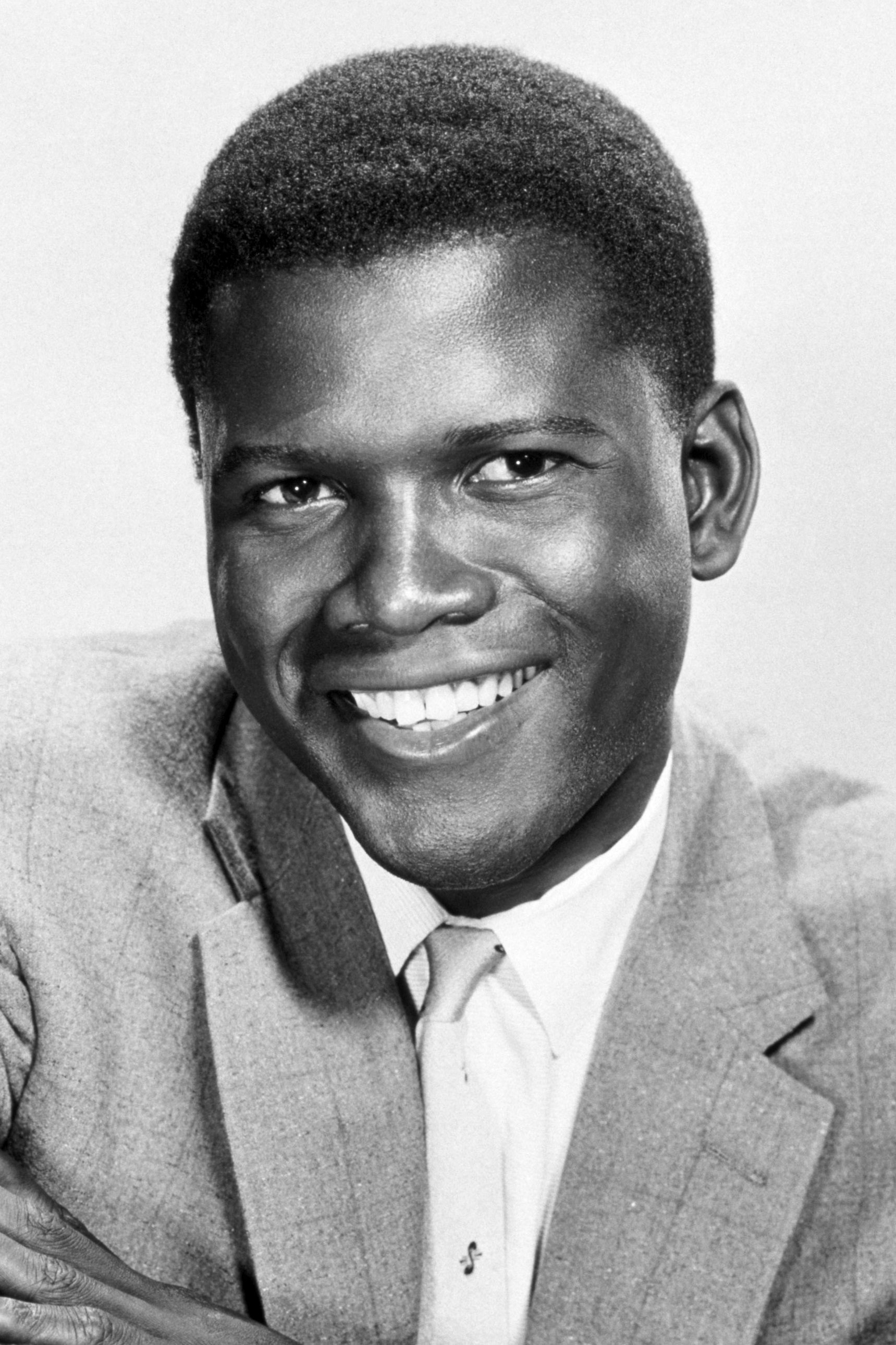
Sidney Poitier carried the heavy burden of being the first Black leading man to gain widespread acceptance in mainstream Hollywood. He broke historic ground by becoming the first Black man to win the Academy Award for Best Actor for his performance in ‘Lilies of the Field’. His roles in films such as ‘In the Heat of the Night’ and ‘Guess Who’s Coming to Dinner’ forced audiences to confront racial prejudices directly. Poitier navigated a narrow path of representation that allowed him to open doors for every Black actor who came after him.
Paul Robeson
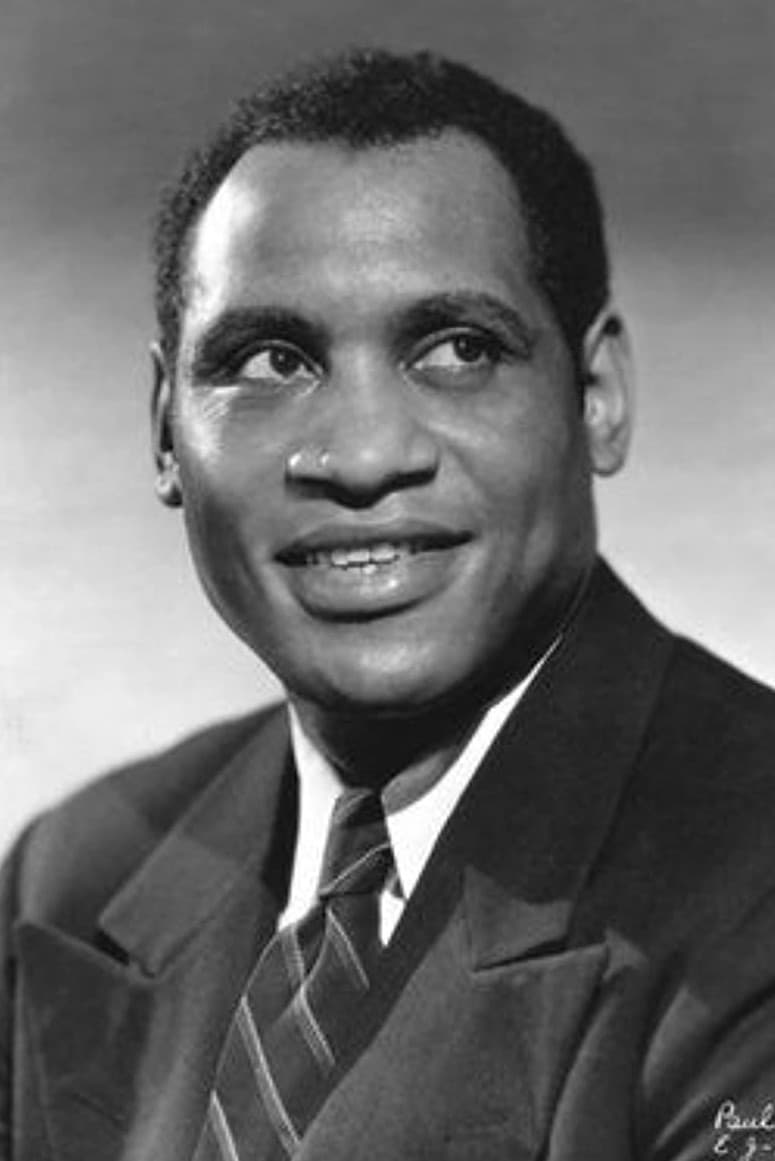
Paul Robeson was a true Renaissance man who achieved excellence as a scholar, athlete, singer, and actor before becoming a fierce political activist. His booming bass voice made him an international star in theater and film, yet he sacrificed his career to fight against fascism and racial injustice. The United States government revoked his passport and blacklisted him due to his outspoken political views and refusal to silence his dissent. Robeson remains a towering example of an artist who placed his moral convictions above his professional safety.
Josephine Baker
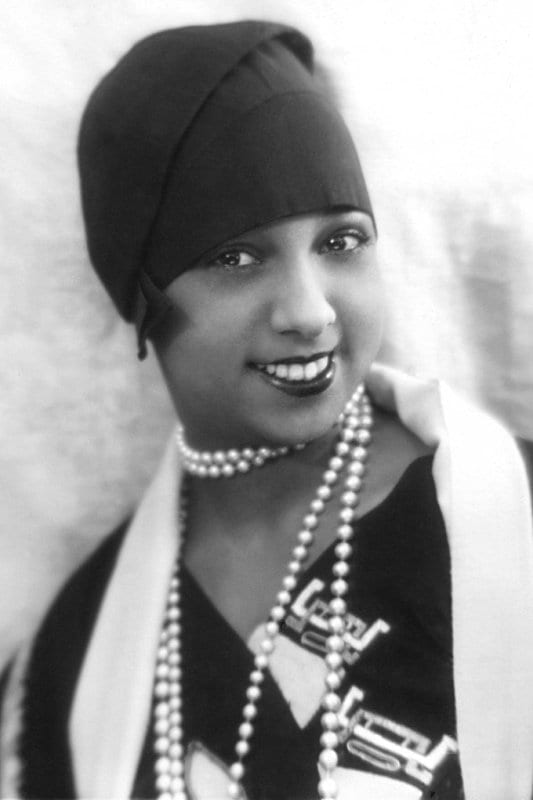
Josephine Baker fled the racial segregation of the United States to find superstardom in France where she became one of the highest-paid performers in Europe. She leveraged her access to high society during World War II to serve as a spy for the French Resistance against the Nazi occupation. Baker smuggled intelligence written in invisible ink on her sheet music and was eventually awarded the Croix de Guerre for her bravery. Her life serves as a testament to the intersection of international celebrity and heroic espionage.
Eartha Kitt
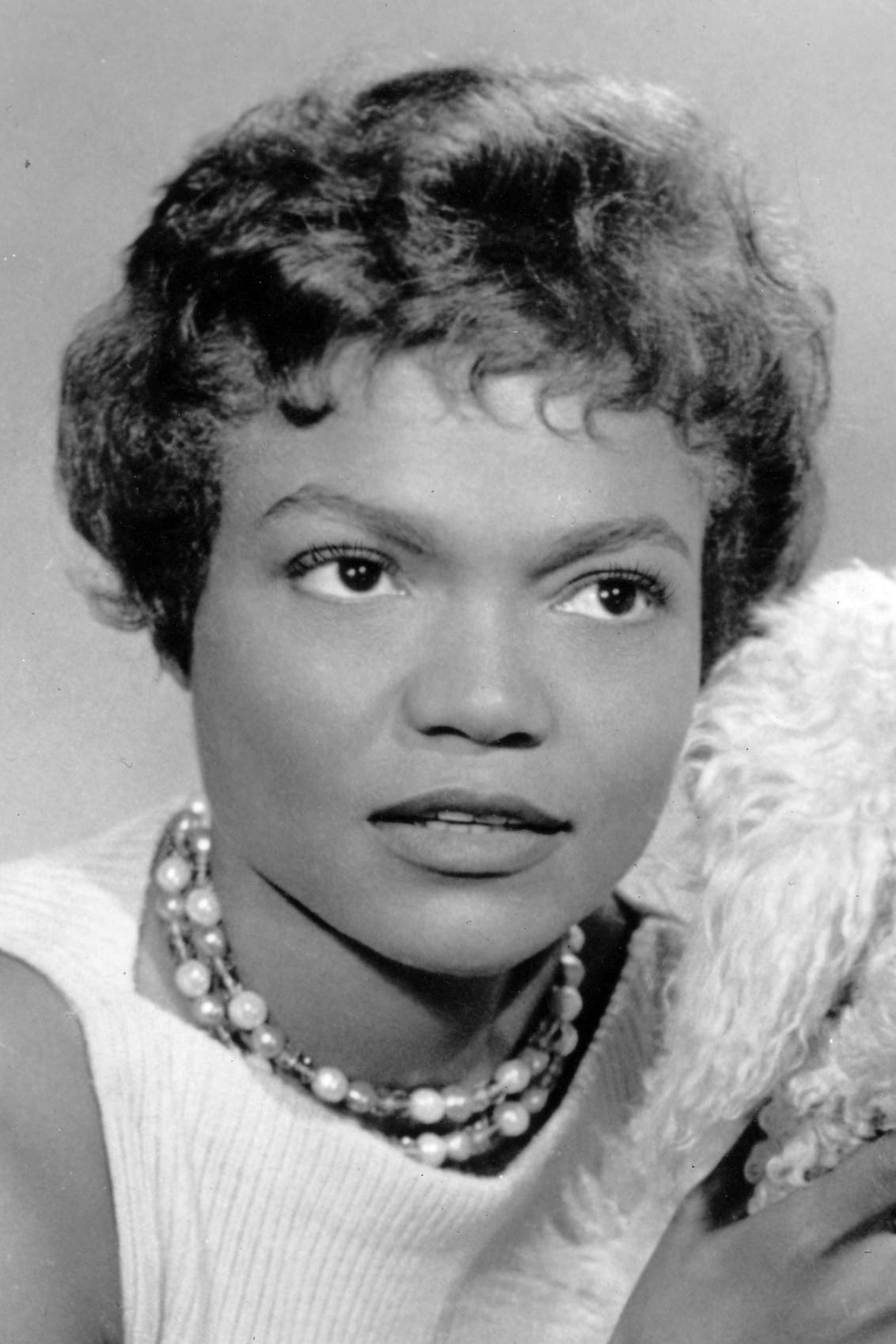
Eartha Kitt captivated audiences with her distinct voice and portraying Catwoman in the 1960s ‘Batman’ television series. Her career faced a sudden derailment after she famously spoke out against the Vietnam War during a luncheon at the White House. This act of political defiance led to a CIA dossier and a blacklisting that forced her to work primarily overseas for many years. Kitt eventually returned to American entertainment and showcased her resilience by winning awards later in her life.
Dick Gregory
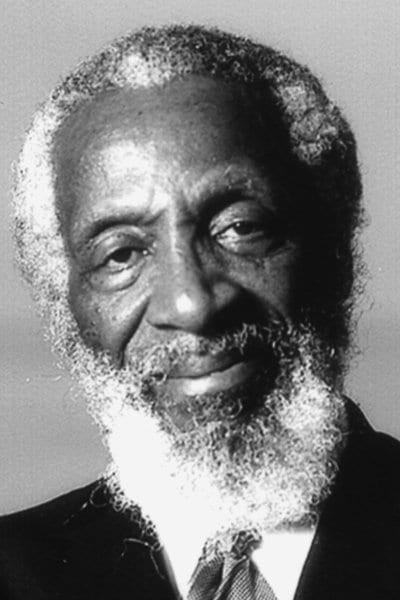
Dick Gregory transformed the landscape of stand-up comedy by moving away from vaudeville stereotypes to delivering sharp political satire. He prioritized his activism over his comedy career by participating in hunger strikes and protests to bring attention to various social causes. Gregory became a leading voice in the health and wellness movement for Black Americans in his later years. He proved that a comedian could be a serious intellectual force and a catalyst for societal change.
Nichelle Nichols
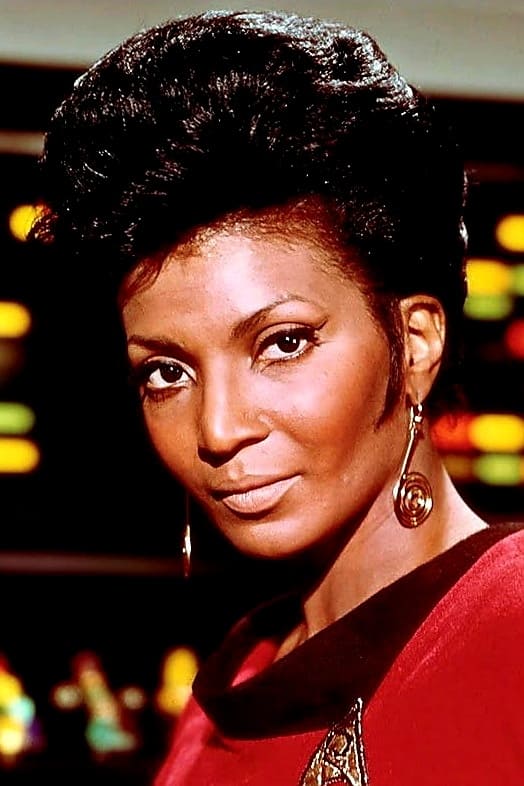
Nichelle Nichols famously portrayed Lieutenant Uhura on ‘Star Trek’ and provided one of the first examples of a Black woman in a command role on television. Her impact expanded significantly when she partnered with NASA to recruit women and minorities for the space shuttle program. Her efforts directly led to the recruitment of astronauts such as Sally Ride and Guion Bluford. Nichols demonstrated how a fictional role could be leveraged to create tangible scientific advancement and representation in the real world.
Ossie Davis
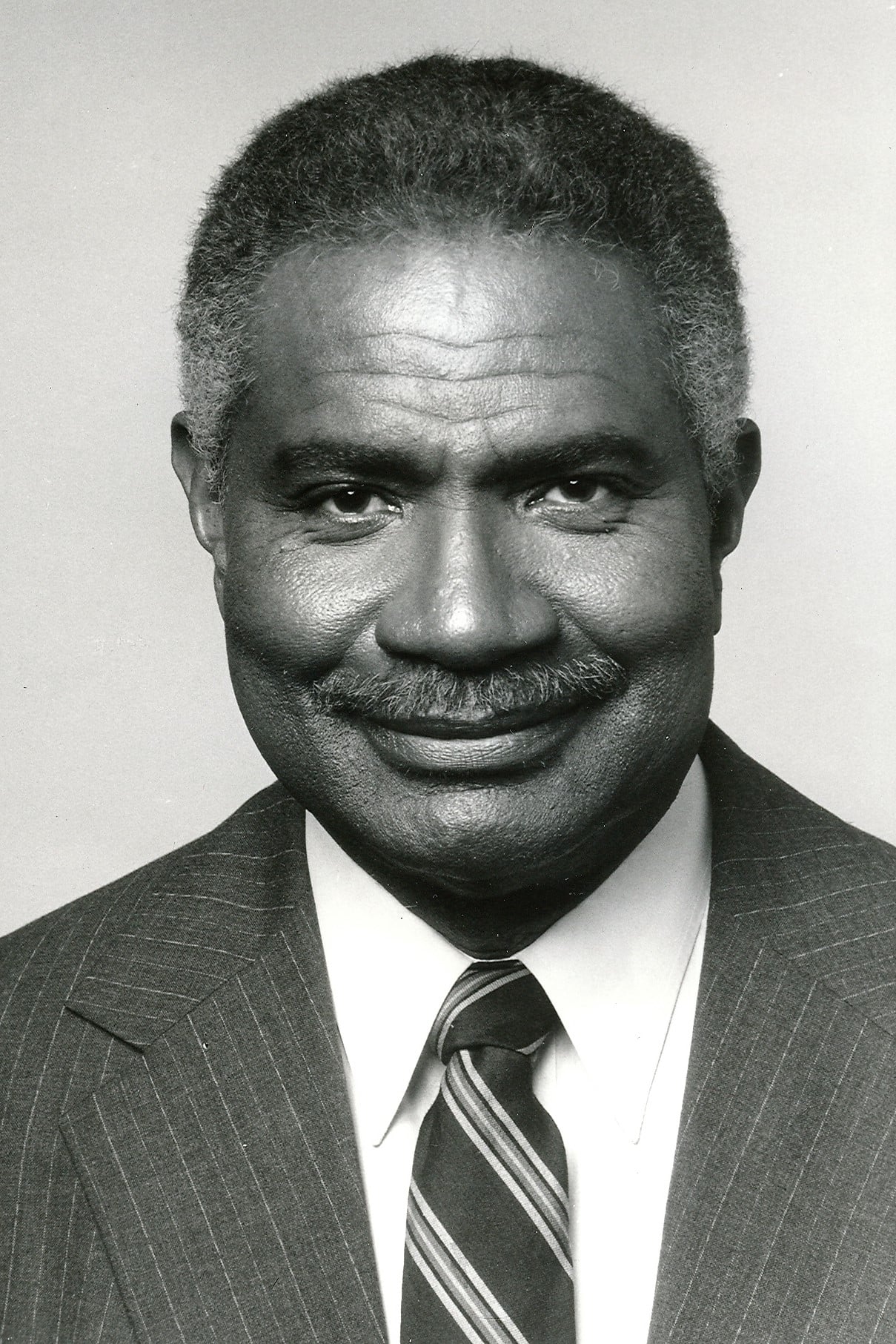
Ossie Davis was a distinguished actor and director who consistently used his art to reflect the struggles and triumphs of the Black community. He stood alongside his wife Ruby Dee as a central figure in the civil rights struggle and famously delivered the eulogy for Malcolm X. Davis directed films like ‘Cotton Comes to Harlem’ which helped launch the Blaxploitation genre while maintaining a focus on community empowerment. His career exemplified the concept of the artist-activist who is deeply embedded in social movements.
Ruby Dee
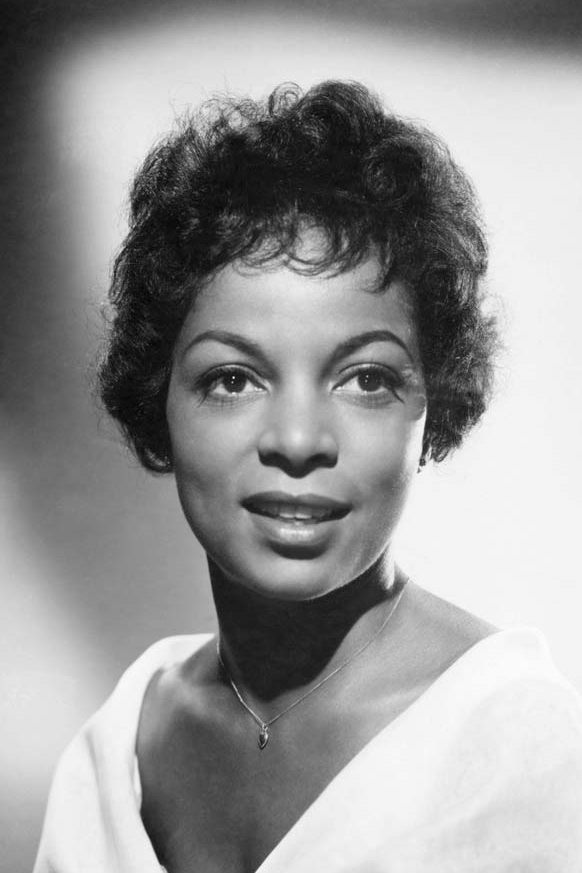
Ruby Dee enjoyed a career that spanned seven decades and included acclaimed performances on stage and screen. She was deeply involved in the fight for civil rights and used her platform to advocate for racial equality alongside her husband Ossie Davis. Her work in ‘A Raisin in the Sun’ remains a benchmark for dramatic acting in American theater history. Dee showed remarkable longevity and relevance by winning accolades well into her eighties.
Hattie McDaniel
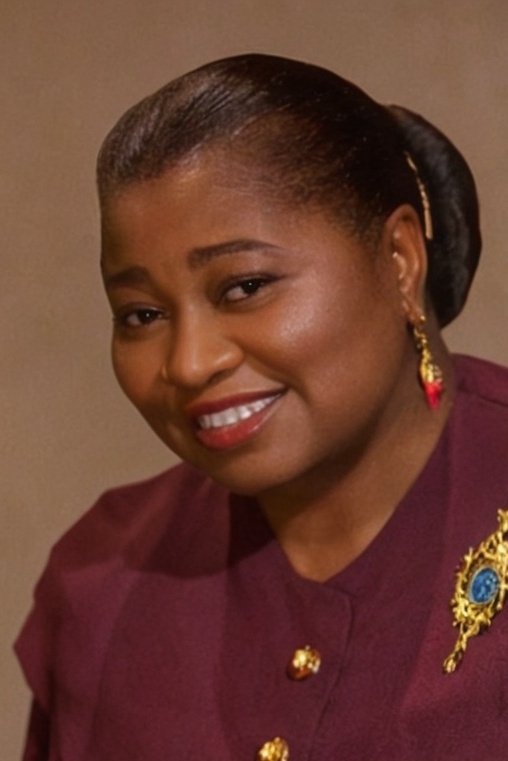
Hattie McDaniel etched her name in history as the first African American to win an Academy Award for her role in ‘Gone with the Wind’. She faced immense criticism from both the white establishment and the Black community for the maid roles she played. McDaniel was notably segregated from her co-stars during the Oscars ceremony where she accepted her award. Her career highlights the complex navigation required by early Black screen legends to succeed in a segregated industry.
Gordon Parks
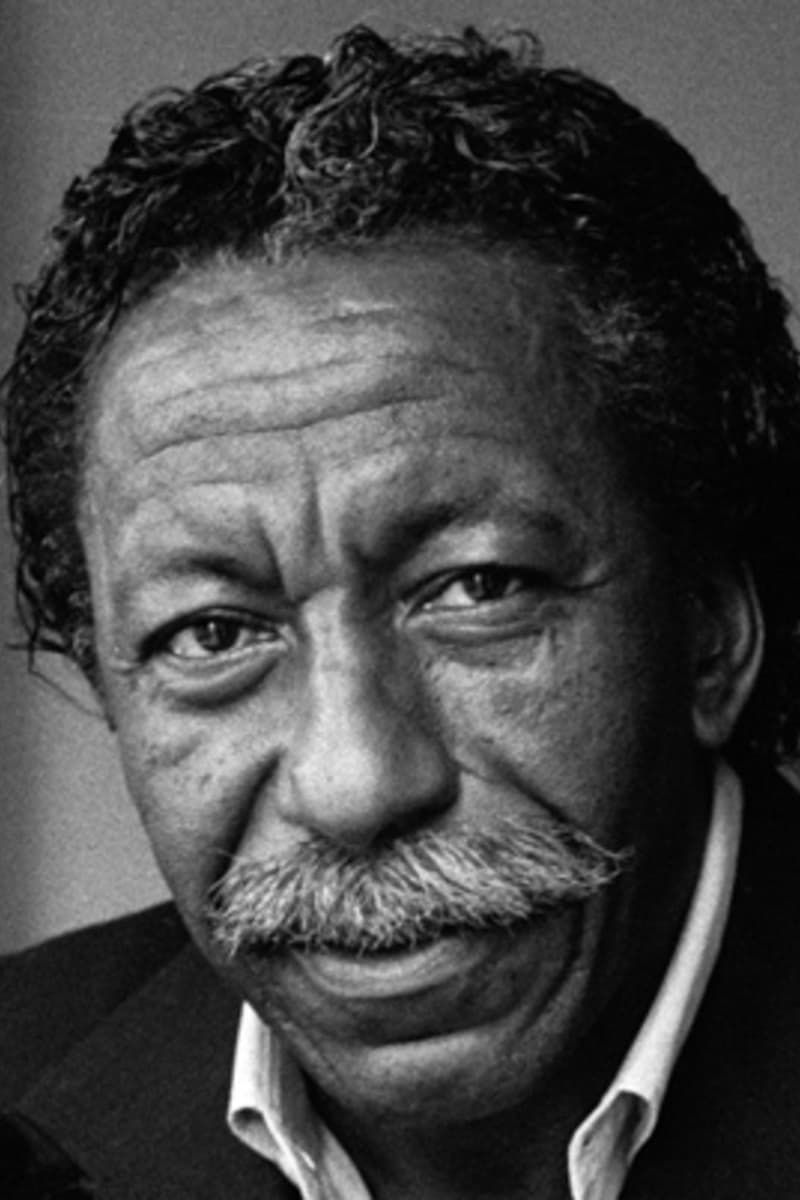
Gordon Parks broke significant barriers as the first Black photographer to become a staff member at Life magazine. He transitioned into filmmaking and directed ‘The Learning Tree’ followed by the iconic ‘Shaft’ which helped birth a new era of Black cinema. His visual style defined the aesthetic of the 1970s and provided a gritty yet stylish lens on urban life. Parks was a multi-hyphenate creator whose work in photography, writing, and directing documented the African American experience with profound empathy.
Melvin Van Peebles
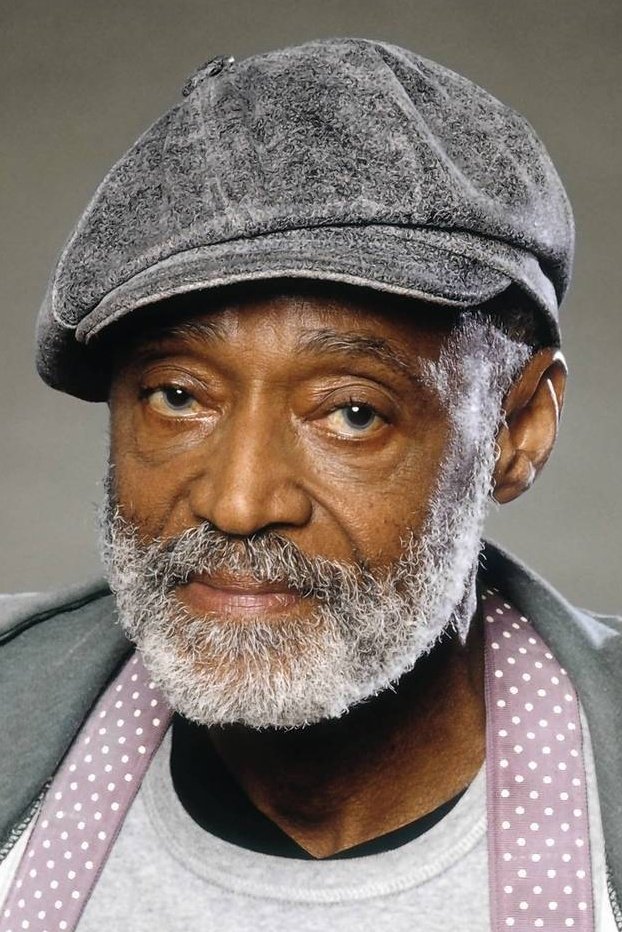
Melvin Van Peebles revolutionized independent cinema with his guerrilla-style production of ‘Sweet Sweetback’s Baadasssss Song’. He proved that a Black director could write, produce, score, and market a film to massive financial success without major studio support. His work demonstrated the economic viability of Black audiences and laid the groundwork for the Blaxploitation explosion. Van Peebles remains a pivotal figure for independent filmmakers who seek to retain ownership of their art.
Richard Pryor

Richard Pryor altered the course of comedy by bringing raw honesty and personal tragedy to the stage in a way that had never been done before. He addressed race, addiction, and social hierarchies with a vulnerability that resonated deeply with audiences of all backgrounds. His writing contributions to ‘Blazing Saddles’ and his stand-up concert films set a new standard for comedic performance. Pryor is widely considered the blueprint for modern stand-up comedy due to his fearlessness.
Pam Grier
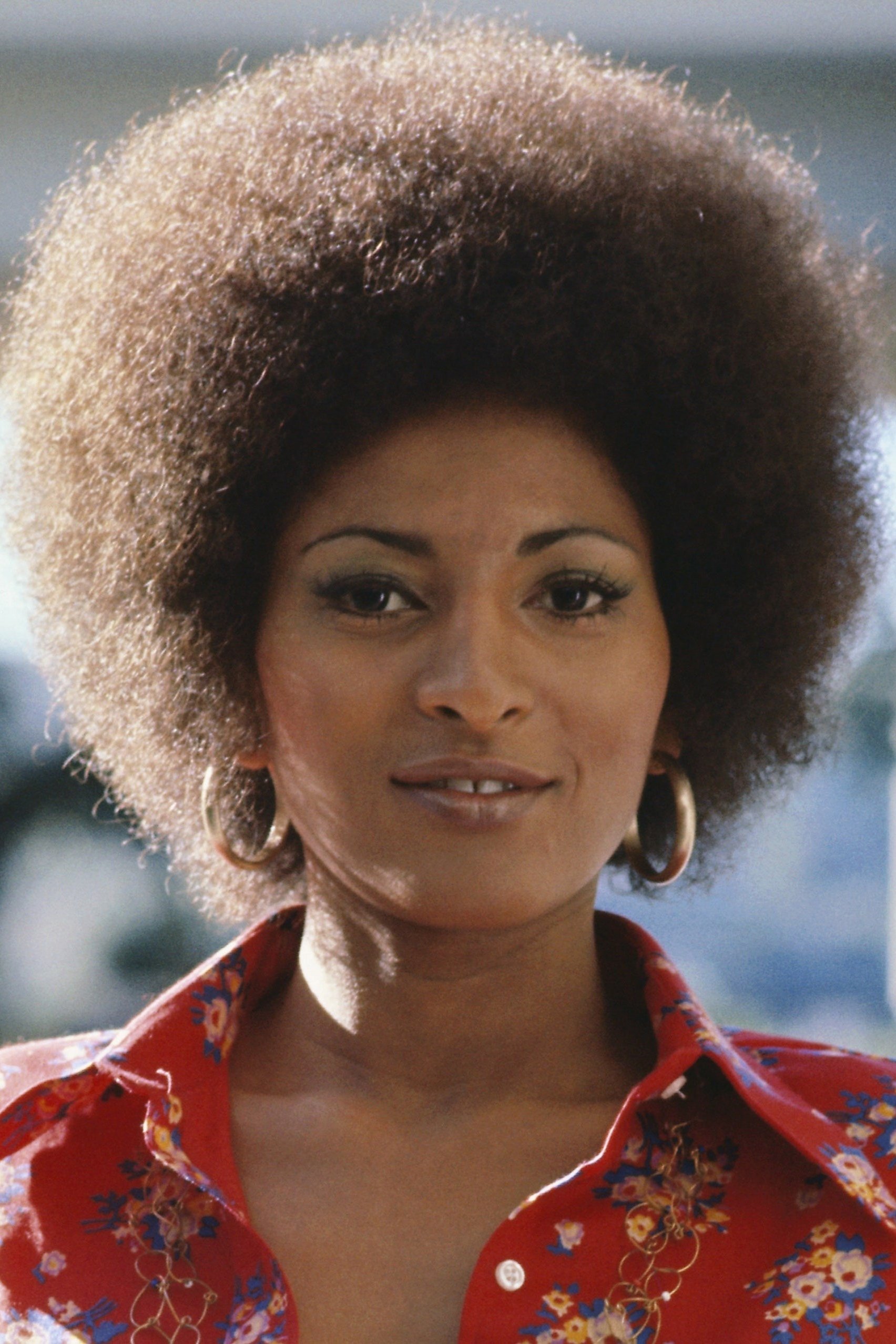
Pam Grier became the face of female action heroes in the 1970s through films like ‘Coffy’ and ‘Foxy Brown’. She presented an image of Black womanhood that was assertive, physically capable, and unapologetic in the face of adversaries. Quentin Tarantino revitalized her career with ‘Jackie Brown’ which reminded audiences of her dramatic range and screen presence. Grier remains a symbol of empowerment and paved the way for women leading action franchises today.
Robert Townsend
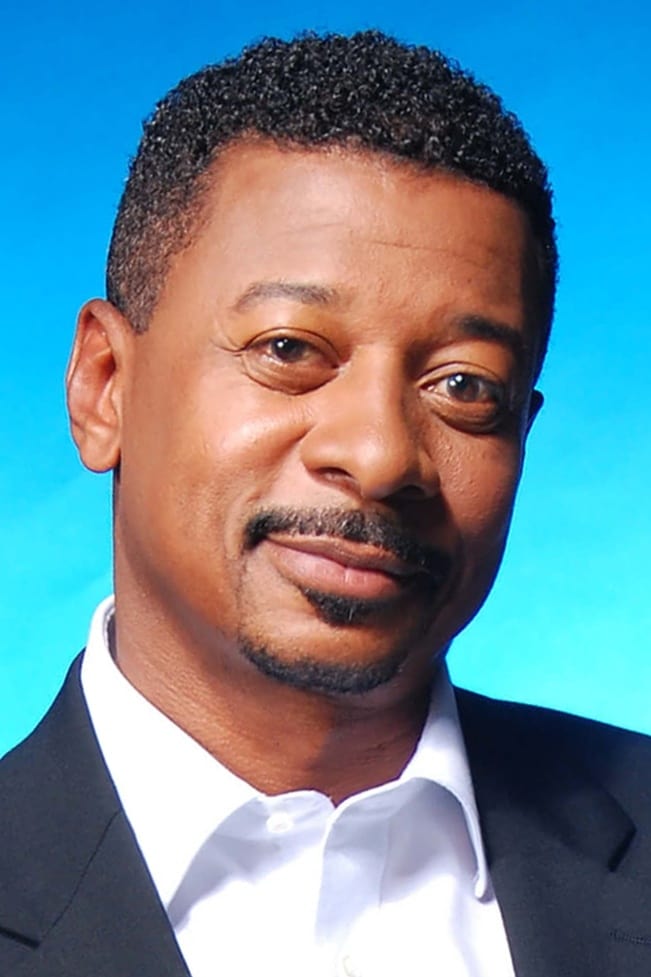
Robert Townsend exposed the limitations placed on Black actors with his satirical masterpiece ‘Hollywood Shuffle’. He famously financed the film using personal credit cards because studios refused to back his vision. His television output including ‘The Parent ‘Hood’ helped normalize depictions of middle-class Black families. Townsend has spent decades mentoring new talent and directing projects that uplift the community.
Keenen Ivory Wayans
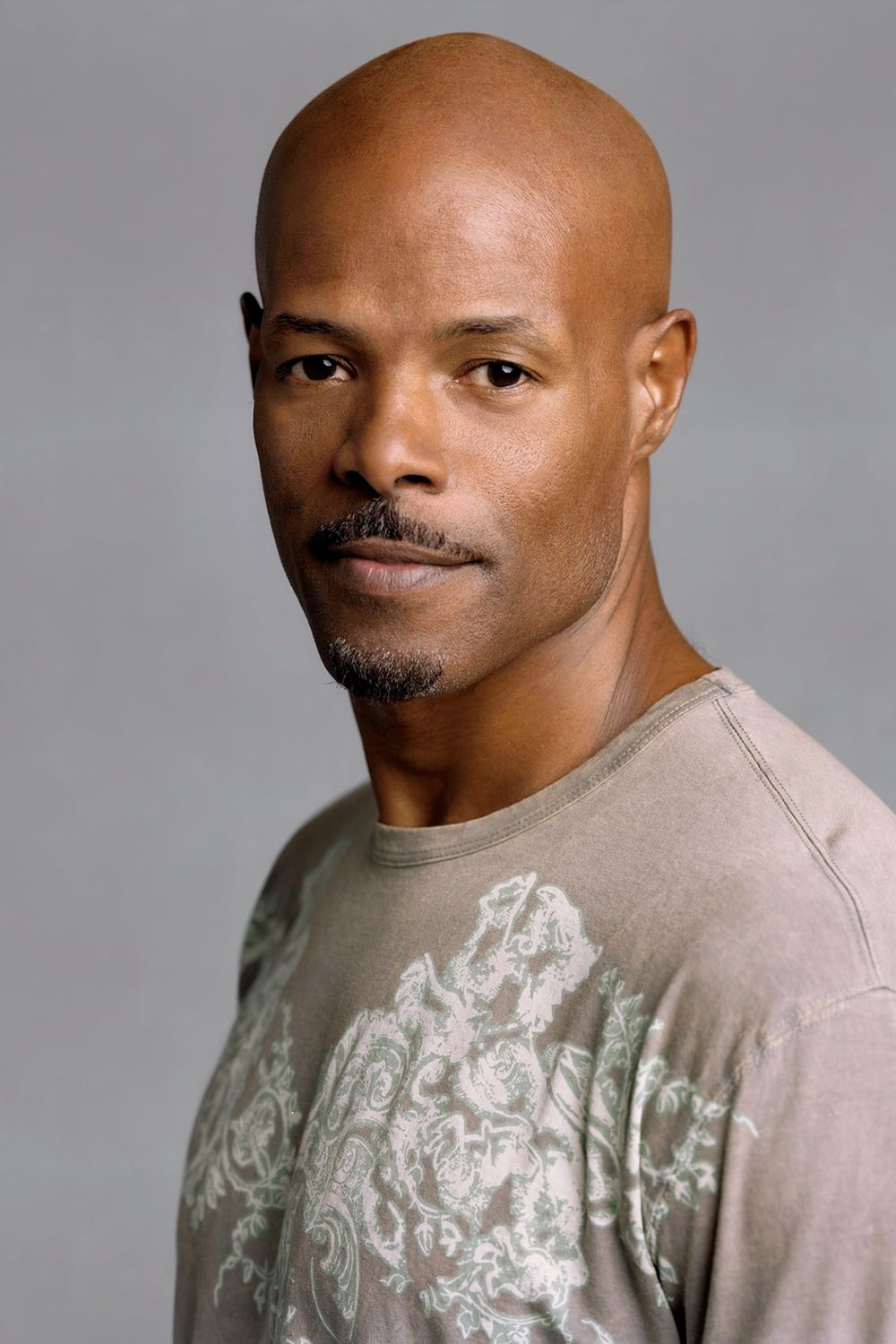
Keenen Ivory Wayans created a cultural phenomenon with the sketch comedy series ‘In Living Color’. The show provided a launchpad for major stars including Jim Carrey, Jamie Foxx, and Jennifer Lopez while introducing hip-hop culture to mainstream television. He successfully transitioned to film directing with spoofs that dominated the box office in the early 2000s. Wayans established a familial dynasty that influenced comedy for over two decades.
Debbie Allen
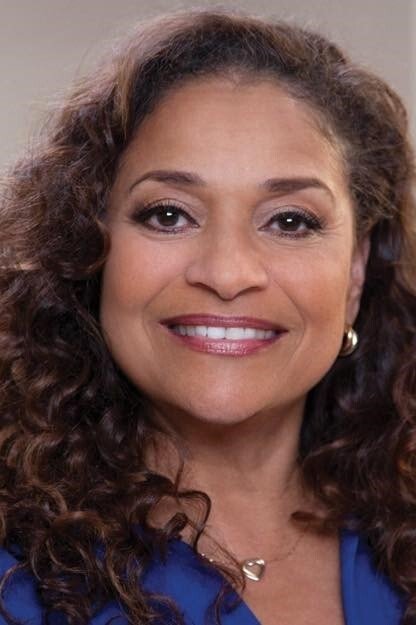
Debbie Allen has served as a critical force in the industry as a choreographer, director, and producer. Her work on the television series ‘A Different World’ transformed the show into a realistic and aspiring depiction of life at an HBCU. She has directed countless episodes of television across various genres while running a dance academy that trains inner-city youth. Allen is a key architect in shaping the behind-the-scenes landscape of modern television.
Whoopi Goldberg
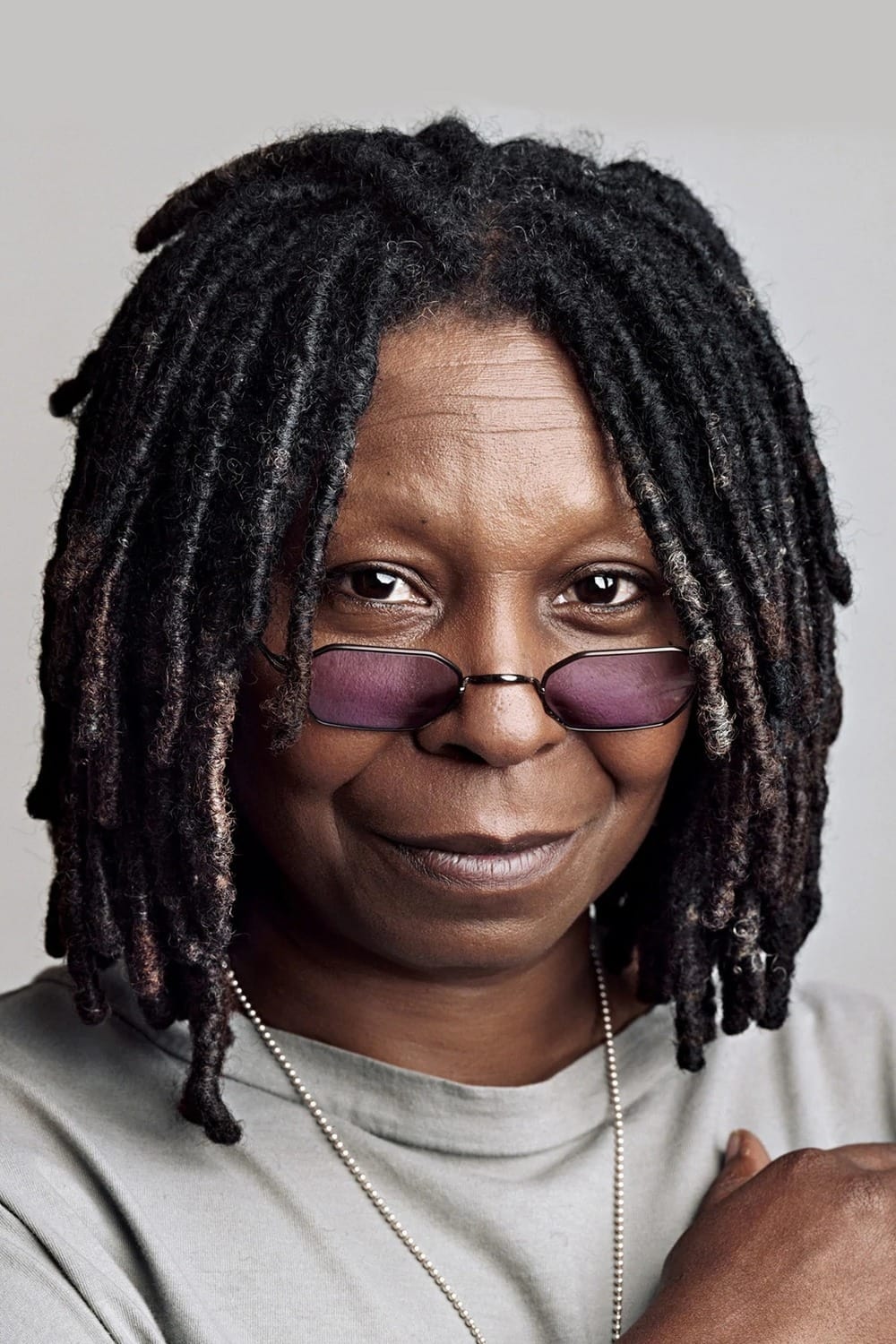
Whoopi Goldberg achieved the rare feat of earning EGOT status by winning an Emmy, Grammy, Oscar, and Tony award. She broke barriers for Black women in comedy with her one-woman shows and became the highest-paid actress in Hollywood during the 1990s. Her role as the moderator on ‘The View’ has made her a prominent voice in daytime television for many years. Goldberg’s career trajectory proves the possibility of dominating multiple facets of the entertainment industry simultaneously.
Denzel Washington
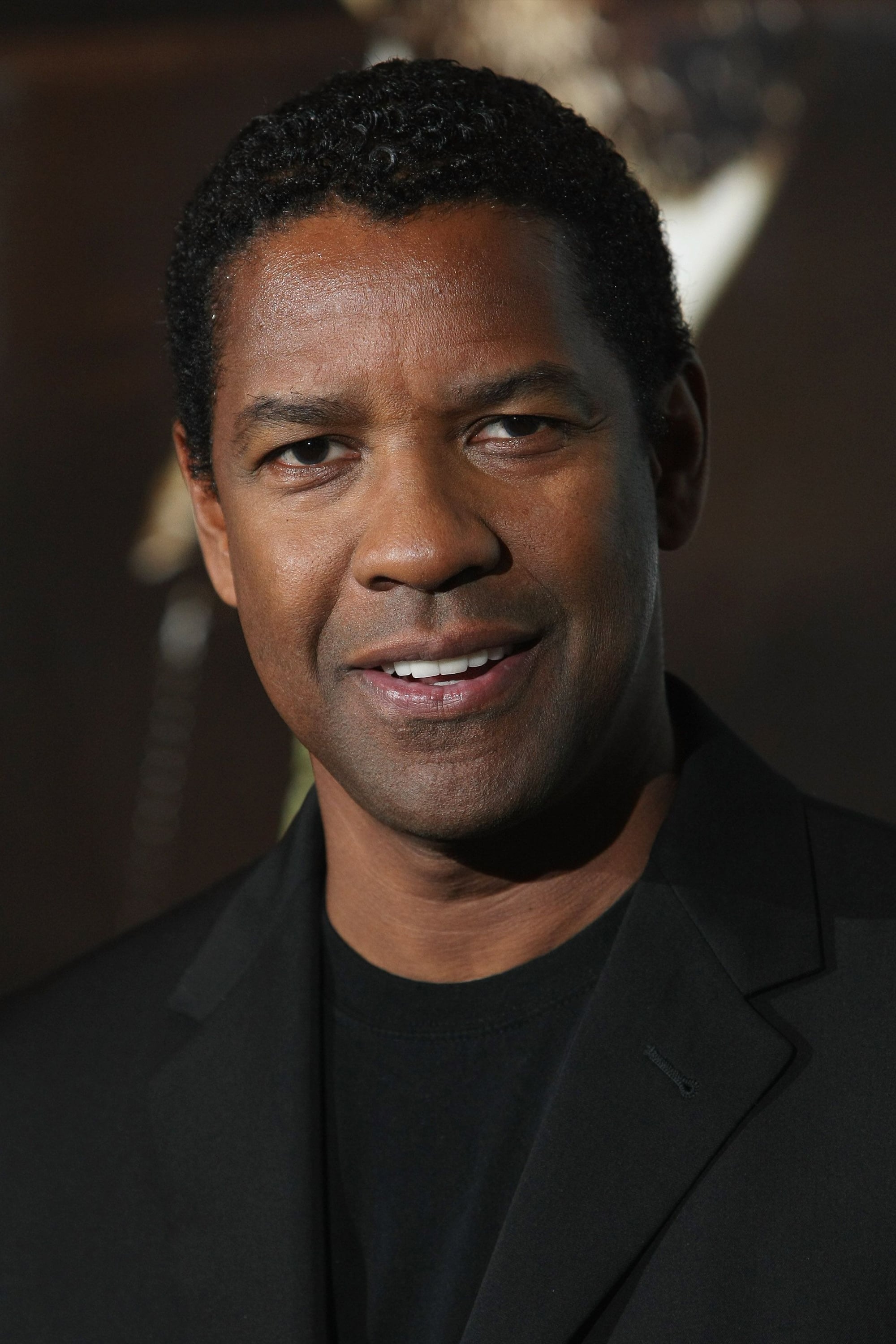
Denzel Washington is frequently cited as one of the greatest actors in screen history due to his commanding presence and consistency. Beyond his acting, he has directed acclaimed films like ‘Fences’ and ‘The Great Debaters’ to ensure classic Black stories are preserved on film. He notably paid for Chadwick Boseman’s acting tuition, quietly investing in the next generation of talent. Washington serves as a bridge between the theatrical tradition of August Wilson and Hollywood blockbusters.
Spike Lee
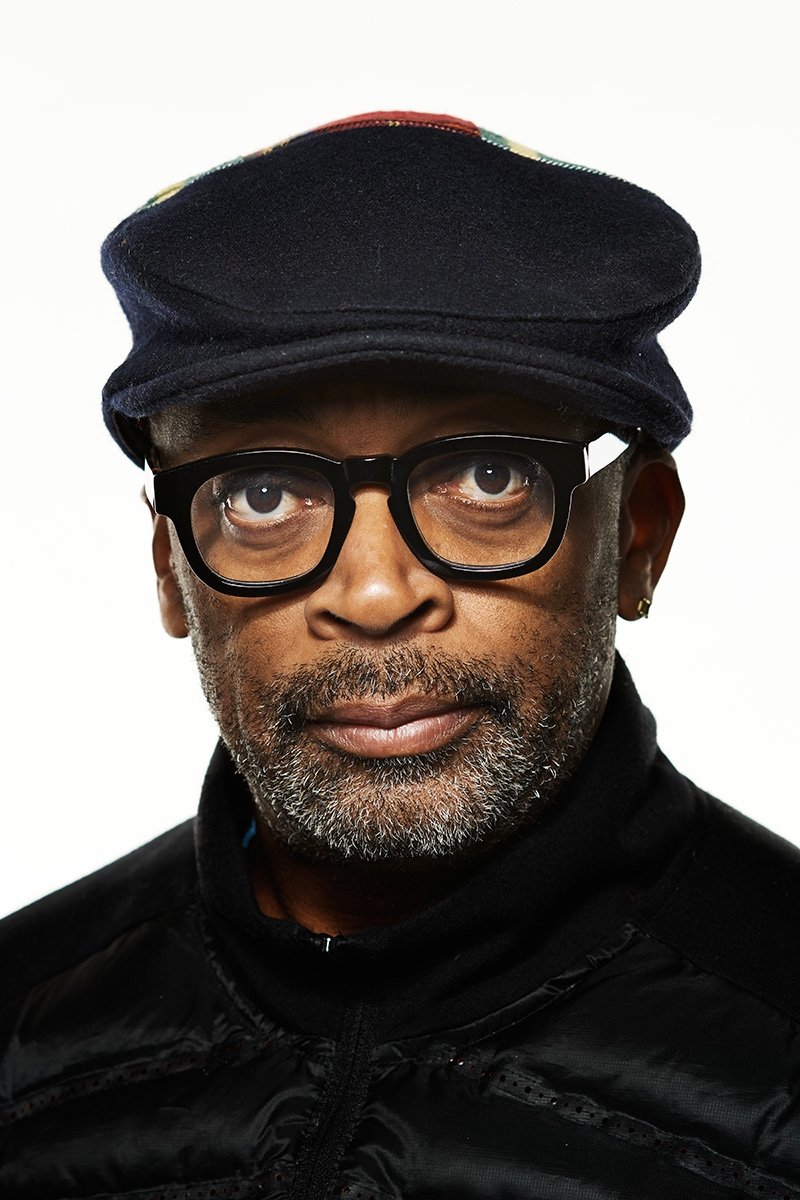
Spike Lee burst onto the scene with a distinct visual language and an unwavering commitment to exploring racial tension in America. His film ‘Do the Right Thing’ challenged audiences and critics alike to confront police brutality and gentrification long before they were mainstream conversation topics. Lee pioneered the modern independent film movement and opened doors for Black directors to helm personal projects. His body of work serves as a historical document of the African American experience over the last forty years.
Tyler Perry
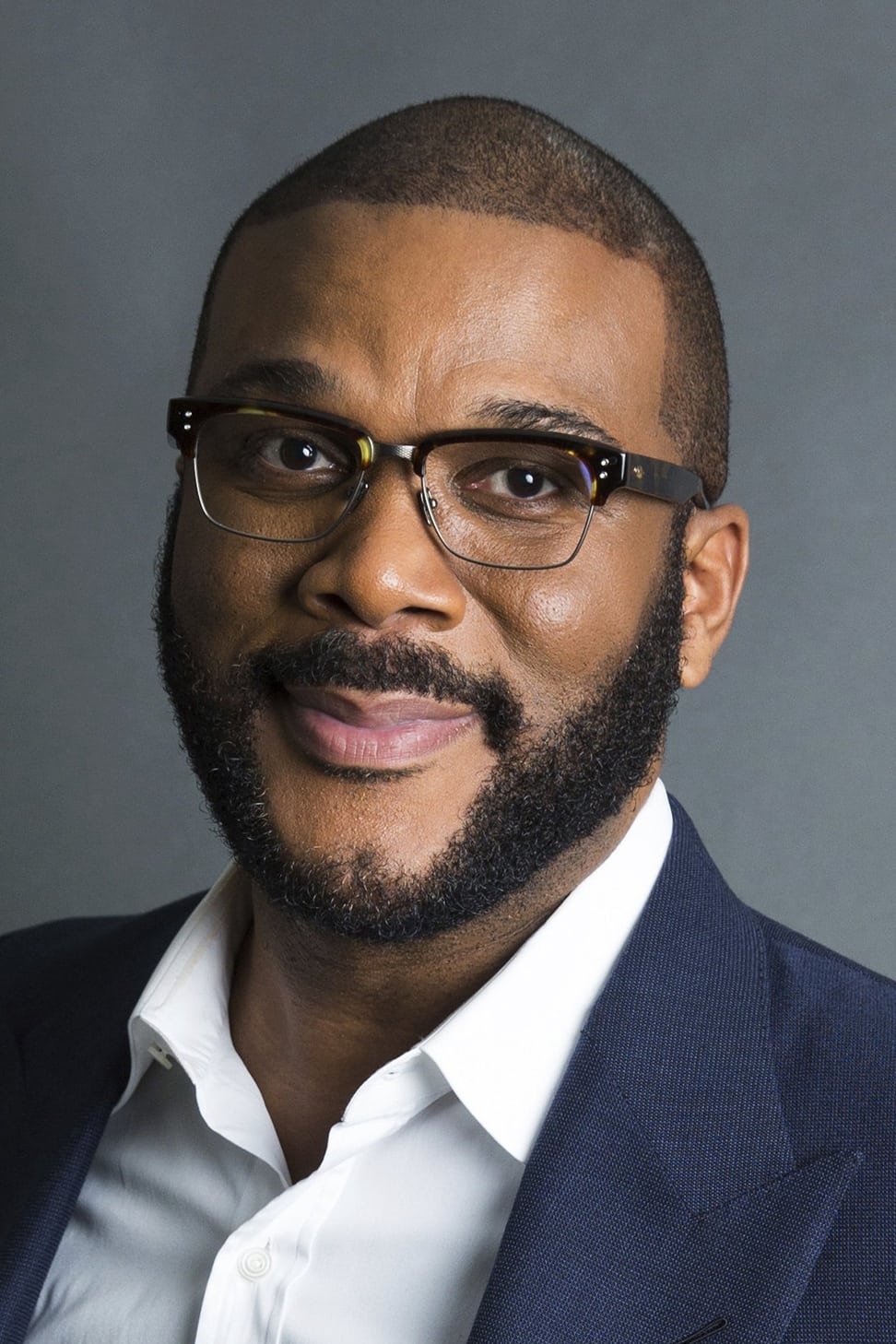
Tyler Perry built an entertainment empire by recognizing and serving an audience that Hollywood had largely ignored. He retained complete ownership of his characters and content which allowed him to build his own major studio lot in Atlanta. His transition from the “Chitlin’ Circuit” plays to blockbuster films and television deals changed the economic model for Black creators. Perry’s business acumen demonstrated that ownership is the ultimate tool for creative freedom.
Queen Latifah
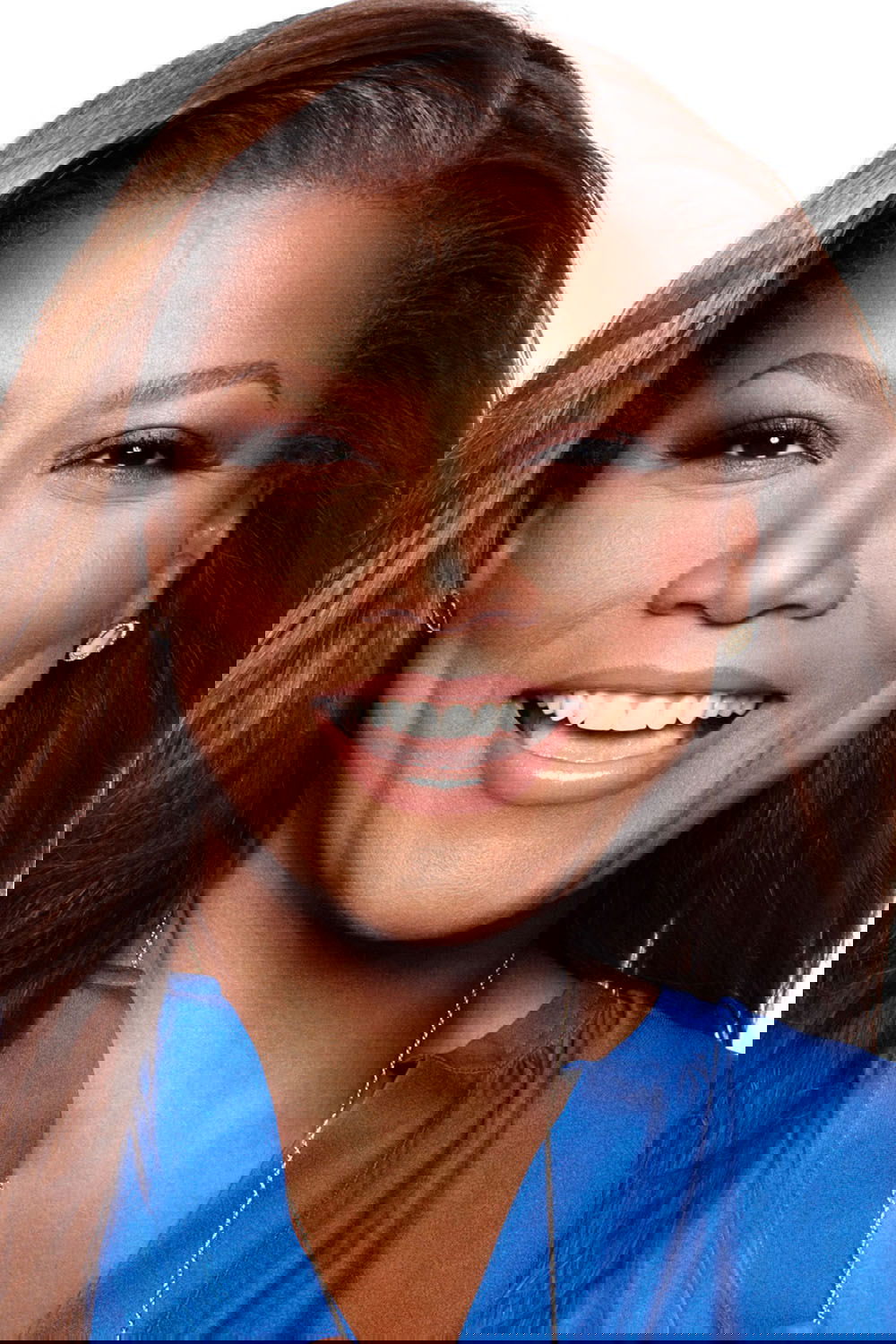
Queen Latifah successfully transitioned from being a pioneering female rapper to a bona fide A-list actress and producer. She broke the mold for what a leading lady could look like in sitcoms such as ‘Living Single’ and films like ‘Chicago’. Her production company has been responsible for bringing diverse stories to the screen for decades. Latifah stands as a prime example of hip-hop’s ability to produce multi-disciplinary moguls.
Ice Cube
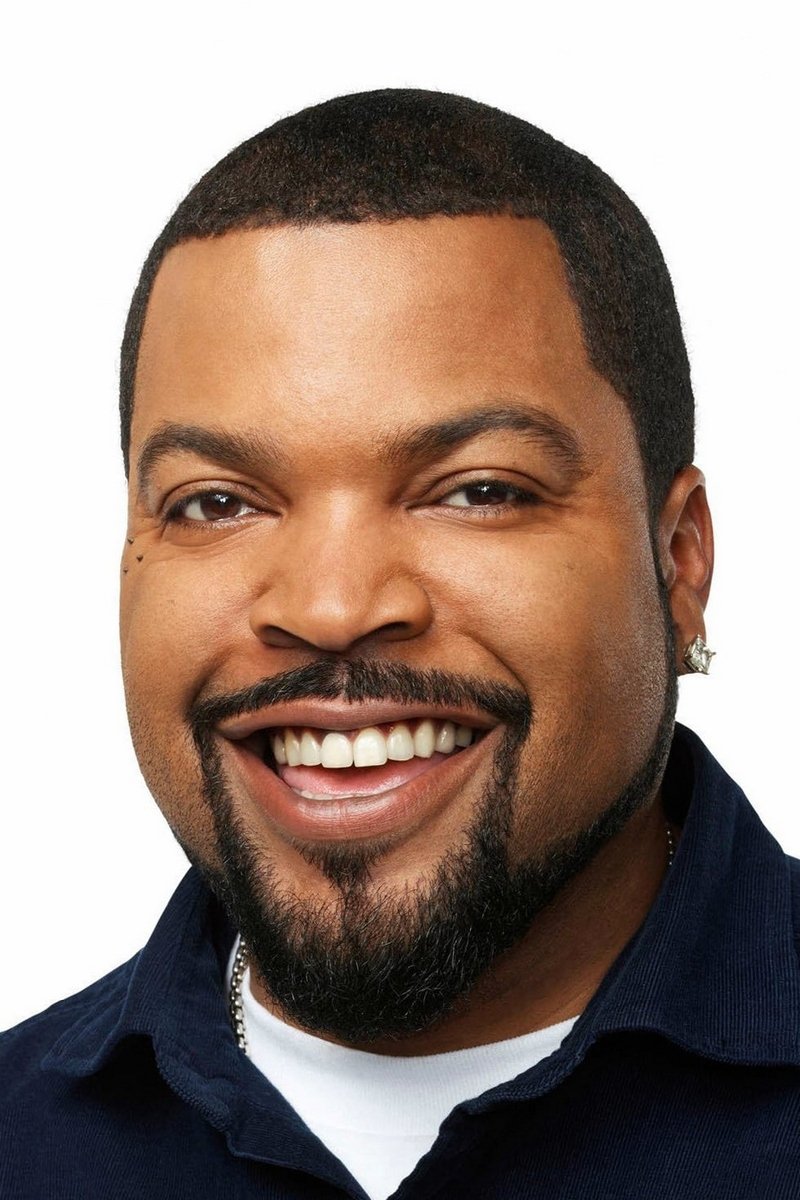
Ice Cube evolved from writing provocative lyrics for N.W.A. into a family-friendly movie star and savvy producer. He wrote and produced the ‘Friday’ franchise which became a cult classic and showcased his ability to capture cultural nuances. His founding of the BIG3 basketball league further demonstrated his entrepreneurial spirit outside of entertainment. Cube’s career arc highlights the potential for radical reinvention without losing cultural authenticity.
Will Smith
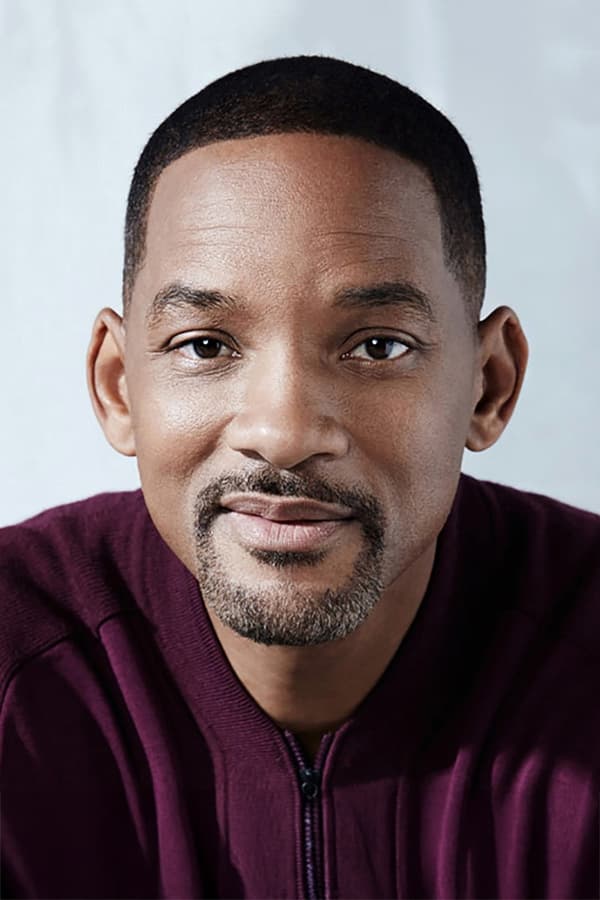
Will Smith transformed from the first Grammy-winning rapper into the biggest movie star in the world during the late 1990s and 2000s. He secured unparalleled box office dominance by leading blockbusters in every genre from sci-fi to romantic comedy. His production company has backed major projects that continue to offer opportunities for diverse talent. Smith’s career redefined the global marketability of Black lead actors in tentpole franchises.
Eddie Murphy
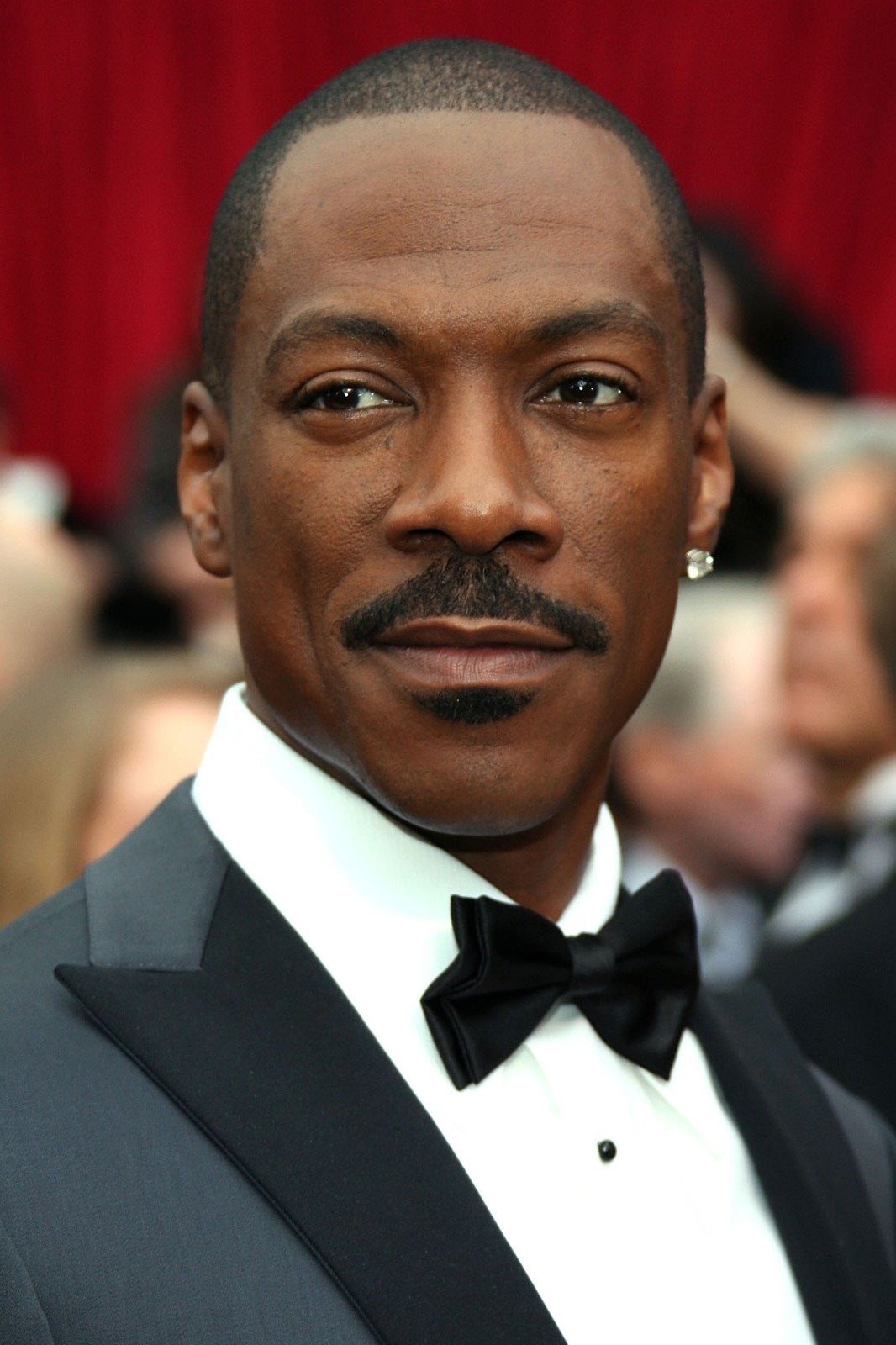
Eddie Murphy is widely credited with saving ‘Saturday Night Live’ from cancellation in the early 1980s through his electric performances. He became the biggest stand-up comedian in history with ‘Delirious’ and ‘Raw’ while simultaneously dominating the box office with ‘Beverly Hills Cop’. His voice work in ‘Shrek’ and ‘Mulan’ introduced his comedic genius to entirely new generations. Murphy’s influence is evident in almost every comedian who has picked up a microphone since his debut.
Wesley Snipes
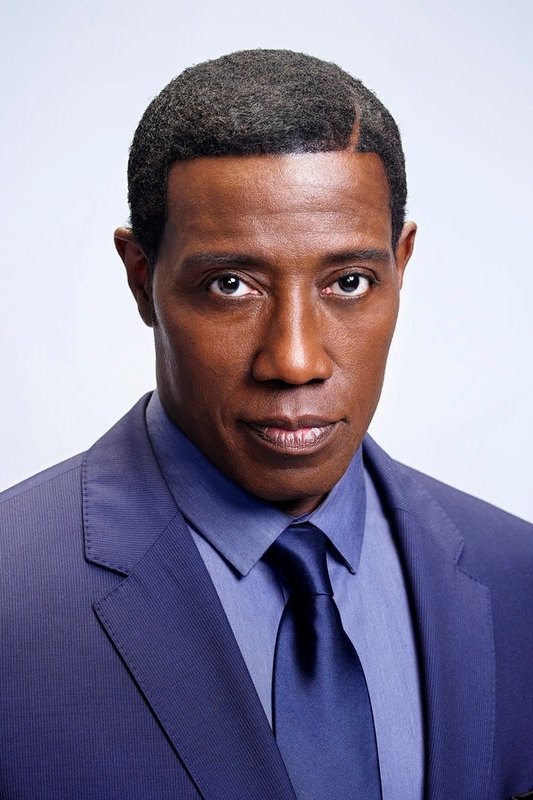
Wesley Snipes showcased an incredible range that spanned from dramatic roles in ‘Jungle Fever’ to action dominance in ‘Passenger 57’. His portrayal of the marvel character ‘Blade’ is often credited with kickstarting the modern era of comic book movies before the MCU existed. Snipes brought a martial arts proficiency and intensity to the screen that was unmatched at the time. His impact on the action genre paved the way for Black superheroes to be seen as viable box office draws.
Viola Davis
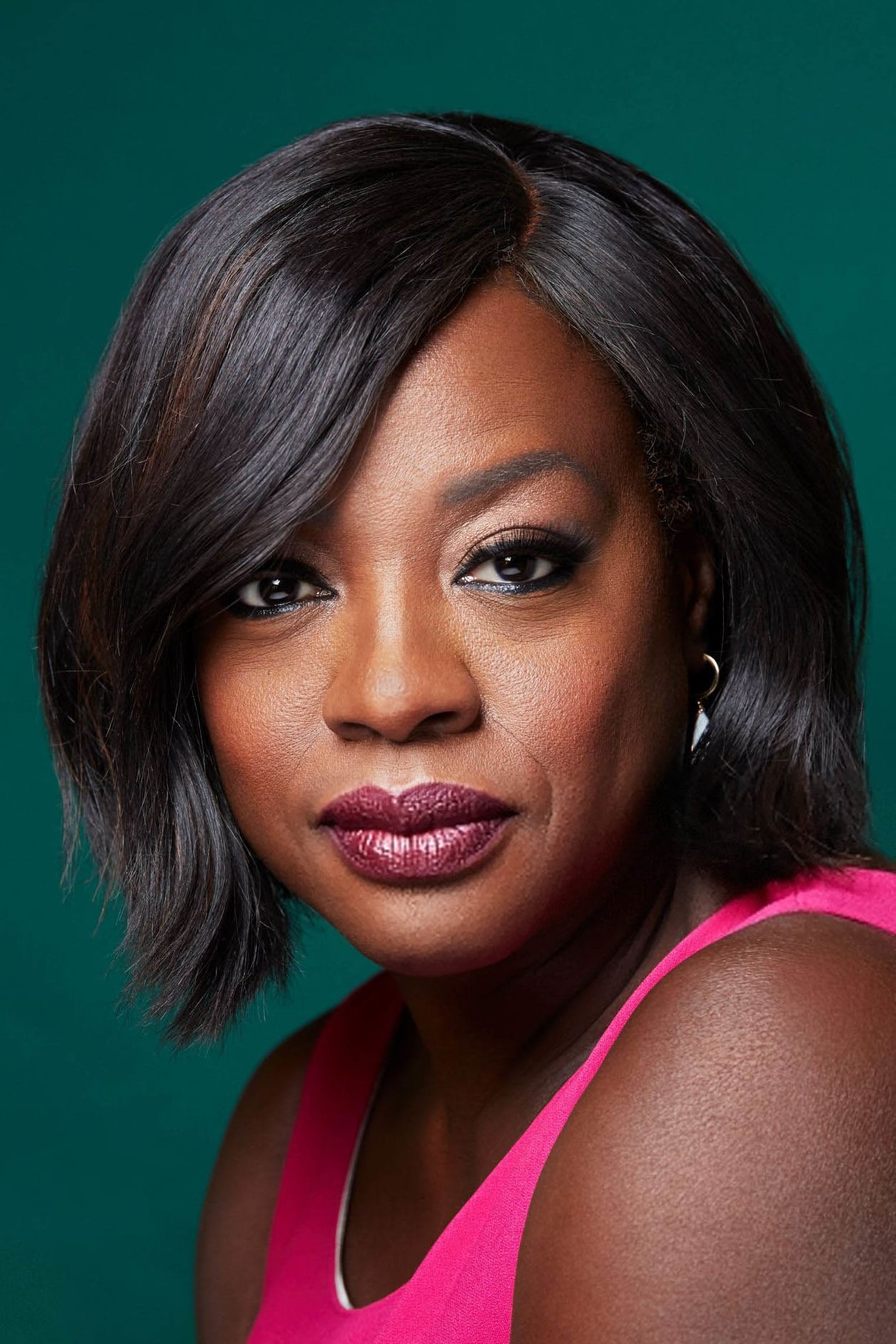
Viola Davis is the first Black actor to achieve the Triple Crown of Acting by winning an Oscar, an Emmy, and a Tony. She has been a vocal advocate for pay equity and the need for complex narratives for Black women over forty. Her performances in ‘Fences’ and ‘How to Get Away with Murder’ displayed a raw vulnerability that critics hailed as masterful. Davis continues to challenge industry standards regarding beauty and casting.
Angela Bassett
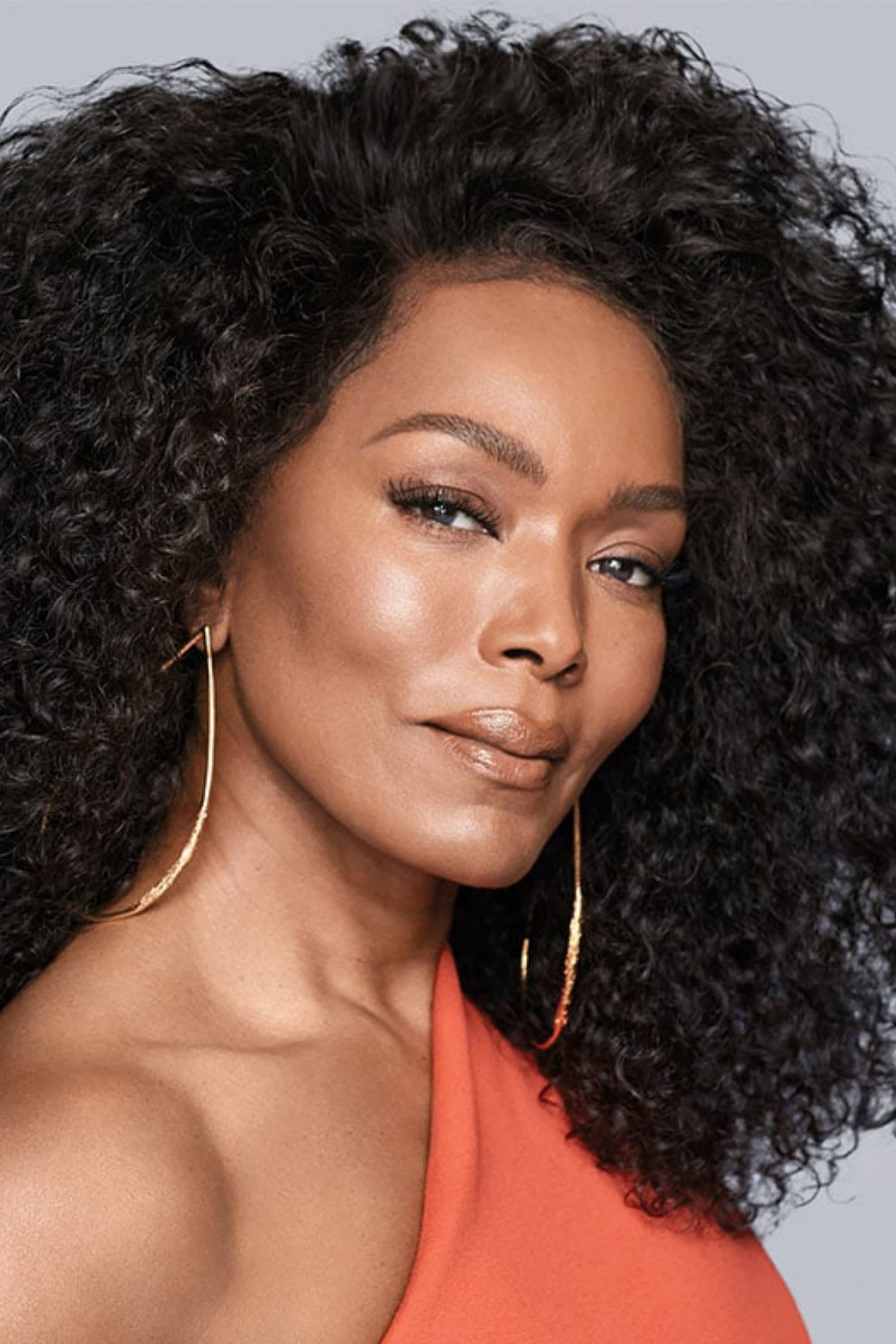
Angela Bassett has built a career defined by portraying powerful, regal women and real-life historical figures. Her portrayal of Tina Turner in ‘What’s Love Got to Do with It’ set a high bar for biographical performances. She brought gravitas to the Marvel Cinematic Universe in ‘Black Panther’ and sustained a long-running television career with ‘9-1-1’. Bassett is revered for her physical discipline and intense emotional depth on screen.
Forest Whitaker
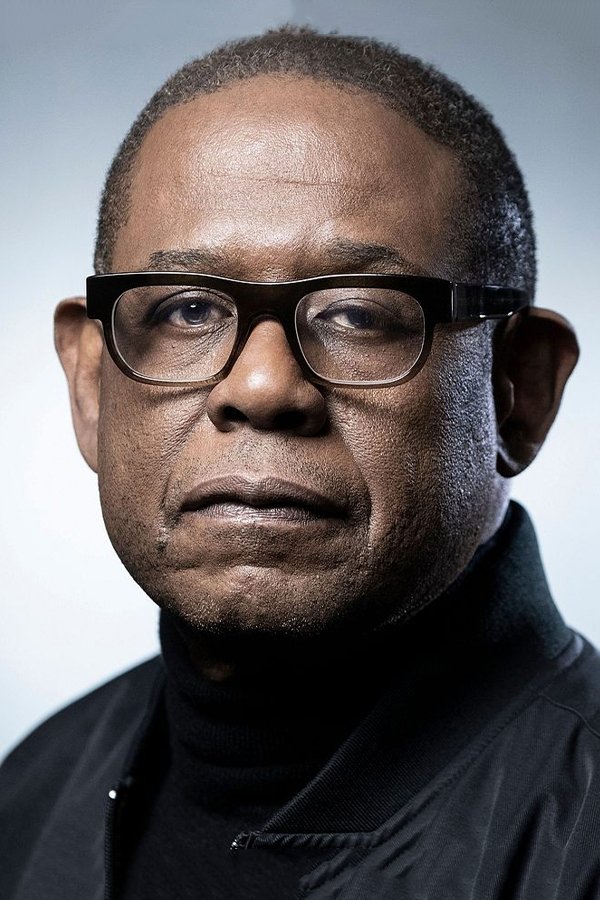
Forest Whitaker is known for his immersive character work and unique approach to roles ranging from dictators to jazz musicians. He won the Academy Award for Best Actor for his terrifying portrayal of Idi Amin in ‘The Last King of Scotland’. Whitaker is also a prolific producer who has supported culturally significant films like ‘Fruitvale Station’. His quiet intensity and dedication to craft have made him a respected elder statesman in the industry.
Jeffrey Wright
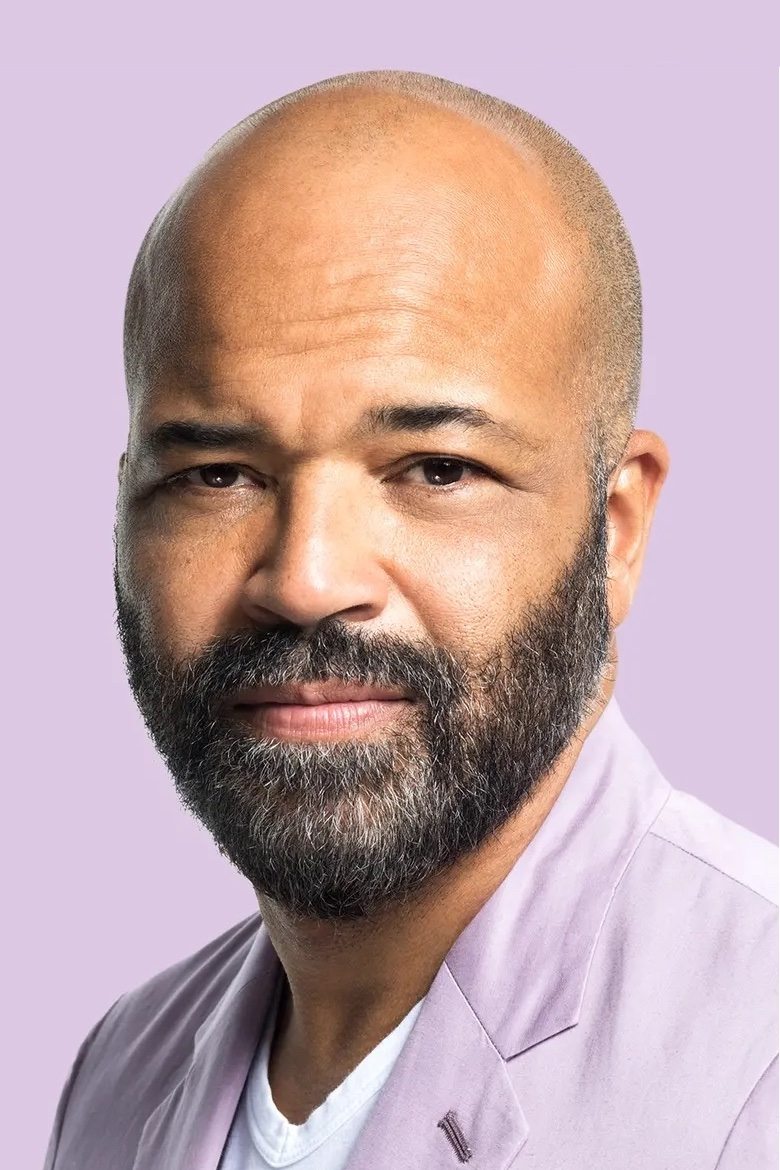
Jeffrey Wright is a chameleon who disappears into roles across theater, television, and film. He originated the role of Belize in ‘Angels in America’ on Broadway and reprised it for the HBO adaptation to critical acclaim. His recent work in ‘American Fiction’ brought his leading man capabilities to the forefront of the cultural conversation. Wright brings an intellectual rigor to his performances that elevates every project he joins.
Don Cheadle
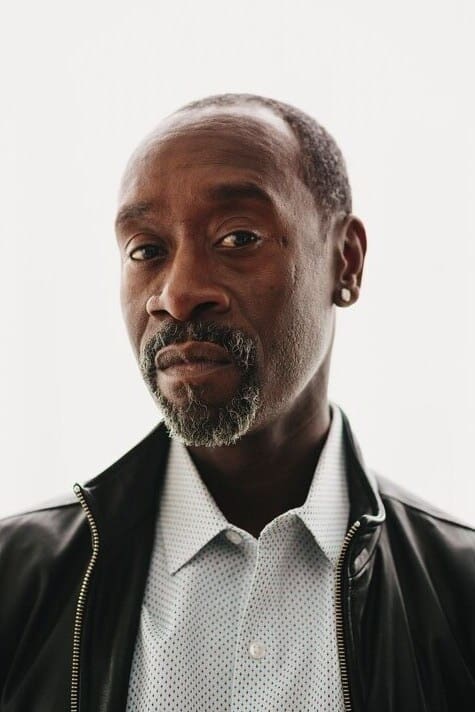
Don Cheadle has maintained a steady presence in Hollywood as a character actor who can anchor huge franchises and intimate dramas alike. He was nominated for an Academy Award for ‘Hotel Rwanda’ and has used his fame to advocate for ending genocide in Darfur. His production work on the miles Davis biopic ‘Miles Ahead’ showcased his dedication to preserving jazz history. Cheadle balances high-profile Marvel roles with complex, independent work.
Regina King
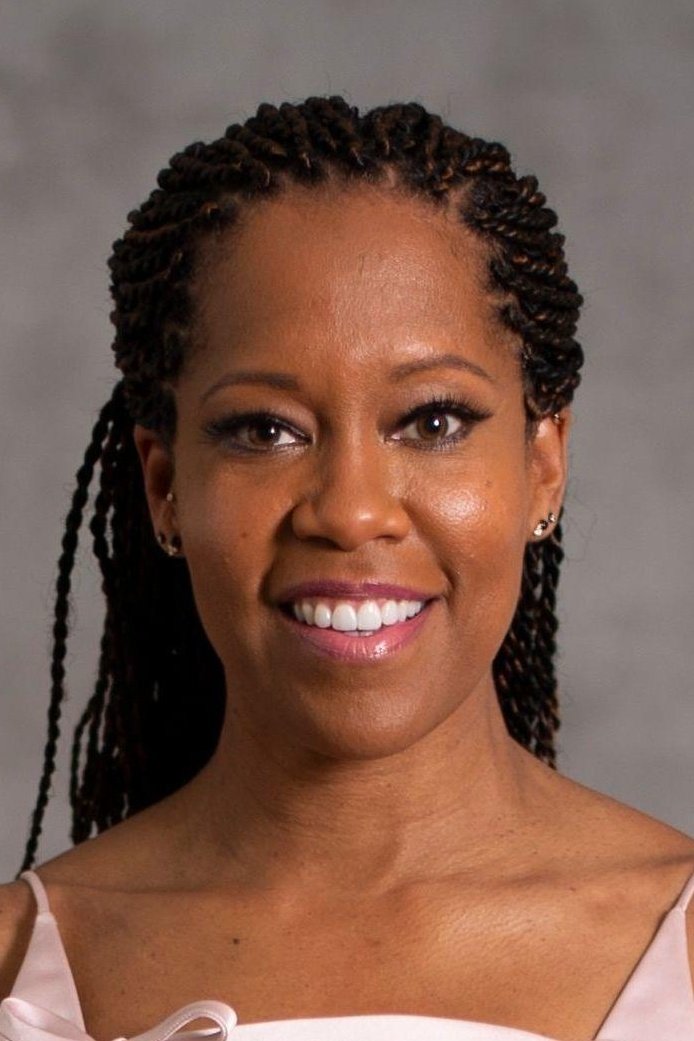
Regina King successfully transitioned from a child actor on ‘227’ to an Academy Award-winning powerhouse. She has become a prolific director for television and film, including the critically acclaimed ‘One Night in Miami’. Her ability to sustain a relevant career over four decades is a testament to her adaptability and talent. King is now a major power player who shapes the visual language of modern storytelling.
Laurence Fishburne
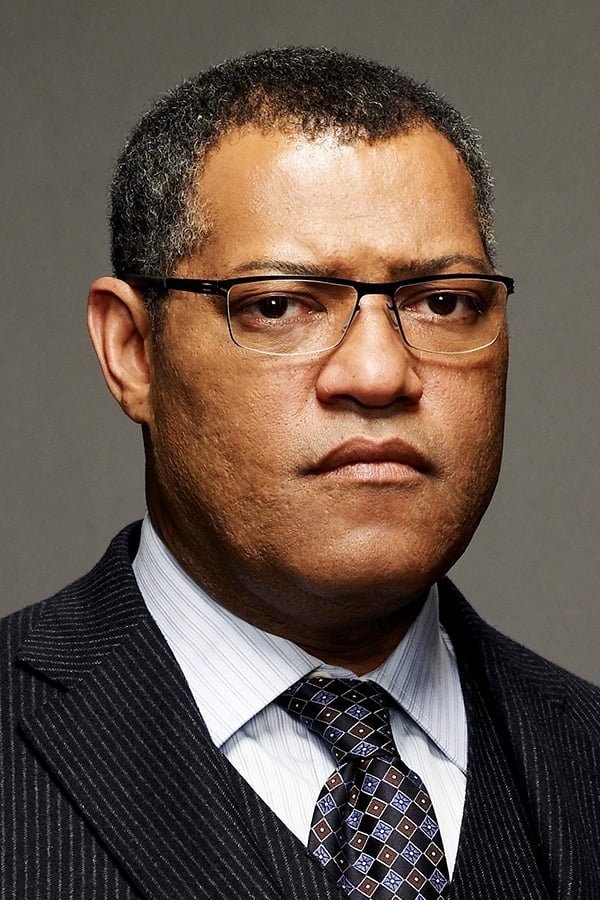
Laurence Fishburne has delivered iconic performances starting from his youth in ‘Apocalypse Now’ to his mentorship role in ‘The Matrix’. He brought a necessary gravity to ‘Boyz n the Hood’ as a father trying to save his son from street violence. Fishburne has consistently moved between stage and screen, earning Tony awards and Oscar nominations. His voice and presence convey an authority that grounds every scene he inhabits.
Samuel L. Jackson
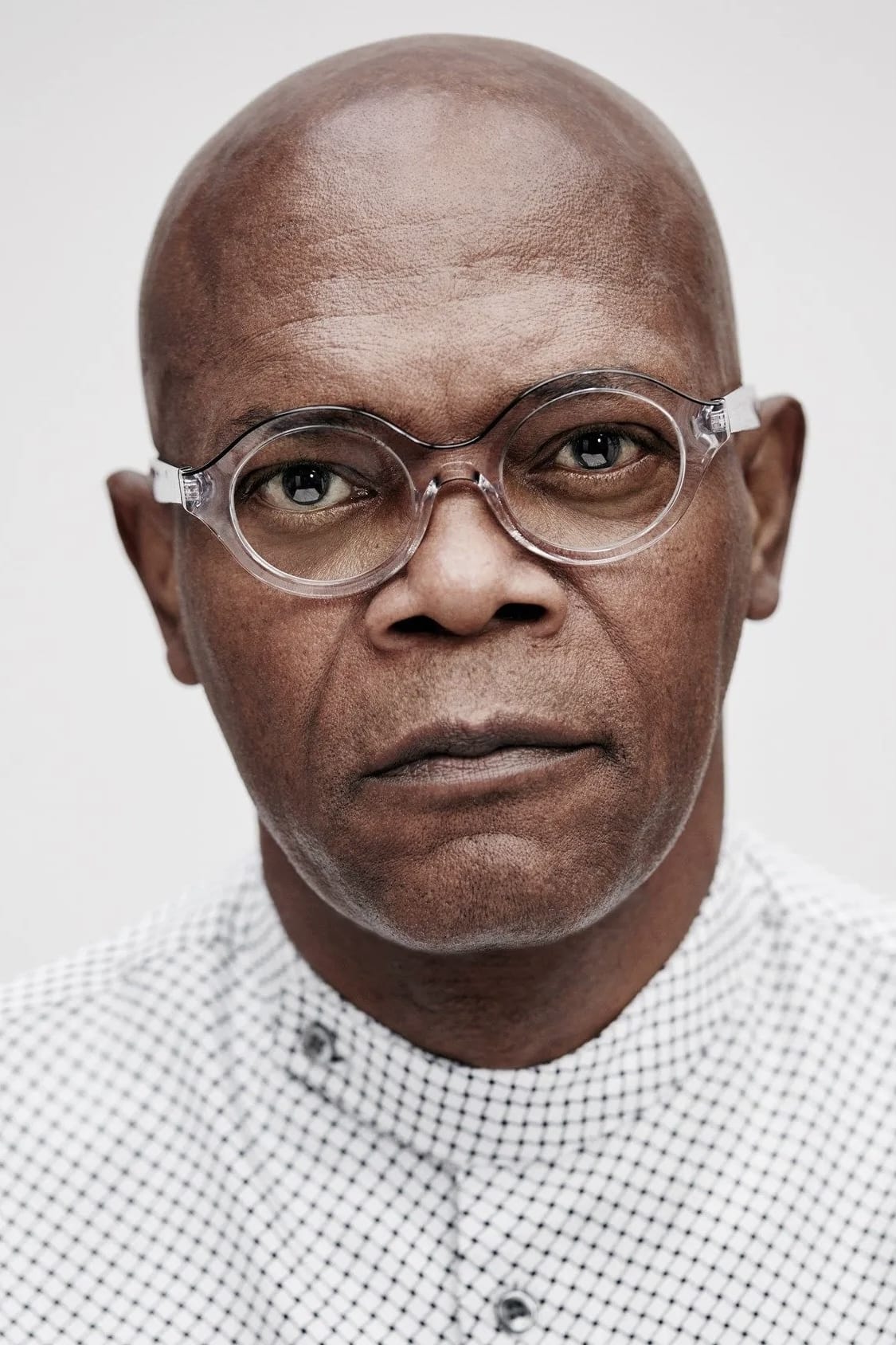
Samuel L. Jackson is the highest-grossing actor of all time due to his prolific output and key roles in major franchises. He created an archetype of the cool, dangerous, and articulate anti-hero through his collaboration with Quentin Tarantino. His role as Nick Fury glued the Marvel Cinematic Universe together for over a decade. Jackson’s work ethic and distinct delivery have made him one of the most recognizable figures in global cinema.
Morgan Freeman
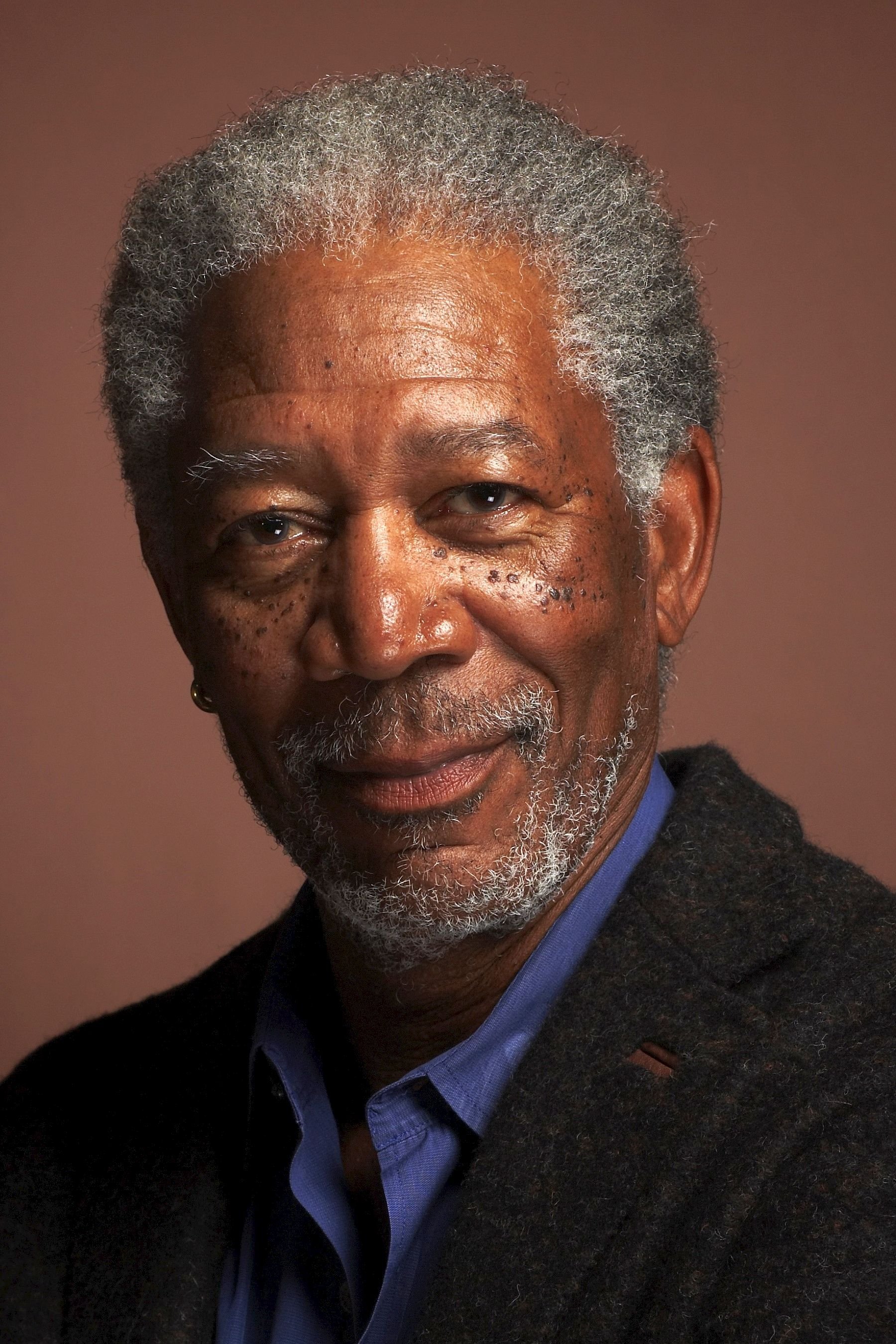
Morgan Freeman possesses one of the most recognizable voices in the world which has led to him often playing figures of authority or divinity. His performance in ‘The Shawshank Redemption’ provided the emotional core of one of the most beloved films in history. He has won an Academy Award and continues to work tirelessly in documentaries and feature films. Freeman’s career is a testament to the idea that success can bloom later in life.
James Earl Jones
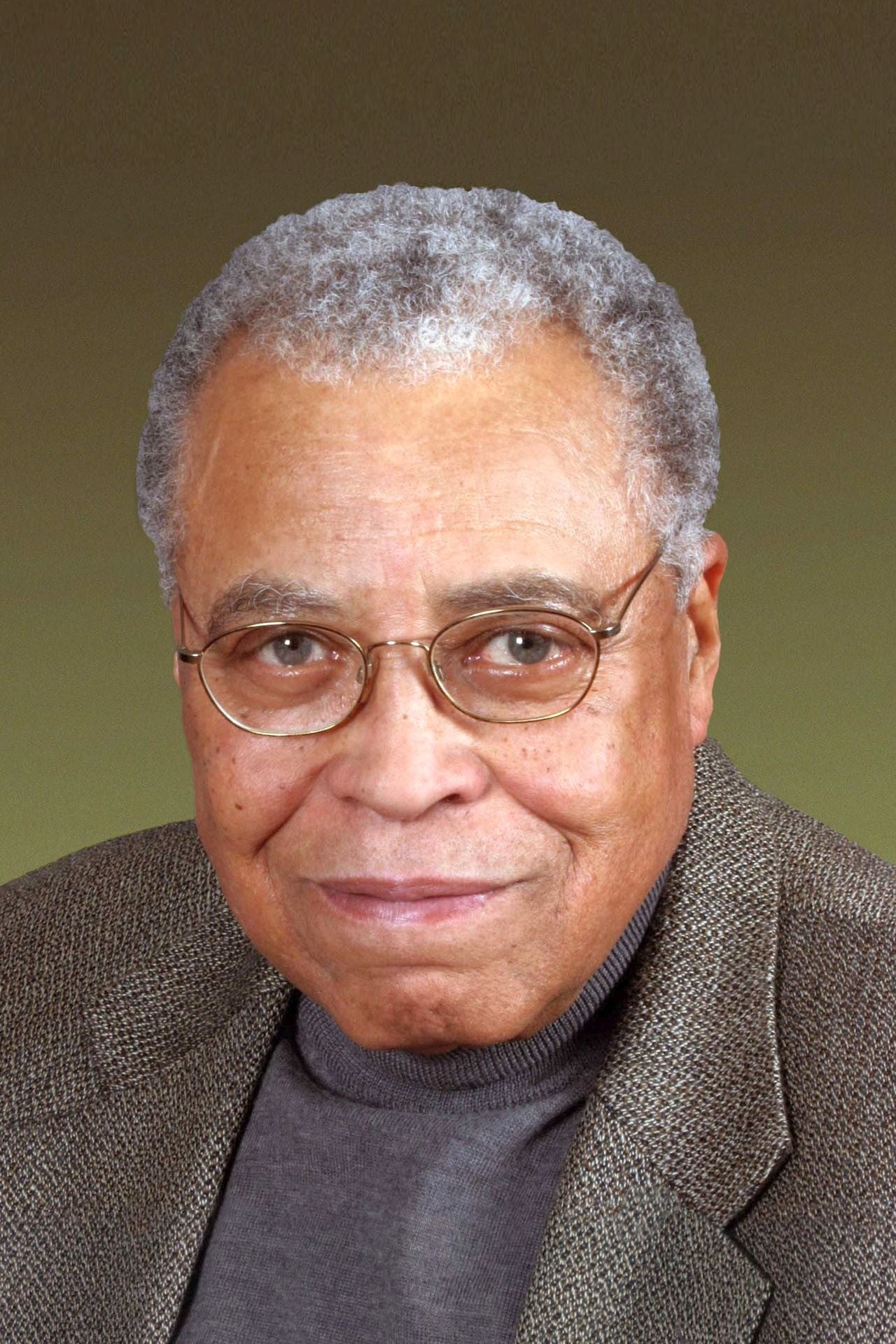
James Earl Jones overcame a childhood stutter to become one of the most commanding voices in entertainment history. He provided the voice for Darth Vader in ‘Star Wars’ and Mufasa in ‘The Lion King’, defining villainy and royalty respectively. His stage career includes legendary performances in plays by August Wilson and Shakespeare. Jones is a pioneer who proved that voice acting is a critical component of character creation.
Billy Dee Williams
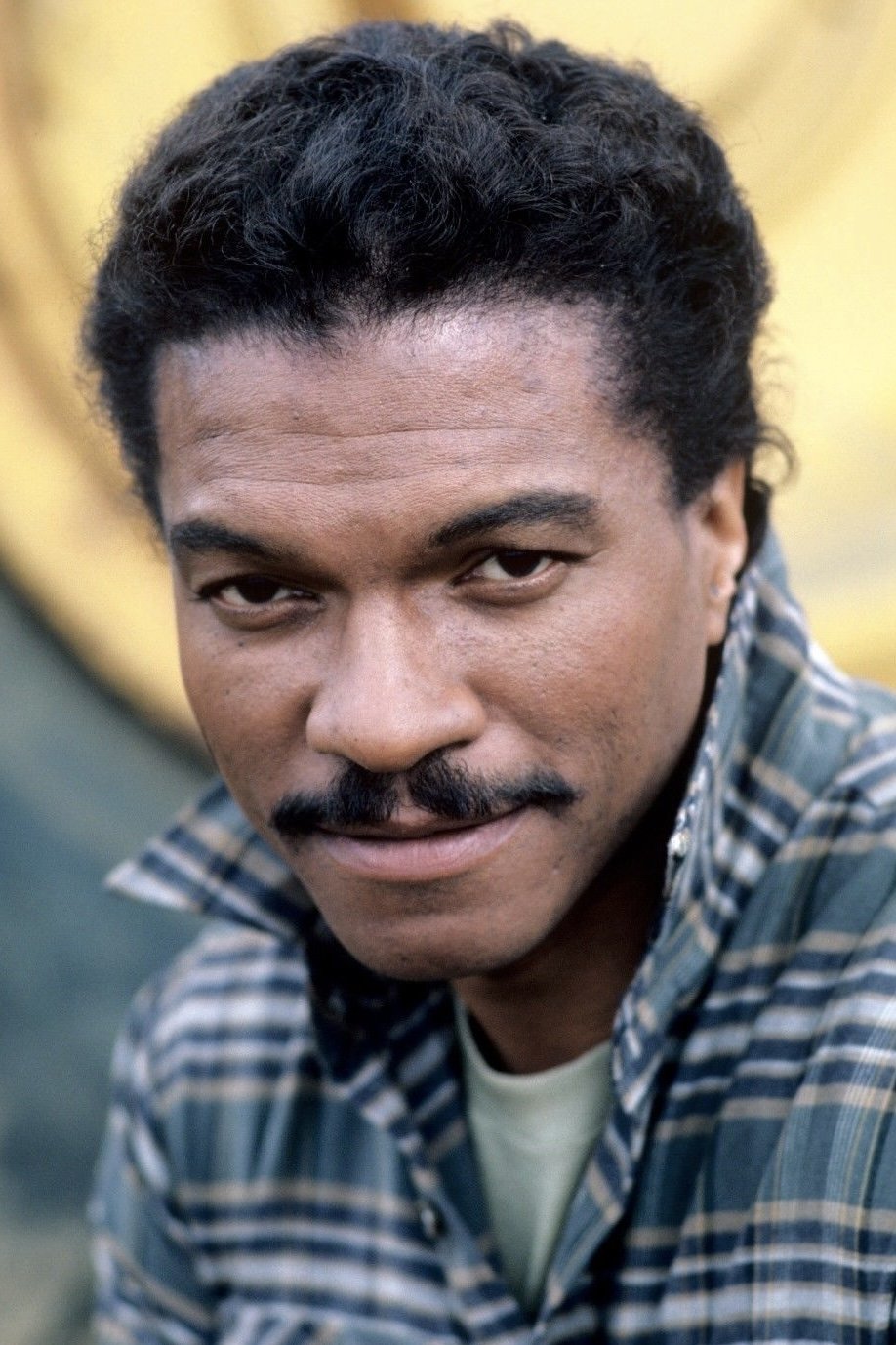
Billy Dee Williams introduced a smooth, romantic suaveness to the screen that was previously reserved for white actors like Clark Gable. His role as Lando Calrissian in ‘The Empire Strikes Back’ broke the color barrier in the space opera genre. Williams became a sex symbol in the 1970s through films like ‘Lady Sings the Blues’ and ‘Mahogany’. He expanded the scope of what a Black leading man was allowed to be in mainstream cinema.
Louis Gossett Jr.

Louis Gossett Jr. became the first Black man to win the Academy Award for Best Supporting Actor for his role in ‘An Officer and a Gentleman’. His career includes the seminal television miniseries ‘Roots’ where he played Fiddler, a role of immense emotional weight. Gossett opened the door for Black character actors to be recognized by the Academy. He has maintained a steady career for over half a century, playing authoritative and complex figures.
Alfre Woodard
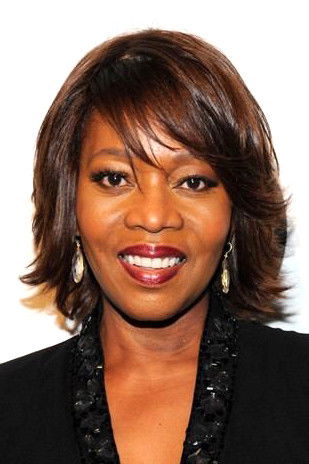
Alfre Woodard is one of the most critically acclaimed actresses of her generation with four Emmy wins and an Oscar nomination. She brings a profound humanity to every character she plays, often elevating the material of the projects she is in. Her work ranges from ‘Star Trek: First Contact’ to intense dramas like ‘Clemency’. Woodard is frequently cited by other actors as a master of the craft who deserves wider household name recognition.
Keith David
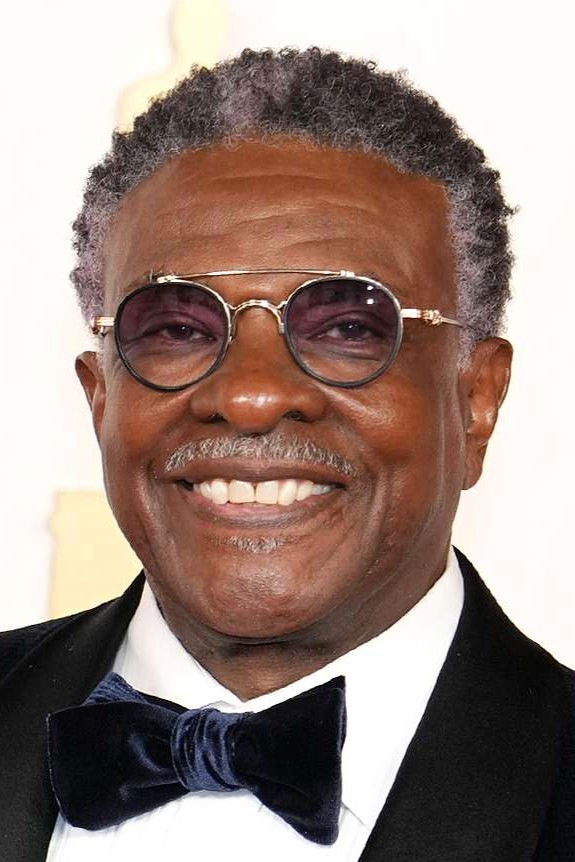
Keith David is a Juilliard-trained actor with a distinct baritone voice that has graced countless documentaries, video games, and films. He starred in cult classics like ‘The Thing’ and ‘They Live’, cementing his place in sci-fi and horror history. His voice work includes the arbiter in ‘Halo’ and the titular character in ‘Spawn’. David’s versatility allows him to move seamlessly between comedy, drama, and voice-over work.
Delroy Lindo
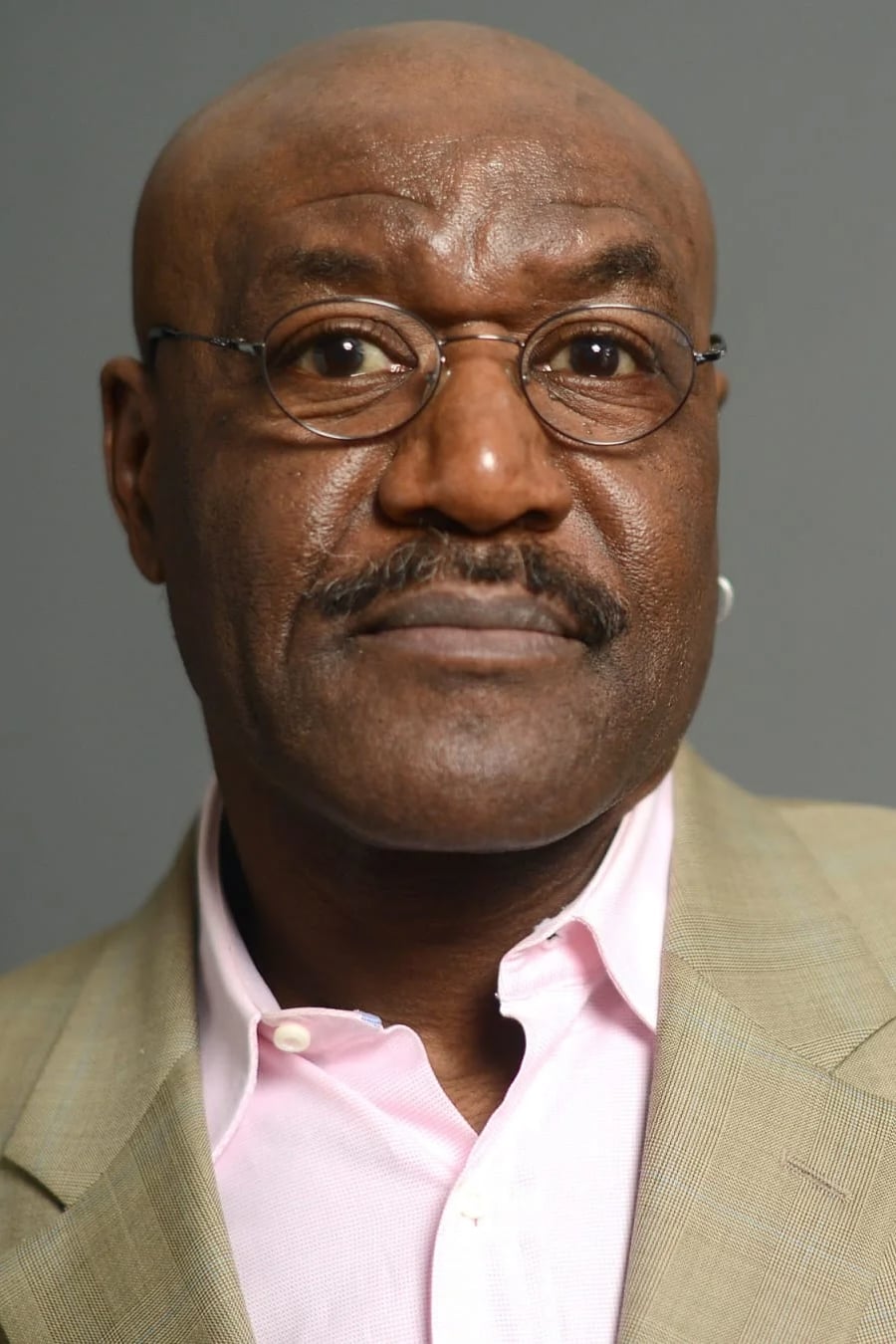
Delroy Lindo is known for his intense screen presence and ability to play characters with deep internal conflicts. His collaboration with Spike Lee in films like ‘Malcolm X’, ‘Clockers’, and ‘Da 5 Bloods’ highlighted his dramatic range. He brings a Shakespearean weight to modern roles that demands the audience’s attention. Lindo is often regarded as one of the best actors who has yet to receive an Academy Award nomination.
Giancarlo Esposito
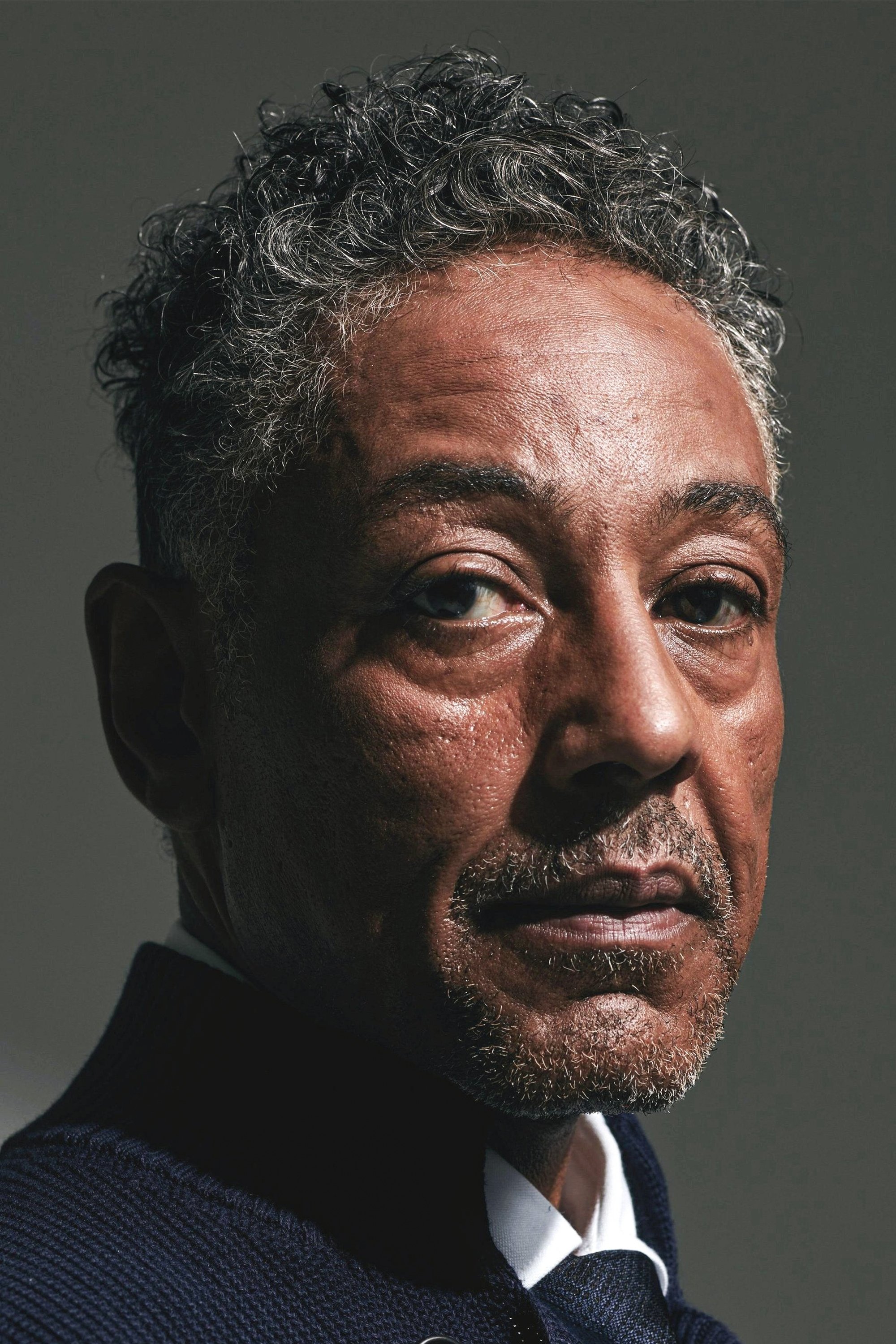
Giancarlo Esposito has created some of the most chilling villains in modern television history, most notably Gus Fring in ‘Breaking Bad’. He has been a working actor since the 1970s, appearing in ‘Do the Right Thing’ and ‘The Usual Suspects’. His ability to convey menace through stillness has made him a go-to actor for high-stakes dramas. Esposito’s recent career resurgence highlights the value of persistence and reinvention.
Glynn Turman
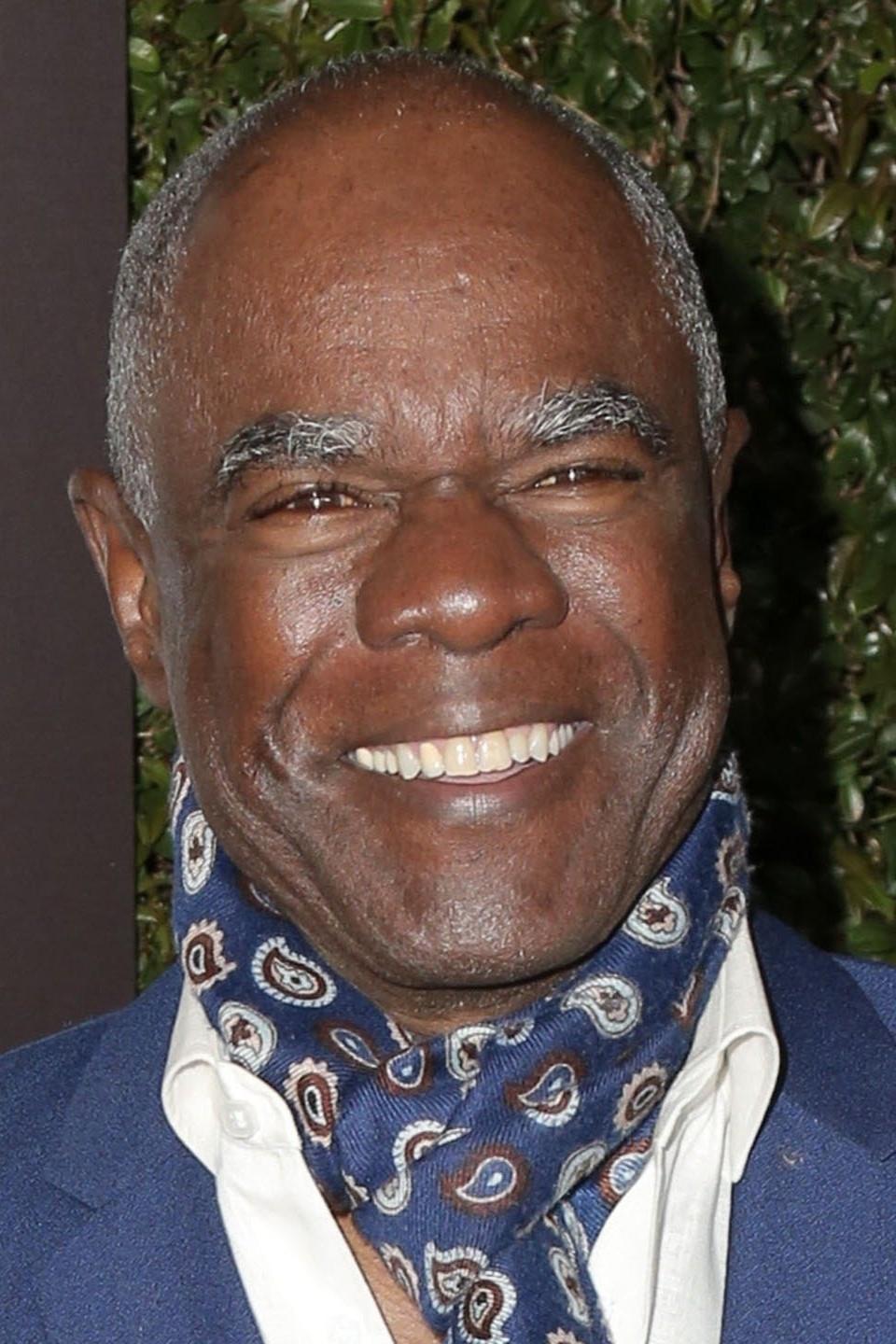
Glynn Turman has been a fixture in Hollywood since his teenage years, delivering a standout performance in ‘Cooley High’. He is an accomplished stage actor and director who also happens to be a professional rodeo champion. His guest role in ‘Queen Sugar’ and performance in ‘Ma Rainey’s Black Bottom’ introduced his talent to a new generation. Turman represents the working actor who has maintained excellence across varying eras of the industry.
Jenifer Lewis
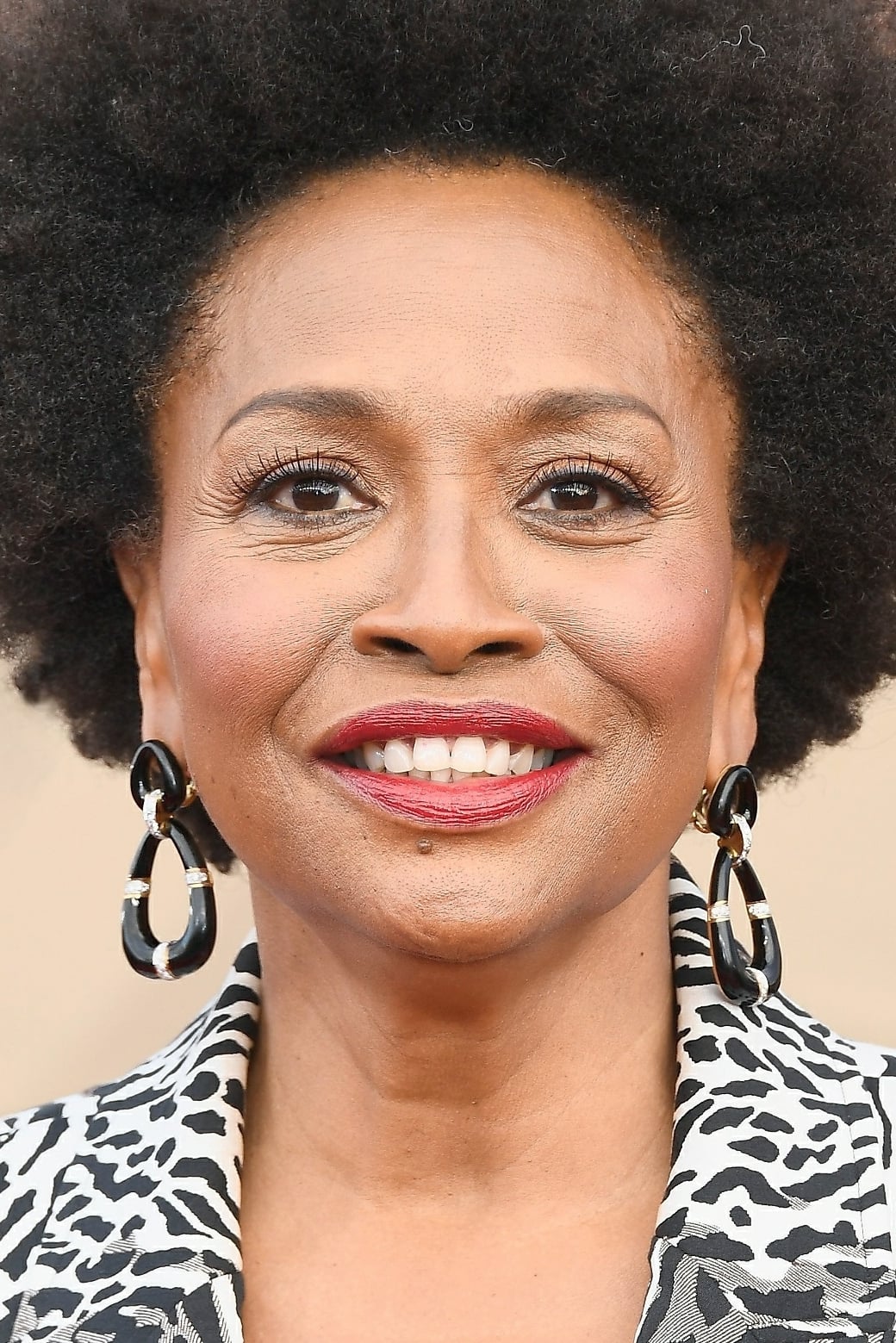
Jenifer Lewis is affectionately known as “The Mother of Black Hollywood” due to her frequent roles as matriarchal figures. She has appeared in hundreds of films and television shows, including ‘Black-ish’ and ‘The Preacher’s Wife’. Lewis is also a powerful advocate for mental health awareness, openly discussing her own journey with bipolar disorder. Her candidness and comedic timing have made her a beloved figure in the entertainment community.
Ernie Hudson
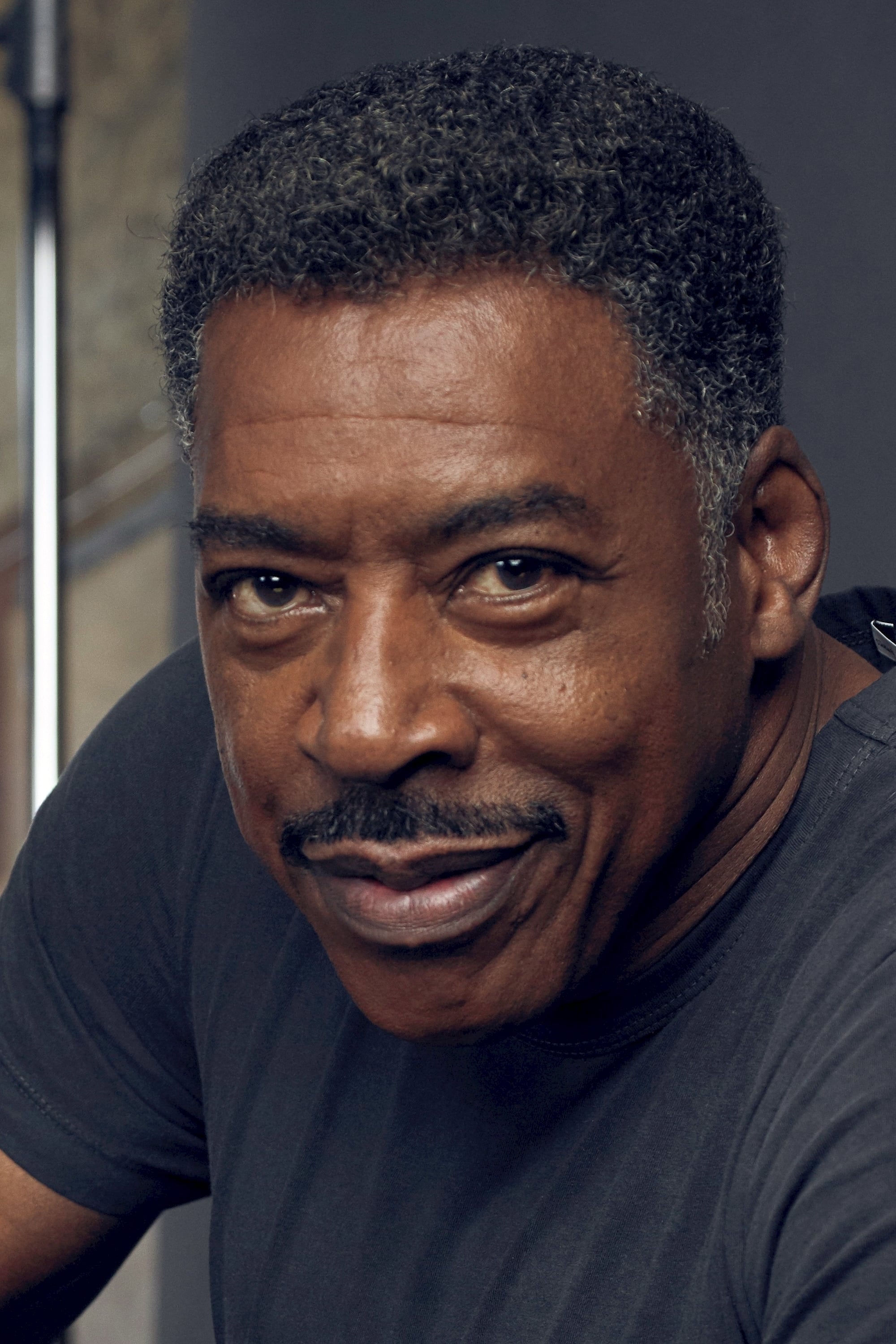
Ernie Hudson is best known for his role as Winston Zeddemore in the ‘Ghostbusters’ franchise. Despite being the fourth member of the team, he fought for his character’s dignity and became a hero to many Black children watching the film. He has worked consistently in television on shows like ‘Oz’ and ‘Grace and Frankie’. Hudson’s career illustrates the struggle and perseverance required to maintain visibility in ensemble casts.
Clarence Williams III
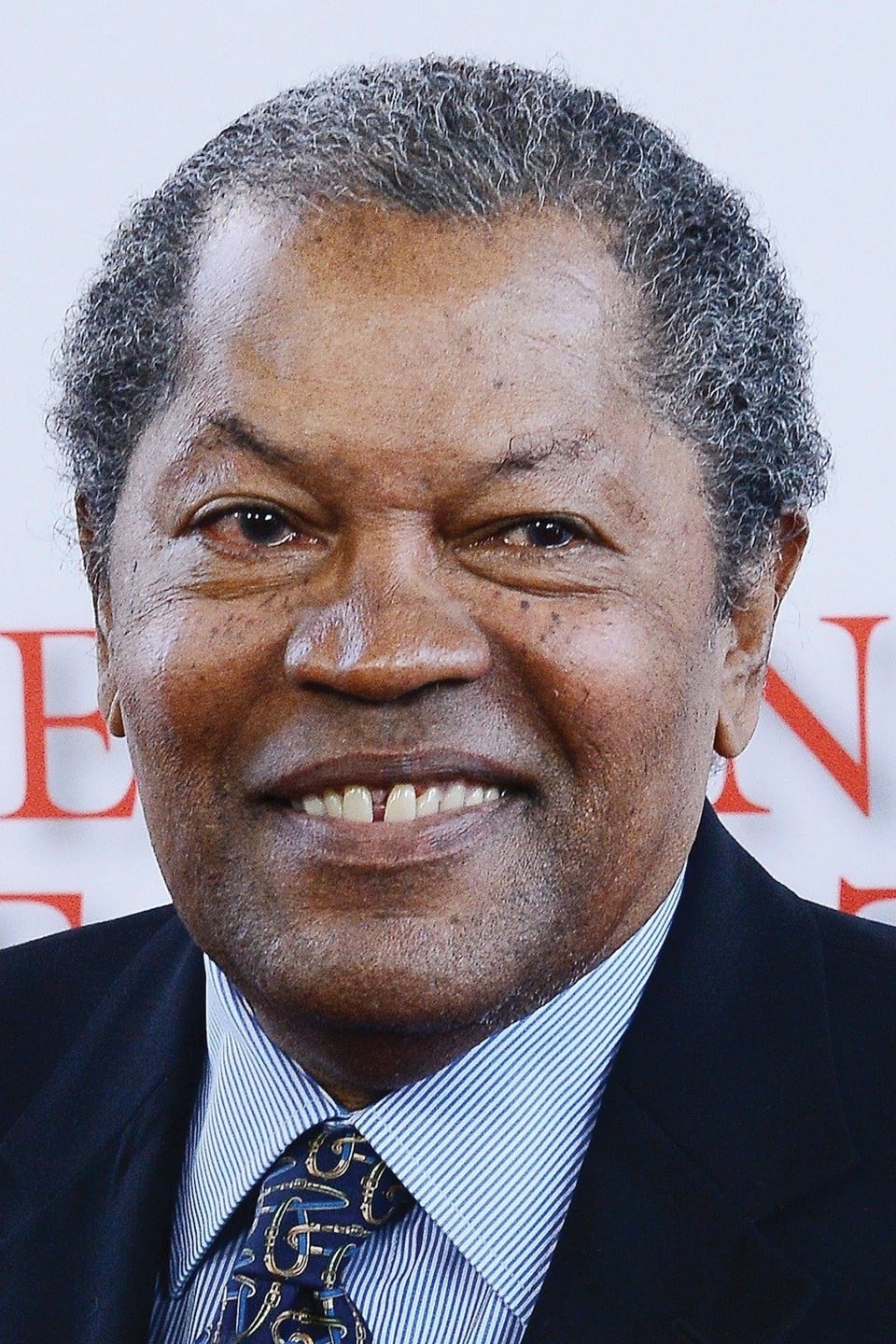
Clarence Williams III became an icon of cool as Linc Hayes in the counterculture cop show ‘The Mod Squad’. His afro and intense gaze came to symbolize the rebellious spirit of the late 1960s. He later transitioned into memorable character roles in films like ‘Purple Rain’ and ‘Tales from the Hood’. Williams brought a unique energy to the screen that bridged the gap between the civil rights era and the Blaxploitation boom.
John Singleton
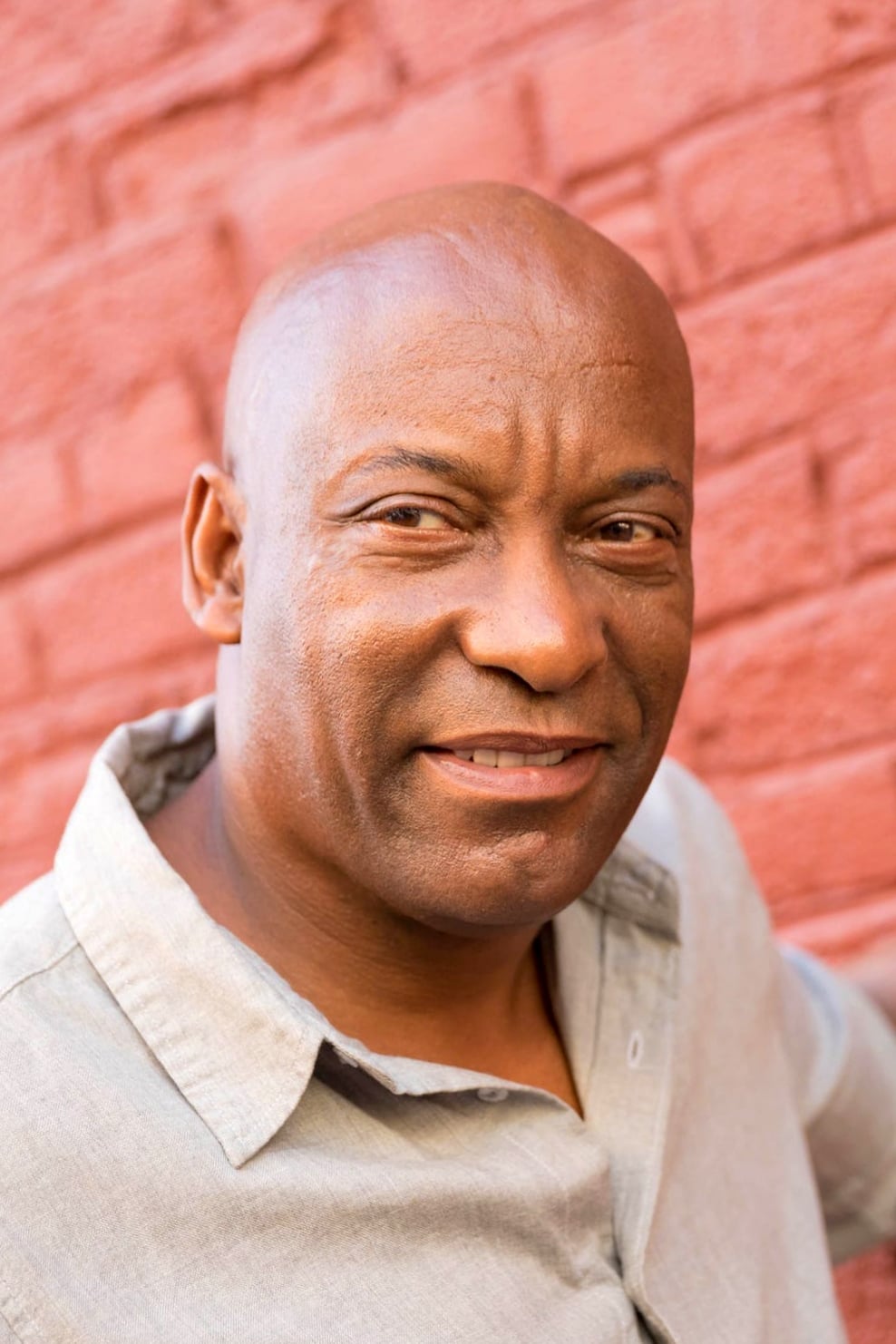
John Singleton made history as the youngest person and first African American nominated for the Best Director Oscar with ‘Boyz n the Hood’. He dedicated his career to telling stories about South Central Los Angeles with authenticity and compassion. His filmography includes hits like ‘Poetic Justice’ and ‘Baby Boy’ which launched the acting careers of music stars. Singleton’s work ensured that the urban Black experience was treated with cinematic respect.
Chadwick Boseman
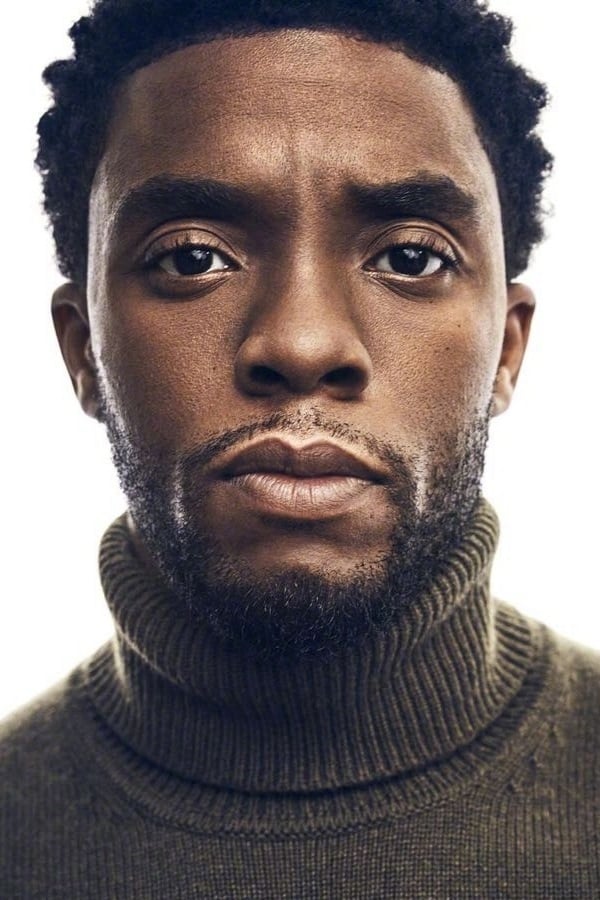
Chadwick Boseman spent his short but impactful career bringing African American icons to life, including Jackie Robinson, James Brown, and Thurgood Marshall. His role as King T’Challa in ‘Black Panther’ became a global cultural event that redefined the potential of Black protagonists. Boseman worked through a private battle with cancer while delivering physically demanding performances. His legacy is one of purposeful storytelling and immense dignity in the face of adversity.
Michael Kenneth Williams
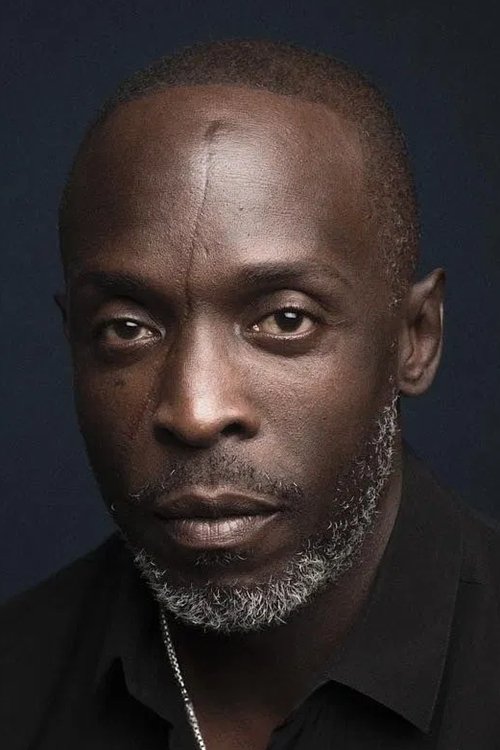
Michael K. Williams gave humanity to characters that society often overlooked or discarded. His portrayal of Omar Little in ‘The Wire’ shattered stereotypes about masculinity and street life. He utilized his facial scar and distinct voice to create memorable characters in ‘Boardwalk Empire’ and ‘Lovecraft Country’. Williams was a fearless performer who channeled his personal struggles into his art to create profound empathy.
Share your thoughts on which of these legends has had the biggest influence on your life in the comments.