Dead Celebs Who Influenced Entire Industries Quietly but Profoundly

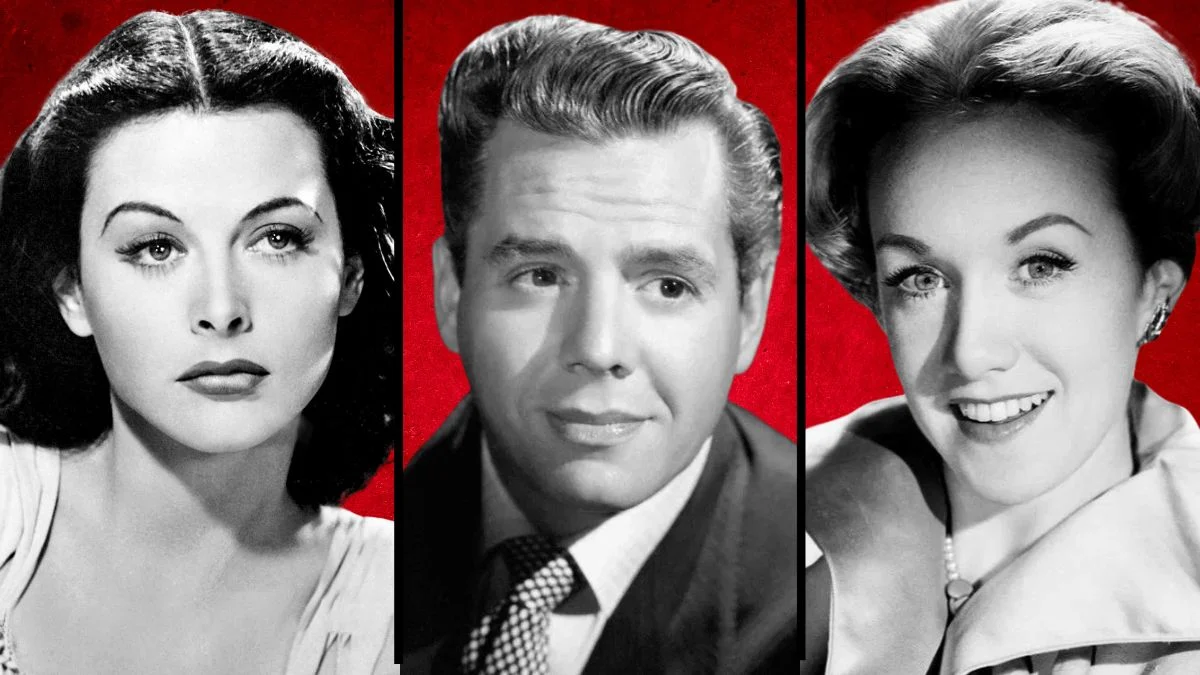

The entertainment world is often defined by the stars who stand in the spotlight and command attention. However, there is a separate class of visionaries who worked behind the scenes or used their platforms to fundamentally shift how art is made. These individuals introduced technical innovations, stylistic shifts, or business models that became industry standards long after their passing. Their contributions often go unnoticed by the casual observer despite shaping the very fabric of modern media.
Desi Arnaz
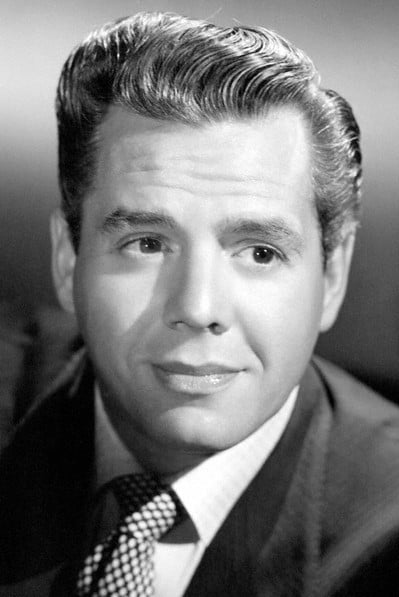
He revolutionized television production forever through his work on ‘I Love Lucy’. Arnaz insisted on using three film cameras simultaneously to shoot the sitcom before a live studio audience. This technique established the multi-camera format that became the standard for situation comedies for decades. He also negotiated to keep the rights to the master tapes which effectively invented the concept of reruns and syndication.
Hedy Lamarr
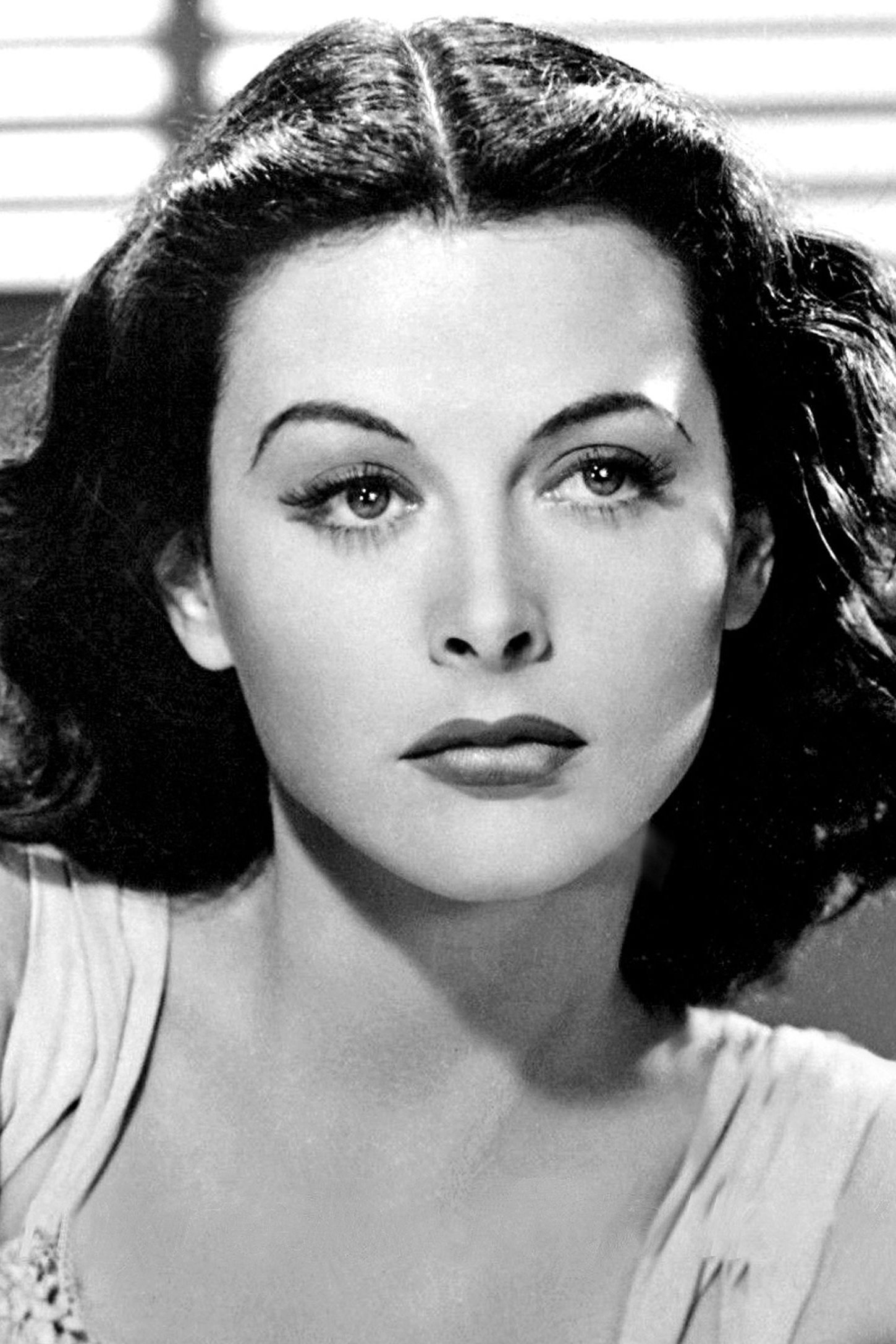
While she was known as a glamorous screen siren of the Golden Age, her mind produced a technology that changed global communication. Lamarr co-invented a frequency-hopping spread spectrum system intended to guide torpedoes during World War II. The navy initially ignored the patent but the concept later became the foundational technology for Wi-Fi and Bluetooth. Her dual legacy proves that Hollywood stars can possess brilliant scientific acumen.
Les Paul
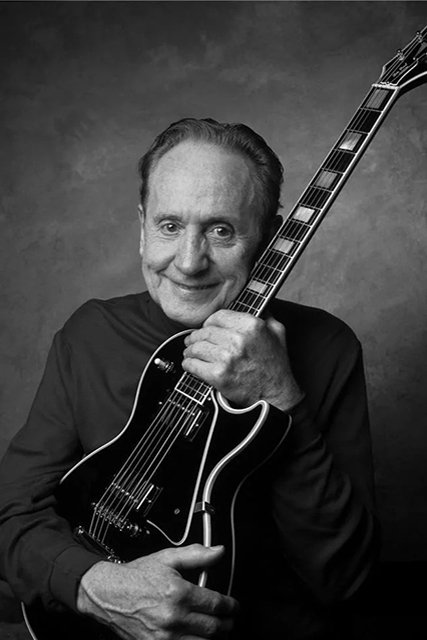
This musician and inventor is the reason modern rock and roll exists in its current form. He pioneered the solid-body electric guitar which eliminated the feedback issues of acoustic models and allowed for louder amplification. Paul also developed sound-on-sound recording which paved the way for multitrack recording studios. His innovations allowed artists to layer instruments and vocals in ways that were previously impossible.
Mel Blanc
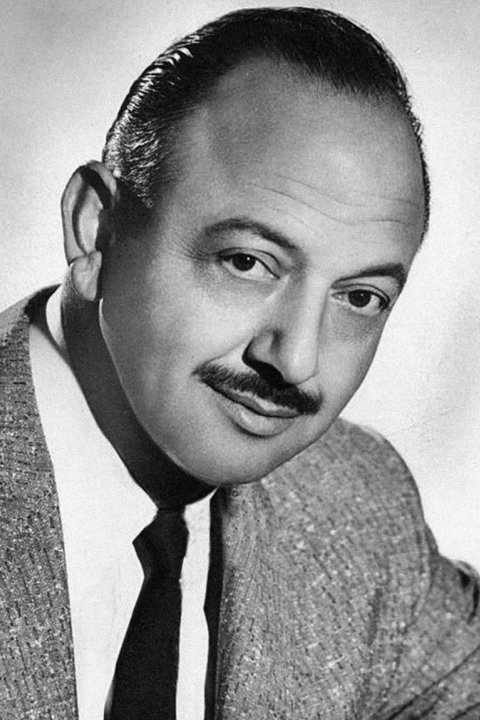
Known as the Man of a Thousand Voices, he single-handedly elevated the art of voice acting. Blanc gave life to nearly every major character in the ‘Looney Tunes’ franchise including Bugs Bunny and Daffy Duck. He fought for voice actors to receive screen credits which was a rarity at the time. His vast range and comedic timing set the benchmark for every voice artist who followed.
Ray Harryhausen
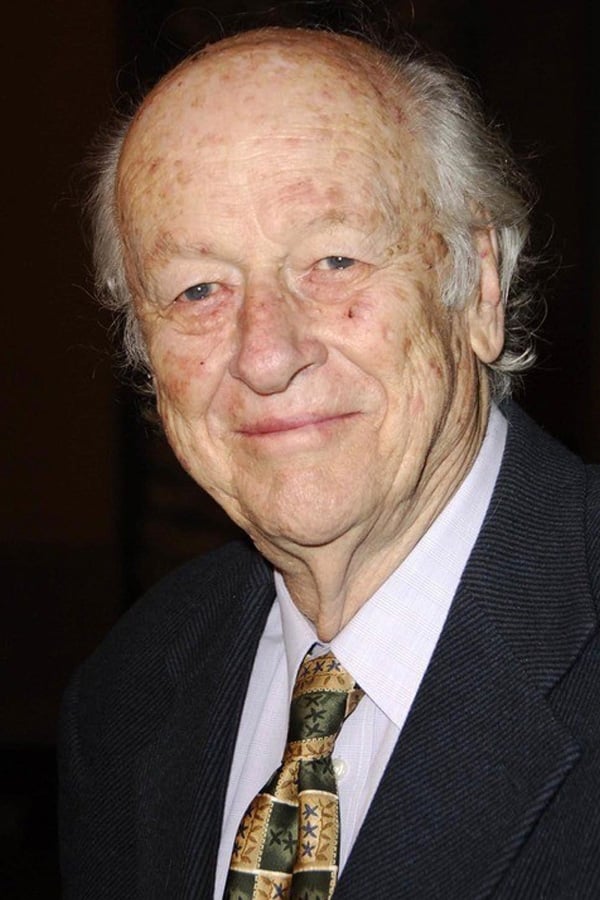
He was the master of stop-motion animation who brought mythical creatures to life before the age of digital effects. Harryhausen developed a technique called Dynamation that allowed models to interact convincingly with live-action actors. His work on films like ‘Jason and the Argonauts’ inspired generations of filmmakers including George Lucas and Peter Jackson. The modern visual effects industry owes its existence to his painstaking frame-by-frame artistry.
Saul Bass
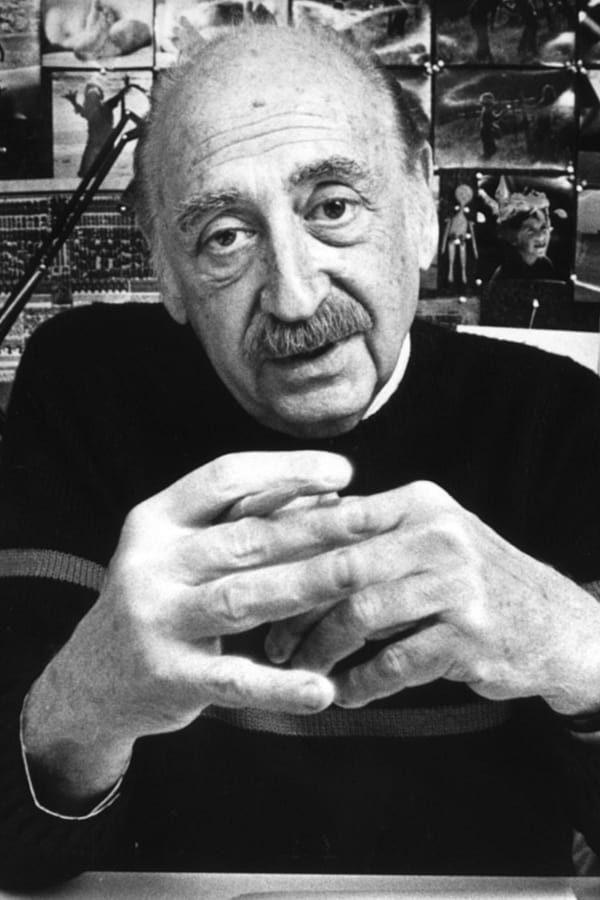
The way movies begin changed forever because of his graphic design work. Bass transformed opening title sequences from boring lists of names into kinetic works of art that set the tone for the film. His iconic designs for ‘Vertigo’ and ‘Psycho’ proved that titles could be an integral part of the storytelling process. He also created recognizable corporate logos that remain in use today.
Syd Mead

This “visual futurist” defined the look of science fiction for the late twentieth century. His industrial design background allowed him to create grounded yet fantastical vehicles and cityscapes for ‘Blade Runner’ and ‘Tron’. Mead did not just draw cool pictures but instead designed functional machinery that felt real. His aesthetic continues to influence cyberpunk media and video game design.
Marni Nixon
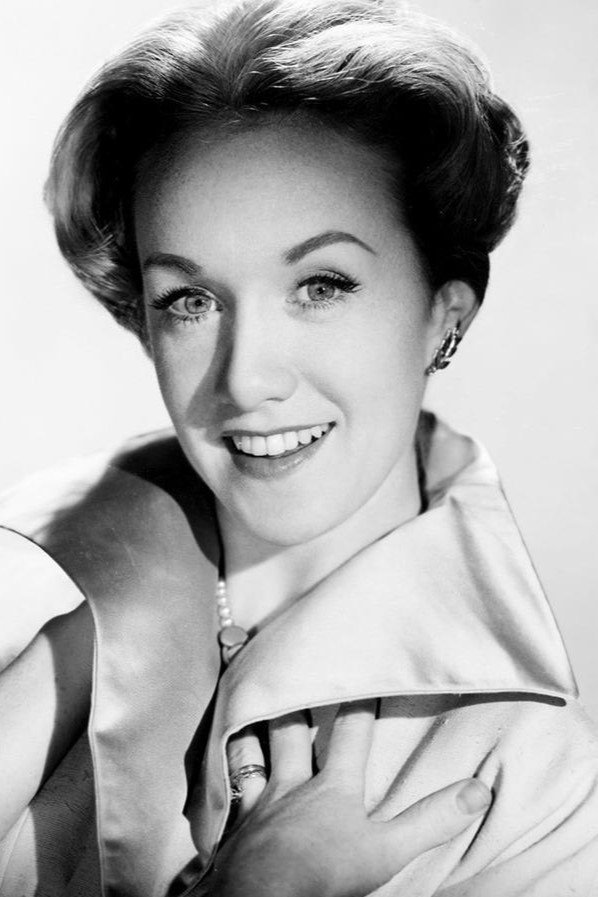
She was the invisible voice behind some of the most famous faces in Hollywood musical history. Nixon provided the singing voice for actresses like Audrey Hepburn in ‘My Fair Lady’ and Natalie Wood in ‘West Side Story’. Her work was kept secret for years to preserve the illusion of the leading ladies’ talents. She eventually advocated for better recognition and royalties for ghost singers.
Clyde Stubblefield
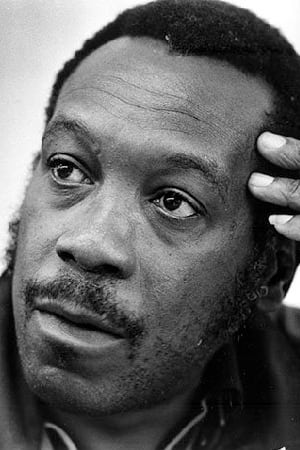
As the drummer for James Brown, he laid down rhythmic patterns that became the DNA of hip-hop. His drum break on the track ‘Funky Drummer’ is one of the most sampled recordings in music history. Artists from Public Enemy to Run-D.M.C. built entire careers on the foundation of his grooves. Despite his massive sonic footprint he received no royalties for the thousands of songs that used his work.
Sister Rosetta Tharpe
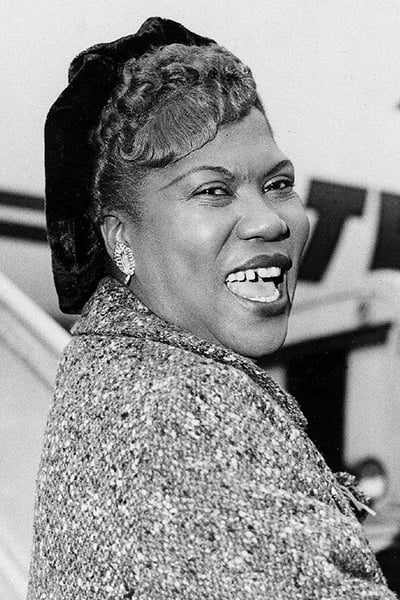
She is the godmother of rock and roll who combined spiritual lyrics with distorted electric guitar. Her aggressive picking style and stage presence predated Chuck Berry and Elvis Presley by several years. Tharpe influenced the British Invasion bands who cited her as a primary inspiration. She bridged the gap between the church and the club to create a new musical language.
George A. Romero
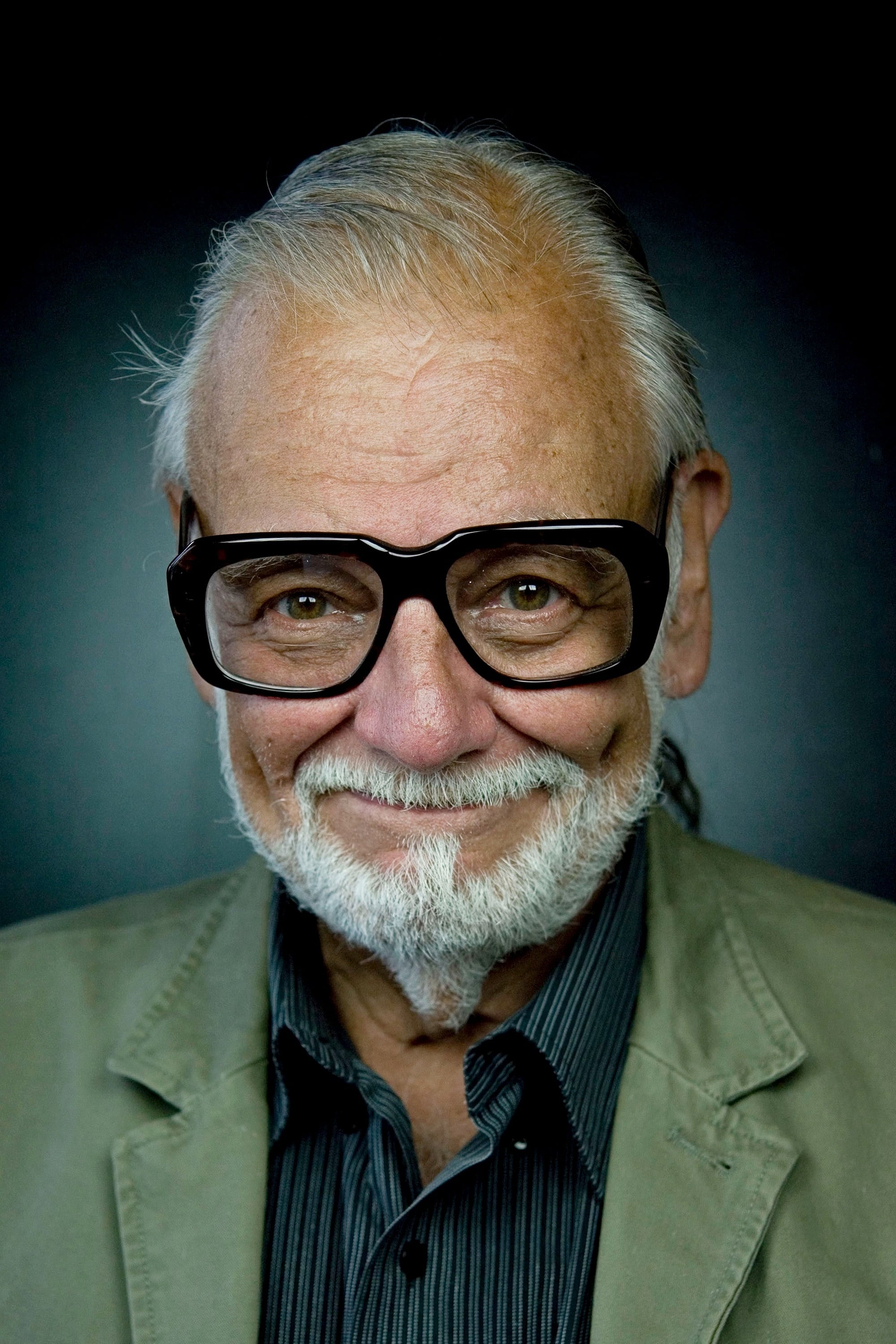
He single-handedly created the modern zombie archetype with ‘Night of the Living Dead’. Before his work zombies were usually depicted as voodoo slaves rather than flesh-eating ghouls. Romero used the horror genre as a vehicle for sharp social commentary and satire. His rules for the undead continue to govern almost every zombie movie and television show produced today.
Lon Chaney
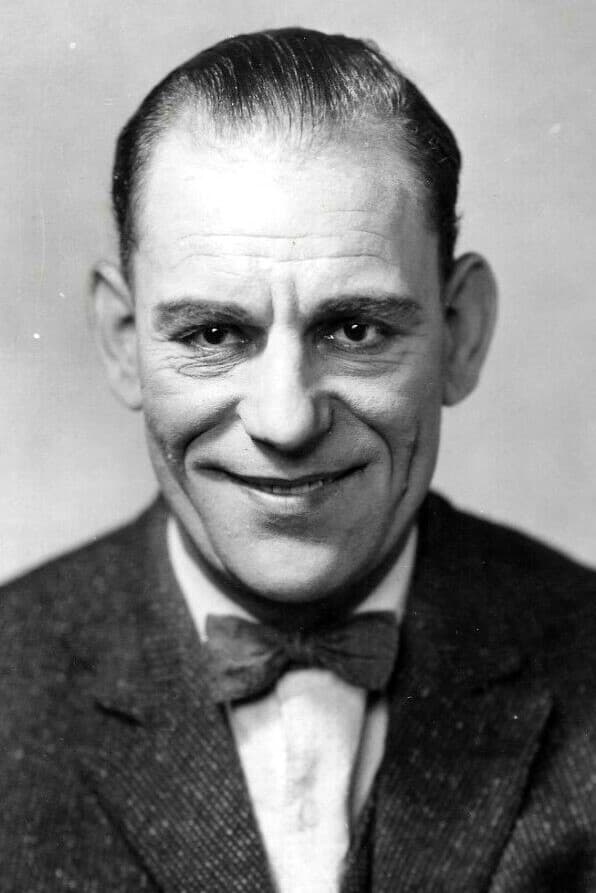
Known as the Man of a Thousand Faces, he pioneered the art of special makeup effects. Chaney designed and applied his own complex prosthetics for films like ‘The Hunchback of Notre Dame’. He went to extreme physical lengths to achieve his transformations and set a high bar for physical acting. His dedication turned monster makeup into a respected craft within the film industry.
Mary Blair
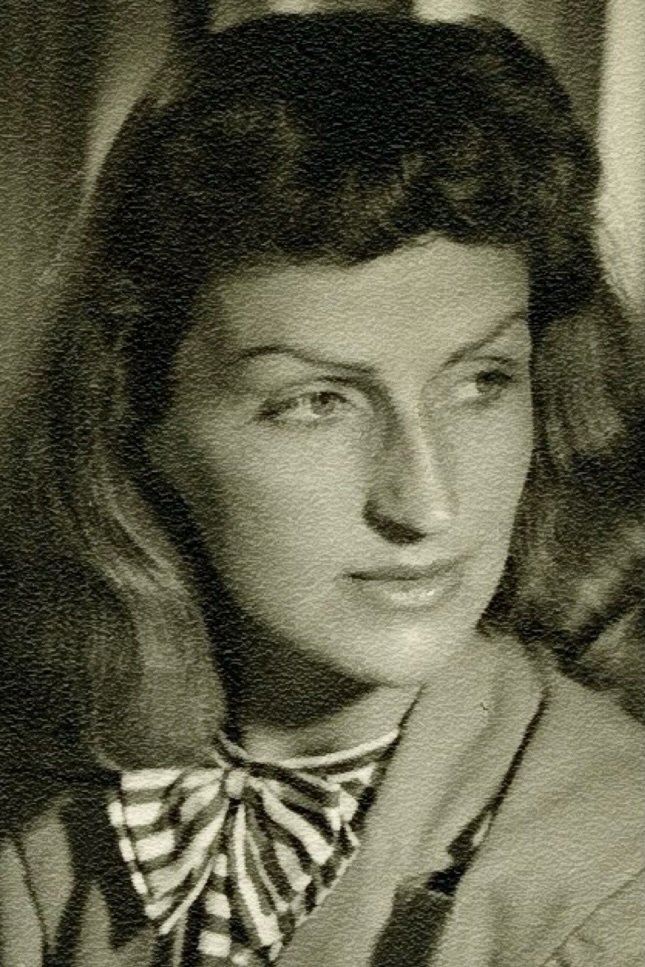
Her vibrant concept art defined the look of Disney’s Silver Age films like ‘Cinderella’ and ‘Alice in Wonderland’. Blair used bold colors and modernist shapes that departed from the studio’s traditional realism. She was also the primary designer for the ‘It’s a Small World’ attraction. Her influence is still seen in the color palettes of modern animated films.
Osamu Tezuka
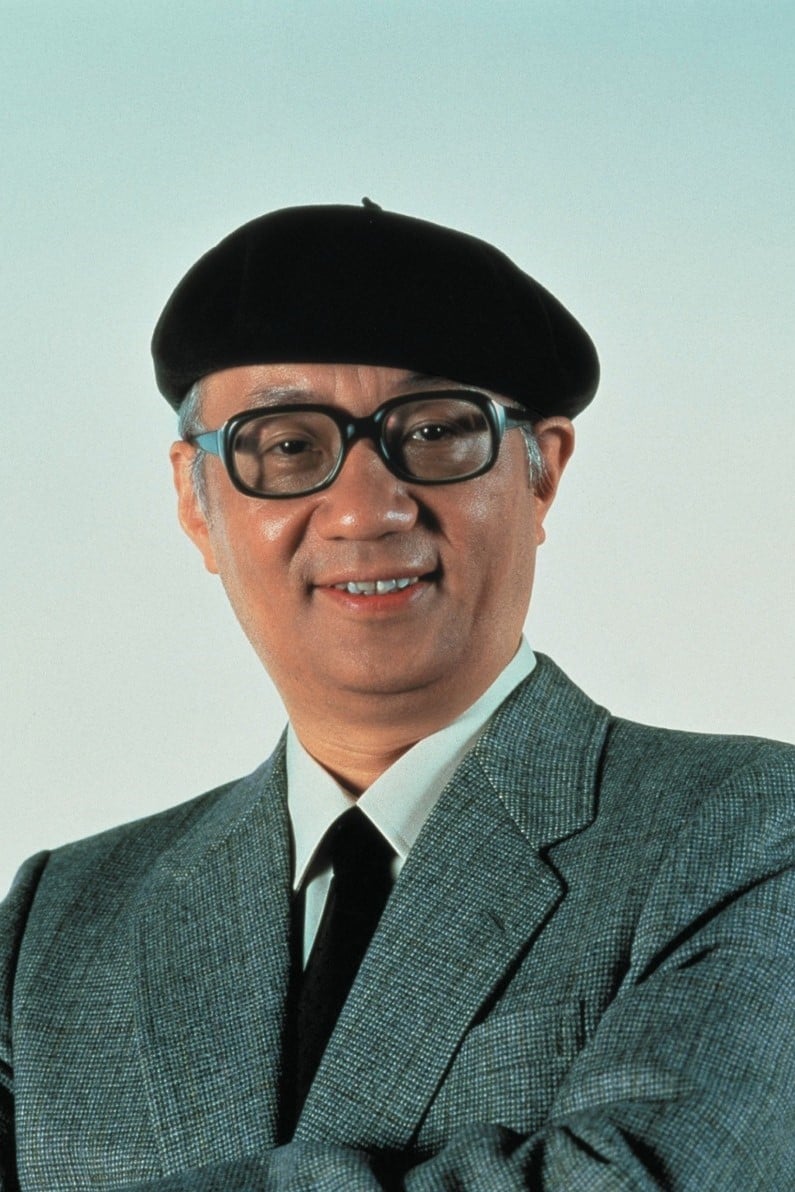
Often called the God of Manga, he established the aesthetic conventions of the Japanese comic industry. Tezuka introduced the large expressive eyes now associated with anime characters inspired by Western cartoons. He also pioneered the cinematic panel layouts that gave manga its dynamic flow. His work on ‘Astro Boy’ set the template for the mecha and superhero genres in Japan.
Florian Schneider
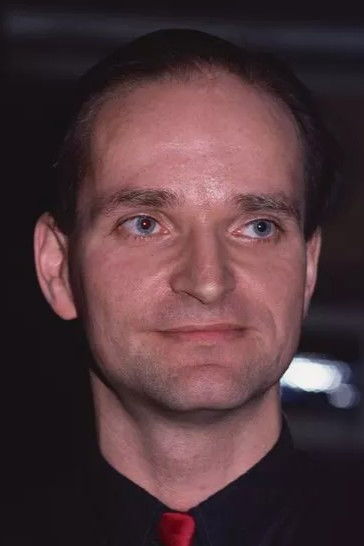
As a founder of Kraftwerk, he helped strip music of its blues roots to create a purely electronic sound. His band treated the recording studio as an instrument and embraced synthesizer technology before it was popular. They laid the groundwork for techno, house, and hip-hop music. Countless modern producers cite his robotic aesthetic as a primary influence.
Delia Derbyshire
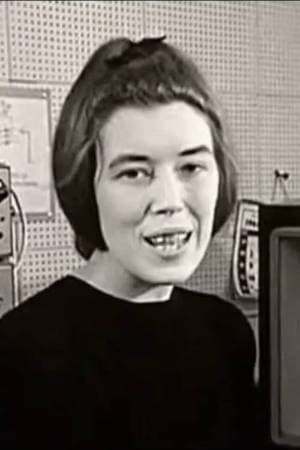
She was an electronic music pioneer who realized the original theme for ‘Doctor Who’. Derbyshire used concrete techniques to cut and splice tape loops long before digital samplers existed. Her complex arrangement created one of the most recognizable pieces of television music in history. Her experimental work at the BBC Radiophonic Workshop legitimized electronic sound design.
Don LaFontaine
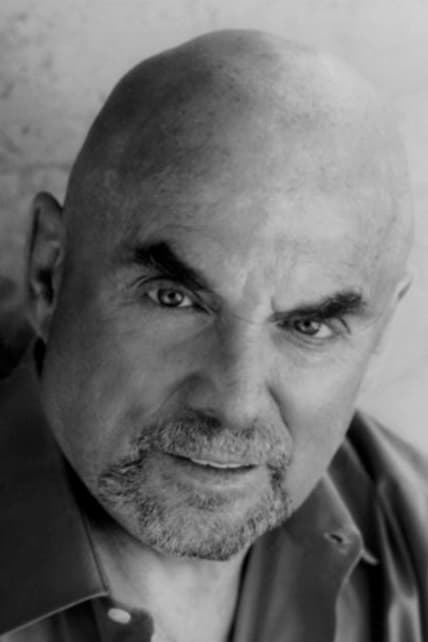
His deep voice became the sound of the movie trailer industry for decades. LaFontaine recorded hundreds of thousands of prompts and popularized the phrase “In a world…” to set the scene. He turned voiceover work into a highly visible and lucrative profession. His delivery style established the dramatic tone that audiences came to expect from film marketing.
Buster Keaton
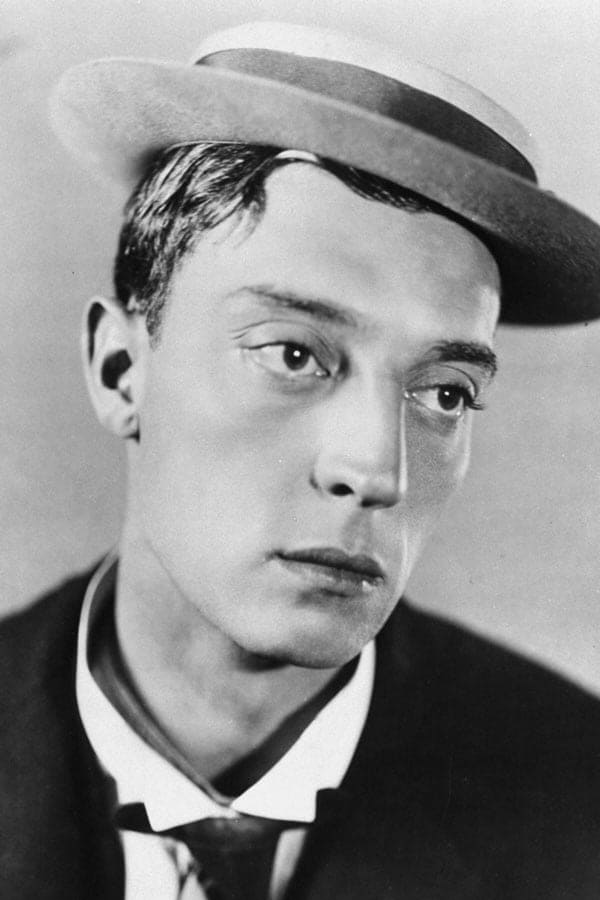
This silent film star invented visual gags and stunts that defy physics even by modern standards. Keaton performed his own dangerous stunts with a stoic expression that emphasized the chaos around him. His framing and editing techniques for physical comedy are studied by directors like Jackie Chan and Wes Anderson. He proved that action and comedy could coexist perfectly.
June Foray
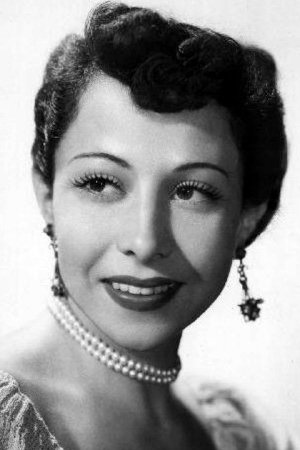
She was the female counterpart to Mel Blanc and voiced characters like Rocky the Flying Squirrel and Granny. Foray worked tirelessly to promote the animation industry and established the Annie Awards. Her career spanned decades and bridged the gap between the golden age of radio and modern television. She ensured that women had a prominent place in the voiceover industry.
Stan Winston
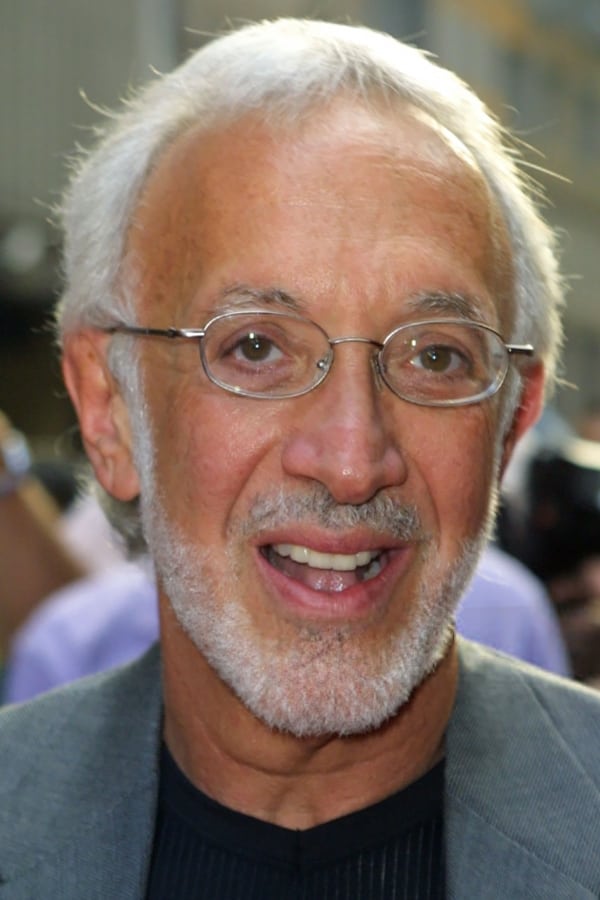
He was the wizard of practical effects who built the creatures for ‘Aliens’, ‘Terminator 2’, and ‘Jurassic Park’. Winston combined animatronics with digital effects to create seamless performances. His work proved that physical models provide a tangible reality that computer graphics often lack. The studio he founded continues to push the boundaries of creature design.
Ralph McQuarrie
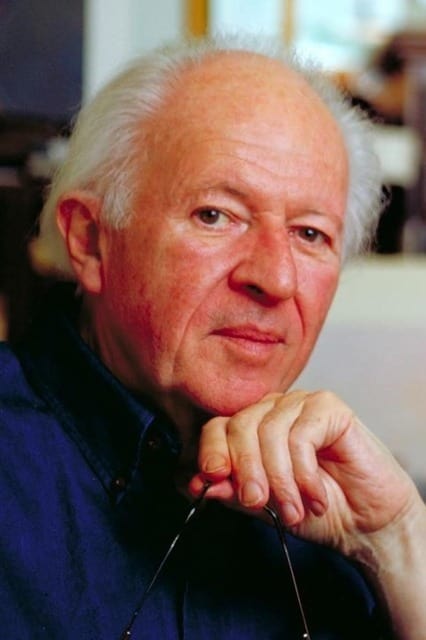
His concept paintings persuaded studio executives to fund ‘Star Wars’ when the script seemed too abstract. McQuarrie designed the original look for Darth Vader, C-3PO, and the stormtroopers. His visual style gave the galaxy far, far away its lived-in and industrial aesthetic. Filmmakers still mine his archives for ideas when expanding the franchise.
Link Wray

He invented the power chord and introduced distortion to rock guitar. Wray punched holes in his amplifier speakers to achieve a gritty sound on his instrumental track ‘Rumble’. This aggressive tone inspired punk and heavy metal guitarists to turn up the volume. He showed that attitude was just as important as technical proficiency.
Dick Dale
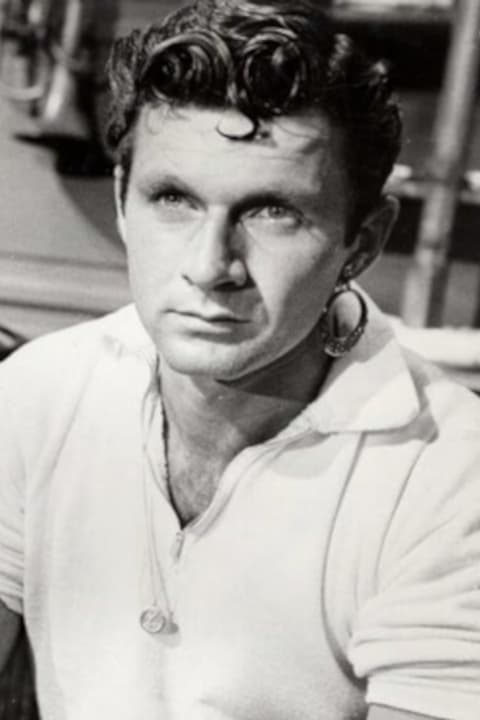
Known as the King of the Surf Guitar, he worked with Leo Fender to push amplifiers to their limits. Dale played with a rapid staccato picking style heavily influenced by Middle Eastern music. He helped develop the reverb units that gave surf music its wet and crashing sound. His innovations allowed electric guitars to be played at volume levels previously thought impossible.
Douglas Trumbull
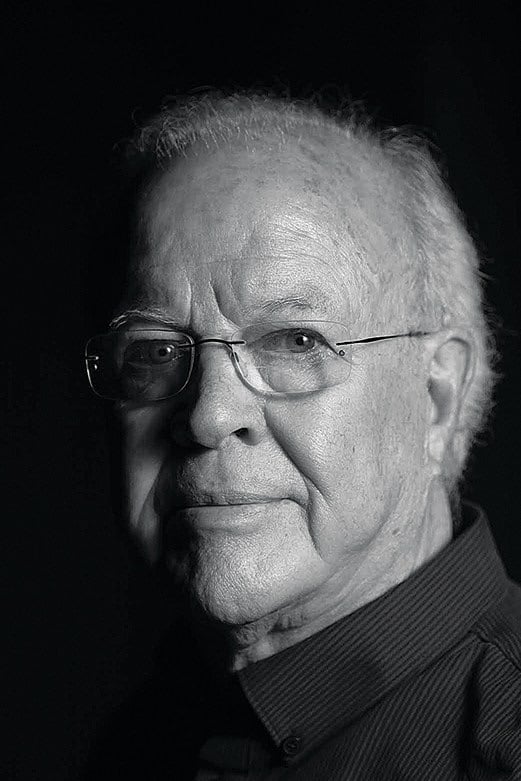
He was the visual effects genius behind ‘2001: A Space Odyssey’ and ‘Blade Runner’. Trumbull developed the slit-scan photography technique used for the famous stargate sequence. He advocated for high frame rates and immersive theater experiences long before they became trends. His dedication to optical effects gave science fiction films a sense of scale and grandeur.
Gordon Willis
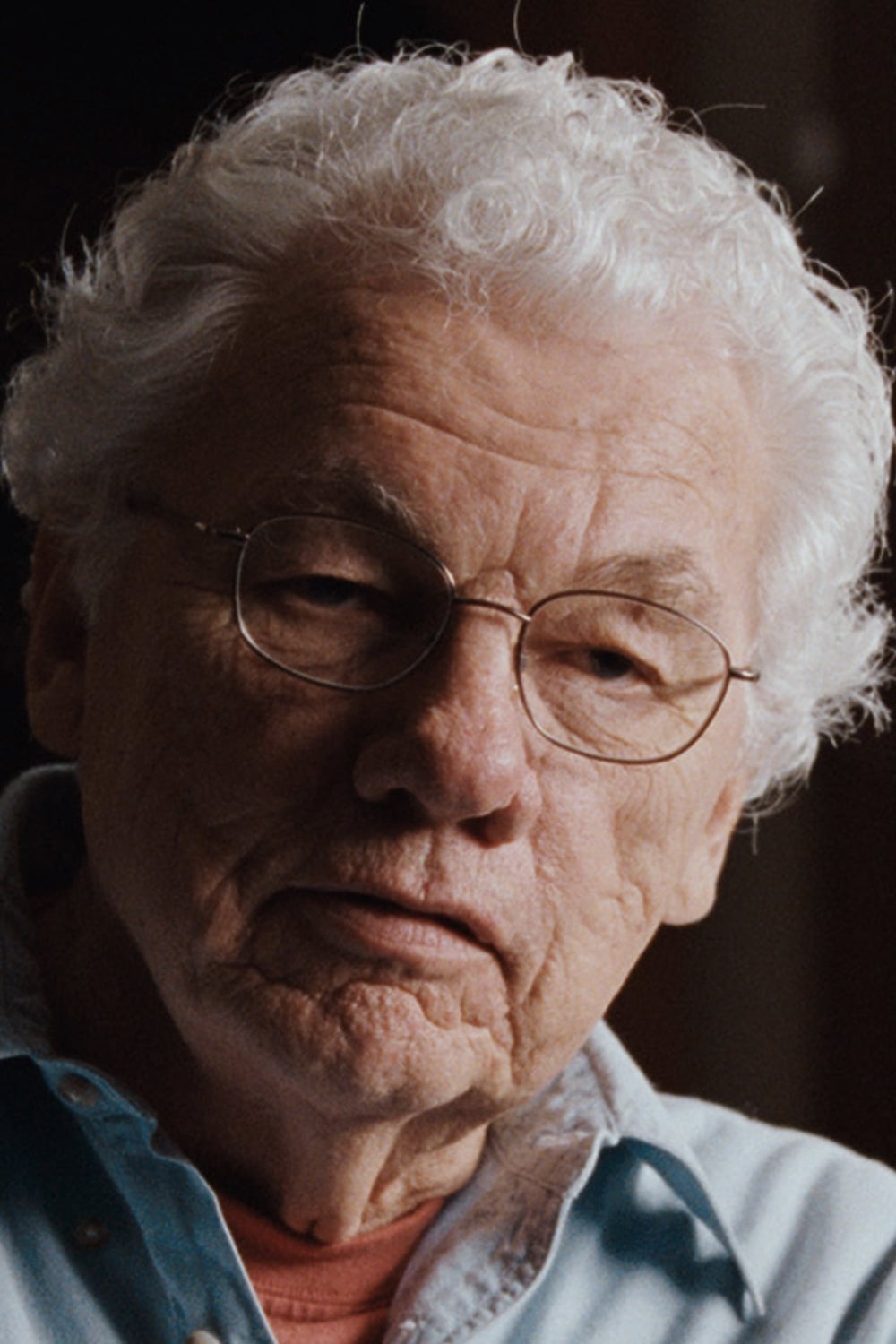
Cinematographers call him the Prince of Darkness because he was not afraid to leave actors in the shadows. Willis shot ‘The Godfather’ with low lighting that concealed the eyes of the characters to suggest moral ambiguity. He challenged the studio standard that demanded every scene be bright and evenly lit. His work gave films a psychological depth through lighting alone.
Edith Head
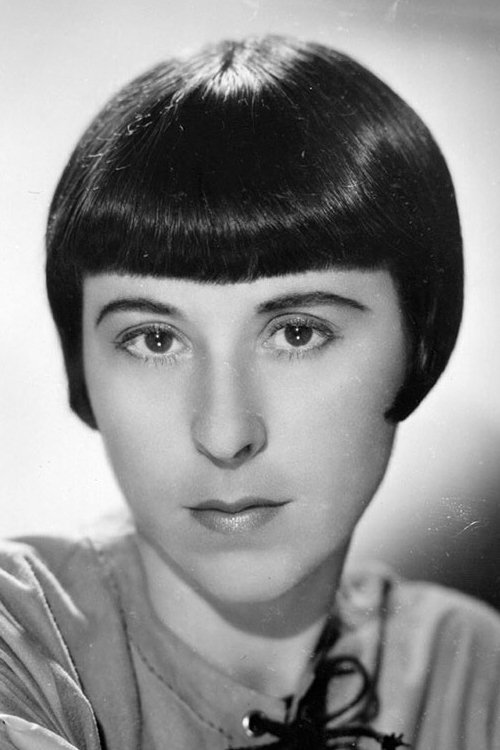
She was a costume designer who understood that clothing should serve the character rather than just the fashion trends. Head won eight Academy Awards and dressed the biggest stars of Hollywood for decades. Her glasses and bobbed hair became iconic but her real legacy was her versatility. She defined the glamorous look of the studio system era.
Bernard Herrmann
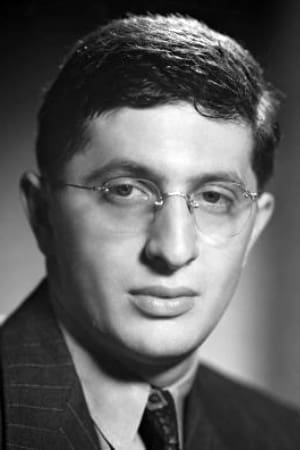
He rejected the lush melodies of the era in favor of short and repetitive musical motifs. Herrmann famously used screeching strings for the shower scene in ‘Psycho’ against the director’s initial wishes. His scores for films like ‘Taxi Driver’ created an atmosphere of urban tension and dread. He proved that film music could be dissonant and psychological rather than just melodic.
Rod Serling
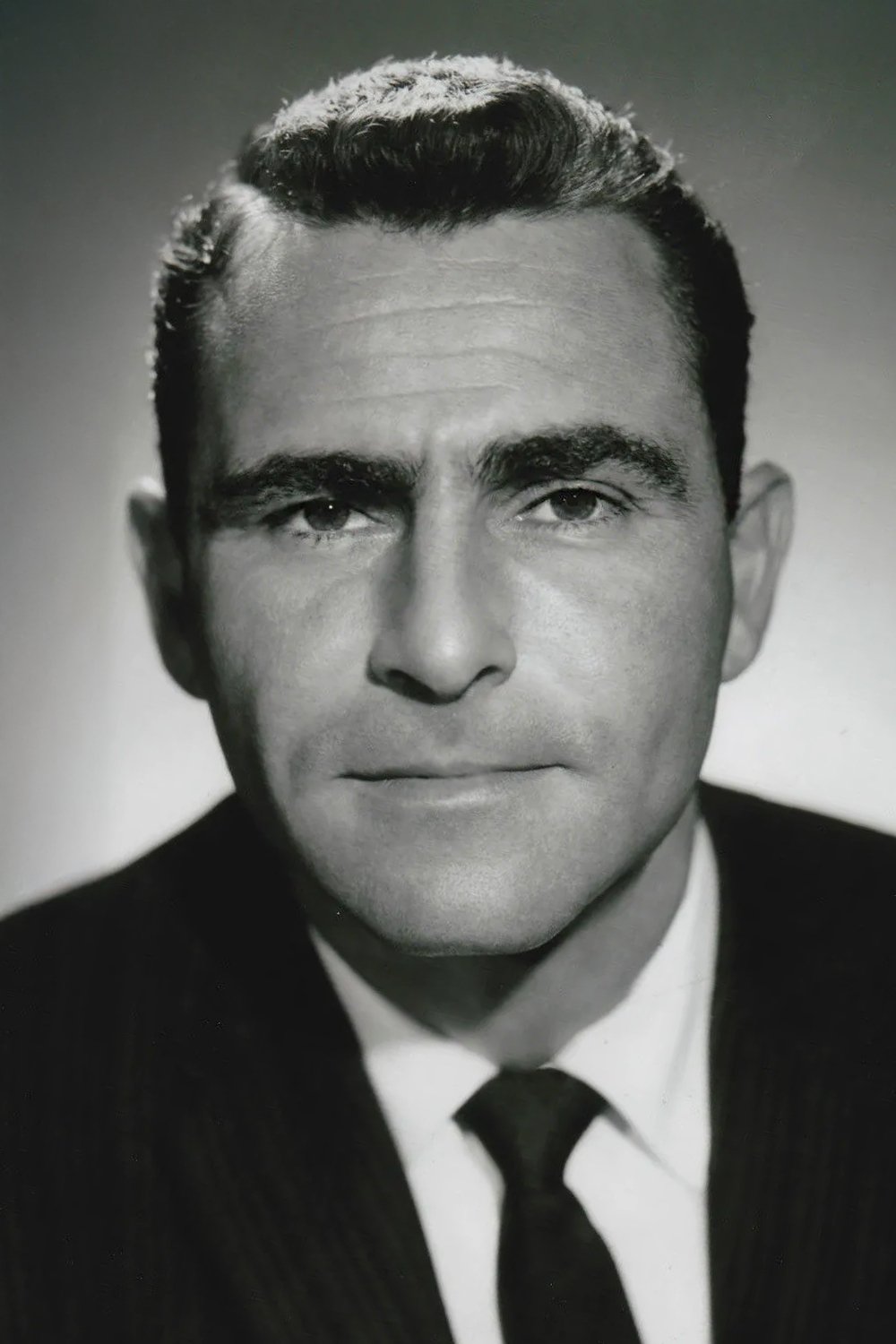
He used the science fiction anthology format of ‘The Twilight Zone’ to discuss taboo social issues. Serling wrote scripts that tackled racism and war during a time when censors blocked such topics in realistic dramas. His twist endings forced audiences to question their own prejudices and assumptions. He established the role of the television writer as a moral commentator.
Joan Rivers
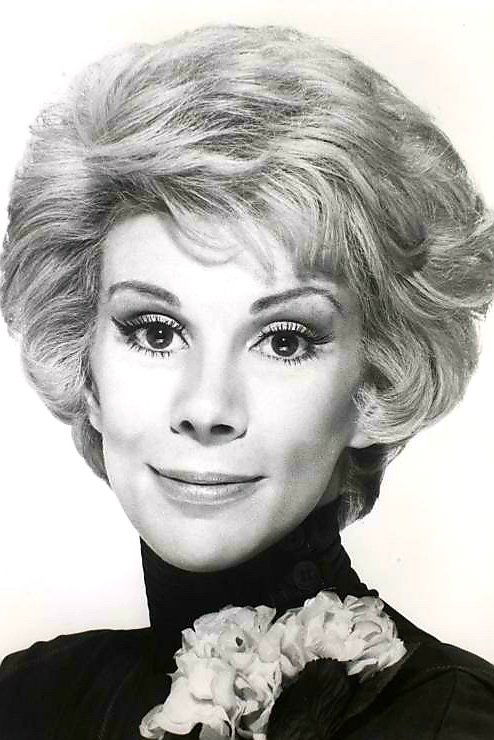
She transformed the red carpet from a polite entry walkway into a high-stakes fashion critique. Rivers introduced the question “Who are you wearing?” to the celebrity lexicon. Her fearless comedy paved the way for the 24-hour news cycle of celebrity observation. She proved that fashion commentary could be a comedy genre in itself.
Bob Fosse
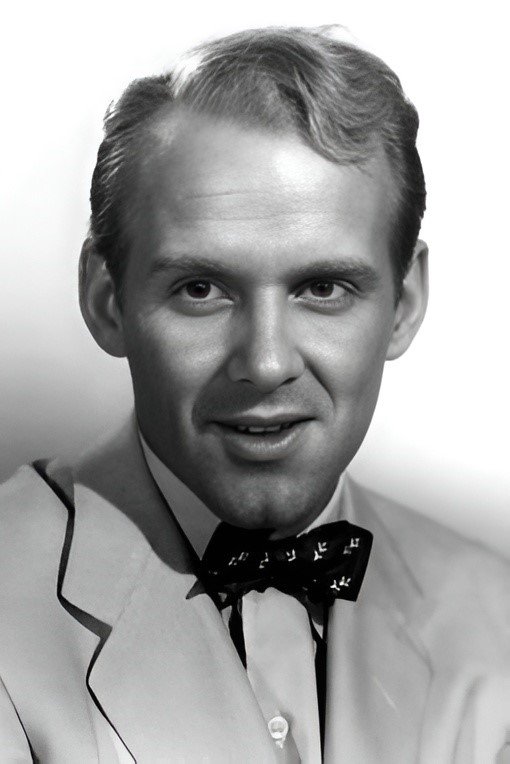
His distinct style of jazz dance changed the look of musical theater and film. Fosse utilized isolated movements and hunched shoulders to create a slinky and cynical aesthetic. His direction in ‘Cabaret’ brought a dark and adult sensibility to the movie musical. Choreographers today still utilize his signature “jazz hands” and bowler hat imagery.
Satoshi Kon
This anime director used editing techniques that blurred the line between dreams and reality. His transitions in films like ‘Paprika’ influenced live-action directors including Christopher Nolan. Kon explored the psychology of identity in a digital age before social media was ubiquitous. His work elevated anime into a medium for serious psychological study.
Jim Henson
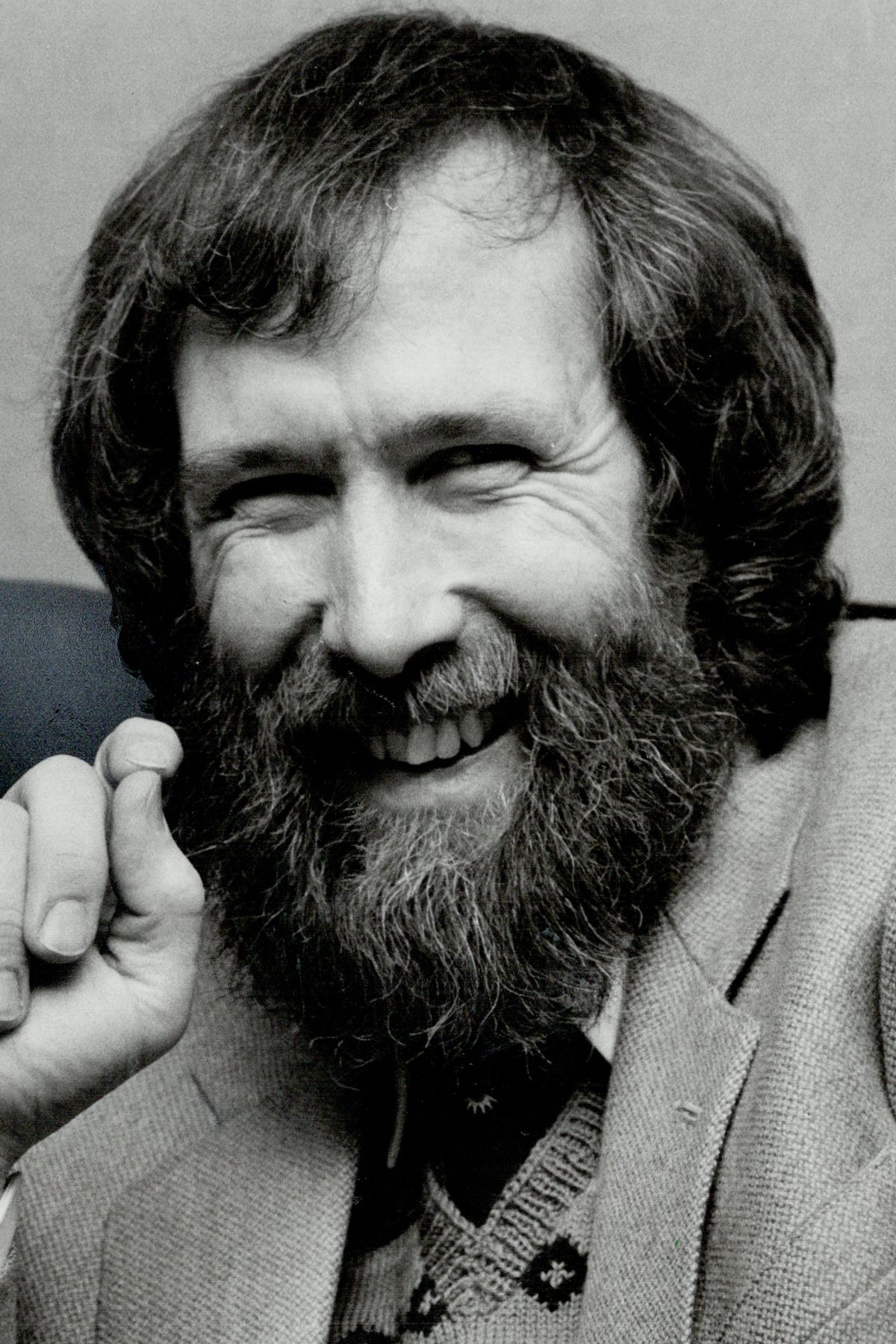
He took puppetry out of the puppet theater and optimized it for the television screen. Henson realized that using a monitor allowed performers to create more subtle and intimate expressions. His creation of the Muppets appealed to adults just as much as children. He revolutionized animatronics through his Creature Shop which served the entire film industry.
Wes Craven
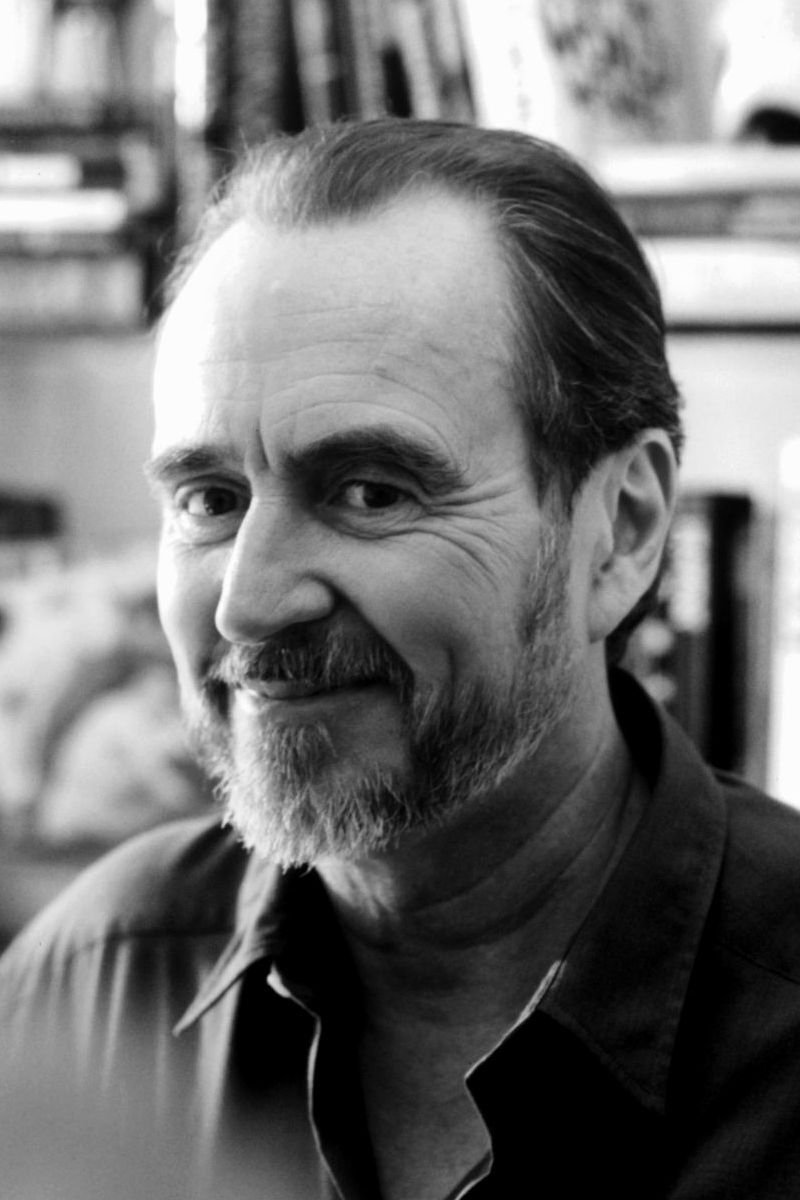
He revitalized the horror genre multiple times by injecting meta-commentary into his films. Craven created ‘A Nightmare on Elm Street’ which gave the slasher villain a personality and a voice. Later he deconstructed the genre with ‘Scream’ by having characters recognize horror tropes. He forced the audience to engage with the rules of fear.
Tell us which of these behind-the-scenes legends you think had the biggest impact on your favorite movies or music in the comments.