Dead Actors Who Took Risks No One Else Dared to Take

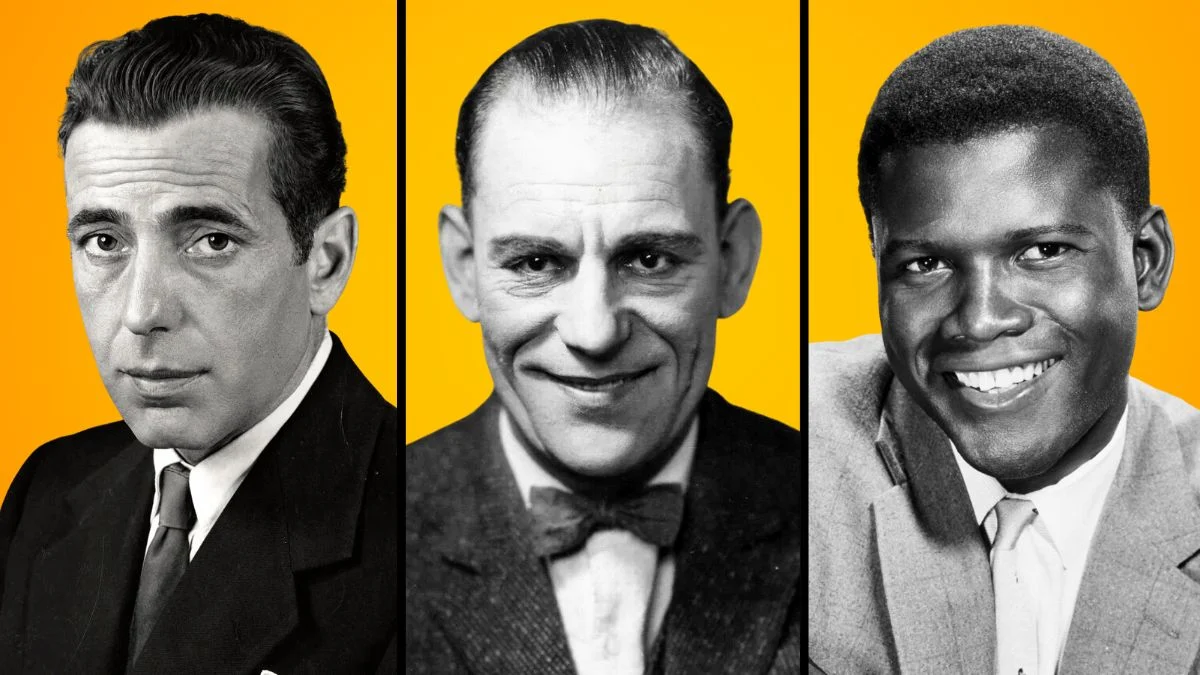

The history of cinema is paved with performers who pushed the boundaries of safety and sanity to capture the perfect shot. These men often ignored the advice of stunt coordinators or studio heads to achieve a singular artistic vision that others considered impossible. Their dedication sometimes resulted in physical injury or reputational gambles that defined their entire careers. We honor their legacy by examining the moments they leaped without a net.
Buster Keaton
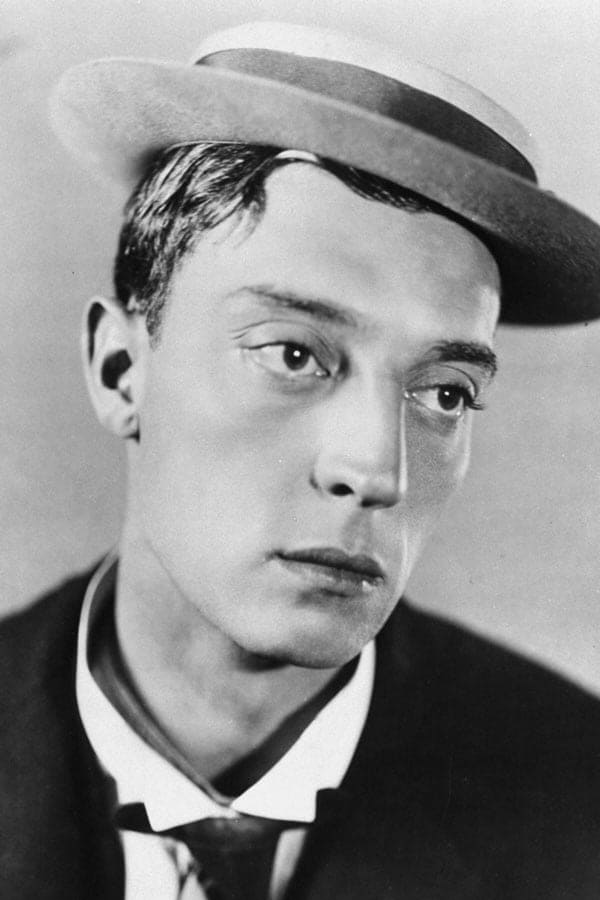
Keaton performed one of the most dangerous stunts in film history for ‘Steamboat Bill, Jr.’ without any trick photography. He stood still while a two-ton house facade collapsed around him and passed through a small open window. The margin for error was only a few inches on either side of his body. Members of the film crew reportedly looked away or prayed because they were certain he would be crushed.
Lon Chaney
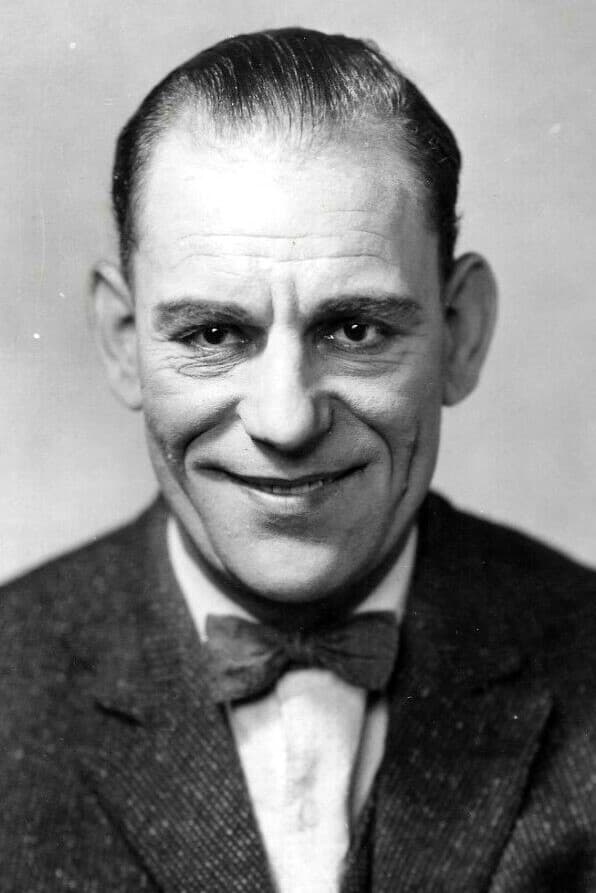
This actor was known as the Man of a Thousand Faces for his willingness to undergo extreme physical torture for a role. In ‘The Hunchback of Notre Dame’, he wore a seventy-pound rubber hump and a leather harness that prevented him from standing upright. The apparatus was so painful that it caused him permanent spinal damage and vision problems. He believed that genuine physical suffering was necessary to authentically portray the anguish of his characters.
Vic Morrow
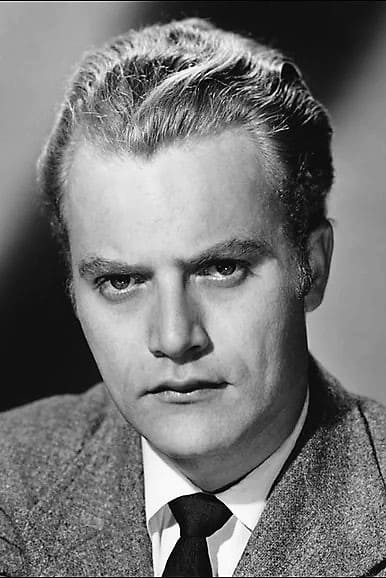
Morrow took the ultimate risk while filming a sequence for ‘Twilight Zone: The Movie’. He agreed to carry two children across a river while a helicopter hovered extremely close overhead to simulate a war zone. The special effects explosions damaged the helicopter’s tail rotor and caused it to crash on top of the actors. His tragic death led to a massive overhaul of safety regulations regarding stunts and minors in Hollywood.
Klaus Kinski
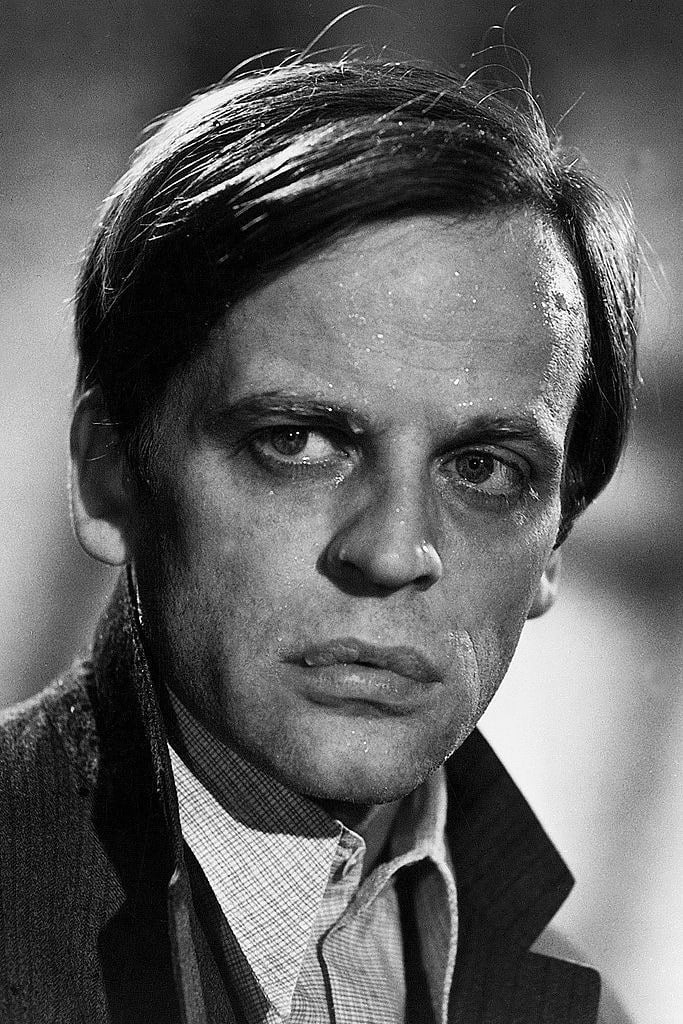
Kinski was notorious for his volatile behavior and willingness to work in hostile environments. During the filming of ‘Fitzcarraldo’, he endured brutal conditions in the Peruvian jungle alongside director Werner Herzog. He performed scenes on a steamship that was actually being hauled over a mountain without modern safety riggings. His madness on screen was often a reflection of the genuine danger and chaos surrounding the production.
Harold Lloyd
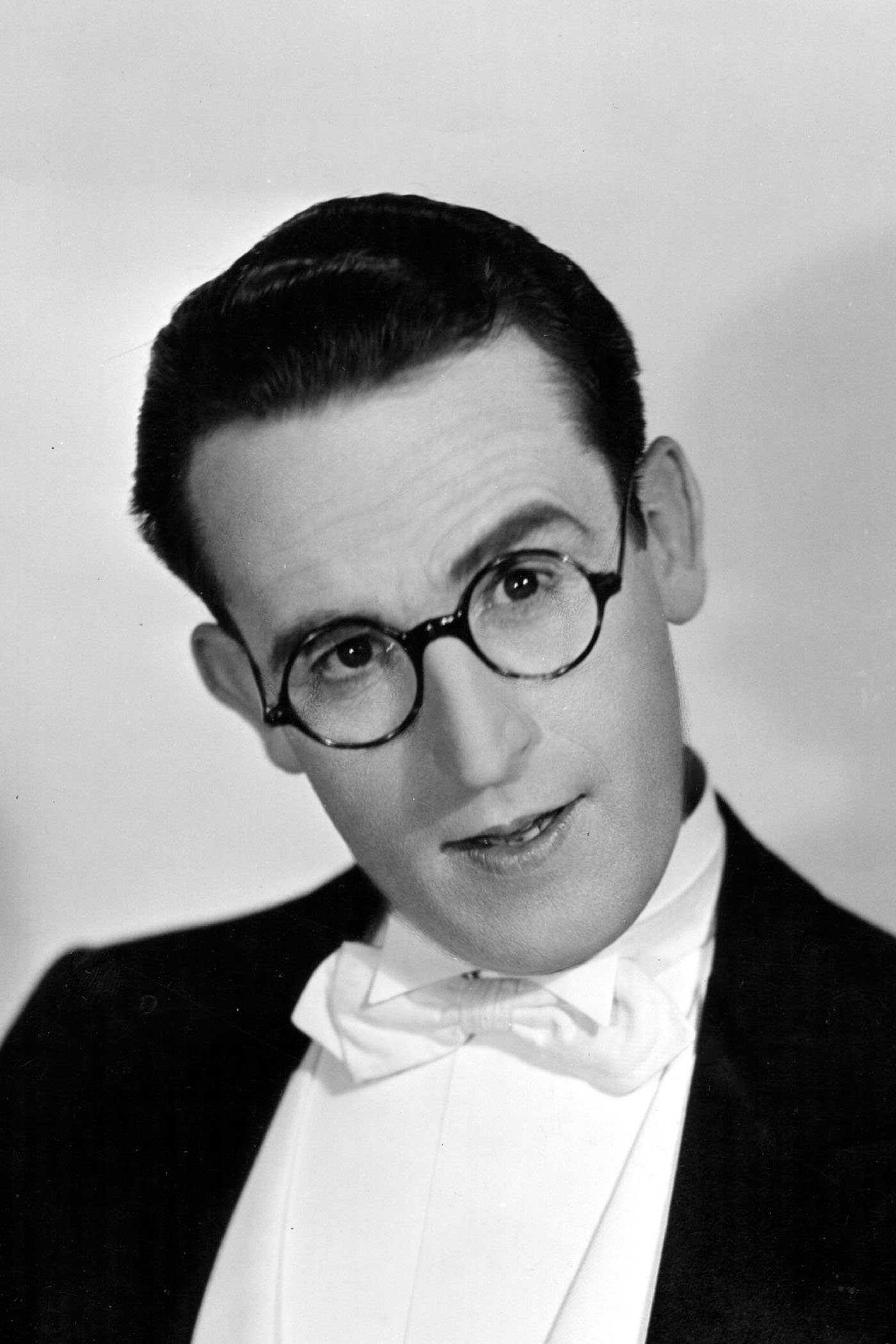
Lloyd performed the iconic clock tower stunt in ‘Safety Last!’ despite having serious physical limitations. He had previously lost a thumb and forefinger in a prop bomb accident but still climbed the building facade with a prosthetic glove. The actor dangled high above the city streets with only a mattress on a hidden platform below him. His ability to perform such athletic feats with a disabled hand remains a testament to his determination.
Brandon Lee
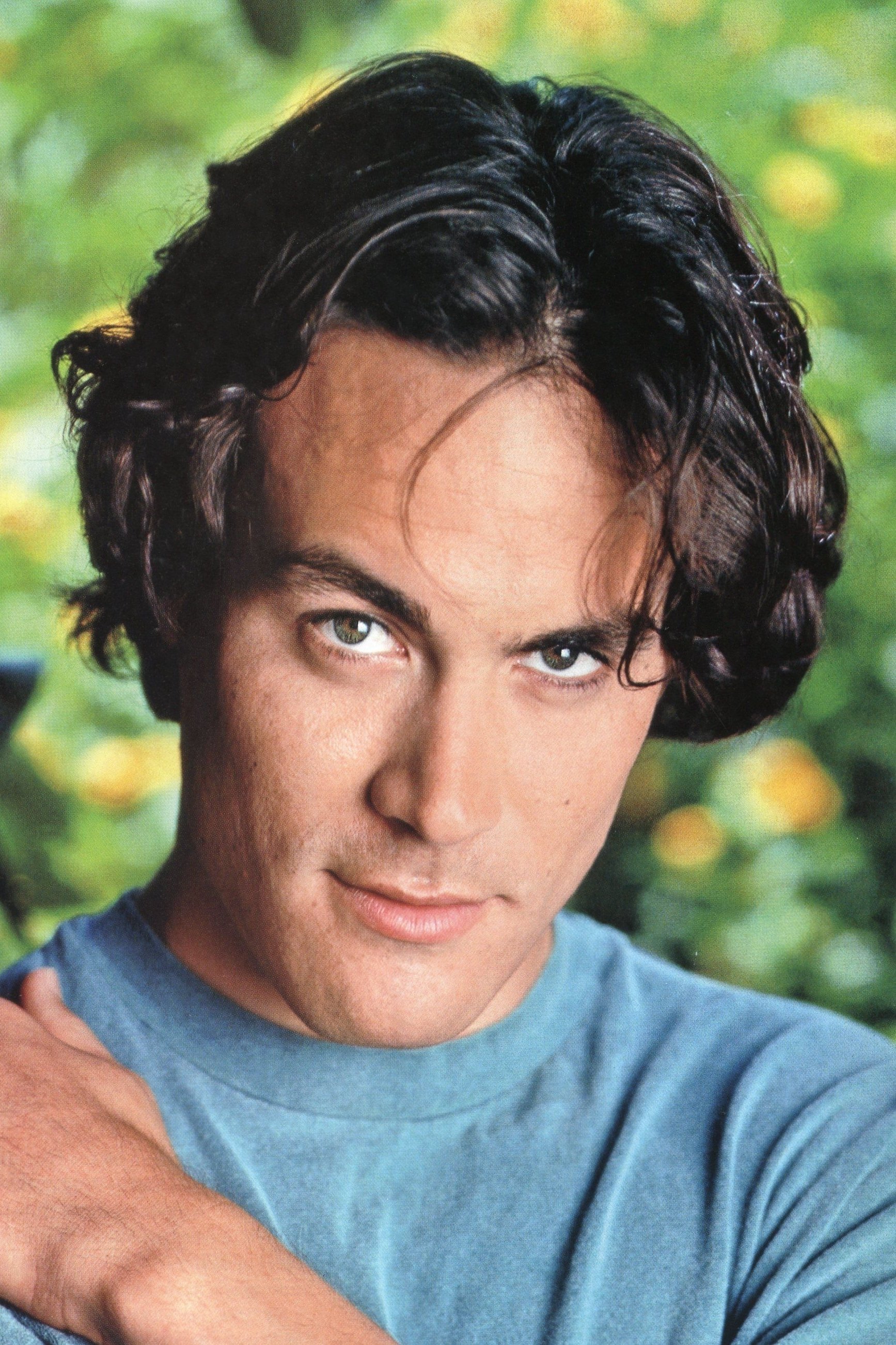
Lee was on the verge of superstardom when he filmed ‘The Crow’ and performed many of his own fight scenes. He was fatally shot on set due to a prop gun mishandling that lodged a real bullet fragment in the barrel. The actor had pushed for a gritty and realistic aesthetic that required extensive weapons work. His performance serves as a haunting legacy of a talent taken by a preventable on-set error.
Steve McQueen
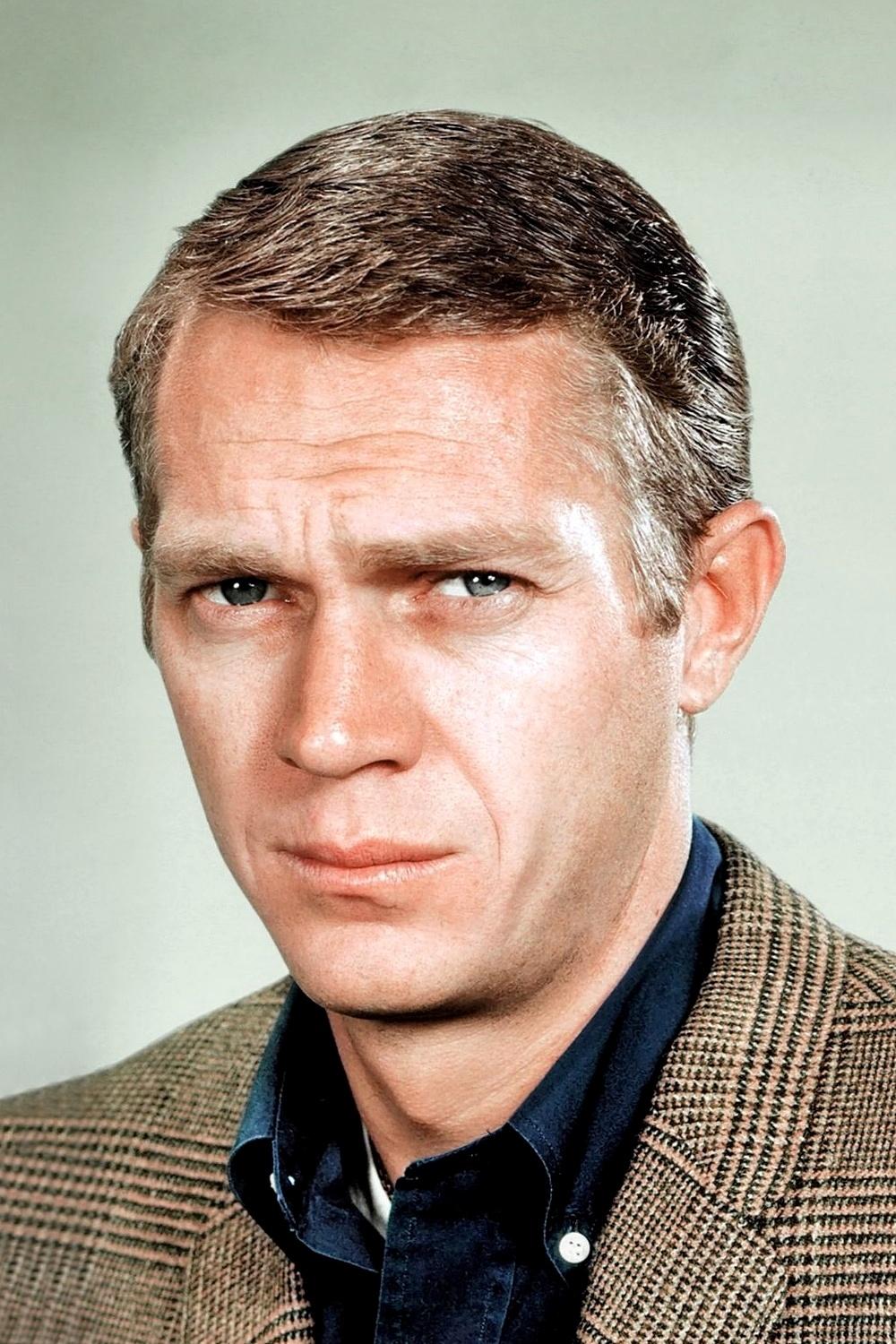
McQueen was a skilled driver who insisted on performing high-speed maneuvers himself. In ‘Bullitt’, he drove the Ford Mustang during significant portions of the legendary chase scene through San Francisco. He also competed in professional races and treated the film ‘Le Mans’ as a documentary of his own racing obsession. The studio often struggled to insure him because he refused to let stuntmen have all the fun.
Boris Karloff
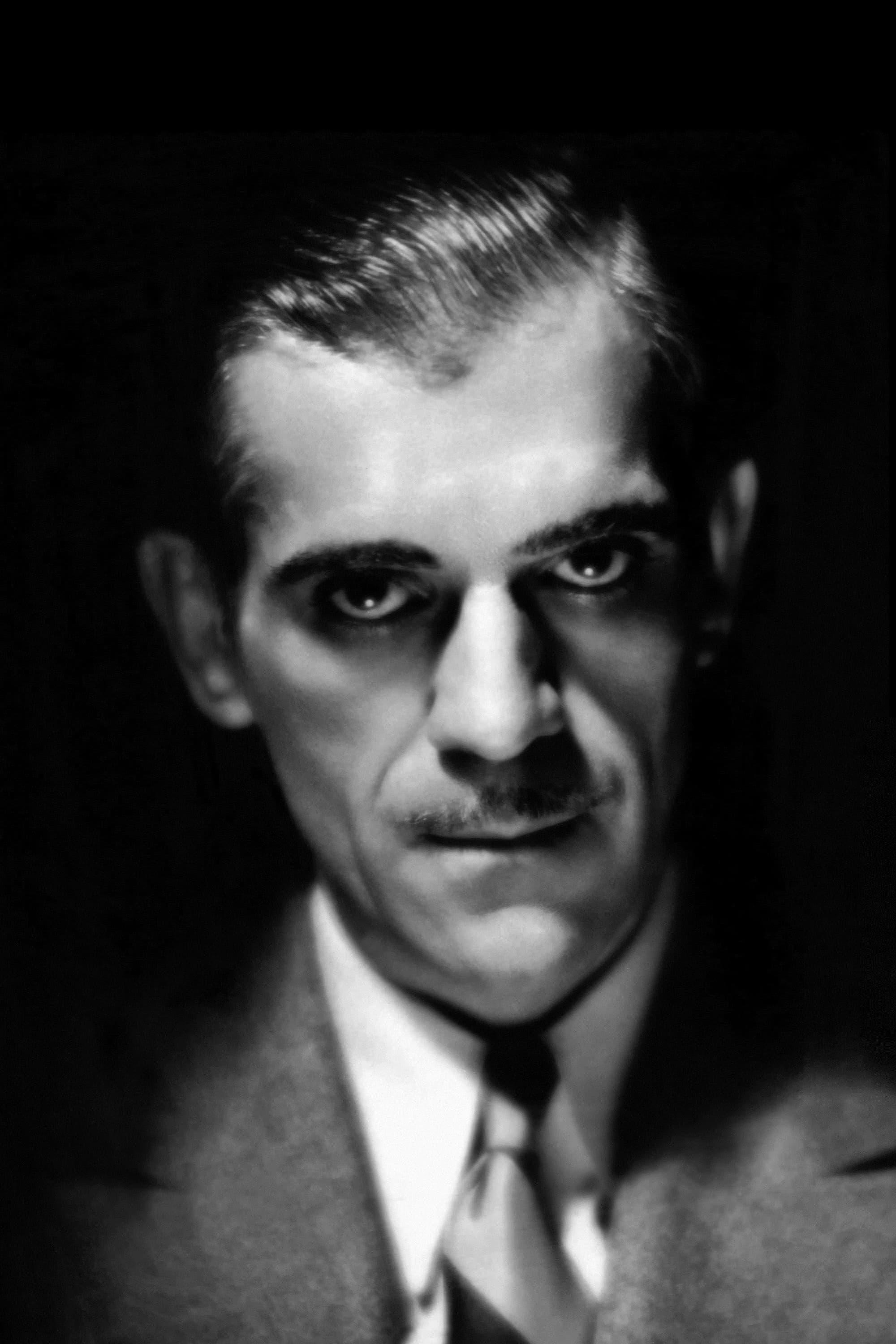
Karloff endured grueling physical conditions to bring the monster to life in ‘Frankenstein’. He wore asphalt-spreader boots that weighed nearly thirty pounds and had steel struts clamped to his legs. The costume forced him to walk with a stiff lumbering gait that severely damaged his back over time. He spent hours in the makeup chair every day to undergo the transformation that terrified audiences.
Donald O’Connor
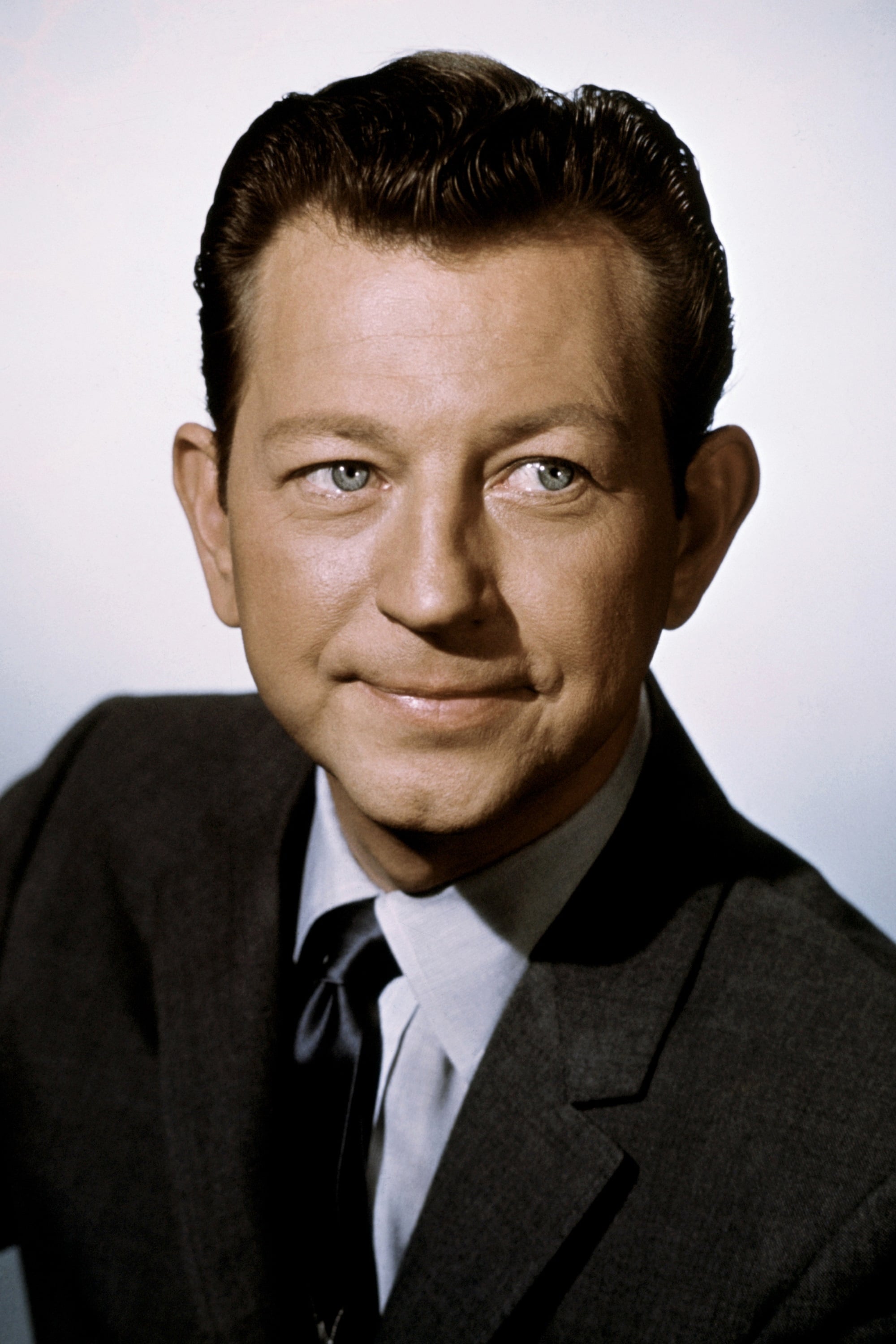
O’Connor delivered a physically exhausting performance for the ‘Make ‘Em Laugh’ number in ‘Singin’ in the Rain’. He performed a series of backflips off a concrete wall that required immense stamina and timing. The actor smoked four packs of cigarettes a day and was bedridden for several days after completing the sequence. Hollywood lore states that the camera failed to record the first take and forced him to do it all again.
Heath Ledger
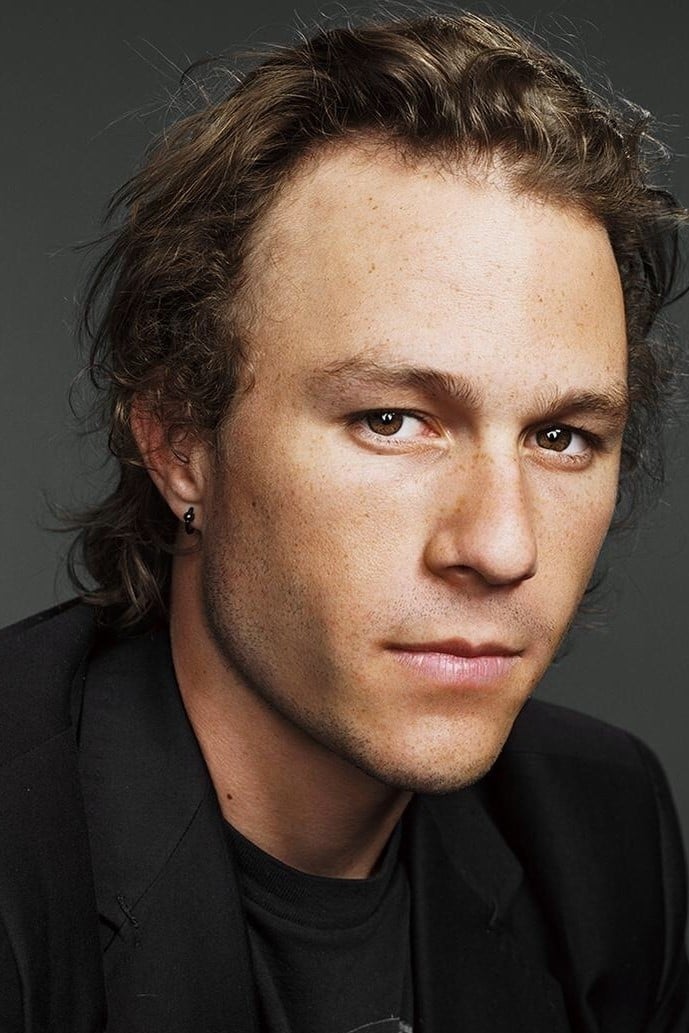
Ledger isolated himself in a hotel room for weeks to develop the psychology of the Joker for ‘The Dark Knight’. He kept a disturbing diary and experimented with different voices to create a character devoid of empathy. This deep dive into the mind of a psychopath took a heavy toll on his sleep and mental state. His immersive method acting resulted in a performance that completely redefined the possibilities of a comic book villain.
Jackie Gleason
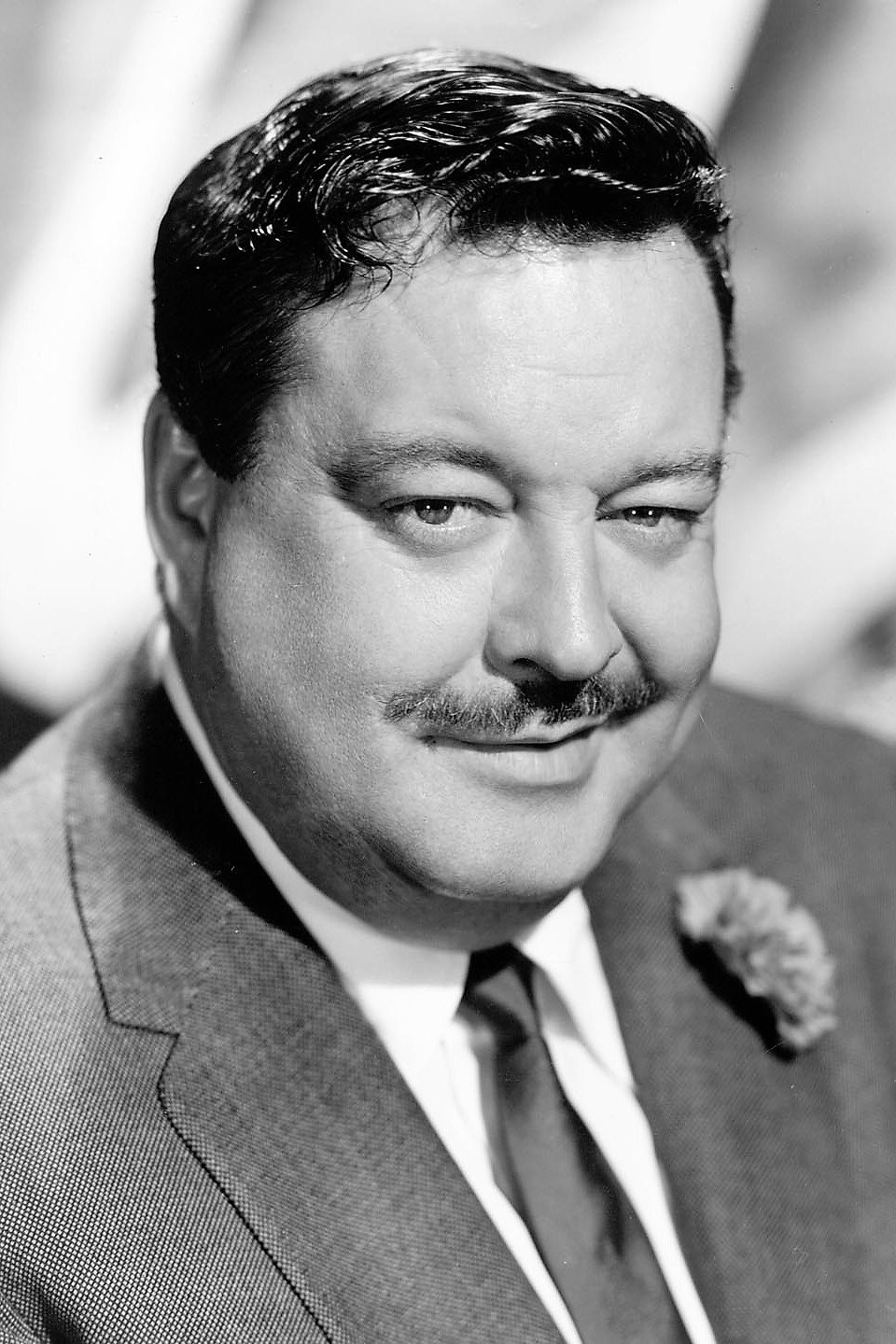
Gleason was determined to perform his own stunts to sell the comedy in his films. In ‘Smokey and the Bandit’, he did not use a stunt double for many of the physical pratfalls and car scenes. He suffered bruises and exhaustion but believed the audience could tell if a double was used. His commitment added a layer of physical authenticity to his loud-mouthed character.
Douglas Fairbanks
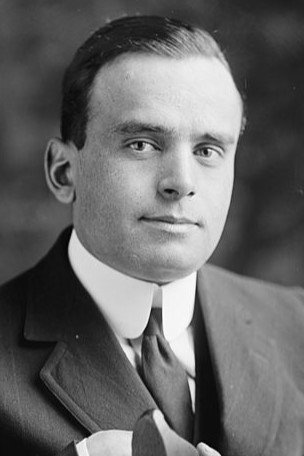
Fairbanks was the first true action star of the silent era and performed parkour long before the term existed. In ‘The Mark of Zorro’, he leaped between buildings and slid down curtains without safety wires. His athletic background allowed him to execute swashbuckling moves that captivated audiences in the 1920s. He constantly tried to outdo himself with more elaborate and dangerous set pieces in each subsequent film.
John Belushi
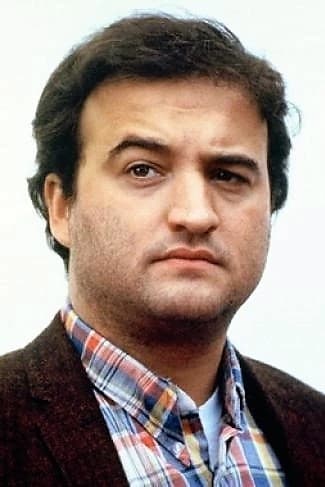
Belushi was known for his extreme physical comedy and reckless energy on set. In ‘Animal House’, he utilized his body as a weapon of destruction to create chaos in every scene. He performed the ladder stunt where he peered into a sorority house window without much safety preparation. His wild lifestyle often bled into his performances and gave them an unpredictable edge.
Chris Farley
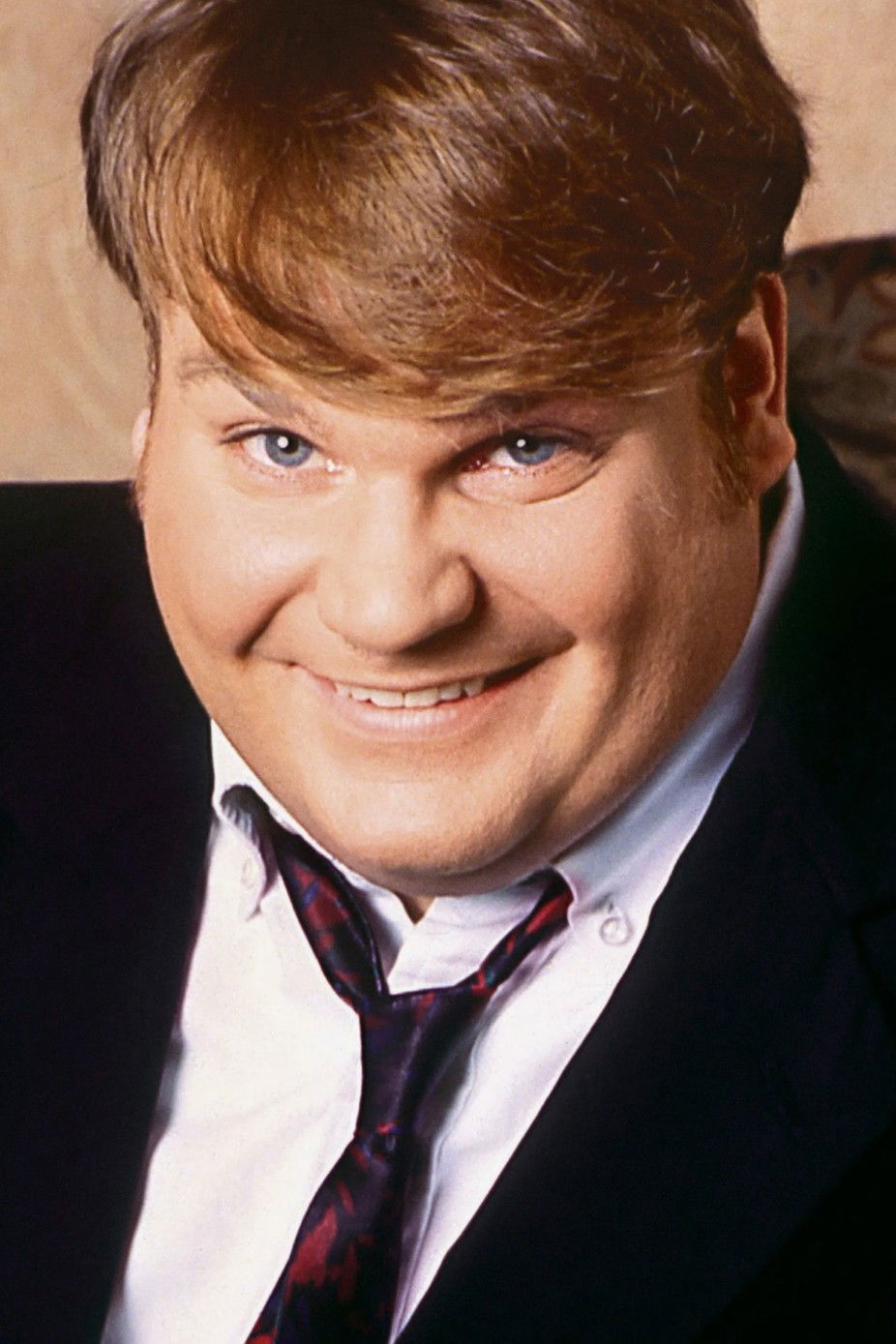
Farley idolized Belushi and adopted a similar approach to comedy that involved throwing his heavy frame into hard objects. In ‘Tommy Boy’, he famously crashed through a table and rolled down hills with complete disregard for his own safety. He believed that hurting himself was worth it if it got a laugh from the audience or crew. This intense physical exertion combined with his health issues created a ticking time bomb.
Patrick Swayze
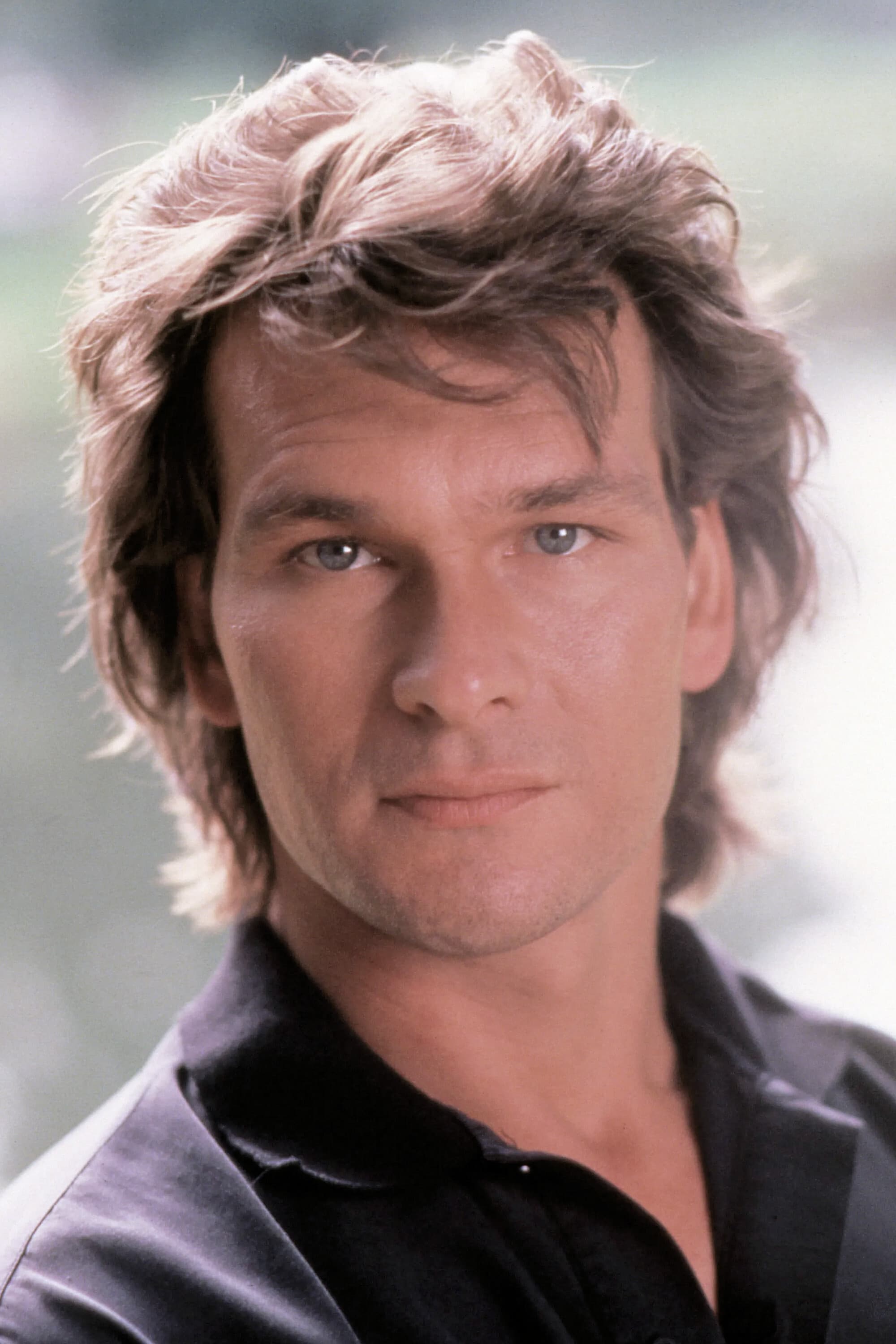
Swayze was an adrenaline junkie who insisted on doing his own skydiving for the film ‘Point Break’. He completed dozens of jumps during the production and the studio eventually had to intervene to stop him. He also performed the fight scenes in ‘Road House’ despite carrying old injuries from his football and dance careers. His refusal to use doubles gave his action films a visceral authenticity.
Sidney Poitier
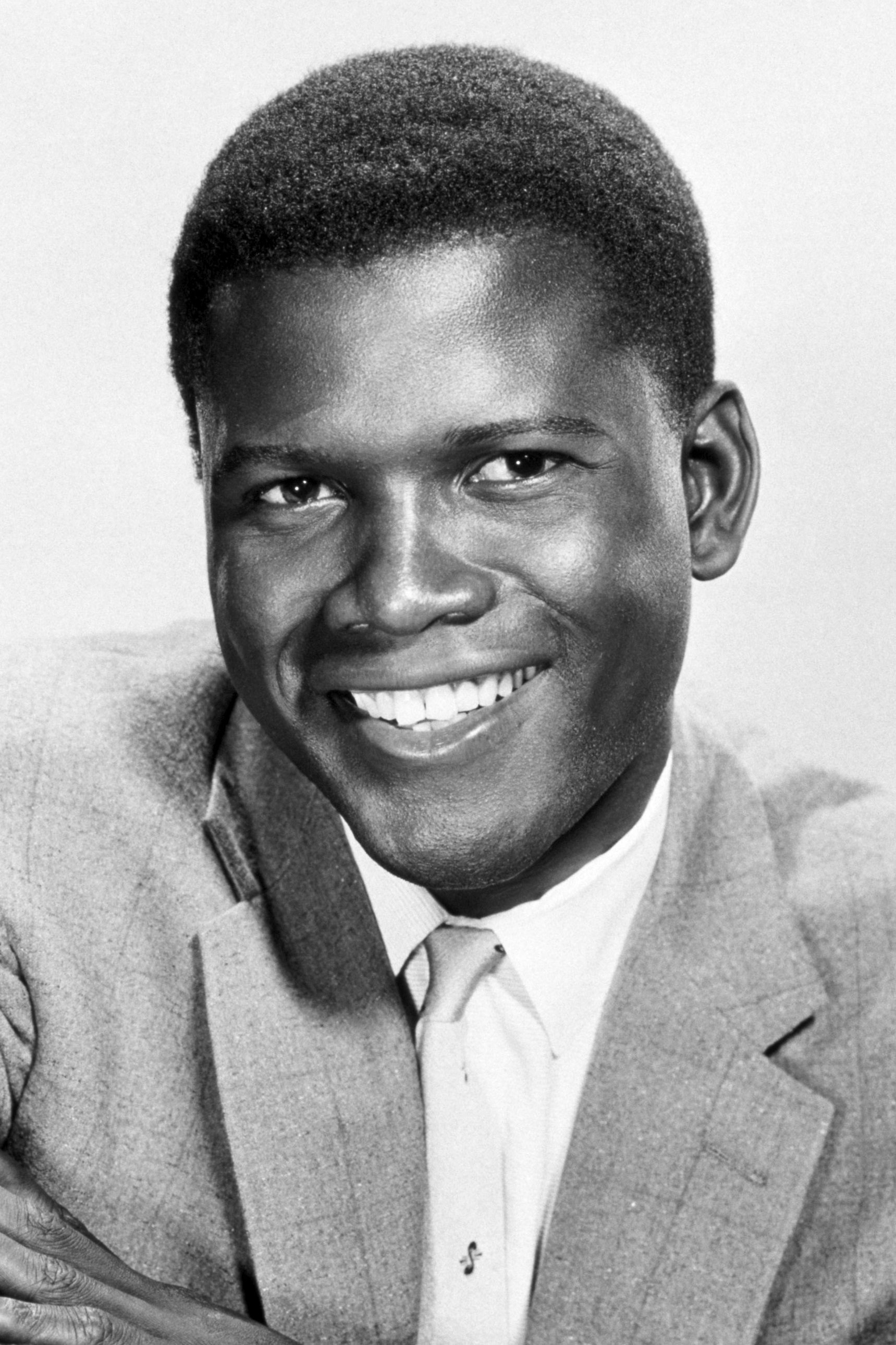
Poitier took a massive professional and personal risk with his role in ‘In the Heat of the Night’. He insisted that his character must slap a white plantation owner back after being struck. This scene was revolutionary for the time and challenged the racial hierarchy depicted in Hollywood films. He refused to work on the movie unless the studio guaranteed the slap would remain in the final cut.
Kirk Douglas
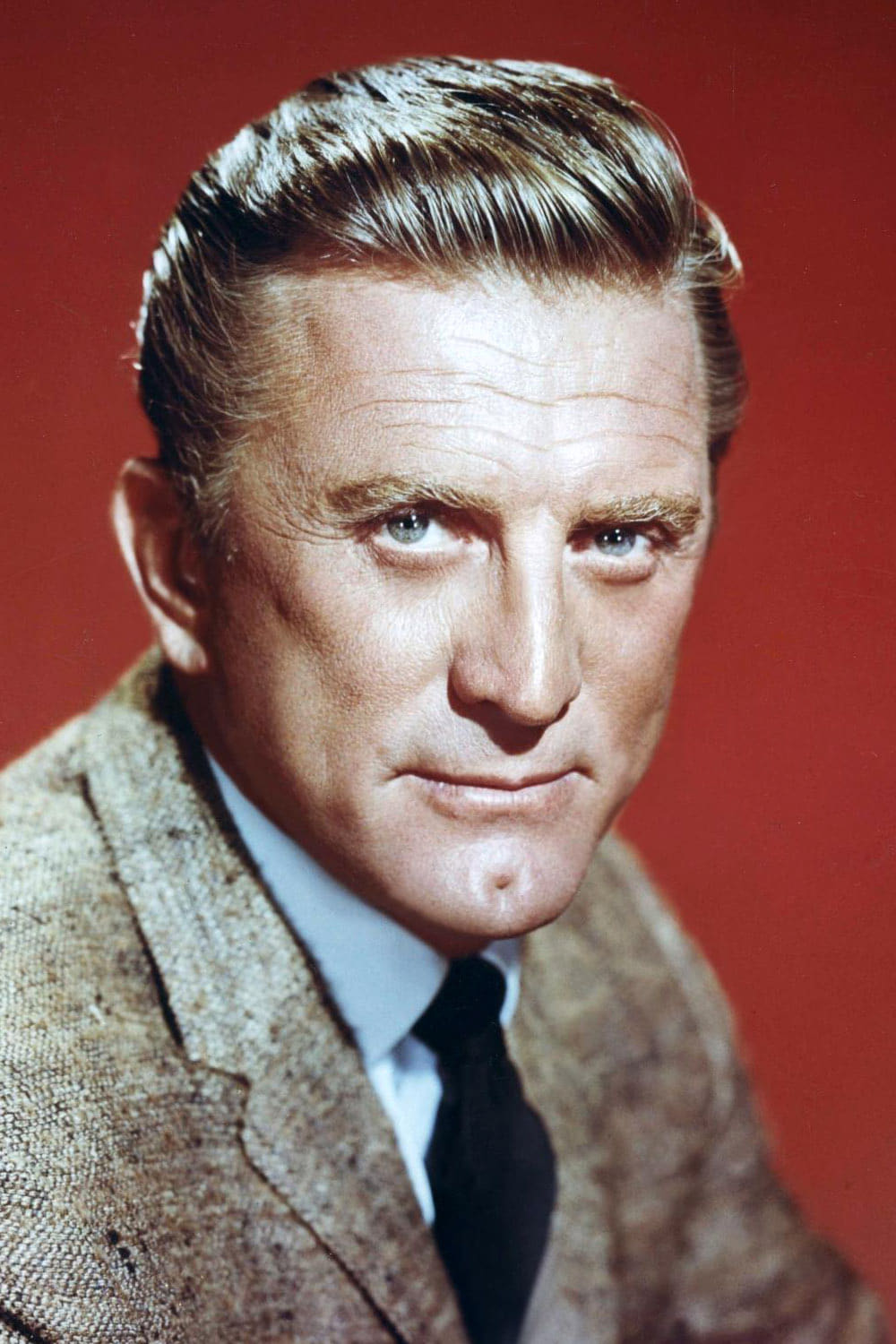
Douglas took a career-defining risk by hiring Dalton Trumbo to write the screenplay for ‘Spartacus’. Trumbo was blacklisted at the time for alleged communist ties and working with him was politically dangerous. Douglas used his power as a producer to give Trumbo screen credit and effectively broke the Hollywood blacklist. This move could have destroyed his career but instead solidified his legacy as a leader.
Burt Lancaster
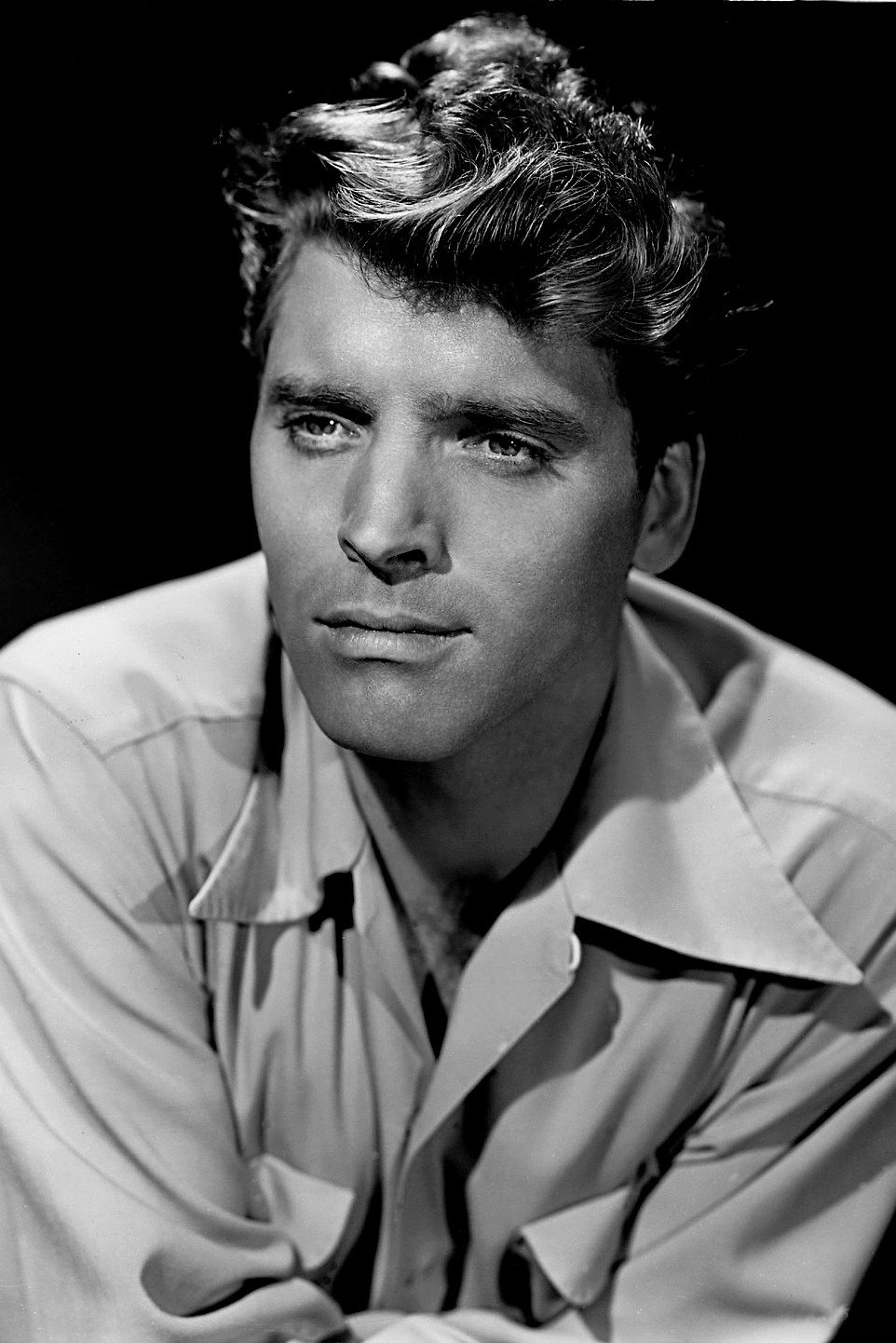
Lancaster began his career as a circus acrobat and utilized those skills to perform dangerous stunts in films like ‘The Train’. He scaled walls and jumped onto moving trains without the aid of modern safety harnesses. His physical prowess allowed directors to shoot action sequences in wide angles without cutting away. He maintained this level of physicality well into his later years.
Gene Kelly
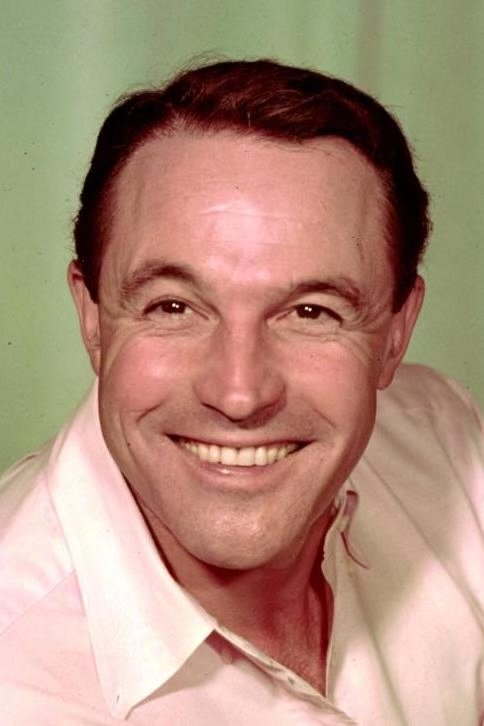
Kelly performed the title number for ‘Singin’ in the Rain’ while suffering from a fever of 103 degrees. He refused to delay production and danced through the artificial rain for hours. The water shrunk his wool suit and caused him immense physical discomfort during the takes. His ability to look joyful while essentially sick remains one of the great feats of musical cinema.
Robert Shaw
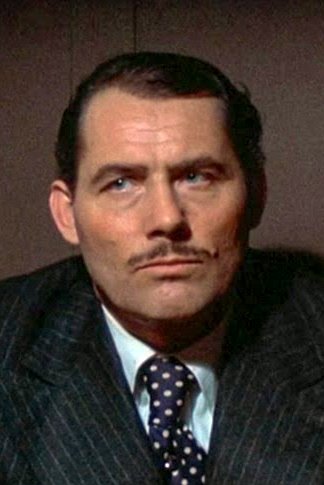
Shaw famously consumed alcohol while filming ‘Jaws’ to authentically capture the behavior of the grizzled shark hunter Quint. He attempted the famous USS Indianapolis monologue while drunk but could not complete the scene. He returned the next day sober and delivered the haunting speech in one take with perfect clarity. The risk of drinking on set created a tension that translated into the character’s unhinged demeanor.
Marlon Brando
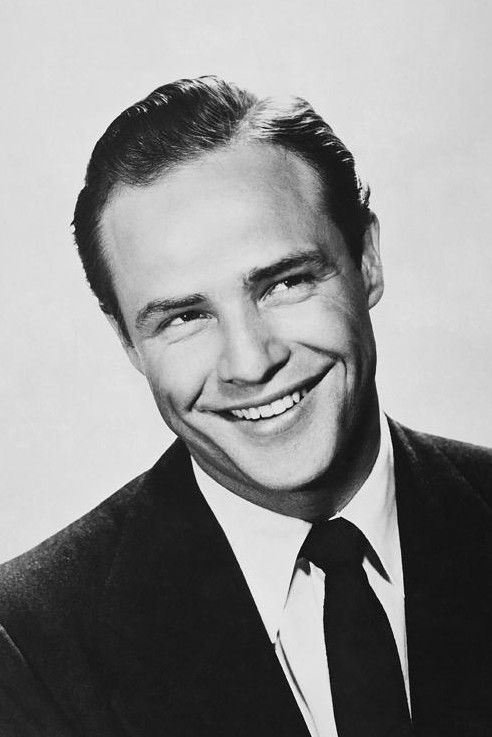
Brando risked his reputation by refusing the Academy Award for ‘The Godfather’ to protest the treatment of Native Americans. He sent Sacheen Littlefeather to the ceremony in his place to deliver a speech that was booed by the audience. He also pioneered the Method acting style which often involved unpredictable behavior that frustrated directors. His choices consistently challenged the industry’s polished image.
River Phoenix
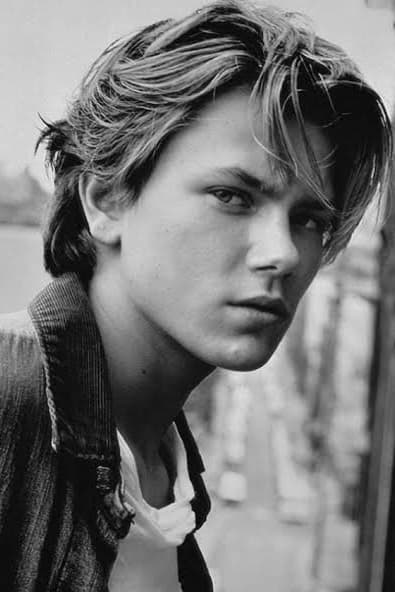
Phoenix took a challenging role in ‘My Own Private Idaho’ playing a gay street hustler with narcolepsy. He immersed himself in the street culture of Portland to understand the lives of the people he was portraying. This role was a significant departure from his teen idol image and risked alienating his fanbase. His raw vulnerability in the film is considered one of the finest performances of the 1990s.
Andy Kaufman
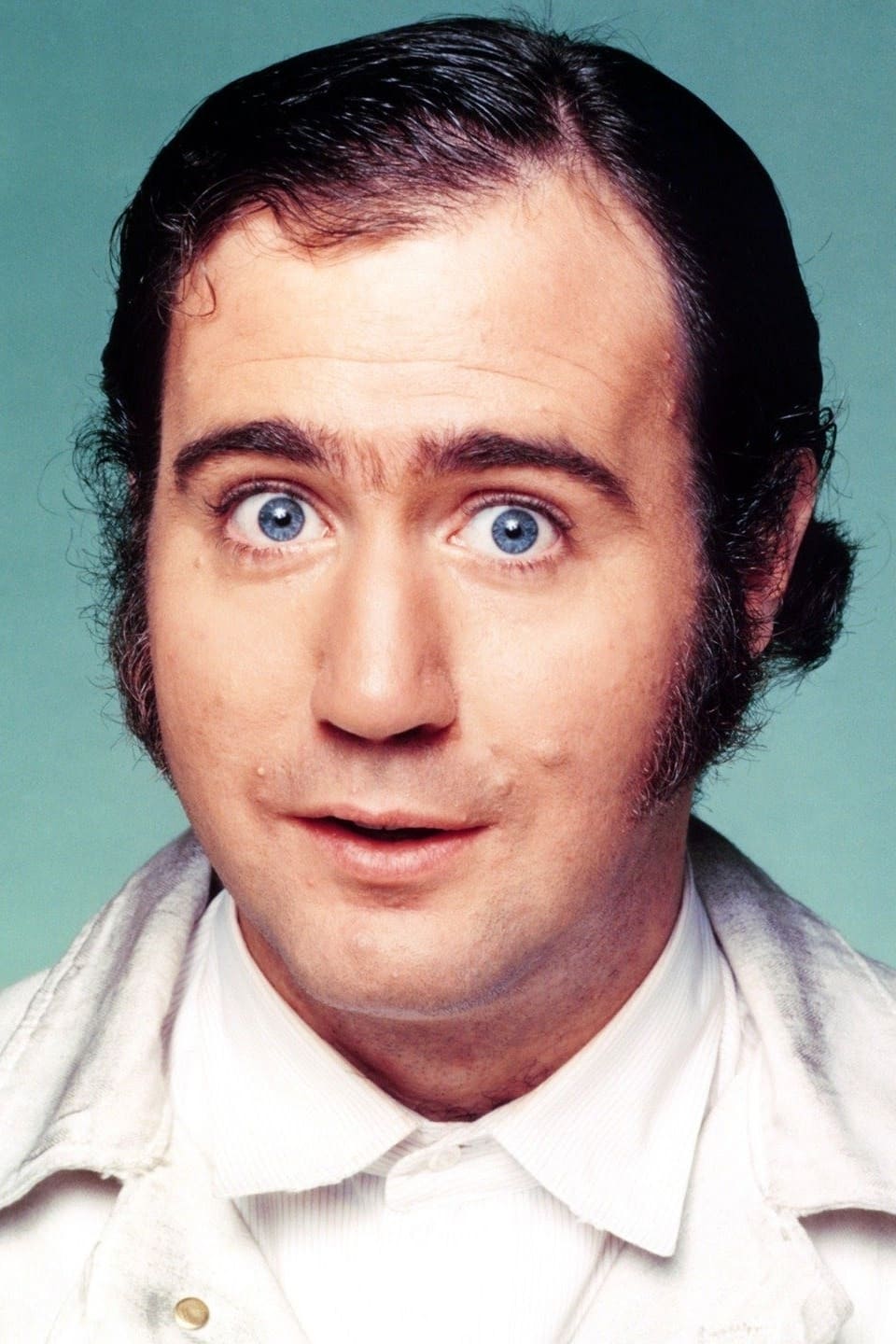
Kaufman was a performance artist who refused to break character even when the cameras were off. He created the obnoxious lounge singer Tony Clifton and insisted that Clifton was a real person. He risked his career by wrestling women on live television and intentionally alienating audiences with anti-humor. His commitment to blurring the lines between reality and fiction was unparalleled.
Bruce Lee
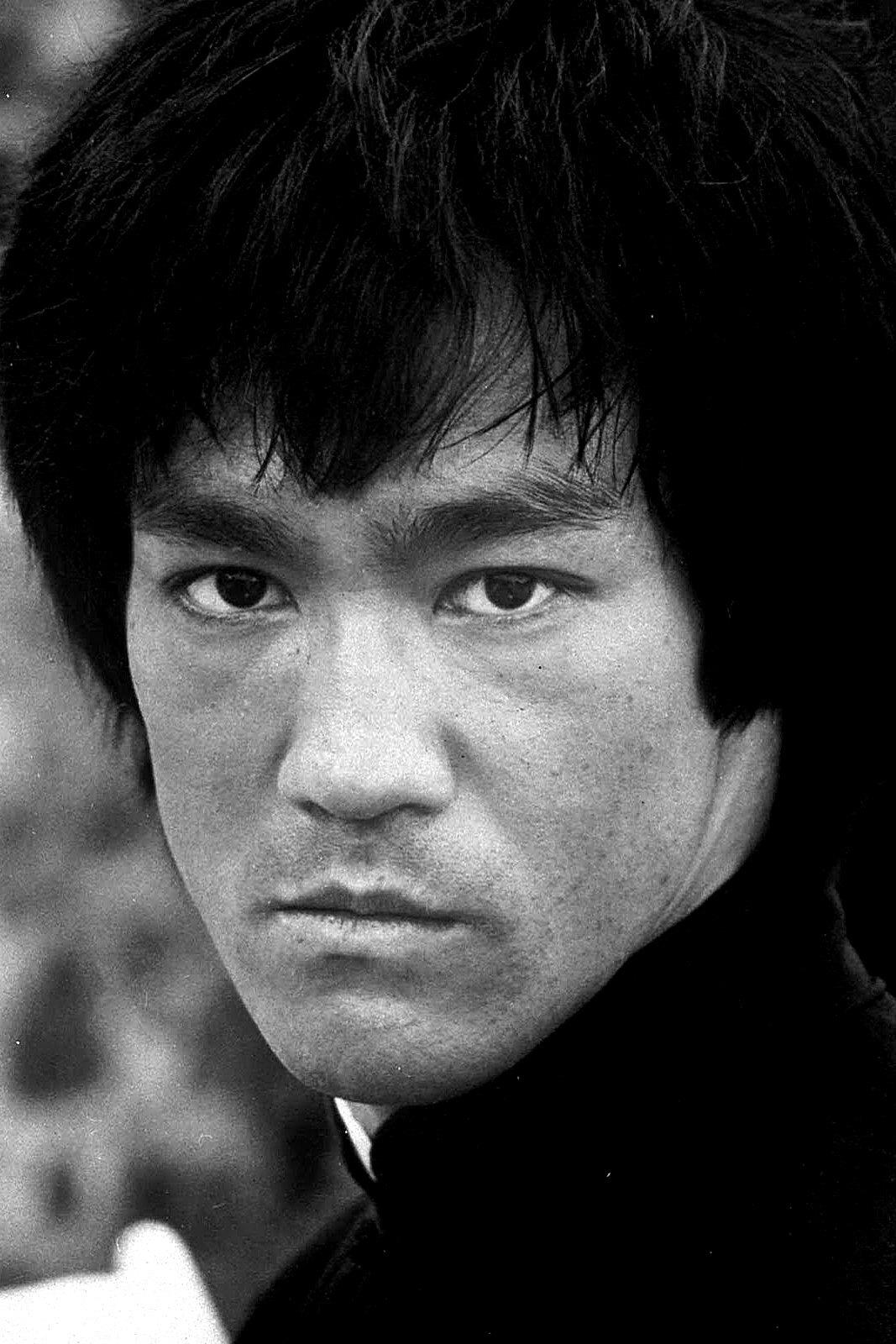
Lee developed his own style of martial arts called Jeet Kune Do and applied it to film fighting. He used real cobras in ‘Enter the Dragon’ and captured the snake with his bare hands. He pushed his body to the limit with electric stimulation training to increase his muscle density. His refusal to conform to traditional kung fu movie styles revolutionized the action genre.
Orson Welles
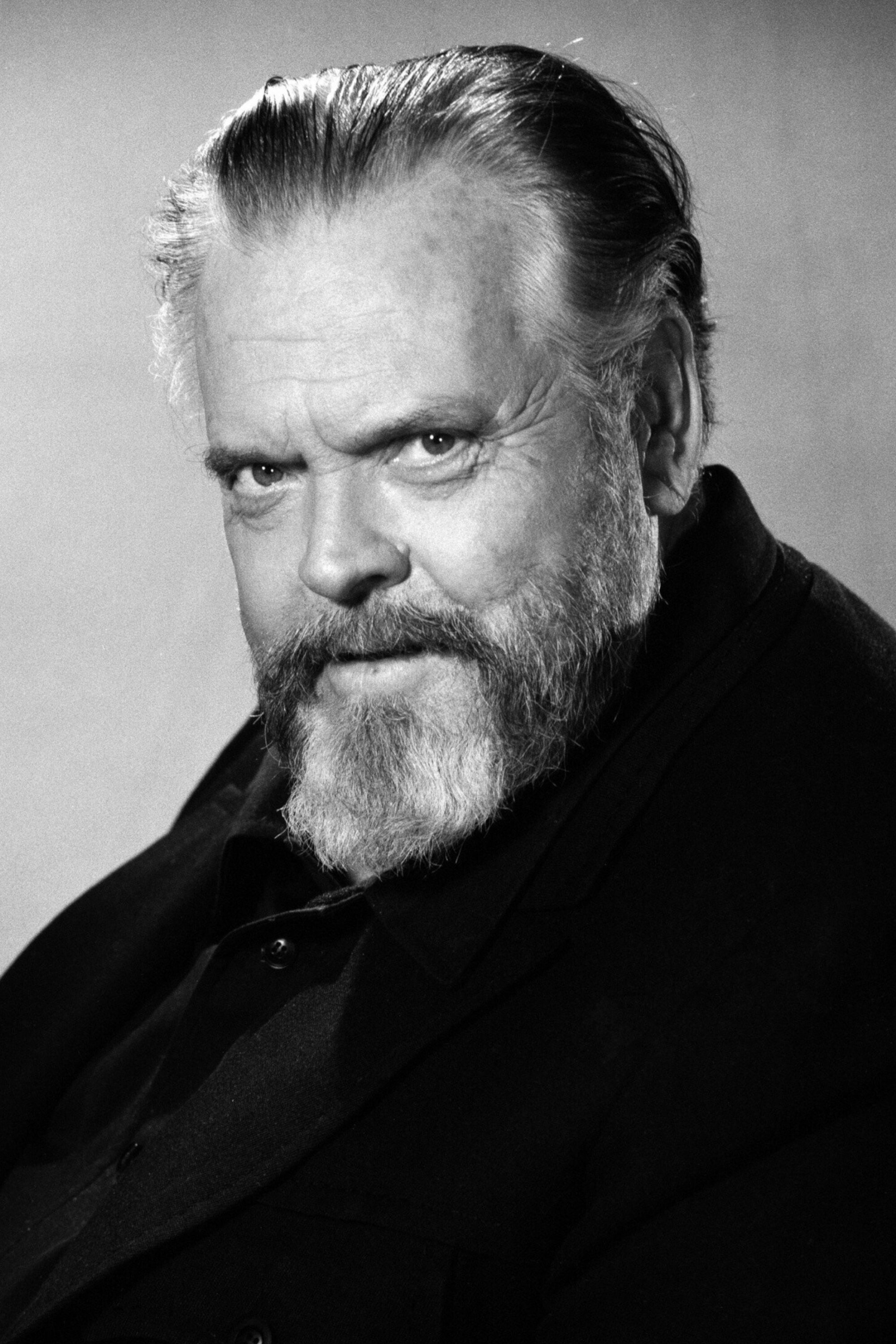
Welles was only twenty-five when he decided to make ‘Citizen Kane’ a thinly veiled attack on media tycoon William Randolph Hearst. He risked the wrath of one of the most powerful men in America who tried to destroy the film and buy the negatives to burn them. The industry backlash was severe and Welles struggled to get funding for his projects for the rest of his life. He chose artistic integrity over a comfortable career in the studio system.
Charlie Chaplin
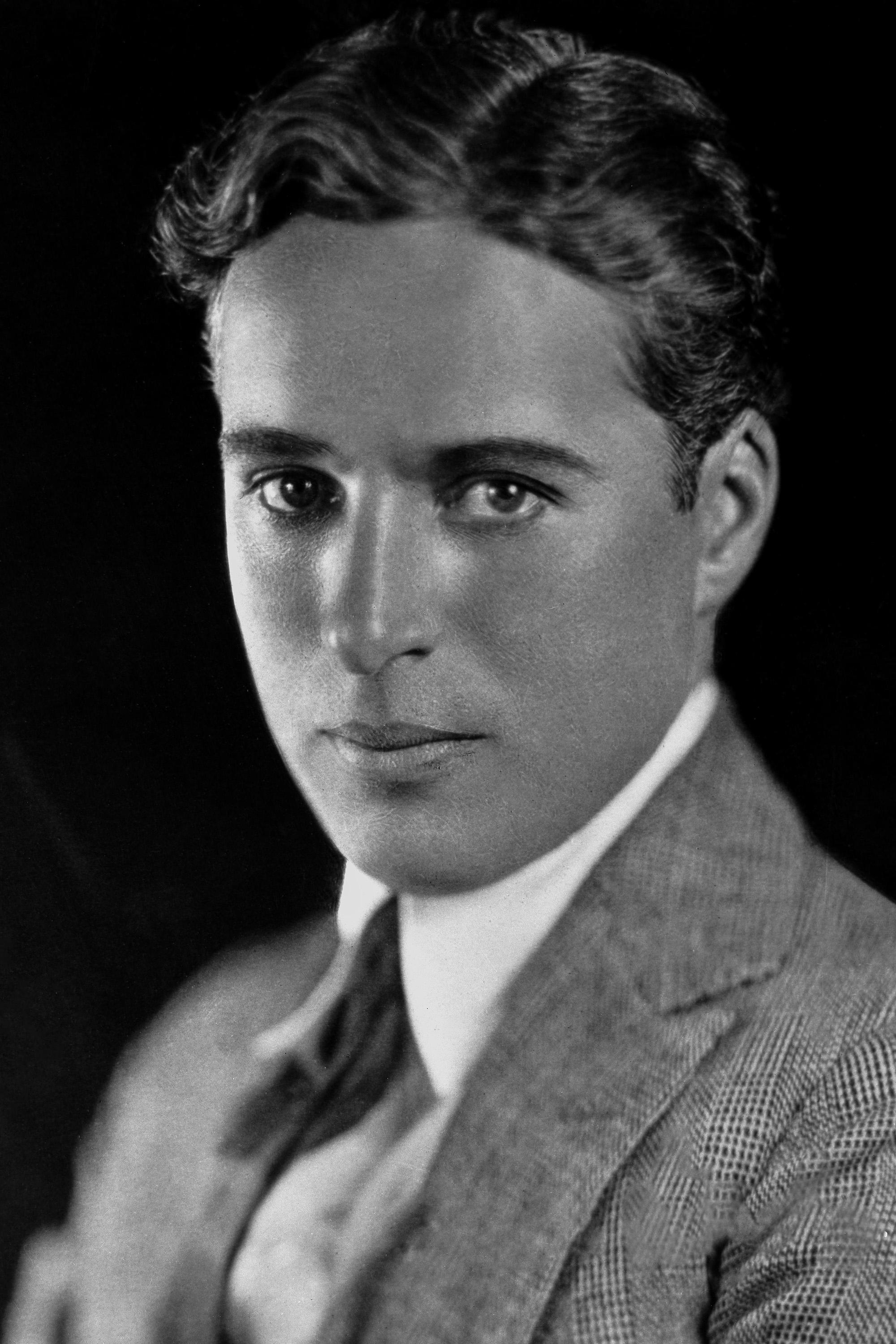
Chaplin produced ‘The Great Dictator’ in 1940 to satirize Adolf Hitler while the United States was still technically at peace with Germany. It was a massive financial and political risk to mock a dictator who had conquered much of Europe. He used his own money to fund the film and delivered a closing speech that pleaded for humanity and peace. The film remains a courageous act of political commentary.
Divine
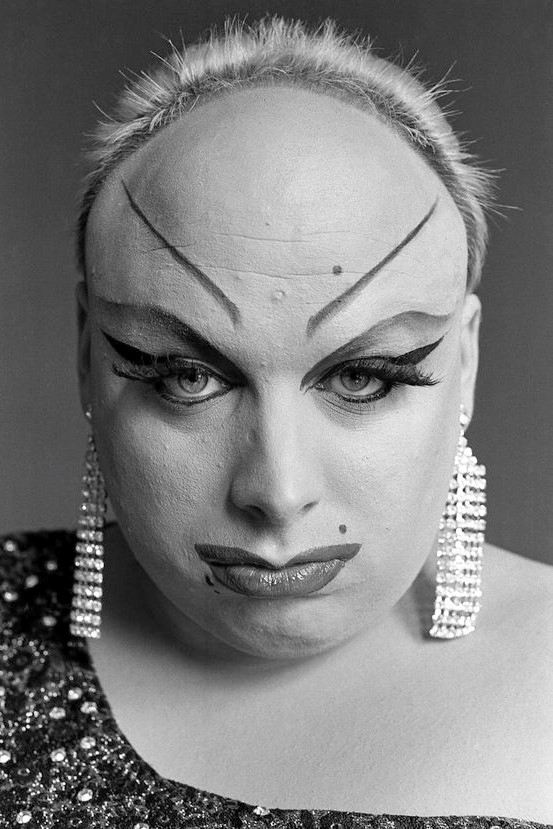
Divine worked with director John Waters to push the boundaries of taste in the film ‘Pink Flamingos’. The actor famously ate real dog filth in the final scene to prove he was the filthiest person alive. This act was shocking and branded him as a counter-culture icon willing to do absolutely anything. The risk cemented his status in cult cinema history but limited his mainstream opportunities.
Philip Seymour Hoffman
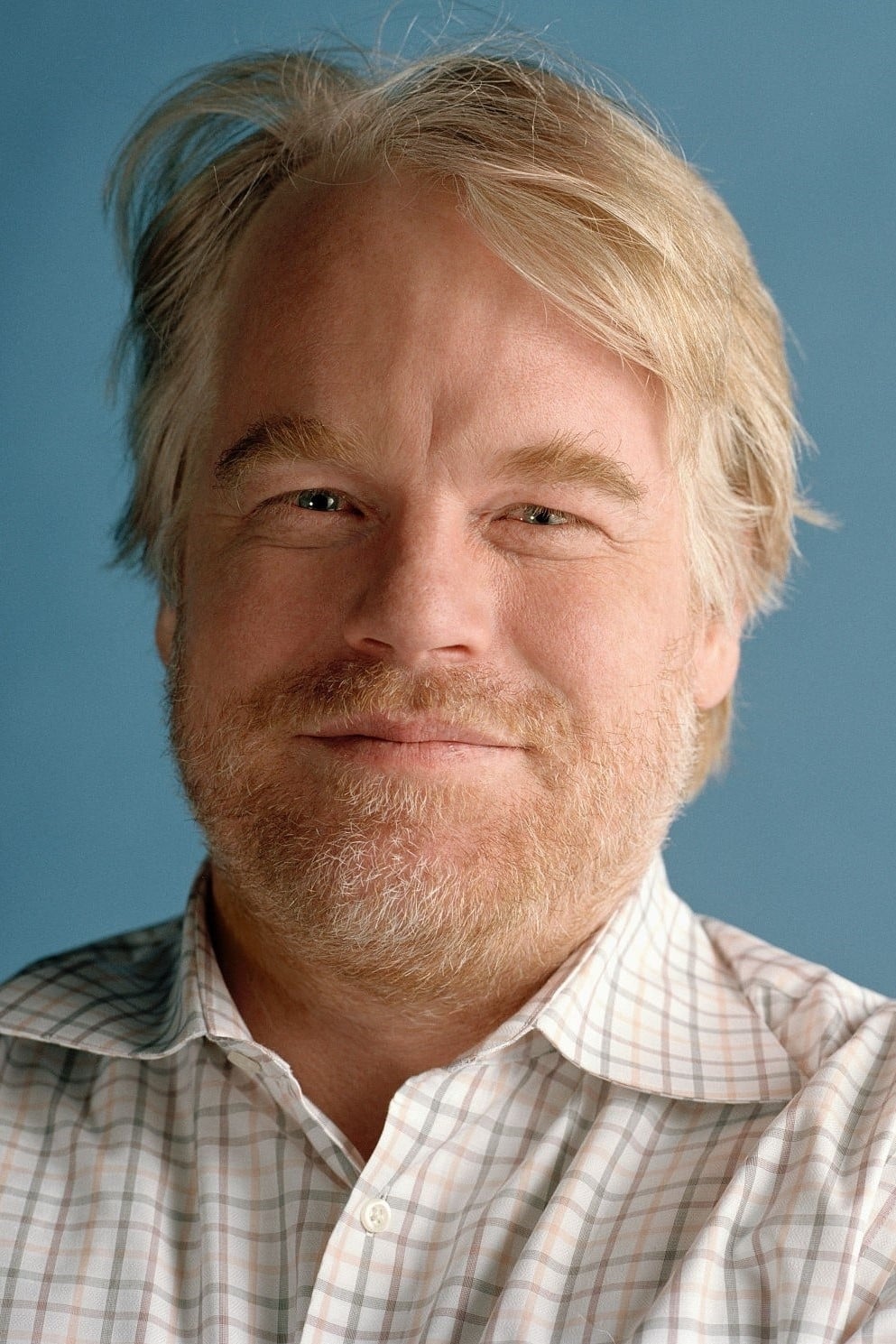
Hoffman was known for taking on roles that required him to expose deep wells of insecurity and loneliness. He often played characters that were repulsive or pathetic without judging them. His performance in ‘The Master’ showcased a volatility that felt dangerous and unscripted. He poured his own personal struggles into his work which gave his characters a heartbreaking realism.
Dennis Hopper
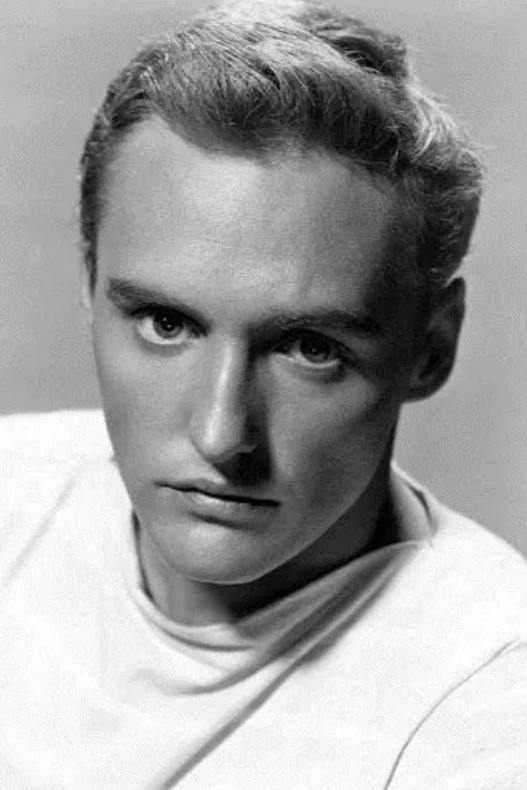
Hopper directed and starred in ‘Easy Rider’ which was a chaotic production fueled by drug use and improvisation. He engaged in a dangerous stunt involving dynamite known as the Russian Dynamite Death Chair to prove his bravery. His unpredictable behavior on set made him a liability to studios for many years. However, his risks ushered in the New Hollywood era of filmmaking.
Montgomery Clift

Clift was one of the first actors to bring the intense vulnerability of Method acting to the screen. After a car accident destroyed his face, he refused to hide his scars or physical pain in his later films. He allowed the audience to see his deterioration in ‘The Misfits’ alongside Marilyn Monroe. His refusal to mask his trauma made his performances deeply affecting.
John Cassavetes
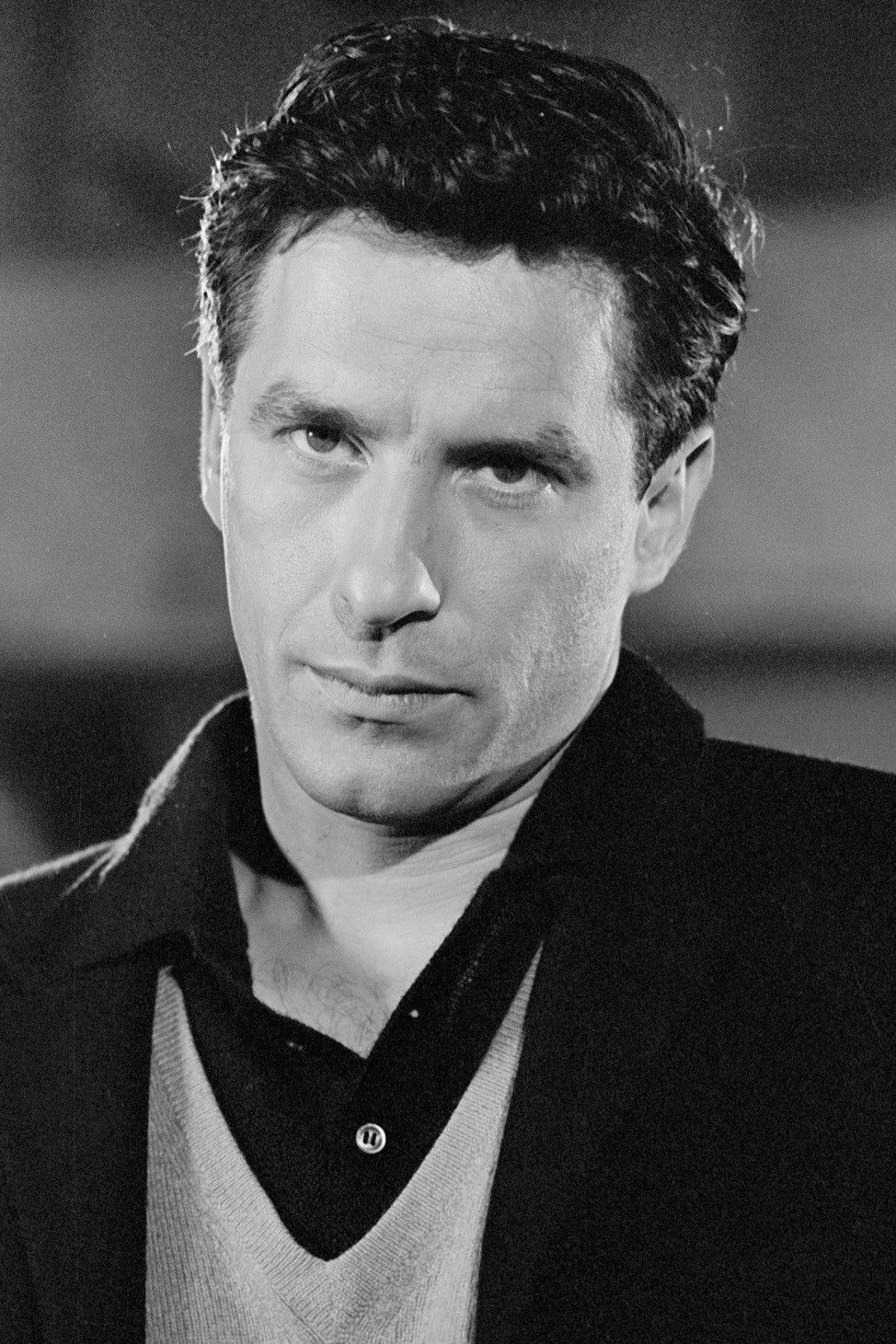
Cassavetes risked his own financial stability to fund his independent films like ‘A Woman Under the Influence’. He mortgaged his house and used his salary from acting jobs to pay for his directorial projects. He worked outside the studio system to tell raw stories about human relationships. His gamble paved the way for the entire American independent film movement.
Peter Sellers
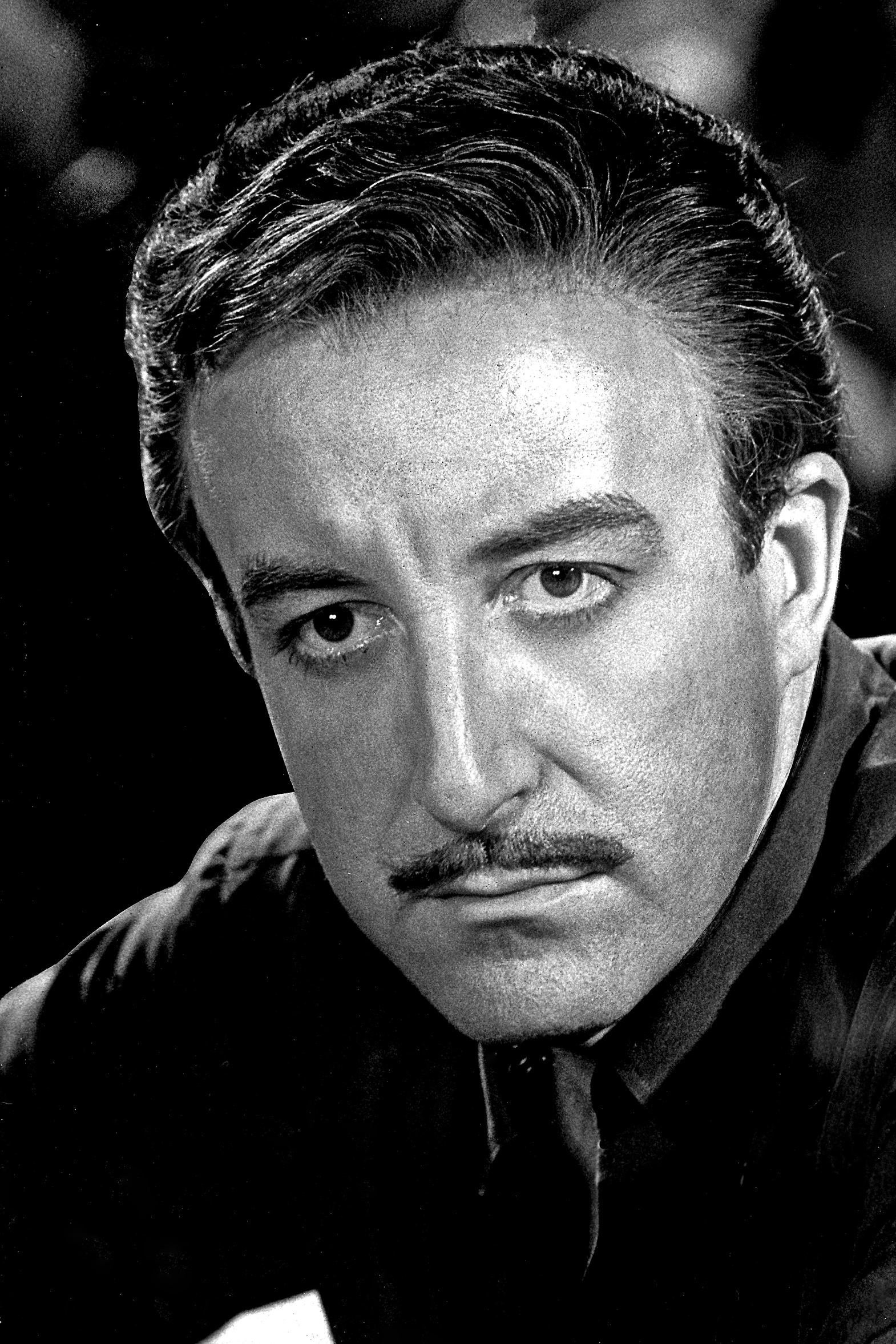
Sellers risked his health by playing three distinct roles in ‘Dr. Strangelove’ while suffering from heart problems. He improvised heavily and forced the cast and crew to adapt to his manic energy. He was originally slated to play a fourth role but the physical strain proved too much. His ability to vanish into multiple characters in a single film remains a benchmark for comedic acting.
Richard Pryor

Pryor transferred the raw honesty of his stand-up comedy to his film work and concert movies. He openly discussed his drug addiction and personal failures in ‘Jo Jo Dancer, Your Life is Calling’. He risked alienating audiences by refusing to soften his language or subject matter. This transparency revolutionized comedy and allowed future actors to be more vulnerable.
Gene Wilder
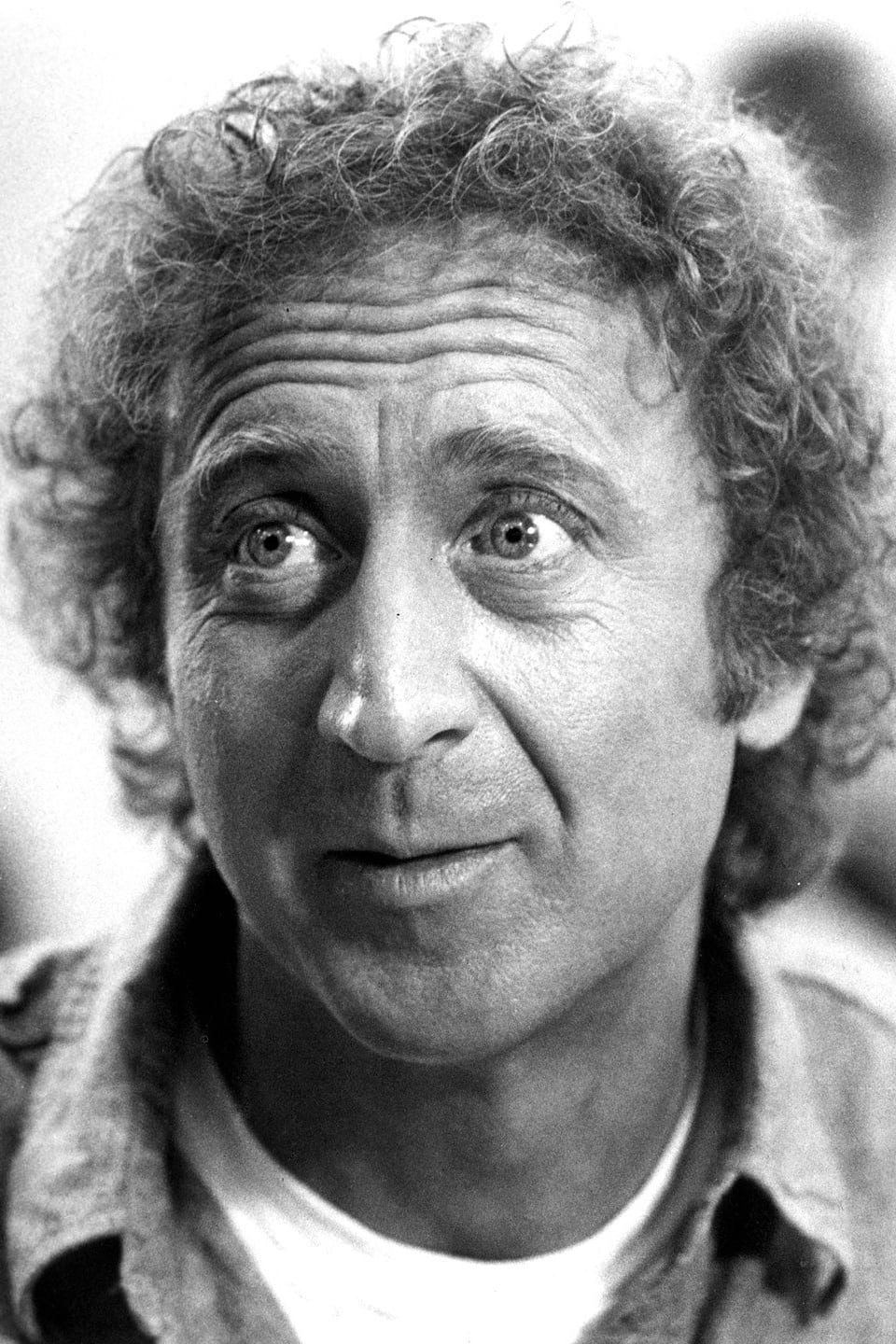
Wilder terrified the child actors on the set of ‘Willy Wonka & the Chocolate Factory’ during the boat tunnel scene. He improvised a manic scream that was not in the script and genuinely frightened the cast. He insisted on a somersault entrance for the character to keep the audience off balance about his sanity. These choices made his performance iconic and unsettling.
Chadwick Boseman
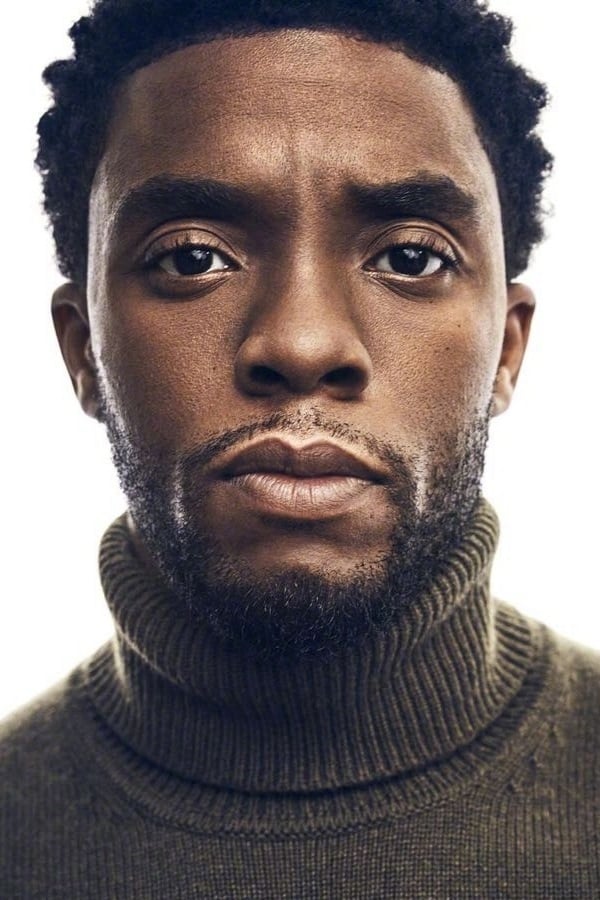
Boseman filmed huge action movies and intense dramas while silently battling stage IV colon cancer. He endured grueling shoot schedules for ‘Black Panther’ and ‘Da 5 Bloods’ between surgeries and chemotherapy. He chose to work through the pain to leave a body of work that would inspire others. His perseverance under such conditions is a testament to his supreme dedication to his craft.
Humphrey Bogart
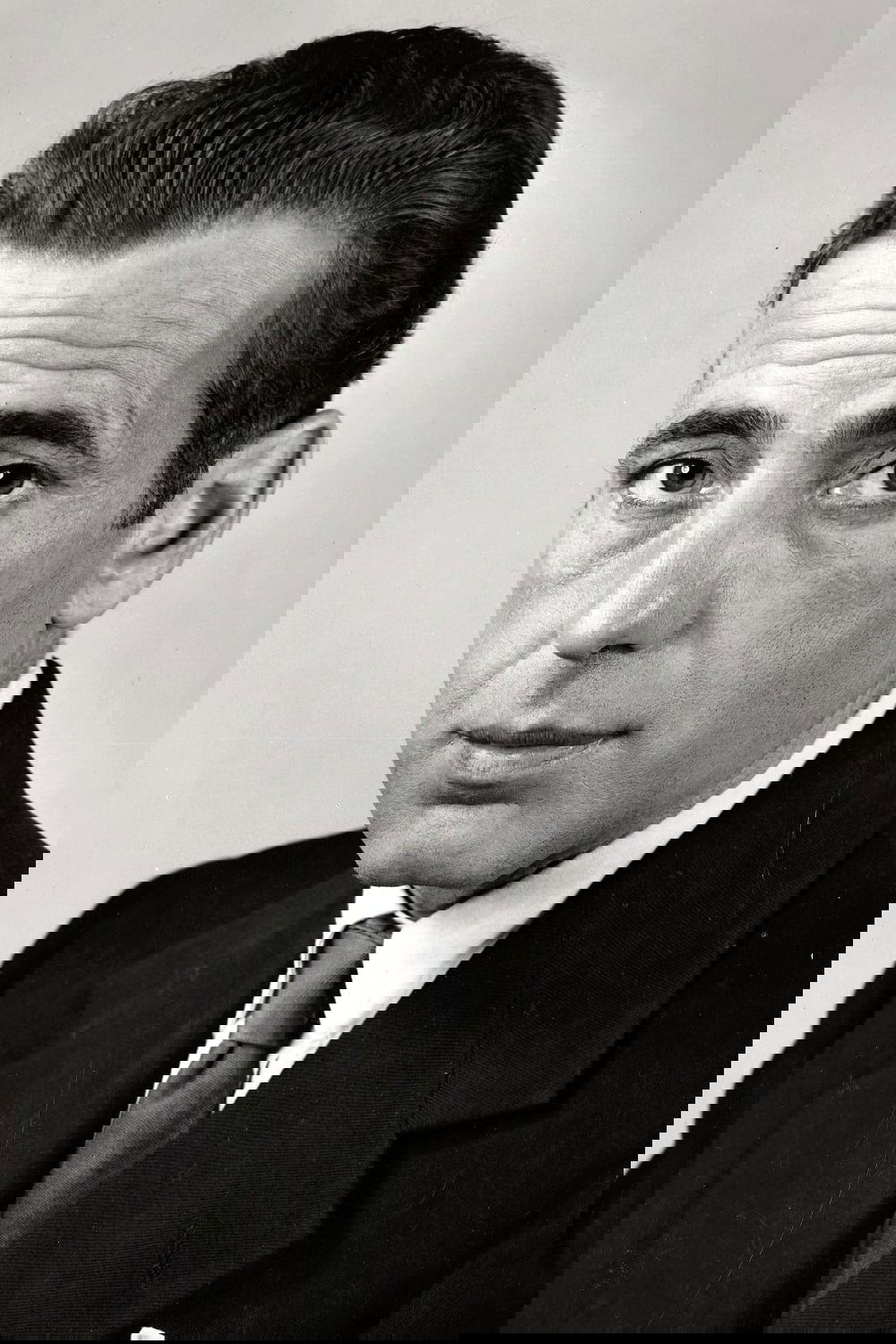
Bogart insisted on filming ‘The African Queen’ on location in the Congo and Uganda despite the health risks. While most of the cast and crew fell ill with dysentery, he famously avoided sickness by consuming only whiskey and canned food. He refused to use a studio backlot because he felt the sweating and discomfort added to the performance. His gamble resulted in his only Academy Award for Best Actor.
Raúl Juliá
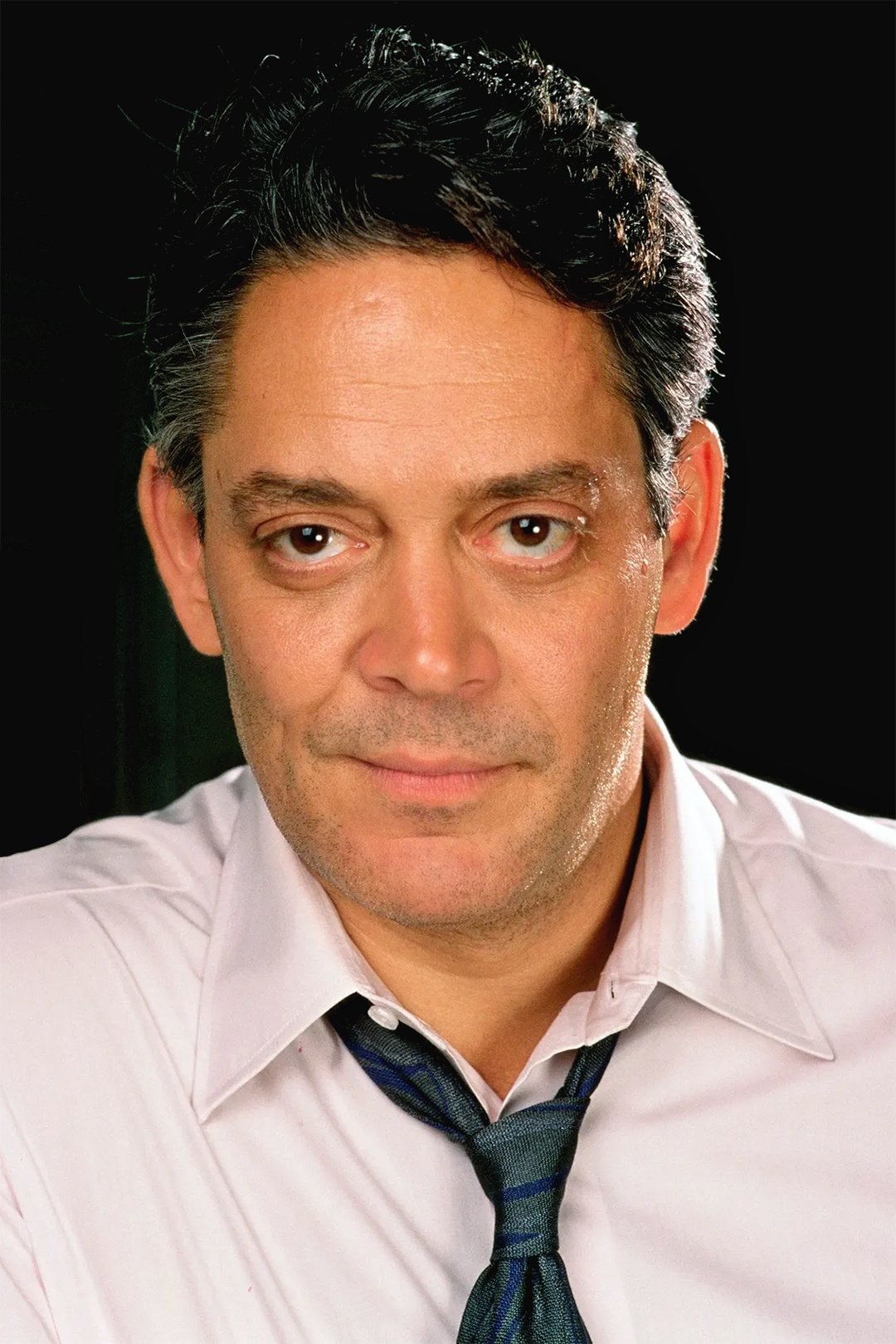
Julia accepted the role of M. Bison in ‘Street Fighter’ to make a film his children would enjoy. He was suffering from stomach cancer and was in visible pain throughout the production. Despite his frailty, he delivered a larger-than-life performance that is considered the highlight of the movie. He passed away shortly after filming, leaving this energetic role as his final gift to his family.
Oliver Reed
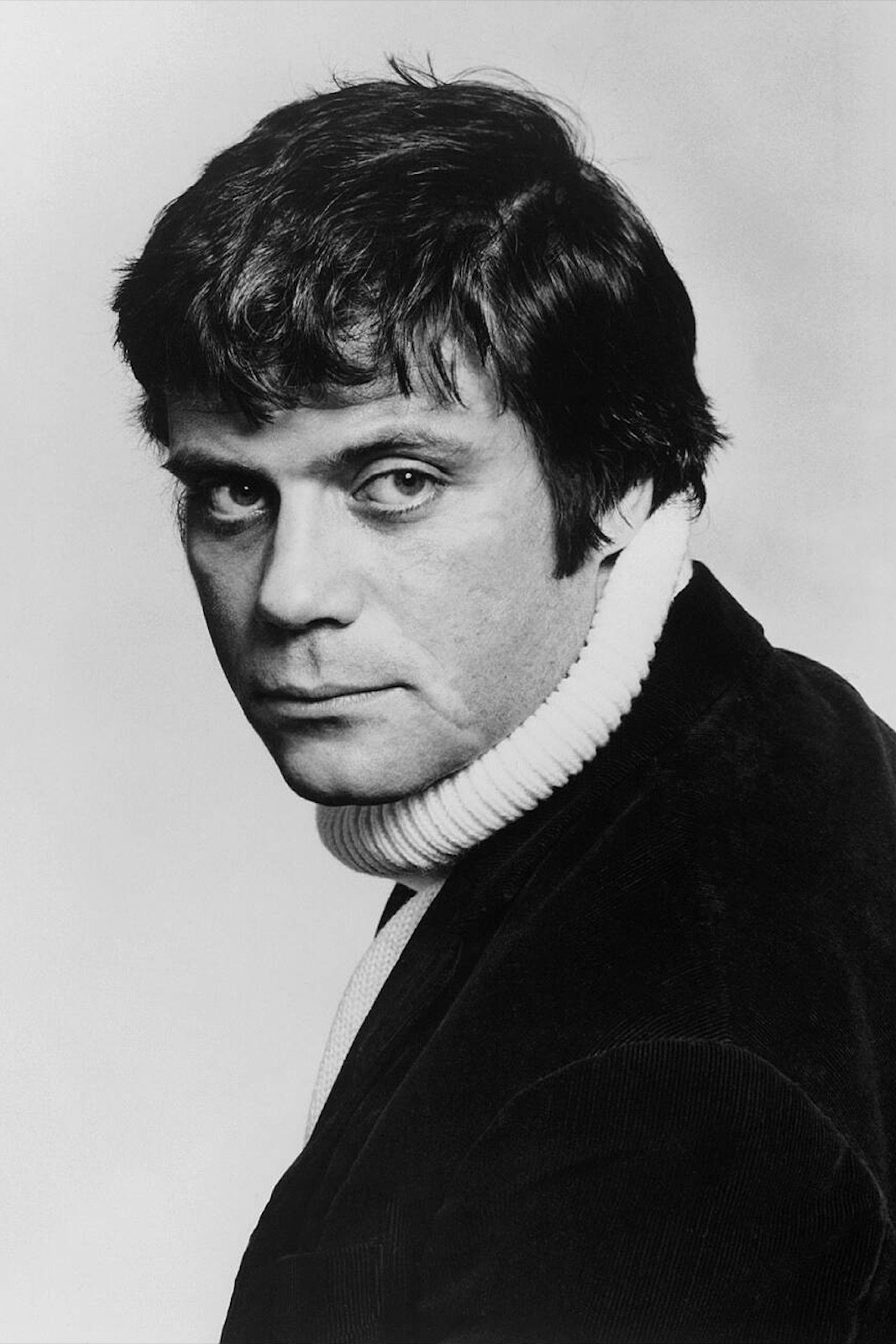
Reed was a notorious hellraiser who often allowed his drinking to bleed into his work. In ‘Gladiator’, he played a mentor to the protagonist and died before filming was completed. He lived a life of excess that gave his characters a weary and dangerous gravity. His final performance was salvaged with CGI but retained the grit he was famous for.
Harry Houdini
Houdini starred in several silent films where he performed his own escape stunts without camera tricks. In ‘The Master Mystery’, he performed dangerous feats involving chains and water tanks. He believed that film audiences needed to trust that his escapes were legitimate. He eventually quit the film industry because he felt the medium could too easily fake what he did for real.
Share your favorite risky performance from this list in the comments.