LGBTQ+ Actors Who Were Pushed Aside After One Big Breakout

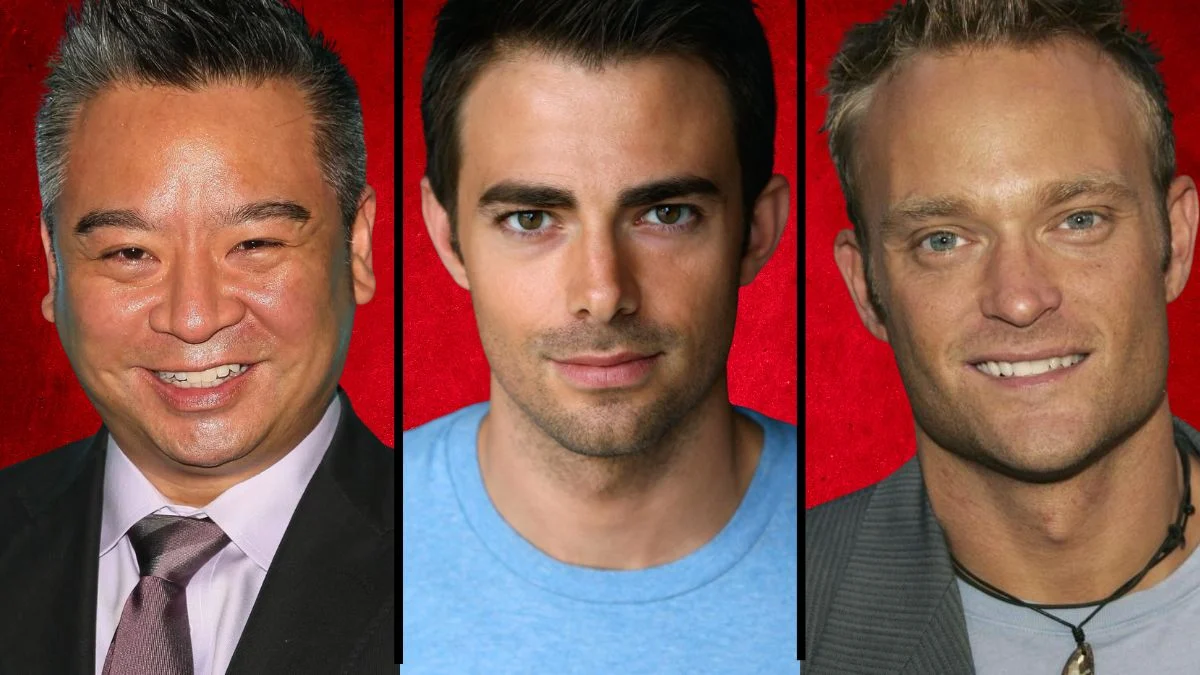

Hollywood has a long history of celebrating breakthrough performances while simultaneously failing to support the diverse talent behind them. Many talented actors achieved massive success with a defining role only to find their opportunities limited due to their sexual orientation or industry typecasting. This phenomenon has affected leading men from the Golden Age of cinema to modern television stars who struggled to find work after coming out. The industry often pigeonholes these performers into specific caricatures or denies them the leading man status their initial success warranted. This list highlights male actors who faced career stagnation or a shift away from the spotlight following their major breakthroughs.
William Haines
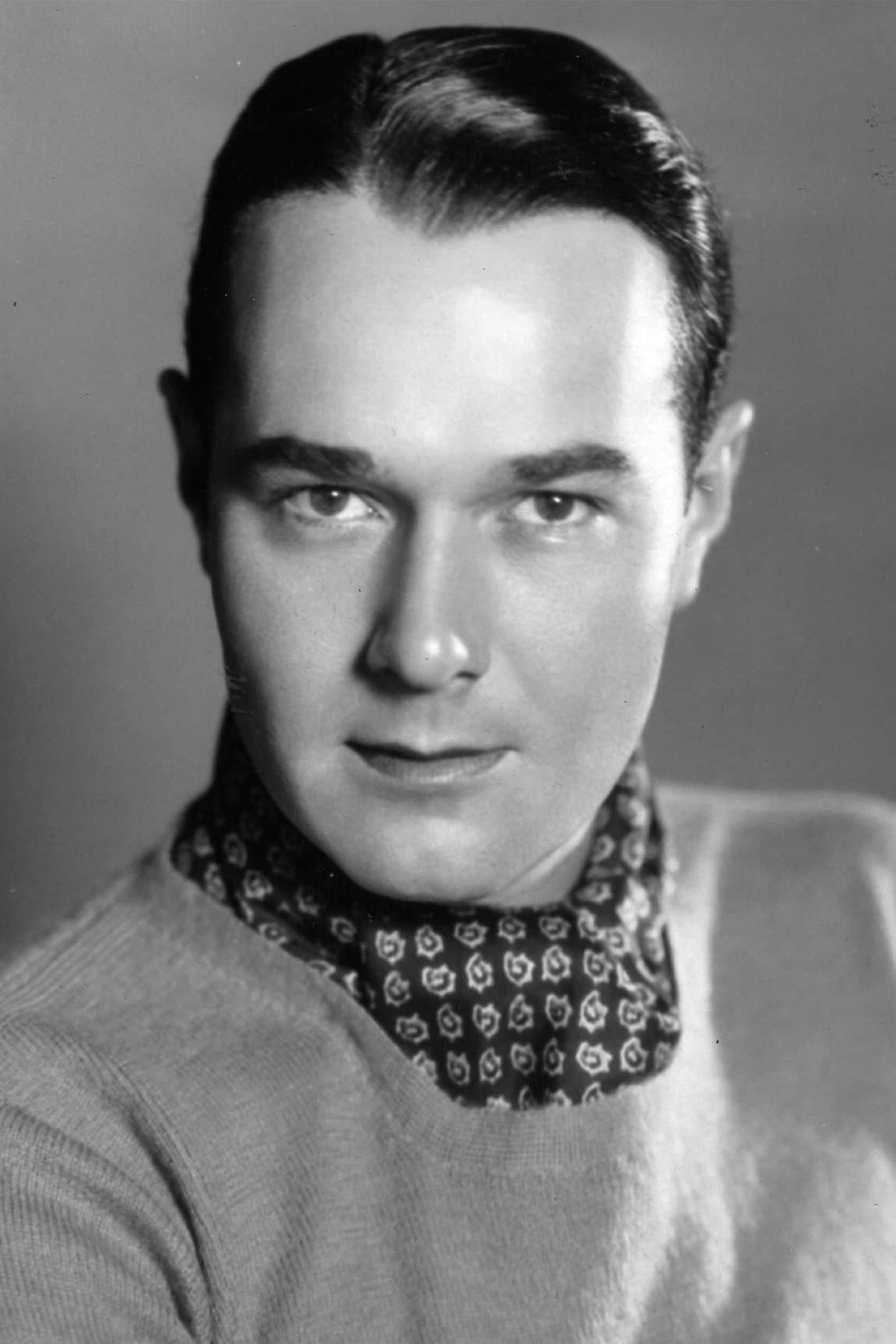
Haines was the top male box office draw for MGM in the late 1920s and celebrated for his charismatic performances in romantic comedies. The studio system eventually demanded that he deny his homosexuality and enter a sham marriage to preserve his image. Haines refused to compromise his personal life or end his relationship with partner Jimmie Shields. MGM studio head Louis B. Mayer fired him and effectively blacklisted him from the film industry. The former star pivoted to a successful career as an interior designer for the Hollywood elite who once employed him.
George Nader
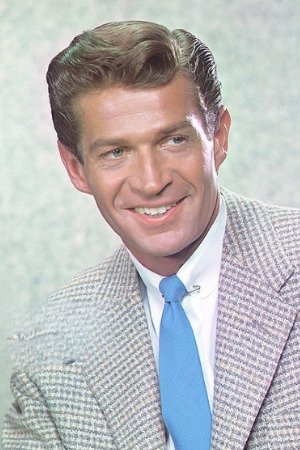
This classic leading man won a Golden Globe in 1955 and seemed poised for superstardom with his rugged good looks. His career came to an abrupt halt due to a backroom deal made by his own studio to protect a bigger star. Universal Pictures allegedly traded information about Nader’s sexuality to a scandal magazine to prevent them from outing Rock Hudson. Nader found himself unable to secure work in Hollywood following the betrayal. He eventually moved to Europe to find acting roles before retiring from the screen entirely.
Tommy Kirk
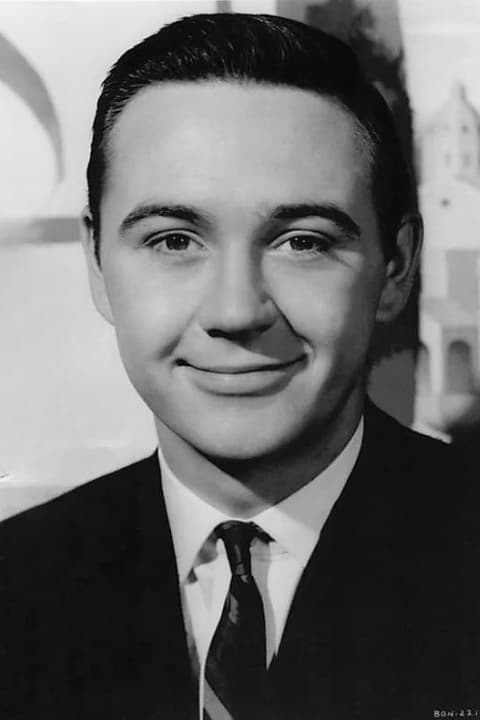
Kirk was a beloved child star and a staple of Disney live-action films like ‘Old Yeller’ and ‘The Shaggy Dog’. His relationship with the studio ended abruptly when Walt Disney personally fired him after discovering he was gay. The dismissal derailed his transition into adult roles and left him struggling to shed his wholesome image. Kirk found work in low-budget beach party movies but never regained his footing in mainstream cinema. He later left acting behind to run a carpet cleaning business and distanced himself from Hollywood.
Tab Hunter
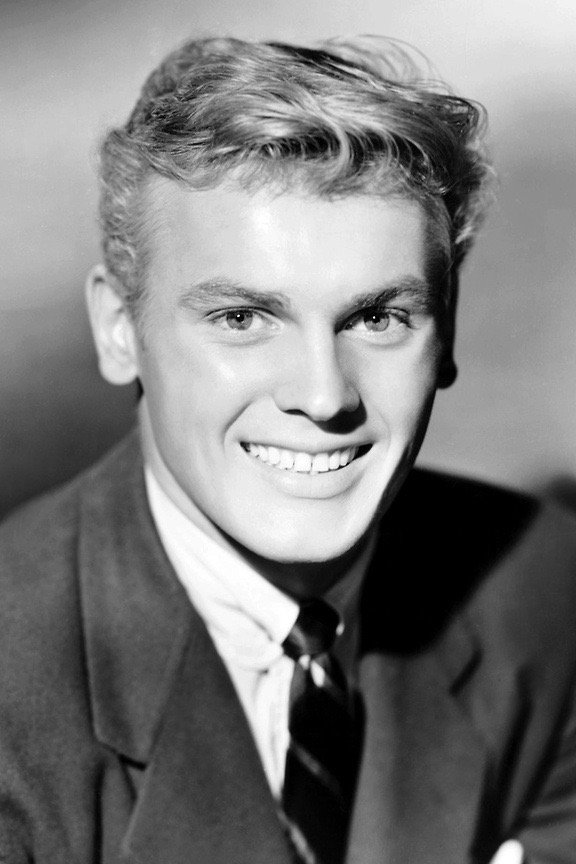
Hunter rose to fame in the 1950s as the ultimate all-American heartthrob and starred in hits like ‘Damn Yankees’. His clean image was constantly threatened by rumors regarding his sexuality and a carefully orchestrated arrest story planted by the press. The studio system worked overtime to manufacture relationships with actresses to cover his tracks. He eventually bought out his contract to escape the stifling control of the studio machine. His mainstream leading man opportunities dwindled as the industry refused to embrace him as an authentic actor beyond his heartthrob persona.
Sal Mineo
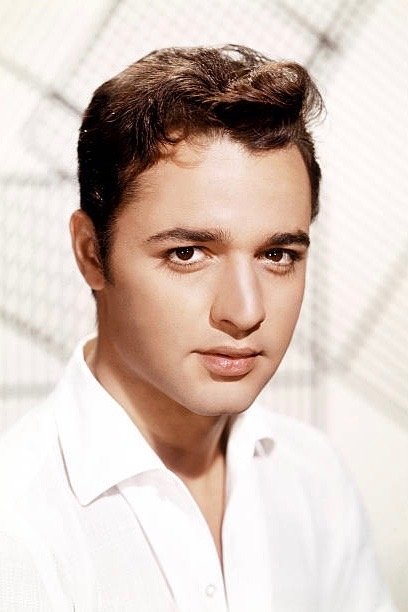
Mineo earned two Academy Award nominations before the age of twenty and became a cultural icon in ‘Rebel Without a Cause’. His career momentum stalled as he grew older and sought roles that broke away from his troubled teen typecasting. He was one of the first major actors to publicly acknowledge his bisexuality in the 1960s. Casting directors subsequently stopped offering him leading roles in major studio pictures. He turned to theater and television directing before his tragic murder in 1976.
Anthony Perkins
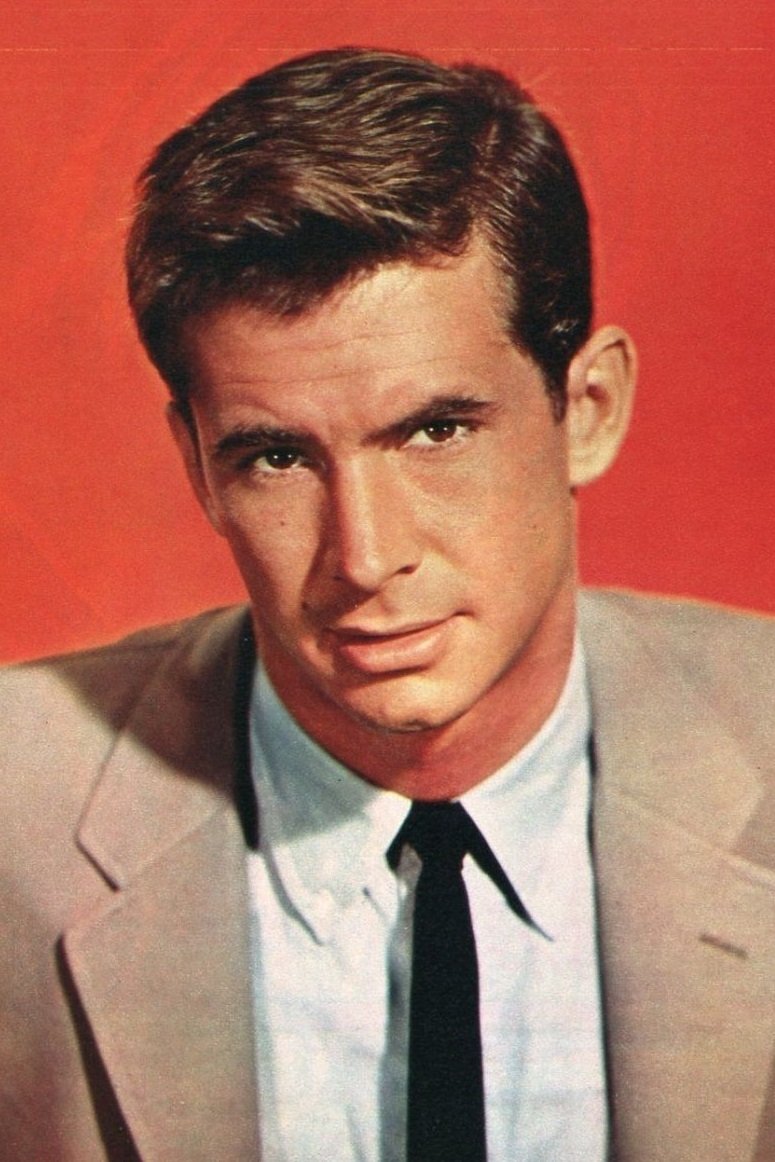
Perkins delivered a legendary performance as Norman Bates in ‘Psycho’ that forever changed the horror genre. The massive success of the film paradoxically trapped him in a cycle of villainous typecasting that he struggled to escape. Industry whispers about his sexuality further complicated his ability to secure romantic lead roles in other genres. He continued to work steadily but rarely found projects that matched the prestige of his Hitchcock debut. Perkins remained closely associated with the Bates character for the rest of his life.
Brad Davis
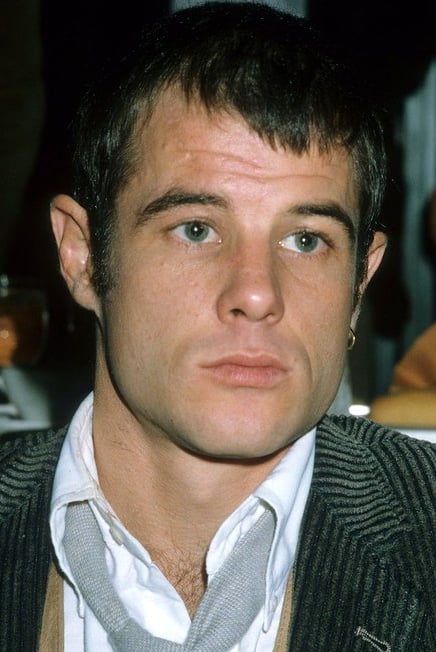
Davis exploded onto the scene with his Golden Globe-winning performance in ‘Midnight Express’. He became a sought-after talent until rumors regarding his sexuality and drug use began to circulate within the industry. The actor was diagnosed with HIV in 1985 and kept his condition a secret to remain employable. Hollywood producers eventually viewed him as a liability and stopped casting him in significant studio projects. His career was relegated to B-movies and guest spots until his death in 1991.
Jaye Davidson
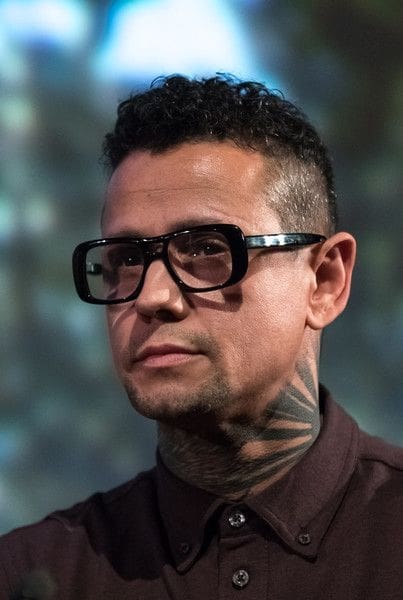
Davidson received an Academy Award nomination for his stunning film debut in ‘The Crying Game’. He followed this success with a villainous role in the blockbuster sci-fi film ‘Stargate’. The intense scrutiny regarding his gender presentation and sexuality made him uncomfortable with the Hollywood machine. He ultimately decided that the fame and industry pressure were not worth the personal cost. Davidson retired from acting almost immediately to pursue a career in fashion.
Rupert Everett
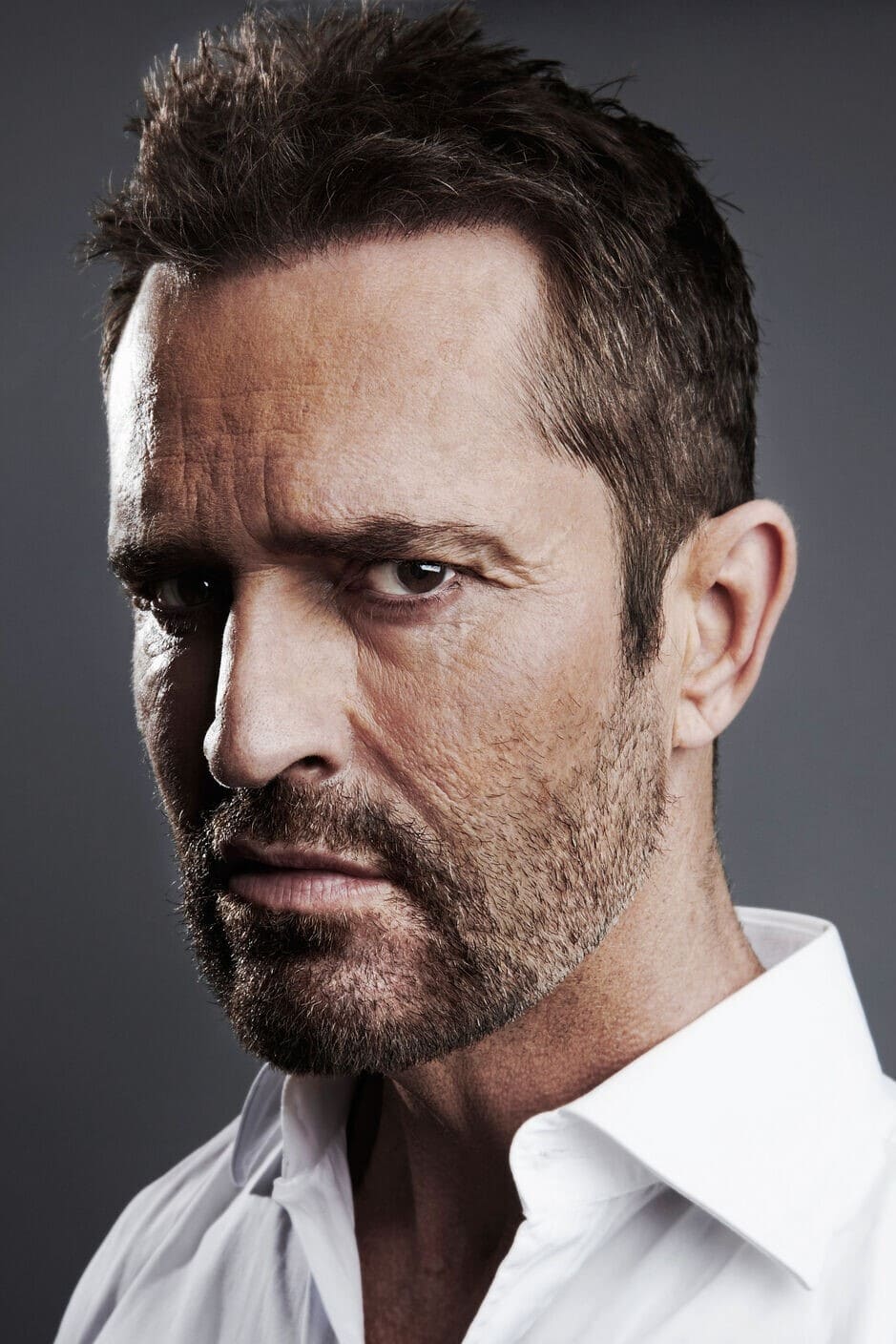
Everett became a global sensation with his scene-stealing performance in ‘My Best Friend’s Wedding’. He was one of the few openly gay actors attempting to maintain a career as a mainstream leading man in the 1990s. The actor has been vocal about how his openness affected his ability to secure starring roles in action or romantic films. Studios hesitated to cast him as a heterosexual romantic lead despite his proven box office draw. His film career cooled significantly until a resurgence in character roles years later.
Chad Allen
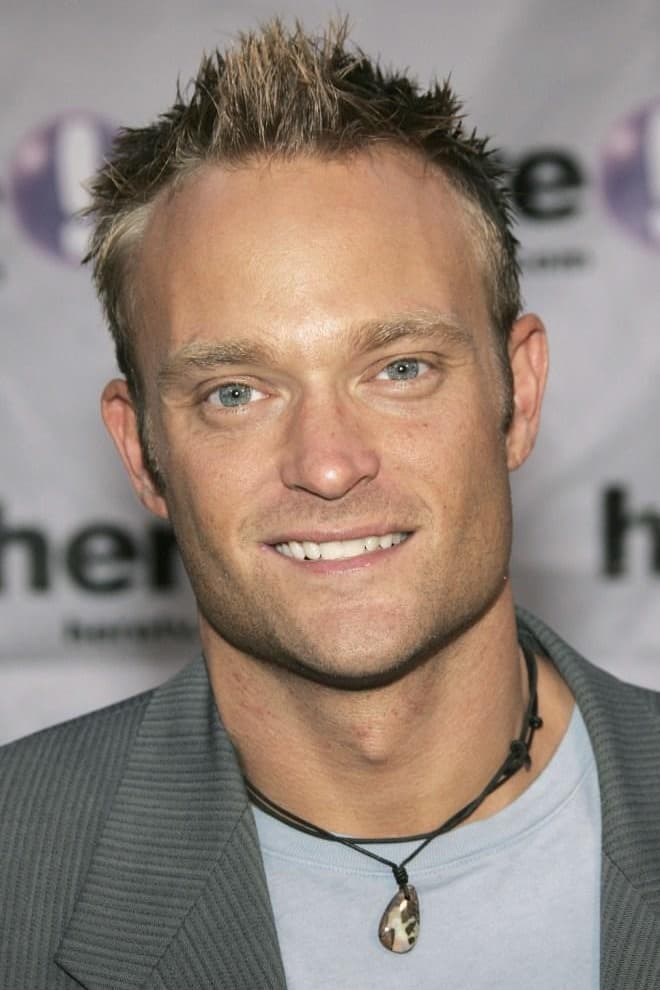
Allen was a teen idol known for his role on the hit drama ‘Dr. Quinn, Medicine Woman’. A tabloid published photos of him kissing another man in a swimming pool and effectively outed him to the world. The revelation alienated the conservative fanbase of his show and limited his future casting options. He transitioned to independent films and theater work rather than fighting for mainstream acceptance. Allen eventually retired from acting to become a clinical psychologist.
Mitchell Anderson
Anderson was a familiar face on television with regular roles in ‘Doogie Howser, M.D.’ and ‘Party of Five’. He made headlines by coming out publicly at an awards show in 1996. The actor found that auditions and offers dried up almost immediately after his announcement. He struggled to find a place in an industry that was not yet ready for openly gay character actors. Anderson eventually left Los Angeles to open a restaurant in Atlanta.
Thom Bierdz
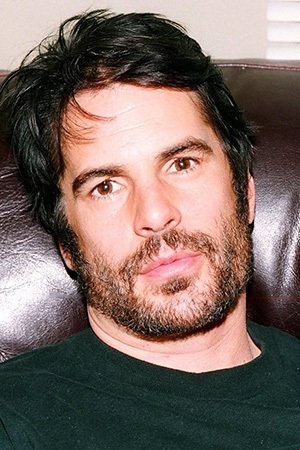
Bierdz played a central heartthrob role on the soap opera ‘The Young and the Restless’ during the late 1980s. His departure from the show coincided with press inquiries into his personal life. The actor has stated that being openly gay was not an option for a soap opera hunk at the time. He stepped away from the industry for many years to focus on painting and writing. He later returned to the show in a limited capacity as an openly gay character.
Jonathan Bennett
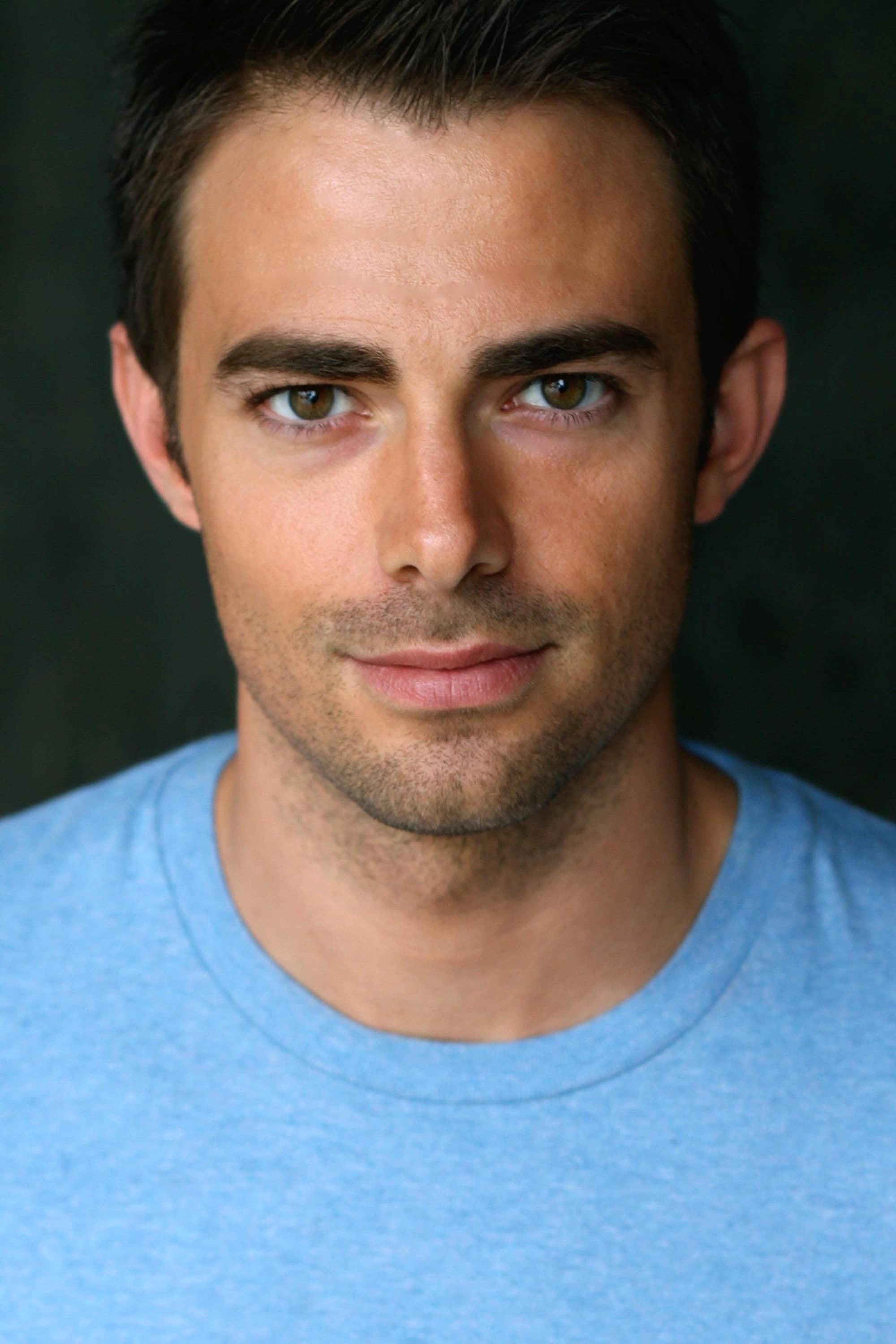
Bennett became an instant crush for a generation after starring as Aaron Samuels in ‘Mean Girls’. The massive success of the film did not translate into a sustained film career as a leading man. He was encouraged to stay in the closet to preserve his marketability to female audiences. Bennett eventually came out and found his niche in hosting gigs and Hallmark movies. The industry largely moved on from viewing him as a mainstream film protagonist.
Daniel Franzese
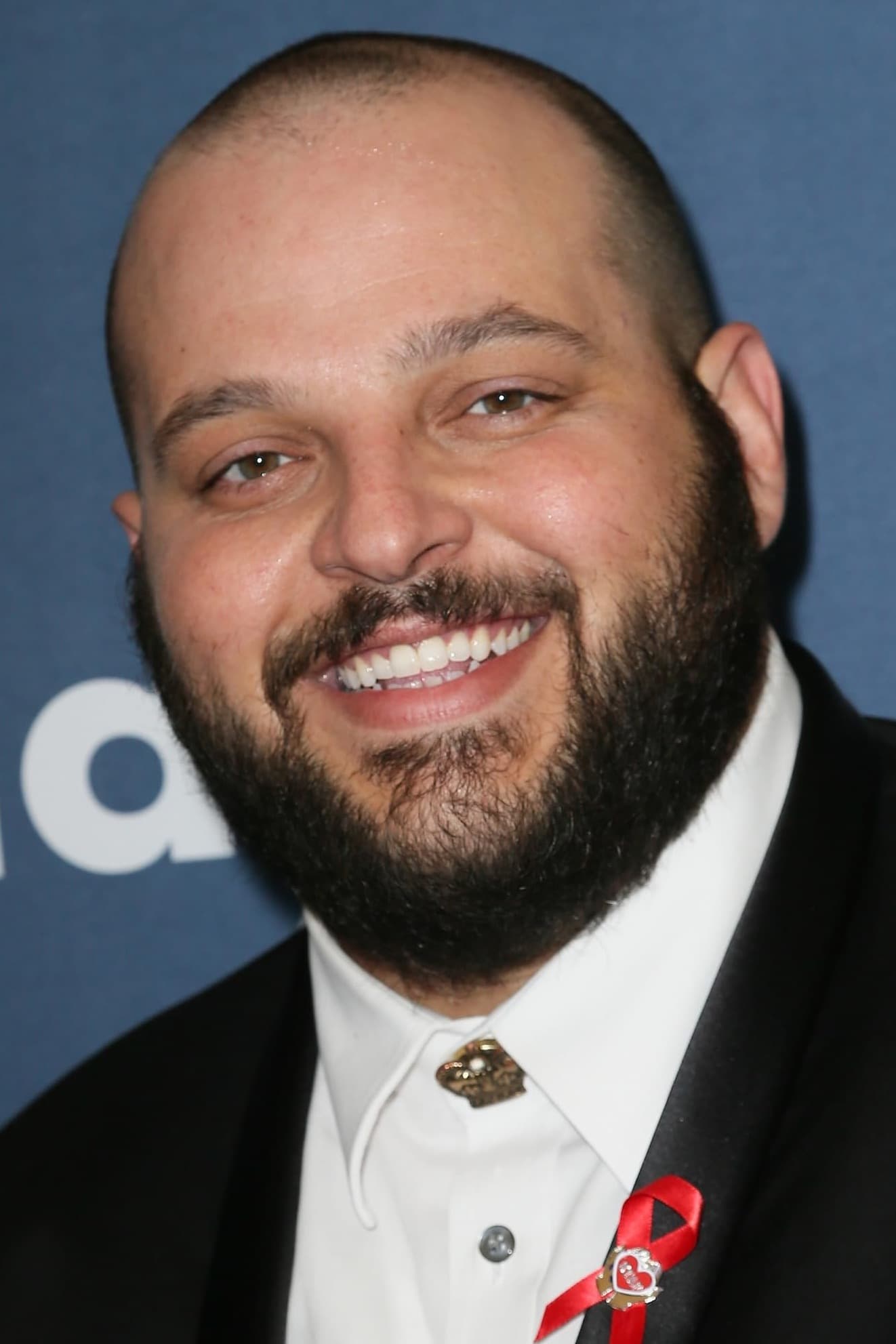
Franzese delivered a memorable breakout performance as Damian in the cult classic ‘Mean Girls’. He struggled to find roles that did not rely on stereotypes about gay men or overweight characters. The actor felt that Hollywood did not know how to cast him in serious or diverse projects. He eventually found success in television shows like ‘Looking’ but film roles remained scarce. Franzese has since become an advocate for body positivity and LGBTQ+ representation.
Chris Colfer
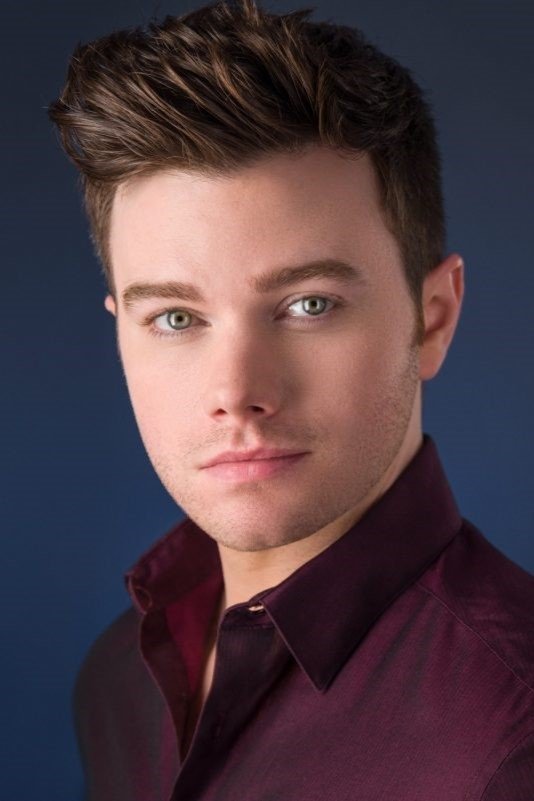
Colfer became a global breakout star as Kurt Hummel on the musical series ‘Glee’. His portrayal earned him a Golden Globe and critical acclaim for bringing LGBTQ+ stories to the forefront. The actor found it difficult to shed the specific persona of his famous character after the series ended. He shifted his creative focus to writing best-selling children’s books. His acting appearances became sporadic as he pursued literary success over Hollywood auditions.
Lance Bass
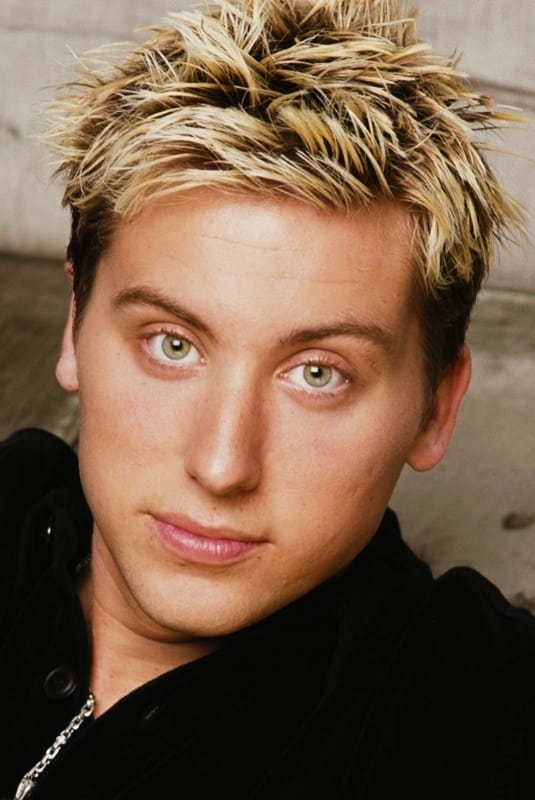
Bass was a member of *NSYNC and attempted to launch an acting career with the romantic comedy ‘On the Line’. The film underperformed and his subsequent coming out shifted the public perception of him. Producers were hesitant to cast him in straight roles once his sexuality became public knowledge. He pivoted to producing and reality television rather than continuing to chase scripted acting roles. Bass remains a prominent public figure but rarely appears in dramatic narratives.
Rex Lee
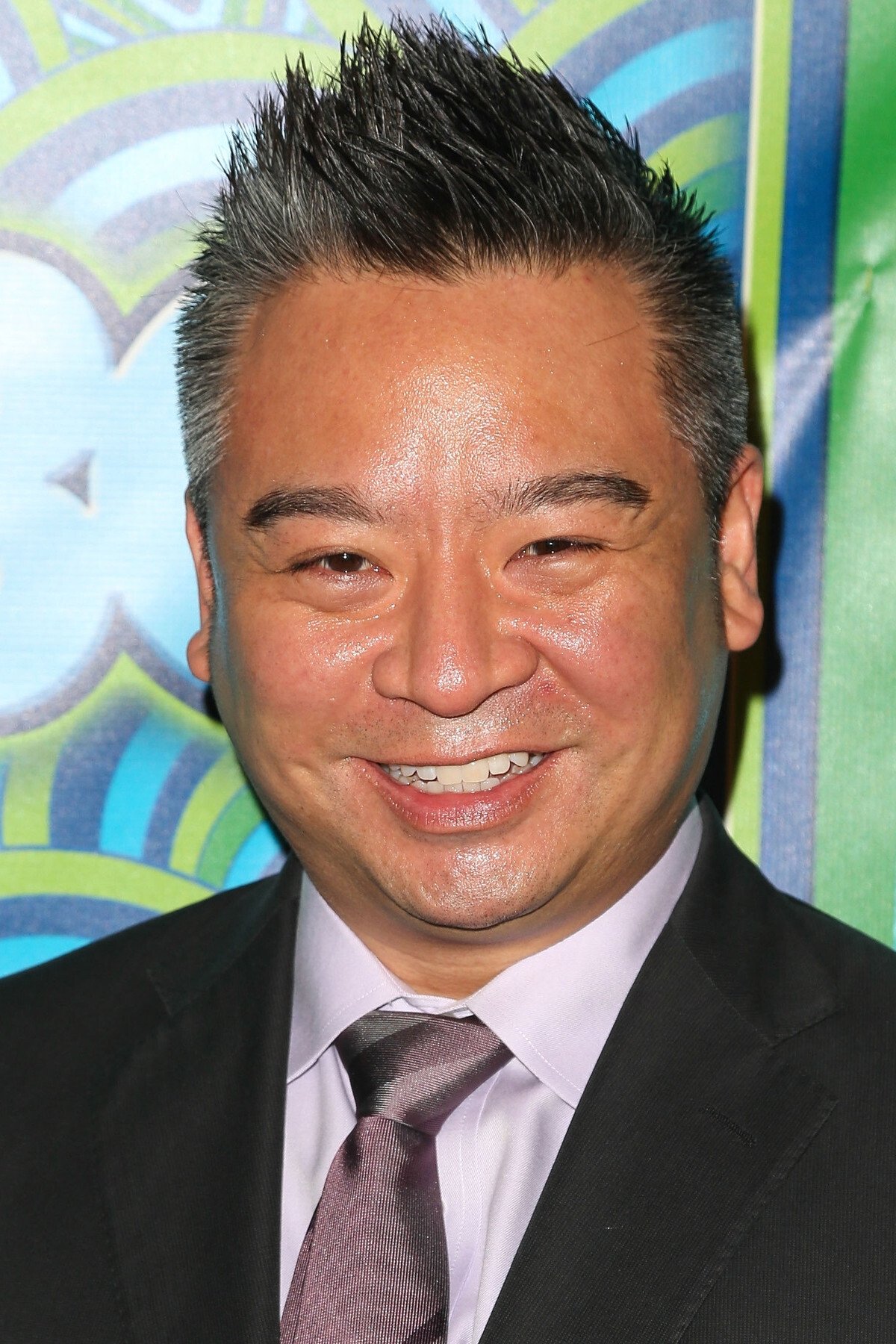
Lee gained fame as the long-suffering assistant Lloyd Lee on the HBO hit ‘Entourage’. His character was beloved but also relied heavily on stereotypes for comedic effect. The actor found himself typecast and struggled to book roles that showcased a different side of his range. He later secured a regular role on ‘Young & Hungry’ but remained in the sitcom sphere. Mainstream film dramas rarely offered him the opportunity to break out of the comedic relief mold.
Bryan Batt
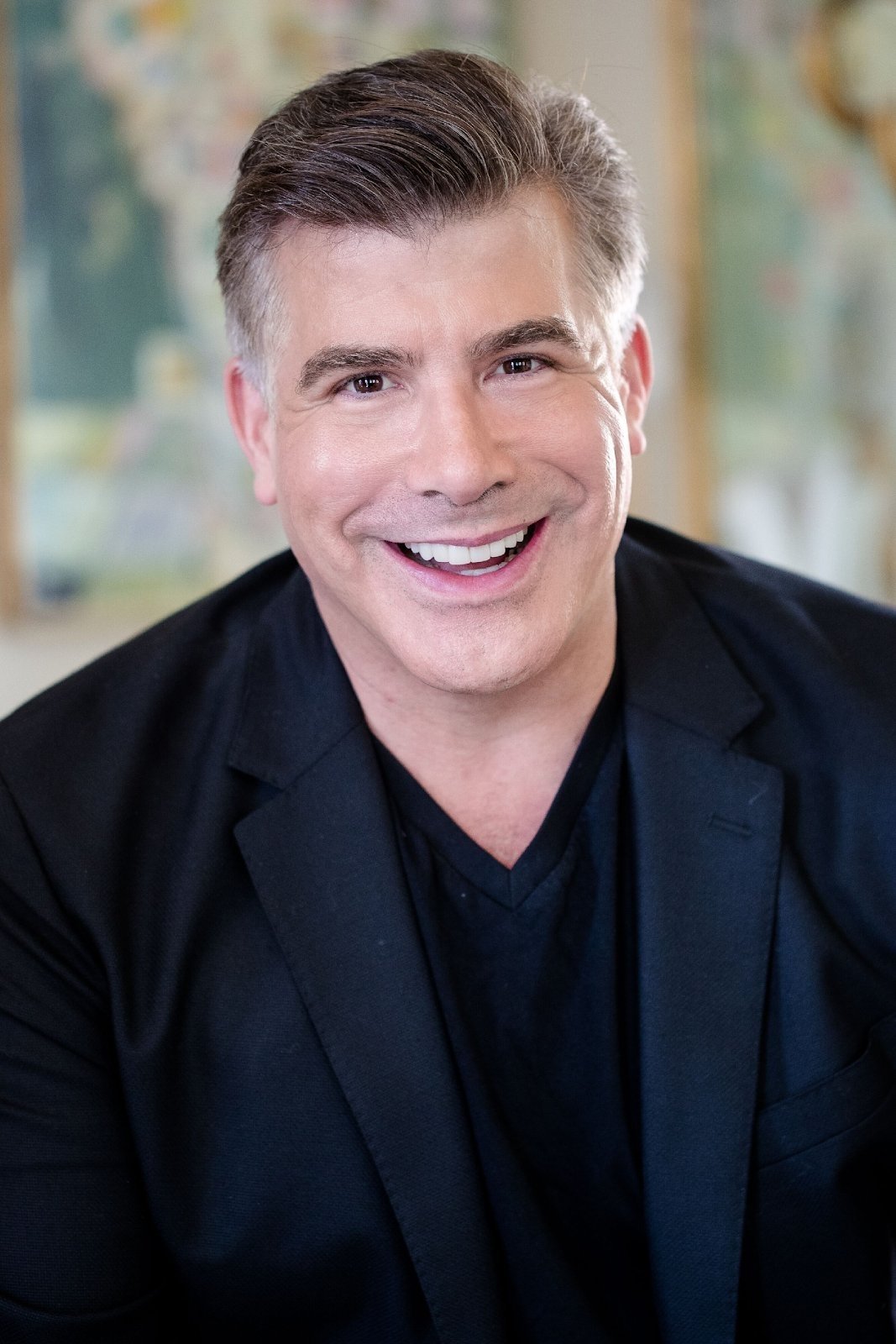
Batt played the closeted art director Sal Romano on the critically acclaimed series ‘Mad Men’. His character was abruptly written out of the show despite being a pivotal part of the ensemble. The actor has worked steadily in theater and small projects but never landed another major television vehicle. He returned to his native New Orleans to run a design business with his partner. His swift exit from a peak prestige drama remains a point of confusion for fans.
Sean Hayes
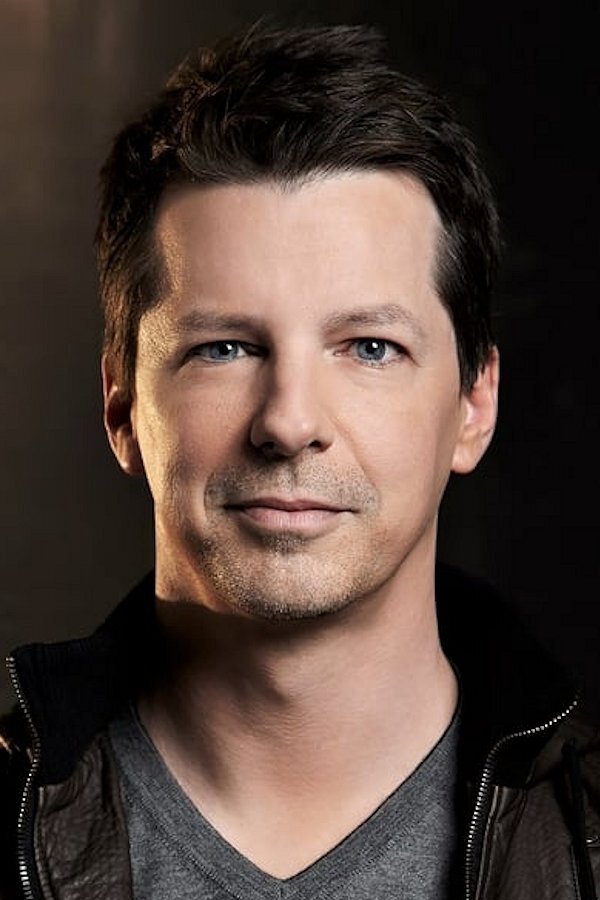
Hayes created an iconic comedic character with Jack McFarland on ‘Will & Grace’. The immense popularity of the role made it nearly impossible for audiences to see him as anyone else. He attempted to lead films like ‘The Three Stooges’ but failed to ignite a movie career. The industry viewed him strictly as a sitcom actor with a specific flamboyant energy. He has found success producing television and hosting podcasts rather than leading films.
Nathan Lane
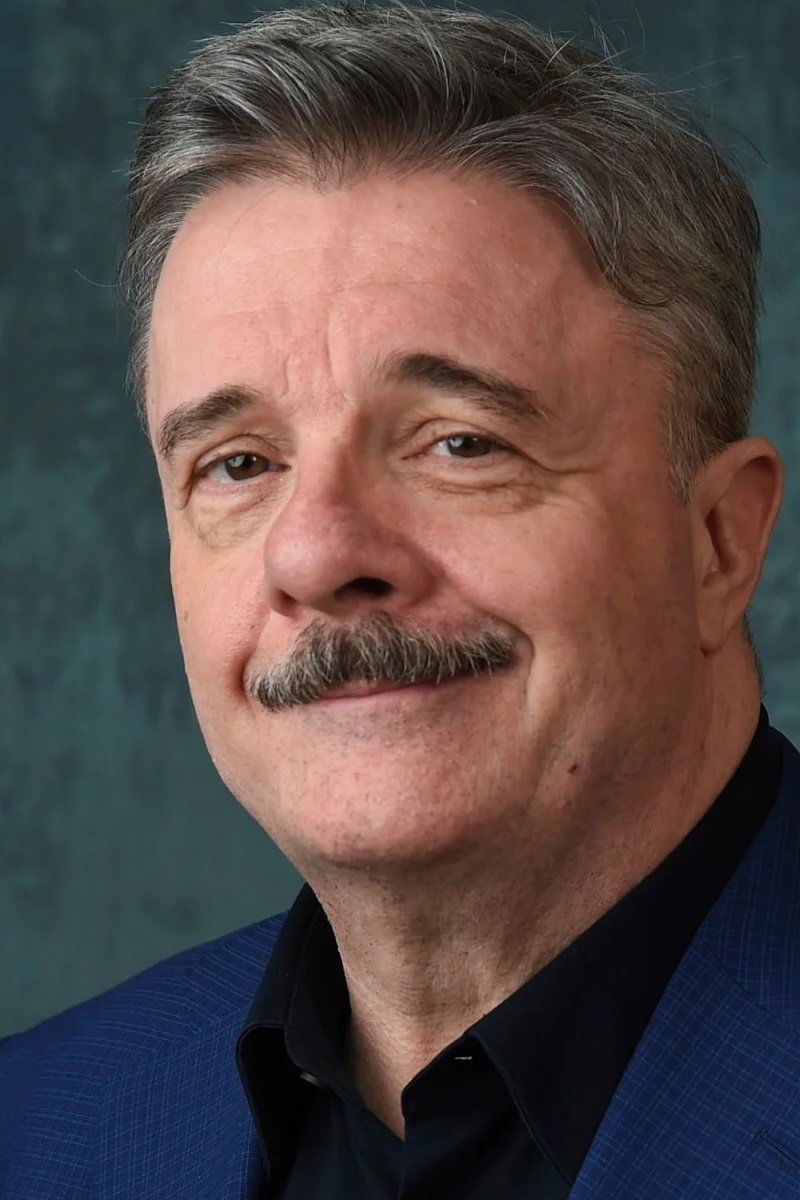
Lane is a theater legend who scored a massive mainstream hit with ‘The Birdcage’ alongside Robin Williams. Despite the film’s success, Hollywood did not embrace him as a consistent leading man for studio comedies. He often found himself cast in voice roles or supporting parts rather than carrying films. The stage remained his true home where he continued to win Tony Awards. His film career never quite matched the momentum of his mid-90s breakout.
Wilson Cruz
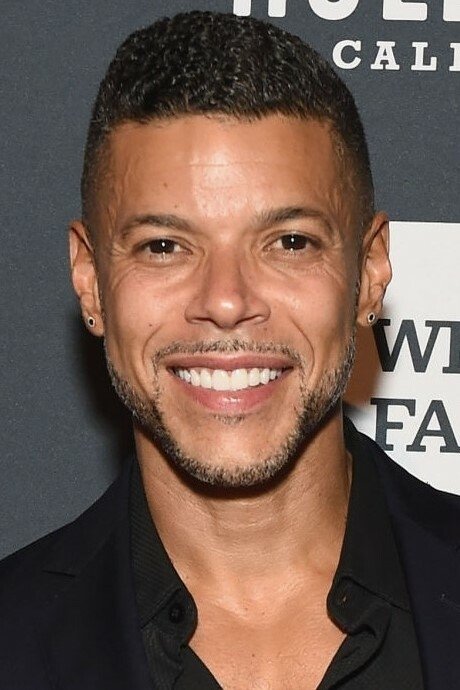
Cruz broke ground as the first openly gay actor to play an openly gay teenager on TV in ‘My So-Called Life’. The show was cancelled after one season and left him searching for work in a limited landscape. He spent years playing small guest roles and supporting characters rather than leading projects. The industry took decades to catch up to the visibility he offered in the 90s. He recently experienced a career renaissance with ‘Star Trek: Discovery’.
Randy Harrison
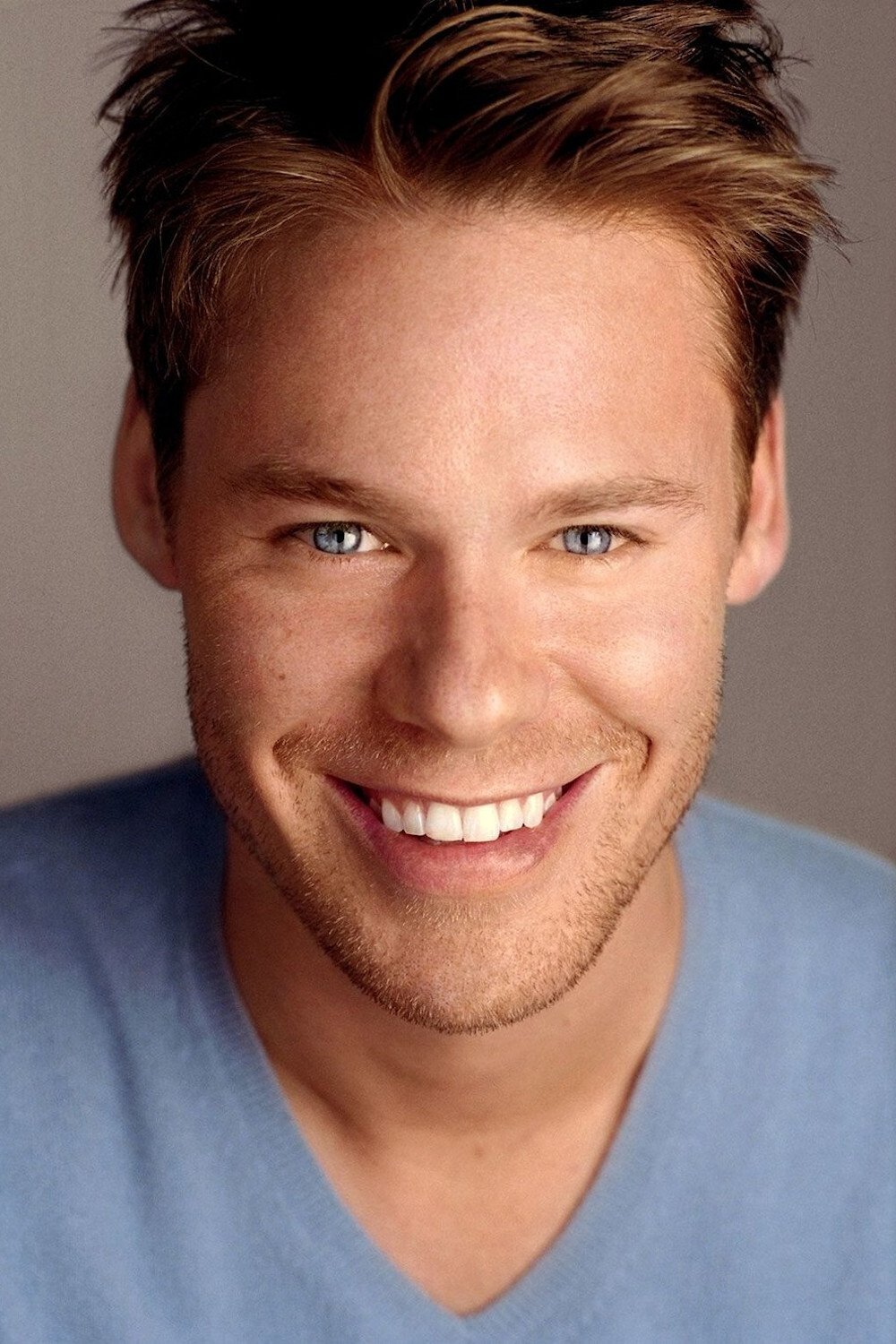
Harrison became a household name in the LGBTQ+ community for his role as Justin Taylor on ‘Queer as Folk’. The show’s explicit content and niche audience made crossover success into mainstream film difficult. He focused heavily on theater work in New York and regional productions after the series wrapped. The industry struggled to see him outside the context of his defining cable role. Harrison has largely avoided major television projects since the early 2000s.
Gale Harold
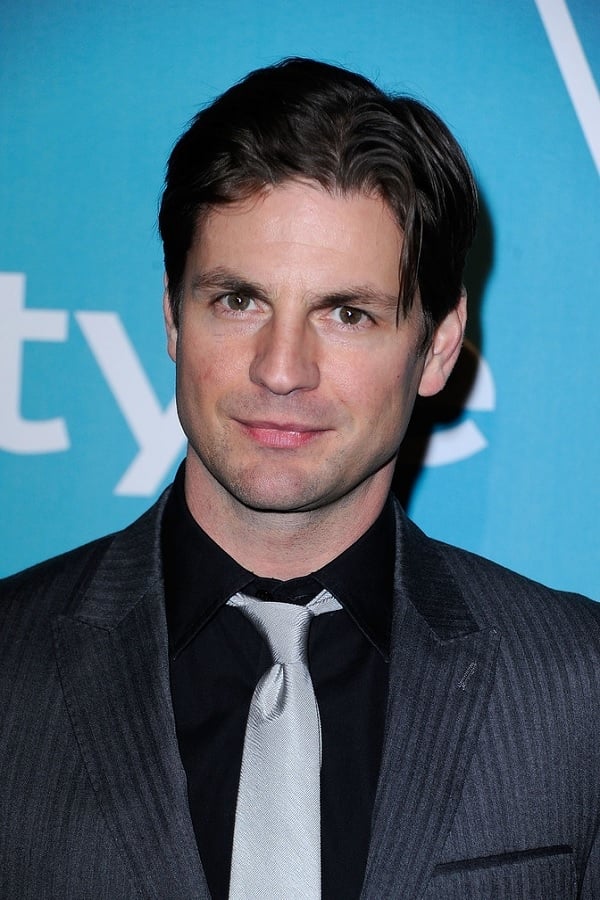
Harold played the complex and irresistible Brian Kinney on ‘Queer as Folk’. His performance garnered a massive cult following but did not translate into major film offers. He secured recurring roles on shows like ‘Desperate Housewives’ but never anchored another hit series. The intensity of his breakout role may have limited how casting directors perceived his versatility. He remains a working actor but operates largely outside the Hollywood spotlight.
Robert Gant
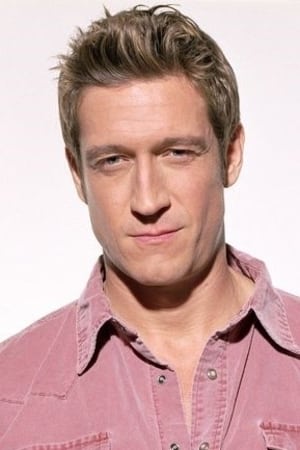
Gant joined ‘Queer as Folk’ in later seasons and became a significant part of the show’s legacy. He came out publicly during his tenure on the series and embraced advocacy work. His career following the show consisted mostly of TV movies and guest appearances. The actor found that openly gay leading men were still a rarity in network television dramas. He continues to work but has not replicated the visibility of his breakout role.
Darryl Stephens
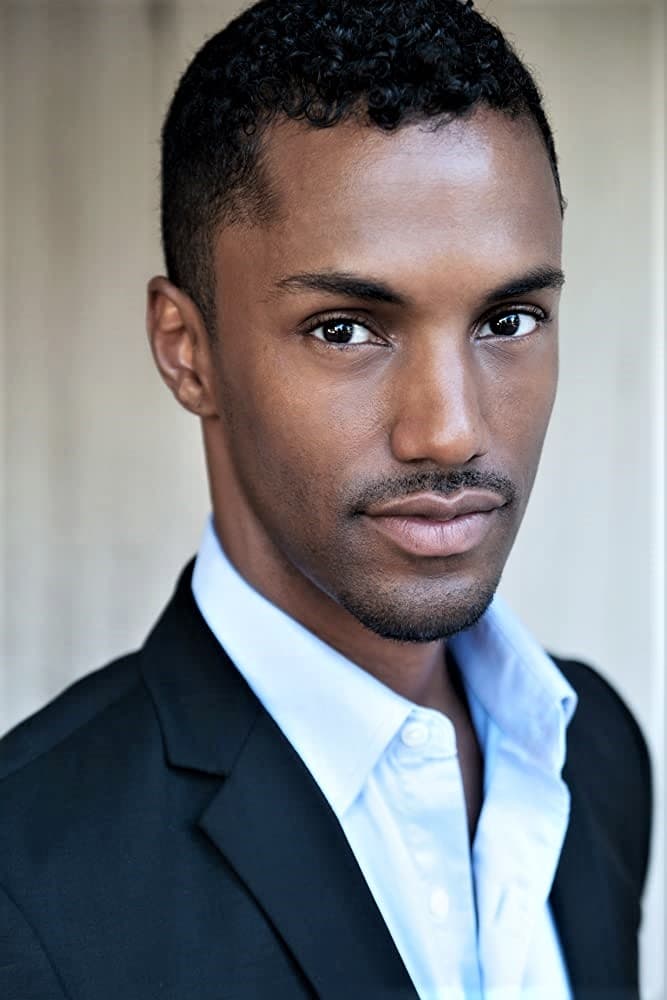
Stephens starred as the lead character in the groundbreaking logo series ‘Noah’s Arc’. The show was a cultural phenomenon for Black gay men but was cancelled prematurely. Stephens found himself typecast in similar independent projects and struggled to break into mainstream network TV. The limited opportunities for Black LGBTQ+ actors in the 2000s stifled his momentum. He remains an icon in niche cinema but deserved a broader platform.
Noah Galvin
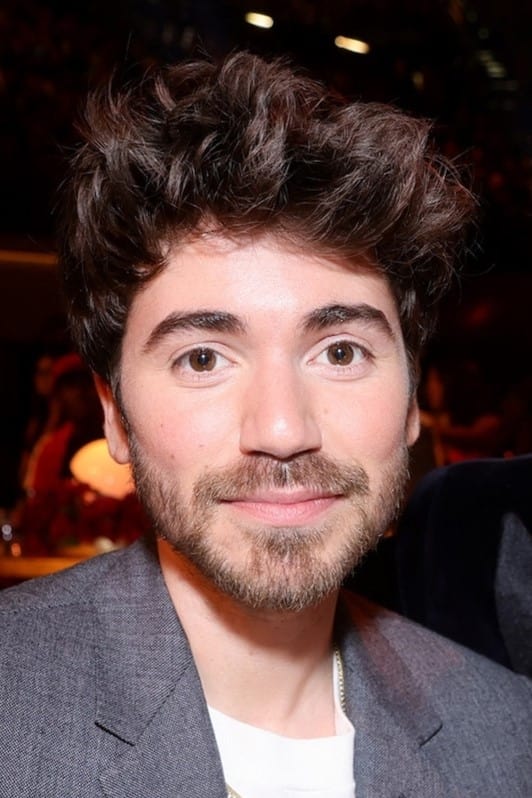
Galvin broke out as the lead in the sitcom ‘The Real O’Neals’. He gave a candid interview criticizing how Hollywood handles coming-out stories which caused a media firestorm. The show was eventually cancelled and his opportunities for leading roles seemed to diminish. He has since found steady work in supporting roles and voice acting. The controversy arguably cooled the initial heat surrounding his career launch.
Colton Haynes
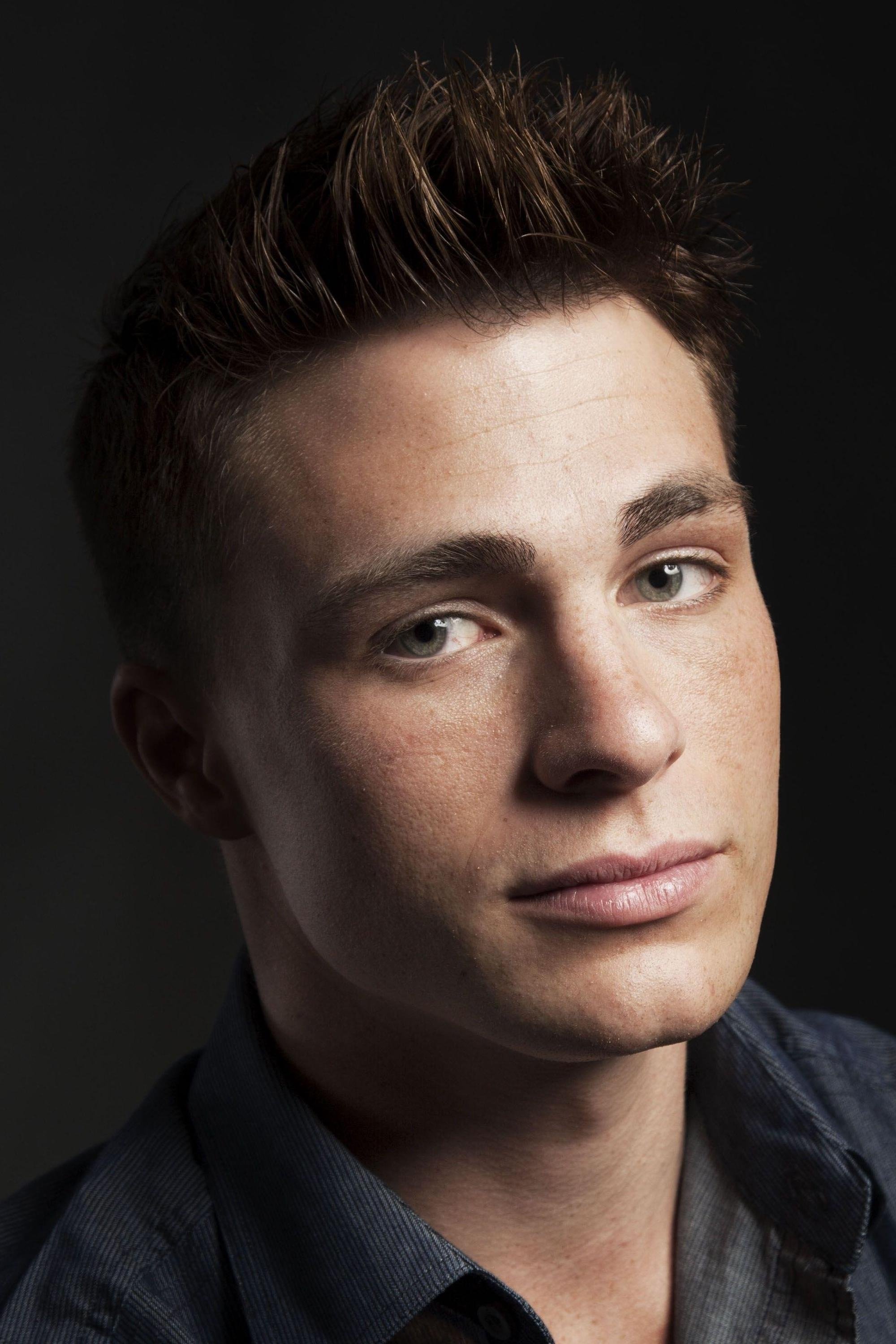
Haynes became a teen favorite through his roles on ‘Teen Wolf’ and ‘Arrow’. He came out publicly amid struggles with anxiety and industry pressure to conform. The actor took a step back from regular series work to focus on his mental health. His return to acting has been in smaller capacities rather than the action-heavy roles he started with. The momentum of his early heartthrob status dissipated during his hiatus.
Charlie Carver
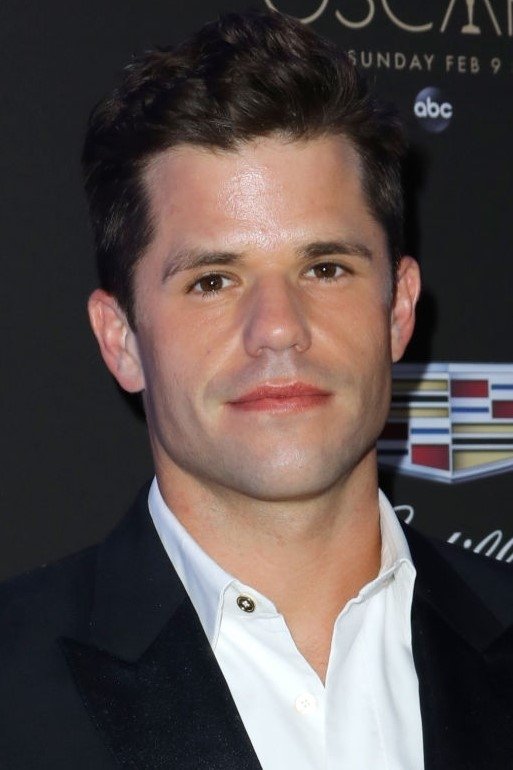
Carver worked alongside his twin brother in hit shows like ‘Desperate Housewives’ and ‘Teen Wolf’. He decided to come out via Instagram and expressed a desire to play diverse characters. While he has worked consistently, he often lands supporting roles rather than leads. He appeared in ‘The Boys in the Band’ but has yet to headline a major studio film. The industry often casts him in specific queer-coded roles.
Maulik Pancholy
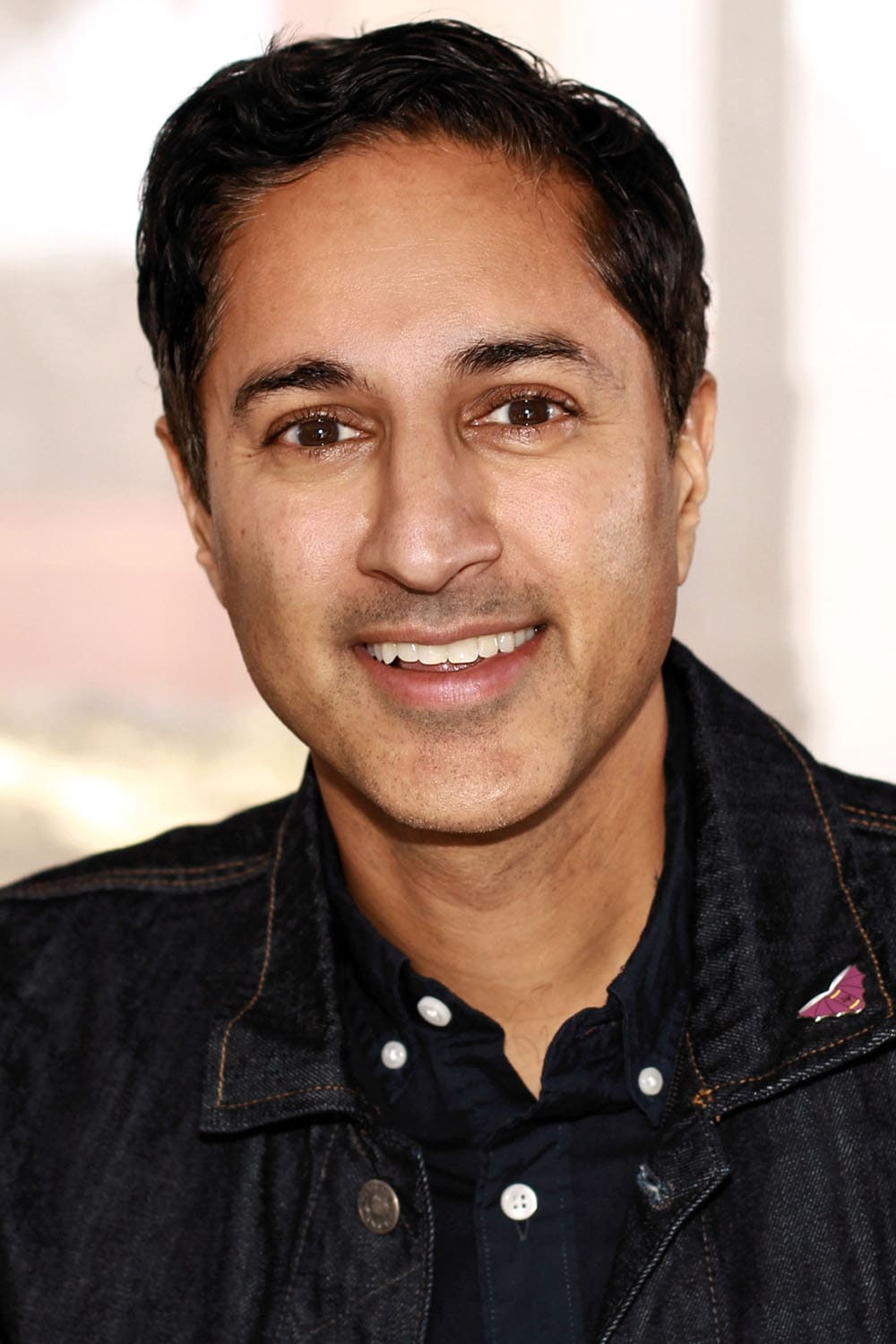
Pancholy was a scene-stealer as the obsessive assistant Jonathan on ’30 Rock’. He came out publicly and continued to advocate for the AAPI and LGBTQ+ communities. His on-screen roles have mostly been limited to voice work for animation and guest spots. He has not secured a leading vehicle that utilizes his comedic timing. Pancholy has also dedicated significant time to writing and activism.
Michael Urie
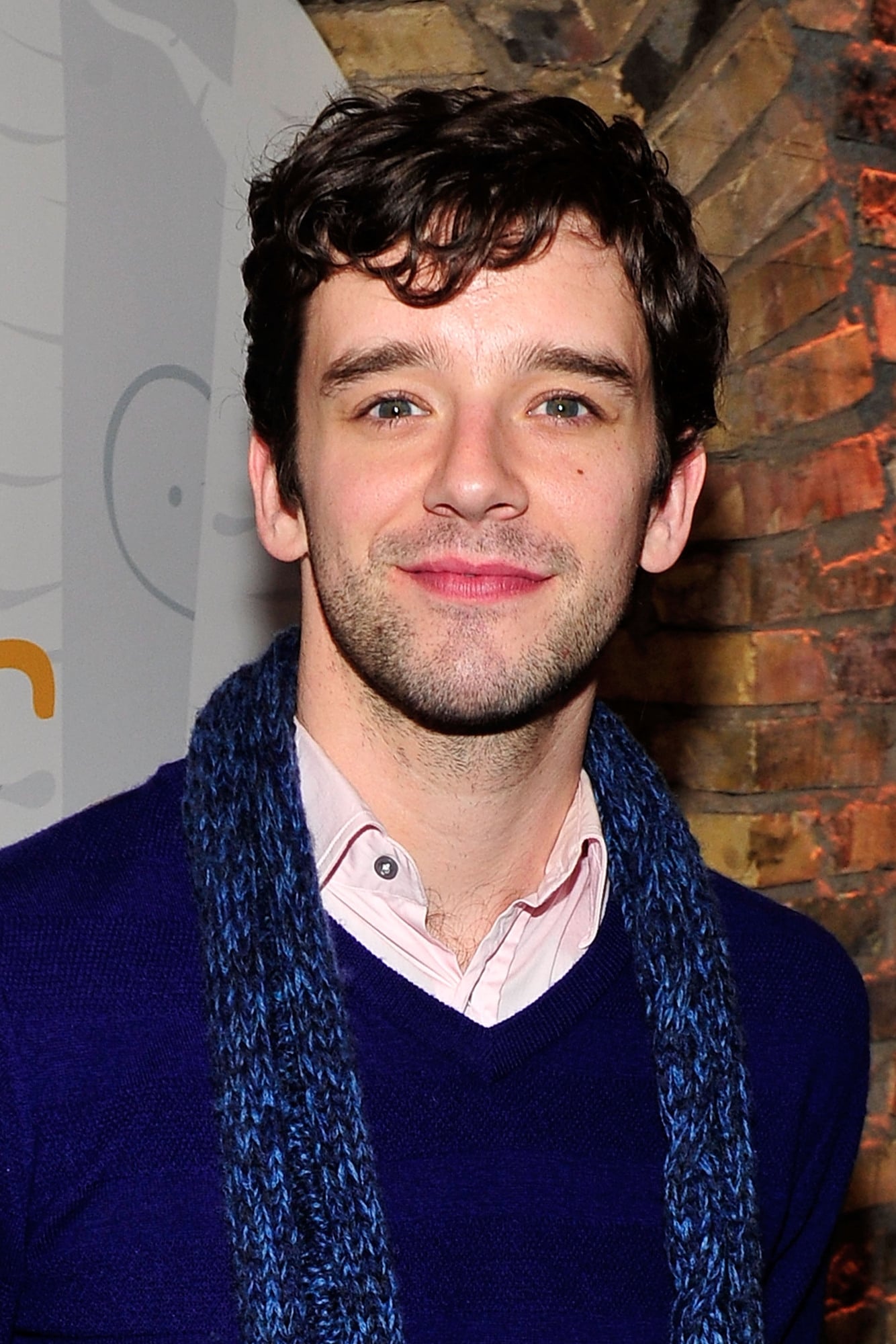
Urie became a breakout star as Marc St. James on ‘Ugly Betty’. His comedic chemistry with the cast made him a standout favorite. He turned his attention to theater directing and acting after the show concluded. Hollywood film offers were sparse for an actor with his specific comedic sensibilities. He remains a celebrated figure in the New York theater scene.
Jai Rodriguez
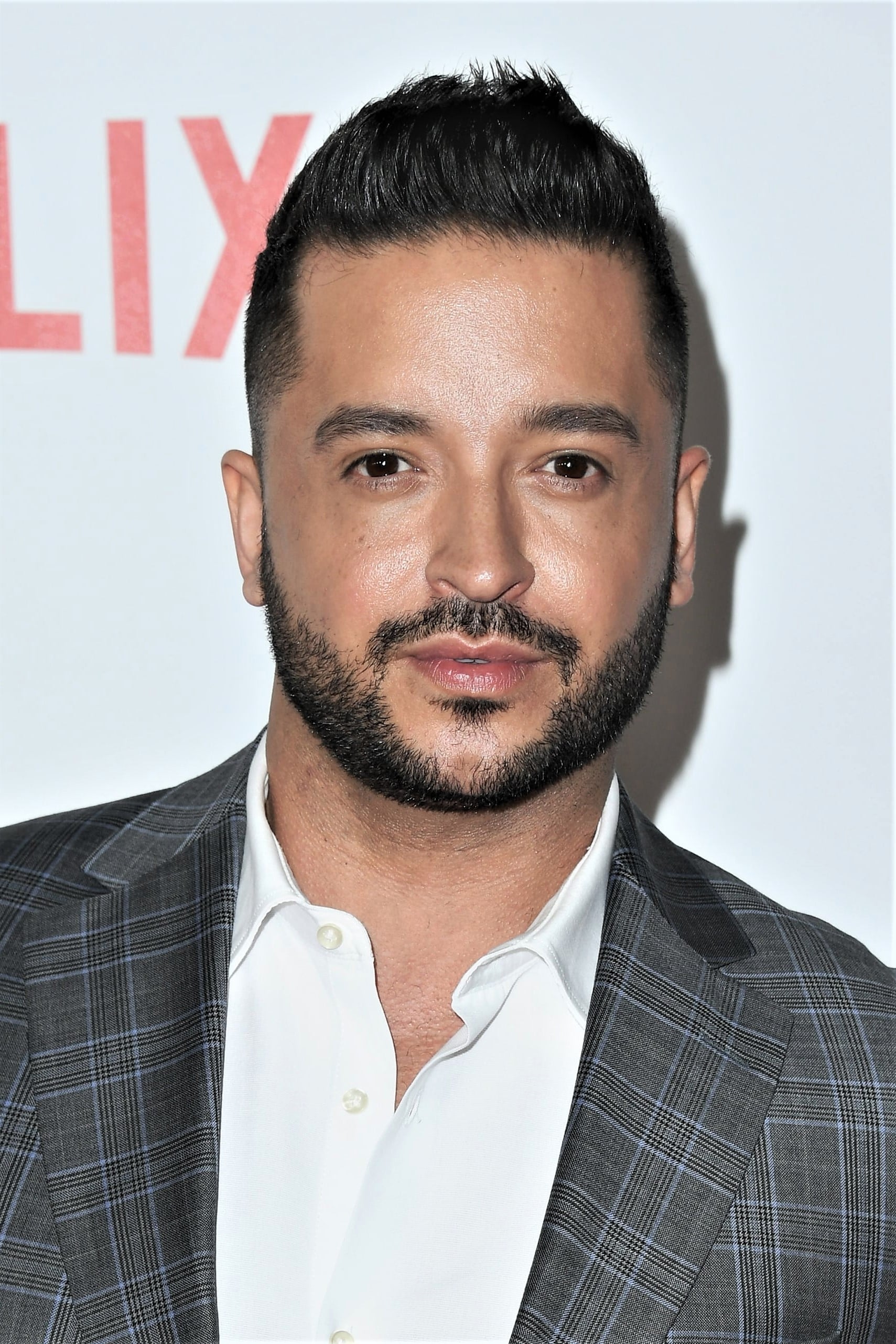
Rodriguez was the “Culture Vulture” on the original ‘Queer Eye for the Straight Guy’. He attempted to transition into a serious acting career after the reality show ended. The industry struggled to see him as an actor rather than a reality personality. He appeared in guest roles on various shows but never landed a regular series lead. His breakout fame was tied specifically to his unscripted persona.
Mario Cantone
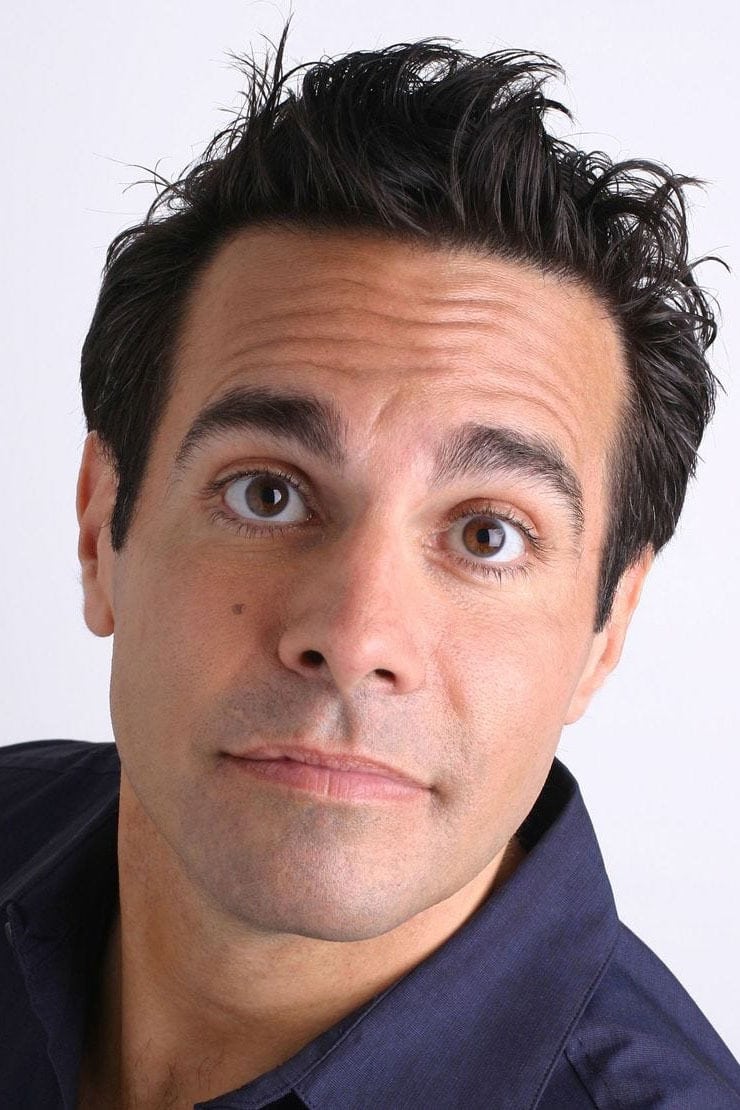
Cantone played the fast-talking event planner Anthony Marentino on ‘Sex and the City’. His background as a stand-up comedian heavily influenced the roles he was offered. He became the go-to actor for the “sassy gay friend” trope in films and television. This typecasting limited his ability to showcase dramatic range or play different characters. He continues to work primarily in theater and comedy.
Dan Bucatinsky
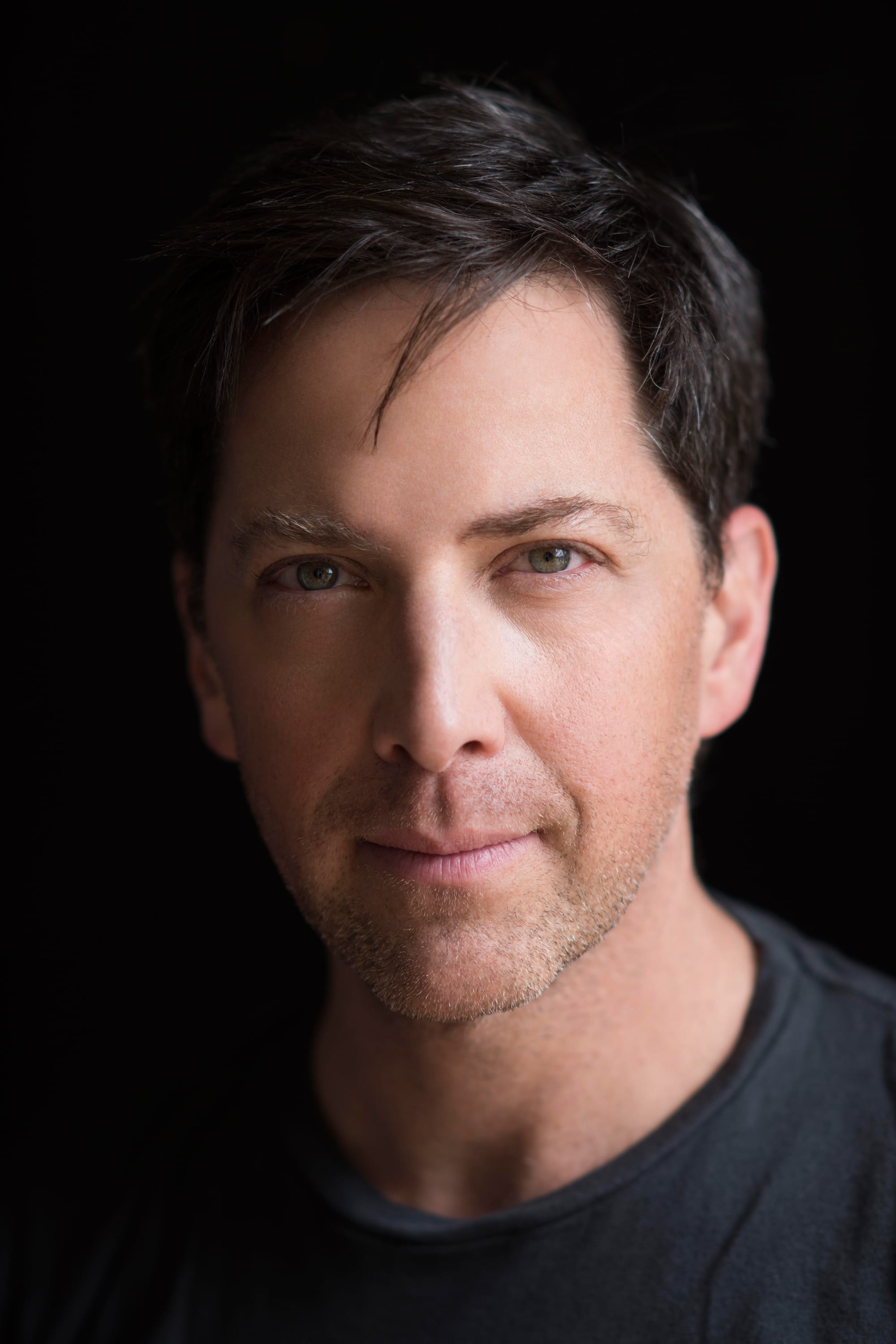
Bucatinsky won an Emmy for his guest role as James Novak on ‘Scandal’. Despite the acclaim, his character was killed off and he returned to behind-the-scenes work. He is a prolific producer and writer who creates opportunities for others. His acting roles remain largely in the supporting or guest actor categories. The industry recognizes his talent but rarely places him top-of-sheet.
Jordan Gavaris
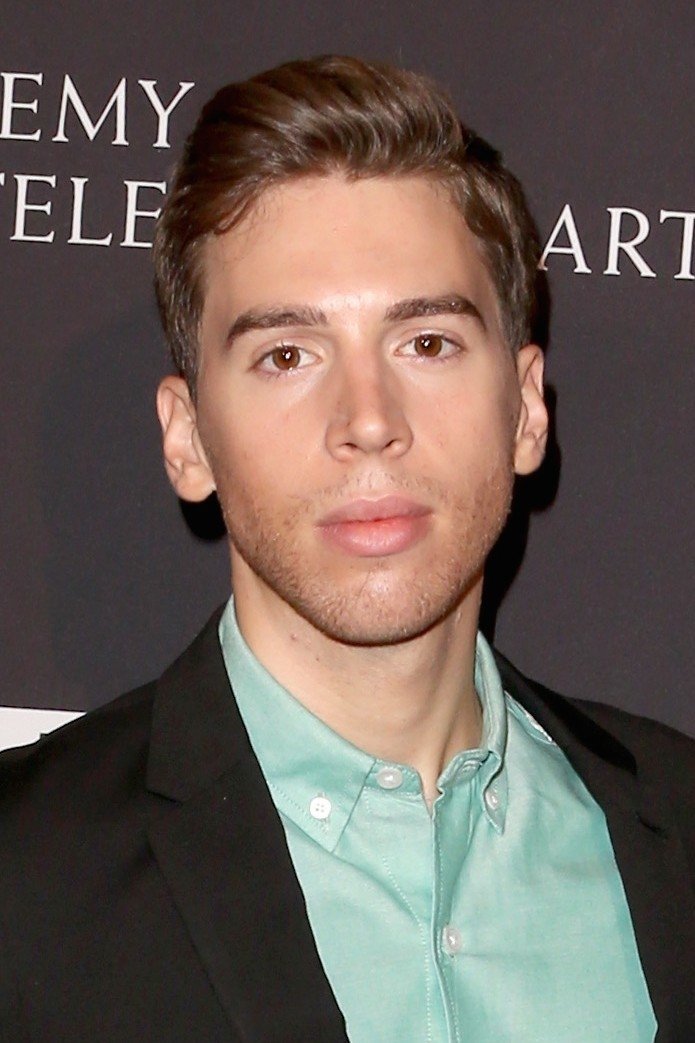
Gavaris earned critical praise for his role as Felix Dawkins in the sci-fi hit ‘Orphan Black’. He adopted a convincing English accent for the role which surprised many fans when they heard his real voice. He struggled to find a follow-up role that matched the complexity of Felix. The actor has been open about the difficulties of being an out actor in the industry. He recently returned to television in the comedy ‘The Lake’.
Haaz Sleiman
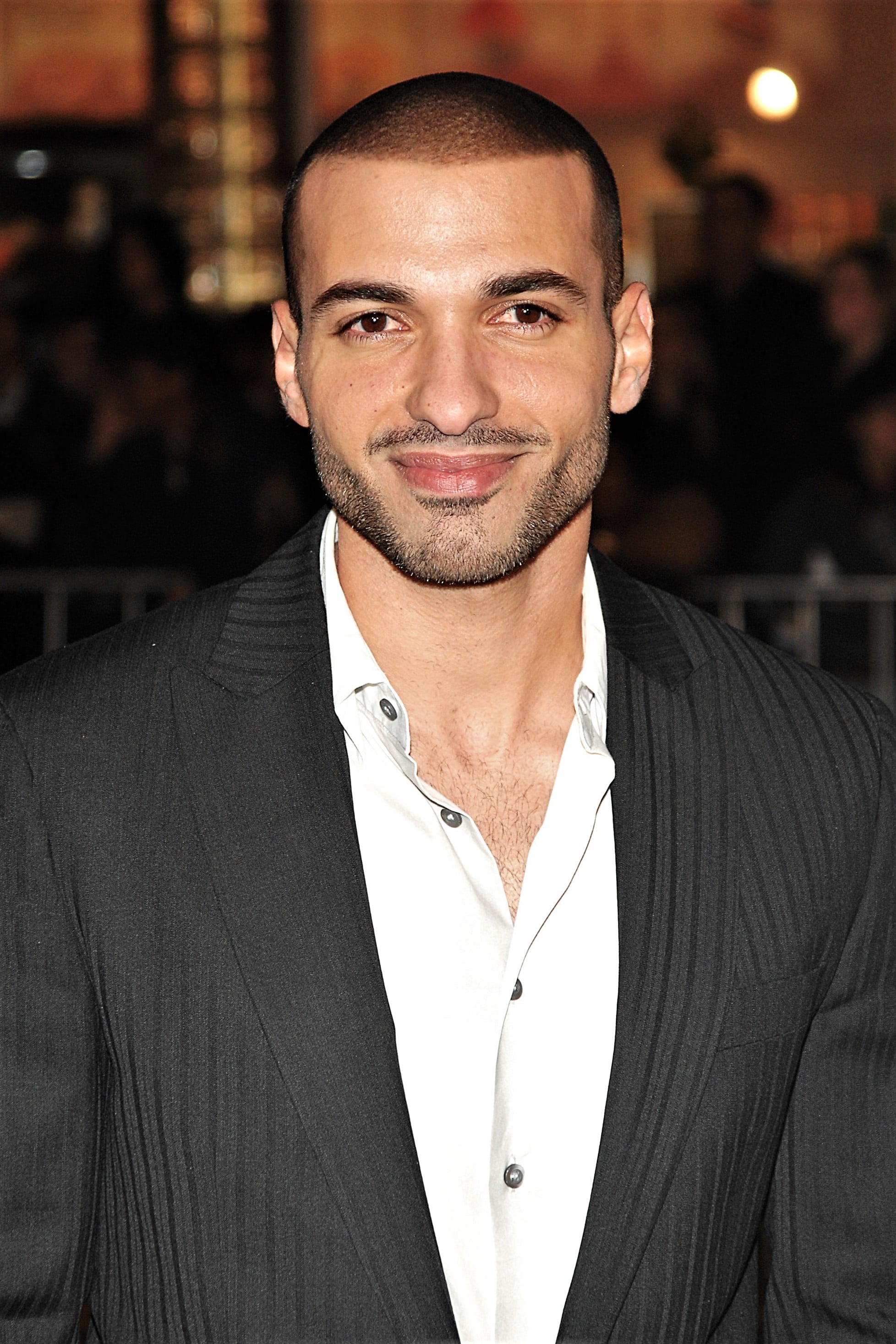
Sleiman garnered attention for his role in the independent film ‘The Visitor’. He publicly came out as gay in 2017 to protest violence against LGBTQ+ people in Lebanon. The actor has found himself cast primarily in roles defined by his ethnicity or sexuality. He appeared in the Marvel film ‘Eternals’ but had limited screen time. His potential as a leading man has been underutilized by major studios.
Rick Cosnett
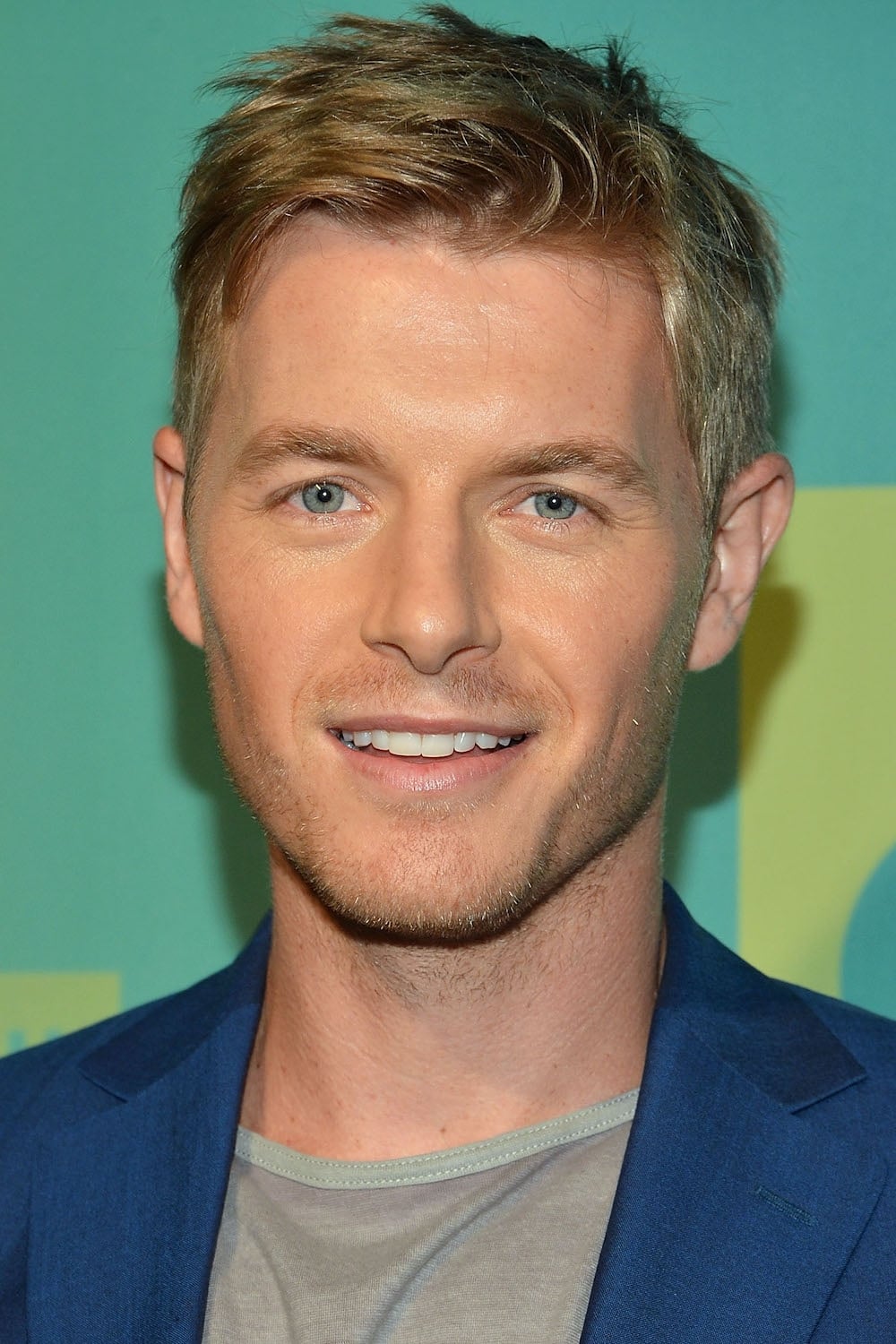
Cosnett gained a fanbase playing Eddie Thawne on the superhero series ‘The Flash’. His character was written out after the first season which halted his mainstream momentum. He came out as gay years later after building a career playing straight characters. The actor has focused on independent films and producing his own projects. He has not returned to a network television role of the same magnitude.
Keiynan Lonsdale
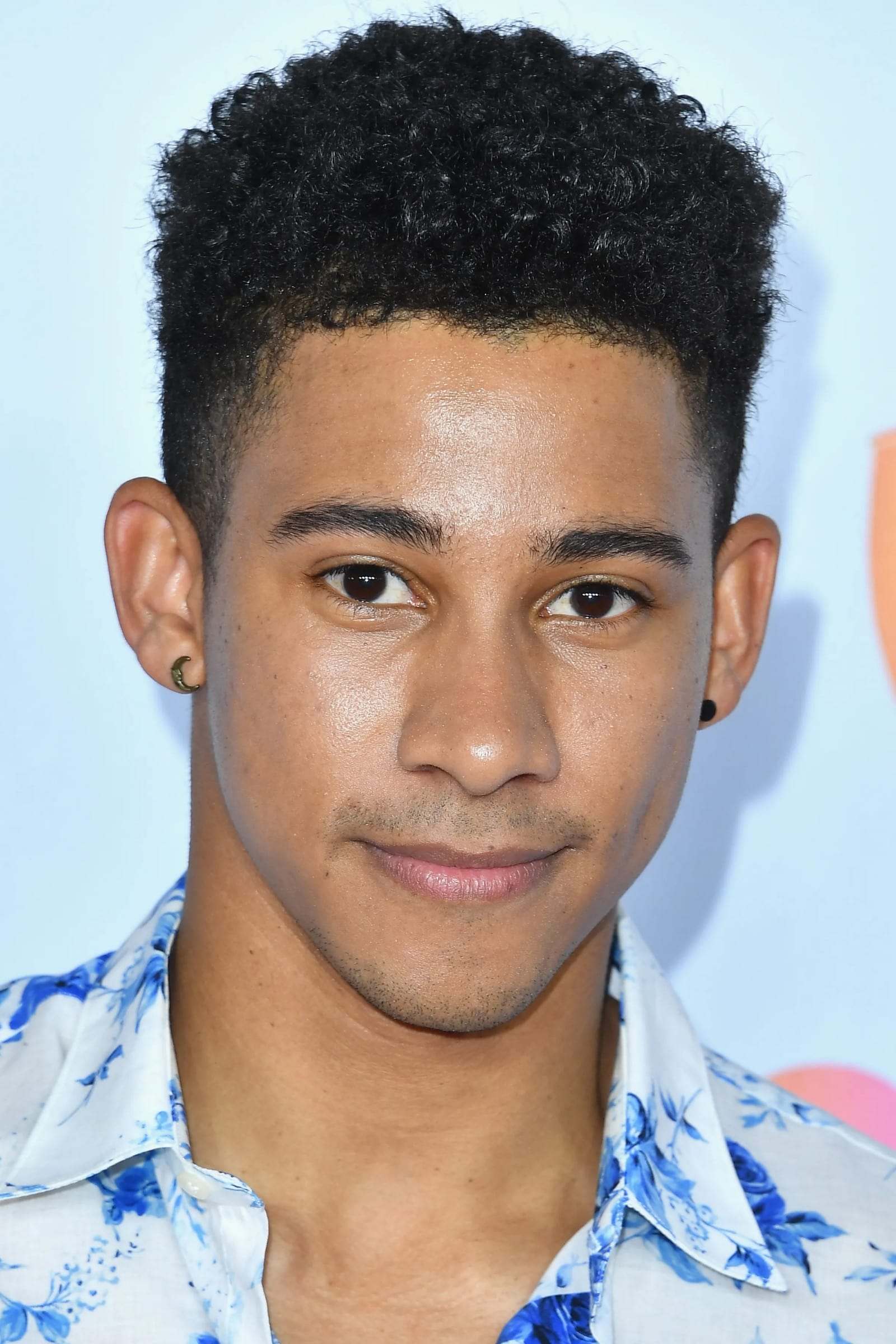
Lonsdale broke out as Kid Flash in the Arrowverse and starred in ‘Love, Simon’. He stepped away from his contract as a series regular to explore his identity and music. The actor felt restricted by the rigid schedules and expectations of network television. He now chooses projects selectively and prioritizes his artistic freedom. This selective approach has removed him from the constant visibility of a weekly series.
Matt Dallas
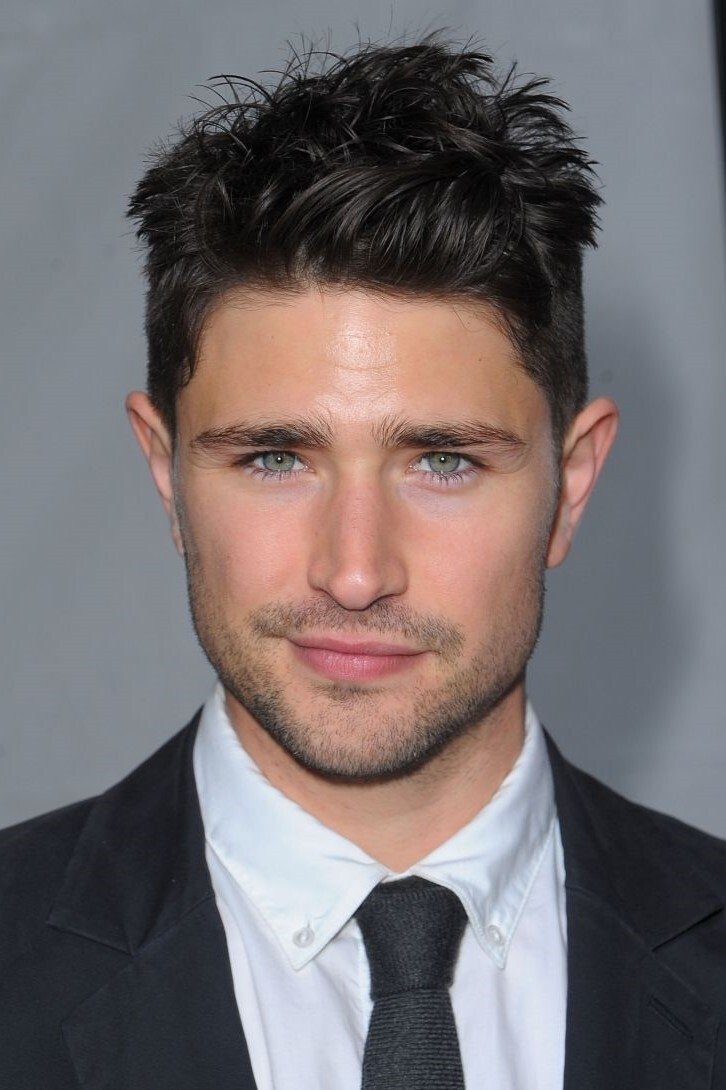
Dallas was the face of the ABC Family hit series ‘Kyle XY’. He kept his sexuality private during the show’s run to protect the show’s ratings. After coming out, the offers for leading roles in similar genre shows evaporated. He shifted his focus to creating family-oriented content on YouTube with his husband. The transition from teen idol to working adult actor was stalled by industry bias.
Lucas Cruikshank
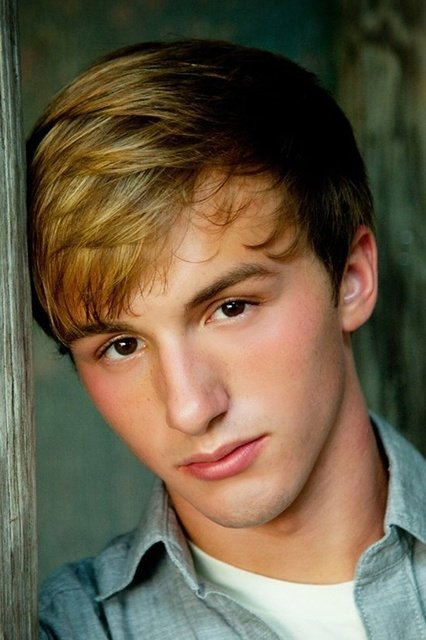
Cruikshank created the viral internet character Fred Figglehorn and starred in a Nickelodeon franchise. He came out as gay after leaving the network and facing burnout. The industry did not know how to transition a manic internet personality into adult acting roles. He effectively retired from traditional acting to return to content creation. His breakout was massive but entirely contained within a specific youth demographic.
Share your thoughts on these actors and their careers in the comments.