LGBTQ+ Actors Who Were Typecast Way Too Early In Their Careers

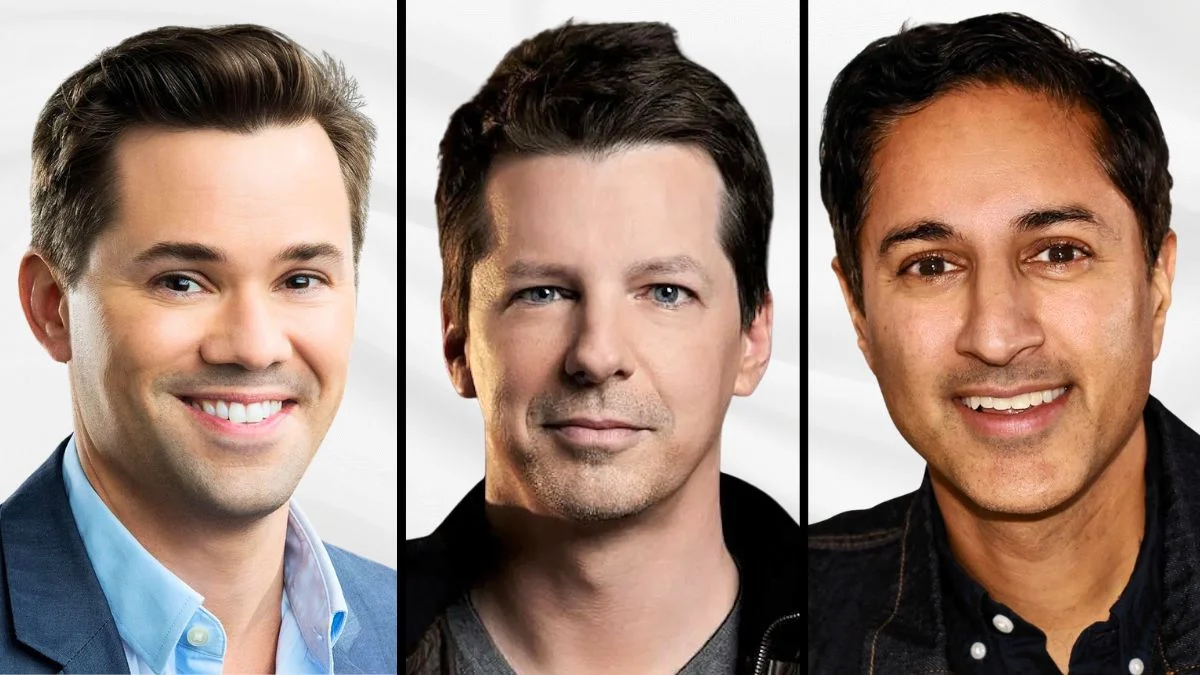

The entertainment industry has a long history of placing performers in specific boxes based on their identity or breakout roles. Many talented male actors found themselves limited to playing the sassy best friend or the flamboyant stylist shortly after gaining recognition. This phenomenon often restricted their ability to showcase their full dramatic range during the formative years of their careers. While representation is crucial, these artists frequently had to fight hard to break free from narrow character tropes.
Sean Hayes
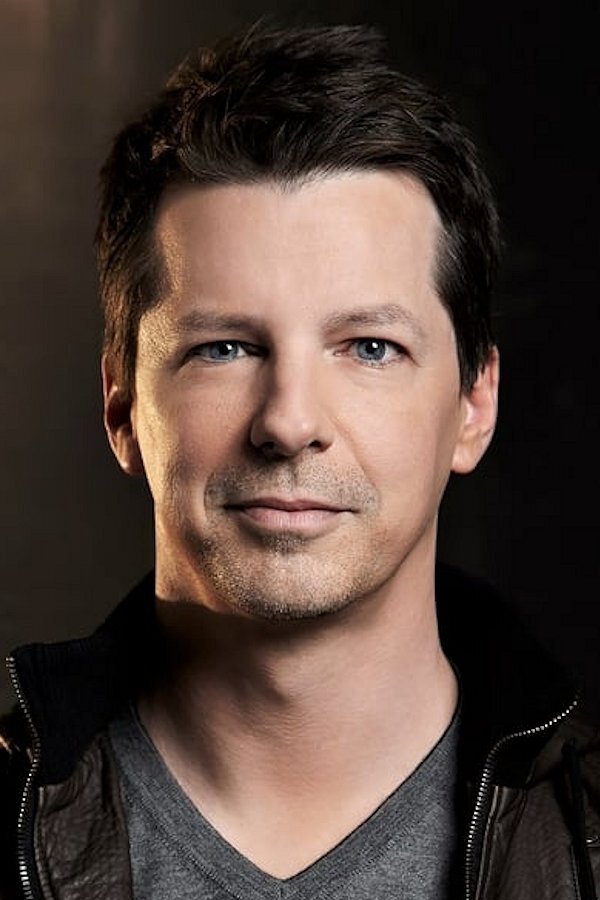
Hayes became an overnight sensation for his portrayal of Jack McFarland on the sitcom ‘Will & Grace’. This iconic role brought him fame but also cemented a very specific image of him in the minds of casting directors. For years following the show, he struggled to land roles that deviated from the flamboyant and energetic caricature he perfected. He eventually branched out into producing and stage work to demonstrate his versatility beyond the sitcom archetype.
Chris Colfer
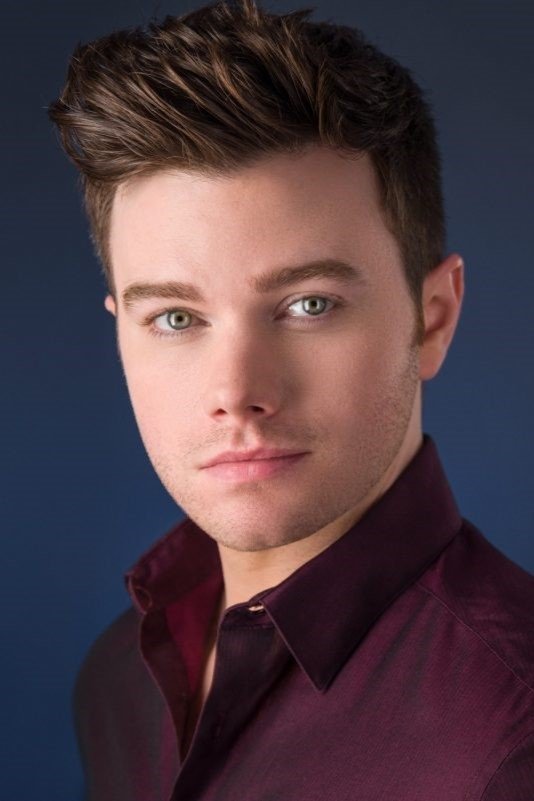
His role as Kurt Hummel in ‘Glee’ made him a global star and a beacon of hope for queer youth. The industry immediately began offering him roles that mirrored the sensitive and fashion-forward teenager he played on television. Colfer found it difficult to shed the high school persona even as he matured into adulthood. He turned to writing best-selling novels to create a creative outlet where he was not defined by his breakout character.
Rupert Everett
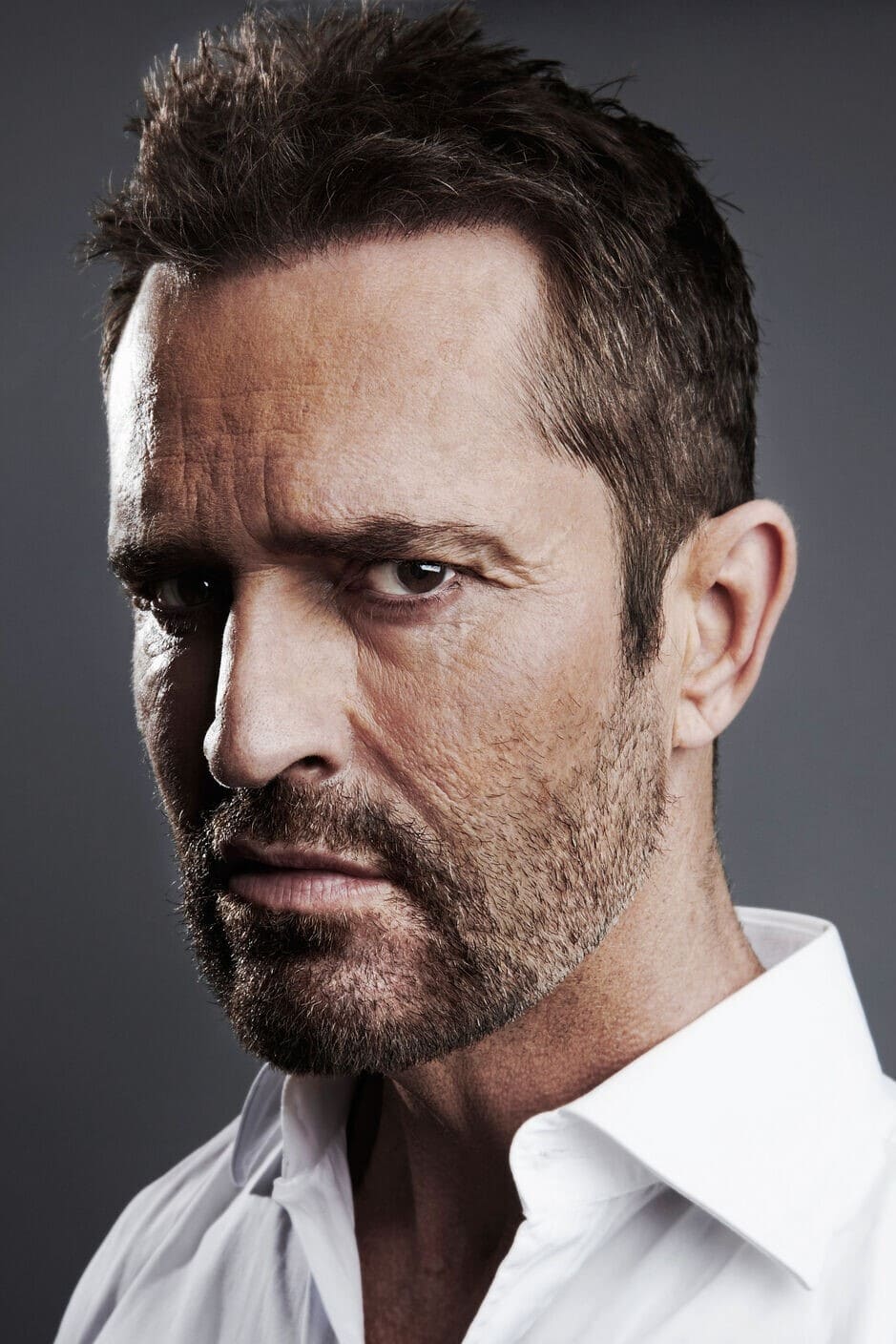
Everett delivered a charming performance as the gay confidant in ‘My Best Friend’s Wedding’ which garnered him significant acclaim. Hollywood subsequently viewed him almost exclusively as the witty and supportive sidekick rather than a leading man. He has often spoken about how his openness regarding his sexuality combined with that role limited his career trajectory in major studio films. Despite his classical training and dramatic chops, the industry struggled to see him in heterosexual romantic leads.
Rex Lee
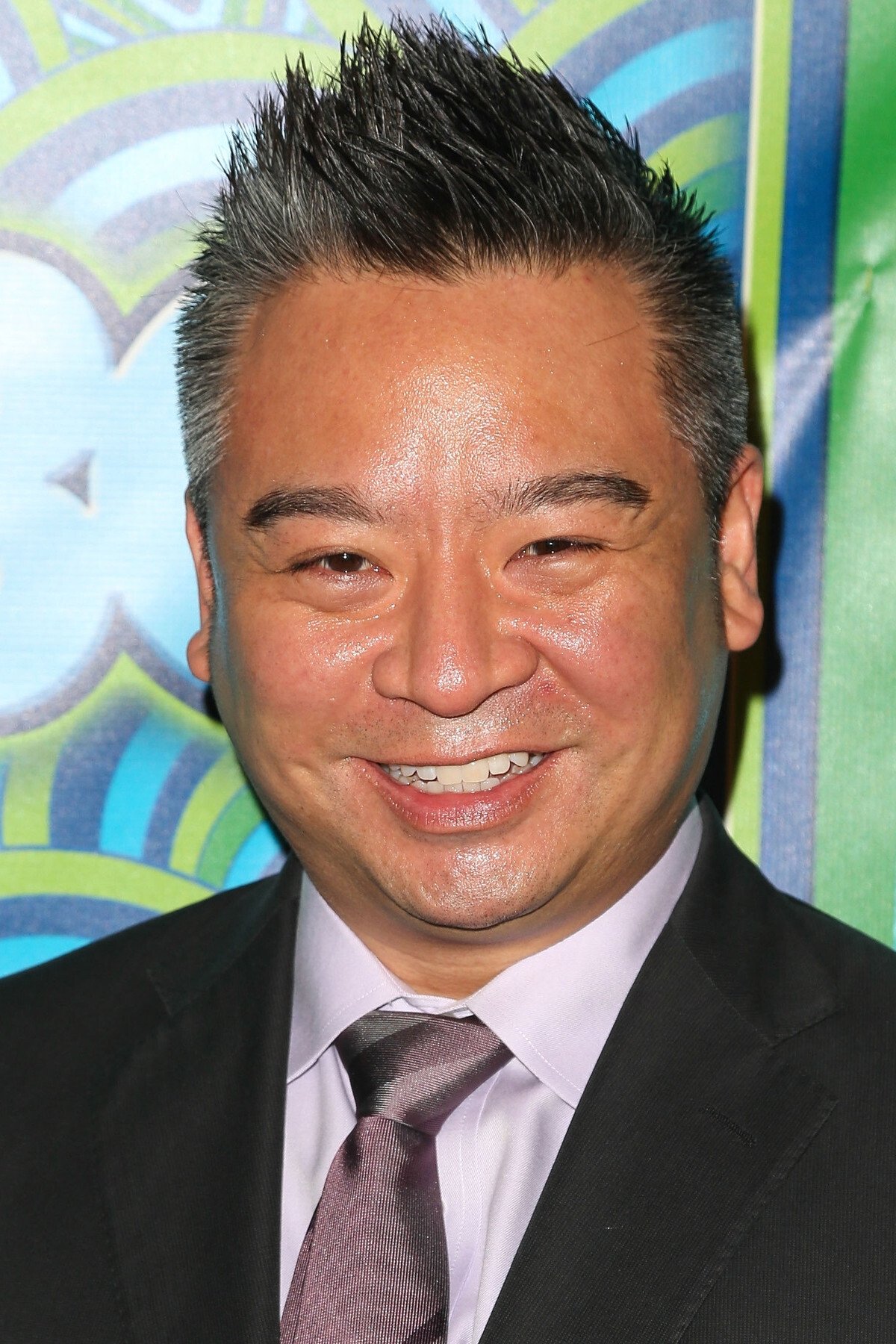
Lee is most widely recognized for his role as Lloyd Lee in the hit series ‘Entourage’. His character was the long-suffering and often mocked gay assistant to a brash agent. This role created a specific niche for Lee that proved difficult to escape in subsequent projects. He frequently found himself cast in similar administrative or subservient comedic roles that relied on the same dynamic.
Alec Mapa
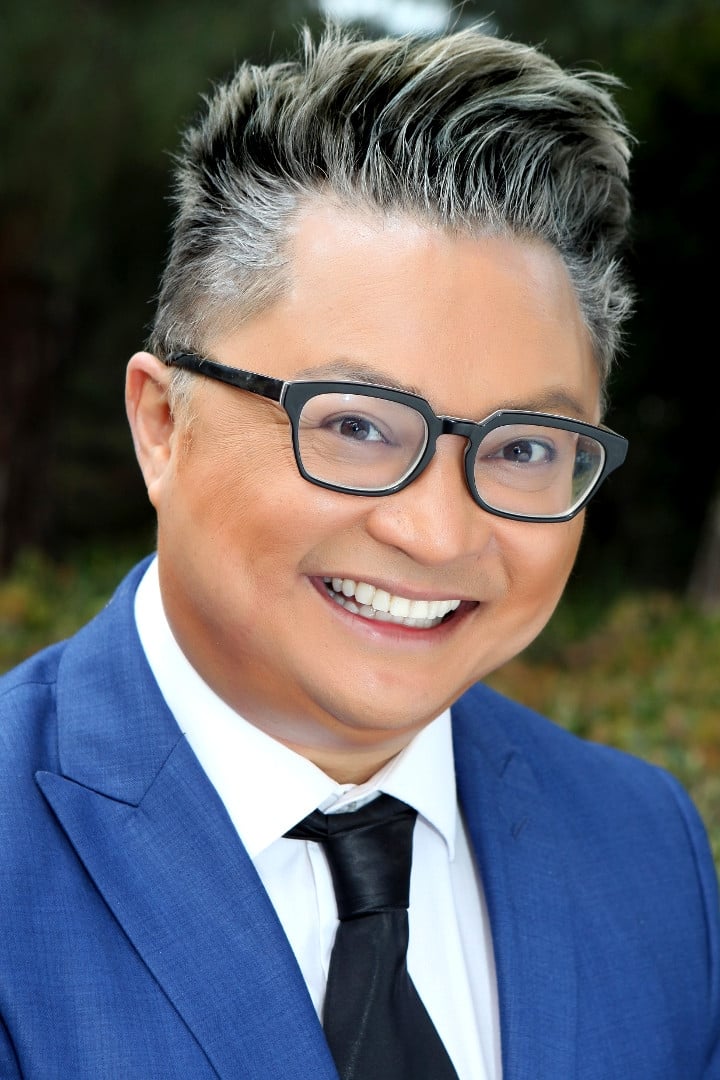
Mapa has humorously referred to himself as “America’s Gaysian” due to the repetitive nature of his casting. He gained visibility playing flamboyant characters in shows like ‘Ugly Betty’ and ‘Desperate Housewives’. While he brought immense talent and timing to these parts, they often relied on identical stereotypes regarding gay Asian men. His early career was defined by these loud and fashion-obsessed side characters.
Mario Cantone
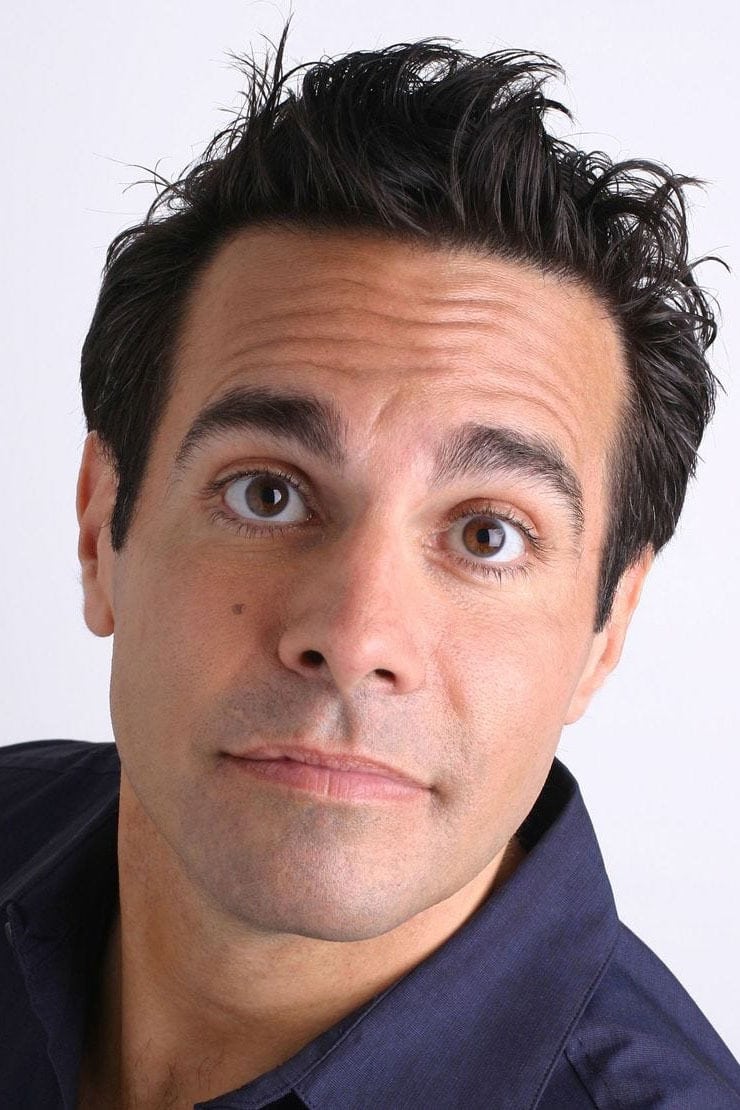
Cantone became a household name playing Anthony Marentino in ‘Sex and the City’. His rapid-fire delivery and high-energy persona became his trademark in the entertainment world. Casting directors rarely looked past this loud and opinionated wedding planner archetype for serious dramatic work. He was often hired to simply replicate the Anthony character in other films and television shows.
Daniel Franzese
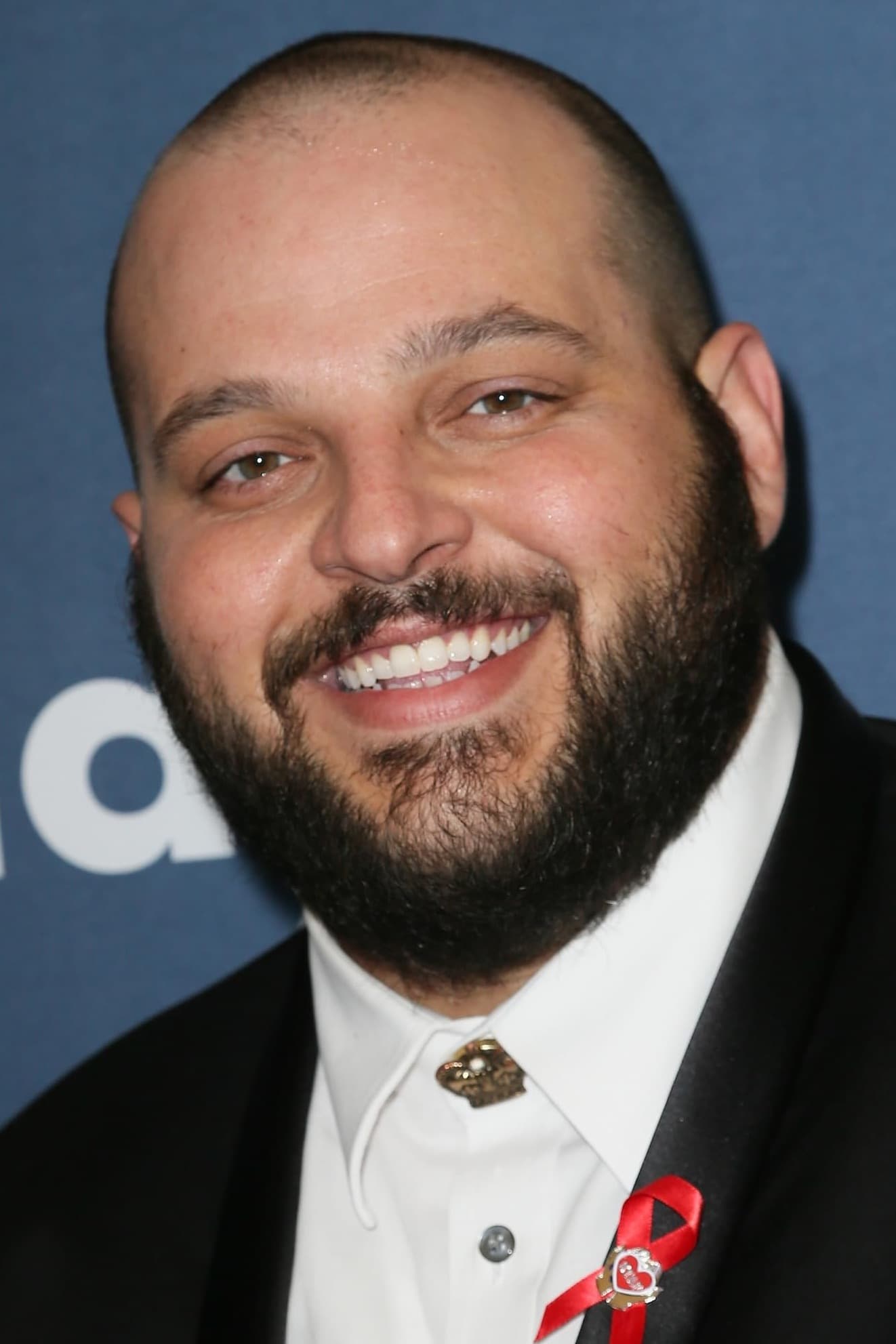
His portrayal of Damian in ‘Mean Girls’ created one of the most quotable teen movie characters of the early 2000s. The immense popularity of the film meant that Franzese was perpetually associated with the “too gay to function” trope. He faced a long period where scripts offered to him were merely shallow imitations of Damian. It took years for him to find roles that allowed him to play adults with complex internal lives.
Andrew Rannells
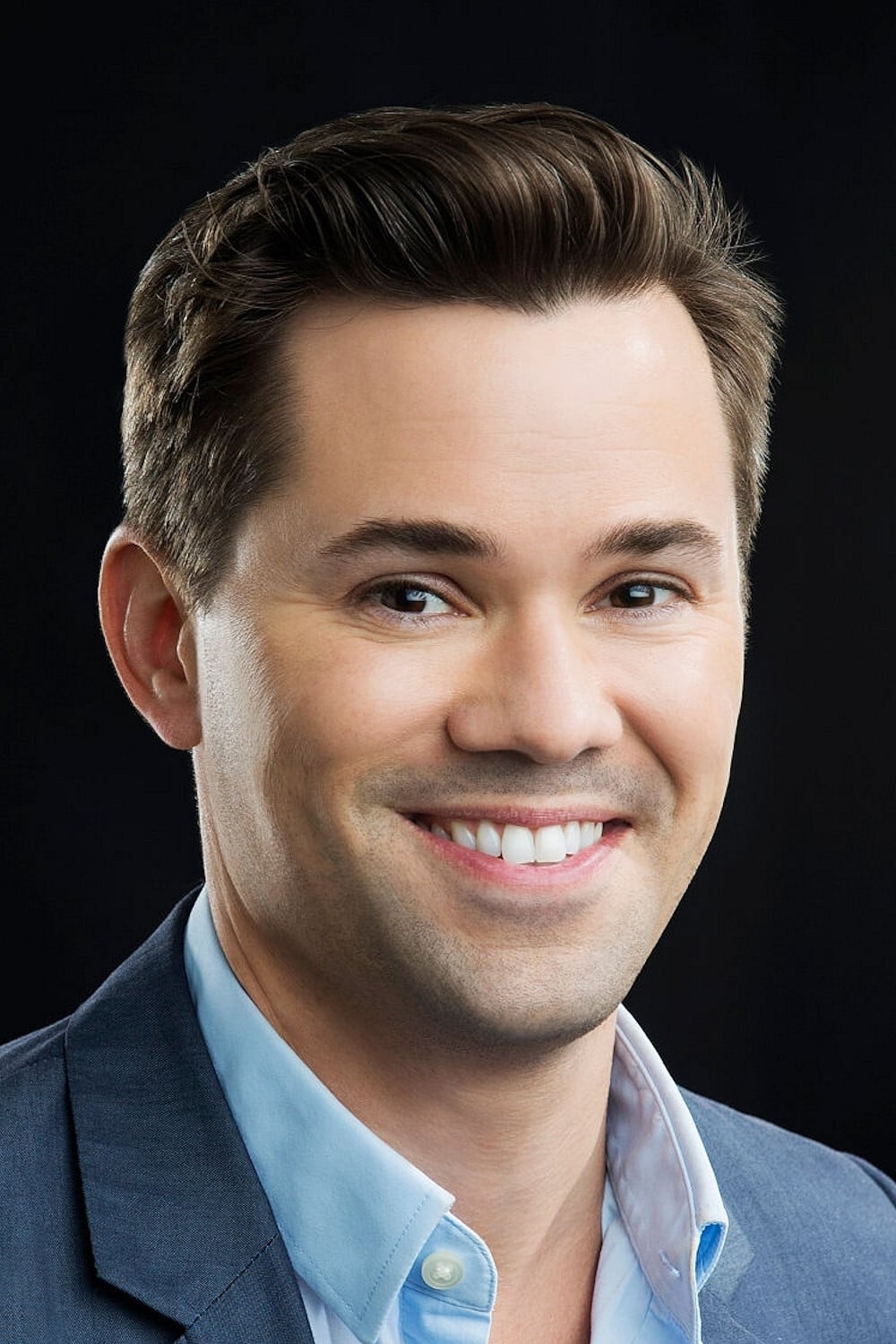
Rannells garnered attention for his stage work and his role as Elijah in ‘Girls’. He frequently played the acerbic and judgemental gay best friend who provides comic relief. This typecasting followed him through several sitcoms and movie appearances during the height of his television career. He often had to return to the theater to find roles that challenged him dramatically.
Leslie Jordan

The late actor was beloved for his role as Beverley Leslie on ‘Will & Grace’. His diminutive stature and thick Southern drawl made him instantly recognizable but also highly specialized in the eyes of producers. He was repeatedly cast as the gossipy and mischievous Southern gentleman in countless projects. Jordan embraced the persona later in life but was undeniably restricted by it for decades.
Michael Urie
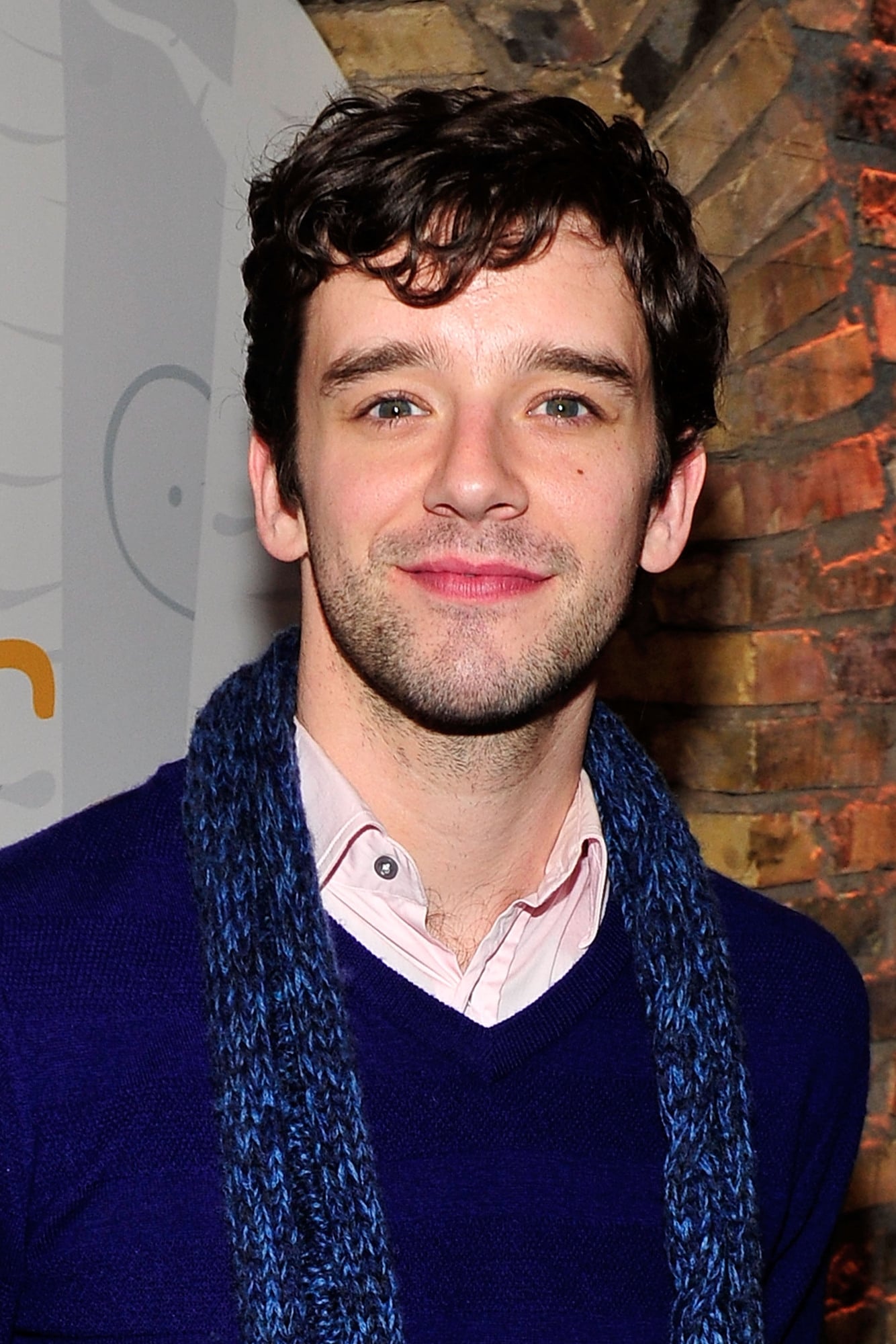
Urie achieved fame as Marc St. James in the fashion-centric dramedy ‘Ugly Betty’. His chemistry with the cast was undeniable but the role locked him into the sassy assistant archetype. He spent much of his subsequent career in theater to escape the shadow of the fashion magazine office. Television producers continued to see him primarily as a comedic sidekick for many years.
Maulik Pancholy
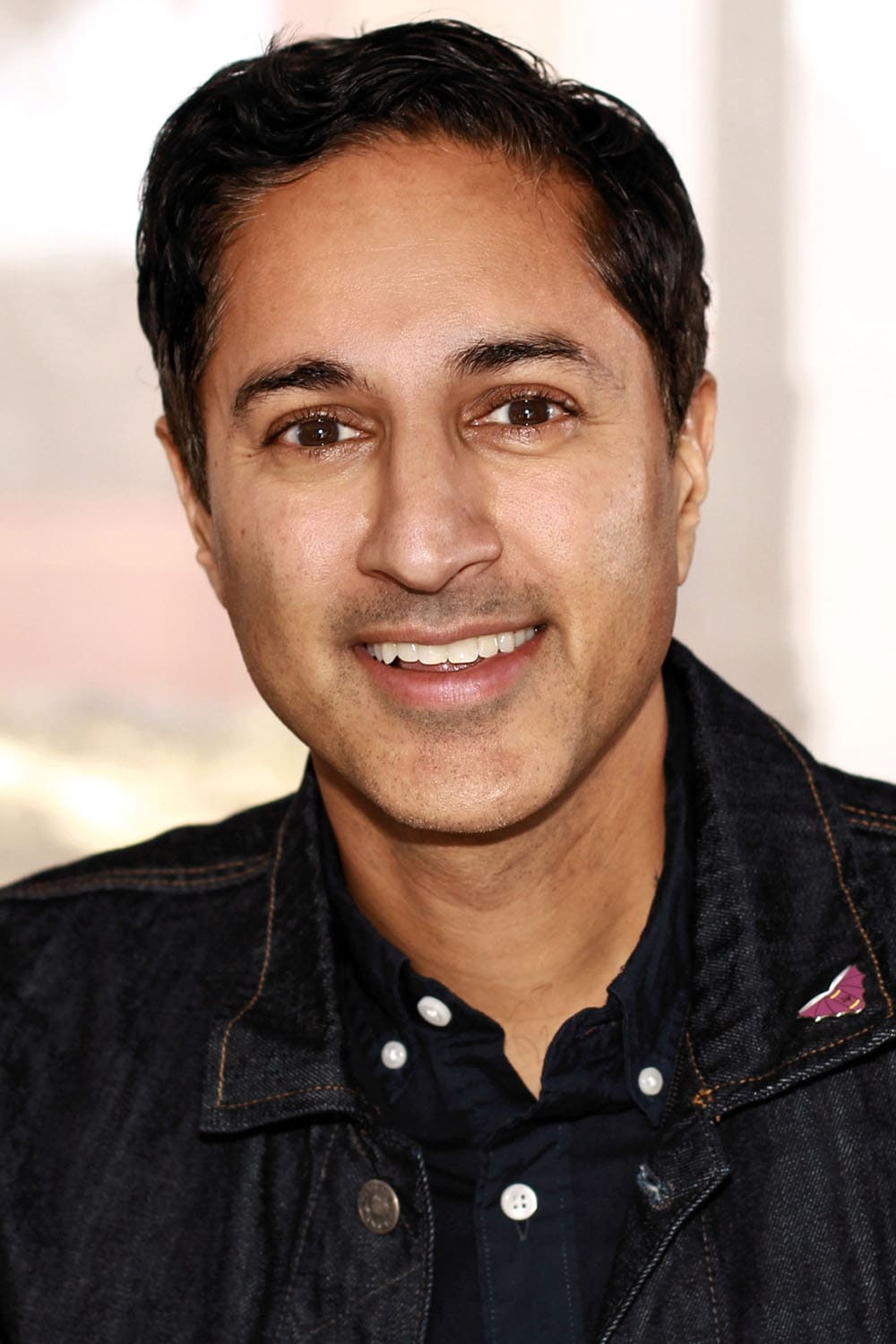
Pancholy is best known for playing the obsessed assistant Jonathan on ’30 Rock’. The character was hilarious but reinforced a specific subservient stereotype for gay Asian actors. He faced difficulty securing leading roles that did not involve pining after a male boss or protagonist. His voice acting work provided some escape from the visual typecasting he faced on screen.
Wilson Cruz
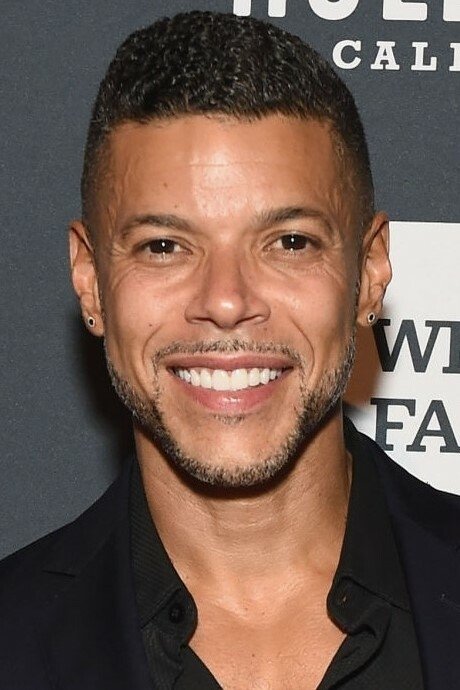
Cruz broke ground as Rickie Vasquez in ‘My So-Called Life’ during the mid-1990s. While the role was revolutionary, the industry was not ready to cast an openly gay Latino actor in varied roles at that time. He spent years playing similar troubled youth characters or guest spots centered on identity struggles. It took decades for the industry to catch up and offer him authority figures like his role in ‘Star Trek: Discovery’.
Jesse Tyler Ferguson
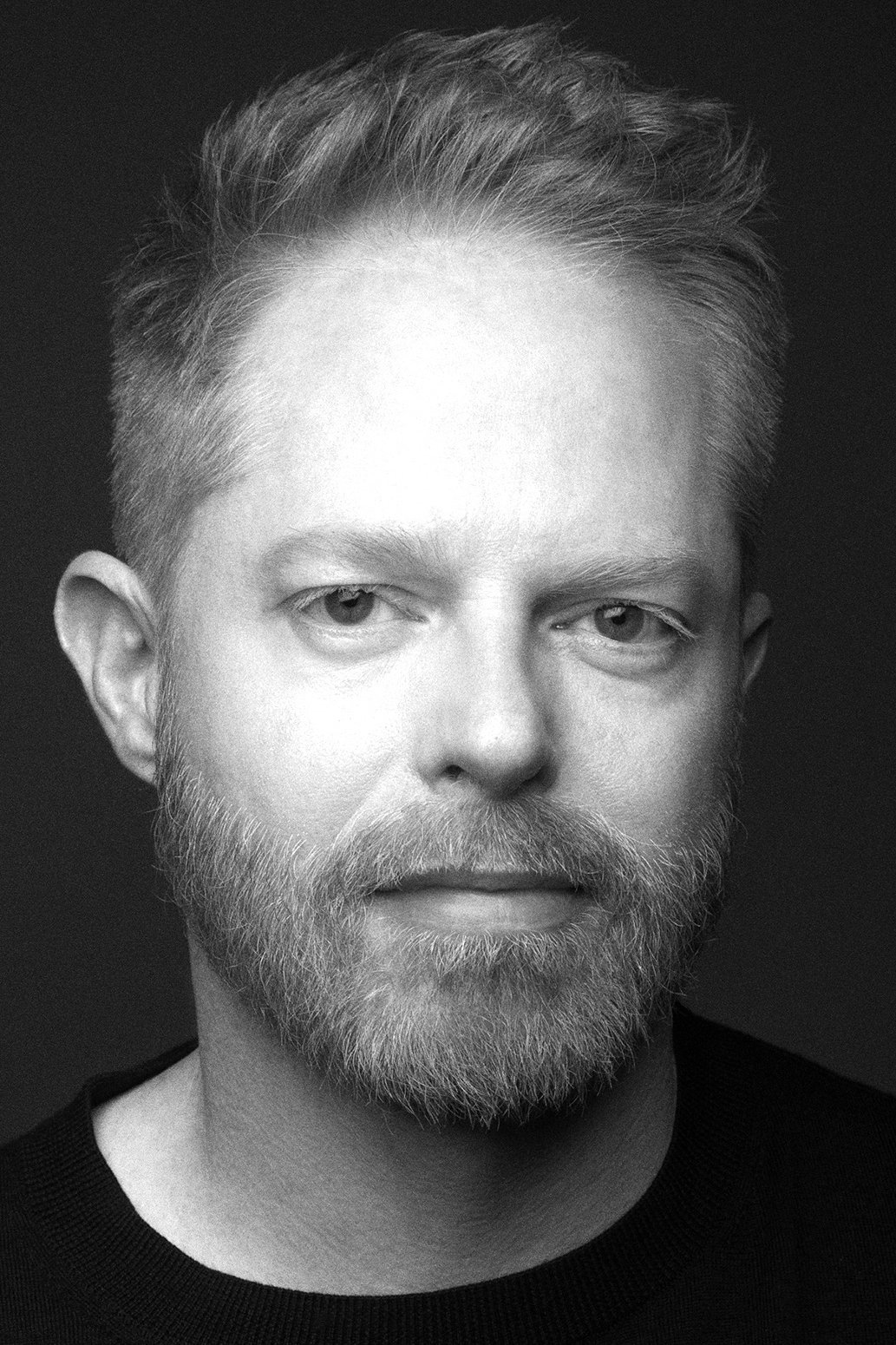
Ferguson starred as Mitchell Pritchett in the long-running sitcom ‘Modern Family’. The show’s massive success meant audiences and casting directors saw him strictly as the anxious and high-strung lawyer. Breaking away from such a defining role has proven challenging in his post-sitcom career. He has largely returned to Broadway to explore characters with different energies and backgrounds.
Harvey Fierstein
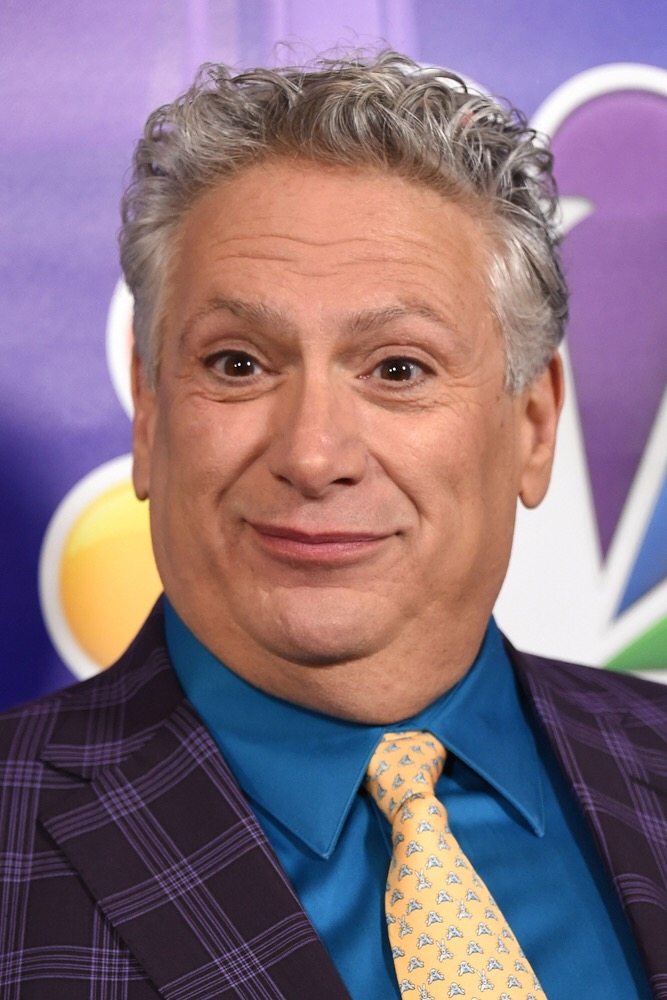
Fierstein has a distinctive gravelly voice that is instantly recognizable to audiences. After his success in ‘Torch Song Trilogy’ and ‘Mrs. Doubtfire’, he was often brought in to play the wise queer elder or the flamboyant uncle. His unique vocal quality combined with his persona made it hard for him to disappear into disparate roles on film. He found his greatest artistic freedom writing and starring in theater productions.
Peter Paige
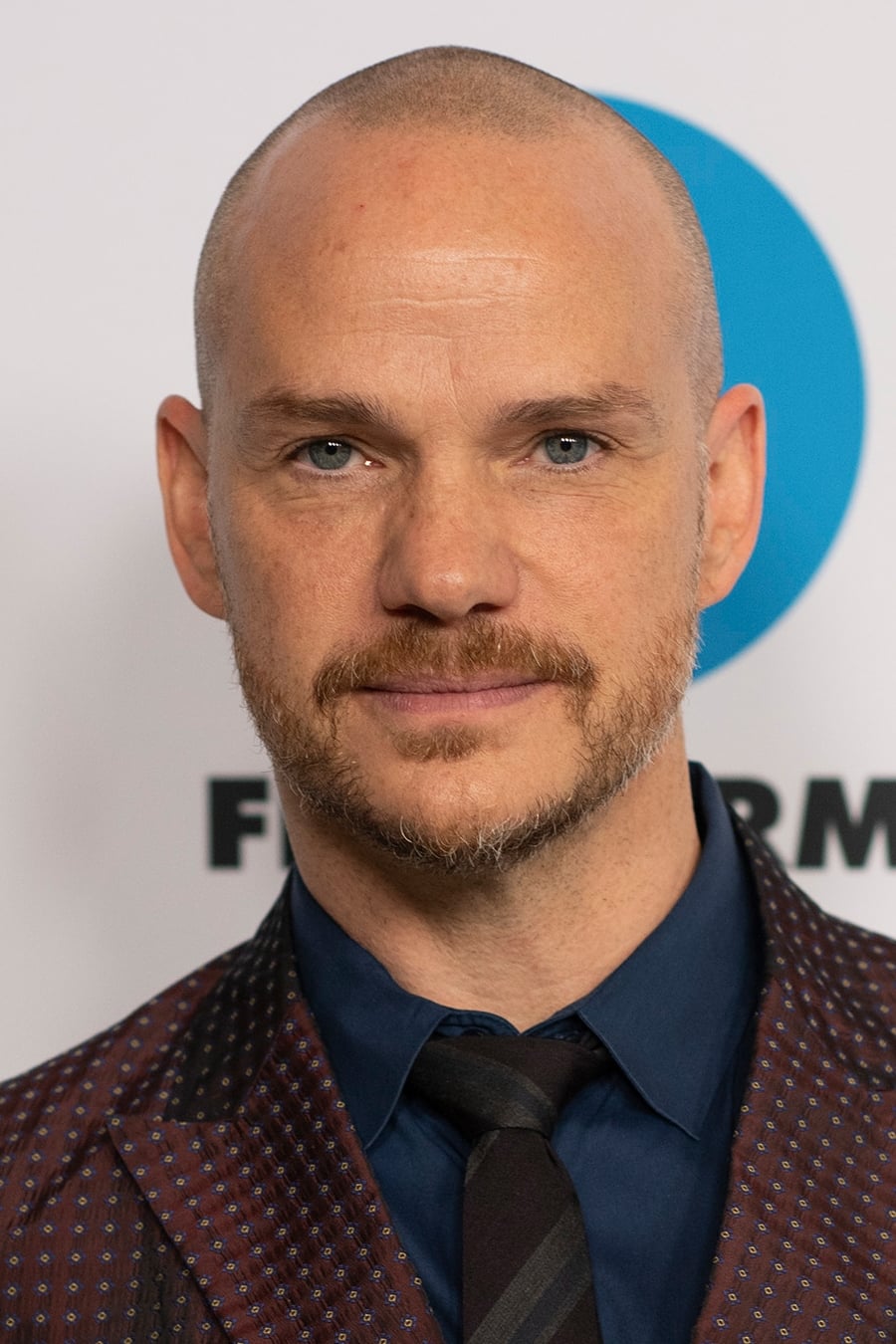
Paige is best remembered for his role as Emmett Honeycutt in the US version of ‘Queer as Folk’. His character was the most flamboyant of the main cast and this defined his acting opportunities for years. He struggled to be seen as anything other than the campy comic relief in mainstream Hollywood. Paige eventually pivoted to directing and showrunning to create the kinds of stories he wanted to tell.
Randy Harrison
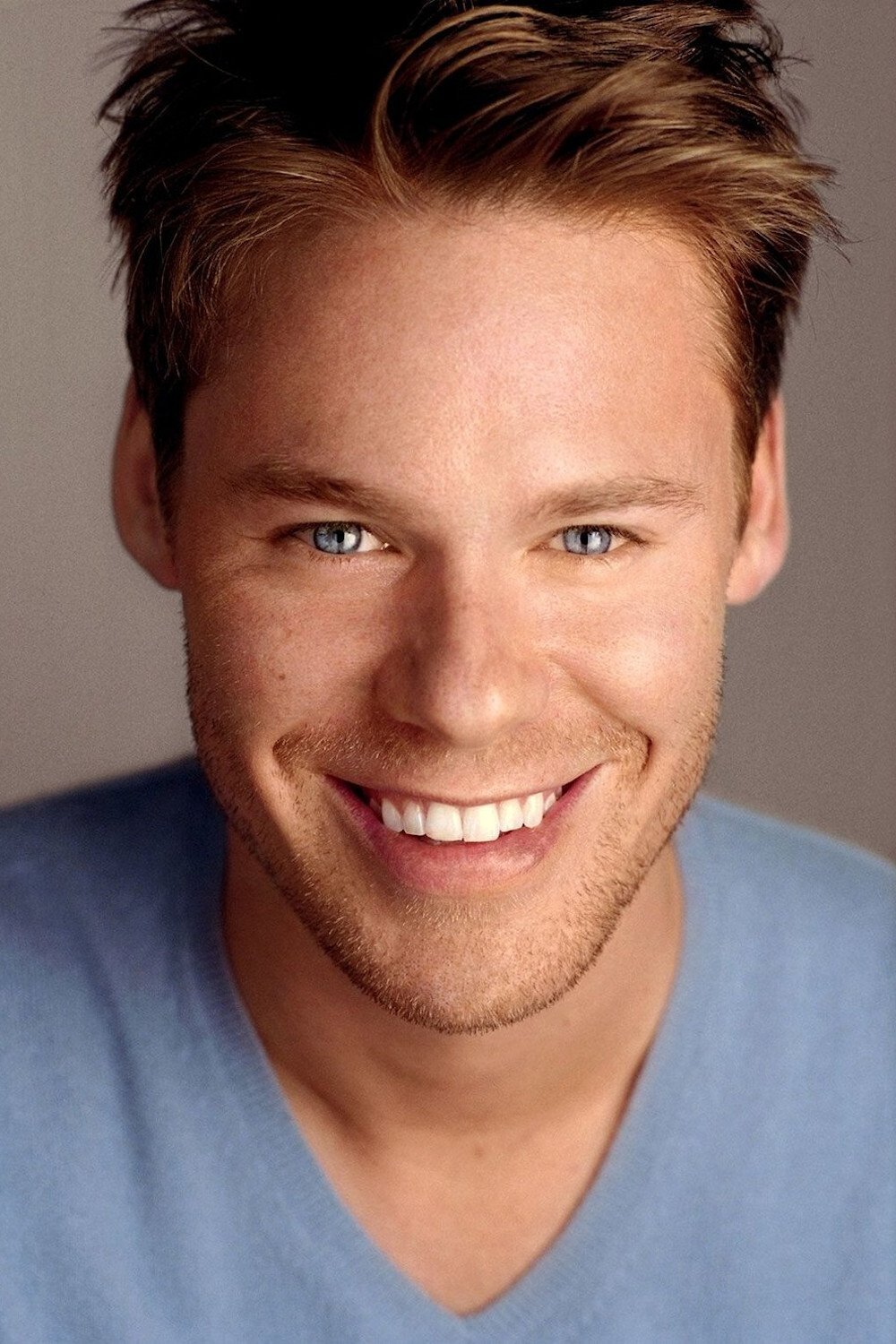
Harrison played the brooding teenager Justin Taylor on ‘Queer as Folk’. The intense fandom surrounding the show fixed him in the public eye as the eternal twink victim or romantic lead. He stepped away from television for a long time to focus on regional theater where he could play diverse characters. The industry struggled to see him mature past his breakout young adult role.
Scott Thompson
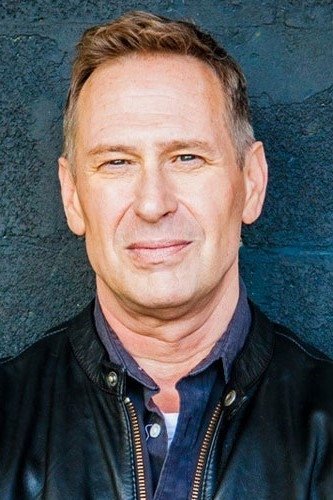
Thompson was a member of ‘The Kids in the Hall’ and famously created the character Buddy Cole. The effeminate and monologue-prone Buddy became the role most people associated with him. While groundbreaking, it limited the types of scripted television roles he was offered in the United States. He has often had to rely on sketch comedy to showcase his full talents.
Bryan Batt
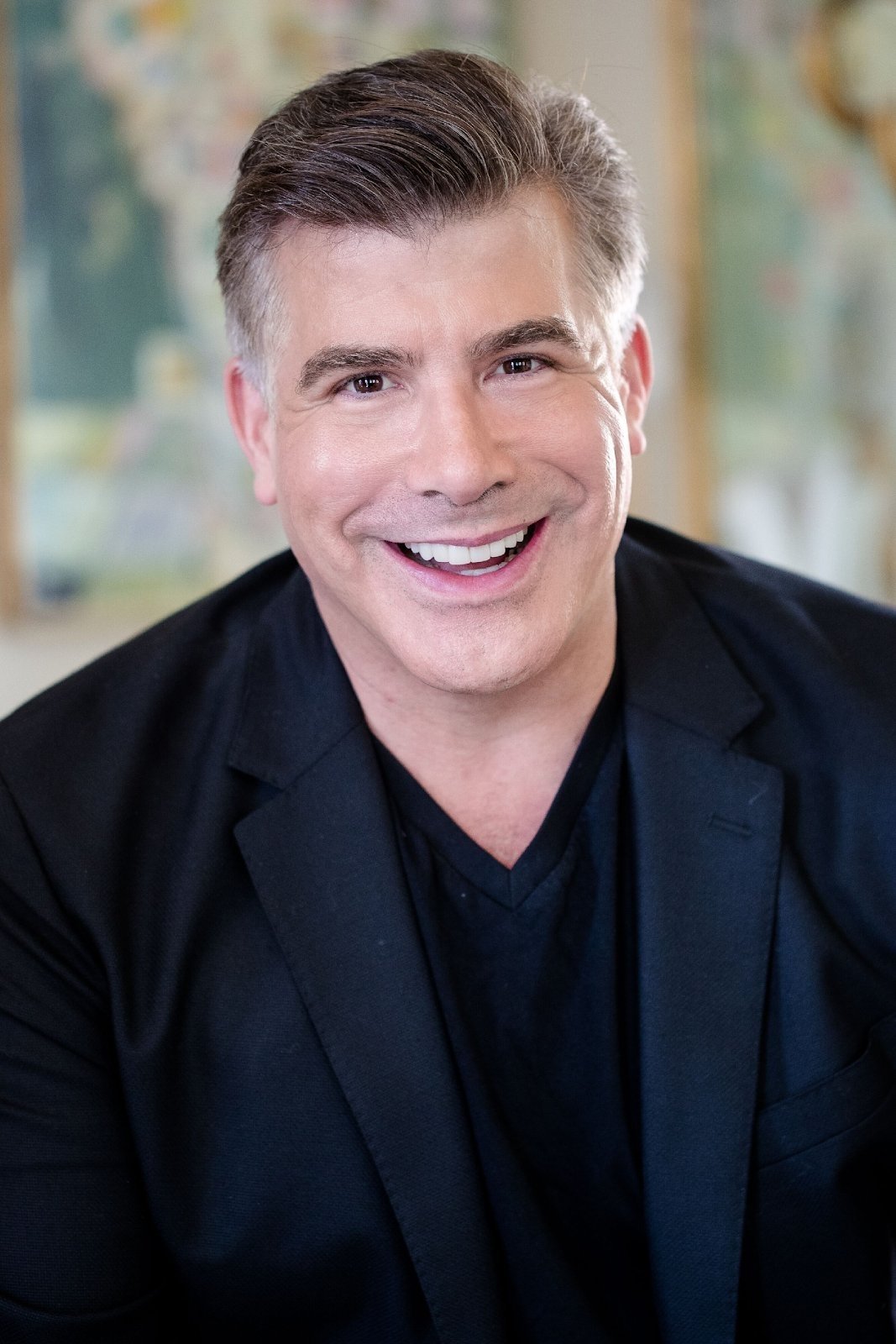
Batt played the closeted art director Sal Romano on the period drama ‘Mad Men’. Although a dramatic role, it fell into the “tragic closeted man” trope that was common in historical settings. Batt found himself frequently considered for period pieces requiring a similar hidden depth and sorrow. He has since focused heavily on theater and his design business in New Orleans.
Robin de Jesús
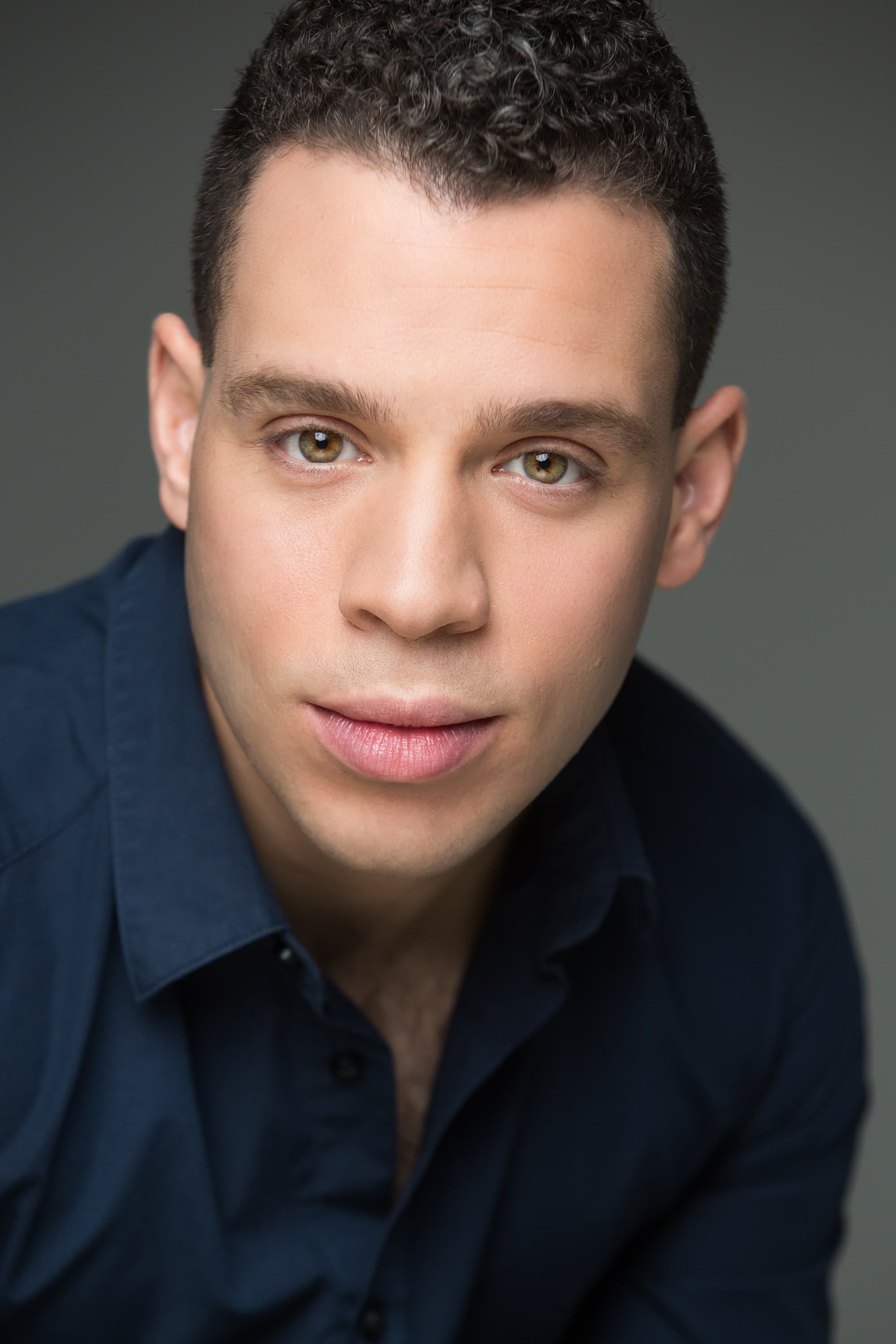
He first gained attention in the cult musical film ‘Camp’ playing a young gay teen who uses drag to cope. This established him early on as the go-to actor for the flamboyant best friend in musical theatre adaptations. He played similar supporting roles in subsequent films like ‘The Boys in the Band’. It has been a slow process for him to gain access to leading man material.
Bowen Yang
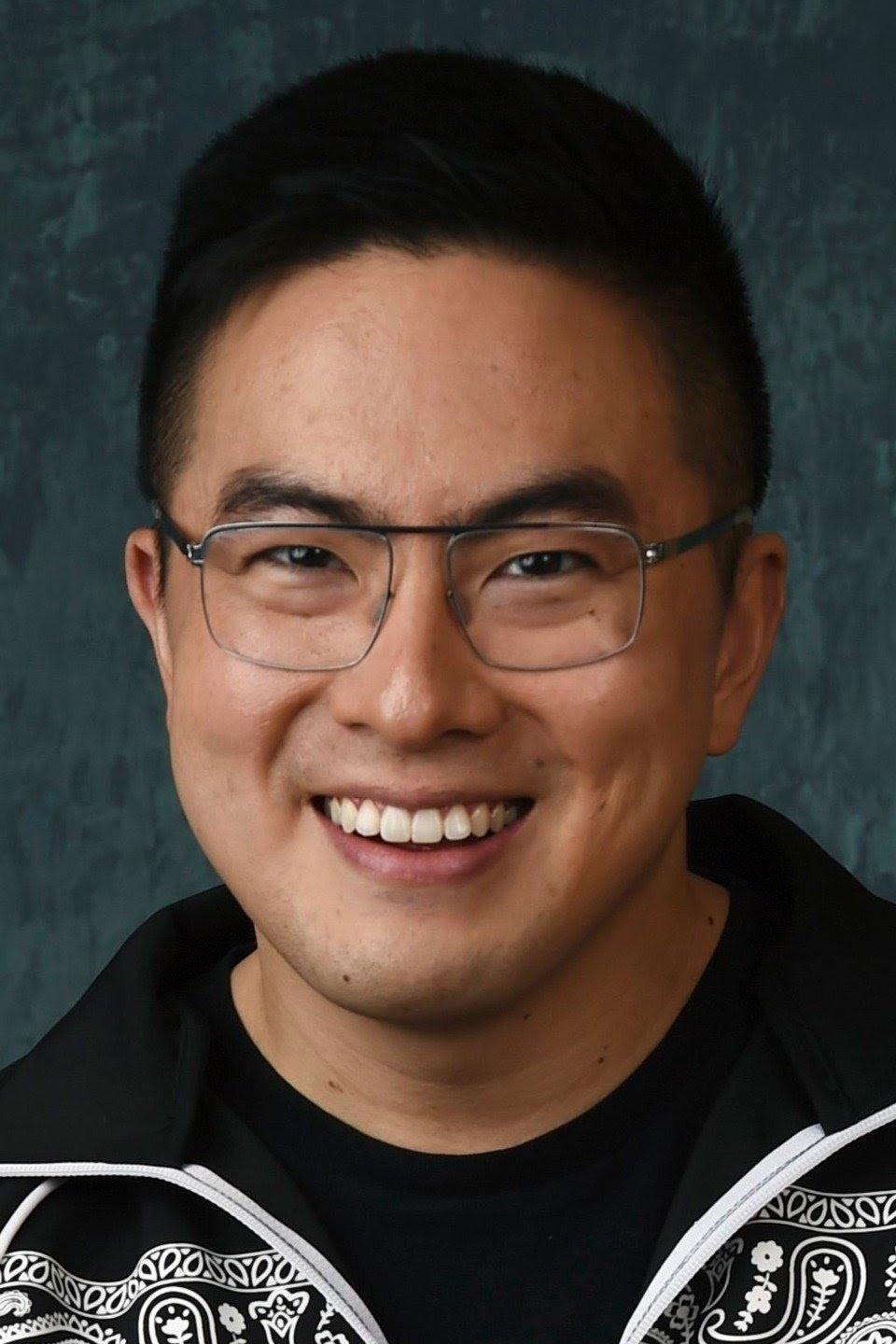
Yang broke barriers as a cast member on ‘Saturday Night Live’ with his distinct comedic voice. However, the show frequently utilized him for sketches requiring a sassy pop culture critic or a flamboyant socialite. He has openly discussed the challenge of navigating these expectations while trying to write weirder and more conceptual sketches. Hollywood films immediately began casting him in the “gay best friend” slot in romantic comedies.
Jordan Gavaris
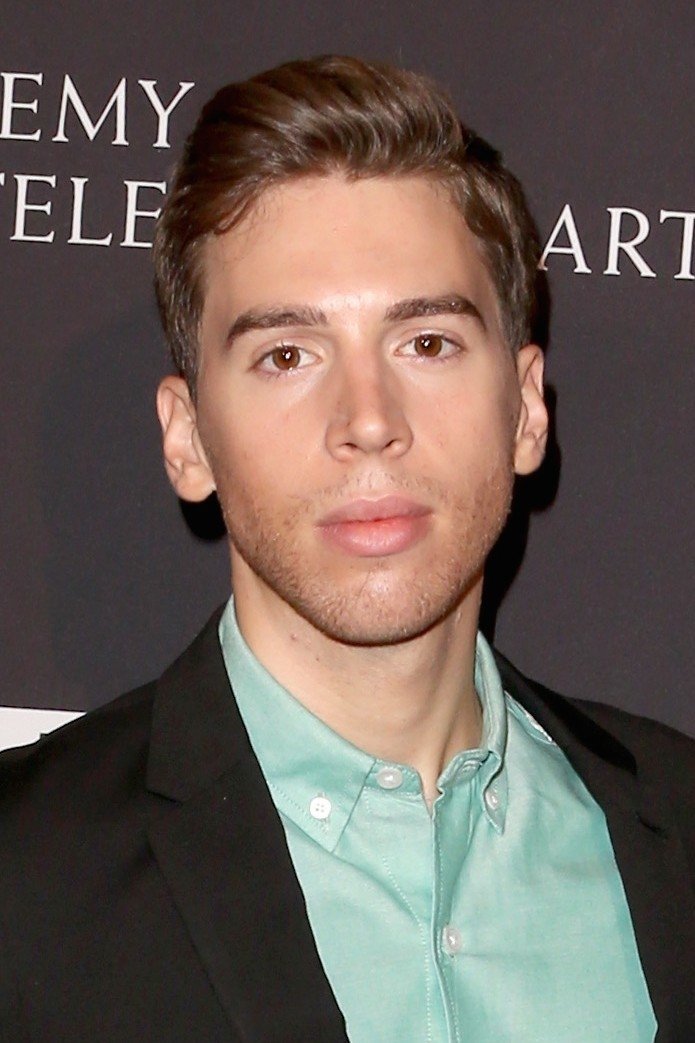
Gavaris played the artist brother Felix in the sci-fi hit ‘Orphan Black’. His performance was beloved but the effeminate mannerisms he adopted for the character stuck to his professional reputation. Casting directors assumed he was exactly like Felix in real life and offered him roles based on that assumption. He has had to work hard to prove he can play grounded or American characters.
Noah Galvin
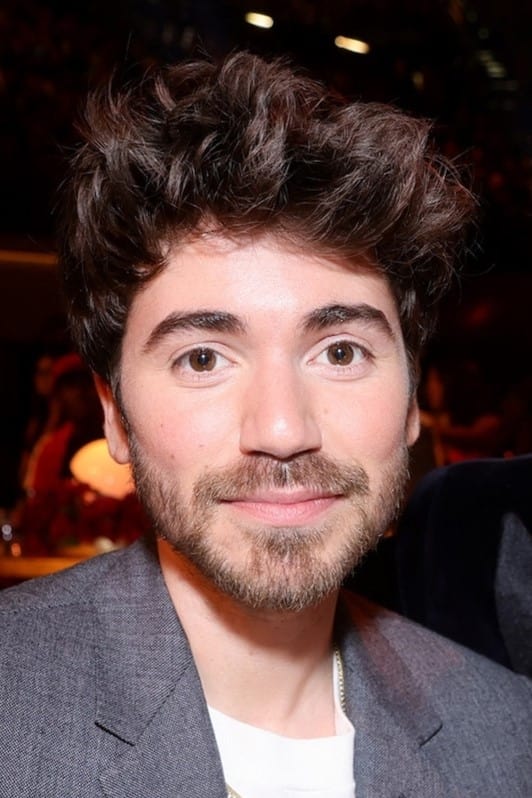
Galvin starred in ‘The Real O’Neals’ as a teenager who comes out to his Catholic family. The sitcom centered entirely on his identity and established him as a comedic juvenile lead. He faced the common issue of aging out of teen roles while still being seen as the awkward high schooler. His transition to adult roles has required a deliberate shift away from sitcom formats.
Darryl Stephens
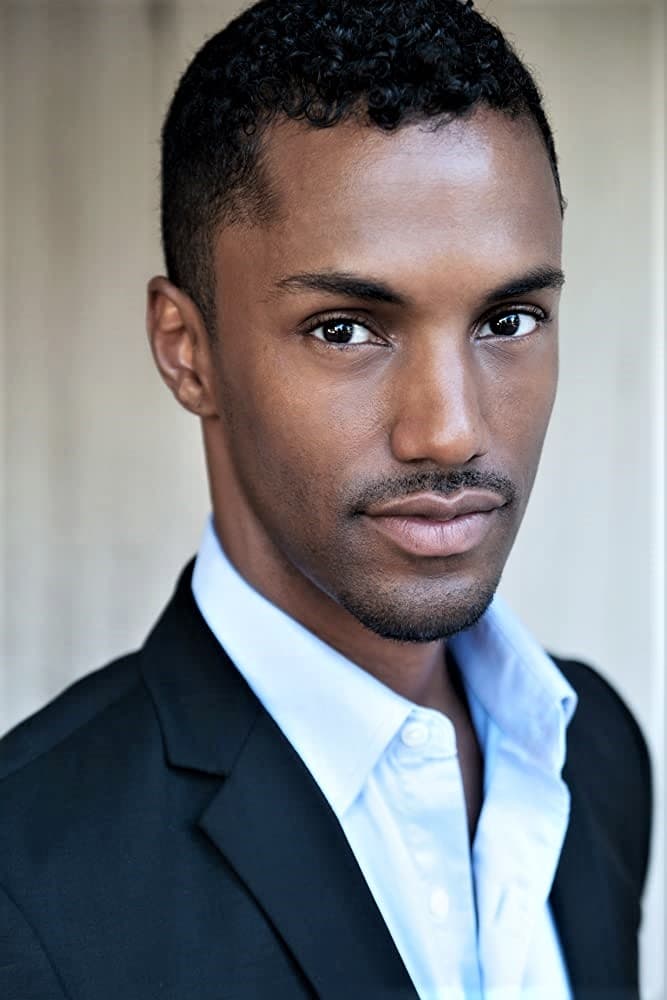
Stephens is the face of the logo series ‘Noah’s Arc’ where he played the lead character Noah Nicholson. The show was a cult hit but arguably restricted Stephens to niche LGBTQ+ content for many years. Mainstream Hollywood rarely offered him roles that utilized his leading man charisma outside of queer-focused indies. He became an icon of black gay cinema but struggled to cross over into general market blockbusters.
Cheyenne Jackson
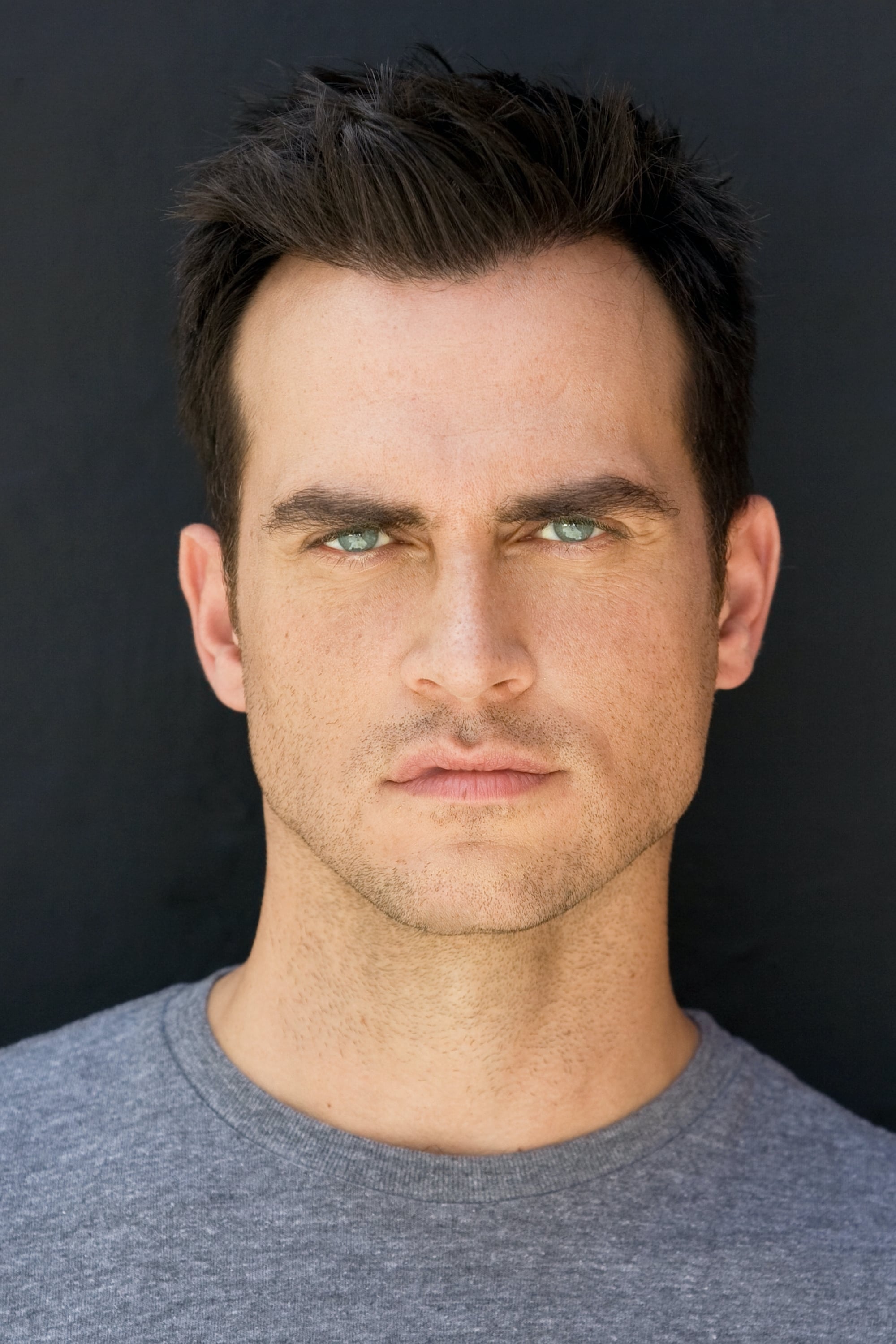
Jackson possesses the looks of a classic Hollywood leading man but often landed roles emphasizing a campy or villainous queer aesthetic. Ryan Murphy frequently cast him in ‘American Horror Story’ in roles that leaned into specific gay archetypes. While he has had a steady career, he was often bypassed for the straightforward romantic leads his appearance suggested he could play.
Harvey Guillén
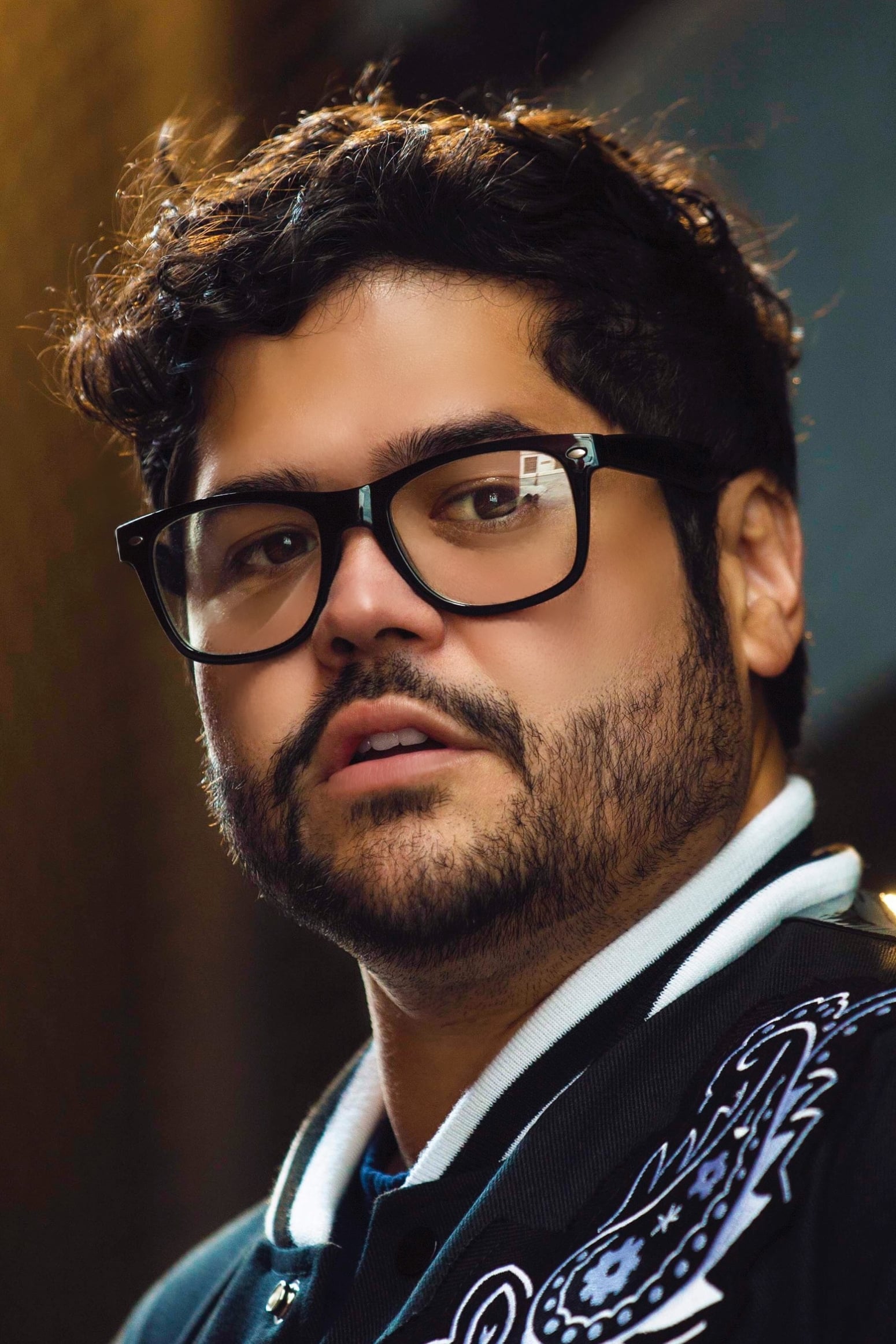
Guillén broke out as the familiar Guillermo in ‘What We Do in the Shadows’. While the role is brilliant, it relies heavily on his subservience to his vampire masters. The industry quickly tried to slot him into the “loyal assistant” box for other projects. He has actively sought voice work and action roles to combat this early typecasting.
Matt Lucas
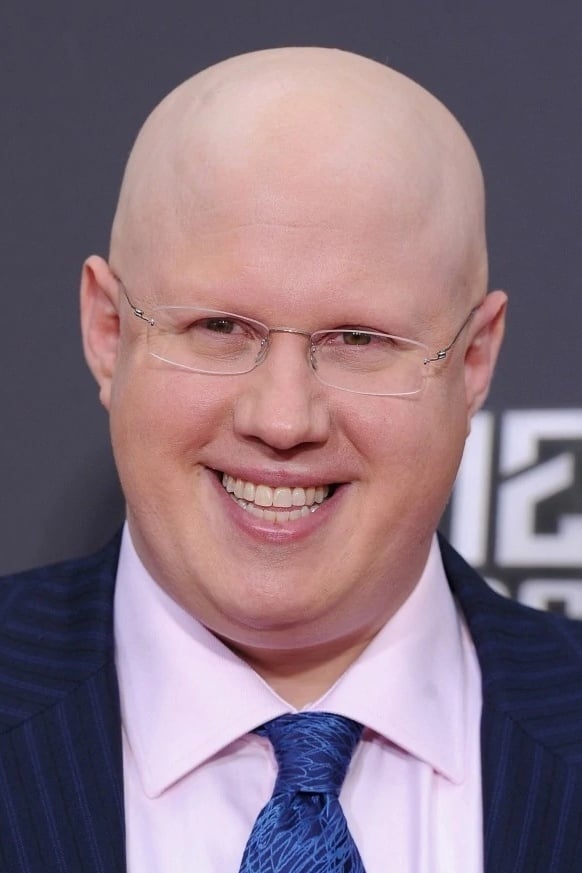
Lucas gained fame in ‘Little Britain’ playing “The Only Gay in the Village” among other characters. This catchphrase and character became a massive cultural phenomenon that overshadowed his other work. He was frequently hired to bring that specific brand of loud and repetitive comedy to American films. It took roles in ‘Doctor Who’ and ‘Alice in Wonderland’ to begin shifting that perception.
Simon Callow
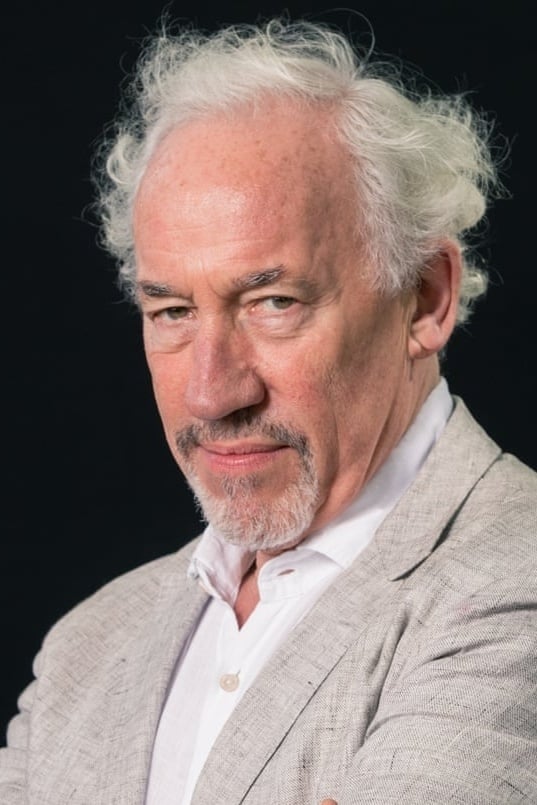
Callow is a highly respected British actor who was out early in his career. He was famously cast as the boisterous Gareth in ‘Four Weddings and a Funeral’. This role set a template for him as the jolly but tragic gay supporting character in romantic comedies. He has largely escaped this through his extensive literary work and one-man stage shows.
Alan Cumming
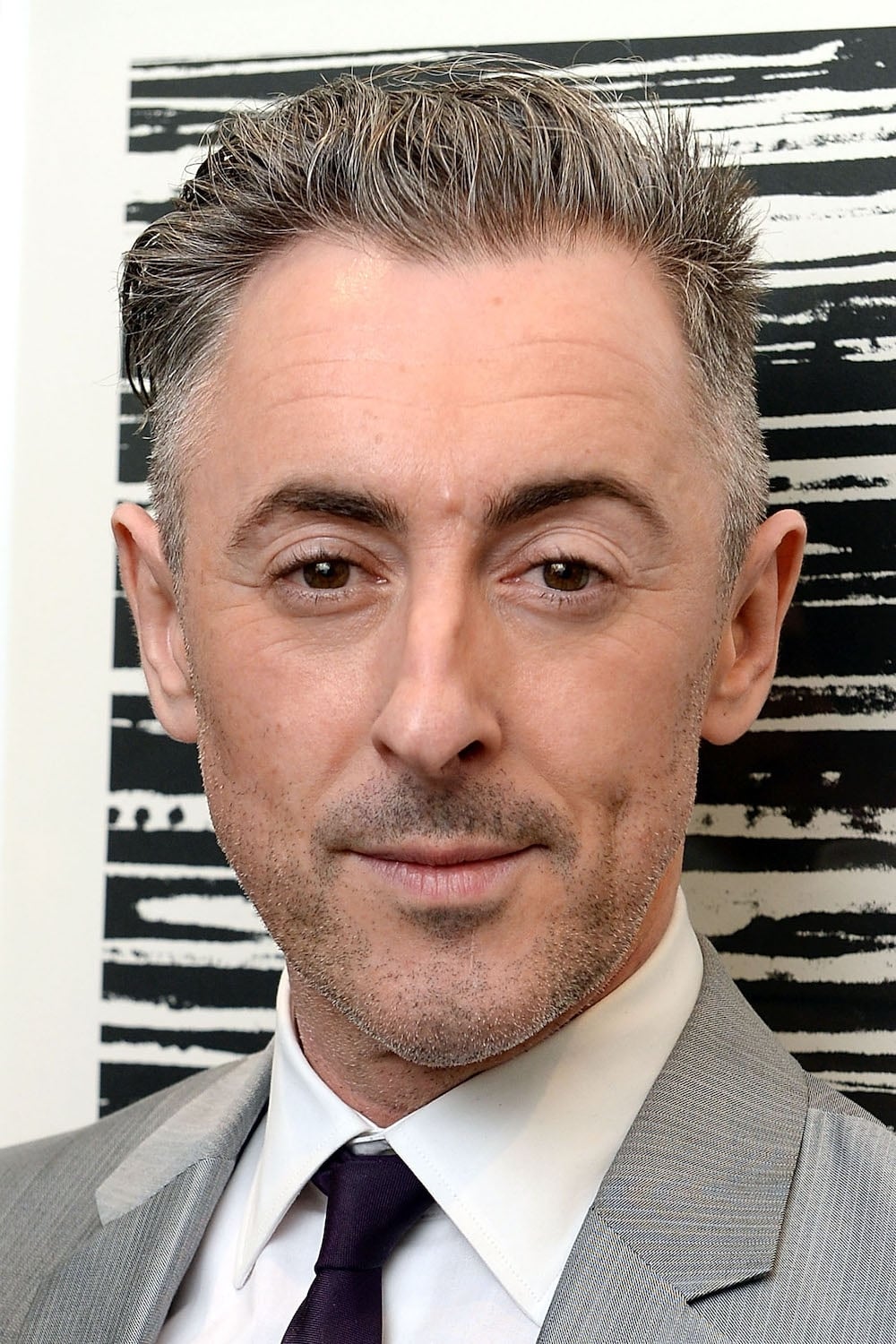
Cumming is a master of the stage who became famous for his sexually ambiguous and eccentric Emcee in ‘Cabaret’. Hollywood translated this energy into casting him as weirdos, villains, or flamboyant side characters. He rarely got the chance to play the straight man or the romantic lead in major studio films. His role in ‘The Good Wife’ finally allowed him to play a more buttoned-up political operative.
Billy Porter
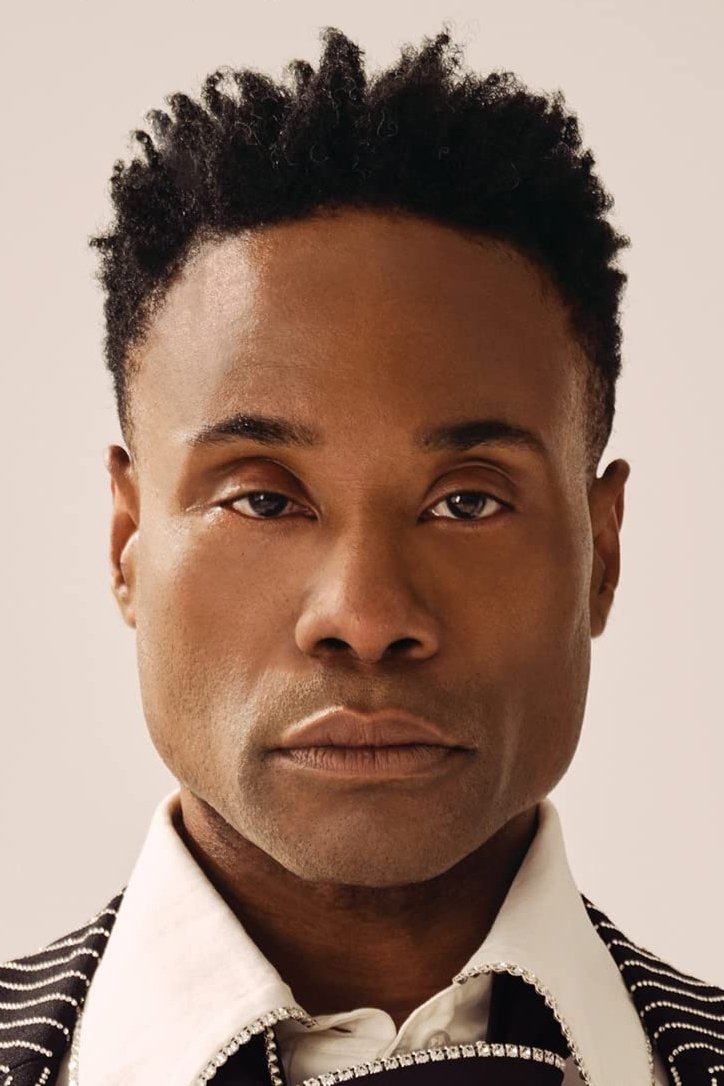
Porter achieved massive mainstream success as Pray Tell in ‘Pose’. The role celebrated his identity but also led to him being cast almost exclusively as the “magical fashion mentor” in subsequent films. Movie studios began hiring him to simply show up and be fabulous rather than act a character. He is currently working on directing to take control of his artistic narrative.
Russell Tovey
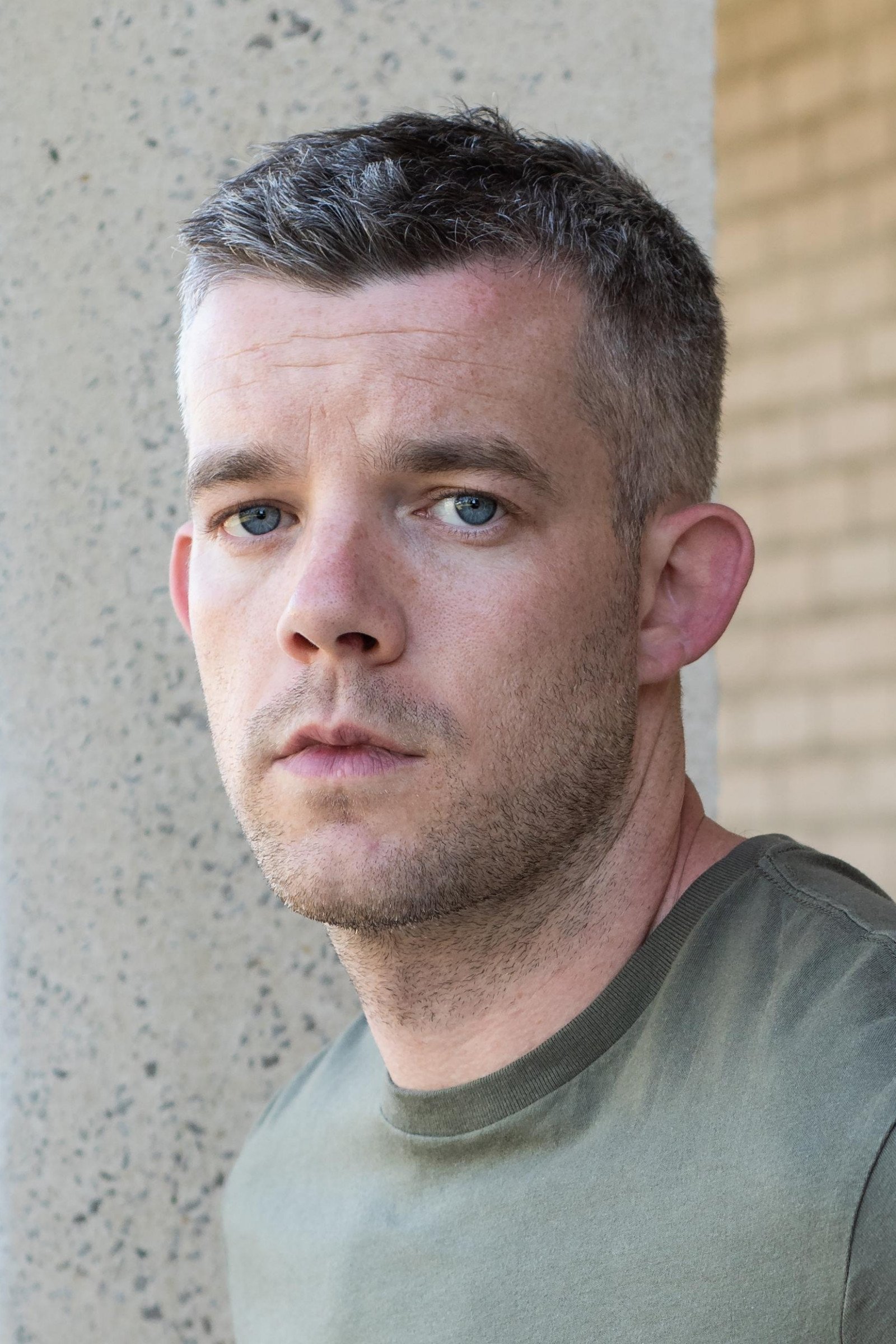
Tovey has played a wide variety of roles but was frequently the go-to actor for the “troubled gay everyman” in British television. Shows like ‘Looking’ and ‘Being Human’ utilized his ability to play vulnerable queer men. He has had to actively pursue villainous and action-heavy roles to show he is not limited to sensitive romantic dramas.
Tell us which actor you think managed to break their typecasting the most successfully in the comments.