Black Actresses Who Were Typecast Way Too Early in Their Careers

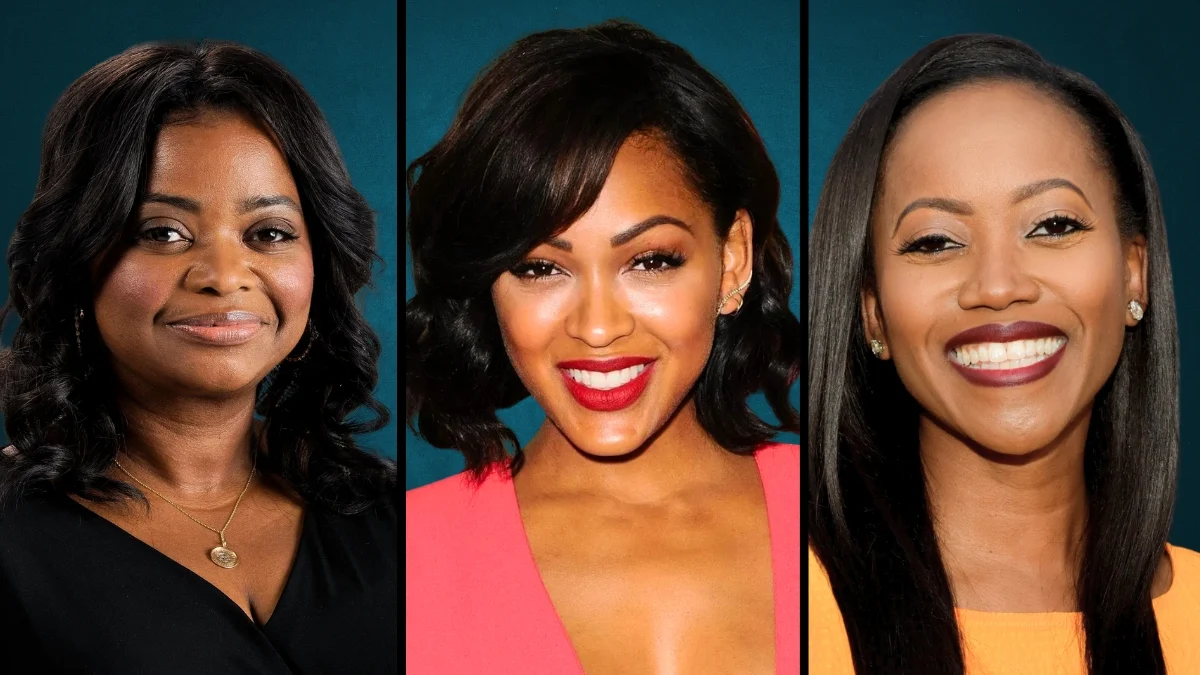

The history of Hollywood casting has often seen Black actresses restricted to a narrow set of archetypes, from the nurturing domestic worker to the sassy comedic sidekick. These patterns frequently emerge at the very start of a performer’s career, defining their public image before they have the opportunity to showcase their full range. While many of these women eventually broke through these limitations to win major awards and produce their own projects, their early filmographies reflect the systemic biases of the industry. This list examines 30 Black actresses who faced significant typecasting during their formative years in the spotlight.
Hattie McDaniel
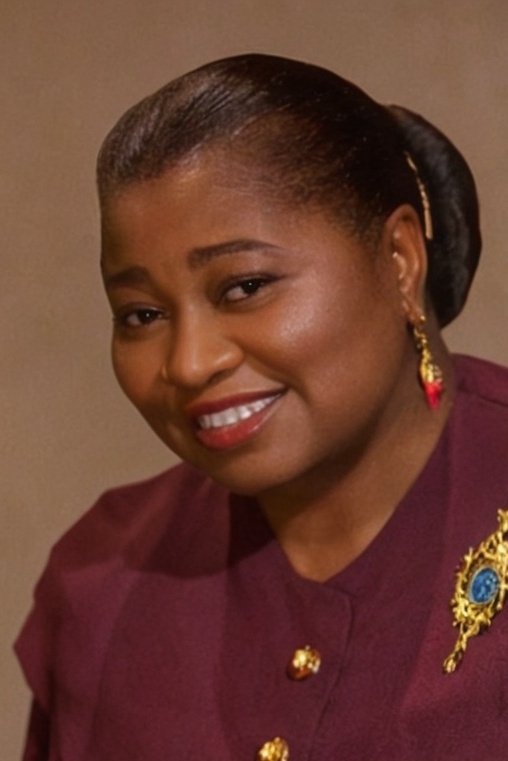
McDaniel became the first African American to win an Academy Award for her performance as Mammy in ‘Gone with the Wind’ (1939). Throughout the 1930s, she was cast as a domestic servant or maid in over 40 different films, establishing her as the primary face of the “Mammy” archetype. This repetitive casting was a result of the limited opportunities available to Black performers during Hollywood’s Golden Age. Despite her talent, she faced significant pressure from the NAACP and other organizations that felt her roles perpetuated harmful racial stereotypes. McDaniel famously defended her career choices by stating she would rather play a maid than be one.
Dorothy Dandridge
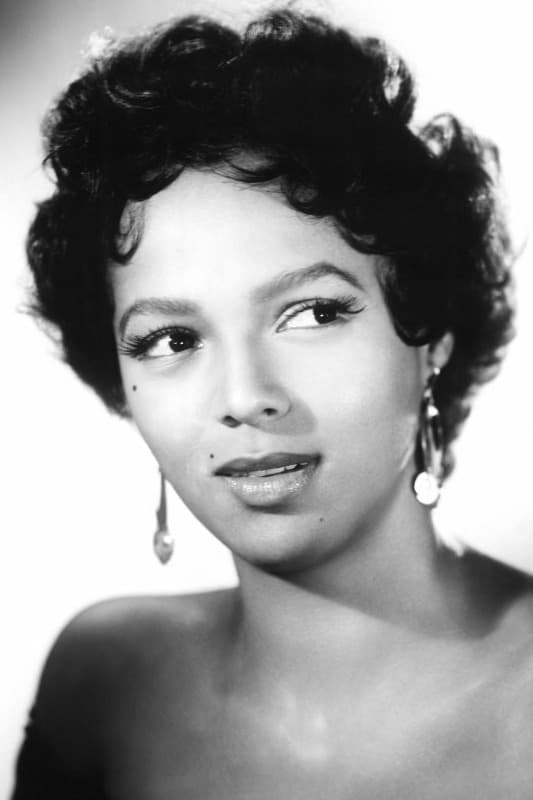
Dandridge was frequently cast in the “Tragic Mulatto” or “temptress” roles that defined much of her early career in the 1950s. After her Academy Award-nominated turn in ‘Carmen Jones’ (1954), she struggled to find leading roles that did not rely on her being a hyper-sexualized or doomed figure. Studios often relegated her to exoticized characters in films like ‘Island in the Sun’ (1957) and ‘Tamango’ (1958). These roles limited her ability to play the versatile dramatic parts that were routinely offered to her white contemporaries. Her career remains a prominent example of how Hollywood’s racial and gendered beauty standards constrained Black leading ladies.
Viola Davis
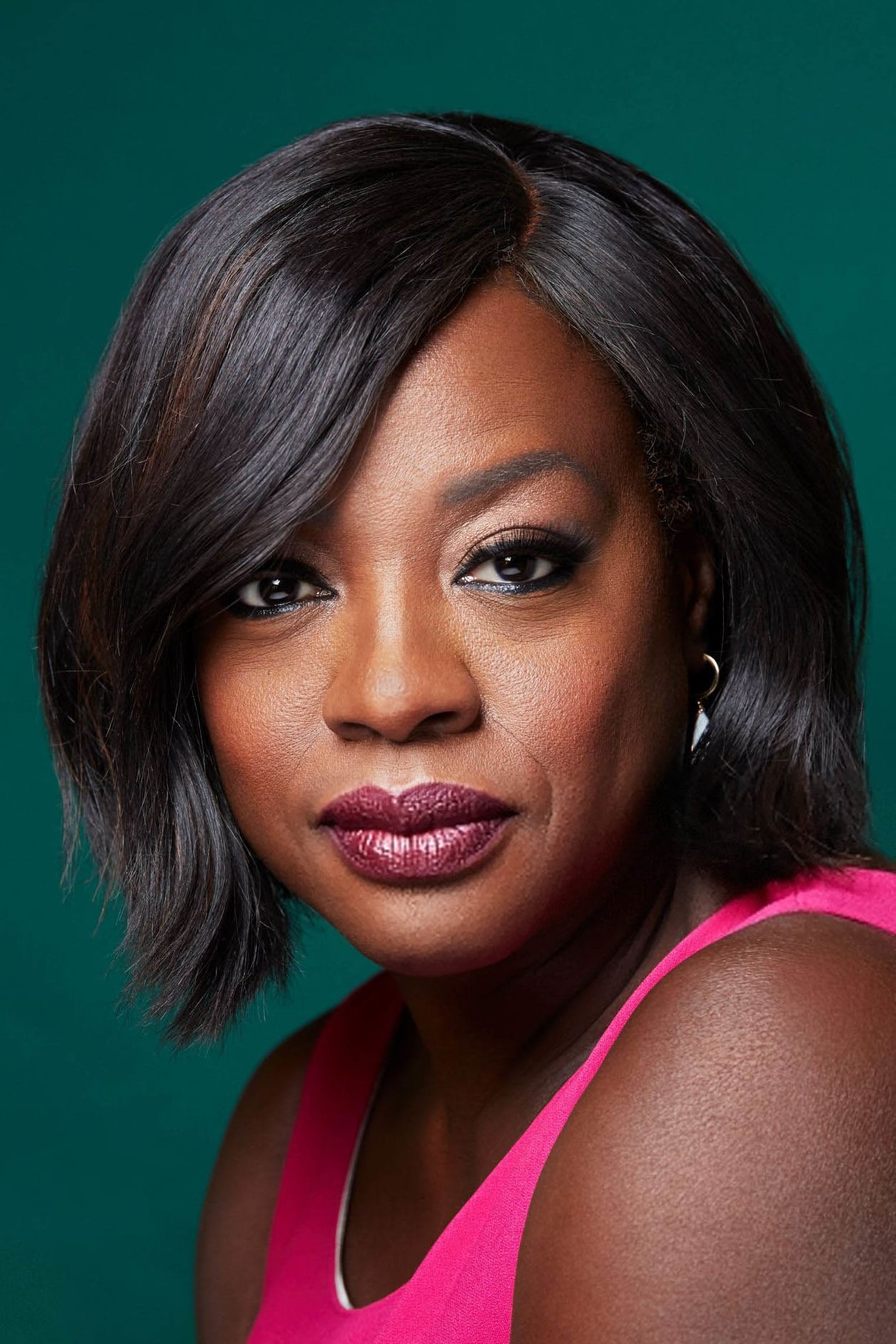
Before becoming an EGOT winner, Davis spent a significant portion of her early career being cast as the “suffering mother” or the “helper.” Her breakout roles in ‘Doubt’ (2008) and ‘The Help’ (2011) featured her as a mother in distress and a domestic worker, respectively. These performances were critically acclaimed but reinforced a pattern where she was only seen in roles defined by service or trauma. Davis has since spoken about the lack of diverse opportunities for dark-skinned Black women in Hollywood during that era. It was not until ‘How to Get Away with Murder’ (2014–2020) that she was regularly cast in a role that prioritized her sexuality and professional authority.
Octavia Spencer
Spencer was cast as a nurse or a domestic worker in dozens of projects before her mainstream breakthrough. Between 1996 and 2011, she appeared in minor roles as healthcare professionals in films like ‘A Time to Kill’ (1996) and ‘Seven Pounds’ (2008). Her Academy Award-winning role as Minny Jackson in ‘The Help’ (2011) further cemented her image as a nurturing but “sassy” servant figure. Following this success, she continued to receive offers for similar characters, which she addressed by diversifying her roles into science and leadership. She eventually broke the cycle by playing a mathematician in ‘Hidden Figures’ (2016) and a lead in the thriller ‘Ma’ (2019).
Gabrielle Union
In the late 1990s and early 2000s, Union was consistently cast as the “sassy” or “bitchy” best friend in teen comedies. Her roles in ‘She’s All That’ (1999), ’10 Things I Hate About You’ (1999), and ‘Bring It On’ (2000) followed a specific template of the confident, often antagonistic supporting character. She has noted in interviews that these roles were often used to provide a “cool” factor to the white leads without giving her own characters much depth. Union worked to move past this image by taking on leading dramatic roles in ‘Being Mary Jane’ (2013–2019). Her early career illustrates the “Black best friend” trope that dominated the young adult genre for decades.
Kerry Washington
Washington faced early career typecasting that relegated her to the “urban girlfriend” or the “struggling woman from the hood.” In ‘Save the Last Dance’ (2001), she played the single-mother friend of the protagonist, a role that relied on specific socioeconomic stereotypes. She has revealed that she was fired from multiple television pilots because she was told she was not “hood” enough for the roles. These experiences highlighted the industry’s narrow expectation of how Black women should speak and behave on screen. Her casting as Olivia Pope in ‘Scandal’ (2012–2018) was a major shift that redefined her career as a high-powered professional.
Taraji P. Henson

Following her performance in ‘Baby Boy’ (2001), Henson was frequently typecast as the “tough-talking woman from the streets.” Her roles often involved playing the supportive but fiery girlfriend or mother to male leads in films like ‘Hustle & Flow’ (2005). These characters typically focused on her ability to portray resilience in the face of struggle or poverty. Henson expressed frustration with being overlooked for more varied roles despite her proven dramatic range. Her eventual success in ‘The Curious Case of Benjamin Button’ (2008) and ‘Hidden Figures’ (2016) allowed her to move into more diverse territory.
Regina Hall
Hall spent much of her early career being cast as the “wild” or “sassy” comedic sidekick. Her portrayal of Brenda Meeks in the ‘Scary Movie’ (2000–2006) franchise became her most recognizable role, pinning her to a specific type of loud, physical comedy. While the role made her a household name, it often prevented her from being considered for serious dramatic work during that period. She remained in the comedic supporting lane for many years in films like ‘The Best Man’ (1999) and ‘Think Like a Man’ (2012). It was only in later years, with films like ‘Support the Girls’ (2018), that she received critical recognition for her dramatic leading ability.
Jennifer Hudson
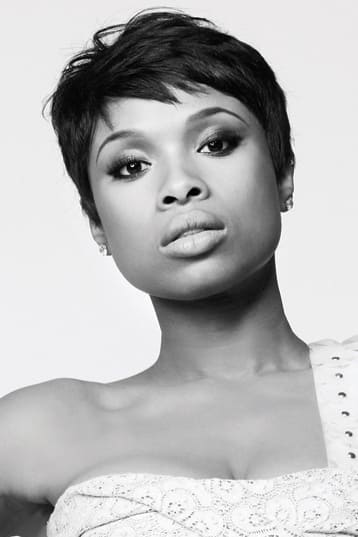
After winning an Oscar for ‘Dreamgirls’ (2006), Hudson was often cast in roles that prioritized her supporting the growth of a white female protagonist. In ‘Sex and the City’ (2008), she played Louise, the resourceful personal assistant to Carrie Bradshaw. Similarly, in ‘The Secret Life of Bees’ (2008), she played a domestic caretaker and friend. These roles utilized her “nurturing” persona but often lacked the narrative complexity of her debut performance. Hudson has since transitioned into more varied roles, including portraying Aretha Franklin in ‘Respect’ (2021).
Meagan Good
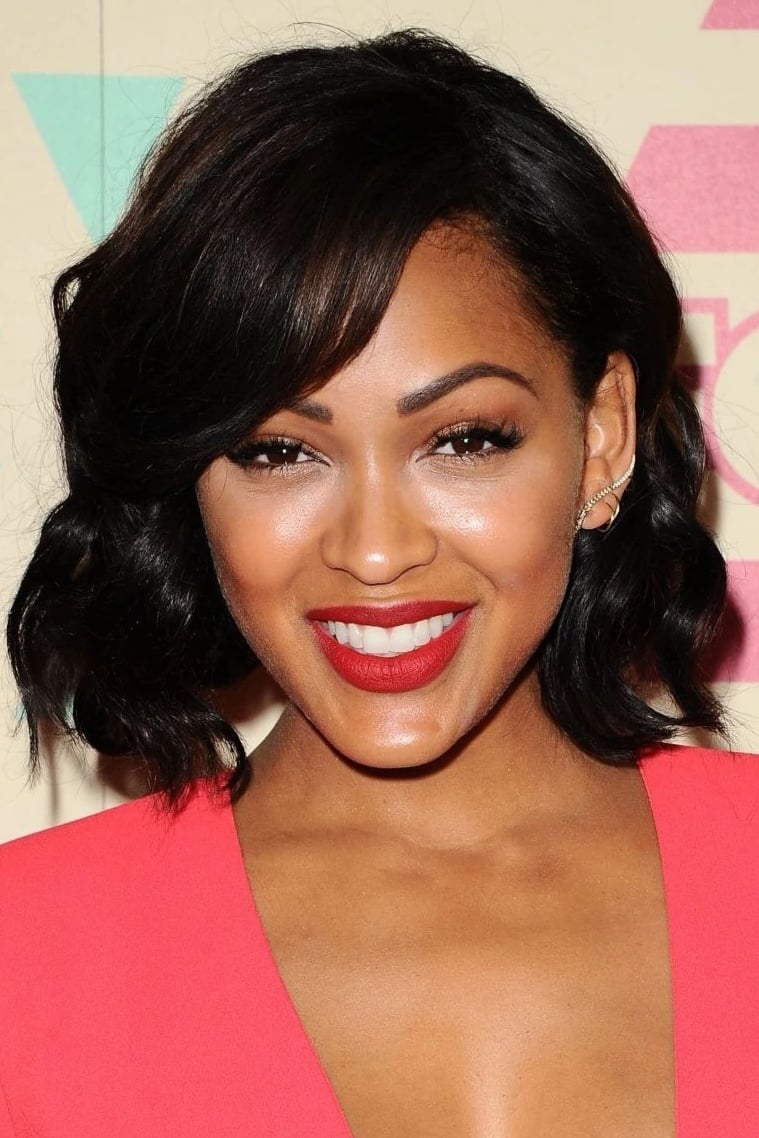
Good was frequently cast as the “vixen” or the “beautiful love interest” in films geared toward urban audiences. Starting with ‘Eve’s Bayou’ (1997) and moving into films like ‘Biker Boyz’ (2003) and ‘Deliver Us from Eva’ (2003), her roles often focused on her physical appearance. This typecasting made it difficult for her to transition into more grounded or professional dramatic roles in mainstream cinema. She spent much of the 2000s as the primary romantic lead in music videos and teen-targeted films. Good eventually sought out more diverse work in television and horror to break away from this image.
Nia Long
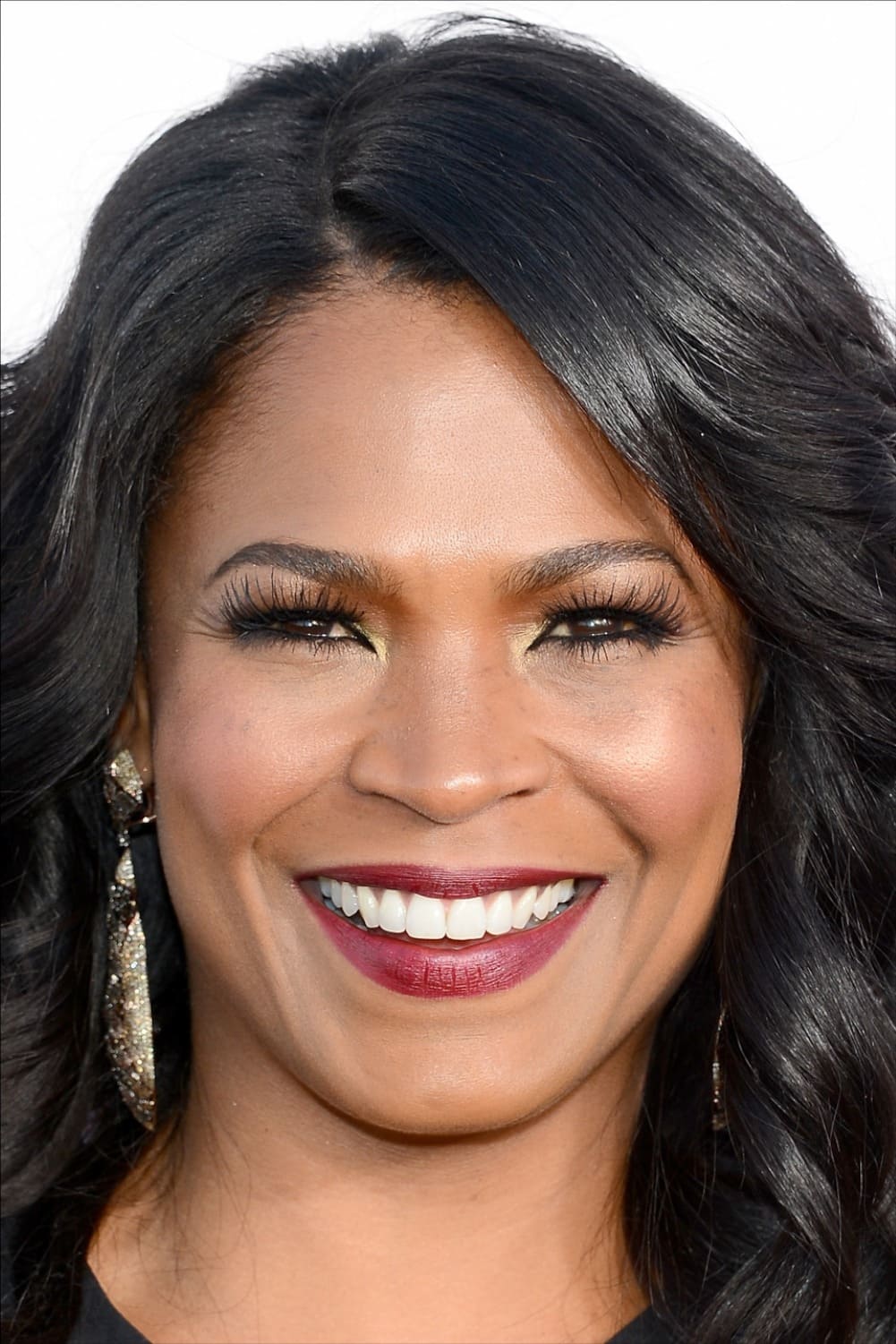
Long became the quintessential “girl next door” of 1990s Black cinema through films like ‘Boyz n the Hood’ (1991) and ‘Friday’ (1995). While these roles made her a cultural icon, they often kept her in the position of the romantic interest rather than the narrative lead. She was frequently cast as the stabilizing force for the male protagonist, a trend that continued in ‘The Best Man’ (1999) and ‘Love Jones’ (1997). This pattern often limited her opportunities to explore characters with their own independent professional or personal arcs. Long has since been vocal about the challenges of finding leading roles for Black women as they age in Hollywood.
Queen Latifah
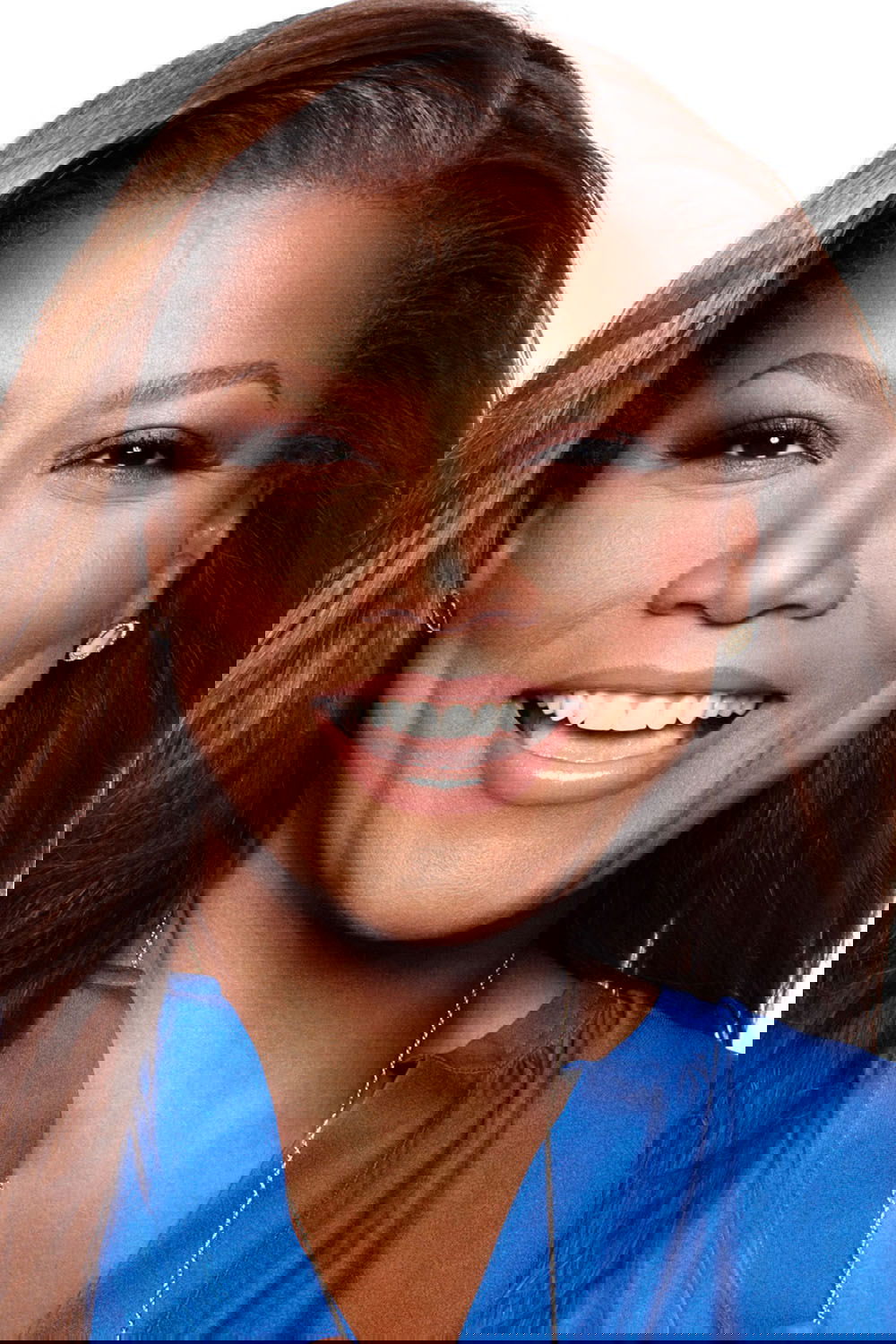
Early in her acting career, Queen Latifah was often typecast as the “tough woman” or the “natural leader” with a no-nonsense attitude. Her role in ‘Set It Off’ (1996) as Cleo remains a definitive example of this archetype. Throughout the late 1990s, she was rarely cast in romantic or vulnerable roles, with studios preferring her as an authority figure or a comedic powerhouse. Even her Academy Award-nominated role in ‘Chicago’ (2002) as Matron Mama Morton fit into this “strong woman” mold. She eventually broadened her career through her talk show and leading roles in romantic comedies like ‘Last Holiday’ (2006).
Mo’Nique
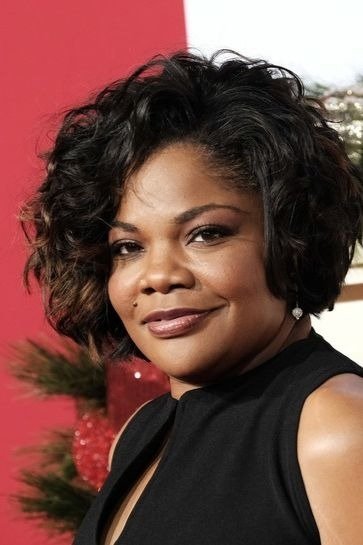
Mo’Nique was primarily cast as the “loud” and “outspoken” comedic woman during her early years in the industry. Her television show ‘The Parkers’ (1999–2004) solidified this image, making her a star but also limiting the types of scripts she received. She was often relegated to roles that focused on her size and her aggressive comedic style in films like ‘Phat Girlz’ (2006). Her dramatic turn in ‘Precious’ (2009) shocked many audiences because it was such a departure from her established brand. Despite winning an Oscar for that role, she famously faced industry blackballing that hindered her career progression for years.
Whoopi Goldberg
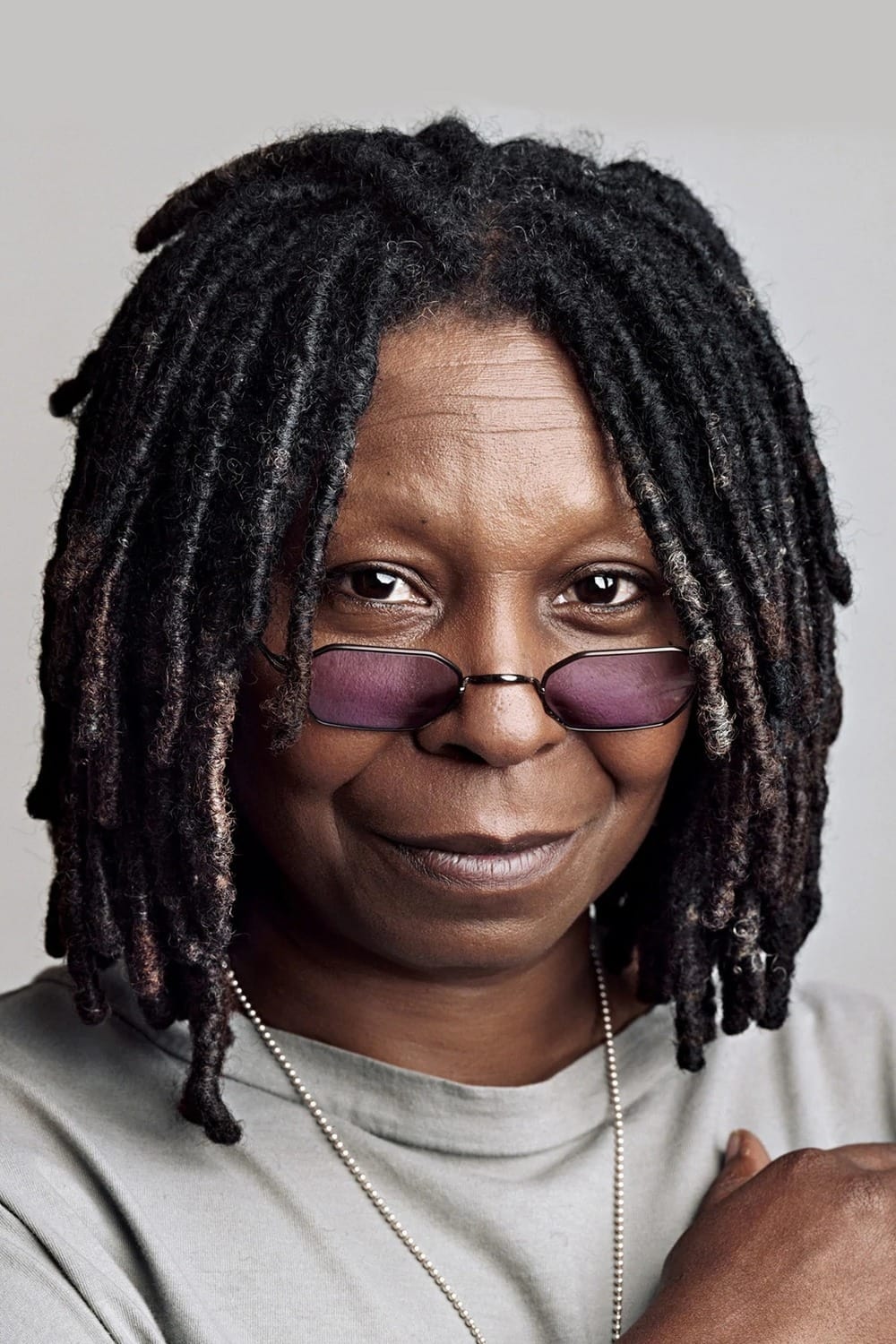
In the years following her debut in ‘The Color Purple’ (1985), Goldberg was frequently cast in “asexual” or “eccentric sidekick” roles. Her characters in ‘Ghost’ (1990) and ‘Sister Act’ (1992) were highly successful but often lacked a romantic life or traditional femininity. Hollywood struggled to cast her as a romantic lead, instead using her unique comedic timing and presence as a supporting device for white protagonists. She became the first Black woman to host the Academy Awards solo, but her film roles remained largely within the comedic or “wise counselor” realm. This typecasting persisted despite her immense versatility as a stage and screen performer.
Alfre Woodard
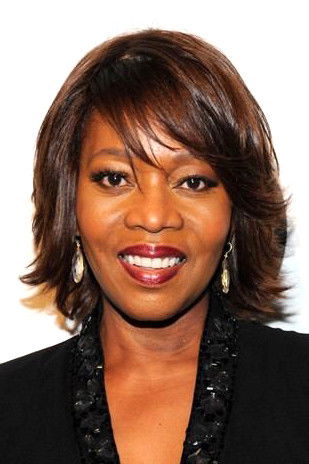
Woodard was early on labeled as the “wise” or “long-suffering” matriarch, often appearing in period pieces or heavy dramas. Her roles in ‘Cross Creek’ (1983) and ‘Passion Fish’ (1992) showcased her dramatic depth but also pegged her as a specific type of soulful, grounded character. She was rarely offered the opportunity to lead action films or lighthearted romantic comedies during her early prime. Instead, she became the go-to actress for roles requiring gravitas and emotional weight, often in supporting capacities. While she has won multiple Emmys, her career highlights the narrow lane often reserved for serious Black dramatic actresses.
Jenifer Lewis
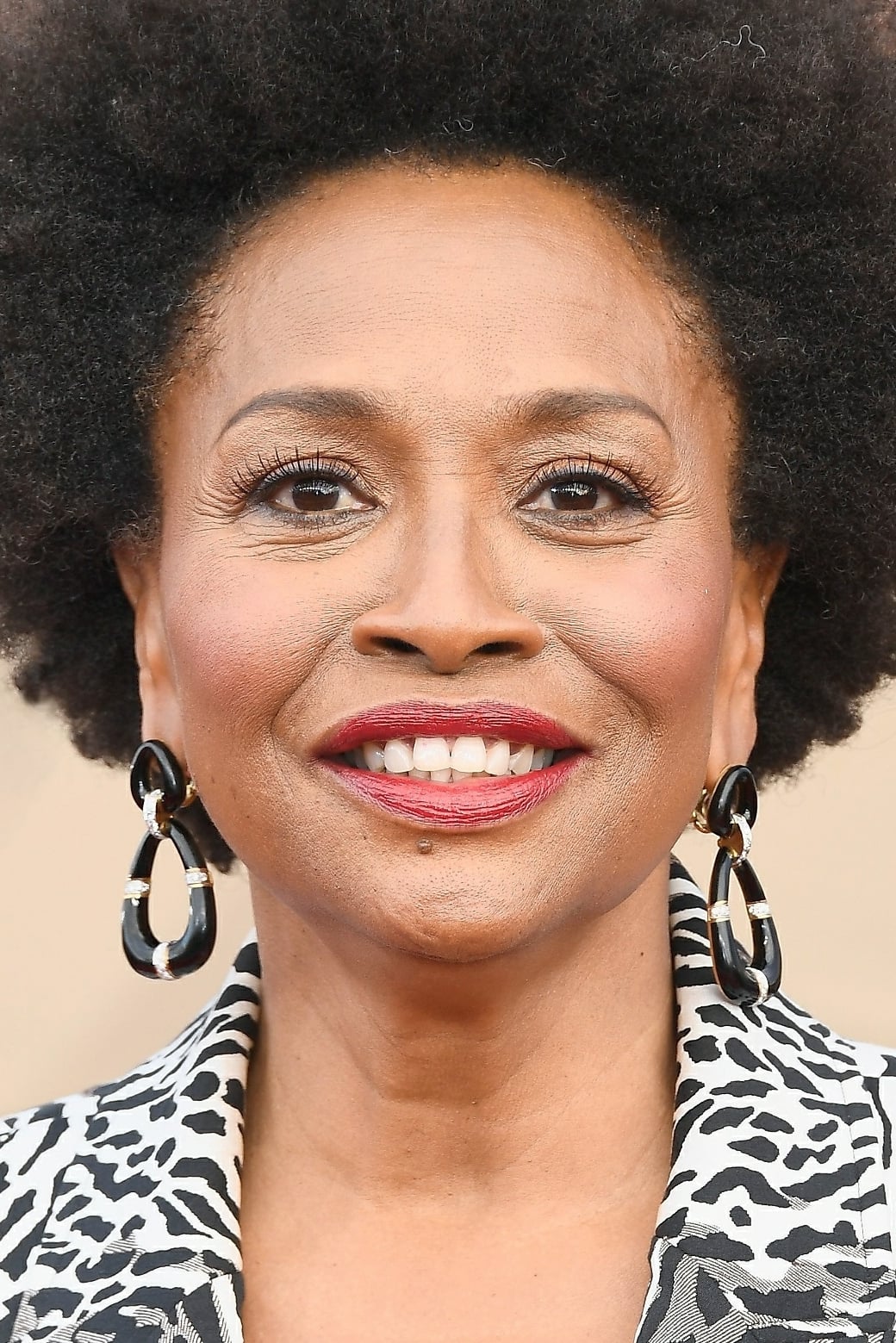
Lewis is famously known as the “Mother of Black Hollywood” because of how early and frequently she was cast as a maternal figure. Even when she was only a few years older than her on-screen children, she played mothers to stars like Whitney Houston and Angela Bassett. Her roles in ‘What’s Love Got to Do with It’ (1993) and ‘The Preacher’s Wife’ (1996) established this archetype. While she brought a unique energy and humor to these parts, she was rarely considered for lead roles that weren’t defined by motherhood. Lewis has since embraced this title, but it remains a clear example of industry typecasting based on age and energy.
Loretta Devine
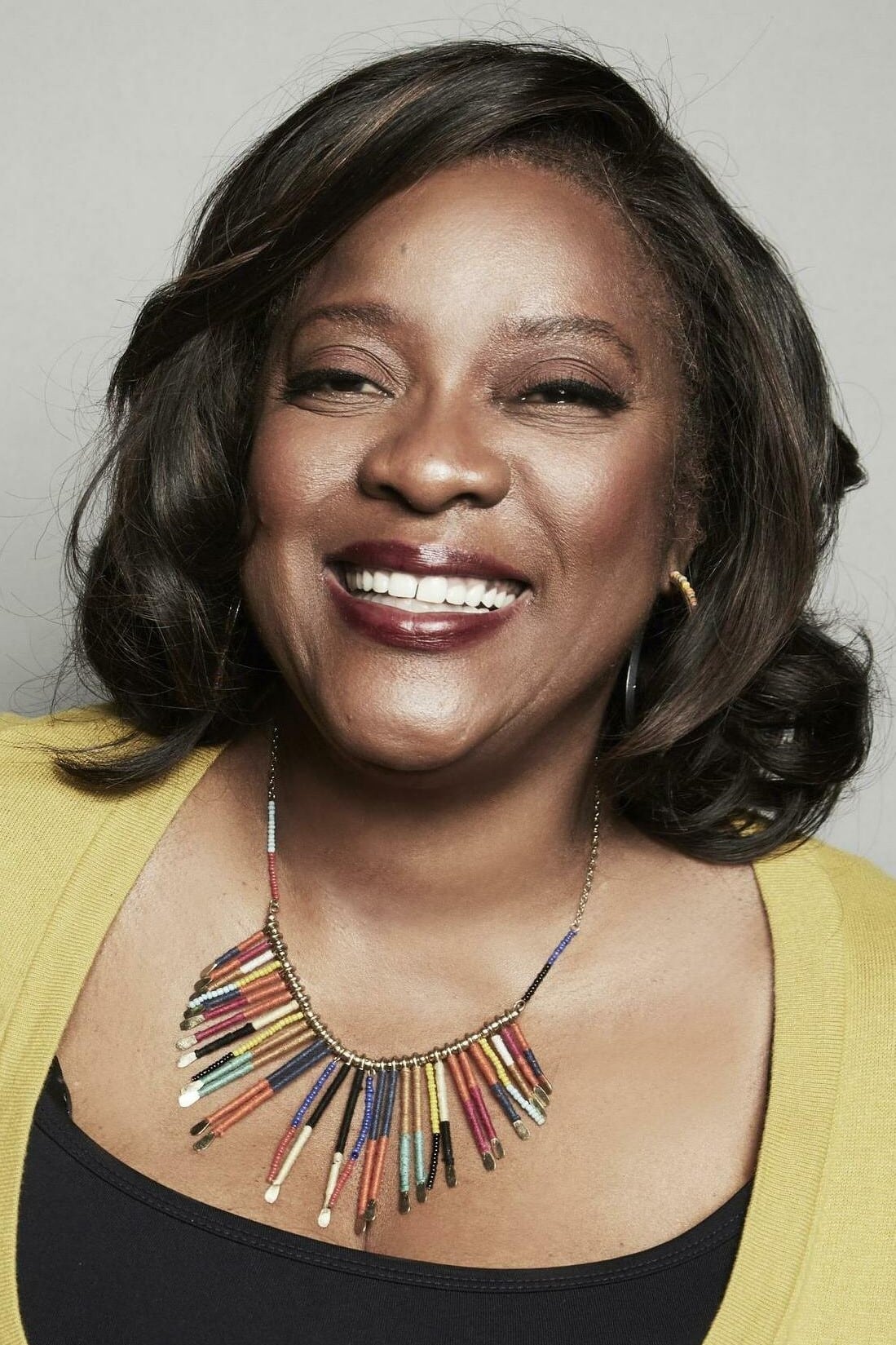
Devine was consistently cast as the “nurturing” and “soft-spoken” woman, often providing emotional support to other characters. Her roles in ‘Waiting to Exhale’ (1995) and ‘The Preacher’s Wife’ (1996) defined her as a kind-hearted, motherly presence. This typecasting followed her into her long-running role on ‘Grey’s Anatomy’ (2005–2013), where she played a character defined by her illness and her relationship with a powerful man. She was rarely given the chance to play aggressive, villainous, or high-stakes action roles. Her career has been prolific, yet it has remained largely within the “sweet mother” or “nurse” categories.
CCH Pounder

Pounder was typecast very early on as the “authority figure,” “detective,” or “doctor.” Her commanding voice and presence led to her being cast in numerous procedural dramas and sci-fi projects like ‘The Shield’ (2002–2008) and ‘ER’ (1994–1997). While these roles provided steady work, they often prioritized her professional function over her character’s personal or emotional life. She was rarely seen in romantic leads or light comedies, as casting directors focused on her ability to portray stern leadership. This pattern has made her one of the most recognizable faces in television procedurals.
Vivica A. Fox
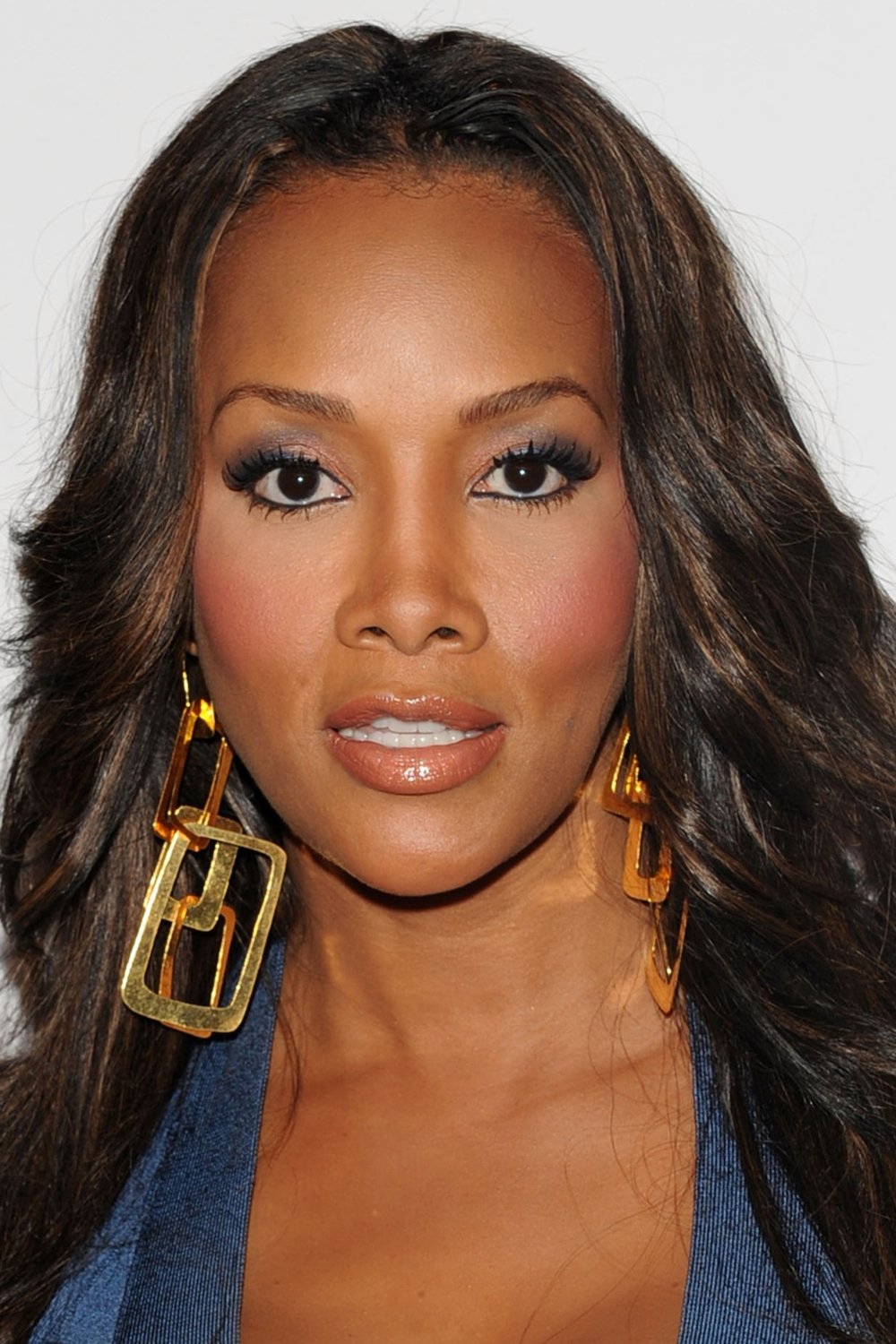
In the mid-1990s, Fox was frequently typecast as the “successful but single” woman or the “tough” romantic partner. Her roles in ‘Independence Day’ (1996) and ‘Two Can Play That Game’ (2001) followed a specific formula of a woman who has her career together but struggles with her love life. She was often seen as the “strong Black woman” who didn’t need a man, which became a recurring theme in her filmography. This limited her ability to play more vulnerable or varied characters in mainstream Hollywood. Fox eventually moved into the action genre with ‘Kill Bill: Vol. 1’ (2003) to showcase a different side of her talent.
Jada Pinkett Smith
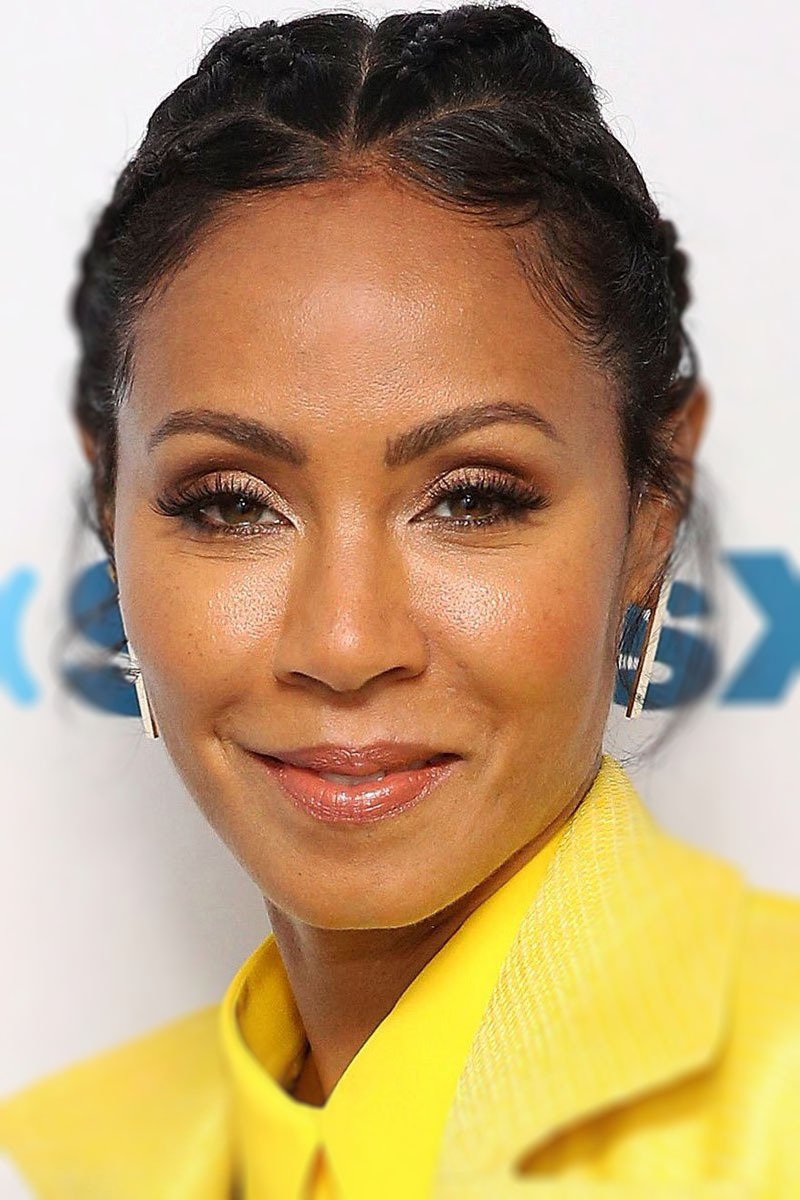
Pinkett Smith was early on typecast as the “tough girl” or the “street-smart girlfriend.” Her breakout role in ‘Menace II Society’ (1993) and subsequent part in ‘Set It Off’ (1996) established her as a gritty, resilient performer. Hollywood often struggled to see her in “soft” or “bougie” roles, preferring her in urban dramas or action films. This trend continued into ‘The Matrix’ sequels, where she played a stoic pilot and soldier. While she eventually diversified through her production work and the sitcom ‘Hawthorne’ (2009–2011), her early roles were very much defined by a “toughness” requirement.
Halle Berry
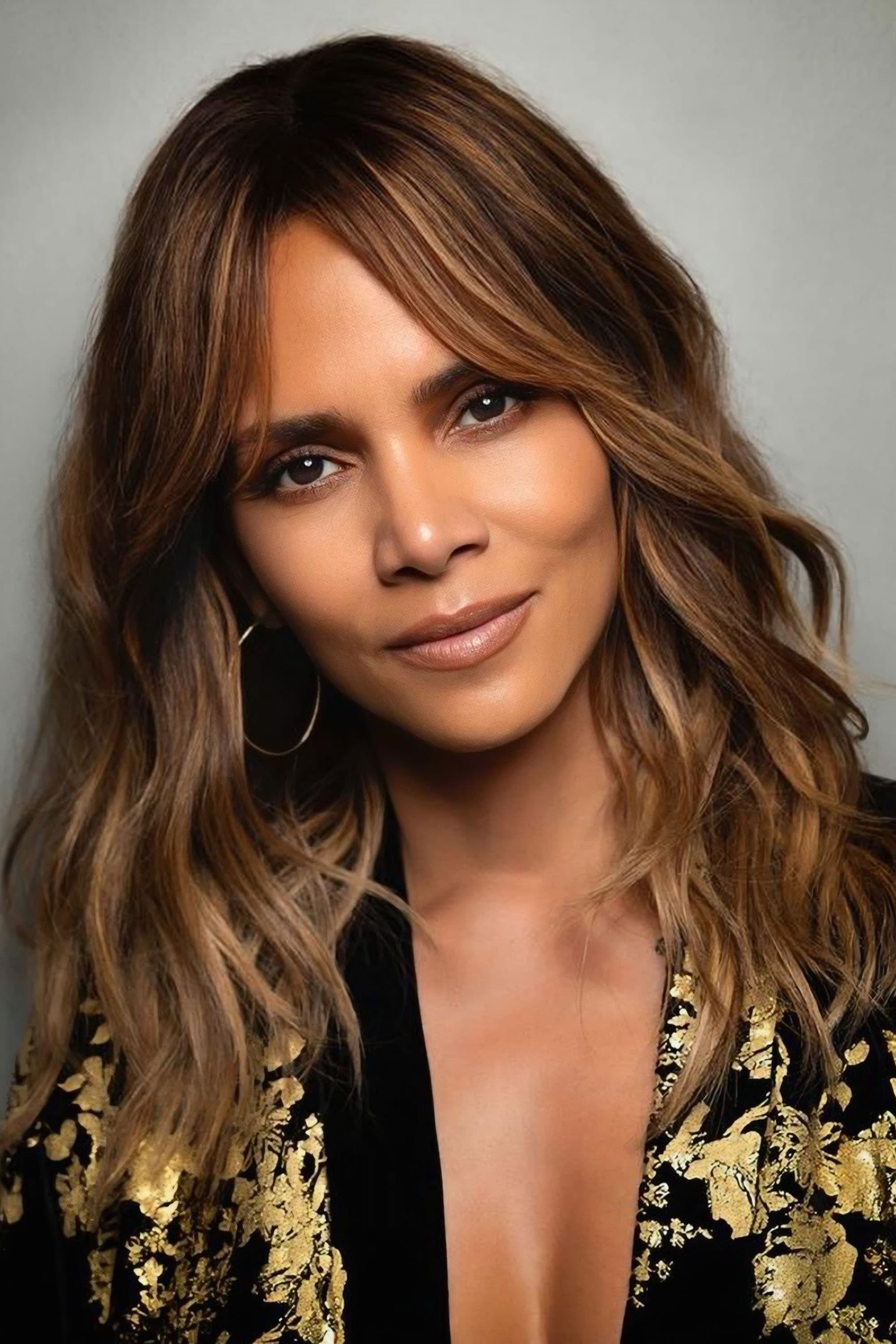
Before winning her Academy Award, Berry often had to take roles that deliberately subverted her beauty to be taken seriously as an actress. Early in her career, she was typecast as the “crack addict” in ‘Jungle Fever’ (1991) or the “temptress” in ‘The Last Boy Scout’ (1991). She has stated that she had to fight for roles that weren’t just based on her being a “pretty girl” or a “vixen.” Even her historic win for ‘Monster’s Ball’ (2001) involved a role defined by extreme trauma and suffering. The industry’s obsession with her looks often made it difficult for her to land standard dramatic or comedic leads.
Vanessa Williams
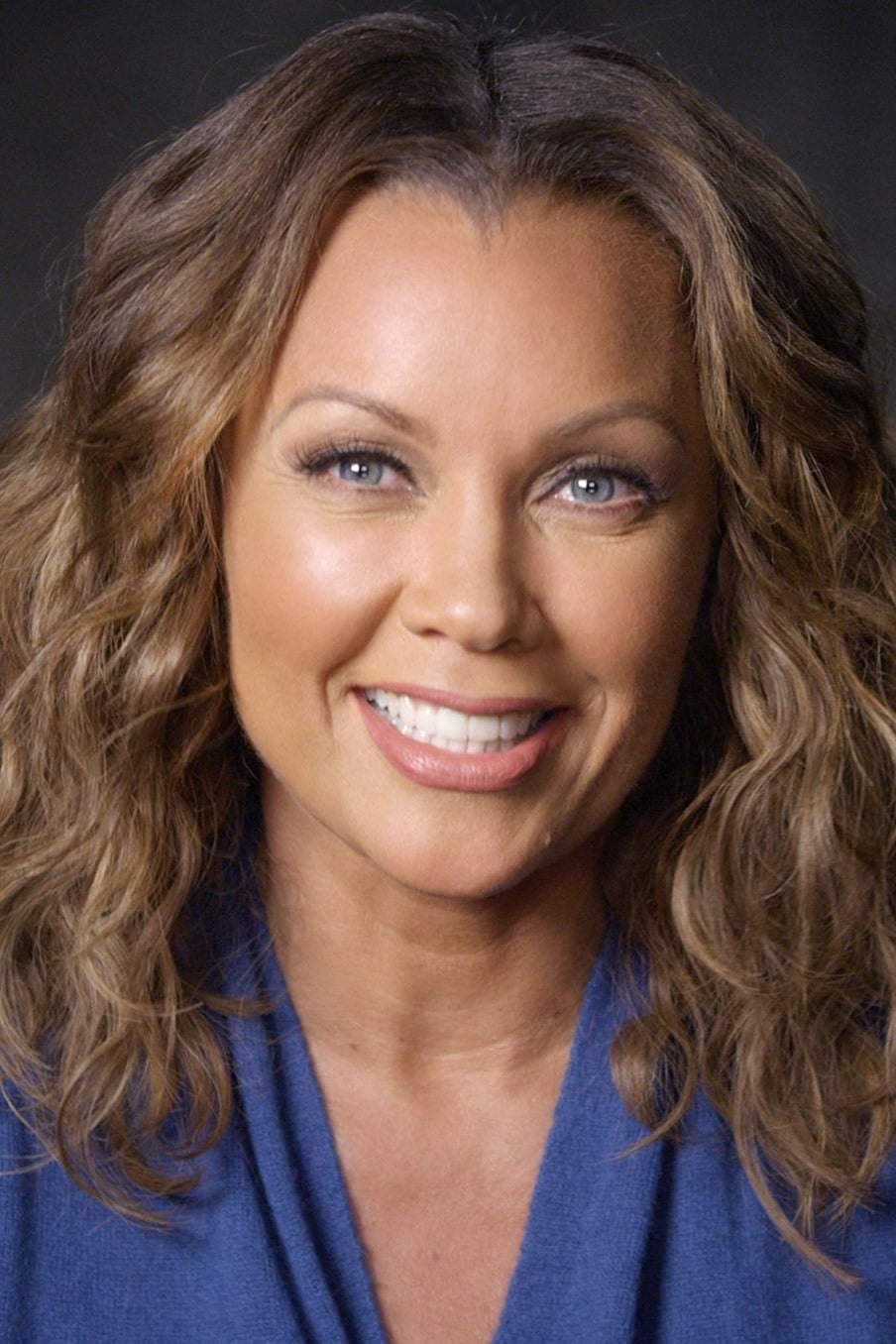
Following her success as a singer and former Miss America, Williams was often typecast as the “elite” or “bougie” light-skinned woman. In films like ‘Soul Food’ (1997), she played the high-achieving, often condescending sister who looks down on others. This archetype followed her into her iconic role as Wilhelmina Slater in ‘Ugly Betty’ (2006–2010). While she played these roles with great success, they relied on colorism-based tropes regarding class and attitude. She was rarely cast as a “down-to-earth” or working-class character during her television peak.
Lisa Bonet
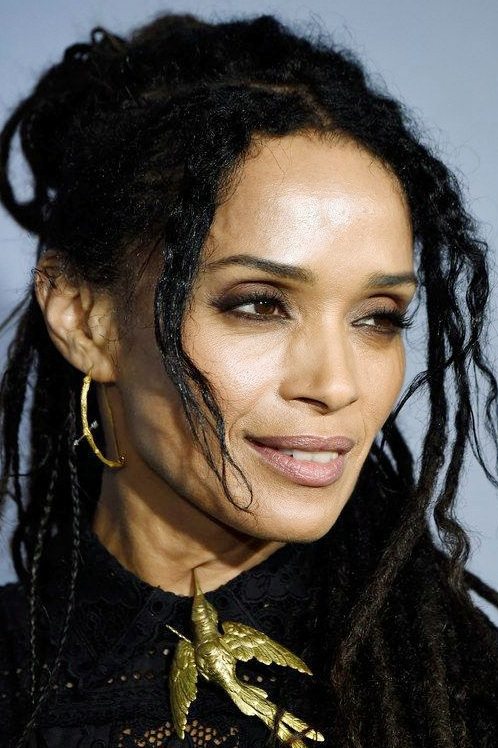
Bonet was typecast as the “free spirit” or the “alternative” Black woman very early in her career. Her role as Denise Huxtable on ‘The Cosby Show’ (1984–1992) defined her as the rebellious and fashion-forward daughter. When she attempted to take on more mature and controversial roles in ‘Angel Heart’ (1987), she faced significant public and industry backlash. This “hippy” or “ethereal” persona has followed her throughout her life, often limiting the types of mainstream roles she is offered. She has spent much of her career outside of the traditional Hollywood system as a result.
Danielle Brooks
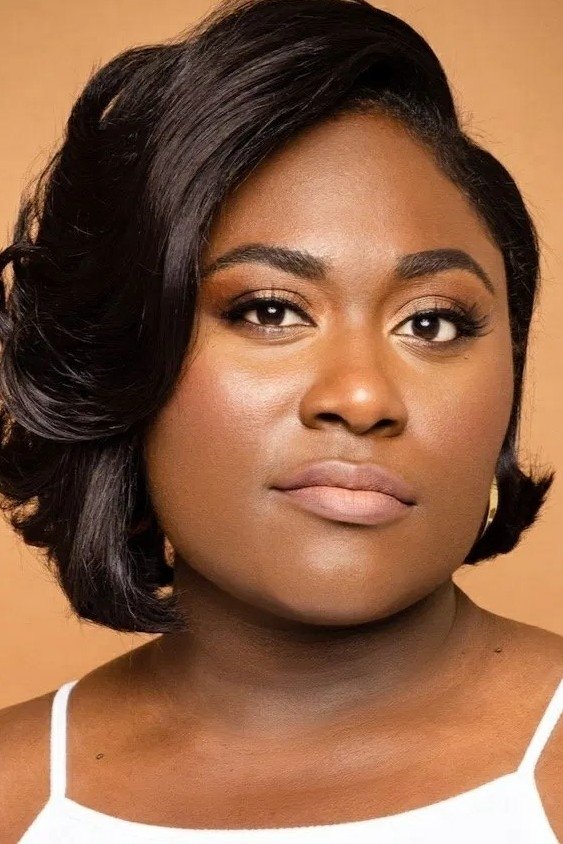
Brooks was typecast as the “funny” or “tough” inmate during her long run as Taystee on ‘Orange Is the New Black’ (2013–2019). While the role allowed her to show immense dramatic range, it also led to her being primarily considered for similar “loud” or “boisterous” characters. She has spoken about the difficulty of finding roles that allow her to be a romantic lead or a character defined by high fashion and glamour. Her move to Broadway and her performance in ‘The Color Purple’ (2023) film have helped expand her professional horizons. However, her early fame remains tied to the prison archetype.
Gabourey Sidibe
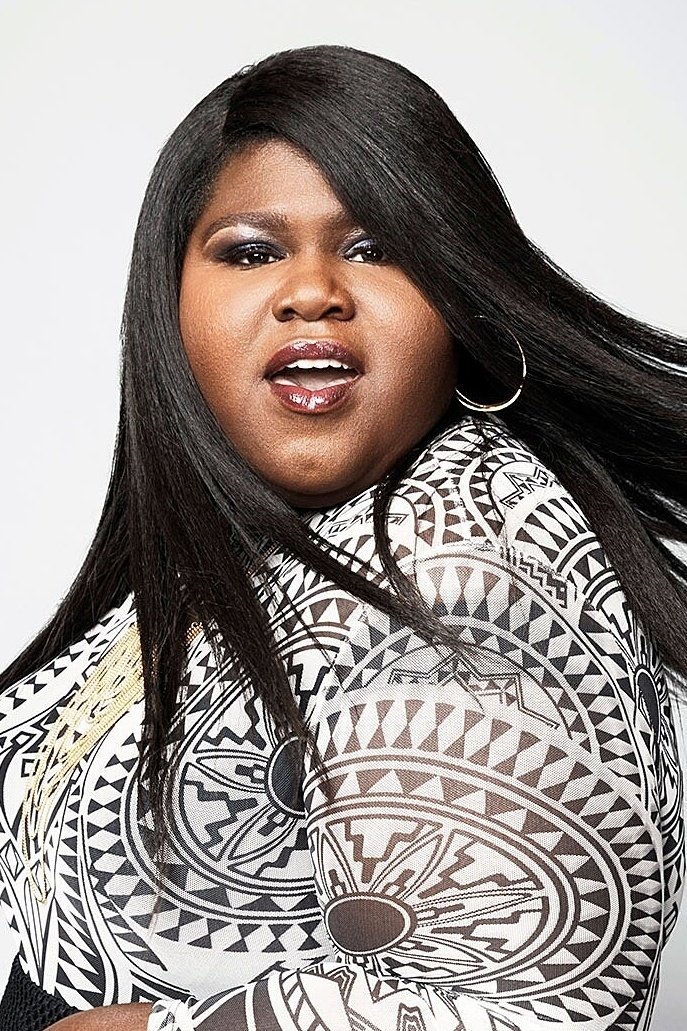
After her debut in ‘Precious’ (2009), Sidibe was frequently typecast as the “victimized” or “struggling” woman. Her physical appearance and the nature of her breakout role led to many offers that focused on her character’s trauma or social marginalization. She had to work hard to find comedic or professional roles that didn’t rely on the tropes established by her first film. Joining the cast of ‘American Horror Story’ and ‘Empire’ (2015–2020) allowed her to play more empowered and varied characters. Her career is a prime example of how a singular, powerful debut can lead to a decade of typecasting.
Thandiwe Newton

In the 1990s, Newton was often typecast in “exotic” or “tragic” roles that utilized her mixed-race background. She appeared in period pieces like ‘Jefferson in Paris’ (1995) and ‘Beloved’ (1998) as characters defined by their suffering or their relationship to white men. Hollywood often viewed her through a lens of “otherness,” which limited her ability to play contemporary, everyday leads. She has since been vocal about the racial dynamics of casting in both the UK and the US. Her role in ‘Westworld’ (2016–2022) finally broke this mold by casting her as a powerful, sentient leader.
Lupita Nyong’o
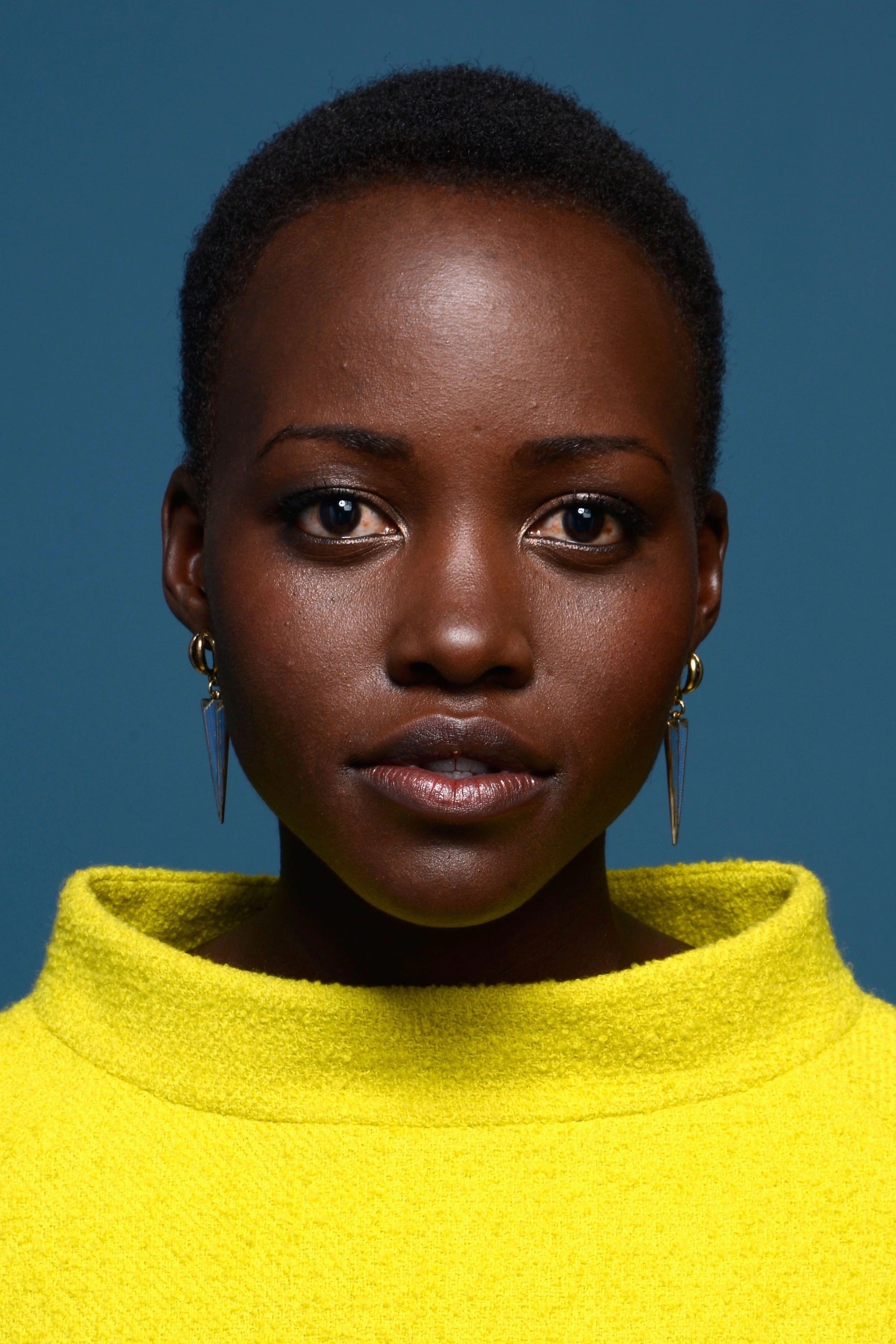
Following her Academy Award win for ’12 Years a Slave’ (2013), Nyong’o faced a period where she was often cast in roles where she was either “hidden” or “suffering.” For several years, she primarily did voice work or motion-capture roles in franchises like ‘Star Wars’ and ‘The Jungle Book’ (2016). When she did appear on screen, the roles often emphasized her character’s resilience through extreme pain or duty. It took her dual lead roles in the horror film ‘Us’ (2019) to fully showcase her range outside of the “silent survivor” archetype. She has frequently discussed the importance of dark-skinned Black women being seen in all genres.
Tichina Arnold
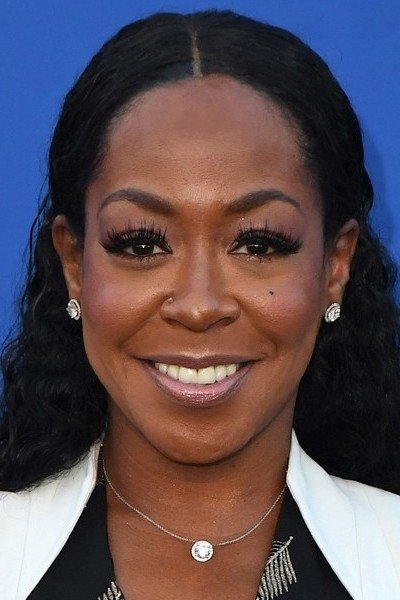
Arnold became typecast as the “tough” and “outspoken” woman through her roles on ‘Martin’ (1992–1997) and ‘Everybody Hates Chris’ (2005–2009). Her comedic style is often associated with being the “no-nonsense” mother or friend who uses volume and attitude to command a scene. While she is highly respected for her comedic timing, she has rarely been offered soft, romantic, or high-concept dramatic leads. The industry has largely kept her within the sitcom “matriarch” lane for over two decades. She remains a staple of Black television, but her film career has been more limited by these expectations.
Erika Alexander
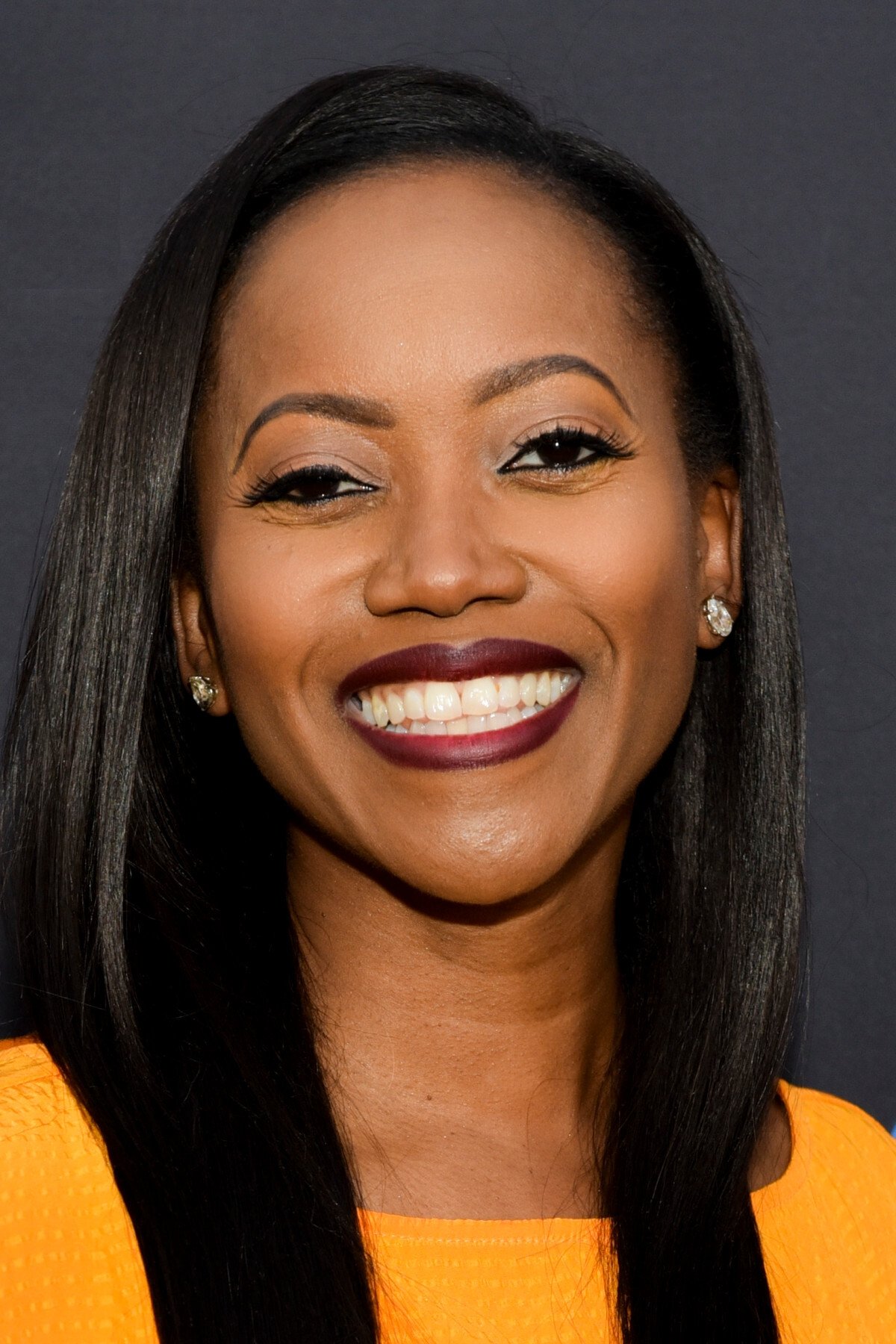
Alexander is still most frequently associated with the “sassy professional” archetype she perfected as Max Shaw on ‘Living Single’ (1993–1998). Her character was a pioneer for showing an independent, sharp-tongued Black woman in law, but it also defined her career in a very specific way. Following the show, she struggled to land leading roles that weren’t just variations of that same confident, witty persona. She has recently seen a career resurgence in projects like ‘Get Out’ (2017) and ‘American Fiction’ (2023). These roles have allowed her to move into more grounded and diverse dramatic territory.
Kim Fields
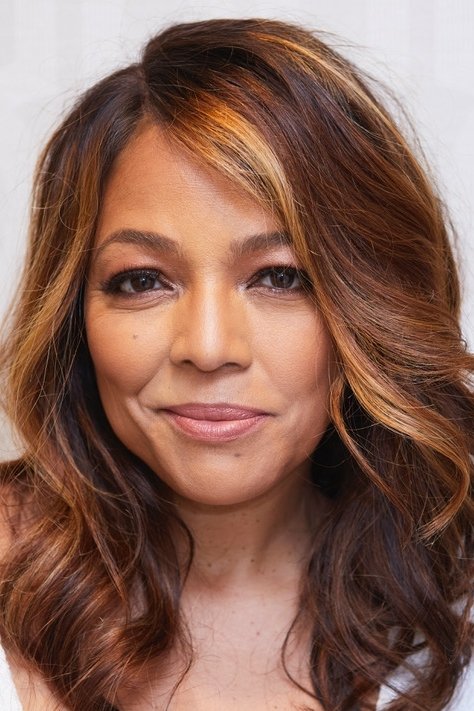
Fields was typecast as the “child star” and later as the “socialite” or “materialistic” friend. Her role as Tootie on ‘The Facts of Life’ (1979–1988) made her a household name, but she struggled to transition into adult roles that weren’t sitcom-based. In ‘Living Single’ (1993–1998), she played Regine Hunter, a character obsessed with status and appearance. This reinforcement of the “vain” archetype made it difficult for her to be seen in serious dramatic roles for many years. She has since moved into directing to gain more control over the narratives she is involved with.
Tell us which of these actresses you think had the most impressive career transition in the comments.