Dead Actresses Who Transformed Minor Roles Into Unforgettable Moments

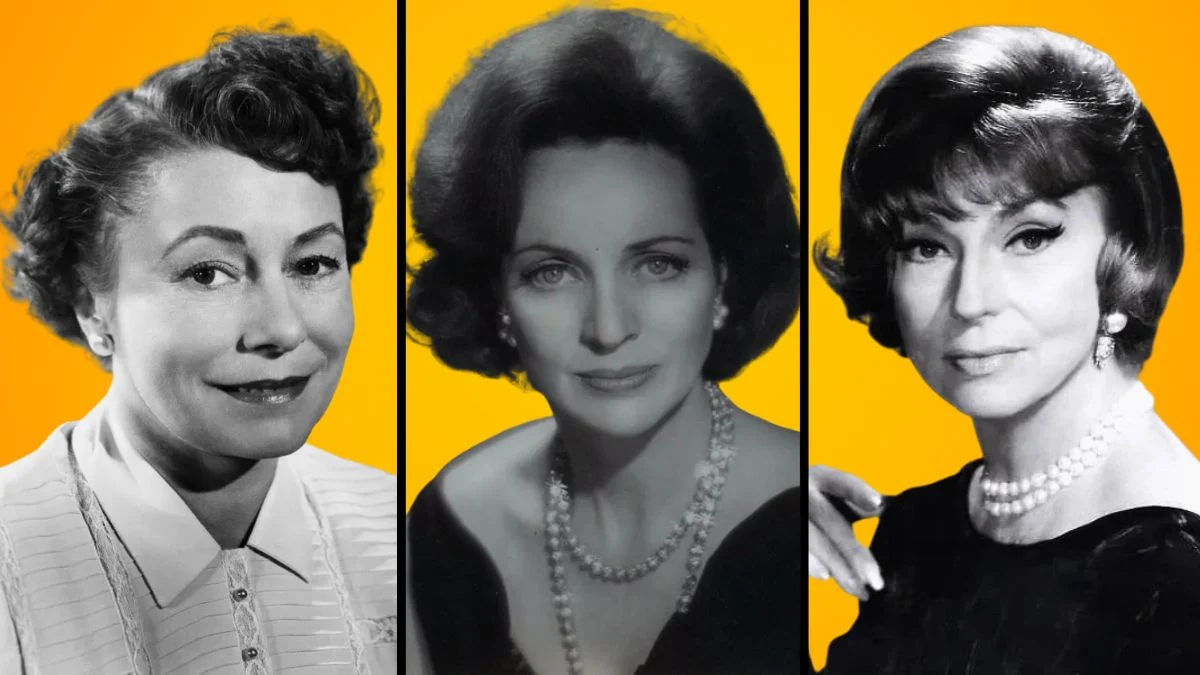

Hollywood history is filled with leading ladies who commanded the screen for hours, but some of the most enduring cinematic memories come from performers who only had a few minutes to shine. These talented women took small parts or supporting characters and infused them with such charisma and depth that they stole the show from the protagonists. From comedic cameos to intense dramatic monologues, these performances proved that there are no small roles when an expert craftswoman is at work. The following list celebrates the deceased actresses who left an indelible mark on cinema history with their brief yet powerful screen time.
Beatrice Straight
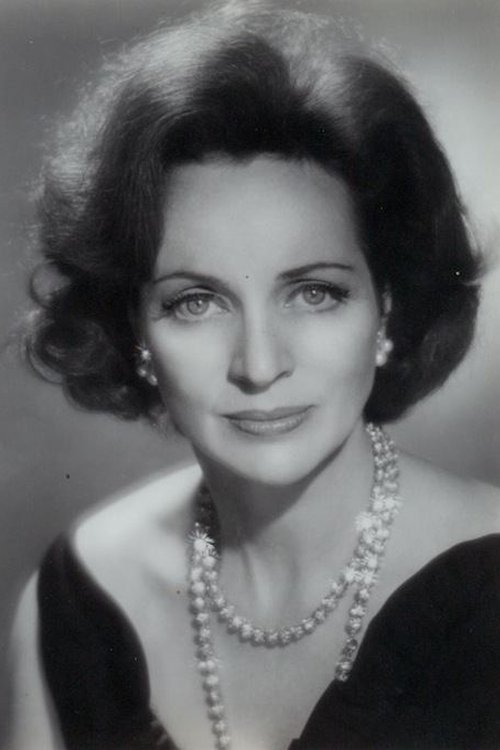
This powerhouse actress delivered one of the most efficient Oscar-winning performances in history for her role in ‘Network’. She played Louise Schumacher and appeared on screen for less than six minutes total. Her devastating monologue as a wife confronting her husband about his infidelity remains a masterclass in acting. Straight conveyed a lifetime of betrayal and heartbreak in a single scene that anchored the emotional weight of the satirical film.
Gloria Grahame
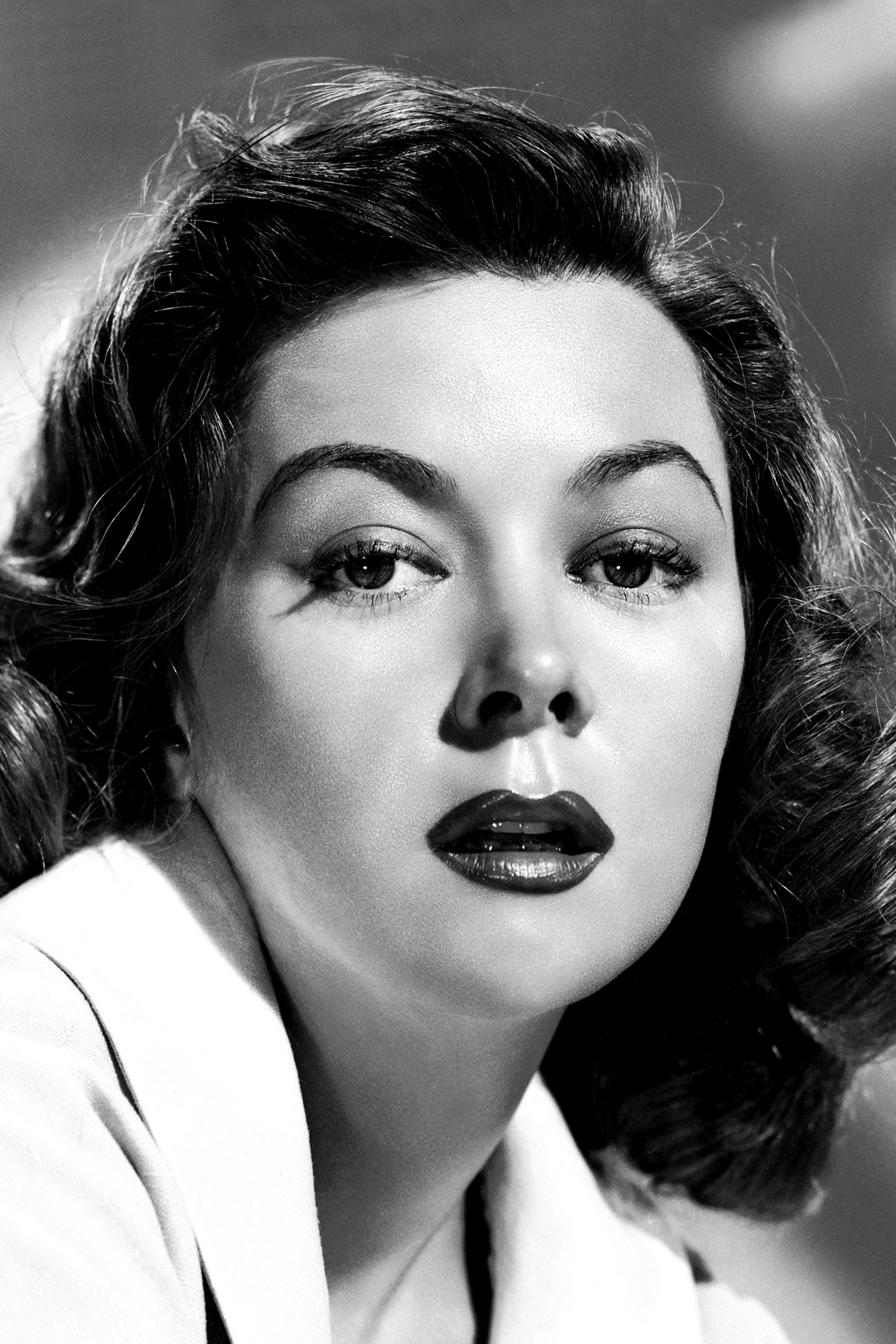
Grahame captivated audiences in ‘The Bad and the Beautiful’ with a performance that lasted just over nine minutes. She portrayed Rosemary Bartlow and managed to charm the audience while displaying a shallow but tragic nature. Her character serves as a pivotal distraction that leads to a major plot point involving the film’s producer. This brief turn earned her an Academy Award and solidified her status as a scene-stealer in the noir genre.
Thelma Ritter
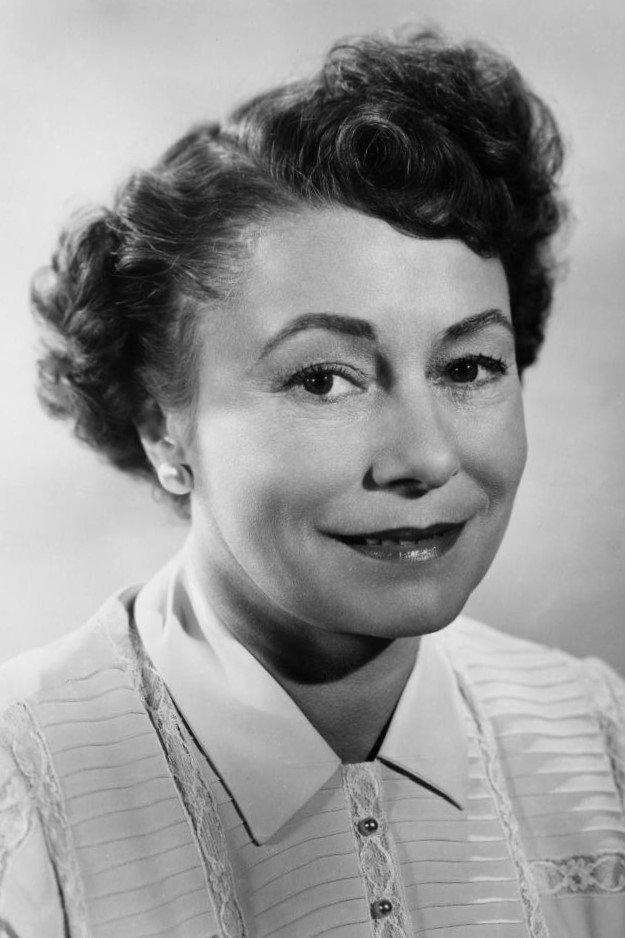
Ritter made a career out of playing sharp-tongued working-class women who provided the moral compass of a film. In ‘All About Eve’, her role as Birdie Coonan may have been supporting, but her cynical wisecracks pierced through the pretension of the theater world. She instantly saw through the manipulative antagonist when no one else could. Her grounded performance provided the perfect counterpoint to the high drama surrounding the lead stars.
Elsa Lanchester
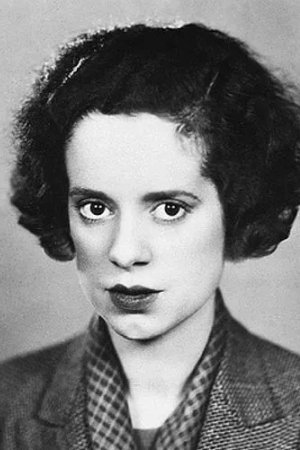
Lanchester played a dual role in ‘Bride of Frankenstein’ but is best remembered for her appearance in the film’s final moments. She appeared as the titular Bride for only a few minutes of screen time. Her bird-like movements and iconic hissing created a monster that was both terrifying and sympathetic. That brief appearance generated one of the most recognizable images in the entire horror genre.
Margaret Hamilton
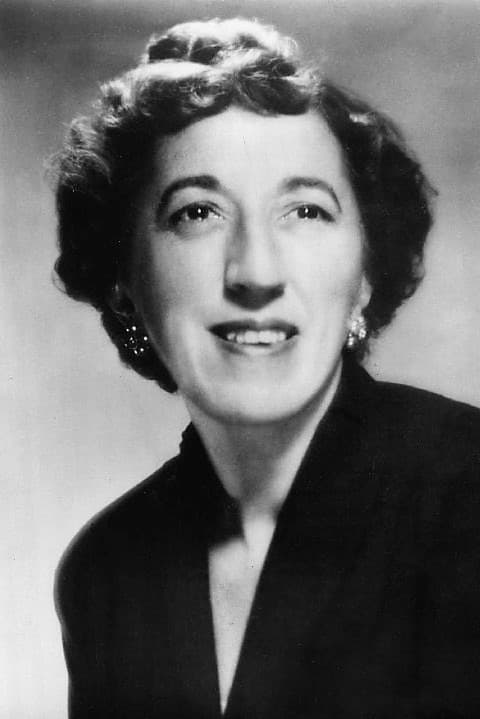
Hamilton terrorized generations of children with her portrayal of the Wicked Witch of the West in ‘The Wizard of Oz’. Her screen time was surprisingly limited compared to the main cast, yet her presence loomed over every scene. She used her physicality and distinct cackle to create the ultimate cinematic villain. Her performance was so convincing that many of her scenes were reportedly trimmed because they were deemed too scary for young audiences.
Ruth Gordon
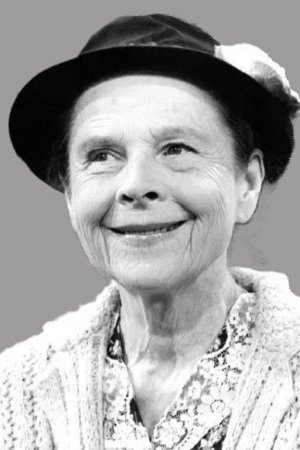
Gordon brought a sense of eccentric menace to the horror classic ‘Rosemary’s Baby’. As the intrusive neighbor Minnie Castevet, she balanced humor with an underlying sinister intent. Her loud clothing and nosy demeanor made the character unforgettable and unsettling. She won an Academy Award for the role and proved that terror often arrives in a seemingly friendly package.
Hattie McDaniel
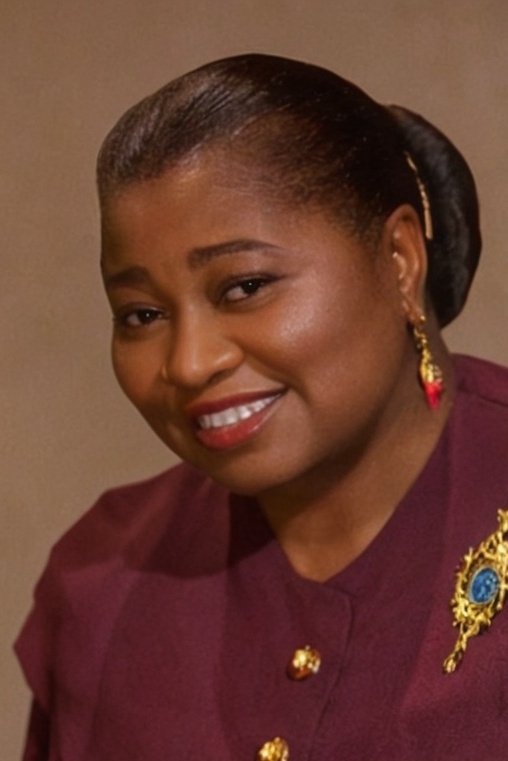
McDaniel became the first African American to win an Oscar for her role as Mammy in ‘Gone with the Wind’. She commanded every scene she entered with her authoritative presence and sharp delivery. Her character often served as the voice of reason against the impulsive protagonist. Despite the limited scope of roles available to her at the time, she imbued the character with immense dignity and strength.
Agnes Moorehead
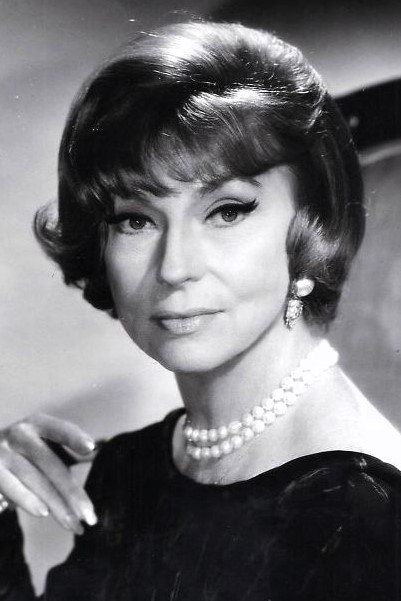
Moorehead delivered a heartbreaking performance as the mother in ‘Citizen Kane’ during a pivotal flashback sequence. She conveys a mother’s desperate love and grim determination to send her son away for a better life. The scene is brief but establishes the emotional core of the entire narrative. Her stern yet sorrowful expression haunts the rest of the film as the catalyst for the protagonist’s lifelong loneliness.
Jo Van Fleet
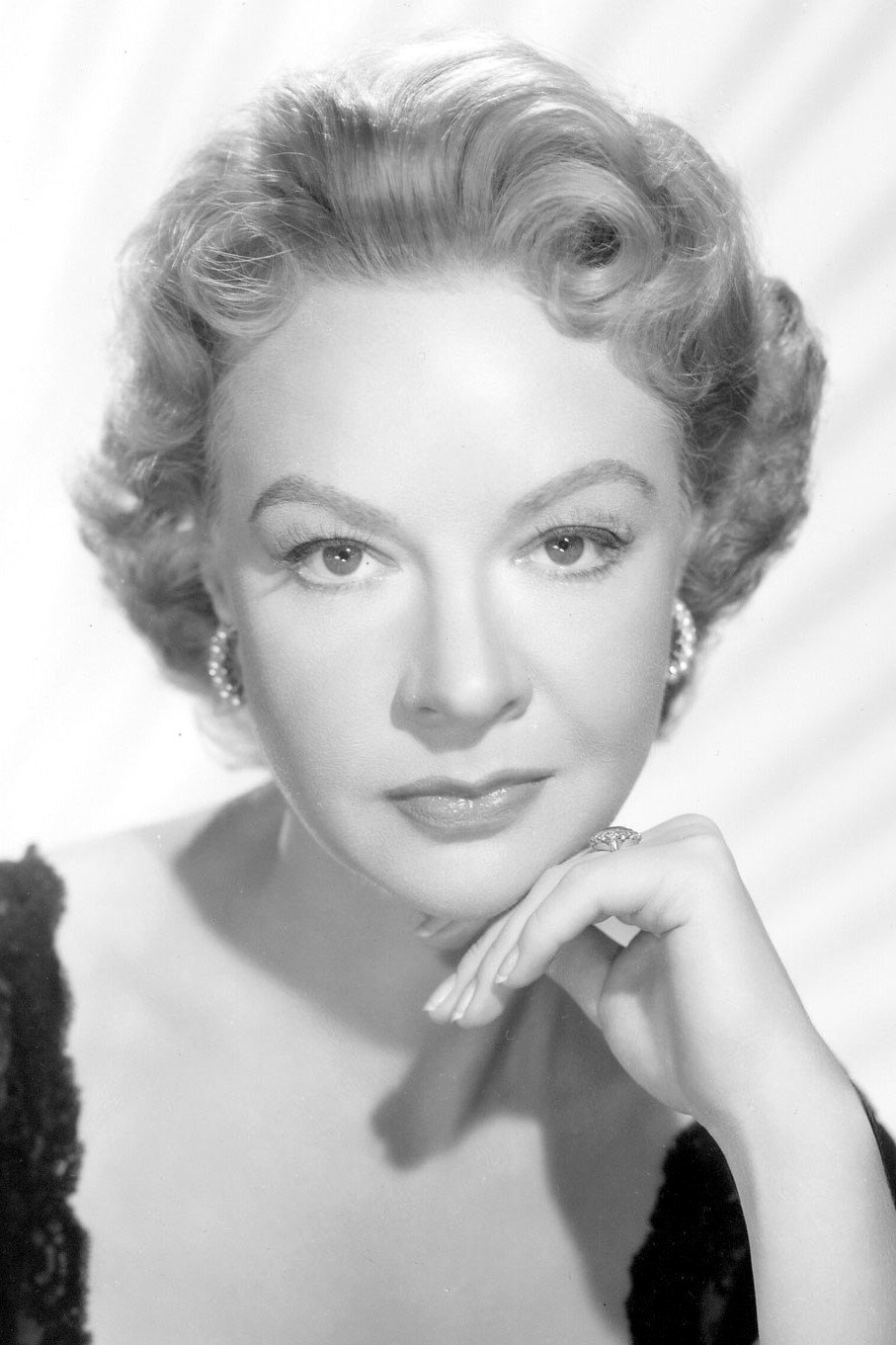
Van Fleet won an Academy Award for her debut film role in ‘East of Eden’. She played the estranged mother of the protagonists and appeared in only a handful of scenes. Her portrayal of a hardened brothel owner was shocking and raw for the era. She managed to convey a complex history of pain and independence without needing extensive dialogue.
Estelle Reiner
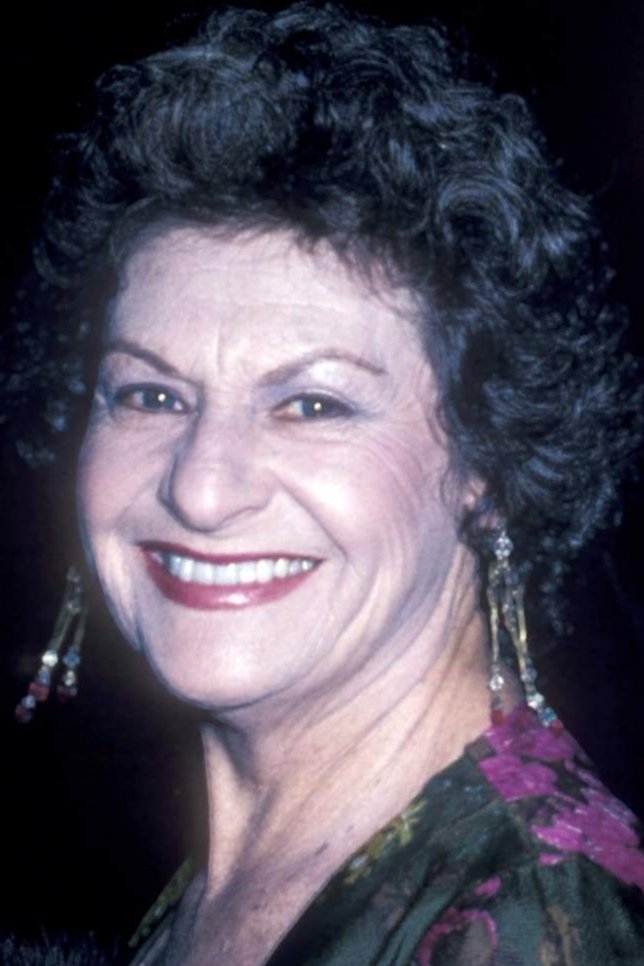
Reiner secured her place in pop culture history with a single line in ‘When Harry Met Sally…’. She played the older woman in the deli who observes the lead character’s fake orgasm. Her deadpan delivery of the request to have what the other woman was having became one of the most quoted lines in movie history. It was a perfect comedic beat that transformed a background extra role into a legendary moment.
Hermione Baddeley
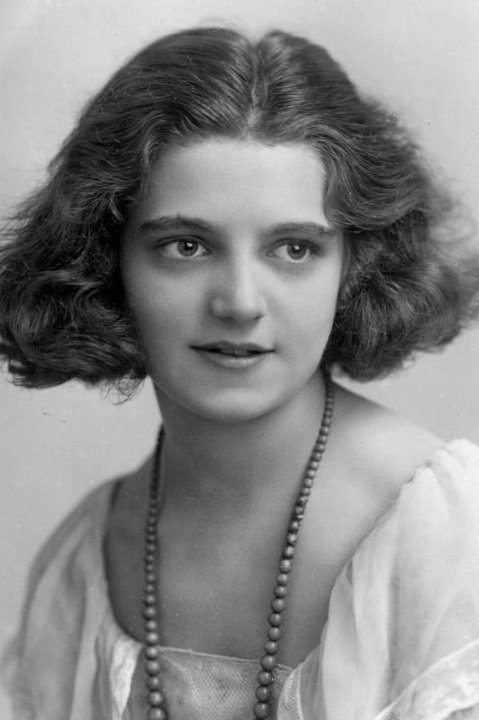
Baddeley holds the record for the shortest performance ever nominated for a Best Supporting Actress Oscar. She appeared in ‘Room at the Top’ for roughly two and a half minutes. Her portrayal of a music teacher named Elspeth offered a glimpse of kindness and depth that resonated with voters. She proved that emotional impact is not measured by the duration of a performance.
Sylvia Miles
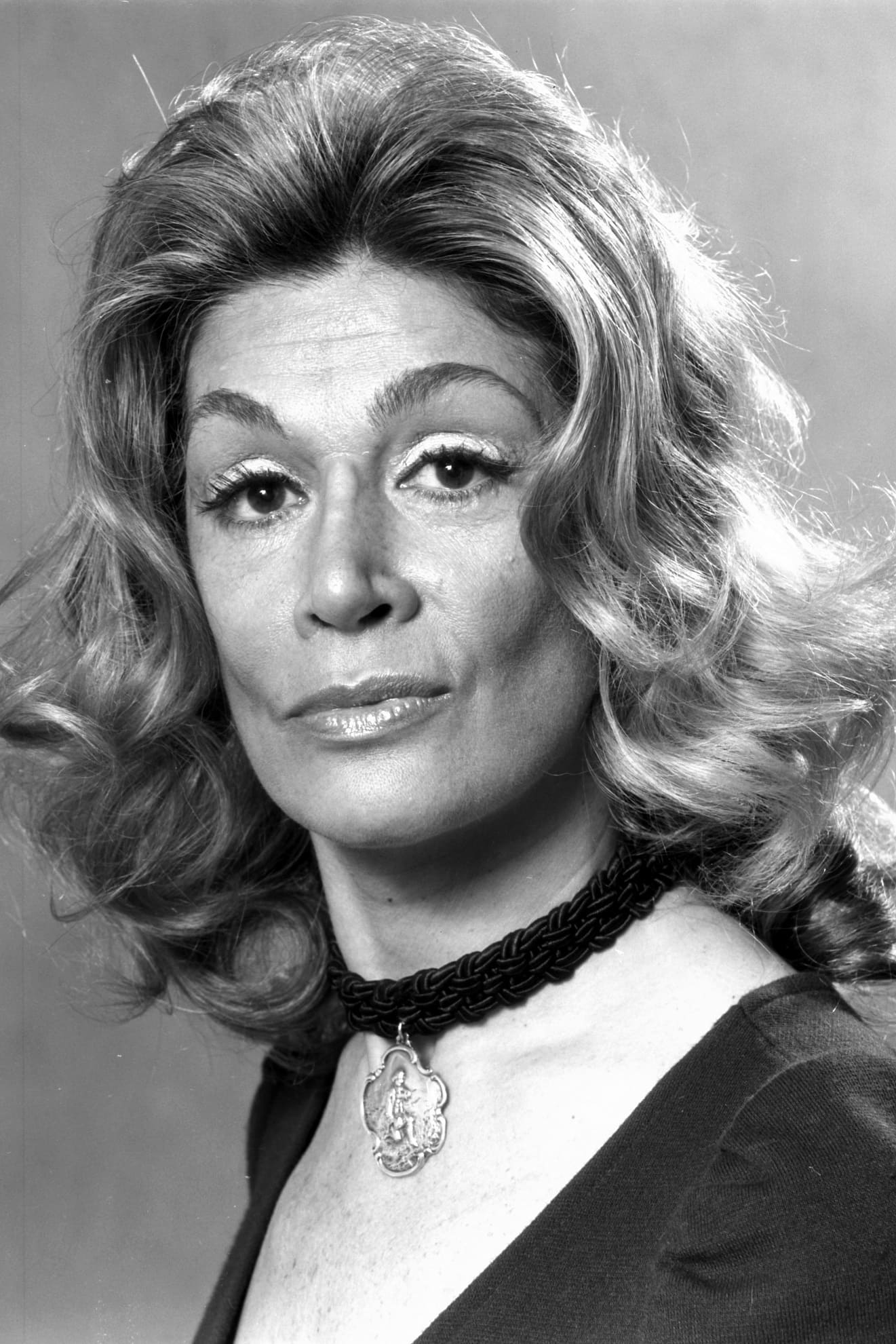
Miles was a master of making a lasting impression in a short amount of time. She received an Oscar nomination for her brief appearance in ‘Midnight Cowboy’. She played a Park Avenue woman who invites the protagonist to her apartment. In just one sequence, she captured the loneliness and eccentricity of New York City life.
Eileen Heckart
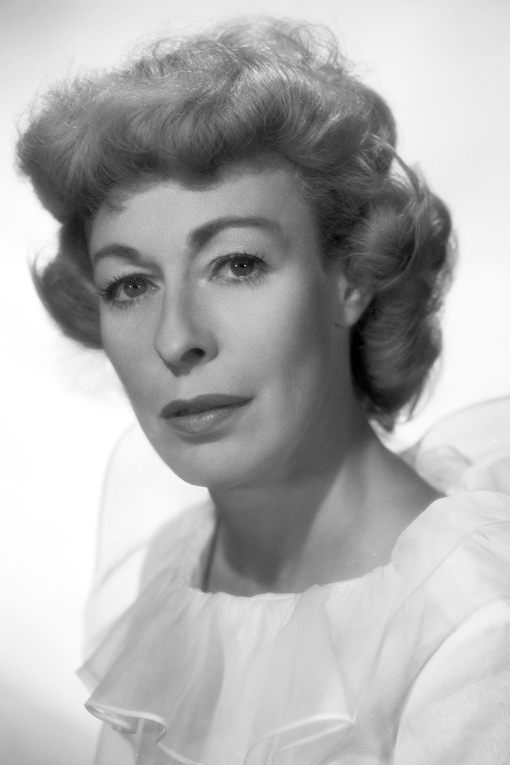
Heckart won an Academy Award for her role in ‘Butterflies Are Free’. She played a controlling mother who eventually learns to let go of her blind son. Her character arc from overbearing to understanding happened in limited scenes but felt completely earned. She brought a sharp wit and deep vulnerability to a role that could have easily been a villainous caricature.
Lila Kedrova
Kedrova replaced another actress in ‘Zorba the Greek’ and turned the role into an Oscar-winning performance. She played Madame Hortense and brought a tragic sweetness to the aging courtesan. Her portrayal highlighted the fading glory of the past and the desperate need for companionship. She stole the heart of the audience with her fragile optimism.
Wendy Hiller
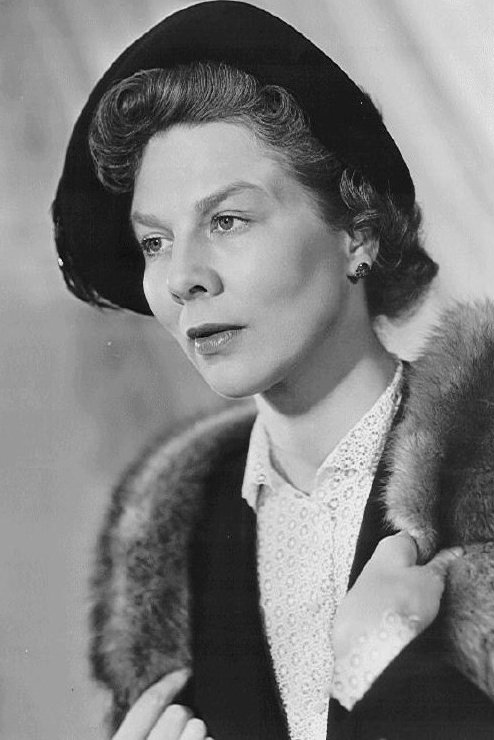
Hiller joined a massive ensemble cast in ‘Murder on the Orient Express’ and stood out as the Russian Princess Dragomiroff. Her interrogation scene is a masterclass in defiance and aristocratic haughtiness. She commanded the screen with her icy glare and precise dialogue delivery. Her performance added a layer of gravity and mystery to the star-studded whodunit.
Zelda Rubinstein
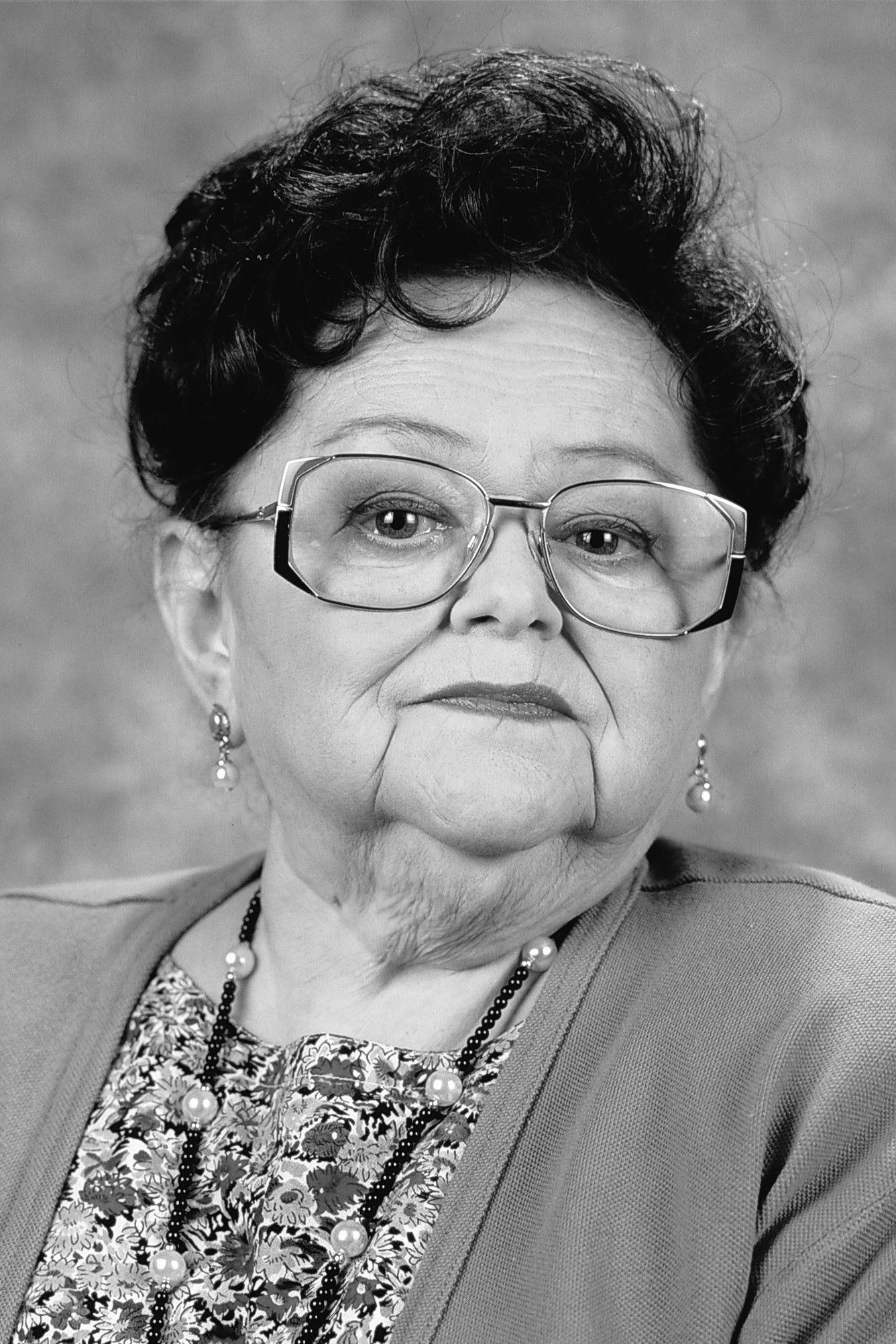
Rubinstein became an icon of 1980s horror with her role as Tangina Barrons in ‘Poltergeist’. Her diminutive stature and distinctive voice made the eccentric medium instantly memorable. She delivered complex exposition about spirits with a calm authority that grounded the supernatural elements. Her declaration that the house was clean remains a classic movie moment.
Alice Drummond
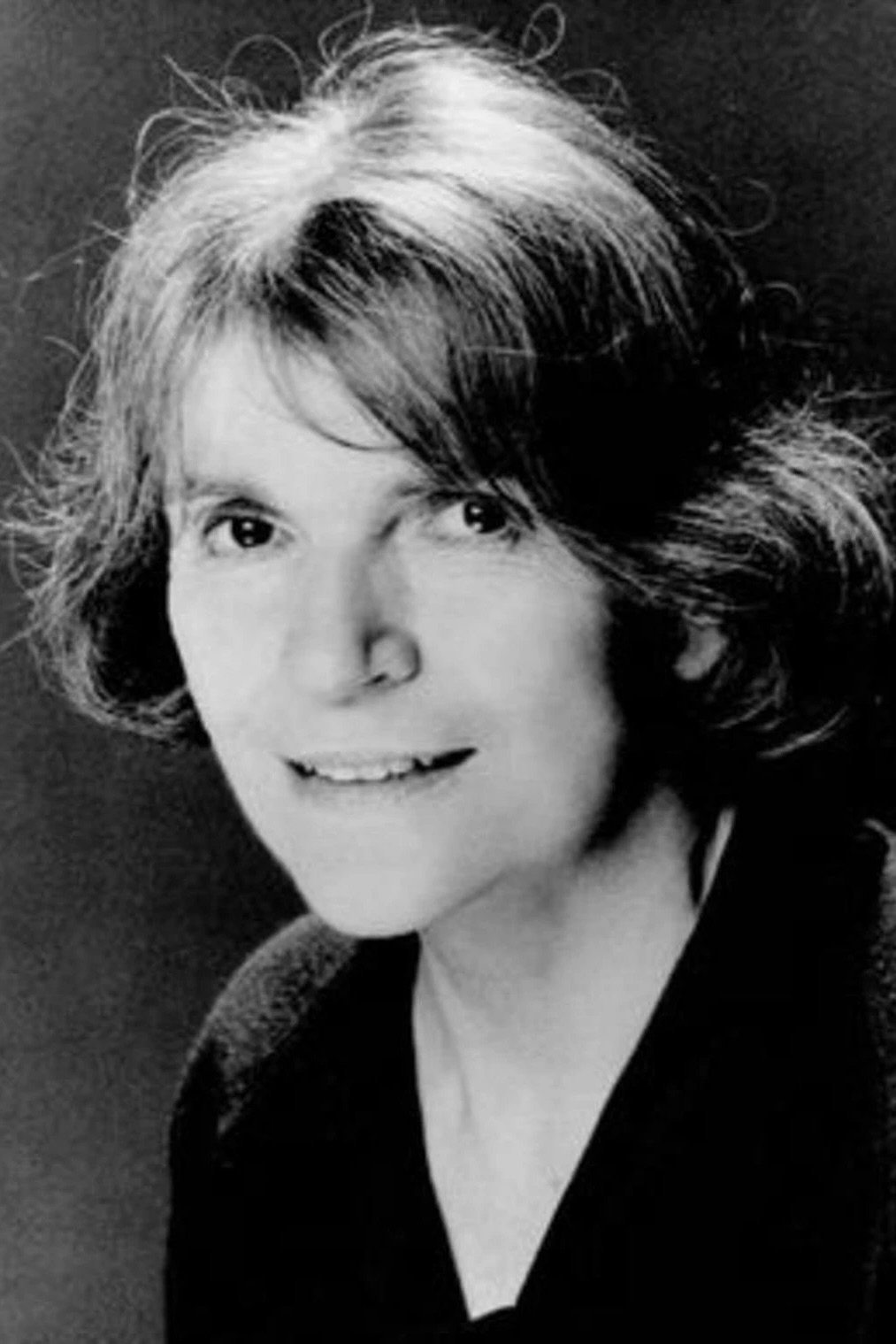
Drummond kicked off the comedy classic ‘Ghostbusters’ as the terrified librarian. Her scream in the opening scene set the tone for the entire movie. She conveyed pure terror while maintaining a sense of realism that sold the ghost concept immediately. It was a small role that effectively launched a franchise.
Anne Ramsey
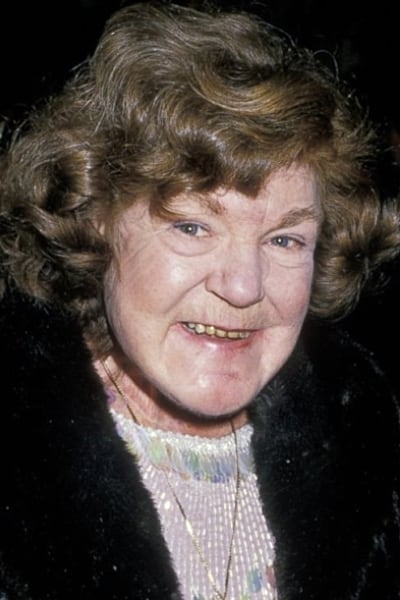
Ramsey achieved fame late in life with her role as Mama Fratelli in ‘The Goonies’. She played the villainous matriarch with a gruff voice and intimidating physical presence. Her performance was frightening enough to raise the stakes for the child heroes but campy enough to fit the adventure tone. She later received an Oscar nomination for a similarly memorable turn in ‘Throw Momma from the Train’.
Aretha Franklin
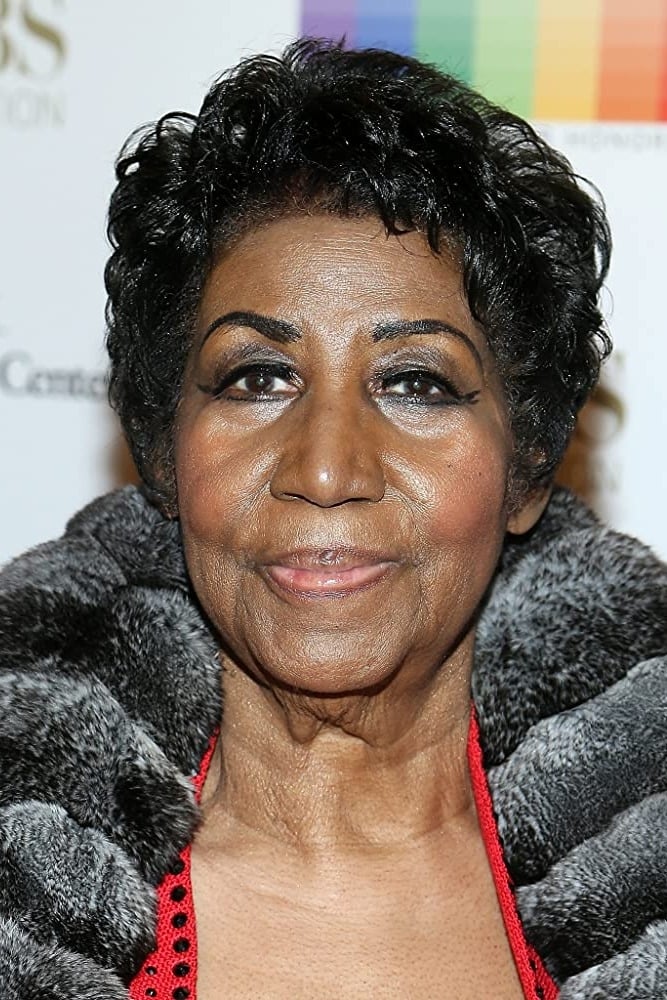
The Queen of Soul traded her microphone for a waitress uniform in ‘The Blues Brothers’. She commanded the screen during her performance of the song “Think”. Her character refused to be pushed around and asserted her independence with fierce energy. It remains one of the best musical cameos in cinematic history.
Kathleen Freeman
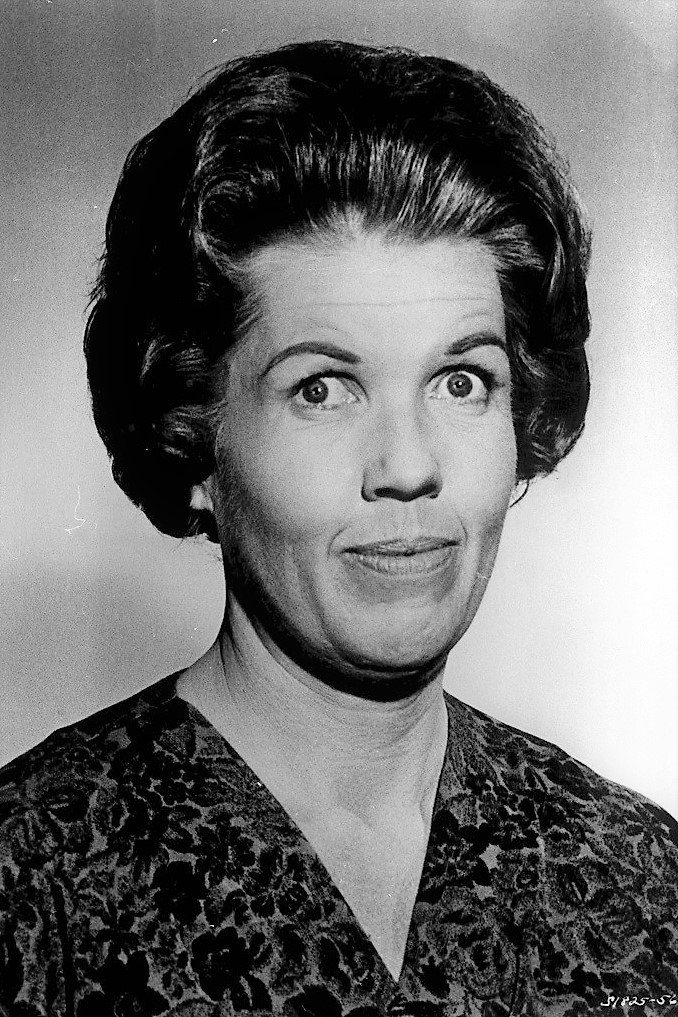
Freeman was a veteran character actress who stole scenes in ‘The Blues Brothers’ as the strict nun known as The Penguin. Her physical comedy and authoritative demeanor provided a hilarious contrast to the rebellious main characters. She managed to be intimidating without saying much dialogue. Her slapstick timing was perfect and helped define the chaotic energy of the film.
Lupe Ontiveros
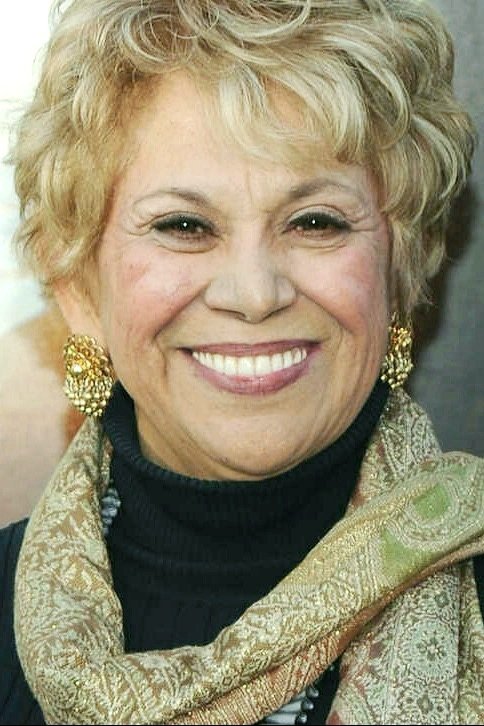
Ontiveros played the tragic role of Yolanda Saldívar in the biopic ‘Selena’. She infused the character with a disturbing mix of obsession and desperation. Her performance humanized a hated figure while still portraying the danger she posed. It was a chilling portrayal that haunted audiences long after the credits rolled.
Marilyn Monroe
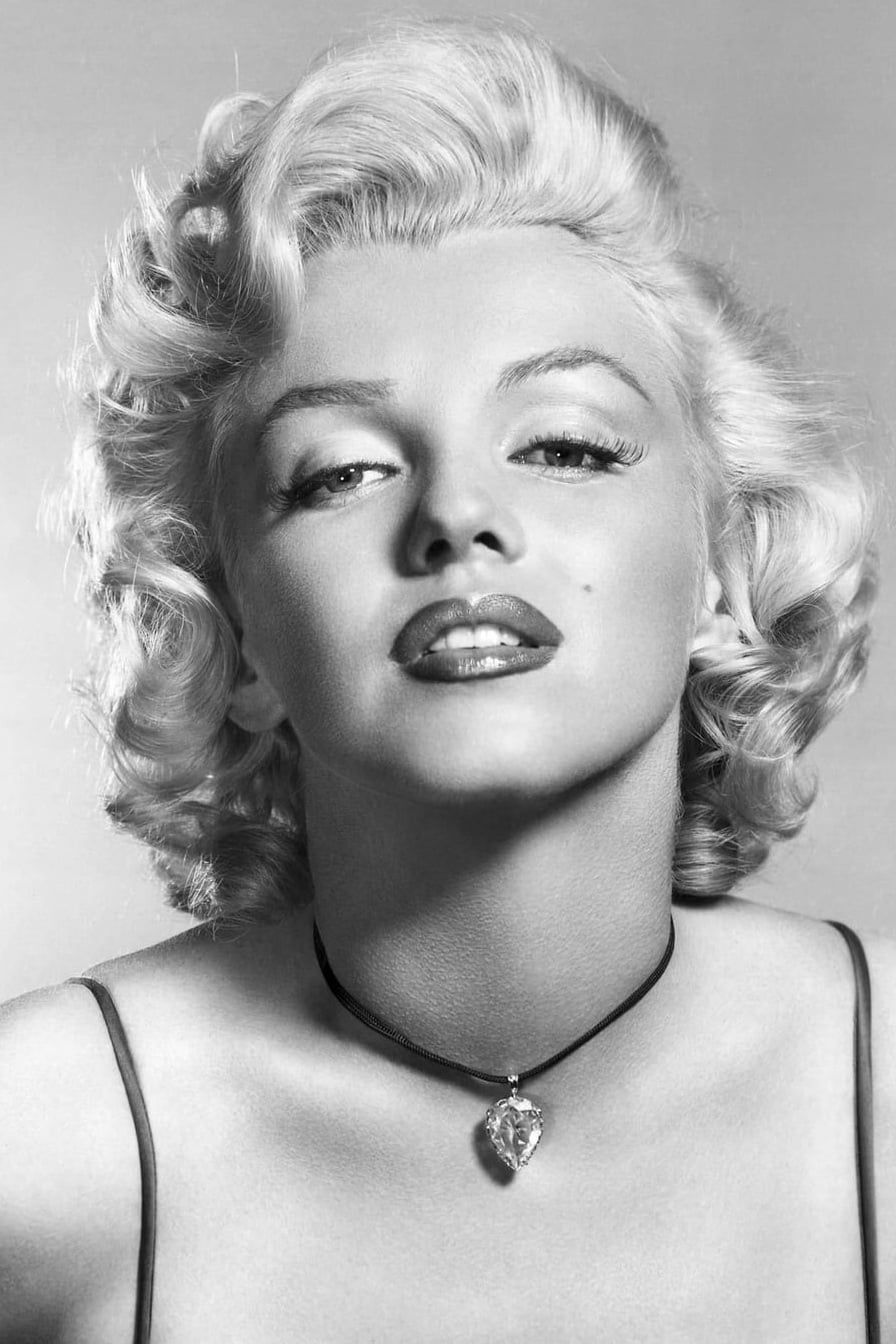
Before she was a global superstar, Monroe had a small role in ‘All About Eve’. She played Miss Caswell and displayed her natural gift for comedy and screen presence. The character was a graduate of the Copacabana school of dramatic art and served as a foil to the more serious actors. She managed to hold her own against industry titans like Bette Davis.
Gloria Foster
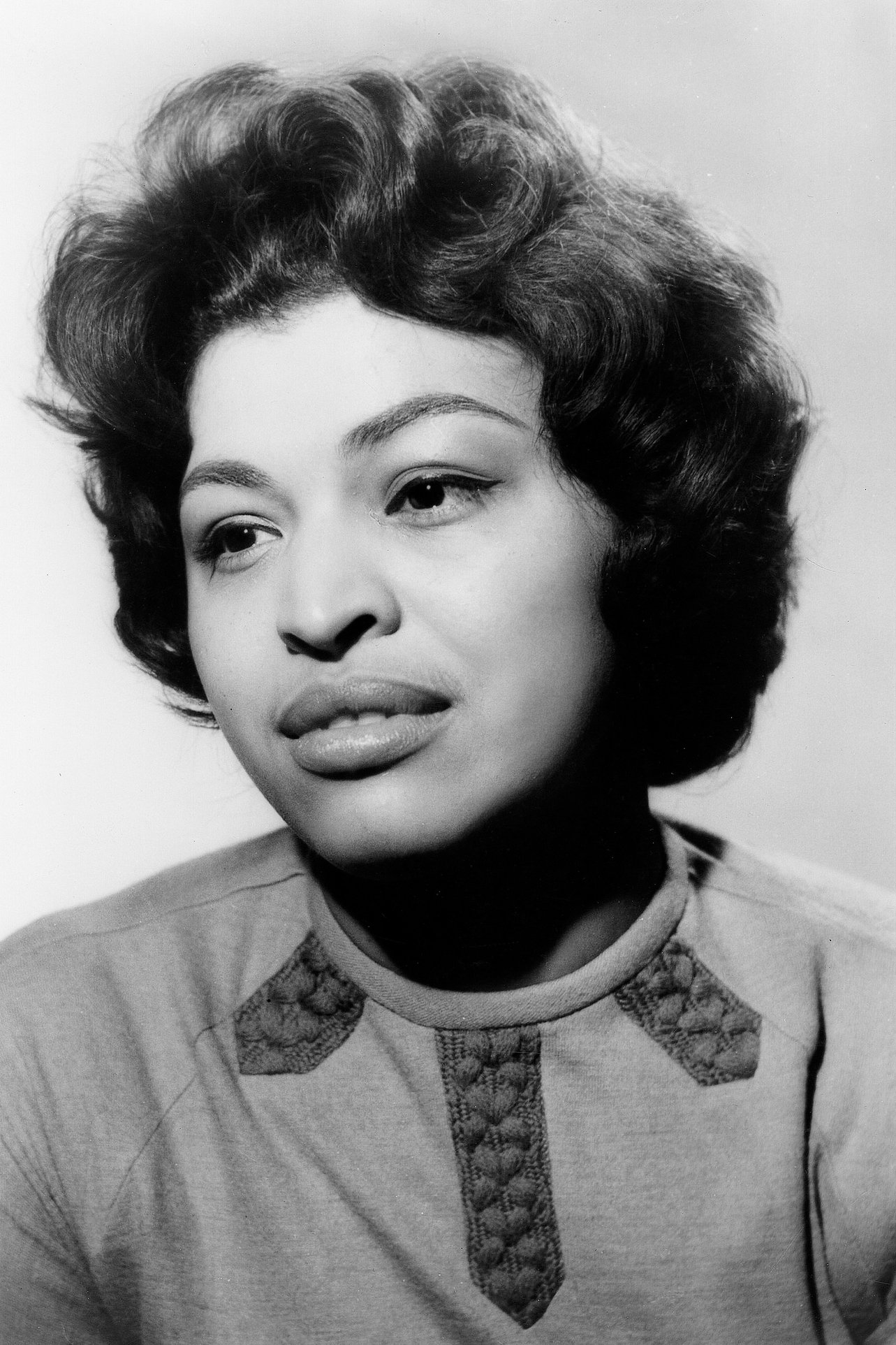
Foster brought dignity and wisdom to the role of the Oracle in ‘The Matrix’. She played a computer program with the warmth of a grandmother baking cookies. Her cryptic dialogue guided the hero and the audience through the complex philosophy of the film. She made a sci-fi exposition dump feel like a comforting kitchen table conversation.
Judith Anderson
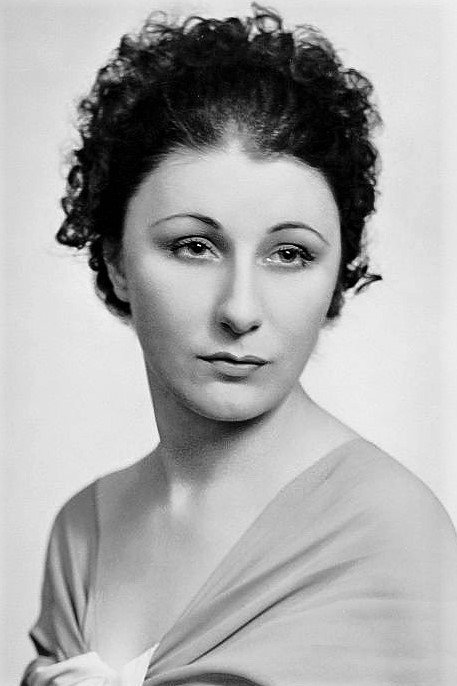
Anderson chilled audiences as the sinister Mrs. Danvers in Alfred Hitchcock’s ‘Rebecca’. Her obsession with her deceased former mistress drove the psychological horror of the film. She moved through the house like a ghost and rarely blinked during her scenes. Her performance set the standard for the “evil housekeeper” trope in cinema.
Mercedes McCambridge
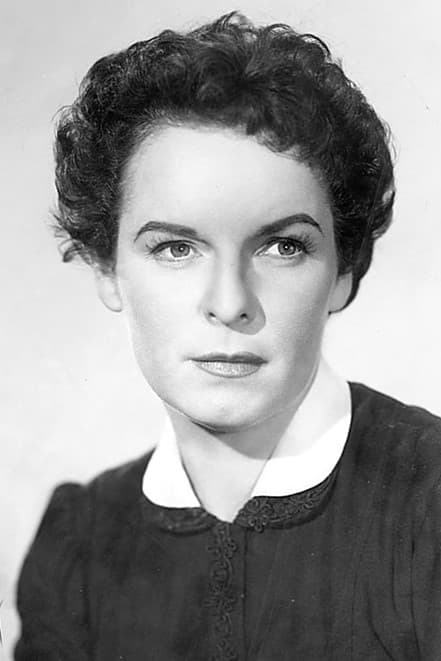
McCambridge won an Oscar for her supporting role in ‘All the King’s Men’. She played a political aide with a cynical edge and a sharp mind. Her intensity matched the loud demagoguery of the film’s lead character. She proved that a woman could be just as ruthless in the political arena as the men.
Gale Sondergaard
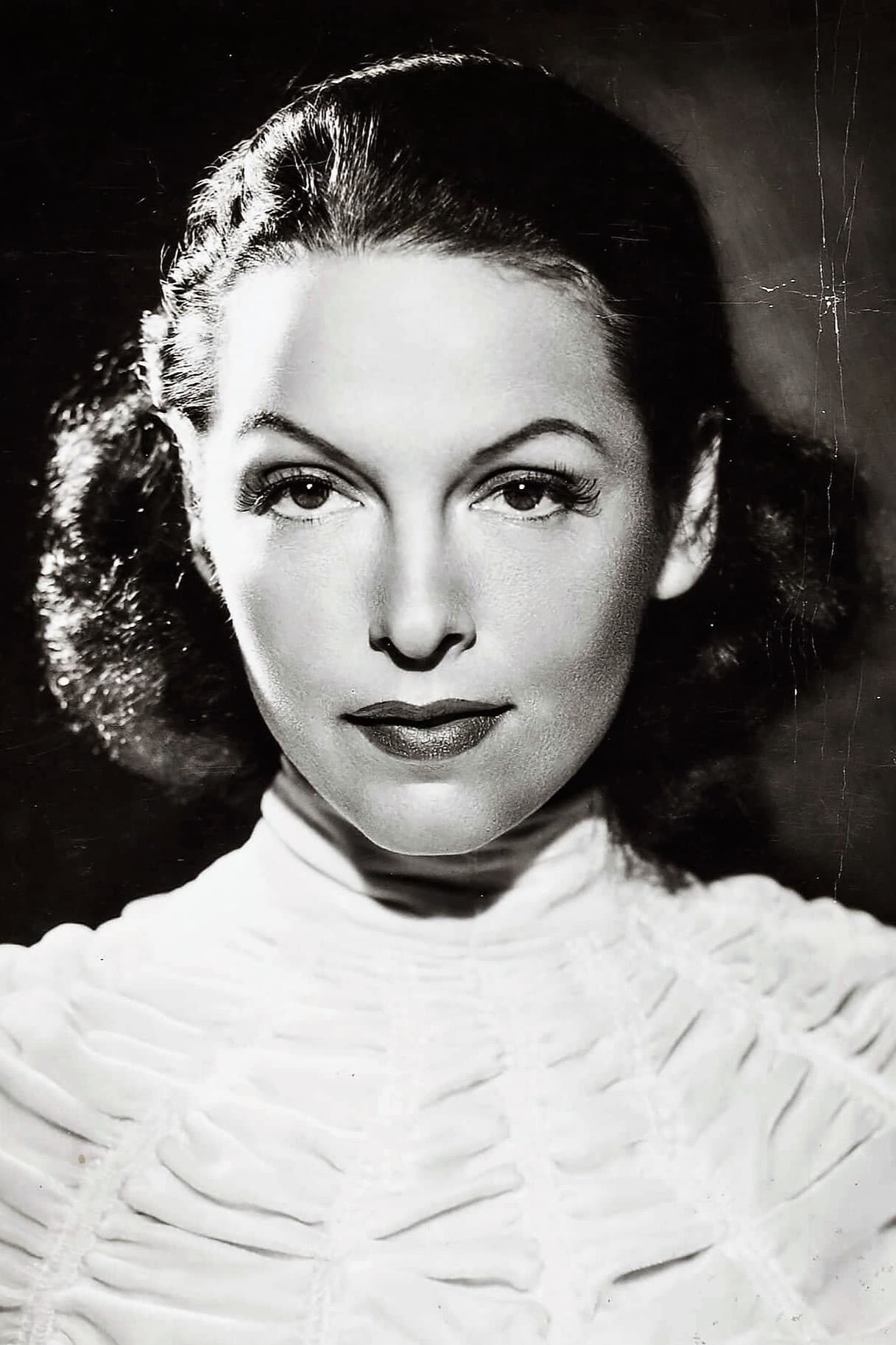
Sondergaard was the first recipient of the Academy Award for Best Supporting Actress for her role in ‘Anthony Adverse’. She played the scheming housekeeper Faith Paleologus. Her performance was subtle yet filled with calculating malice. She helped establish the importance of the supporting actress category in its inaugural year.
Katina Paxinou
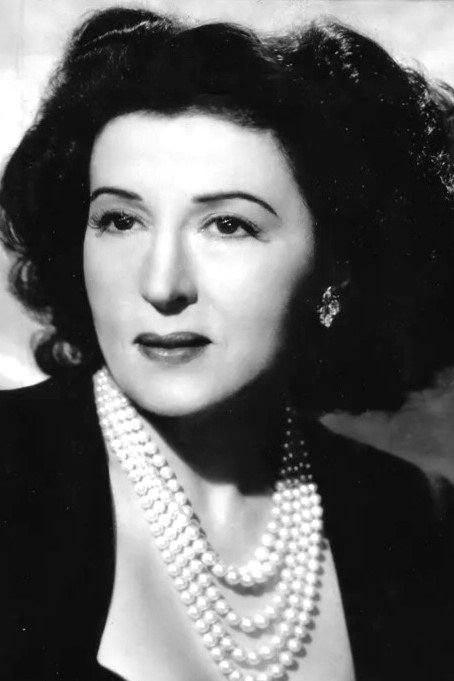
Paxinou won an Oscar for her role as Pilar in ‘For Whom the Bell Tolls’. She played a strong-willed revolutionary leader during the Spanish Civil War. Her performance was raw and emotionally charged. She brought a sense of authentic grit that anchored the Hollywood production in reality.
Josephine Hull
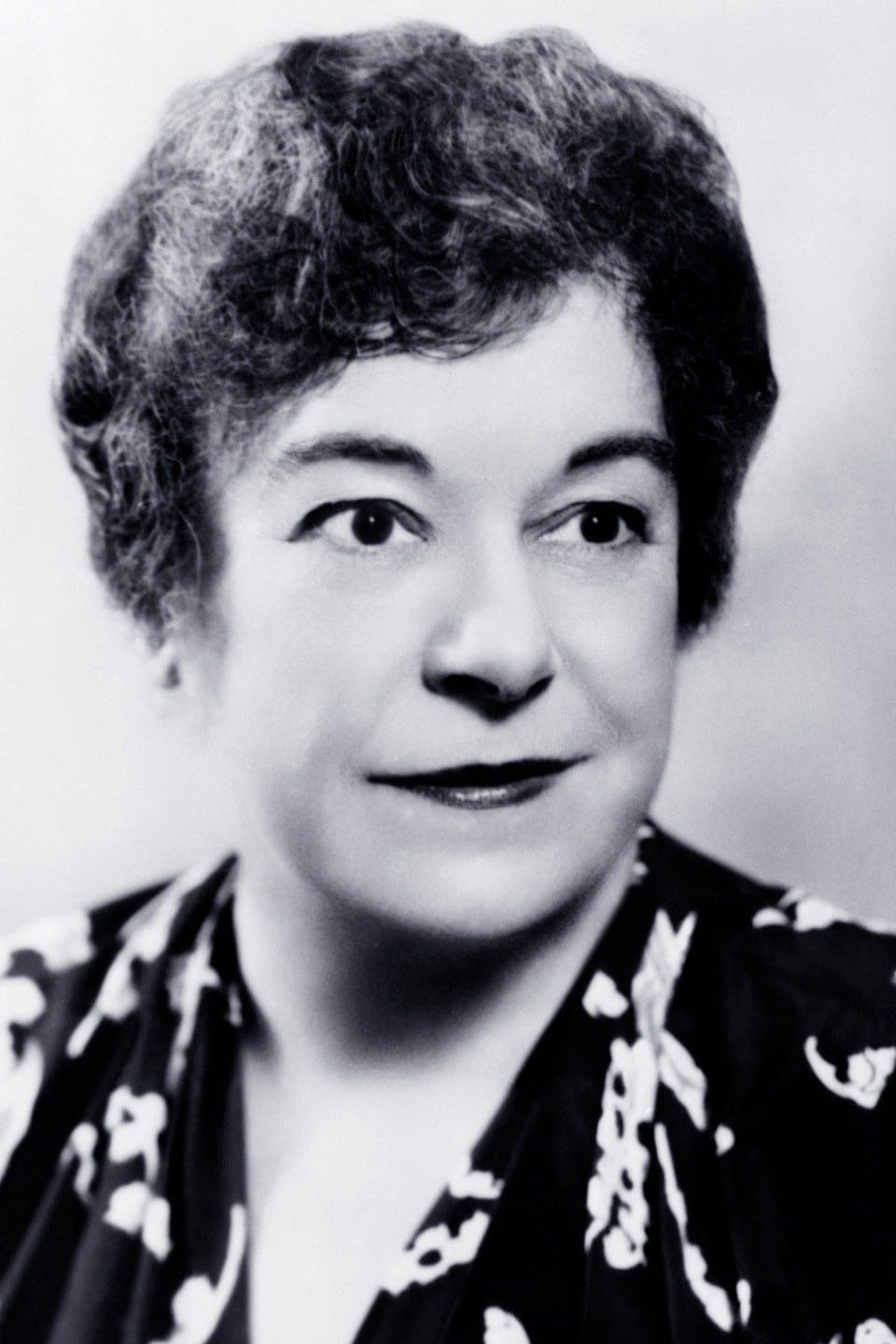
Hull reprised her stage role in the film adaptation of ‘Harvey’. She played the frazzled sister of a man who sees an invisible rabbit. Her exasperation and confusion provided the perfect comedic conflict for the whimsical story. She won an Oscar for her ability to ground the absurd premise in genuine human emotion.
Kim Hunter
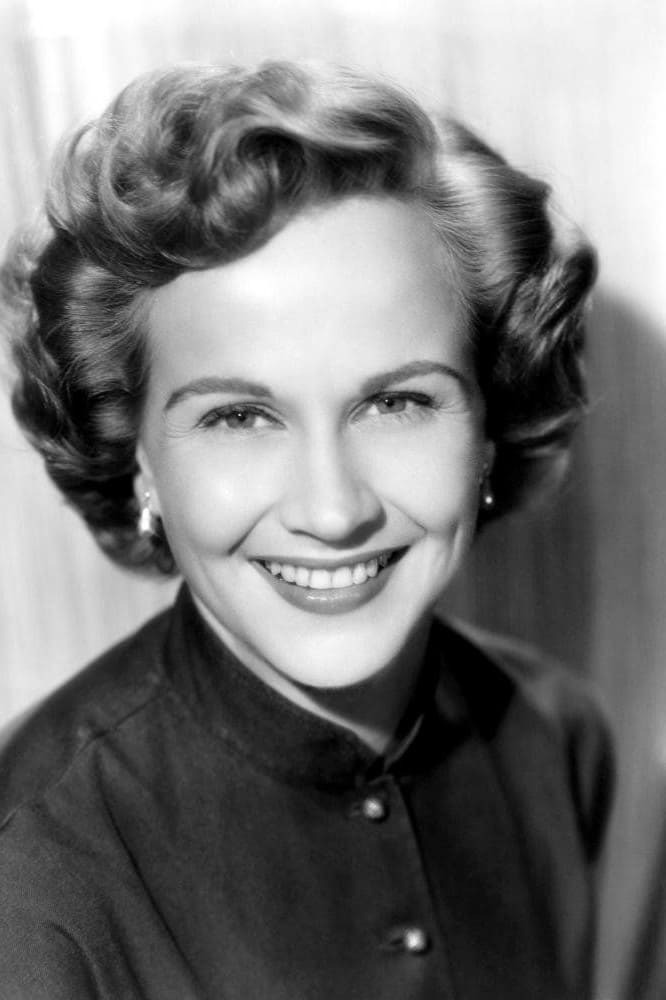
Hunter delivered a raw and vulnerable performance as Stella in ‘A Streetcar Named Desire’. She served as the emotional bridge between the two explosive lead characters. Her chemistry with Marlon Brando created some of the most famous scenes in film history. She won an Academy Award for portraying a woman torn between passion and loyalty.
Miyoshi Umeki
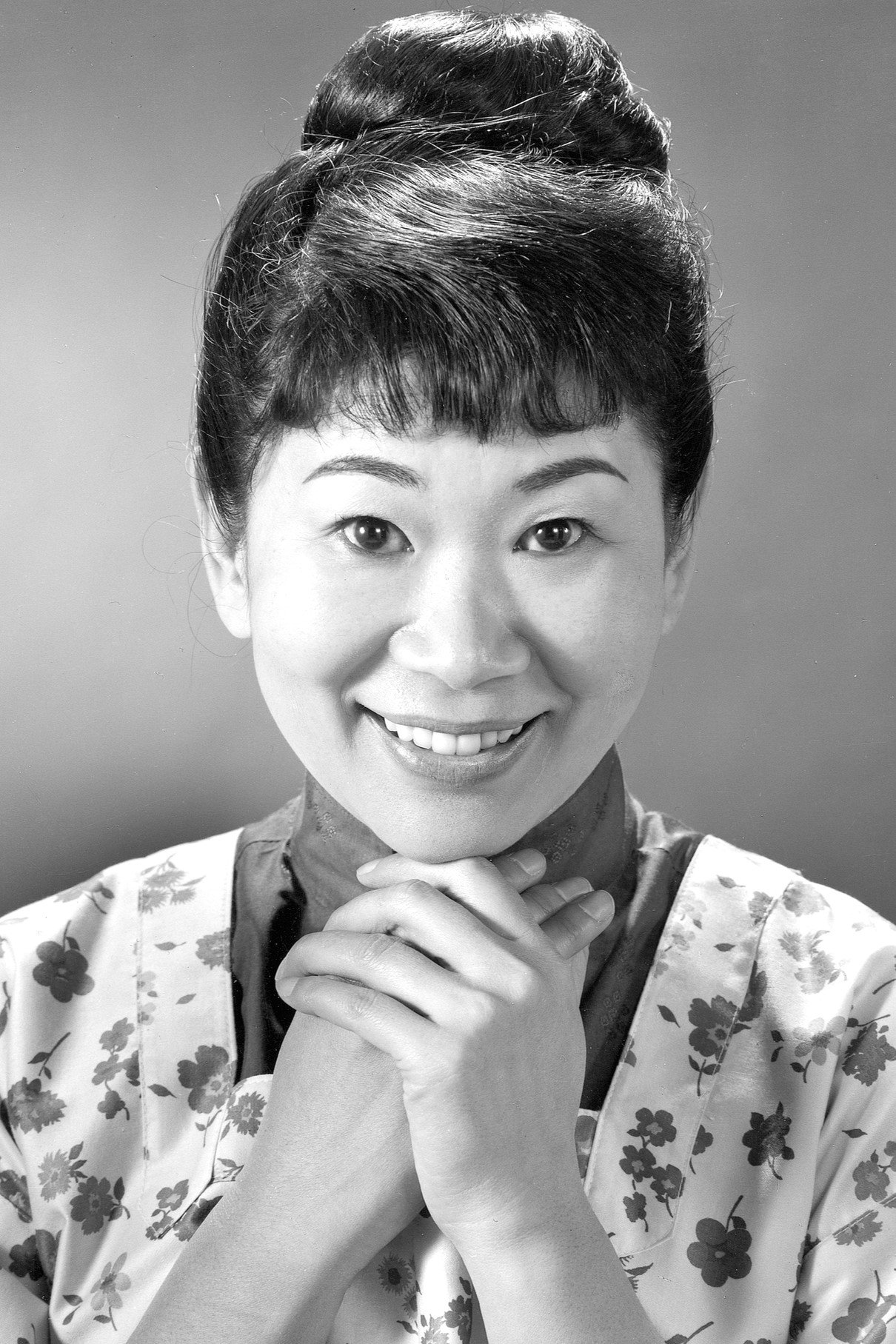
Umeki was the first Asian actress to win an Oscar for acting. She played Katsumi in the film ‘Sayonara’. Her heartbreaking portrayal of a woman caught in a tragic interracial romance was tender and understated. She conveyed immense sorrow with a quiet dignity that devastated audiences.
Margaret Rutherford
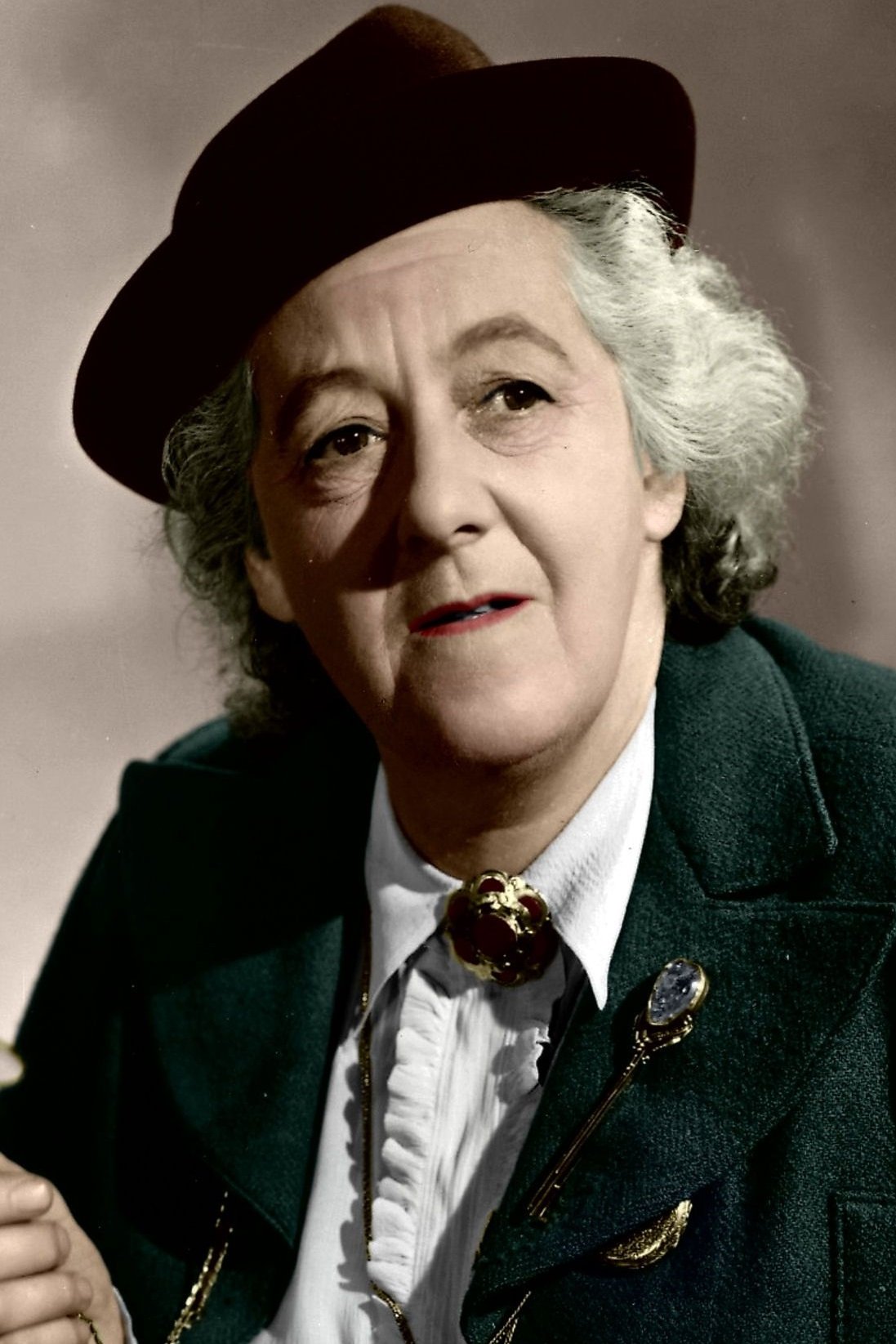
Rutherford won an Oscar for her role as the Duchess of Brighton in ‘The V.I.P.s’. She stole the movie from a cast that included Elizabeth Taylor and Richard Burton. Her confused yet spirited demeanor provided the film’s comic relief. She turned a minor subplot into the highlight of the entire picture.
Sandy Dennis
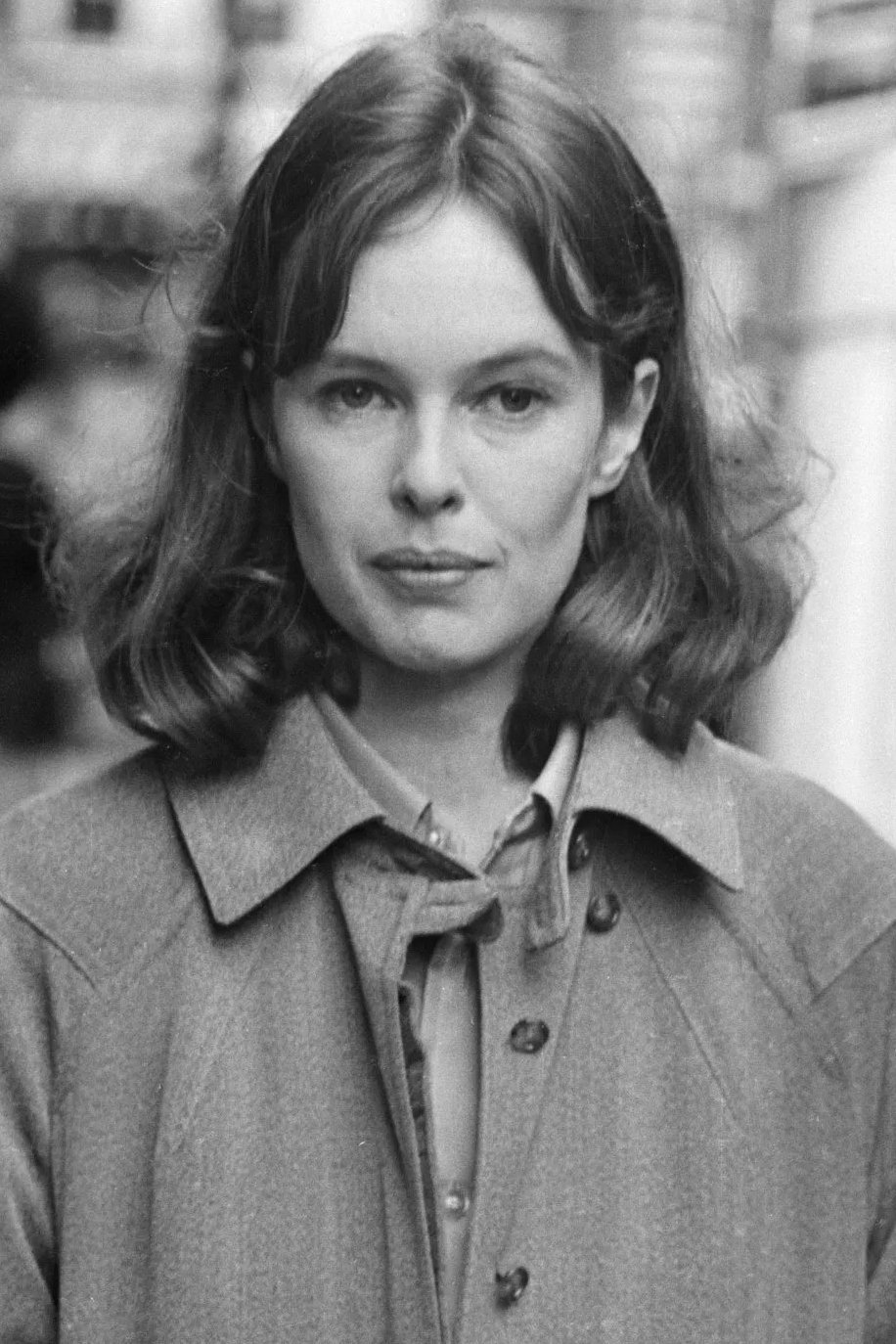
Dennis played the fragile young wife Honey in ‘Who’s Afraid of Virginia Woolf?’. She held her own against the explosive shouting matches of the lead couple. Her nervous energy and drunken ramblings added a layer of tragedy to the chaotic dinner party. She won an Oscar for her ability to portray a woman unraveling in real-time.
Cloris Leachman
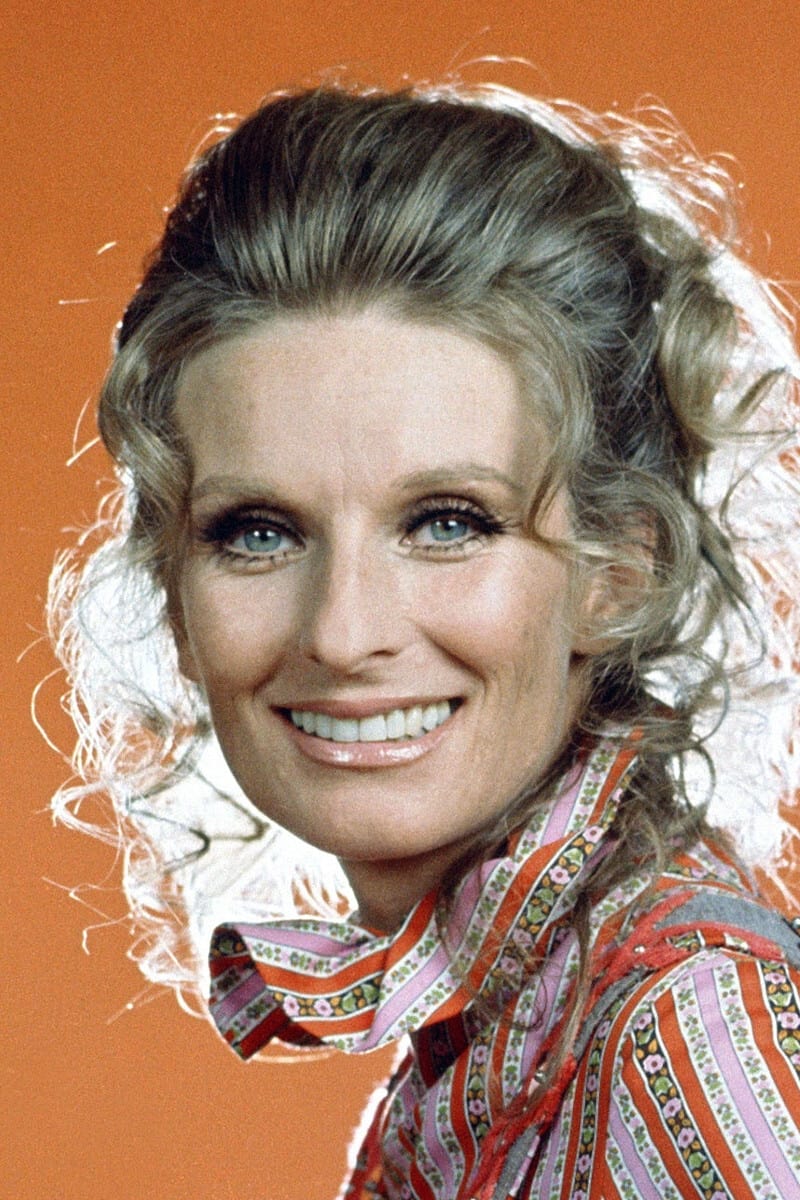
Leachman delivered a heartbreaking performance in ‘The Last Picture Show’. She played a lonely housewife named Ruth Popper. Her final monologue is a devastating expression of grief and betrayal. She turned a pathetic character into a figure of immense sympathy and won an Oscar for her work.
Madeline Kahn
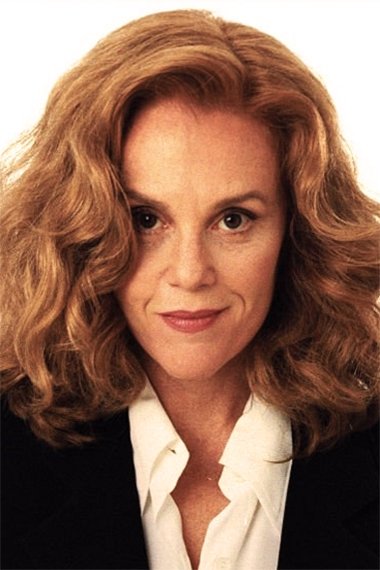
Kahn was a comedic genius who shone in ‘Young Frankenstein’. She played the high-maintenance fiancée Elizabeth. Her transformation during the creature encounters showcased her incredible vocal range and timing. She turned a stock character into a hilarious and sexually charged force of nature.
Carrie Fisher
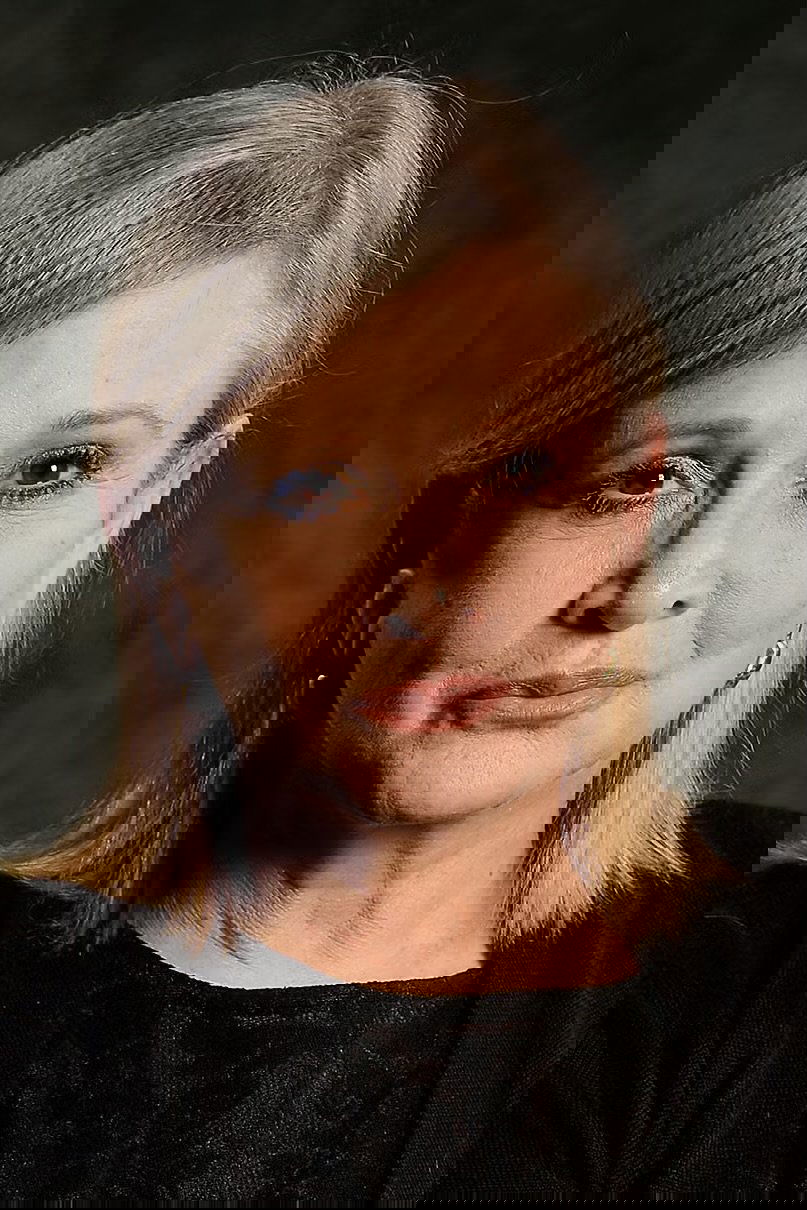
Fisher shed her princess image to play the mystery woman in ‘The Blues Brothers’. She appeared in several scenes trying to kill the protagonists with heavy weaponry. Her deadpan rage and lack of dialogue made the recurring gag even funnier. She proved she was a gifted physical comedian with impeccable timing.
Brittany Murphy
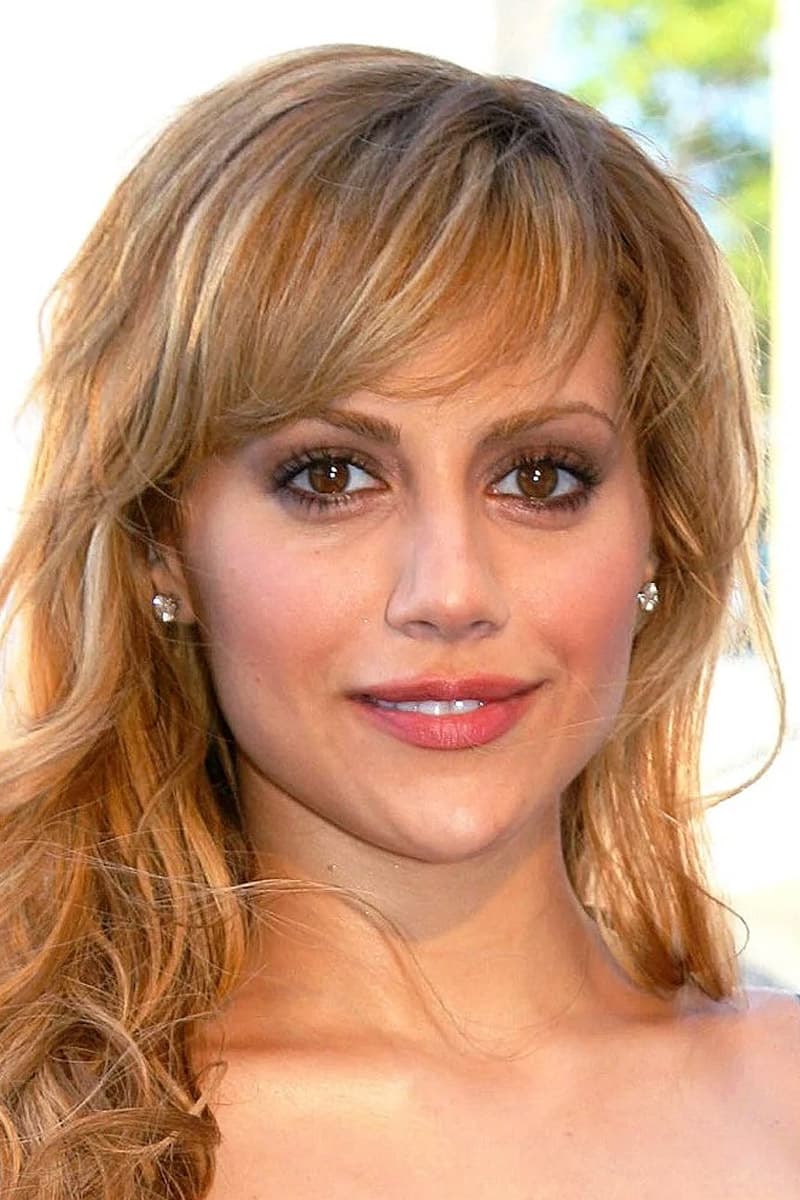
Murphy gave a haunting performance as Daisy mainly in the background of ‘Girl, Interrupted’. She played a young woman who was sexually abused and struggles with eating disorders. Her tragic arc provided the film with its darkest emotional beat. She portrayed vulnerability so effectively that her character’s fate felt genuinely shocking.
Butterfly McQueen
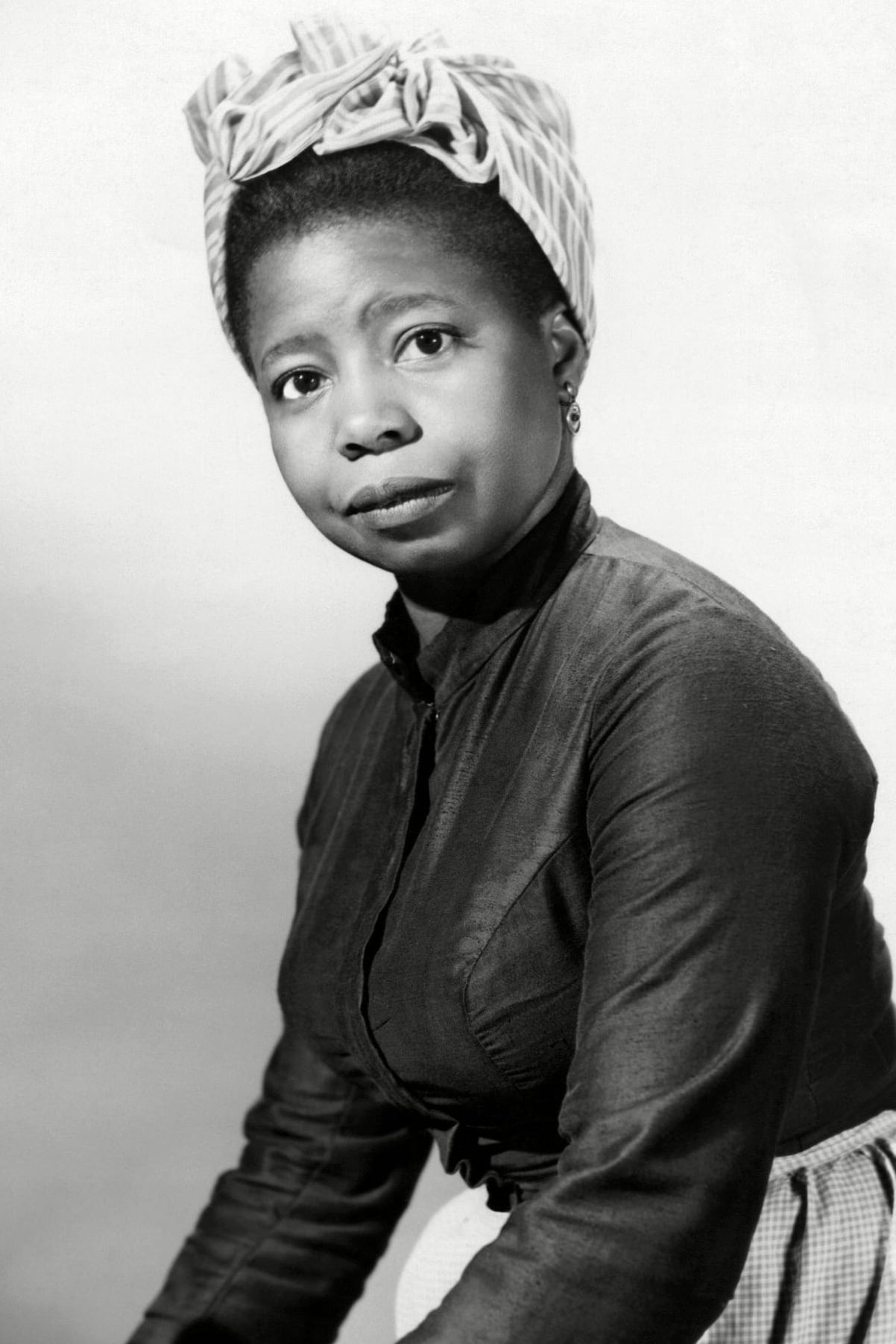
McQueen played Prissy in ‘Gone with the Wind’ and created a character that is still discussed today. Her high-pitched voice and panicked demeanor were distinctive. While the role was rooted in the stereotypes of the era, her performance remains technically memorable and impactful. She stood out in a massive ensemble cast.
Billie Whitelaw
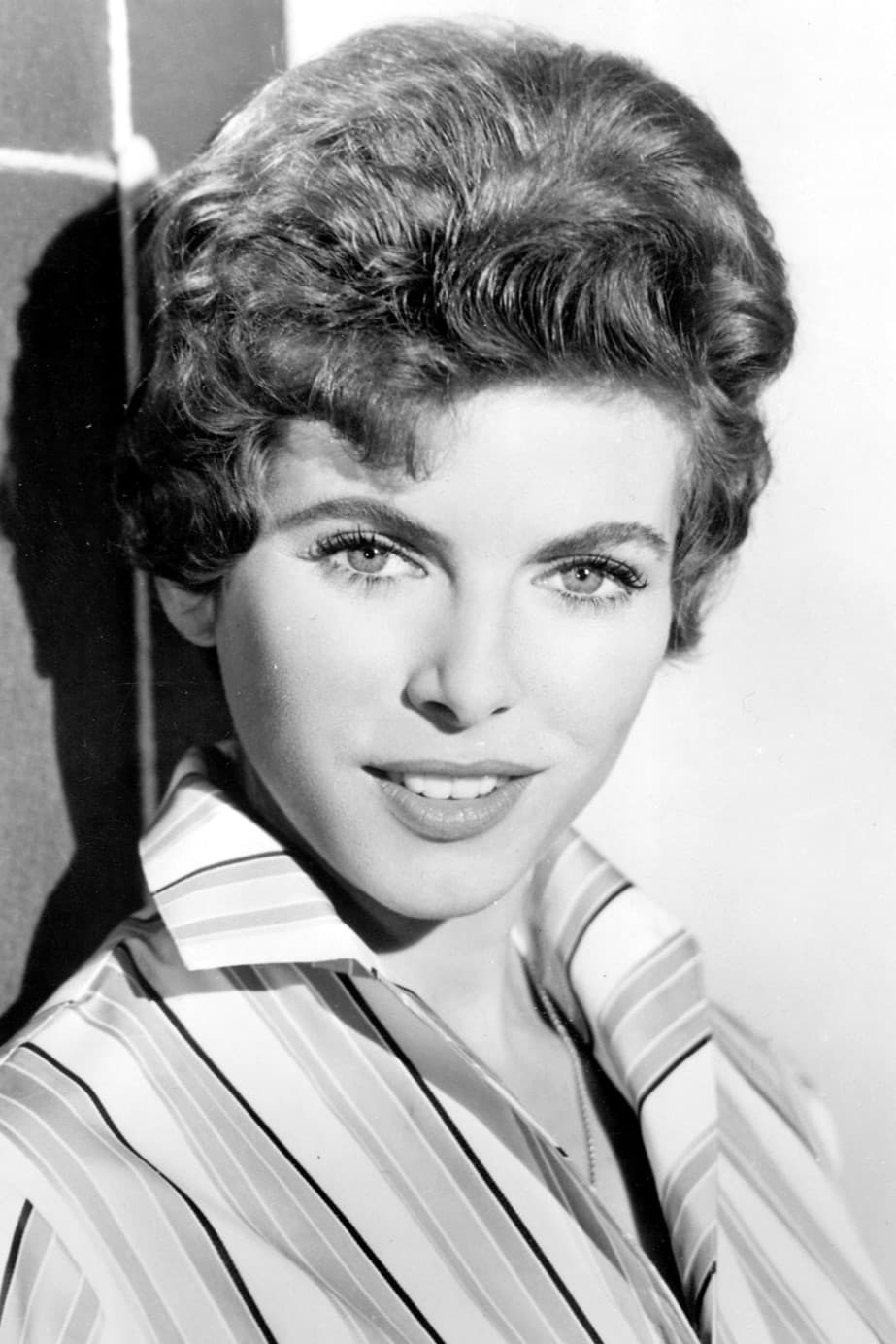
Whitelaw played the terrifying nanny Mrs. Baylock in the horror classic ‘The Omen’. She was the fiercely protective guardian of the Antichrist. Her fight scenes and icy stares were genuinely menacing. She brought a physical intensity to the role that made her a formidable villain.
Maureen Stapleton
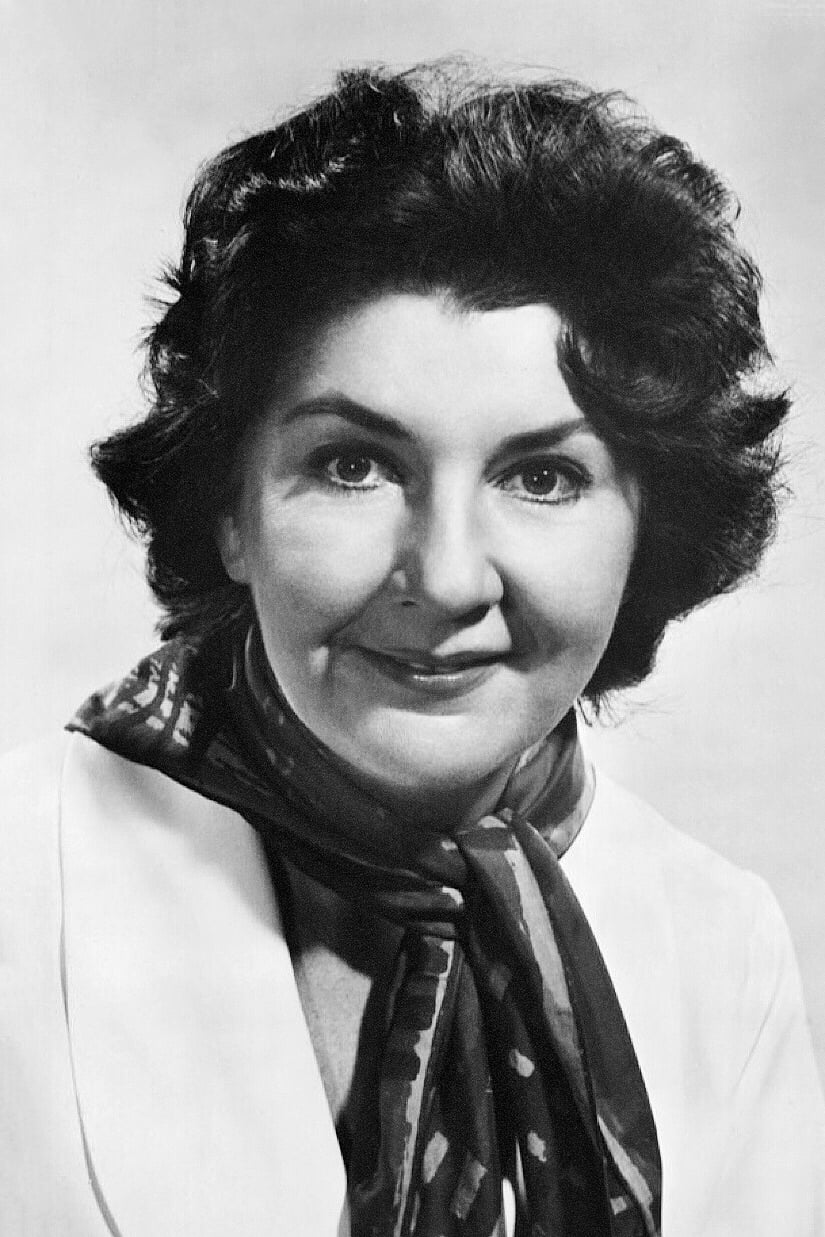
Stapleton won an Oscar for her portrayal of anarchist Emma Goldman in ‘Reds’. She appeared in only a few scenes but brought a weary wisdom to the epic film. Her speeches were delivered with a fiery passion that captured the spirit of the revolution. She grounded the political theory in human emotion.
Peggy Ashcroft
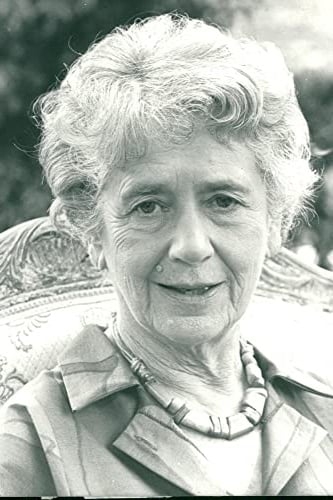
Ashcroft won an Academy Award for her performance as Mrs. Moore in ‘A Passage to India’. She played an elderly traveler who becomes overwhelmed by the mysteries of the country. Her subtle portrayal of disorientation and spiritual fatigue was mesmerizing. She conveyed a deep internal journey with very little dialogue.
Olympia Dukakis
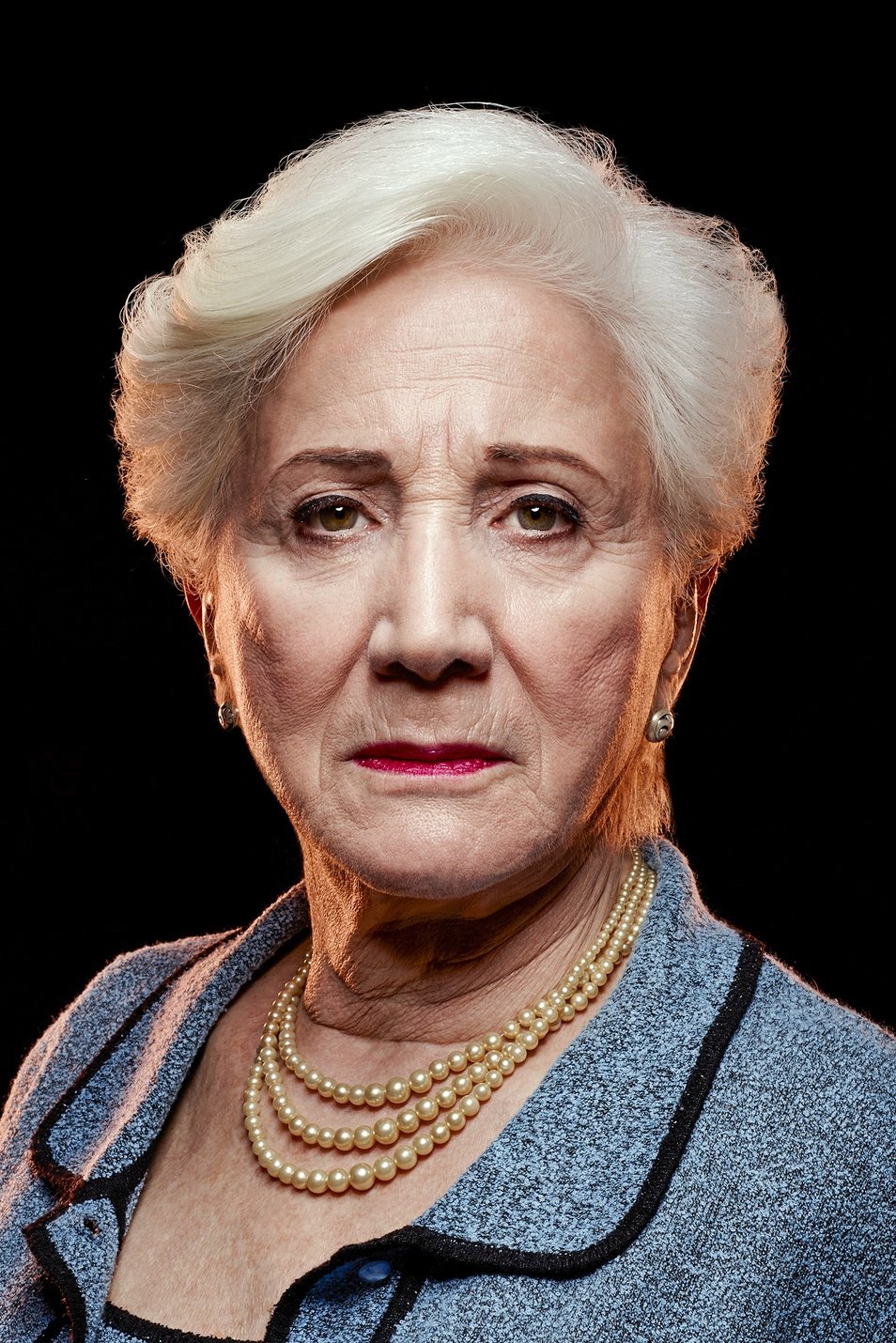
Dukakis stole every scene she was in as the mother in ‘Moonstruck’. Her cynical observations about men and marriage provided the film’s thematic backbone. She commanded the breakfast table with dry wit and wisdom. Her performance earned her an Academy Award and eternal love from fans of the film.
Shelley Winters
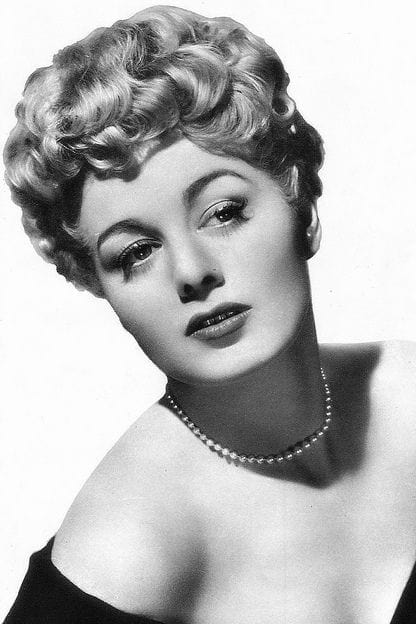
Winters won one of her two Oscars for playing a quarrelsome refugee in ‘The Diary of Anne Frank’. She portrayed Mrs. Van Daan with a mix of vanity and fear. Her selfishness regarding her fur coat highlighted the desperation of their hiding situation. She bravely played an unsympathetic character and made her human.
Dorothy Malone
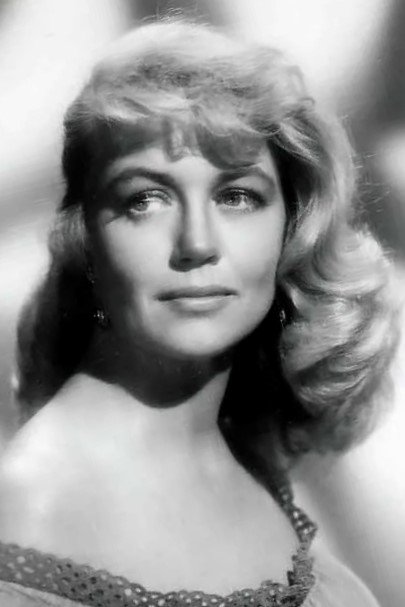
Malone transformed her image to play a wild oil heiress in ‘Written on the Wind’. She danced aggressively and schemed against her family. Her bold performance stole the spotlight from the more traditional leading lady. She won an Oscar for capturing the destructive energy of the melodrama.
Helen Hayes
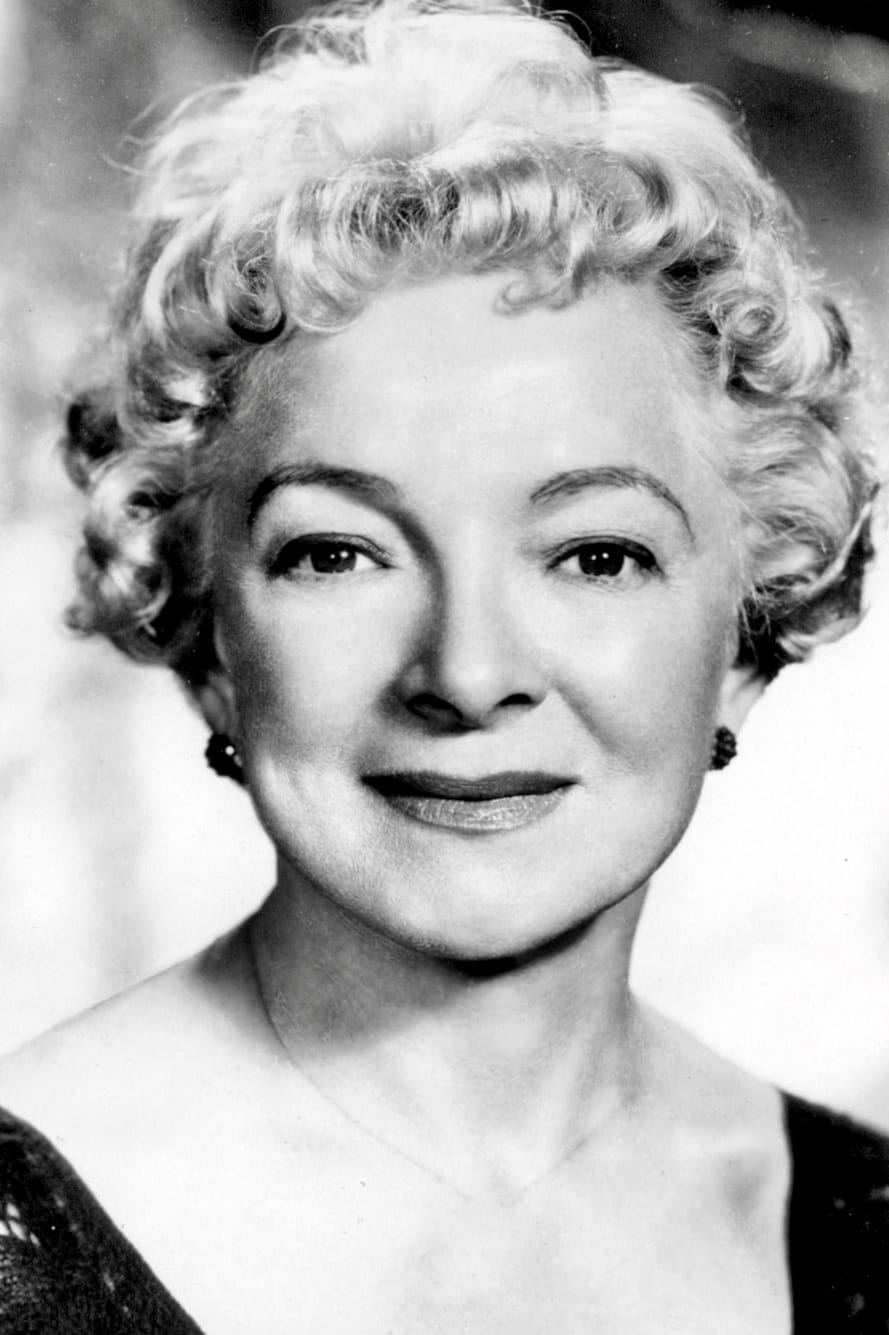
Hayes played a sweet stowaway in the disaster film ‘Airport’. Her character was an elderly woman who specialized in sneaking onto flights. She provided the heart of the film amidst the mechanical failures and bomb threats. She won an Oscar for making a criminal character completely lovable.
Angela Lansbury
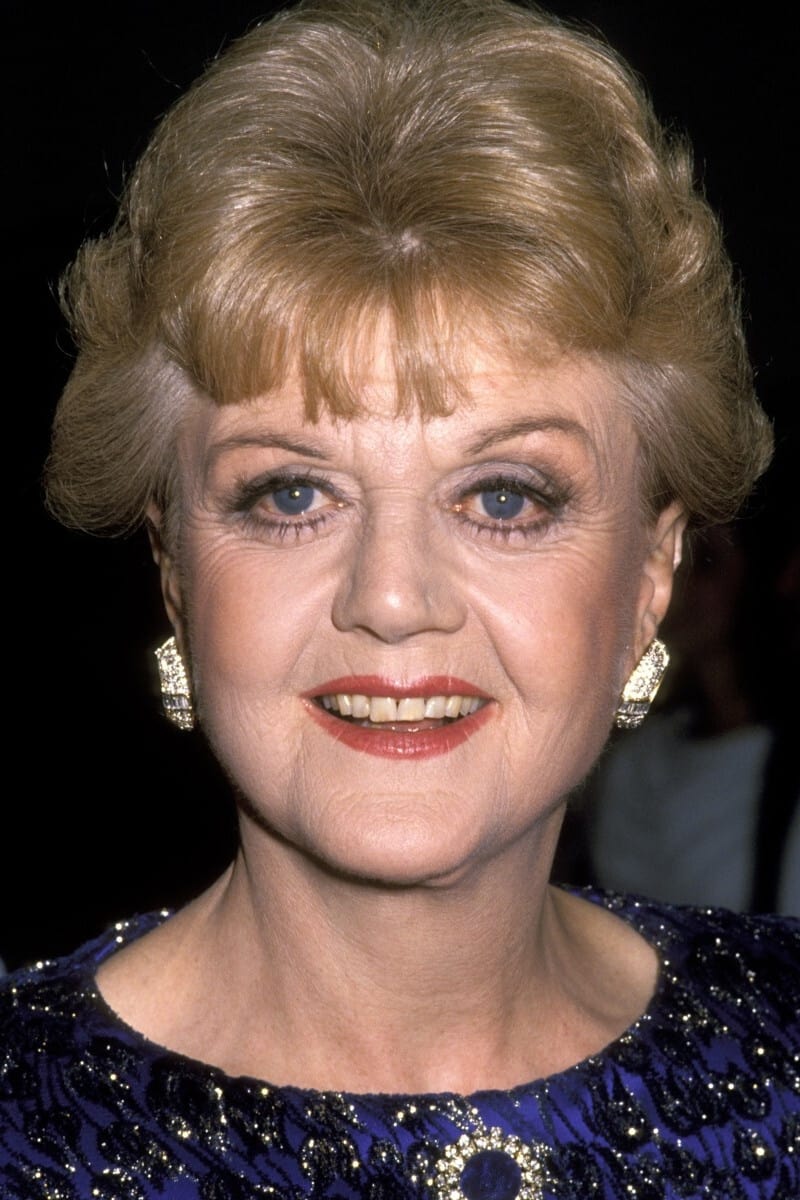
Lansbury made her film debut as the saucy maid in ‘Gaslight’. She was only a teenager but held the screen with a confident insolence. Her character added to the protagonist’s paranoia and isolation. It was the start of a legendary career and earned her an immediate Oscar nomination.
Piper Laurie
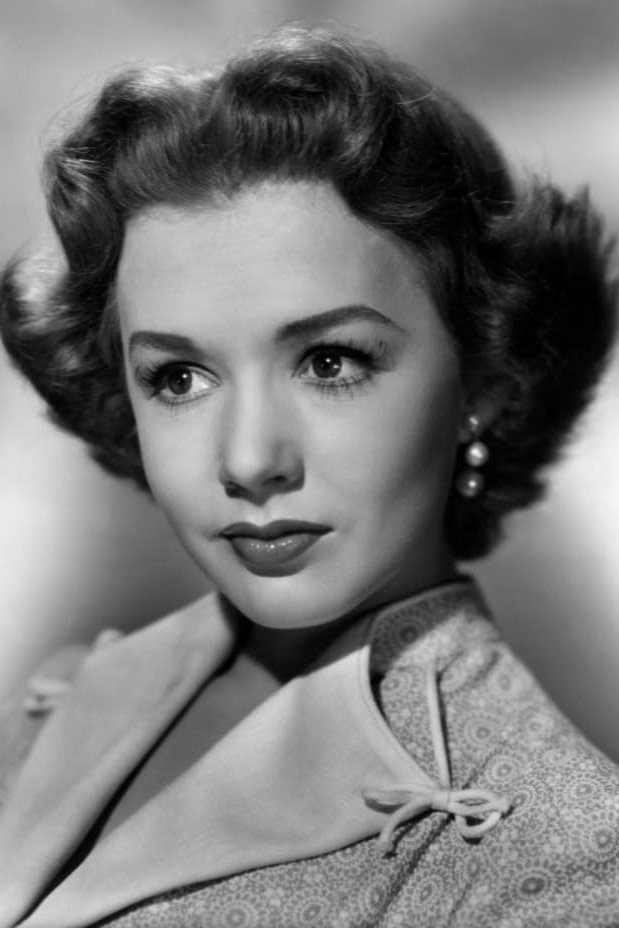
Laurie played the terrifying religious fanatic mother in ‘Carrie’. Her obsession with sin and punishment drove the horror of the narrative. She turned the domestic setting into a prison for her telekinetic daughter. Her frantic performance is considered one of the best villain portrayals in horror history.
Ingrid Bergman
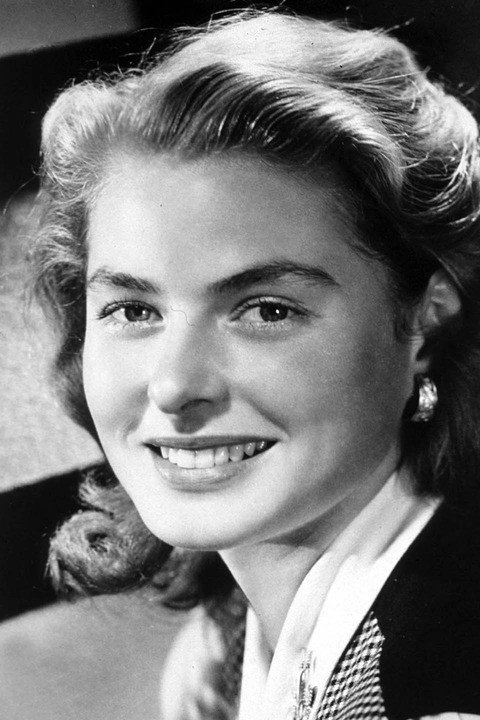
Bergman won an Oscar for a very small role in ‘Murder on the Orient Express’. She played a nervous missionary with a hidden secret. Her entire performance was essentially one long interrogation scene filmed in a single take. She displayed a masterclass of nervous ticks and subtle acting choices.
Edie McClurg
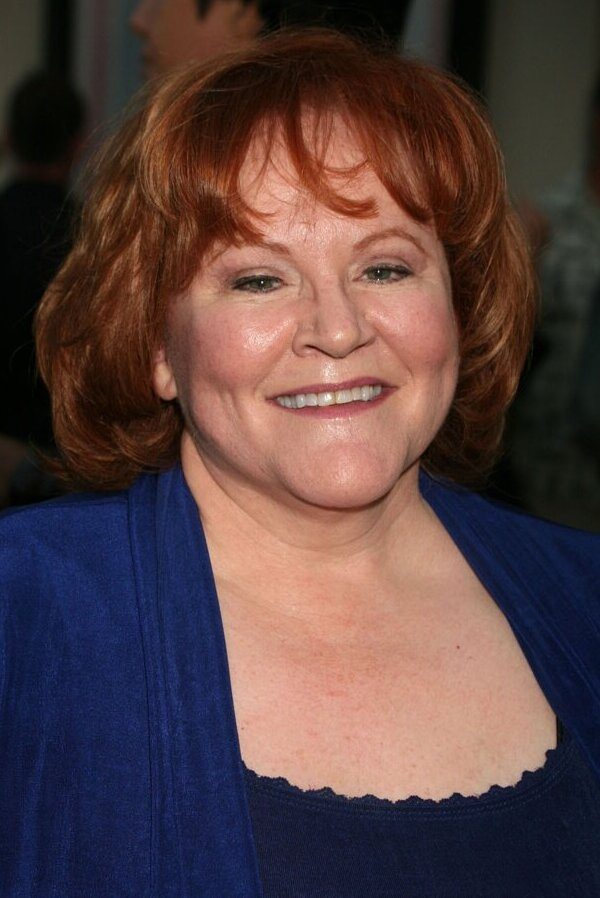
McClurg played the school secretary Grace in ‘Ferris Bueller’s Day Off’. Her comedic timing while explaining Ferris’s popularity was perfect. She pulled pencils from her hair and delivered exposition with a delightful Midwestern charm. She made a desk job look like the funniest role in the movie.
Jessica Walter
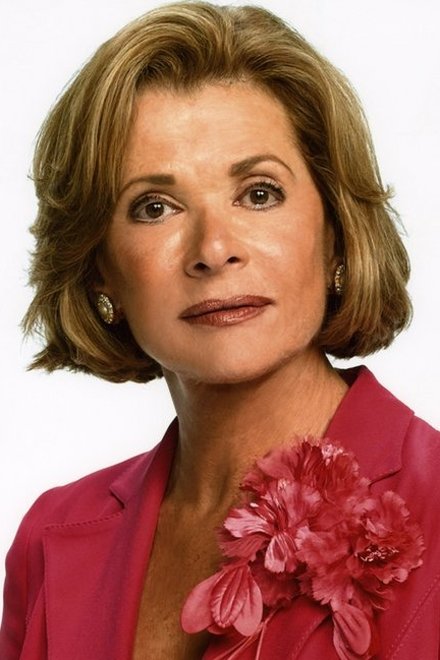
Walter played a relentless stalker in the thriller ‘Play Misty for Me’. Her transition from a casual fan to a knife-wielding maniac was terrifying. She created the template for the obsession thrillers that would become popular in later decades. Her unhinged performance remains the highlight of the film.
Ruby Dee
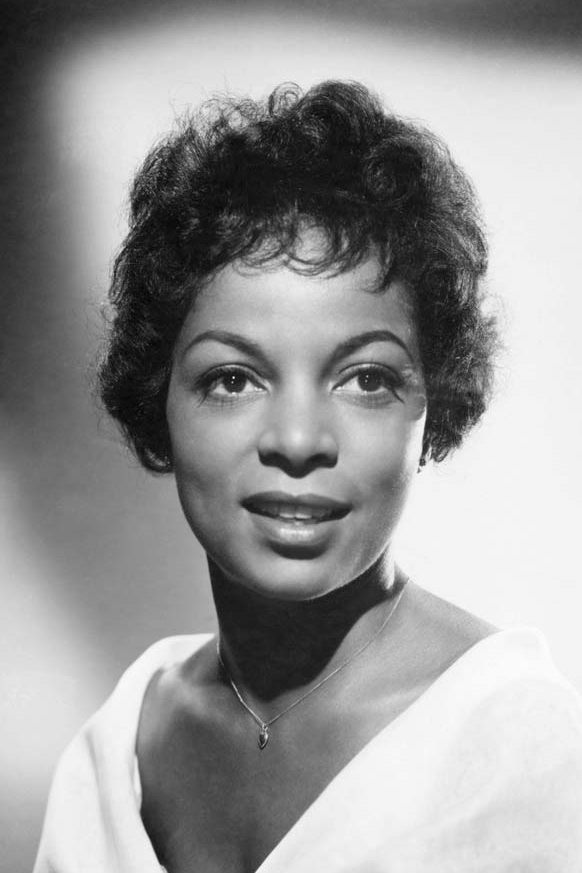
Dee appeared as the mother of a drug lord in ‘American Gangster’. She had limited screen time but delivered a slap that resonated through the theater. Her confrontation with her son was a powerful moment of moral reckoning. She received an Oscar nomination for bringing such gravitas to the small role.
Please tell us in the comments which of these performances is your personal favorite or if we missed a memorable cameo you love.