Dead Celebs Whose Work Defined an Era in Entertainment


The entertainment industry is built upon the legacies of iconic figures who shifted cultural paradigms and redefined their respective genres. These individuals captivated audiences with their unique talents and left an indelible mark on music, film, and television history. Their influence remains palpable today as modern artists continue to draw inspiration from their groundbreaking contributions. This collection honors the deceased celebrities whose work shaped the eras they lived in and continues to resonate with fans around the world.
Marilyn Monroe
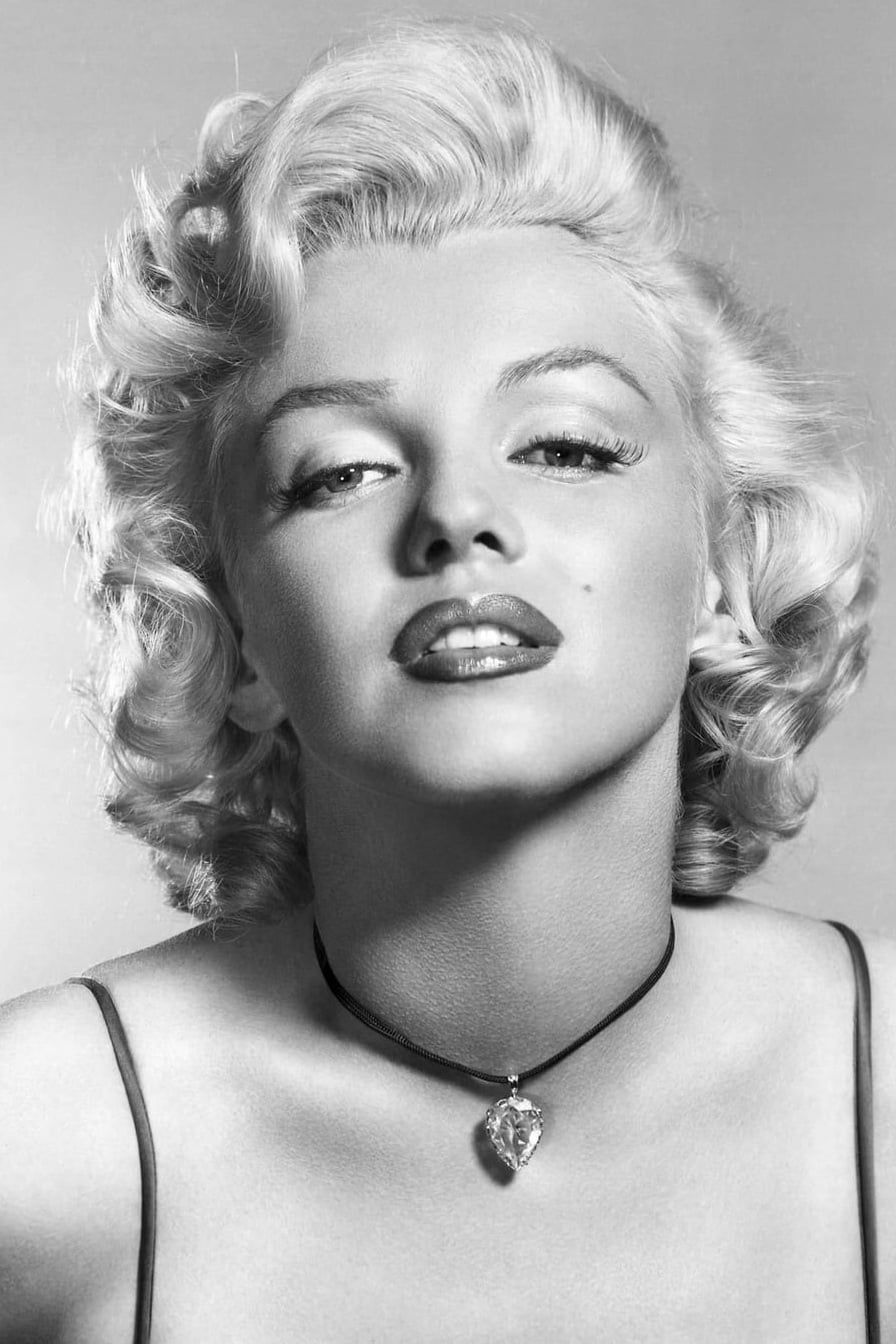
Marilyn Monroe remains the quintessential sex symbol of the 1950s and a comedic powerhouse in American cinema. Her performances in films such as ‘Some Like It Hot’ displayed impeccable timing and charismatic screen presence. She challenged the studio system and founded her own production company to gain creative control over her career. Her breathy voice and platinum blonde image became instant trademarks of Hollywood glamour. Monroe famously struggled with the pressures of fame while cementing her status as a pop culture legend.
Elvis Presley
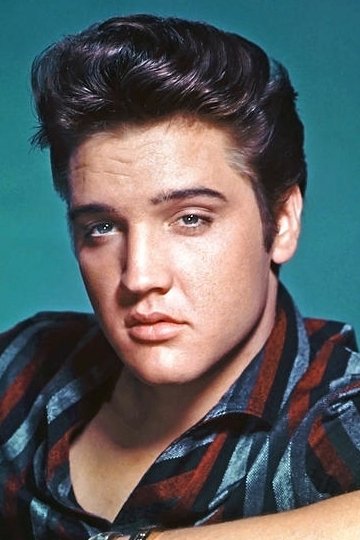
Elvis Presley revolutionized the music industry by blending country, blues, and gospel into the genre known as rock and roll. He became a cultural phenomenon in the 1950s with his provocative dance moves and distinctive vocal style. His residency in Las Vegas redefined live entertainment and set a new standard for musical spectacles. Presley starred in numerous films that showcased his mass appeal and solidified his place as a global superstar. His recordings continue to sell millions of copies decades after his passing.
Michael Jackson
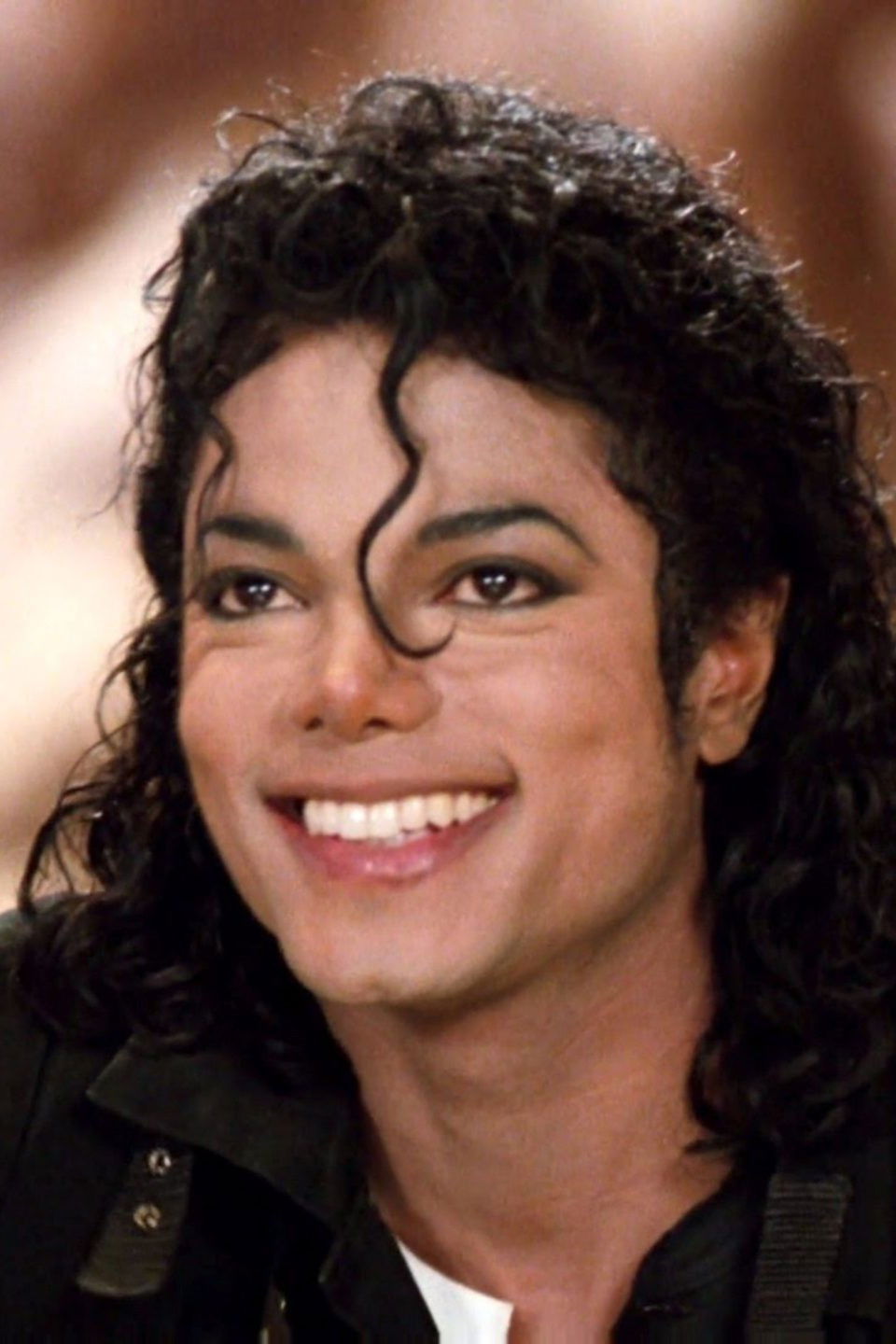
Michael Jackson transformed the landscape of pop music through his innovative music videos and electrifying stage performances. His album ‘Thriller’ shattered records and remains one of the best-selling albums in history. He popularized dance moves like the moonwalk and the robot which influenced generations of performers. Jackson broke racial barriers on MTV and paved the way for future African American artists. His impact on fashion, dance, and music production defined the 1980s and 1990s.
Robin Williams
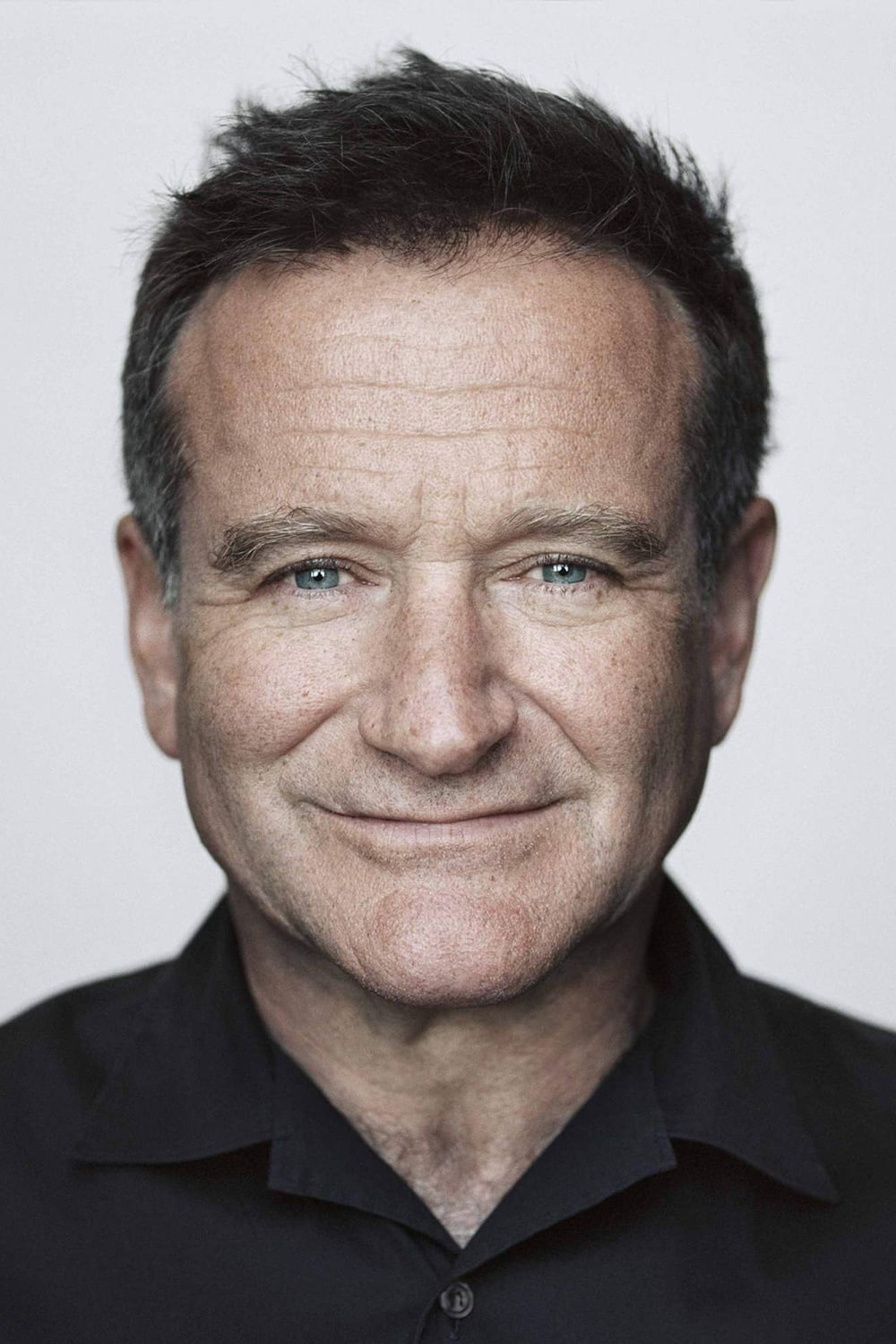
Robin Williams possessed a manic energy and improvisational brilliance that redefined stand-up comedy and screen acting. He seamlessly transitioned between comedic roles in shows like ‘Mork & Mindy’ and dramatic performances in films such as ‘Good Will Hunting’. His voice acting in ‘Aladdin’ changed the way animated films utilized celebrity talent. Williams championed the power of laughter while tackling complex emotional themes in his serious work. His ability to evoke both joy and tears made him a beloved figure across the globe.
Prince
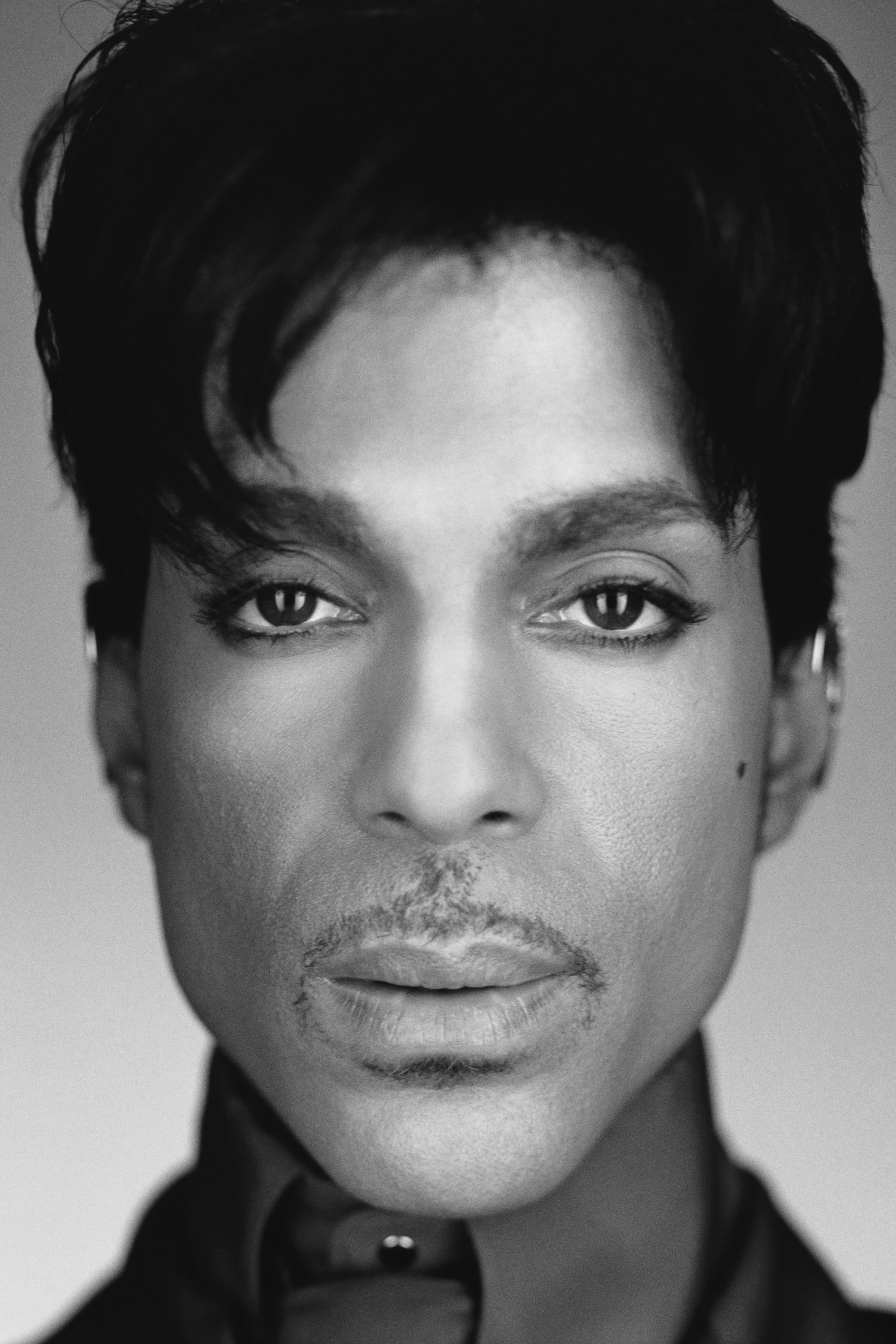
Prince was a musical virtuoso who played nearly every instrument on his albums and defied genre classification. He blended funk, rock, R&B, and pop to create the distinct Minneapolis Sound. His film ‘Purple Rain’ and its accompanying soundtrack solidified his status as an icon of the 1980s. Prince fiercely advocated for artists’ rights and maintained creative independence throughout his prolific career. His flamboyant fashion and mysterious persona captivated fans until his untimely death.
David Bowie
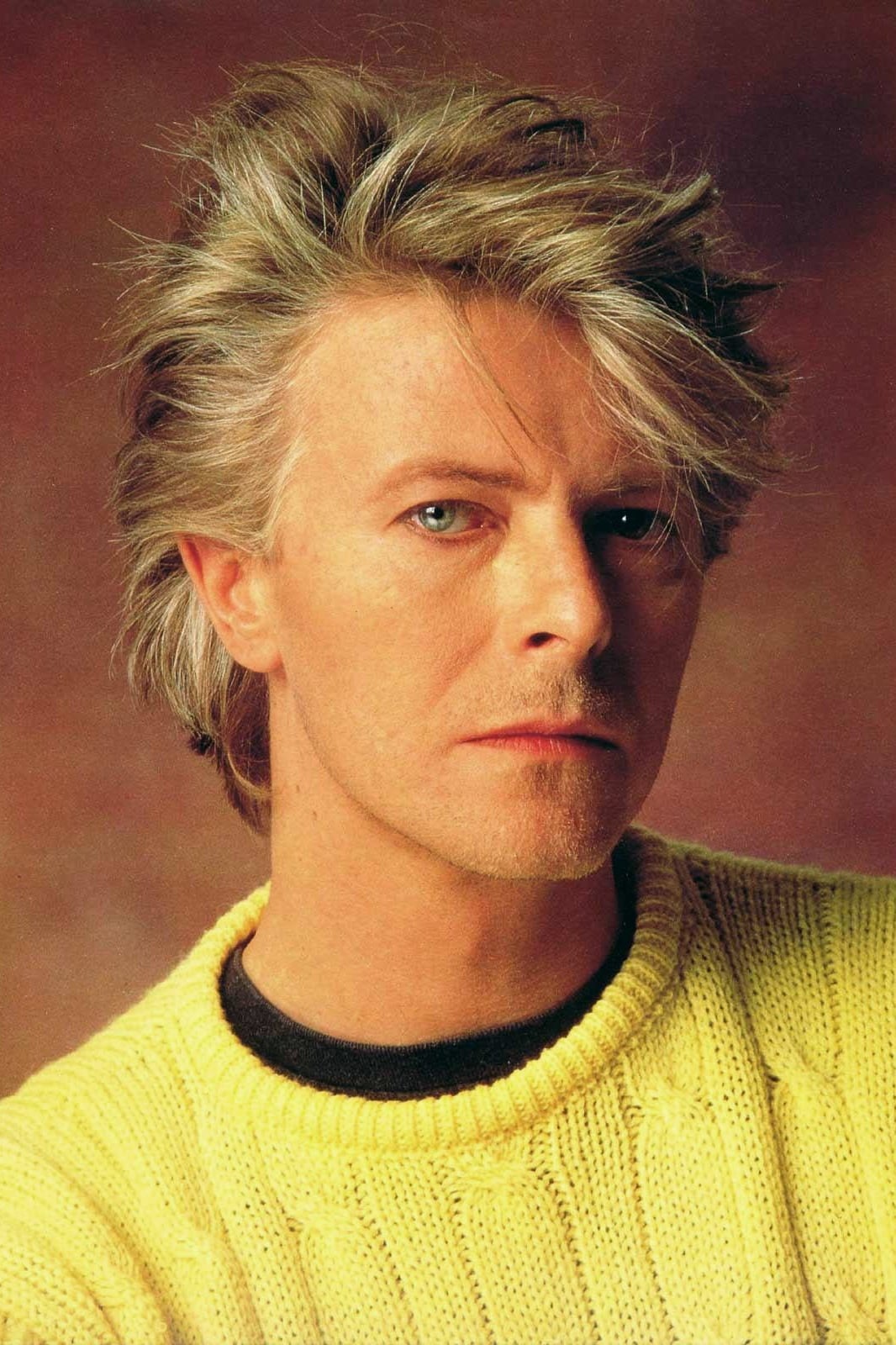
David Bowie was a master of reinvention who constantly evolved his musical style and visual presentation. He introduced the world to the alter ego Ziggy Stardust and brought glam rock to the forefront of popular culture. His career spanned five decades and included experiments in soul, electronic, and industrial music. Bowie also found success in acting with memorable roles in films like ‘Labyrinth’. His artistic fearlessness inspired countless musicians to embrace their individuality.
Whitney Houston
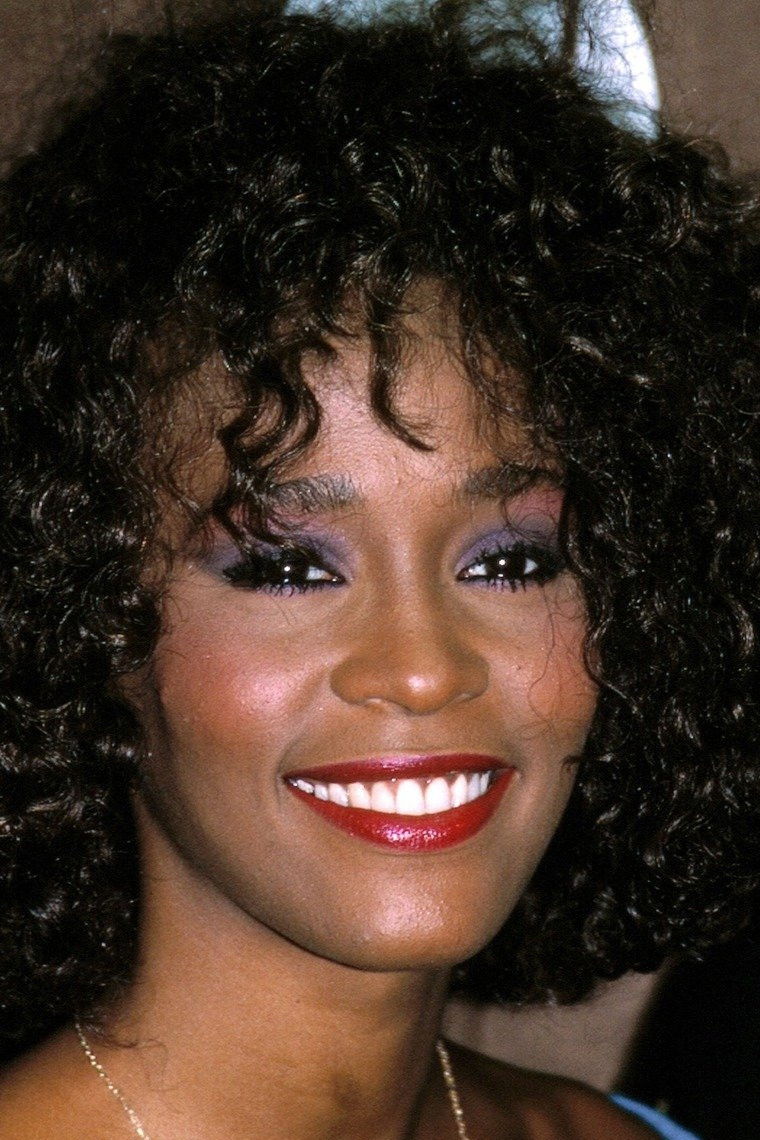
Whitney Houston possessed one of the most powerful and technically proficient voices in music history. Her rendition of ‘I Will Always Love You’ became one of the best-selling singles of all time. She broke records for consecutive number-one hits on the Billboard Hot 100 chart. Houston dominated the charts in the 1980s and 1990s while also achieving success as an actress in ‘The Bodyguard’. Her vocal style set the template for modern pop and R&B singers.
Freddie Mercury
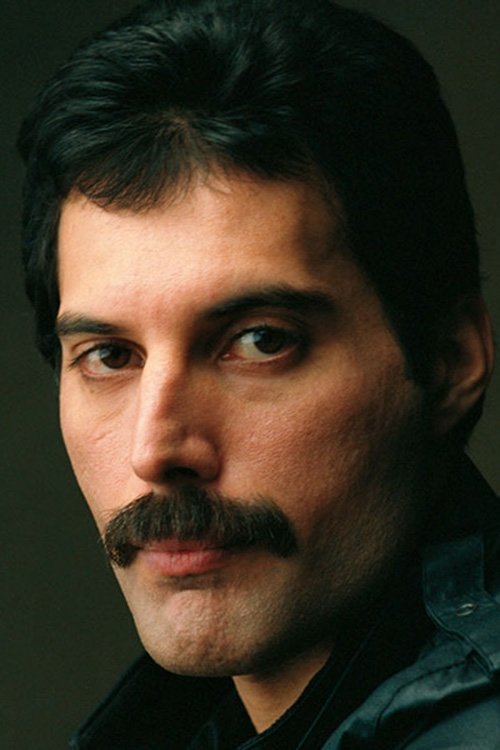
Freddie Mercury commanded stages with his four-octave vocal range and theatrical showmanship as the lead singer of Queen. He wrote enduring anthems like ‘Bohemian Rhapsody’ that challenged the conventions of rock music. His performance at Live Aid in 1985 is widely considered one of the greatest live sets in rock history. Mercury broke barriers as a frontman and remains a celebrated figure in the LGBTQ+ community. His legacy continues to thrive through Queen’s ongoing popularity and biographical films.
Audrey Hepburn
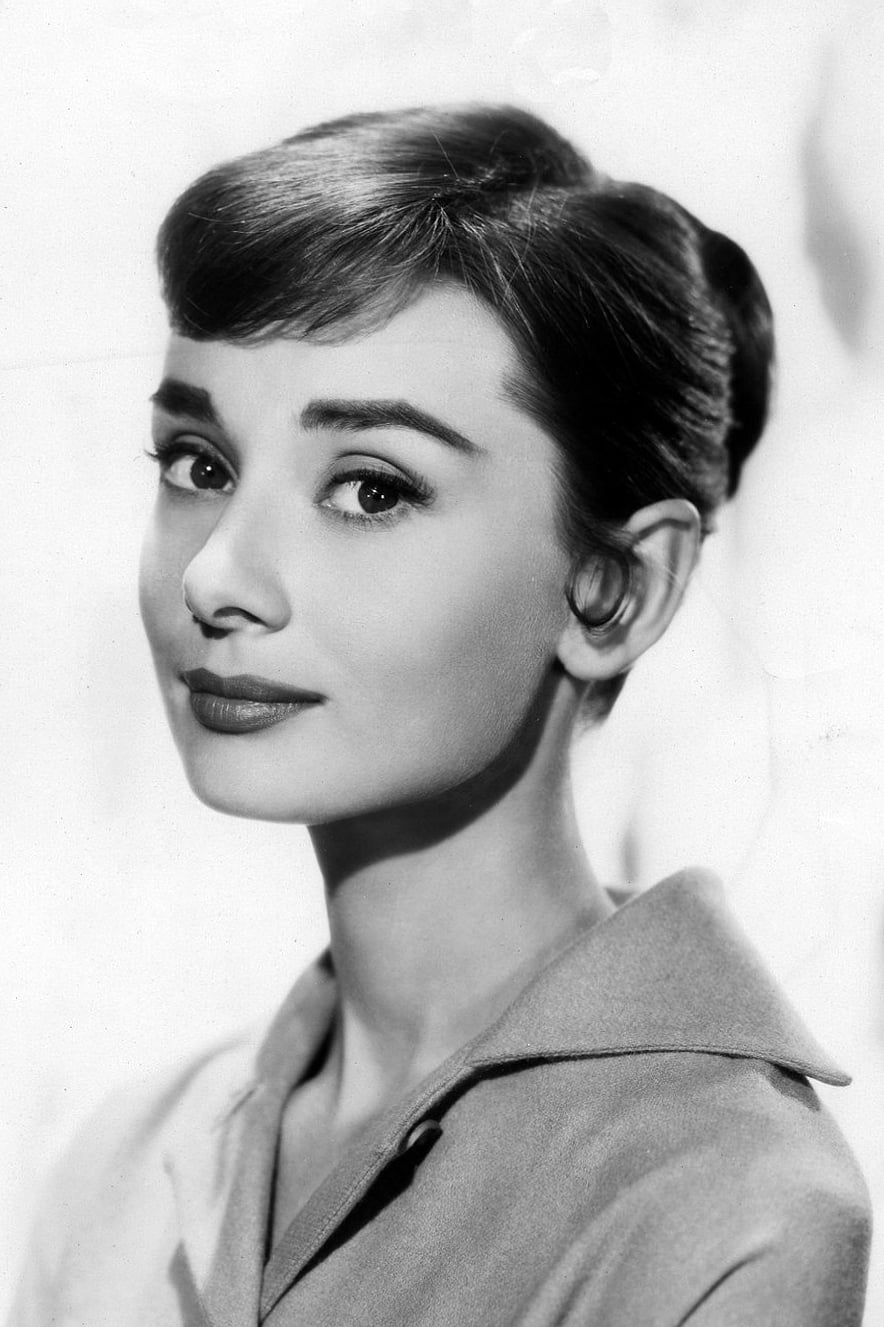
Audrey Hepburn defined a new era of elegance and sophistication in Hollywood during the 1950s and 1960s. Her performances in ‘Roman Holiday’ and ‘Breakfast at Tiffany’s’ showcased her charm and acting range. She became a fashion muse for Hubert de Givenchy and influenced style trends that persist today. Hepburn later devoted her life to humanitarian work as a Goodwill Ambassador for UNICEF. Her grace both on and off the screen made her an enduring cultural icon.
James Dean
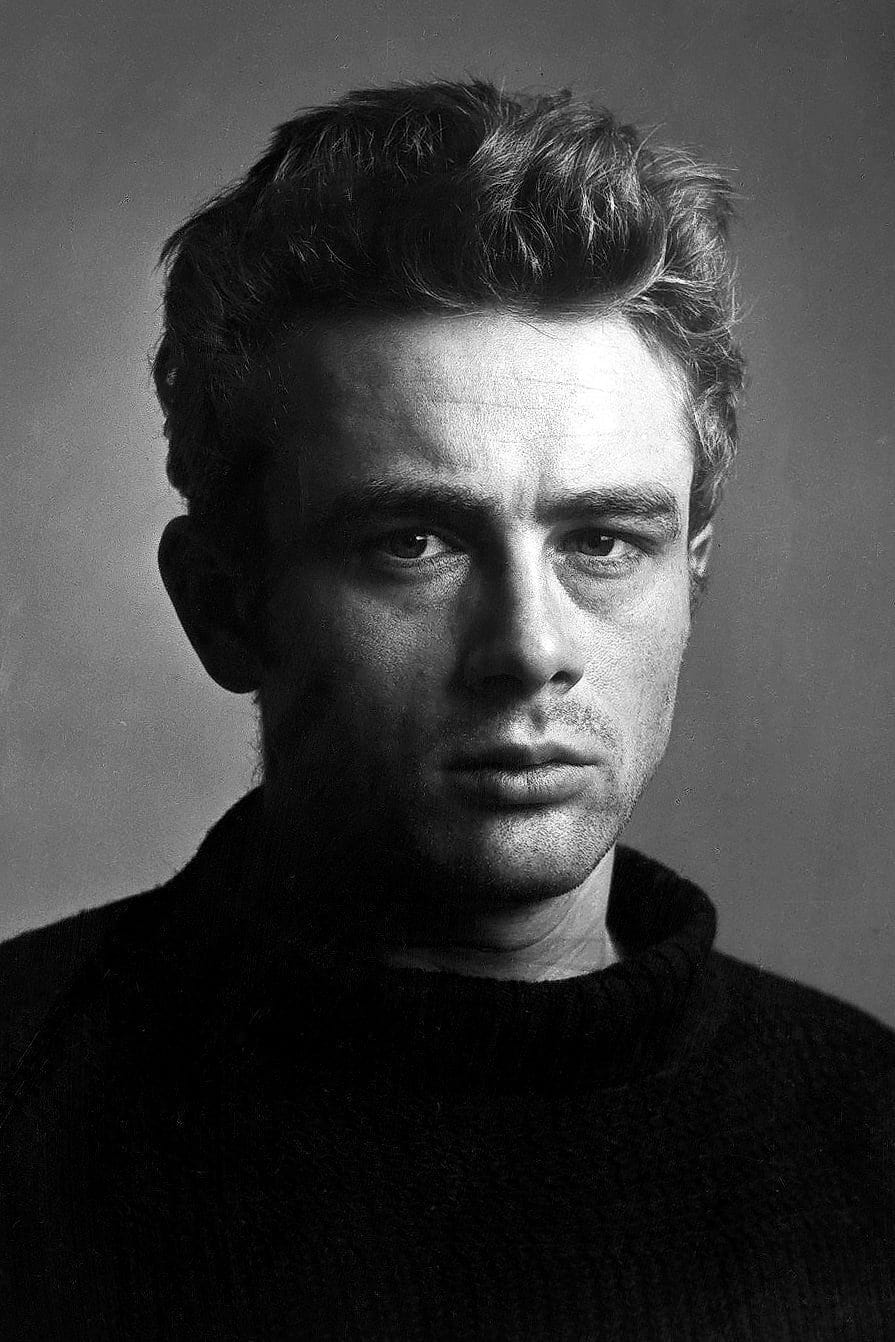
James Dean became the symbol of teenage disillusionment and social estrangement with his role in ‘Rebel Without a Cause’. He starred in only three major films before his death in a car accident at age 24. His method acting style brought a raw emotional intensity to the screen that influenced future generations of actors. Dean became the first actor to receive a posthumous Academy Award nomination for Best Actor. His image remains synonymous with cool rebellion and youthful angst.
Marlon Brando
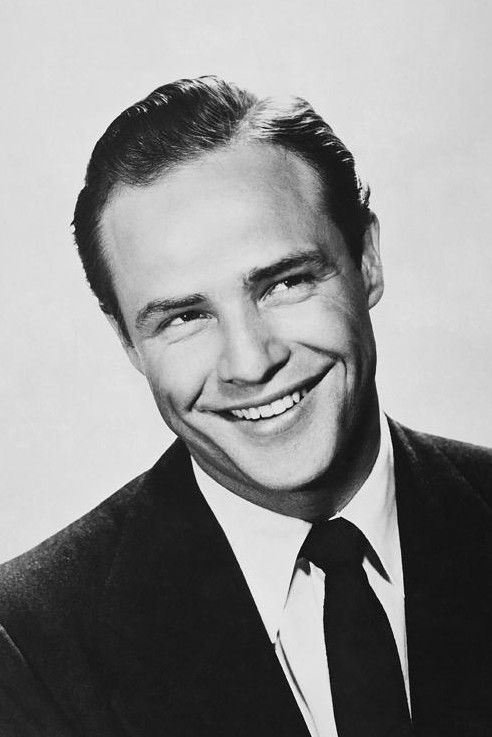
Marlon Brando revolutionized American acting by bringing the Stanislavski system and method acting to mainstream cinema. His raw performance in ‘A Streetcar Named Desire’ challenged the stylized acting prevalent in the 1950s. He later delivered an iconic performance as Vito Corleone in ‘The Godfather’. Brando used his platform to advocate for civil rights and Native American rights throughout his life. His naturalistic approach shifted the entire trajectory of film performance.
Elizabeth Taylor
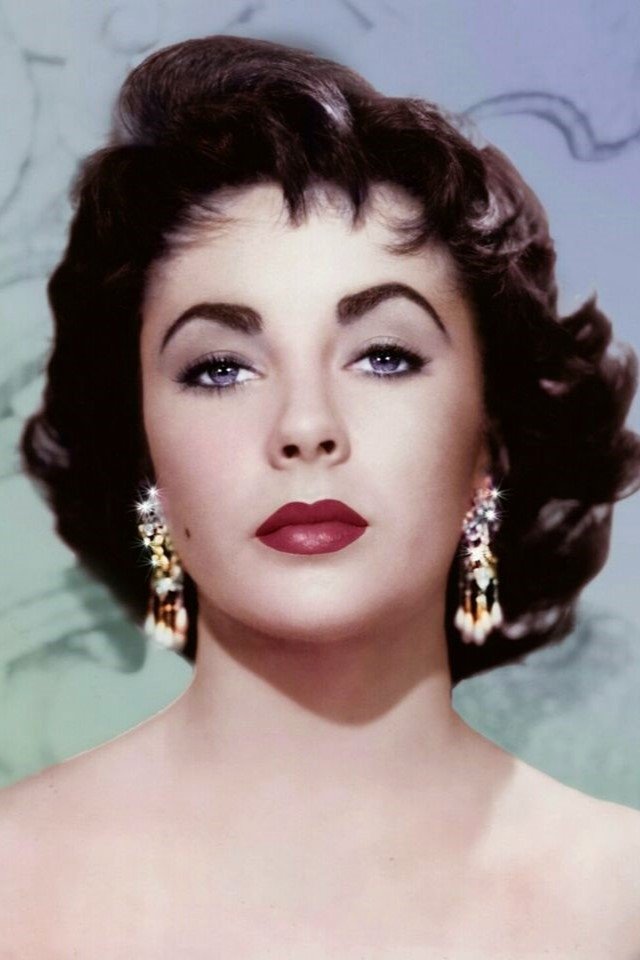
Elizabeth Taylor began her career as a child star and evolved into one of the most famous actresses of the 20th century. She delivered powerful performances in films such as ‘Who’s Afraid of Virginia Woolf?’ and ‘Cleopatra’. Her personal life and numerous marriages often attracted as much attention as her on-screen work. Taylor became a pioneer in HIV/AIDS activism and raised millions for research and awareness. Her legacy encompasses both her cinematic achievements and her philanthropic efforts.
Humphrey Bogart
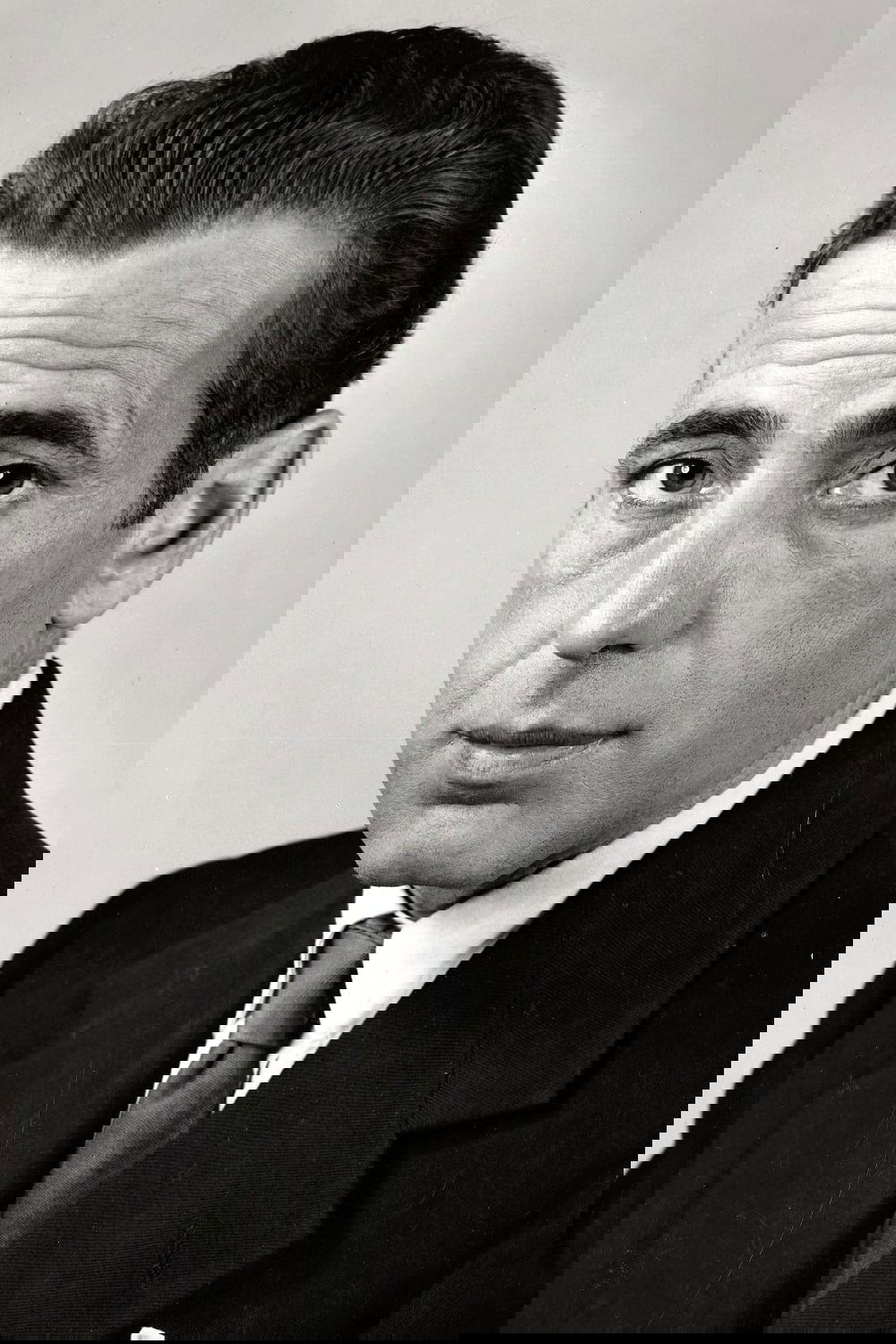
Humphrey Bogart defined the film noir genre with his portrayals of cynical yet noble anti-heroes. His roles in ‘Casablanca’ and ‘The Maltese Falcon’ created the archetype of the hard-boiled detective and world-weary expatriate. He commanded the screen with a distinct voice and understated acting style. Bogart was named the greatest male star of classic American cinema by the American Film Institute. His trench coat and fedora look remains the standard visual for the noir aesthetic.
Lucille Ball
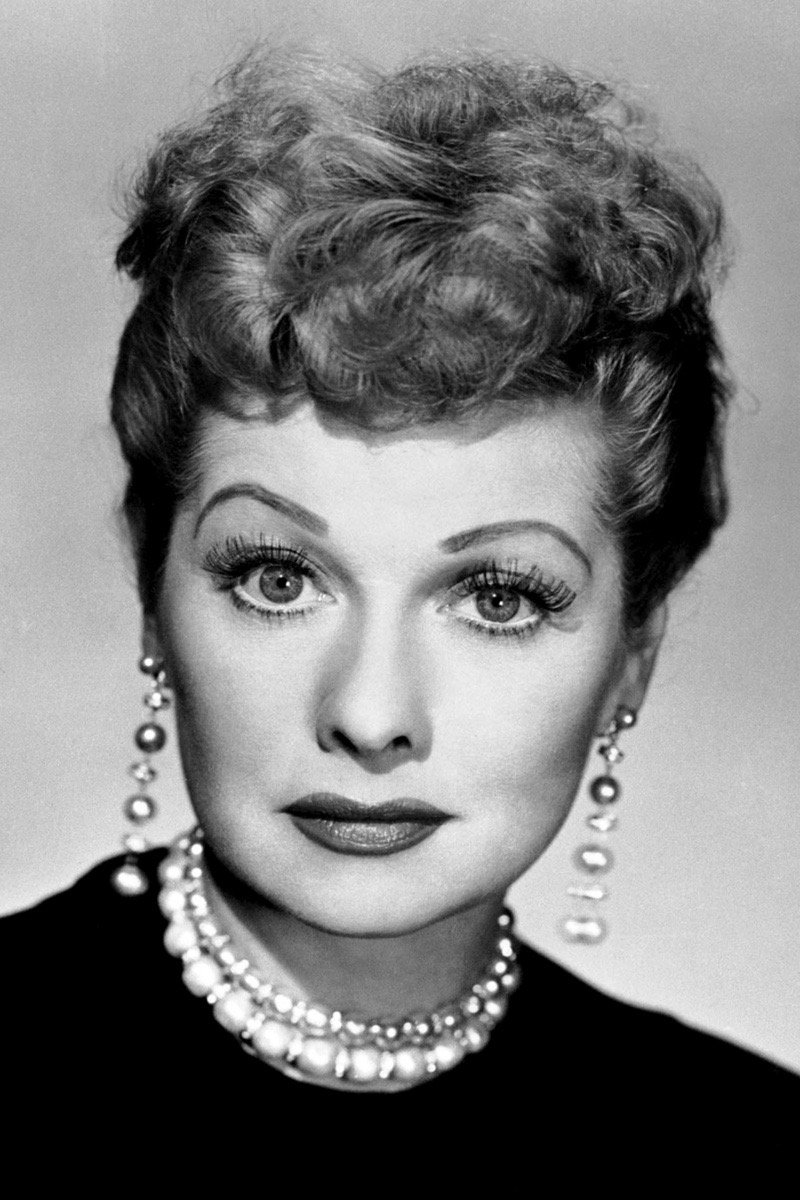
Lucille Ball broke ground for women in comedy and became the first woman to run a major television studio. Her sitcom ‘I Love Lucy’ set the standard for the multi-camera format and remains a beloved classic. She mastered physical comedy and created one of the most memorable characters in television history. Ball pioneered production techniques such as filming before a live audience with three cameras. Her business acumen and comedic genius paved the way for future female entertainers.
Judy Garland
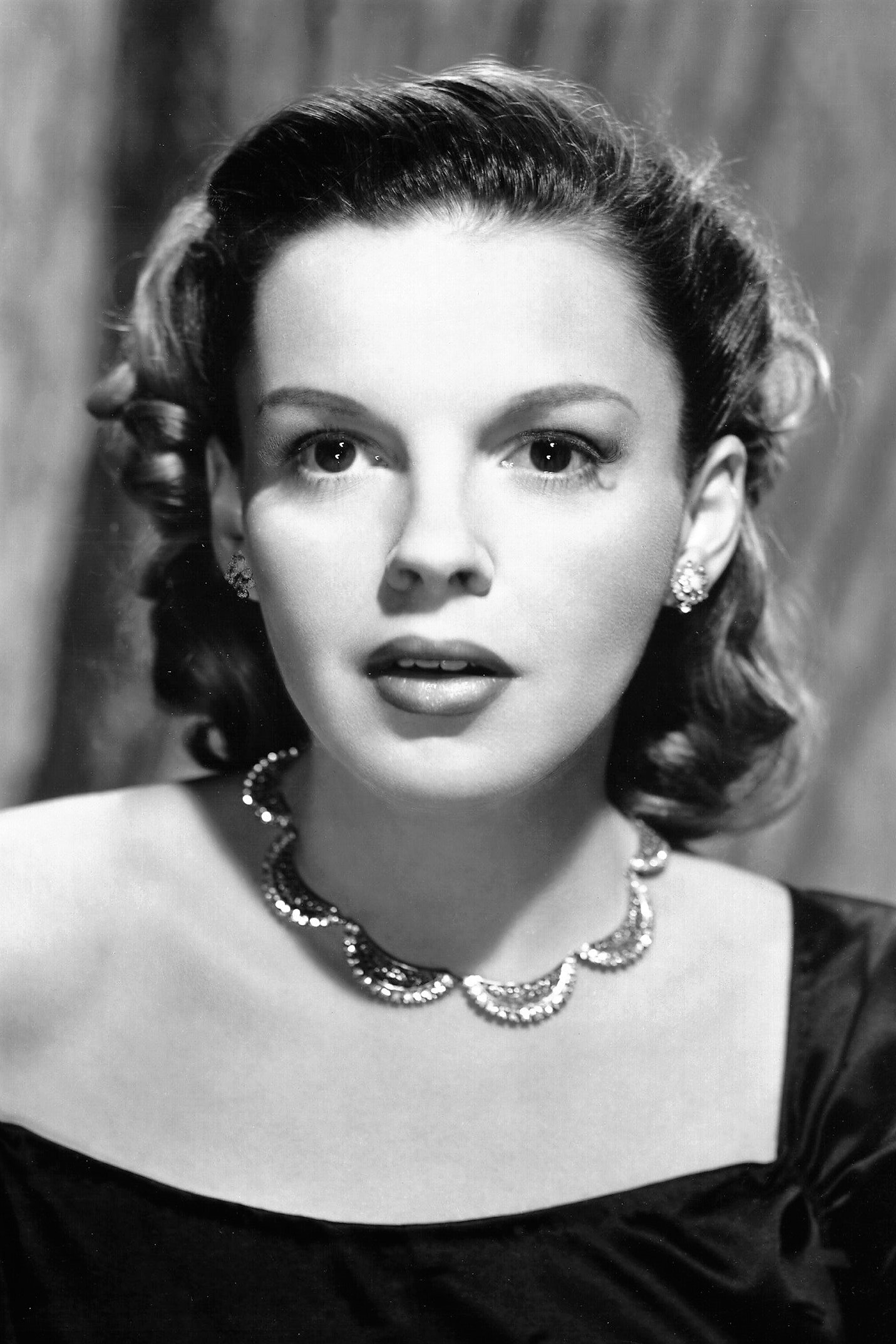
Judy Garland captivated audiences with her deep contralto voice and emotional vulnerability. She is best known for her role as Dorothy Gale in ‘The Wizard of Oz’ where she sang the timeless ‘Over the Rainbow’. Her career spanned vaudeville, film, and concert stages despite personal struggles. Garland became a gay icon and a symbol of resilience in the entertainment industry. Her live album ‘Judy at Carnegie Hall’ is considered one of the greatest live recordings ever made.
Frank Sinatra
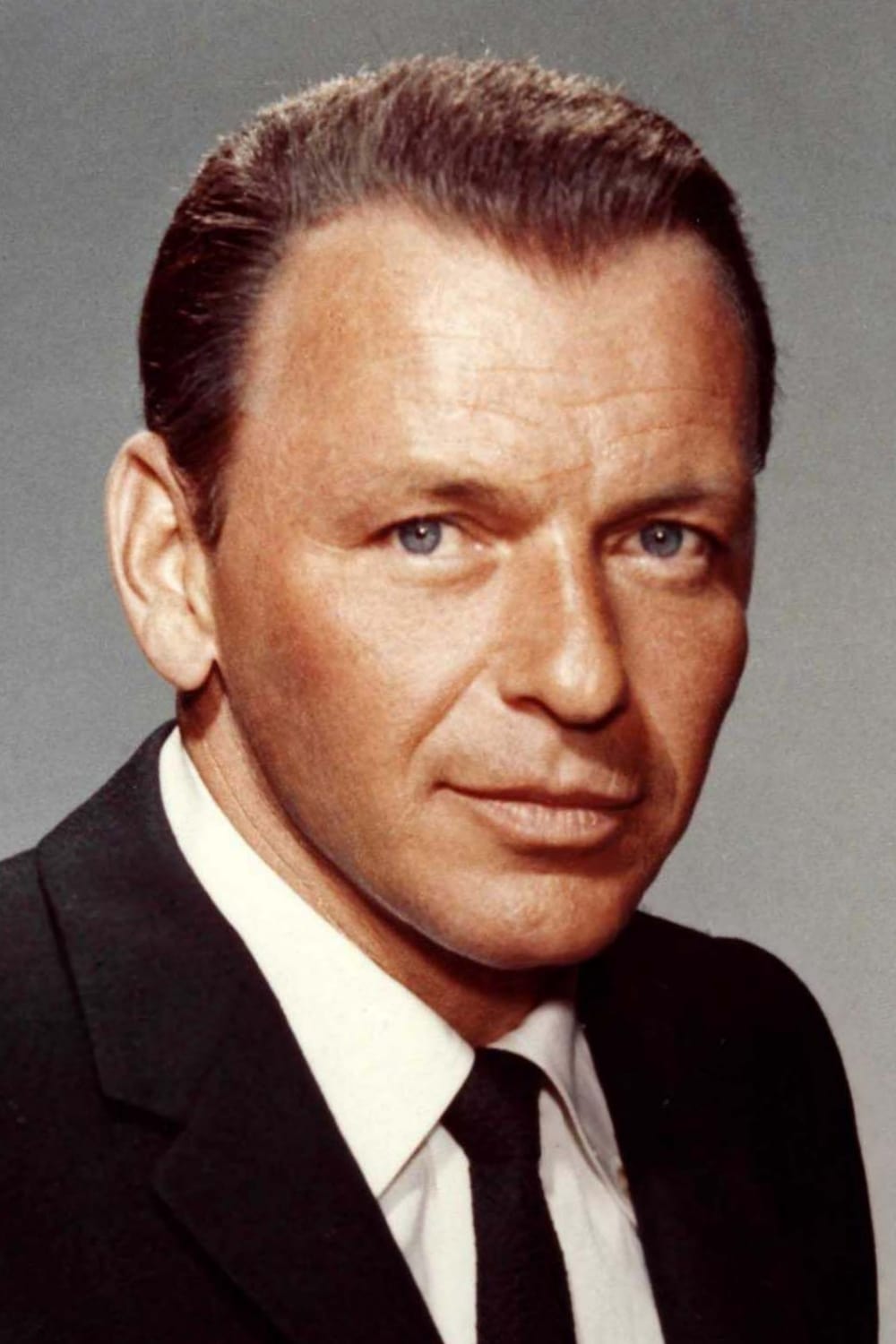
Frank Sinatra defined the role of the pop vocalist and became one of the best-selling music artists of all time. He transitioned from a teen idol in the 1940s to a sophisticated crooner in the 1950s. Sinatra won an Academy Award for his dramatic turn in ‘From Here to Eternity’. He led the Rat Pack and became synonymous with the glitz and glamour of Las Vegas. His phrasing and vocal control influenced countless singers across multiple genres.
John Lennon
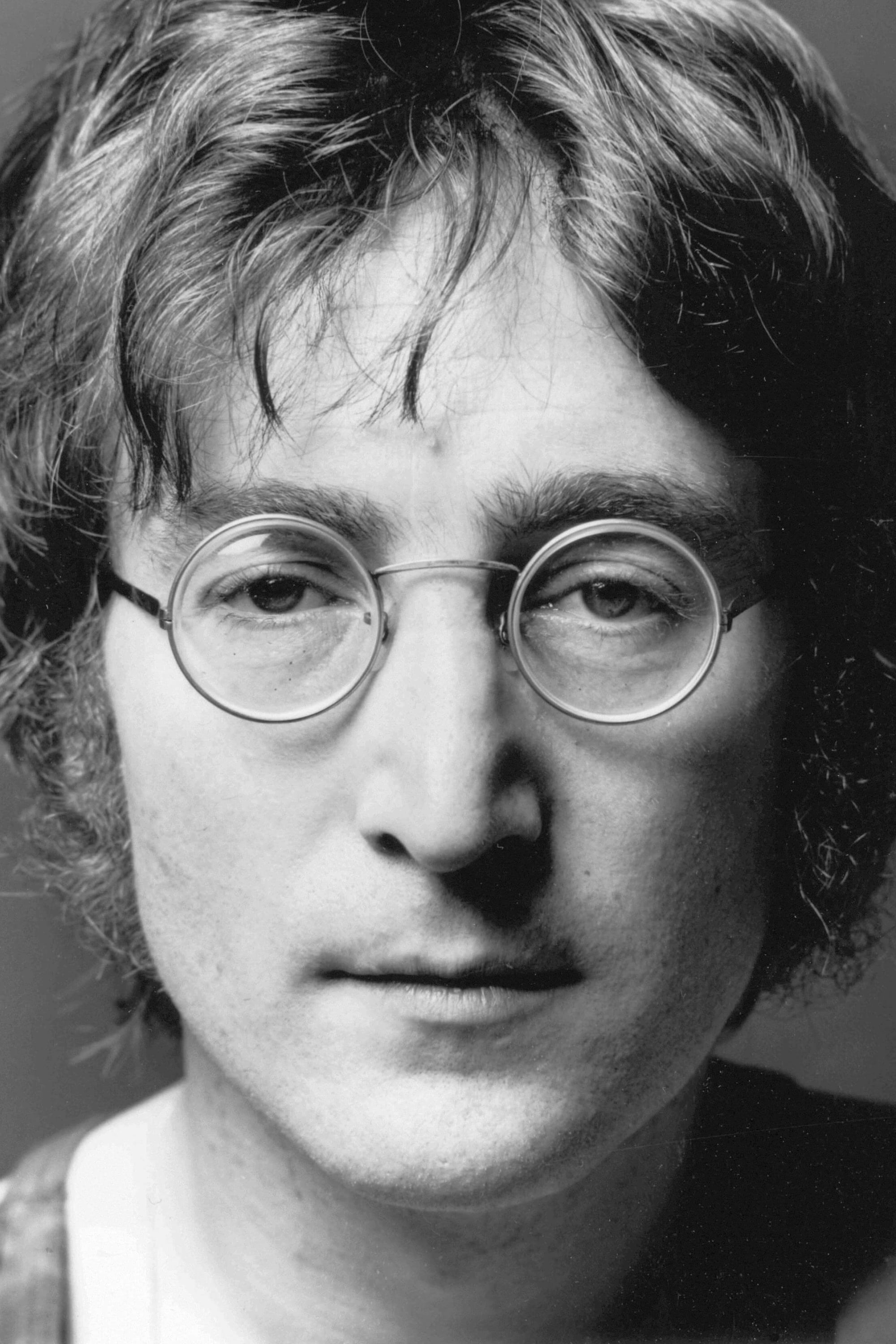
John Lennon co-founded The Beatles and formed one of the most successful songwriting partnerships in history with Paul McCartney. His work helped lead the British Invasion and brought rock music to the forefront of global culture. Lennon later became a prominent peace activist and released the anthem ‘Imagine’. His experimental approach to music and art pushed the boundaries of what pop stars could achieve. His assassination in 1980 marked a tragic end to a transformative era.
Aretha Franklin
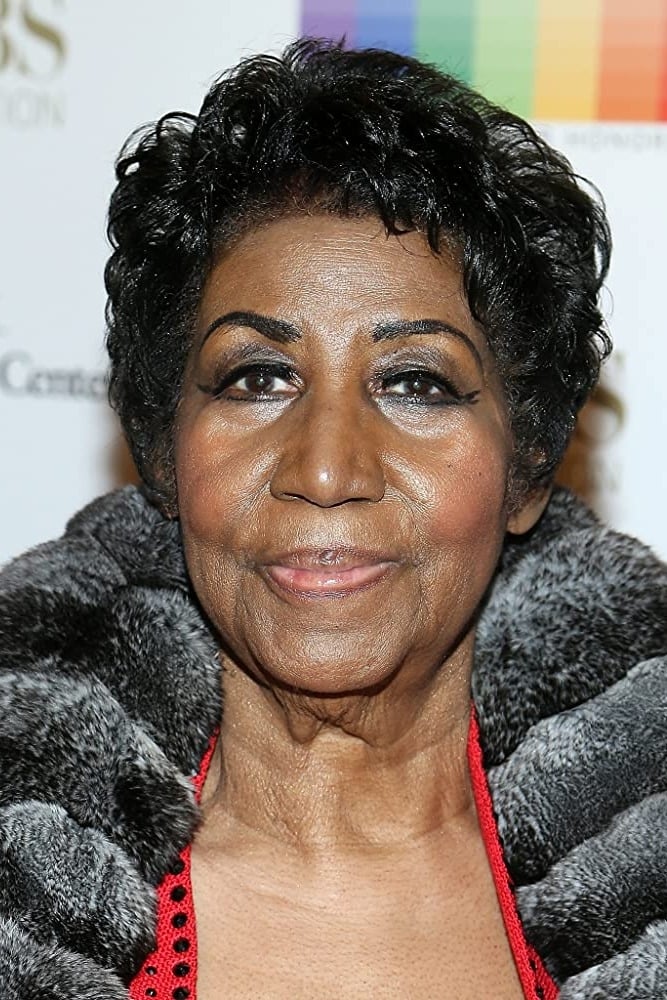
Aretha Franklin earned the title Queen of Soul with her powerful vocals and impassioned delivery. Her hits like ‘Respect’ became anthems for both the civil rights and feminist movements. She became the first woman inducted into the Rock and Roll Hall of Fame. Franklin fused gospel roots with secular music to create a sound that defined American soul. Her influence extends to every vocalist who strives for emotional depth and technical mastery.
Kurt Cobain
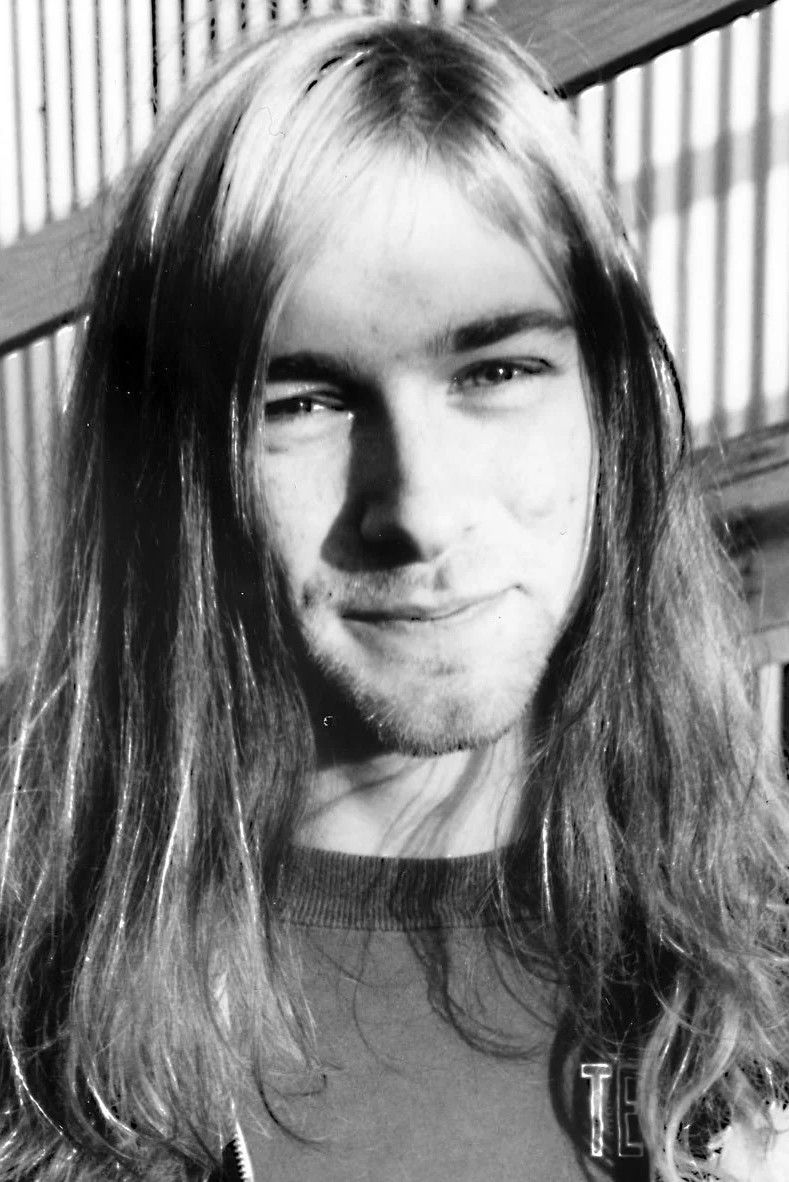
Kurt Cobain became the reluctant voice of Generation X as the lead singer and songwriter of Nirvana. His band’s single ‘Smells Like Teen Spirit’ brought grunge music and alternative rock into the mainstream. Cobain wrote lyrics that addressed themes of alienation and social frustration. His ragged fashion style and anti-establishment attitude shifted the cultural aesthetic of the early 1990s. His suicide at age 27 solidified his status as a tragic icon of rock history.
Tupac Shakur
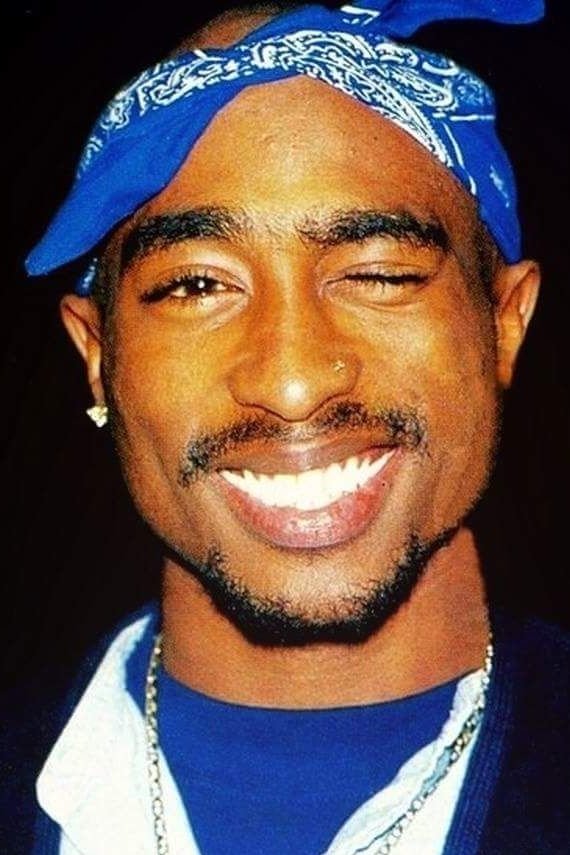
Tupac Shakur acted as a central figure in West Coast hip hop and became one of the best-selling rappers of all time. His lyrics addressed contemporary social issues and the struggles of inner-city life. Shakur also garnered acclaim for his acting roles in films like ‘Juice’ and ‘Poetic Justice’. He engaged in a highly publicized rivalry that came to define the coastal hip hop feud of the 1990s. His work continues to influence activism and artistry within the hip hop community.
The Notorious B.I.G.
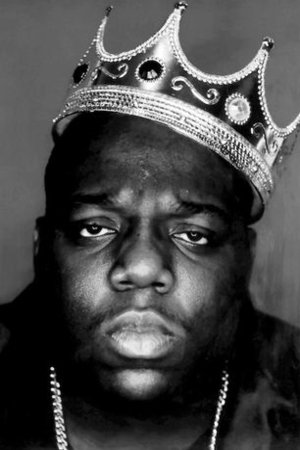
Christopher Wallace, known as The Notorious B.I.G., redefined East Coast hip hop with his storytelling ability and effortless flow. His debut album ‘Ready to Die’ is frequently cited as one of the greatest rap albums ever made. He played a pivotal role in revitalizing the New York rap scene during the mid-1990s. His narrative lyrics painted vivid pictures of life in Brooklyn and the pursuit of success. His murder shortly after Tupac Shakur’s marked the end of a golden era in hip hop.
Heath Ledger
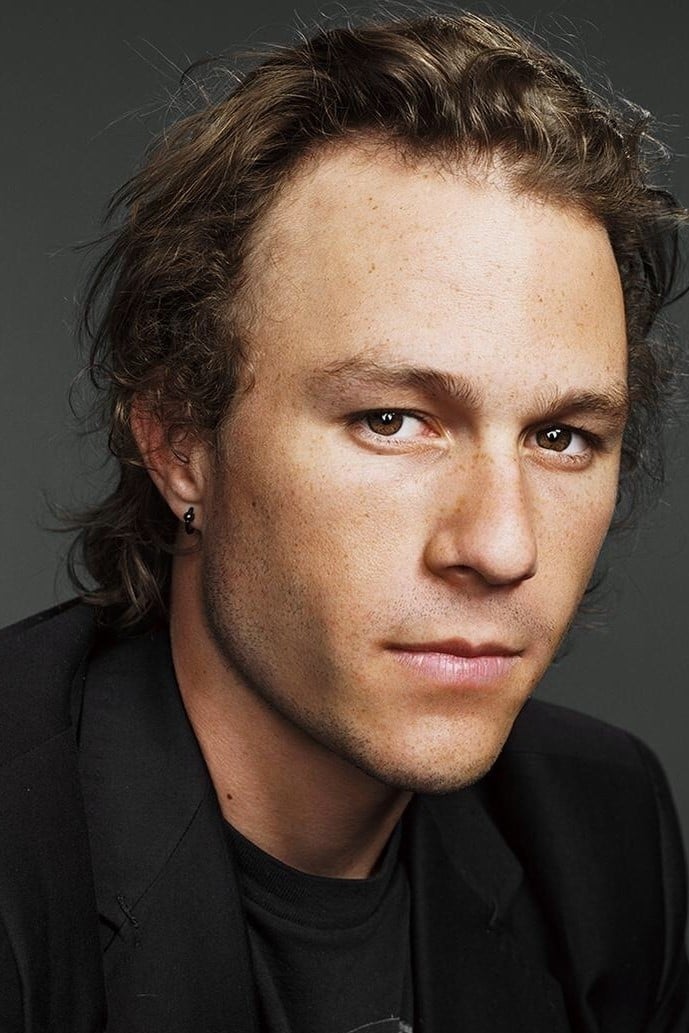
Heath Ledger delivered a transformative performance as the Joker in ‘The Dark Knight’ that set a new benchmark for villainous roles. He immersed himself completely in his characters and refused to be typecast throughout his career. His work in ‘Brokeback Mountain’ earned him critical acclaim for its sensitive portrayal of repressed love. Ledger won a posthumous Academy Award for Best Supporting Actor for his role in the Batman franchise. His dedication to his craft inspired a new generation of character actors.
Alan Rickman
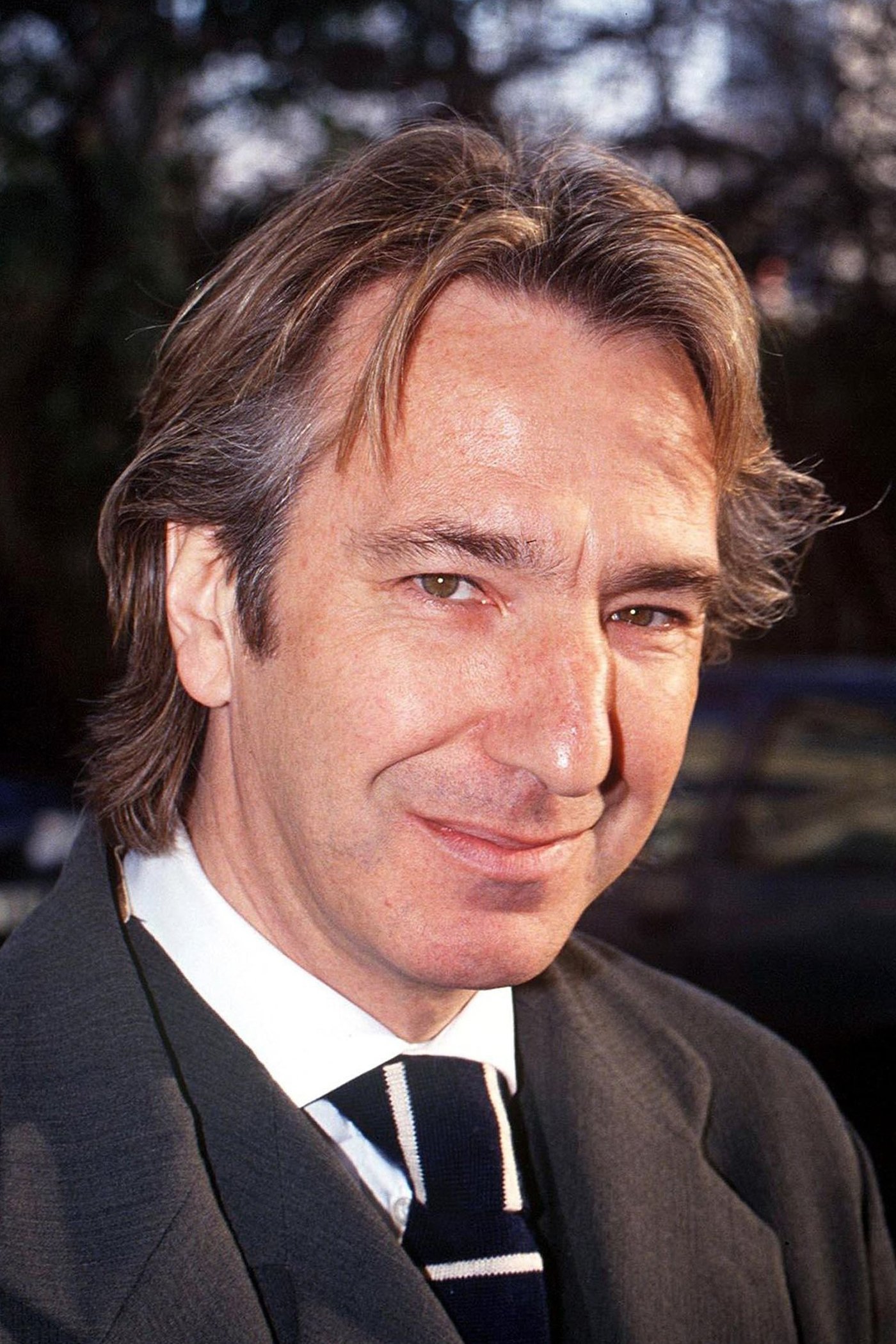
Alan Rickman was a classically trained actor who brought gravitas and wit to both stage and screen. He gained international fame as the villain Hans Gruber in ‘Die Hard’ and Severus Snape in the ‘Harry Potter’ series. His distinctive voice and slow delivery made him instantly recognizable in any role. Rickman moved seamlessly between villainous characters and romantic leads in films like ‘Sense and Sensibility’. He remains one of the most admired British actors of his generation.
Chadwick Boseman
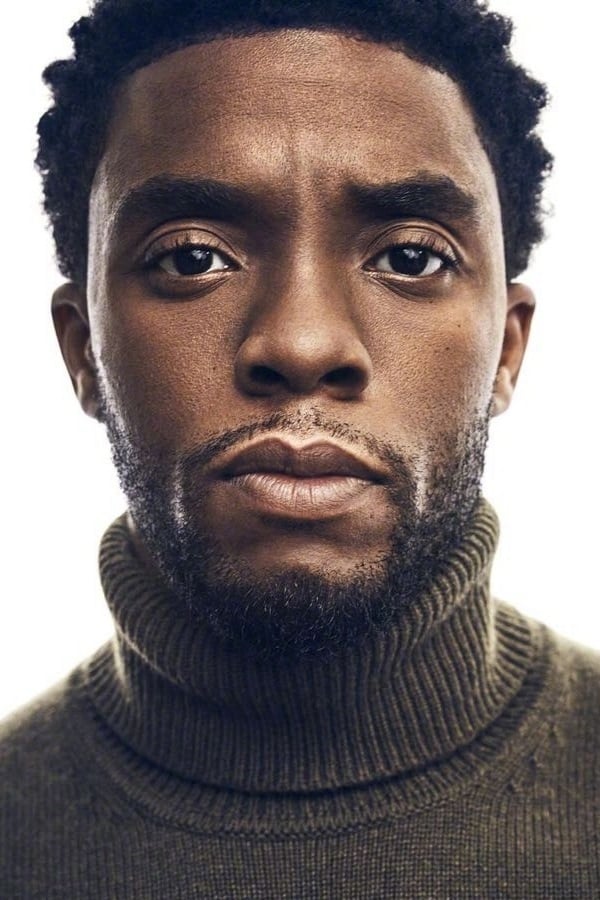
Chadwick Boseman brought dignity and strength to his portrayals of historical figures like Jackie Robinson and James Brown. He achieved global superstardom as T’Challa in the Marvel film ‘Black Panther’. His work proved that a superhero film with a predominantly Black cast could achieve massive box office success. Boseman filmed several of his final projects while privately battling colon cancer. His legacy represents resilience and a commitment to telling meaningful stories.
Carrie Fisher
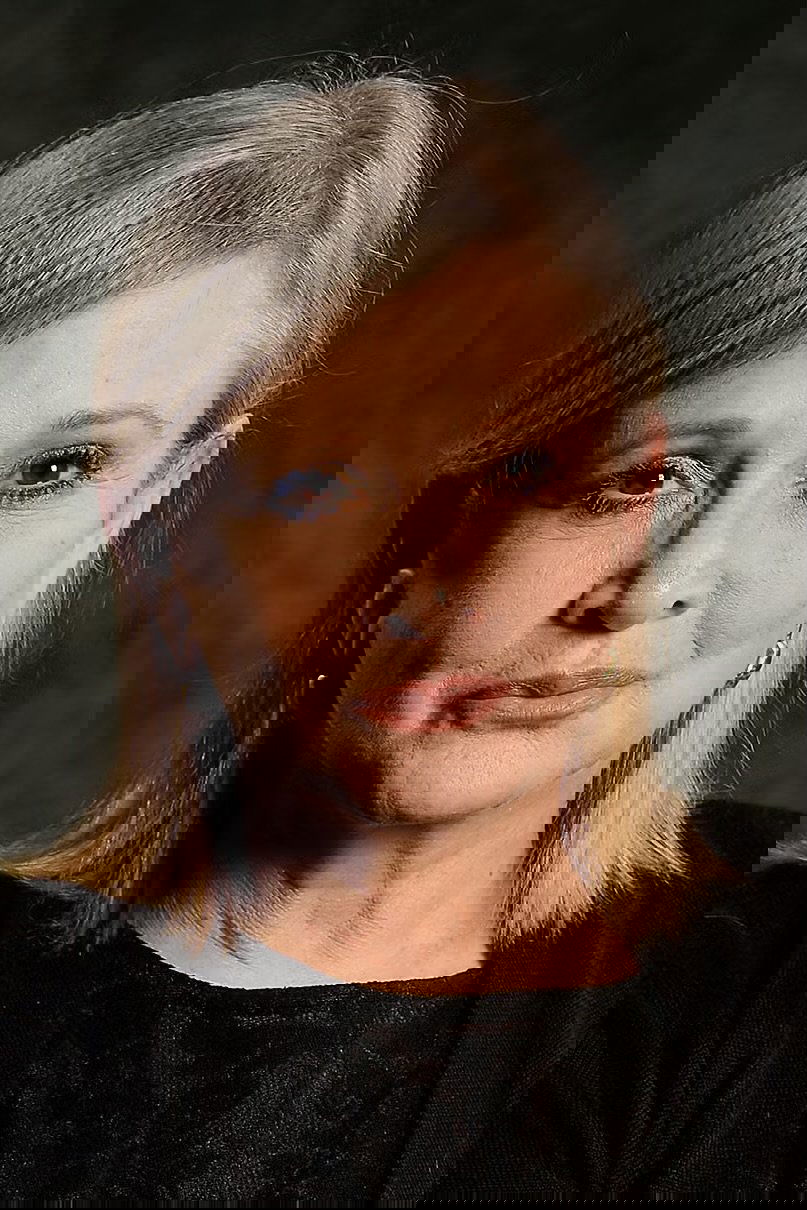
Carrie Fisher became a cultural phenomenon with her portrayal of Princess Leia in the ‘Star Wars’ saga. She challenged the damsel in distress trope by playing a capable and witty rebel leader. Fisher later became a celebrated author and script doctor who improved countless Hollywood screenplays. She spoke openly about her struggles with mental health and addiction. Her wit and honesty endeared her to fans long after her initial rise to fame.
Stan Lee
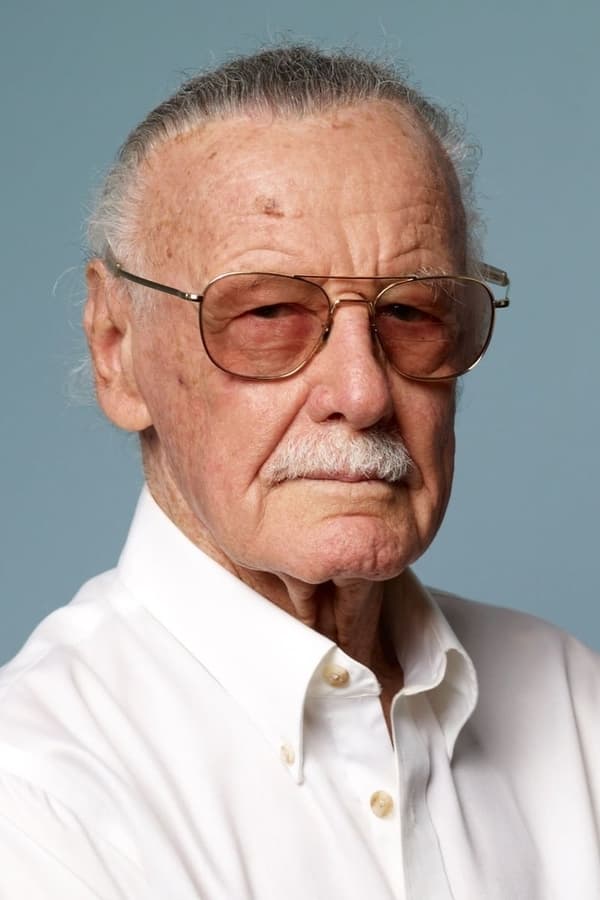
Stan Lee co-created many of the most popular characters in comic book history including Spider-Man and the X-Men. He revolutionized comics by introducing flawed heroes with relatable personal problems. His work at Marvel Comics laid the foundation for the massive multimedia franchise that dominates entertainment today. Lee made frequent cameo appearances in films based on his characters until his death. His imagination built a universe that continues to expand across all media.
George Michael
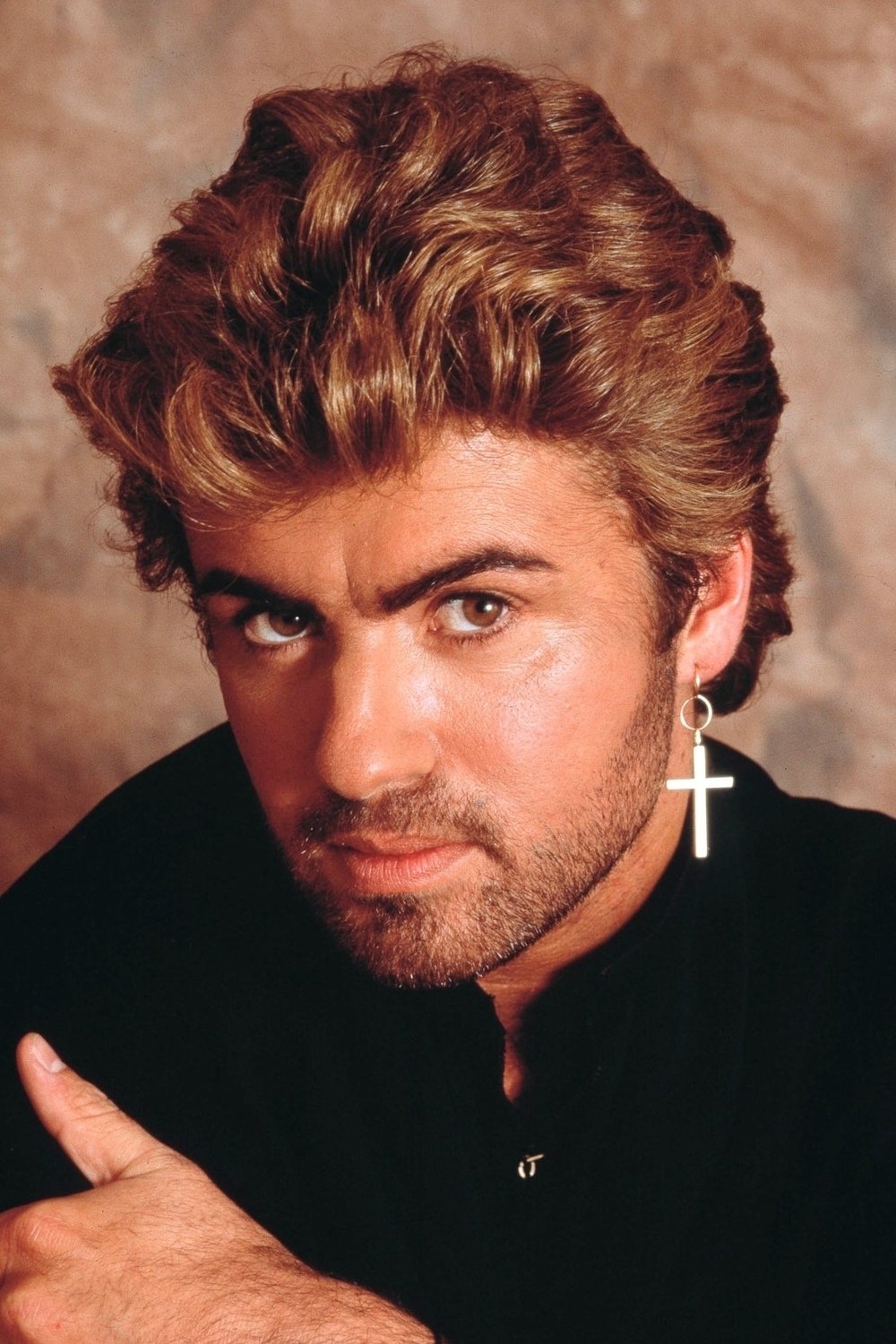
George Michael rose to fame as a member of the duo Wham! before establishing a massive solo career. He became one of the leading pop icons of the MTV era with hits like ‘Faith’ and ‘Careless Whisper’. His music videos helped push the boundaries of sexual expression in mainstream pop. Michael was also a quiet but generous philanthropist who supported numerous charities. His soulful voice and songwriting talent defined the sound of 1980s and 1990s pop.
Amy Winehouse
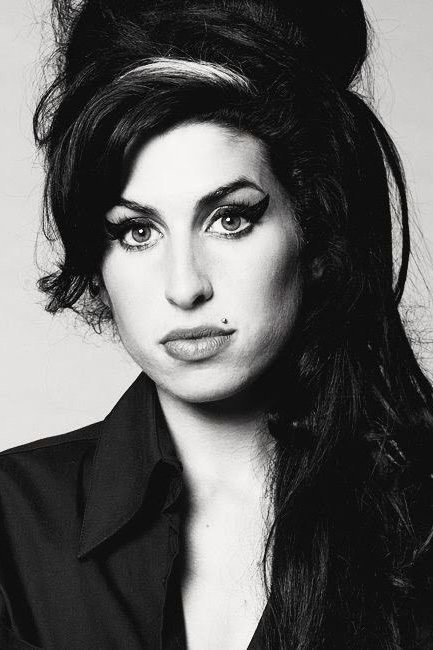
Amy Winehouse revitalized British soul music with her deep vocals and eclectic mix of musical genres. Her album ‘Back to Black’ won five Grammy Awards and achieved international success. She brought a raw honesty to her lyrics that chronicled her personal relationships and struggles. Winehouse’s beehive hairstyle and winged eyeliner became iconic fashion statements. Her tragic passing joined her with other music legends who died at age 27.
Sean Connery
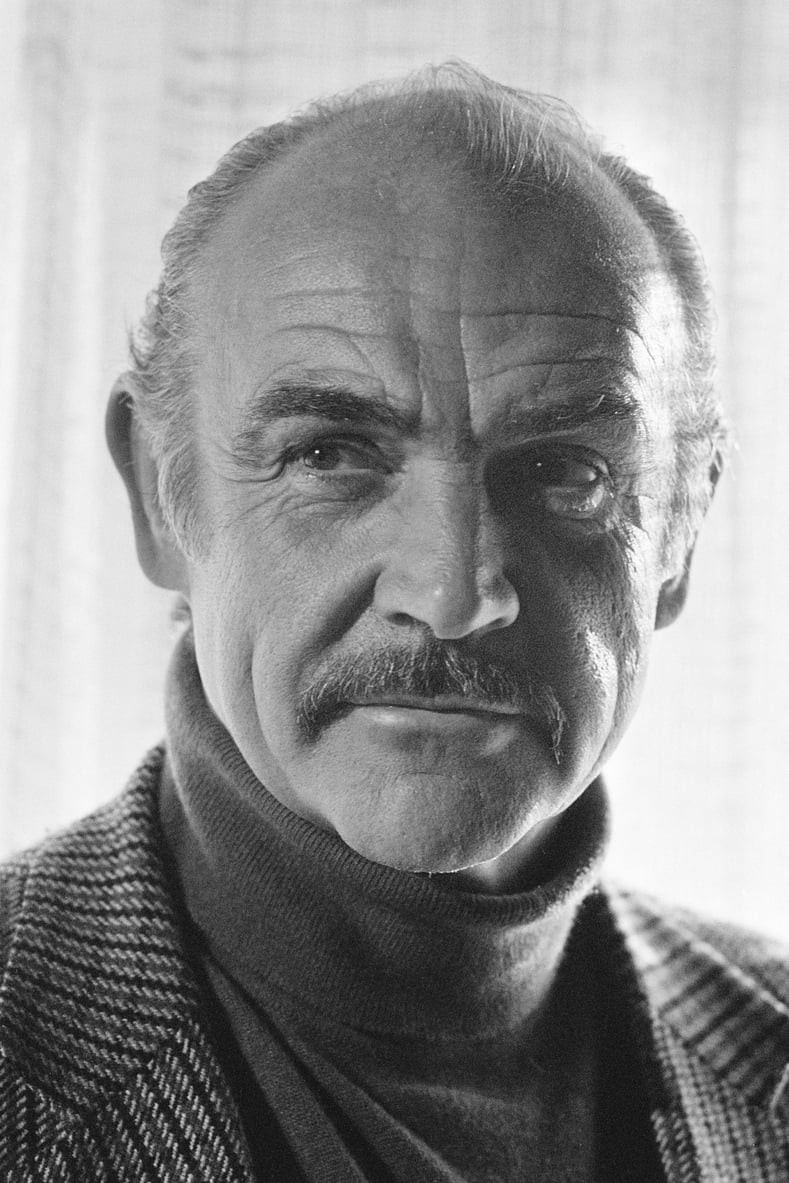
Sean Connery was the first actor to portray James Bond on the big screen and established the character’s cinematic legacy. He brought a rough-edged charm and charisma to the role that defined the spy genre for decades. Connery later won an Academy Award for his role in ‘The Untouchables’. He maintained a successful career well into his senior years with hits like ‘The Hunt for Red October’. His portrayal of Bond remains the standard against which all successors are measured.
Betty White
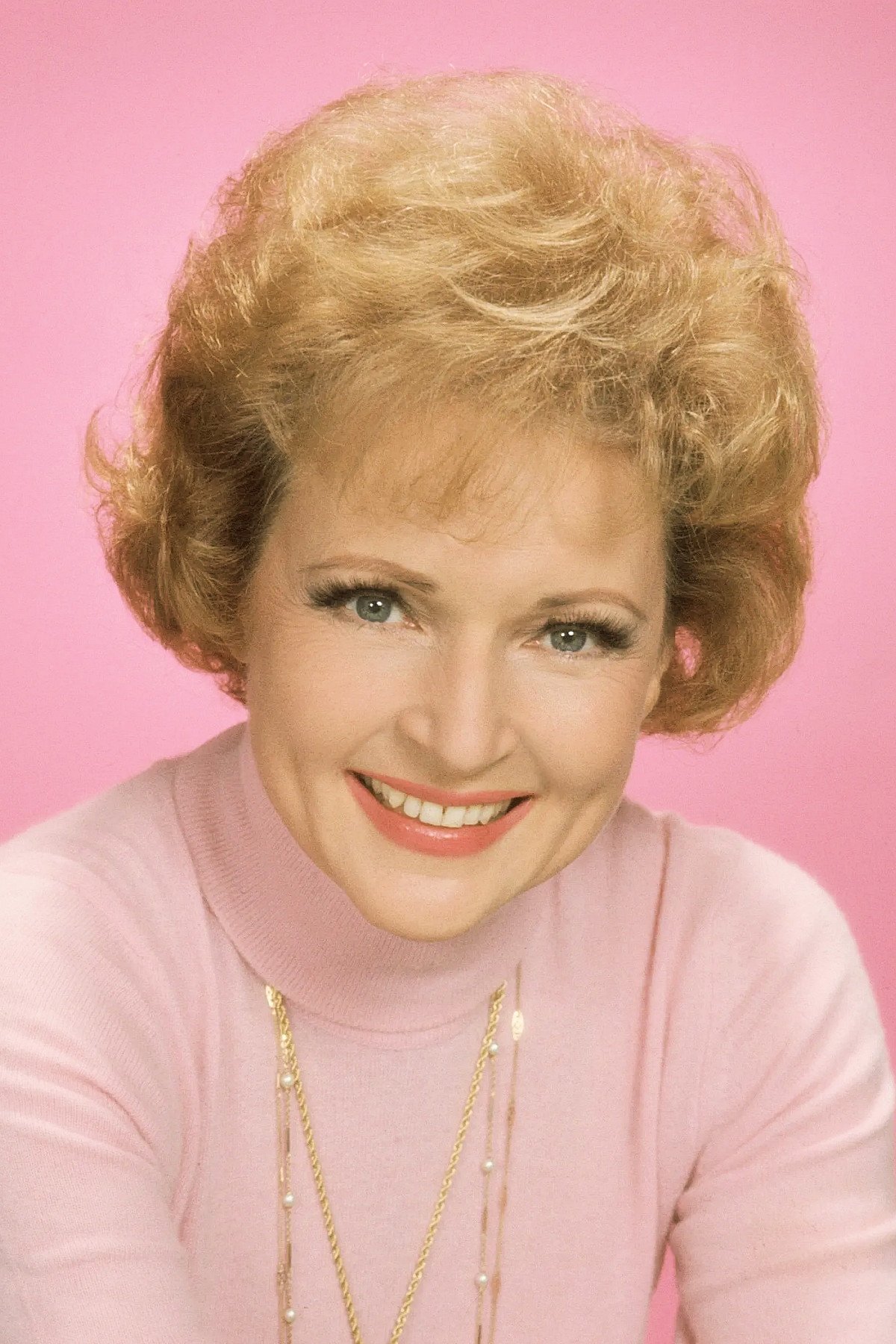
Betty White enjoyed a television career that spanned over seven decades and earned her the title of First Lady of Television. She starred in classic sitcoms such as ‘The Golden Girls’ and ‘The Mary Tyler Moore Show’. Her comedic timing and willingness to poke fun at herself kept her relevant to audiences of all ages. White was also a passionate advocate for animal welfare throughout her life. She remained a working actress and beloved cultural figure until her death at age 99.
Sidney Poitier
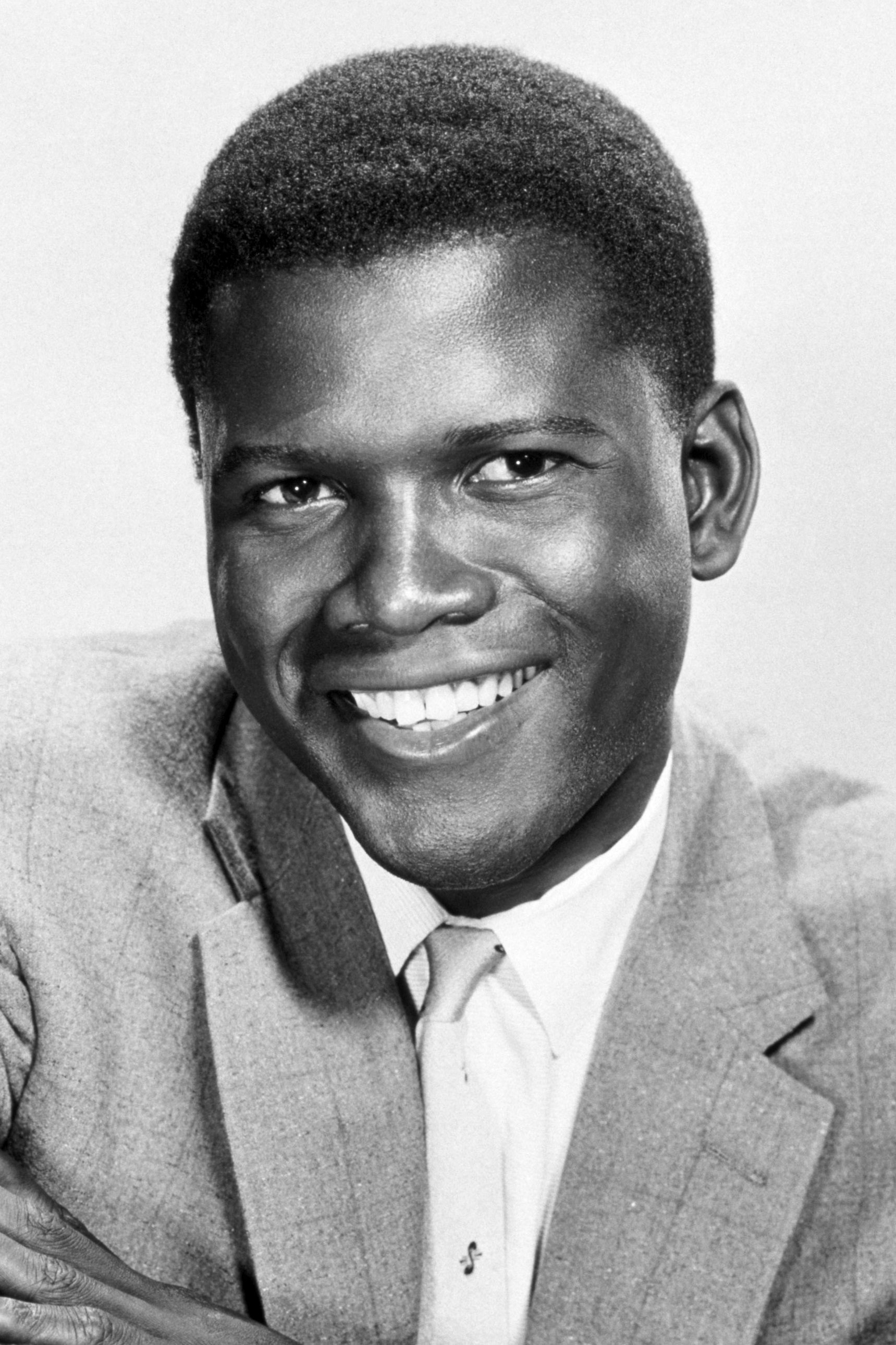
Sidney Poitier was the first Black actor to win the Academy Award for Best Actor for ‘Lilies of the Field’. He starred in three groundbreaking films in 1967 that addressed race relations in America. His dignified screen presence challenged racial stereotypes and opened doors for minority actors. Poitier later directed several successful films and served as a diplomat. His contributions to cinema were instrumental in changing social attitudes during the Civil Rights Movement.
Gene Wilder
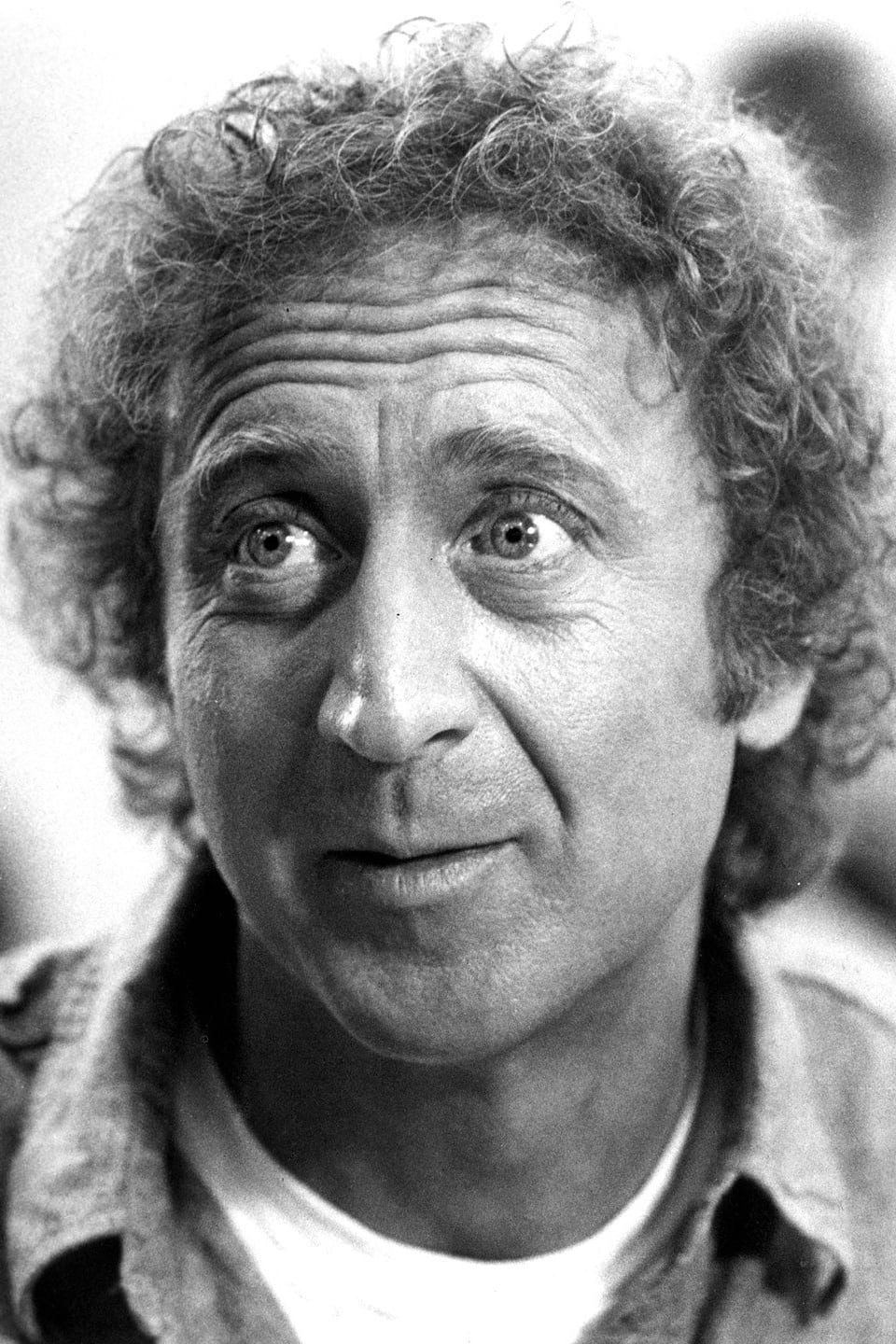
Gene Wilder was a comedic genius known for his neurotic characters and collaborations with Mel Brooks. He portrayed the titular character in ‘Willy Wonka & the Chocolate Factory’ with a mix of whimsy and menace. His partnership with Richard Pryor produced some of the most popular comedies of the 1970s and 1980s. Wilder also wrote and directed several of his own films. His ability to switch between hysteria and tenderness made his performances unforgettable.
Patrick Swayze
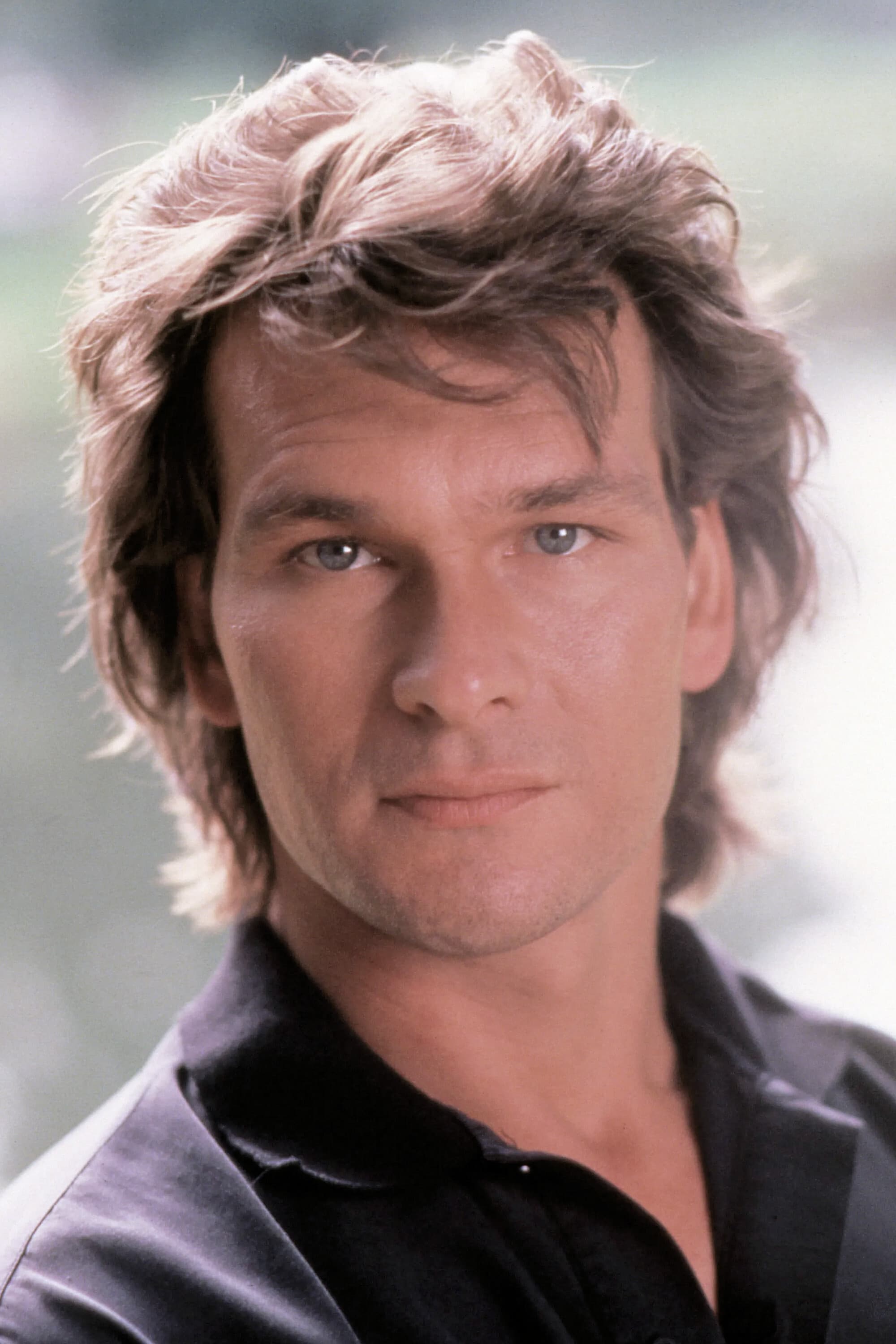
Patrick Swayze became a premier Hollywood heartthrob and action star during the 1980s and 1990s. He showcased his dance training in the massive hit ‘Dirty Dancing’ and his dramatic range in ‘Ghost’. Swayze also starred in the cult action classic ‘Road House’ and the bank heist thriller ‘Point Break’. He was named the Sexiest Man Alive by People magazine in 1991. His work blended physical athleticism with genuine emotional warmth.
Paul Walker
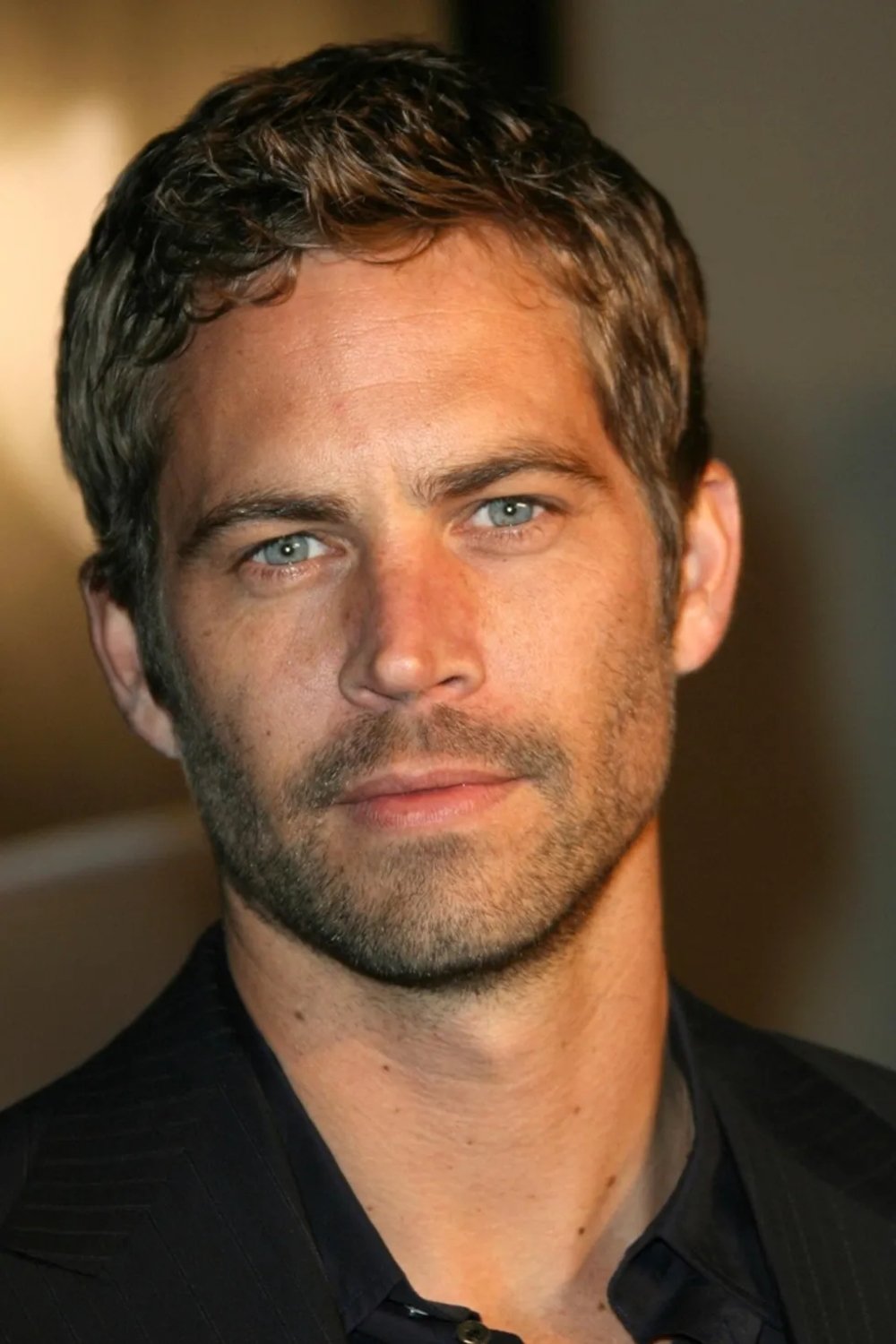
Paul Walker gained international fame as Brian O’Conner in the ‘Fast & Furious’ franchise. His love for cars and racing mirrored his on-screen persona and endeared him to automotive enthusiasts. He founded the charity Reach Out Worldwide to provide disaster relief to affected areas. Walker appeared in other successful films such as ‘Eight Below’ and ‘Varsity Blues’. His death in a car accident stunned fans and castmates alike.
Olivia Newton-John

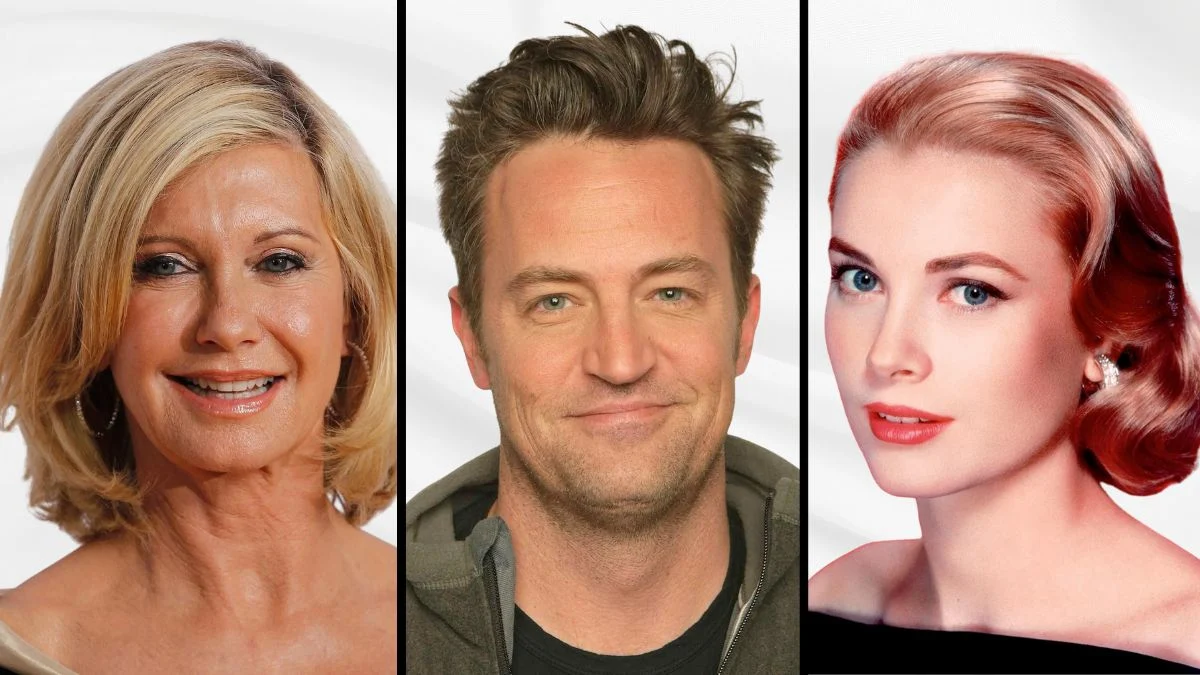
Olivia Newton-John dominated the pop charts and the box office during the 1970s and 1980s. Her role as Sandy in the musical film ‘Grease’ produced some of the best-selling duets in history. She successfully transitioned from country-pop to a more rock-oriented sound with her hit ‘Physical’. Newton-John became a prominent advocate for breast cancer research and wellness. Her wholesome image and vocal clarity made her a global superstar.
Christopher Reeve
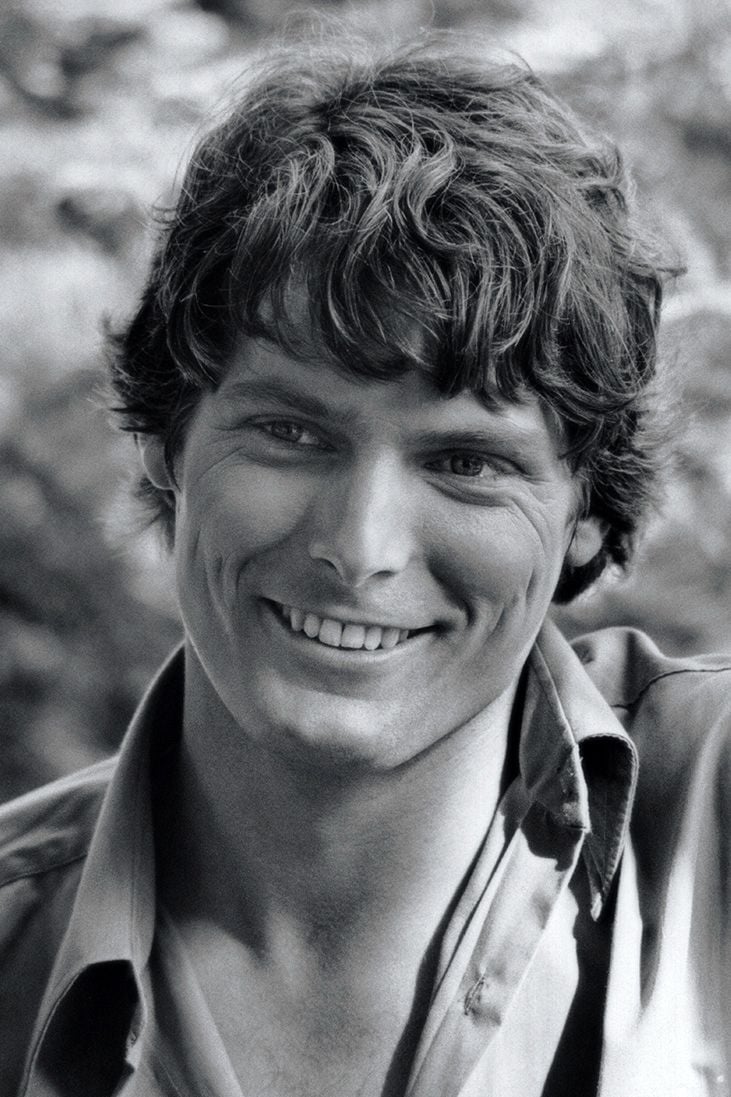
Christopher Reeve set the gold standard for superhero performances with his dual role in ‘Superman’ and its sequels. He captured both the bumbling nature of Clark Kent and the majestic presence of the Man of Steel. After a horse-riding accident left him paralyzed, he became a leading activist for spinal cord injury research. Reeve continued to direct and act in projects despite his physical limitations. His resilience and advocacy work redefined what it meant to be a hero.
Bruce Lee
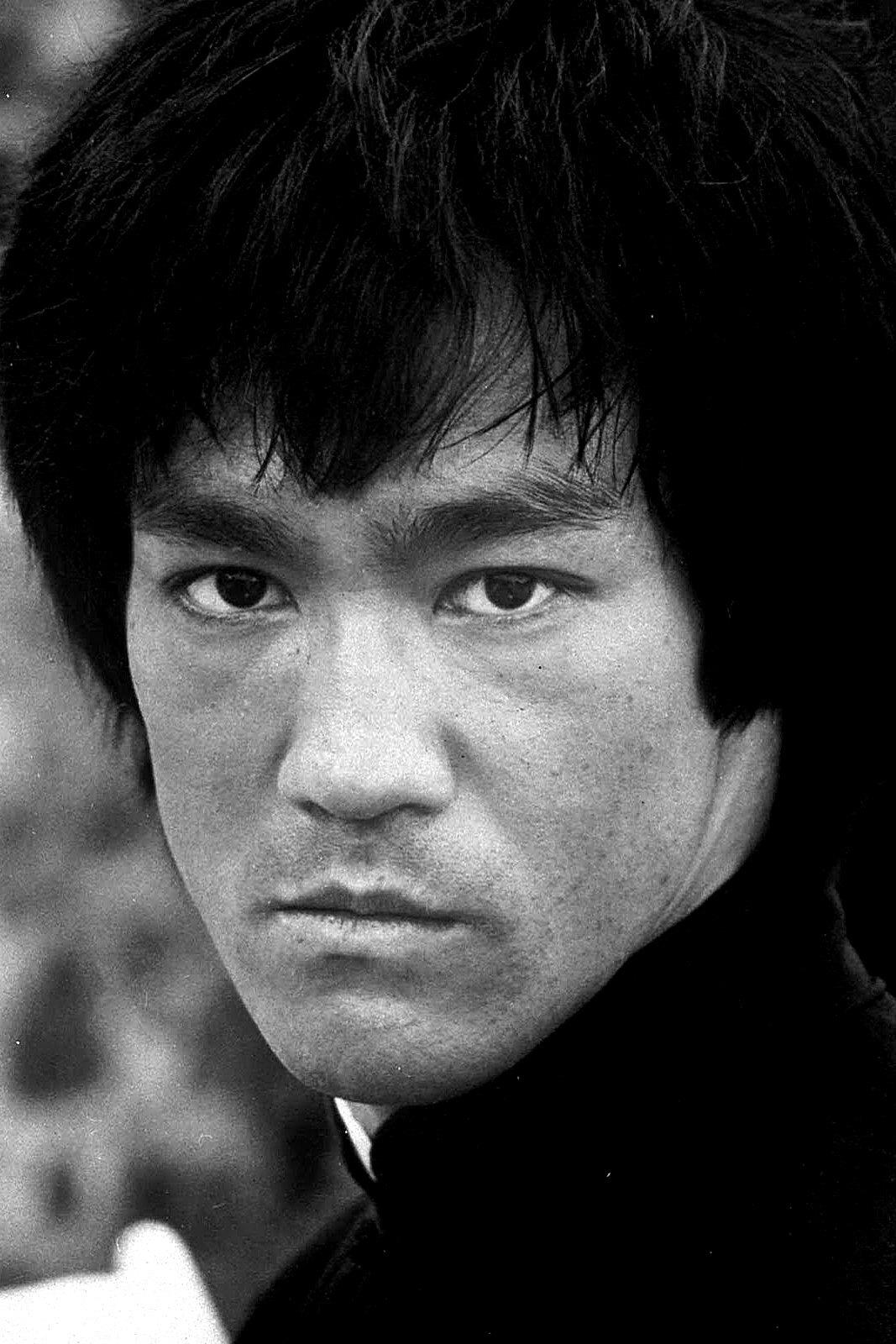
Bruce Lee bridged the gap between East and West with his revolutionary approach to martial arts cinema. He developed his own philosophy of Jeet Kune Do which emphasized practicality and fluidity. His films like ‘Enter the Dragon’ sparked a global interest in martial arts training. Lee challenged Asian stereotypes in Hollywood by presenting himself as a strong and charismatic lead. His philosophy and physical discipline continue to influence athletes and filmmakers.
Steve McQueen
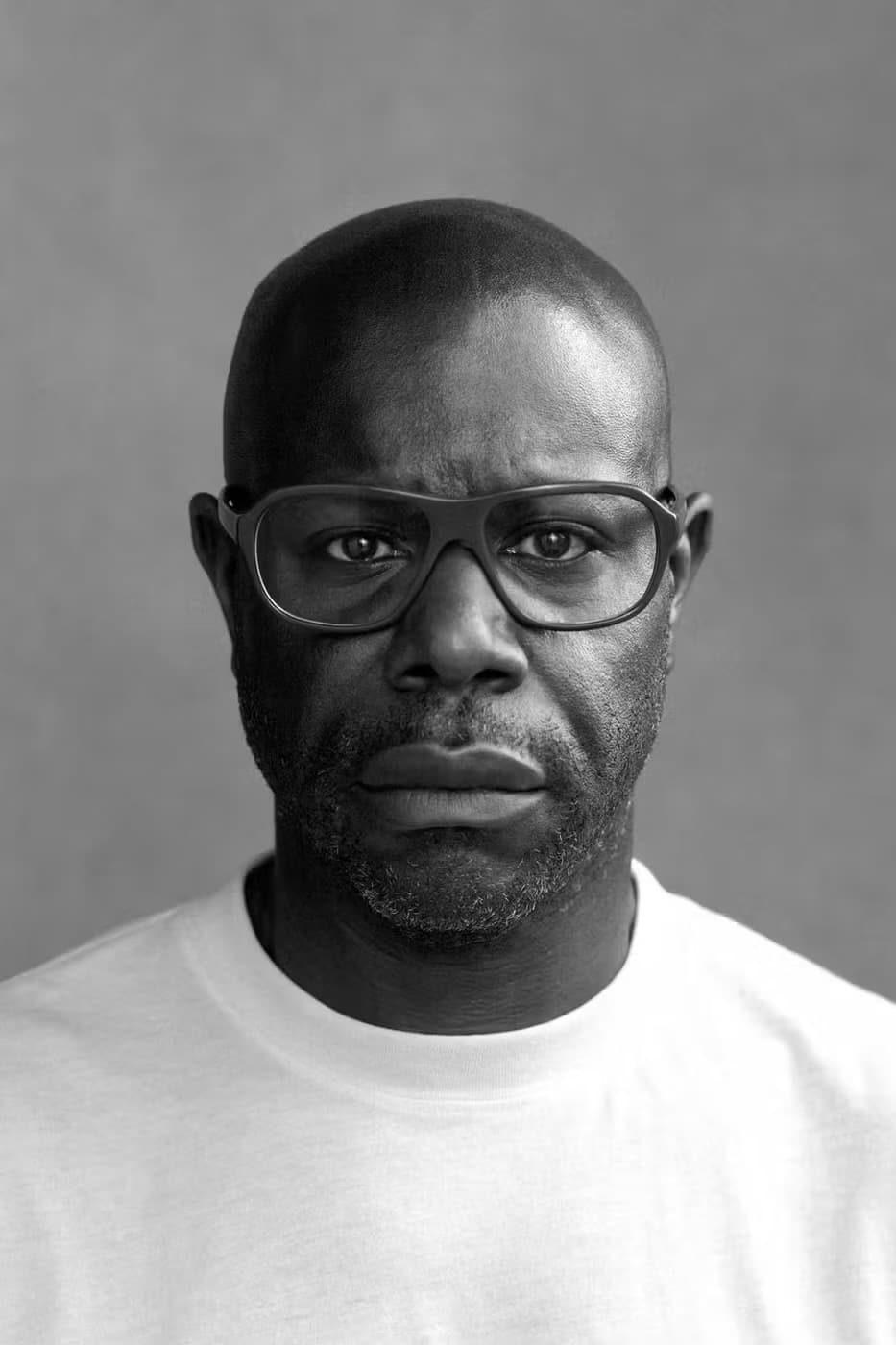
Steve McQueen was known as the King of Cool for his anti-hero persona and stoic acting style. He performed many of his own stunts in action classics like ‘Bullitt’ and ‘The Great Escape’. McQueen became the highest-paid movie star in the world during the 1970s. His passion for racing influenced his film choices and public image. He remains a style icon for his rugged masculinity and timeless fashion sense.
Grace Kelly
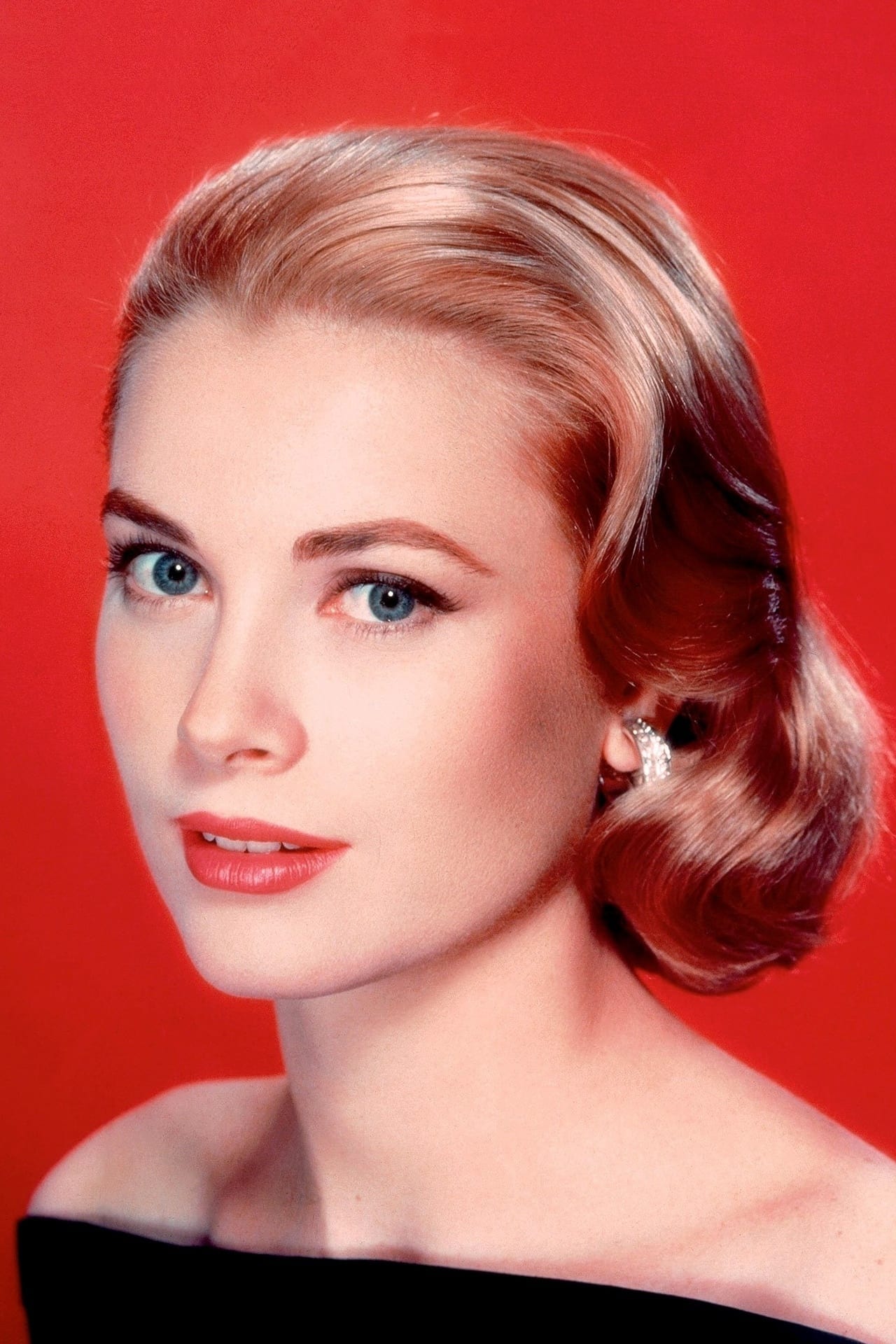
Grace Kelly rose to fame as a leading lady in Alfred Hitchcock thrillers like ‘Rear Window’ and ‘Dial M for Murder’. She won an Academy Award for her performance in ‘The Country Girl’ before retiring from acting at age 26. Kelly left Hollywood to marry Prince Rainier III and became the Princess of Monaco. Her fairy-tale life and tragic death in a car accident fascinated the public. She remains a symbol of classic Hollywood beauty and royal elegance.
Bob Marley
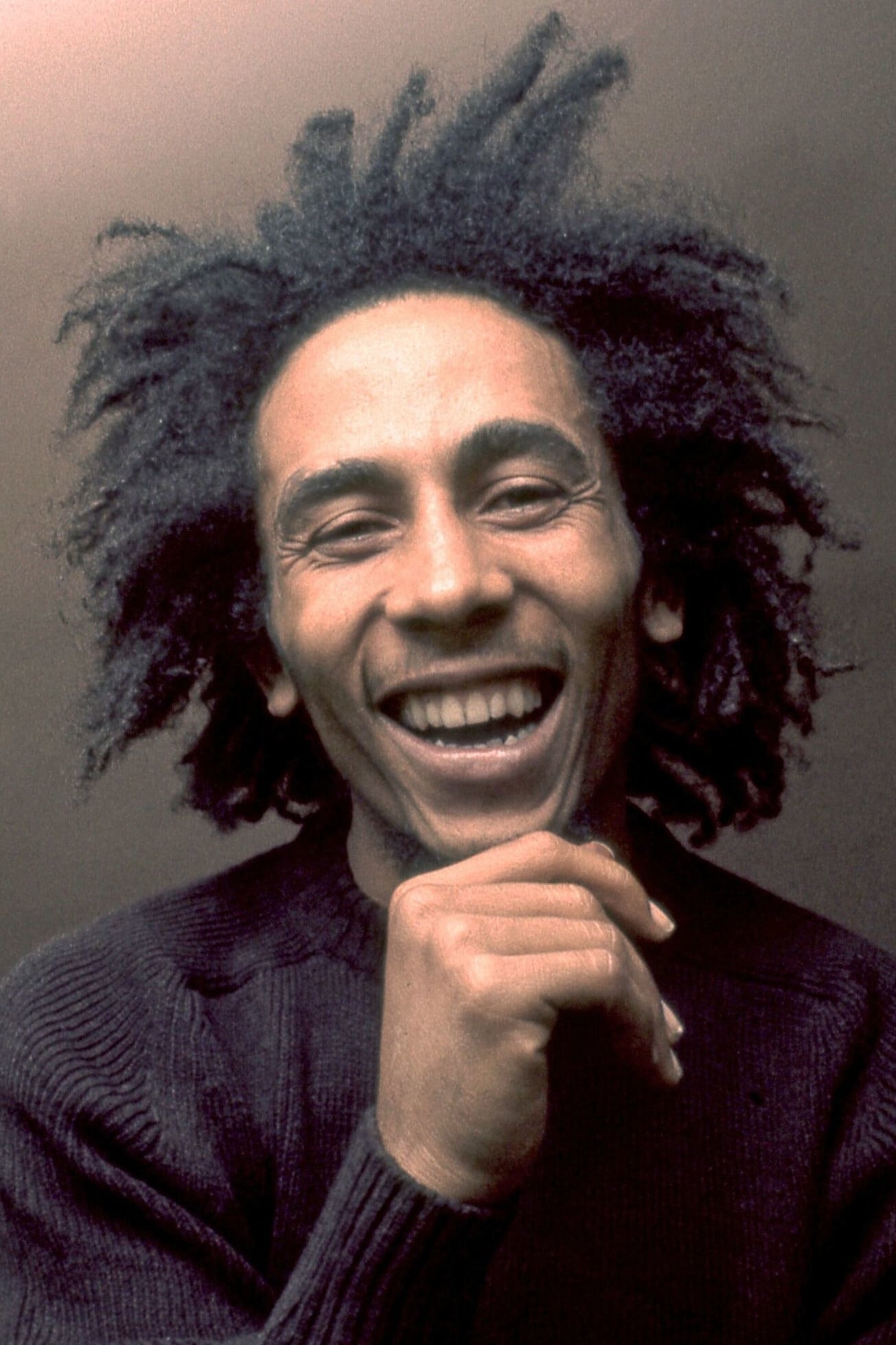
Bob Marley introduced reggae music to a worldwide audience and became a symbol of Jamaican culture and identity. His songs like ‘One Love’ and ‘Redemption Song’ preached messages of peace and social justice. He was a devout Rastafarian whose spiritual beliefs deeply influenced his lyrics. Marley survived an assassination attempt and continued to perform to bridge political divides. His compilation album ‘Legend’ is the best-selling reggae album of all time.
Johnny Cash
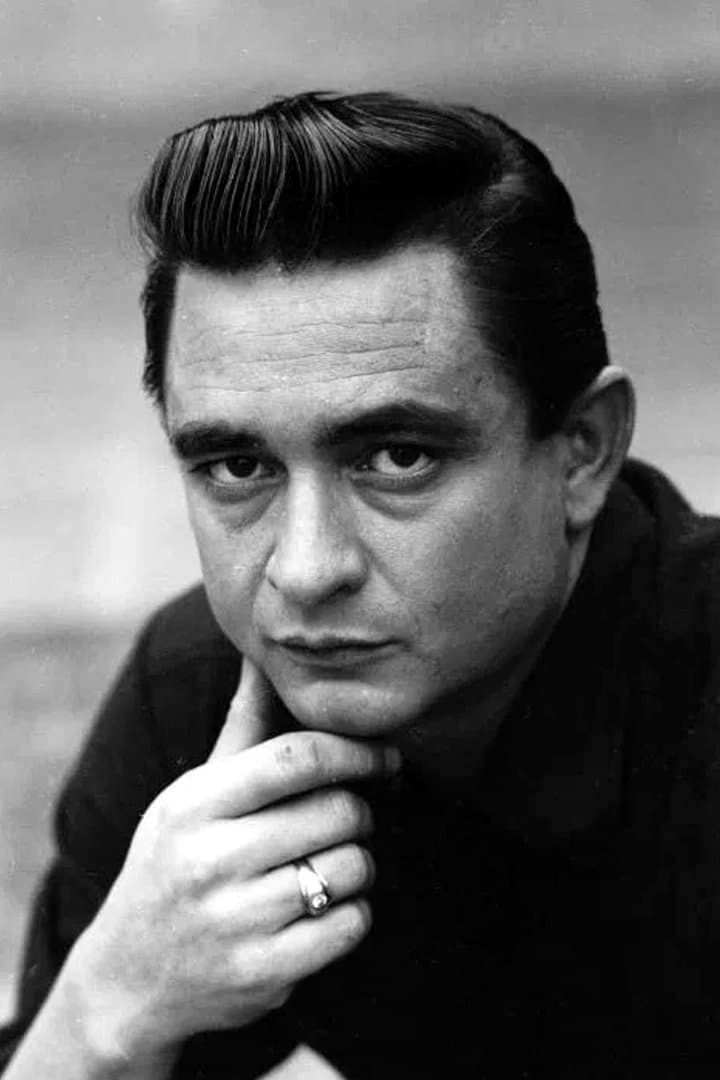
Johnny Cash cultivated the image of the Man in Black to represent the poor and disenfranchised. He blurred the lines between country, rock, and folk music with his deep bass-baritone voice. His live albums recorded at Folsom Prison and San Quentin revitalized his career and cemented his outlaw persona. Cash experienced a late-career resurgence with his ‘American Recordings’ series. He remains one of the most influential figures in American music history.
Jimi Hendrix
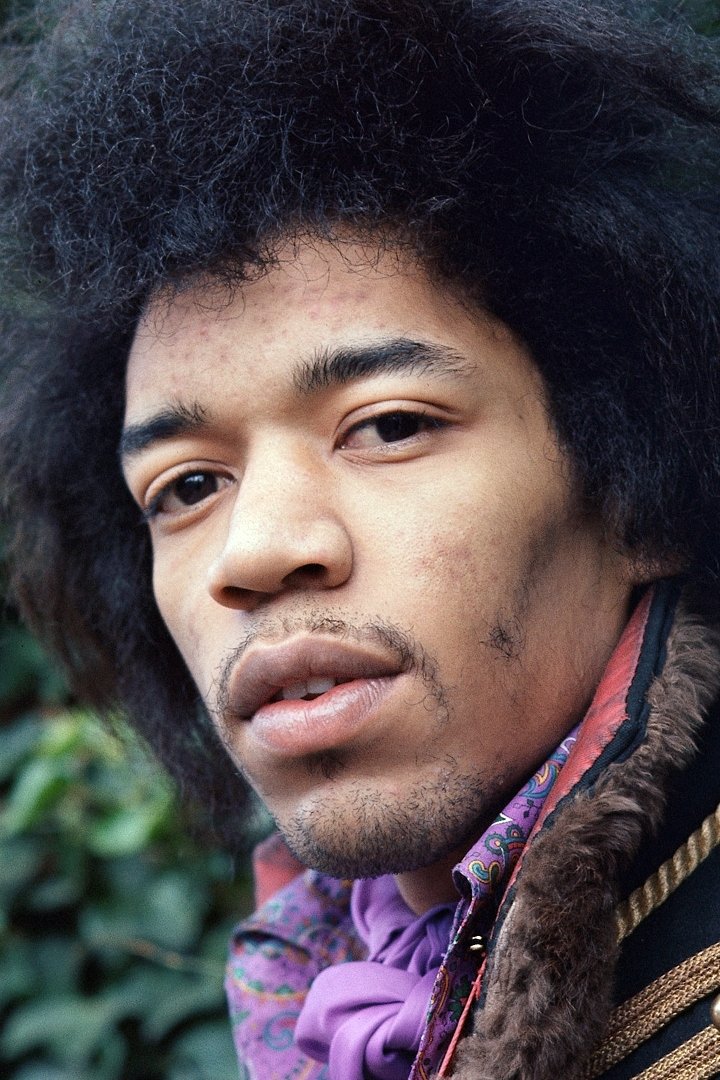
Jimi Hendrix expanded the vocabulary of the electric guitar with his experimental use of feedback and distortion. He became a rock icon after his explosive performance at the Monterey Pop Festival. His band The Jimi Hendrix Experience released three landmark albums in a short span of time. Hendrix headlined the Woodstock festival with his legendary rendition of ‘The Star-Spangled Banner’. He is widely regarded as the greatest instrumentalist in the history of rock music.
Janis Joplin
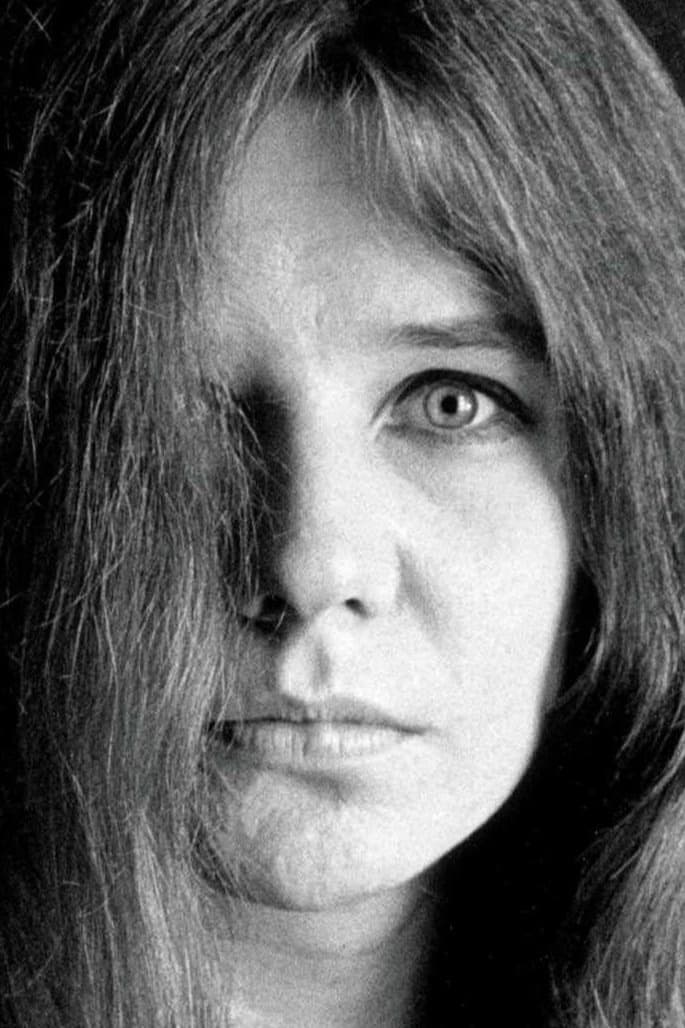
Janis Joplin captivated audiences with her raw, blues-inspired vocals and uninhibited stage presence. She rose to fame as the lead singer of Big Brother and the Holding Company before going solo. Her performances at Monterey Pop and Woodstock became legendary moments in rock history. Joplin struggled with addiction but left a legacy as one of the most powerful female voices in rock. Her posthumous album ‘Pearl’ reached number one on the charts.
Jim Morrison
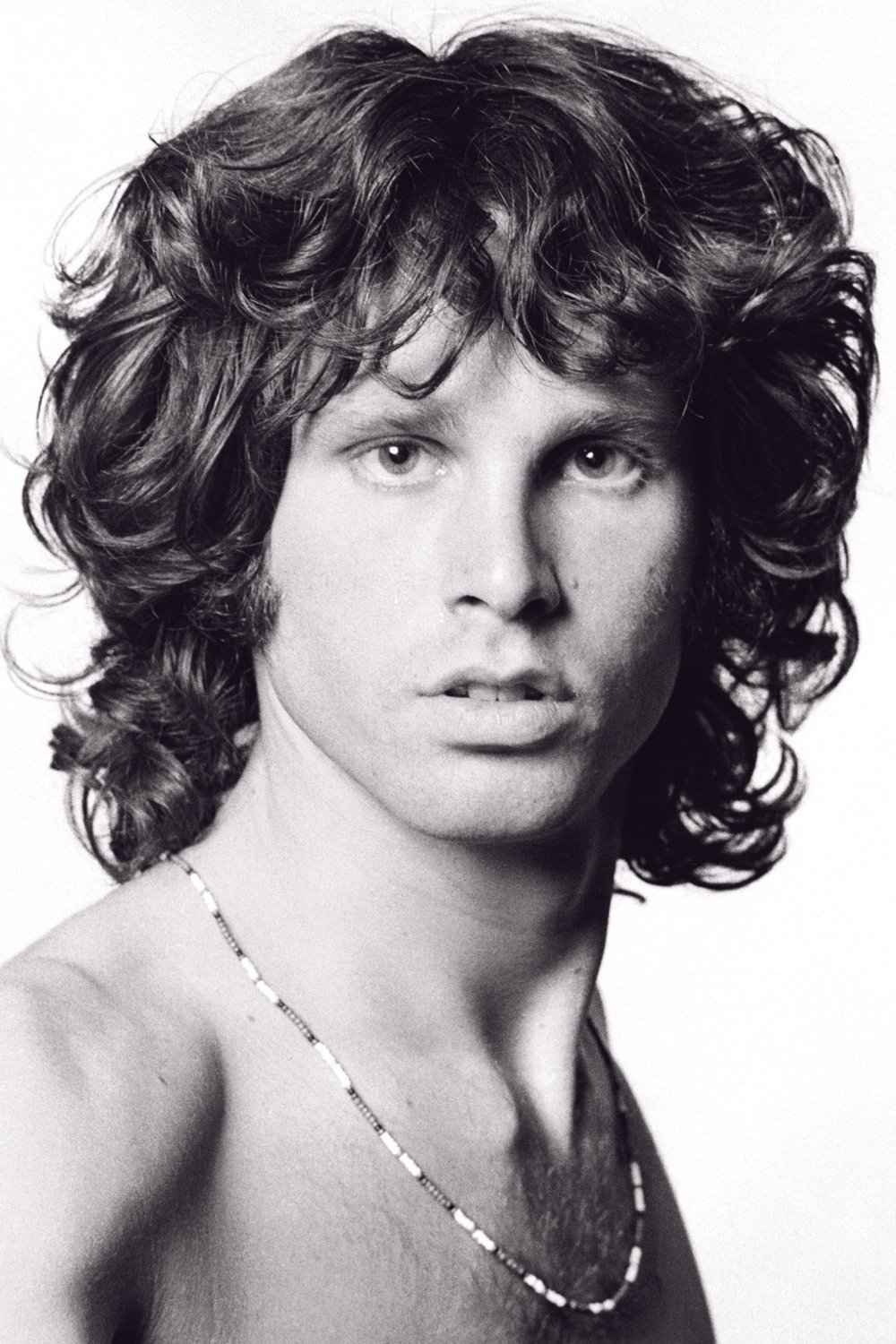
Jim Morrison served as the charismatic and controversial frontman of the rock band The Doors. His poetic lyrics and unpredictable stage behavior made him a focal point of the 1960s counterculture. The band’s hits like ‘Light My Fire’ blended rock with jazz and psychedelic elements. Morrison considered himself a poet first and challenged authority through his art. His mysterious death in Paris contributed to the mythology surrounding his life.
George Harrison
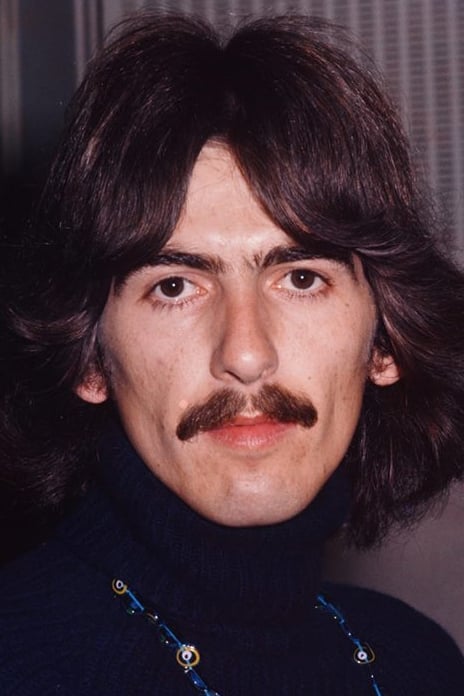
George Harrison was known as the Quiet Beatle who introduced Indian instrumentation and spirituality to the band’s sound. He wrote classic songs such as ‘Something’ and ‘Here Comes the Sun’. After the Beatles disbanded, he released the critically acclaimed triple album ‘All Things Must Pass’. Harrison organized the Concert for Bangladesh which pioneered the concept of the all-star benefit concert. His slide guitar work and introspective songwriting left a unique legacy.
Richard Pryor

Richard Pryor transformed stand-up comedy with his raw storytelling and social commentary. He addressed race and personal tragedy with a vulnerability that had rarely been seen on stage. His concert films and albums earned him numerous awards and influenced nearly every comedian who followed him. Pryor also found success in film through his partnership with Gene Wilder. He was the first recipient of the Mark Twain Prize for American Humor.
George Carlin
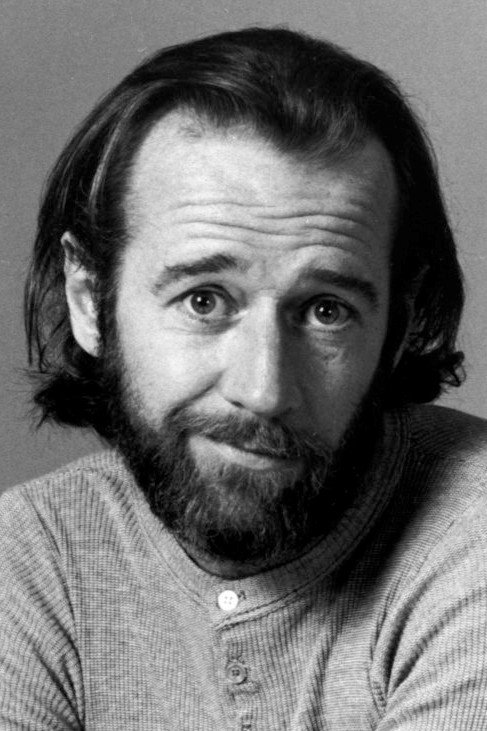
George Carlin was famous for his black comedy and reflections on politics, language, and psychology. His ‘Seven Dirty Words’ routine became the center of a Supreme Court case regarding censorship. He evolved from a clean-cut comedian to a counterculture icon who questioned authority. Carlin filmed numerous HBO specials that critiqued American society and human behavior. His work remains a touchstone for comedians who view comedy as a form of social protest.
Joan Rivers
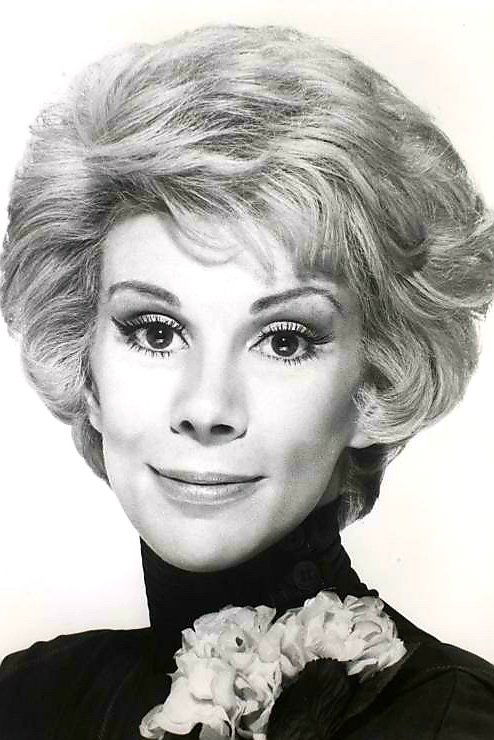
Joan Rivers pioneered the red carpet interview and became known for her acerbic wit and self-deprecating humor. She broke into the male-dominated world of late-night television as the permanent guest host for Johnny Carson. Rivers reinvented herself multiple times throughout her career and remained a workaholic until the end. Her willingness to say the unsayable made her a polarizing but essential figure in comedy. She blazed a trail for unapologetic female comedians.
James Gandolfini

James Gandolfini changed television history with his portrayal of mob boss Tony Soprano in ‘The Sopranos’. He humanized a violent criminal by exploring the character’s anxiety and domestic struggles. His performance won him three Emmy Awards and set the standard for the prestige TV era. Gandolfini brought a physical imposition and emotional depth to all his roles. His work proved that television characters could be as complex as those in cinema.
Matthew Perry

Matthew Perry defined the sitcom era of the 1990s with his role as Chandler Bing on ‘Friends’. His unique cadence and sarcastic delivery influenced the way a generation spoke. Perry used his platform to advocate for those struggling with addiction after battling his own demons publicly. He wrote a memoir that offered a candid look at the highs and lows of fame. His passing prompted a global outpouring of grief from fans who grew up watching him.
Share your favorite memories of these legends and tell us who you miss the most in the comments.