LGBTQ+ Celebs Whose Potential Was Mishandled

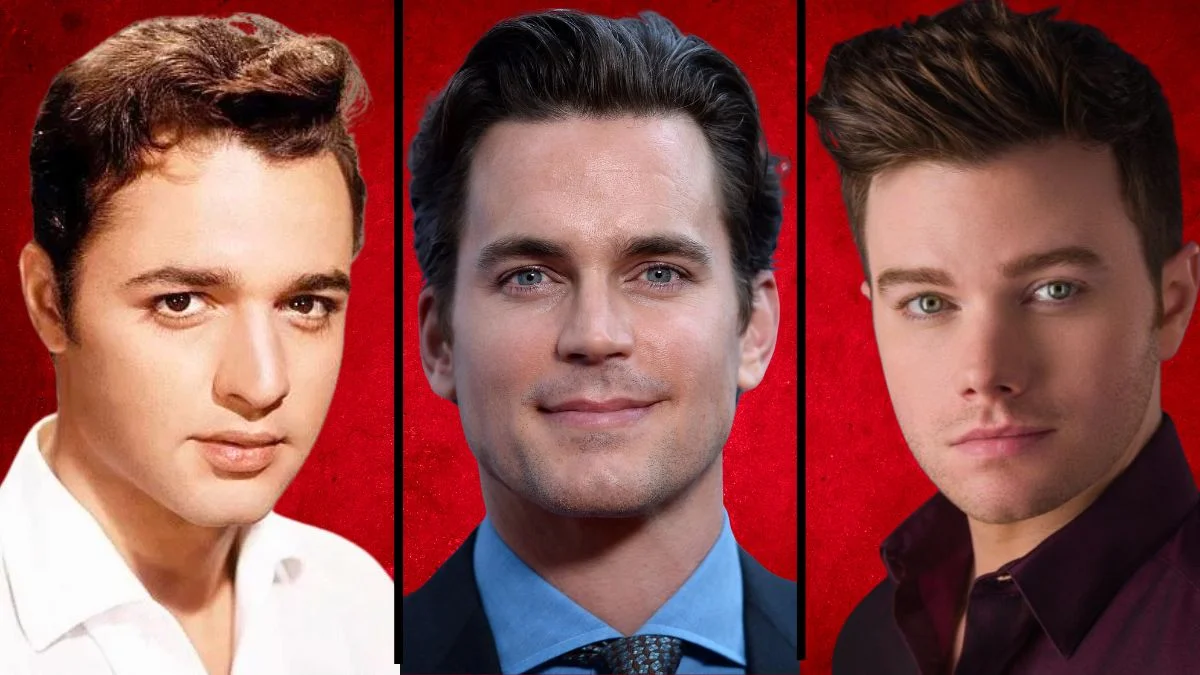

The entertainment industry has a long and complicated history regarding the management of LGBTQ+ talent. Many gifted actors and musicians faced significant career hurdles due to systemic homophobia or inept management teams. Studios often forced stars into the closet or typecast them in limiting roles that failed to showcase their true range. Marketing teams frequently struggled to promote these artists authentically without alienating mainstream audiences. This list explores the stories of celebrities whose professional trajectories were hindered by industry bias and mismanagement.
Anne Heche
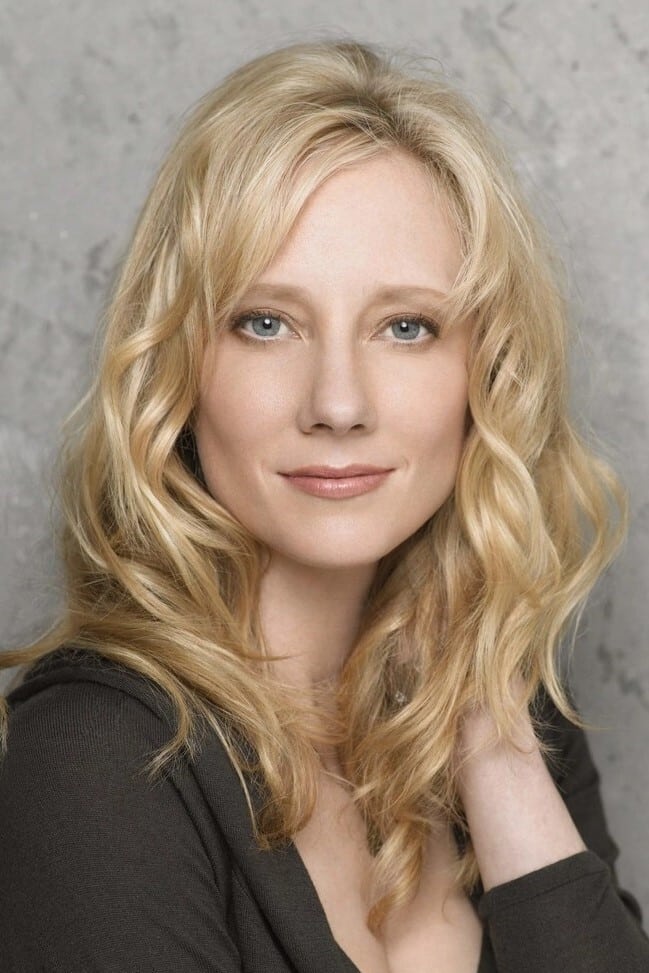
Anne Heche was on the verge of becoming a massive movie star in the late 1990s. Her career momentum halted abruptly when she took Ellen DeGeneres as her date to the premiere of ‘Volcano’. Fox executives reportedly threatened to terminate her contract if she walked the red carpet with a woman. She claimed that major studios stopped hiring her for leading roles for over a decade following the event.
Matt Bomer
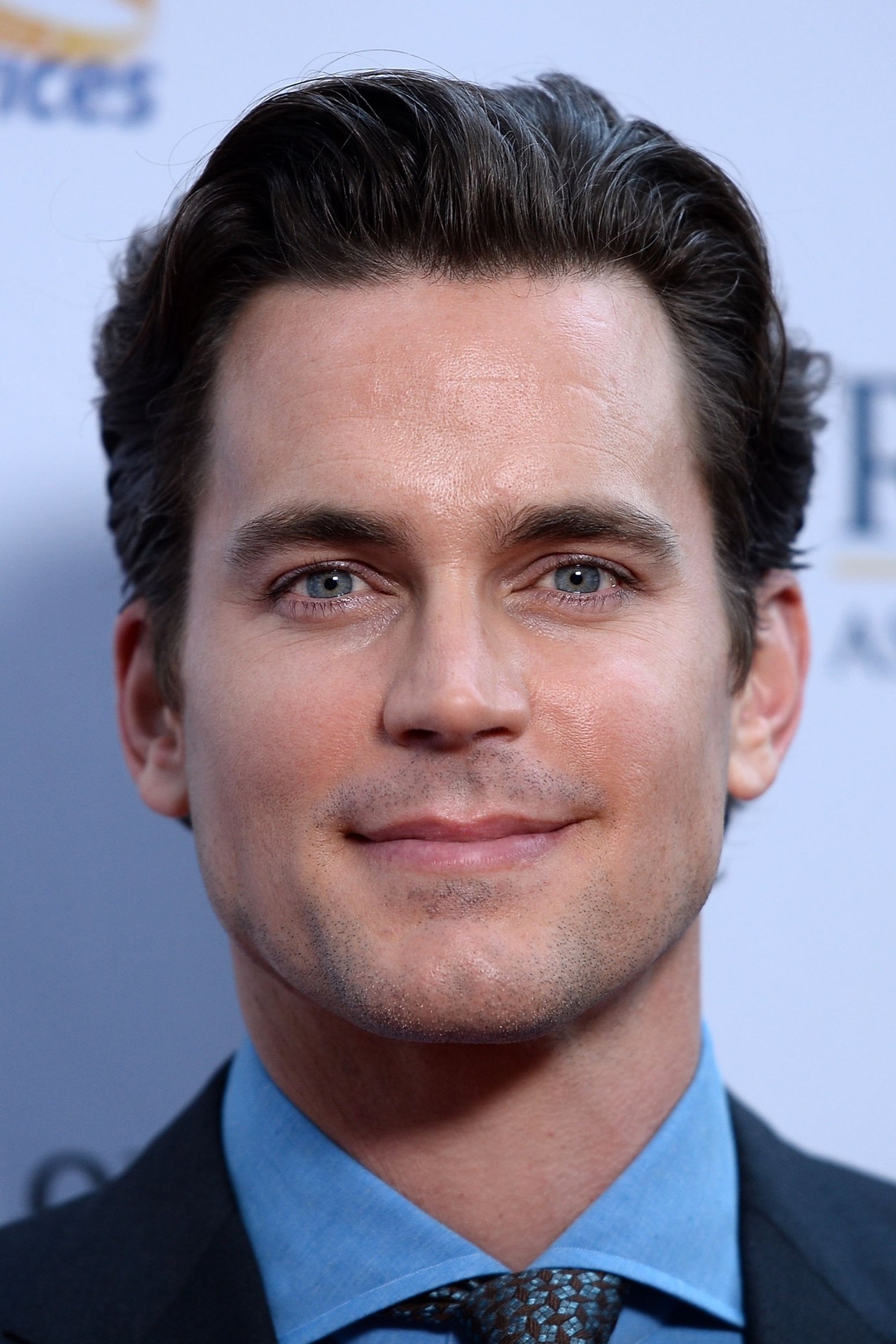
Matt Bomer possesses the classic looks and charisma of a traditional Hollywood leading man. He was the favored choice to play Superman in a shelved project during the early 2000s until his sexual orientation became an issue for producers. Author Jackie Collins later confirmed that he lost the role specifically because he was gay. This discrimination prevented him from anchoring a major blockbuster franchise early in his career.
Rupert Everett
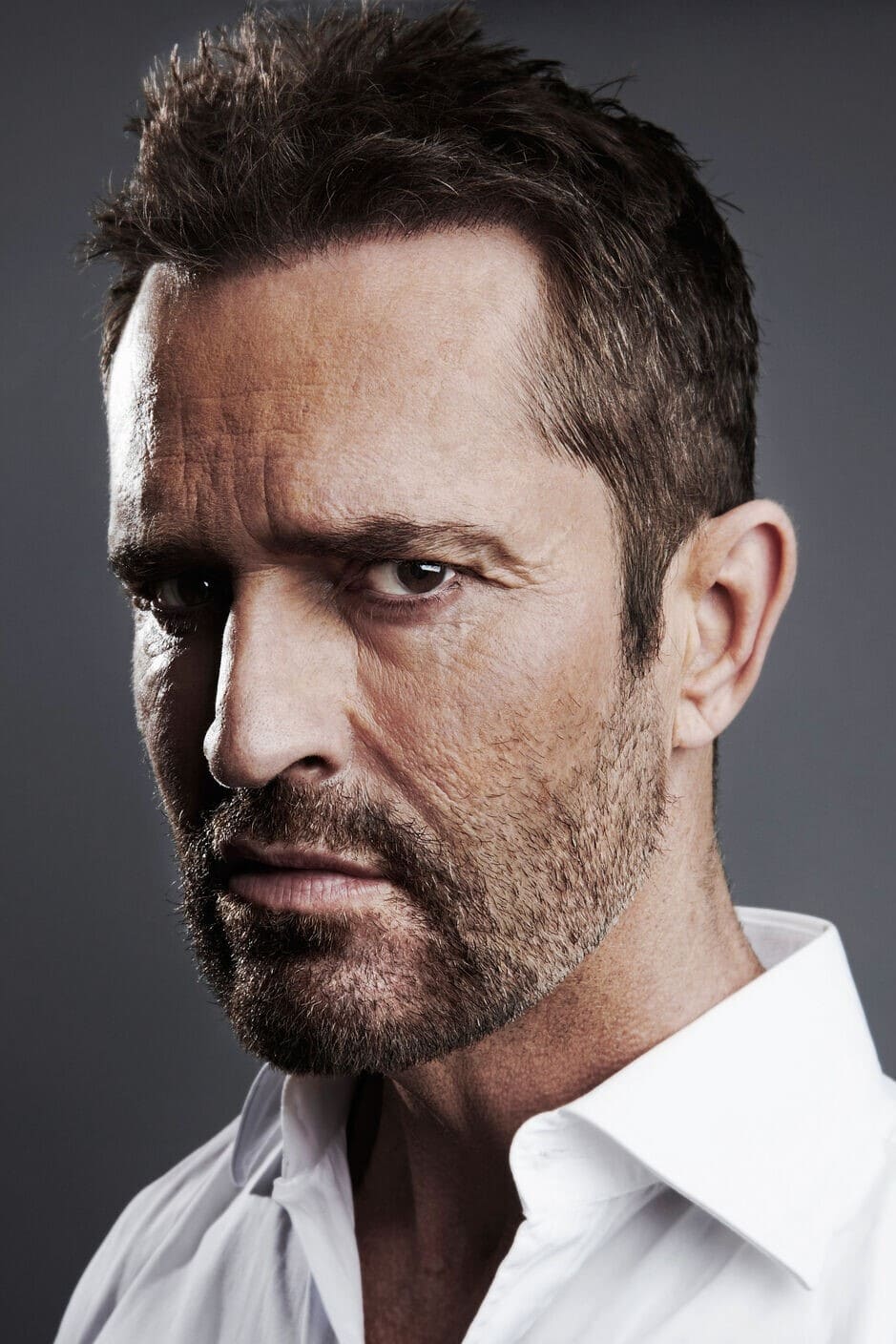
Rupert Everett experienced a surge in popularity following his scene-stealing performance in ‘My Best Friend’s Wedding’. He openly discussed his sexuality during a time when it was considered career suicide for leading men. Hollywood executives struggled to cast him in romantic lead roles despite his obvious talent and charm. He has since been vocal about how the industry marginalizes openly gay actors.
Tab Hunter
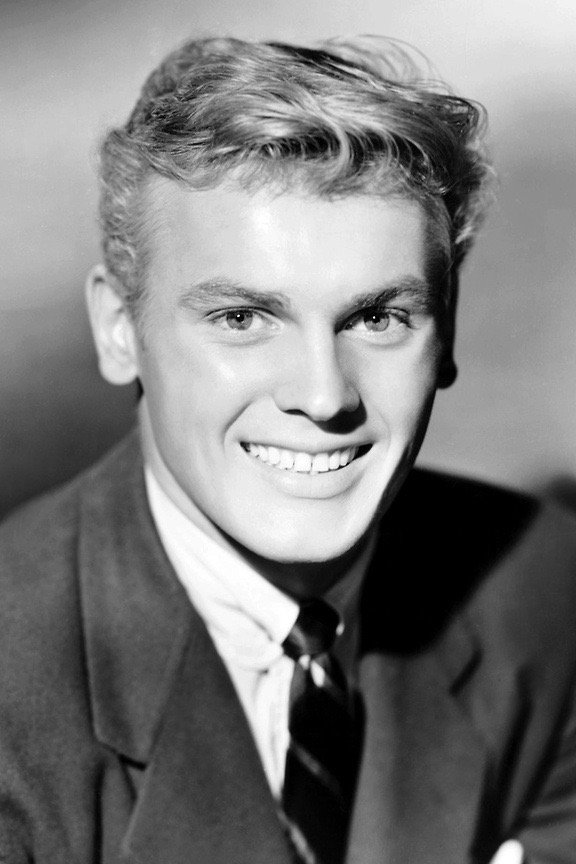
Tab Hunter was one of the biggest heartthrobs of the 1950s and generated massive box office returns. The studio system forced him to maintain a facade of heterosexuality to protect his marketable image. He was often paired with female stars in arranged dates to quell rumors about his private life. This immense pressure to live a lie eventually stifled his ability to transition into more serious adult roles.
Anthony Perkins
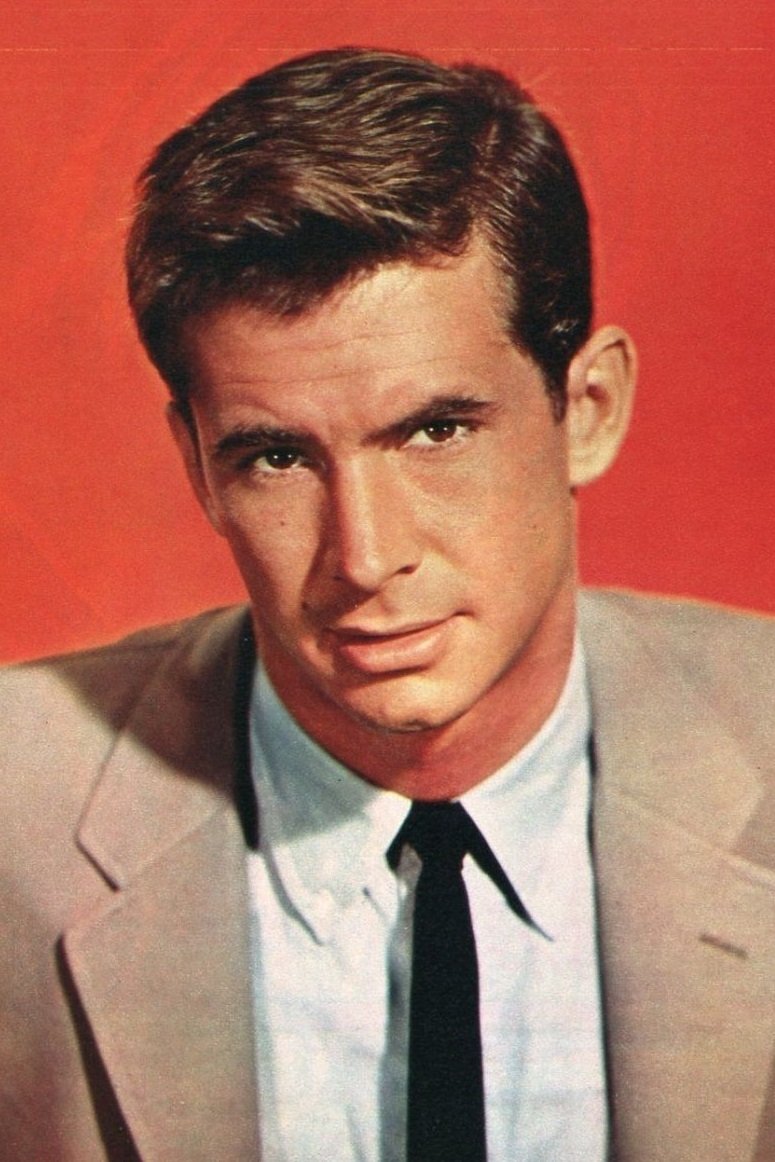
Anthony Perkins delivered an iconic performance in ‘Psycho’ that defined his career. The industry typecast him as a villain and struggled to see him as a romantic lead due to rumors about his sexuality. Studios mishandled his immense talent by confining him to the horror genre for decades. He was forced to undergo conversion therapy in a desperate attempt to salvage his leading man status.
Sal Mineo
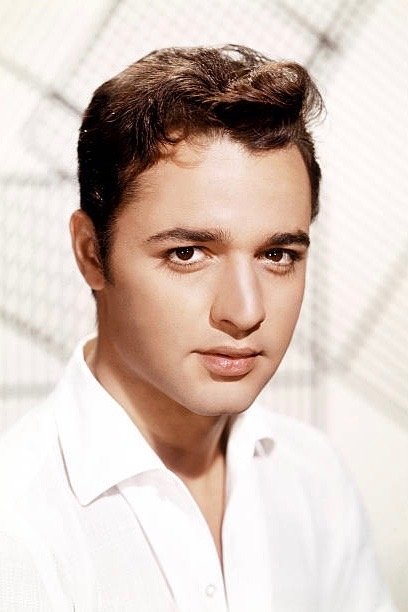
Sal Mineo became a sensation after his Oscar-nominated role in ‘Rebel Without a Cause’. As he aged out of teen roles he found it difficult to secure work as an openly bisexual man in the 1960s. The industry failed to transition him into adult roles that matched his dramatic capabilities. His potential was tragically cut short when he was murdered at a young age while struggling to revitalize his career.
Rock Hudson
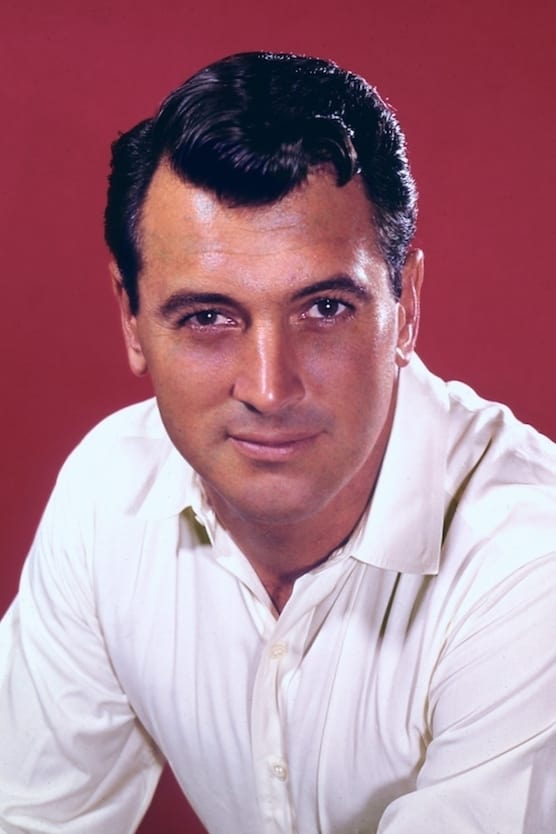
Rock Hudson was the quintessential Hollywood star who lived a tragic double life. His agents and the studios went to great lengths to manufacture a heterosexual public persona for him. This constant deception prevented him from living authentically and created immense psychological stress. His potential for longevity was overshadowed by the industry’s refusal to accept him as he was.
Montgomery Clift

Montgomery Clift was regarded as one of the most talented method actors of his generation. He faced immense pressure to hide his sexuality and battled personal demons that were exacerbated by the studio environment. The lack of support from the industry contributed to his substance abuse and declining health. His career is often viewed as a series of brilliant performances amidst a tragic mismanagement of his well-being.
Colton Haynes
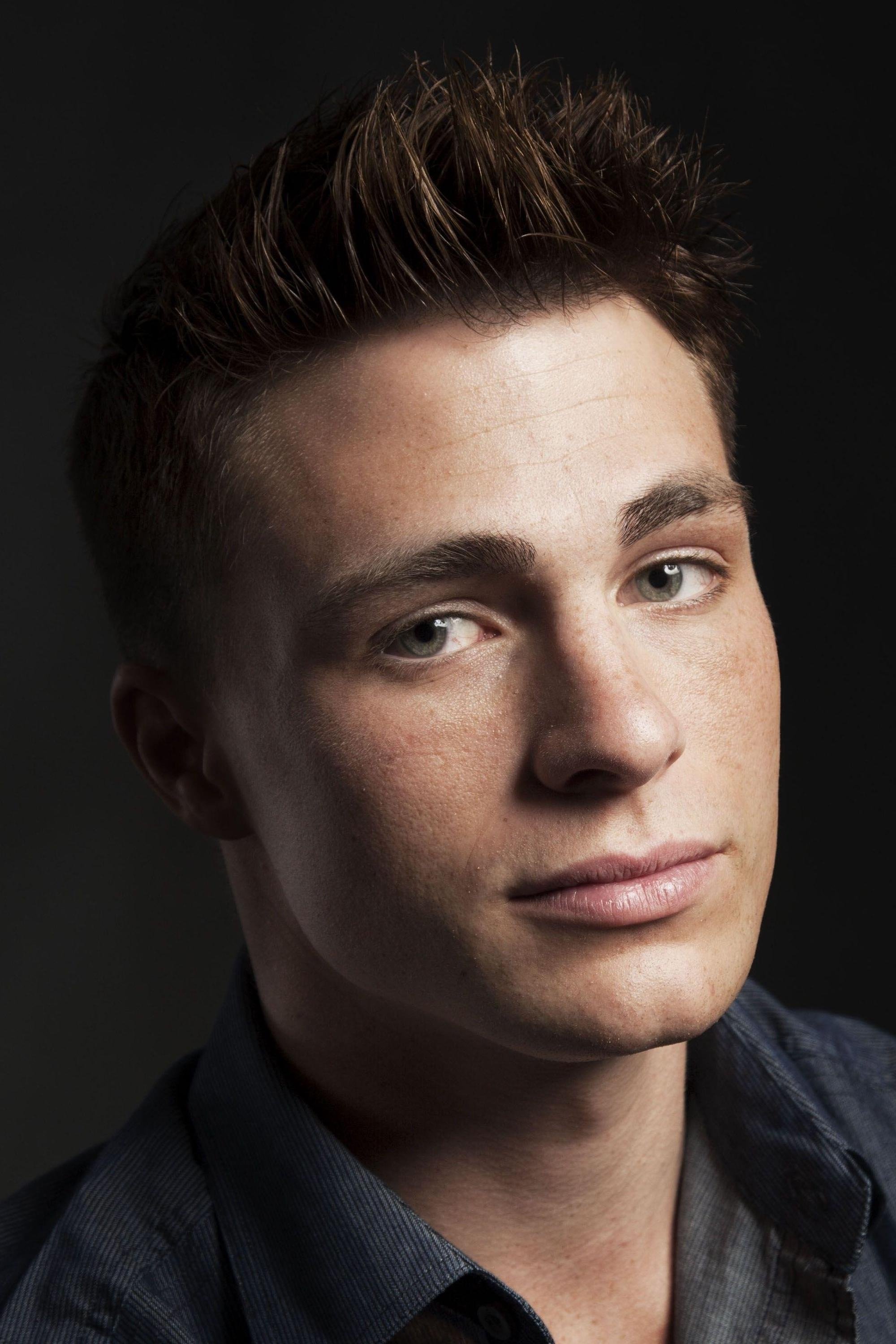
Colton Haynes rose to fame on ‘Teen Wolf’ and ‘Arrow’ as a teen heartthrob. Management teams pressured him to stay in the closet to protect his appeal to young female audiences. This forced suppression led to severe anxiety and mental health struggles that forced him to step away from acting. The industry prioritized his marketability over his health and ultimately stalled his momentum.
Chris Colfer
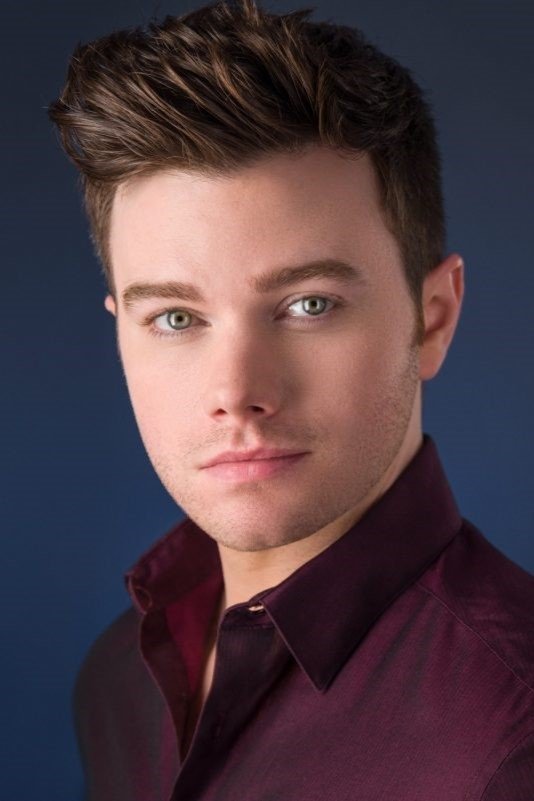
Chris Colfer earned critical acclaim and a Golden Globe for his role in ‘Glee’. Despite his clear talent as a writer and actor the industry struggled to cast him in roles outside of the Ryan Murphy universe. Casting directors often viewed him solely through the lens of his specific television character. This typecasting limited his opportunities to branch out into diverse film projects.
Sean Hayes
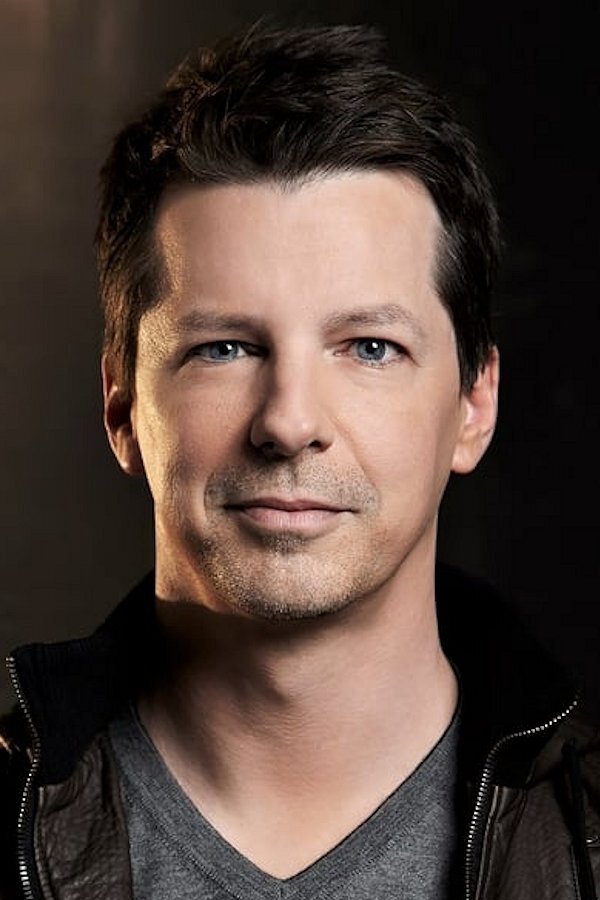
Sean Hayes created an iconic character with Jack McFarland on ‘Will & Grace’. The immense popularity of the role made it difficult for audiences and producers to see him as anyone else. He faced significant challenges in securing dramatic roles or leading parts in romantic comedies. The industry pigeonholed him as the flamboyant sidekick rather than utilizing his full acting range.
George Michael
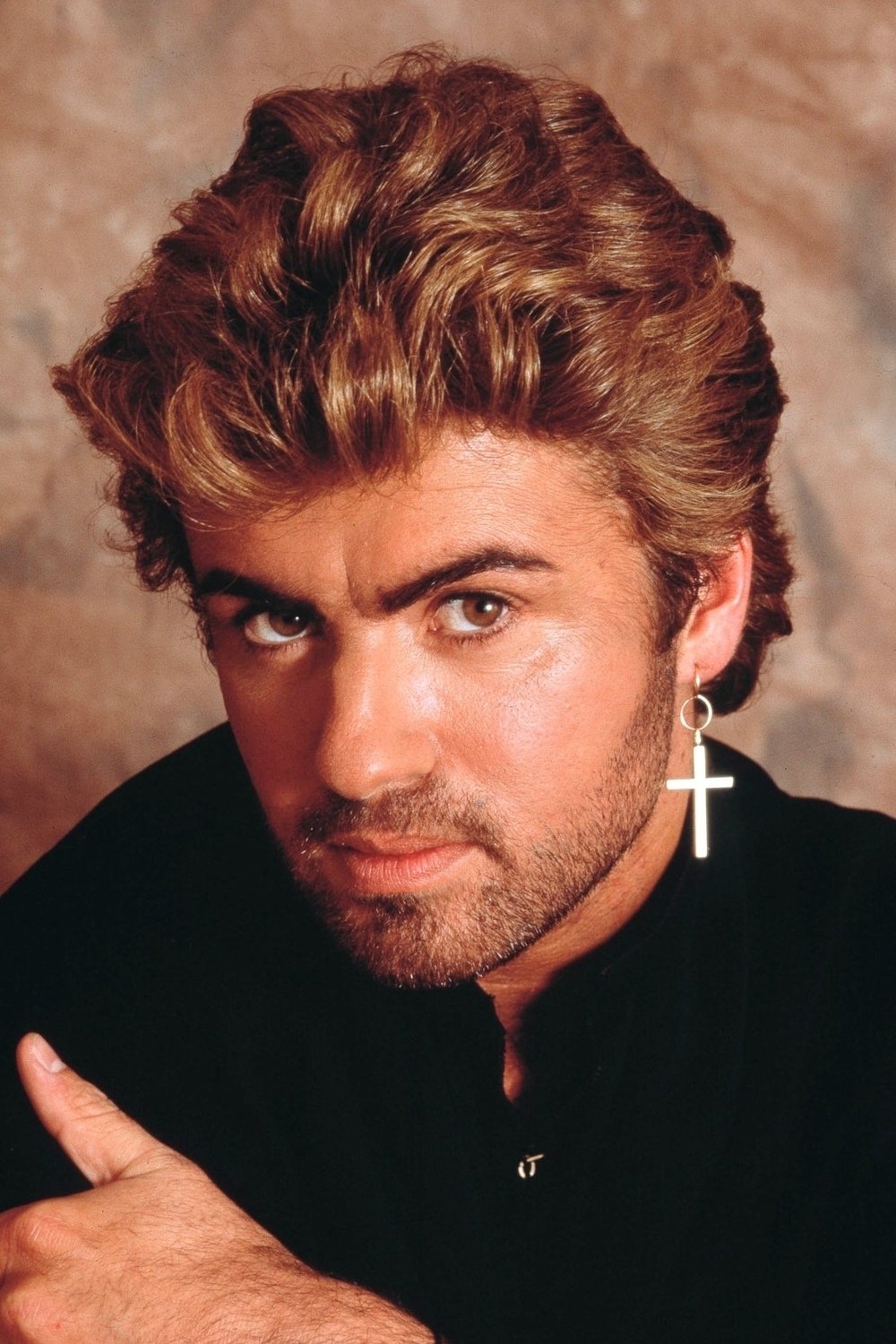
George Michael was a global pop superstar who faced intense media scrutiny regarding his sexuality. His career in the United States suffered significantly after his arrest in a public restroom was sensationalized by the press. Sony Music mishandled the promotion of his later albums which led to a lengthy legal battle. The industry failed to protect his artistry from the tabloids that sought to dismantle his reputation.
Adam Lambert
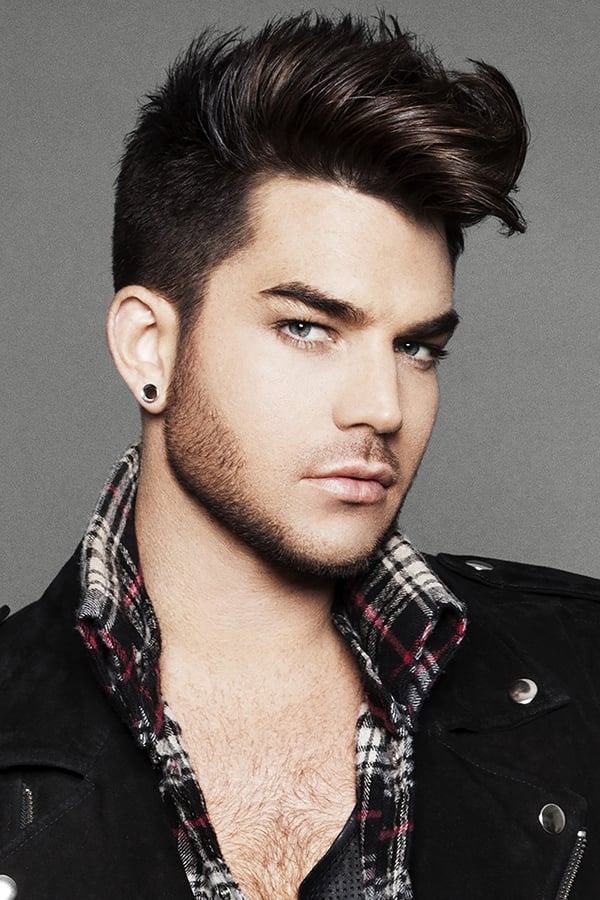
Adam Lambert dominated ‘American Idol’ with his incredible vocal range and stage presence. His career faced immediate backlash after a provocative performance at the American Music Awards. Conservative media outlets and radio stations censored his music and limited his airplay. The industry was not yet ready to fully embrace an openly gay male pop star at that level of mainstream visibility.
k.d. lang
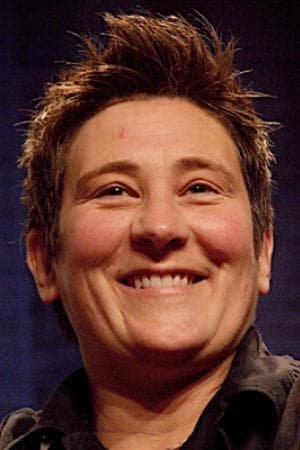
k.d. lang was a rising star in the country music scene with a powerful voice. Her career in country radio effectively ended when she came out as a lesbian and advocated for animal rights. The conservative country music establishment boycotted her music and removed her from playlists. She was forced to pivot to adult contemporary pop to survive as an artist.
Lance Bass
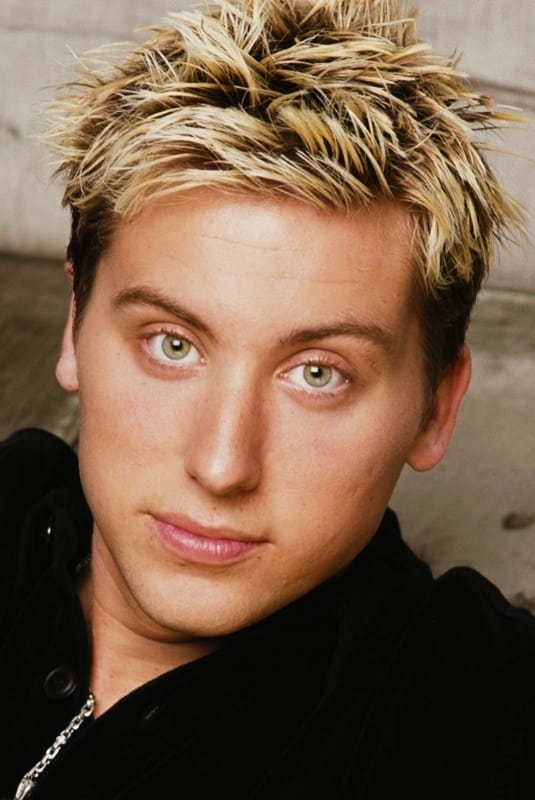
Lance Bass was a member of *NSYNC which was one of the biggest boy bands in history. He kept his sexuality a secret to avoid damaging the group’s popularity with teenage girls. He later revealed that the pressure to remain closeted prevented him from enjoying the height of his fame. His attempts to launch a solo career or acting career were hindered by the industry’s rigid expectations.
Clay Aiken
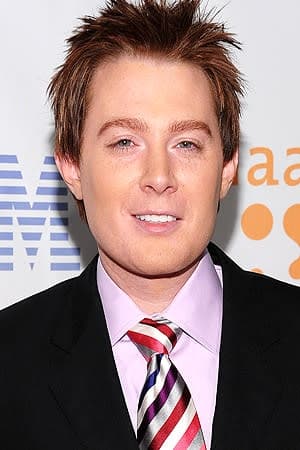
Clay Aiken achieved massive success as the runner-up on the second season of ‘American Idol’. His management team worked tirelessly to sanitize his image and suppress rumors about his sexuality. This manufactured persona alienated him from his authentic self and eventually led to a decline in sales. The industry prioritized a safe image over his artistic growth and personal truth.
Ricky Martin
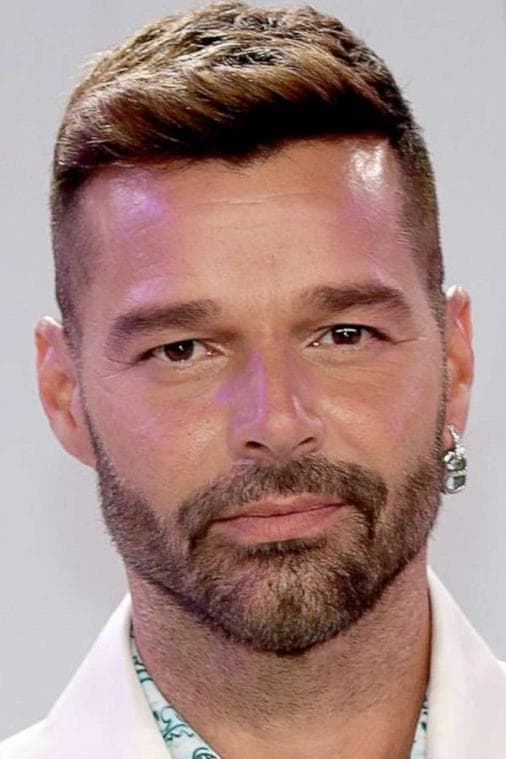
Ricky Martin was the face of the Latin pop explosion in the late 1990s. He lived in fear that coming out would destroy the massive empire he had built. Industry advisors constantly warned him that his female fanbase would abandon him if he revealed the truth. This pressure caused him to take hiatuses from music to focus on his personal life and mental health.
Greyson Chance
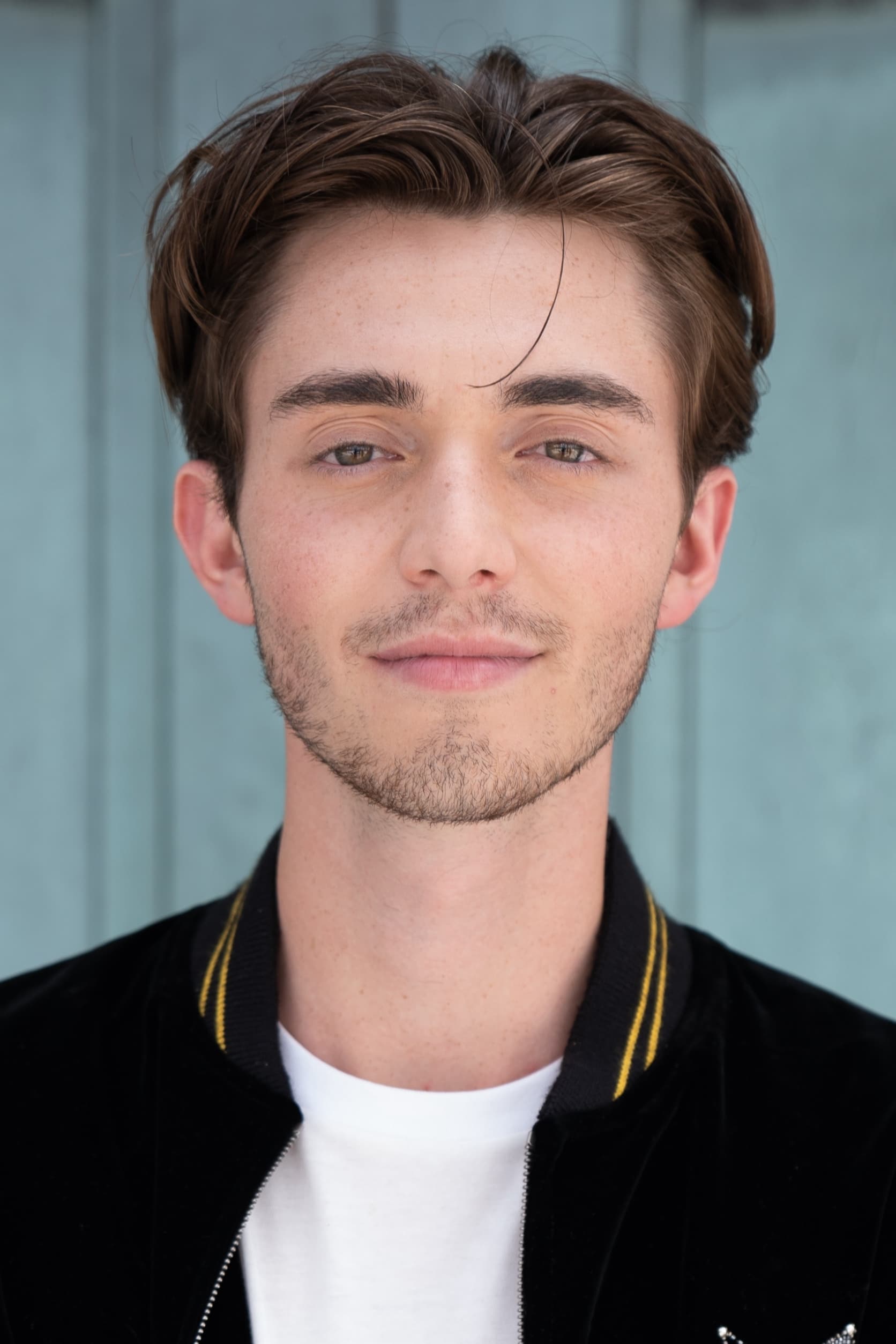
Greyson Chance was signed to a record label by Ellen DeGeneres after a video of him singing went viral. He later revealed that DeGeneres was controlling and eventually abandoned him when his sales dipped. The abrupt withdrawal of support left him navigating the music industry alone as a teenager. He had to rebuild his career from scratch after being discarded by his powerful mentor.
Billy Porter
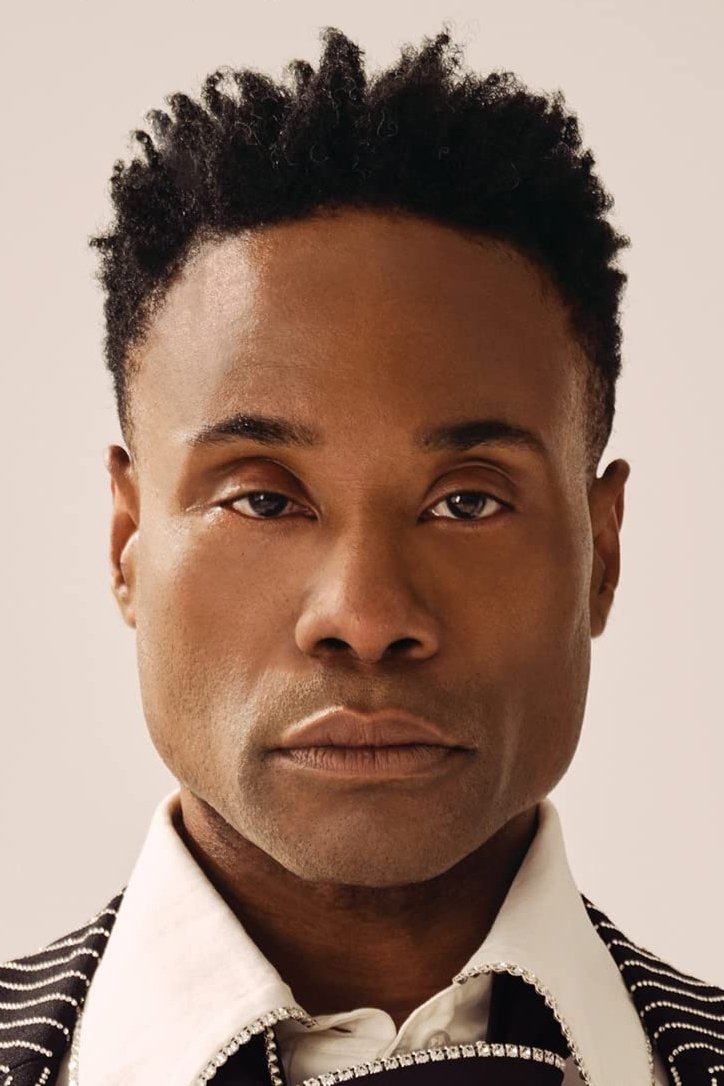
Billy Porter is now an Emmy winner but his early career was stifled by a music industry that did not know how to market him. He released R&B music in the 1990s but faced resistance because his image was considered too flamboyant. Executives tried to force him into a masculine mold that did not fit his artistic identity. It took decades for the industry to finally catch up to his unique talent.
Luke Evans
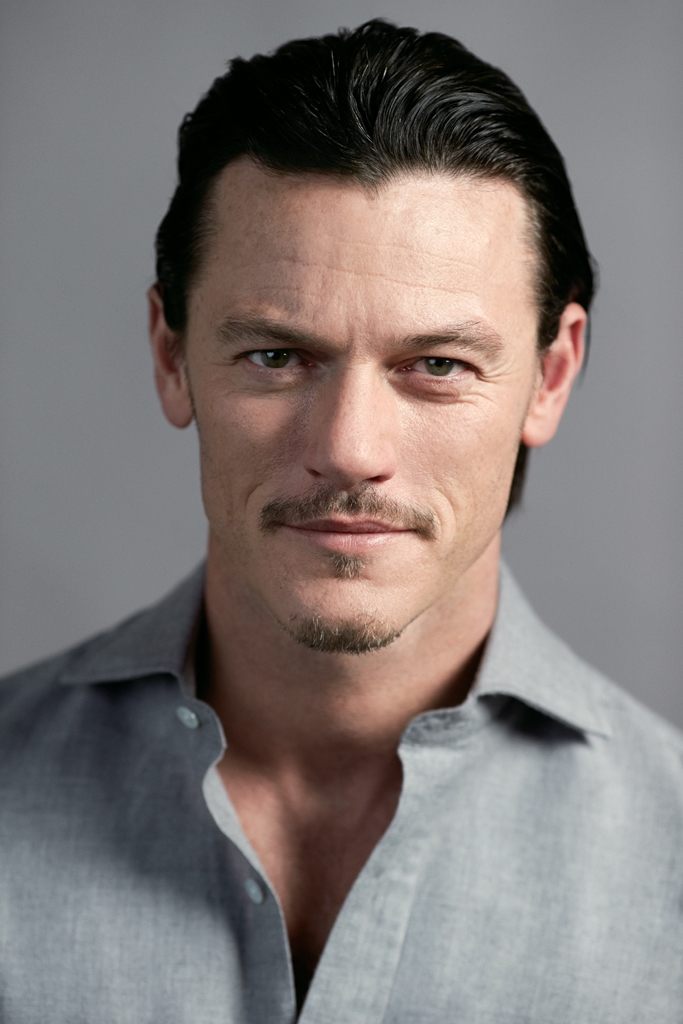
Luke Evans has found success as an action star in films like ‘Fast & Furious’ and ‘The Hobbit’. He was openly gay at the start of his career but essentially went back into the closet to secure mainstream roles. Publicists tried to hide his past interviews to make him more palpable as a heterosexual leading man. This awkward handling created confusion around his public image for years.
Heather Matarazzo

Heather Matarazzo broke out with her role in ‘Welcome to the Dollhouse’. She was told by industry insiders that coming out would ruin her career. She lost opportunities for leading roles because producers believed she could not play straight characters convincingly. The industry relegated her to best friend roles instead of capitalizing on her unique presence.
Jonathan Bennett
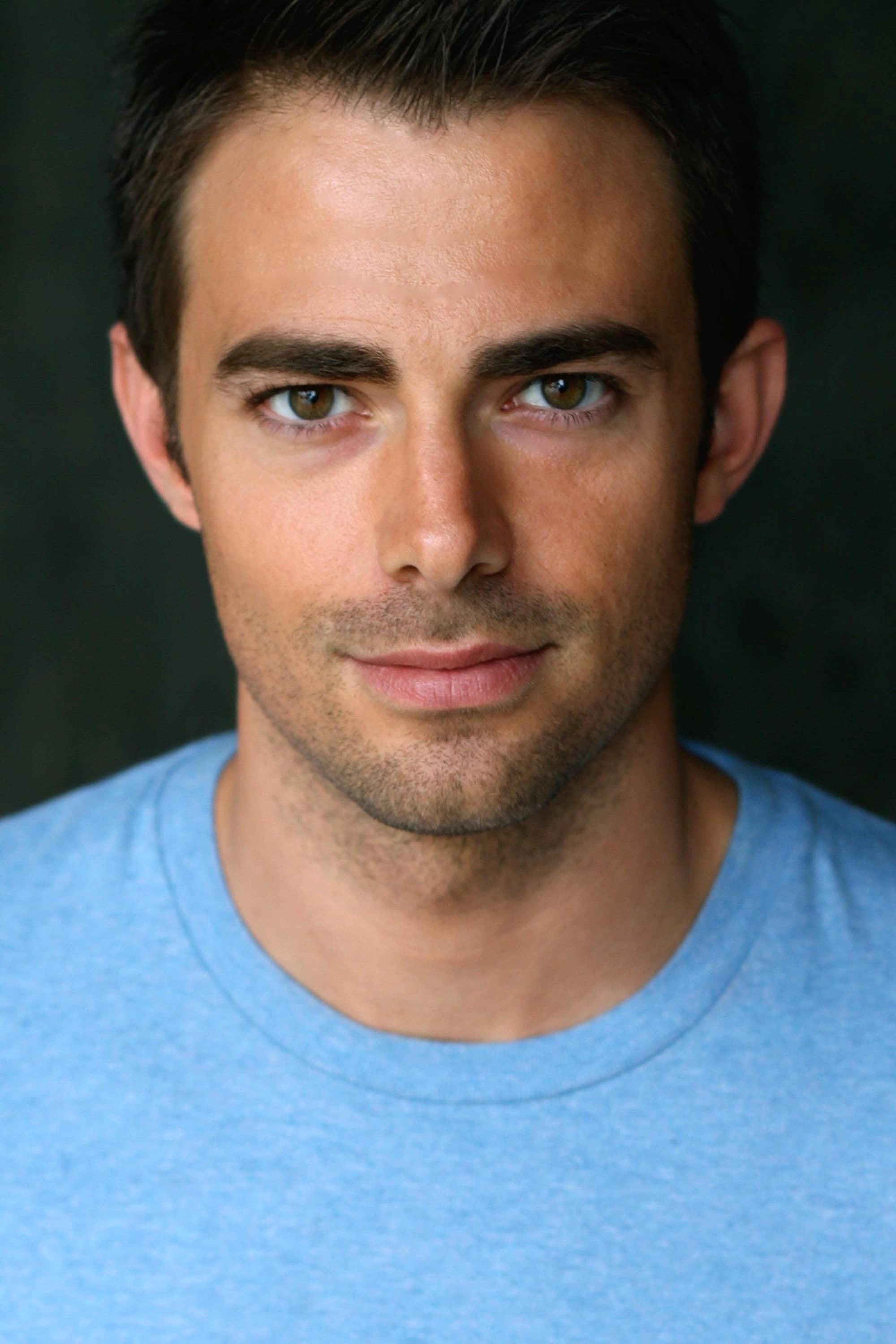
Jonathan Bennett became an instant heartthrob playing Aaron Samuels in ‘Mean Girls’. He was encouraged to hide his sexuality to maintain his status as a teen idol. This secrecy limited his ability to connect authentically with the public and stalled his momentum. He has since found a niche in Hallmark movies but his early prime was mishandled.
Raven-Symoné
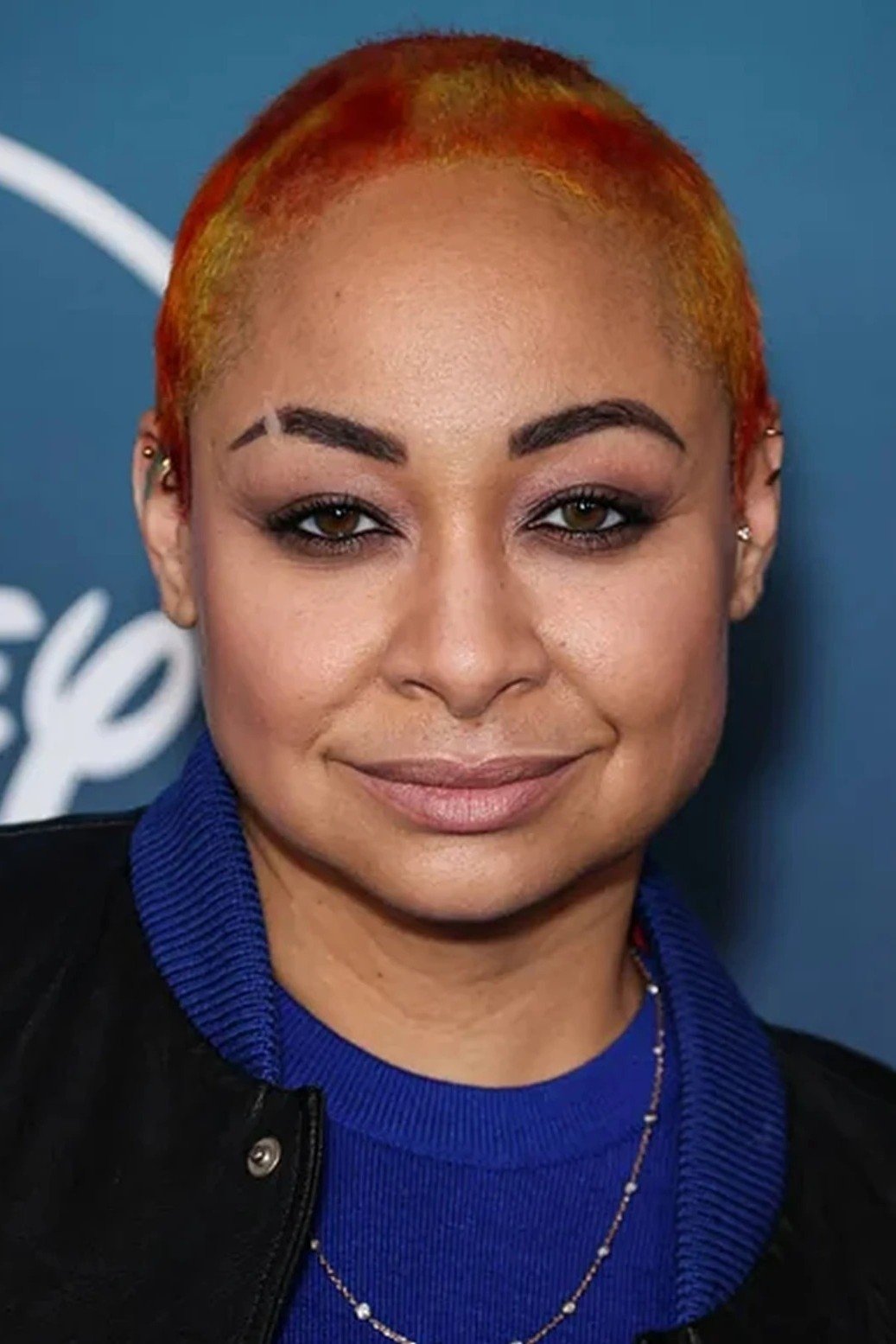
Raven-Symoné was a Disney Channel staple who carried multiple hit shows. She felt immense pressure to maintain a specific brand image that did not include her sexuality. The transition from child star to adult actress was complicated by the industry’s refusal to let her break the mold. She often had to suppress her identity to keep the corporate machine running smoothly.
Bella Thorne

Bella Thorne transitioned from a Disney darling to a controversial public figure. Her management struggled to handle her openness about her bisexuality and her desire to break free from her child star image. The industry quickly labeled her as difficult rather than supporting her evolution. This resulted in a chaotic career path marked by missed opportunities in serious acting roles.
Lindsay Lohan
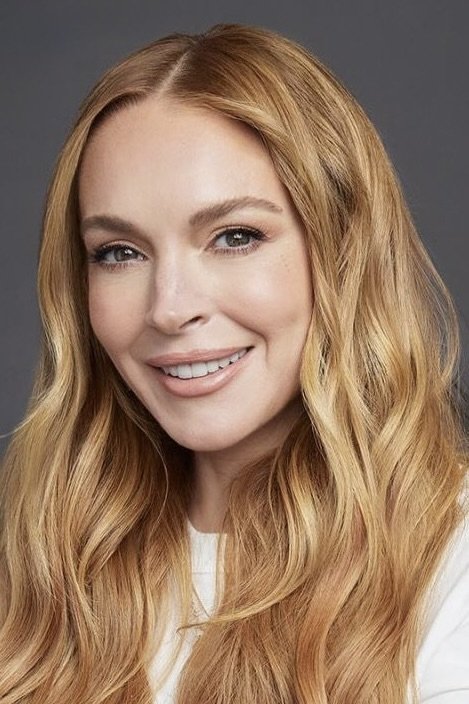
Lindsay Lohan was the most promising young actress of her generation before her personal struggles took over. Her fluid sexuality was treated as a scandal by the tabloids rather than a normal part of her life. The industry failed to provide her with the protection and guidance she needed during her mental health crises. Instead of support she received ridicule and was blacklisted from major productions.
Aaron Carter
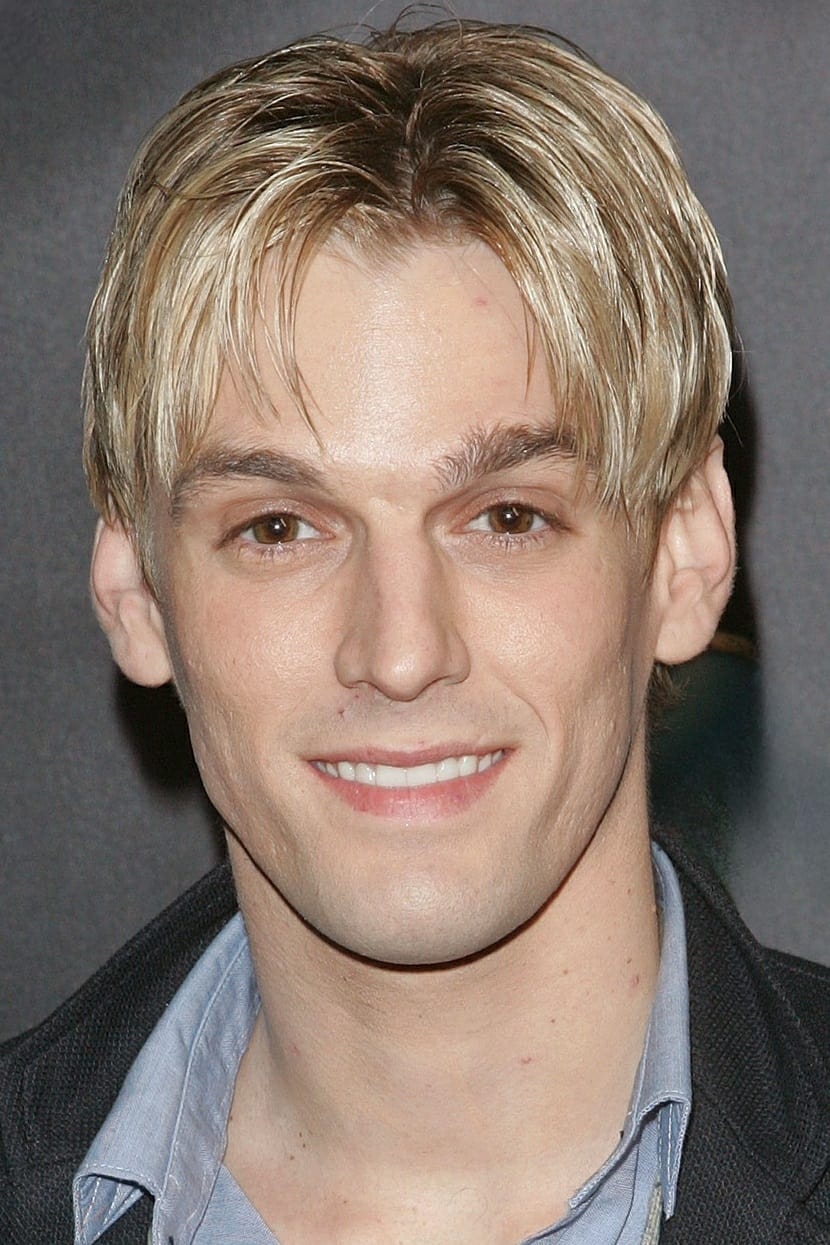
Aaron Carter grew up in the spotlight and faced immense pressure from the music industry. His coming out as bisexual was met with skepticism and sensationalism rather than support. He struggled with substance abuse and mental health issues that were exacerbated by a lack of proper management. The industry watched his decline without intervening effectively to save his talent.
David Archuleta
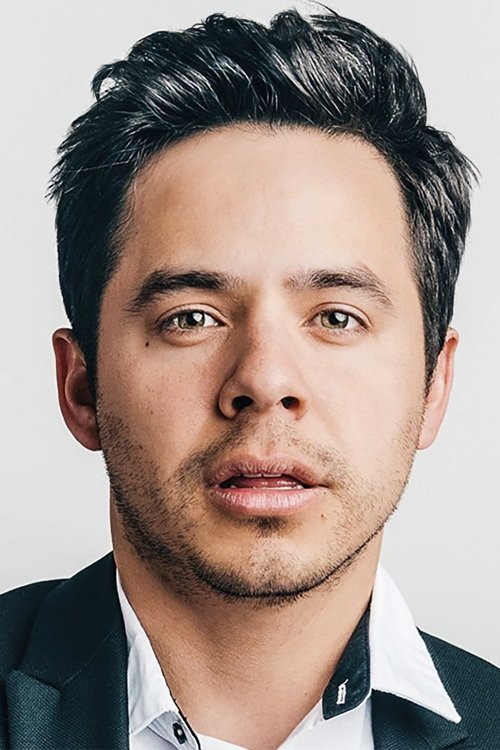
David Archuleta captured hearts on ‘American Idol’ with his clean-cut image and vocal talent. He struggled deeply with his sexuality due to his religious upbringing and industry expectations. Management teams encouraged him to maintain a wholesome image that conflicted with his internal battle. He eventually had to step away from the spotlight to reconcile his faith and identity.
Mika
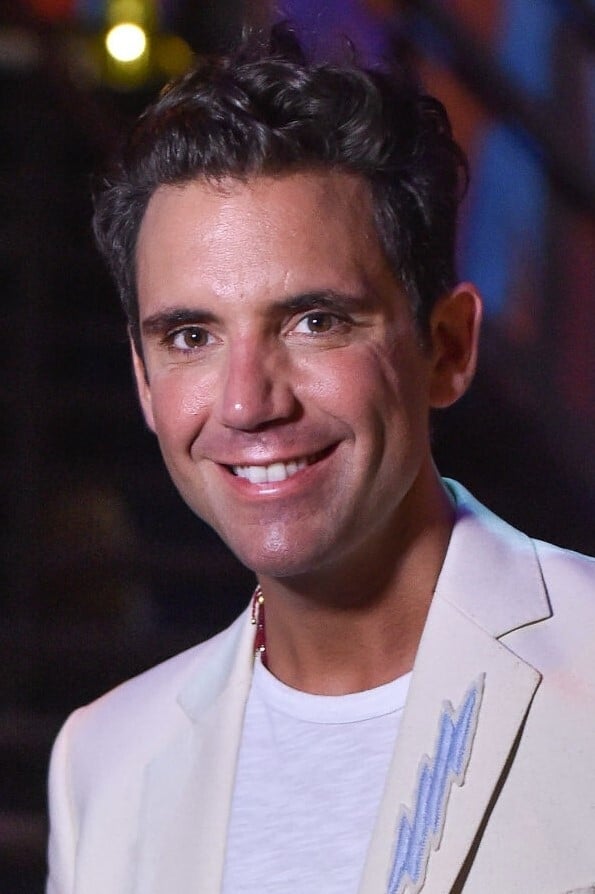
Mika burst onto the scene with a colorful and flamboyant pop style that drew comparisons to Freddie Mercury. American record labels struggled to market him to a mainstream US audience. They failed to capitalize on his massive European success and let his momentum fade stateside. He was often asked to tone down his theatricality for the American market.
Boy George

Boy George was a massive icon in the 1980s with Culture Club. His struggles with addiction were exacerbated by the intense media scrutiny regarding his appearance and sexuality. The industry failed to support him during his recovery and instead focused on the spectacle of his downfall. He was banned from entering the United States for years which crippled his career momentum.
George Takei
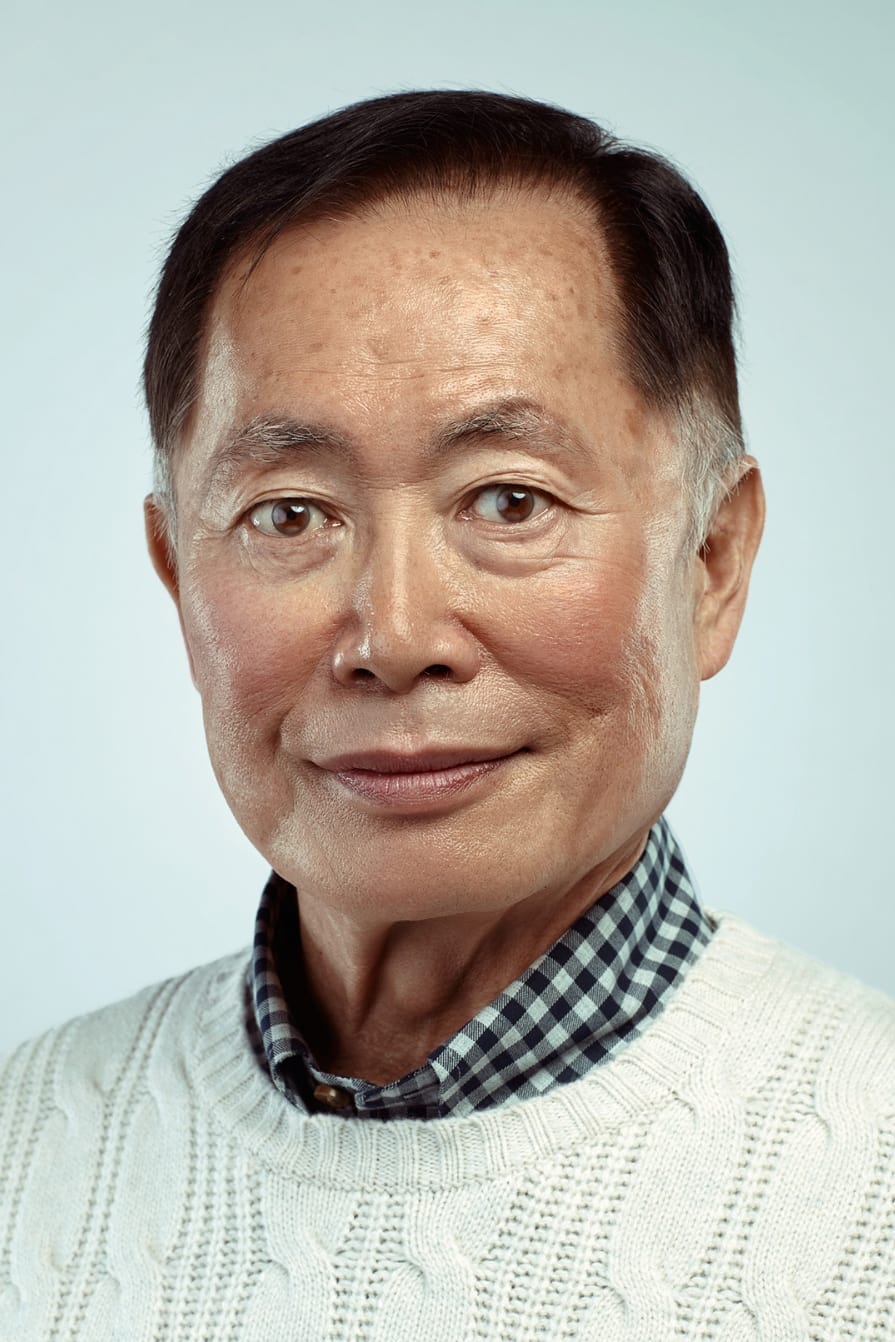
George Takei is a sci-fi legend for his role as Sulu in ‘Star Trek’. He spent the vast majority of his career in the closet to protect his employment opportunities. The industry offered very few roles for Asian-American actors let alone gay ones. He was unable to fully leverage his fame for advocacy until much later in life.
Nathan Lane
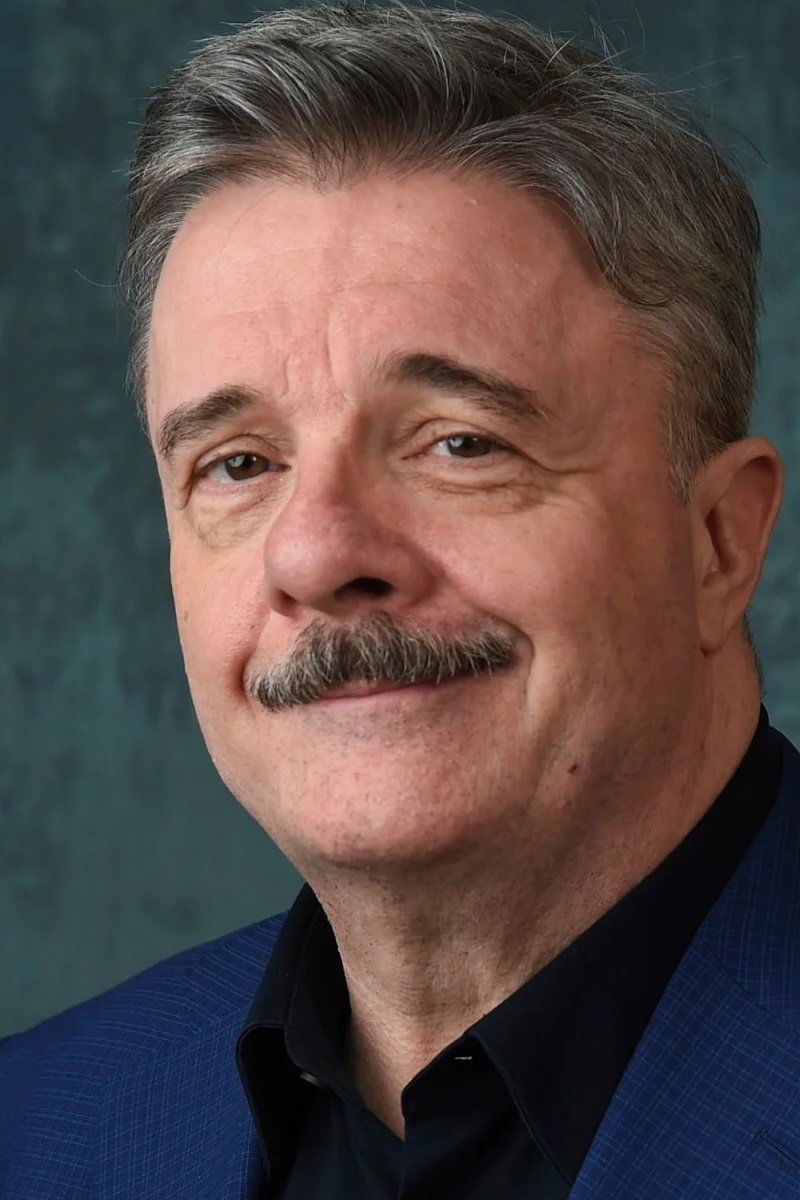
Nathan Lane is a giant of the theater world but struggled to find equal footing in Hollywood films. He was often typecast as the flamboyant sidekick in movies like ‘The Birdcage’. Studios rarely considered him for roles that did not rely on stereotypes about gay men. His immense dramatic range was largely ignored by film casting directors.
Wentworth Miller
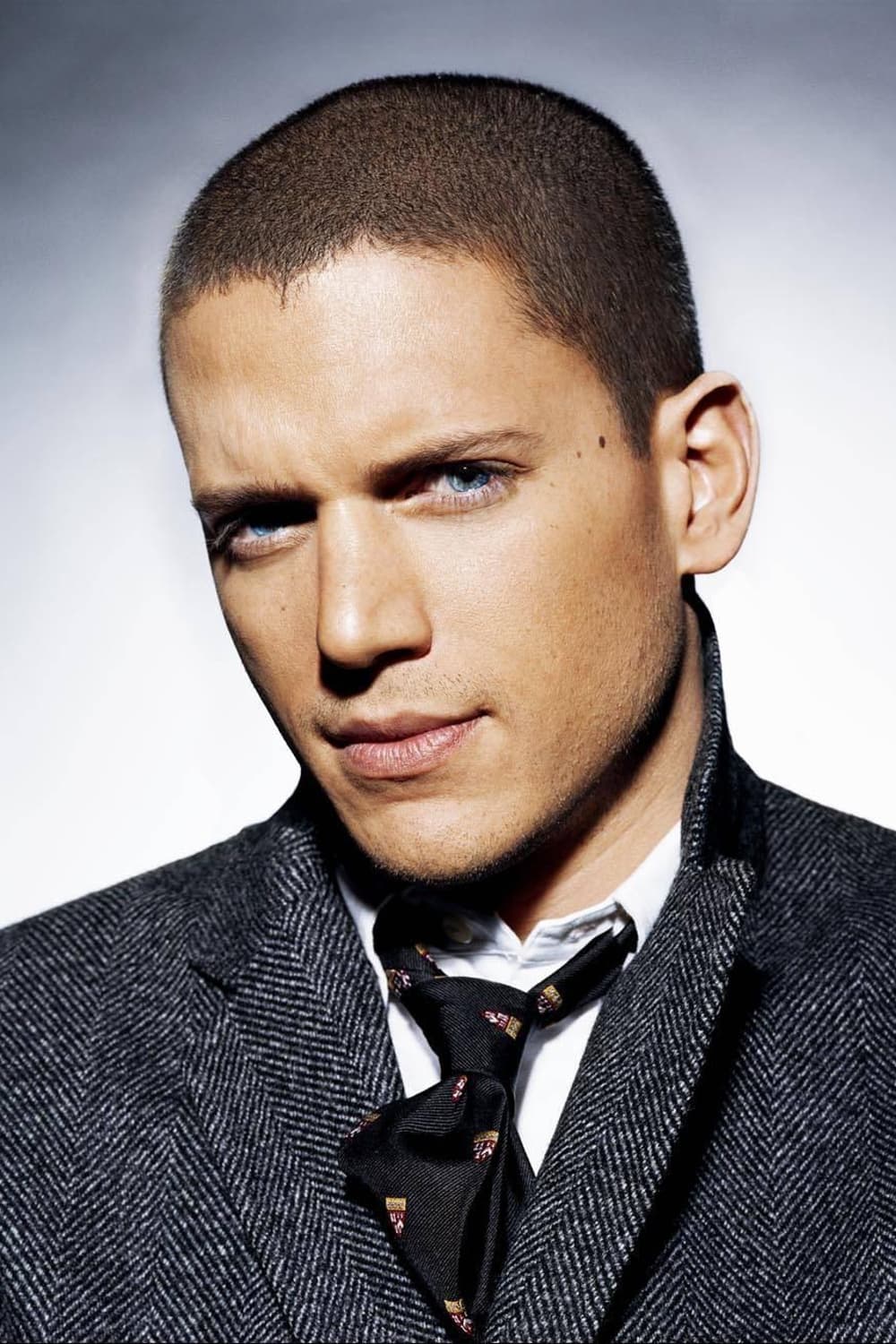
Wentworth Miller became a global superstar as the lead in ‘Prison Break’. He hid his sexuality for years to preserve the show’s ratings and his status as an action hero. The stress of maintaining this lie contributed to his mental health struggles and suicidal thoughts. He eventually walked away from acting to focus on writing and personal well-being.
Lee Pace
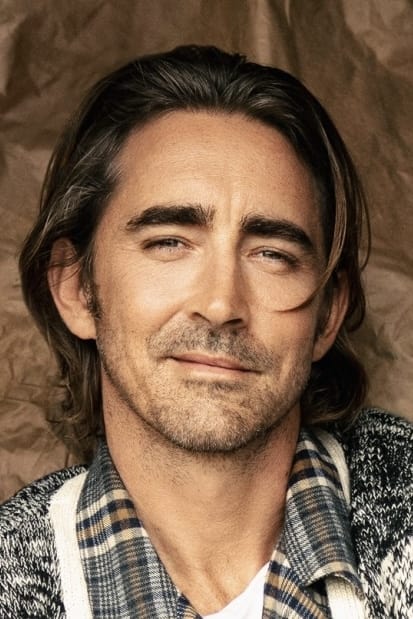
Lee Pace is a versatile actor known for roles in ‘Pushing Daisies’ and the Marvel Cinematic Universe. He was awkwardly outed by a co-star in an interview which forced him to address his sexuality before he was ready. The industry handling of his private life created a weird tension around his casting. He has managed to continue working but the initial mishandling was palpable.
Portia de Rossi

Portia de Rossi was a breakout star on ‘Ally McBeal’ while secretly battling an eating disorder and fear of being outed. She believed that being openly lesbian would end her acting career immediately. The pressure to conform to Hollywood beauty standards and heteronormativity nearly destroyed her health. She only found true stability in her career after leaving the toxic environment of network TV.
Rose McGowan

Rose McGowan was a rising star who dated Marilyn Manson and starred in ‘Charmed’. She was blacklisted by Harvey Weinstein after she refused to be silenced about his assault. The industry complicity in her blacklisting destroyed her potential as a leading film actress. Her career was sacrificed to protect a powerful predator.
Kevin McHale
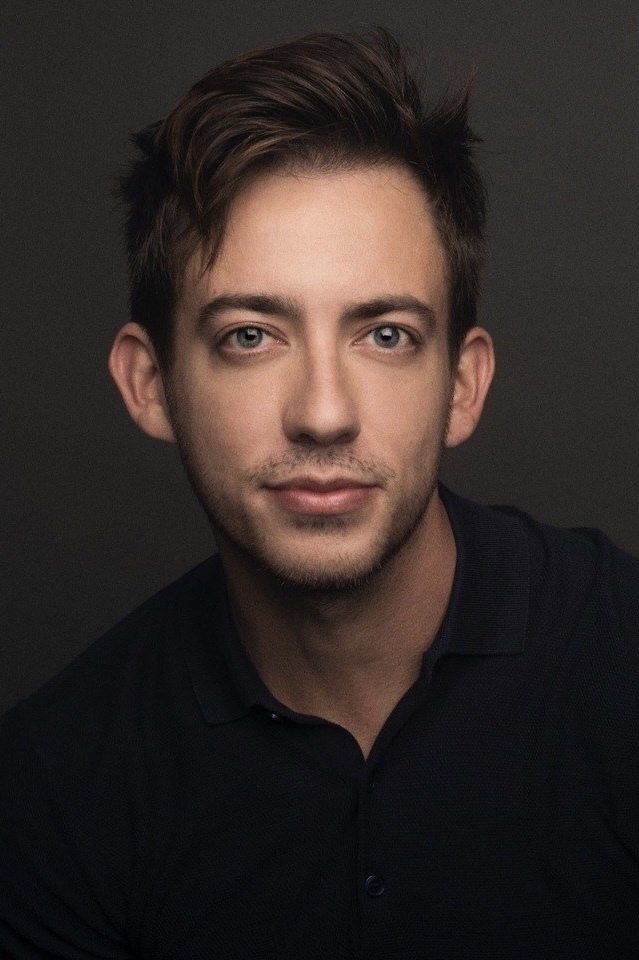
Kevin McHale was another talented member of the ‘Glee’ cast who struggled to find footing afterwards. He was not out during the height of the show’s popularity which may have limited his ability to connect with the LGBTQ+ audience. The industry failed to see him as a leading man once the show ended. He has since pivoted to radio and hosting gigs.
Hayley Kiyoko
Hayley Kiyoko is known as “Lesbian Jesus” to her fans but faced massive resistance from music executives. Labels told her that her music videos featuring women loving women would not appeal to the mainstream. She had to fight for every inch of creative control to tell her authentic stories. The industry initially tried to sanitize her image before her independent success proved them wrong.
Cheyenne Jackson
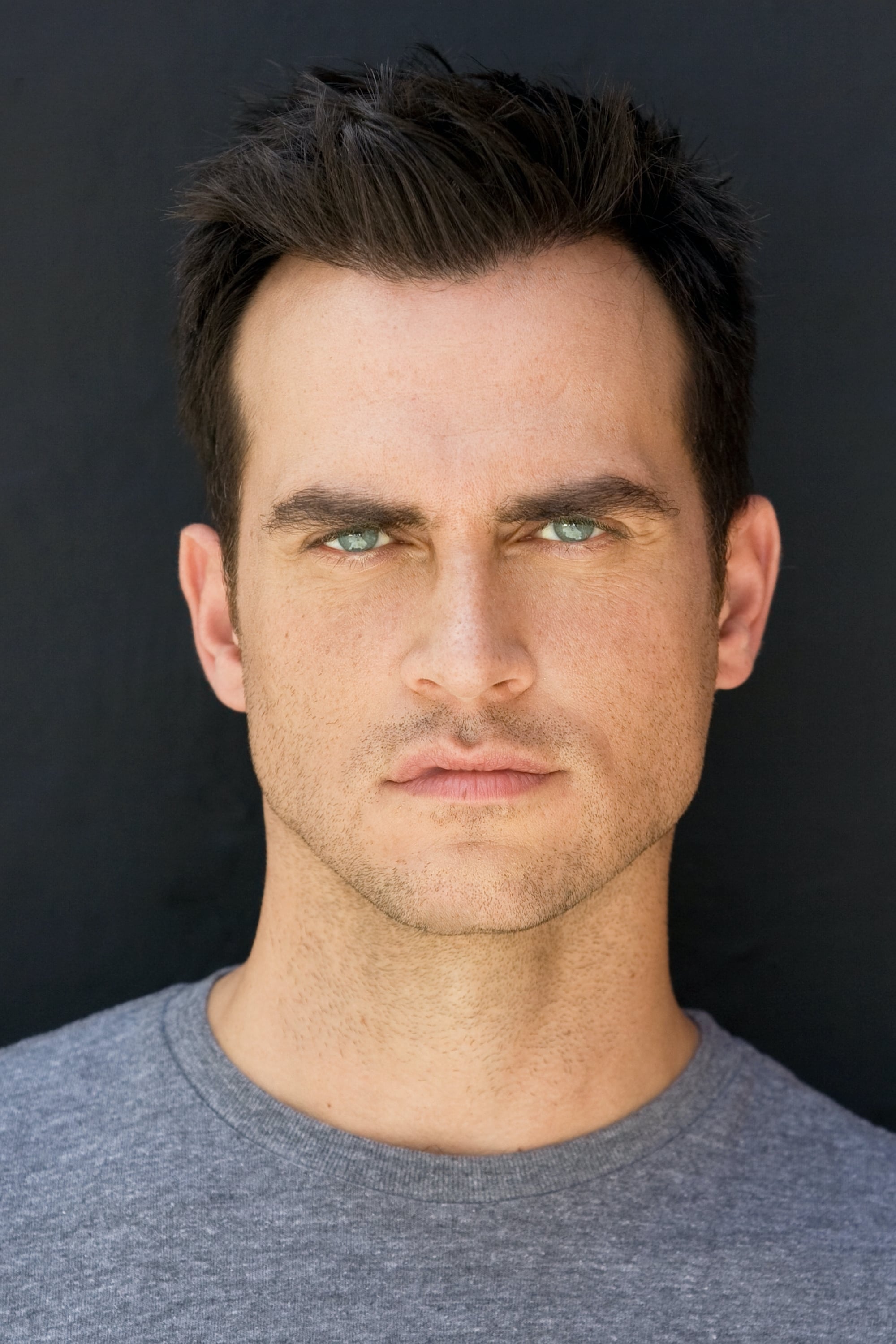
Cheyenne Jackson has the looks and voice of a classic leading man. Despite his talent he struggled to land a lead role in a successful television series that lasted. He was often brought in as a recurring guest star rather than the anchor of a show. Network executives seemed unsure of how to position an out gay actor as a primary romantic lead.
Please share your thoughts on which of these celebrities deserved better management in the comments.