LGBTQ+ Celebs Who Were Overlooked When It Mattered Most

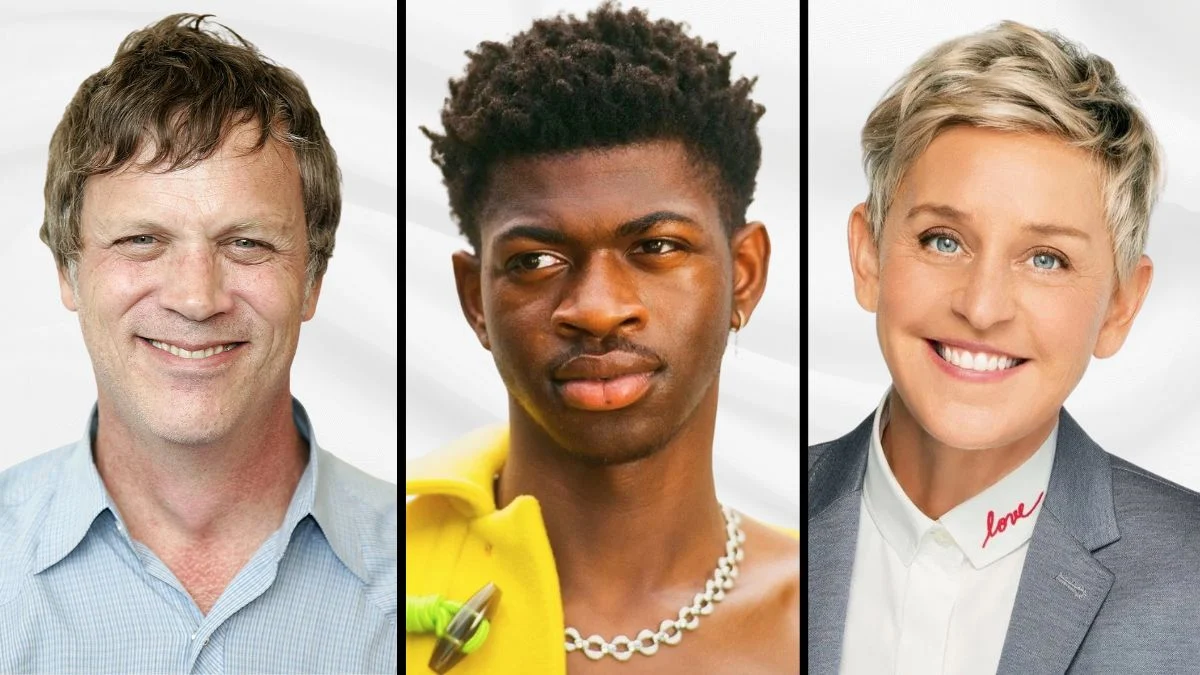

Throughout entertainment history, talented individuals have often faced systemic barriers or outright exclusion due to their sexual orientation or gender identity. Many of these performers delivered industry-defining work that went unrecognized by major award bodies during their prime. Others saw their career trajectories halted or limited by studios that refused to cast them in leading roles once rumors began to circulate. While the industry has made strides toward inclusivity, looking back reveals a pattern of missed opportunities to honor these trailblazers.
Anthony Perkins
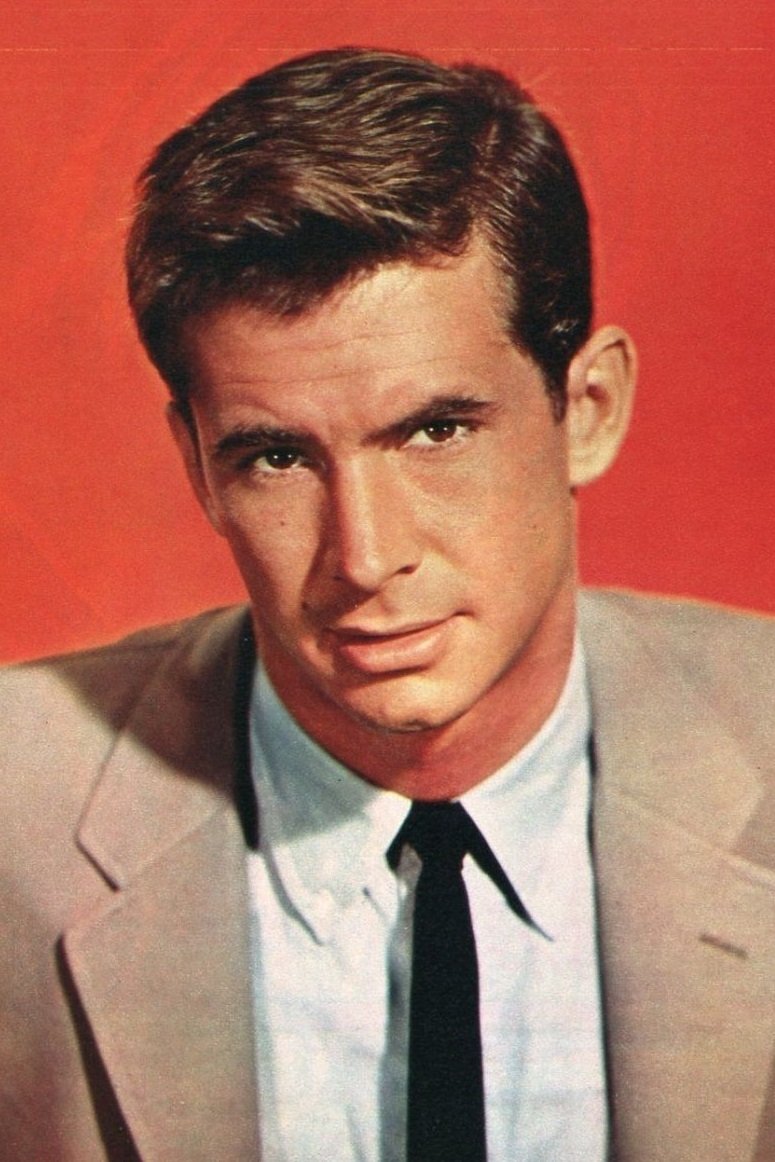
This talented actor delivered one of the most chilling performances in cinema history as Norman Bates in ‘Psycho’. Despite creating a character that defined the horror genre, the Academy failed to nominate him for Best Actor. His career subsequently suffered from severe typecasting and an industry that was wary of his guarded private life. Perkins continued to work steadily in theater and film but never regained the leading man momentum he deserved.
Rock Hudson
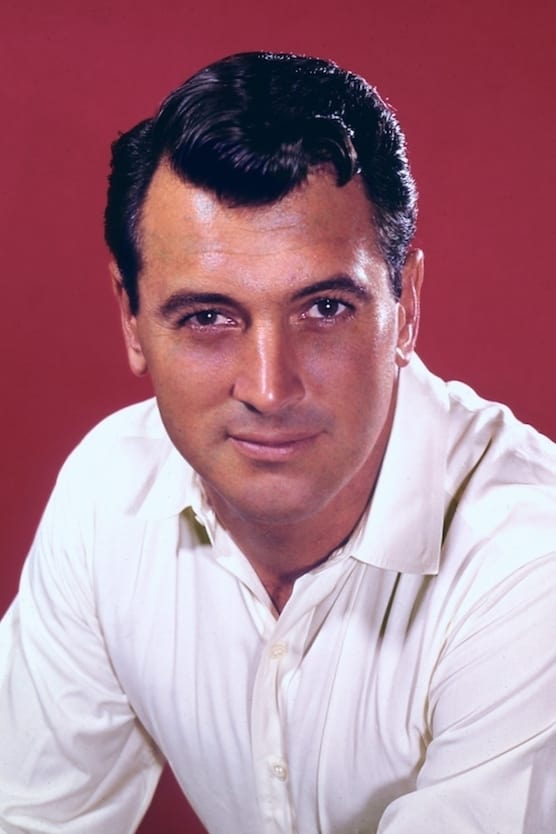
Hudson was the quintessential Hollywood heartthrob who generated massive box office returns during the Golden Age. He was forced to maintain a fictitious heterosexual public image to preserve his career and satisfy studio heads. This suppression prevented him from taking on more complex or authentic roles that might have garnered critical acclaim. His eventual diagnosis and death from AIDS-related complications shocked the world and highlighted the tragedy of his hidden life.
Sal Mineo
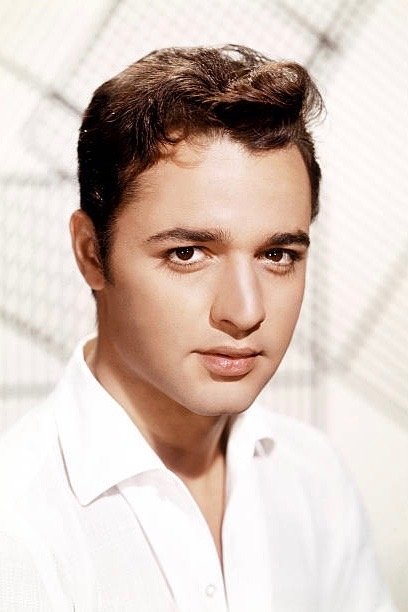
Mineo was one of the first teen idols to openly discuss his bisexuality in an era that demanded conformity. He received two Academy Award nominations early in his career for ‘Rebel Without a Cause’ and ‘Exodus’. However, as he matured and was honest about his identity, the major film offers rapidly disappeared. He was relegated to television guest spots and theater productions before his untimely death.
Montgomery Clift

Clift was a pioneer of Method acting who brought a raw vulnerability to the screen that influenced generations of actors. Despite receiving four Academy Award nominations, he never won the statue during his lifetime. His struggles with his sexuality and a traumatic car accident led to a decline in his health and standing in Hollywood. The industry largely turned its back on him as his personal battles became more public.
Ian McKellen
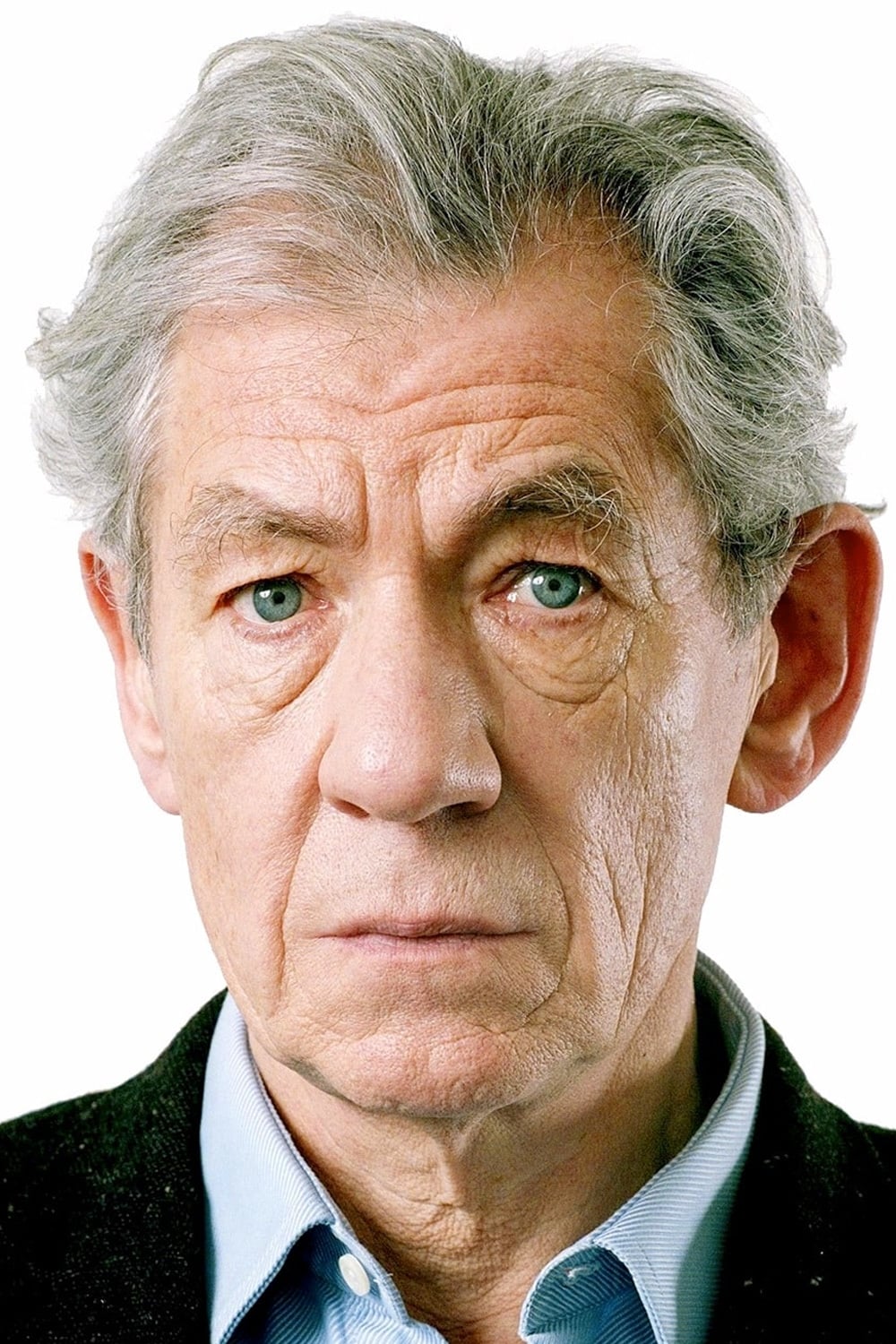
This legendary British thespian has received acclaim for his stage work but faced surprising snubs in film. He delivered a powerful performance in ‘Gods and Monsters’ that many critics felt deserved the Best Actor Oscar. He was also the frontrunner for Best Supporting Actor for ‘The Lord of the Rings: The Fellowship of the Ring’ but left empty-handed. It took decades for the mainstream film industry to fully embrace his range beyond blockbuster franchises.
Rupert Everett
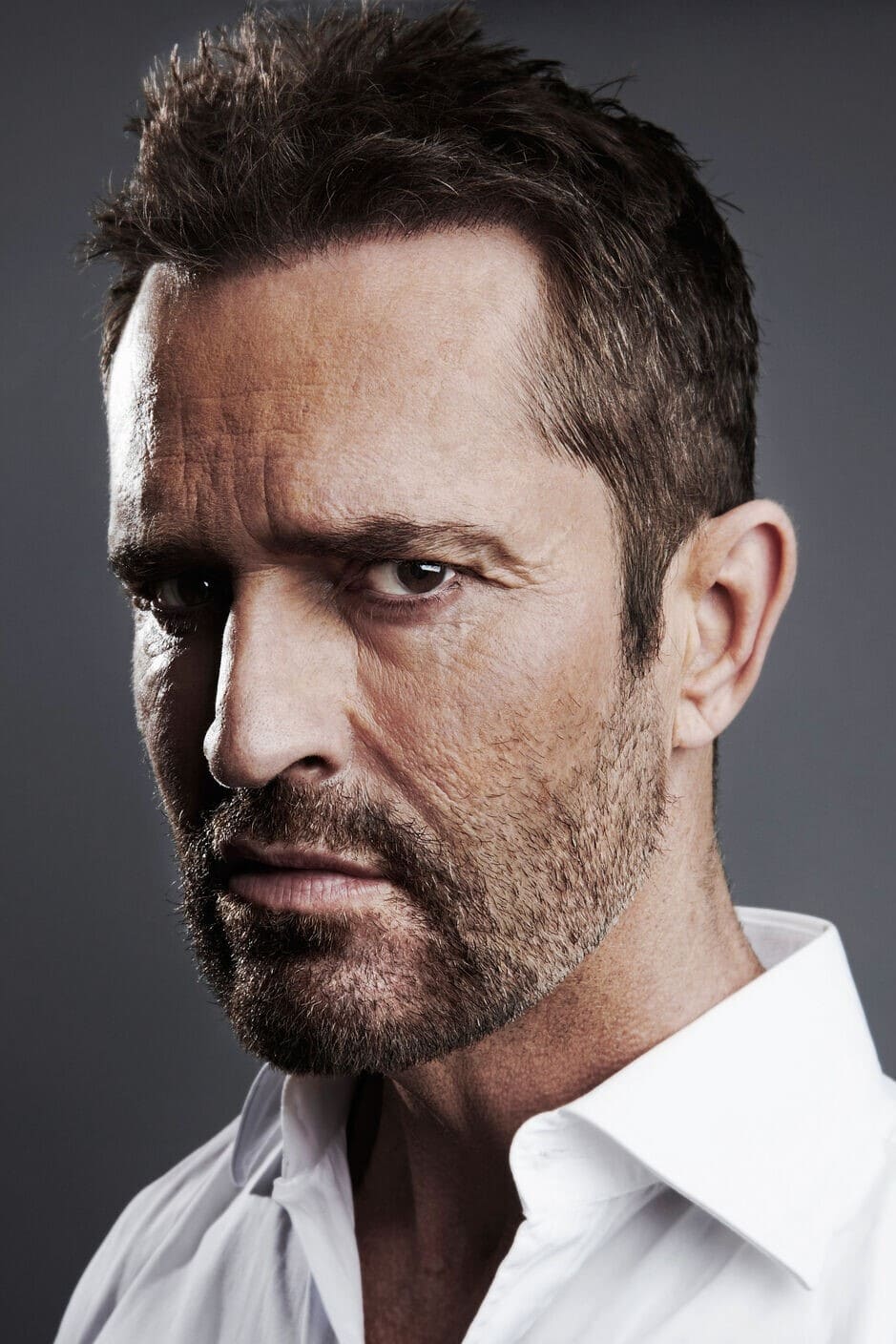
Everett broke out as a star with his charismatic performance in ‘My Best Friend’s Wedding’. He later revealed that coming out as gay severely damaged his ability to secure leading roles in Hollywood. Studios were hesitant to cast him as a romantic lead in mainstream projects despite his proven chemistry and talent. His career momentum stalled during a time when he should have been one of the biggest stars in the world.
Tab Hunter
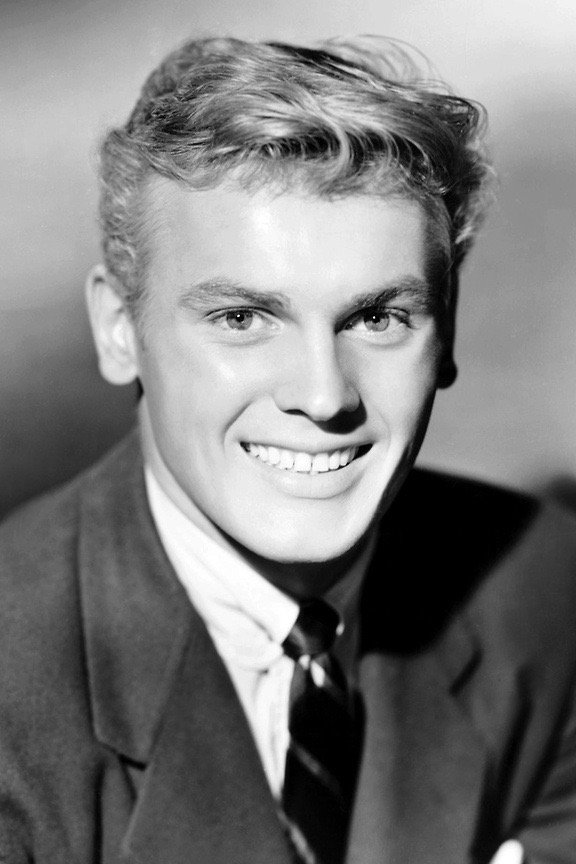
Hunter was the product of the studio system which marketed him as the boy next door to millions of adoring fans. He lived in constant fear that his relationship with Anthony Perkins would be exposed by gossip magazines. Warner Bros. actively suppressed stories about his sexuality to protect their financial investment in his image. This stifling environment limited his artistic growth and forced him to prioritize image over performance.
Dirk Bogarde
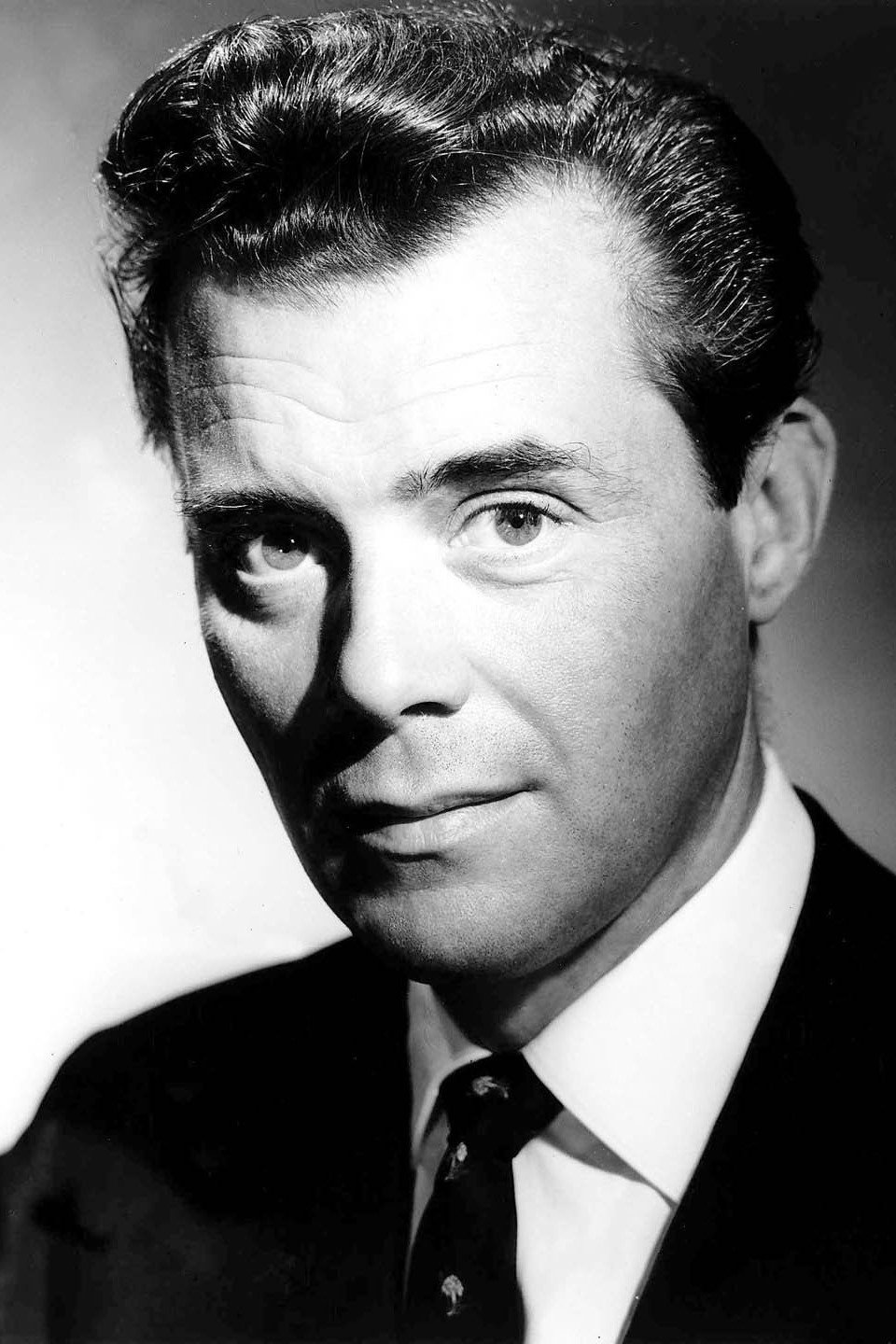
Bogarde was a massive matinee idol in Britain who took a significant risk by starring in the film ‘Victim’. The movie was the first English-language film to use the word homosexual and directly address the blackmail of gay men. While the role gained him critical respect, it alienated his conservative fanbase and altered his career trajectory. He moved to European cinema to find roles that allowed him greater complexity and freedom.
Marlene Dietrich
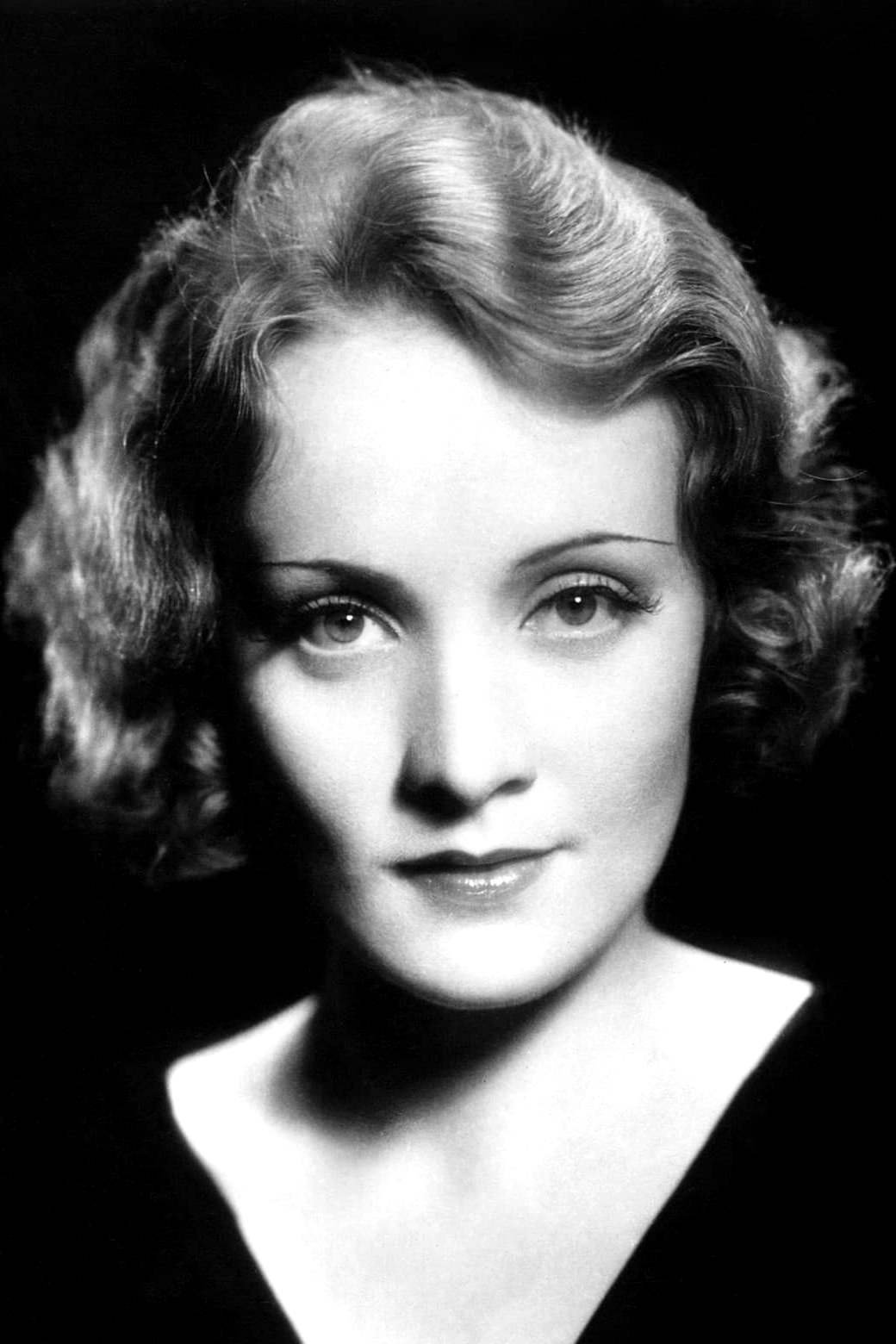
Dietrich was an icon of style and cinema who openly defied gender norms with her fashion and bisexuality. Despite her legendary status and extensive filmography, she received only one Academy Award nomination in her entire career. The industry often focused more on her glamour and singing than her legitimate acting range. Her refusal to conform to traditional domestic roles likely alienated the conservative voting blocks of her time.
Greta Garbo
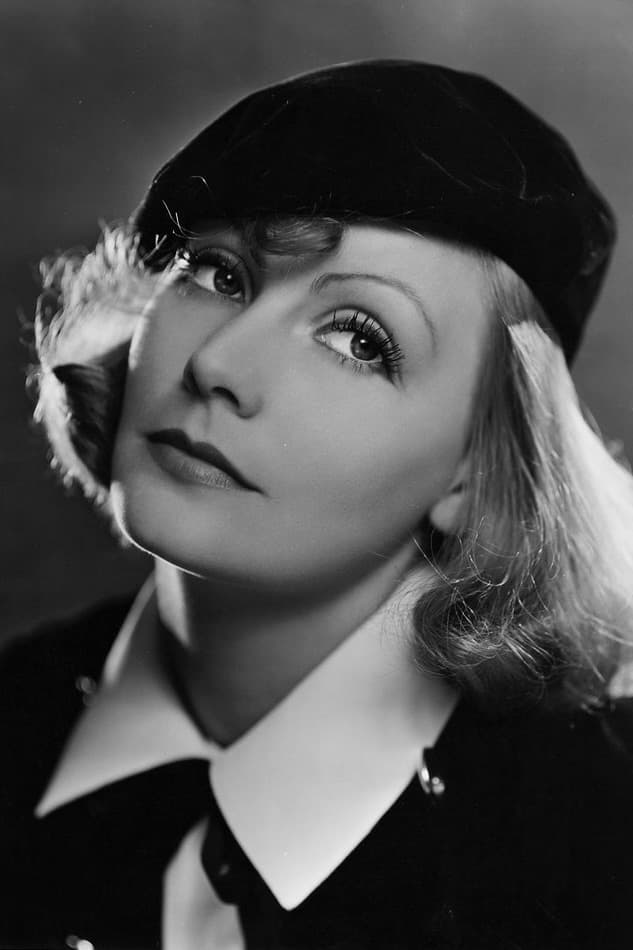
Garbo remains one of the most enigmatic figures in film history who retired at the height of her fame. She received three Academy Award nominations but never won a competitive Oscar during her active years. Her fiercely guarded private life and refusal to play the Hollywood game kept her at a distance from the industry elite. She left the business feeling disillusioned by the constraints placed on her artistry and identity.
k.d. lang
The Canadian singer possessed a voice that critics hailed as one of the best in the industry. Her career was skyrocketing with hits like ‘Constant Craving’ until she appeared on the cover of Vanity Fair and came out. Country radio stations boycotted her music and effectively banned her from the genre she loved. It took years for her to rebuild a career in adult contemporary pop after being exiled by Nashville.
George Michael
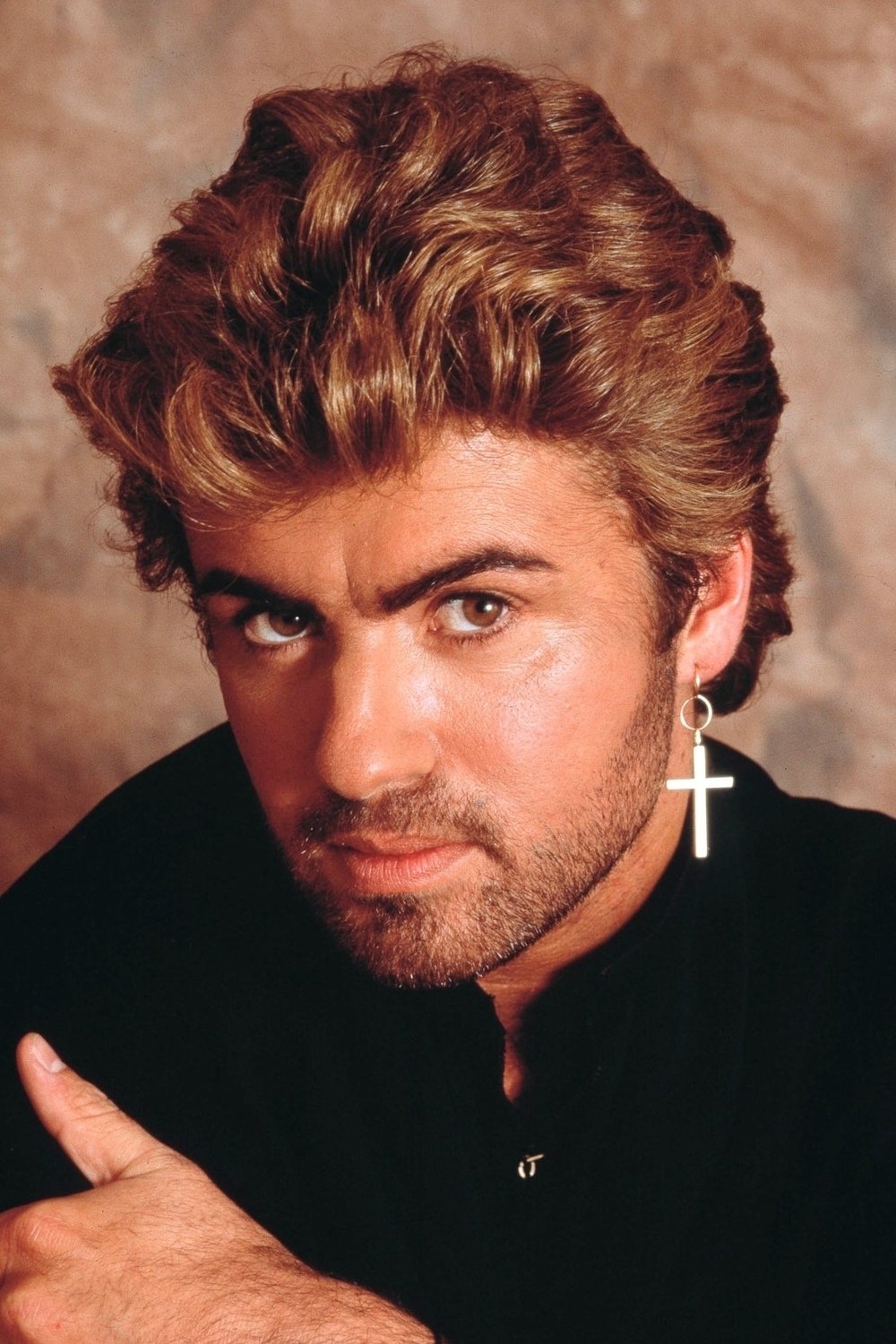
Michael was a global superstar who fought for artistic credibility with his album ‘Listen Without Prejudice Vol. 1’. His career in the United States took a massive hit following a highly publicized arrest in a public restroom. The media humiliation overshadowed his musical genius and philanthropic work for years. He struggled to regain his footing on American charts despite remaining a stadium act in Europe.
Freddie Mercury
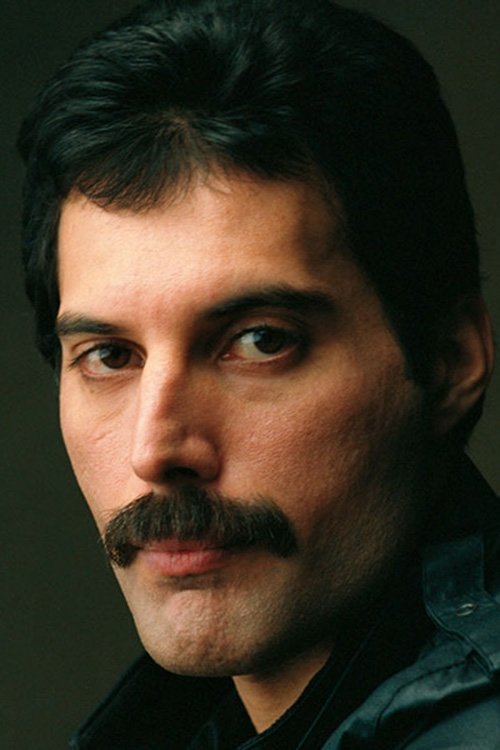
Mercury commanded stadiums with a vocal range and stage presence that few could match. Despite Queen’s massive popularity, the band was often dismissed by music critics and the Grammy Awards during his lifetime. The media focus in his final years often centered on speculation about his health rather than his artistic contributions. His legacy was only fully canonized by the establishment long after his passing.
Ellen DeGeneres
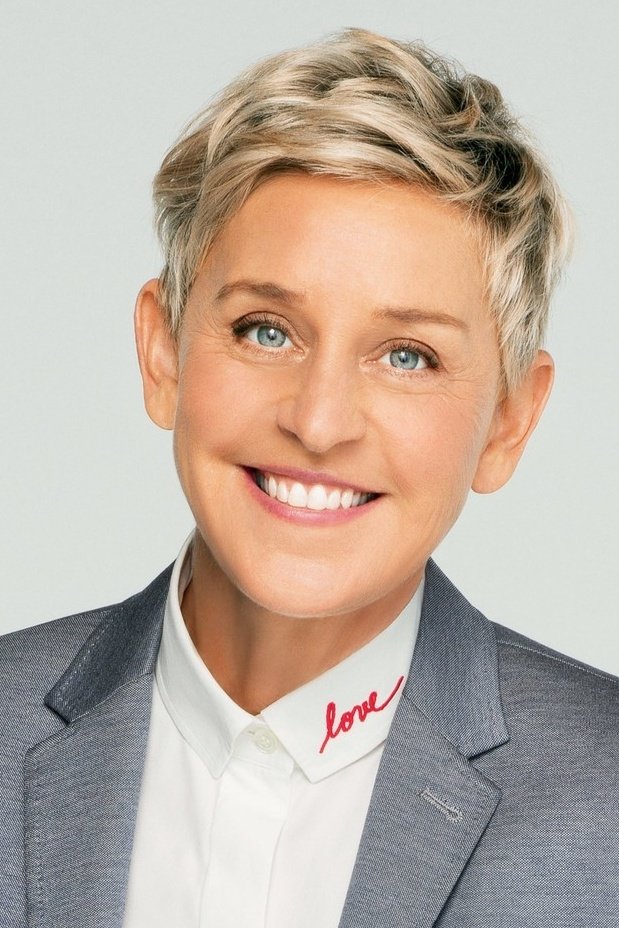
DeGeneres made television history by having her sitcom character come out at the same time she did. The backlash was swift and resulted in the cancellation of her show and a period of unemployment. Hollywood executives told her that her career was effectively over and refused to hire her for years. She had to claw her way back from the bottom to become a daytime talk show powerhouse.
Nathan Lane
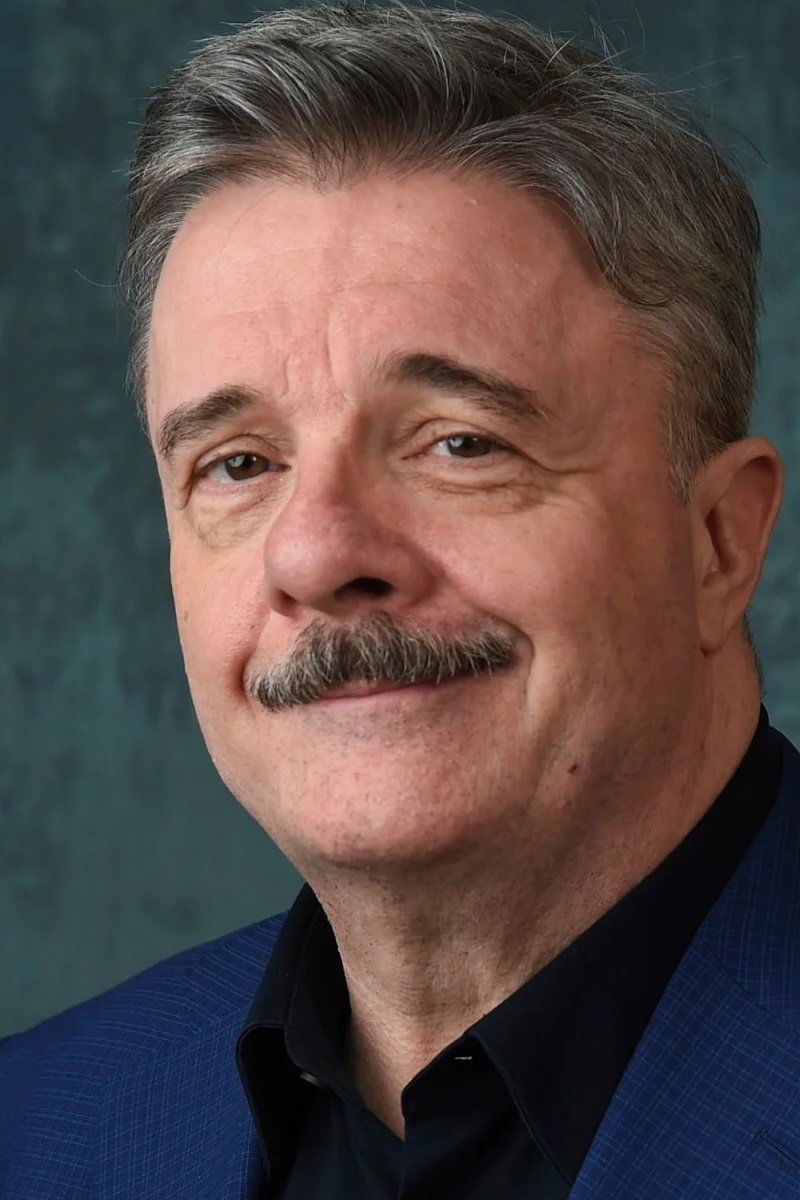
Lane gave a tour-de-force comic performance in ‘The Birdcage’ that anchored the film’s massive success. The Academy frequently overlooks comedic performances, but his snub was particularly glaring given the praise he received. He has found immense success on Broadway but the film industry has rarely given him roles of that caliber since. His talent was often pigeonholed into voice acting or supporting character roles.
Matt Bomer
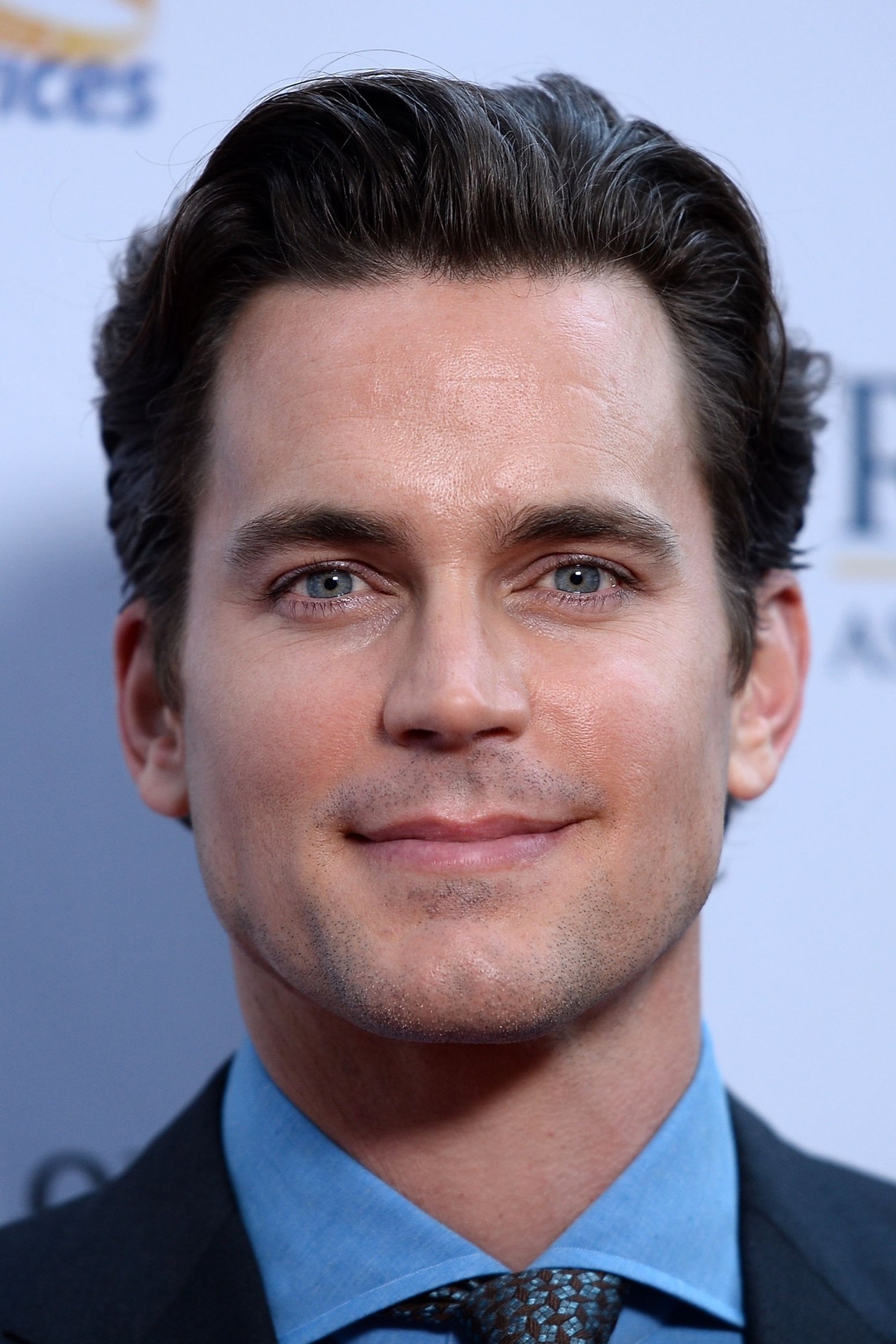
Bomer was a top contender to play Superman in a major motion picture adaptation in the early 2000s. Multiple sources later confirmed that he was passed over for the role specifically because he was gay. Losing such a high-profile franchise opportunity significantly altered the trajectory of his film career. He eventually found success in television but the blockbuster film stardom he was poised for remained elusive.
Todd Haynes
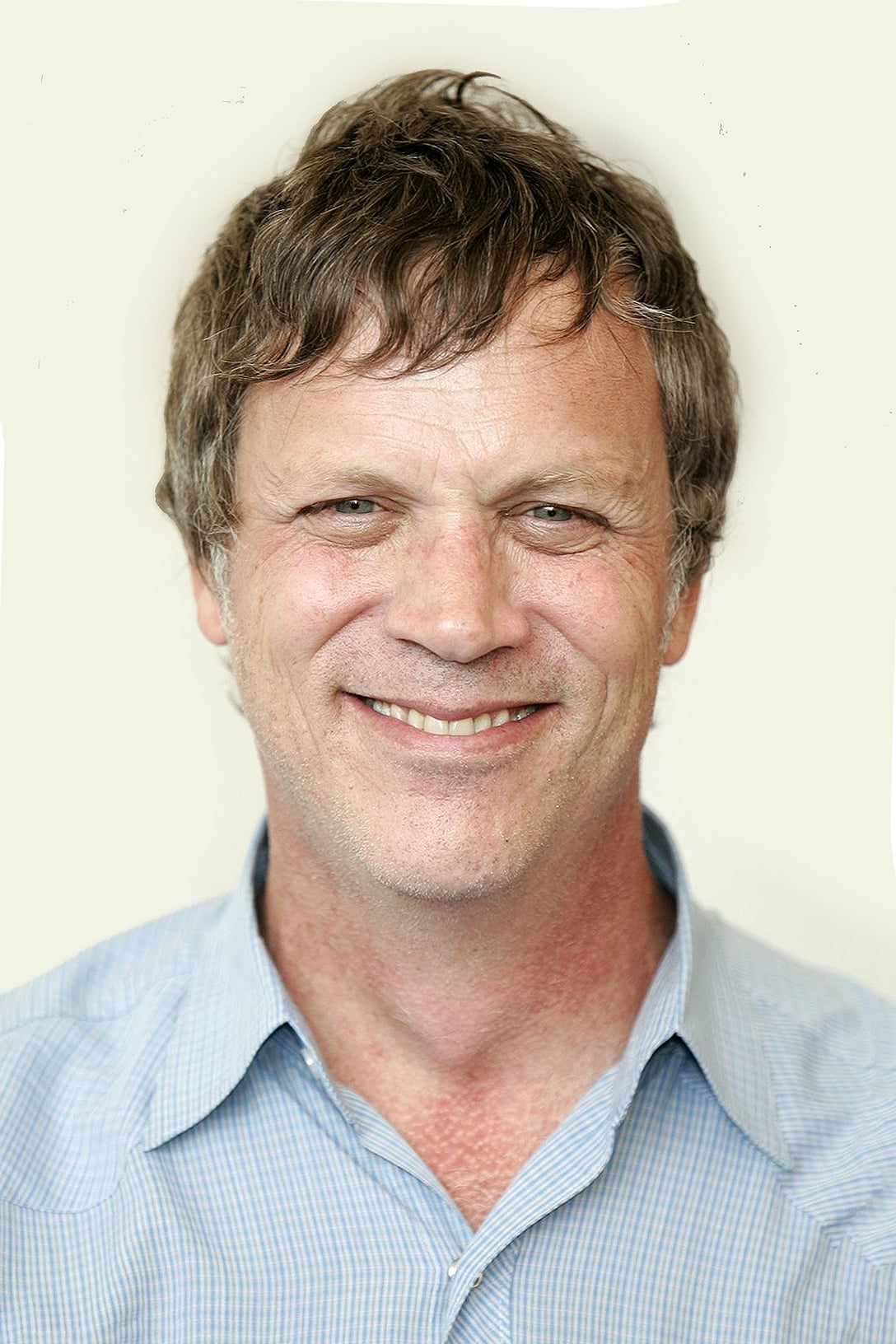
Haynes is a pioneer of the New Queer Cinema movement who has directed multiple critically acclaimed films. His movies ‘Carol’ and ‘Far from Heaven’ received numerous nominations for actors and writers but rarely for his direction. The Directors branch of the Academy has repeatedly overlooked his meticulous and stylish craftsmanship. He remains one of the most respected filmmakers to never receive a Best Director nomination.
Pedro Almodóvar
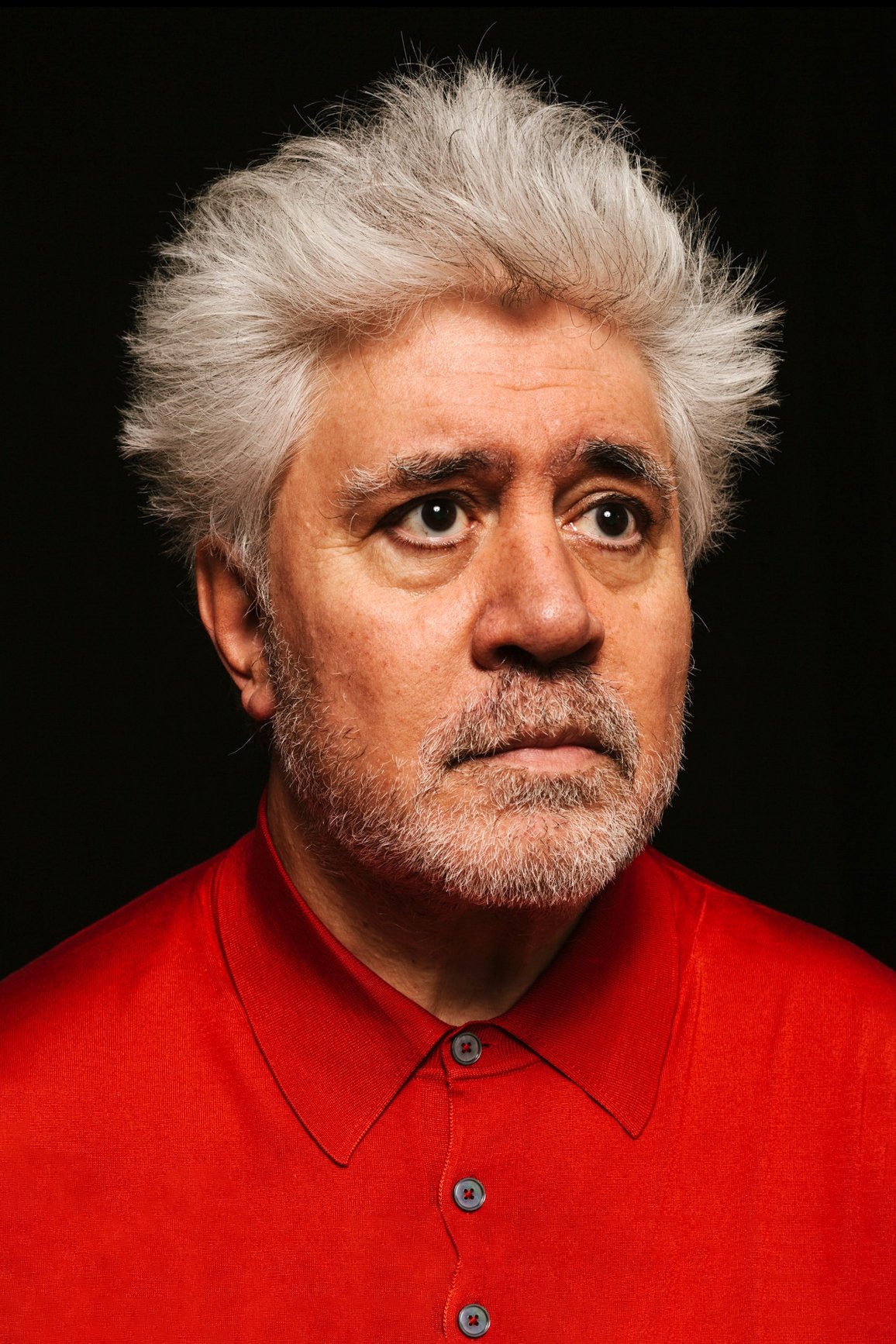
The Spanish director is responsible for some of the most vibrant and provocative films in international cinema. While he has won for screenwriting, he was often overlooked in the Best Director category during his most prolific periods. His work centers on women and LGBTQ+ themes that the Academy historically marginalized. It took decades for the establishment to view him as a serious auteur rather than just a provocateur.
Divine
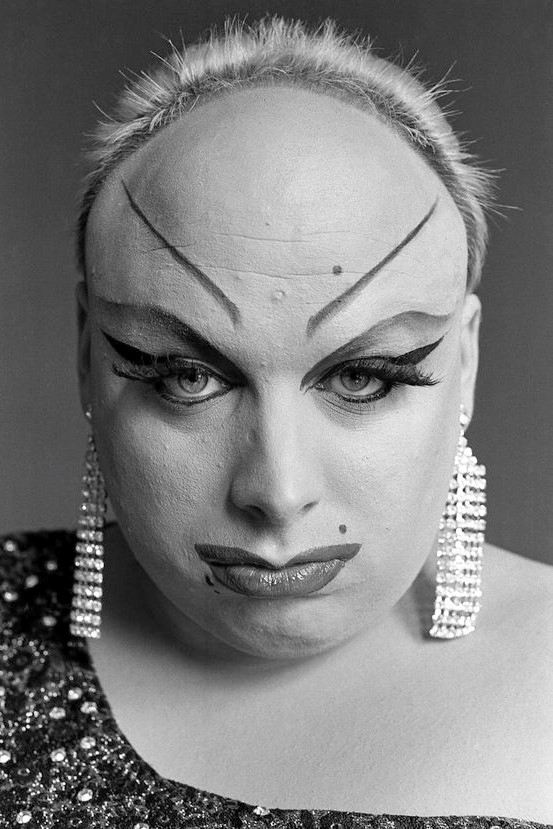
Divine was the muse of John Waters and a counterculture icon who pushed the boundaries of taste and drag. Mainstream critics often dismissed his performances as mere shock value rather than legitimate acting. He was on the verge of a mainstream breakthrough with a role on ‘Married… with Children’ when he passed away. The entertainment industry failed to recognize his unique comedic timing and presence while he was alive.
John Waters
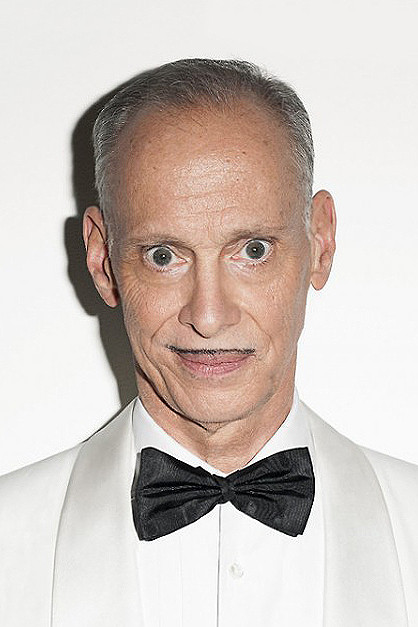
Waters built a career on celebrating the bizarre and the trashy while championing the underdog. For decades, film festivals and award bodies treated his work as novelty rather than art. He created a distinct cinematic language that influenced generations of independent filmmakers. The industry has only recently begun to honor him with lifetime achievement awards after ignoring his active years.
Billy Porter
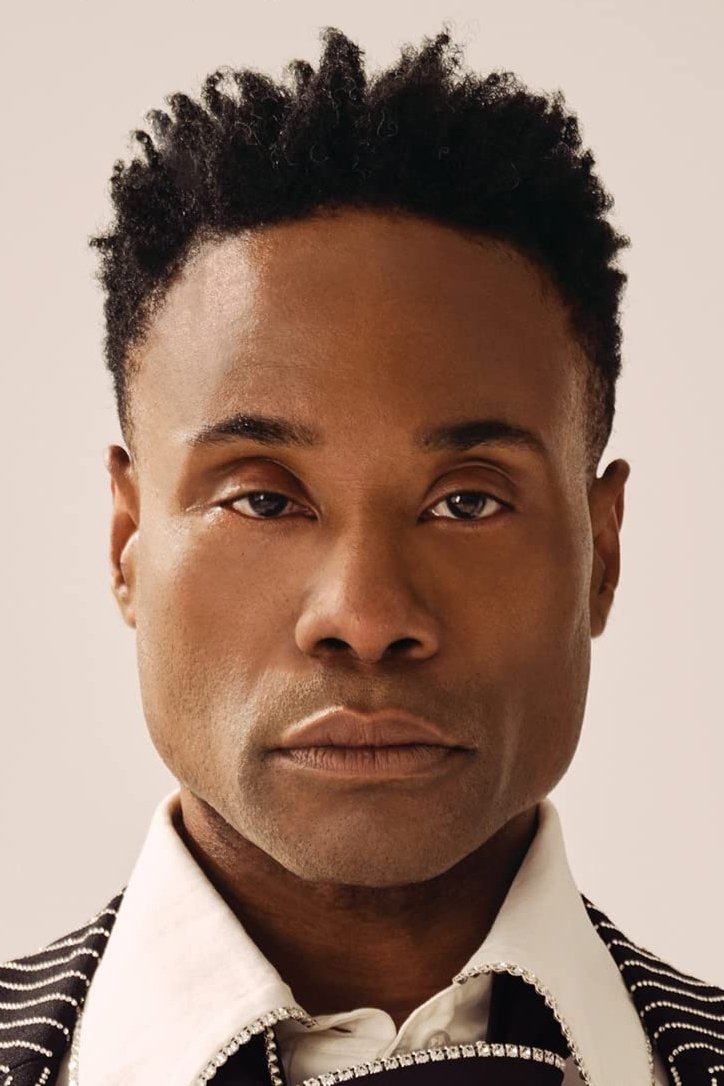
Porter is a Tony Award-winning powerhouse who spent decades working in theater before finding mainstream TV fame. He struggled to find roles in Hollywood that would accept his flamboyant style and identity. It was not until ‘Pose’ that the television industry finally recognized his dramatic talents with an Emmy. His long wait for recognition highlights the industry’s historical lack of imagination for queer actors of color.
Colman Domingo
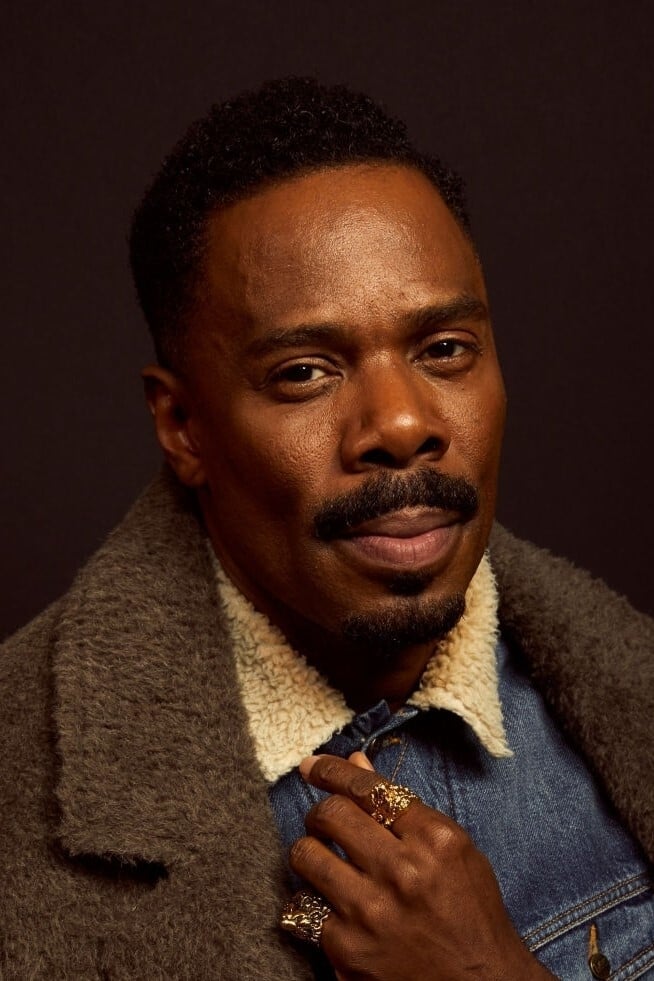
Domingo has been a reliable character actor for years in film and television without major recognition. He consistently delivered grounded and powerful performances that went under the radar of award voters. Only recently has he begun to receive leading roles and nominations that match his skill level. His career serves as a testament to persistence in an industry that often sidelines queer actors of color.
Richard Chamberlain
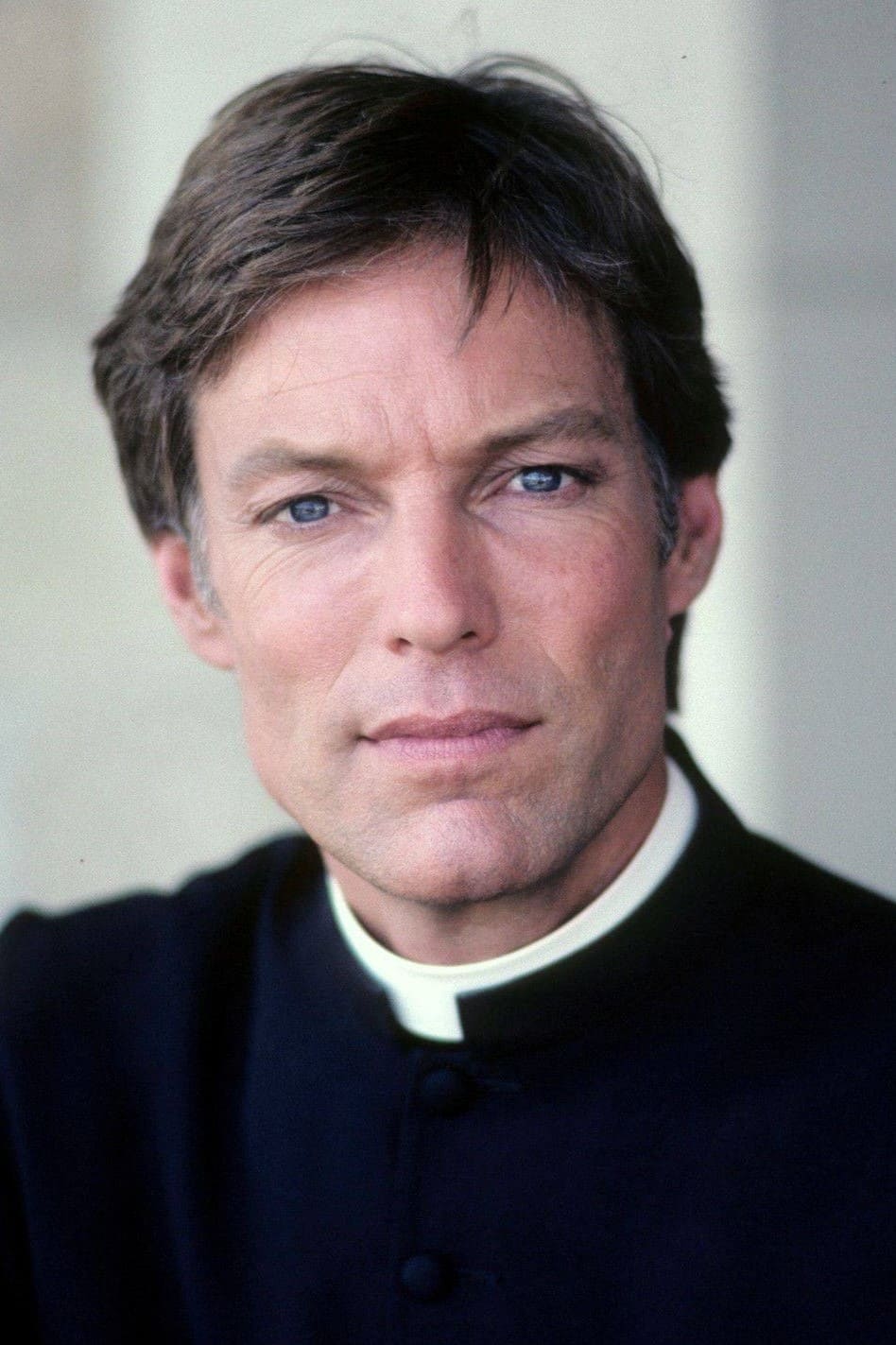
Chamberlain was the king of the television miniseries and a major heartthrob in the 1980s. He lived in deep fear that his homosexuality would be exposed and destroy his romantic leading man status. This fear forced him to hide his partner and live a double life for the majority of his career. He later expressed regret for the toll this secrecy took on his personal happiness and authentic self.
Raymond Burr
Burr achieved massive fame as the titular character in the legal drama ‘Perry Mason’. He went to extreme lengths to hide his relationship with his male partner, even inventing a deceased wife and child. The studio system created a protective wall around him that prevented him from living openly. His legacy is defined by his acting stoicism which mirrored the guarded nature of his real life.
Agnes Moorehead
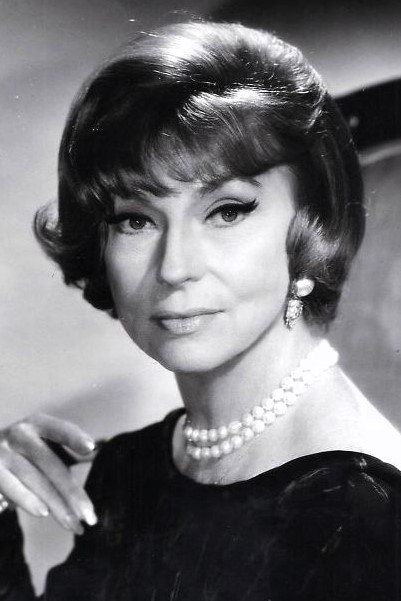
Moorehead was a brilliant character actress best known for her role as Endora on ‘Bewitched’. She was rumored to be a lesbian and reportedly had to keep her private life extremely discreet. The industry valued her sharp wit and presence but never considered her for the romantic leads she might have played. She remains one of the most memorable supporting actresses who never got her due as a headliner.
Luther Vandross
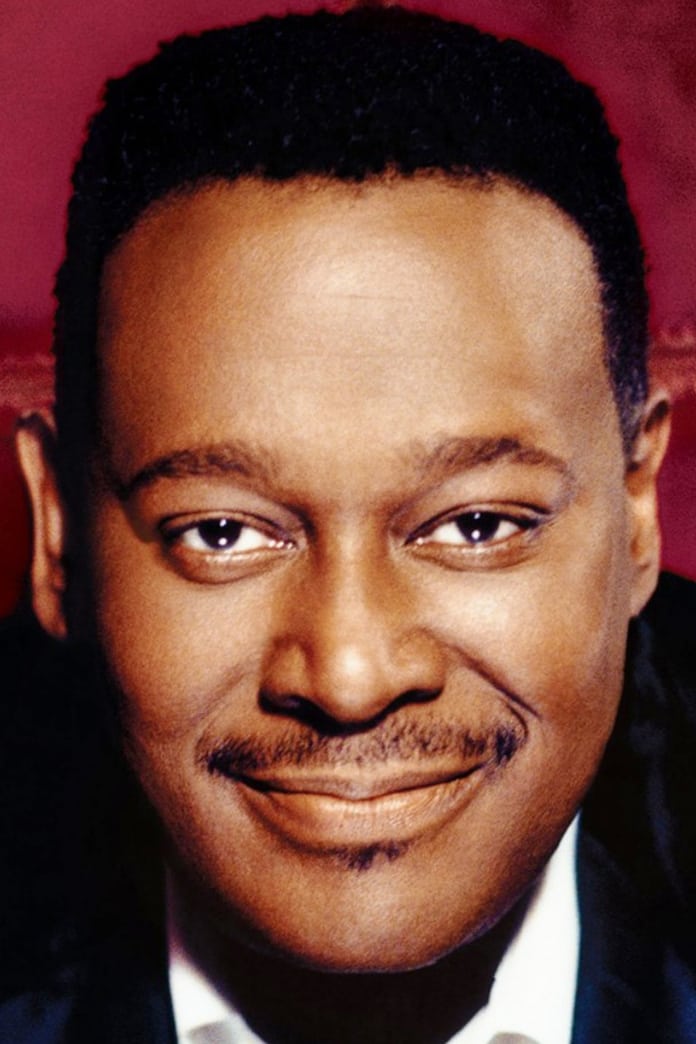
Vandross was one of the greatest R&B vocalists of all time with a career spanning decades. He never publicly came out during his lifetime, fearing it would alienate his predominantly female audience. This silence created a barrier between him and his fans and led to years of speculation. He passed away without ever being able to fully celebrate his identity alongside his music.
Bessie Smith
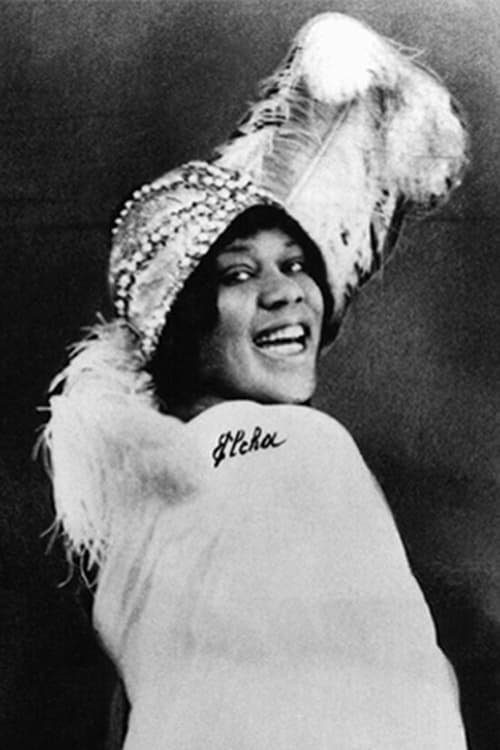
Smith was the Empress of the Blues and the most popular female blues singer of the 1920s or 1930s. Her bi-sexuality was an open secret that limited her crossover appeal in a segregated and conservative America. She died young and her legacy was often sanitized by historians who ignored the queer themes in her work. It took decades for scholars to reclaim and celebrate the fullness of her identity.
Sister Rosetta Tharpe
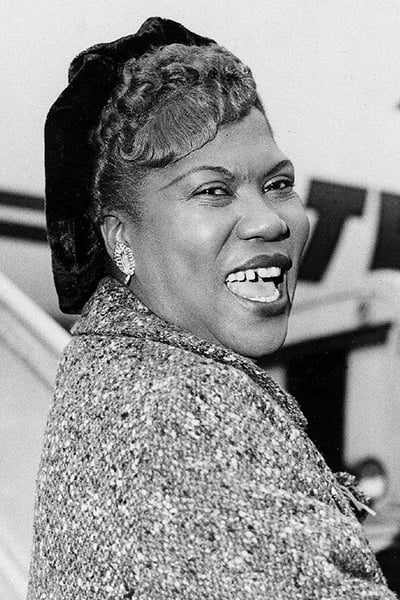
Tharpe was a guitar prodigy who invented the rock and roll style that Chuck Berry and Elvis Presley would later adopt. She was a queer black woman navigating the conservative world of gospel music. Her massive influence on music history was largely erased or attributed to the white men she inspired. Only recently has the Rock and Roll Hall of Fame acknowledged her pivotal role.
Lil Nas X
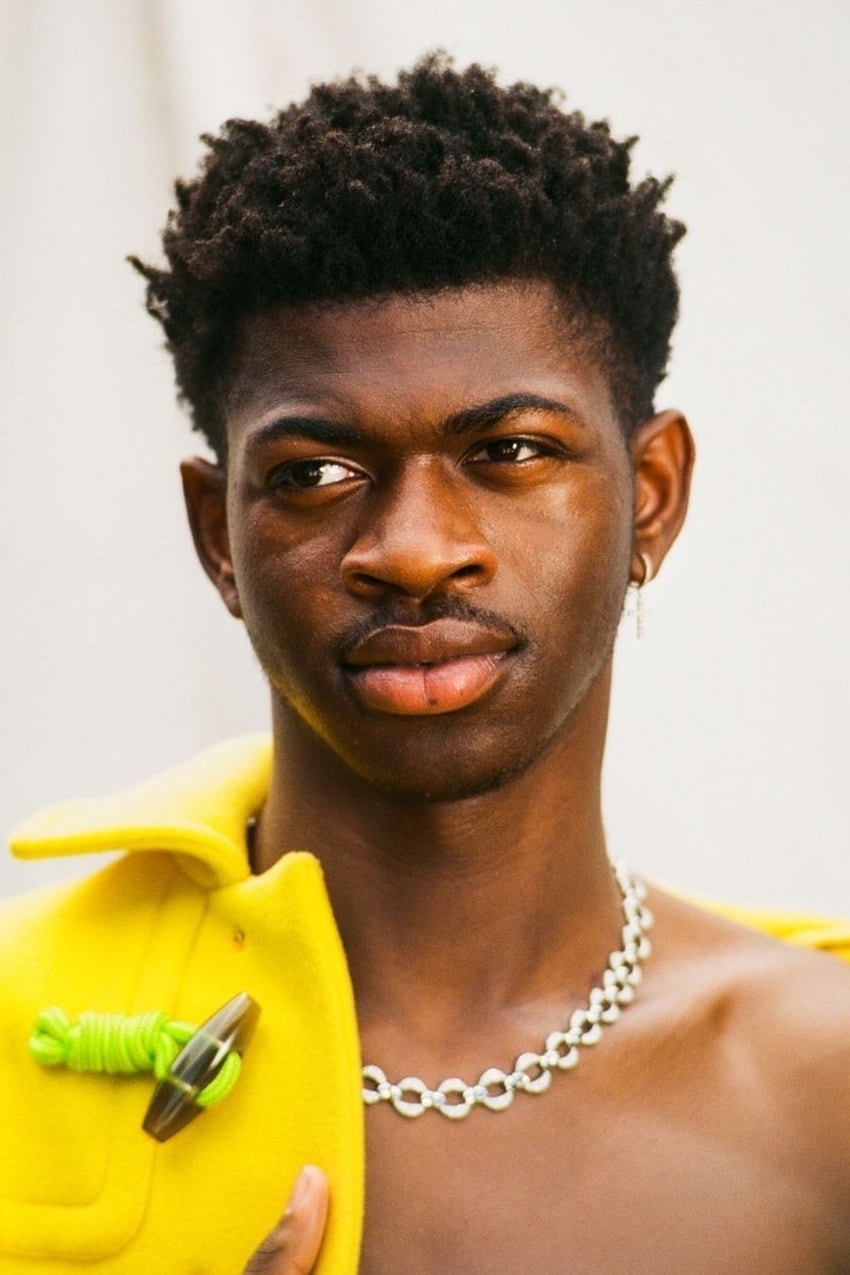
The rapper exploded onto the scene with ‘Old Town Road’, which became a global phenomenon. Billboard controversially removed the song from the country charts, claiming it did not embody the genre. Many viewed this decision as a gatekeeping measure against a queer black artist entering a conservative space. He responded by leaning harder into his identity and proving his critics wrong with subsequent hits.
Frank Ocean
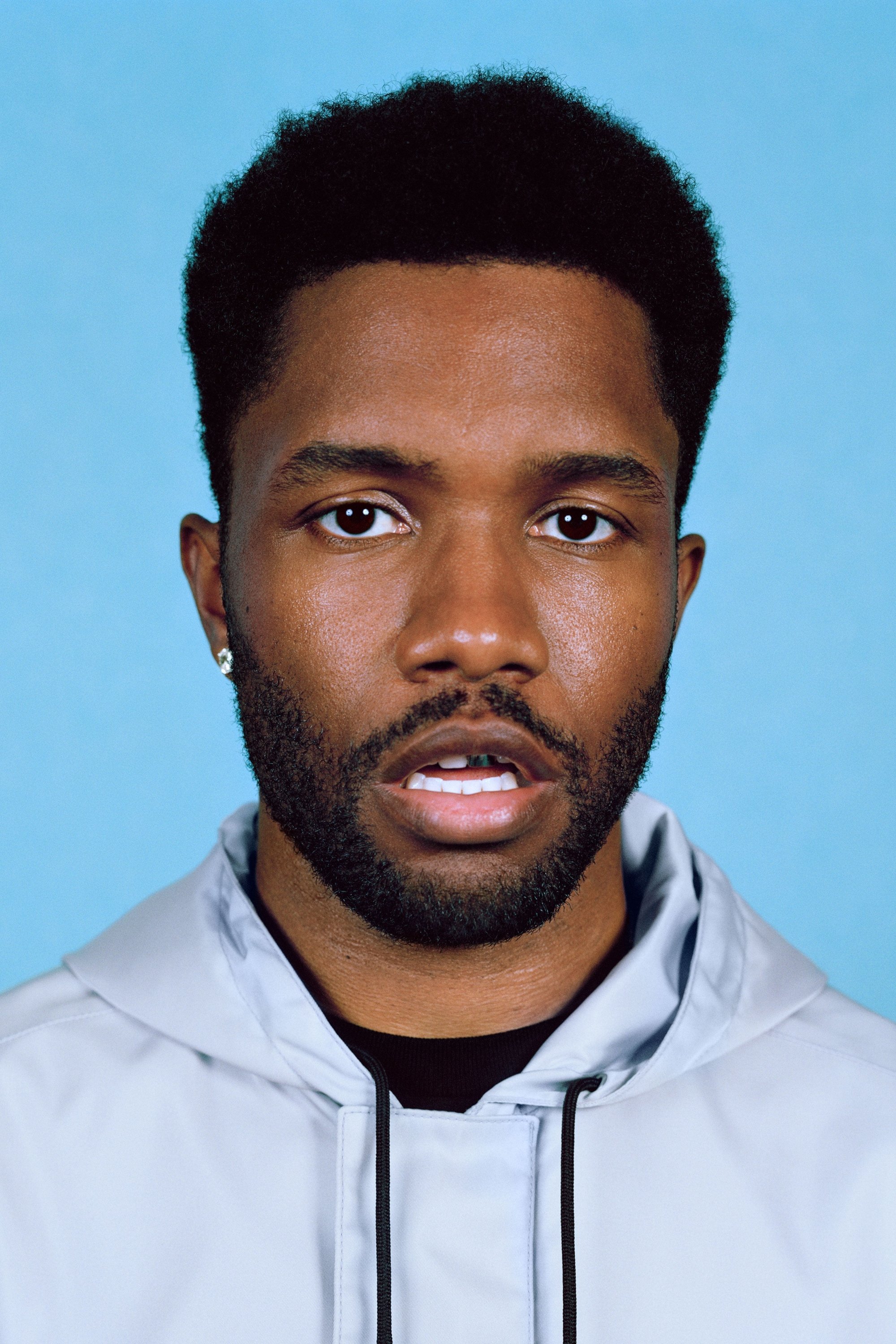
Ocean released ‘Channel Orange’ to massive critical acclaim and redefined modern R&B. He chose to boycott the Grammy Awards after feeling the institution did not accurately represent young black artists. His absence from major award stages despite his cultural impact was a glaring omission. He proved that an artist could be successful and influential without the validation of traditional industry machinery.
Anohni
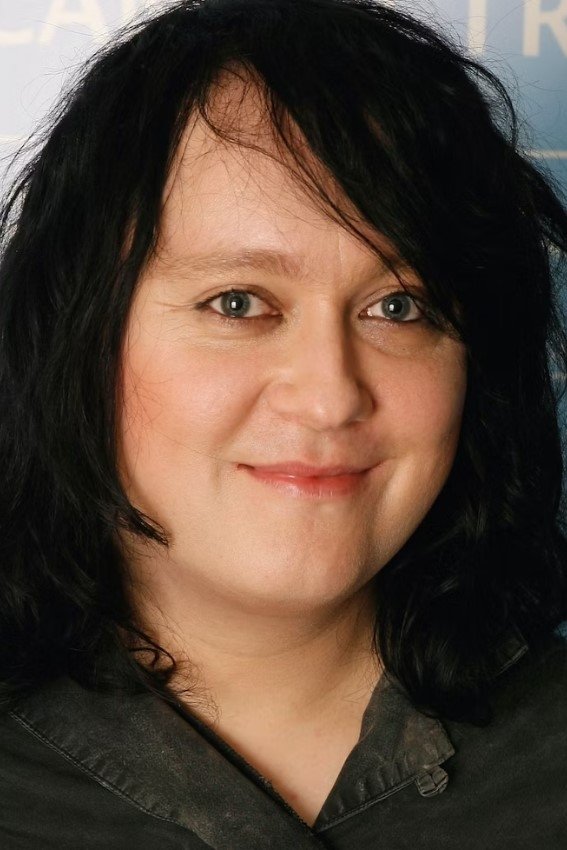
Anohni became the first transgender performer to receive an Academy Award nomination for Best Original Song. However, the producers of the ceremony cut her performance from the broadcast due to time constraints. She boycotted the event in protest, noting the indignity of being nominated but silenced. The incident highlighted the Academy’s uneven treatment of trans artists even when they are recognized.
Adam Lambert
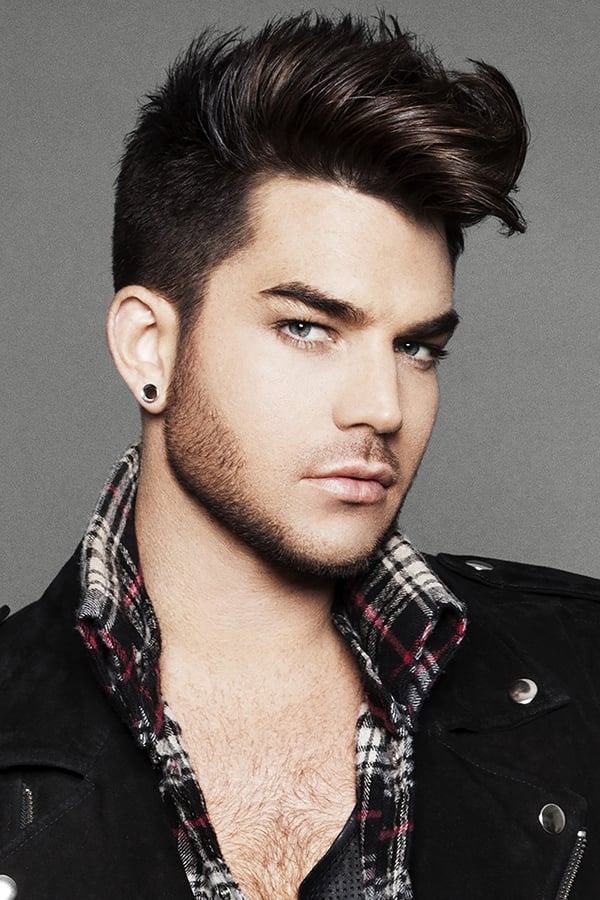
Lambert was the clear frontrunner during his season of ‘American Idol’ thanks to his incredible vocal range. Photos of him kissing another man surfaced during the competition and sparked a media frenzy. He eventually lost the final vote in an upset that many attributed to the homophobia of the viewing public. He has since proven his talent by fronting Queen and selling out arenas worldwide.
Alan Cumming
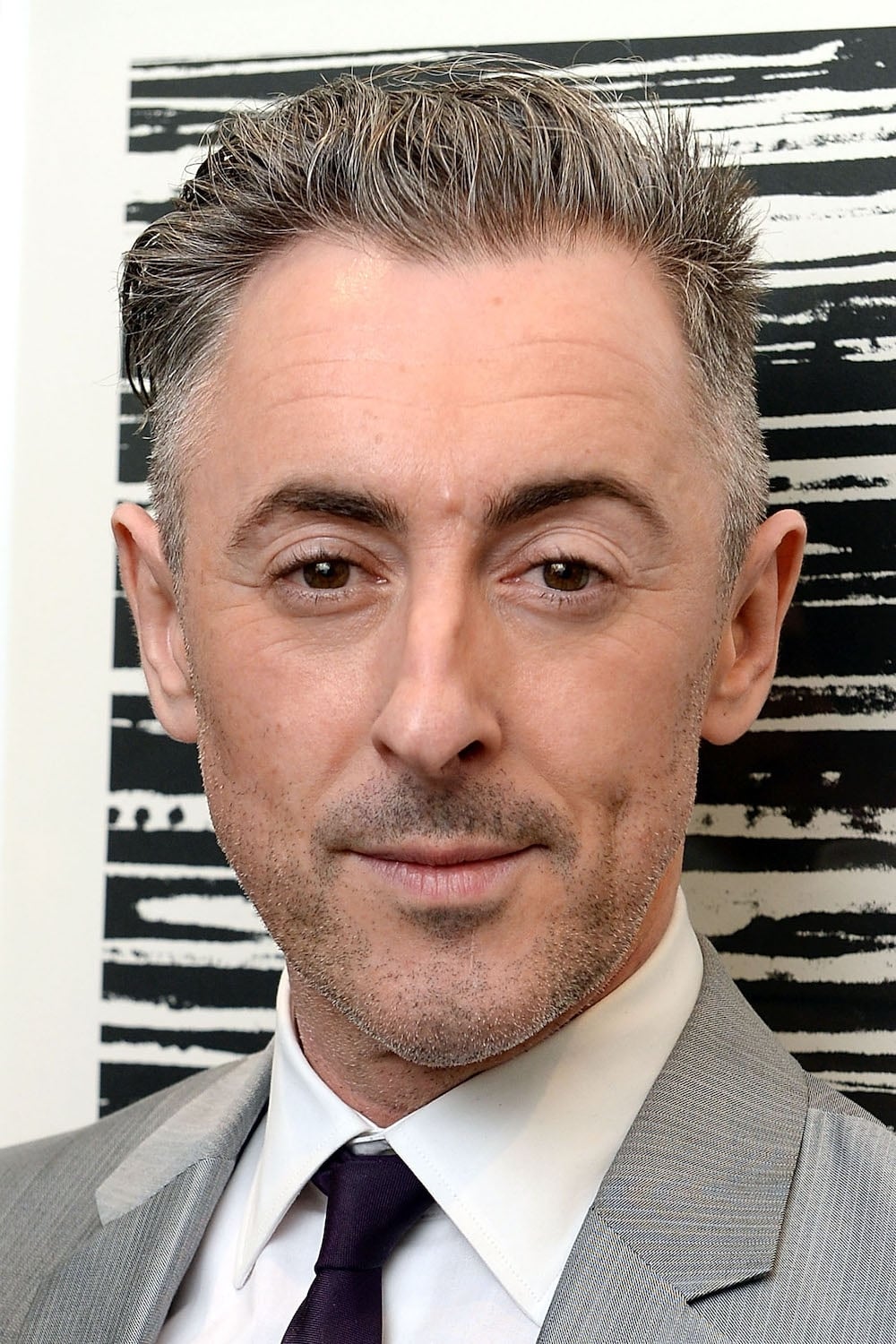
Cumming is a dynamic performer who won a Tony Award for his transformative role in ‘Cabaret’. Hollywood has frequently struggled to know what to do with his unique energy and ambiguity. He was often cast as the villain or the eccentric sidekick rather than the lead. His talent is undeniable, but the film industry has rarely given him the showcase roles he deserves.
George Takei
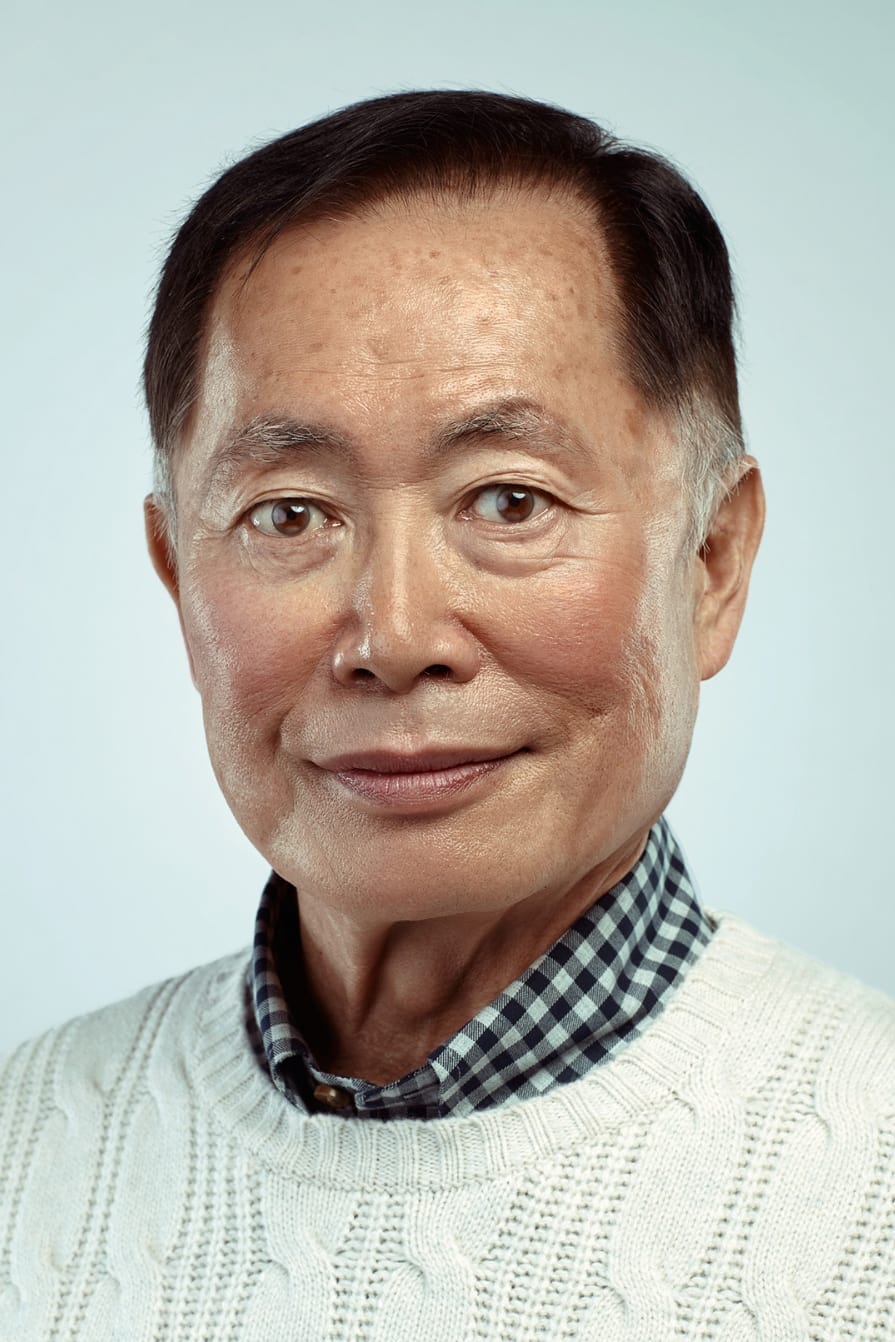
Takei became a sci-fi icon as Sulu on ‘Star Trek’ but struggled to find work after the show ended. He faced the double burden of racial typecasting and the need to stay closeted to work at all. His activism in later years has made him a hero, but his prime acting years were limited by industry bias. He spent decades unable to live his truth while navigating a restrictive studio system.
Wanda Sykes
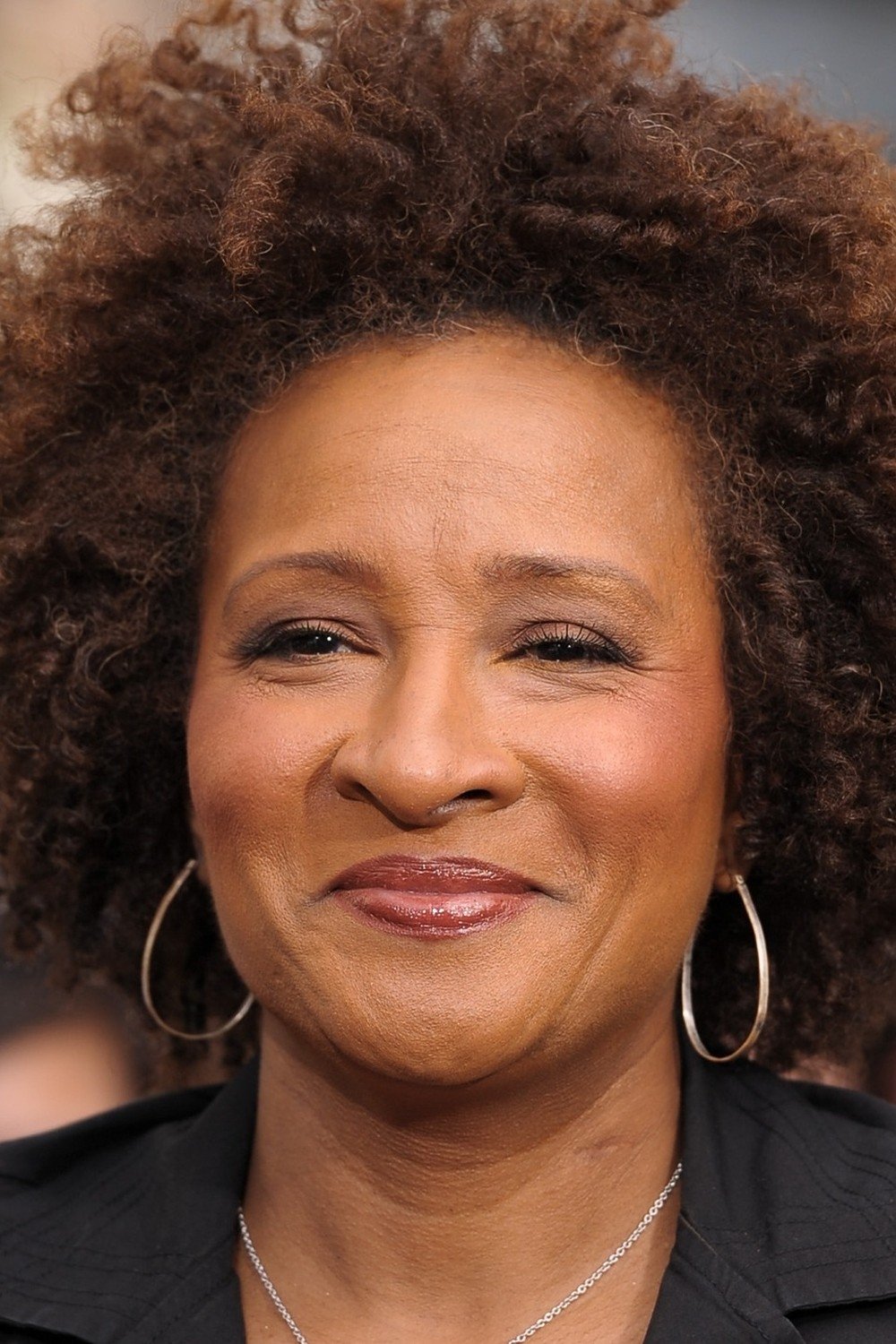
Sykes has been one of the sharpest comedic voices in America for twenty years. Despite her brilliance, she has often been relegated to supporting roles or voice-over work in major films. The industry has rarely offered her the vehicle to be a leading lady in a comedy blockbuster. She carved her own path through stand-up and television when film opportunities were scarce.
Lily Tomlin
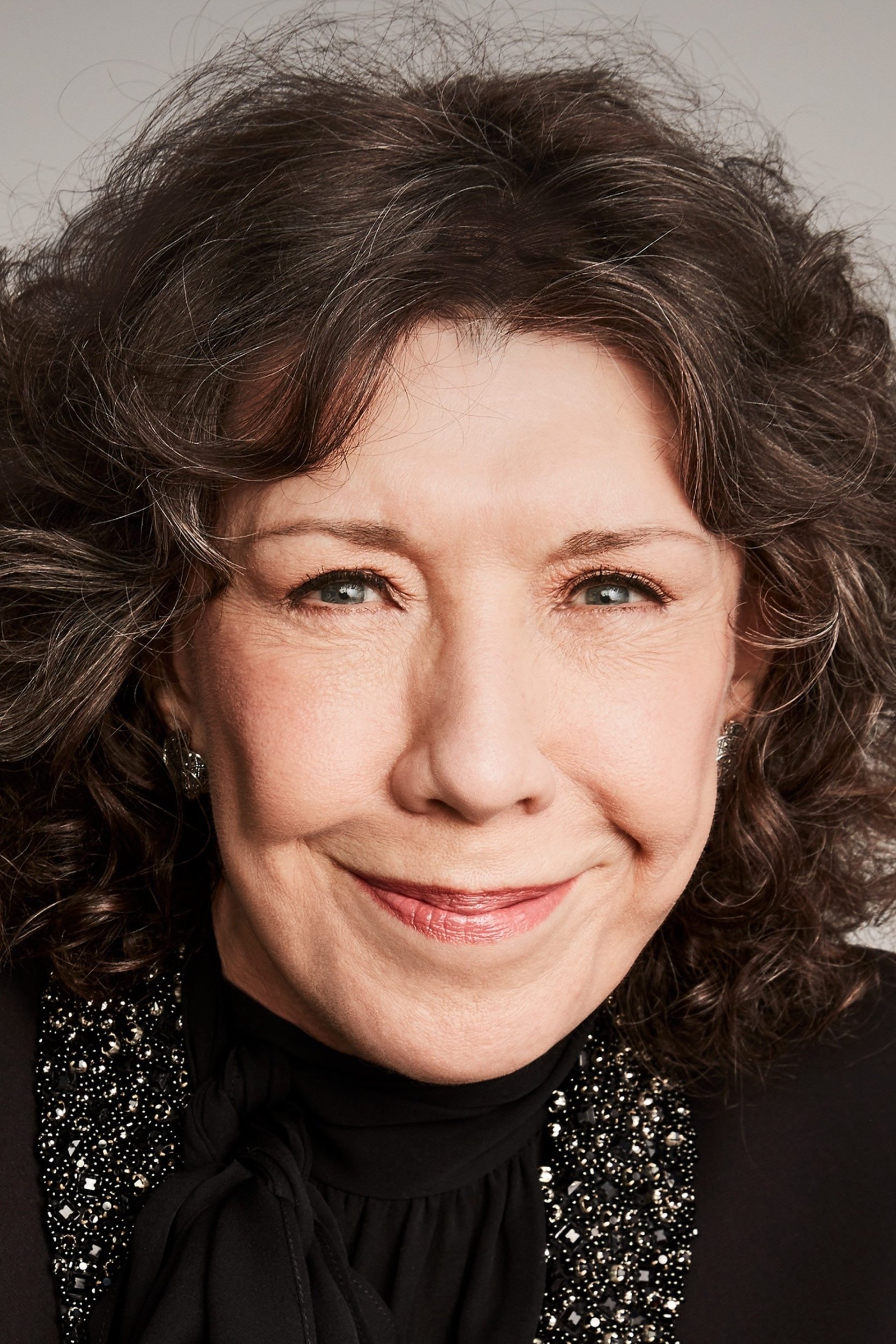
Tomlin is a comedy legend who received an Oscar nomination for her dramatic turn in ‘Nashville’. She spent decades with her partner, Jane Wagner, but had to be vague about their relationship to the press. This caution likely prevented her from being fully embraced as a queer icon during her peak years. She has only recently been able to celebrate her full identity openly in Hollywood.
Sarah Paulson
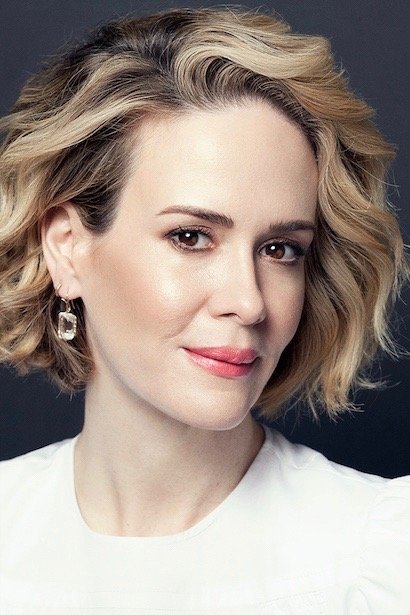
Paulson is currently one of the most celebrated actresses in television, but her success came after years of grind. She worked steadily in the industry for a long time without receiving the breakout roles she merited. It was not until she began working with Ryan Murphy that her range was truly utilized. The film world was slow to catch on to the talent that was evident to her theater peers.
Cherry Jones
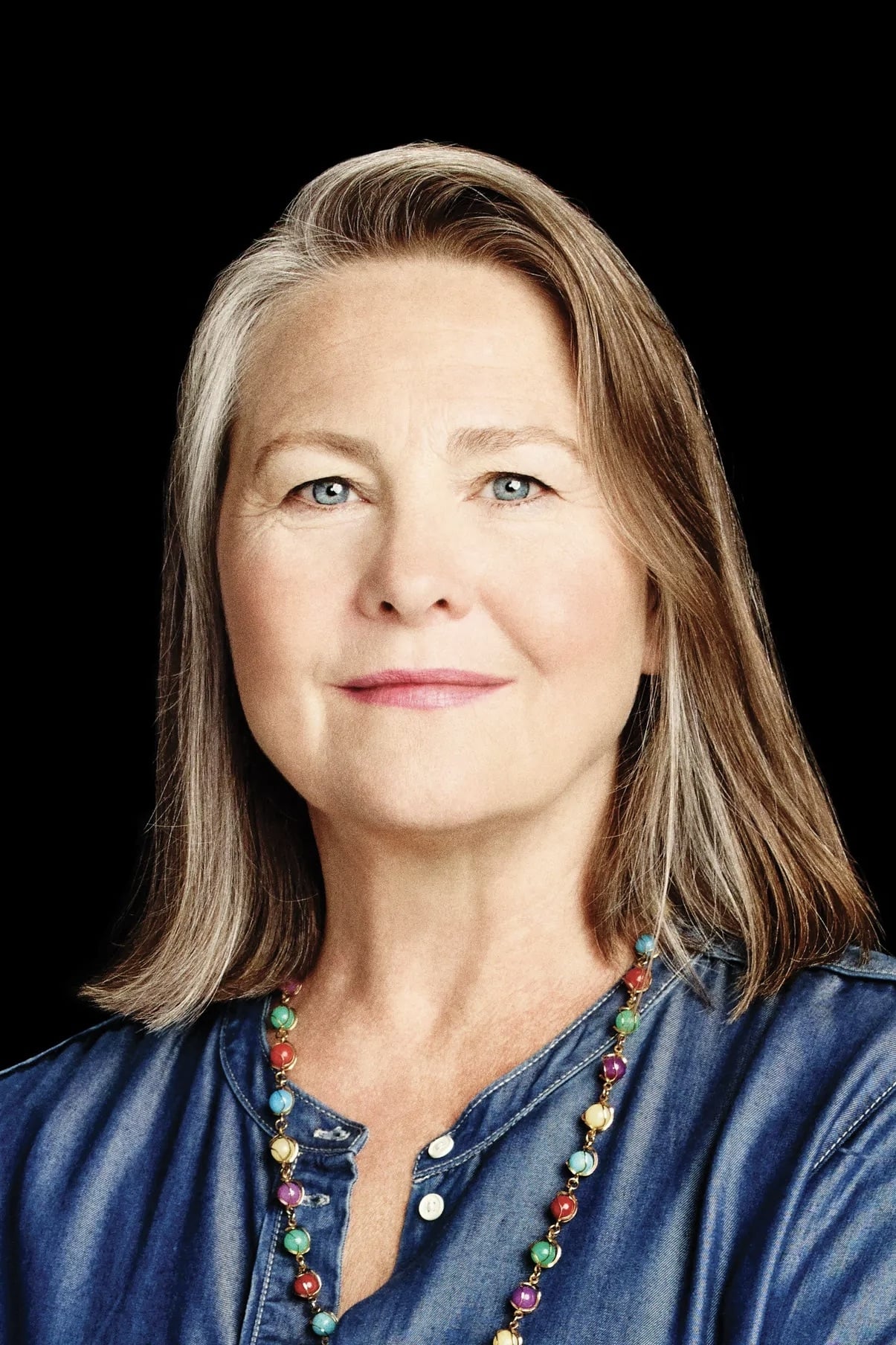
Jones is widely considered one of the greatest theater actresses of her generation. For years, Hollywood ignored her or cast her in minor roles that wasted her commanding presence. She lived openly as a lesbian which may have limited her consideration for certain film parts. Television finally gave her the platform she deserved with roles in ’24’ and ‘The Handmaid’s Tale’.
Harvey Fierstein
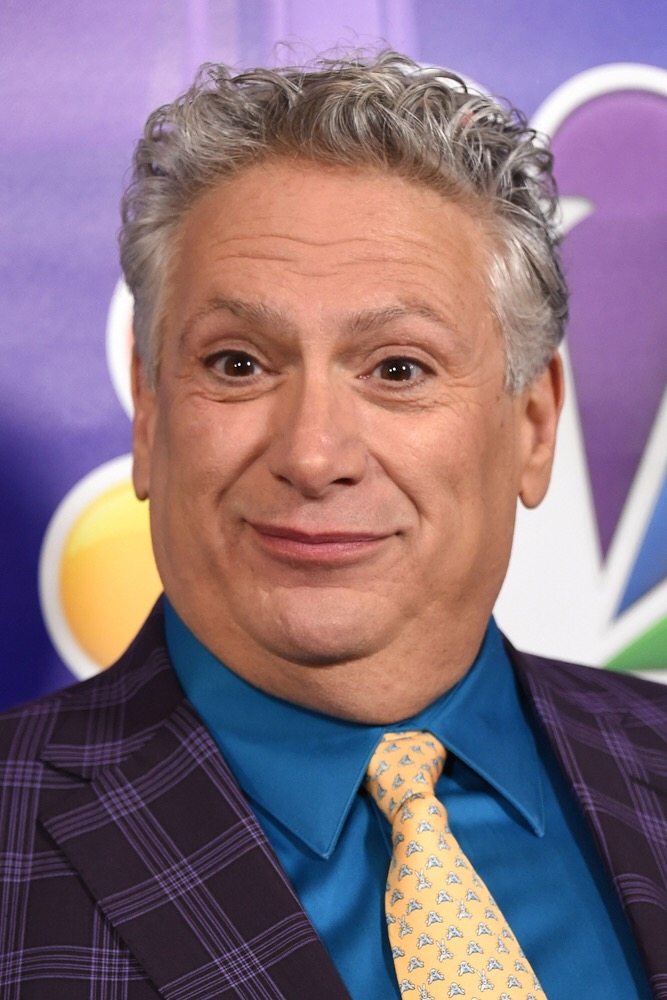
Fierstein wrote and starred in ‘Torch Song Trilogy’, bringing gay life to the mainstream stage and screen. His distinctive voice and openly gay persona meant that Hollywood largely typecast him. He created his own opportunities because the industry refused to write roles for someone like him. His contributions to theater are monumental, but cinema often failed to utilize his talents.
James Whale
Whale was the visionary director behind ‘Frankenstein’ and ‘The Bride of Frankenstein’. He lived openly with his male partner in an era when such things were scandalous in Hollywood. His refusal to hide his sexuality eventually led to his alienation from the studio system. He was pushed out of the industry he helped build and died in obscurity.
Dorothy Arzner
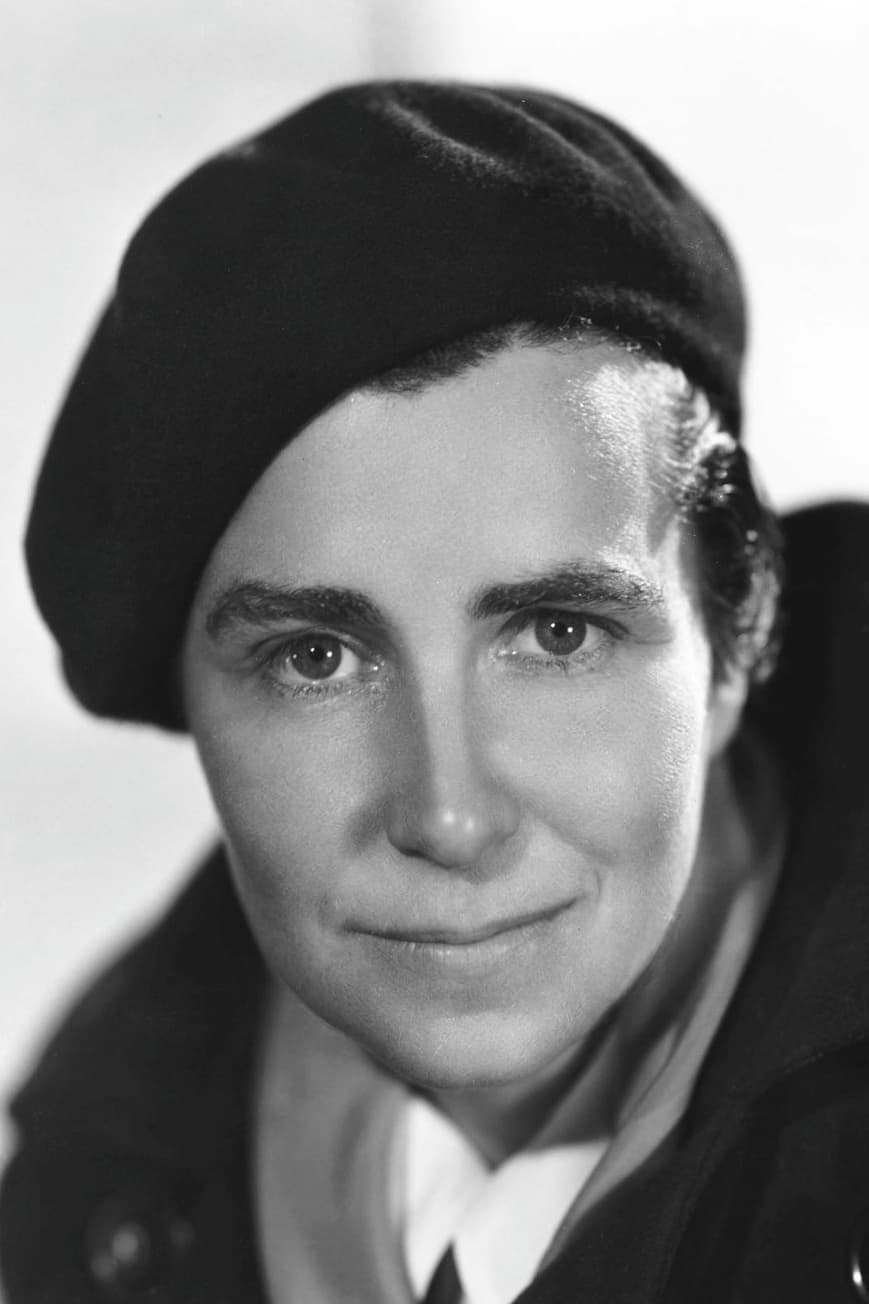
Arzner was the only female director working in Hollywood during the 1930s and was openly a lesbian. She invented the boom microphone and directed stars like Katharine Hepburn and Joan Crawford. Despite her technical innovations and box office success, she was erased from film history for decades. Her work was only rediscovered and celebrated by feminist scholars long after her retirement.
Justin Vivian Bond
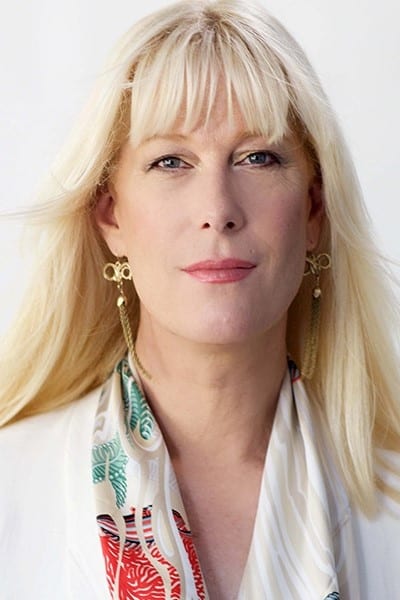
Bond is a cabaret legend and a pioneer of the trans-genre aesthetic. They have received critical acclaim in the downtown theater scene but have been overlooked by mainstream awards. The rigid gender categories of award shows have often excluded non-binary performers like Bond. Their influence on performance art is profound, yet the broader industry has failed to acknowledge it.
Raven-Symoné
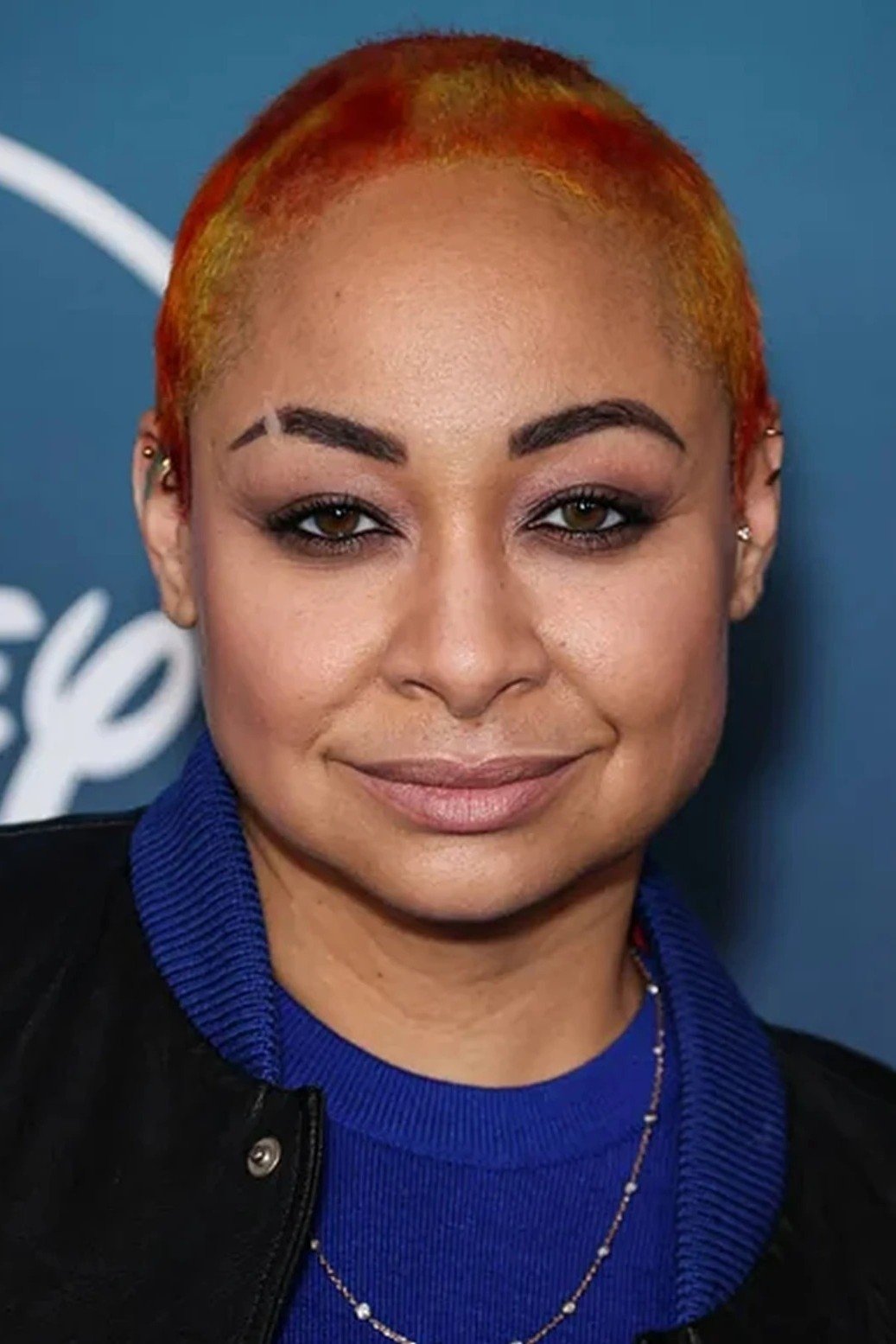
Raven-Symoné grew up on television and became a mogul with her own Disney Channel empire. The pressure to maintain a family-friendly image forced her to suppress her sexuality for years. She later admitted that she knew she was gay while starring in her hit show but feared it would ruin her brand. The industry put a burden of perfection on her that delayed her ability to live authentically.
Neil Patrick Harris
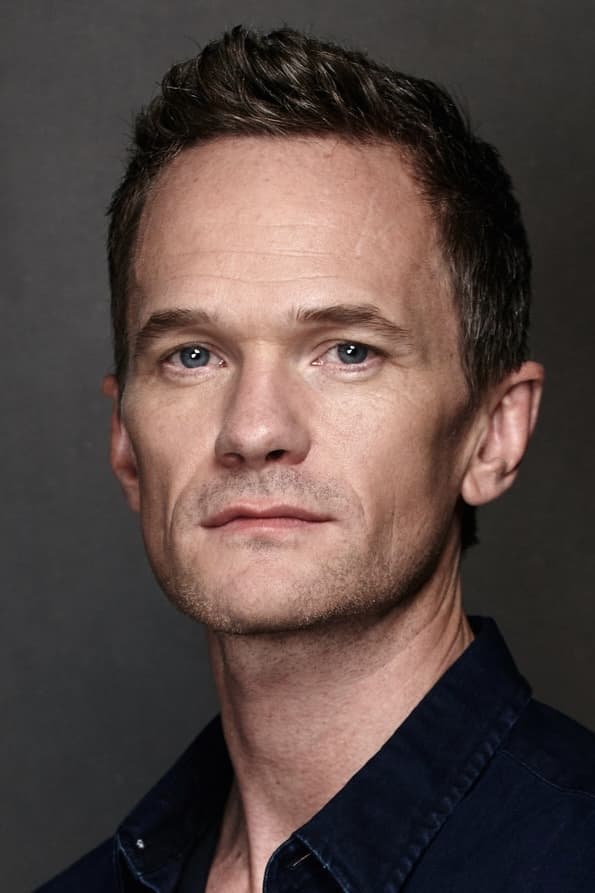
Harris was a child star who successfully transitioned to adult roles with the ‘Harold & Kumar’ franchise and ‘How I Met Your Mother’. He came out publicly while starring in a hit sitcom, which was considered a major risk at the time. While he has been successful, he still faces the challenge of being a gay actor cast primarily in straight roles. He navigated a path that few before him had survived intact.
Portia de Rossi
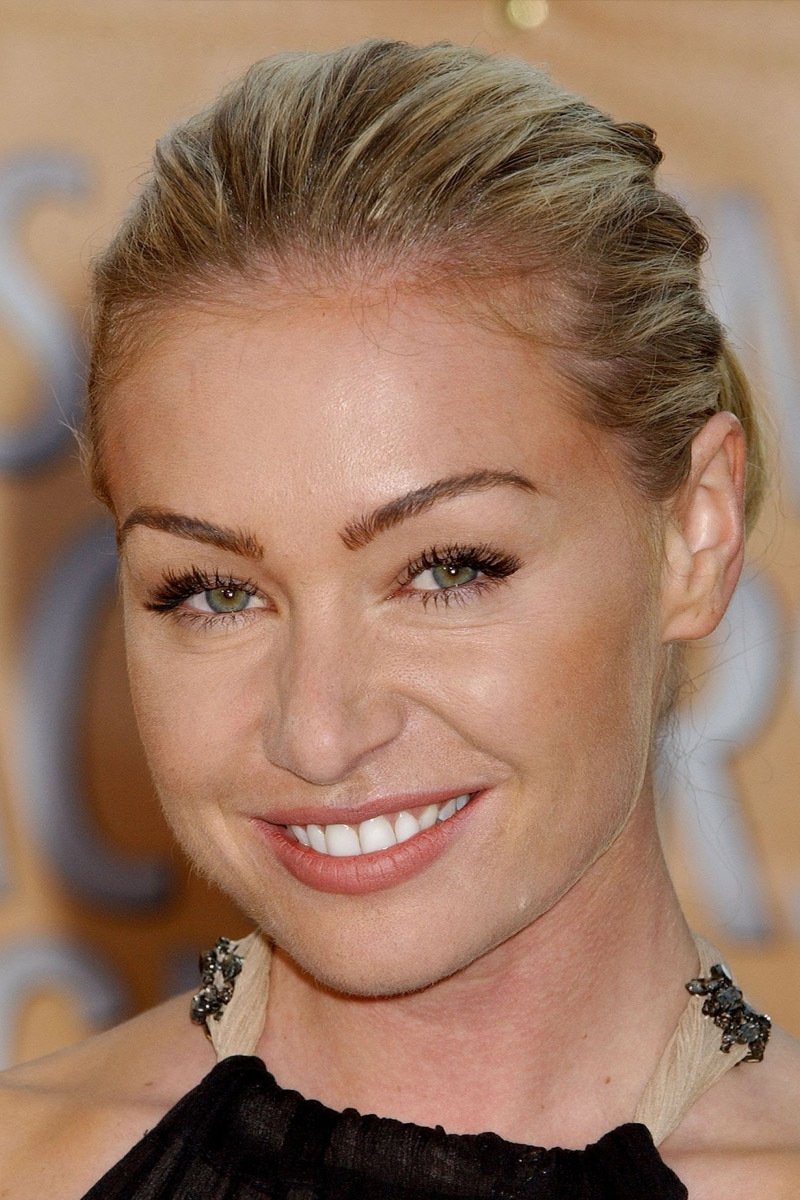
De Rossi broke out as a stunning lawyer on ‘Ally McBeal’ but lived in terror of being outed. She struggled with severe eating disorders that were exacerbated by the stress of hiding her sexuality. She believed that coming out would instantly end her acting career. Her fears were validated by the industry climate of the late 90s, though she eventually found happiness and success.
Lee Pace
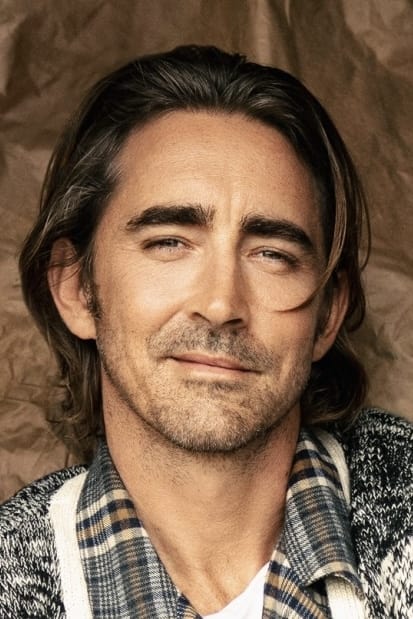
Pace starred in ‘The Hobbit’ trilogy and ‘Guardians of the Galaxy’ while keeping his private life very quiet. He was awkwardly outed during an interview and felt pressured to address his sexuality before he was ready. The incident highlighted the entitlement the media feels regarding the private lives of queer actors. He has since embraced his identity but the initial forced disclosure was a violation of his agency.
Share your thoughts on which of these stars you believe was snubbed the most in the comments.