20 Anime With The Most Toxic Fanbases In History

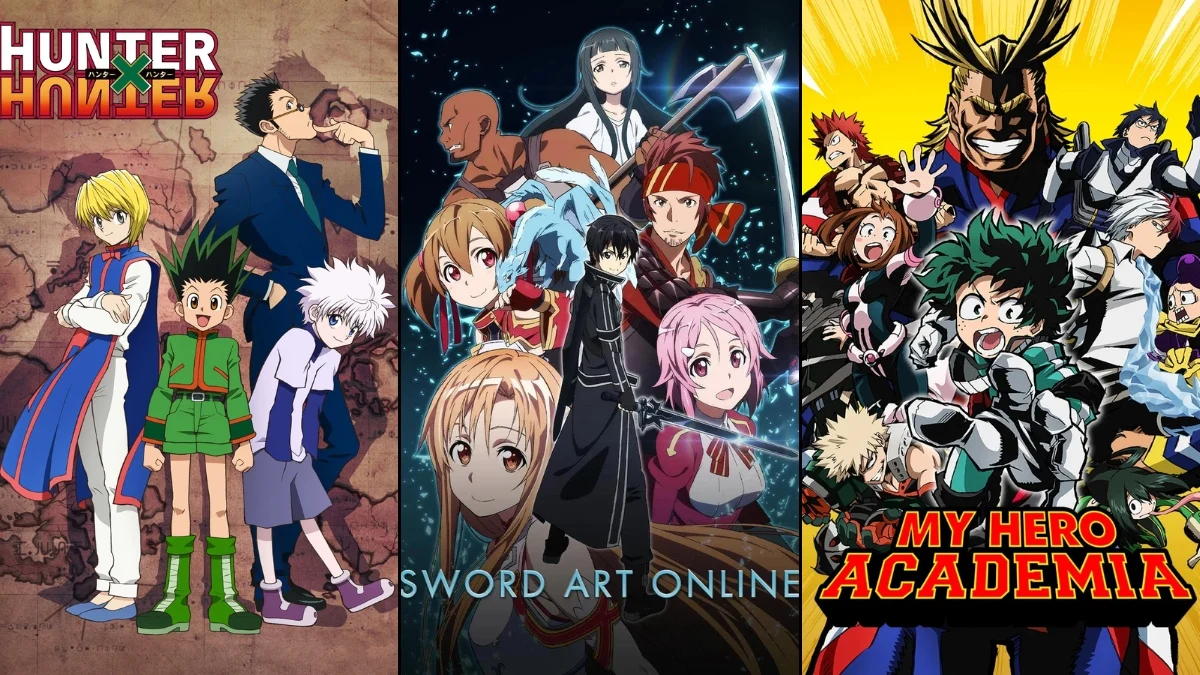

Anime communities are often celebrated for their passion and creativity, but some fanbases have gained notoriety for their hostile behavior. From aggressive “shipping” wars to the targeted harassment of creators and voice actors, the social media presence surrounding certain series has become a deterrent for many newcomers. This toxicity often stems from intense loyalty, elitism regarding source material, or disputes over power-scaling and plot developments. While these behaviors are usually limited to a vocal minority, their actions define the public perception of these global fandoms.
‘Darling in the Franxx’ (2018)
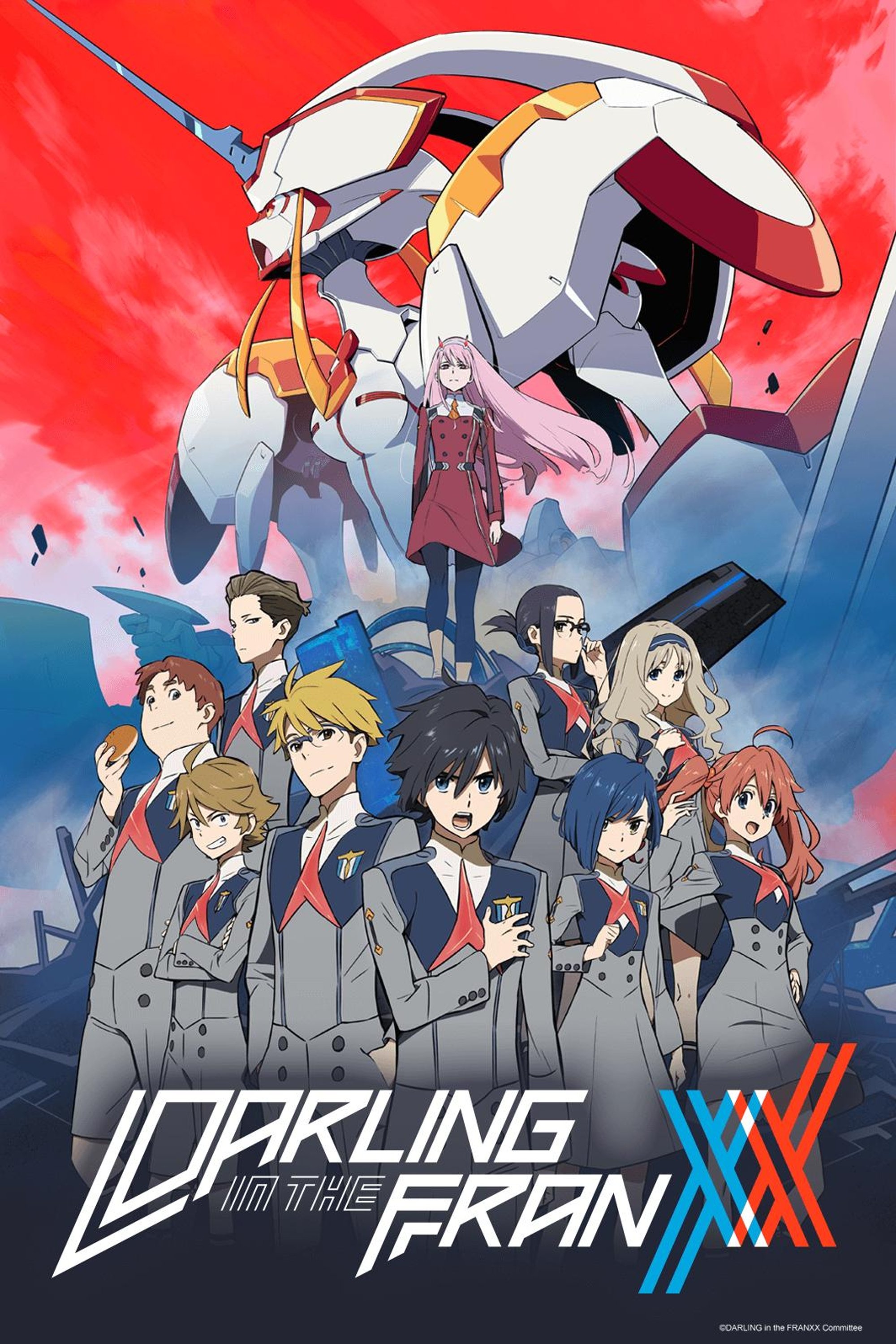
The community surrounding this series became infamous for its volatile reaction to plot developments in the latter half of the show. Fans targeted the production staff and voice actors with death threats following a romantic conflict between the characters Ichigo and Hiro. This backlash was primarily fueled by the intense devotion to the lead character, Zero Two, and a perceived betrayal of her narrative arc. The hostility reached a level that necessitated public responses from members of the creative team to address the harassment. This situation remains a primary example of how shipping preferences can escalate into real-world threats.
‘Hetalia’ (2009–2010)
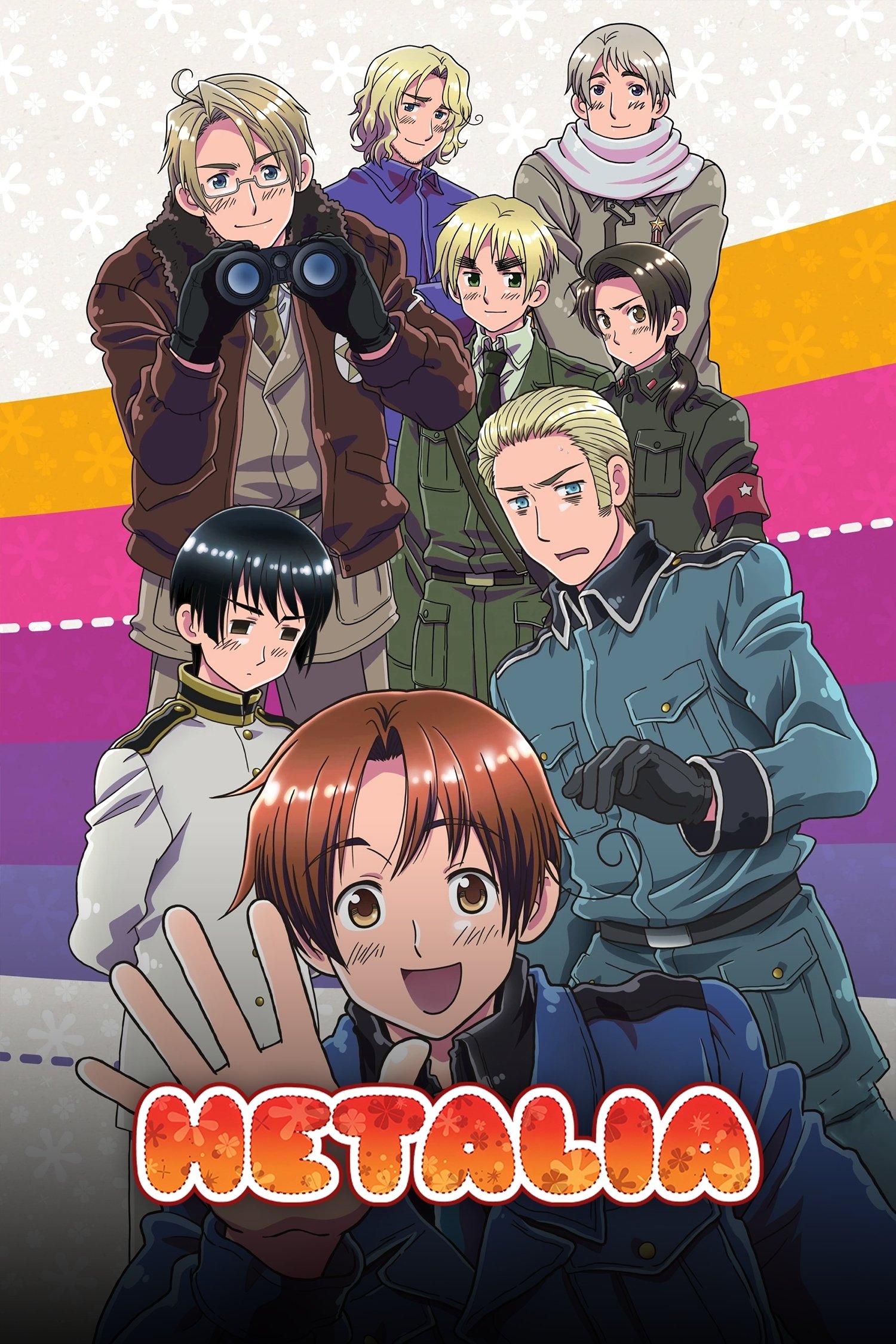
This series features anthropomorphic representations of nations, which led to significant controversy regarding historical sensitivity and fan conduct. The fanbase gained a reputation for engaging in inappropriate behavior, such as cosplaying as controversial historical figures in public or making light of tragic global events. Intense shipping wars also divided the community, often resulting in the harassment of fellow fans over different pairings of national characters. The obsession with certain character dynamics frequently overshadowed the historical parodies intended by the creator. These actions led to the series being restricted in various regions due to the public conduct of its viewers.
‘Sword Art Online’ (2012– )

The discourse around this series is characterized by a deep and persistent divide between loyal defenders and vocal detractors. Enthusiasts often engage in aggressive gatekeeping, dismissing any criticism of the protagonist or the plot as a fundamental misunderstanding of the material. Conversely, the “hatedom” for the show has been equally intense, leading to the harassment of those who express enjoyment of the series. This polarization has created an environment where neutral discussion of the anime’s quality or impact is frequently impossible. The community is often cited as a cornerstone of modern anime “elitism” and “anti-fan” culture.
‘Black Butler’ (2008–2010)
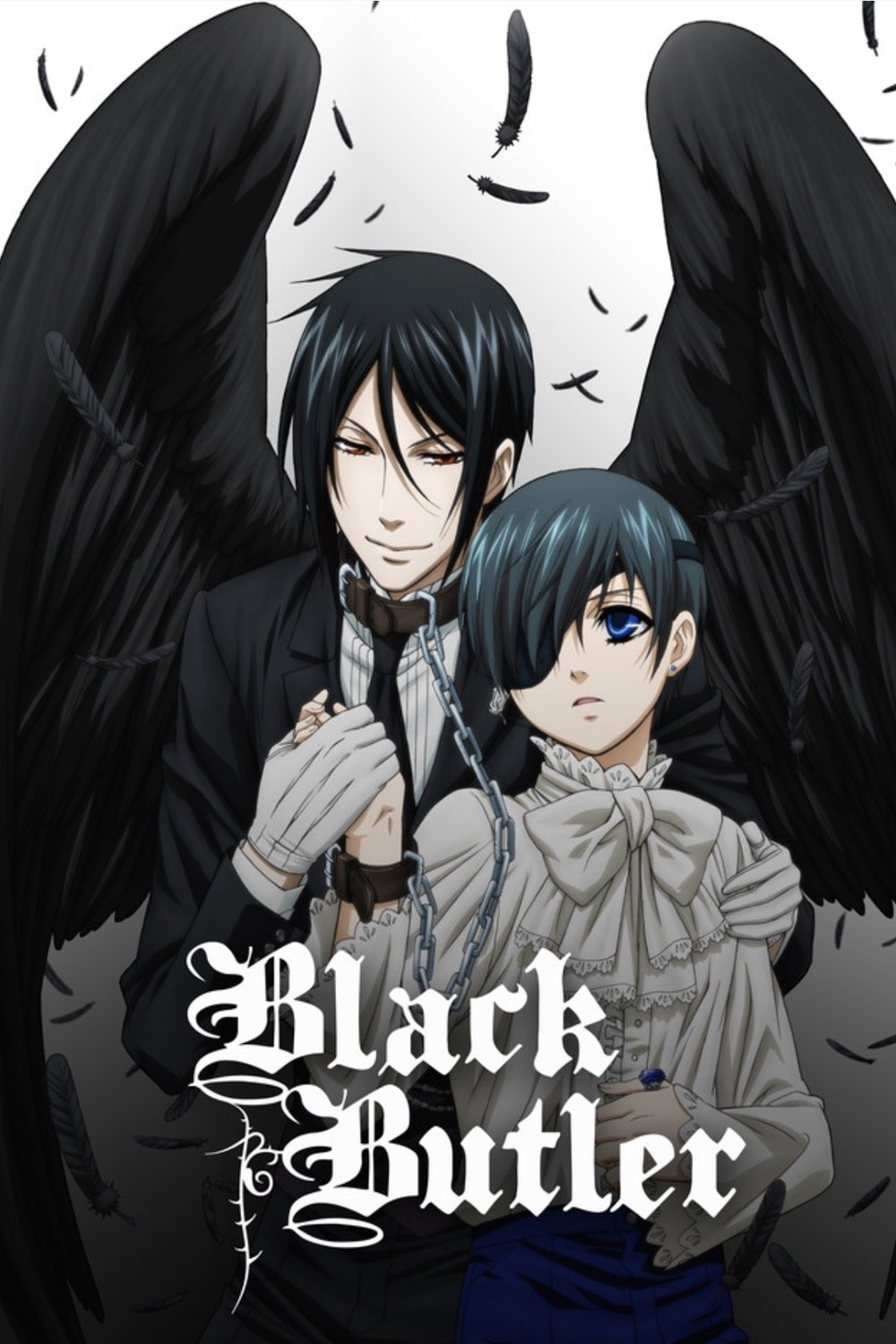
The fanbase for this series is known for its intense focus on the relationships between the main characters, which often led to highly contentious shipping wars. Much of the toxicity stems from the promotion of pairings involving minors and supernatural entities, sparking ethical debates within the community. Fans have been known to engage in obsessive behavior, including the harassment of artists and writers who do not align with specific fan-theories. This environment has occasionally made the fandom unwelcoming to casual viewers who are more interested in the supernatural mystery elements. The community remains a prominent example of how character obsession can dominate a series’ online presence.
‘Yuri!!! on Ice’ (2016)
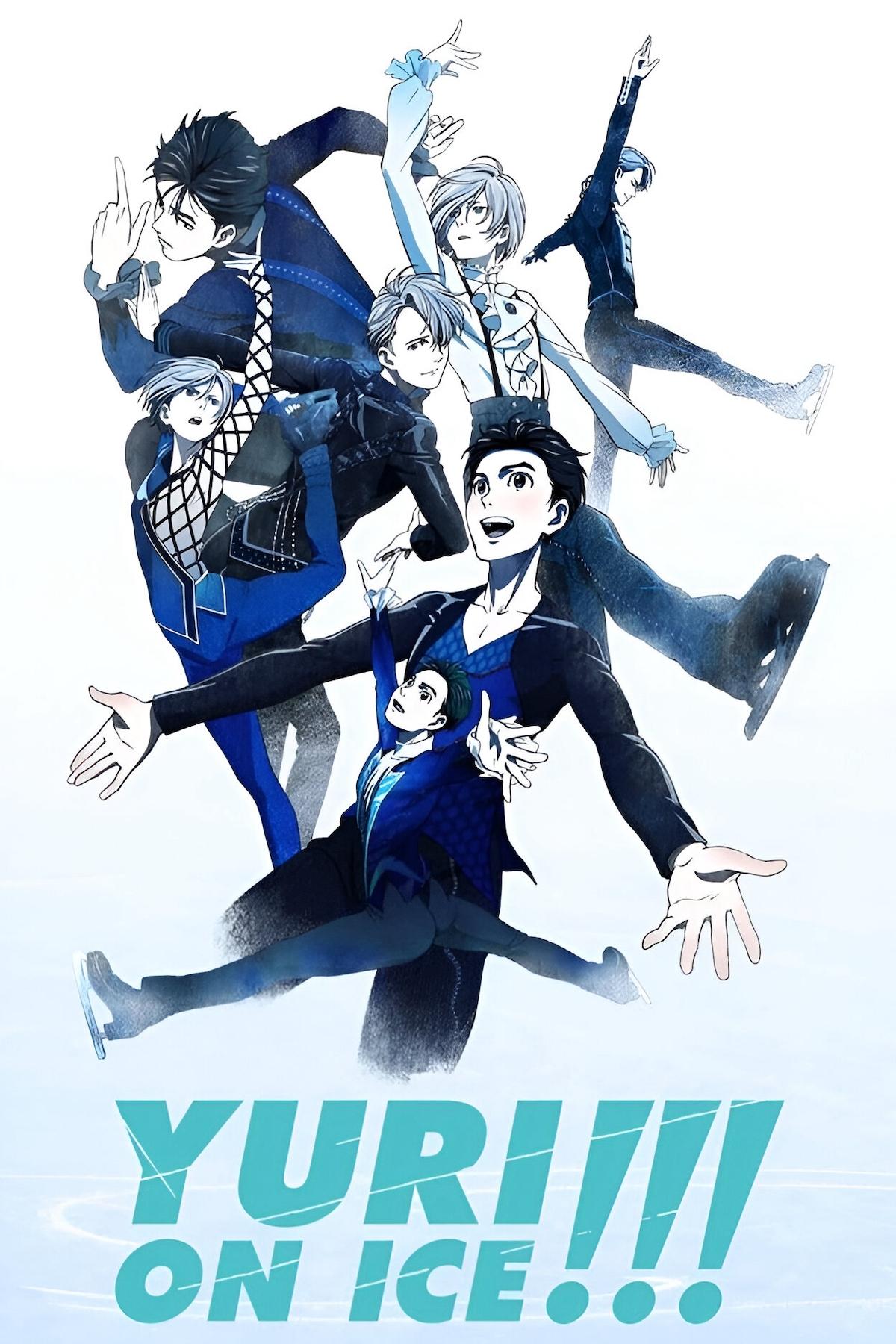
This figure skating anime garnered a massive following that was frequently involved in aggressive online behavior regarding the central romance. The community became notorious for harassing real-life professional figure skaters whose performances or social media posts were perceived as insulting to the show’s characters. Shipping conflicts also led to targeted harassment of fans who preferred non-canonical pairings or who critiqued the portrayal of the relationship. The intensity of the fandom’s defense of the show often resulted in the alienation of those outside the inner circle. Despite its positive message of inclusion, the fanbase’s external actions were often viewed as hostile by the wider public.
‘Re:Zero -Starting Life in Another World-‘ (2016– )

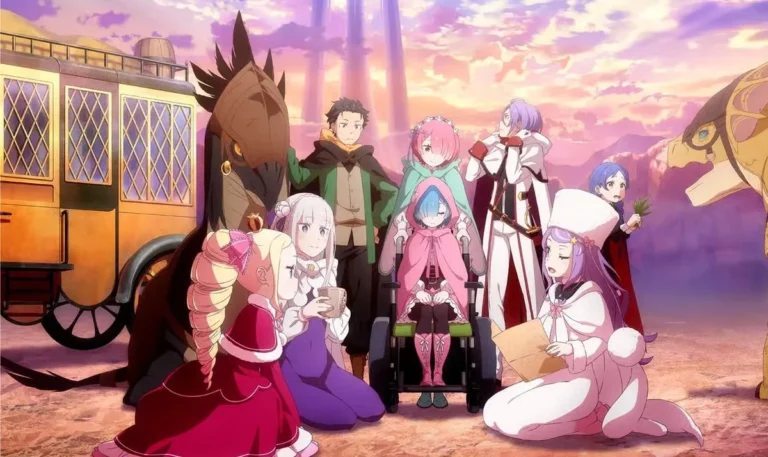
The community is famously divided by a “waifu war” between the supporters of the characters Rem and Emilia. This rivalry has frequently devolved into toxic arguments and the harassment of fans who support the “wrong” heroine. Beyond character preferences, the fandom is known for elitism regarding the complexity of the plot and the psychological state of the protagonist, Subaru. Criticism of the show’s pacing or character development is often met with aggressive dismissal by those who believe the series is beyond reproach. The environment is frequently described as hostile toward newcomers who do not immediately agree with the prevailing fan consensus.
‘Bleach’ (2004–2012)
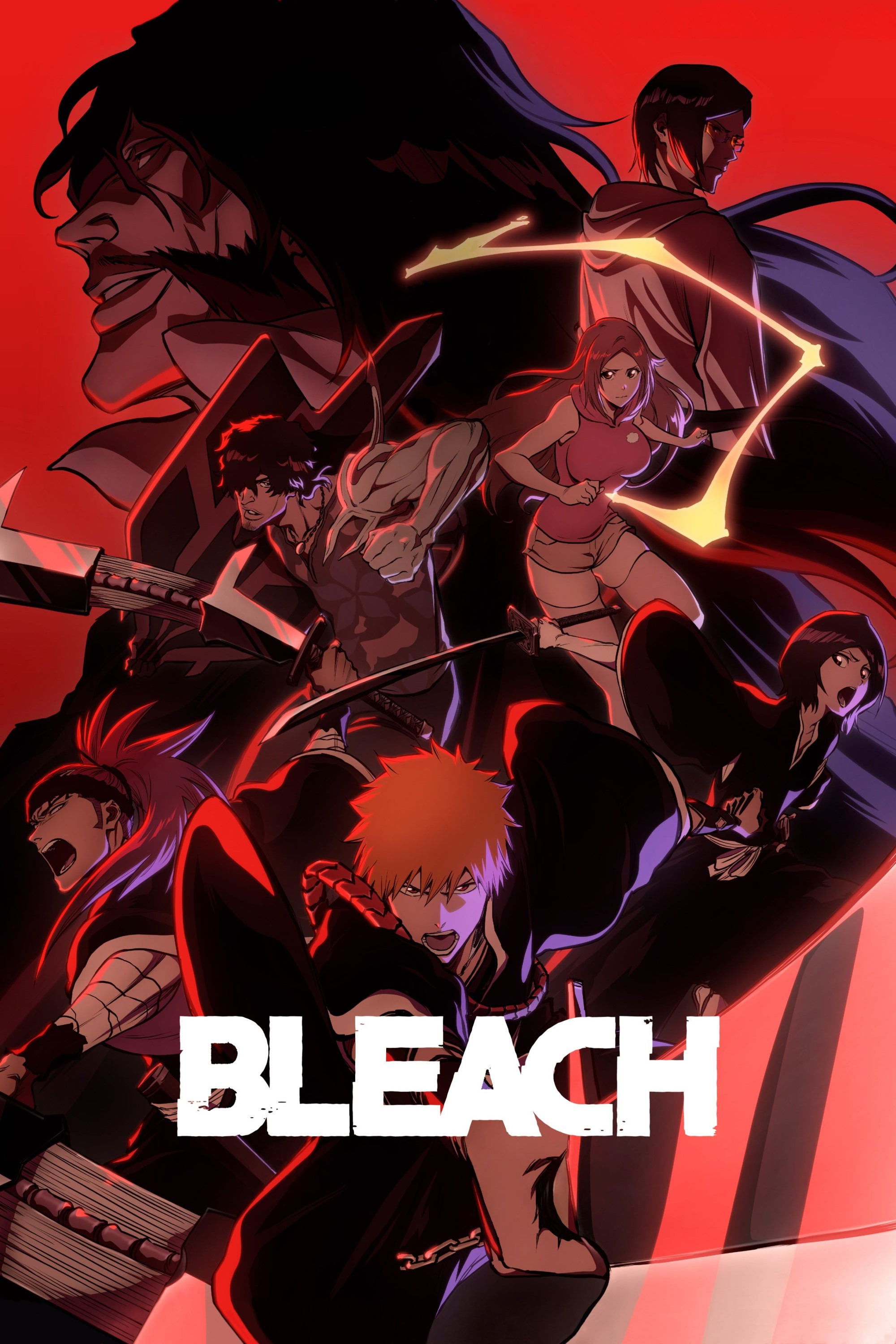
As one of the original “Big Three” Shonen series, this show has a long history of intense shipping disputes between supporters of different romantic pairings. The conclusion of the manga and the subsequent return of the anime reignited these conflicts, leading to widespread harassment of anyone dissenting from the majority opinion. The community also engages in frequent power-scaling debates that often result in derogatory comments toward fans of other competing franchises. Elitism regarding the series’ artistic style and thematic depth is common, with fans frequently clashing over the quality of different story arcs. These factors have contributed to a long-standing reputation for being defensive and prone to infighting.
‘My Hero Academia’ (2016– )
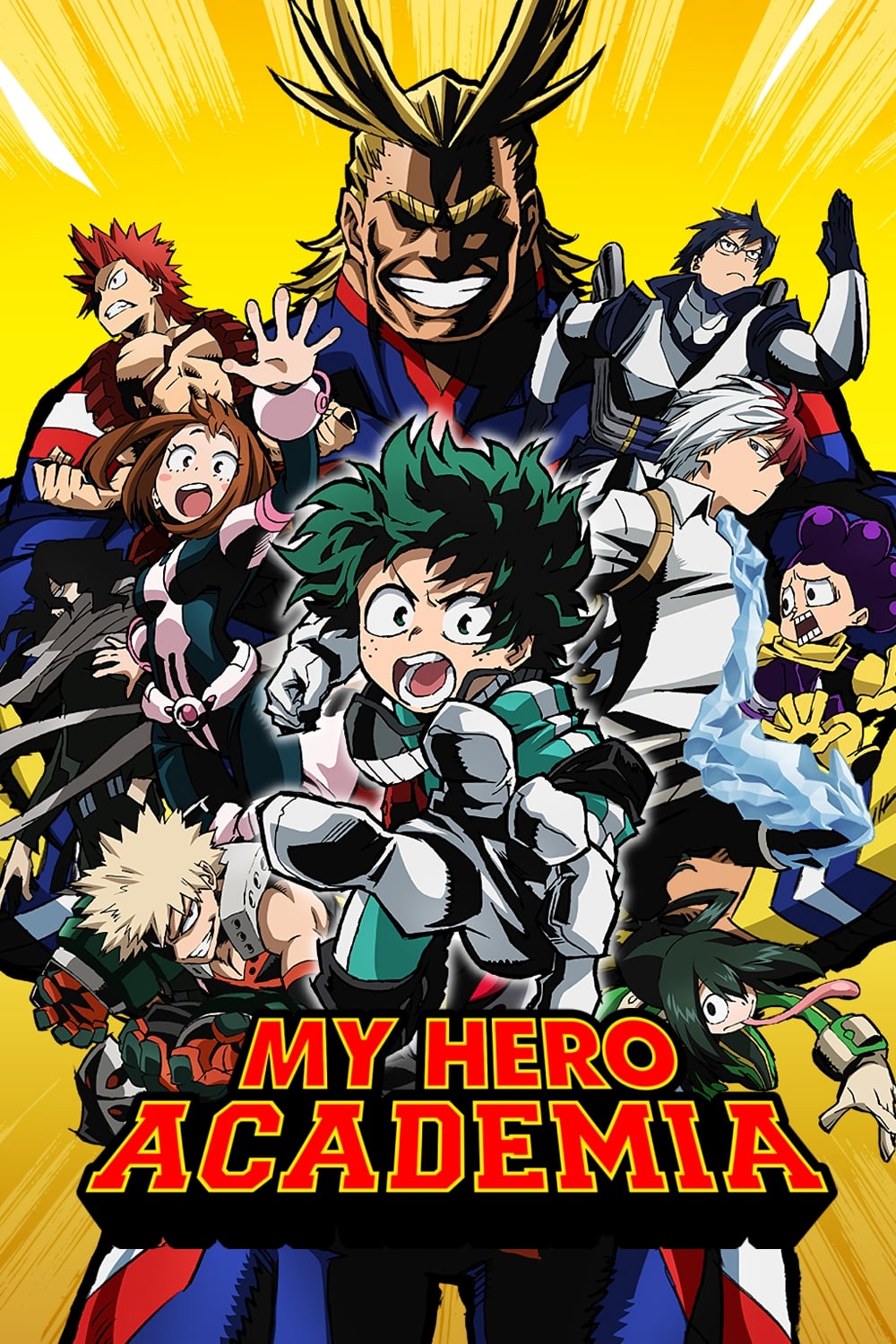
The fanbase for this superhero series is widely considered one of the most toxic due to its extreme shipping culture and harassment of the creator. Fans have reportedly sent death threats to author Kohei Horikoshi for not making certain pairings canon or for specific character design choices. The community is also known for its aggressive policing of fan art and headcanons, leading to the public shaming of artists within the group. Harassment of voice actors over their portrayal of characters or their personal opinions is a recurring issue. This behavior has made the fandom a frequent topic of discussion regarding the negative impact of parasocial relationships in modern media.
‘Chainsaw Man’ (2022– )

The community surrounding this series became notorious for its backlash against the director of the anime’s first season, Ryu Nakayama. Disappointed fans launched petitions and targeted the production staff with online harassment because they felt the cinematic direction did not match the manga’s tone. This elitism from manga readers often extends to “anime-only” fans, who are frequently spoiled on major plot points as a form of gatekeeping. The fandom is also characterized by intense and often vulgar discourse regarding character motivations and thematic interpretations. These tensions have created a highly polarized environment that often overshadows the critical acclaim of the work itself.
‘Jojo’s Bizarre Adventure’ (2012– )
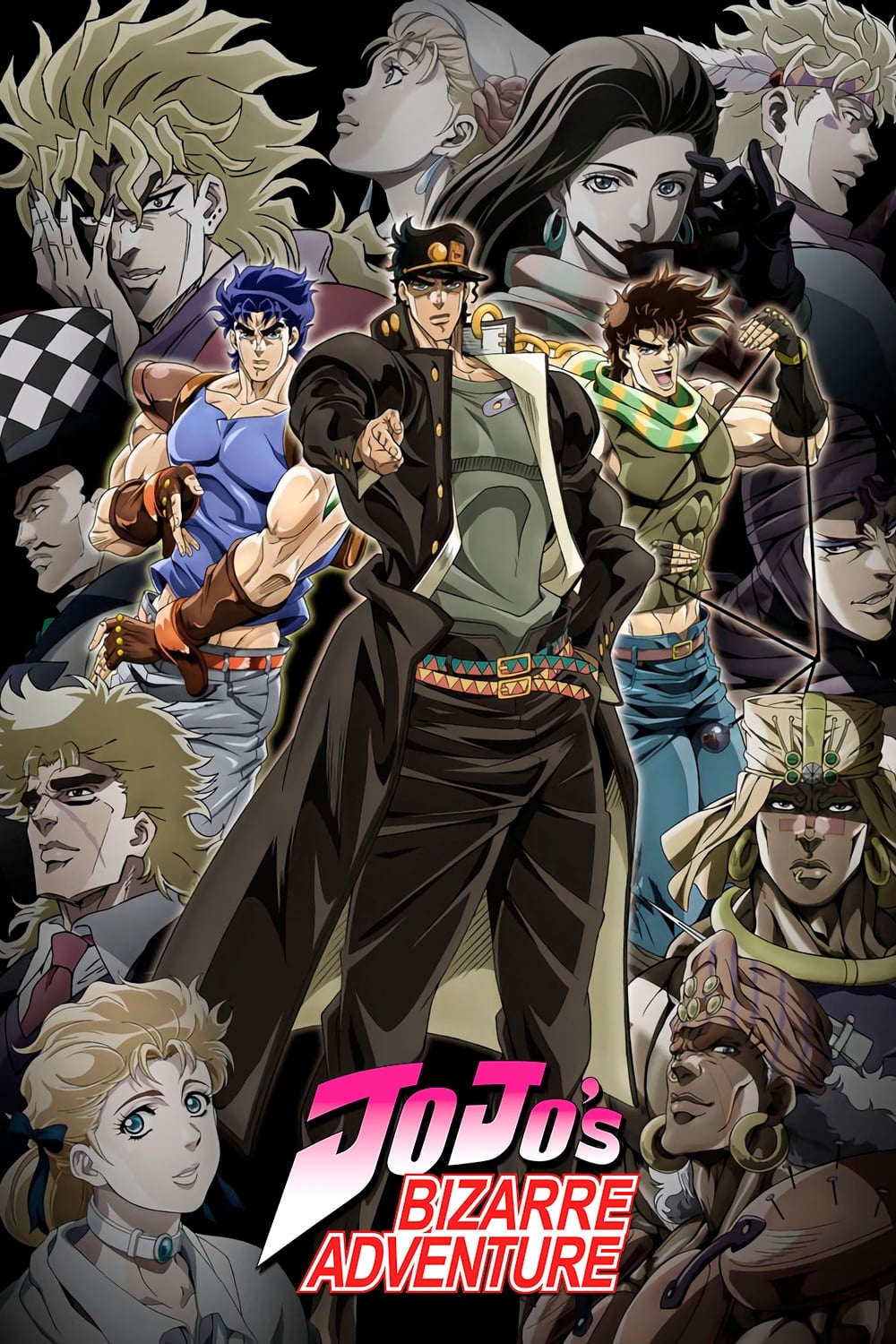
The fanbase is characterized by its overwhelming presence in online spaces, often spamming references and memes in contexts unrelated to the series. This behavior has led to a reputation for being annoying and intrusive to those who are not fans of the show. Elitism is also prevalent, with many fans looking down on other anime as being inferior in creativity or visual style. Discussions regarding the various “parts” of the series frequently lead to intense infighting and the dismissal of those who prefer certain segments over others. The sheer volume and persistence of the community’s output can be alienating to casual viewers and non-fans alike.
‘Neon Genesis Evangelion’ (1995–1996)
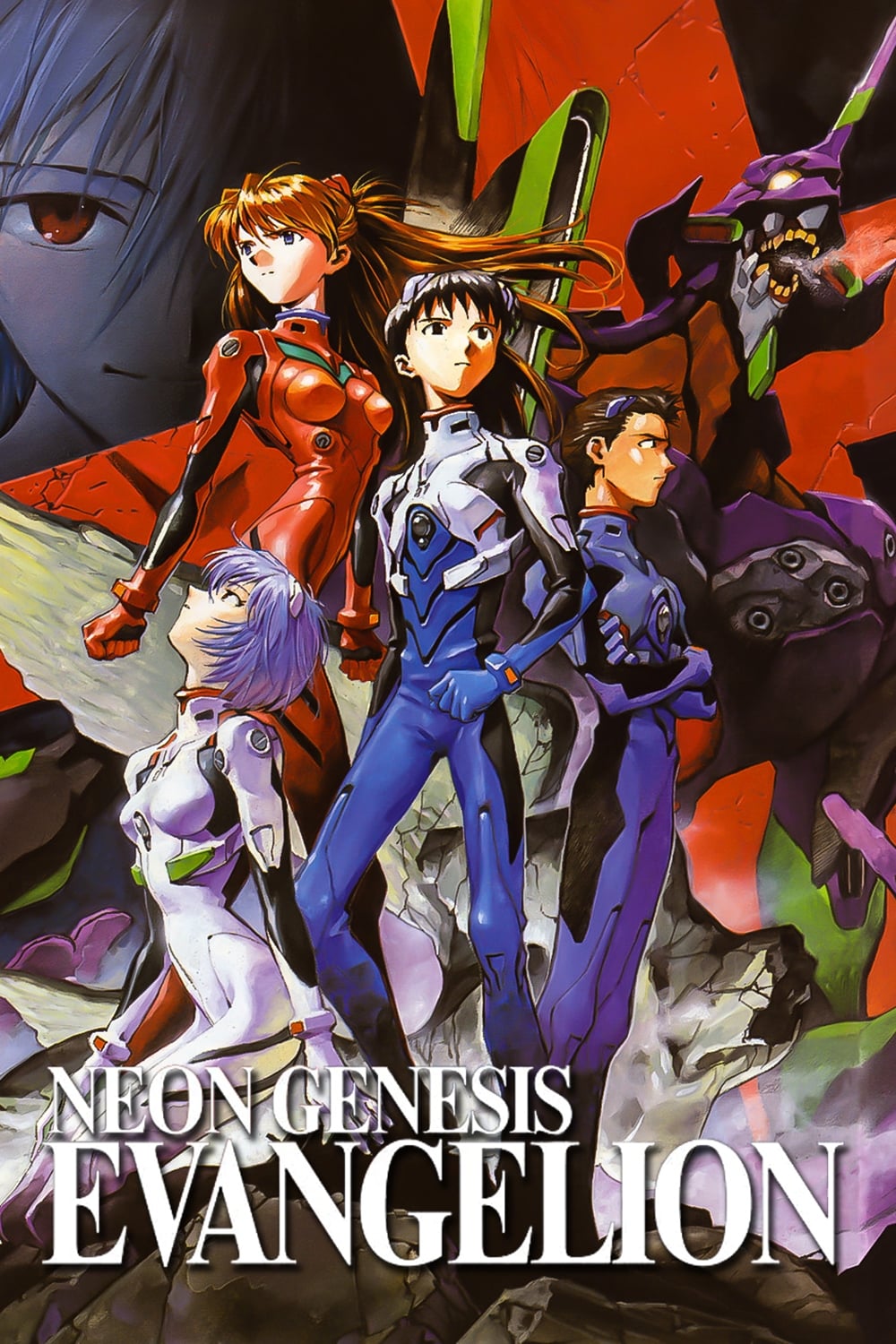
This series has a historic legacy of toxicity, dating back to the death threats sent to director Hideaki Anno following the original television ending. The community is known for a high level of intellectual elitism, where fans frequently mock those who do not subscribe to complex psychological or religious interpretations of the text. Shipping wars between supporters of different lead characters have persisted for decades, often resulting in hostile interactions online. The fandom’s reputation for being gatekeeping and exclusionary is well-documented within the wider anime community. This intensity often makes it difficult for new viewers to engage with the series without encountering aggressive opinions.
‘Jujutsu Kaisen’ (2020– )
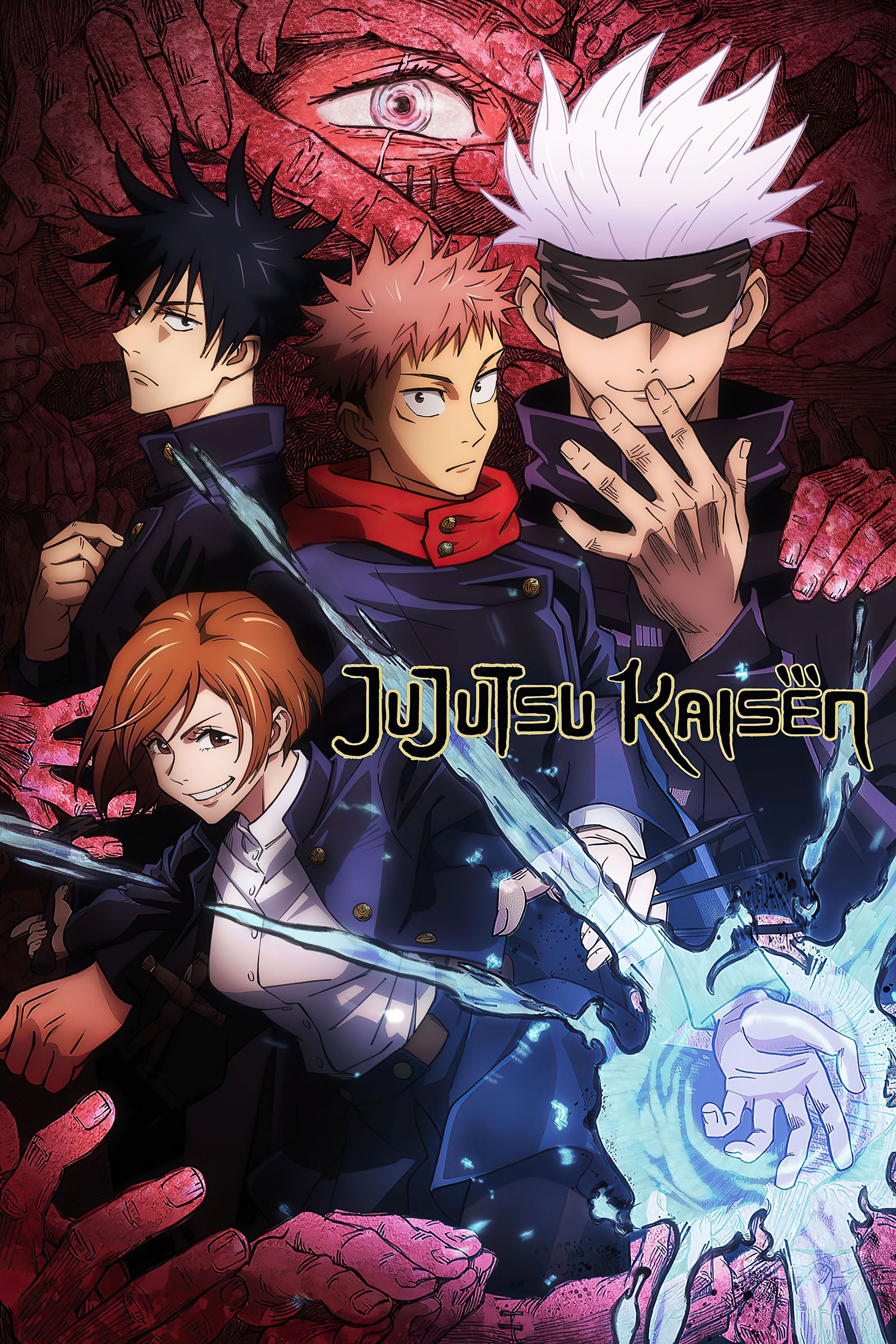
The community for this series is known for its extreme reactions to character deaths and plot twists, often leading to harassment of the creator, Gege Akutami. Fans have used social media to launch targeted attacks against the author for narrative choices that did not align with their personal expectations. Shipping wars are also a major source of toxicity, with fans clashing over pairings and harassing artists who depict “rival” ships. The fandom has a reputation for leaking spoilers and using them to mock fans of other series or those who are not caught up with the manga. This atmosphere has created a sense of hostility that is frequently noted on platforms like Twitter and Reddit.
‘Demon Slayer: Kimetsu no Yaiba’ (2019– )
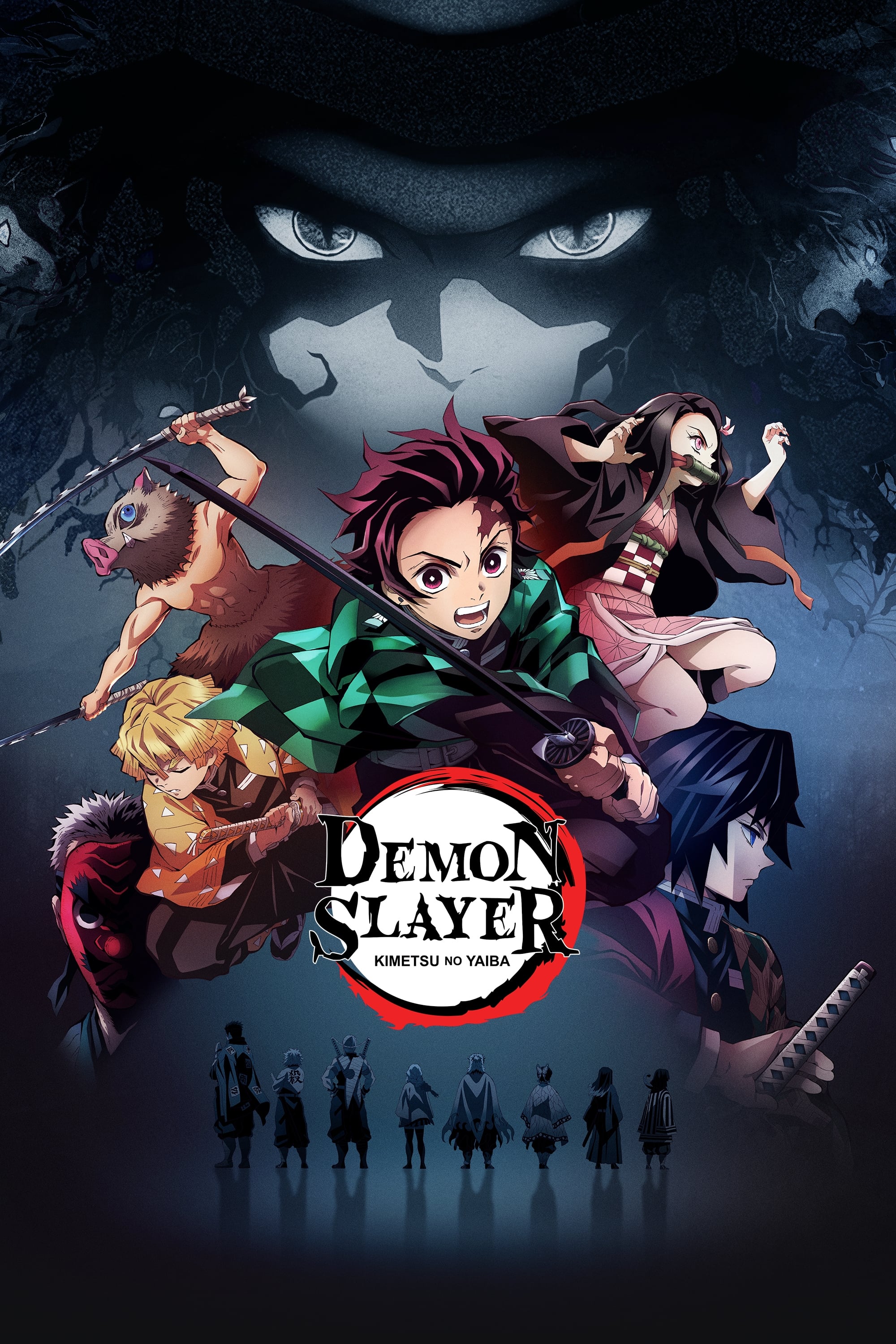
The massive global success of this series led to a fanbase that is frequently accused of overhyping the show and dismissing any criticism. Fans often clash with the wider anime community over whether the show’s quality is derived solely from its animation or its storytelling. This defensiveness frequently manifests as aggressive dismissal of other popular series to justify the show’s high ratings. Gatekeeping behavior is also common, with some fans asserting that the series is the pinnacle of the Shonen genre and attacking those who disagree. The resulting discourse is often highly combative and focused on maintaining the show’s perceived superiority over its peers.
‘Naruto Shippūden’ (2007–2017)
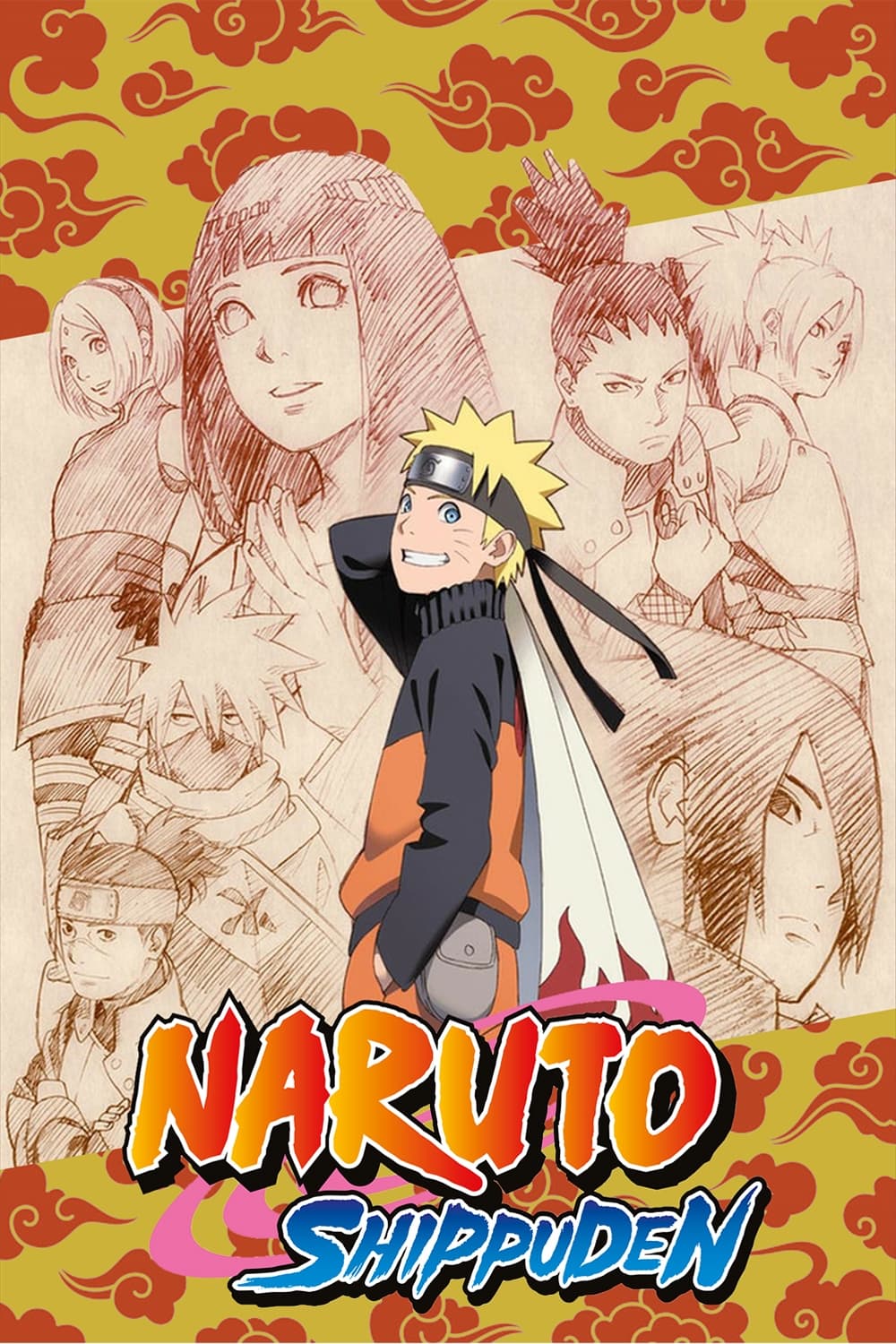
The legacy of this series includes one of the most contentious fanbases in history, primarily due to intense shipping wars that lasted for over a decade. The rivalry between different character supporters frequently led to the harassment of both the creator and fellow fans. Additionally, the community is famous for endless power-scaling debates that often devolve into insults and toxic comparisons with other franchises. Arguments over the quality of the show’s extensive filler episodes also contribute to a high level of internal friction and gatekeeping. This long-standing reputation for toxicity has made it a frequent case study in how large fandoms can become fractured and hostile.
‘Dragon Ball Z’ (1989–1996)

The community surrounding this iconic series is widely known for its obsession with power-scaling and the pervasive “Can he beat Goku?” discourse. This focus often leads to toxic interactions with fans of other series, as enthusiasts aggressively defend the strength of their characters. Elitism among older fans who grew up with the series is also common, leading to the dismissal of newer entries in the genre as being inferior. The fandom is frequently criticized for being resistant to any critique of the show’s narrative flaws or repetitive nature. This defensive posture has created an environment that is often perceived as hostile and intellectually shallow by outsiders.
‘Death Note’ (2006–2007)
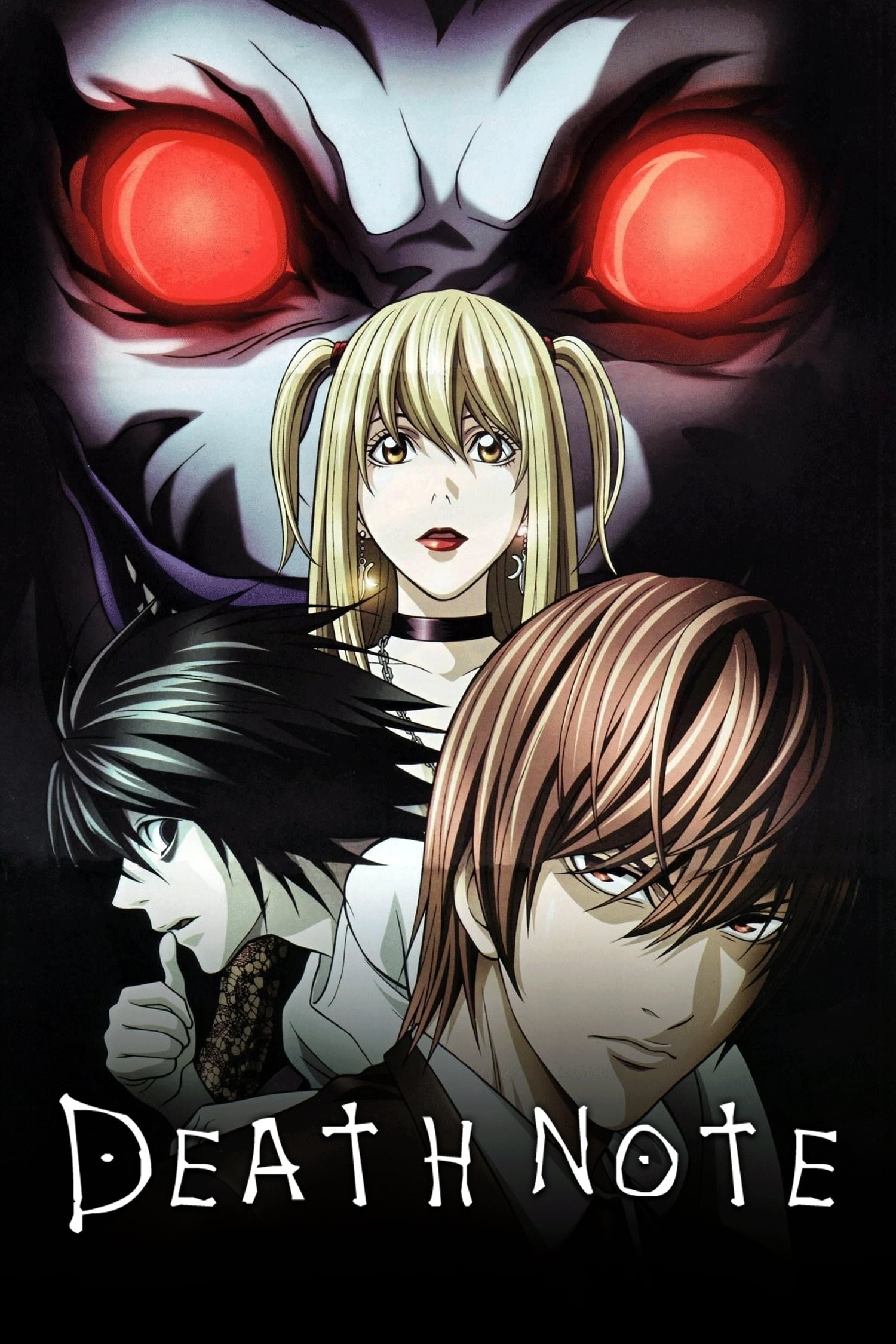
The fanbase for this psychological thriller has a reputation for intellectual elitism, with many fans adopting a “God complex” similar to the protagonist. Discussions often revolve around moral superiority, and those who disagree with the actions of Light Yagami are frequently mocked or dismissed. The community is known for its intense gatekeeping, asserting that only those with a certain level of intelligence can truly appreciate the nuances of the story. This attitude often creates an unwelcoming atmosphere for casual viewers who find the protagonist’s actions indefensible. The resulting discourse is frequently described as arrogant and exclusionary by the broader community.
‘Hunter x Hunter’ (2011–2014)
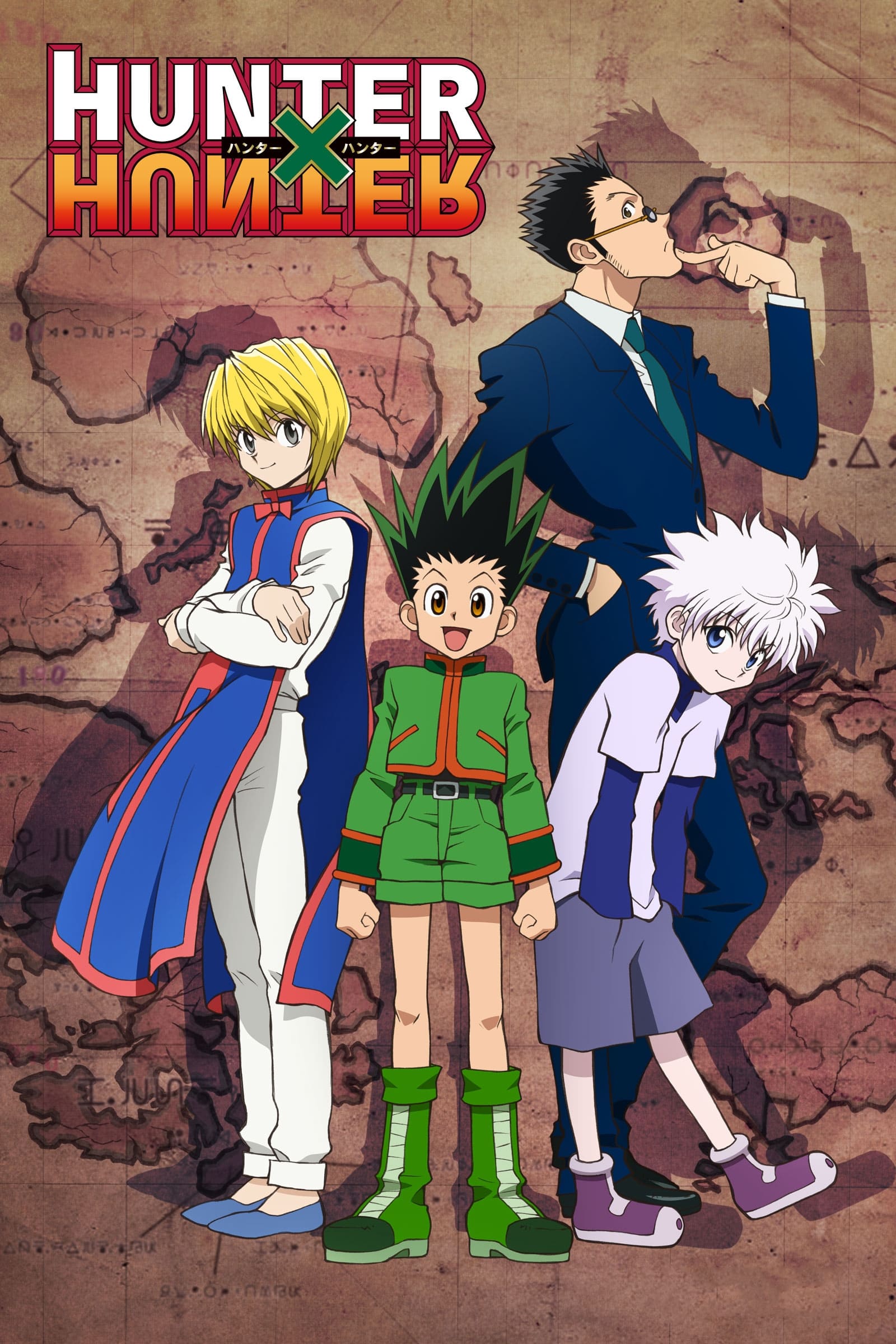
The community for this series is famously elitist, often claiming that the show is a deconstruction that is objectively superior to all other Shonen anime. Fans frequently use this perceived complexity to look down on other fanbases and dismiss their favorite shows as being generic or shallow. This sense of intellectual superiority often makes meaningful discussion with non-fans difficult, as any criticism is met with the assertion that the critic did not understand the material. The fanbase’s tendency to over-analyze every aspect of the series can lead to an environment that is exhausting for newcomers to navigate. This reputation for arrogance has persisted long after the anime’s conclusion.
‘One Piece’ (1999– )
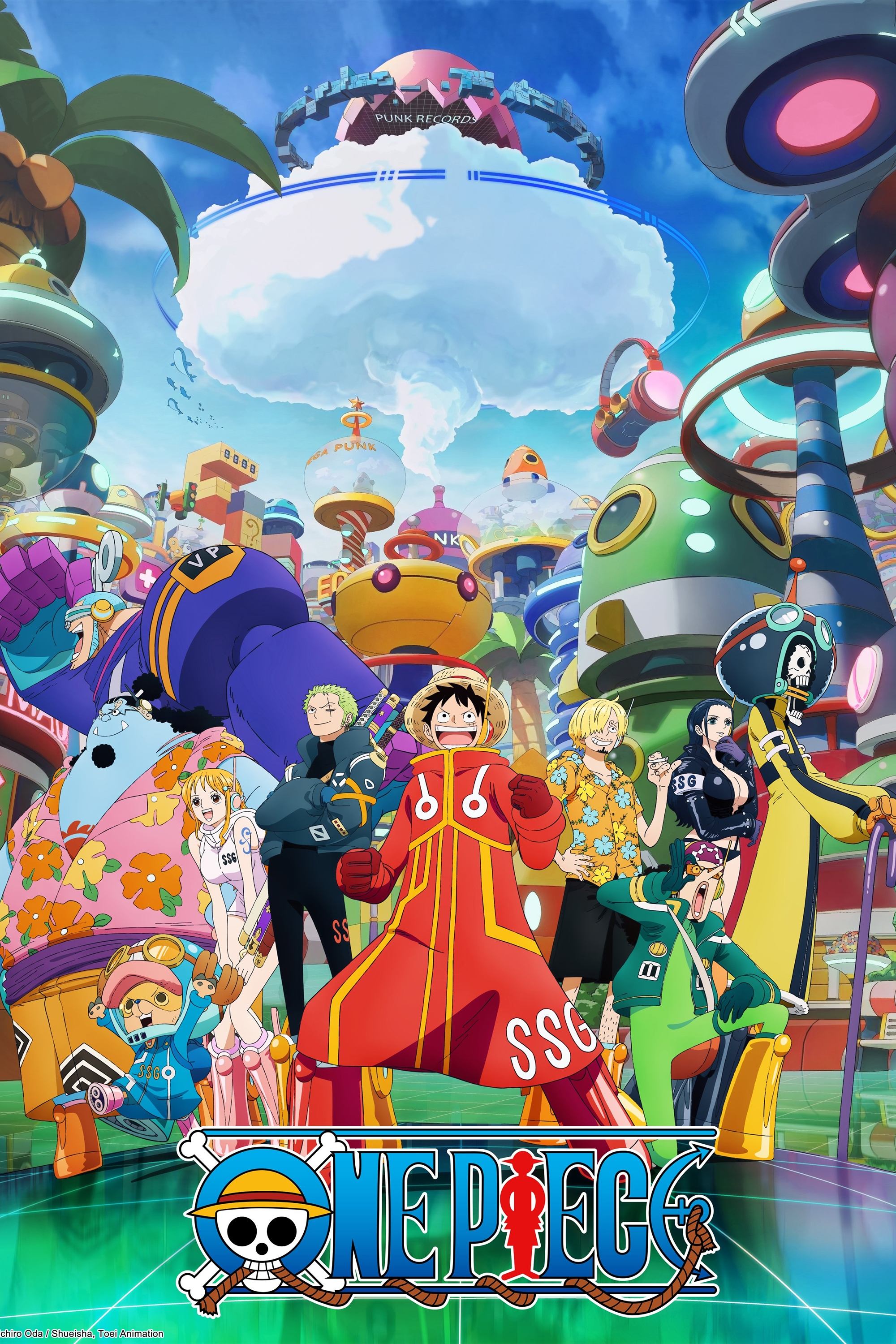
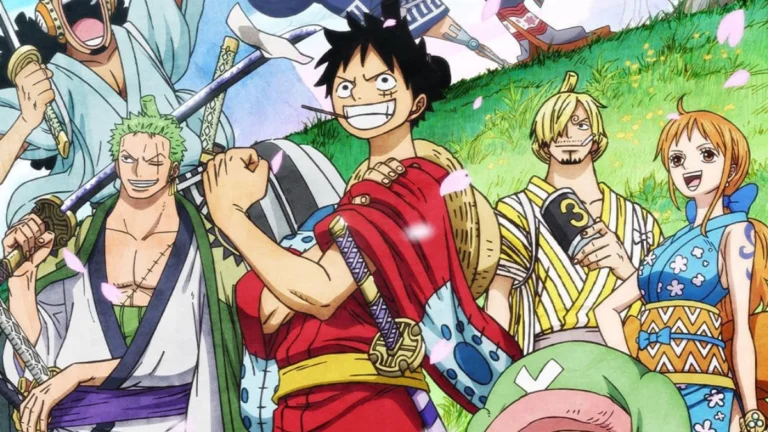
With over a thousand episodes, the community for this series is known for its aggressive recommendation culture and gatekeeping. Fans frequently dismiss the concerns of potential viewers about the show’s length, asserting that those who do not watch it are missing out on the greatest story ever told. The intense worship of the creator often leads to the harassment of anyone who points out flaws in the pacing or art style of the adaptation. Power-scaling debates within the fandom are notoriously toxic, often resulting in prolonged arguments and personal attacks. This combination of cult-like devotion and aggressive outreach has given the fanbase a reputation for being overbearing.
‘Attack on Titan’ (2013–2023)
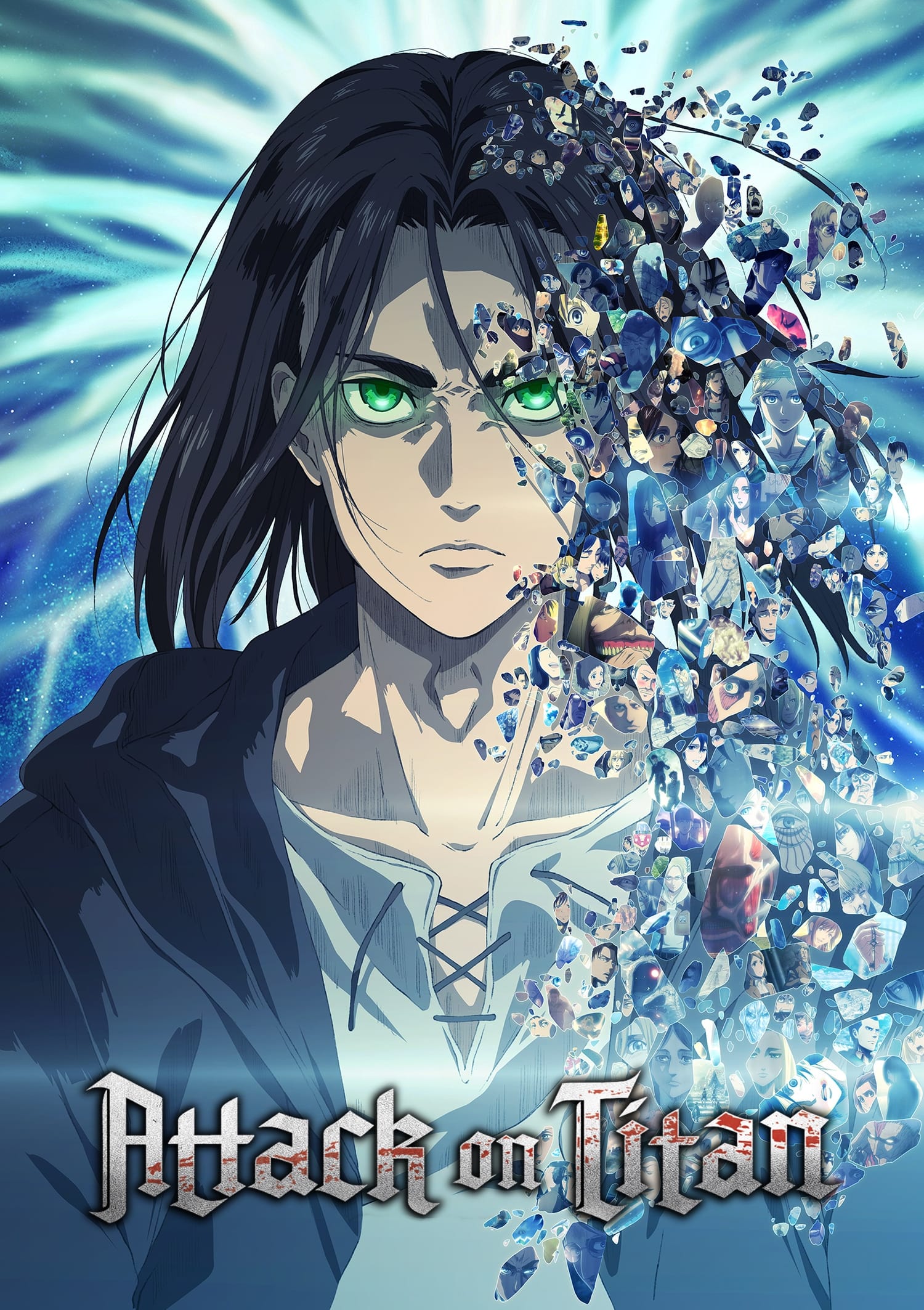
The community for this dark fantasy epic became increasingly polarized as the story reached its conclusion. Fans were divided over the final narrative choices made by the creator, leading to widespread harassment and even death threats sent to him. This toxicity extended to the animation staff, who were targeted for their art style and the use of CGI in the final seasons. The fandom is also known for intense arguments regarding the morality of the protagonist’s actions, which often devolved into personal attacks between differing factions. These conflicts have cemented the community’s reputation as one of the most volatile and defensive in recent anime history.
‘Fullmetal Alchemist: Brotherhood’ (2009–2010)
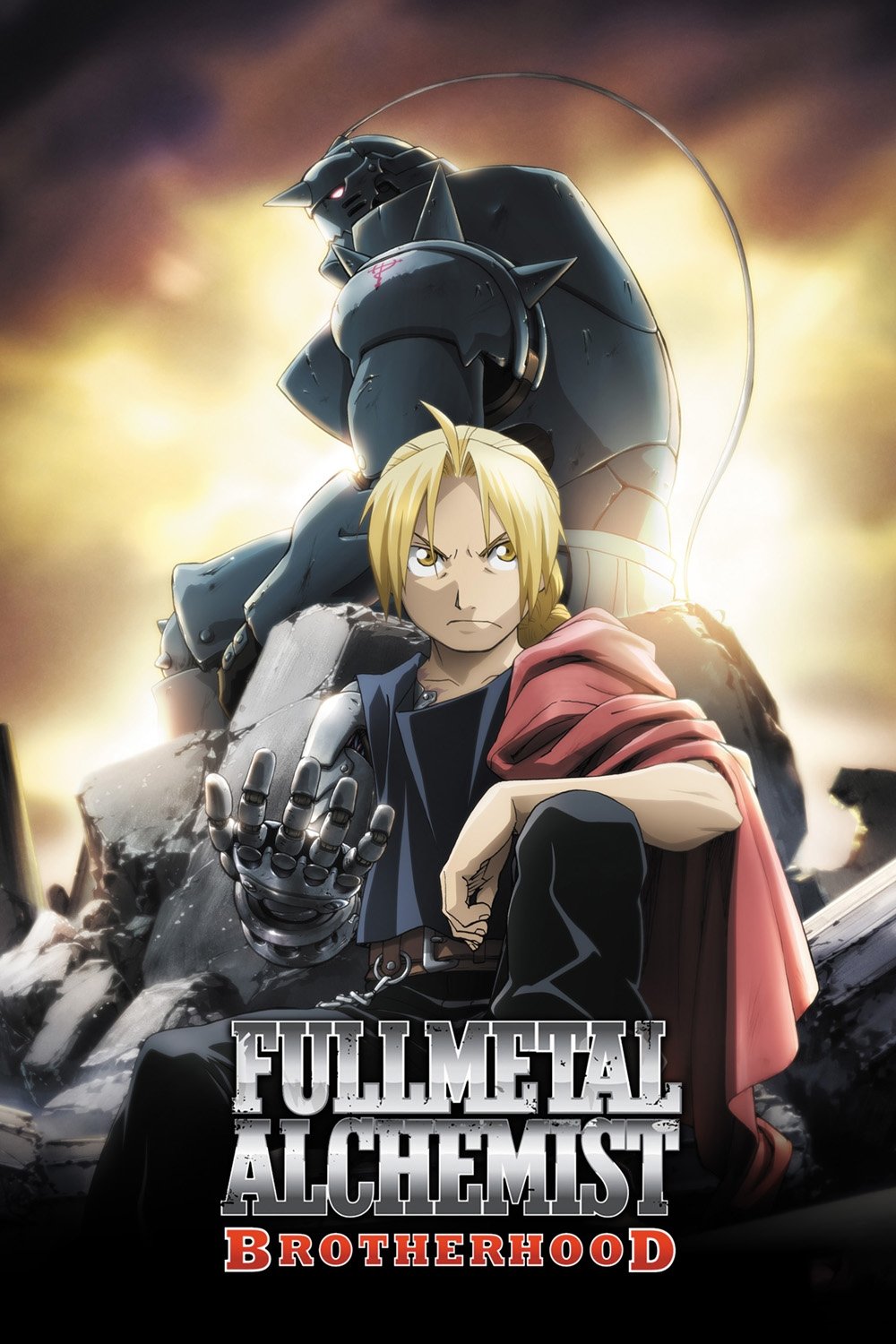
This series has the most notorious reputation for toxicity in the context of global anime rankings and review sites. The fanbase is famous for “review-bombing” any new anime that threatens to overtake its top spot on major platforms. This coordinated effort involves large numbers of fans giving other highly-rated shows a score of one to ensure their favorite remains the highest-rated of all time. This behavior has led to widespread resentment within the wider anime community, as it is seen as a malicious attempt to gatekeep the top ranking. Despite the show’s critical acclaim, the actions of its fanbase are often cited as the pinnacle of competitive toxicity.
Please share which of these fanbases you have had the most difficult experiences with in the comments.