15 Anime Directors Who Are Notoriously Hard to Work With


The animation industry in Japan is renowned for its rigorous production schedules and high standards of technical precision. Behind many of the most celebrated masterpieces are directors whose creative visions require an intense level of dedication from their staff. These individuals are often characterized by their uncompromising perfectionism, complex narrative demands, or unconventional production methods that push animators to their physical and creative limits. While their results frequently redefine the medium, the process of achieving such excellence often involves a notoriously difficult working environment for the production teams involved.
Hayao Miyazaki
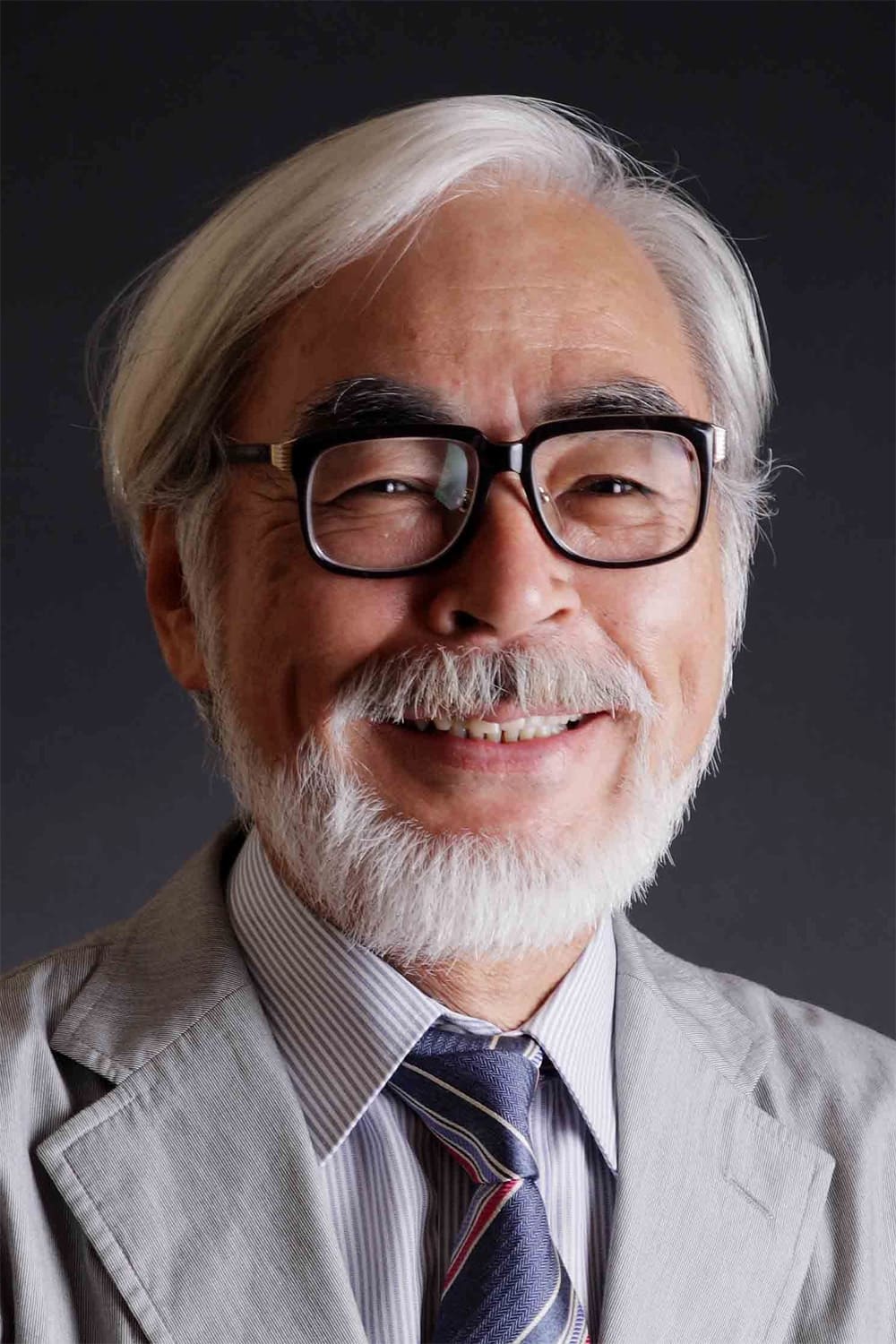
Hayao Miyazaki is famously known for his strict oversight and demanding nature during the production of films at Studio Ghibli. He often handles a significant portion of the layout and key animation corrections himself, requiring his staff to adhere strictly to his specific artistic philosophy. This hands-on approach has led to a high turnover rate among potential successors and a reputation for a grueling workplace atmosphere. During the production of ‘Princess Mononoke’ (1997), his insistence on hand-drawn excellence despite the physical toll on his body and staff became a well-documented part of his legacy. His perfectionism ensures high quality but leaves little room for creative deviation from his original vision.
Hideaki Anno
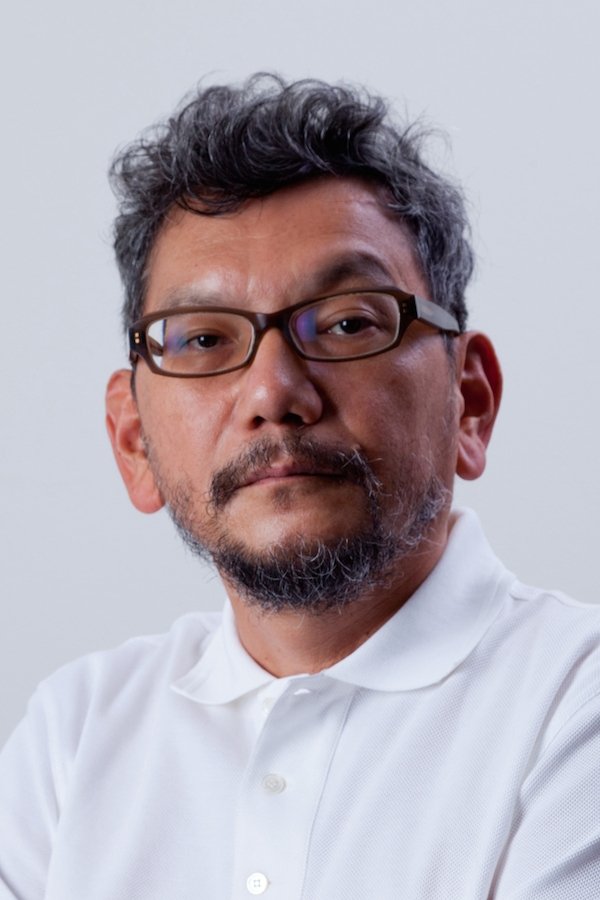
Hideaki Anno is recognized for a production style that is often described as chaotic and emotionally taxing for his collaborators. During the creation of ‘Neon Genesis Evangelion’ (1995–1996), Anno famously made drastic script changes late in production, forcing the animation staff to adapt to shifting narratives under extreme pressure. His introspective and often experimental approach requires animators to translate complex psychological states into visual metaphors, which is a significant technical challenge. Recent documentaries covering the ‘Evangelion: 3.0+1.0 Thrice Upon a Time’ (2021) production show him frequently rejecting finished work to start over from scratch. This commitment to finding the “right” feeling often results in extended schedules and immense stress for the entire studio.
Yoshiyuki Tomino
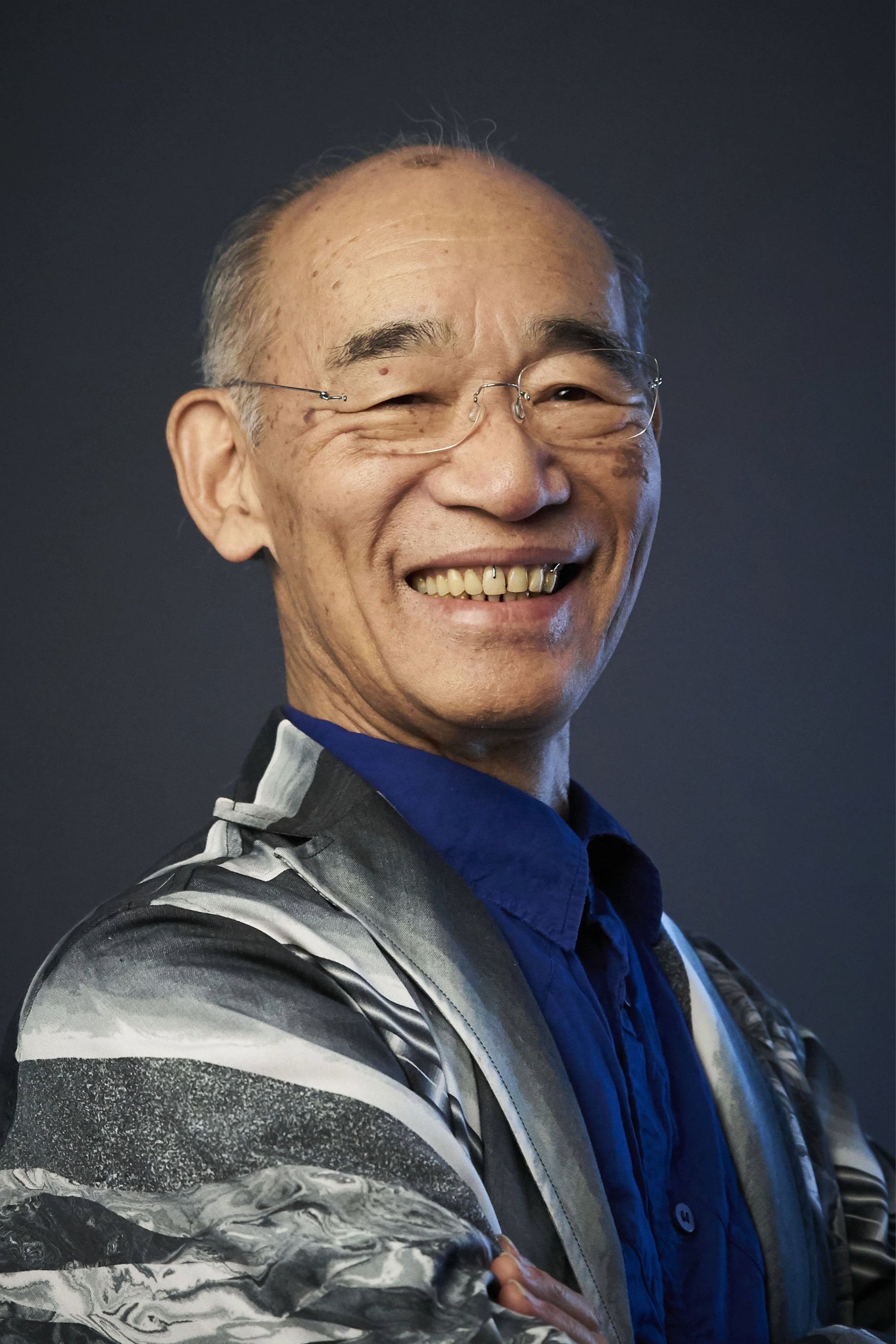
Yoshiyuki Tomino, the creator of the ‘Mobile Suit Gundam’ (1979–1980) franchise, earned the nickname “Kill ’em All” due to his penchant for killing off major characters and his intense temperament on set. He is known for being very vocal and blunt with his staff, often expressing dissatisfaction if the animation does not meet his specific requirements for mechanical realism and dramatic weight. His directing style involves a high degree of pressure, as he expects his team to keep up with his rapid-fire ideas and complex sociopolitical themes. Former collaborators have noted that his passion for the work can manifest as a difficult interpersonal environment. Despite this, he remains a foundational figure whose high standards shaped the “Real Robot” subgenre of anime.
Isao Takahata
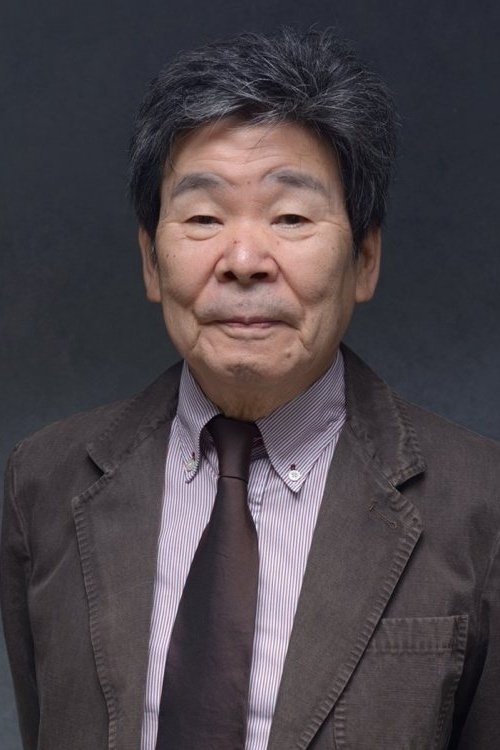
Isao Takahata was notorious for his complete disregard for production deadlines in pursuit of artistic perfection. Unlike many directors who compromise to meet schedules, Takahata would often allow projects to fall months or even years behind to ensure the visual style matched his vision. During the production of ‘The Tale of the Princess Kaguya’ (2013), the film took eight years to complete and saw its budget balloon significantly due to his exacting demands. This approach placed immense logistical and financial strain on Studio Ghibli and the animation teams who had to maintain a high level of output over an indefinite period. His insistence on labor-intensive techniques, such as the sketch-like animation style, required unprecedented effort from his artists.
Satoshi Kon
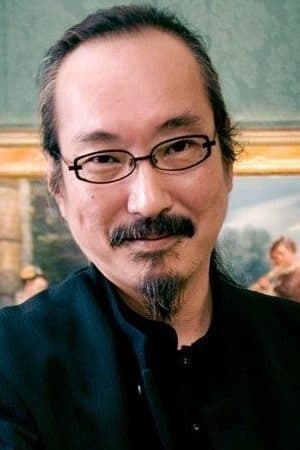
Satoshi Kon was known for his incredible attention to detail and a vision so precise that it left very little room for error or interpretation by his staff. For films like ‘Perfect Blue’ (1997) and ‘Paprika’ (2006), he created meticulously detailed storyboards that functioned as the definitive law for the production. Animators working under him were expected to replicate his specific timing and spatial logic with absolute accuracy, which was a daunting task given his complex use of transitions. His work often blurred the lines between reality and dreams, requiring a level of technical synchronization that was notoriously difficult to achieve. While his staff respected his genius, the mental fatigue of maintaining such high standards was a common theme in retrospectives of his career.
Mamoru Oshii
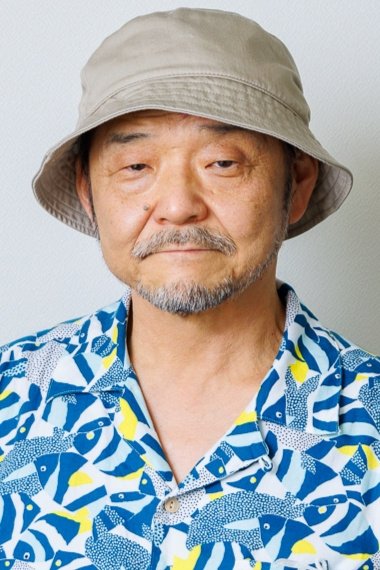
Mamoru Oshii is a director who prioritizes philosophical depth and atmosphere over traditional narrative pacing, often demanding that his staff master highly technical concepts. During the production of ‘Ghost in the Shell’ (1995), he required a seamless integration of traditional cel animation and early digital effects that was cutting-edge and difficult to execute at the time. He is known for being intellectually demanding, expecting his team to understand the deep subtext and symbolism behind every frame. His sets are often described as quiet and focused, but the pressure to deliver the “Oshii look”—marked by stillness and intricate mechanical detail—is immense. This rigid adherence to a specific aesthetic can be stifling for animators used to more collaborative environments.
Katsuhiro Otomo
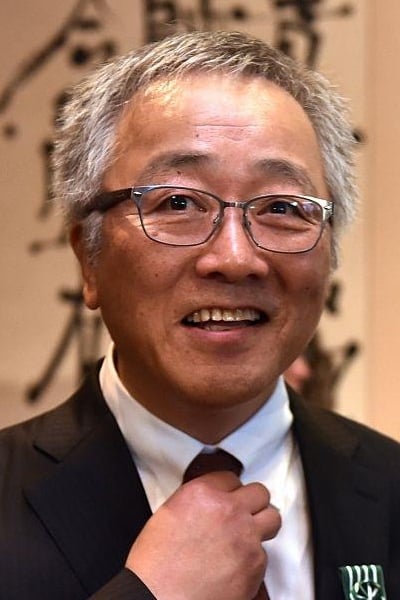
Katsuhiro Otomo set a new benchmark for detail with ‘Akira’ (1988), a film that famously used over 160,000 animation cels and an extensive color palette. His demand for fluid, realistic motion and hyper-detailed urban environments forced the production to run around the clock to meet deadlines. Otomo’s background as a manga artist meant he had an uncompromising eye for line work, often requiring retakes for minor imperfections that other directors might ignore. The sheer scale of the project was unprecedented, and the workload he placed on his animators is still cited as one of the most intense in the history of the industry. His pursuit of a “cinematic” feel in animation changed the medium but came at the cost of an exhausting production cycle.
Kunihiko Ikuhara
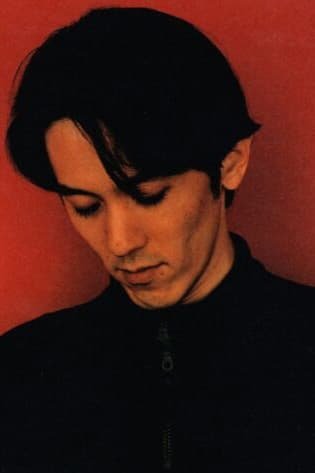
Kunihiko Ikuhara is known for his highly stylized, avant-garde approach to series like ‘Revolutionary Girl Utena’ (1997). His directing style involves heavy use of visual metaphors and repetitive motifs that must be executed with a specific theatrical flair. He is reportedly very particular about the “rhythm” of a scene, often making minute adjustments to timing that can be difficult for animators to grasp. This focus on aesthetic symbolism over literal storytelling requires a staff that can interpret his cryptic instructions and unconventional storyboards. Working with Ikuhara is often described as a dive into a very specific, idiosyncratic world where the director’s intuition overrides standard industry practices.
Akiyuki Shinbo
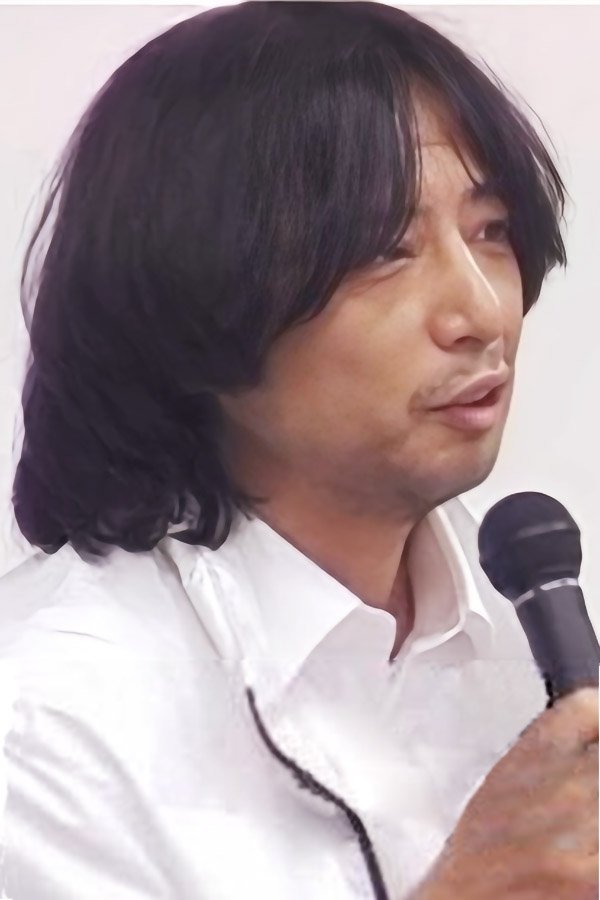
Akiyuki Shinbo, particularly in his work with studio Shaft on series like ‘Bakemonogatari’ (2009), utilizes a radical visual style characterized by rapid cuts and unusual camera angles. This “Shinbo Style” requires animators to work within a very rigid framework of experimental layouts that can be disorienting and labor-intensive to produce. He often demands a high volume of abstract background art and text overlays that must be perfectly timed with the dialogue. The fast-paced nature of his productions often leads to a high-pressure environment where the staff must maintain a unique aesthetic consistency across complex sequences. His reputation for a distinct, non-traditional workflow makes him a challenging lead for those used to standard animation pipelines.
Hiroyuki Imaishi
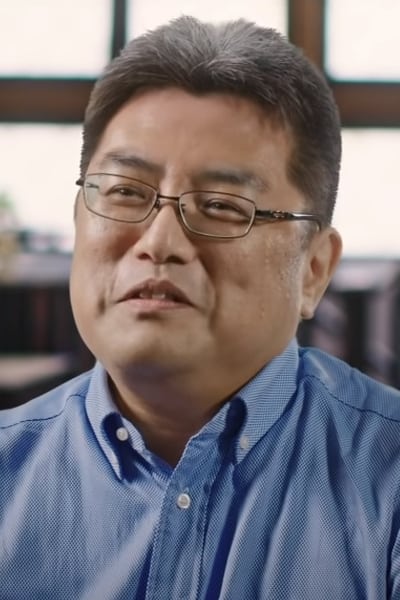
Hiroyuki Imaishi, known for ‘Gurren Lagann’ (2007) and ‘Kill la Kill’ (2013), directs with an explosive energy that translates into an incredibly high workload for his animation teams. His style emphasizes “limited animation” pushed to its absolute kinetic limit, requiring artists to draw extreme poses and high-speed action sequences. The sheer volume of keyframes required to capture his chaotic and vibrant vision often leads to “crunch” periods at Studio Trigger. Imaishi’s demand for “coolness” and impact above all else means that animators are frequently pushed to exaggerate movements beyond conventional physics. This high-octane environment is exhilarating for some but notoriously draining for others.
Osamu Dezaki
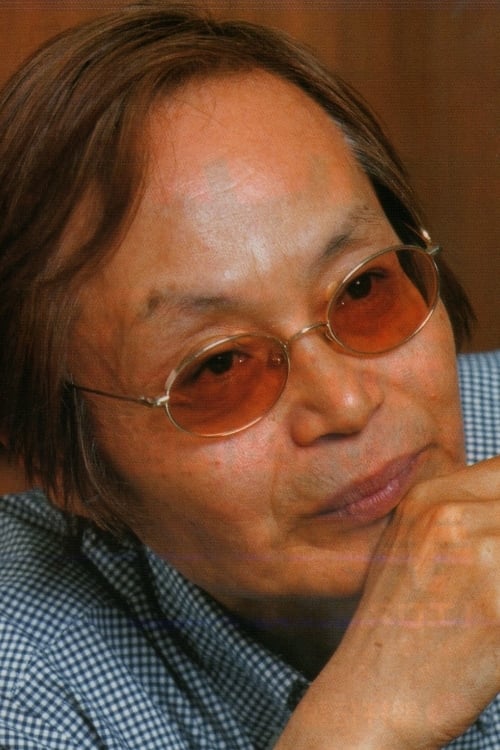
Osamu Dezaki was a pioneer of dramatic techniques like the “postcard memory,” but he was also known for being a very demanding taskmaster. On series such as ‘The Rose of Versailles’ (1979–1980), he expected his staff to master his signature lighting effects and dramatic shading styles. He was known to have a strong, sometimes abrasive personality, and he would not hesitate to criticize work that did not meet his dramatic standards. His vision was very specific, and he required his team to execute cinematography-inspired shots that were technically difficult for the era. This uncompromising pursuit of “theatricality” in TV animation made him a legendary but difficult figure to work for.
Shigeyasu Yamauchi

Shigeyasu Yamauchi is famous for a moody, atmospheric style that he applied to ‘Saint Seiya: Hades Chapter Sanctuary’ (2002–2003) and ‘Casshern Sins’ (2008–2009). He is known for using many close-ups and long, lingering shots that require a very high level of detail in the character acting and background art. His directing process is often described as being very focused on the emotional “weight” of a scene, which can be difficult for animators to translate into drawings. He has a reputation for being a perfectionist regarding color palettes and lighting, often requiring multiple passes to get the exact somber tone he desires. This focus on “feeling” over technical efficiency can lead to slow production cycles and high stress.
Shoji Kawamori
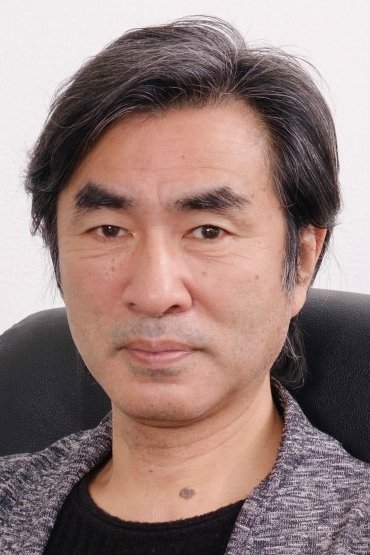
As a director and mechanical designer for the ‘Macross’ (1982–1983) franchise, Shoji Kawamori is known for his obsession with realistic transformation and aerodynamic accuracy. He often builds physical LEGO models of his mecha to ensure they can actually function, and he expects his animators to understand these complex mechanics as well. During the production of ‘Macross Plus’ (1994–1995), his insistence on blending hand-drawn dogfights with early CG was a massive technical hurdle for the staff. His dual role as a designer and director means he is meticulously involved in every aspect of the visual world-building. This level of technical scrutiny requires a team that is highly skilled in mechanical animation and capable of meeting his specific engineering-based standards.
Tatsuo Sato
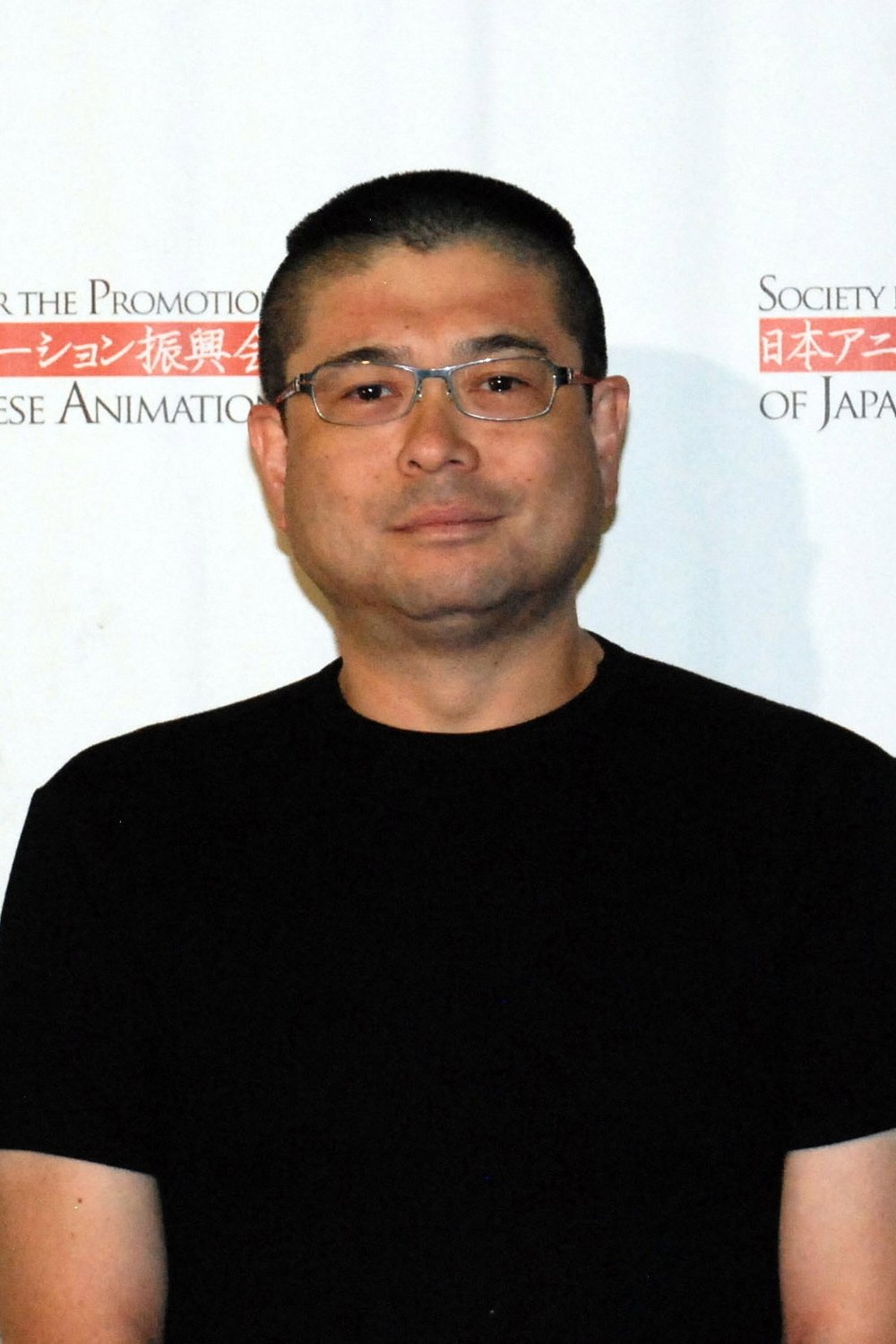
Tatsuo Sato, known for ‘Martian Successor Nadesico’ (1996–1997), has a reputation for being very particular about the balance of tone in his works. He often shifts between high-intensity action and self-aware comedy, requiring his staff to be extremely versatile in their animation styles. He is known to be very involved in the scriptwriting process, frequently making adjustments that can impact the animation pipeline late in the game. His demand for a specific kind of “smart” pacing means that scenes are often edited and re-edited to fit his comedic or dramatic timing. Managing the tonal shifts he requires can be a significant mental challenge for a production team trying to maintain a cohesive look.
Goro Taniguchi
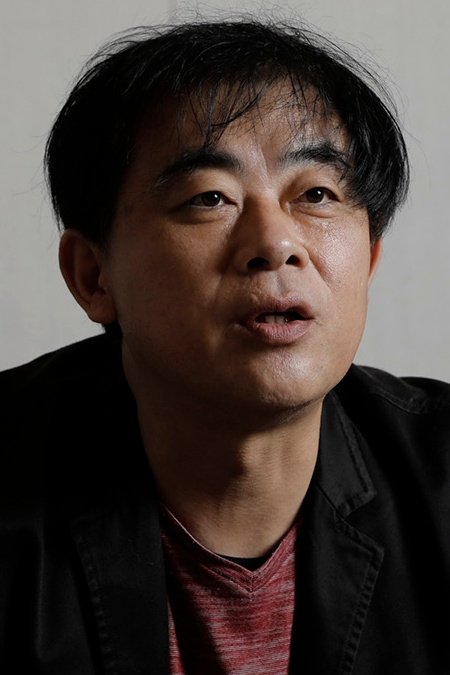
Goro Taniguchi, the director of ‘Code Geass: Lelouch of the Rebellion’ (2006–2007), is known for his highly ambitious narratives and complex character dynamics. He often pushes for a high level of drama and visual flair that requires the staff to work on many moving parts simultaneously, from complex mecha battles to intricate political dialogues. Taniguchi is reported to be very firm in his creative decisions, leaving little room for staff to deviate from his intended path. The scale of his projects often necessitates a massive amount of coordination, and his drive to include as much story as possible can lead to very dense and demanding production schedules. His focus on creating “event” television means the pressure to deliver high-quality episodes every week is constant.
Please share your thoughts on these legendary directors and their demanding styles in the comments.