TV Show Finales That Ruined The Entire Series


Television history is filled with iconic series that captivated audiences for years only to falter at the very finish line. A truly disastrous finale can retroactively taint the legacy of a show and leave loyal viewers feeling betrayed by the narrative choices. Whether through abrupt cliffhangers or character assassinations the final episode carries the heavy burden of resolving years of storytelling. These particular conclusions remain infamous for their inability to satisfy the expectations of their dedicated fanbases.
‘Game of Thrones’ (2011–2019)
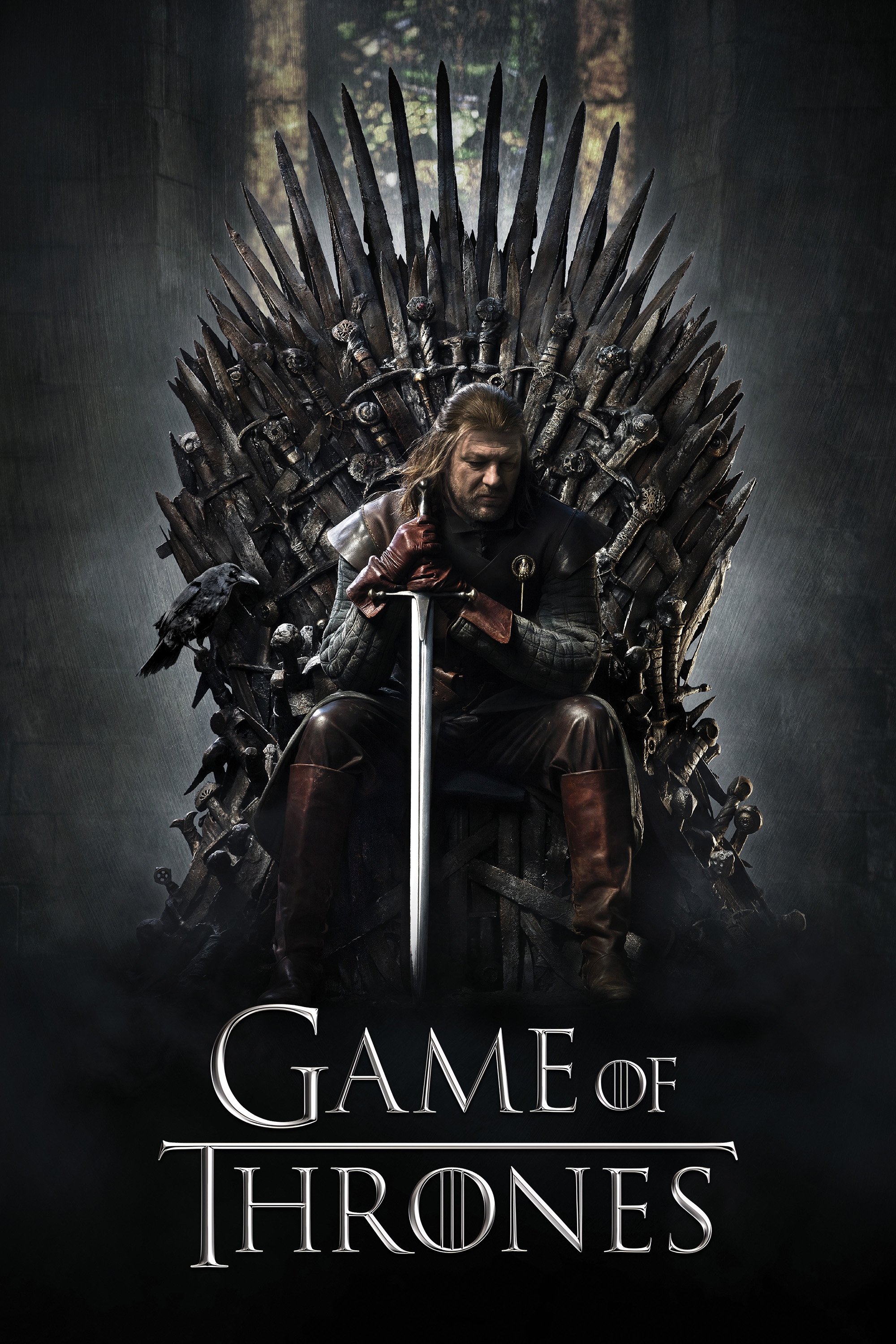
The final season of this fantasy epic rushed through significant character arcs that had been building for nearly a decade. Daenerys Targaryen made a sudden descent into madness that felt unearned to many viewers due to the accelerated pacing. Bran Stark was named King of Westeros in a confusing twist that sidelined more qualified candidates like Jon Snow or Sansa Stark. Fans criticized the writing for abandoning the complex political logic that originally defined the series. The show concluded with a divisive ending that left petitions for a remake circulating online.
‘How I Met Your Mother’ (2005–2014)
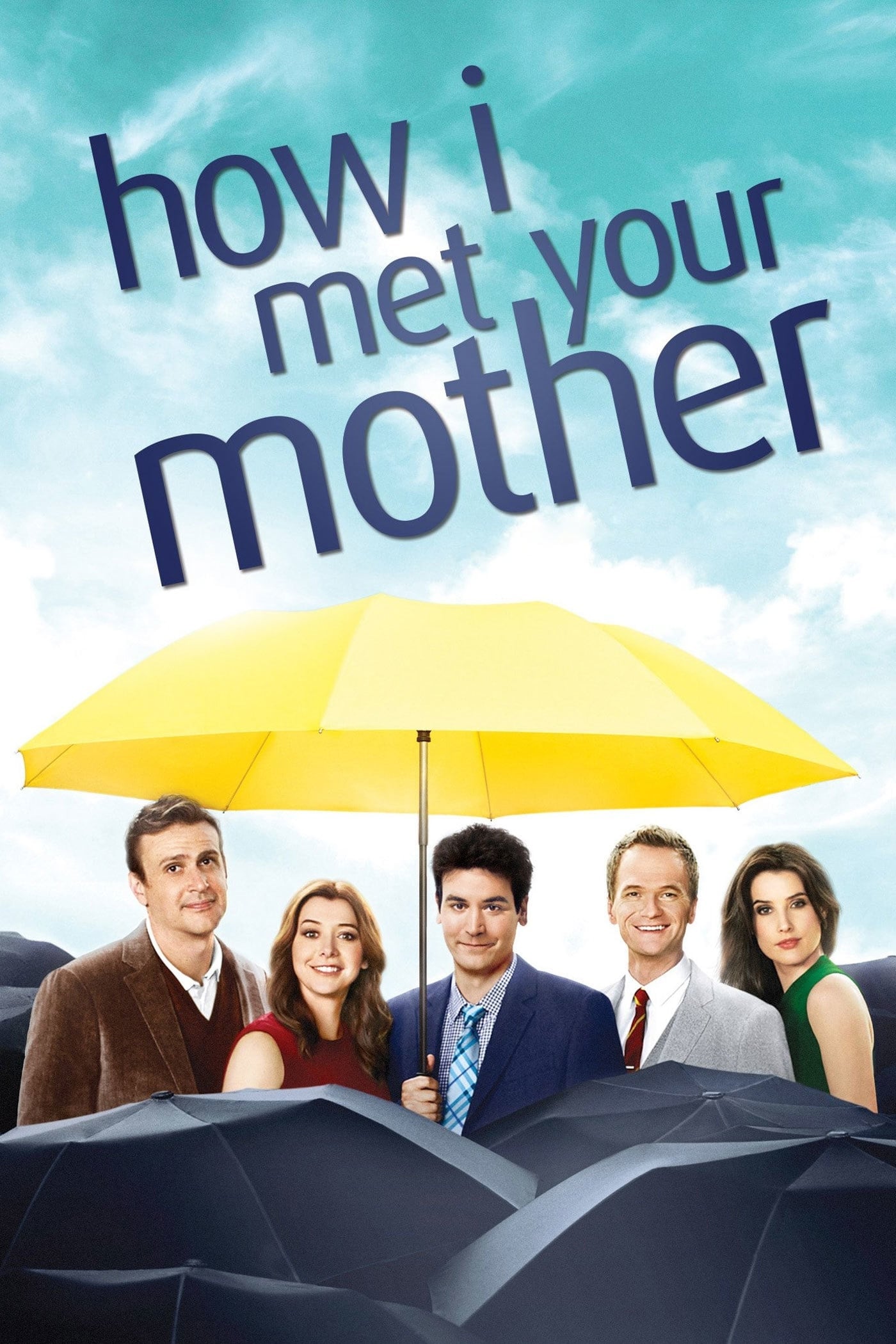
The entire premise of the show revolved around Ted Mosby telling his children the story of how he met their mother. Audiences spent nine seasons waiting for this meeting only for the writers to kill the titular character off in the final moments. The finale revealed that the story was actually a plea for Ted to ask his aunt Robin Scherbatsky out on a date. This decision undid years of character development that showed why Ted and Robin were incompatible. Viewers felt cheated by a conclusion that prioritized a twist over emotional payoff.
‘Dexter’ (2006–2013)
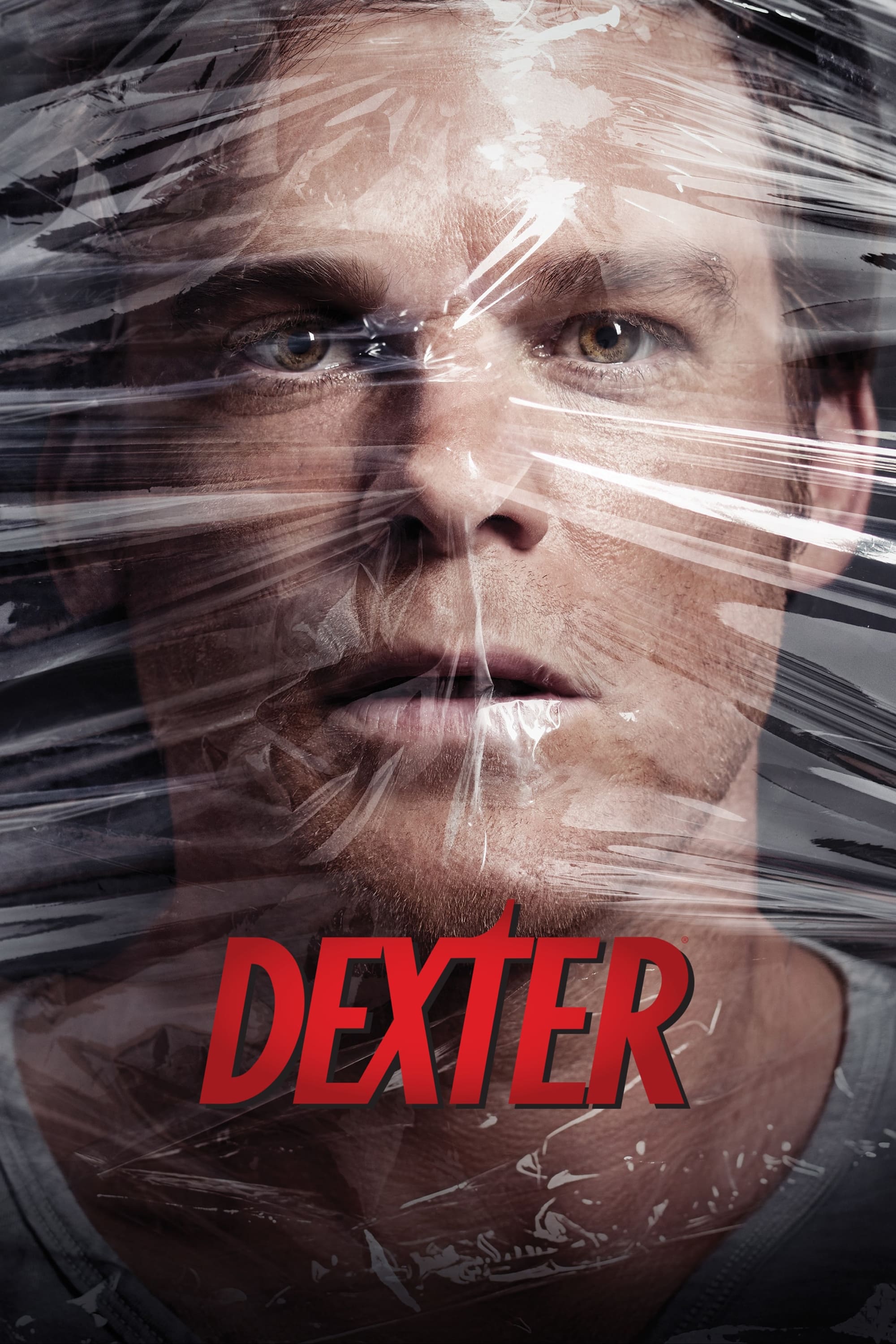
This crime drama followed a vigilante serial killer who adhered to a strict moral code while working for the police. The original series finale saw Dexter Morgan fake his own death and abandon his son Harrison to become a lumberjack in Oregon. His sister Debra suffered an unceremonious death that lacked the emotional weight her character deserved. The ambiguity and lack of consequences for Dexter frustrated fans who wanted a definitive end to his double life. It remains one of the most cited examples of a show losing its way in the final hour.
‘Lost’ (2004–2010)
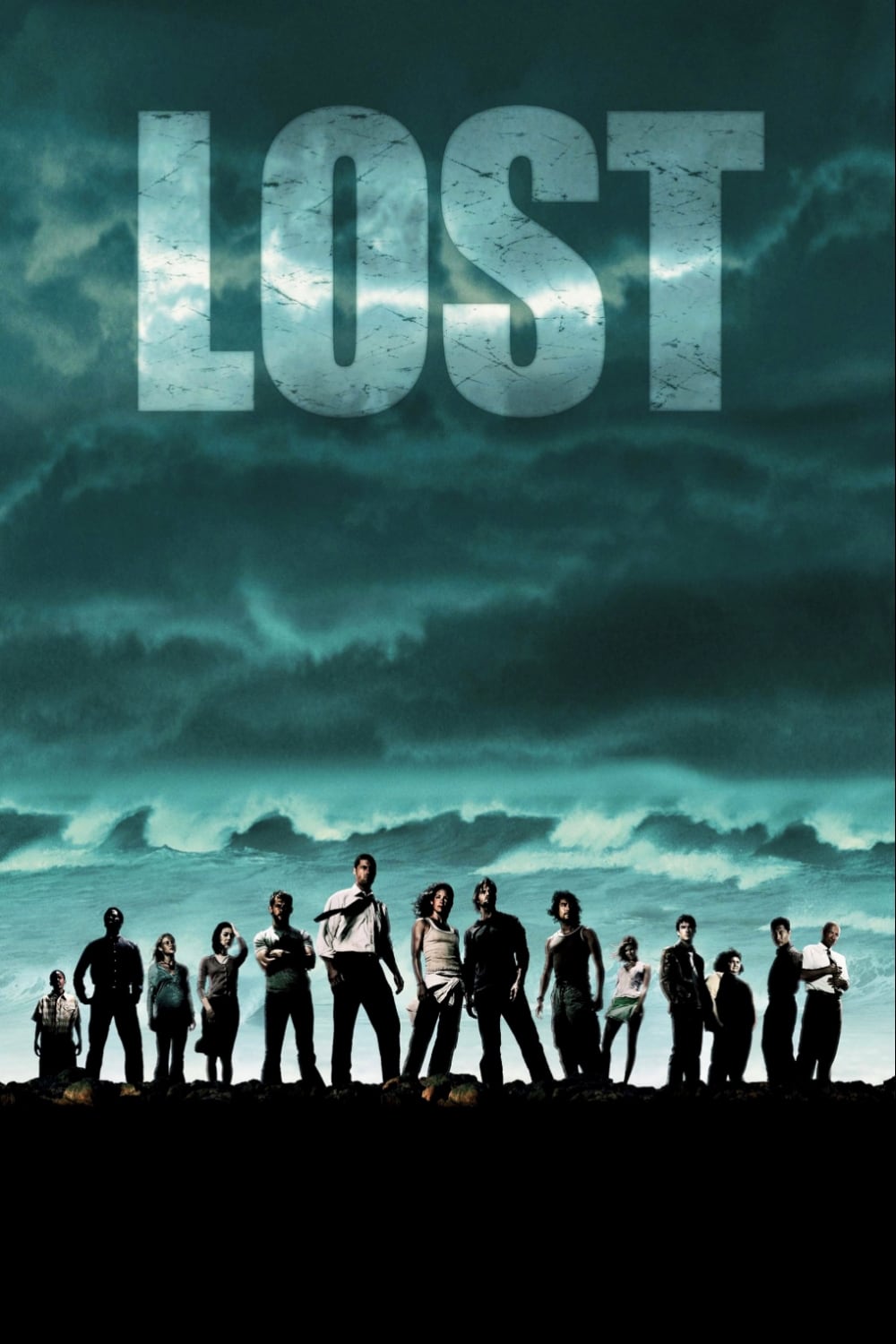
Mystery and intrigue defined this survival drama that kept viewers guessing about the nature of the island. The finale focused heavily on a flash-sideways timeline that was revealed to be a form of purgatory where the characters reunited. Many fans felt the show failed to answer the pressing sci-fi and mythological questions raised throughout the seasons. The emotional reunion in the church did not satisfy those who wanted concrete explanations for the polar bears and smoke monster. Critics argued the writers prioritized sentimentality over narrative cohesion.
‘Seinfeld’ (1989–1998)
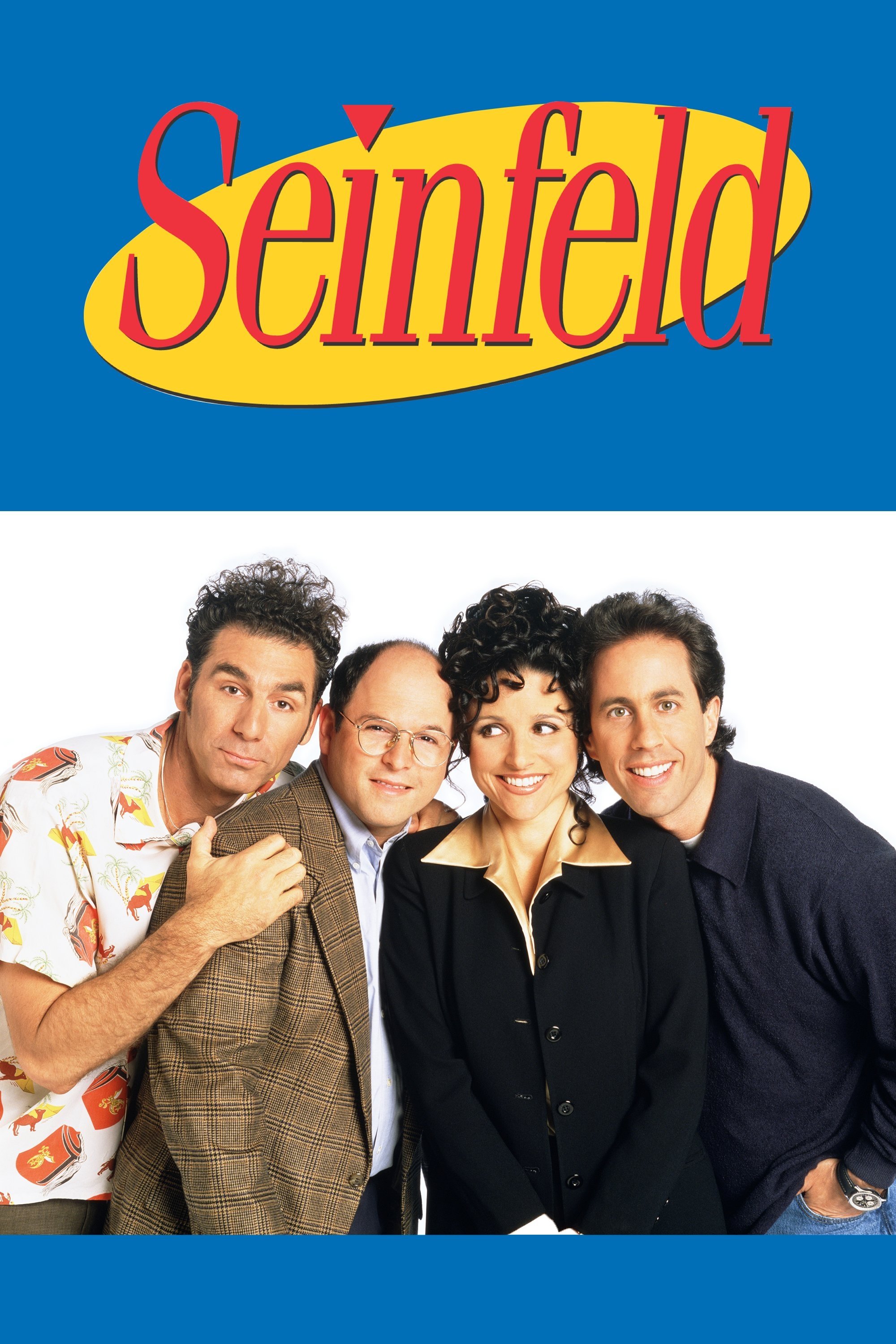
The show about nothing ended with a two-part finale that put the main characters on trial for violating a Good Samaritan law. A parade of past guest stars returned to testify against Jerry and his friends for their selfish behavior over the years. The group was ultimately sentenced to prison in a grim conclusion that felt tonally disconnected from the rest of the sitcom. Larry David returned to write the episode but the cynical atmosphere alienated casual viewers. It remains a polarizing exit for one of the most successful comedies in television history.
‘The Sopranos’ (1999–2007)
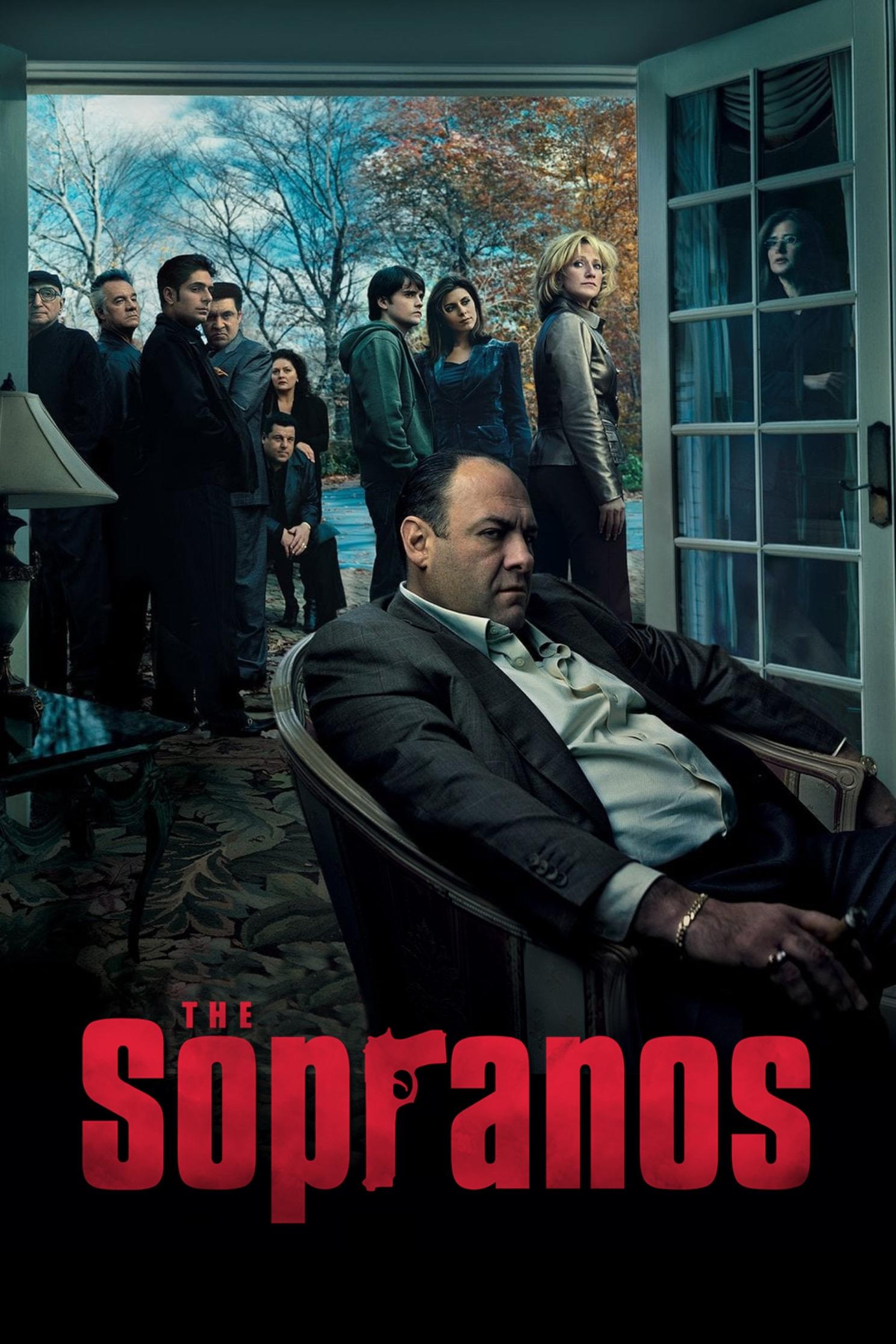
Tony Soprano sat in a diner with his family while a suspicious man entered the restroom in this famous conclusion. The screen abruptly cut to black mid-scene leaving the fate of the protagonist completely unknown. Audiences initially thought their cable had gone out due to the sudden silence and lack of resolution. Creator David Chase intended the ending to be ambiguous but many viewers found it pretentious and frustrating. The debate over whether Tony lived or died continues to dominate discussions about the show.
‘Killing Eve’ (2018–2022)
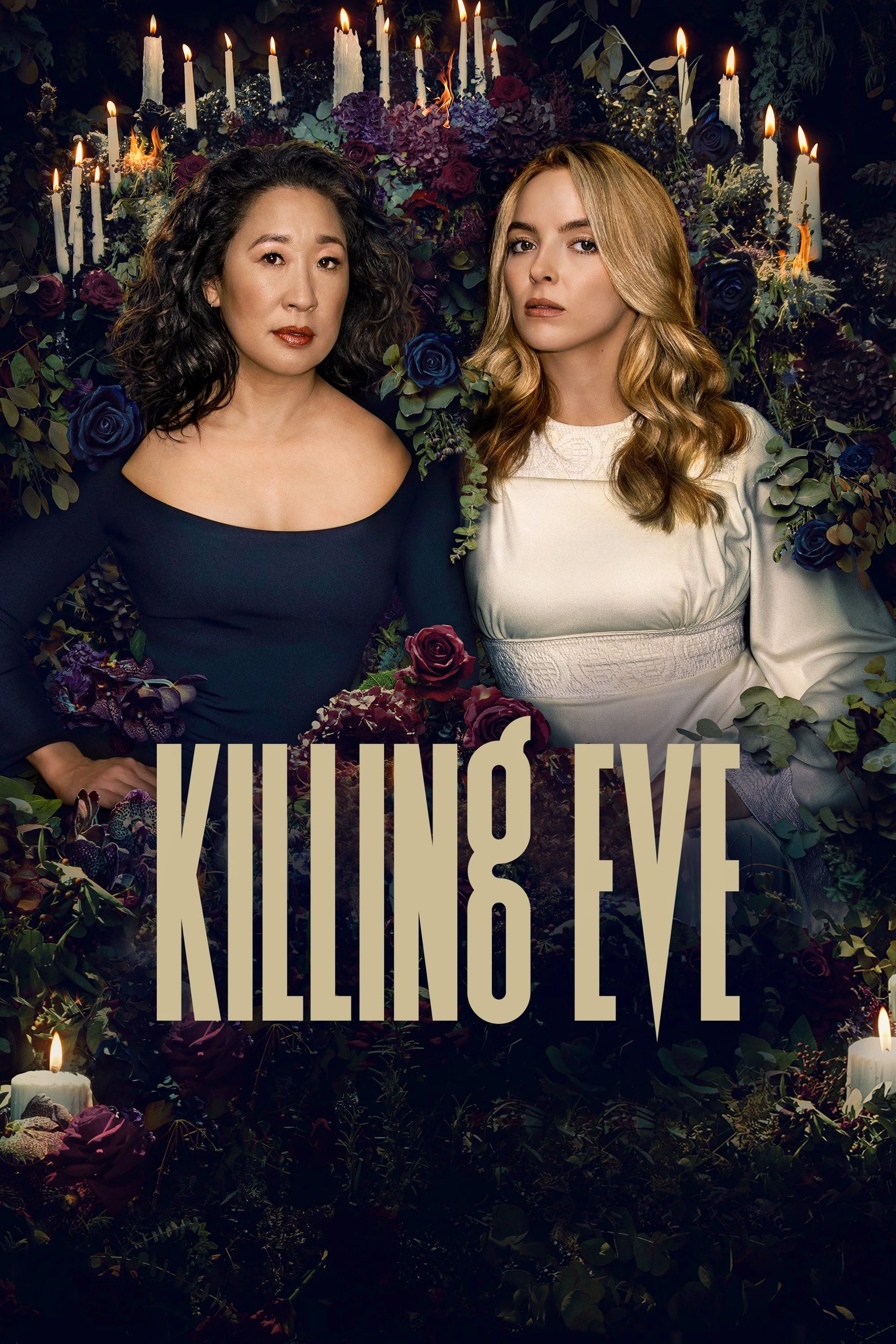
The cat-and-mouse dynamic between Eve Polastri and Villanelle drove the tension of this spy thriller for four seasons. The finale finally brought the two women together against the organization known as The Twelve. However the writers killed Villanelle moments after the couple shared a moment of happiness. The sequence was criticized for adhering to the bury your gays trope and denying the characters a future. Eve was left screaming in the Thames River in a bleak ending that angered the LGBTQ+ community.
‘Gossip Girl’ (2007–2012)
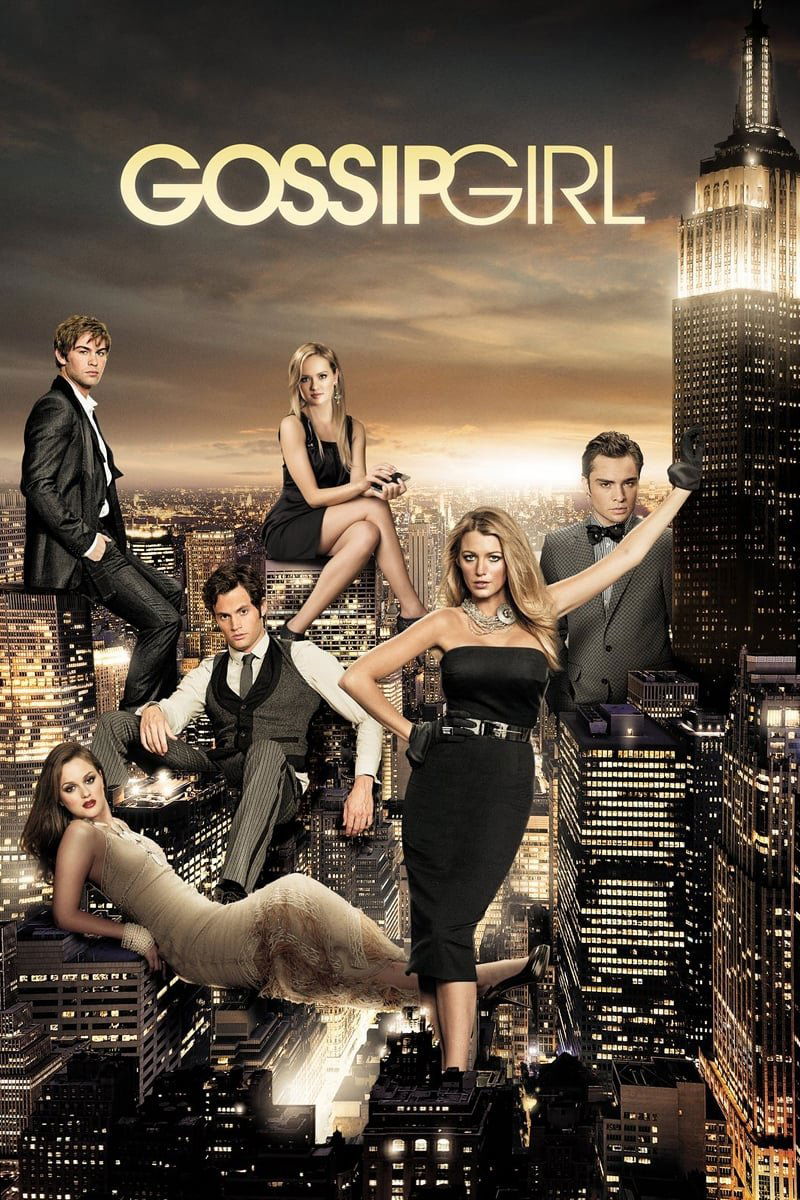
The central mystery of the show was the identity of the anonymous blogger who tormented the elite youth of the Upper East Side. The finale revealed that Dan Humphrey was the gossipmonger despite him being a frequent victim of the blasts. This twist created countless plot holes as Dan looked shocked by posts he supposedly wrote himself when he was alone. The characters quickly forgave him for years of cyberbullying and stalking without realistic consequences. Fans considered the reveal illogical and a betrayal of the narrative established in the pilot.
‘Pretty Little Liars’ (2010–2017)
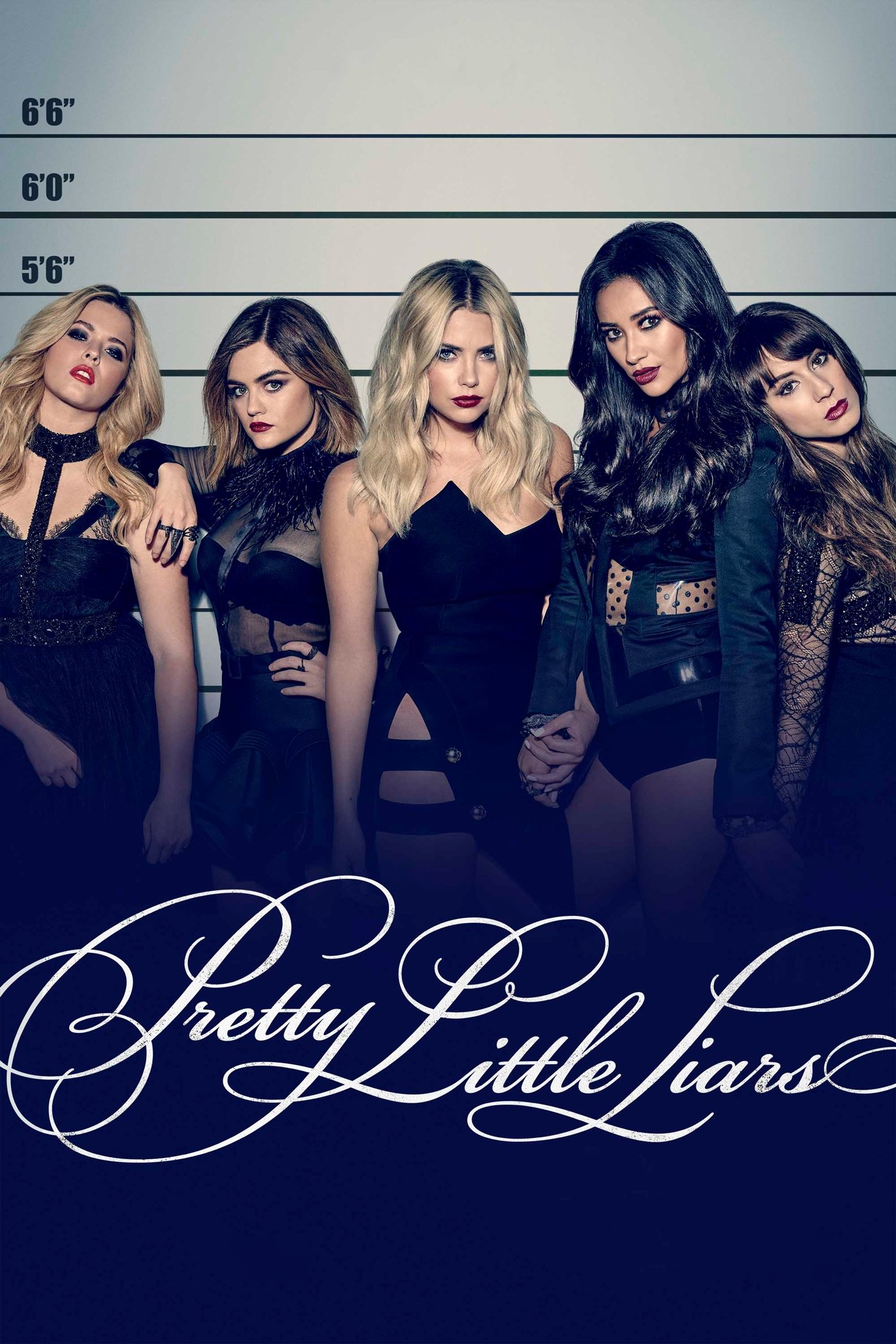
Seven seasons of mystery culminated in the reveal of the ultimate villain known as A.D. The antagonist turned out to be Spencer Hastings’ evil British twin named Alex Drake. Viewers were disappointed by the introduction of a previously unknown character at the very end of the series. The questionable British accent used by actress Troian Bellisario became a subject of ridicule on social media. Many felt the twin twist was a lazy writing trope that invalidated the investigative work of the previous seasons.
‘True Blood’ (2008–2014)

The romance between telepath Sookie Stackhouse and vampire Bill Compton was the core of this supernatural drama. The finale saw Bill convince Sookie to kill him so she could live a normal human life. Sookie eventually married an unidentified man whose face was never shown to the audience. Fans felt the conclusion was a disservice to the complex world of vampires and faeries the show had built. The ending rendered the central relationships meaningless by opting for a safe and traditional conclusion.
‘Scrubs’ (2001–2010)
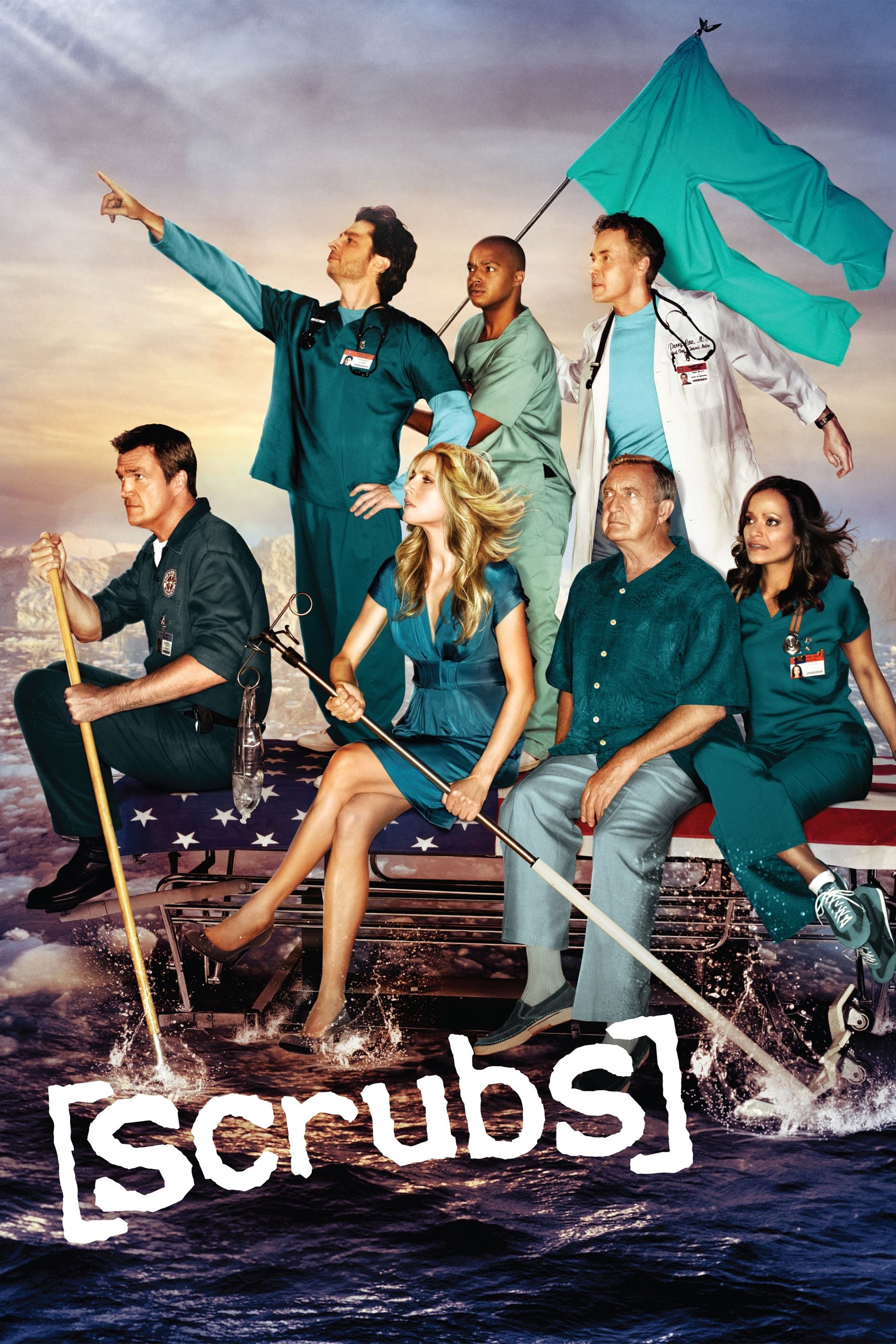
The eighth season finale provided a perfect emotional sendoff for J.D. as he walked down the hall past people from his past. However the network decided to renew the show for a ninth season that shifted the focus to a medical school setting. Most of the original cast appeared only in cameo roles or left the series entirely. The new characters failed to capture the charm of the original group and the tone felt completely different. Fans generally refuse to acknowledge the ninth season and consider the season eight finale the true ending.
‘Roseanne’ (1988–1997)
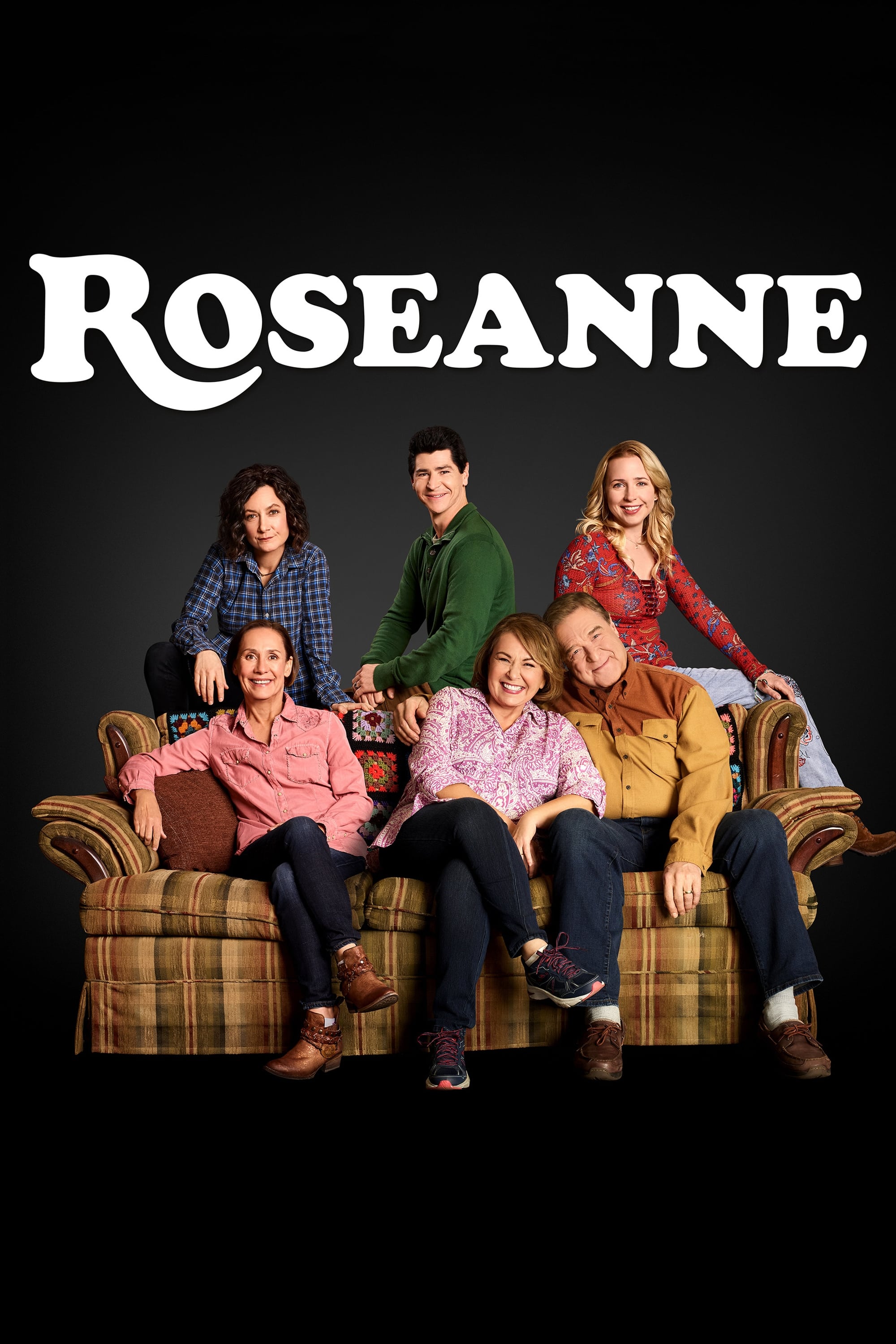
The final season of the original run took a bizarre turn when the working-class Conner family won the lottery. The show abandoned its relatable roots for surreal storylines involving terrorists and spies. The series finale revealed that the entire season was a story written by Roseanne and that her husband Dan had actually died of a heart attack. This depressing twist negated the events of the previous year and left viewers heartbroken. The revival eventually retconned these events to bring Dan back to life.
‘Two and a Half Men’ (2003–2015)
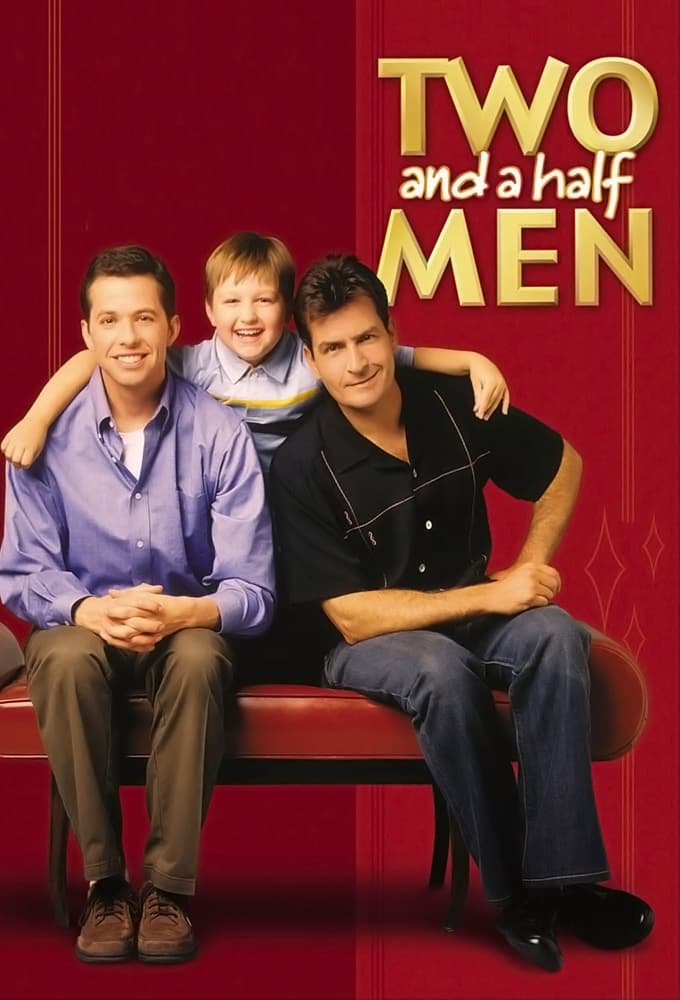
The sitcom had already suffered from the public firing of Charlie Sheen but the finale took the feud to a new level. The episode teased the return of Charlie Harper only to have a lookalike killed by a falling piano. Creator Chuck Lorre then appeared on screen to deliver a meta joke before being crushed by a piano himself. The entire hour felt like a mean-spirited attack on the former star rather than a resolution for the characters. Fans found the fourth-wall-breaking humor indulgent and disrespectful to the show’s legacy.
‘Star Trek: Enterprise’ (2001–2005)
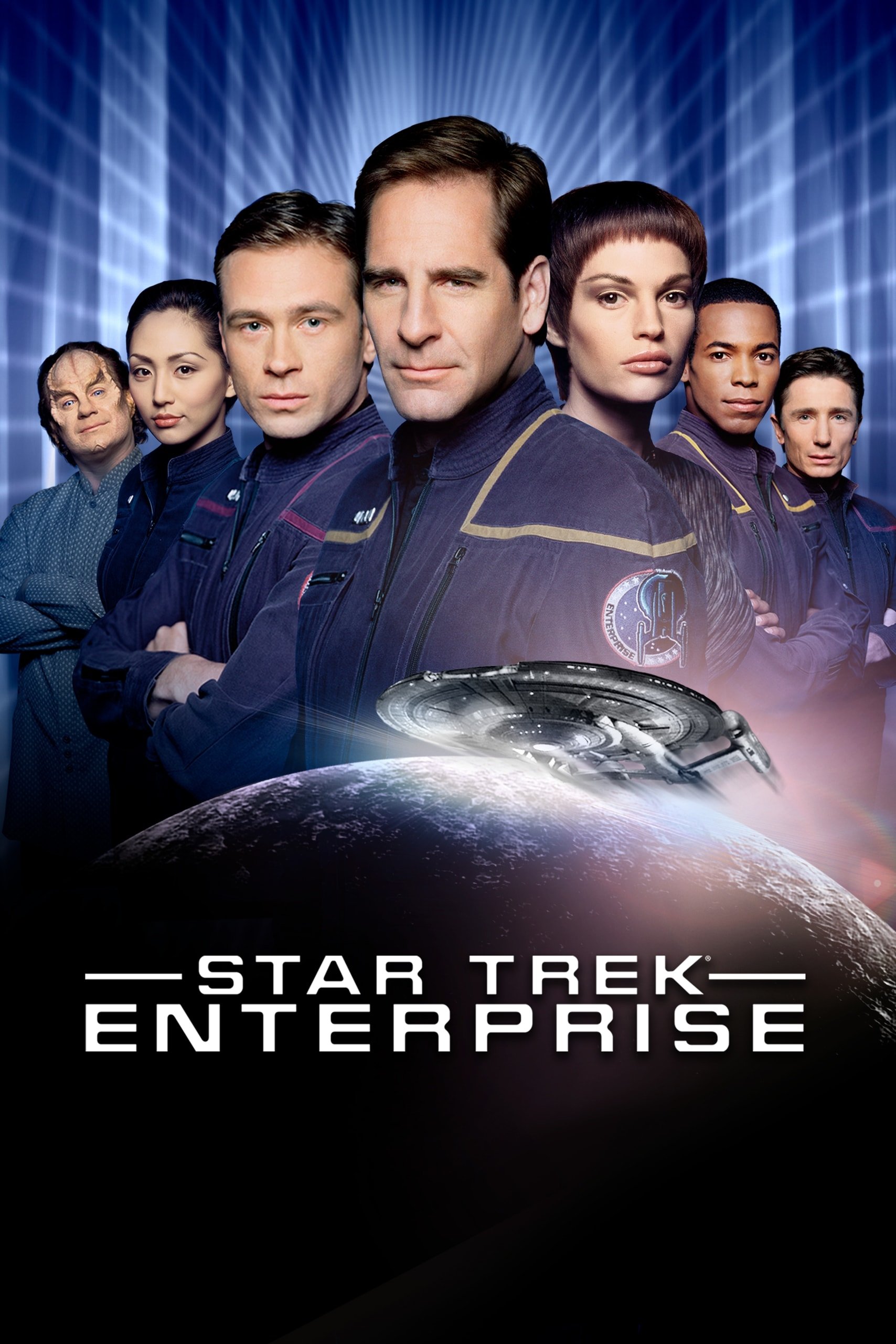
The prequel series ended with an episode that actually took place during an episode of ‘Star Trek: The Next Generation’. Commander Riker and Counselor Troi observed the final mission of Captain Archer through a holodeck simulation. This framing device reduced the main cast to historical holograms in their own finale. One of the most beloved characters died in a rushed sequence that felt devoid of emotional impact. Cast members and fans alike criticized the decision to focus on guest stars rather than the Enterprise crew.
‘Sherlock’ (2010–2017)
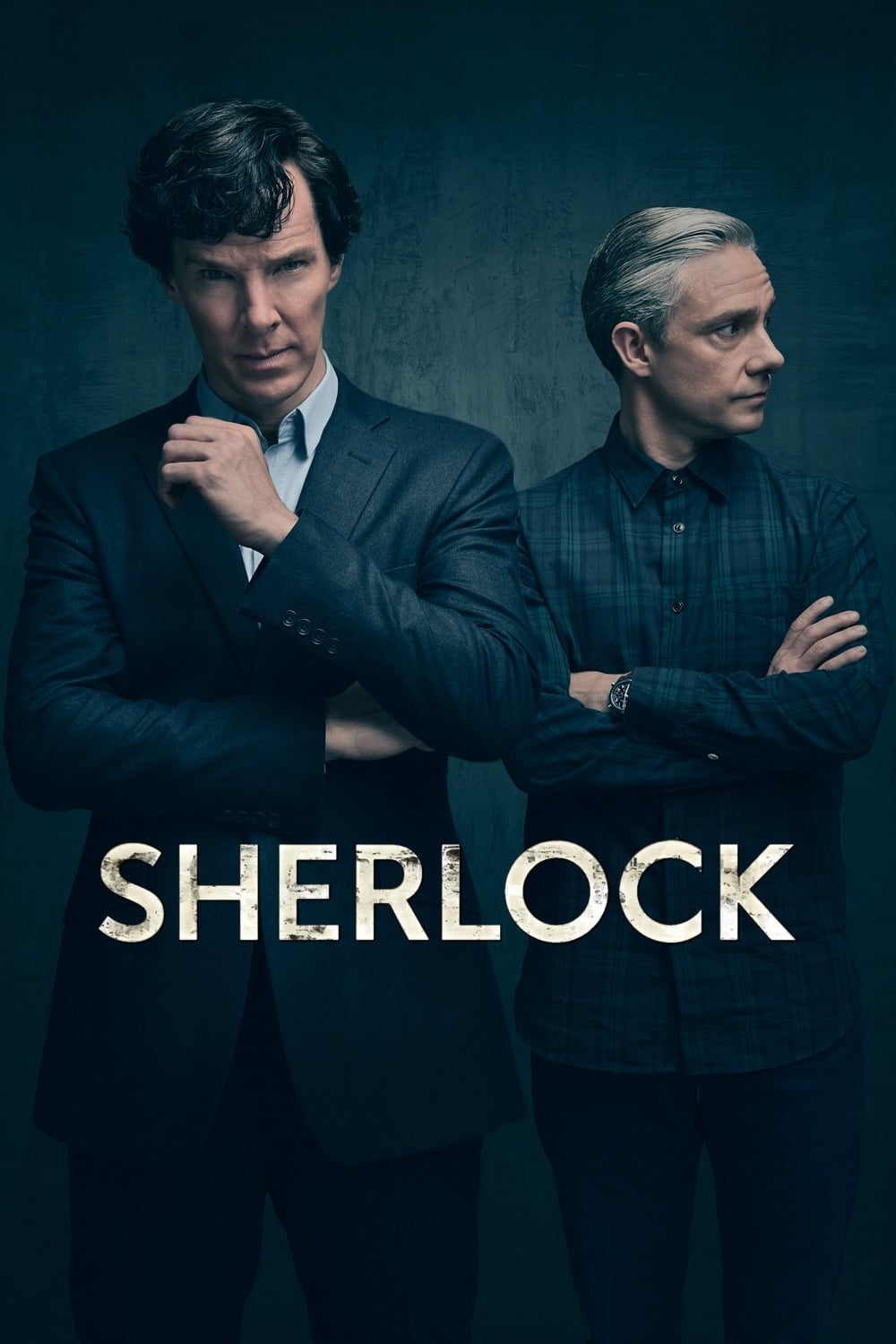
The intelligent detective drama devolved into a chaotic thriller involving a secret sister with superpowers. Eurus Holmes could manipulate people with her voice and trapped the heroes in a sadistic maze of puzzles. The grounded logic that made the earlier seasons successful was replaced by outlandish plot devices. Sherlock solved the conflict by comforting his sister in a resolution that felt unearned given the body count. Critics noted the sharp decline in writing quality compared to the brilliance of the first two seasons.
‘Castle’ (2009–2016)
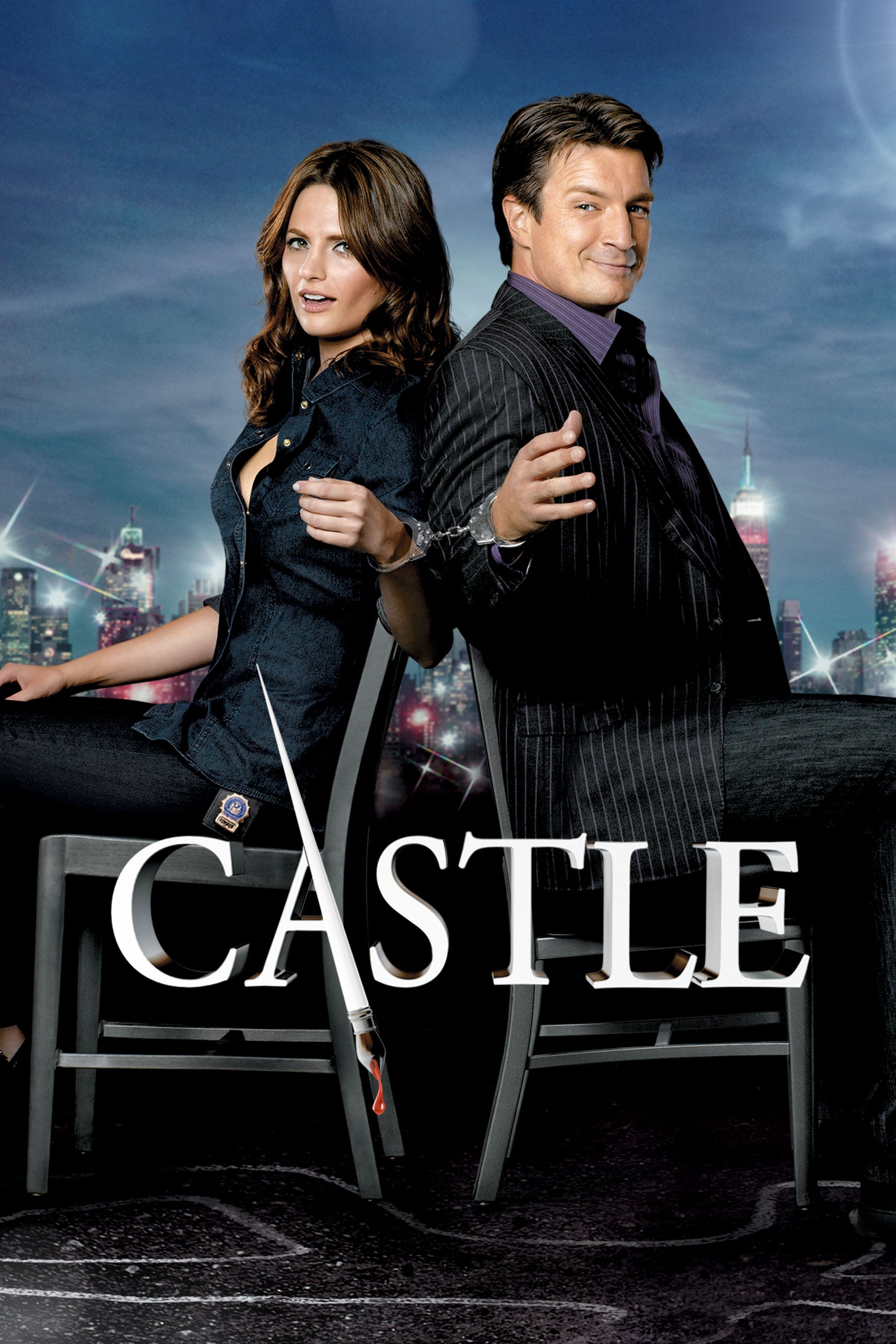
Rumors of cancellation and cast conflict plagued the final season of this procedural drama. The show ended with a shootout that left both Castle and Beckett bleeding on the floor. A sudden title card appeared followed by a montage showing the couple living happily ever after with children seven years later. The tacked-on happy ending clashed with the dire situation shown just seconds prior. It was clear the scene was added at the last minute to appease fans after the show was abruptly axed.
‘House of Cards’ (2013–2018)
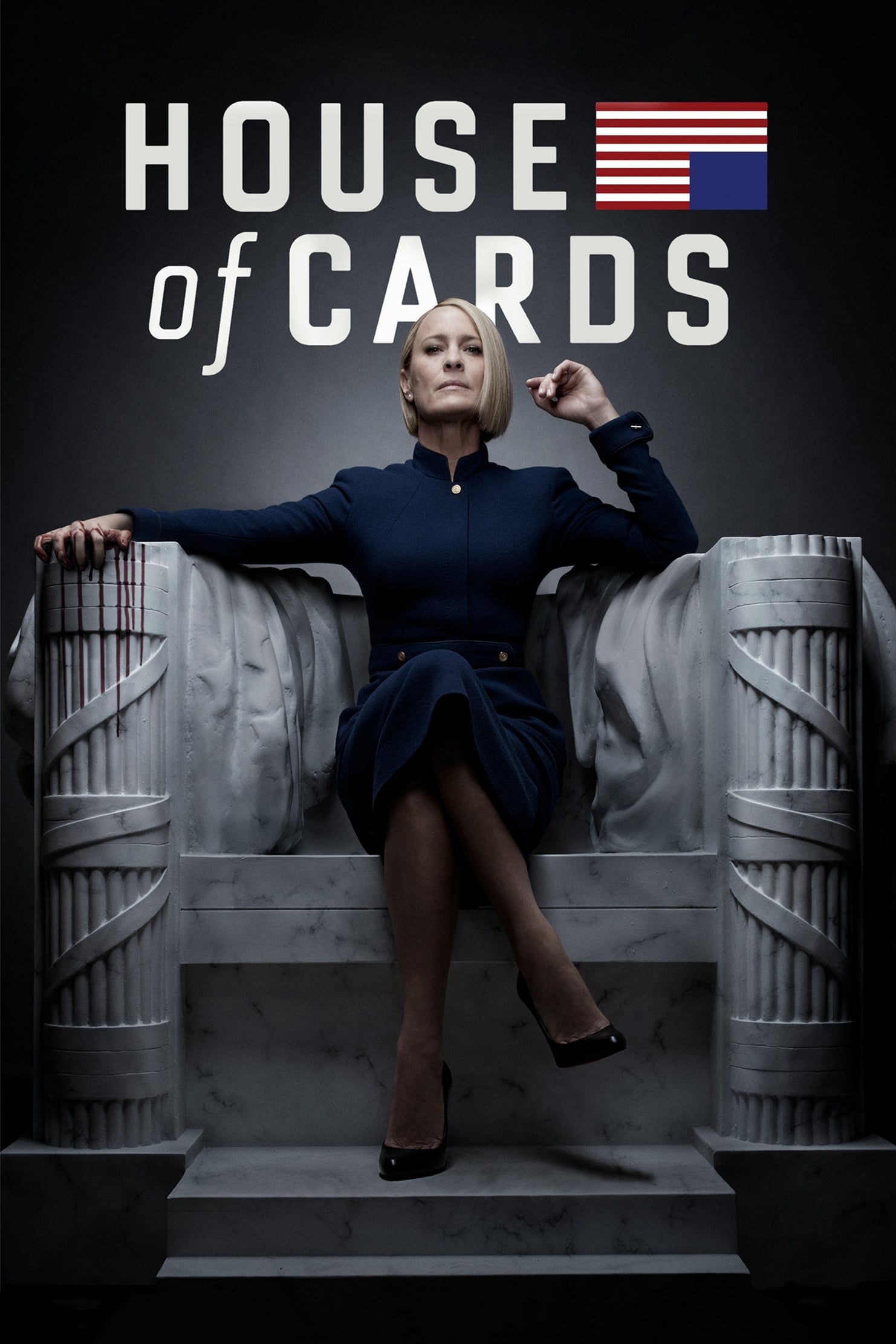
The departure of Kevin Spacey forced the writers to reshape the final season around Claire Underwood. The series ended with a bizarre confrontation in the Oval Office where Claire killed Doug Stamper. She broke the fourth wall one last time to declare no more pain as the screen cut to black. The political intrigue that drove the show was replaced by melodramatic violence and confusing character motivations. Audiences felt the show had limped to the finish line without its original protagonist.
‘The 100’ (2014–2020)
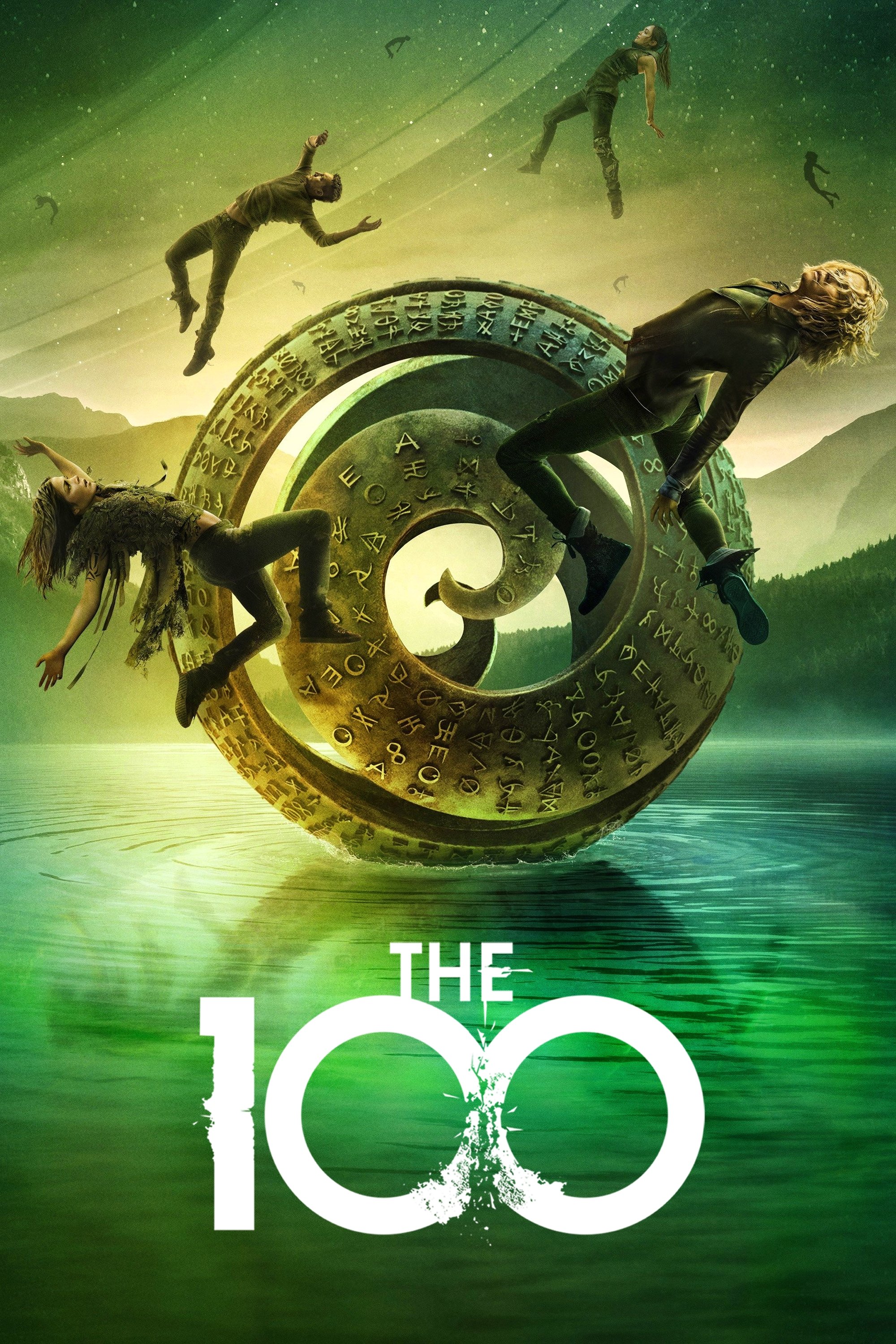
This sci-fi series focused on survival and moral grey areas but ended on a metaphysical note about transcendence. The human race was judged by aliens and assimilated into a hive mind consciousness. Clarke Griffin was left behind on Earth because she committed murder during the test. Her friends eventually chose to return to Earth to live out their days with her but were sterilized by the aliens. The sudden shift to spiritual themes contradicted the grounded survivalist tone of the earlier seasons.
‘How to Get Away with Murder’ (2014–2020)
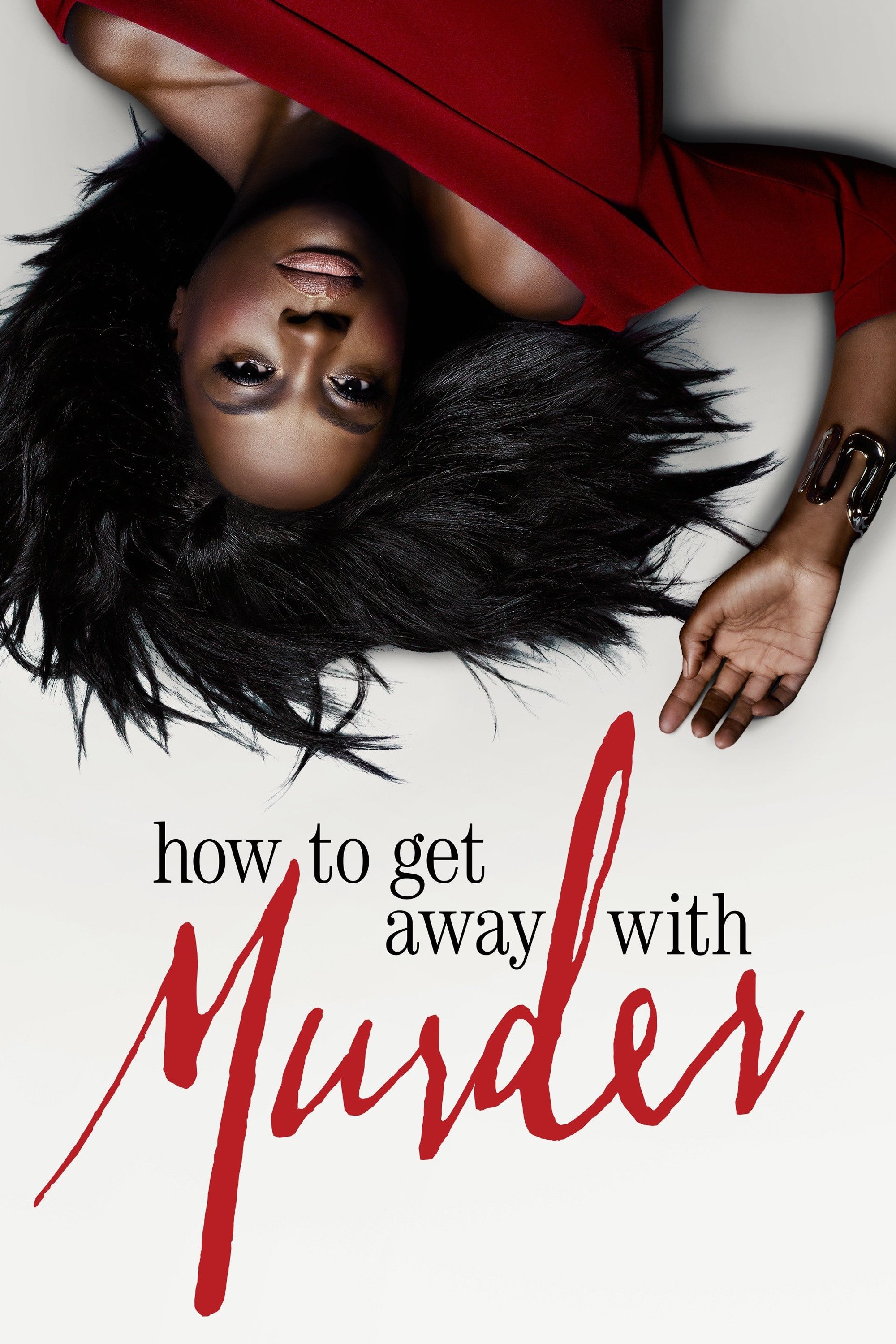
The legal thriller became known for its complex timelines and shocking twists. The finale featured a chaotic courtroom shooting and a confusing aging makeup job for the characters in flash-forwards. The protagonist Annalise Keating was given a montage funeral that rushed through decades of her life. Wes Gibbins was revealed to have a son who looked exactly like him and took over Annalise’s class. The ending felt overstuffed with information and melodrama that detracted from the character arcs.
‘Scandal’ (2012–2018)
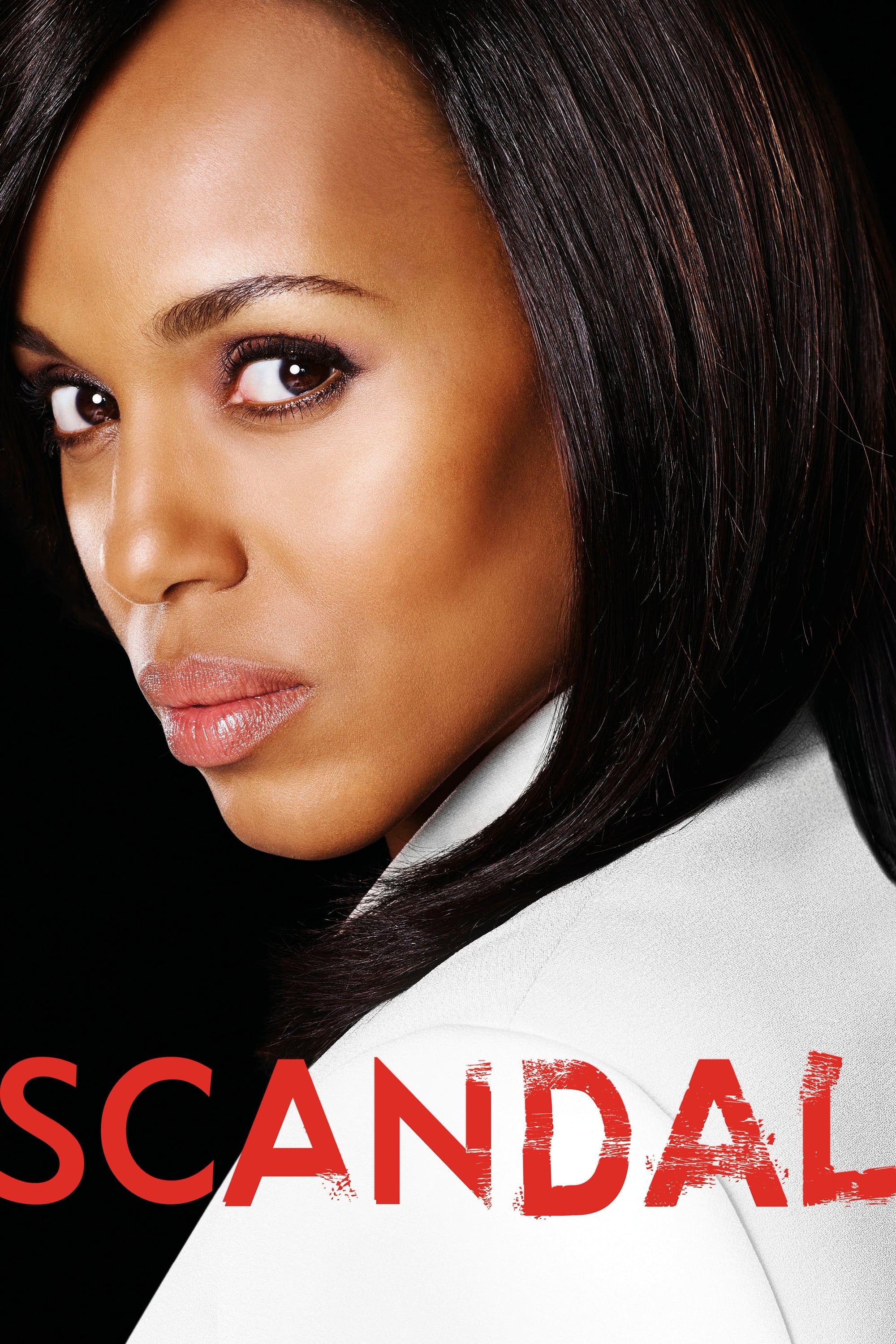
Olivia Pope spent seven seasons claiming to wear the white hat while committing morally questionable acts. The finale saw her and her associates avoid significant jail time for their crimes thanks to a loophole. The secret government organization B613 was exposed but the consequences felt minimal given the buildup. Two main characters died in ways that felt like shock value rather than necessary plot points. Viewers felt the show let its anti-heroes off the hook too easily.
‘The X-Files’ (1993–2018)
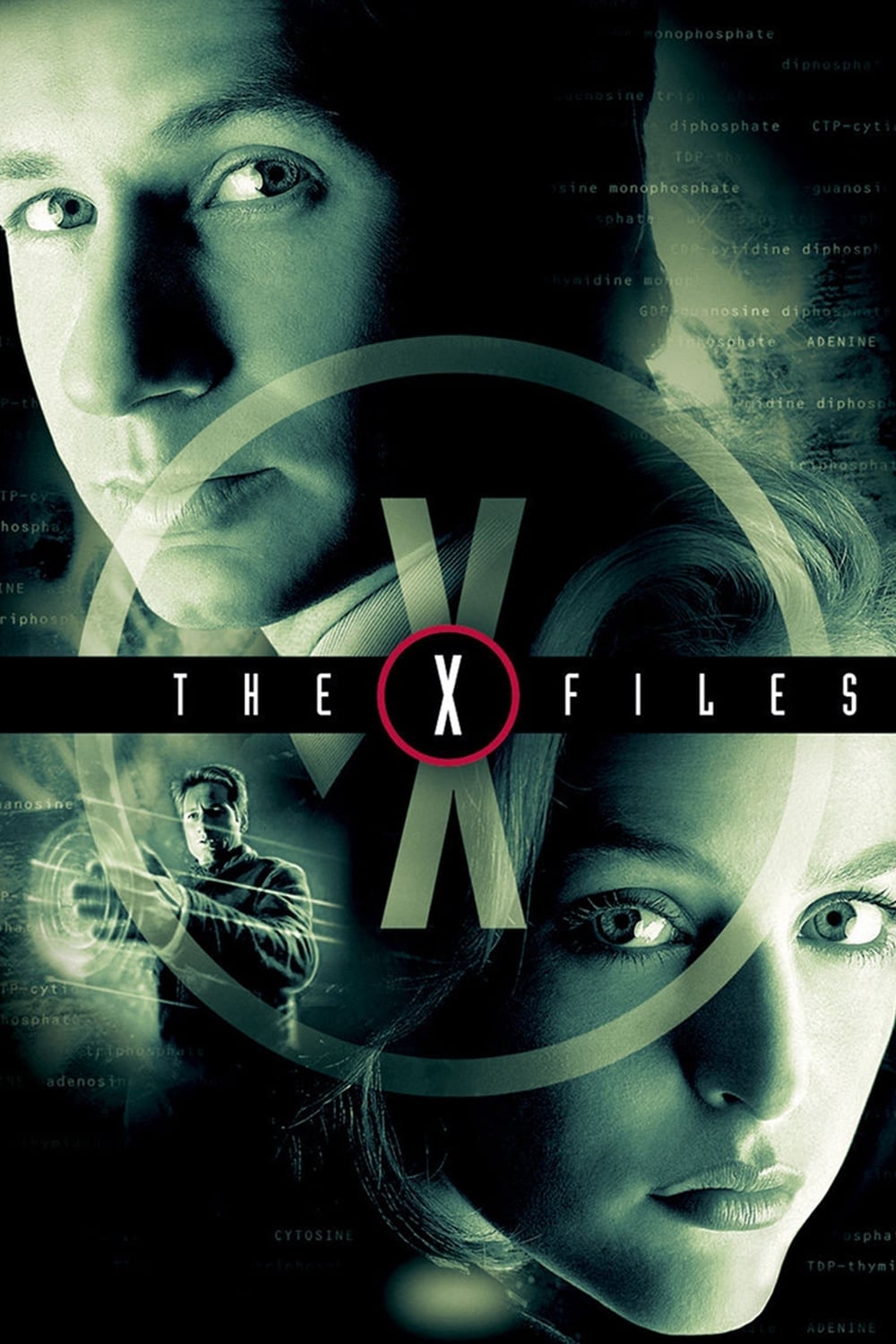
The revival seasons attempted to modernize the conspiracy but only muddied the mythology further. The 2018 finale revealed that Scully’s son William was not Mulder’s child but an experiment created by the Cigarette Smoking Man. This retcon horrified longtime fans who were invested in the relationship between the two agents. The episode ended on a cliffhanger involving Scully revealing she was pregnant again. The convoluted plot twists alienated the audience that had waited years for closure.
‘Veronica Mars’ (2004–2019)
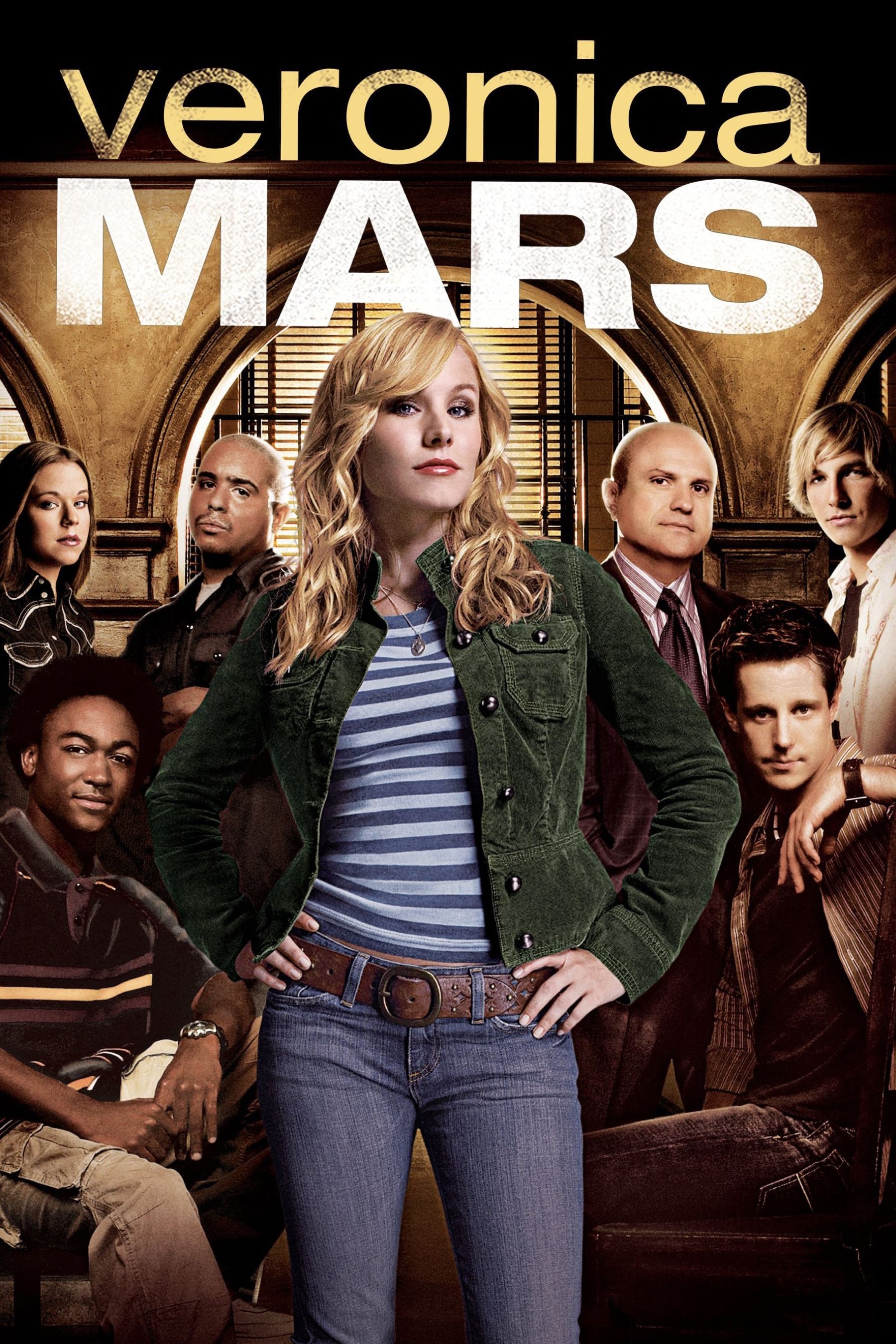
The fan-funded movie had given viewers the happy ending they wanted but the revival season tore it away. Just hours after Veronica and Logan finally married a car bomb killed Logan. Creator Rob Thomas argued that Veronica needed to be single to remain an effective noir detective. Fans were outraged that the character development of Logan Echolls was discarded for shock value. The backlash was so severe that many declared the revival season non-canonical.
‘Battlestar Galactica’ (2004–2009)
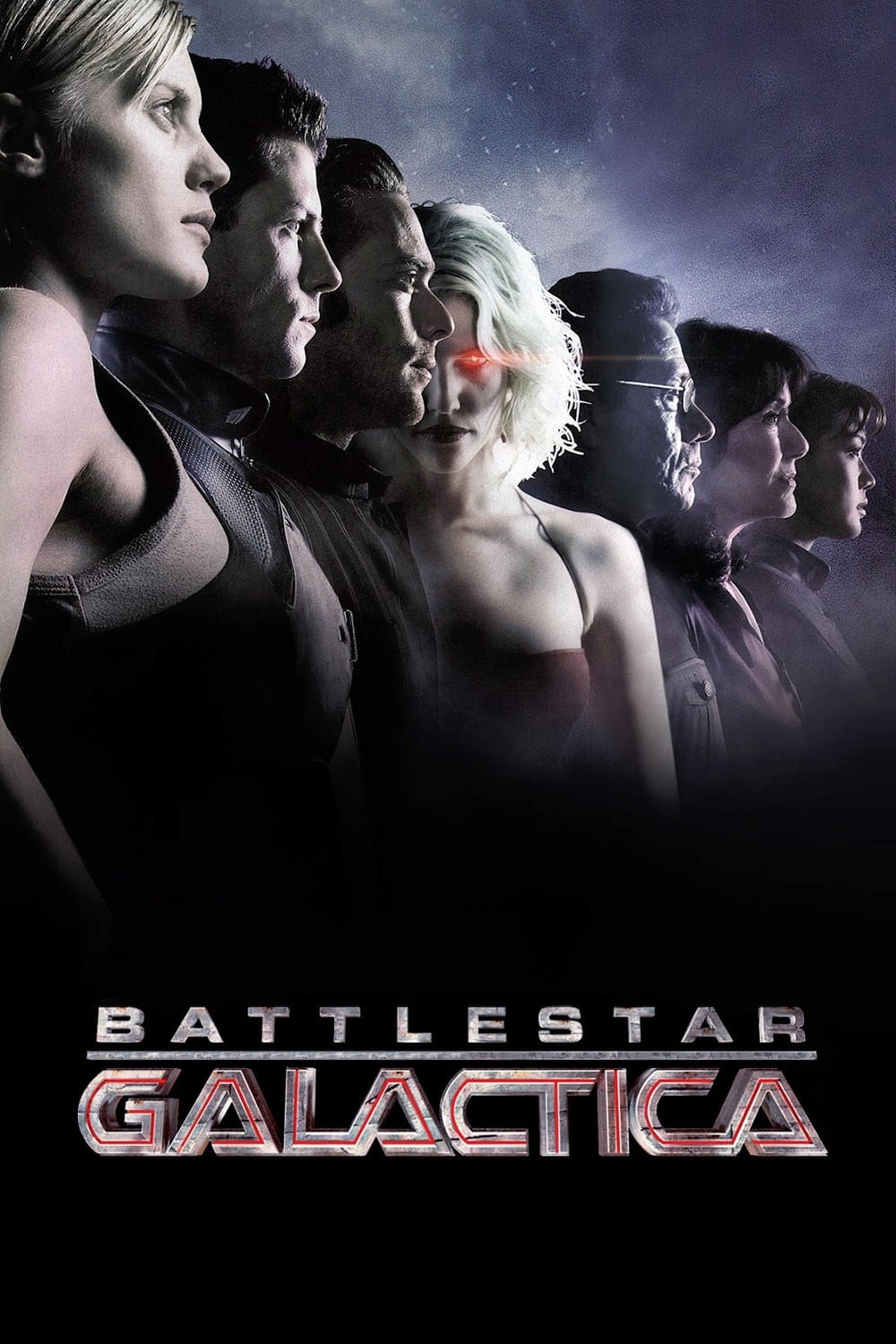
The survivors of the robotic Cylon war finally found a new home which turned out to be our Earth in the distant past. They decided to abandon all their advanced technology and ships to live as primitives. The reveal that Starbuck was an angel sent by a higher power explained away plot holes with mysticism. Many sci-fi fans felt the religious explanation was a cop-out for a show based on military realism. The epilogue showing modern robotics suggested the cycle would repeat which felt cynical to some.
‘Penny Dreadful’ (2014–2016)
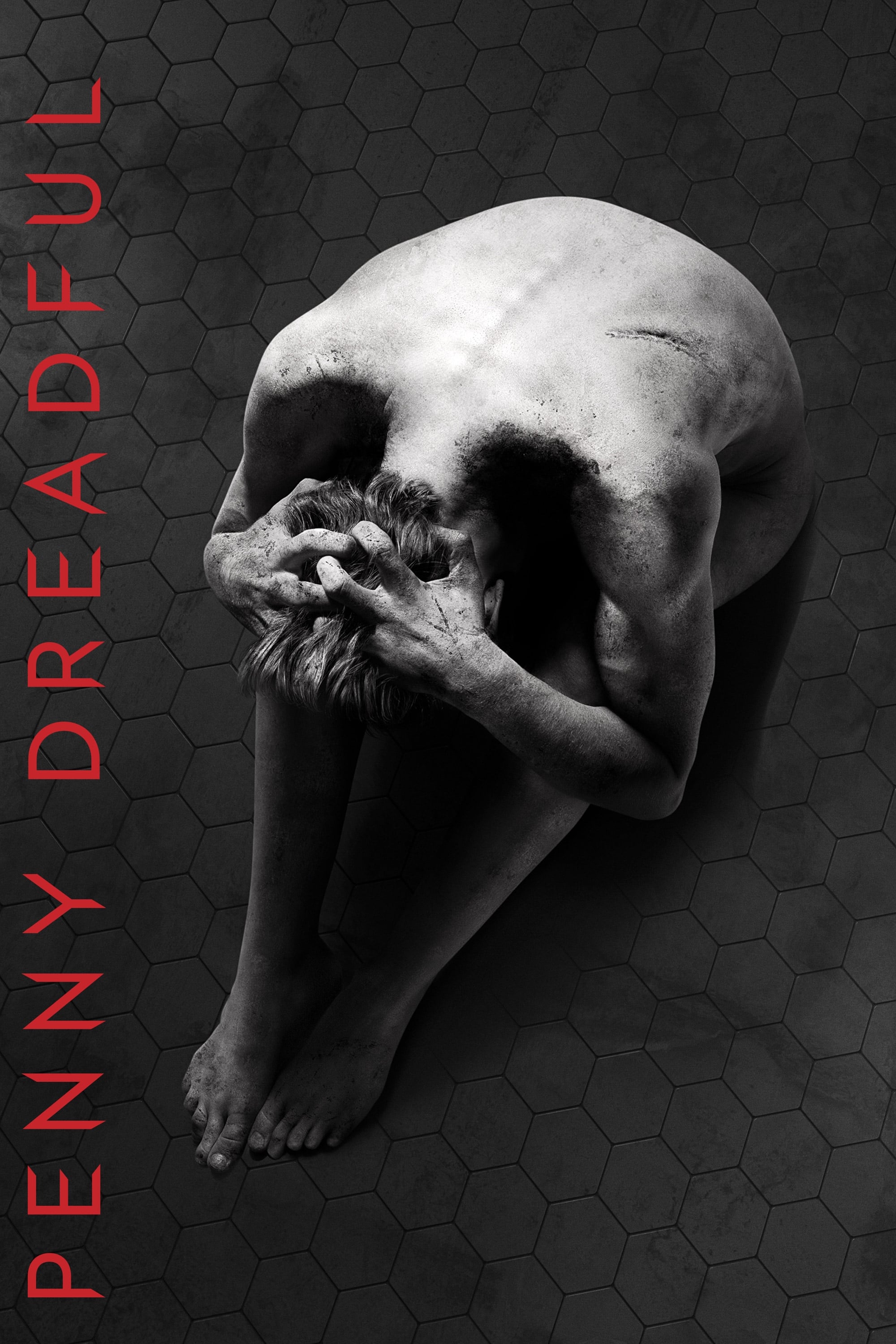
The gothic horror series ended abruptly with the death of the main character Vanessa Ives. She allowed Ethan Chandler to shoot her to prevent Dracula from conquering the world. The phrase “The End” appeared on screen shocking viewers who did not know the show had been cancelled. Storylines involving other characters were left completely unresolved due to the rushed conclusion. Fans felt the show deserved a full season to wrap up the complex narratives properly.
‘Merlin’ (2008–2012)
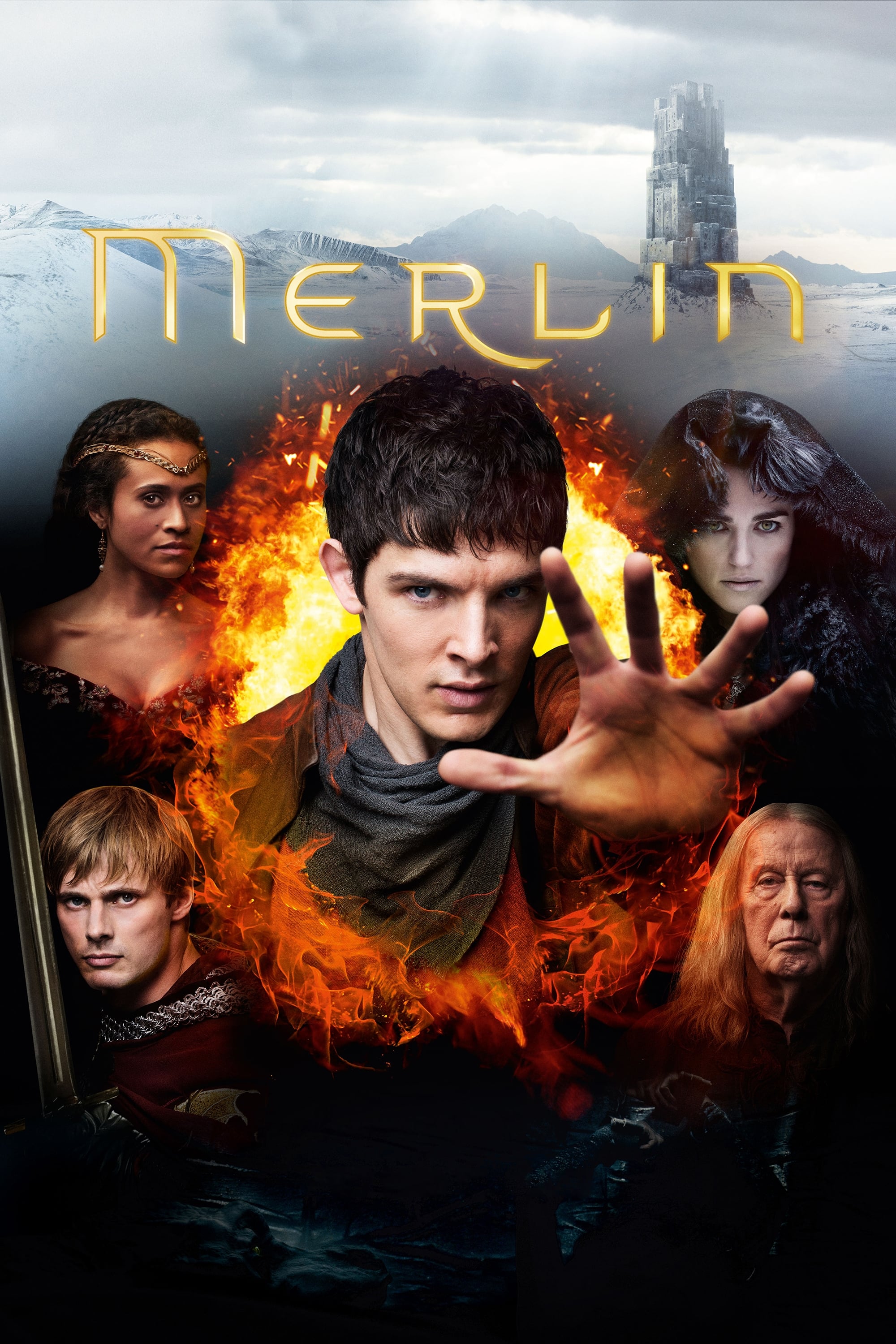
The show was built on the promise that Merlin and Arthur would eventually unite Albion and bring magic back. Instead Arthur died in the finale just as he learned of Merlin’s secret powers. The final shot showed Merlin walking alone in the modern day still waiting for Arthur to return. The tragedy negated the hopeful tone of the series and the destiny that had been teased since the first episode. Viewers were left depressed by the realization that the golden age they waited for never happened.
‘Chuck’ (2007–2012)
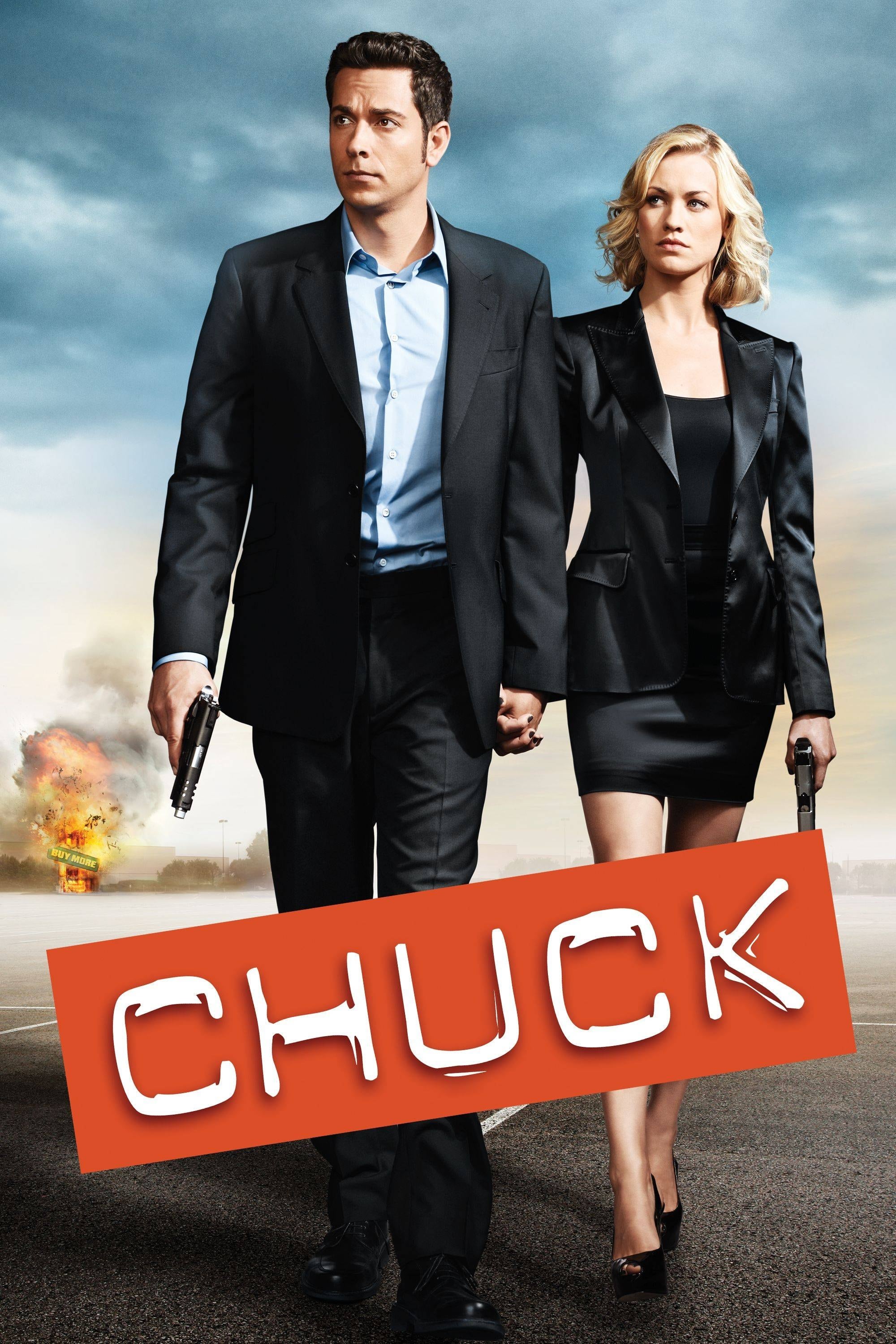
The romance between the super-spy and the nerd was the heart of this action-comedy. In the final arc the female lead Sarah Walker lost her memories of her entire relationship with Chuck. The series ended with a kiss that left it ambiguous whether her memories would ever return. Fans who had invested five years in their love story felt robbed of a definitive happy ending. The uncertainty of the final moment overshadowed the celebratory nature of the finale.
‘Prison Break’ (2005–2017)

The original run ended with a TV movie where Michael Scofield sacrificed himself to save his wife Sara. A video message revealed he had a terminal brain tumor and would have died anyway. This tragic ending was later retconned by a revival season that explained he faked his death. However the original finale remains infamous for killing off the main character after years of escaping death. The emotional manipulation of the death scene left a bitter taste for audiences at the time.
‘Heroes’ (2006–2010)
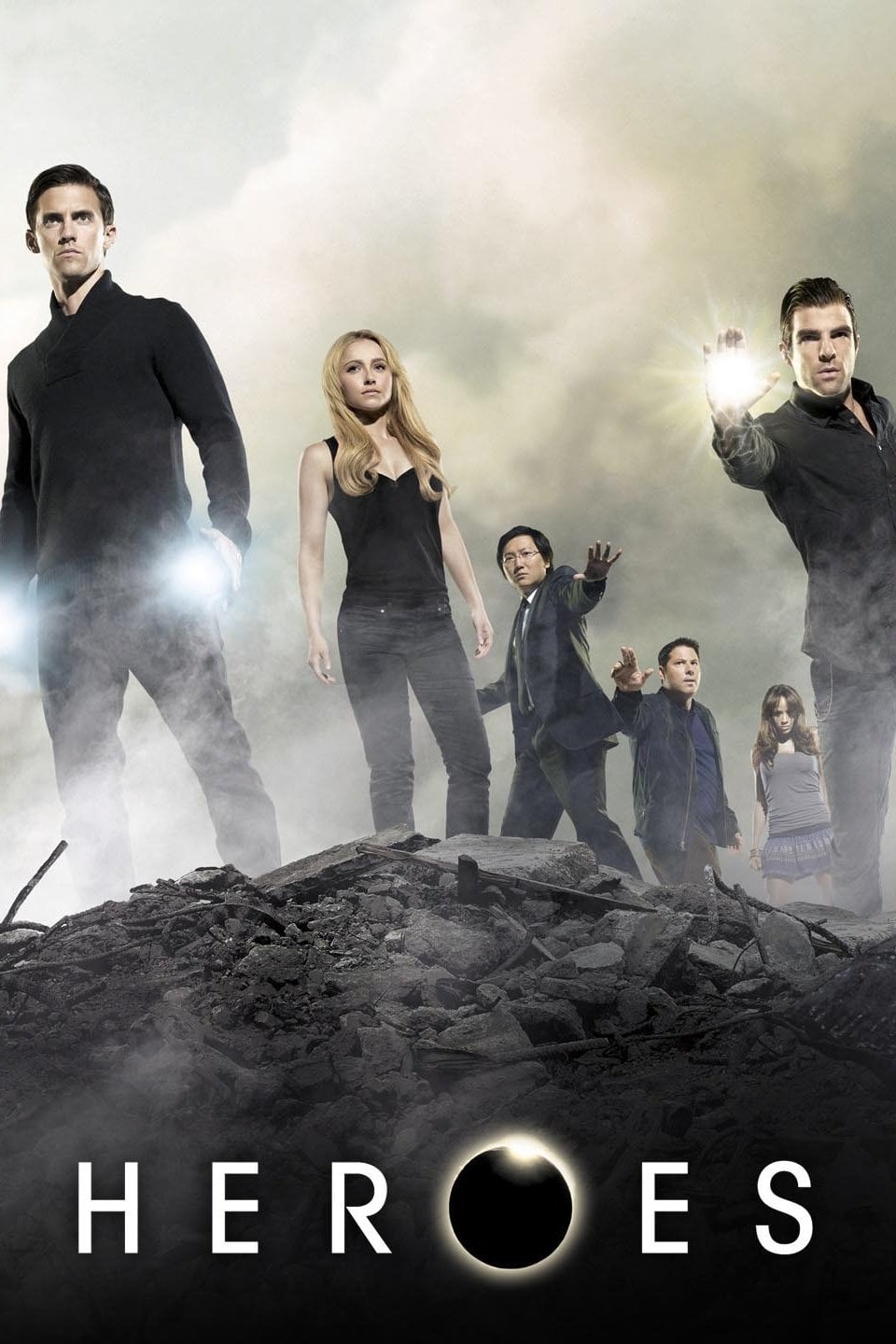
The superhero drama that started with a global phenomenon ended with a whimpering carnival storyline. The villains of the final season lacked the menace of Sylar and the plot felt small in scale. The show was cancelled before the writers could execute their planned next volume leaving the story unresolved. Claire Bennet jumped off a ferris wheel to reveal her powers to the world in the final scene. The cliffhanger was never addressed and the show faded away without recapturing its initial magic.
‘Smallville’ (2001–2011)
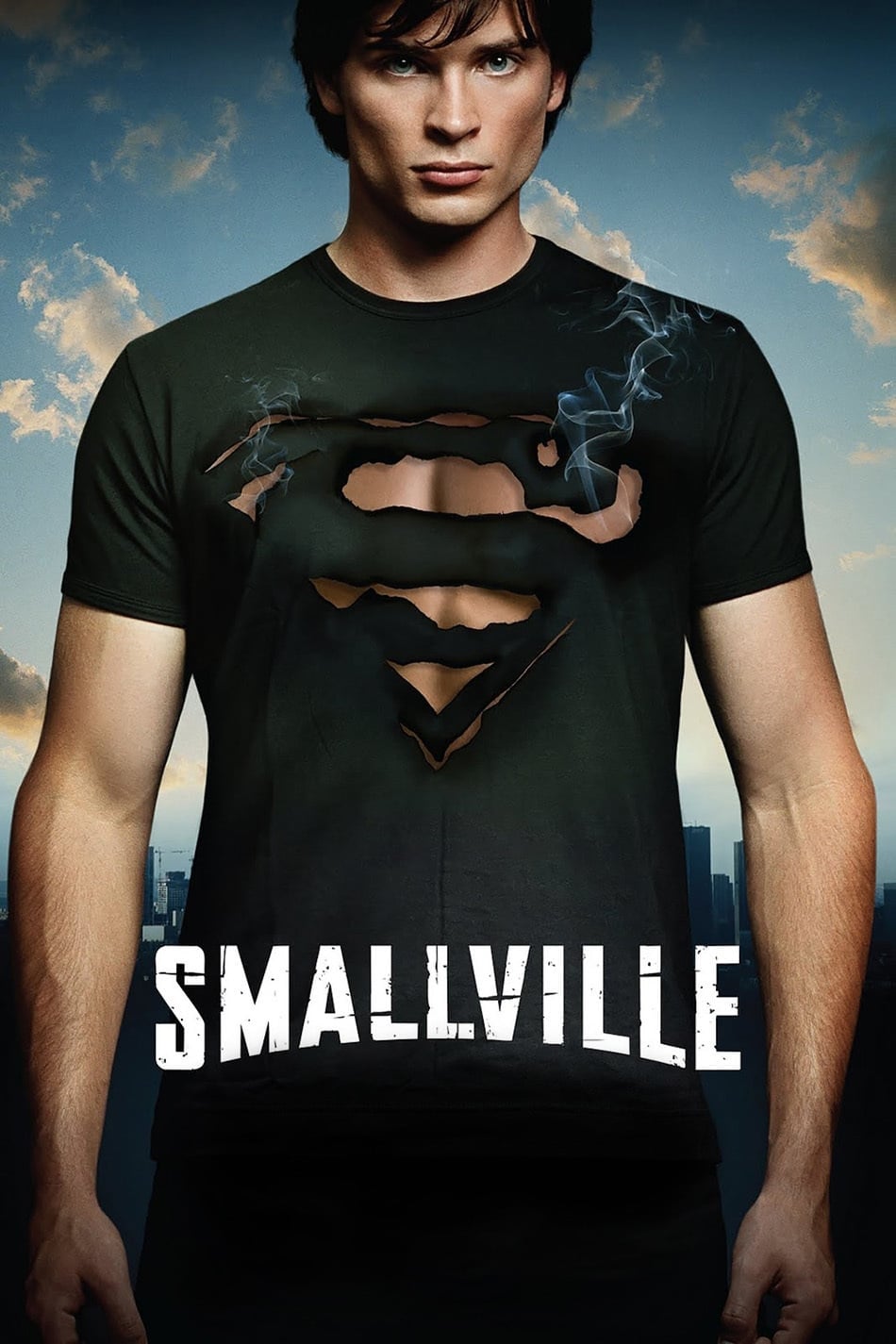
Clark Kent spent ten years discovering his identity before becoming Superman. When the moment finally arrived the show used CGI to show him in the suit from a distance. The final fight against Darkseid was over in seconds and lacked physical confrontation. Tom Welling refused to wear the full suit which resulted in awkward close-ups of just his face. Fans felt cheated after waiting a decade to see the actor fully embody the iconic superhero.
‘Weeds’ (2005–2012)

The suburban drug dealer comedy took a dark turn in its final season with a significant time jump. The finale showed the Botwin family estranged and miserable in a futuristic setting. Marijuana had been legalized which made the premise of the show obsolete. Nancy Botwin ended up alone after her husbands had all died or left her. The cynical tone of the flash-forward was a stark contrast to the quirky humor of the early seasons.
‘That ’70s Show’ (1998–2006)

The final season suffered greatly from the departure of main characters Eric Forman and Michael Kelso. A new character named Randy was introduced to fill the void but failed to connect with audiences. The finale brought the original cast back for the final minutes but the damage had been done. The chemistry was off for the majority of the season making the countdown to the 1980s feel tedious. It stands as an example of a show continuing past its natural expiration date.
‘St. Elsewhere’ (1982–1988)
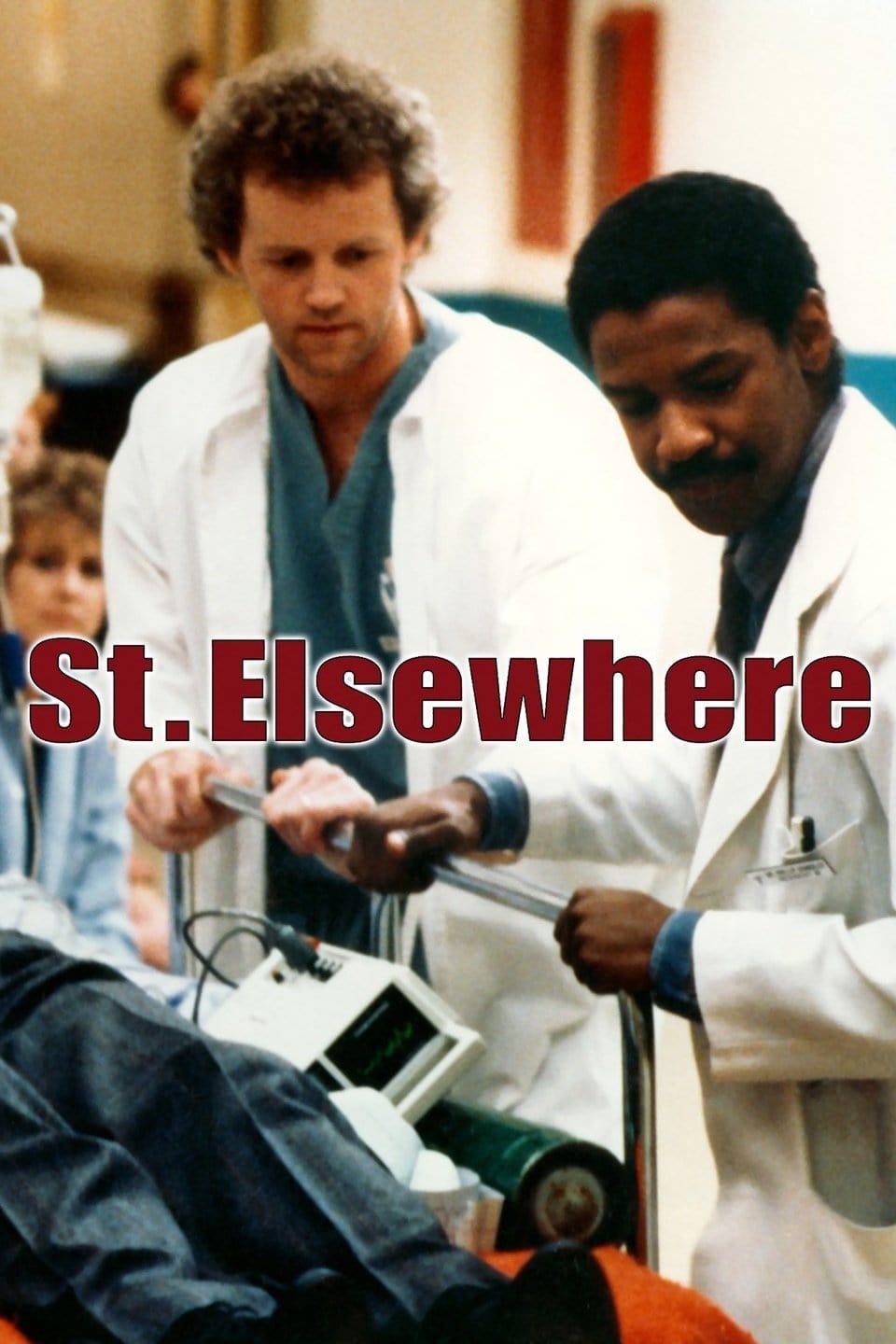
This medical drama is responsible for one of the most baffling twists in television history. The final scene revealed that the entire series took place inside the mind of an autistic boy named Tommy Westphall. The hospital was shown inside a snowglobe the boy was holding. This ending implied that the characters and their struggles were never real. The twist has since been used to link hundreds of other shows into a shared dream universe known as the Tommy Westphall Hypothesis.
‘Dinosaurs’ (1991–1994)
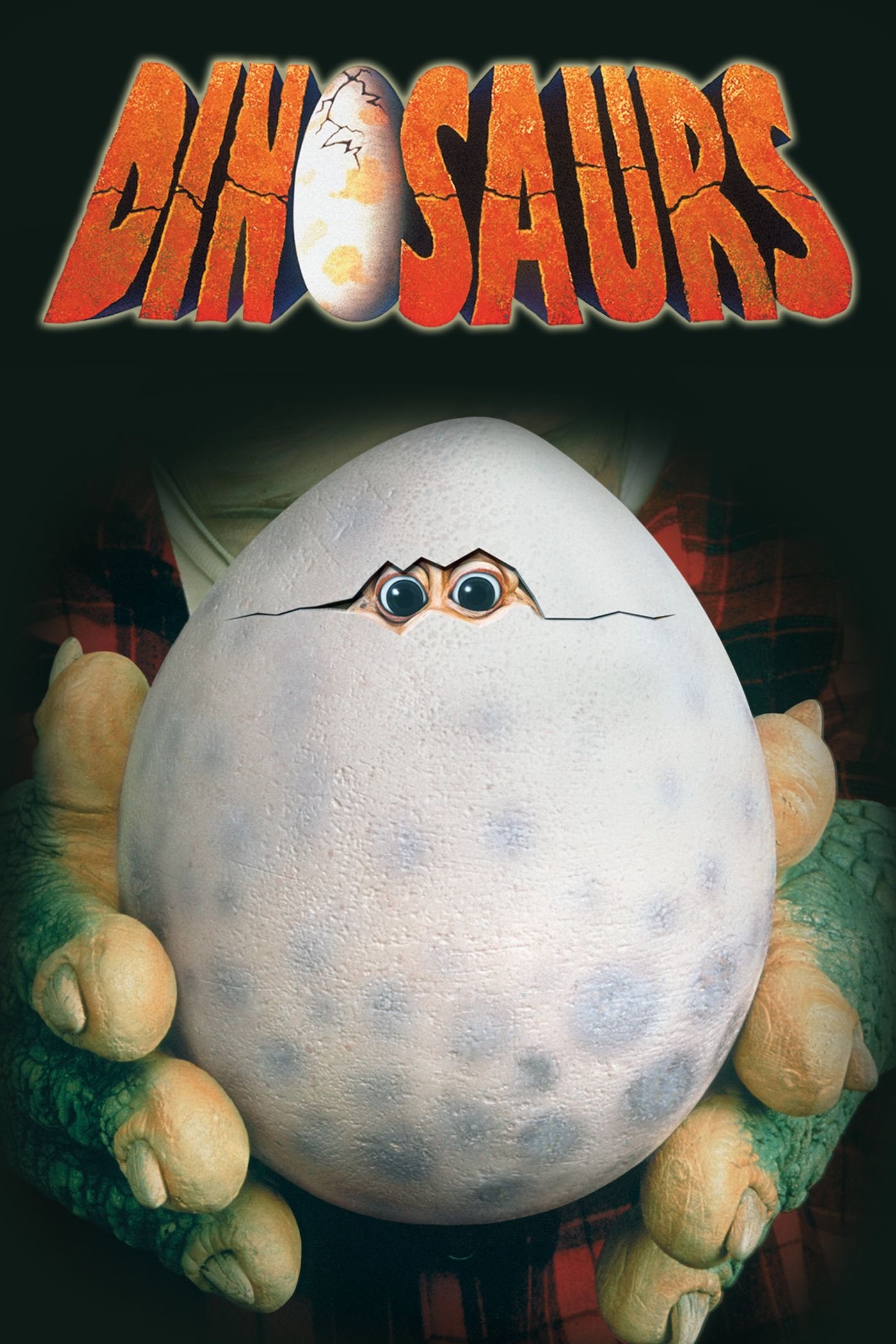
The family sitcom featuring animatronic dinosaurs ended with an episode about environmental destruction. The father Earl Sinclair accidentally caused an Ice Age that doomed his family and civilization to extinction. The final scene showed the family huddled together in the cold waiting to die as snow covered their home. It was a traumatizing and unexpectedly grim conclusion for a show aimed at families. The dark message about corporate greed left viewers in shock.
‘ALF’ (1986–1990)
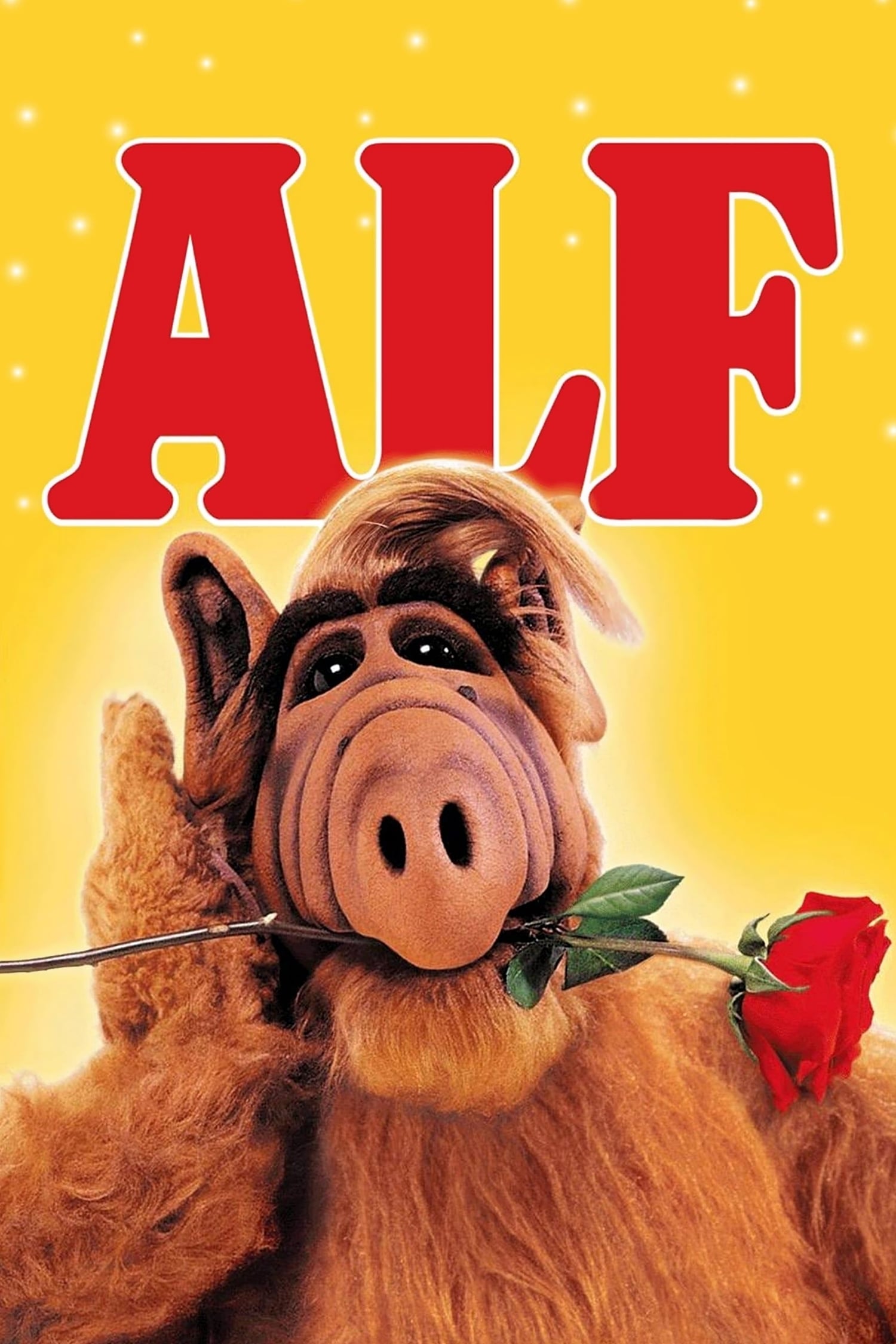
The friendly alien spent four seasons trying to avoid detection by the US government. In the final episode he was captured by the Alien Task Force just as his rescue ship arrived. The show was intended to have a fifth season to resolve the cliffhanger but was cancelled instead. Viewers were left with the image of ALF surrounded by agents with no hope of escape. It remains one of the most unintentionally depressing finales for a sitcom.
‘Quantum Leap’ (1989–1993)
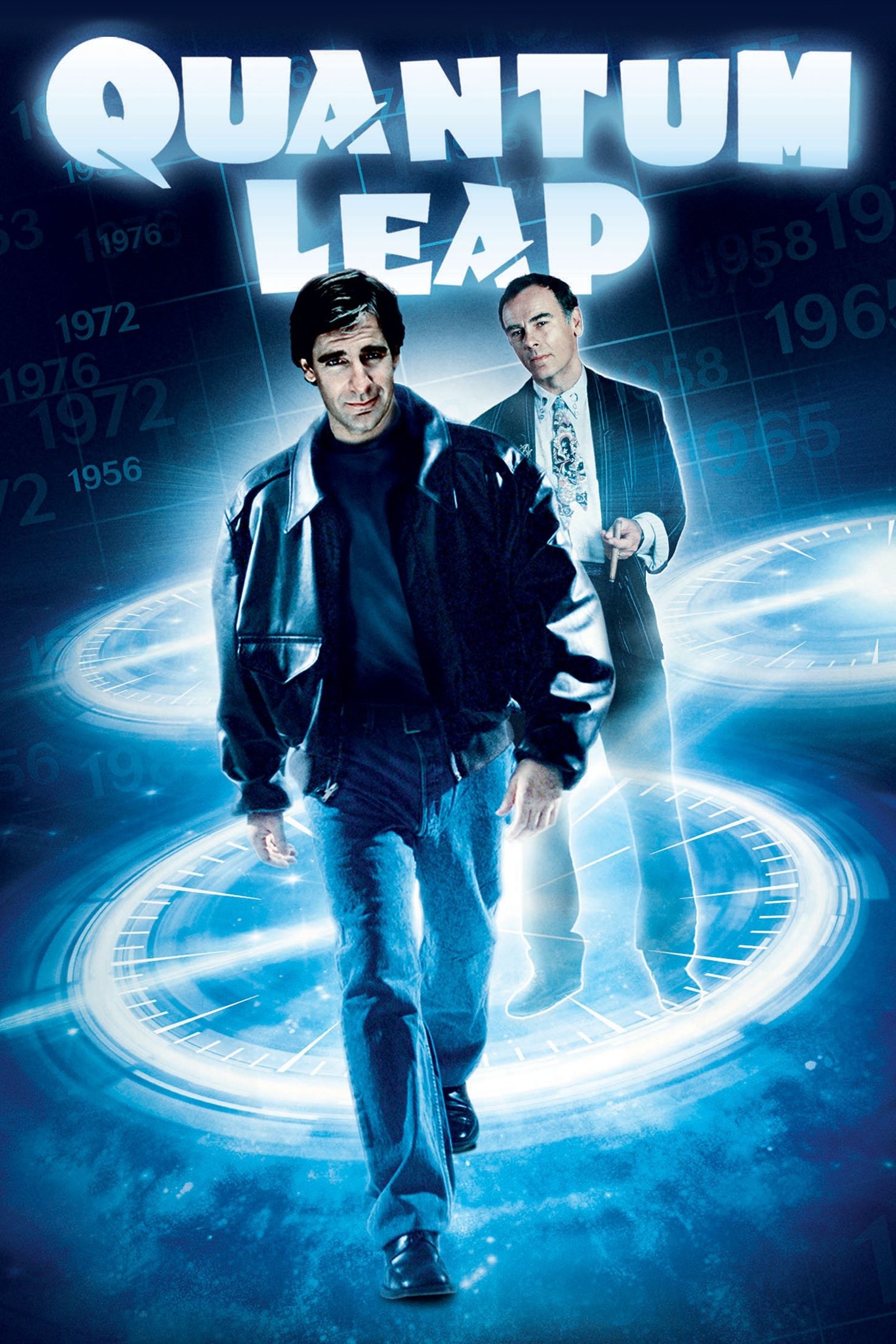
Sam Beckett leaped through time hoping to one day return to his own life. The finale saw him decide to keep leaping to help people rather than go home. A title card appeared at the end stating simply that Dr. Sam Beckett never returned home. Fans found the text on screen to be a cold and devastating way to end the series. The lack of a reunion with his friend Al made the hero’s journey feel like a tragedy.
‘Lois & Clark: The New Adventures of Superman’ (1993–1997)
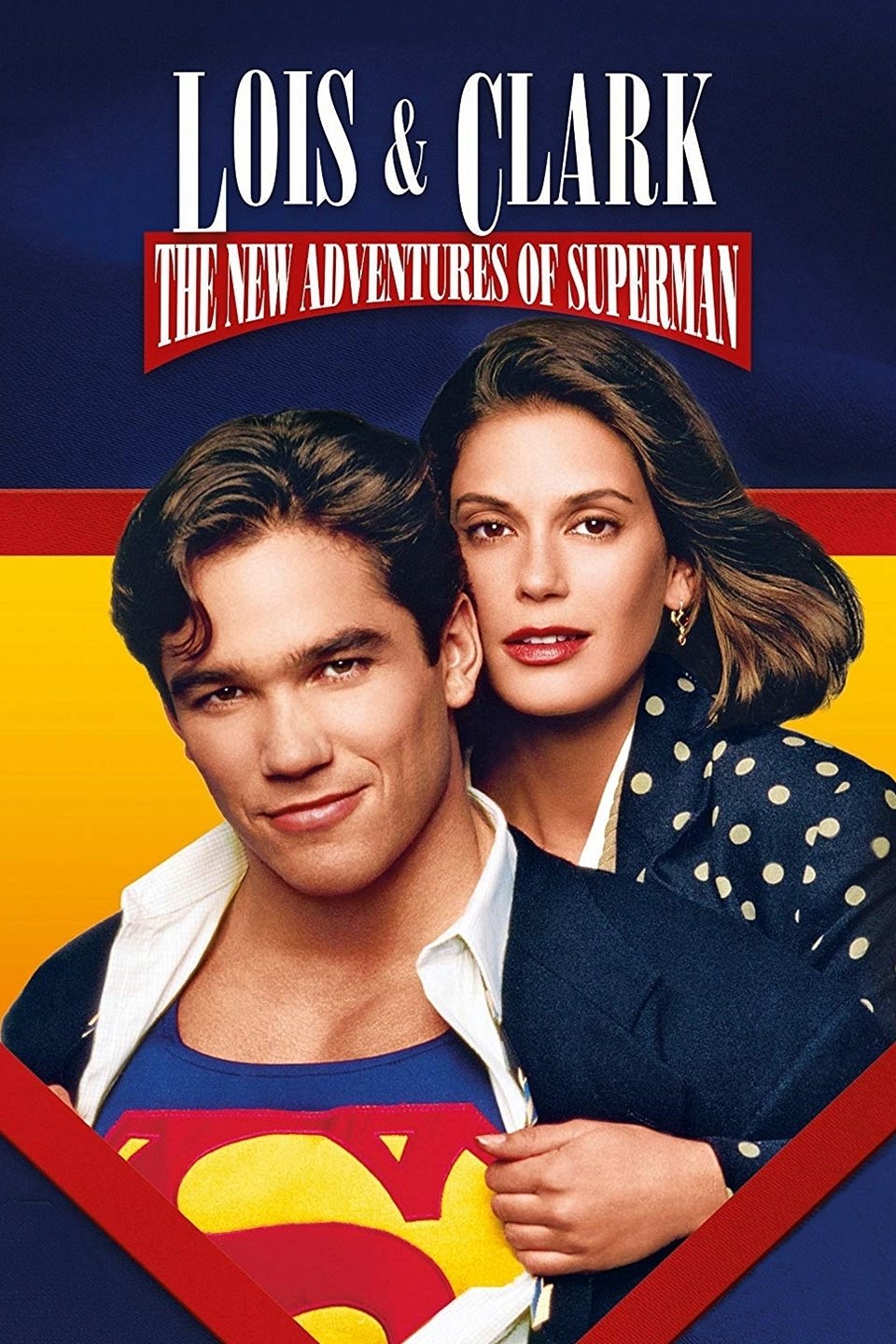
The romantic superhero show ended on an unresolved cliffhanger due to unexpected cancellation. Lois and Clark found a mysterious baby wrapped in a Superman blanket on their doorstep. The series ended with a To Be Continued card that was never honored. Writers later revealed the baby was Kryptonian royalty but the audience never saw that story play out. The lack of closure remains a sore point for fans of this iteration of the character.
‘Supernatural’ (2005–2020)
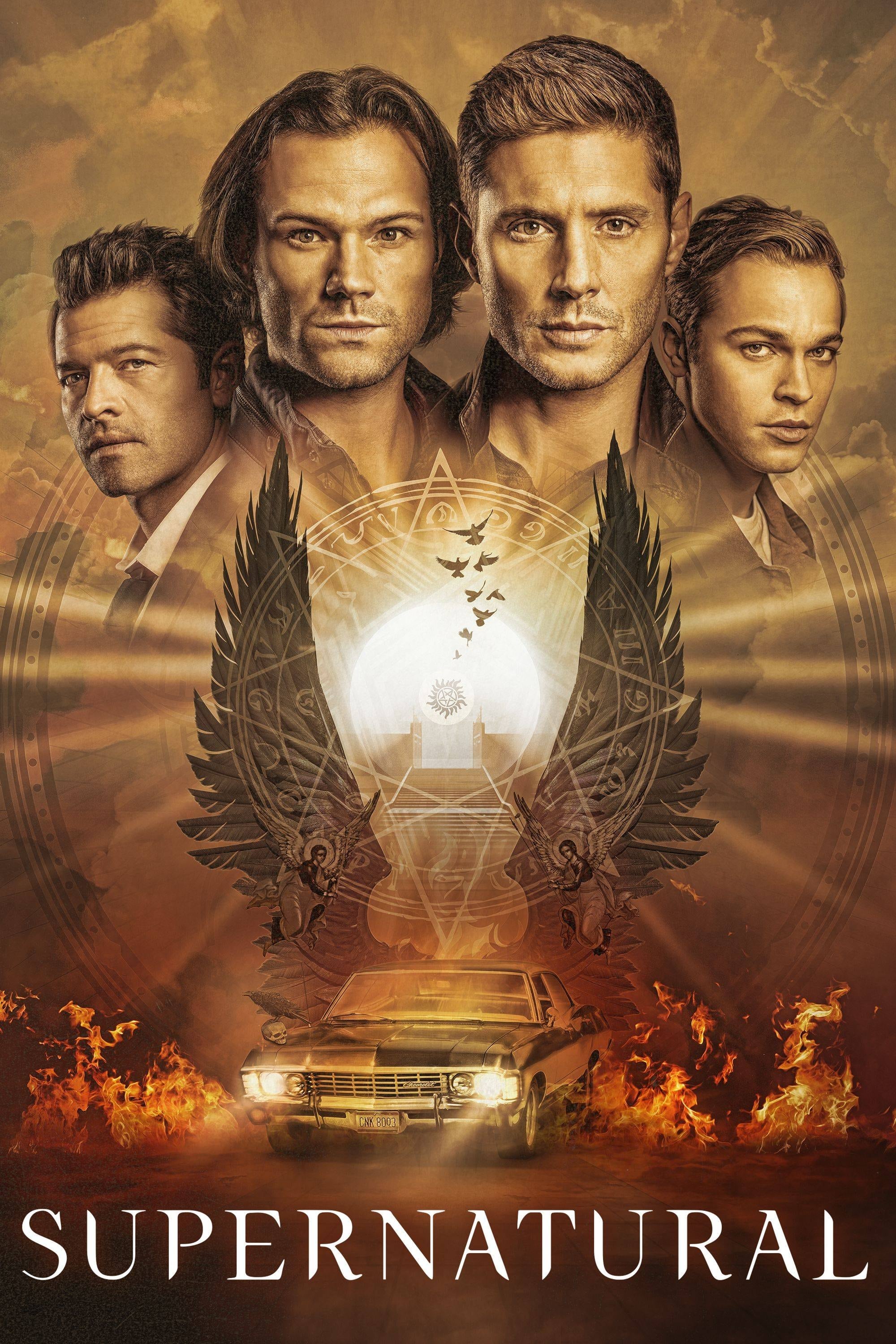
After defeating God himself Dean Winchester died during a routine vampire hunt by falling onto a rusty nail. His brother Sam lived a long life and died of old age wearing a questionable grey wig. The brothers reunited in Heaven but the low-stakes death for Dean angered many fans. COVID-19 restrictions prevented a larger cast reunion which made the finale feel empty. Viewers felt that after fifteen years the characters deserved a more epic or shared conclusion.
‘The Vampire Diaries’ (2009–2017)
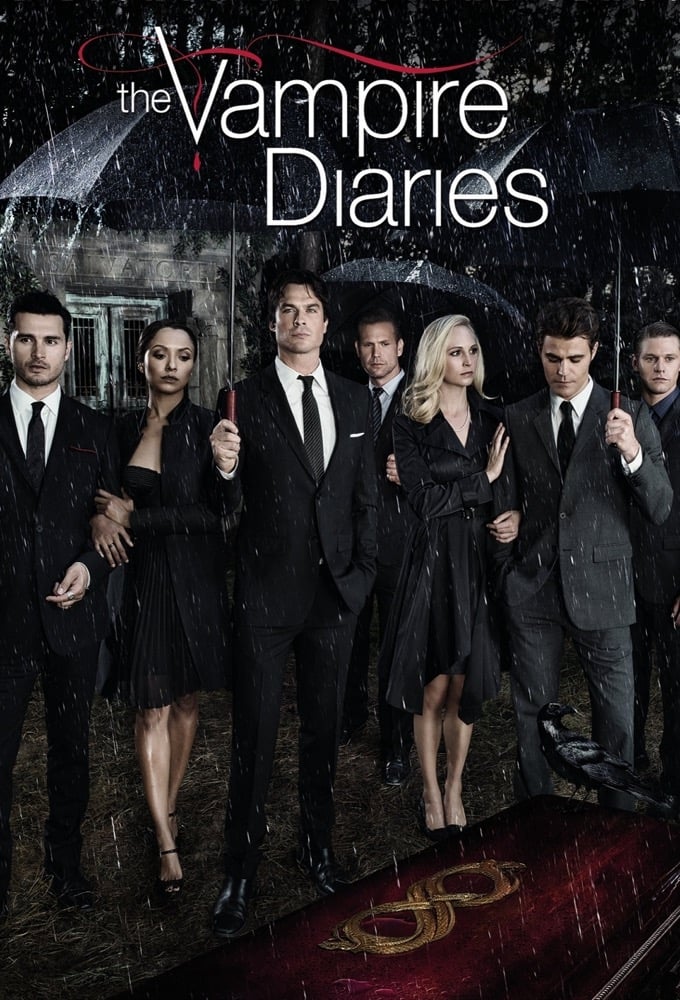
The love triangle between Elena and the Salvatore brothers ended with Stefan sacrificing himself to save Mystic Falls. He died stopping hellfire from destroying the town in a rushed plotline. Elena reunited with Damon but the makeup used to age her character in the flash-forward was distracting. Many fans believed Stefan deserved happiness after his redemption arc. The rapid pacing of the final episode left little time to process the major deaths.
‘Line of Duty’ (2012–2021)
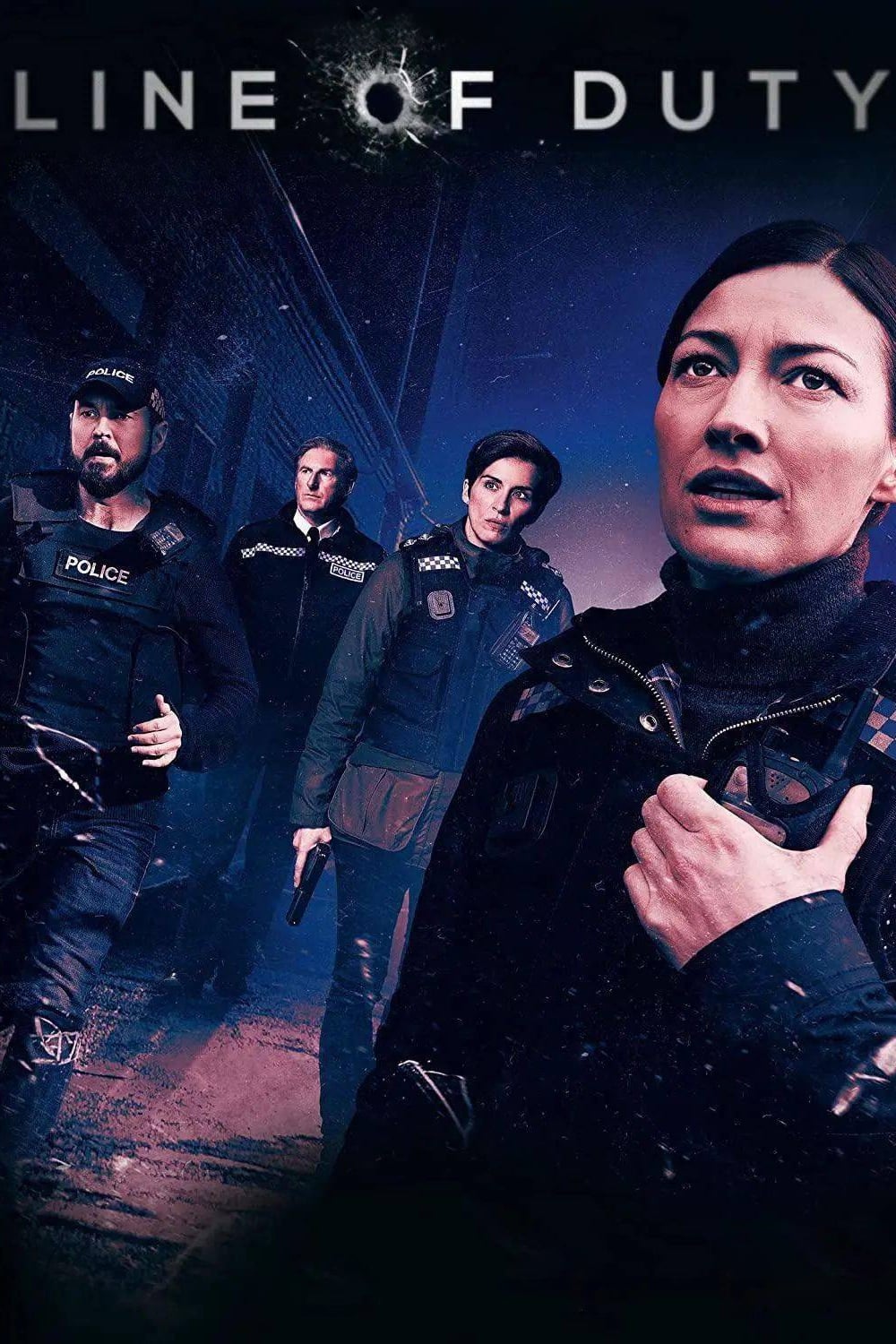
The British police procedural spent years building the mystery of a corrupt senior officer named H. The finale revealed the mastermind to be Ian Buckells a bumbling and incompetent character from previous seasons. Viewers felt the reveal was underwhelming and lacked the dramatic punch of previous twists. The show emphasized that corruption is often banal rather than a grand conspiracy. While realistic the lack of a master villain disappointed fans expecting a Moriarty-level antagonist.
‘Falling Skies’ (2011–2015)
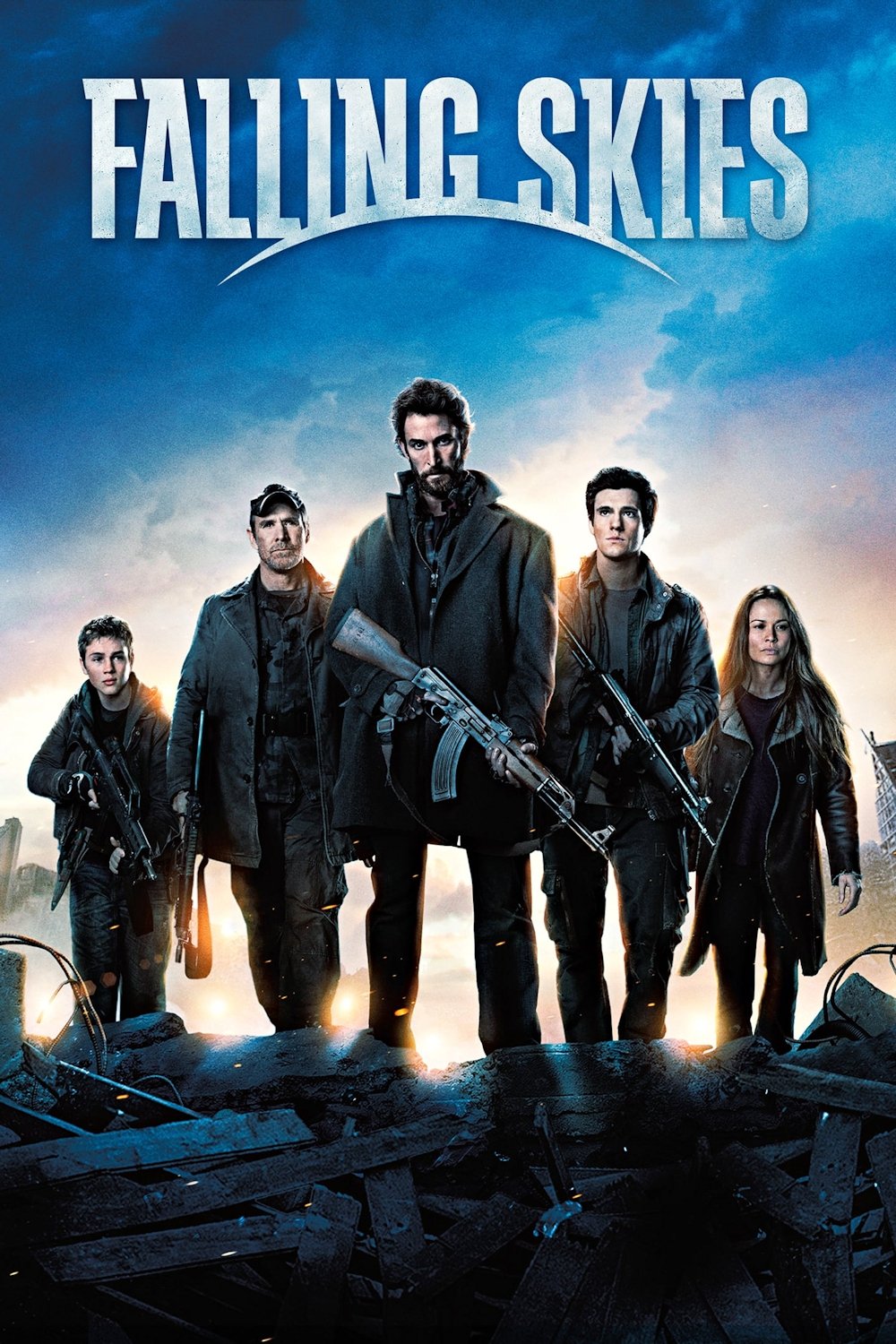
The alien invasion drama concluded with a final battle that was resolved too easily. The main character Tom Mason confronted the alien Queen and killed her with a biological weapon in seconds. The subsequent destruction of the alien forces happened instantaneously across the globe. Fans criticized the convenient resolution after five seasons of struggle. The final barbecue scene felt like a generic happy ending that didn’t match the gritty tone of the war.
‘Desperate Housewives’ (2004–2012)
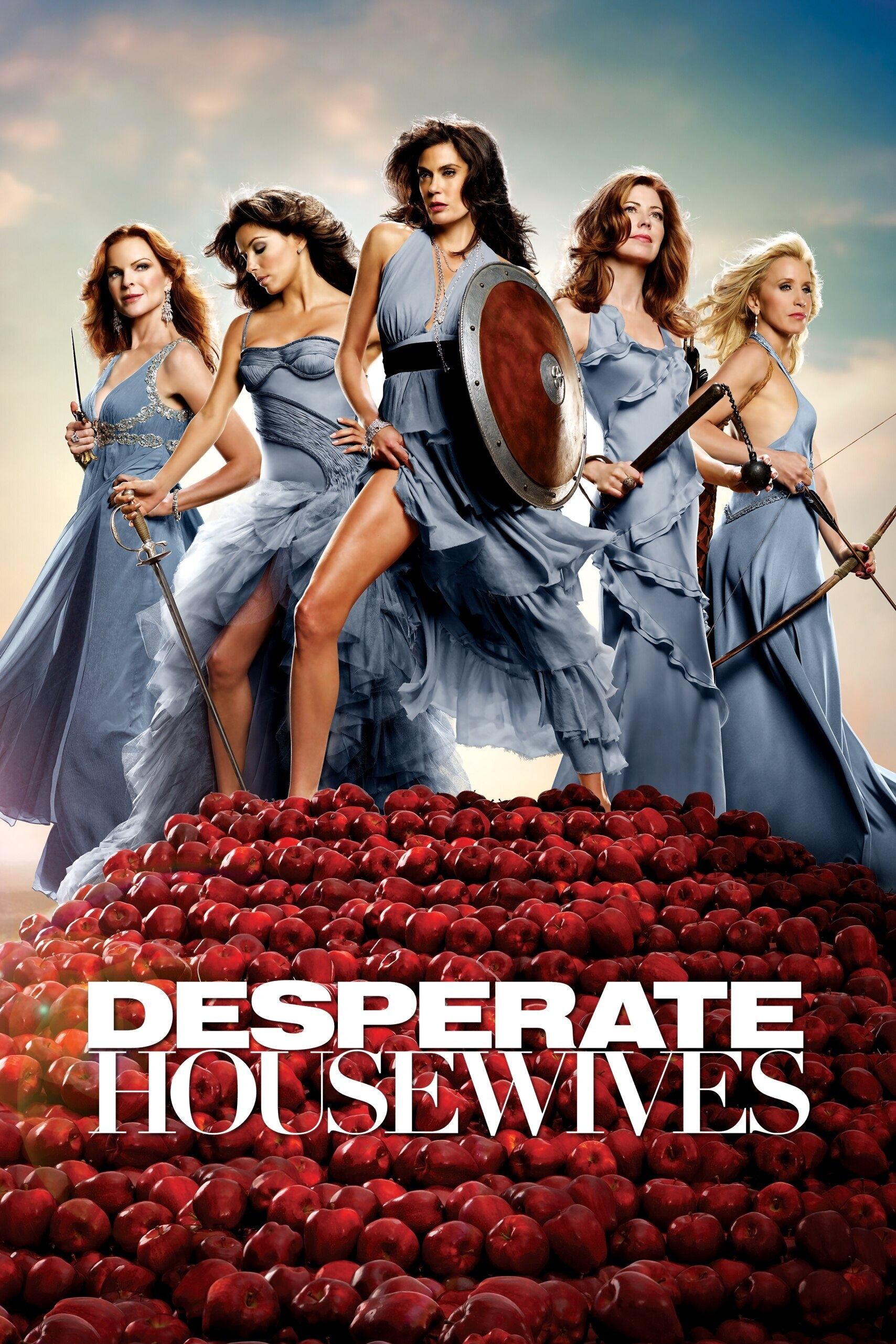
The ladies of Wisteria Lane agreed to protect a secret but then went their separate ways. The finale revealed that the four main friends never played poker together again after moving away. This revelation undermined the theme of enduring female friendship that was the show’s backbone. Susan Delfino’s husband Mike was killed shortly before the finale adding unnecessary tragedy. Fans wanted to believe the group stayed in touch rather than drifting apart completely.
‘Nip/Tuck’ (2003–2010)
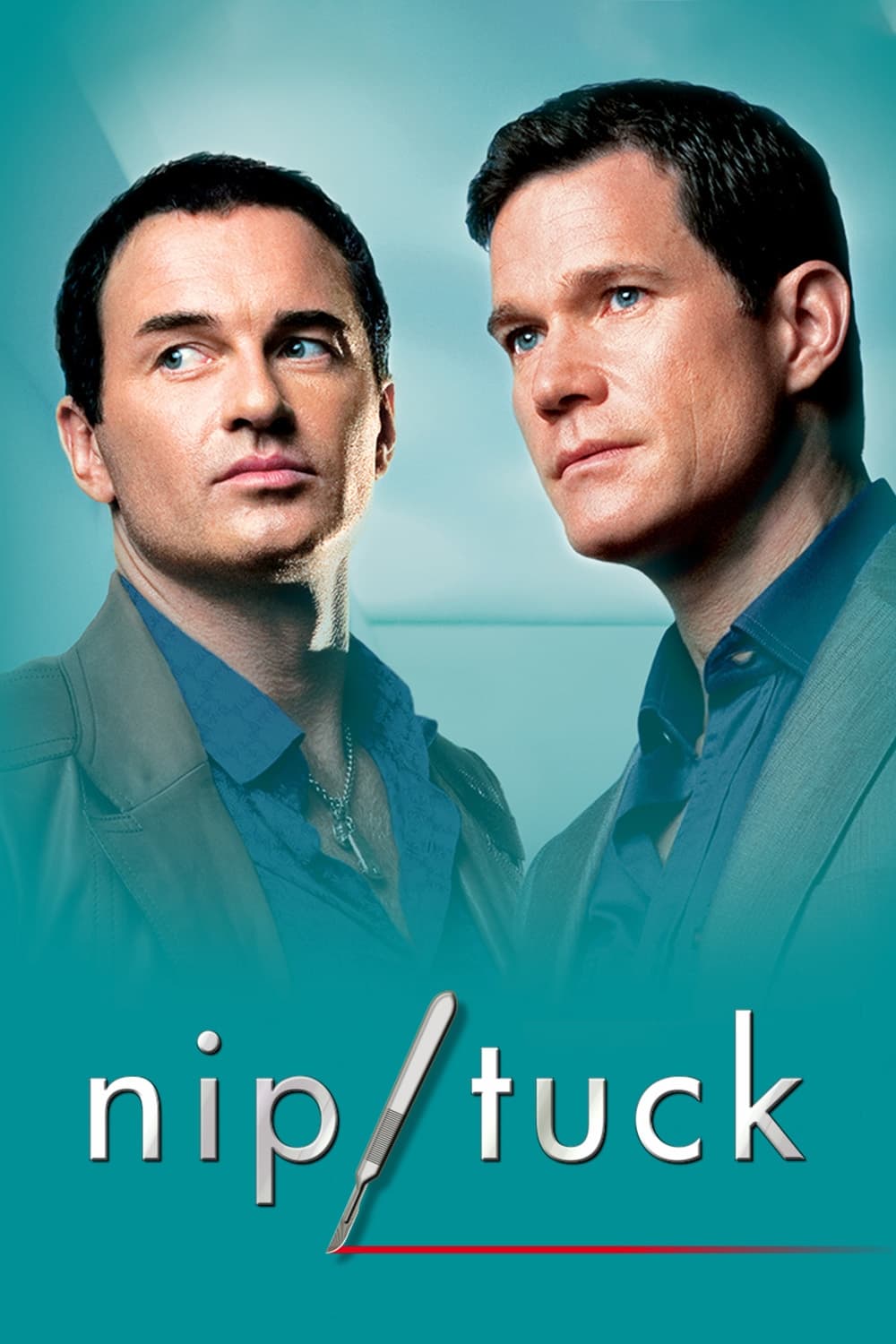
The plastic surgery drama became increasingly absurd in its later years. The finale saw the two doctors end their partnership with a surprisingly dull dinner table conversation. Christian Troy remained in Miami while Sean McNamara left to help people abroad. The lack of dramatic closure for their toxic relationship felt anticlimactic. Fans who stuck through the bizarre plot twists of later seasons felt the ending was too safe.
‘Ozark’ (2017–2022)
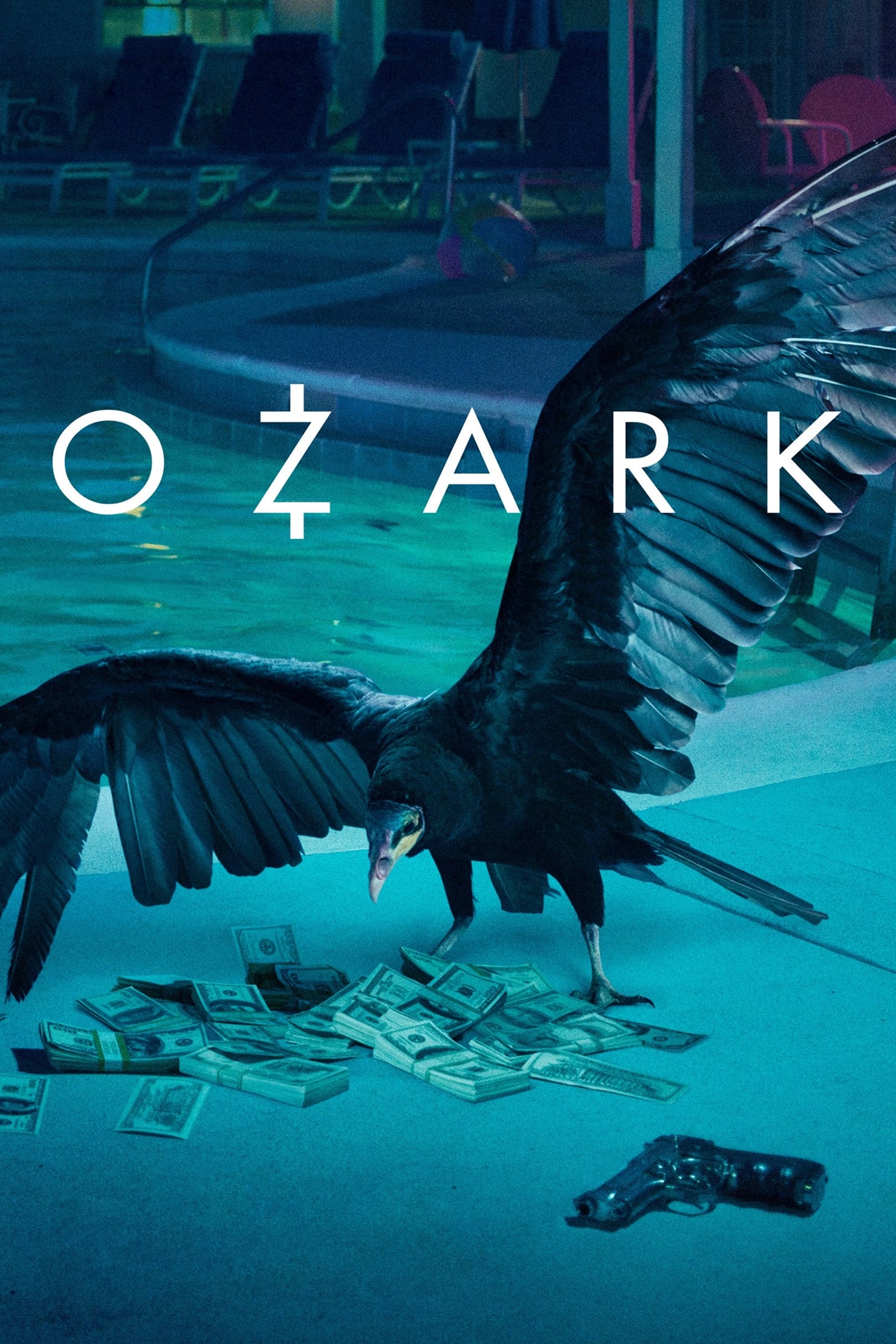
The Byrde family managed to escape the cartel life with their political power intact. The final scene involved their son Jonah pointing a shotgun at a private investigator. The screen cut to black as a gunshot was heard implying Jonah had become a killer like his parents. Many viewers found the sudden ending frustrating and the lack of punishment for the main characters unsatisfying. It polarized audiences who wanted to see the family face justice.
‘The Promised Neverland’ (2019–2021)
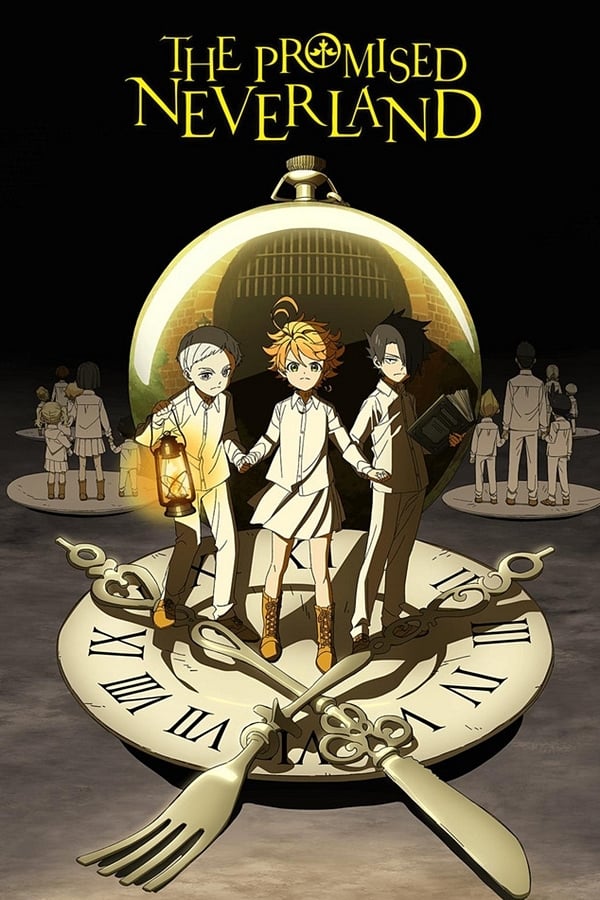
The second season of this anime rushed through content that comprised over a hundred chapters of manga. The finale used a slideshow of still images to summarize entire story arcs that were skipped. Fans of the source material were horrified by the erasure of key characters and battles. The emotional weight of the children’s journey was lost in the hurried pacing. It is often cited as one of the worst adaptations in anime history.
‘Soul Eater’ (2008–2009)
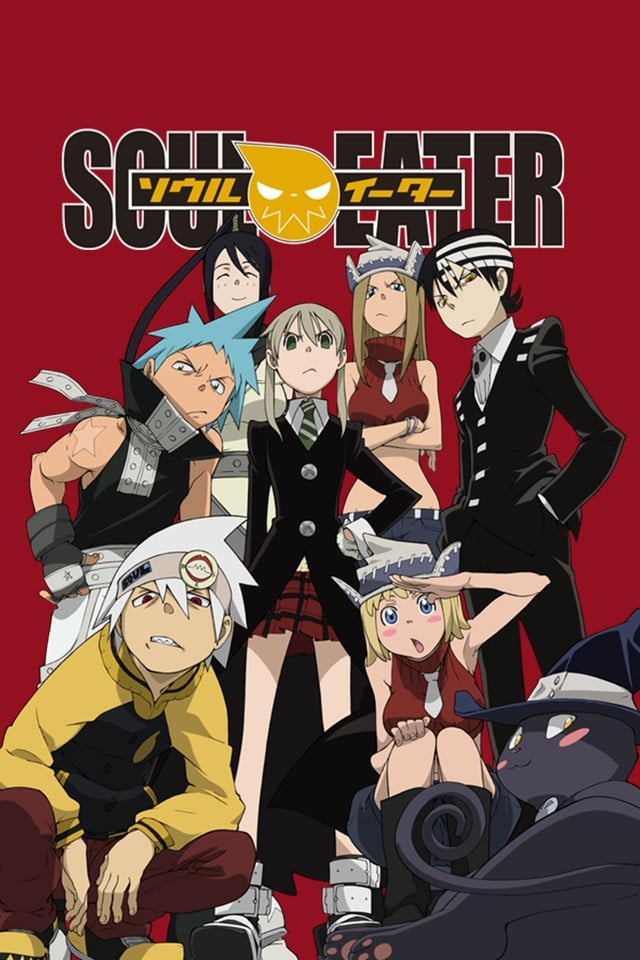
The anime caught up to the manga and had to create an original ending. The terrifying villain Asura was defeated not by a powerful attack but by a punch of courage from the protagonist Maka. The villain simply exploded because he could not understand her bravery. Fans found the resolution cheesy and inconsistent with the power levels established earlier. The divergence from the manga’s darker storyline left a permanent mark on the show’s reputation.
Please explain in the comments which TV show finale disappointed you the most and why.