Anime That Were Cancelled Before The Story Finished


The anime industry often faces challenges such as studio bankruptcy, low television ratings, or lagging home video sales that lead to the premature end of popular series. While many shows are adapted from ongoing manga or light novels, several fail to receive a full adaptation, leaving fans with unresolved cliffhangers or anime-original endings that deviate from the intended conclusion. These cancellations often occur despite the popularity of the source material or the quality of the animation. The following entries highlight significant anime projects that were stopped before their narratives could be fully realized on screen.
‘Stars Align’ (2019)
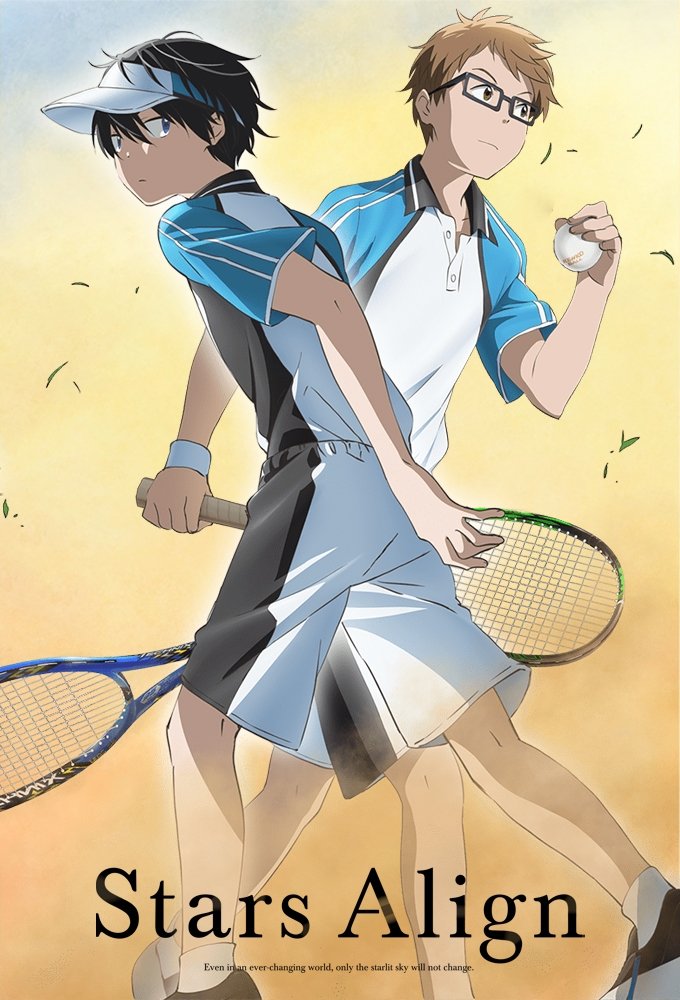
‘Stars Align’ was originally planned as a 24-episode series focusing on the personal struggles and athletic endeavors of a junior high soft tennis team. During production, the project was unexpectedly cut in half, forcing the creators to end the season after only 12 episodes. Director Kazuki Akane confirmed that the story remains incomplete and was designed to continue beyond the finale’s cliffhanger. The final episode leaves multiple character arcs and significant family conflicts unresolved. No plans for a second season or a concluding film have been announced by the production committee.
‘Gangsta.’ (2015)
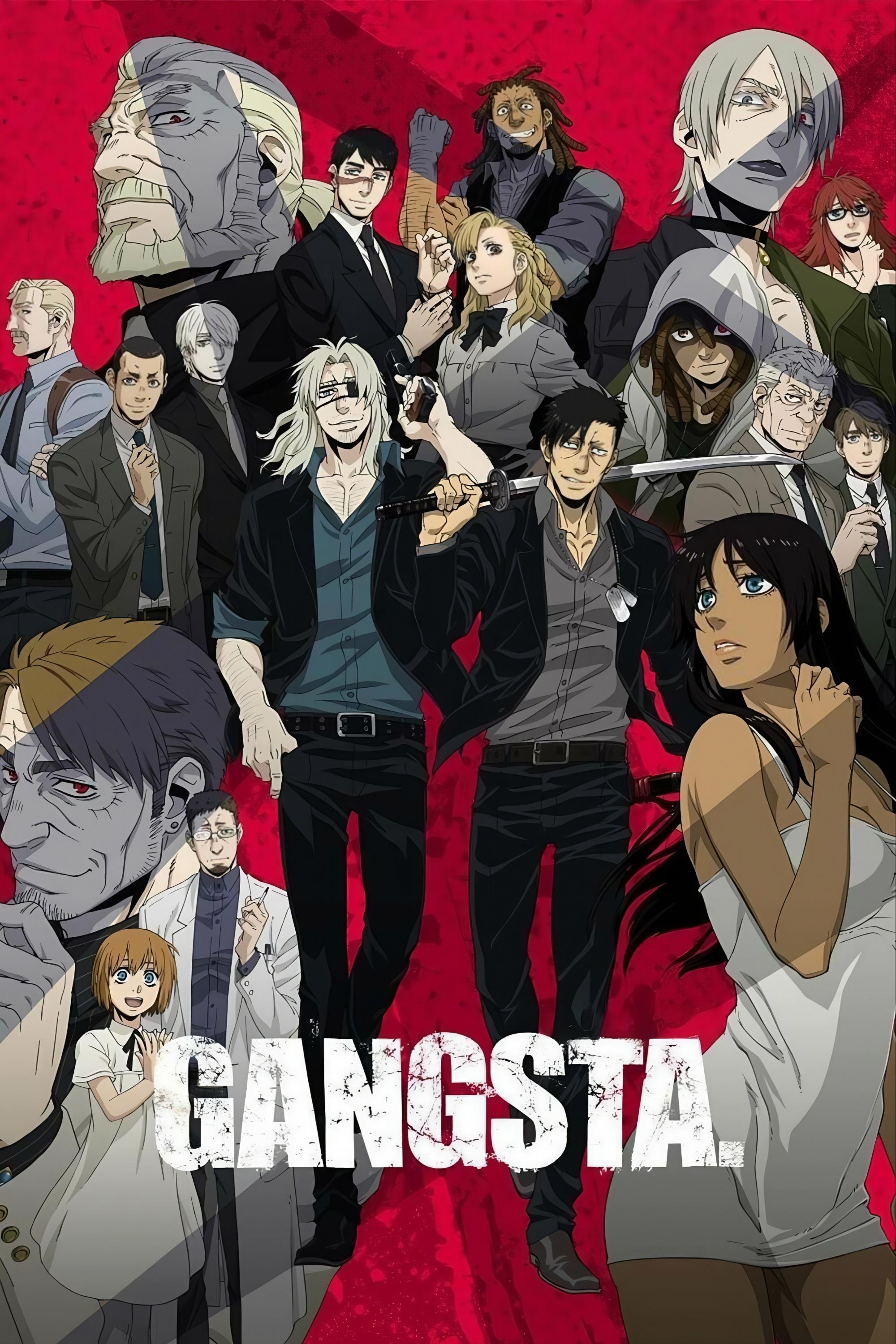
The adaptation of ‘Gangsta.’ followed two “Handymen” who take on dangerous jobs for both the police and the mob in a crime-ridden city. Shortly after the first season finished airing, the animation studio Manglobe filed for bankruptcy. This financial collapse effectively halted the production of any future seasons or supplementary material. The anime concludes in the middle of a massive city-wide riot with many major characters in life-threatening situations. Because the studio no longer exists, the narrative remains unfinished in animated form.
‘Saint Seiya: The Lost Canvas’ (2009–2011)
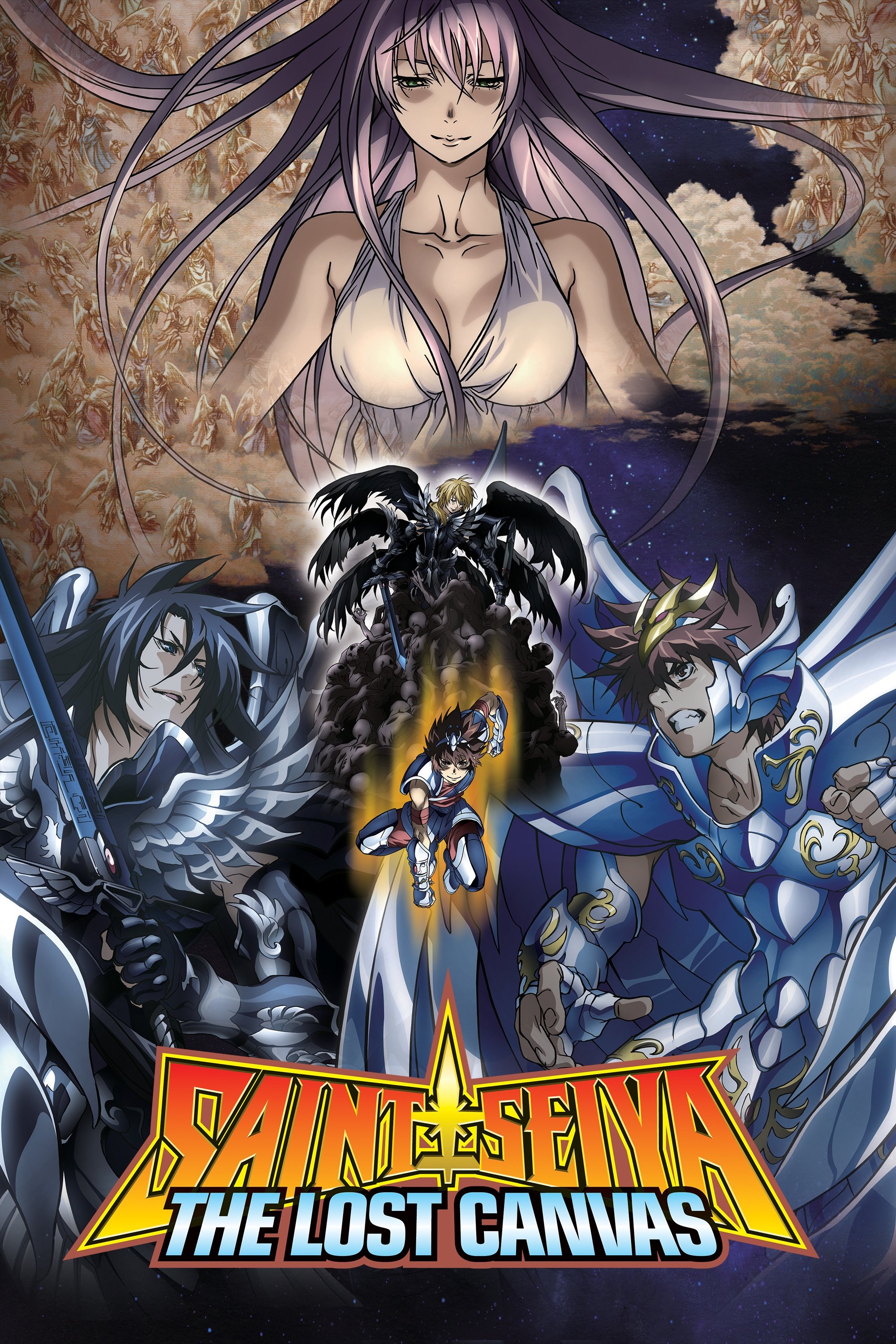
‘Saint Seiya: The Lost Canvas’ served as a prequel to the original series, focusing on the Holy War between Athena and Hades in the 18th century. Despite high production values and positive reception from international fans, the show suffered from low DVD and Blu-ray sales in Japan. These financial results led to the cancellation of the series after two seasons of Original Video Animations (OVAs). The story stops just as the protagonists begin their final assault on the Lost Canvas. The remainder of the epic battle is only available in the original manga.
‘Bobobo-bo Bo-bobo’ (2005)
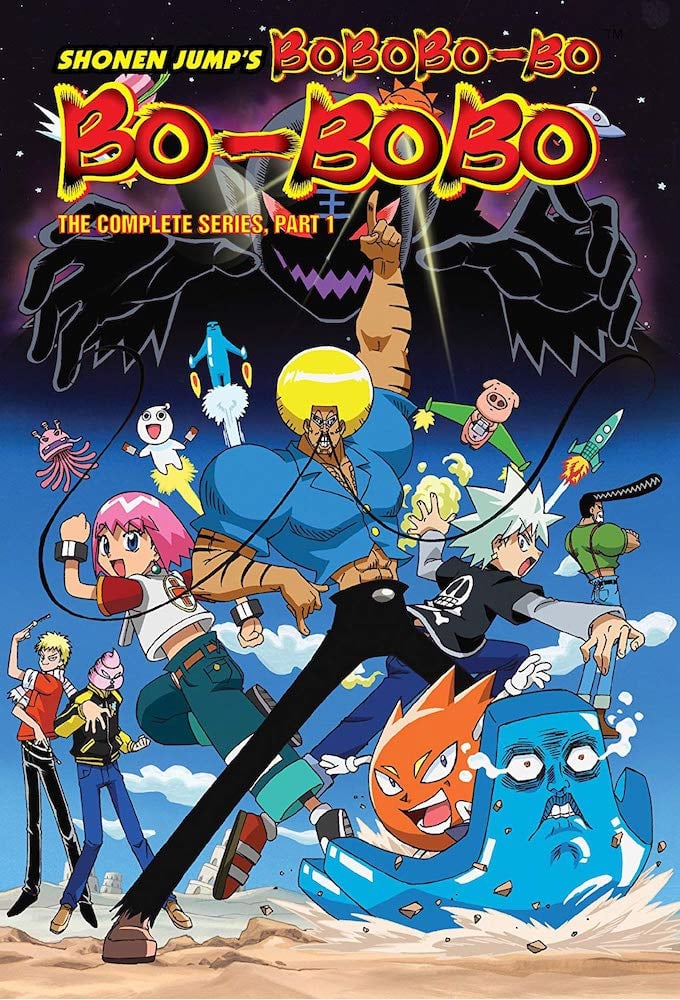
The surreal comedy series ‘Bobobo-bo Bo-bobo’ was cancelled during its initial run in Japan before adapting the entire manga. While it maintained decent viewership, the show faced heavy criticism from parental advocacy groups regarding its nonsensical and occasionally violent content. These complaints, combined with a decline in sponsor interest, led to the show’s abrupt ending at episode 76. The final episode does not conclude the fight against the Maruhage Empire. The story continues in the manga, which includes a time-skip and a sequel series.
‘Rave Master’ (2001–2002)
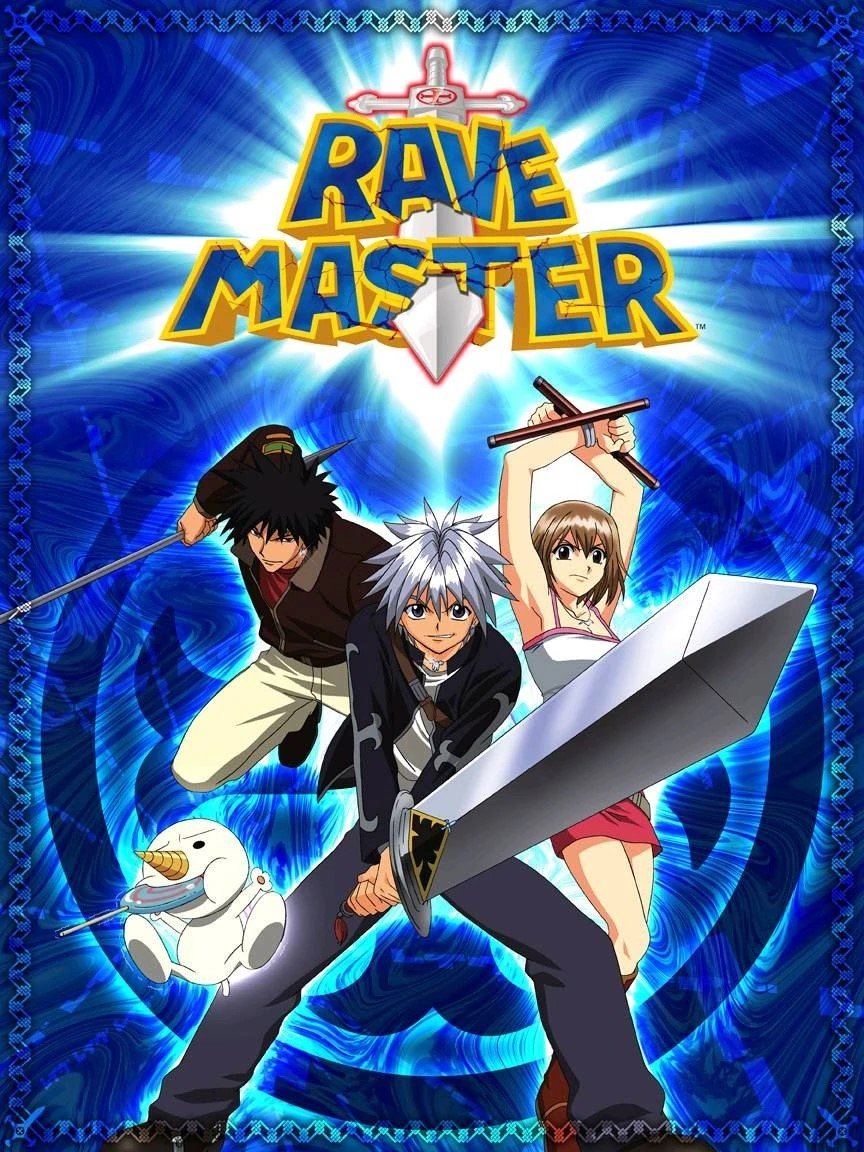
‘Rave Master’ followed Haru Glory on his quest to find the five missing pieces of the sacred Stone Rave to defeat the Shadow Stones. The anime was cancelled after 51 episodes due to low television ratings and poor performance in merchandise sales. This cancellation occurred before the story reached its midway point, leaving the ultimate fate of the world and the origins of the characters unknown. The anime concludes with an episode that does not provide closure to the overarching conflict with the organization Demon Card. The creator, Hiro Mashima, later found greater success with ‘Fairy Tail’.
‘Slam Dunk’ (1993–1996)
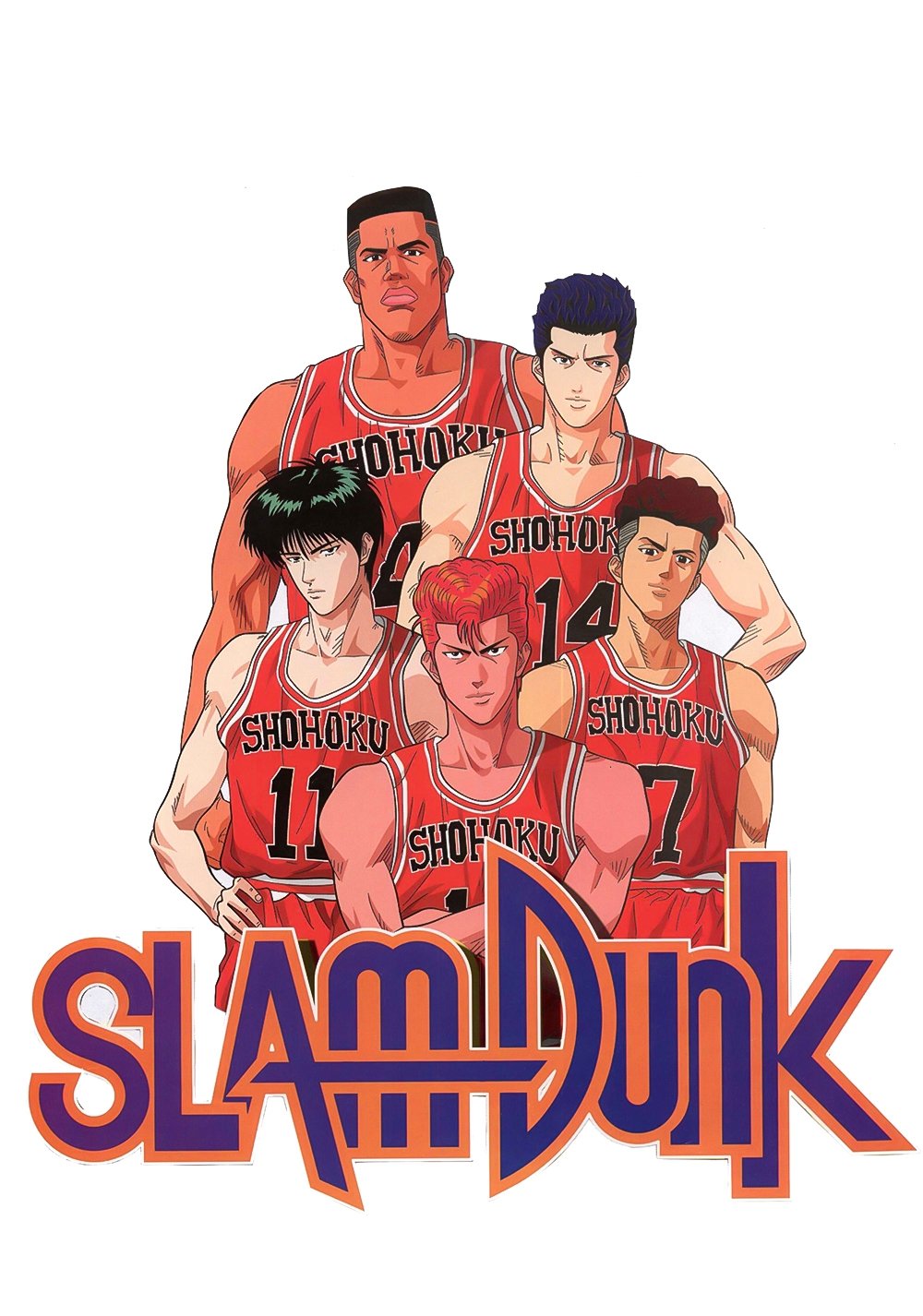
‘Slam Dunk’ is considered one of the most influential sports anime, yet it never adapted the final arc of the manga. The series ran for 101 episodes and concluded just as the Shohoku high school basketball team was heading to the National Championship. Differences between the animation studio and the manga creator regarding the pacing and direction led to the show’s conclusion. Fans had to wait decades for ‘The First Slam Dunk’ film to see elements of the final matches animated. The original television series remains famously incomplete regarding the Nationals.
‘Nana’ (2006–2007)
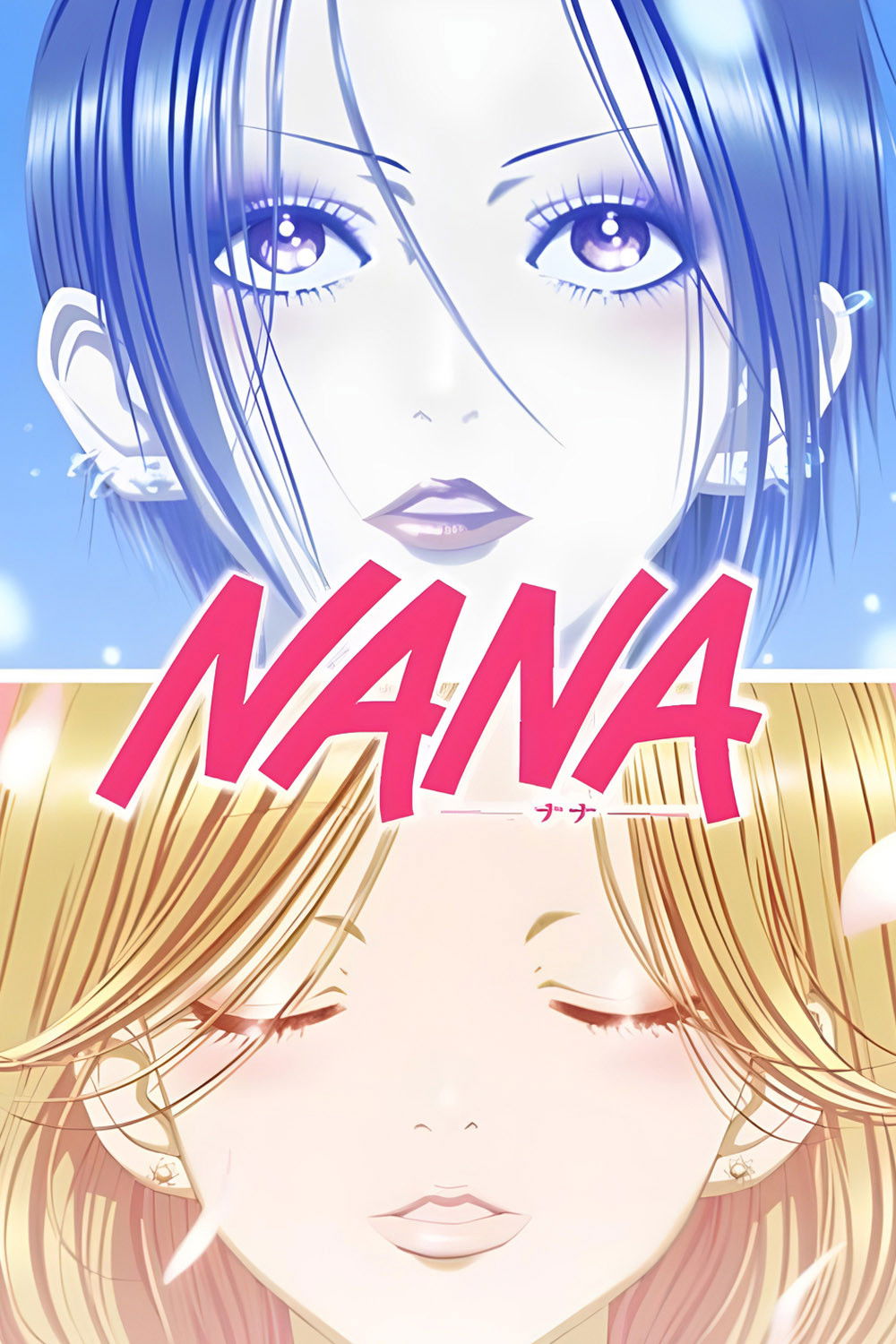
‘Nana’ depicts the intersecting lives of two young women who share the same name but have vastly different personalities and goals. The anime adaptation ended after 47 episodes because it had caught up to the ongoing manga publication. Shortly after the anime finished, the manga creator Ai Yazawa fell ill, leading to an indefinite hiatus of the source material. Since the manga has never been finished, the anime also remains without a definitive conclusion. The show ends on a reflective note that leaves the future of the characters’ relationships in doubt.
‘Highschool of the Dead’ (2010)

‘Highschool of the Dead’ gained a massive following for its high-octane zombie survival action and stylized animation. The first season covered the initial volumes of the manga, ending with the protagonists escaping to a shopping mall. Production on a second season was stalled as the manga went on several long hiatuses. The death of the manga’s writer, Daisuke Sato, in 2017 officially ended the possibility of the story being completed. Consequently, the anime will never have a resolution to the global zombie outbreak.
‘Deadman Wonderland’ (2011)
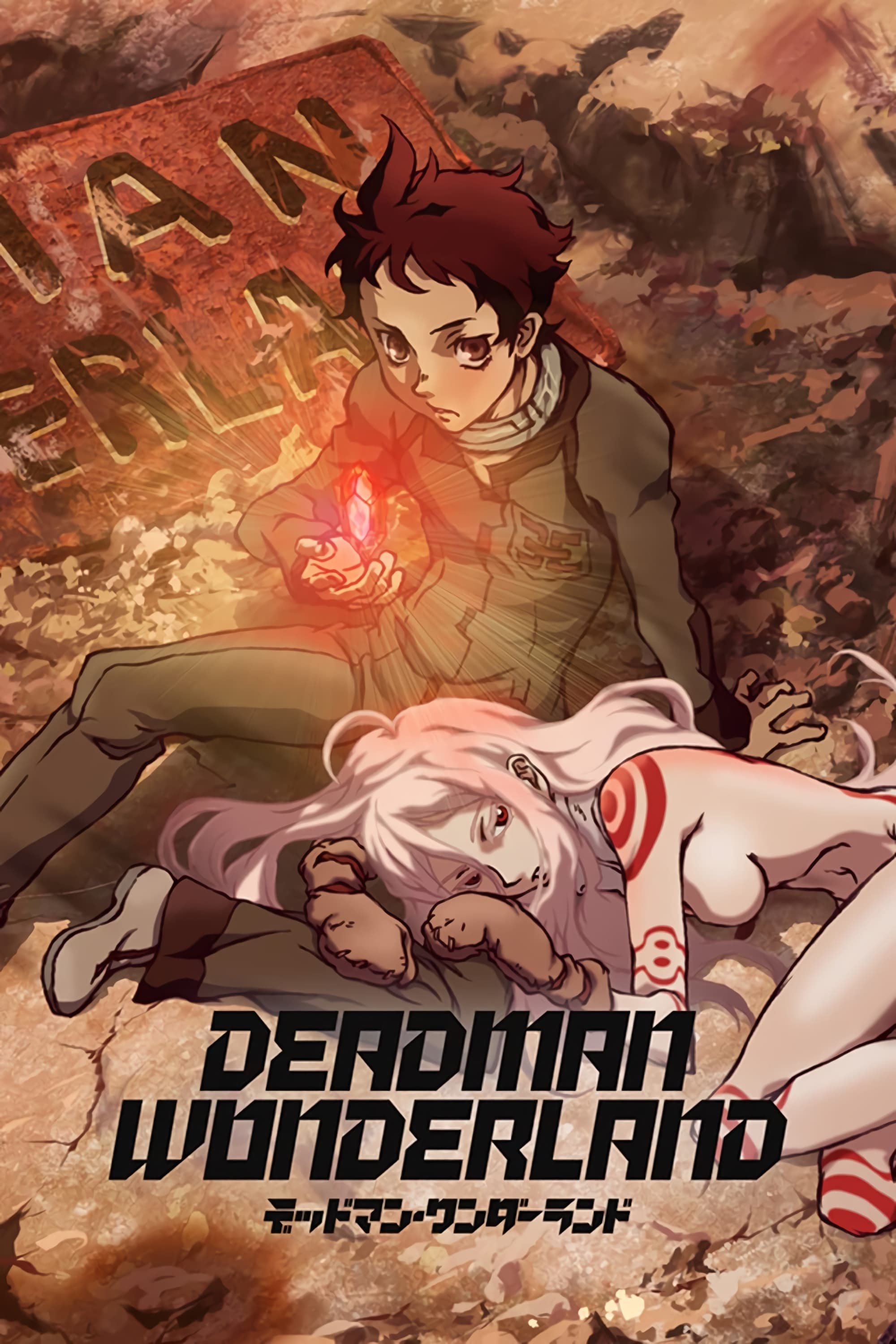
The ‘Deadman Wonderland’ anime adapted the early stages of Ganta Igarashi’s time in a privatized prison where inmates fight for survival. The series omitted several key characters from the manga, which made it difficult to continue the story in a second season. Due to low home video sales in Japan, the production was halted after 12 episodes and an OVA. The finale leaves the mystery of the “Red Man” and the prison’s conspiracy completely unresolved. The full narrative arc is only found in the completed 13-volume manga series.
‘Rurouni Kenshin’ (1996–1998)
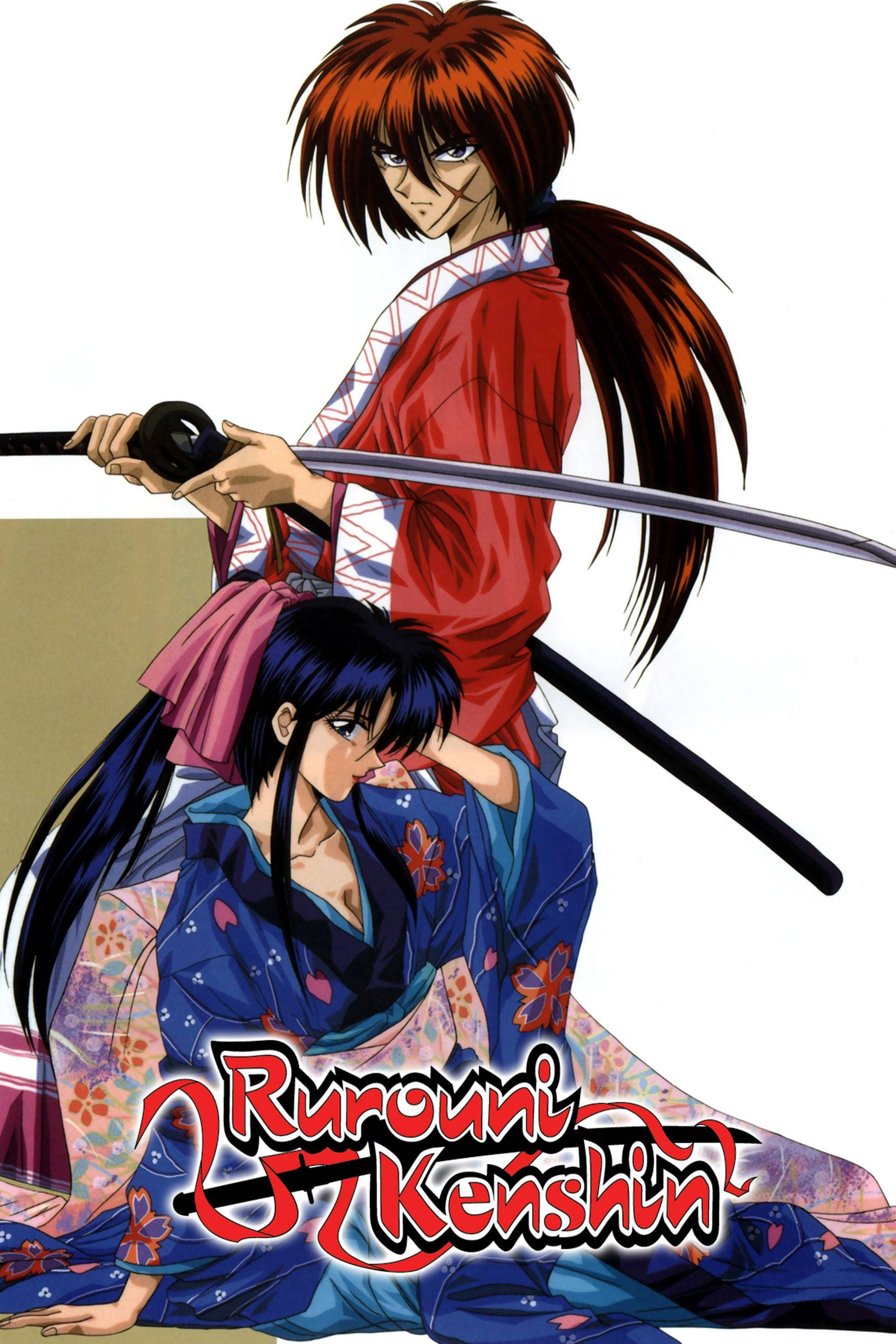
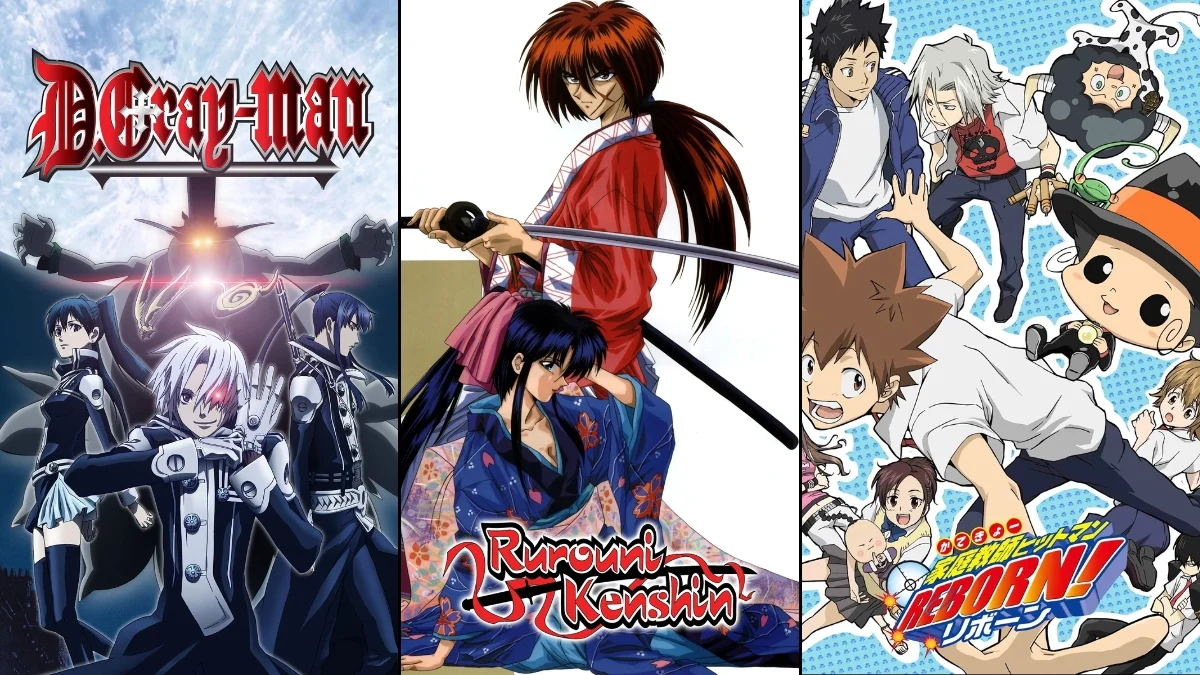
‘Rurouni Kenshin’ was a major hit that followed a former assassin seeking atonement during the Meiji era. The anime successfully adapted the first two major arcs of the manga but began producing original filler content when it caught up to the source material. These filler episodes were poorly received, leading to a sharp decline in ratings and the eventual cancellation of the show. As a result, the final “Jinchu” arc of the manga was never adapted into the original television series. Fans only received a partial adaptation of the final story via the ‘Trust & Betrayal’ and ‘Reflection’ OVAs.
‘Bubblegum Crisis’ (1987–1991)
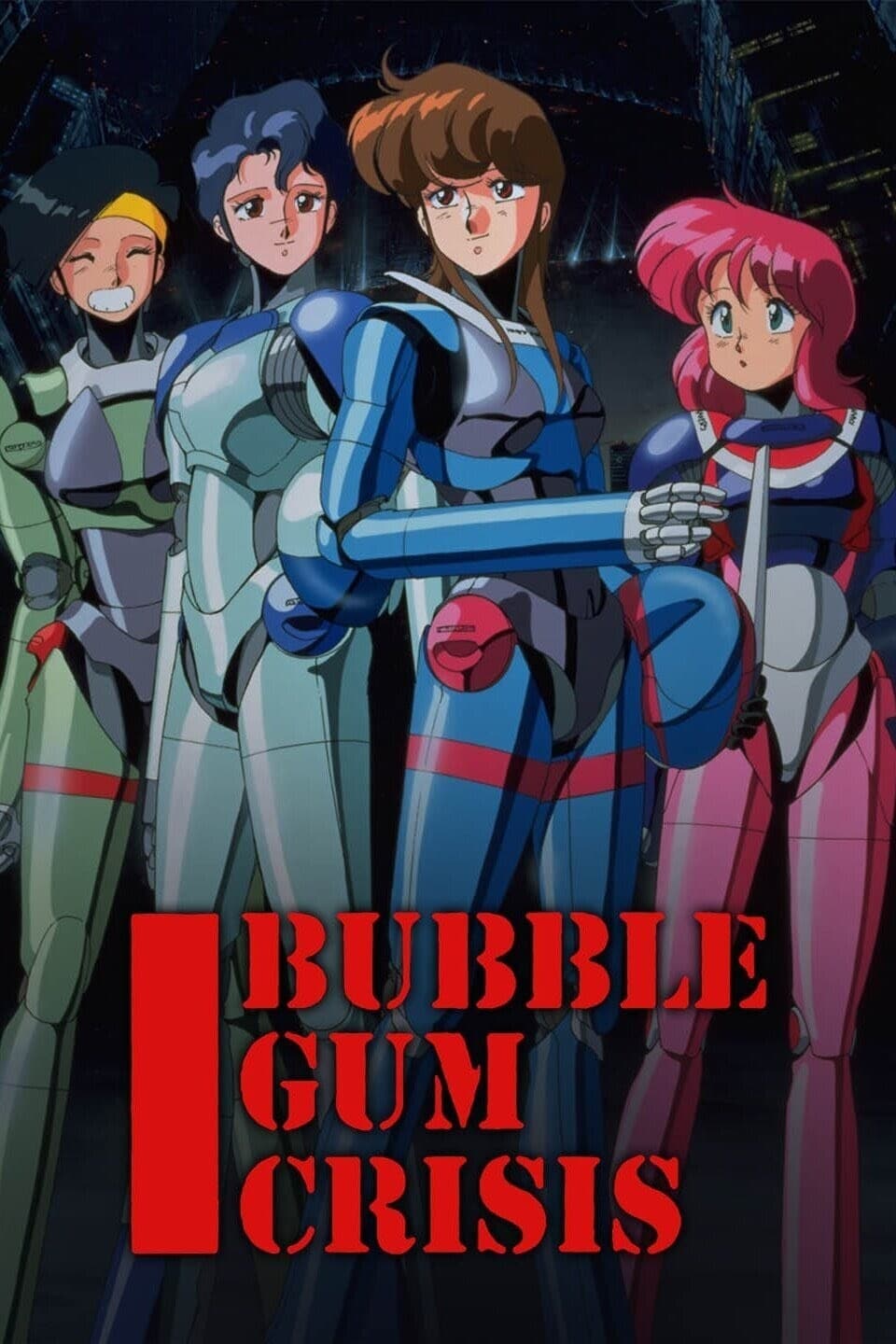
‘Bubblegum Crisis’ is a cyberpunk OVA series that gained a cult following for its music and design. The series was originally slated to run for 13 episodes but was cancelled after only eight were produced. This was the result of legal disputes and internal conflicts between the two production companies, Artmic and Youmex. The abrupt ending leaves the ultimate conflict between the Knight Sabers and the Genom Corporation unresolved. A later series titled ‘Bubblegum Crisis Tokyo 2040’ attempted to reboot the story rather than finish the original.
‘Btooom!’ (2012)
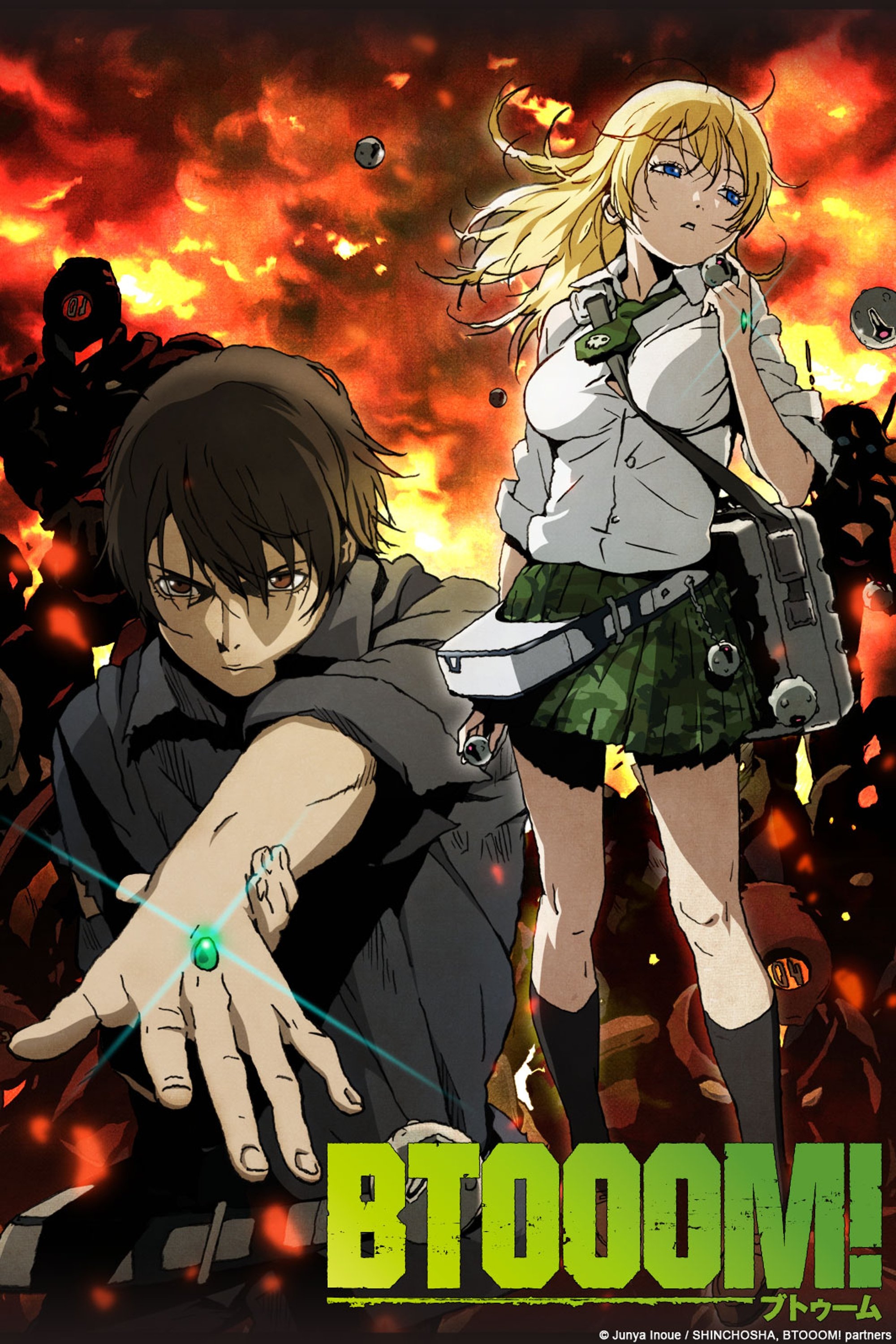
‘Btooom!’ centers on a high-stakes survival game where players use different types of bombs to eliminate each other on a deserted island. The 12-episode anime adapted the first 50 chapters of the manga, ending with the protagonist surviving an initial encounter with the game’s creators. Despite its international popularity, the series performed poorly in Japanese markets. The lack of financial success meant that no further seasons were commissioned to cover the remaining half of the story. The manga has since concluded with two different endings, but neither has been animated.
‘Skip Beat!’ (2008–2009)
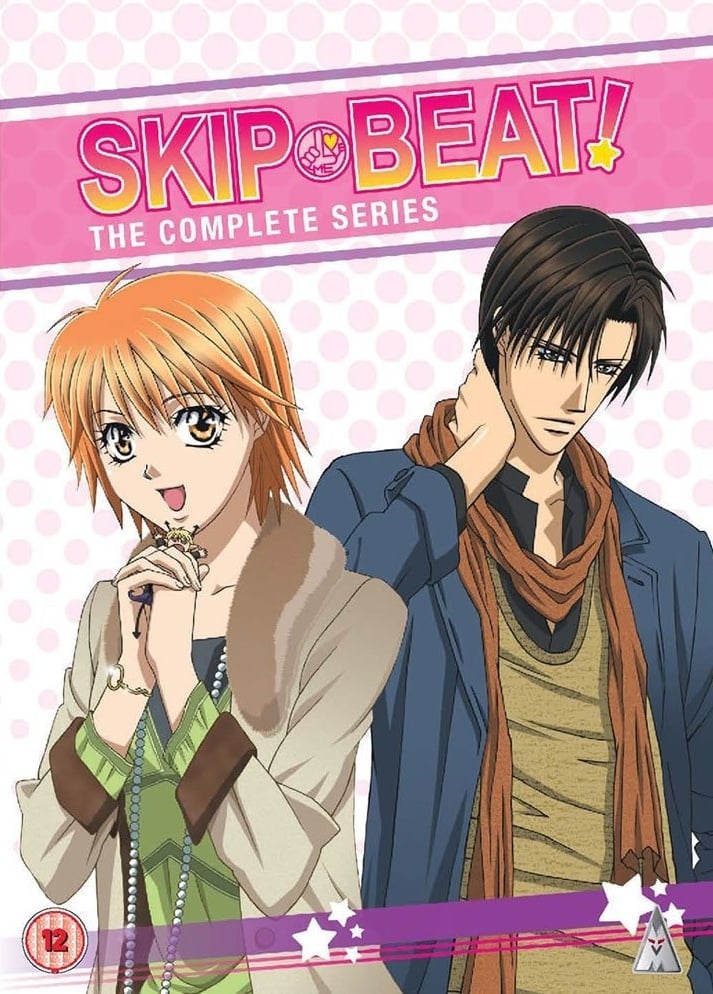
‘Skip Beat!’ follows Kyoko Mogami as she enters the entertainment industry to seek revenge on her childhood friend. The anime ran for 25 episodes and was praised for its faithful adaptation of the manga’s early volumes. However, the show ended just as Kyoko’s career began to take off and her relationship with Ren Tsuruga started to evolve. The series concludes with a “to be continued” message that was never fulfilled. The manga is still ongoing today with hundreds of chapters that have never been adapted.
‘The Twelve Kingdoms’ (2002–2003)
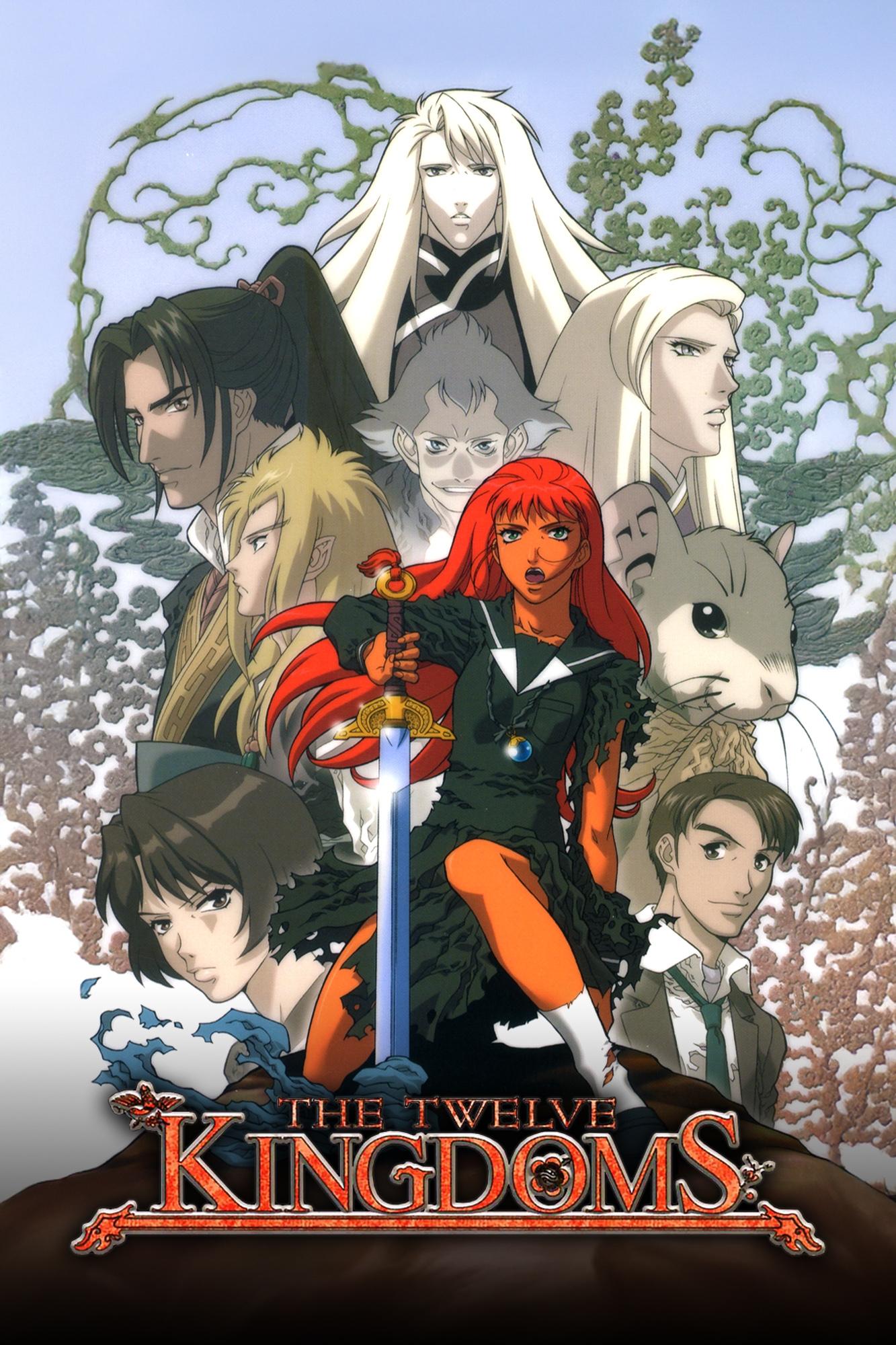
‘The Twelve Kingdoms’ is a high-fantasy series based on a set of light novels exploring the complex politics of another world. The anime adaptation was originally meant to be longer but was cut short at 45 episodes. It successfully covered several novels but left many plot threads regarding the other kingdoms and characters hanging. The production ended abruptly without adapting the later volumes of the source material. While it remains a classic of the genre, the overall narrative arc of the world is left fragmented.
‘Zatch Bell!’ (2003–2006)
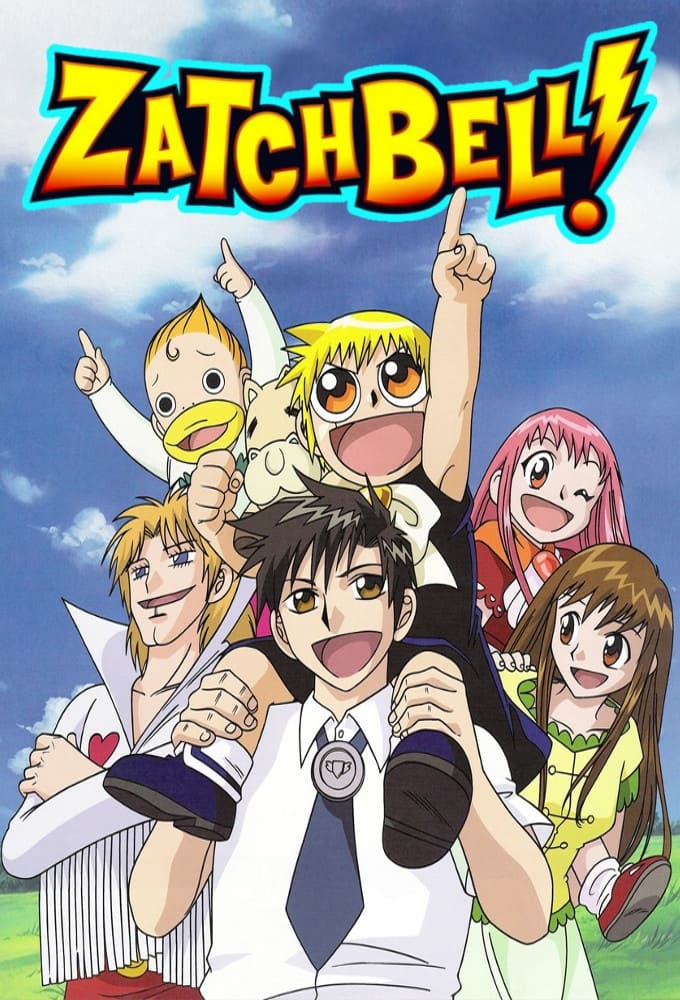
‘Zatch Bell!’ tells the story of 100 Mamodo children sent to Earth to battle for the position of Mamodo King. The anime ran for 150 episodes but began to diverge from the manga’s plot during its final year. This was largely due to the manga author, Makoto Raiku, injuring his hand, which delayed the manga’s progress. The anime creators decided to write an original ending to conclude the series quickly. This resulted in the final major arc of the manga, including the ultimate battle for the throne, never being properly adapted.
‘D.Gray-man’ (2006–2008)
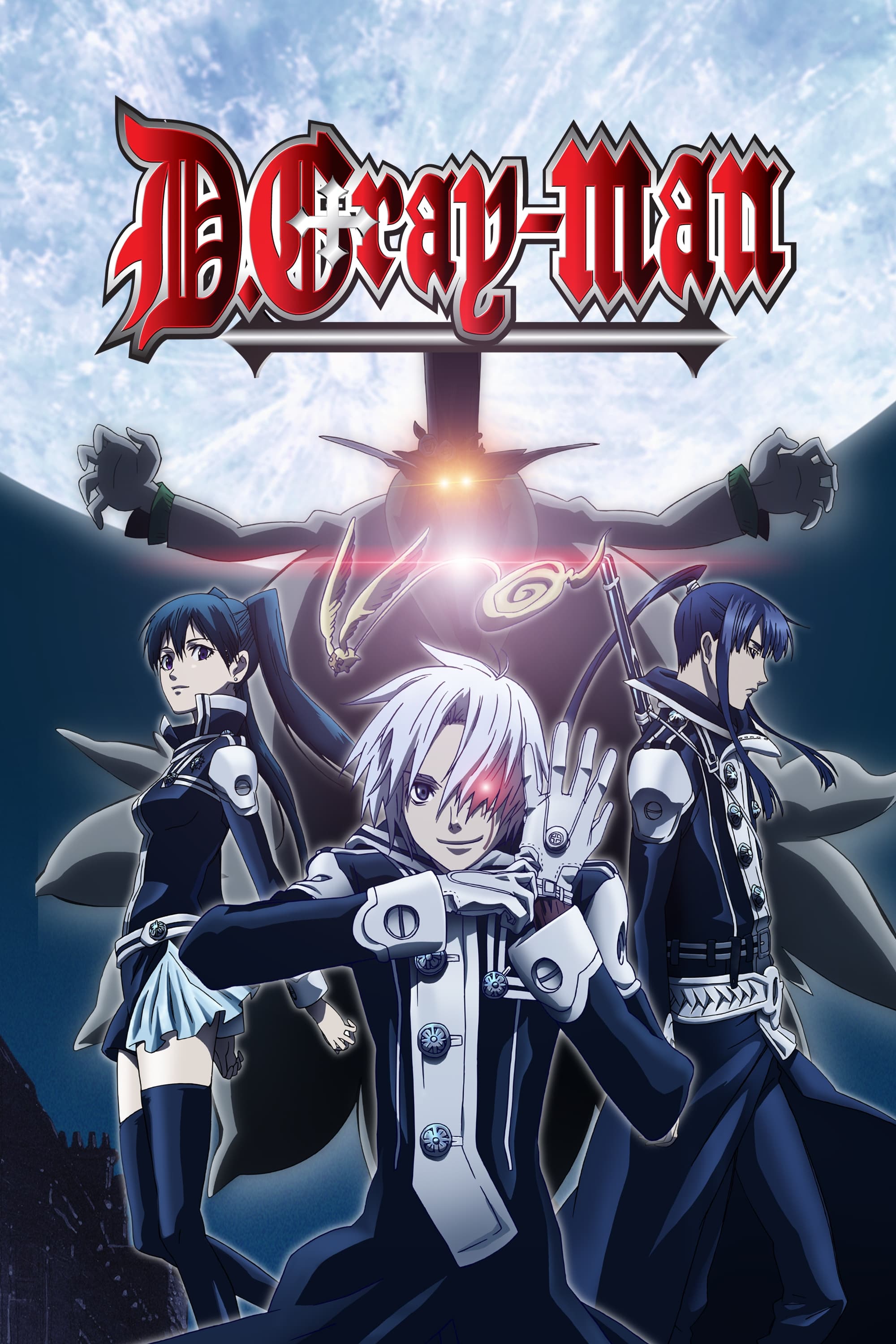
‘D.Gray-man’ follows Exorcists who use a substance called Innocence to fight demons known as Akuma. The original 103-episode series ended when it drew too close to the ongoing manga, which was frequently on hiatus due to the author’s health. Years later, a sequel titled ‘D.Gray-man Hallow’ was released in 2016 to continue the story. However, ‘Hallow’ also ended abruptly after 13 episodes following a dispute between the author and the production team. To date, a large portion of the manga remains unadapted.
‘X’ (2001–2002)

The ‘X’ anime, based on the manga by CLAMP, features a battle between the Dragons of Heaven and the Dragons of Earth over the fate of the world. The anime was forced to create its own ending because the manga had entered an indefinite hiatus in 2003. CLAMP stopped the manga due to concerns that the story’s violent content was too similar to real-world events occurring at the time. Because the source material was never finished, the anime’s conclusion is considered non-canonical. The original vision for the end of the world remains a mystery.
‘Beelzebub’ (2011–2012)
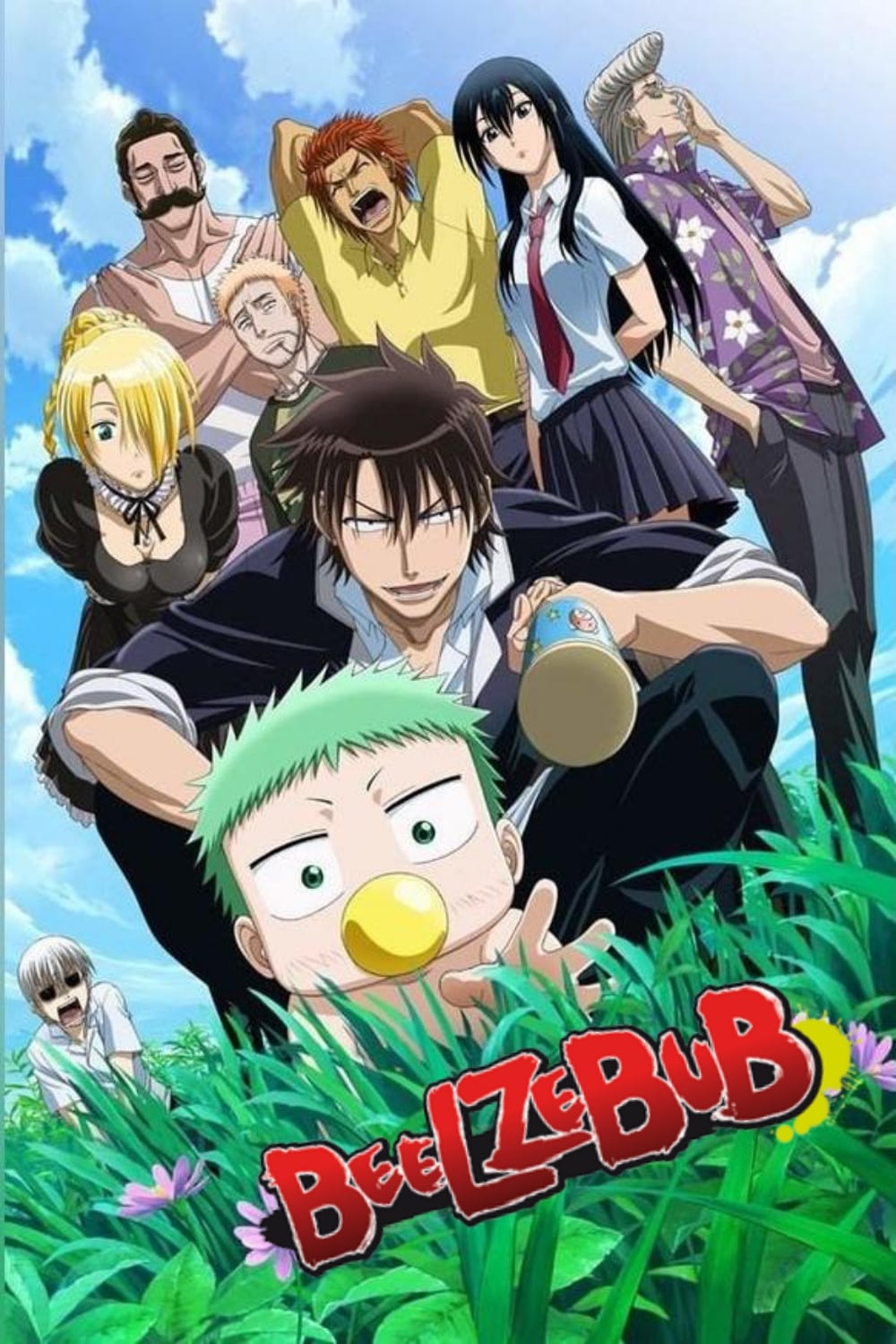
‘Beelzebub’ is a supernatural comedy about a high school delinquent forced to raise the son of the Demon King. The anime was cancelled after 60 episodes despite the manga continuing for several years afterward. The cancellation was likely due to a combination of declining ratings and the disruption caused by the 2011 Tōhoku earthquake. The series ended with a rushed, anime-original finale that skipped major arcs from the source material. This left many of the show’s supernatural mysteries and character developments completely unexplored.
‘REBORN!’ (2006–2010)
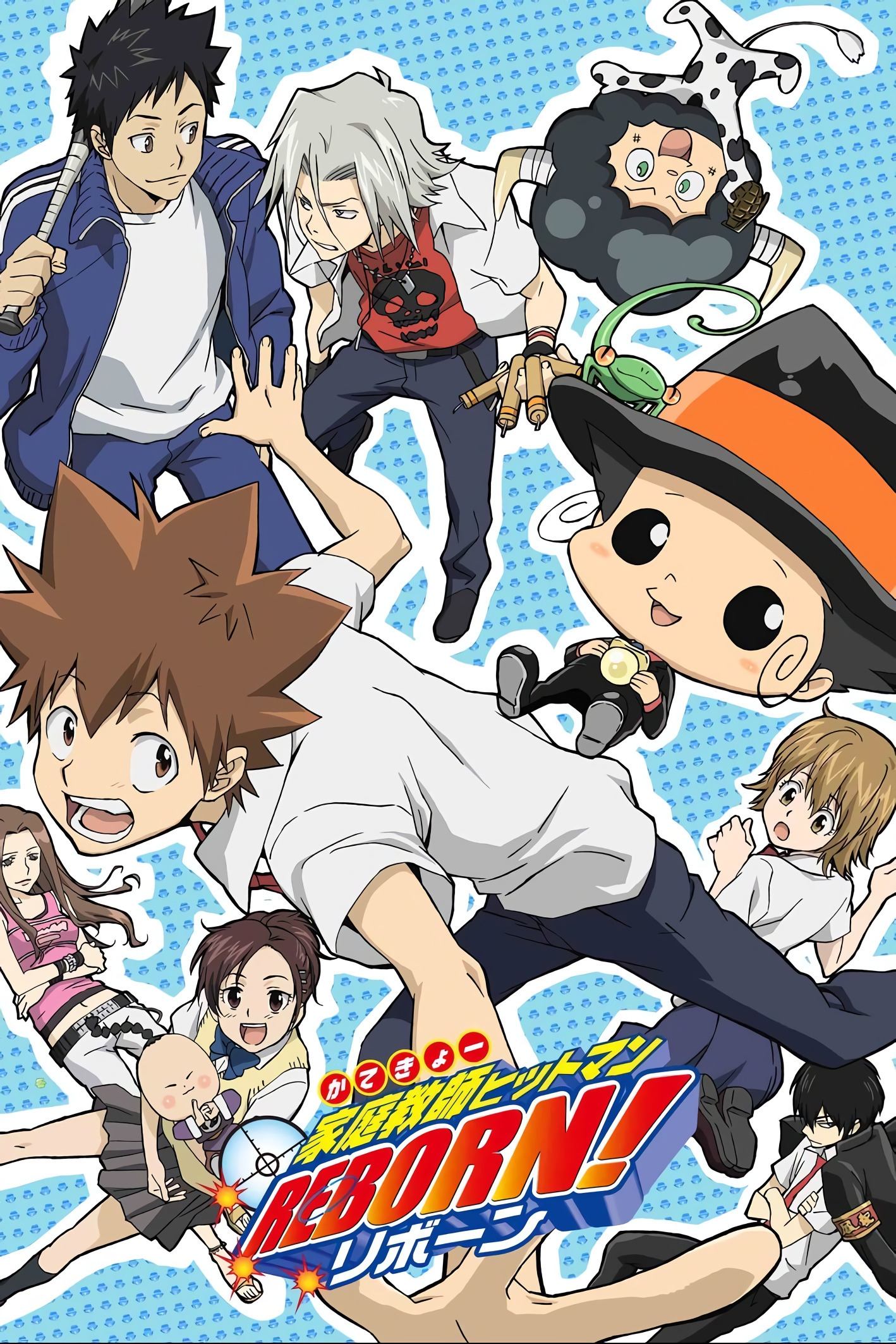
‘Katekyo Hitman Reborn!’ transition from a gag comedy into a popular shonen battle series centered on the Vongola Mafia family. The anime ran for 203 episodes and adapted several major story arcs, including the Future Arc. However, it was cancelled before it could adapt the “Inheritance Ceremony” and “The Curse of the Rainbow” arcs. These final two arcs provide essential closure for the main character Tsuna and the secrets of the Arcobaleno. The manga concluded in 2012, but the anime has never returned to finish the story.
‘Air Gear’ (2006)
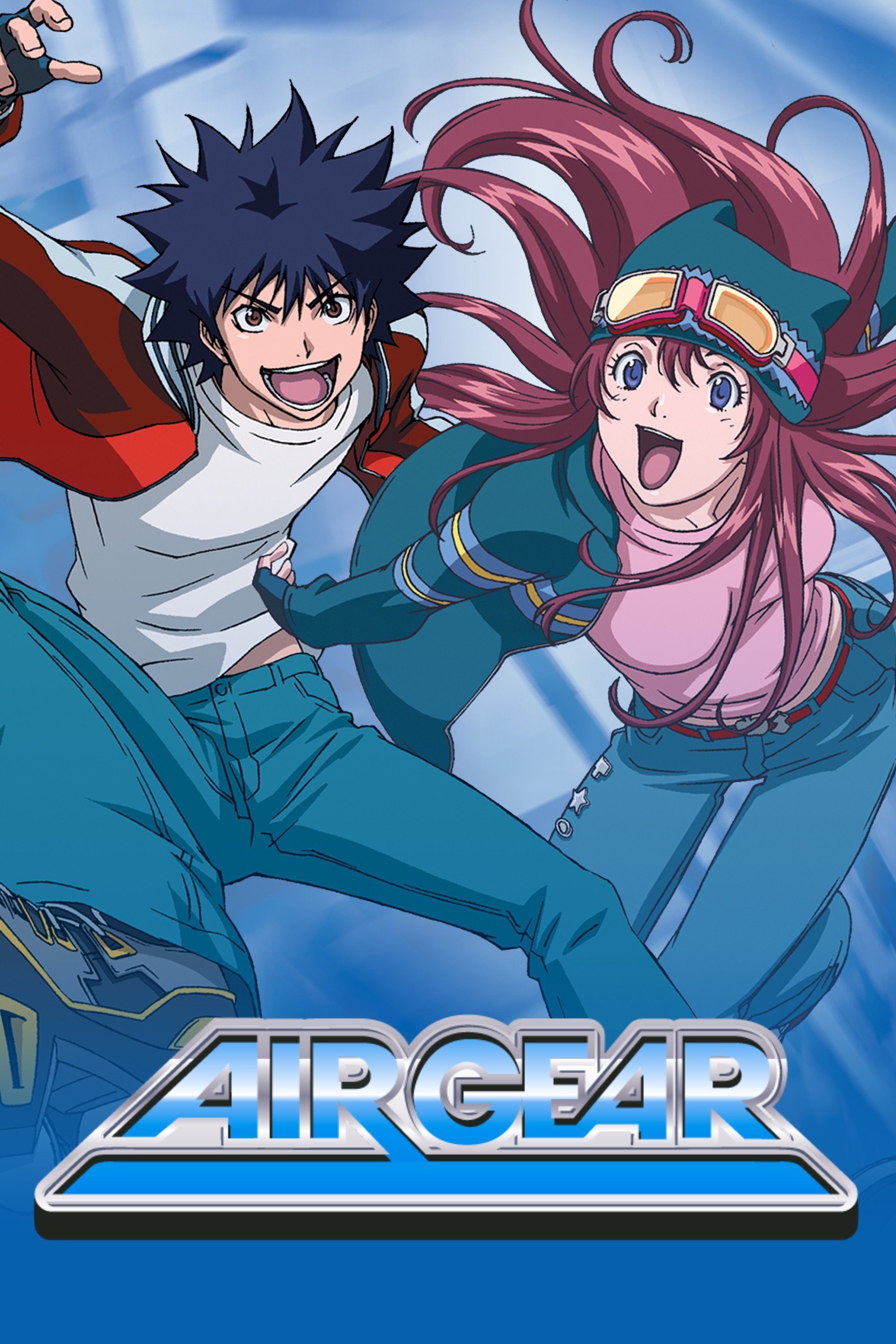
‘Air Gear’ focuses on the world of Air Treks, which are motorized inline skates that allow users to “fly” and compete in gang battles. The anime adaptation lasted for 26 episodes and only covered the introductory segments of the manga. It ended just as the stakes of the professional Air Trek world were being introduced. While a few OVA episodes were later released to adapt specific later battles, they did not bridge the gap in the story. The complex political and supernatural plot points of the manga remain largely unadapted.
‘Gantz’ (2004)
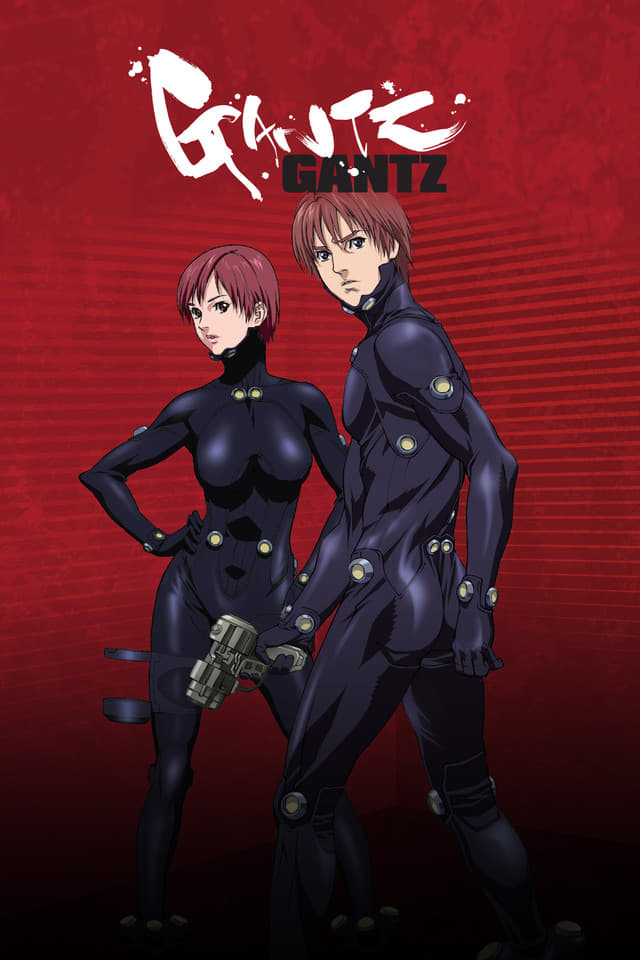
The ‘Gantz’ anime follows a group of people who are forced to play a deadly game of hunting aliens after their deaths. The series consisted of 26 episodes but ran out of manga material to adapt toward the end of its run. To provide a conclusion, the studio created a polarizing anime-original ending known as the “Temple Arc.” This ending ignored the massive “Catastrophe” arc and the final revelations regarding the Gantz spheres. The true conclusion of the series can only be found in the 37 volumes of the manga.
‘Berserk’ (1997)
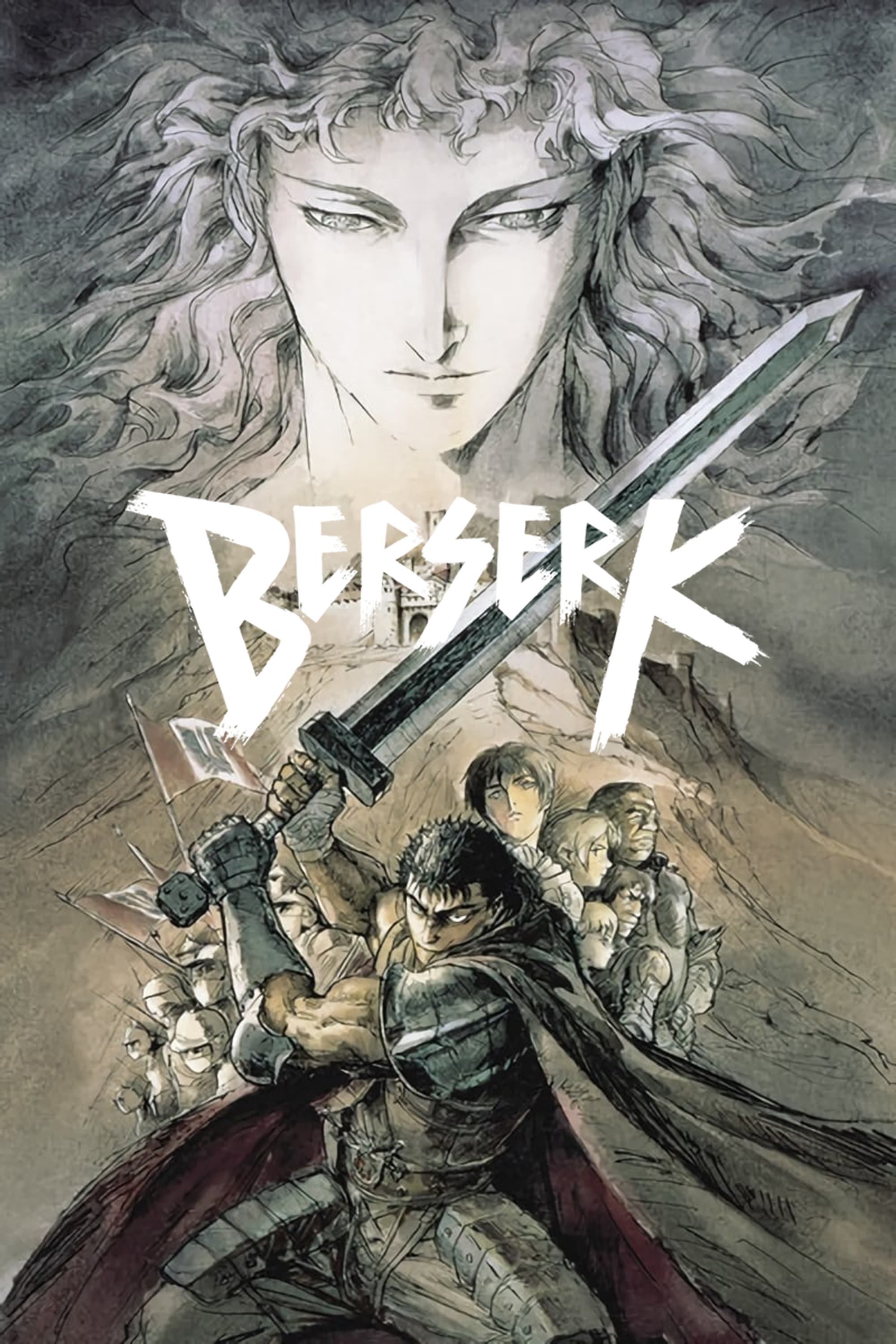
The 1997 adaptation of ‘Berserk’ is famous for its dark fantasy setting and its brutal portrayal of the “Golden Age” arc. The series ends with the “Eclipse,” one of the most harrowing cliffhangers in anime history. While this served as a dramatic stopping point, it left the protagonist Guts’ journey for revenge entirely unfilmed. Subsequent adaptations in 2016 and 2017 attempted to continue the story but were criticized for their animation quality. The original 1997 series remains an unfinished masterpiece of the genre.
‘Claymore’ (2007)
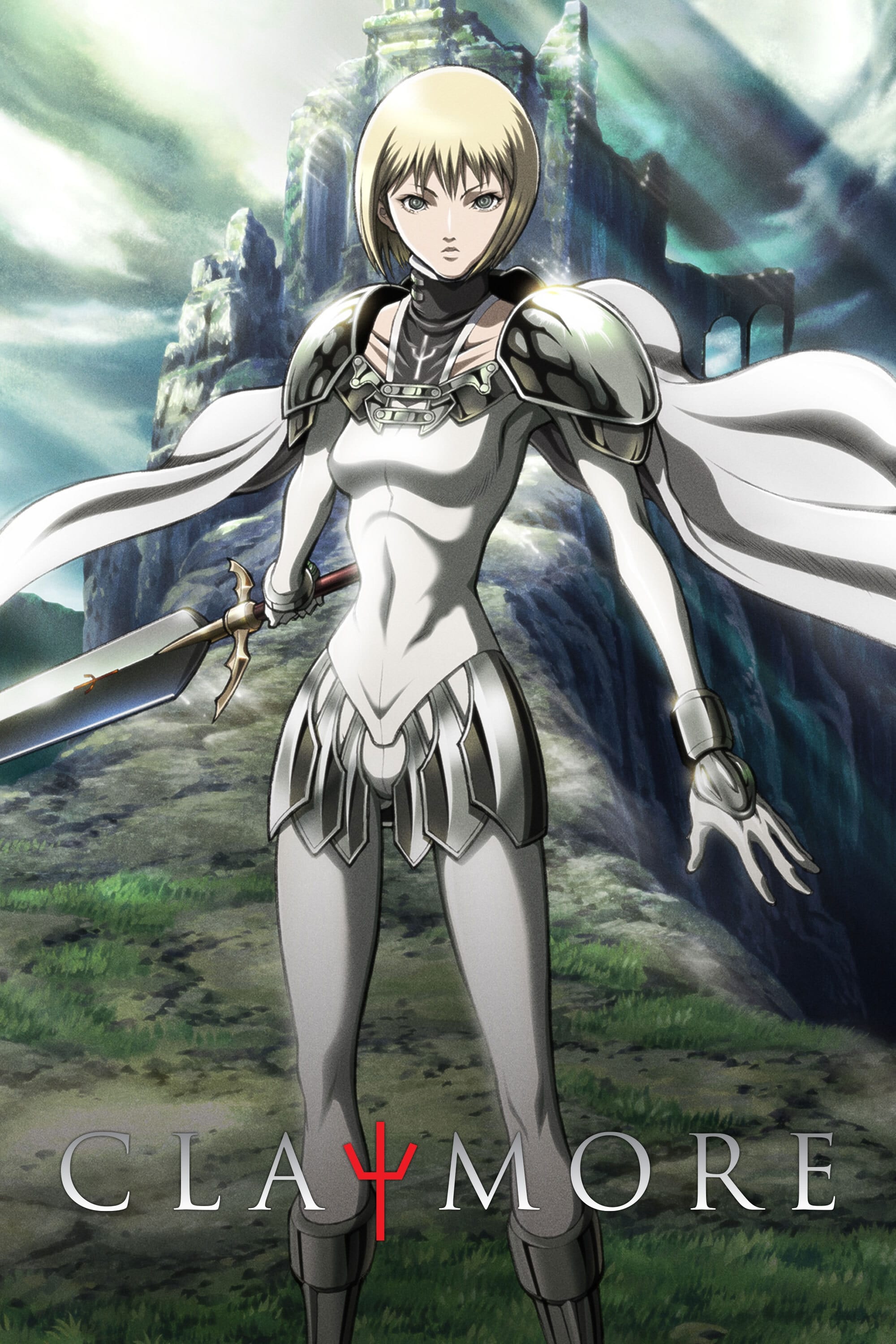
‘Claymore’ is set in a world where half-human, half-demon warriors protect humanity from monsters called Yoma. The 26-episode anime stayed faithful to the manga until the final few episodes, where it diverged to create a self-contained ending. At the time of production, the manga was still ongoing and had many years of story left to tell. The anime-original conclusion involved a premature confrontation that did not occur in the source material. Consequently, the deeper lore regarding the Organization and the lands beyond the island was never explored.
‘Baccano!’ (2007)
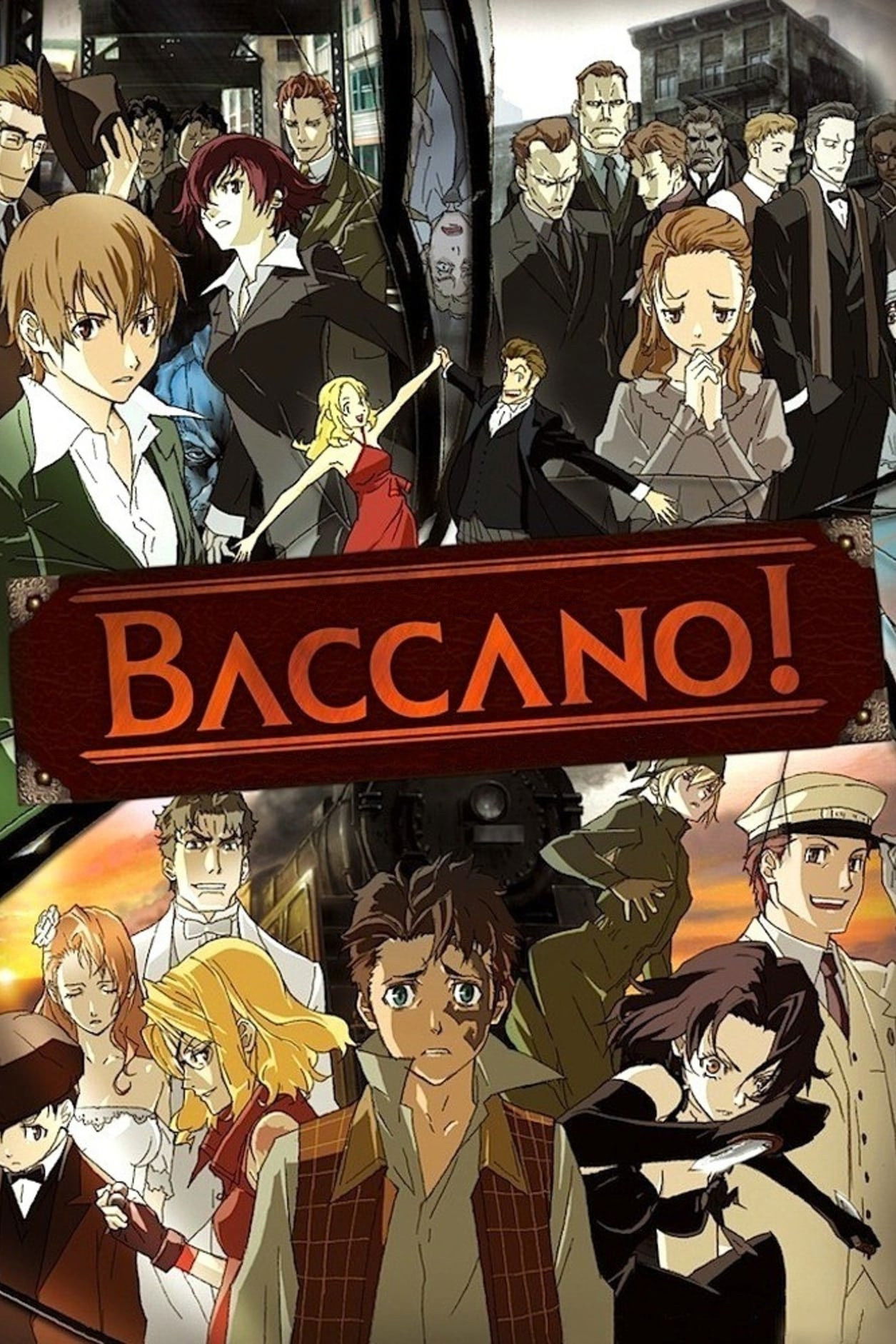
‘Baccano!’ is a non-linear story involving alchemists, mobsters, and thieves in Prohibition-era America. The 13-episode series (plus three OVA episodes) adapted the first few volumes of the light novel series. While the anime provides a satisfying conclusion to its specific plot threads, the overall story of the immortals continues for many more volumes. The light novels, written by Ryohgo Narita, delve much deeper into the characters’ histories and future conflicts. No further seasons were produced to cover the extensive remaining material.
‘Fruits Basket’ (2001)
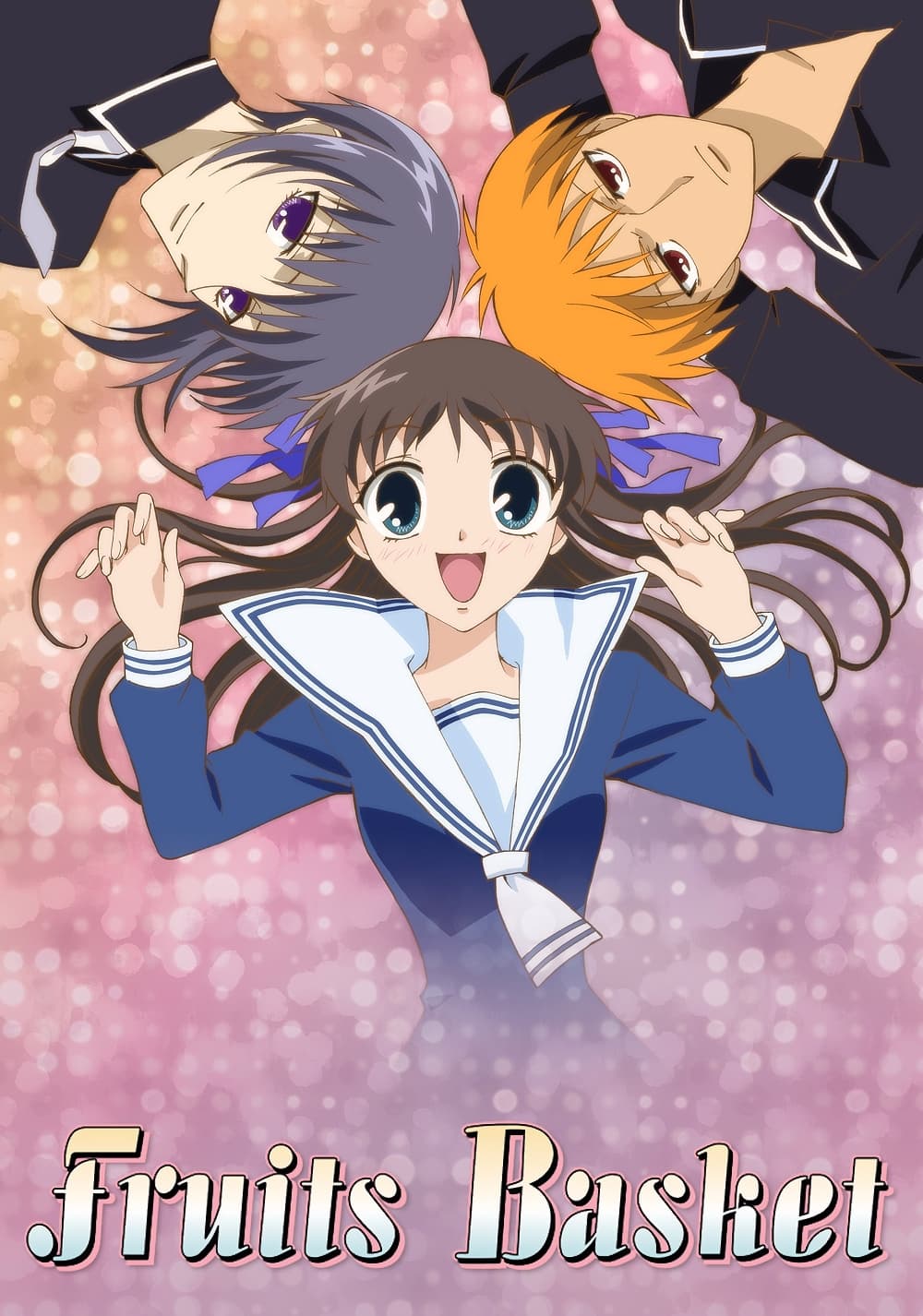
The 2001 version of ‘Fruits Basket’ was a massive success, but it only adapted a small portion of the 23-volume manga. The series ended after 26 episodes, omitting the backstories of many Zodiac members and the true nature of the curse. This was due to the manga being far from finished and disagreements between the director and the author, Natsuki Takaya. It took nearly 20 years for a complete reboot to be produced that followed the story to its end. The original 2001 series remains a nostalgic but incomplete fragment of the narrative.
‘The Guyver: Bio-Booster Armor’ (1989)
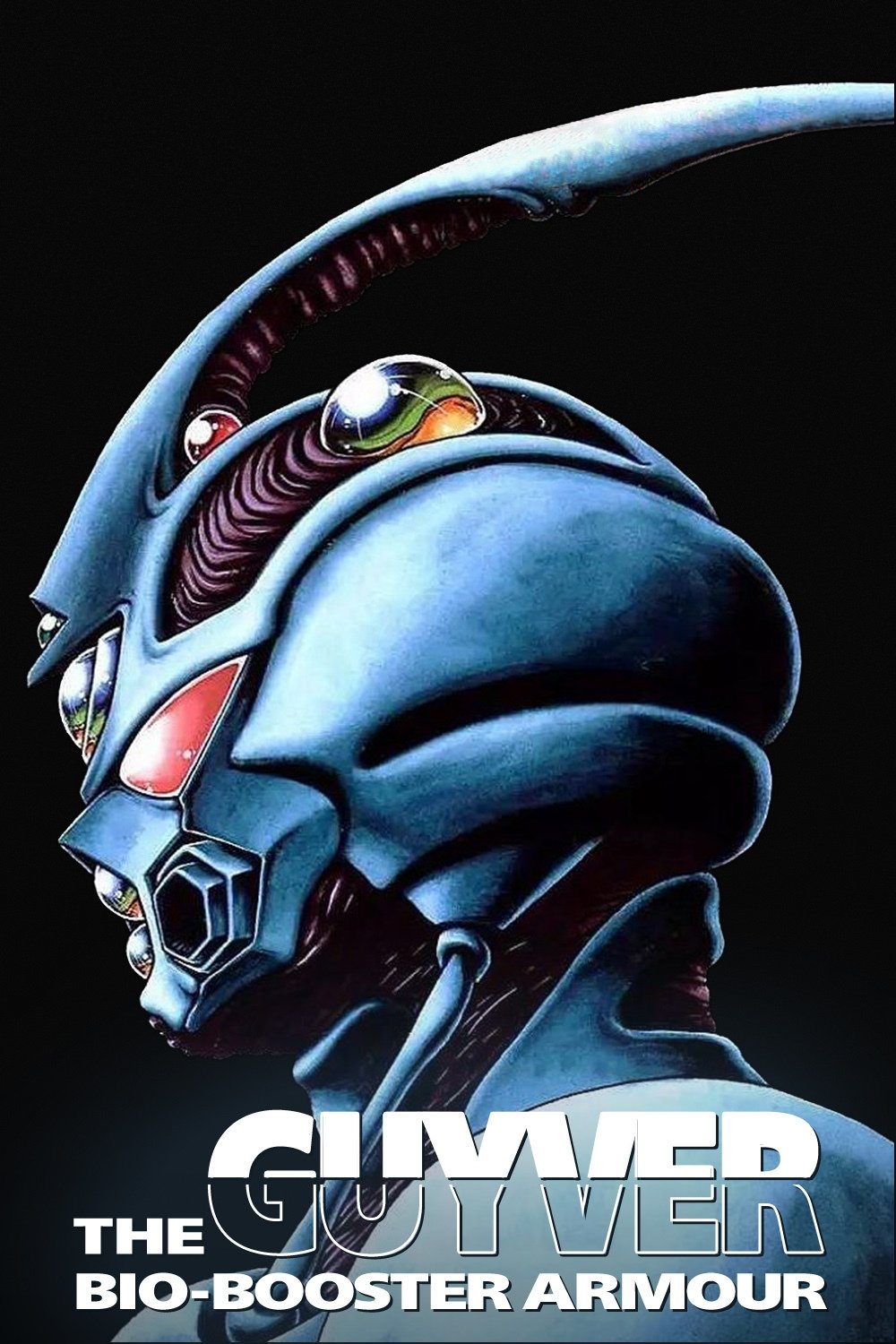
This adaptation of ‘Guyver’ followed a high school student who becomes bonded to a powerful alien suit of armor. The 26-episode series provided a more modern look at the classic manga and covered up to the battle with the Zoalord Richard Guyot. However, the manga has been in publication since 1985 and has gone through numerous hiatuses, making a full adaptation difficult. The anime ends with the protagonist entering a new stage of conflict that is never resolved. The story remains in limbo in both the manga and anime formats.
‘Wonder Egg Priority’ (2021)
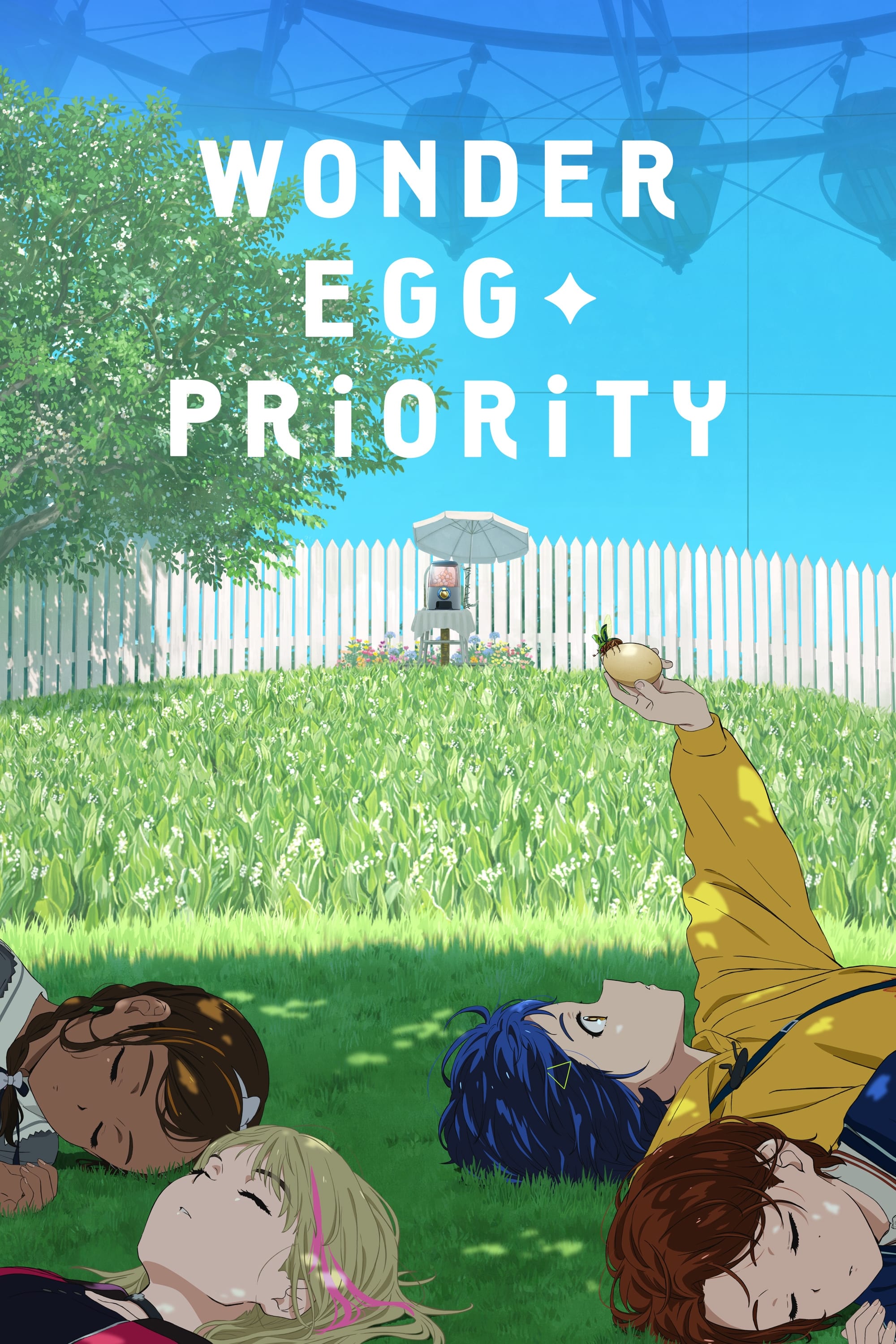
‘Wonder Egg Priority’ gained attention for its unique visual style and its exploration of heavy psychological themes. The series faced significant production delays, leading to the final episode being released as a special months after the main season ended. This special episode was widely criticized for failing to resolve the central mysteries and relying heavily on recap footage. The creator’s vision for the ending was compromised by the production issues, leaving the story’s resolution feeling disjointed and unfinished. No further content has been announced to clarify the plot.
‘Panty & Stocking with Garterbelt’ (2010)
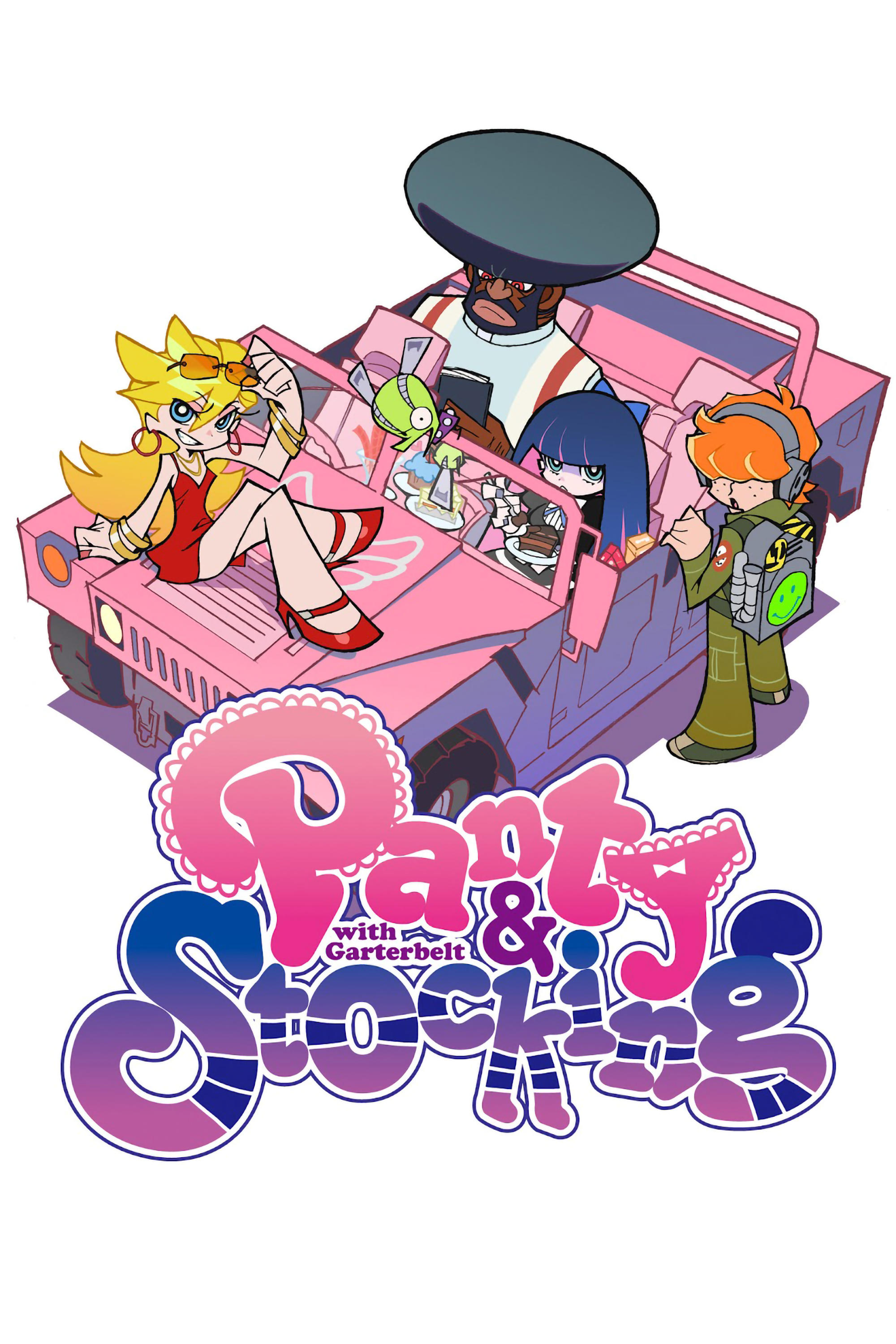
‘Panty & Stocking with Garterbelt’ is a high-energy comedy about two angels kicked out of heaven for bad behavior. The final episode features a massive plot twist that completely changes the status of the main characters and ends on a “To Be Continued” screen. Shortly after the series aired, many of the key staff members left Studio Gainax to form Studio Trigger. This staff departure and legal rights issues prevented a second season from being made for over a decade. While a new project was recently announced by Trigger, the original story sat unfinished for 13 years.
‘No Game No Life’ (2014)
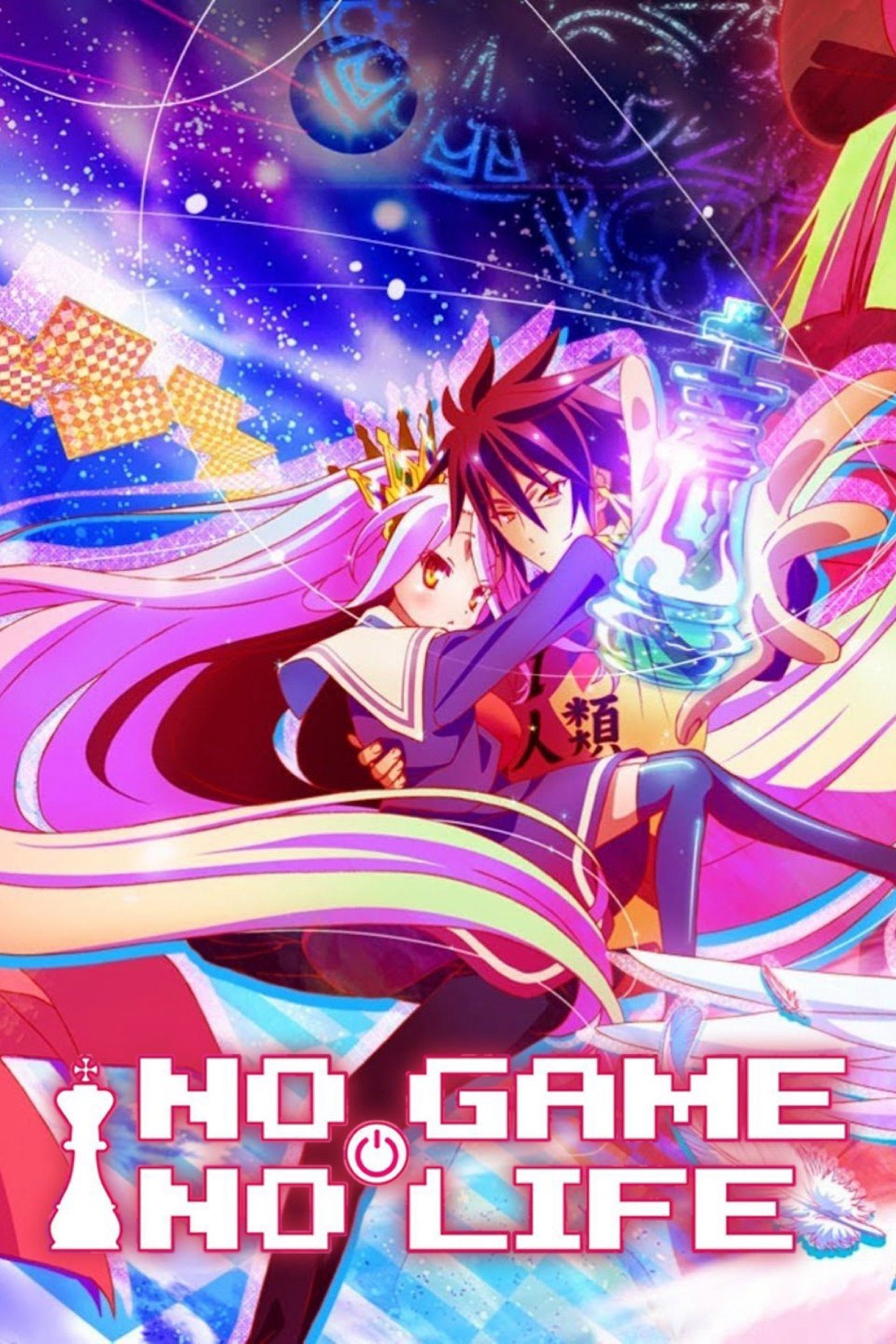
‘No Game No Life’ follows two genius siblings who are transported to a world where every conflict is settled through games. The anime covers the first three volumes of the light novels and ends with a major reveal regarding the world’s gods. Despite its immense popularity and a successful prequel film, a second season has never been produced. Fans have spent years speculating on the reasons for the delay, ranging from health issues of the author to copyright controversies. The story remains at a standstill just as the main characters begin their quest to challenge God.
‘Magi: The Labyrinth of Magic’ (2012–2014)

‘Magi’ is an epic fantasy inspired by ‘One Thousand and One Nights’, following the adventures of Aladdin and Alibaba. The anime received two seasons that covered the first half of the manga, ending after the Magnostadt arc. Although the manga continued for several more years and reached a definitive conclusion, the anime was never renewed for a third season. Significant arcs involving the history of the world and the final battle for fate were never animated. The series remains one of the most frequently cited examples of a popular show that stopped mid-way.
Share your favorite incomplete series and your theories on how they should have ended in the comments.