TV Shows That Were Cancelled Because The Set Was Too Toxic


The television industry has faced a significant reckoning in recent years as viewers and networks alike demand more accountability for what happens behind the scenes. While many shows are cancelled due to low ratings or high costs, an increasing number of productions are meeting their end because of toxic workplace environments. These issues range from systematic harassment and bullying to dangerous safety violations that put the cast and crew at risk. When the culture on set becomes a liability for the network or a danger to those involved, cancellation is often the only path forward to ensure professional standards are upheld.
‘The Ellen DeGeneres Show’ (2003–2022)
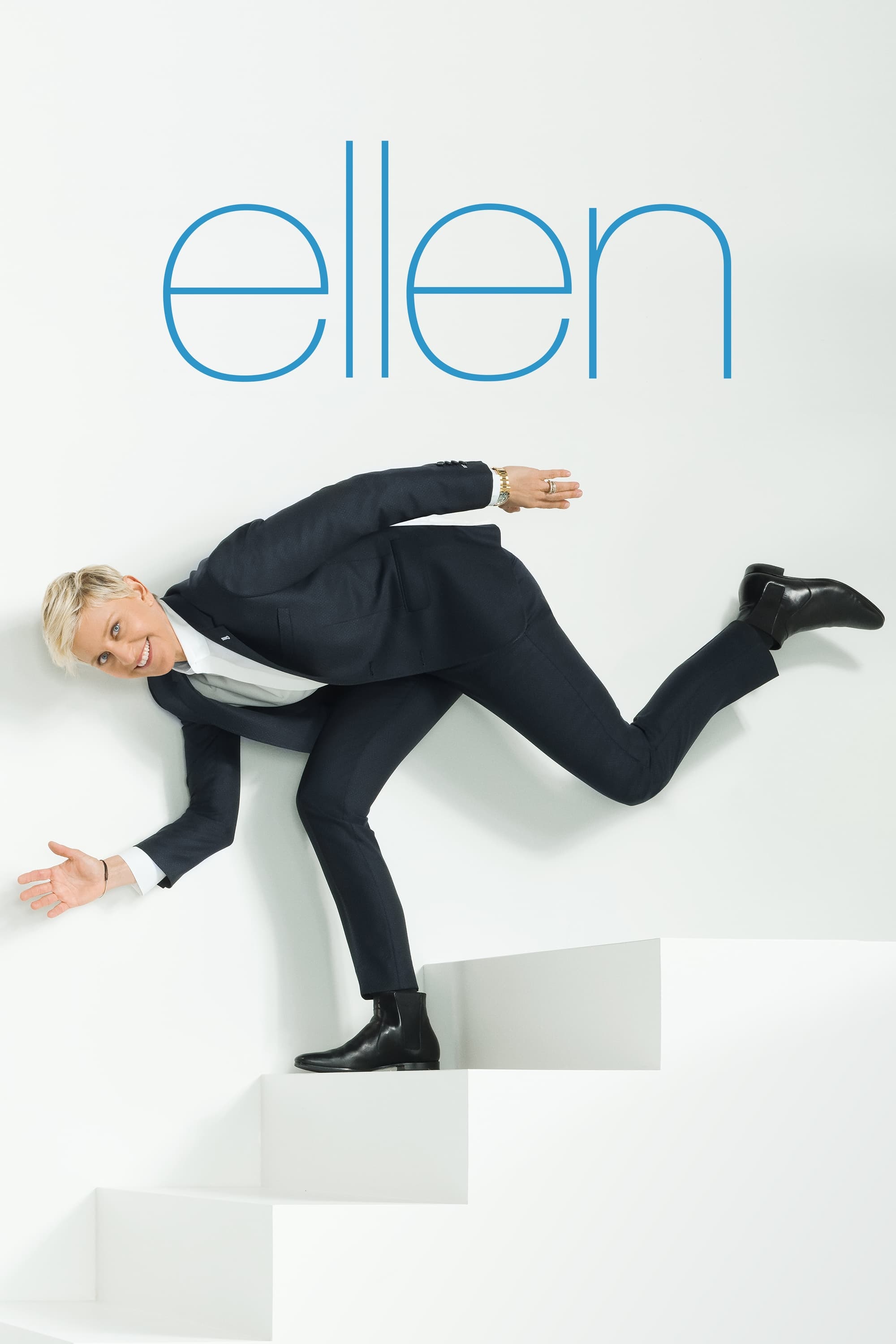
This long-running talk show faced a public downfall after numerous reports detailed a toxic workplace environment behind the scenes. Employees alleged they faced intimidation, racial microaggressions, and a culture of fear fostered by executive producers. While Ellen DeGeneres initially apologized and implemented changes, the show’s ratings plummeted significantly following the scandal. The production eventually concluded its run after its nineteenth season as advertisers and viewers distanced themselves from the brand.
‘Roseanne’ (1988)
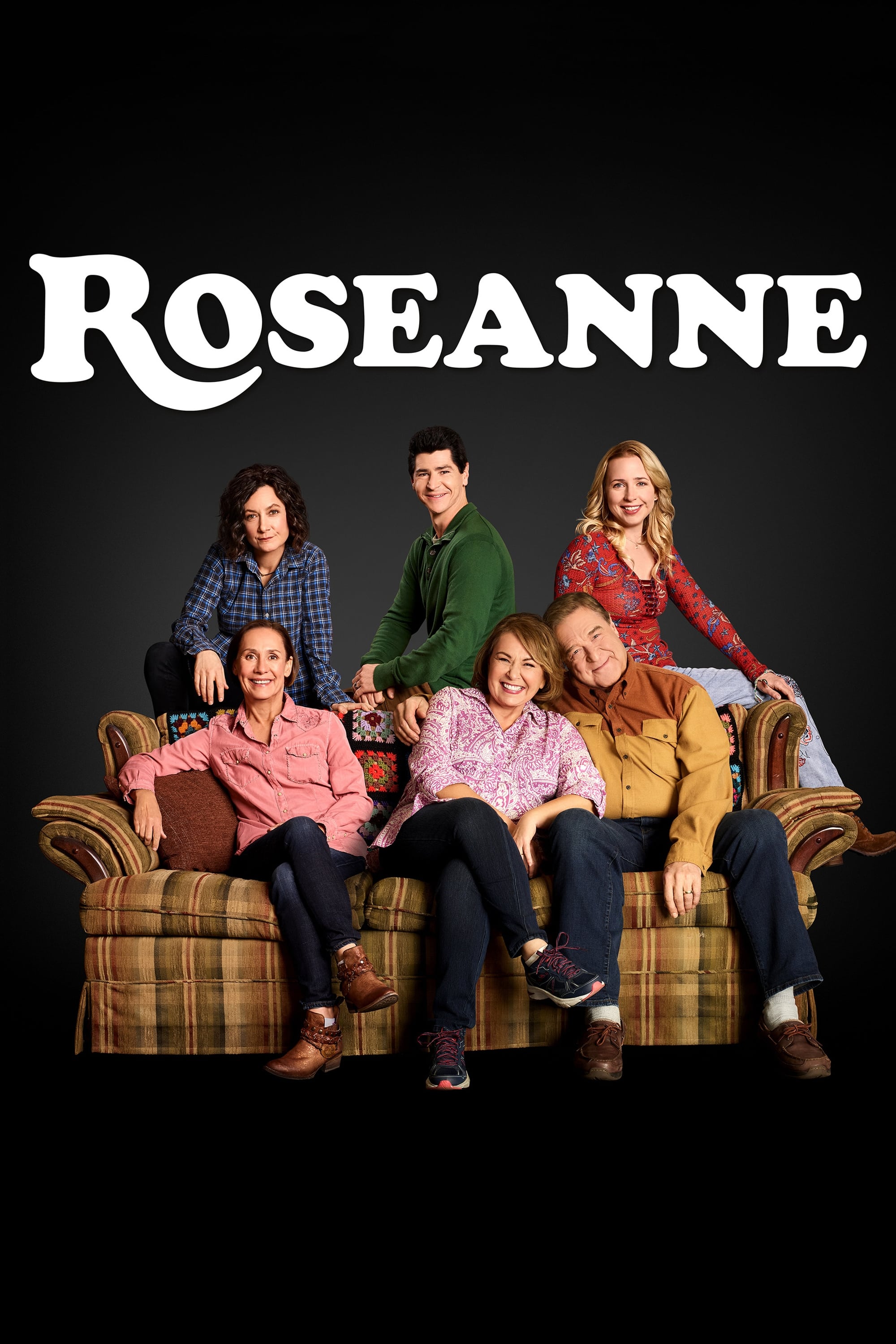
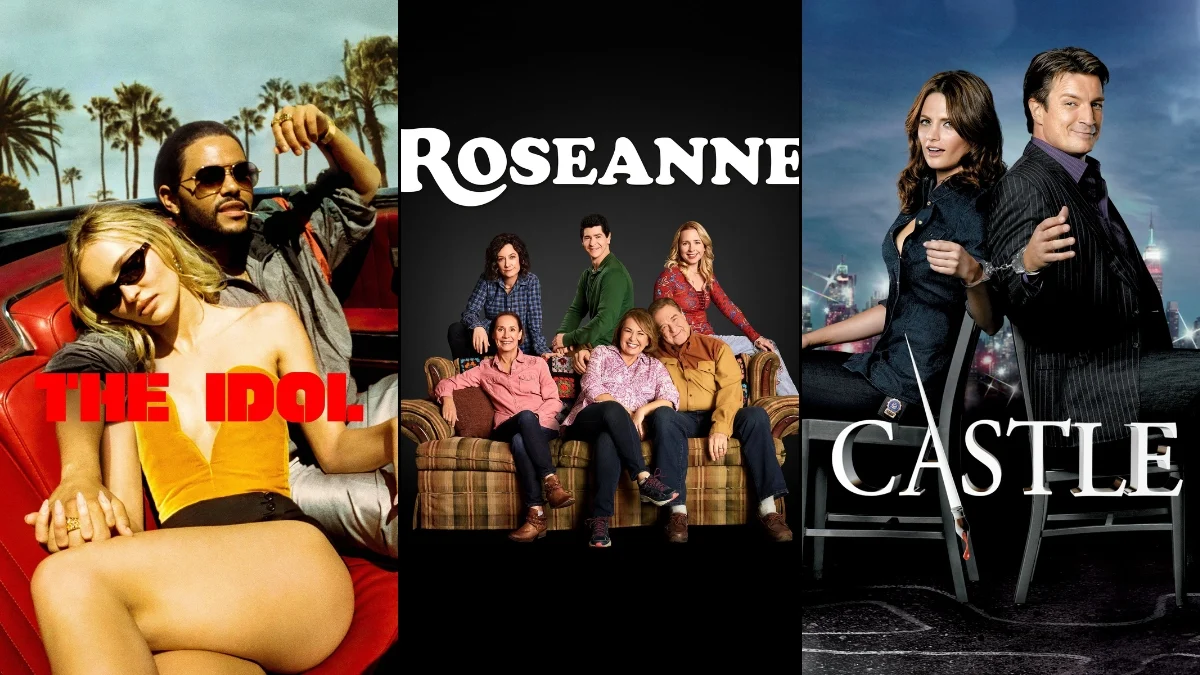
The highly successful revival of this sitcom was abruptly cancelled by ABC after lead actress Roseanne Barr posted a racist tweet directed at a former government official. Despite strong viewership numbers, the network deemed her behavior incompatible with their values and the inclusive environment they sought to maintain. The decision was made swiftly to protect the integrity of the production and the network’s reputation. Eventually, the show was rebranded as ‘The Conners’ without the lead’s involvement to allow the rest of the cast to continue working.
‘House of Cards’ (2013–2018)
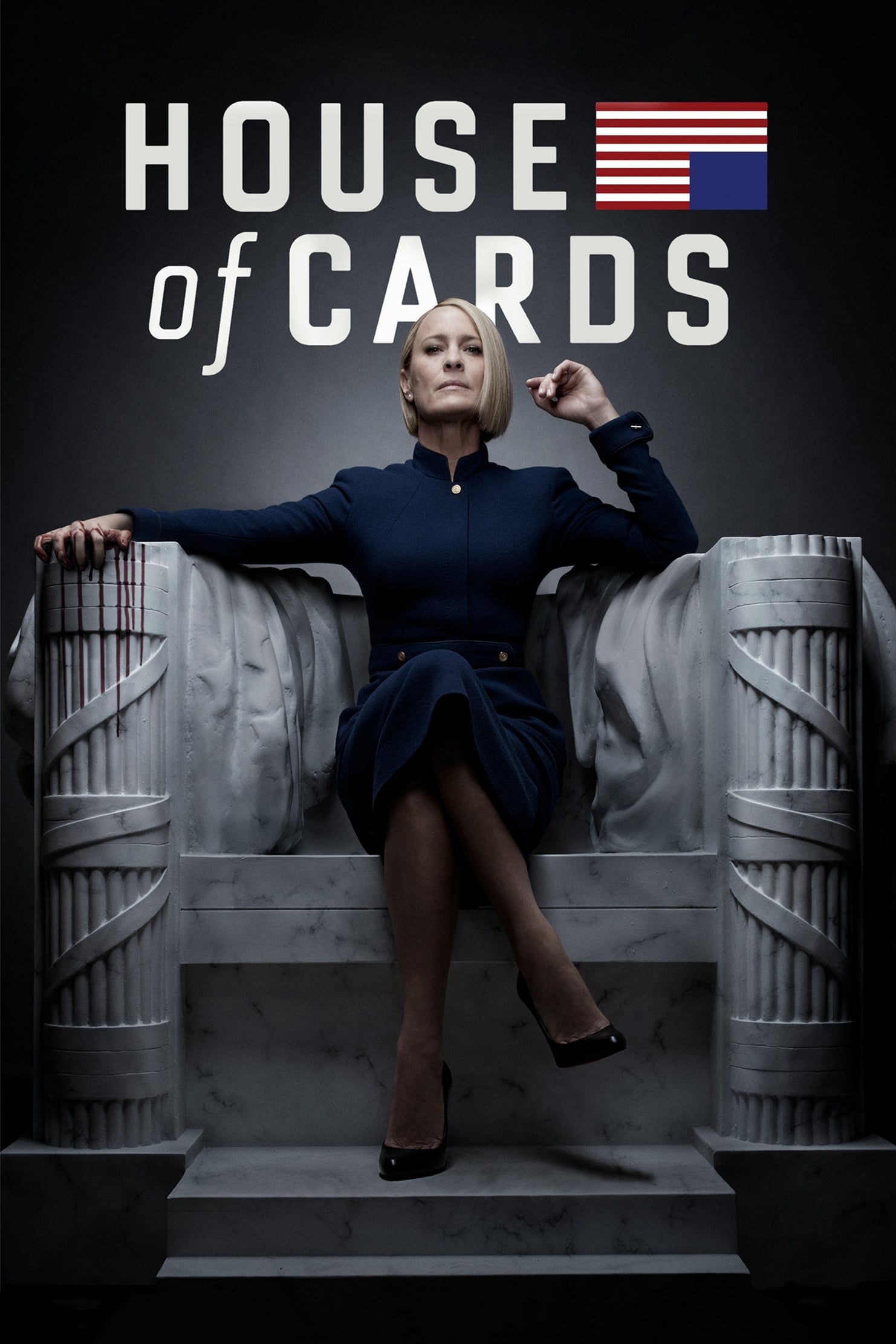
Netflix terminated its relationship with lead actor Kevin Spacey after multiple allegations of sexual misconduct surfaced, including some from the production set itself. Production on the final season was temporarily suspended while the studio investigated reports of a predatory environment fostered by the star. To salvage the series, writers chose to kill off his character and shift the focus to Robin Wright for a shortened final season. The controversy fundamentally altered the show’s legacy and forced a complete restructuring of the workplace culture for the remaining crew.
‘Luck’ (2012–2012)
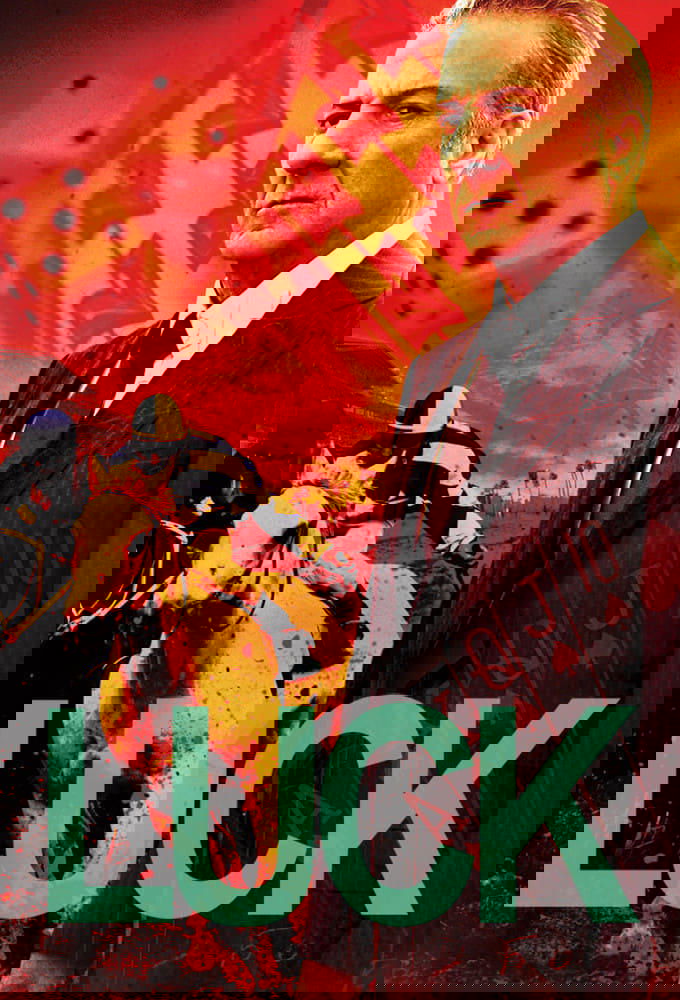
This high-stakes horse racing drama on HBO was cancelled during the production of its second season due to severe animal safety concerns. Three horses died during the making of the series, leading to intense pressure from animal rights organizations and investigations into set safety. The production environment was deemed too hazardous to continue, prompting the network to shut down the project entirely. This incident sparked industry-wide conversations about the treatment of animals in television and the ethics of high-risk productions.
‘The Idol’ (2023)
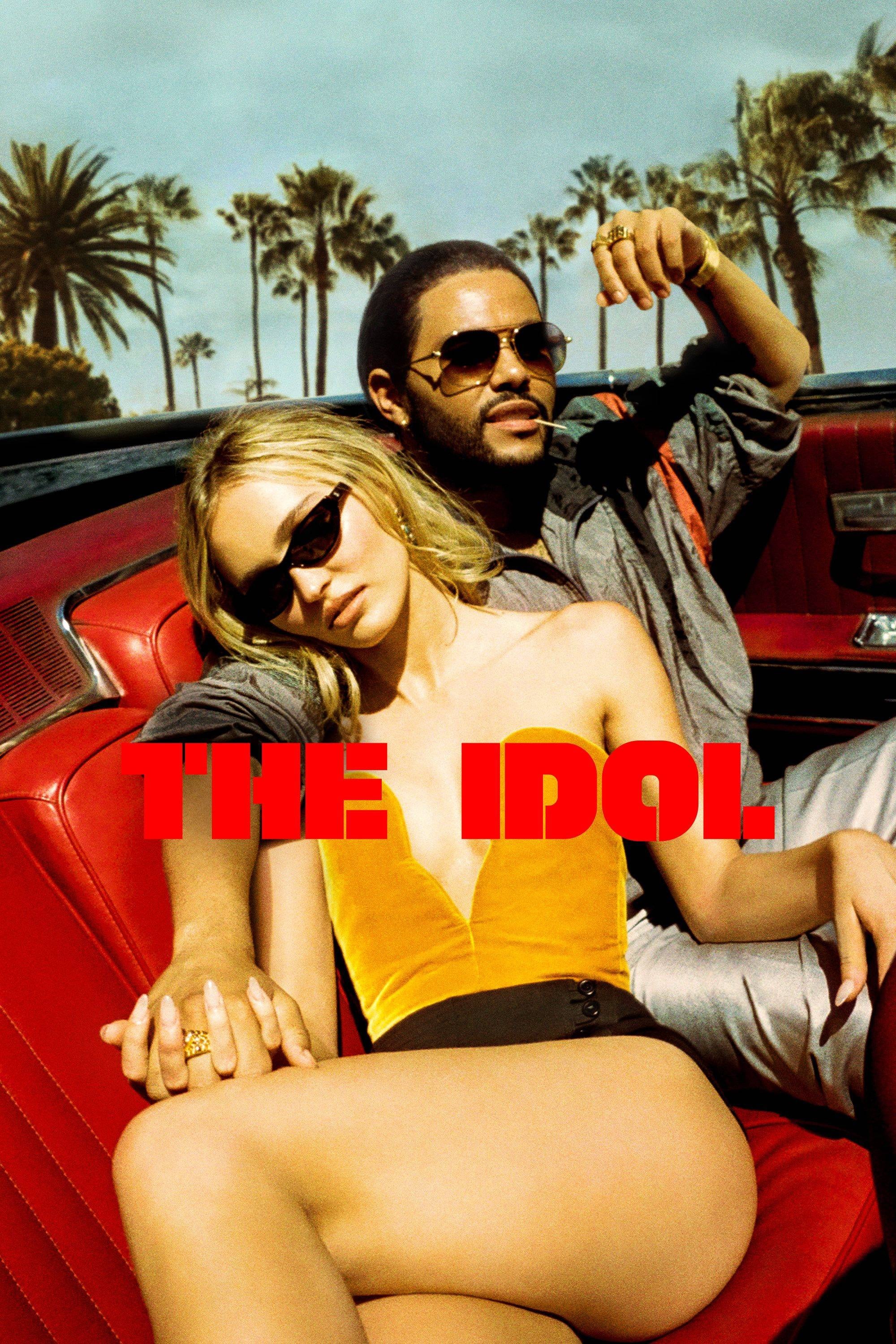
HBO’s provocative drama faced significant backlash following a report that characterized the production as toxic and highly disorganized. Sources from the set described a chaotic filming environment marked by constant script changes and a shift toward disturbing content after the original director’s exit. While the series aired its first season, it was not renewed for a second installment amid critical panning and controversy regarding its creative direction. The negative press surrounding the behind-the-scenes turmoil overshadowed the actual content of the show.
‘SMILF’ (2017–2019)
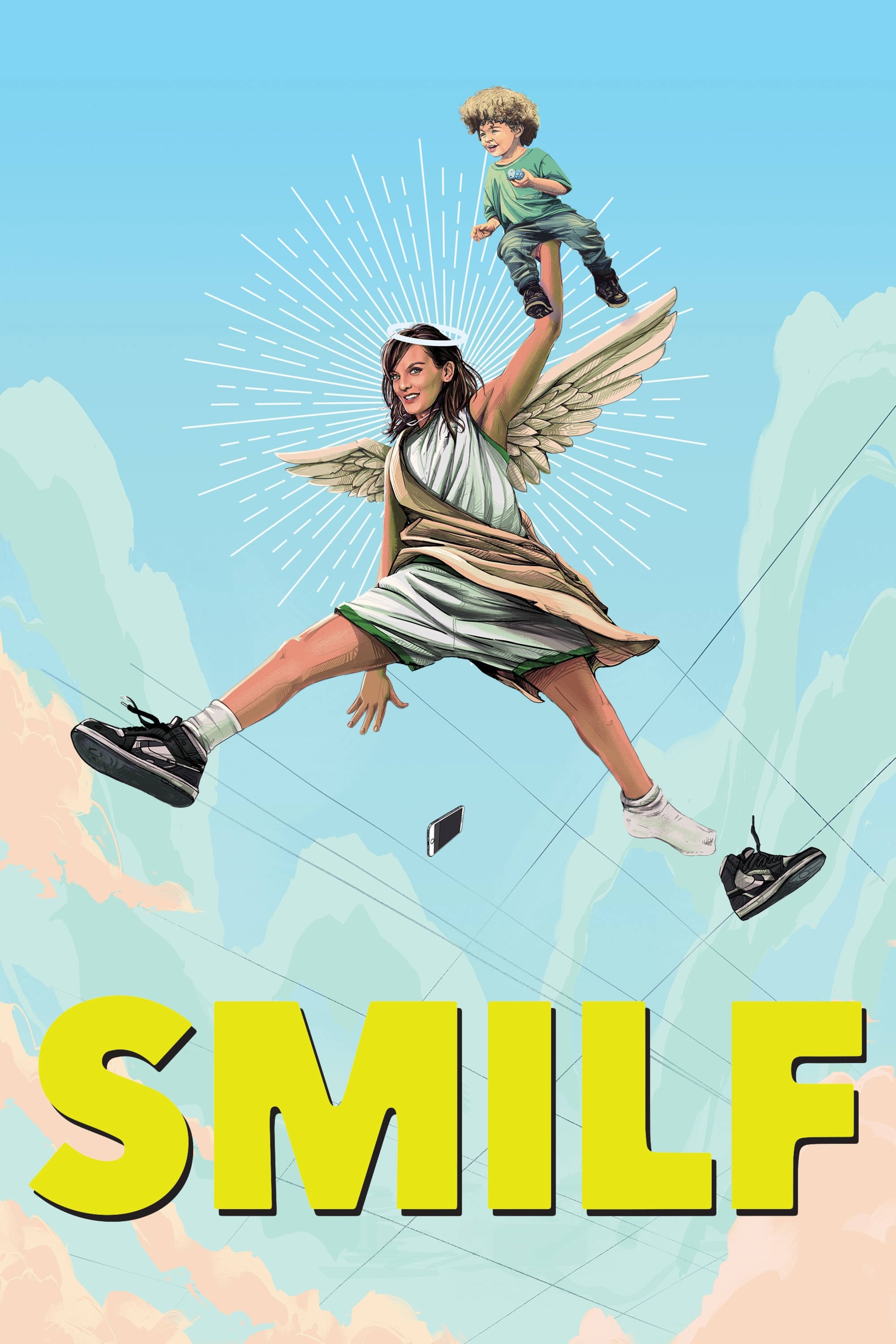
Showrunner and star Frankie Shaw faced allegations of professional misconduct and inappropriate behavior on the set of this Showtime series. ABC Signature Studios launched an investigation into reports of breached contracts and an uncomfortable environment for the cast and crew. The network ultimately decided to cancel the series after two seasons despite its critical acclaim and awards recognition. The decision came as a direct result of the findings regarding the production’s internal culture and the lead’s management style.
‘The Royals’ (2015–2018)
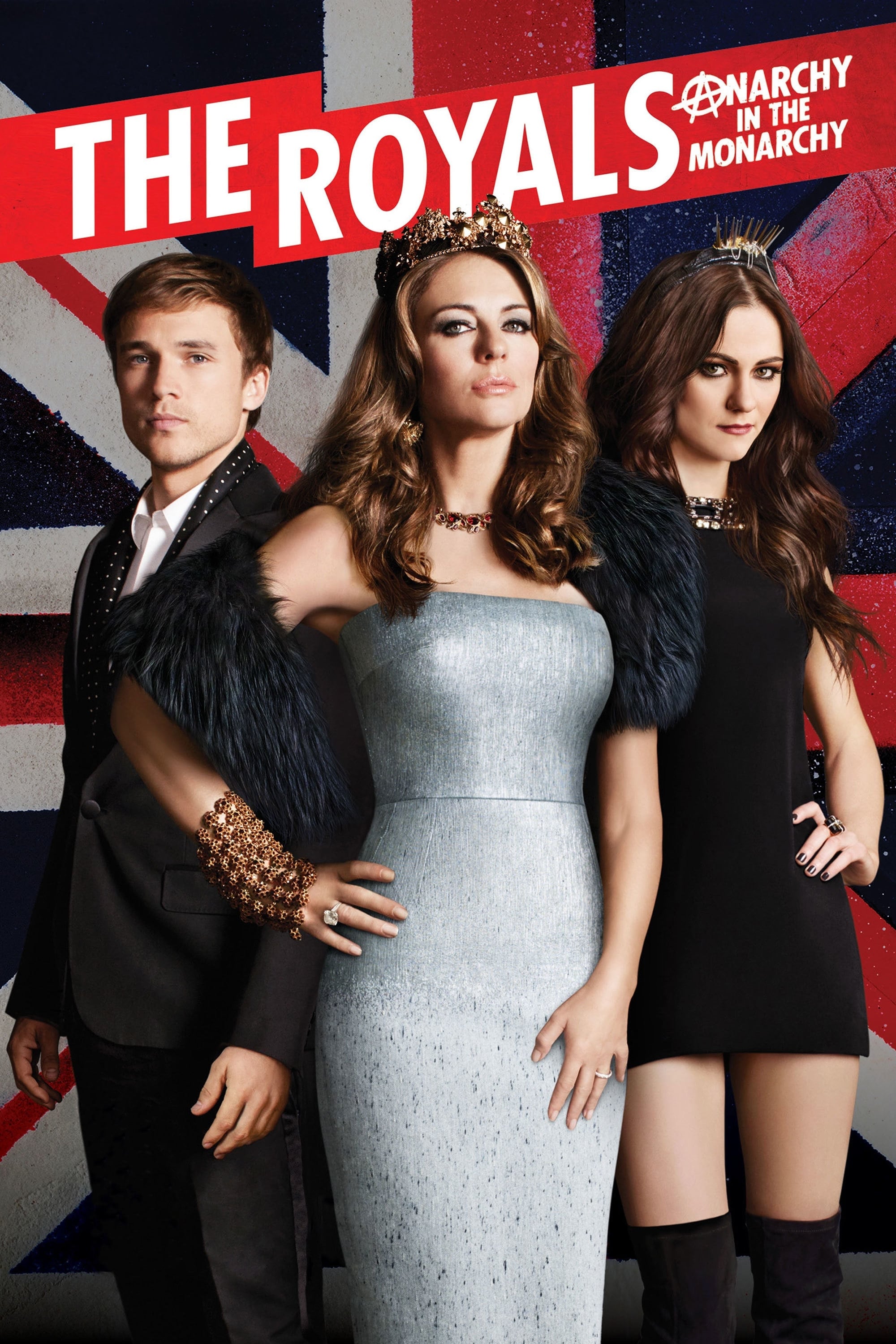
E! cancelled this scripted drama after its fourth season following sexual harassment allegations against showrunner Mark Schwahn. Over twenty-five women from the production signed a letter detailing his inappropriate behavior and the toxic atmosphere he created during the show’s run. The network suspended and eventually fired Schwahn, but the damage to the production’s stability and reputation led to the show’s end. This cancellation highlighted the growing movement to hold high-level creators accountable for their actions on set.
‘Lethal Weapon’ (2016–2019)
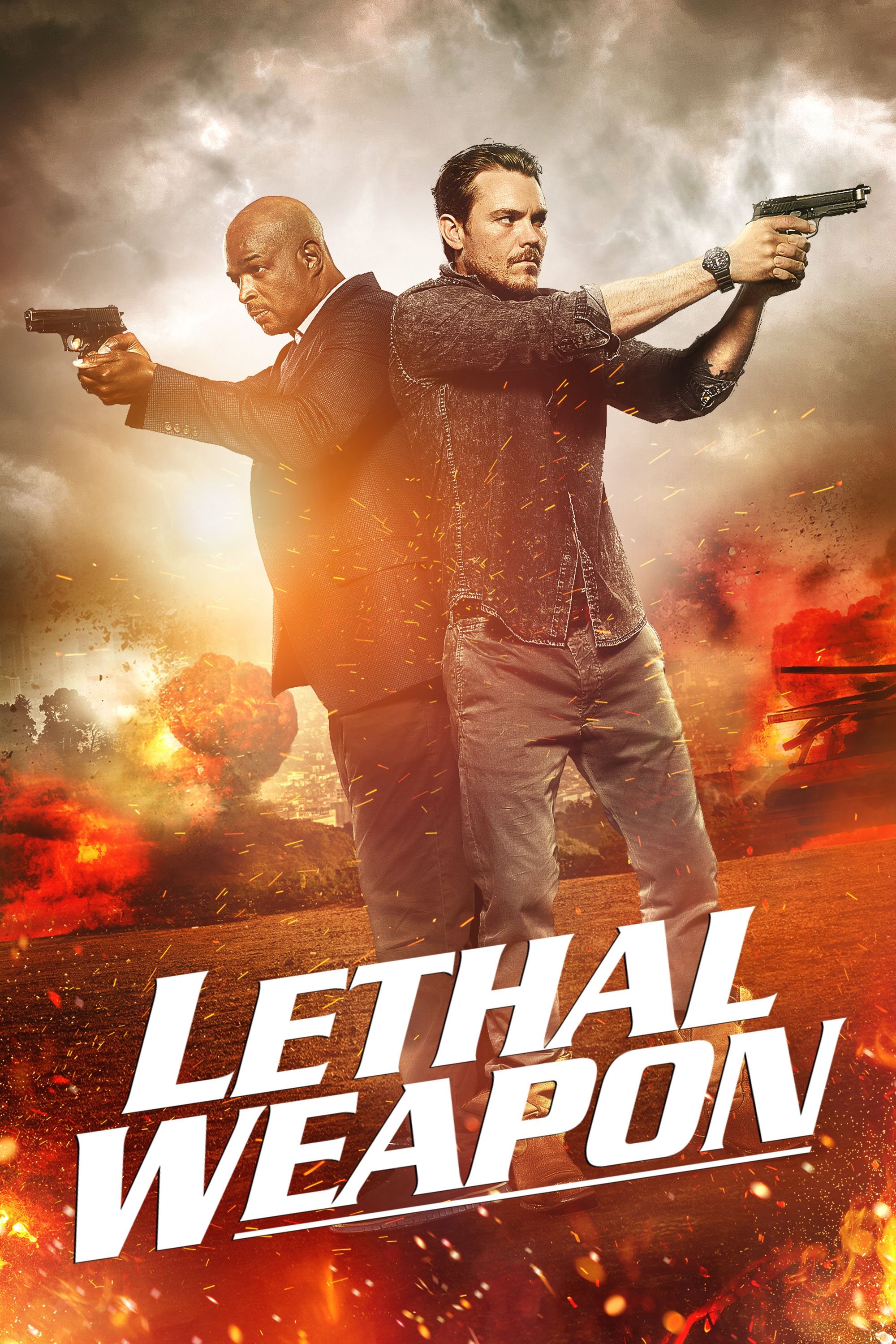
The television adaptation of the classic film franchise was plagued by a public feud between leads Clayne Crawford and Damon Wayans. Reports surfaced of multiple outbursts and unsafe conditions caused by Crawford, which led to his eventual firing from the series at the end of the second season. Although the show attempted to continue with a new lead, the tension behind the scenes had already alienated many crew members. The show was cancelled after its third season as the chemistry and stability of the production could not be recovered.
‘Wisdom of the Crowd’ (2017–2018)
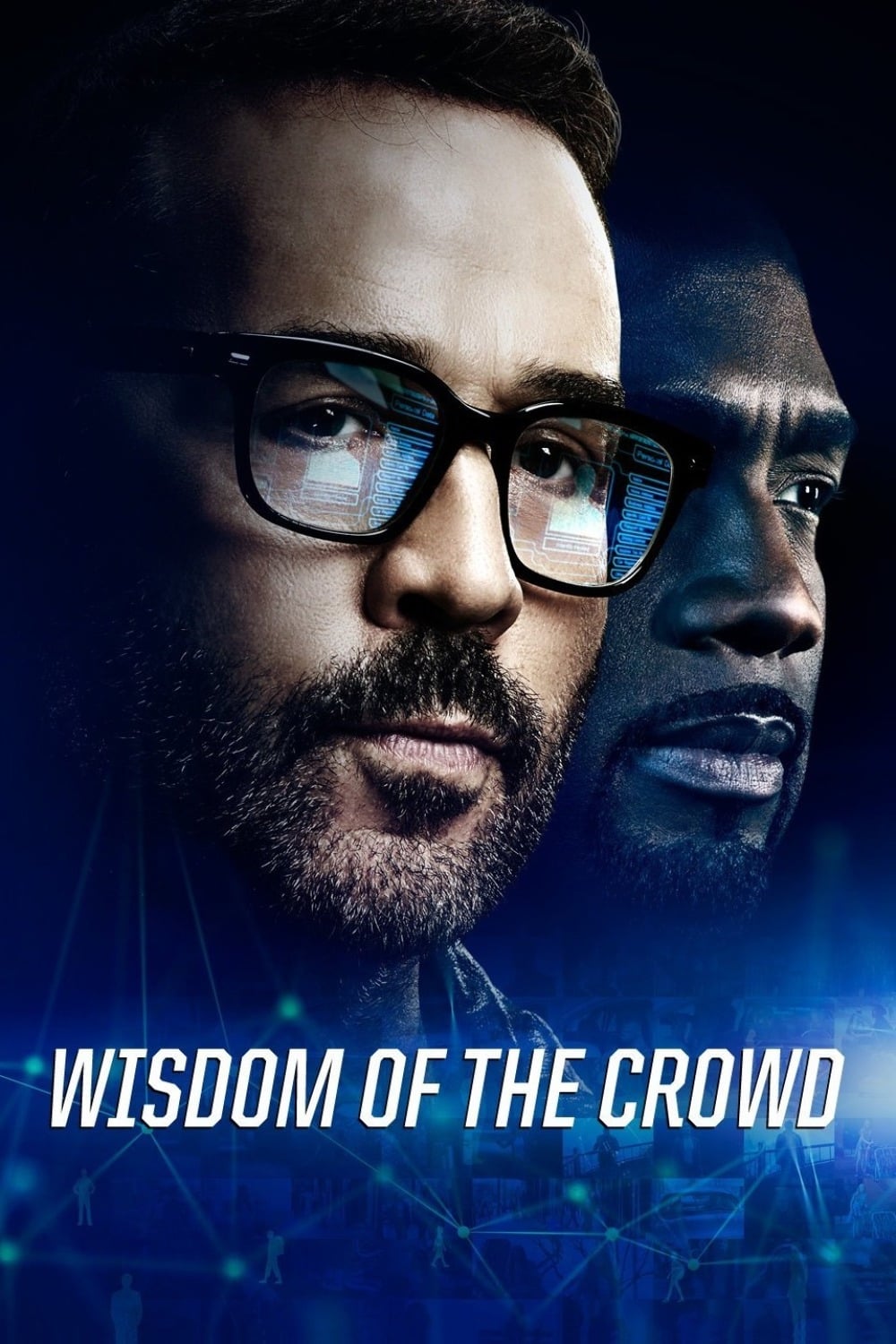
CBS opted not to order more episodes of this freshman drama after several women accused lead actor Jeremy Piven of sexual assault. The allegations created a difficult environment for the production, leading to a decision to let the initial thirteen-episode order run out without a renewal. While the network did not explicitly cite the allegations as the only reason, the timing and the nature of the controversy were widely recognized as the primary factors. The show was quietly removed from the schedule shortly after the news broke to avoid further negative publicity.
‘The Great American Baking Show’ (2015–2018)
The third season of this competition series was pulled from the air by ABC after just one episode following sexual harassment allegations against judge Johnny Iuzzini. The network also terminated its relationship with Iuzzini and decided not to air the remaining episodes of the season to protect the show’s brand. This swift action was taken to maintain a safe and respectful image for the normally wholesome franchise. The show eventually returned with a completely different judging panel after a significant hiatus.
‘Transparent’ (2014–2019)
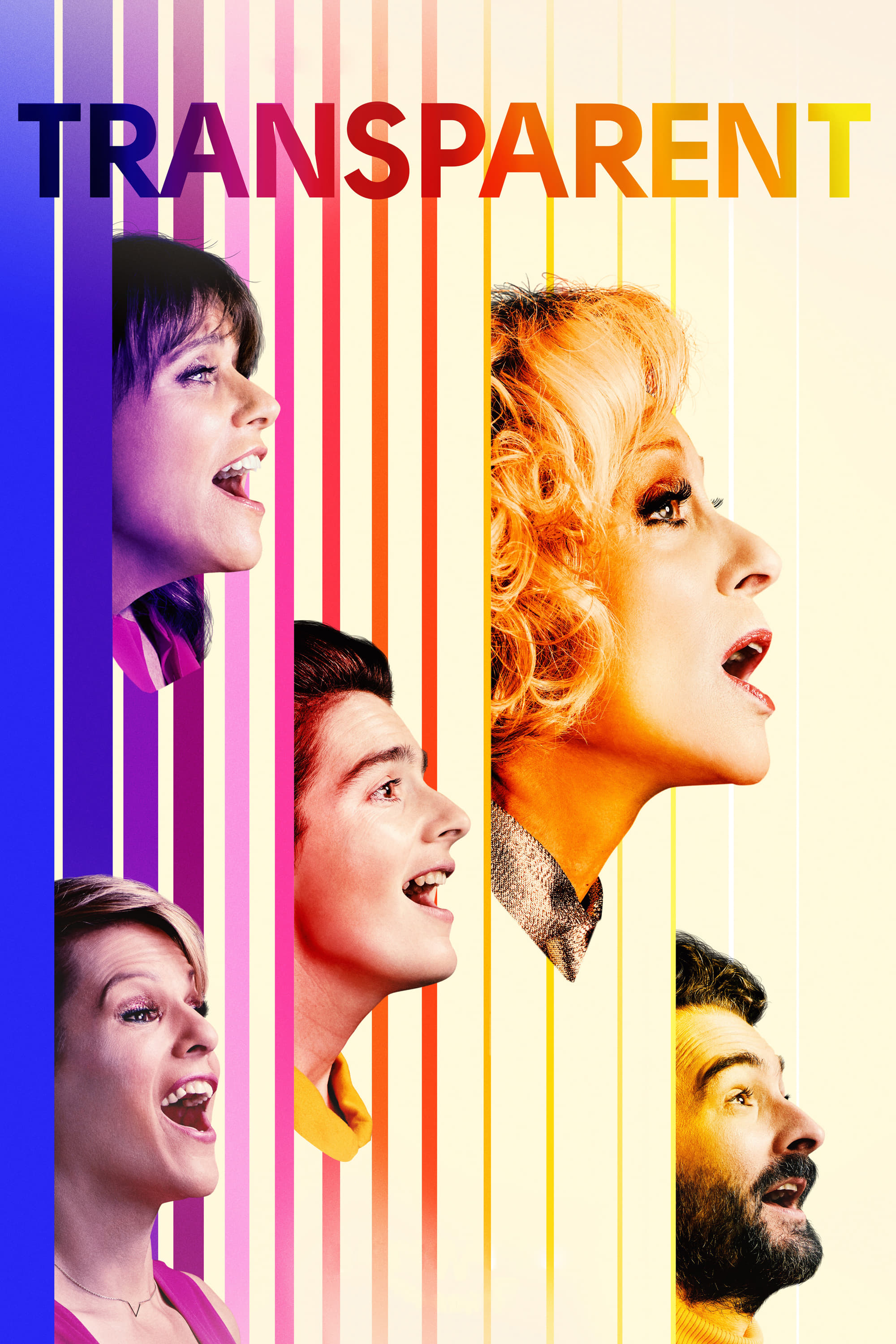
This groundbreaking Amazon series faced a major crisis when lead actor Jeffrey Tambor was accused of sexual harassment by cast members and staff. An internal investigation led to his removal from the show, which fundamentally changed the planned narrative for the final installments. The production environment was described as increasingly tense as the allegations came to light during the height of the MeToo movement. The series eventually concluded with a musical finale that functioned without its titular character.
‘American Gods’ (2017–2021)
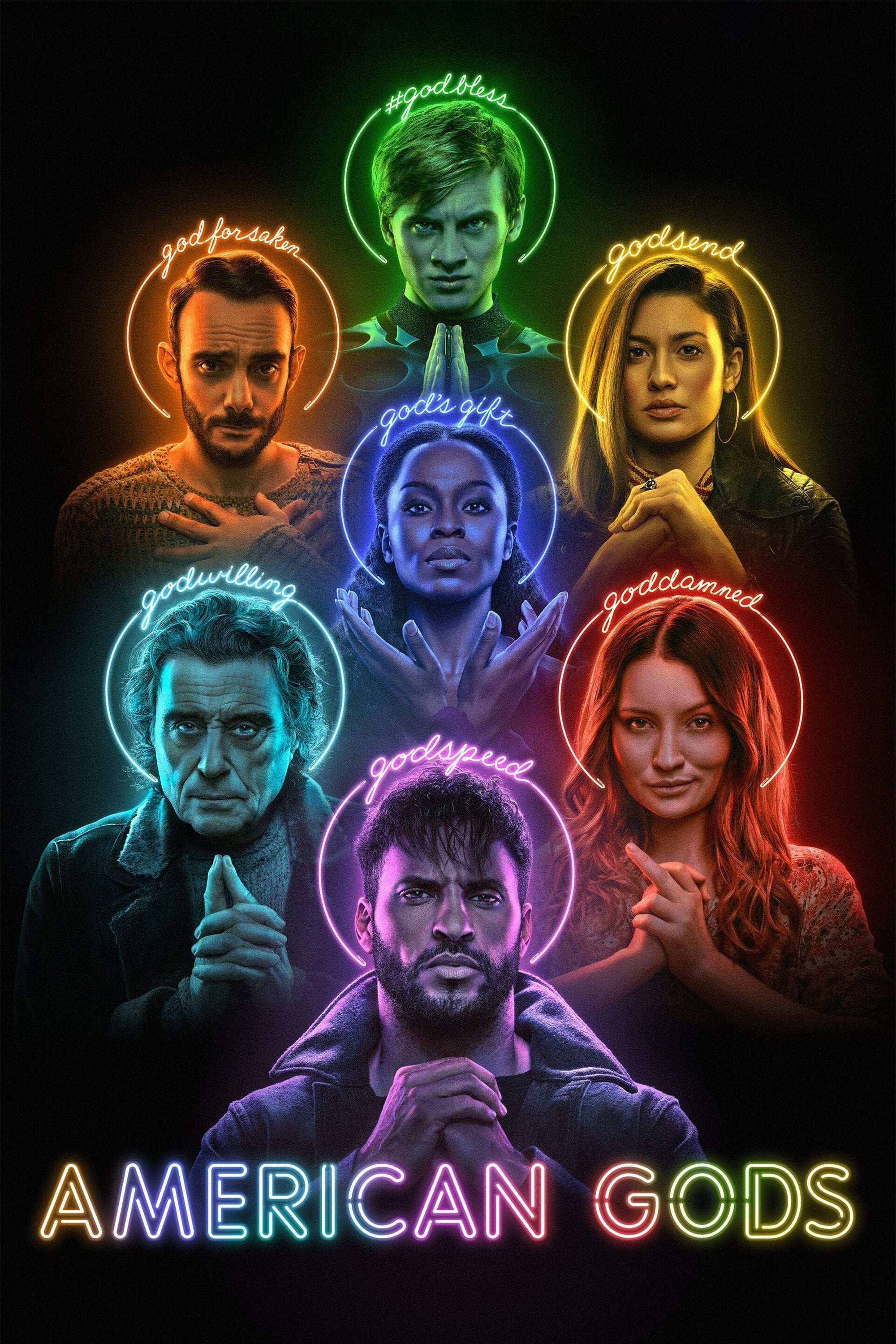
The production of this Starz series was famously turbulent, characterized by frequent changes in showrunners and multiple cast disputes. Creative differences and reports of a chaotic workplace led to the departure of several key actors and the original developers. The constant instability behind the scenes resulted in long delays between seasons and a sharp decline in viewership. Eventually, the network cancelled the series after three seasons, leaving the complex story unfinished due to the internal friction.
‘Castle’ (2009–2016)
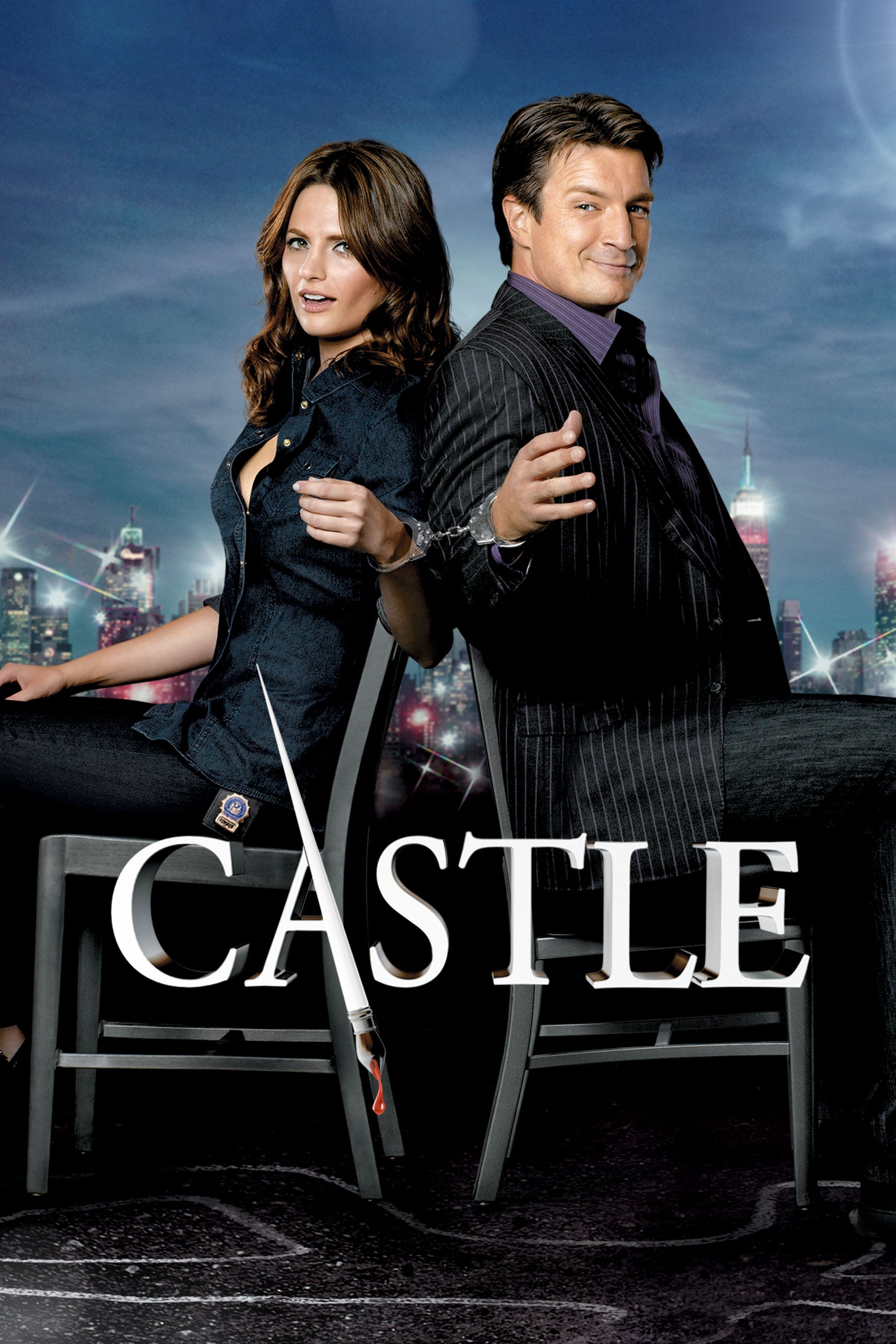
While the show enjoyed a long run, its final year was marred by reports of an intense personal feud between leads Nathan Fillion and Stana Katic. The atmosphere on set was described as extremely toxic, with rumors suggesting the two actors were required to attend counseling to remain professional. When the network announced Katic would be let go for a potential ninth season to manage the tension, fans reacted with significant outrage. ABC ultimately decided to cancel the series entirely rather than proceed without the central partnership in such a strained environment.
‘Batwoman’ (2019–2022)
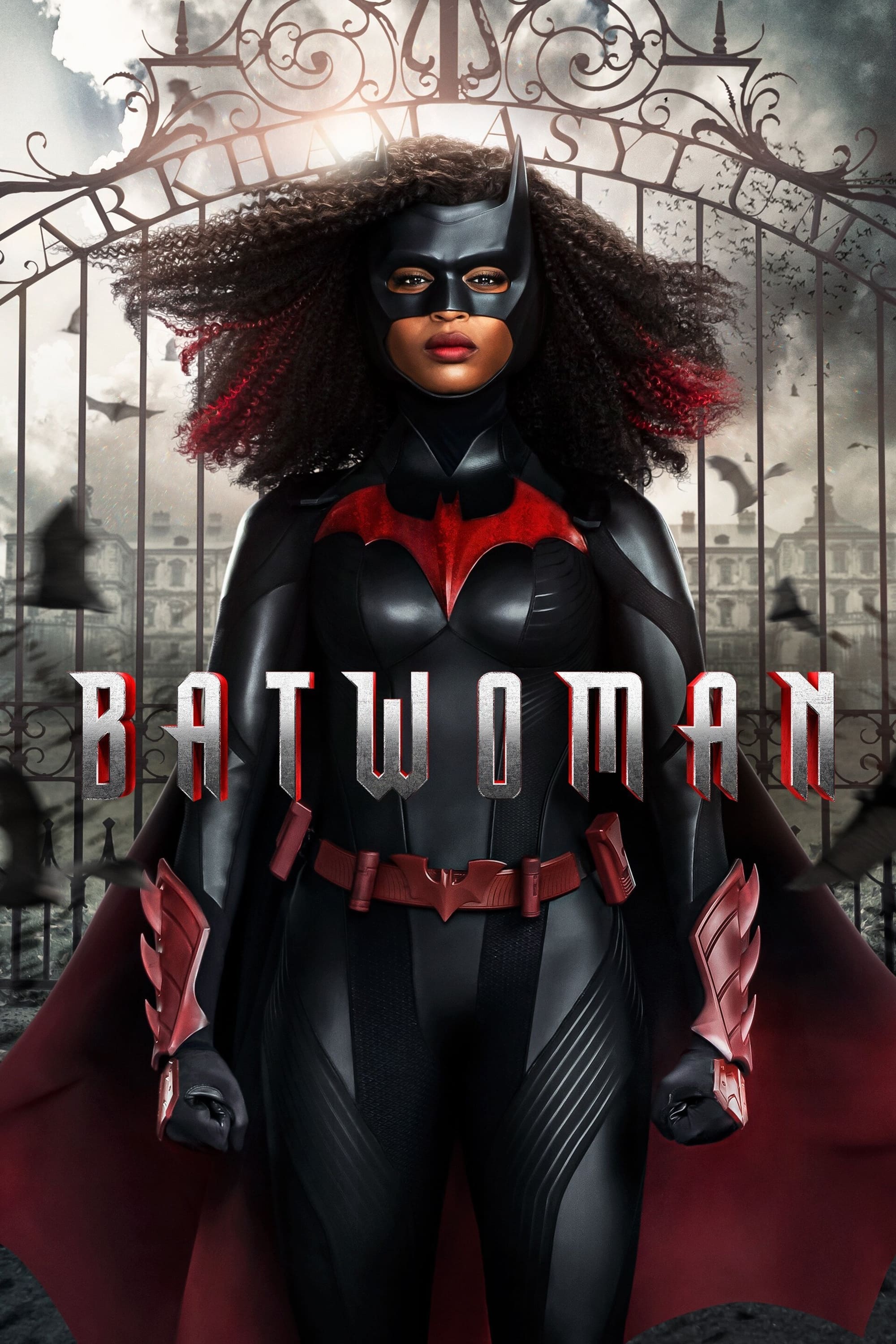
Following her departure after the first season, actress Ruby Rose alleged that the set was a breeding ground for unsafe working conditions and toxicity. She detailed instances of serious injuries, executive indifference, and a culture that ignored the well-being of the cast and crew. These public accusations cast a shadow over the production throughout its remaining two seasons under a new lead. While the show attempted to move forward, the combination of declining ratings and persistent controversy regarding its safety standards led to its cancellation.
‘Anger Management’ (2012–2014)
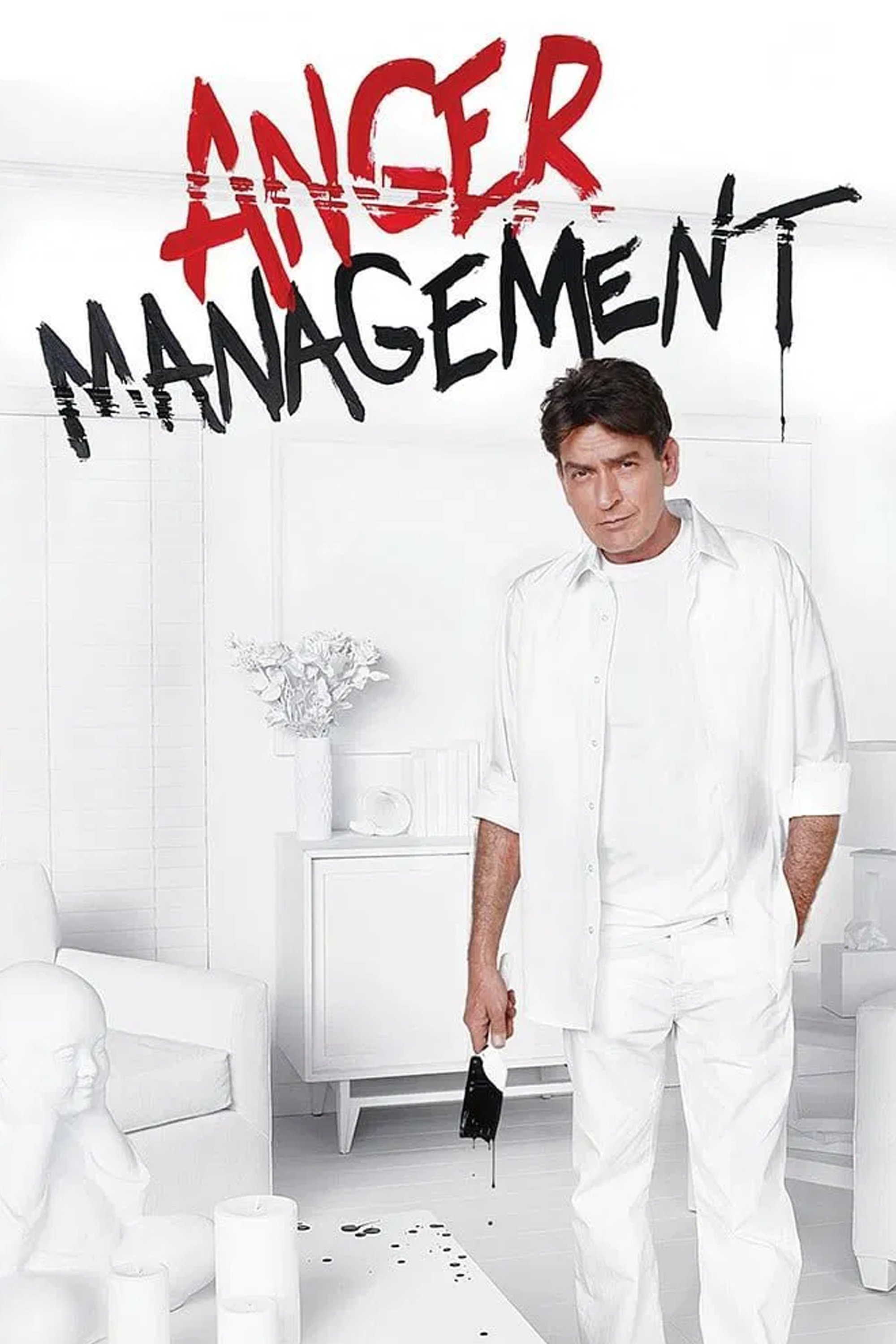
This sitcom suffered from a highly publicized fallout between star Charlie Sheen and co-star Selma Blair. Blair reportedly complained about Sheen’s work ethic and tardiness, which led to Sheen demanding her immediate firing from the production. The hostile environment created by this ultimatum disrupted the creative flow of the series and alienated parts of the staff. Although the show met its initial syndication goal, the internal strife ensured there was no future for the project beyond its initial order.
‘Common Law’ (2012)
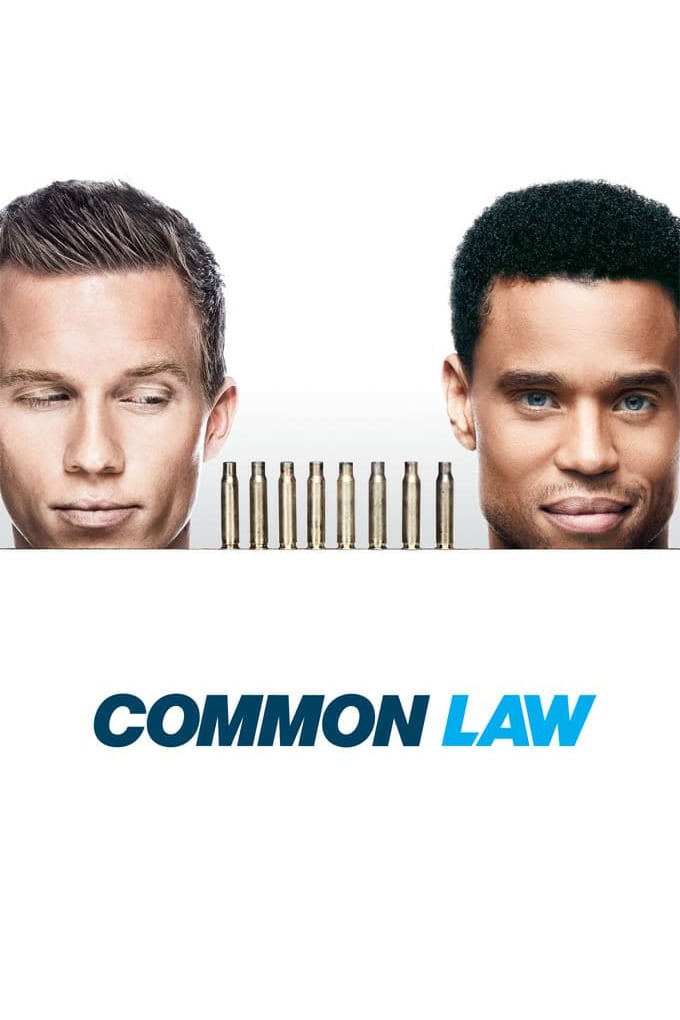
This USA Network series featured two detectives in therapy together, but the real-life tension between actors Michael Ealy and Warren Kole was far from productive. Reports indicated that the leads did not get along on set, which made filming the buddy-cop dynamic increasingly difficult for the crew. The lack of chemistry and the unpleasant working environment contributed to the show’s struggle to find a consistent audience. It was cancelled after just one season as the network saw no path forward for the duo given their mutual dislike.
‘Swamp Thing’ (2019)
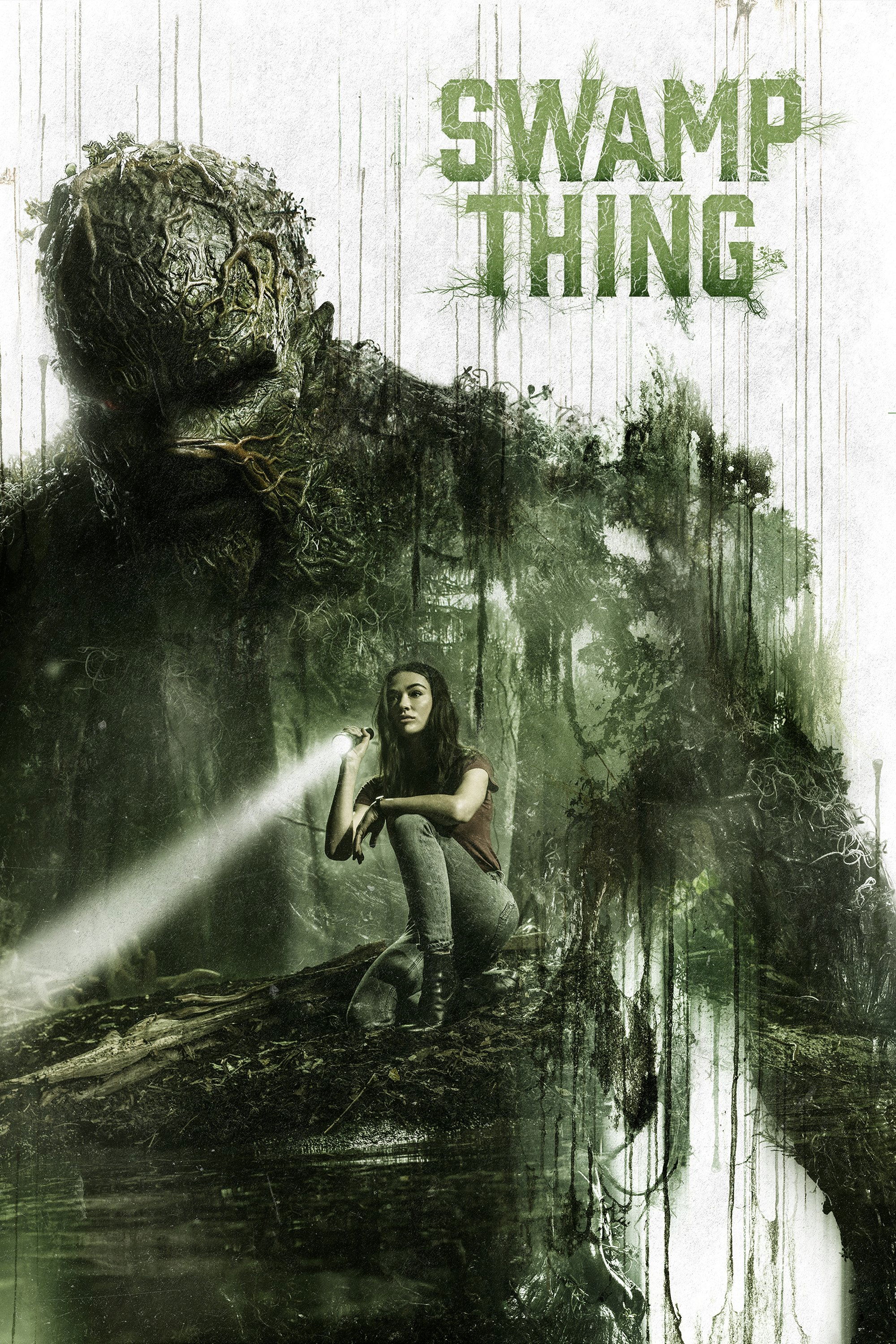
This DC Universe original series was unexpectedly cancelled just days after its first episode premiered, shocking both fans and the creative team. While budget issues were a factor, reports also pointed to significant creative friction and a difficult production environment during the shoot in North Carolina. The sudden shutdown led to the season being shortened and left many planned plot threads unresolved. The instability behind the scenes effectively killed the series before it had a chance to build any momentum.
‘All Rise’ (2019–2023)

The legal drama faced a major reckoning when showrunner Greg Spottiswood was fired following allegations of professional misconduct and racial insensitivity. Several writers of color had previously left the show, citing a toxic workplace where their perspectives were frequently dismissed or ignored. While the series was briefly saved by another network after being cancelled by CBS, the controversy surrounding its internal culture loomed over its final seasons. The show eventually ended its run as the production struggled to move past its initial leadership crisis.
‘The Get Down’ (2016–2017)
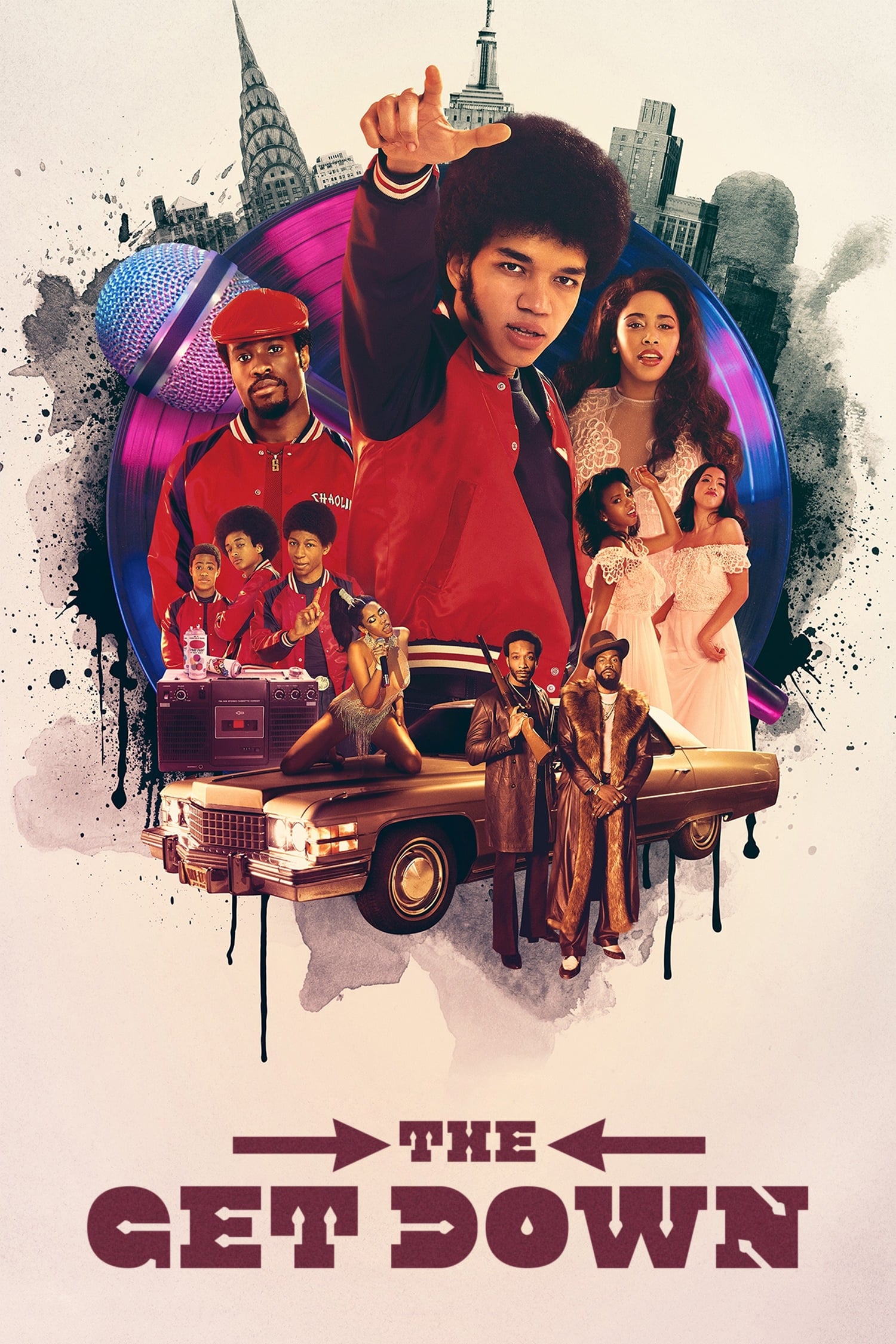
Baz Luhrmann’s ambitious musical drama became one of the most expensive television shows ever made, but its production was plagued by behind-the-scenes chaos. Constant script rewrites, long delays, and a rotating door of writers created an environment that many involved described as exhausting and disorganized. The ballooning budget and the lack of a stable production structure made it impossible for Netflix to justify a second season. Despite its visual flair, the internal turmoil proved to be its ultimate undoing.
‘Charlie Rose’ (1991–2017)

This long-running interview program was abruptly cancelled by PBS and CBS News following a report detailing sexual harassment allegations against the host. Eight women who worked on the show described a pattern of inappropriate behavior and a toxic power dynamic within the small production team. These revelations led to the immediate termination of the show’s distribution and the removal of its digital archives. The fallout highlighted the systemic issues within high-profile news and talk sets where one individual holds absolute power.
‘Tavis Smiley’ (2004–2017)

PBS suspended and eventually cancelled this late-night talk show after an independent investigation uncovered credible allegations of misconduct by the host. The investigation found that Tavis Smiley had engaged in multiple sexual relationships with subordinates, creating an environment that employees felt was coercive. Smiley contested the findings, but the network determined that his behavior violated their fundamental standards of conduct. The show’s removal ended a long-standing fixture of public television programming amid a cloud of controversy.
‘The Jeremy Kyle Show’ (2005–2019)
This British tabloid talk show was permanently cancelled after the death of a guest who had appeared on the program shortly before. The incident led to a public outcry regarding the production’s “duty of care” and the high-pressure tactics used by staff to provoke conflict. Investigations revealed a culture where vulnerable individuals were often exploited for entertainment purposes, creating a toxic atmosphere off-stage. ITV ultimately decided that the show could no longer be produced ethically under its current format.
‘The Wendy Williams Show’ (2008–2022)
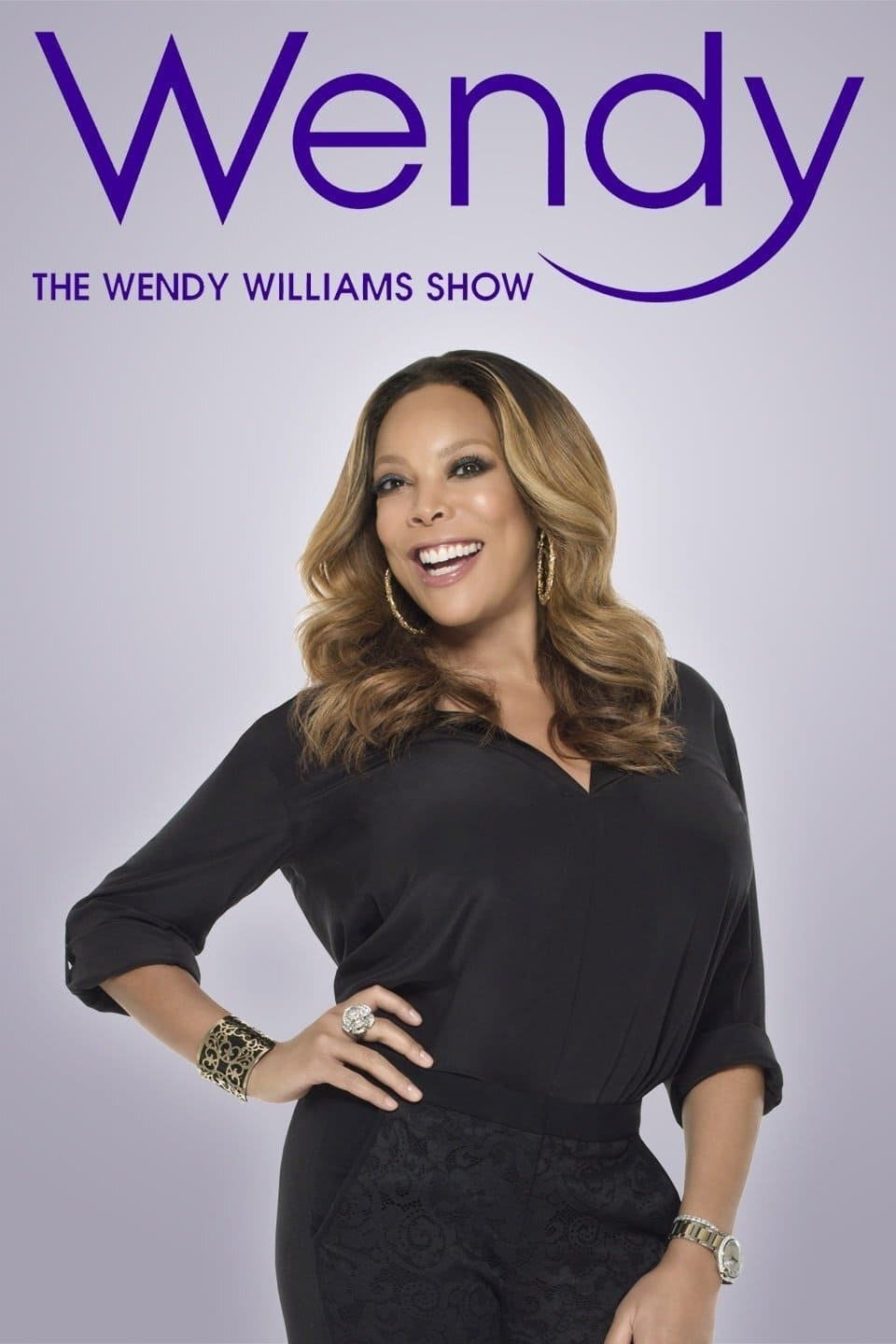
While the show concluded largely due to the host’s health struggles, reports of a toxic workplace and internal dysfunction plagued its final years. Staff members spoke out about a lack of communication and a stressful environment caused by the host’s unpredictable behavior and the production’s handling of her absence. These internal issues made it increasingly difficult to sustain the show’s daily live operations. The production was eventually replaced by a new program to provide a more stable environment for the crew.
‘Good Girls Revolt’ (2015)
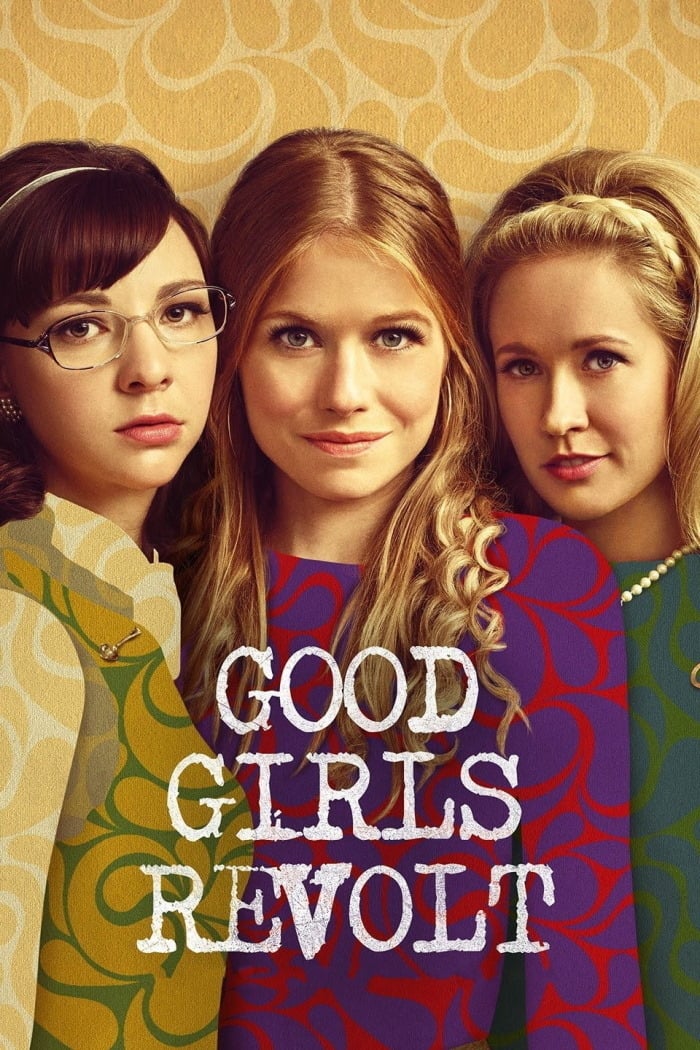
Despite receiving critical praise and strong viewership metrics, this Amazon original was cancelled after just one season. Reports later indicated that a top executive at the studio was a primary obstacle to the show’s renewal and created a dismissive environment for the creators. The series dealt with gender discrimination in the workplace, and the irony of its cancellation by an individual later accused of misconduct was widely noted. The production’s end became a symbol of the toxic executive culture that could stifle successful female-led narratives.
‘Bull’ (2016–2022)
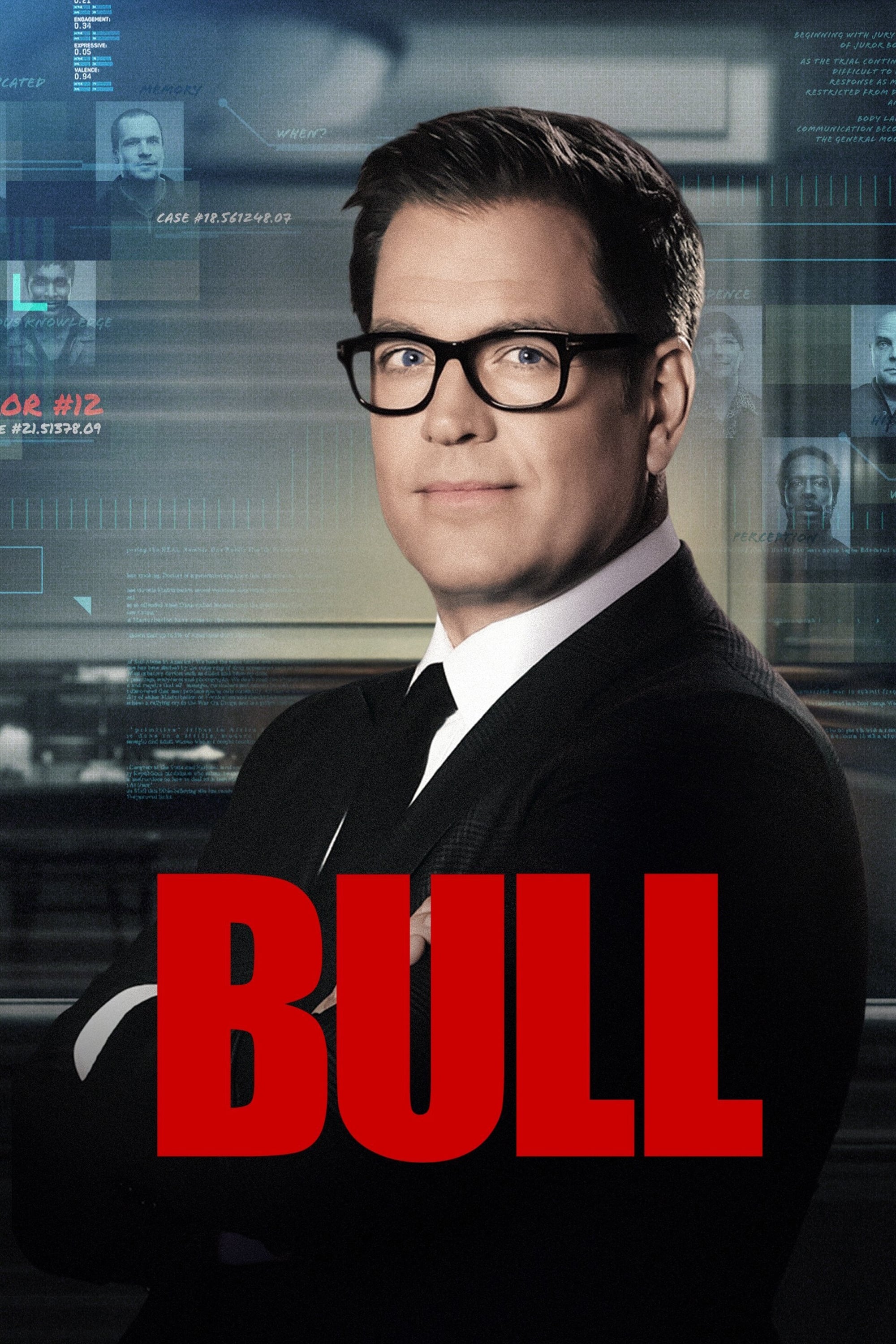
CBS eventually cancelled this procedural drama following years of controversy regarding lead actor Michael Weatherly and the production’s culture. Early in the show’s run, a guest star was paid a significant settlement after reporting a toxic work environment characterized by sexual harassment. While the show initially continued, the departure of the showrunner due to misconduct allegations made the production unsustainable in the long term. The network finally ended the series as part of a larger effort to address its corporate culture and workplace safety.
Share your thoughts on these television controversies and their impact on the industry in the comments.