The Best Movies Directed by LGBTQ+ Directors

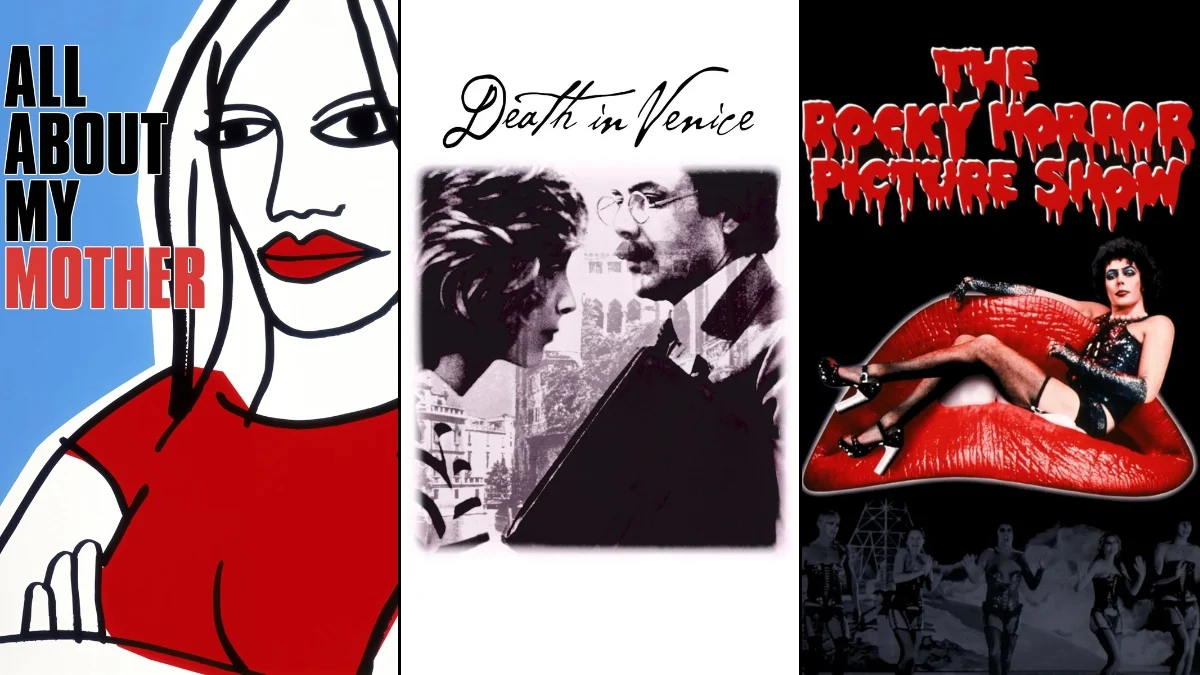

The landscape of global cinema has been profoundly shaped by the creative visions of LGBTQ+ directors, who have contributed some of the most influential works in the medium’s history. These filmmakers have navigated diverse genres ranging from silent-era horror and classical Hollywood comedies to modern science fiction and intimate psychological dramas. By bringing unique perspectives on identity, society, and human relationships, they have expanded the boundaries of visual storytelling and narrative structure. This list highlights a selection of critically acclaimed films helmed by LGBTQ+ creators, ordered based on their established critical reception and historical impact on the industry.
‘Caravaggio’ (1986)
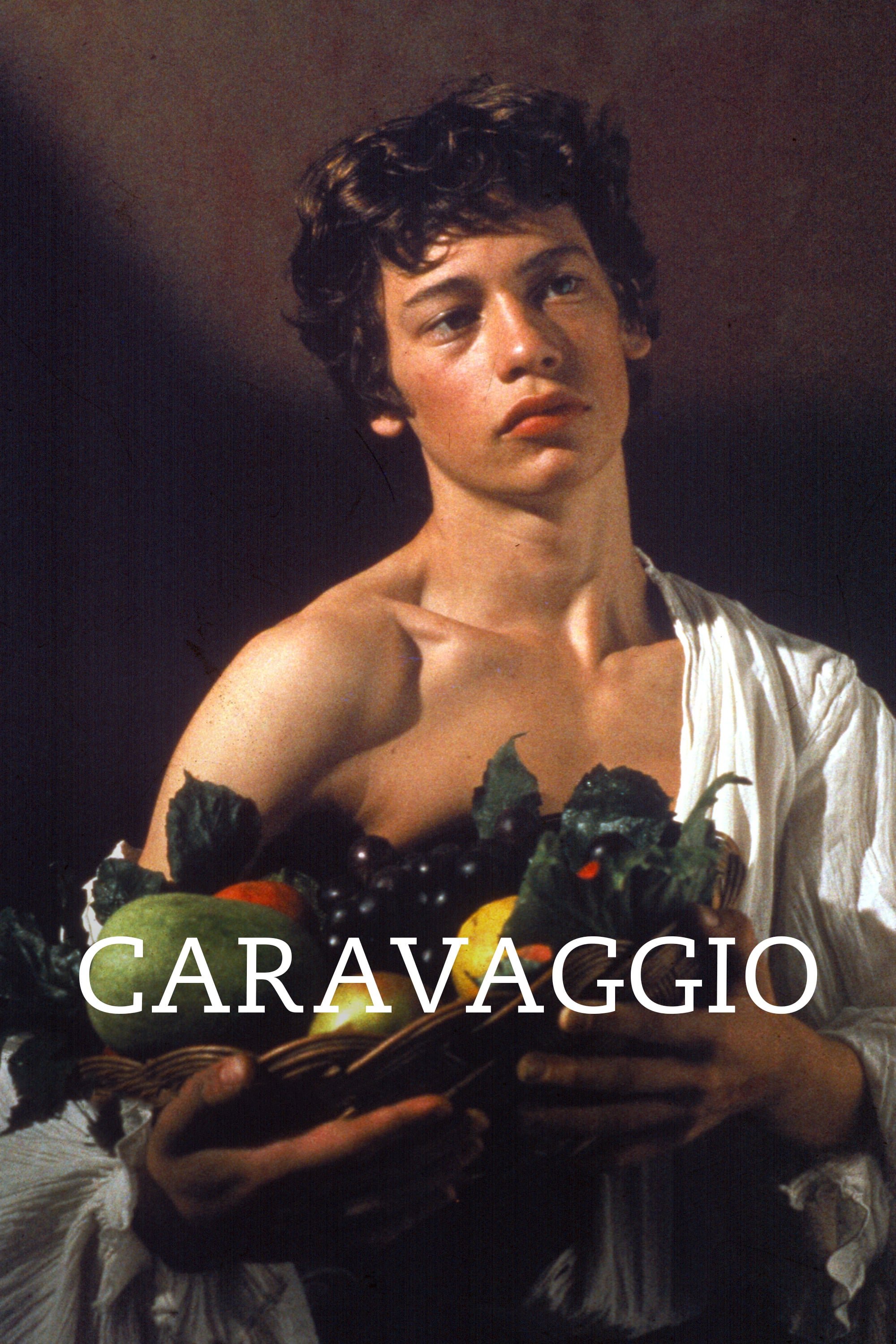
This fictionalized biography explores the life and internal conflicts of the Renaissance painter Michelangelo Merisi da Caravaggio. Director Derek Jarman depicts the artist’s intense relationships and the atmospheric settings that inspired his dramatic use of light and shadow. The narrative navigates the intersection of art, religion, and personal desire within the Roman art scene. Jarman utilized minimalist sets and anachronistic details to create a unique visual style. Tilda Swinton made her film debut in this production, portraying one of the models for the titular artist.
‘The Watermelon Woman’ (1996)
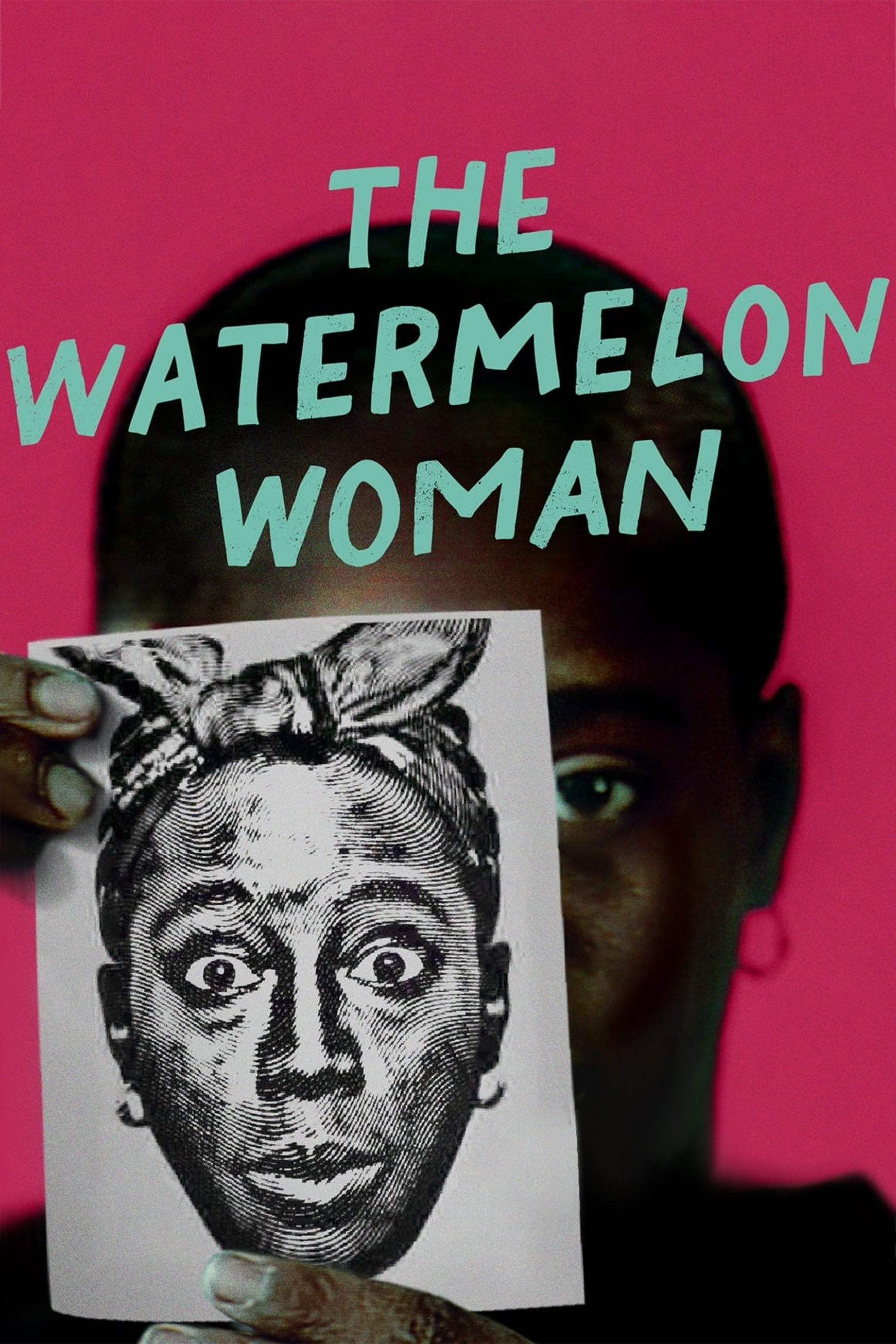
A young Black lesbian filmmaker works at a video store while attempting to make a documentary about an unidentified Black actress from the 1930s. Cheryl Dunye directed and starred in this film, which is recognized as the first feature directed by a Black lesbian. The story blends mockumentary elements with a narrative search for historical representation and cultural heritage. It examines how history often erases the contributions of marginalized groups within the film industry. The production is a key work in the New Queer Cinema movement of the 1990s.
‘Passages’ (2023)
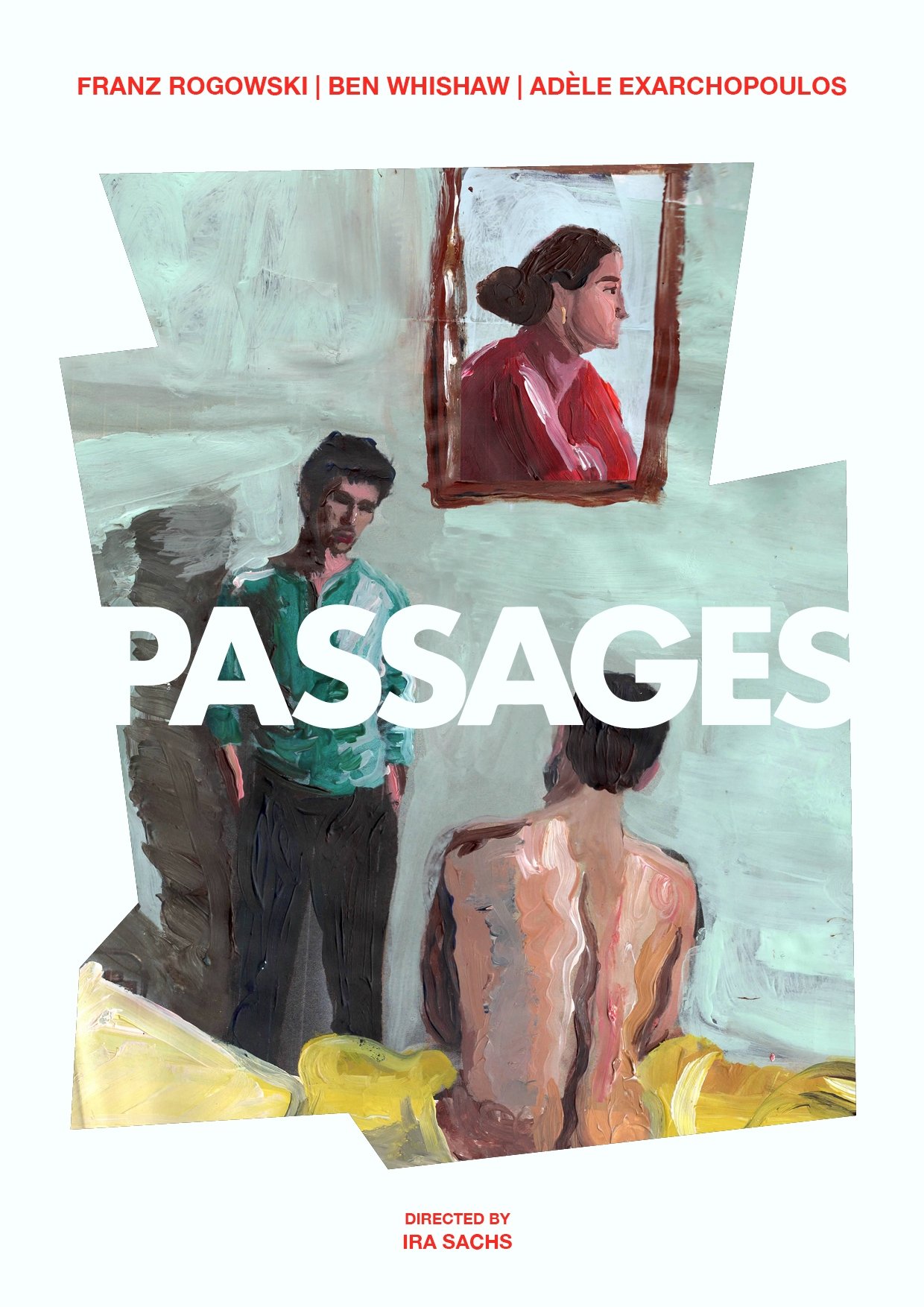
The film follows a filmmaker whose long-term relationship is thrown into chaos when he begins an impulsive affair with a young woman. Directed by Ira Sachs, the story centers on Tomas as he navigates the emotional fallout of his infidelity and narcissistic behavior. The narrative explores the complexities of modern relationships and the power dynamics between three interconnected individuals. It utilizes a naturalistic style to examine themes of ego, passion, and betrayal. The film features performances by Franz Rogowski, Ben Whishaw, and Adèle Exarchopoulos.
‘Velvet Goldmine’ (1998)

Set in the 1970s, a journalist investigates the disappearance of a fictional glam rock superstar who staged his own death on stage. Director Todd Haynes utilizes a non-linear structure inspired by ‘Citizen Kane’ to explore the rise and fall of Brian Slade. The film pays homage to the era of glam rock and figures like David Bowie and Iggy Pop. It examines the fluidity of sexual identity and the role of celebrity culture in shaping public perception. The soundtrack and costume design are central to the film’s evocation of the flamboyant period.
‘Stranger by the Lake’ (2013)
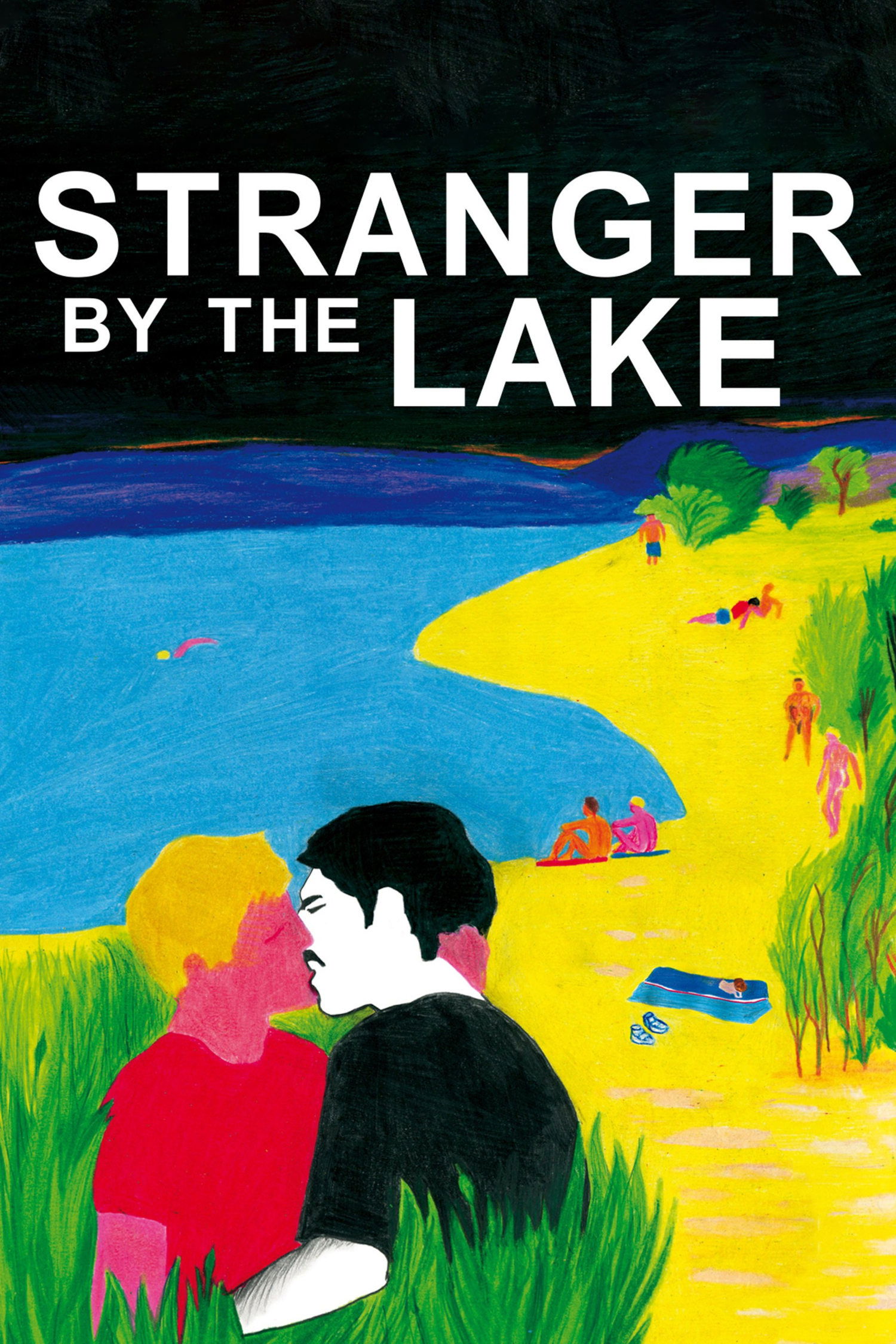
This psychological thriller takes place entirely at a cruising spot for men on the shores of a lake in rural France. Directed by Alain Guiraudie, the story follows Franck as he falls in love with a charismatic man despite witnessing him commit a violent act. The film builds tension through its isolated setting and the protagonist’s growing obsession. It explores themes of desire, danger, and the moral compromises made in the pursuit of intimacy. The production is noted for its explicit content and atmospheric cinematography.
‘Death in Venice’ (1971)

Based on the novella by Thomas Mann, this film follows a composer who travels to a Venetian resort to seek respite from his creative and personal crises. Directed by Luchino Visconti, the narrative focuses on the protagonist’s growing obsession with a beautiful adolescent boy named Tadzio. The film uses the music of Gustav Mahler to underscore the themes of aging, beauty, and the inevitability of decay. It captures the haunting atmosphere of a city plagued by a hidden cholera epidemic. The production is celebrated for its lush visual detail and operatic tone.
‘The Kids Are All Right’ (2010)

Two children born via artificial insemination seek out their biological father and introduce him to their lesbian parents. Directed by Lisa Cholodenko, the film explores how this new presence disrupts the stable but predictable family dynamic. The story examines themes of commitment, infidelity, and the evolving definition of the modern family unit. Julianne Moore and Annette Bening portray the couple whose relationship is tested by the arrival of the donor, played by Mark Ruffalo. The film received four Academy Award nominations, including Best Picture.
‘Hairspray’ (1988)
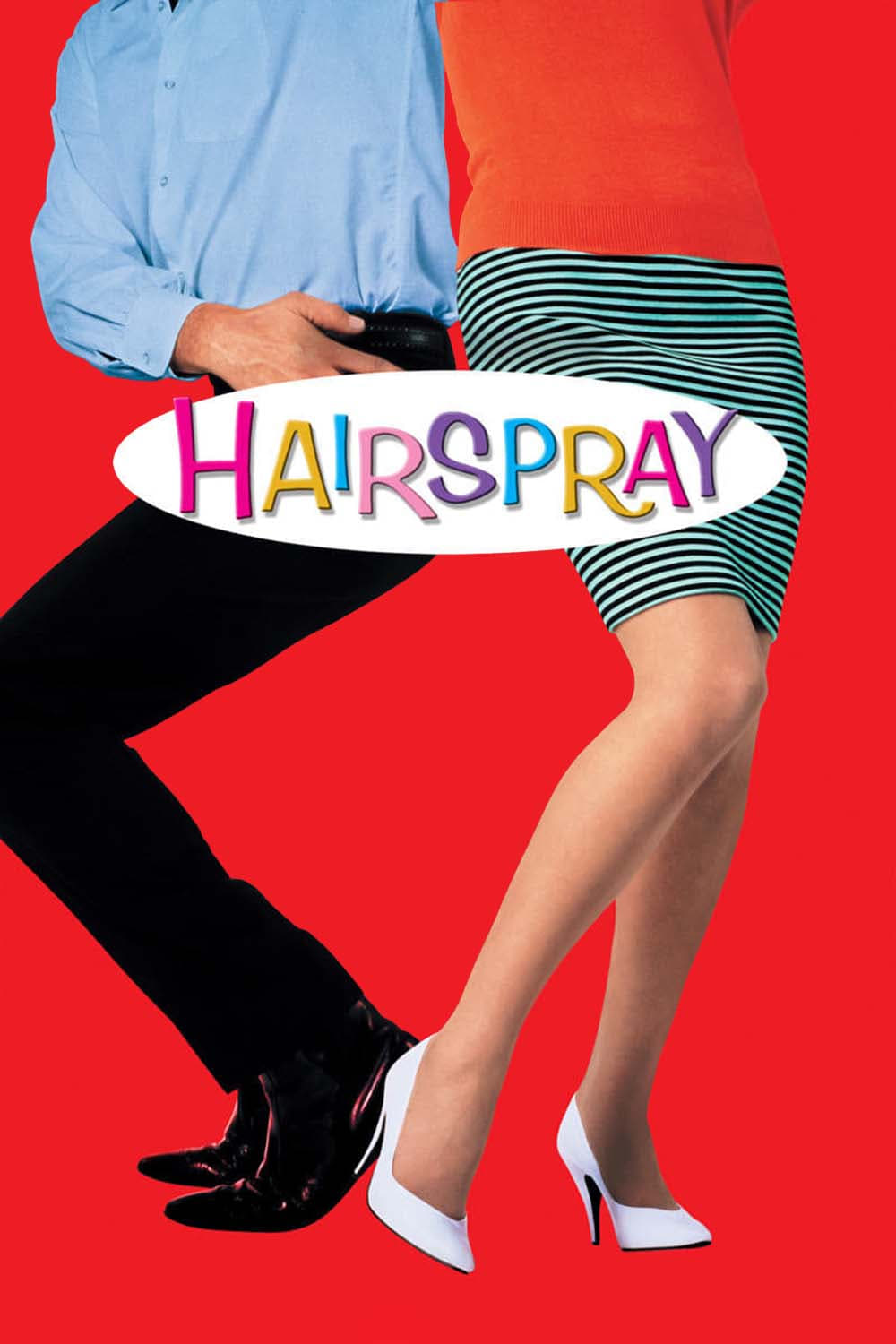
A teenage girl in 1960s Baltimore dreams of dancing on a popular local television program and eventually campaigns for racial integration. Directed by John Waters, the film stars Ricki Lake as Tracy Turnblad and features Divine in her final film role. The story uses humor and music to address serious social issues like segregation and body positivity. It represents a shift toward the mainstream for Waters while maintaining his signature camp aesthetic. The film later served as the basis for a successful Broadway musical and a 2007 remake.
‘Desert Hearts’ (1985)
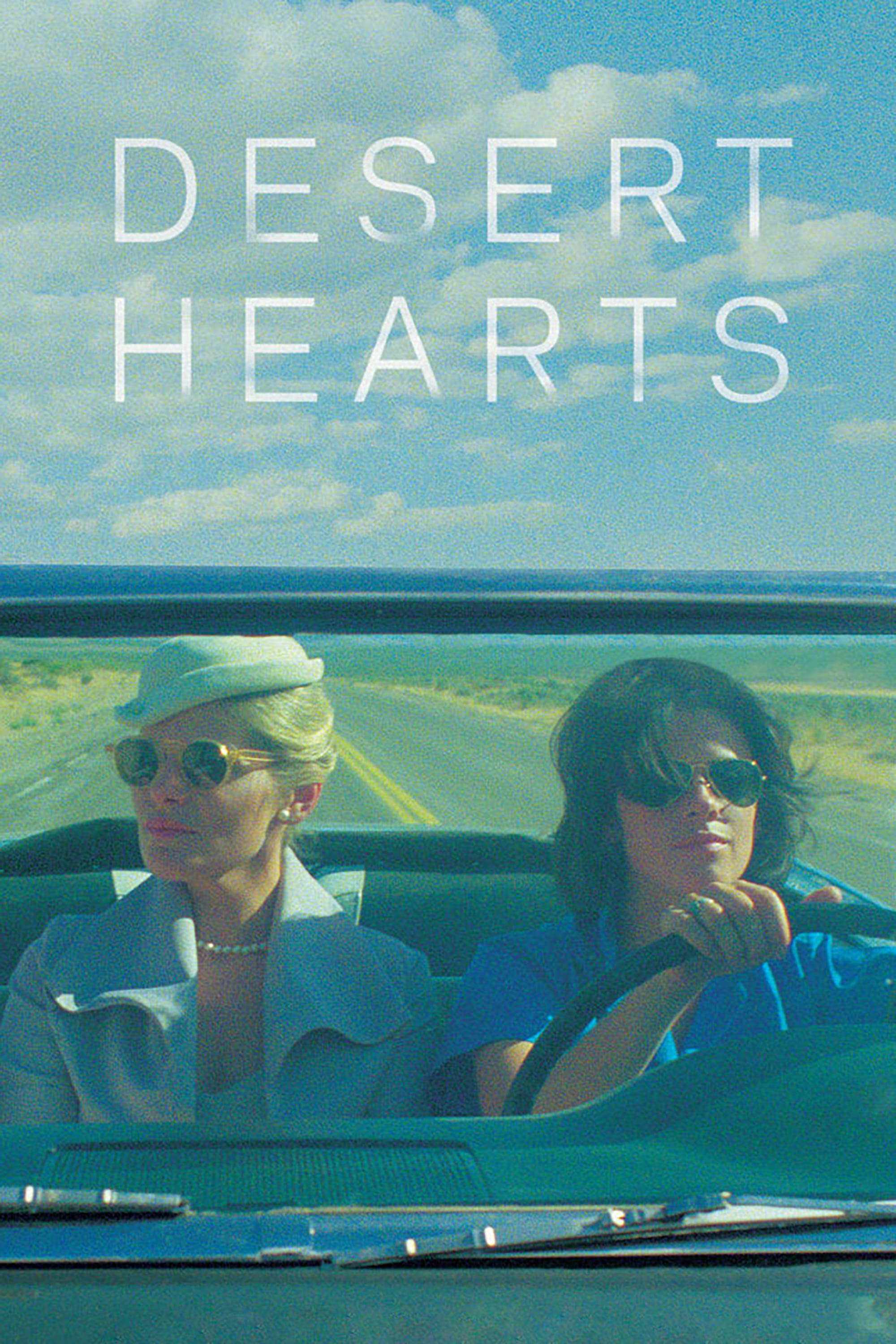
In 1959, a repressed university professor travels to Reno to obtain a divorce and finds herself drawn to a free-spirited younger woman. Directed by Donna Deitch, this film is considered a landmark in queer cinema for its positive and sincere depiction of a lesbian relationship. The narrative explores the contrast between the rigid expectations of academia and the open landscape of the Nevada desert. It focuses on the emotional awakening of the protagonist as she navigates new feelings. The film was adapted from the novel ‘Desert of the Heart’ by Jane Rule.
‘Tropical Malady’ (2004)
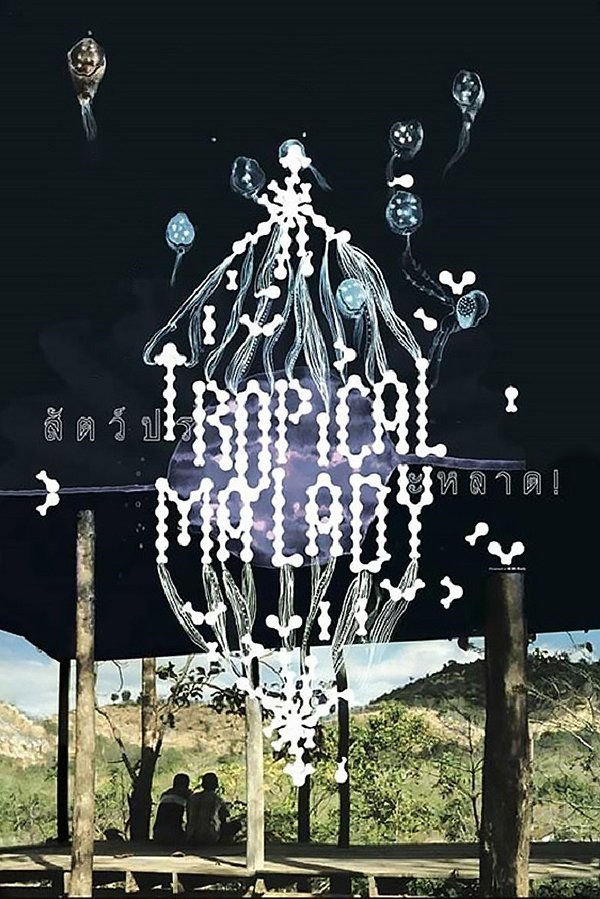
This experimental drama is divided into two distinct parts: a budding romance between two men and a mystical folk tale set in the jungle. Directed by Apichatpong Weerasethakul, the film explores themes of memory, desire, and the connection between humans and nature. The first half follows the daily lives of a soldier and a country boy, while the second half shifts into a non-verbal hunt for a shapeshifting tiger spirit. It challenges traditional narrative structures through its use of long takes and ambient sound. The film won the Jury Prize at the Cannes Film Festival.
‘Scorpio Rising’ (1969)
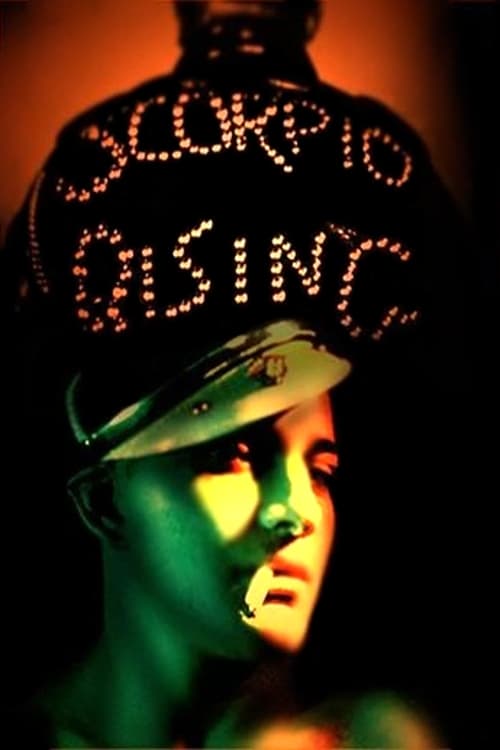
This avant-garde short film explores the subculture of outlaw bikers through a series of stylized vignettes set to pop music of the era. Directed by Kenneth Anger, the film uses religious and pop culture iconography to examine themes of masculinity and rebellion. It is notable for its pioneering use of a pop soundtrack as a narrative device, influencing future directors like Martin Scorsese. The imagery juxtaposes leather-clad bikers with images of Jesus Christ and various comic book characters. It remains a foundational work in underground and queer filmmaking history.
‘My Own Private Idaho’ (1991)
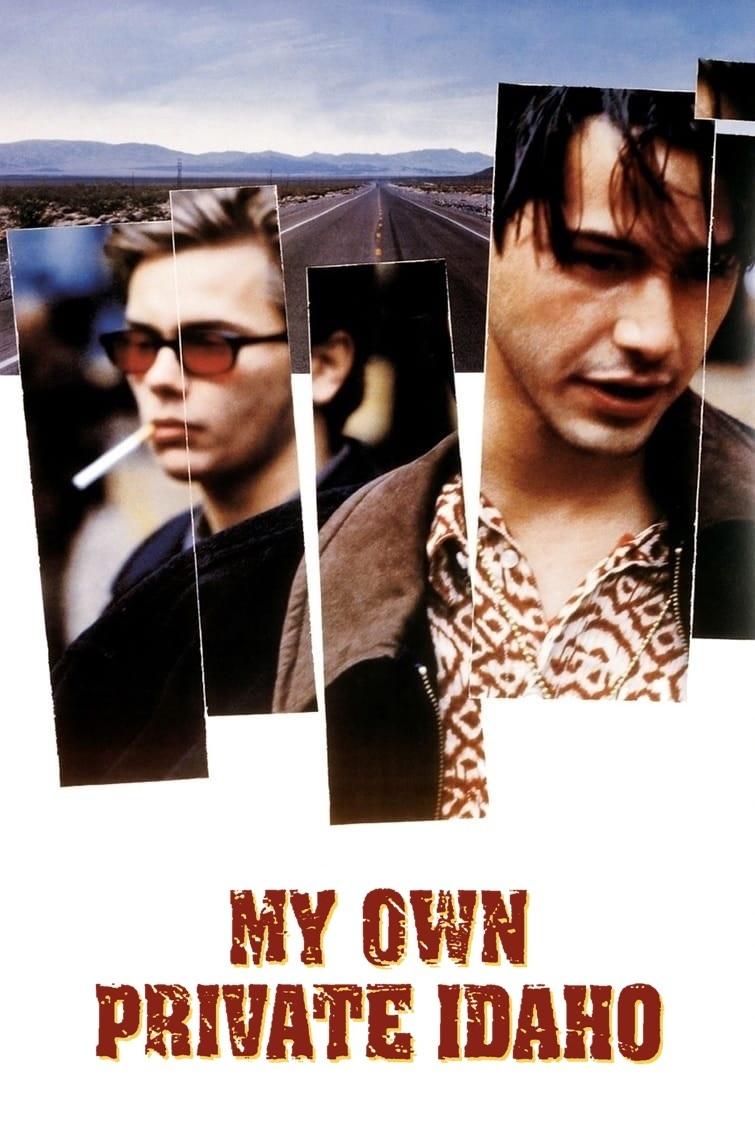
Two street-level hustlers embark on a journey from Portland to Idaho and Italy in search of one of their estranged mothers. Directed by Gus Van Sant, the film stars River Phoenix and Keanu Reeves as Mike and Scott. The narrative incorporates elements of William Shakespeare’s ‘Henry IV’ and ‘Henry V’ to explore themes of class, abandonment, and unrequited love. It is a key entry in the New Queer Cinema movement, known for its poetic visual style and dreamlike sequences. The performance by Phoenix earned him the Volpi Cup for Best Actor.
‘Love Lies Bleeding’ (2024)

A reclusive gym manager falls in love with an ambitious bodybuilder who is passing through town on her way to a competition in Las Vegas. Directed by Rose Glass, the film blends elements of neo-noir and psychological thriller with a focus on obsession and violence. The story involves a criminal underworld run by the gym manager’s father, creating a dangerous environment for the central couple. It examines the lengths individuals will go to protect those they love while dealing with their own traumas. The film stars Kristen Stewart and Katy O’Brian.
‘Shiva Baby’ (2020)

A young woman attends a Jewish funeral service where she unexpectedly encounters both her ex-girlfriend and her “sugar daddy.” Directed by Emma Seligman, the film utilizes a claustrophobic setting and tense pacing to create a comedy of manners and anxiety. The protagonist, Danielle, must navigate intrusive family questions while hiding her complicated personal life. The narrative explores themes of Jewish identity, bisexuality, and the pressures of young adulthood. It was adapted from Seligman’s 2018 short film of the same name.
‘Orlando’ (1992)
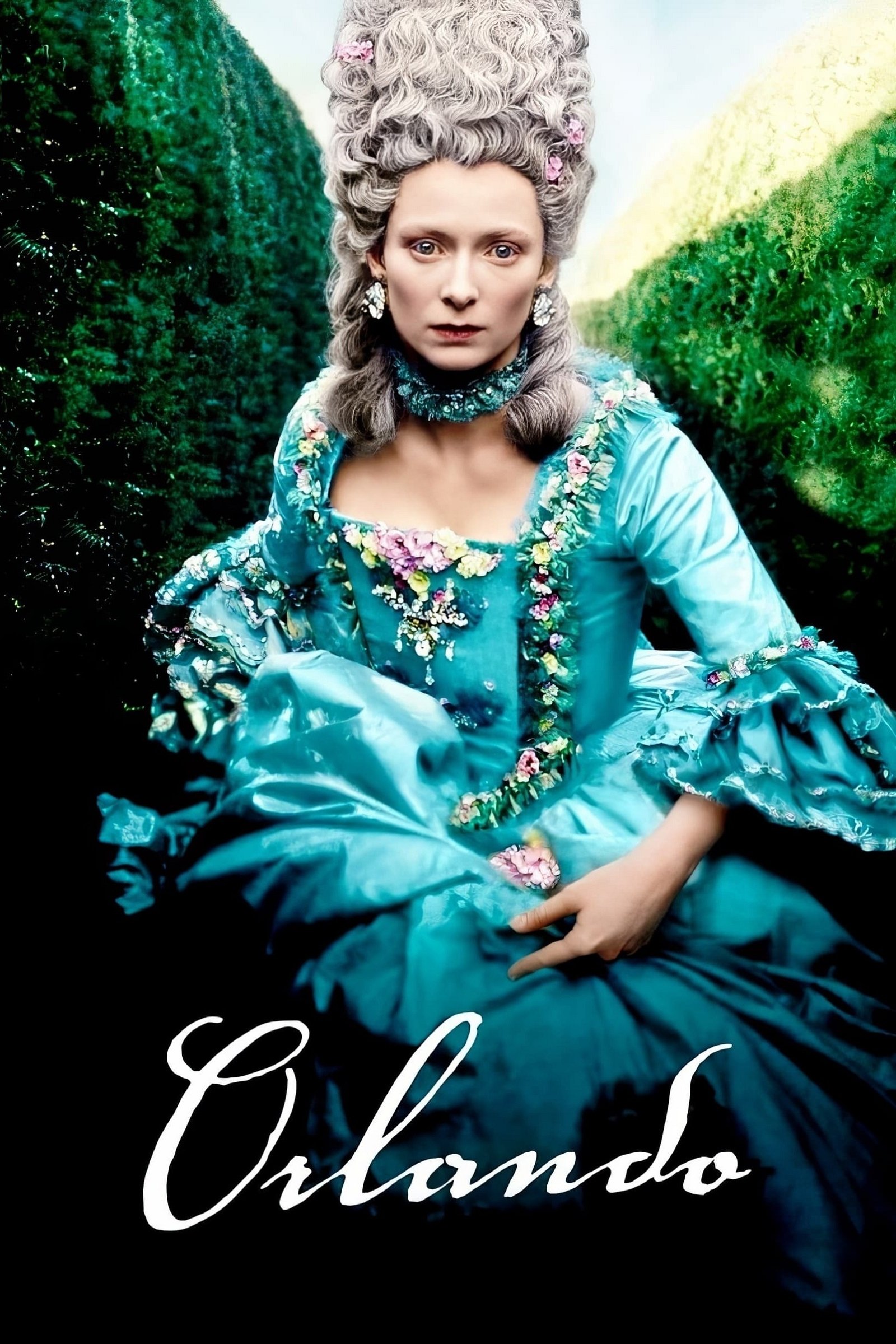
Based on the novel by Virginia Woolf, the film follows an aristocrat who lives for centuries and mysteriously changes from a man into a woman. Directed by Sally Potter, the story spans four hundred years of English history, from the Elizabethan era to the late 20th century. Tilda Swinton portrays the titular character, who experiences life through different genders and social roles. The film explores themes of identity, gender fluidity, and the nature of time. It is celebrated for its intricate costume design and stylized visual presentation.
‘Pariah’ (2011)

A Brooklyn teenager struggles to balance her identity as a lesbian with the expectations of her religious and conservative family. Directed by Dee Rees, the film follows Alike as she finds solace in poetry and her friendships within the local queer community. The narrative examines the emotional toll of code-switching and the search for self-acceptance. It highlights the specific challenges faced by queer women of color within their domestic and social environments. The film received widespread critical acclaim for its authentic storytelling and performances.
‘A Room with a View’ (1985)
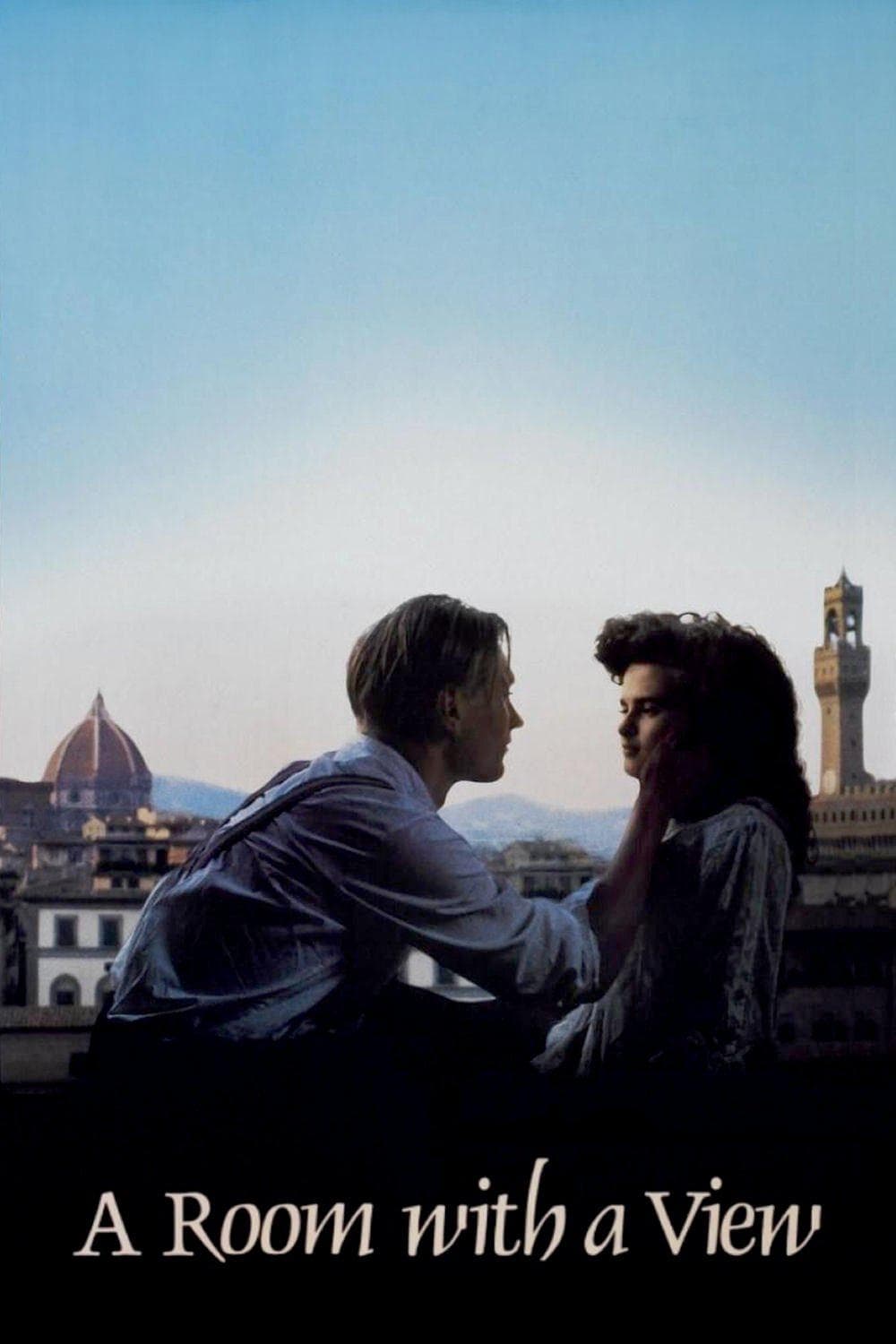
A young English woman traveling in Italy finds herself torn between the restrictive social expectations of her upbringing and her attraction to a free-spirited man. Directed by James Ivory, the film is an adaptation of E.M. Forster’s classic novel. The story follows Lucy Honeychurch as she navigates her feelings after a chance encounter in Florence leads to complications back in England. It serves as a critique of the rigid Edwardian class system and repressed emotions. The production won three Academy Awards, including Best Adapted Screenplay.
‘Carol’ (2015)
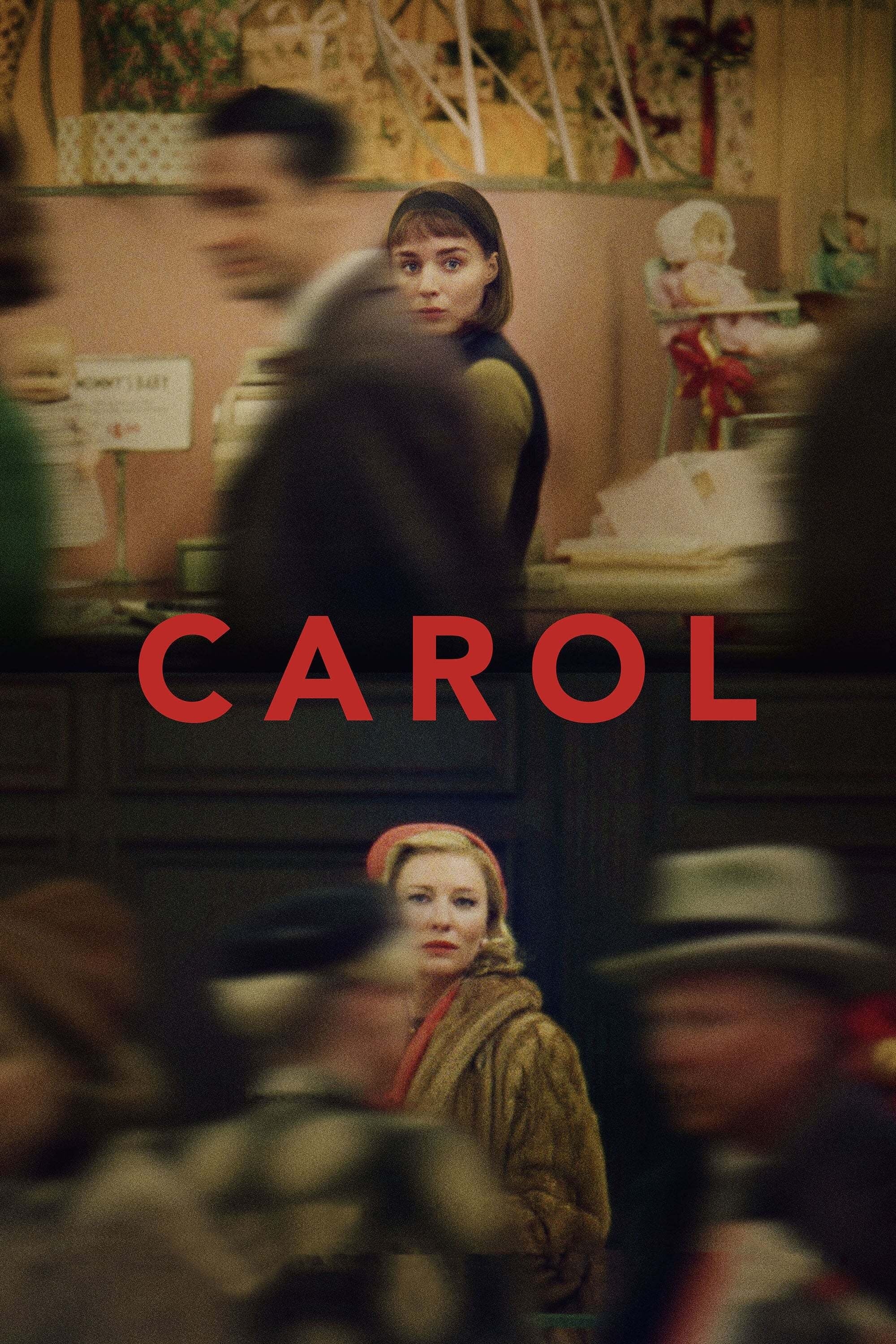
In 1950s New York, an aspiring photographer develops an intense relationship with an older woman going through a difficult divorce. Directed by Todd Haynes, the film is based on the novel ‘The Price of Salt’ by Patricia Highsmith. Cate Blanchett and Rooney Mara portray the central couple as they navigate the social taboos and legal risks of their romance. The narrative explores themes of longing, sacrifice, and the quiet defiance of societal norms. It is noted for its meticulous production design and evocative cinematography.
‘The Long Day Closes’ (1992)
This lyrical film focuses on the inner life of a lonely twelve-year-old boy growing up in 1950s Liverpool. Directed by Terence Davies, the narrative is non-linear and relies on sensory memory, music, and the protagonist’s love of cinema. It captures the atmosphere of a working-class household and the comfort found in family rituals and religious imagery. The film explores the transition from childhood to adolescence through a series of poetic vignettes. It is considered a deeply personal work that reflects the director’s own upbringing.
‘Far from Heaven’ (2002)

A 1950s housewife in suburban Connecticut finds her perfect life unraveling when she discovers her husband’s secret life and develops an attraction to her Black gardener. Directed by Todd Haynes, the film is a deliberate homage to the melodramas of Douglas Sirk. It addresses themes of racial tension, sexual identity, and social hypocrisy within a visually vibrant and highly stylized framework. Julianne Moore plays the protagonist who must confront the limitations of her privileged environment. The film received four Academy Award nominations.
‘Bound’ (1996)
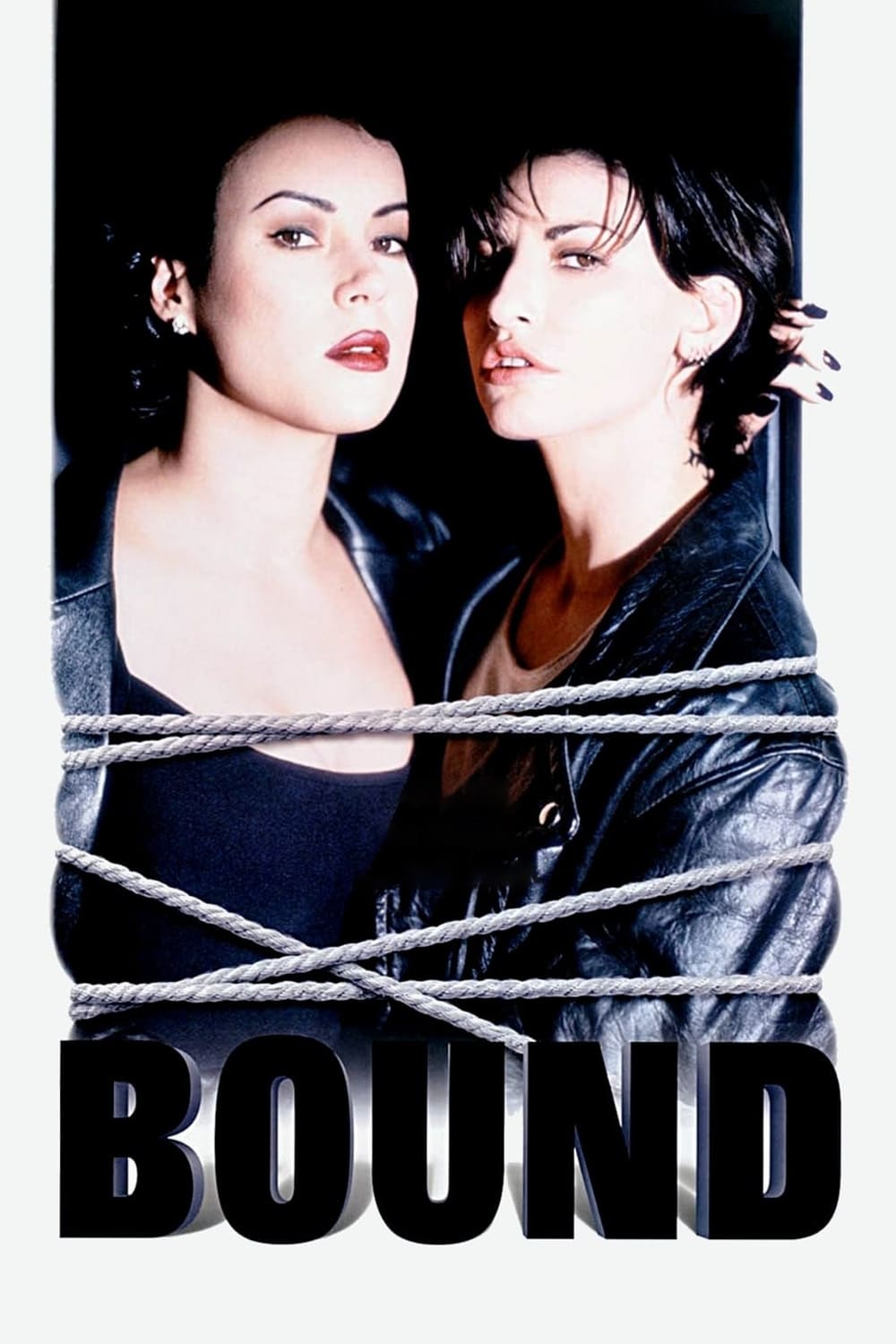
A woman in a relationship with a mobster enters into a dangerous affair with an ex-convict who is working on the plumbing in her apartment building. Directed by the Wachowskis, this neo-noir thriller follows the two women as they plot to steal millions of dollars from the mafia. The narrative relies on suspense, clever plotting, and the chemistry between the leads, Jennifer Tilly and Gina Gershon. It subverts traditional noir tropes by centering the story on a lesbian couple. The film’s visual style and tight pacing established the directors as major voices in genre cinema.
‘Blue’ (1993)

This unique film consists of a single shot of saturated blue color accompanied by a complex soundscape of narration and music. Directed by Derek Jarman, it was his final feature film, created while he was losing his sight due to AIDS-related complications. The narration reflects on Jarman’s life, his illness, and his thoughts on art and mortality. It serves as a powerful meditation on the physical and psychological experience of living with a terminal disease. The film is a significant work of avant-garde cinema and a personal testament from the director.
‘Tomboy’ (2011)
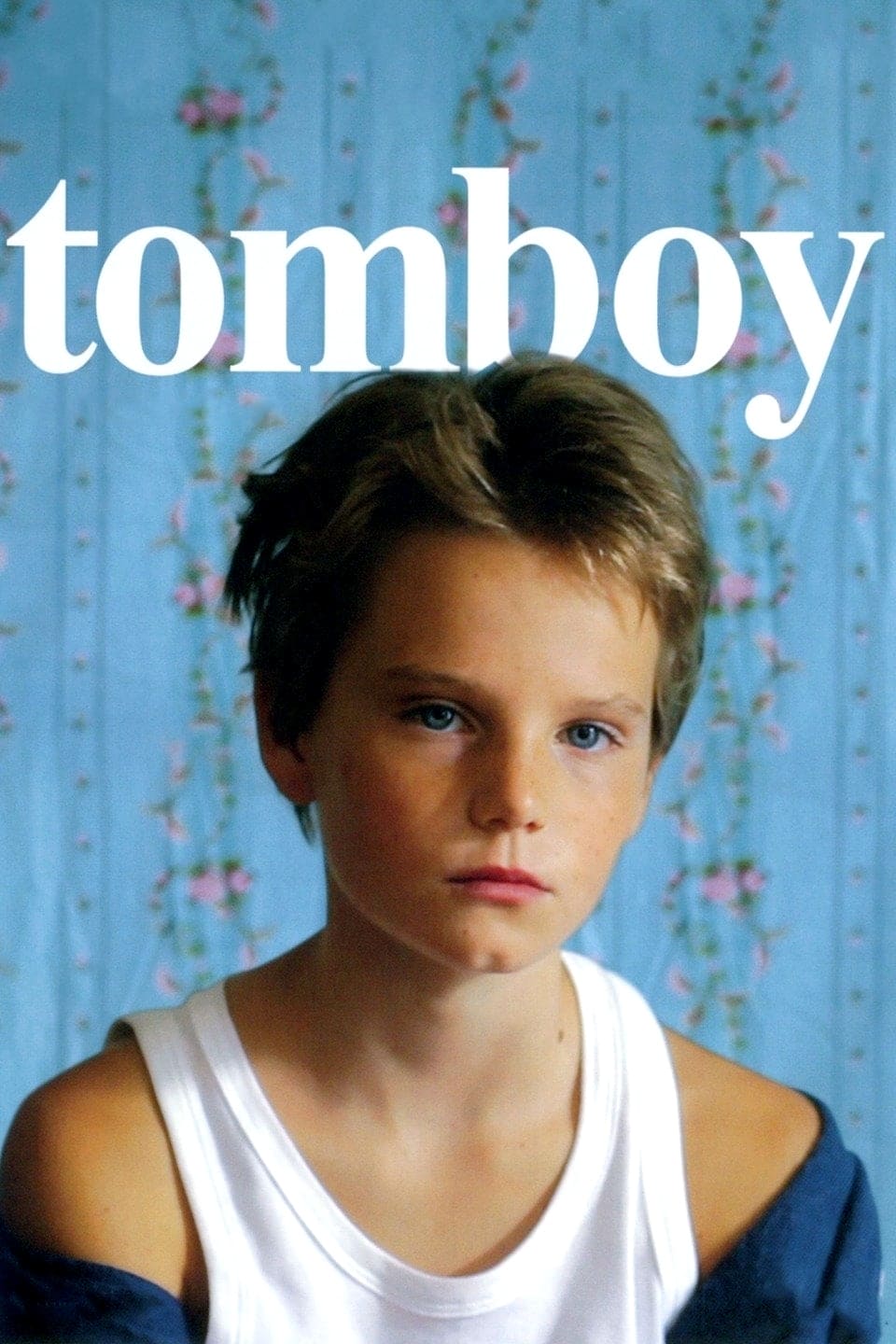
A ten-year-old girl named Laure moves to a new neighborhood and decides to present as a boy named Mickäel to the local children. Directed by Céline Sciamma, the film focuses on the protagonist’s experiences during a single summer as they explore gender expression and forge new friendships. The narrative treats the subject with sensitivity, focusing on the internal world of the child rather than external judgment. It examines the fluidity of identity at a young age and the social constructs of gender. The film won the Teddy Jury Award at the Berlin International Film Festival.
‘Saving Face’ (2004)

A Chinese-American surgeon struggles to balance her career and her secret relationship with a female dancer while caring for her pregnant, unwed mother. Directed by Alice Wu, the film is a romantic comedy that explores themes of cultural tradition, family loyalty, and queer identity within the immigrant community. The story follows Wil as she tries to reconcile the expectations of her traditional grandfather with her own desire for happiness. It features a predominantly Asian-American cast and focuses on the complexities of generational conflict. The film is celebrated for its humor and emotional resonance.
‘BPM (Beats Per Minute)’ (2017)
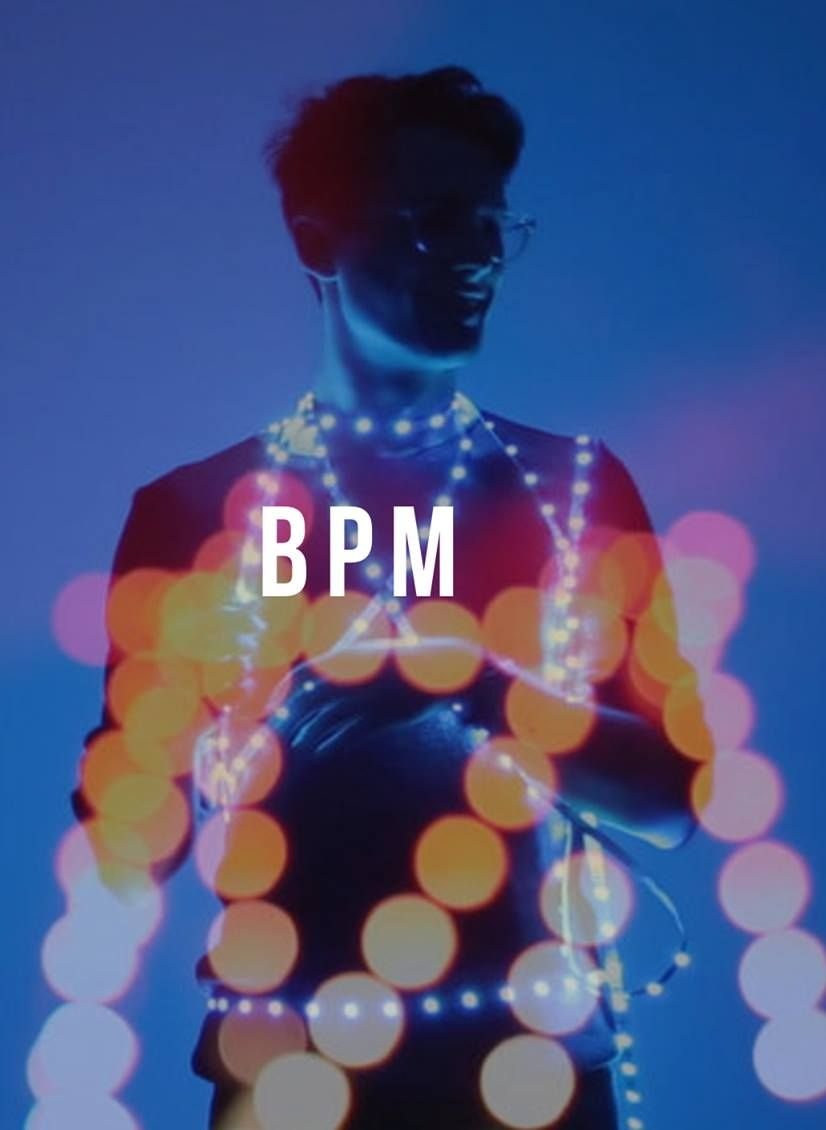
Set in the early 1990s, the film chronicles the efforts of the Paris chapter of ACT UP to demand action against the AIDS epidemic. Directed by Robin Campillo, the narrative balances scenes of intense political activism with the personal lives and romances of the group’s members. It depicts the urgency and passion of those fighting for their lives against government indifference and pharmaceutical greed. The film captures the collective energy of the movement as well as the intimate reality of the disease. It won the Grand Prix at the Cannes Film Festival.
‘The Rocky Horror Picture Show’ (1975)
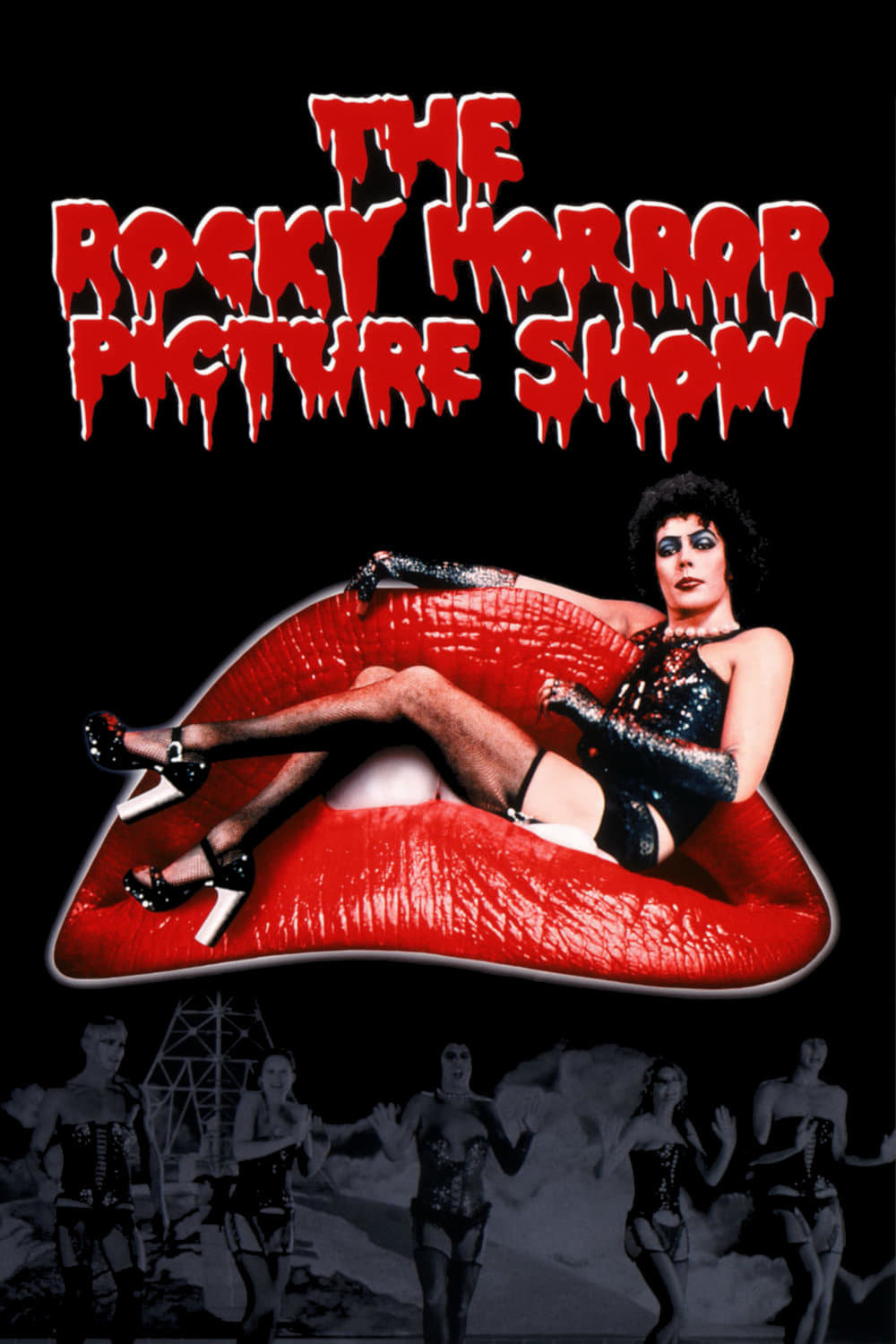
A young couple seeks help at a mysterious castle after their car breaks down, only to find themselves guests of a mad scientist from another planet. Directed by Jim Sharman, the film is a musical parody of science fiction and horror B-movies. It features Tim Curry in an iconic performance as Dr. Frank-N-Furter, a character who celebrates gender non-conformity and sexual liberation. The film has become the quintessential cult classic, famous for its midnight screenings and audience participation. It explores themes of identity and self-expression through its campy and subversive narrative.
‘The Bitter Tears of Petra von Kant’ (1972)

A successful fashion designer becomes obsessively involved with a young woman who aspires to be a model, leading to a volatile power struggle. Directed by Rainer Werner Fassbinder, the entire film takes place inside the protagonist’s bedroom, creating an atmosphere of psychological intimacy and entrapment. The narrative examines themes of codependency, class disparity, and the manipulative nature of desire. It features an all-female cast and utilizes elaborate costumes and set design to heighten the theatrical tone. The film is a central work in the career of the prolific German director.
‘Boys Don’t Cry’ (1999)
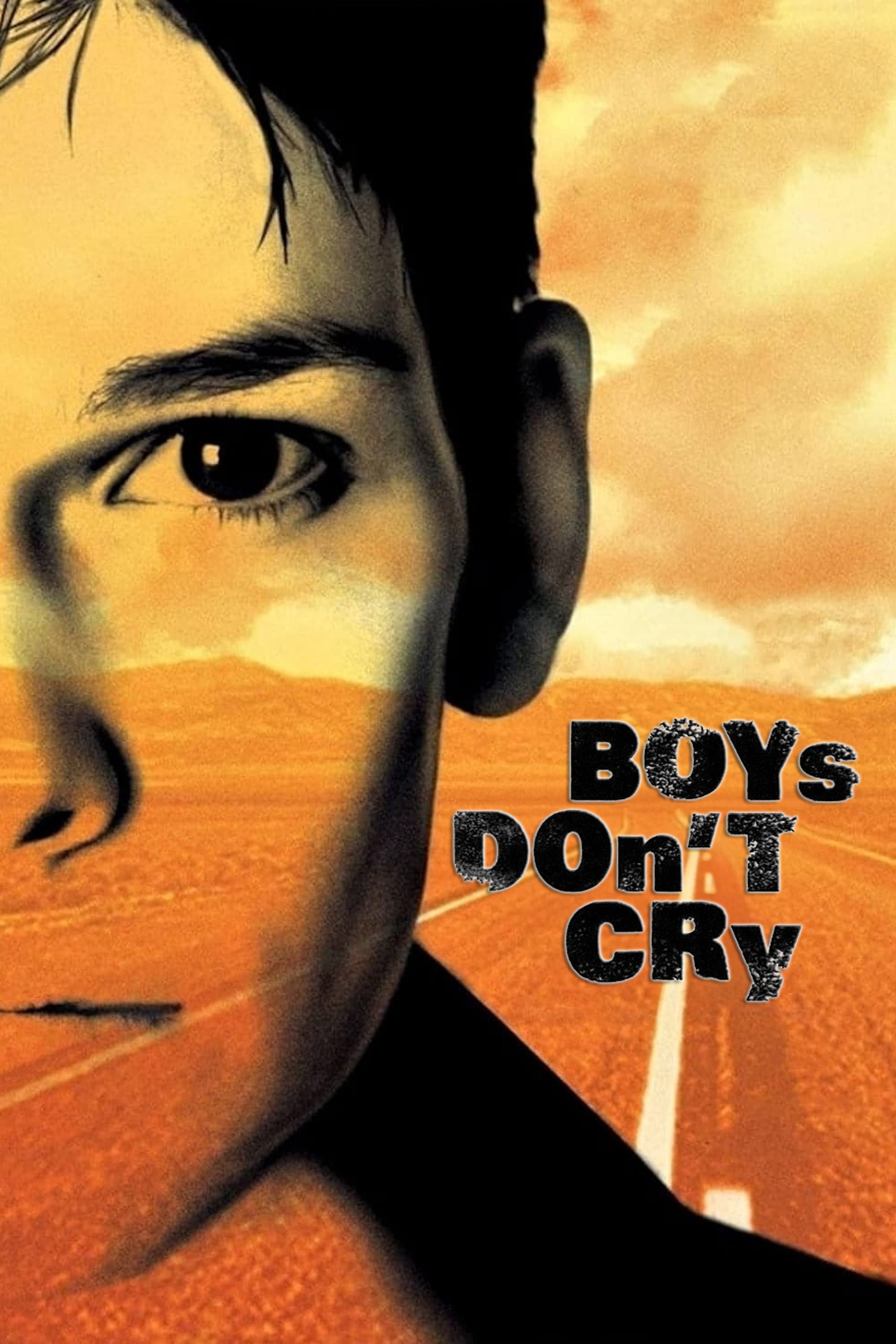
Based on a true story, the film follows the life of Brandon Teena, a young trans man who seeks love and acceptance in a small Nebraska town. Directed by Kimberly Peirce, the narrative depicts Brandon’s relationships and the violent prejudice he faces when his biological sex is revealed. The film focuses on the human desire for identity and the tragic consequences of intolerance. Hilary Swank won an Academy Award for Best Actress for her portrayal of the protagonist. The production brought significant mainstream attention to transgender issues and hate crimes.
‘Women on the Verge of a Nervous Breakdown’ (1988)
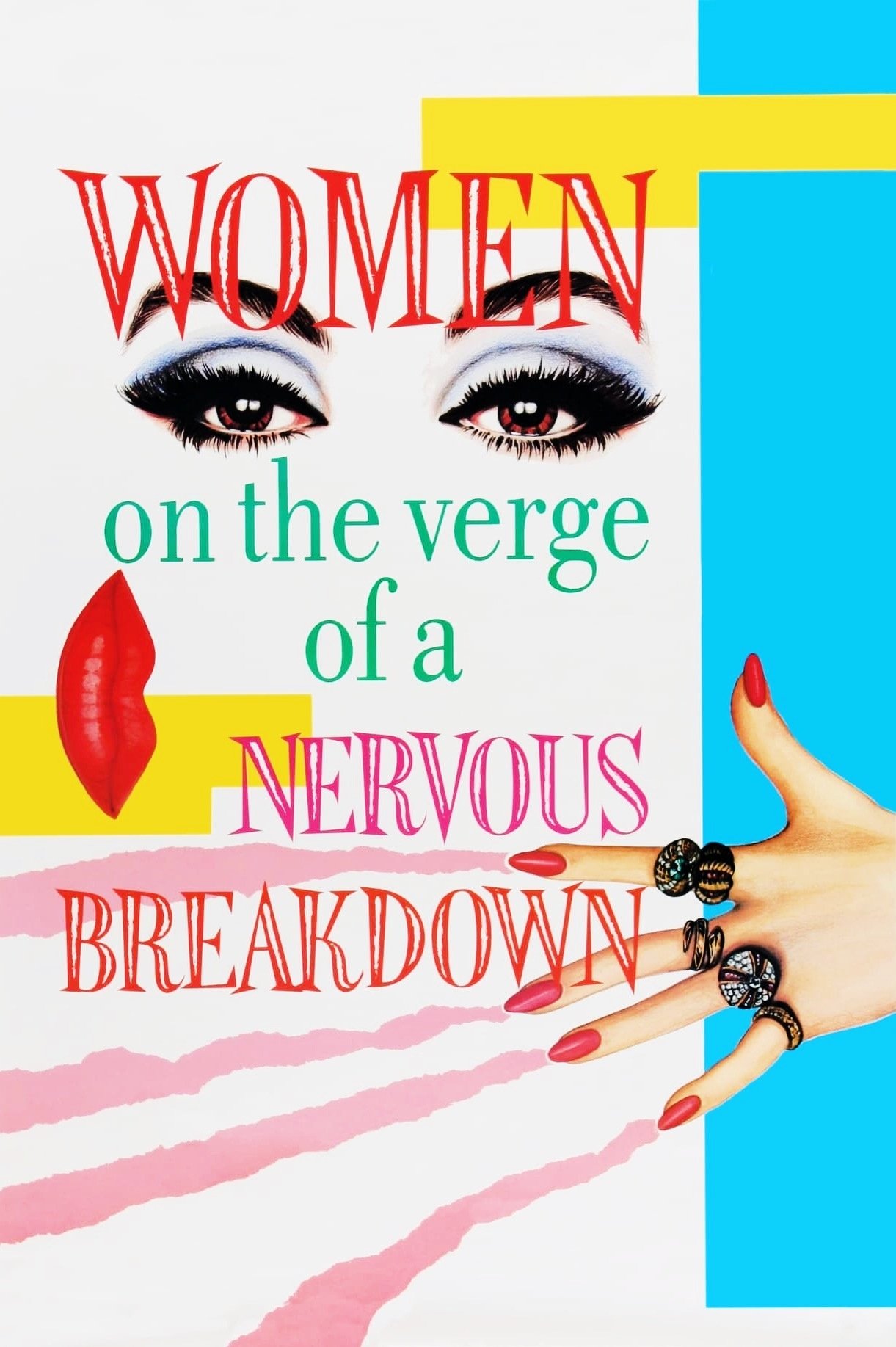
A television actress embarks on a frantic search for her lover after he abruptly ends their relationship, leading her to cross paths with a series of eccentric characters. Directed by Pedro Almodóvar, the film is a vibrant and fast-paced black comedy set in Madrid. The story incorporates subplots involving a terrorist plot, poisoned gazpacho, and various romantic entanglements. It explores themes of female resilience, passion, and the absurdity of modern life. This international breakthrough for Almodóvar earned an Academy Award nomination for Best Foreign Language Film.
‘Pain and Glory’ (2019)
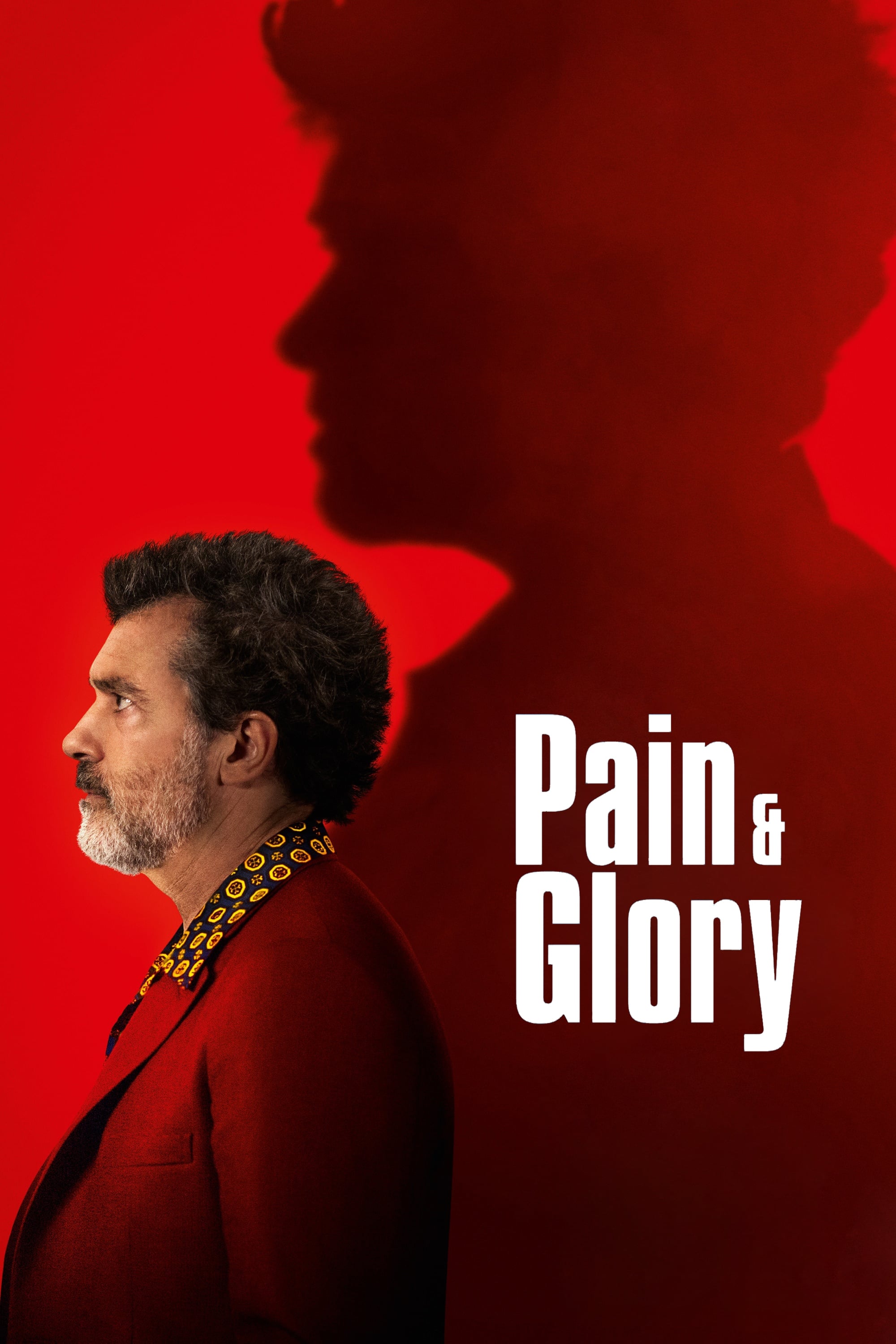
An aging film director reflects on his past choices, his creative process, and his relationships as he deals with physical and emotional decline. Directed by Pedro Almodóvar, the narrative shifts between the protagonist’s present-day struggles and his childhood memories of his mother and early desires. Antonio Banderas stars as Salvador Mallo, a character who serves as a semi-autobiographical surrogate for the director himself. The film examines themes of reconciliation, memory, and the enduring power of art to heal. It was nominated for two Academy Awards, including Best International Feature Film.
‘Milk’ (2008)
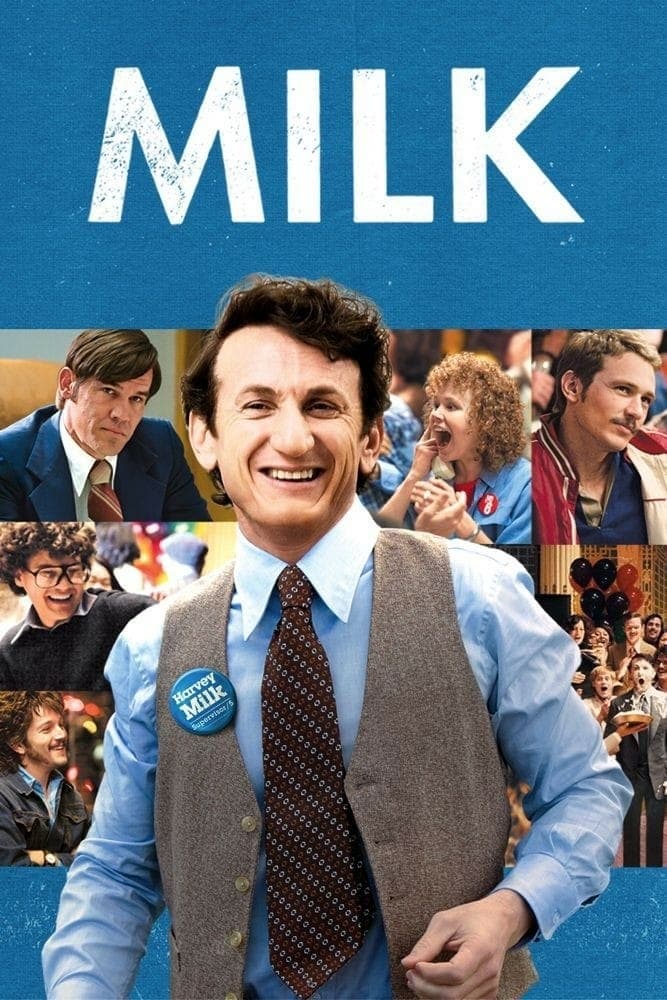
This biographical film chronicles the life of Harvey Milk, the first openly gay man to be elected to public office in California. Directed by Gus Van Sant, the narrative follows Milk’s journey from an activist in San Francisco’s Castro District to his tenure on the Board of Supervisors. It highlights his efforts to unite the community and fight against discriminatory legislation before his tragic assassination. Sean Penn won an Academy Award for Best Actor for his performance as the titular leader. The film serves as a tribute to the early struggles of the LGBTQ+ civil rights movement.
‘Weekend’ (2011)

Two men meet at a club and spend the following forty-eight hours together before one of them is scheduled to leave the country. Directed by Andrew Haigh, the film focuses on the intimate conversations and evolving connection between Russell and Glen. The narrative explores themes of vulnerability, self-projection, and the challenges of modern queer dating. It utilizes a naturalistic style to capture the fleeting but profound impact that a short-term encounter can have on a person’s life. The film received high praise for its realistic dialogue and emotional depth.
‘Mysterious Skin’ (2004)
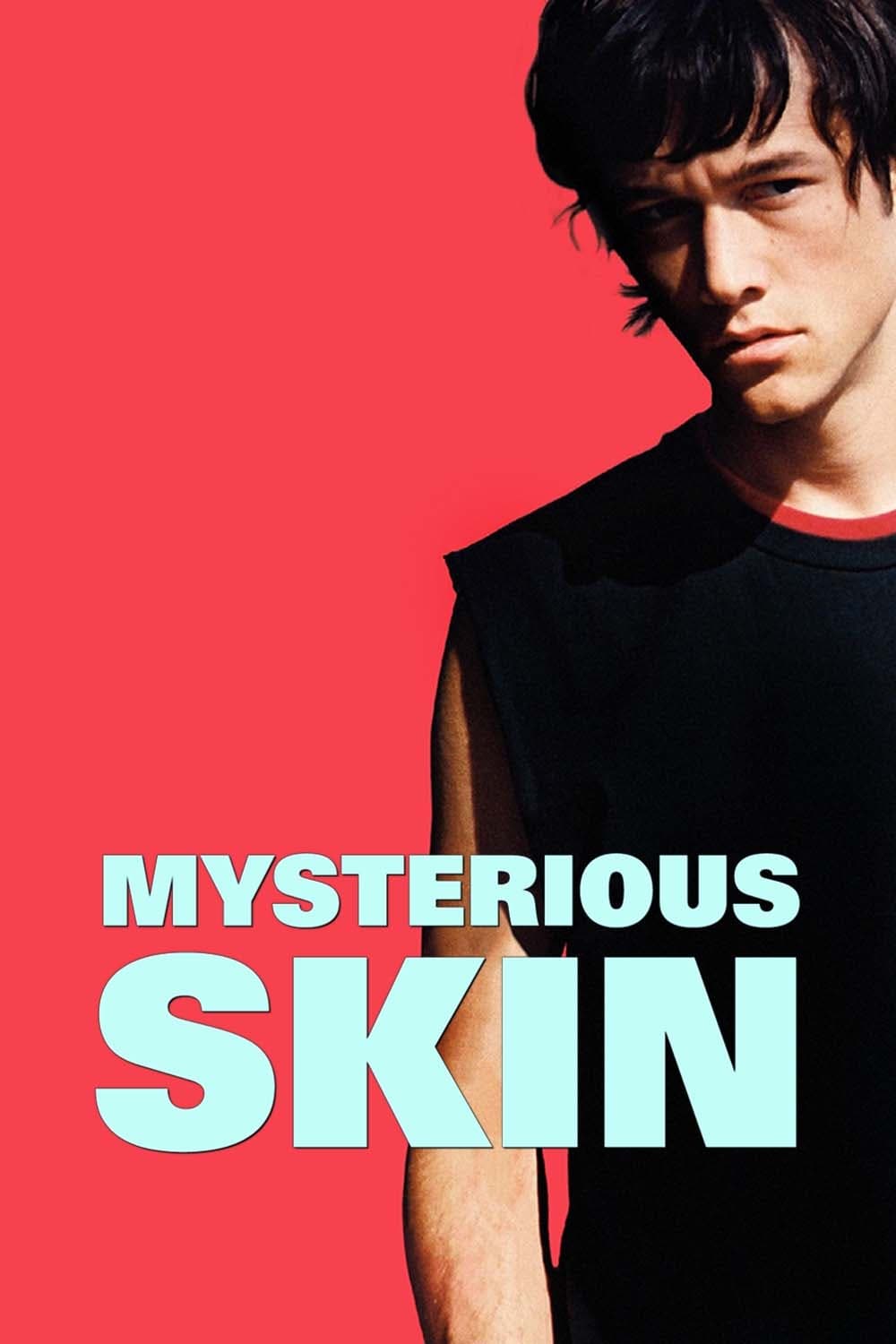
Two young men who shared a traumatic event during their childhood in Kansas take vastly different paths in life before eventually reuniting. Directed by Gregg Araki, the film follows a teenage hustler and a boy obsessed with alien abductions as they process their repressed memories. The narrative examines the lasting psychological effects of childhood abuse and the different ways individuals cope with trauma. It features breakout performances by Joseph Gordon-Levitt and Brady Corbet. The film is recognized for its sensitive and uncompromising approach to a difficult subject matter.
‘American Psycho’ (2000)

A wealthy New York investment banker hides his nocturnal life as a serial killer from his shallow social circle. Directed by Mary Harron, the film is a satirical critique of the consumerism and toxic masculinity of the 1980s corporate world. Christian Bale stars as Patrick Bateman, whose obsession with status and appearance masks his violent impulses. The narrative uses dark humor to highlight the superficiality of the characters’ lives and their indifference to the suffering of others. It has become a significant cult classic and a notable example of a female-directed horror film.
‘Close’ (2022)

Two thirteen-year-old boys share an intense and intimate friendship that is suddenly disrupted by the social pressures and judgments of their school peers. Directed by Lukas Dhont, the story follows the emotional fallout as one boy pulls away, leading to a tragic turning point in their lives. The narrative explores themes of masculinity, fragile identity, and the pain of lost innocence. It utilizes a quiet and observant visual style to capture the internal worlds of the young protagonists. The film won the Grand Prix at the Cannes Film Festival and was nominated for an Academy Award.
‘God’s Own Country’ (2017)

A young sheep farmer in Yorkshire numbs his frustrations with binge drinking and casual encounters until a Romanian migrant worker arrives to help during lambing season. Directed by Francis Lee, the film depicts the developing relationship between the two men as they work in the harsh, isolated landscape. The narrative focuses on the protagonist’s emotional transformation and his struggle to allow himself to be vulnerable. It is noted for its gritty realism and its focus on the physical labor of rural life. The film received critical acclaim for its performances and its authentic sense of place.
‘All of Us Strangers’ (2023)
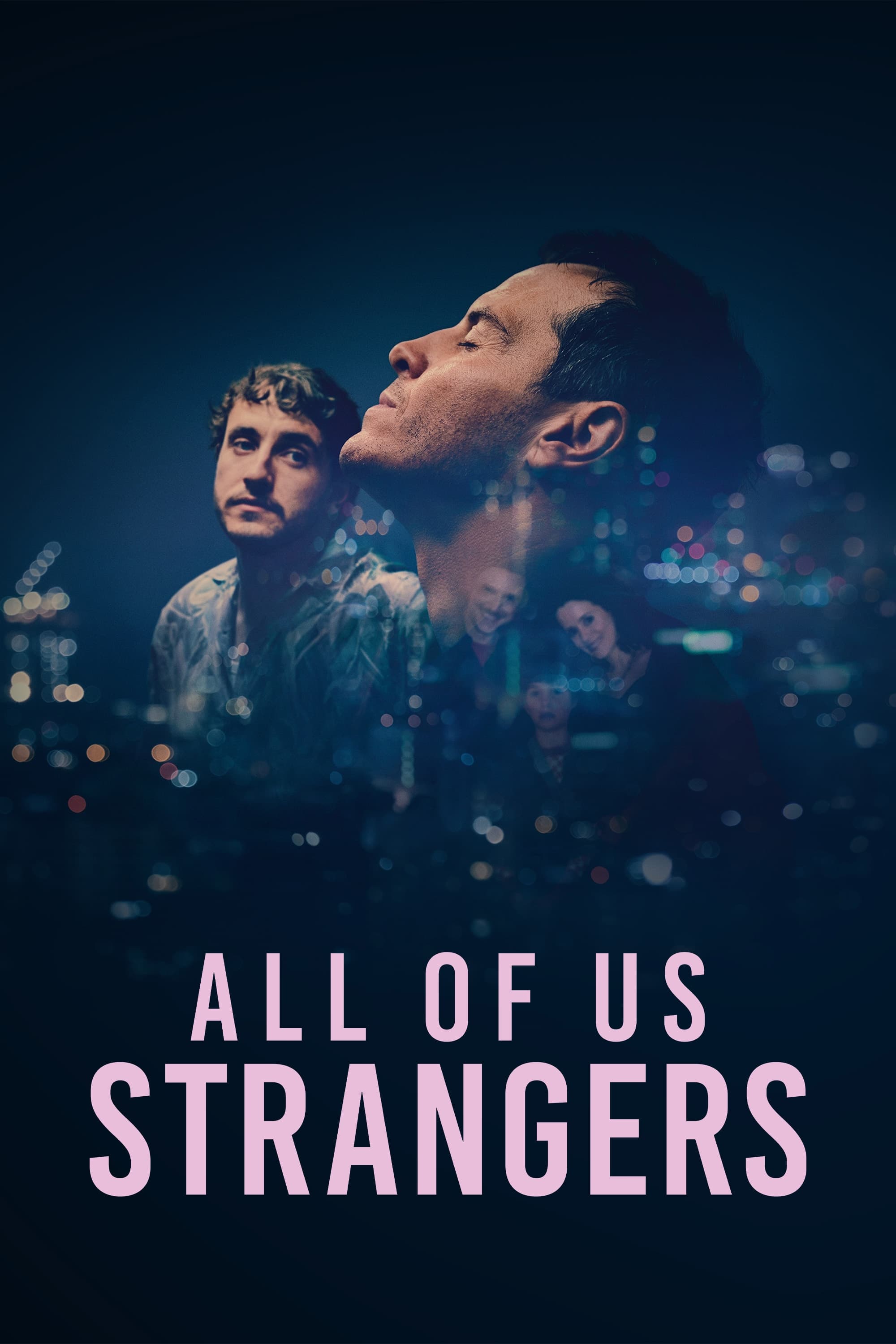
A screenwriter living in a nearly empty London apartment building strikes up a relationship with a mysterious neighbor while visiting his childhood home. Directed by Andrew Haigh, the film blends a contemporary romance with a metaphysical narrative where the protagonist discovers his long-deceased parents living as they were thirty years ago. The story examines themes of grief, loneliness, and the desire for parental reconciliation and understanding. Andrew Scott and Paul Mescal lead the cast in this exploration of personal history and emotional healing. It is based on the novel ‘Strangers’ by Taichi Yamada.
‘All About My Mother’ (1999)
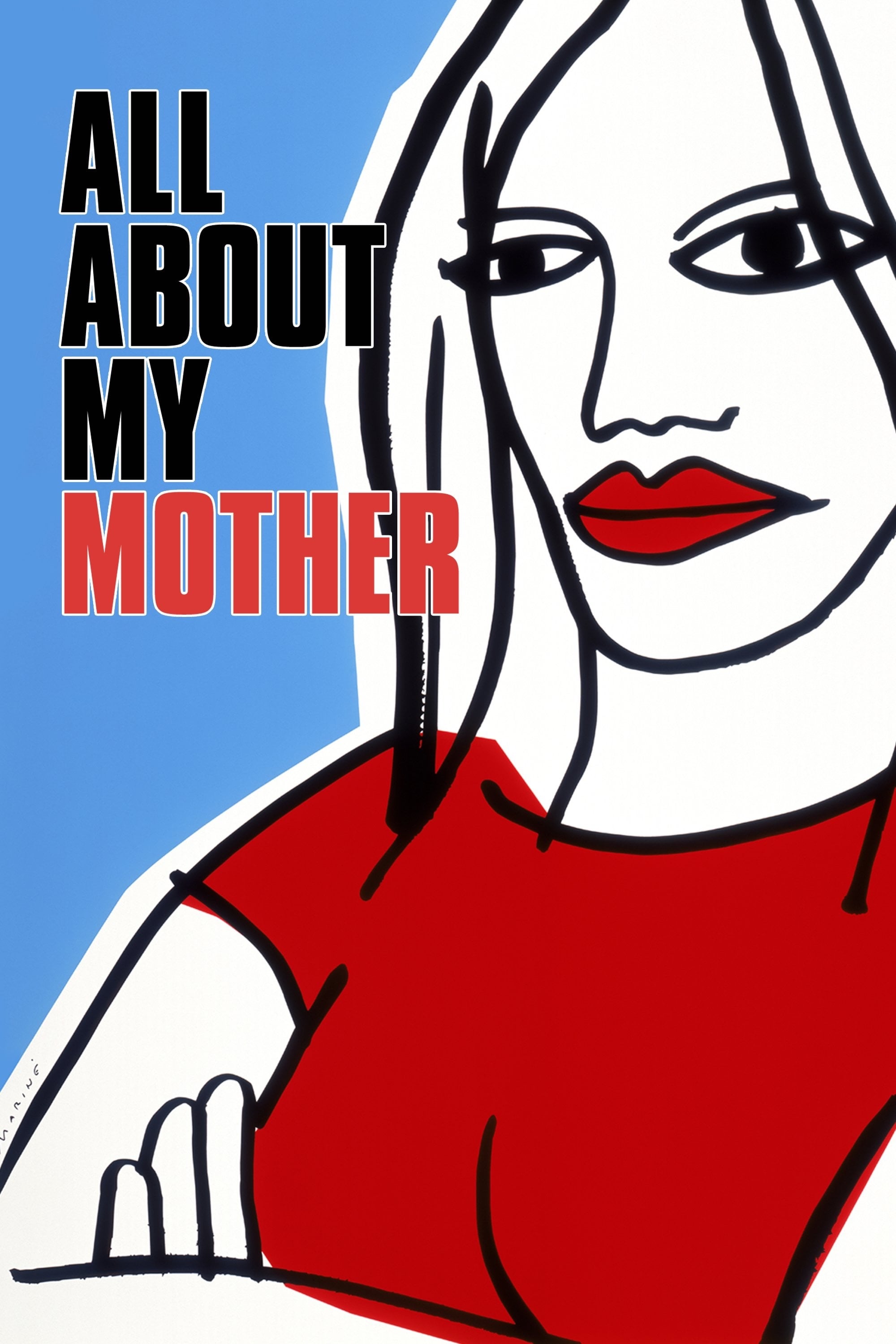
Following the accidental death of her teenage son, a nurse travels to Barcelona to find the boy’s father, who is now a transgender woman. Directed by Pedro Almodóvar, the film follows Manuela as she becomes part of a supportive community of women and navigates her grief. The narrative pays tribute to the strength of female solidarity and the various roles women play in society. It features Almodóvar’s trademark use of vibrant colors and intricate melodrama. The film won the Academy Award for Best Foreign Language Film and the Best Director award at Cannes.
‘Bride of Frankenstein’ (1935)

In this sequel to the original horror classic, Dr. Frankenstein is coerced into creating a female companion for his monster. Directed by James Whale, the film is often cited as a masterpiece of the genre for its blend of expressionist visuals, camp humor, and pathos. The narrative explores the monster’s search for companionship and the unintended consequences of playing God. It features Elsa Lanchester in a dual role as Mary Shelley and the titular Bride. The film is frequently interpreted through a queer lens, reflecting the director’s own outsider status and sensibilities.
‘Midnight Cowboy’ (1969)
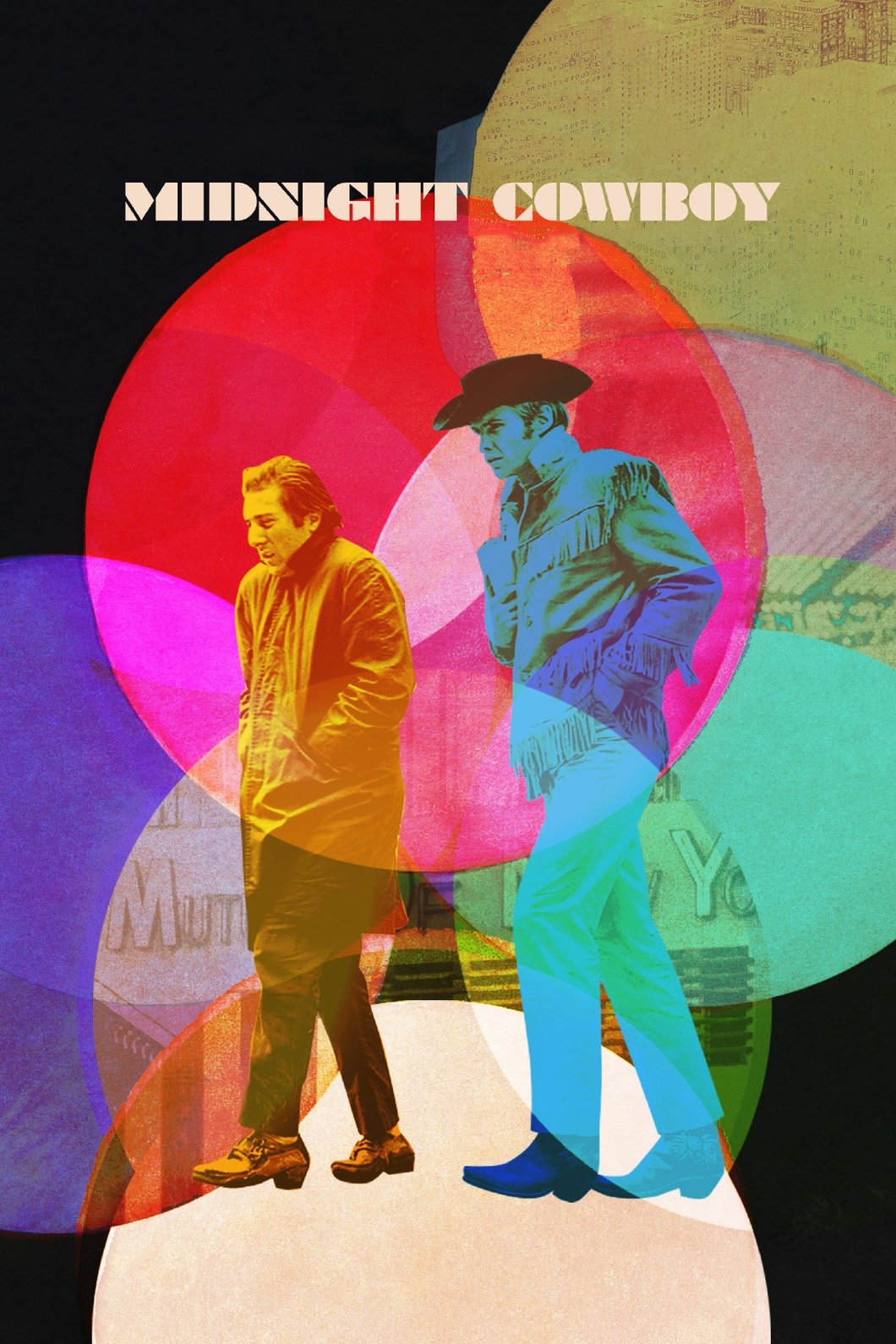
A naive young man from Texas travels to New York City to become a male prostitute but finds himself struggling to survive alongside a sickly con man. Directed by John Schlesinger, the film focuses on the unlikely friendship that develops between Joe Buck and Ratso Rizzo. The narrative examines themes of urban isolation, disillusionment, and the search for human connection on the margins of society. It remains the only X-rated film to ever win the Academy Award for Best Picture. The performances by Jon Voight and Dustin Hoffman are considered career-defining roles for both actors.
‘Call Me by Your Name’ (2017)
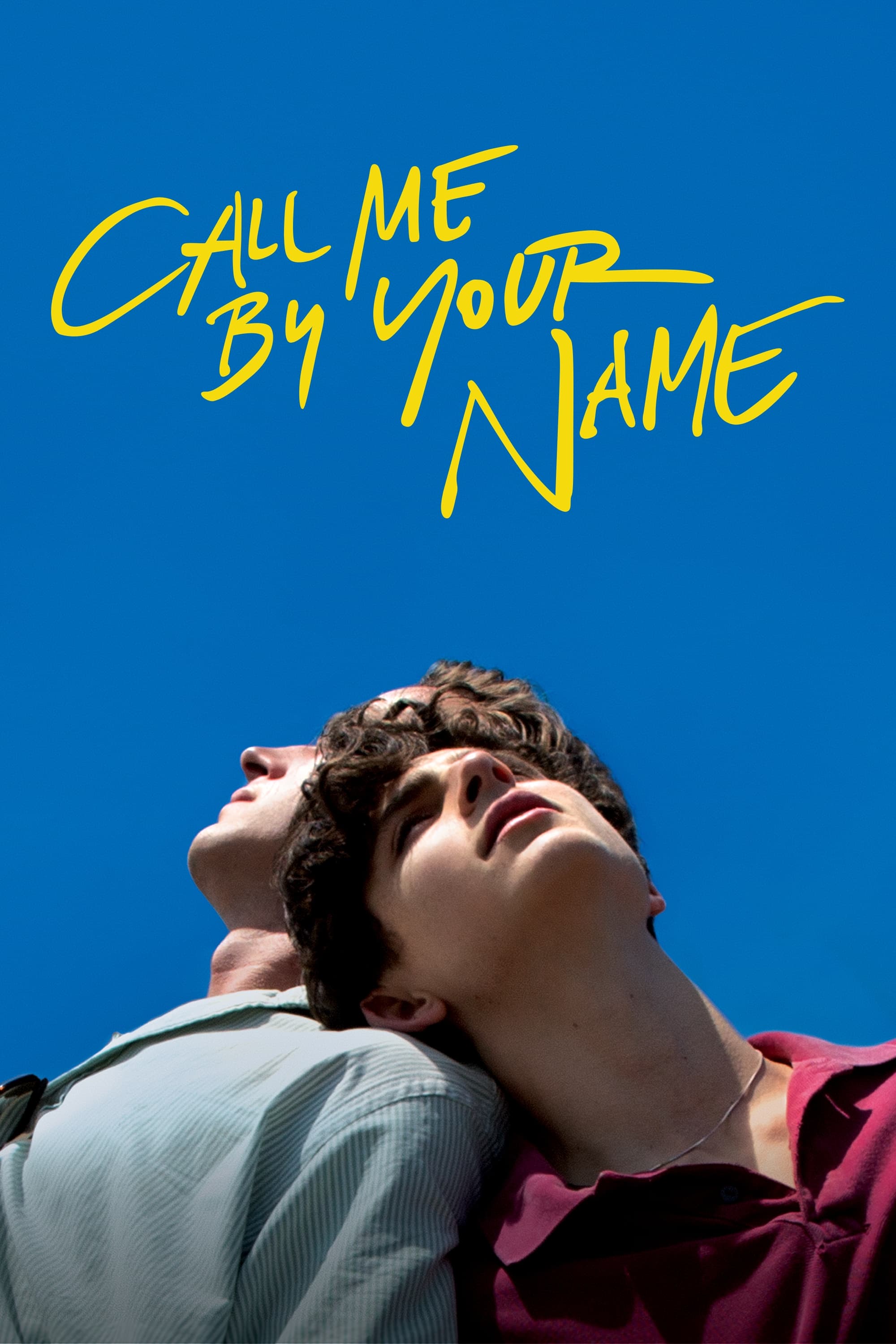
During a summer in 1980s Italy, a seventeen-year-old boy develops a romantic relationship with his father’s research assistant. Directed by Luca Guadagnino, the film is an adaptation of the novel by André Aciman and focuses on the emotional awakening of Elio Perlman. The story captures the sensory experience of a first love through its lush setting and intimate pacing. It explores themes of desire, intellectual connection, and the bittersweet nature of memory. The film received four Academy Award nominations, winning for Best Adapted Screenplay.
‘The Philadelphia Story’ (1940)

A wealthy socialite’s wedding plans are complicated by the simultaneous arrival of her ex-husband and a tabloid reporter. Directed by George Cukor, this classic screwball comedy stars Katharine Hepburn, Cary Grant, and James Stewart. The narrative explores themes of class, marriage, and personal growth as the protagonist re-evaluates her perceptions of those around her. Cukor was known as a “woman’s director” for his ability to elicit nuanced performances from his female leads. The film was a major critical and commercial success, revitalizing Hepburn’s career and winning two Academy Awards.
‘Nosferatu’ (1922)
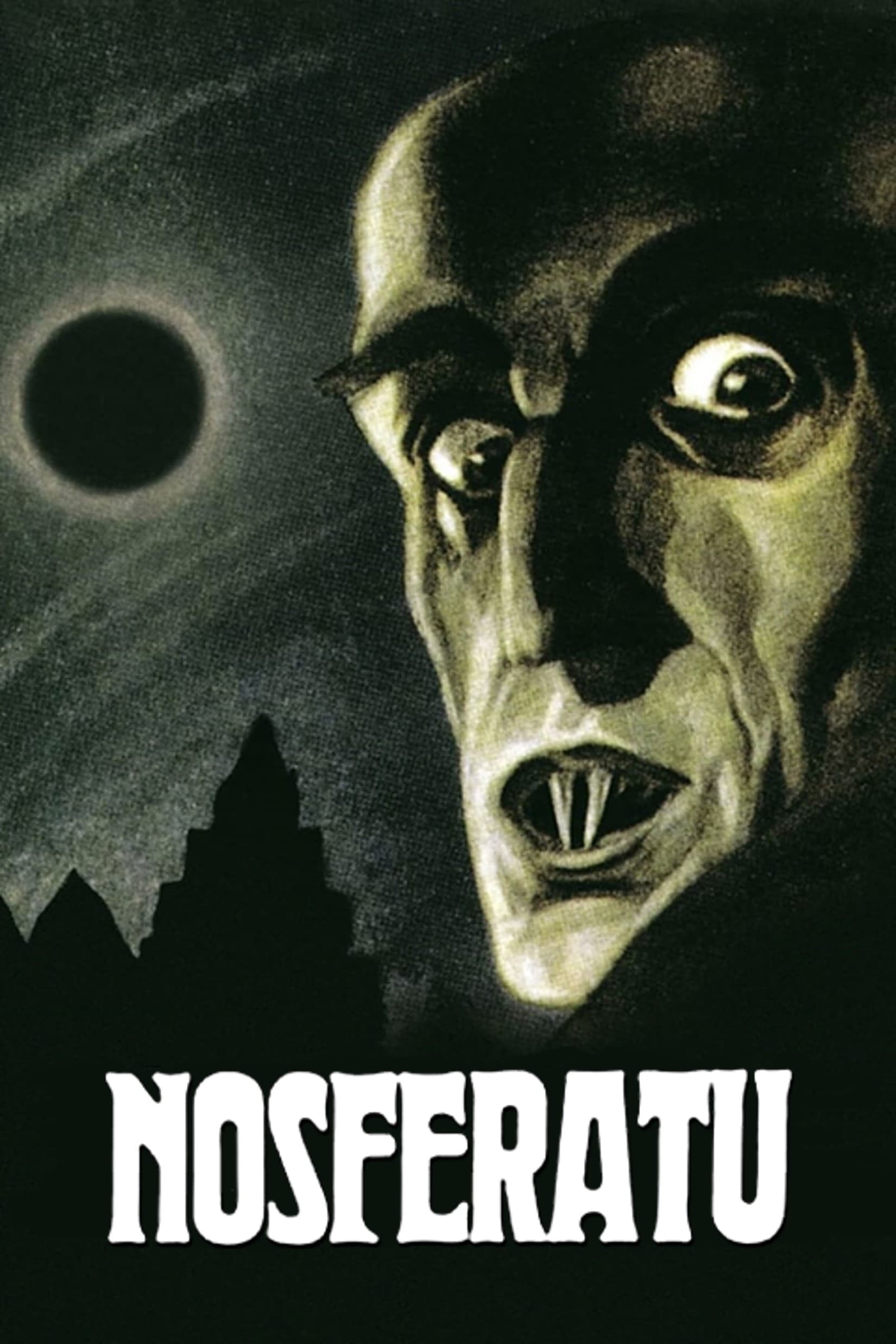
In this unauthorized adaptation of Bram Stoker’s ‘Dracula’, a vampire named Count Orlok travels from Transylvania to Germany, bringing death and plague with him. Directed by F.W. Murnau, the film is a cornerstone of German Expressionism, utilizing shadows and distorted perspectives to create a sense of dread. Max Schreck’s portrayal of the grotesque Orlok remains one of the most iconic images in horror history. The film explores themes of the supernatural, contagion, and the encroaching darkness of the unknown. It continues to influence filmmakers for its visual innovation and atmospheric storytelling.
‘Talk to Her’ (2002)
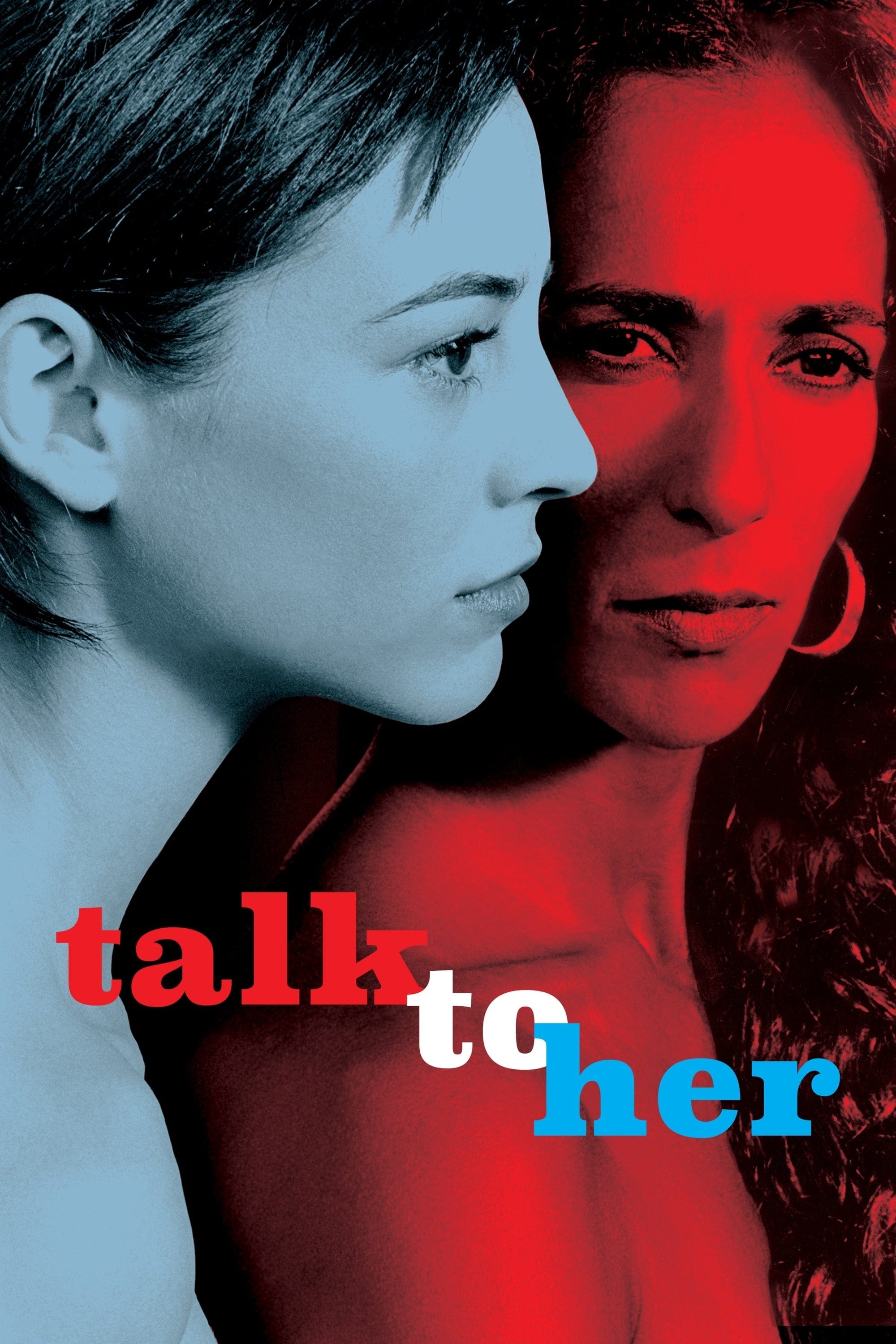
Two men form an unexpected bond while caring for two women who are both in a state of long-term coma. Directed by Pedro Almodóvar, the film examines themes of loneliness, devotion, and the moral boundaries of love and caretaking. The narrative utilizes a complex structure involving flashbacks and a silent film segment to explore the pasts of the characters. It is celebrated for its emotional depth and its ability to find beauty and tragedy in unconventional circumstances. Almodóvar won the Academy Award for Best Original Screenplay for this production.
‘Battleship Potemkin’ (1925)
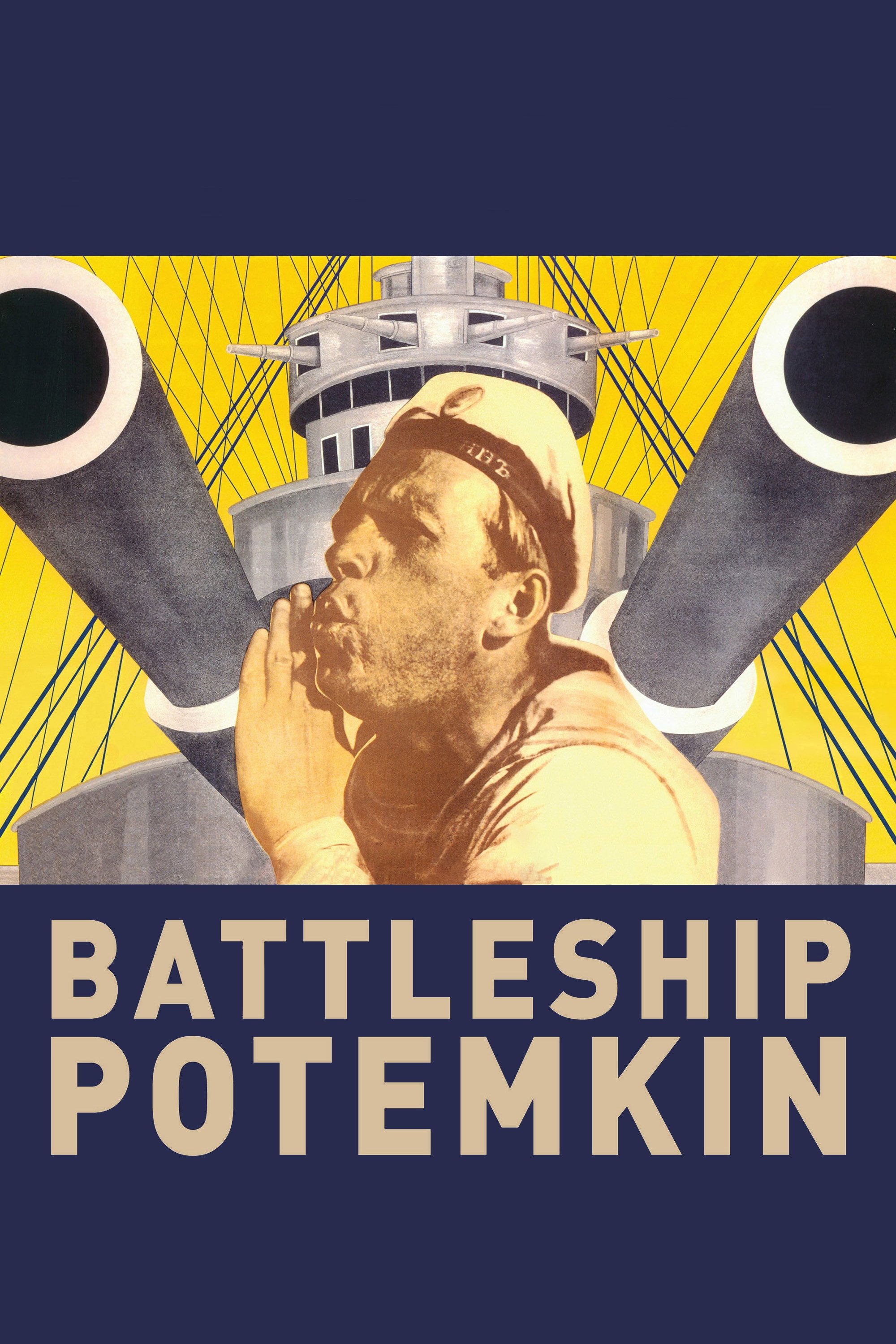
This silent film presents a dramatized account of the 1905 mutiny of a Russian battleship’s crew against their tsarist officers. Directed by Sergei Eisenstein, the film is world-renowned for its pioneering use of montage to manipulate audience emotion and narrative rhythm. The “Odessa Steps” sequence remains one of the most famous and influential scenes in cinema history. It was originally intended as a piece of revolutionary propaganda but became a technical landmark for its editing and composition. The film’s impact on film theory and practice is still studied by scholars today.
‘Funeral Parade of Roses’ (1969)
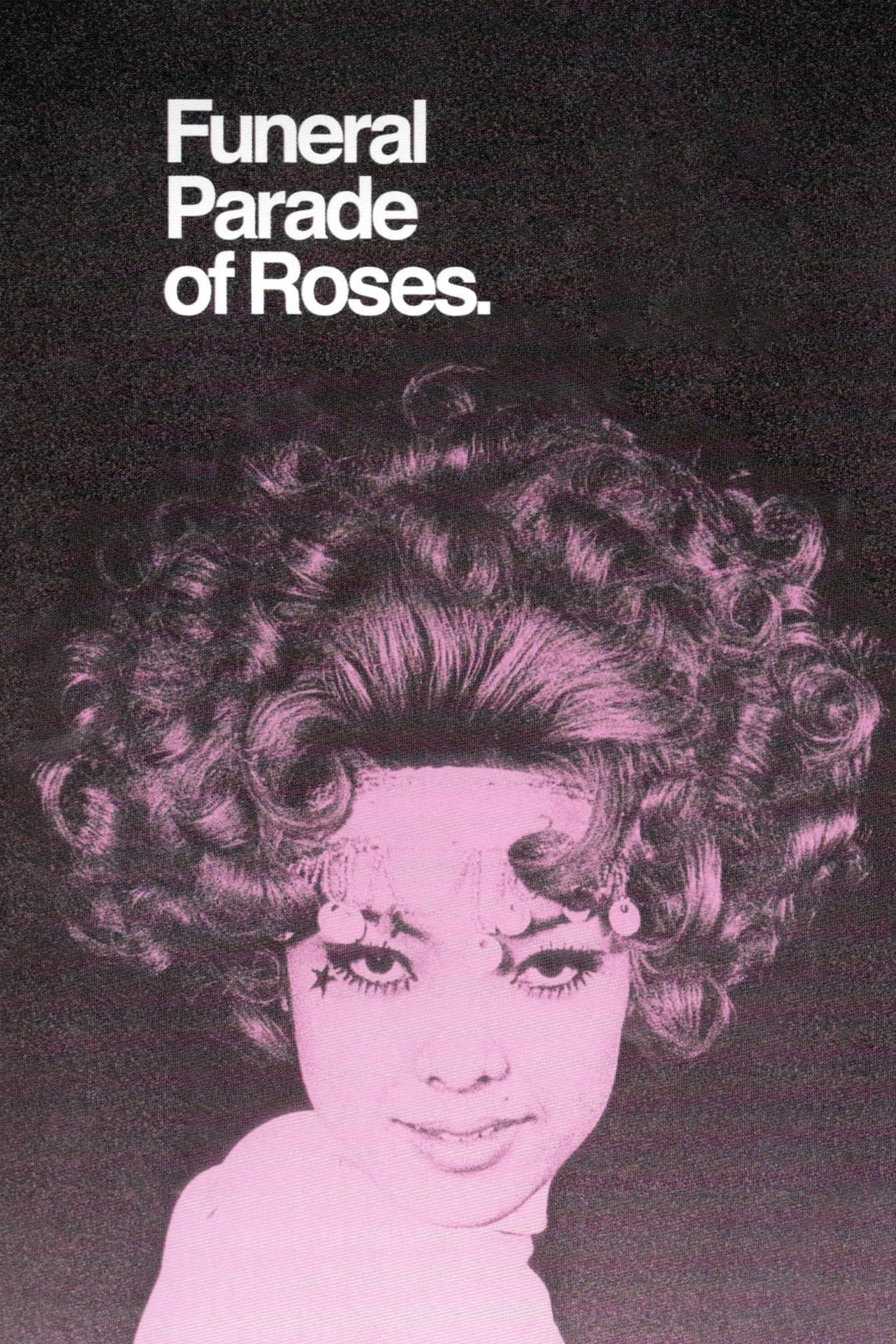
This experimental film offers a stylized look at the underground queer subculture of 1960s Tokyo, focusing on the lives of transgender women working in a gay bar. Directed by Toshio Matsumoto, the narrative is a loose reimagining of ‘Oedipus Rex’ set within the contemporary Shinjuku district. It blends documentary-style interviews with avant-garde visual techniques and non-linear storytelling. The film is considered a major work of the Japanese New Wave for its transgressive themes and formal innovation. It served as a significant influence on Stanley Kubrick’s ‘A Clockwork Orange’.
‘Portrait of a Lady on Fire’ (2019)
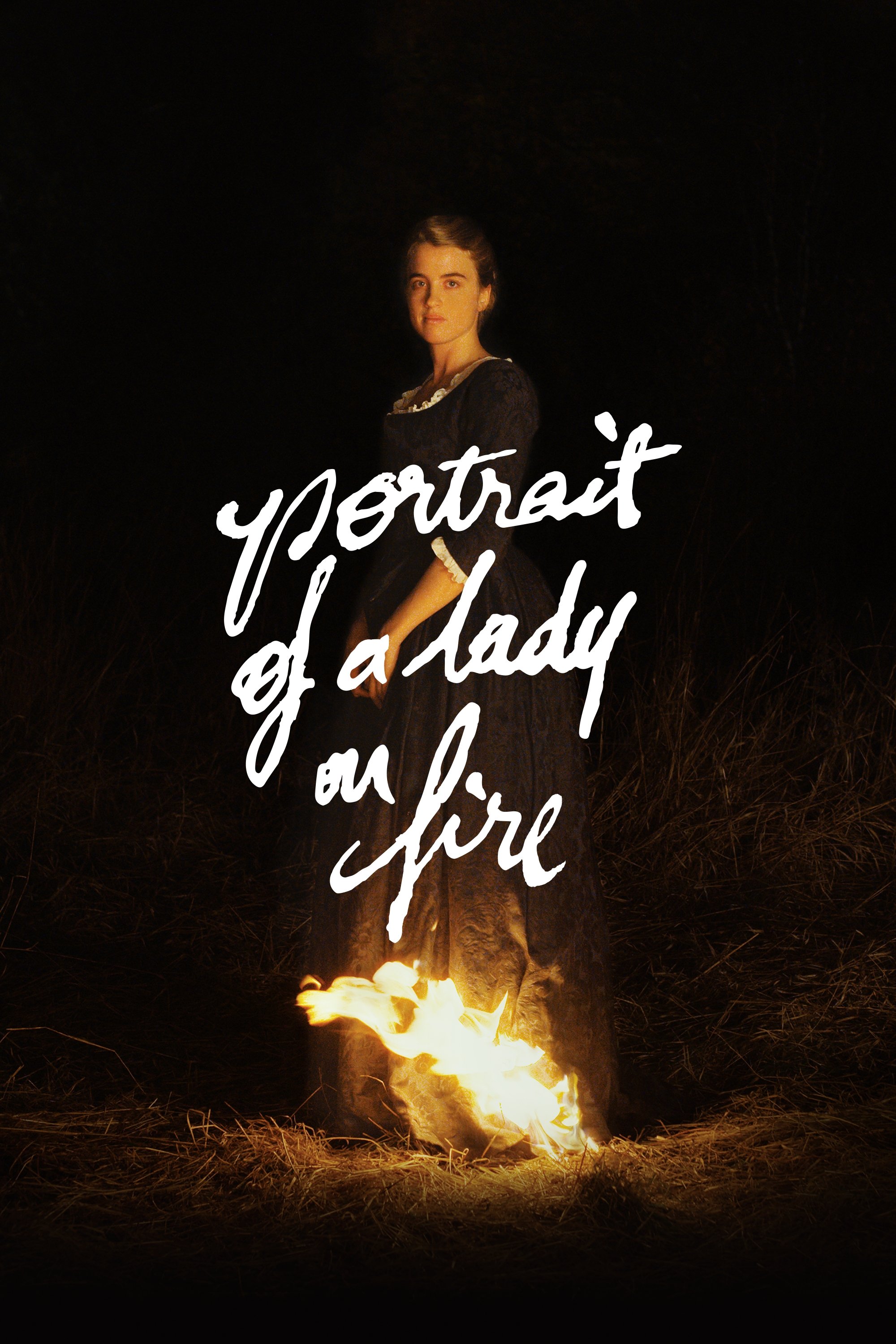
In late 18th-century France, a painter is commissioned to create a wedding portrait of a young woman who refuses to pose, leading to a secret romance between them. Directed by Céline Sciamma, the film focuses on the female gaze and the power dynamics of observation and artistic creation. The narrative unfolds on an isolated island, allowing the relationship to develop away from societal constraints. It explores themes of memory, desire, and the fleeting nature of time. The film received universal critical acclaim and won the Queer Palm at the Cannes Film Festival.
‘Mommy’ (2014)
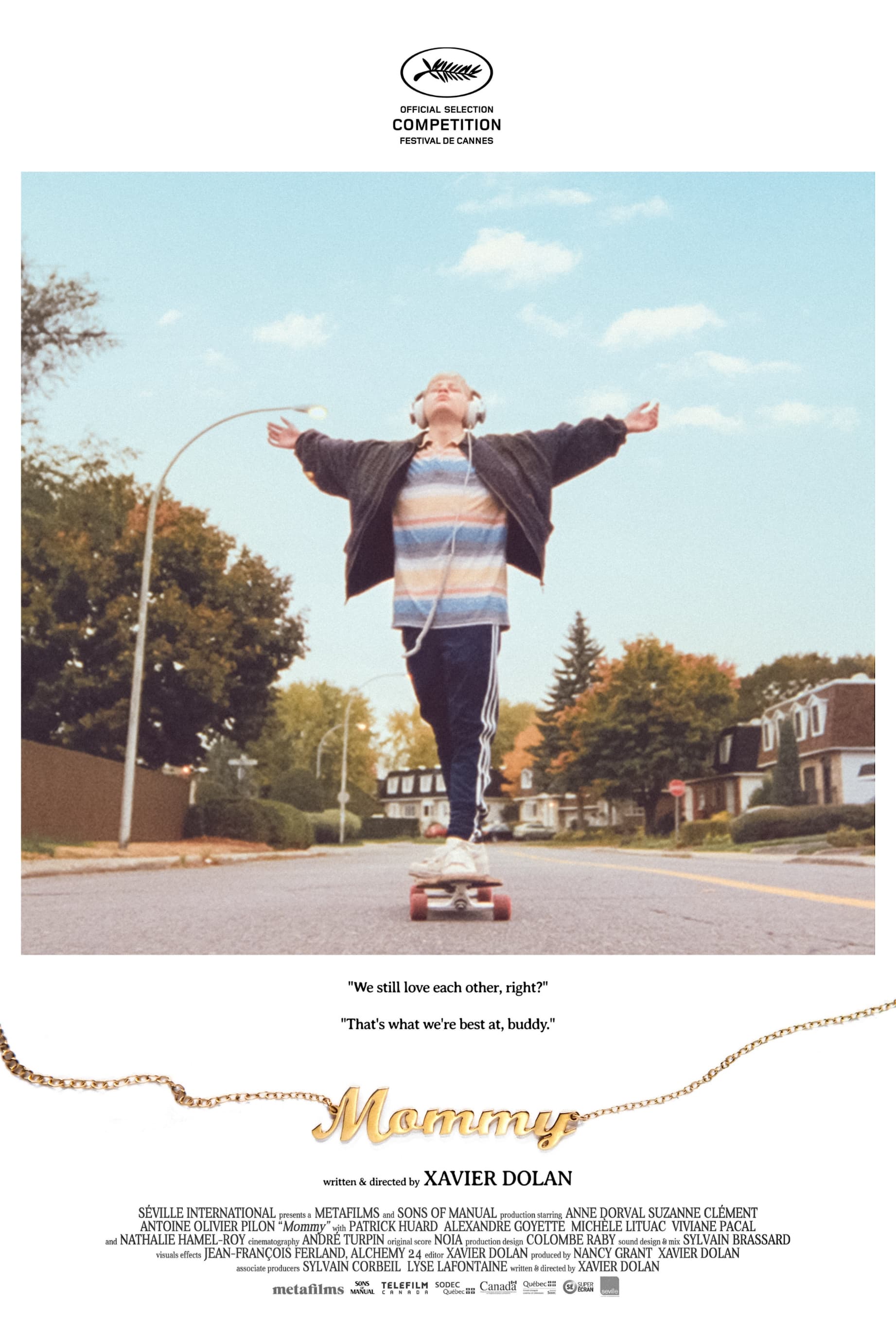
A widowed mother struggles to raise her violent son in a fictionalized Canada where parents have the legal right to institutionalize difficult children. Anne Dorval plays Diane, who attempts to manage Steve’s unpredictable outbursts with the help of a mysterious neighbor. Director Xavier Dolan chose a 1:1 aspect ratio for the majority of the film to evoke a sense of claustrophobia and emotional intensity. The film received the Jury Prize at the Cannes Film Festival and won several Canadian Screen Awards. It explores themes of maternal love, mental health, and the desire for freedom within social constraints.
‘Paris Is Burning’ (1990)
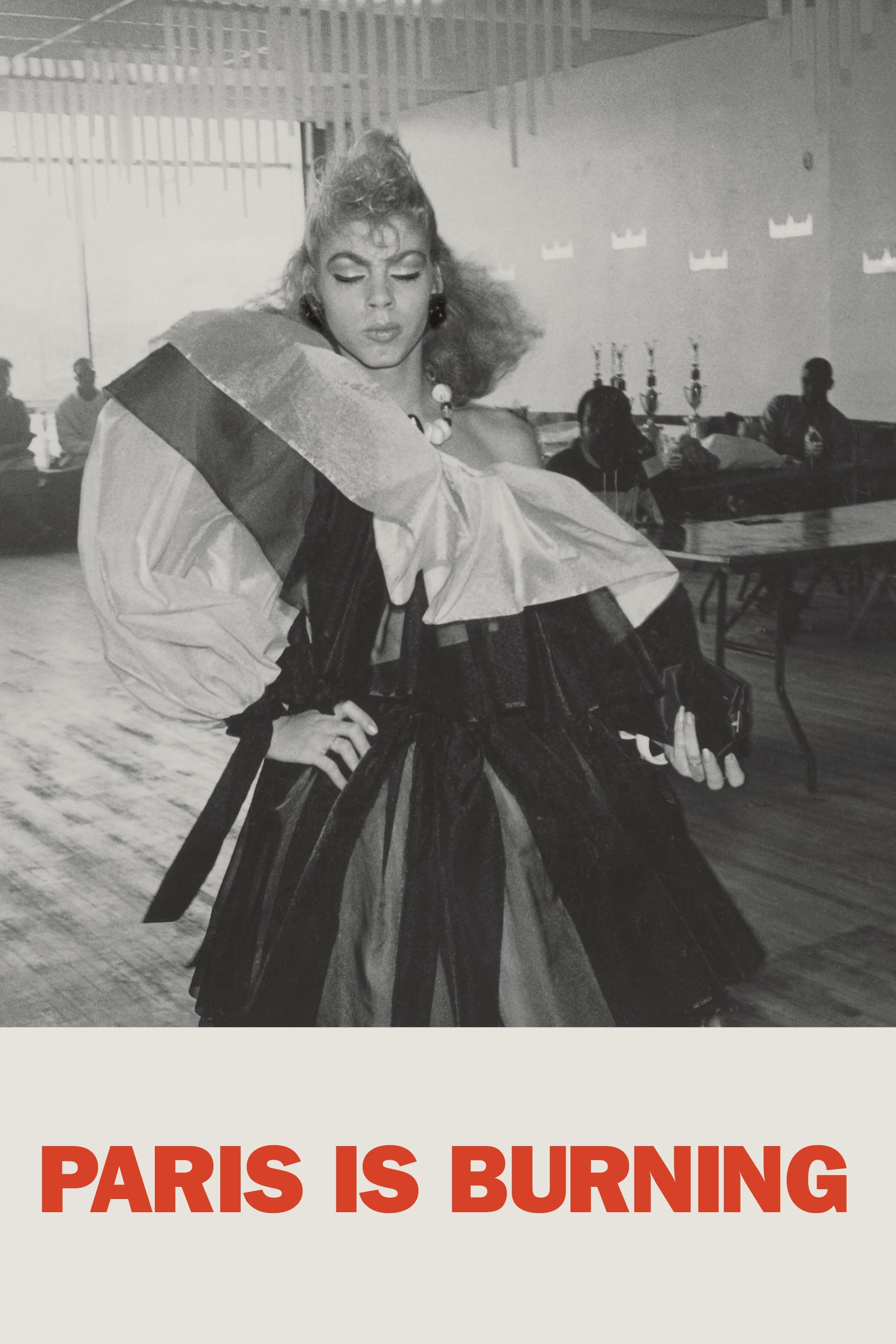
This documentary chronicles the ball culture of New York City in the late 1980s, focusing on the African-American, Latino, gay, and transgender communities involved. Directed by Jennie Livingston, the film examines the concepts of “houses,” voguing, and the pursuit of “realness” as a form of survival and self-expression. It provides a platform for individuals living on the margins of society to share their dreams, struggles, and personal histories. The narrative addresses issues of racism, poverty, and the impact of the AIDS crisis on the community. It remains a vital cultural document and a foundational work of queer cinema.
‘Good Will Hunting’ (1997)
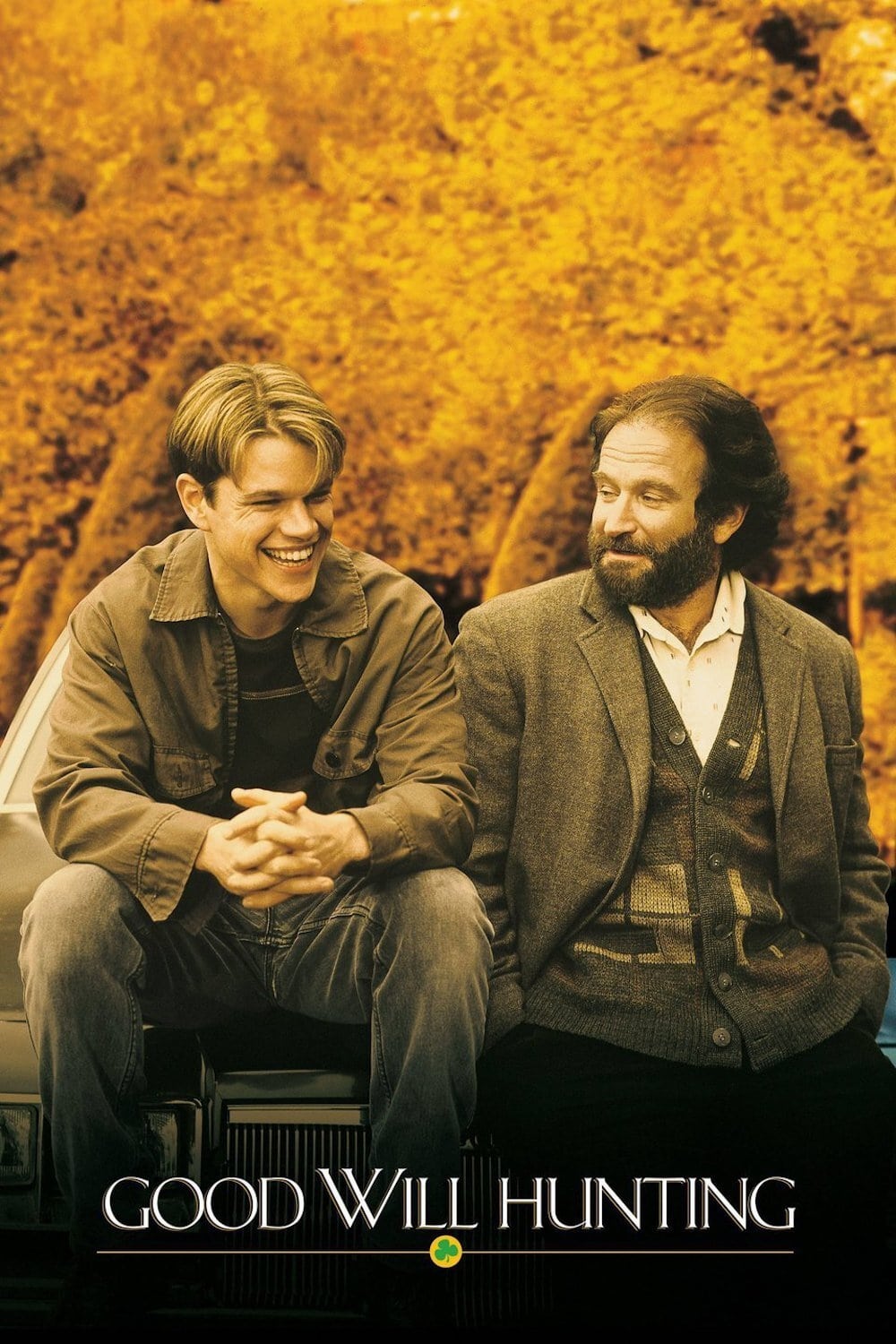
A self-taught math genius working as a janitor at MIT finds his life changed after he solves a difficult problem on a chalkboard. Will Hunting must navigate his troubled past and legal issues while receiving counseling from a therapist who challenges his worldview. Directed by Gus Van Sant, the screenplay was written by the film’s stars, Matt Damon and Ben Affleck. The story examines the emotional barriers to personal growth and the value of mentorship and genuine human connection. It earned two Academy Awards, including Best Original Screenplay and Best Supporting Actor for Robin Williams.
‘The Matrix’ (1999)
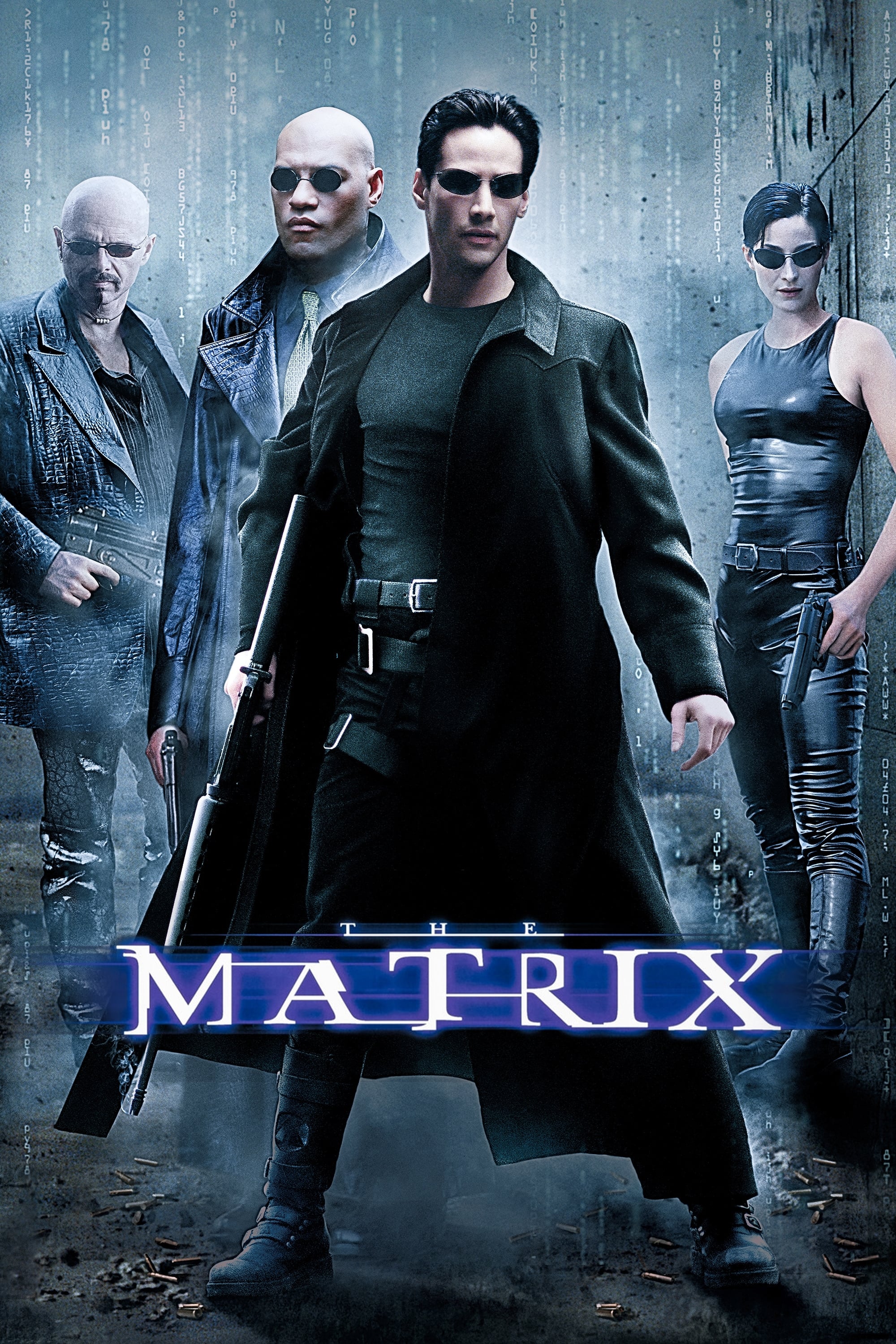
A computer programmer discovers that humanity is trapped in a simulated reality created by sentient machines to harvest bioelectric power. Thomas Anderson, under his hacking name Neo, joins a group of rebels led by Morpheus to fight against the system’s enforcers. Directed by the Wachowskis, the film introduced “bullet time” and complex wire-fu choreography to Western audiences. The narrative incorporates philosophical concepts regarding existentialism, perception, and the nature of identity. It remains a significant work in the science fiction genre for its technical innovation and conceptual depth.
Please share your thoughts on these cinematic works in the comments.