TV Shows That Were Ruined By Strike-Related Delays

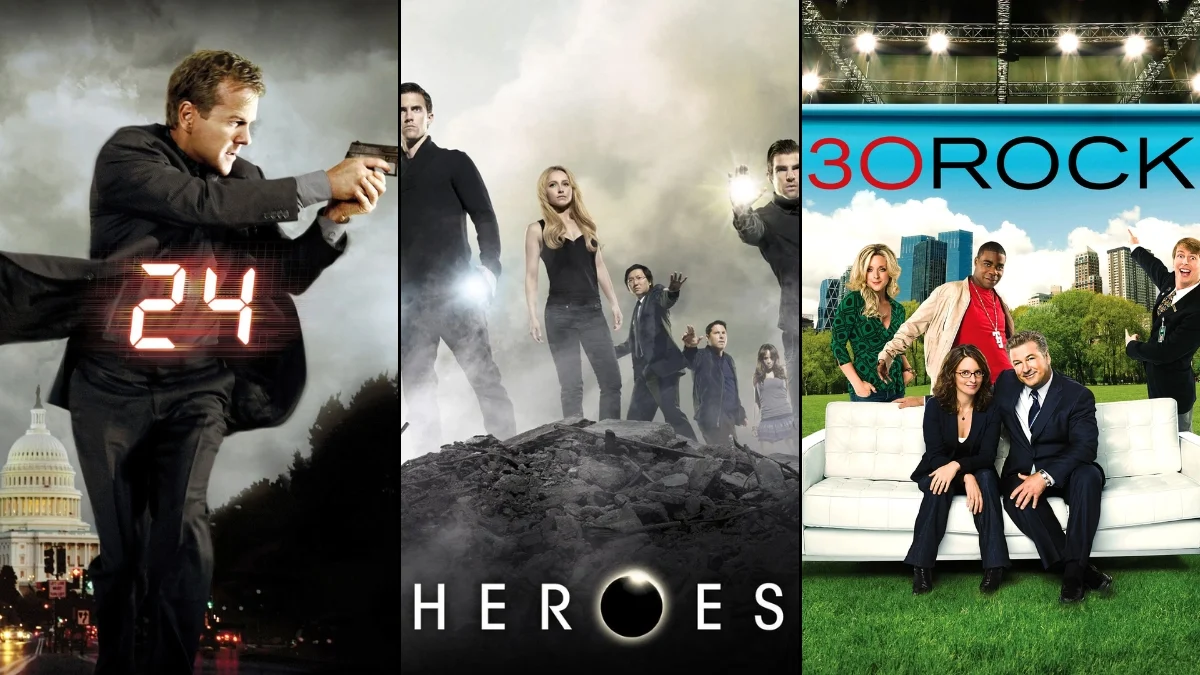

The entertainment industry has faced several significant work stoppages that fundamentally altered the landscape of television production. The most notable disruptions occurred during the 2007–2008 Writers Guild of America strike, which lasted 100 days and resulted in truncated seasons, abandoned plotlines, and the cancellation of several promising series. More recently, the dual strikes of 2023 caused massive delays in production schedules, forcing networks and streaming services to push back premiere dates by years. These delays often lead to a loss of viewership momentum, the aging out of child actors, and the erosion of creative continuity.
‘Heroes’ (2006–2010)
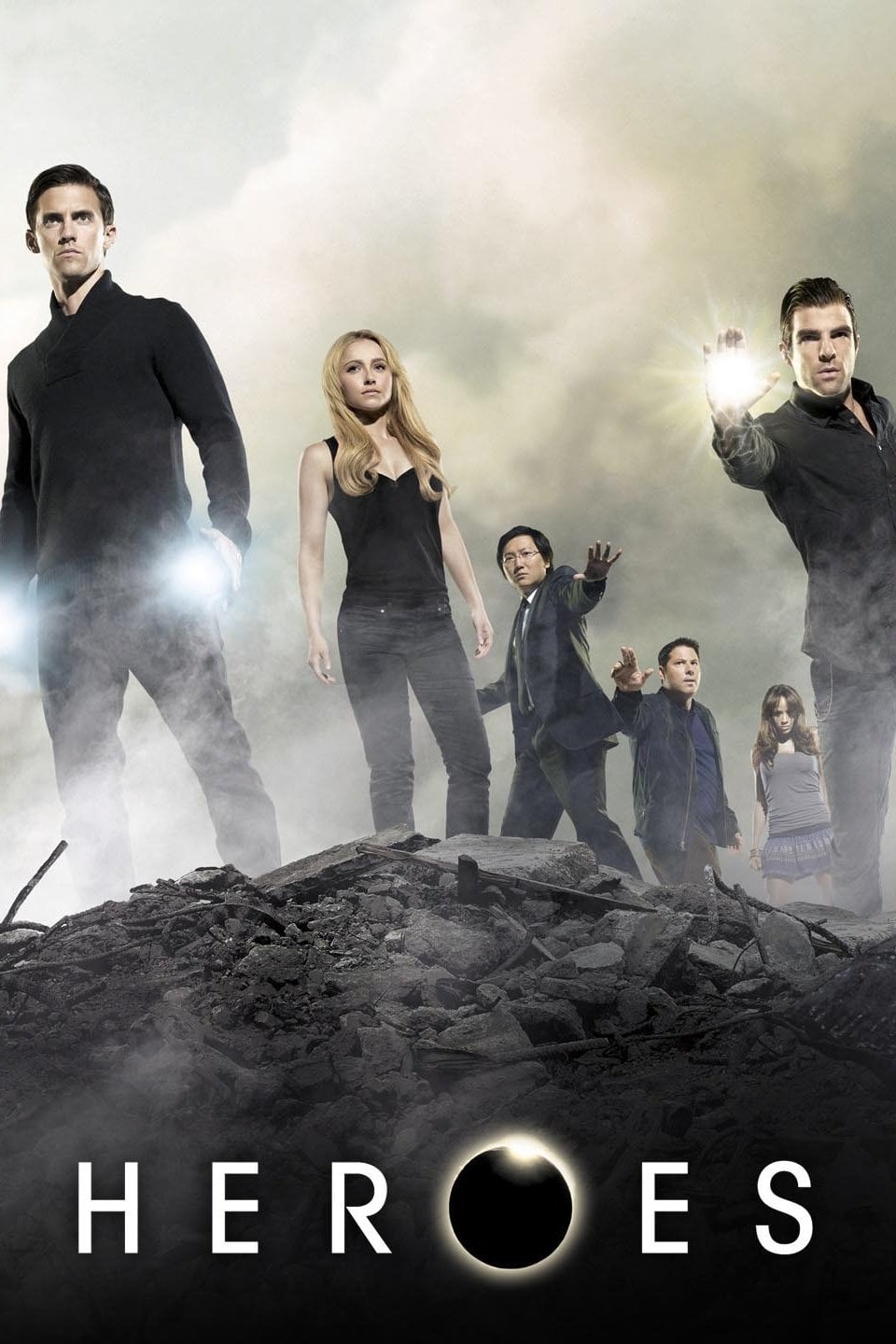
The second season of ‘Heroes’ was significantly shortened to only eleven episodes due to the 2007–2008 writers’ strike. This production halt forced showrunner Tim Kring to scrap several planned storylines and rush the “Generations” volume to a premature conclusion. Many fans and critics felt the pacing was irreparably damaged, leading to a sharp decline in viewership that the series never fully recovered from. The intended global virus plotline was largely abandoned, leaving major character arcs unresolved or nonsensical for the remainder of the show’s run.
‘Pushing Daisies’ (2007–2009)
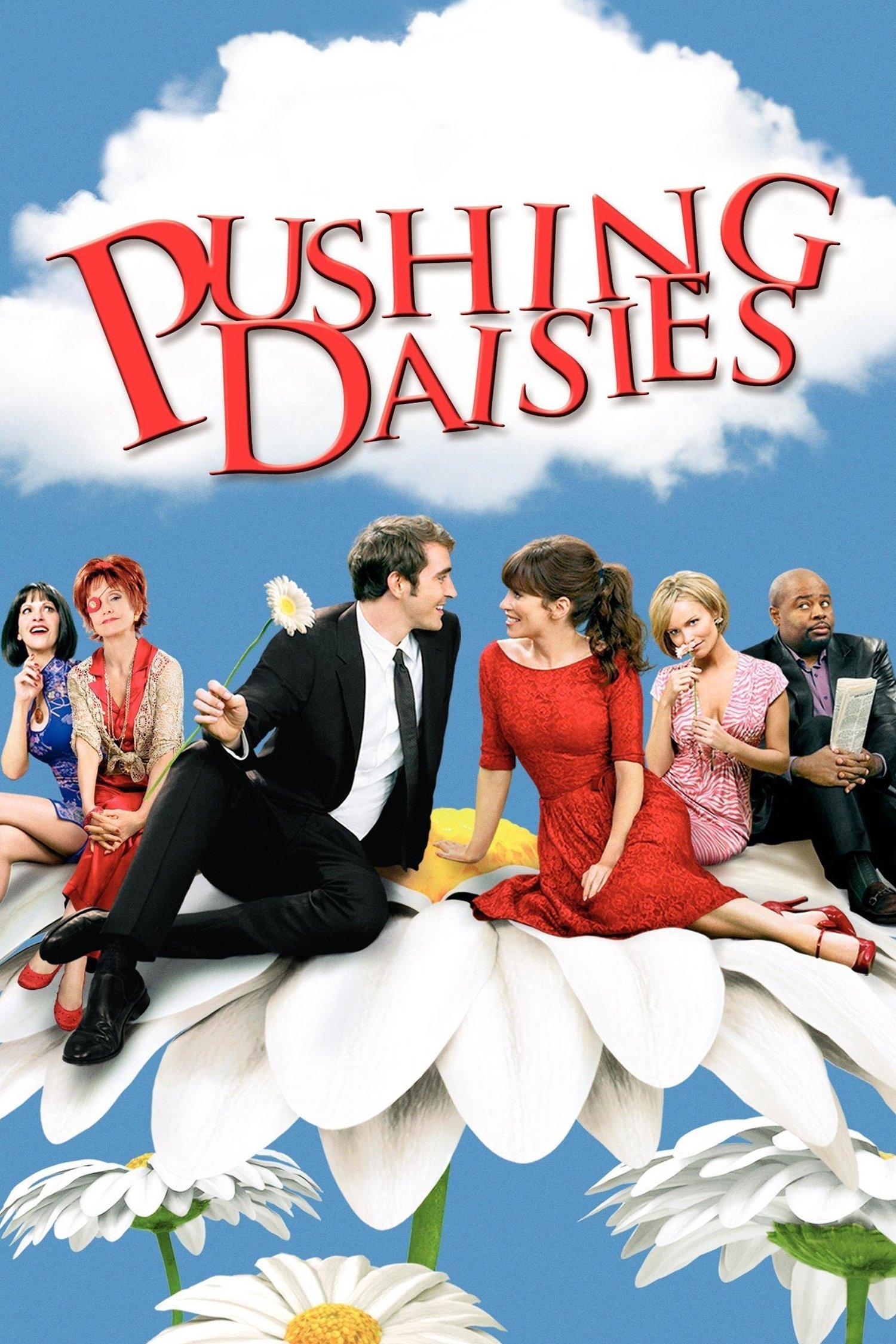
‘Pushing Daisies’ was a breakout critical hit during its debut, but the strike interrupted its freshman season after only nine episodes. The long hiatus between the strike and the second season caused the show to lose its initial ratings momentum and audience interest. When it finally returned, the whimsical series struggled to regain its footing in a crowded television landscape. The show was eventually canceled after its second season, leaving many of its complex mysteries without a proper resolution.
‘Friday Night Lights’ (2006–2011)
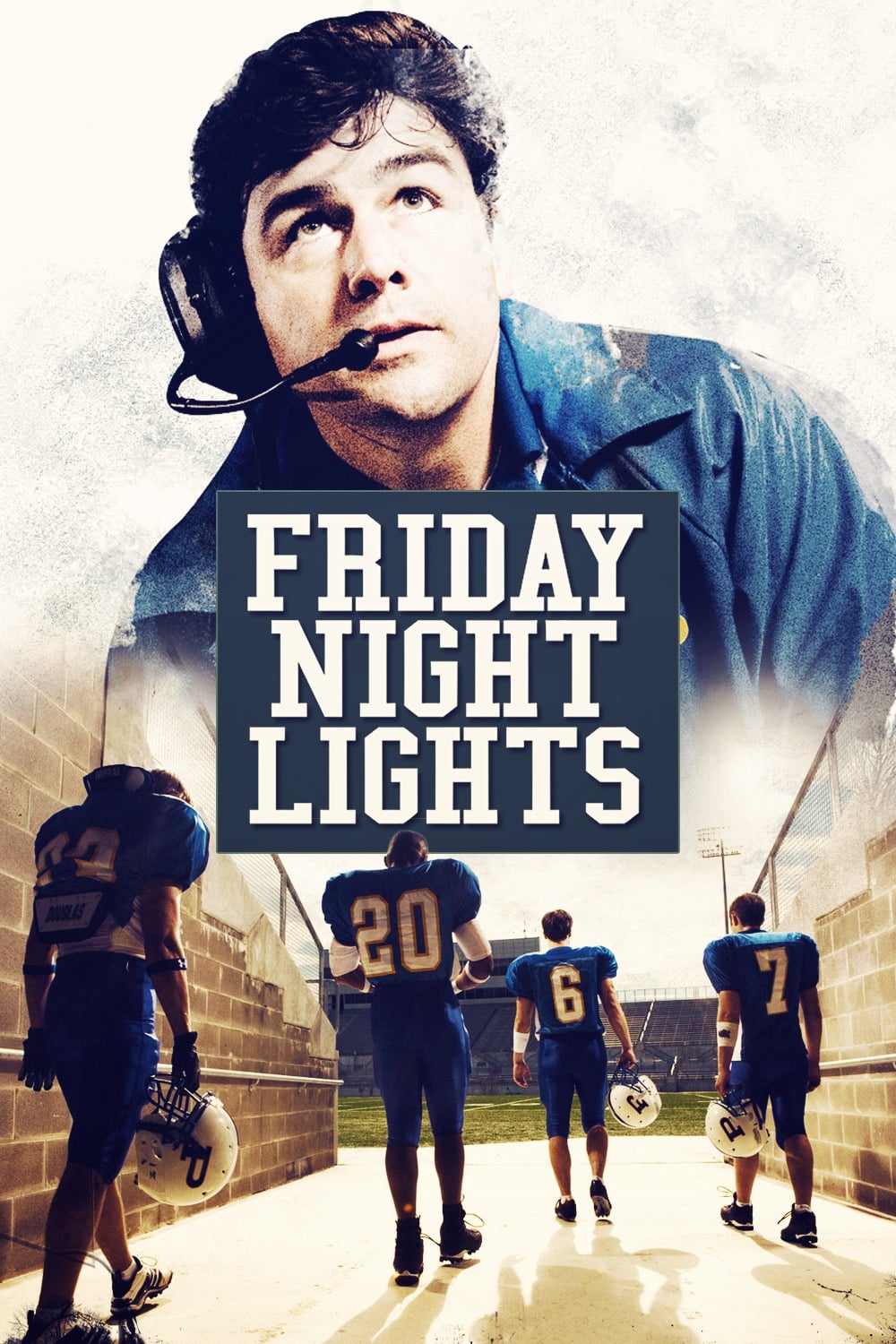
The second season of ‘Friday Night Lights’ is often cited as the show’s weakest point due to strike-related writing pressures and a truncated schedule. A controversial murder subplot involving the characters Landry Clarke and Tyra Collette was abruptly abandoned when the strike began. When the series returned for its third season, the writers chose to ignore many of the messy plot points from the strike-affected season entirely. This creative pivot saved the series but left a permanent narrative scar on the show’s overall continuity.
‘Lost’ (2004–2010)
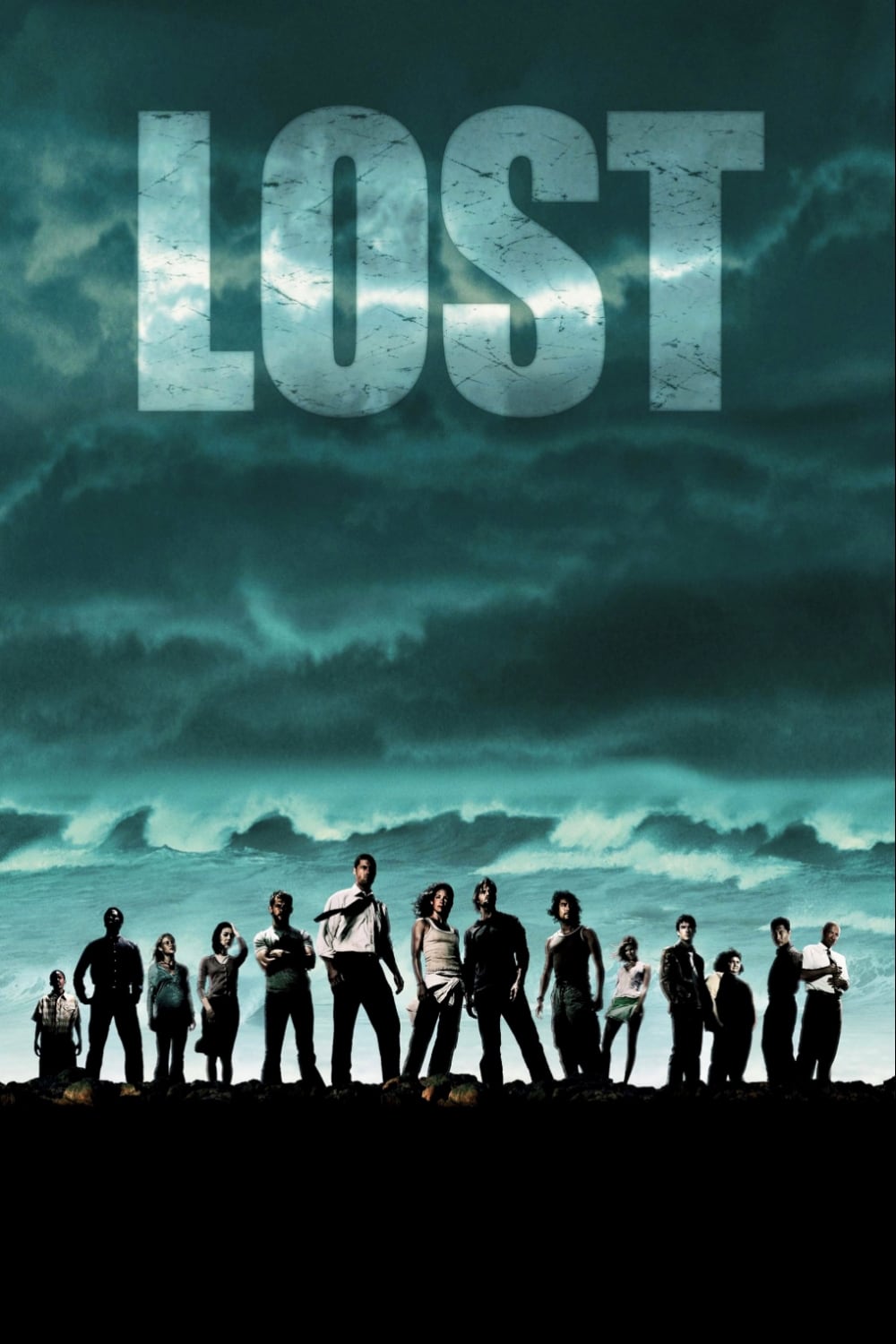
‘Lost’ saw its fourth season reduced from sixteen episodes down to fourteen because of the writer’s strike. This forced showrunners to condense the “Flash Forward” narrative and the introduction of the freighter crew into a much tighter timeframe. Some subplots, such as the development of the characters Daniel Faraday and Charlotte Lewis, suffered from the lack of screen time. The strike-induced break also split the season in a way that disrupted the show’s intricate weekly momentum.
‘Prison Break’ (2005–2017)

The third season of ‘Prison Break’ was cut down to just thirteen episodes, resulting in a rushed and claustrophobic narrative set in the Sona prison. The strike prevented the writers from fully fleshing out the conspiracy involving “The Company” and the introduction of new antagonists. Consequently, the season felt unfinished, and the transition into the fourth season required several logical leaps to bridge the gaps. This disruption is often blamed for the show’s decline in quality after its highly acclaimed first two years.
‘Supernatural’ (2005–2020)

The third season of ‘Supernatural’ was shortened to 16 episodes, which forced the writers to accelerate the primary arc involving Dean Winchester’s deal with a crossroads demon. Major recurring characters like Bela Talbot and Ruby had their backstories and motivations significantly trimmed to meet the new production schedule. The strike also led to the cancellation of a planned spin-off and several standalone episodes that were intended to expand the show’s lore. While the series remained popular, the third season’s pacing remains a point of contention among long-term fans.
‘Bionic Woman’ (2007)

The 2007 reboot of ‘The Bionic Woman’ was one of the highest-profile casualties of the WGA strike. Production was halted after only eight episodes had been filmed, leaving the story in a state of limbo during the strike period. By the time the strike ended, NBC decided not to resume production due to declining ratings and the loss of promotional steam. The series was officially canceled, leaving the reimagined story of Jaime Sommers without an ending.
‘Journeyman’ (2007)

‘Journeyman’ was a science fiction drama that gained a dedicated following but suffered immensely from the strike’s timing. The first season was halted after thirteen episodes, and the network opted not to order additional segments once the strike concluded. Because the show relied on a complex, serialized mystery regarding time travel, the sudden stop left viewers with no answers. It remains a cult favorite that is frequently cited as a show that could have thrived without the labor dispute.
‘Dirty Sexy Money’ (2007–2009)

‘Dirty Sexy Money’ featured an ensemble cast and a high-budget production that was derailed by the work stoppage. The first season was split, and the long delay caused a significant portion of the audience to migrate to other programs. When the show returned for a second season, the ratings had plummeted to a level that made the expensive production unsustainable. ABC canceled the series shortly thereafter, preventing the writers from concluding the central mystery of the Darling family.
‘Cavemen’ (2007)
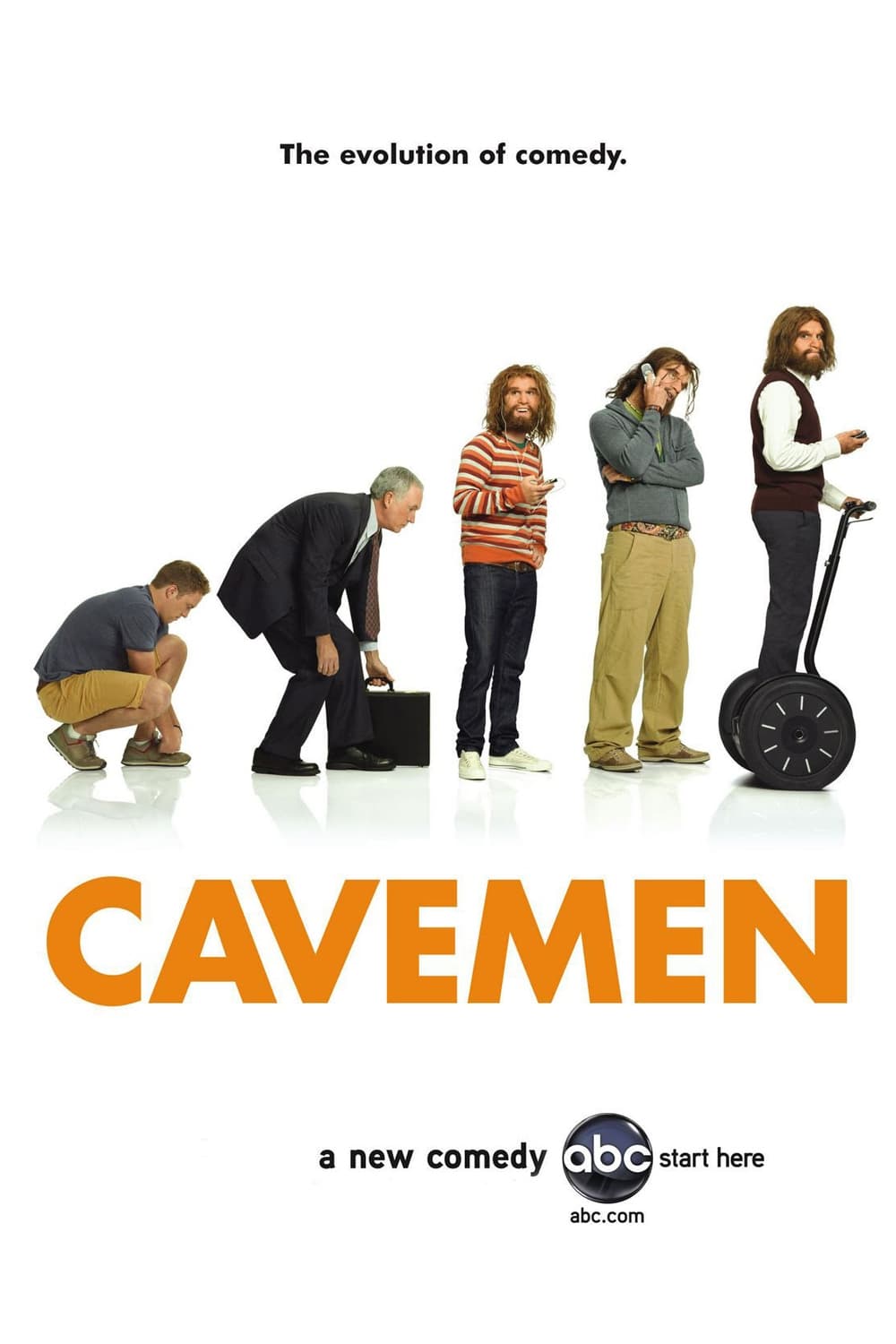
Based on a popular series of commercials, ‘Cavemen’ struggled with critical reception from the start, but the strike ensured it had no chance to evolve. Production was halted after only a handful of episodes aired, and the show was pulled from the schedule during the strike. While a few remaining episodes were eventually aired or released online, the momentum was completely dead. The show is now remembered more as a punchline than a television series.
‘Samantha Who?’ (2007–2009)

The comedy ‘Samantha Who?’ starring Christina Applegate was a ratings success before the 2007 strike. However, the long break between the first and second halves of the debut season led to a massive drop in viewership. The creative flow of the amnesia-based sitcom was interrupted, and the writers struggled to maintain the charm of the premise upon its return. It was ultimately canceled during its second season after failing to recapture its pre-strike audience.
‘Terminator: The Sarah Connor Chronicles’ (2008–2009)
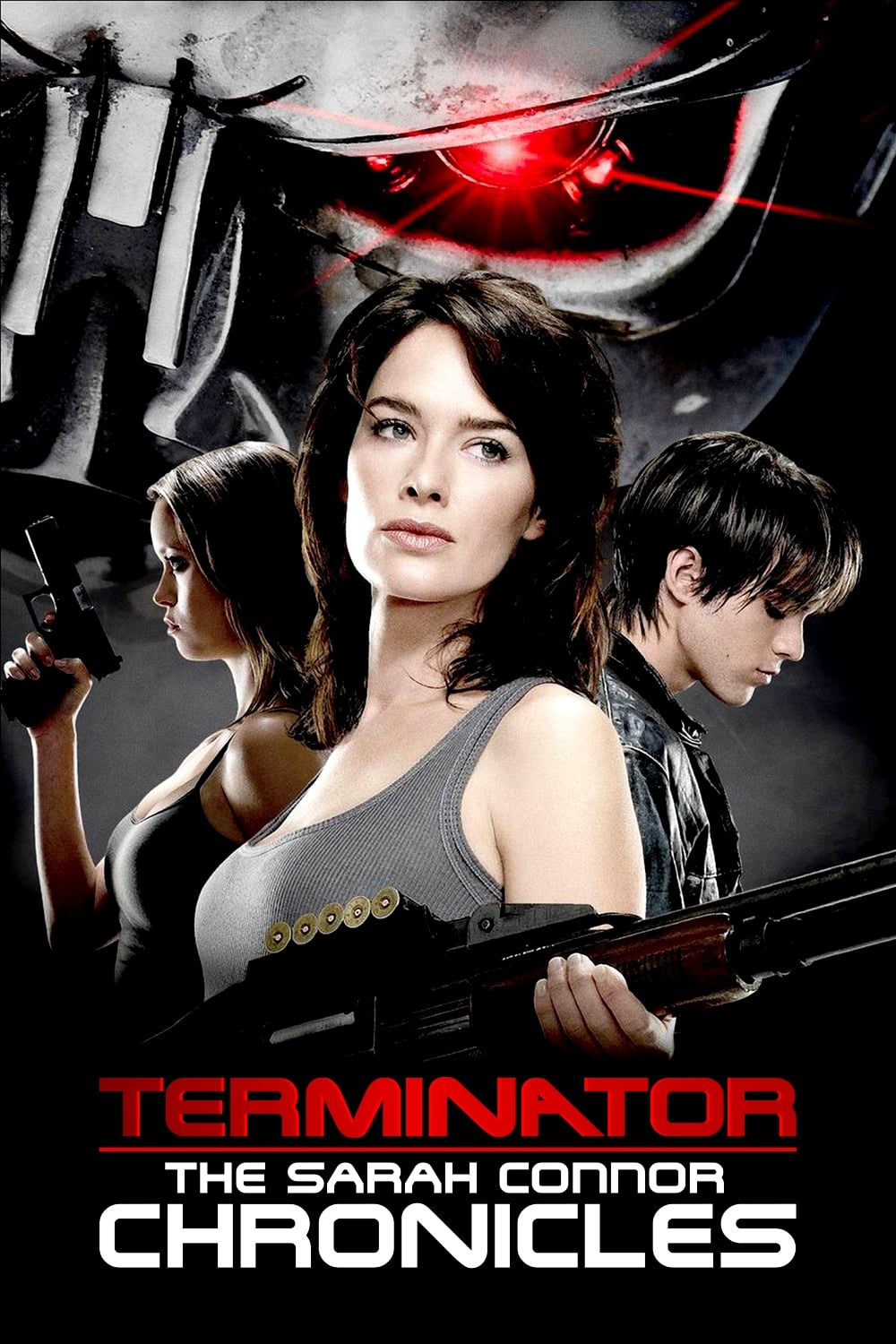
The first season of ‘Terminator: The Sarah Connor Chronicles’ was limited to only nine episodes due to the strike. This prevented the show from fully establishing its complex time-travel mythology and character dynamics in its debut year. The shortened season forced a cliffhanger that felt premature and left several plot threads hanging for nearly a year. Although it gained a second season, the initial interruption hindered its ability to build a broad enough audience to survive long-term.
‘Chuck’ (2007–2012)
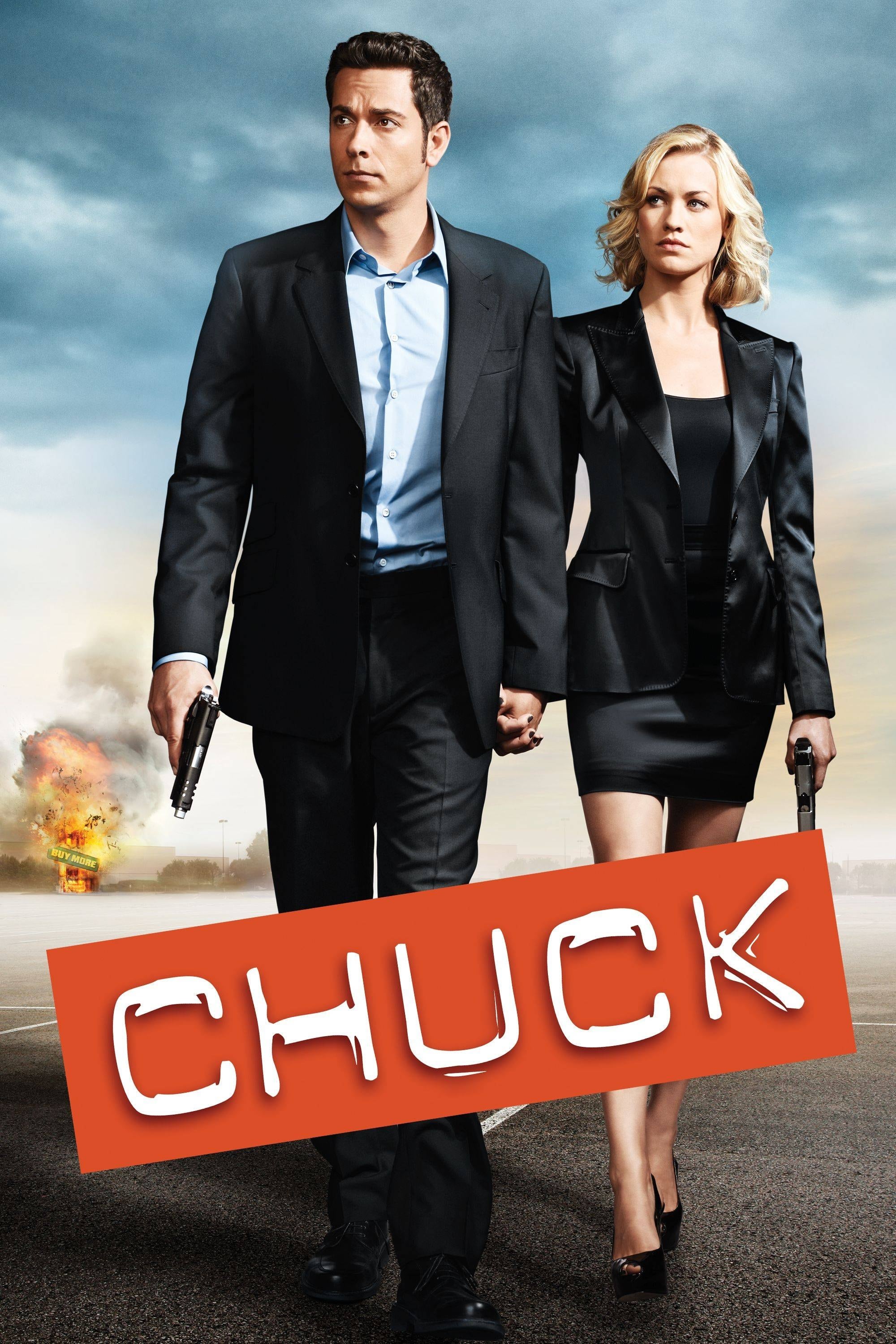
‘Chuck’ had its first season cut short by the strike, which meant several planned character developments had to be moved to the second season. The interruption prevented the show from securing its ratings base early on, leading to years of “save our show” campaigns by dedicated fans. While the series managed to survive for five seasons, the strike-related delays made it a perennial “bubble” show. The writers frequently had to rewrite arcs to account for the uncertain production schedules.
‘Scrubs’ (2001–2010)
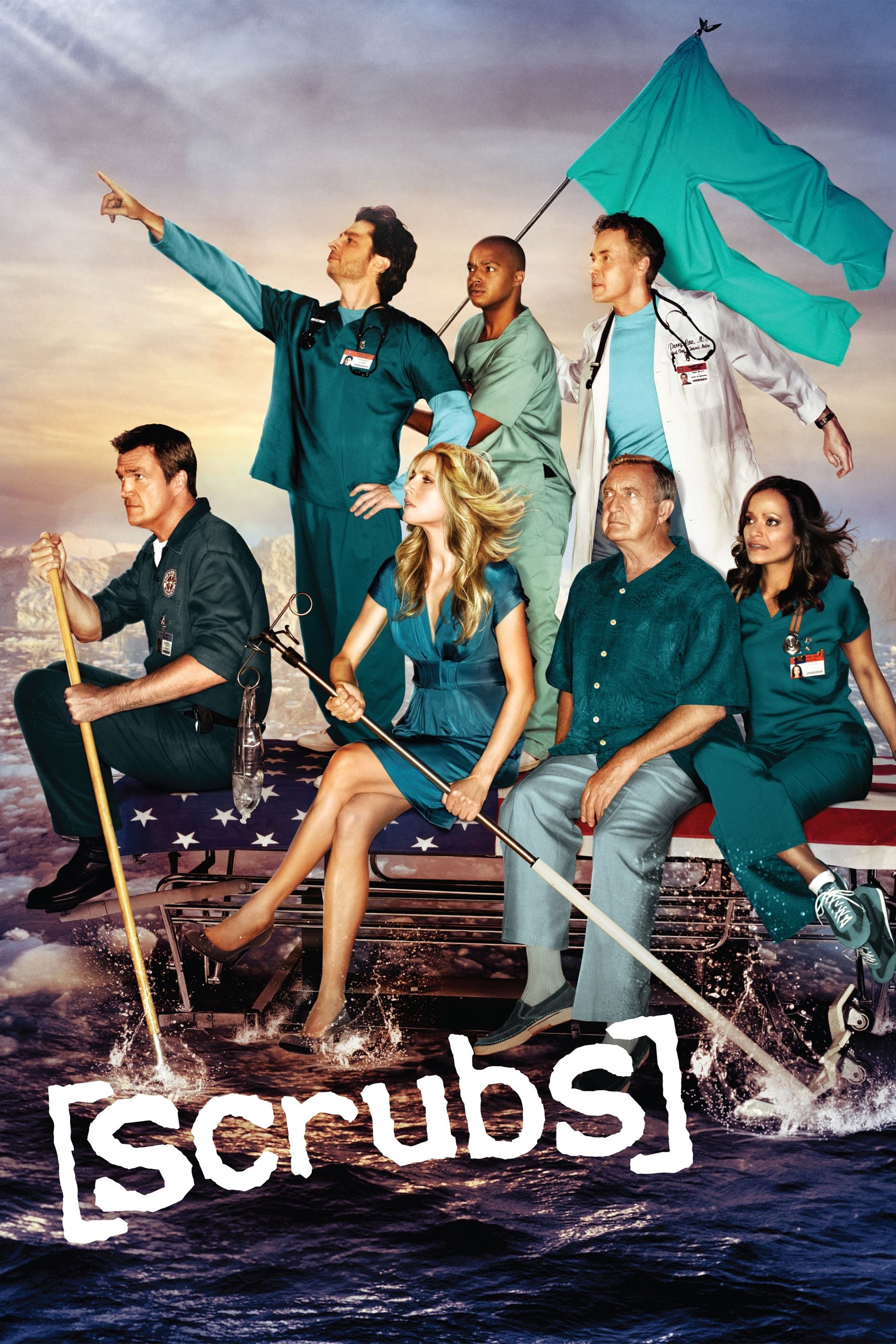
The seventh season of ‘Scrubs’ was intended to be the series finale on NBC, but the strike prevented the completion of the planned ending. Only eleven episodes were produced before the strike, leaving the narrative in a state of incompletion. This eventually led to the show moving to ABC for an eighth season to provide a proper conclusion to the story. While fans eventually got a finale, the strike-affected seventh season is widely considered disjointed and unsatisfactory.
’24’ (2001–2010)
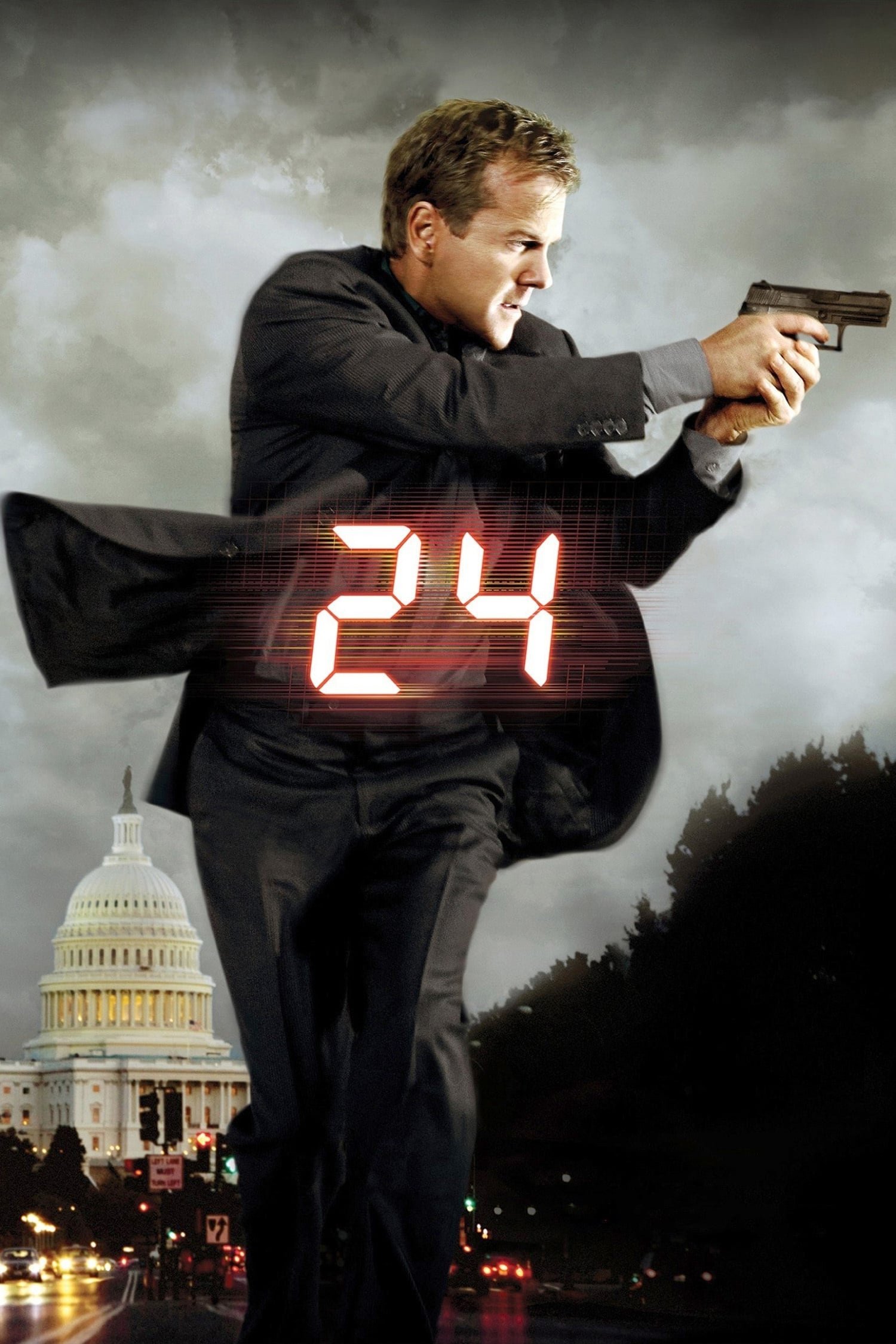
The high-concept thriller ’24’ suffered a unique blow when the 2007 strike forced the entire seventh season to be delayed by a full year. Because the show relies on a real-time format, producers felt they could not air a partial season or break the continuity. This resulted in a massive gap in the show’s broadcast history, which hurt its cultural relevance and momentum. By the time the show returned in 2009, some of the urgency that defined its earlier seasons had dissipated.
‘Battlestar Galactica’ (2004–2009)
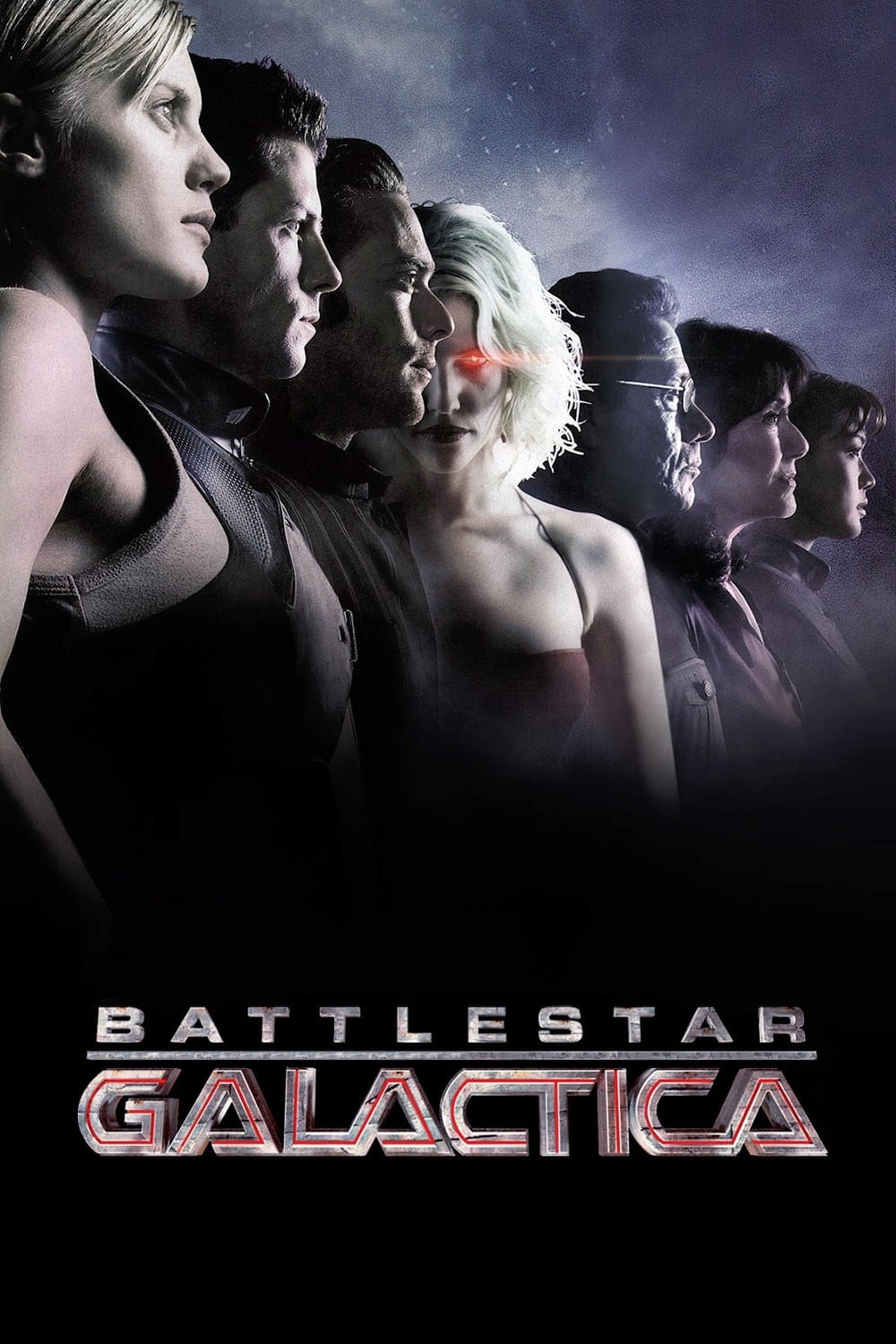
The fourth and final season of ‘Battlestar Galactica’ was split into two parts because of the writers’ strike. This resulted in a grueling year-long wait between the mid-season cliffhanger and the final episodes. The delay disrupted the thematic flow of the series’ conclusion and led to intense speculation that the writers struggled to resolve. While the show finished its run, the fragmented final season remains a polarizing topic among the fan base.
‘Smallville’ (2001–2011)
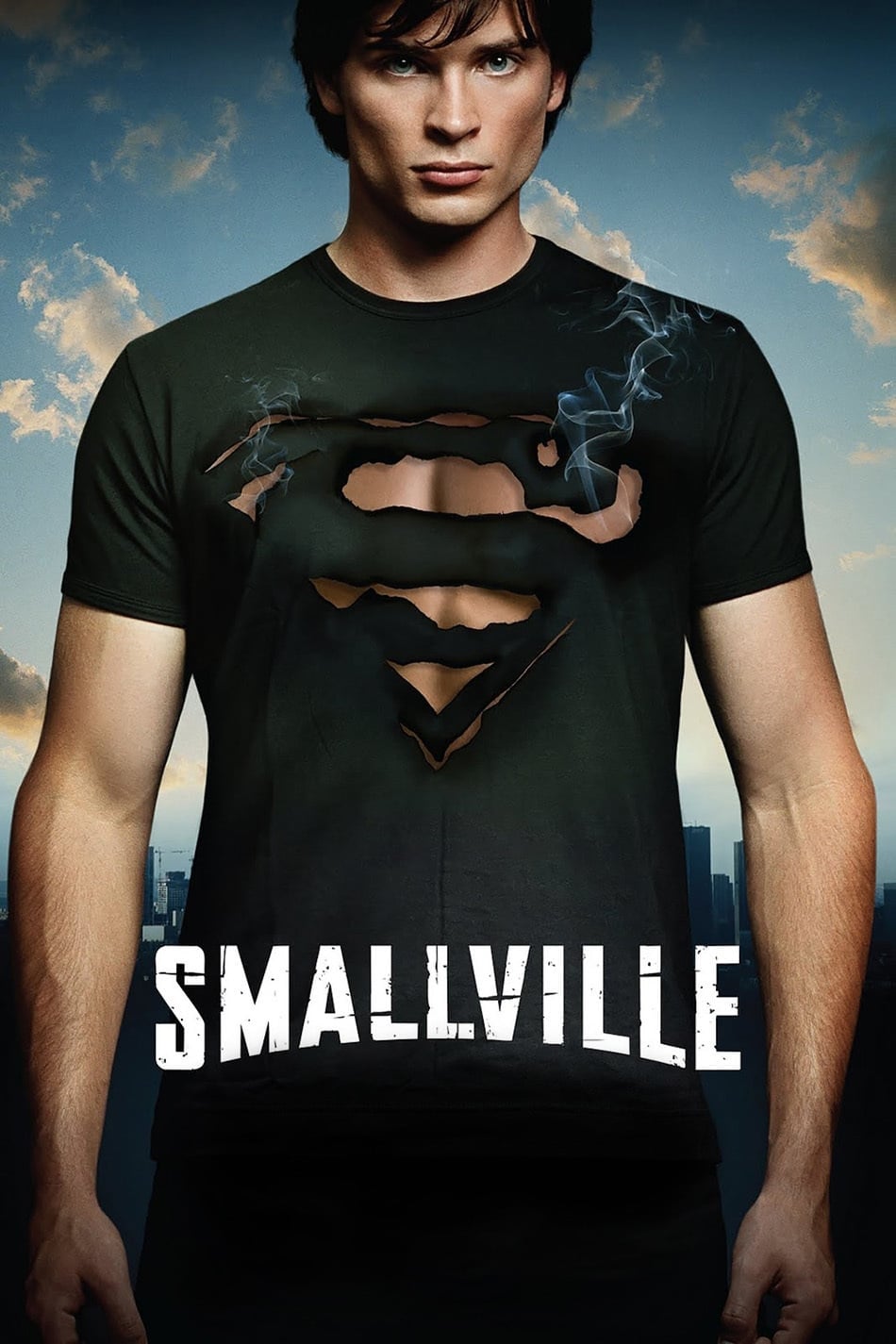
‘Smallville’ saw its seventh season reduced to 20 episodes, causing a rush in the storyline involving the character Kara Zor-El. The strike necessitated a change in the season’s climax, which many felt was less impactful than originally intended. Key character exits were also handled more abruptly than planned due to the shifting production timelines. This season is often viewed as a transitional period that suffered from external scheduling pressures.
‘Gossip Girl’ (2007–2012)
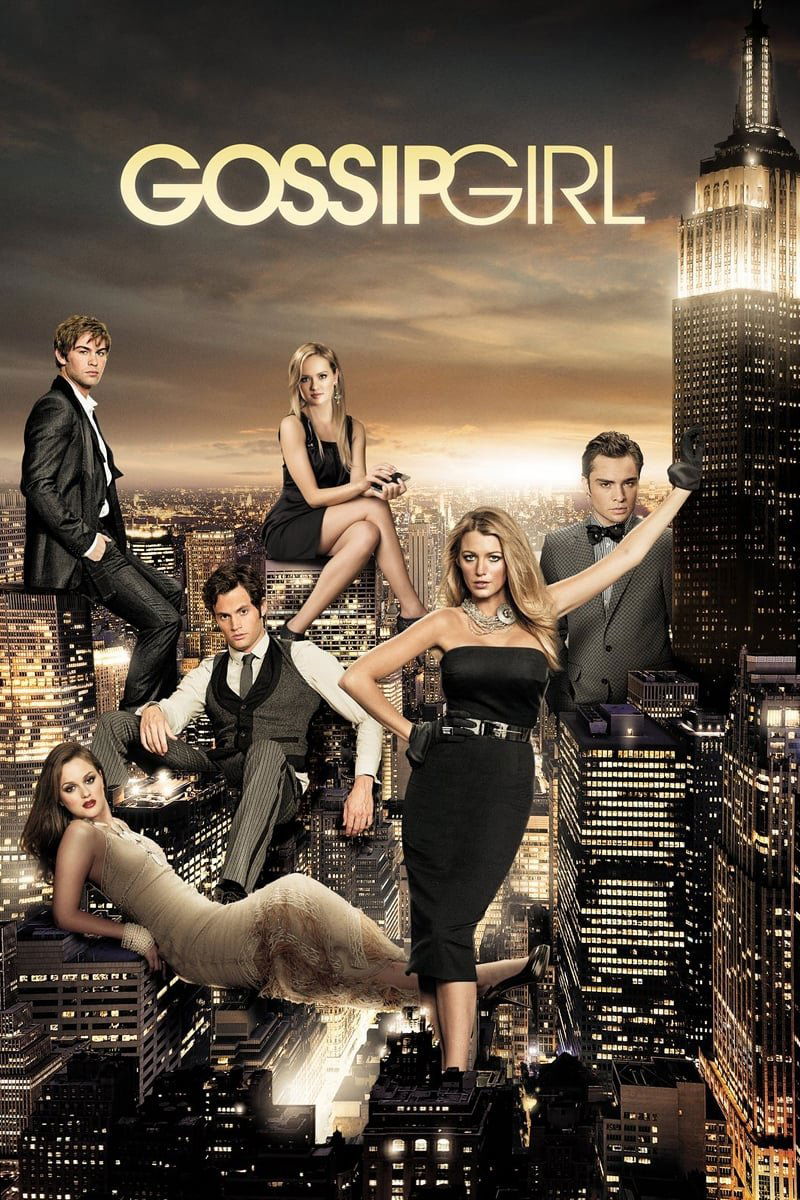
The debut season of ‘Gossip Girl’ was cut to 18 episodes, which altered the pacing of the rivalries between its central characters. The strike created a significant gap mid-season, during which the show’s “cool factor” was tested by a lack of new content. When the show returned, the writers had to condense several months of “Upper East Side” drama into a few final episodes. This forced certain romantic arcs to move much faster than the original outline suggested.
’30 Rock’ (2006–2013)

The second season of ’30 Rock’ was reduced to 15 episodes as a result of the 100-day strike. This forced the writers to compress several guest star arcs and satirical plotlines that were supposed to span a full season. Despite the shortened run, the show remained a critical darling, winning several awards for the episodes that were completed. However, the interruption did lead to the cancellation of several planned musical segments and high-concept parodies.
‘The Office’ (2005–2013)
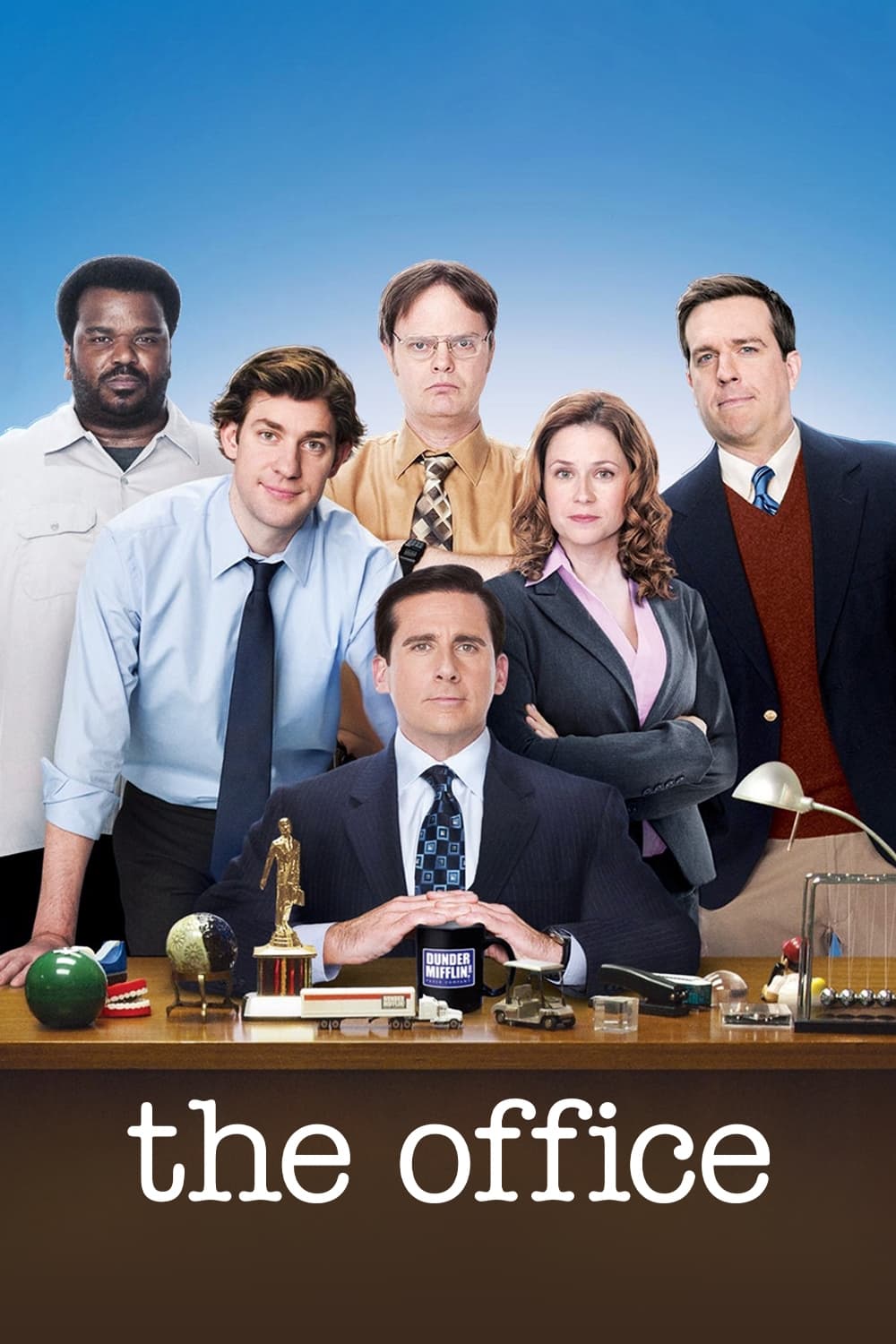
‘The Office’ had its fourth season shortened to only 14 episodes, resulting in a significantly smaller output of the hit mockumentary. The strike occurred just as the show was reaching its peak popularity, leading to a long hiatus that left fans waiting for the resolution of several workplace romances. To make up for the lost time, several of the remaining episodes were aired as hour-long specials. This change in format altered the show’s usual rhythmic pacing for that specific year.
‘Desperate Housewives’ (2004–2012)
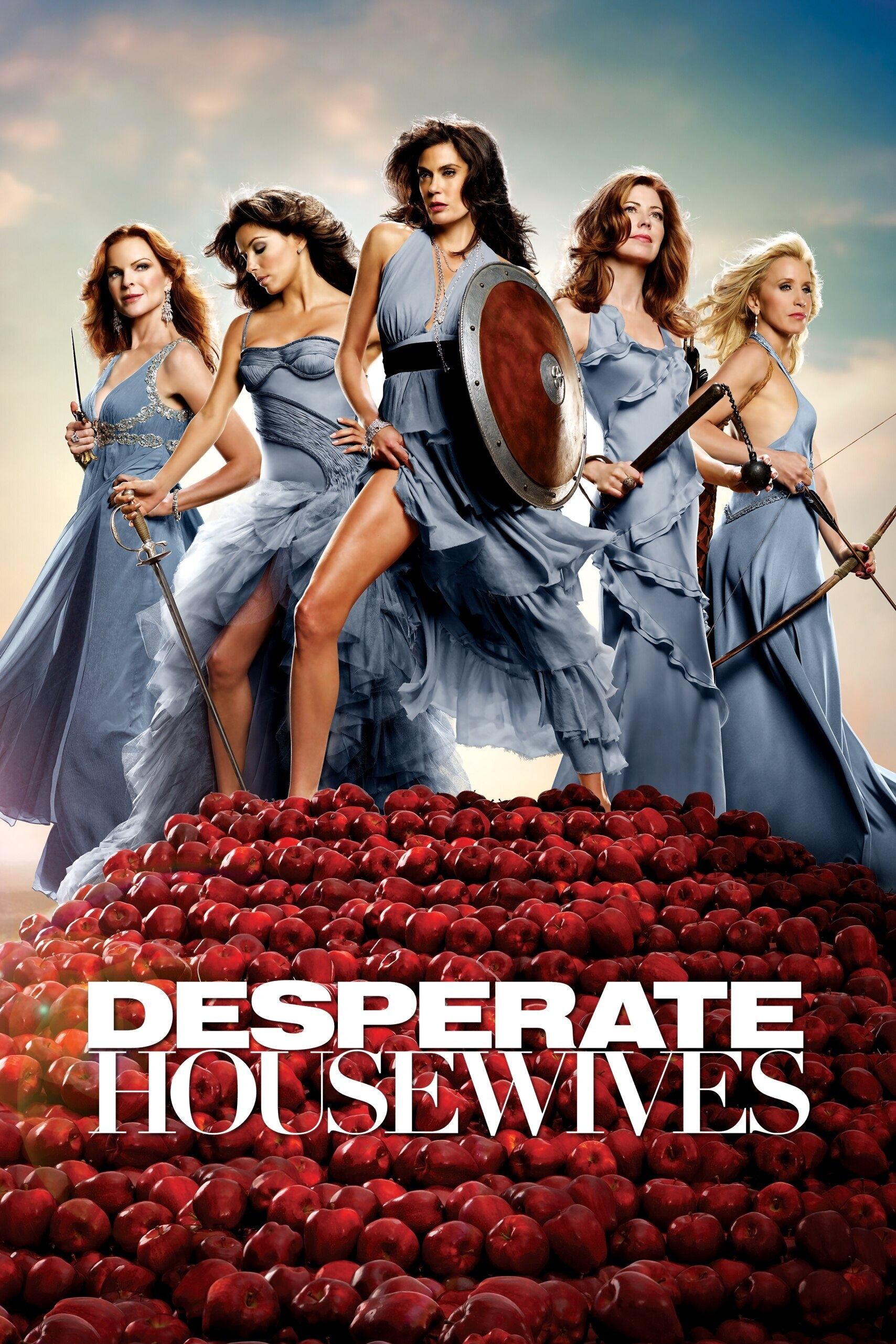
The fourth season of ‘Desperate Housewives’ was limited to 17 episodes due to the strike-related production halt. This forced a significant time jump in the series finale of that season to occur earlier than originally planned. The writers had to abandon or quickly resolve subplots involving the mystery of the season to reach the conclusion. Fans noted that the back half of the season felt rushed compared to the carefully plotted mysteries of the past.
‘Grey’s Anatomy’ (2005–Present)
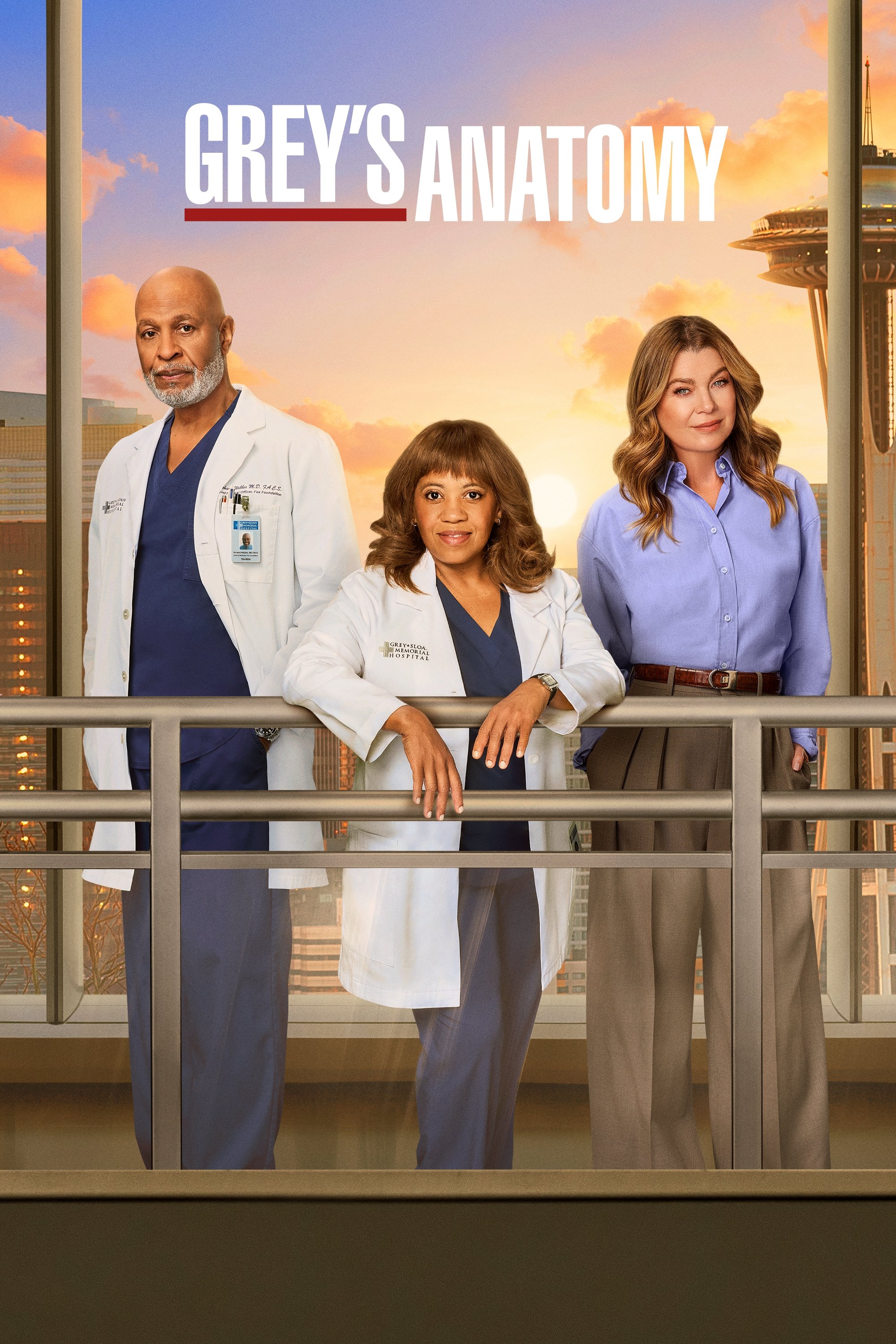
‘Grey’s Anatomy’ faced a shortened fourth season of 17 episodes, which disrupted the slow-burn medical cases and romantic tensions the show is known for. The strike forced a premature resolution to the “intern” storylines and limited the development of several new cast members. When the show returned after the strike, the momentum of the season’s primary conflicts had cooled significantly. This led to a creative reset in the fifth season to get the show back on track.
‘House’ (2004–2012)
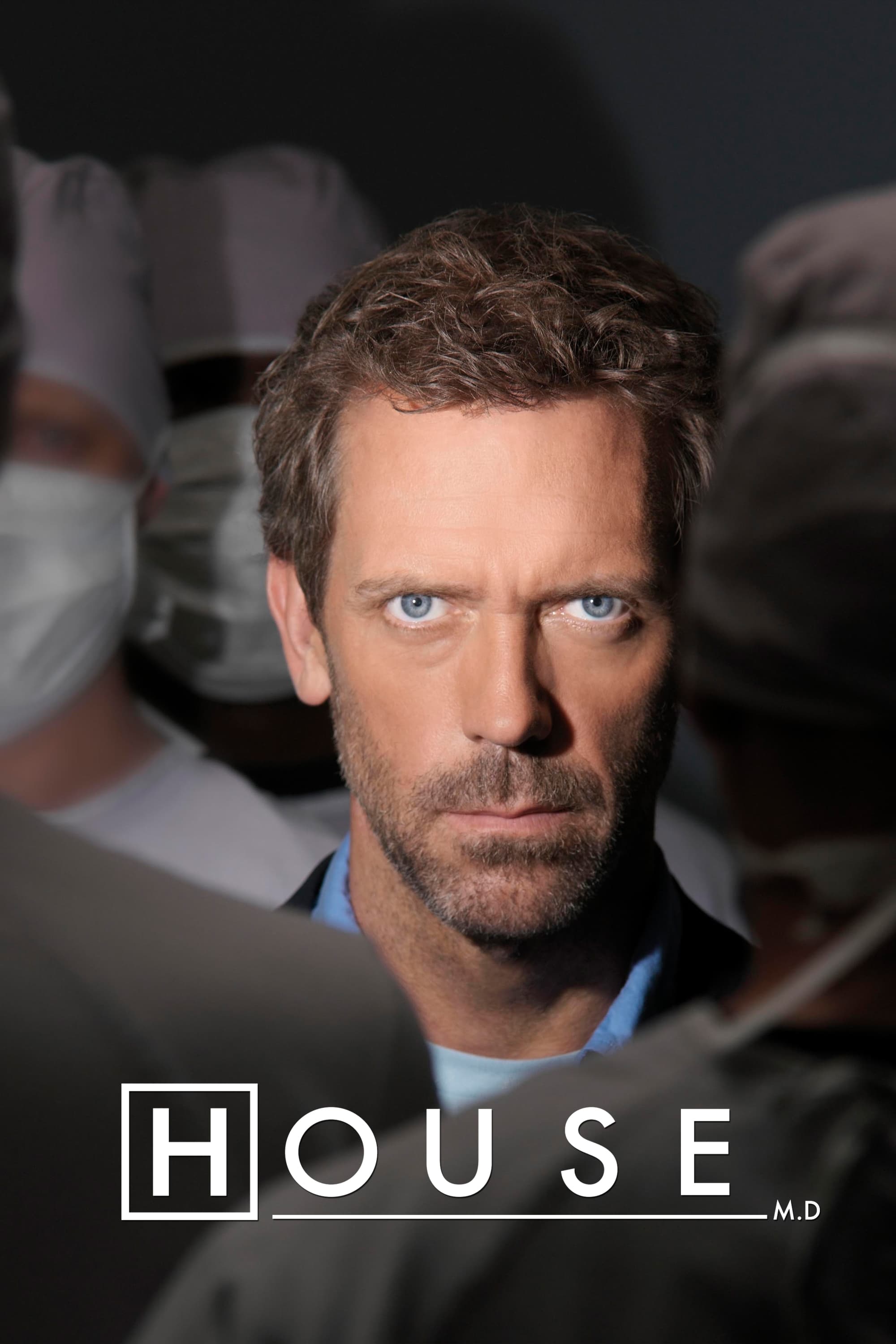
The fourth season of ‘House’ was cut down to 16 episodes, which significantly impacted the “contest” storyline where Gregory House was hiring a new team. The elimination process had to be accelerated, meaning some interesting characters were written out faster than intended. The strike also affected the timing of the two-part season finale, which is considered one of the series’ best. Despite the quality of the finale, the road to getting there was noticeably shorter and more direct than usual.
‘Bones’ (2005–2017)

‘Bones’ saw its third season reduced to 15 episodes, which had a major impact on the overarching “Gormogon” serial killer mystery. The reveal of the killer’s apprentice felt rushed and lacked the narrative weight that a full season of buildup would have provided. Fans were particularly disappointed by how quickly the resolution was handled once production resumed. The strike also meant that several character-focused episodes had to be pushed into the fourth season.
‘CSI: Crime Scene Investigation’ (2000–2015)
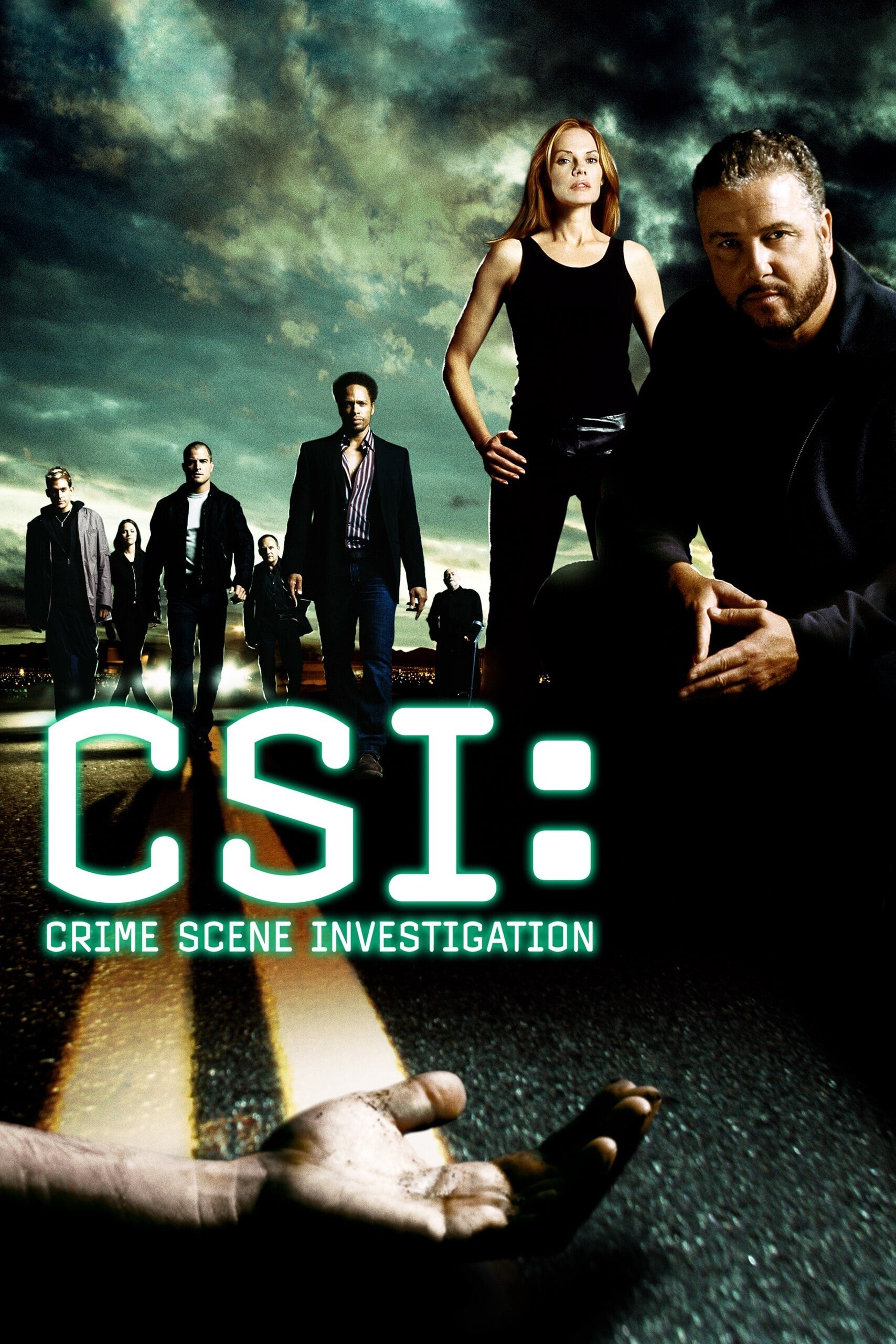
The eighth season of ‘CSI: Crime Scene Investigation’ was shortened to 17 episodes, which interfered with the departure of major characters. Specifically, the exit of Warrick Brown was affected by the strike’s impact on the season’s narrative structure. The writers had to consolidate several forensic mysteries, leading to a season that felt less cohesive than its predecessors. This disruption occurred while the show was still one of the most-watched programs on television.
‘Reaper’ (2007–2009)
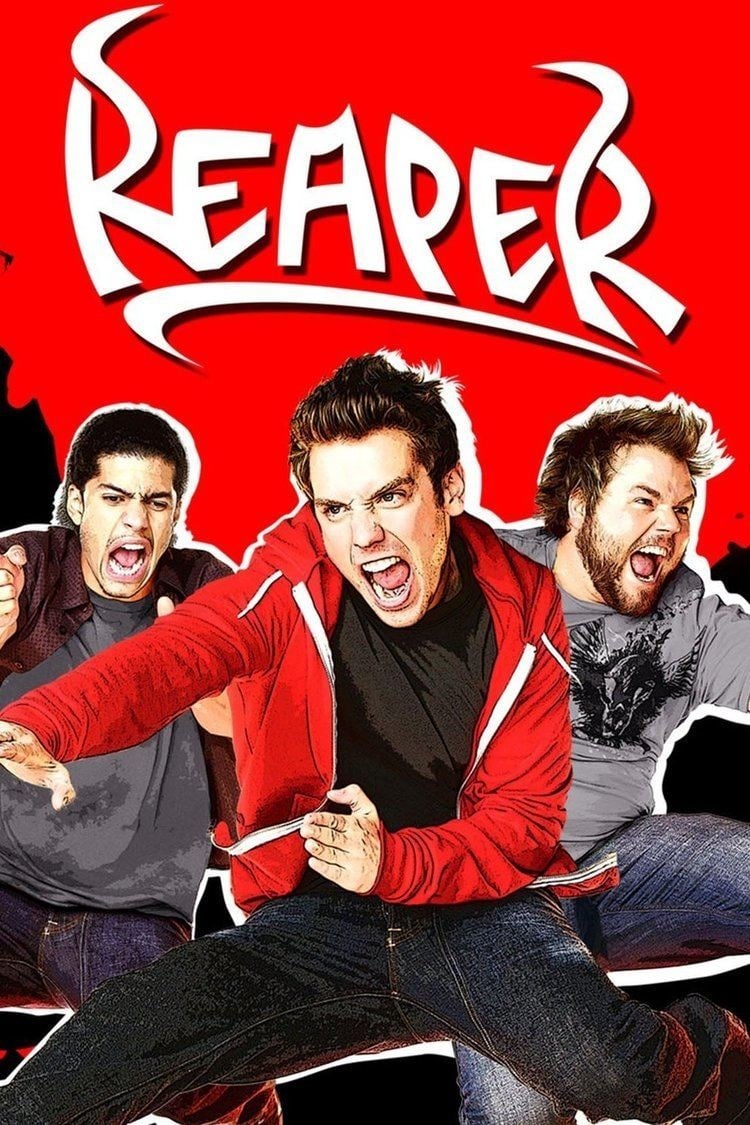
‘Reaper’ was a supernatural comedy that premiered in 2007 and immediately ran into the writers’ strike after only a few episodes. The interruption prevented the show from building a stable audience, as it was off the air for several months during its critical first year. While it was renewed for a second season, it never managed to recover the viewers it lost during the hiatus. The show was eventually canceled, leaving the protagonist’s fate in the hands of the Devil unresolved.
‘Cane’ (2007)
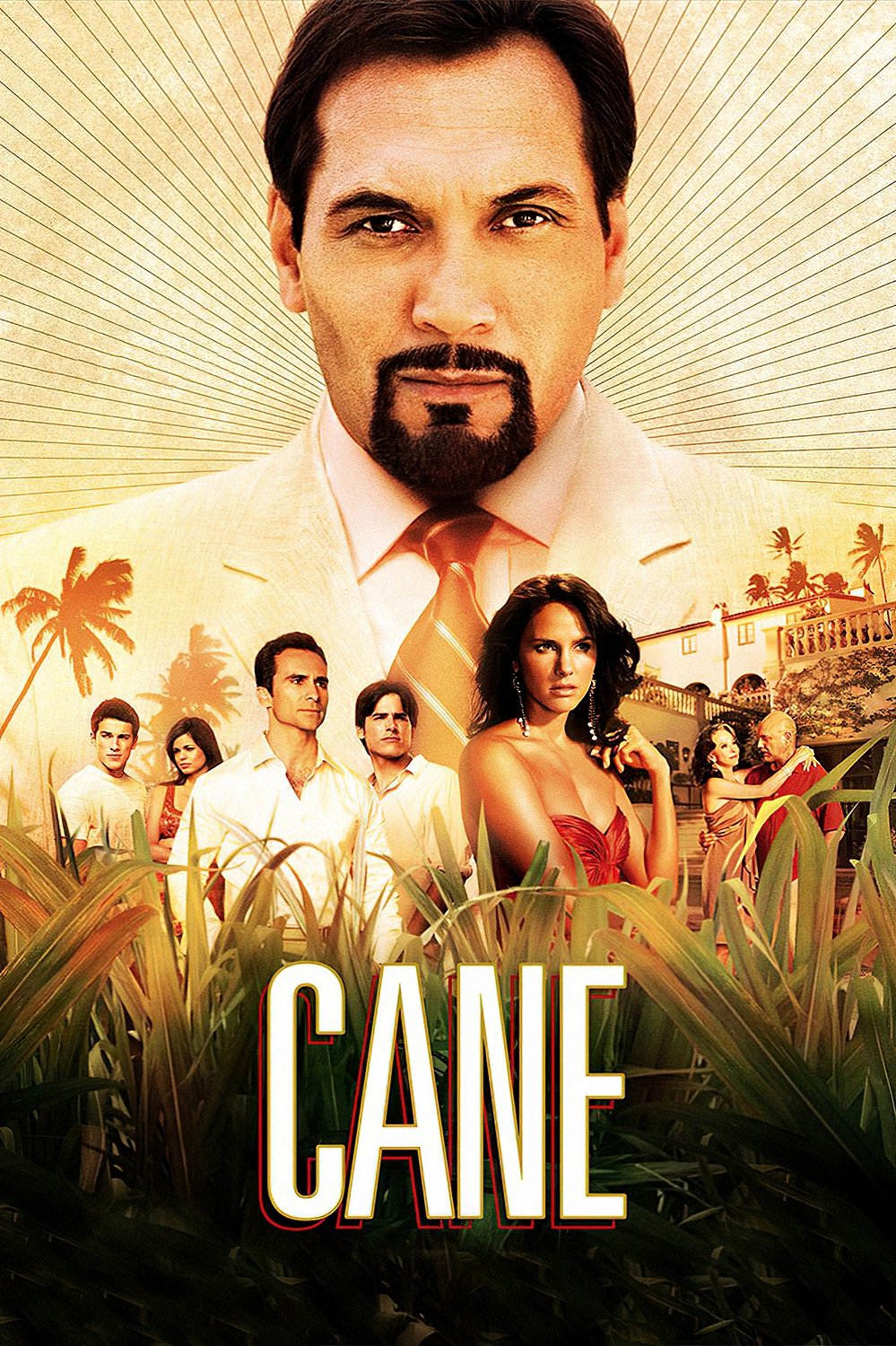
‘Cane’ was an ambitious drama about a powerful Cuban-American family in the sugar business, but it was canceled after only 13 episodes. The strike hit during its first season, and CBS chose not to bring it back once the labor dispute was settled. The high production costs and the loss of audience interest during the strike made it a risky investment for the network. It remains an example of a show with an elite cast that was cut down before it could find its voice.
‘Big Shots’ (2007–2008)
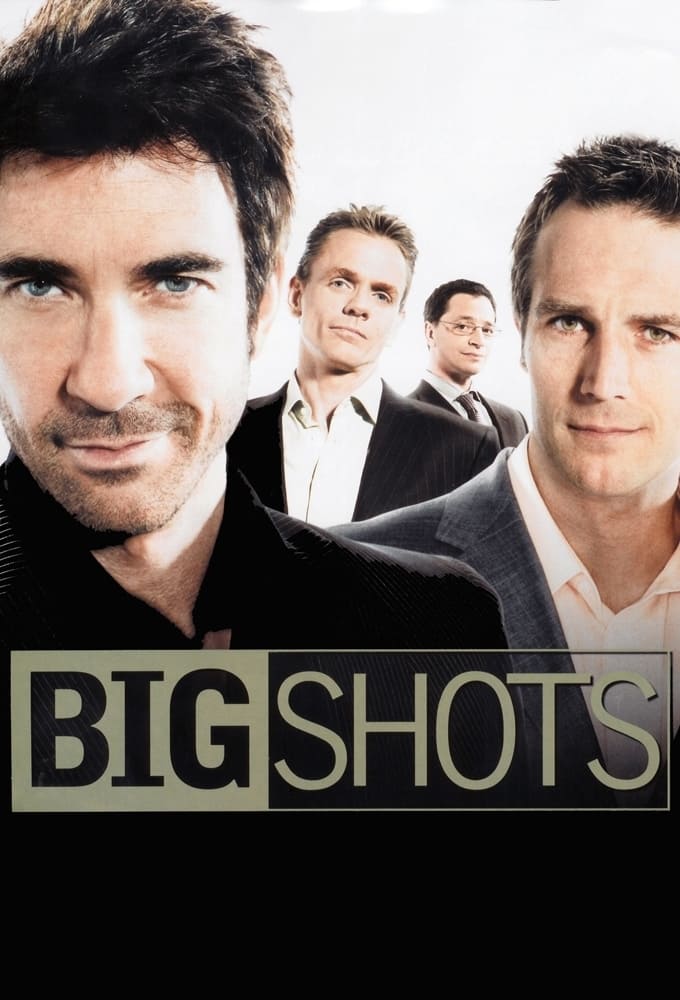
‘Big Shots’ followed the lives of four successful businessmen and was marketed as a male version of ‘Sex and the City’. The show was already struggling with critics, and the 2007 strike provided the final blow to its production. ABC opted to cancel the series rather than attempt to revive it after the work stoppage ended. Only eleven episodes were ever produced, leaving the various cliffhangers of the premiere season permanent.
‘Life’ (2007–2009)
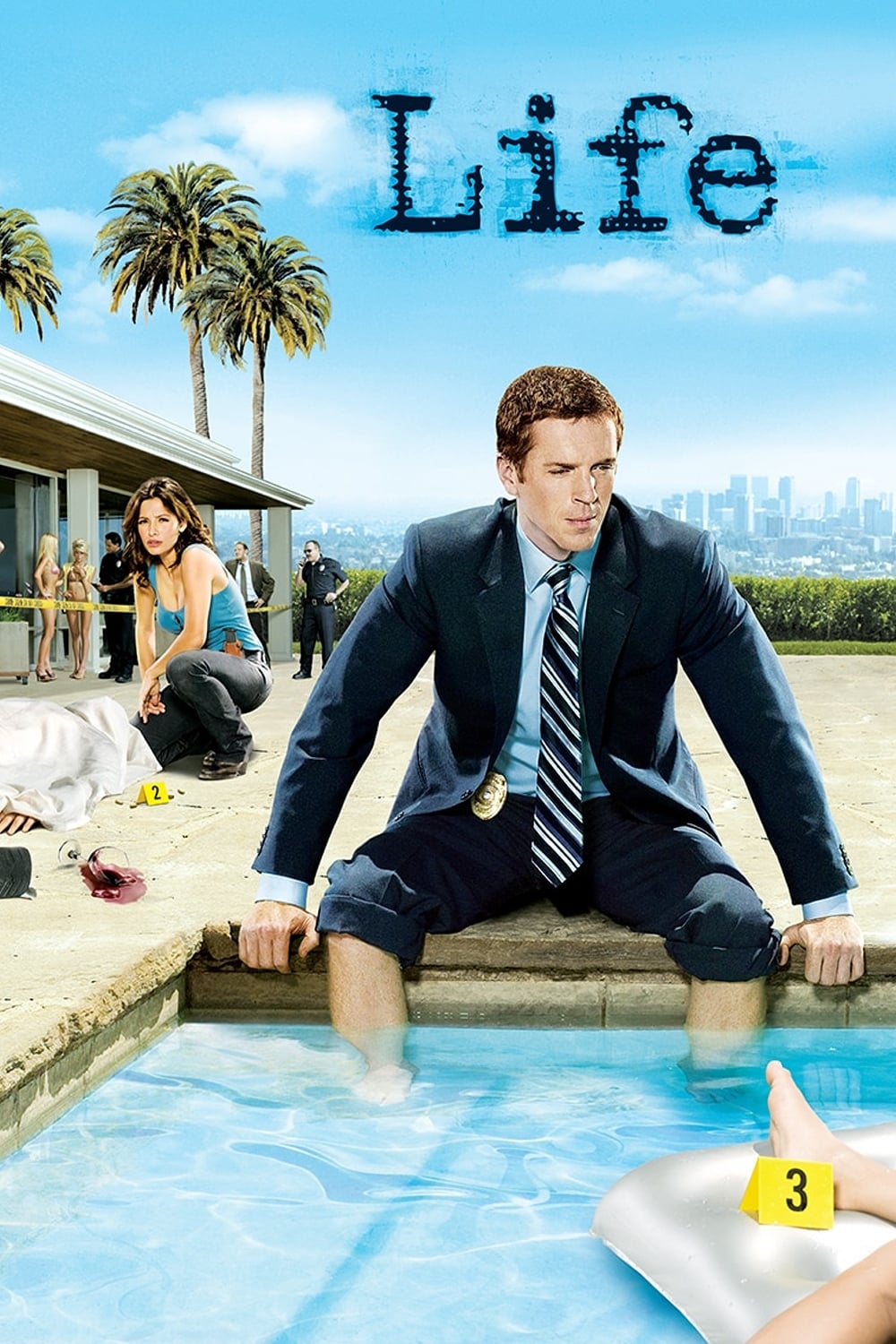
The police drama ‘Life’, starring Damian Lewis, had its first season shortened to eleven episodes due to the strike. While the show was eventually renewed for a second season, the interruption made it difficult for the complex conspiracy plot to gain traction with a wide audience. The show struggled with ratings upon its return and was canceled after its second season. Fans often point to the strike as the reason the show failed to become a long-running hit.
‘Girlfriends’ (2000–2008)

The long-running sitcom ‘Girlfriends’ came to an abrupt end during the 2007–2008 strike without a proper series finale. The strike prevented the production of the final episodes of the eighth season, and the network decided to cancel the show rather than film a conclusion. This left fans of the series without closure for the four main characters after nearly a decade of viewership. It remains one of the most frustrating strike-related endings for a long-lived television program.
Please share your thoughts on these television disruptions in the comments.