Anime That Were Banned In Multiple Countries


The global distribution of anime often encounters significant hurdles when cultural standards and government regulations clash with the content of the shows. While many series enjoy international acclaim, others have been completely prohibited in various nations due to themes of violence, political sensitivity, or religious concerns. These bans frequently occur in major markets like China and Russia, where authorities maintain strict control over media consumption to protect public morality or social order. Understanding the reasons behind these restrictions provides insight into the diverse legal and cultural landscapes that anime creators must navigate.
‘Death Note’ (2006–2007)
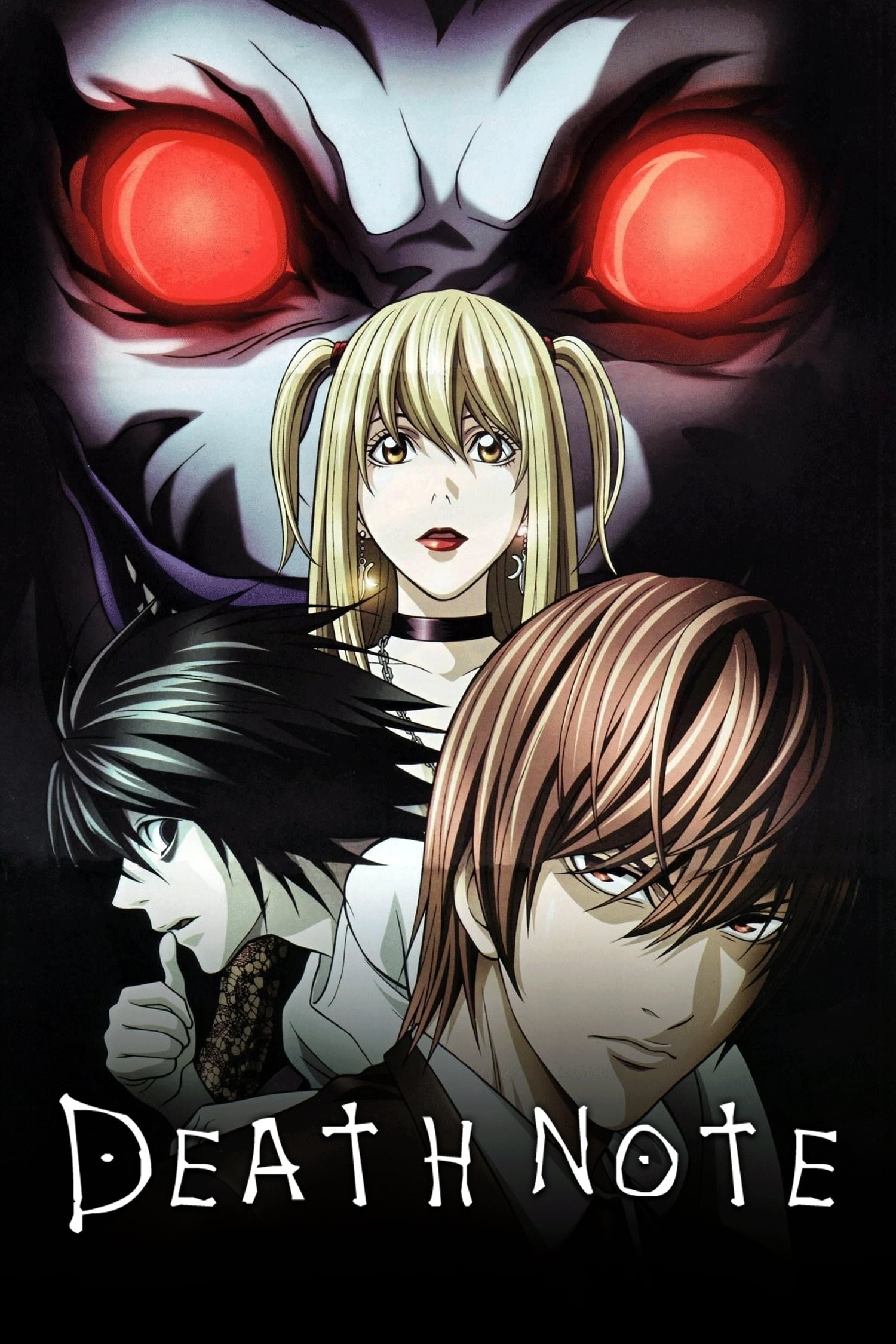
The Chinese Ministry of Culture officially blacklisted ‘Death Note’ in 2015 due to concerns that it encouraged juvenile delinquency. Prior to the official ban, various schools across China had already prohibited the manga after students began creating their own notebooks to list the names of peers and teachers. In Russia, a court banned the series on specific websites in 2021, arguing that the content was harmful to the mental health of teenagers. The show’s exploration of a high school student using a supernatural notebook to kill criminals was deemed too dark for young audiences in these regions.
‘Attack on Titan’ (2013–2023)
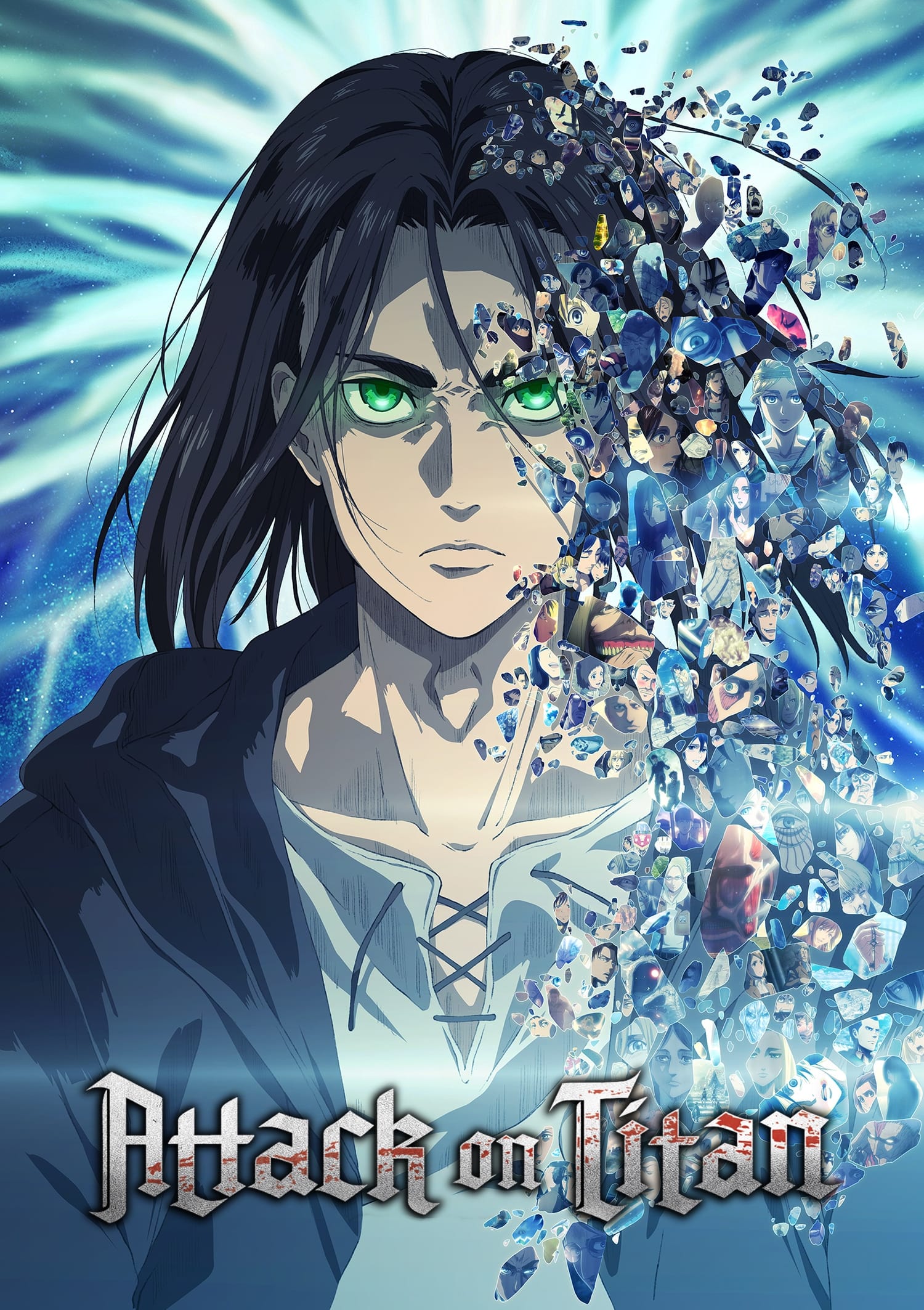
In 2015, the Chinese government banned ‘Attack on Titan’ as part of a major crackdown on 38 anime titles that featured excessive violence. The series was removed from all domestic streaming platforms to prevent the spread of “unhealthy” content to the youth. Authorities cited the graphic depictions of cannibalism and the show’s dark, gore-heavy aesthetic as primary reasons for the restriction. This ban remains in place, making it difficult for fans within the country to legally access the conclusion of the series.
‘Pokémon’ (1997–Present)

‘Pokémon’ faced a significant ban in Saudi Arabia in 2001 after religious authorities issued a fatwa against the franchise. The government claimed that the trading card game promoted Zionism and gambling, both of which are strictly prohibited under Islamic law. In Turkey, the television series was temporarily removed from the airwaves in 2000 after reports emerged of children attempting to fly by jumping off balconies. Several other nations in the Middle East followed similar patterns, restricting the broadcast of ‘Pokémon’ due to cultural and safety concerns.
‘Puni Puni Poemy’ (2001)

The Office of Film and Literature Classification in New Zealand officially banned ‘Puni Puni Poemy’ due to its sexualized content involving minors. The two-episode OVA was deemed to have no artistic merit that could outweigh the potential harm caused by its graphic depictions. It is currently illegal to sell, distribute, or possess the anime within the country’s borders. The series is frequently cited as a prominent example of parodic content crossing legal boundaries in Western markets.
‘Midori’ (1992)
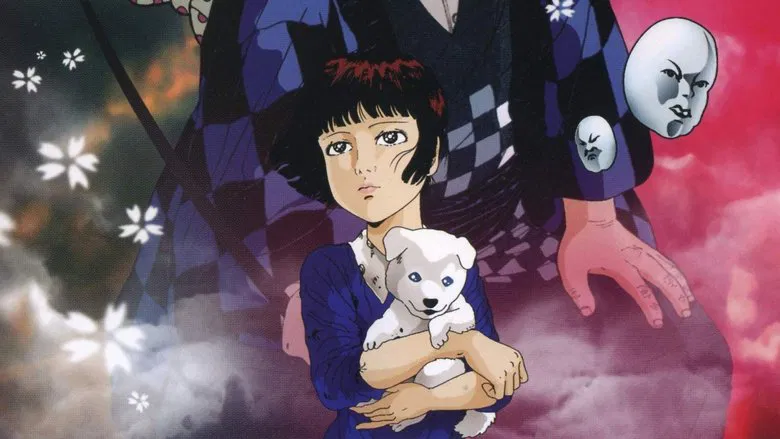
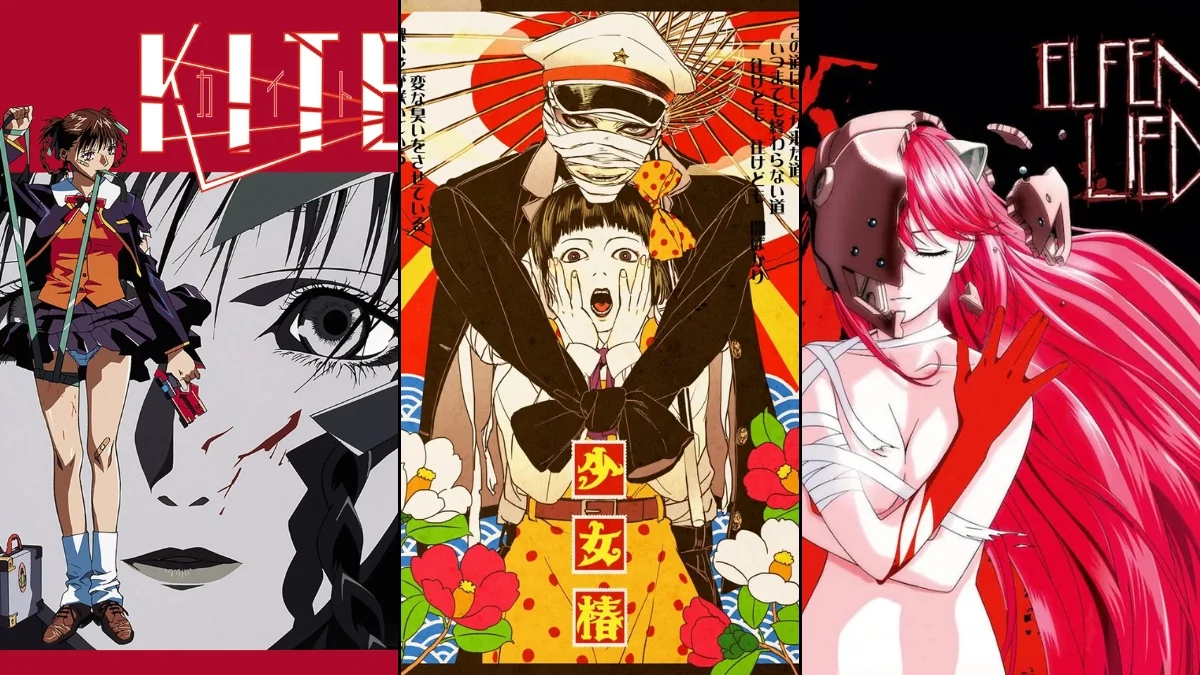
‘Midori: Shoujo Tsubaki’ is notorious for its disturbing imagery and was initially banned in Japan shortly after its limited release in 1992. The film portrays extreme themes of abuse and cruelty that led to its reels being seized and destroyed by authorities. Internationally, the anime has faced bans or extreme censorship in various European countries due to its controversial subject matter. It is rarely screened in its entirety and remains a difficult-to-find underground cult film.
‘Highschool of the Dead’ (2010)

China banned ‘Highschool of the Dead’ in 2015 during a sweeping effort to sanitize the internet of content deemed too violent or sexually suggestive. The series, which follows high schoolers during a zombie apocalypse, was criticized for its high level of “fan service” combined with graphic gore. The Ministry of Culture removed the series from all domestic streaming sites to prevent the spread of “indecent” media. This ban effectively ended any official distribution or marketing of the franchise within the country.
‘Black Butler’ (2008–2014)
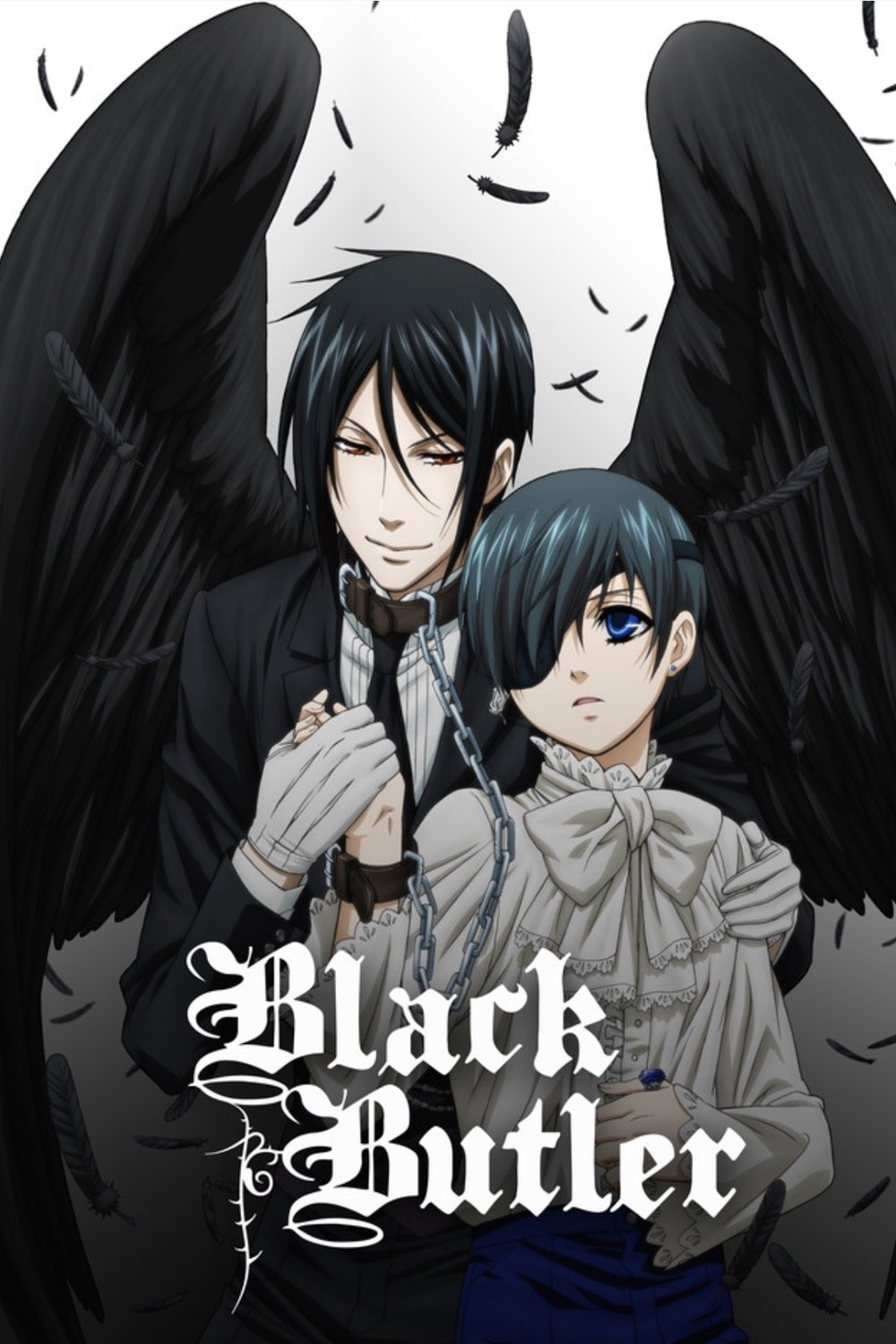
‘Black Butler’ was added to the Chinese Ministry of Culture’s blacklist in 2015 for allegedly promoting themes that could lead to social instability. The government raised concerns about the anime’s depictions of violence and its dark, gothic aesthetic which they deemed inappropriate for minors. Following the ban, the series was completely scrubbed from the internet within Chinese territory. Officials argued that the content was detrimental to the development of healthy cultural values among the youth.
‘Tokyo Ghoul’ (2014–2018)
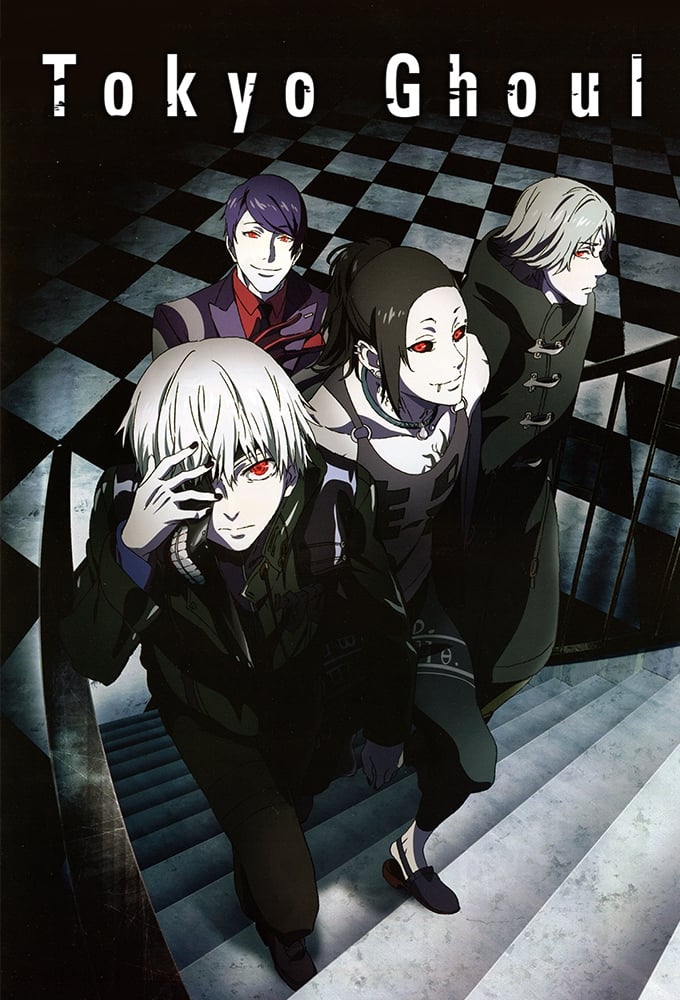
In 2021, a Russian court banned ‘Tokyo Ghoul’ on specific streaming platforms, citing concerns that the series promoted self-harm and violence. This followed a similar ban in China in 2015, where the government targeted the show for its graphic transformations and cannibalistic themes. The Chinese Ministry of Culture viewed the series as a threat to public order and the mental well-being of young viewers. As a result, ‘Tokyo Ghoul’ is largely inaccessible through legal channels in these specific territories.
‘Kite’ (1998)
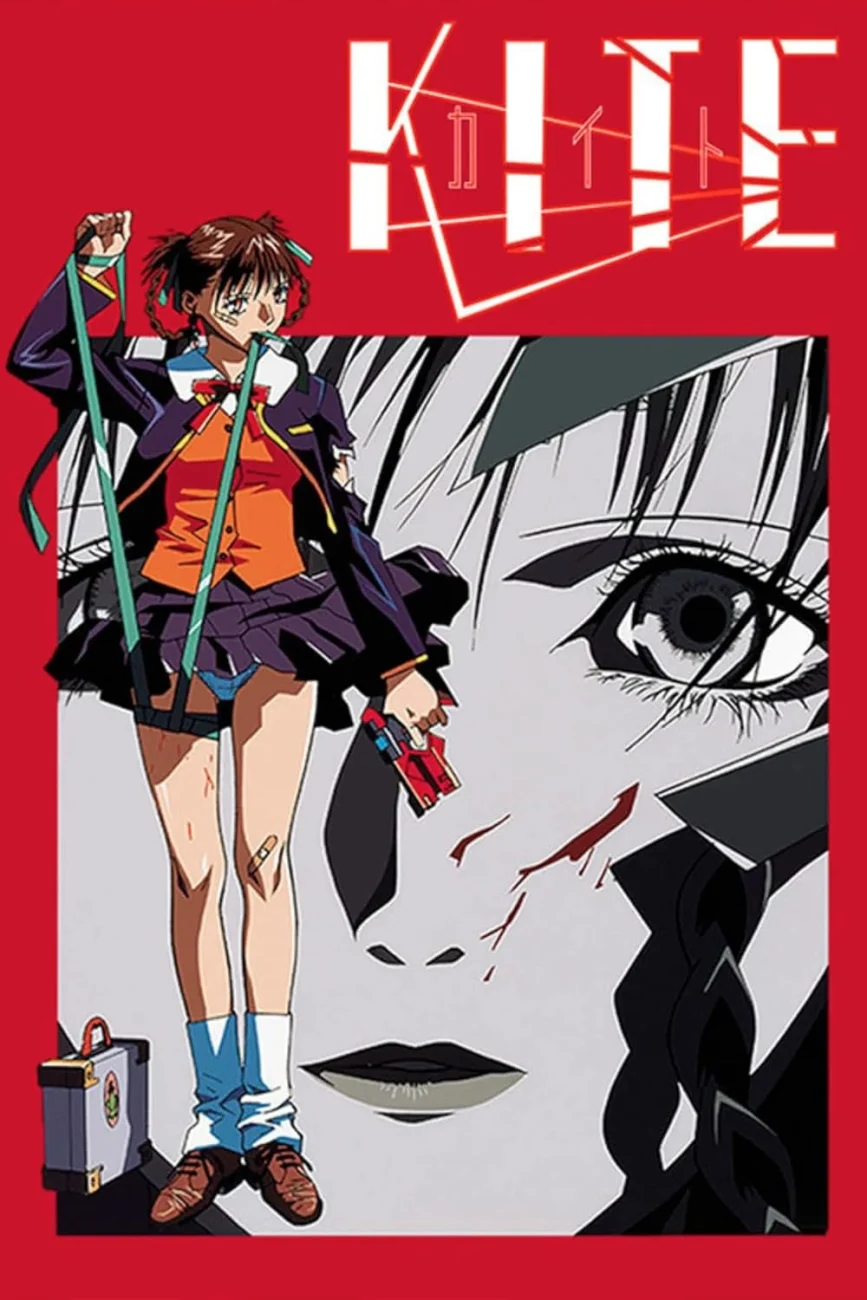
The anime film ‘Kite’ was banned in Norway due to its explicit depictions of violence and sexual situations involving a minor protagonist. The film’s graphic nature led to legal challenges in several other countries, resulting in heavily censored versions for international release. Many distributors were forced to cut several minutes of footage to comply with local obscenity laws in the United Kingdom and the United States. Despite its cult status among collectors, the unedited version remains strictly prohibited in multiple jurisdictions.
‘Psycho-Pass’ (2012–2019)
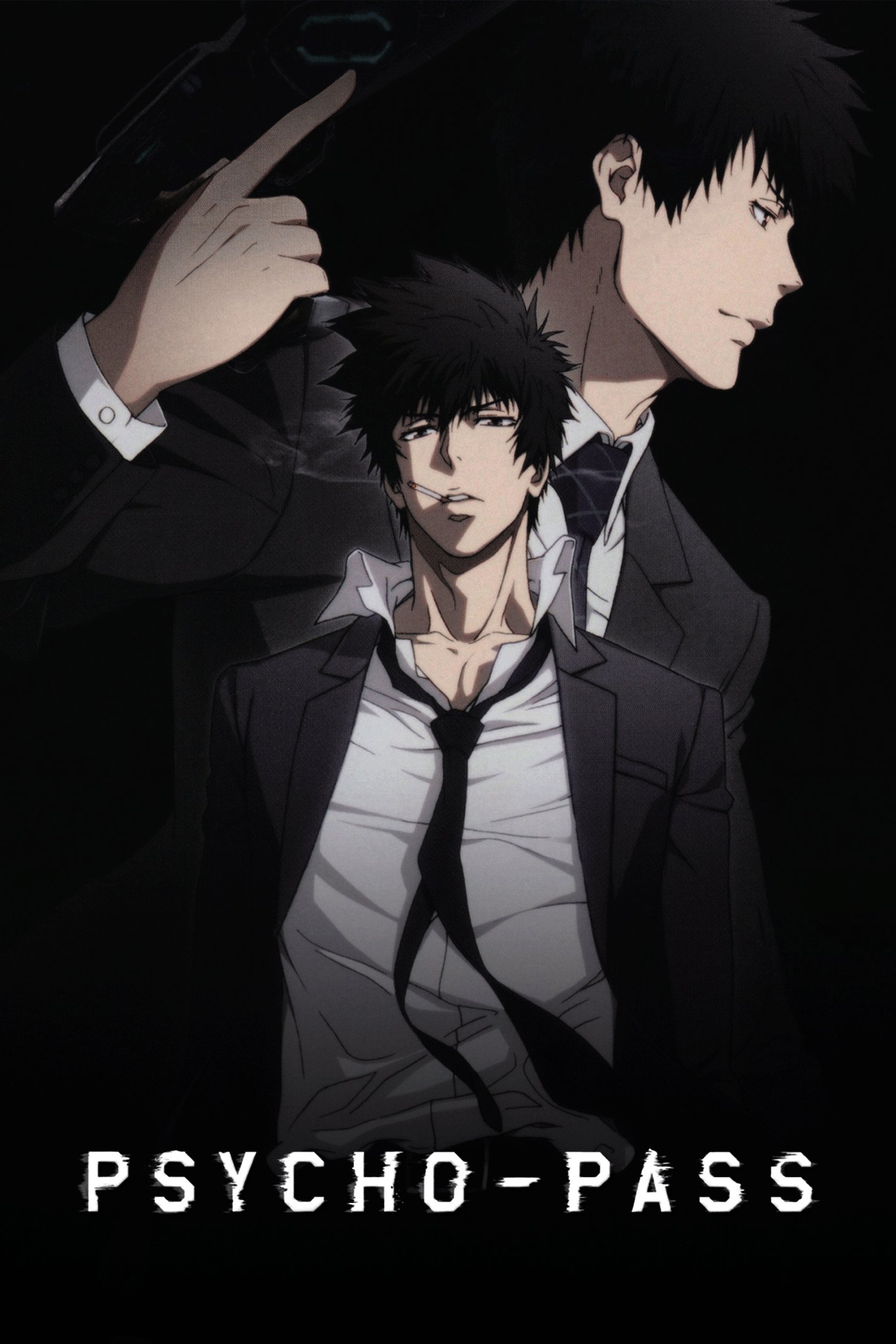
‘Psycho-Pass’ was banned in China during the 2015 censorship wave targeting dozens of popular anime series. The Chinese government found the show’s themes of rebellion against a dystopian surveillance state to be politically sensitive and potentially subversive. Additionally, the graphic violence featured in various episodes contributed to the decision to remove it from all major streaming platforms. The ban was intended to maintain social harmony and prevent the consumption of media that challenged authority.
‘Elfen Lied’ (2004)

Known for its extreme gore and nudity, ‘Elfen Lied’ was officially banned in China in 2015 for violating public decency and safety. The series depicts graphic dismemberment and psychological trauma, which the Chinese Ministry of Culture deemed unsuitable for public consumption. In Germany, the anime faced significant restrictions, with several episodes being heavily edited to receive a broadcast rating suitable for television. Its reputation for shock value has made it a frequent target for media censors around the globe.
‘Sword Art Online’ (2012)

Although the first season of the franchise remained available for a time, ‘Sword Art Online II’ was banned in China in 2015. The Ministry of Culture cited concerns over the series’ portrayal of violence and certain psychological themes that were deemed harmful to minors. The “Phantom Bullet” arc was specifically scrutinized for its focus on gun violence and the traumatic experiences of its characters. This move was part of a broader government effort to protect children from “violent” animated content found on the internet.
‘Parasyte -the maxim-‘ (2014–2015)
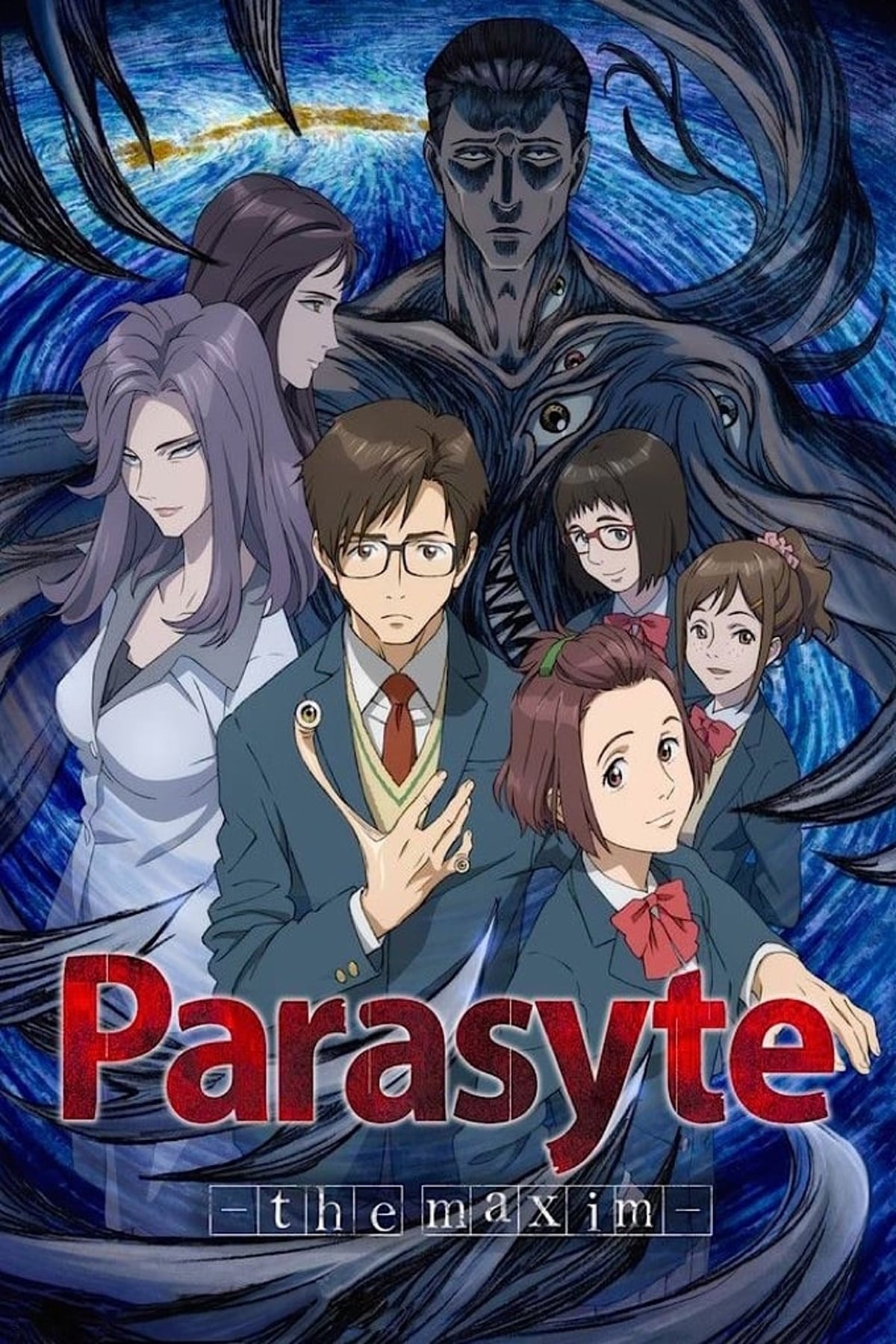
‘Parasyte: The Maxim’ was included in the extensive list of anime banned by the Chinese government for its “vicious” and “bloody” content. The body horror elements and graphic transformations were cited as primary reasons for the series being purged from the web. Officials believed the show’s dark themes could have a negative psychological impact on younger audiences. Despite its critical acclaim, the series remains blacklisted on all official Chinese media platforms to this day.
‘Hetalia’ (2009–2010)
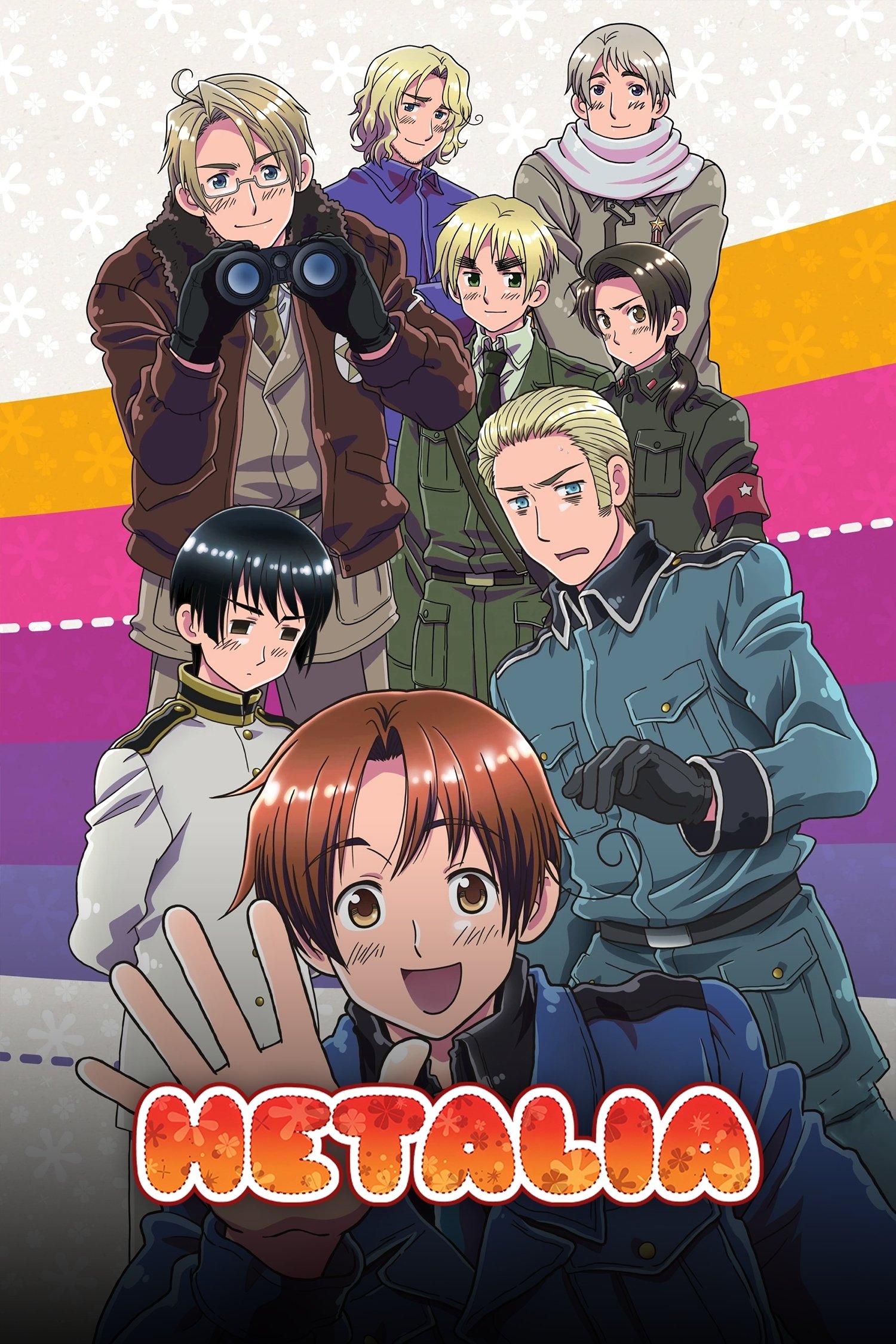
‘Hetalia: Axis Powers’ faced a televised broadcast ban in South Korea following massive public outcry and protests. Critics argued that the personification of Korea in the series was insulting, derogatory, and historically inaccurate. Although the producers attempted to address the concerns by removing the character from the anime, the backlash led to the cancellation of its airing on the Kids Station channel. The controversy highlighted the deep-seated political and historical tensions within the East Asian region.
‘Interspecies Reviewers’ (2020)
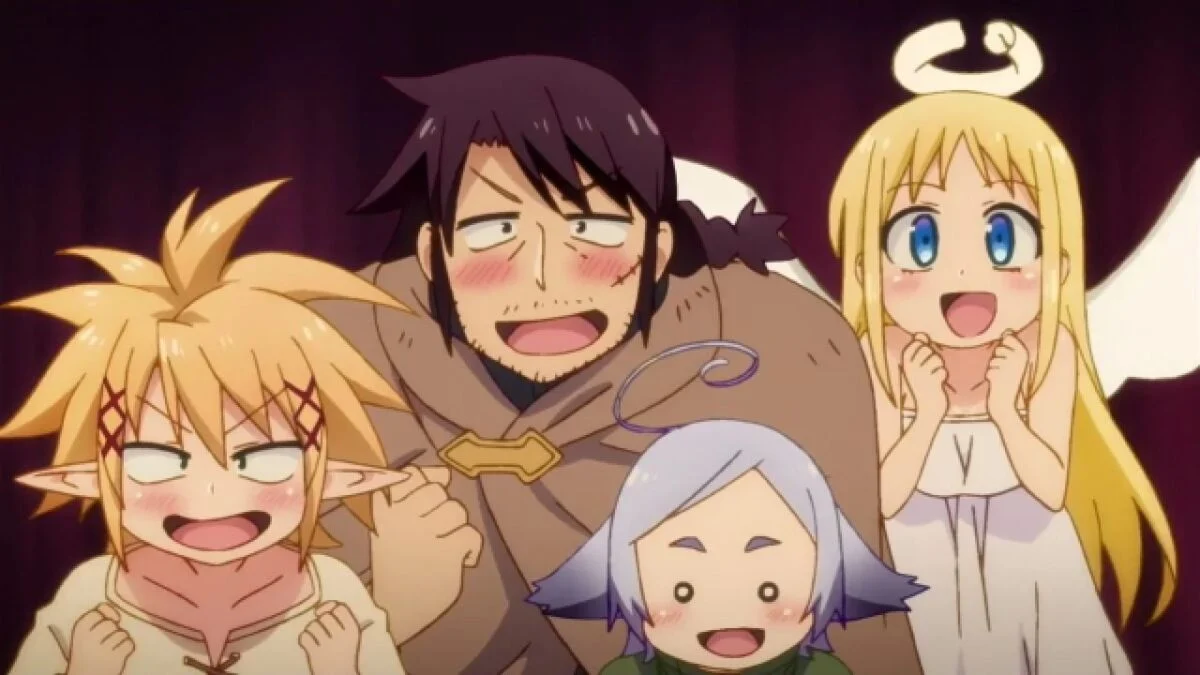
‘Interspecies Reviewers’ was pulled from several television networks in Japan and global streaming services shortly after its debut in 2020. In the United States, the streaming service Funimation removed the series from its platform, stating that the content fell outside of their company standards. While not a government-mandated ban in every case, the show’s explicit sexual nature led to it being effectively banned from mainstream distribution in multiple countries. Many platforms cited a desire to maintain a compliant content library as the reason for its removal.
‘Record of Ragnarok’ (2021–Present)
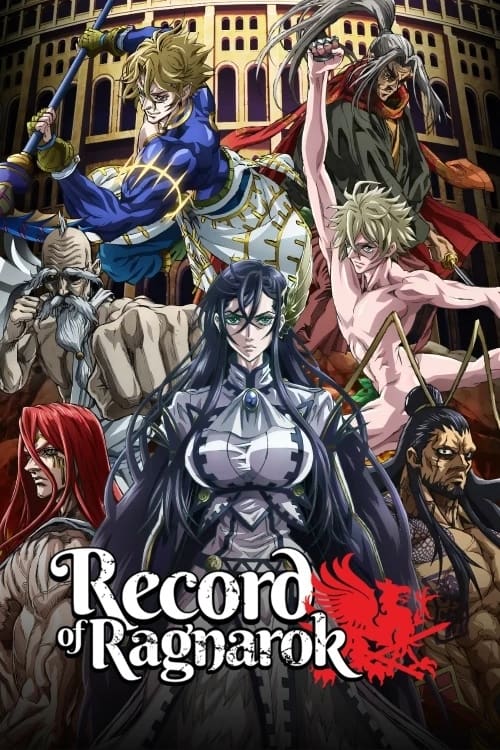
Netflix’s ‘Record of Ragnarok’ was removed from the streaming platform’s library in India shortly before its scheduled release. The ban was prompted by the depiction of the Hindu deity Shiva, which many found offensive and religiously insensitive. Critics argued that the portrayal misrepresented sacred figures and deeply hurt the sentiments of the Hindu community. This resulted in the series becoming unavailable to millions of potential viewers in the Indian market.
‘Doraemon’ (1979–2005)
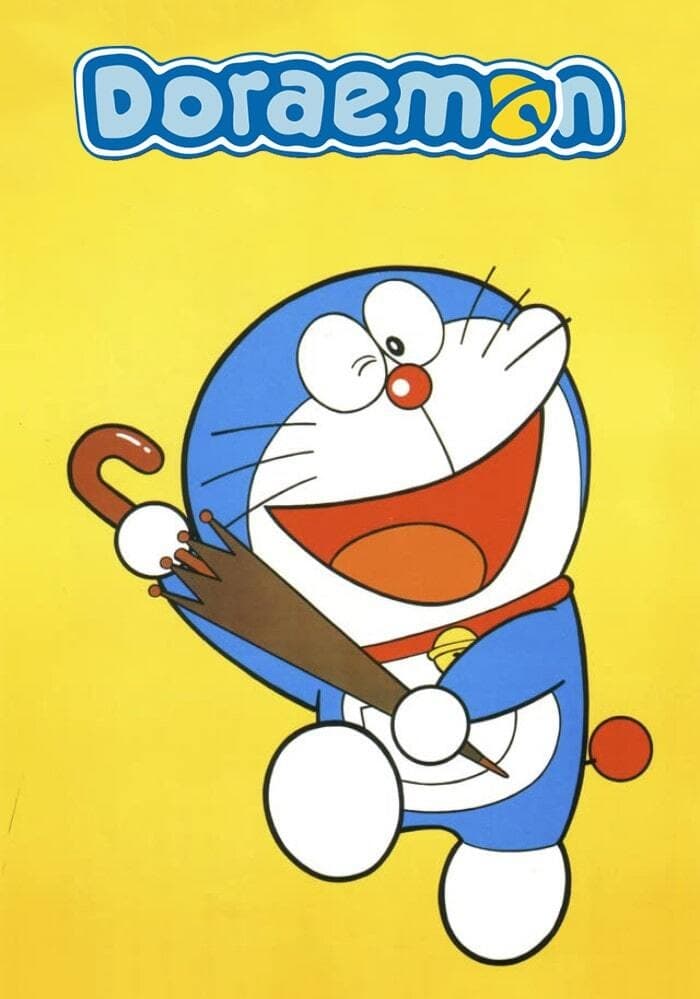
‘Doraemon’ has faced various levels of bans and restrictions in countries like Pakistan and India over the years. In Pakistan, politicians moved to ban the show in 2016, claiming it hindered the learning of the local language and promoted bad behavior among children. Some activists in India also called for a ban, suggesting the main character Nobita’s constant reliance on gadgets set a poor example for students. While not always a permanent national ban, the show remains a subject of intense regulatory debate in South Asia.
‘Dragon Ball Super’ (2015–2018)

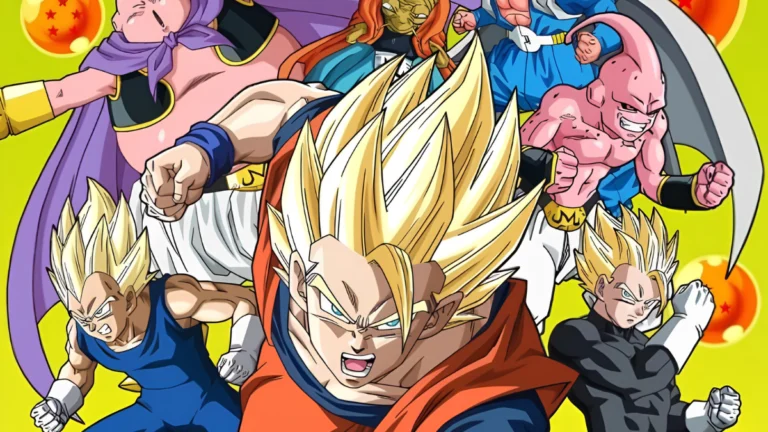
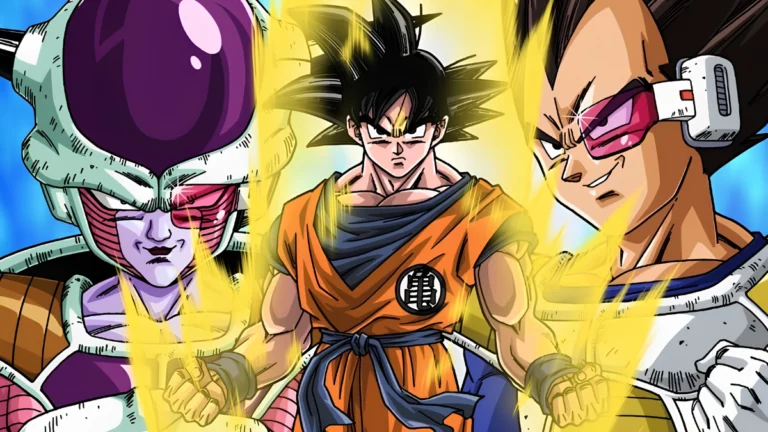
In 2021, the Ministry of Women, Genders, and Diversity in Argentina filed a complaint that led to the removal of ‘Dragon Ball Super’ from television. The complaint focused on a specific scene involving the character Master Roshi, which was characterized as depicting sexual harassment. The broadcaster, Cartoon Network, subsequently pulled the entire series from its schedule in the region following the regulatory pressure. This incident sparked a wider conversation about the portrayal of older anime tropes in modern contexts.
‘Deadman Wonderland’ (2011)
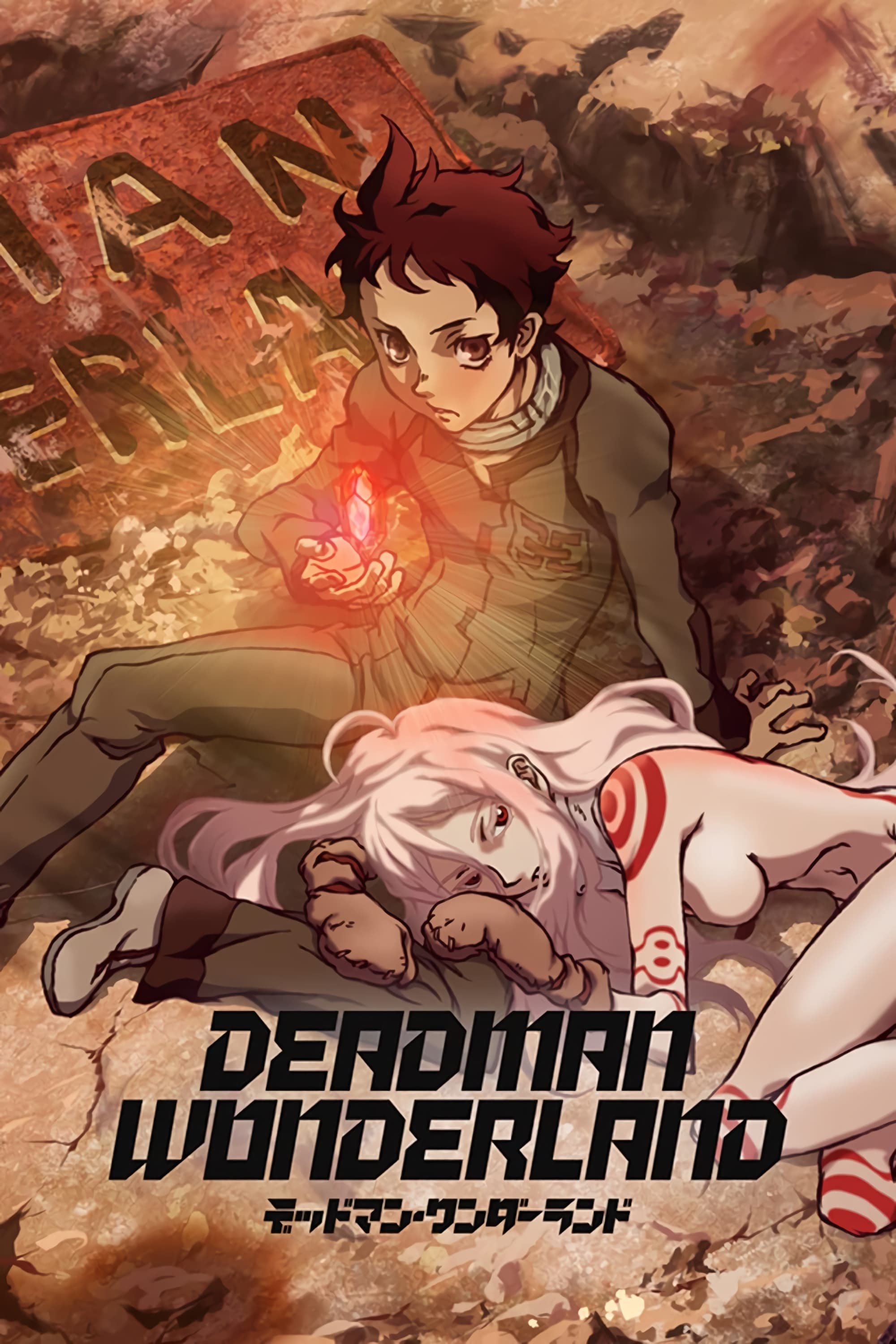
‘Deadman Wonderland’ was officially banned in China in 2015 for its high level of graphic violence and dark themes. The story, set in a brutal prison where inmates fight for survival, was deemed too gruesome for the general public by the Ministry of Culture. The government targeted the show as part of its mission to remove “corrupting” influence from the Chinese internet. Consequently, all legal versions of the anime were deleted from domestic video-sharing sites and remain prohibited.
‘Assassination Classroom’ (2015–2016)
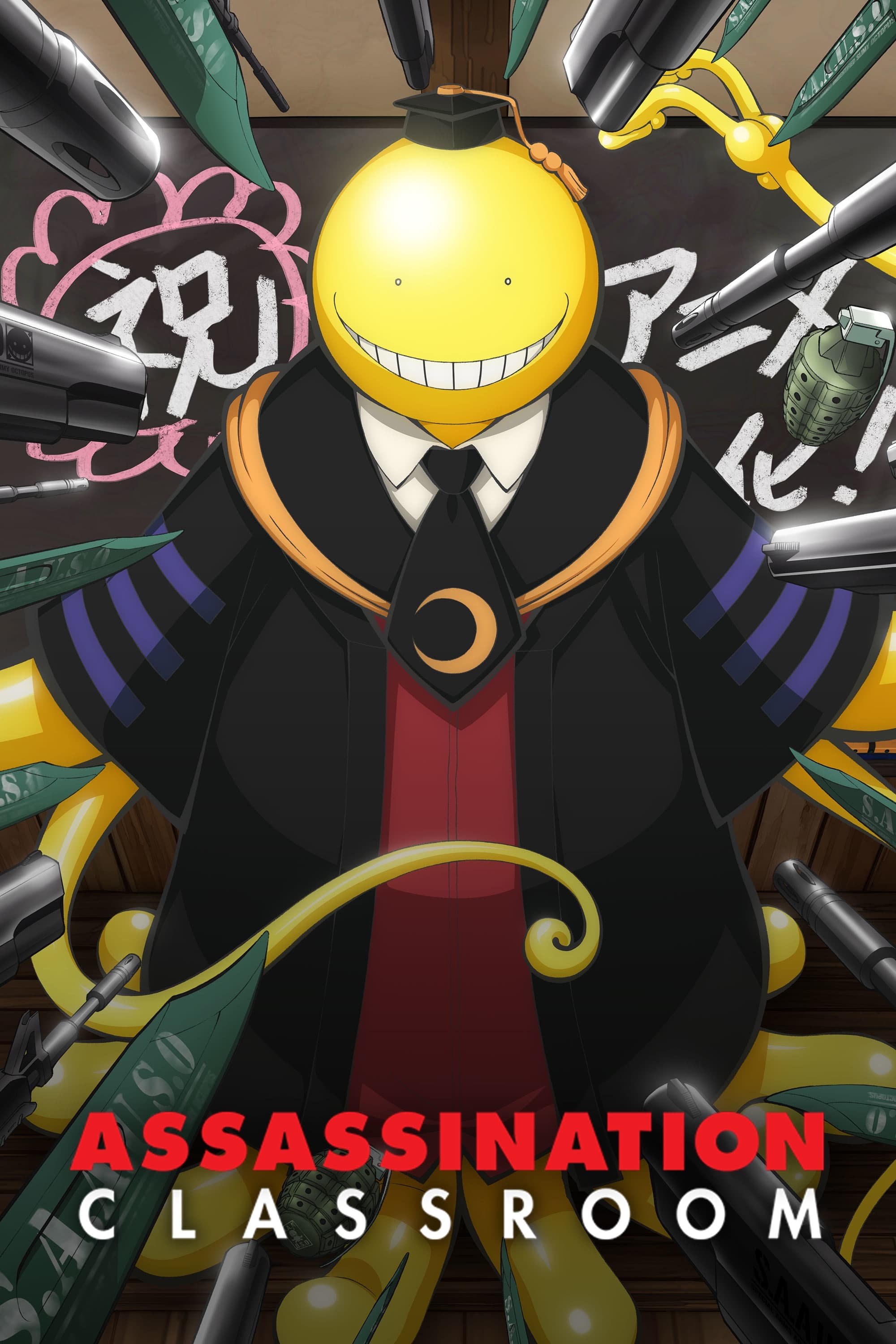
‘Assassination Classroom’ was banned in China because the government feared its premise could encourage violence against authority figures and teachers. The plot involves students attempting to kill their teacher, which was viewed as a direct threat to the sanctity of the national education system. Despite the teacher being a supernatural alien, the Ministry of Culture classified the show as harmful to the social order. The ban resulted in the complete removal of the series and related merchandise from the Chinese market.
Please share your thoughts on these controversial bans in the comments.