TV Shows That Were Ruined By A Single Character


Television history is filled with series that maintained high quality for years until a specific casting choice or writing decision derailed the momentum. Sometimes a new character is introduced to boost ratings but ends up alienating the core audience through poor chemistry or distracting storylines. These additions often shift the focus away from the dynamics that made the show successful in the first place. The following shows are frequently cited by viewers and critics as suffering significantly due to the inclusion of one specific individual.
‘Scooby-Doo and Scrappy-Doo’ (1979–1980)
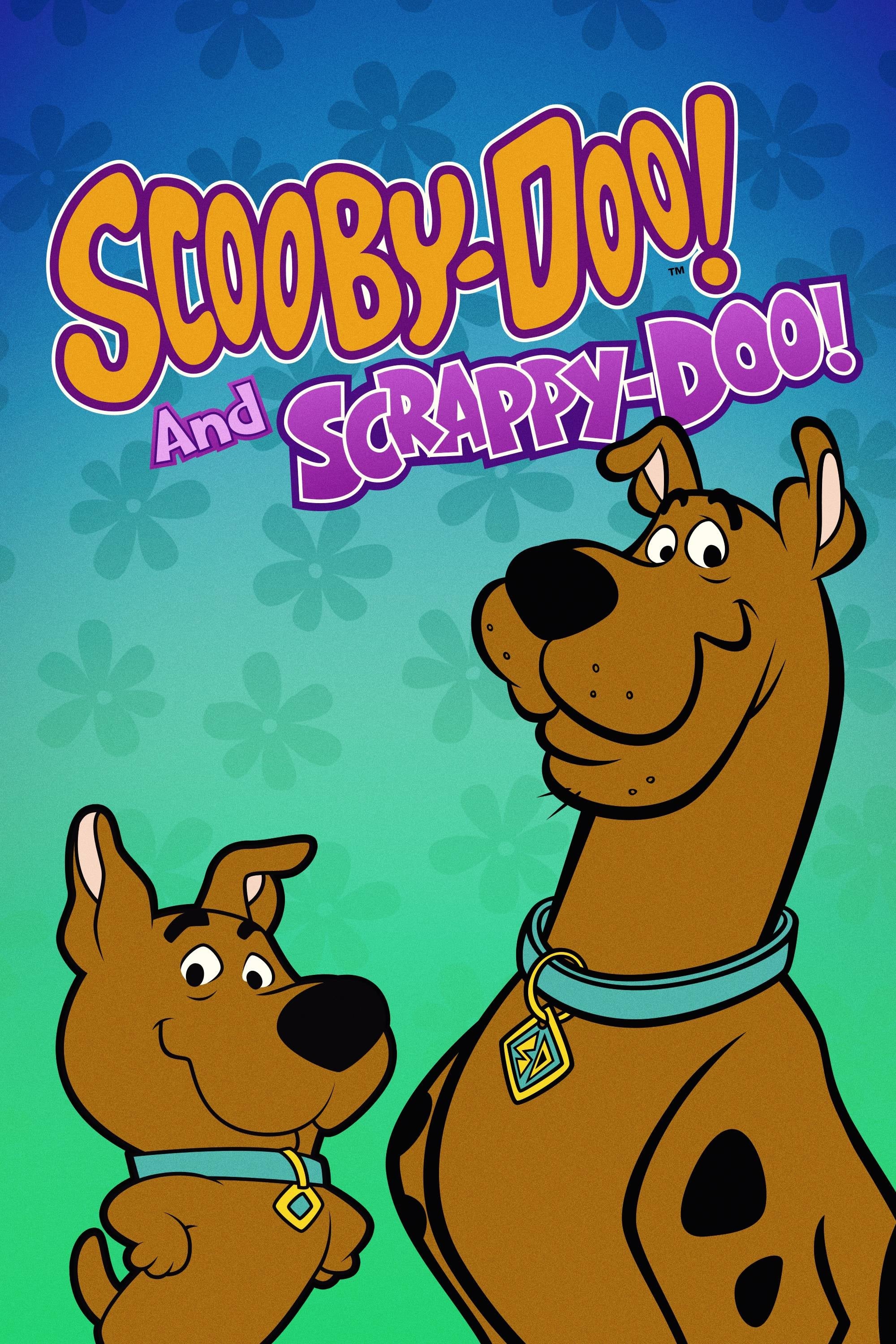
Scrappy-Doo is perhaps the most infamous example of a character added to save a dying show who ultimately tarnished its legacy. The small puppy was introduced as the nephew of Scooby-Doo but his aggressive personality and catchphrases annoyed long-time fans. His presence fundamentally changed the mystery-solving dynamic by turning the cowardly protagonist into a sidekick for an overconfident puppy. This character became so disliked that his name became a trope for unwanted additions to television casts.
‘The Brady Bunch’ (1969–1974)
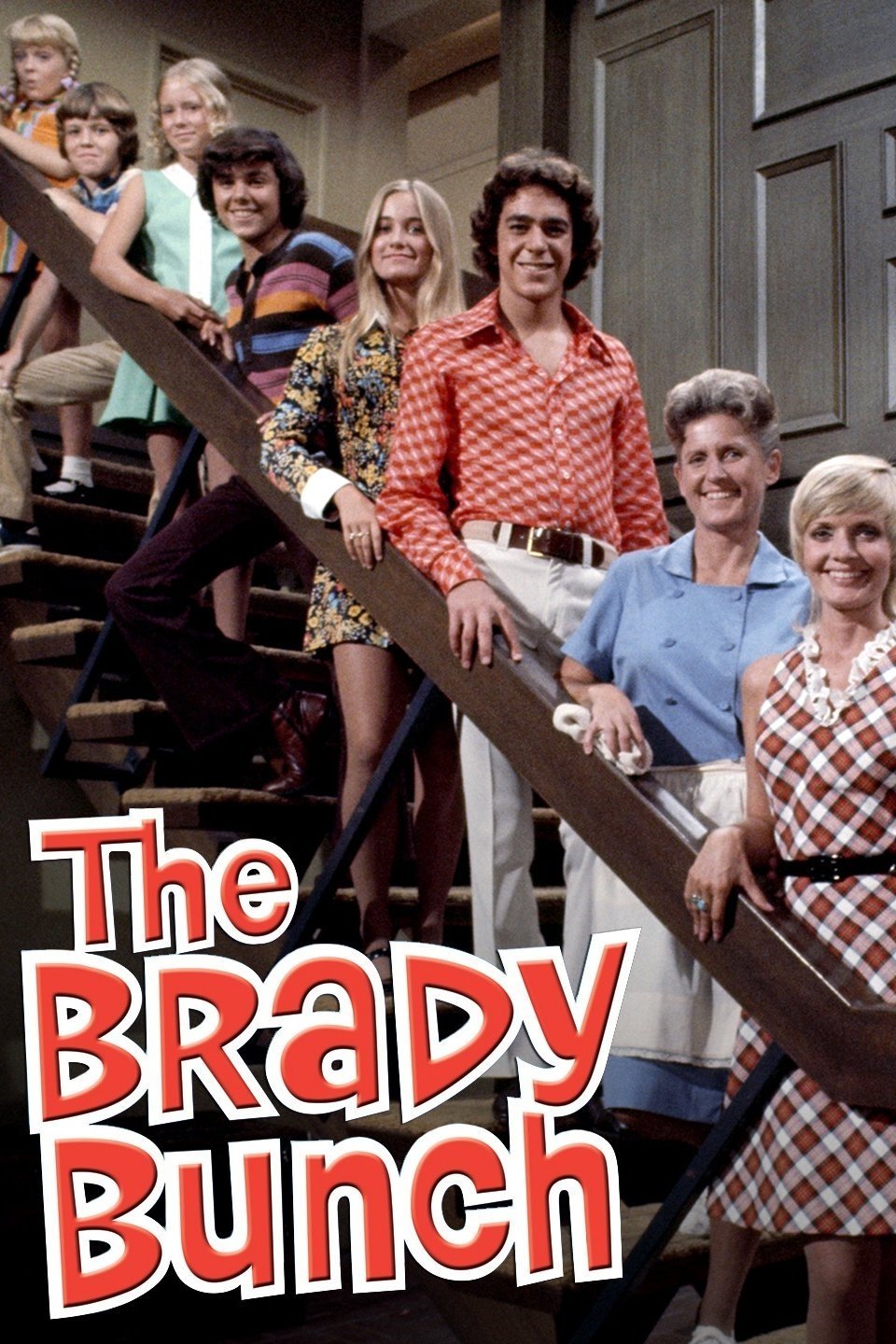
The producers introduced Cousin Oliver in the final season to add a younger perspective to the aging cast. His inclusion was meant to recapture the cuteness of the earlier seasons but instead felt forced and unnecessary to the established family dynamic. Oliver was prone to accidents and mishaps that often drove the plot in a contrived direction. The term Cousin Oliver Syndrome was eventually coined to describe the act of adding a young child to a series in a desperate attempt to boost declining ratings.
‘That ’70s Show’ (1998–2006)

Randy Pearson was brought in during the final season to fill the void left by the departures of main characters Eric Forman and Michael Kelso. His character was a hybrid of the two former leads but lacked the charm or distinct personality of either. Fans found his rapid integration into the group unnatural and his comedic timing incompatible with the existing cast. The chemistry that drove the series for seven seasons felt disrupted by his sudden prominence in the storylines.
‘Gilmore Girls’ (2000–2007)
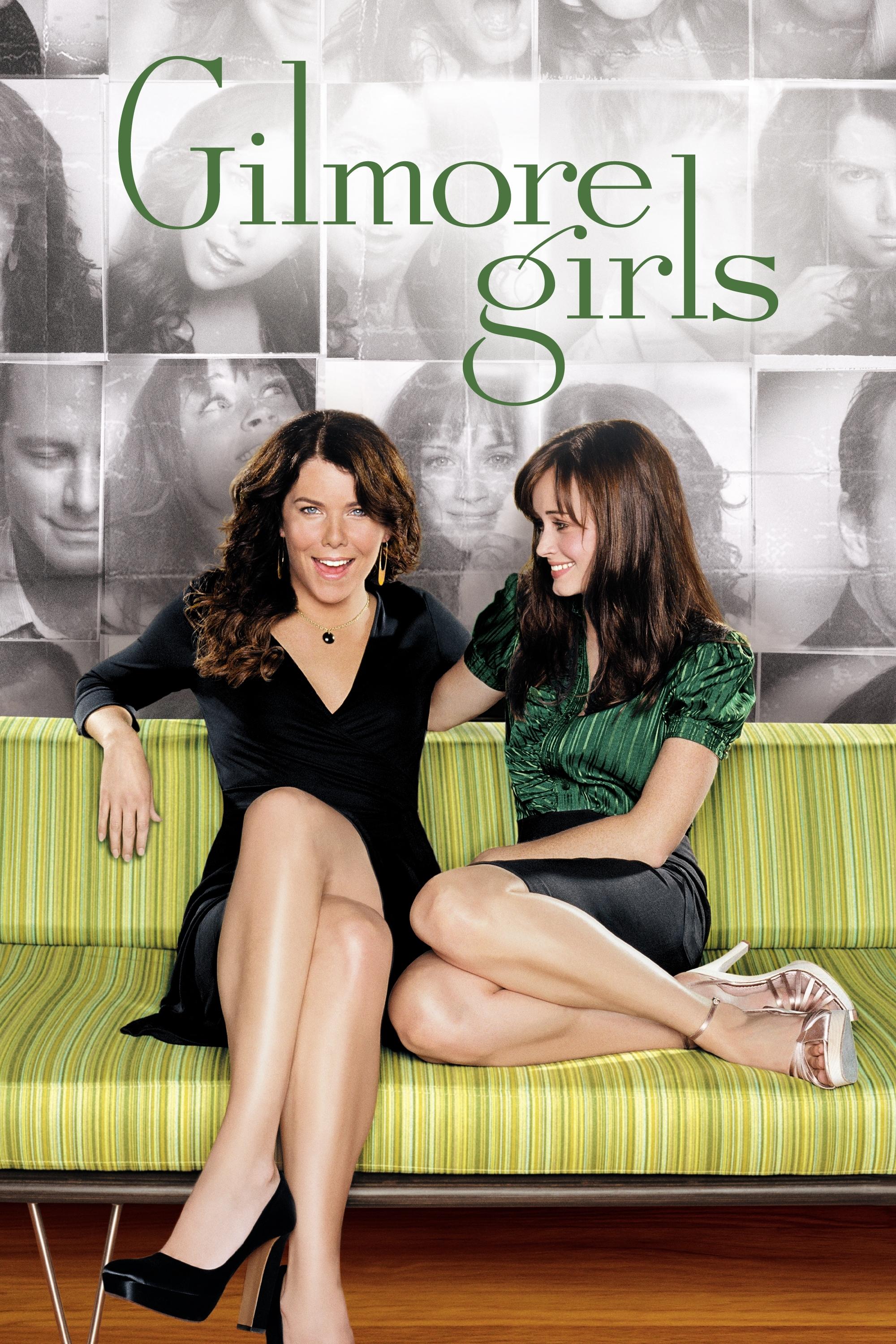
The introduction of April Nardini in the sixth season created a polarizing plot device that drove a wedge between the main couple. She appeared as the surprise daughter of Luke Danes and her presence immediately complicated his relationship with Lorelai Gilmore. Many viewers felt her character existed solely to create artificial drama rather than to develop the existing narratives organically. Her storylines often consumed screen time that fans preferred to see dedicated to the core mother-daughter dynamic.
‘Lost’ (2004–2010)
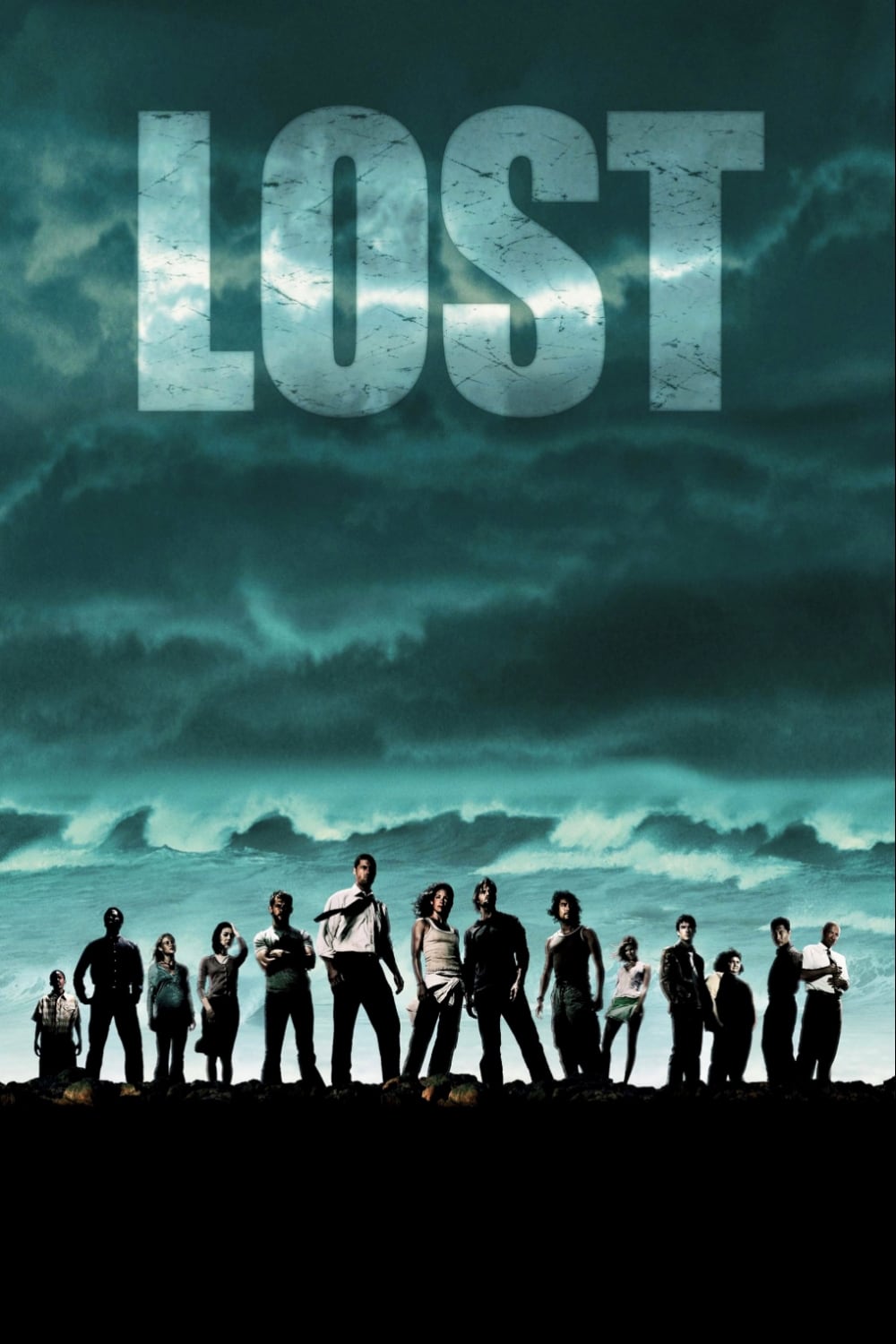
Nikki Fernandez was introduced in the third season alongside her boyfriend Paulo as survivors who had been there the entire time. The writers attempted to integrate them into the main group but the audience rejected their sudden inclusion and lack of relevance to the ongoing mysteries. Their episode centered on a diamond heist felt disconnected from the survivalist themes and mythology of the island. The creators responded to the backlash by killing off the character in a grim fashion shortly after her introduction.
‘Buffy the Vampire Slayer’ (1997–2003)
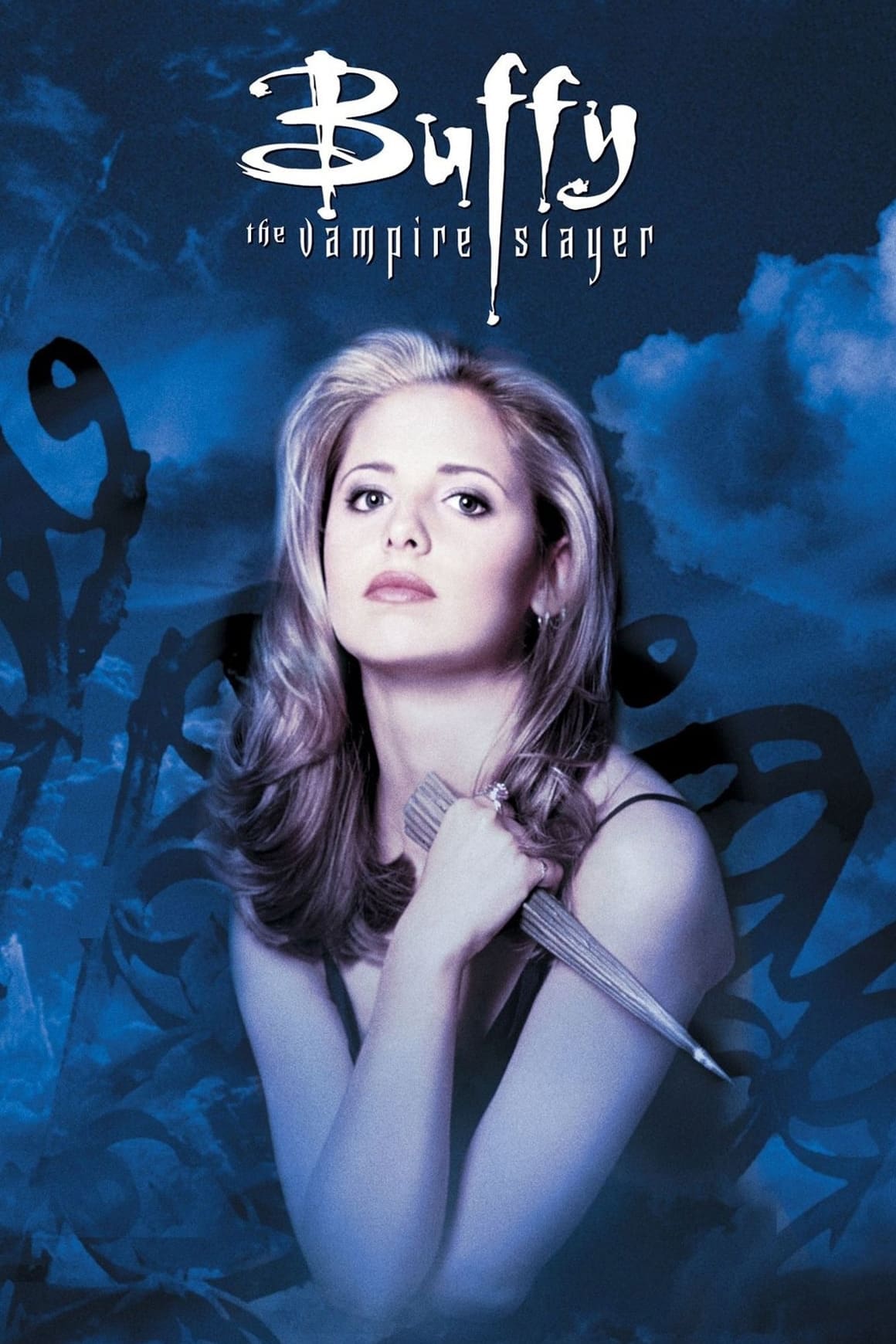
Kennedy was one of the Potential Slayers introduced in the final season and quickly became a source of frustration for the fanbase. Her aggressive attitude and sense of entitlement clashed with the established hierarchy and the somber tone of the season. She was often viewed as a bratty replacement for fan-favorite Tara Maclay as a romantic interest for Willow. Her presence in the final battle and her demeanor toward Buffy made her one of the least popular additions to the Buffyverse.
‘Game of Thrones’ (2011–2019)
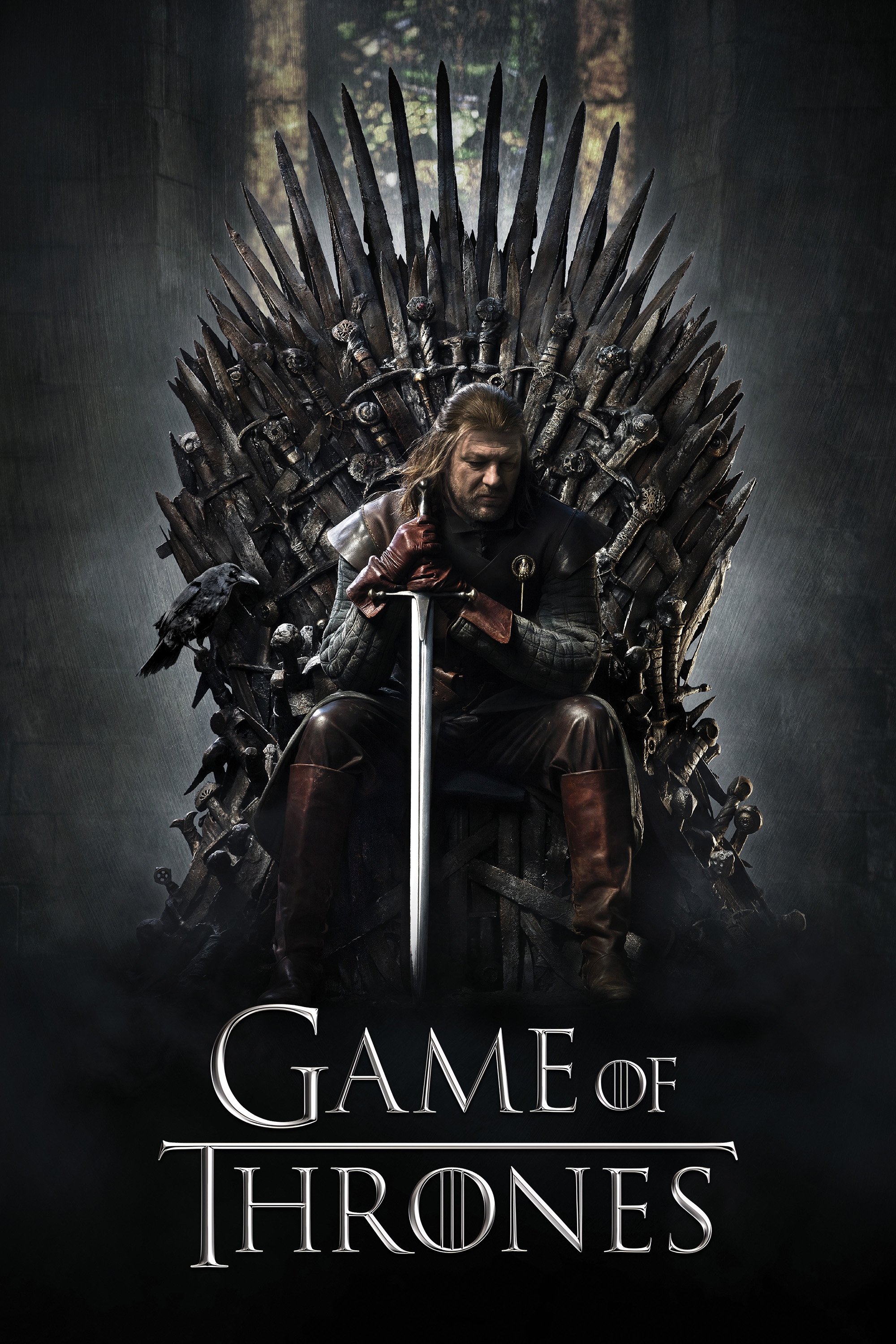
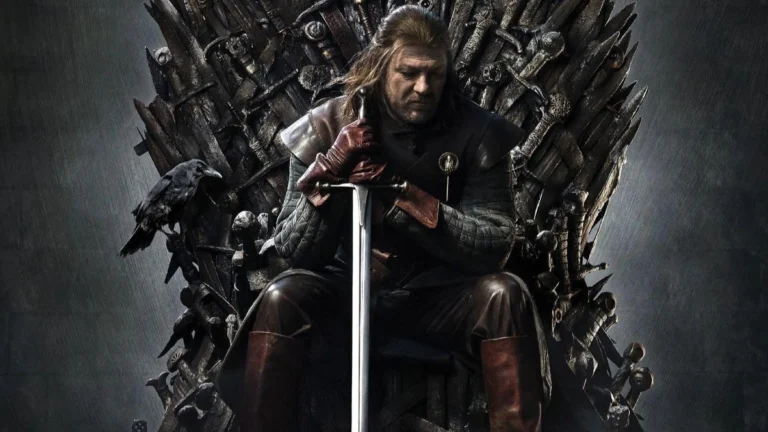
Euron Greyjoy appeared in the later seasons as a major antagonist but disappointed viewers who expected a more nuanced villain. His character often relied on convenient plot devices such as his magical fleet appearing out of nowhere to ambush the heroes. The writing for Euron lacked the complexity found in earlier antagonists like Tywin Lannister or Joffrey Baratheon. He is frequently cited as a symbol of the rushed storytelling and simplified logic that plagued the conclusion of the series.
‘Heroes’ (2006–2010)
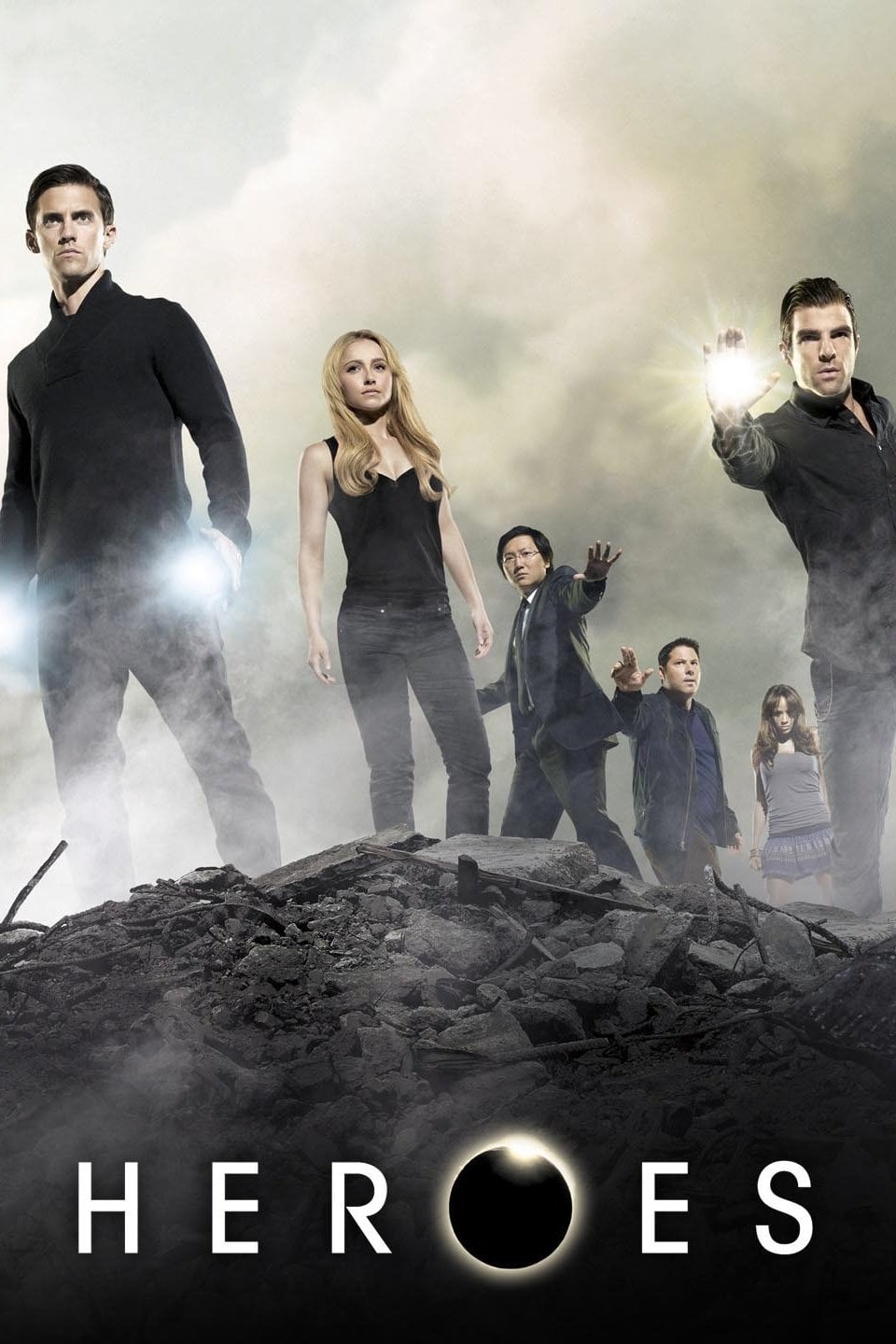
Maya Herrera was introduced in the second season with a deadly ability that activated whenever she was stressed. Her repetitive storyline involved travelling from Mexico to New York while accidentally killing people along the way. Viewers found her subplot isolated from the main action and her character development stagnant compared to the rest of the ensemble. The writers eventually wrote her out of the show as her narrative purpose seemed to reach a dead end.
‘Homeland’ (2011–2020)
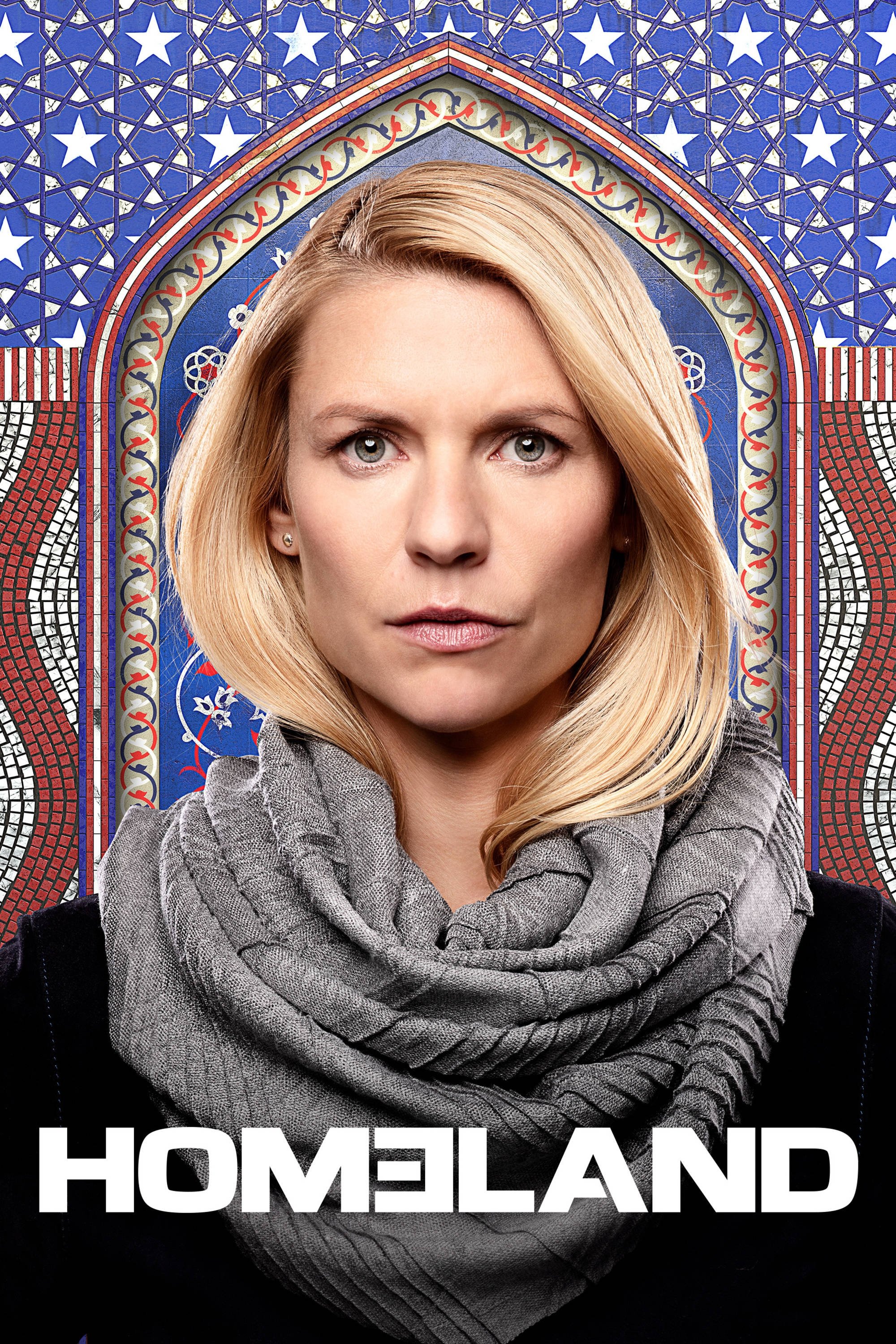
Dana Brody was the teenage daughter of the protagonist Nicholas Brody and became a central focus in the second and third seasons. Her moody subplots involving hit-and-run accidents and teenage romance often slowed down the pacing of the high-stakes espionage thriller. Critics and fans alike felt her screen time detracted from the tension of the CIA operations and terrorist plots. The show significantly improved in quality once the narrative moved away from the Brody family drama.
‘Scrubs’ (2001–2010)

Lucy Bennett became the narrator and protagonist for the ninth season which was a soft reboot of the medical comedy. She was intended to be a new version of J.D. but lacked the unique quirks and endearing qualities that made the original lead successful. The shift in focus to her and the other new interns alienated long-time viewers who missed the chemistry of the original cast. This season is often disregarded by fans or considered a separate failed spin-off entirely.
‘Two and a Half Men’ (2003–2015)
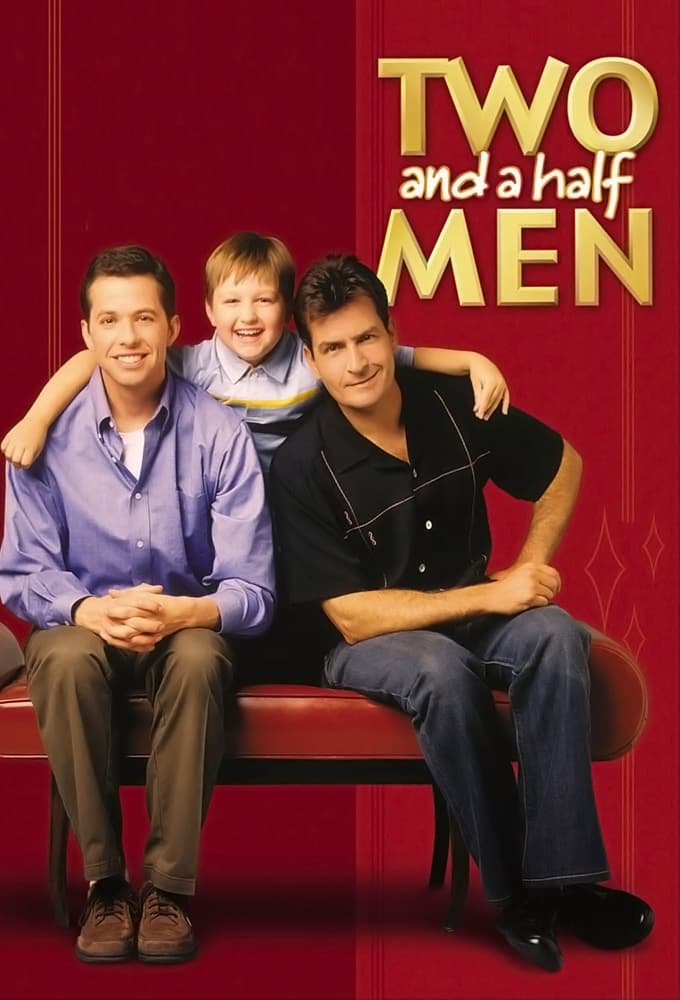
Walden Schmidt replaced Charlie Harper after the controversial exit of actor Charlie Sheen. The billionaire character was written as naive and emotionally immature which contrasted sharply with the cynical tone established by his predecessor. Although the show continued for several years the dynamic between the leads never recaptured the magic of the earlier seasons. Many fans felt the series lost its edge and identity once the original hedonistic protagonist was removed.
‘Charmed’ (1998–2006)
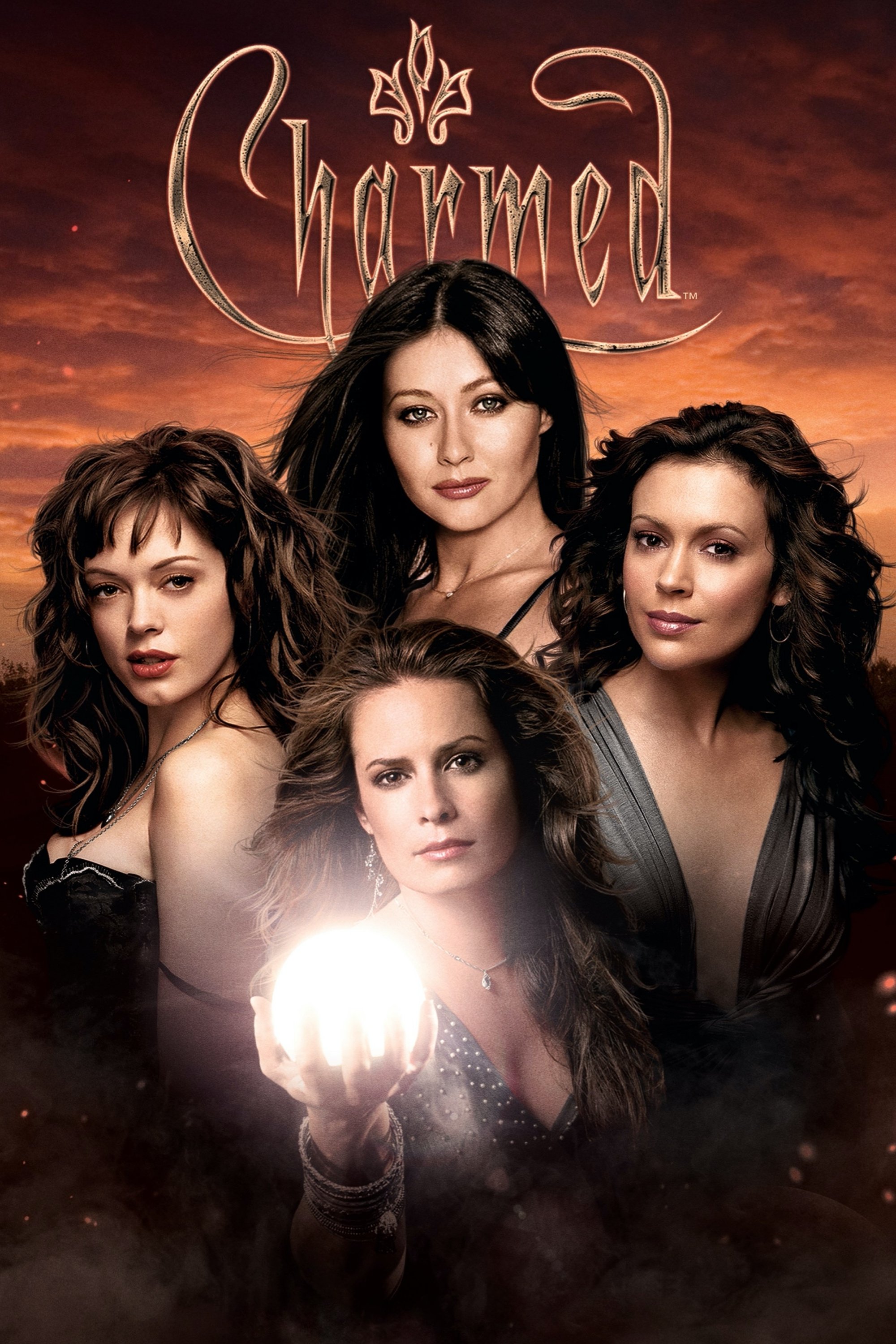
Billie Jenkins was a young witch introduced in the final season to learn from the Halliwell sisters. Her storyline dominated the season and she eventually became the “Ultimate Power” that threatened the main characters. Viewers felt she took too much attention away from the three leads during their farewell season. Her shifting allegiances and the focus on her sister Christy created a narrative arc that many fans found tedious and frustrating.
‘The O.C.’ (2003–2007)
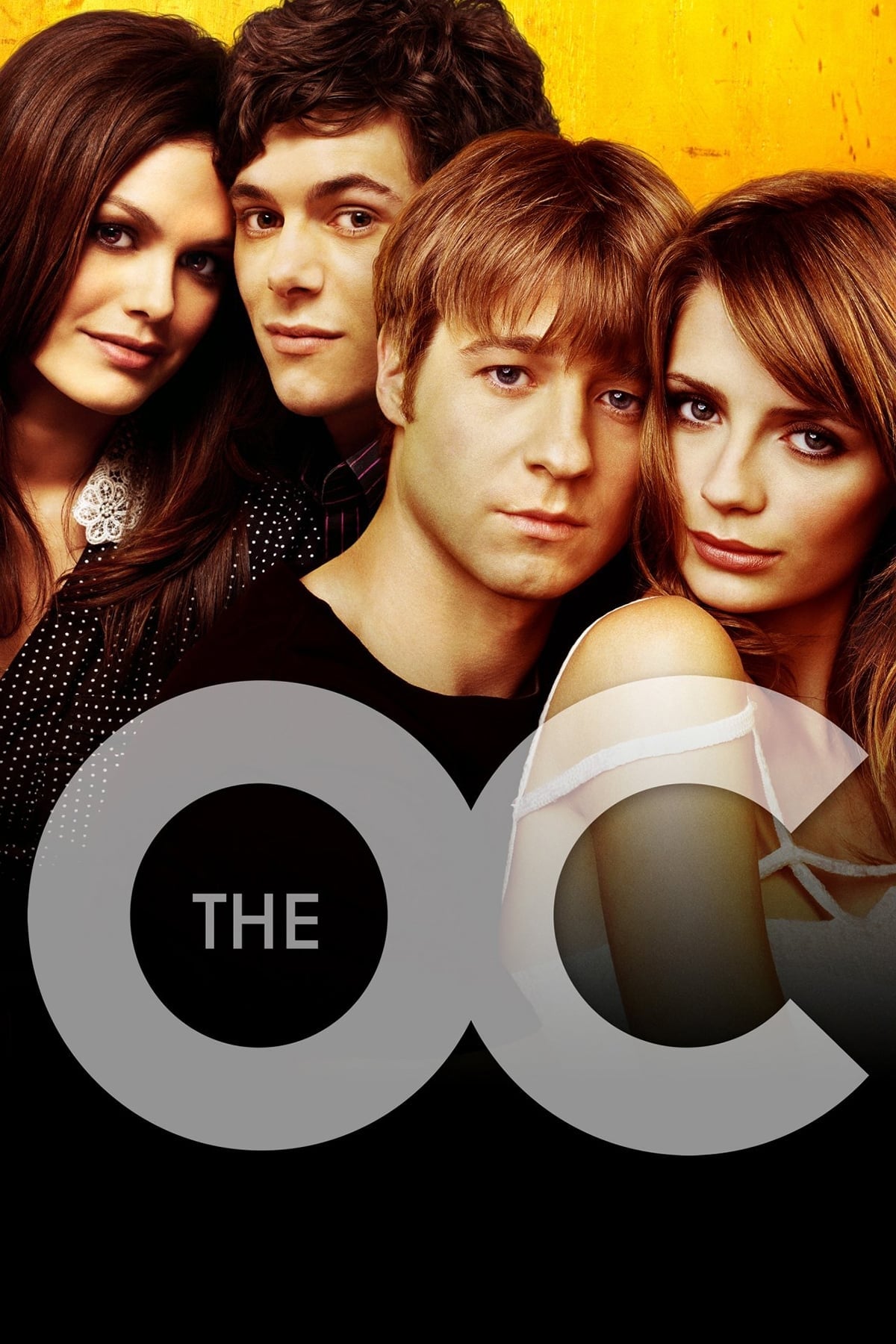
Oliver Trask appeared in the first season as a mentally unstable friend of Marissa Cooper who became obsessed with her. His manipulative behavior and the obvious nature of his villainy made the storyline frustrating for viewers to watch. The other characters seemed oblivious to his actions which made the plot feel contrived and dragged out. While the show recovered later the Oliver arc is often pointed to as the moment the series began to dip into melodrama.
‘The Office’ (2005–2013)
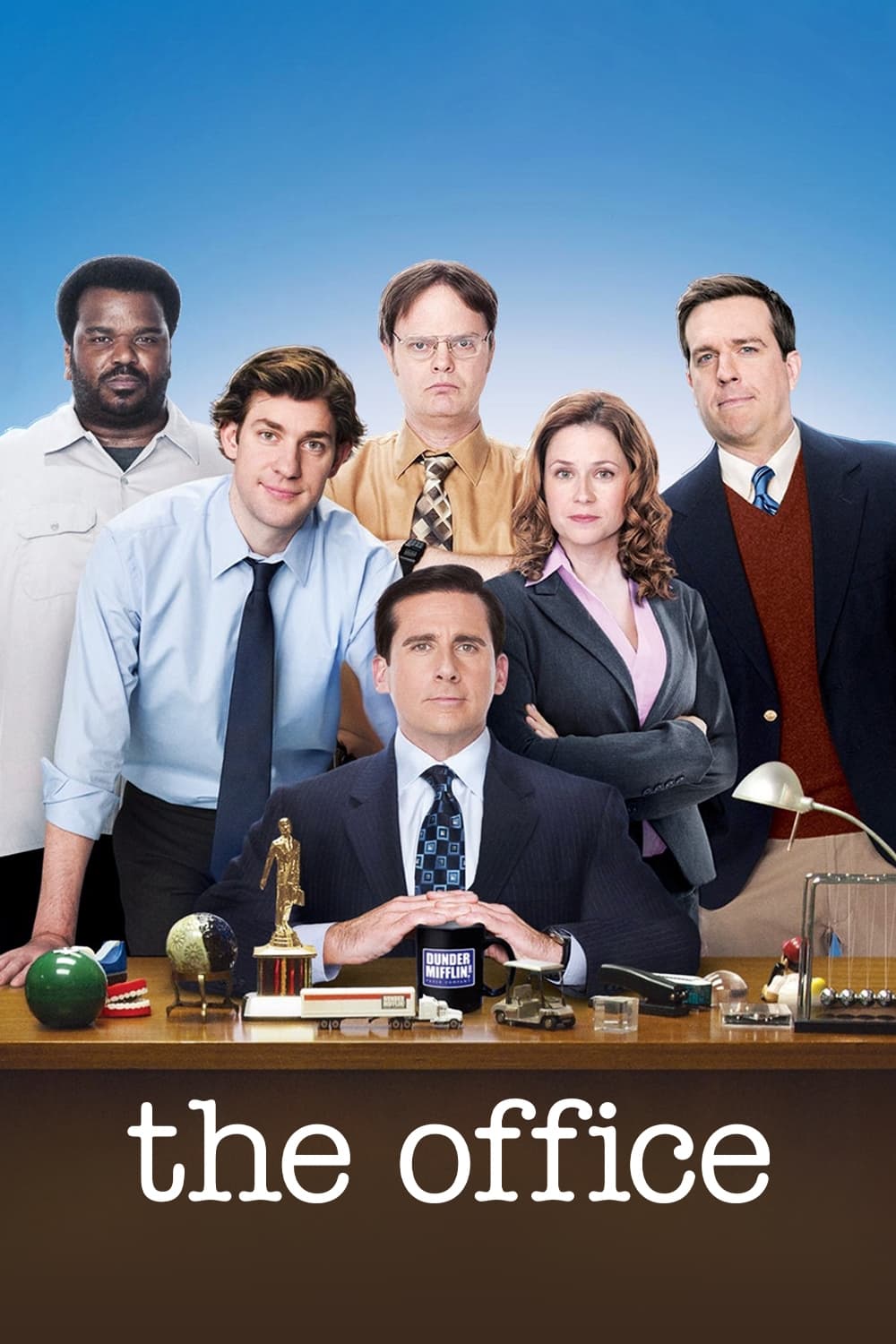
Robert California was brought in as the new CEO after the departure of Michael Scott in the eighth season. His intense and often uncomfortable sexual metaphors created a weird energy that did not mesh well with the lighthearted workplace mockumentary style. The character confused the other employees rather than interacting with them in a humorous way. Many fans feel his presence marked a confusing era for the show as it struggled to find a new identity.
‘Angel’ (1999–2004)

Connor was the miraculously born son of the vampire Angel who returned as a teenager after being raised in a hell dimension. His angst and hatred toward his father dominated the storylines of the third and fourth seasons. The character engaged in a controversial relationship with Cordelia Chase which effectively ruined her character arc as well. His presence brought a soap opera quality to the show that detracted from its noir and supernatural themes.
‘The Fairly OddParents’ (2001–2017)
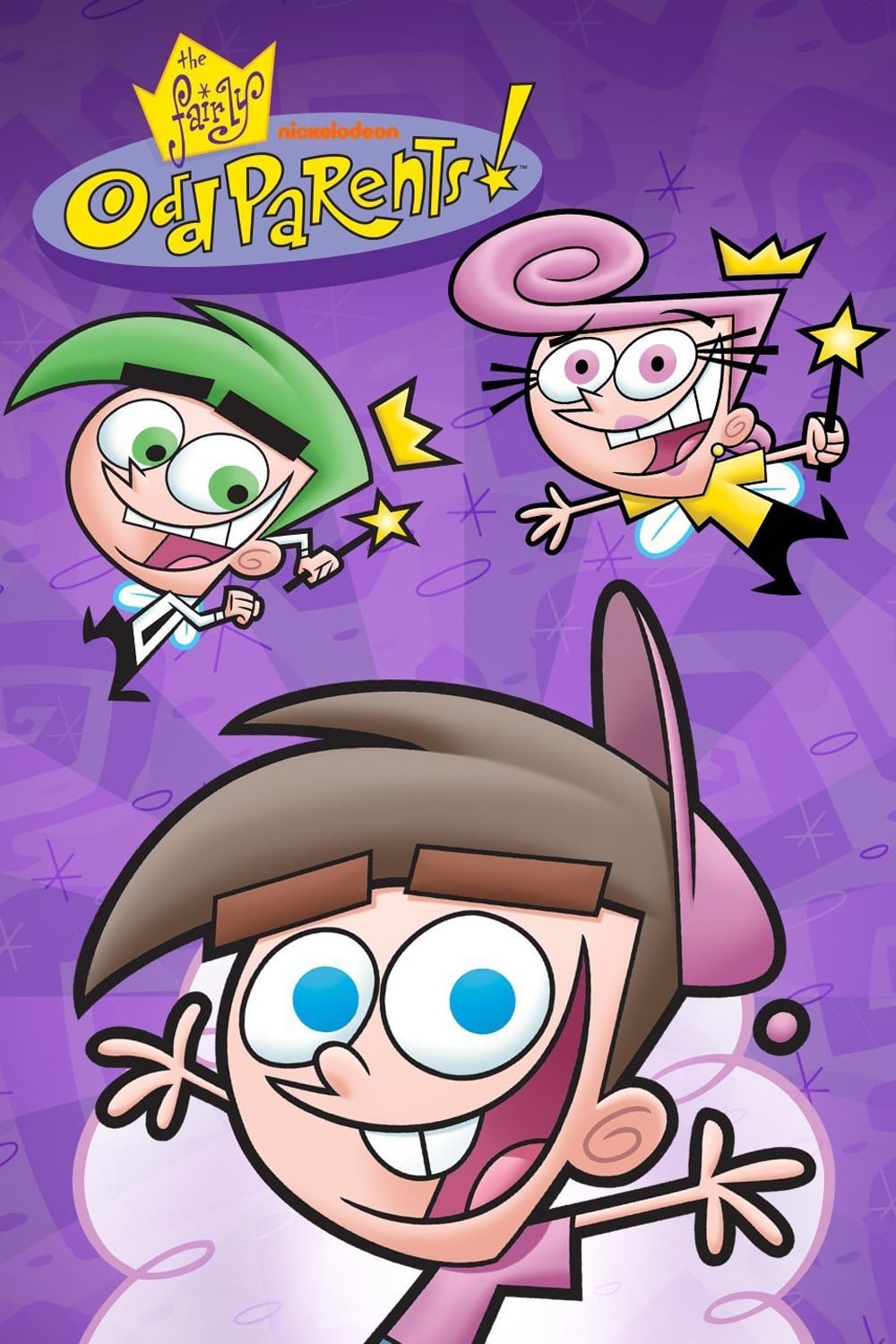
Chloe Carmichael was introduced in the tenth season as a neighbor who had to share the fairy godparents with Timmy Turner. Her character was portrayed as perfect and overachieving which clashed with the selfish and lazy nature of the protagonist. This addition broke the fundamental rule of the show that fairy godparents are assigned to miserable children. The dynamic shifted from Timmy learning lessons to a forced friendship that many long-time viewers found annoying.
‘The Walking Dead’ (2010–2022)
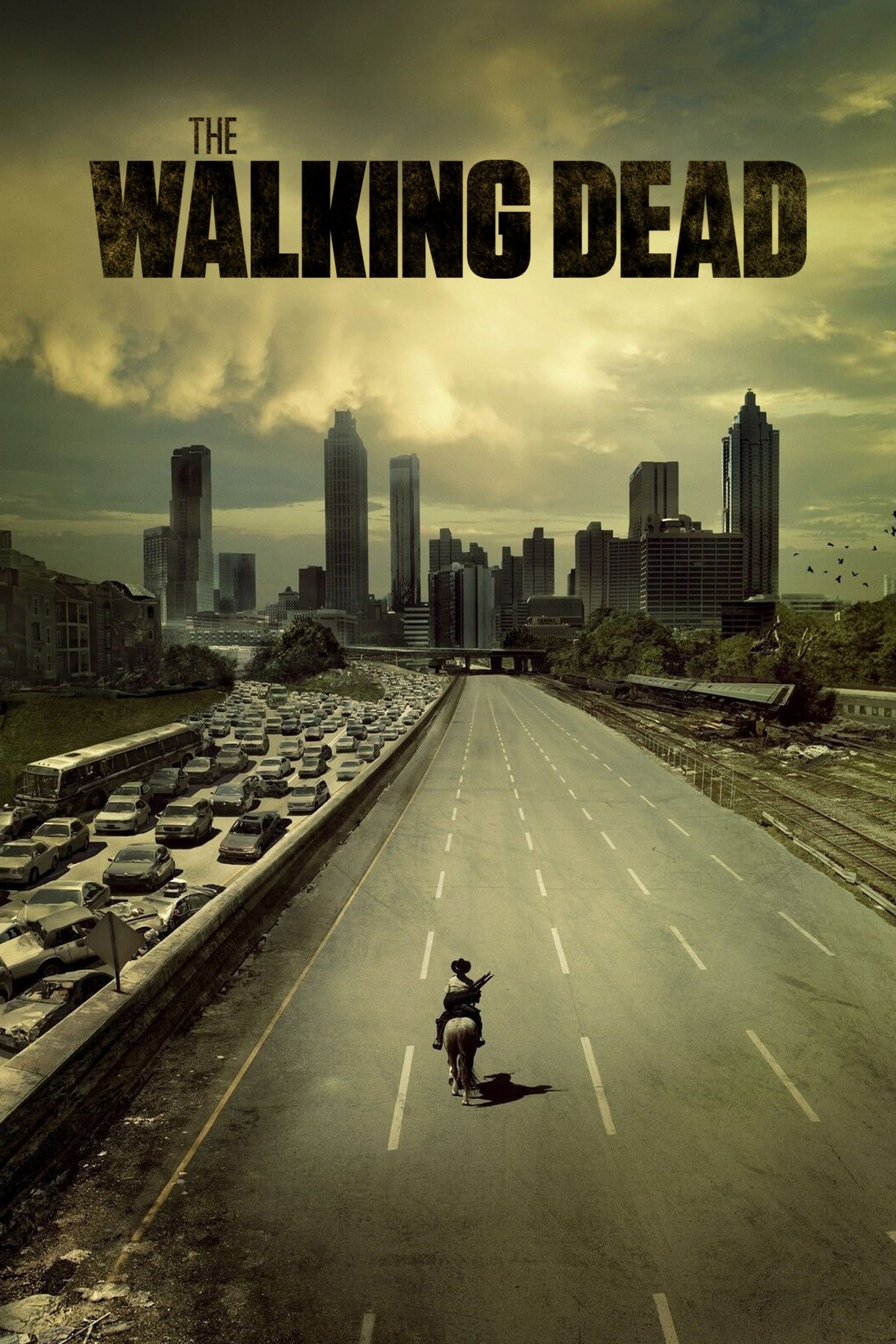
Andrea was a core survivor who frustrated audiences with her poor decision-making and inconsistent loyalties. She often sided with antagonists like the Governor despite obvious red flags and warnings from her friends. Her arc deviated significantly from her comic book counterpart who was a fan-favorite sharpshooter and leader. The writers eventually killed her off after seasons of backlash regarding her lack of development and negative impact on the group survival efforts.
‘Twin Peaks’ (1990–1991)
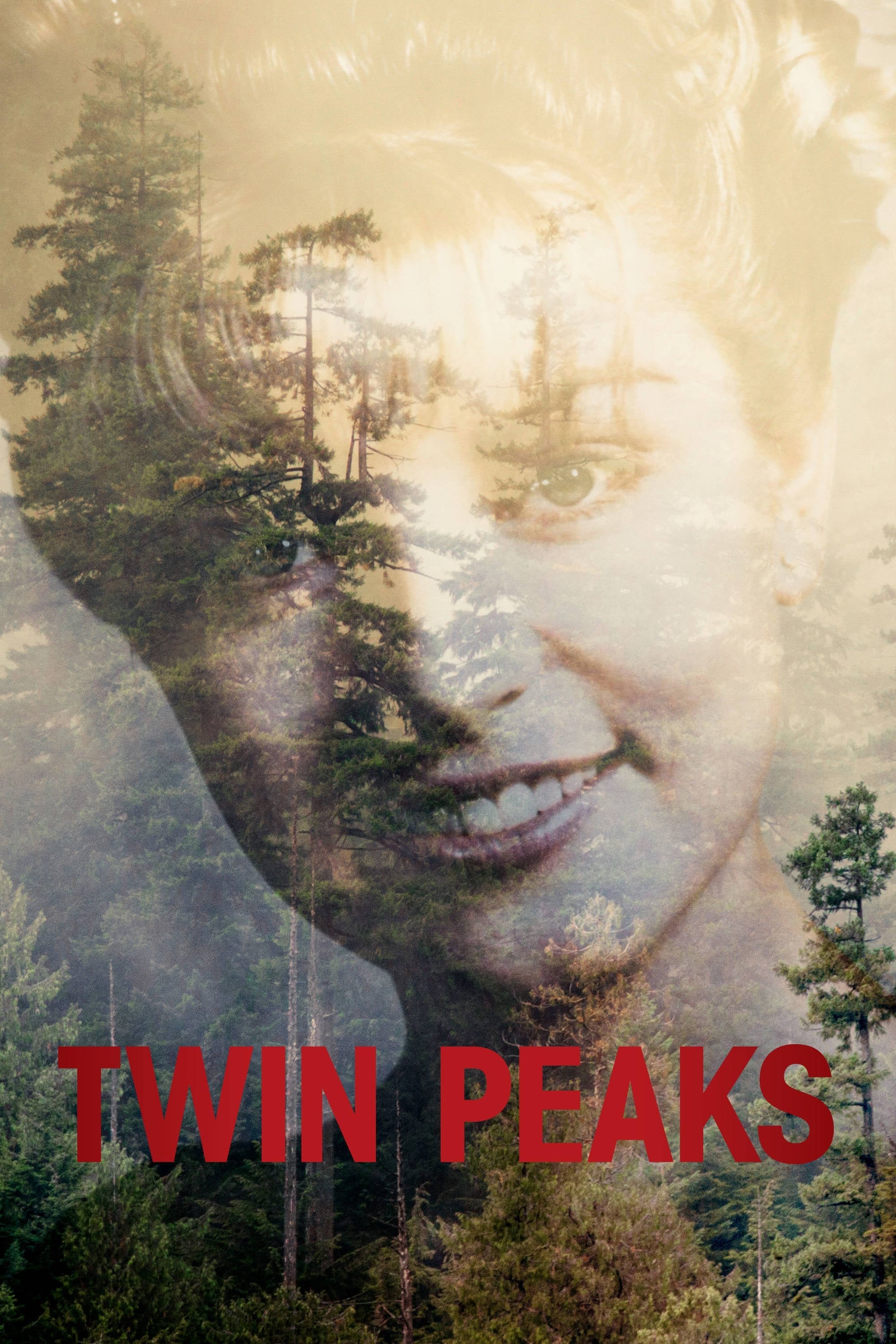
James Hurley was a main character whose subplot involving a wealthy woman named Evelyn Marsh is almost universally disliked. This storyline occurred during the middle of the second season and had no connection to the town or the central mystery. It felt like a soap opera diversion that wasted time while the show was struggling to find direction after solving the murder of Laura Palmer. Fans often skip his scenes during rewatches because they halt the momentum of the series.
‘Stranger Things’ (2016–Present)
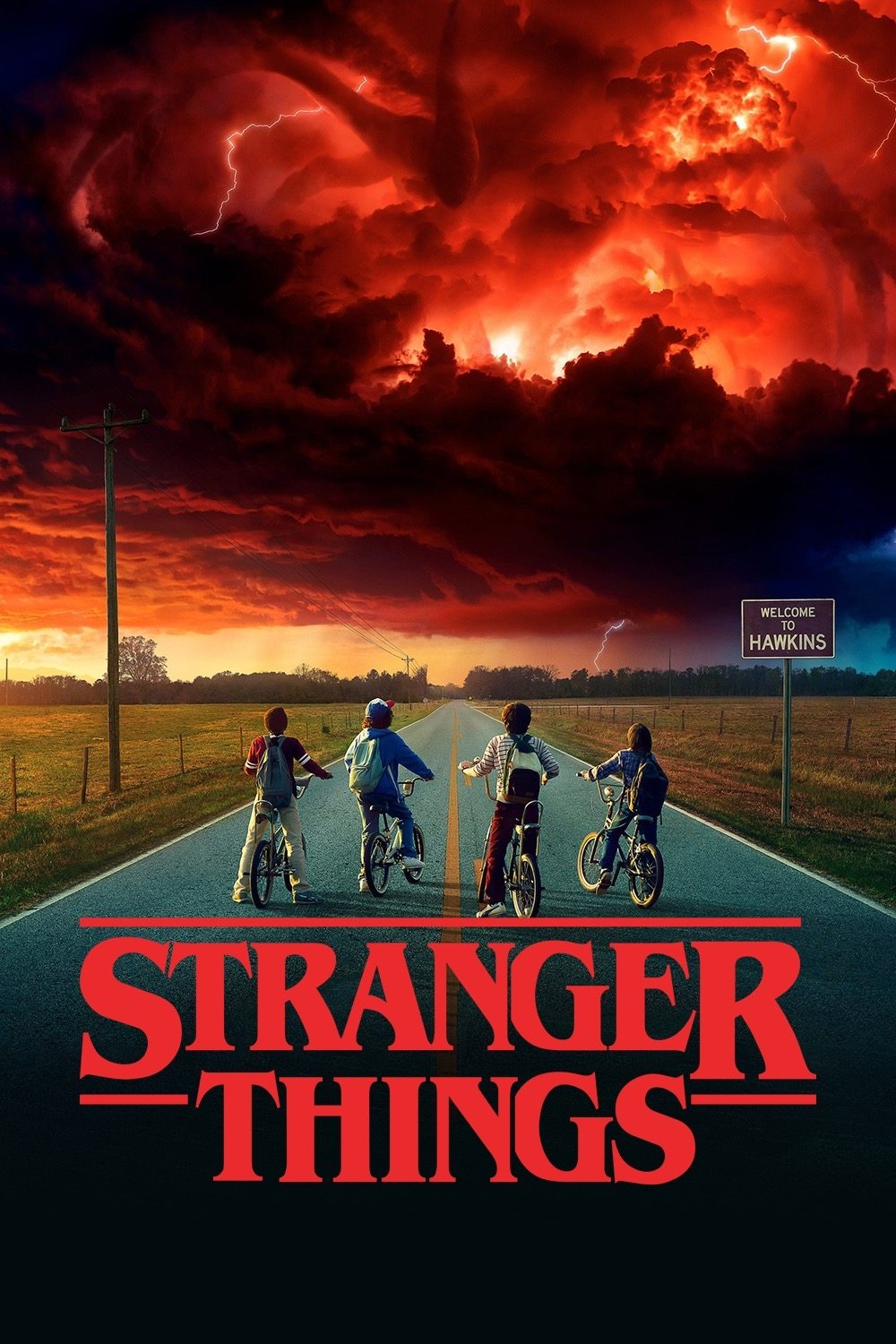
Kali was introduced in the second season as a fellow test subject with the power to create illusions. Her entire standalone episode involved a group of punk outcasts seeking revenge in Chicago and felt completely removed from the Hawkins storyline. The tone of her scenes clashed with the nostalgia and horror elements that defined the rest of the series. Fans reacted negatively to the detour and the character has not played a significant role since that polarizing episode.
‘Gotham’ (2014–2019)
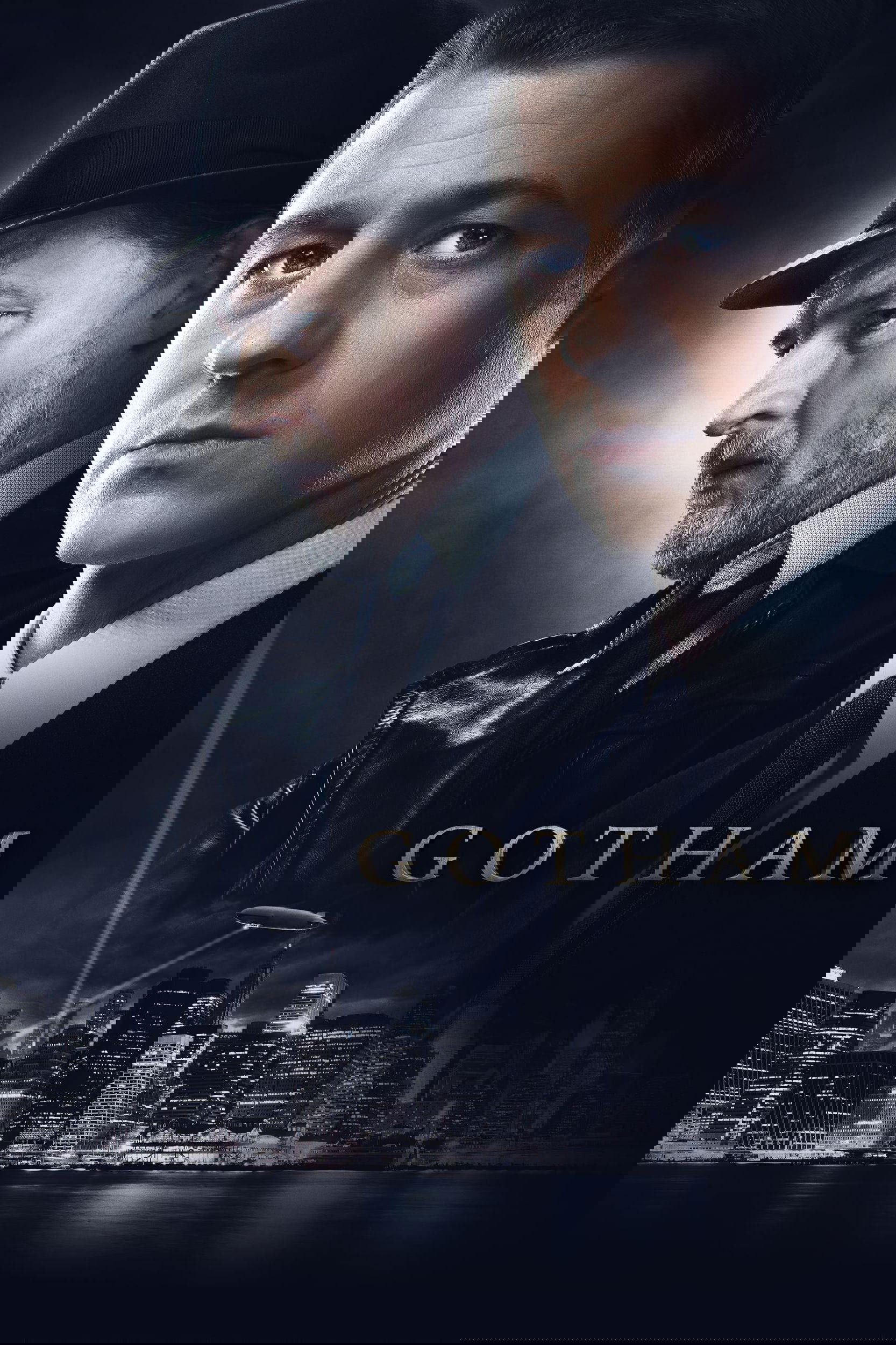
Fish Mooney was an original character created for the show who served as a major underworld boss. Her theatrical performance and over-the-top mannerisms often felt out of place compared to the grittier take on the Batman mythology. The writers kept bringing her back from the dead despite her story arcs seemingly reaching natural conclusions. Her continued presence took screen time away from canonical villains that fans were more eager to see develop.
‘Gossip Girl’ (2007–2012)
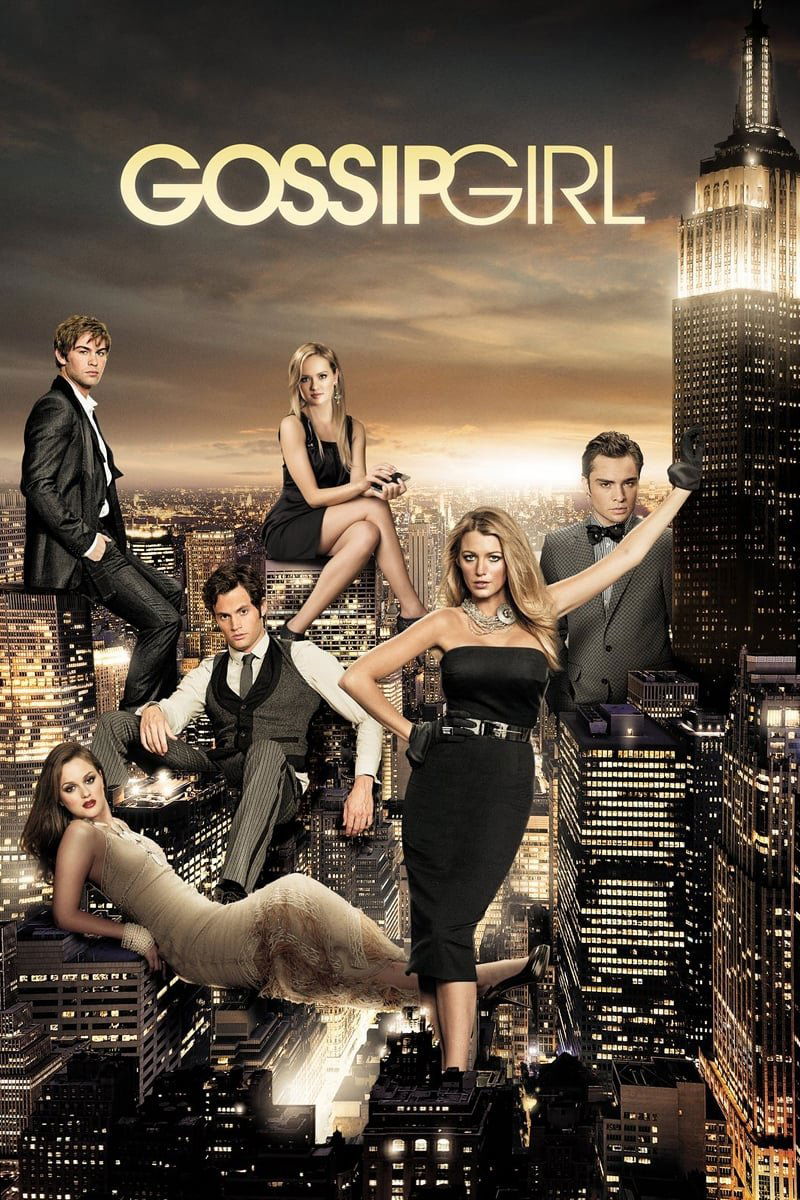
Vanessa Abrams was a childhood friend of Dan Humphrey who often served as a moral compass that fans found hypocritical. She constantly judged the wealthy lifestyle of the Upper East Side while simultaneously inserting herself into their drama. Her character lacked consistent motivation and often floated between storylines without a clear purpose. By the later seasons her presence felt like an obligation rather than a necessary part of the narrative web.
‘Smash’ (2012–2013)

Ellis Boyd was the personal assistant to the composer character and served as a devious antagonist who wanted to produce shows. His schemes were often cartoonish and he lacked the charisma to make his villainy entertaining. Viewers were baffled by how much he got away with despite having no power or influence in the industry. The creators listened to the feedback and the character was completely removed before the second season began.
‘Vikings’ (2013–2020)

Aslaug was introduced as a princess who seduced Ragnar Lothbrok and effectively ended his marriage to the fan-favorite Lagertha. Her arrival marked a turning point in the show where the family dynamic fractured and became more resentful. Audiences struggled to sympathize with her because she was positioned as the obstacle to the central relationship of the series. Her storylines often revolved around her questionable parenting and mystical aloofness which alienated viewers further.
‘Friends’ (1994–2004)
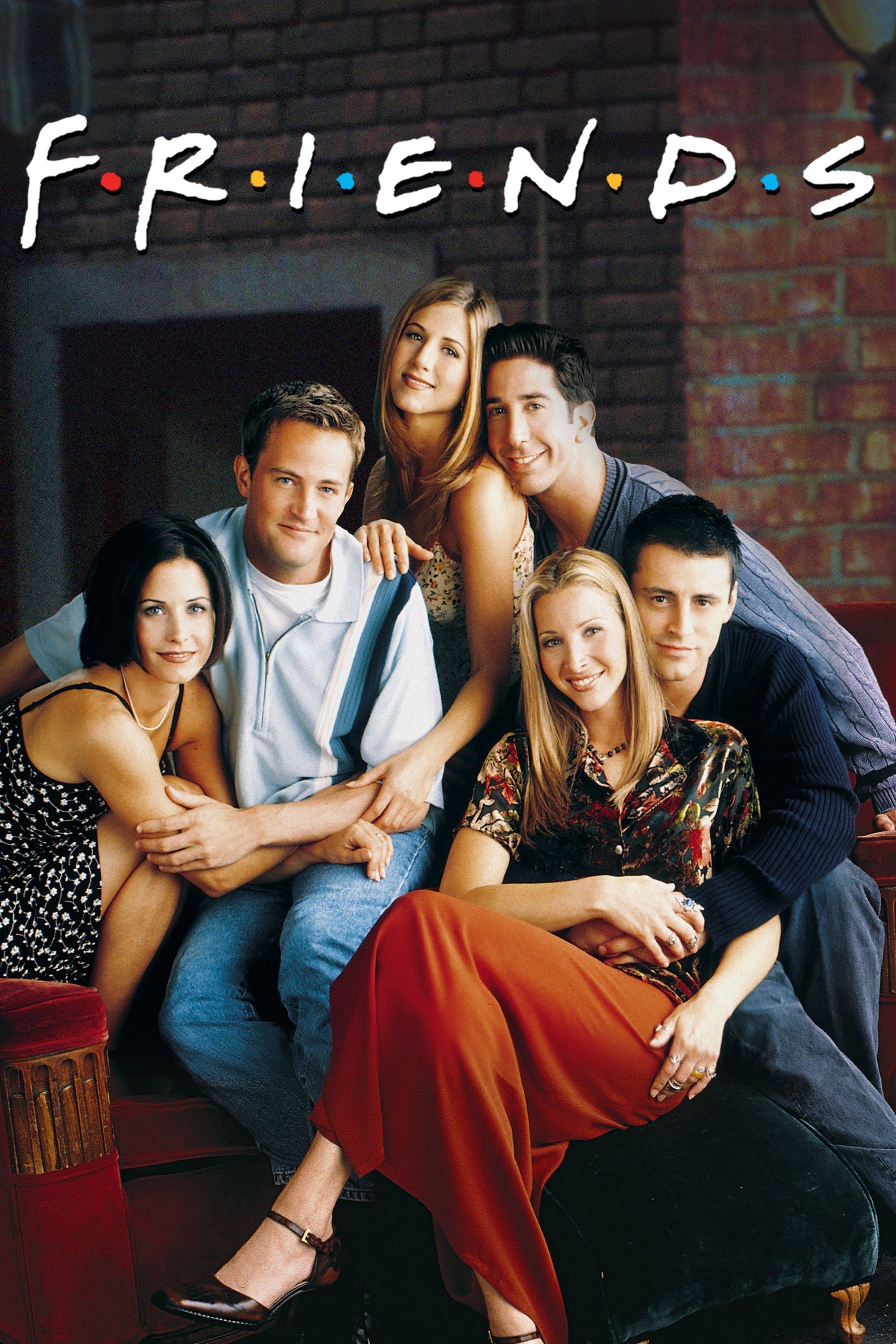
Emily Waltham was introduced in the fourth season as a love interest for Ross Geller who eventually became his wife. Her character started as charming but became controlling and demanding after Ross said the wrong name at the altar. She demanded that Ross cut off all contact with Rachel Green which fundamentally threatened the group dynamic. Fans turned against her because her ultimatum attacked the core premise of the six friends staying together.
‘Smallville’ (2001–2011)
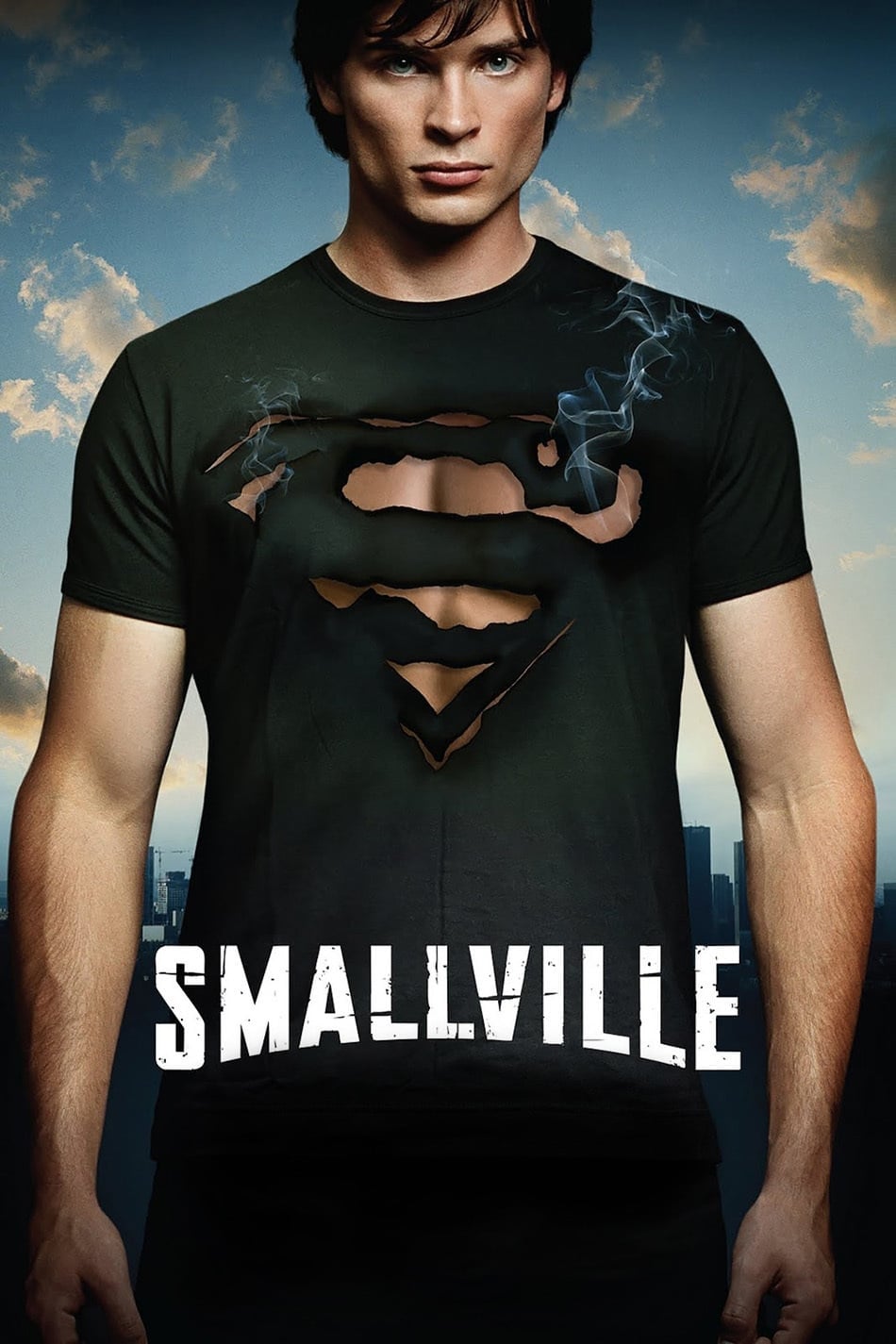
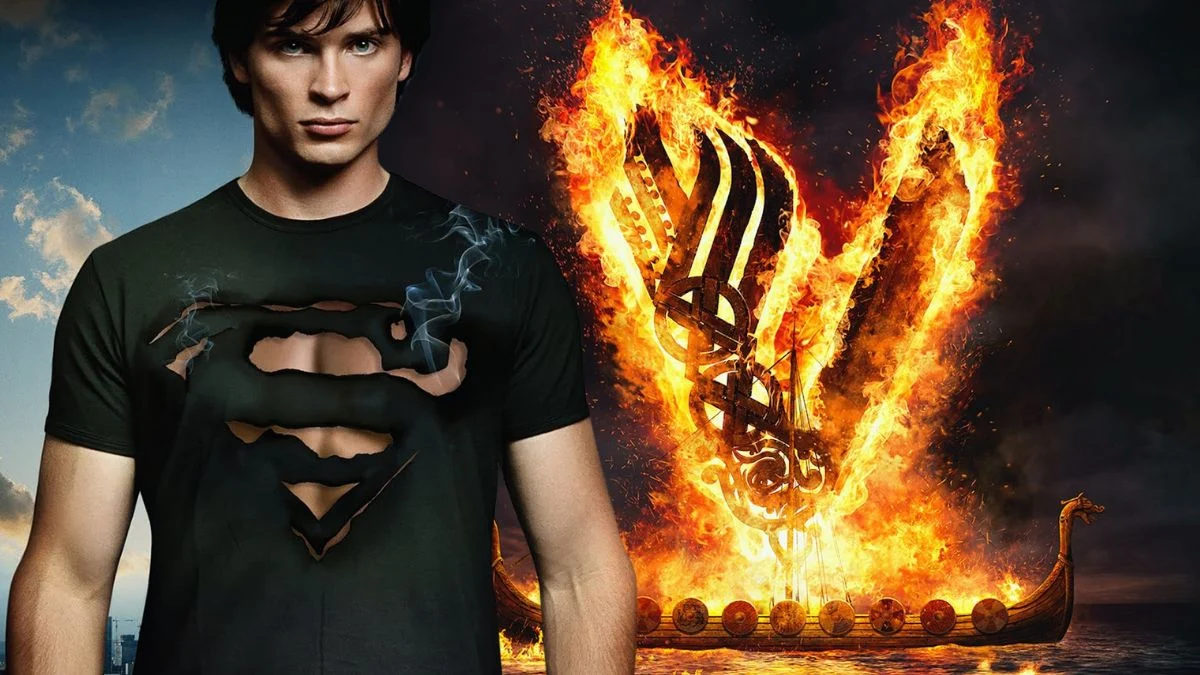
Lana Lang was the primary love interest for Clark Kent but her presence overstayed its welcome well into the later seasons. The constant “will they or won’t they” drama became repetitive and held back Clark’s development toward becoming Superman. Her character often absorbed storylines meant for others including acquiring superpowered suits and running LuthorCorp. Once she finally left the show the series was able to focus on the Lois Lane relationship and the final steps of Clark’s journey.
‘Peaky Blinders’ (2013–2022)
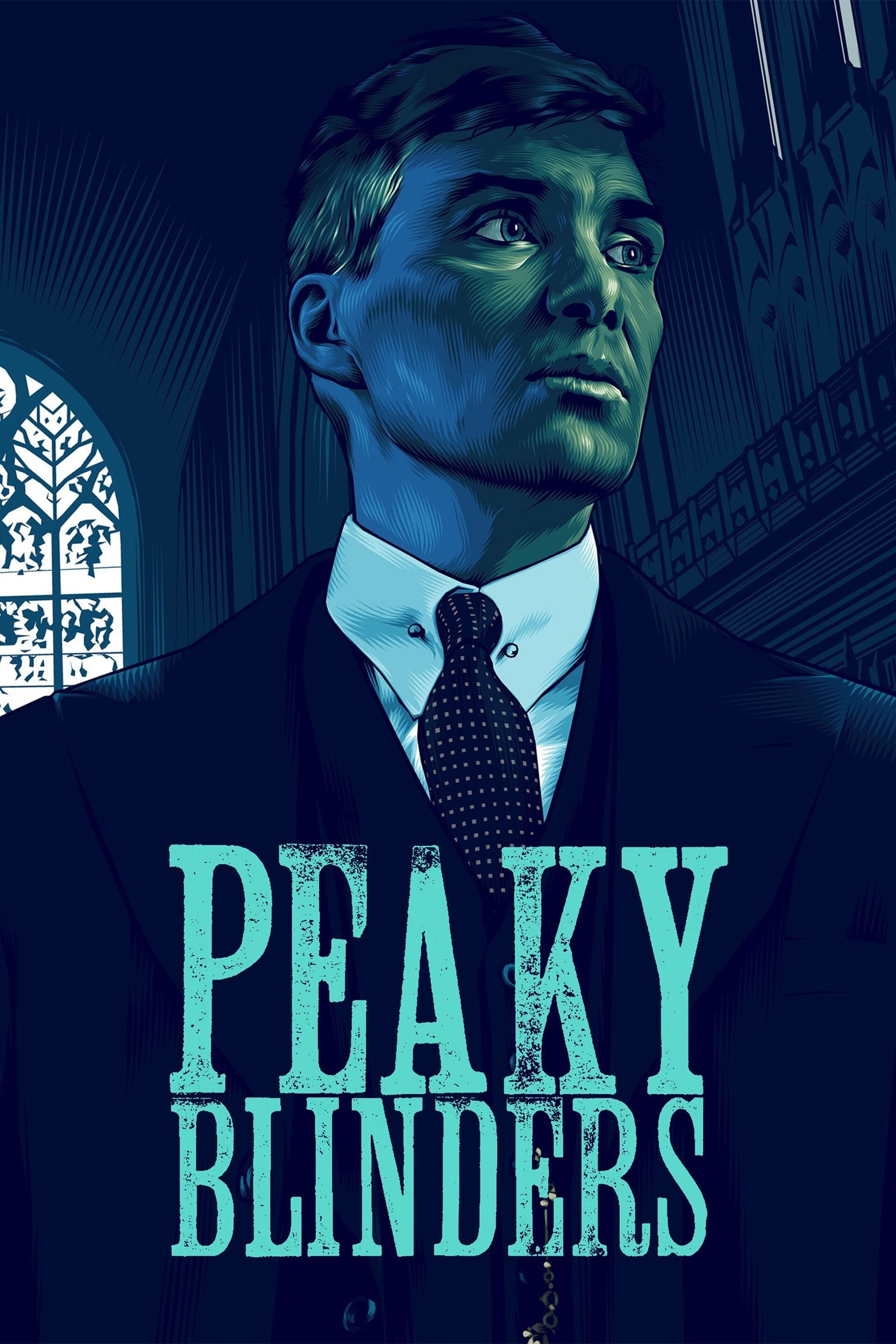
Gina Gray was the American wife of Michael Gray and introduced a wedge into the Shelby family in the later seasons. Her manipulative nature and arrogance felt grating to viewers who were loyal to the established hierarchy of the show. She often undermined the complexity of the internal family conflicts by acting as a simplistic instigator. Many fans felt her character was a repetitive device used to force a conflict between Michael and Tommy Shelby.
‘How I Met Your Mother’ (2005–2014)
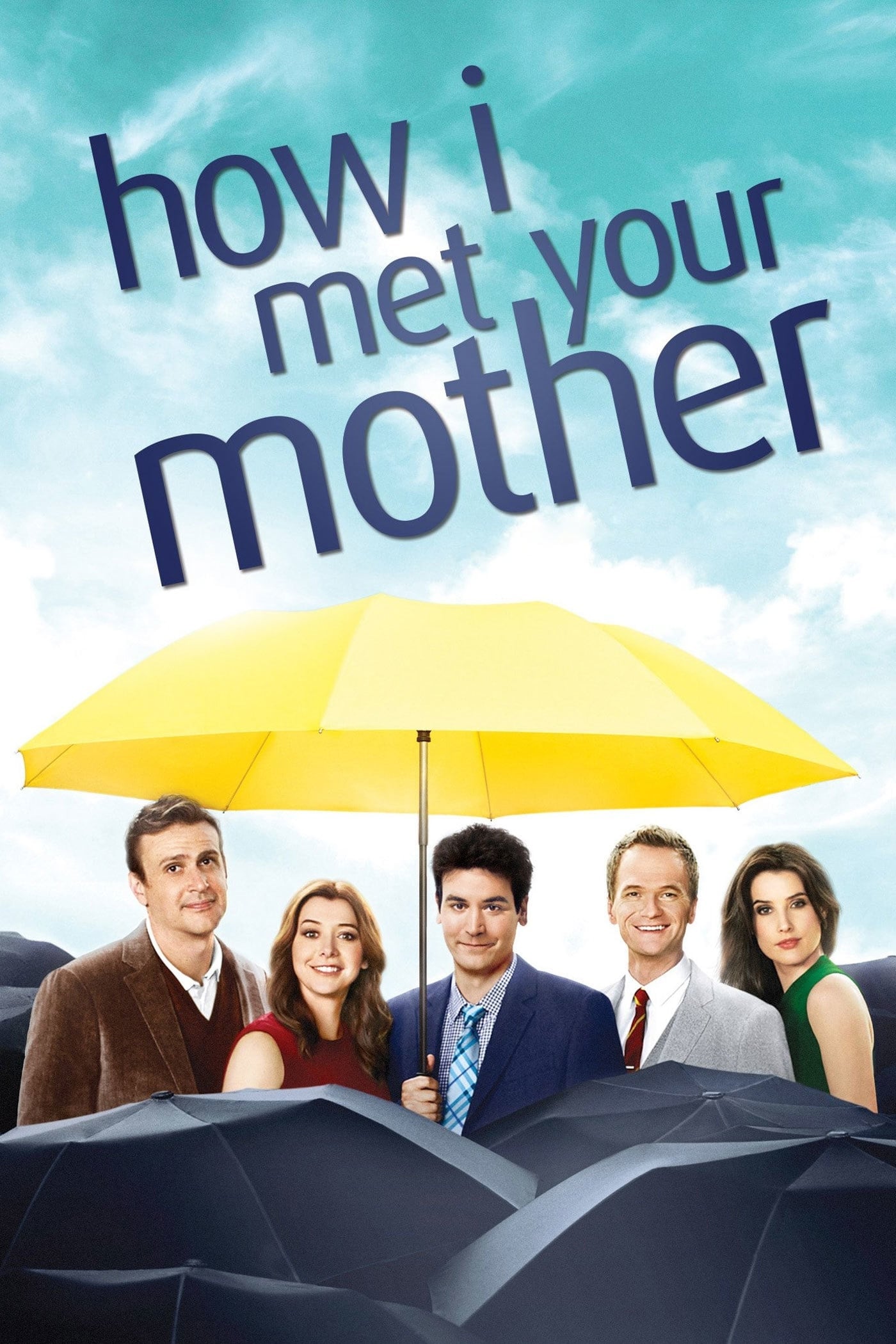
Zoey Pierson was an activist who dated Ted Mosby in the sixth season despite actively working against his career goals. Her character was argumentative and the relationship was built on conflict rather than chemistry. Viewers found the arc tedious because it was obvious she was not the titular mother and their values were incompatible. Her storyline dragged on for too many episodes and delayed the progression of the overarching narrative.
‘Shameless’ (2011–2021)

Debbie Gallagher started as a sweet child but transformed into one of the most abrasive characters in the later seasons. The writers took her character in a direction involving purposeful teen pregnancy and criminal schemes that made her hard to root for. Her selfishness often surpassed the rest of the dysfunctional family without the redeeming humor or charm. Fans frequently cited her scenes as the most difficult to watch as the show aged.
‘Sherlock’ (2010–2017)
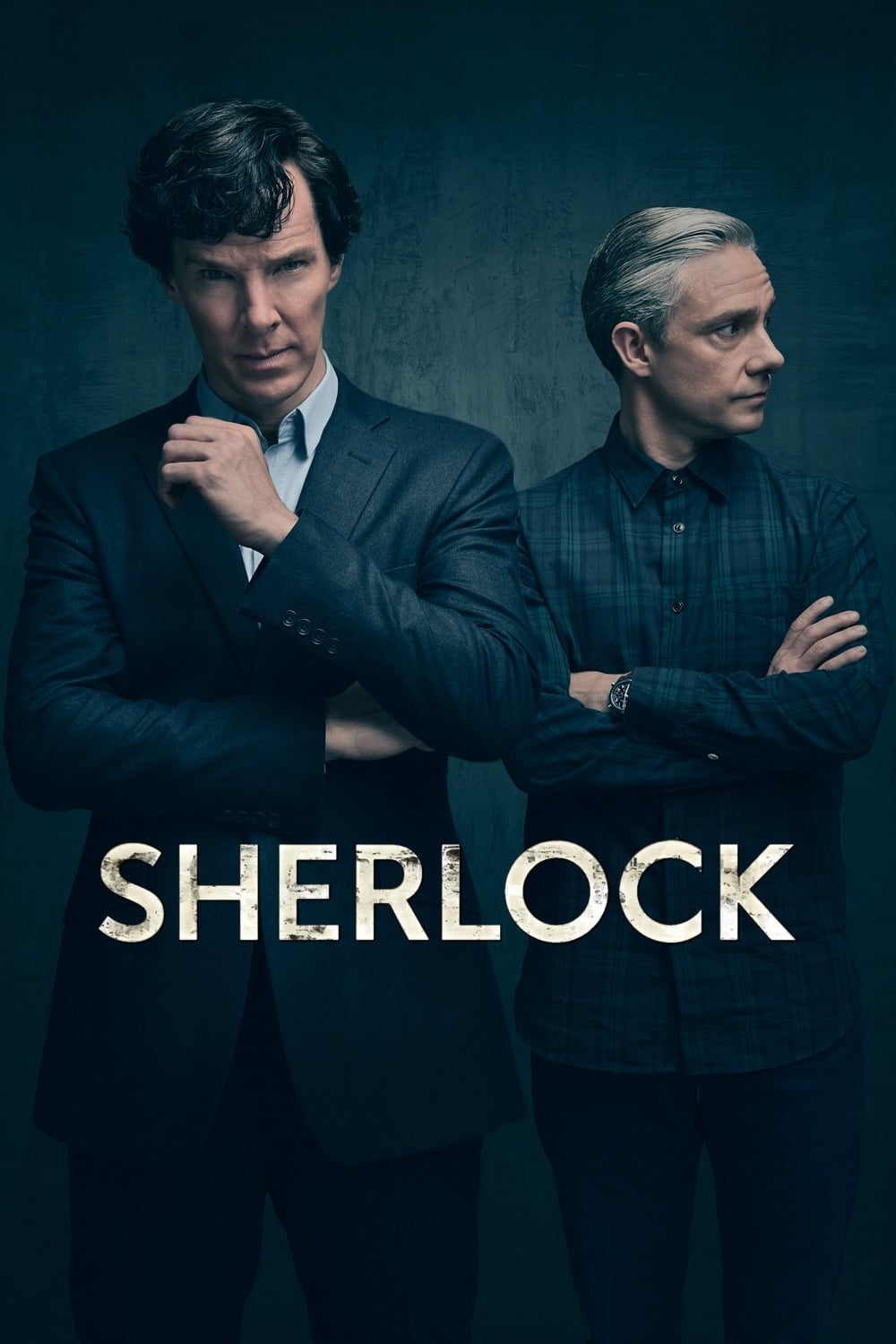
Mary Watson was introduced as John Watson’s wife but was later revealed to be a retired super-spy assassin. This twist fundamentally changed the grounded nature of John’s character and made the show feel more like an action movie than a detective drama. Her skills and backstory often overshadowed the intellectual partnership between Sherlock and John. The focus on her past in the fourth season is often criticized for complicating the plots unnecessarily.
‘Entourage’ (2004–2011)

Dom was an old friend of the main characters who was released from prison and briefly joined the group in the third season. His abrasive personality and criminal behavior clashed instantly with the Hollywood lifestyle fantasy of the show. Audiences found him unlikable and a disruption to the easygoing camaraderie of the core four friends. The writers wrote him out quickly after realizing he disrupted the vibe that made the series popular.
‘Friday Night Lights’ (2006–2011)
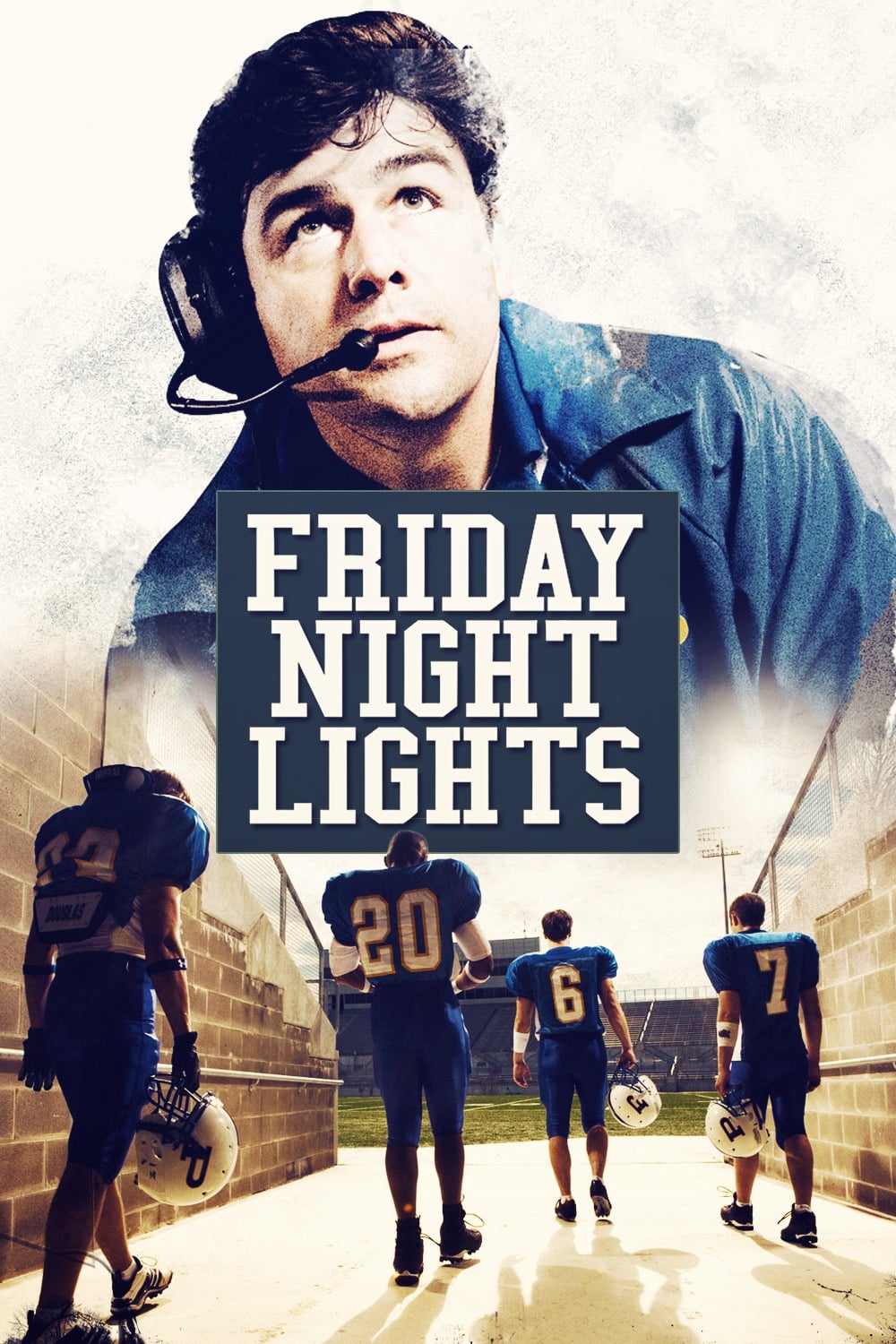
Julie Taylor was the daughter of the coach who became increasingly difficult to sympathize with as the series progressed. Her storylines often involved rebellious behavior and poor romantic choices that felt disconnected from the football-focused plots. In the second season she engaged in a subplot involving a relationship with her teacher that fans universally despised. She is frequently cited as the only weak link in an otherwise beloved ensemble cast.
‘Orange Is the New Black’ (2013–2019)

Stella Carlin was introduced in the third season as a romantic interest for the protagonist Piper Chapman. Her character lacked a distinct backstory or personality beyond being a cool foil to the existing relationships. The betrayal storyline involving her stealing money felt rushed and lacked emotional weight compared to other prison conflicts. She is often viewed as a plot device solely created to add drama to Piper’s life before being discarded.
‘New Girl’ (2011–2018)

Abby Day was the chaotic sister of Jessica Day who appeared in the third season for a multi-episode arc. Her erratic behavior and relationship with Schmidt created unnecessary tension that disrupted the sitcom’s rhythm. Fans felt her character was too cartoonish even for the quirky tone of the show. Her presence distracted from the core group dynamics and most viewers were relieved when her storyline concluded.
‘Parks and Recreation’ (2009–2015)

Mark Brendanawicz was a main character in the first two seasons who was intended to be a straight man to the chaotic government employees. However his cynicism and lack of enthusiasm made him blend into the background rather than providing a funny contrast. The show found its true voice and success only after he left and was replaced by more dynamic characters like Ben Wyatt and Chris Traeger. He is the only original cast member who is rarely mentioned or missed in the later seasons.
‘The West Wing’ (1999–2006)
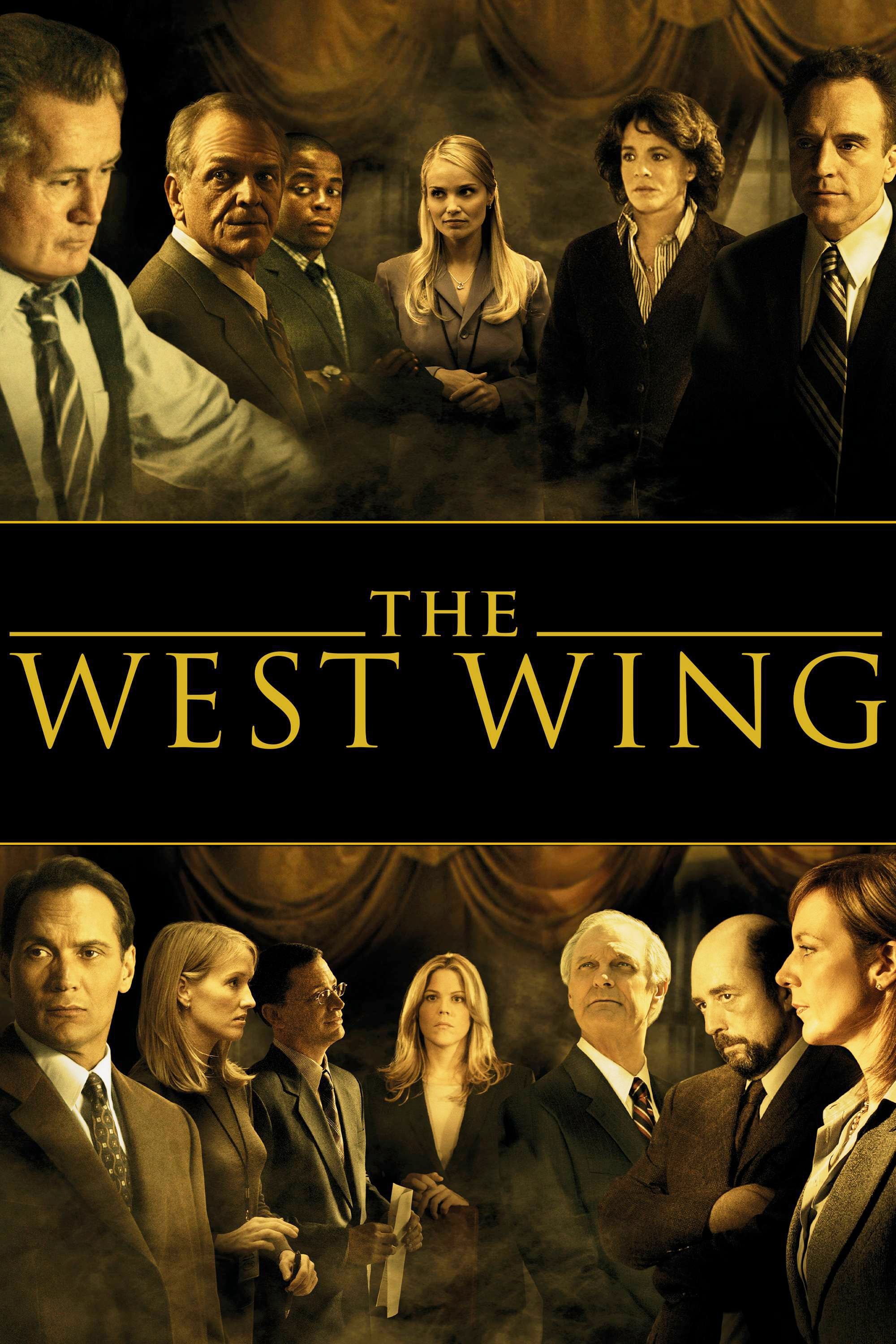
Mandy Hampton was a media consultant in the first season who often clashed with the senior staff. Her character was written as argumentative and aggressive but came off as shrill and obstructive to the audience. She often opposed the protagonists without offering a compelling alternative perspective. The creator Aaron Sorkin realized the character wasn’t working and she disappeared between seasons without ever being mentioned again.
‘Star Trek: Voyager’ (1995–2001)
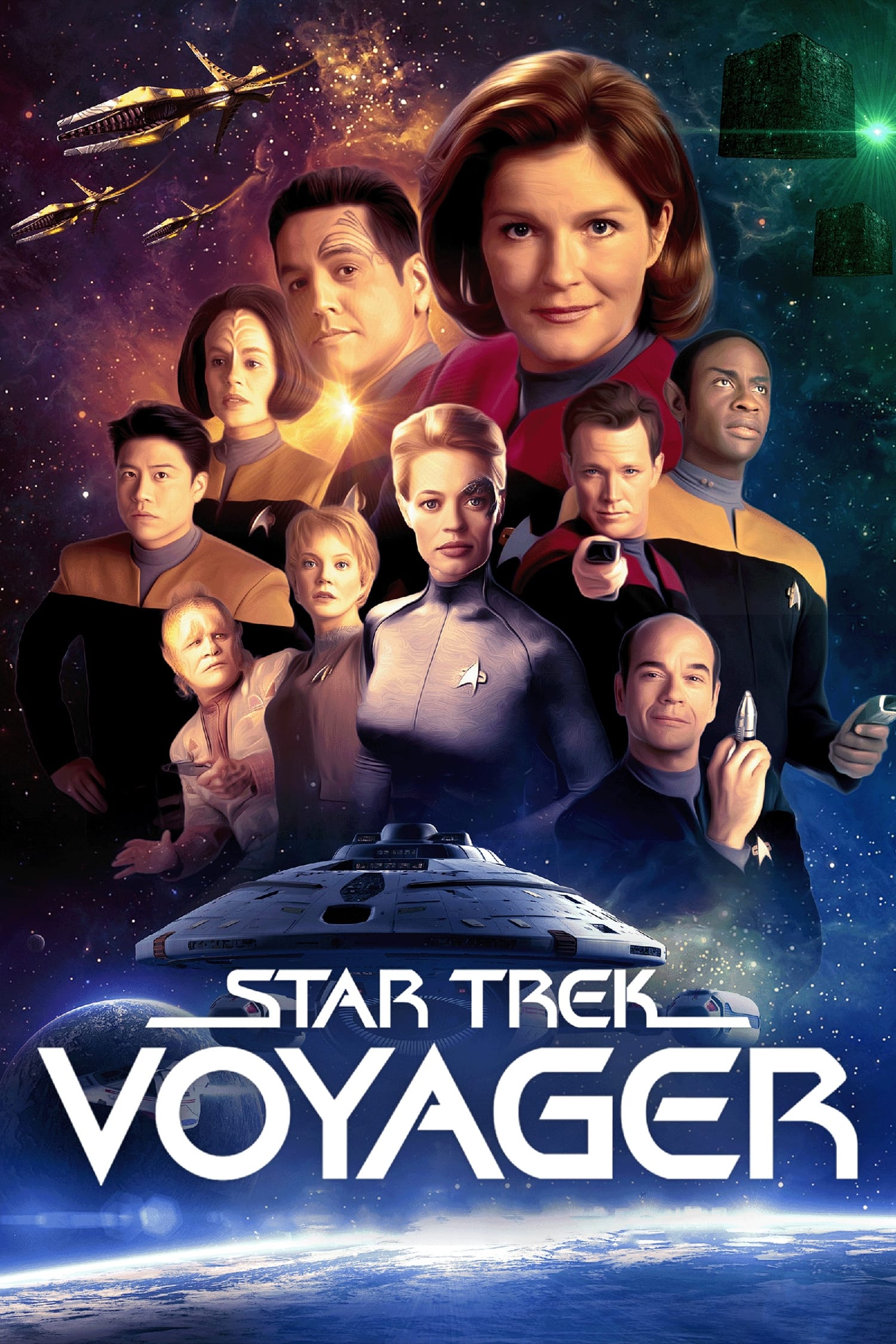
Neelix was the ship’s cook and morale officer who was intended to provide comic relief and heart. However his jealous relationship with Kes and his over-eager personality often annoyed viewers who wanted more serious science fiction stories. His guidance was frequently unhelpful and his presence in the bridge crew felt forced. While the writers attempted to give him more depth in later seasons he remained a polarizing figure throughout the run.
‘Fear the Walking Dead’ (2015–2023)

Morgan Jones was a crossover character from the main show who took over the lead role in the fourth season. His insistence on pacifism and moralizing speeches fundamentally changed the gritty survivalist tone of the spin-off. The original cast was sidelined or killed off to accommodate his storyline which alienated the existing fanbase. Many viewers blamed his arrival for the soft reboot that destroyed what made the early seasons unique.
‘Dexter’ (2006–2013)
Hannah McKay was introduced in the later seasons as a love interest for the serial killer protagonist. Her character was a fellow killer who seemingly accepted Dexter for who he was but fans found their romance forced and illogical. The writers twisted the logic of the show to keep her alive despite her fitting Dexter’s code. Her return in the final season is often blamed for muddling the conclusion and distracting from the central conflict with Deb.
Share your thoughts on which TV character you think damaged a show the most in the comments.