Anime Adaptations That Insulted The Manga

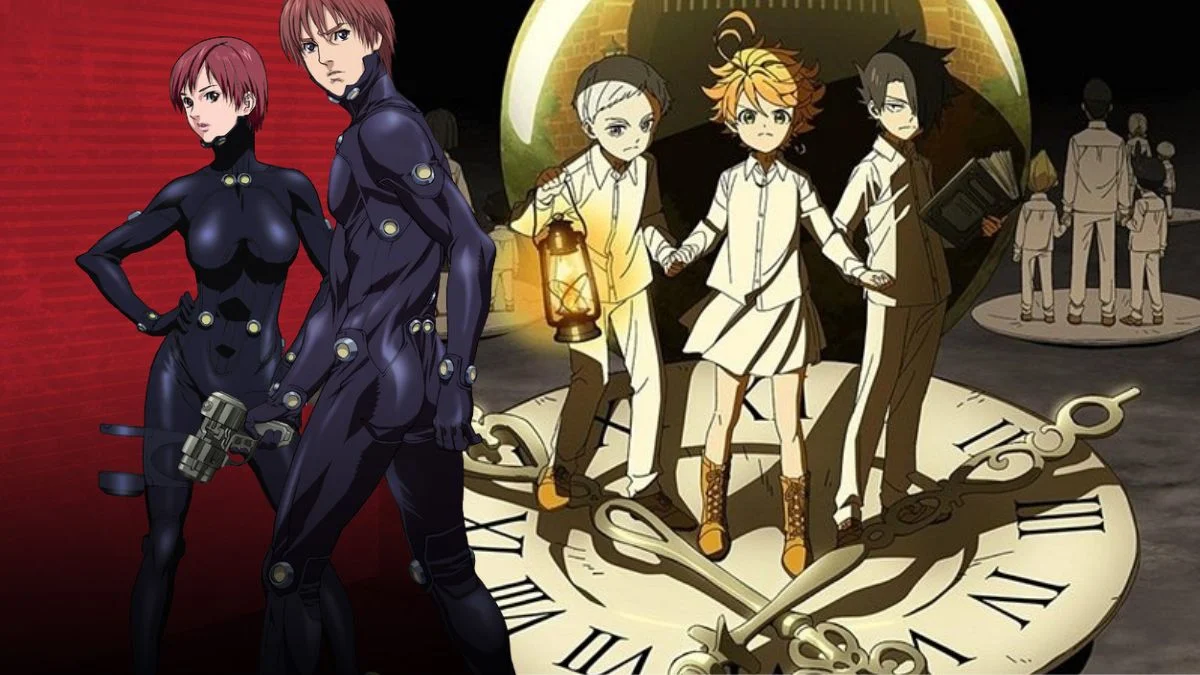

Fans of Japanese media often look forward to seeing their favorite black and white pages transformed into colorful animation. A faithful adaptation can elevate a series to legendary status and introduce the story to a wider global audience. However, production studios sometimes make baffling decisions that result in rushed pacing or completely original endings. These deviations can leave loyal readers feeling disappointed and frustrated by the wasted potential of a beloved franchise.
‘The Promised Neverland’ (2019–2021)
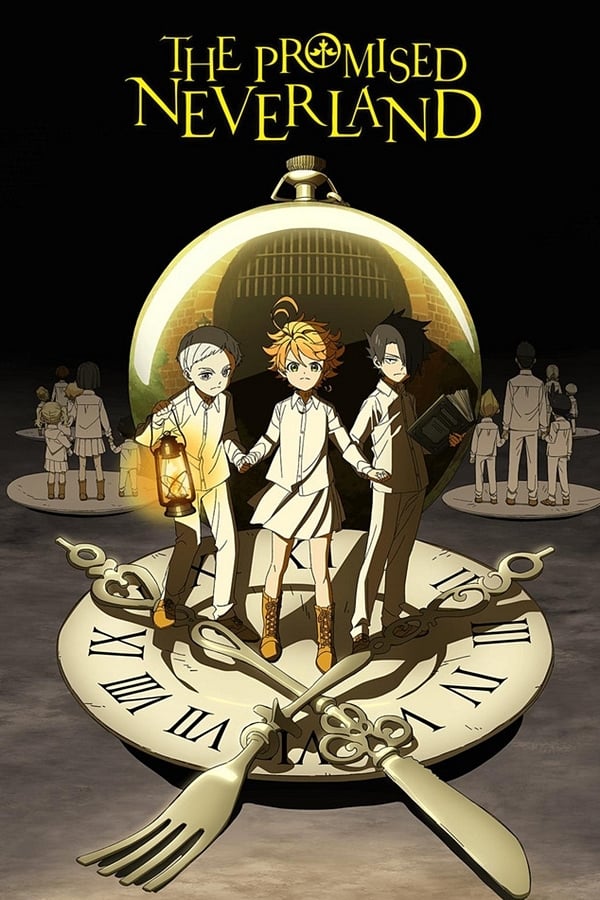
The first season of this psychological thriller was hailed as a masterpiece that built tension perfectly. However, the second season condensed over one hundred chapters of manga content into just eleven episodes. The writers removed the fan-favorite Goldy Pond arc and deleted pivotal characters who were essential to the narrative. The series concluded with a rushed montage that summarized years of story development in mere seconds. This disastrous pacing turned a highly acclaimed intellectual property into a cautionary tale for anime adaptations.
‘Tokyo Ghoul’ (2014–2018)
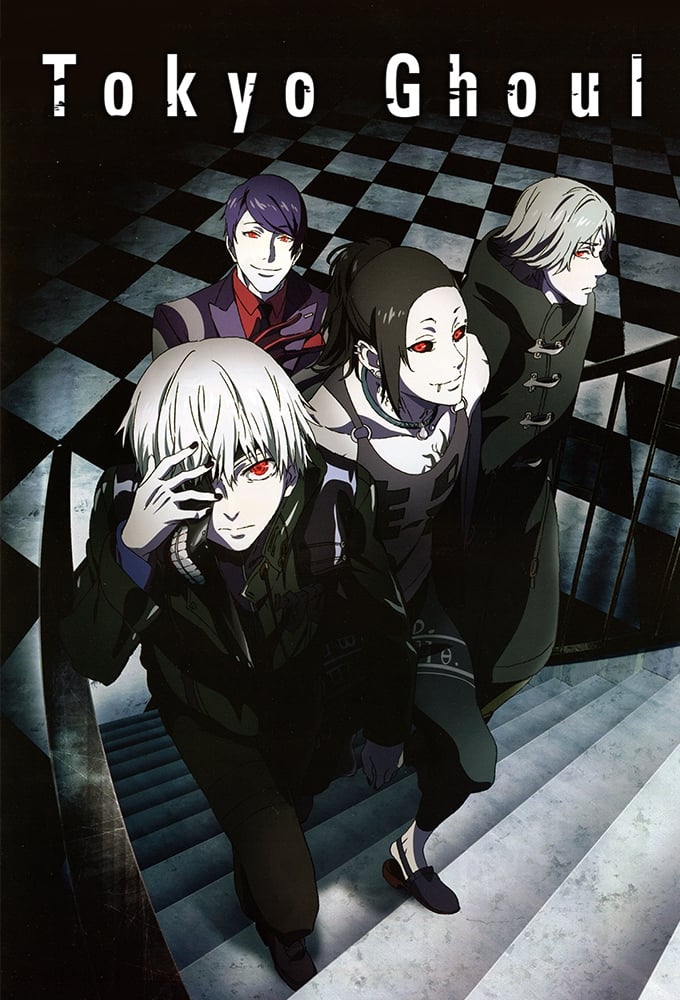
Studio Pierrot made significant changes to the source material that confused many viewers. The second season titled Root A diverted completely from the manga and had the protagonist join the antagonist group for unexplained reasons. Subsequent seasons attempted to return to the canon storyline but failed to bridge the narrative gap created by previous deviations. Crucial character development and plot points were ignored to fit the dense story into a limited episode count. The result was a disjointed mess that required viewers to read the manga to understand the plot.
‘Berserk’ (2016–2017)
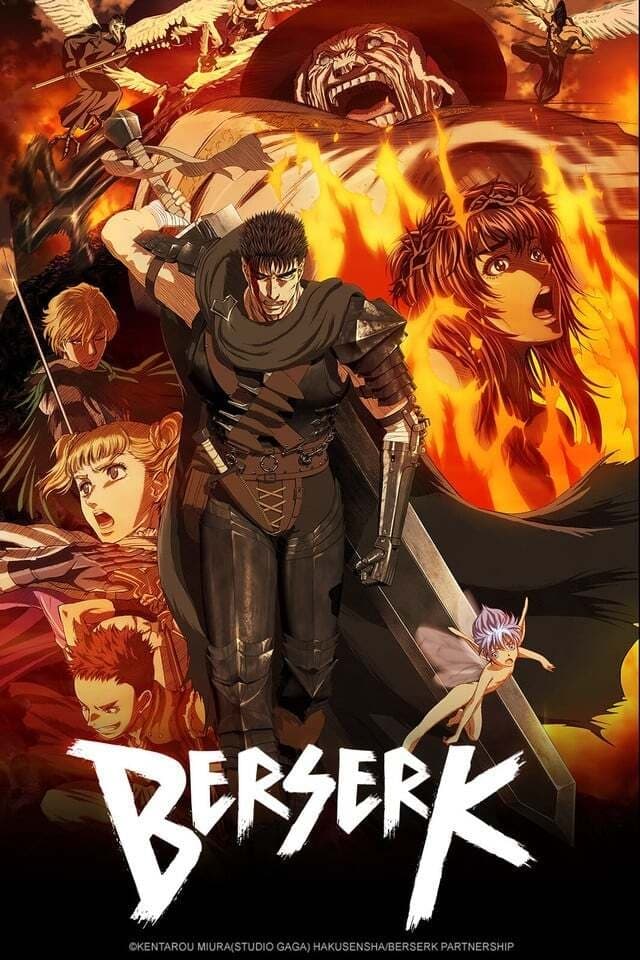
This adaptation is infamous for its jarring use of computer-generated imagery that clashed with the detailed art style of the original work. The animation often looked stiff and weightless which undermined the gritty and visceral nature of the dark fantasy setting. Sound design choices such as the metallic clang of the protagonist’s sword became unintentional internet memes. The director chose to use erratic camera movements that made action sequences difficult to follow. Fans universally agreed that the stunning artwork of the late Kentaro Miura deserved a much higher production quality.
‘Ex-Arm’ (2021)
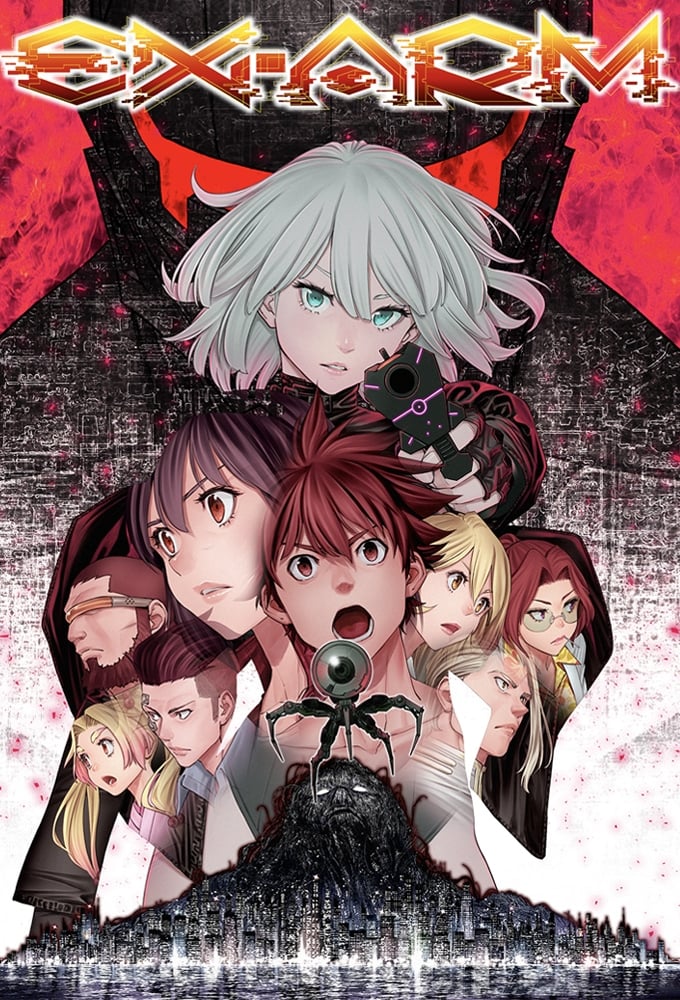
Viewers were baffled by the visual presentation of this sci-fi series before it even finished airing. The production team seemingly lacked experience with animation and created characters that moved like rigid puppets. Facial expressions were nonexistent and severed any emotional connection the audience might have had with the cast. Fight choreography was so poorly executed that dramatic moments became unintentionally comedic. It stands as one of the lowest-rated shows in history due to its complete technical incompetence.
‘Pupa’ (2014)
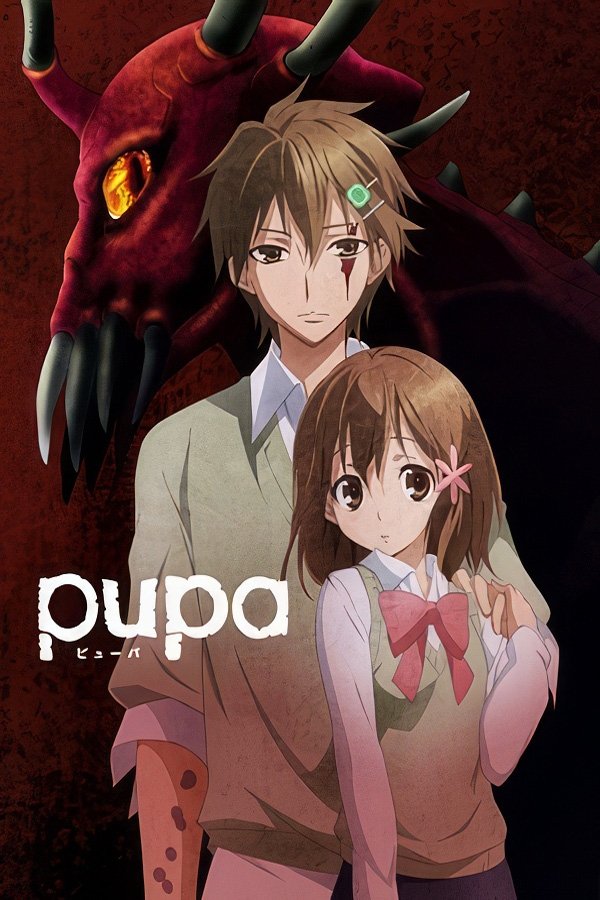
The source material was known for its grotesque body horror and disturbing psychological themes. The anime adaptation reduced the story to short four-minute episodes that censored the vast majority of the gore. This heavy censorship removed the impact of the horror elements and left the plot feeling hollow and nonsensical. Viewers could not invest in the relationship between the siblings because the abbreviated runtime allowed for zero character development. The adaptation failed to capture the dark atmosphere that made the manga a cult hit.
‘Rosario + Vampire’ (2008)
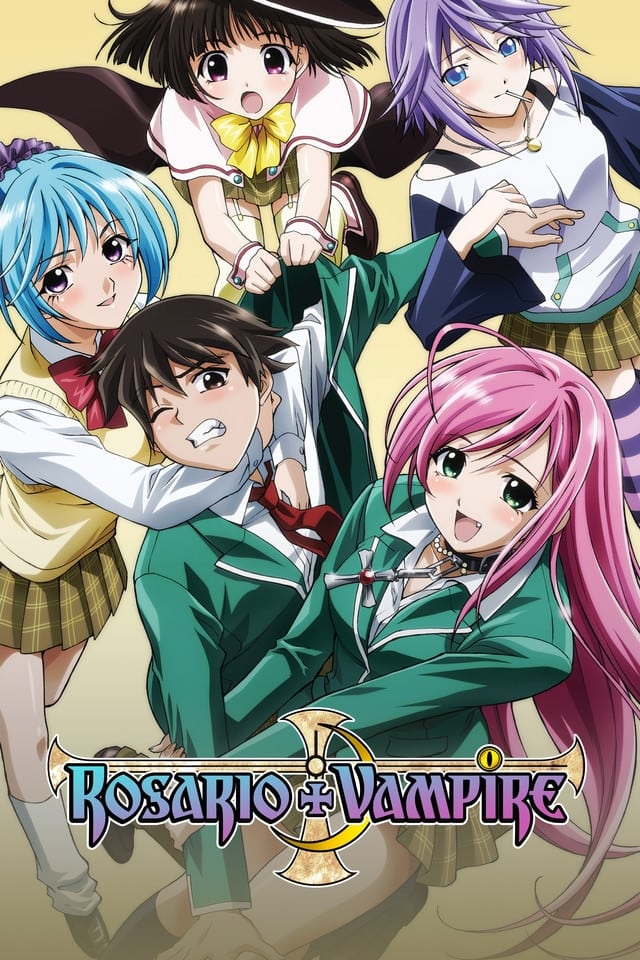
The original manga evolved from a romantic comedy into a high-stakes battle shonen with deep lore and serious villains. The anime adaptation ignored this tonal shift and strictly maintained an episodic harem comedy formula. Production staff exaggerated the fan service elements while removing the darker plot points that gave the series substance. The protagonist remained weak and protected by others rather than growing into the powerful fighter he became in the comics. This decision alienated fans who wanted to see the intense action sequences from the source material.
‘Deadman Wonderland’ (2011)
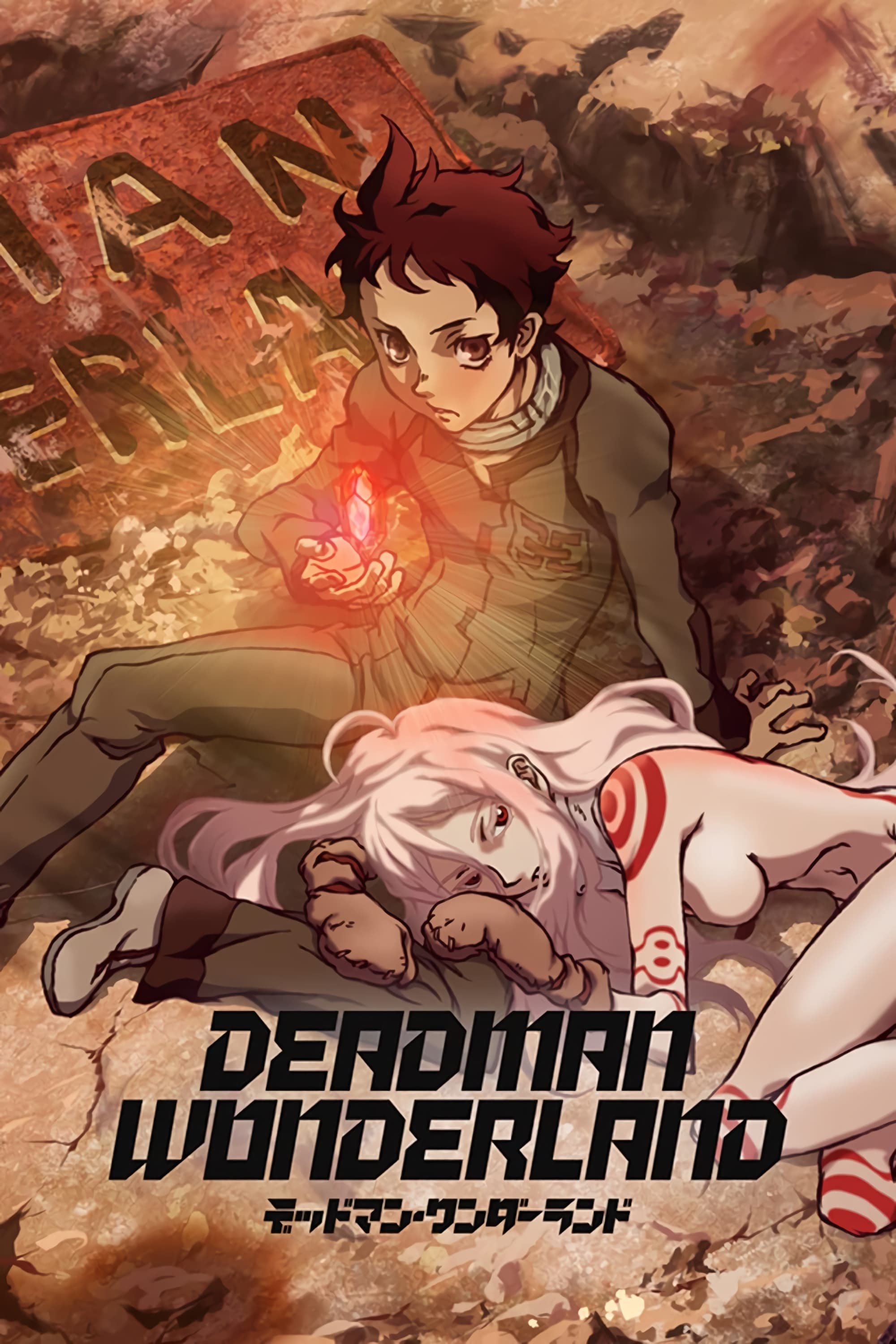
Manglobe produced a visually stylish adaptation that suffered from fatal narrative omissions. The writers cut out key characters like Mockingbird who were absolutely necessary for future story arcs. This exclusion made a potential second season impossible without a complete reboot of the franchise. The anime ended on a massive cliffhanger that resolved none of the central mysteries presented in the first episode. Fans were left with an incomplete experience that served only as a confusing advertisement for the manga.
‘Soul Eater’ (2008–2009)
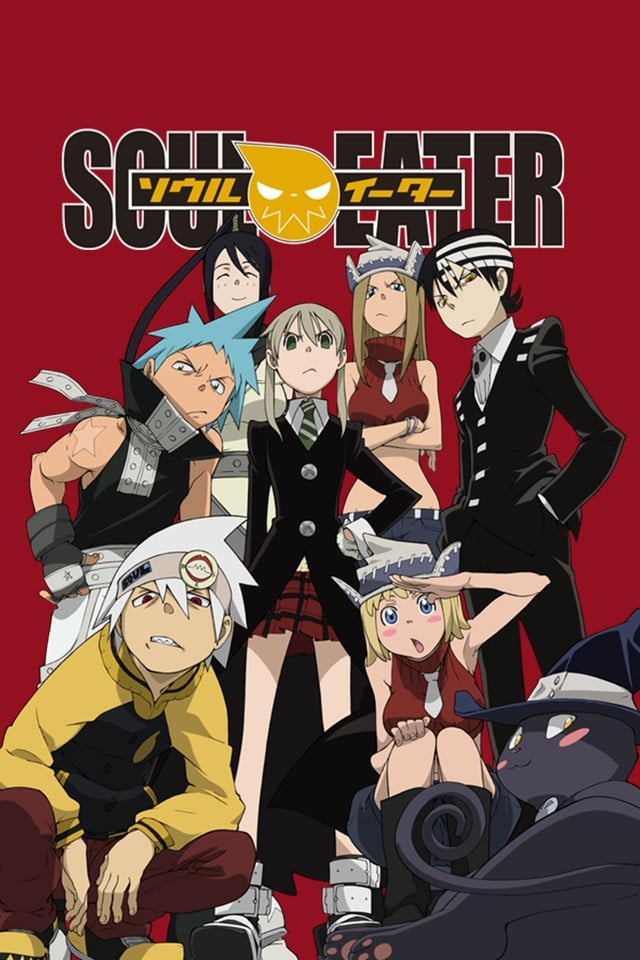
The anime began production while the manga was still ongoing and eventually ran out of source material to adapt. The studio created an original ending that introduced concepts and resolutions completely absent from the creator’s vision. The iconic villain was defeated in a manner that contradicted the established power system and themes of madness. Character arcs were abruptly halted or resolved in unsatisfying ways to wrap up the series quickly. The divergence was so significant that fans continue to ask for a faithful remake similar to other brotherhood-style reboots.
‘Akame ga Kill!’ (2014)

The anime followed the manga faithfully for the first half before spiraling into an original conclusion. The writers began killing off characters who survived until the end of the comic series. These premature deaths fundamentally changed the emotional payoff and the final fate of the protagonist. The rushed ending failed to explore the political nuances of the revolution that the manga fleshed out in detail. This divergence created a polarizing divide between anime-only viewers and manga readers.
‘Claymore’ (2007)
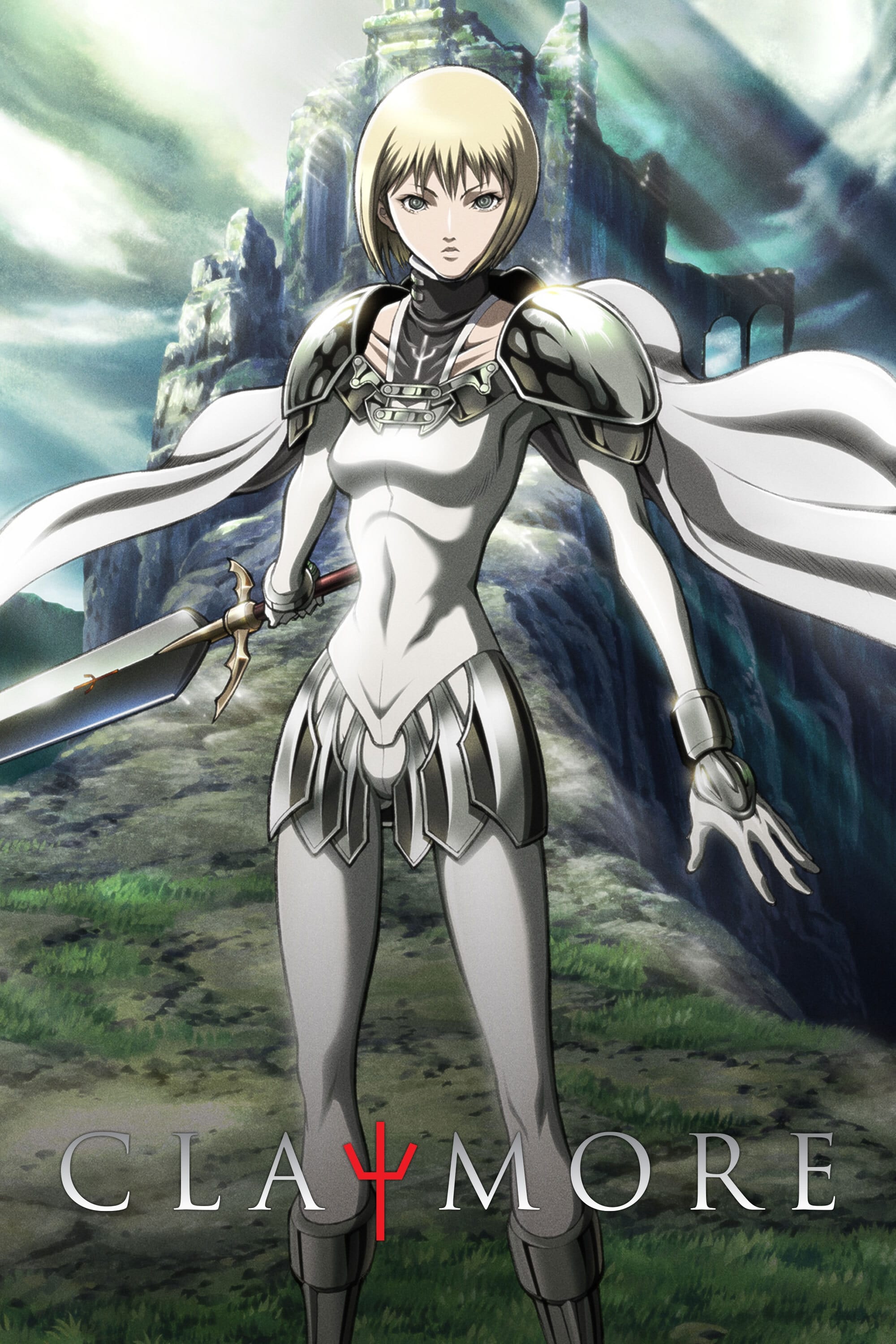
Madhouse produced a stellar adaptation for the first twenty episodes before diverting for the final few. The anime fabricated a final battle that attempted to wrap up a story that was nowhere near its conclusion in the manga. Power levels were inconsistencies adjusted to allow for a premature confrontation with the main antagonist. This original ending denied viewers the chance to see the true depth of the world and the origins of the monsters. The sudden conclusion left many plot threads dangling without explanation.
‘Gantz’ (2004)
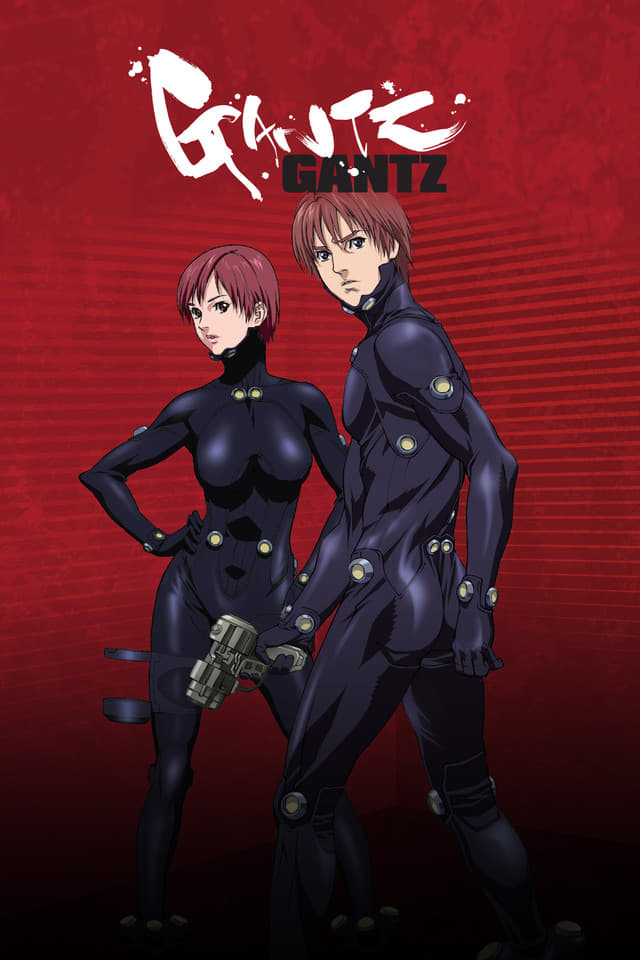
The anime adaptation suffered from slow pacing and stretched scenes that killed the tension of the survival game. The studio created an original filler arc for the final episodes that introduced new characters and ignored the established rules of the universe. The cynical and harsh tone of the manga was softened in the filler content which felt out of place. The ending was inconclusive and failed to address the greater mystery behind the black sphere. It remains a disappointing attempt to adapt a complex and violent sci-fi saga.
‘Toriko’ (2011–2014)
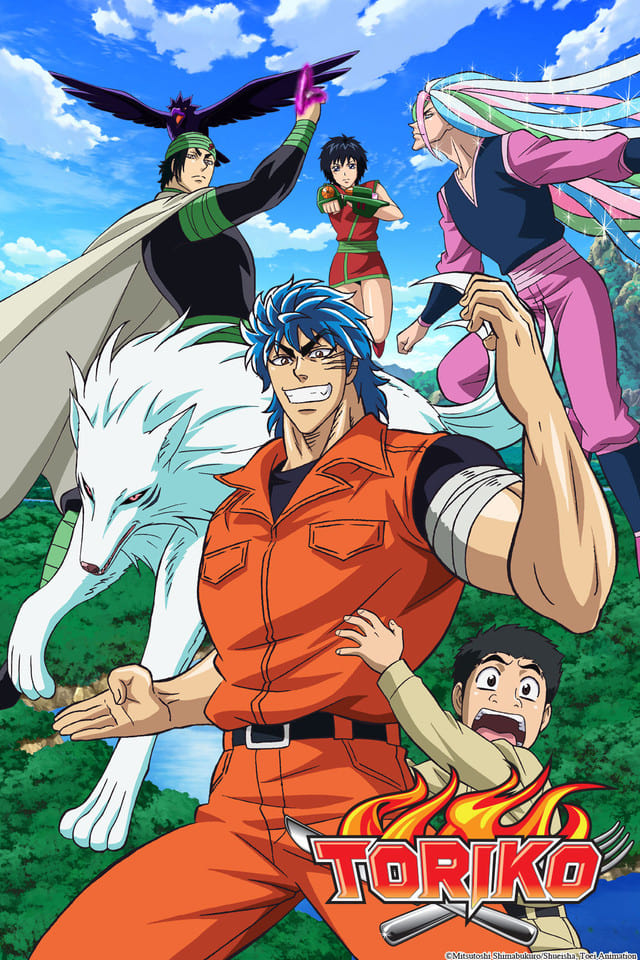
Toei Animation attempted to market this series to a younger demographic by heavily censoring the violence. The blood and gore that characterized the intense battles of the manga were removed or altered significantly. An original character was inserted into the main cast who contributed nothing to the plot and annoyed many viewers. The series ended with a rushed original conclusion that skipped major story arcs and world-building elements. This sanitization stripped away the grit that made the series stand out in the shonen genre.
‘Kingdom’ (2012–2013)
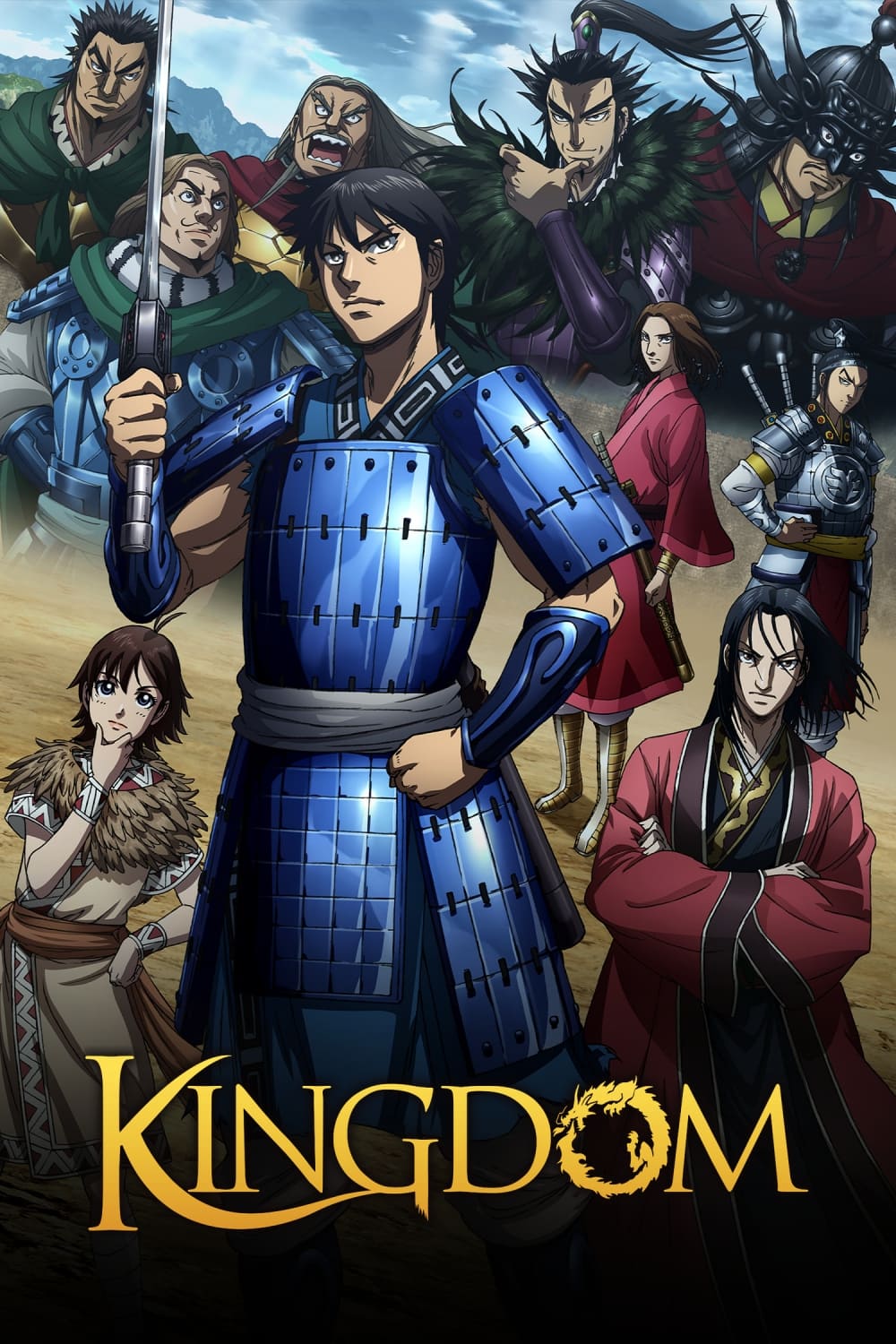
The first season of this epic war drama relied on low-budget computer animation for its massive armies. The character models looked blocky and moved with a jarring lack of fluidity that distracted from the storytelling. While the narrative remained mostly faithful to the source material, the visual presentation was a severe barrier for new fans. The grandiose battles that defined the manga felt cheap and small-scale due to technical limitations. Later seasons improved the animation significantly but the first season remains a difficult hurdle.
‘The Seven Deadly Sins’ (2014–2021)
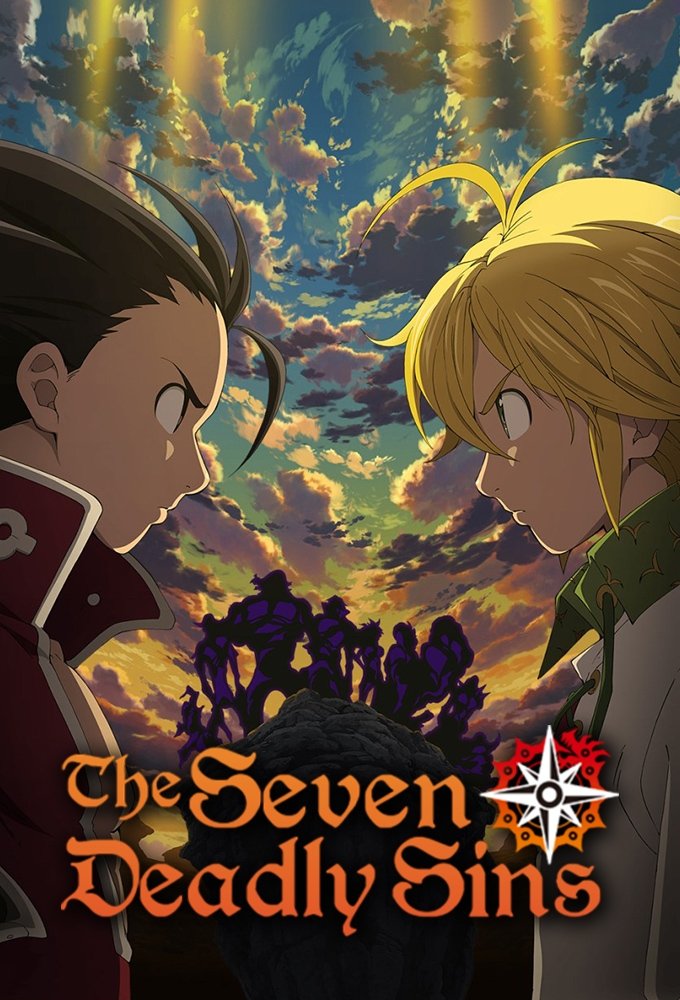
Later seasons of this once-popular franchise suffered a catastrophic drop in animation quality after a studio change. Pivotal fights between powerful characters were reduced to static images and poorly drawn frames. One specific season censored blood by coloring it white which confused viewers and lessened the impact of injuries. The dramatic tension of the climax was ruined by visuals that looked like unfinished drafts. Fans were heartbroken to see the finale of a major series treated with such little care.
‘Umineko: When They Cry’ (2009)
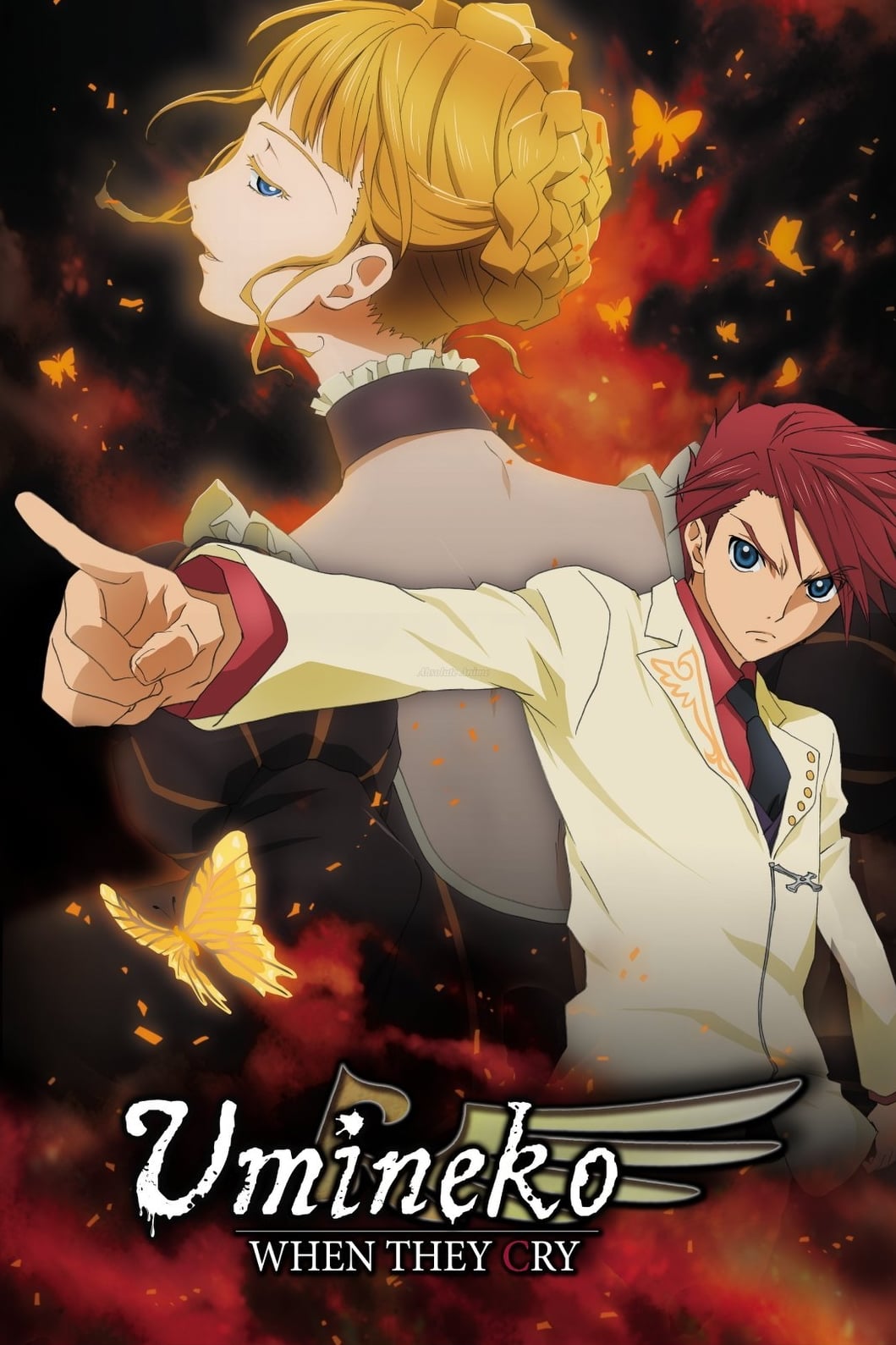
Adapting a dense visual novel and manga series into a short anime season proved to be an impossible task. The anime rushed through the complex mystery plots and removed critical clues needed to solve the riddles. Characters were flattened into one-dimensional tropes because there was no time for their backstories. The adaptation ended without resolving the core mystery which made the entire viewing experience feel pointless. It failed to capture the intellectual challenge that defined the original work.
‘Junji Ito Collection’ (2018)
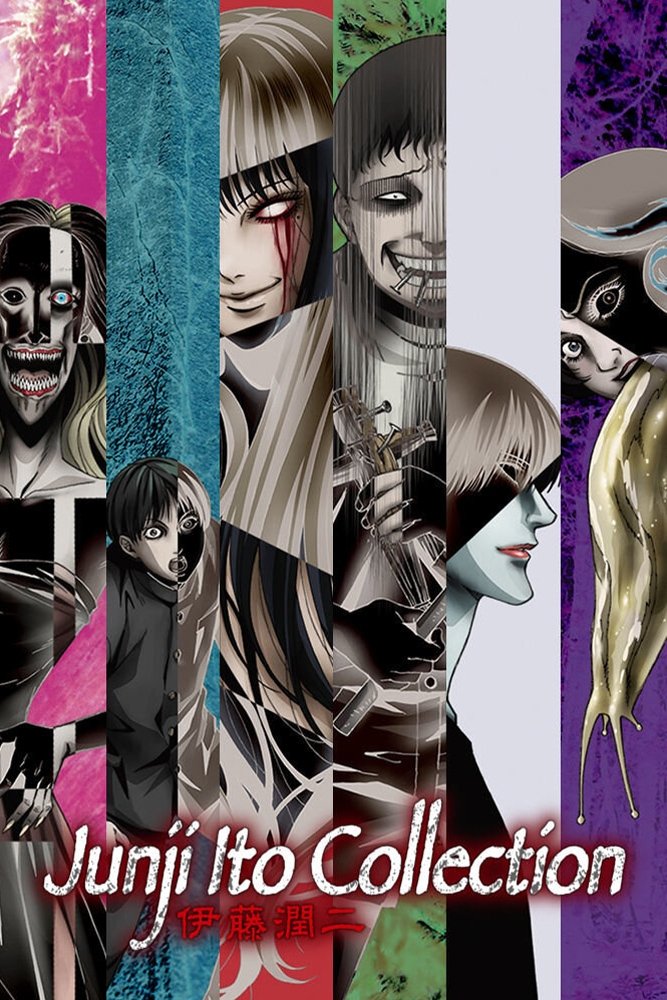
The detailed and terrifying line work of the horror master is difficult to translate into motion. The anime adaptation suffered from flat coloring and stiff animation that failed to capture the creepy atmosphere of the manga. Many of the stories lost their impact because the timing and pacing of the scares were mishandled. The production values looked cheap and generic compared to the intricate art of the original pages. Fans felt that the unique aesthetic of the author was completely lost in translation.
‘Lucifer and the Biscuit Hammer’ (2022)
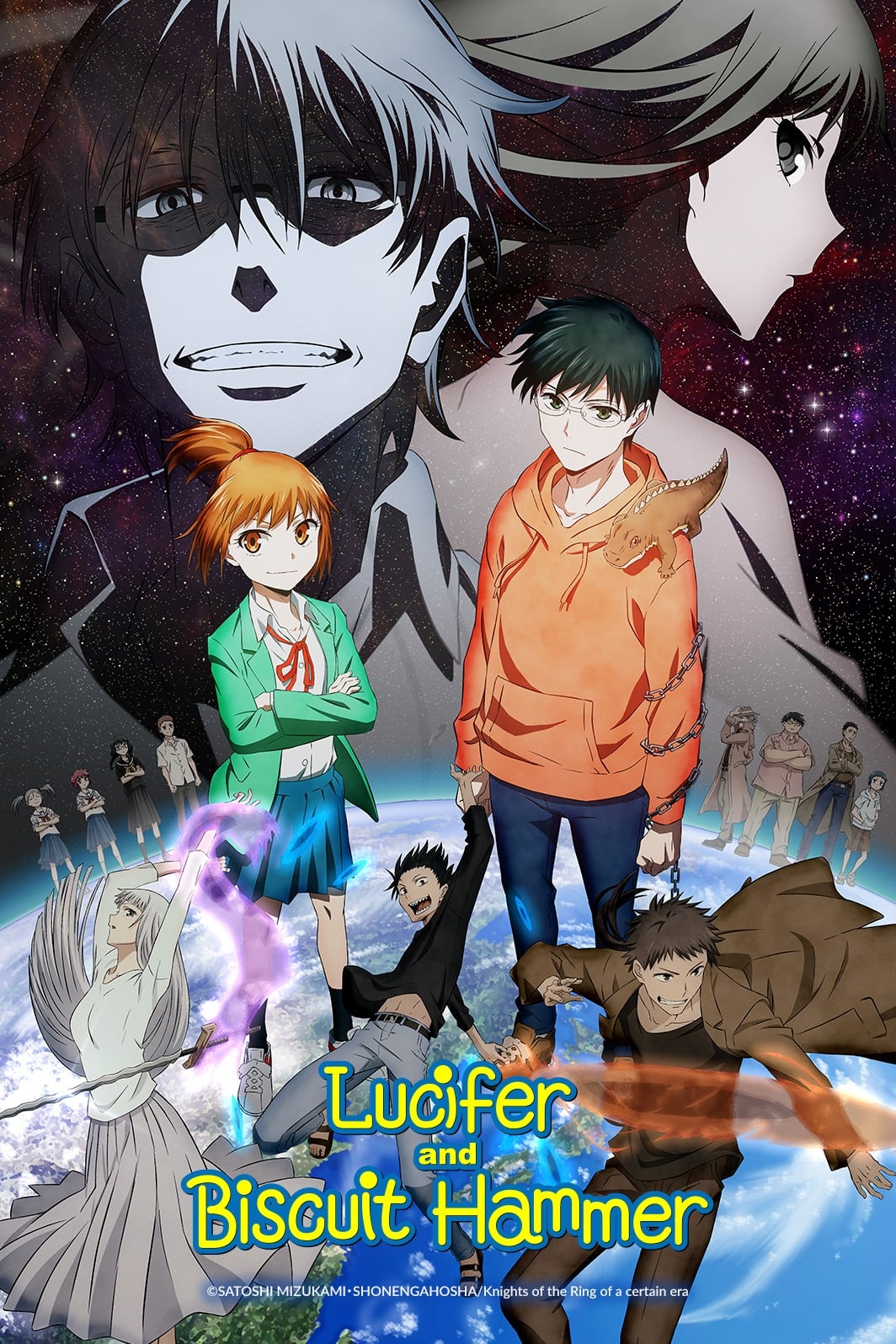
Fans waited over a decade for an anime adaptation of this cult classic manga only to receive a production with abysmal quality. The animation often resembled a slideshow with characters sliding across the screen without moving their limbs. Action sequences lacked impact and failed to convey the scale of the battles described in the story. The pacing felt uneven and failed to land the emotional beats that made the manga beloved. It was a heartbreaking result for a fanbase that had championed the series for so many years.
‘Hakyu Hoshin Engi’ (2018)
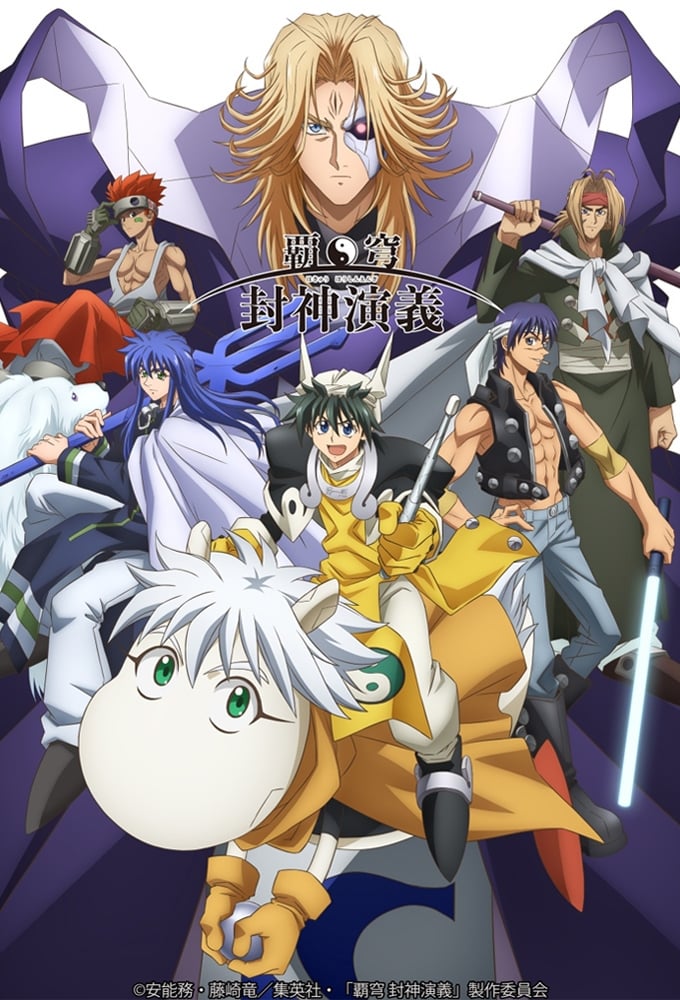
This remake attempted to cover twenty-three volumes of manga content in just twenty-three episodes. The pacing was incredibly fast and resulted in a choppy narrative that was impossible to follow. Entire arcs were skipped and characters were introduced and discarded with no development. The emotional weight of the story was nonexistent because the audience had no time to connect with the cast. It was a confusing recap rather than a proper adaptation of the classic supernatural adventure.
‘Blade of the Immortal’ (2008)
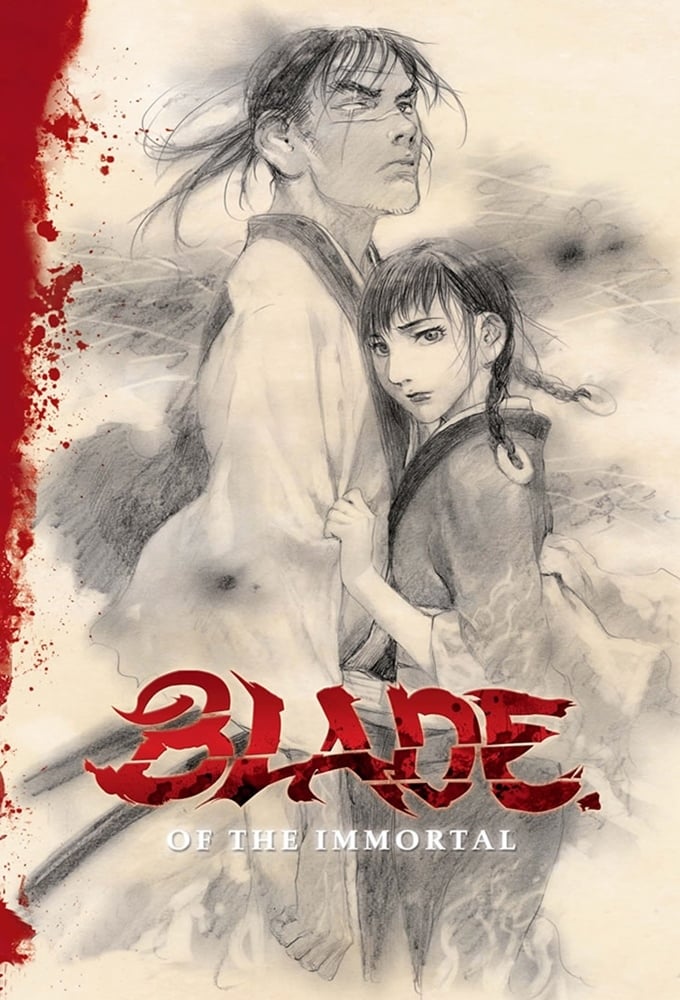
The first attempt to adapt this samurai epic suffered from a lack of resolution and questionable production choices. The anime only covered a small portion of the manga and ended abruptly without concluding the main journey. The color palette was overly dark and muddy which made it difficult to see the action on screen. A narrator was used excessively to explain plot points that should have been shown visually. A later adaptation in 2019 eventually did justice to the full story.
‘Negima!’ (2005)
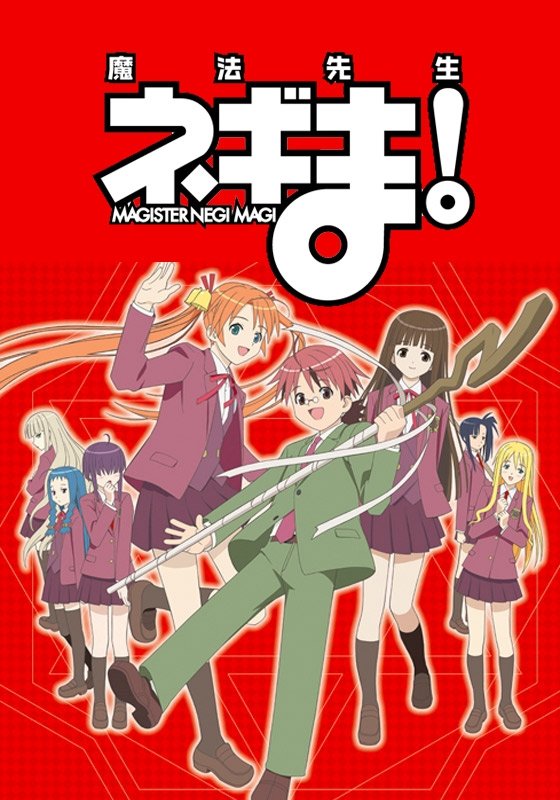
Two separate studios attempted to adapt this series and both failed to follow the manga faithful. The first adaptation by Xebec focused entirely on comedy and removed the battle elements that became prominent later in the series. A later adaptation by Shaft featured avant-garde visuals that did not fit the tone of the source material. Neither version captured the transition from romantic comedy to epic fantasy battle manga. Fans of the complex magical world building were left with two shows that misrepresented the genre of the story.
‘Shaman King’ (2001–2002)
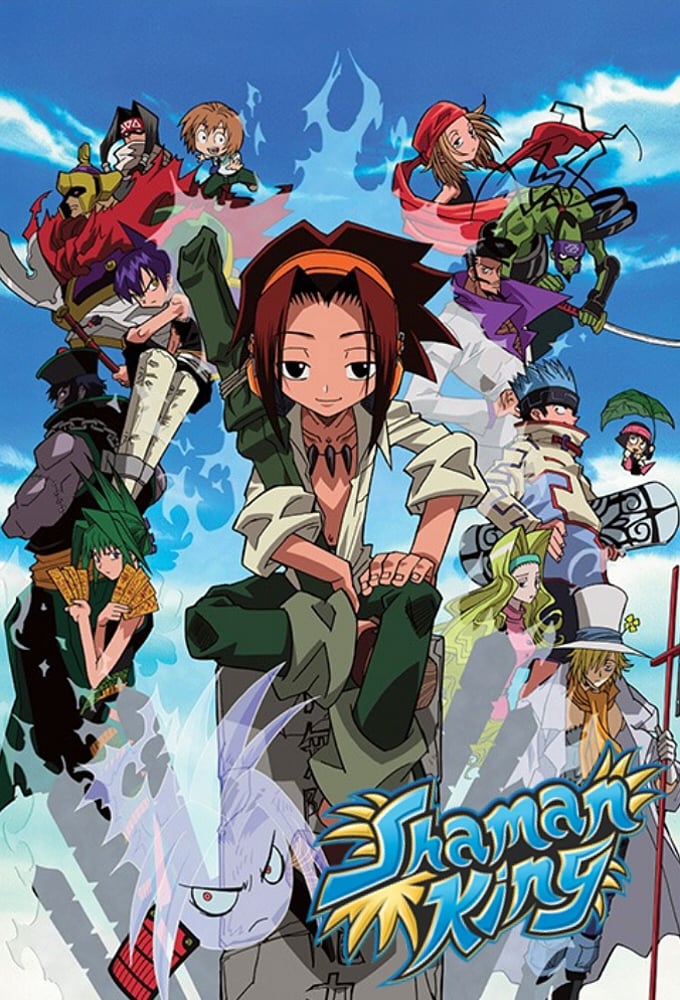
The original anime adaptation caught up to the manga and was forced to create its own path. The divergence led to a simplified ending that lacked the moral complexity of the manga’s conclusion. Characters were given different motivations and the power scaling became inconsistent with established rules. While the anime had a nostalgic charm for many, it failed to adapt the true ending of the spiritual journey. A modern reboot was eventually produced to rectify these narrative deviations.
‘Fruits Basket’ (2001)
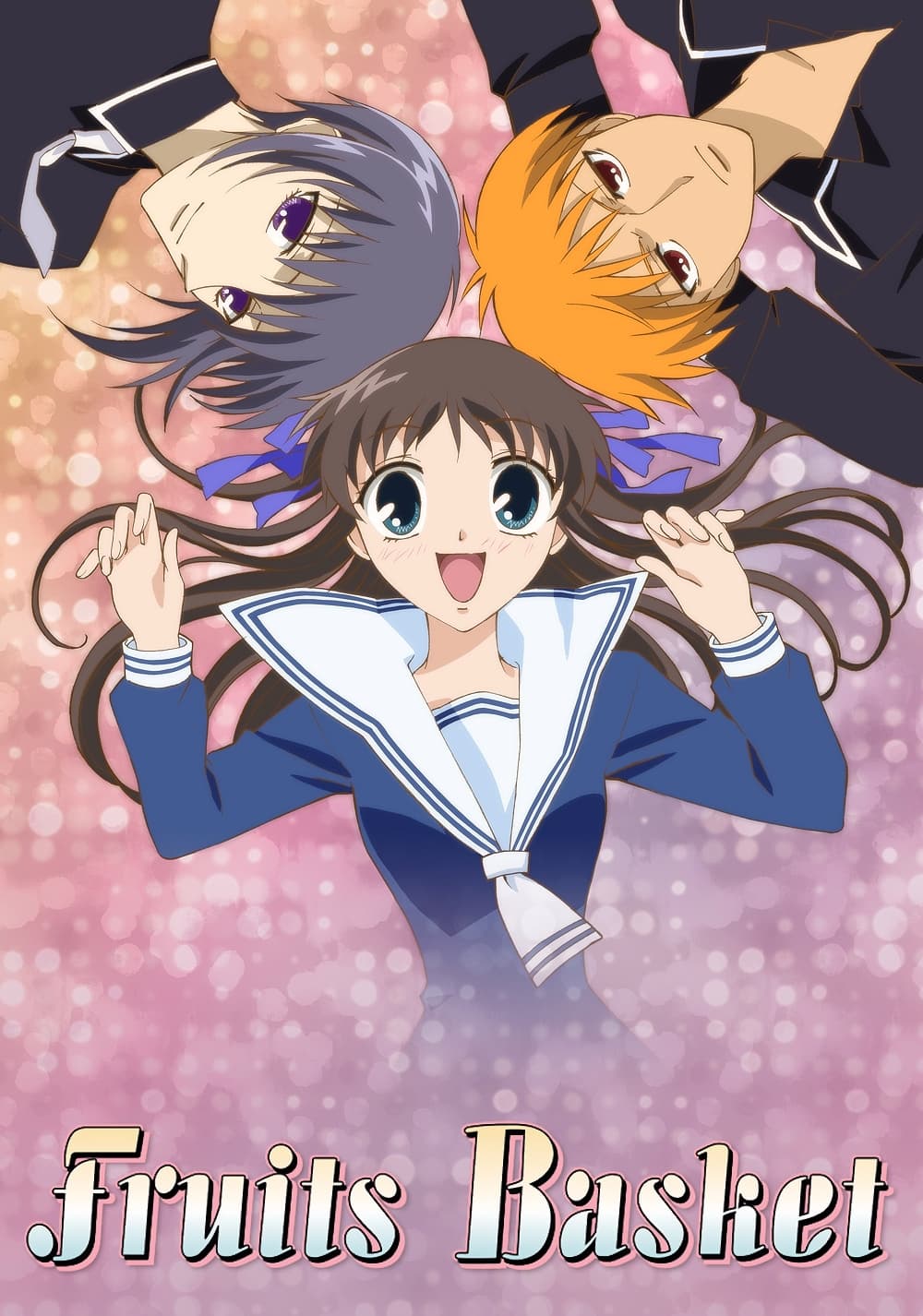
The first adaptation of this shoujo classic was produced before the manga had finished its run. The director chose to remove key foreshadowing and darker elements to keep the tone lighter and more comedic. Several important characters were never introduced and the ending was completely original. The traumatic backstories of the Soma family were watered down significantly. It took nearly two decades for a new adaptation to finally present the full emotional scope of the story.
‘Black Butler’ (2008–2010)
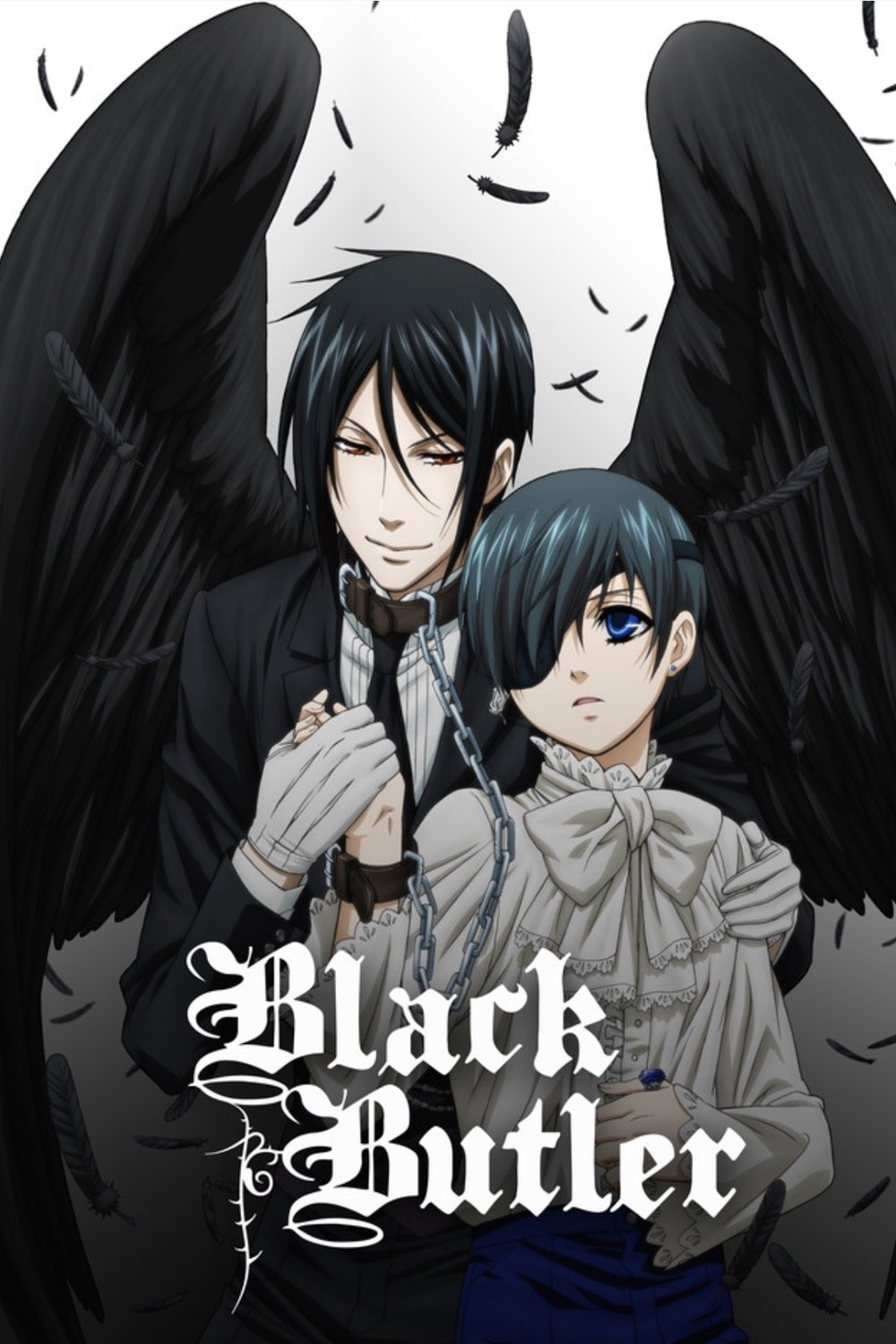
The first season diverged from the manga halfway through and concluded with an original ending. The second season continued this original timeline with a controversial plot that reset character development. These narrative choices created a confused continuity that ignored the ongoing manga arcs. Later projects had to ignore the first two seasons entirely to adapt the canon material properly. The erratic handling of the timeline frustrated fans who wanted a cohesive story.
‘Rave Master’ (2001–2002)
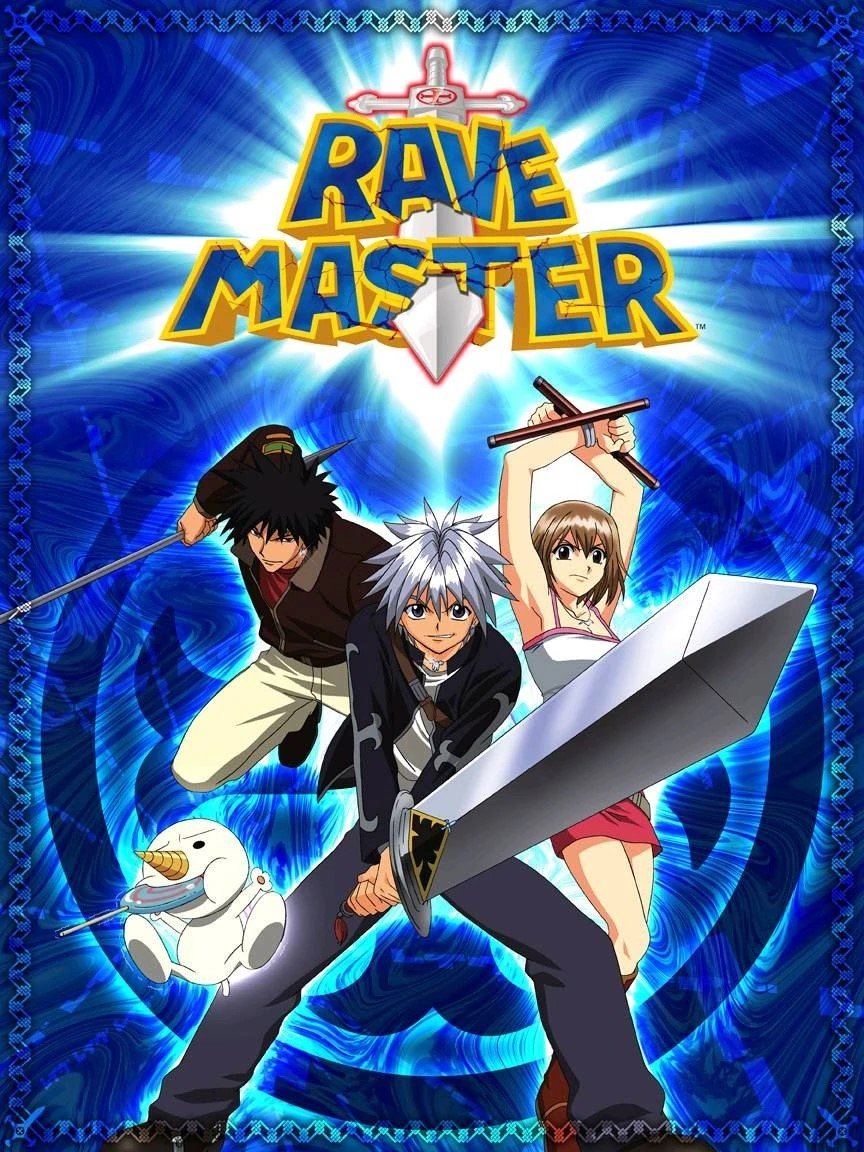
This adventure series was cancelled before it could adapt the most important parts of the story. The animation quality was often inconsistent and the pacing felt sluggish compared to the energetic manga. Several plot points were altered which created continuity errors within the show itself. The series ended on an unsatisfactory note that left the main quest unfinished. It failed to capture the grand scale of the world that the author created.
‘Beelzebub’ (2011–2012)
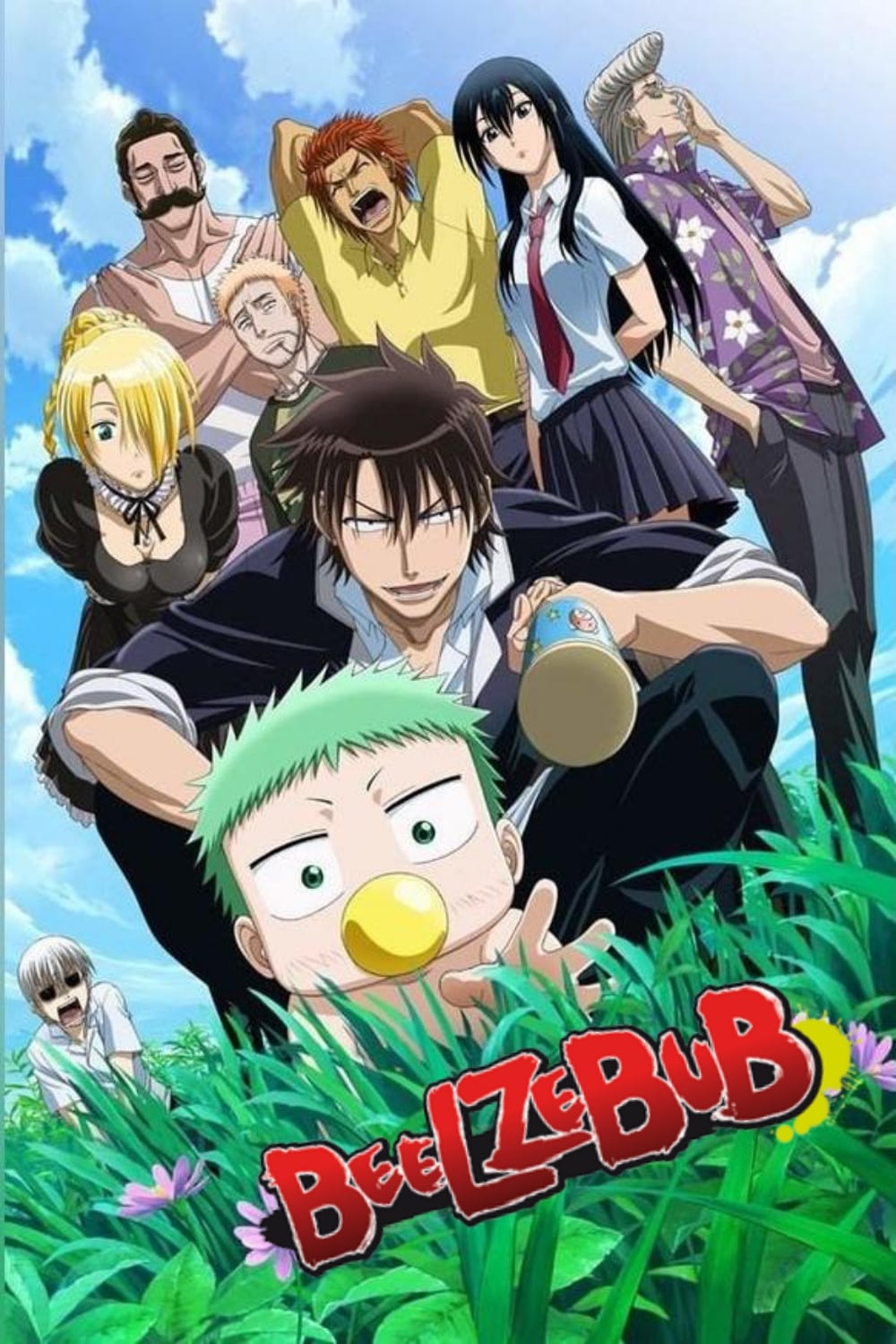
The anime struggled to balance the delinquent comedy with the supernatural action elements of the manga. Filler episodes were inserted frequently which disrupted the flow of the main narrative. The series was cancelled abruptly and forced to wrap up with a rushed original ending. This conclusion left many plot threads unresolved and failed to adapt the final arc of the manga. The potential of the series was squandered by poor pacing and management.
‘Twin Star Exorcists’ (2016–2017)
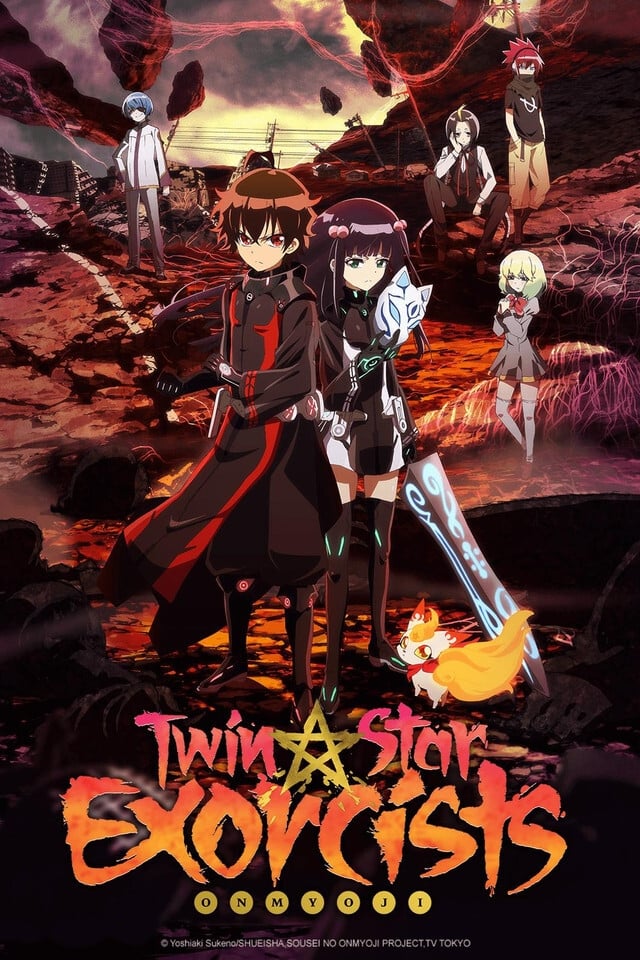
Studio Pierrot diverged from the source material very early in the production run. They introduced an annoying original sidekick character who detracted from the serious tone of the battles. The majority of the fifty-episode run consisted of original content that bore little resemblance to the manga. The relationship development between the two leads was handled differently and felt less organic. Fans of the manga found the anime to be a generic shonen that lost the unique flavor of the original.
‘Chrono Crusade’ (2003–2004)
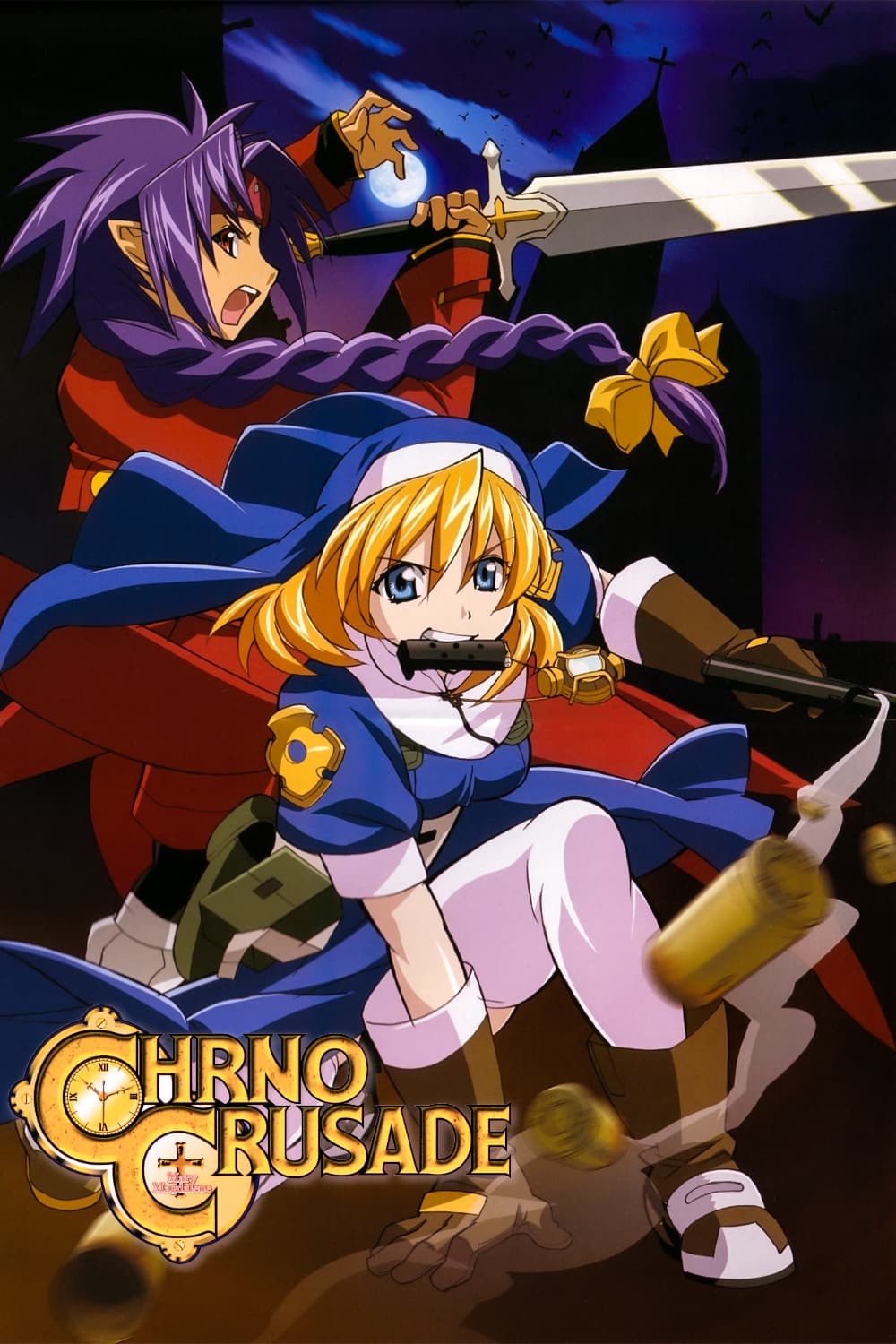
The anime adaptation is famous for having a drastically different and much darker ending than the manga. While some viewers appreciated the tragedy, it completely contradicted the themes of hope and redemption found in the source material. The mechanics of the supernatural contract were altered to force this tragic conclusion. Major plot points leading up to the finale were changed to accommodate the new direction. It remains a divisive adaptation that tells a fundamentally different story.
‘Pandora Hearts’ (2009)
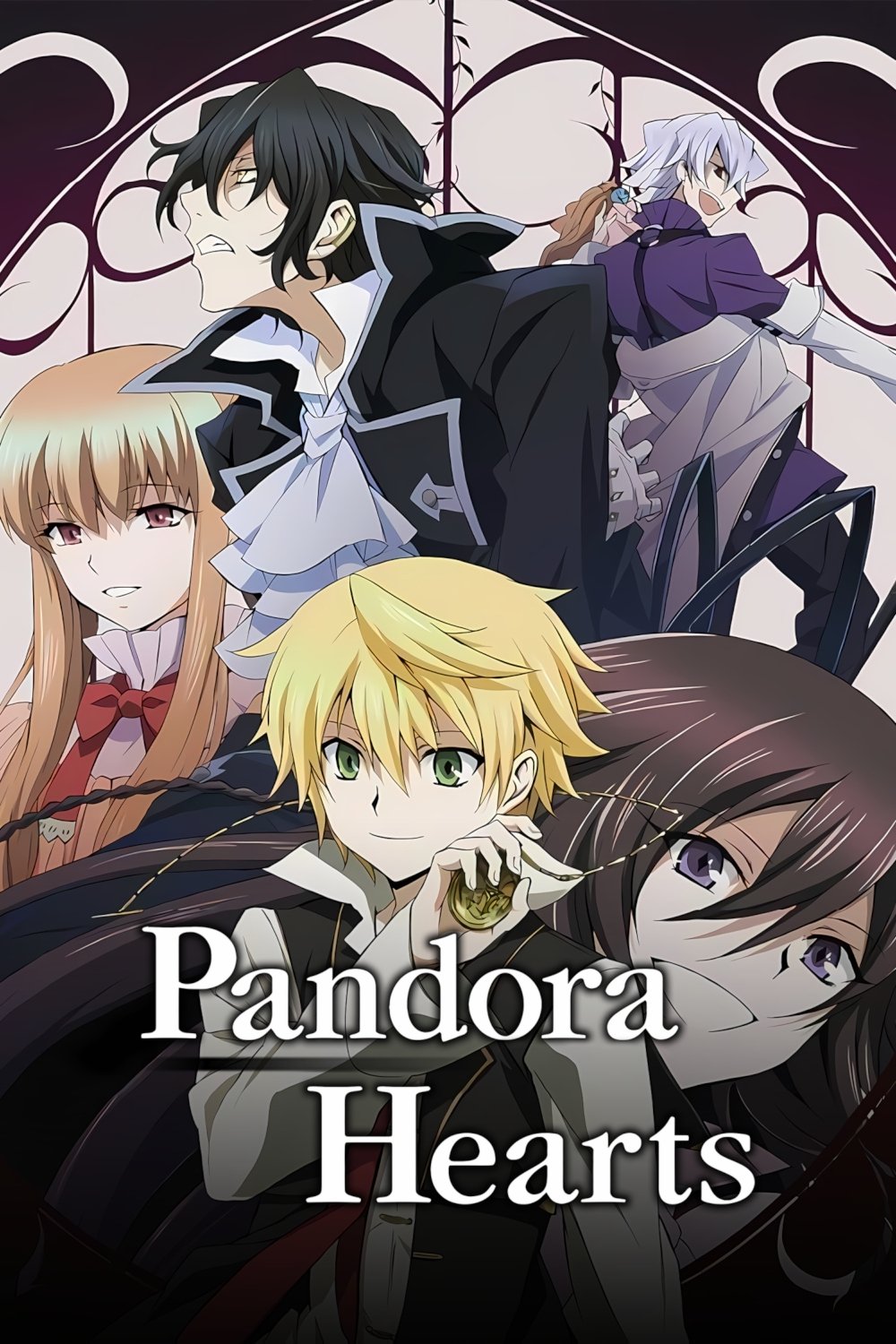
The complex mystery of this series was undermined by a rushed adaptation that ended on a cliffhanger. The final episodes diverged from the manga and created a confusing resolution that satisfied no one. Critical clues regarding the nature of the abyss and the memories of the protagonist were omitted. The rich gothic atmosphere was present but the story collapsed under the weight of its own unresolved plot threads. Viewers were left with more questions than answers.
‘Tsubasa Reservoir Chronicle’ (2005–2006)
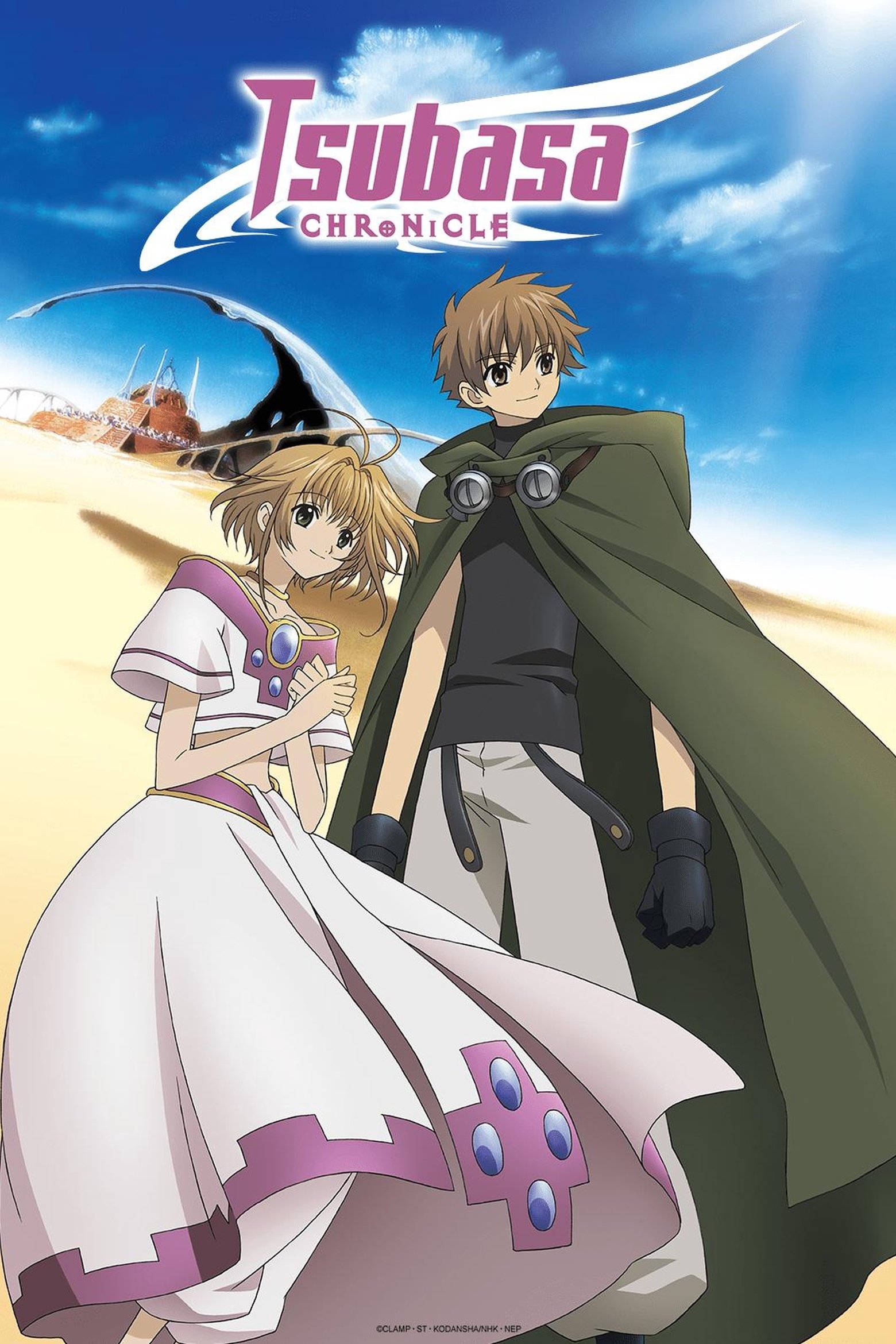
Bee Train studio is known for slow pacing and this adaptation suffered heavily from it. The anime was filled with filler episodes that added nothing to the overarching plot of the dimension-traveling journey. The production was halted before the story reached its darker and more complex second half. Connections to other series by the same author were downplayed or removed entirely. The result was a sanitized adventure that lacked the narrative punch of the manga.
‘Blue Exorcist’ (2011)
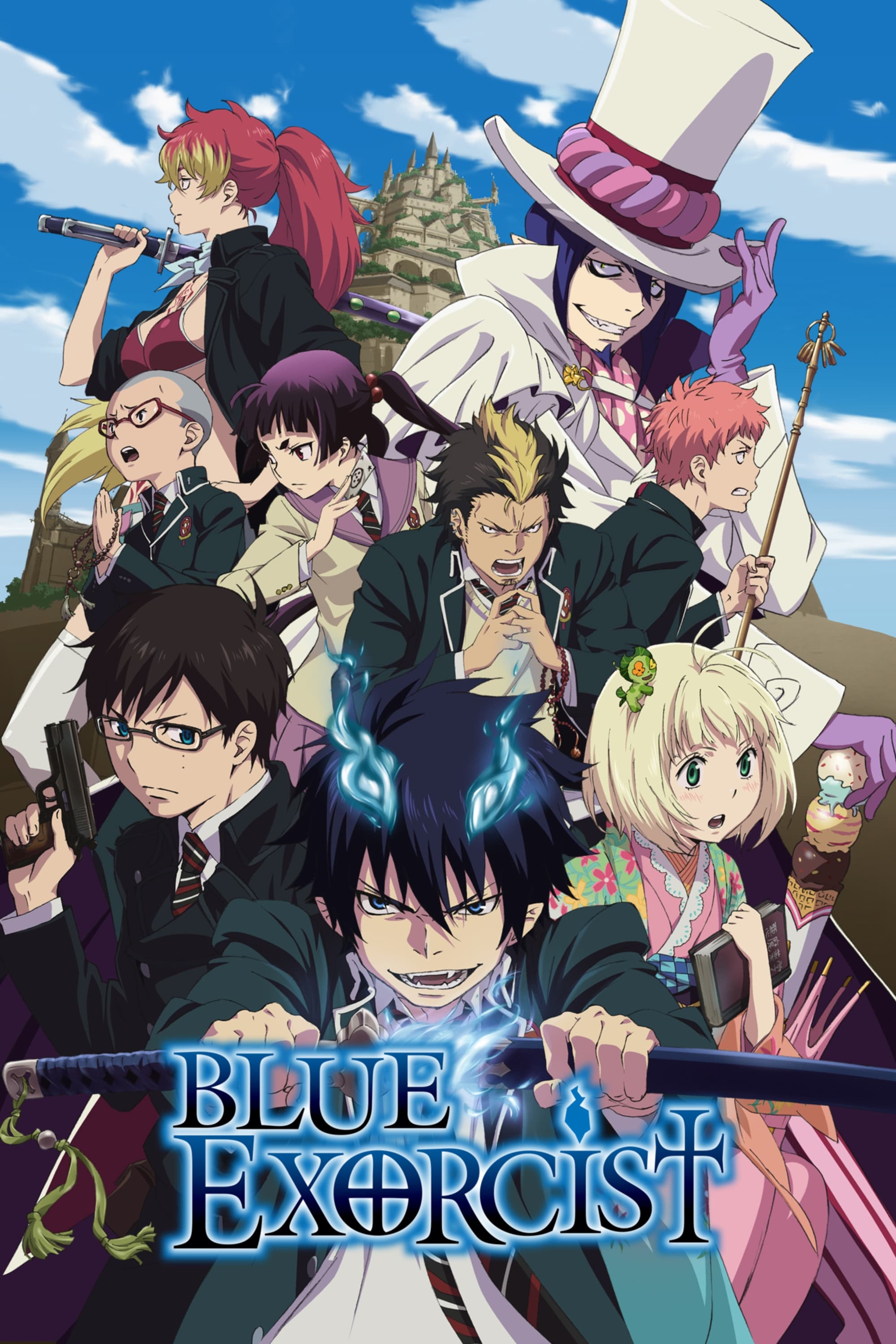
The first season ran out of manga content and pivoted to an original ending that killed off major characters. This decision backfired when the studio decided to produce a second season years later. The new season had to retcon the entire ending of the first season and pretend it never happened. This created a confusing entry point for casual viewers who did not understand why the story had reset. The mishandling of the continuity damaged the momentum of the franchise.
‘Hellsing’ (2001–2002)
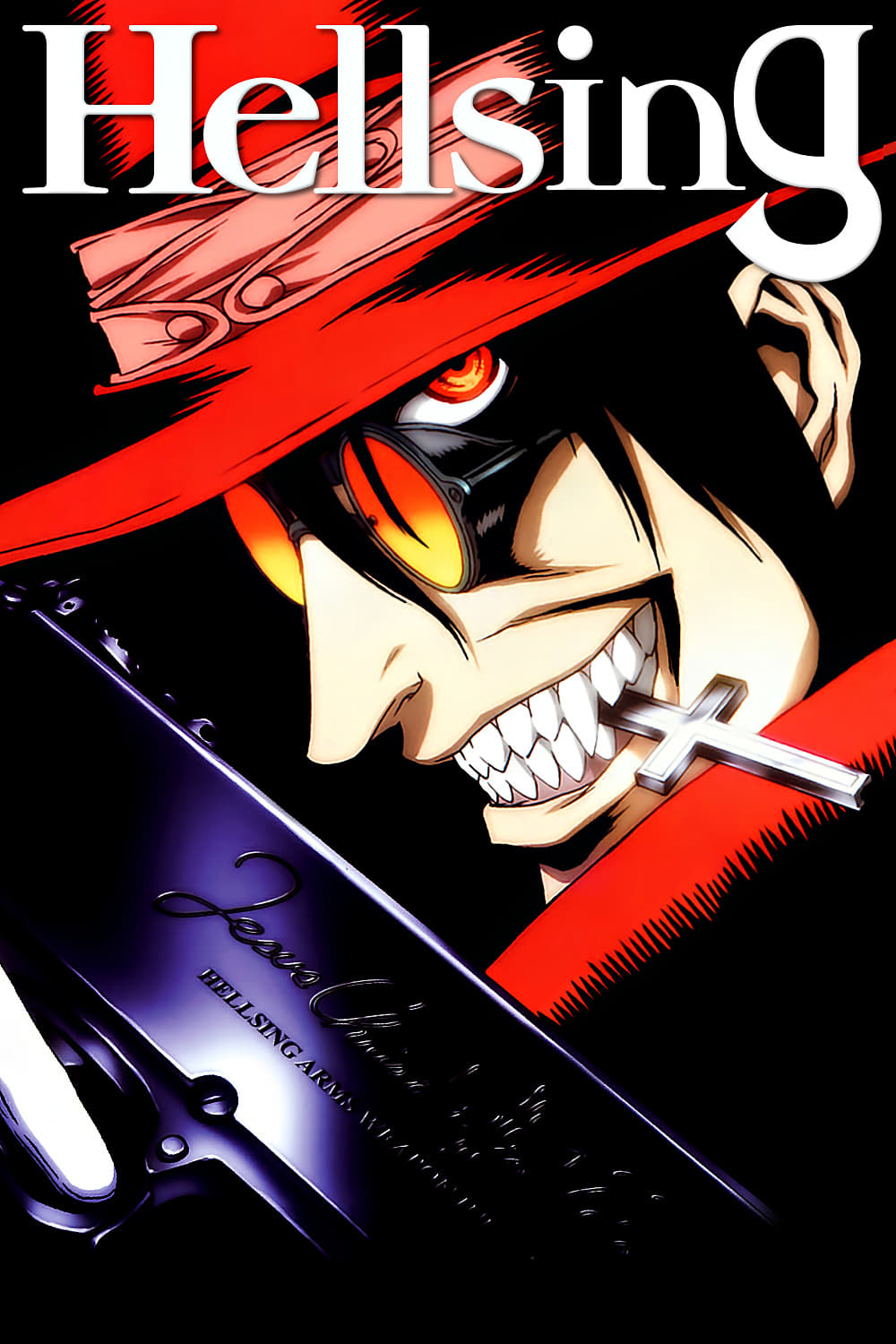
The Gonzo adaptation stripped away the Nazi vampire plot that was central to the manga’s identity. Instead, the anime focused on a generic villain that lacked the charisma and threat of the original antagonist. The animation quality was inconsistent and the tone felt less operatic than the source material. The story ended with an anticlimactic battle that disappointed fans of the high-octane violence. The later OVA series was created specifically to apologize for this lackluster TV version.
‘Flame of Recca’ (1997–1998)
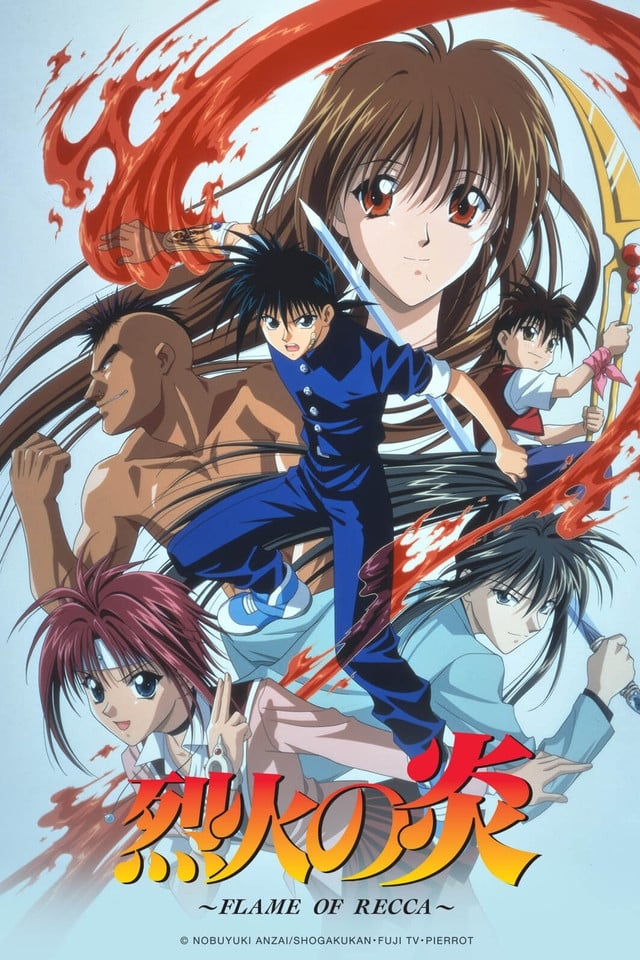
The anime adaptation covered a popular tournament arc but ended right as the story was expanding into a larger conflict. The final episode rushed to provide a sense of closure that contradicted the ongoing manga. Characters were left with unresolved arcs and the main villain was not truly defeated. The animation was standard for the time but failed to elevate the source material. It remains a classic example of a 90s anime that stopped just when things were getting good.
‘Samurai Deeper Kyo’ (2002)

This adaptation is notorious for having almost nothing in common with the manga aside from character names. The plot, lore, and relationships were completely rewritten into a generic monster-of-the-week formula. The manga was a gritty historical fantasy while the anime tried to be a supernatural action show with little depth. Fans of the manga effectively treat the anime as a non-canon alternate universe. It is often cited as one of the least faithful adaptations of the early 2000s.
‘Record of Ragnarok’ (2021–)
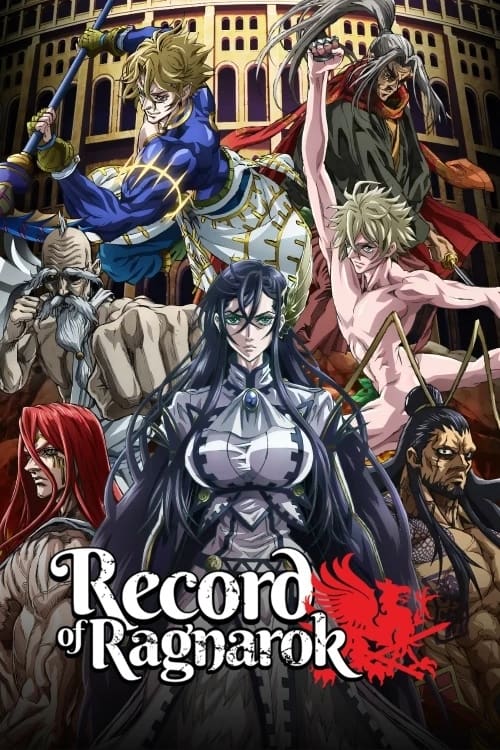
A series focused entirely on high-stakes tournaments requires dynamic animation to succeed. The anime adaptation was heavily criticized for using static frames and excessive speed lines to simulate movement. Fight scenes often looked like a colored motion comic rather than a fully animated production. The lack of fluid motion robbed the battles of their intensity and weight. Fans were disappointed that such an action-heavy manga received such a limited animation budget.
‘The Way of the Househusband’ (2021–)
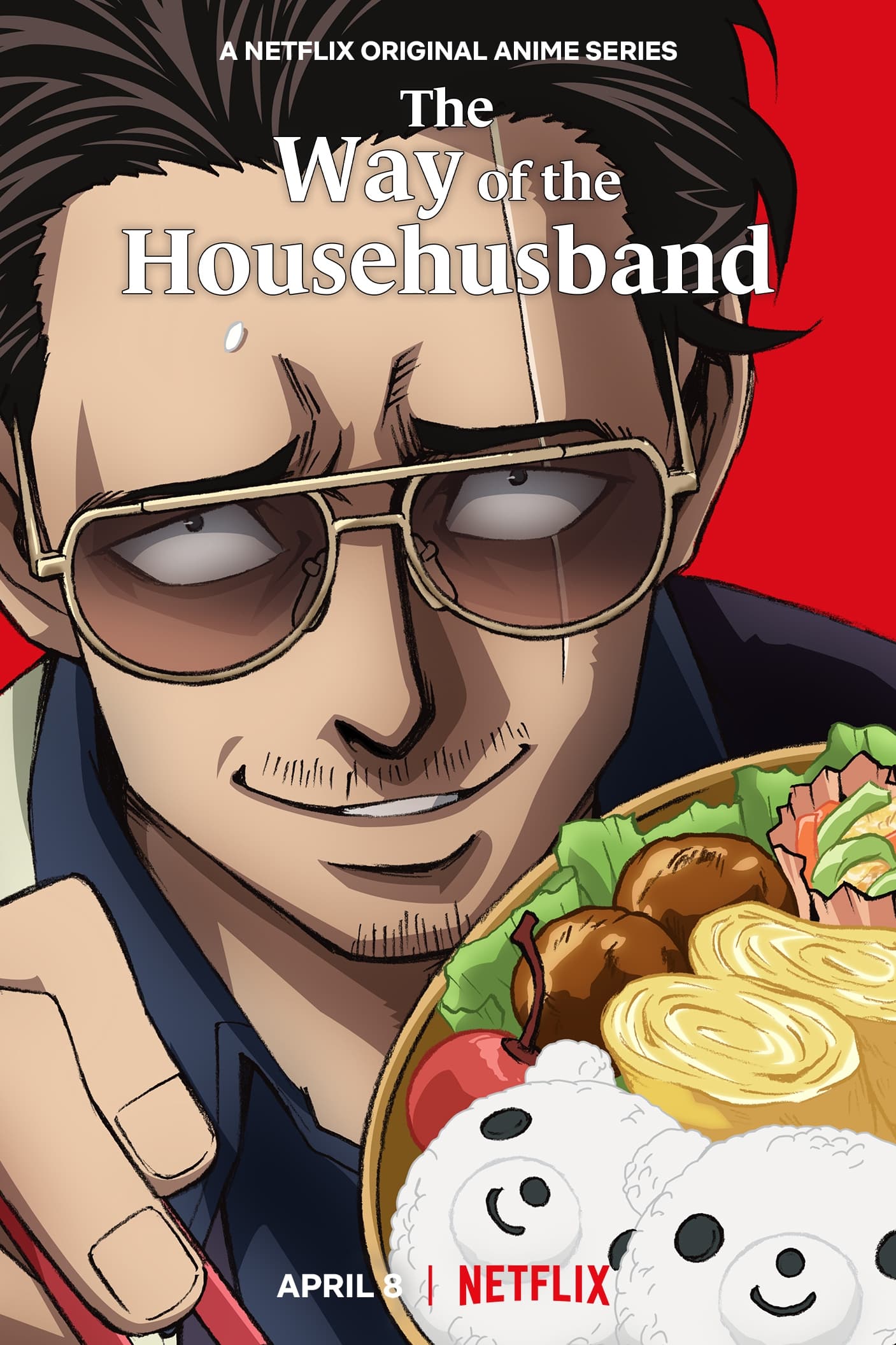
The director made a deliberate creative choice to animate this series as a motion comic with no lip-syncing. This style was intended to mimic the timing of manga panels but many viewers found it distracting and cheap. The lack of movement made the visual gags land with less impact than they did on the page. While the voice acting was praised, the visual presentation felt like a step backward for modern anime. It was a polarizing experiment that alienated a large portion of the potential audience.
‘The God of High School’ (2020)
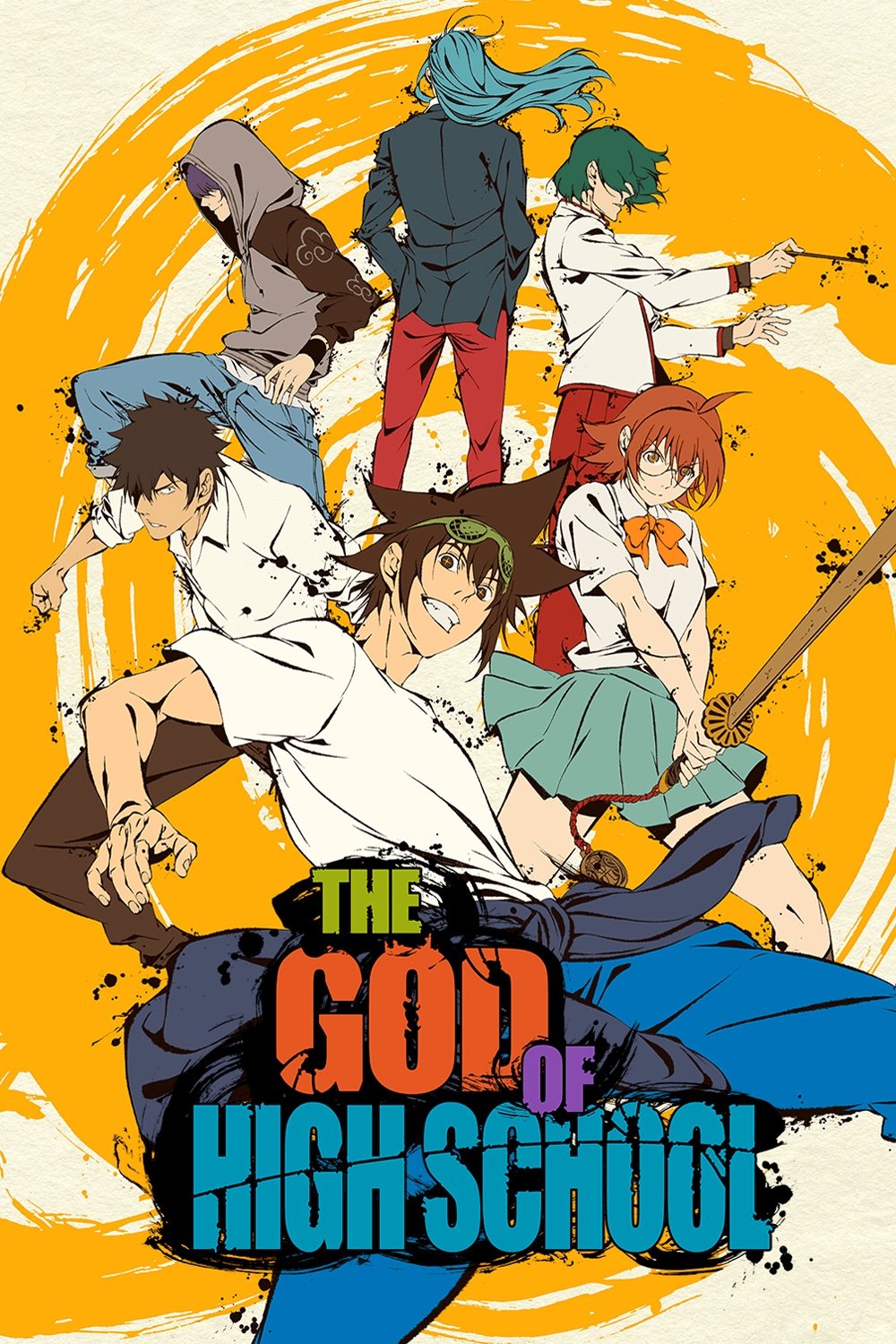
Adapting over one hundred chapters of a webtoon into thirteen episodes resulted in a narrative disaster. The fight choreography was incredible but the story moved at a breakneck speed that left no time for exposition. Characters’ motivations and the history of the world were completely glossed over. The magic system became confusing because the anime skipped the training arcs that explained how it worked. It was a visual spectacle that lacked the narrative substance of the source material.
‘Arifureta: From Commonplace to World’s Strongest’ (2019–)

The anime adaptation skipped the prologue and dumped viewers into the middle of the dungeon with no context. The CGI monsters were rendered poorly and looked like assets from a low-budget video game. Key scenes detailing the protagonist’s survival and transformation were rushed or omitted. The pacing was disjointed and failed to build the necessary tension for the revenge plot. It was a commercial success but a critical failure in terms of adaptation quality.
‘So I’m a Spider, So What?’ (2021)
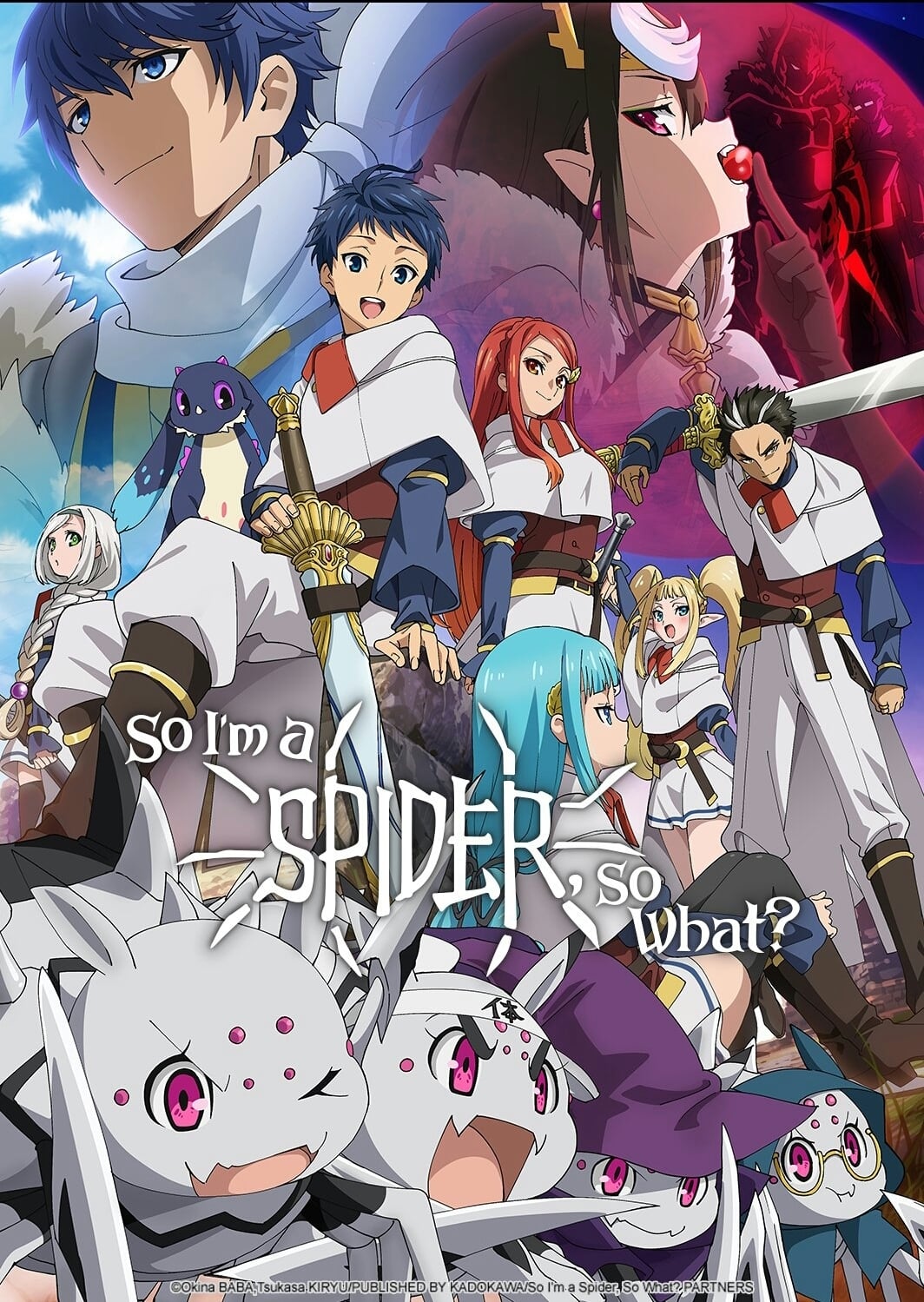
Production issues caused the animation quality to fluctuate wildly between episodes. The scenes focusing on the human characters were drawn with noticeable lack of detail and care. While the spider segments were decent, the human side of the story became a chore to watch. The narrative structure was also rearranged in a way that spoiled major twists early on. The delay of the final episode due to production collapse was the final nail in the coffin.
‘Magical Warfare’ (2014)
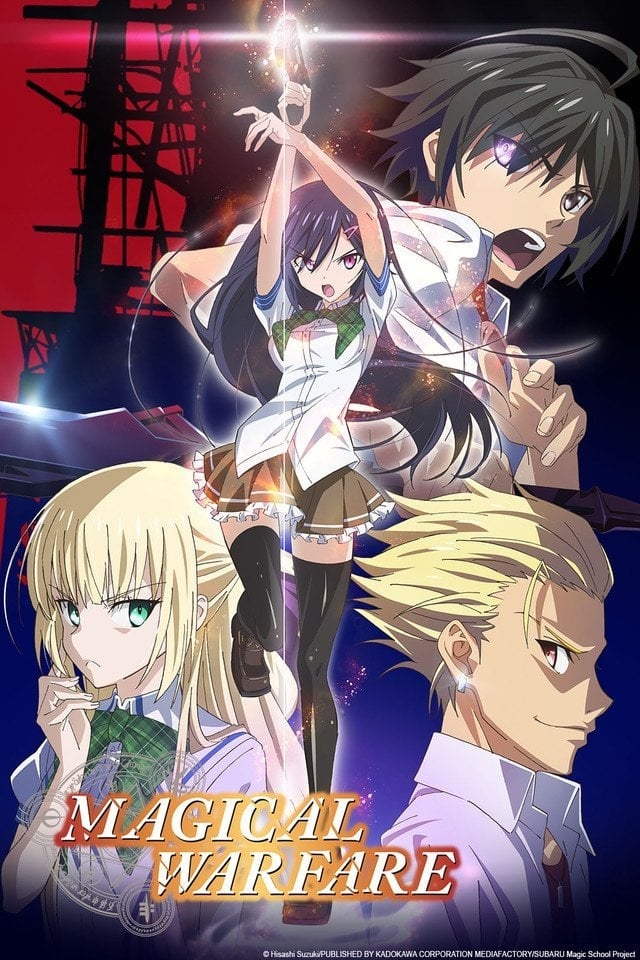
The director of this series publicly stated that he did not know why the light novel was chosen for an adaptation. The story was a disjointed mess with plot holes and unexplained character motivations. The animation was below average and the fight scenes lacked creativity. It ended with a confusing cliffhanger that introduced time travel elements out of nowhere. It is frequently cited as one of the worst written anime adaptations of the decade.
‘Dies Irae’ (2017)
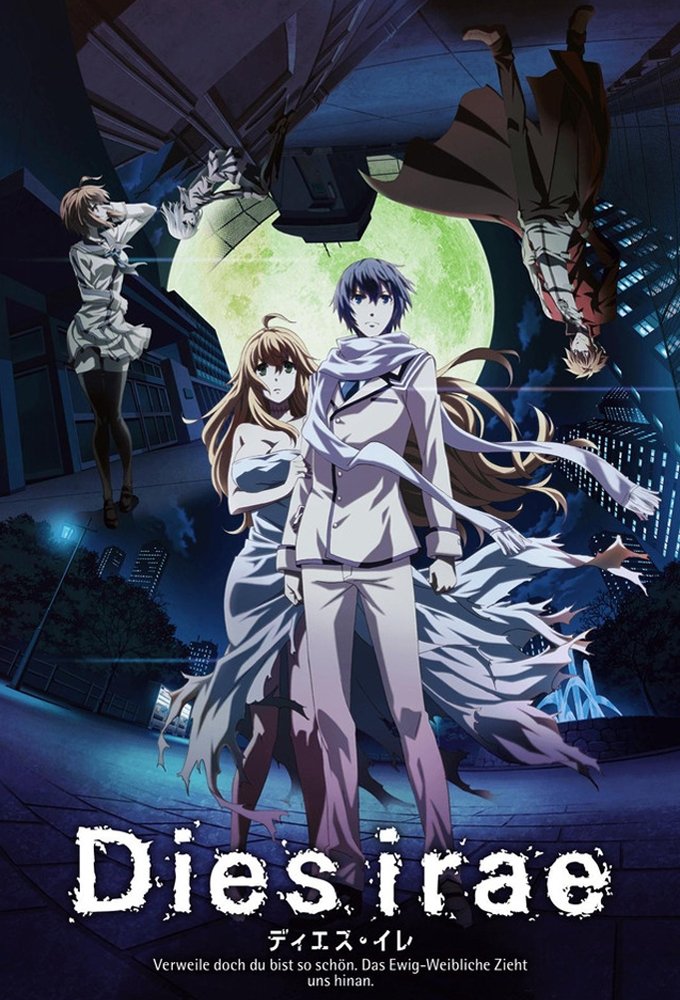
The dense mythology and philosophy of the visual novel were impossible to convey in a short anime series. Newcomers were left completely bewildered by the terminology and rapid plot progression. The crowdfunded pilot episode raised hopes that were dashed by the low quality of the TV series. The action scenes were hard to follow and the dialogue felt pretentious without the necessary context. It failed to satisfy both the hardcore fans and the general audience.
‘Bokurano’ (2007)
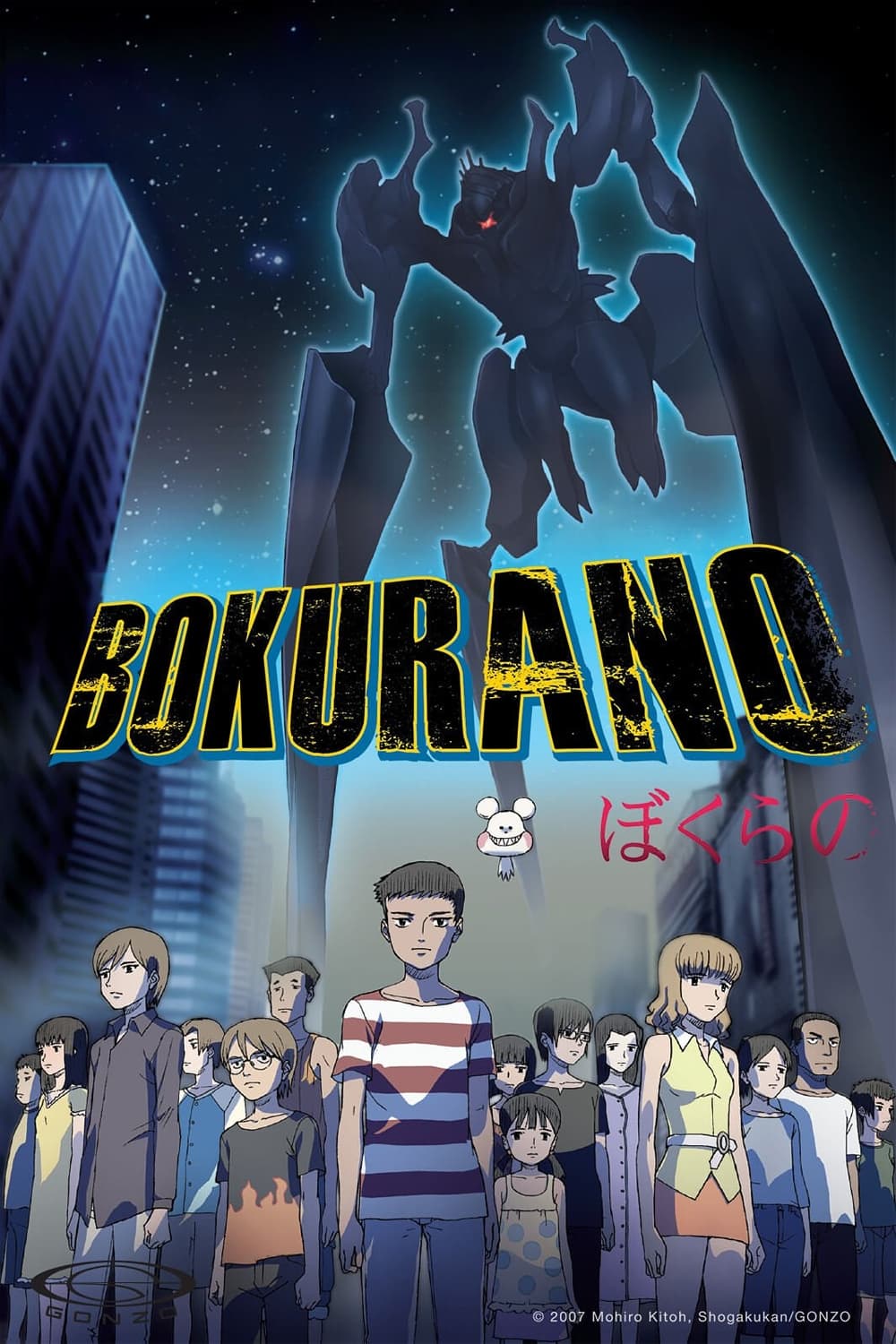
The director of the anime openly admitted to disliking the source material’s story and themes. He made significant changes to the plot and the fates of the children piloting the robot. The bleak and nihilistic tone of the manga was altered to be slightly more hopeful but less impactful. Characters who died in the manga survived in the anime and vice versa. This creative conflict resulted in a product that felt confused about its own message.
Share your thoughts on which anime adaptation disappointed you the most in the comments.