Sequels That Completely Ignored The Events Of The First Movie


Hollywood franchises often rely on continuity to build a loyal fanbase over several decades. However some sequels choose to take a different path by discarding established storylines or characters entirely. These films might shift genres or reboot the timeline without any warning to the audience. This list examines the most notable examples of sequels that decided to forge their own way regardless of what came before.
‘Halloween III: Season of the Witch’ (1982)
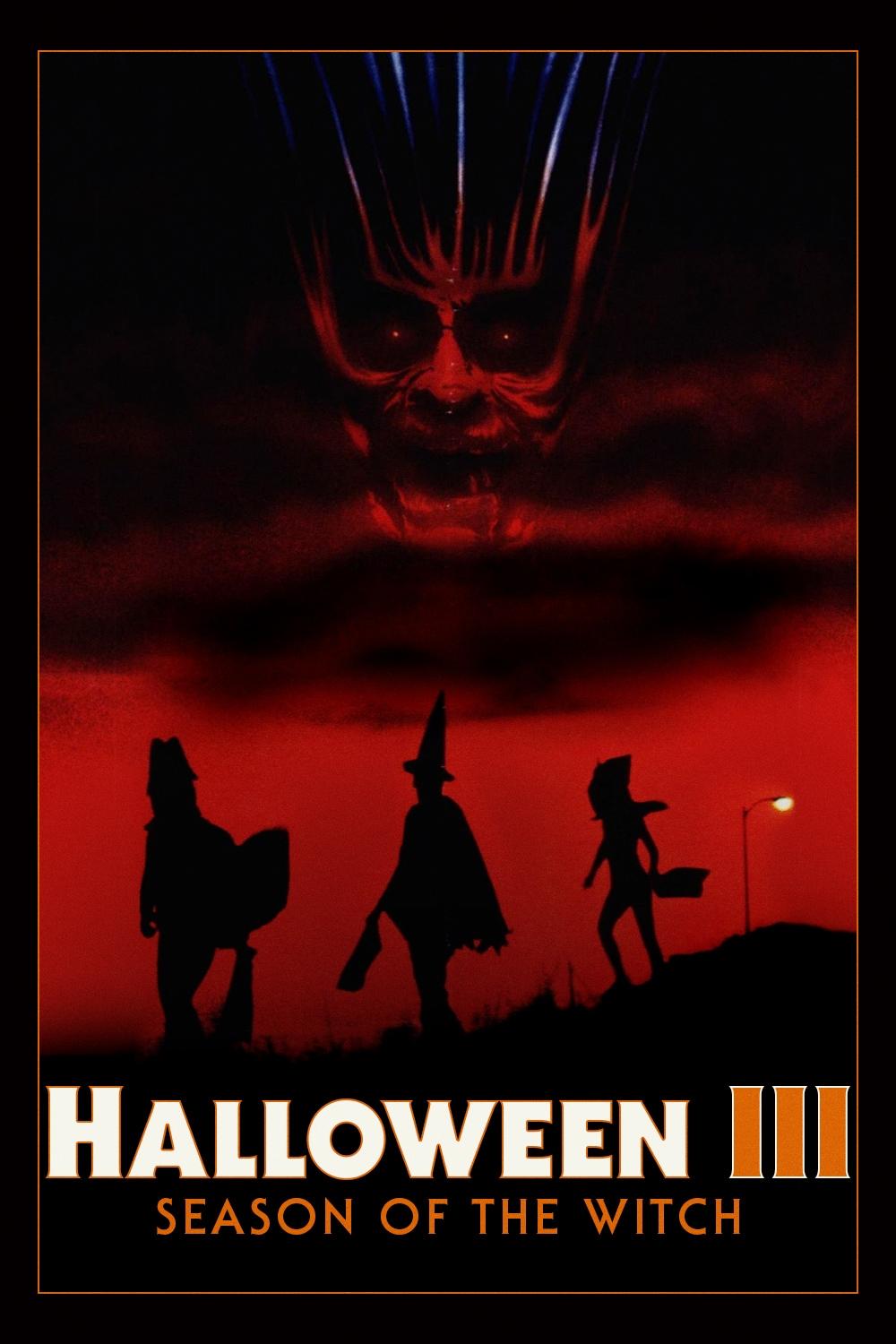
The third entry in this horror franchise moved away from the story of Michael Myers to focus on an anthology format. It features a sinister mask maker who uses ancient rituals and technology to kill children across the country. Fans were confused by the absence of the iconic slasher character who had defined the first two installments. The movie attempts to establish a completely new mythology involving Celtic magic and microchips. This departure remains one of the most famous examples of a sequel ignoring its predecessor.
‘Highlander II: The Quickening’ (1991)
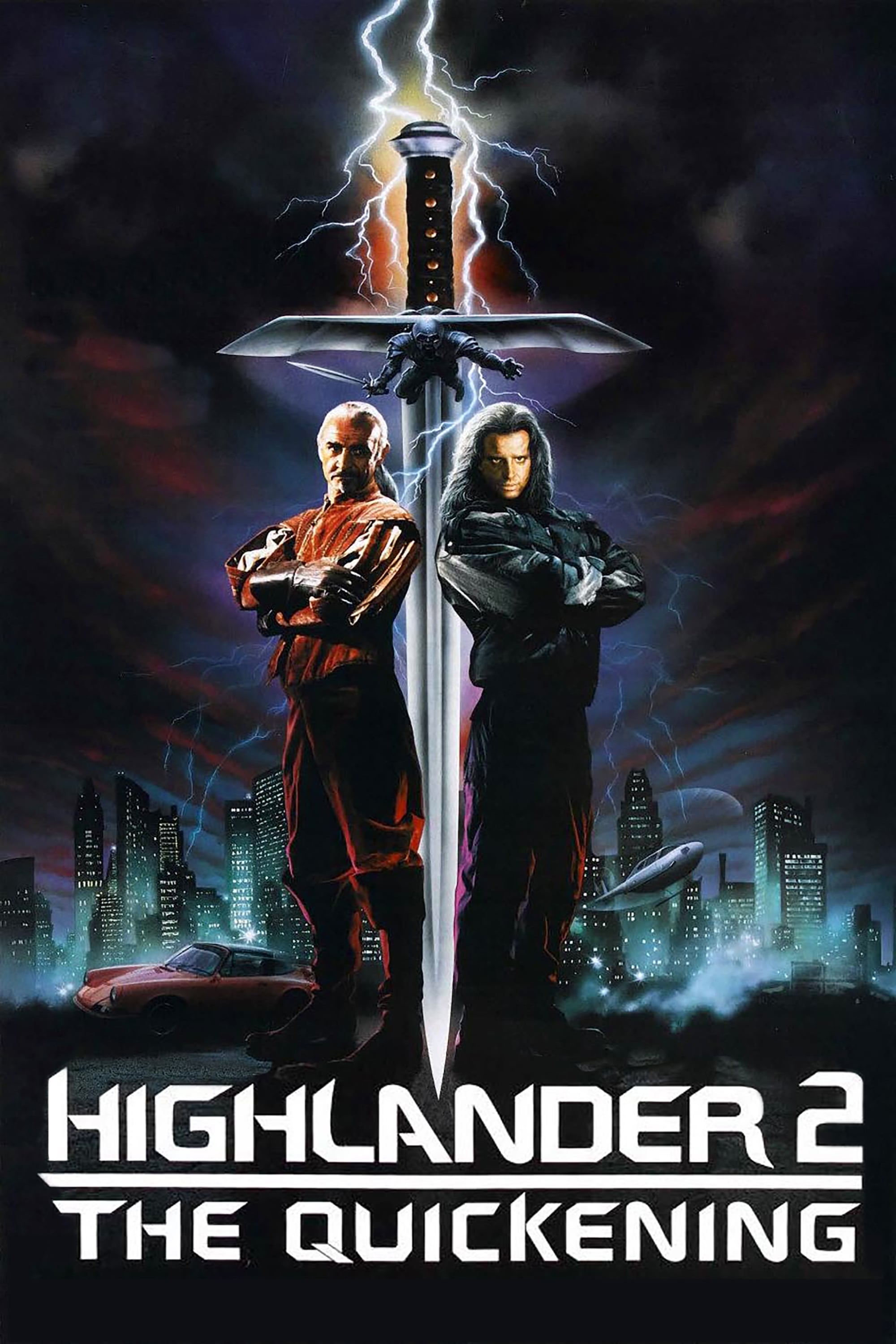
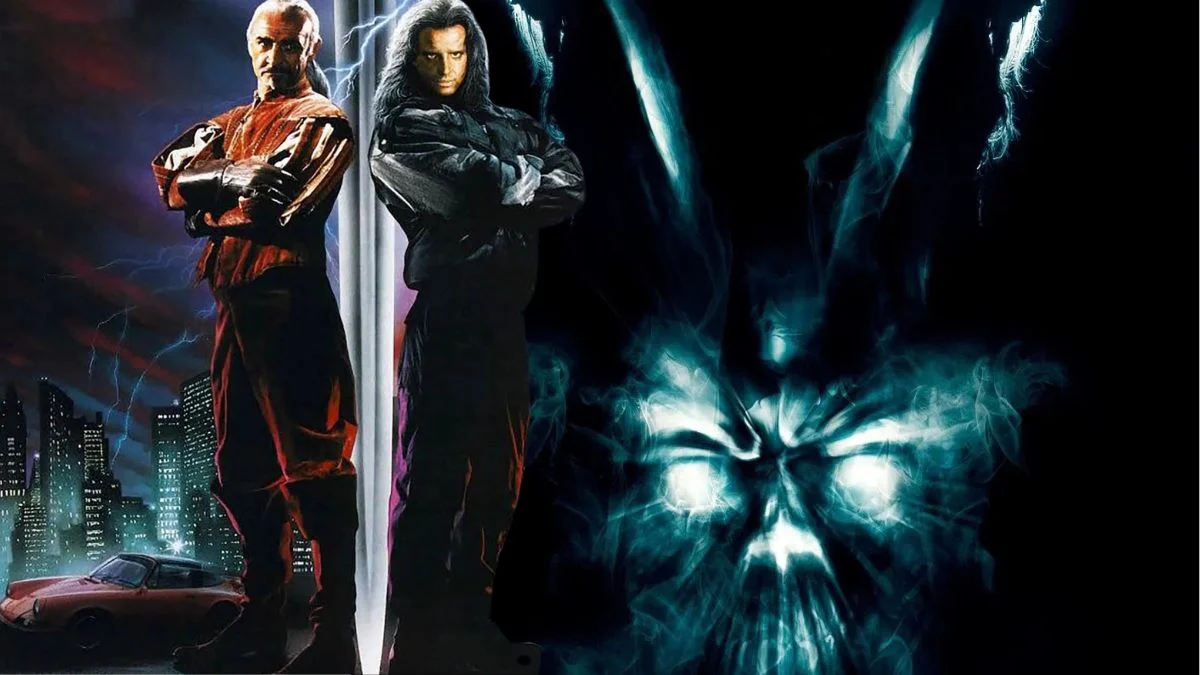
This sequel radically changed the origin story of the immortal warriors introduced in the original film. Instead of being humans with a mysterious gift they are revealed to be aliens from the planet Zeist. The plot ignores the definitive ending of the first movie where the protagonist won the Prize and became mortal. It introduces a futuristic setting that feels disconnected from the fantasy elements established previously. Many viewers felt the changes contradicted the fundamental rules of the series.
‘Troll 2’ (1990)
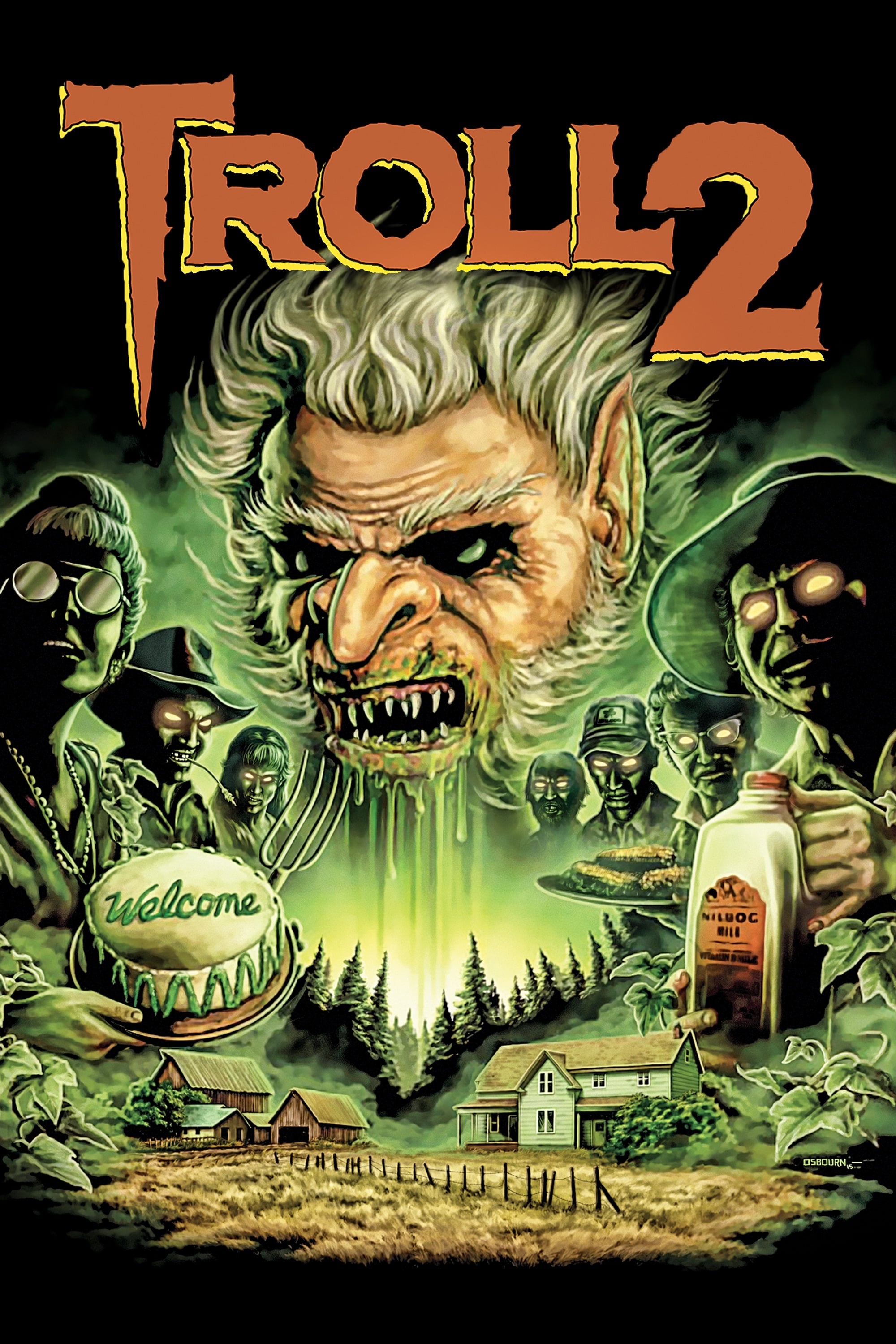
Despite its title this movie has no connection to the 1986 film ‘Troll’ and does not even feature trolls. The story follows a family on vacation in a town inhabited by goblins who want to turn them into plants. It was originally titled Goblins but was renamed by distributors to capitalize on the success of an unrelated property. None of the characters or plot points from the first movie appear or are mentioned. It is widely considered a sequel in name only.
‘Shock Treatment’ (1981)
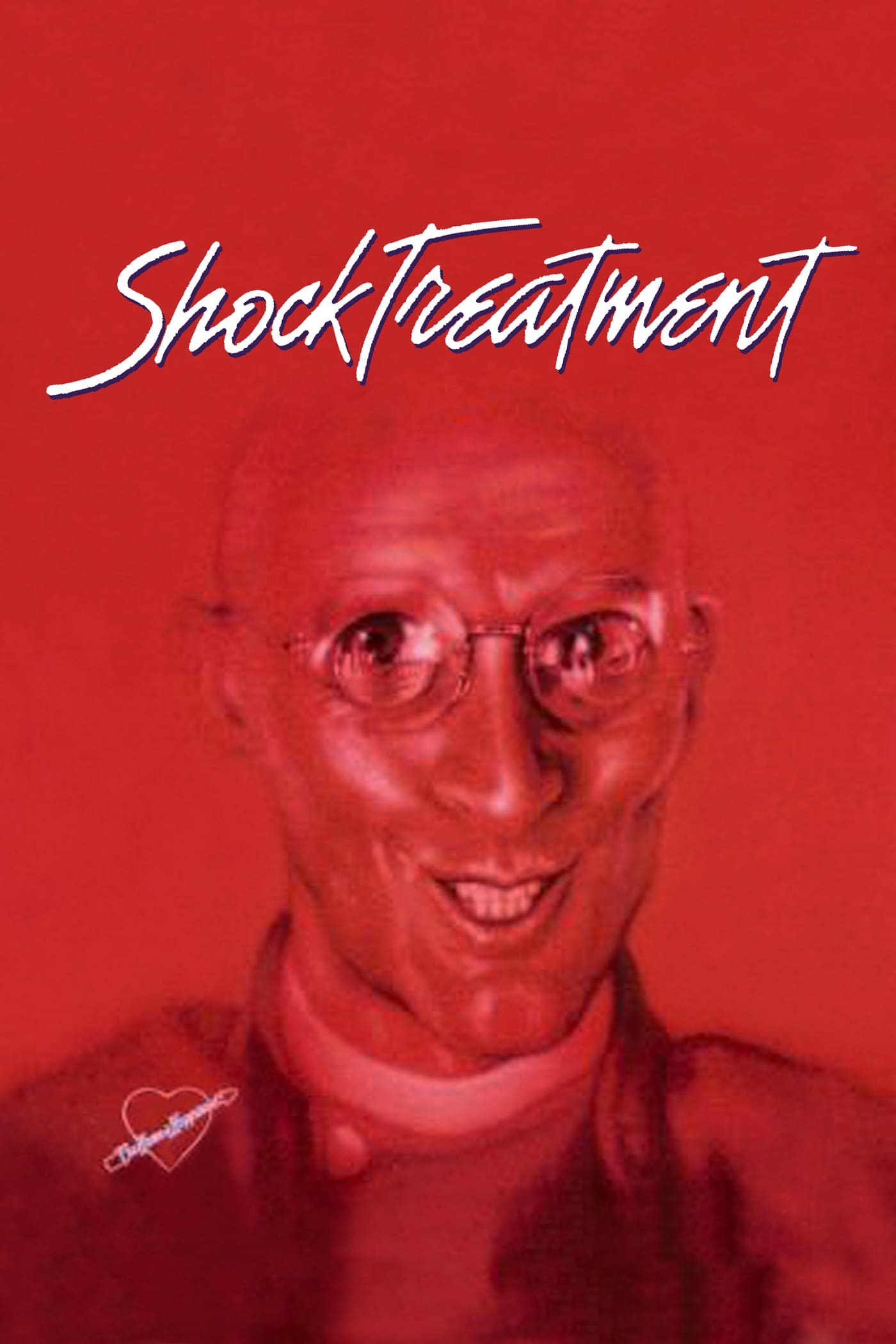
This production serves as a follow up to ‘The Rocky Horror Picture Show’ but features different actors playing the lead roles. Brad and Janet return as characters but they are trapped in a giant television studio instead of a spooky mansion. The movie does not reference the events of the first film or the fate of the residents of the castle. It functions as a standalone musical satire about media and fame. The continuity between the two films is intentionally loose and confusing.
‘Jaws: The Revenge’ (1987)
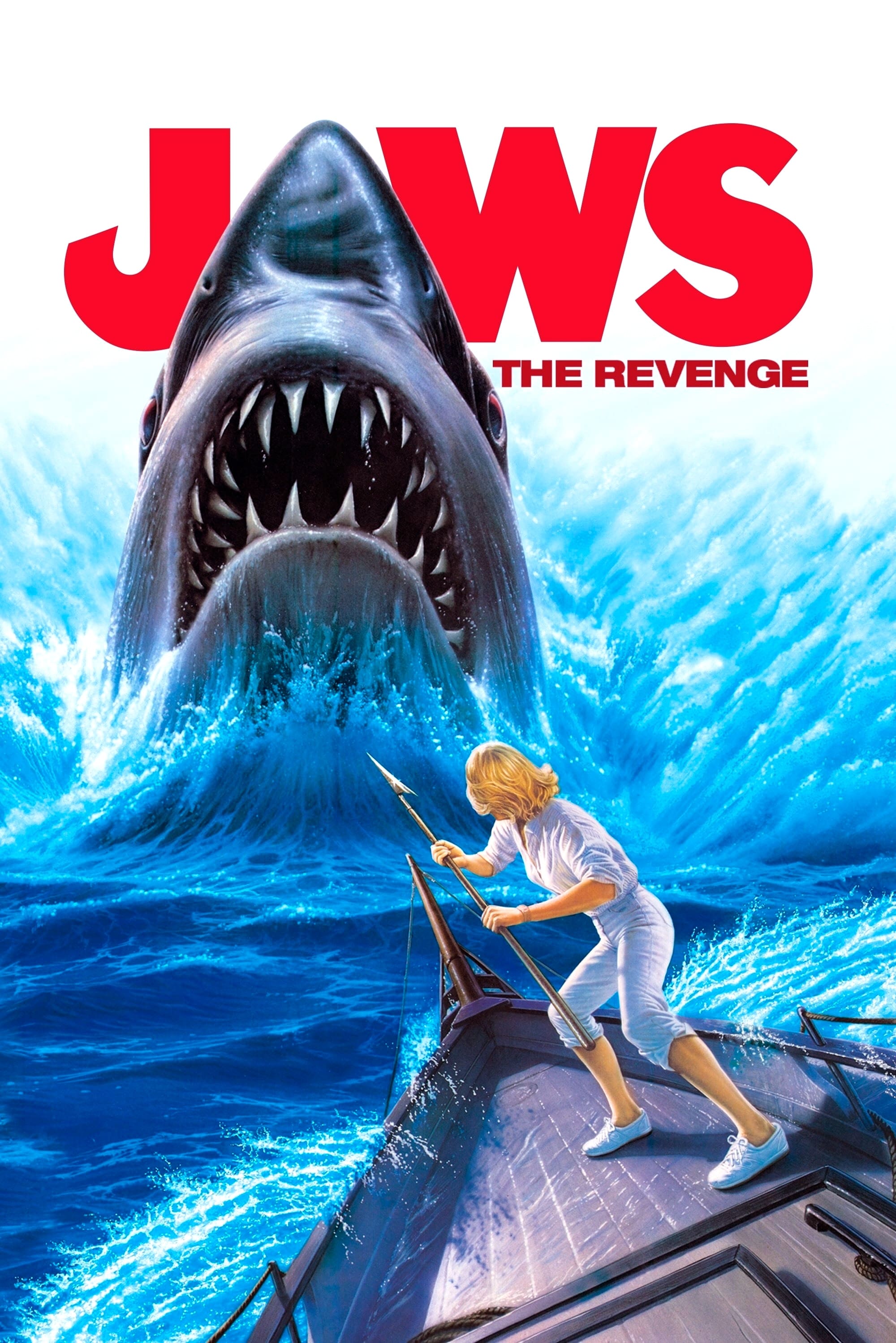
The fourth installment of the shark franchise ignores the events of ‘Jaws 3-D’ entirely. It returns to the Brody family but follows Ellen Brody as she believes a great white shark is hunting her relatives. The plot suggests the shark is seeking vengeance for its fallen predecessors which contradicts the biology of the animal. Characters who appeared in the third film are never mentioned or acknowledged in this timeline. It attempts to reconnect with the original film while disregarding the middle chapters.
‘Cruel Intentions 2’ (2000)
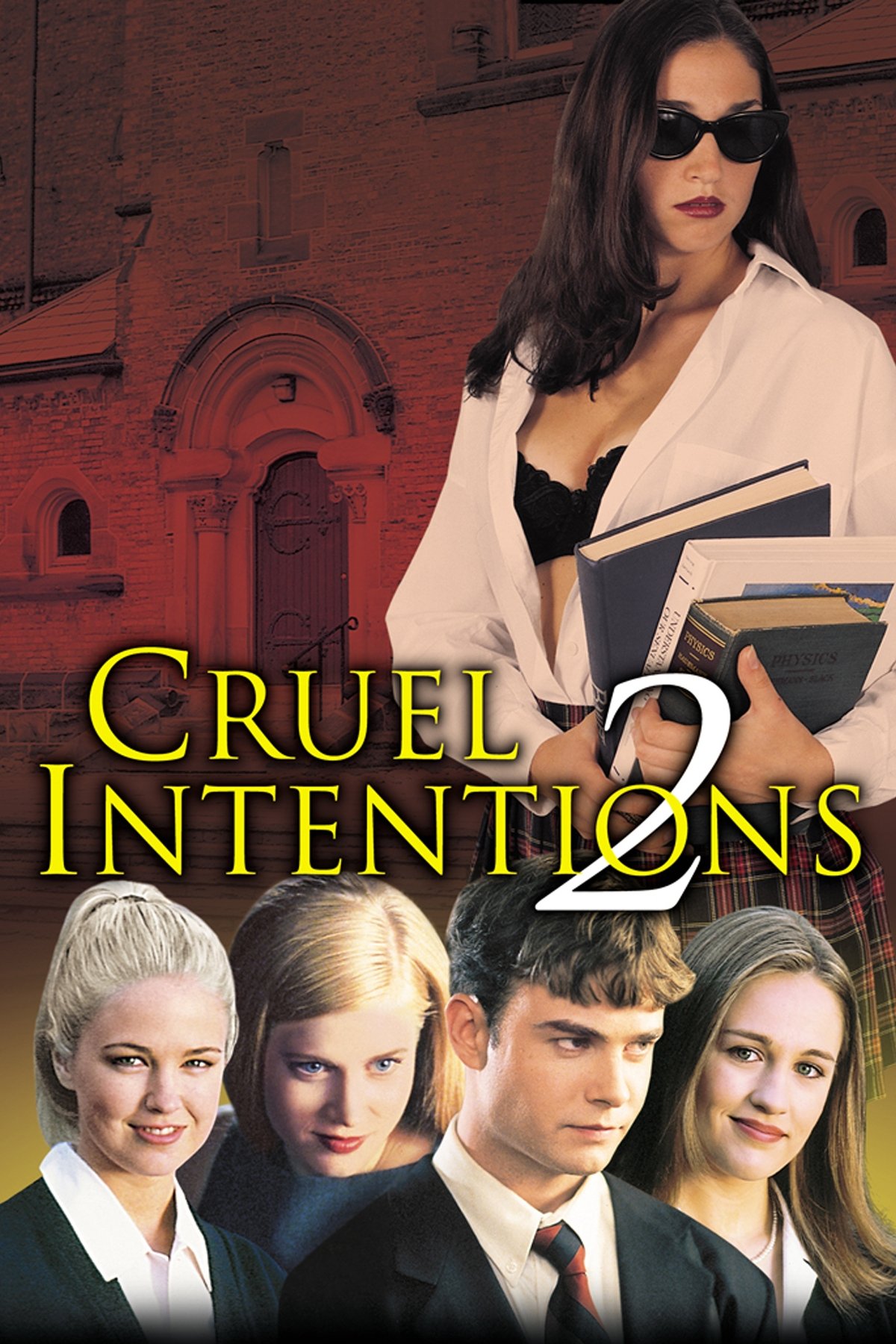
This project was originally developed as a television series titled Manchester Prep before being edited into a film. It serves as a prequel to the first movie but ignores the established characterizations and timeline. The plot follows Sebastian Valmont as he moves to New York and meets his future stepsister Kathryn Merteuil. It lacks the polish and tone of the original theatrical release. The film functions as a soft reboot rather than a direct continuation of the story.
‘Mean Girls 2’ (2011)
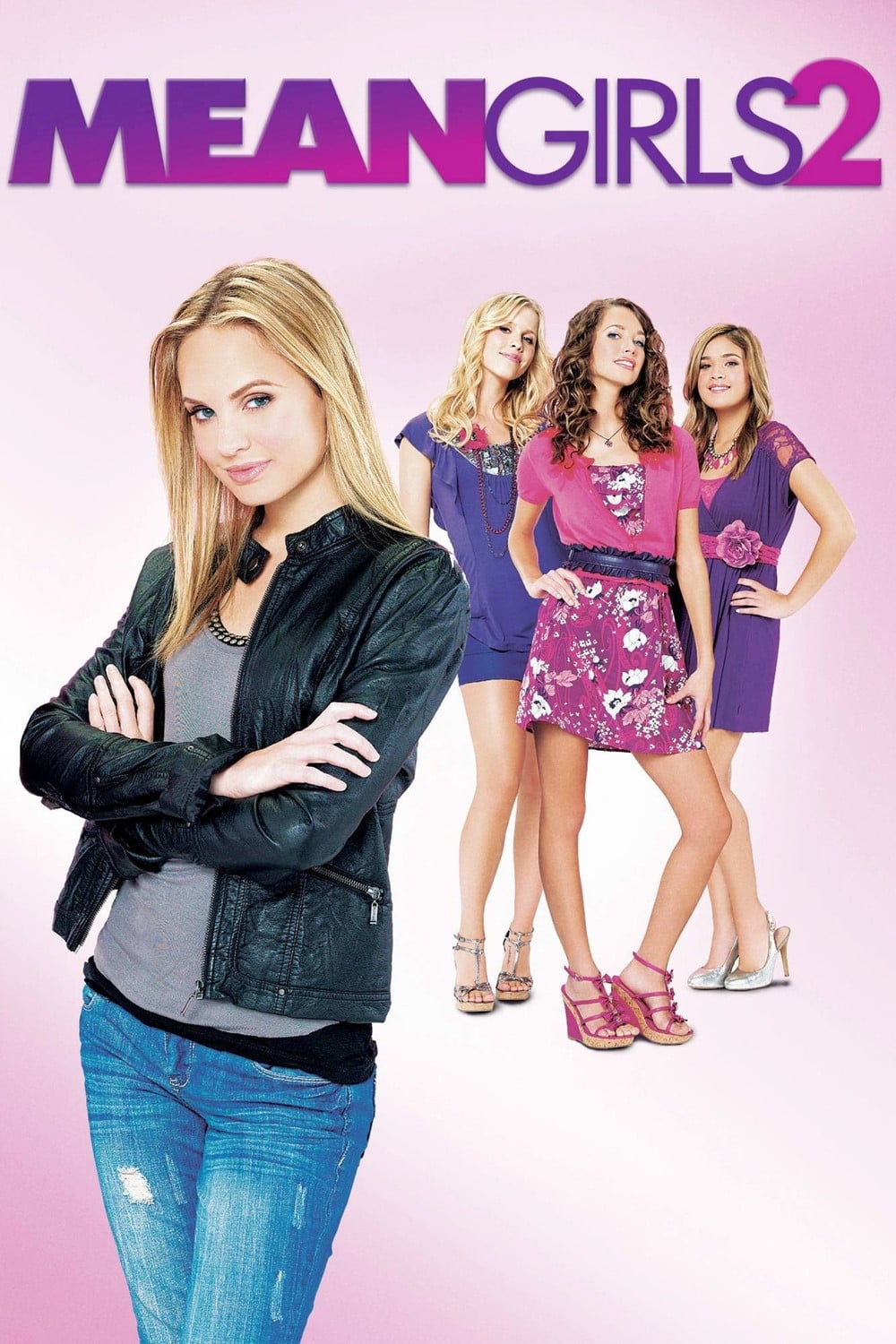
This made for television sequel features an entirely new cast and a recycled plot structure. It takes place at the same high school but does not involve any of the characters from the original film. The story follows a new girl who forms a group to take down the popular clique known as the Plastics. It ignores the resolution of the first movie where the social hierarchy was dismantled. The film acts as a standalone story that borrows the branding of the 2004 hit.
‘S. Darko’ (2009)
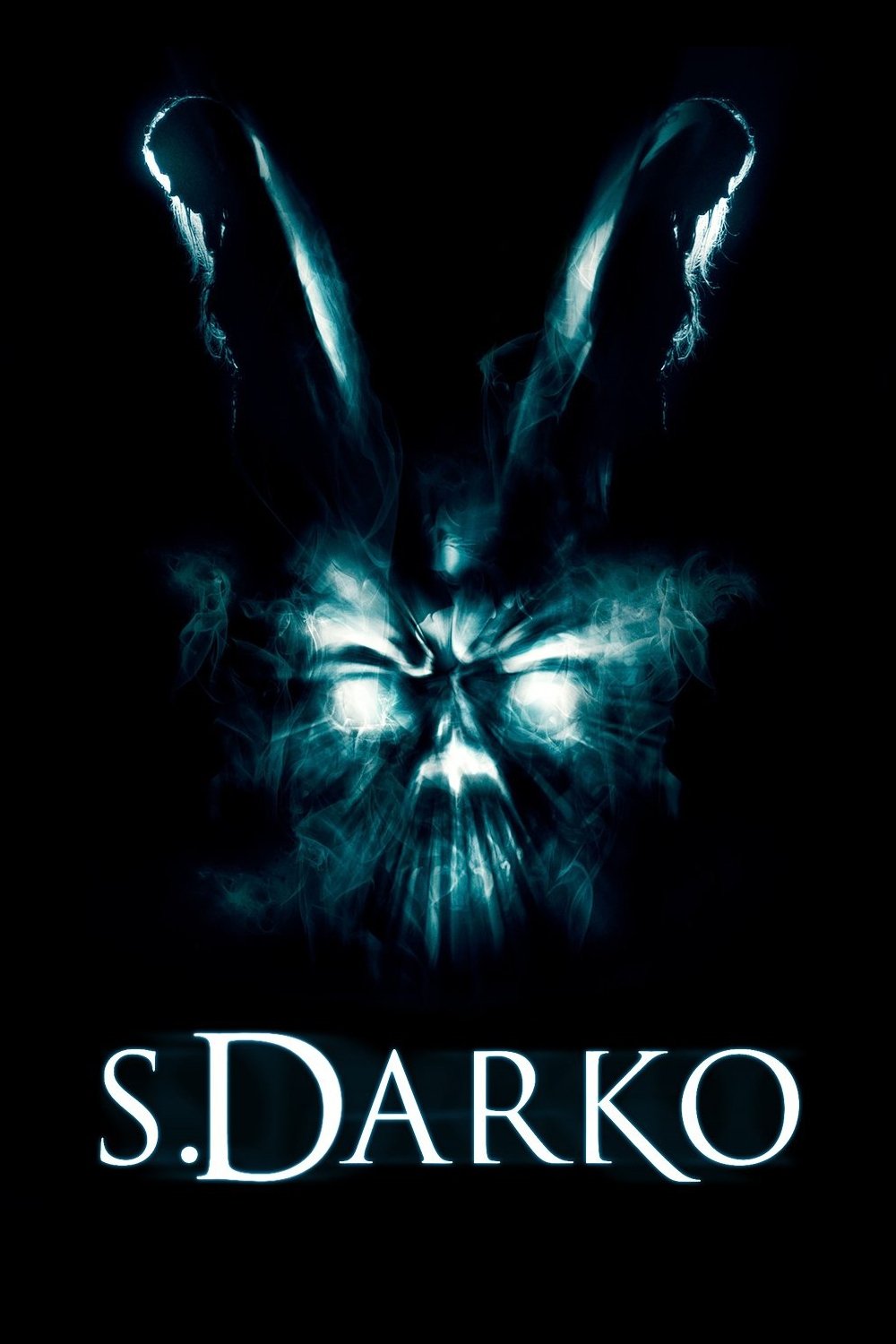
This sequel focuses on the younger sister of Donnie Darko as she embarks on a road trip with her best friend. While it features the same family name it largely ignores the complex time travel logic of the original film. The narrative introduces new supernatural elements and visions that feel disconnected from the source material. It does not provide any meaningful closure or expansion on the fate of the original characters. Most fans of the first movie consider this entry to be an unrelated project.
‘Book of Shadows: Blair Witch 2’ (2000)
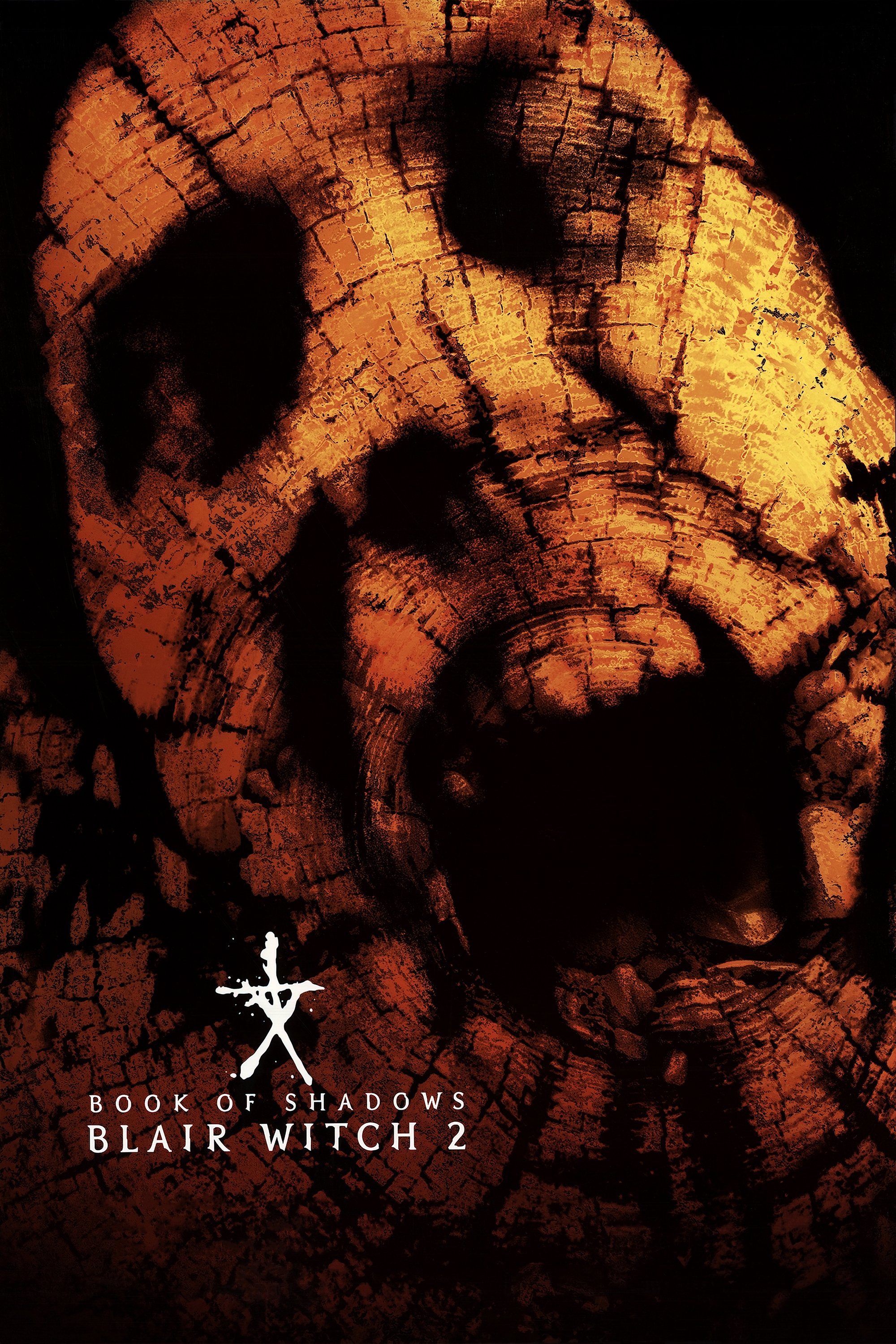
The sequel to the found footage pioneer takes a meta approach by treating the first movie as a fictional documentary. It follows a group of tourists who visit the Black Hills woods to explore the locations seen in the original film. The movie abandons the handheld camera style for a traditional cinematic look. It ignores the mythology and internal logic established by the first film in favor of a psychological thriller. This stylistic shift alienated many fans who expected a direct continuation.
‘Dirty Dancing: Havana Nights’ (2004)

This film is marketed as a sequel but it serves as a reimagining set in the 1950s. It follows an American girl who moves to Cuba and falls in love with a local dancer. While Patrick Swayze makes a cameo appearance as a dance instructor he does not play the same character from the first movie. The story ignores the setting and timeline of the original classic. It focuses on a similar theme of self discovery through dance in a different cultural context.
‘Return to Oz’ (1985)
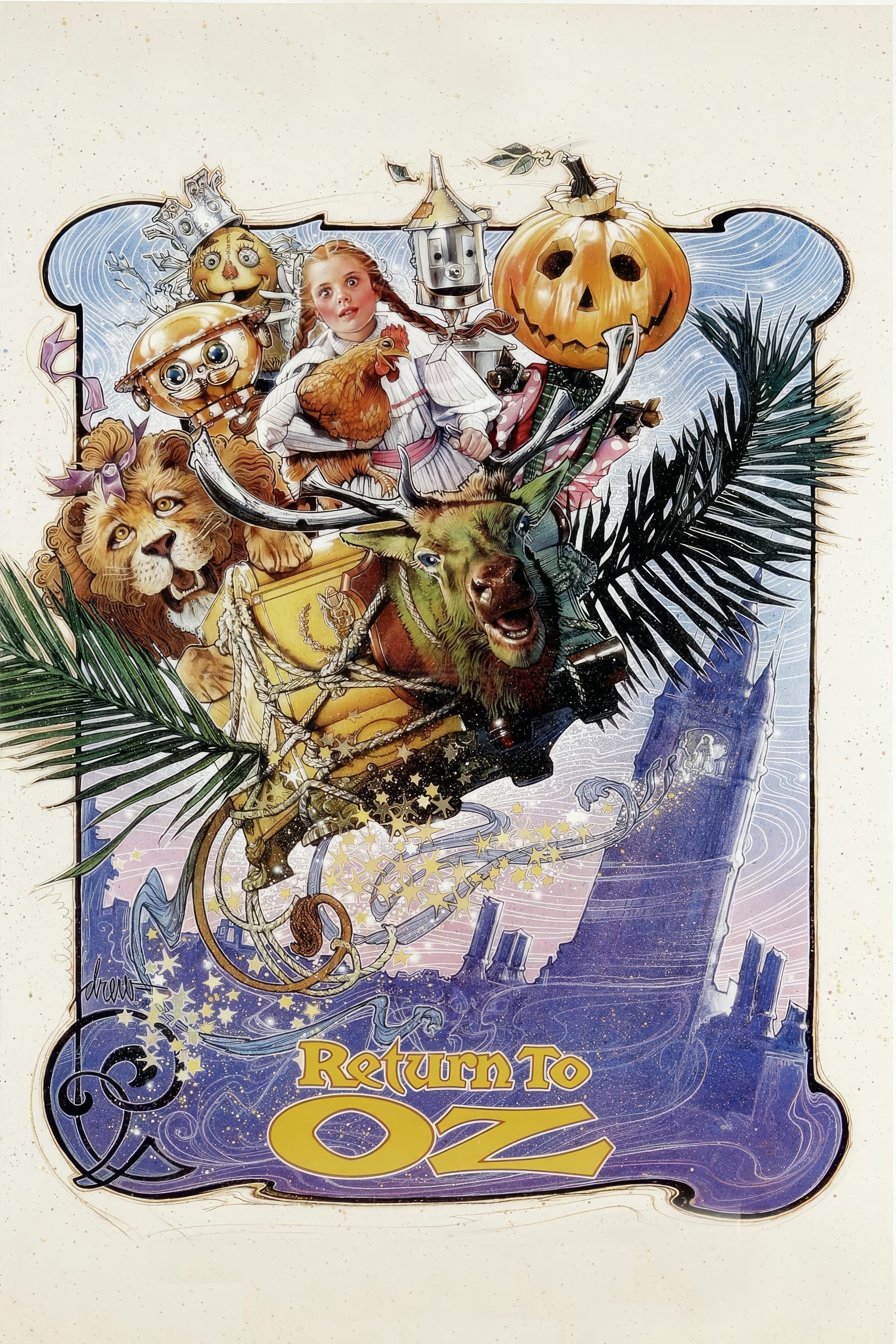
This film serves as a sequel to the 1939 classic but it follows the books more closely than the original movie. It ignores the musical tone and bright aesthetics of the first film for a much darker and more frightening atmosphere. Dorothy returns to Oz to find the Emerald City in ruins and her former friends turned to stone. The movie does not reference the iconic songs or the specific plot points of the famous production. It is a drastically different interpretation of the world created by L. Frank Baum.
‘Speed 2: Cruise Control’ (1997)
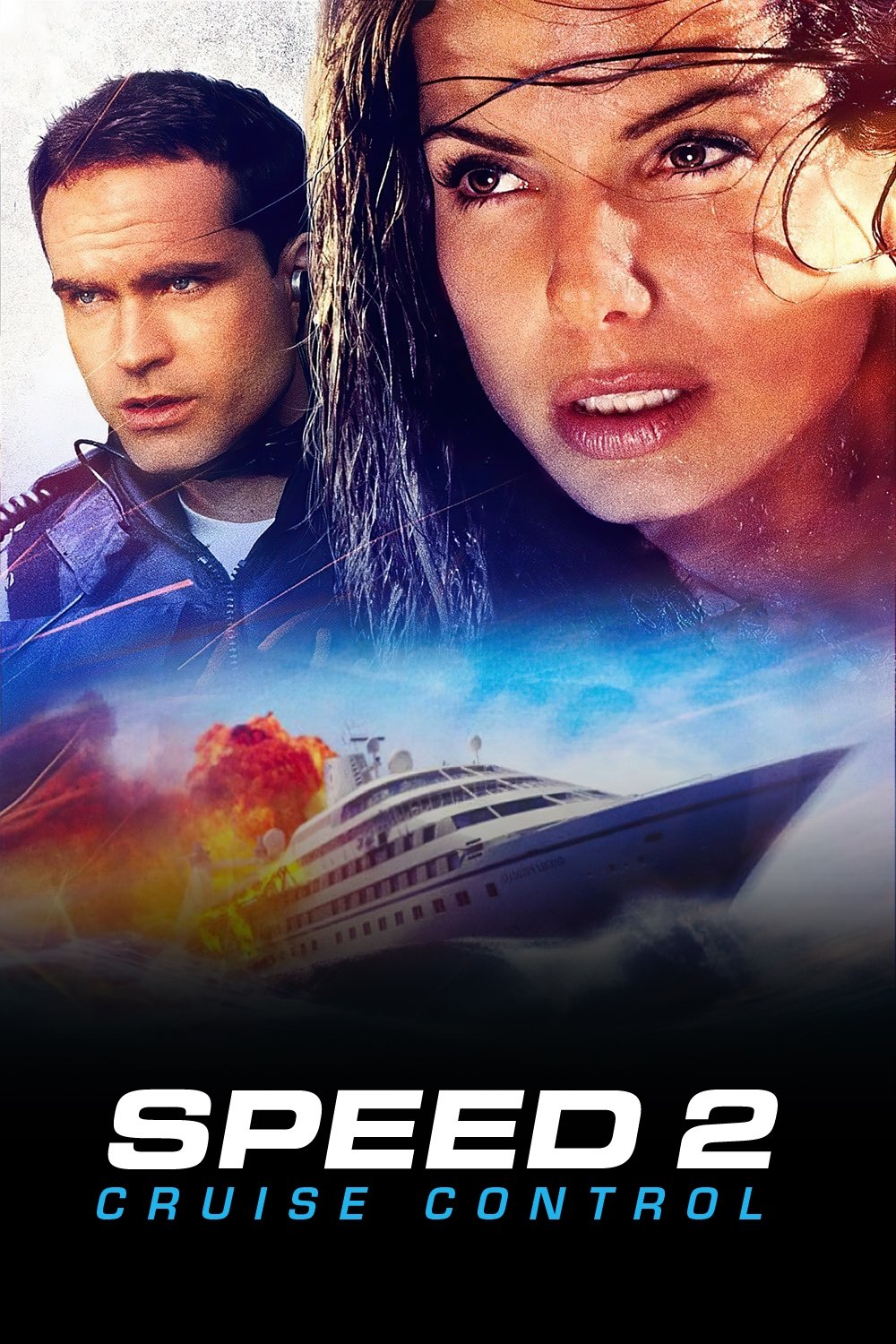
The sequel to the high speed action hit replaces the lead actor and moves the setting to a luxury cruise ship. It briefly mentions the breakup of the original couple to explain the absence of the main protagonist. The plot follows a new hero as he attempts to stop a disgruntled computer hacker from crashing the ship. It ignores the urban setting and high stakes tension that made the first film a success. The movie feels like a separate action film that was retrofitted into a franchise.
‘Son of the Mask’ (2005)
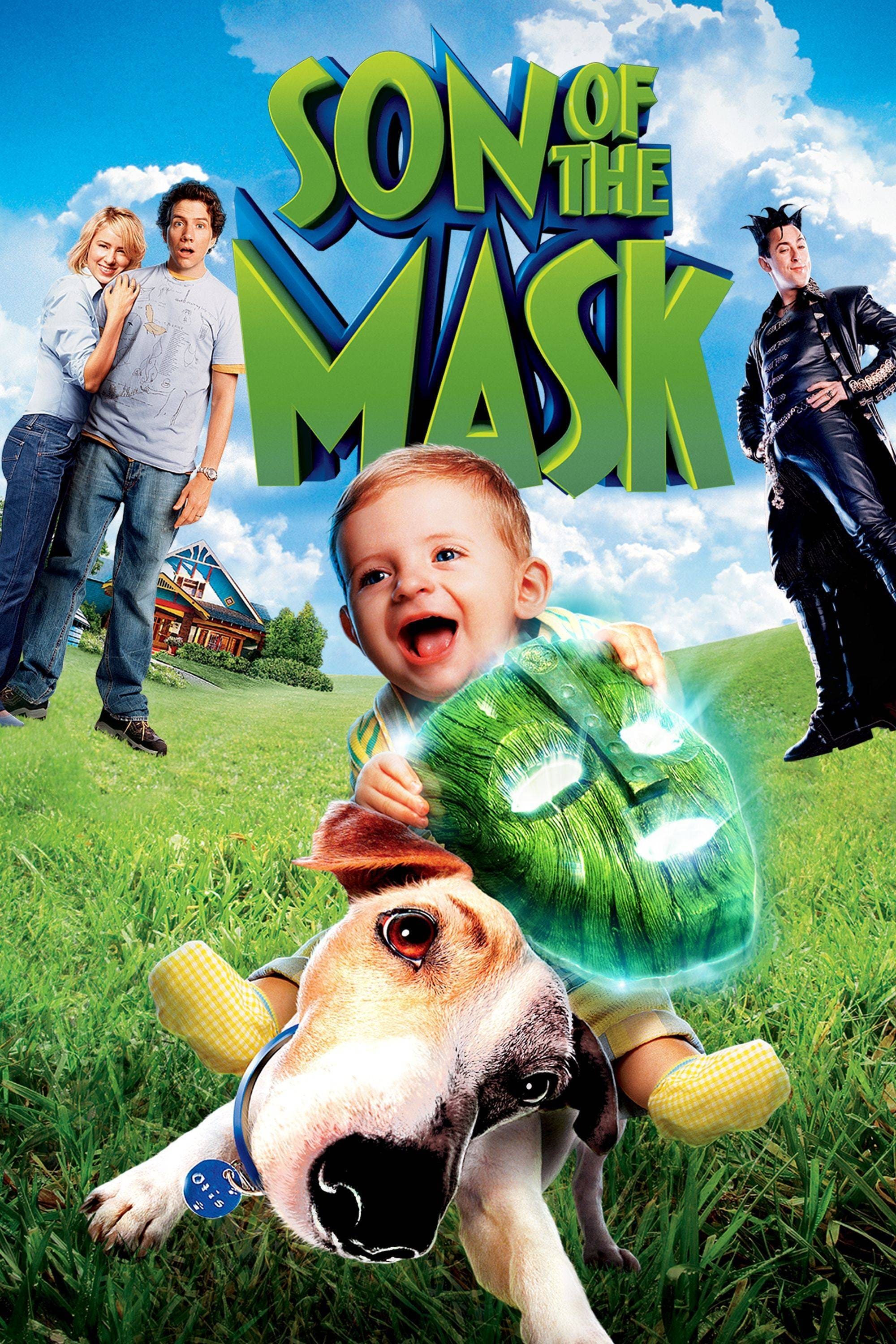
This film ignores the character of Stanley Ipkiss and the urban setting of the original 1994 movie. It introduces a new protagonist who discovers the magical mask and conceives a child while wearing it. The story shifts into a cartoonish family comedy that lacks the edge of the first installment. It does not explain what happened to the original characters or the previous owner of the mask. The movie attempts to create a new mythology around the Norse god Loki.
‘Home Alone 3’ (1997)
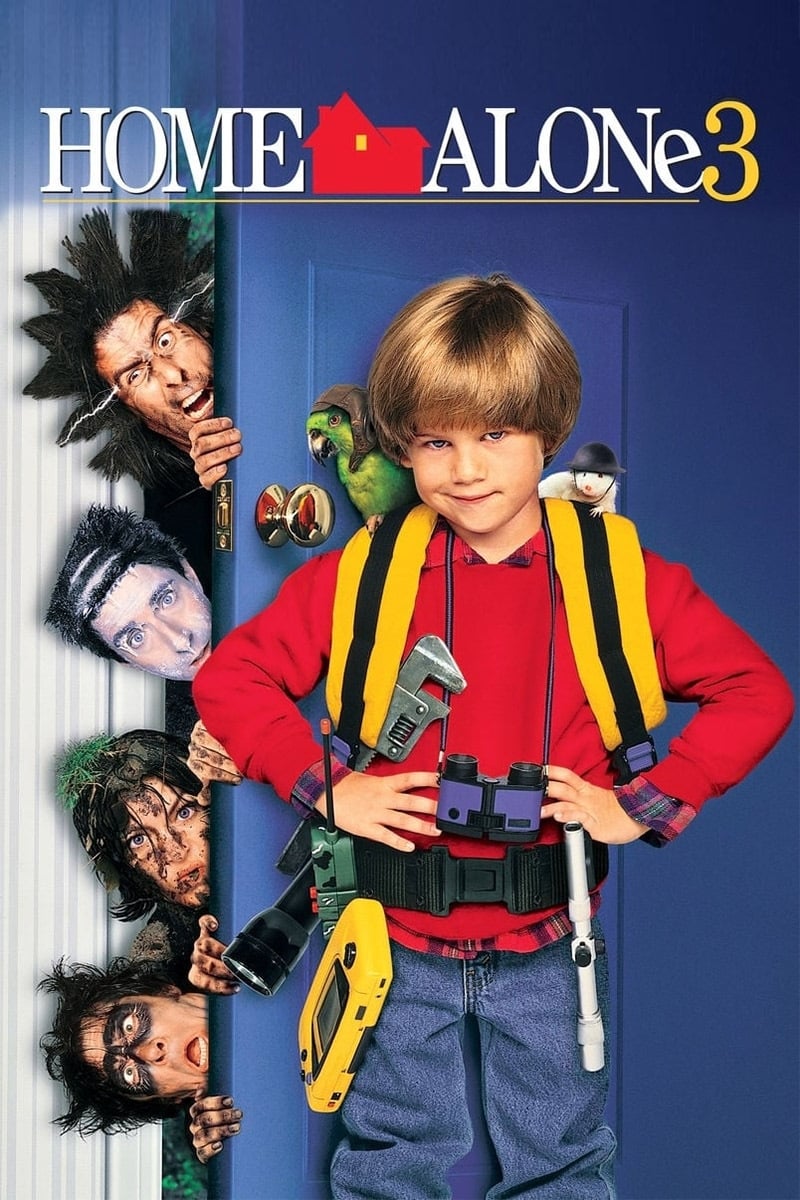
The third film in the series moves away from the McCallister family to follow a new young boy named Alex. He must defend his home from a group of international terrorists seeking a stolen microchip. The movie ignores the previous two films entirely and does not mention Kevin or his family. It replaces the slapstick comedy of the originals with a more gadget focused approach. The connection to the franchise is based solely on the title and the central premise.
‘The Next Karate Kid’ (1994)
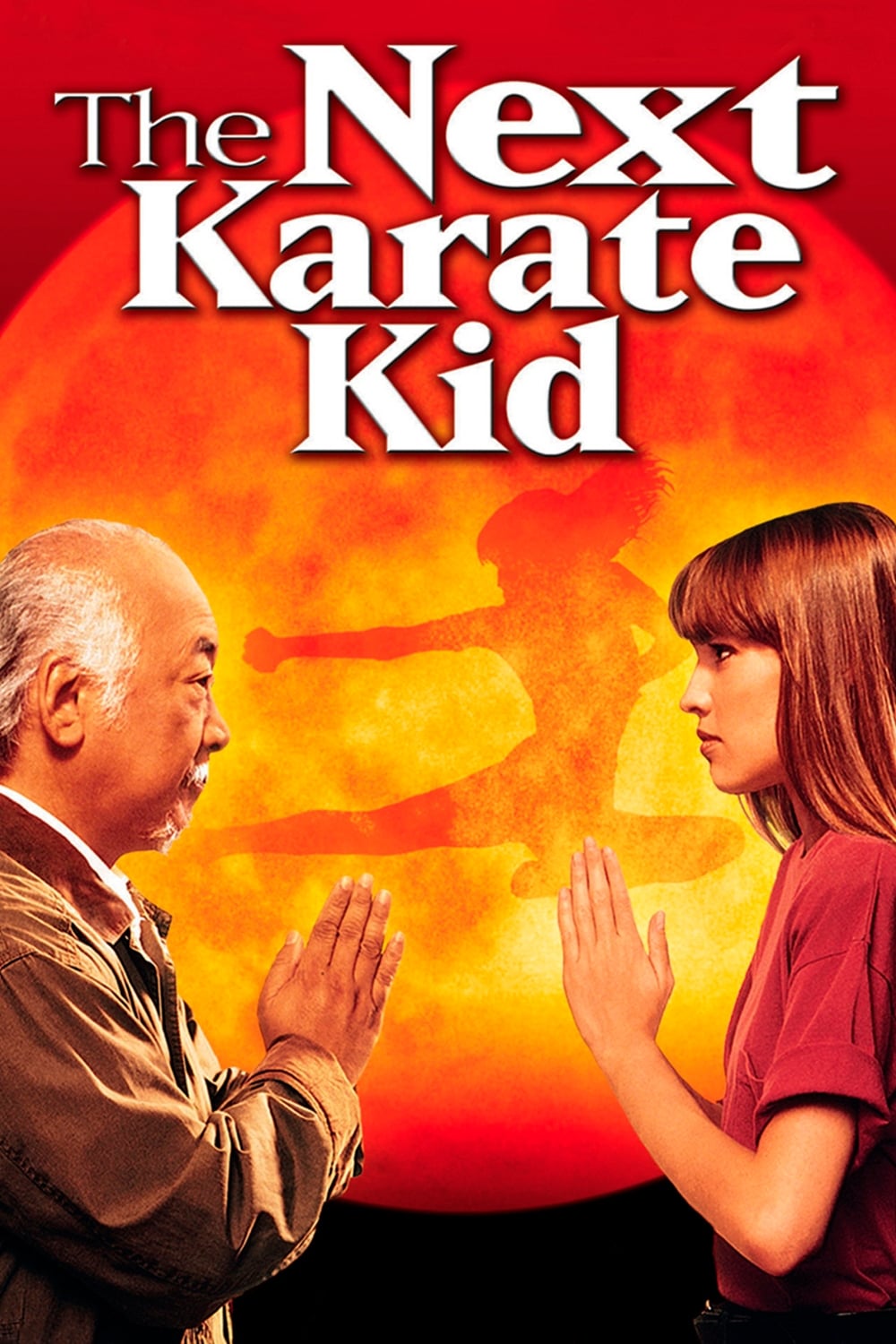
This installment features Mr. Miyagi training a new student named Julie Pierce instead of Daniel LaRusso. It ignores the events of the first three films and does not provide an explanation for Daniel’s absence. The story follows Julie as she learns martial arts to cope with personal loss and high school bullies. It shifts the location to Boston and introduces a different set of antagonists. The film focuses on a new dynamic while keeping only the mentor character.
‘Evan Almighty’ (2007)
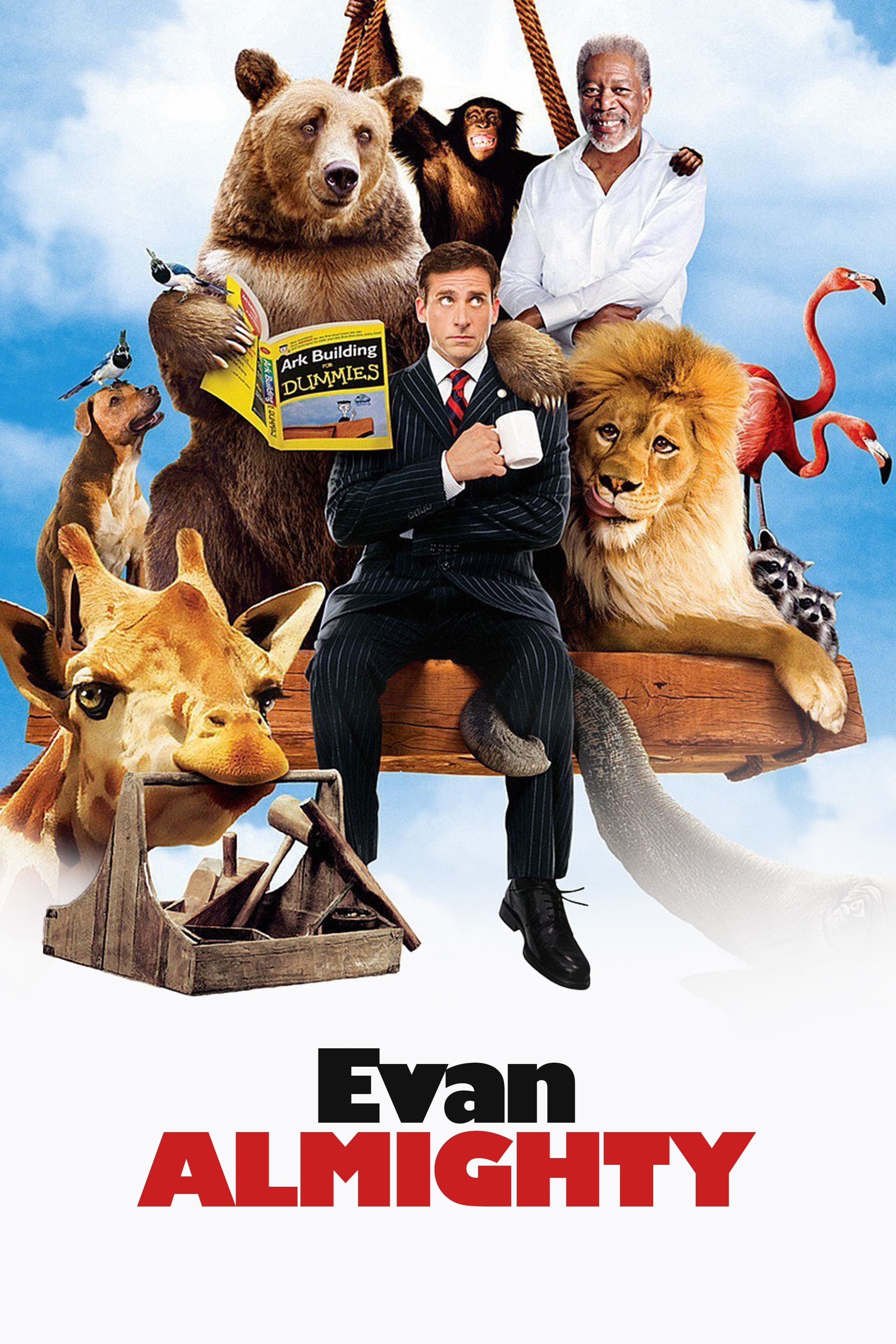
This spin off sequel focuses on the news reporter played by Steve Carell rather than the titular character from ‘Bruce Almighty’. It ignores the character arc of Bruce and the rules of divine power established in the first film. The plot follows Evan as he is commanded by God to build an ark in preparation for a flood. It shifts the tone from a romantic comedy to a family oriented fantasy film. The original protagonist is never seen or mentioned during the events.
‘Legally Blonde 2: Red, White & Blonde’ (2003)
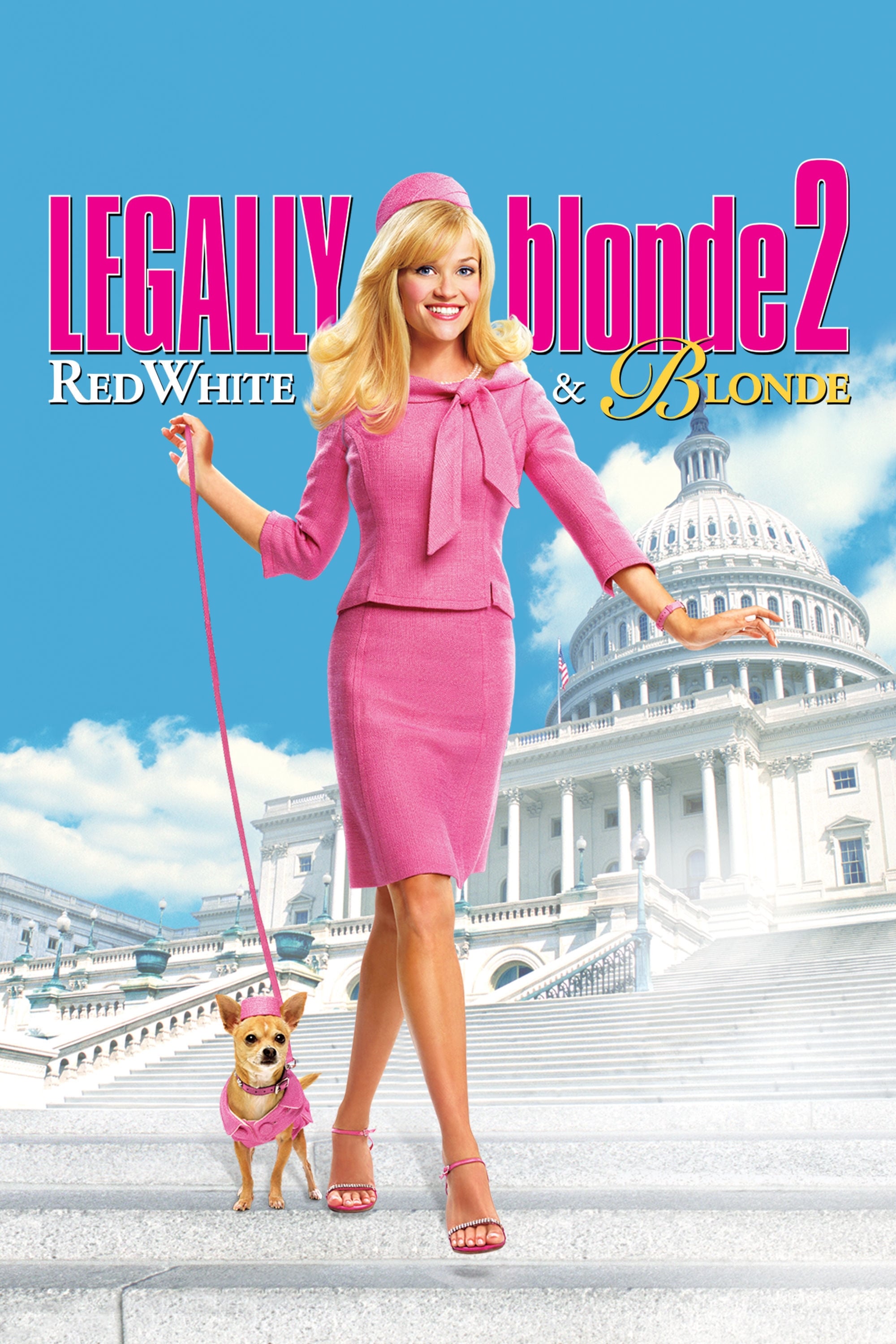
The sequel follows Elle Woods to Washington D.C. where she fights for animal rights. It ignores much of the personal growth and the legal career she built in the first movie. The plot focuses on a political campaign that feels disconnected from the academic setting of Harvard. Many of the supporting characters from the original film are reduced to cameos or excluded entirely. The movie treats the protagonist more as a caricature than a developing character.
‘Jarhead 2: Field of Fire’ (2014)
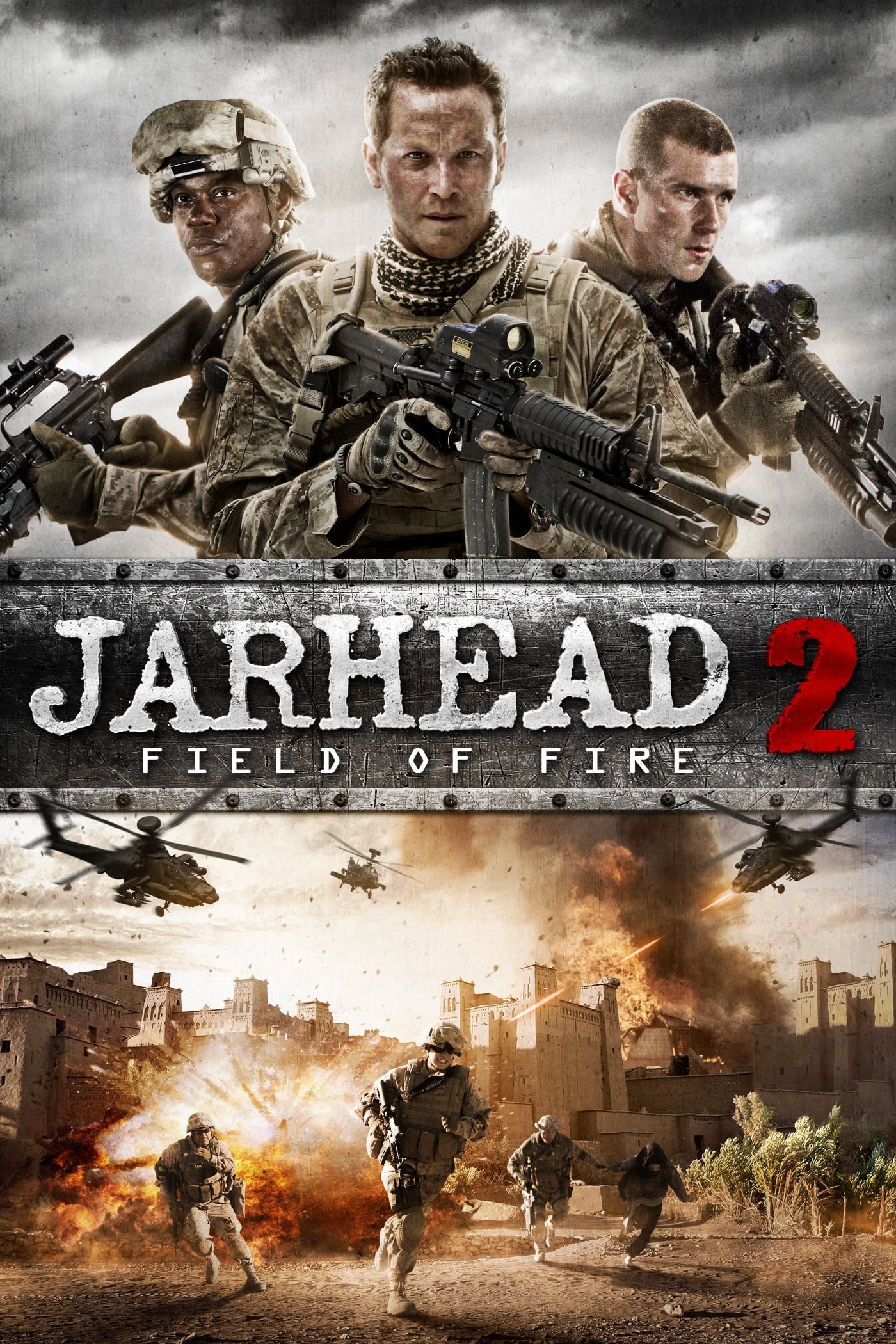
This direct to video sequel abandons the anti war themes and psychological focus of the original 2005 film. It is a standard action movie about a group of soldiers escorting a woman through enemy territory. The story does not feature any of the characters or plot points from the first installment. It ignores the specific historical context of the Gulf War in favor of a modern conflict. The branding is used to sell a generic military thriller.
‘StarShip Troopers 2: Hero of the Federation’ (2004)
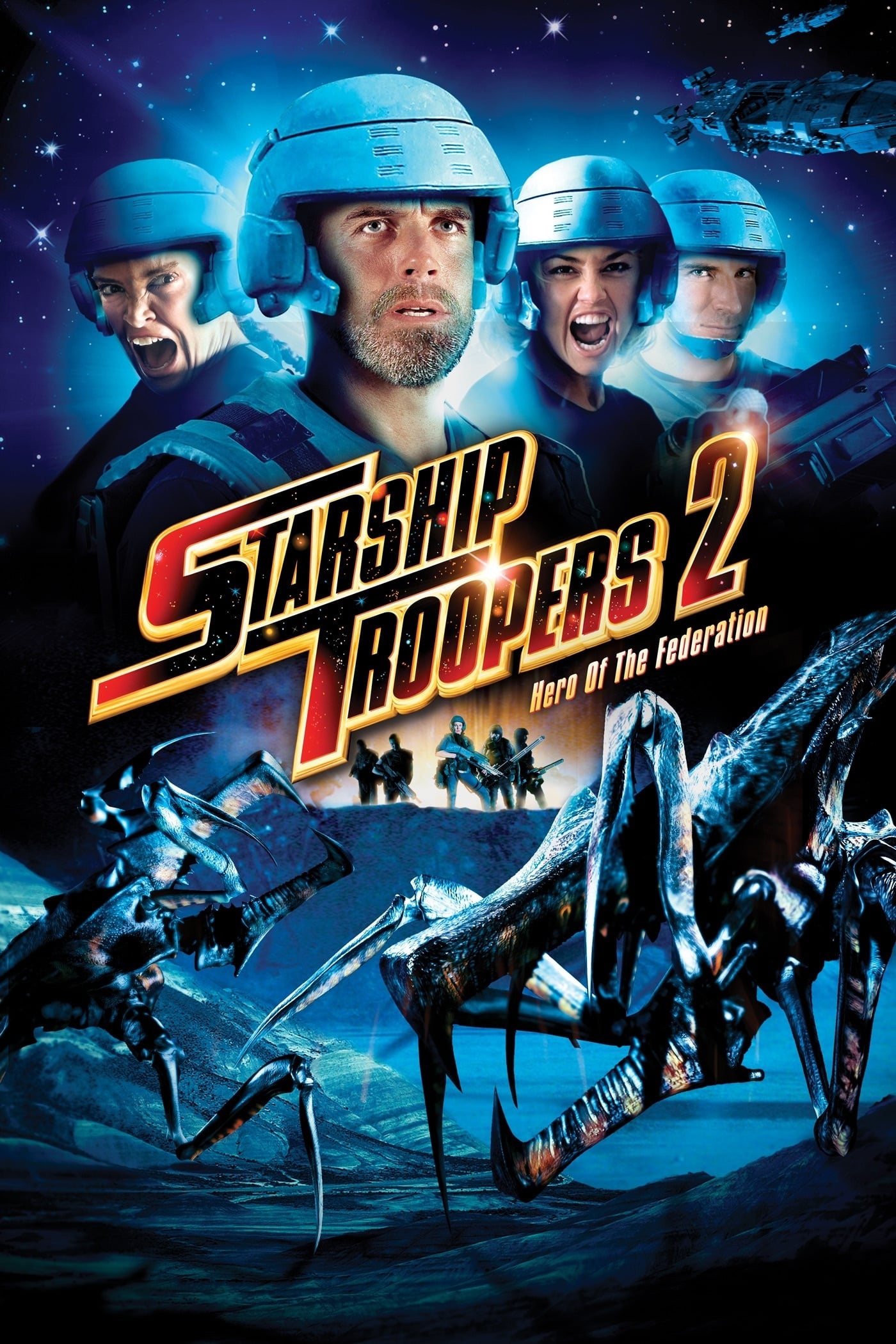
The first sequel to the sci fi satire ignores the main cast and the political commentary of the original movie. It is a small scale horror film set in a remote outpost under siege by parasitic bugs. The story does not reference the heroics of Johnny Rico or the wider war effort. It focuses on a new group of soldiers facing an internal threat. The tone and visual style are significantly different from the big budget production that preceded it.
‘An American Werewolf in Paris’ (1997)
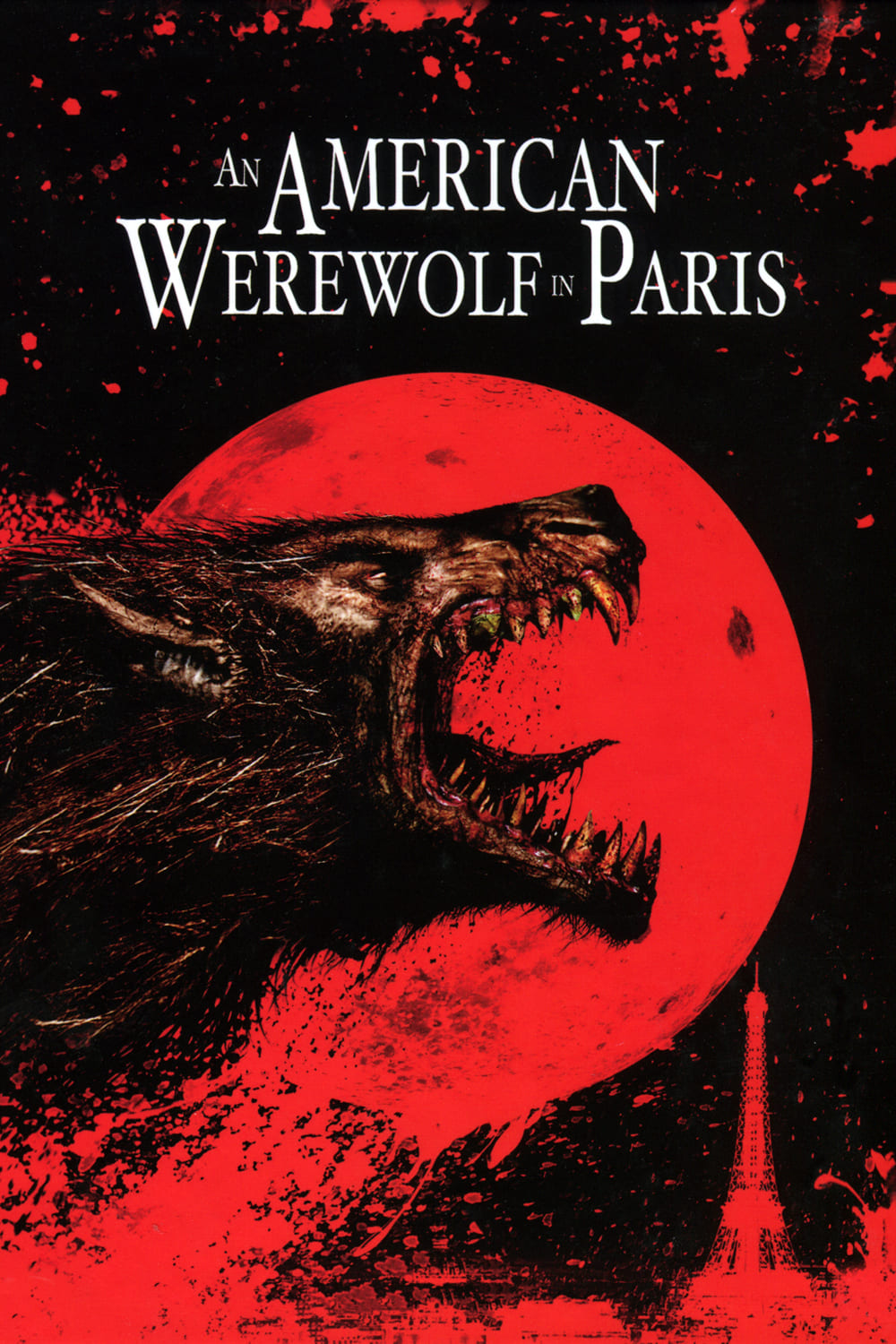
This sequel moves the setting to France and introduces a new group of characters who discover a secret society of werewolves. It ignores the tragic ending of the first film and the specific lore regarding the curse. The plot involves a serum that allows werewolves to transform at will which contradicts the original rules. It replaces the practical effects of the first movie with early digital animation. The film feels like a loose reimagining rather than a direct follow up.
‘Dumb and Dumberer: When Harry Met Lloyd’ (2003)
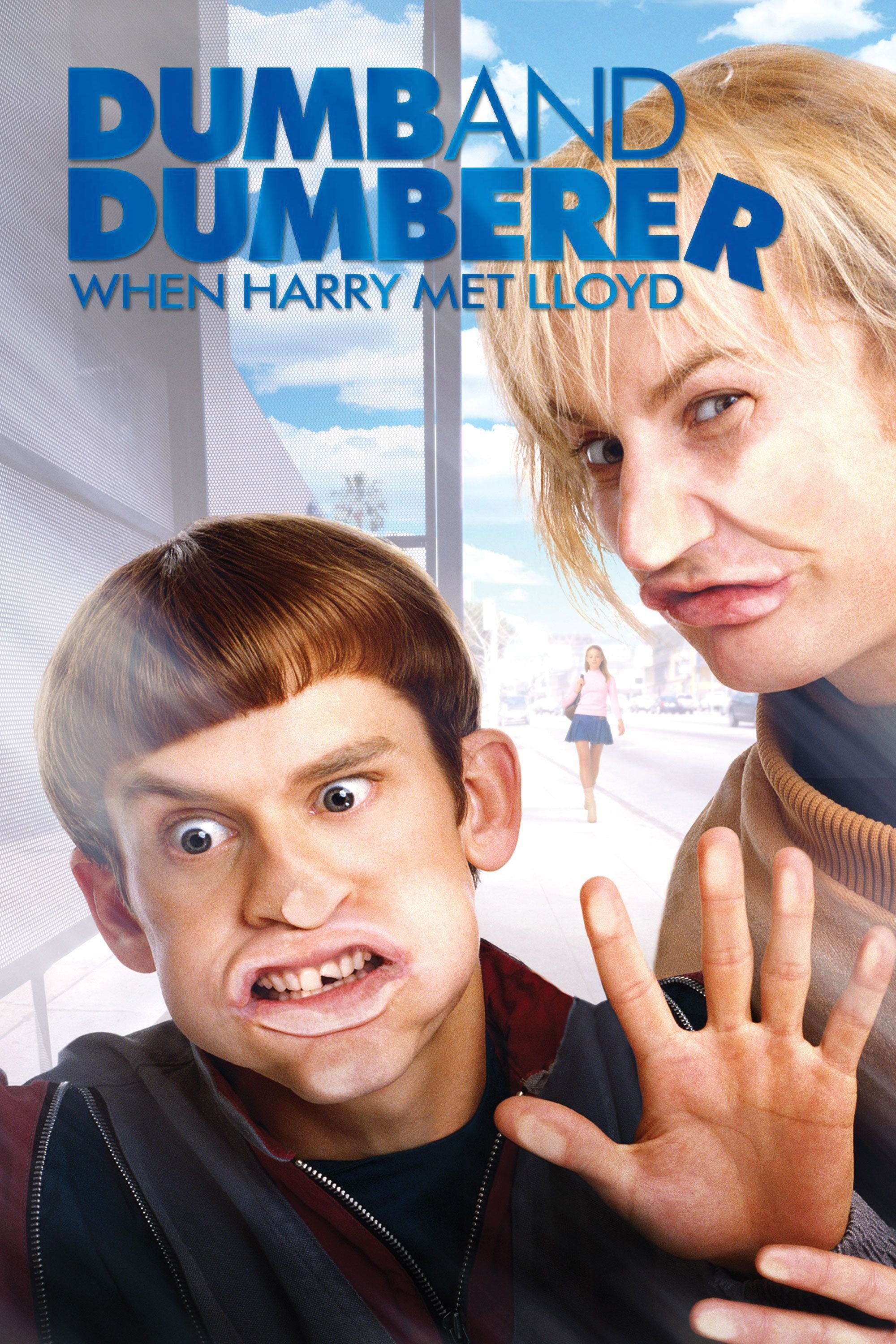
This prequel ignores the established ages and backstories of the main characters seen in the original film. It follows Harry and Lloyd as high school students who get caught up in a scheme by a corrupt principal. The movie does not align with the details of their friendship mentioned in the 1994 classic. It features a different cast and a tone that leans more toward slapstick for younger audiences. The continuity with the first film is minimal and often contradictory.
‘Kindergarten Cop 2’ (2016)
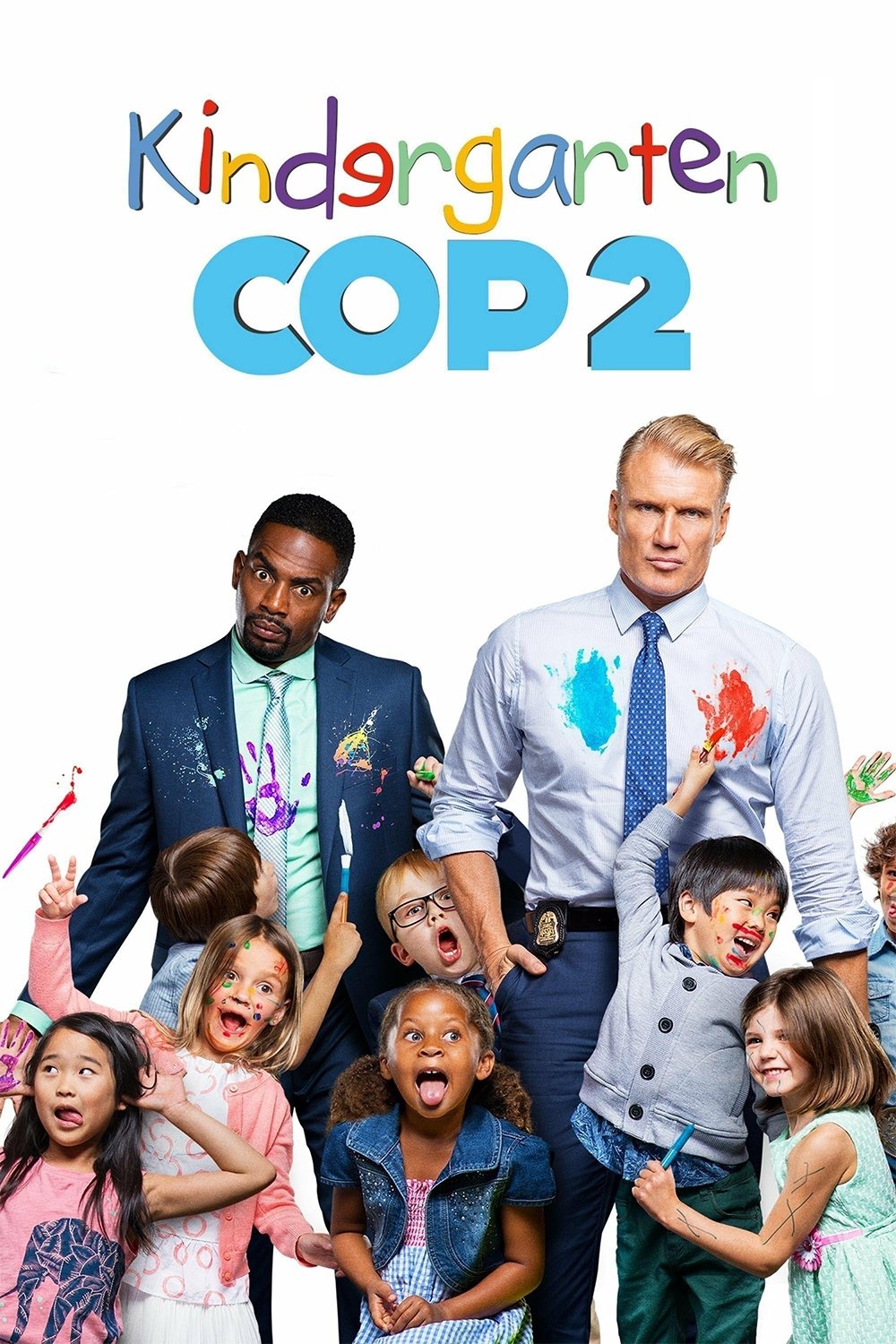
The sequel features a different protagonist and a modern school setting that has no ties to the first movie. It follows a federal agent who goes undercover as a teacher to recover a stolen flash drive. The story ignores the legacy of John Kimble and the specific plot of the 1990 original. It functions as a standalone comedy that uses the familiar title for marketing purposes. None of the original cast members return for this installment.
‘Jingle All the Way 2’ (2014)
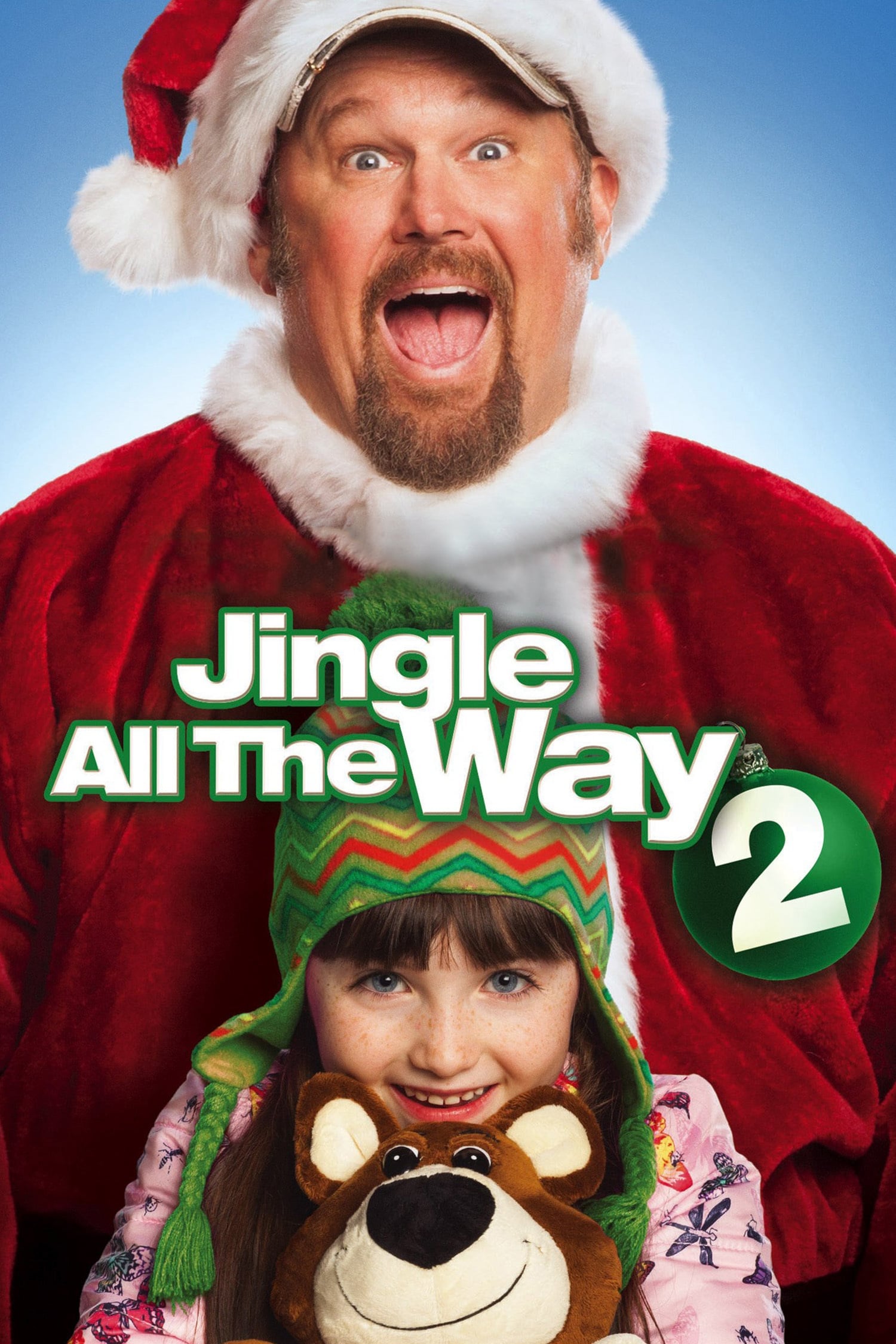
This film is an unrelated story about a father competing with his daughter’s stepfather to get the most popular toy of the season. It ignores the characters and the Turbo-Man mythology established in the first movie. The plot is a simplified version of the original premise with an entirely new cast. It does not acknowledge the events of the parade or the previous hunt for a Christmas gift. The movie is a generic holiday comedy under the same franchise banner.
‘George of the Jungle 2’ (2003)
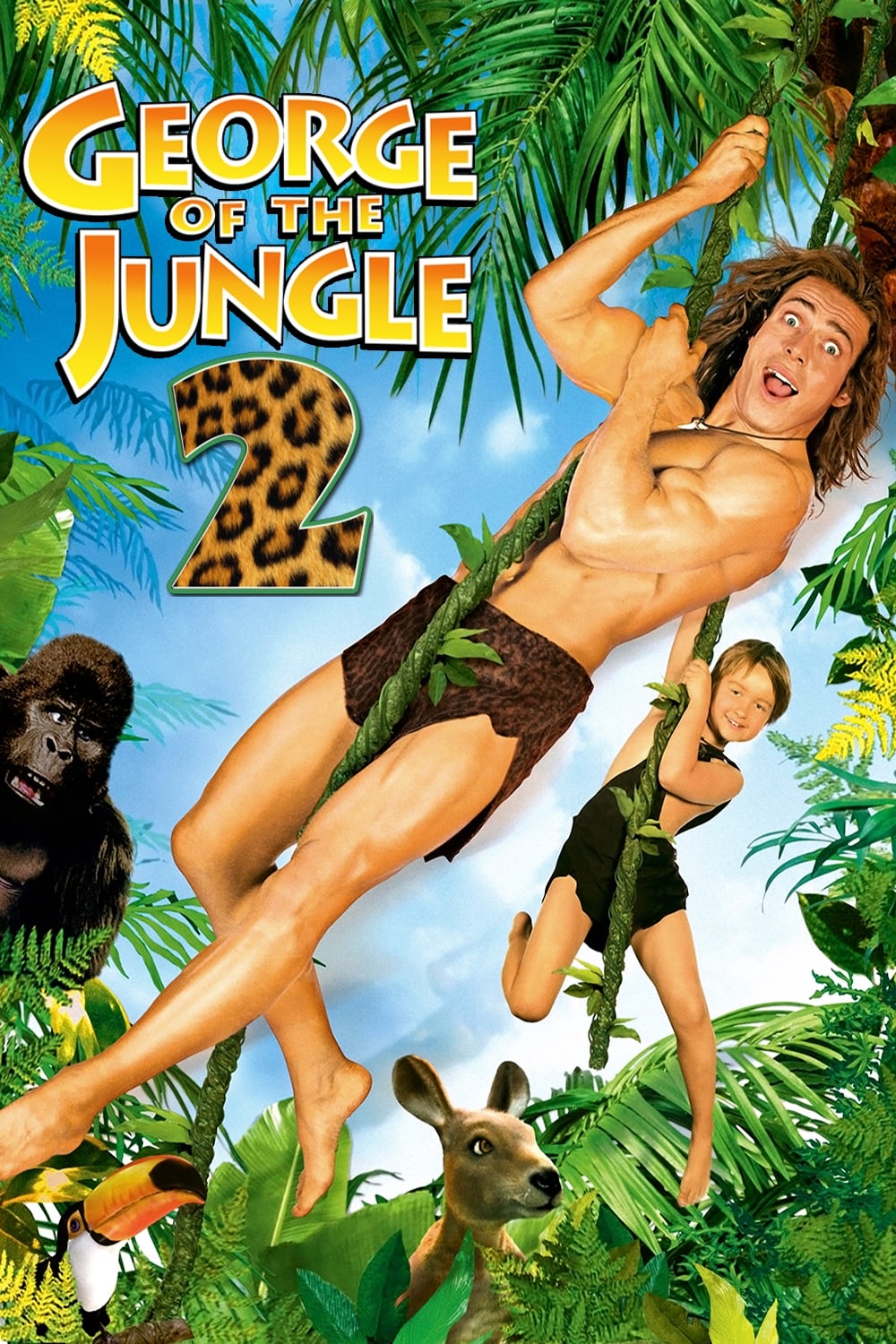
This sequel recasts the lead role and the supporting characters while acknowledging the change with meta jokes. It follows George as he tries to save his home from land developers and deal with his mother in law. The story ignores the emotional resolution and character growth of the first film. It features a more low budget aesthetic and relies heavily on crude humor. The film treats the original movie as a separate entity rather than a fixed canon.
‘Dr. Dolittle 3’ (2006)
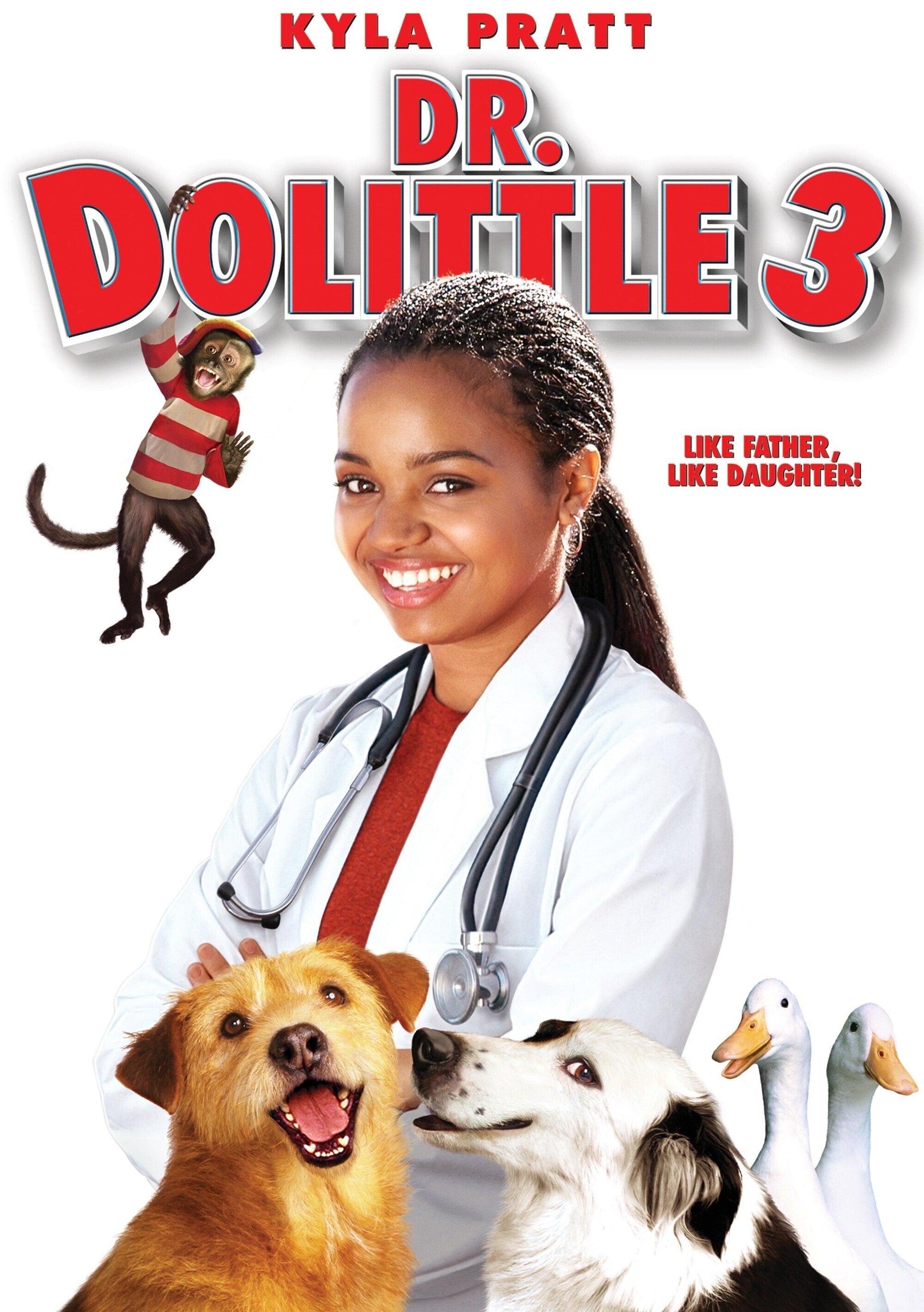
The third film shifts the focus from the father to his daughter Maya who discovers she also has the ability to talk to animals. It ignores the characters and setting of the first two films which starred Eddie Murphy. The story takes place at a dude ranch where Maya must use her gifts to save the property from financial ruin. It marks a transition into a direct to video series for a younger demographic. The original protagonist is mentioned but never appears.
‘Bring It On: All or Nothing’ (2006)
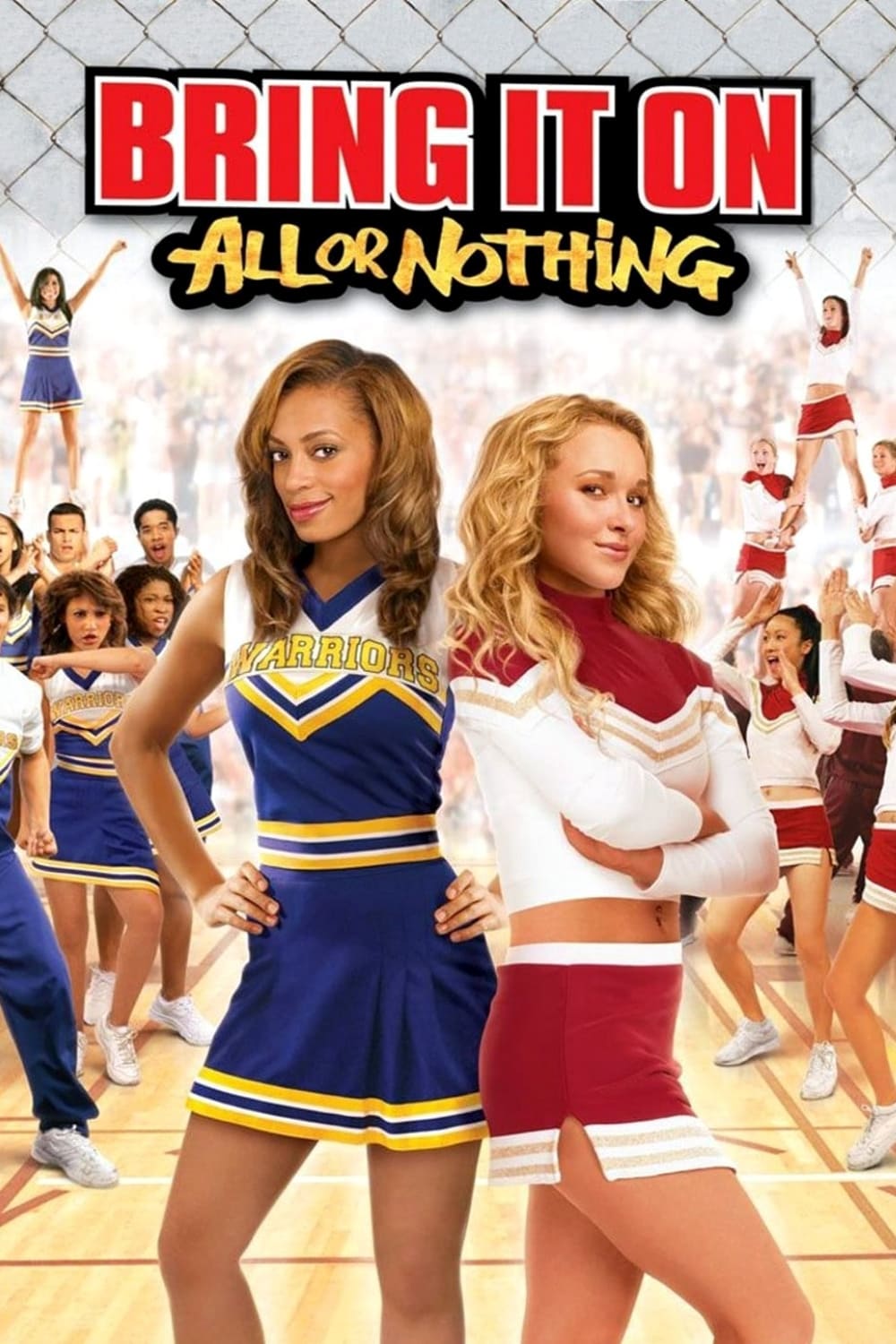
This installment is the first in a series of sequels that feature new teams and stories in different locations. It ignores the characters from the original film and the specific rivalry between the Toros and the Clovers. The plot follows a cheerleader who moves to a new school and must prove herself to a skeptical squad. It repeats the themes of the first movie without any narrative connection. The franchise became an anthology of standalone cheerleading films.
‘Wild Things 2’ (2004)
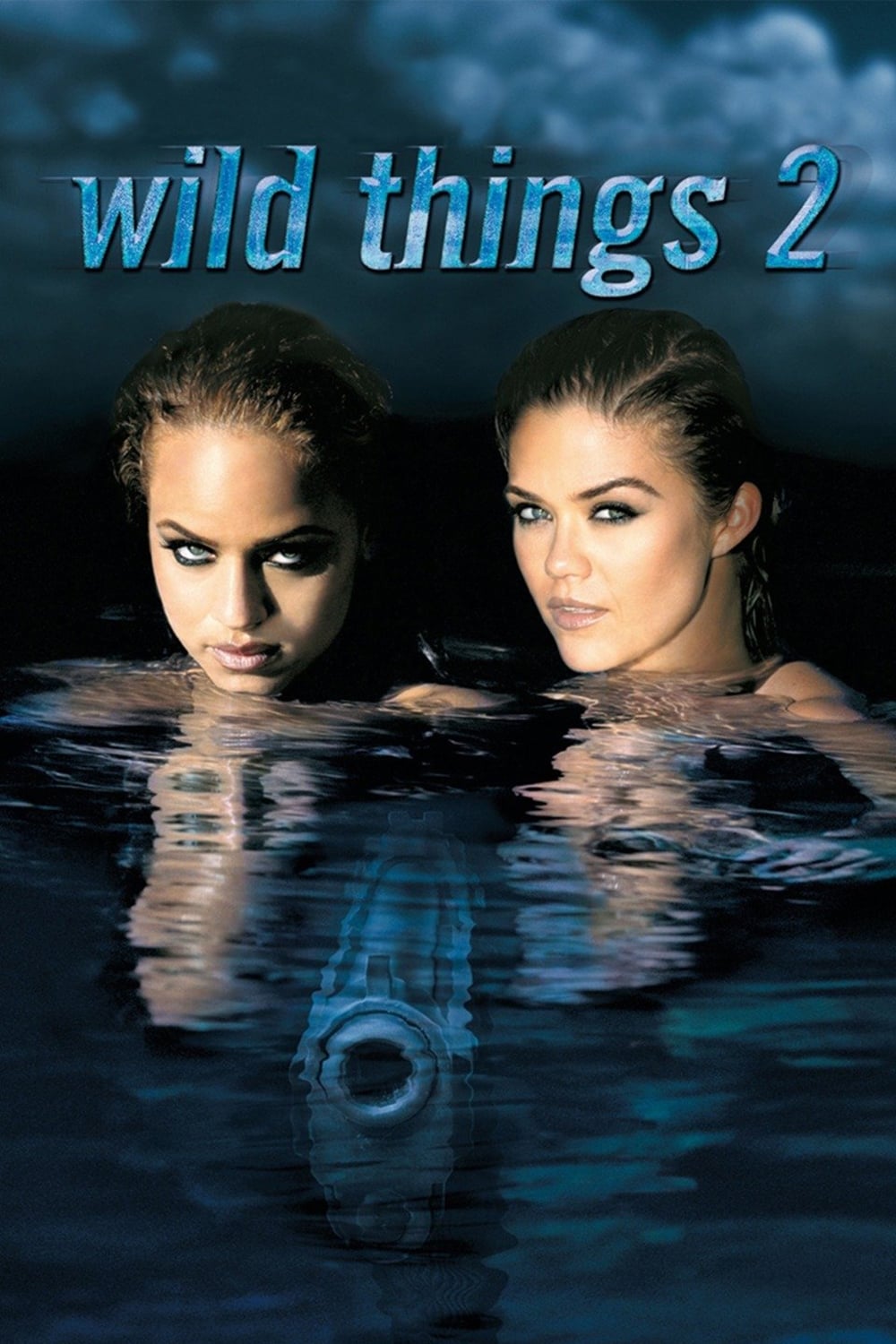
The sequel follows a similar plot of deception and murder in a wealthy Florida community but with new characters. It ignores the events of the first film and the fate of the original conspirators. The story involves two young women who team up to claim a large inheritance through elaborate schemes. It mirrors the structure and twists of the 1998 movie without being a direct continuation. The film is a thematic follow up rather than a narrative sequel.
‘Road House 2: Last Call’ (2006)

This sequel follows the son of Dalton as he travels to Louisiana to protect his uncle’s bar from a drug lord. It ignores the specific ending of the first film and the iconic status of the original protagonist. The story mentions that Dalton has passed away but does not explore the legacy of his character. It is a standard action film that lacks the unique atmosphere of the 1989 classic. The connection to the original is established only through the family relation.
‘Species II’ (1998)
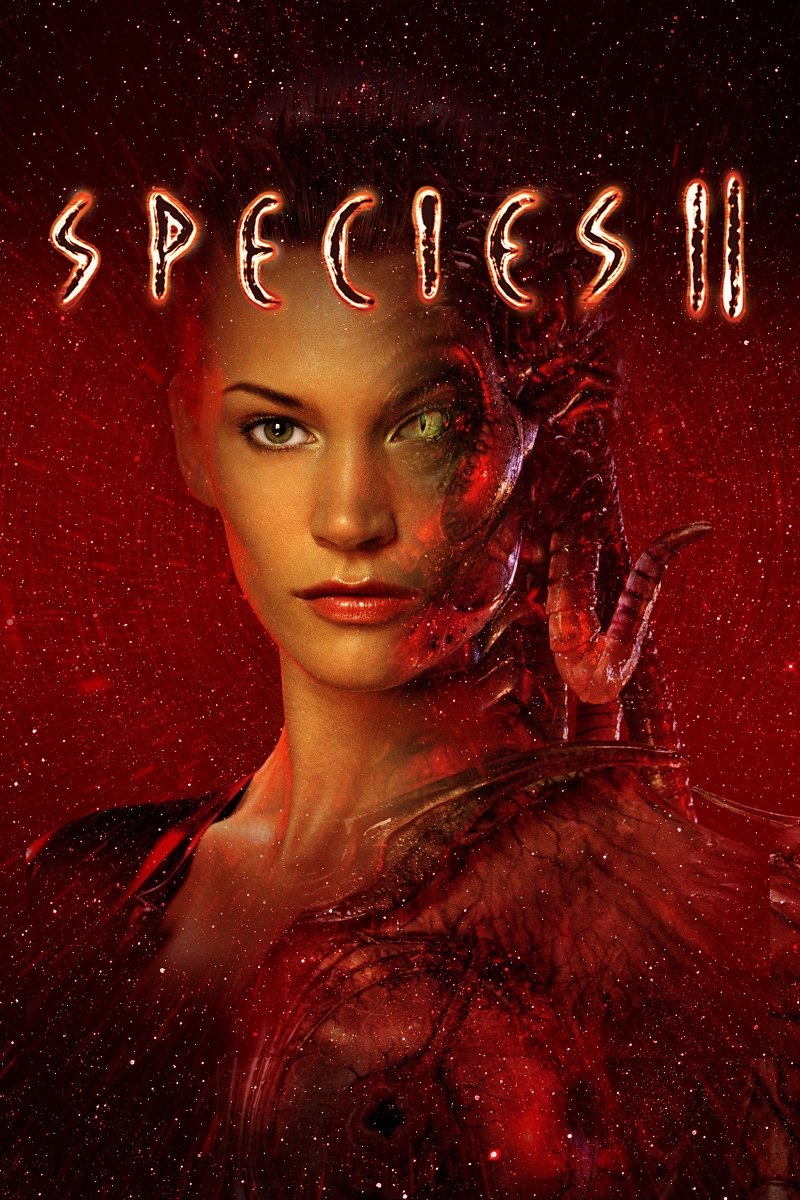
The sequel introduces a new alien threat while mostly ignoring the ending of the first movie. It features a male astronaut who becomes infected during a mission to Mars and returns to Earth to breed. The film brings back several cast members but places them in a different context with new biological rules for the aliens. It leans more into graphic horror and action than the psychological suspense of the original. The continuity regarding the alien species is inconsistent between the two films.
‘Hellraiser: Hellseeker’ (2002)
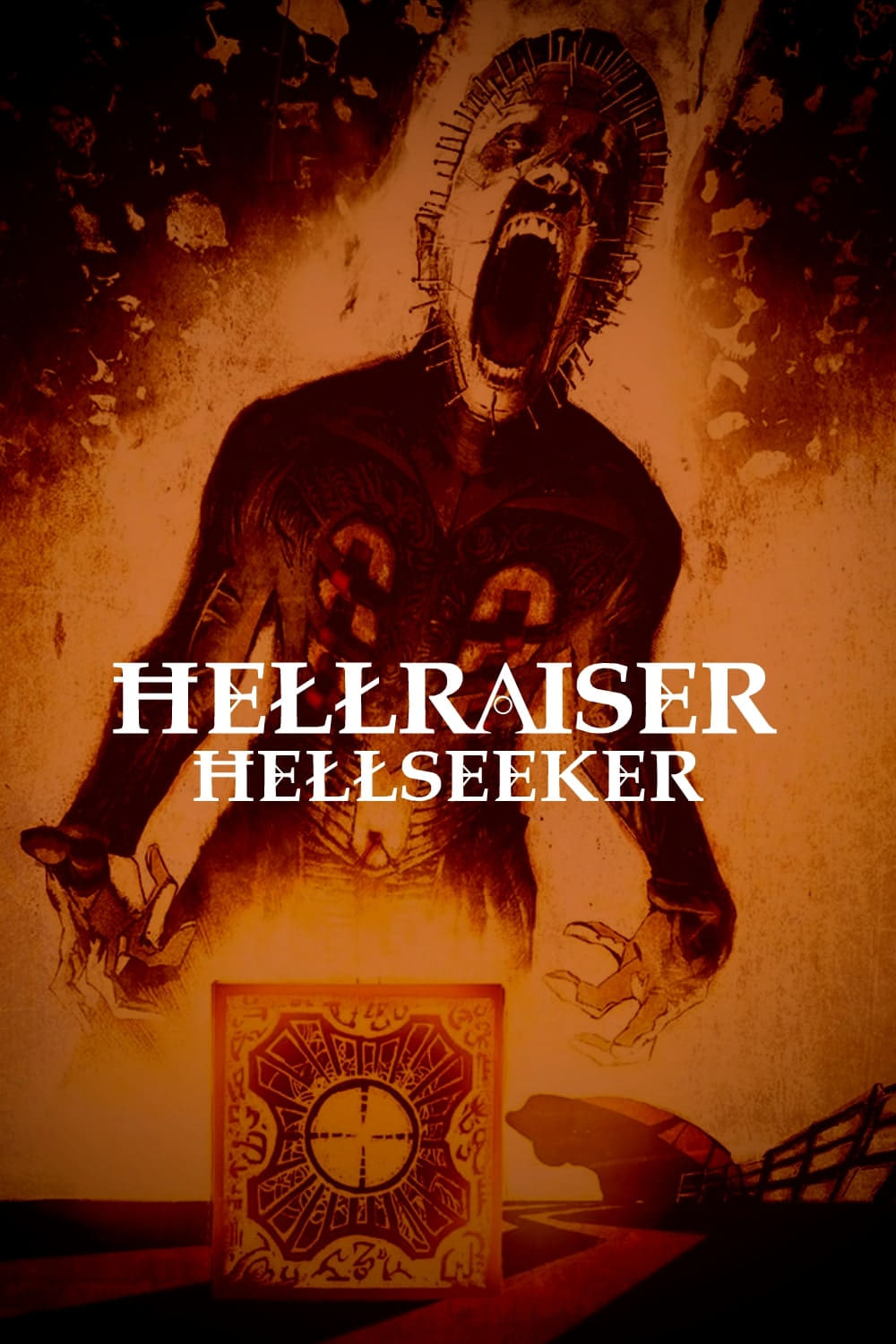
This entry brings back the original protagonist Kirsty Cotton but ignores her character development from previous sequels. The plot follows her husband who finds himself trapped in a series of hellish illusions after a car accident. It treats the mythology of the Cenobites as a psychological tool rather than the cosmic horror established earlier. The film was originally an unrelated script that was modified to fit the franchise. Kirsty’s involvement feels like an afterthought to link it to the first movie.
‘Cube 2: Hypercube’ (2002)
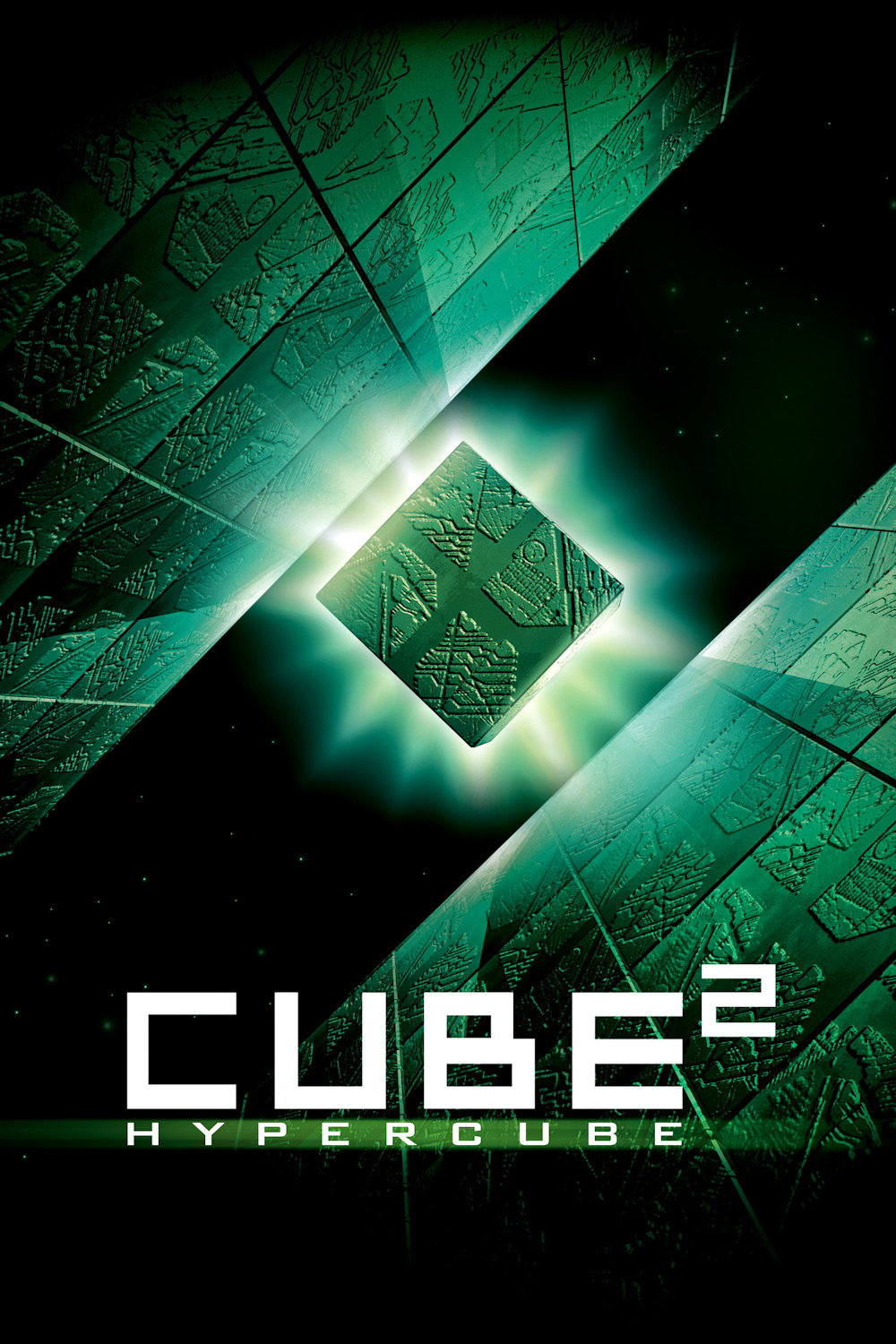
The sequel changes the nature of the mysterious structure into a multidimensional reality where time and space are fluid. It ignores the industrial and claustrophobic aesthetic of the first film in favor of a bright and sterile look. The story follows a new group of strangers with no mention of the survivors or the conspiracy from the original. It introduces theoretical physics that contradict the more grounded survival rules of the first movie. The two films feel like they belong to different science fiction subgenres.
‘Superman III’ (1983)
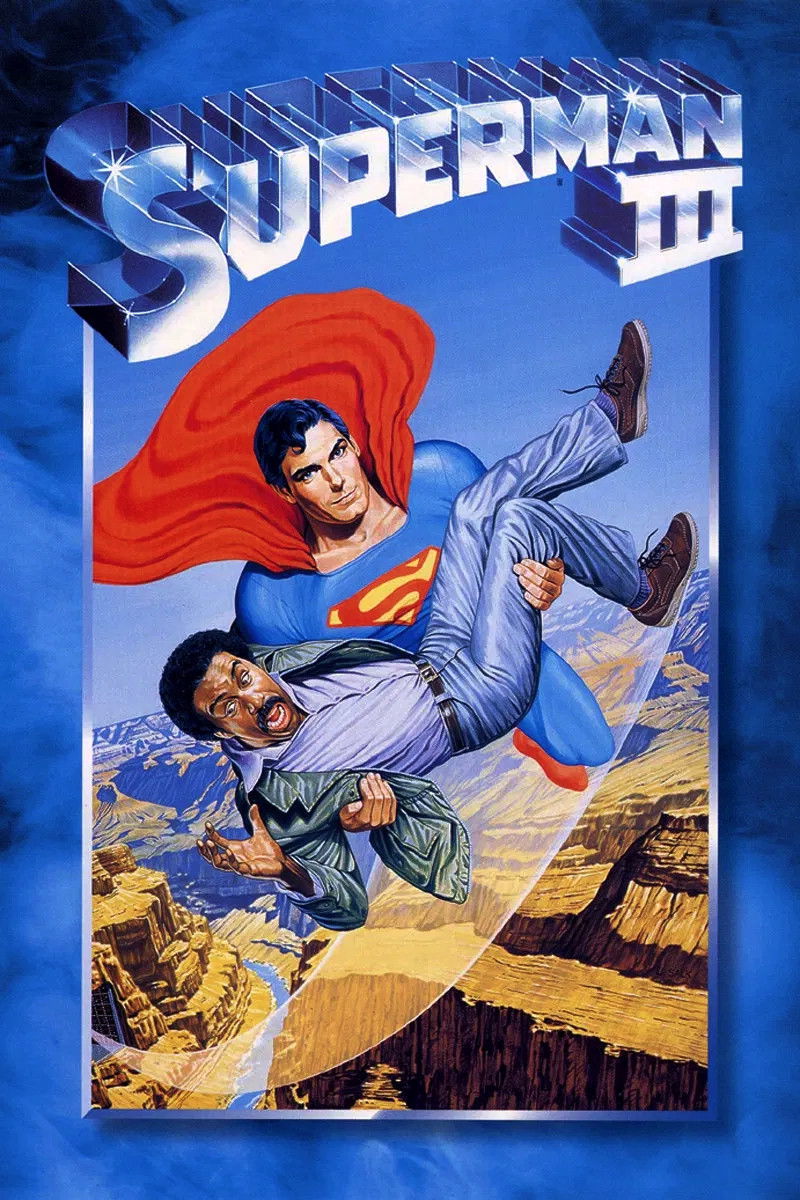
The third film in the series moves away from the epic stakes of the first two installments to focus on comedy and slapstick. It ignores the romantic tension between Superman and Lois Lane by sending the hero back to his hometown. The plot involves a computer hacker and a corporate villain rather than established comic book adversaries. It does not reference the major events involving General Zod or the Phantom Zone. This shift in tone created a significant disconnect within the original film series.
‘Batman Forever’ (1995)
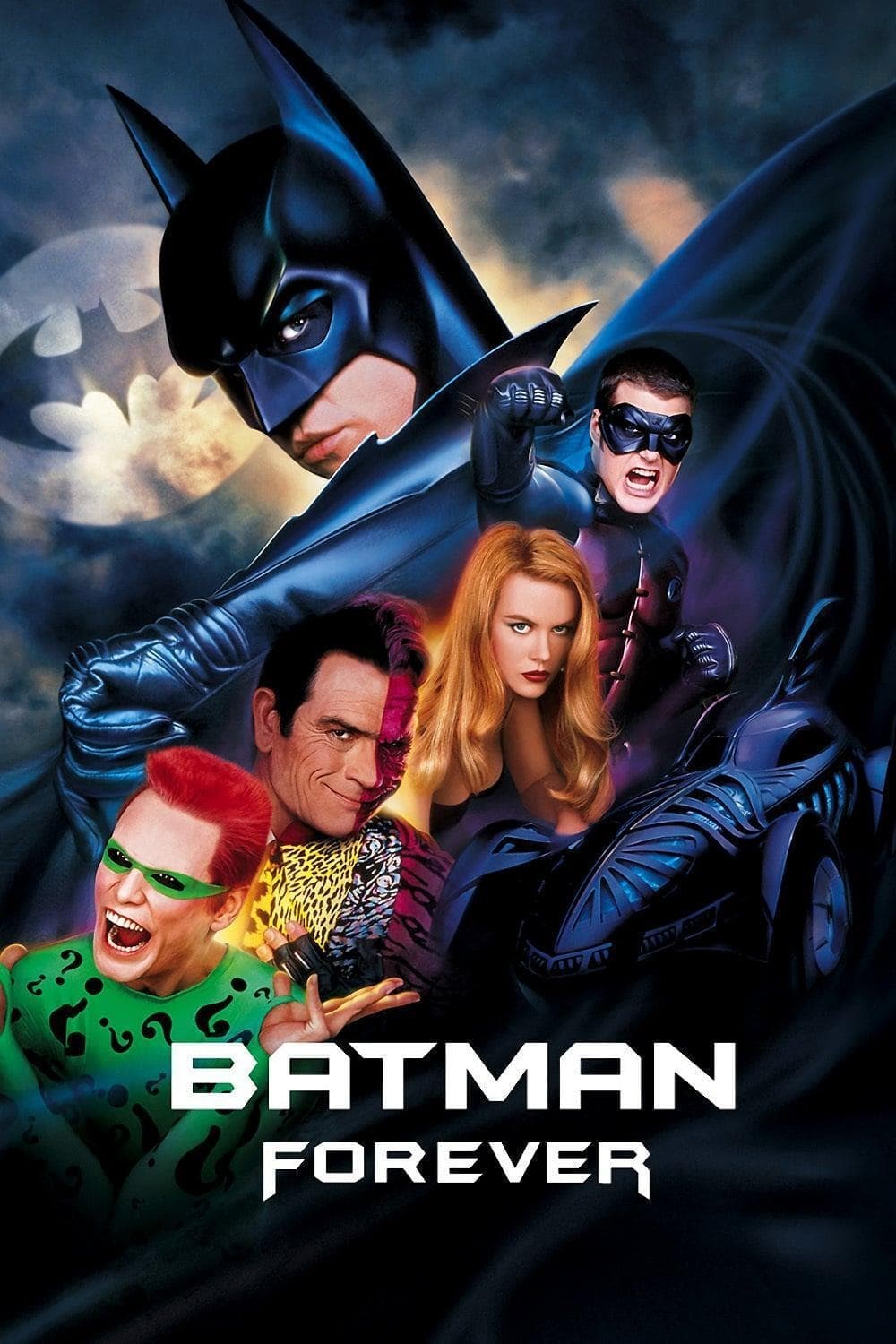
While technically a sequel to ‘Batman Returns’ this film ignores the dark and gothic aesthetic established by Tim Burton. It recasts the lead role and introduces a colorful and campy version of Gotham City. The story does not mention the previous villains or the internal struggles of the protagonist from the first two movies. It introduces Robin and new villains in a way that feels like a soft reboot of the franchise. The continuity is maintained only through a few supporting actors.
‘Exorcist II: The Heretic’ (1977)
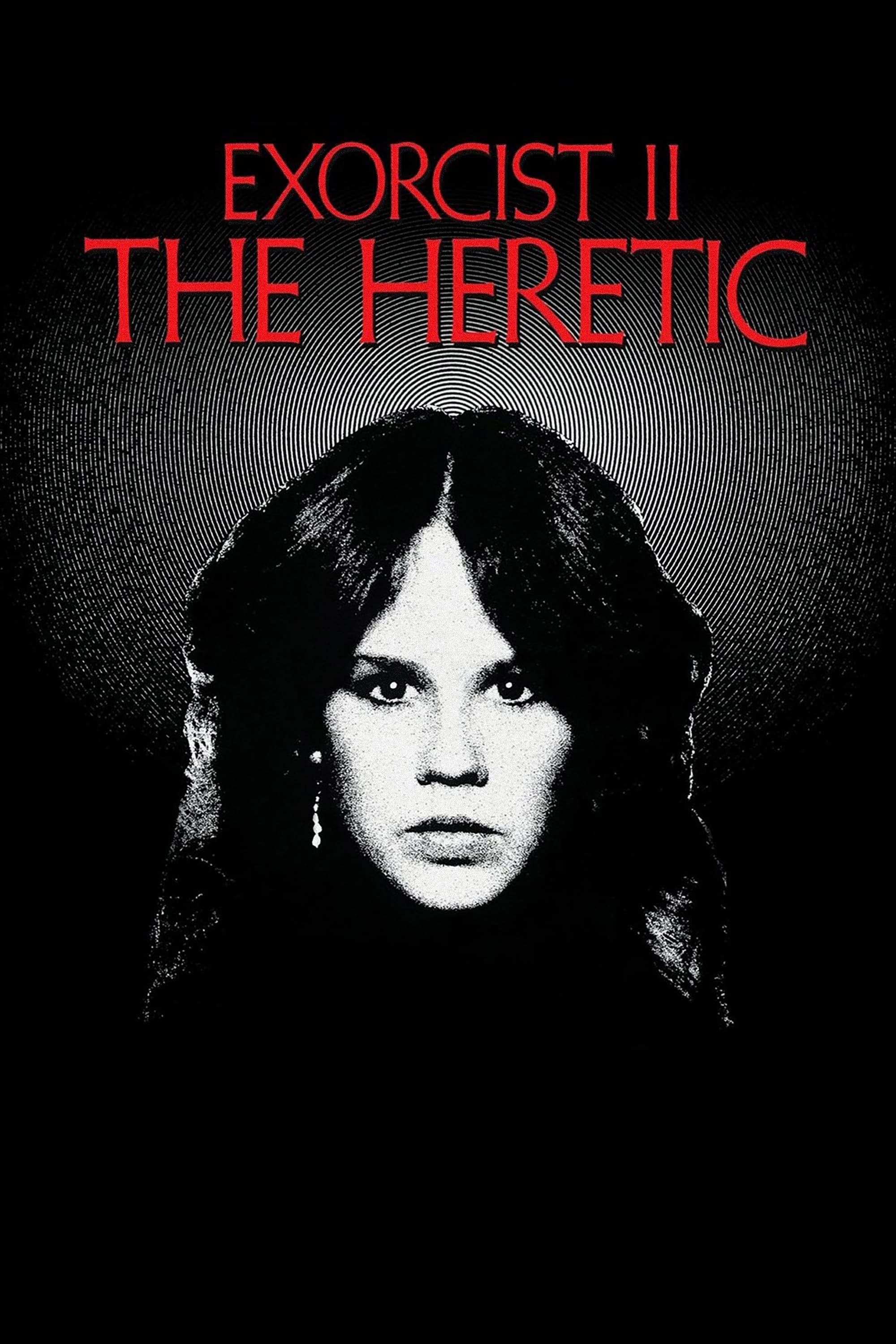
The sequel to the landmark horror film retcons the nature of the demon and the events of the possession. It introduces a technological device that allows people to enter each other’s memories and dreams. The plot ignores the spiritual and religious weight of the first movie in favor of a metaphysical thriller. It changes the backstory of Father Merrin and the origins of the evil entity. Many fans felt the film disregarded the established tone and logic of the original masterpiece.
‘The Predator’ (2018)
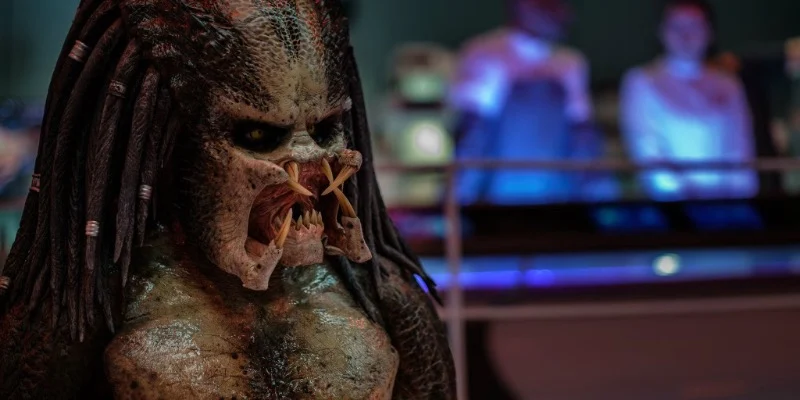
This film ignores much of the established lore from the previous sequels and the crossover films. It introduces the concept of Predator hybridization and human DNA harvesting which was not part of the original mythology. The story follows a group of soldiers who encounter a larger and more advanced version of the hunter. It does not acknowledge the specific hunts that took place in earlier movies. The movie attempts to reinvent the creature for a modern audience by changing its motivations.
‘Jason Goes to Hell: The Final Friday’ (1993)
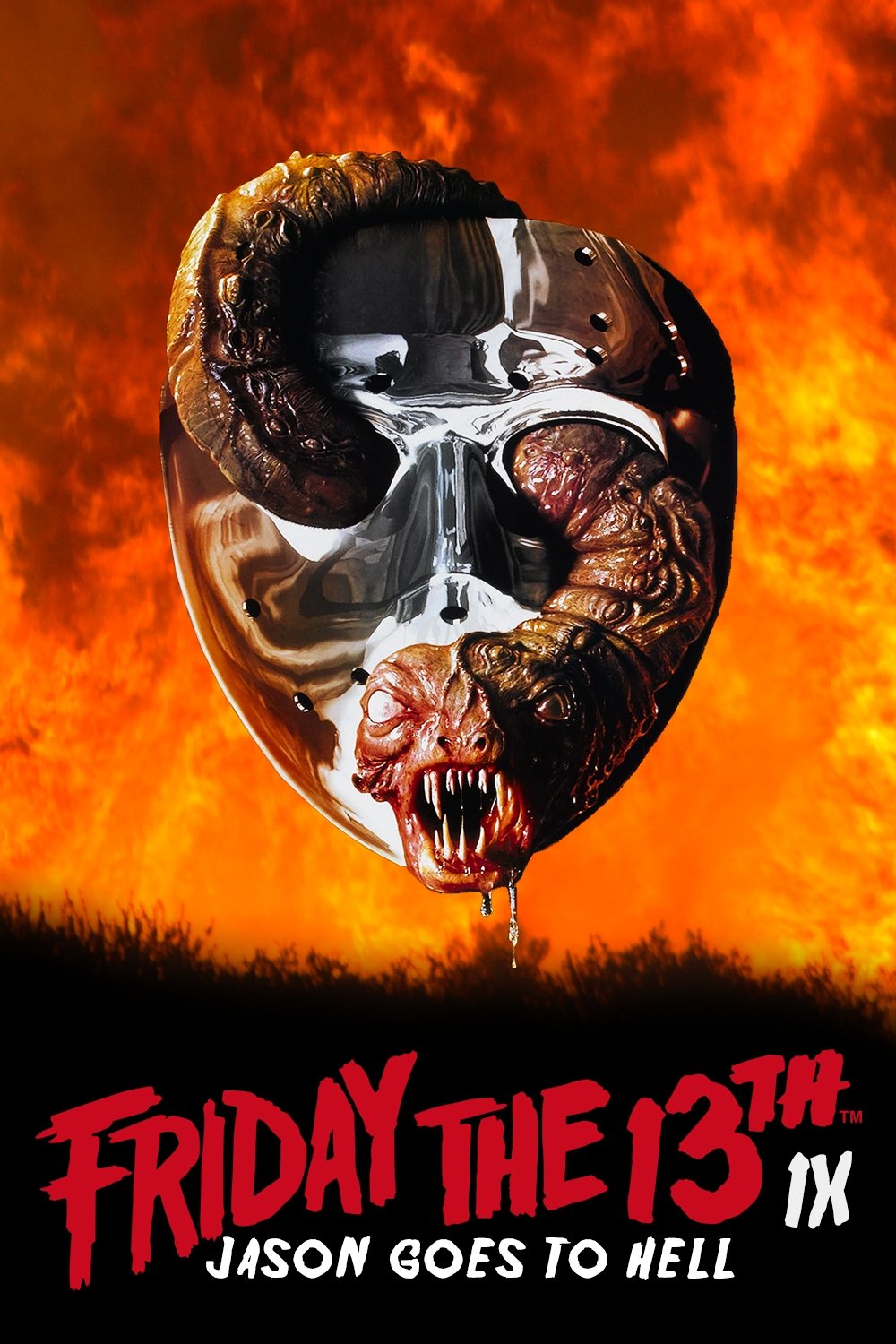
The ninth film in the ‘Friday the 13th’ series ignores the ending of the previous movie where Jason was dissolved in toxic waste. It introduces a new supernatural element where Jason is a body hopping parasite that must be reborn through a relative. This concept contradicts the established history of the character as a physical slasher. The film does not feature the iconic mask for most of its runtime and shifts the setting away from Crystal Lake. It functions as a radical departure from the established franchise formula.
‘Halloween H20: 20 Years Later’ (1998)
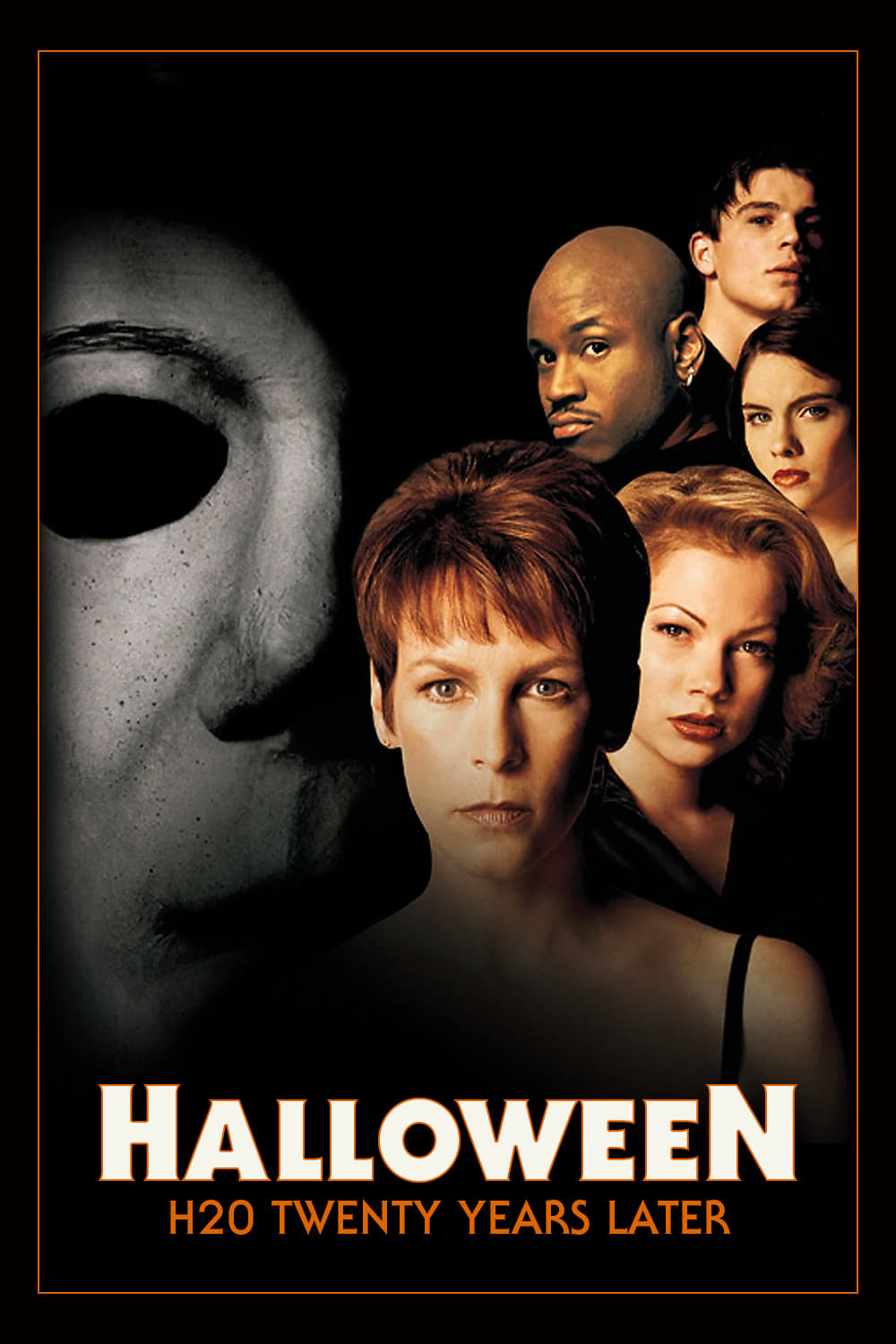
This sequel was designed to celebrate the twentieth anniversary of the original film by ignoring the previous three sequels. It picks up the story of Laurie Strode who has faked her death and moved to California. The film disregards the cult storylines and the character of Jamie Lloyd introduced in parts four through six. It aims to return to the simplicity of the original conflict between Laurie and Michael Myers. This was one of the first major examples of a sequel selectively pruning its own timeline.
‘Terminator: Dark Fate’ (2019)
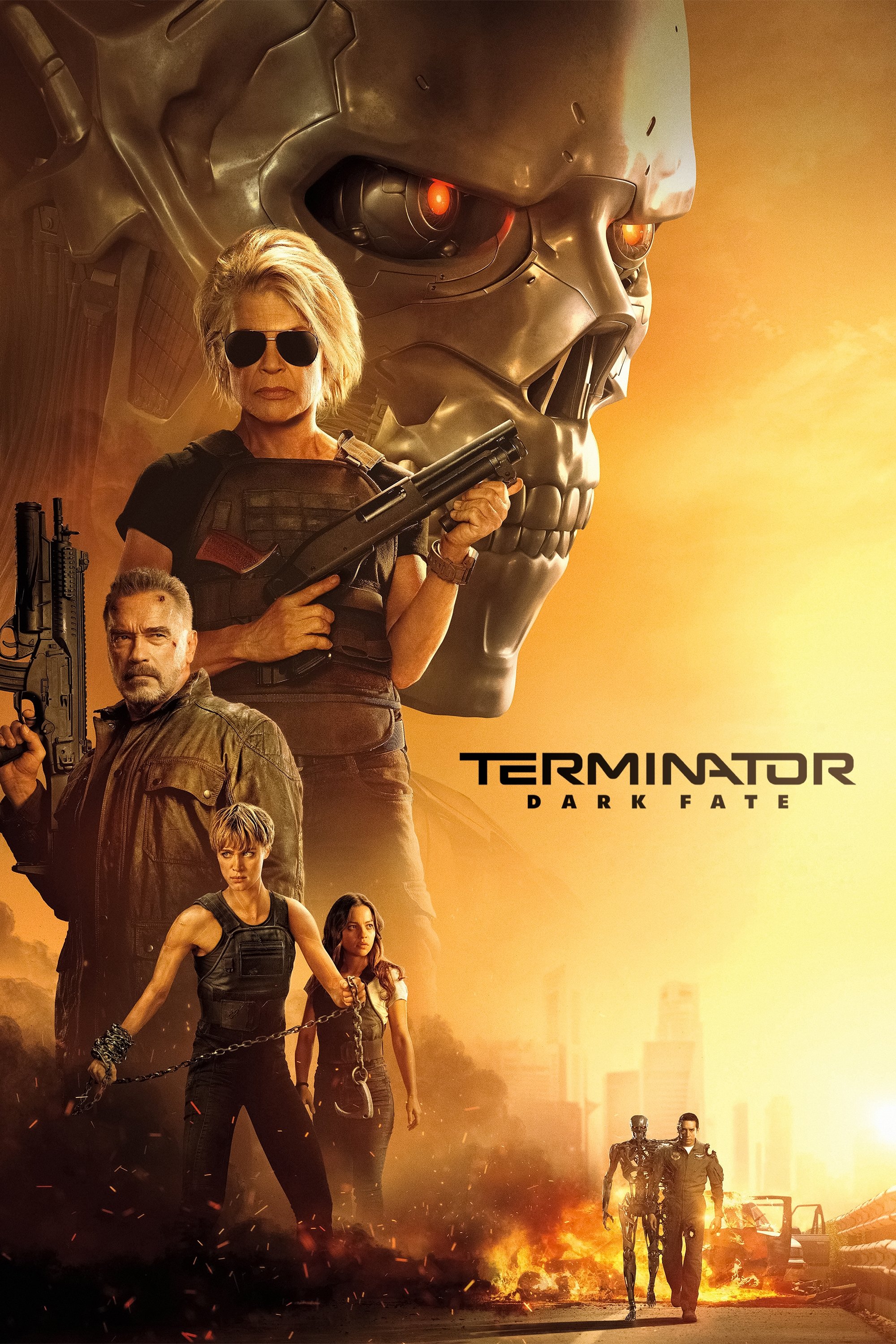
The sixth film in the franchise serves as a direct sequel to ‘Terminator 2: Judgment Day’ and ignores everything that followed. It opens by killing off a major character and rendering the previous victories irrelevant. The story replaces the threat of Skynet with a new artificial intelligence called Legion. It disregards the events of ‘Rise of the Machines’ and ‘Genisys’ to create a new path for the remaining characters. The film attempts to recapture the spirit of the original two movies while discarding the middle chapters.
‘Superman Returns’ (2006)
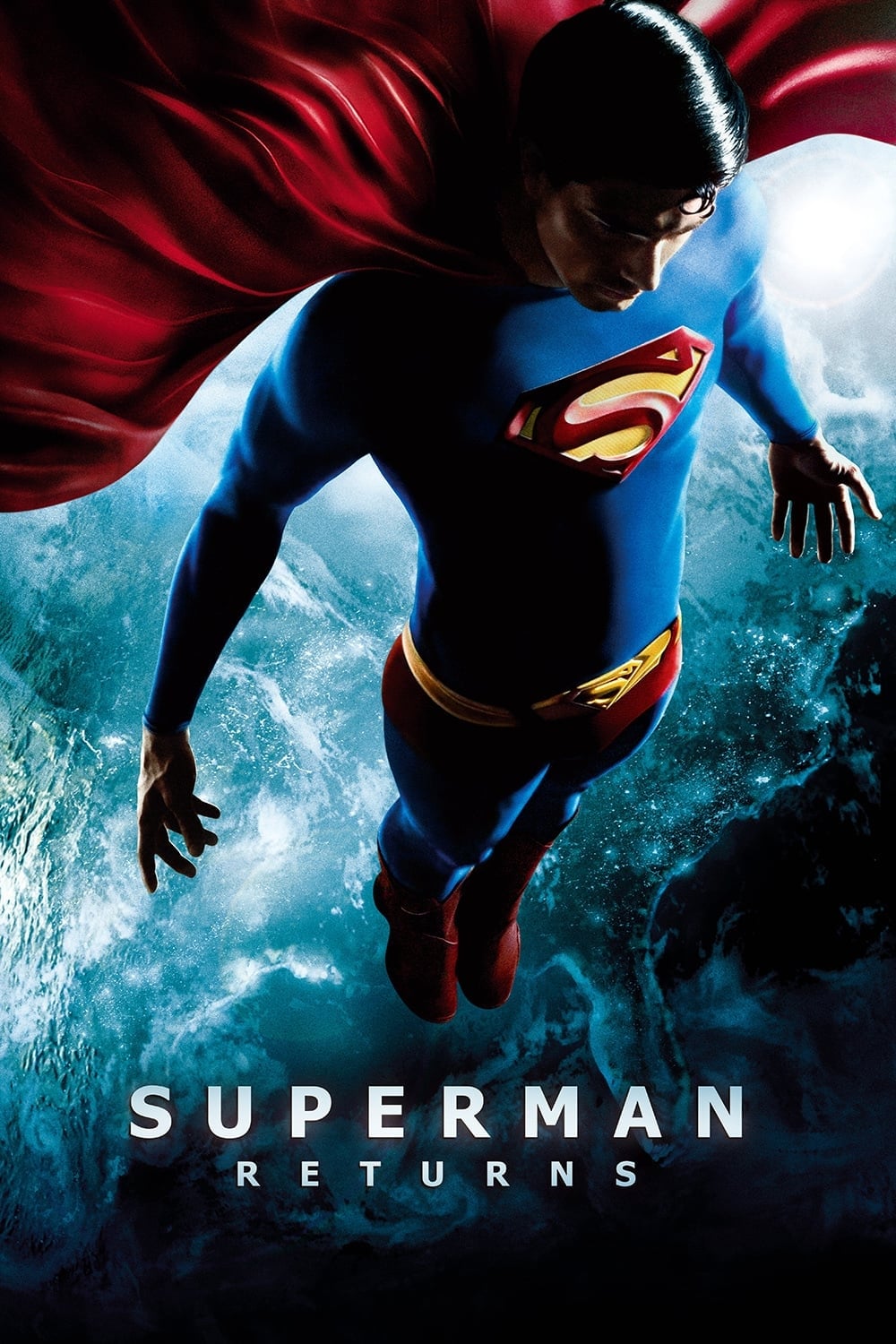
This production acts as a spiritual successor to ‘Superman II’ while ignoring the events of the third and fourth films. It follows the hero as he returns to Earth after a long absence to find that Lois Lane has moved on. The story maintains the aesthetic and musical themes of the original films. It does not acknowledge the comedic or low budget elements of the later sequels. The movie treats the franchise as if only the first two installments actually happened.
‘Texas Chainsaw 3D’ (2013)
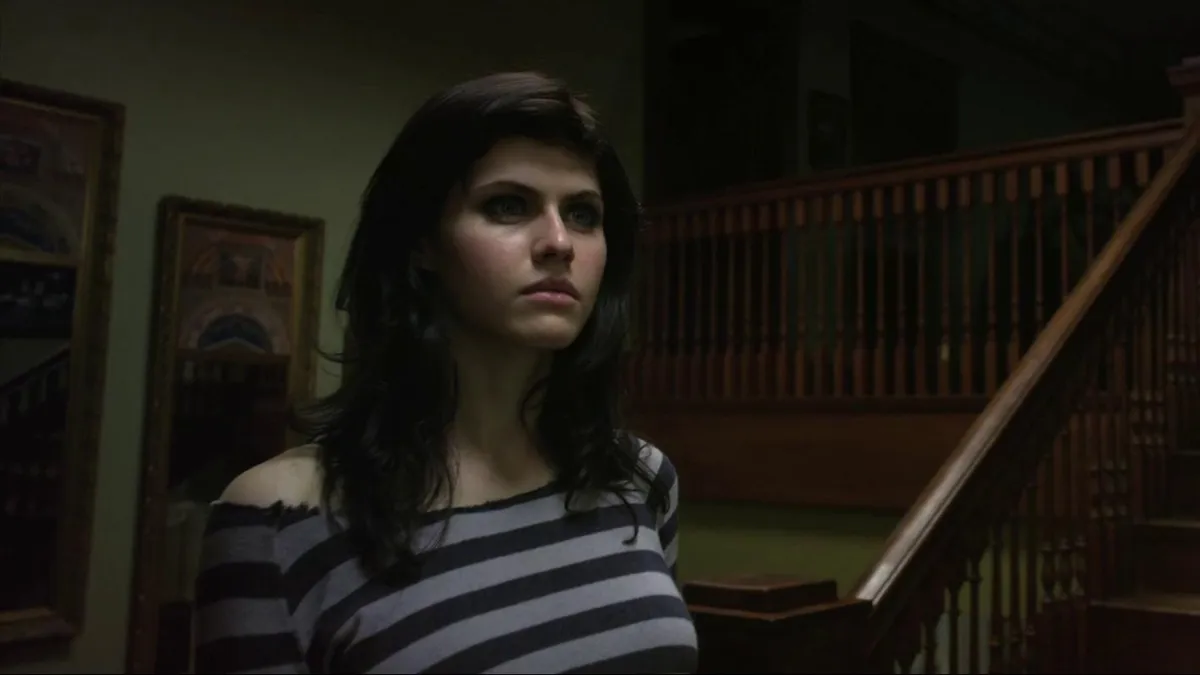
This horror sequel ignores every entry in the franchise except for the original 1974 classic. It begins with a prologue that picks up immediately after the first film before jumping forward several decades. The story introduces a new protagonist who discovers she is related to the Sawyer family. It disregards the continuity of the multiple sequels and remakes that were released over the years. The film attempts to establish a definitive timeline for the character of Leatherface.
‘Curse of Chucky’ (2013)
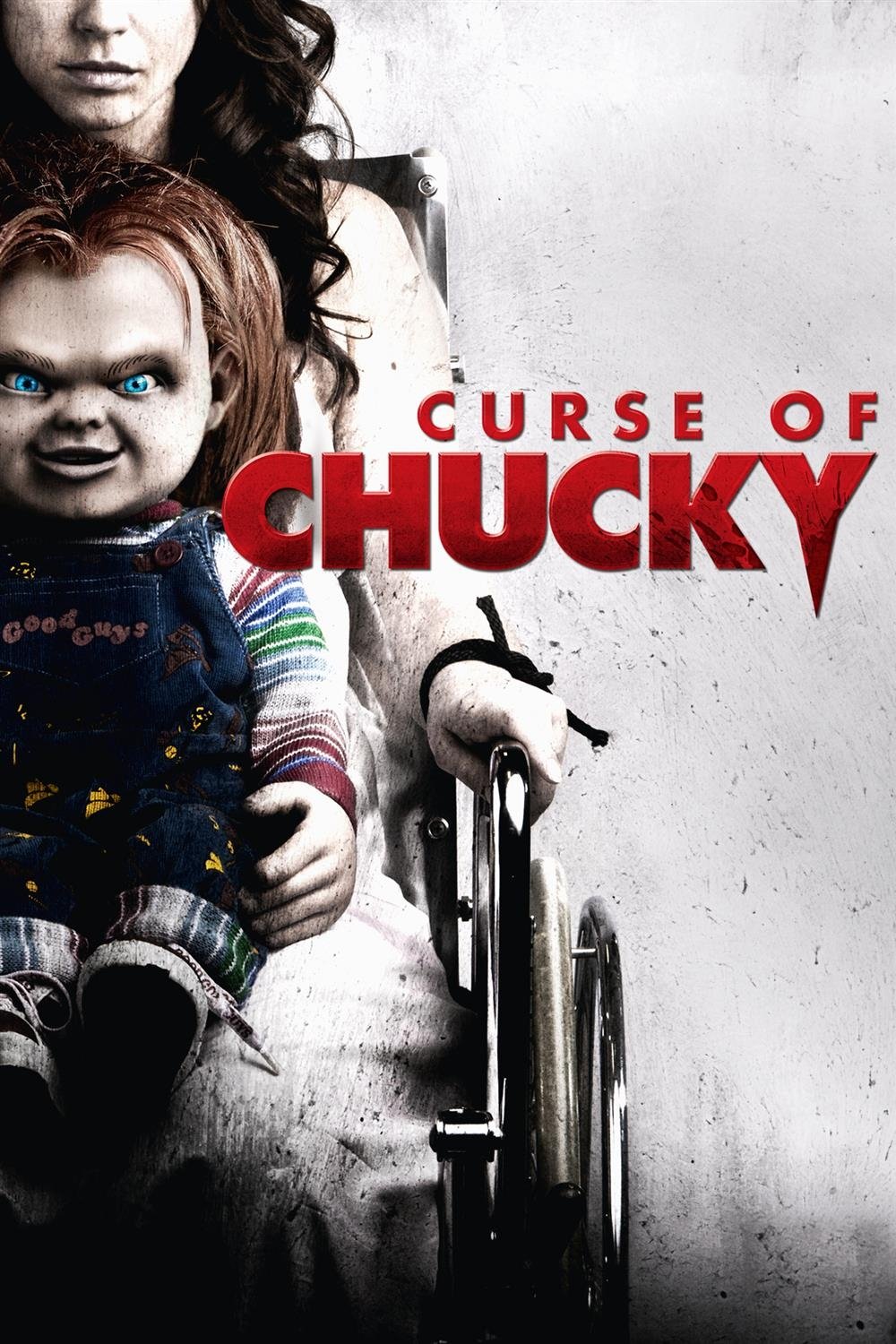
The sixth film in the ‘Child’s Play’ series initially ignores the campy and meta tone of the previous two entries. It returns the franchise to its horror roots by focusing on a family being terrorized by the doll in a gothic mansion. While it eventually links back to the earlier films it initially presents itself as a standalone reboot. It removes the comedic elements and the focus on the doll’s family for most of the narrative. The movie focuses on suspense and practical effects reminiscent of the original 1988 film.
‘Prometheus’ (2012)
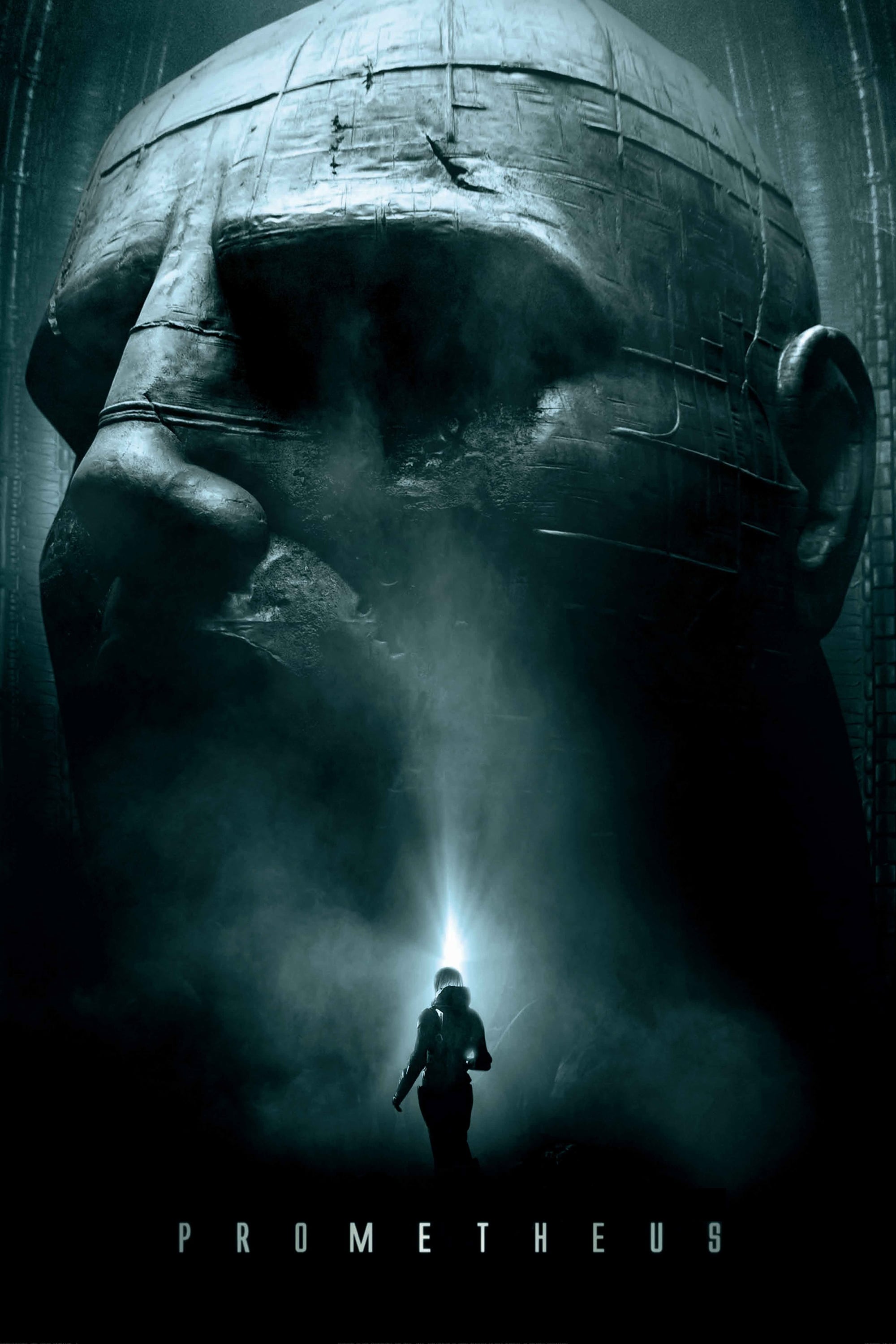
This film was developed as a prequel to ‘Alien’ but it avoids direct references to the original creature or characters for most of its runtime. It focuses on the origins of the Engineers and the creation of humanity rather than the xenomorph. The story takes place in a different location with a new set of rules regarding alien biology. It functions as a standalone sci fi epic that exists in the same universe but ignores the established tropes of the series. The connection to the original film is subtle and mostly thematic.
‘Alien: Covenant’ (2017)
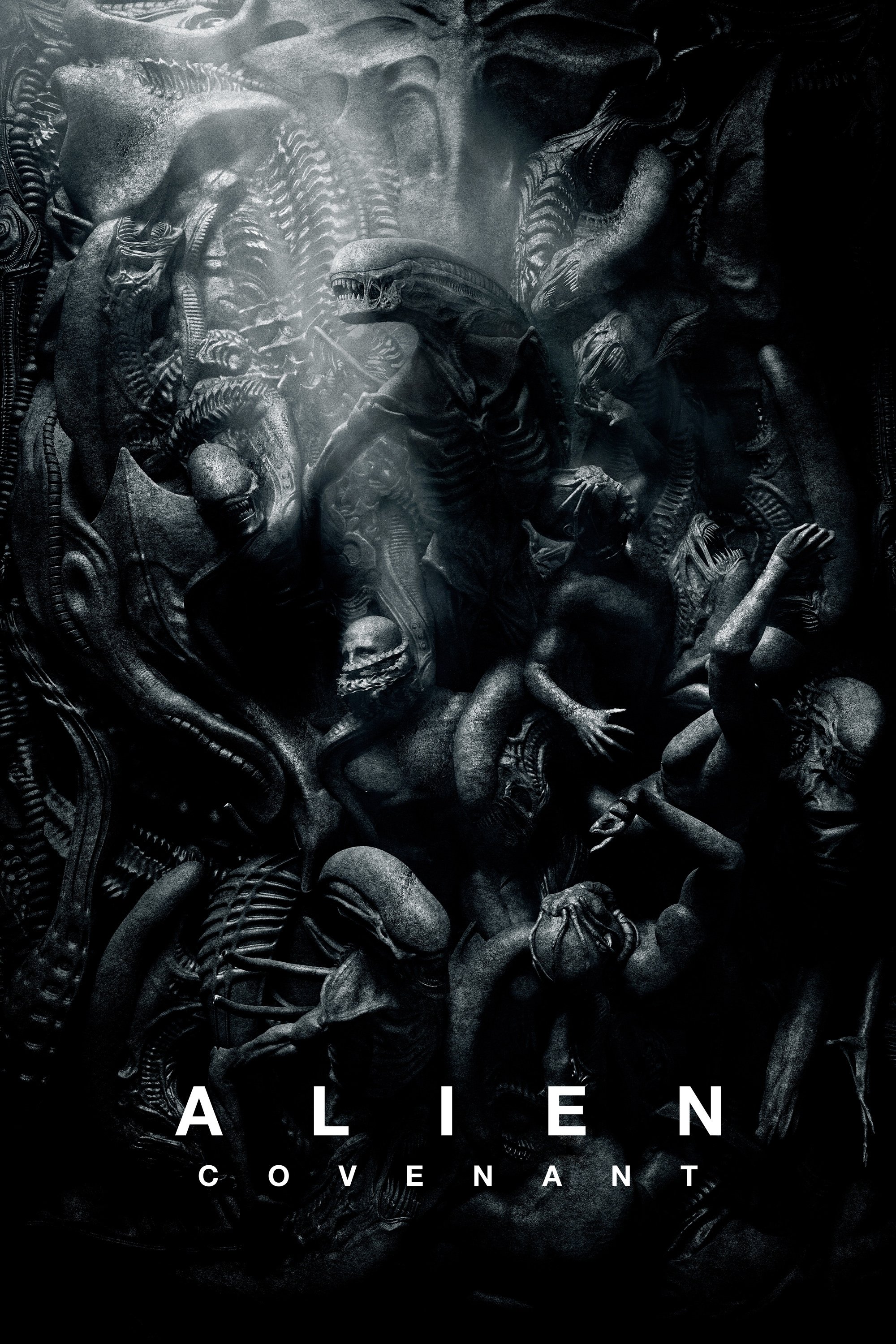
Despite being a sequel to ‘Prometheus’ this film ignores the cliffhanger ending where the survivors search for the Engineers’ home world. It shifts the focus back to a traditional horror structure with a new crew being hunted. The story quickly dispatches the main character from the previous film off screen. It changes the focus from philosophical questions to the origin of the xenomorph creature itself. Many viewers felt it disregarded the narrative setup of its predecessor to satisfy fan expectations.
‘Jurassic Park III’ (2001)
The third film in the dinosaur franchise ignores many of the plot points and character arcs from ‘The Lost World: Jurassic Park’. It follows Alan Grant to a different island where he must rescue a young boy. The story does not mention the incident in San Diego or the ecological themes established in the second movie. It simplifies the narrative into a straightforward survival thriller without referencing the wider implications of the cloned animals. The film feels more like a standalone adventure than a continuation of a trilogy.
’10 Cloverfield Lane’ (2016)
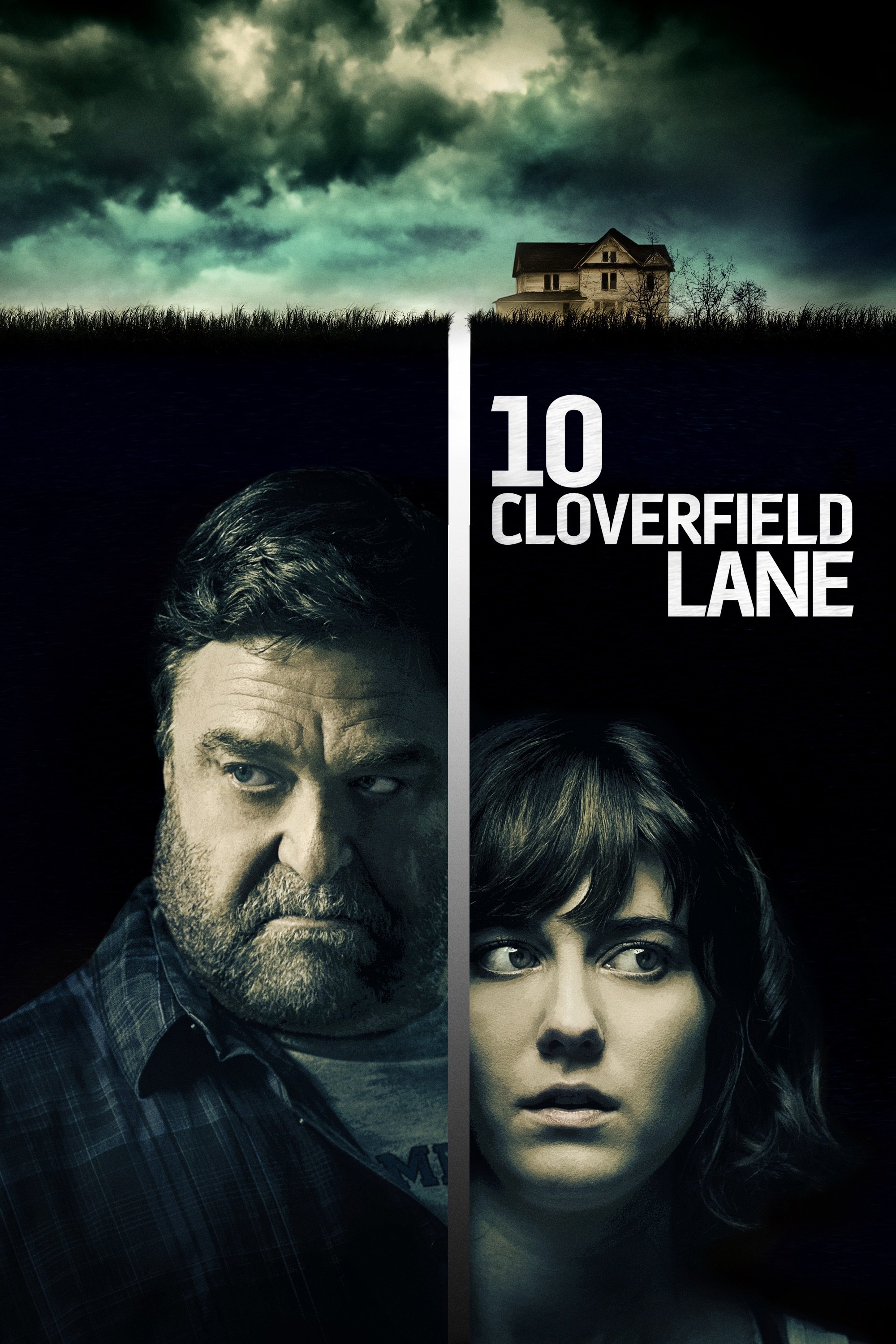
This movie was originally a spec script that was modified to become part of the ‘Cloverfield’ universe. It ignores the found footage style and the specific monster from the first film. The story is a psychological thriller set in an underground bunker during an ambiguous apocalypse. It does not provide a direct link to the events in New York City or the characters from the original. The branding is used to suggest a spiritual connection rather than a literal one.
‘The Cloverfield Paradox’ (2018)
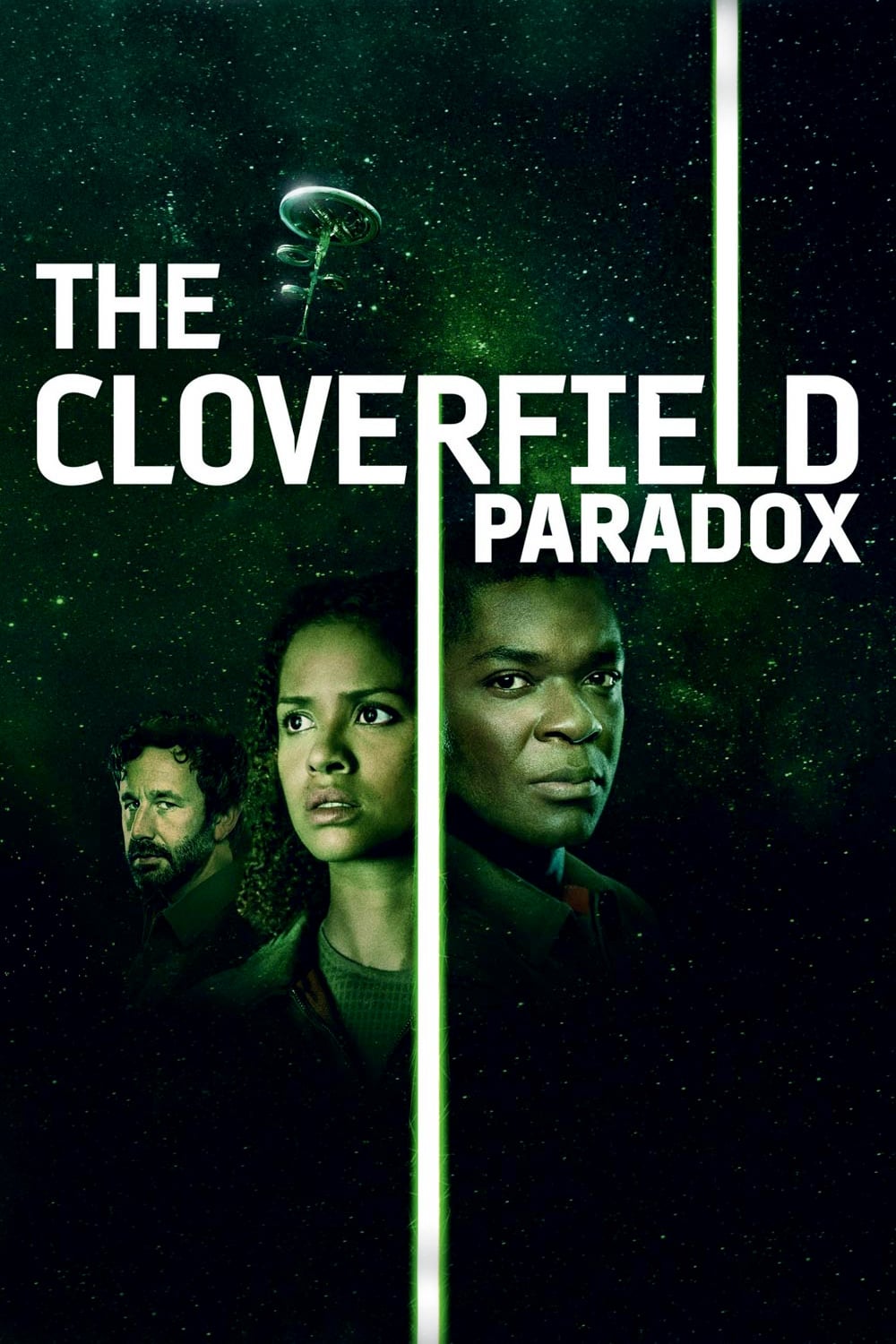
The third entry in the series also began as an unrelated script before being adapted into a sequel. It takes place on a space station where a particle accelerator causes reality to fracture. The movie attempts to explain the arrival of monsters in the first two films through a multiverse theory. It ignores the grounded survival aspects of the previous movies in favor of high concept sci fi. The connections to the original film are added through brief scenes and visual cues.
‘Mad Max 2’ (1981)
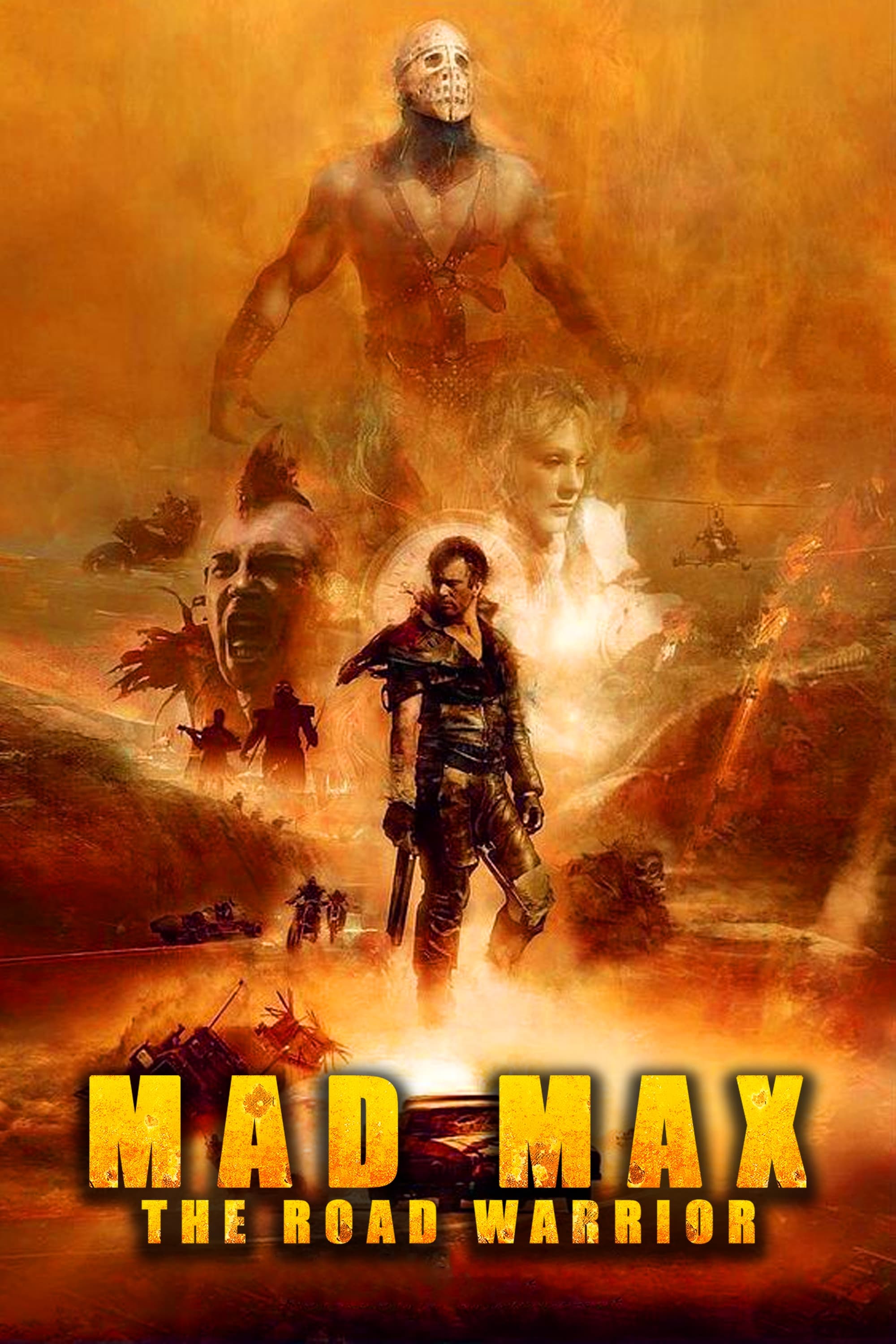
The second film in the series ignores the grounded revenge plot and the societal structure seen in the first movie. It transitions into a post apocalyptic wasteland where gasoline is the only currency. The character of Max is reimagined as a silent drifter rather than a mourning police officer. The story does not reference his family or his former life in the law enforcement agency. It established the iconic visual style of the franchise while discarding the realism of the original.
‘Pacific Rim: Uprising’ (2018)
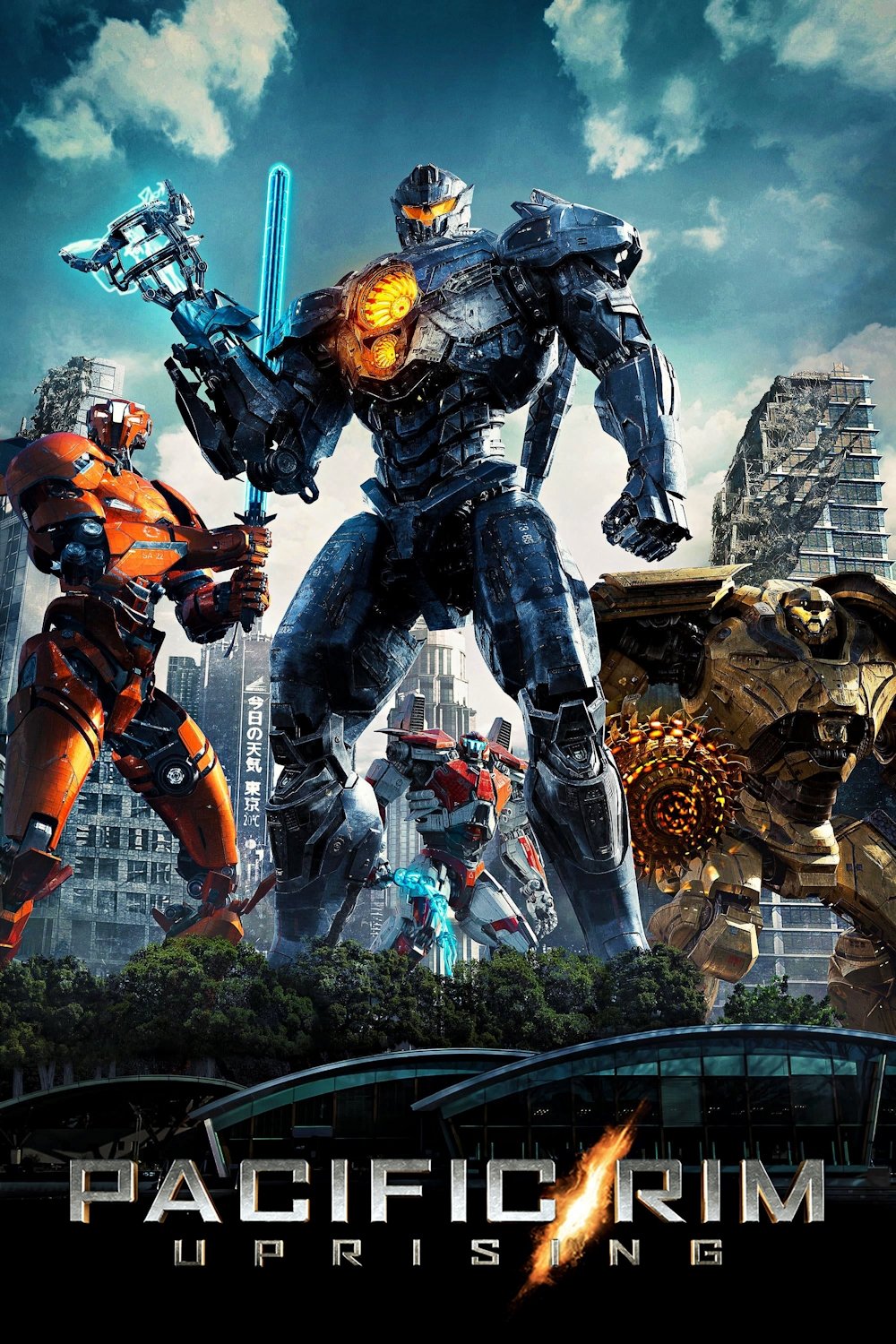
The sequel ignores the definitive closure of the breach and the emotional stakes of the first film’s characters. It jumps forward in time and replaces the lead actors with a new generation of pilots. The story introduces a conspiracy involving corporate drones that feels disconnected from the original war against the Kaiju. Many of the scientific rules and character motivations from the first movie are altered to fit the new plot. The film shifts the tone from a dark monster movie to a brighter action adventure.
Share your thoughts on these confusing movie continuities in the comments.