Video Games That Promised The World And Delivered Nothing


The video game industry often relies on intense marketing campaigns to build anticipation for upcoming releases. Developers and publishers frequently make bold claims about revolutionary mechanics and expansive worlds to secure pre orders and generate excitement. While many games live up to the hype others fail to meet the high expectations established during their development cycles. This list explores several high profile titles that suffered from technical issues or broken promises upon their arrival.
‘No Man’s Sky’ (2016)
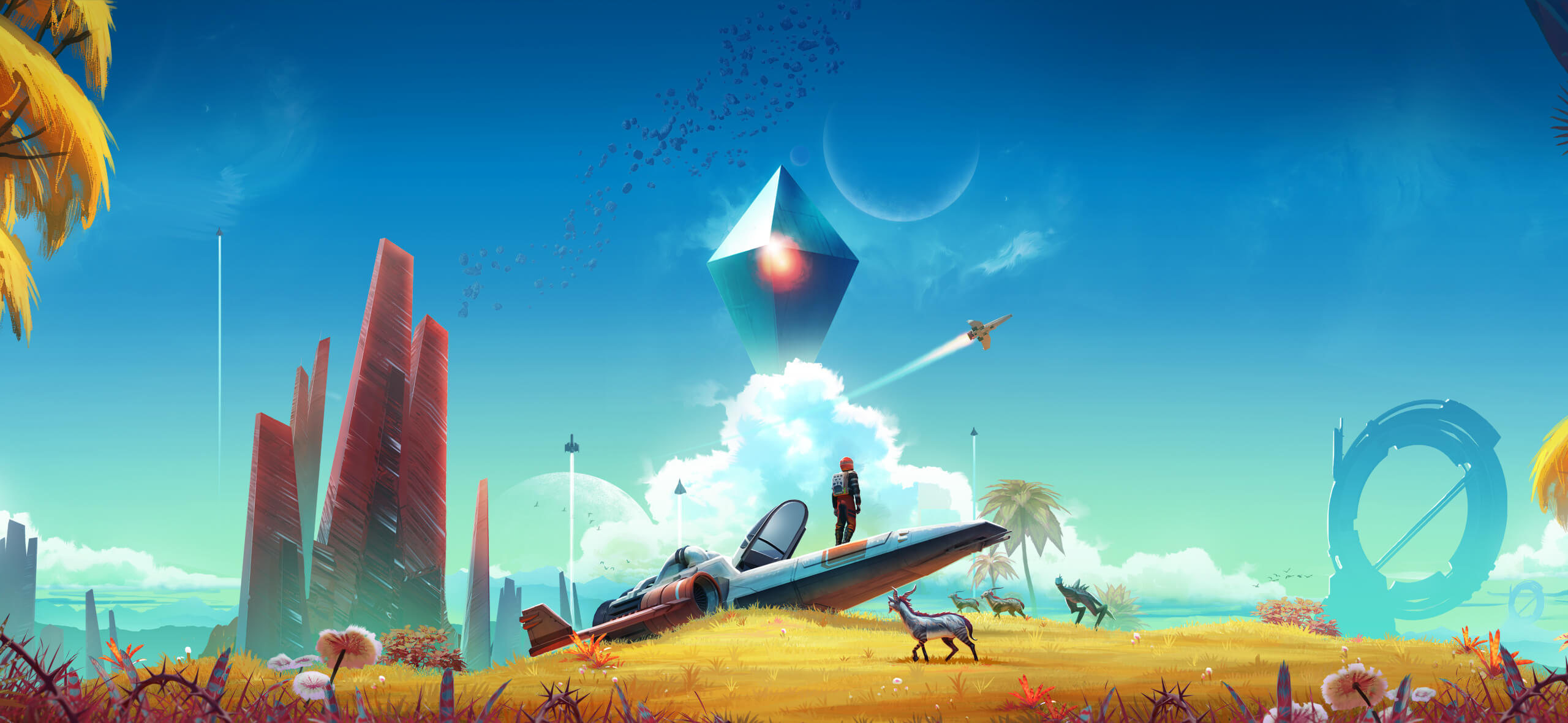
The initial marketing for this space exploration title focused on a vast universe where players could discover unique planets and interact with each other. Early interviews and trailers suggested a level of multiplayer complexity and environmental variety that was noticeably absent at launch. Players found the gameplay loop to be repetitive and the planetary landscapes far less diverse than promised. The developer later worked for years to add the missing features and repair the damaged reputation of the project.
‘Cyberpunk 2077’ (2020)
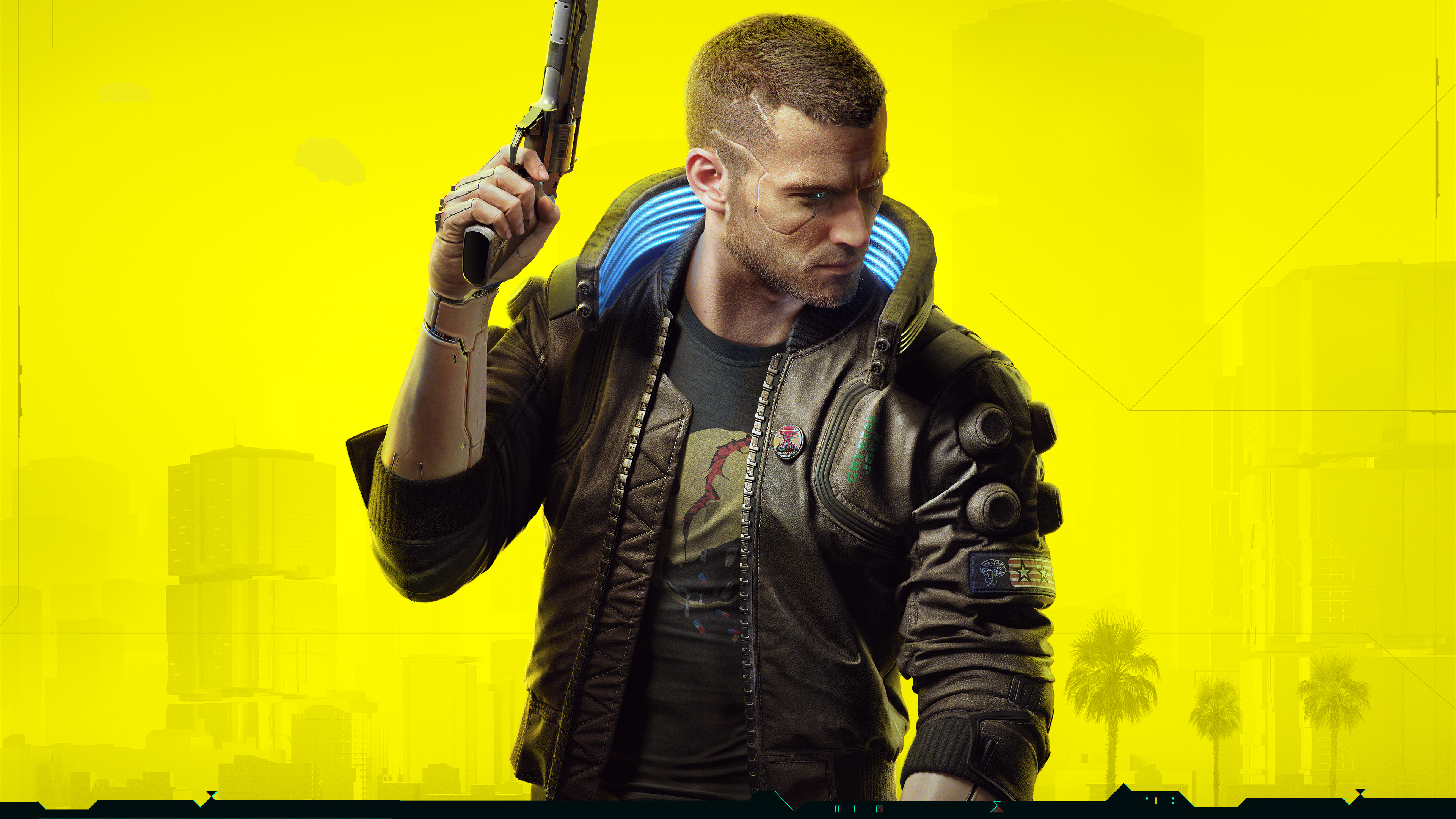
This ambitious role playing game was promoted as a groundbreaking open world experience set in a dense futuristic city. Pre launch demonstrations showcased advanced artificial intelligence and deep branching narratives that felt limited in the final product. The version released for older consoles suffered from severe technical problems and graphical glitches that made it nearly unplayable for many. It took numerous patches and a complete overhaul of several systems to bring the game closer to its original vision.
‘The Day Before’ (2023)

Advertised as a massive open world survival game this title became one of the most wishlisted games on digital storefronts. The trailers displayed stunning graphics and intricate combat systems that suggested a high budget production. When the game finally launched it was revealed to be a basic extraction shooter with limited content and major technical flaws. The studio closed down shortly after the release and the game was removed from sale entirely.
‘Anthem’ (2019)
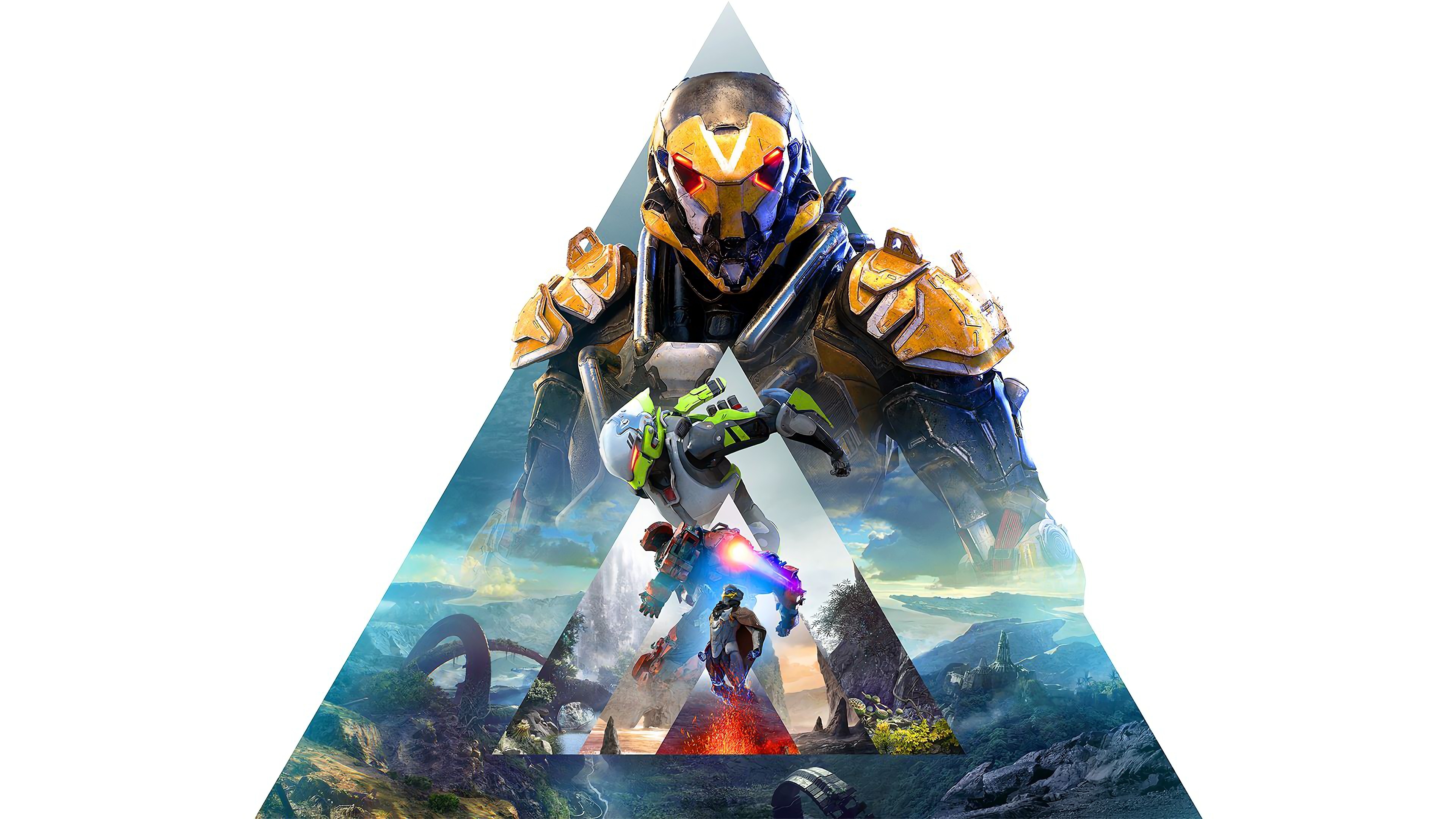
This multiplayer action game from a prestigious studio promised a seamless blend of storytelling and cooperative flying combat. Early footage depicted a lush living world where player choices would have a visible impact on the environment. The finished game struggled with long loading times and a lack of endgame content that left players with little to do. Plans for a major overhaul were eventually cancelled by the publisher which left the game in a stagnant state.
‘Aliens: Colonial Marines’ (2013)
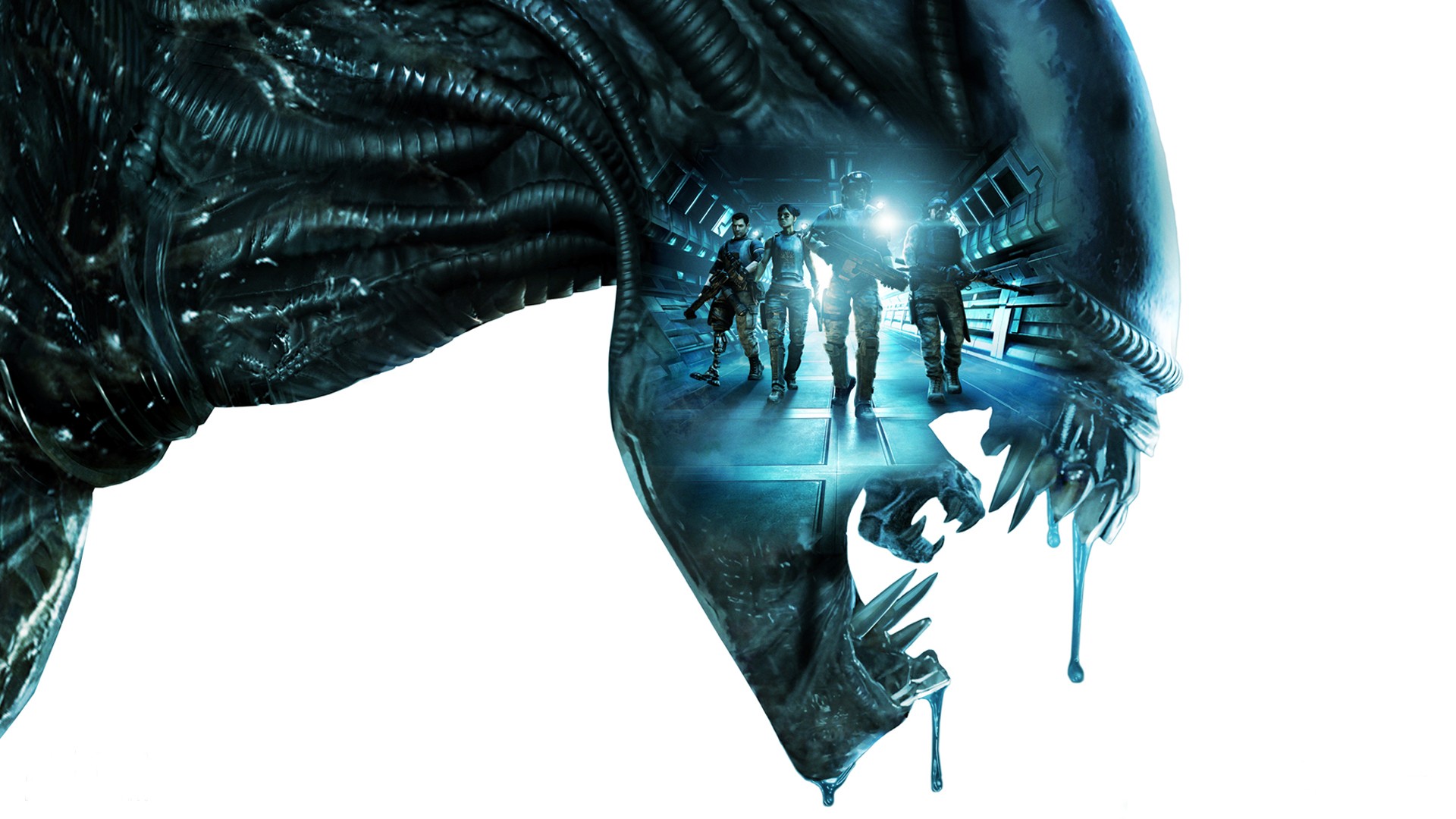
The marketing for this shooter featured gameplay footage that was far more visually impressive than the actual release. Fans of the film franchise were disappointed by the poor artificial intelligence and the lackluster story campaign. Investigations into the development revealed that the game suffered from internal mismanagement and shifting priorities. The final product failed to capture the atmosphere and tension that the trailers had initially promised.
‘Spore’ (2008)
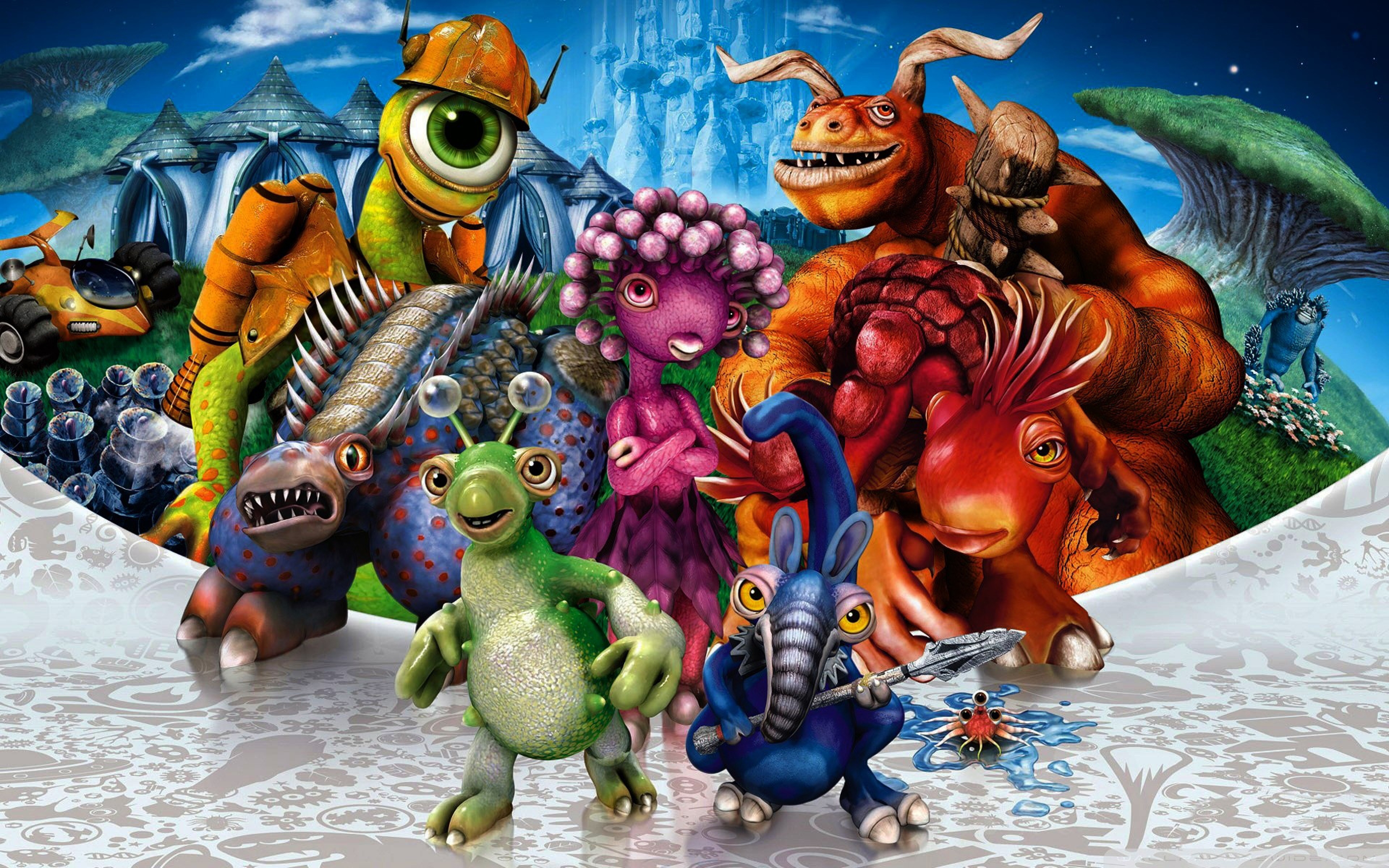
This simulation game aimed to allow players to guide a species from a single cell to a spacefaring civilization. While the creature creator was widely praised the actual gameplay phases were criticized for being shallow and simplistic. Many of the complex biological simulations discussed during development were removed to make the game more accessible. The final experience felt like a collection of minigames rather than a cohesive evolution simulator.
‘Fable’ (2004)
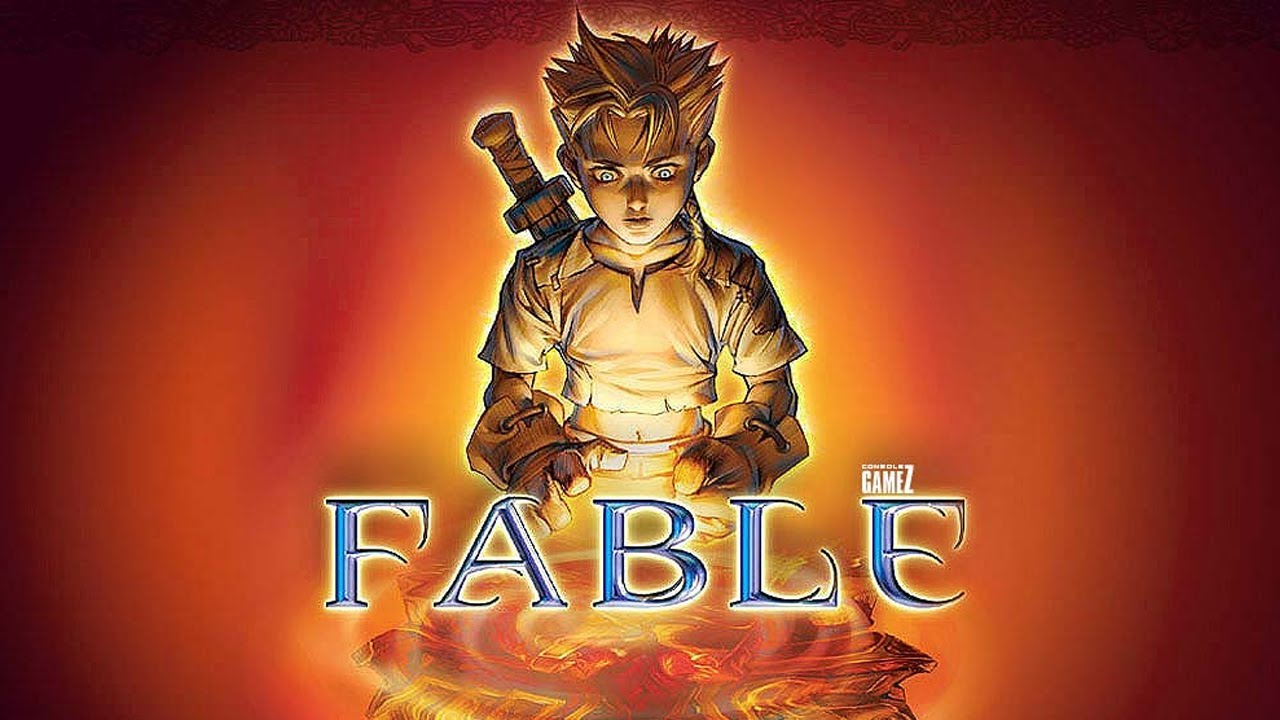
The lead designer of this fantasy game made numerous claims about revolutionary features that would change the genre. Promises included the ability for trees to grow in real time and for players to have children who would age alongside them. While the game was a critical success it lacked many of the specific ambitious elements that had been touted during production. It remains a classic example of how visionary ideas can be tempered by the realities of hardware limitations.
‘Daikatana’ (2000)
High profile advertisements for this first person shooter famously boasted about the creative pedigree of its lead designer. The game faced years of delays and internal team changes that hindered the quality of the final software. When it eventually arrived players were frustrated by poor companion artificial intelligence and outdated graphics. The massive hype surrounding its development only served to make its lackluster reception more prominent.
‘Duke Nukem Forever’ (2011)
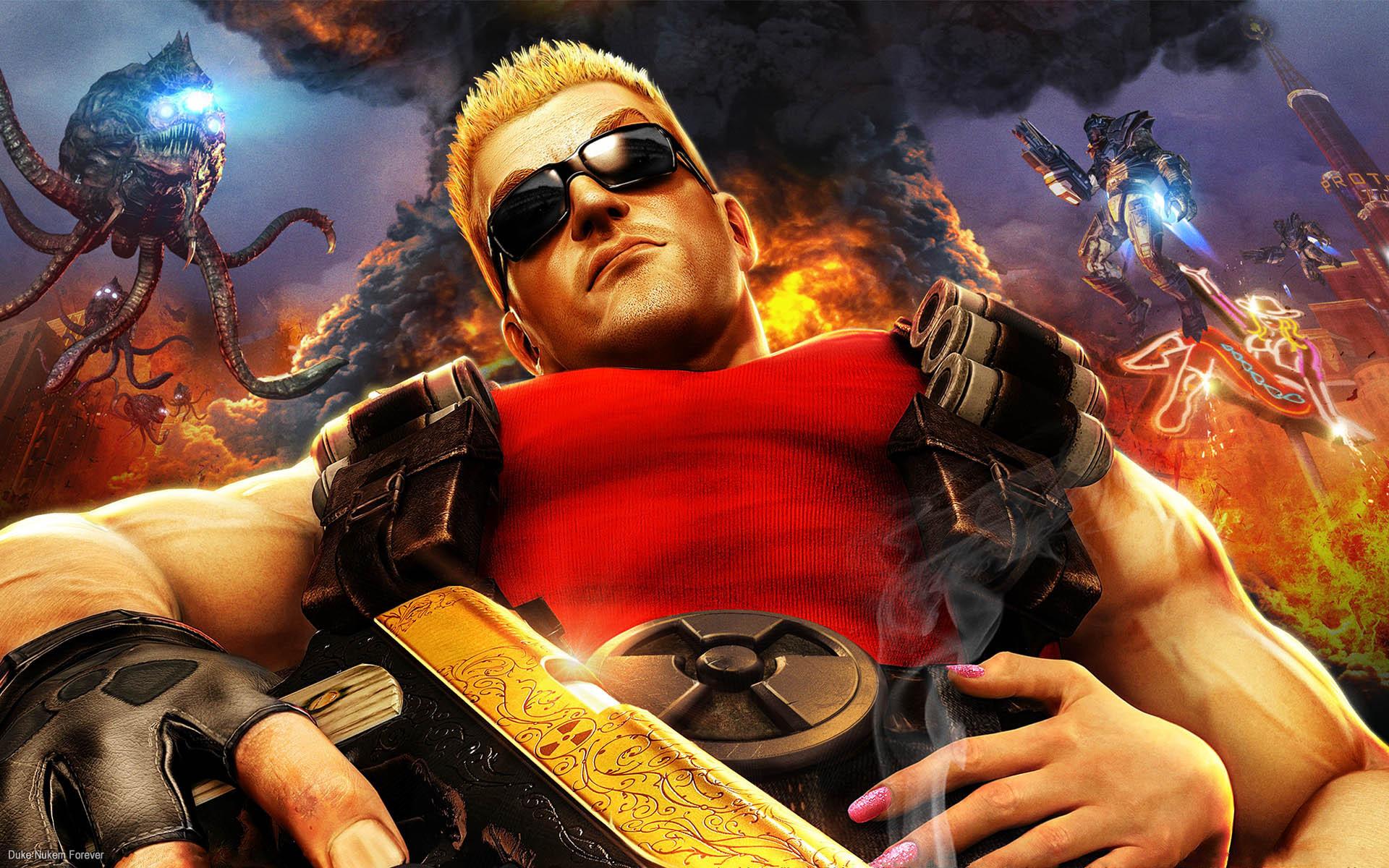
This title spent over a decade in development and became a symbol of industry vaporware. The long production cycle led to a final product that felt like a patchwork of outdated design ideas and inconsistent visuals. Fans who had waited years for the return of the iconic character were met with a mediocre shooter that failed to innovate. The game could not possibly live up to the legendary status it had acquired during its prolonged absence.
‘Fallout 76’ (2018)
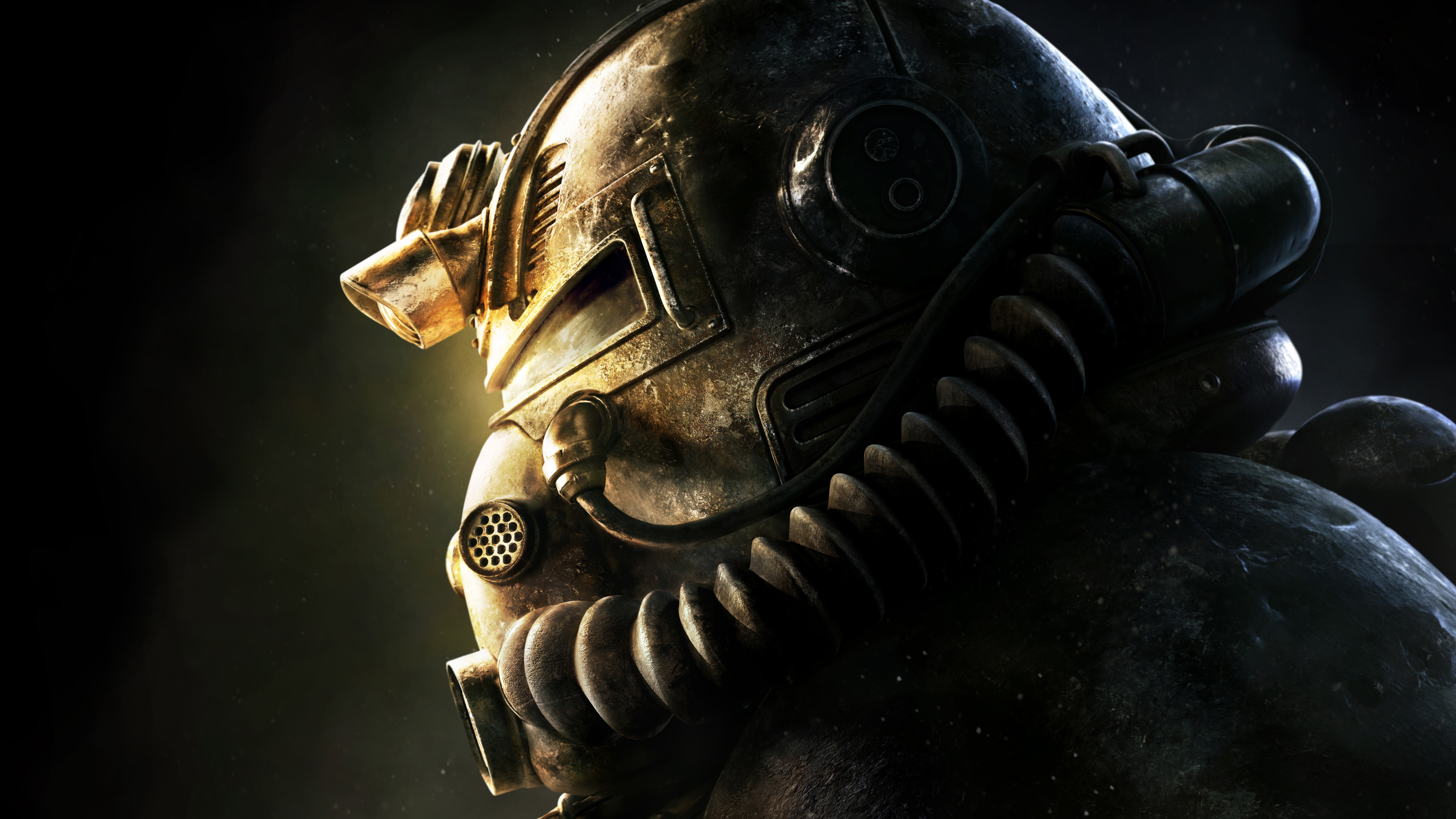
This online spin off promised a vast world where every human character was a real player. The launch was marred by significant server issues and a total absence of non player characters to provide traditional quests. Many of the survival mechanics felt tedious and the game world was perceived as empty and lifeless. Significant updates were required to add human characters and a more traditional story structure to the experience.
‘Starfield’ (2023)
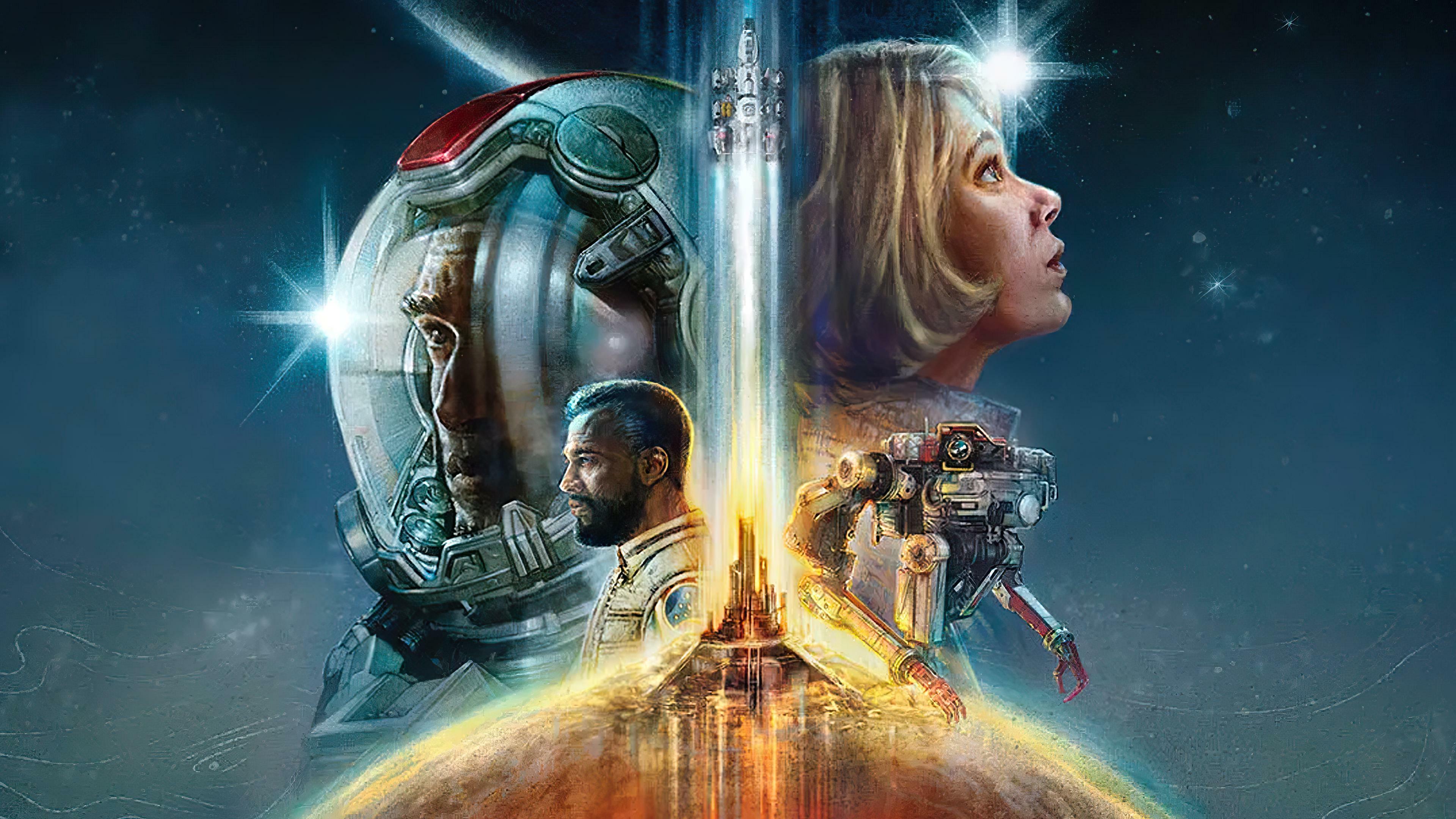
The developers of this space epic claimed that players could explore over one thousand realistic planets. While the scale was technically accurate many players felt that the vast majority of these worlds were barren and lacked meaningful content. Procedural generation led to repetitive locations and assets that diminished the sense of discovery. The transition between space flight and planetary exploration also relied heavily on loading screens which broke the immersion for some.
‘Mass Effect: Andromeda’ (2017)
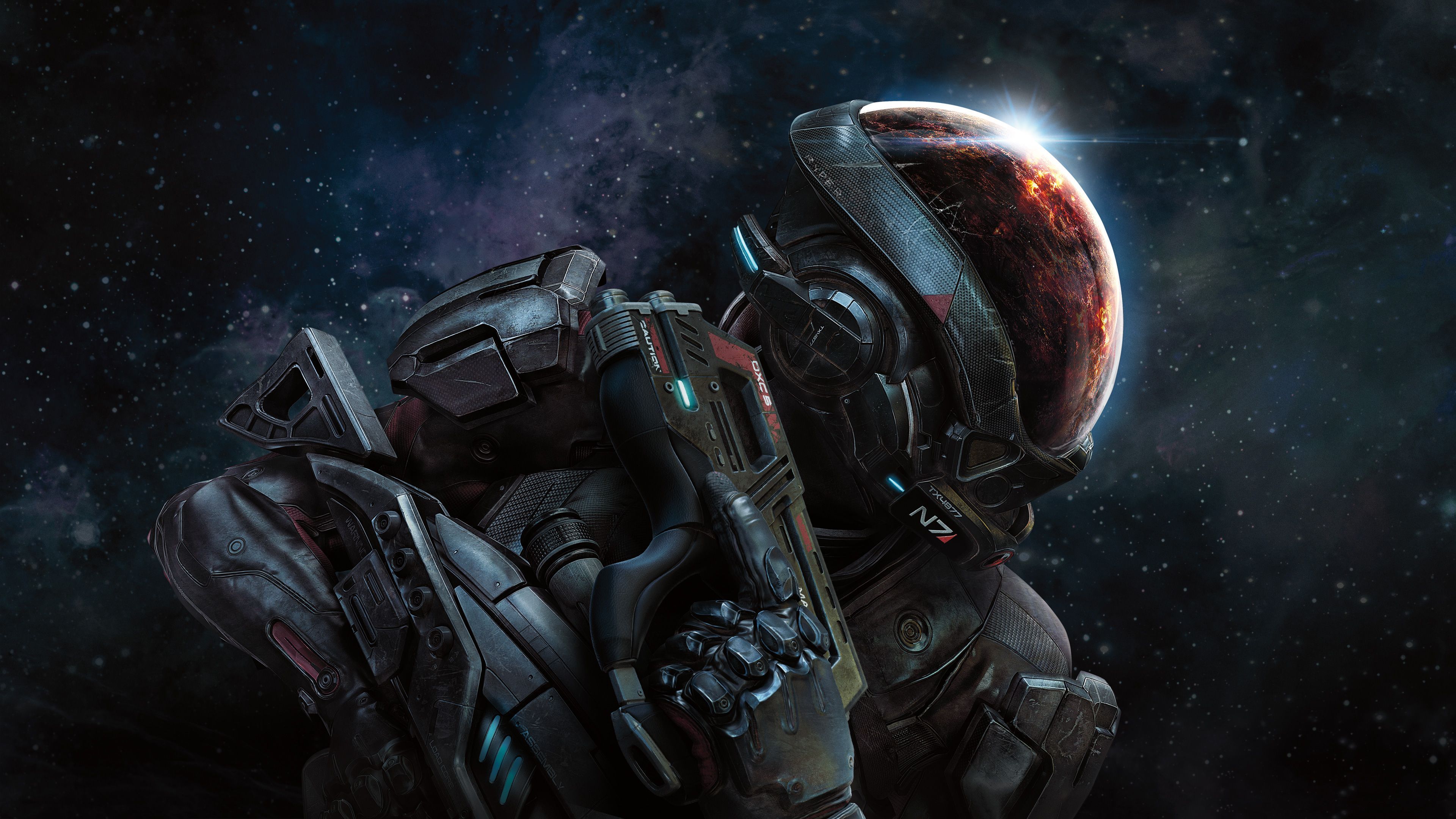
This new chapter in a beloved science fiction series promised to take players to a brand new galaxy full of wonder. The game was criticized upon release for poor facial animations and numerous technical glitches that distracted from the narrative. Fans felt that the writing and character development did not reach the high standards set by the original trilogy. The negative reception led to the cancellation of planned story expansions and a temporary hiatus for the franchise.
‘Mighty No. 9’ (2016)
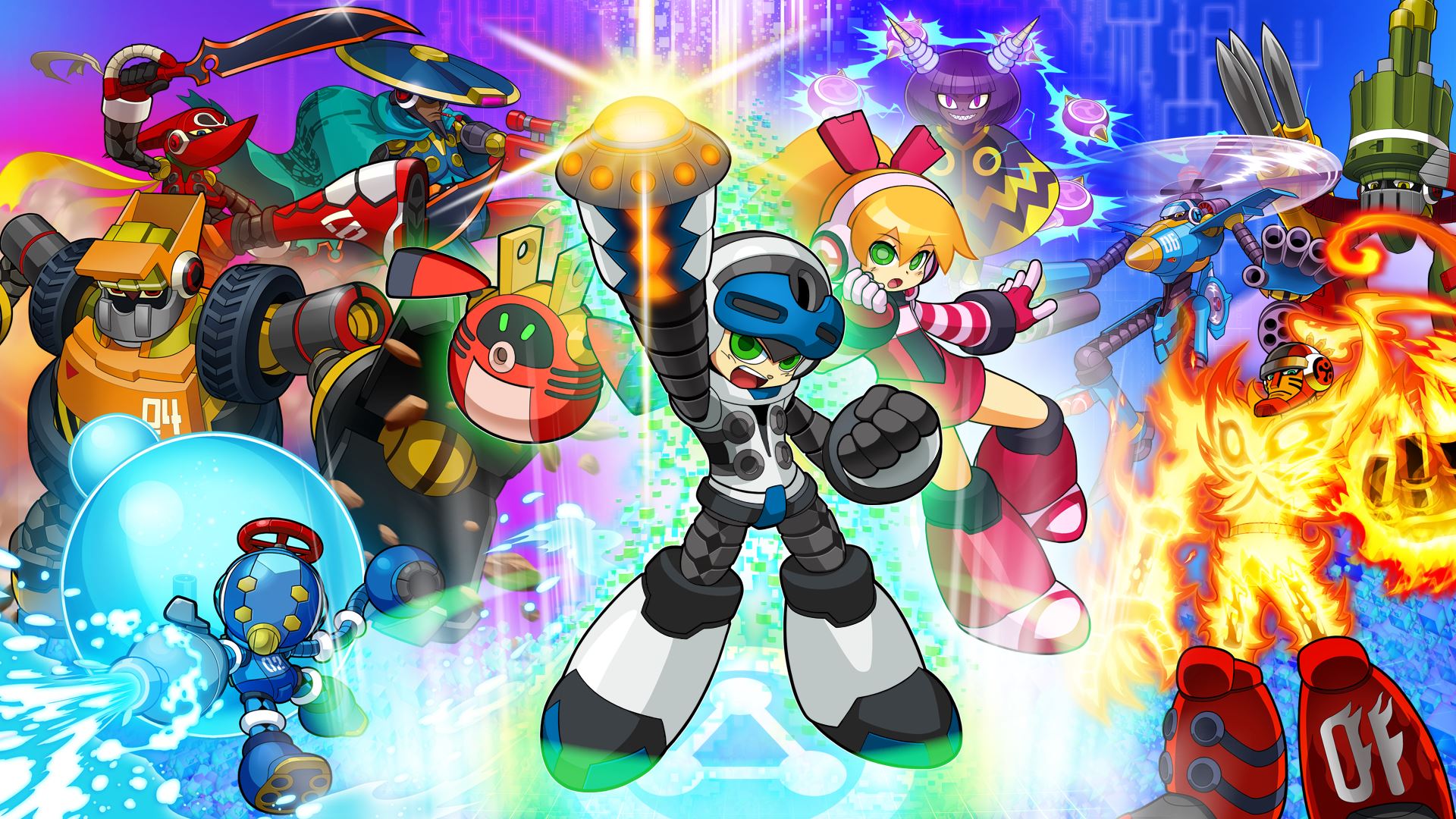
This project was crowdfunded as a spiritual successor to a classic platforming series. The marketing materials suggested a return to high quality side scrolling action with modern visual effects. Multiple delays and a shift in art style resulted in a final game that looked and played worse than many expected. Supporters felt that the project failed to deliver on the promises made during the initial funding campaign.
‘Godus’ (2013)
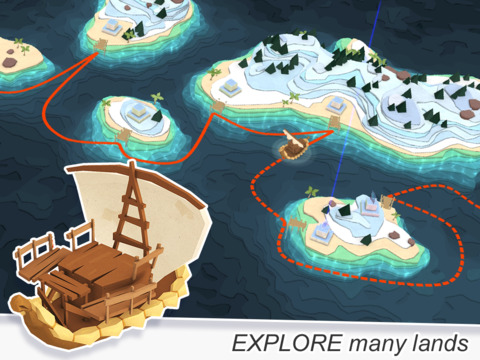
Promoted as a reinvention of the god game genre this project raised significant funds from enthusiastic backers. The lead developer promised a deep simulation where players could influence a living world and its inhabitants. The game spent years in early access without receiving many of the core features that were originally pitched. Eventually the development stalled and the project left many of its supporters feeling abandoned.
‘SimCity’ (2013)
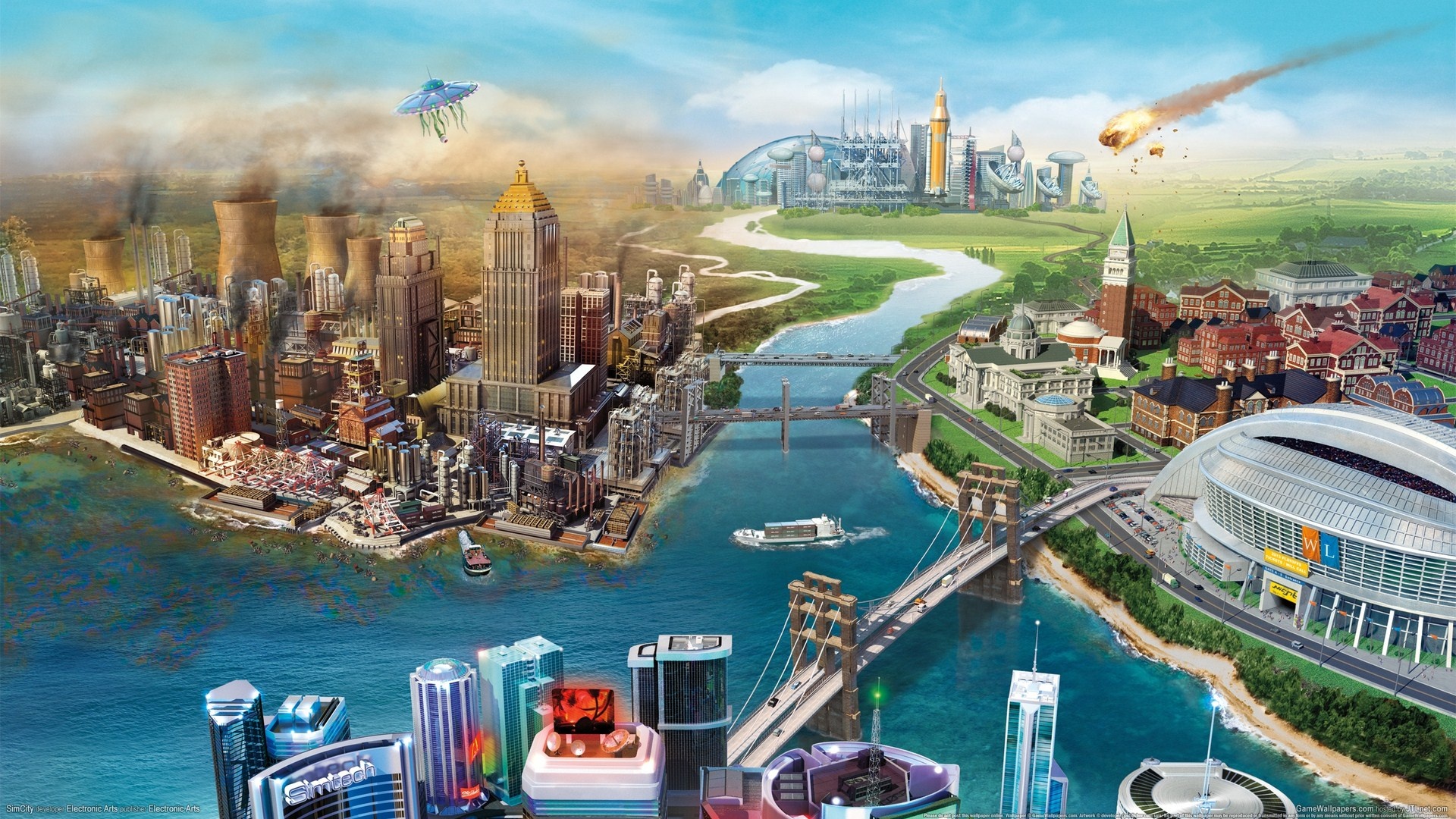
This reboot of the classic city building franchise required a constant internet connection to function. The developers claimed this was necessary for the complex regional simulations and social features. Major server issues at launch prevented many players from even starting the game for several days. It was later discovered that many of the touted online features were not essential to the core gameplay experience.
‘Redfall’ (2023)
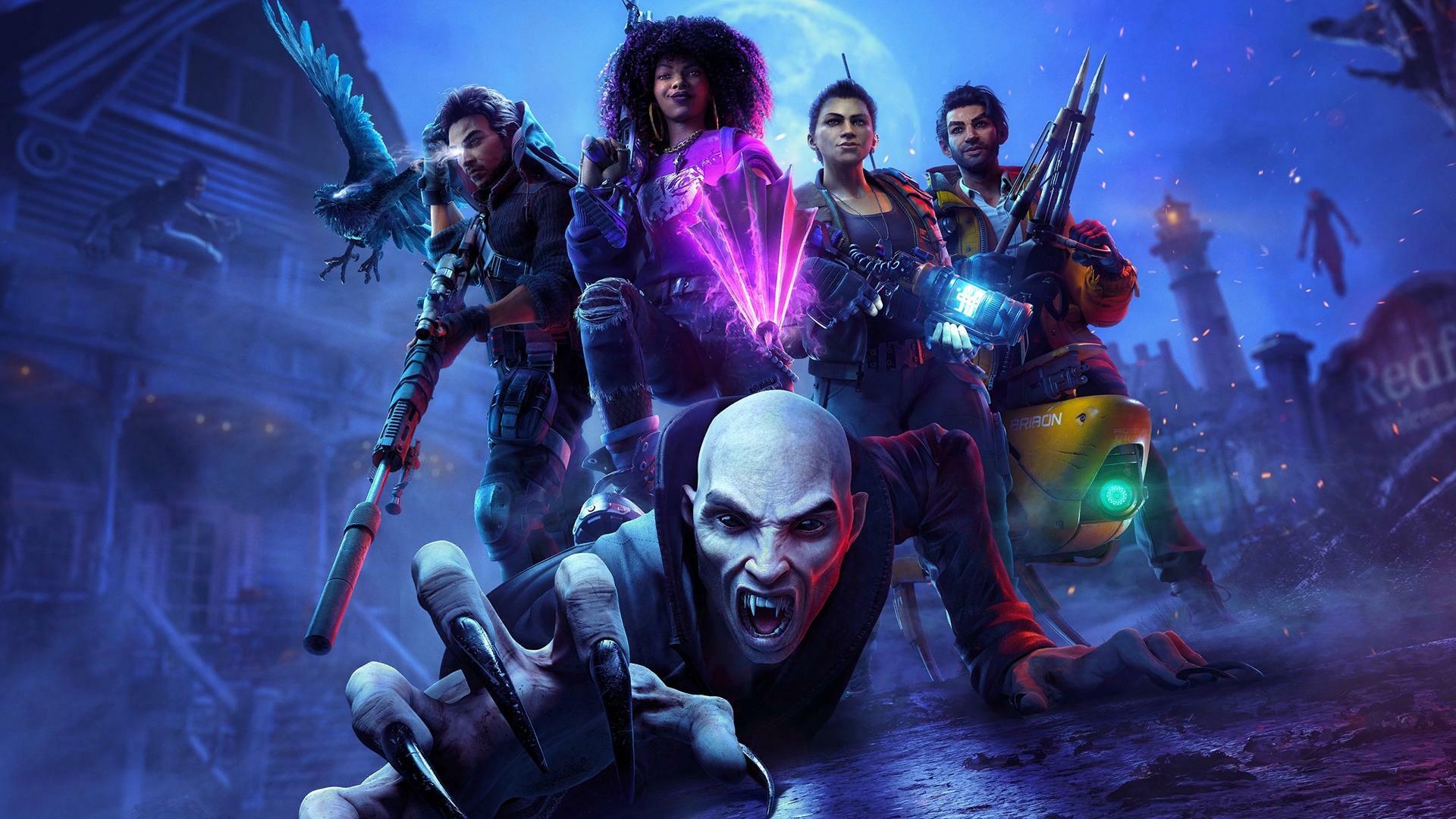
This cooperative vampire hunting game was expected to be a major exclusive title for its platform. The promotional material showed stylish combat and a richly detailed open world to explore with friends. The actual release was hampered by technical bugs and a general lack of variety in enemy encounters and missions. The empty feeling of the environment and the simplistic combat loops led to a very poor reception from players.
‘The Lord of the Rings: Gollum’ (2023)
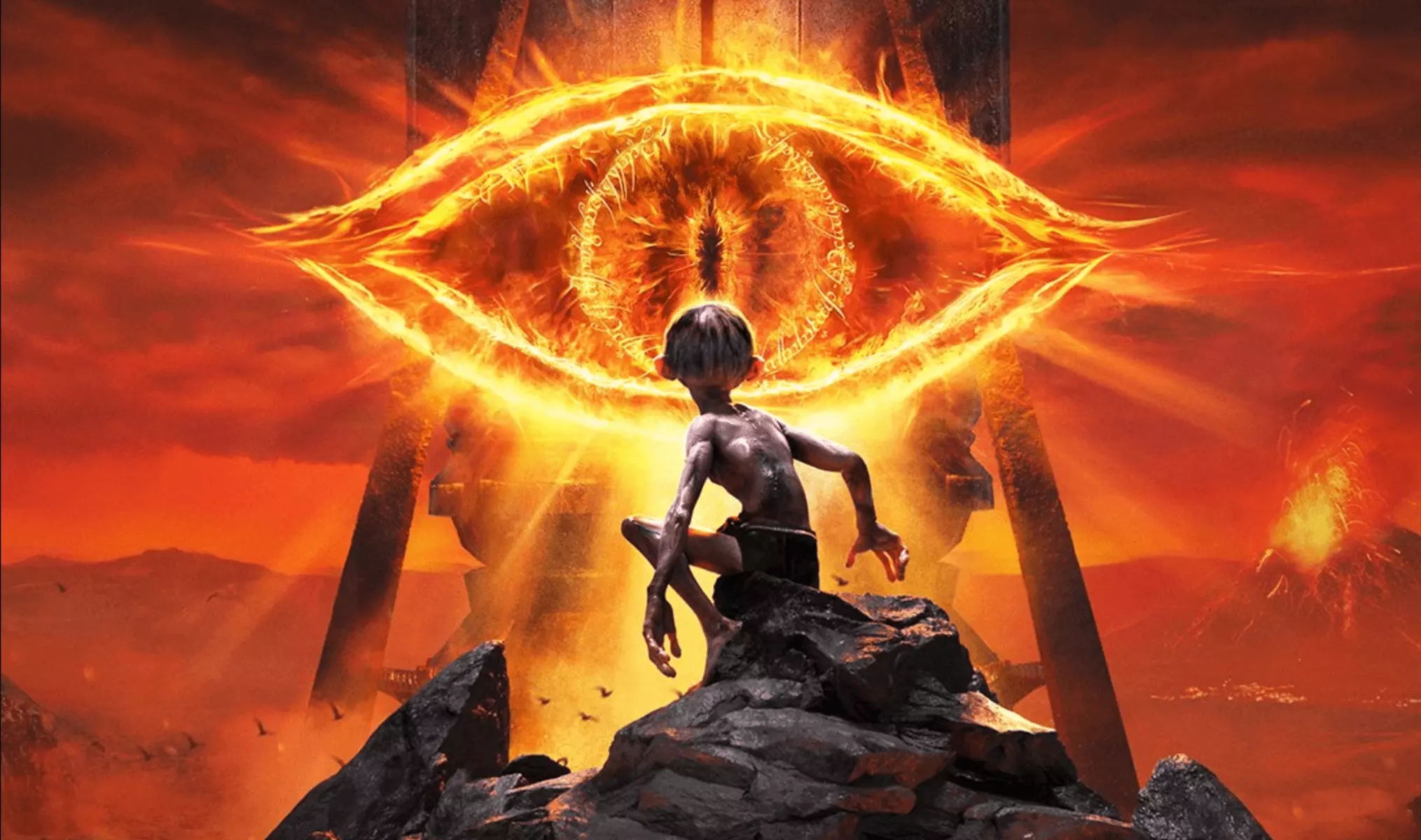
This stealth action game promised a unique perspective on the famous fantasy world by following a tragic character. Trailers suggested a blend of parkour and narrative choices that would explore the dual personality of the protagonist. The final product was widely panned for its dated graphics and frustrating controls that made the gameplay a chore. It failed to capture the epic scale or the detailed lore that fans expected from the property.
‘Skull and Bones’ (2024)
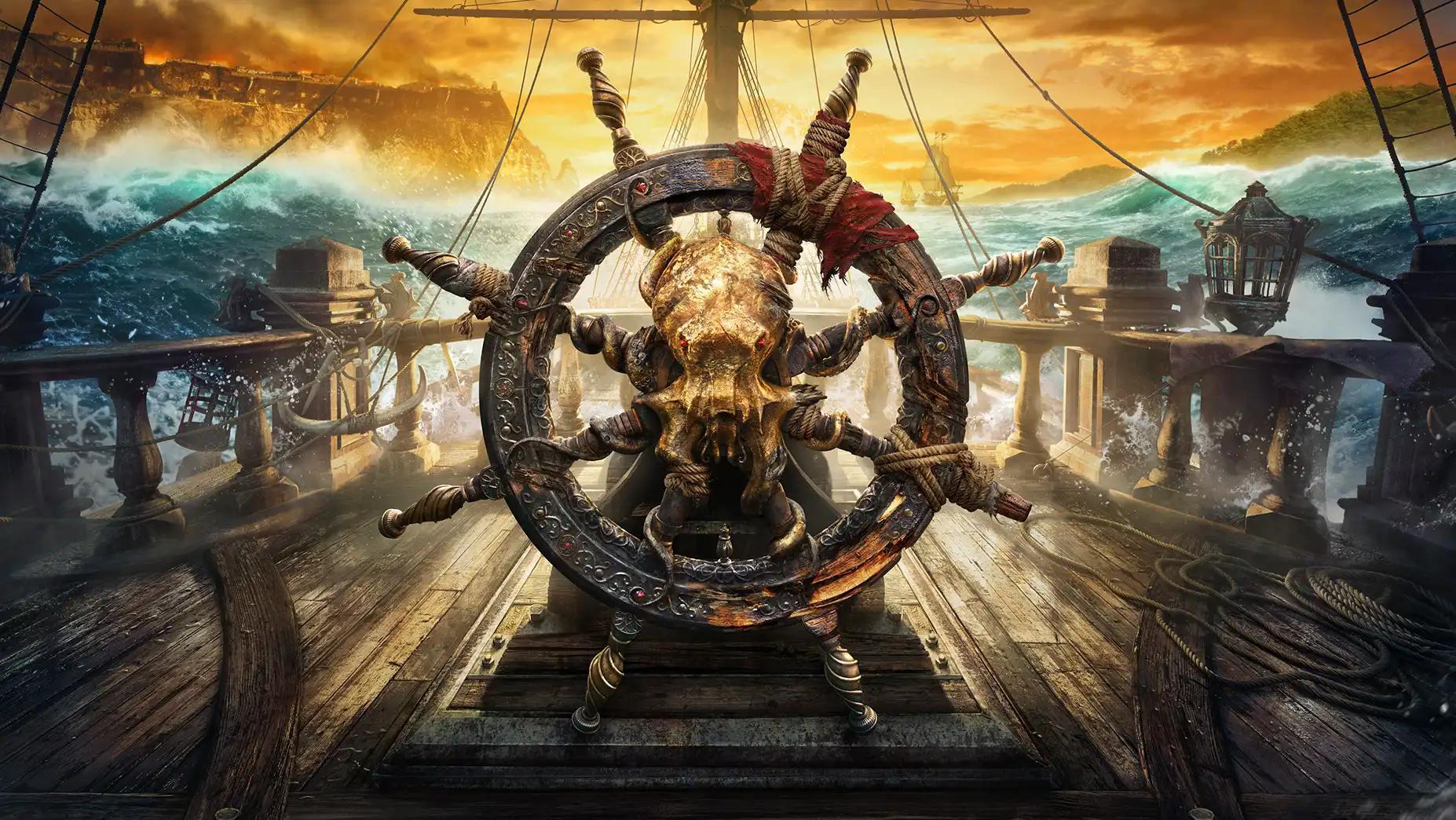
This pirate adventure spent nearly a decade in development after being inspired by popular ship combat in another series. The publisher famously referred to it as a quadruple A game to emphasize its massive scale and quality. Players found that the gameplay focused heavily on menu based resource management rather than exciting naval exploration. The lack of land based combat and a repetitive mission structure disappointed those looking for a complete pirate simulation.
‘Marvel’s Avengers’ (2020)
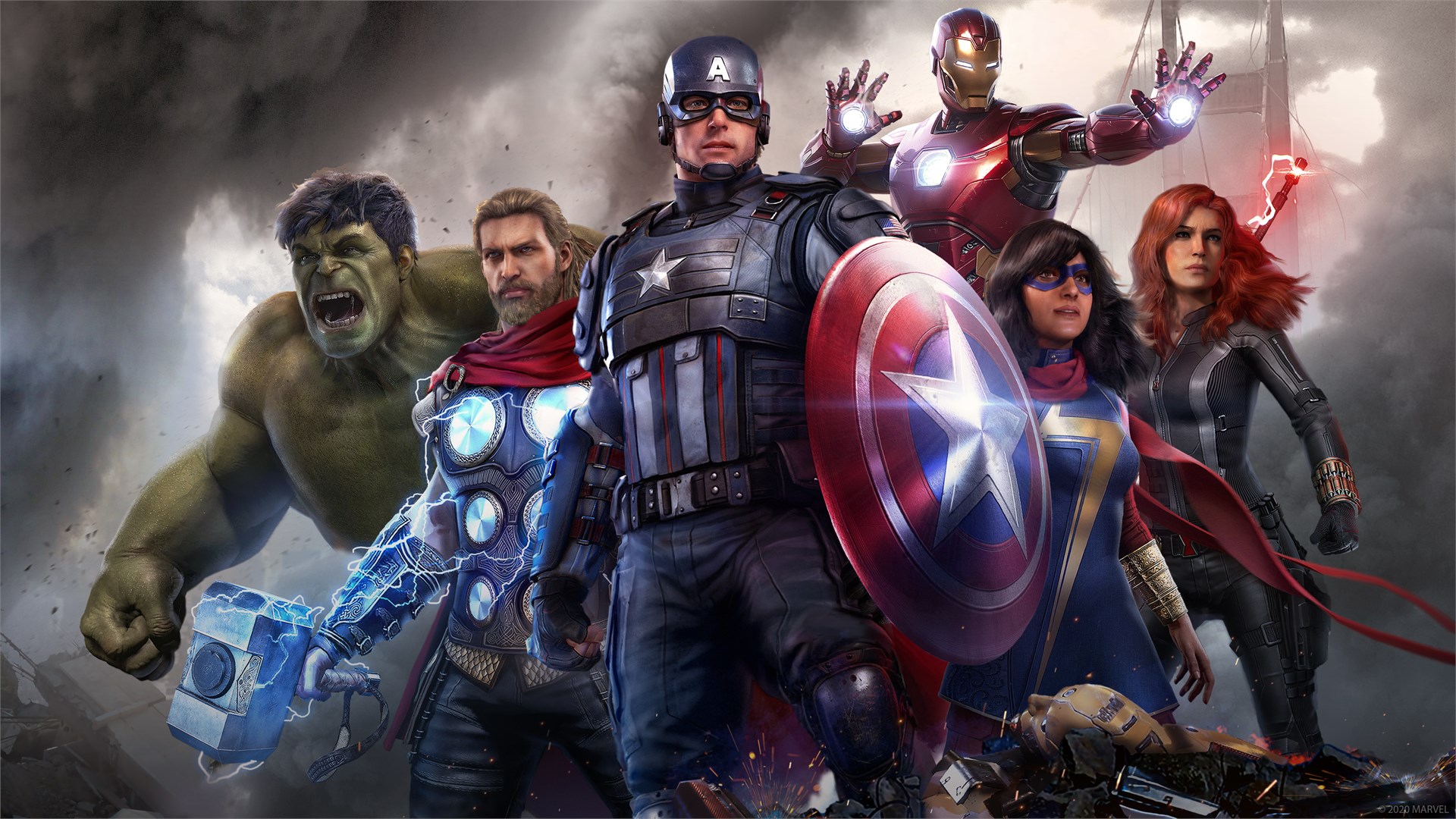
This live service title promised an expanding story where players could control their favorite comic book heroes. While the initial campaign was well received the endgame content was criticized for being repetitive and grindy. The focus on microtransactions and gear scores felt at odds with the heroic nature of the characters. Ongoing support for the game eventually ended after it failed to maintain a large enough player base.
‘Suicide Squad: Kill the Justice League’ (2024)
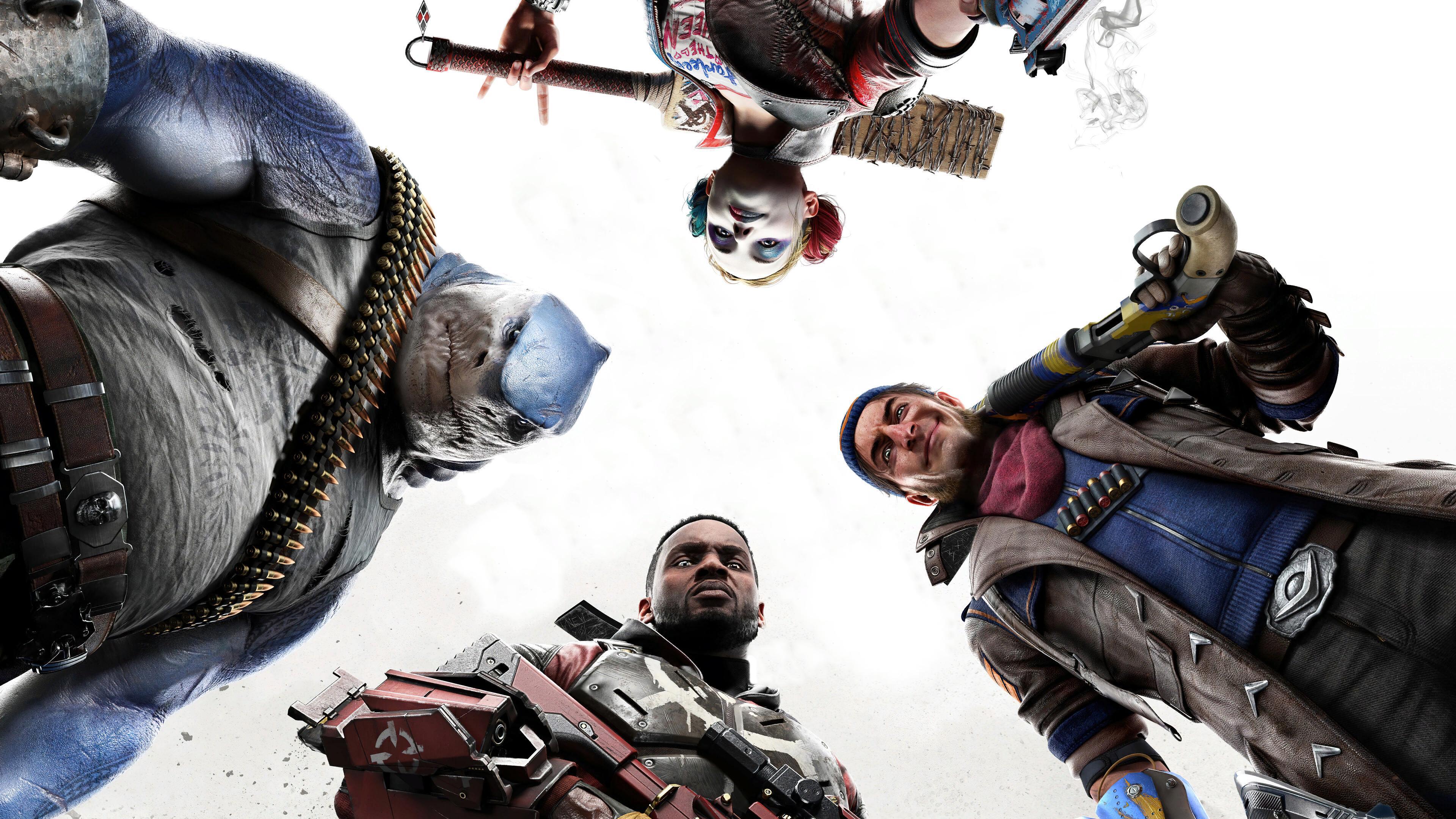
Set in the same universe as a critically acclaimed superhero series this title shifted focus to cooperative live service gameplay. Fans were disappointed by the emphasis on repetitive looter shooter mechanics over unique character abilities. The story choices and the handling of established heroes faced significant backlash from the community. Low player engagement led to questions about the long term viability of the project.
‘Overwatch 2’ (2022)
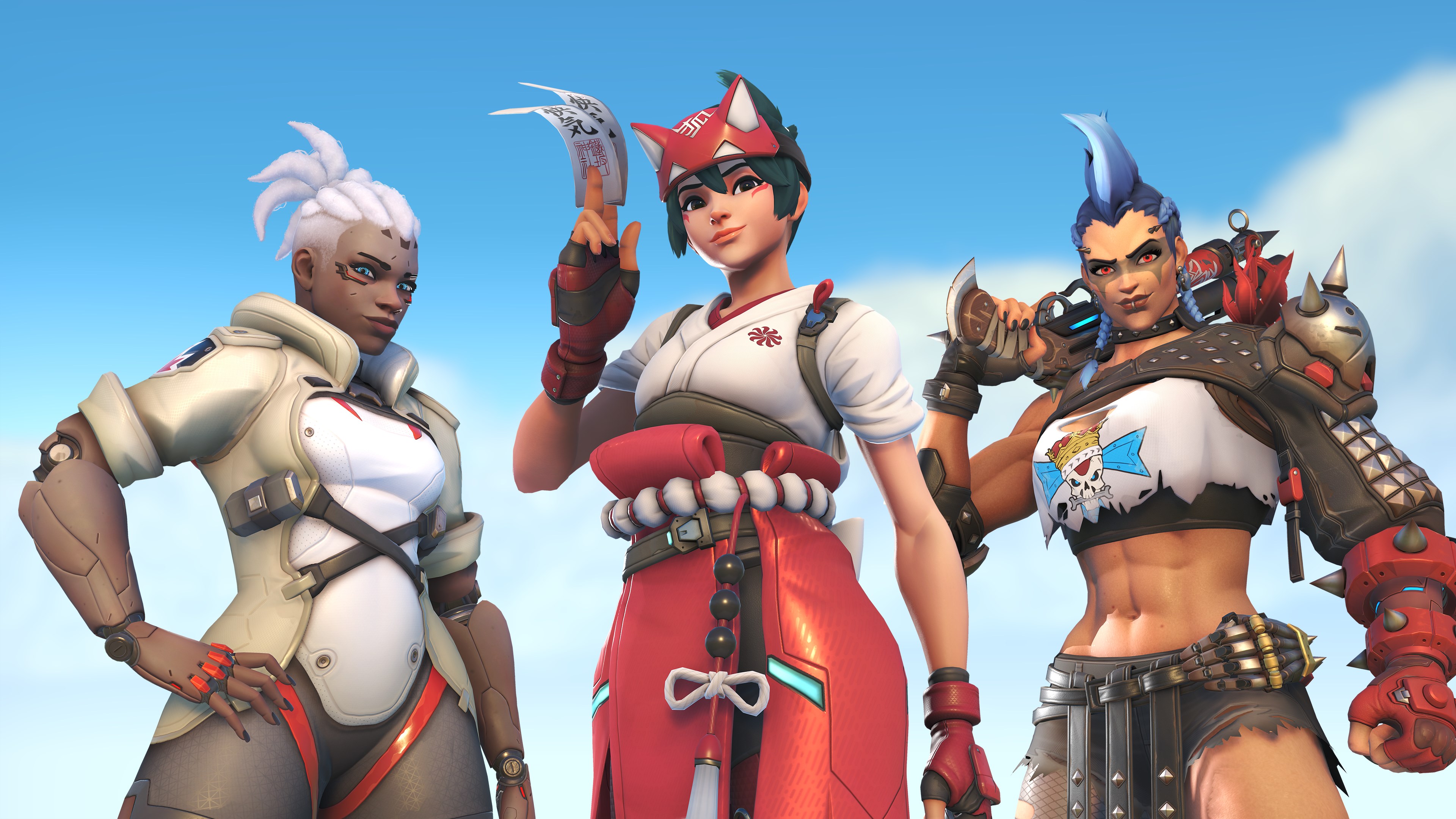
The sequel was originally announced with a major focus on a dedicated cooperative story mode and hero missions. These features were intended to differentiate the new release from its predecessor and justify the name change. The developer eventually announced that the most ambitious parts of the player versus environment mode had been cancelled. This left players with a game that felt more like a seasonal update than a full sequel.
‘Watch Dogs’ (2014)
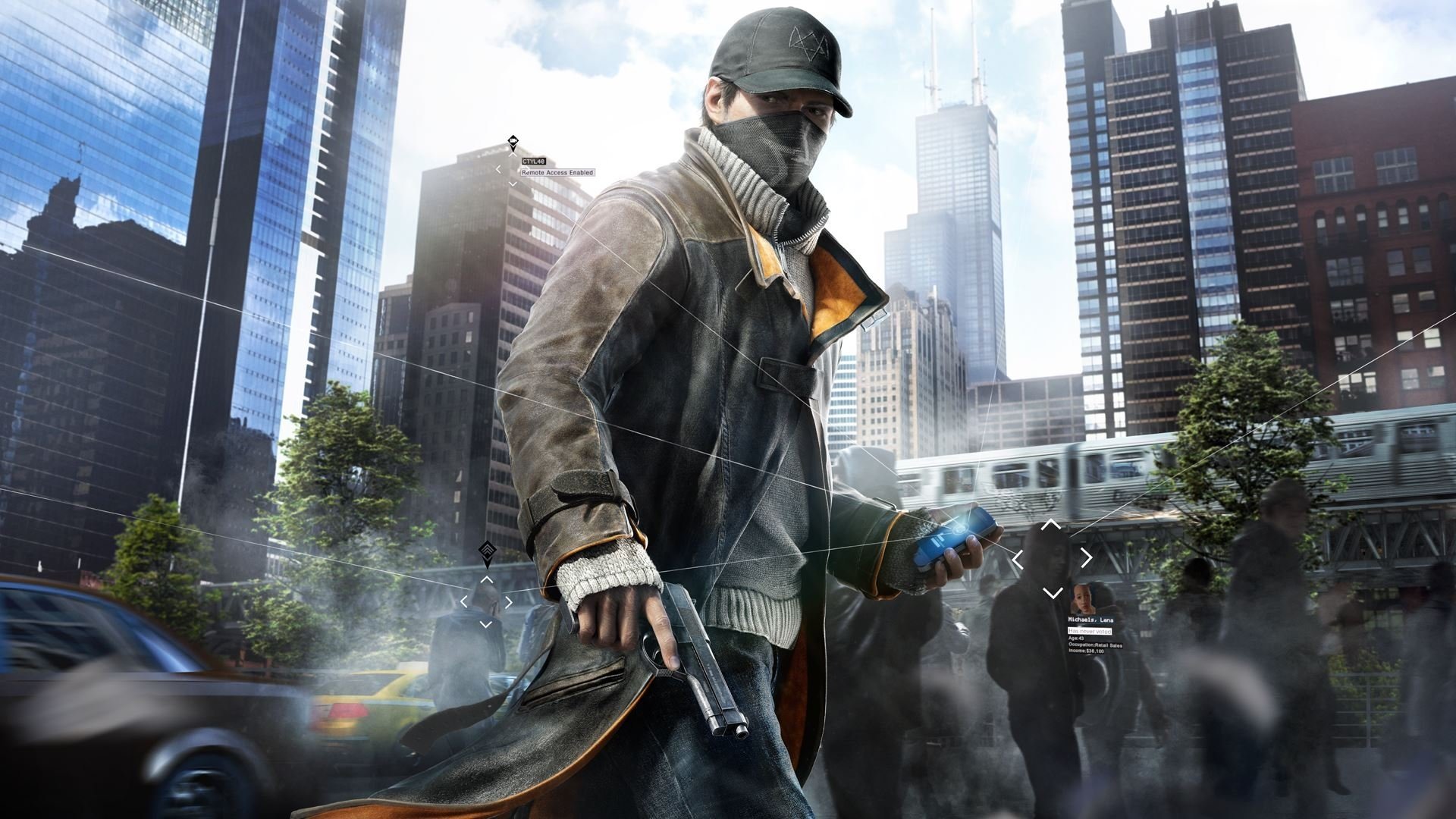
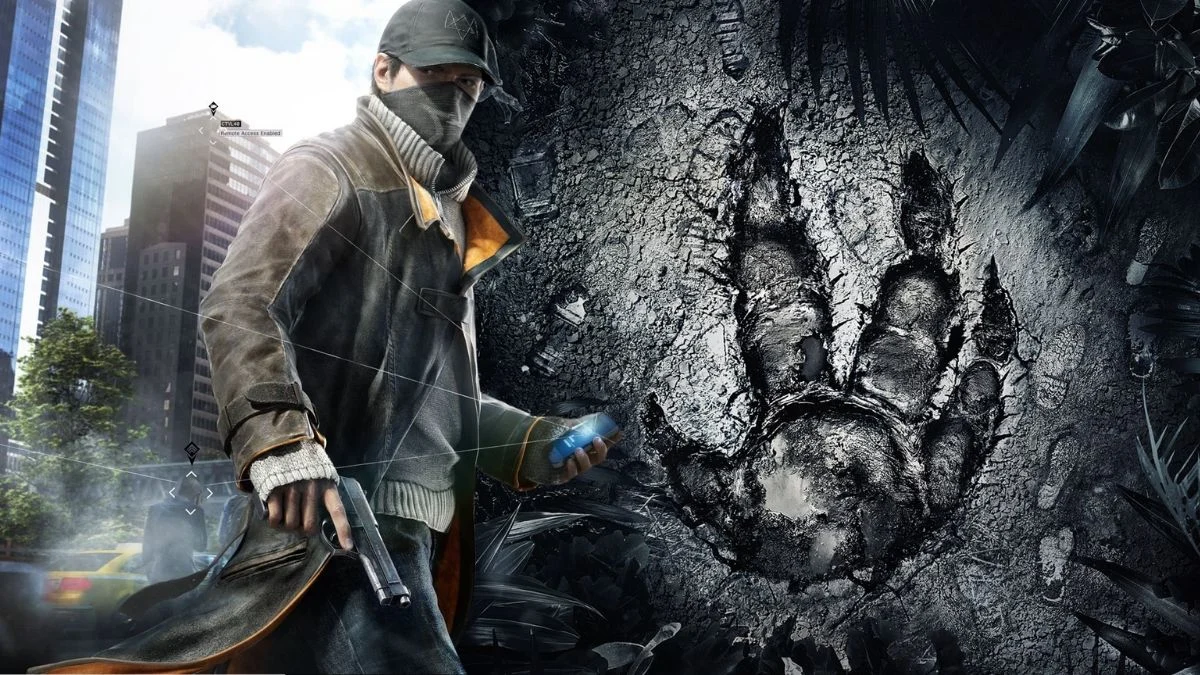
Early demonstrations of this hacking game featured visual fidelity that appeared to surpass anything available at the time. When the game was released on consoles and computers the graphics were notably downgraded from the initial showcases. The protagonist and the story were also criticized for being less engaging than the trailers suggested. While it was a commercial success it became a frequent point of discussion regarding misleading marketing in the industry.
‘Haze’ (2008)
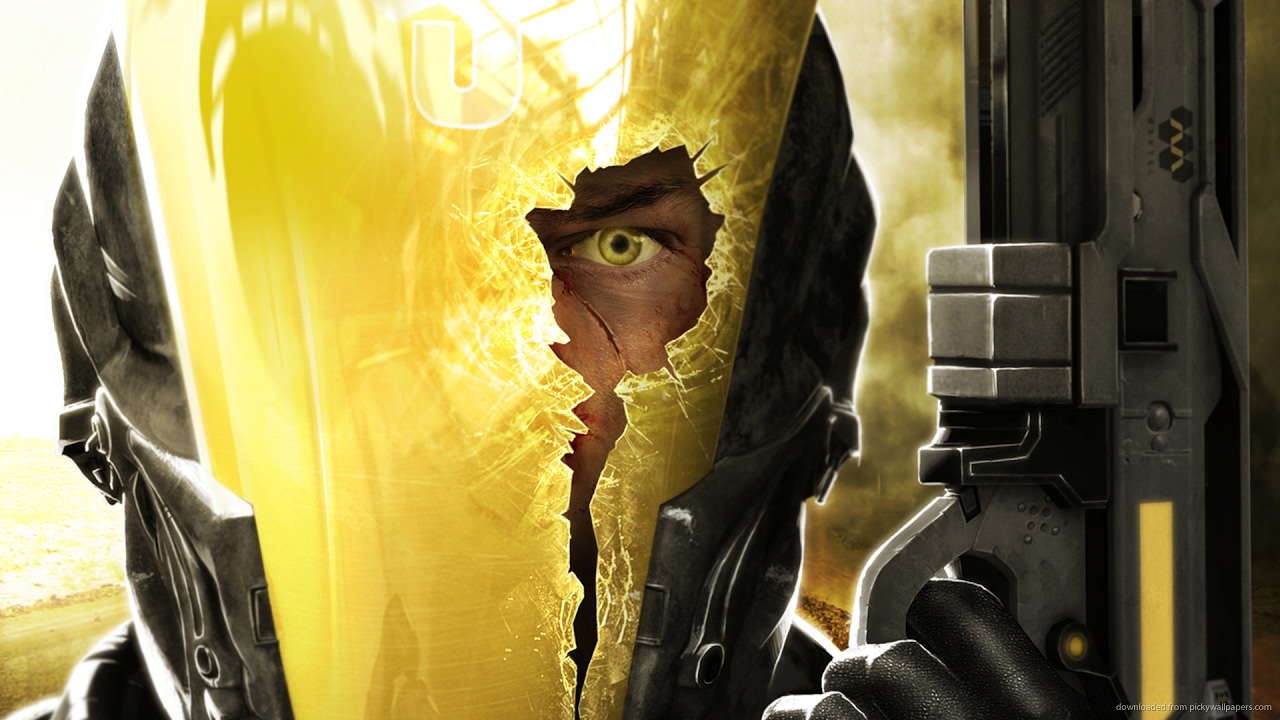
This shooter was marketed as a major exclusive that would showcase the power of its hardware platform. The story promised a mature look at the effects of a performance enhancing drug on soldiers in a futuristic war. The final game suffered from a short campaign and technical issues that made it feel unpolished compared to its competitors. It failed to establish itself as the high quality franchise the publishers had envisioned.
‘Too Human’ (2008)
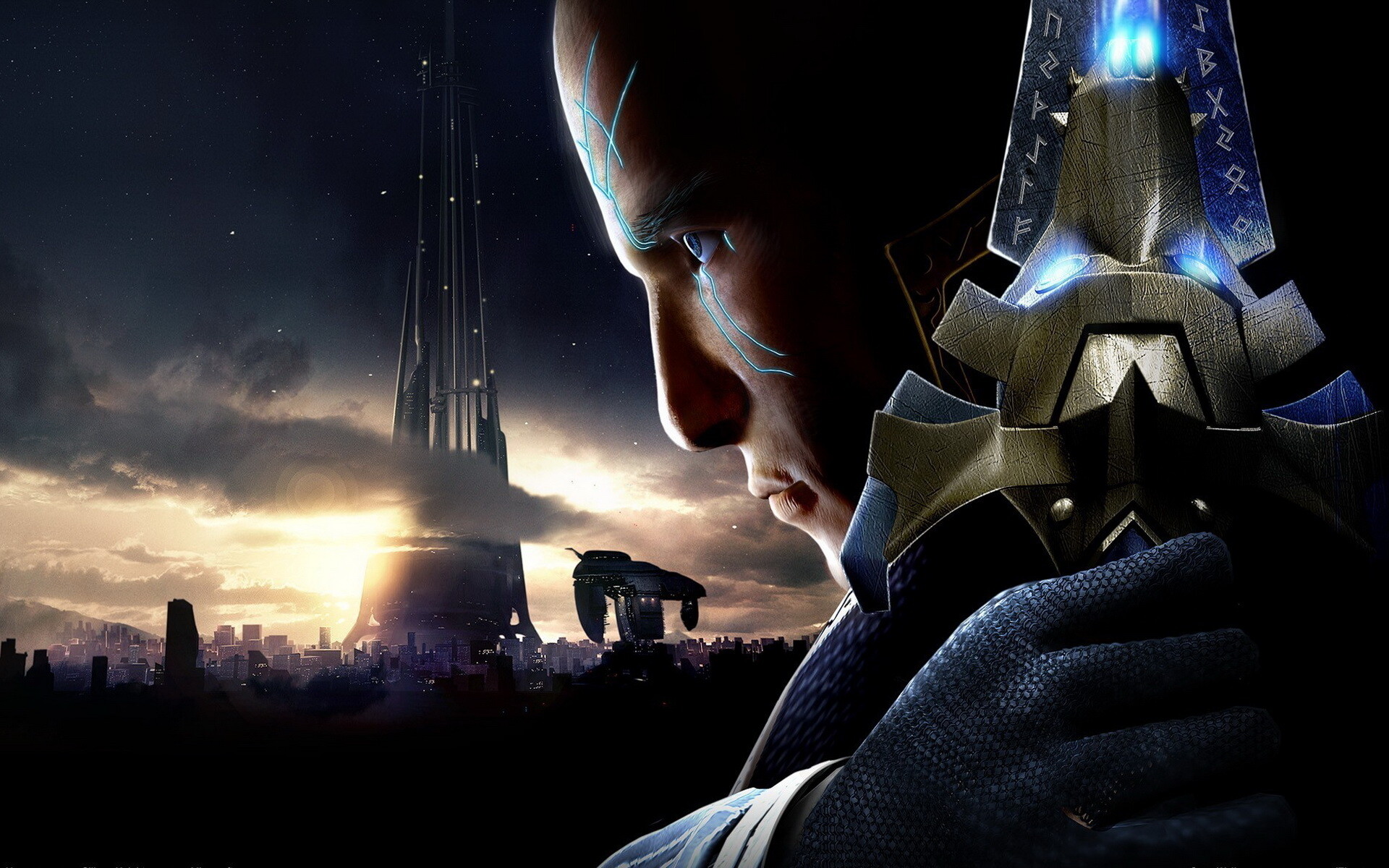
This action role playing game reimagined Norse mythology within a high technology setting. The project underwent a troubled development process that spanned multiple console generations and included a major legal battle. The gameplay was criticized for its unusual control scheme and a repetitive combat system that lacked depth. It failed to find a large audience and the developer eventually ceased operations.
‘Lair’ (2007)
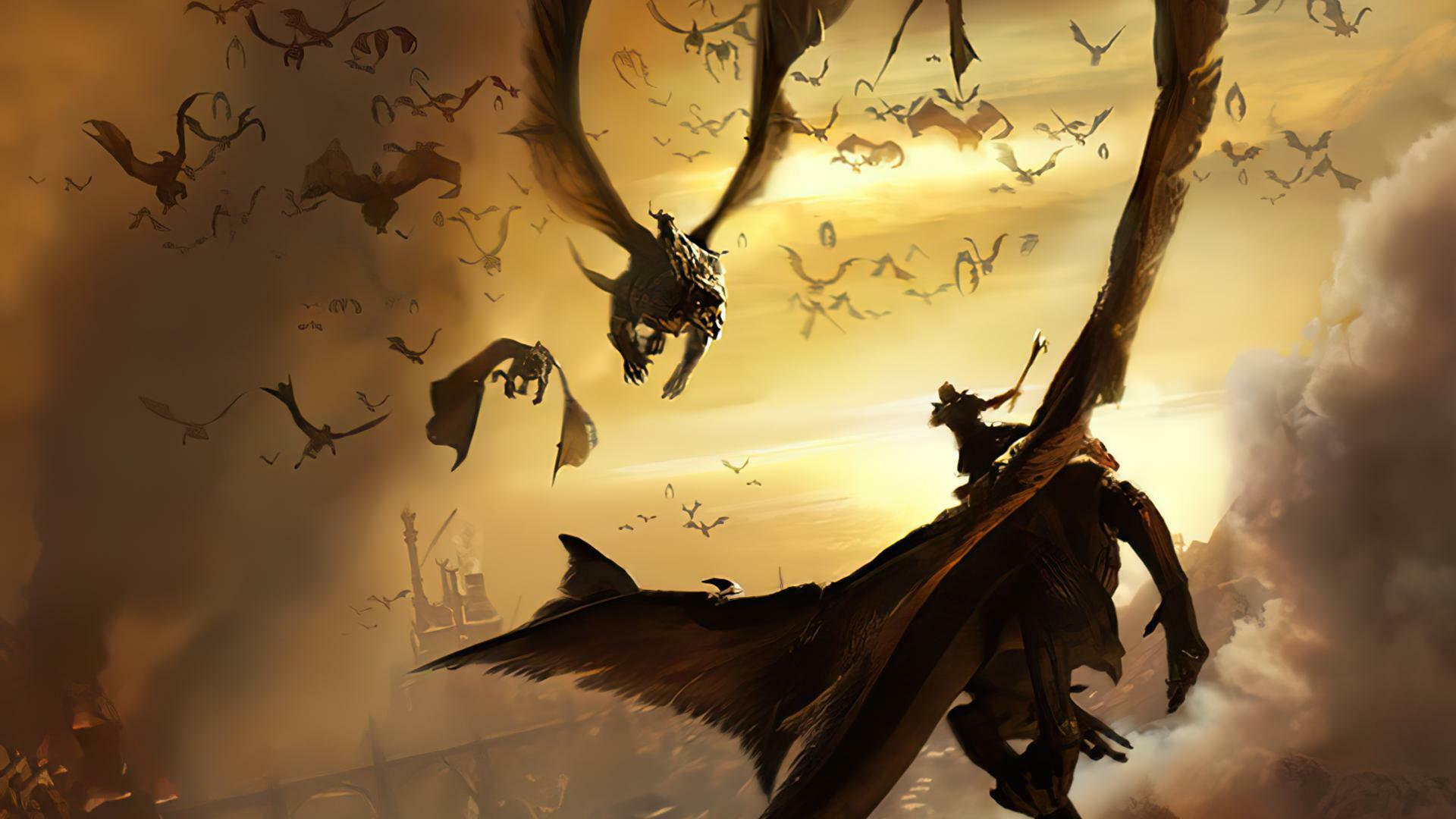
This dragon riding game was intended to be a flagship title that utilized motion controls to simulate flight. The reliance on these controls proved to be frustrating for many players who found them difficult to master. While the visual presentation was impressive the core gameplay loop felt limited and imprecise. A traditional control option was added later but it could not save the game from its poor initial reception.
‘Brink’ (2011)
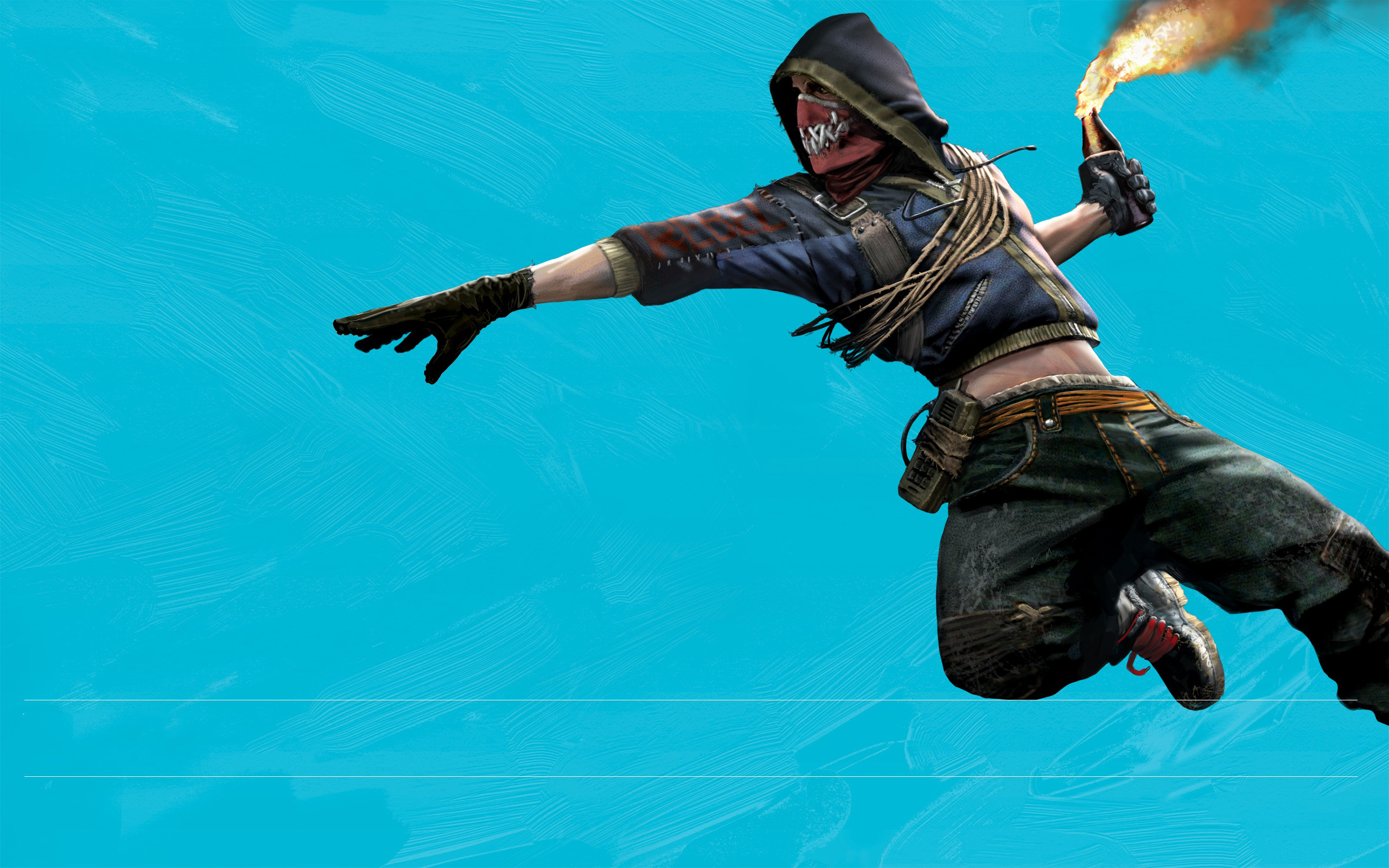
This first person shooter promised to blur the lines between single player and multiplayer modes through a dynamic mission system. The movement system was marketed as a revolutionary way to traverse complex environments with ease. In practice the maps were often cramped and the artificial intelligence was not capable of managing the objectives effectively. The game struggled to maintain a community shortly after its launch.
‘Evolve’ (2015)
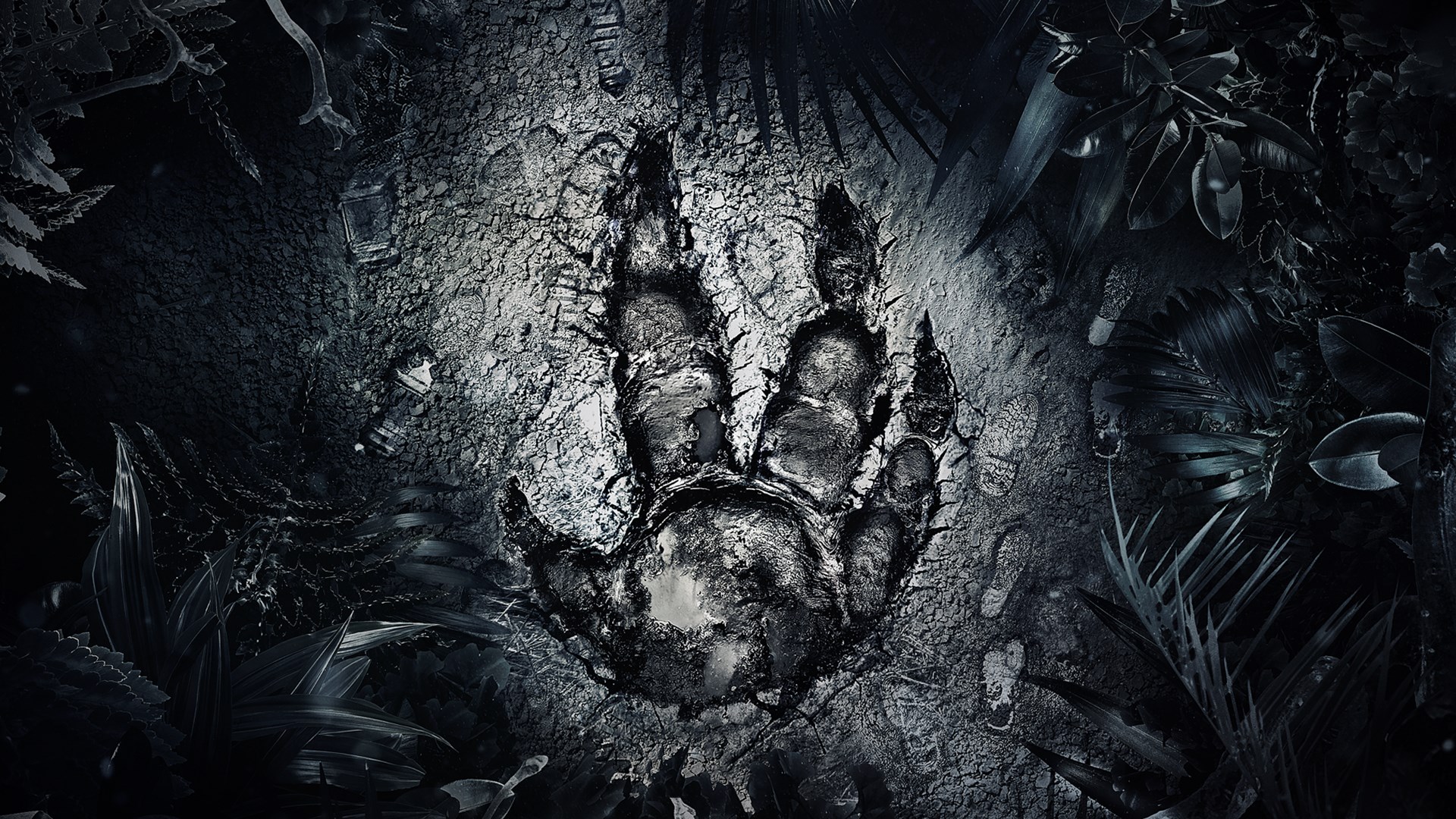
This asymmetrical multiplayer game focused on a team of hunters tracking down a single powerful monster. The concept was highly praised during previews and won numerous awards at industry events. The final release was criticized for an aggressive downloadable content strategy that divided the player base. The gameplay balance also proved difficult to maintain which led to a rapid decline in the number of active users.
‘Battlefield 2042’ (2021)
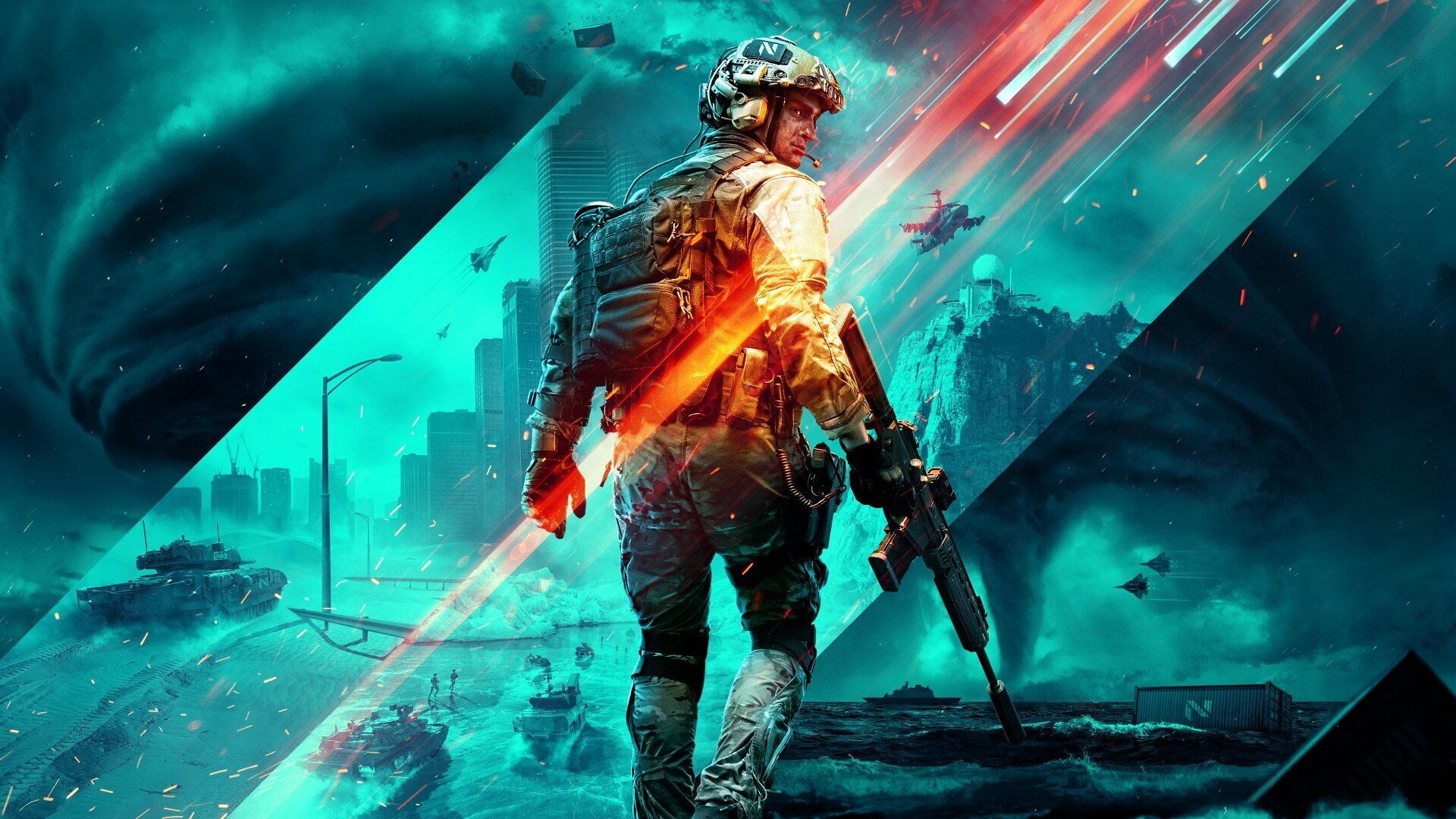
This installment in the long running shooter series promised massive battles with up to one hundred and twenty eight players. Fans were disappointed by the removal of the traditional class system and the absence of basic features like a scoreboard. The game launched with numerous bugs and performance issues that affected the experience on all platforms. Significant changes were eventually made to the core design to address the concerns of the community.
‘Crackdown 3’ (2019)
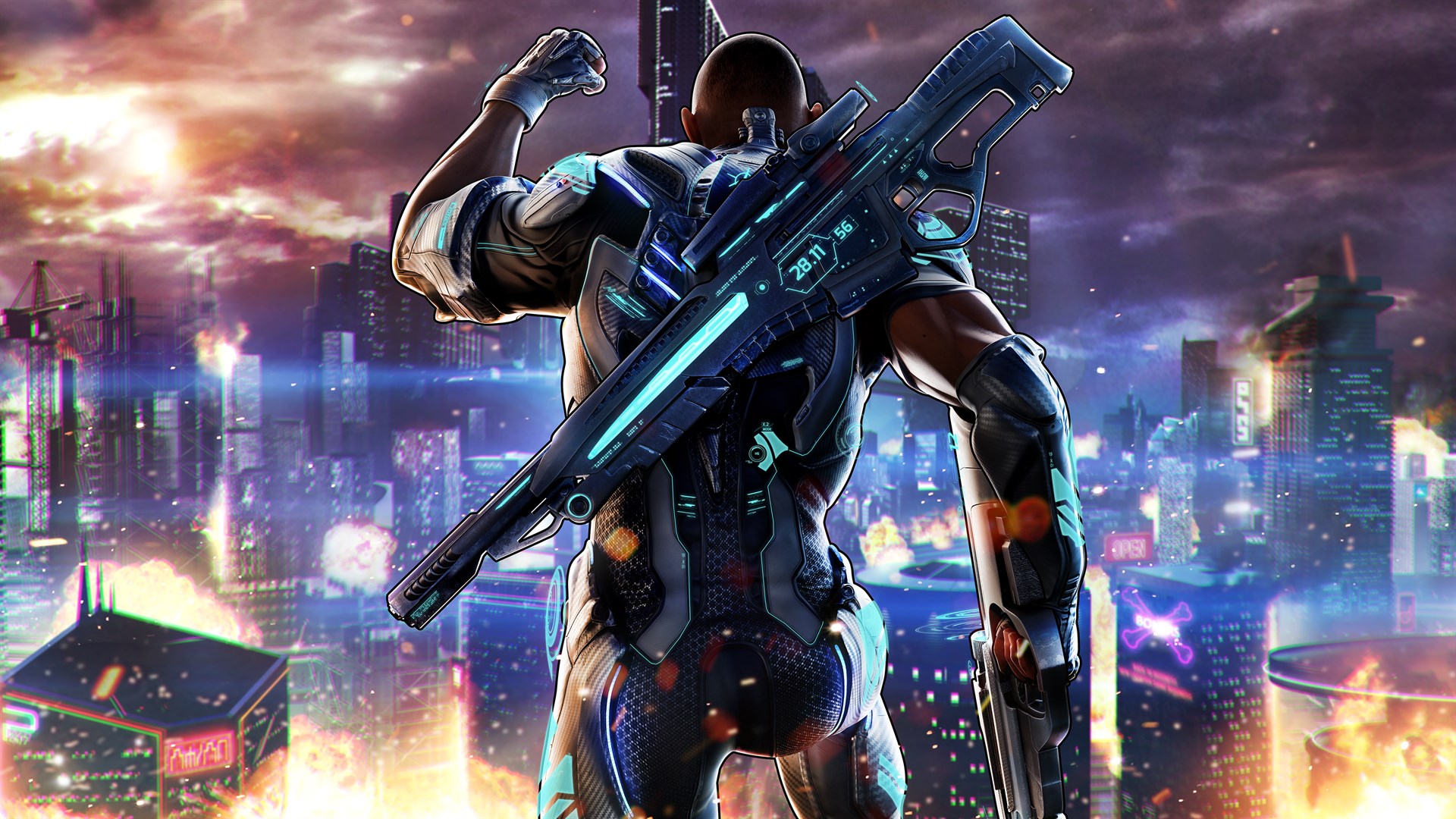
The initial reveal of this game highlighted a fully destructible city powered by cloud computing technology. As development progressed the focus on environmental destruction was limited to a specific multiplayer mode. The single player campaign felt very similar to its predecessors and lacked modern innovations. After multiple delays the final product was seen as a dated experience that did not live up to the early technical promises.
‘Biomutant’ (2021)
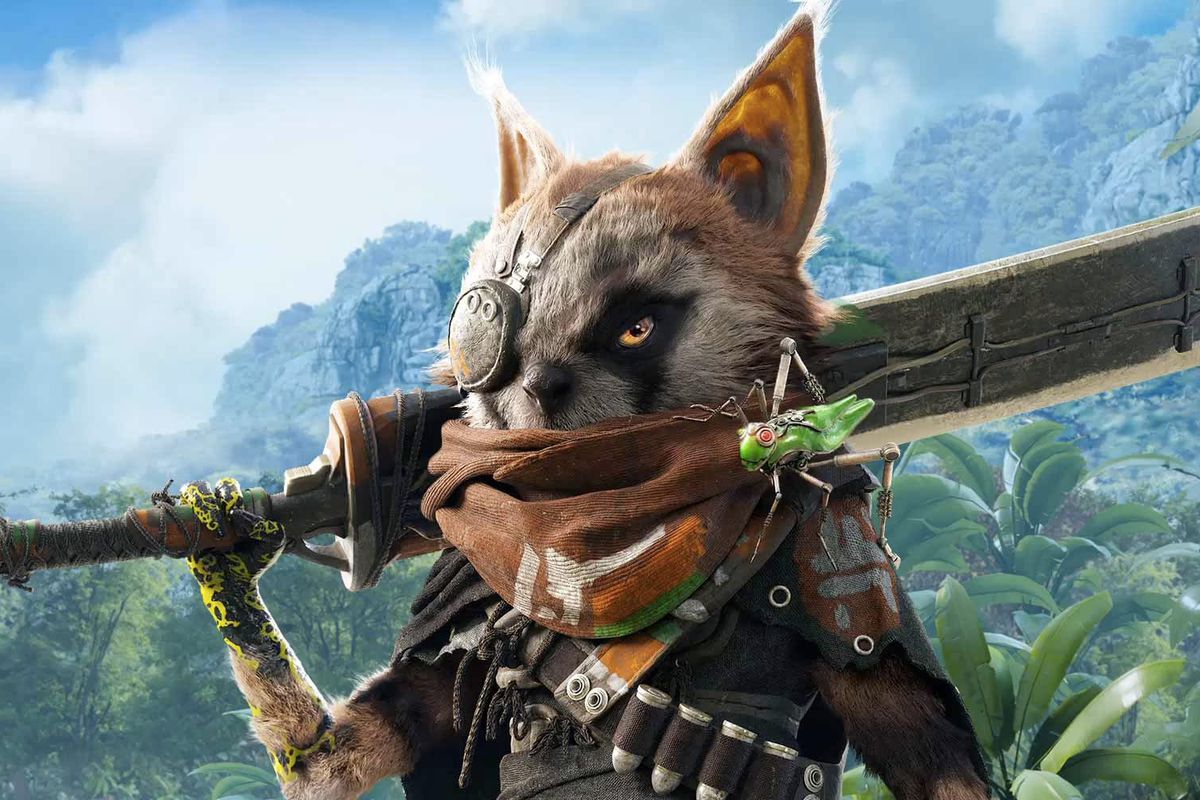
This open world action game featured a unique post apocalyptic setting populated by mutated animals. The trailers promised a deep crafting system and a narratively significant karma mechanic that would shape the world. While the world was visually distinct the combat and quest design were criticized for being repetitive and shallow. The constant narration also proved to be polarizing for players who wanted a more immersive experience.
‘Balan Wonderworld’ (2021)
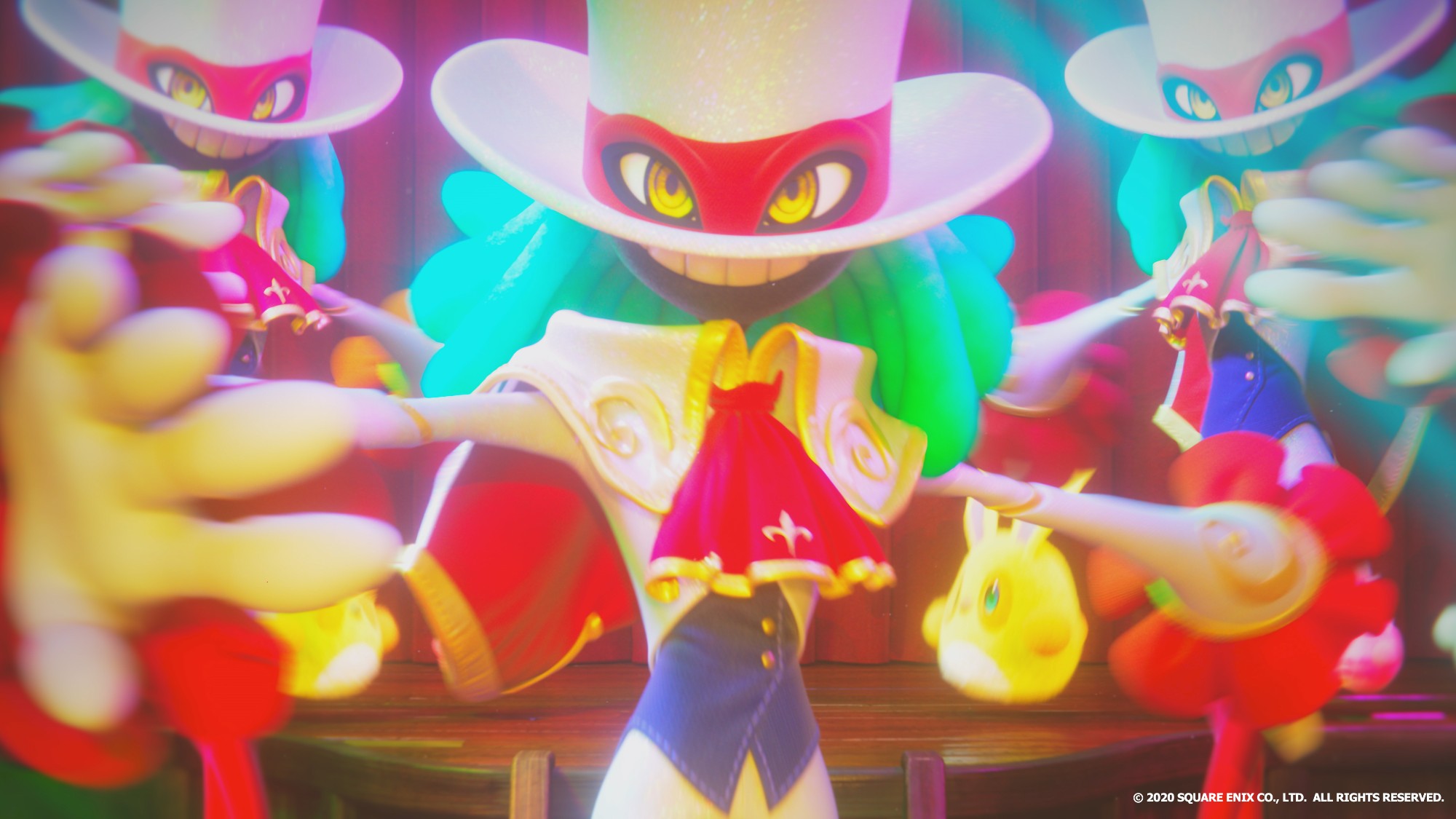
Created by the designers behind iconic platforming characters this title was expected to be a whimsical return to classic gameplay. The final product was criticized for its confusing levels and a one button control scheme that limited the variety of abilities. The graphical quality and animation were also seen as inconsistent for a modern release. It failed to capture the magic of the creators earlier works and received very low scores from critics.
‘Babylon’s Fall’ (2022)
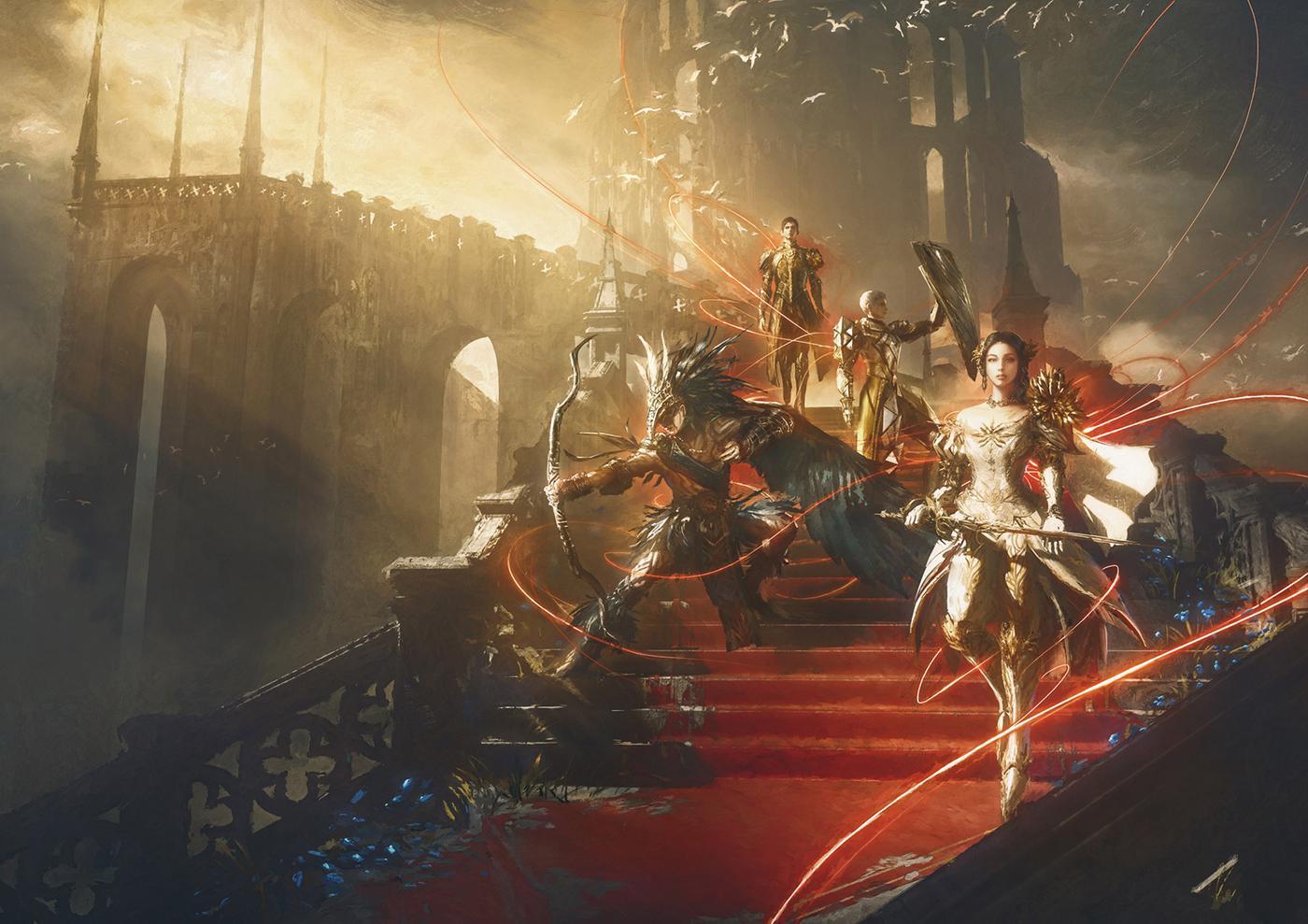
This cooperative action game featured a unique art style designed to look like a living oil painting. The gameplay was intended to offer deep combat mechanics from a studio known for high quality action titles. Players found the visual filter to be distracting and the core combat to be sluggish and unrewarding. The game failed to attract an audience and the servers were permanently shut down less than a year after launch.
‘Dead Island’ (2011)

A cinematic announcement trailer for this zombie game became a viral sensation for its emotional storytelling and unique reverse chronological format. The actual game was a much more traditional first person action title focused on melee combat and crafting. While it was successful as a survival game it lacked the emotional depth and narrative focus suggested by the marketing. Many players felt a disconnect between the tone of the trailer and the final product.
‘Star Wars Battlefront II’ (2017)
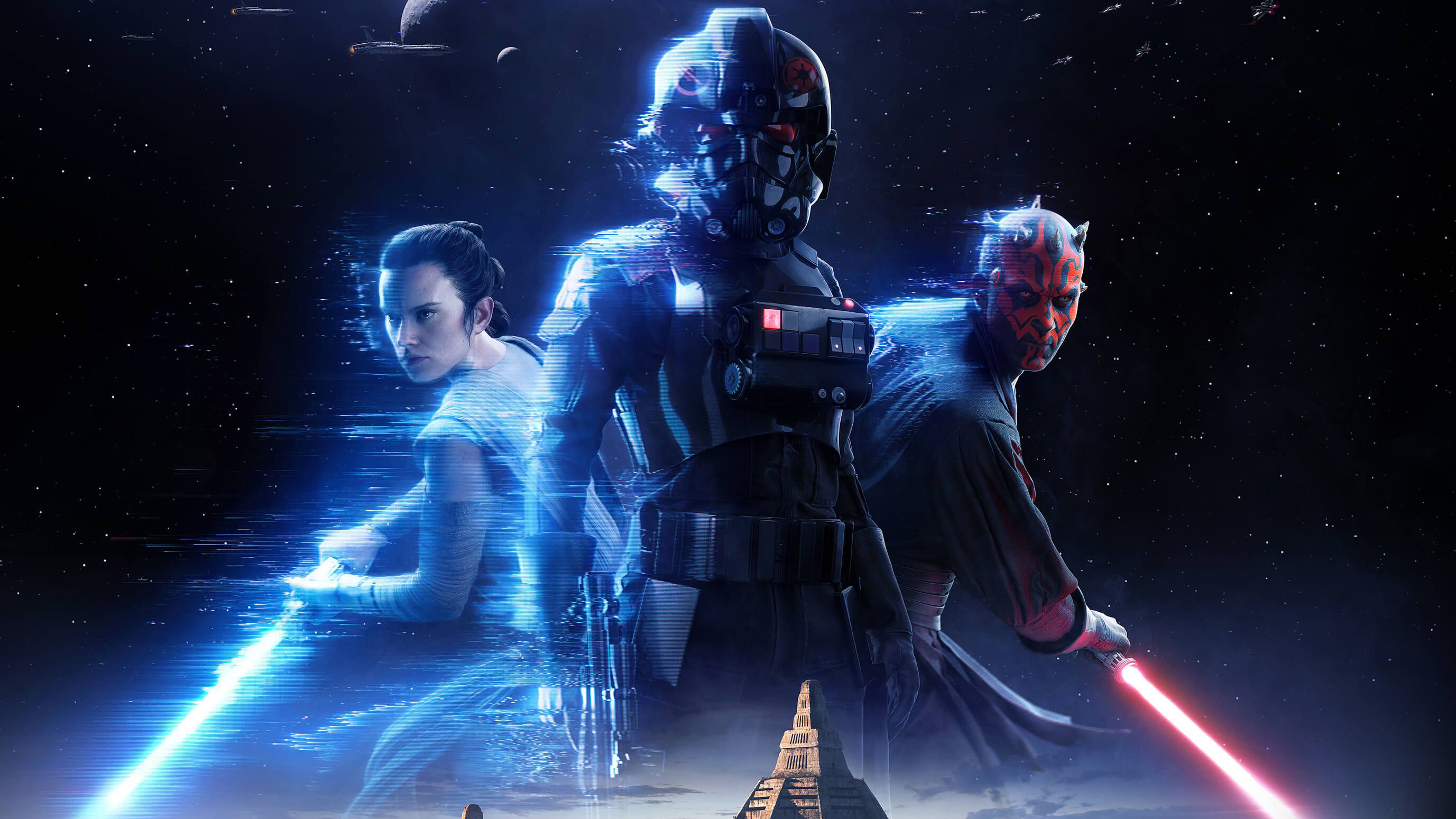
The sequel promised a massive expansion of the previous game with a full story campaign and content from all eras of the film series. At launch the game was heavily criticized for a progression system tied to randomized loot boxes. This led to accusations of pay to win mechanics that overshadowed the high quality visuals and sound design. The developer eventually removed the controversial elements and completely restructured the progression system.
‘Hellgate: London’ (2007)
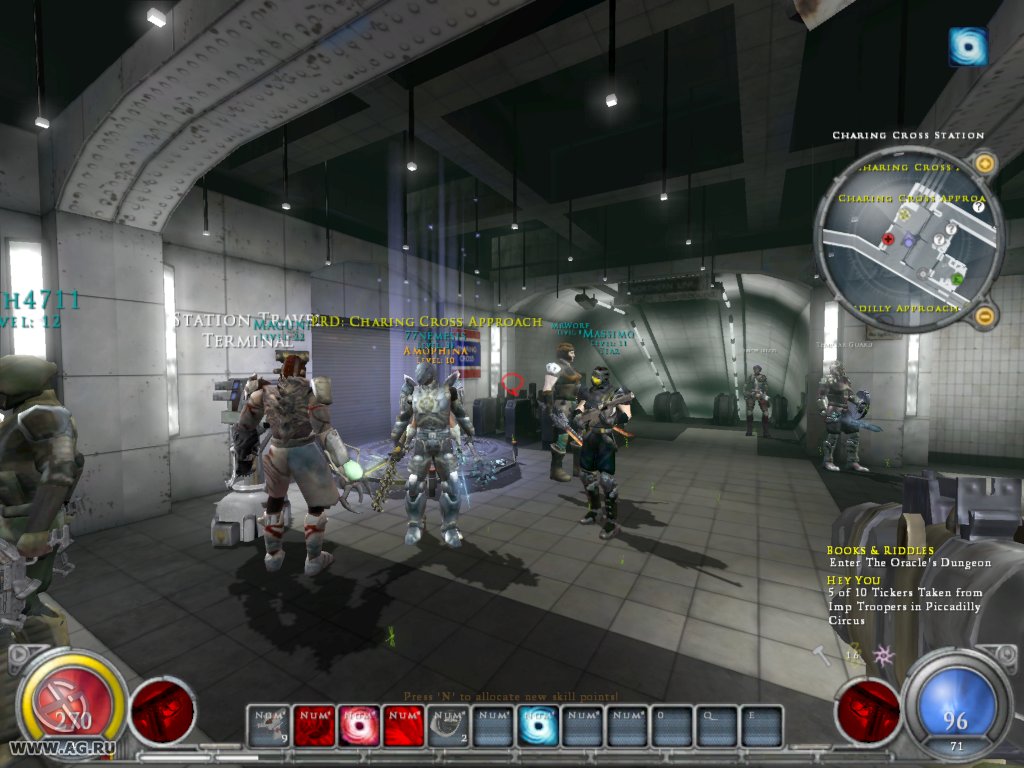
Developed by veterans of the action role playing genre this game promised to combine fast paced shooting with deep character customization. The vision of a demon infested London was compelling but the game suffered from numerous technical bugs and a lack of polished content. The subscription model for additional features was also poorly received by the community. The studio eventually closed and the game struggled to find a sustainable future.
‘Tabula Rasa’ (2007)
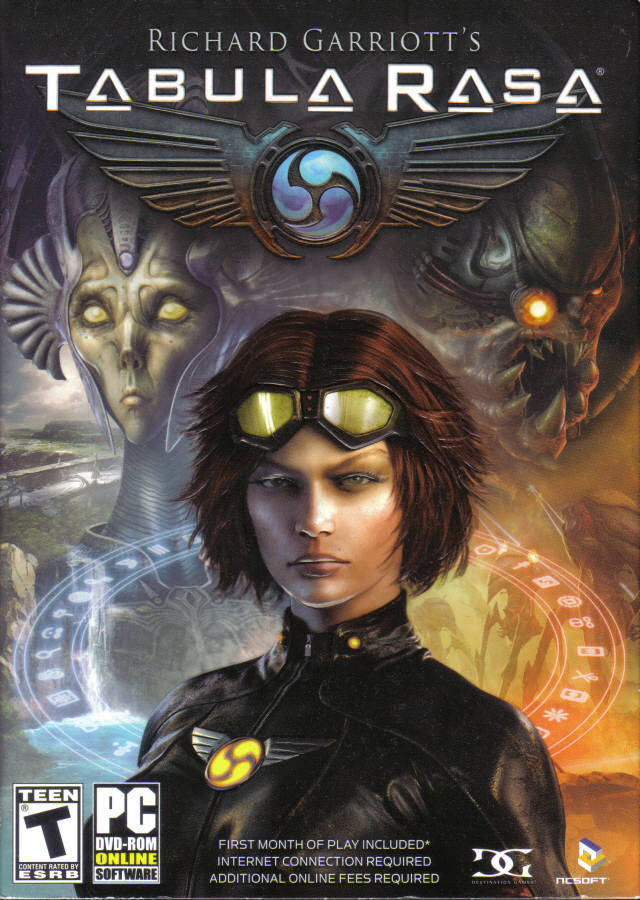
This science fiction online game was led by a pioneer of the genre who promised a new kind of massive multiplayer experience. It featured a dynamic world where alien forces could capture bases and change the landscape. Despite the pedigree of its creator the game failed to reach a large enough audience to sustain its high operational costs. It was shut down only two years after its release following a period of declining interest.
‘The Stomping Land’ (2014)
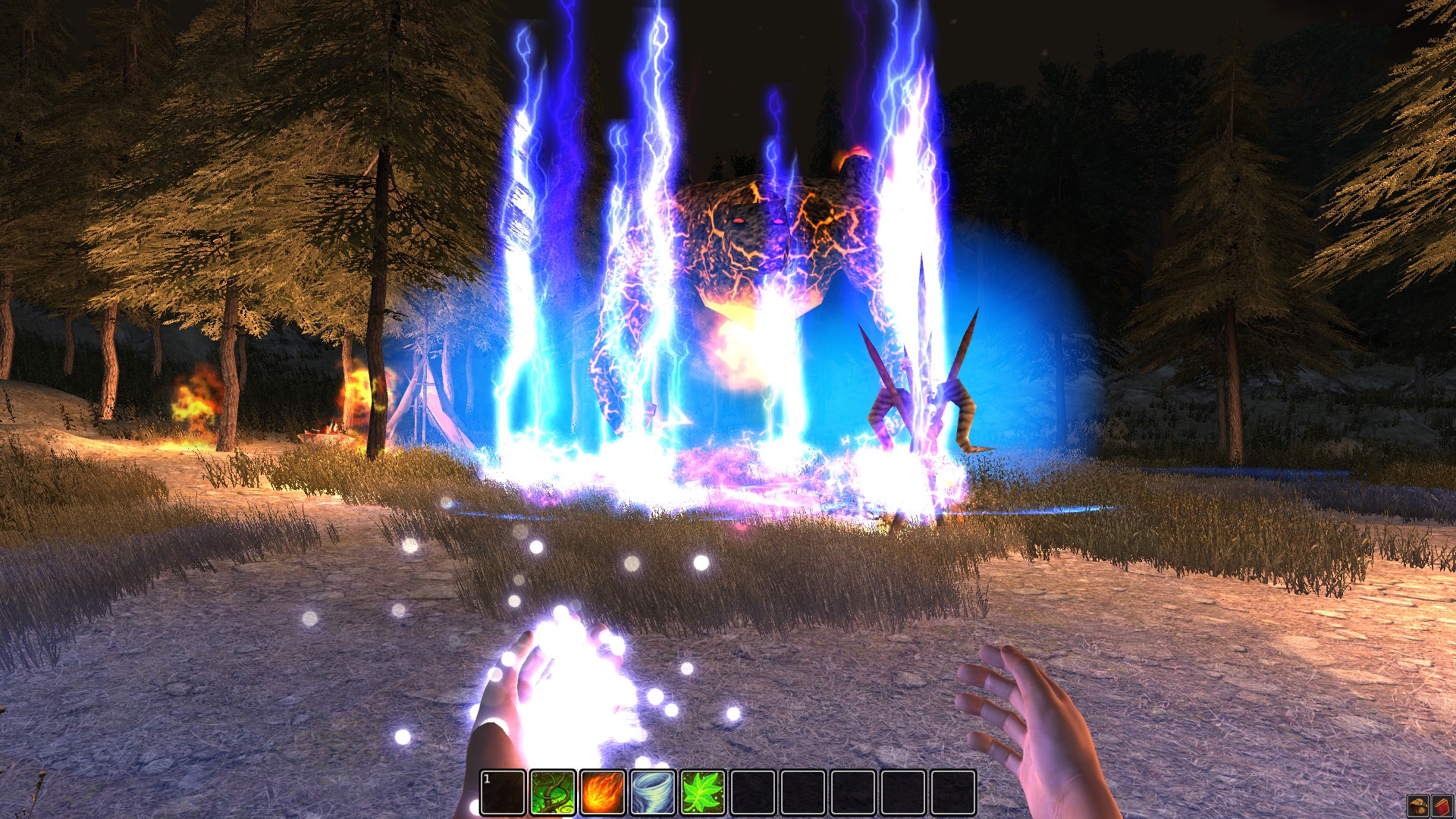
This survival game focused on hunting dinosaurs and building tribal communities through cooperative play. It gained significant attention during its early access phase but development suddenly stopped without any communication from the creator. The game was eventually removed from digital stores as it remained in an unfinished and broken state. Backers and players felt misled by the lack of transparency regarding the future of the project.
‘Homefront’ (2011)
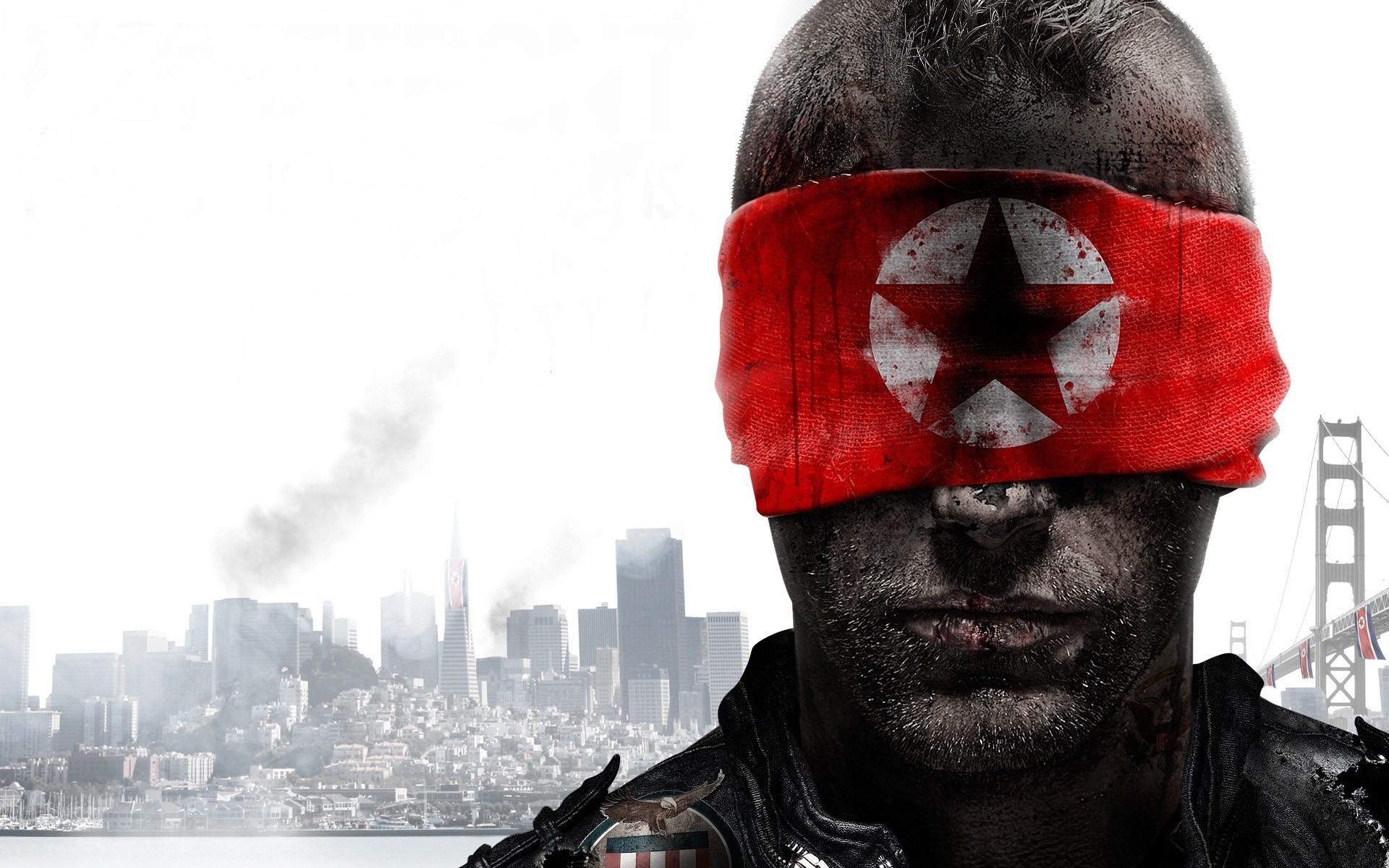
This shooter featured a story written by a famous screenwriter depicting a future where North America is occupied by a foreign power. The marketing suggested an epic emotional journey and a deep multiplayer experience to rival major franchises. The single player campaign was criticized for being very short and lacking the depth promised by the premise. The game failed to launch a successful new series and the developer faced financial difficulties shortly after.
‘The Order: 1886’ (2015)
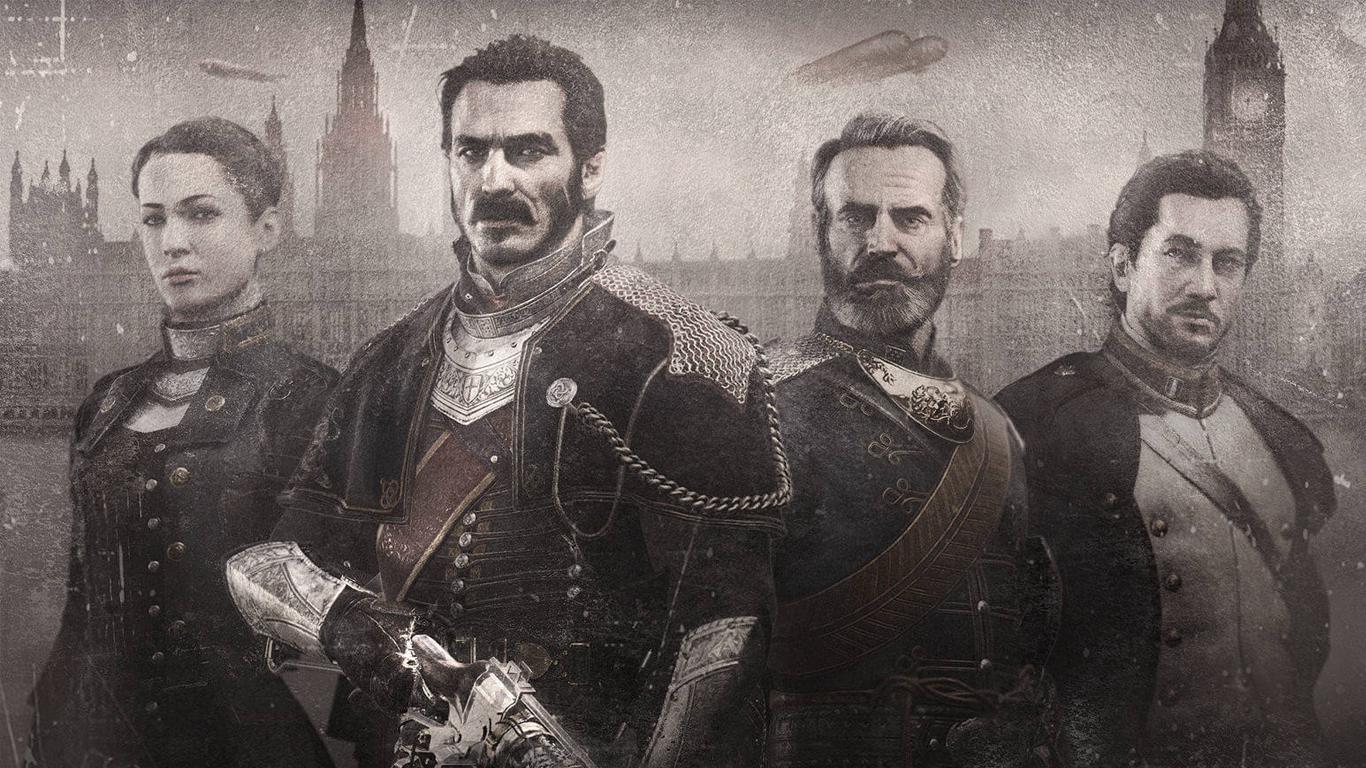
This title was showcased as a visual masterpiece that would define the graphics of its console generation. Set in an alternate Victorian London it promised a cinematic blend of shooting and supernatural storytelling. Many players were disappointed by the very short length of the game and the heavy reliance on quick time events. The restrictive level design and lack of replay value made it feel more like a technical demo than a full game.
‘Driv3r’ (2004)
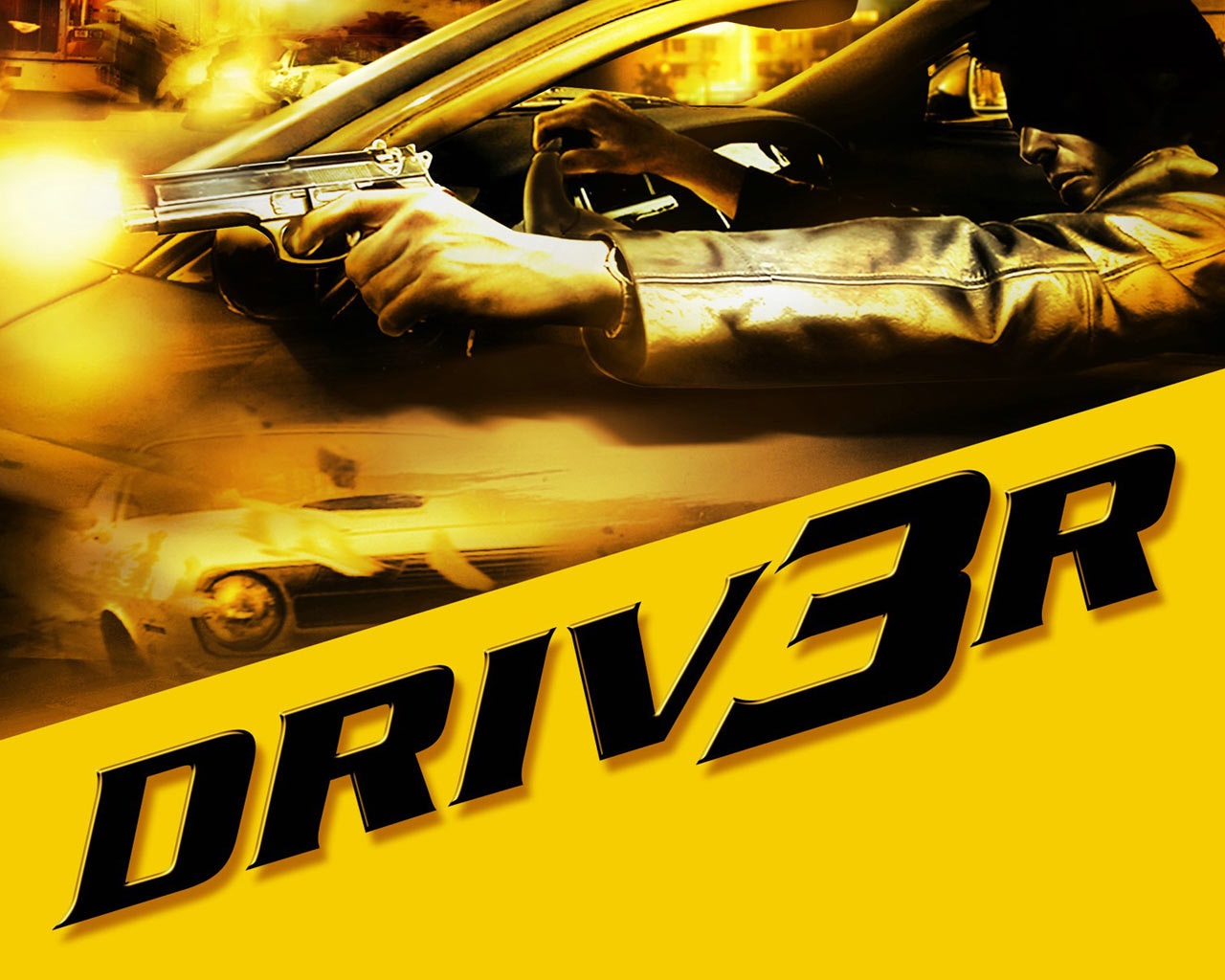
The third entry in this driving series aimed to compete directly with other major open world crime titles. A massive advertising campaign and high production values built enormous expectations for its release. The game was criticized for a frustrating difficulty level and numerous technical glitches that hindered the experience. It failed to maintain the reputation of the series and led to a decline in its popularity over time.
Share your thoughts on these titles and which games you think failed to meet their potential in the comments.