TV Shows From The 90s That Would Be Cancelled Immediately Today

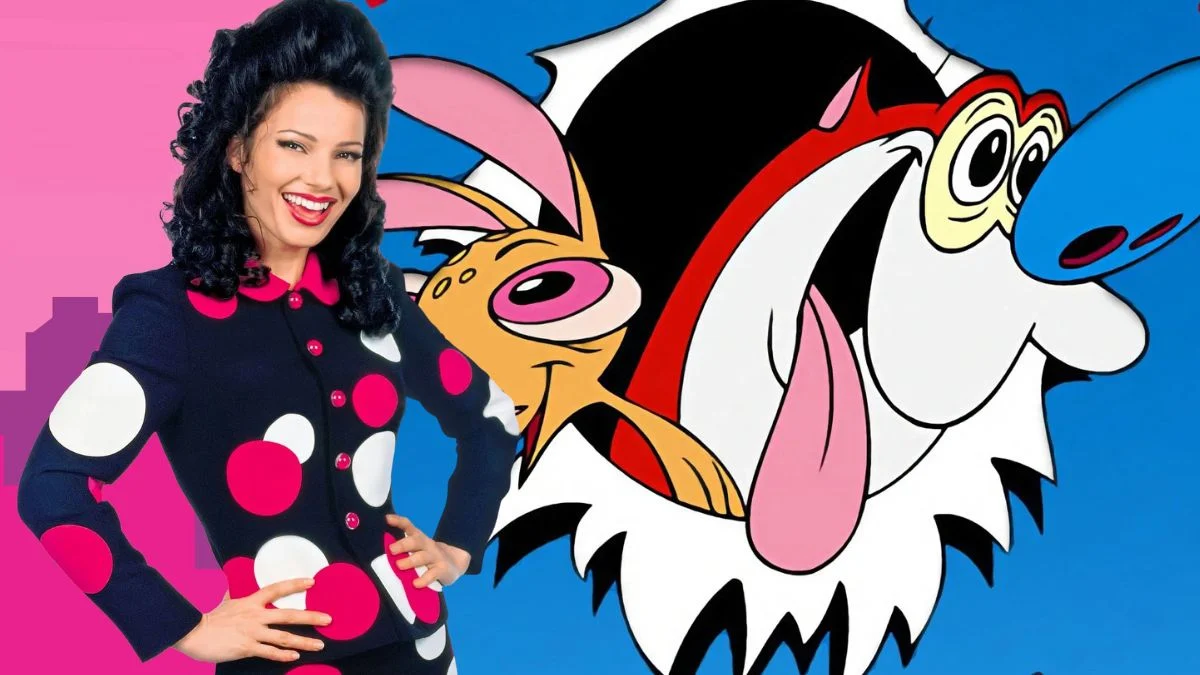

The television landscape of the 1990s was characterized by a push for edgy content and experimental formats that redefined entertainment for a generation. Many sitcoms and reality programs from this era utilized humor and storylines that reflected the social norms of the time. However shifting cultural values and increased awareness regarding representation have changed how audiences perceive this vintage content. Shows that once dominated the ratings now face scrutiny for themes that might be considered insensitive or inappropriate by modern standards. This retrospective looks at the series that would likely struggle to survive the immediate cancellation pressures of the current broadcasting environment.
‘The Ren & Stimpy Show’ (1991–1996)

This cartoon was famous for its grotesque animation style and adult oriented humor hidden within a children’s television block. It featured intense visual gags and themes that many parents found inappropriate for a young demographic. The production was plagued by creative differences and censorship battles throughout its entire run. Today the series would likely be restricted to late night programming or streaming platforms specifically for adults. It pushed the limits of what was acceptable for kids to watch during the Saturday morning cartoon era.
‘In Living Color’ (1990–1994)

The sketch comedy show was known for its bold satire and groundbreaking representation of diverse talent. It launched the careers of several major stars while pushing the limits of television censorship in the early nineties. Some sketches utilized humor that targeted specific disabilities or sexual orientations in ways that would be deemed inappropriate now. The raw nature of the satire often included stereotypes that would cause significant controversy in the current social climate. It remains a significant part of television history for its influence on the variety show format.
‘Cops’ (1989–2020)

This long running reality series followed police officers during their daily patrols and arrests. It helped pioneer the observational documentary style but faced increasing criticism for its depiction of suspects and the criminal justice system. Critics argued that the show exploited vulnerable individuals and reinforced negative biases about specific communities. Changing public perceptions regarding policing and media accountability eventually led to its temporary removal from major networks. A show with this specific format would face intense scrutiny if it were pitched as a new series today.
‘The Man Show’ (1999–2004)
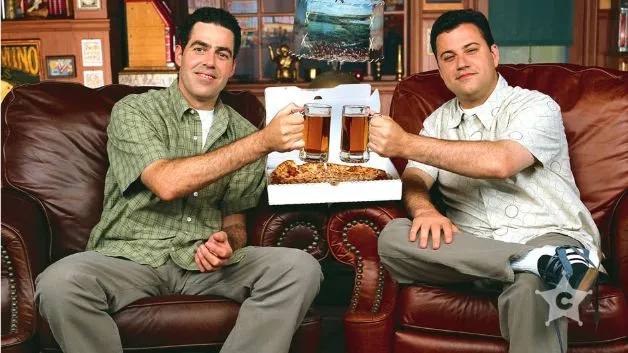
This variety program celebrated traditional masculine stereotypes and featured segments that focused on chauvinistic humor. It utilized recurring tropes that would likely be viewed as sexist and demeaning to women by contemporary audiences. The show intentionally catered to a specific male demographic by leaning into controversial topics and crude behavior. Modern media standards prioritize inclusive environments and respectful portrayals that directly conflict with the premise of this series. It represents a specific brand of late nineties entertainment that has largely vanished from mainstream television.
‘Johnny Bravo’ (1997–2004)

The series followed a muscular young man who constantly attempted to woo women through flamboyant displays of confidence. His advances were almost always rejected and often met with physical retaliation from the women he pursued. Critics today would likely view the character behavior as a form of persistent harassment rather than harmless comedy. The show relied on a repetitive formula of failed romantic pursuits that lacked modern nuances regarding consent. It remains a polarizing example of late nineties animation because of these specific character traits.
‘The Jerry Springer Show’ (1991–2018)

This talk show gained notoriety for its confrontational format and frequent physical altercations between guests. Episodes often exploited personal tragedies and family disputes for the sake of television entertainment. The program faced significant criticism for its sensationalist approach to sensitive social issues during its multi decade run. Modern broadcasting regulations and corporate responsibility standards would likely prevent such a volatile environment from being aired today. It serves as a stark reminder of the extreme lengths reality television reached during that decade.
‘South Park’ (1997–Present)

The show debuted in the late nineties with a focus on shock humor and provocative social commentary. It often targeted religious figures and marginalized communities with intentional irreverence to spark debate. While it continues to air the earliest seasons featured language and depictions that would likely trigger immediate removal from modern schedules. The series relies on a philosophy of equal opportunity offense that contrasts with current trends in media sensitivity. Its initial reception was defined by parental concerns that have only evolved over the subsequent decades.
‘Friends’ (1994–2004)
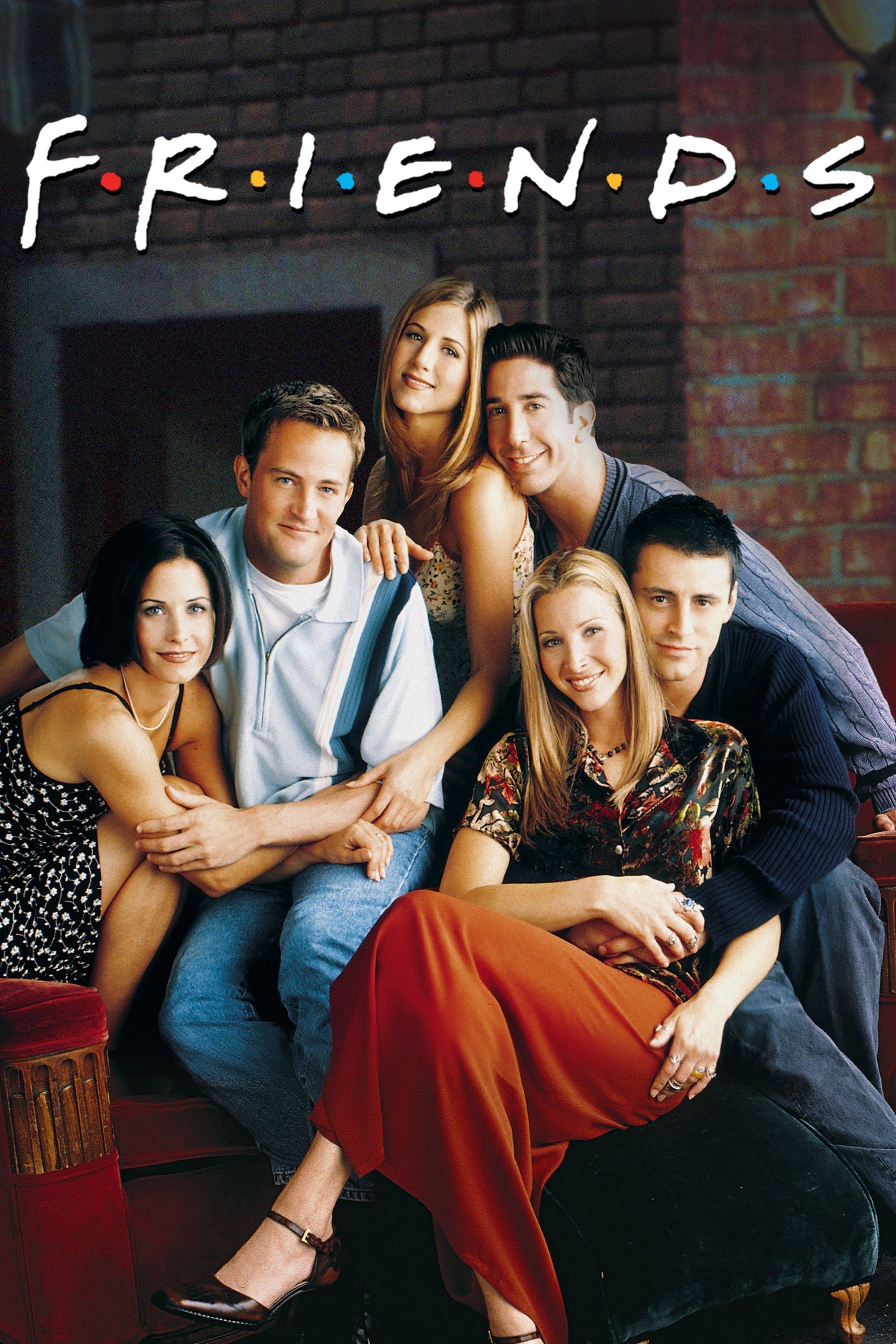
The series followed six young adults living in Manhattan as they navigated love and careers. While it was immensely popular during its run it has faced retrospective criticism for its lack of racial diversity in a diverse city. Many jokes throughout the series relied on homophobic tropes or fat shaming that are now considered insensitive by modern viewers. The show often portrayed social situations in ways that do not align with current cultural expectations. Despite its legacy several storylines would require significant adjustment to meet modern broadcasting guidelines.
‘Roseanne’ (1988–1997)
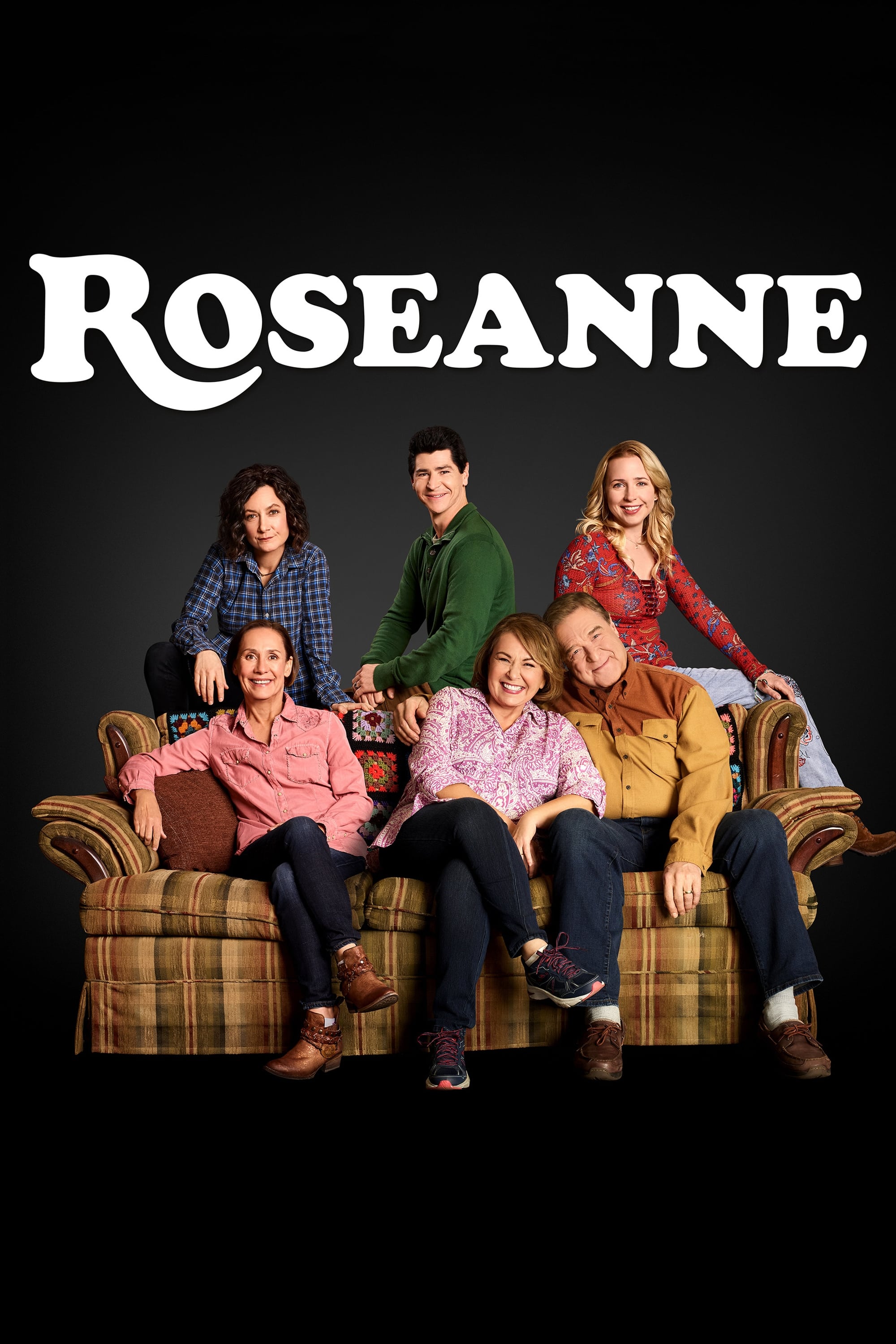
This sitcom was praised for its realistic depiction of a blue collar family struggling to make ends meet in middle America. It tackled difficult subjects like domestic abuse and economic hardship with a blend of humor and drama. However the lead character often expressed blunt and controversial opinions that polarized the audience. The show faced a modern cancellation of its revival due to the off screen behavior of its creator. A new series with such a volatile central figure would likely be considered a high risk for any network today.
‘Sex and the City’ (1998–2004)
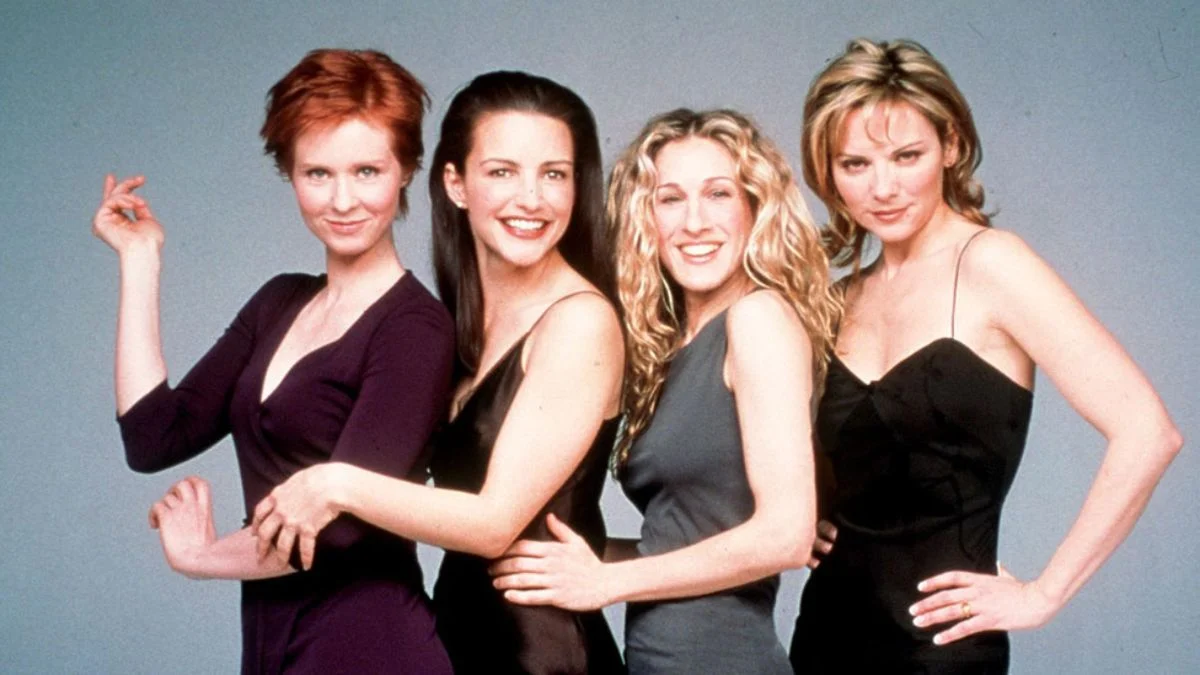
The program explored the lives and relationships of four professional women living in New York City. It broke many barriers regarding the depiction of female sexuality and independence on cable television. However the lack of diversity among the main cast and recurring characters has been a point of modern critique. Certain plotlines involving social groups or relationship dynamics are often viewed as dated or exclusionary by contemporary audiences. The show helped define a generation of television even if its themes face different scrutiny today.
‘7th Heaven’ (1996–2007)
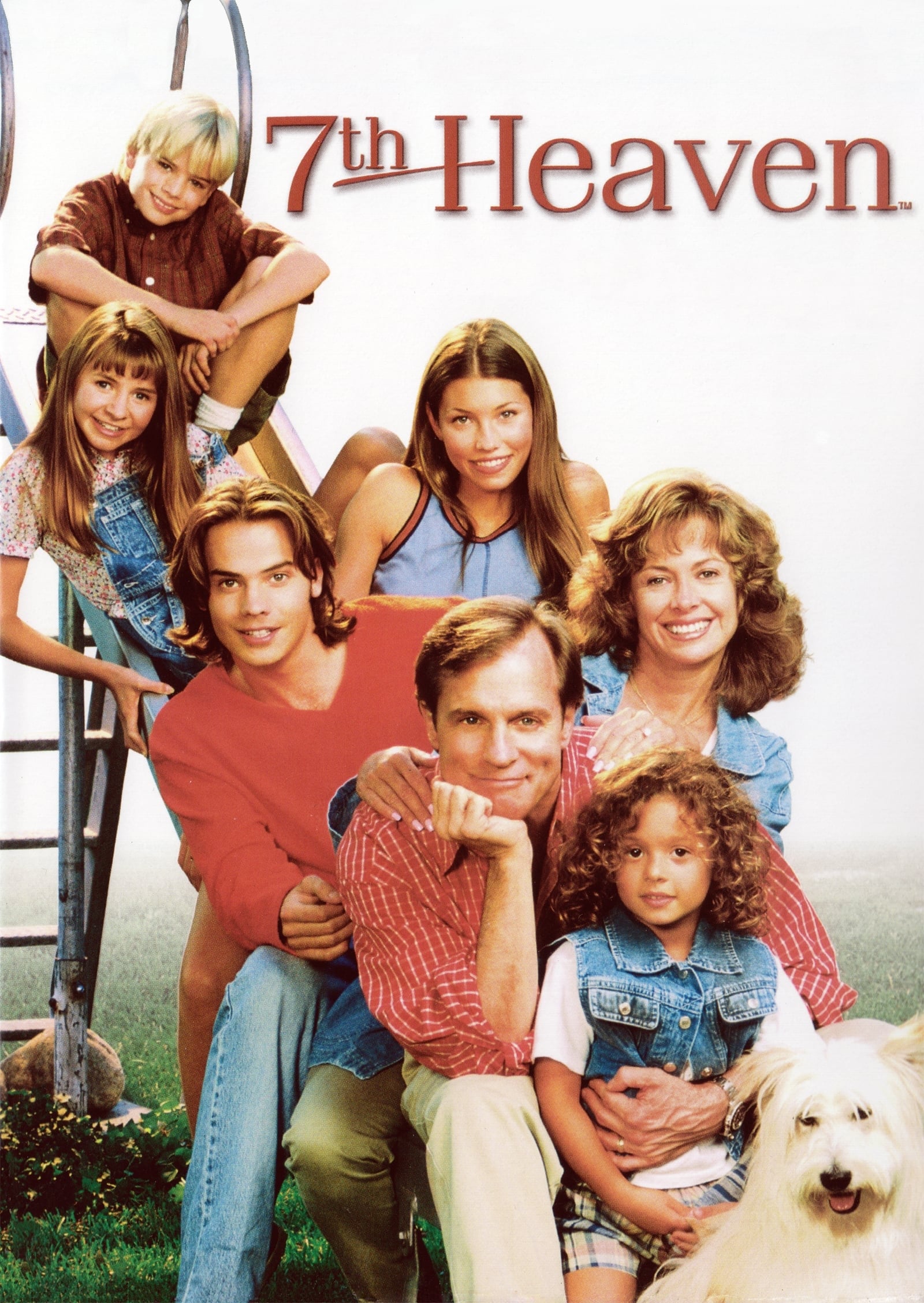
This family drama focused on a minister and his wife raising their seven children with strong moral guidance. It often presented social issues through a rigid lens that some modern viewers might find overly simplistic or judgmental. The series aimed to provide wholesome entertainment while addressing topics like teen pregnancy and substance abuse. Behind the scenes controversies involving lead cast members have complicated the legacy of the program. A modern audience would likely demand more diverse perspectives and nuanced storytelling than this show originally provided.
‘Martin’ (1992–1997)
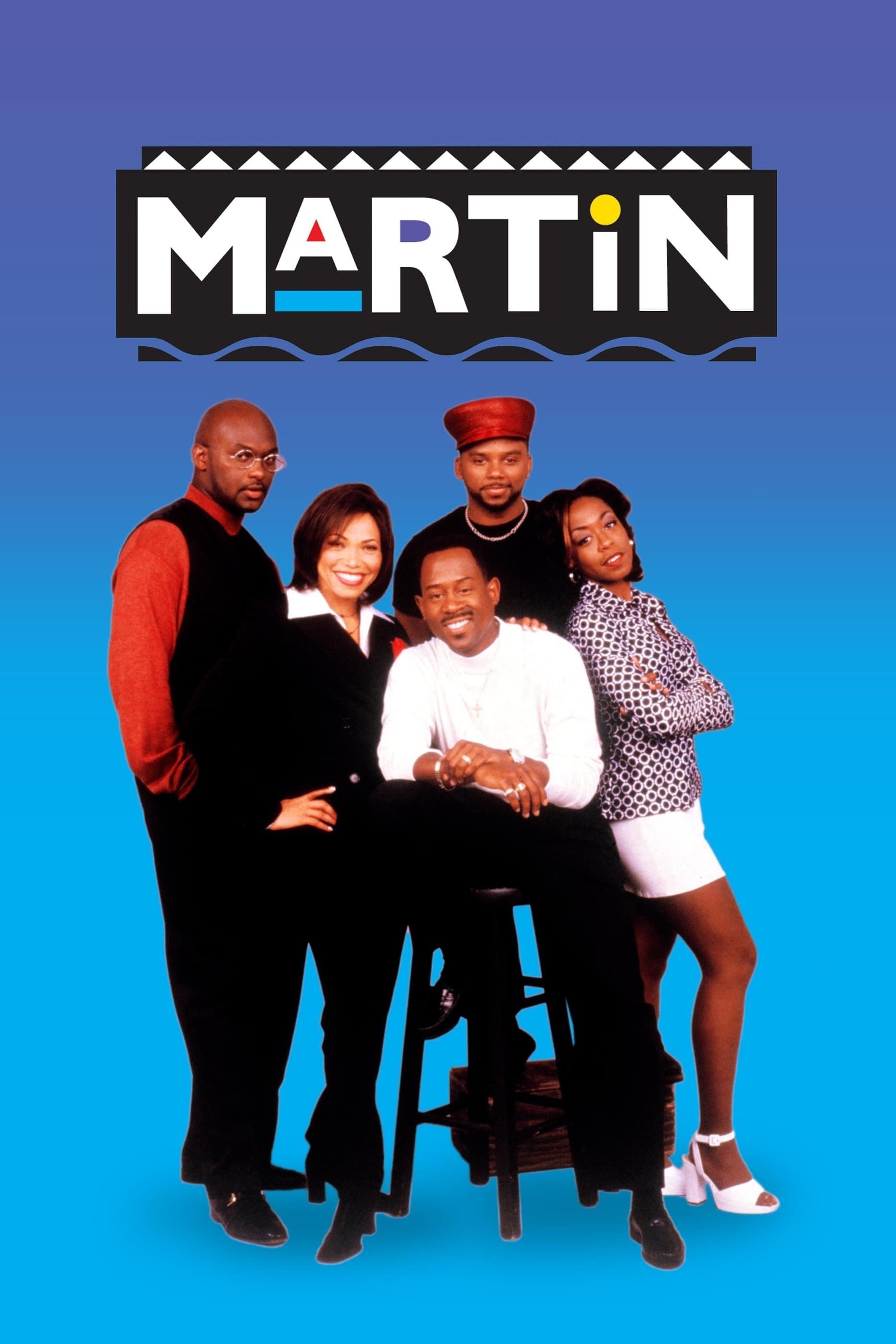
The sitcom featured a radio personality and his group of friends living in Detroit. It was a massive success and highlighted the talents of its lead actor who played multiple characters throughout the series. Some of the physical comedy and character portrayals have been criticized for relying on broad stereotypes. The show ended abruptly amid internal conflicts that would likely have been addressed differently in a modern production environment. It remains a staple of nineties comedy despite the various controversies surrounding its final season.
‘Home Improvement’ (1991–1999)
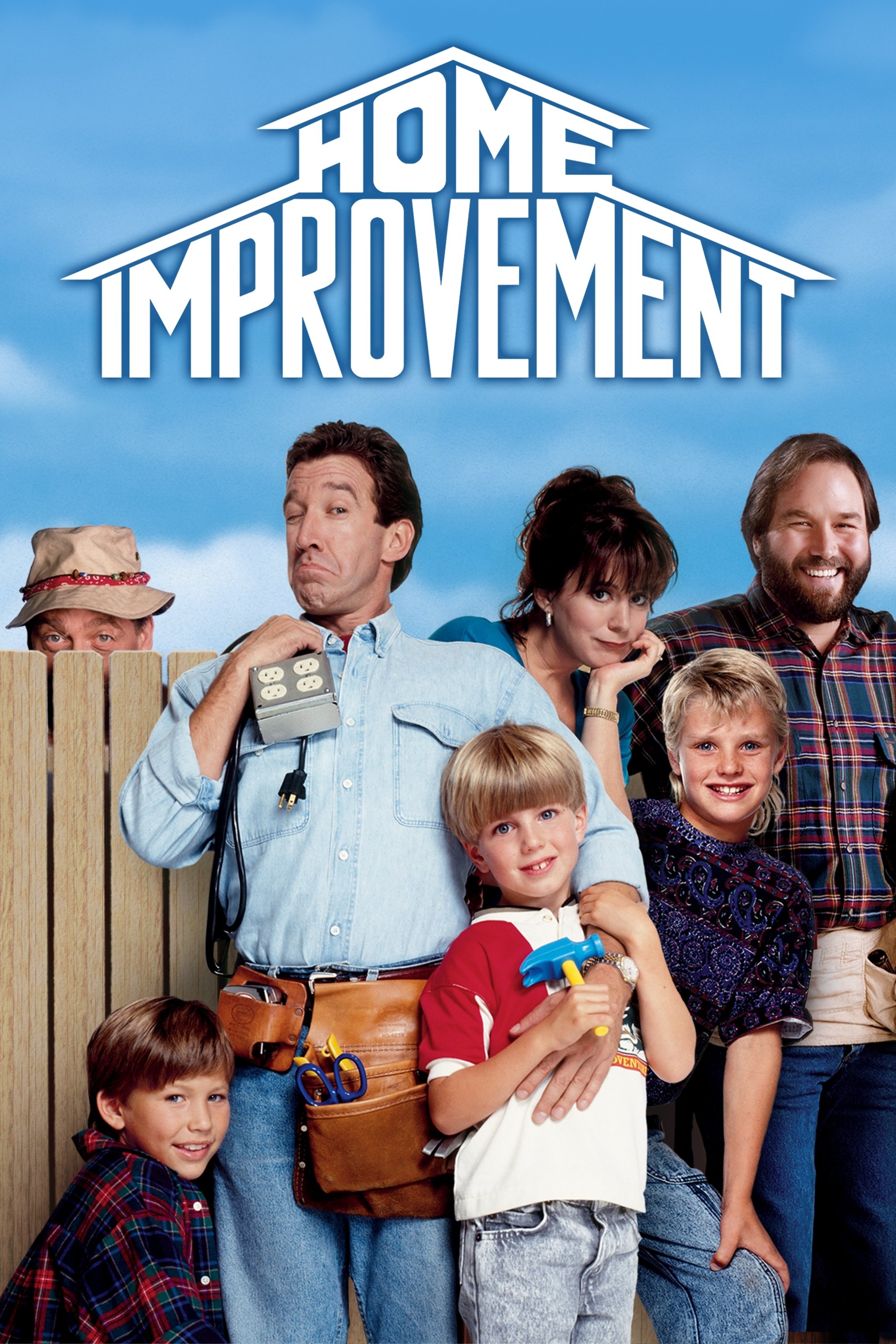
The show centered on Tim Taylor a television host obsessed with power tools and traditional masculinity. It frequently used a formula where his wife served as the voice of reason against his various mishaps. The series often reinforced gender stereotypes through its jokes about domestic life and workplace dynamics. While it was family friendly for its time some of the dialogue regarding the roles of men and women feels dated now. Its focus on a very specific domestic structure reflects the television trends of that era.
‘The Nanny’ (1993–1999)
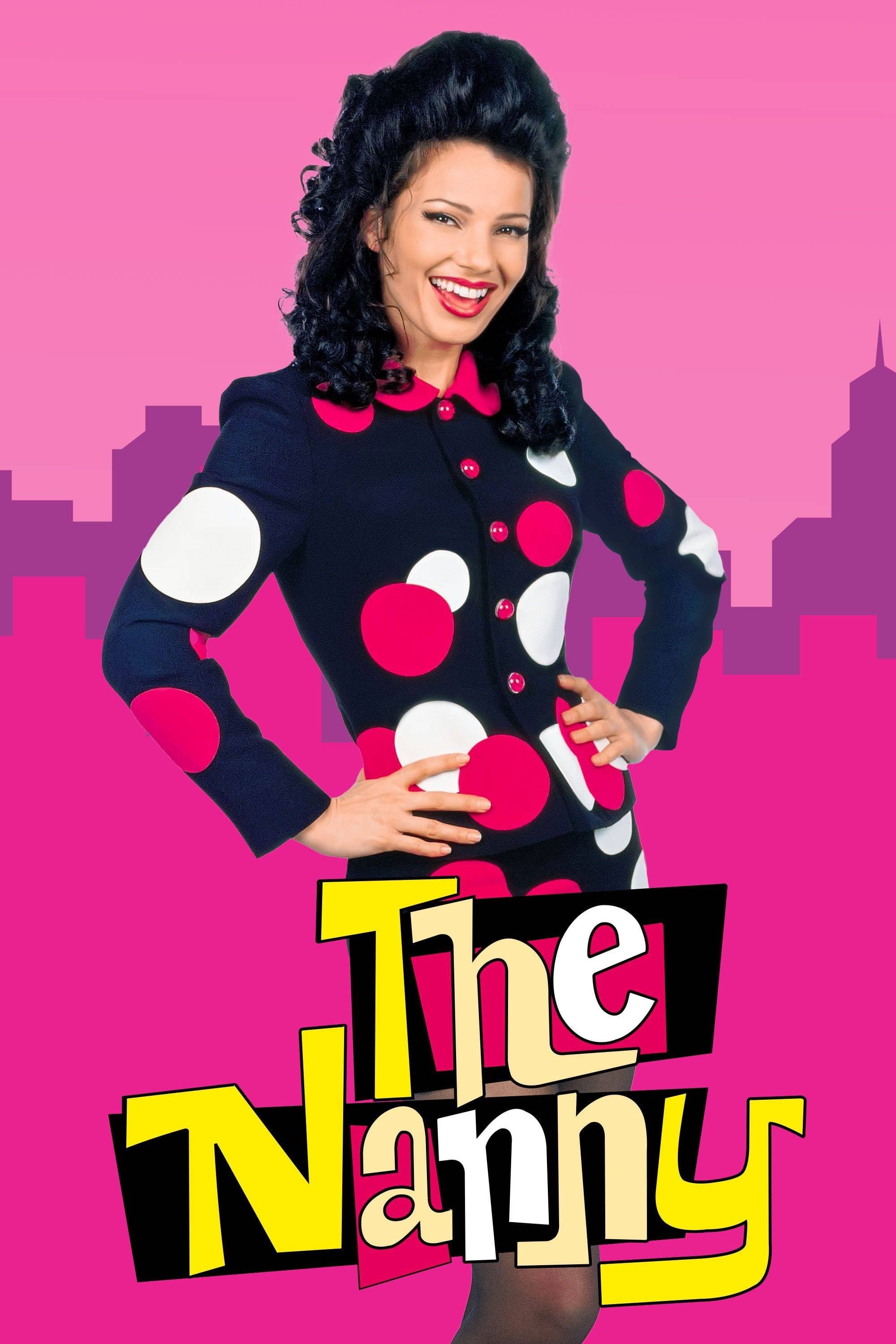
This comedy followed a cosmetics saleswoman who became the nanny for three children of a wealthy Broadway producer. It relied heavily on the contrast between working class Jewish culture and high society Manhattan lifestyles. Some of the humor focused on the lead character’s desire to find a husband which might be viewed as a narrow depiction of female ambition today. The show also utilized jokes about physical appearance and aging that have not aged well. It remains beloved for its fashion and chemistry between the lead actors.
‘Saved by the Bell’ (1989–1993)
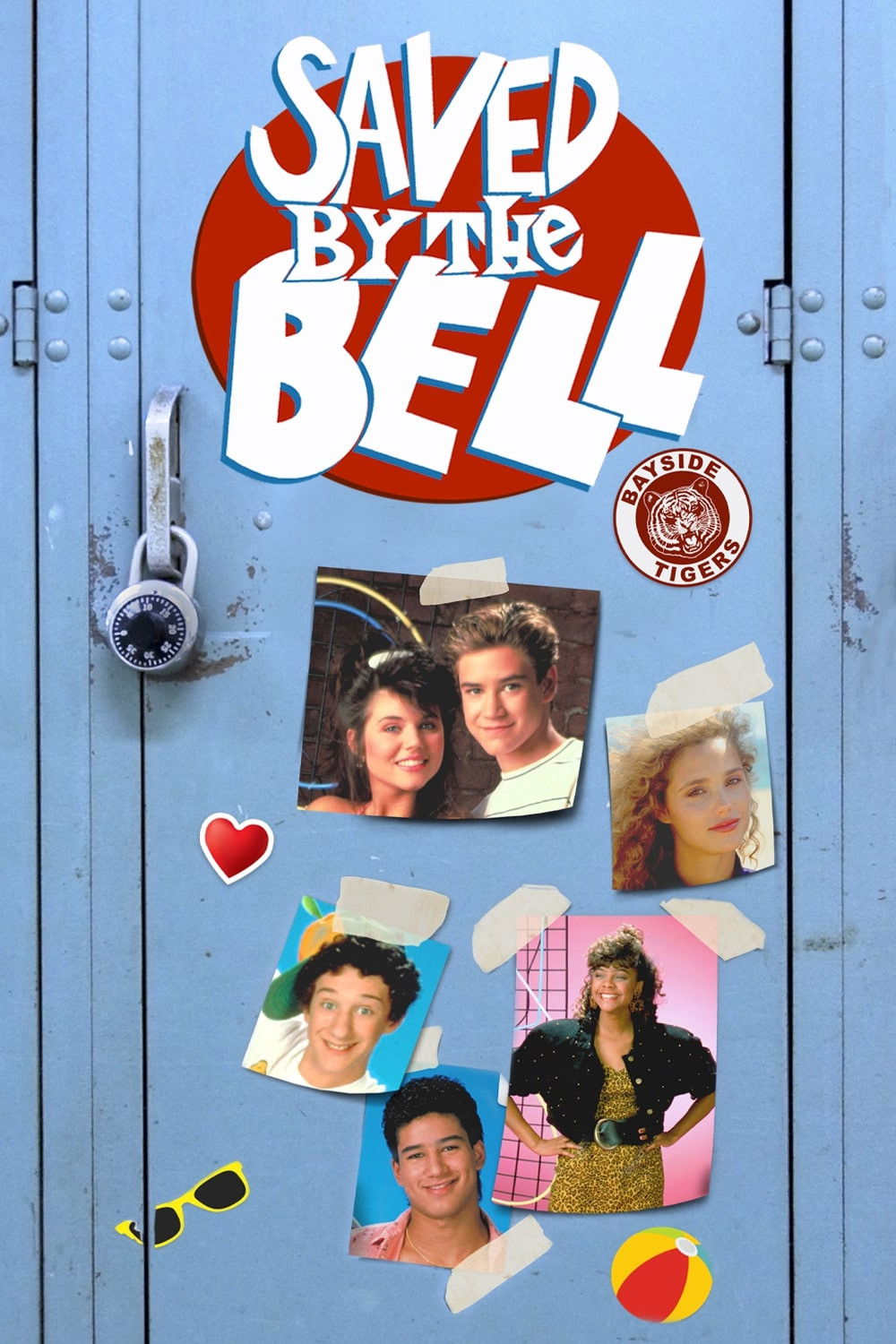
The high school sitcom followed a group of friends as they navigated teenage life at Bayside High. It addressed serious topics like caffeine pill addiction and environmentalism through a very bright and sanitized lens. Many of the character archetypes were superficial and lacked the depth expected of modern teen dramas. The show often resolved complex problems in a single episode with simple moral lessons. Contemporary viewers might find the tone and execution too simplistic for today’s television standards.
‘Ally McBeal’ (1997–2002)
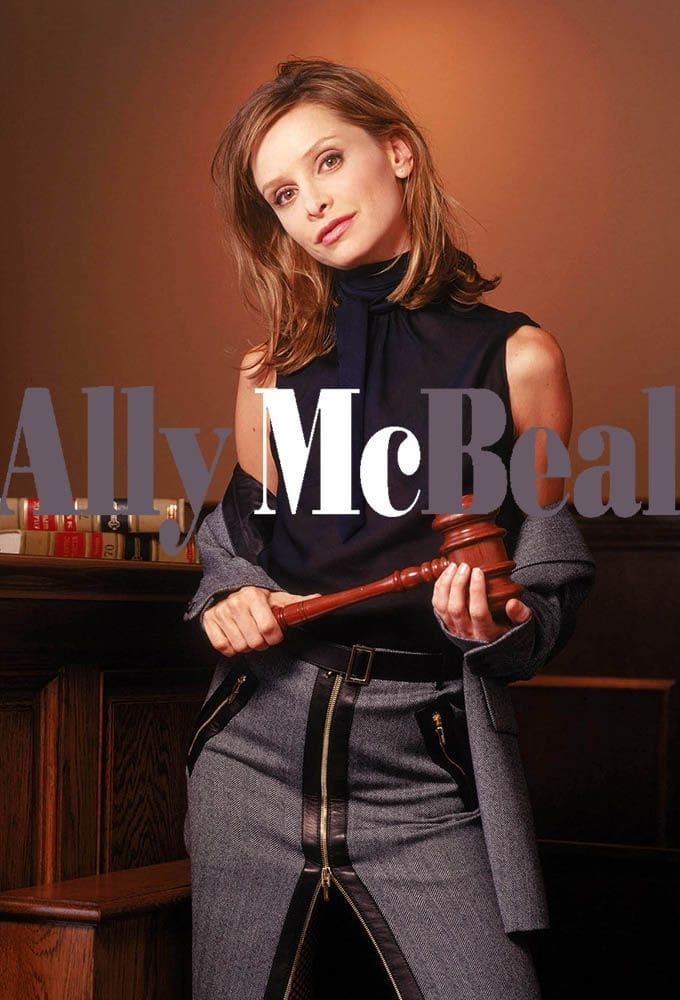
This legal dramedy focused on a young lawyer searching for love and success in a prestigious law firm. It was famous for its surreal hallucinations and focus on the personal lives of its characters. The show faced criticism for its depiction of professional women and its focus on thinness. Some of the workplace dynamics portrayed in the office would likely be seen as highly unprofessional or inappropriate now. It was a unique series that captured the specific anxieties of the late nineties.
‘Walker, Texas Ranger’ (1993–2001)
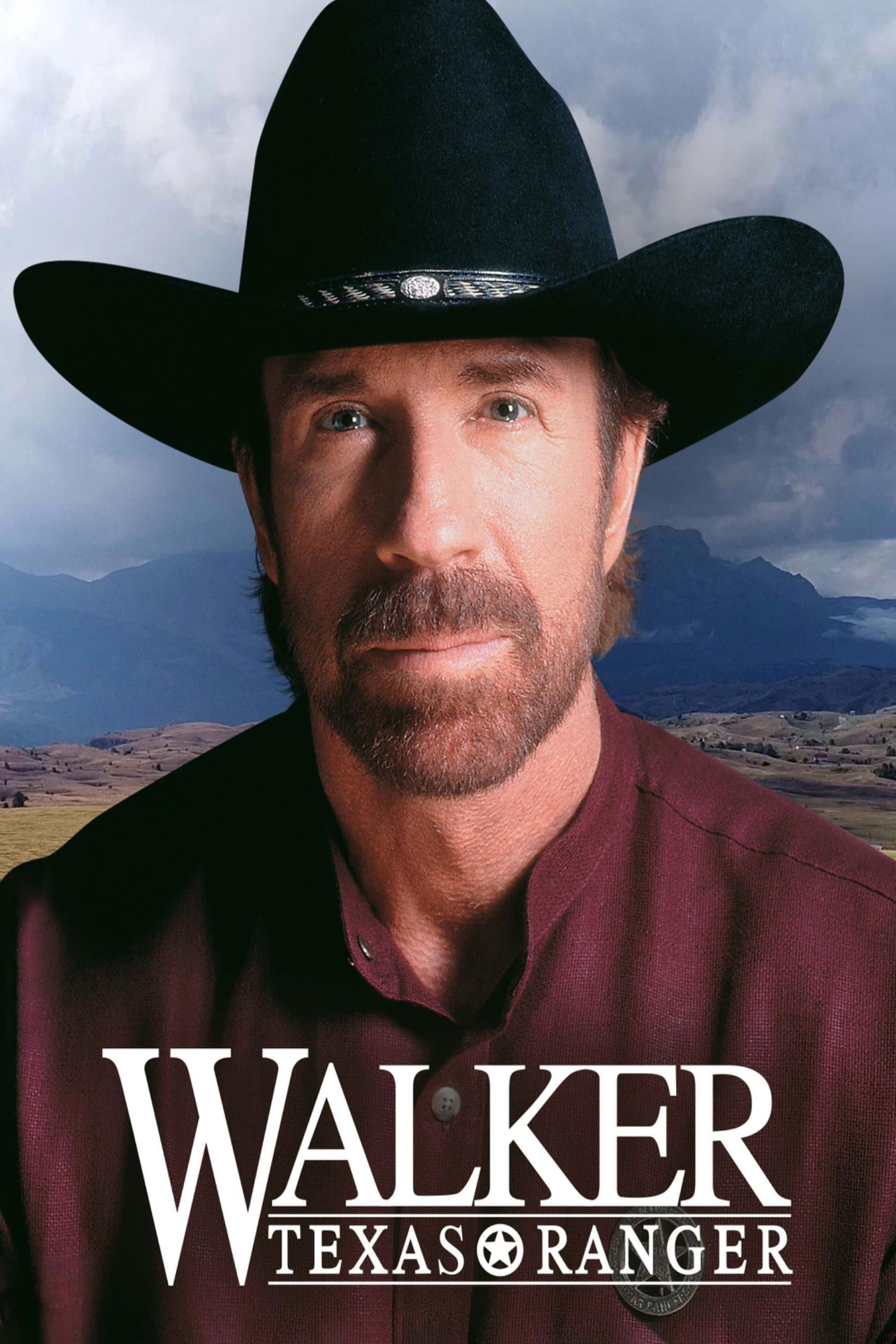
The action series followed a member of the Texas Rangers as he fought crime using martial arts and traditional detective work. It was known for its black and white morality and focus on physical confrontations to solve problems. Critics have pointed out that the show often utilized simplistic views of justice and limited representation of minority groups. The level of violence and the portrayal of authority figures might be viewed through a more critical lens today. It remains an iconic part of nineties television for its focus on action and morality.
‘Duckman’ (1994–1997)

This adult animated sitcom followed a lewd and incompetent private investigator who was also a duck. It was known for its cynical humor and frequent breaking of the fourth wall to address social issues. The show often featured offensive language and situations that would be highly controversial on a modern network. It challenged the conventions of animation by being intentionally abrasive and difficult to like. The series reflected a specific niche of adult animation that was emerging during the mid nineties.
‘The Drew Carey Show’ (1995–2004)
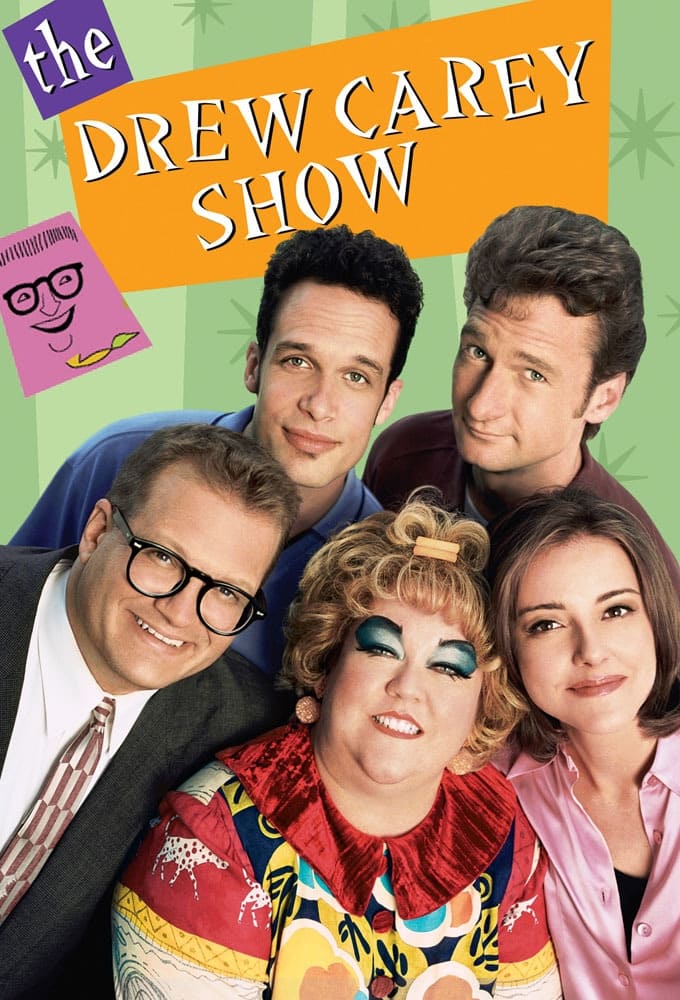
The sitcom focused on the life of an office worker in Cleveland and his group of friends. It was notable for its musical numbers and experimental episodes that pushed the boundaries of the format. Some of the humor regarding the workplace and the treatment of female coworkers would likely be scrutinized today. The show often utilized jokes about weight and lifestyle choices that are now considered insensitive. It was a mainstay of the network schedule for nearly a decade.
‘3rd Rock from the Sun’ (1996–2001)
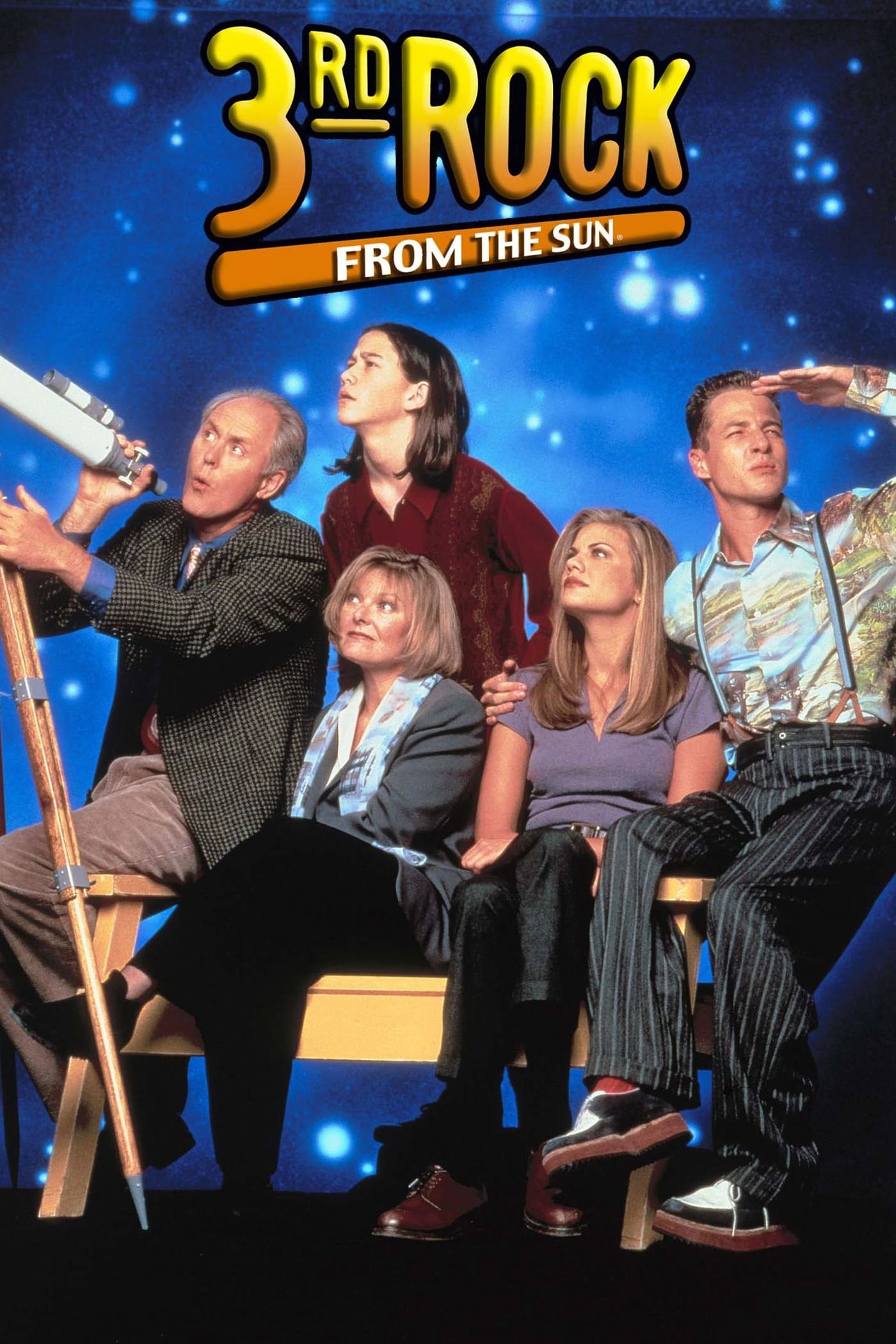
The series followed a group of aliens who landed on Earth and took the form of a human family. It provided a satirical look at human behavior and social conventions from an outside perspective. Some of the jokes regarding gender roles and human biology relied on stereotypes that might be viewed as problematic now. The show was praised for its clever writing and the performances of its lead cast members. It offered a unique take on the traditional family sitcom during the late nineties.
‘Beverly Hills, 90210’ (1990–2000)

This teen drama followed a group of wealthy students living in a privileged California neighborhood. It addressed many social issues like substance abuse and sexual health for a young audience. However the show was often criticized for its lack of diversity and its glamorized depiction of teenage life. The power dynamics and romantic relationships portrayed would likely face more critical analysis from modern viewers. It set the standard for many teen soap operas that followed in the subsequent decades.
‘Melrose Place’ (1992–1999)
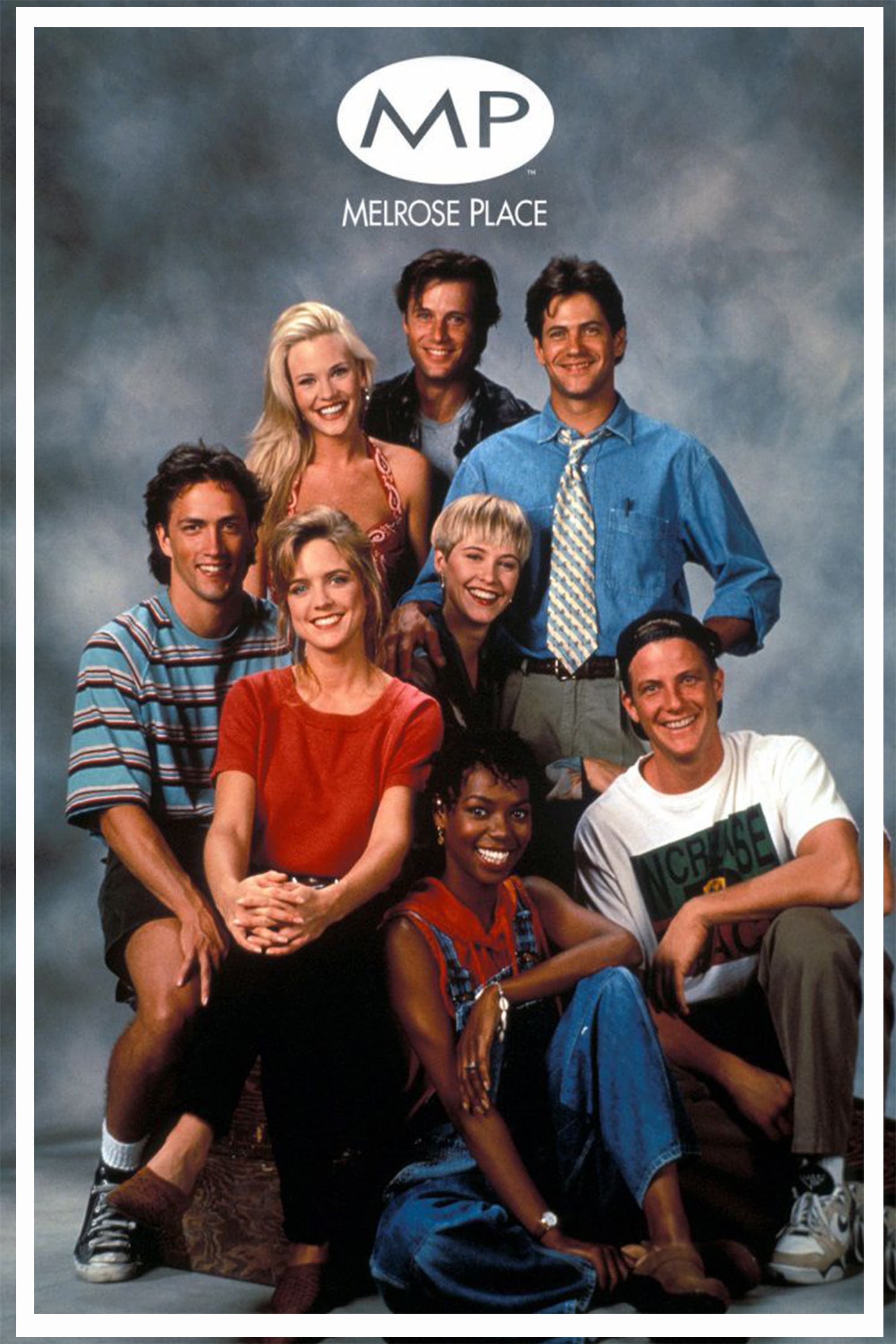
The spinoff of the previous teen drama focused on a group of young adults living in an apartment complex in West Hollywood. It became famous for its increasingly outrageous plotlines involving betrayal and manipulation. Many of the storylines relied on tropes that would be considered problematic or insensitive by current standards. The show focused heavily on physical appearance and sensationalist drama to attract viewers. It remains a definitive example of the primetime soap opera genre from that era.
‘Step by Step’ (1991–1998)
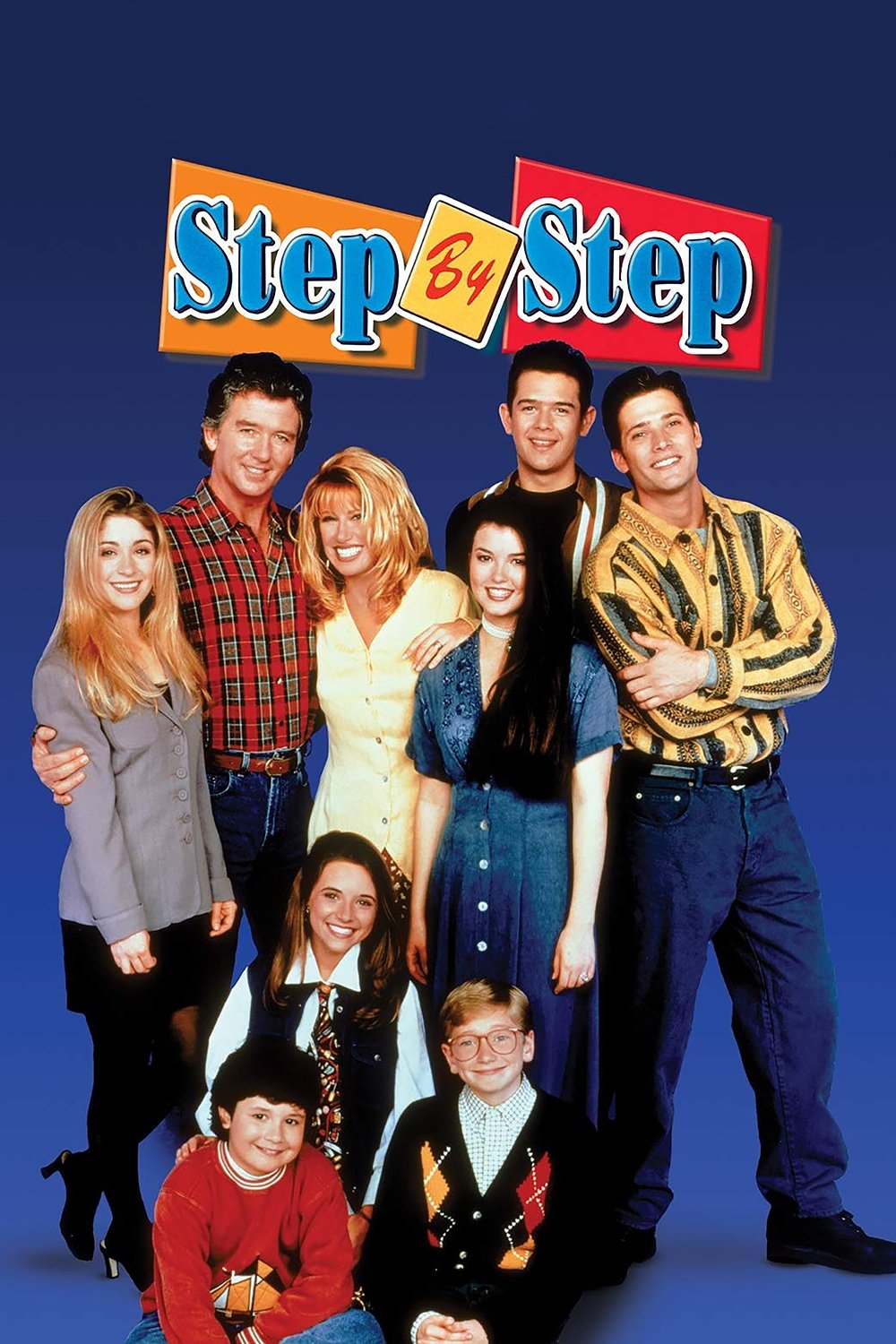
This family sitcom followed two single parents who got married and combined their large families. It utilized many of the same tropes as earlier blended family shows but updated them for the nineties. The series often relied on gendered conflict and stereotypical behavior for its comedic beats. Some of the jokes regarding the intelligence or physical appearance of characters would likely be removed today. It was part of a popular block of family programming during its original run.
‘NewsRadio’ (1995–1999)

The sitcom took place in the office of a news radio station and focused on the eccentricities of the staff. It was known for its fast paced dialogue and talented ensemble cast. Some of the workplace dynamics and humor regarding personal boundaries would be viewed differently in a modern professional setting. The show dealt with various social issues in a way that was typical for the mid nineties. It is often remembered for its clever writing and the impact of its cast members on the industry.
‘Cow and Chicken’ (1997–1999)

This surreal animated series featured a cow and a chicken who were siblings and their encounters with a flamboyant devil character. It was known for its gross out humor and bizarre situations that often bordered on the inappropriate for children. The show utilized visual gags and themes that might be deemed too disturbing or offensive for modern young audiences. It was a part of a wave of experimental animation on cable networks during the late nineties. The series pushed the limits of what was considered acceptable for its time.
‘The Jamie Foxx Show’ (1996–2001)
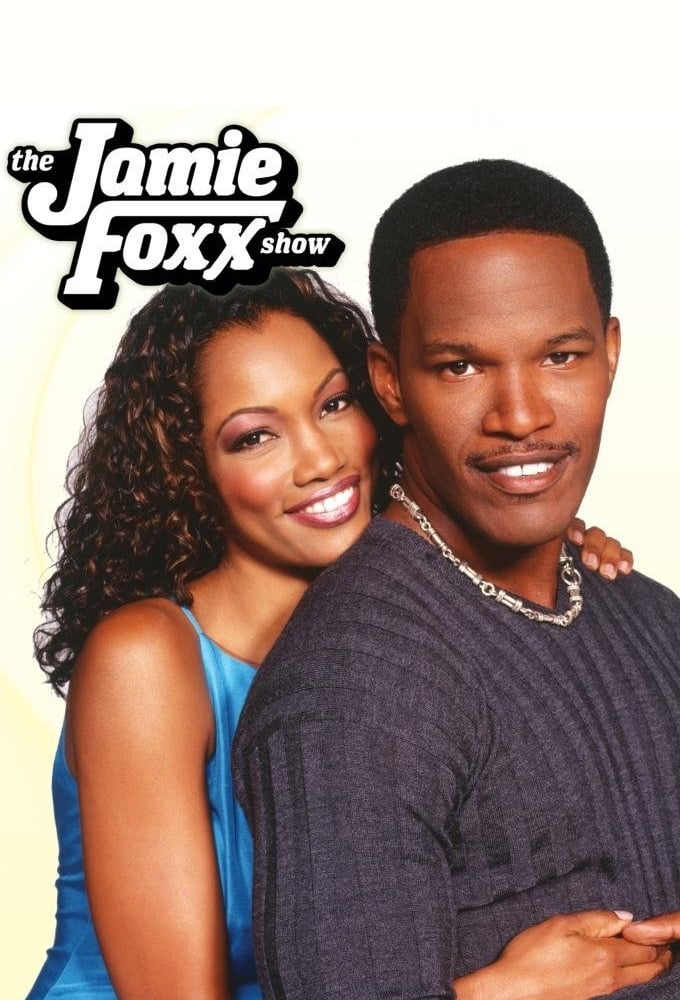
The sitcom followed an aspiring actor who worked at his family hotel in Los Angeles while pursuing his dreams. It showcased the comedic and musical talents of its lead star through various sketches and performances. Some of the character portrayals and romantic pursuits in the show utilized tropes that are now seen as outdated. The series was a significant part of the television landscape for its specific demographic. It remains a popular example of the nineties sitcom format.
‘Living Single’ (1993–1998)
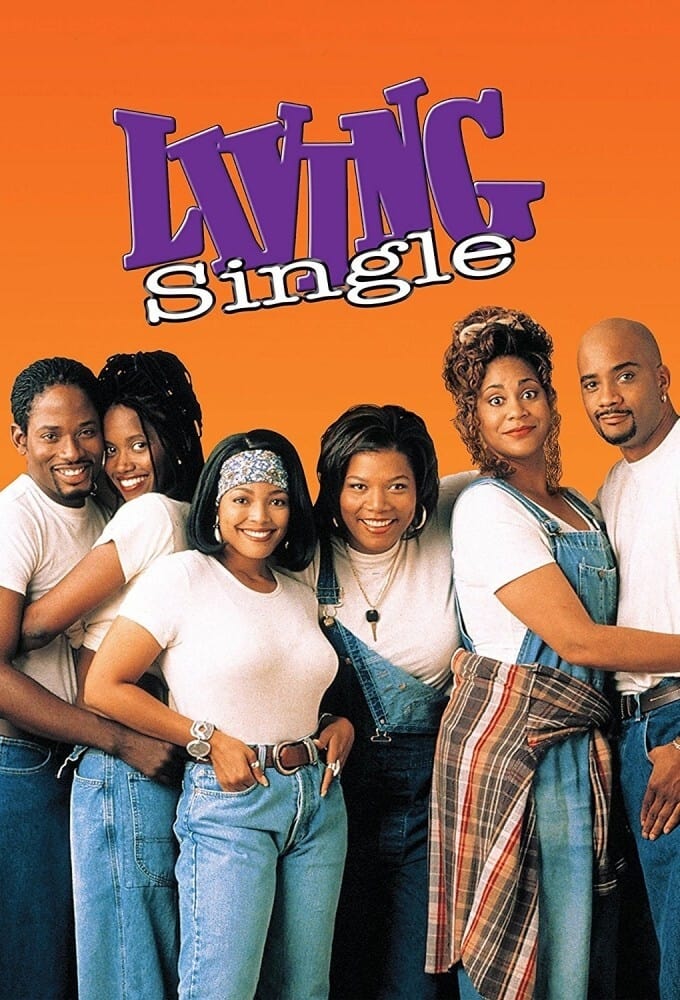
This series followed the lives of six friends living in a Brooklyn brownstone while navigating their careers and personal lives. It was groundbreaking for its focus on successful African American professionals and their tight knit community. While it was highly influential some of the humor and social dynamics reflect the specific era of its production. Critics have noted that while the show was progressive it still operated within the traditional sitcom constraints of the time. It is often cited as a precursor to several other popular friend group comedies.
‘Sister, Sister’ (1994–1999)
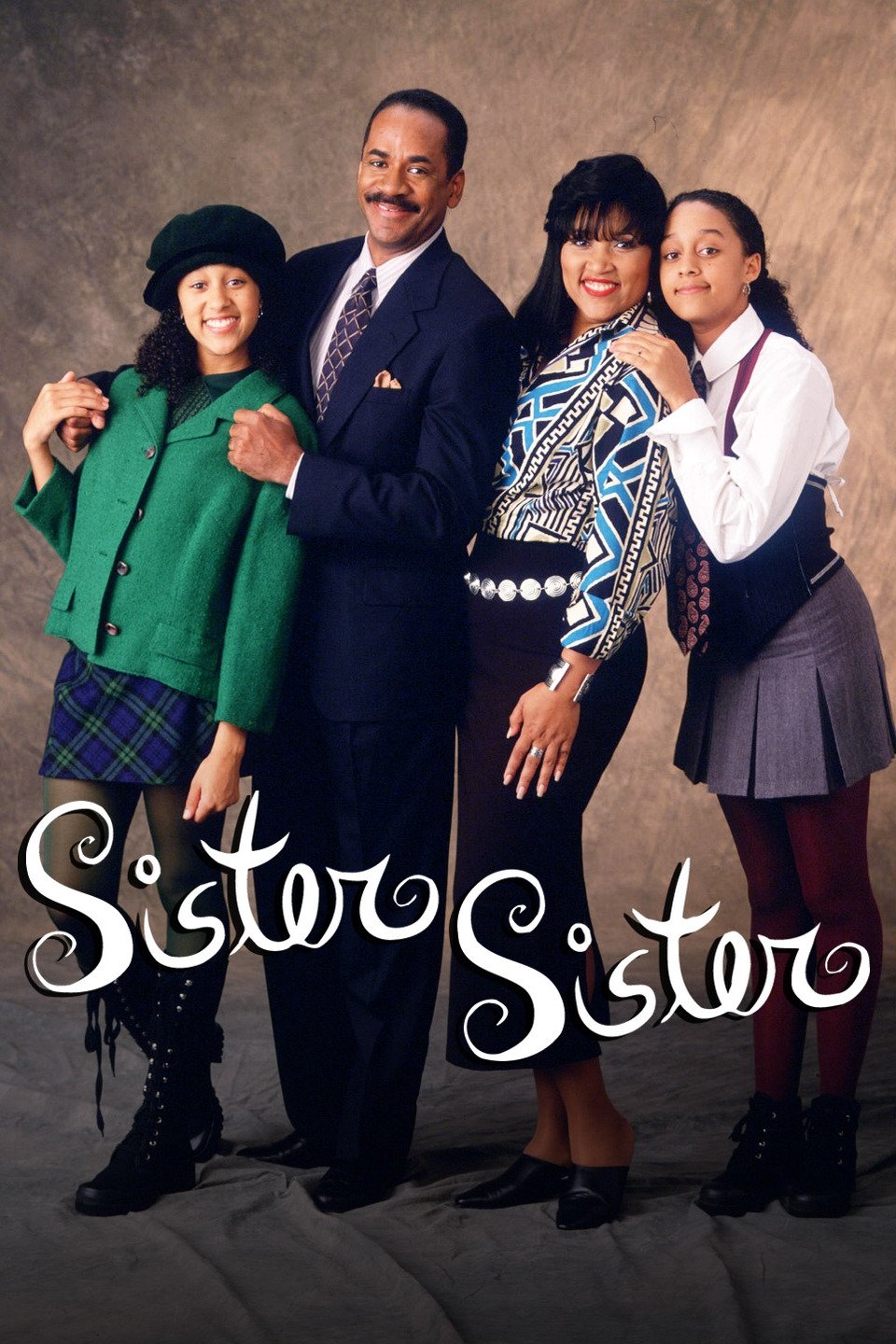
The sitcom focused on identical twins who were separated at birth and reunited as teenagers. It explored the challenges of blending their very different families and personalities. The show was family friendly but often relied on simple misunderstandings and physical comedy for its humor. Some of the social situations and character archetypes are now viewed as relatively shallow by modern standards. It was a successful program that resonated with a young audience during the mid to late nineties.
‘Blossom’ (1990–1995)
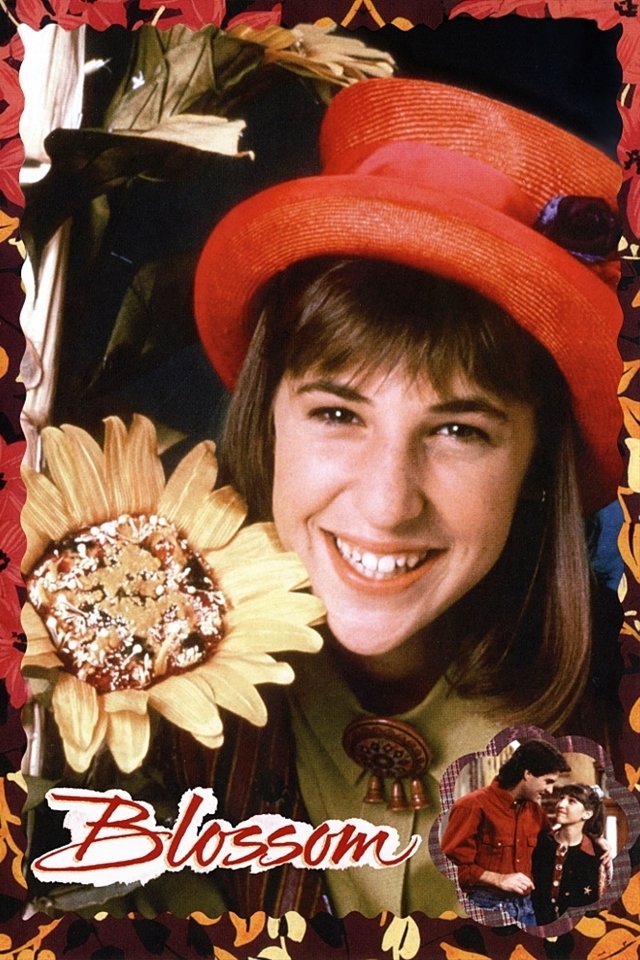
The series followed a teenage girl living with her father and two older brothers while navigating the complexities of growing up. It was known for addressing serious topics like divorce and peer pressure through the perspective of its lead character. The show also featured fashion and catchphrases that became very popular during the early nineties. Some of the humor regarding the male characters and their views on women has not aged well. It remains a nostalgic staple for many viewers who grew up during its original run.
‘Sabrina the Teenage Witch’ (1996–2003)
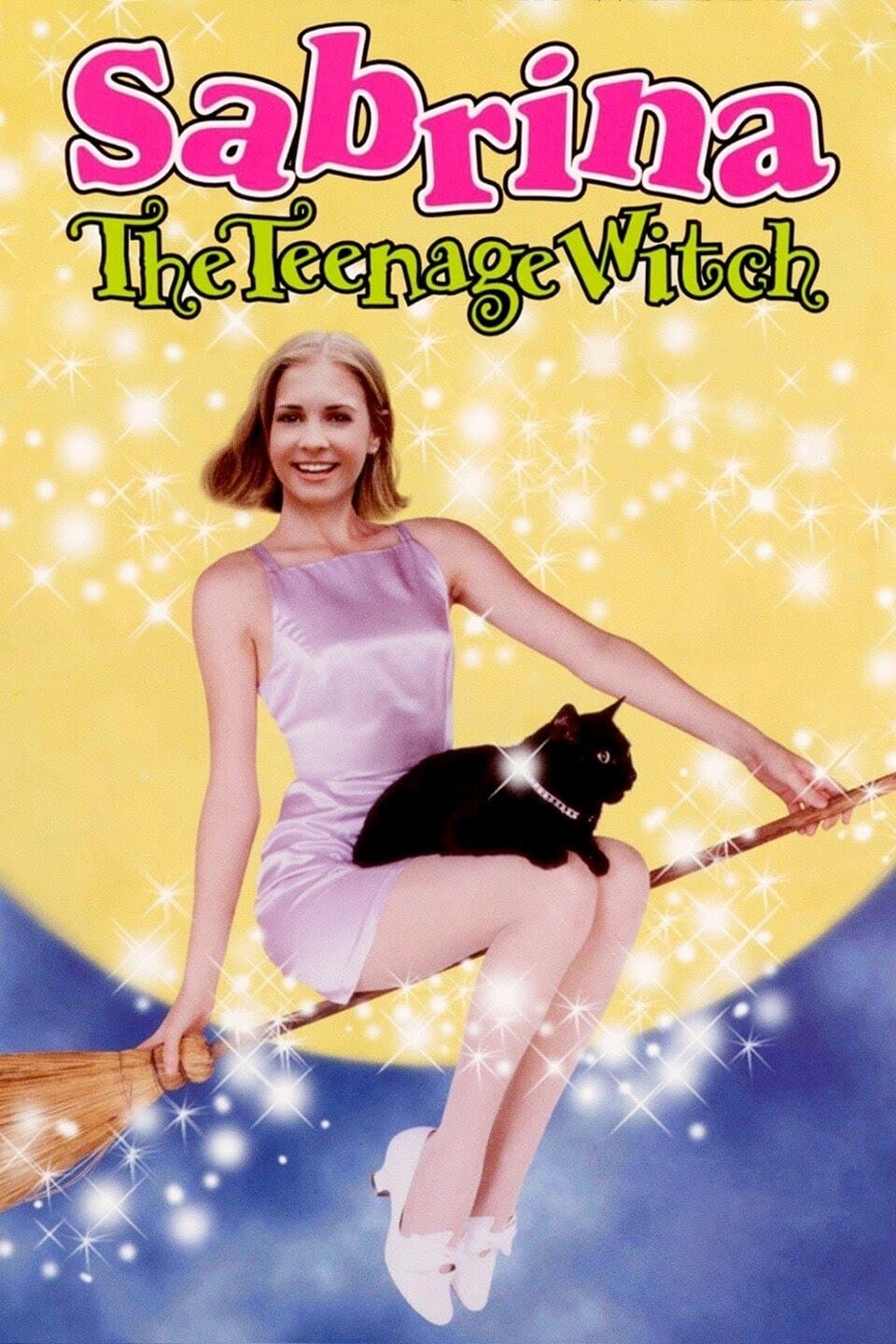
The show followed a girl who discovered she was a witch on her sixteenth birthday and lived with her two aunts. It mixed supernatural elements with the typical struggles of high school life. The series was very lighthearted but often ignored the deeper implications of its magical premise. Some of the social dynamics and character portrayals are seen as quite dated in the current television environment. It was a major success for its network and inspired multiple adaptations.
‘Moesha’ (1996–2001)

This sitcom followed a teenage girl living in Los Angeles as she balanced school and family life. It was praised for tackling issues like teen pregnancy and racial identity in a relatable way. However some of the plotlines regarding romantic relationships and family discipline would be viewed through a different lens today. The show had a significant impact on representation during its run on television. It remains a well remembered part of the late nineties cultural landscape.
‘Herman’s Head’ (1991–1994)
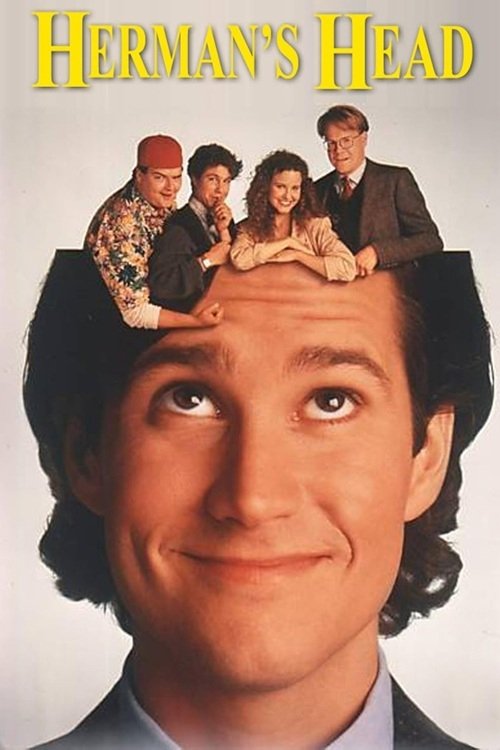
The sitcom utilized a unique premise where the audience could see the internal personifications of a man’s emotions and instincts. These characters often debated how the lead should react to various professional and personal situations. The humor was often crude and relied on stereotypes regarding the different aspects of the human psyche. Modern viewers might find the representation of these internal voices to be overly simplistic or offensive. It was an experimental show that paved the way for similar concepts in later media.
‘Parker Lewis Can’t Lose’ (1990–1993)
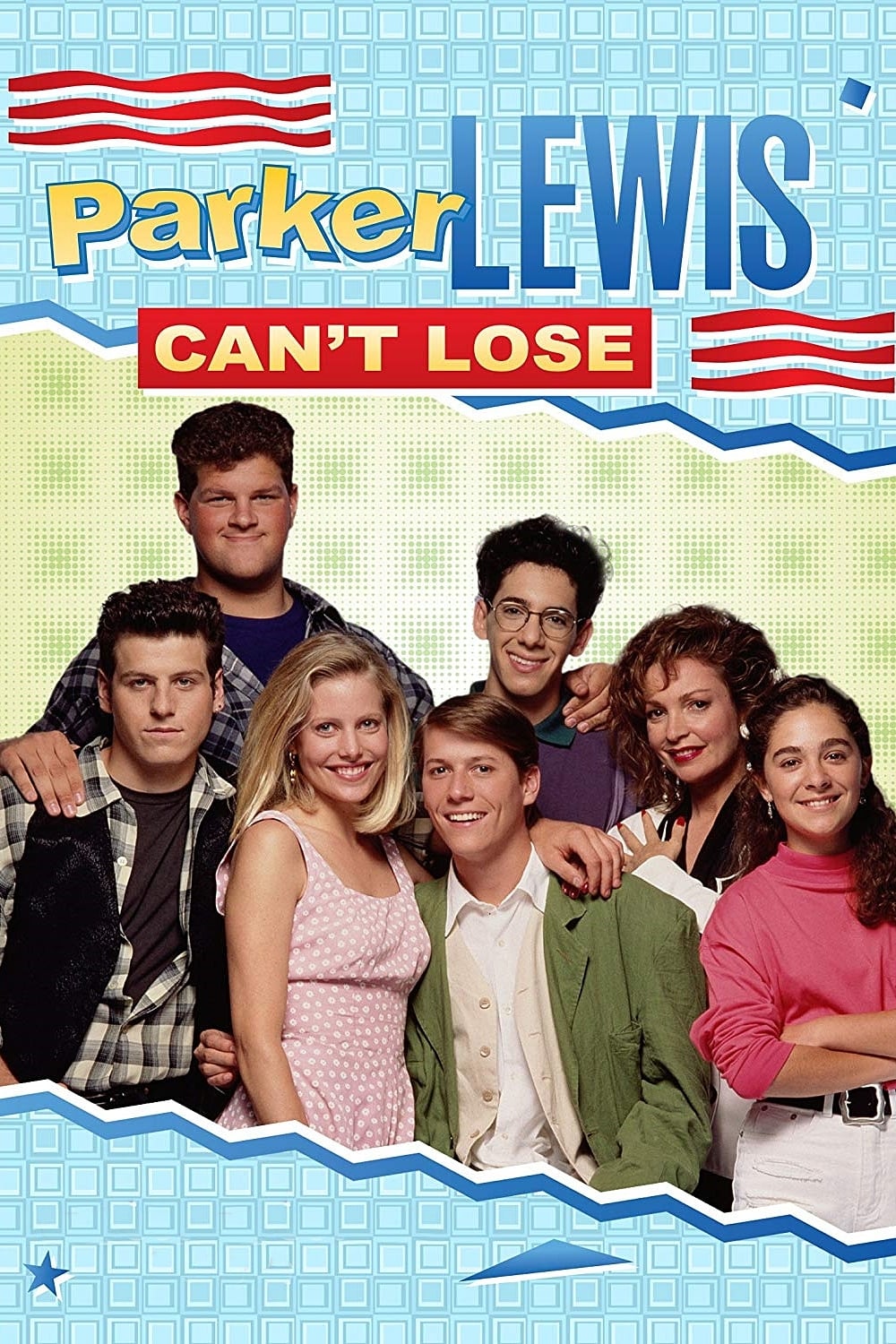
This series focused on a highly confident teenager who navigated high school with a unique style and various gadgets. It was known for its fast paced editing and surreal visual style that felt very modern for the early nineties. The show often featured plotlines where the characters manipulated their environment in ways that might be seen as problematic now. Its focus on cool culture and teenage rebellion reflected the trends of that specific decade. It was a cult favorite that had a distinct visual identity.
‘Spin City’ (1996–2002)
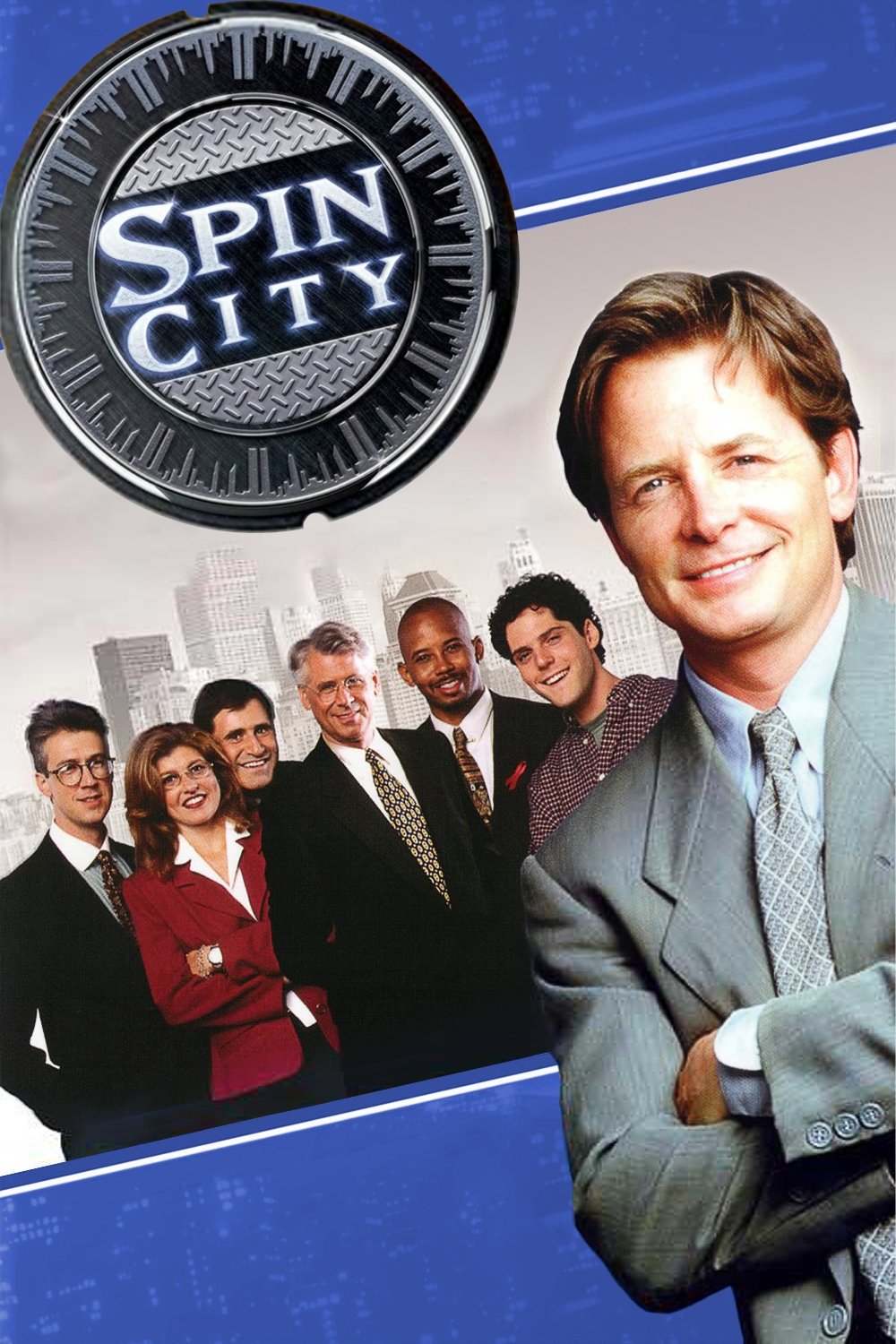
The sitcom followed the staff of the New York City mayor’s office as they managed various political crises and personal dramas. It was a major success and featured a talented ensemble cast led by a high profile actor. Some of the jokes regarding political correctness and workplace interactions have not aged well. The show often relied on farcical situations that would be scrutinized for their realism or sensitivity today. It remains an important part of the transition in television comedy during the late nineties.
‘Coach’ (1989–1997)
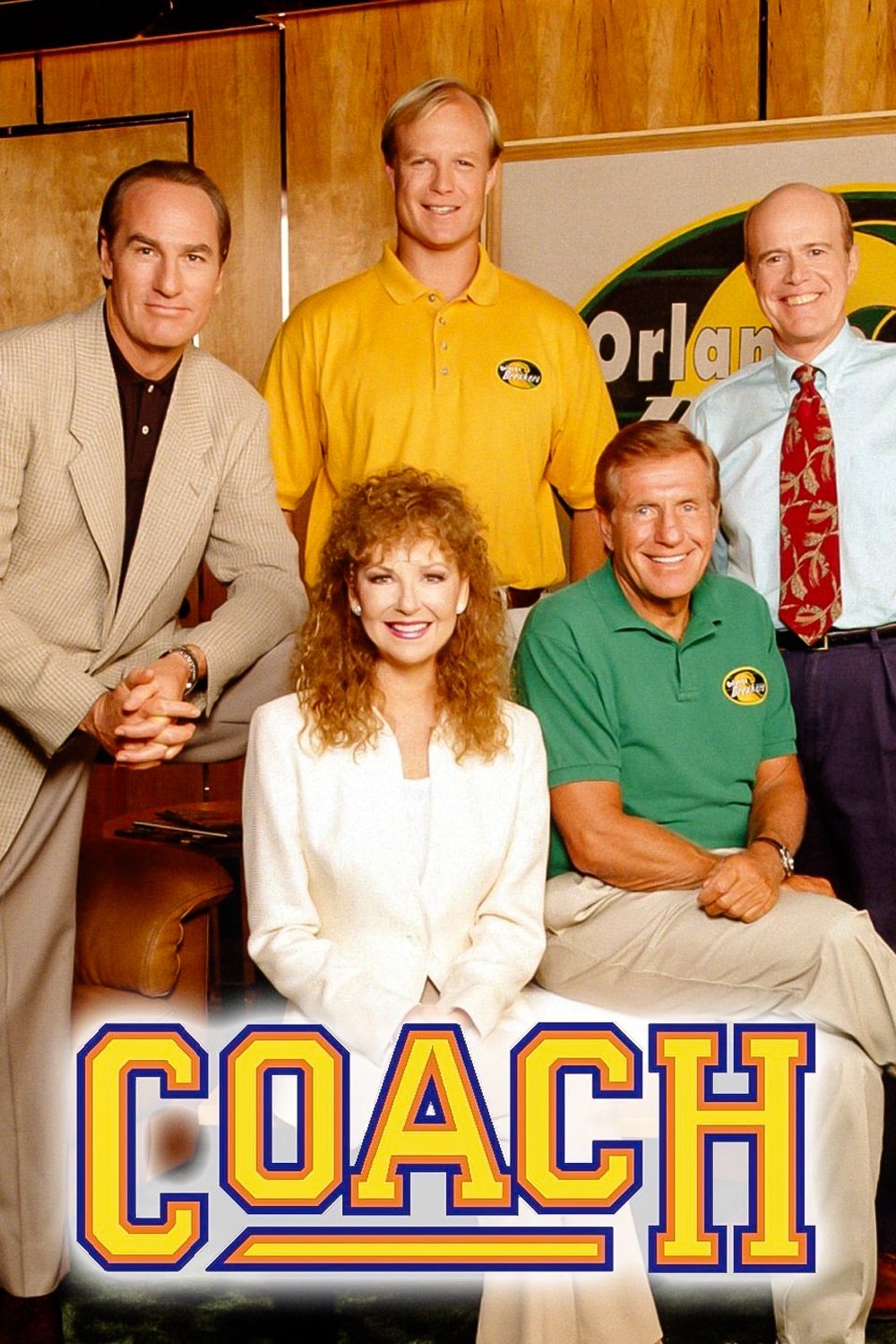
The show centered on a college football coach as he balanced his professional life with his family and friends. It utilized a traditional sitcom format and focused on the clash between the lead character’s old school values and the modern world. Many of the jokes relied on gendered stereotypes and traditional views of masculinity. While it was a popular show for a decade some of its humor feels dated to contemporary audiences. It reflects the sports culture and television styles of the early to mid nineties.
‘Frasier’ (1993–2004)
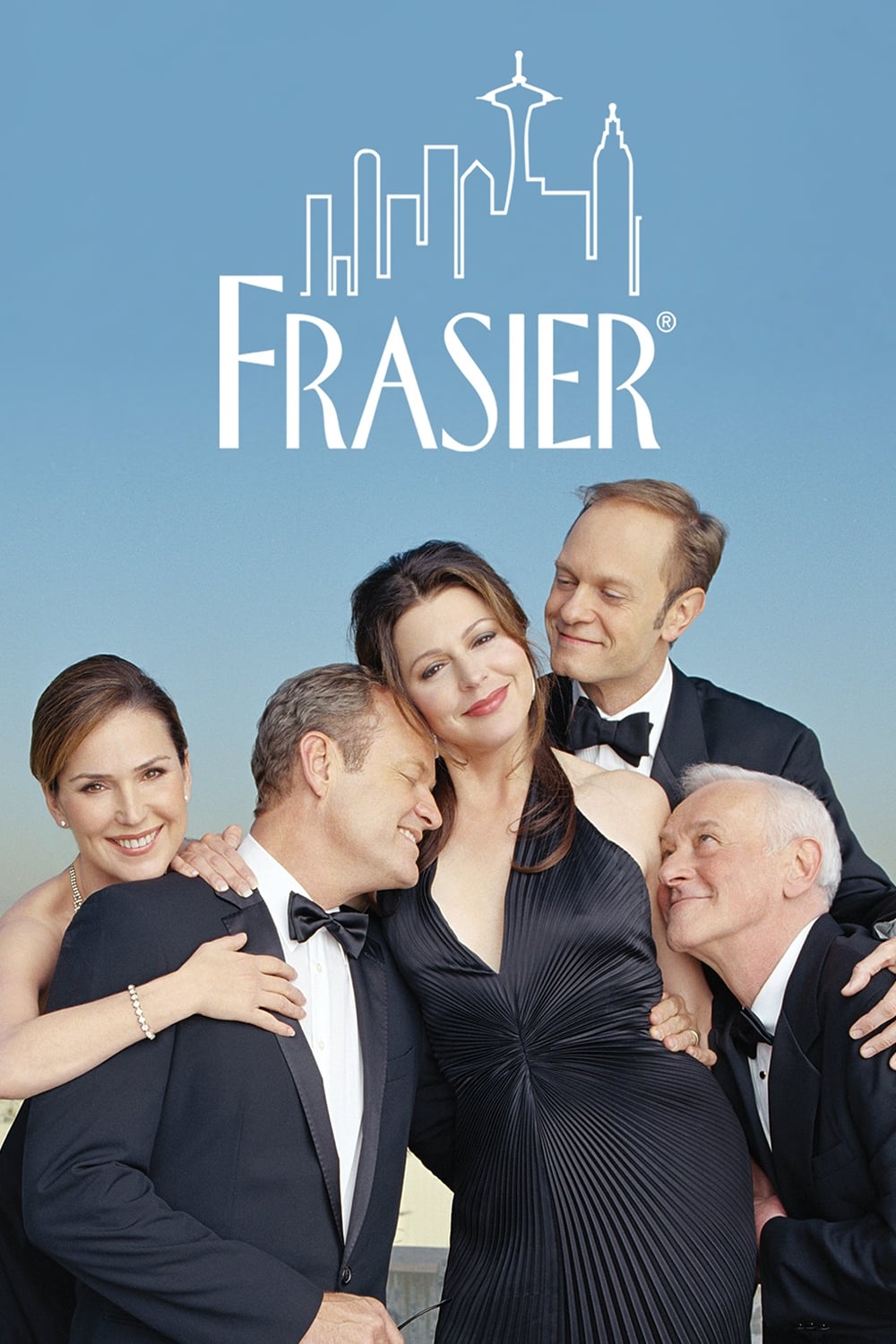
This spinoff followed a psychiatrist who moved back to his hometown to start a new life as a radio personality. It was praised for its sophisticated writing and focus on high culture and family dynamics. However the show has faced retrospective criticism for its lack of diversity in a major city like Seattle. Some of the jokes regarding social class and personal relationships are now viewed with a more critical eye. It remains one of the most successful and critically acclaimed sitcoms in history.
‘Designing Women’ (1986–1993)
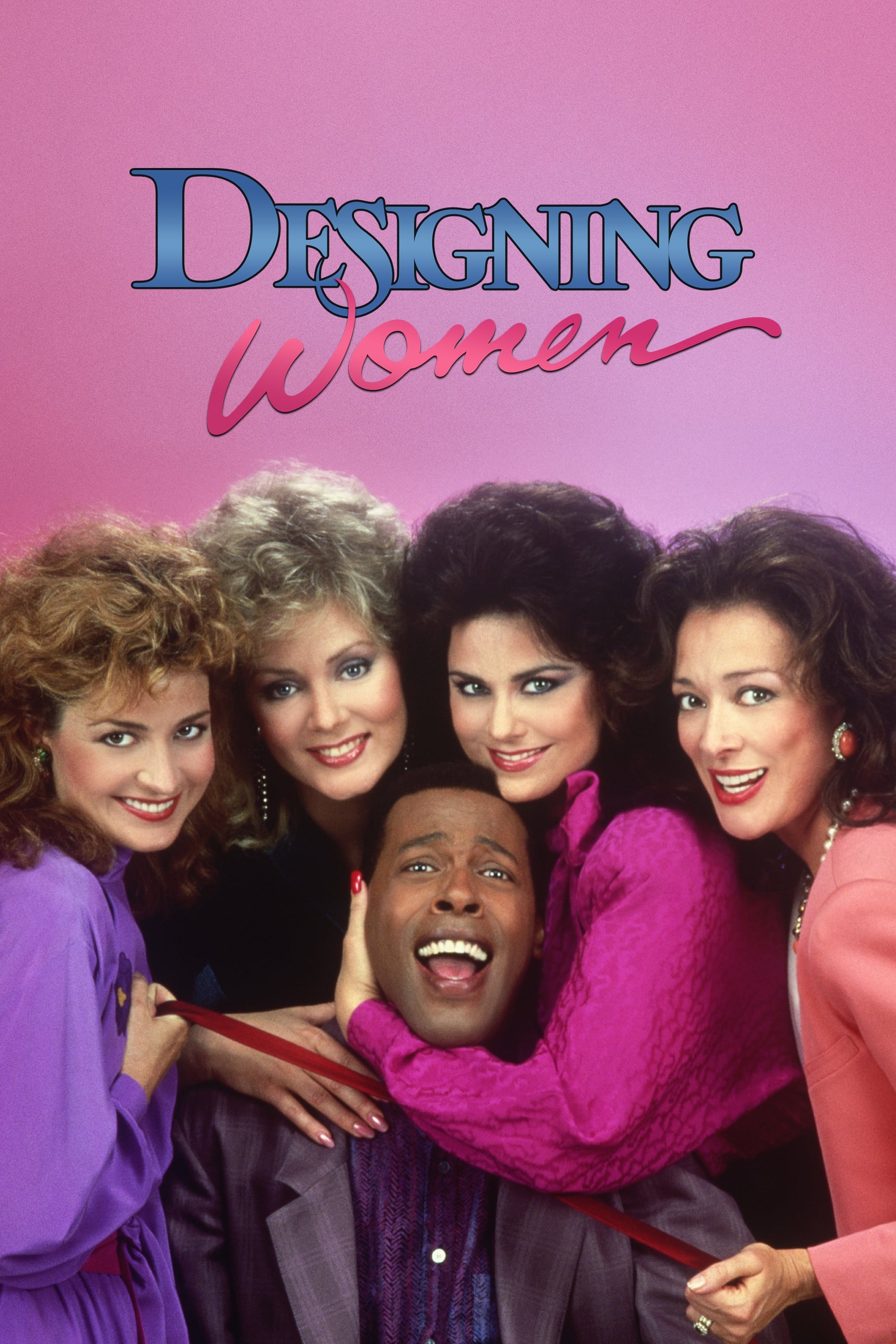
The series focused on four women working at an interior design firm in Atlanta and their various social and political discussions. It was known for its strong female characters and willingness to address controversial topics of the time. However some of the humor and perspectives on social issues reflect the specific regional and cultural context of the eighties and early nineties. Modern viewers might find some of the dialogue and characterizations to be dated or exclusionary. It was a groundbreaking show for its focus on female friendship and professional life.
‘Murphy Brown’ (1988–1998)

This sitcom followed a sharp tongued news anchor as she navigated her career and personal life in Washington D.C. It was famous for its political commentary and its lead character’s independent spirit. The show became a center of national debate regarding family values and single motherhood during its original run. Some of the political jokes and workplace interactions would be viewed differently in today’s polarized environment. It remains a significant example of how television can influence and reflect real world political discourse.
‘Ellen’ (1994–1998)

The sitcom followed a quirky bookstore owner and her group of friends as they dealt with daily life in Los Angeles. It became historically significant when the lead character came out as gay in a groundbreaking episode. While it was a major step for representation at the time the show faced immense backlash from conservative groups and was eventually cancelled. Modern audiences would likely find the initial hesitance and subsequent controversy surrounding the show to be a reflection of a very different era. It paved the way for more diverse storytelling on major networks.
‘Caroline in the City’ (1995–1999)
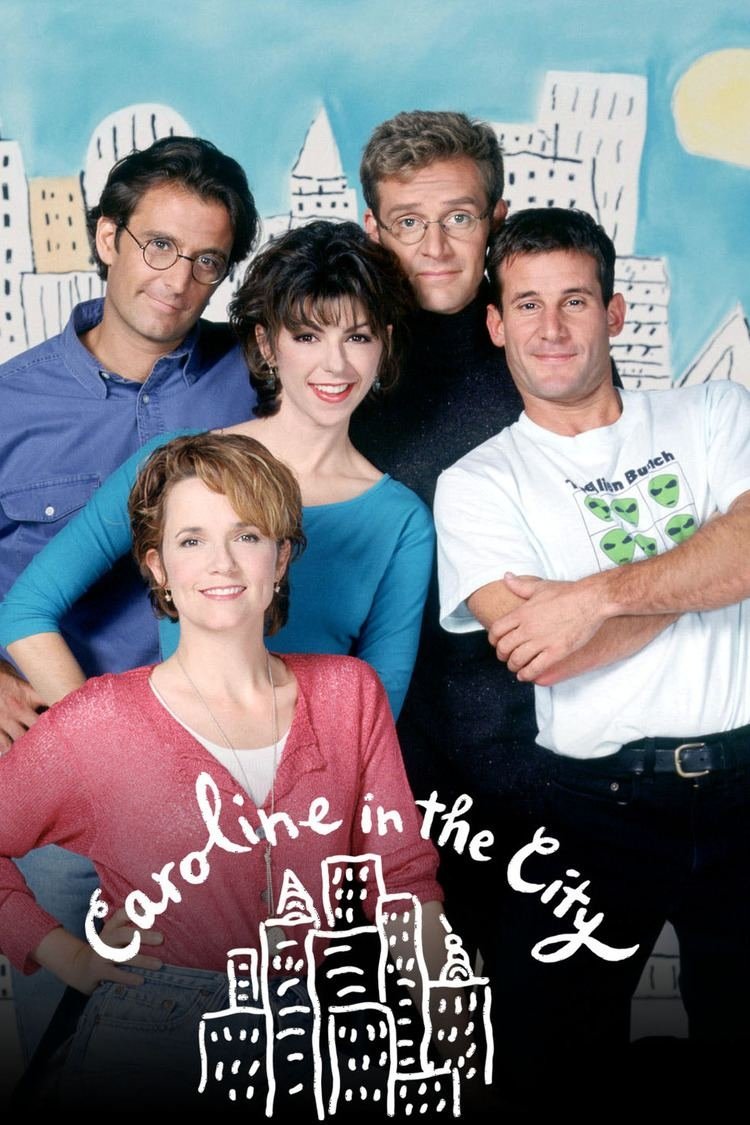
The show followed a successful cartoonist living in Manhattan and her various romantic and professional adventures. It often focused on the search for love and the challenges of being a creative professional in a big city. Some of the humor regarding relationship dynamics and gender roles has not aged well for modern viewers. The series utilized typical sitcom tropes of the era to drive its storytelling. It was a part of a popular block of programming that defined the mid nineties network schedule.
‘Cybill’ (1995–1998)
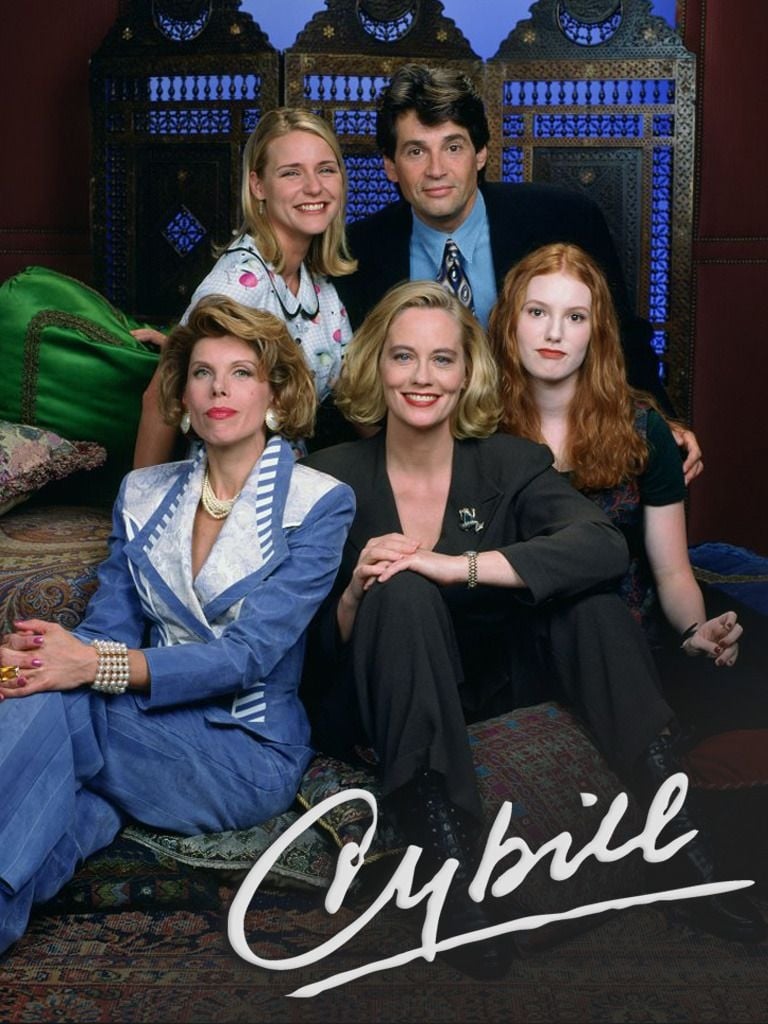
The sitcom followed a middle aged actress as she navigated her career and family life in Hollywood. It was known for its sharp humor and focus on the challenges faced by women in the entertainment industry. Some of the jokes regarding age and physical appearance would be scrutinized more heavily today. The show often featured cynical perspectives on relationships and professional success. It provided a unique look at the industry from the perspective of an older female protagonist.
‘Grace Under Fire’ (1993–1998)
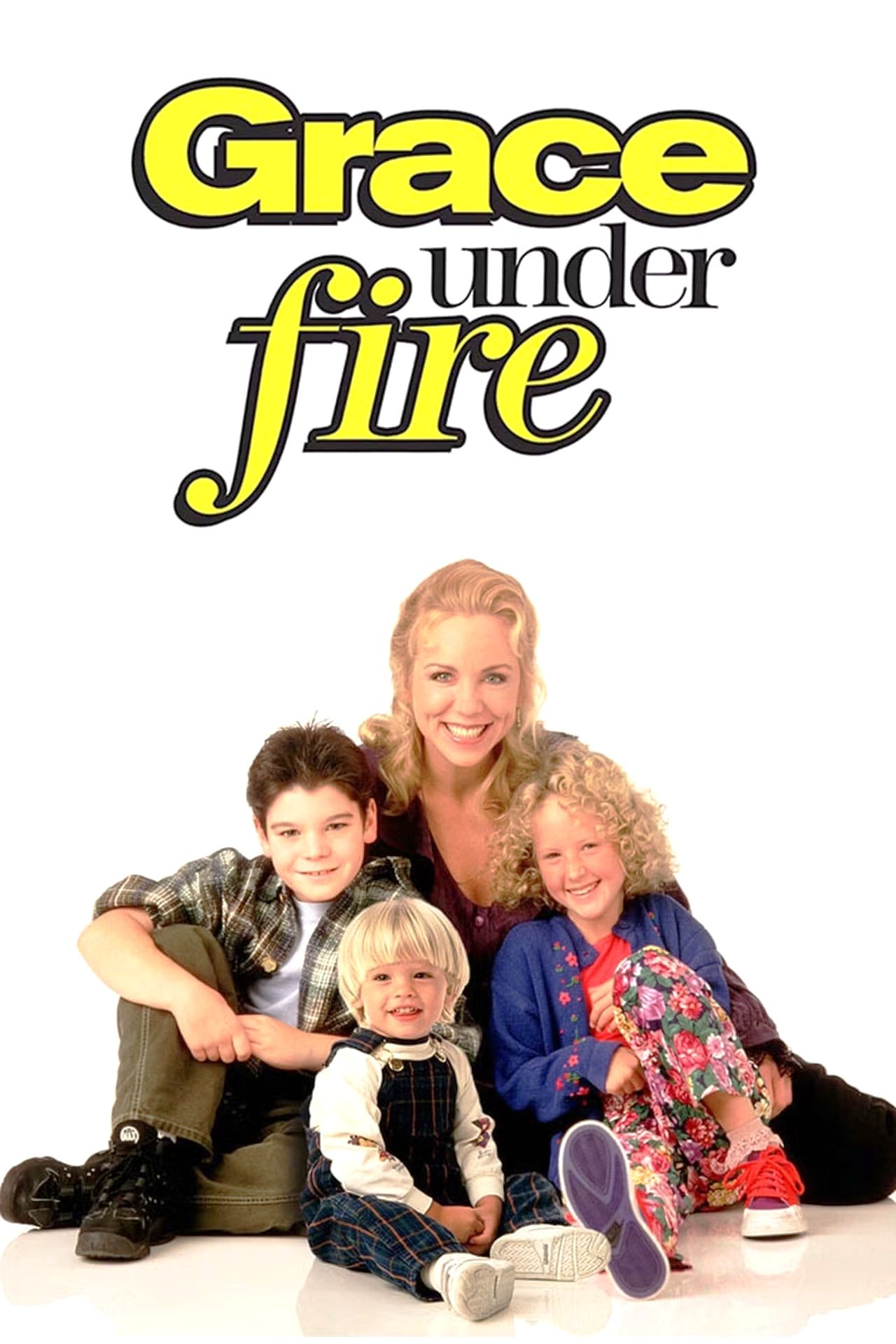
This series followed a single mother and recovering alcoholic as she raised her children and worked in a refinery. It was praised for its gritty and realistic depiction of working class life and personal struggles. However internal conflicts and the behavior of the lead actor led to a difficult production environment and eventual cancellation. The show addressed difficult topics like domestic abuse in a way that was very direct for its time. A new production would likely handle these sensitive subjects with different nuances and structural supports.
‘The Wayans Bros.’ (1995–1999)
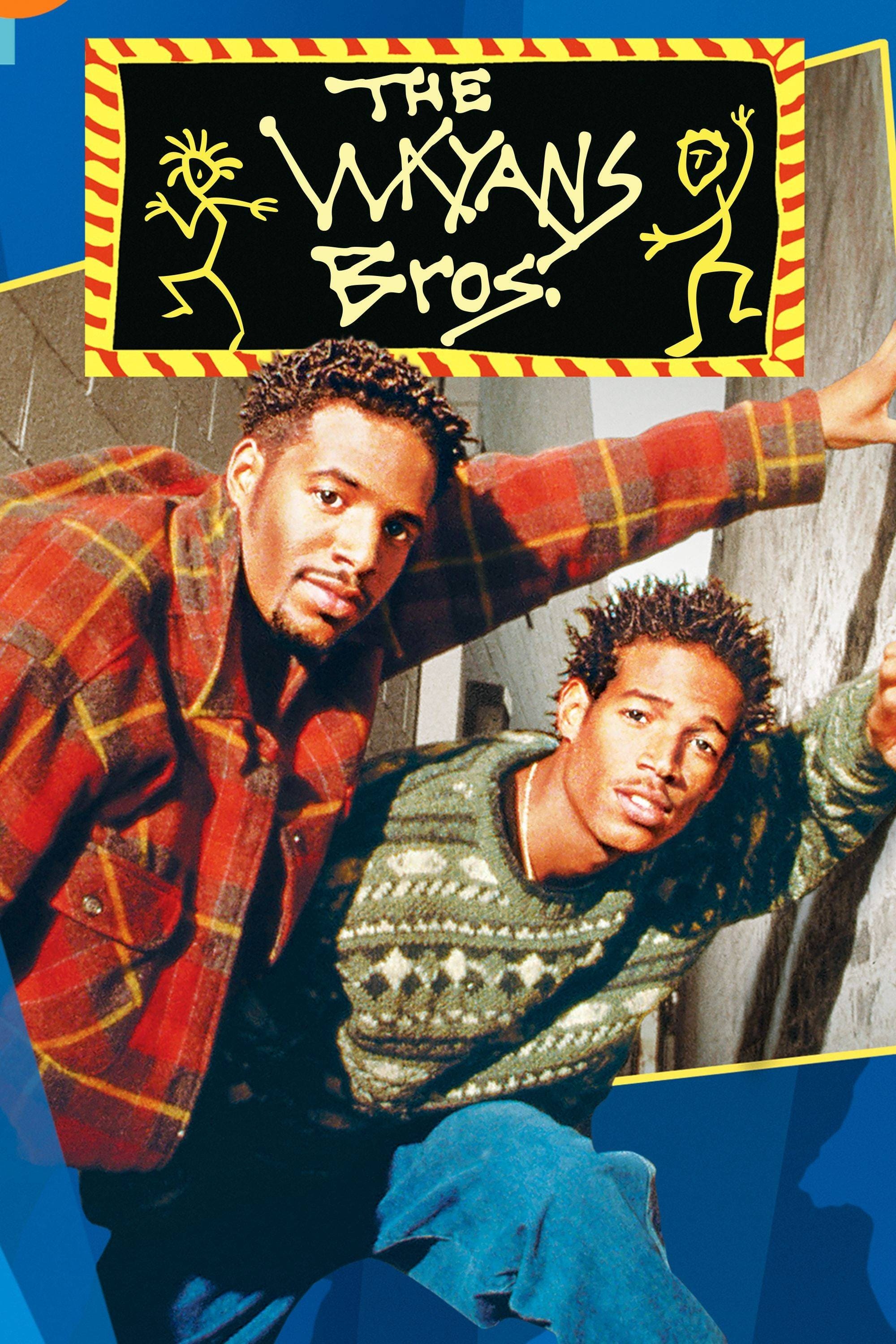
The sitcom followed two brothers as they navigated life and work in New York City while pursuing their various dreams. It was known for its physical comedy and high energy performances from the lead stars. Some of the humor relied on broad stereotypes and physical gags that might be viewed as problematic today. The show was a significant part of the television landscape for its specific target audience. It remains an example of the vibrant and often controversial comedy style of the late nineties.
‘The PJs’ (1999–2001)
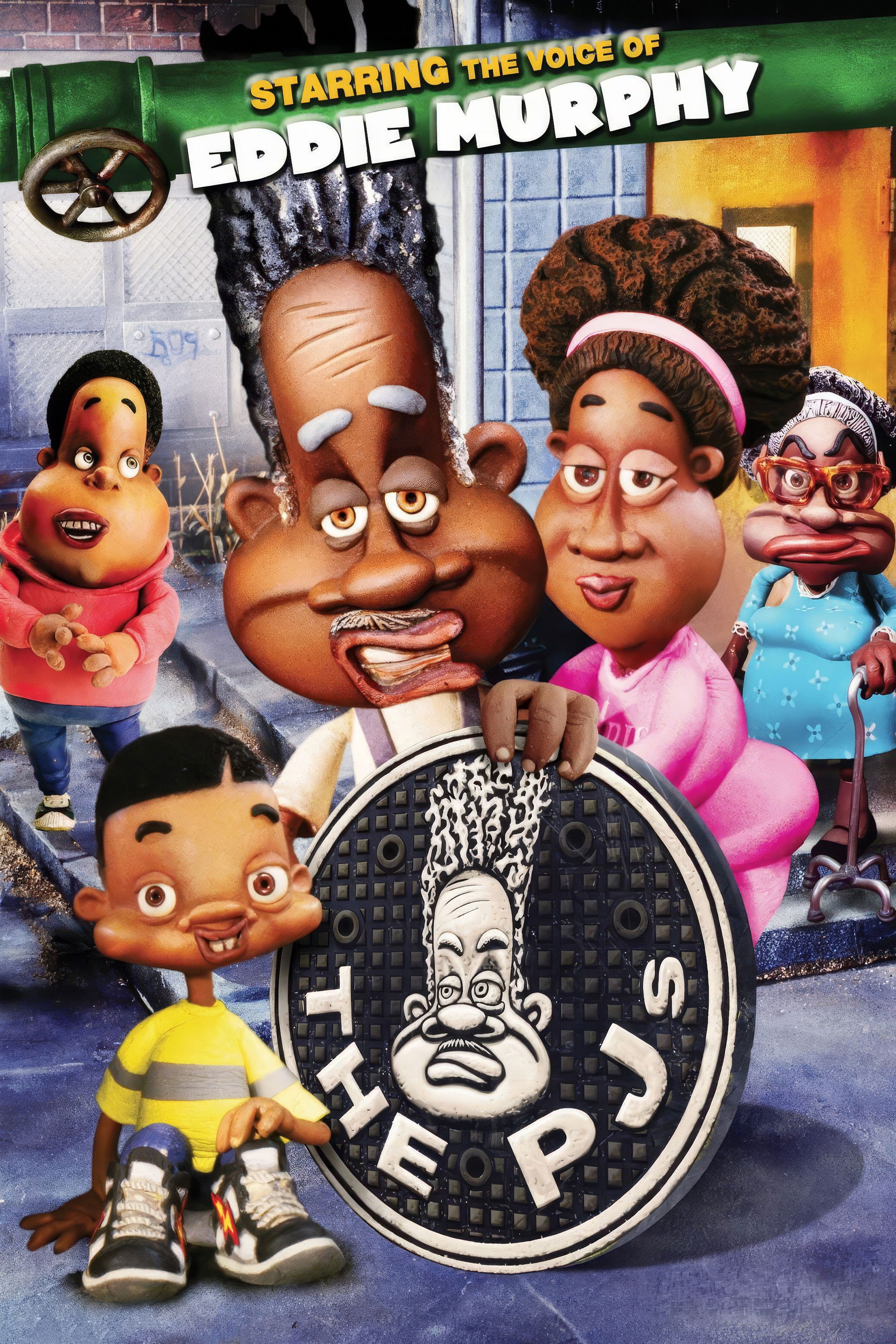
This stop motion animated series followed the residents of a public housing project and their daily struggles and triumphs. It was notable for its unique visual style and its focus on an underrepresented community. However the show faced criticism for its use of stereotypes and its depiction of poverty for comedic effect. Modern standards for representation would likely demand a more nuanced and sensitive approach to the subject matter. It was a bold and controversial experiment in adult animation at the turn of the century.
‘The Larry Sanders Show’ (1992–1998)
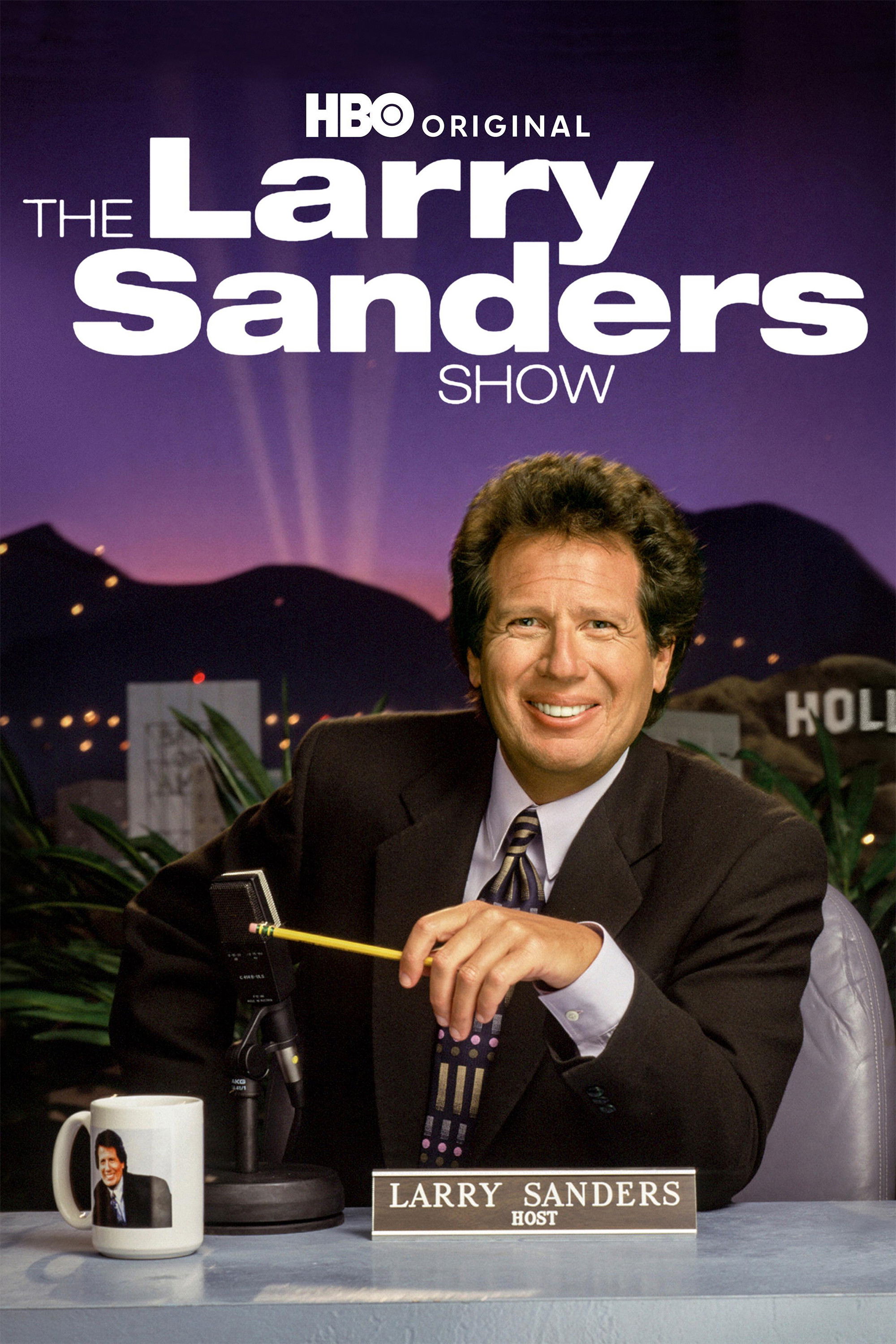
The series provided a behind the scenes look at a fictional late night talk show and the various egos involved. It was highly influential for its use of a single camera format and its cynical view of the entertainment industry. Some of the behavior of the characters and the workplace dynamics would be seen as highly toxic or inappropriate now. The show utilized a blend of reality and fiction that felt very modern for its time. It remains a critically acclaimed masterpiece of television satire despite its difficult themes.
‘Just Shoot Me!’ (1997–2003)
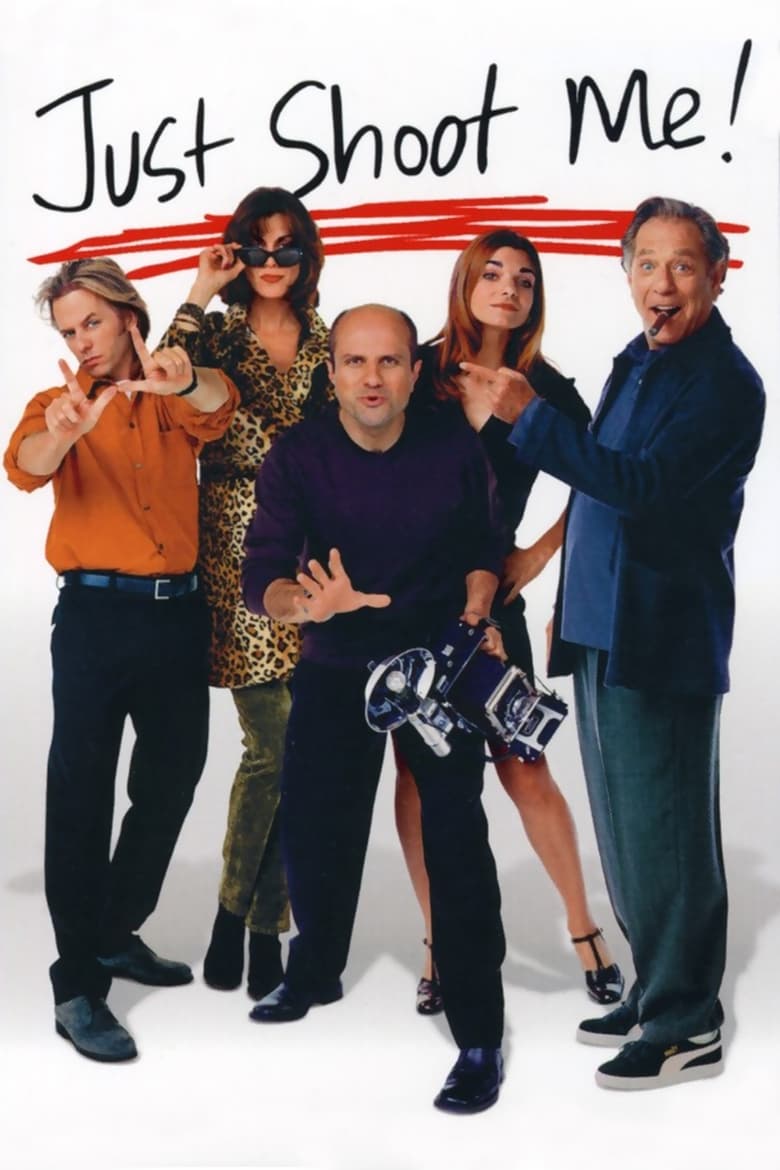
The sitcom took place in the offices of a high fashion magazine and focused on the interactions between the staff members. It relied on jokes regarding physical appearance and the superficiality of the fashion industry for much of its humor. Many of the workplace dynamics and romantic pursuits portrayed would be viewed with more scrutiny by a modern audience. The show featured a talented ensemble cast and was a successful part of the network schedule for several years. It reflects the specific cultural obsession with fashion and status during that era.
‘Dharma & Greg’ (1997–2002)
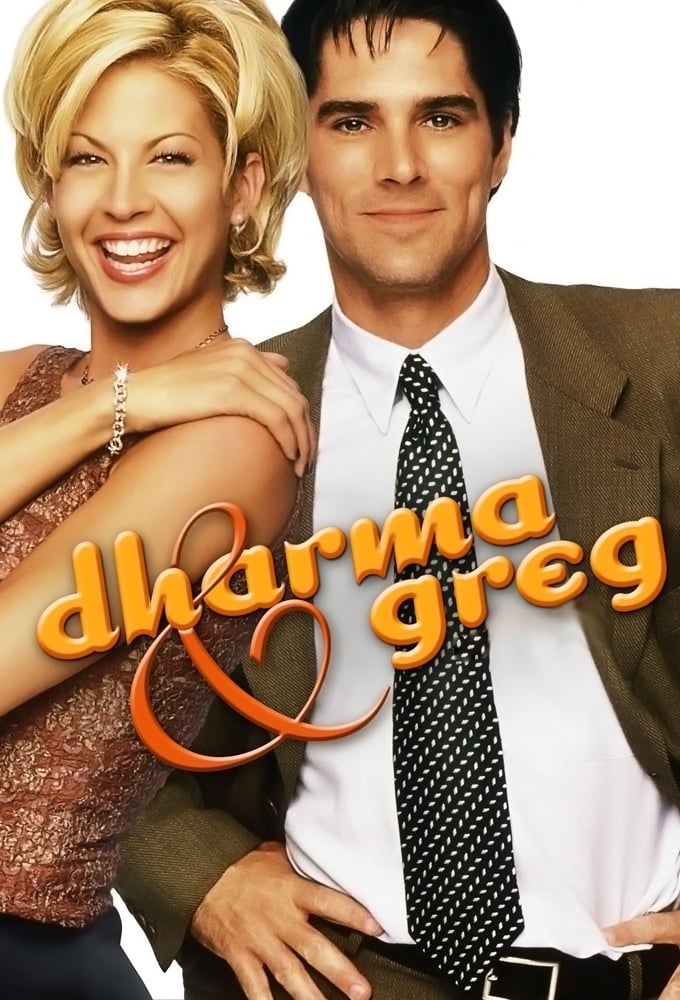
The series followed a free spirited woman and a conservative lawyer who got married on their first date. It relied on the clash between their very different lifestyles and families for its comedic conflict. Some of the humor regarding social classes and traditional versus alternative lifestyles feels dated to contemporary viewers. The show often utilized simplistic characterizations to drive its fish out of water premise. It was a popular romantic comedy that captured the optimistic spirit of the late nineties.
Tell us which of these classic shows you think would have the hardest time on television today in the comments.