Movies That Were Accused Of Being Propaganda



Cinema often serves as a medium for conveying powerful social and political messages to a global audience. While many films are created for entertainment, some productions face accusations of serving specific governmental or ideological agendas. These works frequently spark intense debates regarding their historical accuracy and underlying motives. The following list highlights movies that have been labeled as propaganda by various critics, historians, or political groups throughout the years.
‘The Birth of a Nation’ (1915)
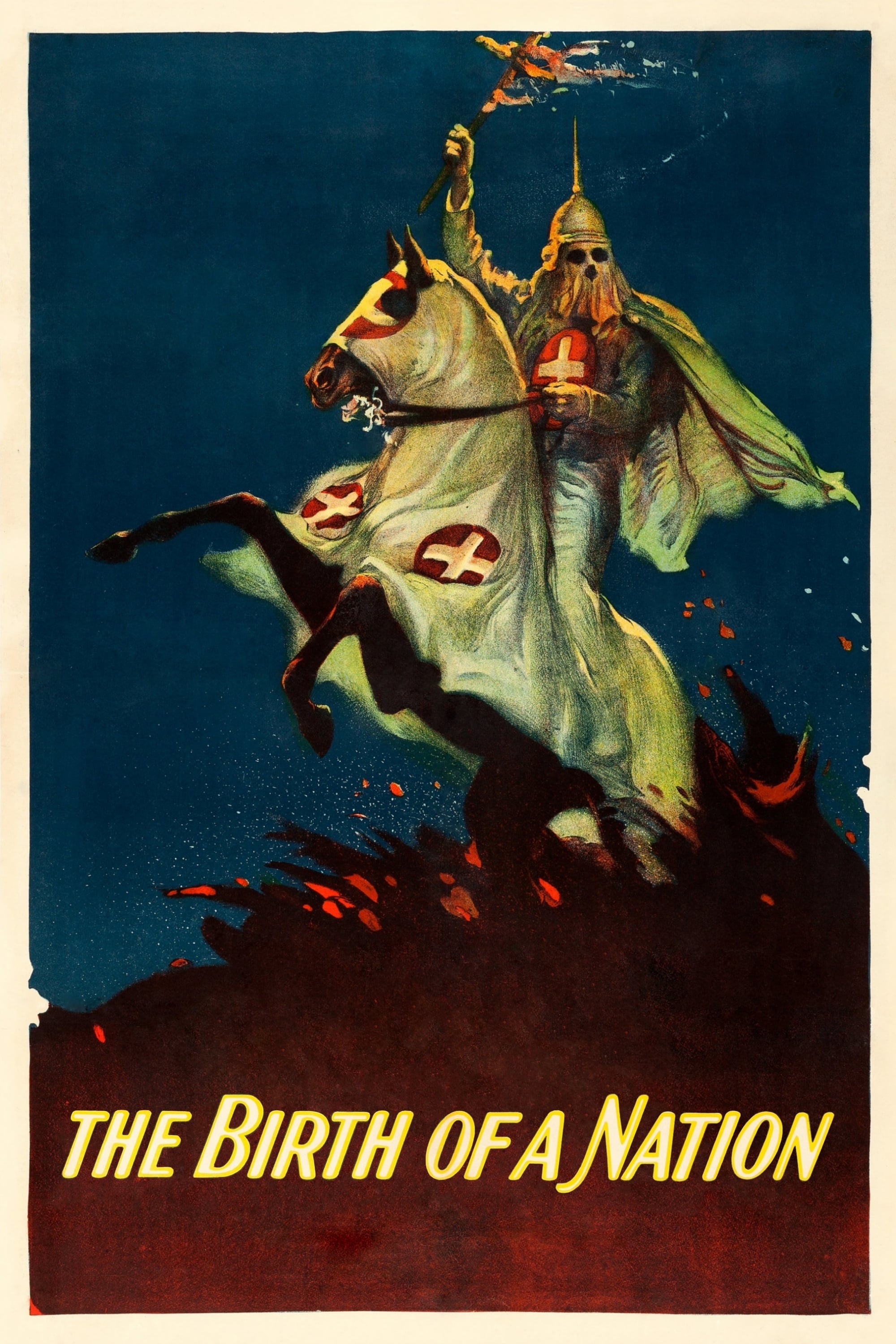
‘The Birth of a Nation’ is a silent epic that focuses on the American Civil War and the following Reconstruction era. The film portrays the Ku Klux Klan as a heroic organization that saves the South from political and social chaos. Many scholars argue that the movie promotes white supremacy and uses distorted historical narratives to justify racial segregation. It was the first motion picture ever screened at the White House and led to widespread protests across the country.
‘Battleship Potemkin’ (1925)
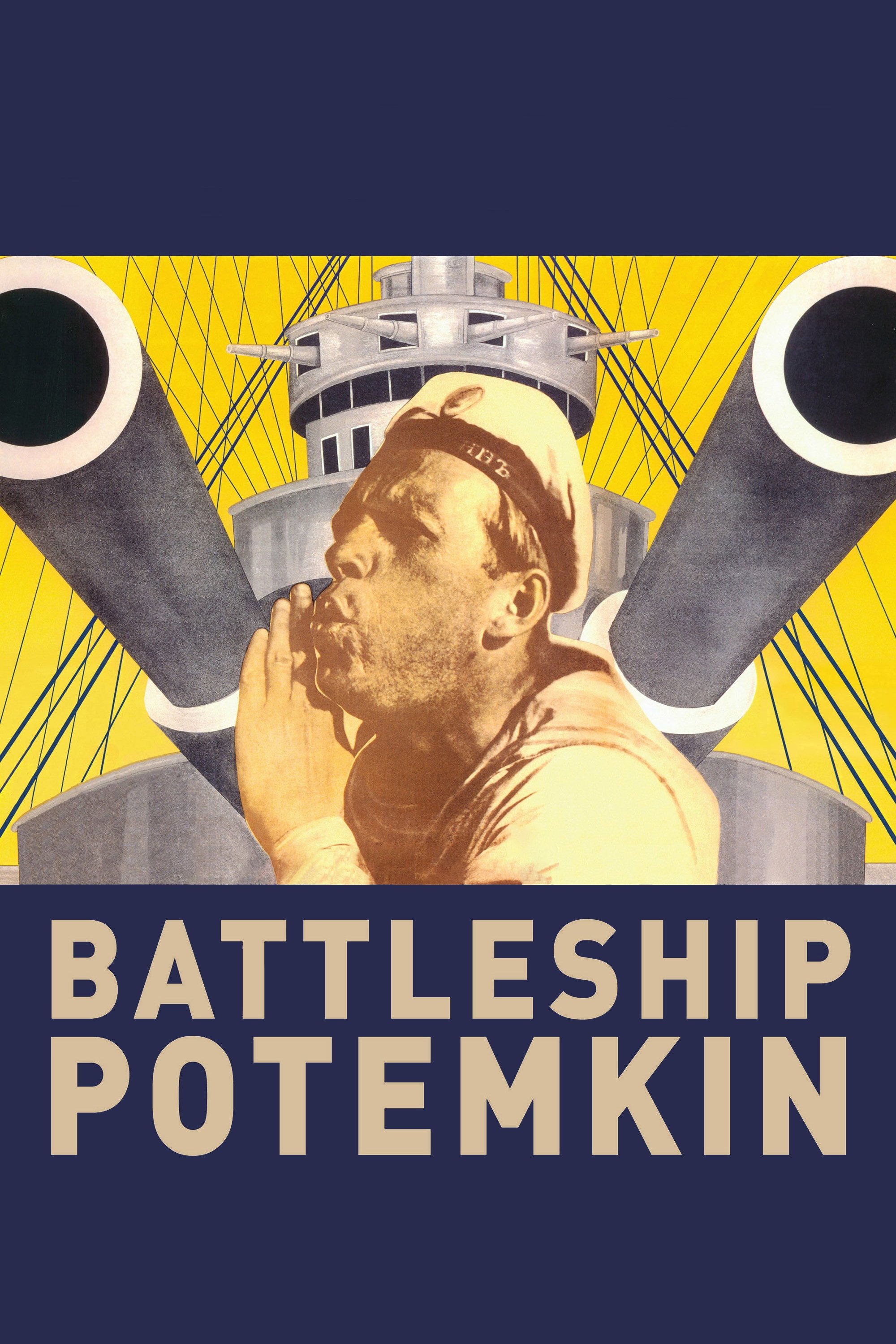
‘Battleship Potemkin’ is a Soviet silent film that dramatizes a 1905 mutiny by the crew of a Russian battleship. The director used innovative montage techniques to build emotional intensity and support for the revolutionary cause. Critics often describe the work as a masterpiece of political filmmaking designed to glorify the struggle of the proletariat. Its depiction of the massacre on the Odessa Steps remains one of the most famous examples of visual persuasion in cinema history.
‘Triumph of the Will’ (1935)
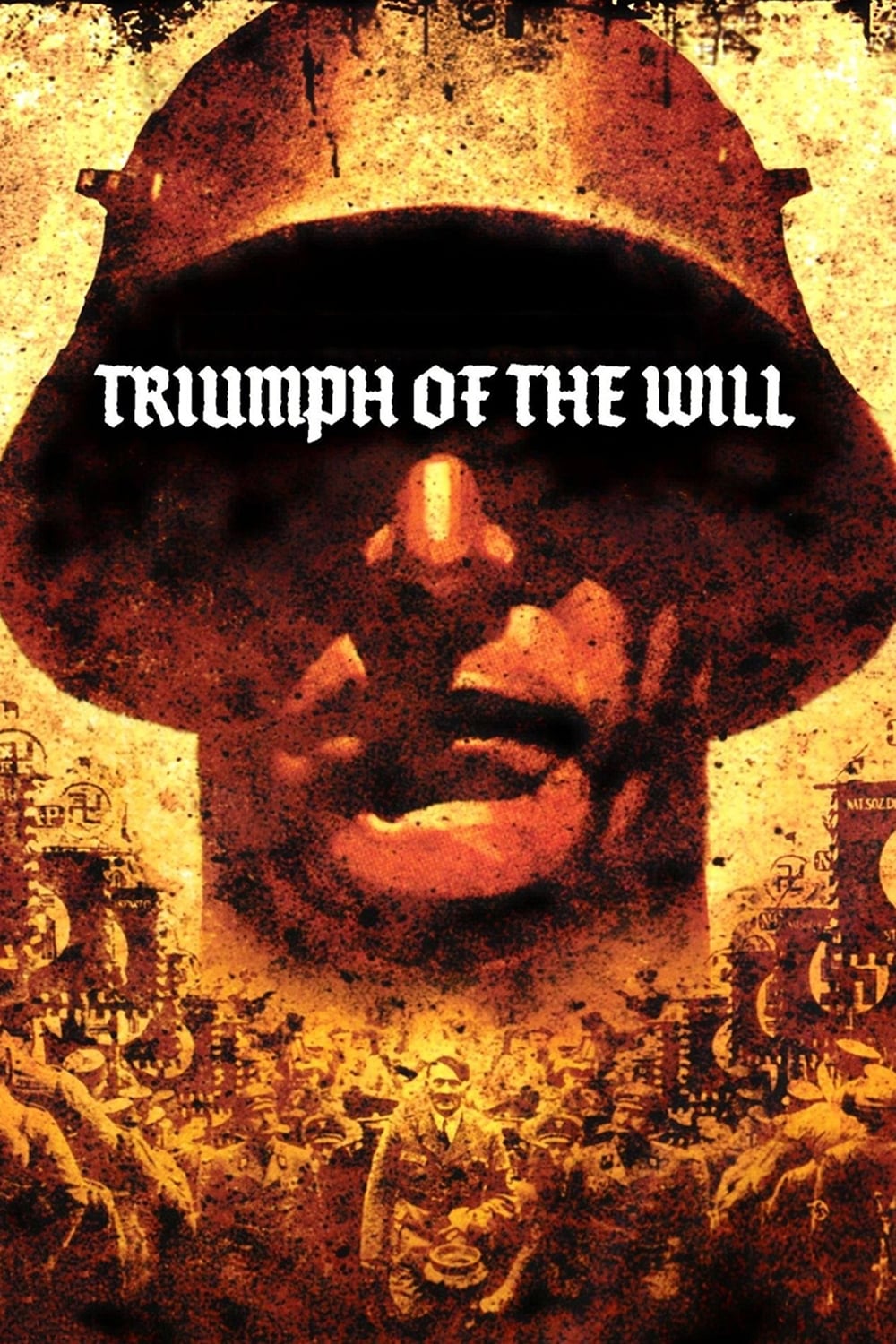
‘Triumph of the Will’ documents the 1934 Nazi Party Congress in Nuremberg through elaborate cinematography and staging. The film was commissioned by the German government to showcase the power and unity of the regime under its leader. It uses grand visuals and music to create an atmosphere of worship and nationalistic fervor. Modern critics view the work as one of the most effective and dangerous examples of state-sponsored propaganda ever produced.
‘Alexander Nevsky’ (1938)
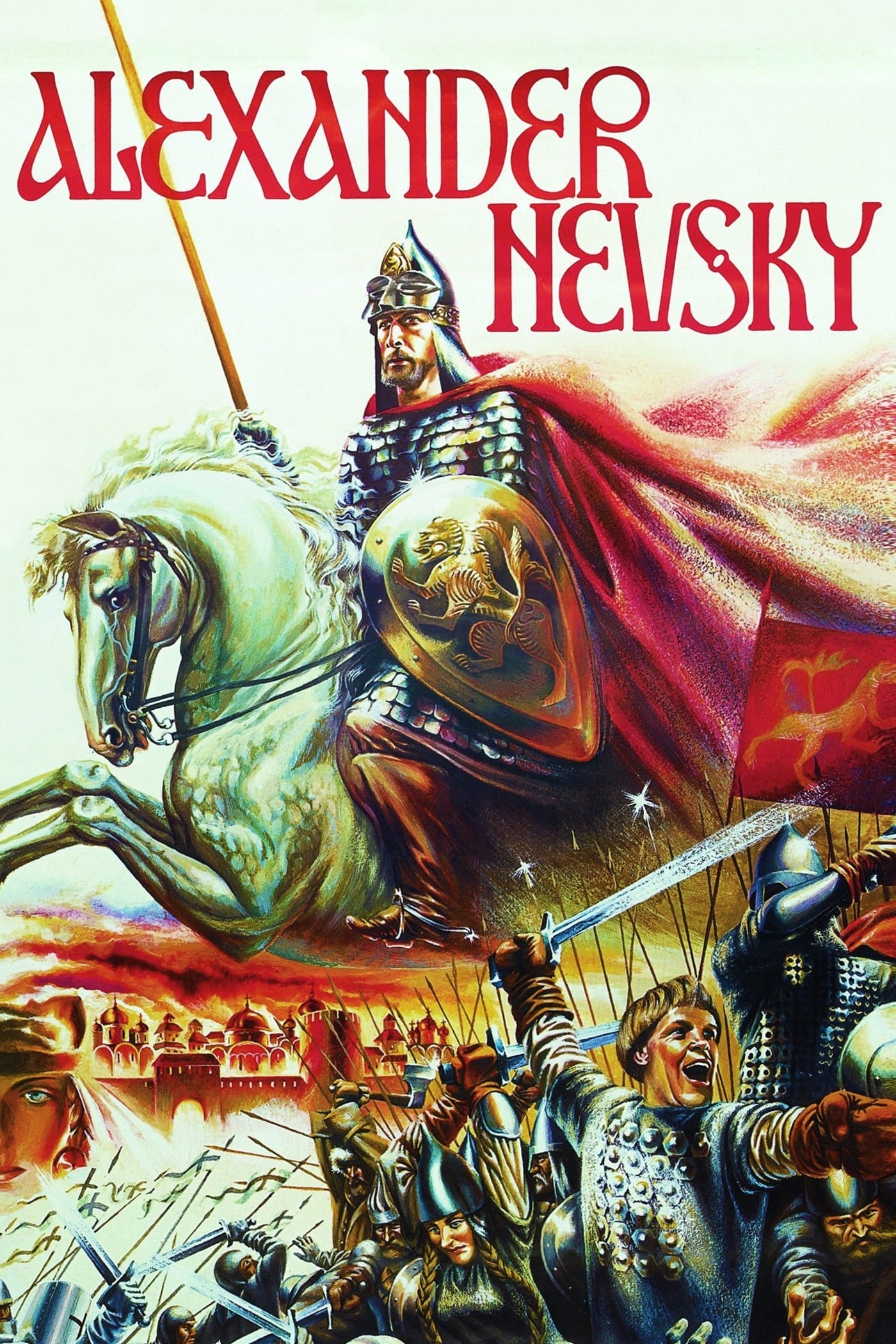
‘Alexander Nevsky’ depicts a historical Russian prince defending his territory against invading Teutonic Knights. The film was produced during a period of rising tensions between the Soviet Union and Germany. Its narrative draws clear parallels between the medieval invaders and the contemporary threat of the Nazi regime. The government used the film to foster national pride and prepare the populace for a potential conflict with foreign powers.
‘The Great Dictator’ (1940)
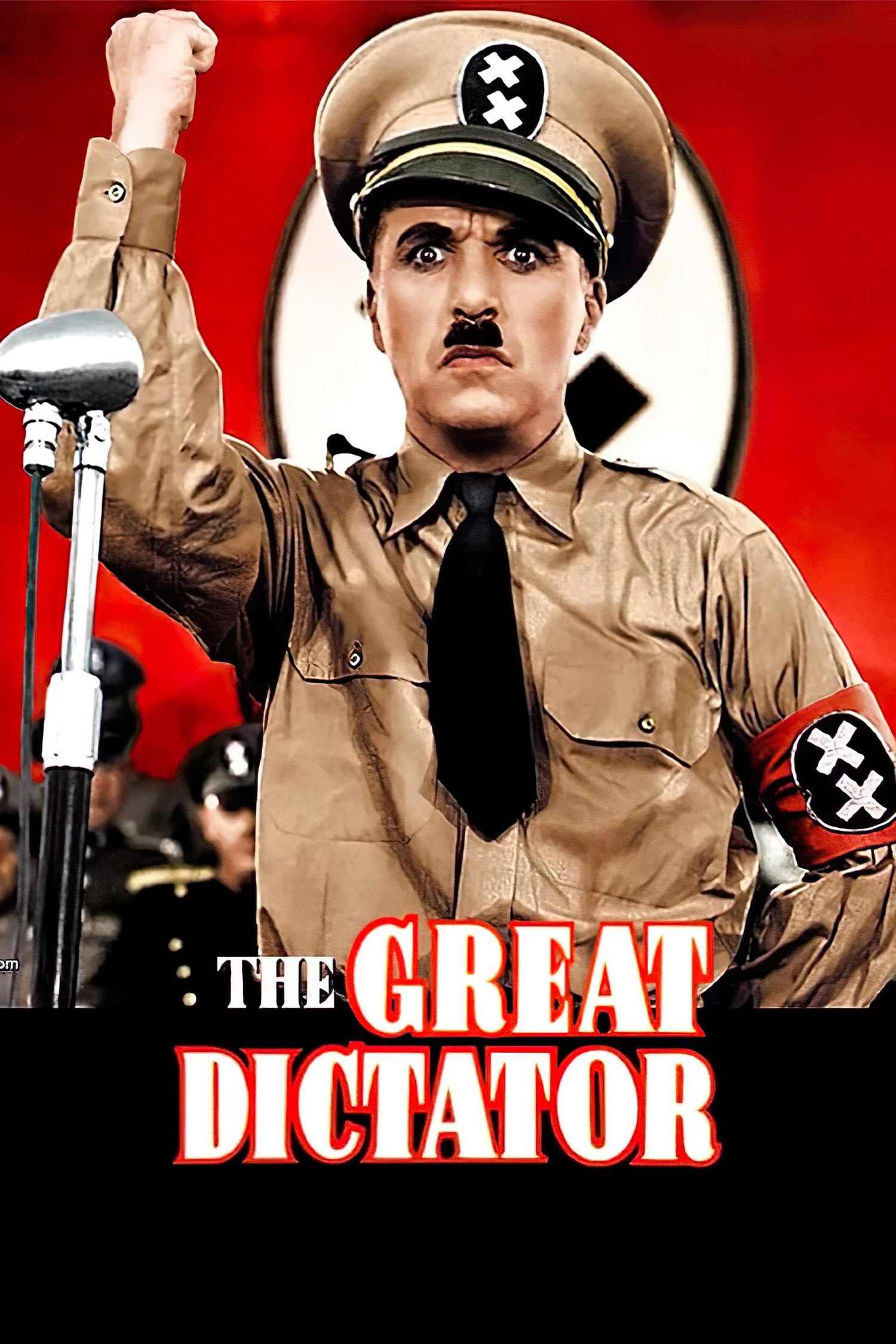
‘The Great Dictator’ is a satirical comedy that targets the ideologies of fascism and anti-Semitism in Europe. The film features a direct plea for peace and democracy during its concluding monologue. Some contemporary critics in the United States accused the production of being pro-interventionist propaganda intended to push the country into World War II. It remains a significant example of how a filmmaker used their platform to combat the spread of authoritarianism.
‘The Eternal Jew’ (1940)

‘The Eternal Jew’ was produced as a documentary-style film meant to justify the persecution of the Jewish people in occupied Europe. It utilizes manipulated footage and narration to present a series of harmful and false stereotypes. Historians classify the work as a key tool in the state-led campaign to dehumanize a specific population. The film was widely screened across territories controlled by the regime to cultivate public support for its discriminatory policies.
‘Mrs. Miniver’ (1942)

‘Mrs. Miniver’ tells the story of an English middle-class family during the early days of World War II. The film emphasizes the resilience and bravery of ordinary citizens facing the Blitz and the evacuation of Dunkirk. American officials encouraged the production to build sympathy for the British cause among a skeptical domestic public. Even the British Prime Minister at the time noted that the film was worth more than a fleet of battleships for the war effort.
‘The Green Berets’ (1968)
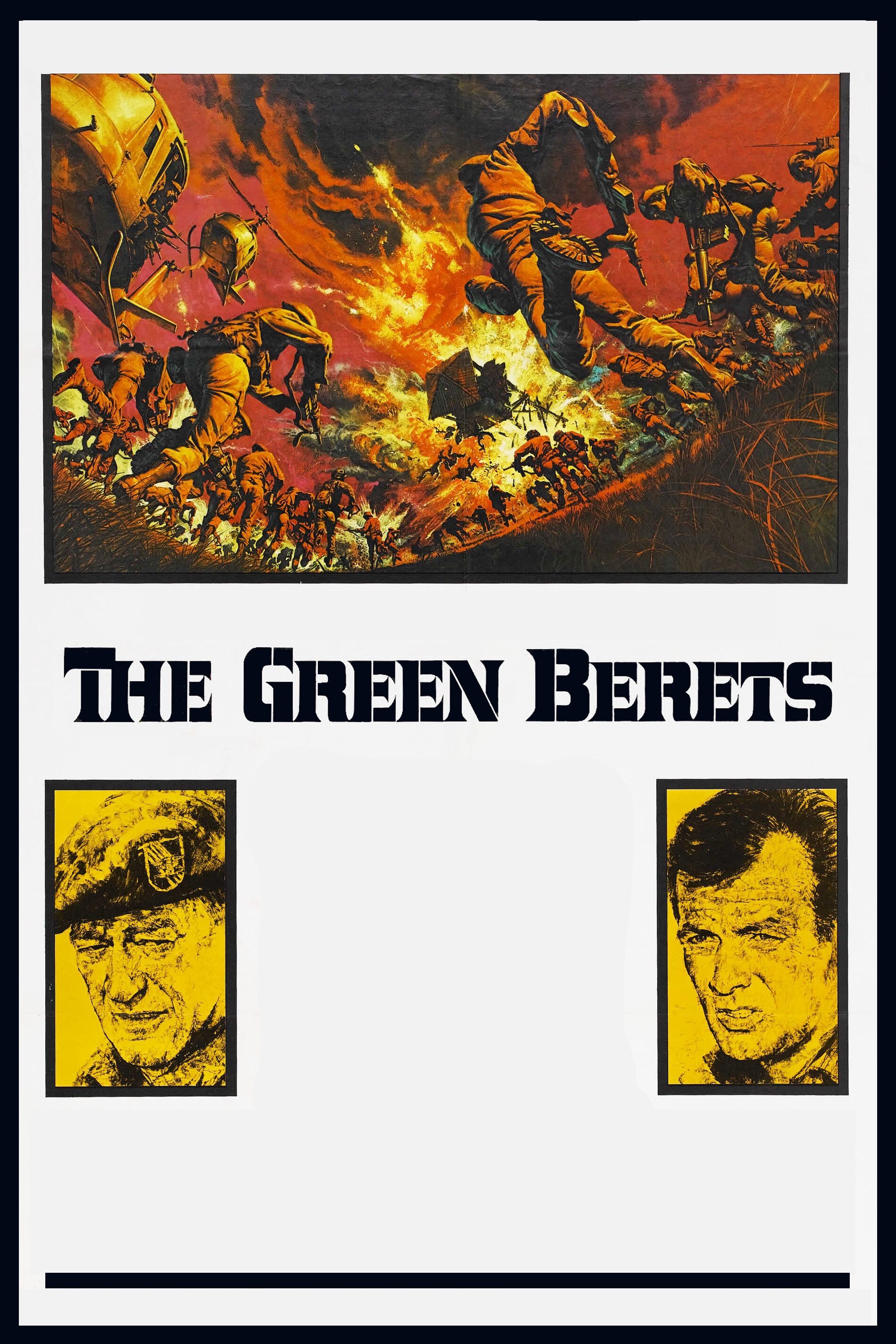
‘The Green Berets’ is a war film produced at the height of the Vietnam War with significant assistance from the Department of Defense. The story follows a skeptical journalist who eventually becomes convinced of the righteousness of the American military intervention. Critics at the time accused the movie of being a simplistic and biased recruitment tool that ignored the complexities of the conflict. It remains one of the few high-profile Hollywood films from that era to take a pro-war stance.
‘Red Dawn’ (1984)

‘Red Dawn’ depicts an alternate reality where the United States is invaded by the Soviet Union and its allies. A group of high school students forms a guerrilla resistance movement to fight back against the occupying forces. The film was released during a period of renewed Cold War tensions and was seen by some as a reflection of patriotic paranoia. Many commentators argued that the movie promoted a specific brand of American exceptionalism and militant anti-communism.
‘Rocky IV’ (1985)
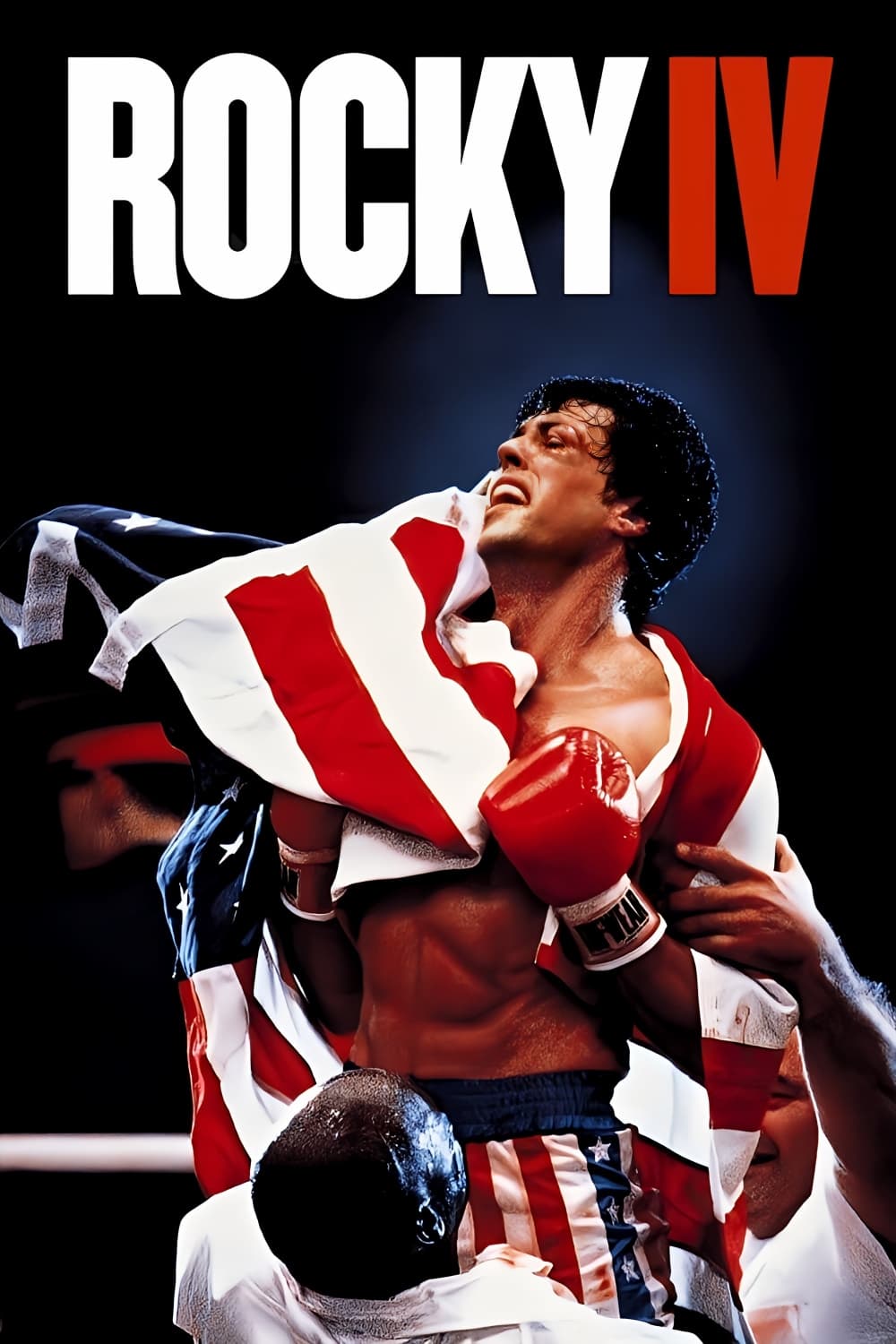
‘Rocky IV’ features a boxing match between an American champion and a technologically enhanced Soviet fighter. The narrative serves as a blatant metaphor for the geopolitical rivalry between the two superpowers during the 1980s. Critics pointed out that the film utilized heavy-handed symbolism to portray the United States as the moral and individualistic winner over the collective Soviet system. The final scene involves the protagonist giving a speech about the possibility of change that was perceived as a diplomatic message.
‘Rambo: First Blood Part II’ (1985)

‘Rambo: First Blood Part II’ follows a veteran returning to Vietnam to rescue prisoners of war left behind after the conflict. The film reflects the political desire of the era to rewrite the narrative of the war into a more heroic and successful endeavor. Critics accused the production of being a fantasy that prioritized nationalistic pride over historical reality. It became a cultural symbol of the aggressive foreign policy favored by the American administration at the time.
‘Top Gun’ (1986)
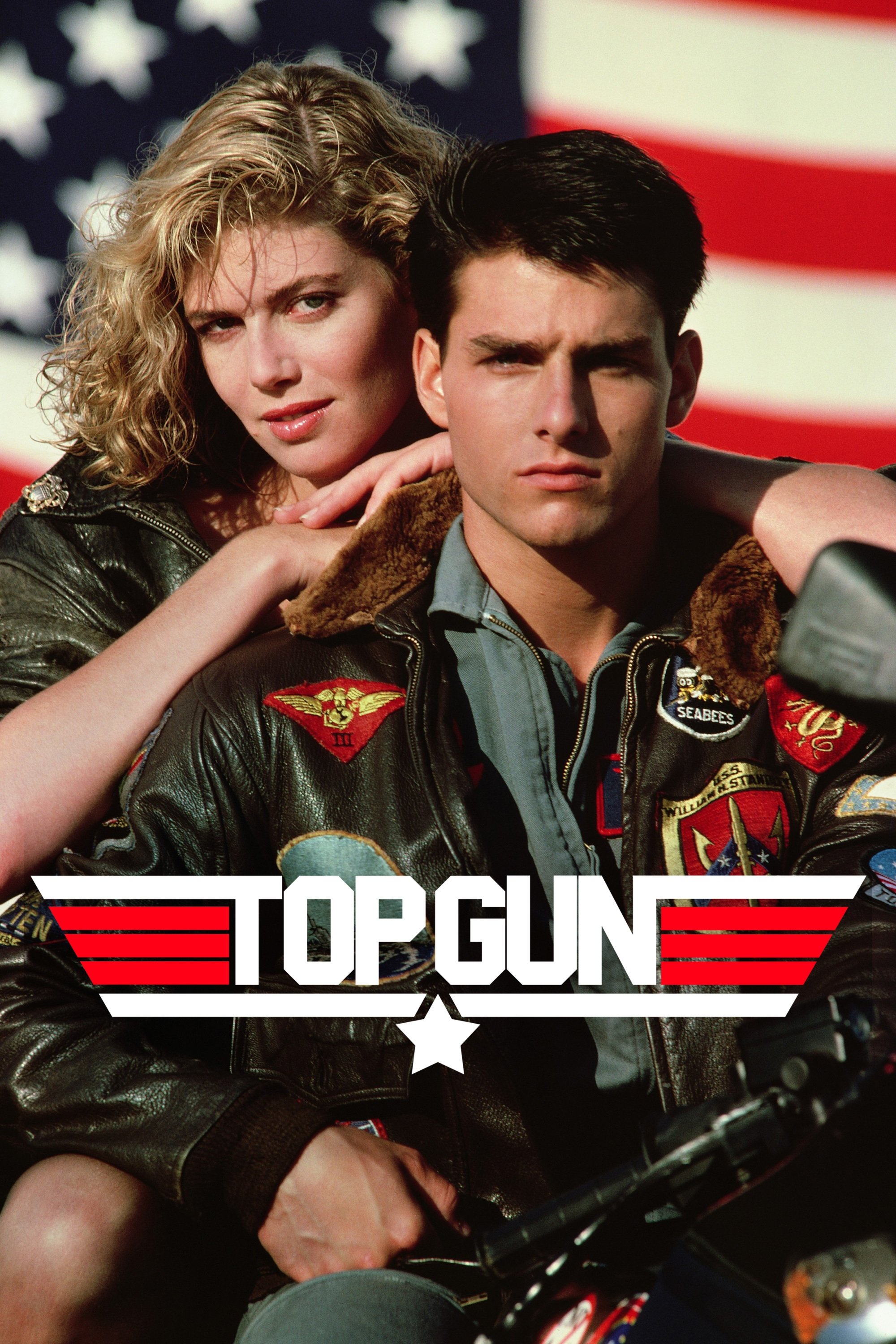
‘Top Gun’ showcases the lives of elite fighter pilots at a naval training school. The film was produced with extensive cooperation from the United States Navy which provided access to aircraft and facilities. Following its release, the military saw a significant spike in recruitment numbers among young men. Many critics argued that the movie served as a glossy and high-budget recruitment advertisement that glamorized aerial warfare.
‘Independence Day’ (1996)

‘Independence Day’ is a science fiction blockbuster about a global alien invasion that is ultimately defeated by American leadership. The film features the President of the United States personally leading a fighter jet squadron into battle. Some international critics argued that the movie promoted American hegemony by suggesting that the world could only be saved through American technology and bravery. It is frequently cited as an example of post-Cold War nationalistic cinema.
‘Black Hawk Down’ (2001)

‘Black Hawk Down’ recreates the 1993 military raid in Mogadishu where American soldiers were trapped behind enemy lines. The film received significant logistical support from the Department of Defense including the use of actual helicopters and pilots. Critics noted that the movie focused heavily on the heroism of the soldiers while largely ignoring the political context of the mission. Some observers argued that the timing of its release served to prepare the public for future military engagements in the Middle East.
‘Pearl Harbor’ (2001)
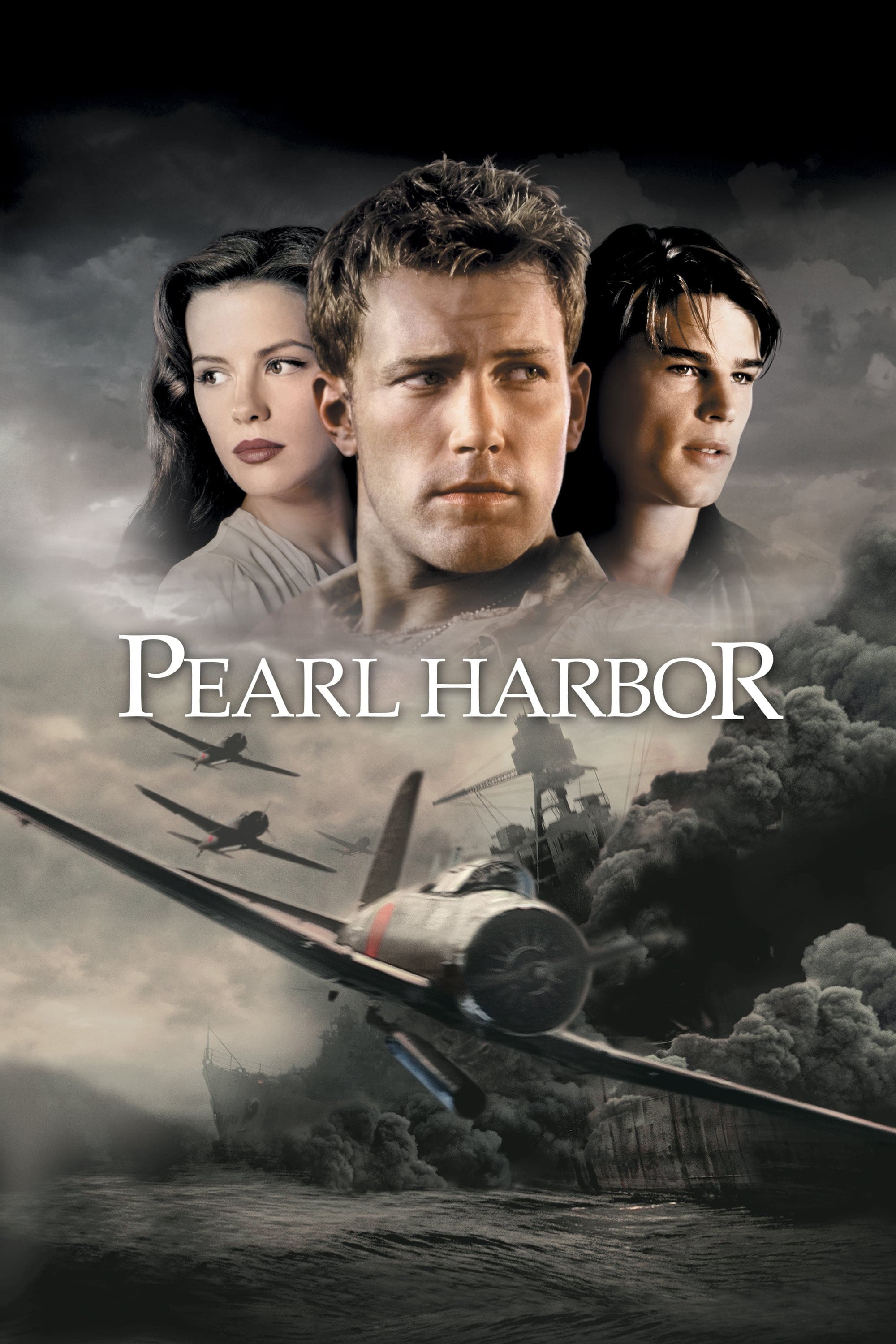
‘Pearl Harbor’ is a romantic war drama that centers on the Japanese attack on the United States naval base in 1941. The production received massive support from the military in exchange for script approval rights. Critics accused the film of being a sanitized and nationalistic version of history that emphasized spectacle over historical accuracy. The release of the movie coincided with a surge in patriotic sentiment and was viewed by some as a tool for modern recruitment.
‘Fahrenheit 9/11’ (2004)
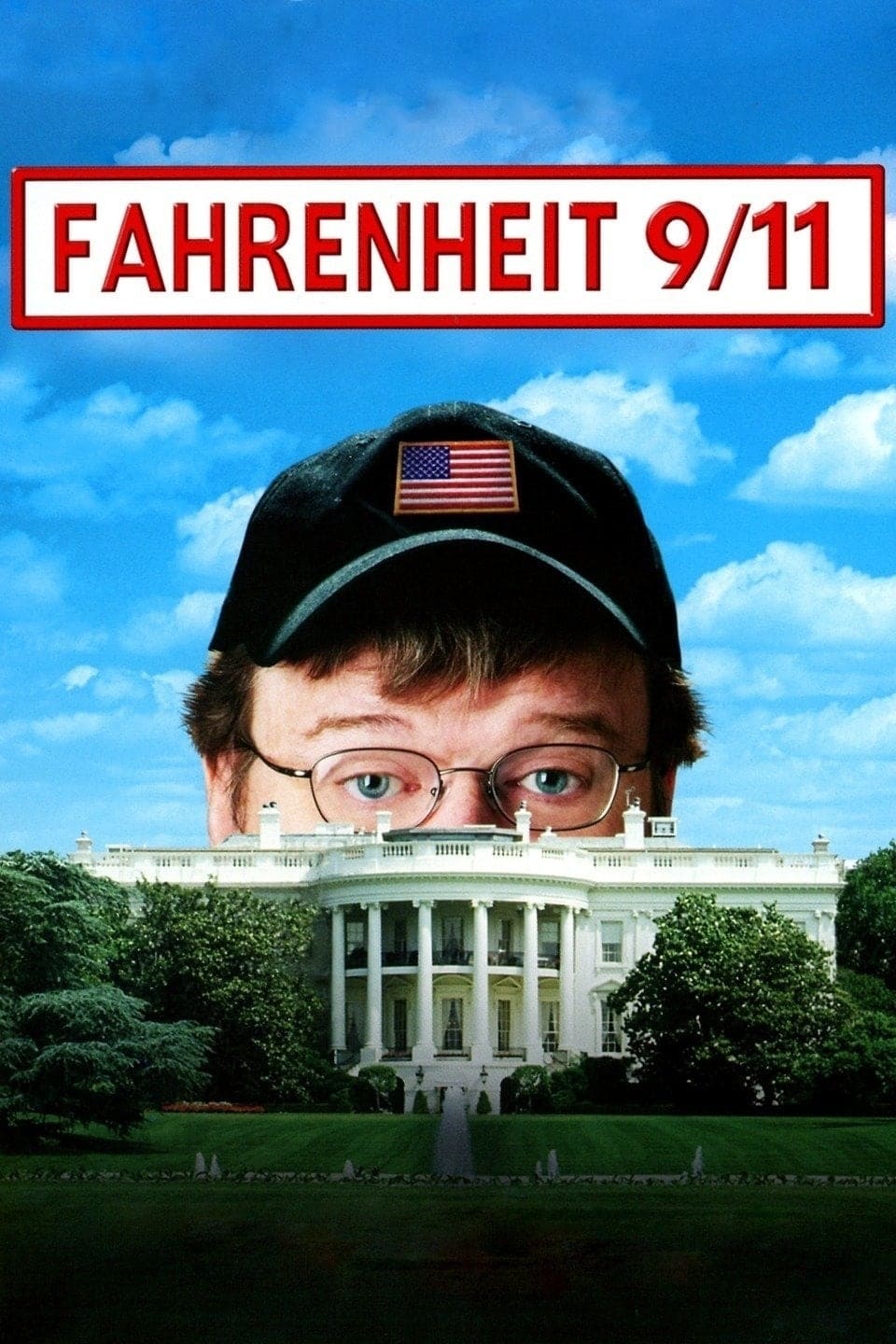
‘Fahrenheit 9/11’ is a documentary that takes a highly critical look at the administration of George W. Bush and the war in Iraq. The film uses a combination of news footage and interviews to suggest that the conflict was driven by corporate interests and political deception. Supporters of the administration accused the director of creating propaganda intended to influence the outcome of the 2004 presidential election. It remains one of the most financially successful and politically divisive documentaries ever made.
‘The Passion of the Christ’ (2004)

‘The Passion of the Christ’ depicts the final twelve hours of the life of Jesus with intense graphic detail. The film was a massive commercial success but faced accusations of promoting a specific religious and political agenda. Some critics argued that its portrayal of various historical groups leaned into harmful tropes and served as religious propaganda. Others noted that the film was used as a rallying point for conservative religious movements in the United States.
‘V for Vendetta’ (2005)

‘V for Vendetta’ is set in a future dystopian Britain ruled by a fascist regime. The story follows an anarchist revolutionary who uses terrorist tactics to dismantle the government. While many saw it as a critique of authoritarianism, some critics accused the film of promoting a specific anti-government ideology. The imagery from the movie has since been adopted by various political protest groups around the world.
‘300’ (2006)
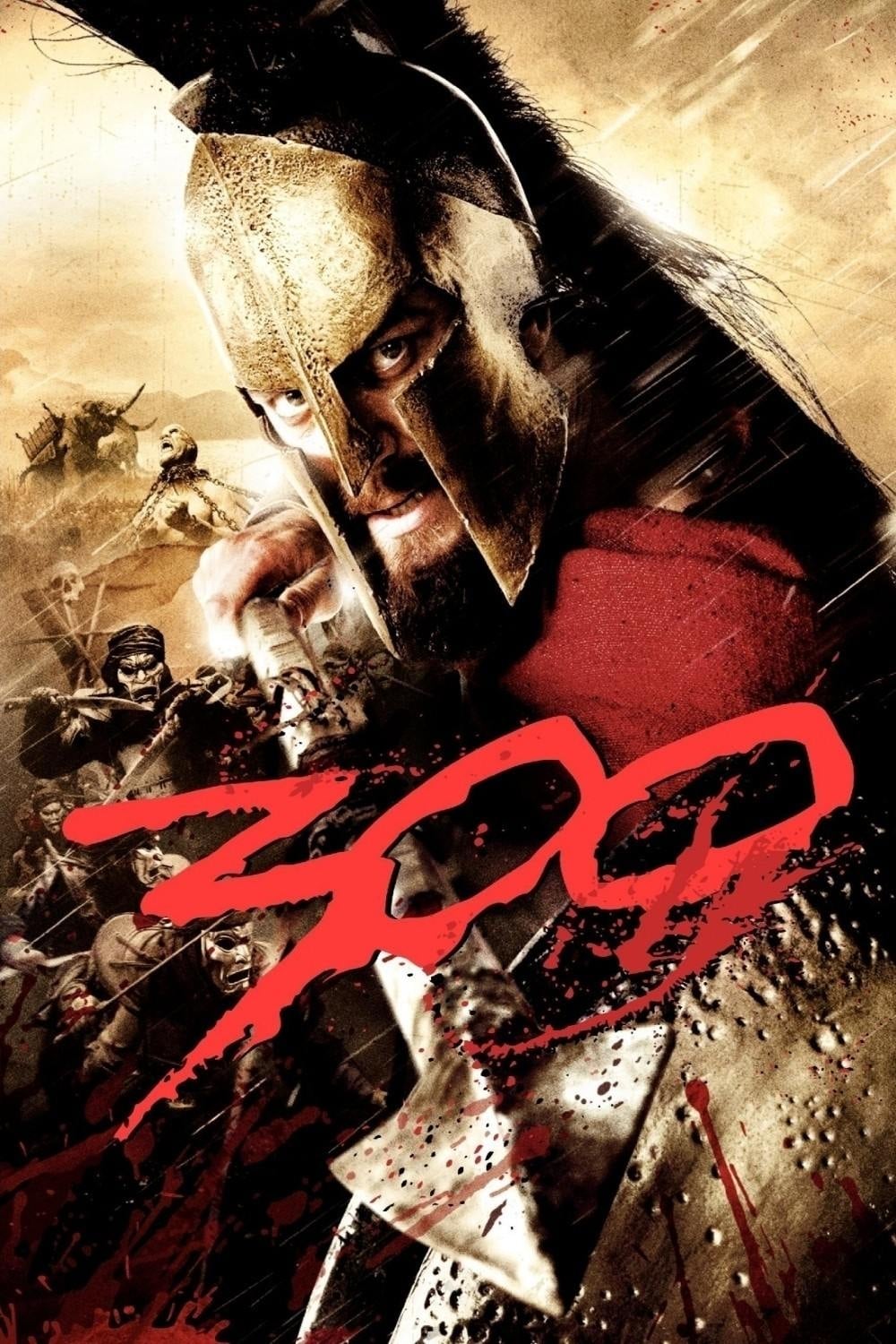
‘300’ is a highly stylized retelling of the Battle of Thermopylae where Spartan soldiers fight a massive Persian army. The film was criticized by Iranian officials and some historians for portraying the Persians as monstrous and barbaric. Many commentators argued that the movie served as a metaphor for a modern clash of civilizations between the West and the Middle East. It was accused of being a propaganda piece that justified contemporary military aggression through a historical lens.
‘United 93’ (2006)

‘United 93’ provides a real-time account of the events on one of the hijacked planes during the September 11 attacks. The film was praised for its intensity but also faced criticism for its potential use as a tool of emotional manipulation. Some observers argued that the production served to reinforce the narrative of the War on Terror and justified continued military presence abroad. It sparked debates about how soon after a tragedy it is appropriate to dramatize such events for public consumption.
‘Avatar’ (2009)

‘Avatar’ tells the story of humans attempting to colonize a distant moon inhabited by indigenous people. The narrative contains strong themes regarding environmentalism and the destructive nature of military-industrial complexes. Some critics in the United States accused the film of being anti-military and pro-socialist propaganda. Others noted that the movie used a classic colonial narrative to advocate for specific modern political viewpoints regarding indigenous rights and resource management.
‘Act of Valor’ (2012)
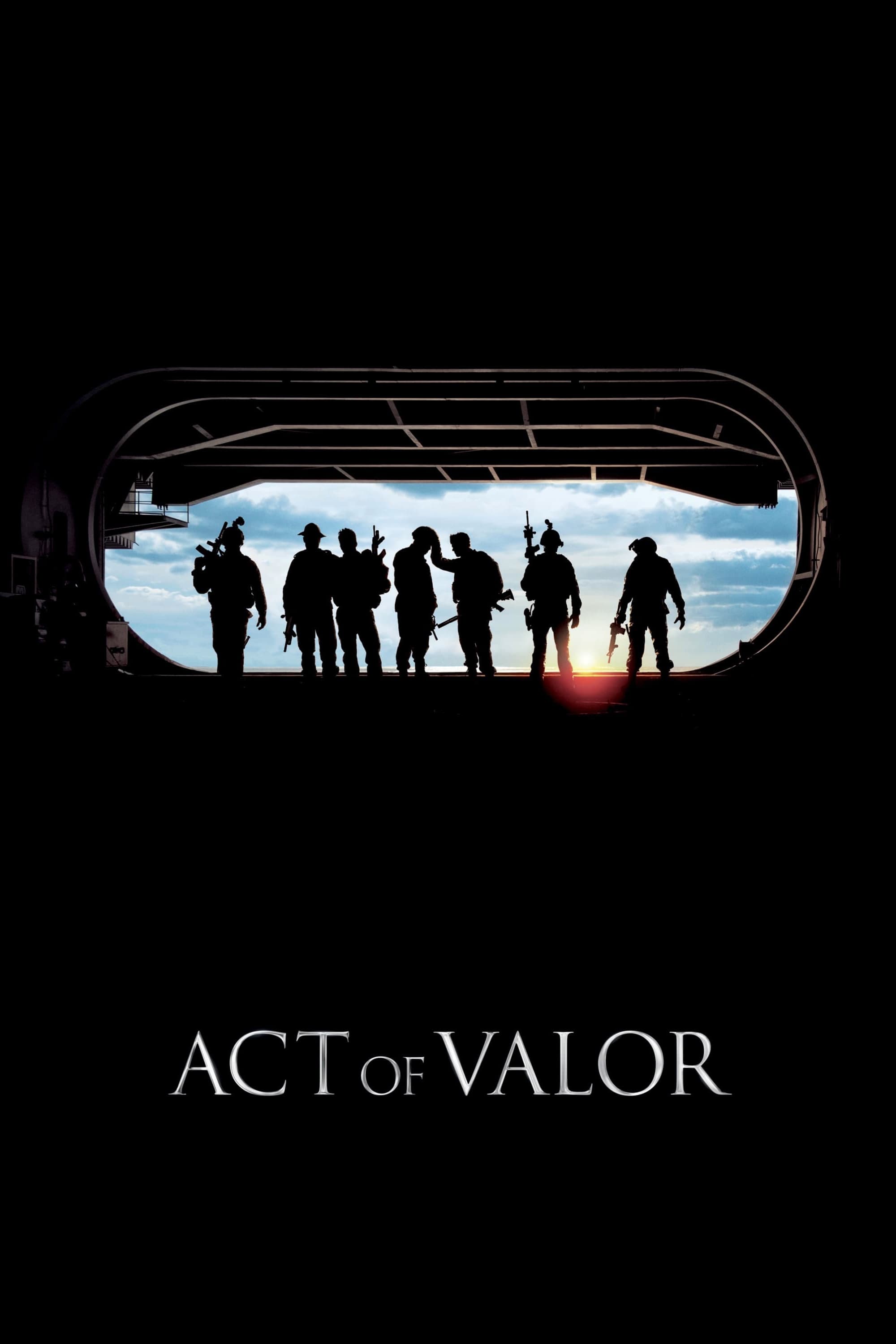
‘Act of Valor’ is an action film that features active-duty United States Navy SEALs in the lead roles. The production grew out of a series of recruitment videos and received full cooperation from the military. Critics argued that the movie blurred the line between entertainment and a professional recruitment film for the special forces. It was heavily marketed for its authenticity and its portrayal of military life as an adventure.
‘Zero Dark Thirty’ (2012)

‘Zero Dark Thirty’ chronicles the decade-long hunt for the leader of al-Qaeda and the eventual raid on his compound. The filmmakers were granted unusual access to classified information and personnel within the CIA. Critics argued that the movie justified the use of enhanced interrogation techniques by portraying them as essential to the mission. This led to a congressional inquiry and widespread accusations that the film served as a defense of controversial government policies.
‘The Interview’ (2014)
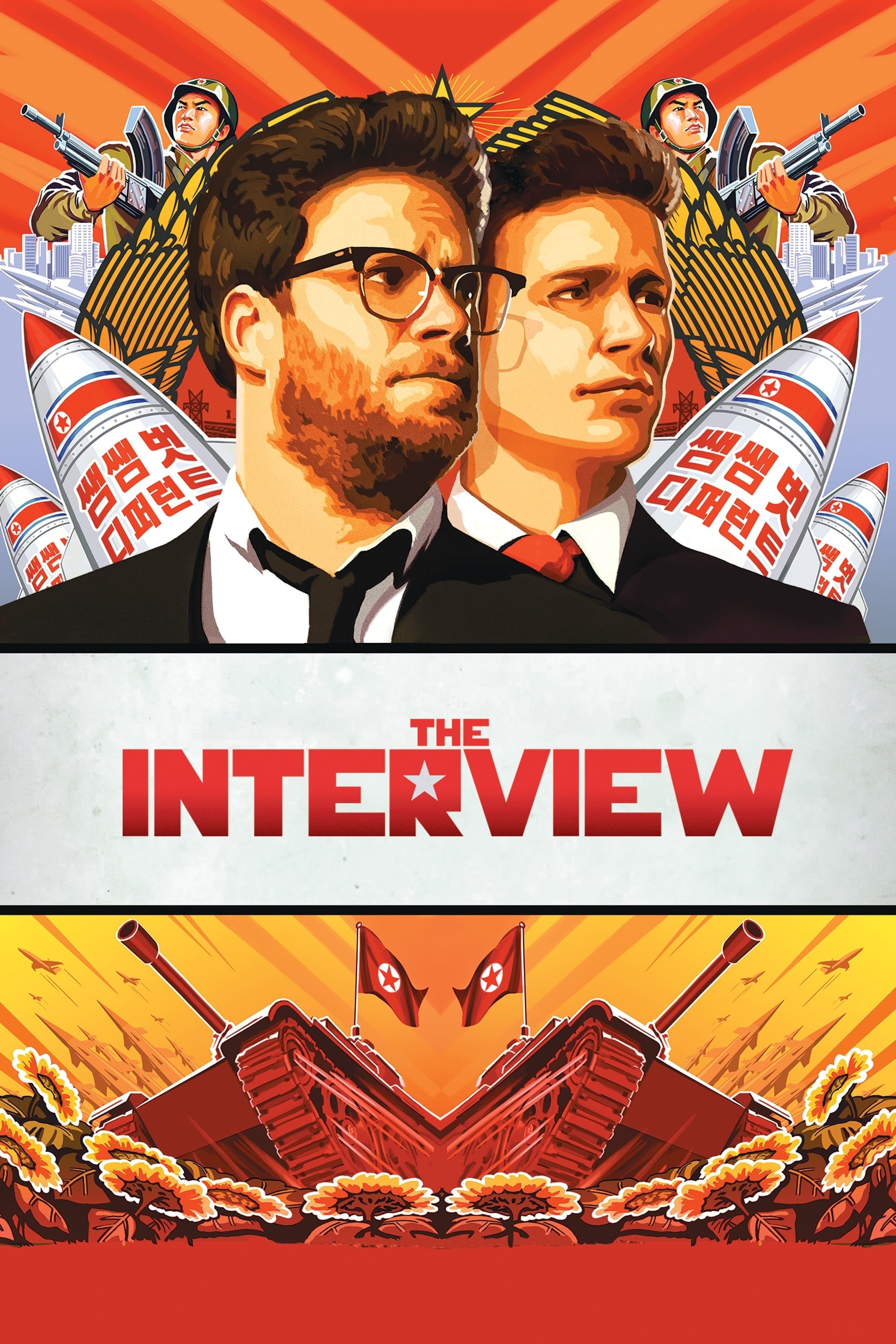
‘The Interview’ is a comedy about two journalists who are recruited to assassinate the leader of North Korea. The film caused an international diplomatic incident and was blamed for a massive cyberattack against the studio that produced it. The North Korean government described the movie as an act of war and a piece of hostile propaganda. Some Western critics argued that while the film was a satire, it still functioned as a tool of ideological warfare against a foreign regime.
‘American Sniper’ (2014)

‘American Sniper’ is a biographical war drama about the deadliest marksman in United States military history. The film was a major box office success but sparked a national debate over its portrayal of the Iraq War. Critics accused the movie of being a pro-war piece that simplified complex geopolitical issues and dehumanized the local population. Supporters viewed it as a long-overdue tribute to the sacrifices made by American service members.
‘Wolf Warrior 2’ (2017)

‘Wolf Warrior 2’ follows a former special forces soldier who protects civilians during a conflict in an African nation. The film became a massive commercial hit in its home country and is often cited as an example of the new era of nationalistic Chinese cinema. Critics noted that the movie portrays the protagonist as a savior whose strength reflects the rising global power of China. It features heavy themes of patriotism and the idea that Chinese citizens will be protected anywhere in the world.
‘Black Panther’ (2018)

‘Black Panther’ features a hidden and technologically advanced African nation that must decide whether to engage with the rest of the world. Some political commentators argued that the film promoted a specific ideological agenda regarding isolationism and global responsibility. Others noted that the portrayal of the primary antagonist raised questions about systemic inequality and revolutionary violence. While celebrated for its cultural impact, the film was also analyzed for its underlying messages about state power and diplomacy.
‘Death of a Nation’ (2018)
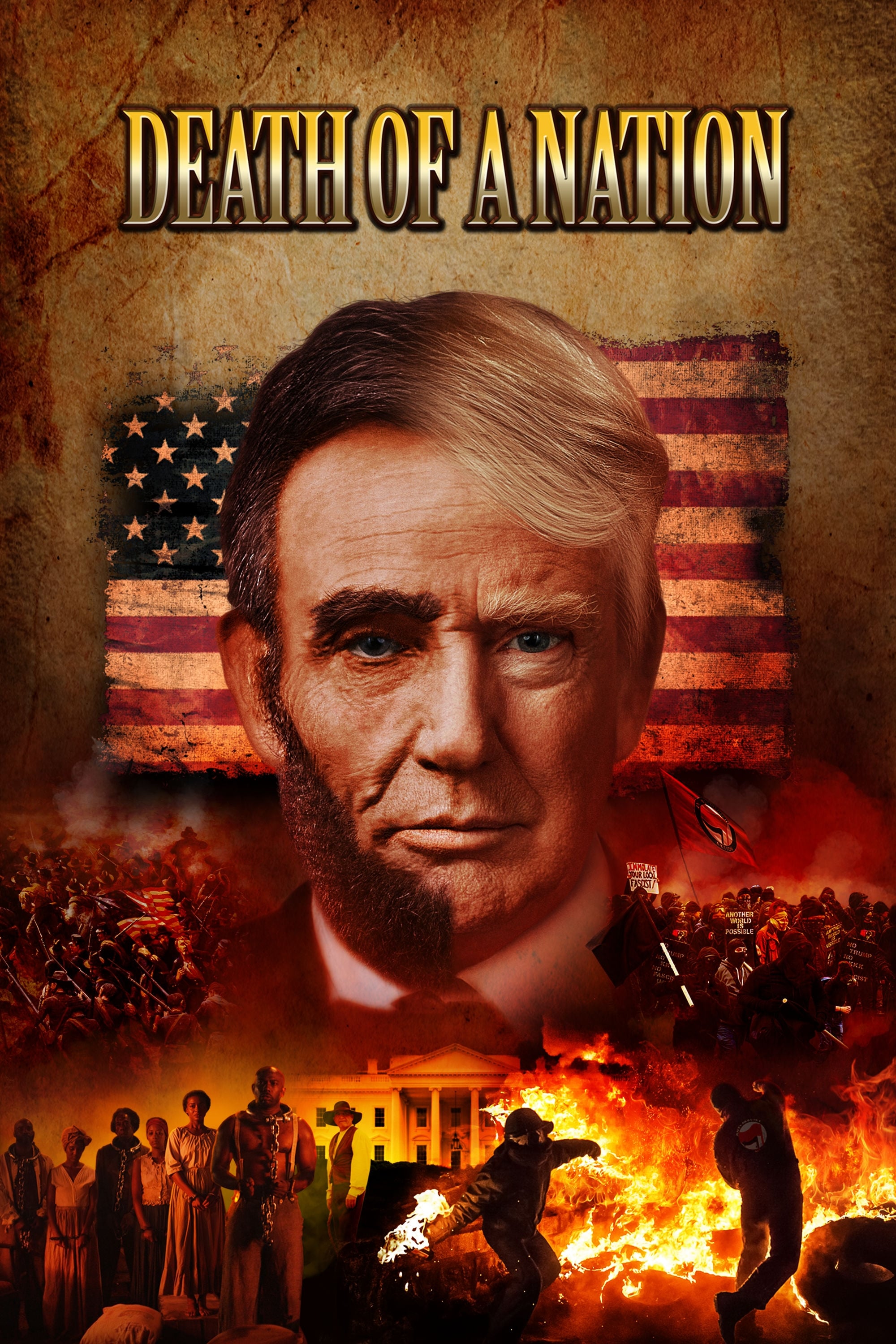
‘Death of a Nation’ is a political documentary that draws parallels between the presidency of Abraham Lincoln and the presidency of Donald Trump. The film argues that the modern political left is pursuing an agenda similar to the fascist movements of the twentieth century. Critics described the work as a collection of historical inaccuracies designed to provide ideological support for a specific administration. It was widely panned by professional reviewers but found a dedicated audience among partisan viewers.
‘The Wandering Earth’ (2019)

‘The Wandering Earth’ is a science fiction film that shows humanity working together to move the planet away from a dying sun. Unlike many Hollywood blockbusters where the United States takes the lead, this film emphasizes the role of the Chinese government and its astronauts. Critics pointed out that the movie reflects a shift in global storytelling intended to project China as a major world leader in science and crisis management. It was praised for its scale while being noted for its patriotic undertones.
‘Unplanned’ (2019)

‘Unplanned’ is a drama based on the memoir of a former clinic director who became an anti-abortion activist. The film was marketed heavily to religious and conservative audiences as a factual account of the medical industry. Opponents of the film accused it of being medical propaganda that utilized graphic and scientifically disputed imagery to promote a political agenda. The production became a central point of debate in the ongoing social conflict regarding reproductive rights.
‘Mulan’ (2020)

‘Mulan’ is a live-action adaptation of a traditional Chinese legend about a woman who disguises herself as a man to join the army. The film faced significant backlash after it was revealed that parts of it were filmed in a region associated with human rights abuses. Critics argued that the production and the lead actress’s public statements aligned too closely with state interests. This led to calls for boycotts and accusations that the film was a tool for cultural soft power.
‘The Battle at Lake Changjin’ (2021)
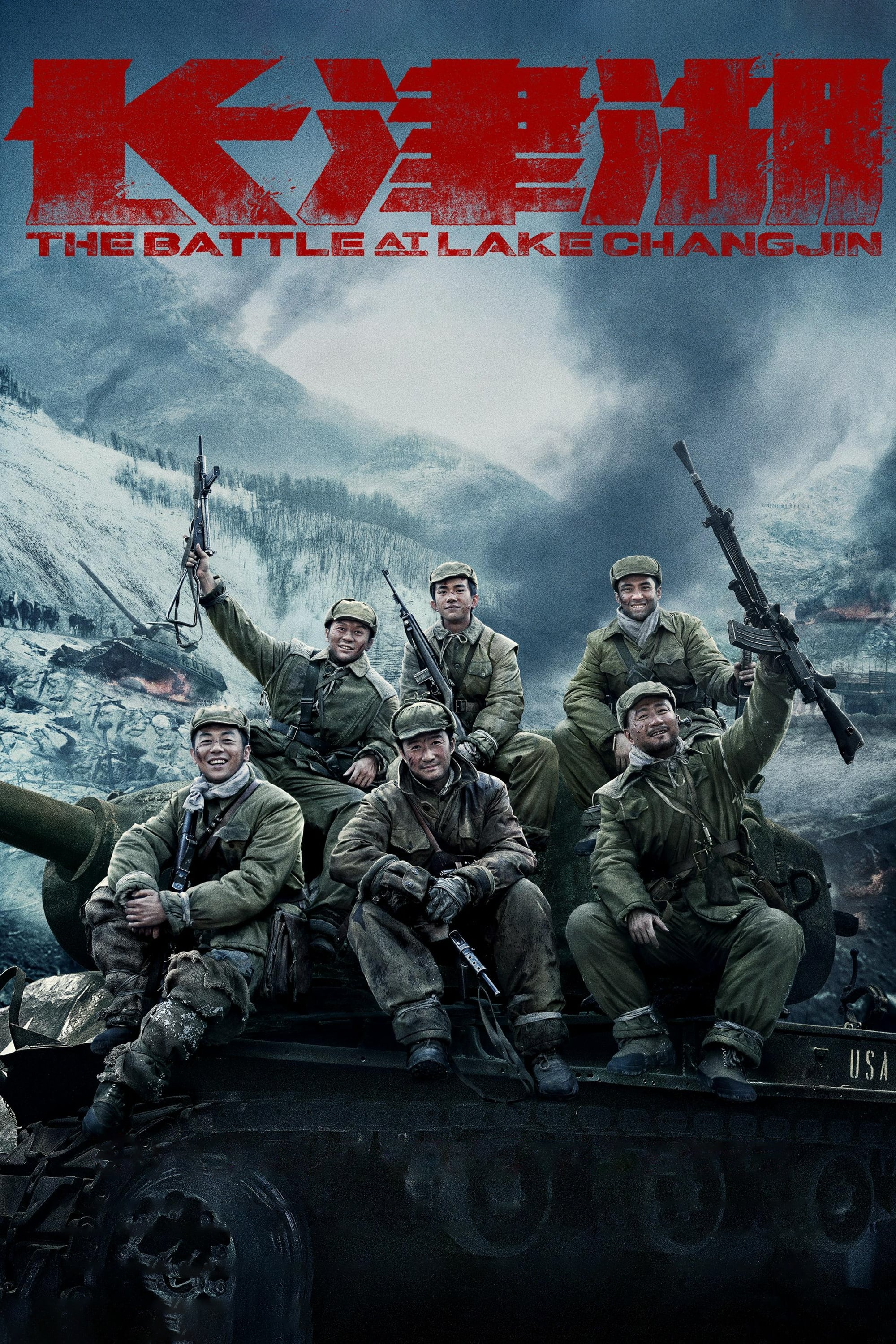
‘The Battle at Lake Changjin’ is a war epic commissioned by the Chinese government to commemorate the centenary of the ruling party. It depicts a major battle during the Korean War where Chinese soldiers fought against United States forces. The film emphasizes the bravery and sacrifice of the soldiers in the face of overwhelming odds and extreme weather. It became one of the highest-grossing films in history and was described as a key piece of nationalistic messaging.
‘Sound of Freedom’ (2023)
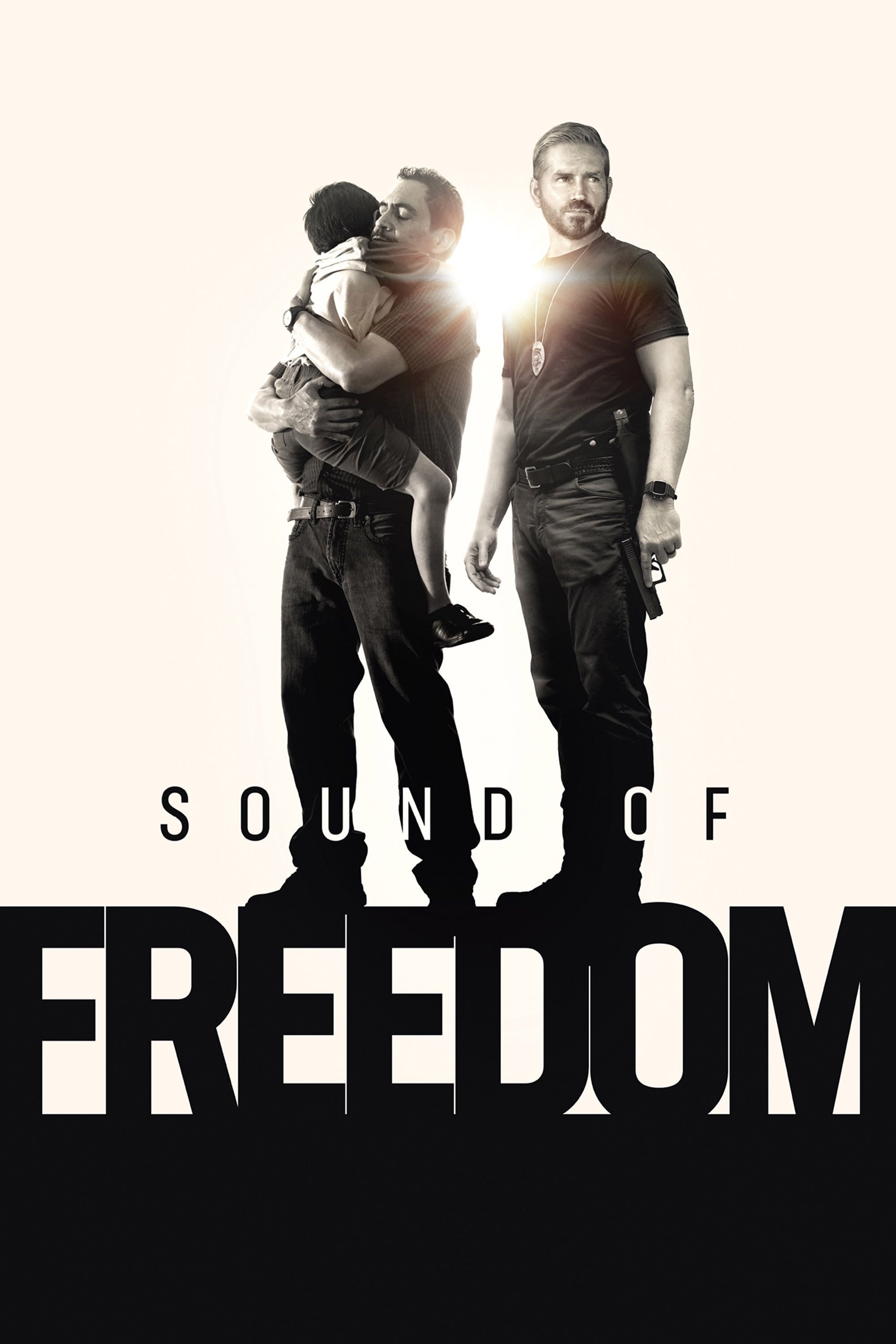
‘Sound of Freedom’ follows the story of a former government agent who embarks on a mission to rescue children from human trafficking. The film became a surprise box office success and was heavily promoted through unconventional marketing strategies. Some critics accused the production of being propaganda for specific conspiracy theories and political movements. Supporters defended the film as a necessary spotlight on a global humanitarian crisis that had been ignored by mainstream media.
‘Civil War’ (2024)

‘Civil War’ depicts a near-future United States torn apart by a violent conflict between the federal government and various secessionist states. The film focuses on a group of journalists traveling across the country to document the chaos. Some viewers accused the movie of being a propaganda piece designed to stoke fear and division during a sensitive election year. Others argued that it served as a cautionary tale about the dangers of political polarization and the collapse of democratic institutions.
Share your thoughts on which of these films you believe were the most effective in the comments.