Movies That Were So Dark They Were Never Released In Theaters


The world of cinema often pushes boundaries to explore the darkest corners of the human experience. Some films go so far that they are deemed unsuitable for traditional theatrical audiences. These projects frequently face bans or censorship that prevent them from reaching a wide public audience. The following list highlights several productions that were restricted to home media or private screenings because of their extreme content.
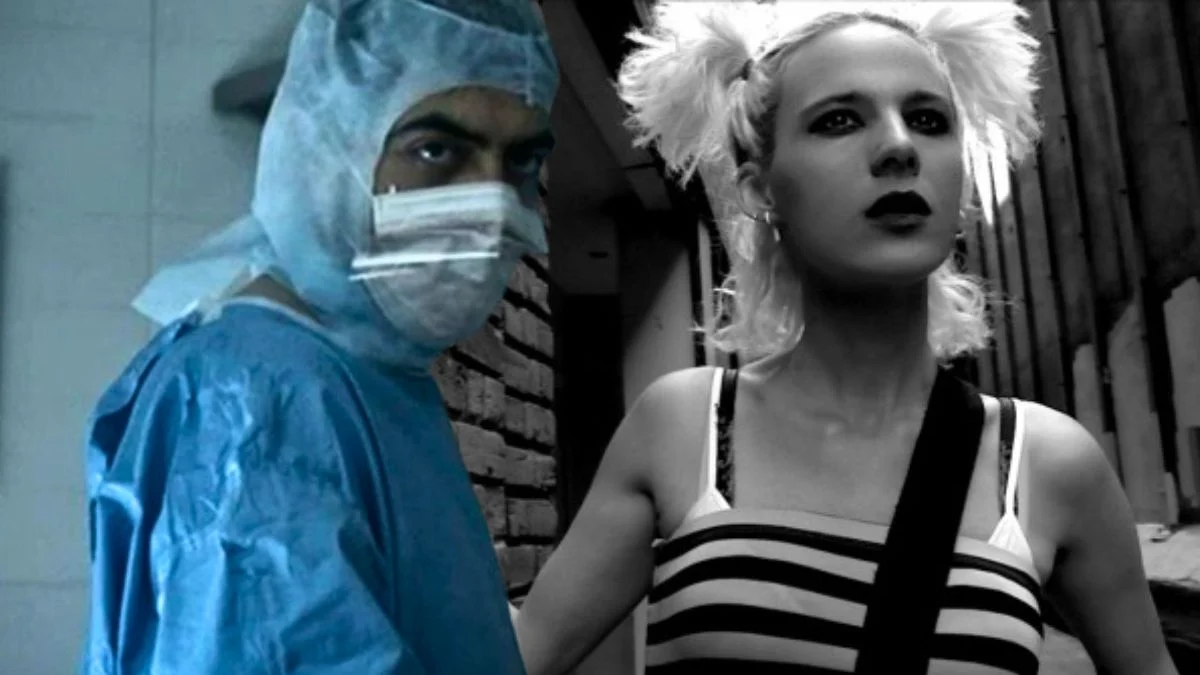
‘The Poughkeepsie Tapes’ (2007)
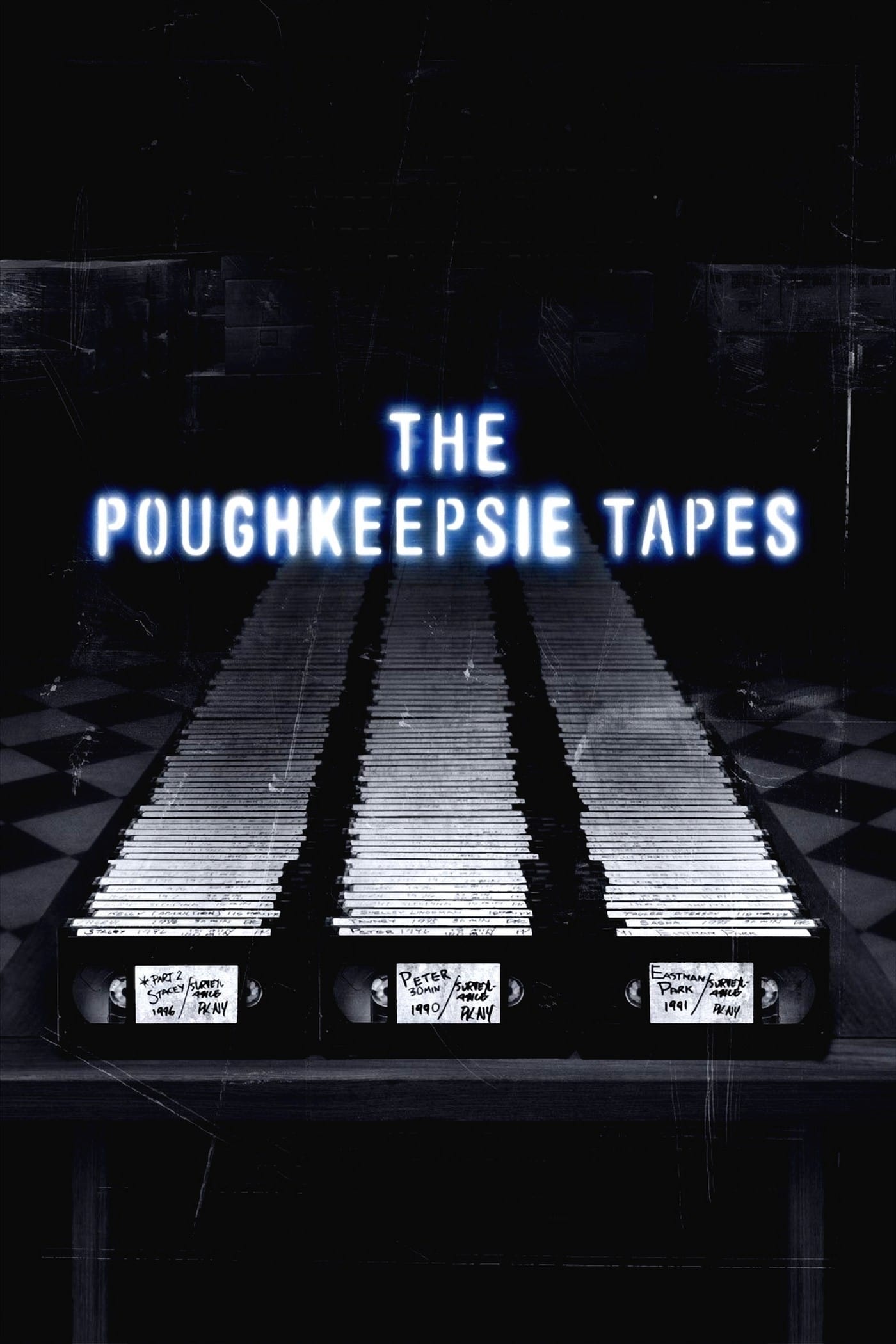
This mockumentary centers on a collection of home movies left behind by a prolific serial killer. It provides a disturbing look into the abduction and psychological torture of several victims. The film was pulled from its scheduled theatrical release and remained unreleased for several years. Its gritty visual style and unrelenting tone contributed to its reputation as a difficult viewing experience.
‘A Serbian Film’ (2010)
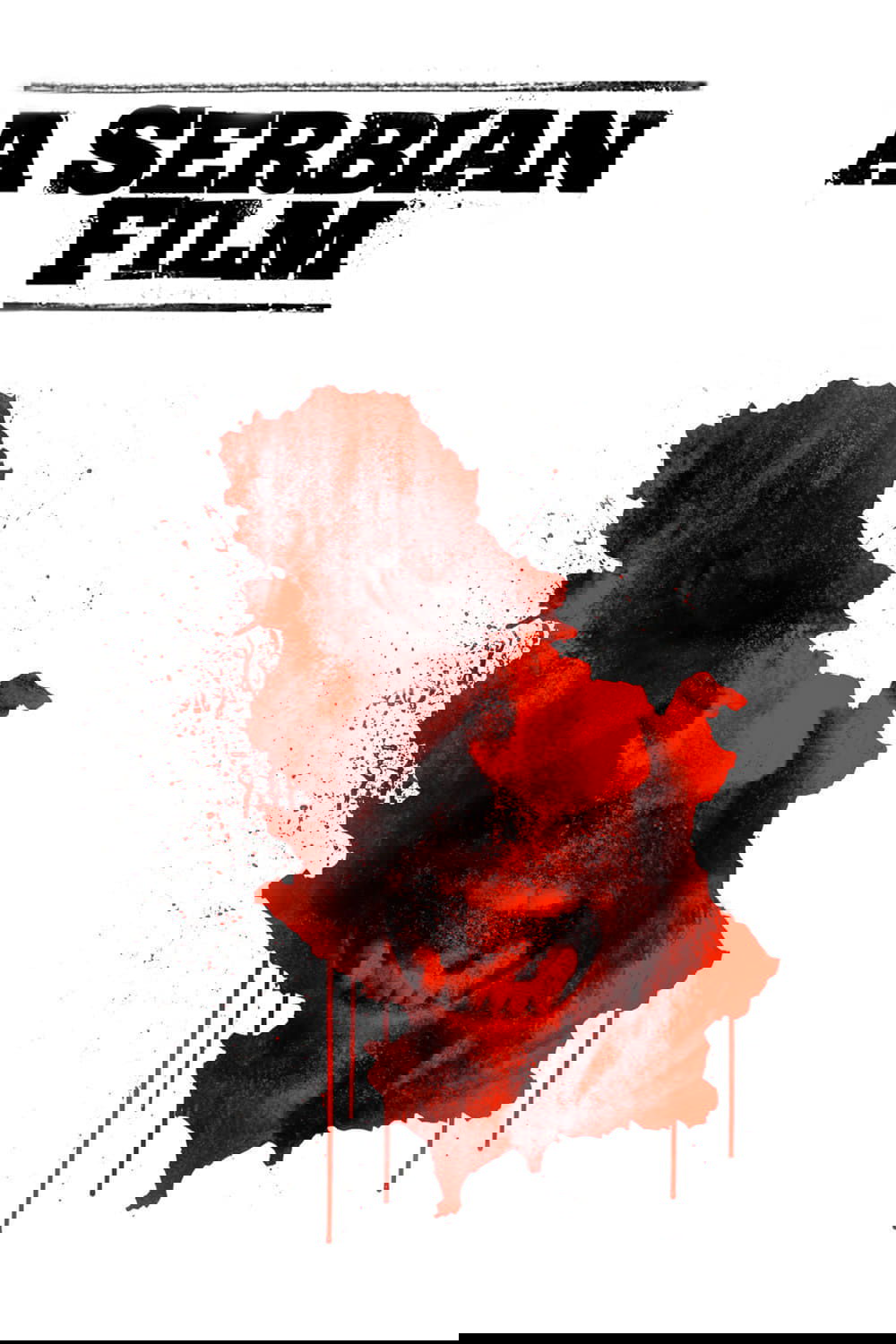
An aging adult film star agrees to participate in a mysterious artistic project to provide for his family. He soon discovers that the production involves extreme acts of violence and sexual degradation. The movie faced bans in numerous countries around the world due to its graphic depictions of taboo subjects. It remains one of the most controversial entries in modern horror cinema.
‘The Bunny Game’ (2011)
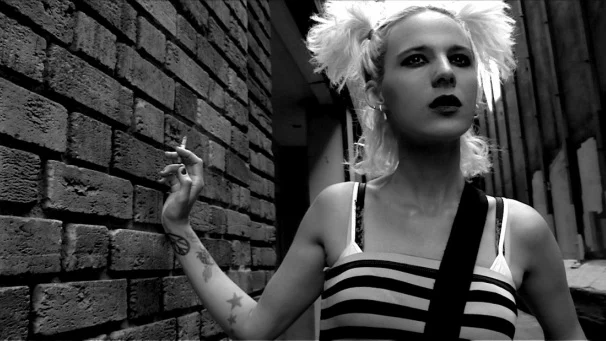
A sex worker is kidnapped by a truck driver and subjected to days of intense physical and emotional abuse. The film was shot in black and white and uses a handheld camera to create a sense of raw realism. The British Board of Film Classification refused to grant the movie a certificate for many years. It focuses on the endurance of the victim rather than providing a traditional narrative structure.
‘Grotesque’ (2009)
This Japanese horror film involves a young couple who are kidnapped by a sadistic doctor. The story follows the extreme torture they endure in a confined basement setting. It was banned in the United Kingdom because the ratings board found it had no educational or artistic merit. The production relies heavily on graphic practical effects to portray physical suffering.
‘August Underground’ (2001)
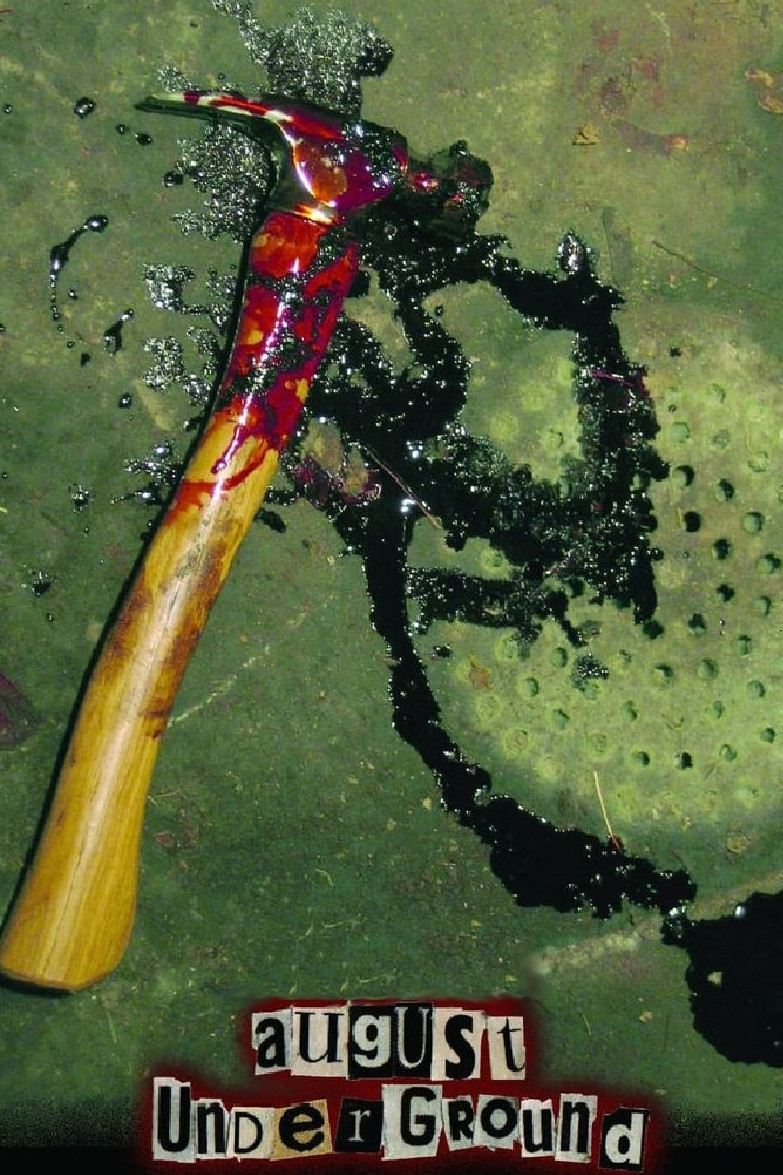
This low budget horror film is presented as a series of found footage clips recorded by two serial killers. It documents their random acts of violence and degradation against innocent strangers. The movie was designed to look like a realistic home video to increase the sense of unease. It never received a theatrical release and circulated primarily through underground video trading.
‘Philosophy of a Knife’ (2008)
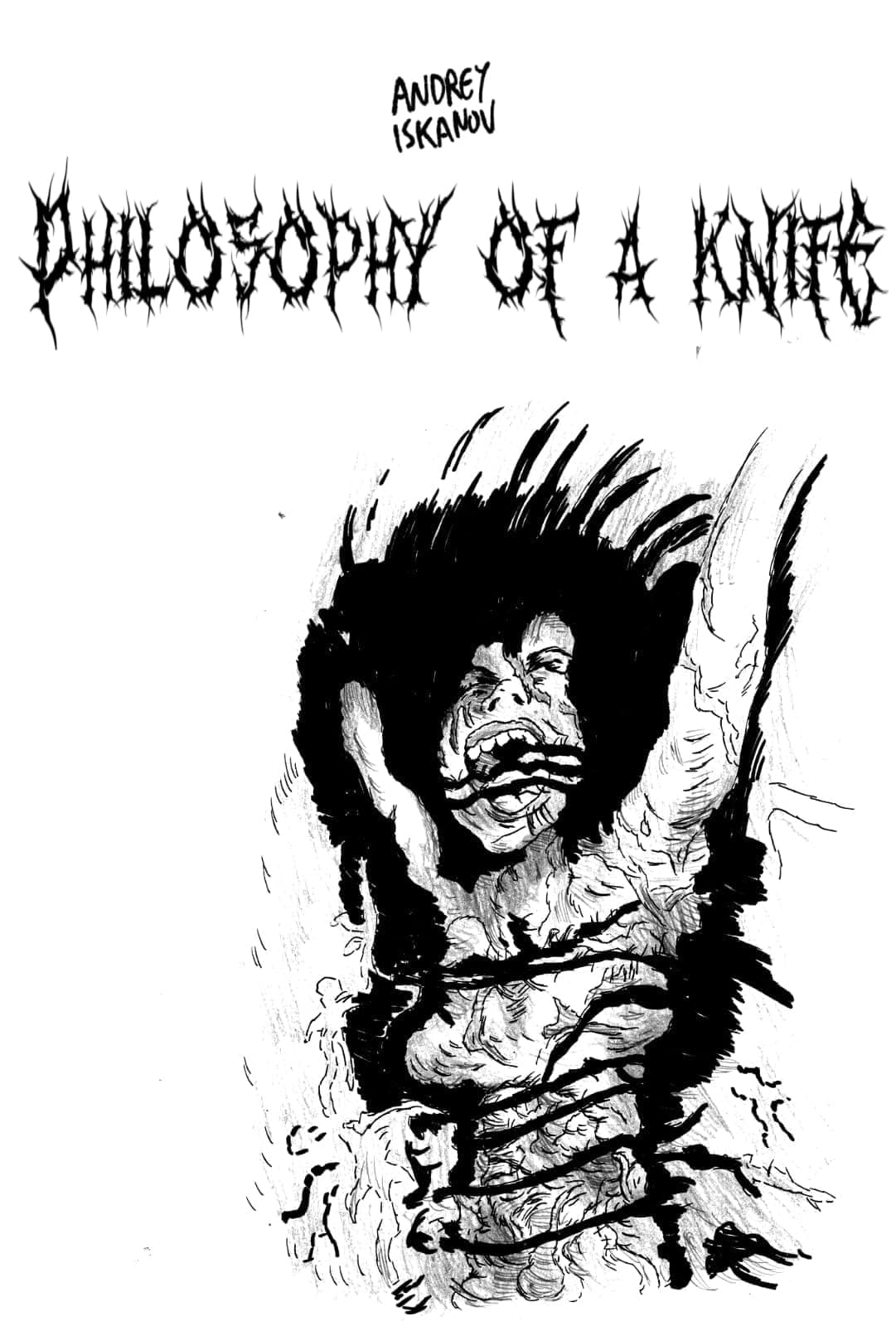
This experimental film explores the horrific human experimentation conducted by Unit 731 during World War II. It combines archival footage with graphic re-enactments of medical atrocities. The runtime spans over four hours and presents an unrelenting look at historical brutality. Due to its length and extreme content it was mostly limited to direct to video distribution.
‘Men Behind the Sun’ (1988)
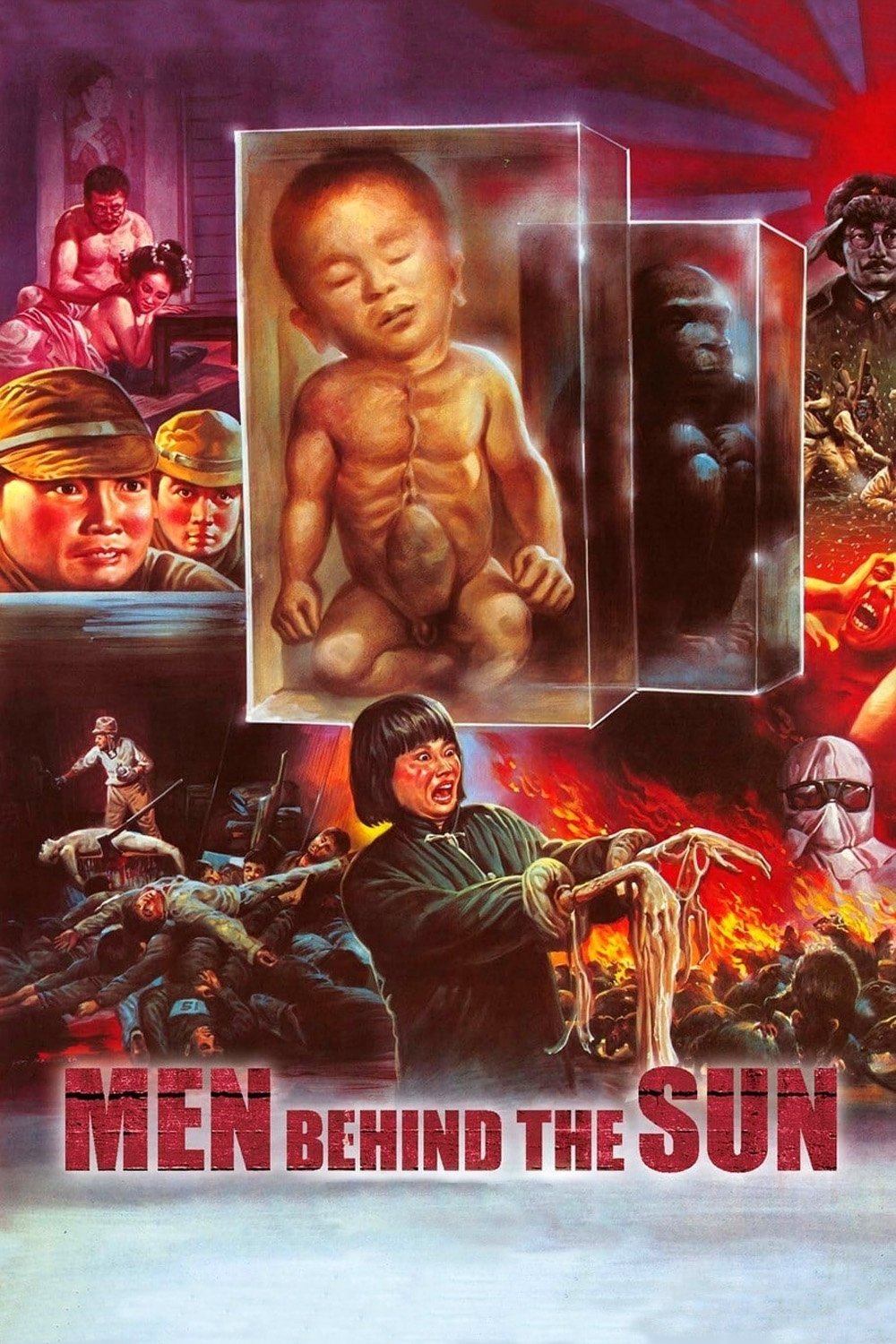
This historical drama depicts the biological warfare research performed by the Japanese Imperial Army. It features scenes of intense medical cruelty and human suffering that led to widespread controversy. While it was intended to educate the public about history many countries found the imagery too graphic for theaters. It is often cited as one of the most disturbing films ever made about war crimes.
‘Megan Is Missing’ (2011)
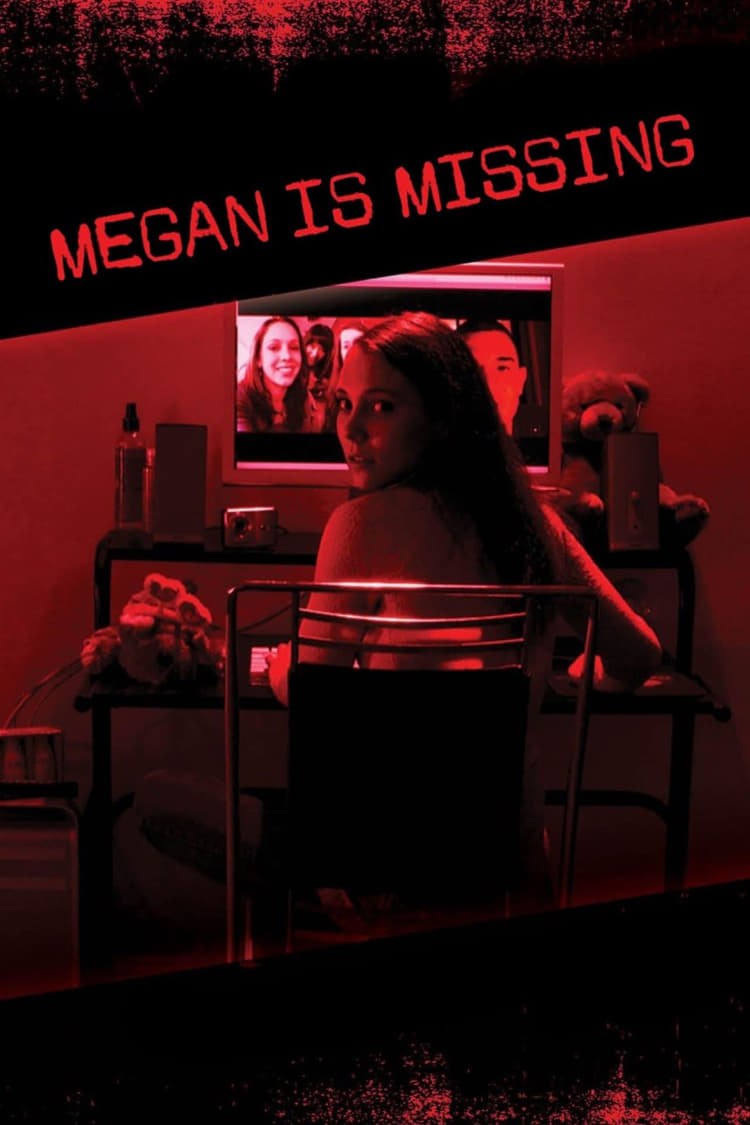
The story follows two teenage girls who become targets of an internet predator. It utilizes a found footage format to document the investigation into their disappearance and the subsequent horrors they face. The final act contains scenes that many viewers found too disturbing for a general audience. It gained a second wave of notoriety on social media platforms years after its initial home video release.
‘Found’ (2012)
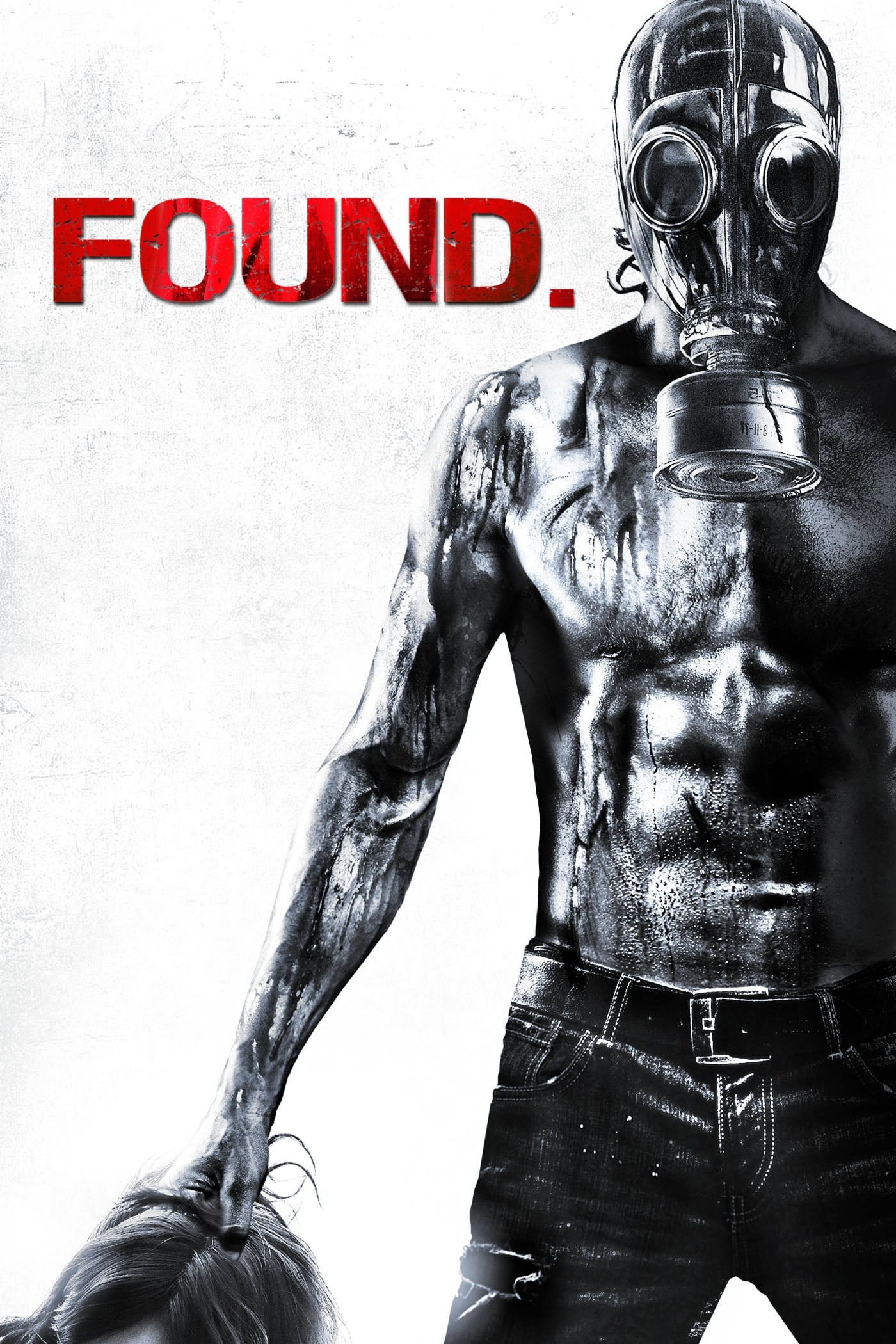
A young boy who loves horror movies discovers that his older brother is a real serial killer. The plot explores the psychological impact of this discovery as the boy watches his family dynamic crumble. It features a film within a film that contains extremely graphic and controversial imagery. The movie received most of its attention through horror festivals and limited digital distribution.
‘Begotten’ (1990)
This experimental silent film uses highly stylized black and white imagery to tell a metaphorical story about creation. It opens with a graphic scene of a divine being taking its own life. The movie features no dialogue and relies entirely on visual symbolism to convey its dark themes. Because of its abstract nature and disturbing visuals it remained an underground cult classic.
‘Trauma’ (2017)
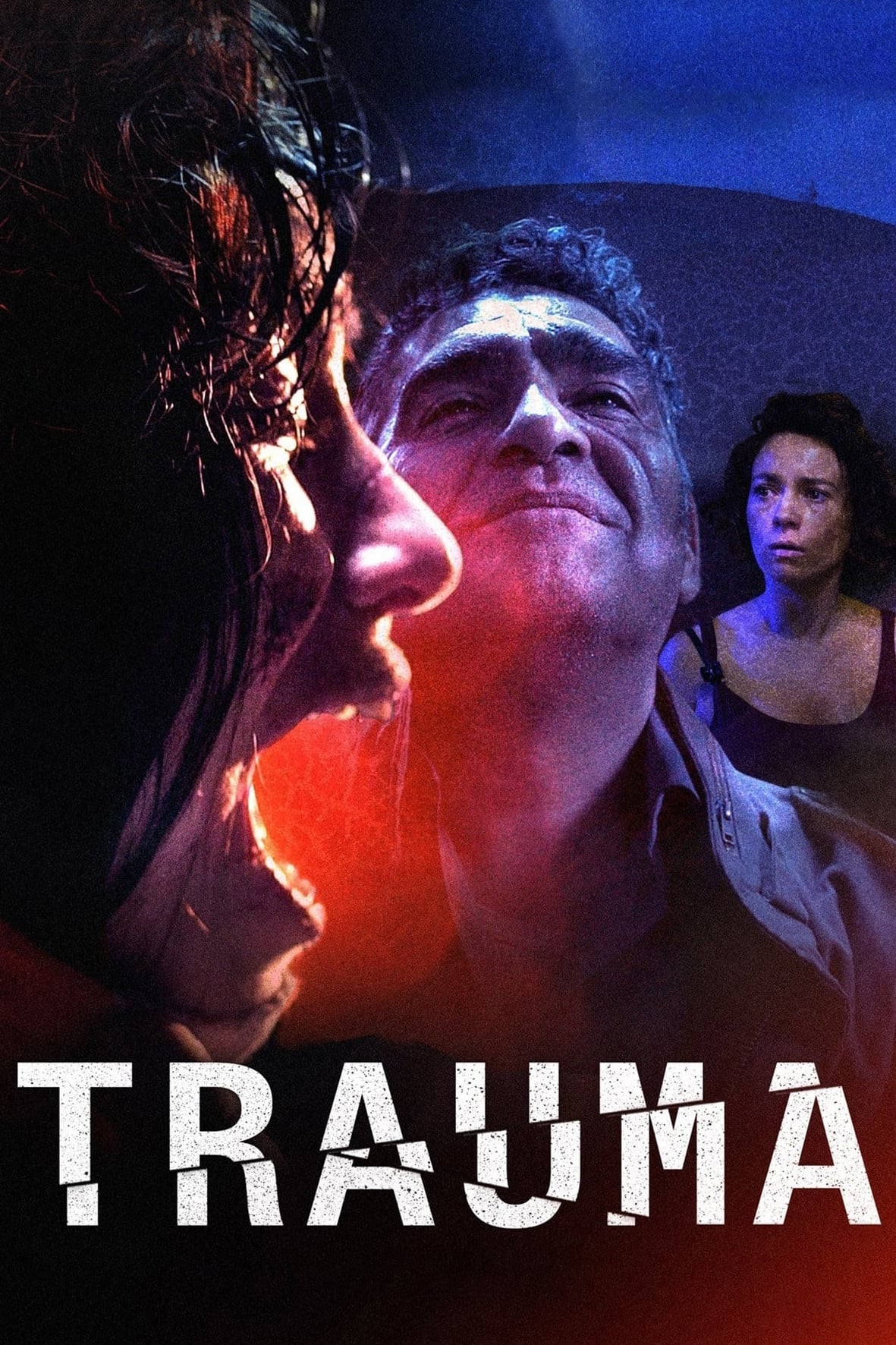
Four women visiting a rural area in Chile are attacked by a man and his son who are remnants of a dark political past. The film depicts extreme sexual violence and physical torture to highlight the lasting effects of historical atrocities. It was intended to be a commentary on the country’s dark history of dictatorship. The graphic nature of the content made it unsuitable for mainstream theatrical exhibition.
‘Murder-Set-Pieces’ (2004)
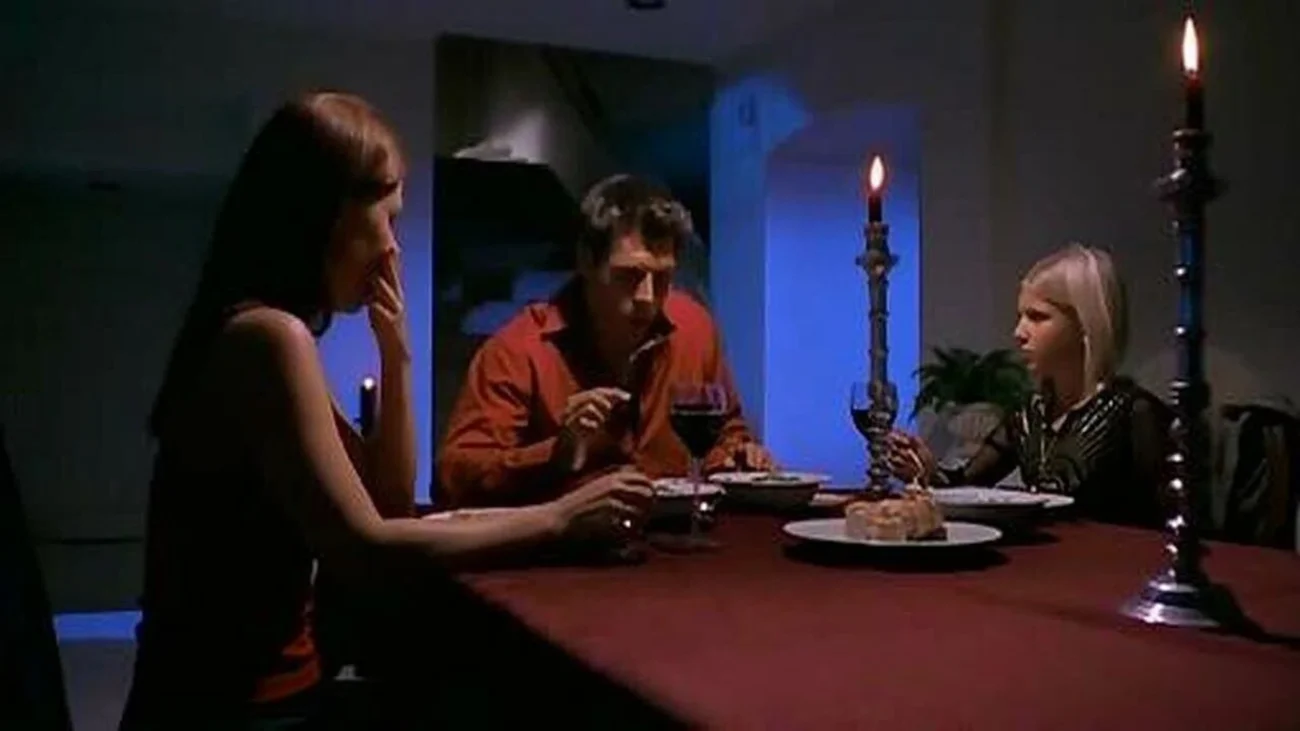
The narrative follows a photographer who spends his nights hunting and killing women in Las Vegas. It features numerous cameos from established horror icons and focuses on stylized violence. The film was heavily censored in several countries and faced significant distribution hurdles. It remains a polarizing entry in the slasher genre due to its relentless tone.
‘Nekromantik’ (1987)
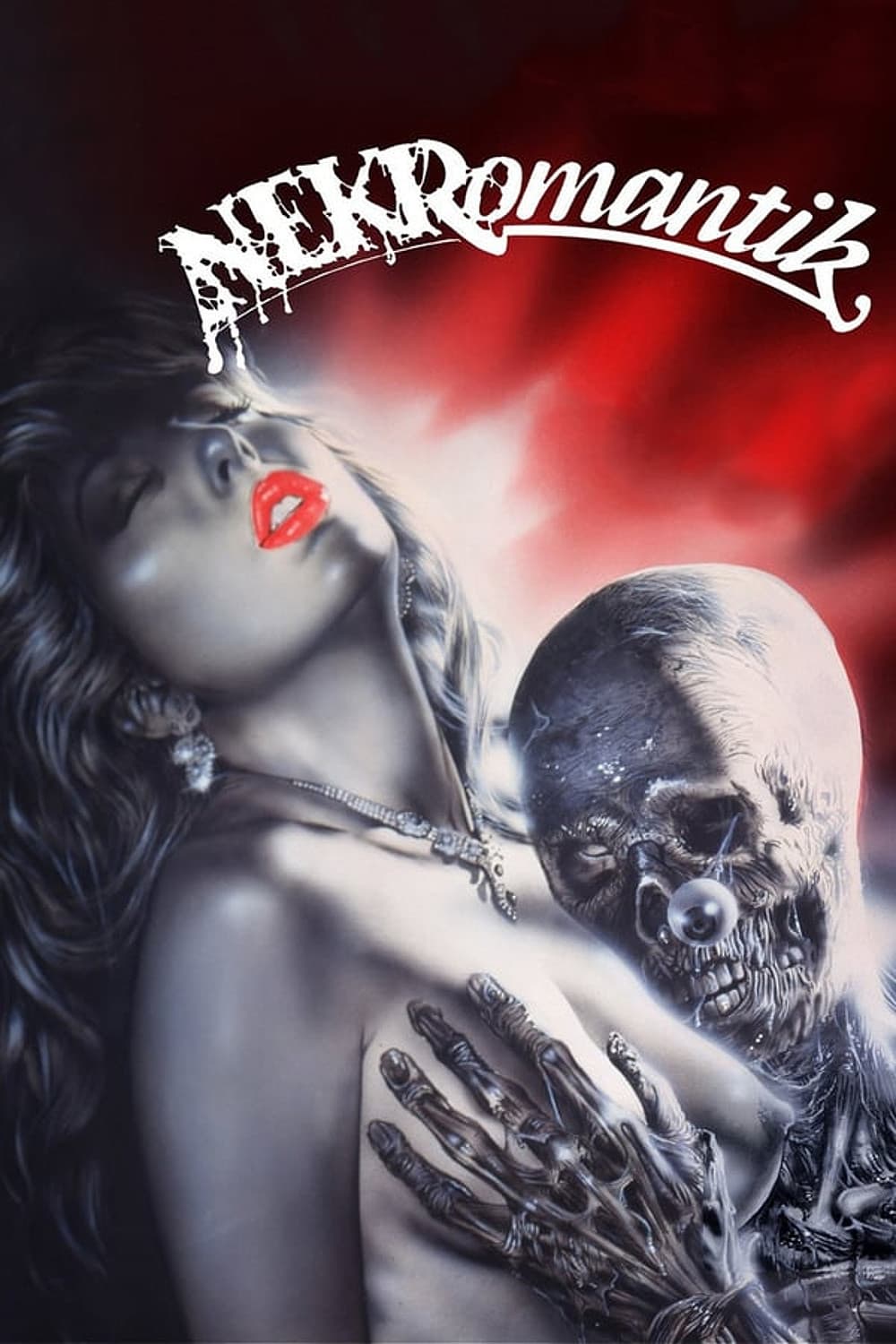
This West German horror film explores the taboo subject of necrophilia through the story of a street cleaner. He brings home a decaying corpse to share with his girlfriend which leads to a descent into madness. The movie was banned in several countries and seized by authorities in some locations. It uses transgressive imagery to challenge social norms and cinematic boundaries.
‘Melancholie der Engel’ (2009)
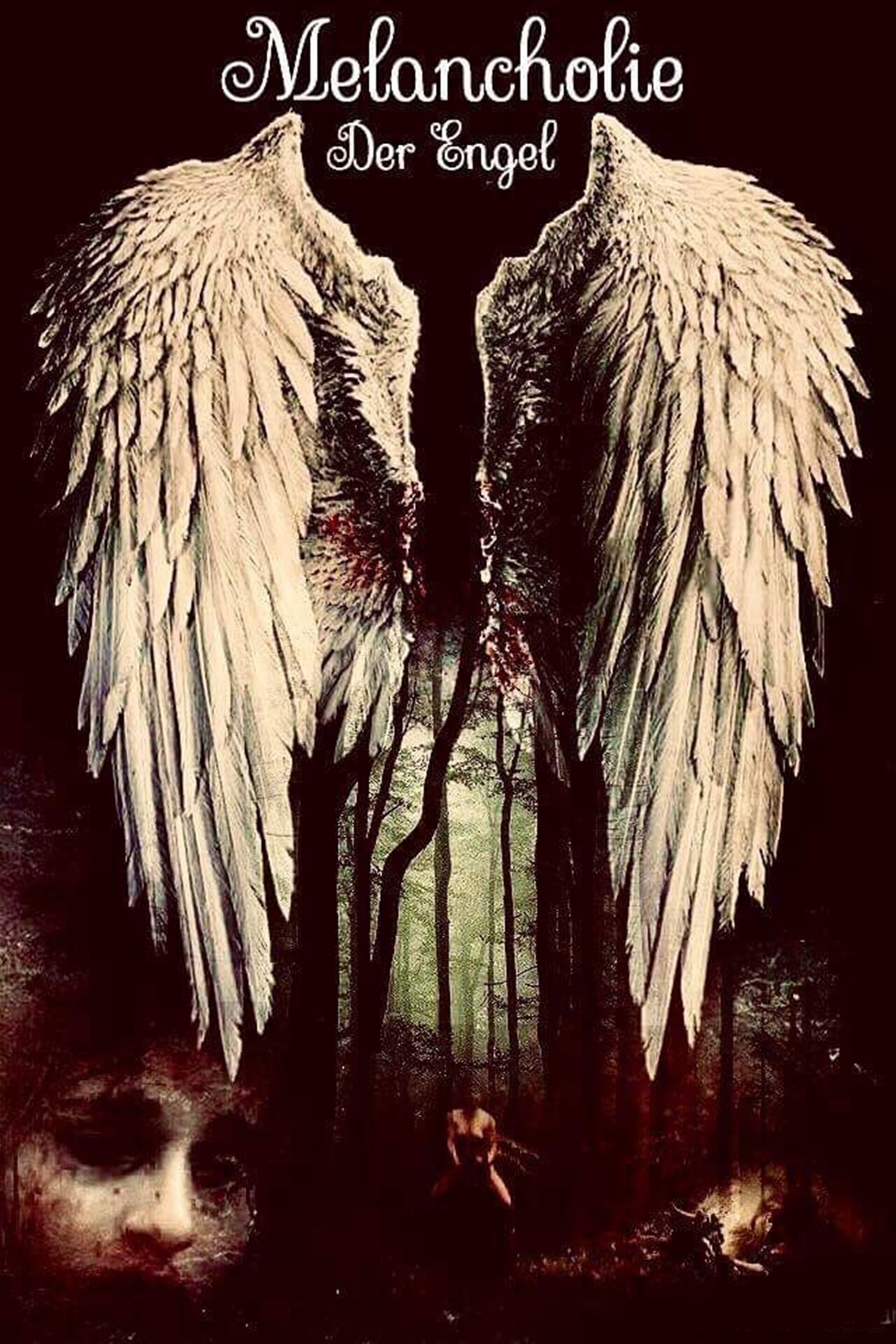
Two men reunite to spend their final days together and engage in a series of dark and depraved activities. The film has a runtime of nearly three hours and contains scenes of animal cruelty and extreme sexual violence. It was directed by a filmmaker known for pushing the limits of the transgressive genre. The movie has never seen a wide release and is only available through specialty distributors.
‘Subconscious Cruelty’ (2000)
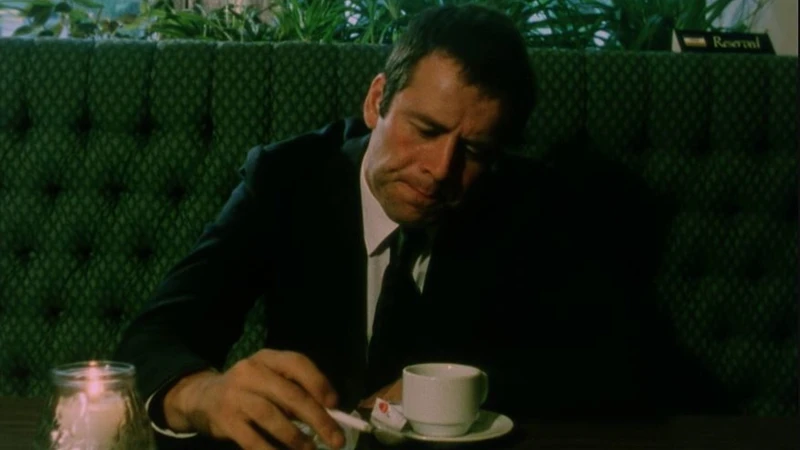
This Canadian experimental horror film is divided into four segments that explore dark religious and biological themes. It features abstract visuals and graphic depictions of gore and anatomical horror. The director spent several years editing the footage to achieve a specific nightmarish quality. It remains a fixture in the underground film scene due to its unique and unsettling imagery.
‘Slaughtered Vomit Dolls’ (2006)
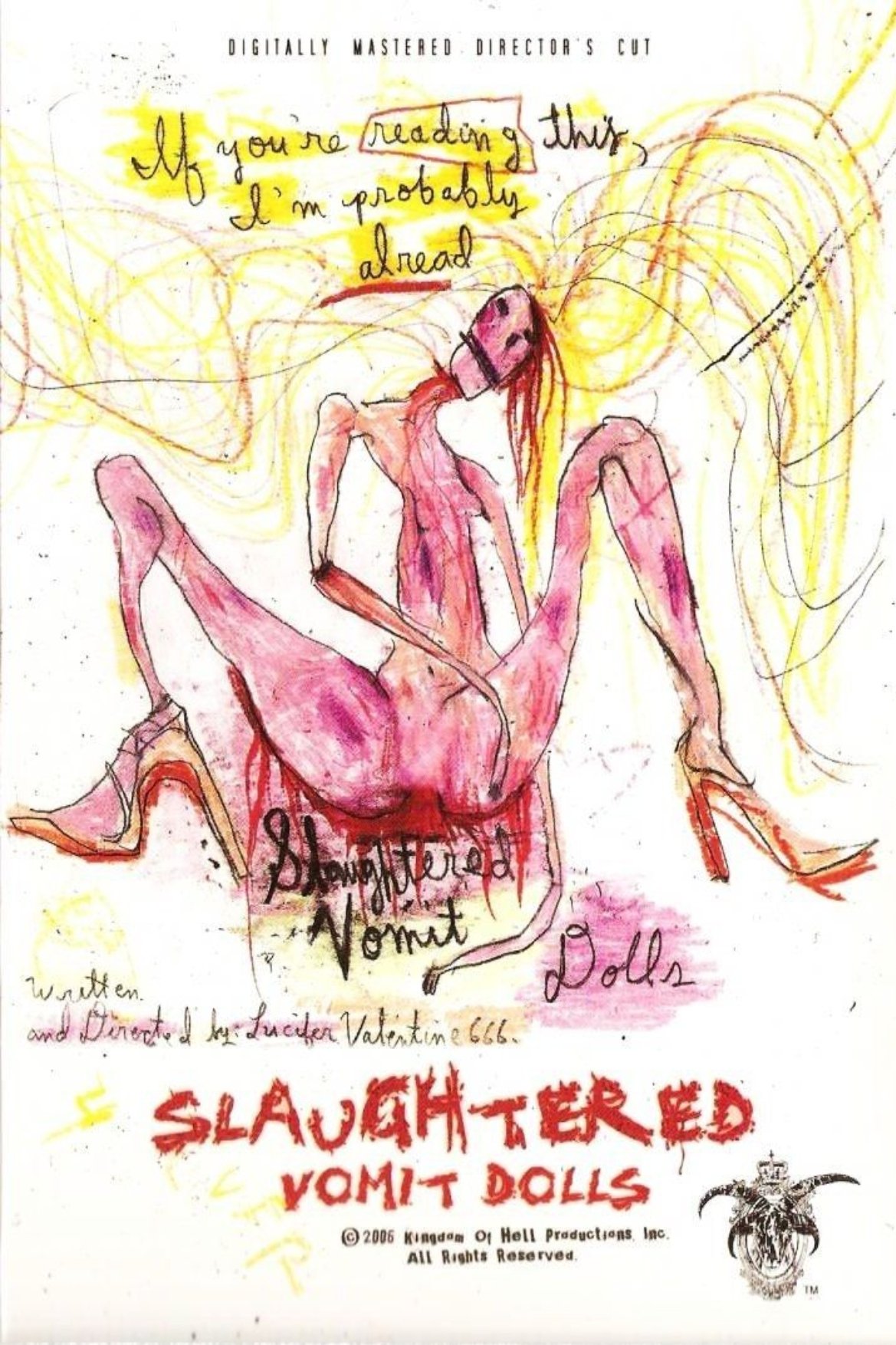
The story revolves around a young runaway who becomes involved in the world of professional adult entertainment. It utilizes a non linear structure to portray her hallucinations and physical suffering. The film is known for its focus on emetophilia and other extreme fetishes. It was created by a director who specialized in producing content for the extreme horror market.
‘Aftermath’ (1994)
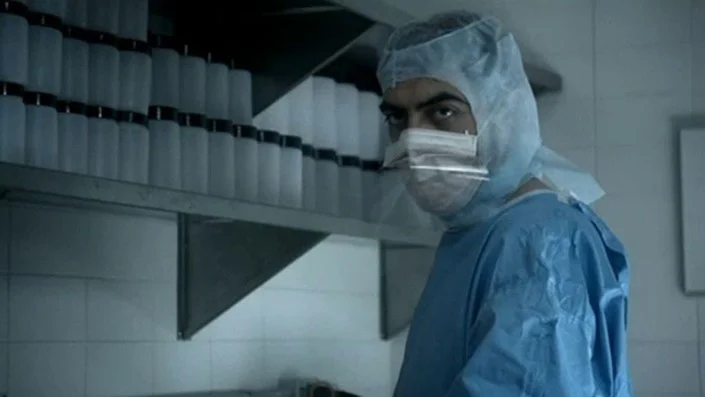
This Spanish short film depicts the actions of an employee at a morgue who engages in horrific acts with a cadaver. It is entirely silent and relies on clinical cinematography to enhance the sense of dread. The realistic special effects were created to look as authentic as possible. It is often included in lists of the most disturbing short films ever produced.
‘August Underground’s Mordum’ (2003)
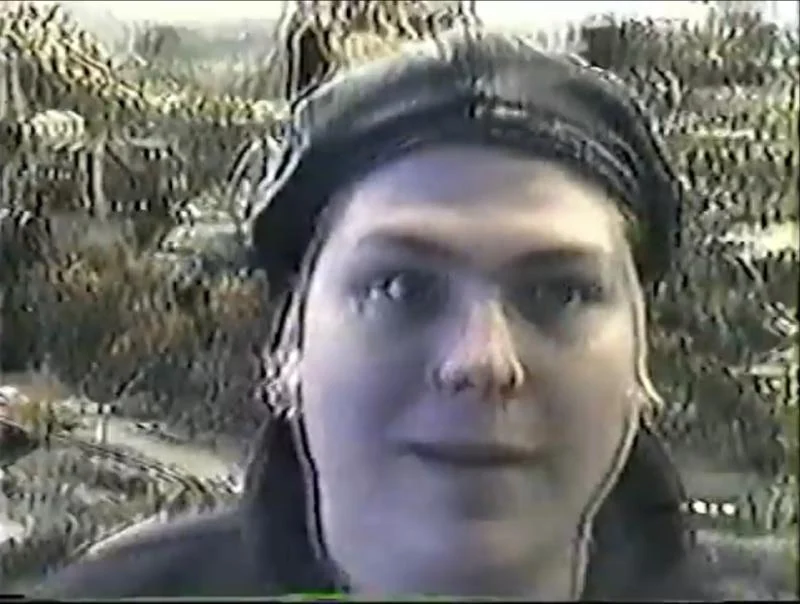
This sequel continues the story of the serial killers from the first film with even more extreme acts of violence. It was designed to push the boundaries of the found footage genre to their absolute limit. The production used practical effects and handheld cameras to simulate a real home video. It remains a controversial title that is only accessible through specialized horror labels.
‘August Underground’s Penance’ (2007)
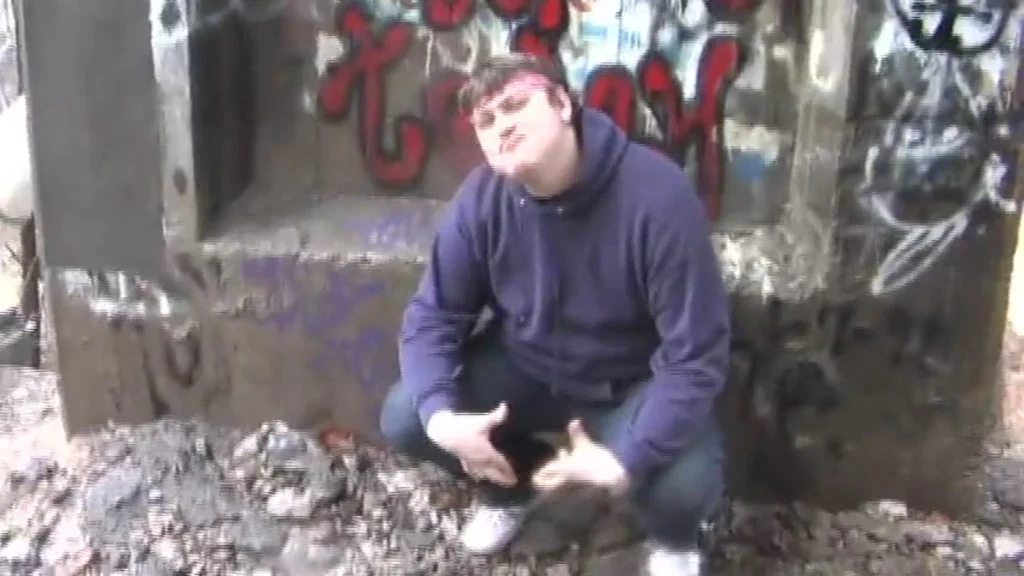
The final entry in the trilogy follows the killers as their mental states further decline and their crimes become more public. It maintains the same raw aesthetic as its predecessors while introducing more complex characters. The film explores the idea of the legacy of violence and how it affects those around the perpetrators. Like the rest of the series it avoided theaters and went straight to the private collectors market.
‘Scrapbook’ (2000)
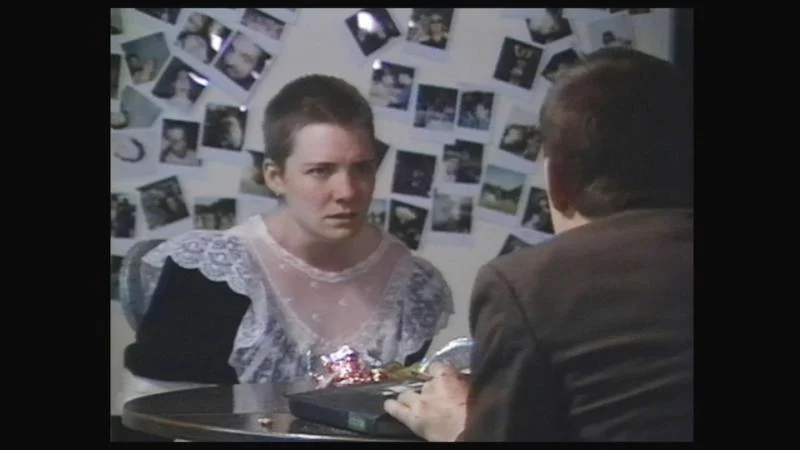
A woman is kidnapped by a serial killer who forces her to document her own captivity in a notebook. The film focuses on the psychological warfare between the victim and the perpetrator. It features scenes of extreme degradation that led to it being banned in several territories. The raw performances and low budget aesthetic add to the feeling of voyeurism.
‘Chaos’ (2005)
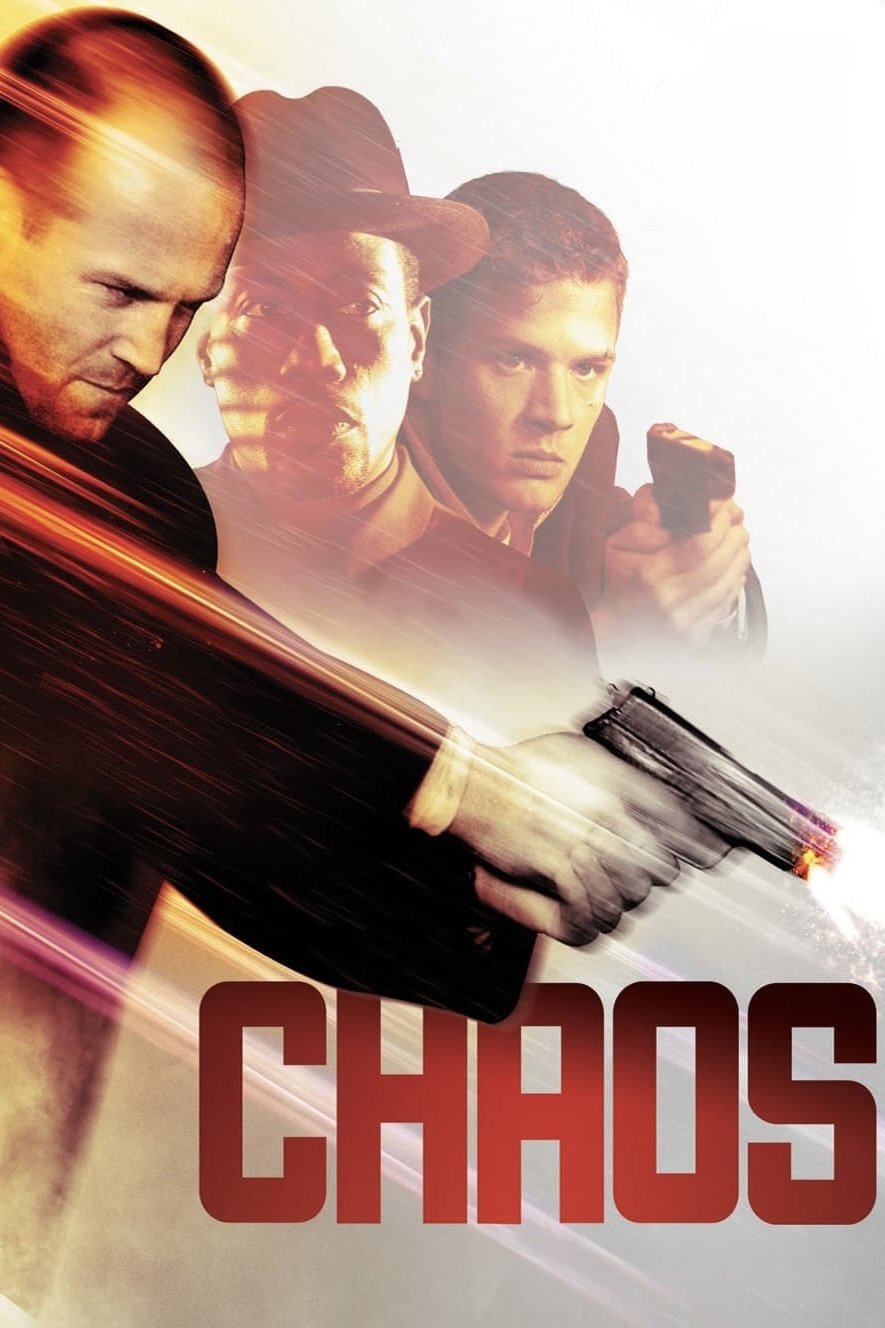
This film is a loose remake of a classic horror story about two girls who are abducted and tortured by a gang. It was marketed for its extreme brutality and lack of a moral compass. Critics and audiences found the level of violence to be excessive even for the horror genre. It faced significant distribution challenges and was mostly seen on DVD.
‘Orozco the Embalmer’ (2001)
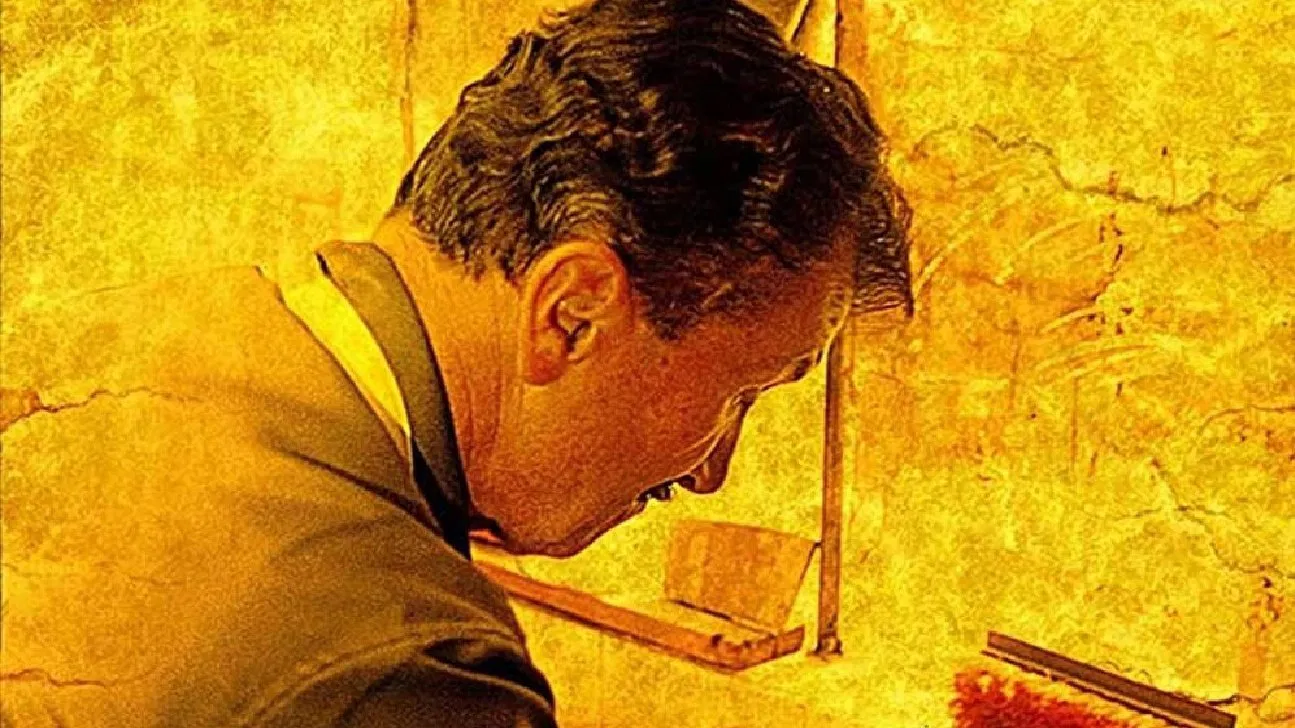
This documentary follows a man who works as an embalmer in a high crime area of Colombia. It captures the reality of death and the processing of human remains without any cinematic filters. The graphic nature of the real life footage made it impossible for the film to receive a wide theatrical release. It serves as a stark and unflinching look at a profession that is usually kept behind closed doors.
Share your thoughts on these controversial films in the comments.