Anime That Were Just 20-Minute Commercials For Toys

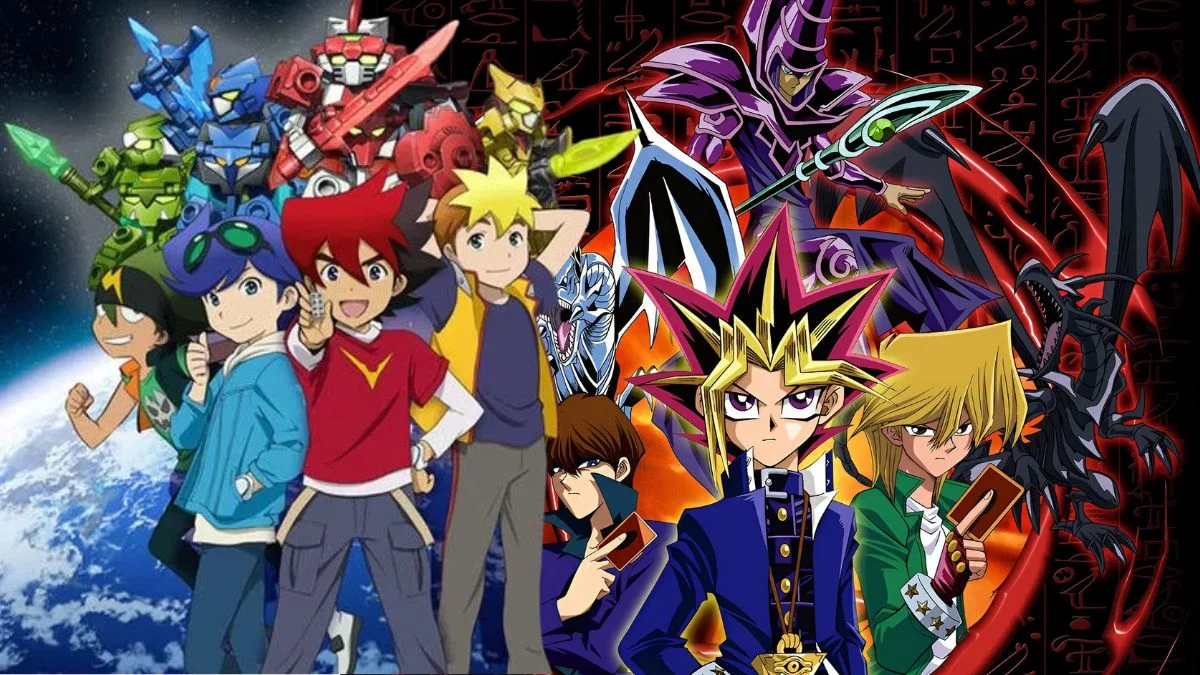

The intersection of the animation industry and the toy market has led to the creation of numerous series designed specifically to sell merchandise. These programs often center on games or collectibles that viewers can purchase and use in their daily lives. While many of these shows developed deep narratives and dedicated fanbases their primary function remained the promotion of physical products. Each episode served as a demonstration of the latest gadgets or characters available on store shelves. From transforming robots to competitive card games these anime successfully turned entertainment into a powerful marketing tool.
‘Mobile Suit Gundam’ (1979–1980)
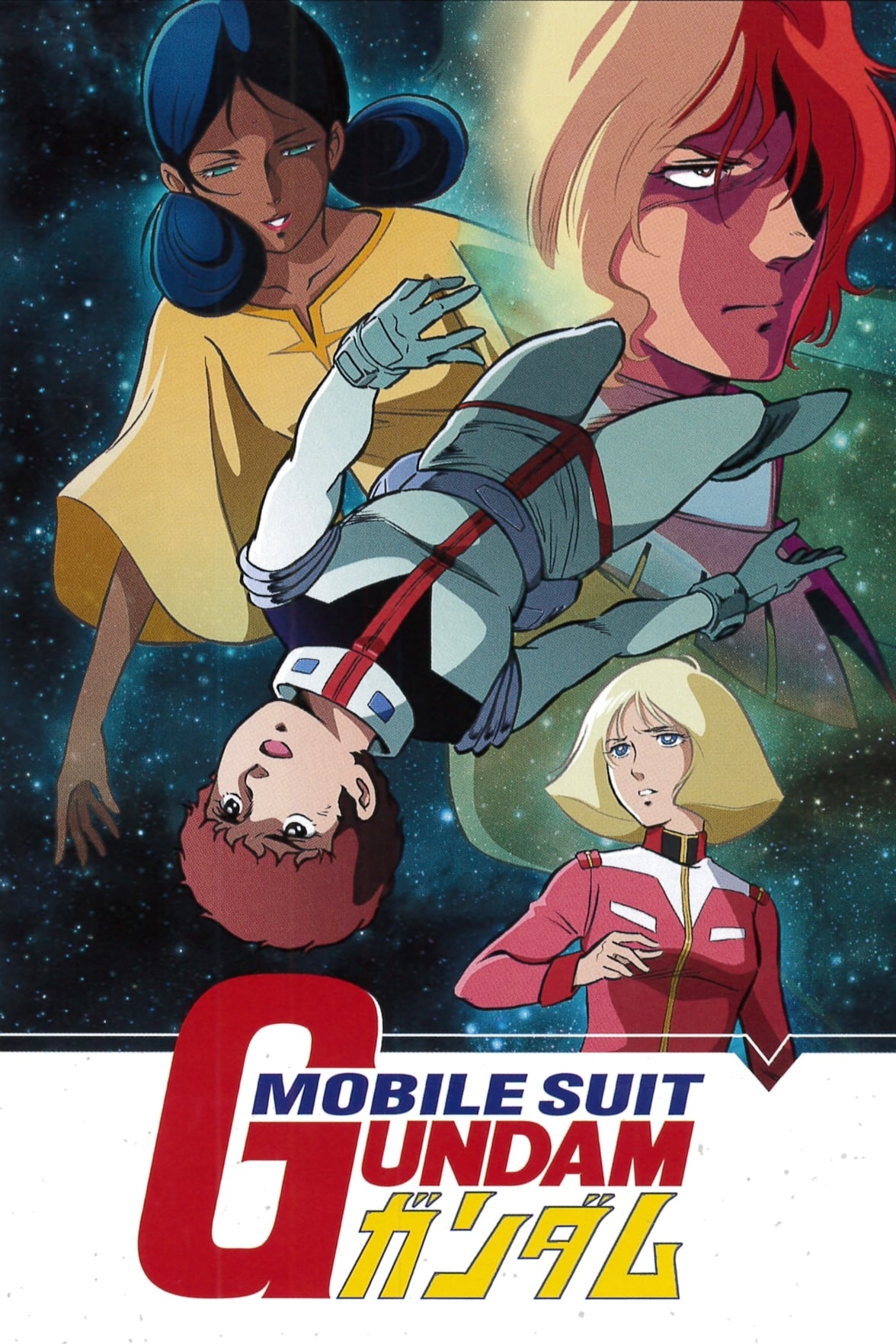
Amuro Ray becomes the pilot of a sophisticated robotic suit during a massive galactic conflict. The narrative explores the heavy toll of war on young soldiers and civilians alike. Bandai utilized the detailed mechanical designs to create an extensive line of model kits. These plastic kits allowed fans to assemble their own versions of the vehicles seen on screen. The success of the merchandise ensured the longevity of the franchise for decades.
‘Beyblade’ (2001–2003)
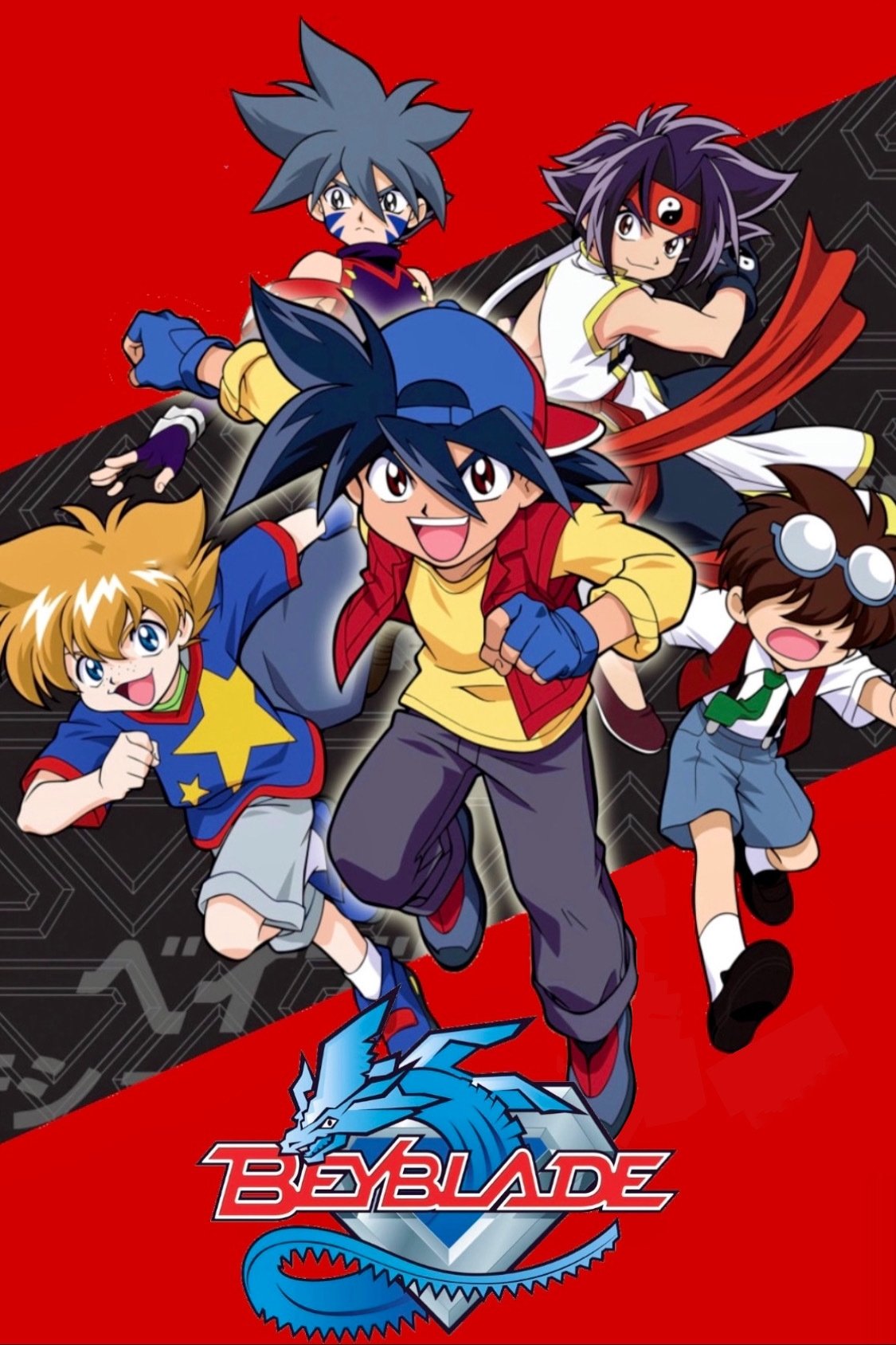
Young competitors use high tech spinning tops to battle in specialized arenas for fame and glory. Each top contains a powerful spirit that enhances its capabilities during intense matches. The show provided a visual guide for the various customization options available to real world players. Takara Tomy designed the product line so that fans could swap parts and improve performance just like the characters. The series successfully turned a traditional toy into a modern competitive hobby.
‘Yu-Gi-Oh! Duel Monsters’ (2000–2004)
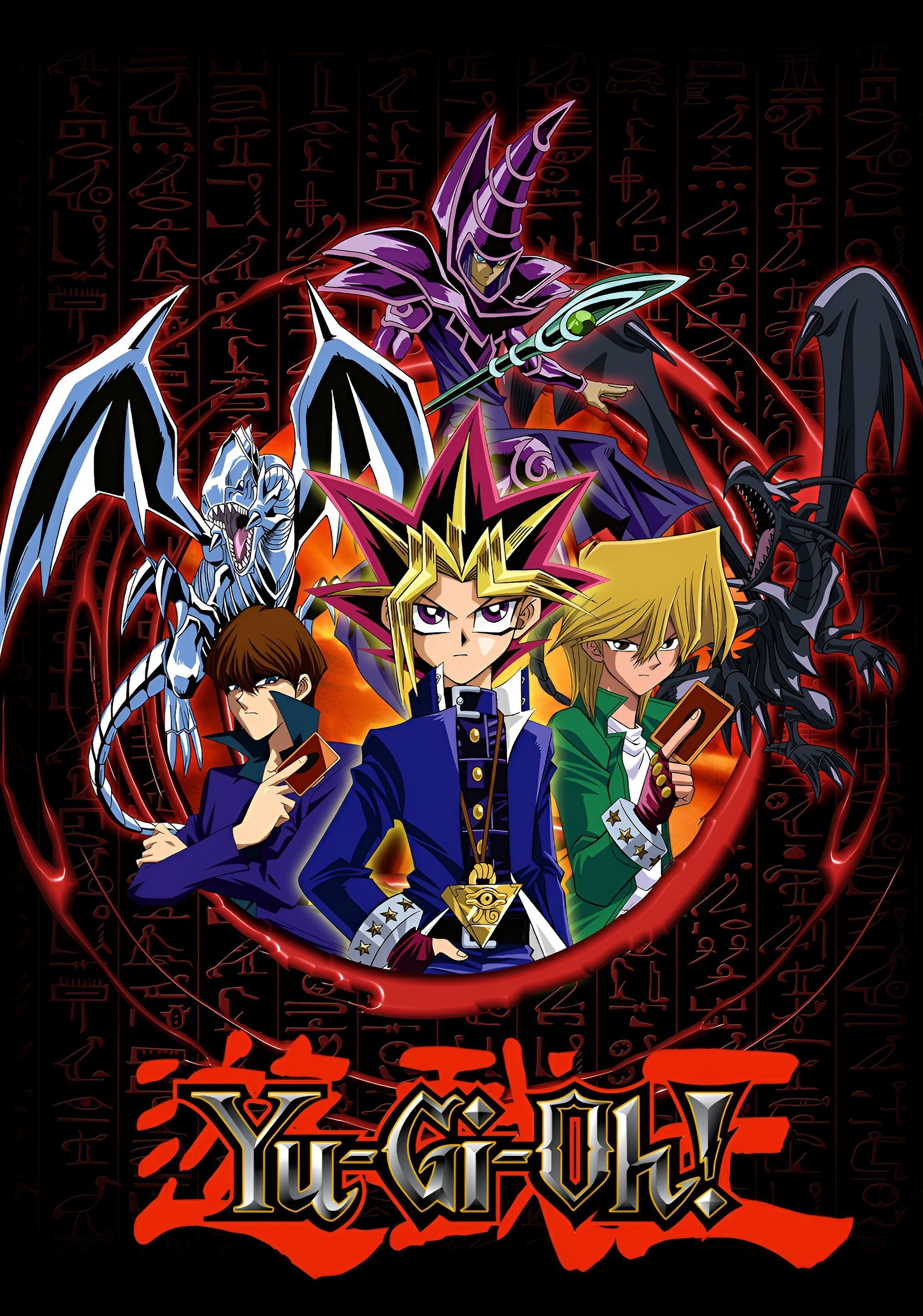
A high school student named Yugi Mutou engages in strategic card games against powerful opponents. The monsters featured on the cards come to life through advanced hologram technology within the story. This series acted as a major promotional tool for the trading card game released by Konami. Fans were eager to purchase booster packs to obtain the rare and powerful cards used by their favorite characters. The show established the foundational rules that players followed in official tournaments.
‘Pokémon’ (1997–Present)

Ash Ketchum travels through various regions with the goal of becoming a master trainer of pocket monsters. The adventure focuses on capturing different species and training them for competitive battles in gyms. While the franchise began as a video game the anime served as a massive advertisement for a wide array of merchandise. Figurines and plush toys were released for every new creature introduced in the weekly episodes. The persistent branding encouraged fans to seek out every product associated with the series.
‘Bakugan Battle Brawlers’ (2007–2008)
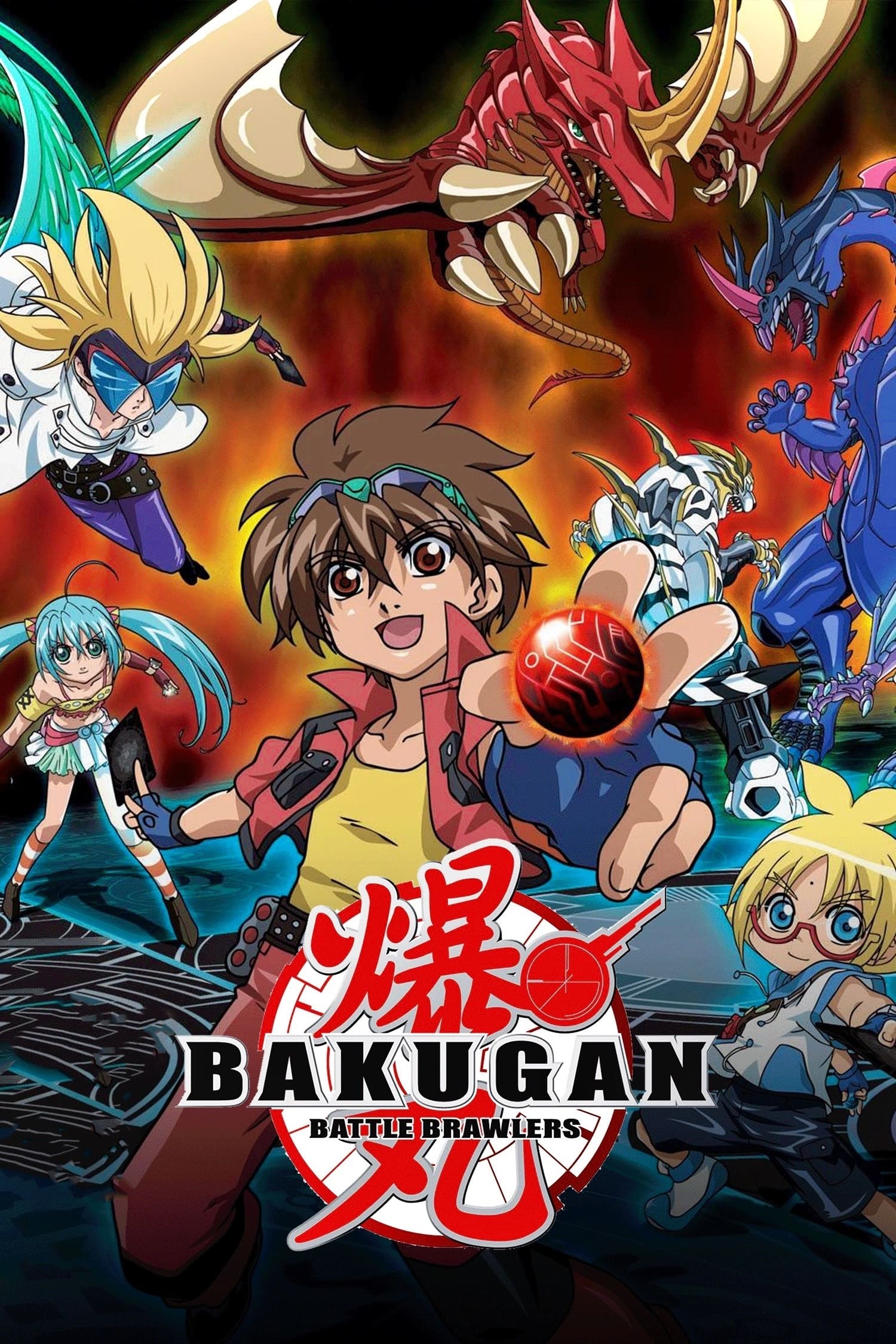
Dan Kuso and his team of friends use mysterious cards and sphere shaped creatures to engage in strategic battles. These creatures pop open into fearsome monsters when they land on magnetic gate cards. Spin Master designed the physical game to mirror the exact mechanics shown in the animated series. Each episode featured new characters and abilities that encouraged fans to expand their own collections. This direct link between the show and the product line drove massive retail success.
‘Zoids: Chaotic Century’ (1999–2000)
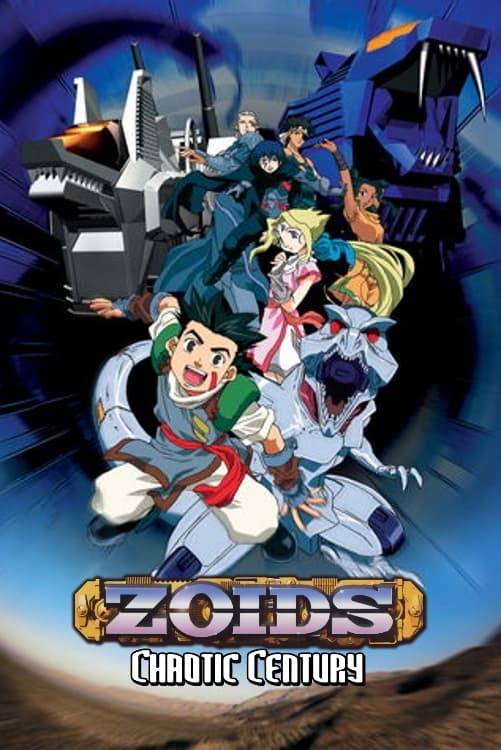
Van Flyheight discovers a mysterious girl and a robotic organoid that brings a massive mechanical lion to life. The story features large scale battles between animal shaped robots equipped with heavy weaponry. These designs were created to promote the intricate motorized model kits produced by Tomy. Fans could purchase these models to experience the mechanical movement seen during the animated combat sequences. The show helped revitalize the brand for a new generation of collectors.
‘Medabots’ (1999–2000)
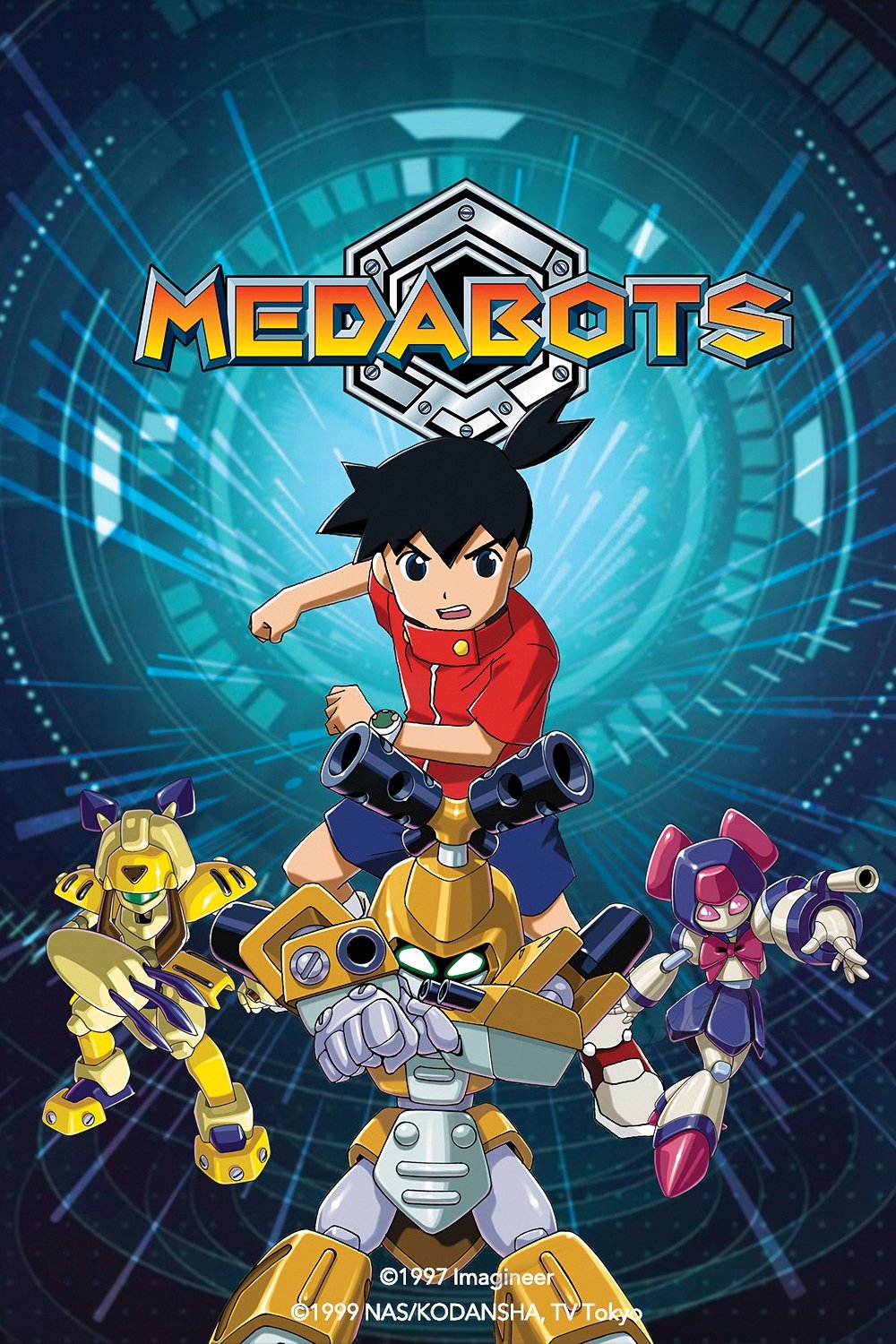
Ikki Tenryou and his robot partner Metabee participate in sanctioned battles known as Robattles. The robots are powered by specialized medals and can be customized with various interchangeable limbs and weapons. The anime functioned as a showcase for the diverse range of parts available in the accompanying toy line. Each episode introduced new mechanical components that enhanced the strategic depth of the physical games. This encouraged viewers to buy multiple kits to build their own unique robots.
‘Digimon Adventure’ (1999–2000)
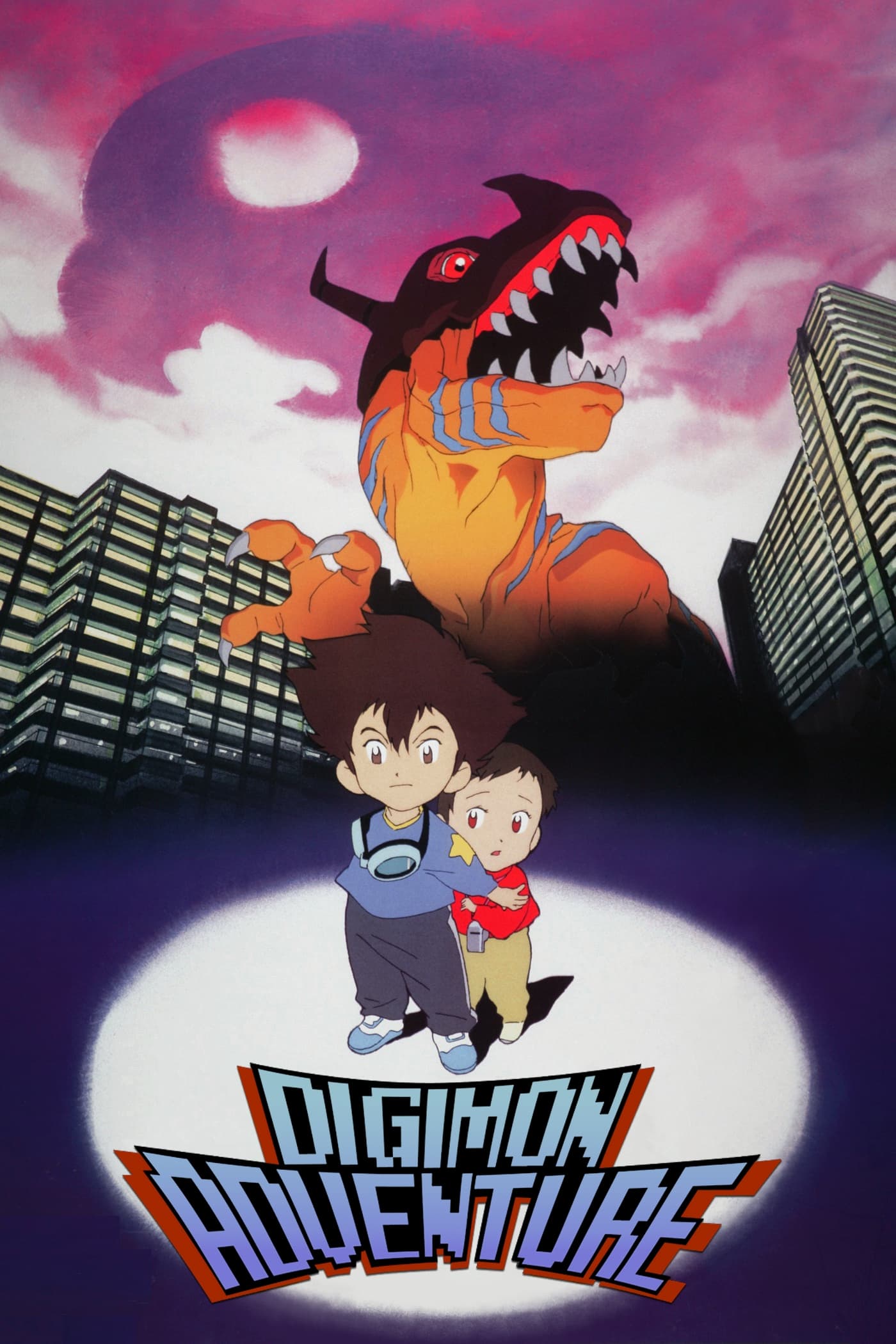
Seven children are transported to a digital world where they partner with colorful monsters to save both realms. The show tracks the evolution of these creatures into more powerful forms through the use of digital devices. Bandai utilized the series to market their line of virtual pet handhelds and corresponding action figures. The concept of Digivolution provided a constant stream of new toy designs for consumers to collect. The series remains a staple of the monster collecting genre.
‘Duel Masters’ (2002–2003)
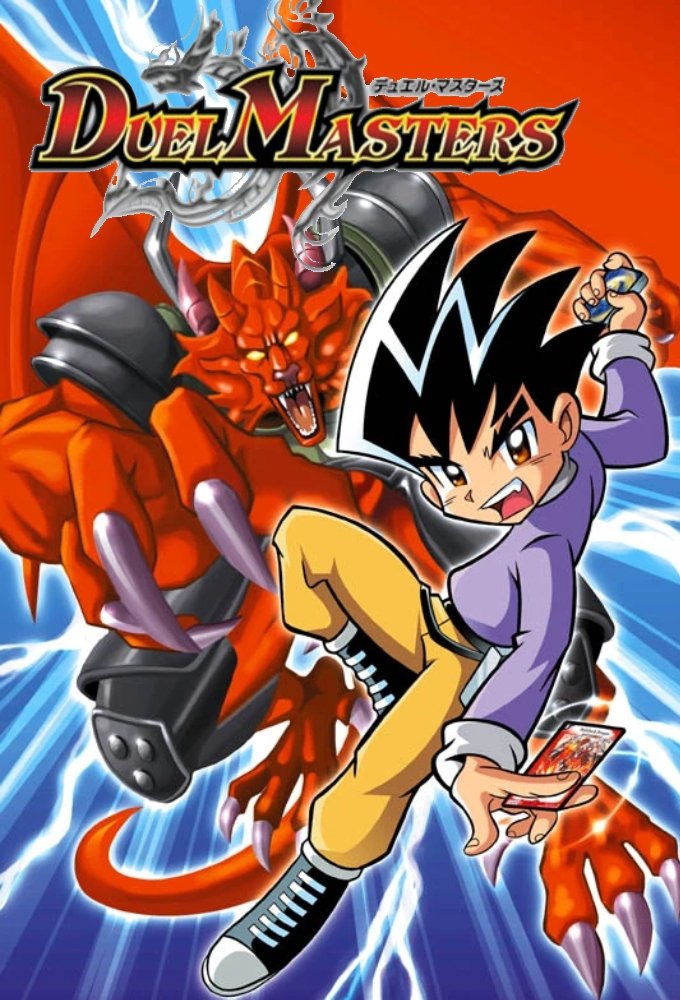
Shobu Kiruda strives to become a master duelist by participating in intense card game tournaments. The anime introduces complex rules and legendary creatures that players can use in their own matches. Wizards of the Coast and Takara used the program to establish a strong presence in the competitive trading card market. The fast paced nature of the show mirrored the quick gameplay of the physical card sets. It successfully captured the attention of fans looking for a new tactical challenge.
‘Bakusou Kyoudai Let’s & Go!!’ (1996–1998)
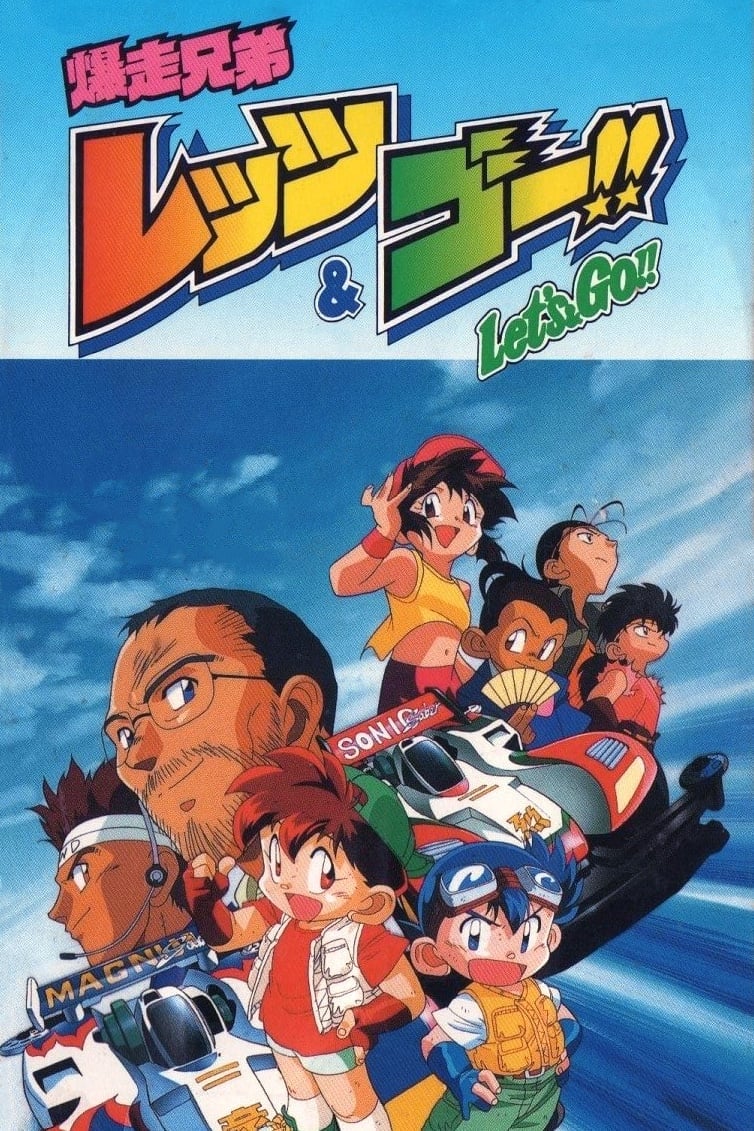
Two brothers compete in high speed races using customized miniature cars on elaborate tracks. The show highlights the technical aspects of upgrading motors and chassis components to achieve maximum velocity. Tamiya used the series to promote their Mini 4WD line of motorized model vehicles. Each episode featured different modifications that fans could apply to their own physical cars. The popularity of the series sparked a massive racing culture among young hobbyists.
‘Tamagotchi!’ (2009–2012)
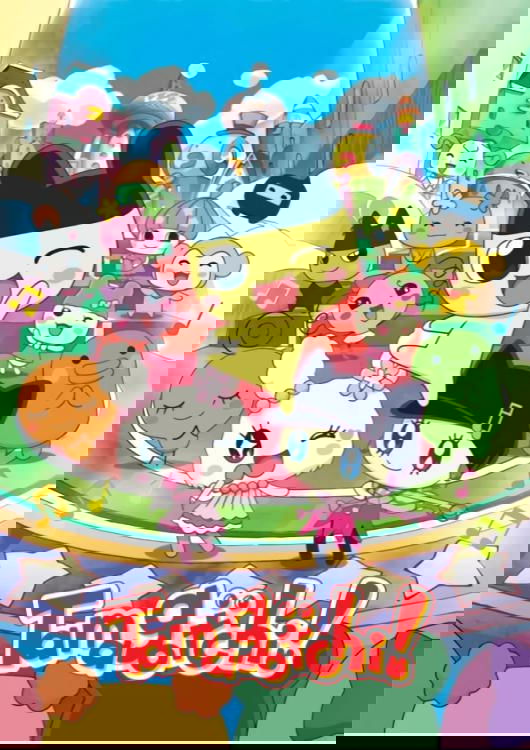
This series follows the daily lives and whimsical adventures of various digital creatures living on Tamagotchi Planet. The episodes focus on friendship and problem solving in a colorful and lighthearted environment. Bandai used the anime to maintain interest in their long running line of virtual pet devices. New characters introduced in the show were frequently added to the latest versions of the handheld toys. This cross promotion kept the brand relevant for a new demographic of children.
‘Monsuno’ (2012–2014)
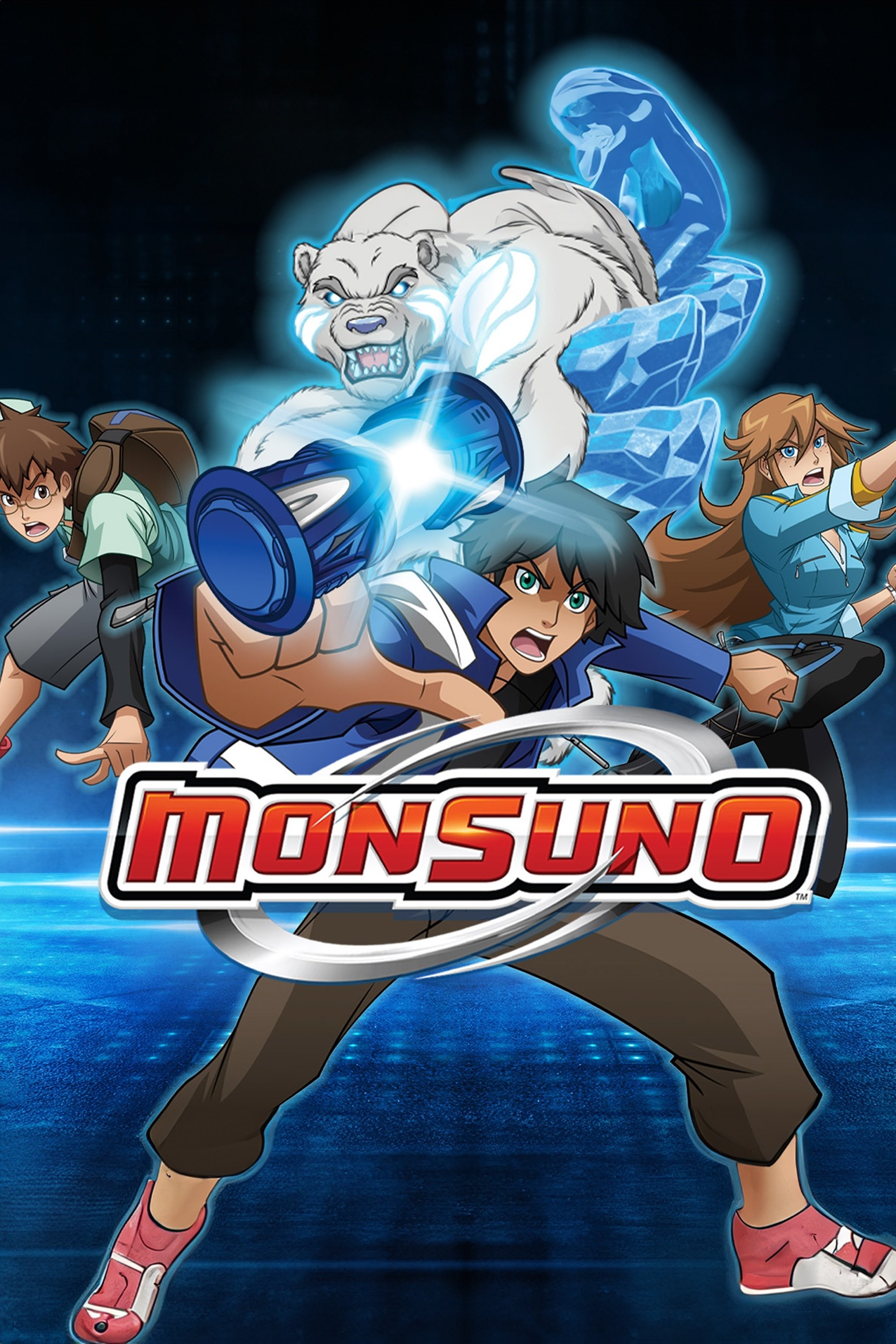
Chase Suno and his friends discover powerful monsters contained within small spinning capsules called cores. The characters launch these cores into battle to release massive creatures that fight on their behalf. Jakks Pacific developed the toy line specifically to coincide with the action packed animation. The physical toys utilized a spinning mechanism that mirrored the core launching seen in every episode. This allowed fans to recreate the kinetic energy of the show in their own homes.
‘Tenkai Knights’ (2013–2014)

Four teenagers are chosen to become legendary warriors who can transform into powerful armored knights. The characters must travel to a cubic planet to stop an evil warlord from conquering the universe. Spin Master created the show to promote their line of shapeshifting building blocks. Each knight and vehicle in the series was designed to be built using the actual toy components. This provided a unique interactive experience for fans who enjoyed both building and action figures.
‘Yo-kai Watch’ (2014–2018)
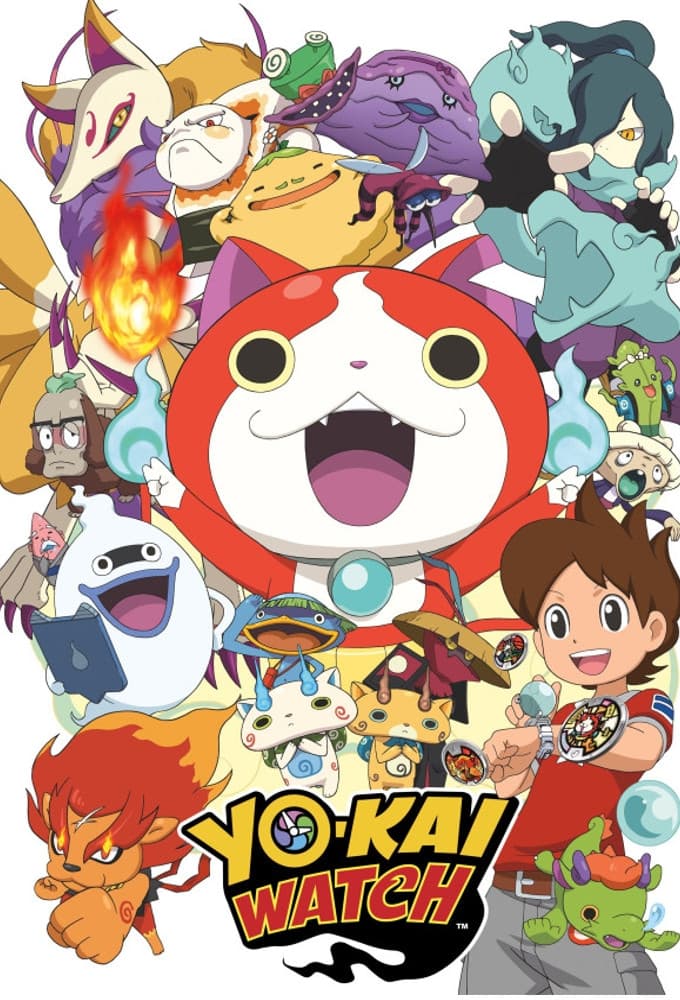
A young boy uses a special watch to see and interact with invisible spirits that cause everyday problems. The series focuses on collecting medals that represent different spirits to call them into battle. Level 5 developed the project to move massive amounts of plastic watches and collectible medals. The catchiness of the theme songs and character designs helped the merchandise fly off the shelves. This franchise became a cultural phenomenon that dominated the toy market for several years.
‘Cardfight!! Vanguard’ (2011–2012)
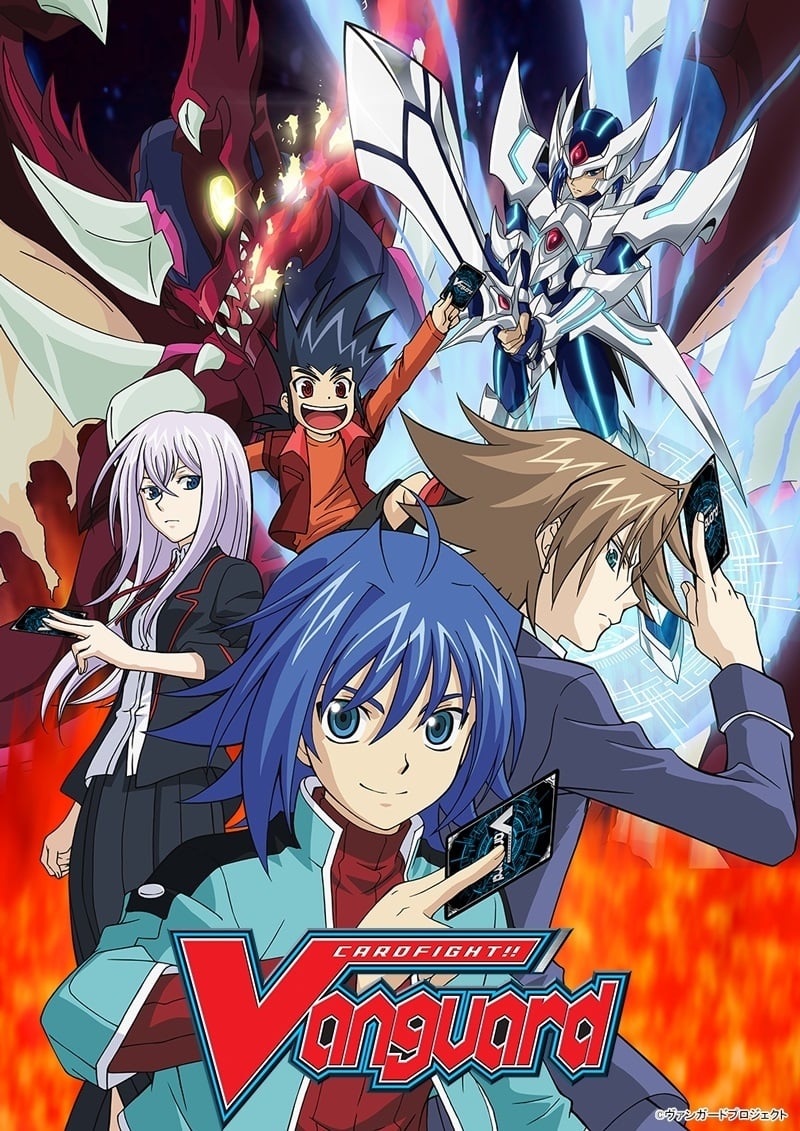
Players engage in intense matches using cards that represent units on a fictional planet called Cray. The protagonist discovers his own potential and builds a powerful deck to compete in local tournaments. Bushiroad created the series as a primary way to introduce the rules and lore of their trading card game. The episodes often centered on specific card abilities and strategies to educate the viewers. This helped create a dedicated community of players who invested in the physical booster sets.
‘Future Card Buddyfight’ (2014–2015)
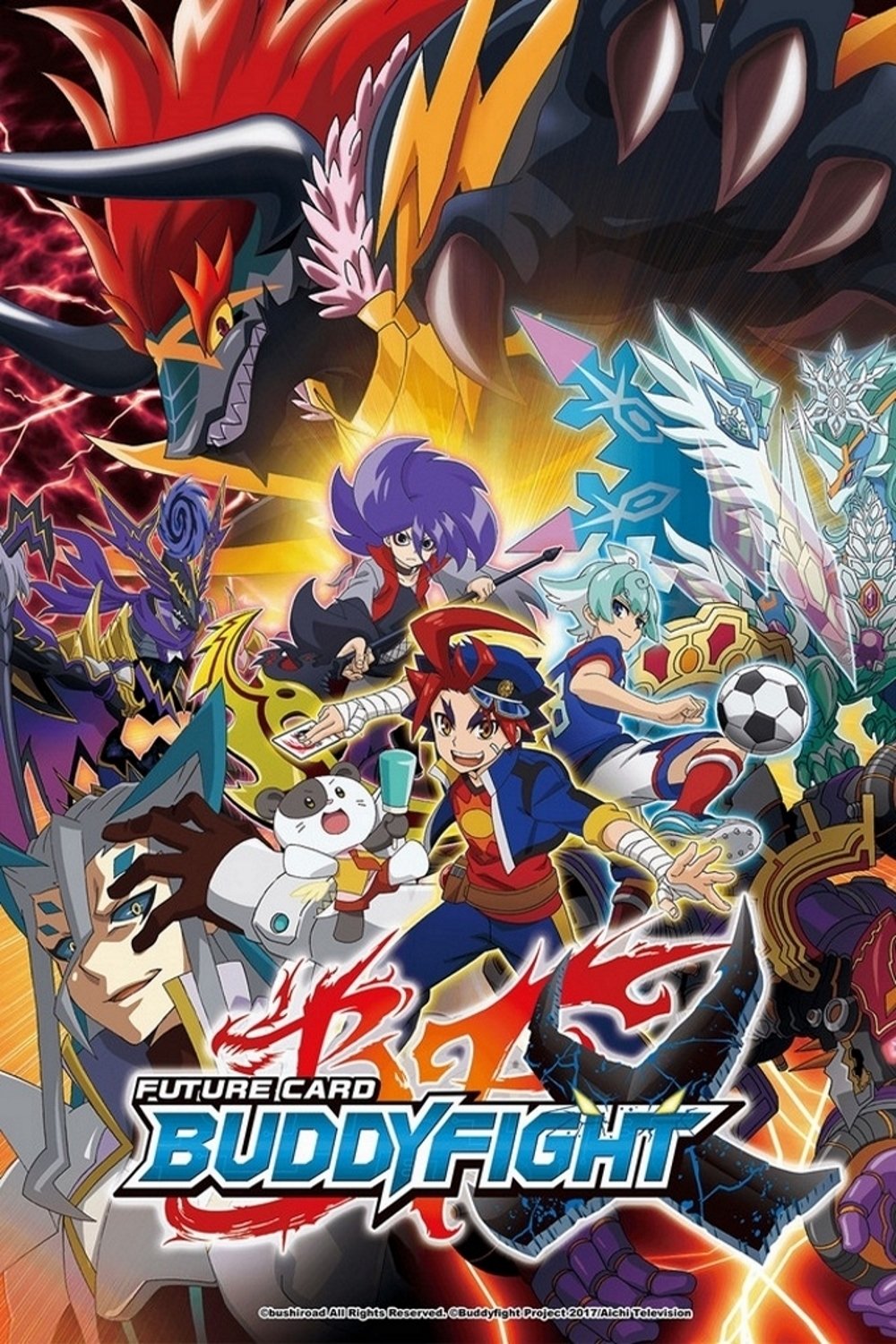
Humans form bonds with monsters from other worlds to participate in a popular trading card game. The narrative follows Gao Mikado as he teams up with a powerful dragon to win various championships. Bushiroad used the high energy battles to showcase the diverse card effects and monster designs. Each episode reinforced the tactical depth of the game to entice viewers to start their own collections. The series successfully maintained a young audience through its vibrant characters and exciting matches.
‘Gundam Build Fighters’ (2013–2014)
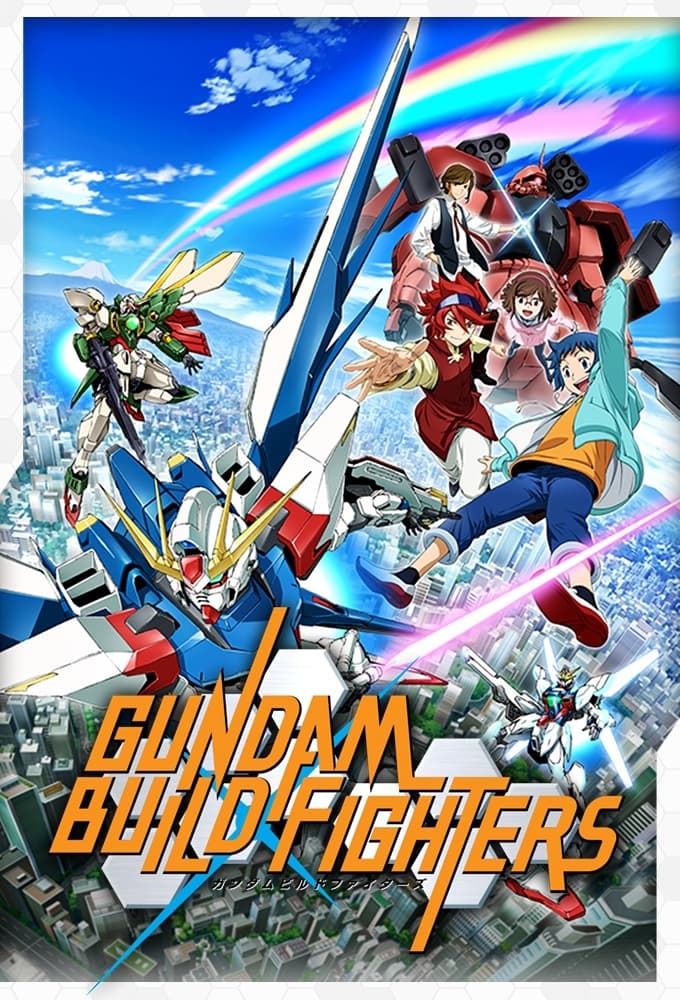
Unlike the original war drama this series focuses on characters who build and battle plastic model kits. The protagonists participate in tournaments where they pilot their customized Gunpla using advanced simulation technology. This anime served as a direct love letter to the hobby of model building while marketing specific kits. Bandai released many of the custom designs seen in the show as actual retail products. It successfully celebrated the creativity of the fan community while boosting sales.
‘Mashin Hero Wataru’ (1988–1989)
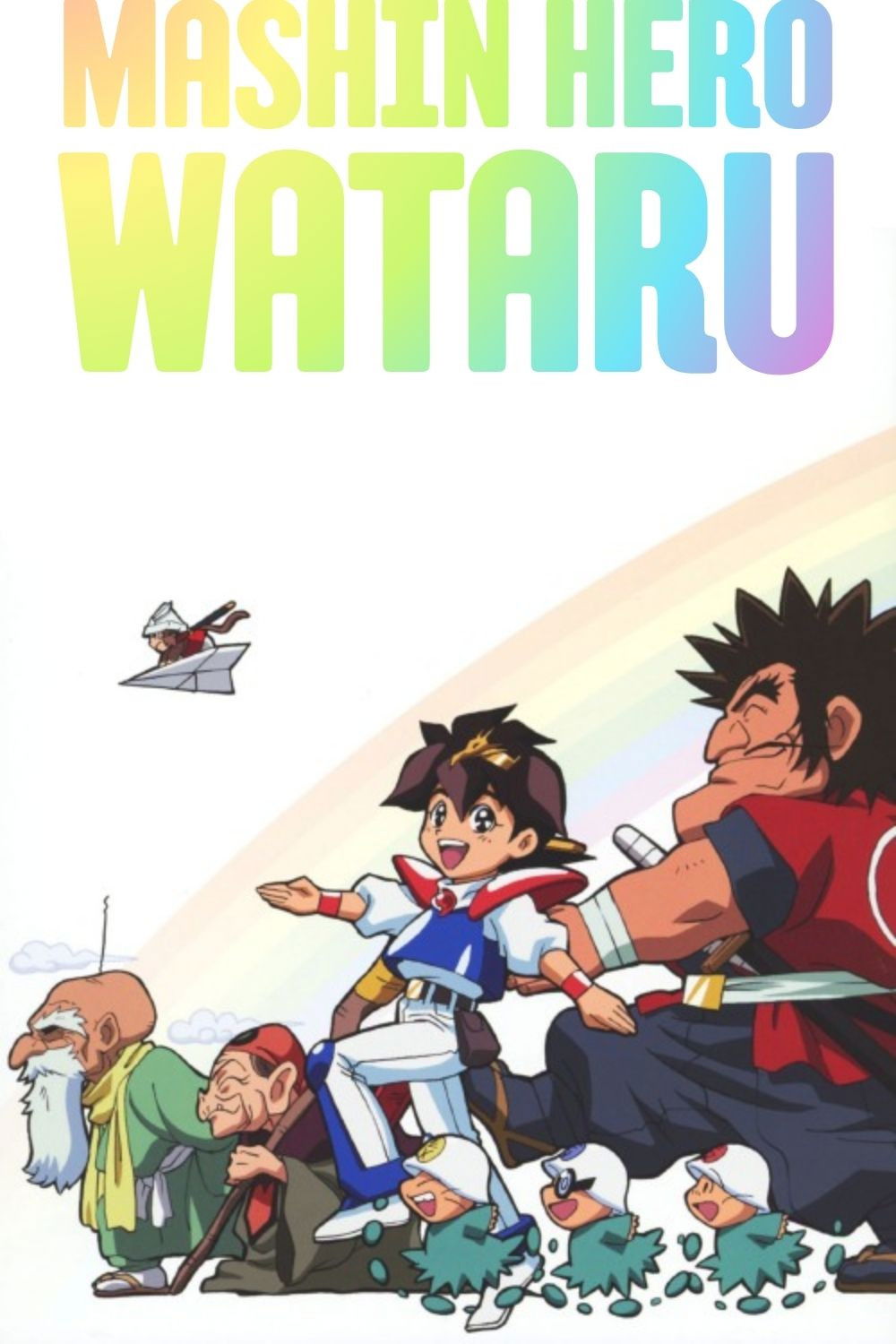
Wataru is a young boy who is transported to a magical world where he must pilot a heroic robot to defeat evil forces. The show features a distinctive art style with short and stout mechanical designs known as super deformed robots. These designs were specifically crafted to be easily translated into affordable plastic action figures and kits. Takara capitalized on the popularity of the show by releasing a vast array of character toys. The series remains a beloved classic for fans of old school toy based animation.
‘Sylvanian Families’ (1987)
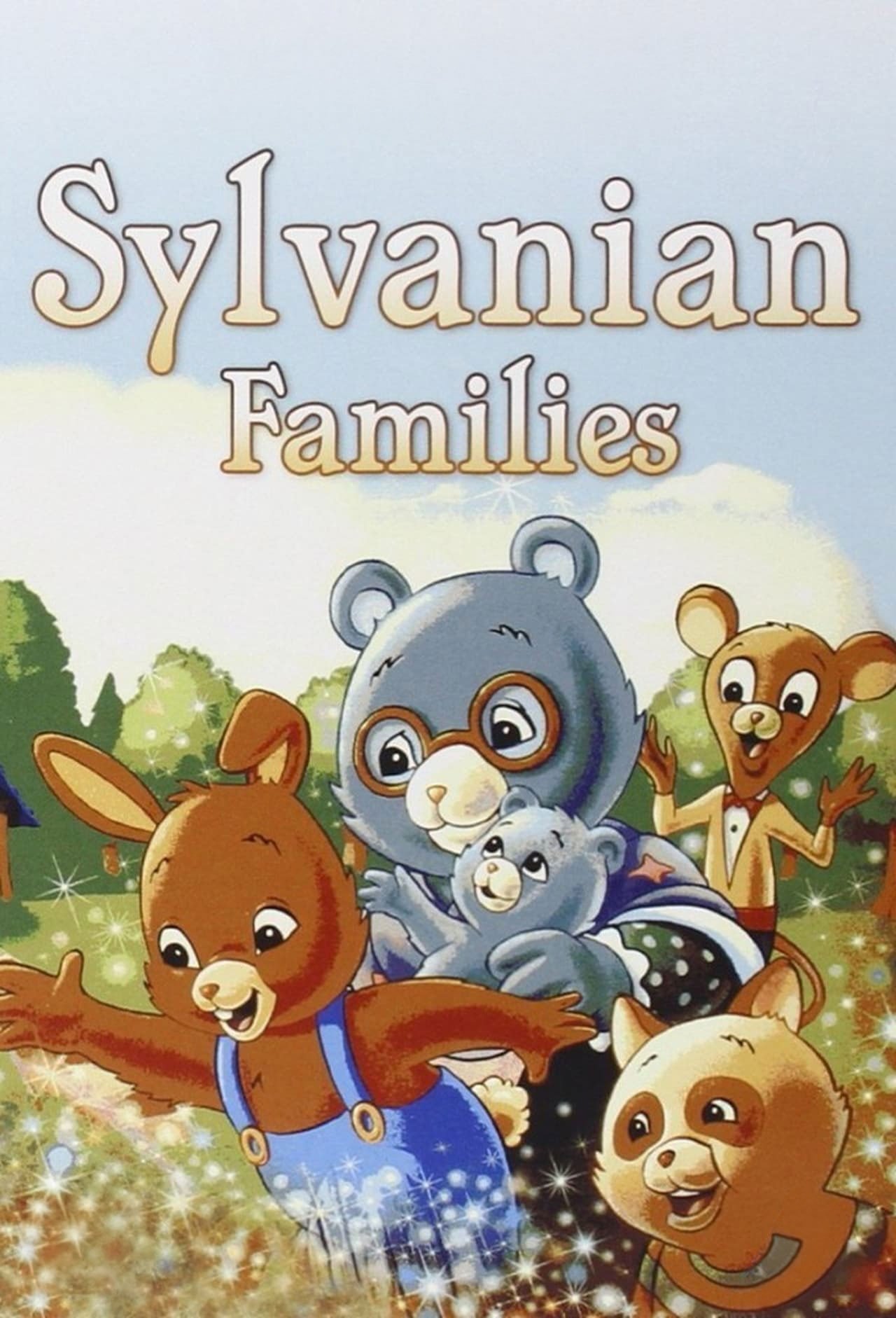
The series depicts the peaceful lives and community interactions of adorable animal families in a rustic village. Each episode focuses on simple moral lessons and the importance of family and friendship. Epoch created the animation to provide a backstory and world for their popular line of flocked animal figurines. The detailed sets and houses seen in the show mirrored the actual playsets available for purchase. This helped young children develop a deeper emotional connection to their toys.
‘Dinosaur King’ (2007–2008)
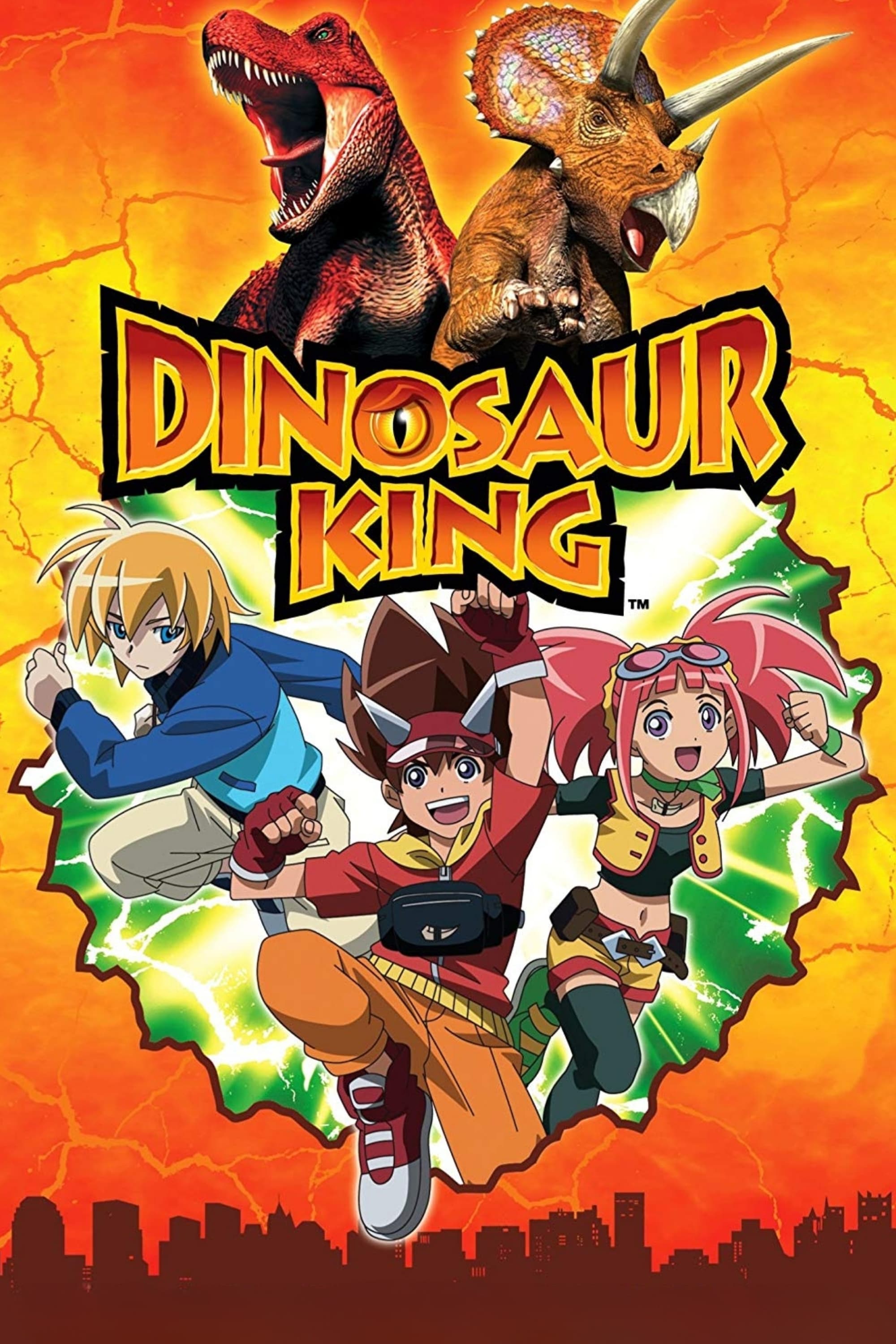
Max Taylor and his friends find ancient stones that allow them to summon real dinosaurs from cards. The group must travel the world to collect more cards before a villainous organization can use them for evil. The series was created to promote a successful arcade game and its associated trading cards. Sega and Sunrise collaborated to ensure that every dinosaur featured in the show was available in the card game. The vibrant action sequences made the prehistoric creatures highly desirable to young collectors.
‘Mega Man Star Force’ (2006–2007)
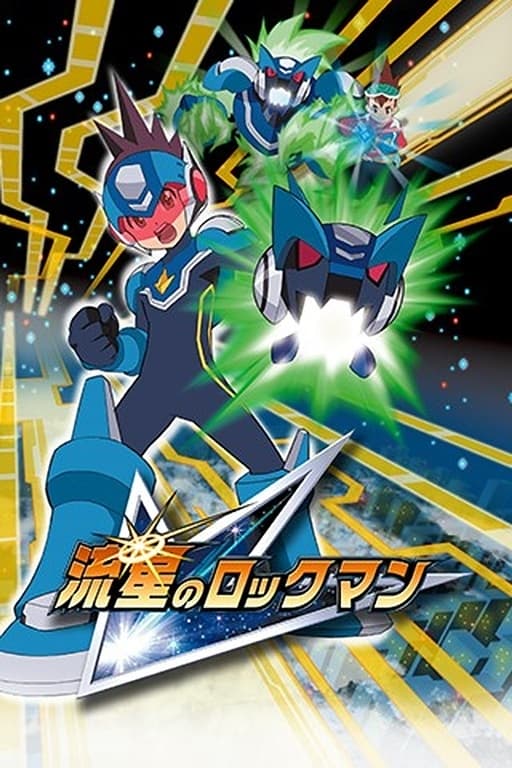
Geo Stelar merges with an alien being to become a powerful hero who battles digital viruses in a futuristic world. The story involves the use of specialized battle cards to perform various attacks and maneuvers. Capcom used the anime to promote the corresponding handheld video games and the physical card accessories. The visual effects in the show mirrored the gameplay mechanics to create a cohesive brand experience. This ensured that fans of the show would be interested in the gaming products.
‘Machine Robo: Revenge of Cronos’ (1986–1987)
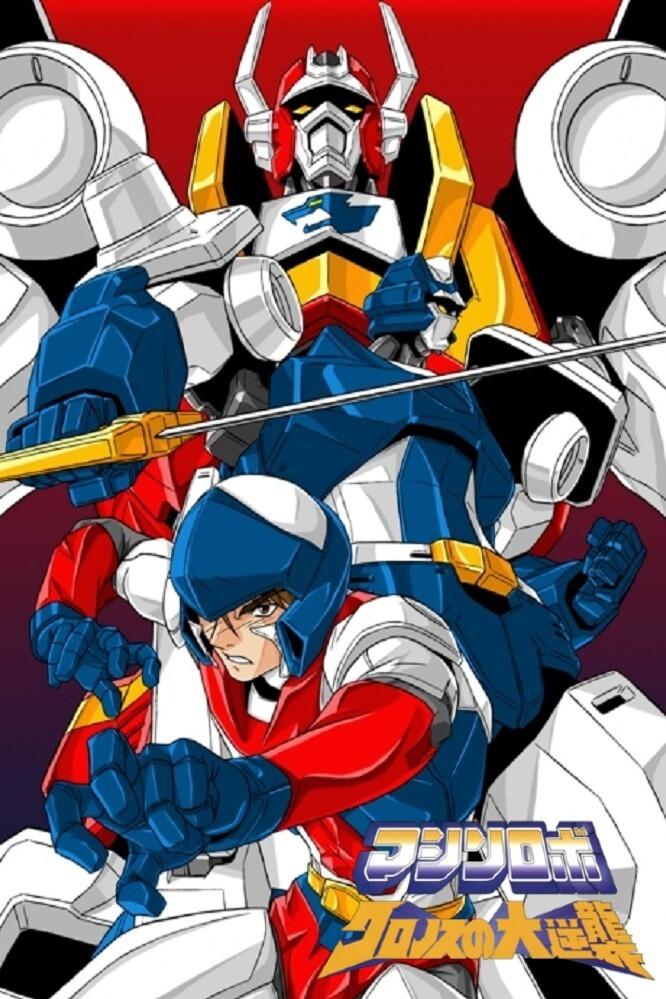
A group of robotic warriors must defend their home planet from an invading force of mechanical villains. The protagonist can merge with larger mechanical suits to increase his power during combat. Bandai used this series to market the Machine Robo toy line which featured robots that transformed into vehicles. The intricate transformation sequences were a key highlight of the animated action. This helped the toy line compete with other major robot franchises of the era.
‘Jewelpet’ (2009–2010)
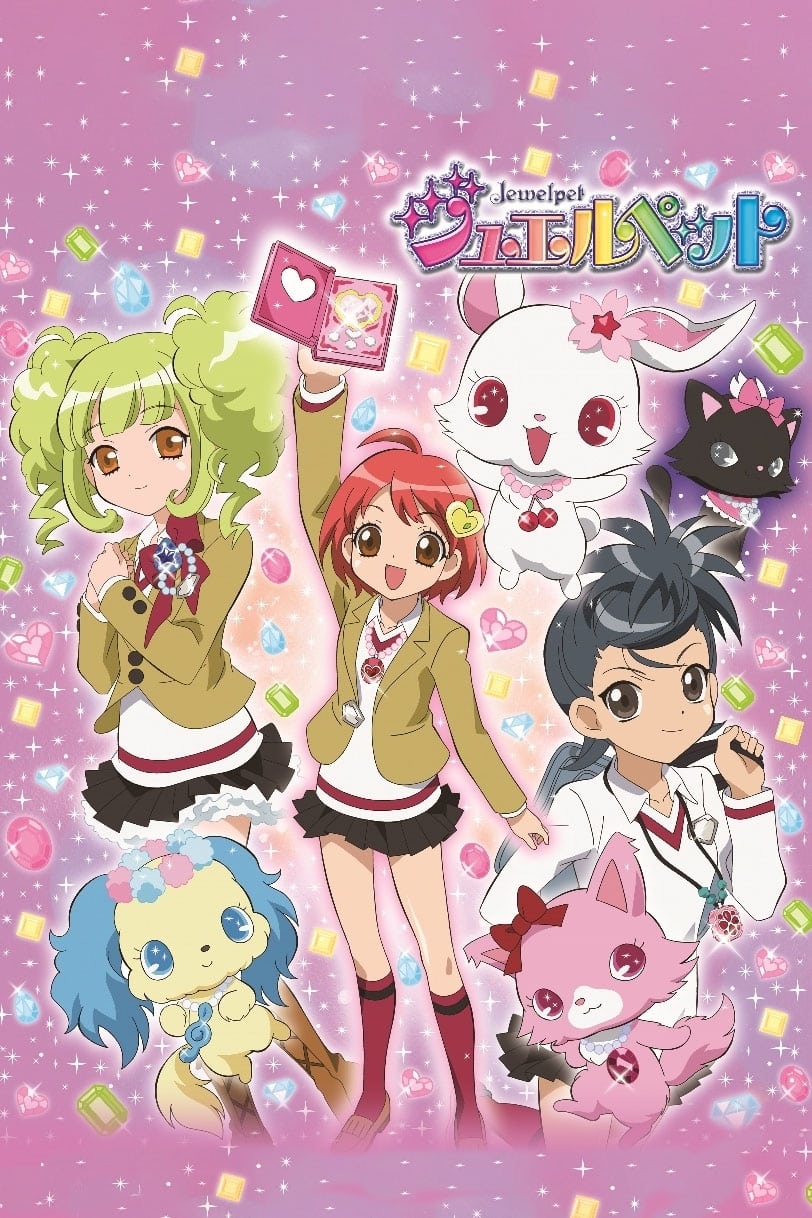
Cute animals with gemstone eyes travel to the human world to find their lost friends and learn about magic. Each character is associated with a specific jewel that grants them unique mystical powers. Sanrio and Sega Toys collaborated on the series to promote their extensive line of plush toys and accessories. The show focused on the charm of the characters to appeal to a younger demographic of collectors. It led to several sequels and a massive amount of themed merchandise.
‘Aikatsu!’ (2012–2016)
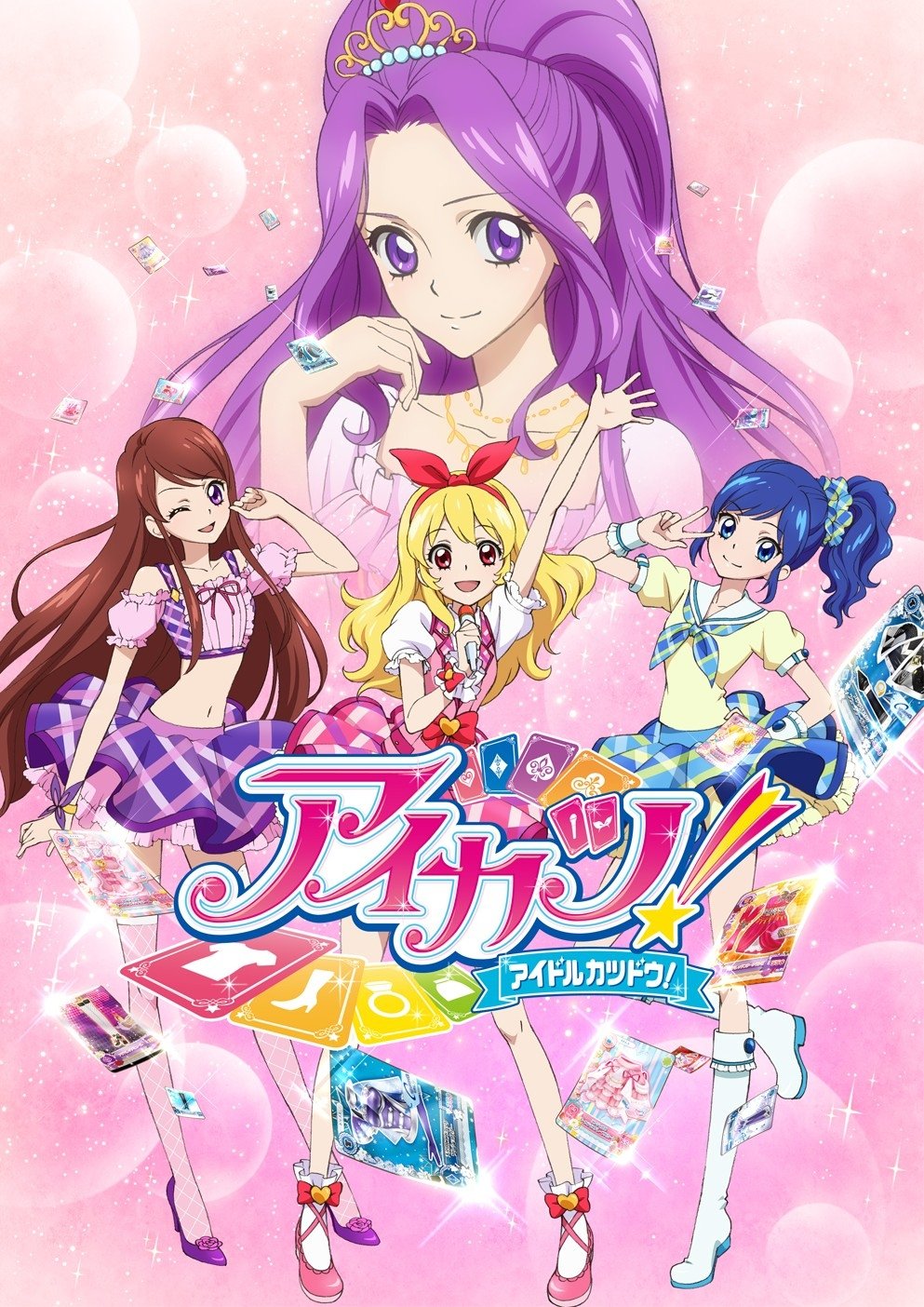
Aspiring idols attend a prestigious academy where they use special cards to select their outfits for performances. The cards are inserted into a magical machine that transforms their clothes into elaborate stage costumes. Bandai used the anime to drive traffic to their Data Carddass arcade machines and to sell physical card sets. The catchy music and fashion focus made it a huge hit with young girls. Fans could collect the same cards used by the main characters to dress up their digital avatars.
‘PriPara’ (2014–2017)
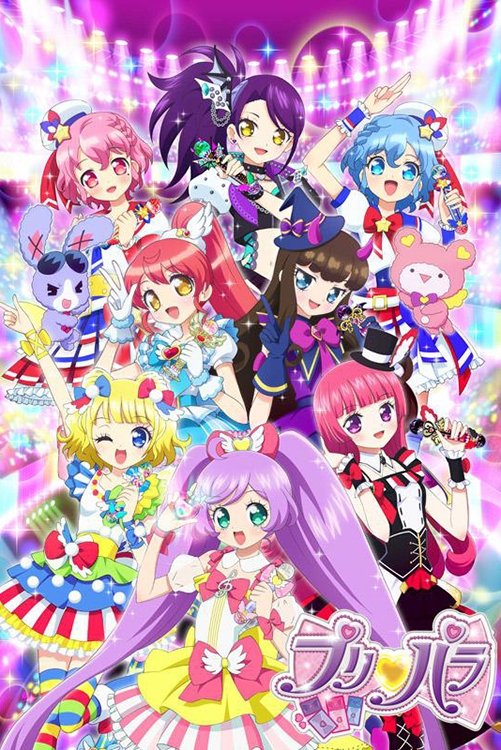
Lala Manaka enters a virtual world where anyone can become an idol by using specialized tickets. The series follows her journey as she forms an idol unit and performs in massive concerts. Takara Tomy developed the show to promote the PriPara arcade game and its associated collectible tickets. The show emphasized the social aspect of trading tickets with friends to mirror real world play. This encouraged a high level of engagement and repeat purchases from the target audience.
‘Scan2Go’ (2010–2011)
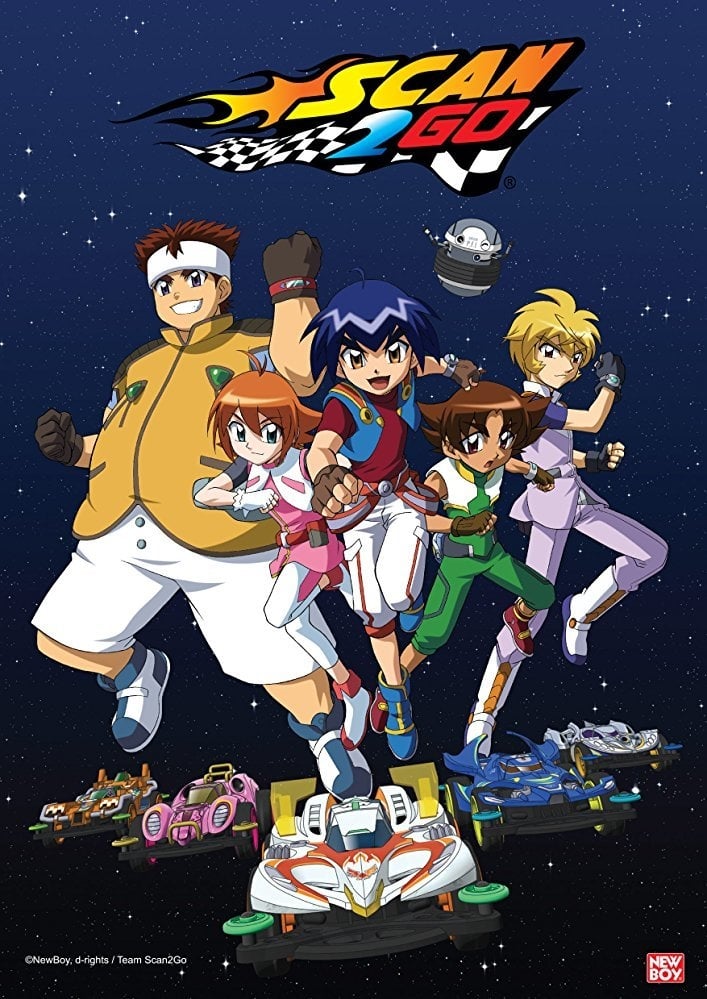
Racers from across the galaxy compete in high stakes competitions using motorized cars that are powered by cards. The characters must scan their cards through the vehicles to activate different speed boosts and abilities. The show served as a direct manual for how to use the physical Scan2Go toys. d u p e r s pace and other toy companies marketed the cars and card sets to young racing enthusiasts. The fast paced episodes highlighted the excitement of the physical racing hobby.
‘Zoids Wild’ (2018–2019)
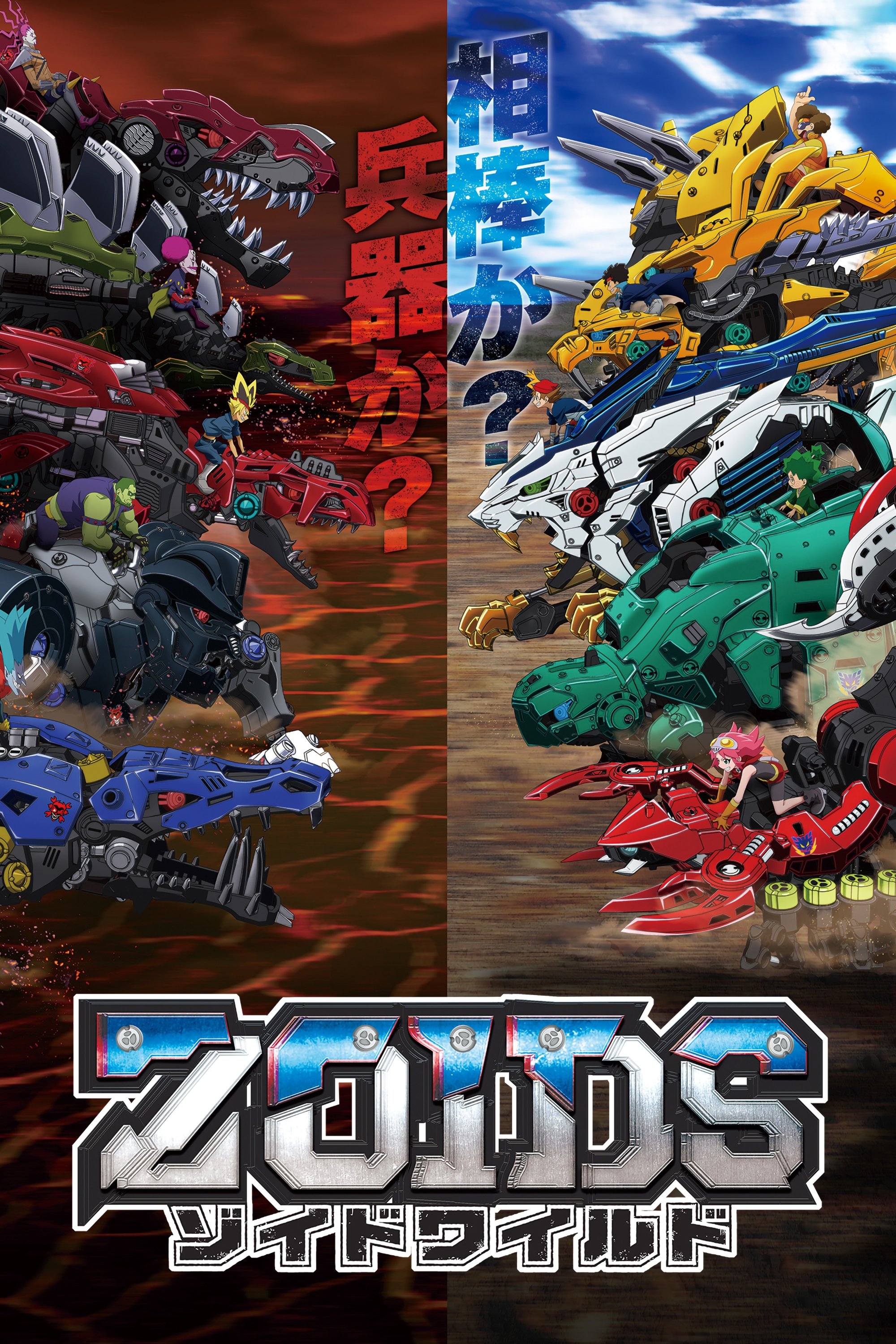
A new generation of adventurers bonds with mechanical life forms to fight against a tyrannical empire. The series introduces the concept of Wild Blast where the robots unleash their hidden potential and weapons. Tomy used the anime to launch a completely redesigned line of Zoids model kits. These new models featured simplified assembly and motorized actions that were showcased in the animation. This helped make the hobby more accessible to modern children while maintaining the classic appeal.
‘Dash! Yonkuro’ (1989–1990)
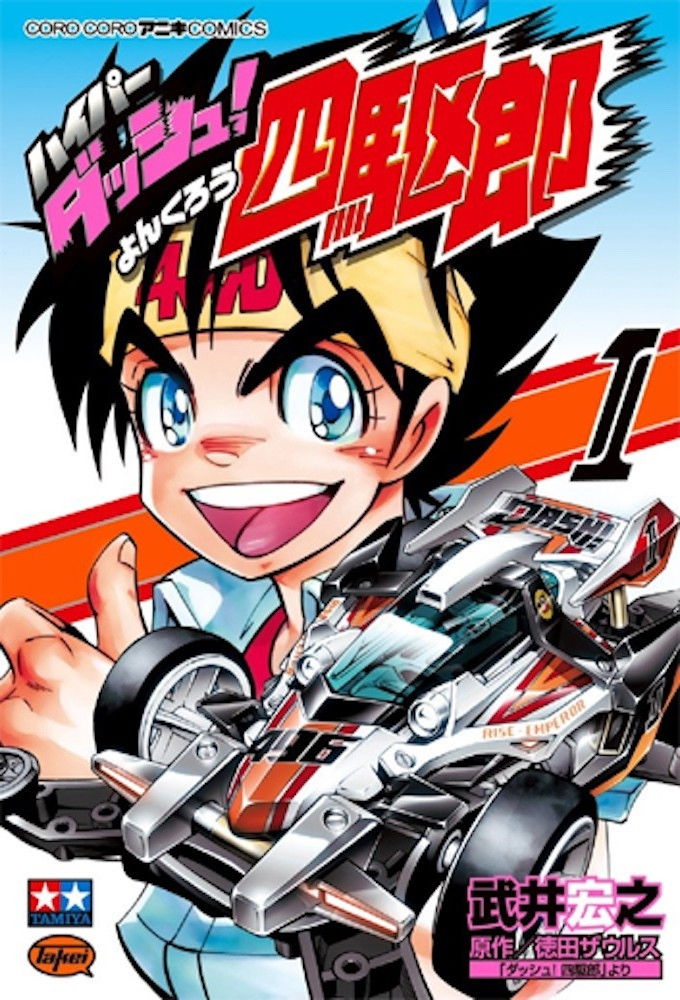
Yonkuro Hinomaru leads a team of Mini 4WD racers who participate in challenging off road competitions. The characters use their hockey sticks to guide their cars through difficult terrain and obstacles. This series was instrumental in the first major boom of Tamiya miniature car racing. The show portrayed the cars as more than just toys by giving them unique personalities and special moves. Fans rushed to buy the kits and race them in local tournaments and shop tracks.
‘Crush Gear Turbo’ (2001–2003)
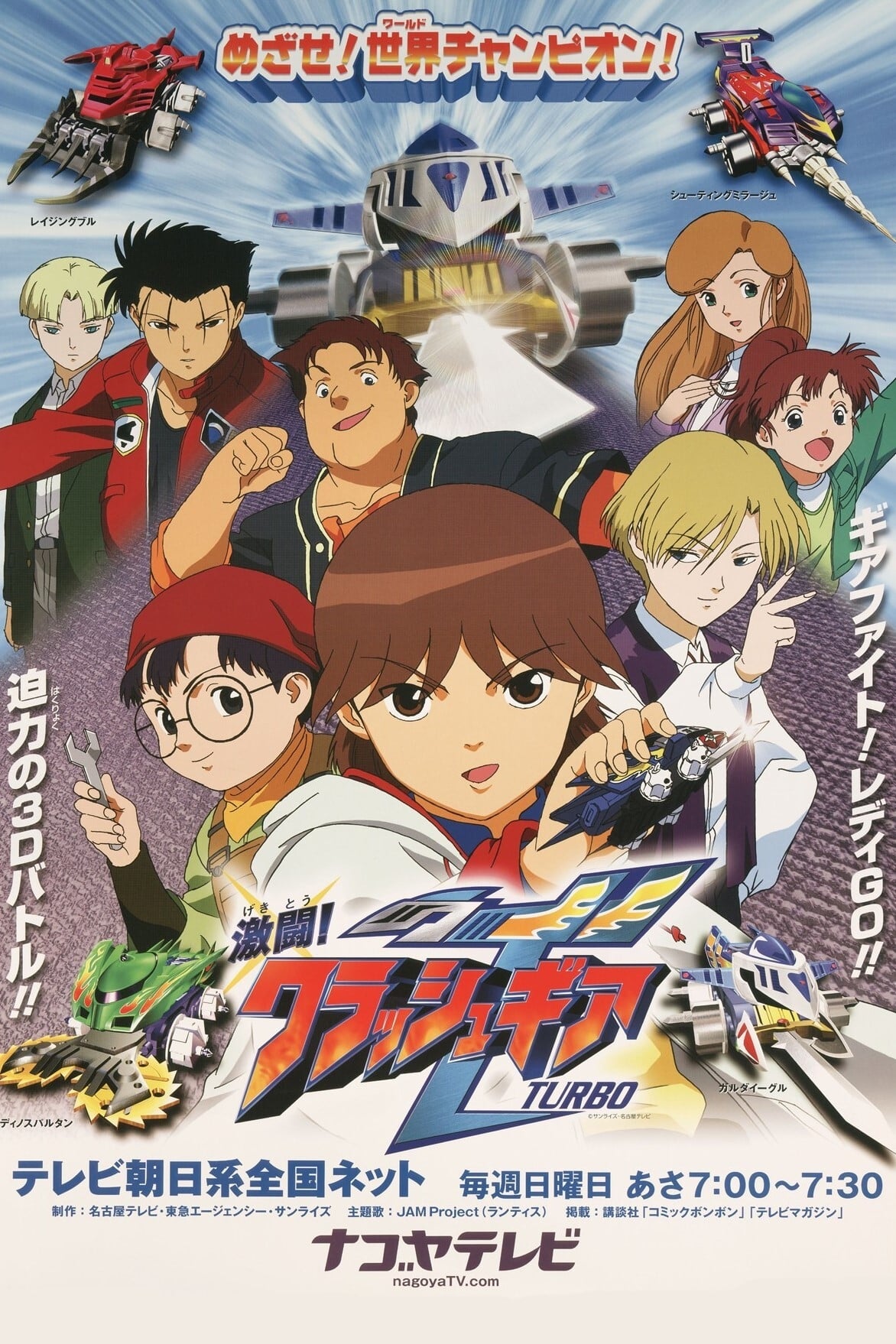
Youthful competitors battle using motorized four wheeled vehicles designed to knock their opponents out of a circular arena. The show highlights the mechanical upgrades and weapon attachments used to gain an advantage. Bandai developed the series to promote the Crush Gear toy line which featured customizable battle cars. Each episode featured intense collisions and strategic maneuvers that fans could replicate with their own gears. This created a competitive environment for young players to test their designs.
‘Fighting Foodons’ (2001–2002)
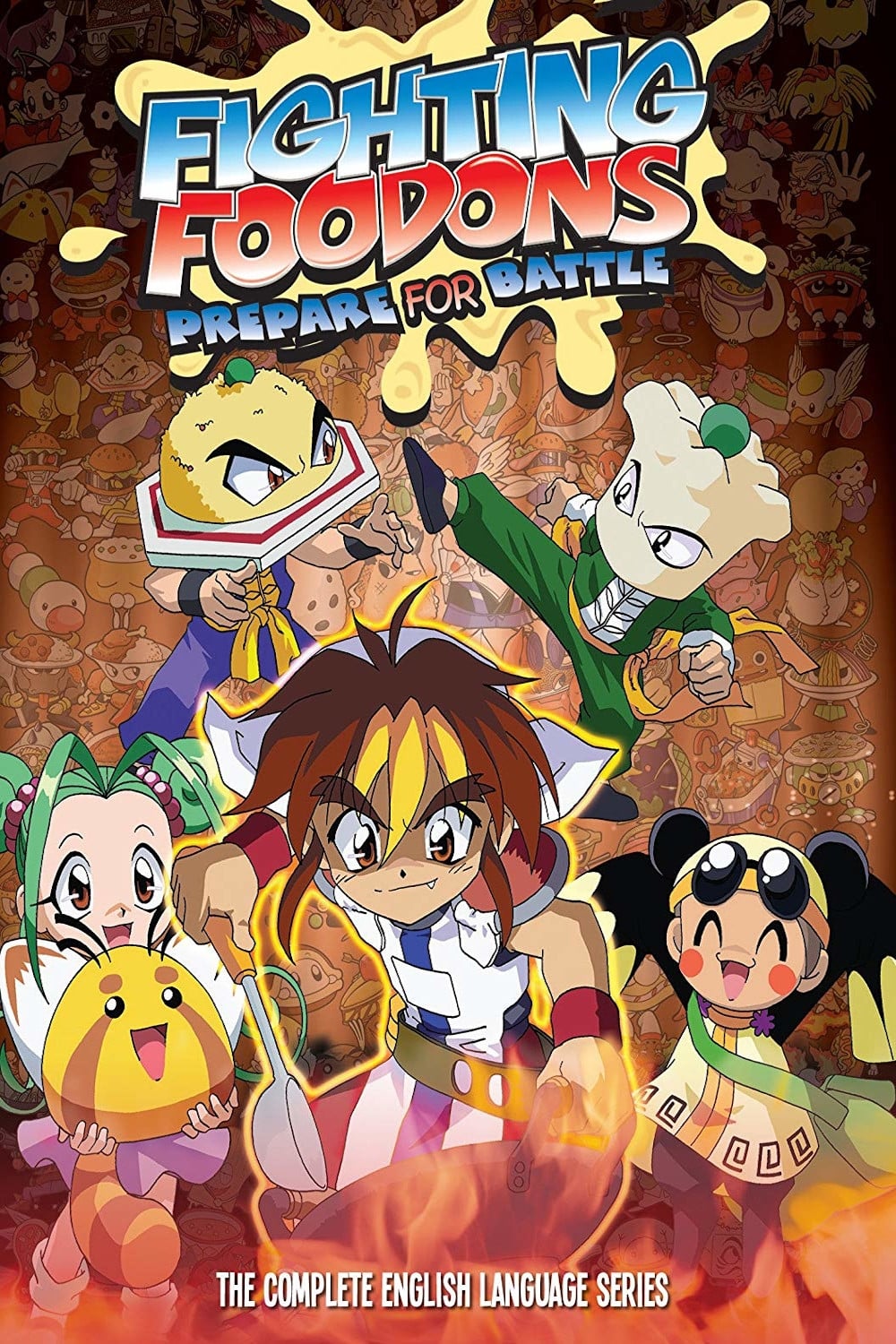
Chefs use magical cards to turn ordinary food dishes into powerful battling monsters known as Foodons. The protagonist travels the land to defeat a villainous empire using his culinary skills and monster team. The series was designed to market a line of toys and a game that involved collecting food themed characters. Each creature was based on a specific meal to make the concept fun and relatable to children. The show combined cooking themes with traditional battle mechanics to create a unique brand.
‘Daigunder’ (2002)
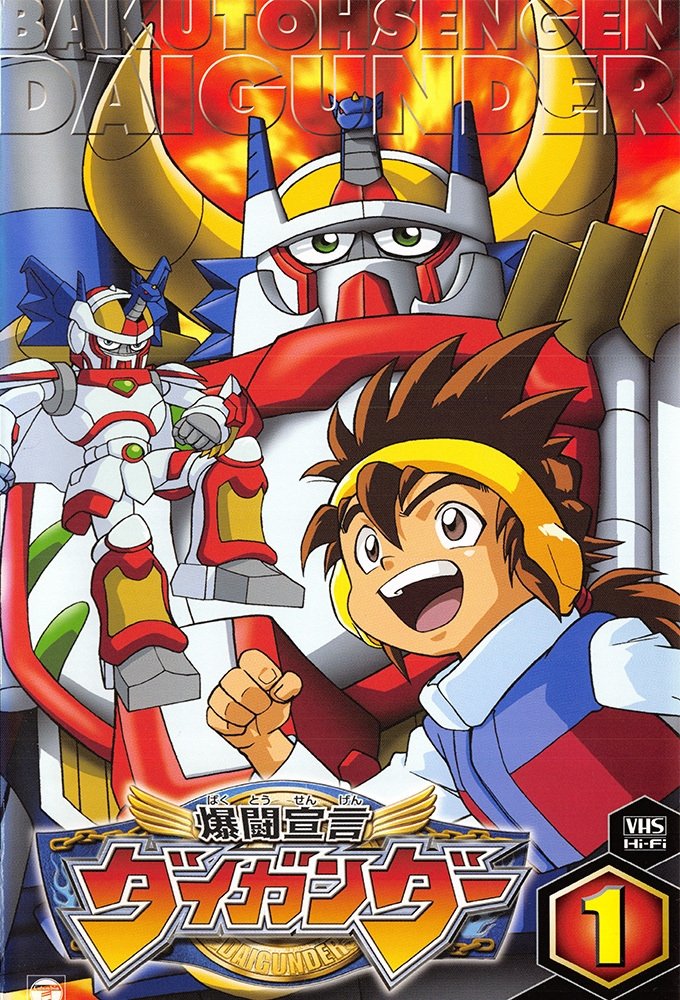
Akira is a young commander who leads a team of transforming robots in a series of competitive battle tournaments. The main robot Daigunder can combine with other mechanical units to gain new abilities and weapons. Takara utilized the show to market a line of remote controlled and interactive robot toys. The toys featured sensors that allowed them to interact with the television during the broadcast. This created a unique viewing experience where the toys would react to the action on screen.
‘Gundam Build Divers’ (2018)
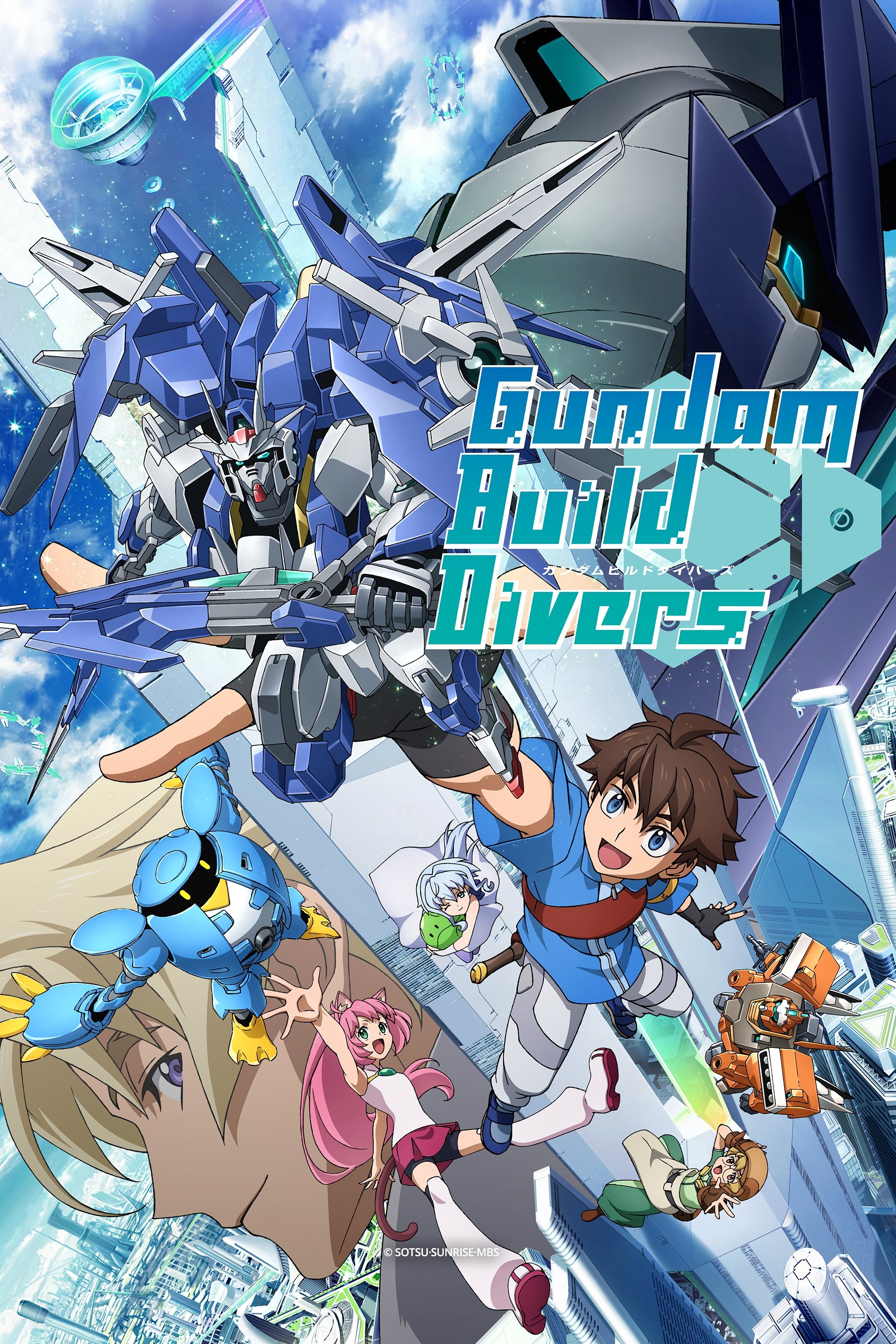
Characters participate in a massive online multiplayer game where they can pilot their customized model kits in a virtual world. The story focuses on the social aspects of gaming and the creativity involved in building unique mecha designs. Bandai used this series to appeal to a younger demographic that was familiar with online gaming and social media. Many of the kits featured in the show were released as part of the High Grade model line. This helped bridge the gap between digital play and traditional hobby building.
‘Mewkledreamy’ (2020–2021)
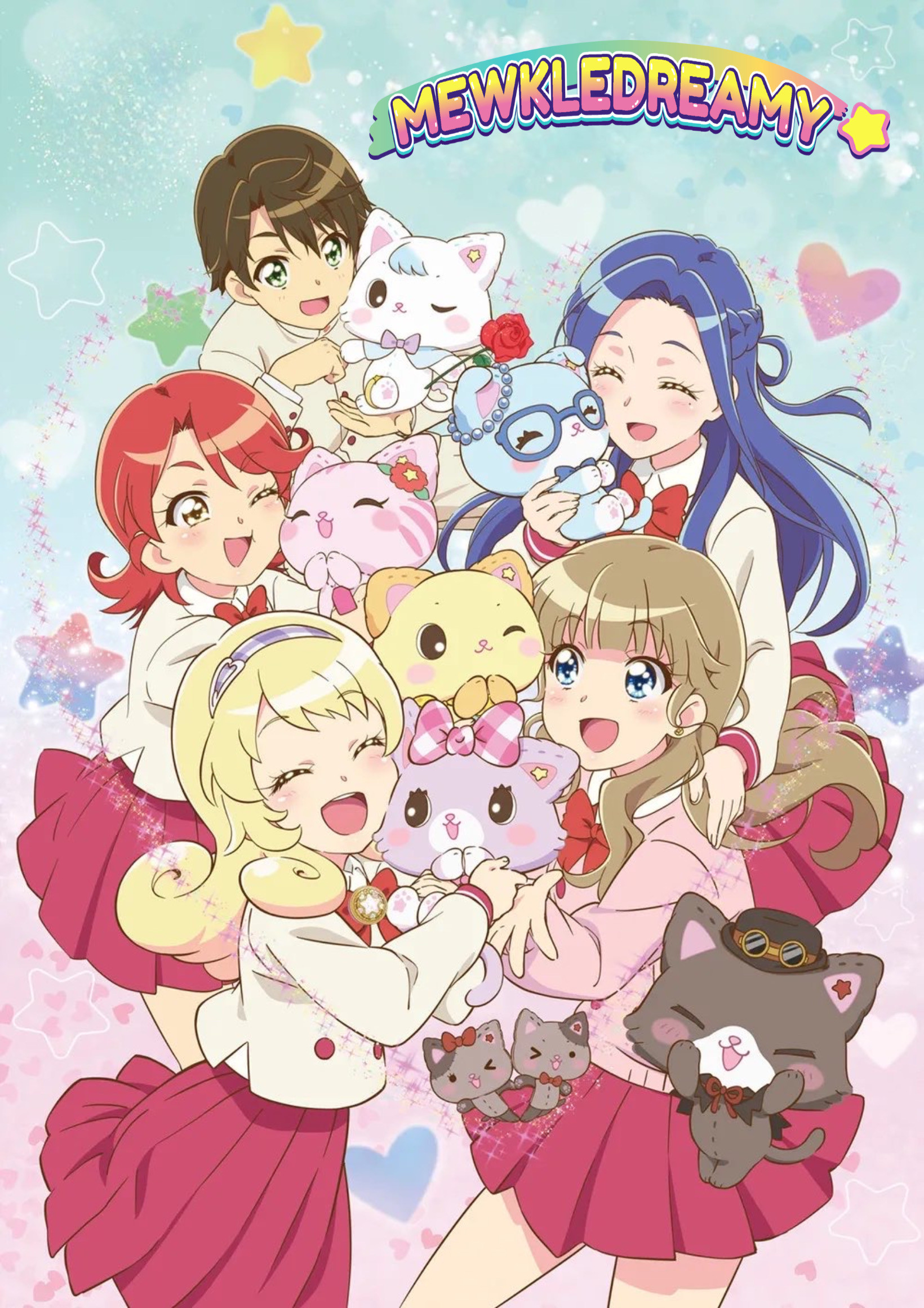
A middle school girl finds a magical stuffed kitten that can enter people’s dreams to help them with their problems. The series features a variety of cute characters and magical items in a vibrant and colorful world. Sanrio developed the show to promote a new line of plush toys and magical accessories for young girls. Each episode highlighted the different abilities and personalities of the magical kittens. The show successfully created a whimsical environment that drove sales for the themed merchandise.
‘Majin Bone’ (2014–2015)
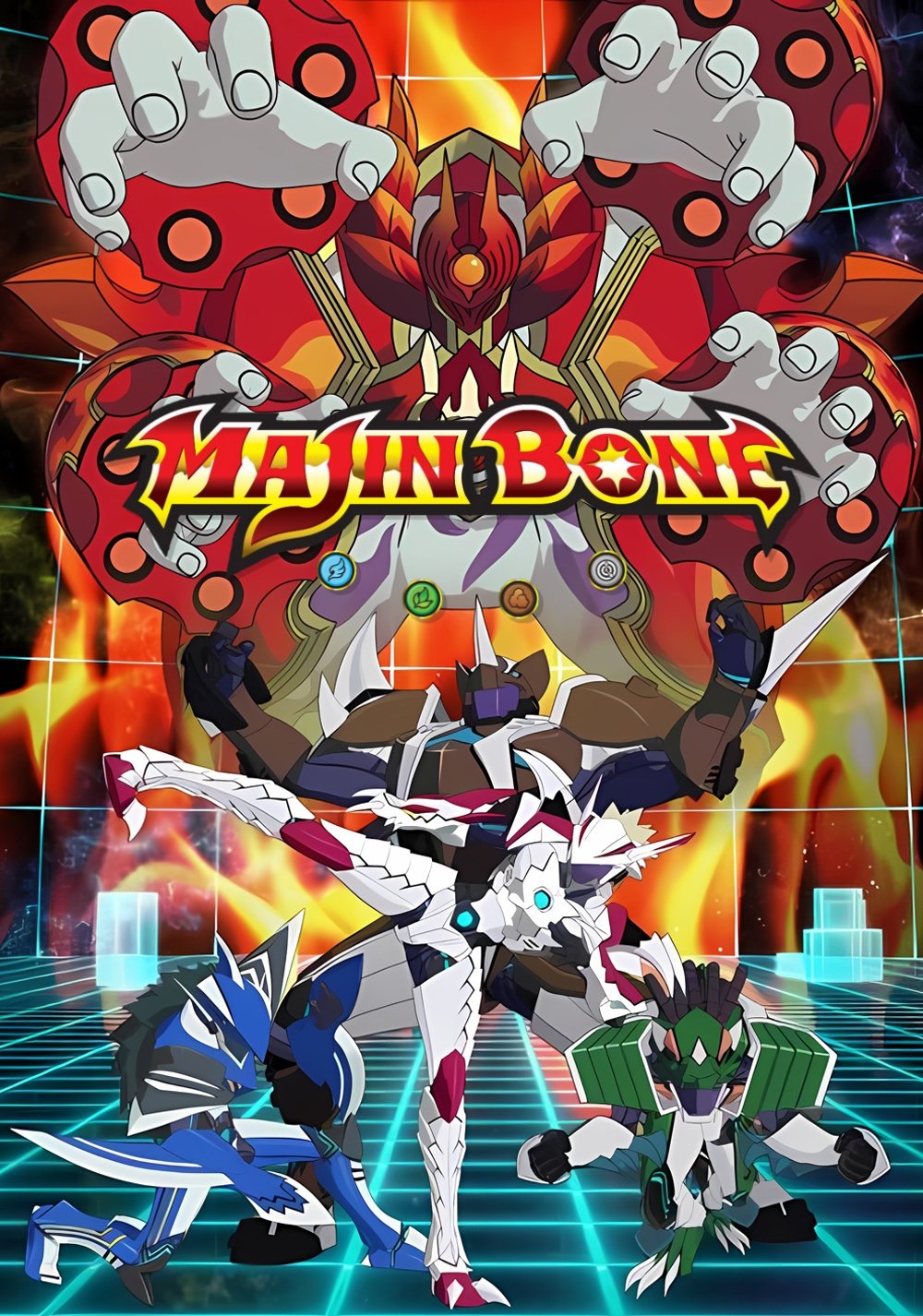
A young boy discovers that he is a chosen warrior who can wear a powerful suit of elemental armor to protect Earth. The characters engage in battles against celestial enemies using various martial arts and magical abilities. Bandai used the series to launch a new line of customizable action figures and a corresponding digital card game. The armor designs were specifically made to be swapped between different figures in the toy line. This encouraged collectors to buy multiple characters to create their own warriors.
‘Hero Bank’ (2014–2015)
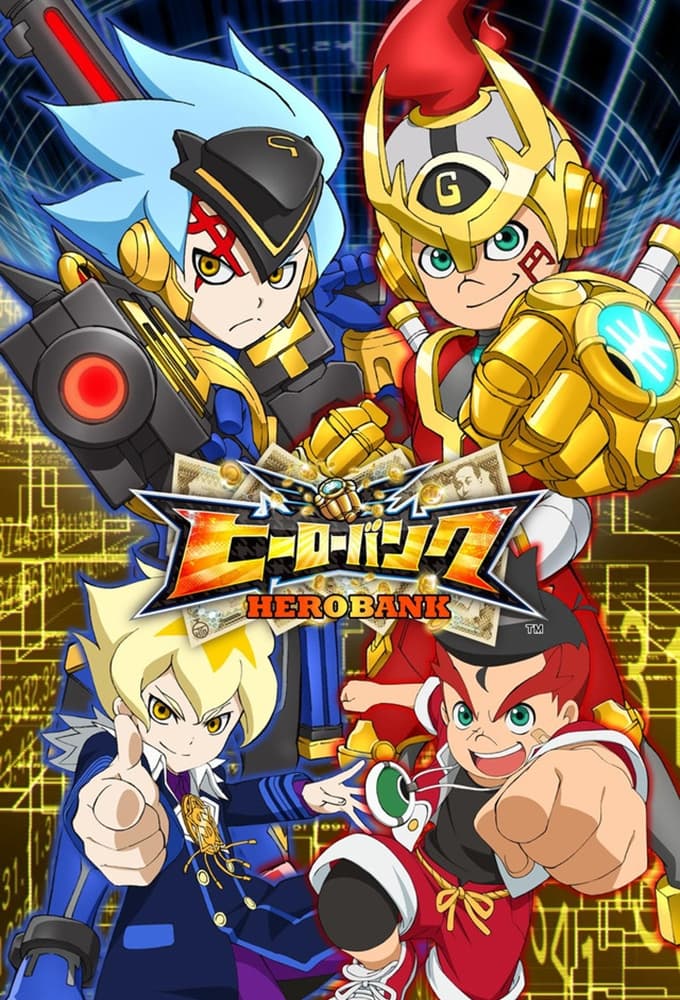
Kaito Gosho is a primary school student who becomes involved in a digital combat sport where players battle for money. The characters wear specialized cyber suits that grant them powers based on different professions and themes. Sega developed the anime to promote the Hero Bank video game and its associated physical merchandise. The show emphasized the value of money and strategy within the game to attract a young audience. This created a unique niche for the brand in the competitive monster and robot markets.
Share your favorite memories of these toy-inspired series in the comments.