Anime That Are Banned In Several Countries


The world of Japanese animation covers a vast spectrum of genres and themes that often push the boundaries of storytelling and visual expression. While many series gain global popularity for their creativity and depth some titles face significant legal challenges and censorship in various regions. Countries often implement these bans to protect public morality or prevent the spread of content deemed violent or politically sensitive. These restrictions reflect the differing cultural standards and government regulations found across the globe. Understanding why certain shows are prohibited provides insight into the complex relationship between international media and local governance.
‘Death Note’ (2006–2007)
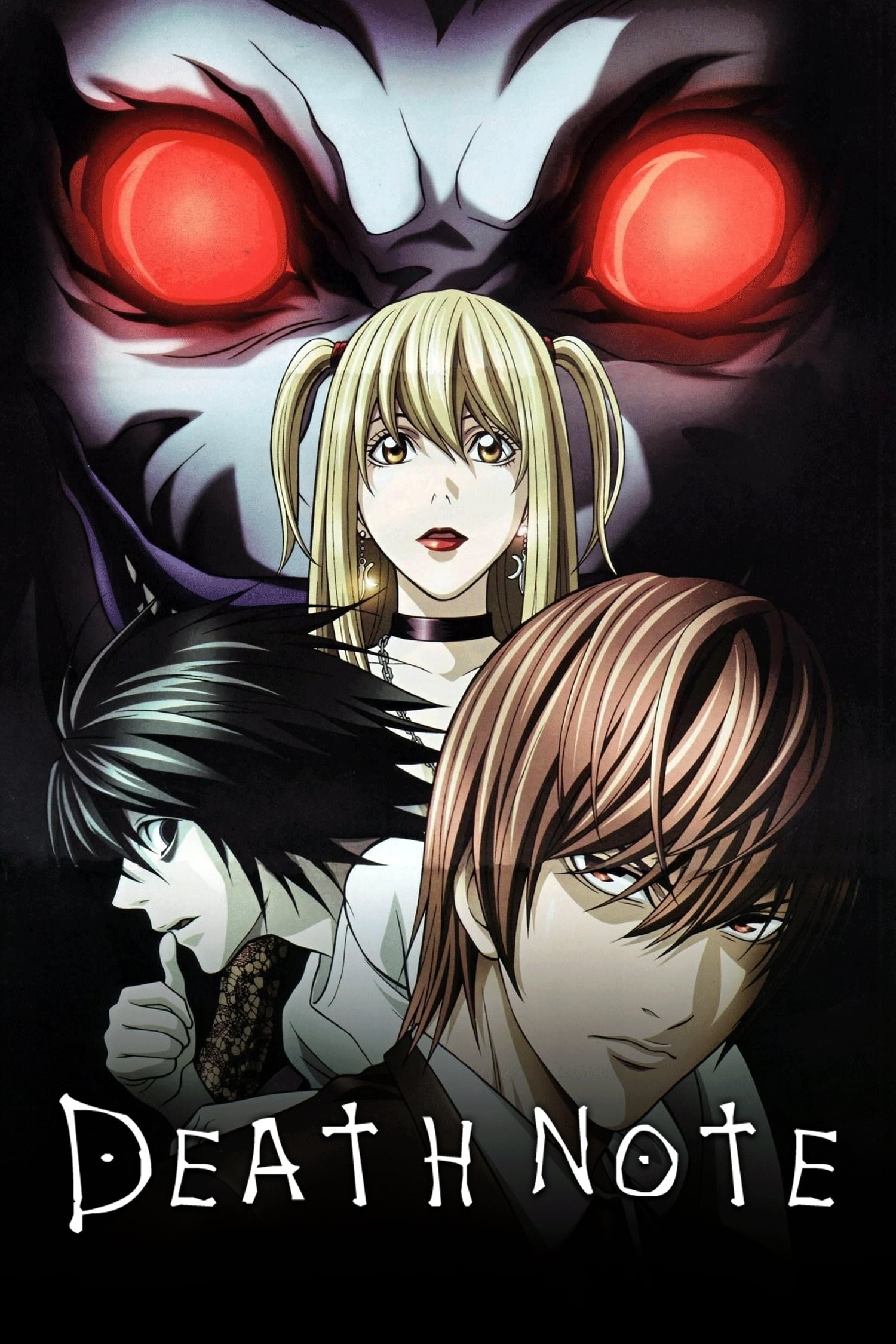
The story follows a student who uses a magical notebook to eliminate criminals and create a world free of evil. This show faced bans in several countries including China because authorities believed it encouraged juvenile delinquency. In some regions parents and educators raised concerns about students making their own notebooks to list the names of classmates or teachers. The psychological nature of ‘Death Note’ led to strict regulations to prevent real life imitation of the protagonist. It remains one of the most famous examples of anime censorship due to its impact on youth culture.
‘Attack on Titan’ (2013–2023)
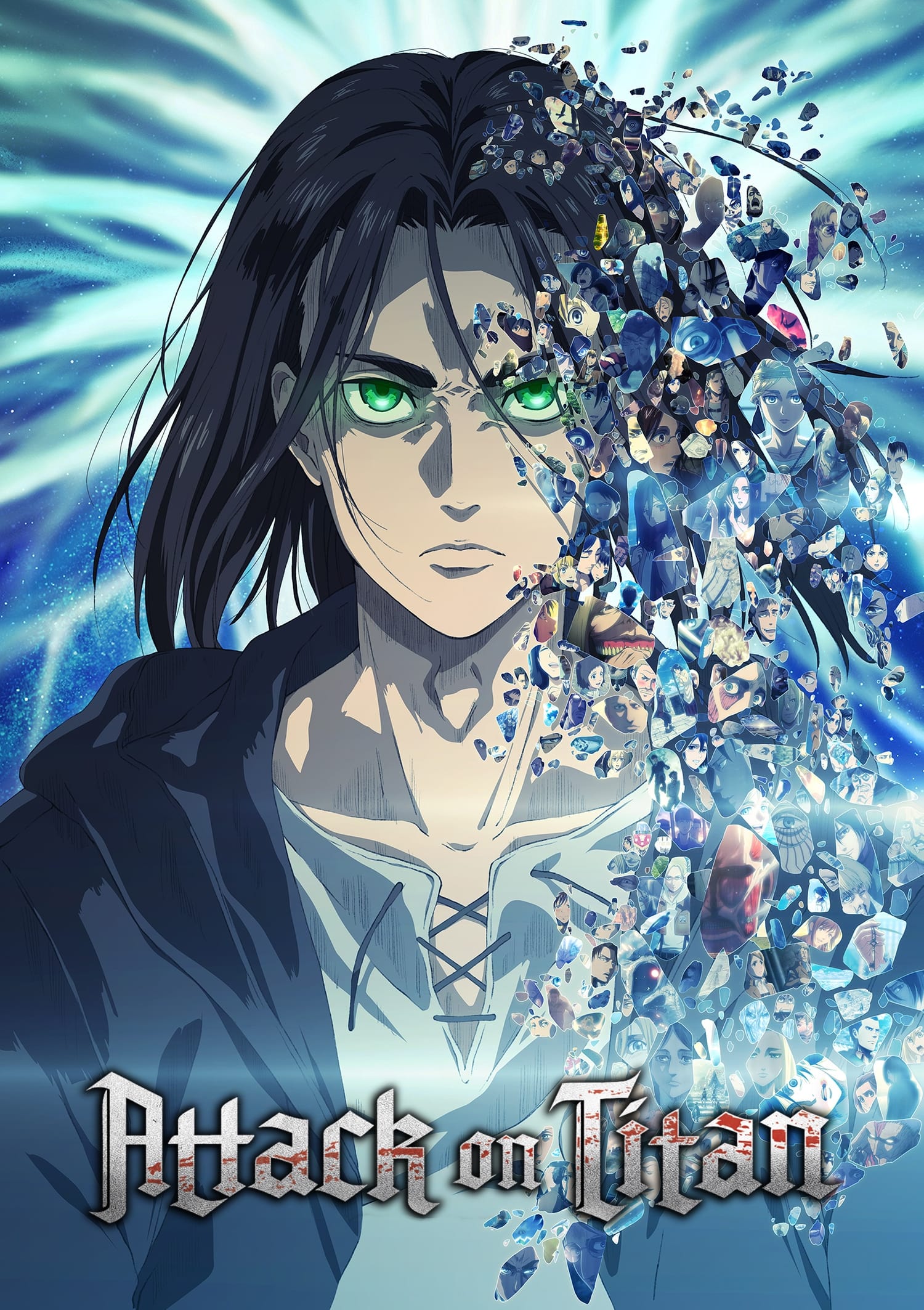
Humans live within walled cities to protect themselves from giant humanoid creatures that consume people without reason. The series features intense graphic violence and complex political themes that led to its prohibition in China. Government officials included it on a list of blacklisted titles to maintain social stability and protect the health of minors. The dark tone and depictions of rebellion against authority figures contributed to the decision to restrict its distribution. Fans in affected regions often have to seek alternative ways to access ‘Attack on Titan’ outside of official streaming platforms.
‘Tokyo Ghoul’ (2014)
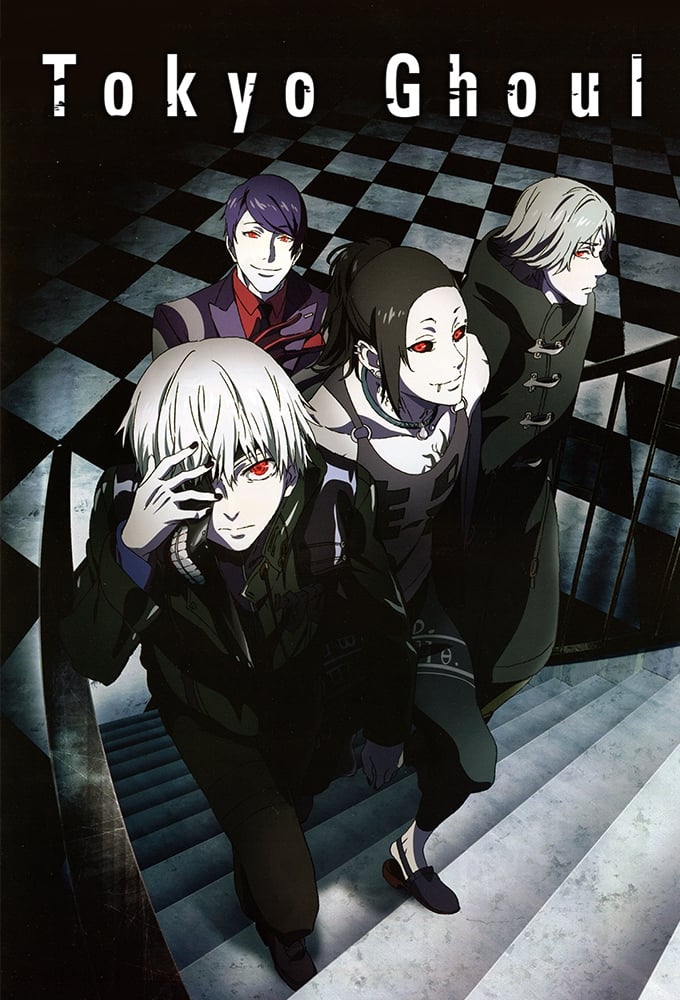
The plot centers on a college student who becomes a half ghoul after a chance encounter and must navigate a society where humans and ghouls coexist in conflict. This series was banned in China due to its portrayal of extreme gore and cannibalistic themes. Authorities expressed concern that the visual content was too gruesome for public consumption and could negatively influence younger viewers. The dark psychological elements and body horror led to it being categorized as harmful material. ‘Tokyo Ghoul’ serves as a primary example of how visual intensity can trigger nationwide censorship.
‘Record of Ragnarok’ (2021–2023)
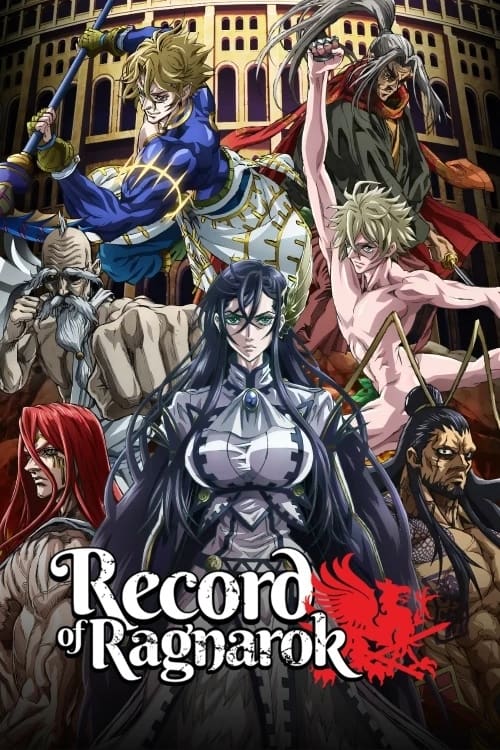
Gods from various mythologies decide the fate of humanity by engaging in a tournament against historical figures. This anime faced a total ban in India because of its depiction of the deity Shiva during the combat sequences. Critics argued that the portrayal was disrespectful to the religious sentiments of the Hindu community. The controversy led to the show being removed from streaming services in the country to avoid further backlash. ‘Record of Ragnarok’ highlights how the use of religious figures in entertainment can lead to legal hurdles in specific markets.
‘Pokémon’ (1997–Present)
The long running series about trainers catching and battling pocket monsters has faced various restrictions over the decades. Saudi Arabia issued a ban on ‘Pokémon’ media and games due to concerns that it promoted Zionism and gambling. Religious authorities argued that the symbols used in the series and the mechanics of the card game were inappropriate for the region. While some of these restrictions have shifted over time the show remains a subject of scrutiny for its perceived messages. Certain episodes were also banned globally after causing health issues among viewers in Japan.
‘Assassination Classroom’ (2015–2016)
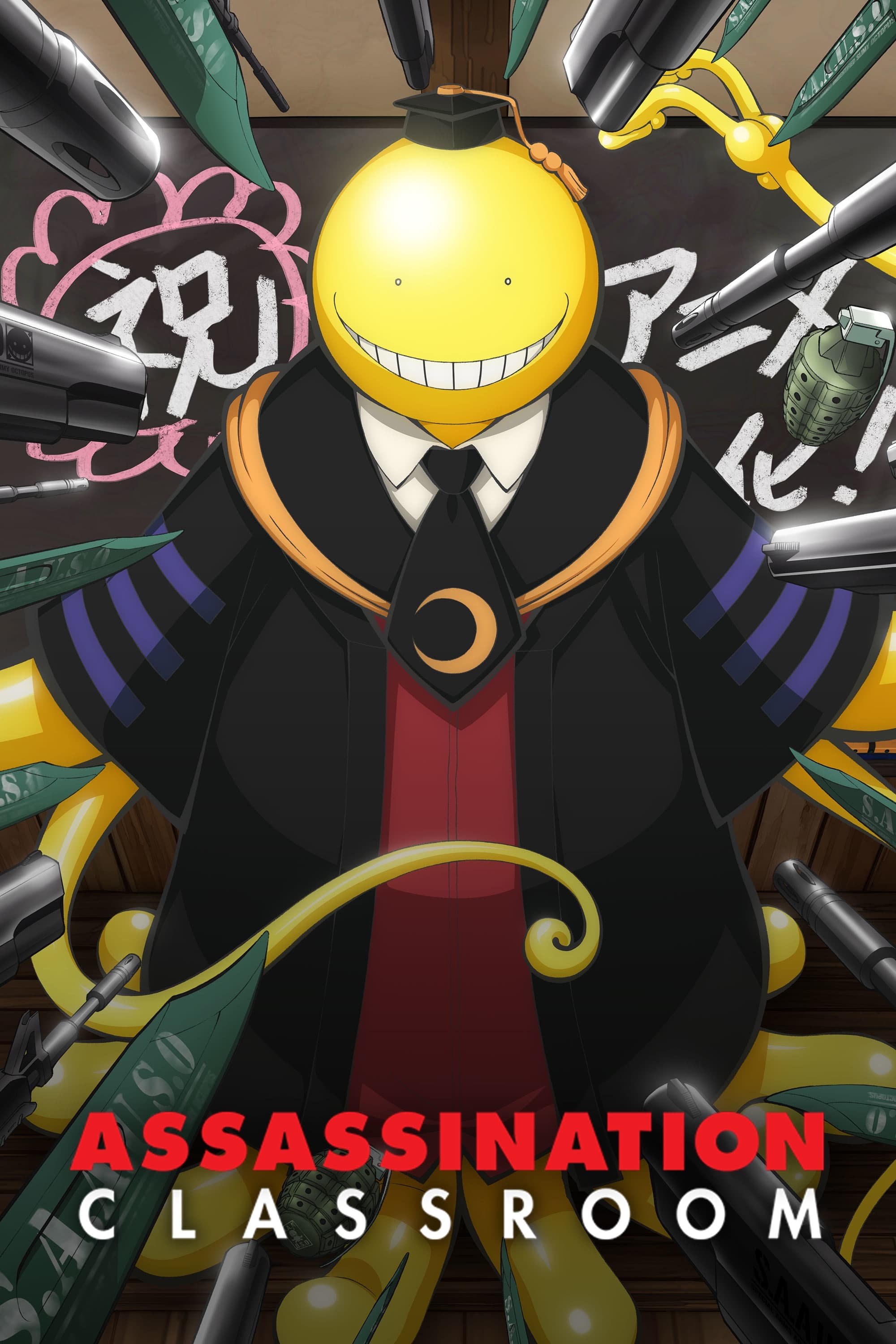
A powerful alien creature becomes a middle school teacher and challenges his students to kill him before he destroys the Earth. The series was banned in China as part of a broader crackdown on content that depicts violence in educational settings. Officials believed that the premise of students targeting their teacher was unsuitable for school age audiences. Despite its underlying themes of mentorship and personal growth the show was deemed a threat to social harmony. ‘Assassination Classroom’ is often cited in discussions regarding the strict control of school related narratives in media.
‘Pupa’ (2014)
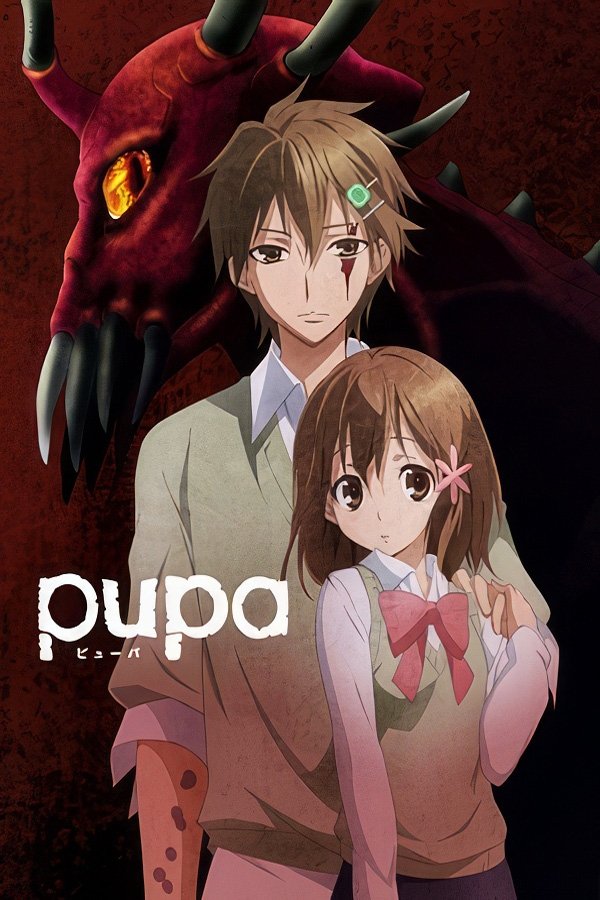
The plot involves two siblings who undergo a horrific transformation where one must feed on the flesh of the other to survive. China banned ‘Pupa’ for its extreme body horror and themes that were considered highly disturbing for the public. The short episodes were criticized for their focus on gore and the psychological distress caused by the premise. Even in Japan the series faced heavy censorship during its initial broadcast to meet television standards. The graphic nature of the sibling relationship contributed to its status as a prohibited title.
‘Midori’ (1992)
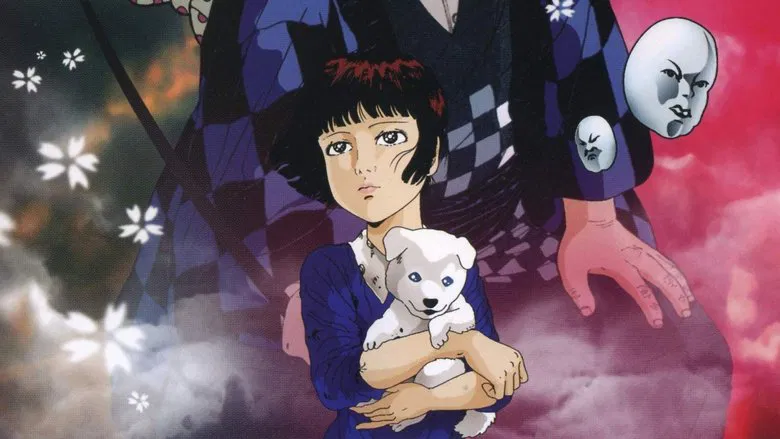
Also known as The Camellia Girl this film depicts the tragic life of a young girl in a traveling freak show. The movie was banned in several countries for its relentless depictions of animal cruelty and human suffering. It was even subject to being banned in Japan for a period because of its controversial imagery. The unsettling art style and bleak narrative made it difficult for the film to find a legitimate distribution platform. ‘Midori’ is often regarded as one of the most disturbing and restricted anime ever produced.
‘Blood-C’ (2011)
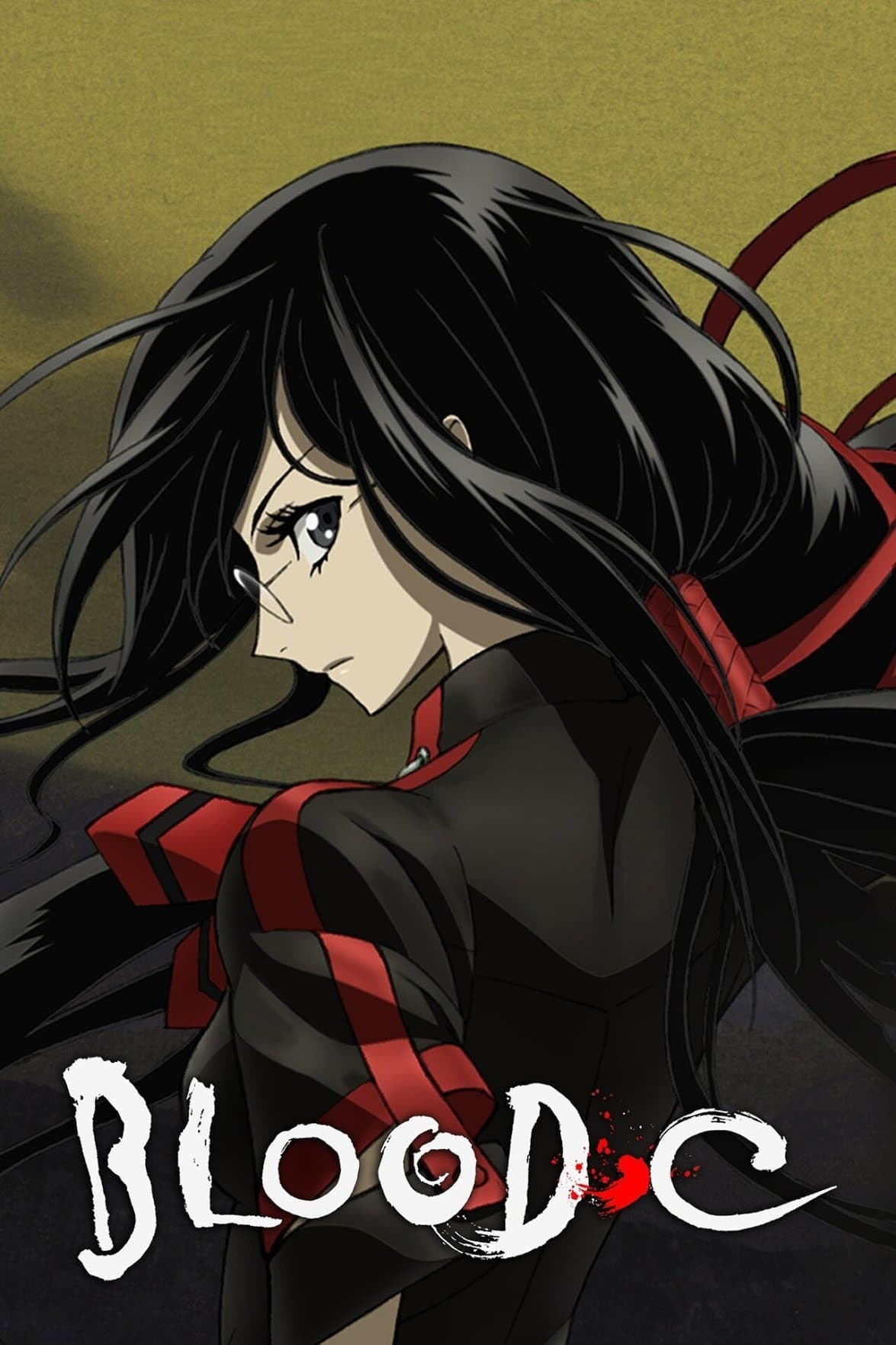
A young girl fights against monstrous creatures in a quiet village while uncovering the truth about her own identity. The series is known for its sudden and extreme escalations into graphic violence which led to a ban in China. Authorities cited the show as being too gruesome for viewers and potentially harmful to social stability. The specific way characters are eliminated by the monsters was considered particularly offensive to broadcasting standards. ‘Blood-C’ remains a prominent entry on the list of prohibited horror anime.
‘Deadman Wonderland’ (2011)

A teenager is wrongly convicted of a mass murder and sent to a private prison where inmates fight for survival. This series was banned in China due to its high levels of violence and the dark nature of the penal system portrayed. The show features intense combat scenes where characters use their own blood as weapons. Censors determined that the content was inappropriate for distribution within the country. ‘Deadman Wonderland’ stands as an example of the strict regulations regarding prison themed media.
‘Elfen Lied’ (2004)

The story focuses on a mutated human with telekinetic powers who escapes from a research facility and seeks revenge. China banned ‘Elfen Lied’ due to its combination of heavy gore and psychological trauma. The series is famous for its opening scene which features significant levels of violence and nudity. Many regions outside of China also require strict age ratings for the show to be legally distributed. Its exploration of human cruelty and alienation is often overshadowed by its controversial visual content.
‘Psycho-Pass’ (2012–2013)
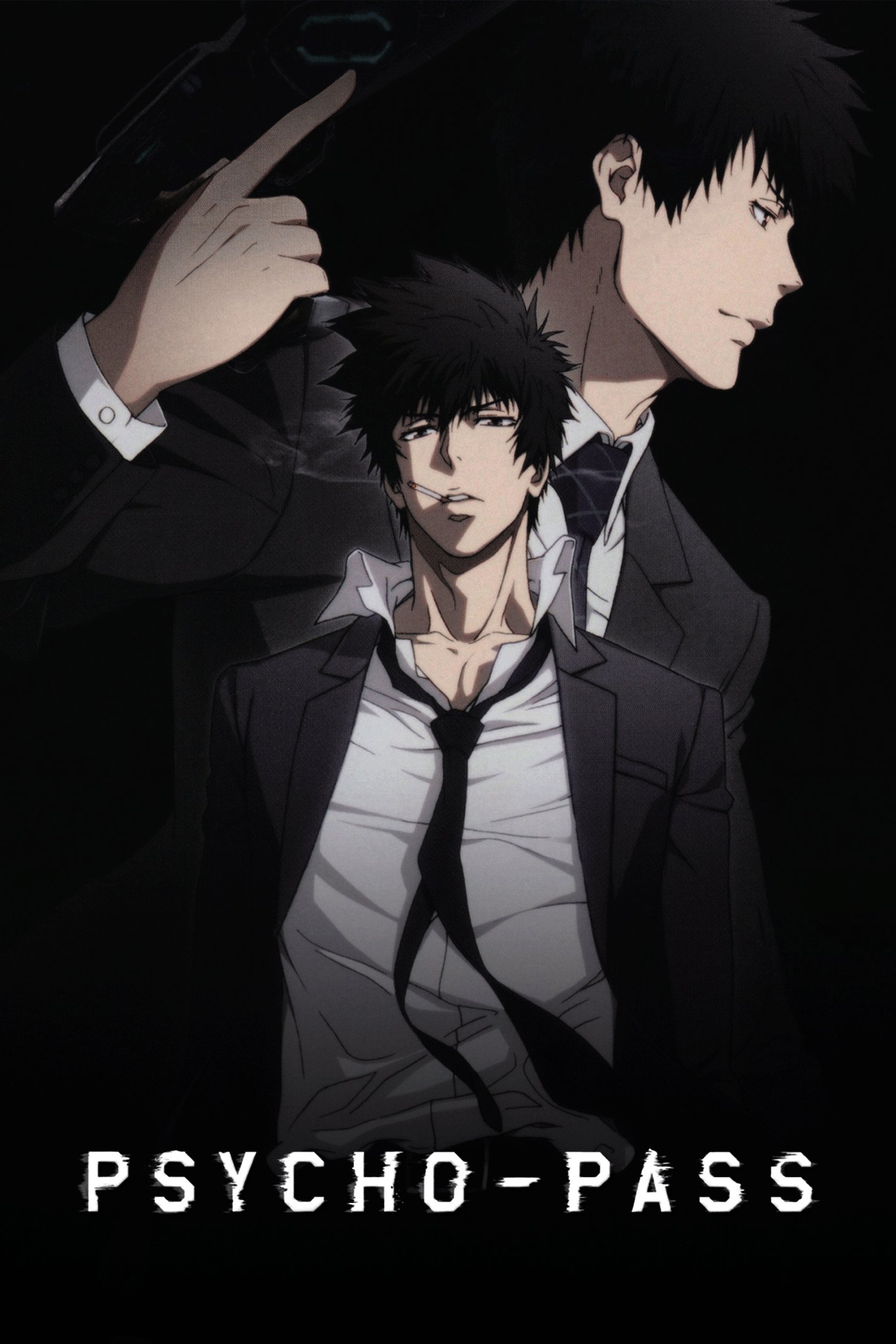
In a future society a computer system determines the likelihood of citizens committing crimes by scanning their mental state. The series was banned in China because it features themes of rebellion and depicts methods of bypassing state surveillance. Officials were concerned that the dark portrayal of a controlled society could encourage dissent. The graphic nature of the crime scenes also played a role in the decision to restrict the anime. ‘Psycho-Pass’ is frequently discussed as a title that touches on sensitive political nerves.
‘Terror in Resonance’ (2014)
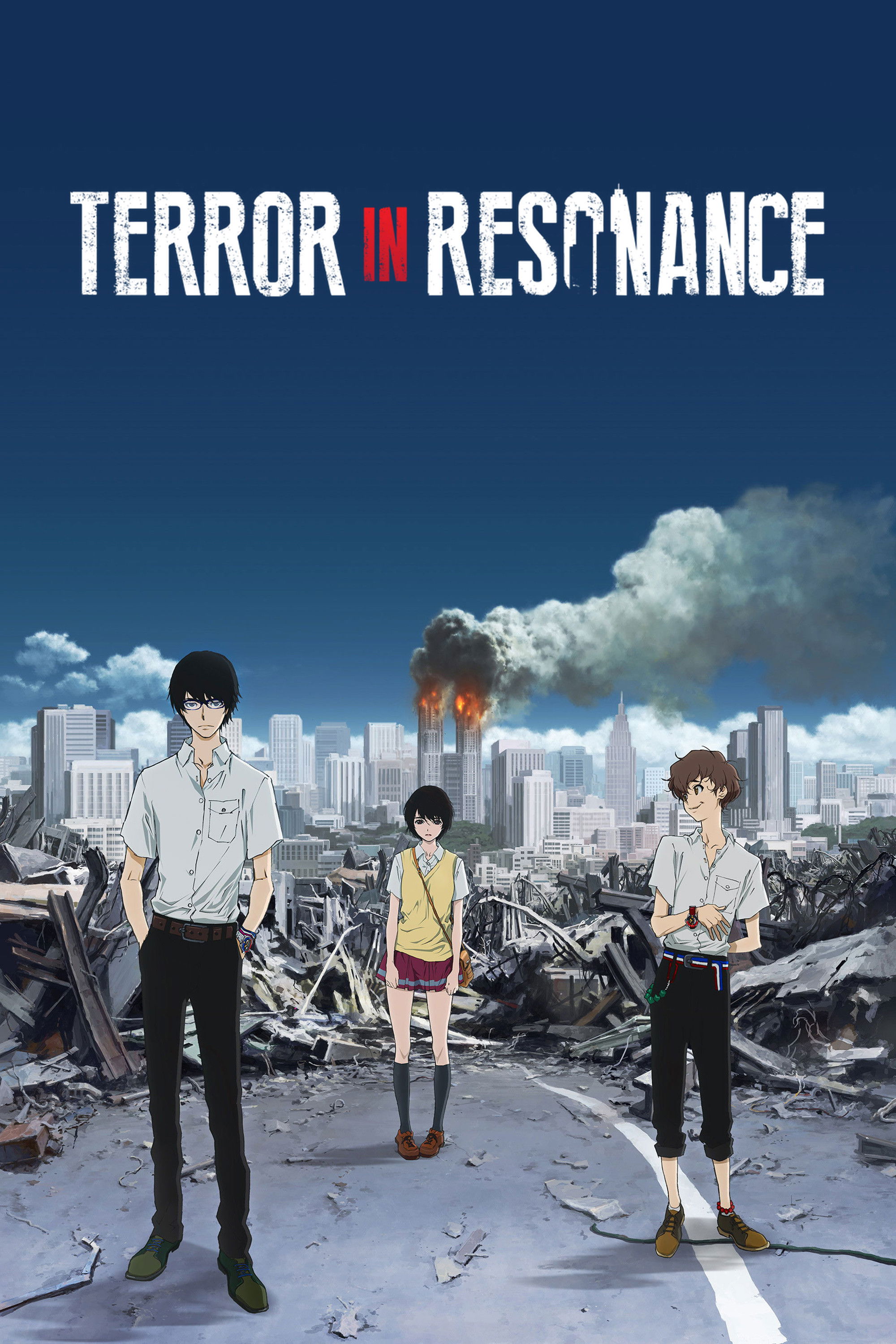
Two teenagers carry out a series of terrorist attacks in Tokyo to wake up society and reveal a hidden conspiracy. The show was banned in China for its depiction of terrorism and the use of explosives by youthful protagonists. Authorities believed the narrative could provide a negative influence or even instructions for real world criminal acts. The tense atmosphere and focus on challenging the government made it a prime candidate for censorship. ‘Terror in Resonance’ remains restricted in several markets despite its critical acclaim for its production quality.
‘Highschool of the Dead’ (2010)

A group of high school students must survive a sudden zombie apocalypse while dealing with internal conflicts. This anime was banned in China for its mixture of graphic horror and heavy fanservice. Censors found the combination of sexualized characters and extreme violence to be particularly objectionable. The series often pushes the boundaries of traditional television standards with its suggestive scenes. ‘Highschool of the Dead’ is frequently included in lists of titles that are prohibited for their provocative content.
‘Fate/Zero’ (2011–2012)
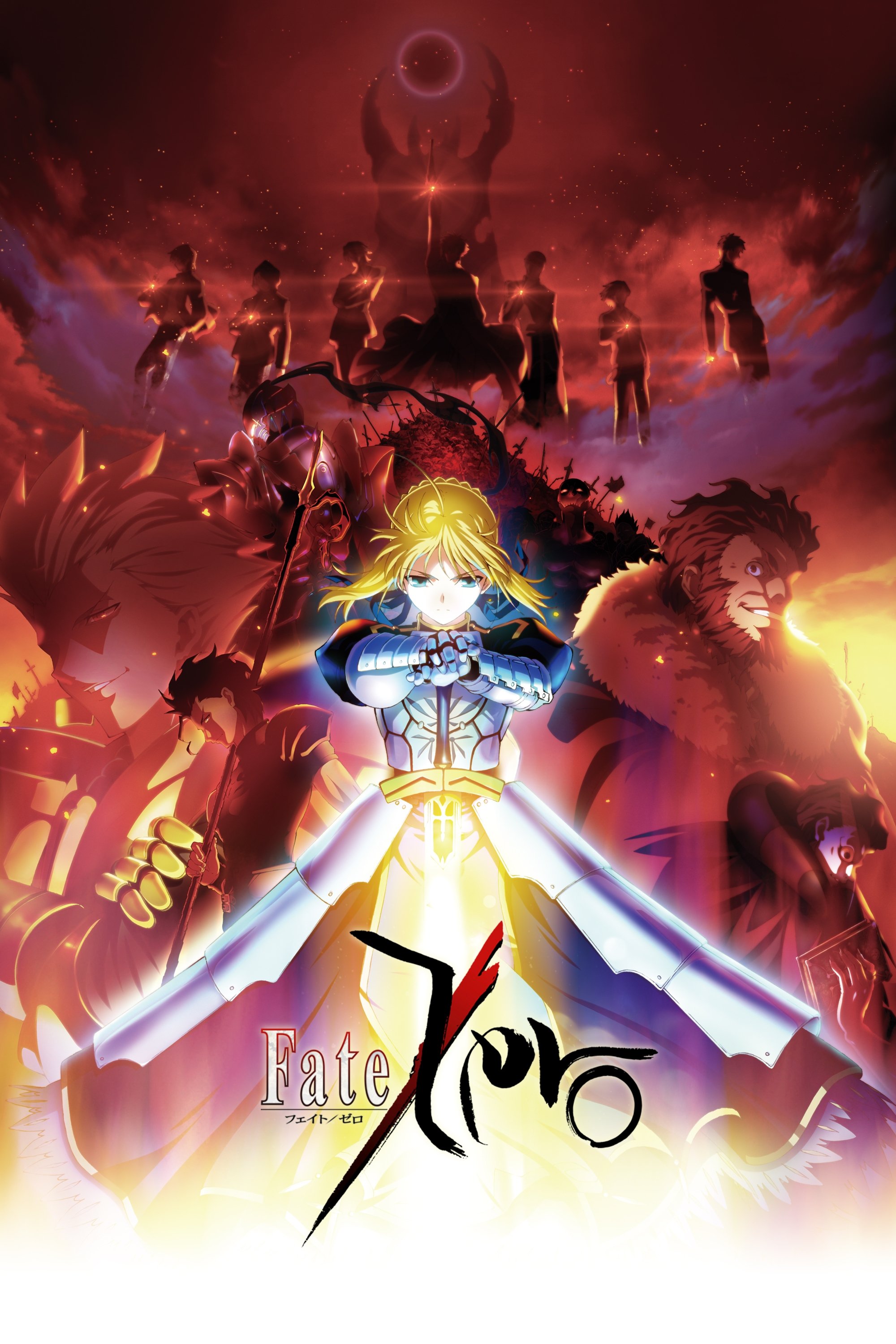
Magicians and their summoned spirits engage in a secret war to obtain a wish granting vessel called the Holy Grail. China banned ‘Fate/Zero’ as part of a list of thirty eight anime titles deemed harmful to public morality. The series features dark psychological themes and several scenes of intense suffering and violence. Government officials targeted the show to prevent the spread of what they considered unhealthy content. It remains a popular title internationally despite its restricted status in the Chinese market.
‘No Game No Life’ (2014)
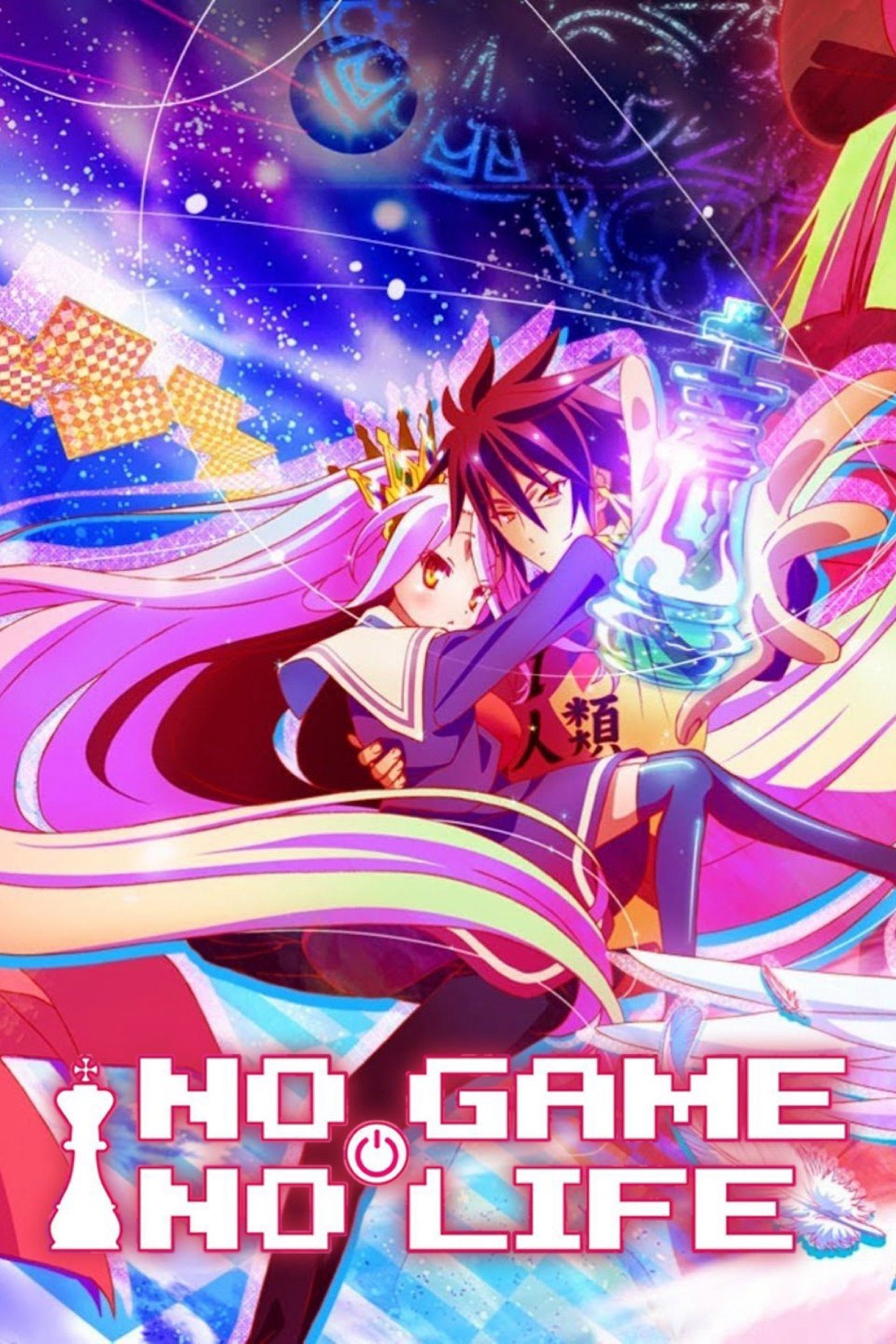
Two brilliant siblings are transported to a fantasy world where every conflict is resolved through games. This anime was banned in Russia because authorities claimed it contained elements of child pornography. The legal ruling focused on the depiction of the younger female protagonist in suggestive situations. This ban led to the removal of the series from several official streaming platforms within the country. ‘No Game No Life’ continues to be a subject of legal debate regarding the age and depiction of characters.
‘Death Parade’ (2015)
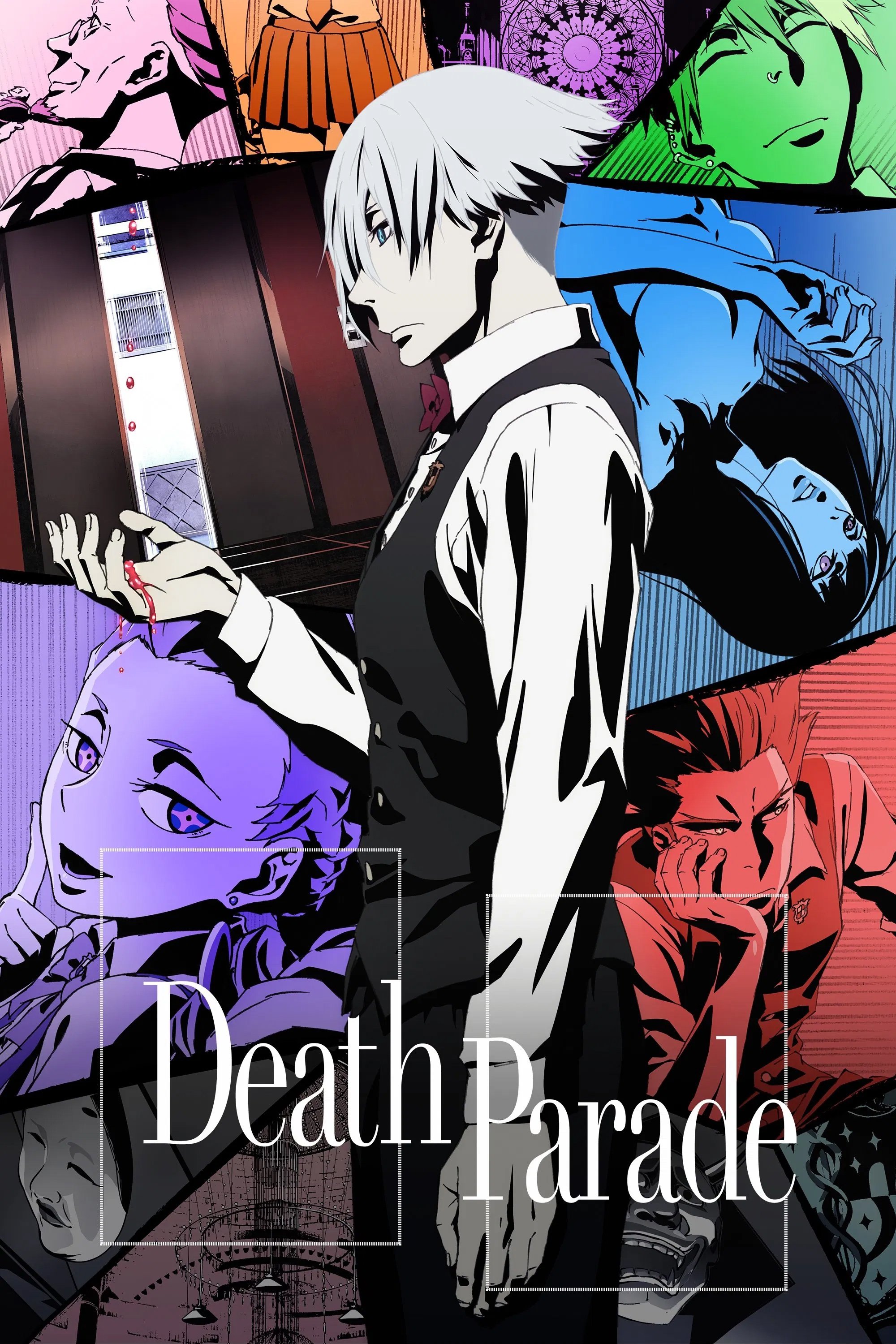
After death humans arrive at a mysterious bar where they must play games to determine if their soul is reincarnated or banished. This series was banned in China for its focus on the afterlife and dark psychological trials. Officials categorized the show as unsuitable because of its grim themes and depictions of human suffering. The emotional weight of the judgments passed on the characters was considered too intense for younger audiences. ‘Death Parade’ remains a unique example of a philosophical series being restricted for its somber tone.
‘Sword Art Online’ (2012–2014)

Players become trapped in a massive virtual reality role playing game where dying in the game means dying in real life. China banned ‘Sword Art Online’ due to its depictions of violence and themes that were perceived as harmful to students. Specific scenes involving physical assault and the psychological pressure of the game were cited as reasons for the restriction. The show was once highly popular in the region before the crackdown on streaming content began. It highlights how even mainstream hits can be removed from a market due to changing regulations.
‘The Seven Deadly Sins’ (2014–2021)
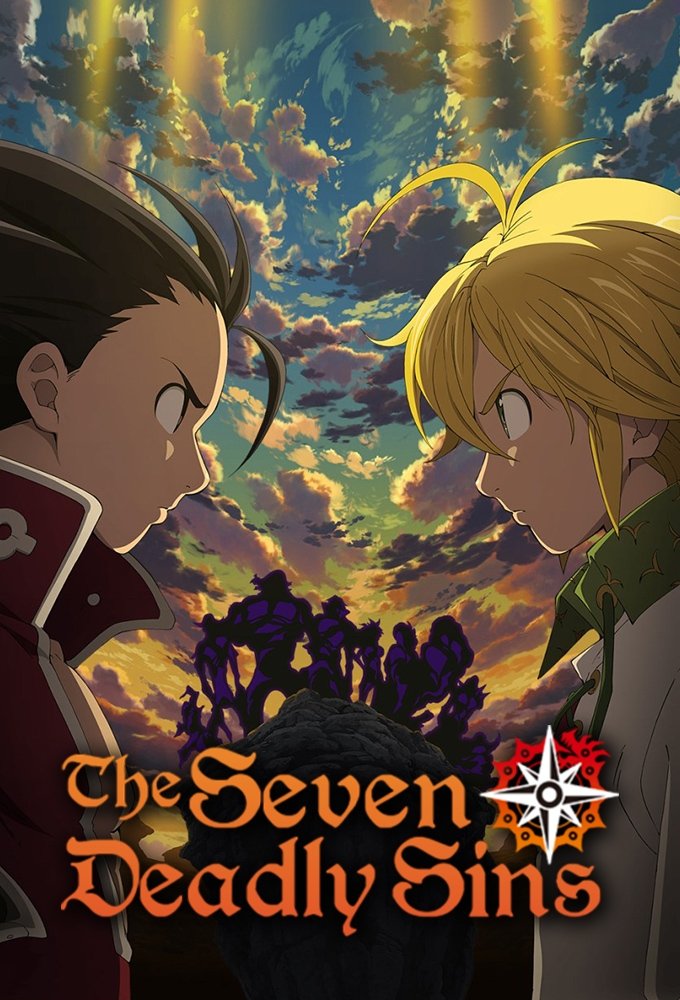
A group of powerful knights seeks to reclaim a kingdom from corrupt leaders while battling various supernatural threats. This series was banned in China for its violence and perceived anti government themes. The rebellion of the knights against the established holy order was viewed with suspicion by censors. Additionally the fanservice involving some of the main characters was flagged as inappropriate content. ‘The Seven Deadly Sins’ joined many other action series on the list of prohibited titles in the mid 2010s.
‘Prison School’ (2015)
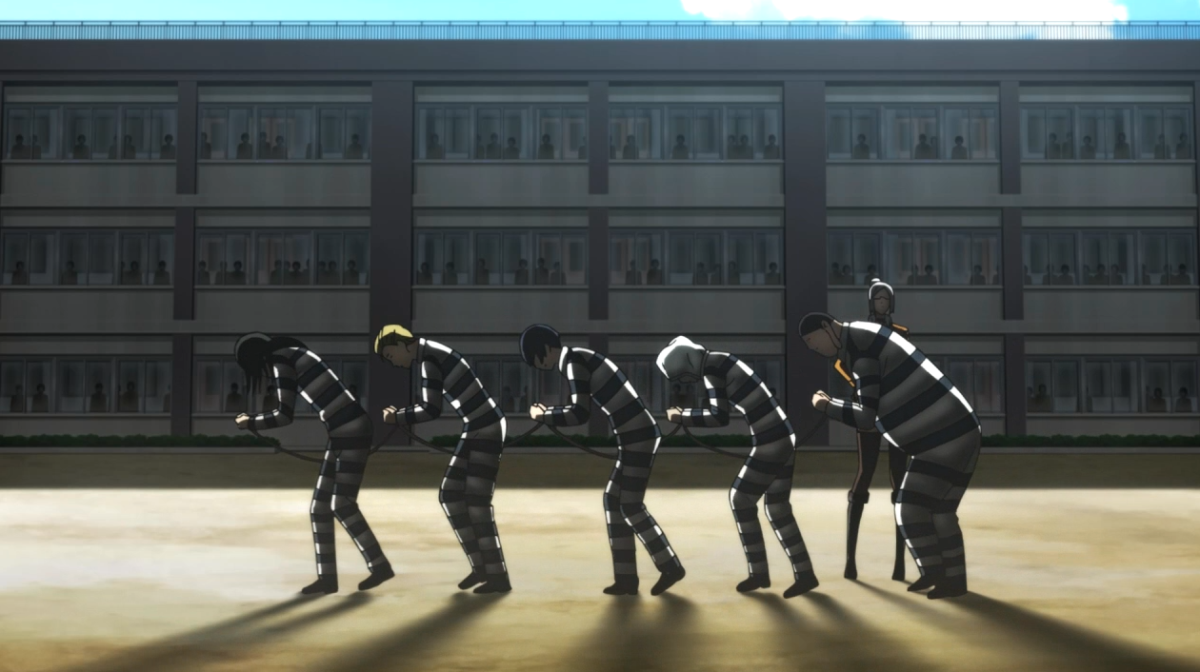
Five boys are the only male students at an all girls academy and are sent to a campus prison after being caught peeping. This anime was banned in China due to its extreme fanservice and crude humor. The series is known for its highly suggestive situations and satirical take on school life. Regulatory bodies determined that the content was offensive to social decency and lacked educational value. ‘Prison School’ remains a controversial title for its explicit approach to comedy and character interactions.
‘That Time I Got Reincarnated as a Slime’ (2018–2021)
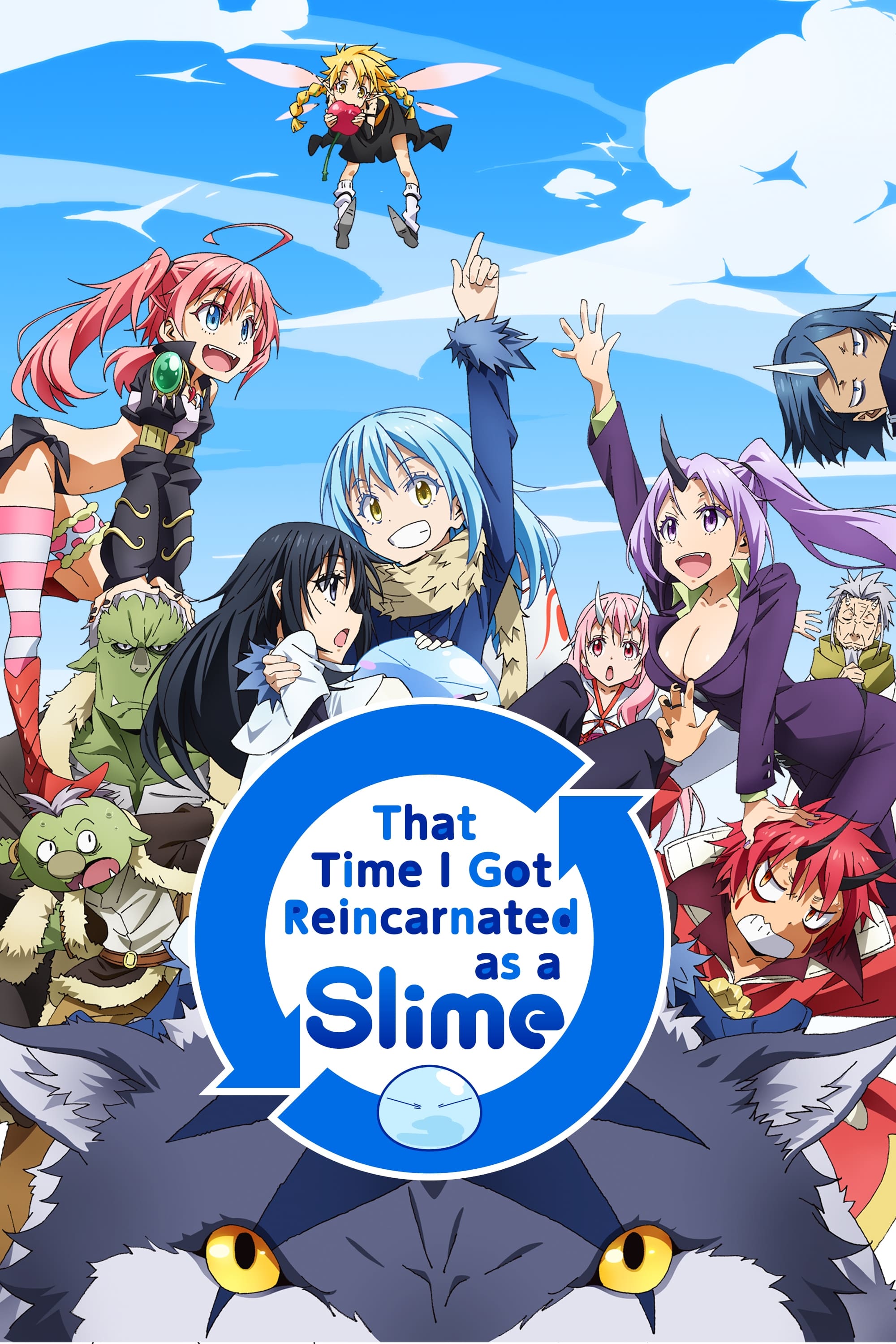
A man is killed and reborn as a slime monster in a magical world where he builds a nation for diverse creatures. Similar to other isekai titles this series faced a ban in Russia for its depiction of reincarnation. The authorities were concerned that the narrative could lead to a romanticized view of dying to start a new life. This legal action was part of a larger campaign to protect the psychological health of minors from perceived negative influences. The show remains a global favorite but is restricted in the Russian digital space.
‘Another’ (2012)
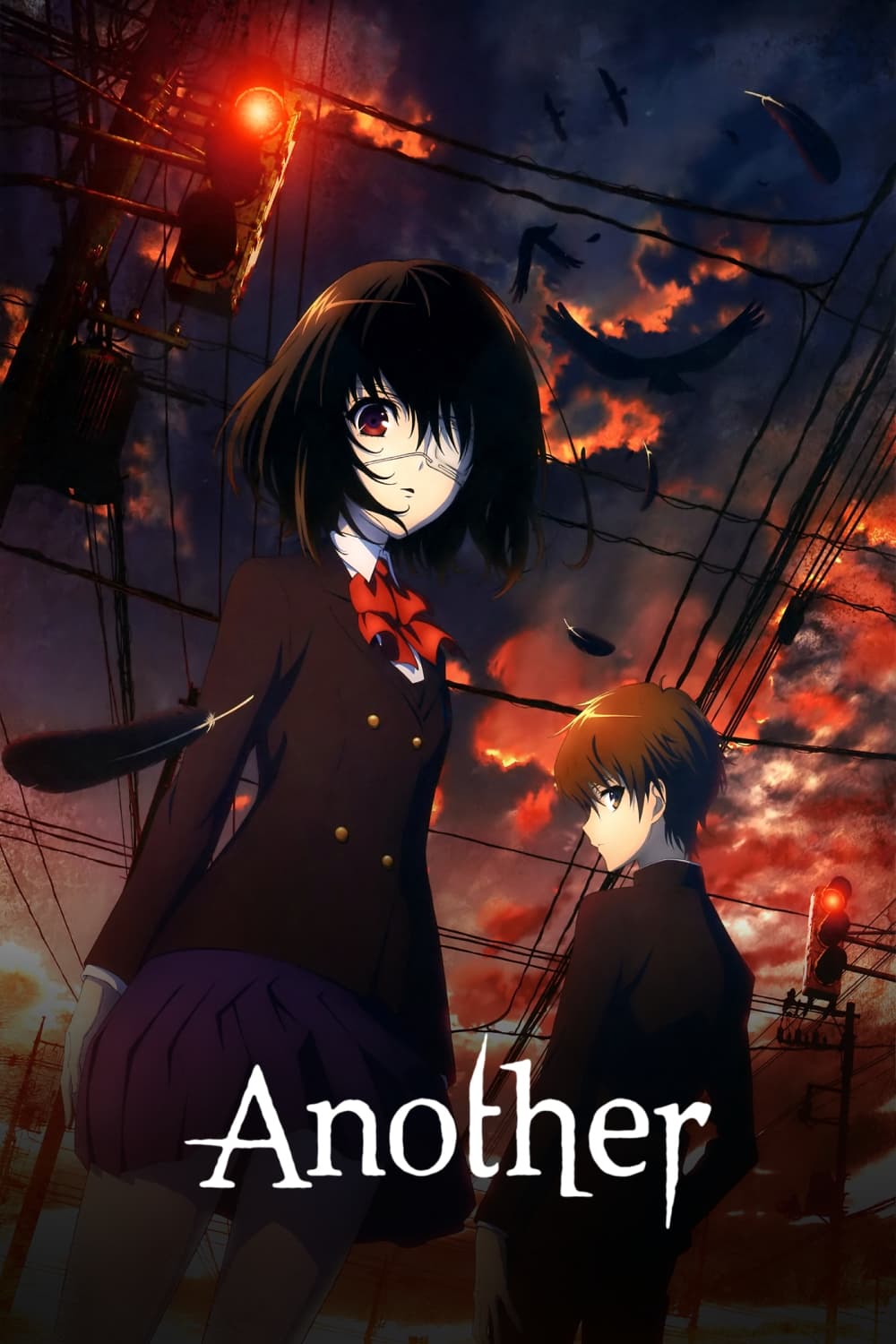
A mysterious curse plagues a middle school class causing students and their families to die in gruesome accidents. China banned ‘Another’ because of its intense horror elements and graphic death scenes. The atmosphere of constant dread and the detailed depiction of fatal accidents were considered too extreme for viewers. Officials aimed to prevent the distribution of material that they believed could cause psychological harm. ‘Another’ is frequently cited as one of the most effective but controversial horror anime of its time.
‘Gantz’ (2004)
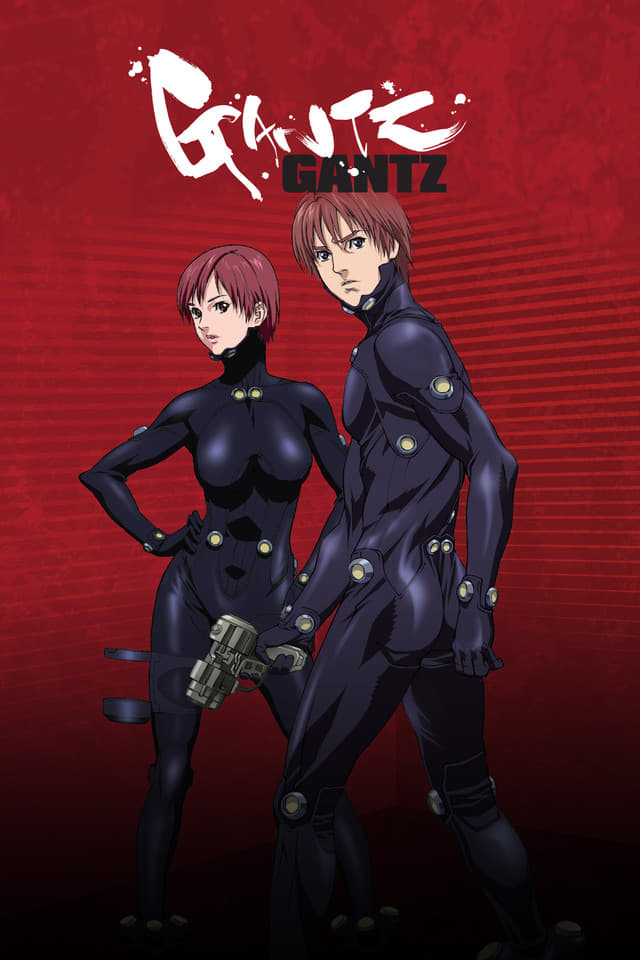
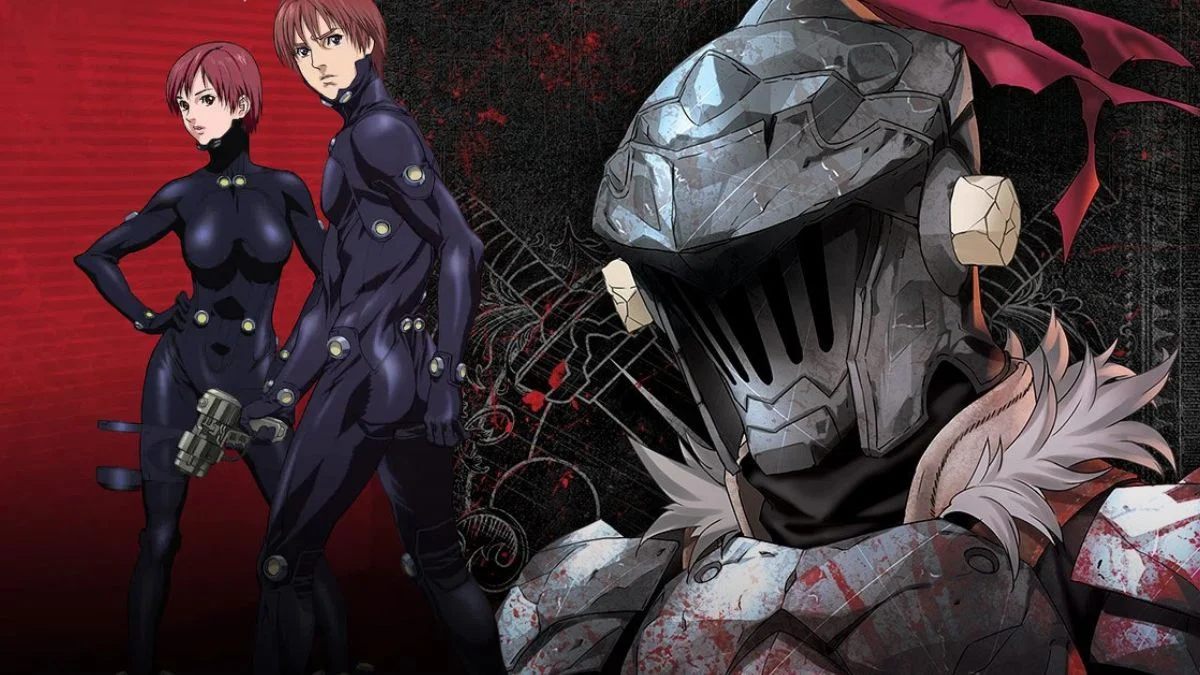
Deceased people are forced to participate in a violent game where they must hunt down aliens hidden on Earth. China banned ‘Gantz’ for its extreme levels of gore and sexual content. The series is notorious for its nihilistic tone and the brutal treatment of its characters. Censors found the show to be entirely inappropriate for the general public due to its unrelenting violence. It remains a cult classic but is officially unavailable in several regulated markets.
‘Redo of Healer’ (2021)

A healing magician seeks revenge against those who exploited and tortured him in a past timeline. This series has been banned or refused broadcast in multiple countries and on many streaming platforms due to its depictions of sexual violence. The content was so controversial that even some Japanese stations chose not to air it. It is widely considered one of the most provocative and restricted anime ever created. ‘Redo of Healer’ sparked massive debates about the ethics of content in the animation industry.
‘Goblin Slayer’ (2018)
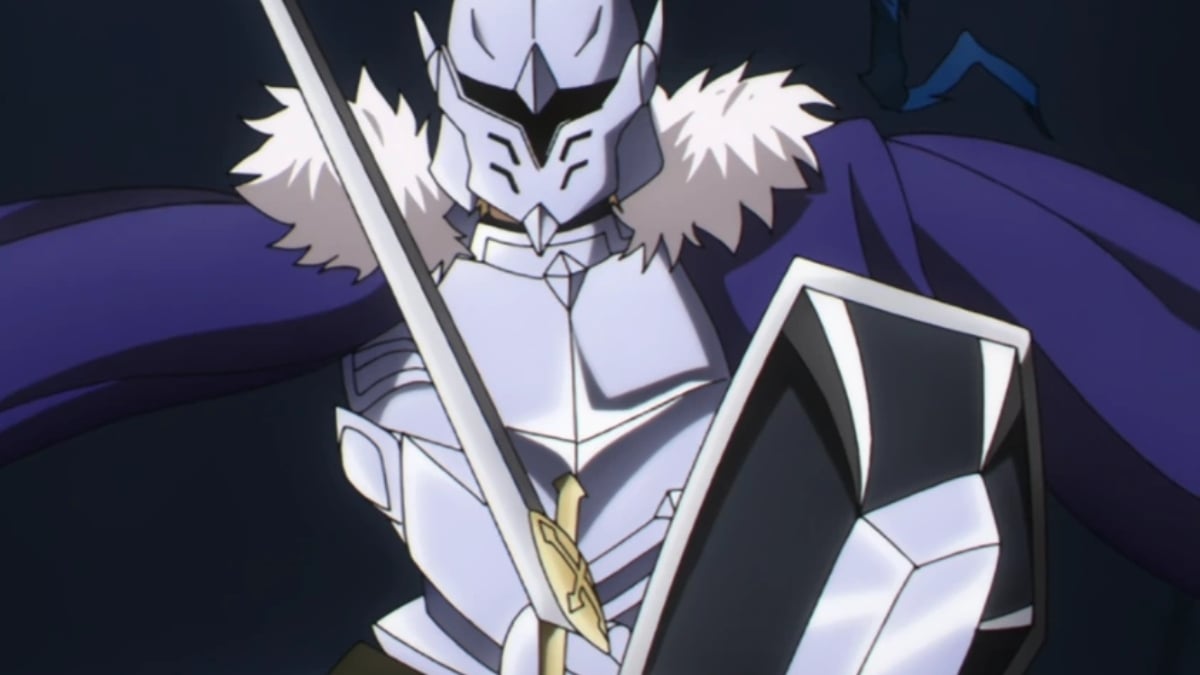
A lone warrior dedicates his life to exterminating goblins after witnessing the atrocities they commit against humans. The series faced immediate controversy and restrictions in several regions due to its graphic first episode. Critics and regulatory bodies argued that the depiction of sexual assault and violence was too extreme for a standard broadcast. While not banned in all countries it is often gated behind strict age verification or edited for television. ‘Goblin Slayer’ serves as a reminder of how a single scene can define the legal status of a series.
‘Afro Samurai’ (2007)
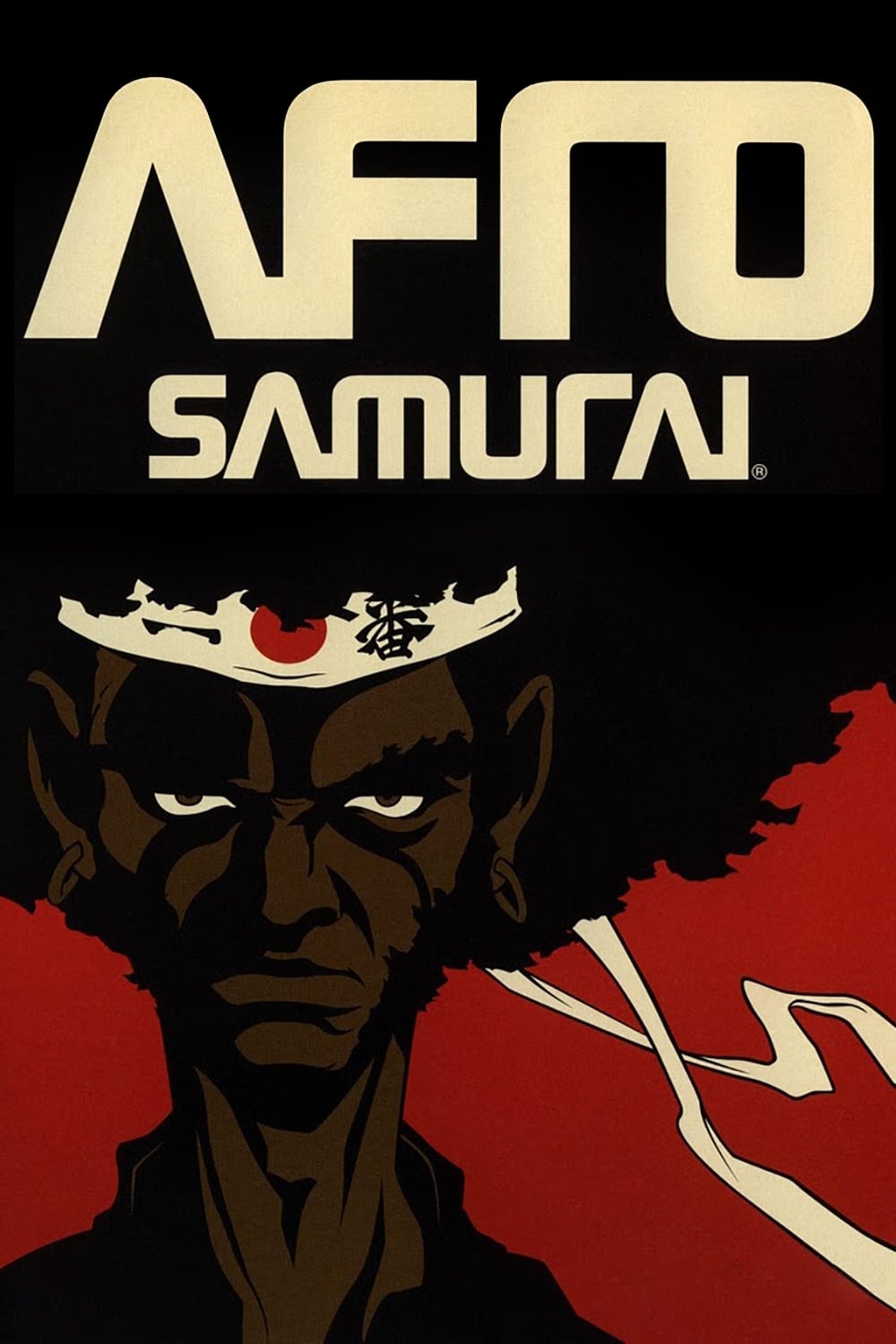
A black samurai seeks revenge for his father’s death while fighting through a futuristic version of feudal Japan. The series was banned in China for its stylized violence and blood splatter. The show features a high body count and intense sword fighting sequences that were considered too graphic. Despite being a collaboration with international creators it could not bypass the local censorship laws. ‘Afro Samurai’ is recognized for its unique aesthetic but remains restricted in some territories.
‘Black Butler’ (2008–2010)
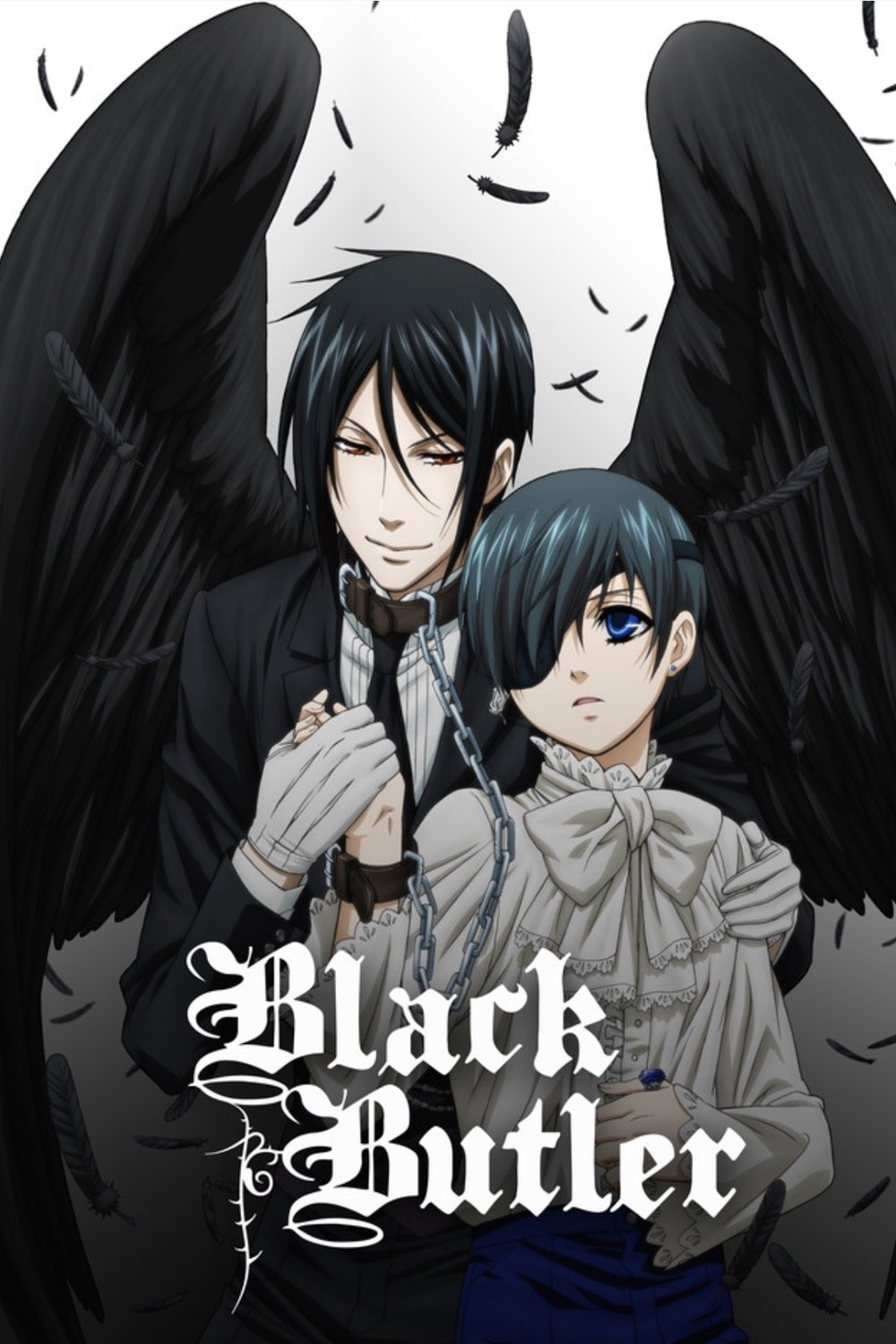
A young boy makes a deal with a demon to act as his butler and help him find those who murdered his family. China banned ‘Black Butler’ because of its dark supernatural themes and perceived occult elements. The relationship between the child protagonist and the demon was also viewed with concern by some censors. The series features a blend of mystery and horror that was categorized as harmful to social morality. It remains a popular franchise that operates under a ban in the Chinese market.
‘Claymore’ (2007)
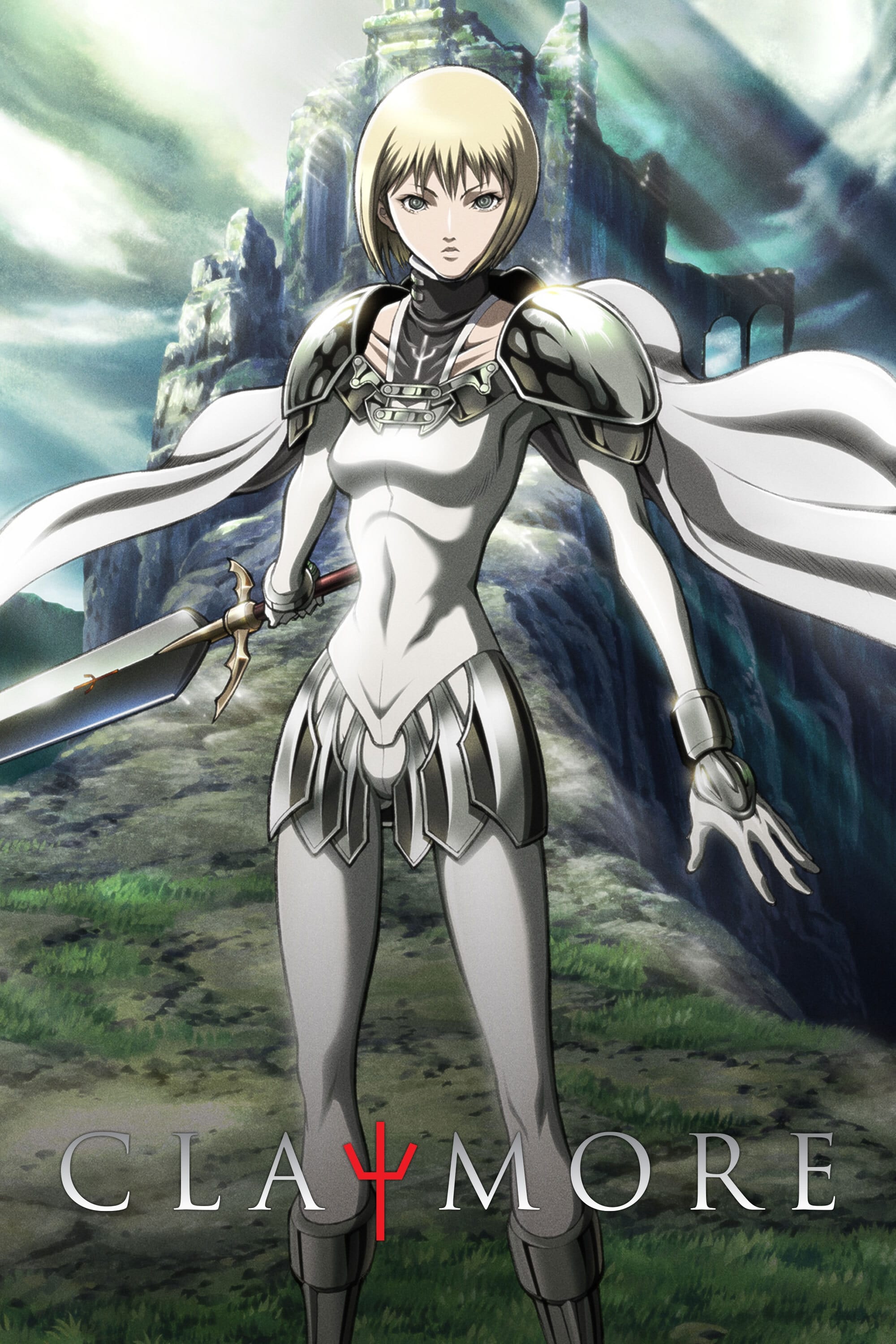
Humanoid warriors with silver eyes protect humans from monsters by using their own demonic powers. This series was banned in China due to its dark atmosphere and graphic depictions of dismemberment. The combat scenes frequently involve characters losing limbs or suffering extreme injuries. Authorities deemed the visual violence to be excessive for public viewing. ‘Claymore’ is often compared to other dark fantasy titles that faced similar legal challenges in Asia.
‘Tokyo Ravens’ (2013–2014)
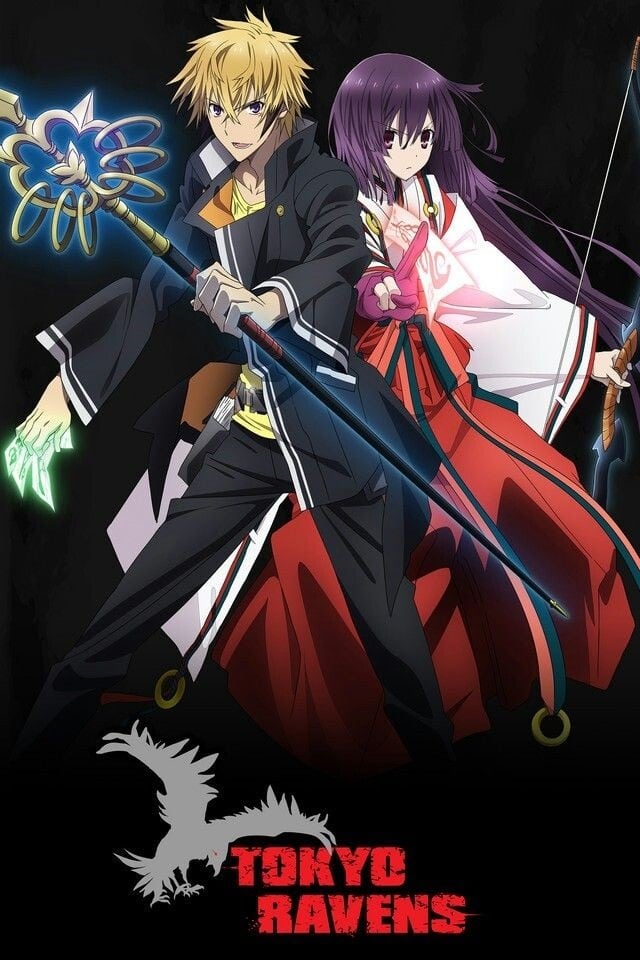
Young practitioners of magic study at an academy to defend against spiritual disasters in a modern setting. China banned ‘Tokyo Ravens’ for its focus on sorcery and themes that were considered to promote superstition. Regulatory bodies in the region often restrict content that features spirits and occult practices to maintain secular standards. The series was pulled from official channels as part of a sweep of supernatural themed media. It highlights the cultural differences in how magic is perceived in entertainment.
‘Blue Exorcist’ (2011)
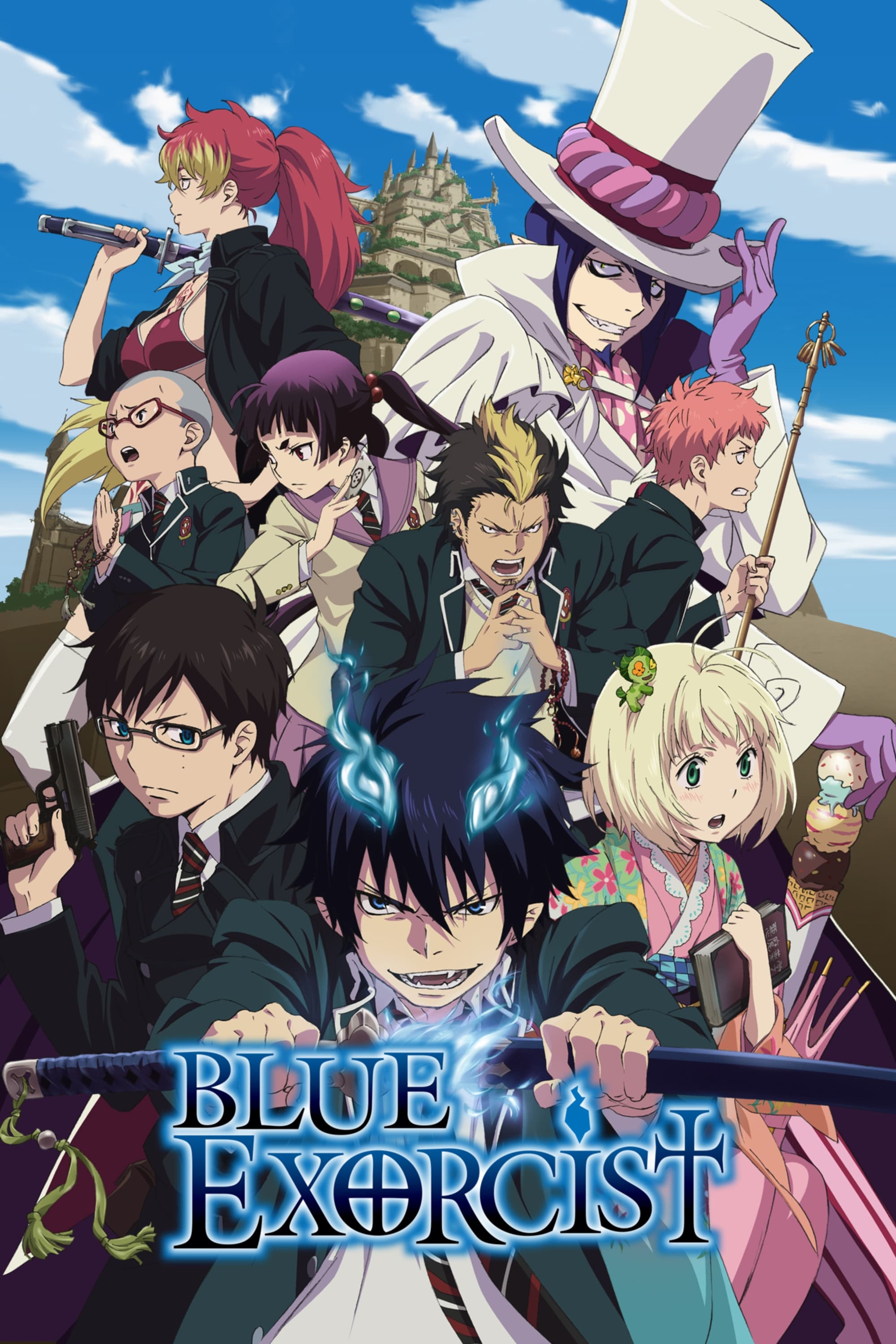
A teenager discovers he is the son of Satan and decides to become an exorcist to defeat his father. This series was banned in China because of its religious themes and the depiction of demons and exorcism. Authorities were concerned about the portrayal of religious imagery and the concept of a protagonist with a demonic heritage. The show was labeled as unsuitable for the ideological environment of the country. ‘Blue Exorcist’ remains a high profile example of censorship based on religious and supernatural grounds.
‘Log Horizon’ (2013–2021)
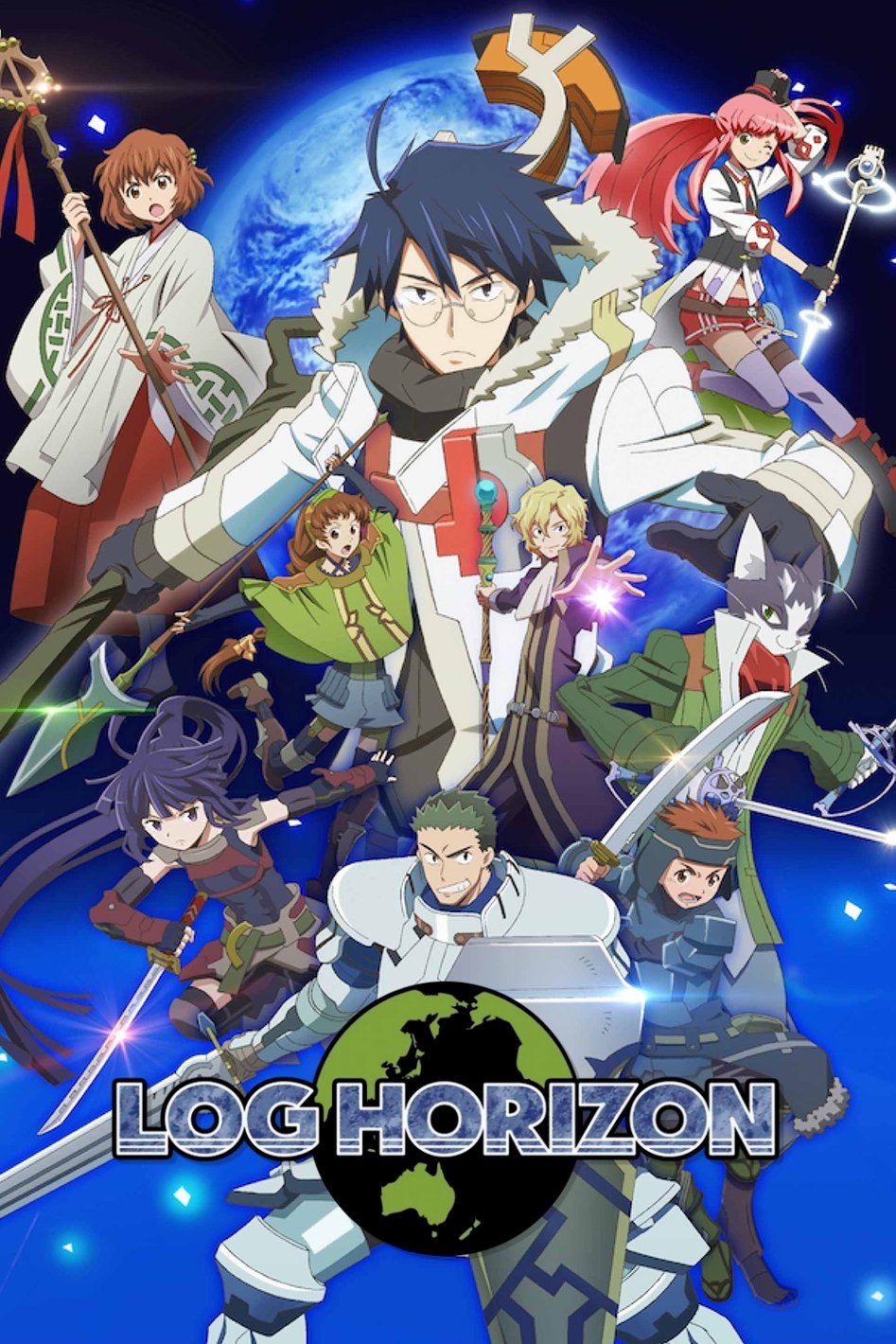
Thousands of players are transported into a fantasy game world where they must build a new society and navigate political challenges. This anime was banned in China because the original author was involved in a tax evasion scandal. The government often bans media associated with individuals who have committed crimes or violated social trust. This led to the removal of the series from all legal platforms regardless of the actual content of the show. ‘Log Horizon’ illustrates how real world legal issues can impact the availability of an anime.
‘Danganronpa: The Animation’ (2013)
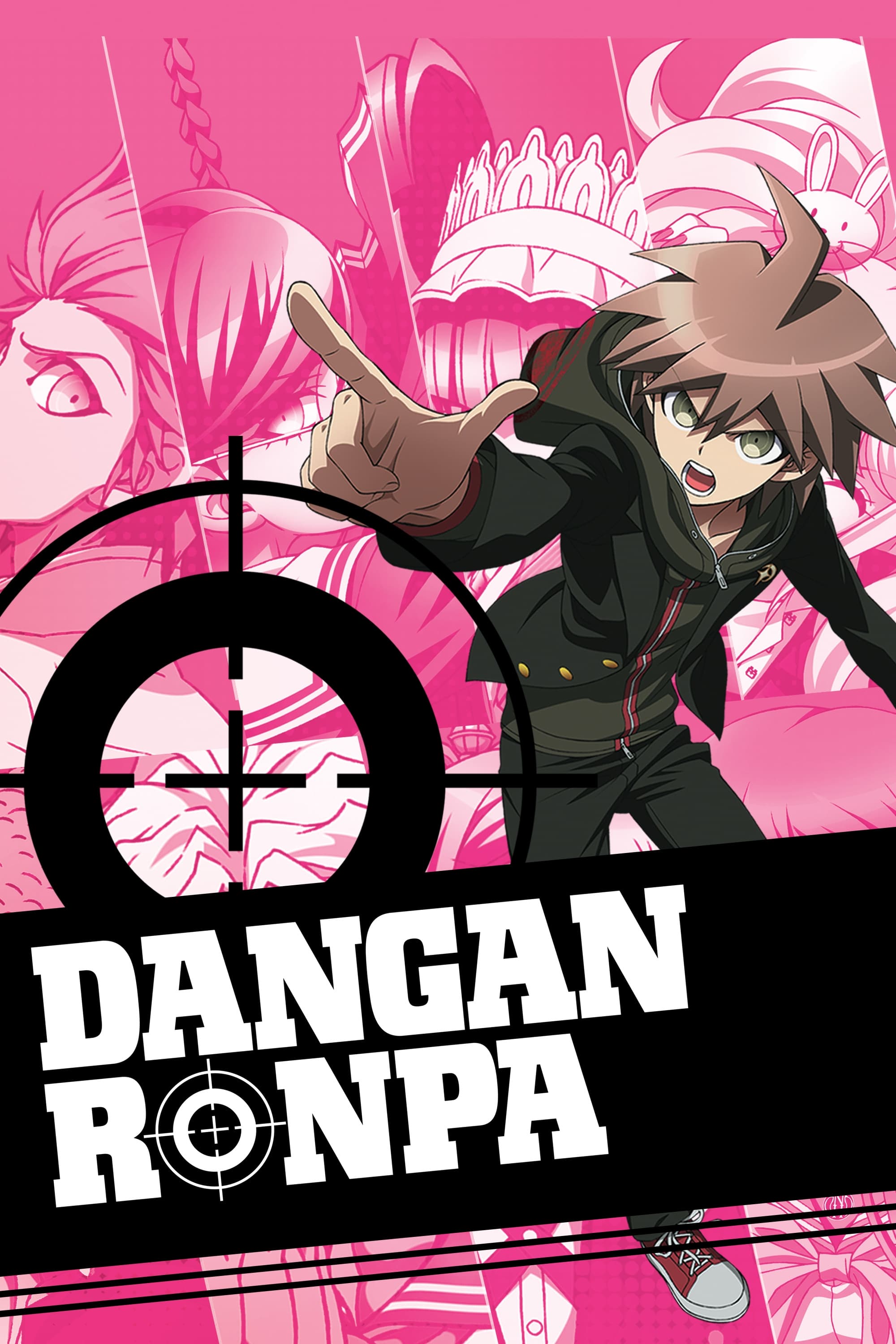
Students are trapped in a school and forced to play a killing game where they must murder each other and escape through a trial. China banned ‘Danganronpa’ due to its focus on student on student violence and the psychological nature of the killing game. The show features unique pink blood but the concept was still considered too disturbing for the youth. Officials believed the narrative of the series was harmful to the mental health of viewers. It remains a significant case of a game adaptation being restricted for its dark premise.
‘Akame ga Kill!’ (2014)

A young man joins a group of assassins to overthrow a corrupt empire and restore justice to the land. This series was banned in China for its high level of graphic violence and themes of political assassination. The show is known for killing off major characters in brutal ways that shocked audiences. Censors categorized the content as a threat to social order and public safety. ‘Akame ga Kill!’ is often mentioned alongside other action series that were prohibited during the 2015 crackdown.
Tell us which of these banned anime surprised you the most in the comments.