Most Controversial Movies That Were Almost Banned

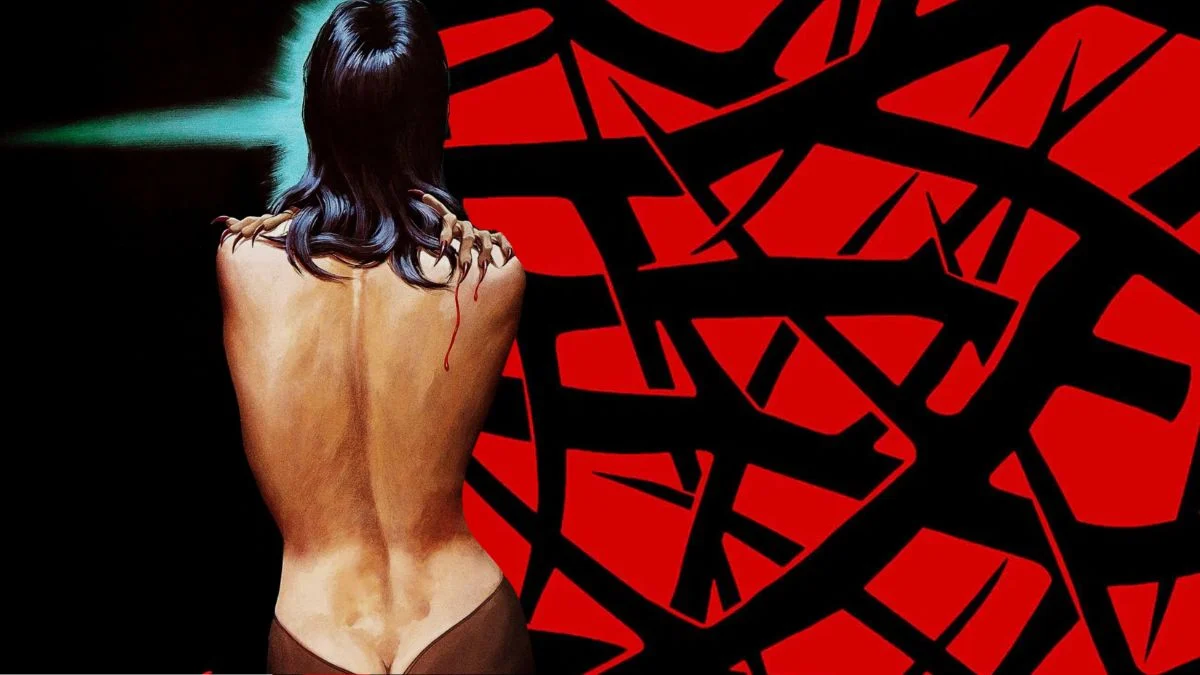

Cinema history is defined by projects that pushed the boundaries of societal standards and artistic freedom. Many of these films faced intense opposition from government boards and religious organizations that sought to restrict public access to their content. These works often sparked global debates regarding censorship and the role of art in exploring difficult themes. The following list highlights some of the most debated films that were nearly kept from audiences around the world.
‘The Birth of a Nation’ (1915)
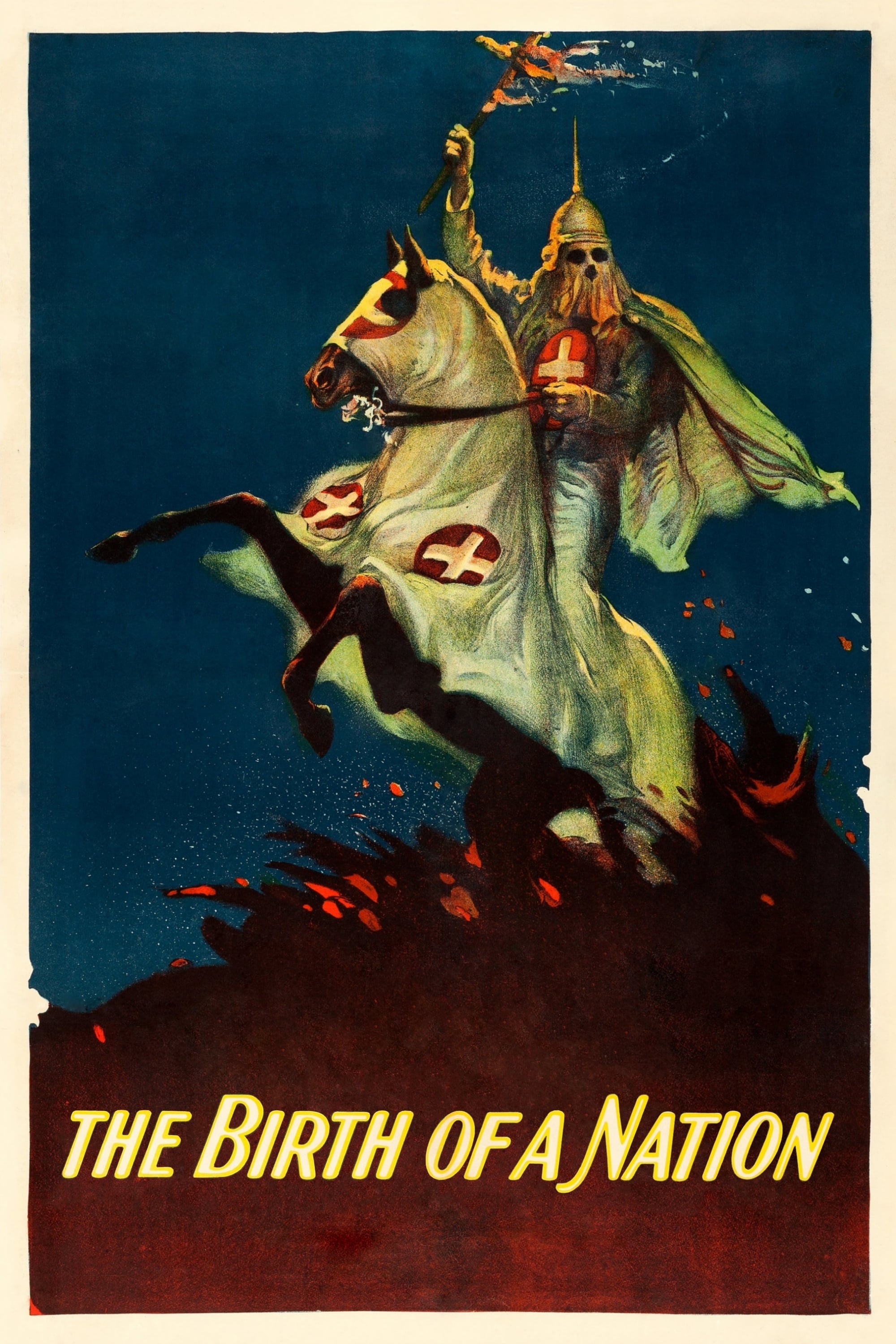
This silent epic is often cited as a landmark in cinematic technique while being condemned for its racist portrayals of African Americans. The film depicts the Ku Klux Klan in a heroic light and was met with widespread protests upon its initial release. Several cities across the United States attempted to ban the movie to prevent civil unrest and racial tension. Despite the massive controversy it became a significant commercial success during the early twentieth century. It remains a subject of intense academic and historical debate for its impact on American culture.
‘Freaks’ (1932)
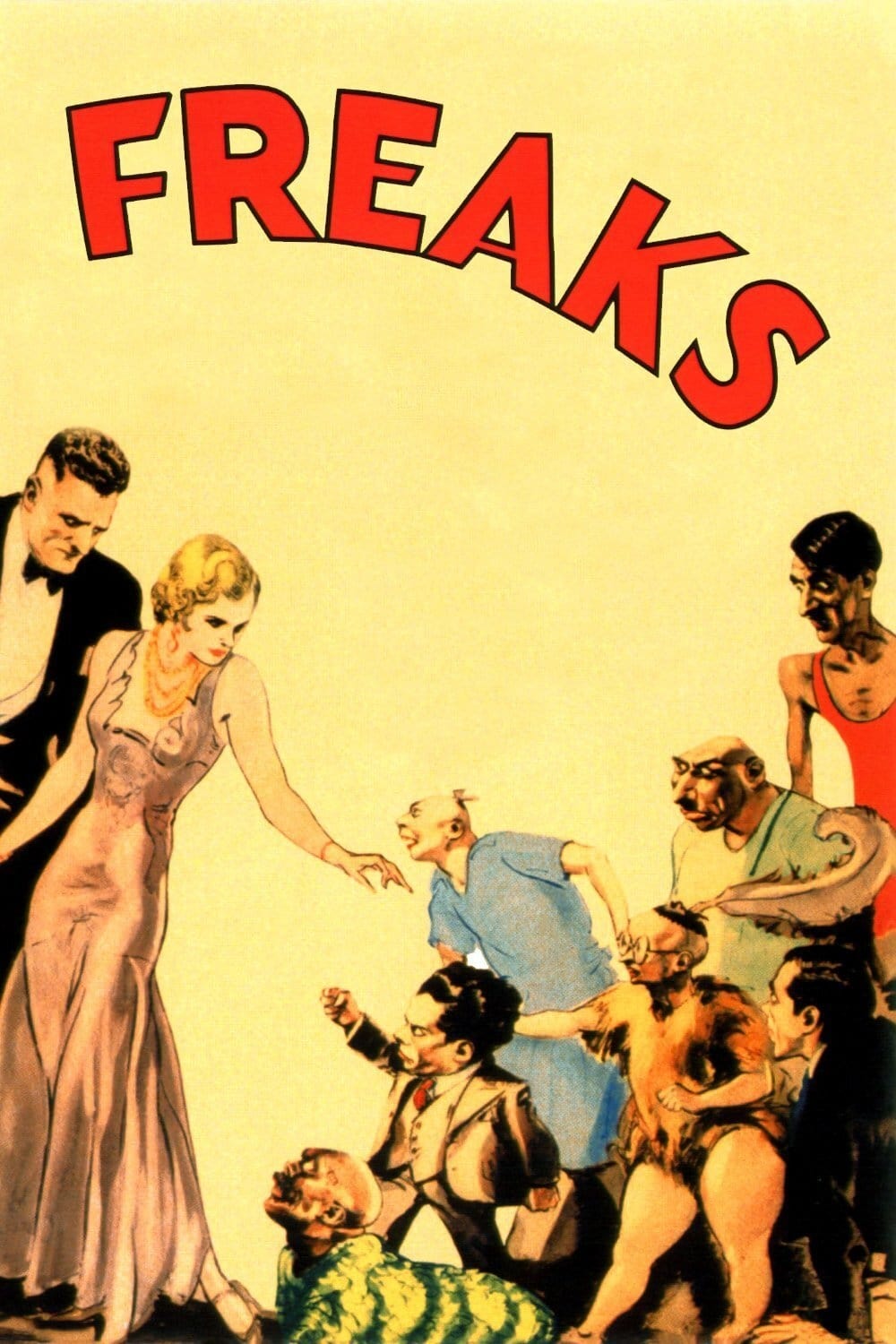
Director Tod Browning used actual carnival performers with physical disabilities to tell this story of betrayal and revenge. The film was so shocking to audiences of the era that it was heavily edited and banned in the United Kingdom for thirty years. Many critics found the depiction of the performers to be exploitative rather than sympathetic at the time. The project nearly destroyed the career of the director and was largely forgotten until it was rediscovered decades later. It is now considered a cult classic that challenged the conventions of the horror genre.
‘The Great Dictator’ (1940)
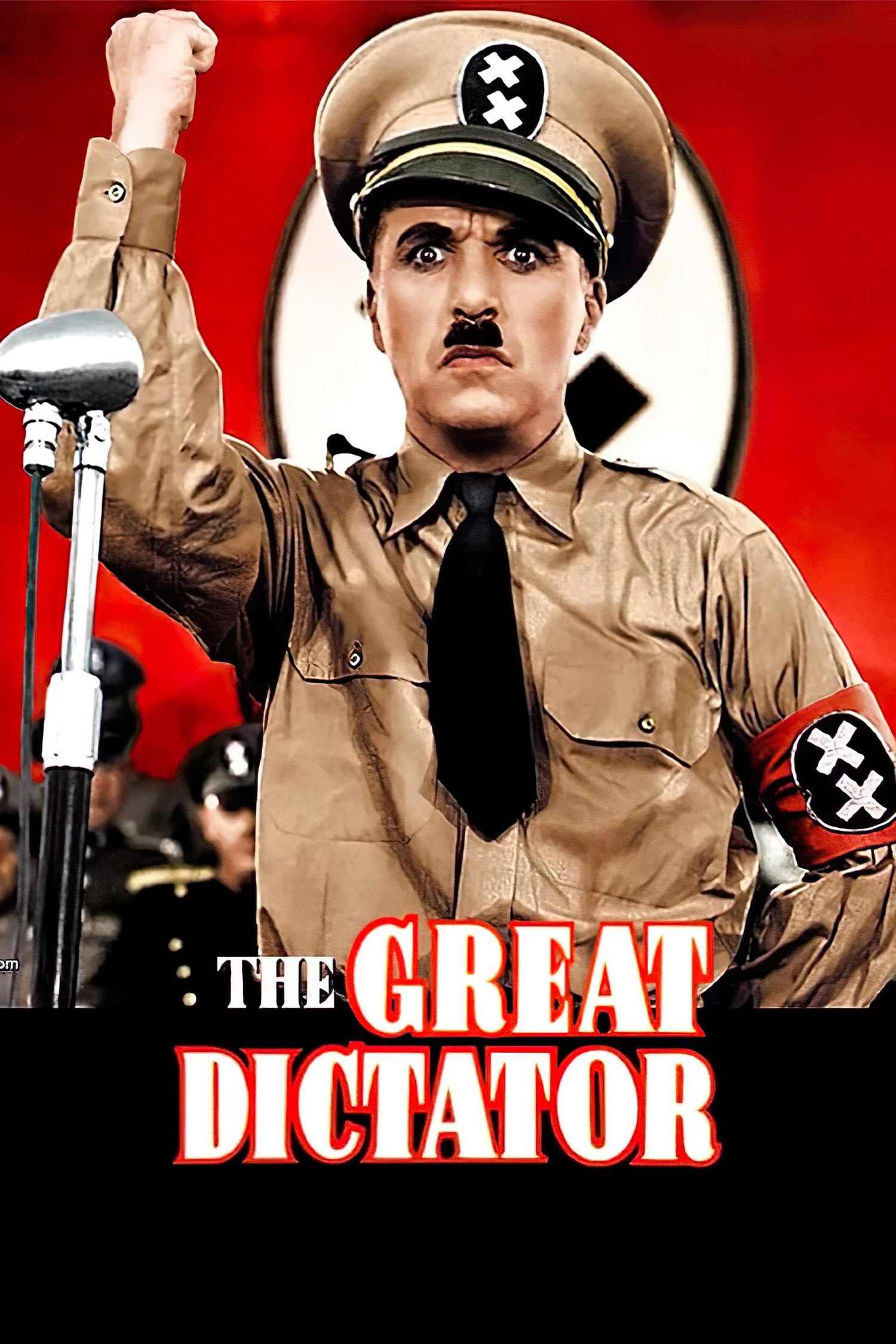
Charlie Chaplin produced this satire to mock Adolf Hitler and the rising Nazi party in Germany. The film was banned in several European countries that were either under Nazi control or trying to maintain neutrality. Even in the United States there was political pressure to stop the production to avoid international complications. Chaplin used his own funds to finance the project when studios expressed concern over the controversial subject matter. The film concluded with a famous speech calling for peace and brotherhood among all people.
‘Song of the South’ (1946)
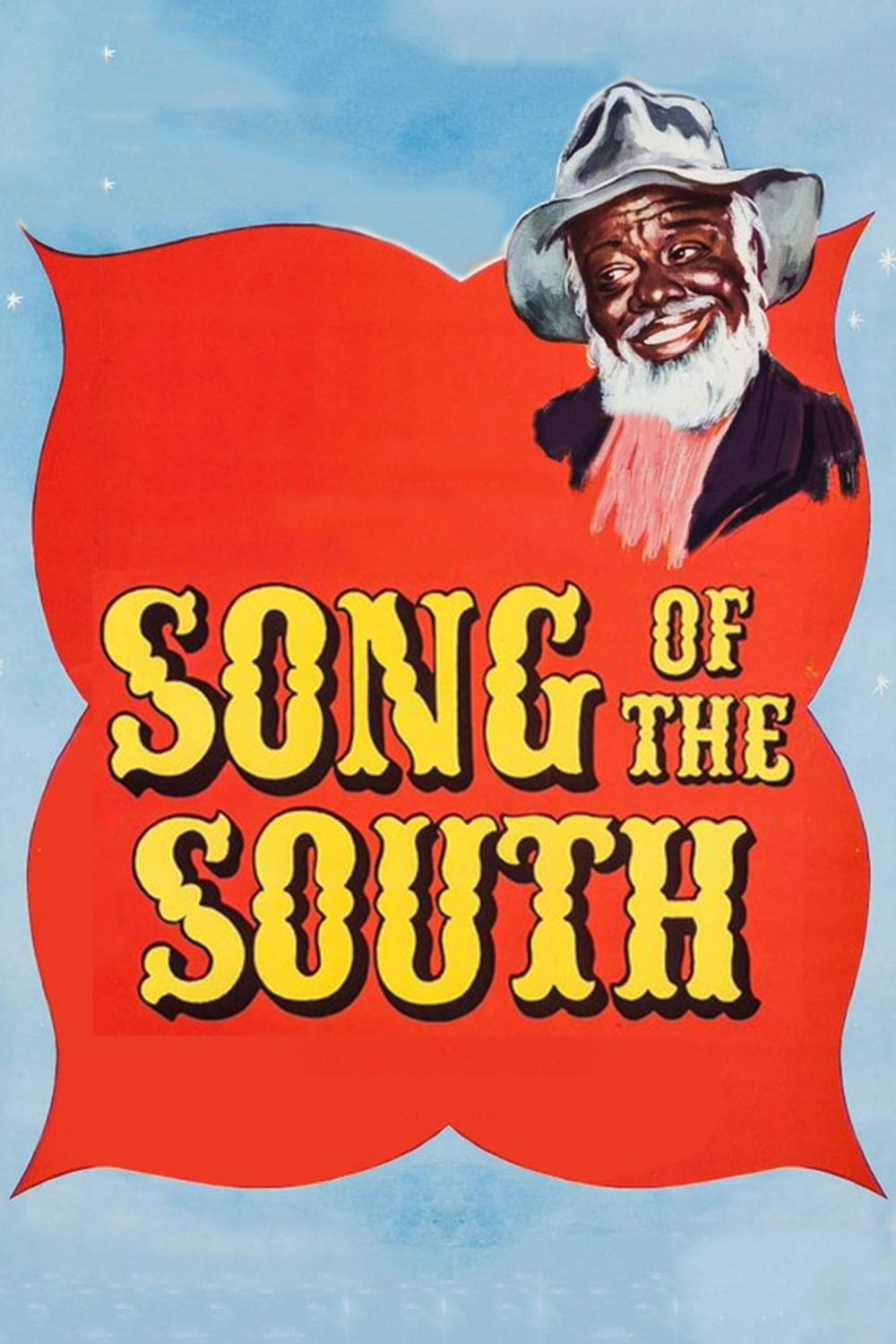
This Disney production has been the subject of controversy for decades due to its idealized portrayal of life on a plantation. Critics argued that the film glossed over the harsh realities of slavery and reinforced negative racial stereotypes. The studio has kept the movie in its vault for years and refuses to release it on modern streaming platforms. While it was never officially banned by the government it has been effectively removed from public circulation by its own creators. The film remains one of the most contentious entries in the history of animation and live action hybrids.
‘Viridiana’ (1961)
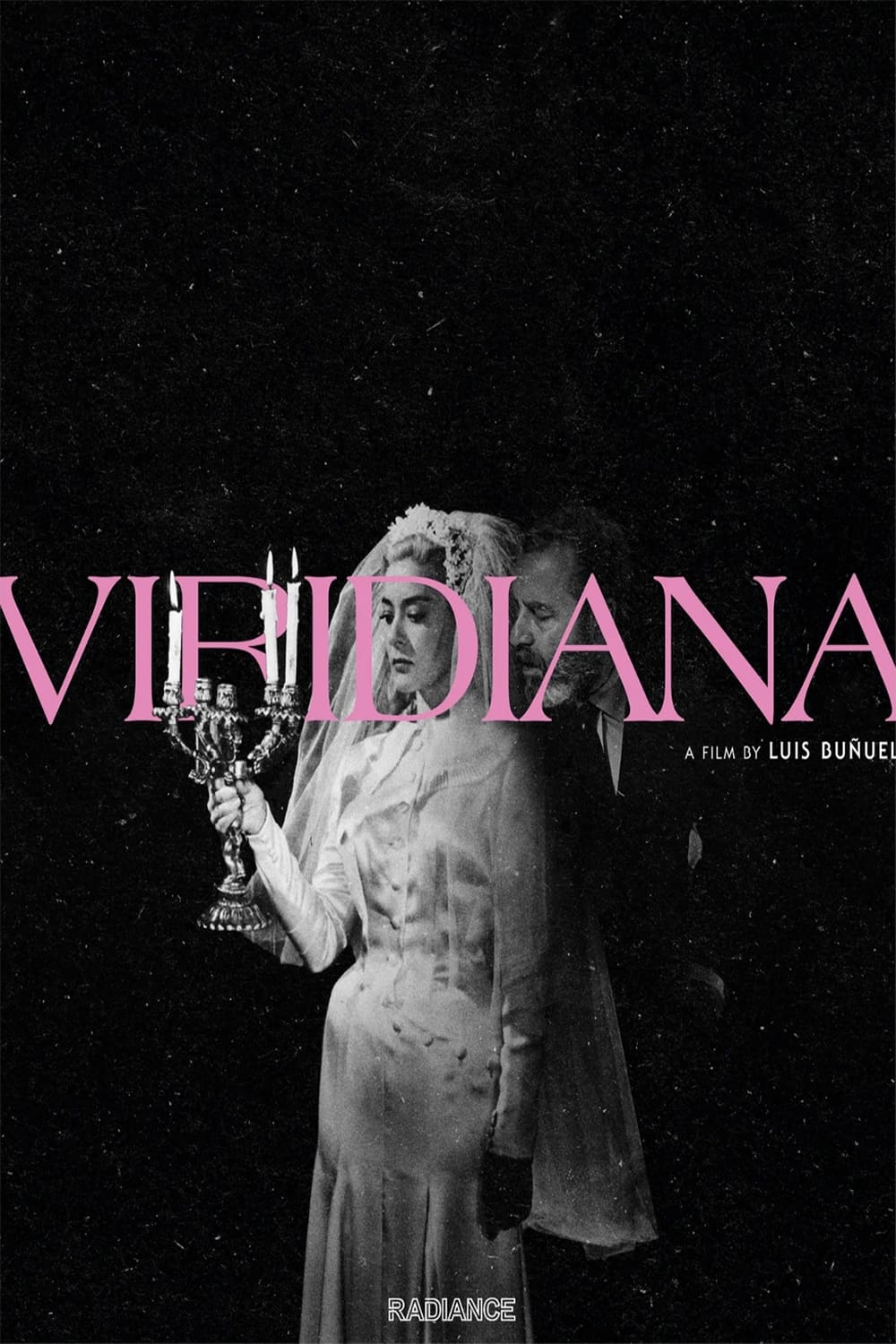
Directed by Luis Bunuel this film follows a young novice who attempts to maintain her idealistic values while dealing with her cynical uncle. The Spanish government and the Vatican condemned the work for being blasphemous and disrespectful to the church. Authorities in Spain ordered the original negatives to be destroyed but a copy was smuggled to France. It won the top prize at the Cannes Film Festival despite the intense efforts to suppress its release. The film eventually returned to Spain years later after a change in the political climate.
‘The Devils’ (1971)
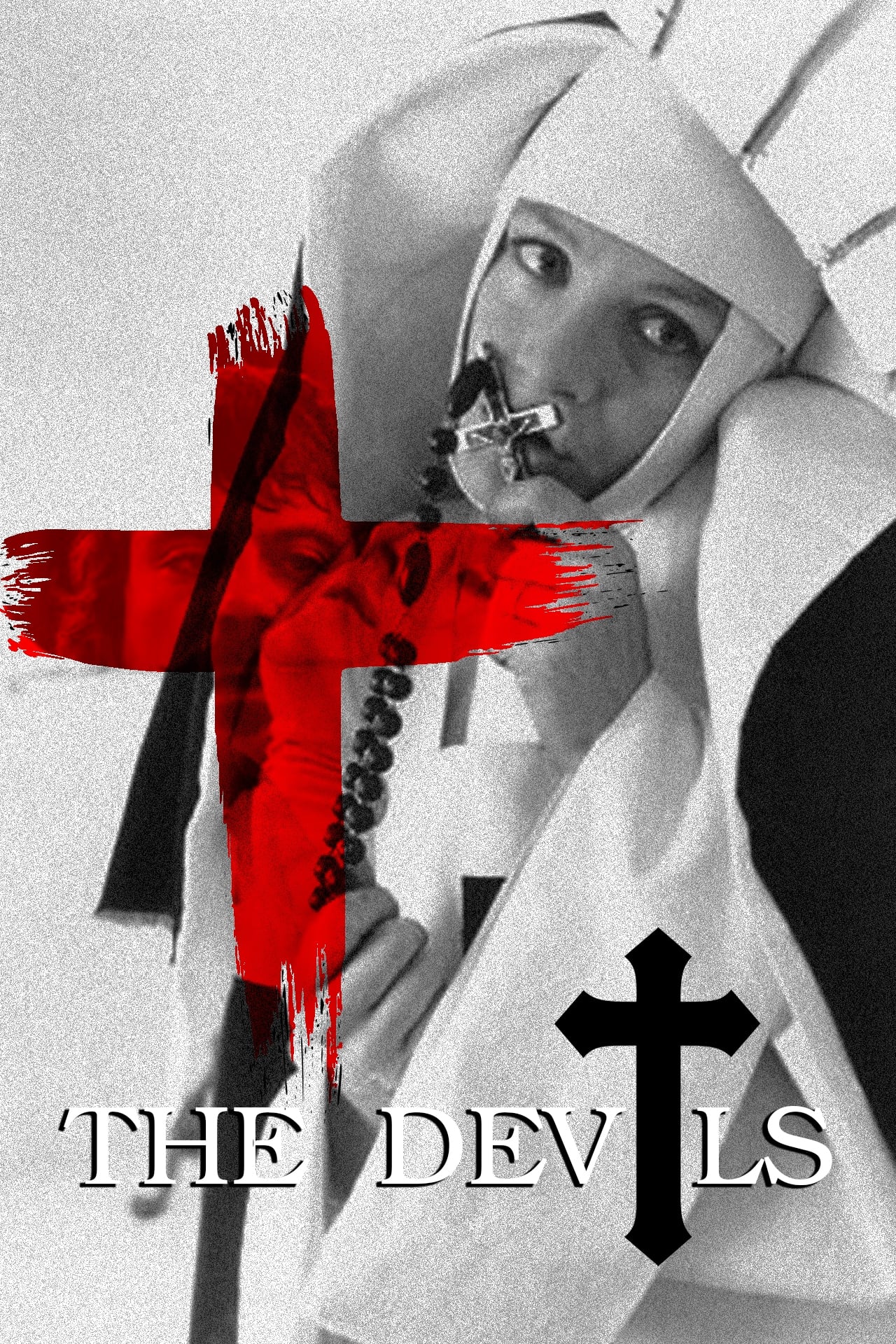
Director Ken Russell created this historical drama about a priest accused of witchcraft in seventeenth century France. The film features extreme religious and sexual imagery that led to heavy censorship in almost every country where it was released. Many versions were edited so severely that the original vision of the director was lost for many years. It was banned entirely in several territories and faced fierce opposition from religious groups during its theatrical run. Warner Brothers still limits the availability of the uncut version of the film to this day.
‘A Clockwork Orange’ (1971)
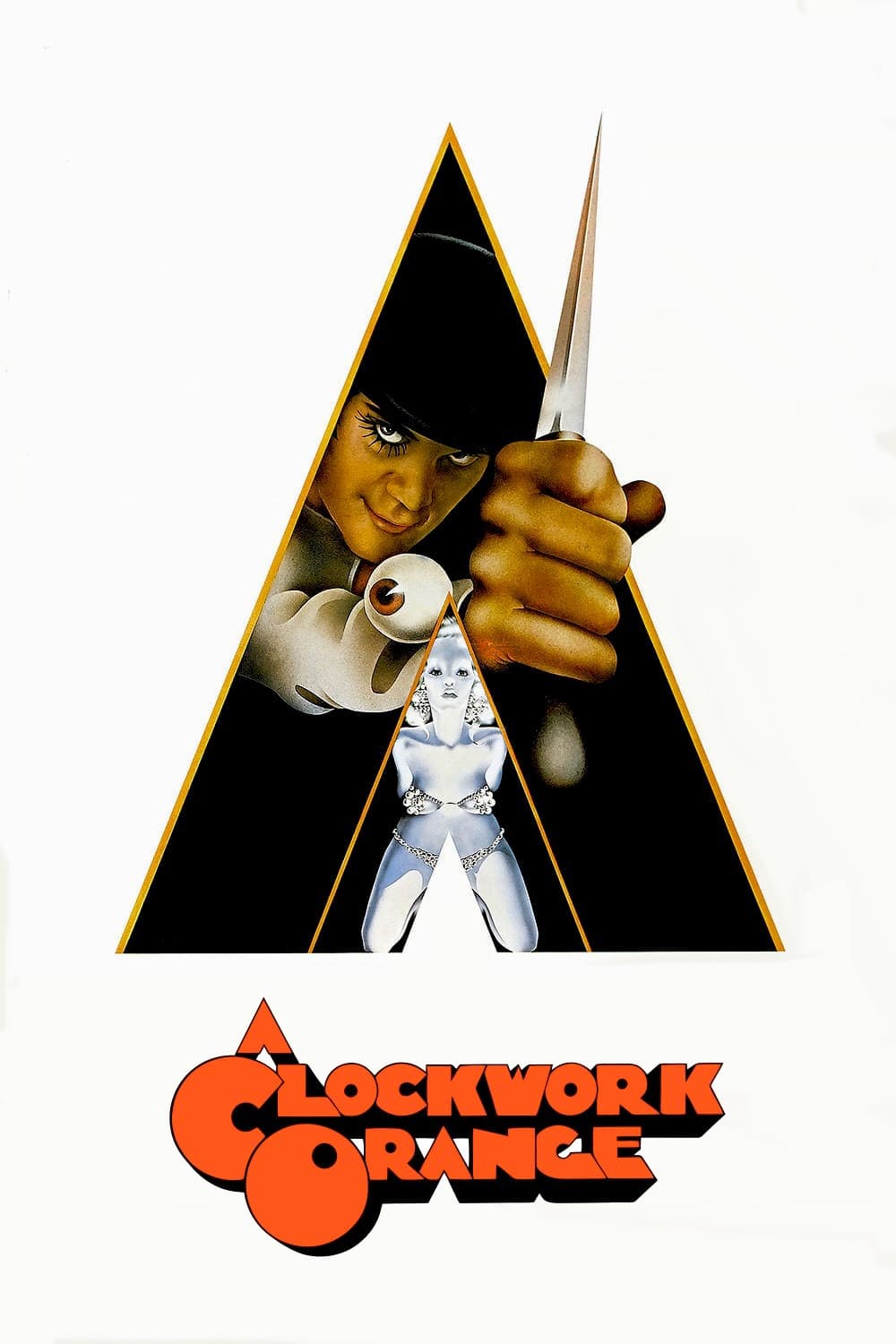
Stanley Kubrick explored the nature of evil and psychological conditioning through the story of a violent youth named Alex. The film was accused of inspiring copycat crimes in the United Kingdom which led to intense media scrutiny. Kubrick eventually asked the studio to withdraw the film from British theaters to protect his family from threats. It remained unavailable in that region for nearly thirty years until after the death of the director. The film is now recognized as a masterpiece of social commentary and visual storytelling.
‘Straw Dogs’ (1971)
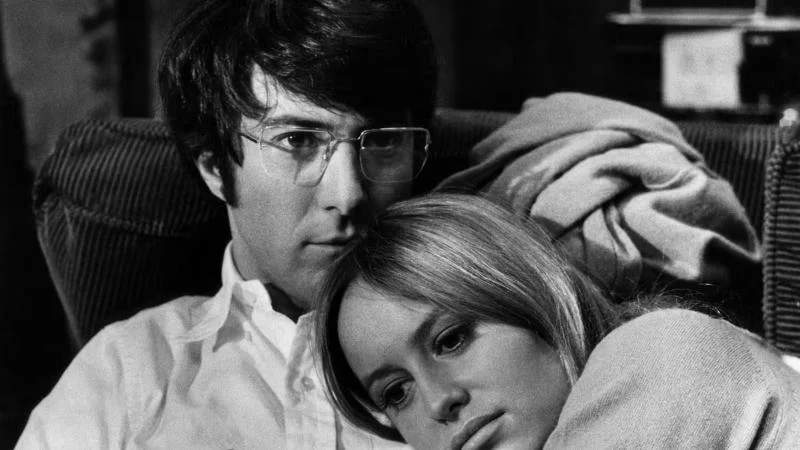
This psychological thriller stars Dustin Hoffman as an academic who is forced to defend his home through extreme violence. The film was highly controversial for a specific scene involving an assault that critics argued was presented in an ambiguous manner. It faced significant trouble with the British Board of Film Censors and was banned from home video release for many years. Director Sam Peckinpah was accused of glorifying toxic masculinity and primal aggression. The movie continues to provoke discussions about the nature of violence in cinema.
‘Sweet Sweetback’s Baadasssss Song’ (1971)
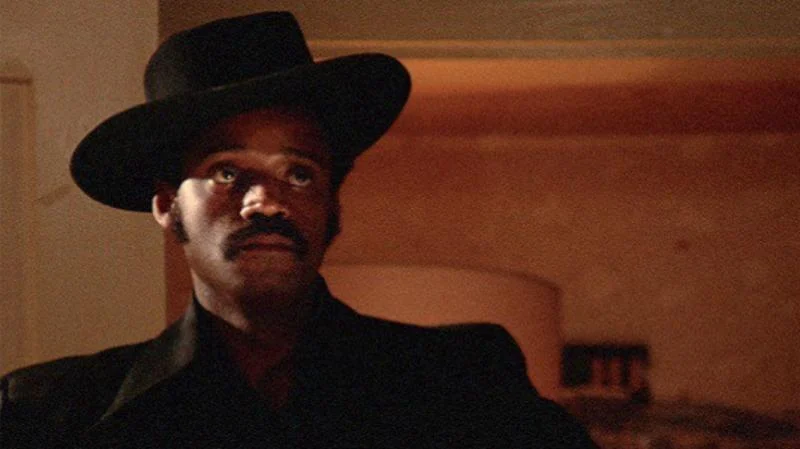
Melvin Van Peebles wrote directed and starred in this independent film that became a cornerstone of the blaxploitation genre. The story focuses on a man on the run from corrupt police officers in an urban environment. It received an X rating from the Motion Picture Association of America which limited its commercial potential in many theaters. Van Peebles used the rating as a marketing tool to attract audiences looking for a revolutionary cinematic experience. The film is credited with proving that independent black cinema could be financially viable.
‘Last Tango in Paris’ (1972)
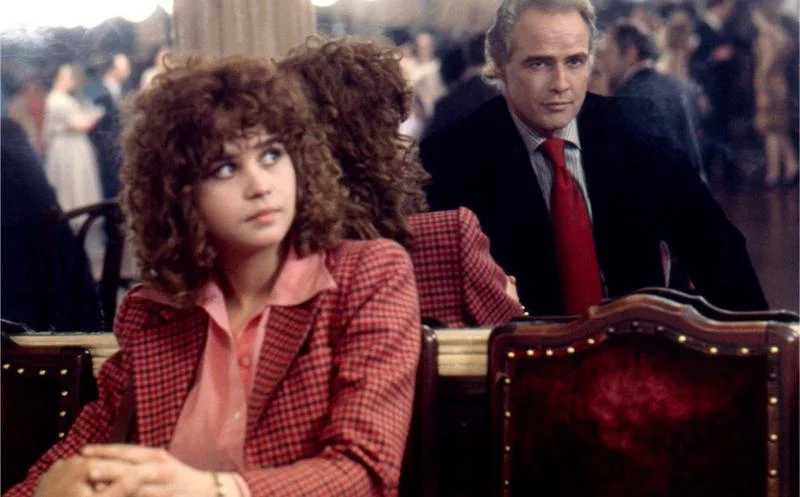
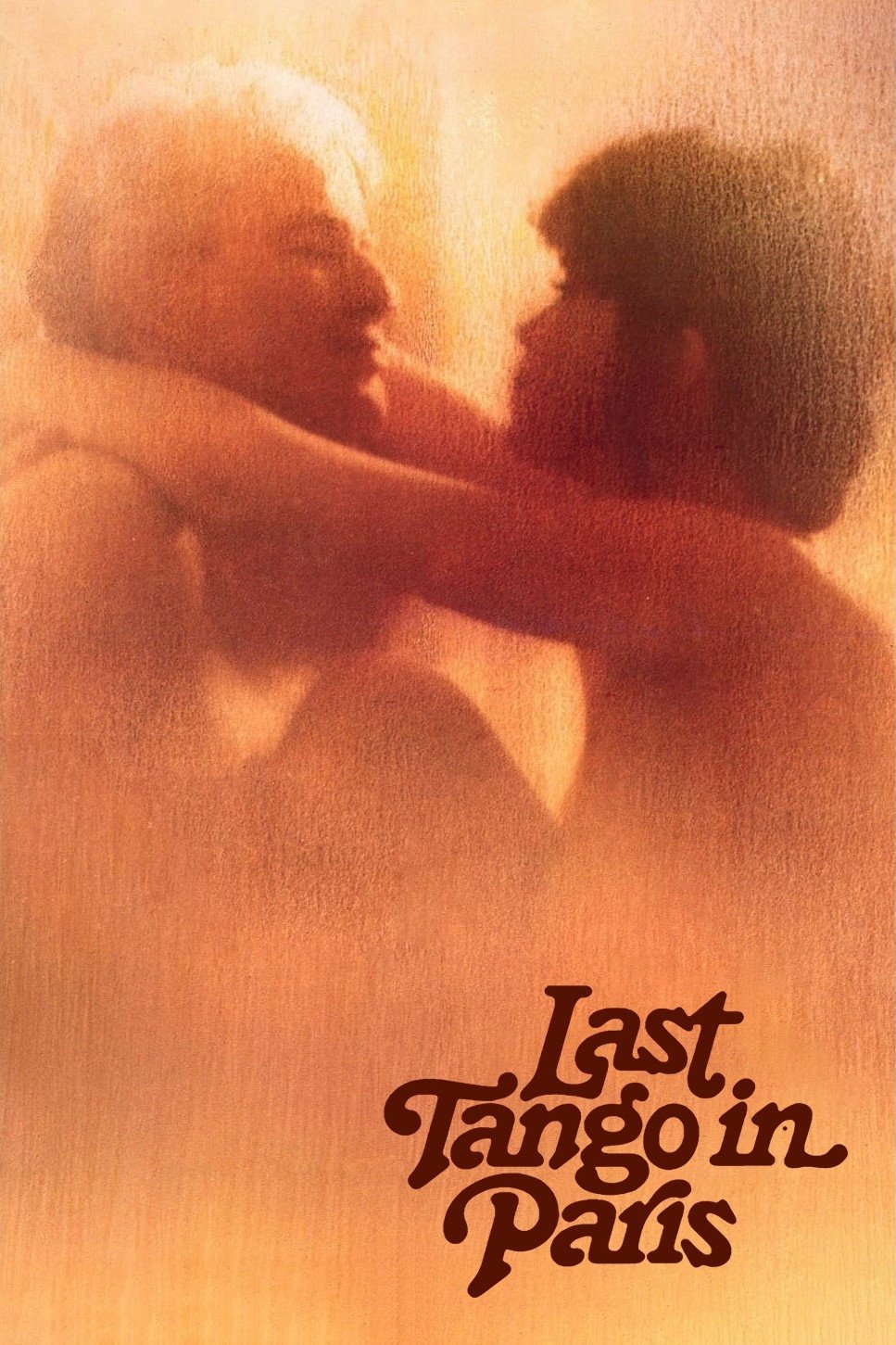
Bernardo Bertolucci directed this drama featuring Marlon Brando as a grieving man who enters into a purely physical relationship with a younger woman. The film was banned in Italy and the director was even sentenced to a suspended jail term for obscenity. Many countries required significant cuts to the sexual sequences before allowing the film to be screened. The production has faced modern criticism regarding the treatment of actress Maria Schneider during the filming of certain scenes. It remains a landmark of international cinema for its raw emotional intensity.
‘Pink Flamingos’ (1972)
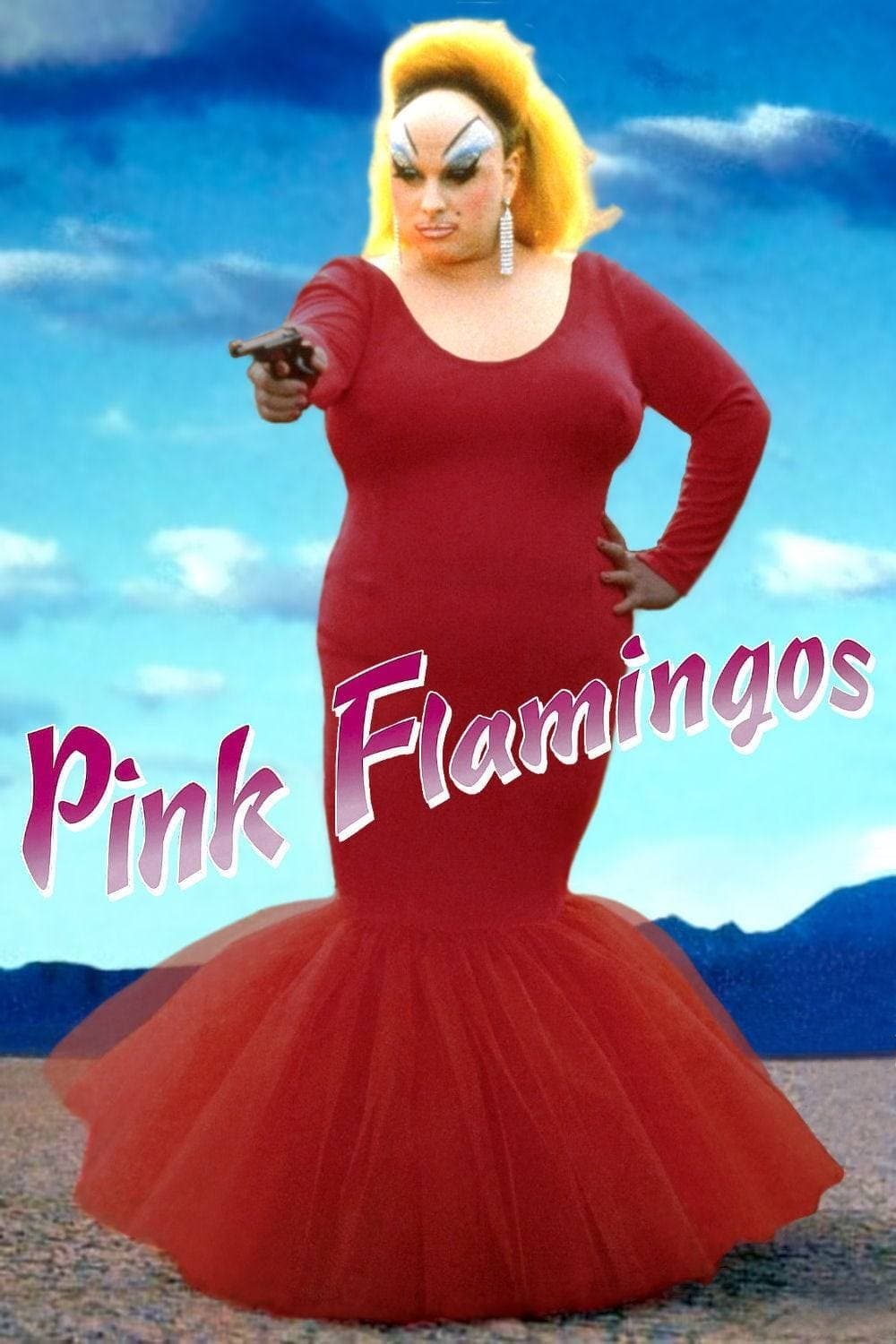
John Waters directed this transgressive comedy that sought to push the limits of good taste and decency. The film features several scenes of extreme behavior that led to it being banned in various cities and countries. It was designed to shock audiences and became a staple of the midnight movie circuit in the United States. Despite the graphic and often repulsive content it gained a loyal following and helped launch the career of the performer Divine. The film is often celebrated for its uncompromising dedication to camp and filth.
‘The Last House on the Left’ (1972)
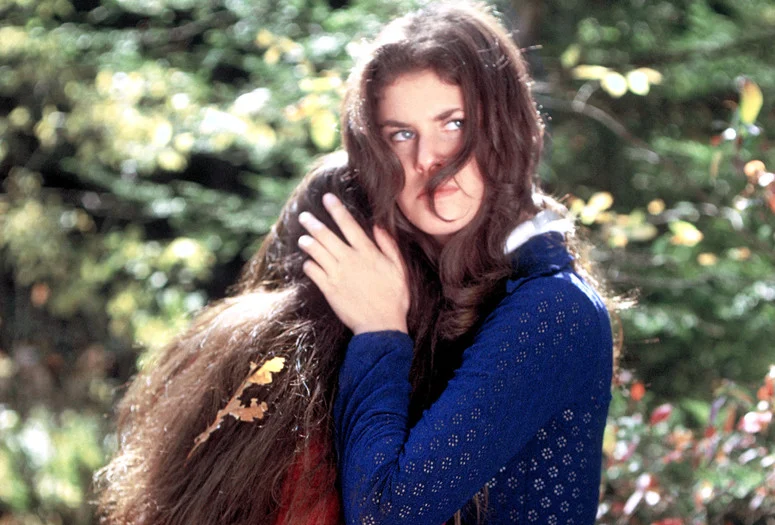
Wes Craven made his directorial debut with this gritty and violent tale of revenge. The film was so intense that it was banned in the United Kingdom for over thirty years under the Video Nasties era. Many theaters in the United States employed marketing gimmicks warning audiences about the disturbing nature of the content. The low budget production used realistic violence to tell a story about the collapse of moral values. It is now considered a foundational work in the modern horror genre.
‘The Exorcist’ (1973)

This supernatural horror film follows the demonic possession of a young girl and the attempts by two priests to save her. When it was first released reports of audience members fainting or vomiting in theaters became widespread. Some religious groups called for the film to be banned for being sacrilegious and dangerous to the public psyche. Several local councils in the United Kingdom refused to grant the film a screening license for many years. It eventually became one of the most successful horror movies of all time and received multiple Academy Award nominations.
‘The Texas Chain Saw Massacre’ (1974)

Tobe Hooper directed this slasher film that relies more on atmosphere and sound than on actual onscreen gore. Despite this approach it was banned in several countries including the United Kingdom and Australia for its perceived cruelty. The film was marketed as being based on a true story to increase the sense of dread for the audience. It faced numerous challenges from rating boards that struggled to categorize the intense psychological impact of the movie. It is now hailed as one of the most influential and effective horror films ever produced.
‘Salò, or the 120 Days of Sodom’ (1975)

This disturbing work by Pier Paolo Pasolini is set in fascist Italy and depicts the systematic abuse of young captives. The film was banned in many countries immediately after its release due to its graphic and dehumanizing content. It was unavailable in several regions for decades and continues to be restricted in some territories today. The director was murdered shortly before the film premiered which added to the dark legacy of the project. It is frequently cited as one of the most difficult films to watch in the history of cinema.
‘Life of Brian’ (1979)
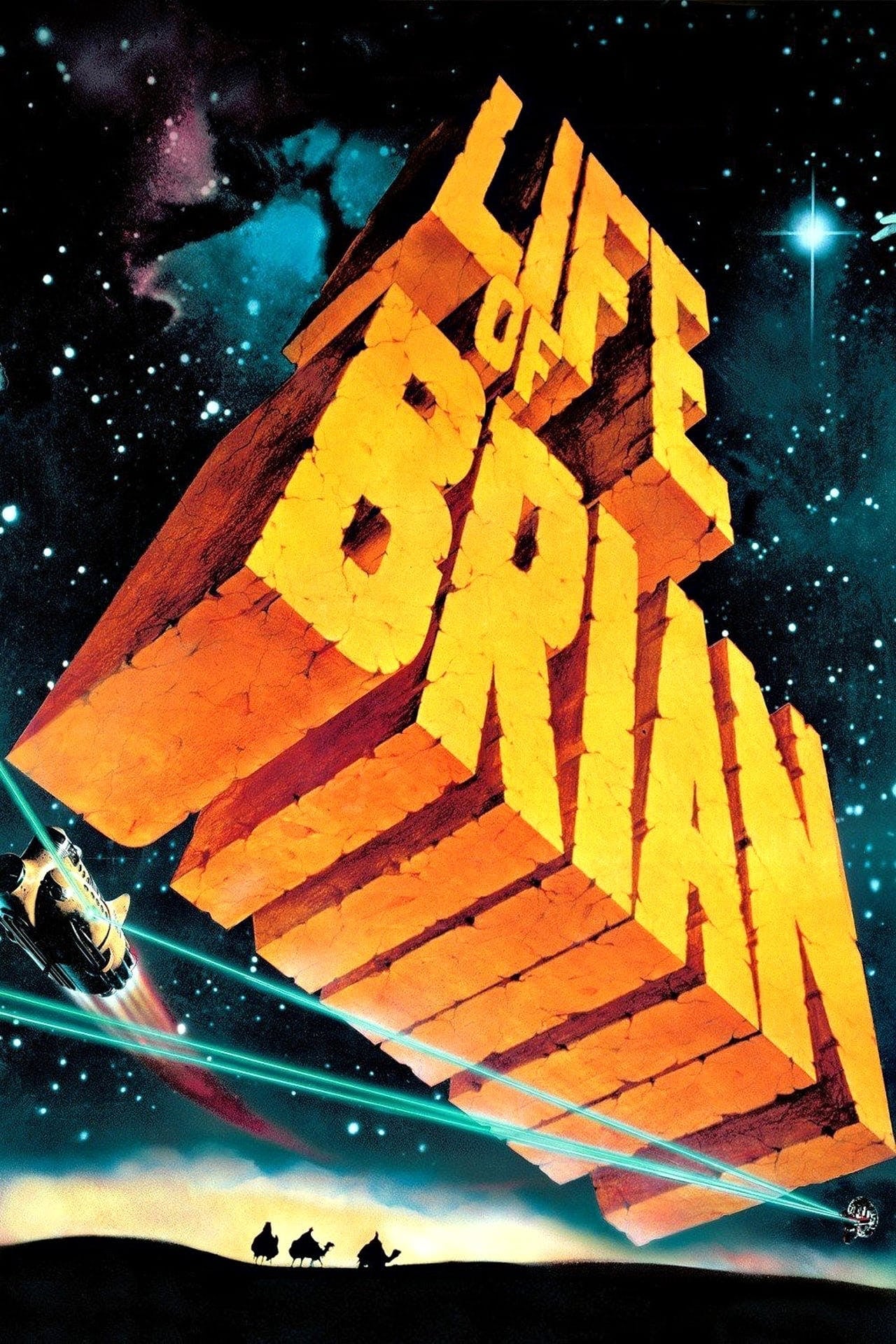
The Monty Python comedy troupe produced this satire about a man who is mistaken for the Messiah in ancient Judea. The film was accused of blasphemy by numerous religious organizations and was banned in several towns and countries. Protesters gathered outside theaters to discourage people from seeing the movie upon its release. The creators argued that the film was a parody of organized religion and dogma rather than a critique of faith itself. It is now regarded as one of the greatest comedy films ever made.
‘Scum’ (1979)
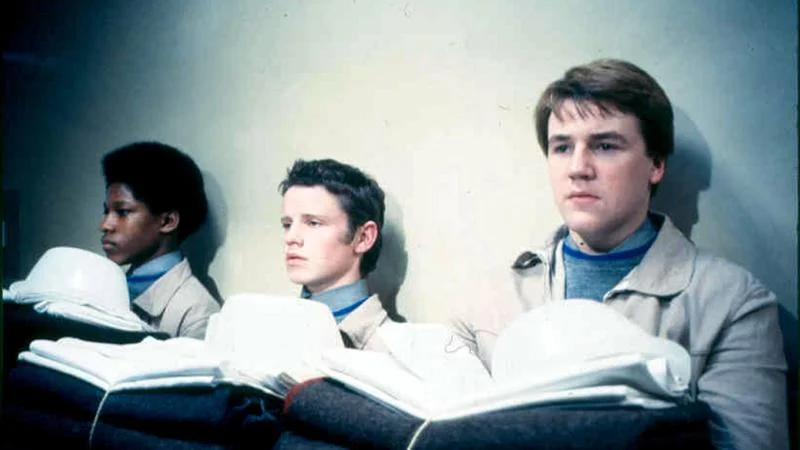
This British drama provides a brutal look at life inside a young offenders institution. The original television version was banned by the BBC for its realistic depiction of violence and institutional corruption. Director Alan Clarke eventually remade the story as a feature film to ensure that the message reached the public. The film highlights the systemic failures and brutality of the Borstal system in the United Kingdom during that period. It remains a powerful and uncomfortable piece of social realism.
‘Cannibal Holocaust’ (1980)
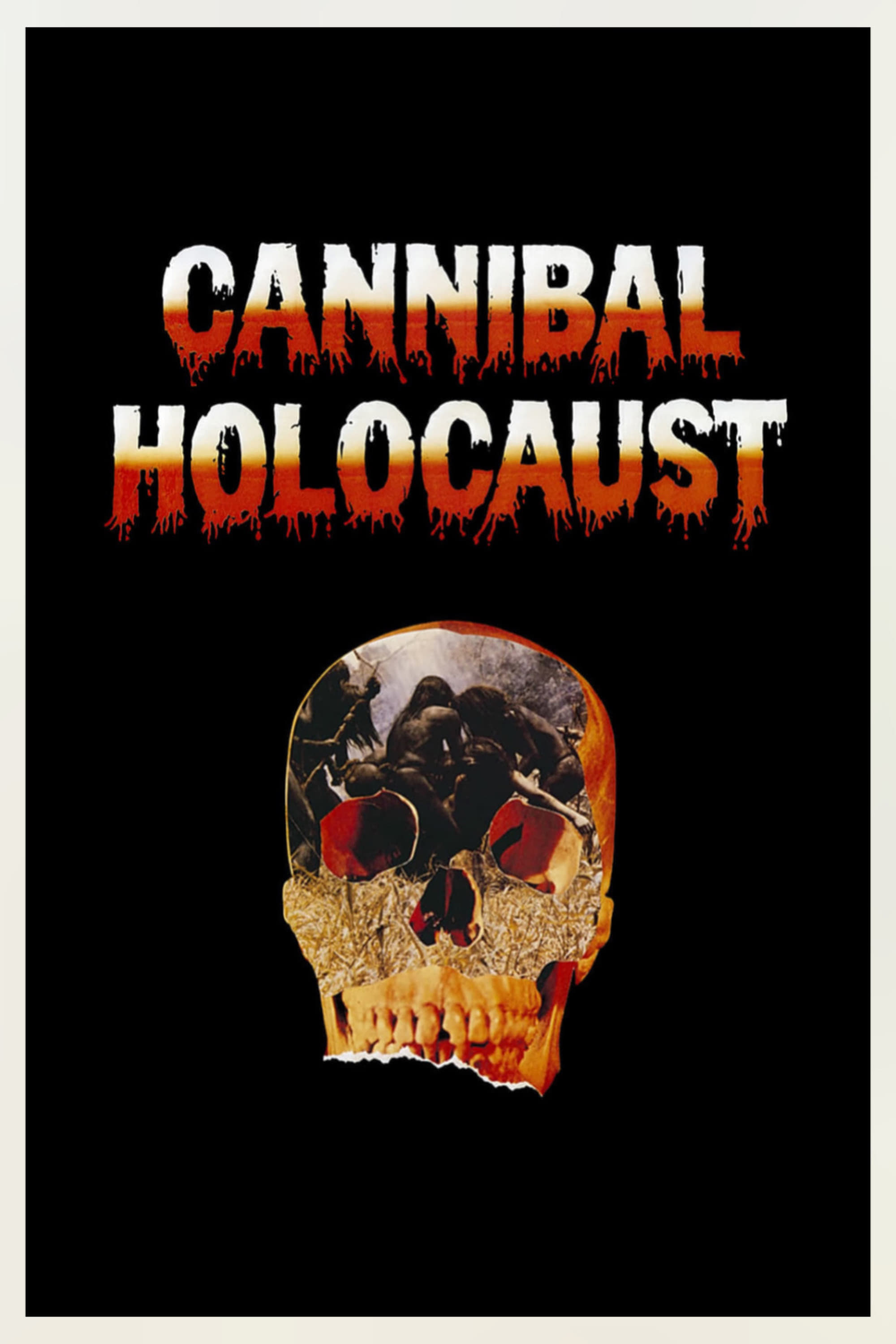
Ruggero Deodato directed this found footage pioneer about a film crew that disappears in the Amazon rainforest. The film was so realistic that the director was arrested and charged with the murder of his actors until he could prove they were still alive. It was banned in over forty countries due to its extreme violence and the actual killing of animals on screen. The movie used a clever marketing campaign that blurred the lines between fiction and reality. It is often cited as the most controversial cannibal film ever made.
‘Possession’ (1981)
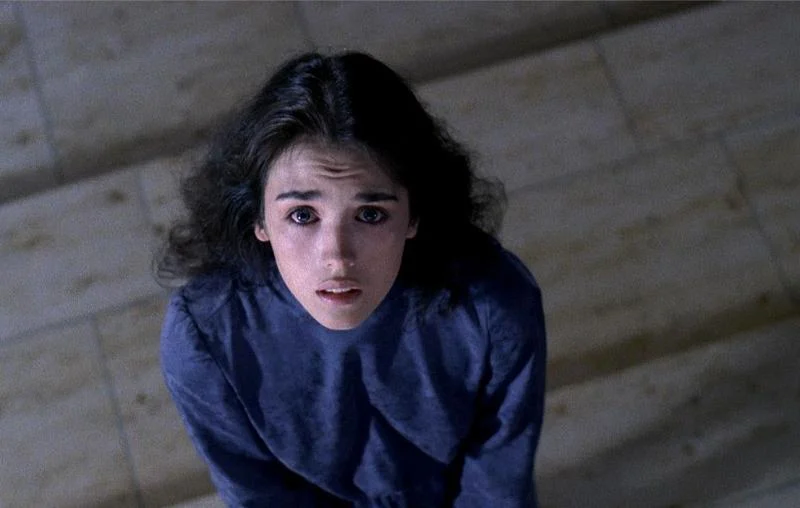
This psychological horror film follows a woman who begins to exhibit increasingly strange behavior during a divorce. The film was banned in the United Kingdom as part of the Video Nasties list due to its intense and bizarre imagery. Director Andrzej Zulawski used the genre to explore the painful breakdown of a relationship in a surreal manner. It features a highly acclaimed performance by Isabelle Adjani that won her several prestigious acting awards. The movie has since been rehabilitated and is recognized for its unique artistic vision.
‘The Evil Dead’ (1981)

Sam Raimi directed this low budget horror film about friends who accidentally summon demons in a remote cabin. The film became a major target for censors in the United Kingdom and was labeled a Video Nasty. It was banned or heavily edited in several other territories because of its inventive and graphic special effects. Despite the controversy the film was a massive success on the home video market and launched a major franchise. It is now celebrated for its creative energy and blend of horror and dark humor.
‘Cannibal Ferox’ (1981)
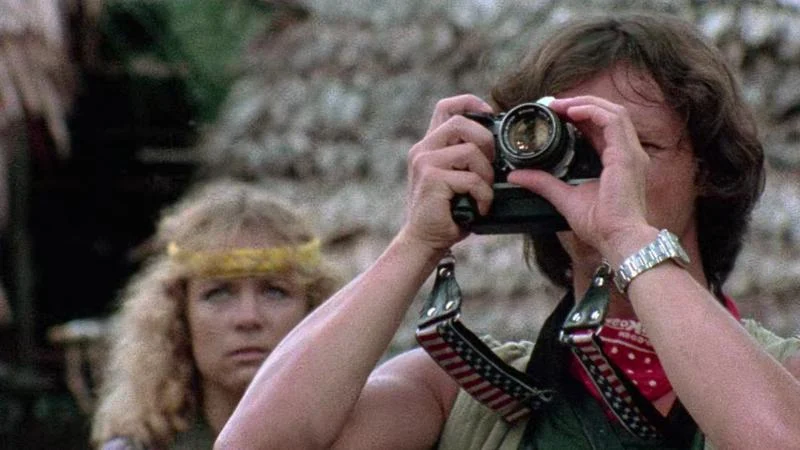
This Italian horror film was marketed as being more violent than any other movie in existence. It was banned in thirty one countries and faced significant legal issues regarding its depiction of animal cruelty. The plot follows a group of researchers who encounter a tribe of cannibals in the South American jungle. Like other films in the genre it relied on extreme practical effects to shock and disgust its audience. It remains a cult favorite among fans of extreme cinema and the cannibal subgenre.
‘Silent Night, Deadly Night’ (1984)
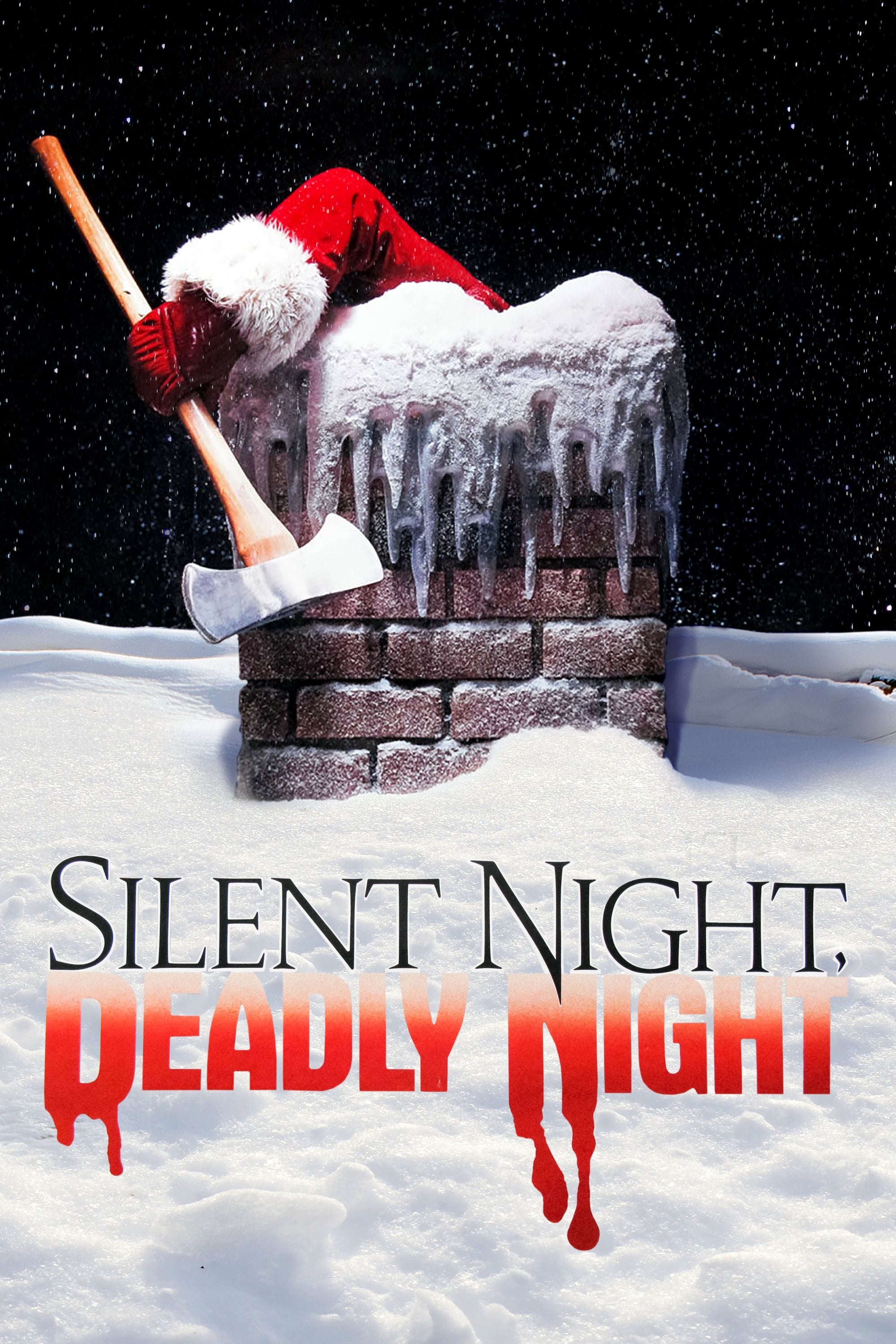
This slasher film caused a national uproar in the United States for featuring a killer dressed as Santa Claus. Parent groups organized protests and picketed theaters to demand the removal of the film from circulation. The distributor eventually pulled the movie from theaters just weeks after its release due to the intense negative publicity. Critics like Roger Ebert and Gene Siskel famously condemned the film for its use of a beloved holiday figure in a violent context. It eventually found a second life on home video and spawned several sequels.
‘The Last Temptation of Christ’ (1988)
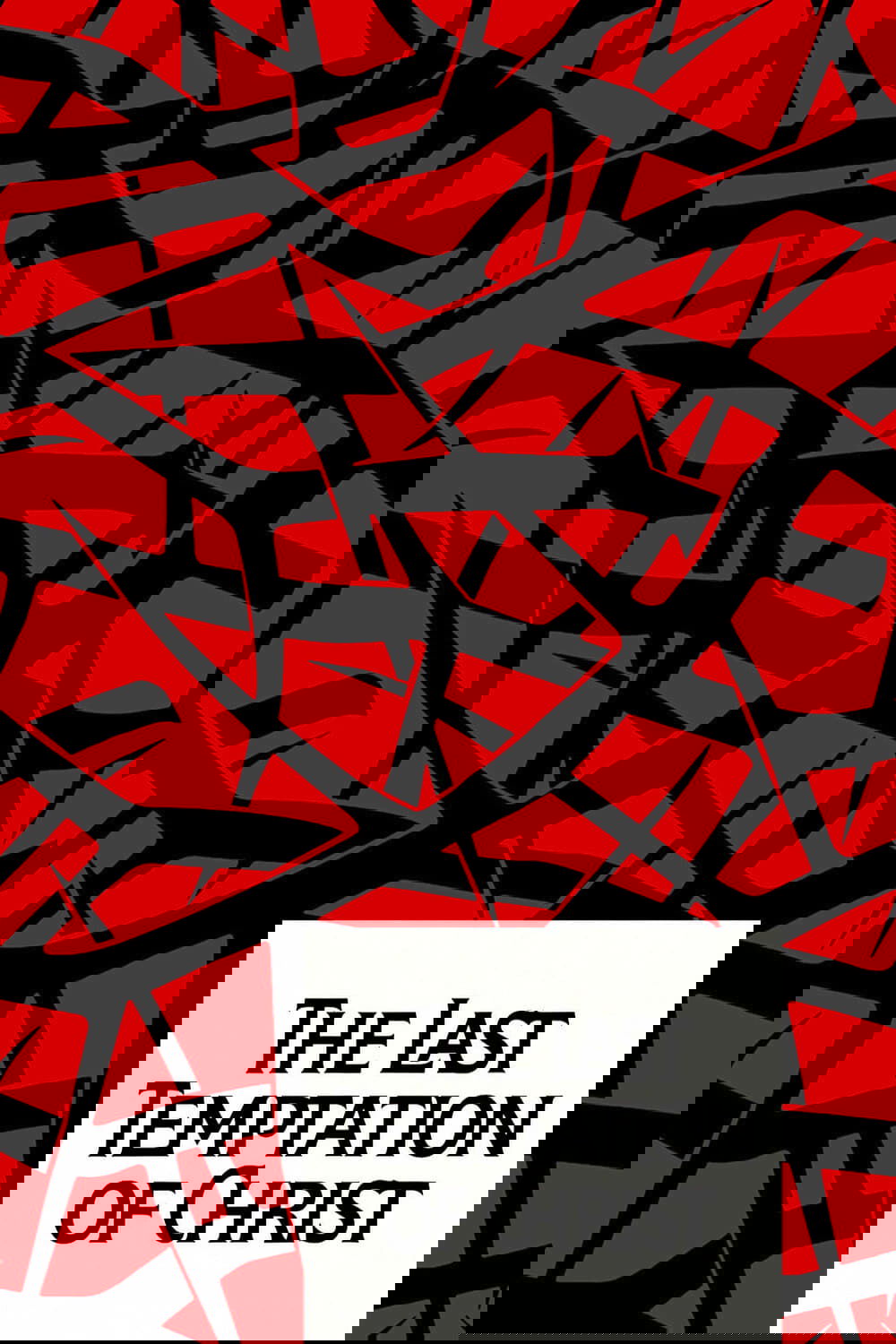
Martin Scorsese directed this adaptation of the novel by Nikos Kazantzakis which explores the human side of Jesus. The film was met with massive protests and boycotts from Christian groups who found the dream sequences offensive. A theater in Paris was even firebombed by extremists during a screening of the movie. It was banned in several countries and some video store chains refused to carry the title for years. The film is now considered a deeply spiritual and thoughtful exploration of faith.
‘Child’s Play 3’ (1991)

This horror sequel about a possessed doll became the center of a moral panic in the United Kingdom. Tabloids incorrectly linked the film to a high profile murder case involving young children. Although the link was never proven by authorities the film was effectively banned from television and home video for several years. The controversy led to calls for stricter regulation of violent media and its impact on minors. It serves as a notable example of how media sensationalism can affect the availability of a film.
‘Man Bites Dog’ (1992)

This Belgian mockumentary follows a film crew as they record the daily activities of a charismatic serial killer. The movie was shot in black and white and uses a satirical tone to critique the voyeuristic nature of media. It was banned or restricted in several countries due to its graphic violence and dark subject matter. Some viewers found the blend of humor and extreme brutality to be deeply upsetting and irresponsible. It remains a significant work in the history of independent and transgressive cinema.
‘Natural Born Killers’ (1994)
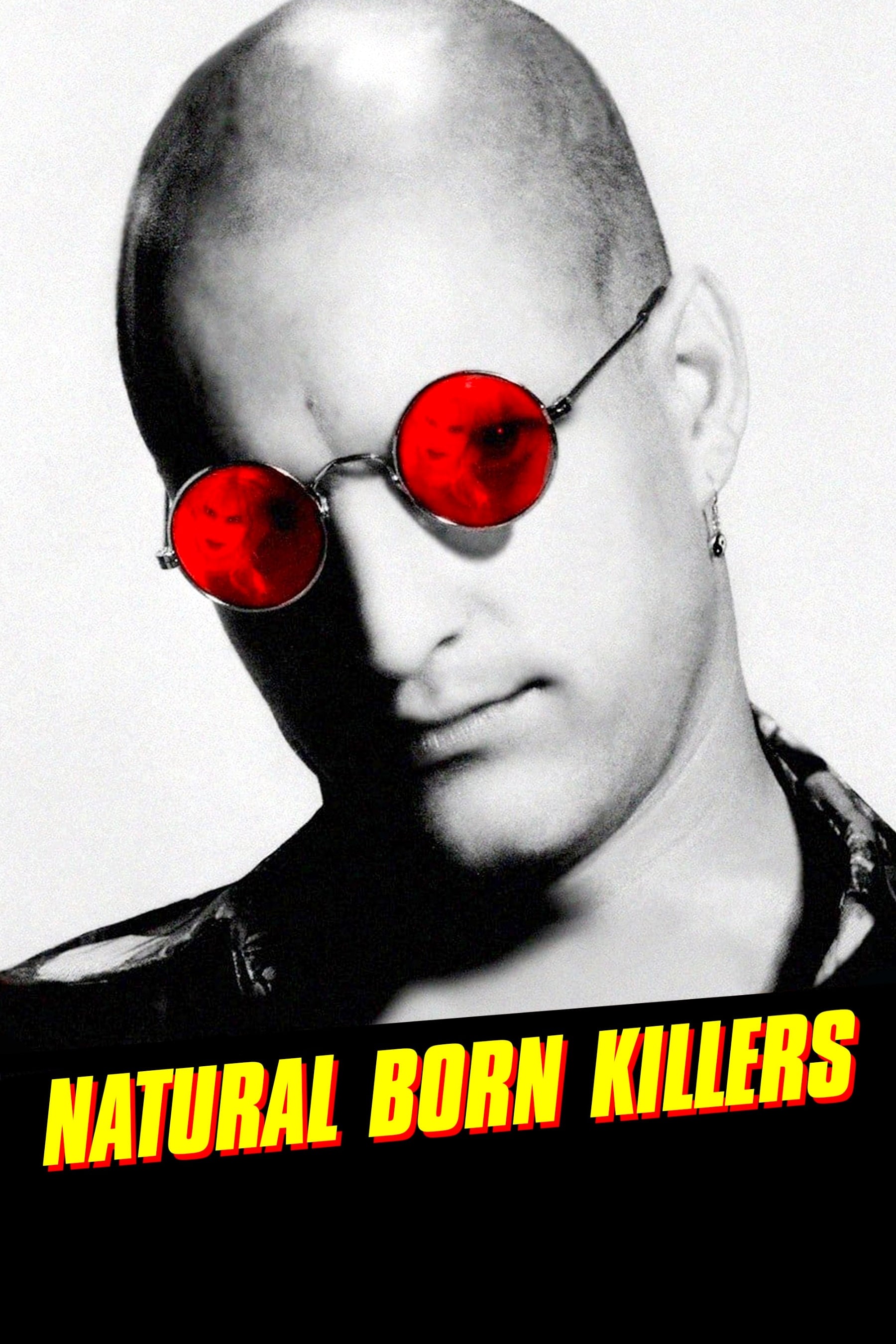
Oliver Stone directed this stylized look at two mass murderers who are turned into celebrities by the media. The film was blamed for several real life crimes which led to legal battles and attempts to ban its distribution. It faced significant censorship in the United Kingdom and was delayed for release on home video for several years. The movie uses various cinematic techniques to create a sensory overload that mirrors the chaos of its protagonists. It continues to be a controversial critique of American culture and media sensationalism.
‘Kids’ (1995)
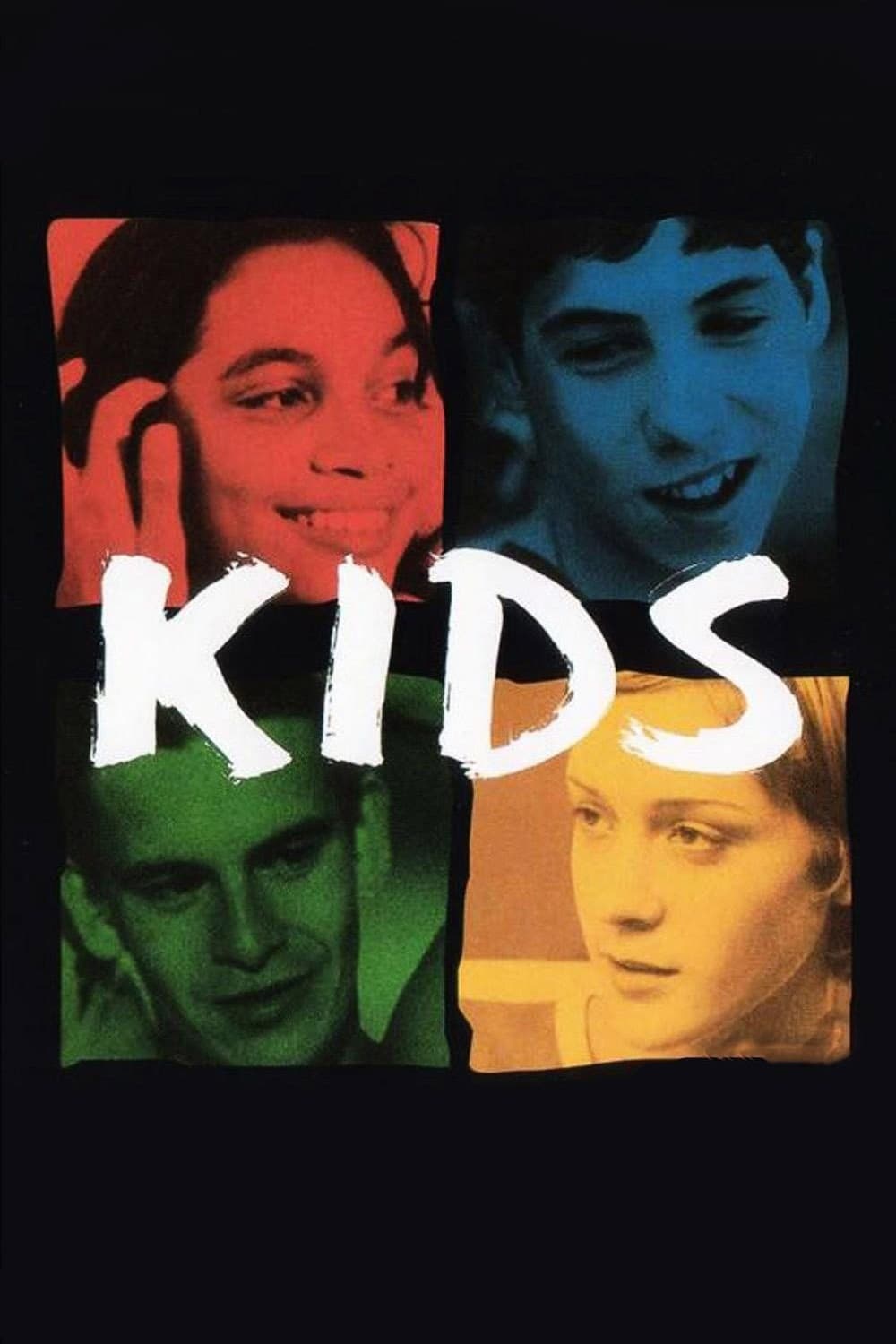
Larry Clark directed this raw look at the lives of teenagers in New York City during the height of the AIDS crisis. The film was highly controversial for its depiction of drug use and sexual activity involving actual teenagers. It was released without a rating after the distributor refused to accept the NC-17 label from the ratings board. Many critics praised the film for its honesty while others found it to be exploitative and disturbing. The production launched the careers of several actors including Chloe Sevigny and Rosario Dawson.
‘Showgirls’ (1995)
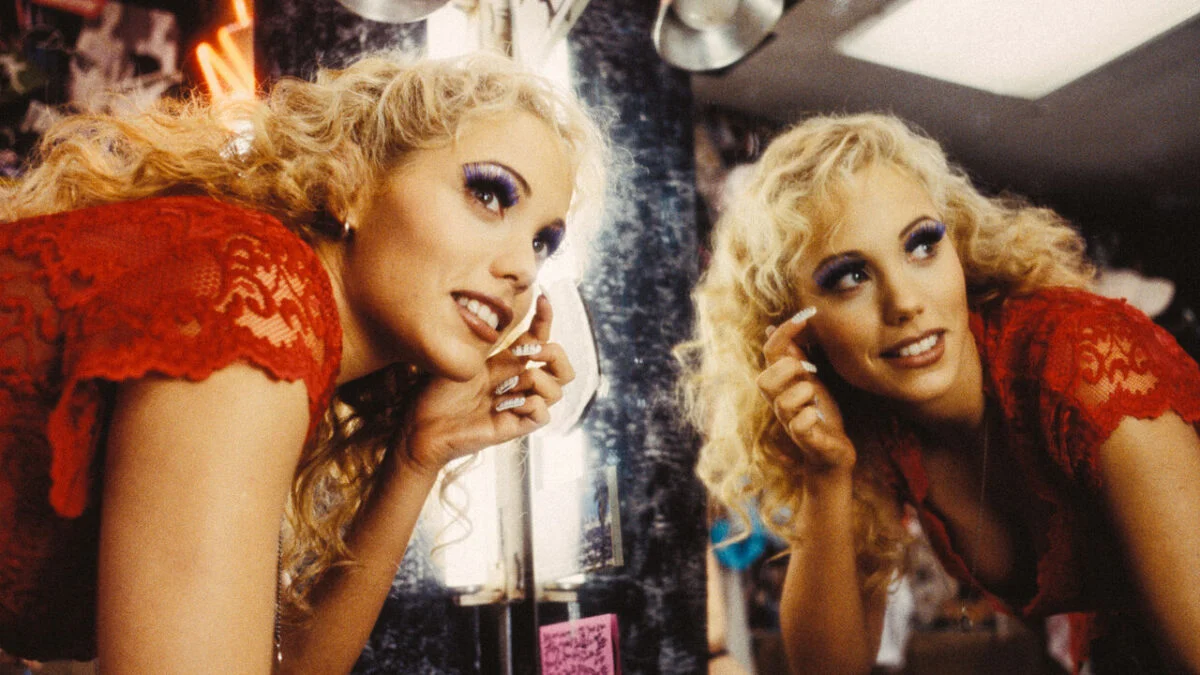
Paul Verhoeven directed this high budget drama about the cutthroat world of Las Vegas dancers. The film was the first major studio release to embrace an NC-17 rating which limited its theatrical reach. It was met with overwhelmingly negative reviews and was nearly shunned by the industry upon its release. Some international territories considered banning the film due to the frequency of nudity and sexual themes. It has since undergone a massive critical reappraisal and is now celebrated as a subversive cult classic.
‘Crash’ (1996)
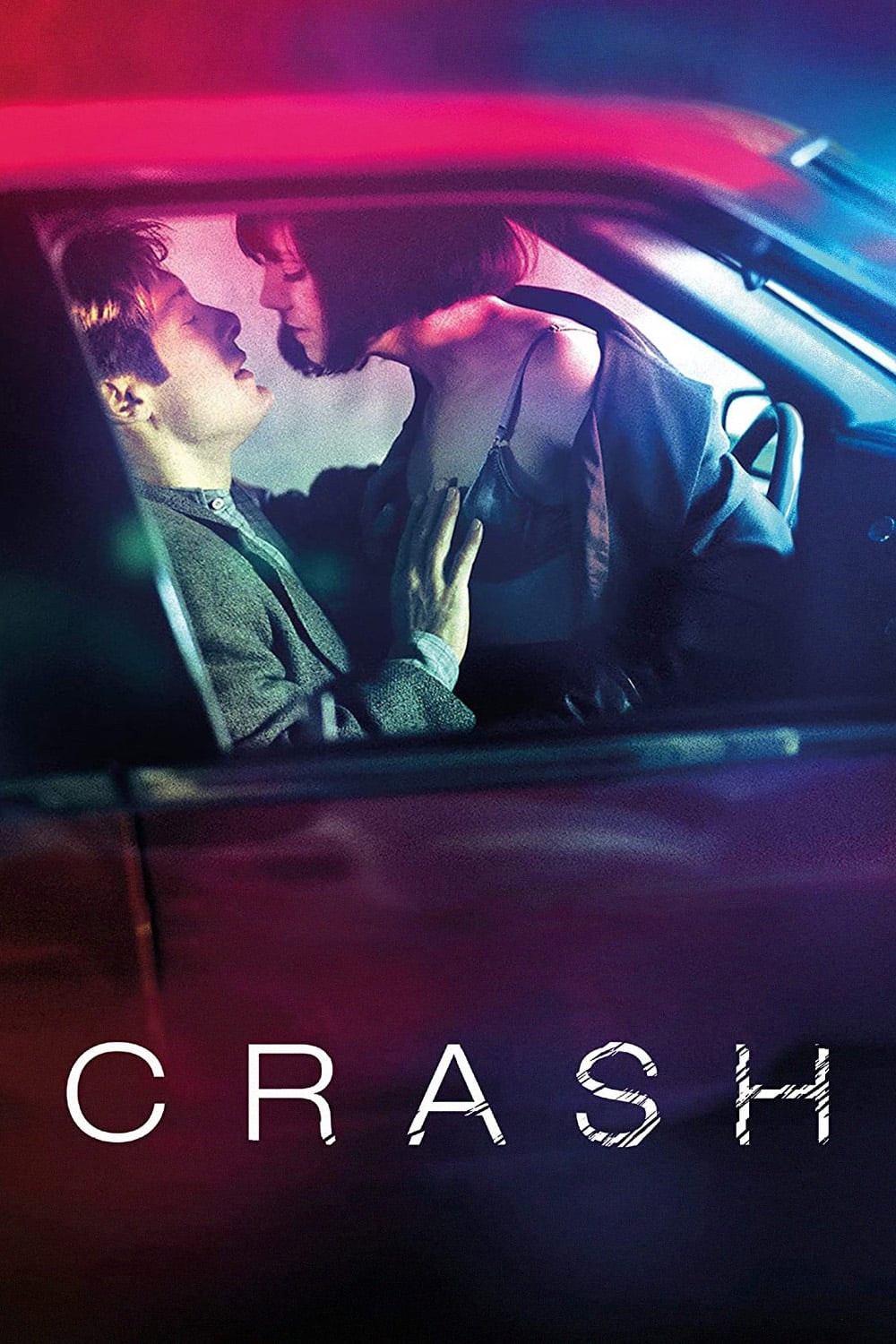
David Cronenberg directed this adaptation of the novel by J.G. Ballard about people who find sexual arousal in car accidents. The film caused a scandal at the Cannes Film Festival and was banned by several local councils in the United Kingdom. Critics and politicians argued that the movie was dangerous and could encourage reckless behavior. The distributor fought a long legal battle to ensure the film could be screened in its uncut form. It is recognized for its cold and clinical exploration of the intersection between technology and desire.
‘Happiness’ (1998)
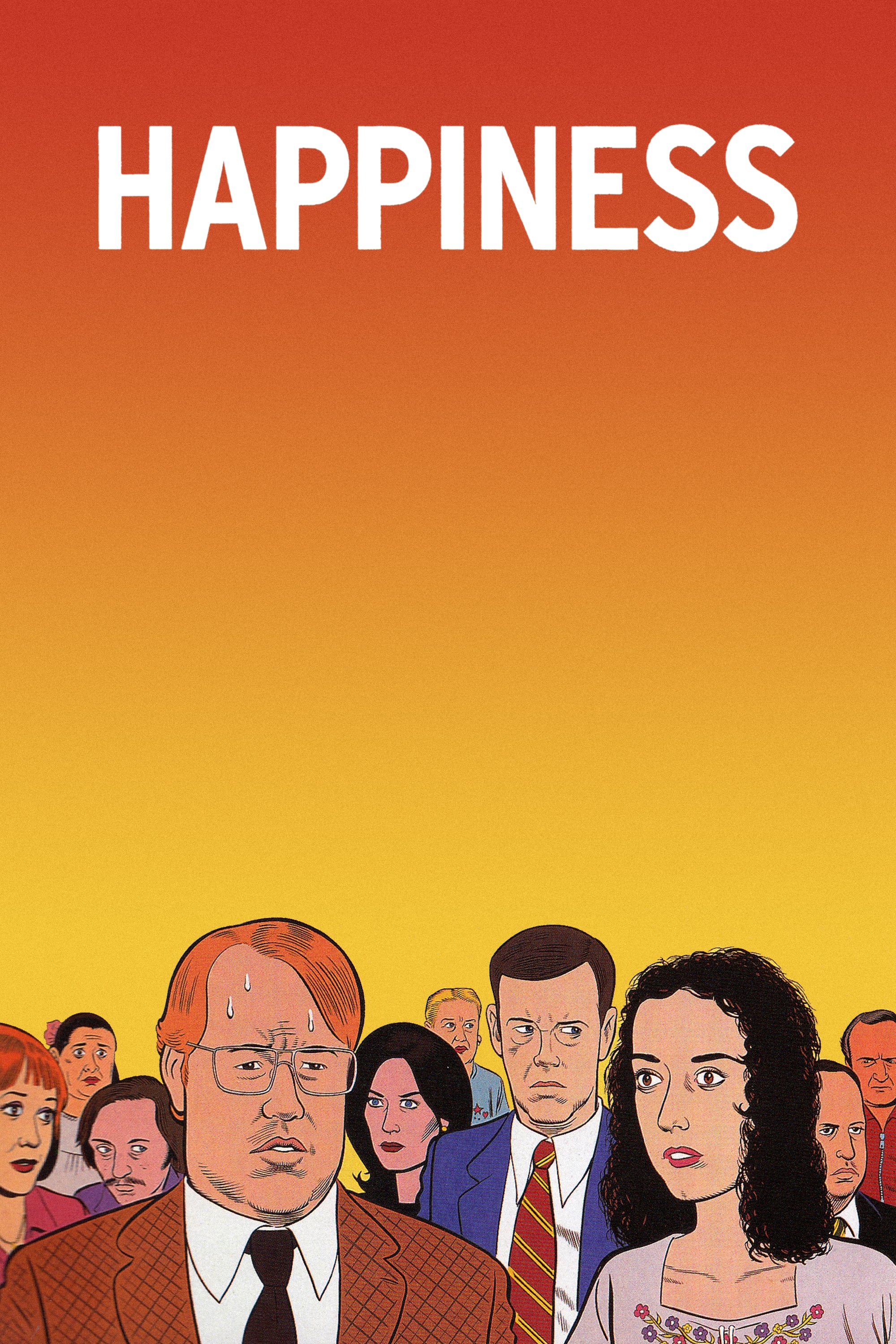
Todd Solondz directed this dark comedy that explores the disturbing lives of several interconnected individuals. The film features a plotline involving a pedophile that was so controversial the original distributor dropped the project before its release. It was forced to go through an independent distributor and was released without a rating in the United States. Many theaters refused to screen the film and it faced significant backlash from various social groups. Despite the difficult subject matter it received critical acclaim for its fearless script and performances.
‘Baise-moi’ (2000)
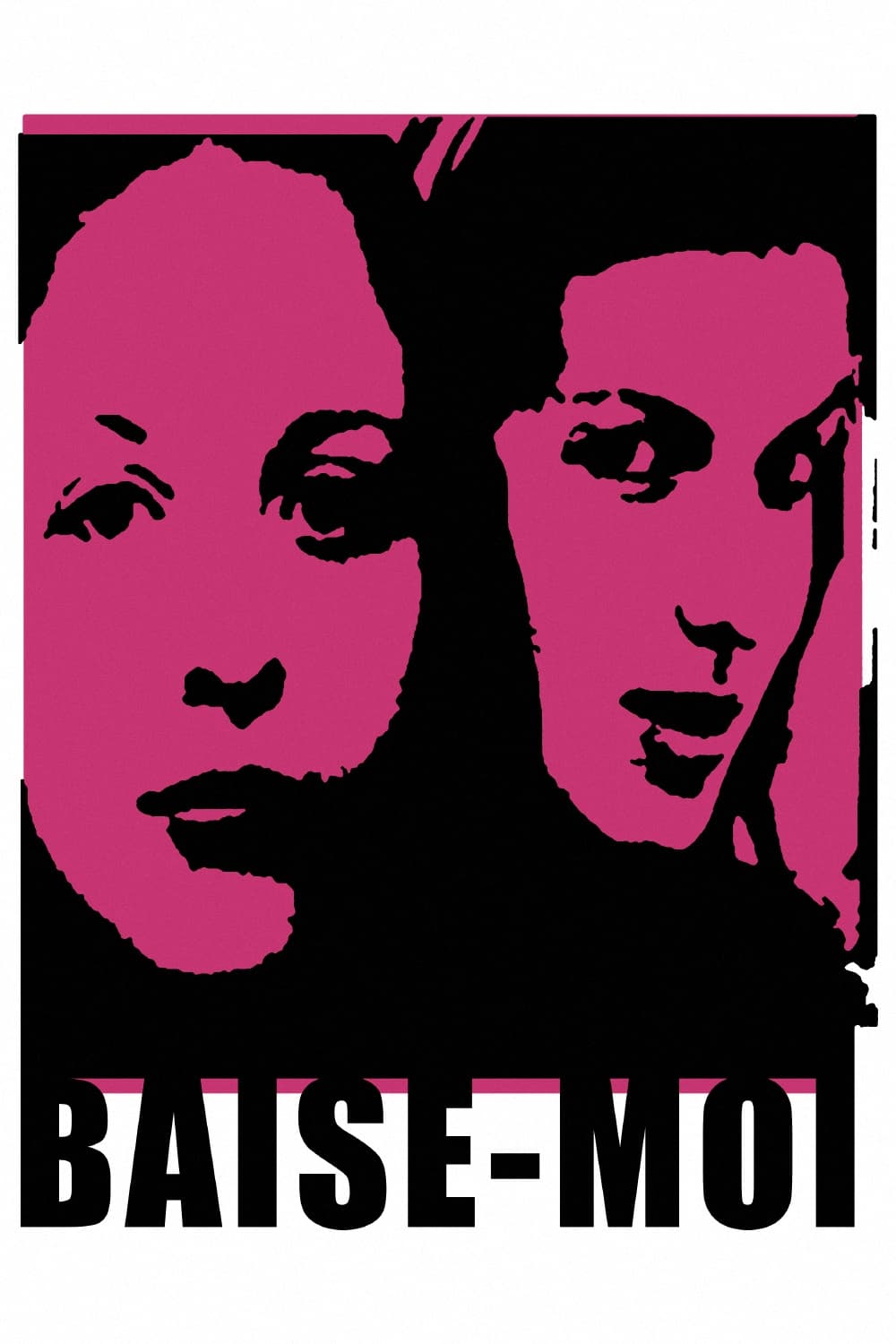
This French film follows two women who embark on a violent and sexual rampage after experiencing trauma. It was originally granted an adult rating in France but was later banned and reclassified as pornography by the courts. The film features unsimulated sexual sequences and graphic violence that led to its restriction in numerous international markets. It sparked a major debate in France regarding the definition of art versus obscenity. The movie remains a significant entry in the New French Extremity movement.
‘Battle Royale’ (2000)
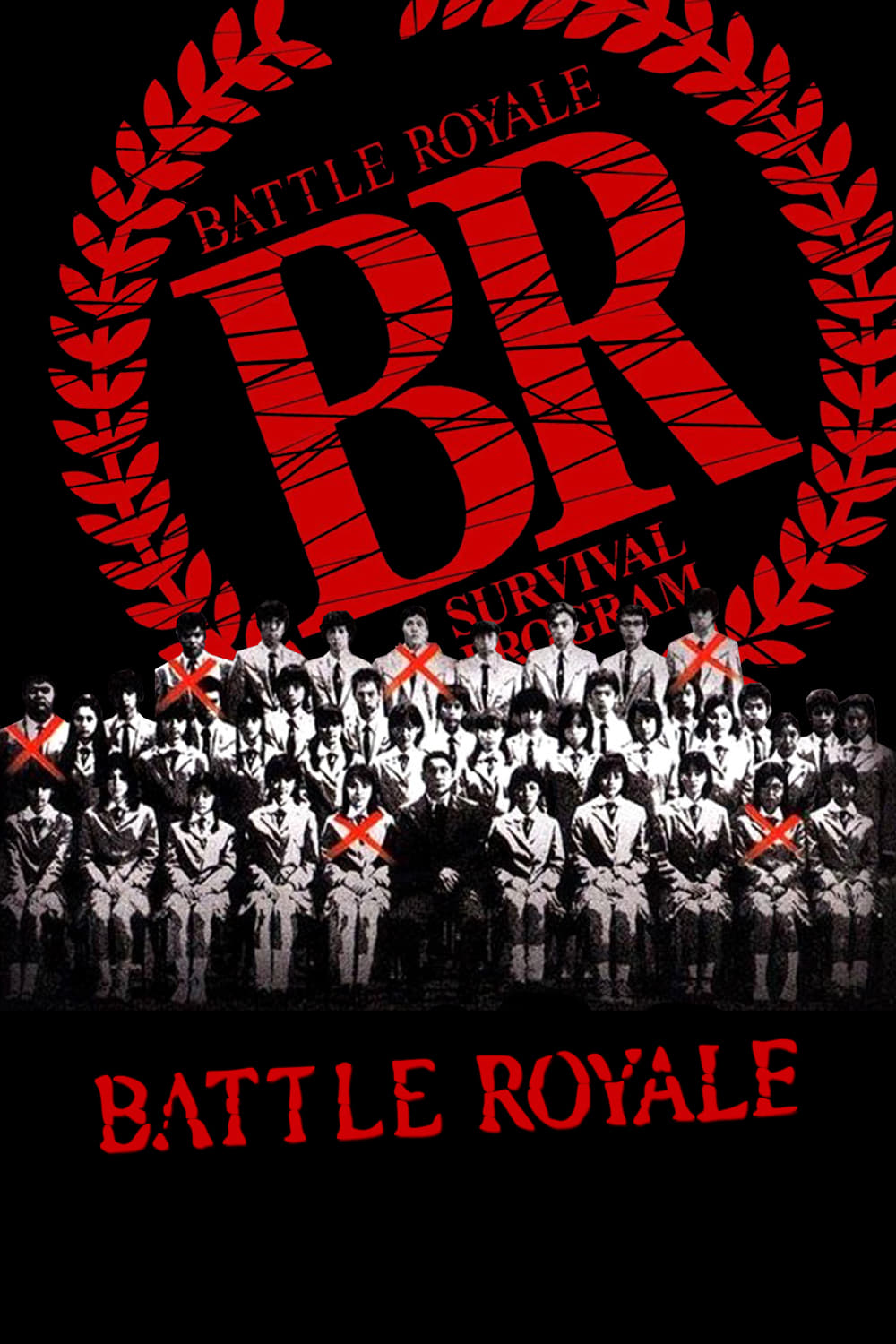
This Japanese film depicts a future where students are forced to kill each other in a government sanctioned game. The movie was so controversial in Japan that it was discussed in the national parliament and faced calls for a total ban. It was not released in the United States for over a decade due to concerns about the depiction of violence involving minors. Despite the hurdles it became a massive international hit and influenced numerous books and films. It is now considered a landmark of modern dystopian cinema.
‘Ichi the Killer’ (2001)
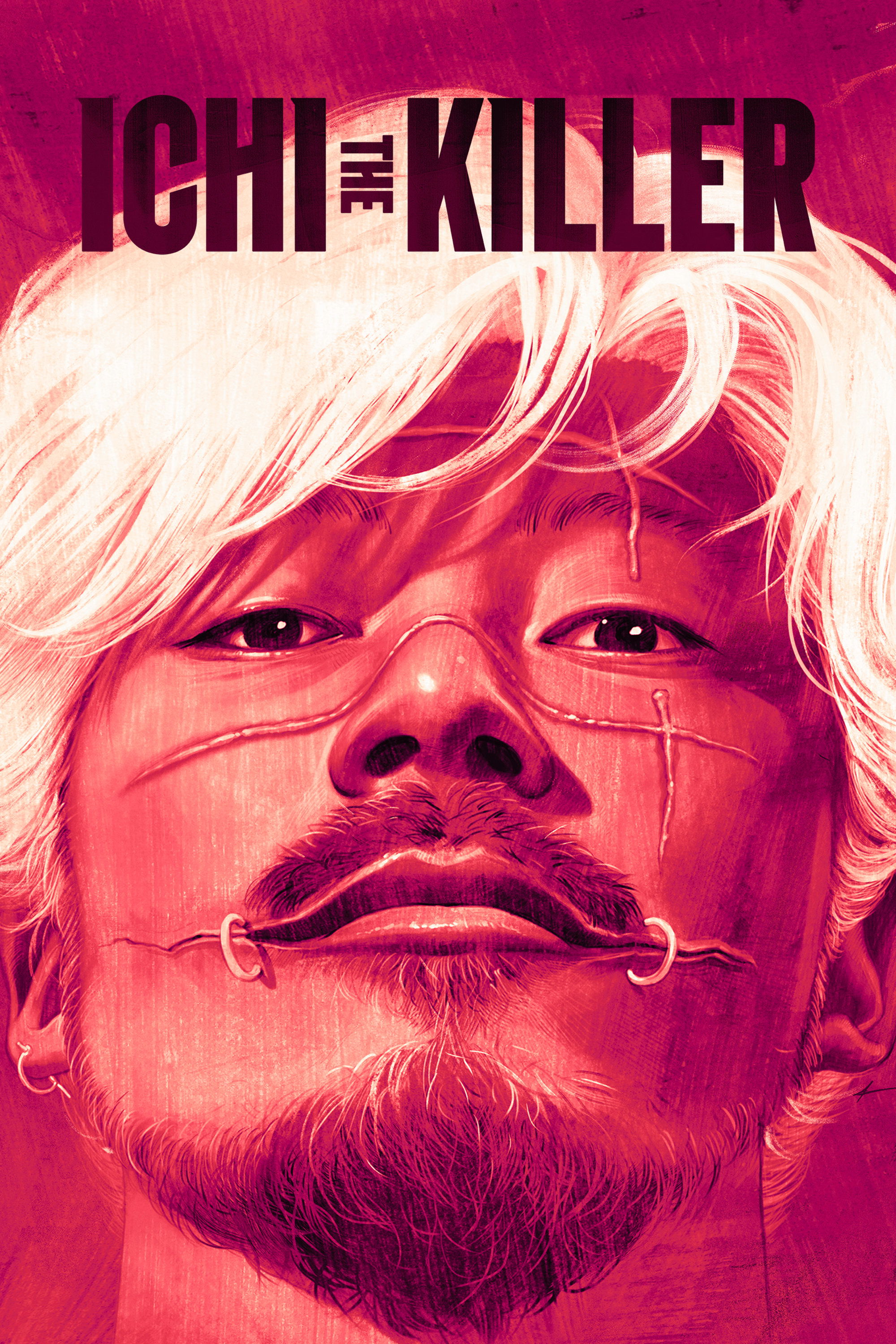
Another entry from director Takashi Miike this film is an adaptation of a manga about a psychologically damaged assassin. The movie features extreme depictions of torture and mutilation that led to it being banned in several countries. It was heavily edited for its release in the United Kingdom and other territories to meet censorship standards. The film uses a highly stylized aesthetic to depict the underworld of the Yakuza in a surreal manner. It has earned a reputation as one of the most violent films ever produced.
‘The Profit’ (2001)

This independent film is a fictionalized story that bears a strong resemblance to the history of the Church of Scientology. Shortly after its debut at a film festival the church filed a lawsuit that resulted in a court order preventing the film from being shown. The injunction remained in place for years which effectively banned the film from public viewing in the United States. Very few people have seen the complete version of the project due to these ongoing legal restrictions. It serves as a rare example of a film being silenced through civil litigation.
‘Irreversible’ (2002)
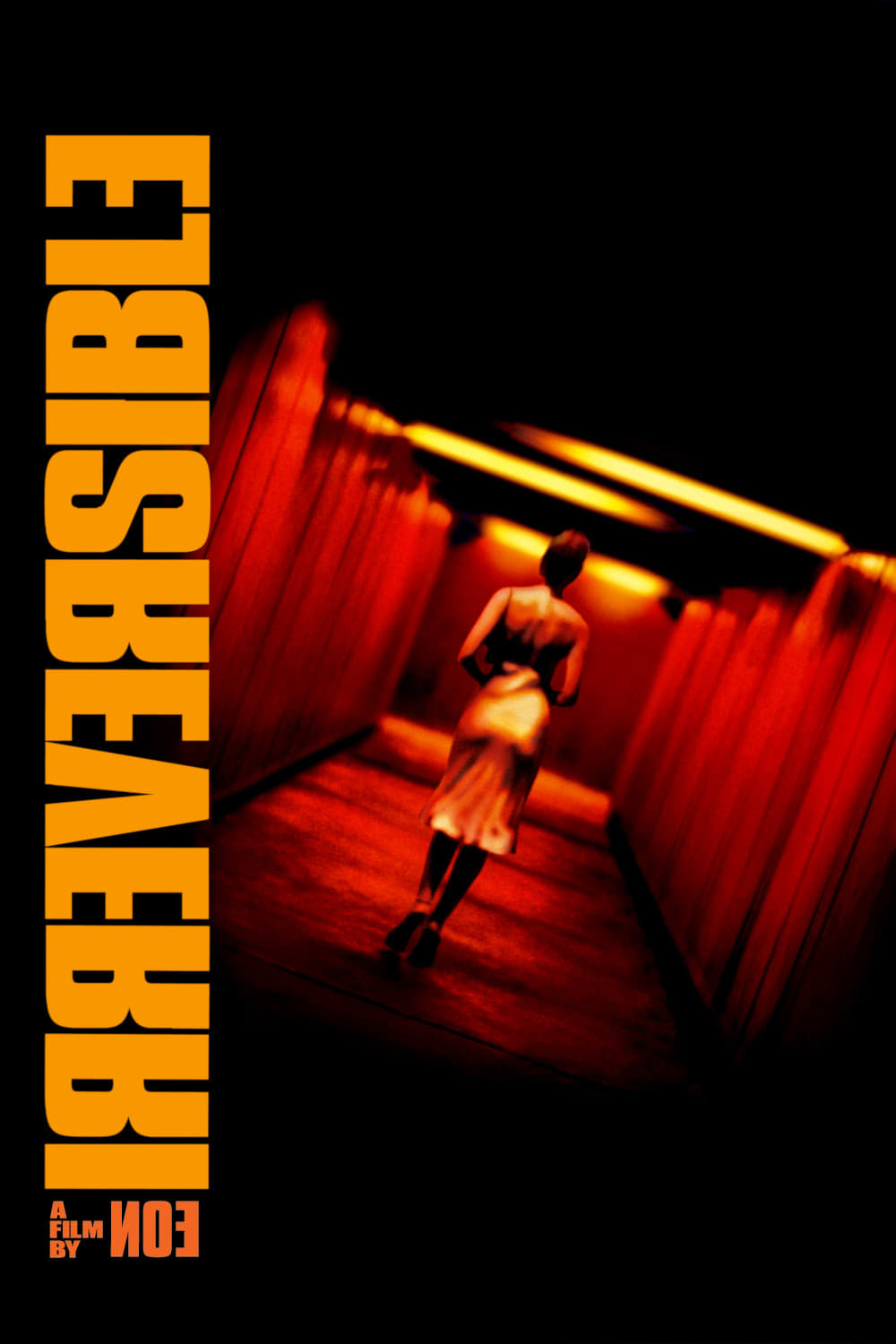
Gaspar Noe directed this experimental film that tells its story in reverse chronological order. It is most famous for a long and incredibly graphic scene of an assault that caused many viewers to leave the theater in distress. The film was restricted in several countries and was the subject of intense debate at the Cannes Film Festival. Noe used low frequency sounds during the first half of the film to induce physical discomfort in the audience. It remains one of the most polarizing and talked about films of the early two thousands.
‘The Passion of the Christ’ (2004)
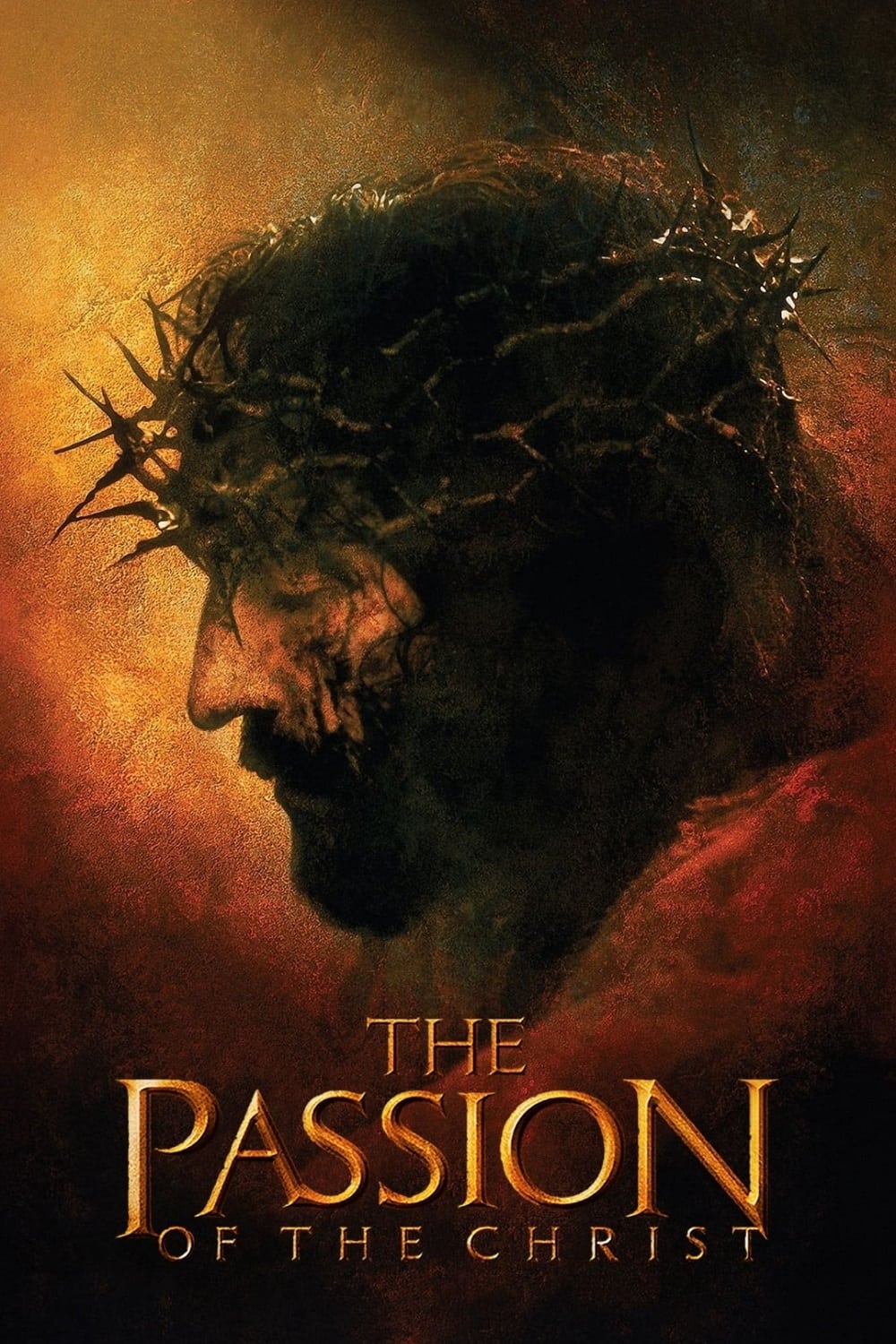
Mel Gibson directed this depiction of the final twelve hours of the life of Jesus. The film was highly controversial for its extreme and relentless violence which many critics found to be excessive. It also faced accusations of promoting anti-Semitic themes which led to protests from Jewish organizations. Several countries and religious groups attempted to ban the film to prevent potential social friction. Despite the many controversies it became one of the highest grossing R rated films in history.
‘Martyrs’ (2008)
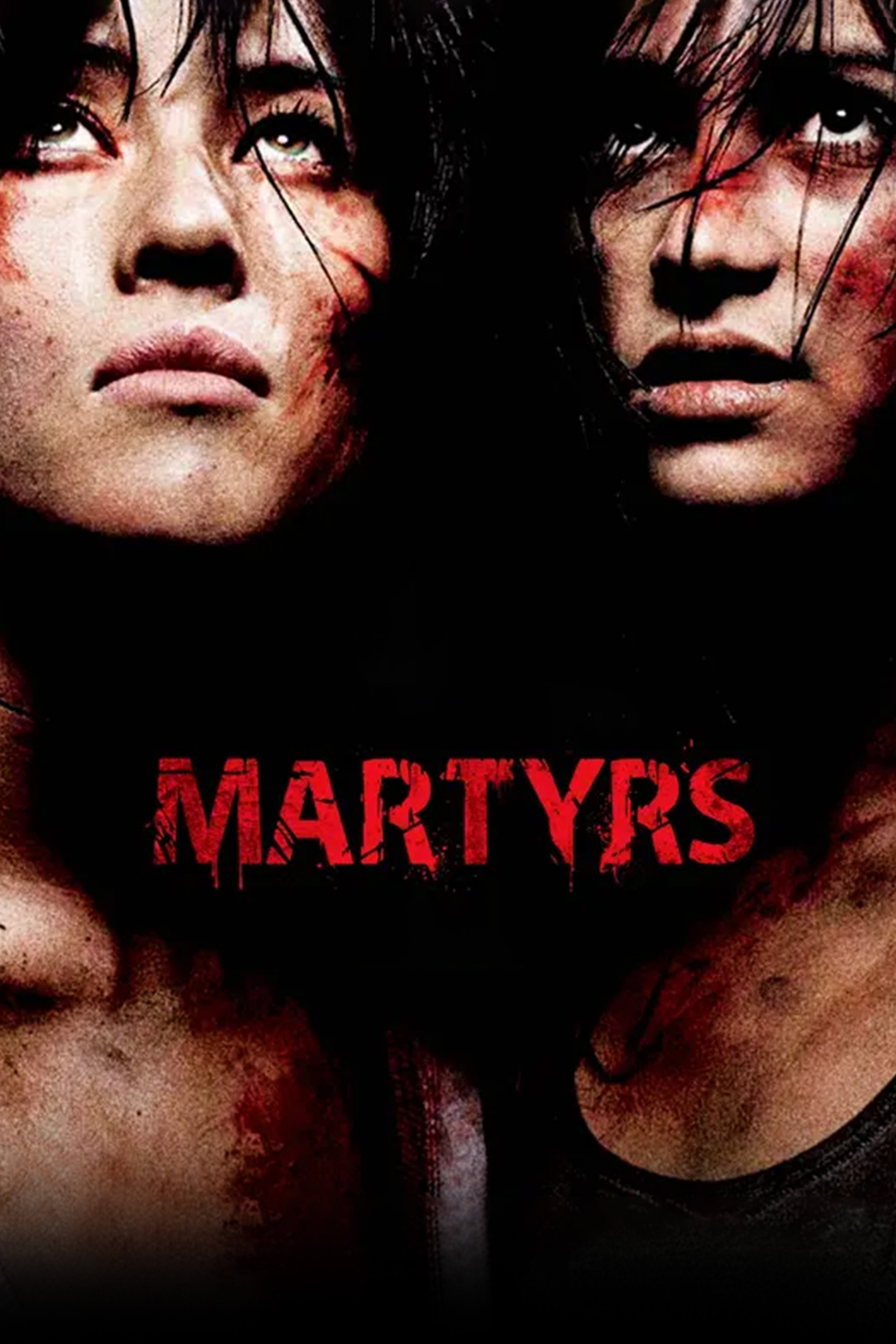
This French horror film is a key part of the New French Extremity movement and features themes of philosophical transcendence through suffering. The movie was so graphic that it was initially given the highest possible age rating in France which usually signifies a ban on advertising. The producers successfully campaigned to have the rating lowered so the film could reach a wider audience. It remains a deeply disturbing and controversial work that explores the limits of human endurance. A remake was produced in the United States but it failed to capture the impact of the original.
‘Antichrist’ (2009)
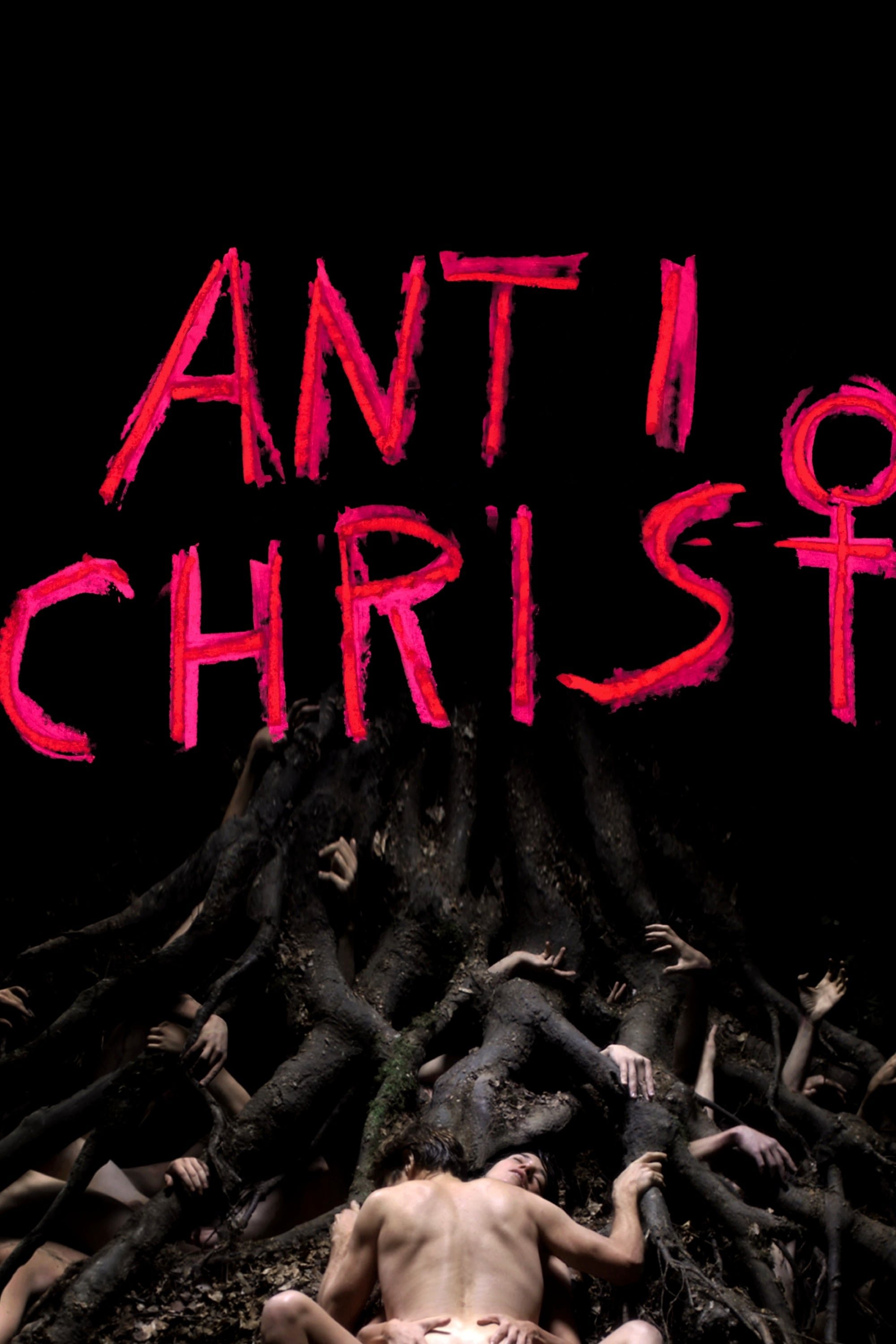
Lars von Trier directed this psychological horror film starring Willem Dafoe and Charlotte Gainsbourg as a grieving couple. The film features graphic imagery involving self mutilation and unsimulated sexual content. It was met with a mix of boos and applause at the Cannes Film Festival and was banned in several territories. The director dedicated the film to Andrei Tarkovsky which further confused and intrigued critics. It remains one of the most visually stunning and controversial entries in modern art house cinema.
‘A Serbian Film’ (2010)
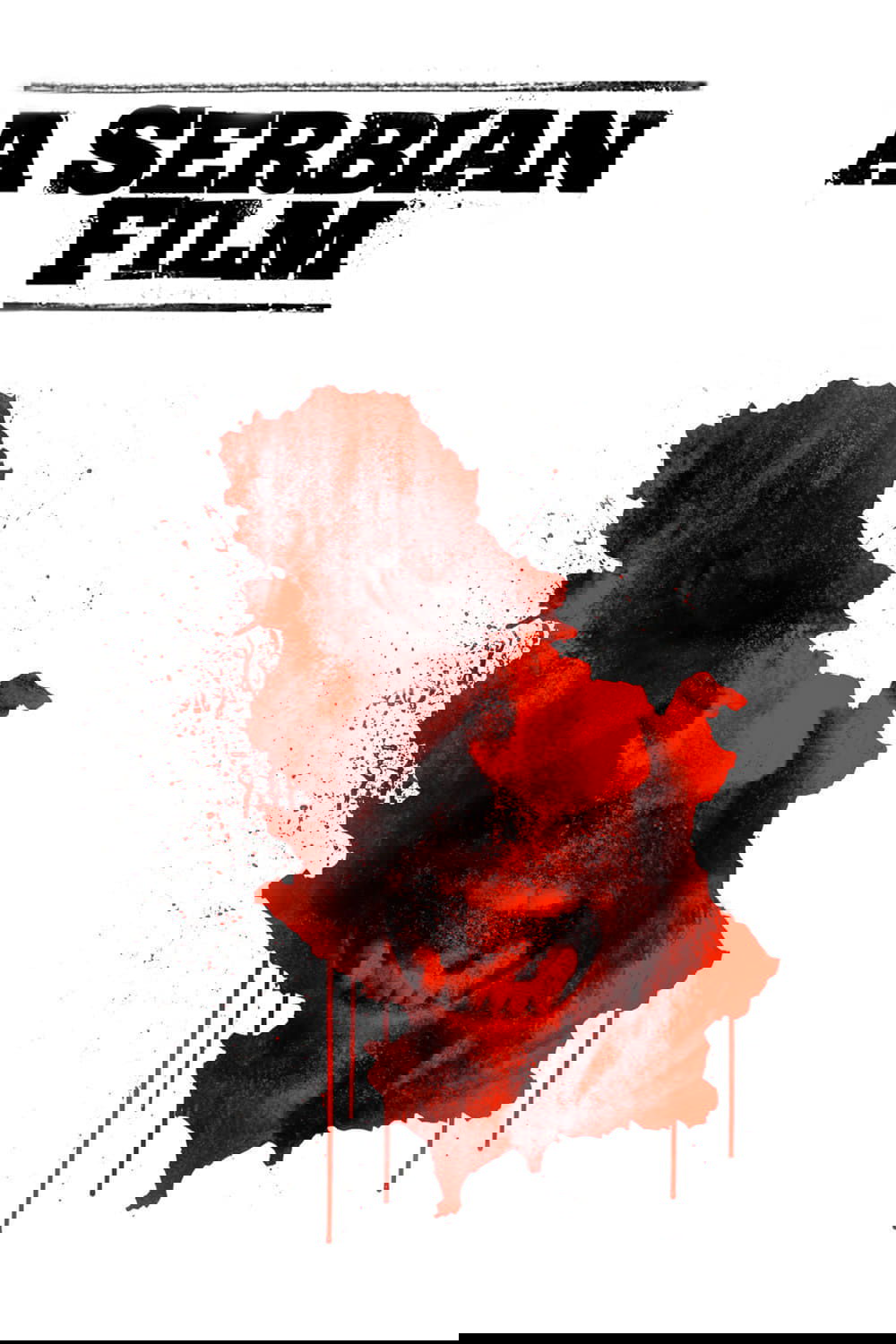
This film is widely considered to be one of the most disturbing and graphic movies ever made. It features extreme depictions of abuse and violence that led to it being banned in numerous countries around the world. The director claimed the film was a metaphor for the political and social trauma experienced in Serbia. It was seized by police in some regions and became the subject of multiple criminal investigations regarding its content. It remains a benchmark for extreme cinema that very few viewers can stomach.
‘The Bunny Game’ (2011)
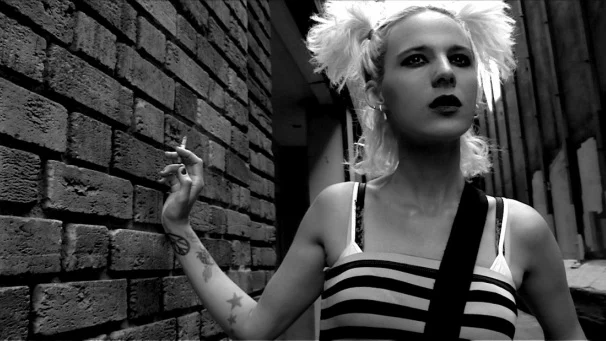
This independent film features a woman who is kidnapped and tortured by a truck driver over several days. The movie was banned in the United Kingdom by the British Board of Film Classification for its perceived lack of educational or artistic merit. Censors argued that the film focused too much on the sexualization of violence and degradation. The actress involved in the film also co wrote the script based on some of her own life experiences. It remains a highly obscure and controversial title in the world of underground cinema.
‘Blue Is the Warmest Color’ (2013)
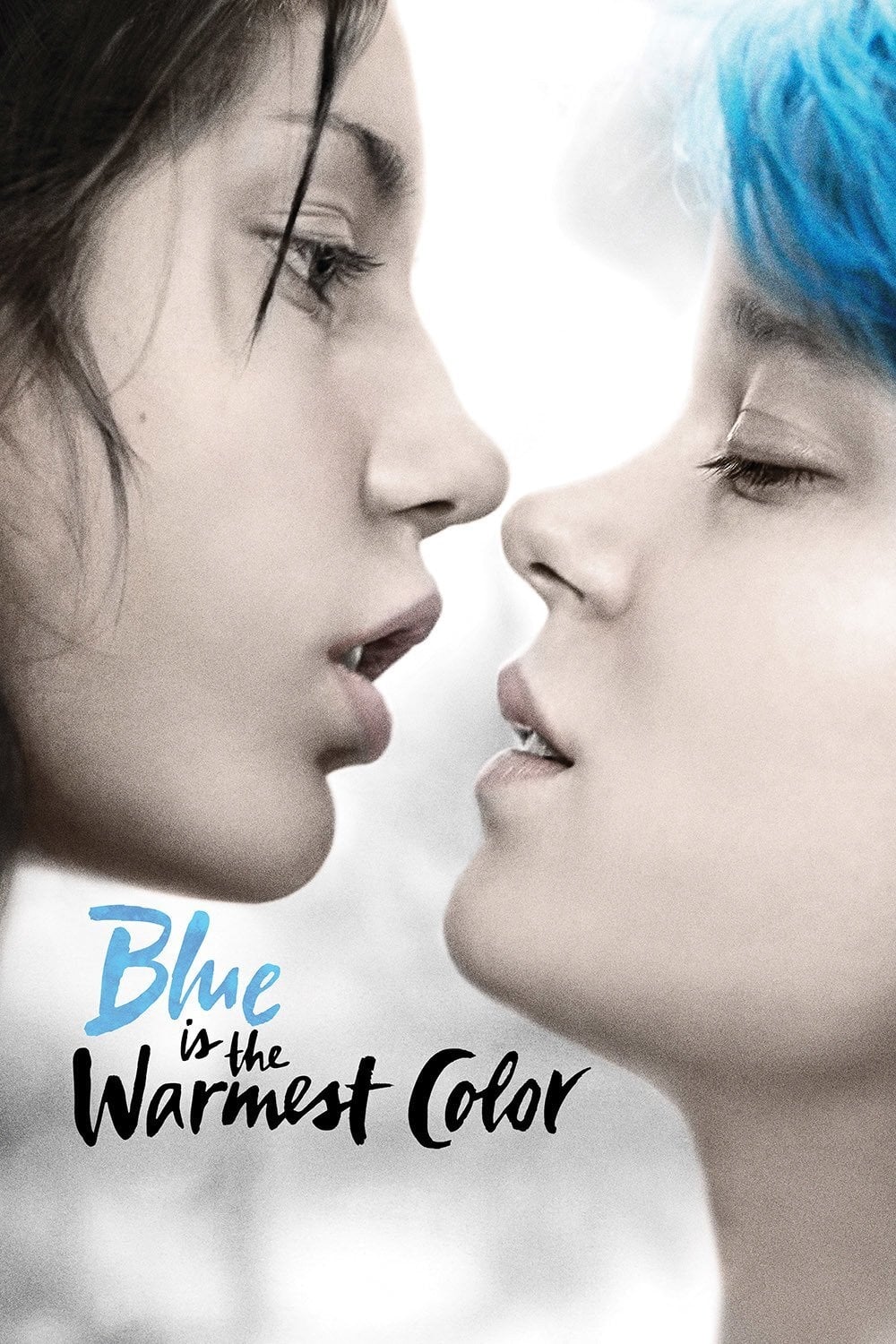
This French drama explores the evolving relationship between two young women over the course of several years. It won the Palme d Or at Cannes but faced significant scrutiny for its long and explicit intimate sequences. Some critics and government bodies in different countries questioned if the content was suitable for general release. The film was nearly restricted or banned in certain regions due to local laws regarding adult content on screen. It is also remembered for the public fallout between the director and the lead actresses regarding the filming conditions.
‘The Interview’ (2014)
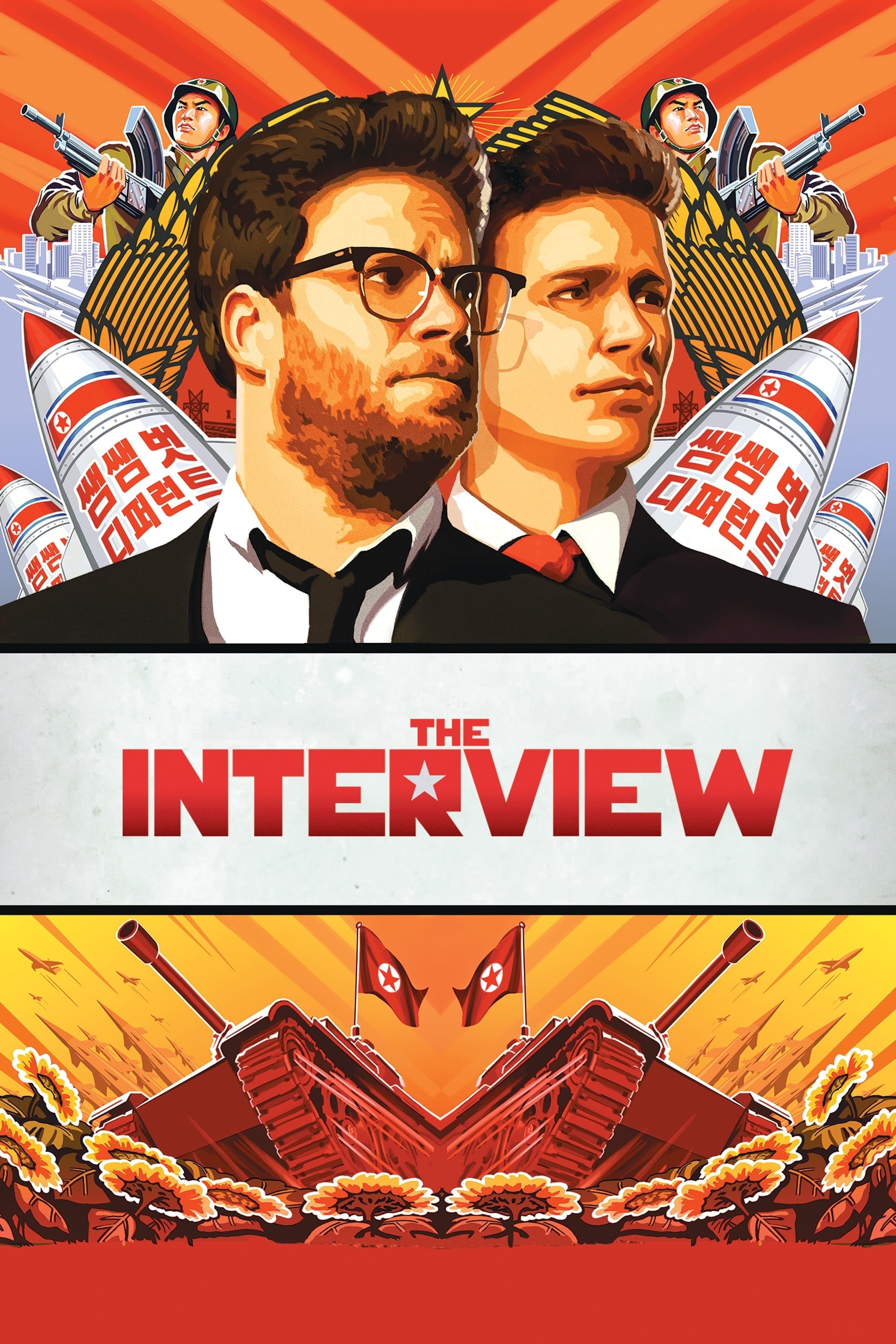
This comedy stars Seth Rogen and James Franco as journalists recruited to assassinate the leader of North Korea. The film sparked an international incident when the North Korean government threatened action against the United States if it was released. A massive cyberattack on Sony Pictures followed which led to the initial cancellation of the theatrical release. Most major theater chains refused to screen the film due to security concerns regarding potential threats. It was eventually released through independent theaters and digital platforms as a statement on freedom of speech.
‘Love’ (2015)
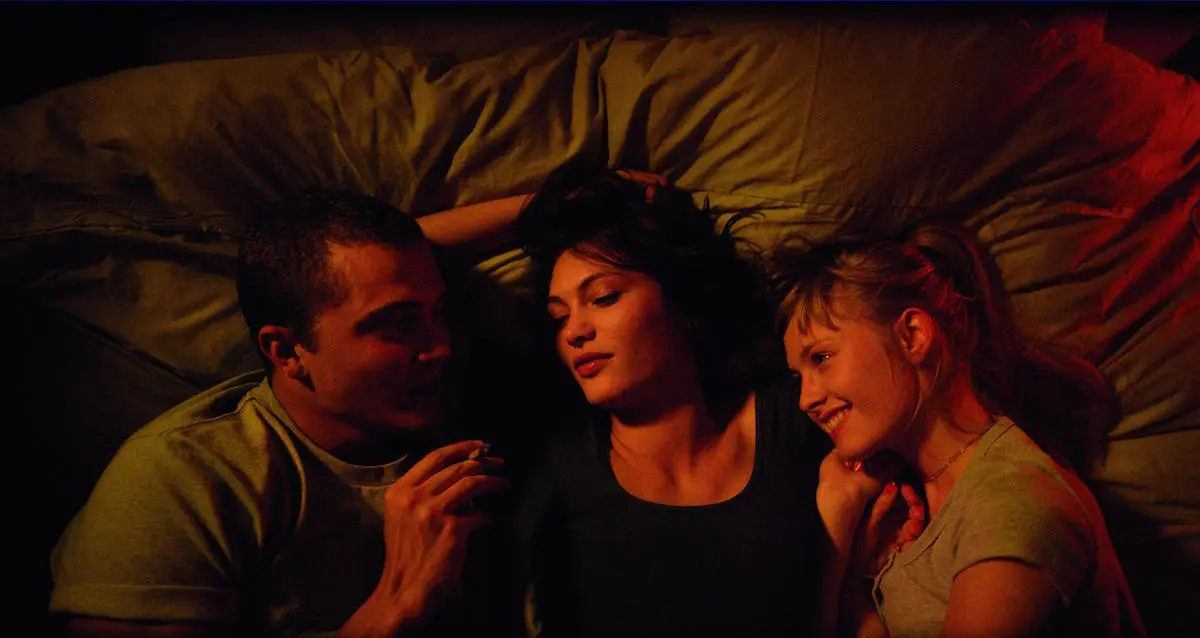
Gaspar Noe directed this romantic drama in 3D featuring unsimulated sexual sequences and a focus on physical intimacy. The film was banned in Russia and faced significant rating hurdles in various other countries. It premiered at the Cannes Film Festival where it received a polarized response for its graphic approach to a love story. Noe argued that the film was an attempt to depict human passion in a more honest way than traditional cinema allows. It remains a notable example of the boundaries being pushed in contemporary mainstream film.
Please share your favorite controversial movie experiences and opinions in the comments.