Video Games That Were Broken Upon Release


The history of the video game industry is filled with ambitious projects that failed to meet technical standards at launch. Many titles suffer from software bugs and server instability that prevent players from enjoying the experience they purchased. These technical failures often lead to significant controversy and force developers to issue public apologies. Modern gaming relies heavily on post launch updates to fix these deep rooted issues. This list explores several notable examples of games that struggled with broken mechanics and poor optimization upon arrival.
‘Cyberpunk 2077’ (2020)
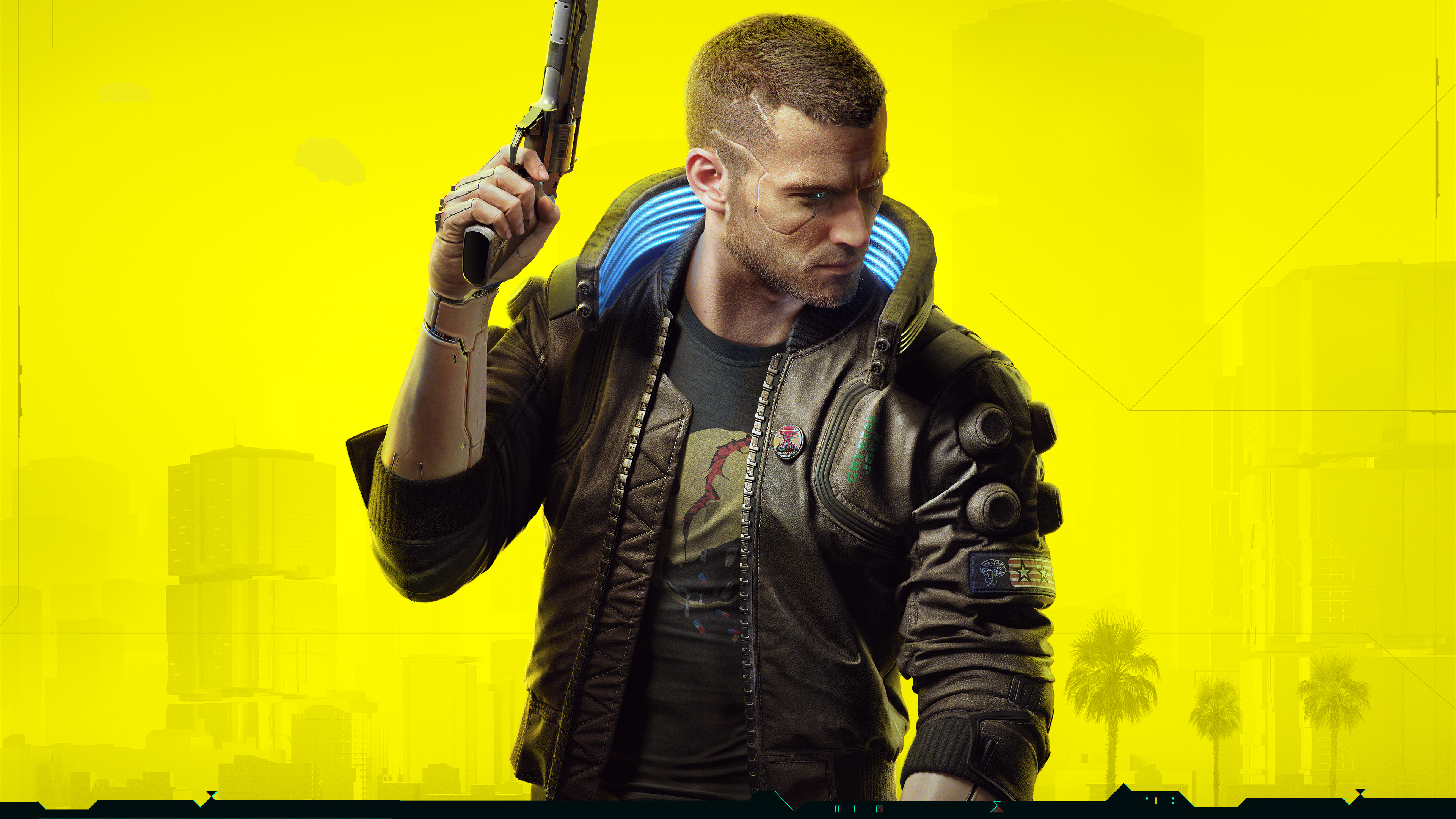
‘Cyberpunk 2077’ launched with numerous technical issues that made the experience nearly unplayable for many users on older consoles. Players encountered frequent crashes and visual glitches that broke the immersion of the futuristic setting. The performance problems were so severe that the game was temporarily removed from a major digital storefront. Developers spent several years releasing patches to stabilize the software and restore the features promised during development. This release became a significant case study regarding the pressures of meeting ambitious deadlines.
‘No Man’s Sky’ (2016)
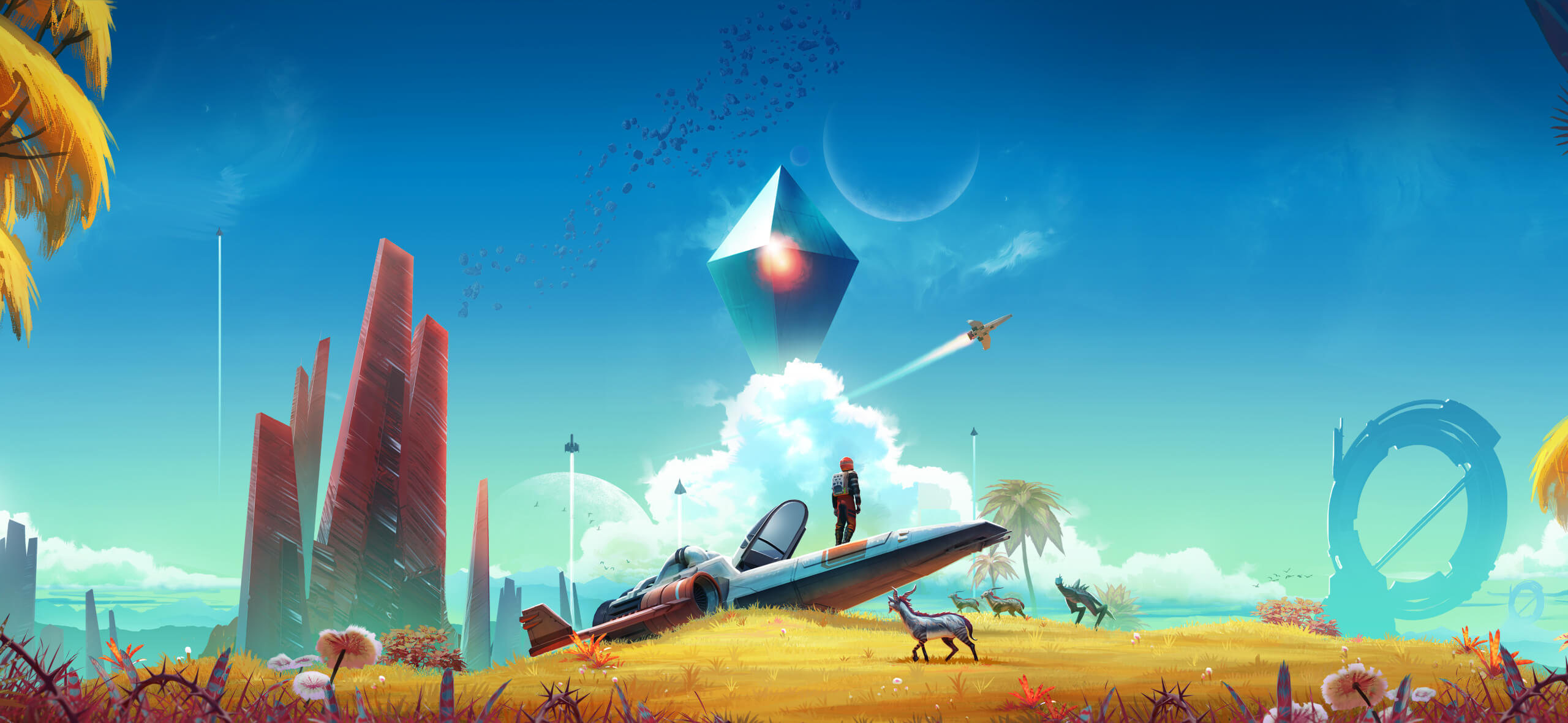
The initial release of ‘No Man’s Sky’ lacked many of the features that were promoted during its extensive marketing campaign. Players found that the universe felt empty and certain multiplayer elements were completely absent. Technical glitches and repetitive gameplay loops led to a wave of refund requests from disappointed customers. The development team worked for years to transform the title through free content updates and technical overhauls. It eventually became a successful project but its beginning remains a cautionary tale about overpromising.
‘Fallout 76’ (2018)
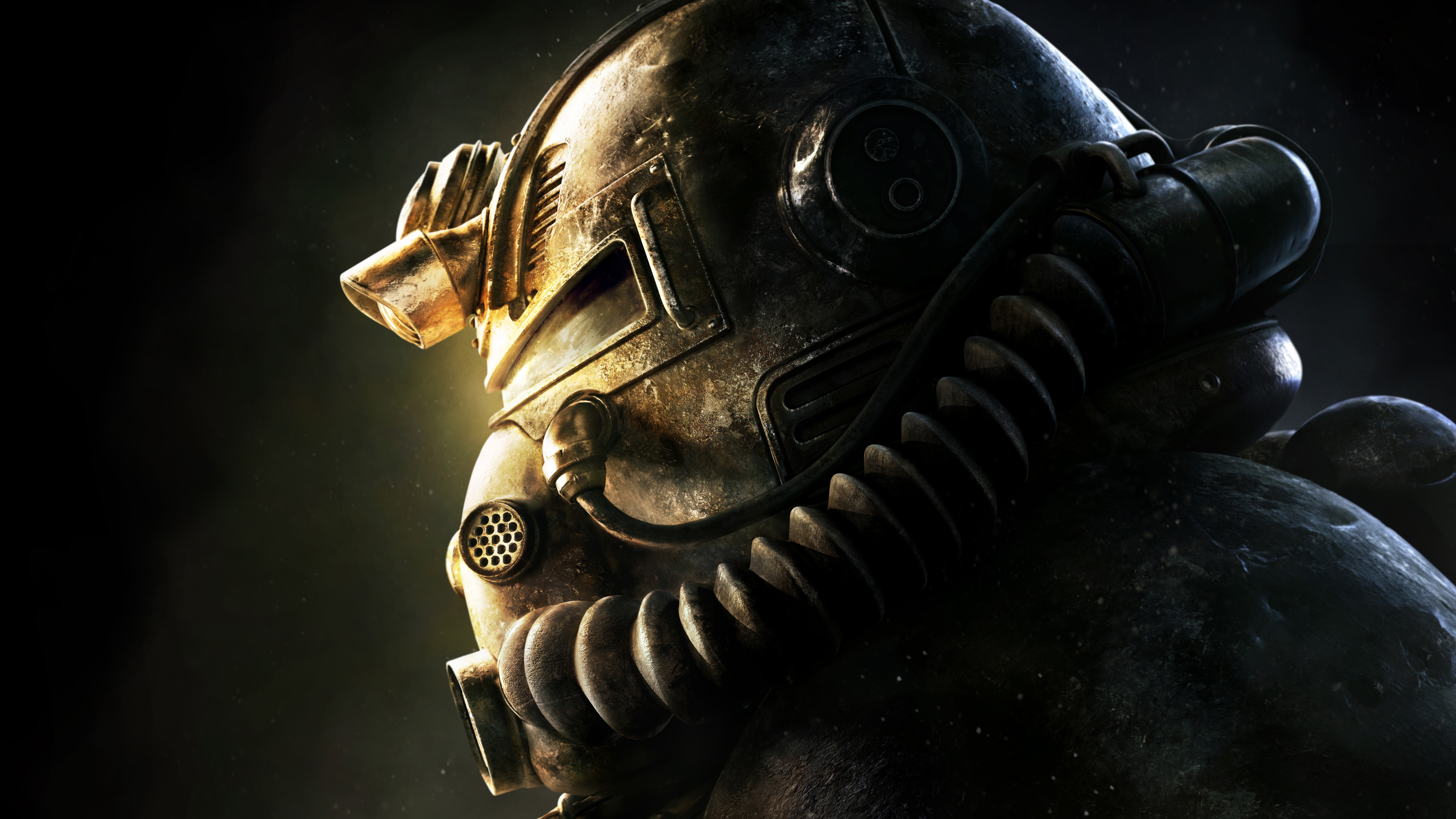
‘Fallout 76’ entered the market with a wide range of game breaking bugs and server connectivity issues. Many users reported that the world lacked traditional storytelling elements and felt unfinished at the time of purchase. Invisible enemies and frequent crashes hindered the progression of those trying to explore the wasteland. The game also faced criticism for its handling of physical collector items and in game microtransactions. Continuous updates eventually improved the stability and added necessary content to satisfy the community.
‘Assassin’s Creed Unity’ (2014)
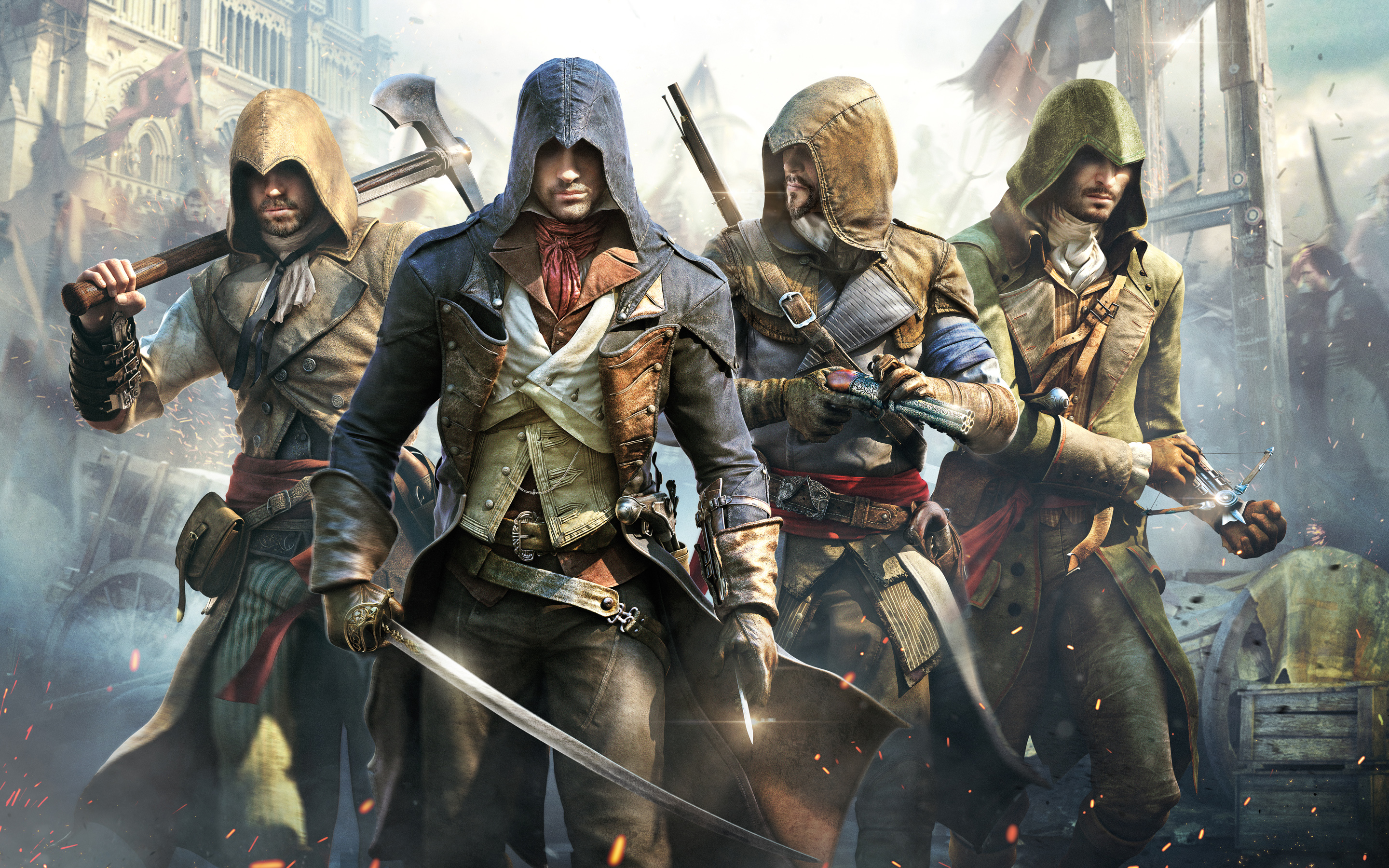
‘Assassin’s Creed Unity’ became infamous for its terrifying visual glitches where character faces would disappear during cinematic sequences. The game struggled with severe frame rate drops that made navigation through revolutionary Paris a frustrating experience. Players often fell through the floor or became stuck in the environment due to collision errors. Ubisoft offered free content as compensation for the technical state of the product. While the graphics were impressive the underlying code required significant repairs to function properly.
‘WWE 2K20’ (2019)

The release of ‘WWE 2K20’ was widely mocked for its bizarre physics bugs and distorted character models. Wrestlers would often clip through the ring or fly into the air without any logical explanation. The gameplay was plagued by crashes and corrupted save files that erased hours of progress for dedicated fans. This entry was so poorly received that the following year the franchise took a hiatus to rework its development process. It serves as a reminder of how internal studio changes can impact the quality of an annual series.
‘SimCity’ (2013)
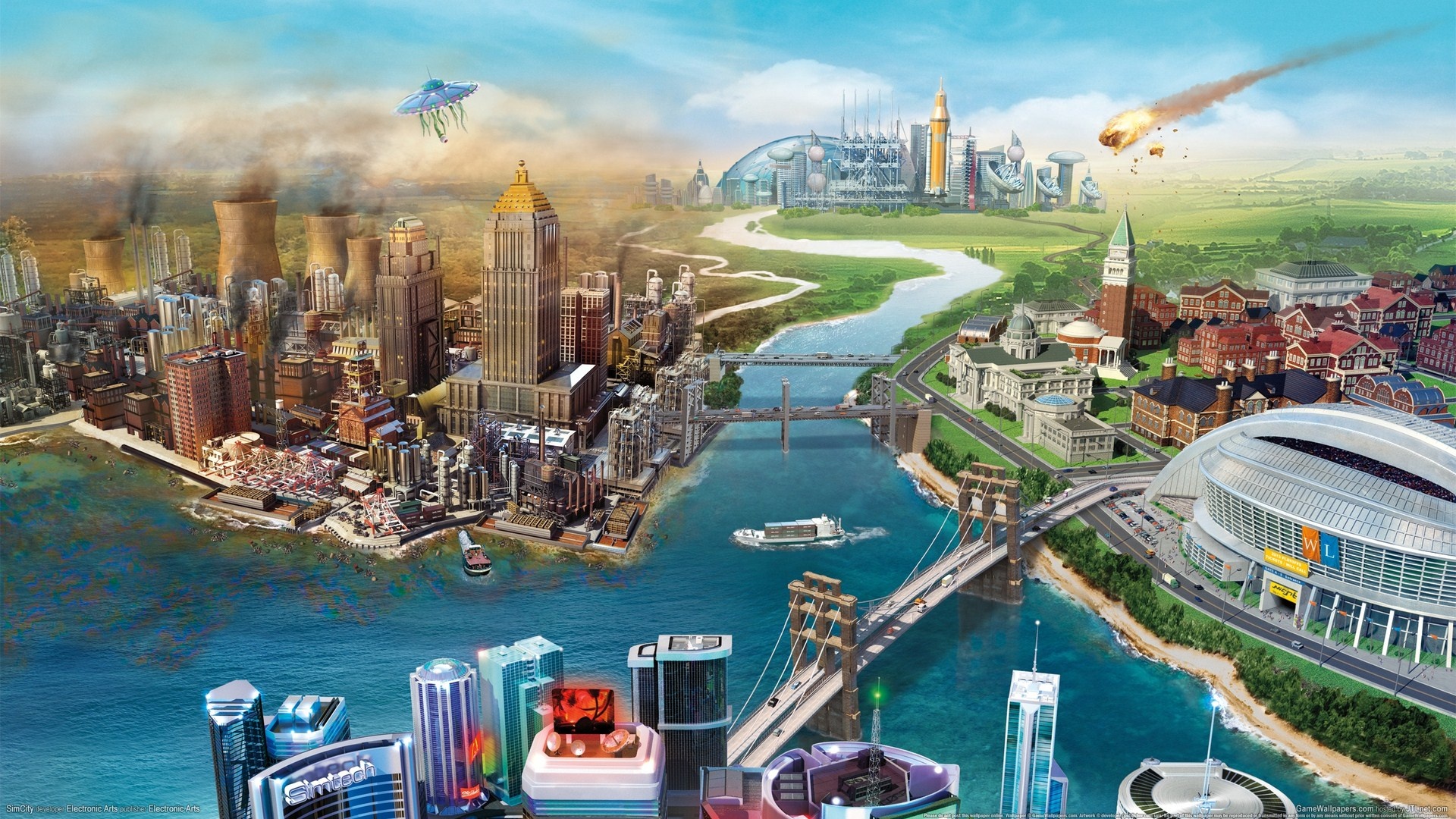
‘SimCity’ required a constant internet connection which resulted in massive server failures during the first week of its launch. Thousands of players were unable to log in to their cities because the infrastructure could not handle the demand. Even those who could play faced issues with regional features and data synchronization. The backlash forced the developer to eventually add an offline mode after initially claiming it was not possible. This event sparked a massive debate regarding the necessity of always online requirements in single player games.
‘Batman: Arkham Knight’ (2015)
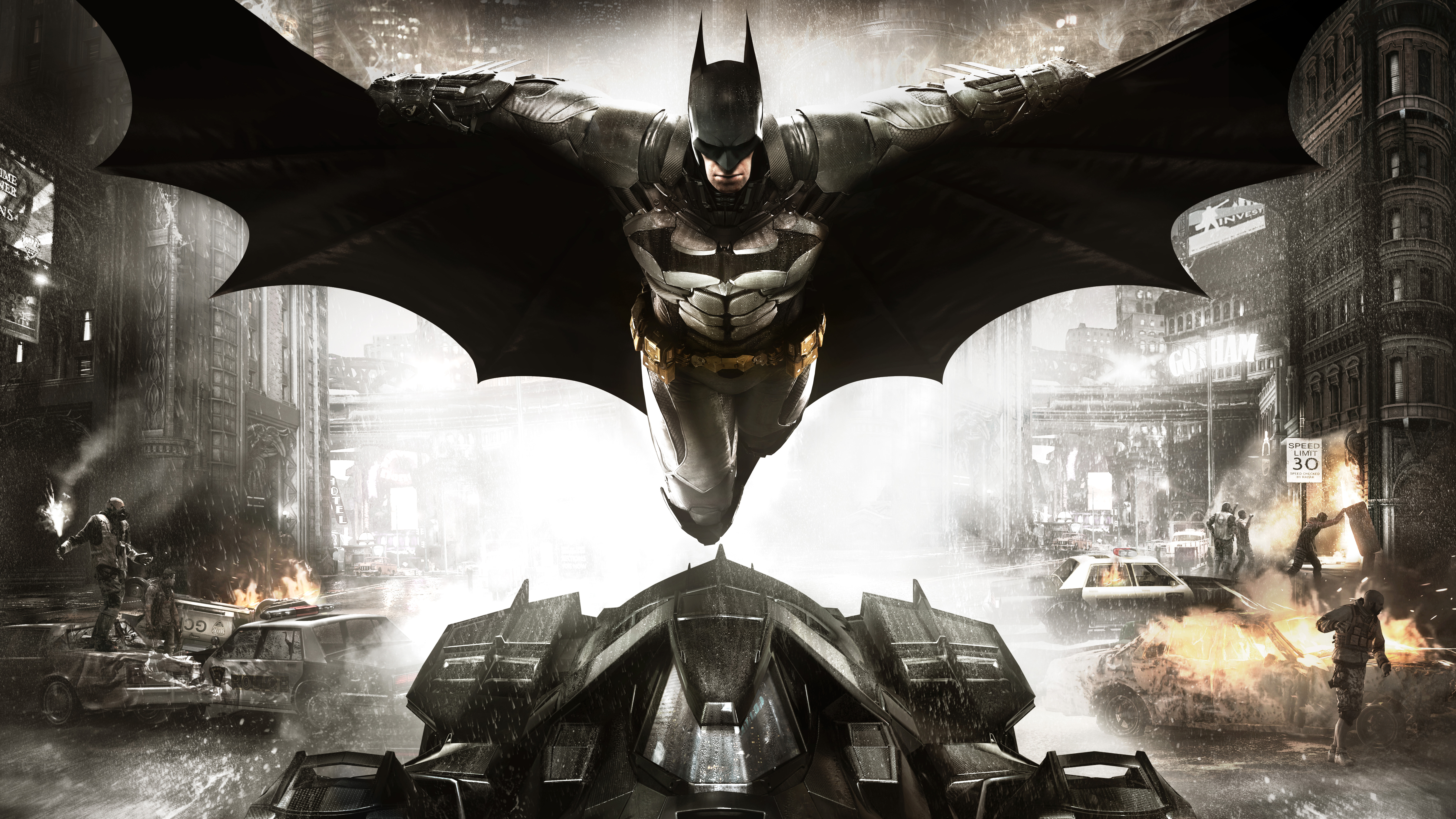
The PC version of ‘Batman: Arkham Knight’ was so poorly optimized that it was suspended from sale shortly after it arrived. Users experienced stuttering and low frame rates regardless of how powerful their computer hardware was. Many graphical effects were missing compared to the console versions which further angered the player base. It took several months of dedicated work before the game returned to digital stores in a functional state. The console versions remained stable but the PC launch damaged the reputation of the porting house involved.
‘The Day Before’ (2023)

‘The Day Before’ launched in a state that many players described as completely different from its original marketing materials. It suffered from massive server instability and lacked the open world survival elements that were expected. Glitches allowed players to clip through the environment and many core mechanics were entirely nonfunctional. The studio behind the game announced its closure only days after the product was released. This situation ended with the game being delisted and full refunds being issued to all buyers.
‘The Lord of the Rings: Gollum’ (2023)
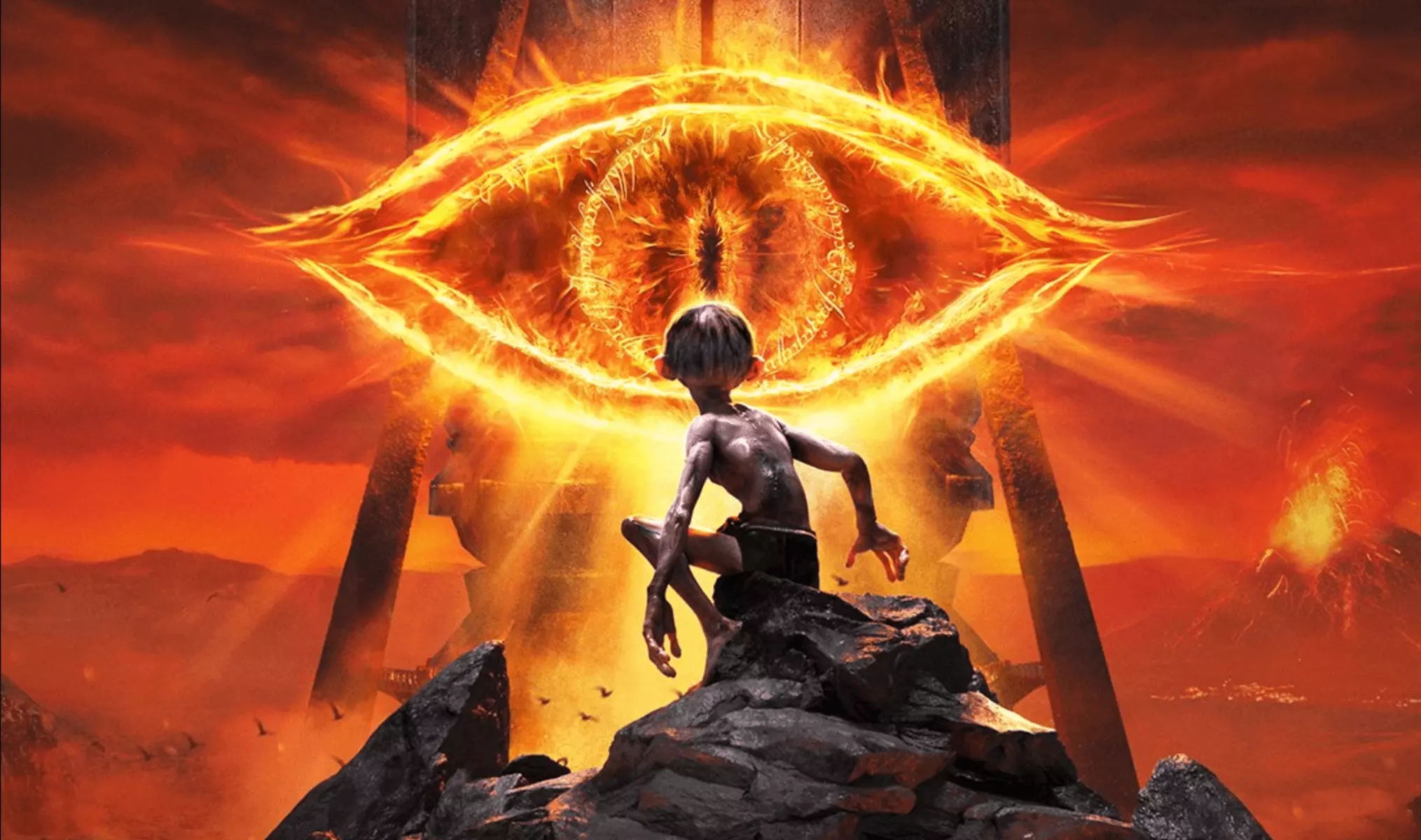
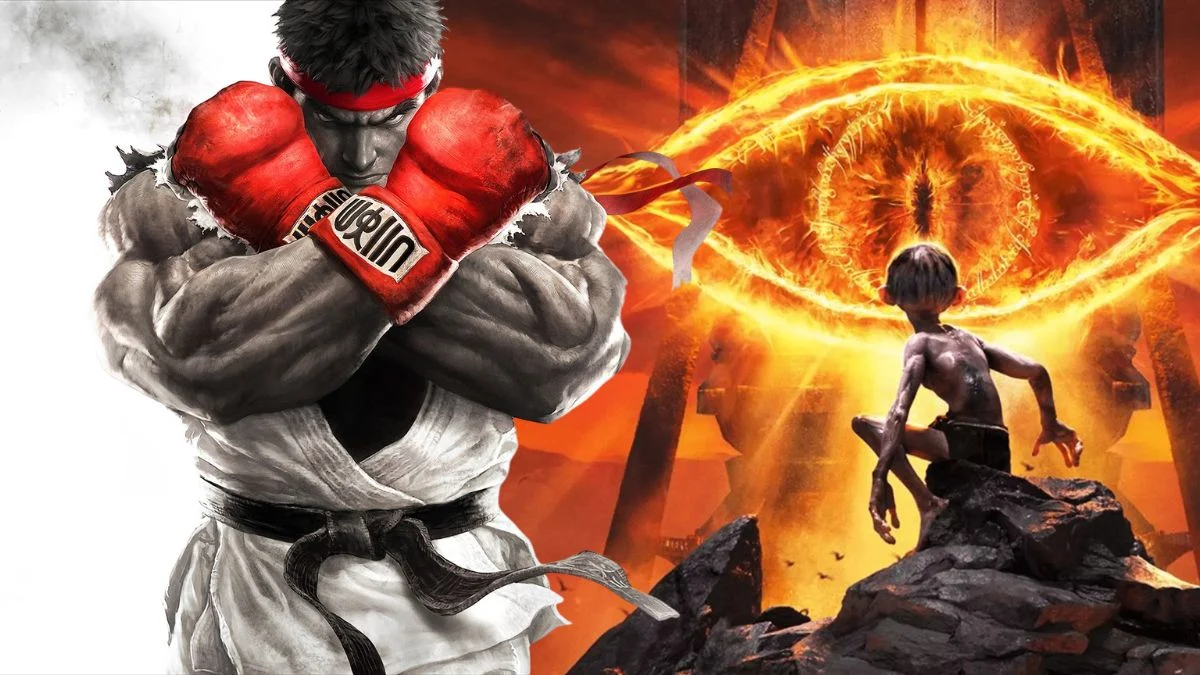
‘The Lord of the Rings Gollum’ received widespread criticism for its dated visuals and frequent technical crashes. The platforming mechanics were often unresponsive and led to unintended deaths during standard gameplay sequences. Many users found the user interface to be poorly designed and filled with placeholders. The developer issued a public apology for the disappointing state of the game shortly after it reached the public. Plans for future content were eventually cancelled as the studio shifted away from internal development.
‘Halo: The Master Chief Collection’ (2014)
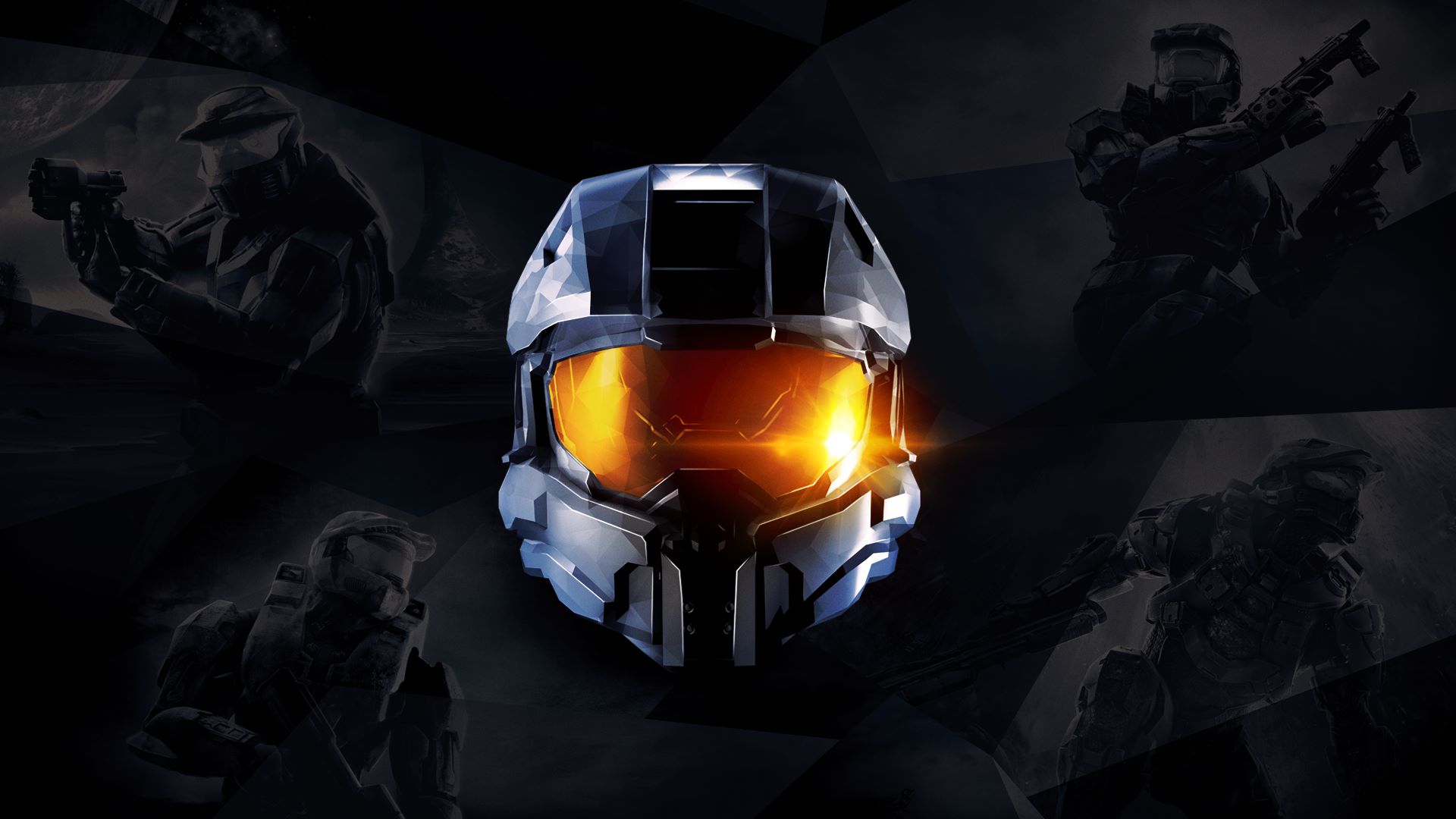
The launch of ‘Halo The Master Chief Collection’ was marred by broken matchmaking systems that prevented users from finding games for hours. Players faced long wait times and frequent disconnects that rendered the multiplayer component unusable. Even the single player campaigns suffered from bugs that impacted level completion and achievement tracking. It took months of patching to bring the collection to a state where fans could enjoy the classic titles reliably. The developers eventually offered free content to players who experienced the troubled launch period.
‘Anthem’ (2019)
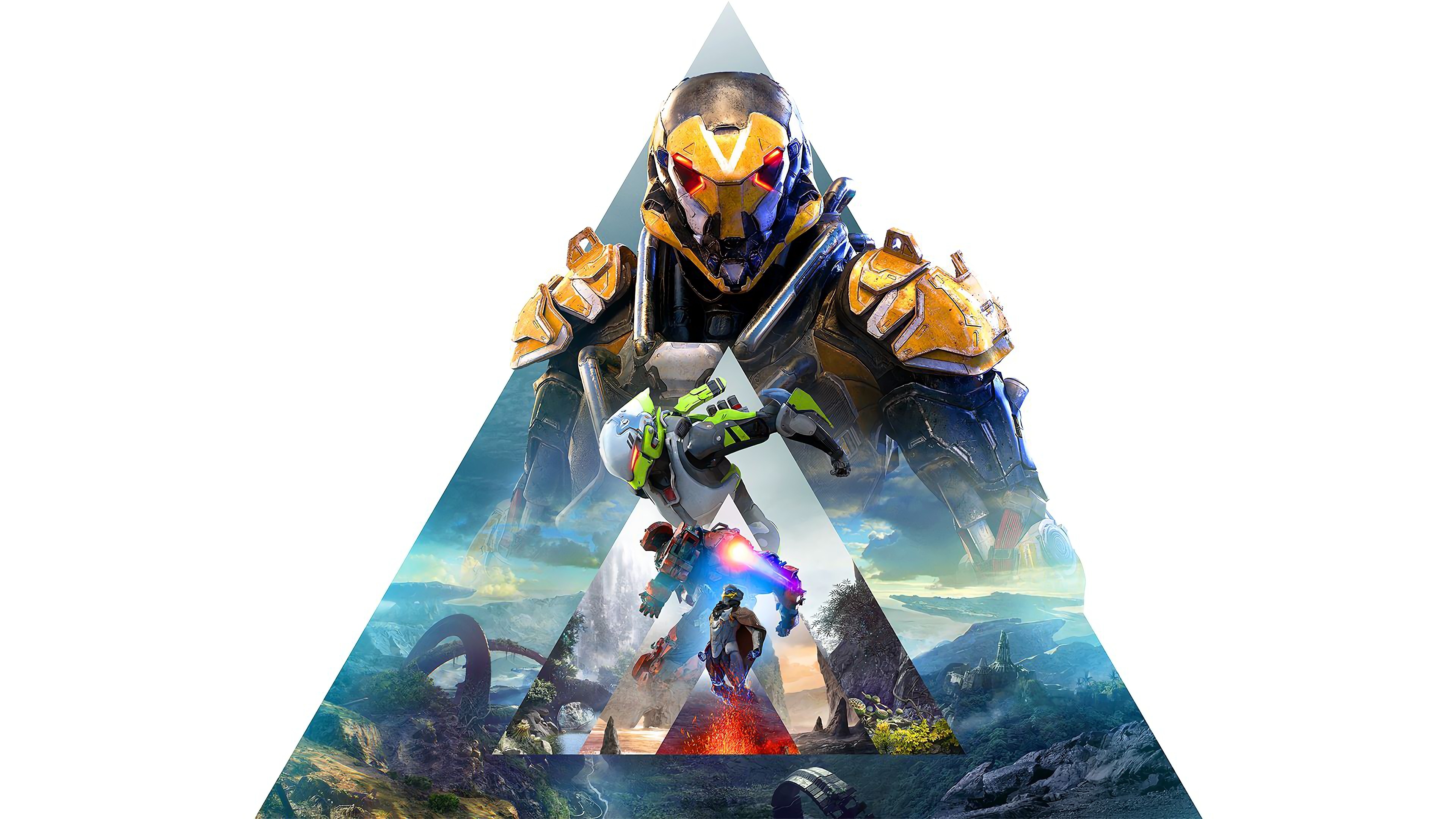
‘Anthem’ struggled with long loading times and a loot system that failed to reward players properly during the endgame. Technical issues included frequent server disconnects and bugs that could cause game consoles to shut down entirely. The mission structure was repetitive and many of the features shown in early demonstrations were missing from the final build. Despite plans for a major overhaul the project was eventually abandoned by the studio. The flying mechanics were praised but they could not save the game from its underlying structural flaws.
‘Redfall’ (2023)
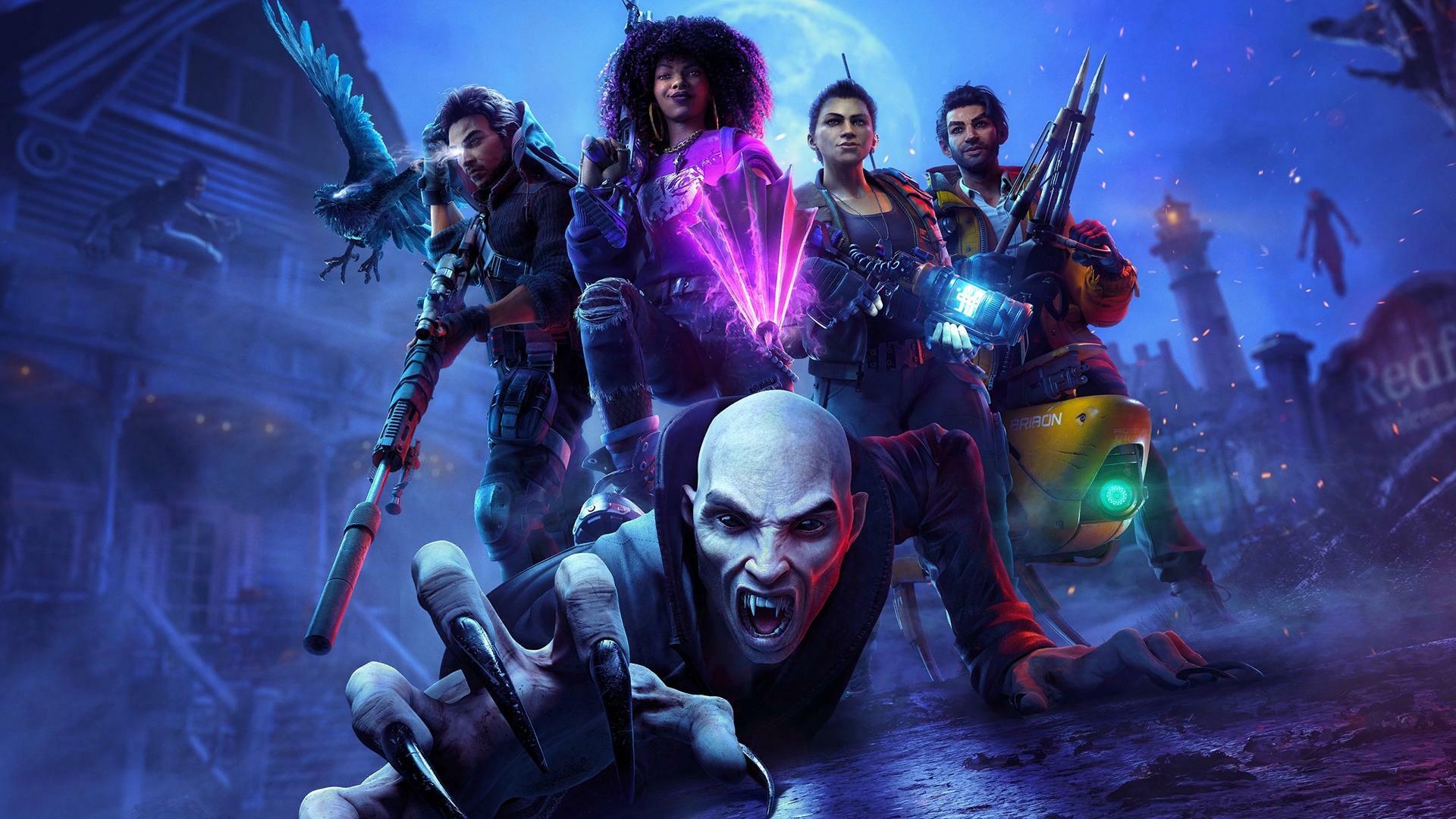
‘Redfall’ arrived with significant performance issues and artificial intelligence that often failed to react to the presence of the player. Visual bugs such as texture popping and lighting glitches were common across both console and computer platforms. The game lacked a performance mode at launch which restricted the frame rate for players on new hardware. Cooperative features were also criticized for being limited and technically unstable during peak hours. The developers released several large updates to address the lack of polish and balance the gameplay loop.
‘Grand Theft Auto: The Trilogy – The Definitive Edition’ (2021)
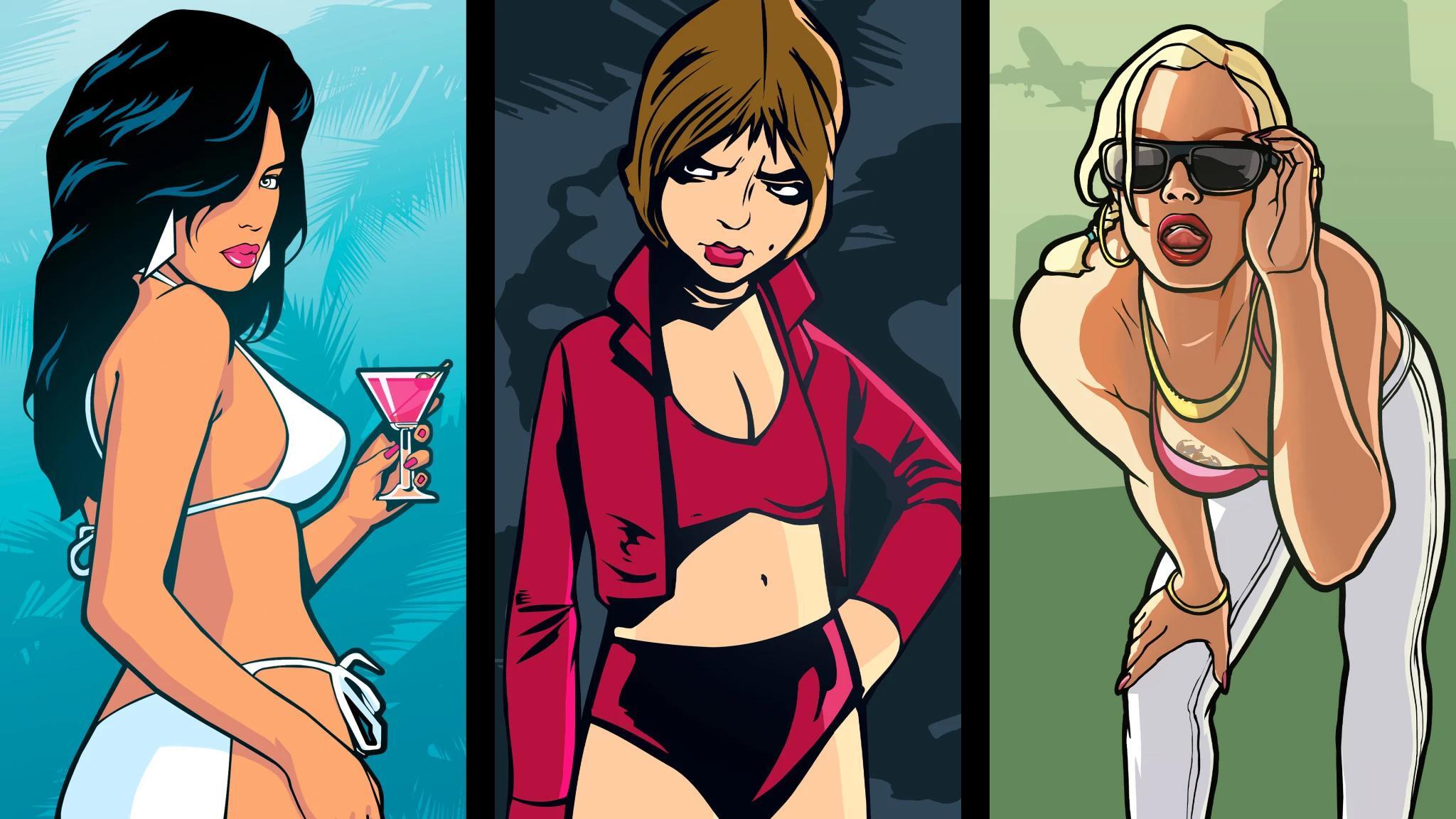
This collection of classic titles launched with unintended graphical changes that distorted the appearance of beloved characters. Rain effects were so poorly implemented that they blocked the vision of the player during movement. Many environmental textures were upscaled using automated tools that resulted in numerous spelling errors and visual artifacts. Performance was surprisingly poor even on high end consoles that should have easily handled the older assets. The developer apologized and promised to release multiple updates to bring the games up to the expected quality.
‘Mass Effect: Andromeda’ (2017)
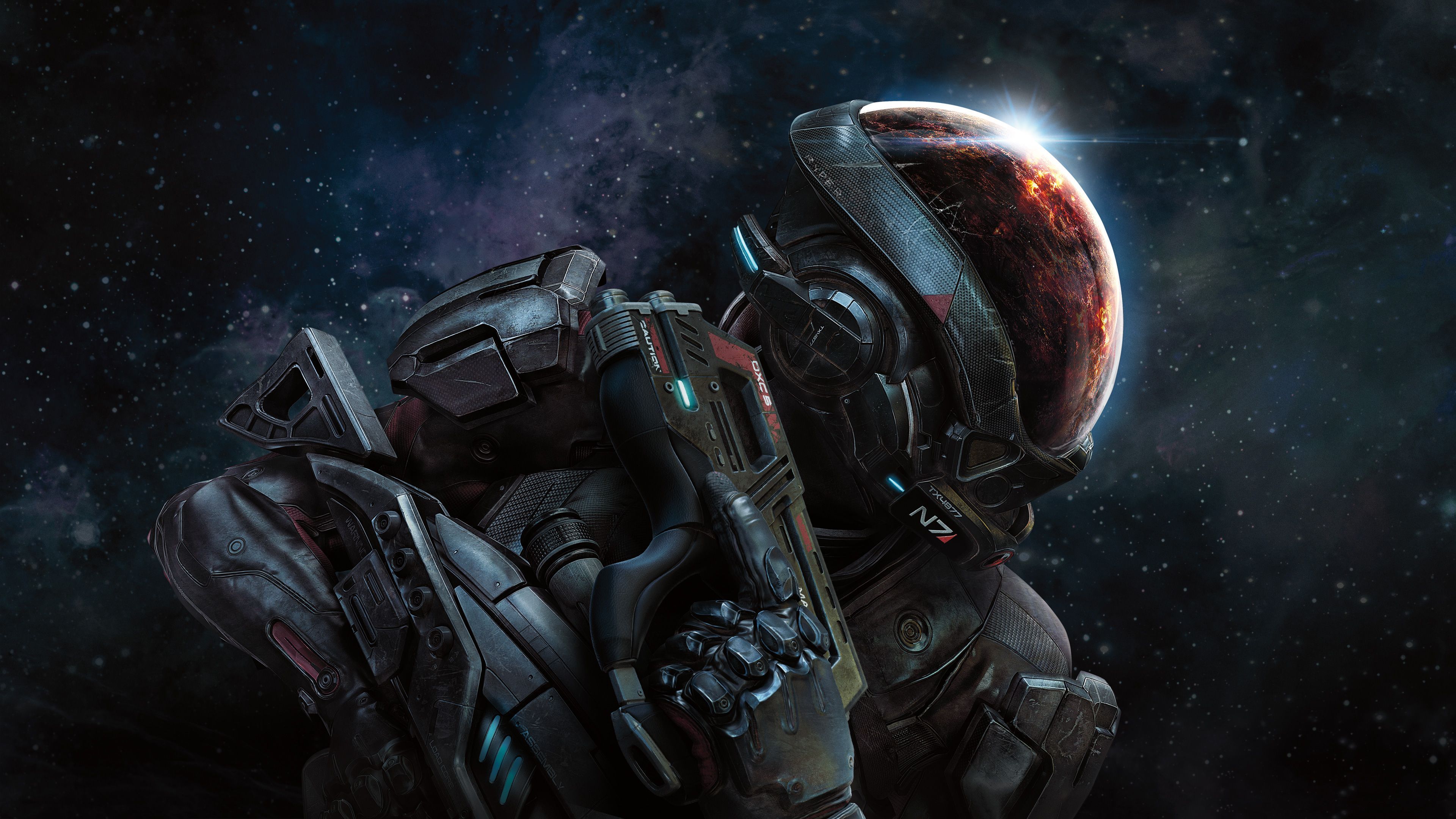
‘Mass Effect Andromeda’ became a viral sensation for its awkward facial animations and strange character movements. The game was filled with bugs that broke quests and prevented players from progressing through the main story. Many environments felt unfinished and the writing was criticized for being inconsistent compared to the original trilogy. While the combat system was improved the technical hurdles overshadowed the positive aspects of the experience. The franchise was put on a brief hiatus following the mixed reception and technical shortcomings of this entry.
‘Driveclub’ (2014)
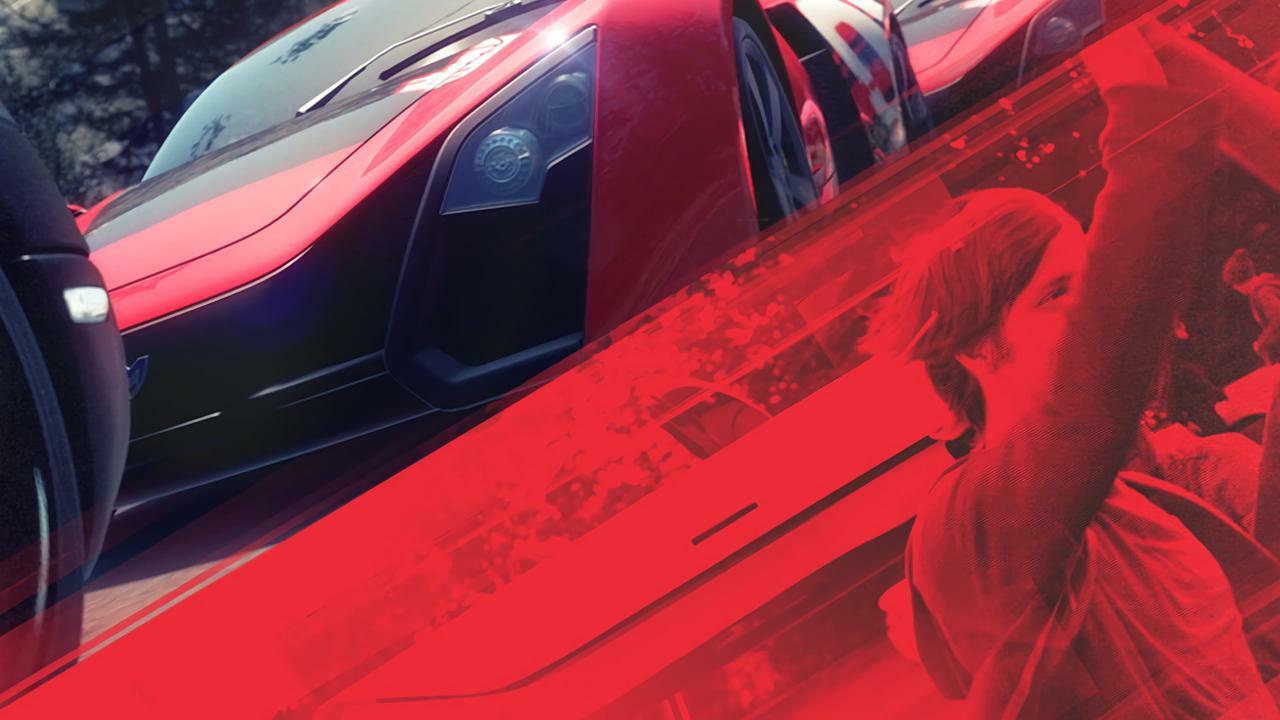
‘Driveclub’ was intended to be a flagship social racing game but its online features were broken for weeks after its release. Players could not access the clubs or the competitive challenges that were the core of the experience. The server issues were so severe that the planned free version for subscribers was delayed by almost a year. While the weather effects and car models were visually stunning they were initially trapped in a game that lacked its primary functionality. The developers eventually fixed the issues but the initial momentum was lost.
‘Final Fantasy XIV’ (2010)

The original version of ‘Final Fantasy XIV’ was met with heavy criticism regarding its interface and overall gameplay structure. Players found the world design repetitive and the performance issues made navigating the map difficult. The technical state was so poor that the developers eventually decided to shut down the servers entirely. They rebuilt the game from the ground up to create a successful replacement. This remains one of the most famous examples of a company addressing a failed product by starting over.
‘Aliens: Colonial Marines’ (2013)
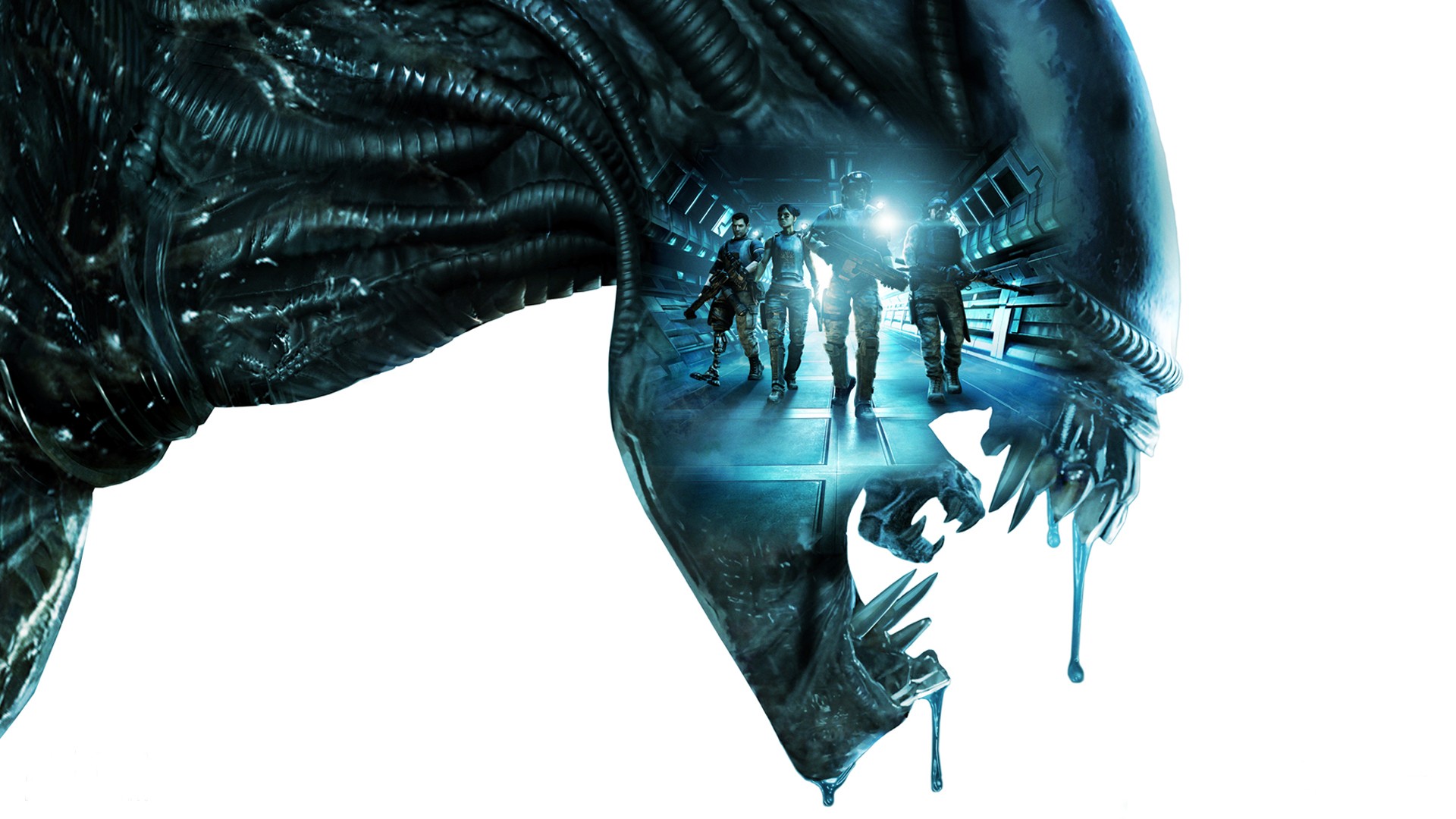
‘Aliens Colonial Marines’ suffered from a major bug in its code that crippled the artificial intelligence of the enemies. A simple typo in the programming caused the iconic xenomorphs to act in a passive or confusing manner. The graphics were also a significant step down from the vertical slice shown to the press during development. Players encountered broken animations and visual assets that did not match the quality of the franchise. It took years for fans to discover the cause of the poor AI and fix it themselves through mods.
‘Tony Hawk’s Pro Skater 5’ (2015)

‘Tony Hawk’s Pro Skater 5’ was released in an unfinished state that relied on a massive day one patch that was larger than the game itself. The physics engine was extremely glitchy and caused skaters to bounce off walls or clip through the ground frequently. The levels were criticized for being uninspired and lacking the detail found in earlier entries of the series. Many players believed the game was rushed to market before the licensing agreement expired. The resulting product was widely panned and failed to revive the popularity of the skateboarding franchise.
‘Battlefield 2042’ (2021)
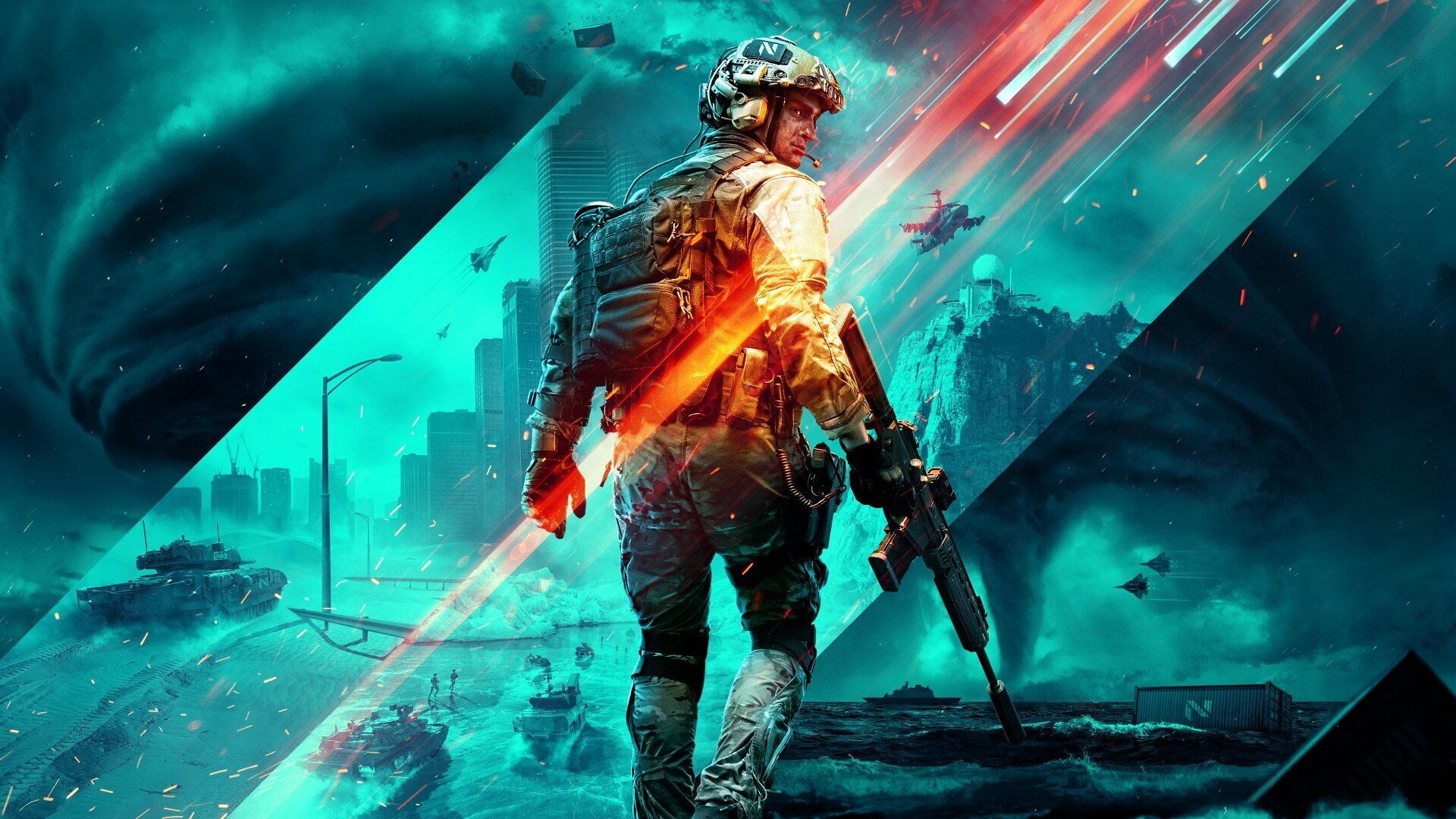
‘Battlefield 2042’ launched without many of the standard features that fans expected from the long running series. The game was plagued by hit registration issues and vehicle physics that caused frequent crashes. Large scale maps felt empty and the new specialist system was viewed as unbalanced and technically buggy. It lacked a traditional scoreboard and voice chat at launch which frustrated the competitive community. Several seasons of updates were required to bring the game closer to the standards set by previous installments.
‘Vampire: The Masquerade – Bloodlines’ (2004)
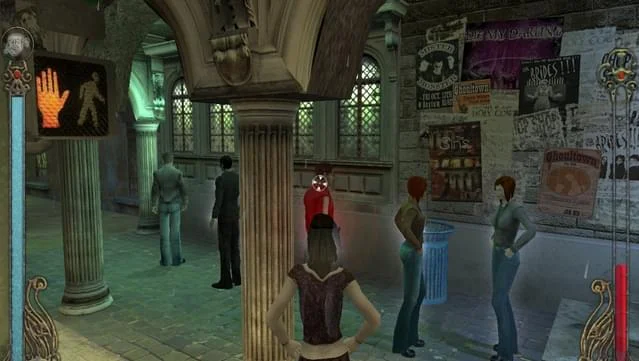
‘Vampire The Masquerade Bloodlines’ arrived with so many bugs that it was nearly impossible to finish without unofficial patches. The development studio went bankrupt shortly after the release which left the game in a precarious state. Players faced issues ranging from broken quests to severe memory leaks that slowed down the performance. Despite these problems the writing and atmosphere earned it a dedicated cult following. Fans have spent decades creating their own fixes to ensure the game remains playable on modern systems.
‘Sonic the Hedgehog’ (2006)
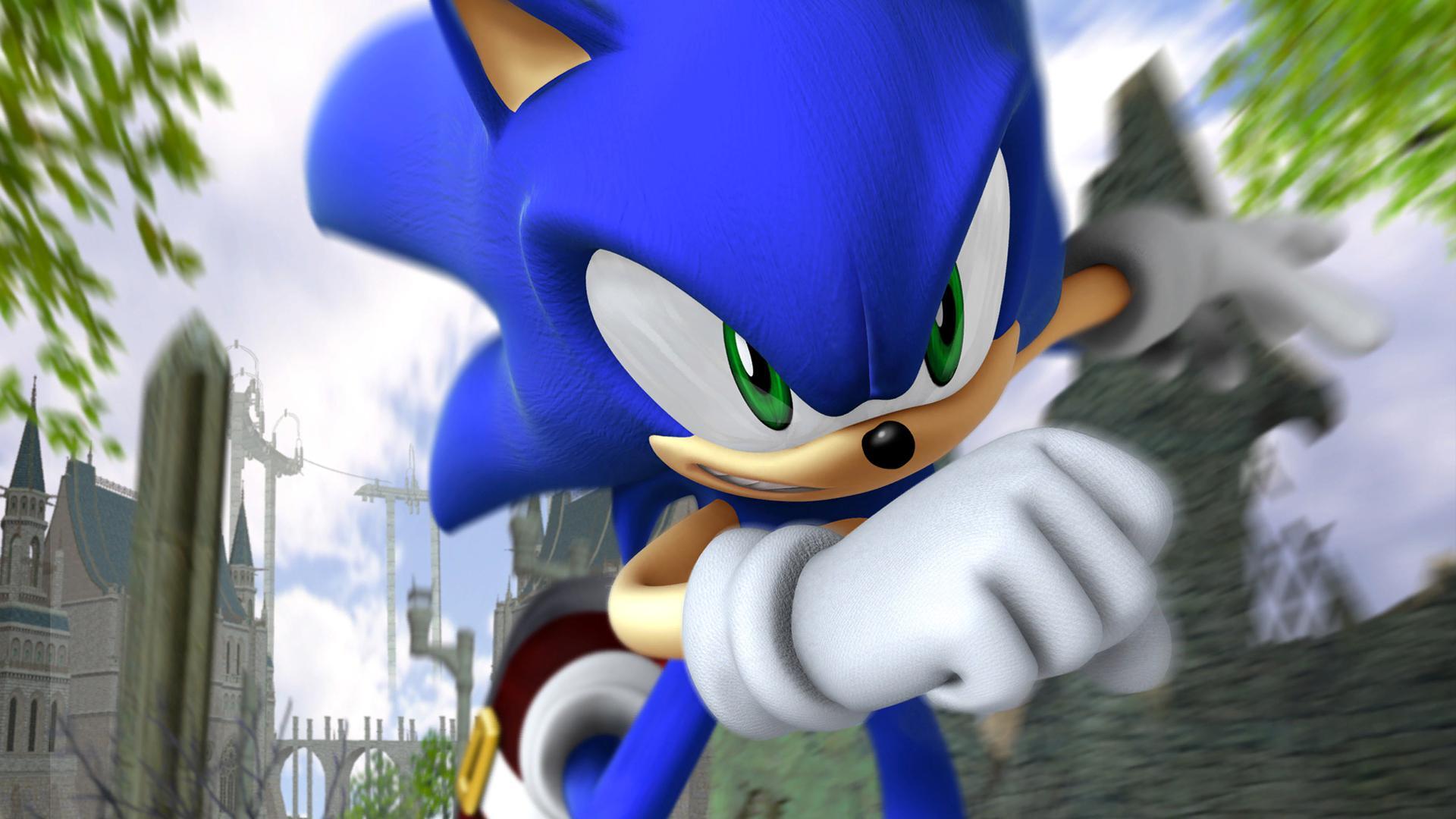
Commonly known as ‘Sonic 06’ this title is famous for its long loading times and broken physics engine. The game was rushed to meet a holiday deadline which resulted in a product filled with glitches and unfinished sequences. Sonic would frequently get stuck in the environment or die due to unresponsive controls. The camera system was also a major source of frustration as it often moved behind walls or obscured the action. It remains one of the most criticized entries in the history of the mascot.
‘Superman 64’ (1999)
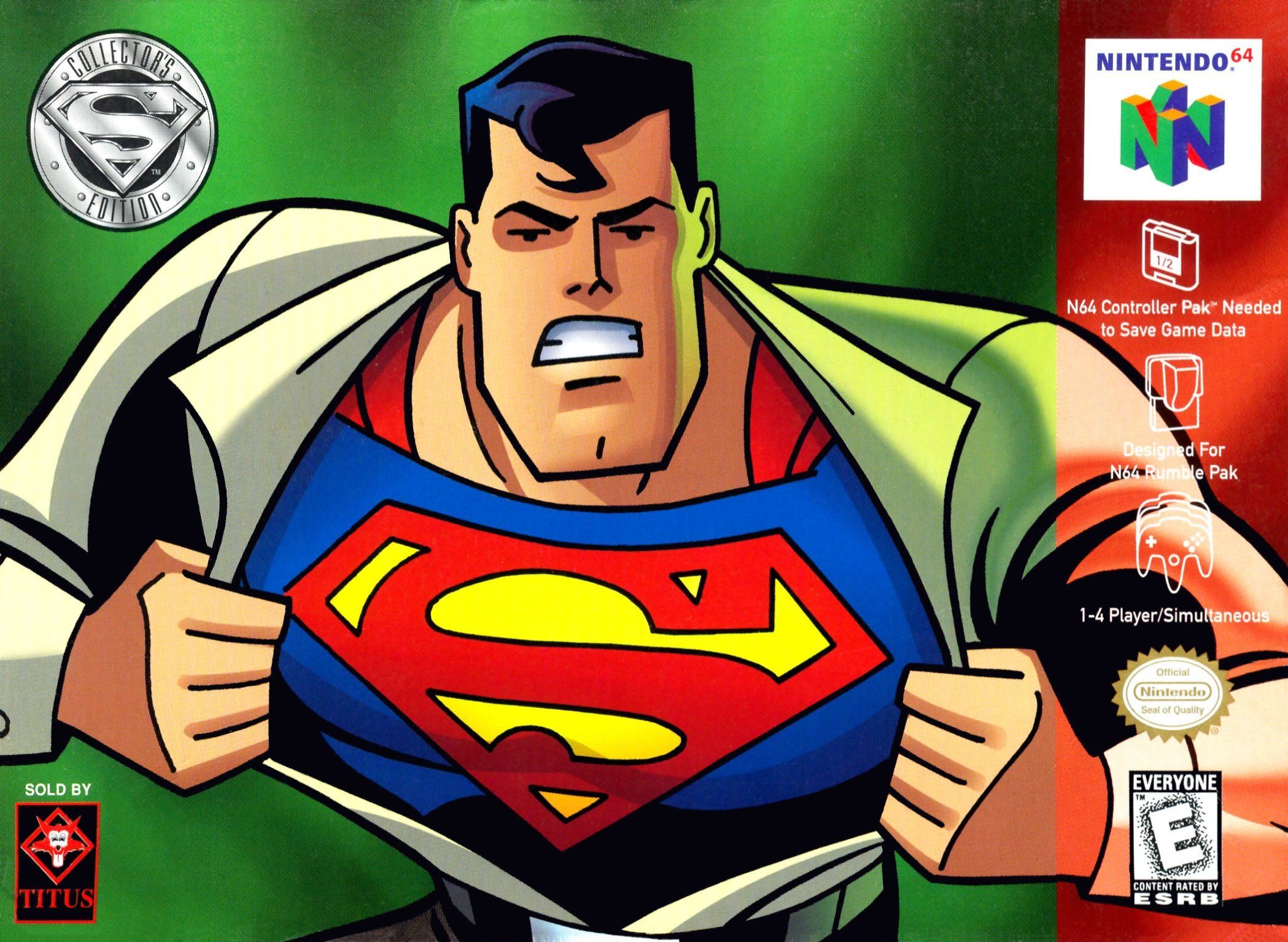
‘Superman 64’ is often cited as one of the worst games ever made due to its fundamental technical failures. The game relied on a thick green fog to hide the limited draw distance which made navigation difficult. Flying through rings was the primary objective but the controls were stiff and frequently failed to register inputs. Combat was simplistic and broken by glitches that allowed enemies to disappear or become invincible. The game was clearly unfinished and suffered from a lack of polish in every department.
‘Big Rigs: Over the Road Racing’ (2003)
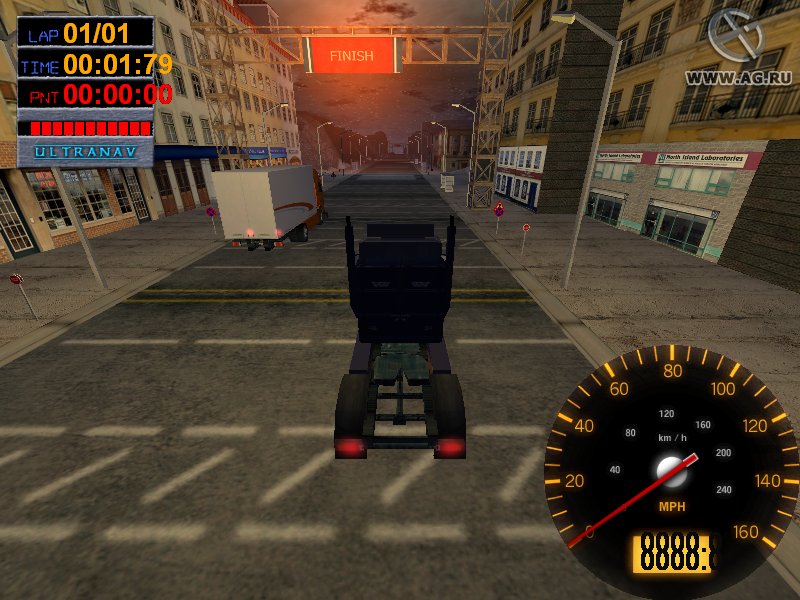
‘Big Rigs Over the Road Racing’ was released in a state that lacked even basic game mechanics like collision detection. Players could drive their trucks through mountains and buildings without any resistance or impact. There was no actual opponent artificial intelligence so the other trucks would simply stay at the starting line. The game also lacked a proper win condition and displayed a misspelled victory screen upon completion of a race. It is widely considered a legendary example of a completely broken commercial product.
‘Warcraft III: Reforged’ (2020)

‘Warcraft III Reforged’ disappointed fans by removing features that were present in the original version of the classic strategy game. The promised cinematic overhauls were largely absent and the user interface was prone to glitches and slow performance. Many players encountered bugs that prevented them from launching the game or connecting to online matches. The social features were also downgraded which made it harder for the community to interact compared to the older client. Blizzard eventually issued a statement and offered refunds to those who were unhappy with the final result.
‘Marvel’s Avengers’ (2020)
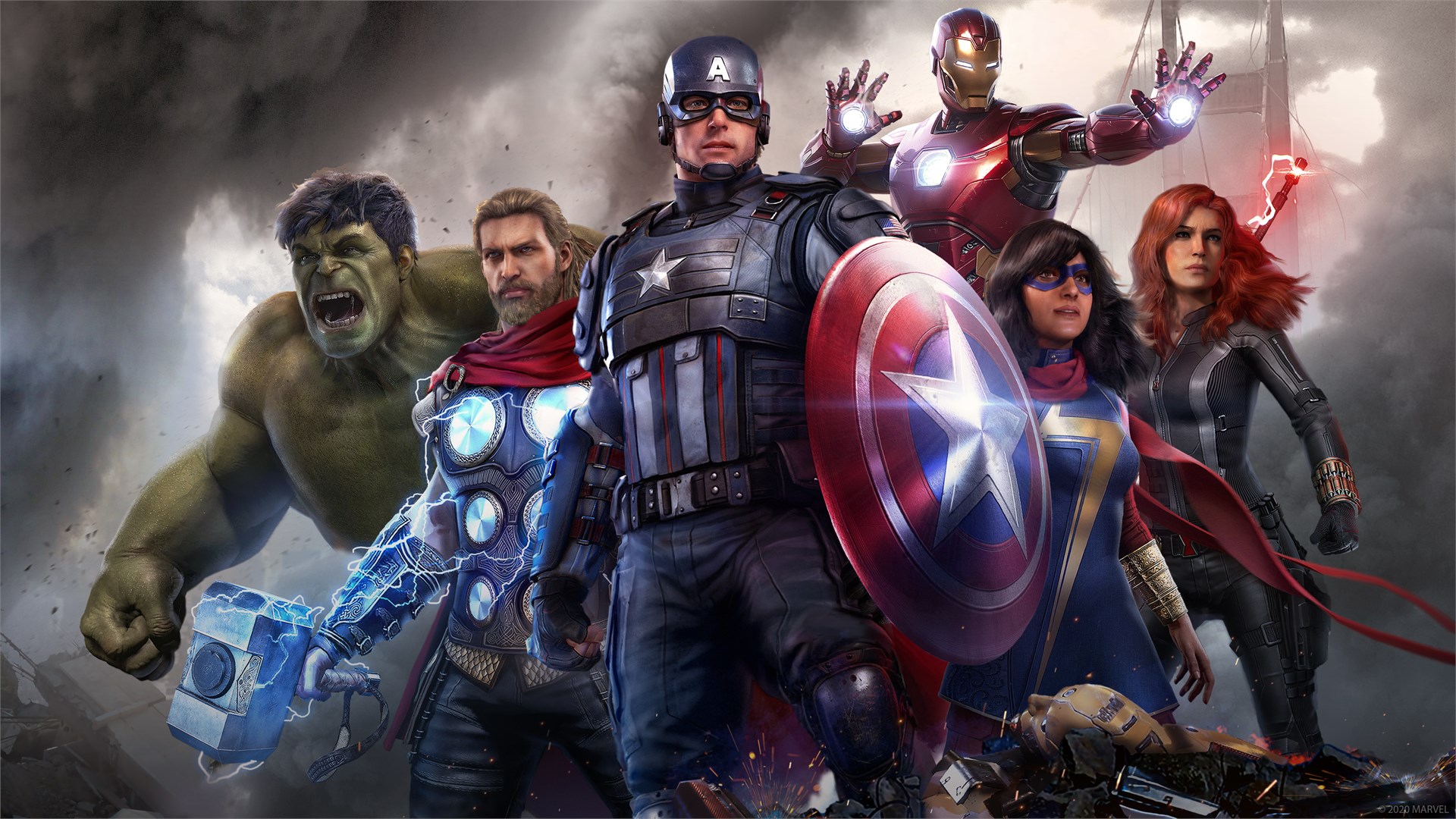
‘Marvel’s Avengers’ suffered from a variety of technical bugs that impacted everything from cosmetic items to mission progression. Players reported losing their saved data and encountering glitches that made their favorite heroes unplayable. The live service elements were criticized for being repetitive and lacking meaningful content at launch. Performance on older consoles was particularly poor with significant frame rate drops during intense combat encounters. The game was eventually delisted from stores after the developers decided to end support for the project.
‘Babylon’s Fall’ (2022)
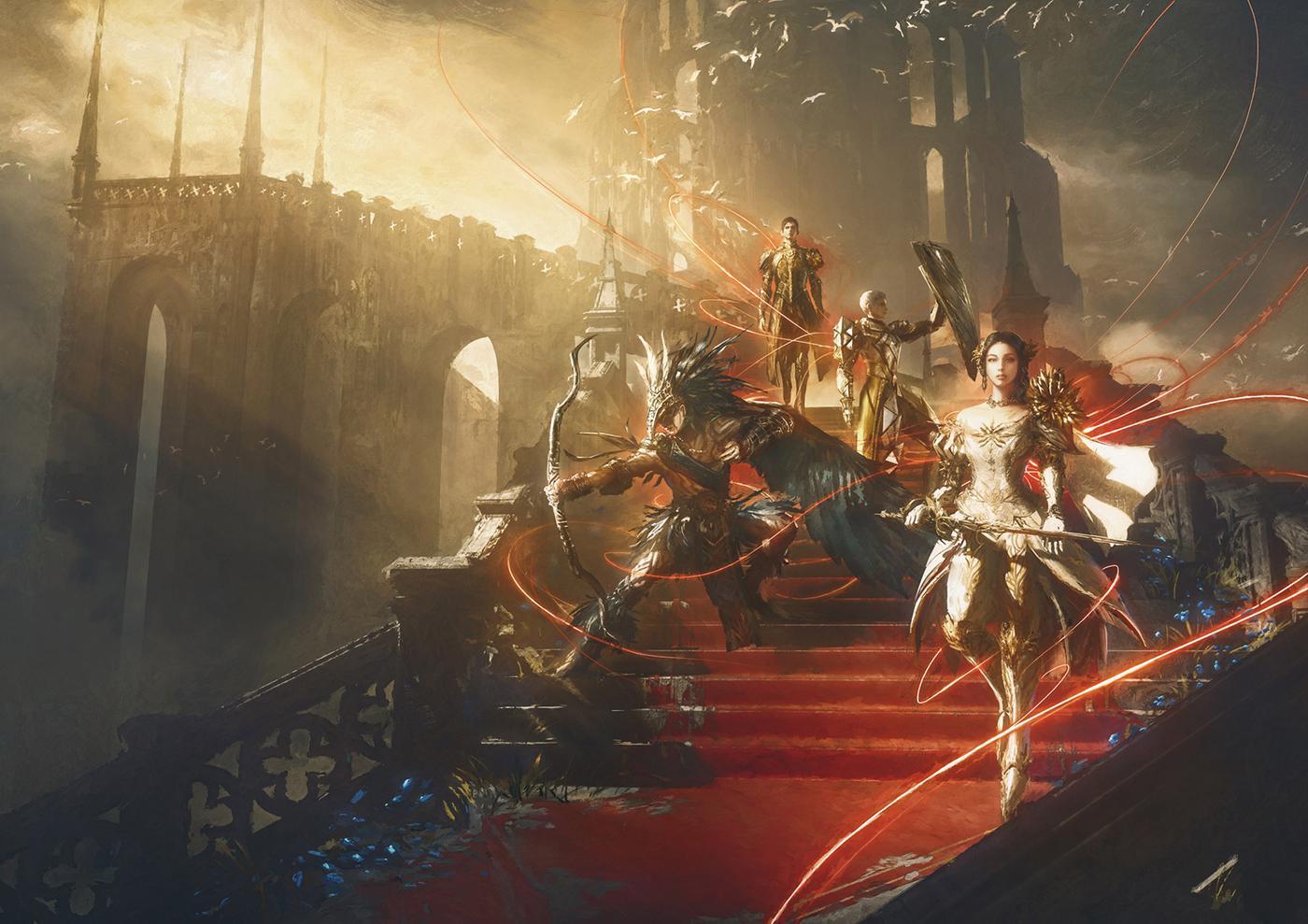
‘Babylon’s Fall’ featured a unique art style that many players found blurry and difficult to look at during gameplay. The combat system was technically functional but lacked the depth and polish expected from a high profile action developer. Microtransactions were heavily integrated into a game that already struggled with its core identity and server stability. Very few people played the game at launch and the player count dropped to zero on certain platforms within months. The publishers decided to shut down the servers less than a year after the release date.
‘Suicide Squad: Kill the Justice League’ (2024)
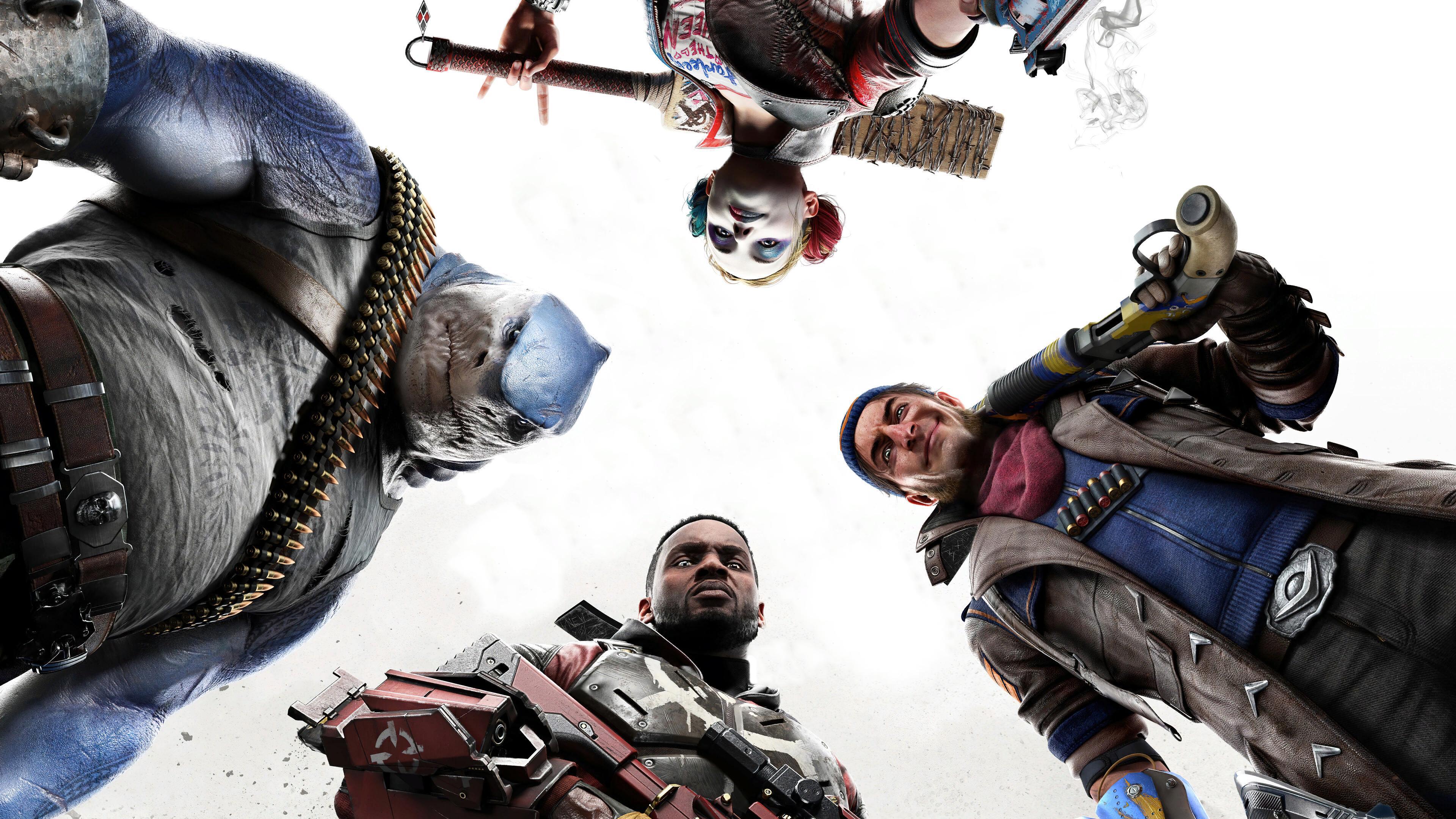
‘Suicide Squad Kill the Justice League’ faced immediate issues with its always online requirements and server connectivity. Some players who purchased early access were unable to play the game at all because of a bug that automatically completed the campaign. The technical state of the cooperative modes led to frequent lag and disconnects during peak hours. Many fans felt the live service model distracted from the quality of the storytelling and character development. The developers had to issue several apologies and technical fixes during the first week of availability.
‘Mortal Kombat 1’ (2023)
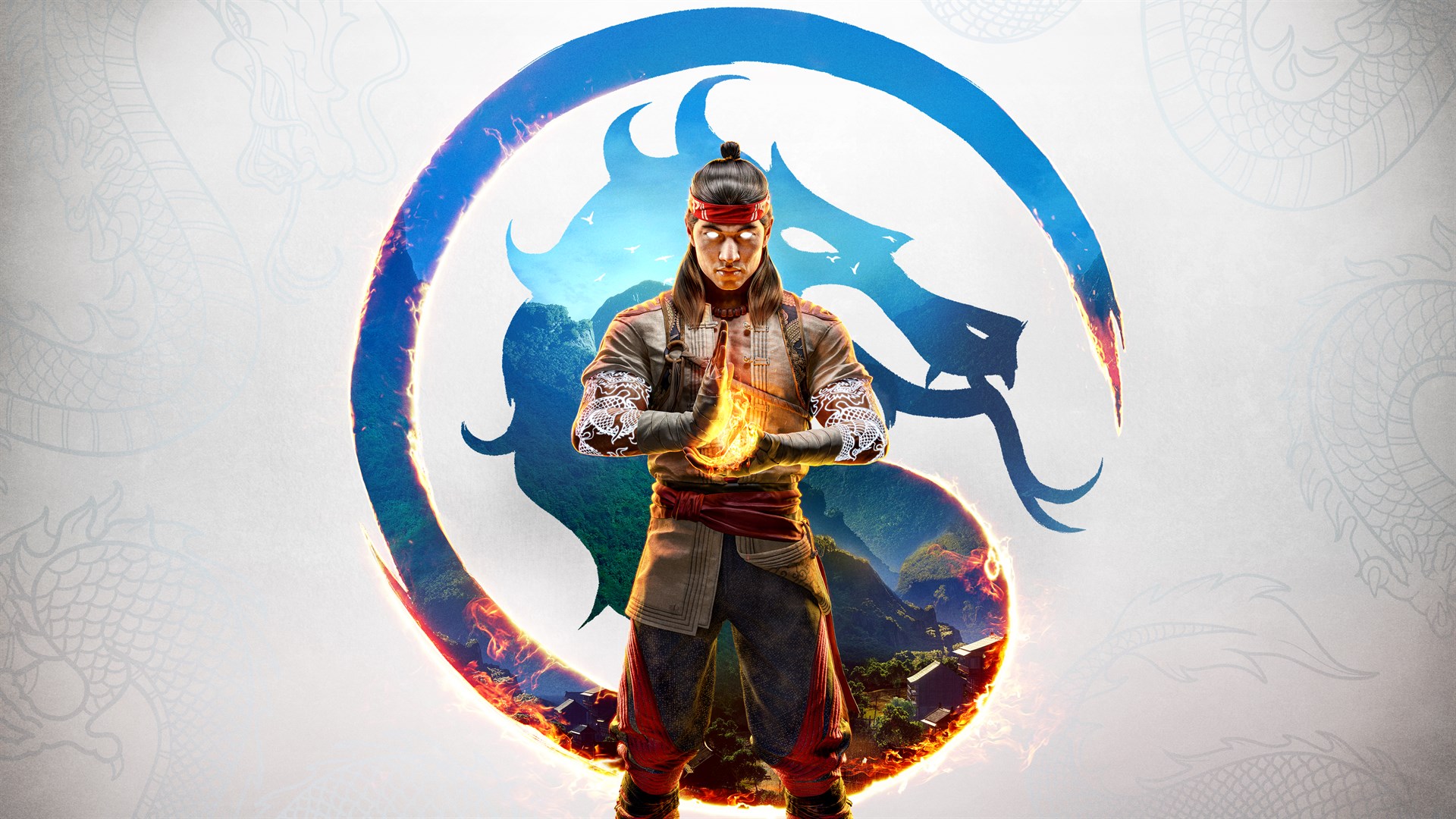
The Nintendo Switch version of ‘Mortal Kombat 1’ was widely criticized for its poor graphical quality and technical bugs. Character faces were often distorted and the environments lacked the detail seen on other gaming platforms. Loading times were excessively long and the frame rate was inconsistent during fast paced matches. Many users felt the port was not ready for release and did not justify its full retail price. Updates were later released to improve the visual fidelity and fix the most glaring technical errors.
‘Street Fighter V’ (2016)
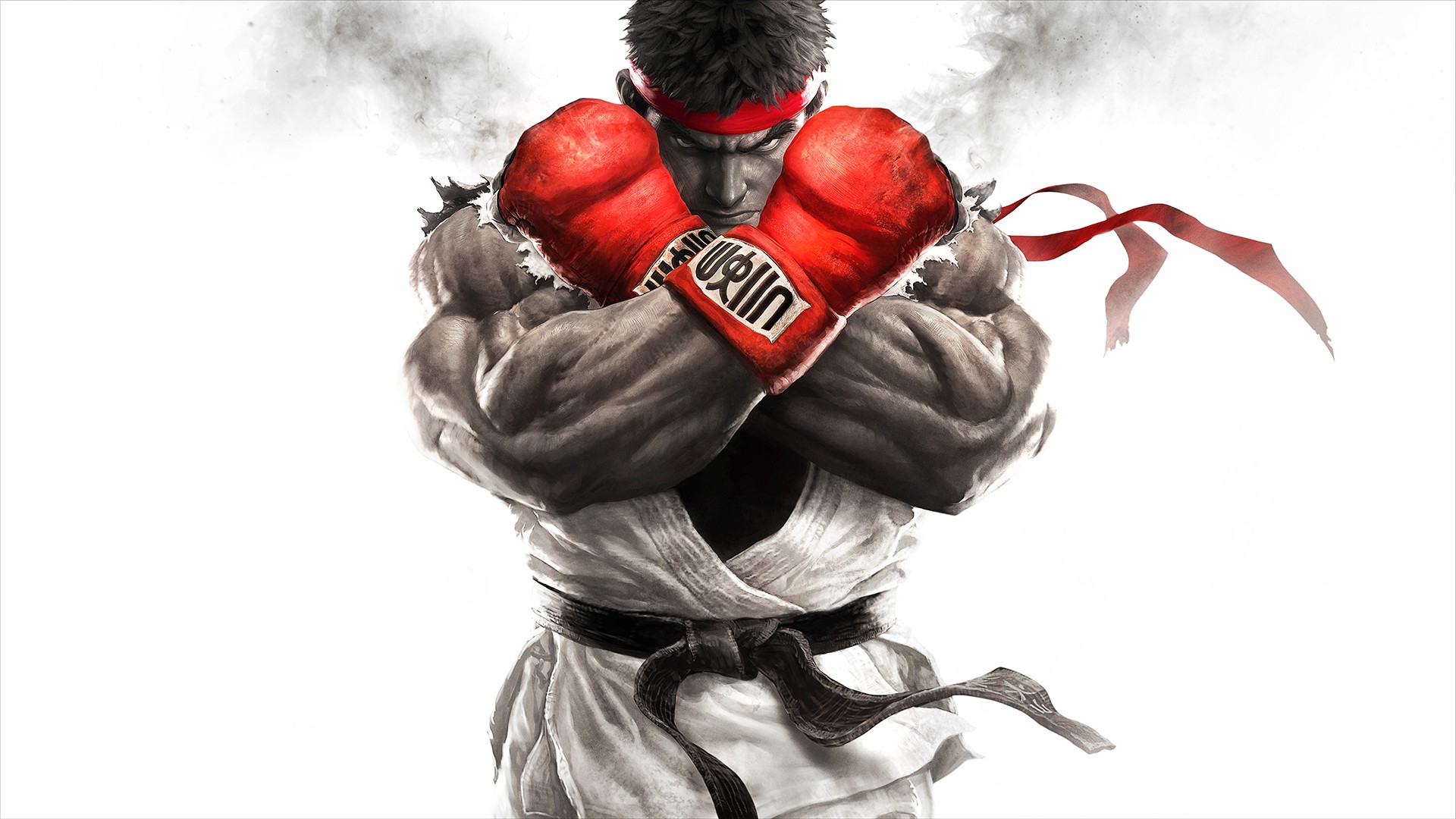
‘Street Fighter V’ launched with a severe lack of content and a very unstable online infrastructure. The game lacked a traditional arcade mode and many of the features expected in a fighting game were missing at the start. Server issues prevented players from joining matches or tracking their ranking progress accurately. The community felt the game was rushed to meet the schedule of professional gaming tournaments. It eventually grew into a robust title through multiple seasons of updates but the initial reception was largely negative.
‘Total War: Rome II’ (2013)
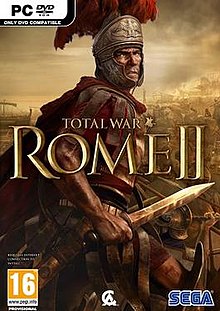
‘Total War Rome II’ was plagued by poor artificial intelligence and technical bugs that affected the large scale battles. Enemy armies would often act irrationally or fail to move during sieges which ruined the strategic challenge. Performance was a major issue with many players experiencing low frame rates even on recommended hardware settings. The naval combat was particularly glitchy and often led to units getting stuck in the environment. Creative Assembly spent a year releasing weekly patches to address the numerous complaints from the community.
‘Pool of Radiance: Ruins of Myth Drannor’ (2001)
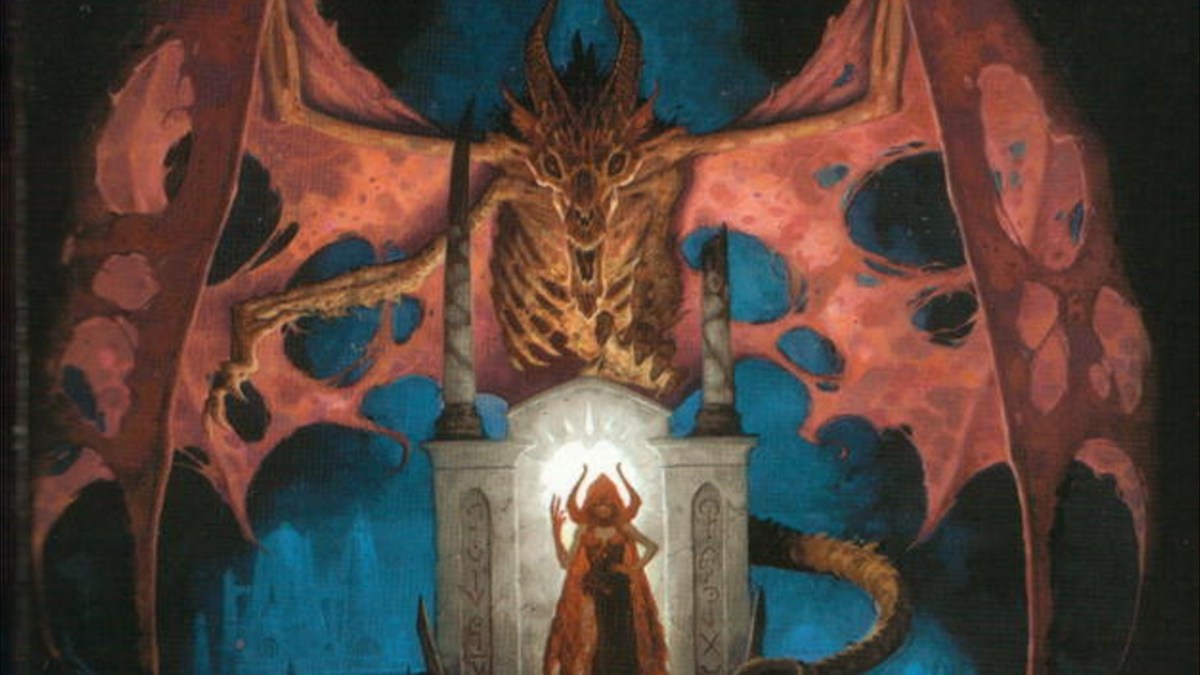
‘Pool of Radiance Ruins of Myth Drannor’ is famous for a catastrophic bug that could uninstall the operating system of the user. If a player tried to uninstall the game it would occasionally delete critical system files from the hard drive. Beyond this dangerous error the game was filled with slow performance and balance issues that made progress tedious. The combat was sluggish and many of the mechanics felt outdated even at the time of its release. It remains a legendary example of a game that was technically broken in a very literal sense.
‘Ultima IX: Ascension’ (1999)
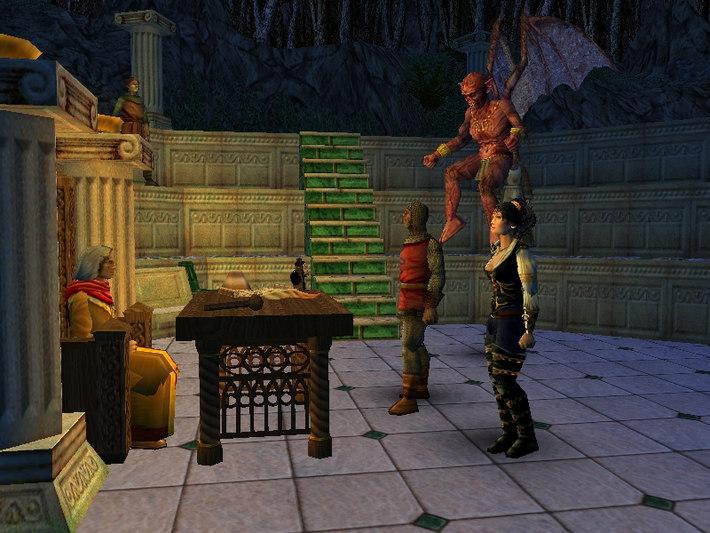
‘Ultima IX Ascension’ was released in a state that was widely considered unfinished by both fans and critics. The game suffered from severe performance issues and bugs that made it impossible to complete the story. Many of the core systems were broken and the hardware requirements were far beyond what most computers could handle at the time. The narrative also departed from the established lore of the series which further alienated the existing fan base. It effectively ended the long running franchise due to its poor technical and critical reception.
‘Battlecruiser 3000AD’ (1996)

‘Battlecruiser 3000AD’ was notorious for its extremely long development cycle and its broken state upon arrival. The game was essentially unplayable due to a confusing interface and a lack of functional documentation. Most of the promised features did not work and the software was prone to crashing every few minutes. The developer spent many years continuing to update and fix the game long after its initial failure. It has since become a cult curiosity within the space simulation genre.
‘Afro Samurai 2: Revenge of Kuma Volume One’ (2015)
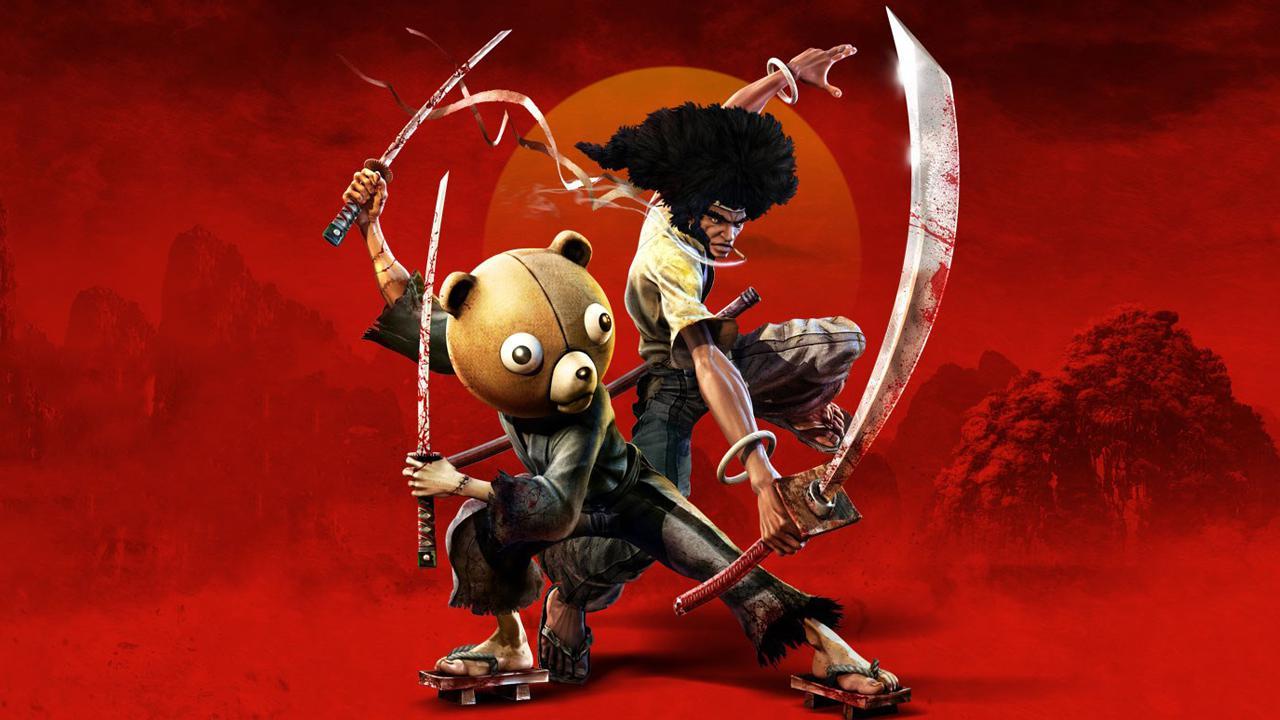
‘Afro Samurai 2 Revenge of Kuma Volume One’ was so broken that it was eventually pulled from digital stores and refunds were issued. The game suffered from terrible frame rate issues and combat mechanics that felt completely unfinished. Players encountered invisible walls and glitches that prevented them from finishing the first chapter. The publishers admitted that the game was a failure and decided to cancel all future episodes in the planned series. This remains a rare case of a company officially withdrawing a product because of its poor quality.
‘Ride to Hell: Retribution’ (2013)
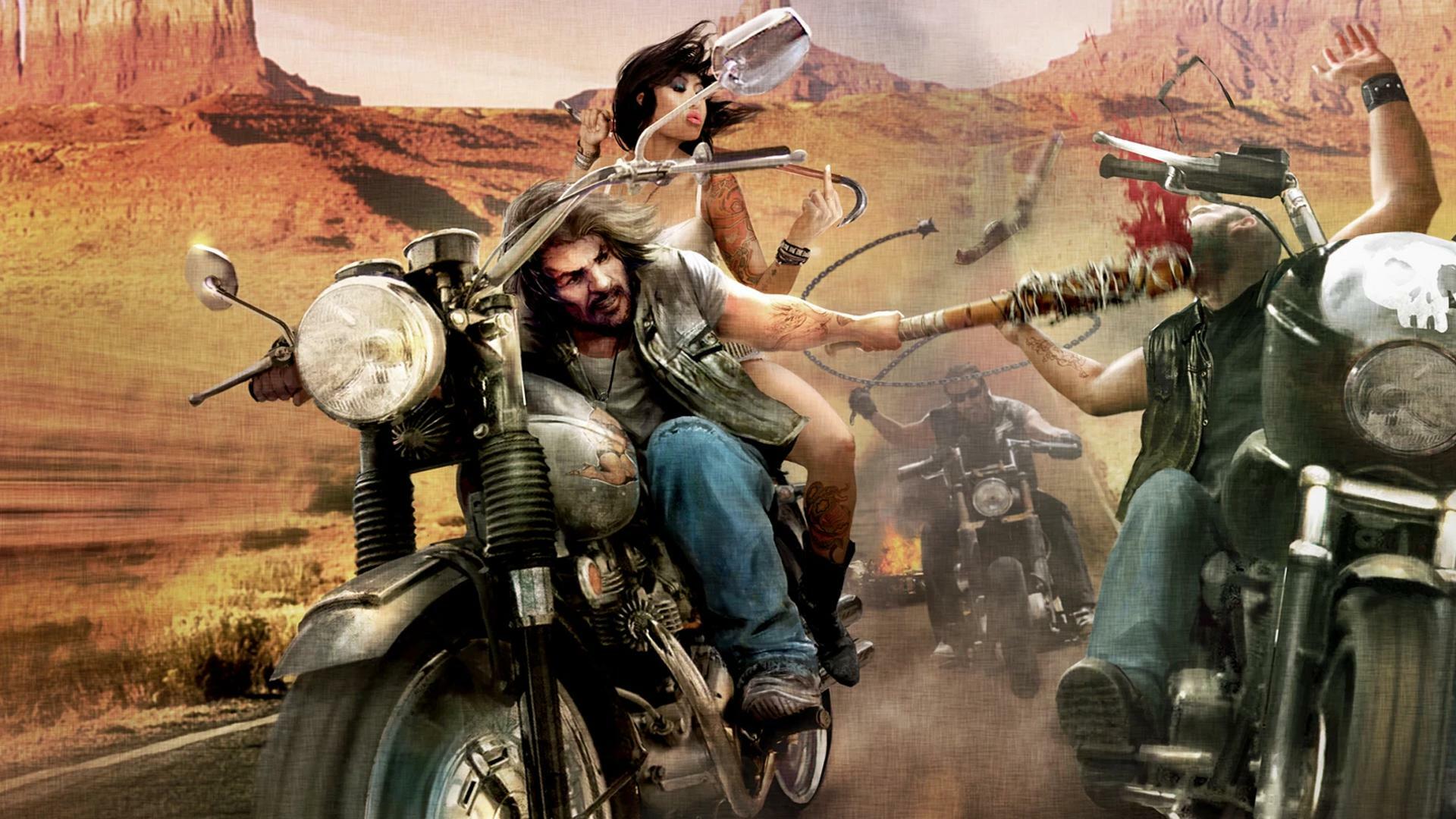
‘Ride to Hell Retribution’ is frequently cited as one of the worst games of its generation due to its massive technical failures. The combat was clunky and the driving physics were often nonfunctional or glitchy. Players frequently encountered broken animations and voice acting that did not sync with the character models. The game was filled with invisible walls and level design that made it easy to get stuck. It received nearly universal negative reviews and became a popular example of poor game development.
‘Postal 3’ (2011)
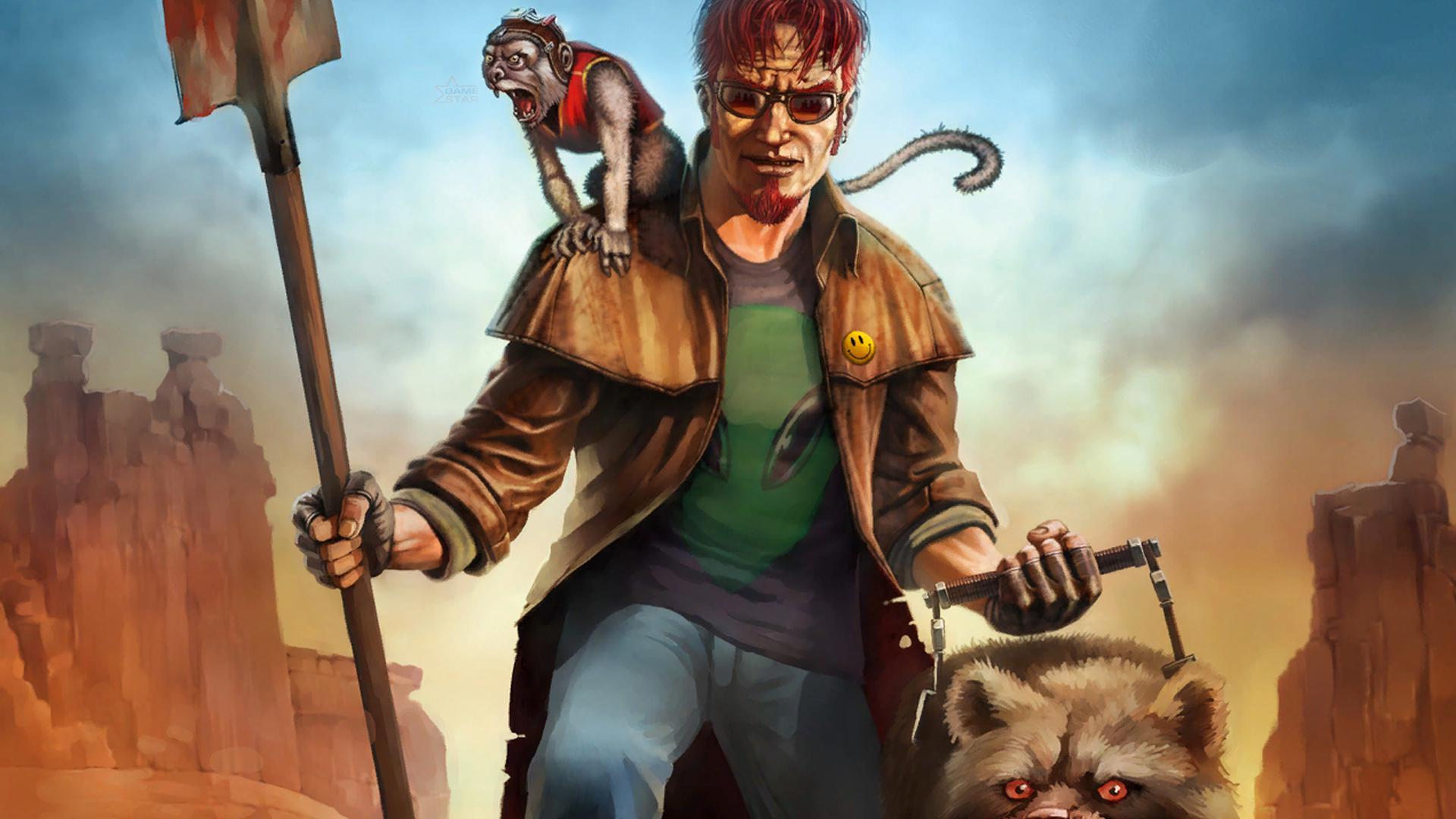
‘Postal 3’ was a departure from the open world style of its predecessor and was filled with technical problems. The game crashed frequently and the artificial intelligence was widely regarded as some of the worst in the industry. Many of the gameplay mechanics were unresponsive and the mission structure was repetitive and boring. The developer eventually disowned the game and encouraged fans to play the earlier entries instead. It serves as a reminder of how shifting development to a different team can sometimes result in a broken product.
‘Daikatana’ (2000)
‘Daikatana’ became famous for its aggressive marketing and its subsequent failure to deliver a functional experience. The companion artificial intelligence was notoriously bad and would often get stuck or die and cause the player to fail the mission. The levels were designed poorly and the game was filled with bugs that impacted the combat and navigation. It was delayed multiple times but still arrived in a state that felt years behind its competitors. The high expectations surrounding its creator led to an even larger backlash from the public.
‘Gothic 3’ (2006)
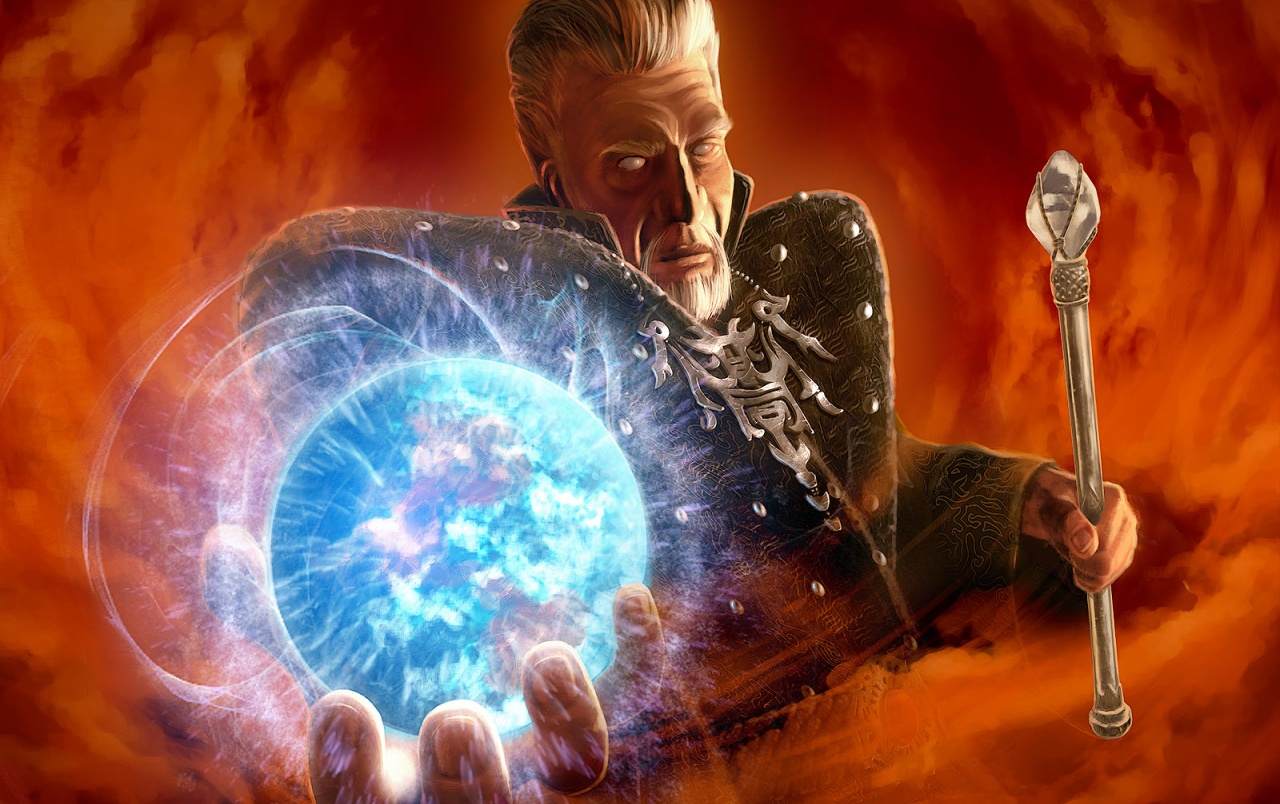
‘Gothic 3’ was released with a massive world that was unfortunately filled with game breaking bugs and performance issues. Combat was unbalanced and players could be killed by low level creatures due to glitchy animations. The save system was unreliable and often led to corrupted files that destroyed dozens of hours of progress. It took a dedicated community of fans years to fix the game through unofficial patches and technical overhauls. While the world was ambitious the technical foundation was simply too weak at launch.
‘Agony’ (2018)
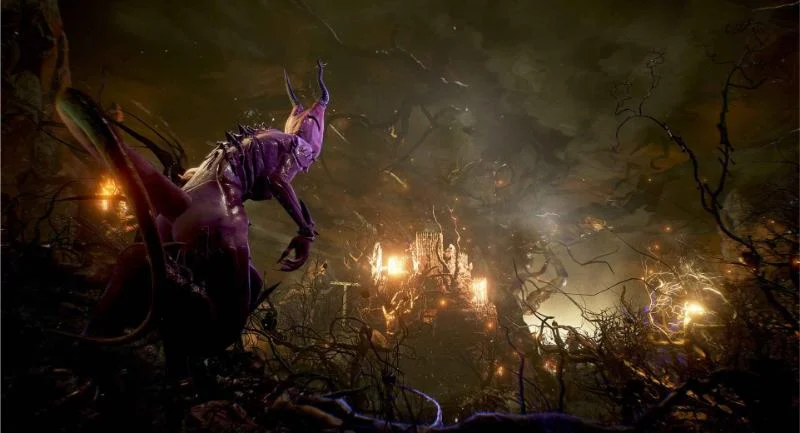
‘Agony’ was marketed as a dark and atmospheric horror experience but it arrived with significant technical flaws. The stealth mechanics were broken and the enemy artificial intelligence was inconsistent and frustrating. Players encountered frequent crashes and visual bugs that ruined the intended aesthetic of the game. Much of the content was also heavily censored at launch which disappointed those who had supported the original vision. The game received poor reviews and struggled to find an audience despite several updates intended to fix the gameplay.
Tell us which of these game launches you remember being the most frustrated with in the comments.