African-American Actresses Who Directed Their Own Films

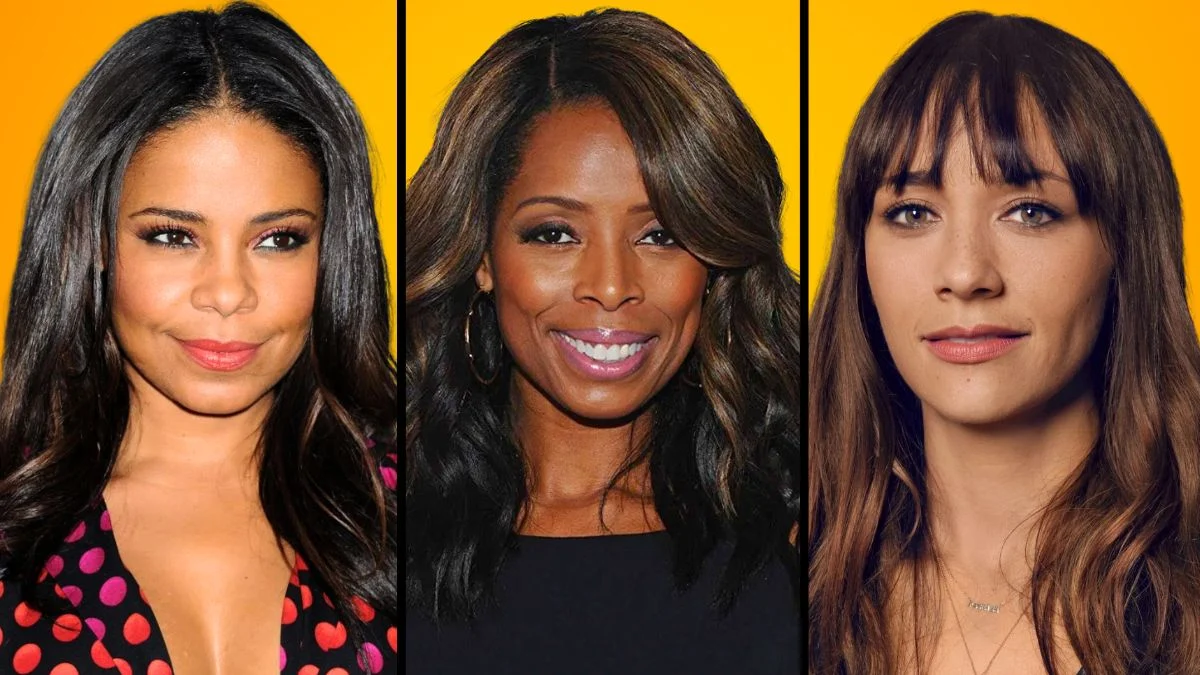

The film industry has seen a significant shift as more African-American actresses take the helm to direct their own feature films and documentaries. These women leverage their extensive on-camera experience to create compelling stories that offer fresh perspectives on culture and identity. By moving into the director’s chair they gain creative control over their narratives and provide opportunities for other diverse talents. This transition from performing to directing highlights the versatility and determination of women in Hollywood today.
Regina King
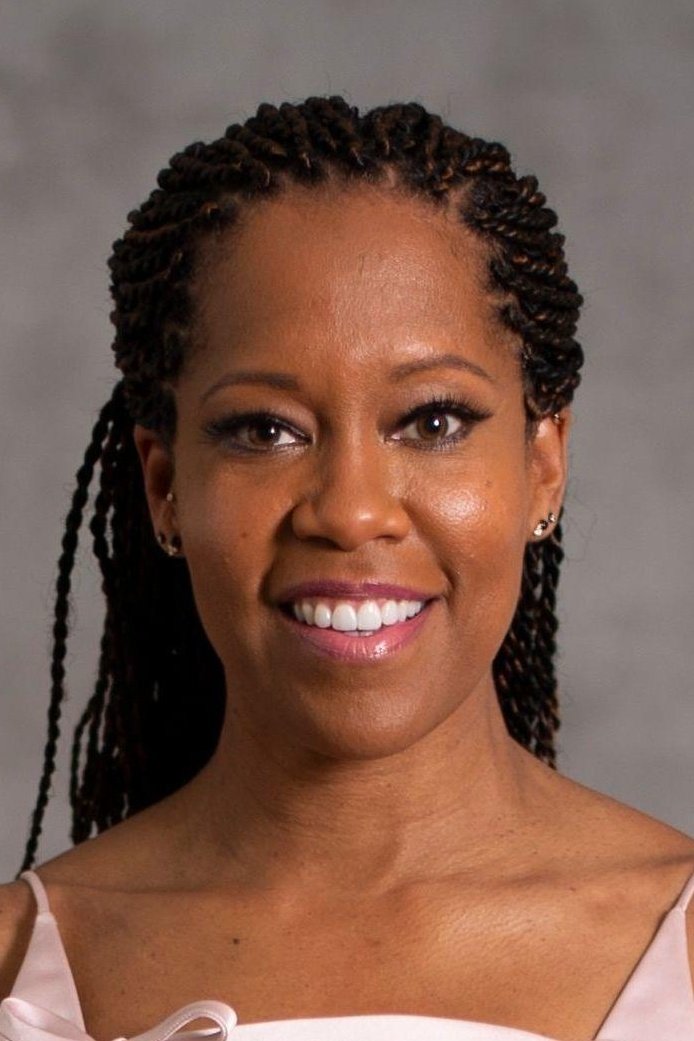
Regina King made a powerful directorial debut with the feature film ‘One Night in Miami’. This project explores a fictional meeting between four icons of the civil rights era during a pivotal night in 1964. King utilized her decades of acting experience to guide the cast through dense and emotional dialogue. The movie received significant critical praise and multiple nominations during the awards season. She proved that her artistic vision extends far beyond her legendary work as a performer.
Halle Berry
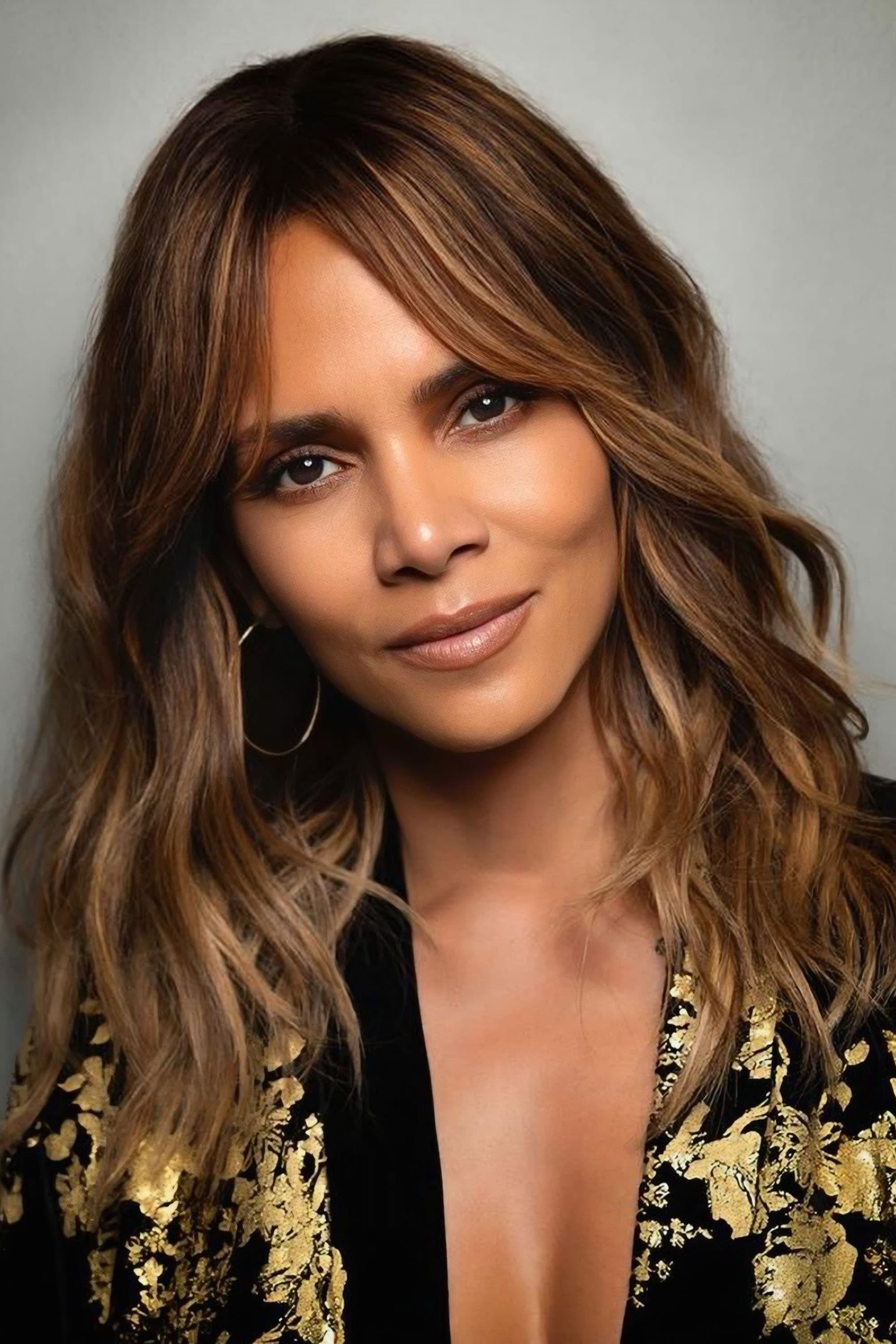
Halle Berry stepped behind the camera to direct the gritty sports drama ‘Bruised’. She also starred in the lead role as a disgraced mixed martial arts fighter seeking redemption. Berry spent years developing the project to ensure the fighting sequences and emotional beats felt authentic. The film showcases her ability to balance intense physical performance with focused directorial leadership. This project marked a major milestone in her long and celebrated career in the entertainment industry.
Sanaa Lathan
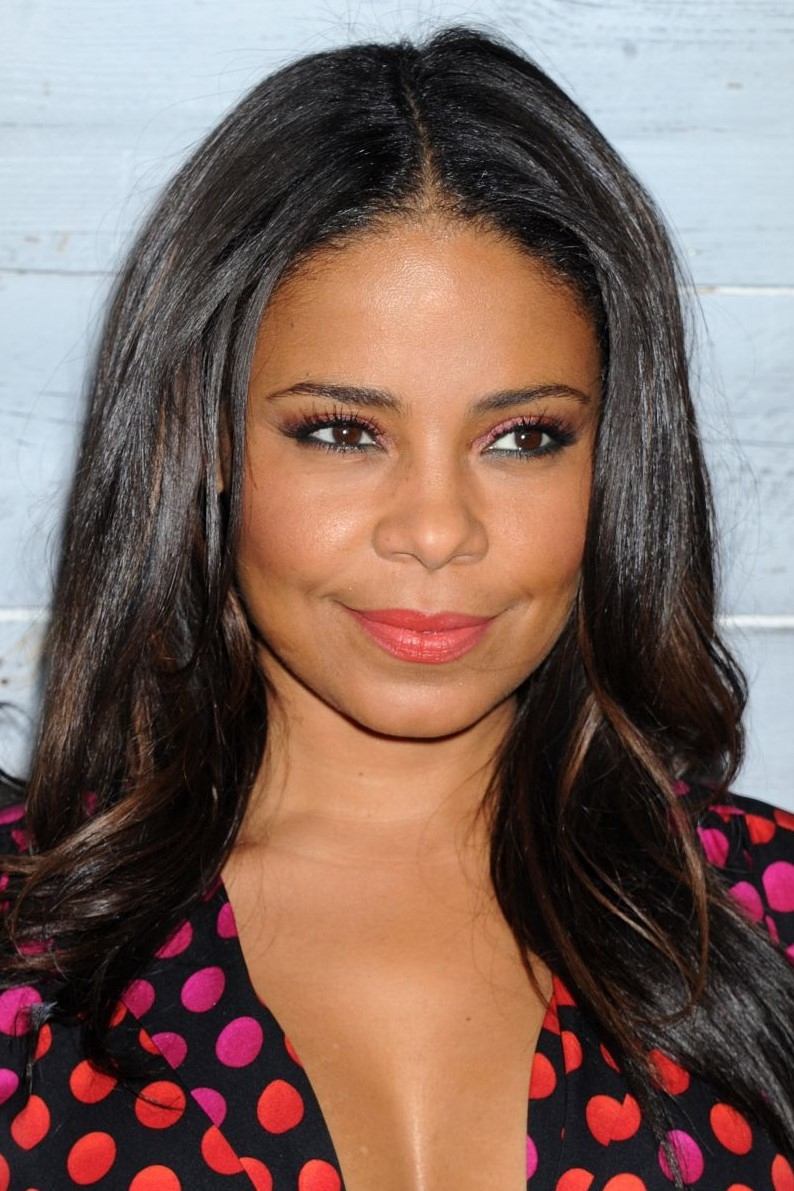
Sanaa Lathan made her directorial debut with the film ‘On the Come Up’ which is based on a popular novel. The story follows a young girl who dreams of becoming a legendary rapper in the face of local adversity. Lathan brought a nuanced understanding of performance to the set to help the young cast deliver authentic portrayals. Her transition to directing allowed her to shape a coming of age story that resonates with modern audiences. The film highlights her skill in capturing the energy and struggles of urban youth culture.
Kasi Lemmons
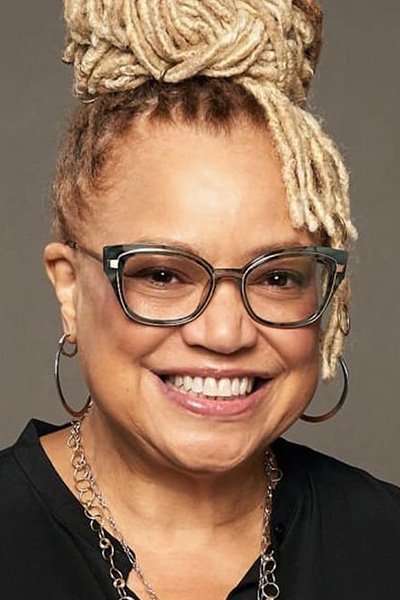
Kasi Lemmons transitioned from acting to directing with the landmark film ‘Eve’s Bayou’. This southern gothic drama is often cited as one of the most important works in independent cinema. Lemmons wrote and directed the project which features a haunting atmosphere and complex family dynamics. She continued her success with other notable films like ‘Harriet’ and ‘Talk to Me’. Her career serves as a blueprint for actresses looking to establish themselves as serious filmmakers.
Angela Bassett
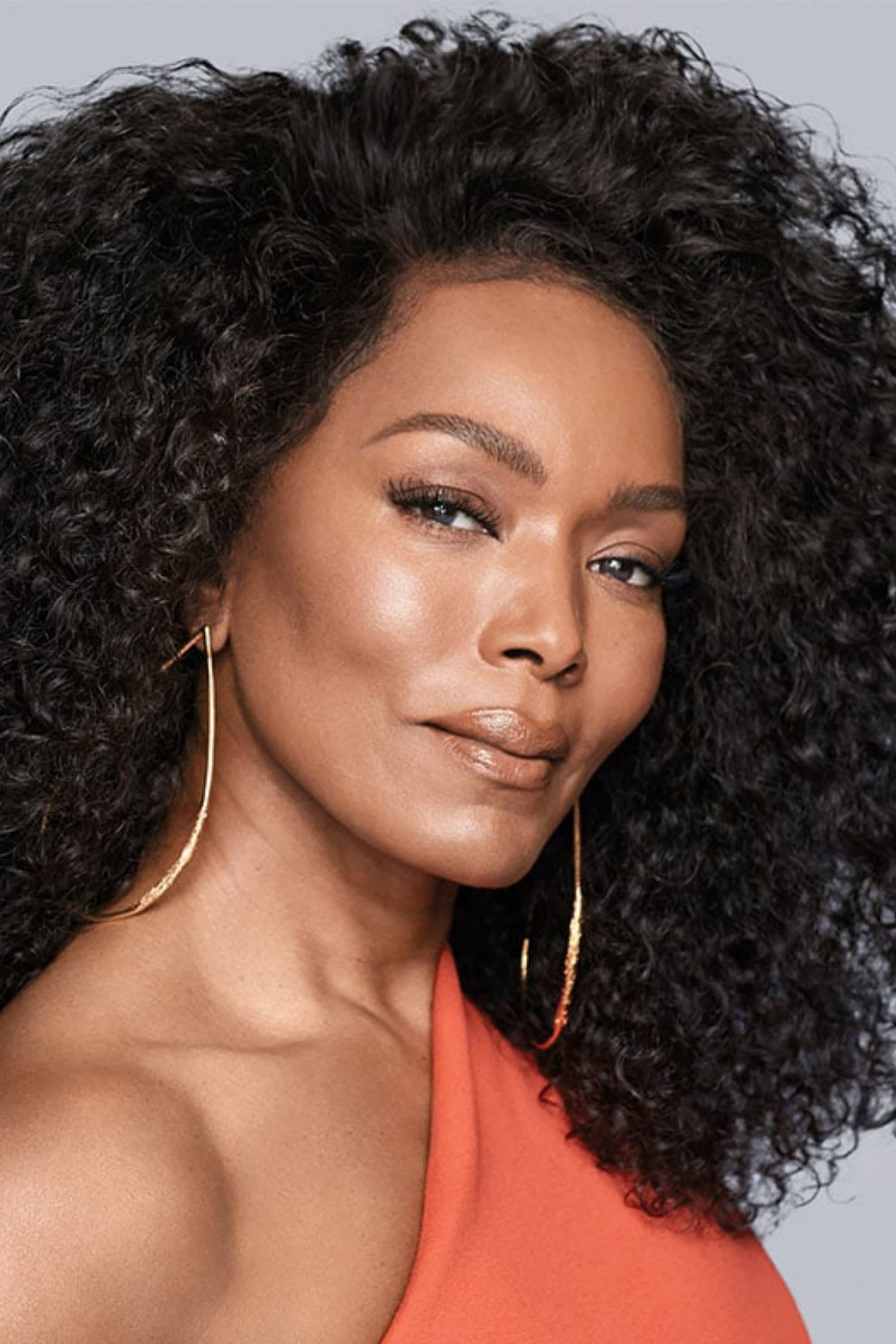
Angela Bassett brought her immense talent to the director’s chair for the biographical film ‘Whitney’. The movie focuses on the life and career of the legendary singer Whitney Houston. Bassett used her personal knowledge of the industry to depict the pressures of fame and the complexities of personal relationships. She focused on the human elements of the story rather than just the public persona of the icon. This project demonstrated her capability to handle high profile biographical narratives with sensitivity and grace.
Tasha Smith

Tasha Smith is well known for her acting roles but she has also built an impressive resume as a director. She directed the intense television film ‘When Love Kills The Falicia Blakely Story’. Smith used her background as an acting coach to pull raw and powerful performances from her lead actors. Her directorial style is characterized by a focus on character development and emotional honesty. She continues to direct various projects across different genres in the television and film landscape.
Debbie Allen
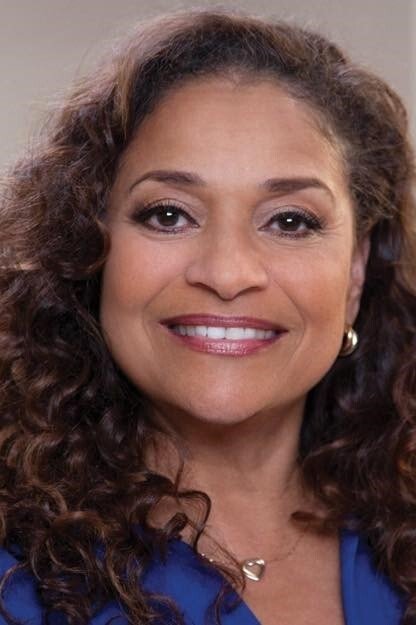
Debbie Allen is a multitalented artist who has directed numerous projects including the musical film ‘The Pollinators’. She has a long history of directing for television and film starting with her work on the series ‘Fame’. Allen often incorporates her background in dance and choreography into her visual storytelling. Her work is known for its vibrant energy and strong focus on community and culture. She remains a pioneering figure for Black women in the director’s chair.
Meagan Good
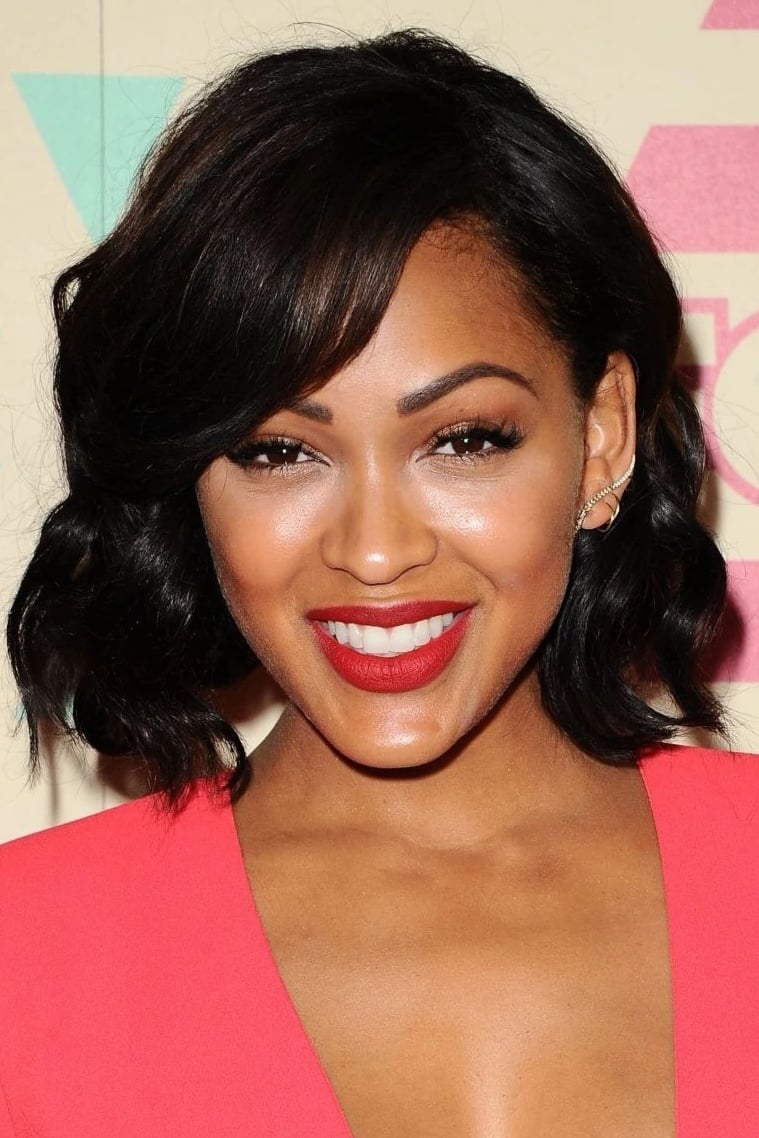
Meagan Good co-directed and starred in the independent drama ‘If Not Now, When?’. The film explores the lives of four friends who must lean on each other through various life crises. Good drew from her own experiences in the industry to create a realistic portrayal of female friendship and support. The project was a personal endeavor that allowed her to explore themes of sisterhood and resilience. She continues to pursue directing opportunities that highlight diverse female voices.
Kim Fields
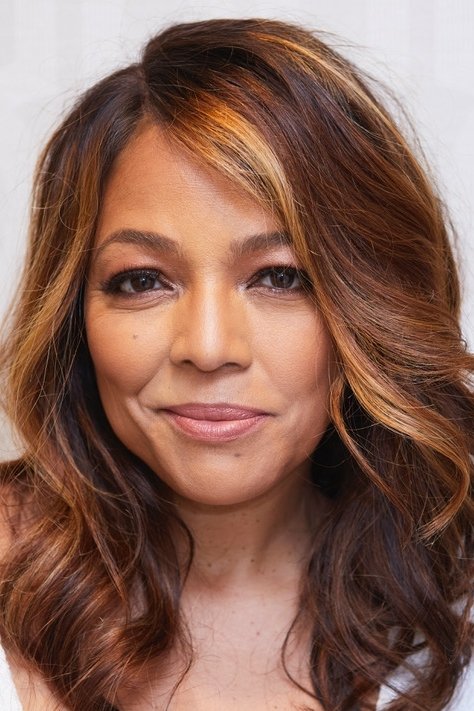
Kim Fields is a veteran actress who has successfully navigated a career as a director for many years. She directed the film ‘The Truth Hall’ which follows a group of college friends reuniting for a wedding. Fields has also directed numerous episodes of popular sitcoms and television specials. Her experience on sets from a young age provided her with a deep understanding of the technical aspects of filmmaking. She is respected for her ability to manage ensemble casts and deliver consistent comedic timing.
Cheryl Dunye
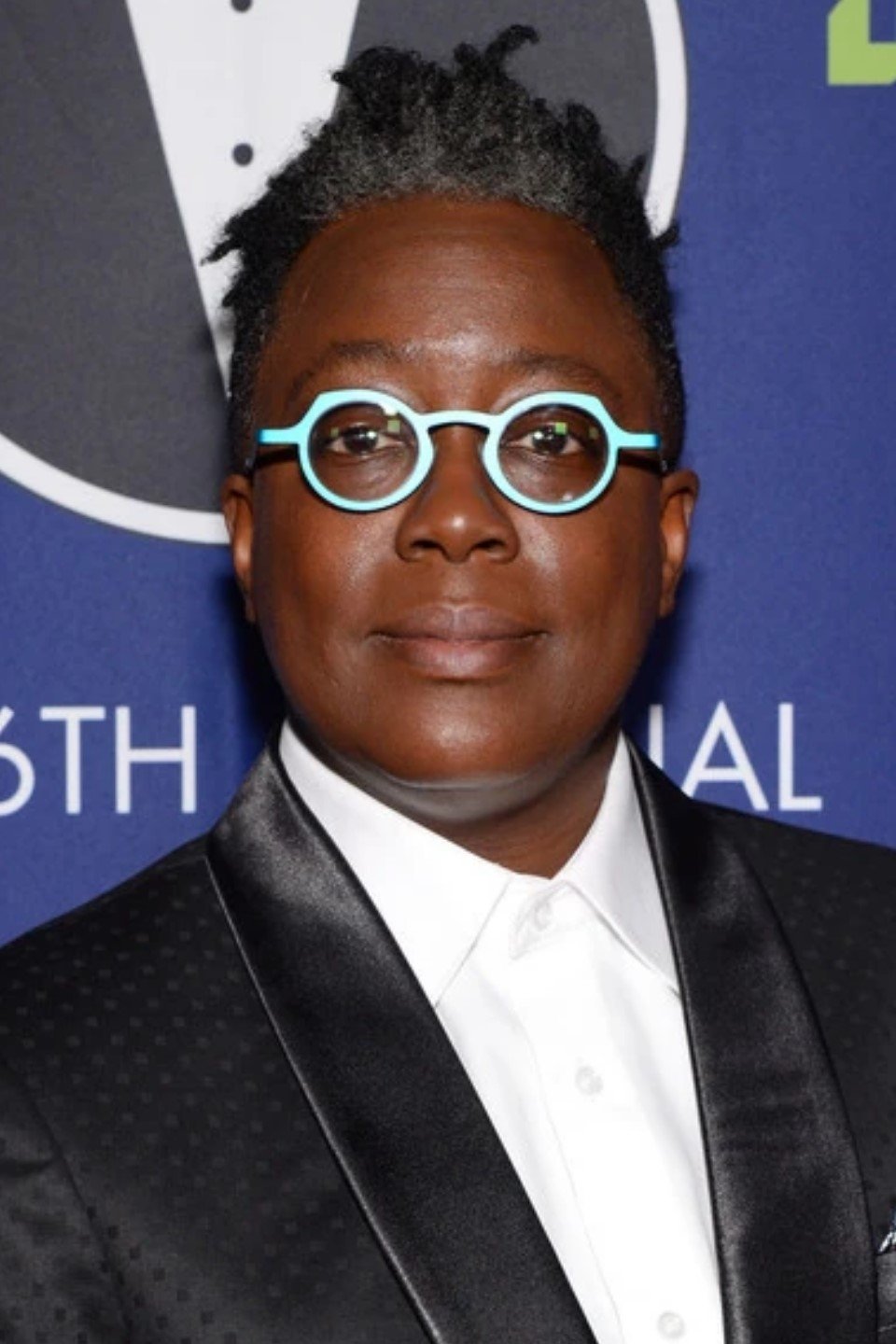
Cheryl Dunye is a pioneer of the New Queer Cinema movement who directed and starred in ‘The Watermelon Woman’. This film is considered a classic for its innovative blend of fiction and documentary styles. Dunye used the project to explore the history of Black actresses in early Hollywood. Her work often addresses themes of race, gender, and sexuality through a personal lens. She has since directed for major television networks while maintaining her unique artistic voice.
Victoria Rowell
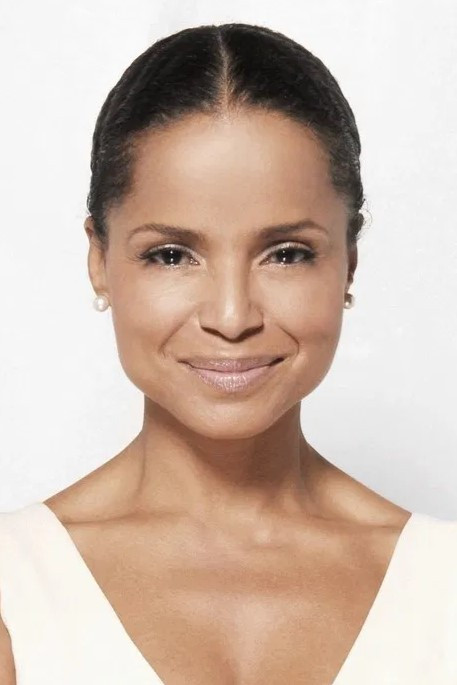
Victoria Rowell directed the film ‘The Rich and the Ruthless’ which provides a satirical look at the world of soap operas. She drew heavily from her own long career in daytime television to bring authenticity to the project. Rowell took on multiple roles including writing and producing to ensure her vision reached the screen. The film showcases her ability to blend humor with a critique of the entertainment industry. She remains an active advocate for diversity behind the scenes in Hollywood.
Rashida Jones
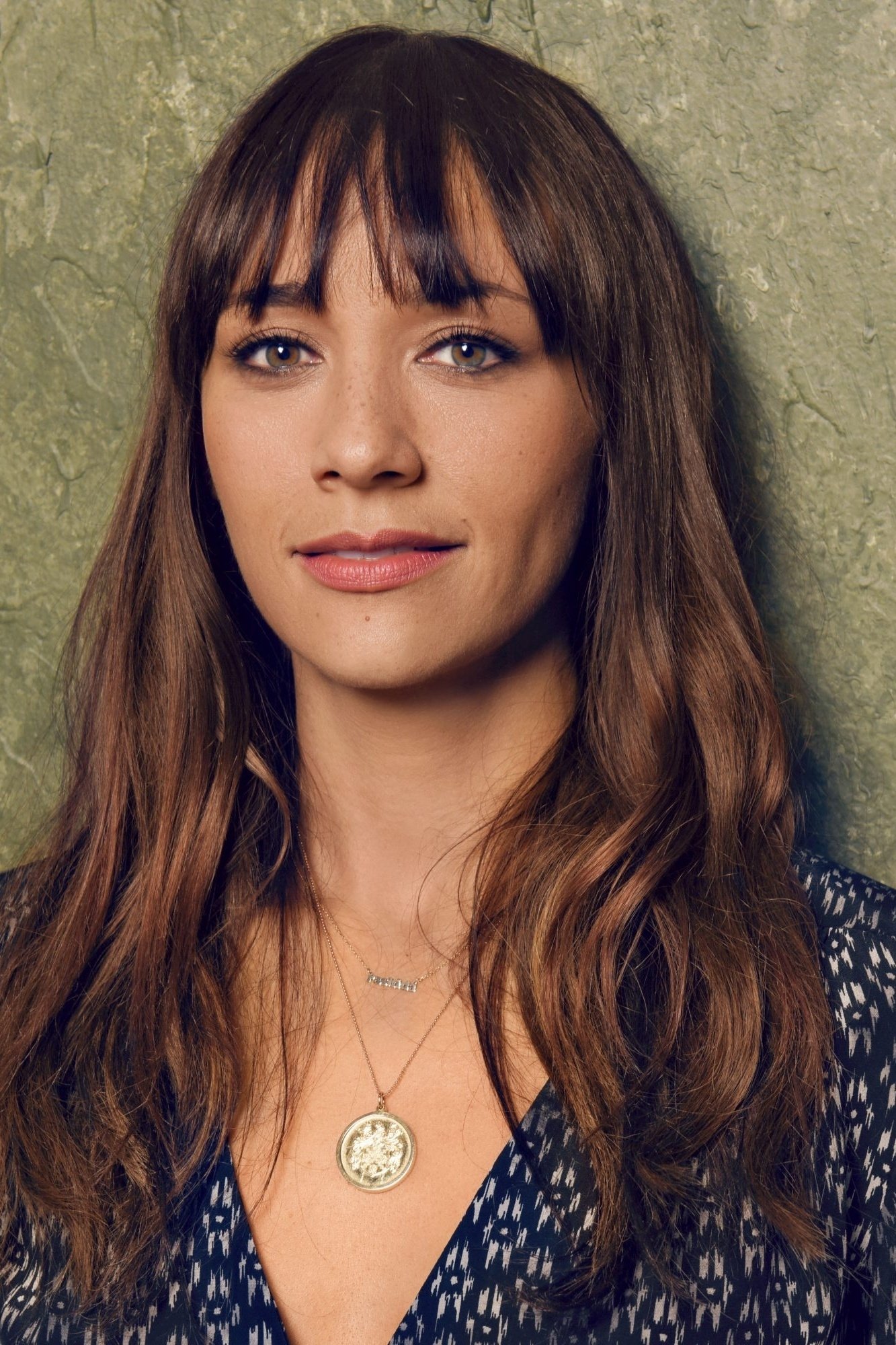
Rashida Jones co-directed the documentary ‘Quincy’ which focuses on the life of her father Quincy Jones. The film provides an intimate look at the legendary producer through years of personal footage and interviews. Jones used her unique perspective to tell a story that is both a historical record and a personal tribute. The documentary received critical acclaim for its depth and comprehensive coverage of American music history. It marked a significant step in her career as a filmmaker and storyteller.
Maya Angelou
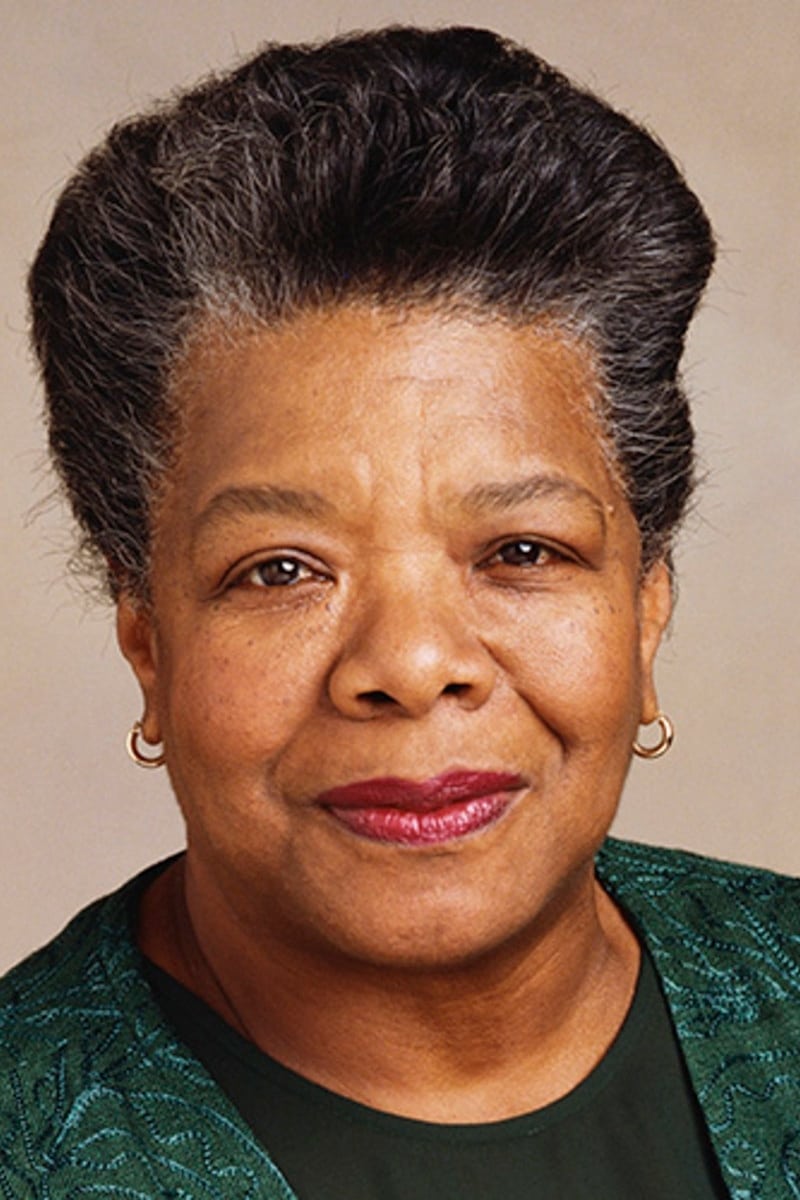
Maya Angelou directed the feature film ‘Down in the Delta’ later in her illustrious career. The movie tells the story of a woman who finds strength and heritage when she moves to her family’s ancestral home. Angelou focused on themes of family, history, and personal growth throughout the narrative. Her poetic sensibility translated into a visual style that was both calm and profoundly moving. This film remains a significant contribution to the body of work by African-American women directors.
Salli Richardson-Whitfield
Salli Richardson-Whitfield has become one of the most prolific directors in the industry after a successful acting career. She directed the feature film ‘Pastor Brown’ which deals with themes of faith and family secrets. Since then she has directed dozens of episodes for high profile television series. Richardson-Whitfield is known for her technical proficiency and her ability to work across multiple genres. She has transitioned into a full time directing career while maintaining her status as a respected performer.
Erika Alexander
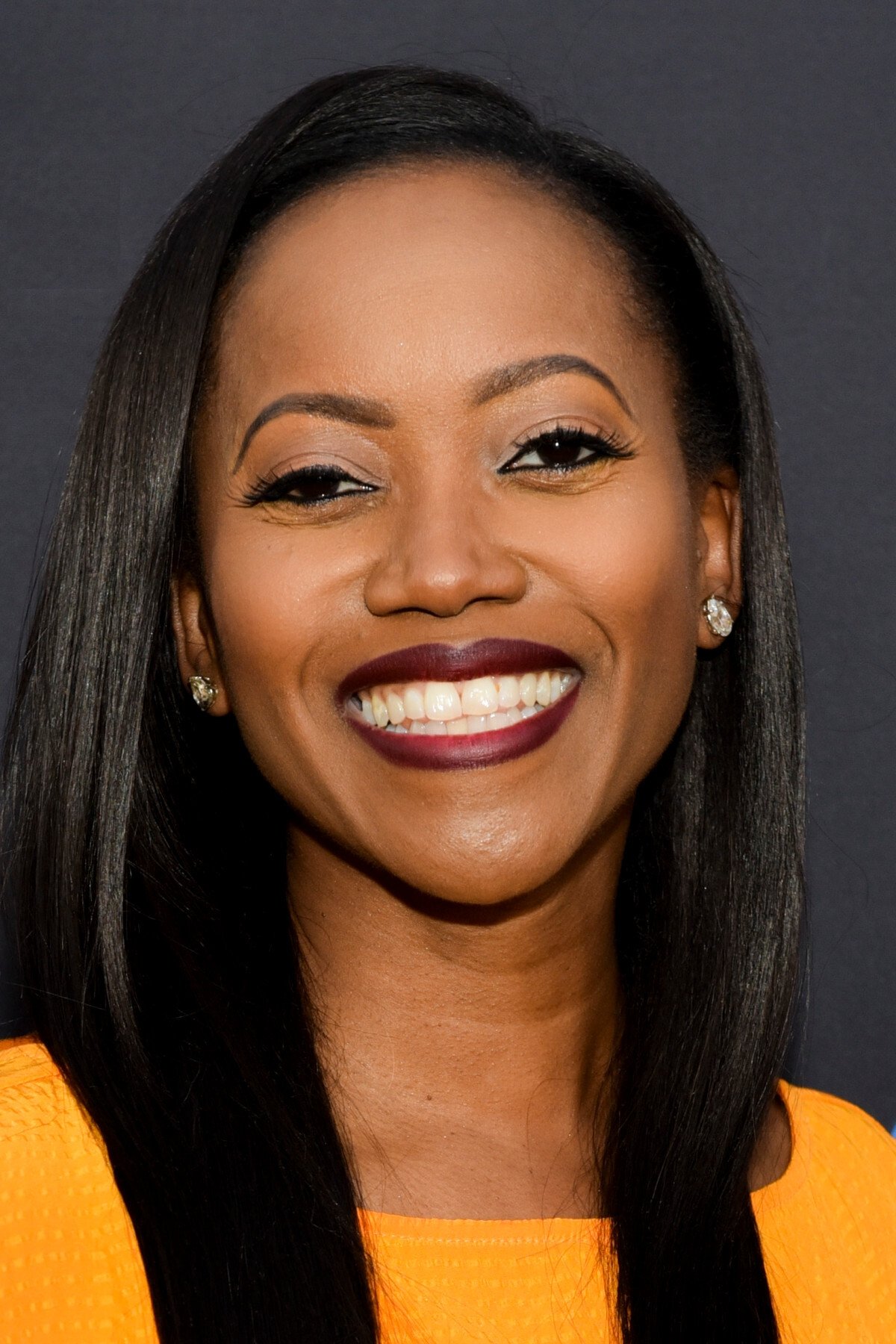
Erika Alexander co-directed the documentary ‘The Big Payback’ which examines the movement for reparations in America. The film follows the legislative process and the personal stories of those fighting for social justice. Alexander used her platform as a public figure to bring attention to this complex and timely issue. Her work as a director is informed by her long history of activism and her deep roots in the acting world. She continues to develop projects that challenge societal norms and encourage dialogue.
Janicza Bravo

Janicza Bravo directed the visually striking and dark comedy ‘Zola’ which is based on a viral series of social media posts. She brought a unique and stylized aesthetic to the film that captured the attention of critics and audiences. Bravo has a background in acting and costume design which influences her meticulous attention to detail on screen. Her work is often praised for its bold choices and sharp social commentary. She represents a new wave of filmmakers who are pushing the boundaries of traditional narrative.
Chinonye Chukwu

Chinonye Chukwu gained international recognition for directing the powerful drama ‘Clemency’. She became the first Black woman to win the Grand Jury Prize at the Sundance Film Festival for this project. Chukwu spent years researching the lives of death row wardens to bring a sense of realism to the story. Her direction is marked by a quiet intensity and a focus on the internal lives of her characters. She followed this success with the historical drama ‘Till’ which received further acclaim.
Nia DaCosta
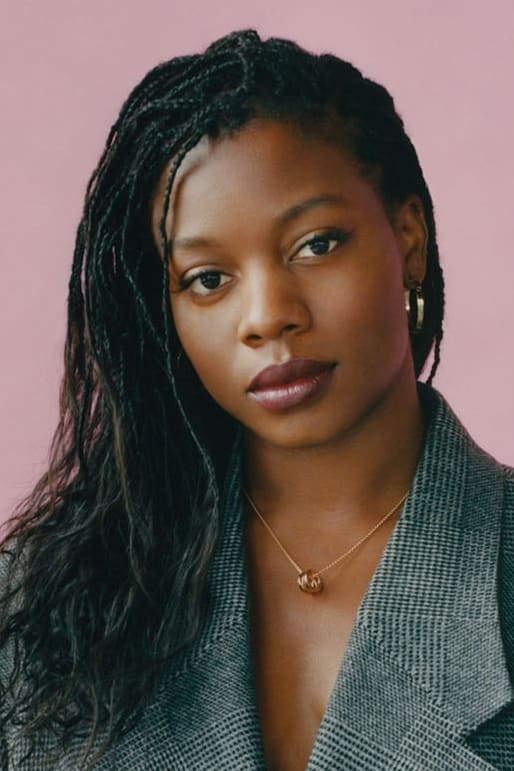
Nia DaCosta made her feature directorial debut with the independent crime drama ‘Little Woods’. The film explores the desperate measures two sisters take to survive in a struggling rural town. DaCosta quickly moved on to direct major studio projects including ‘Candyman’ and ‘The Marvels’. Her background as an actress and writer helps her create grounded characters even in large scale productions. She is one of the fastest rising directors in Hollywood today.
Melina Matsoukas
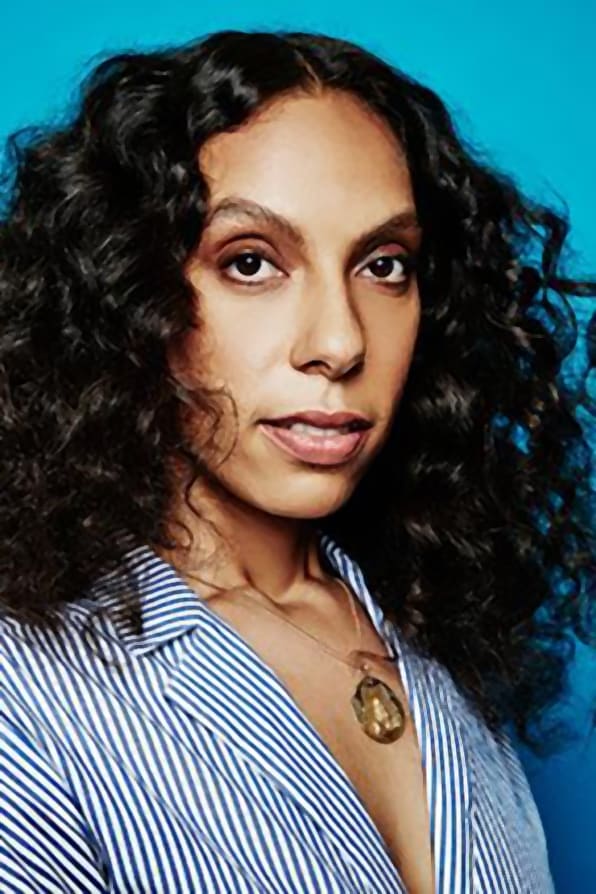
Melina Matsoukas directed the stylish and provocative film ‘Queen and Slim’ after a successful career in music videos. The movie serves as a modern day outlaw story that addresses contemporary social issues. Matsoukas worked closely with her cast to ensure the emotional core of the film remained central to the visual spectacle. Her background in acting and visual arts is evident in the rich colors and compositions of her work. She has received numerous awards for her contributions to both film and television.
Julie Dash

Julie Dash is a legendary filmmaker who directed the groundbreaking movie ‘Daughters of the Dust’. This film was the first feature by an African-American woman to receive a general theatrical release in the United States. Dash used a nonlinear narrative and stunning visuals to tell the story of a Gullah family at the turn of the century. She has inspired generations of filmmakers with her dedication to portraying Black womanhood in complex and beautiful ways. Her work continues to be studied and celebrated for its cultural significance.
Darnell Martin
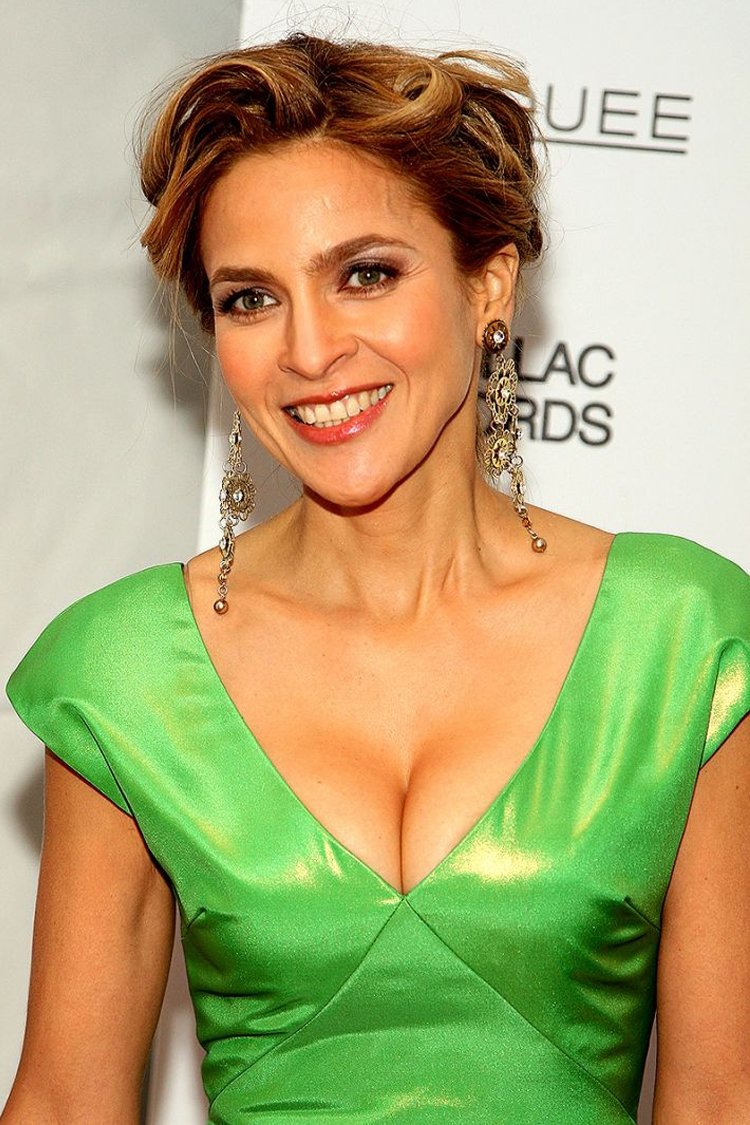
Darnell Martin made history as the first African-American woman to direct a film for a major Hollywood studio with ‘I Like It Like That’. The movie is a vibrant look at life in the Bronx and features strong performances from its ensemble cast. Martin also has a background in acting and has appeared in various television projects over the years. Her directing career includes a wide range of television episodes and the musical biopic ‘Cadillac Records’. She is known for her ability to capture raw energy and authentic urban settings.
Tina Mabry
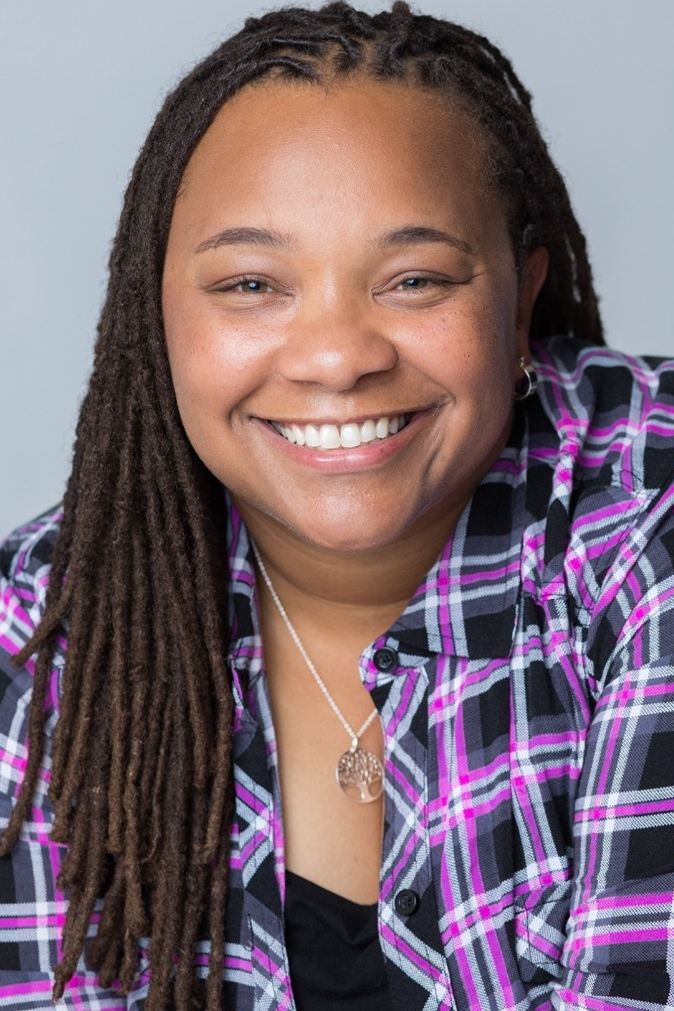
Tina Mabry directed the critically acclaimed independent film ‘Mississippi Damned’. The story is based on her own experiences growing up in the south and deals with cycles of abuse and poverty. Mabry received multiple awards for her honest and unflinching portrayal of family trauma. She has since moved into directing for major television series and writing for high profile projects. Her work as a director is defined by its emotional depth and commitment to telling difficult stories.
Dee Rees
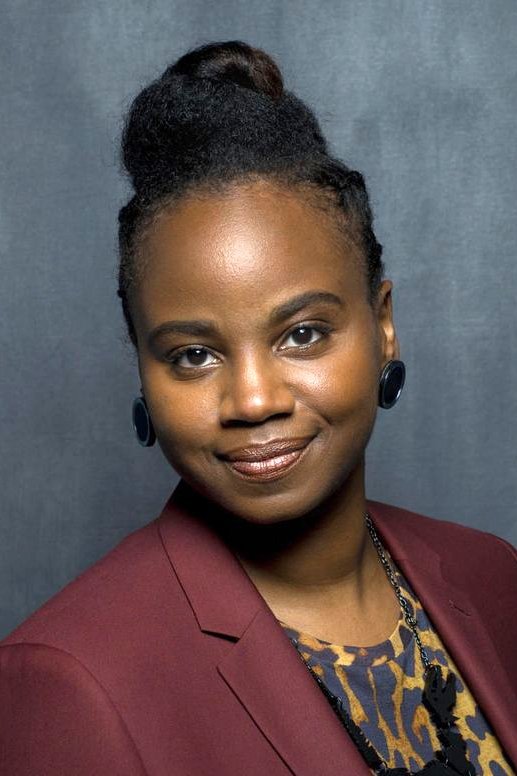
Dee Rees directed the semi-autobiographical film ‘Pariah’ which follows a young woman coming to terms with her identity. The film started as a short project before Rees expanded it into a feature length story. She received widespread praise for her sensitive direction and the strong performances she elicited from her cast. Rees went on to direct the Academy Award nominated film ‘Mudbound’ and the biopic ‘Bessie’. Her career demonstrates a consistent focus on marginalized voices and historical narratives.
Shola Lynch
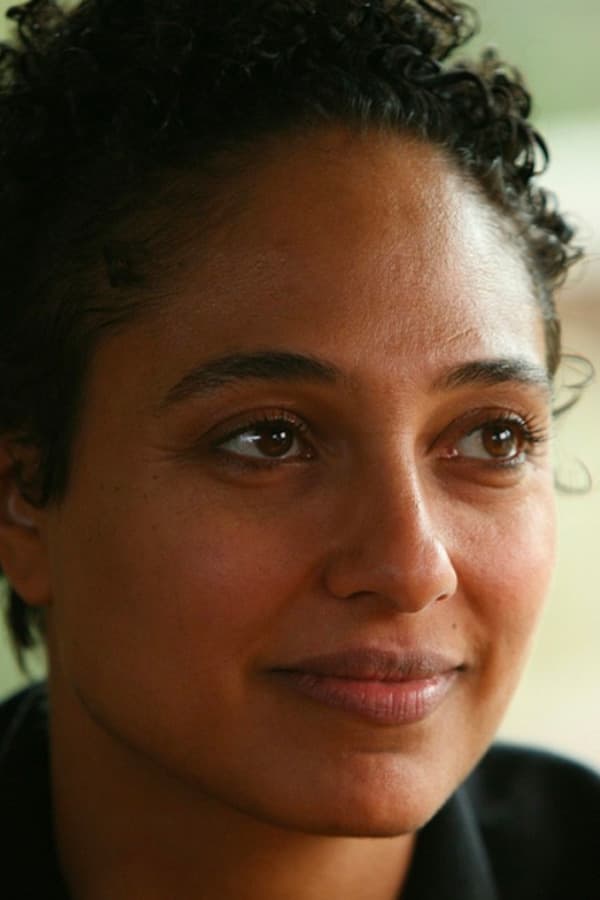
Shola Lynch is a former child actress who has become a prominent documentary filmmaker. She directed the acclaimed film ‘Free Angela and All Political Prisoners’ which chronicles the life of activist Angela Davis. Lynch uses extensive archival research and interviews to create comprehensive historical accounts. Her work is noted for its ability to humanize political figures and clarify complex historical events. She continues to produce documentaries that explore the intersections of race and American history.
Radha Blank
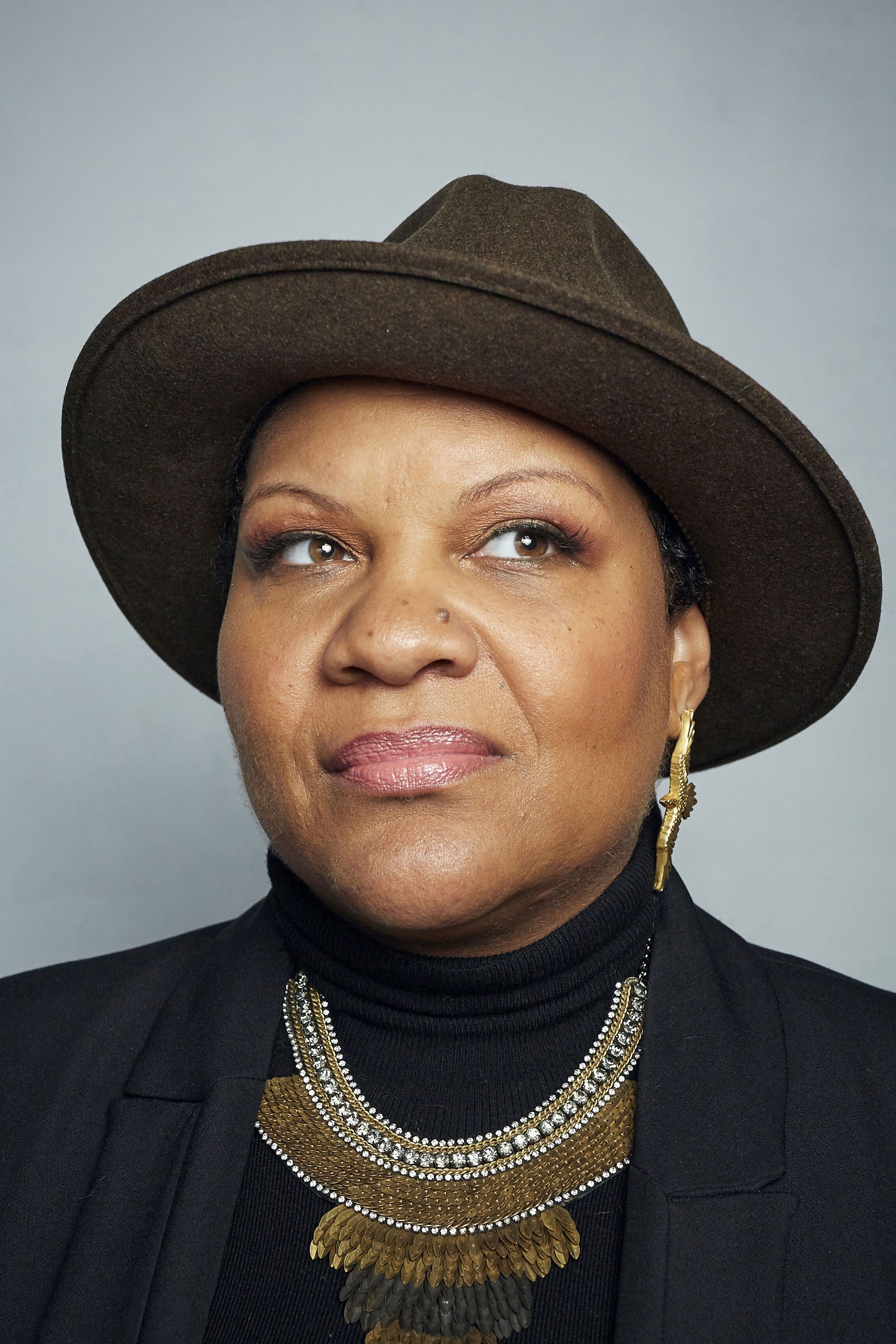
Radha Blank wrote, directed, and starred in the film ‘The Forty Year Old Version’. The movie is a semi-autobiographical look at a playwright who decides to reinvent herself as a rapper. Blank used a black and white visual style to give the film a timeless and artistic feel. Her performance and direction were praised for their wit and vulnerability. The film won several prestigious awards and established her as a major voice in contemporary independent cinema.
Ava DuVernay
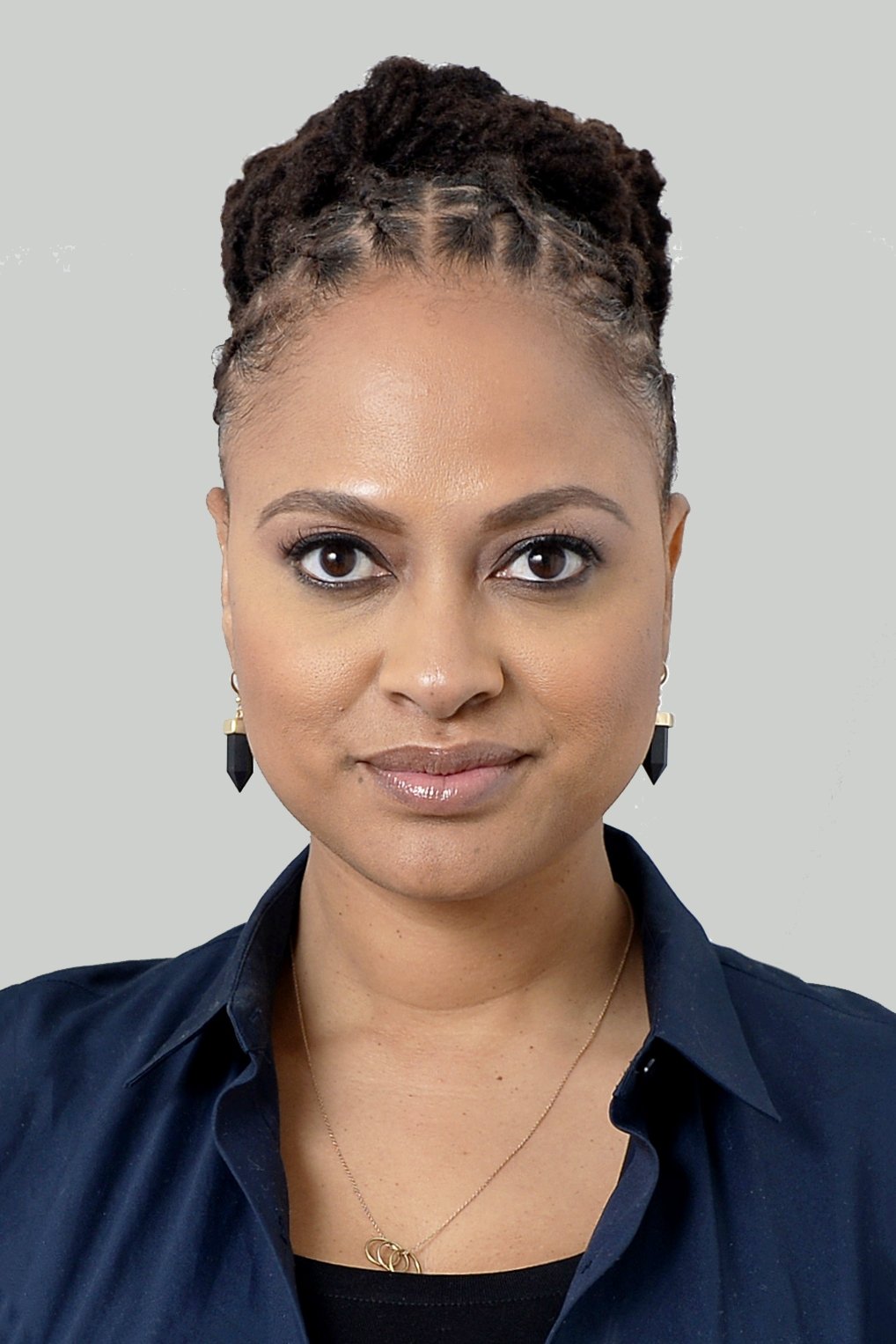
Ava DuVernay began her career as a publicist and actress before becoming a world renowned director. She directed her first feature film ‘I Will Follow’ on a limited budget and received critical attention. DuVernay went on to direct major projects like ‘Selma’ and the documentary ’13th’. She is known for her commitment to social justice and for creating opportunities for underrepresented filmmakers through her collective. Her journey from small independent projects to major studio films is an inspiration to many.
Erika Alexander
Erika Alexander is widely recognized for her acting roles but has also made significant strides as a documentary director. She co-directed ‘The Big Payback’ which follows the first government-funded reparations program in the United States. Alexander used her storytelling skills to frame a complex political debate through a human lens. The film highlights her ability to tackle serious subject matter with clarity and passion. She remains an influential figure in both the acting and filmmaking communities.
Share your favorite films directed by these talented women in the comments.