Video Game Glitches That Became Official Features


The development of video games often involves unexpected errors that transform the way players interact with digital worlds. Some of the most beloved mechanics in gaming history began as unintended bugs or technical limitations. Developers frequently choose to embrace these accidents when they realize the glitch improves the gameplay experience. This list highlights the most significant instances where a programming mistake evolved into a permanent fixture of the industry.
‘Space Invaders’ (1978)
The iconic difficulty curve in this classic was entirely unintentional. As players destroyed more aliens the hardware was able to render the remaining sprites faster. This resulted in the invaders moving down the screen at increasing speeds. The developer decided to keep this behavior rather than fix it. It established the standard for escalating difficulty in arcade games.
‘Street Fighter II’ (1991)
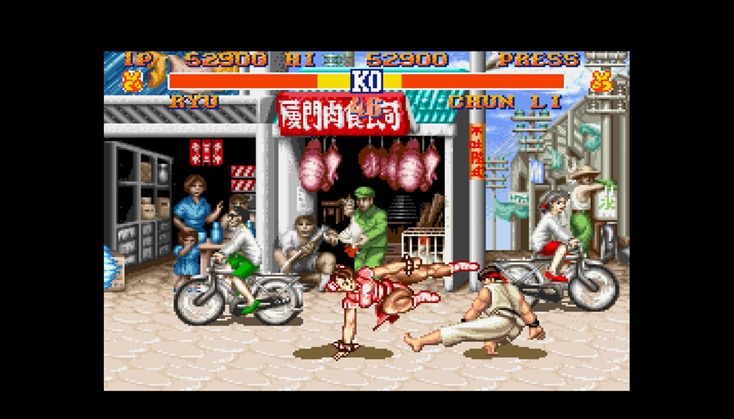
During development a producer discovered that certain attacks could be linked together if timed perfectly. This occurred because the animation frames could be interrupted by a second input. The team realized this added a layer of depth to the combat system. They left the mechanic in the game and it became the foundation for modern fighting game combos. Every major title in the genre now relies on this once accidental discovery.
‘Minecraft’ (2011)
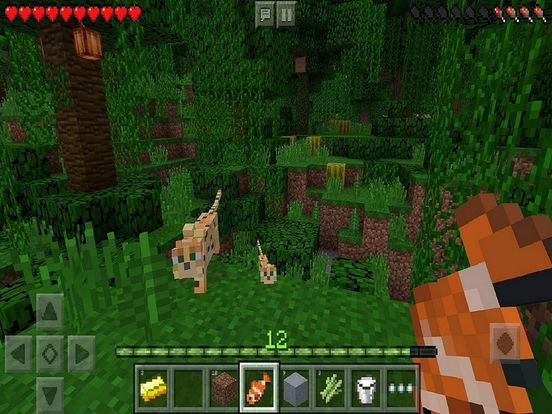
The iconic green exploding monster known as the Creeper was the result of a coding error. Creator Markus Persson attempted to create a pig model but swapped the height and length values for the torso. This created a strange tall creature with four small legs that looked unsettling. Persson added a green texture and gave it explosive properties after seeing the strange design. The character eventually became the most recognizable mascot of the entire franchise.
‘Quake’ (1996)
Players discovered that they could reach incredible heights by firing a rocket at their feet while jumping. This technique exploited the game physics to trade health for massive vertical momentum. The developers at id Software noticed the community using this tactic in multiplayer matches. Instead of patching it they designed future levels and games to accommodate the movement. Rocket jumping is now a core mechanic in the arena shooter subgenre.
‘Devil May Cry’ (2001)
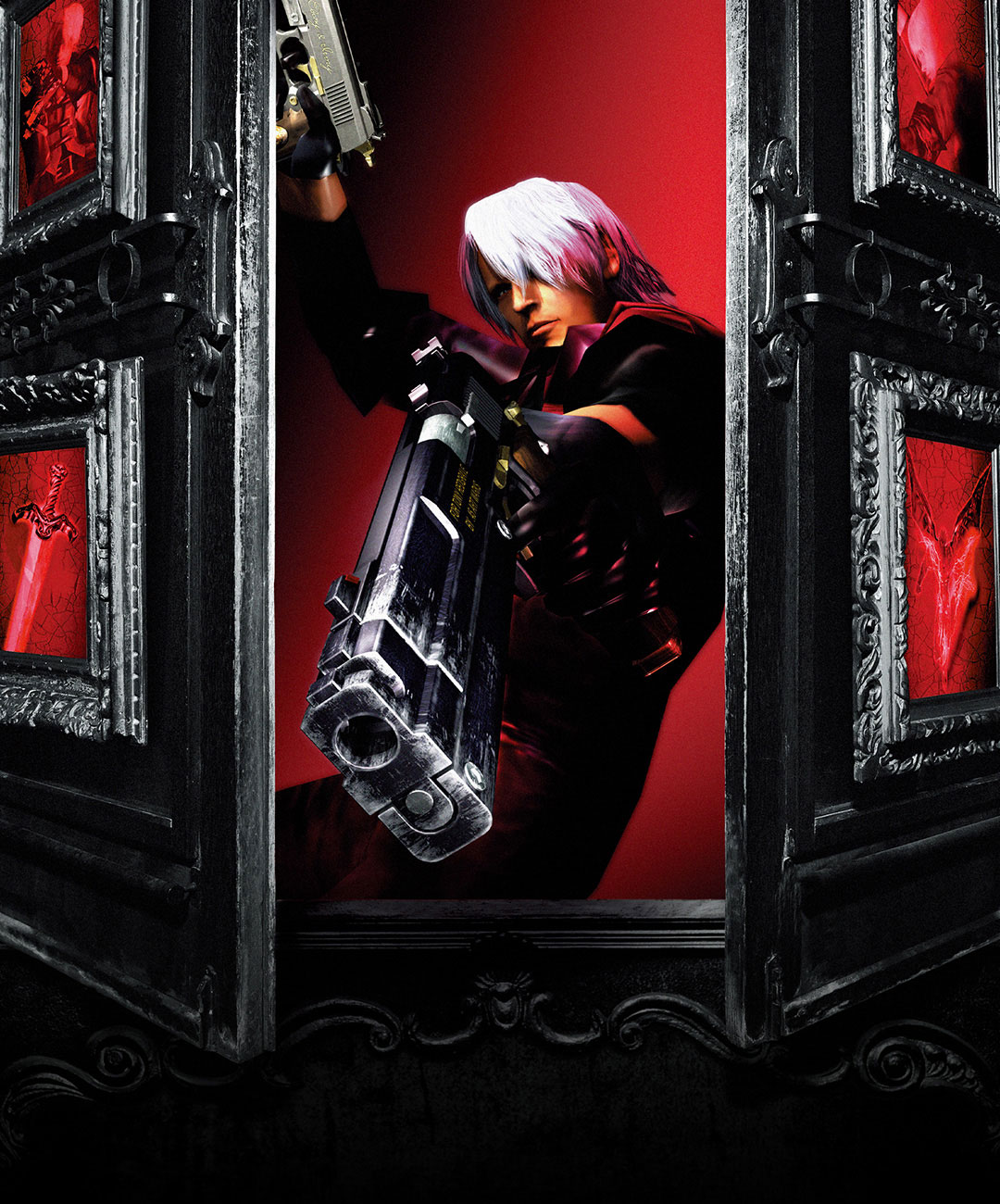
This action game began as an early build for ‘Resident Evil 4’. A bug was discovered that allowed players to keep enemies suspended in the air by repeatedly shooting them. The director liked the visual style of this interaction and decided to build an entire combat system around it. This led to the creation of the stylish action genre where air juggling is a primary goal. The game was eventually rebranded as its own standalone series.
‘Starsiege: Tribes’ (1998)

A physics glitch allowed players to maintain their momentum by tapping the jump button while moving down slopes. This behavior effectively allowed characters to slide or ski across the terrain at high speeds. The community mastered this movement to traverse the massive maps much faster than intended. The developers recognized its popularity and turned it into an official movement mechanic for all subsequent entries. Skiing remains the defining feature of the ‘Tribes’ franchise.
‘Team Fortress’ (1996)
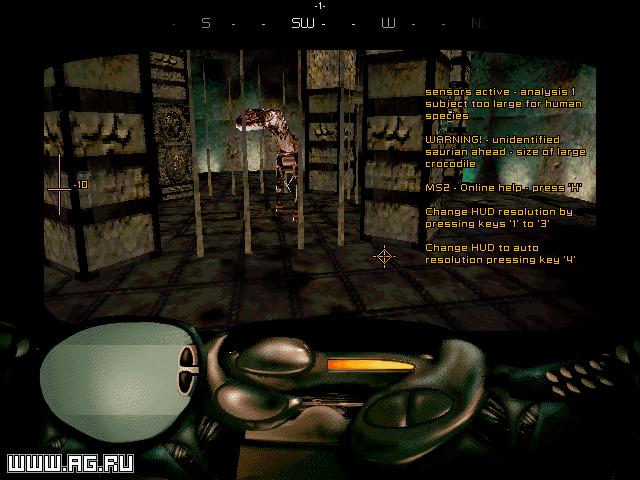
The Spy class originated from a bug in the original ‘Quake’ mod where a player would occasionally appear as the wrong color to the opposing team. This confusion led to players accidentally infiltrating enemy lines. The creators found the potential for deception to be a compelling gameplay element. They formally introduced the Spy as a class that could disguise itself as other players. This mechanic became a central pillar of the ‘Team Fortress’ experience.
‘Civilization’ (1991)

The character Gandhi was meant to be the most peaceful leader in the game. An integer overflow error occurred when he adopted democracy which lowered his aggression level below zero and caused it to wrap around to the maximum value. This turned the peaceful leader into a nuclear obsessed warmonger. The developers found the situation hilarious and decided to keep it as a recurring joke in later installments. Nuclear Gandhi is now a legendary part of strategy gaming lore.
‘Silent Hill’ (1999)

Technical limitations on the original PlayStation hardware prevented the game from rendering distant environments. To hide the pop in of objects the developers implemented a thick wall of fog around the player. This atmospheric choice ended up creating a sense of dread and isolation that defined the horror experience. The fog became so iconic that it was retained in sequels even when hardware power improved. It is now considered an essential element of the series aesthetic.
‘The Elder Scrolls V: Skyrim’ (2011)
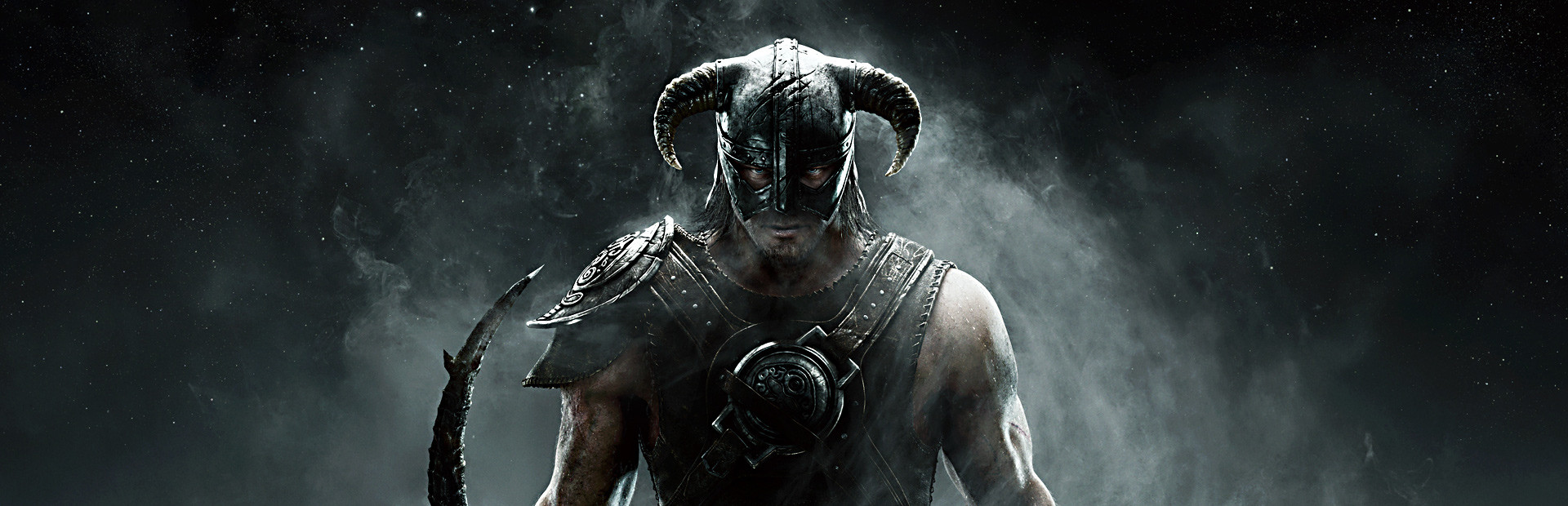
A physics bug caused giants to launch players into the stratosphere if they were killed by a ground slam attack. The community shared clips of this glitch widely and found it to be one of the funniest aspects of the game. Bethesda chose not to patch the bug for a long time due to its popularity. They eventually acknowledged it as a feature that fans had come to love. The giant space program remains a well known part of the ‘Skyrim’ experience.
‘Mortal Kombat’ (1992)

Rumors of a secret red ninja named Ermac circulated among fans due to a glitch in the audit menu. The name was actually short for Error Macro which appeared when the game logic failed. Fans believed it was a hidden character and the developers eventually decided to make the legend a reality. Ermac made his official debut in ‘Ultimate Mortal Kombat 3’ as a powerful telekinetic ninja. He has since become a staple character in the fighting roster.
‘Super Mario Bros.’ (1985)
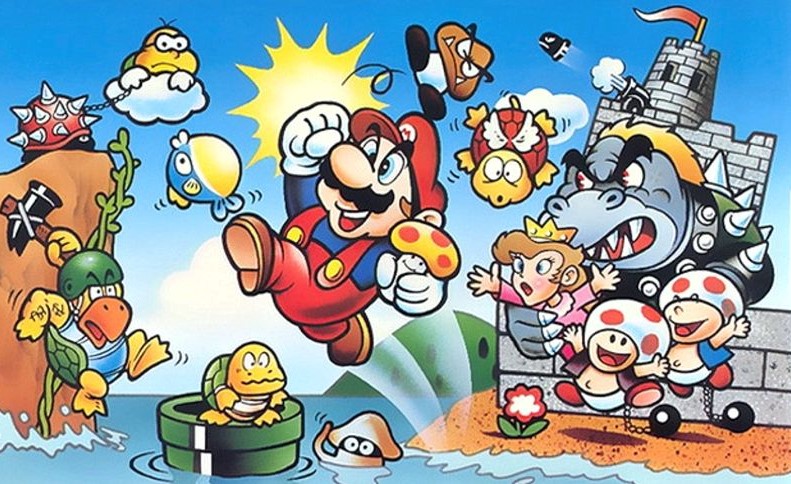
The multi coin block was originally a bug where certain blocks would not deactivate after a single hit. The developers realized that hitting a block repeatedly for extra rewards was satisfying for the player. They decided to keep this behavior and intentionally placed multi coin blocks throughout the levels. This feature encouraged exploration and added a layer of hidden secrets to the world. It is now a standard element in nearly every ‘Mario’ platformer.
‘GoldenEye 007’ (1997)
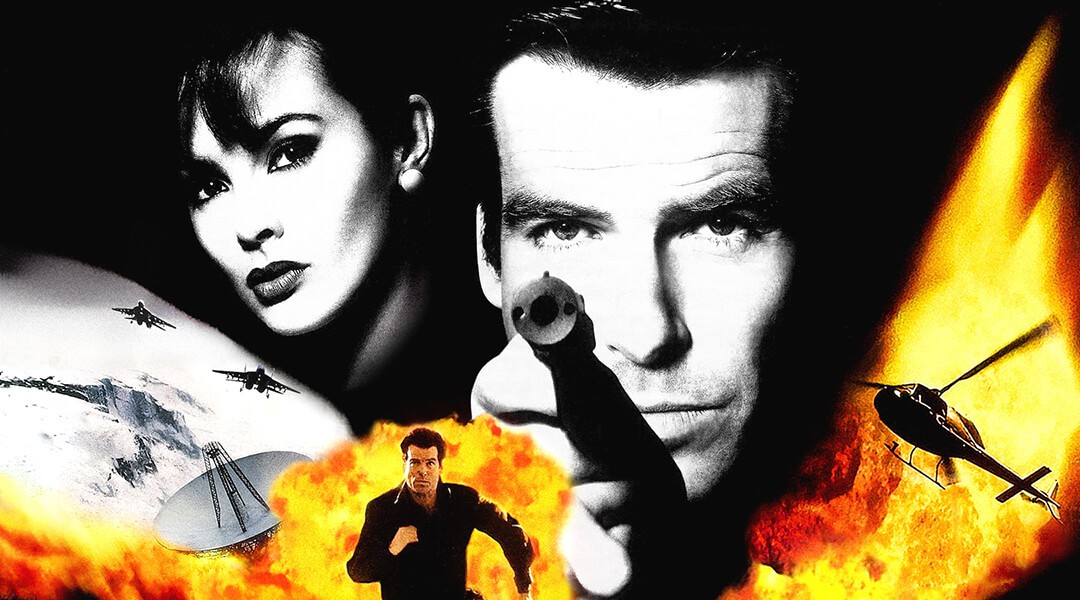
The famous Big Head Mode began as a way for developers to test headshot hitboxes more easily. They found the visual of tiny bodies with giant heads to be incredibly amusing during internal playtests. Rather than deleting the code they decided to hide it as an unlockable cheat code for players. This started a trend of including silly visual modifiers in shooters of that era. Big Head Mode remains one of the most nostalgic features of the Nintendo 64 classic.
‘Tomb Raider’ (1996)
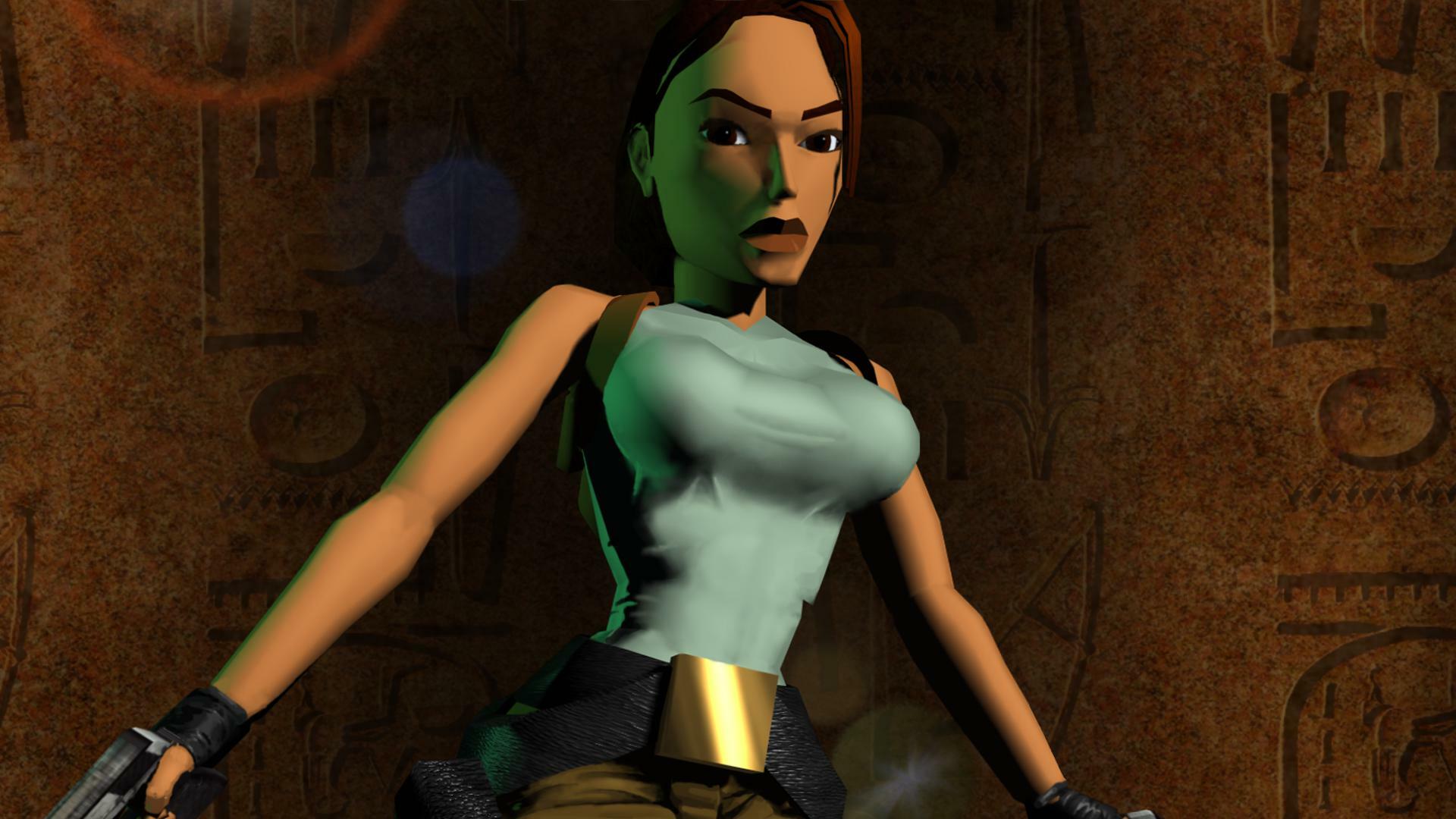
The exaggerated proportions of Lara Croft were famously the result of a slip of the mouse. Lead designer Toby Gard accidentally increased the character model breast size by fifty percent while adjusting the sliders. The rest of the development team liked the look and argued that it would help market the game. This accidental change defined the early look of the character for over a decade. The design choice became a central part of the cultural conversation surrounding the series.
‘Metal Gear’ (1987)

Hideo Kojima originally wanted to create a traditional combat game for the MSX2 computer. The hardware was unable to handle many enemies on screen at once without significant performance issues. To work around this limitation the gameplay was shifted to focus on avoiding enemies instead of fighting them. This technical compromise gave birth to the stealth action genre. The series went on to define the mechanics of sneaking and tactical espionage.
‘Sonic the Hedgehog’ (1991)

The high speed movement of the protagonist was initially a concern for the development team. The hardware struggled to keep up with the fast scrolling and caused several graphical glitches. The team worked to optimize the engine until the speed became the primary selling point of the title. This technical hurdle resulted in the creation of a mascot built entirely around the concept of velocity. Sonic is now synonymous with the fast paced platforming that resulted from those early experiments.
‘DotA’ (2003)
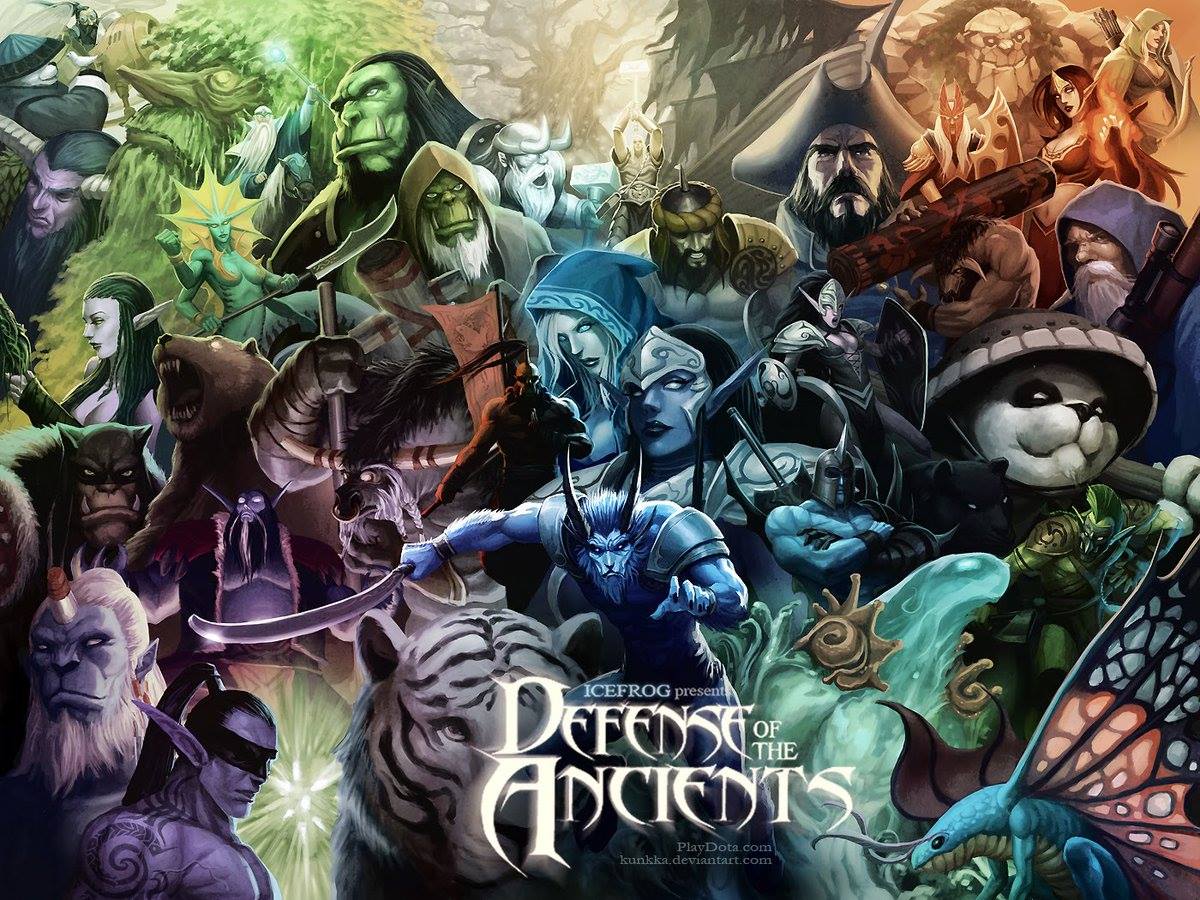
The mechanic of denying allows players to kill their own minions to prevent the enemy from gaining gold or experience. This was originally an unintended interaction within the ‘Warcraft III’ engine that powered the mod. Players discovered they could attack friendly units if their health was low enough. The competitive community embraced this as a high level strategy for lane control. It was later codified as an official mechanic in ‘Dota 2’ and other titles.
‘Counter-Strike’ (2000)
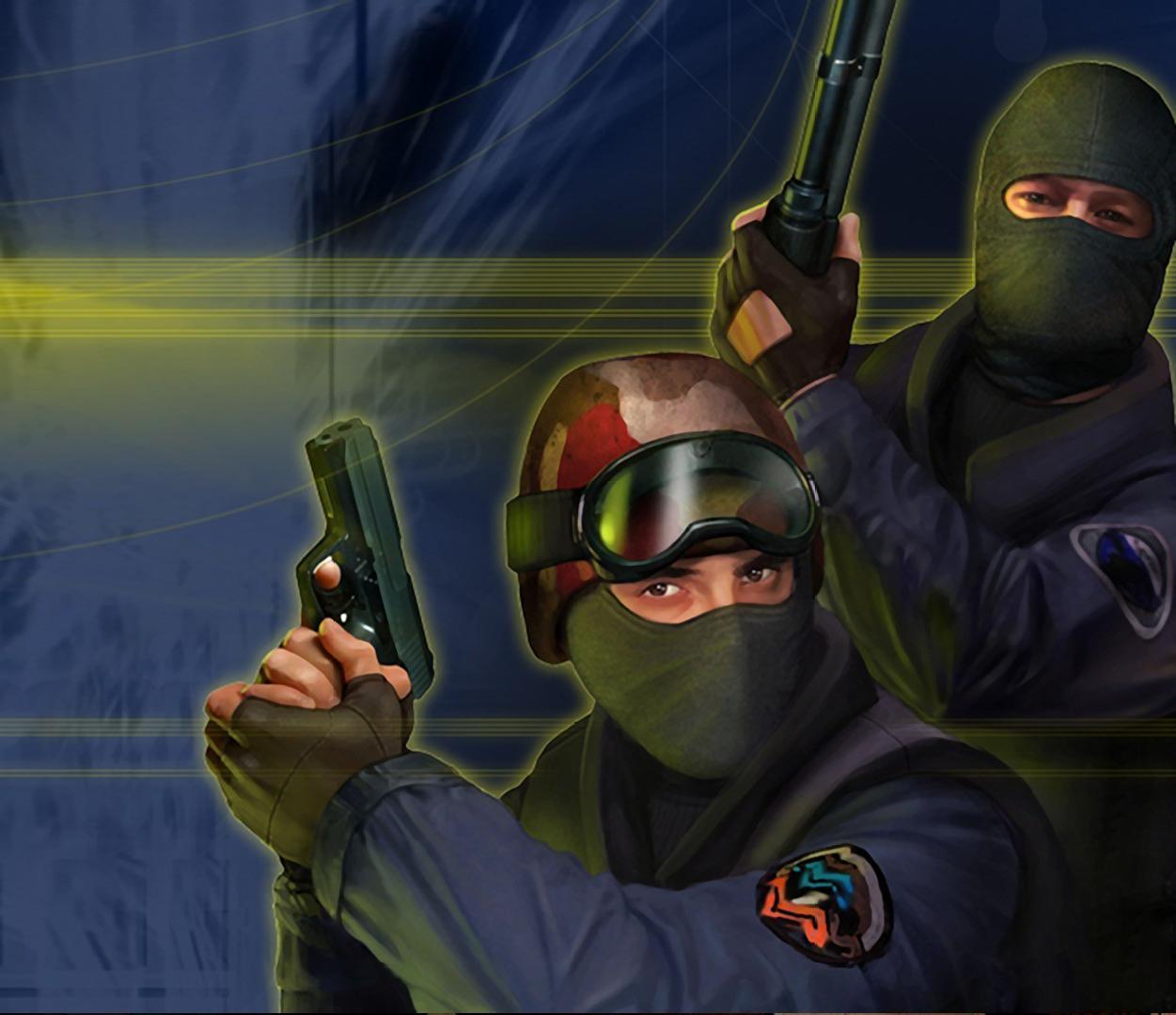
Bunny hopping is a movement technique where players jump repeatedly to gain and maintain momentum. It originated from a physics glitch in the GoldSrc engine that failed to cap air velocity properly. Competitive players used this to move across maps at speeds far beyond the intended limit. While it has been modified and nerfed in various versions it remains a recognized skill in the community. Developers often include specific settings to allow or restrict this movement in modern shooters.
‘Super Smash Bros. Melee’ (2001)
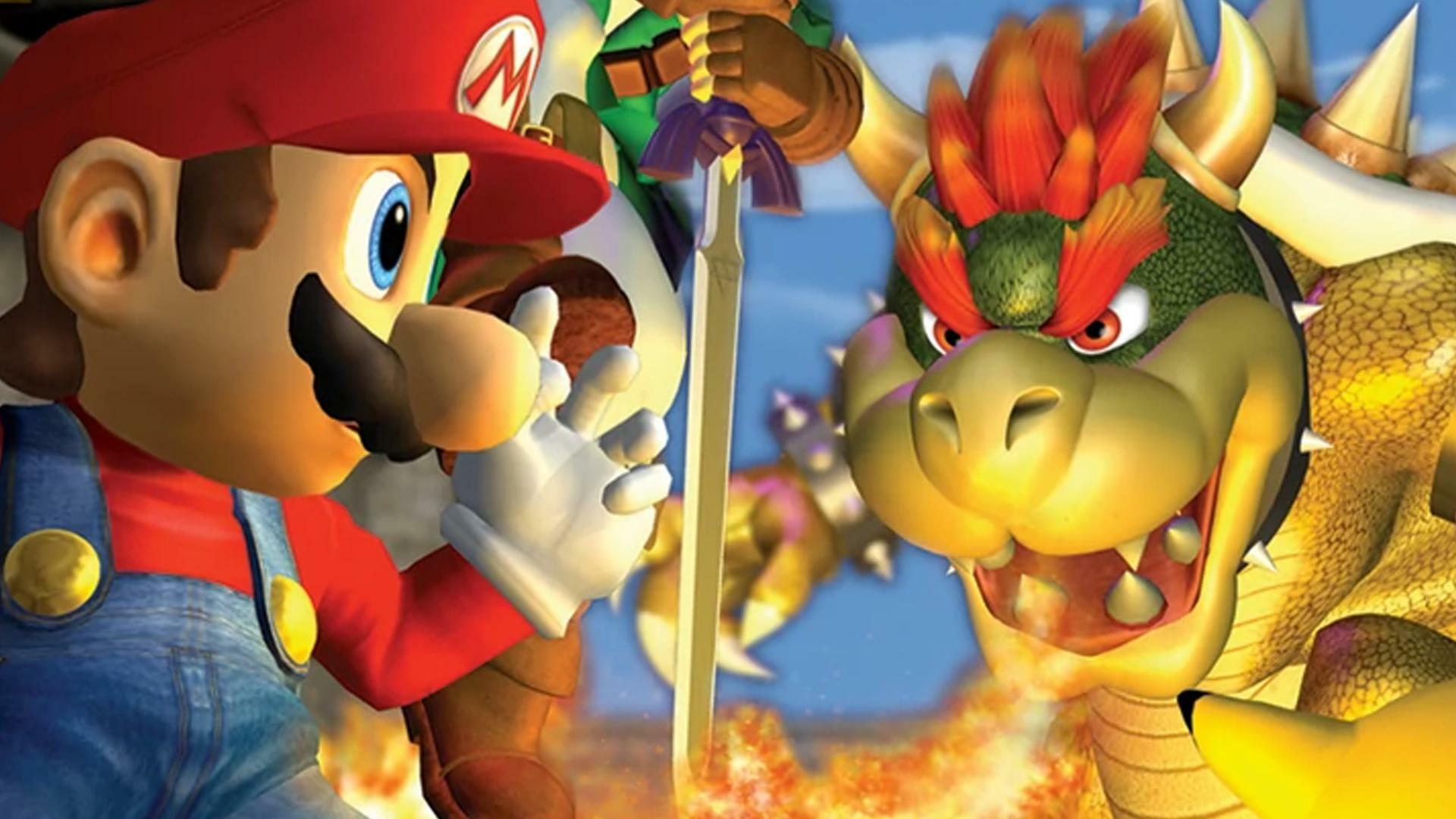
Wavedashing is a technique where a player air dodges diagonally into the ground to slide across the stage. The developers were aware of this interaction during the late stages of production but chose not to remove it. It eventually became the defining mechanic of the competitive scene for this specific entry. Players use it to reposition quickly while maintaining access to all their standing attacks. It is often cited as the reason for the game long term competitive viability.
‘Mario Kart 64’ (1996)
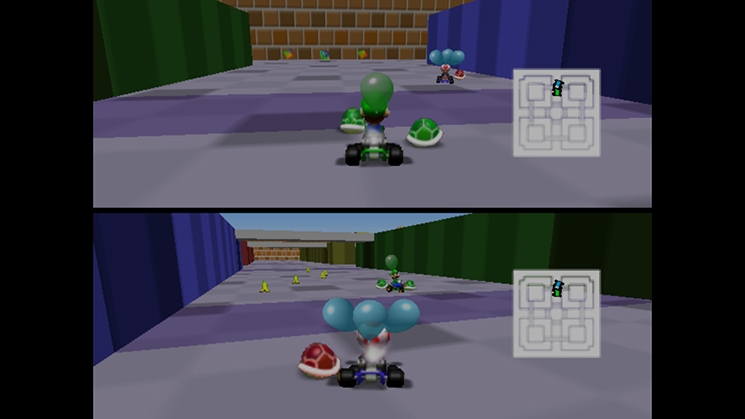
The mini turbo mechanic occurs when a player drifts for a certain amount of time to gain a speed boost. This was originally an unintended consequence of how the physics engine handled friction during turns. The developers noticed that skilled players could exploit this to maintain higher speeds. They decided to refine the visual feedback and make it a central part of the racing experience. Drifting and boosting are now the most important skills in the entire series.
‘Prince of Persia: The Sands of Time’ (2003)
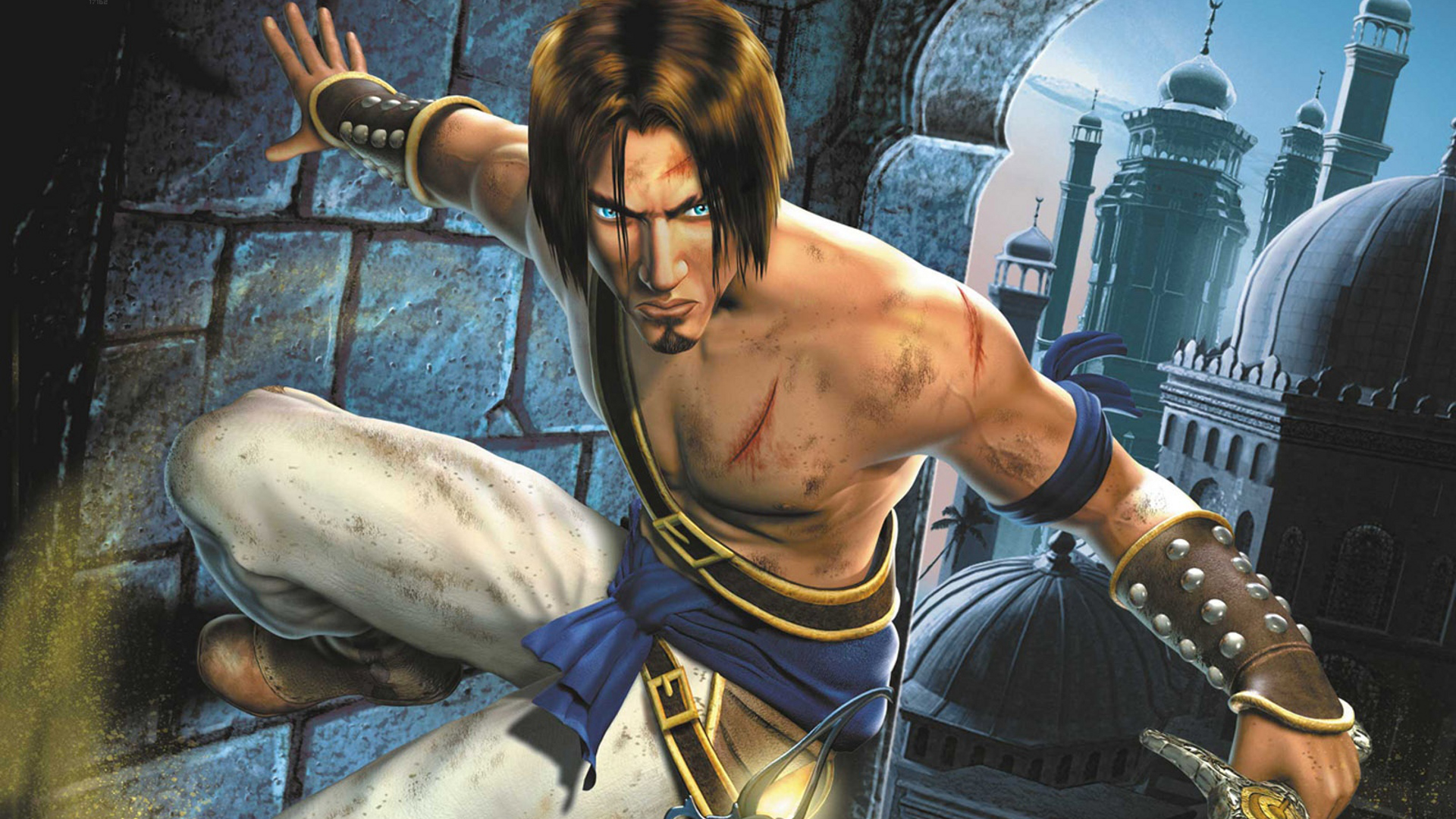
The time rewind mechanic was born from the developers trying to solve the frustration of instant death in platformers. During the debugging phase they used a tool that allowed them to rewind the game state to fix errors. They realized that giving this tool to the player would create a unique and forgiving gameplay loop. This led to the creation of the Dagger of Time as the central narrative and gameplay device. It transformed a simple platformer into an innovative puzzle action game.
‘Halo 2’ (2004)
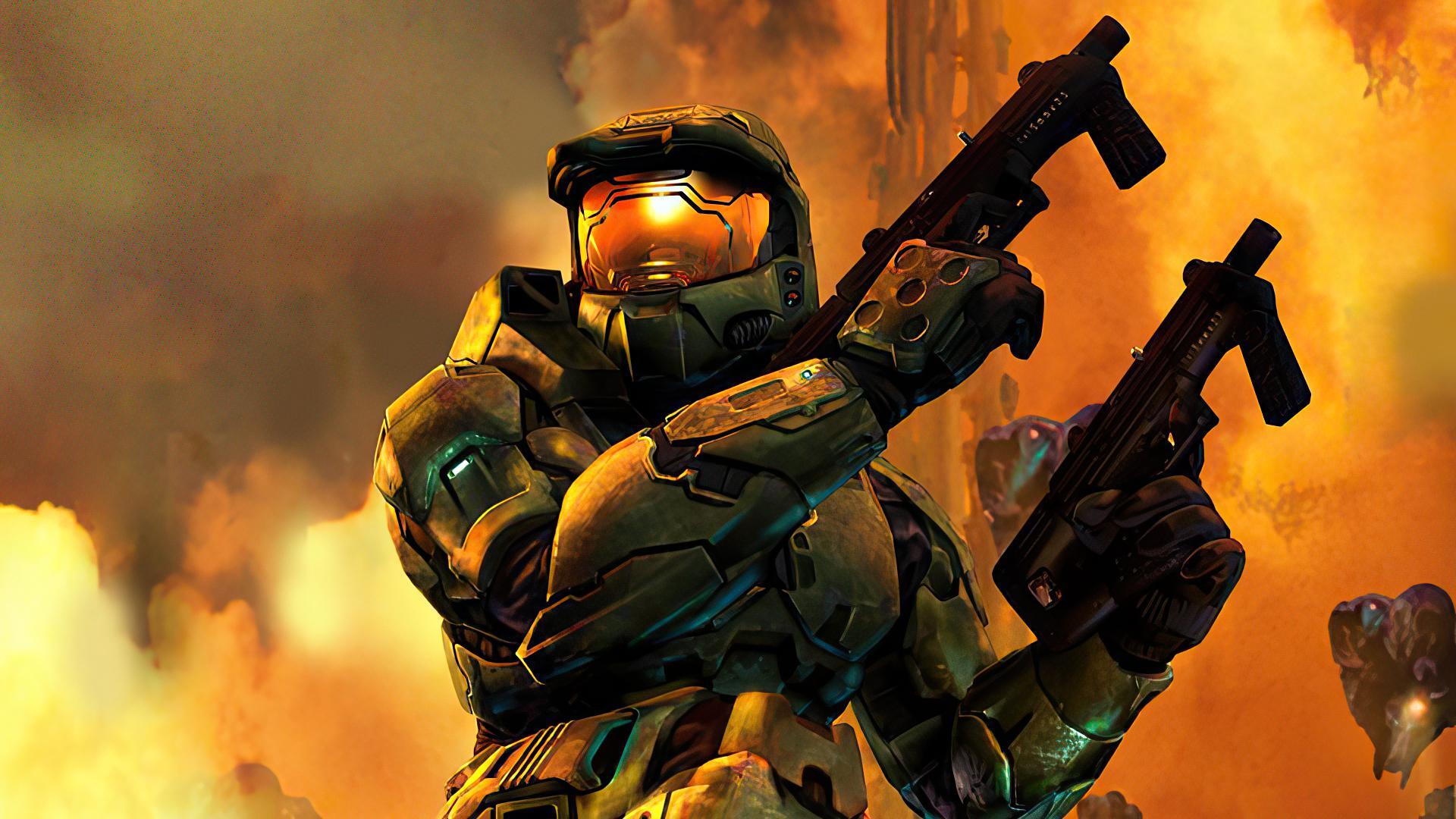
Sword flying was a glitch that allowed players to lunge across massive distances by canceling a sword attack into a weapon swap. This exploited the targeting system to move at extreme speeds through the air. Speedrunners used this to skip entire sections of the game and bypass difficult encounters. Bungie eventually acknowledged these movement exploits in later games by including dedicated tools for map navigation. It remains one of the most famous glitches in the history of the franchise.
‘Apex Legends’ (2019)
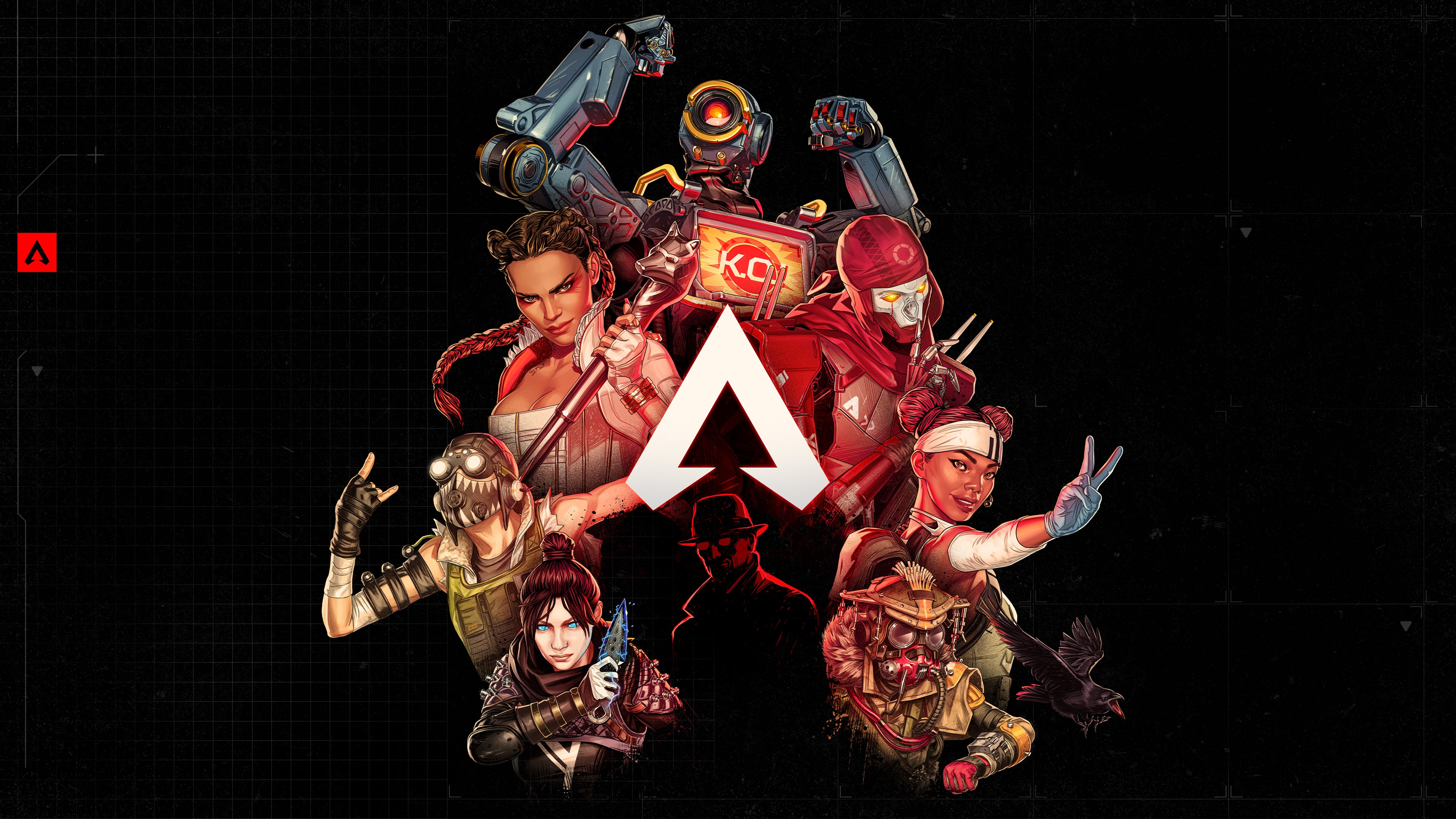
Tap strafing is a movement technique that allows players to make sharp turns in mid air without losing momentum. It relies on the game engine handling of rapid move forward inputs. Respawn Entertainment initially considered removing it because it was an unintended exploit. However the community outcry led them to reconsider and keep a modified version of the mechanic. It is now considered a high level skill for competitive players on certain platforms.
‘Fortnite’ (2017)
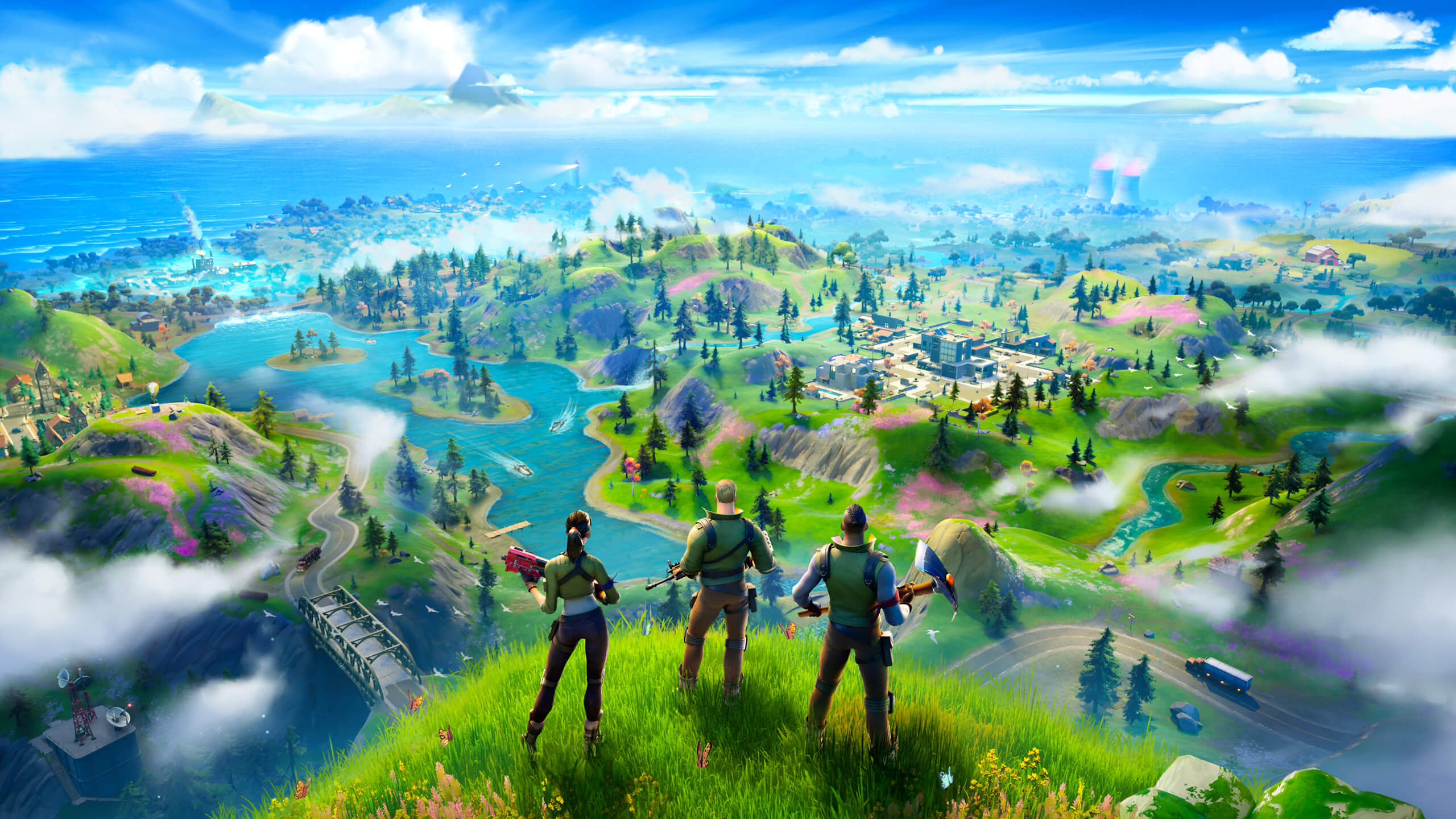
Rocket riding was discovered by players who realized they could stand on a flying rocket propelled grenade. The developers at Epic Games did not intend for players to surf through the sky on explosives. After seeing the viral clips and creative uses for the glitch they decided to leave it in the game. They even added specific animations to make the interaction look more polished. Rocket riding is now a staple of the game chaotic and creative combat style.
‘Destiny’ (2014)
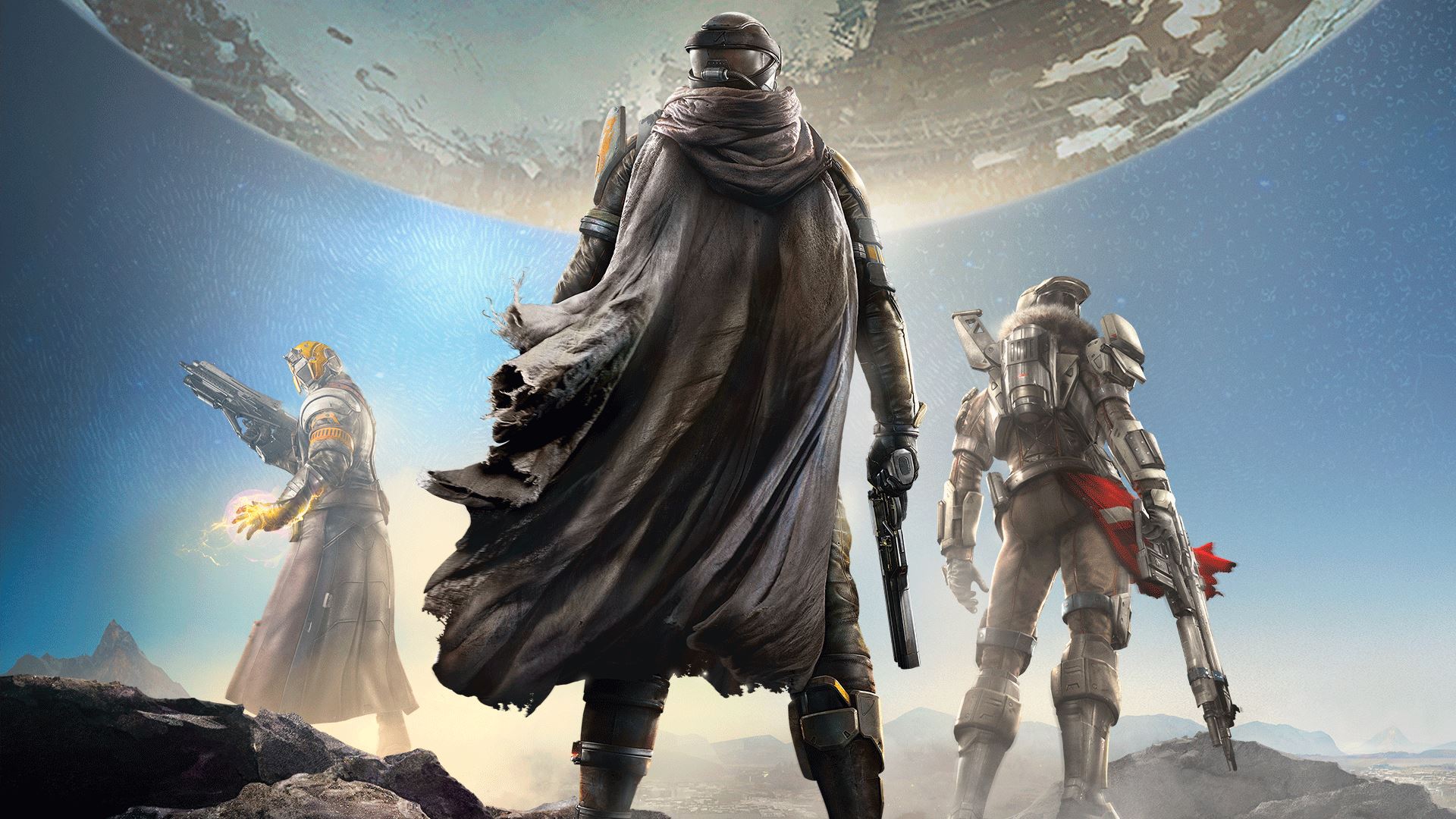
The original Loot Cave was a specific spot where players could endlessly farm enemies for rewards due to a fast respawn timer. Bungie eventually patched the area but recognized the impact it had on the community culture. They added a pile of remains to the cave that plays a unique audio clip when disturbed. This served as an official memorial to the glitch and the players who exploited it. Similar homages have appeared in later updates to celebrate the game history.
‘Ultima Online’ (1997)
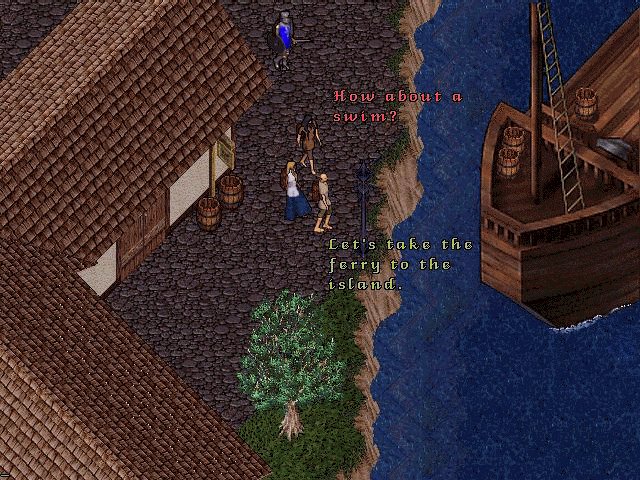
The complex player driven economy was largely influenced by early bugs in how items were handled. Players found ways to duplicate gold and rare items which forced the developers to rethink their approach to digital scarcity. These economic crises led to the implementation of more robust trade systems and gold sinks. The lessons learned from these early glitches helped shape the foundation of modern massive multiplayer online games. It remains a case study for developers managing virtual worlds.
‘Warcraft III’ (2002)
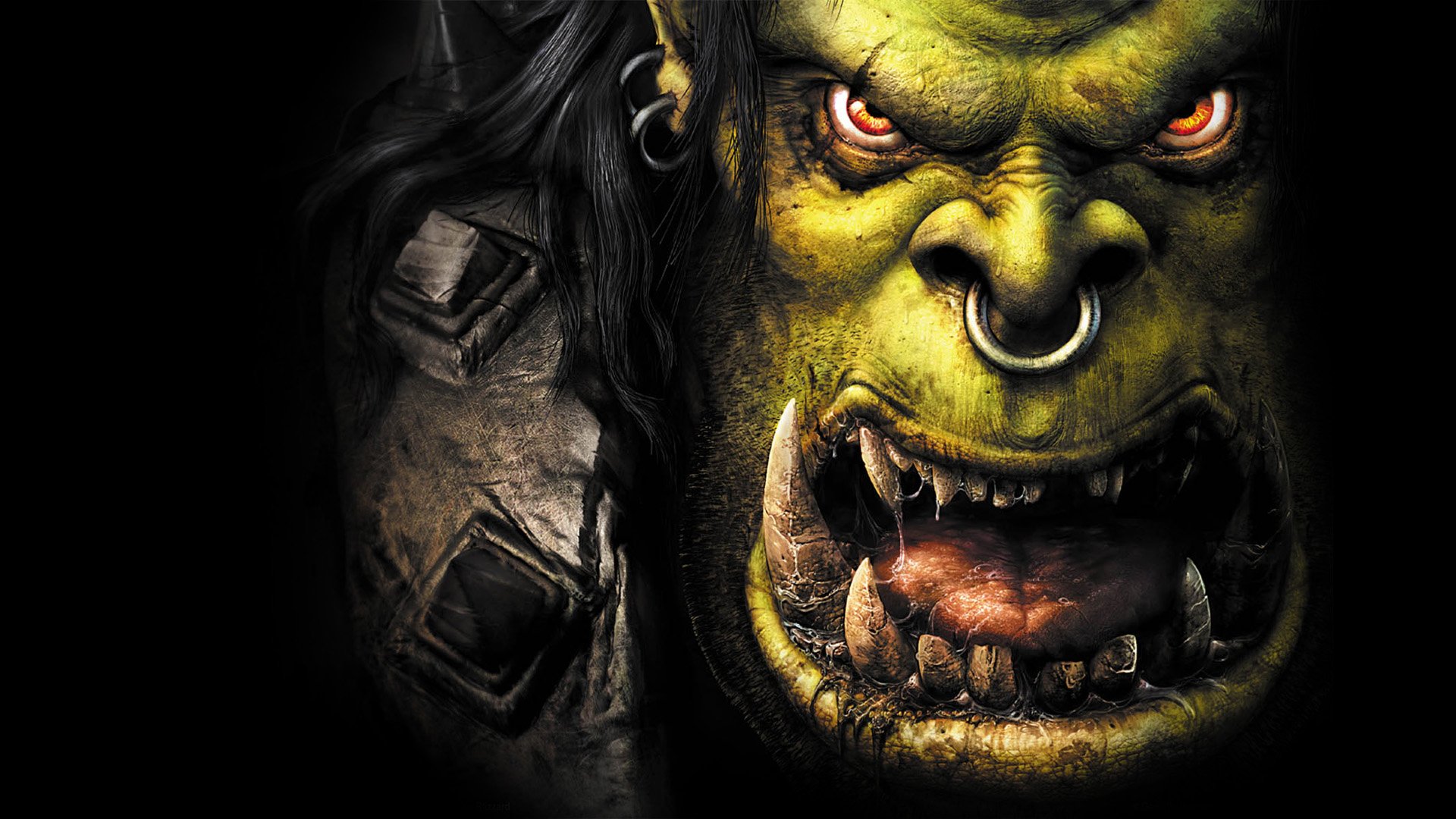
Hero units were originally much more limited in their impact on the battlefield. A series of bugs and balance issues during the beta led the team to rework how these powerful characters functioned. They decided to lean into the idea of central characters that could level up and learn new spells. This shift fundamentally changed the real time strategy formula. It also provided the structural basis for the entire multiplayer online battle arena genre.
‘Borderlands’ (2009)
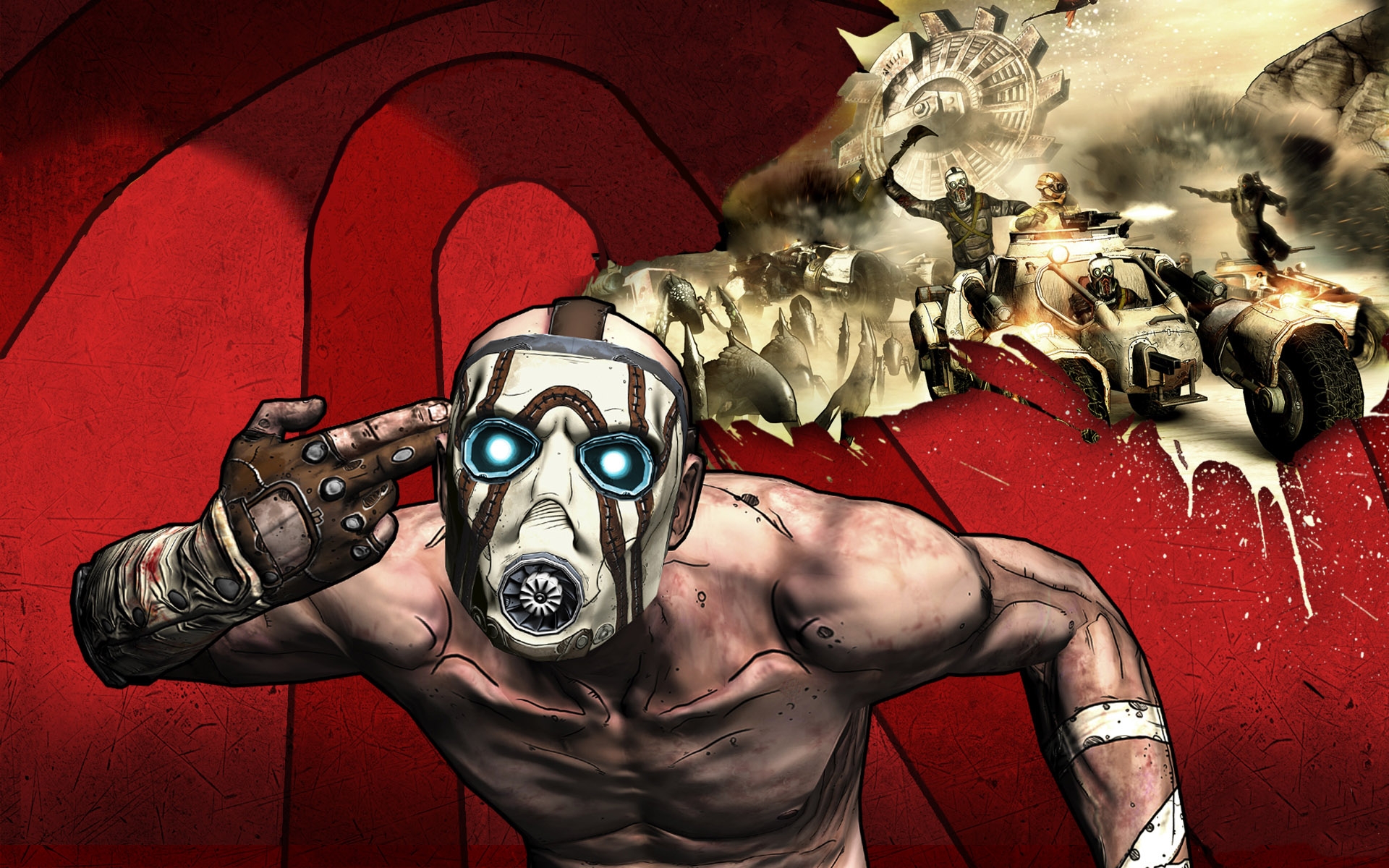
Loot midgets are tiny enemies that jump out of containers to surprise and attack the player. This concept was inspired by a bug where enemy models would occasionally spawn at the wrong scale inside loot crates. The developers found the surprise encounter to be a fun way to keep players on their toes while looting. They turned it into an official enemy type with increased chances for rare rewards. Loot midgets are now a fan favorite feature in every game in the series.
‘Gears of War’ (2006)
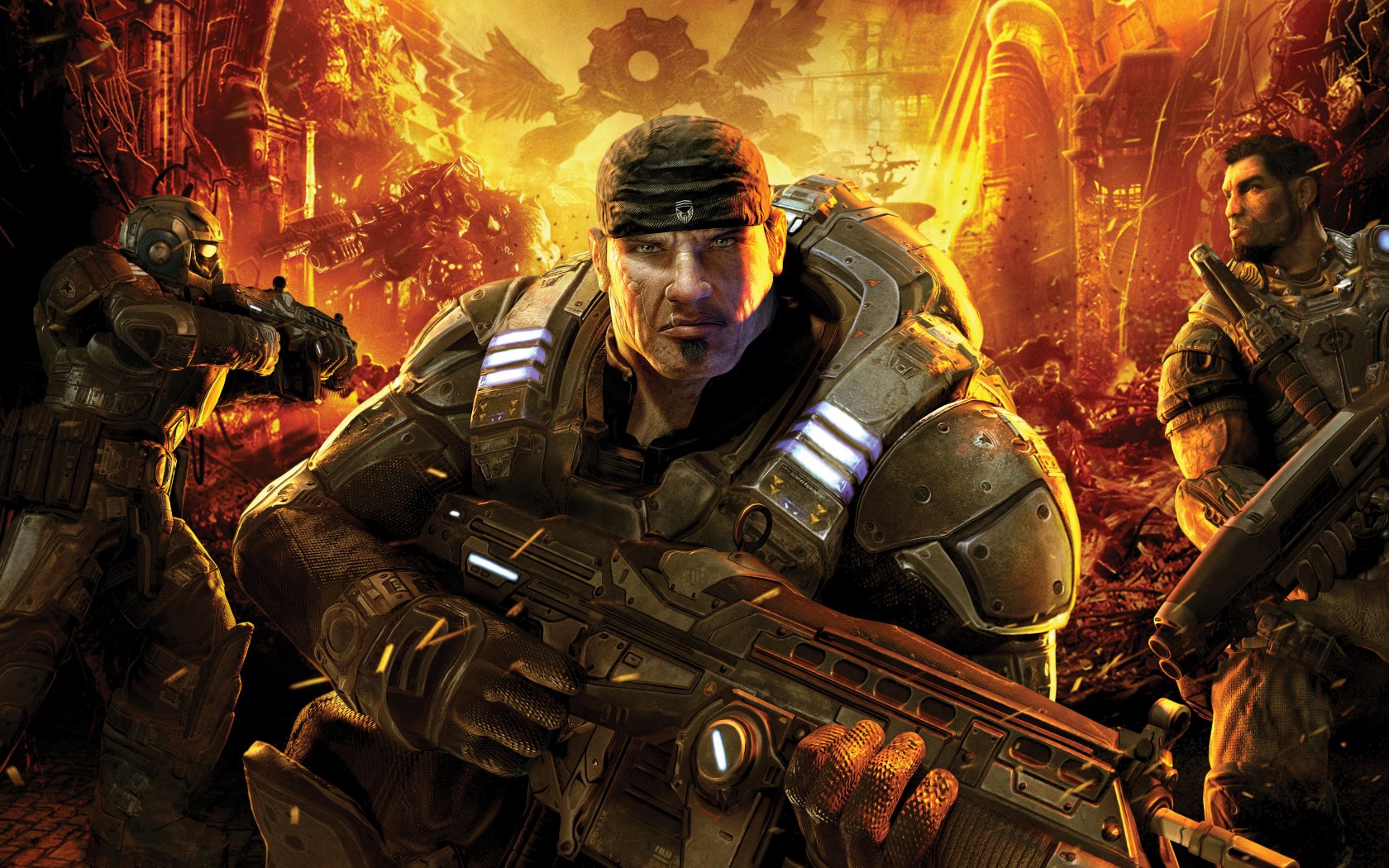
The active reload mechanic allows players to speed up their reload time by pressing a button with perfect timing. This idea was suggested to replace the traditional reload animation after the team experimented with different timing bugs. It adds a skill based element to a previously passive action in shooters. Nailing the timing also provides a temporary damage boost to the ammunition. This feature has been a core part of the franchise identity since the first entry.
‘Super Mario 64’ (1996)
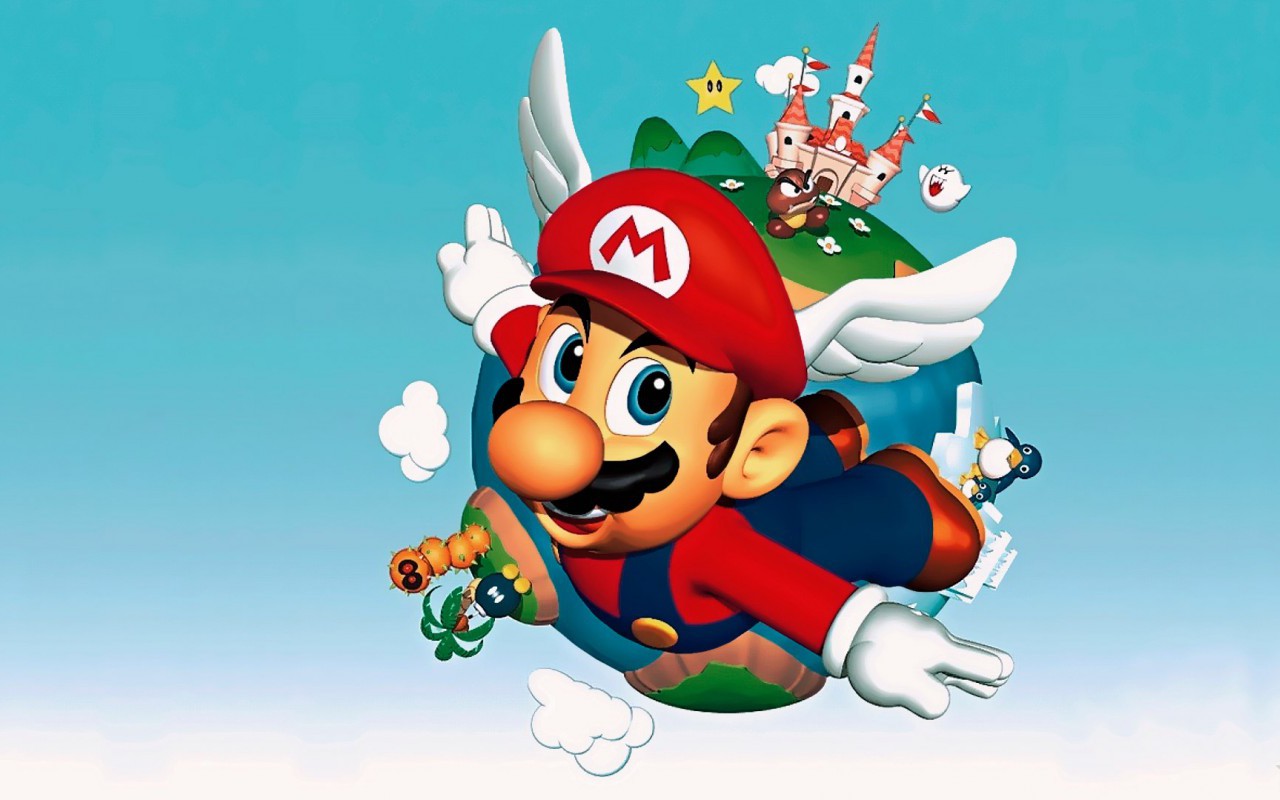
Wall kicking was an unintended physics interaction that allowed Mario to bounce off vertical surfaces to gain height. The developers discovered that they could use this to reach areas that were otherwise inaccessible. They decided to refine the animation and timing to make it a deliberate part of Mario move set. This mechanic revolutionized 3D platforming by adding a new dimension of vertical mobility. It remains one of the most satisfying movement options in the series.
‘Metroid’ (1986)
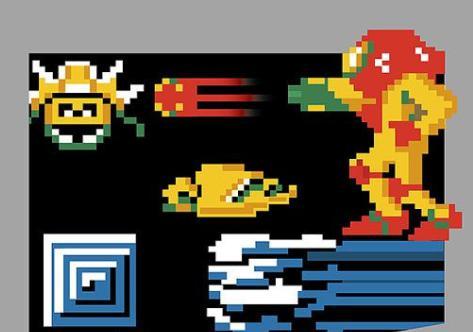
Bomb jumping is a technique where Samus uses her own explosives to propel her Morph Ball form through the air. This was originally an unintended consequence of how the bomb physics interacted with the character model. Players found they could chain these jumps to reach high platforms early in the game. Nintendo chose to leave this in and even designed later maps to reward players who mastered the trick. It is now a classic example of sequence breaking in the genre.
‘The Legend of Zelda’ (1986)
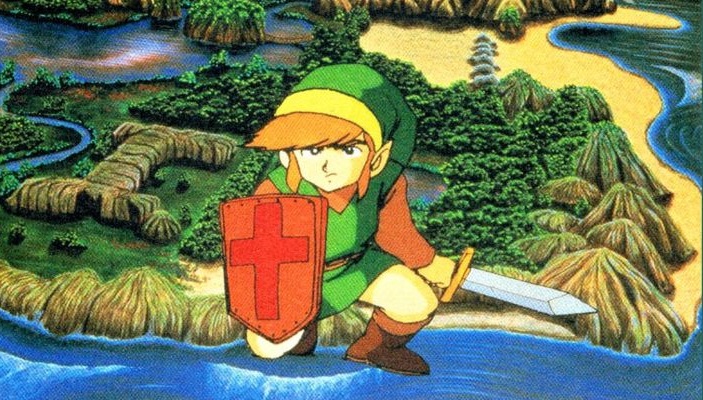
The ability to complete dungeons in a non linear order was partly due to loose constraints in the original game code. Players found they could bypass certain requirements using items in creative ways. Shigeru Miyamoto and his team realized that this freedom was more engaging than a strictly linear path. They embraced the concept of open world exploration which became a hallmark of the series. This design philosophy eventually led to the radical freedom found in recent entries.
‘World of Warcraft’ (2004)
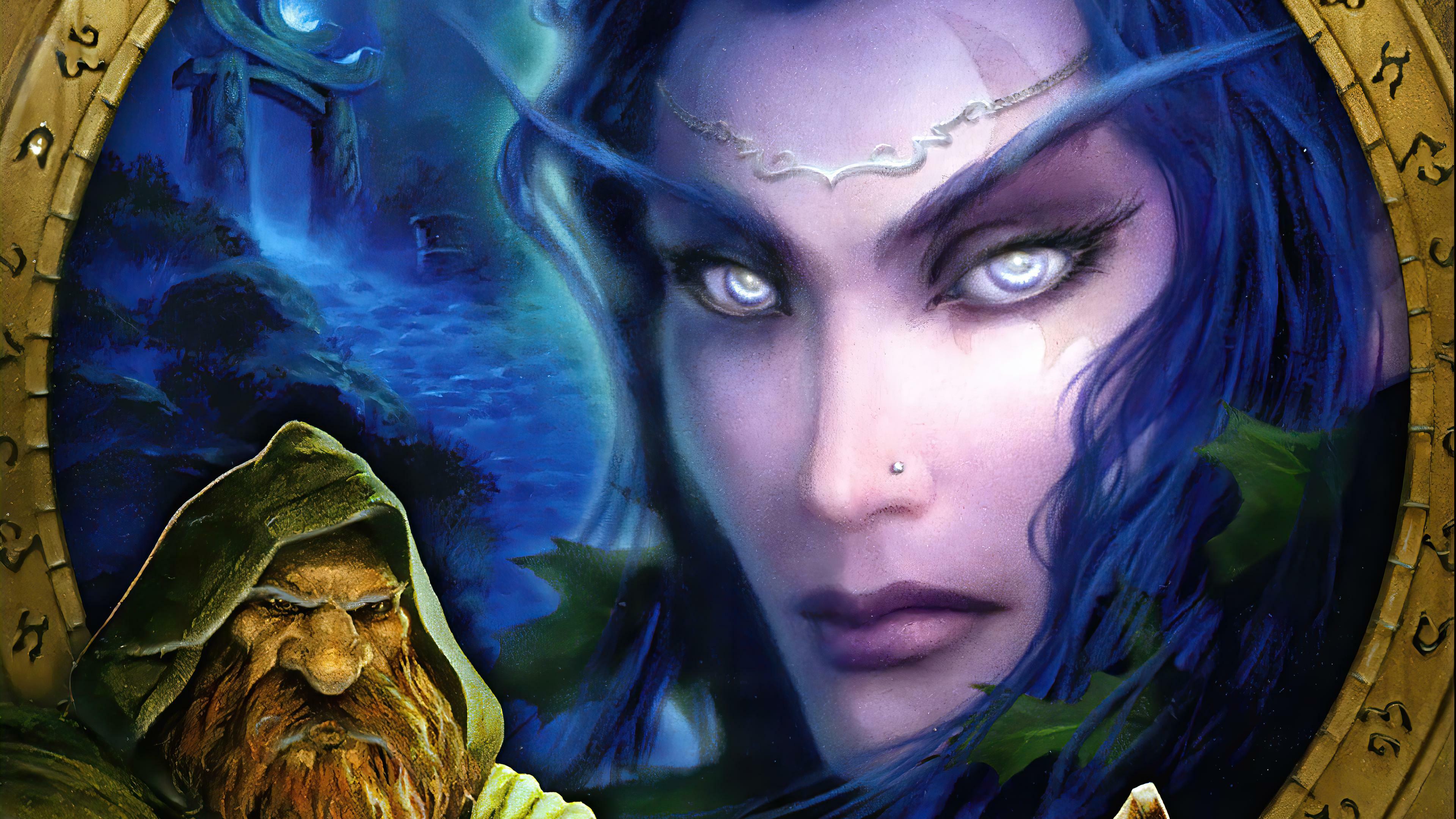
The Corrupted Blood incident was a virtual plague caused by a bug in a high level boss encounter. The debuff was meant to stay within the boss area but players found ways to bring it into major cities. This resulted in a massive in game epidemic that killed thousands of low level characters. Researchers actually used the data from this event to study real world disease transmission. Blizzard later memorialized the event and incorporated similar world events into the game.
‘Rocket League’ (2015)

Aerial hits were not originally intended to be a primary way to play the game. The physics engine allowed cars to fly if they used their boost while pointing upward in mid air. Players quickly mastered this to hit the ball while it was high above the ground. The developers were surprised by the level of skill shown by the community. They adjusted the camera and controls to better support aerial play which is now the standard for competitive matches.
‘Tekken’ (1994)
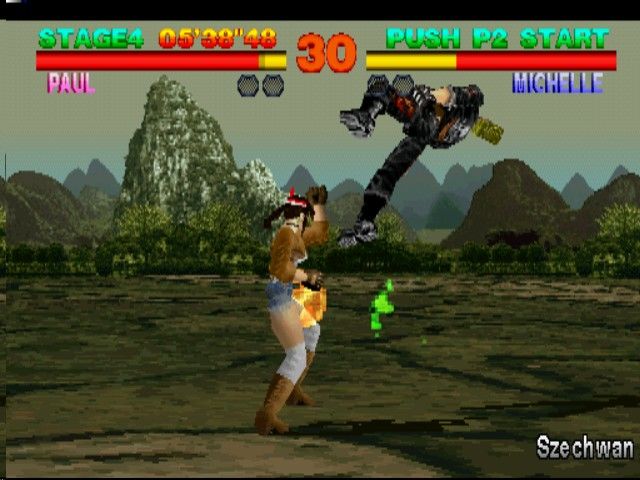
Wave dashing is a specific movement glitch that allows characters to move forward while crouch canceling. This creates a confusing visual for the opponent and allows for quick repositioning. The developers at Namco decided to keep the mechanic because it added a high skill ceiling to the movement system. It became a signature move for certain characters like the Mishima family. Competitive players spend hundreds of hours mastering the execution of this once accidental technique.
‘Street Fighter’ (1987)
The first entry in this series had a bug that allowed special moves to be performed more easily than intended. The input windows were inconsistent which often resulted in moves coming out at the wrong time. The developers refined these inputs for the sequel but kept the idea of complex directional motions. This accidental complexity became the standard for how special attacks are performed in almost all fighting games. It created a unique barrier to entry that rewards physical dexterity.
‘Pokémon Red’ (1996)

MissingNo was a data handler bug that occurred when the game attempted to access a wild encounter in an area with no defined Pokémon data. Players discovered that encountering this glitch would duplicate the item in the sixth slot of their inventory. While it was technically a bug it became a legendary part of the community culture and influenced how future games handled secret content. Nintendo eventually acknowledged the glitch in official support documents. It remains one of the most famous examples of unintentional programming in gaming history.
‘Bloodborne’ (2015)
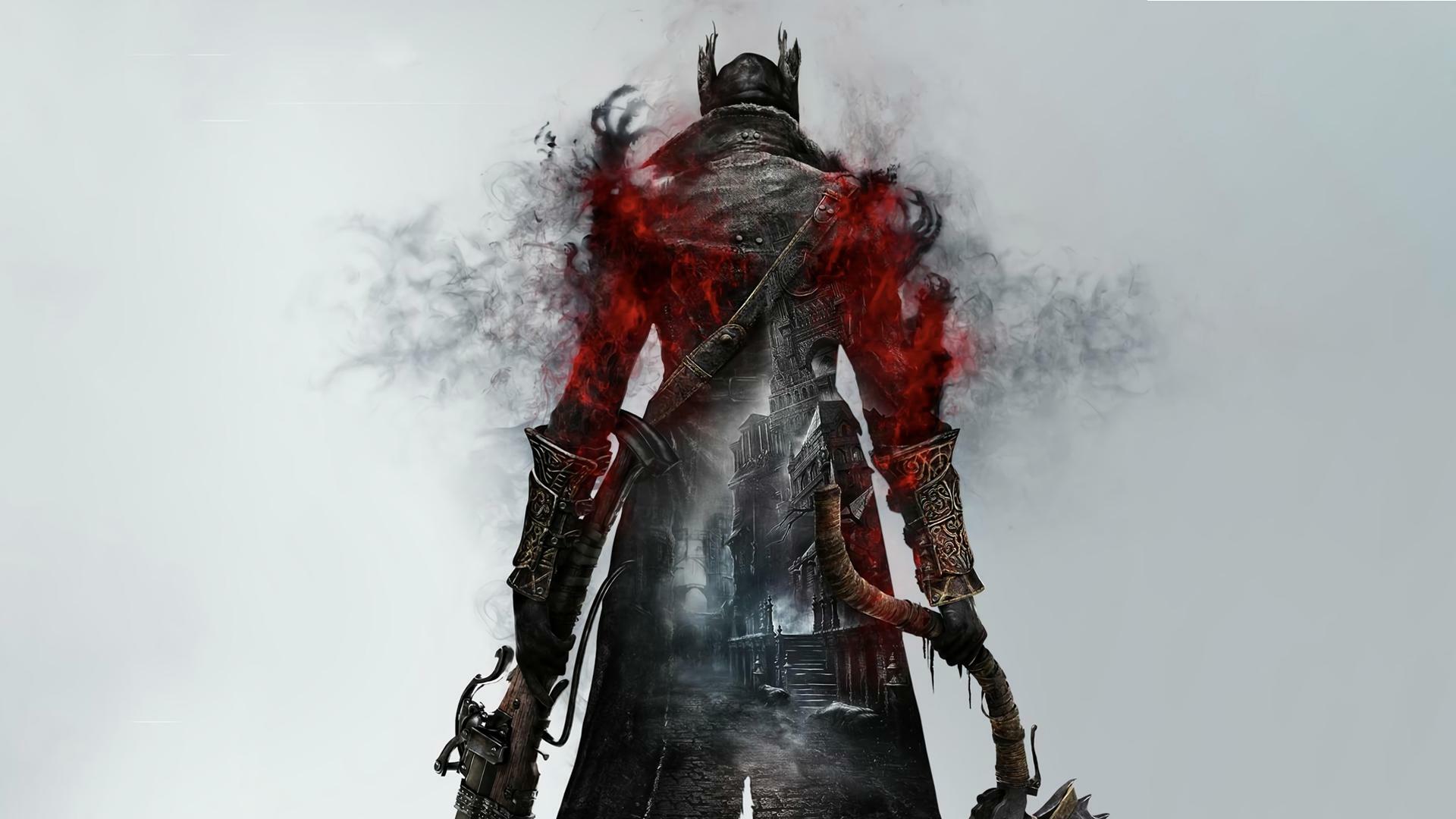
Sequence breaking in this title often involves using jump glitches to skip massive sections of the game. The developers at FromSoftware have a history of leaving certain shortcuts in their games if they require high skill to execute. These glitches have become a central part of the speedrunning community for the game. The developers sometimes even place hidden items in these glitch accessible areas as a nod to dedicated fans. This creates a meta game where players look for ways to break the intended path.
‘Left 4 Dead’ (2008)

The AI Director was designed to manage the pacing of the game by spawning enemies based on player performance. Early versions of the system had bugs that caused enemies to spawn in overwhelming and unpredictable numbers. The testers found these chaotic moments to be the most memorable parts of the game. The developers tweaked the system to intentionally create these spikes in intensity. This resulted in a dynamic horror experience that feels different every time it is played.
‘Mega Man’ (1987)
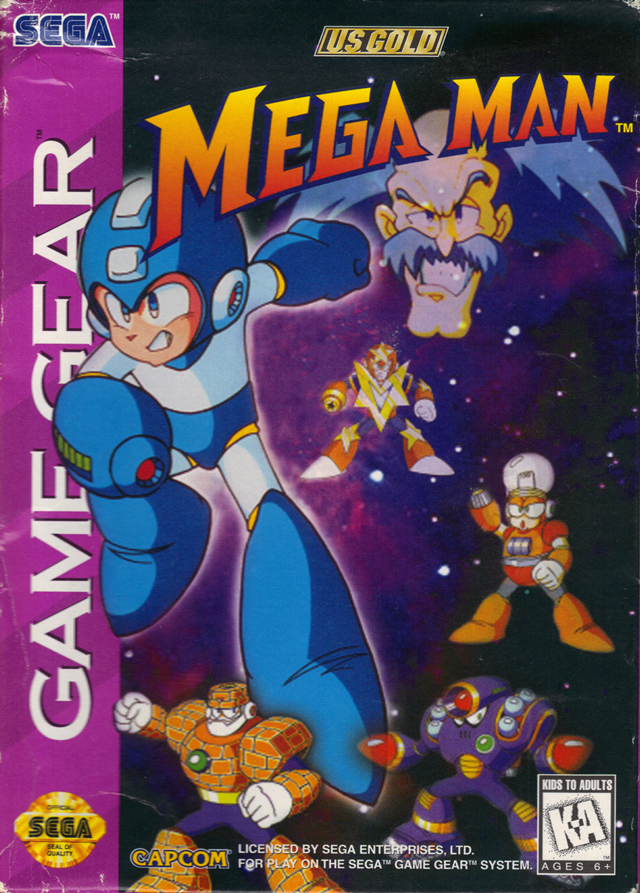
The pause glitch allowed players to hit a boss multiple times with a single attack by rapidly pausing and unpausing the game. This occurred because the attack hitbox remained active while the game was frozen. It became a famous way to defeat difficult bosses like Yellow Devil. While it was a bug it became a part of the game legacy and is often discussed by fans. Some modern spiritual successors even include similar mechanics as an homage to the classic.
‘Spyro the Dragon’ (1998)
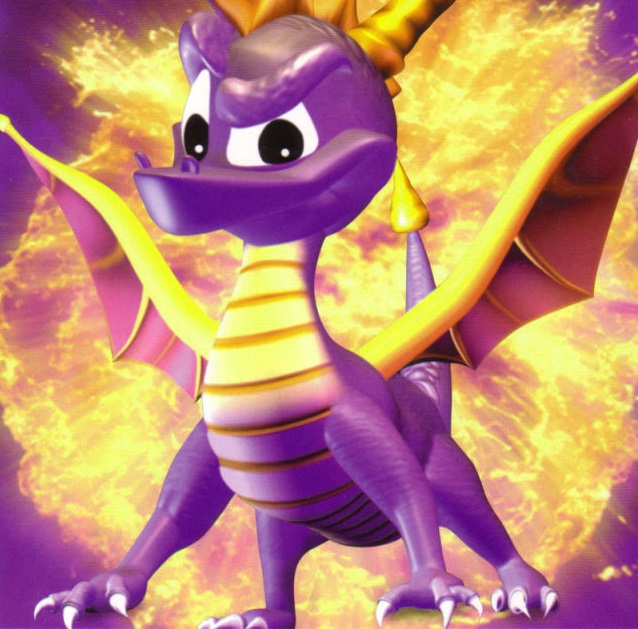
Double jump gliding was an unintended interaction that allowed Spyro to gain more height than the designers planned. This allowed players to reach distant platforms and collect hidden items much earlier than intended. The developers realized that this added to the fun of exploring the colorful worlds. They adjusted the level layouts to ensure that these exploits didn’t break the game progression. It helped define the series as a platformer focused on freedom and verticality.
‘Diablo’ (1996)
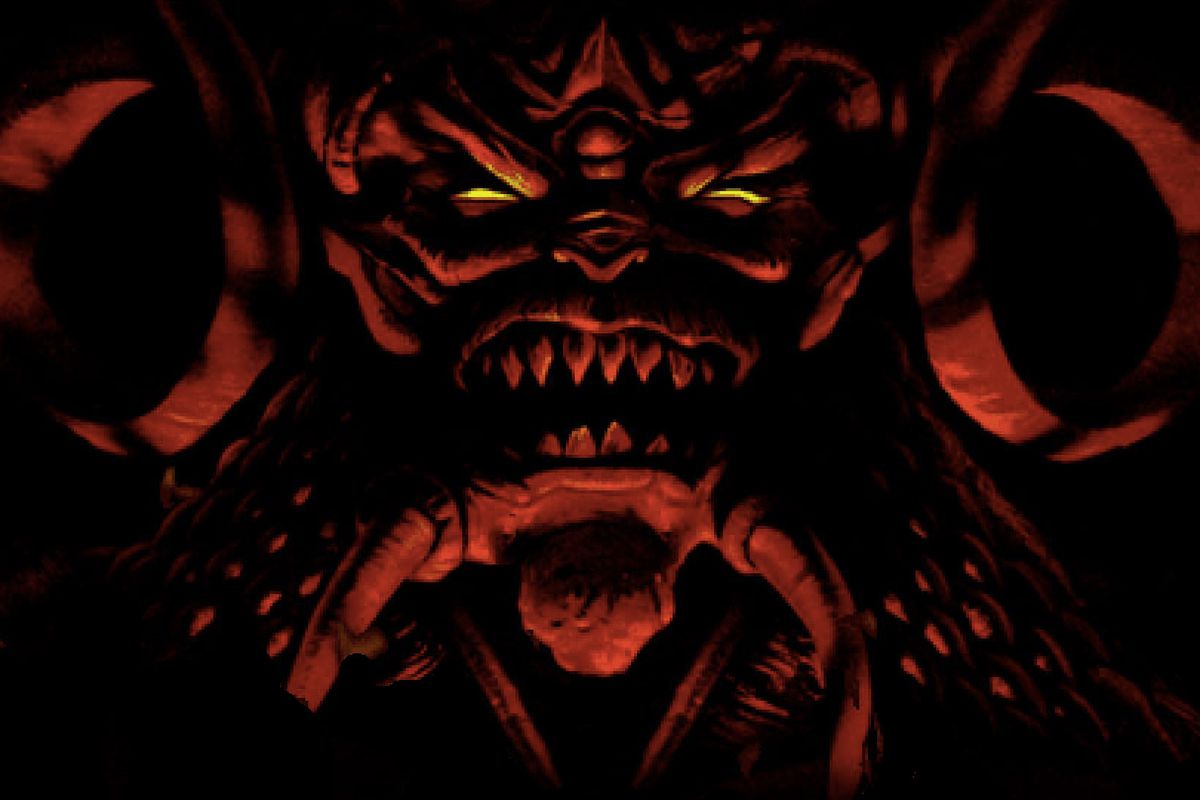
Item duplication was a major bug that plagued the early days of online play in this action role playing game. Players found that picking up an item at the exact same time as another action would create a copy. While this was a serious issue for the game economy it led to the development of much more secure server side inventory systems. The lessons learned from these exploits helped Blizzard create the robust infrastructure for ‘Diablo II’. It also created a black market culture that is still remembered by veteran players.
‘Castlevania: Symphony of the Night’ (1997)
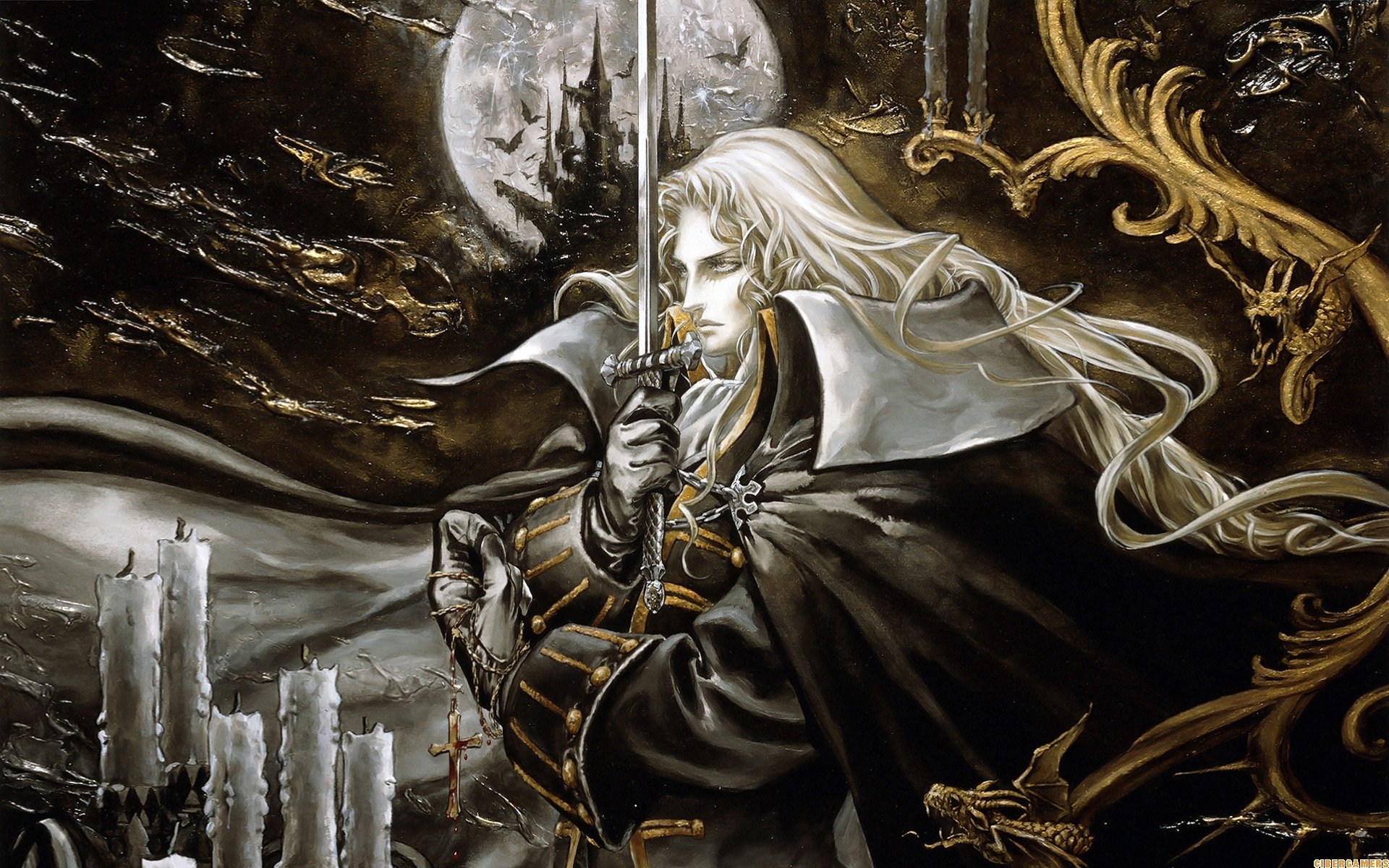
Shield dashing is a movement glitch where Alucard uses a shield to cancel his backdash animation and move forward quickly. This allowed players to traverse the castle at high speeds and skip certain platforming challenges. The developers were aware of several movement exploits but chose to leave them in to encourage speedrunning. This decision helped the game maintain a dedicated community for decades after its release. It is now considered a quintessential part of the high level play style.
‘Battlefield 1942’ (2002)
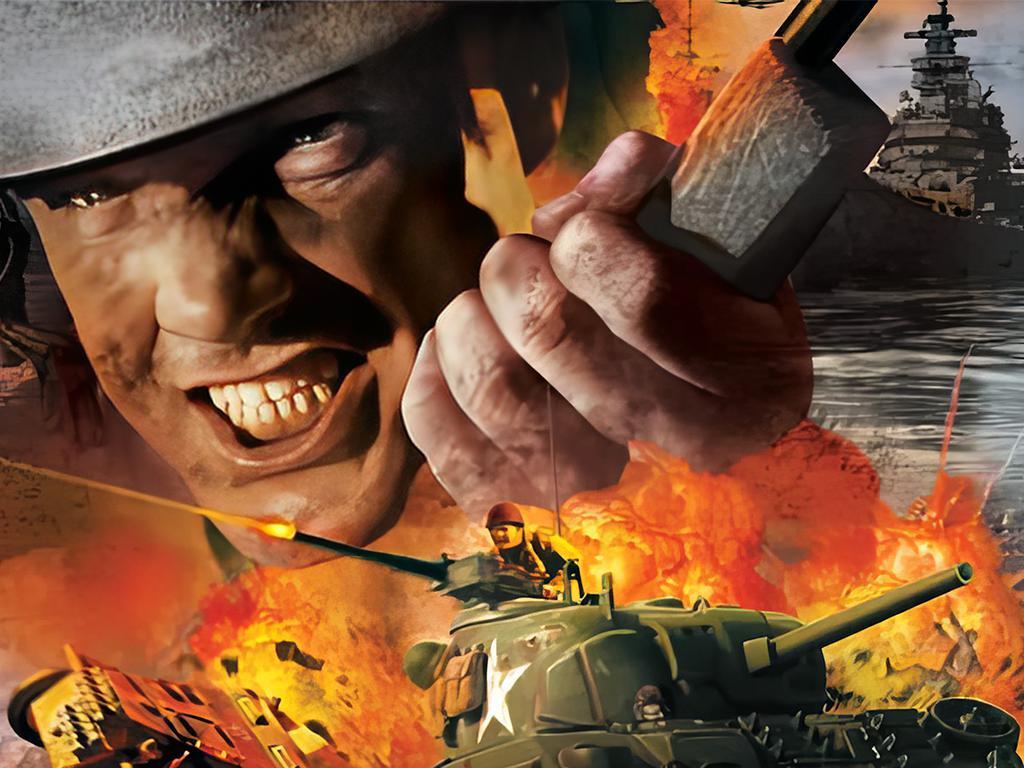
Wing walking was a glitch that allowed players to stand on the wings of a flying plane without falling off. This led to players performing daring mid air stunts and transporting teammates in creative ways. The developers saw the community clips and decided to keep the physics interaction in the game. It became a hallmark of the series known for its chaotic and emergent sandbox moments. Modern entries in the franchise still allow for similar creative vehicle interactions.
‘Titanfall 2’ (2016)
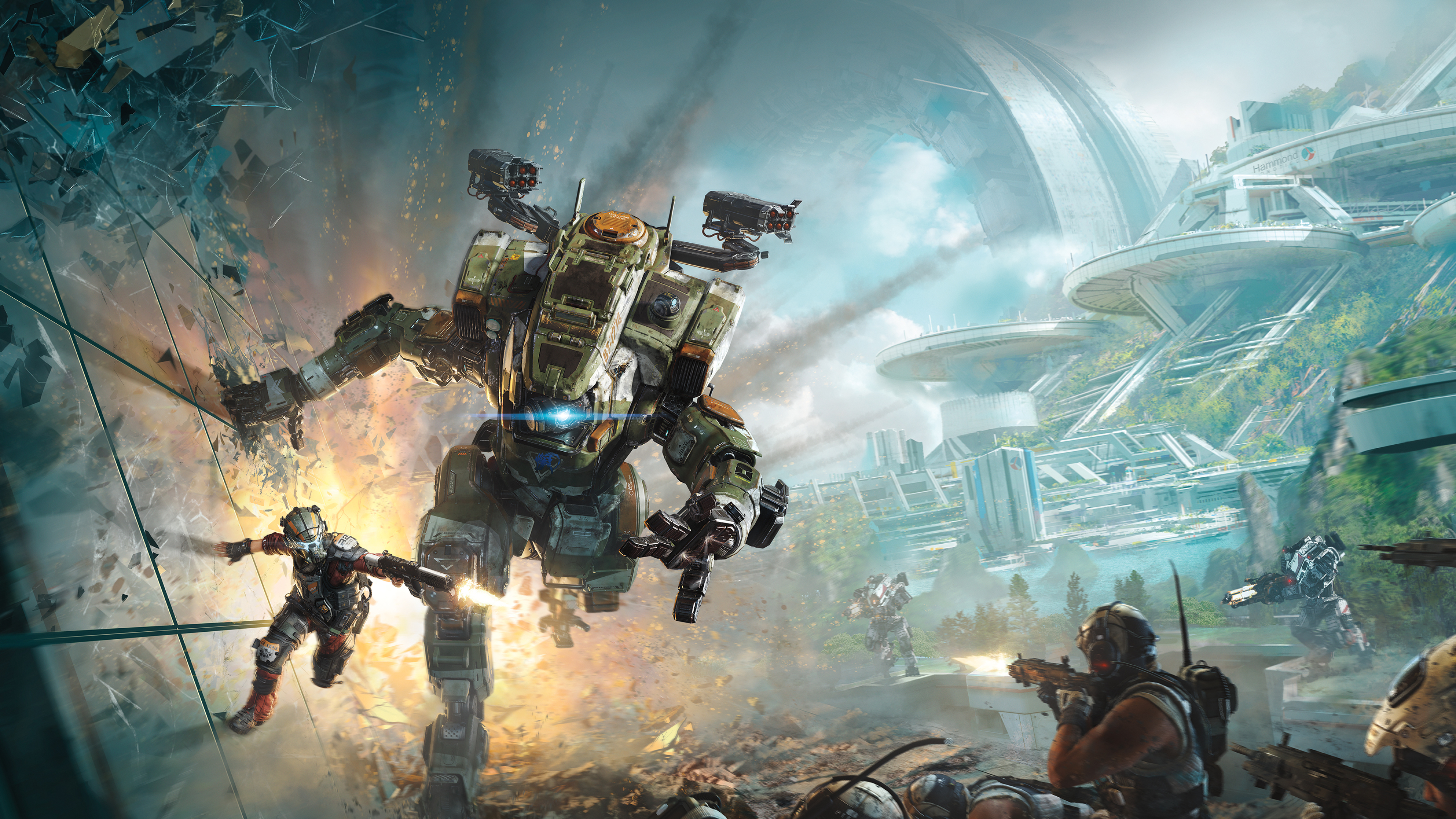
Slide hopping is a movement technique that allows players to maintain their momentum by jumping immediately after sliding. This was an unintended consequence of how the physics handled friction during the slide animation. The competitive community used this to fly across the maps at extreme speeds. The developers decided to keep it as it fit perfectly with the fast paced pilot combat. It is now one of the most important skills for anyone playing the game at a high level.
‘Hollow Knight’ (2017)
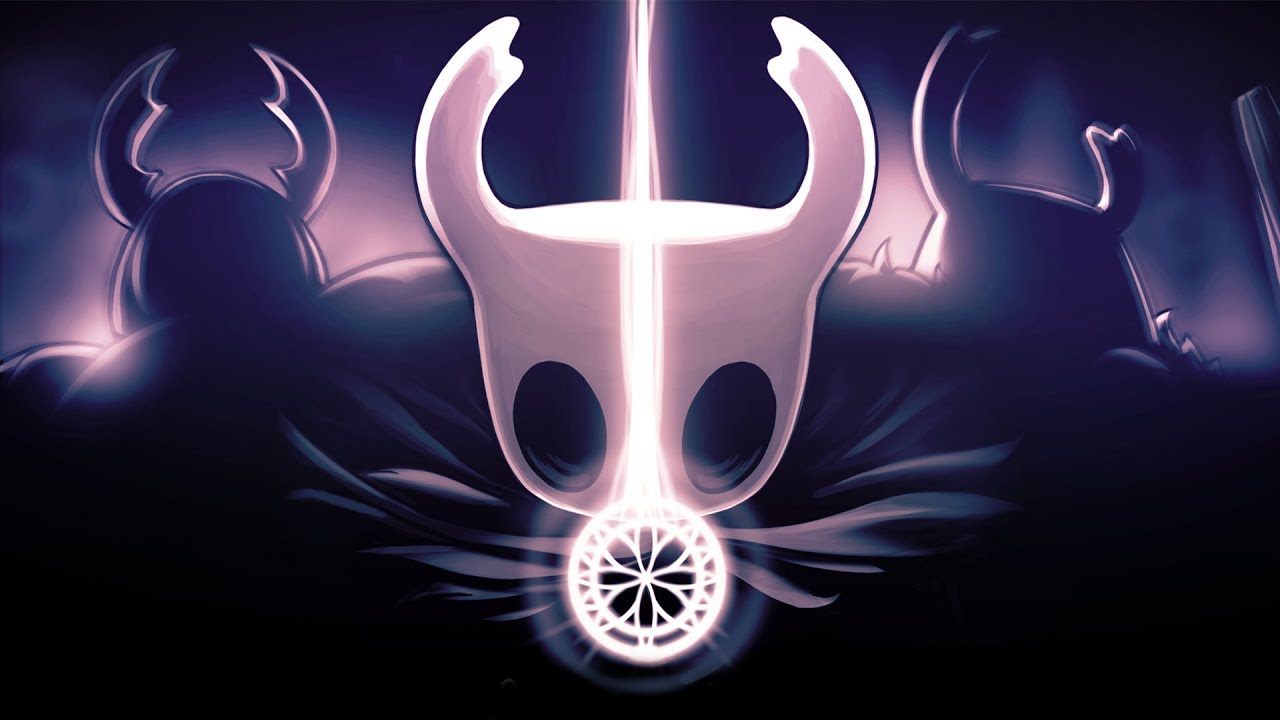
Pogo jumping is a mechanic where the player strikes downward with their weapon to bounce off enemies or spikes. This interaction was originally a simple combat mechanic but players used it to cross dangerous obstacles. The developers realized this could be used for platforming and designed several secret areas around the technique. It is now one of the most iconic movement options in the game. This feature rewards players for their precision and mastery of the combat system.
Tell us which of these accidental game mechanics is your favorite in the comments.