Stephen King Praises This Dark Horror Movie as Brilliant and Unforgettable


Every director enters a new project with the hope of creating something truly remarkable, but the film industry can be an incredibly volatile environment. Sometimes, things fall apart not because of the artist’s vision, but because of the people holding the purse strings.
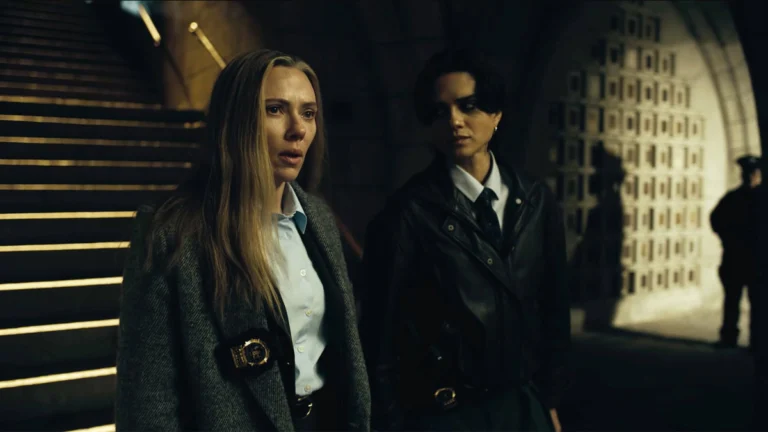
After making a name for himself with his 1992 debut Cronos, it took Guillermo del Toro five years to get his next film into theaters. During that long gap, he wrote and directed the sci-fi horror flick Mimic, a project that ended up being heavily altered by the Weinstein brothers.
The experience was so miserable for del Toro that he has since claimed it caused him more emotional pain than the real-life kidnapping of his father. When asked to compare the two traumatic events, the director famously said the Weinsteins, hands down, were more distressing to deal with.
Del Toro found himself in a constant battle with Harvey Weinstein, who frequently threatened to fire him from the production. One of the producers even went as far as to describe the high-pressure set as being similar to being a prisoner in a war camp.
Once filming finally wrapped, the director was denied the right to the final cut, leading him to distance himself from the version that played in theaters. Because he hated the final product so much, you might assume del Toro would want his peers to ignore the movie entirely.
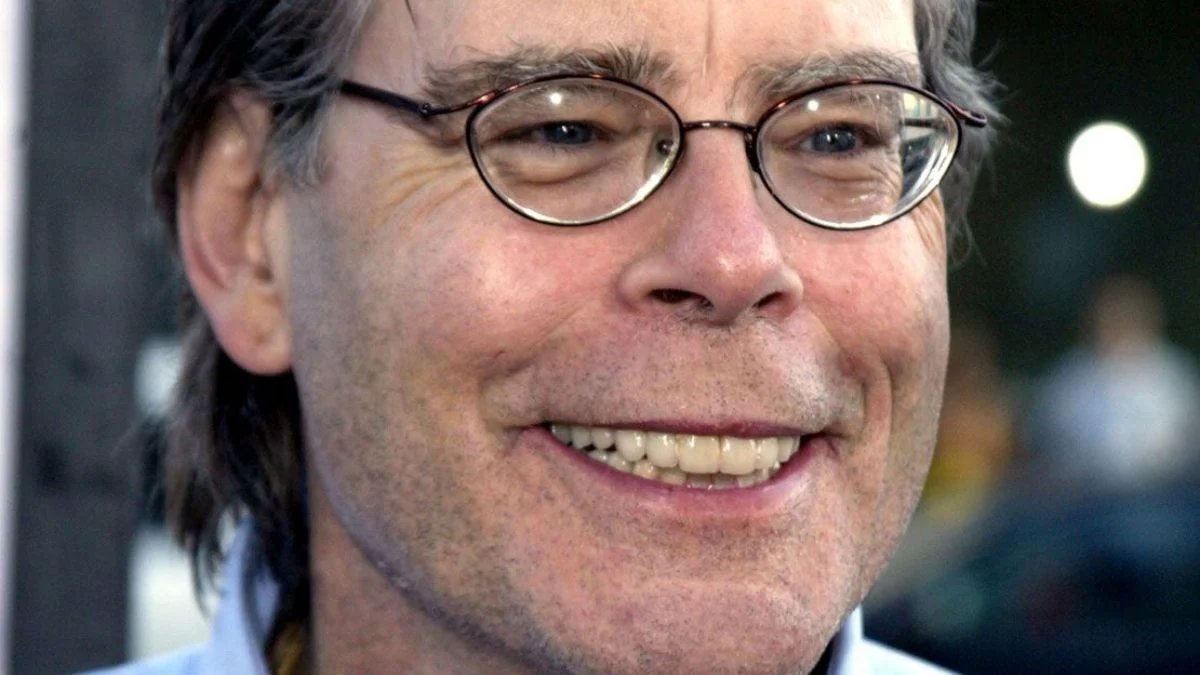
However, the legendary Stephen King had the opposite reaction, praising the film in his book Danse Macabre. King called the movie a work of brilliance and complexity that tapped perfectly into our primal fears of the dark and scientific experiments gone wrong.
The author specifically noted that the film was perversely believable and featured top-tier special effects and acting. Ironically, del Toro actually agreed with those specific compliments, as he remained proud of the visuals and the cast.
His frustration was aimed squarely at the narrative changes and the studio interference that he felt ruined the heart of the story. While the theatrical version wasn’t his ideal vision, del Toro eventually got the chance to release a director’s cut in 2011 that fixed many of his original complaints.
It is interesting to think that if Stephen King found the “butchered” version so brilliant, he likely would have been even more impressed by the superior version the director had always intended.
As of early this year, Guillermo del Toro is riding a massive wave of success following the release of his latest masterpiece, Frankenstein. The film, which hit Netflix on November 7, 2025, after a successful theatrical run, stars Oscar Isaac as Victor Frankenstein and Jacob Elordi as the Creature.
The gothic drama was a huge hit for the streamer and has since earned eleven nominations for the Critics’ Choice Awards, including a Best Director nod for del Toro himself.
The director is currently looking ahead to his next major venture into stop-motion animation with an adaptation of Kazuo Ishiguro’s novel The Buried Giant. He is co-writing the script with Dennis Kelly and has already begun the extensive design process for the puppets and sets.
In addition to this, he recently teased a new live-action thriller titled Fury, which he is writing specifically for Oscar Isaac, describing it as a violent and “cruel” project in the vein of his earlier work.
Do you think a director’s cut can ever truly save a film from a bad first impression, or does the theatrical version always define a movie’s legacy? Share your thoughts in the comments.